



Thin hair changes braid math fast. Short braids for thin hair only work when the root stays light, the parting is clean, and the style stops trying to carry more hair than the scalp wants to hold. A braid that feels fine at the chair can turn into a tender, itchy mess by dinner if the base is too heavy.
I like braid lengths that stop at the jaw, skim the collarbone, or tuck neatly at the nape. They dry quicker, they snag less on sweaters and scarf collars, and they do not swing around like a wet curtain when you move. Some of the best choices below use no extension hair at all; that matters more than people admit.
Thin hair does not need to look sparse. It needs a braid pattern that creates shape without asking for weight it cannot spare. A few styles here lean sleek and close to the scalp, some fake fullness with parting tricks, and a few use tiny amounts of added hair in just the right place. The sweet spot is a style that looks finished and still feels like your head can breathe.
Why These Braids Earn Their Place on Thin Hair
- Less drag: Short lengths stop the ends from swinging against the nape, which is where a lot of thin-hair styles go sour.
- Cleaner parting: Small braid shapes and tight part maps make low-density areas look intentional instead of patchy.
- Faster drying: Short braids dry more quickly after washing, so you spend less time under heat or walking around with damp roots.
- Less accessory strain: A few cuffs or beads can live happily on short braids because they are not fighting 20 inches of extra weight.
- More low-tension options: Several of these styles work with no extension hair at all, which is a gift when your edges need a break.
- Easier take-down: Shorter braids usually come down faster and with less detangling drama, which thin hair tends to appreciate.
How to Read Your Hair Before Choosing a Braid Pattern
Fine strands and low density are not the same
Fine hair means each strand is small. Low density means there are fewer strands on the scalp. Those are different problems, and they do not behave the same way under braids.
Fine strands frizz faster and can slip if the product is too slick. Low-density hair shows scalp faster, which means your parting pattern does a lot of visual work. If your hair is both fine and low density, keep the braid size small and the roots soft. If it is fine but plentiful, you can usually handle a little more shape without adding weight.
The first inch decides the whole style
The first inch of braid work is where most of the tension lives. A knotless start or feed-in start spreads that pressure out instead of pinching it into one tight knot. That matters on thin hair more than people want to admit.
If the front rows are the fragile spot, let the back carry more of the visual volume. That keeps the style balanced without turning the hairline into the jobsite.
Skip the heavy extras when the hair is already working hard
Big beads, thick cuffs, and layers of synthetic hair can make a short braid sit like a brick. On thin hair, the smarter move is less bulk at the root and a little personality at the ends.
The braid should feel like it belongs there, not like it needs supervision.
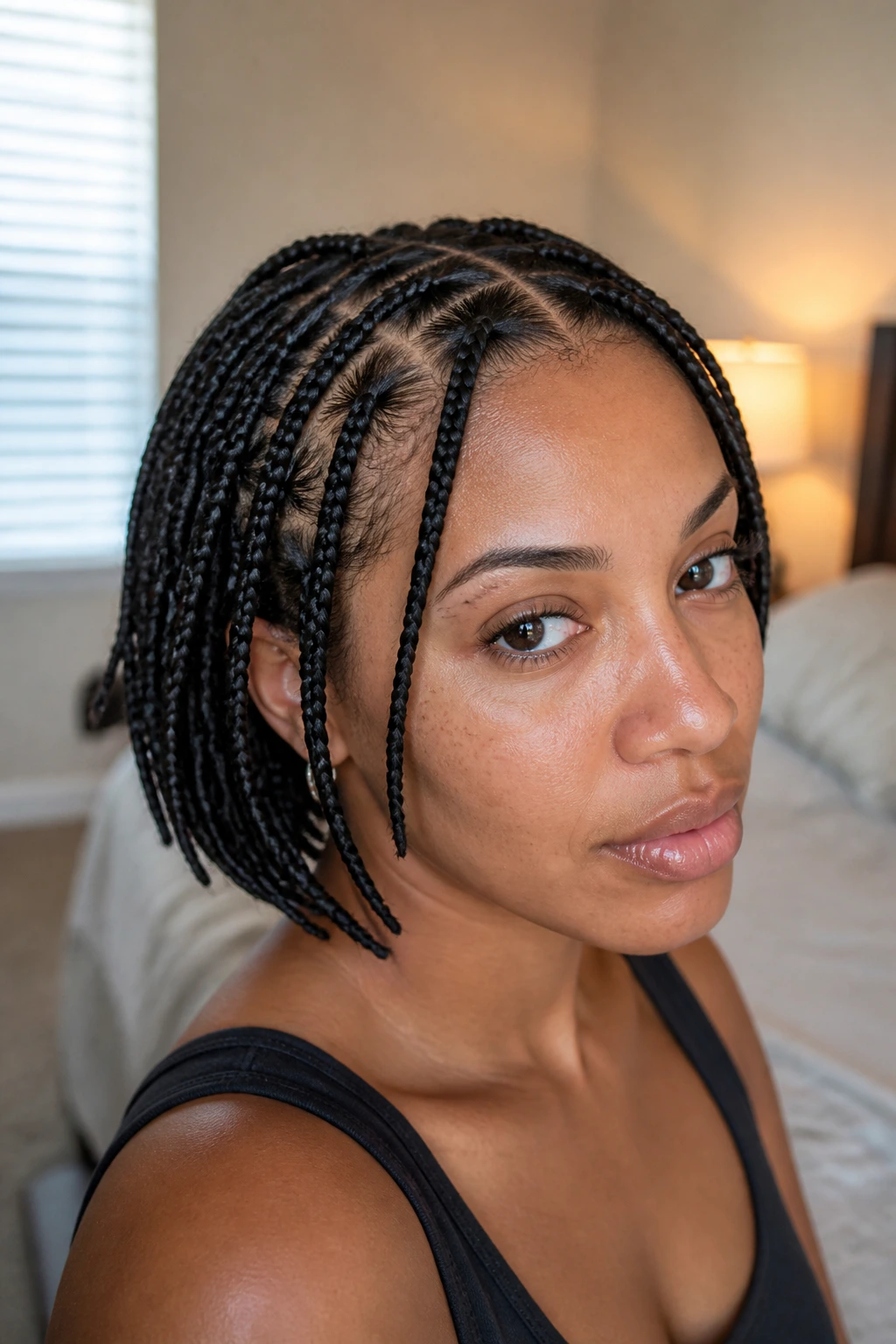
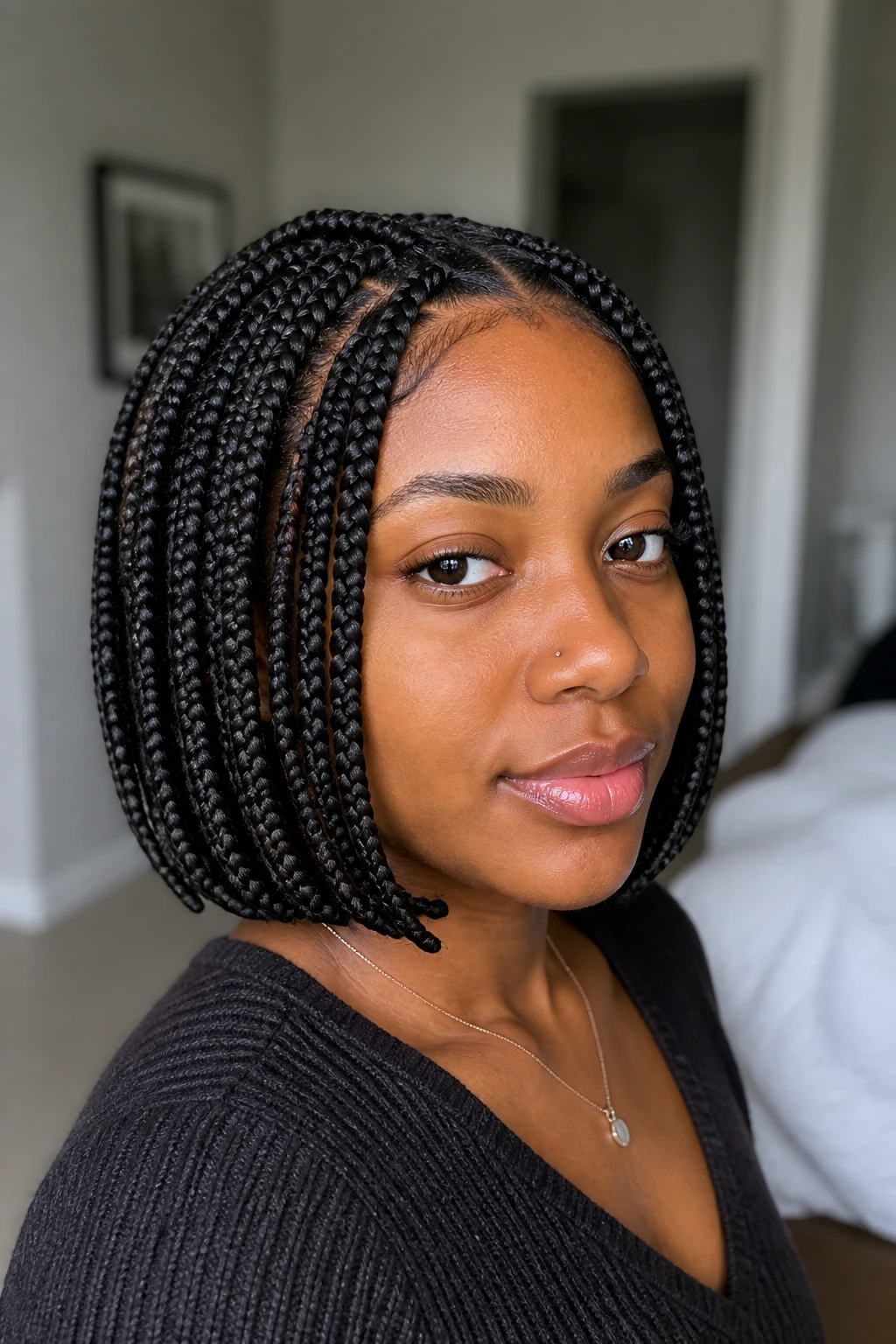
1. Chin-Length Knotless Box Braids
A chin-length knotless bob is the style I trust when thin hair needs shape without drama. The knotless start lays flatter than a hard knot, so the roots do not get yanked into a little ridge, and the short length keeps the whole thing from dragging when you turn your head.
This is the braid I’d pick for someone who wants the cleanest mix of polish and comfort. Keep the parts narrow, keep the braid diameter modest, and ask for blunt-ish ends if your hair tends to look wispy. Thin hair reads better when the silhouette is controlled.
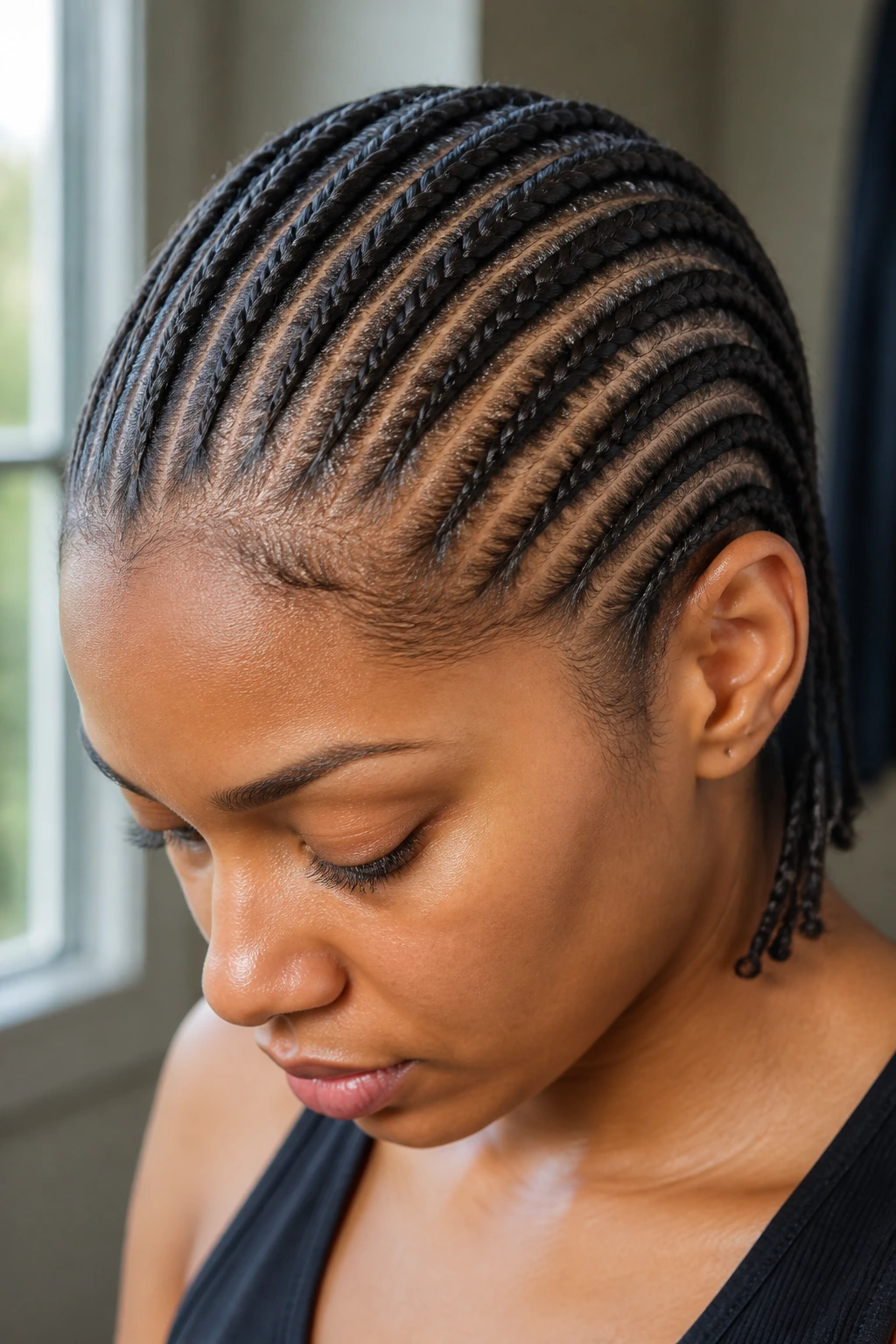
2. Straight-Back Mini Cornrows
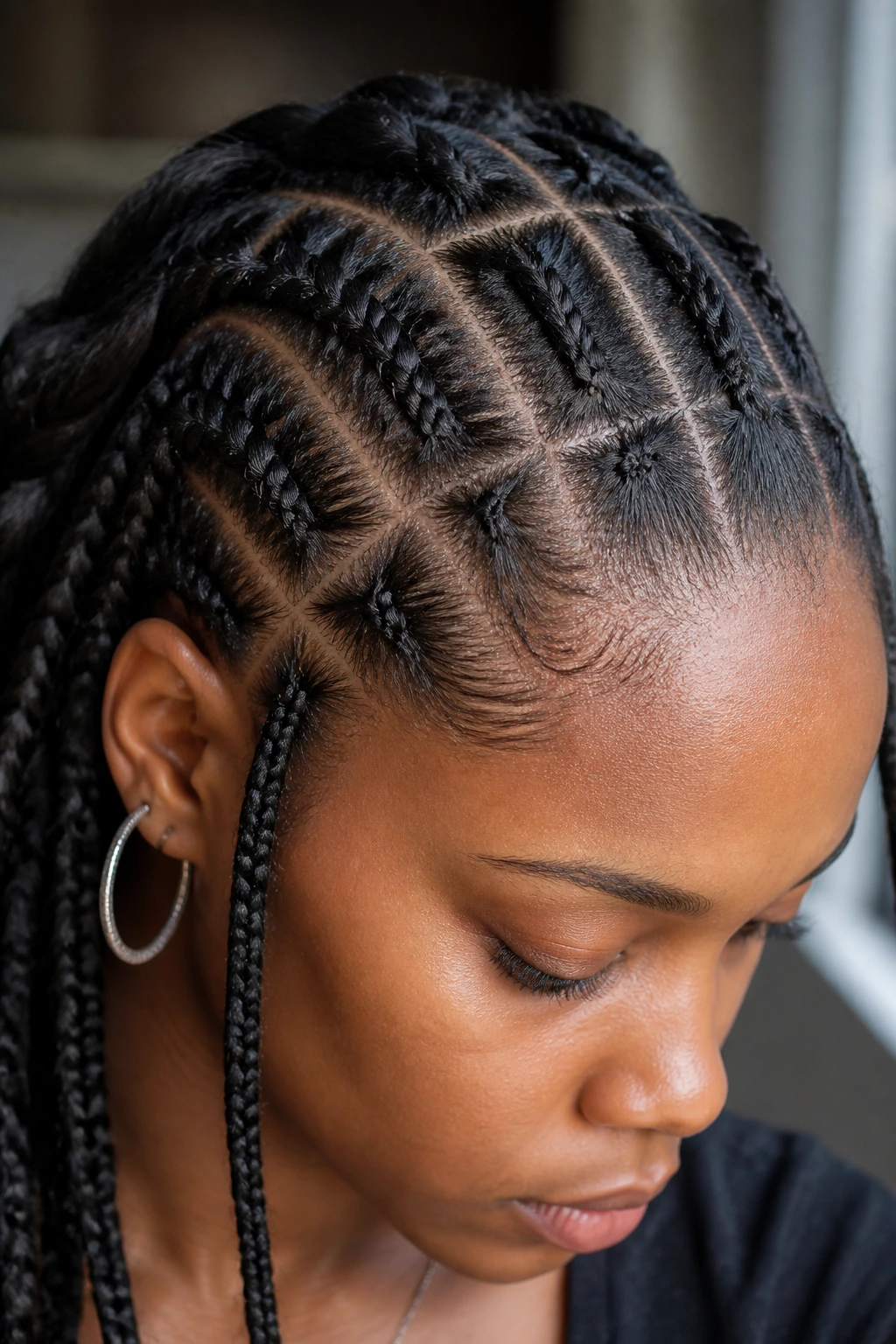
Why do straight-back mini cornrows work so well on fine hair? Because the rows sit close to the scalp, the shape is tidy, and there is almost no end weight to manage. The style looks crisp on its own and even cleaner after a light mousse pass.
Why the simple grid helps
- The rows stay close to the scalp, so the style does not balloon out by day two.
- Tiny parts make thin areas look planned instead of accidental.
- A bob-length finish stops the ends from rubbing hard against collars.
If your own hair is short, a tiny clear elastic at the end can help more than stuffing in extra hair. I prefer this look when the goal is low fuss, not big volume.
3. Side-Swept Feed-In Braids
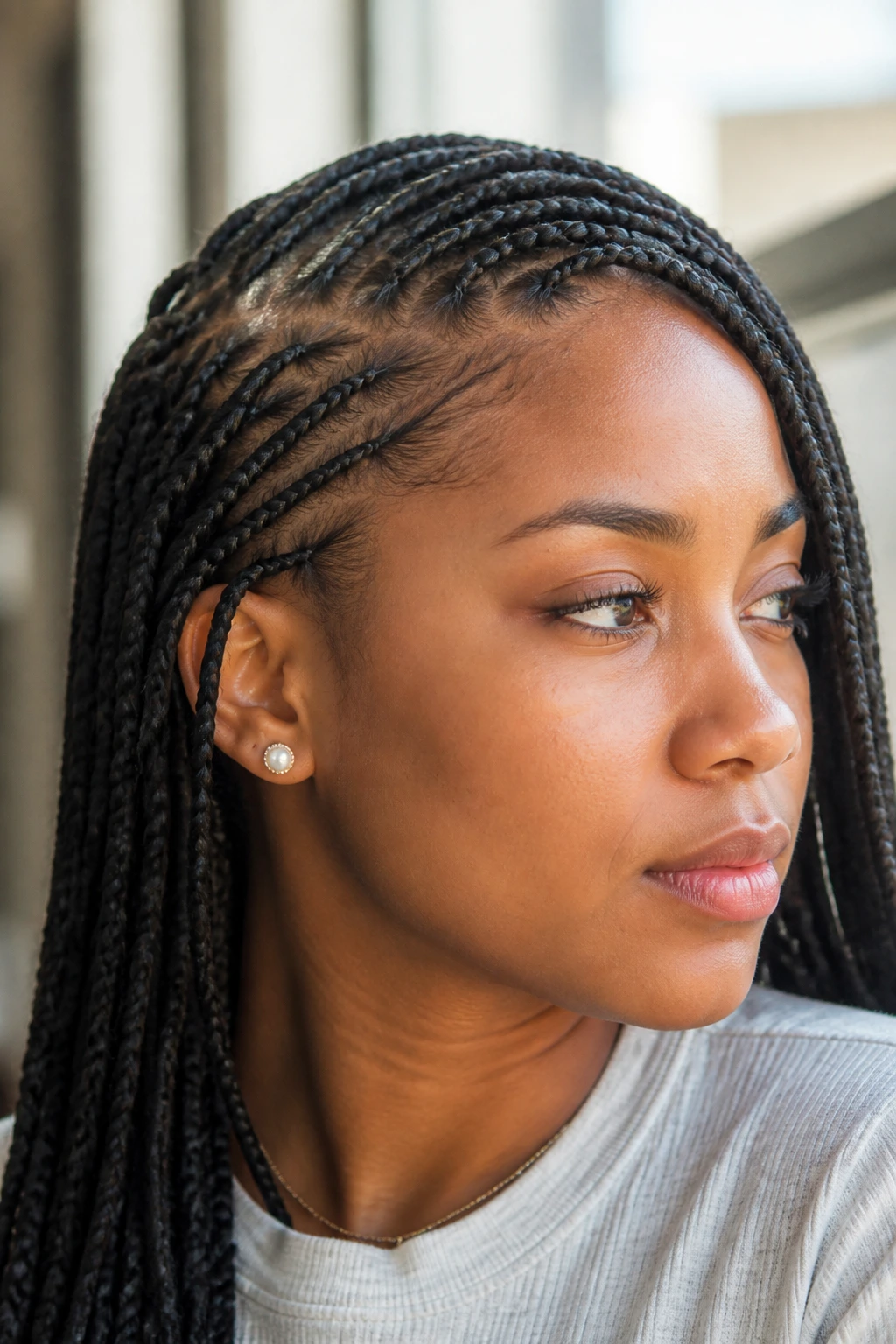
A deep side sweep is a quiet fix for thin hair that has one tricky temple or a crown that feels a little flat. Feed-in braids start with tiny pieces and build slowly, so the first inch does not feel like a clamp. That softer start matters.
I like this shape when someone wants a little drama without the burden of a heavy braid stack. One or two braids tucked behind the ear can carry the whole style, and the side part gives the eye somewhere to land. It is a good answer when center parts expose too much scalp.
4. Triangle-Part Bob Braids
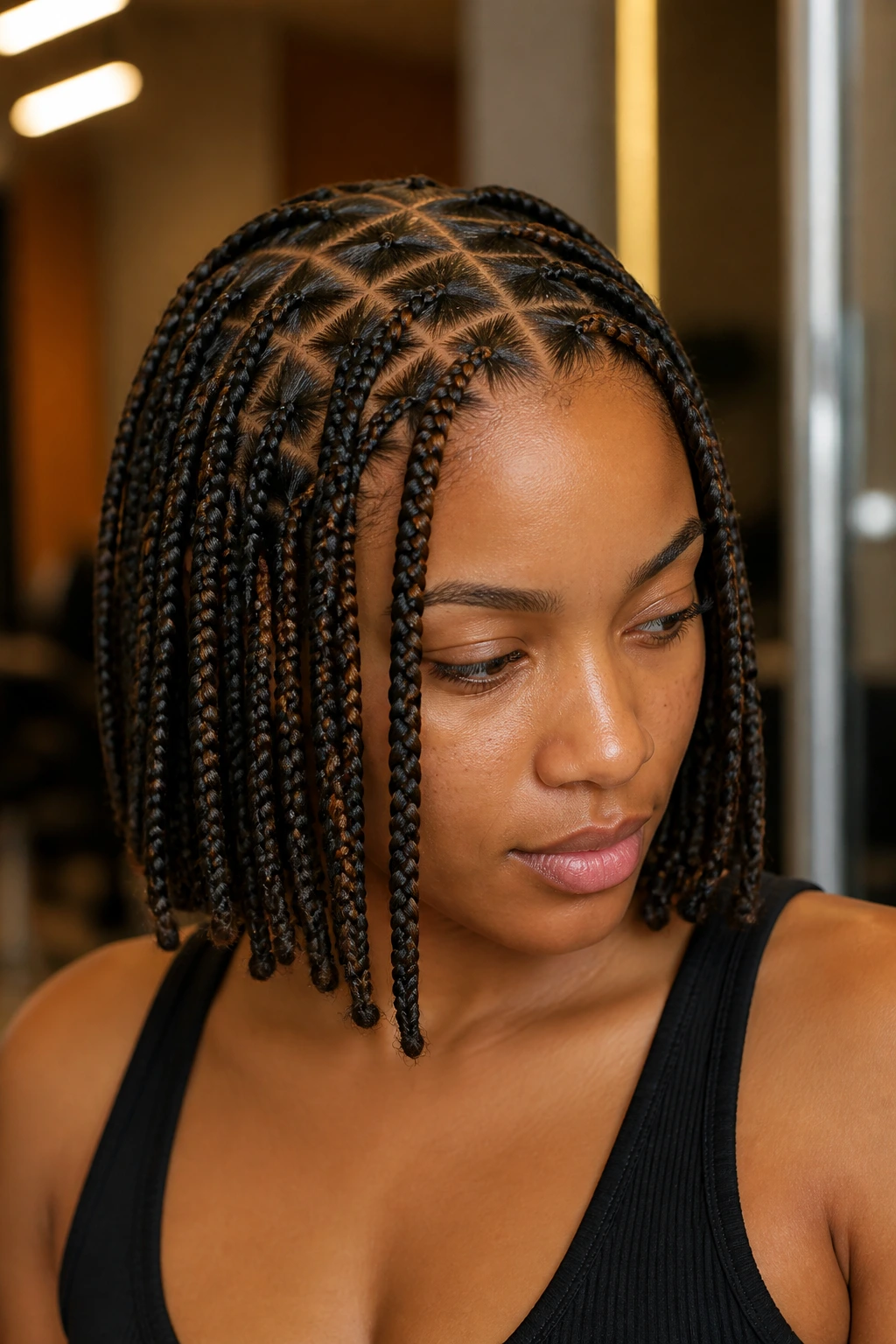
Square parts can look harsh on thin hair because they leave a visible grid that feels too honest. Triangle parts break that line and make the braid field look fuller without adding actual bulk. The shape does a lot of the work here.
This is one of those styles that looks deliberate even when it is slightly grown out. Keep each triangle close in size, because mismatched parting reads messy fast on low-density hair. The bob length keeps the style compact, which makes the whole thing feel cleaner.
5. Curved Stitch Braids
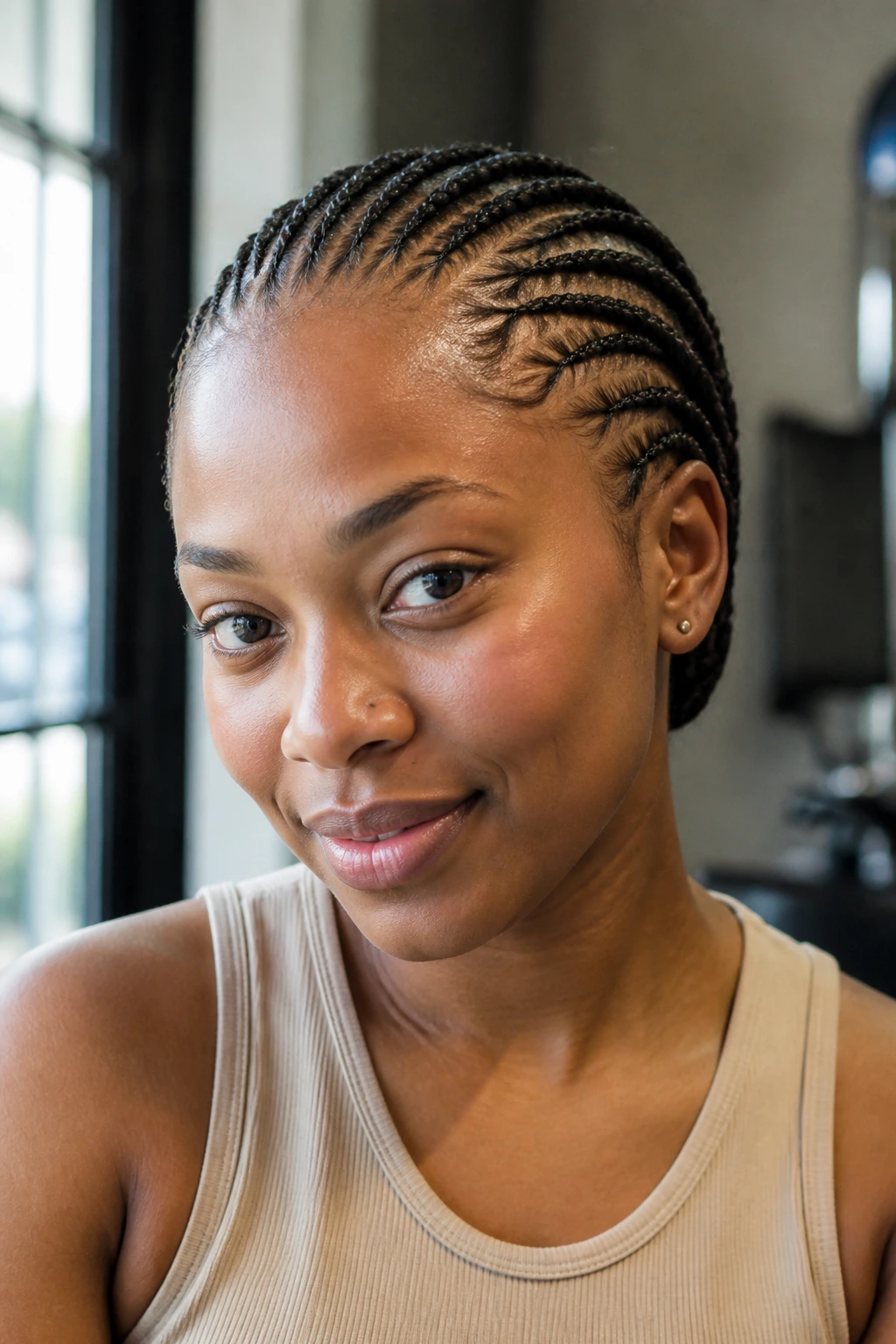
Curved stitch braids work because the curve follows the head instead of fighting it. A straight row can look fine, but on thin hair a soft arc often fits the skull better and leaves the braid line feeling less severe. That matters more than people think.
Where the curve helps most
- It softens the line around the temples.
- It makes the crown look fuller without loading the root.
- It keeps the shape interesting even when the braids are short.
Ask for shallow stitches, not deep ones. A stitch braid that digs too hard will tell on you by the end of the day.
6. Goddess Bob Braids
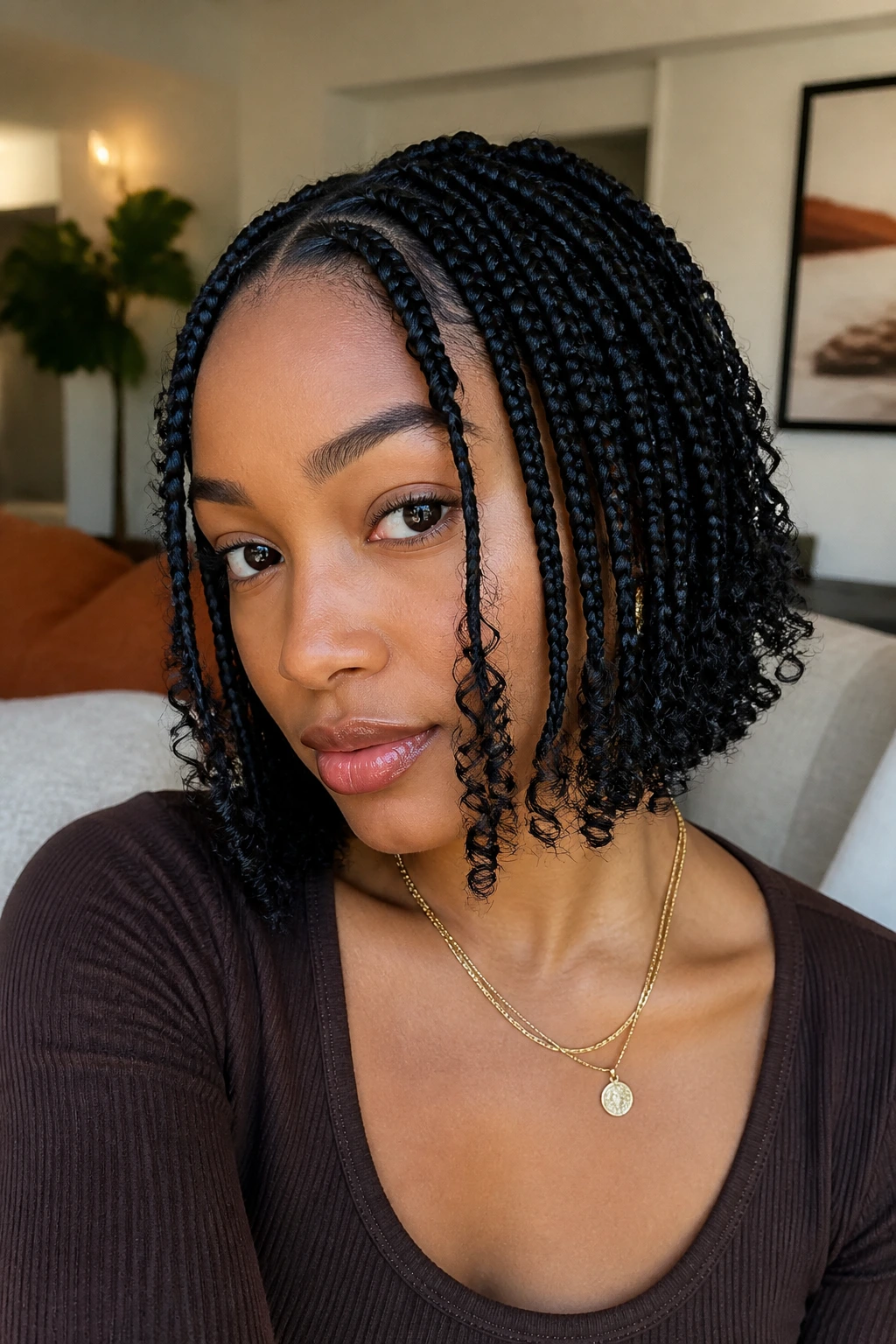
Goddess bob braids live or die by restraint. A few loose curly pieces at the ends can soften the whole look, but I would keep the curly hair sparse on thin strands. Too much curl turns the bottom heavy, and heavy bottoms make short braids slump.
The trick is to let the loose pieces whisper, not shout. Place them near the front and around the face, then keep the back neat and controlled. That gives you movement without building a little hair cloud around the jaw.
7. Jaw-Length Micro Braids
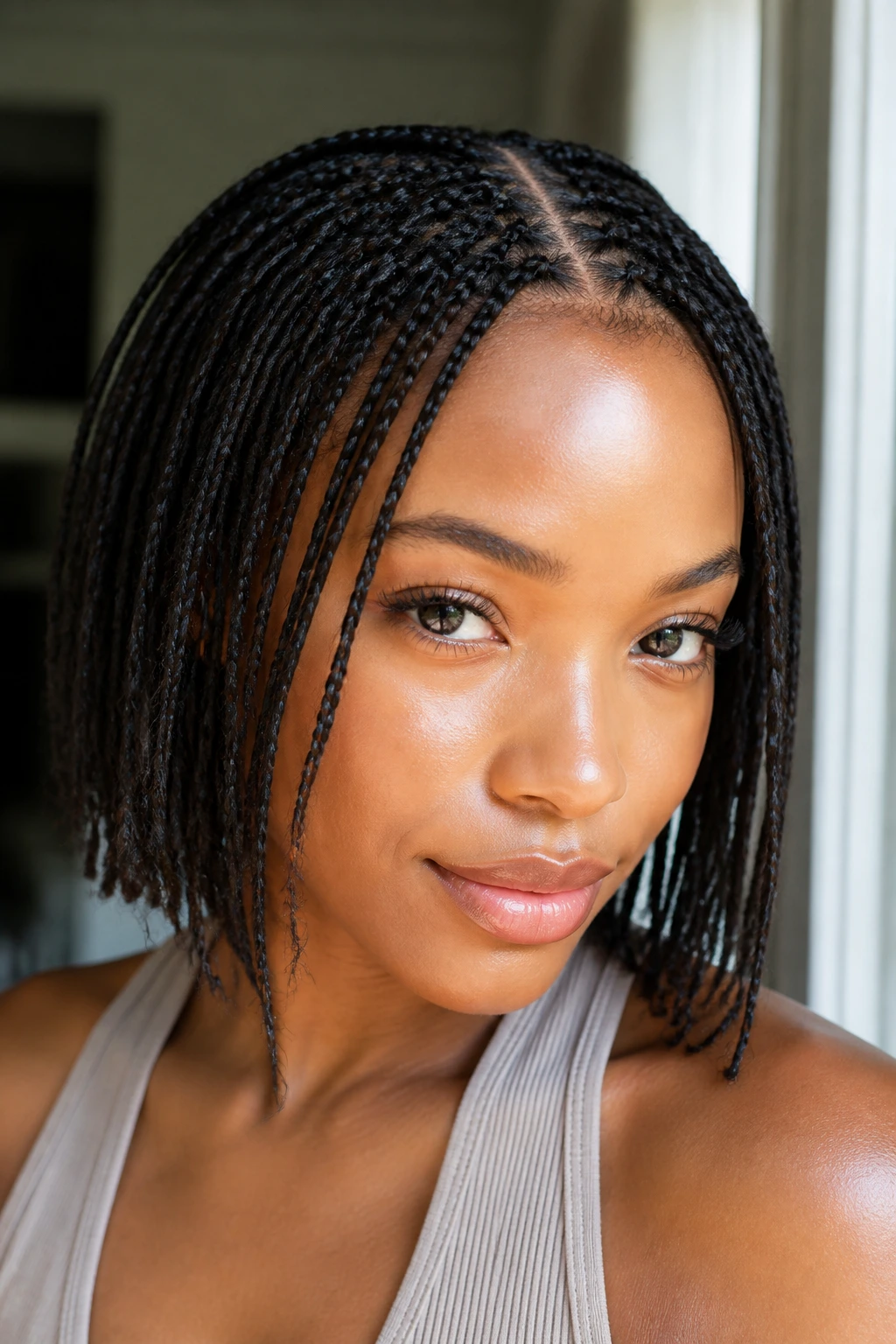
Jaw-length micro braids can create a lot of visual density, which is why they stay on the list. Many tiny plaits make thin hair look fuller from a distance, but the install takes time and the upkeep is not casual.
Best when you want the illusion of density
- Keep the braids short so the weight stays manageable.
- Avoid heavy beads or thick end wraps.
- Be honest about maintenance; tiny braids frizz sooner and need more refreshing.
I would not pick micros if the hairline is already tender or if you want a style you can forget for weeks. They are beautiful, but they ask for attention.
8. Braided Crown with Tucked Ends
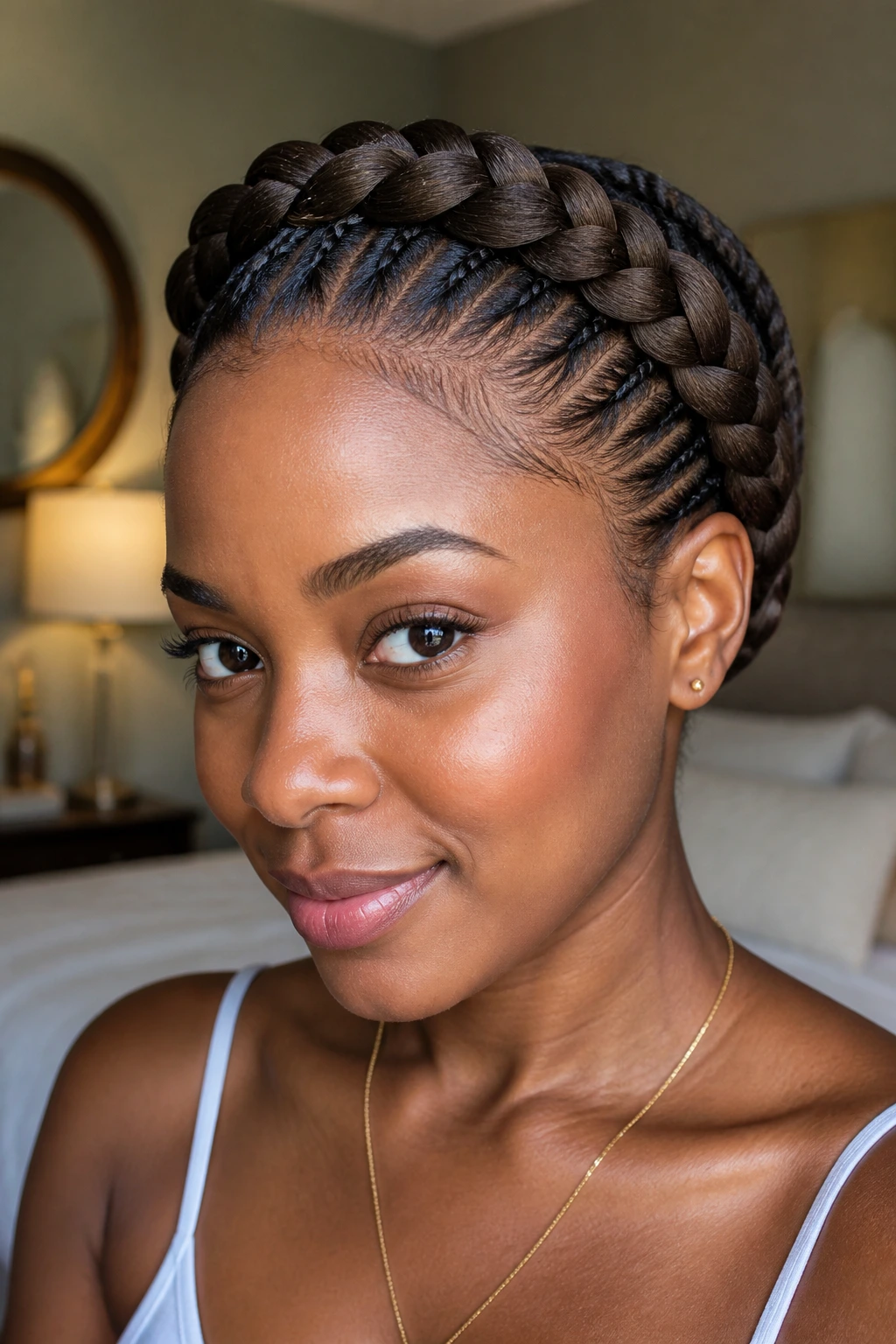
A braided crown pulls the eye up and away from sparse spots at the nape. That is the whole appeal. The shape lives around the head, then tucks the ends low so the style feels contained instead of hanging off the scalp.
This is a good choice when you want your face to be the focus. Pin the tucked section with 4 to 6 bobby pins that match your hair color, and keep the crown braid snug, not pinchy. If the crown feels too tight, the whole style loses the point.
9. Twin Braids with Soft Front Pieces
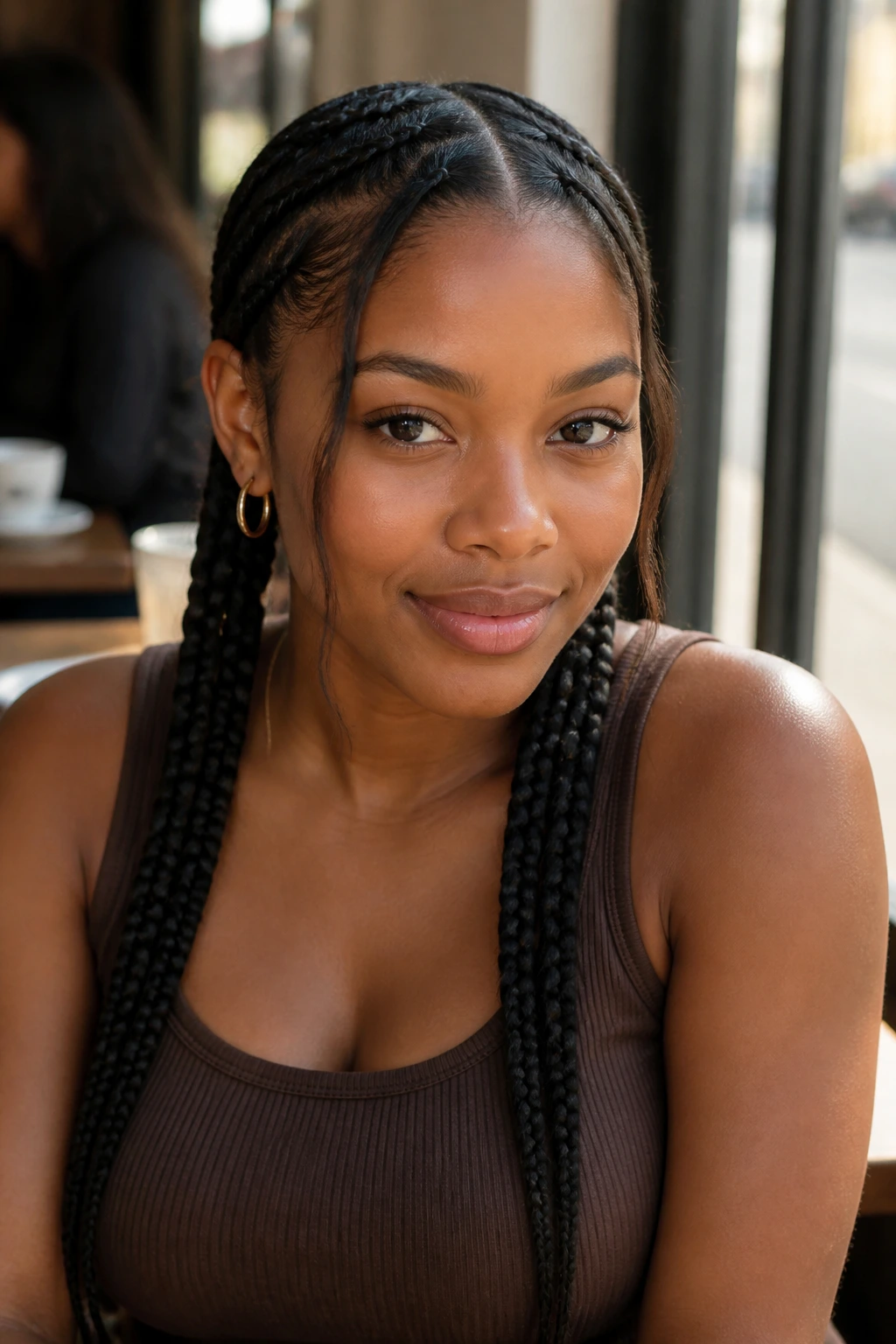
Two low braids can look fuller than one bulky braid because the eye sees symmetry and structure. Add a few soft front pieces, and the style stops feeling severe. On thin hair, that little bit of movement around the face makes a difference.
Keep the twin braids slim and close to the head. If they sit too far apart, the scalp starts to show through the middle and the style feels unfinished. I like this look for days when you want something neat but not stern.
10. Flat Twist-to-Braid Combo
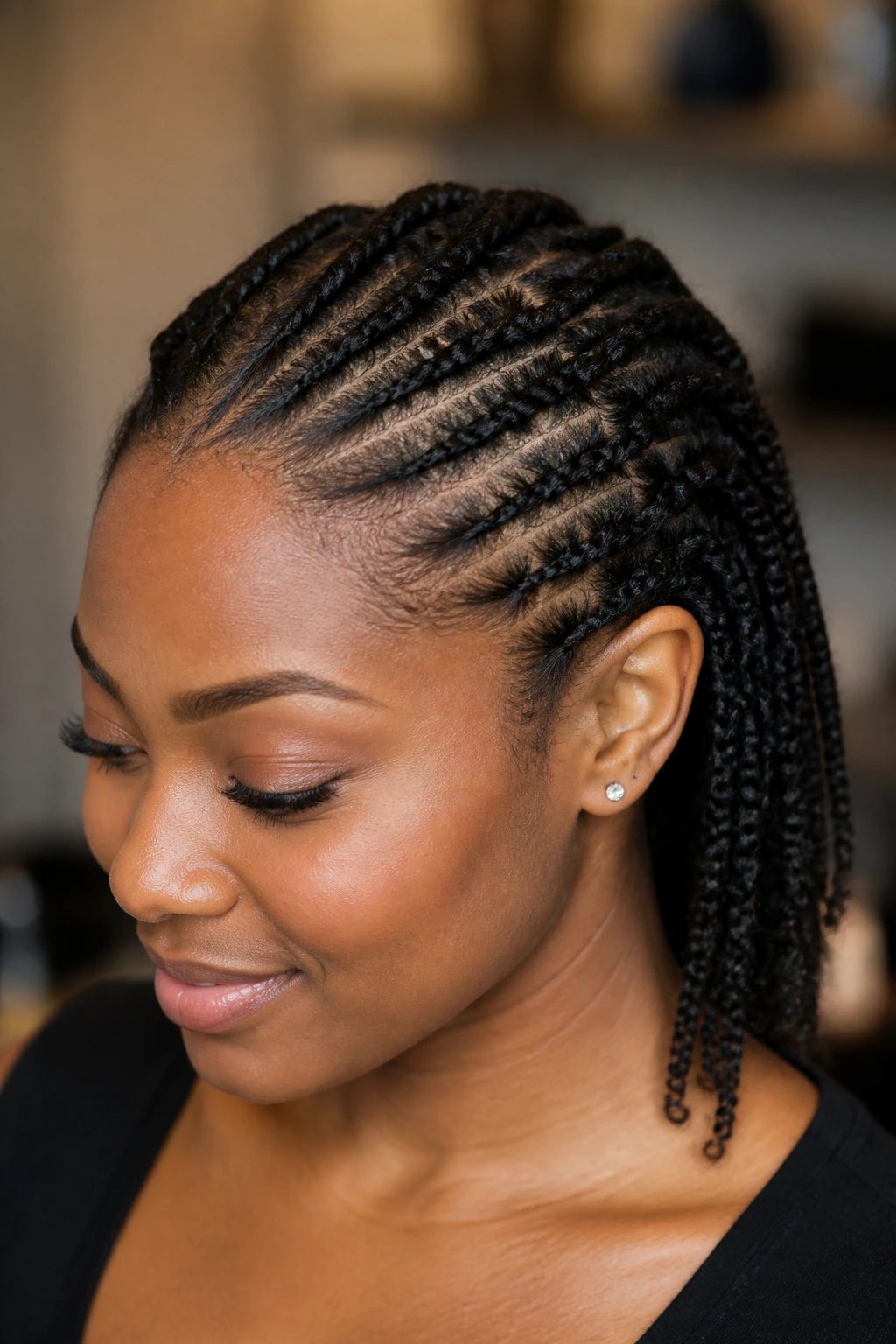
This one is smart for fragile hairlines. The front starts with flat twists, which are gentler at the edges, then shifts into braids once the hair is a little farther back from the temple. The front gets a break; the back gets structure.
Where the tension stays low
- Flat twists soften the hairline.
- Braids in the back hold the style together.
- The mix keeps the whole head from looking too uniform.
It is a nice move if your hair at the front breaks easily or if you want a protective style that does not start with a hard, tight grip.
11. Braided Pixie
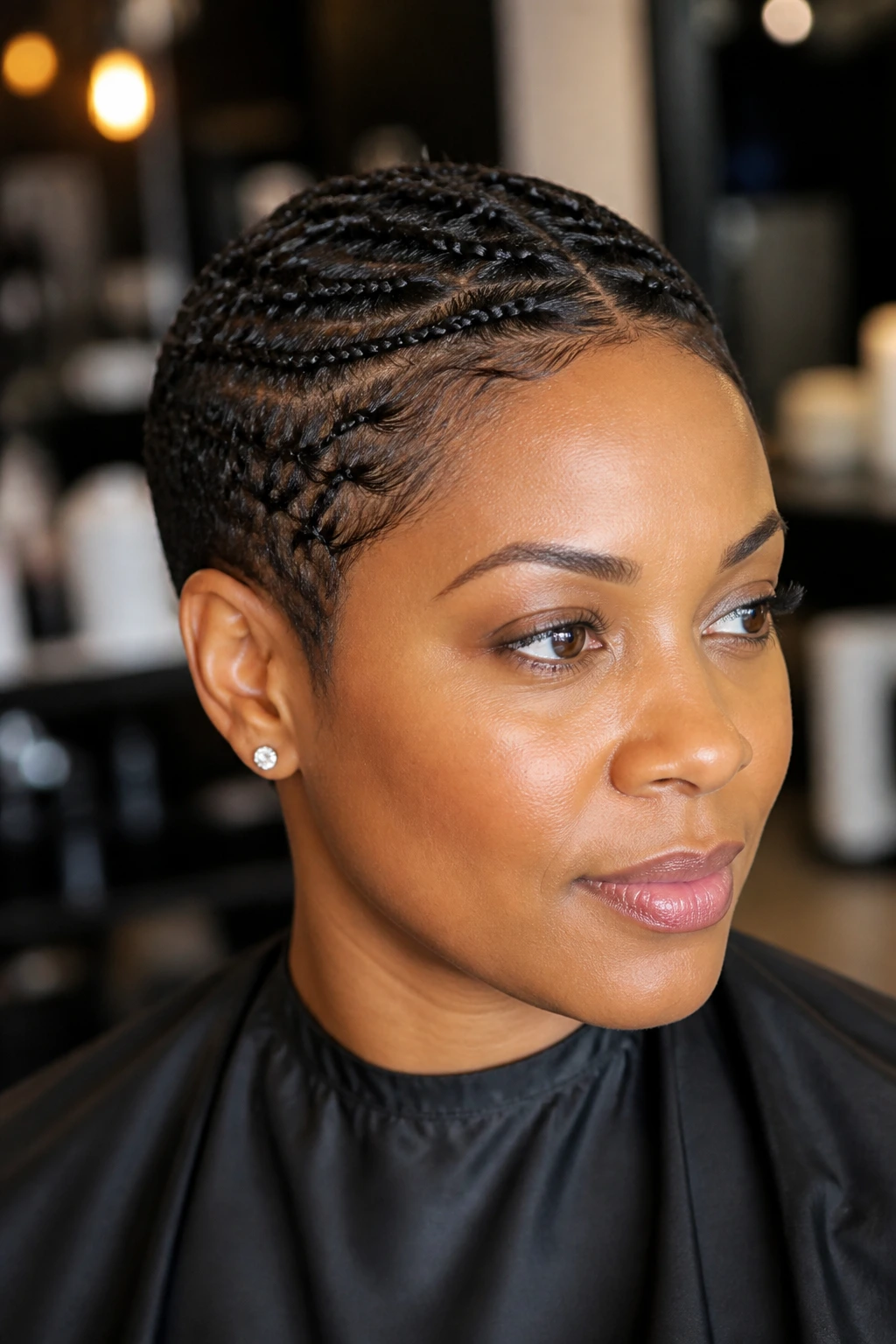
A braided pixie is for someone who likes the neck free and the hairline neat. The braids are short enough to be pinned, tucked, or folded so the whole shape sits close to the head like a cropped cut. It feels light because it is light.
I would choose this when you want the look of a pixie without committing to a full cut. The style works best when the sections are tiny and the pins disappear into the braids. Keep the finish matte and controlled; shiny buildup ruins the illusion.
12. Halo Braid with a Short Tail
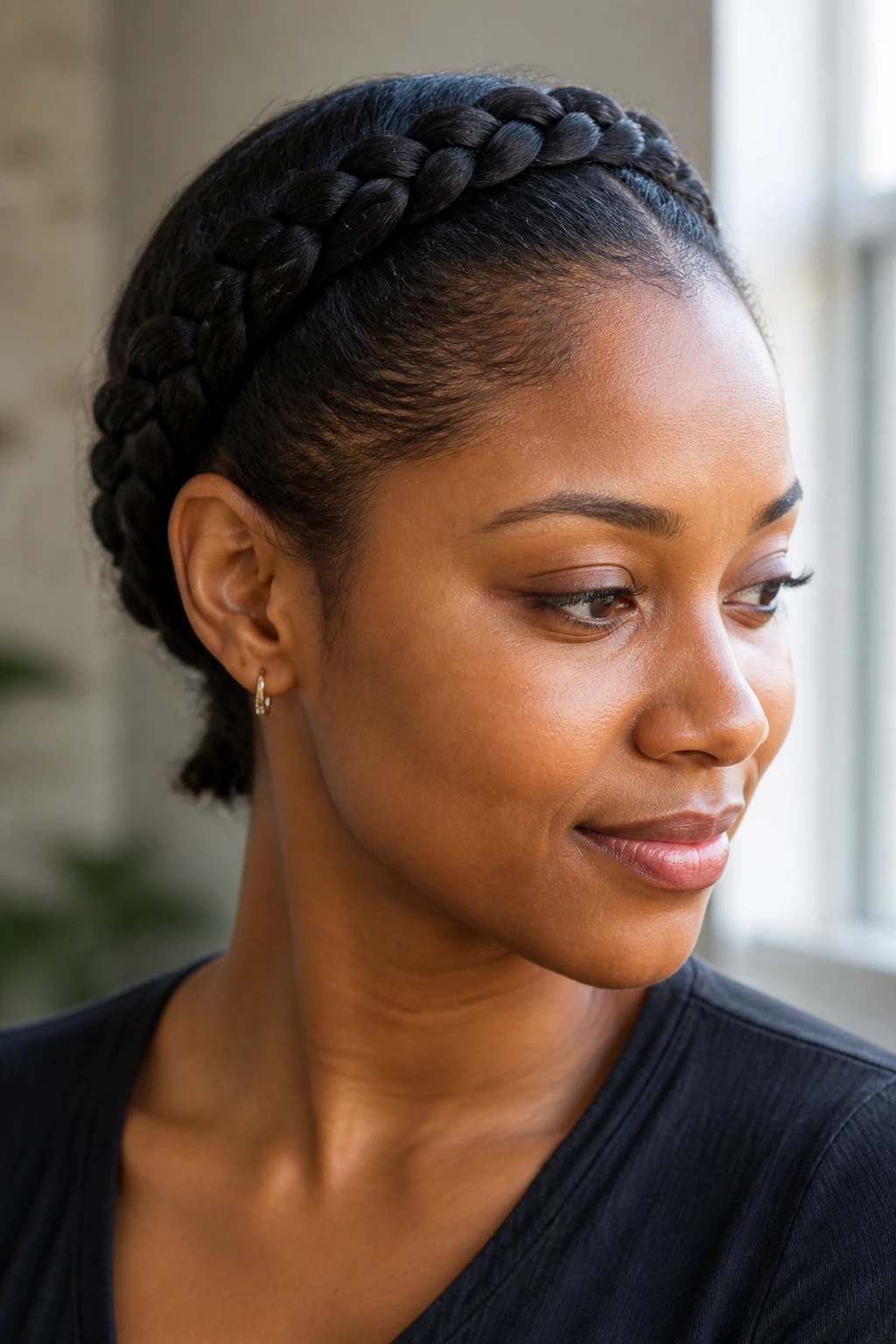
A halo braid keeps the bulk around the perimeter, which can be kinder to thin hair than a style that stacks weight in the middle. The short tail tucked at the back keeps the shape clean. Nothing dangles much. That helps.
This is a nice option if you want one braid to do the visual work. Use a little foam to settle flyaways around the front, and do not pull the braid so tight that the crown lifts. Softness at the top is the difference between pretty and painful.
13. Zigzag-Part Box Braids
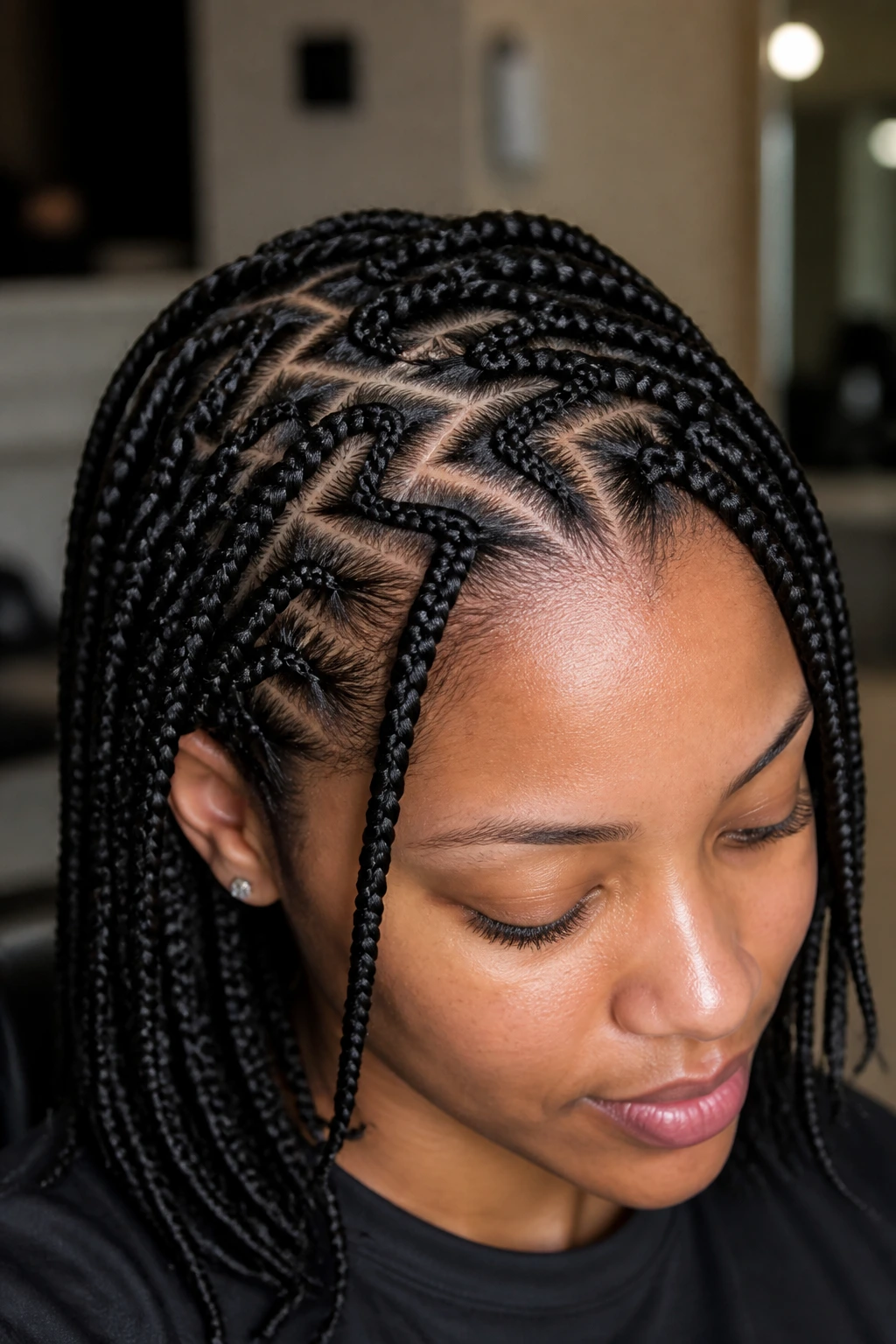
Zigzag parts are one of my favorite cheats for low-density hair. The parting breaks the scalp line so the style reads fuller without needing more hair. You are not hiding thinness so much as giving the eye more to look at.
The parting is the trick
- Zigzags make the grid less obvious.
- Smaller sections help the braids sit flatter.
- The pattern itself becomes the decoration.
This style works best when the braids stay short and the parts stay crisp. If the lines wander too much, the whole thing loses the sharpness that makes zigzags worth doing.
14. Short Fulani Braids
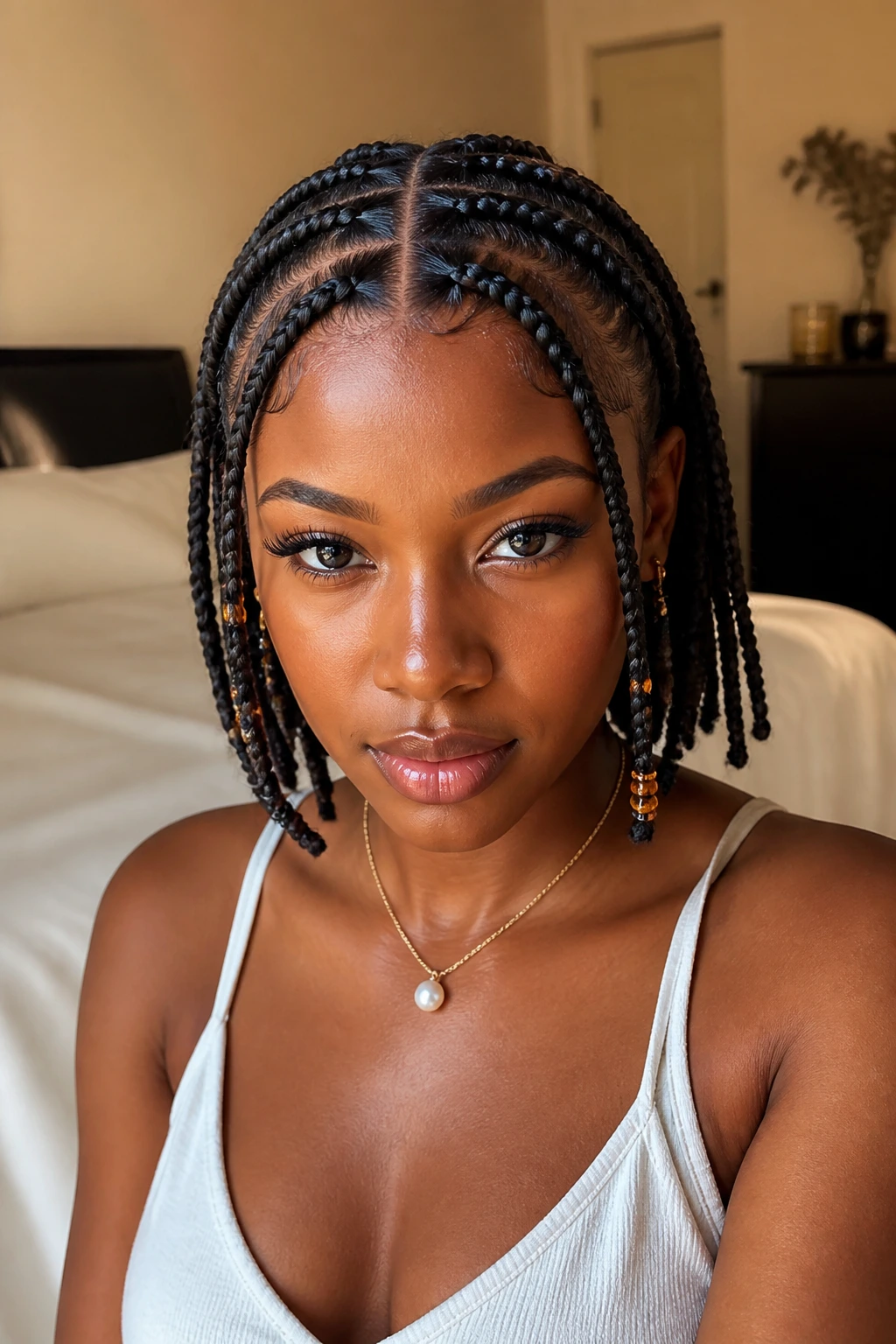
Short Fulani braids give you a center braid, side accents, and a little room for detail without piling too much hair on the head. The style frames the face fast, which is useful when thin hair needs help looking intentional.
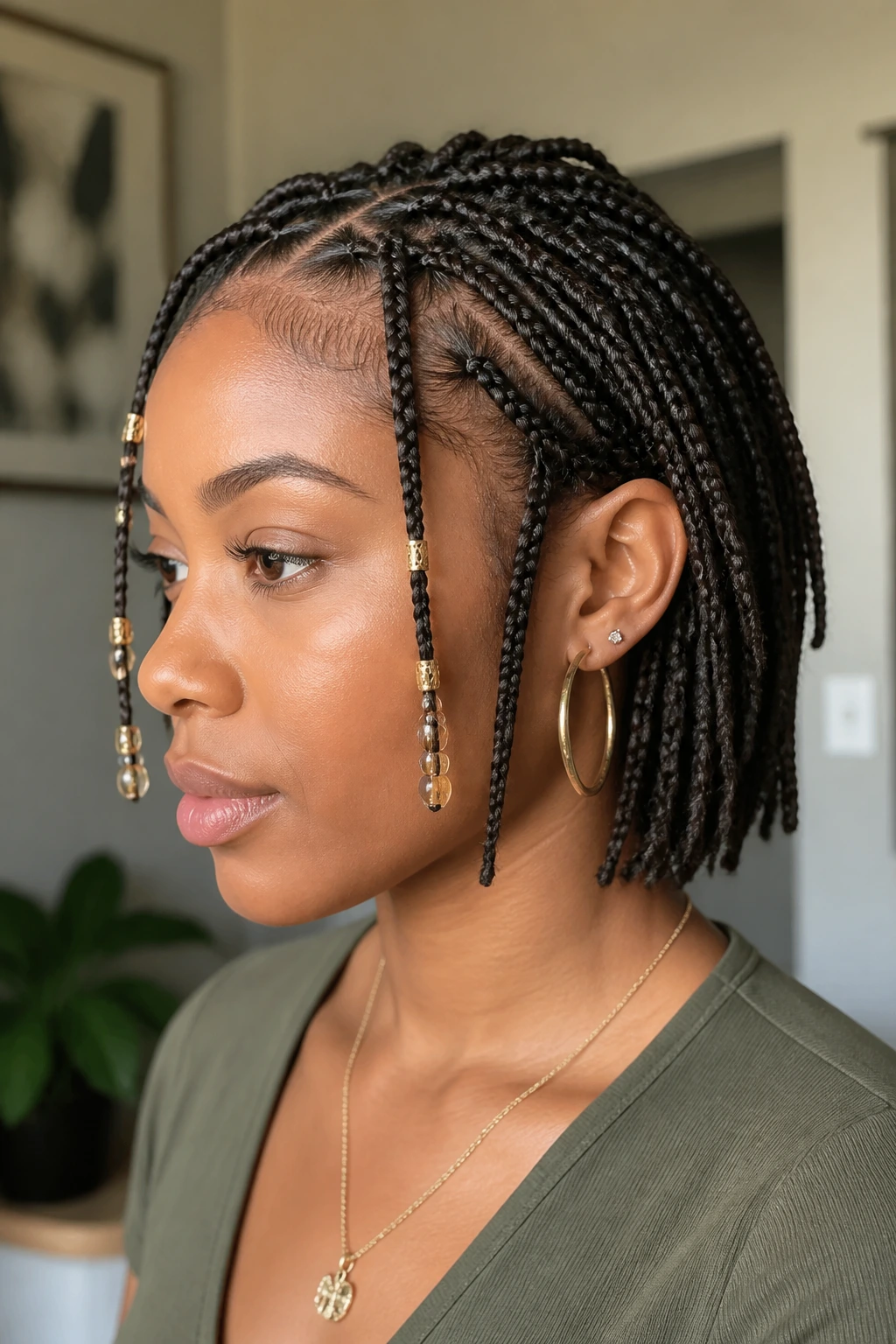
Keep the beads minimal if you add them. A few light pieces on the ends are enough; a heavy load will pull the braid downward and make the front feel tired. The best version of this style stays compact and neat.
15. Beaded-End Braids
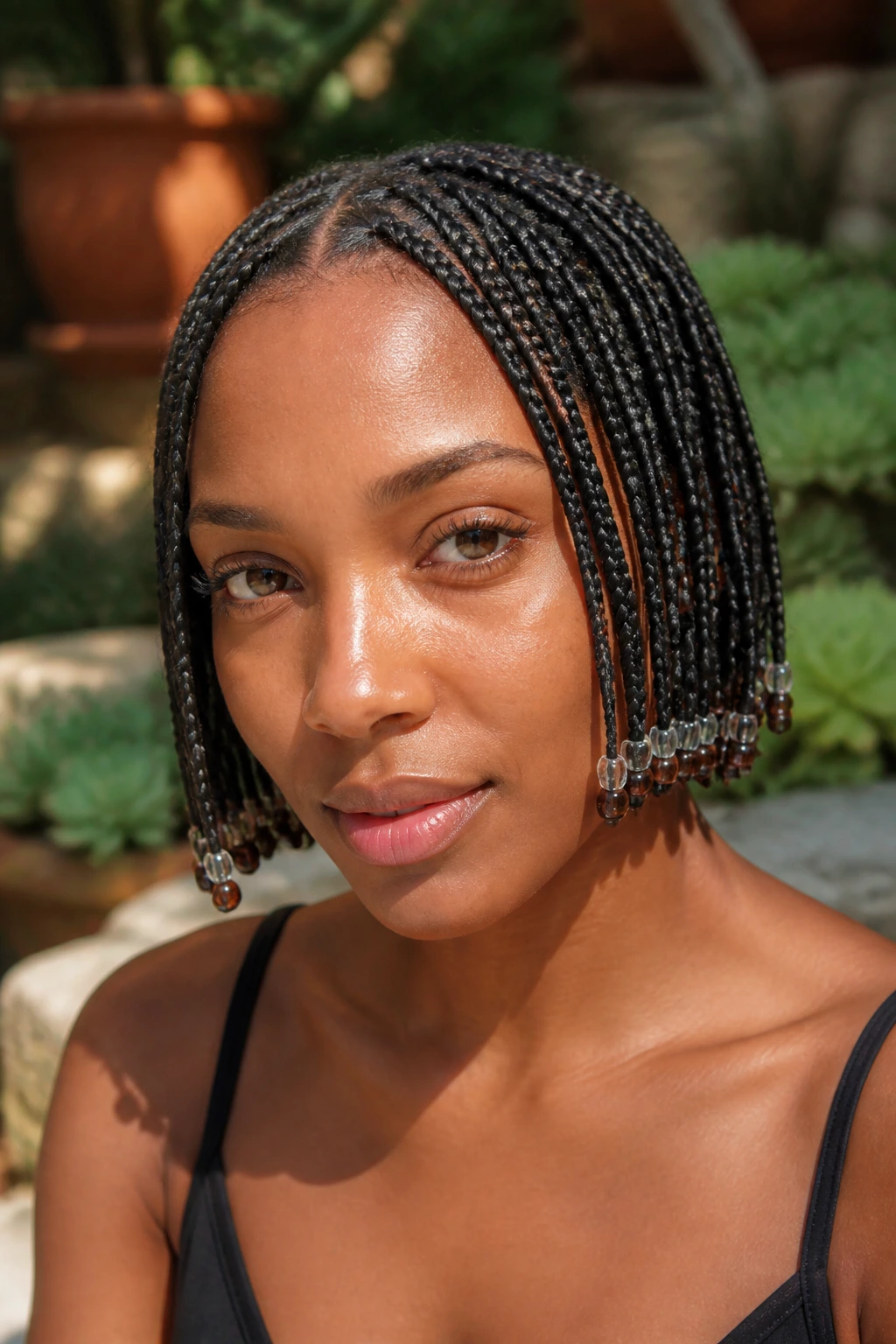
Beaded-end braids are all about the last inch or two. That is where the personality lives. On short braids, a few lightweight beads can make the style feel finished without asking the roots to carry any extra drama.
I would stick to small wood or acrylic beads rather than big metal ones. Heavy hardware at the tips drags more than people expect, especially on fine strands. A handful of beads on the front pieces is usually enough.
16. Half-Up Braided Mohawk
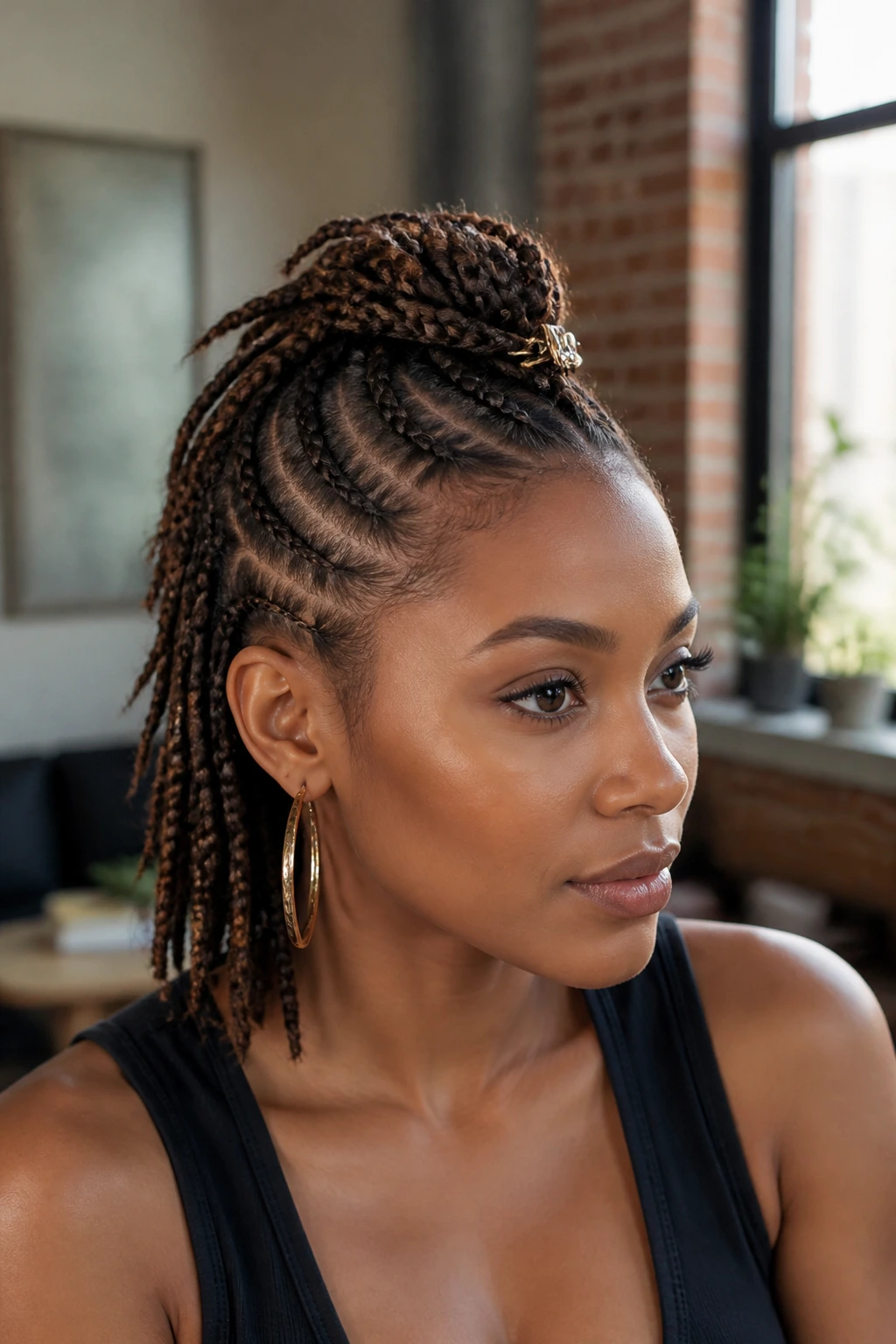
A half-up braided mohawk gives you height without asking the whole head to stand up straight. The sides stay flat, the center gets a little lift, and the short length keeps everything from becoming a weight problem. It is sharper than it sounds.
This style is useful when the crown needs a little visual volume but the edges do not. Secure the center with one small clip or wrap instead of a giant tie. The shape should feel clean, not squeezed.
17. Short Lemonade Braids
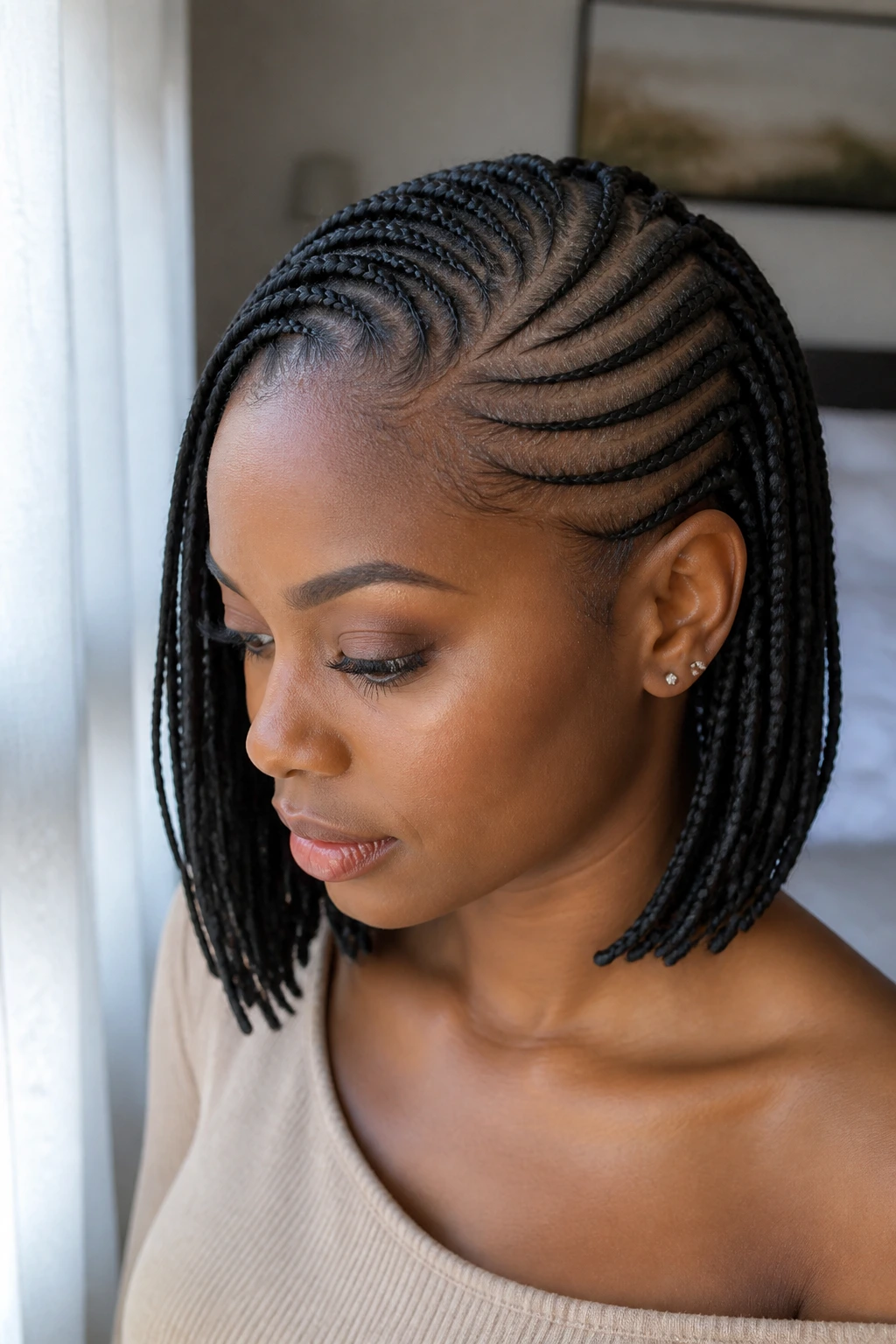
Short lemonade braids work because everything flows the same direction. That one-sided sweep cuts down on friction and gives thin hair a stronger visual line. The style feels easy even when it looks deliberate.
I like this one best when the part is deep and the braids are slim. Large, chunky lemonade braids can overpower fine hair fast, but the short version keeps the movement controlled. Sweep them low and let the side profile do the talking.
18. Tapered Braided Lob
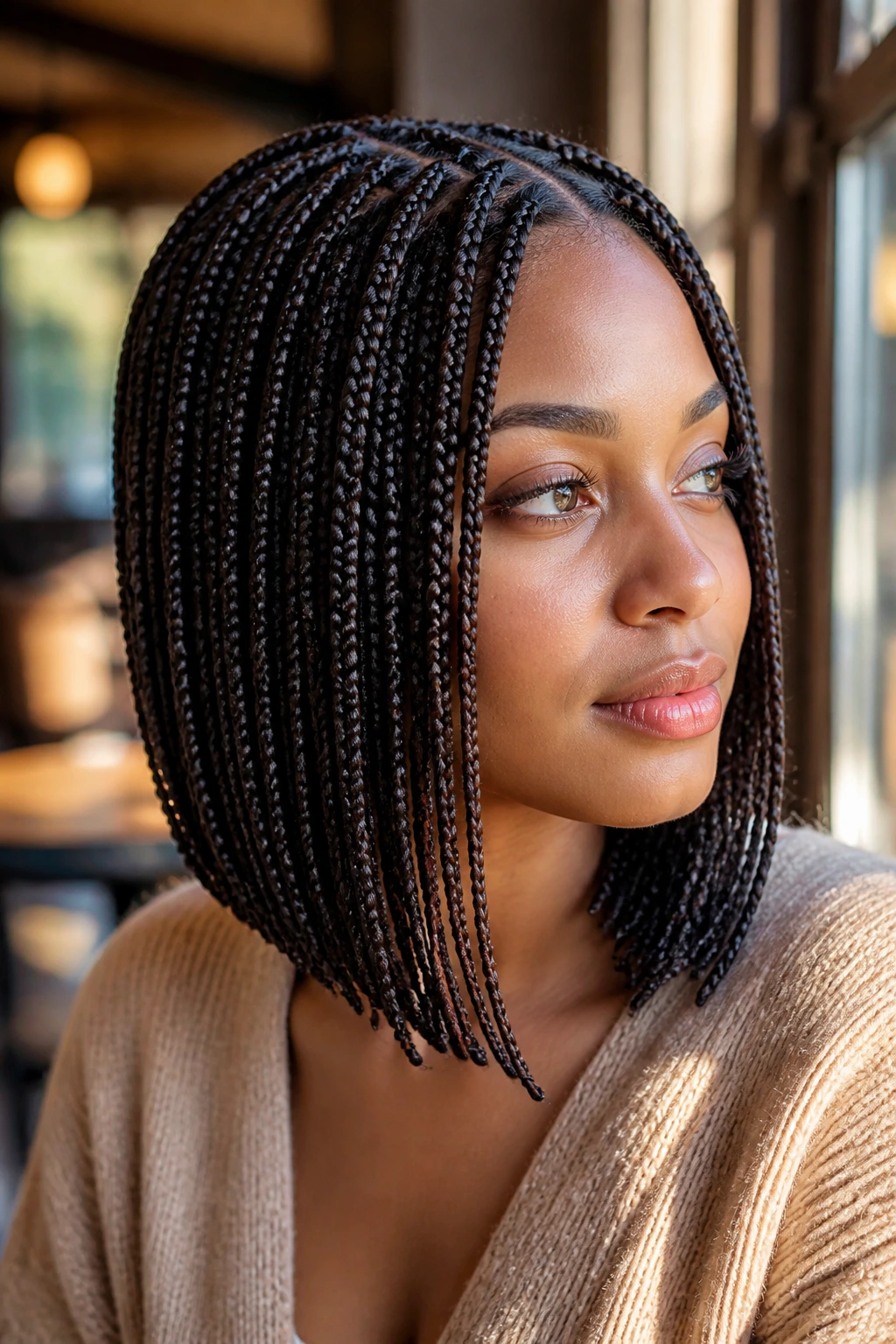
A tapered braided lob gives you collarbone length in front and a softer, slightly shorter back. That taper helps thin hair look fuller because the shape carries more weight near the face and less at the nape. The silhouette matters.
Ask for the shortest pieces to land just above the collar and the longest to skim it. If everything ends in the same blunt line, the style can feel boxy. A gentle taper fixes that without making the braid look fussy.
19. Crisscross Feed-In Braids
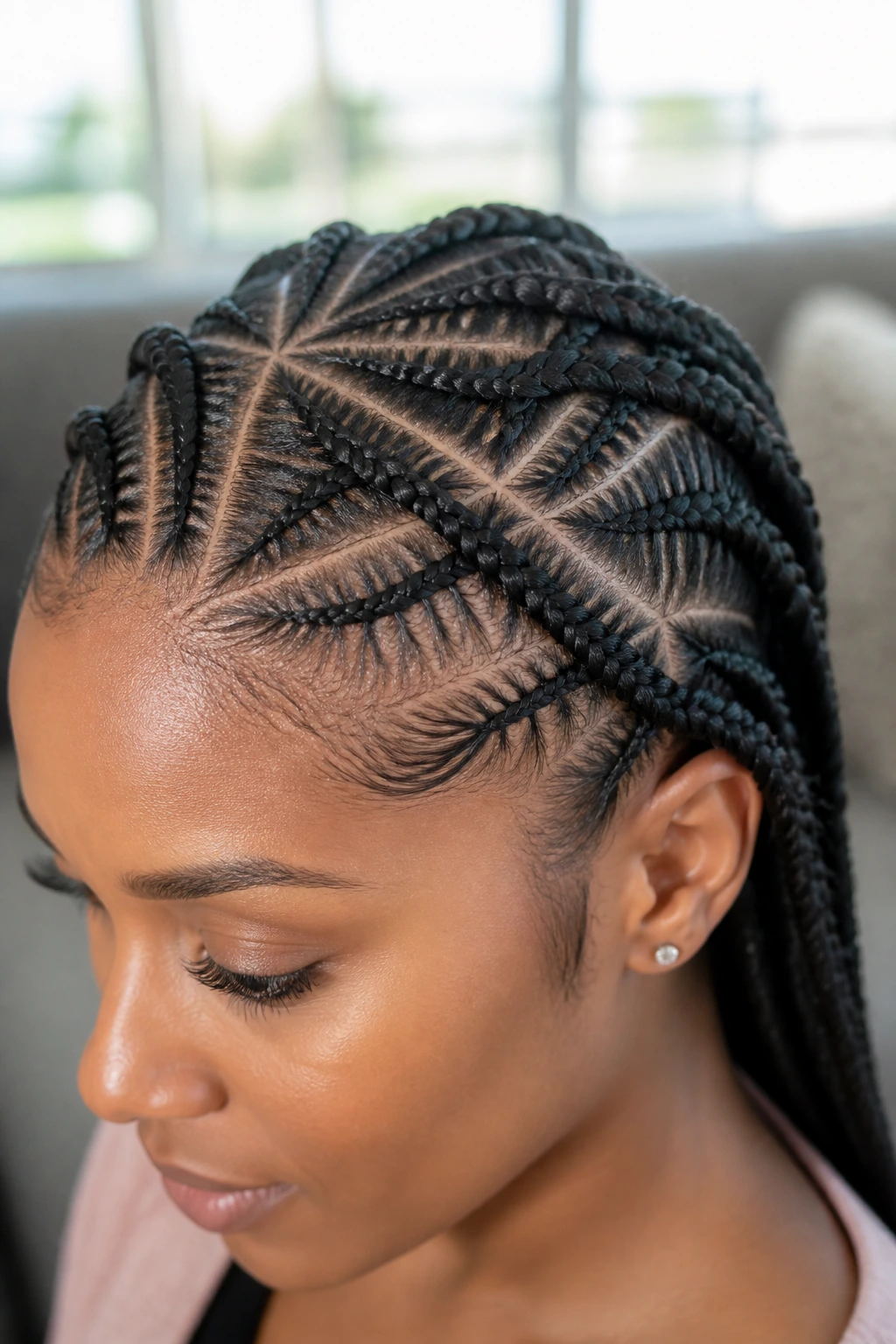
Crisscross feed-in braids are one of those styles that earns attention through geometry. The crossing lines break up the scalp pattern, which helps low-density hair look more layered and less exposed. It is a neat trick with a clear payoff.
Keep the crisscrossing near the front or crown, not all over the head. Too much crossing turns into a time sink and can make the style feel busy. A few deliberate intersections are enough.
20. Cornrow Bob
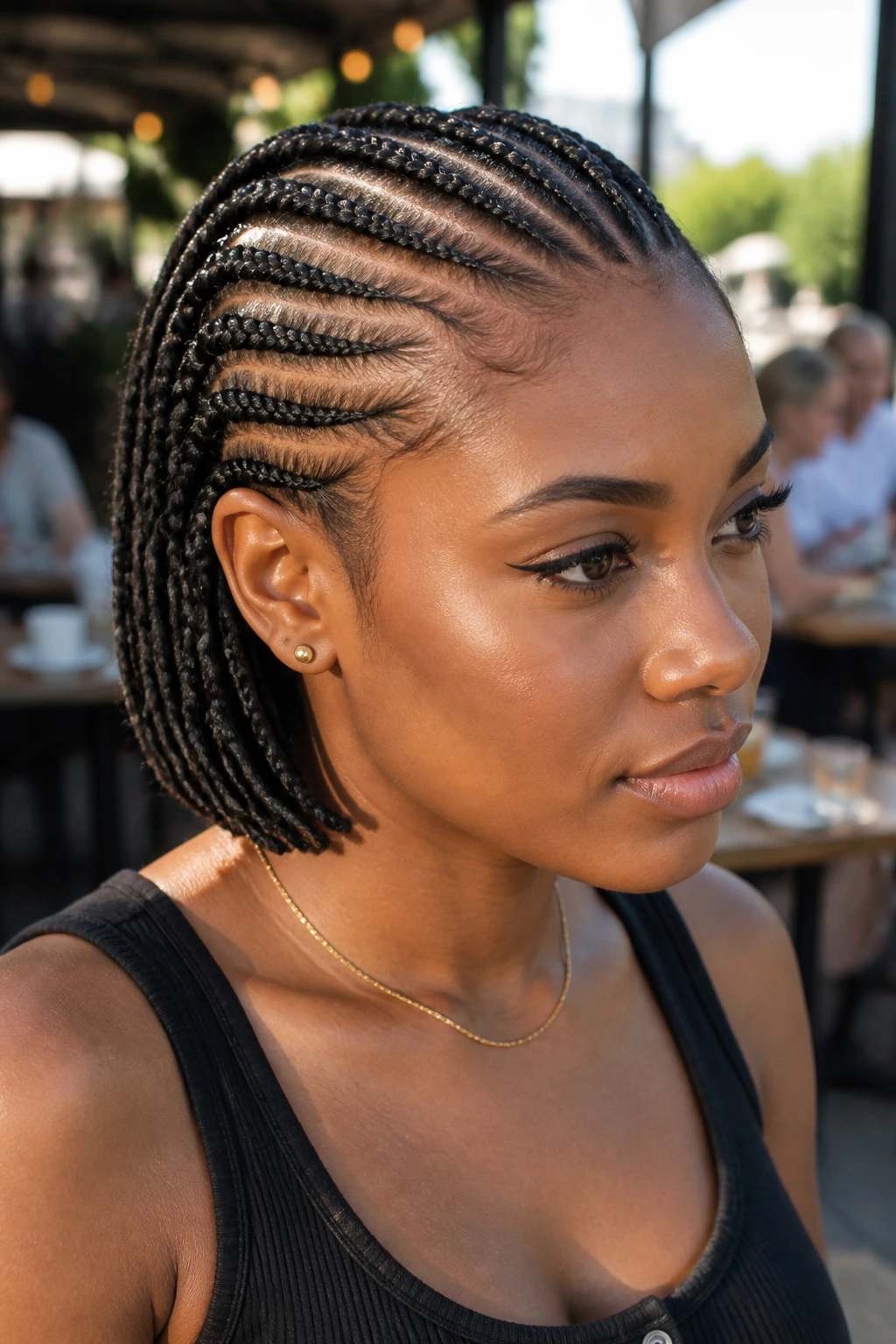
A cornrow bob is the short-braid version of a clean white shirt. Nothing extra. No fluff. Just a tight shape that sits close to the scalp and stops right where the neck starts to feel crowded.
When less is more
- The bob length keeps the style lightweight.
- Cornrows dry and refresh quickly.
- The close fit makes short hair look neat fast.
This is a strong choice if you want a style that plays well with hats, scarves, and low-effort mornings. It is simple, and I mean that in the best way.
21. Knotless Micro Feed-In Braids
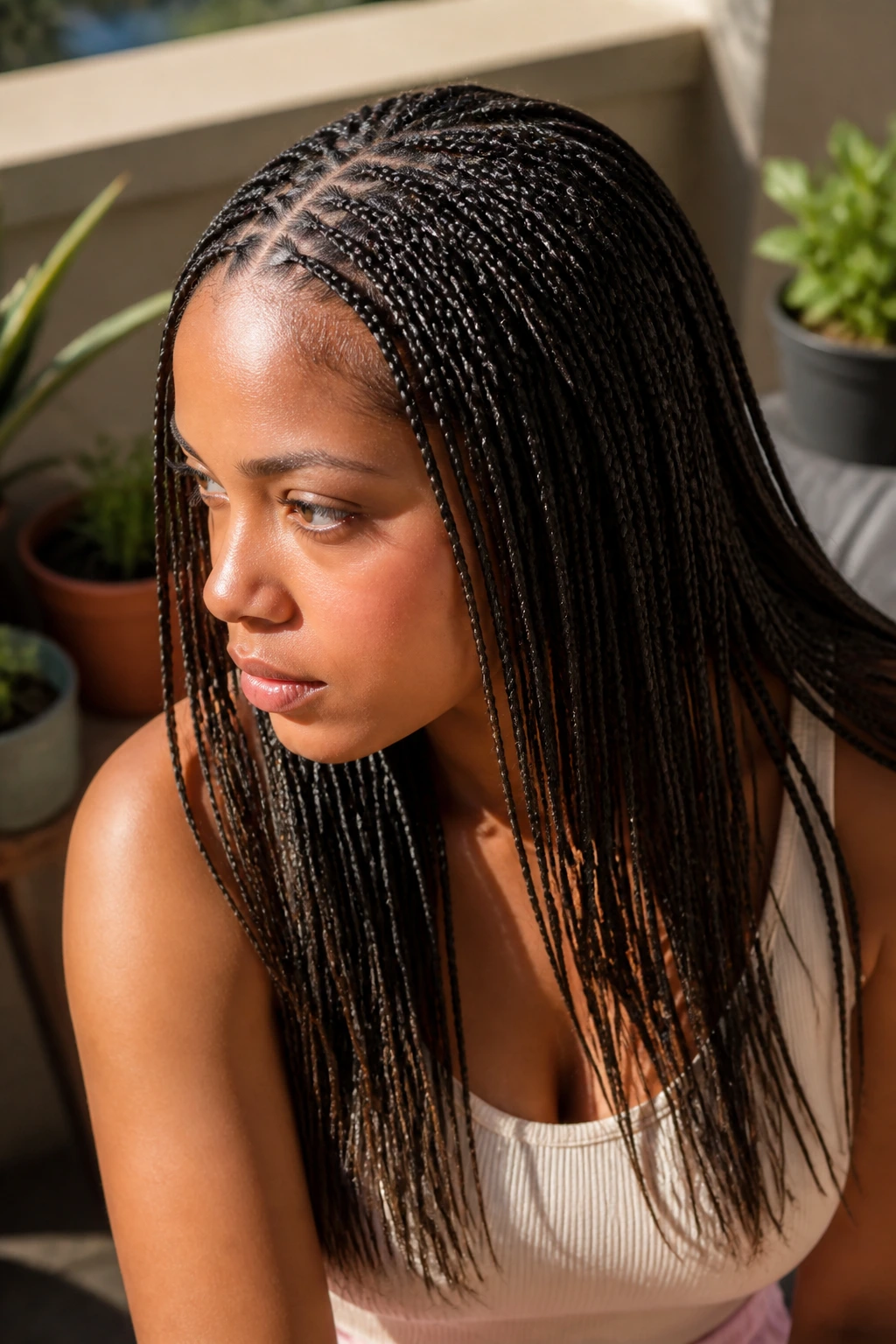
Knotless micro feed-ins are soft at the root and tiny through the body, which gives you movement without the hard start of a traditional braid. On thin hair, that softness matters. The style can look airy even when the braid count is high.
The catch is upkeep. Tiny feed-ins need more attention, and they are not the first style I’d hand to someone who hates maintenance. Keep them short, keep the accessories light, and do not let them stay in long enough to turn fuzzy and tangled.
22. Braided Headband with Back Rows
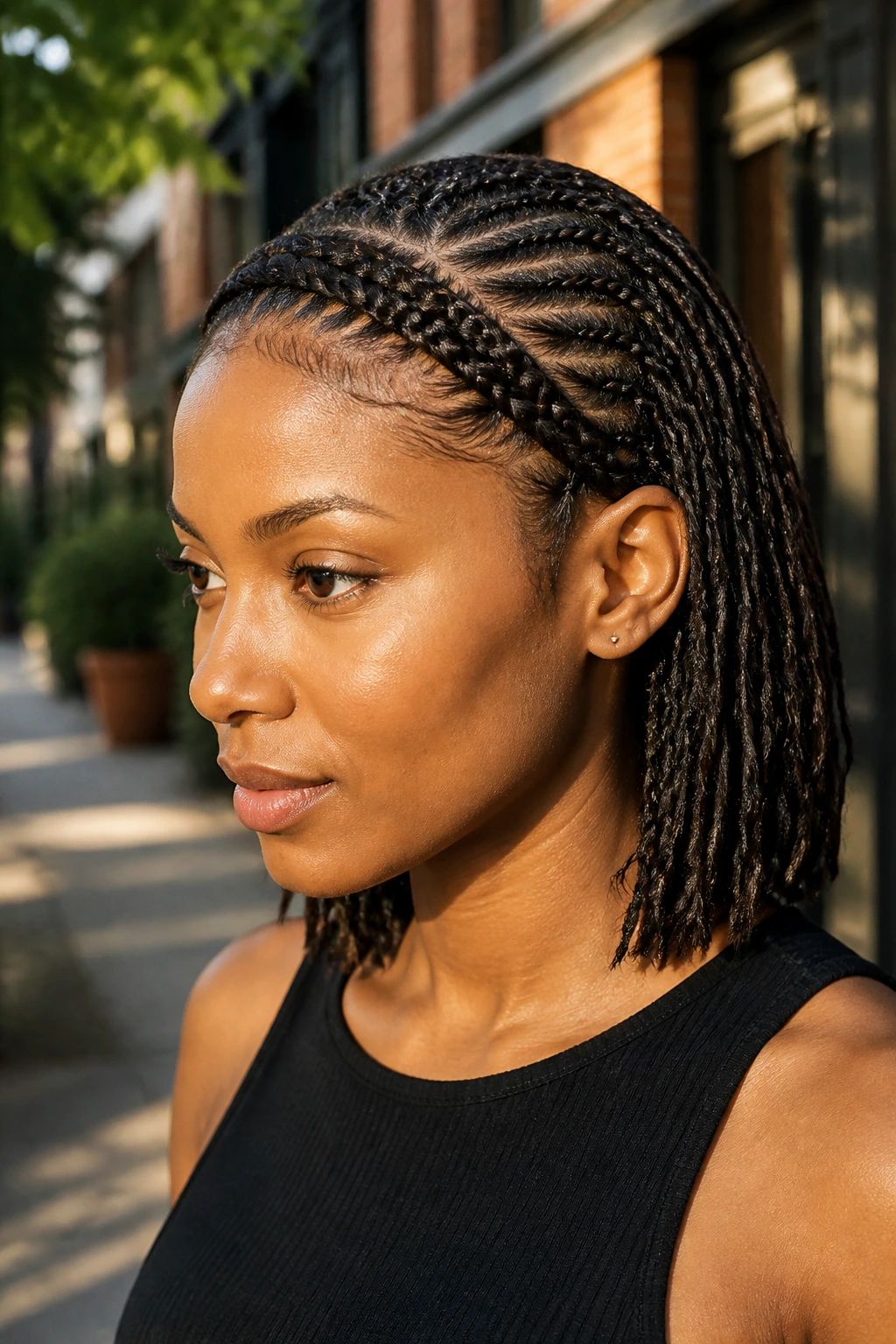
If your hairline needs a vacation, this one does the job. A braided headband across the front draws attention where the hair is strongest, while the back rows stay neat and low. It is a useful partial protective style.
I like this for days when you want the front to look styled without giving the whole head a full install. It also plays well with scarves and sunglasses because the front braid acts like a frame. Keep the band slim so it does not crowd the forehead.
23. Three-Strand Braided Bob
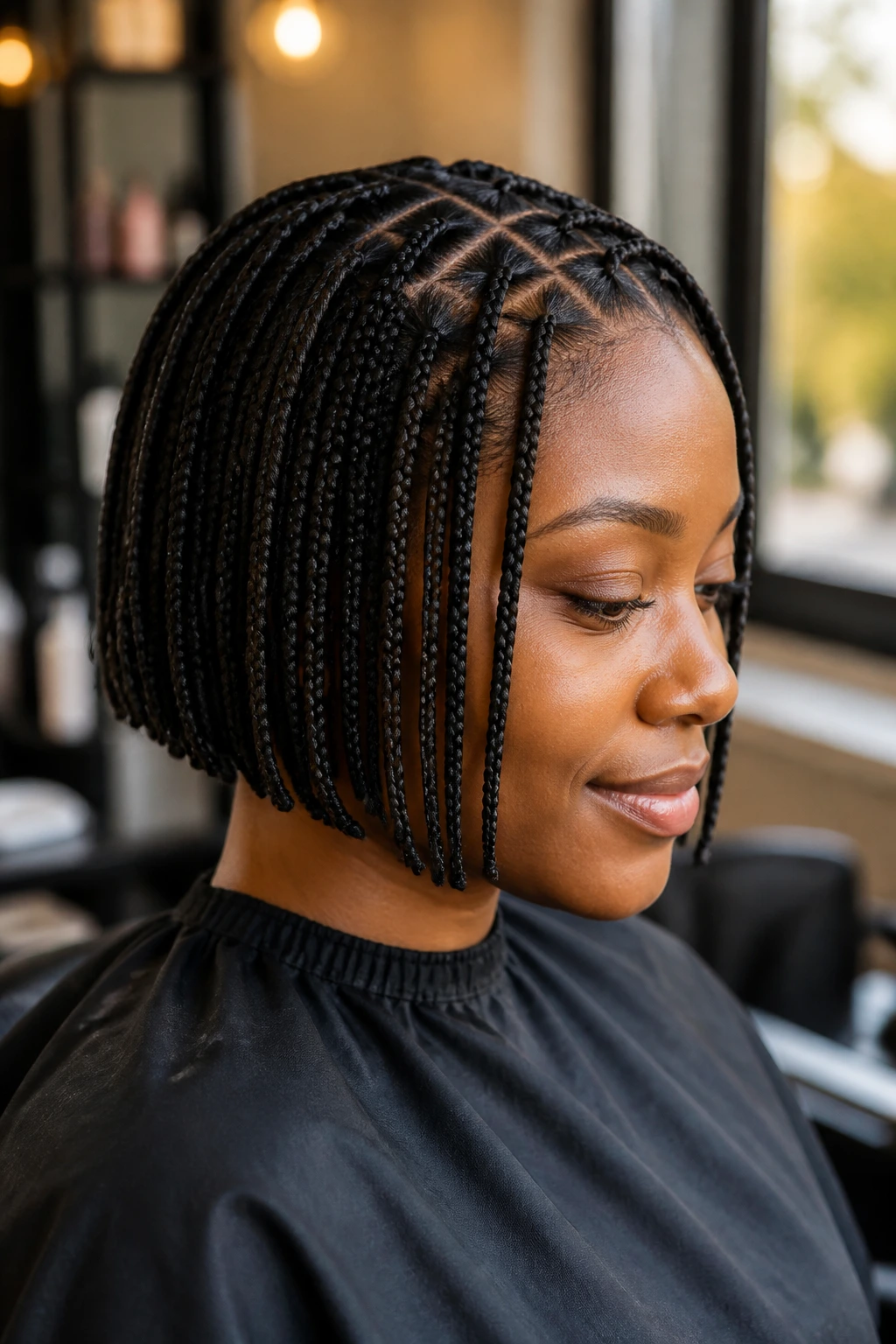
Three-strand braided bobs are the quiet cousins in the braid family. They are simple, low-fuss, and easy to keep tidy on fine hair because they do not require a lot of added structure. Sometimes that is the point.
This style works best when the hair is stretched a little before braiding. That makes the plaits sit flatter and keeps the bob from puffing up too much at the ends. I’d pick this when I want clean lines and a shorter appointment.
24. Small Ghana Braids
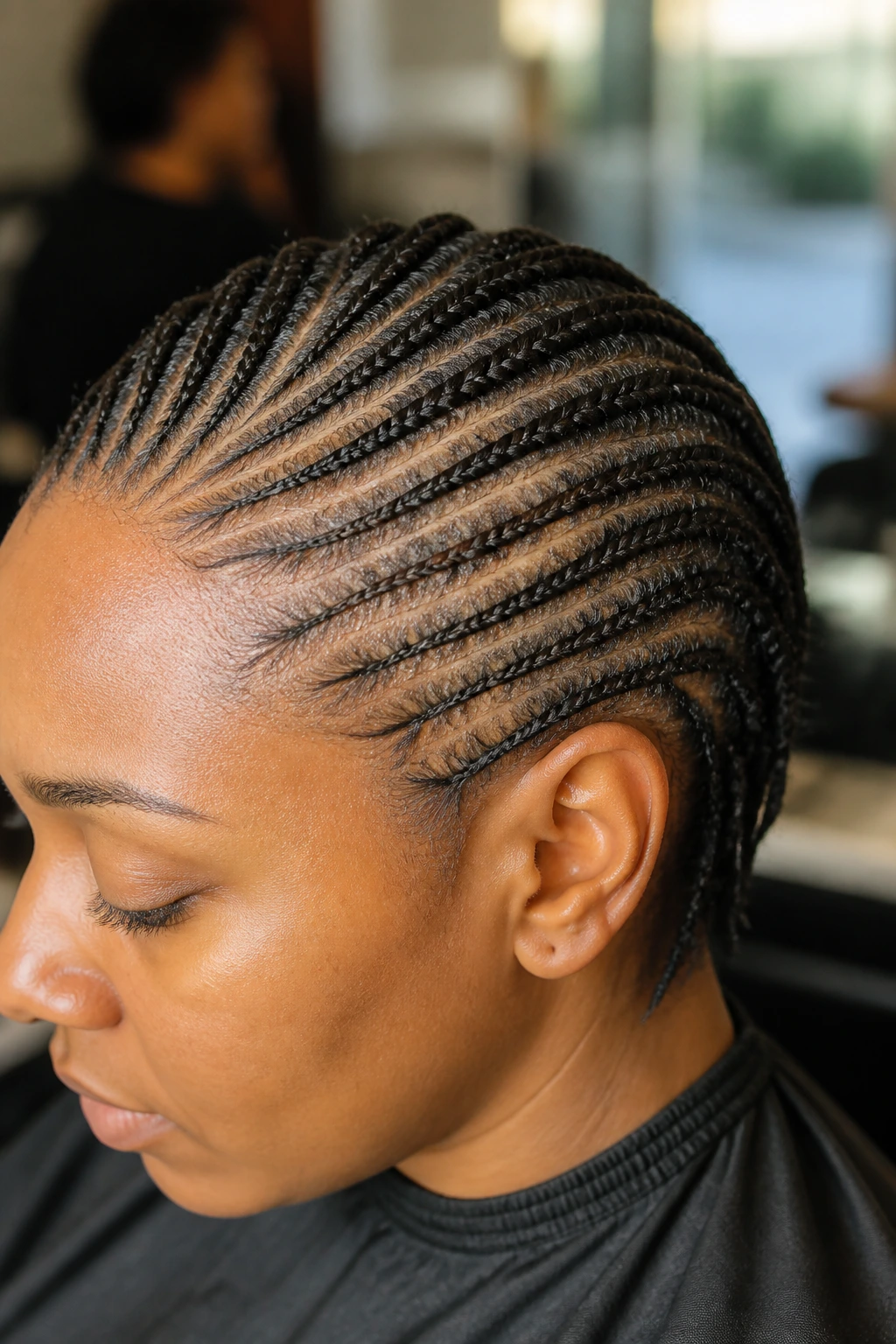
Small Ghana braids create a fuller braid silhouette without making each braid huge. That is the important part. If the braid is too thick, thin hair starts showing strain. If it is too small, the pattern can look busy. The middle ground is where this style lives.
Why the size matters
- Slim feed-ins keep the roots lighter.
- Short length keeps the style from slipping.
- The braid body gives a little more visual presence than a plain cornrow.
Ask for small Ghana braids, not chunky ones, and keep the end finish modest. This is a better fit when you want body, not bulk.
25. Face-Framing Braids with a Tucked Nape
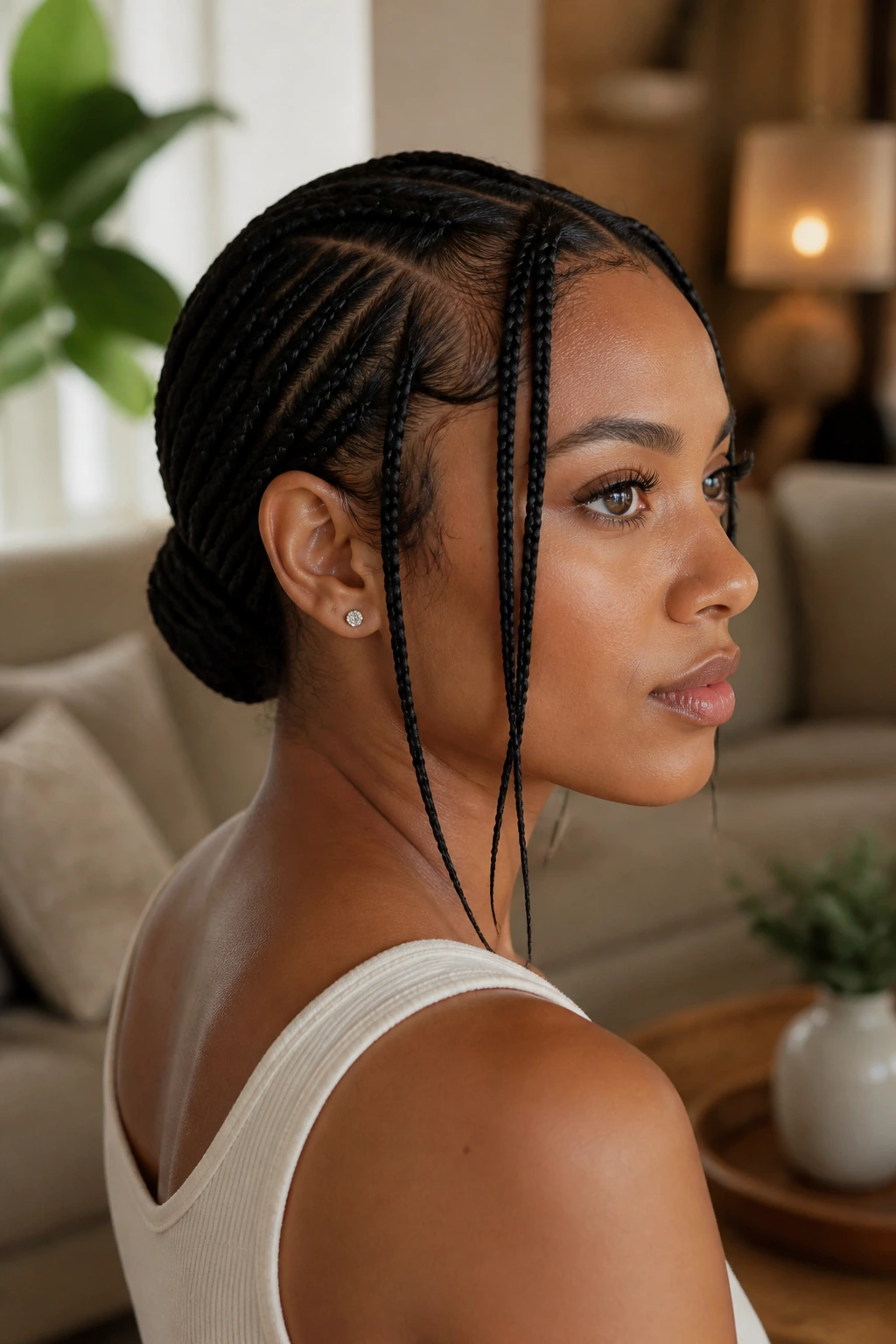
A few face-framing braids at the front and a tucked nape in back can be a clever compromise. You get the visual interest where people look first, and the back stays low and protected. Thin hair often looks better with that kind of selective focus.
This is a good partial style if the whole head does not need to be braided. The front pieces can be the stars, while the rest stays tucked away in a bun or low fold. It is neat, fast, and less demanding than a full install.
26. Side-Part Ribbon Braids
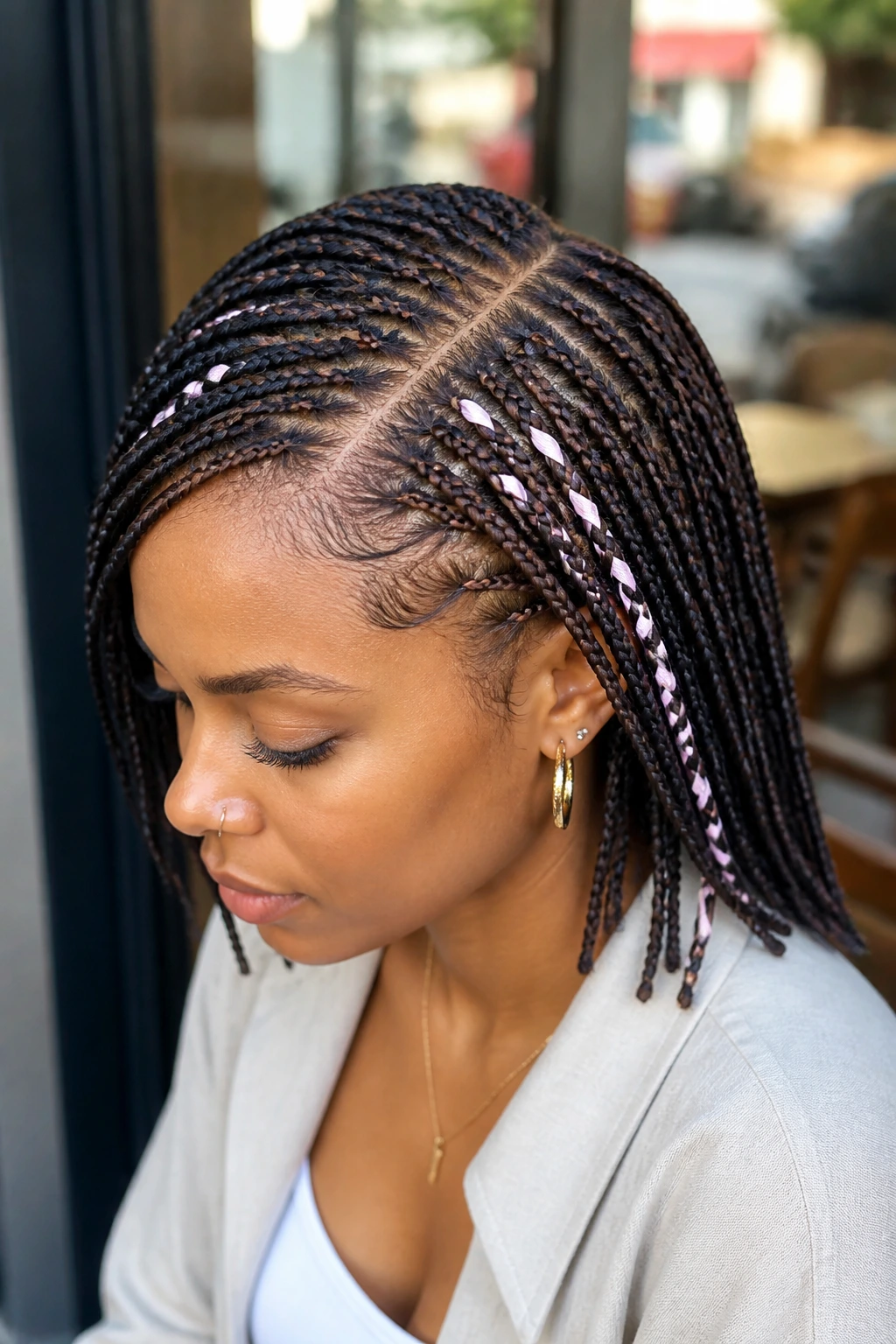
Side-part ribbon braids are all about that long, clean diagonal part. The braids themselves are slim, but the side sweep gives them a ribbon-like motion that reads softer than a rigid middle split. That softness helps low-density hair.
Keep the part clean and the accessories minimal. The parting is the statement here, not a pile of ornaments. A little sheen at the roots and a calm, flat finish will carry the style farther than decoration will.
27. Mixed-Size Braided Bob
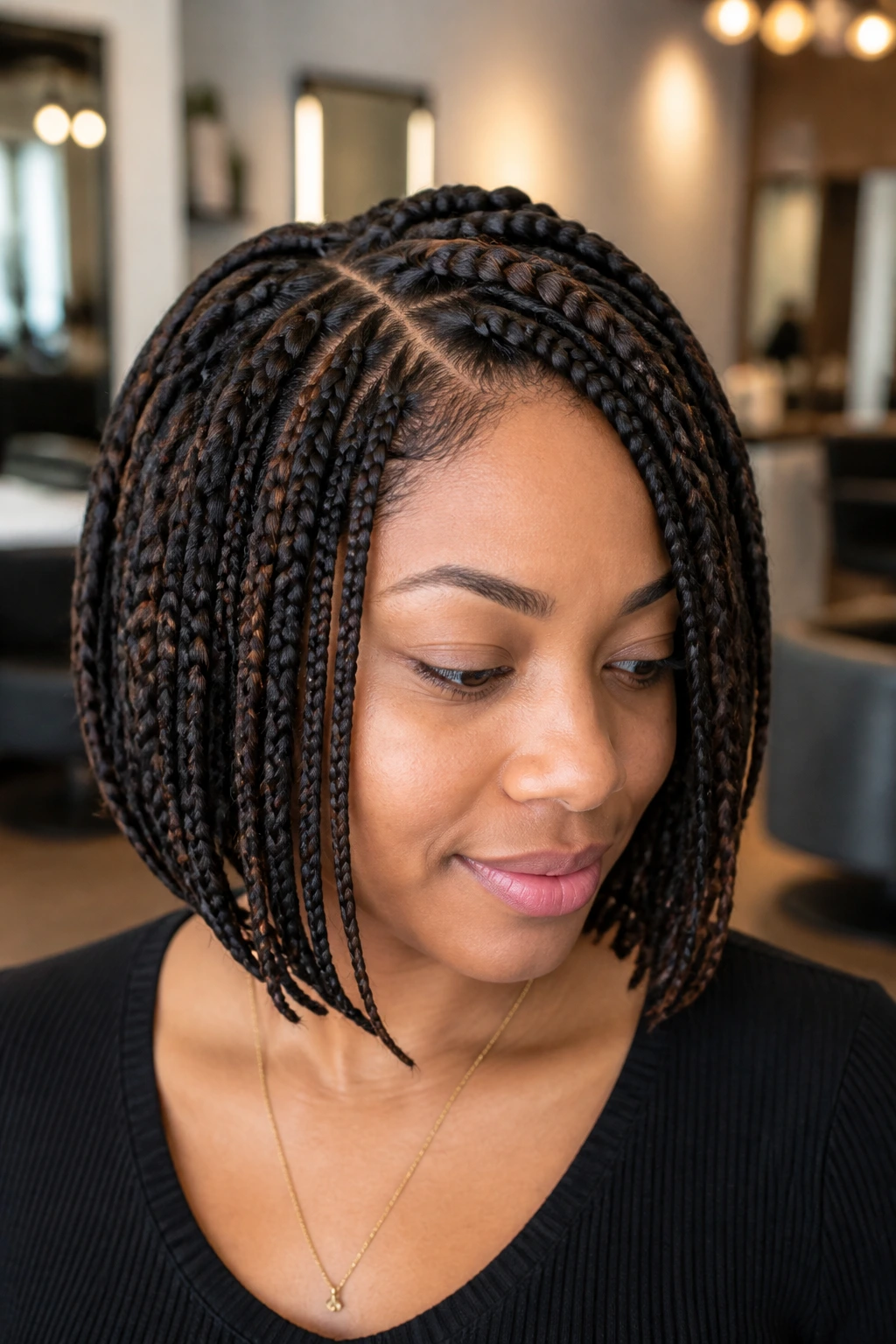
Mixed-size braided bobs can make thin hair look intentional instead of uniform. A few slightly thicker braids mixed with slimmer ones creates depth, and the eye reads that as fullness. Done well, it looks planned, not random.
The trick is to keep the variation consistent. Put slimmer braids where the hairline is delicate and slightly fuller ones where the crown needs help. If the sizes jump around without a pattern, the style starts to feel messy.
28. Short Braids with Thread Wraps
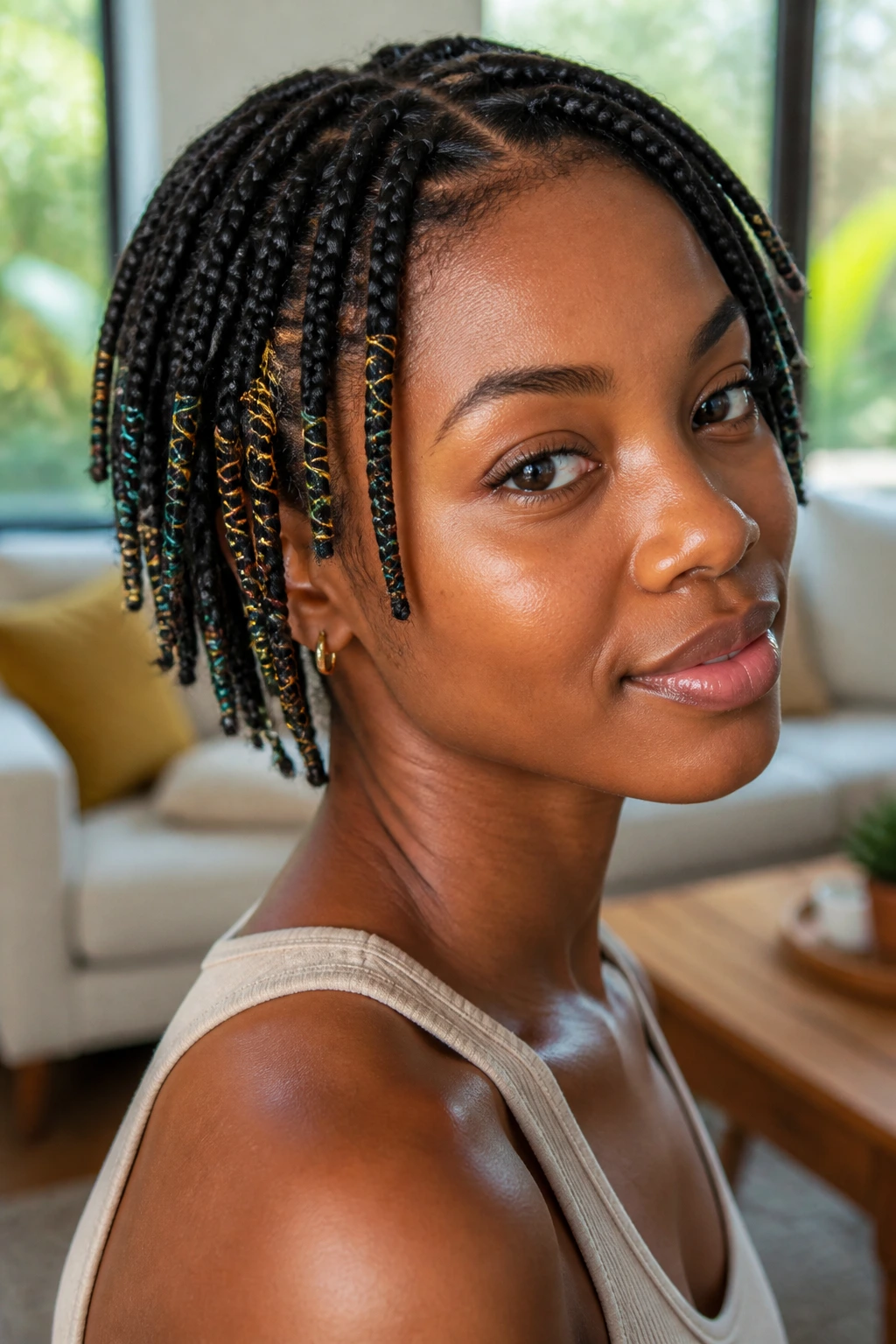
Thread wraps are a nice answer when you want color or detail without bead weight. A narrow wrap near the end gives the braid a finished look and adds a little visual heaviness without actually pulling much. That balance works well on thin hair.
Do not overwrap. A small band of thread is enough; too much and the ends get stiff, which defeats the point. I like this option when the style needs one detail and not a whole costume.
29. Parallel Halo Cornrows
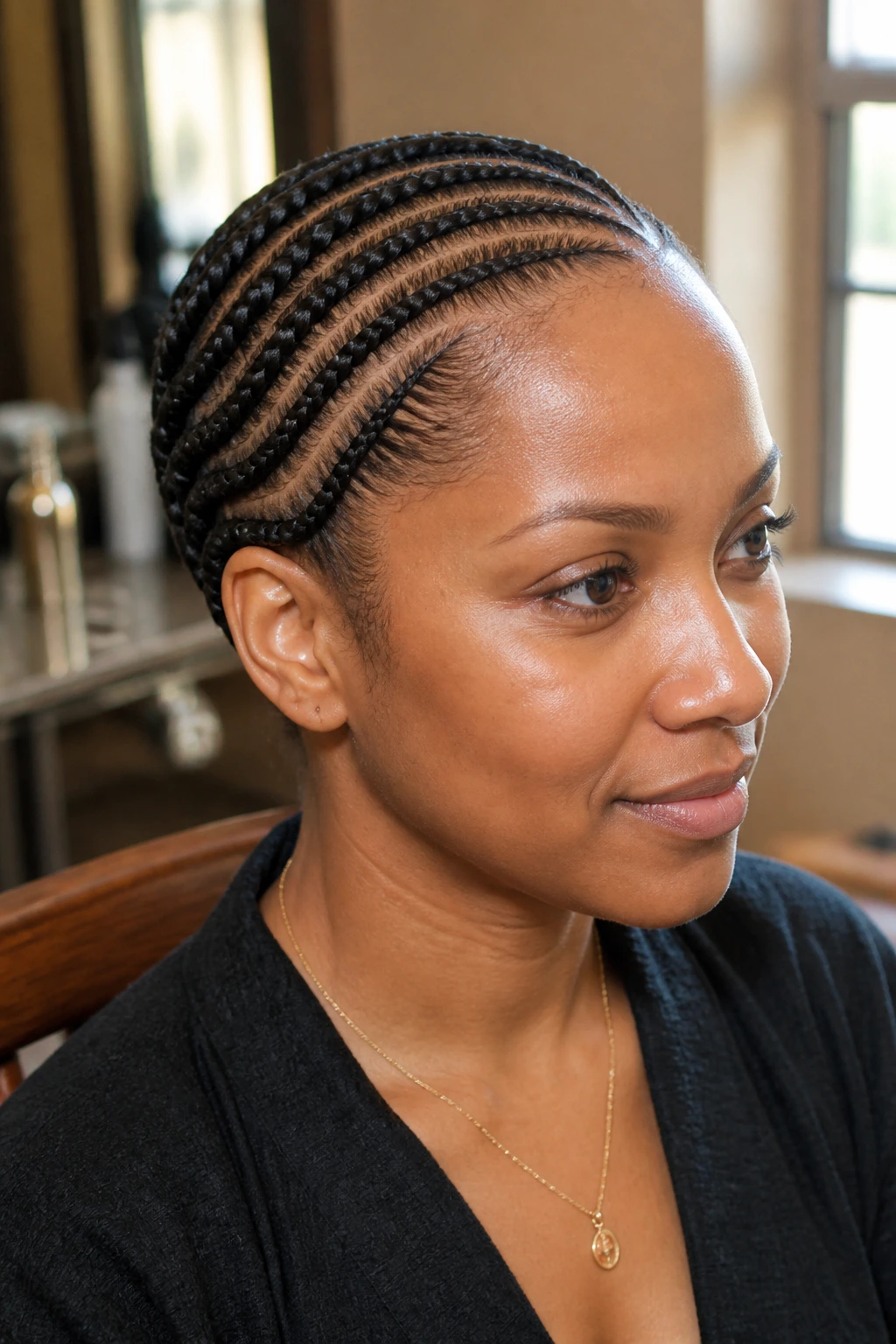
Parallel halo cornrows circle the head like contour lines. The shape itself is the finish. That is useful on thin hair because the pattern can carry more visual interest than the amount of hair ever could.
This style stays clean when the spacing is even. If one row is much wider than the next, the whole halo looks off-balance. Keep the rows smooth, keep the length short, and let the circular shape frame the face.
30. Nape-Length Layered Braids
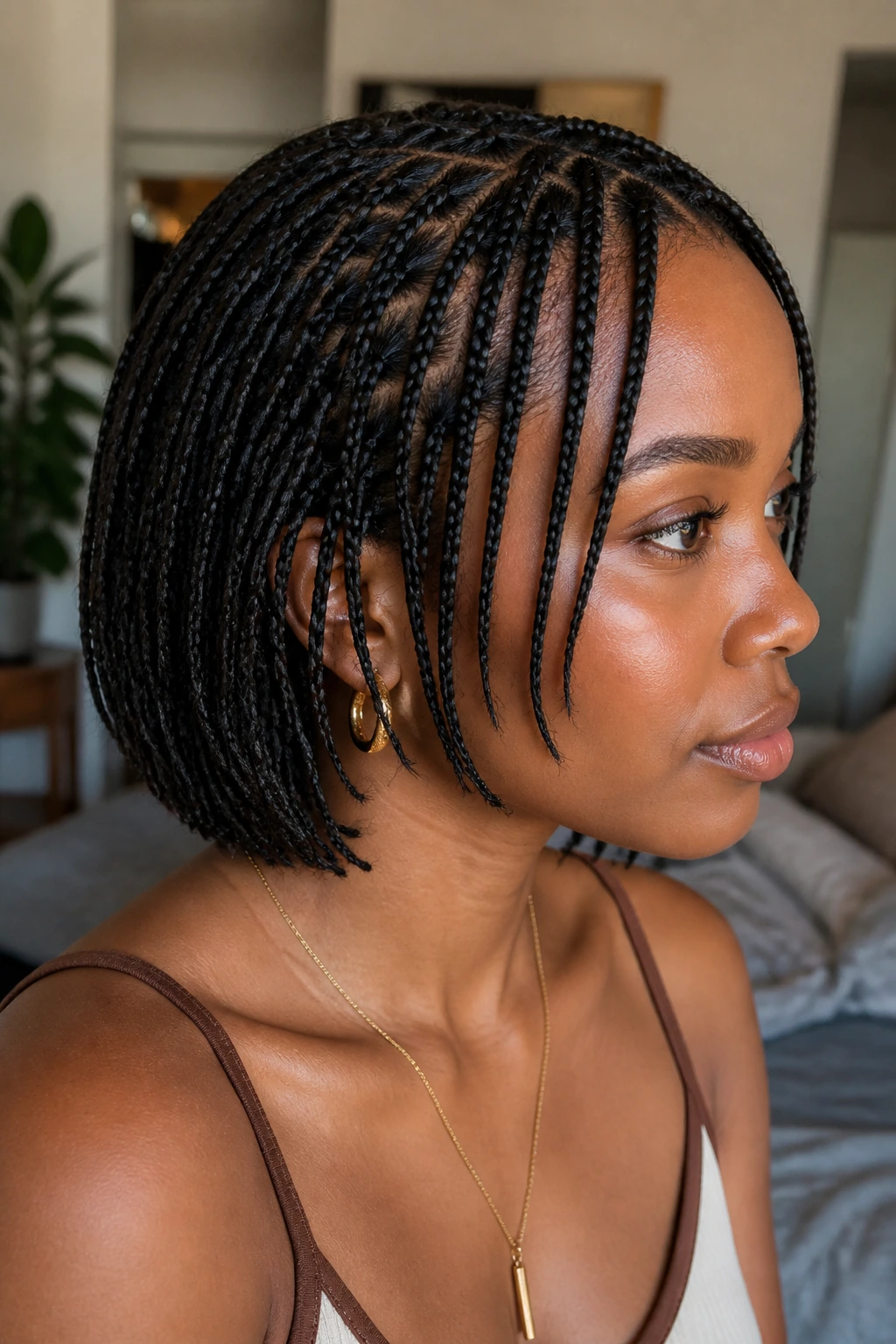
Nape-length layered braids give you a little movement in front and less drag in back. The layered shape keeps the ends from all landing in one blunt line, which can be unforgiving on thin hair. It softens the outline.
This is a good final pick because it behaves like a bob but looks a touch more relaxed. Ask for the longest pieces to stop right at the nape and the shortest to sit a little higher around the crown. That keeps the style light where it needs to be light.
What Makes a Short Braid Actually Protective
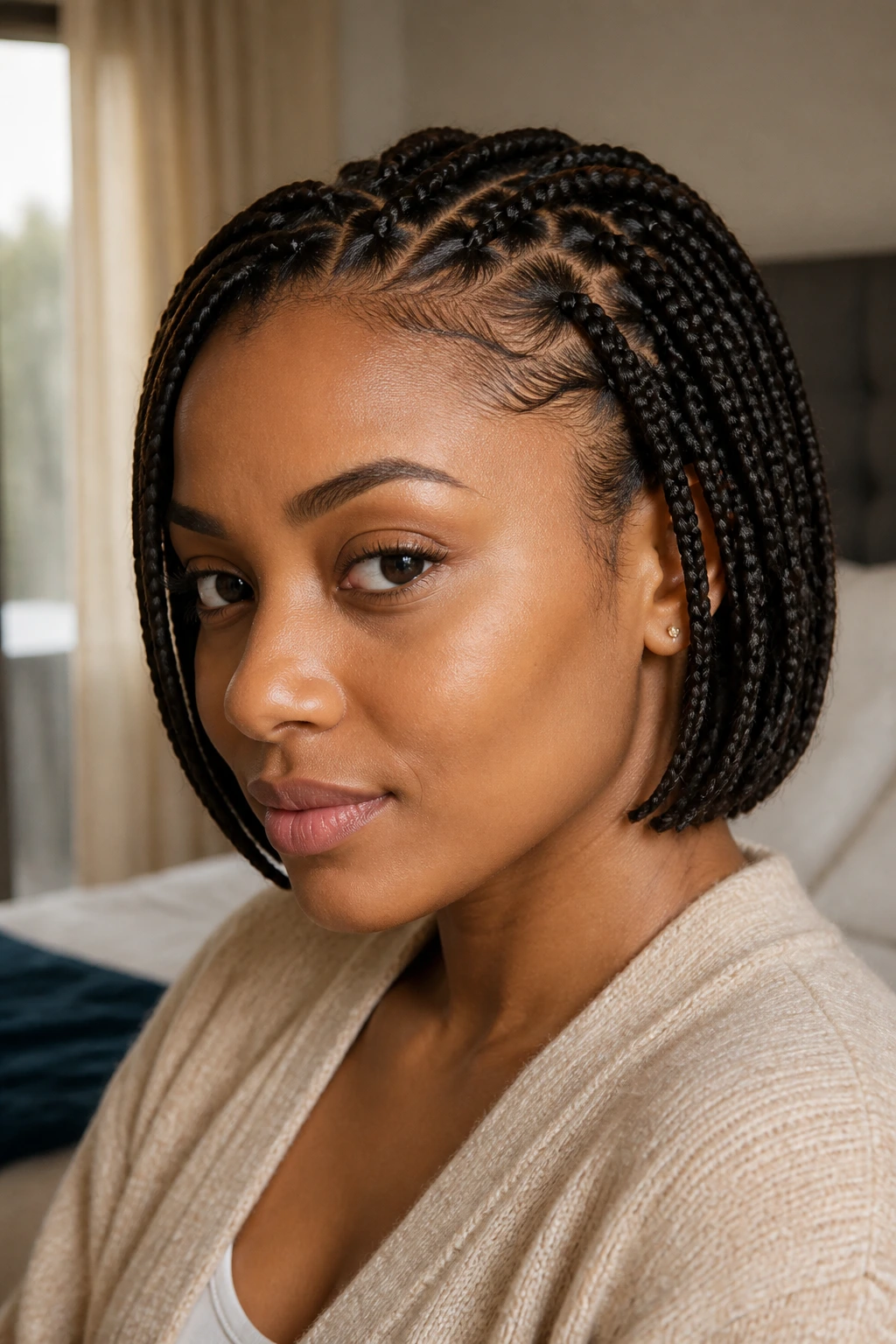
A protective style is not protective because it looks neat in photos. It is protective because it cuts down on daily handling, keeps the ends tucked away, and avoids the kind of repeat friction that chews at fragile strands. Short braids help with all three.
The shorter length matters more than people think. Less swing means less pull at the root. Less length also means less rubbing against coat collars, scarf edges, and pillow seams. That alone can save a lot of wear on fine or low-density hair.
But a braid stops being protective the minute it turns painful. Tight starts, heavy accessories, and installs that stay in too long can do more damage than leaving the hair alone. Thin hair is not asking for luxury. It is asking for restraint.
Essential Equipment for These Styles
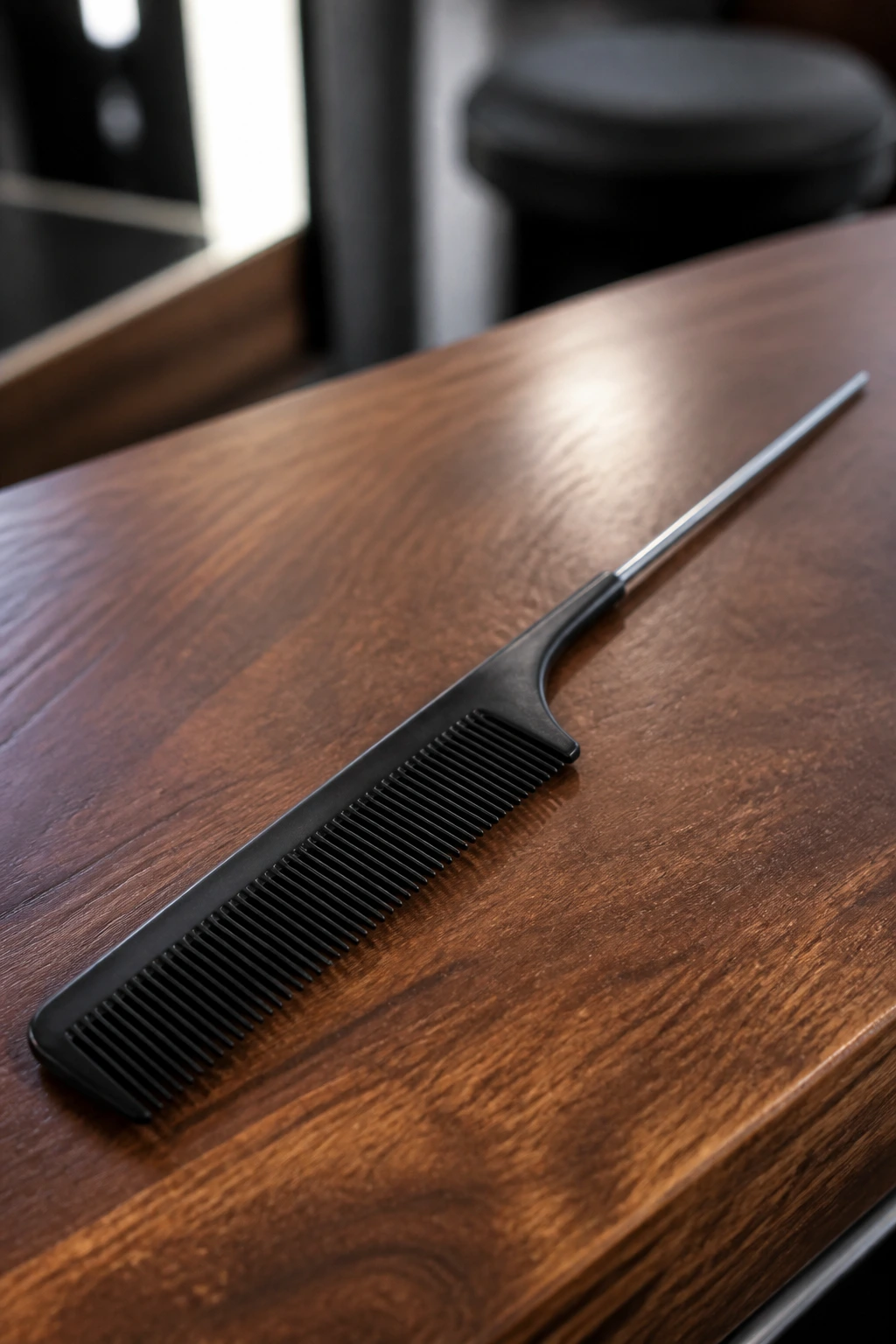
- Rat-tail comb: Gives you crisp parts and clean curves without scraping the scalp.
- Sectioning clips: Keep tiny rows separated while you work, which matters more on thin hair than on dense hair.
- Lightweight braiding hair: Use pre-stretched synthetic hair only if the style needs added length; it should feel lighter than it looks.
- Mousse or foam wrap: Helps short braids settle down and keeps flyaways from puffing up.
- Scalp applicator bottle: Useful for placing oil or diluted cleanser exactly where you want it.
- Small snag-free elastics: Handy for tiny ends or half-up sections when the hair is too short to hold on its own.
- Satin bonnet or scarf: Protects the parting overnight and keeps the crown from lifting.
- Edge brush: Use with a soft hand; the brush should smooth, not scrape.
- Hand mirror: Lets you check the back rows before you leave the chair.
- Blow-dryer with a cool or low setting: Helps stretch the hair before braiding and speeds drying after washing.
Smart Shopping and Hair-Selection Tips
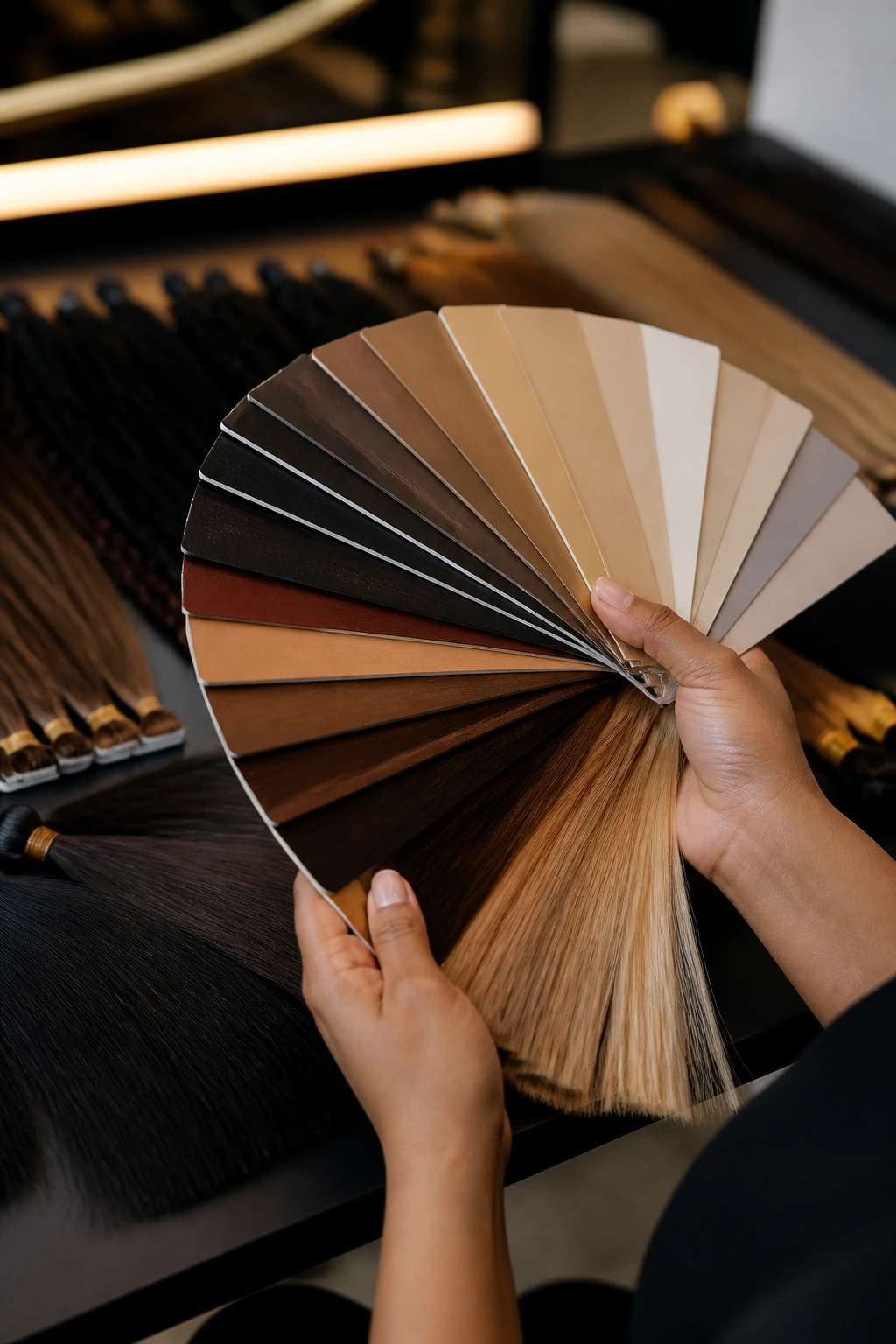
Choose extension hair like you are choosing weight, not volume
Pre-stretched synthetic braiding hair with a matte finish usually behaves better on thin hair than glossy, slippery bundles. It settles faster, blends more naturally, and does not look as bulky at the ends. For bob-length styles, start with less hair than you think you need; you can always pull a little more from the bundle, but you cannot un-add it.
Color matters too. Soft black, dark brown, and subtle warm tones tend to blend into fine hair better than harsh jet black. The sharper the color contrast, the easier it is to spot frizz and parting mistakes.
Match the braid size to the weak spots
If your temples are fragile, choose side parts, curved parts, or styles that keep the front pieces smaller. If the crown is sparse, triangle parts, zigzags, and crisscross patterns help break up the scalp visibility.
Do not try to make every part identical when the hair density is uneven. A small adjustment in braid size at the front can save the whole style. That is not cheating. That is reading the head in front of you.
Buy finish products, not greasy fixes
Light mousse, braid spray, and a small amount of oil do more than heavy waxes and thick pomades. Fine hair gets coated fast, and once it is coated, the style looks dull and dirty before it should. I would rather use a tiny bit of product every few days than drown the roots on day one.
If your hair is very short, a little stretch before braiding helps the parts sit flatter. A soft blow-dry on low heat or a gentle banding set can make the install cleaner without adding stiffness.
How to Wear Short Braids Without Flattening the Look
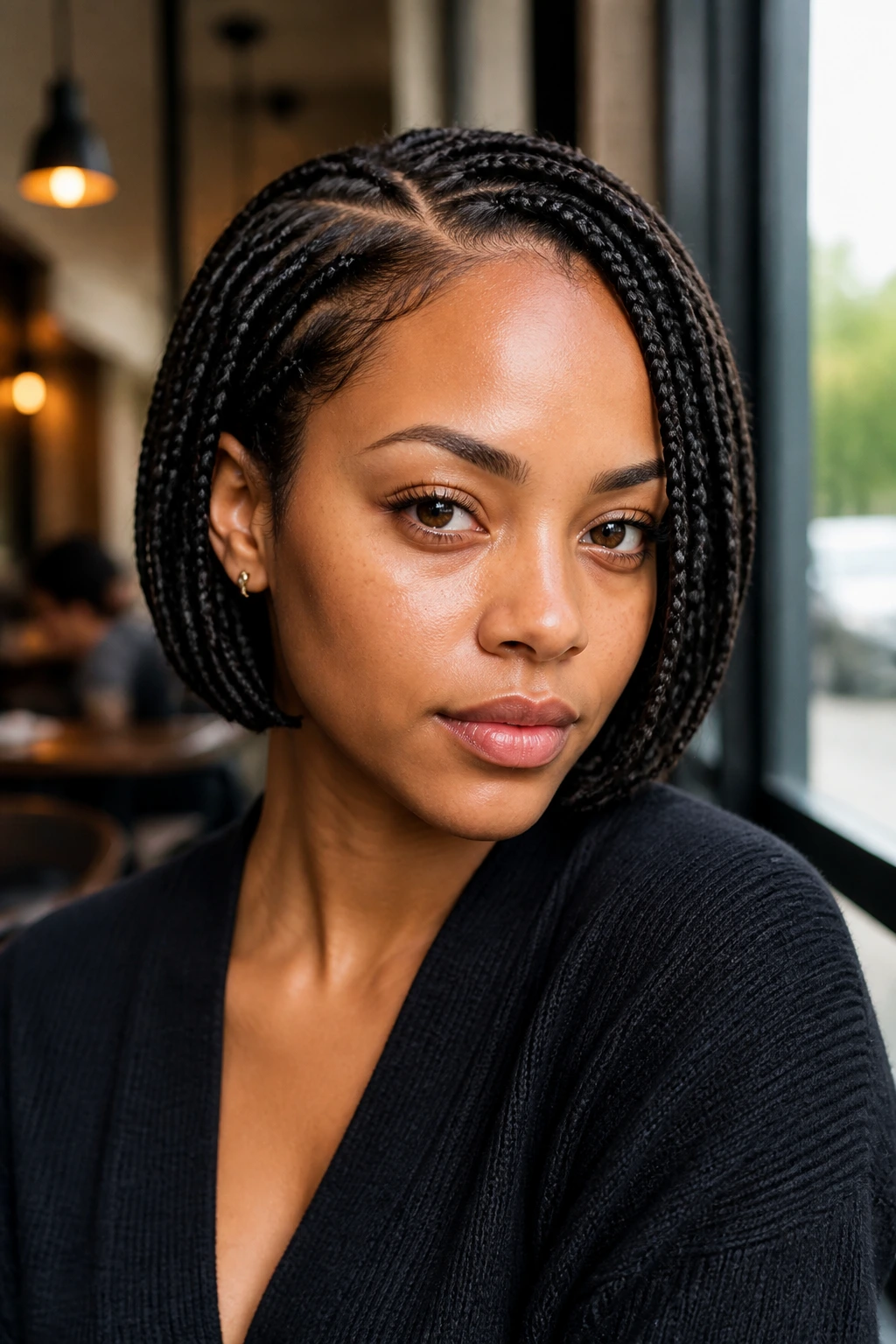
Parting: A side part can soften a thin temple and shift attention away from a sparse crown. A center part looks sharp when both sides are even, but it is less forgiving if one side is weaker.
Accessories: Use one accent, not five. A few small cuffs, a narrow thread wrap, or a handful of light beads is enough. Heavy jewelry on short braids tends to drag them down and make the roots look tired.
Shape: Let the widest part of the style sit around the jaw or just under it. If you push the bulk too high at the temples, the top can start looking bare. That is the opposite of what you want.
Outfit balance: Short braids pair well with open collars, simple necklines, and earrings that do not fight the braid line. If you wear glasses, leave a little breathing room at the temples so the arms of the frame do not rub the front rows all day.
Additional Tips and Style Boosters
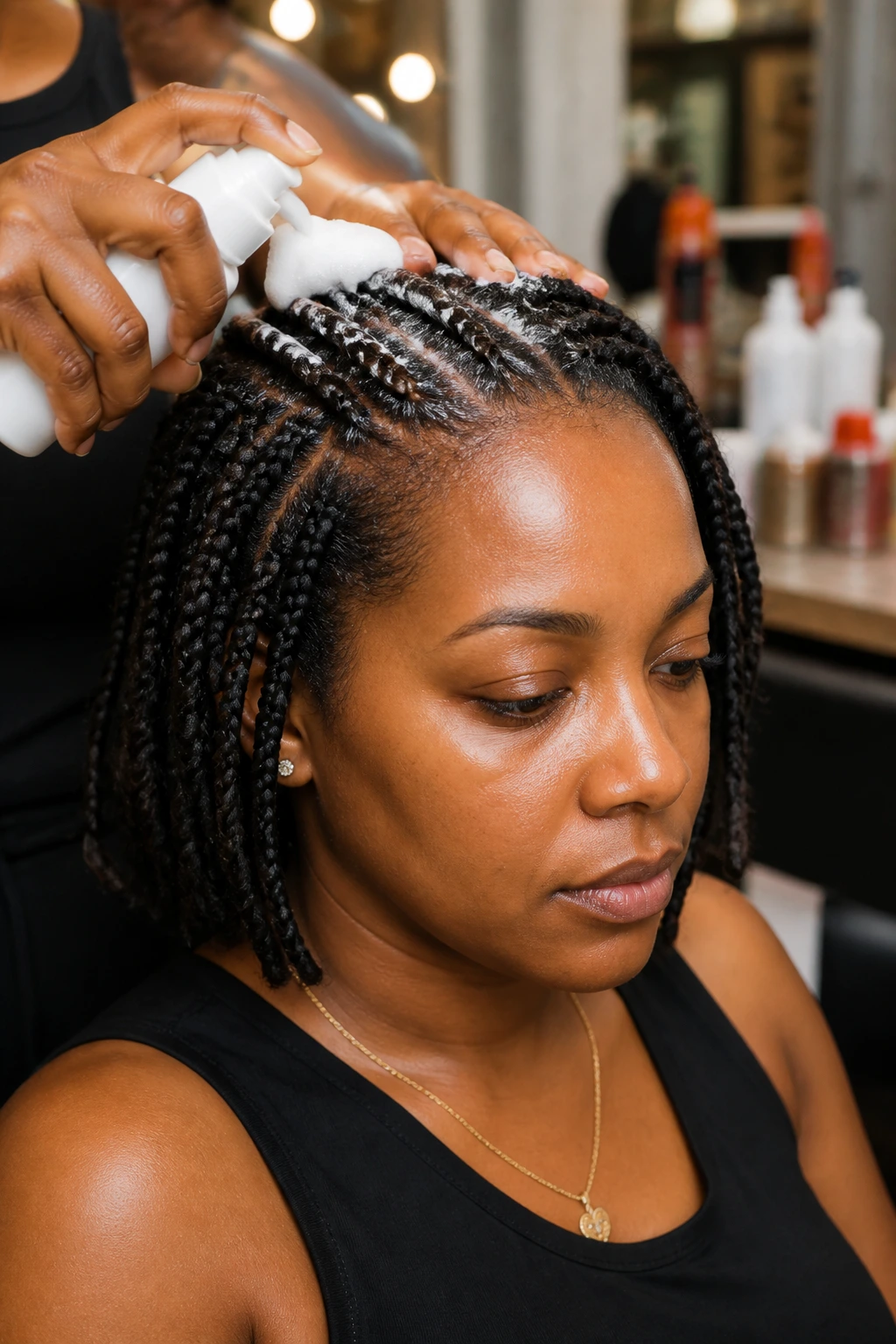
Root softness: Ask for a gentle feed-in or knotless start. The first half-inch should feel settled, not locked down. If the braid is screaming at the root, the style is already too tight.
Texture control: A light mousse pass after installation keeps the outer layer from puffing out. If the style uses your own hair only, a small stretch before braiding helps the finish sit flatter and look cleaner.
Color depth: A shade slightly lighter on the underside or at the tips can make thin hair read fuller from a short distance. Keep the shift subtle. Loud stripes tend to look busy on short braids.
Finish details: One or two thread wraps, a few cuffs, or a neat side sweep can make a short braid style feel finished without adding weight. I would skip bulky charms until you know the braid can carry them comfortably.
Maintenance, Sleep, and Refreshing
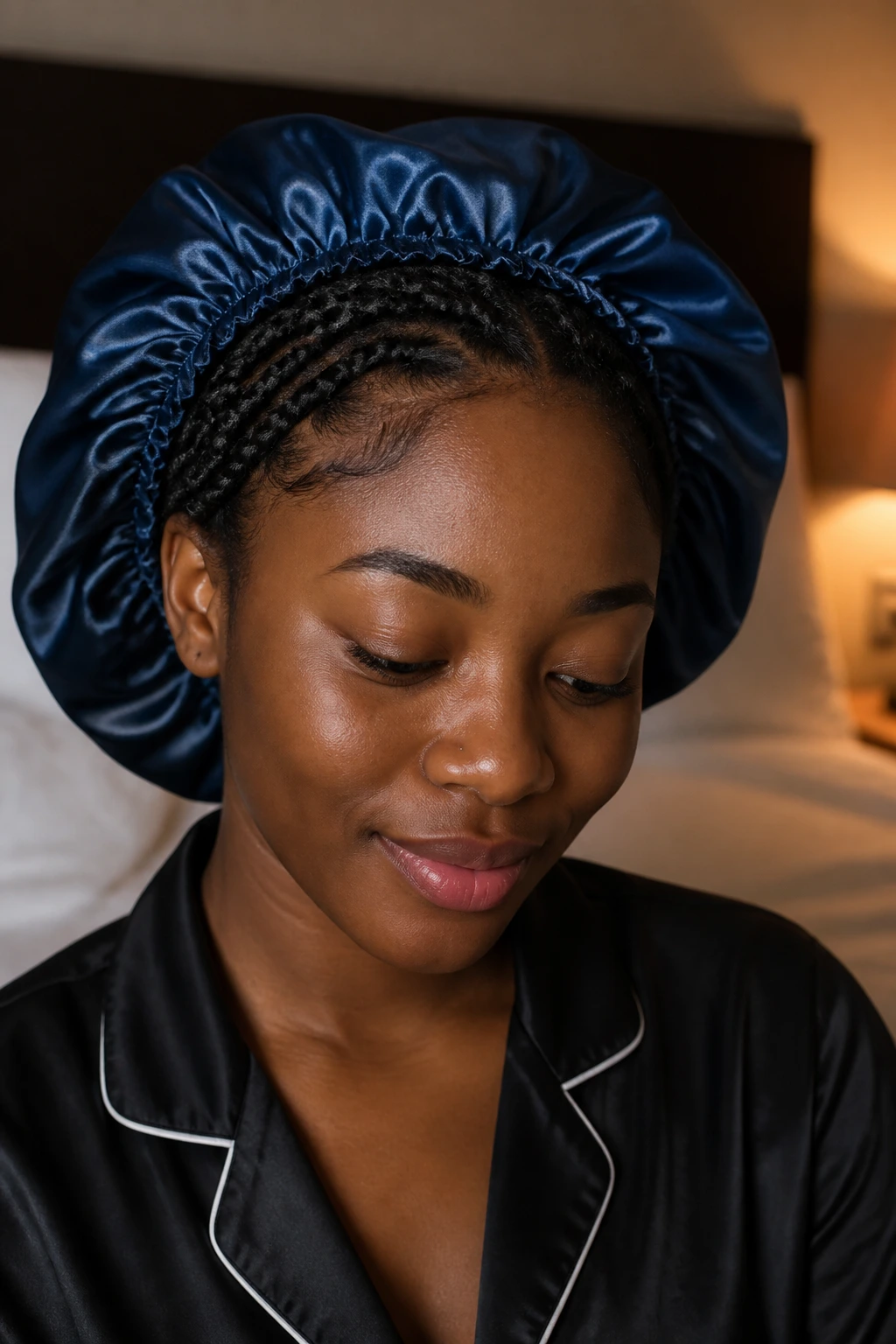
Night care: Satin scarf or bonnet, every night. Short braids rub against pillows and collars faster than longer styles because the ends sit closer to the neck, so the nightly wrap matters more than people expect.
Wash day: Every 1 to 2 weeks, dilute shampoo in an applicator bottle and clean the scalp parts gently with your fingertips. Rinse downward, not upward, and blot with a microfiber towel instead of rubbing. If the hair stays damp at the roots, the style can smell off and feel heavy.
Moisture: Use a light braid spray or a watery leave-in every few days if the scalp feels dry. Thick oils and heavy creams settle into fine hair and make the whole install look older than it is. A little goes a long way here.
How long to keep them: Extension-free short braids often feel best in a 2- to 3-week window. Lightweight protective installs with extensions can stretch to 4 to 6 weeks if the roots stay calm, the parts stay neat, and the hair does not start matting. If you feel bumps, itching, or real soreness, take the style out sooner.
Common Mistakes to Avoid
- Loading too much hair into the root: If the first inch feels tight or heavy, the style is already working against thin hair. Ask for smaller feed-ins or remove some extension hair before the braid goes much farther.
- Making parts too wide: Wide sections leave scalp gaps that make low-density hair look even thinner. Fix it with narrower parts and a cleaner grid.
- Adding heavy beads or chunky charms: If the ends swing hard or pull the braid downward, the accessories are too much. Swap to lighter beads or leave the ends plain.
- Leaving the style in too long: When the roots start locking together or the edges feel tender, the protective part is gone. Take the braids down before the matting starts.
- Using thick wax or greasy edge control: Heavy buildup makes fine hair look dull and can clog the scalp parts. Use foam, a light spray, or a tiny amount of product on the brush instead.
- Ignoring soreness: A braid that hurts is not “settling.” It is too tight, and thin hair tends to show the damage faster than dense hair does.
Variations and Adaptations to Try
All-Your-Own Hair Only: Skip extensions and keep the braids short, small, and close to the scalp. This is the lightest option on the list, and it works well if your hair is recovering or if you want a short wear cycle.
Soft Boho Ends: Leave a few curled pieces at the front or the ends, but keep them sparse. Too much curl adds weight fast; a few soft strands are enough to loosen the look.
Color-Tipped Bob: Add a subtle brown, auburn, or honey tone to the tips while keeping the roots close to your natural shade. That little shift can make short braids read fuller without increasing bulk.
Bead-Light Accent Set: Put one or two small beads on just the front braids and leave the rest plain. The style keeps its shape, but the front gets a little movement.
Side-Sweep Sleek Set: Push every braid to one side and keep the opposite temple clean. It is a good option when one side is thinner or the center part feels too exposed.
Frequently Asked Questions
Are short braids better than long braids for thin hair?
Usually, yes. Shorter braids cut down on swing, friction, and pull, which makes them easier on fragile roots. The protective benefit comes from lower strain, not just from having hair tucked away.
Can thin hair hold braids without extensions?
Absolutely. Extension-free braids can look cleaner on low-density hair because there is no added weight dragging the roots down. The key is small sections, a gentle start, and hair that has been stretched or smoothed first.
Which braid style puts the least stress on the hairline?
Knotless starts, feed-ins, and flat-twist fronts are usually the kindest. They spread the tension instead of pinching the first inch of hair into a hard knot, which is where trouble starts.
How long can I keep short braids in?
Most short, low-tension installs live best in a 2- to 6-week window, depending on size and whether extensions are used. Thin hair usually does better on the shorter end if the scalp starts feeling tender or the roots begin to mat.
Can I wash short braids without ruining them?
Yes. Use diluted shampoo on the scalp, rinse downward, blot dry, and let the roots dry fully before wrapping up for the night. Damp roots are what turn a neat install into a puffy one.
What if my scalp feels tight the next morning?
That means the style was too tight or the tension settled in overnight. If it is more than mild snugness, go back to the stylist or take the braids out; pain, throbbing, and bumps are not normal.
Do beads or cuffs damage thin hair?
Light accessories usually are fine, but heavy hardware pulls at the ends and can make short braids sag. Keep ornaments small, use them sparingly, and avoid loading the front rows with all the weight.
Can short braids still look full on very fine hair?
Yes, if the parting is smart. Triangle parts, zigzags, side sweeps, and mixed-size braids all create more visual structure without adding actual bulk.
Should I avoid micro braids if my hair is thin?
Not automatically, but be cautious. Micro braids can make hair look denser, yet they take longer to install and demand more upkeep. If your hairline is fragile or you hate maintenance, a shorter bob or cornrow set is usually the safer bet.
The Short-Braid Sweet Spot
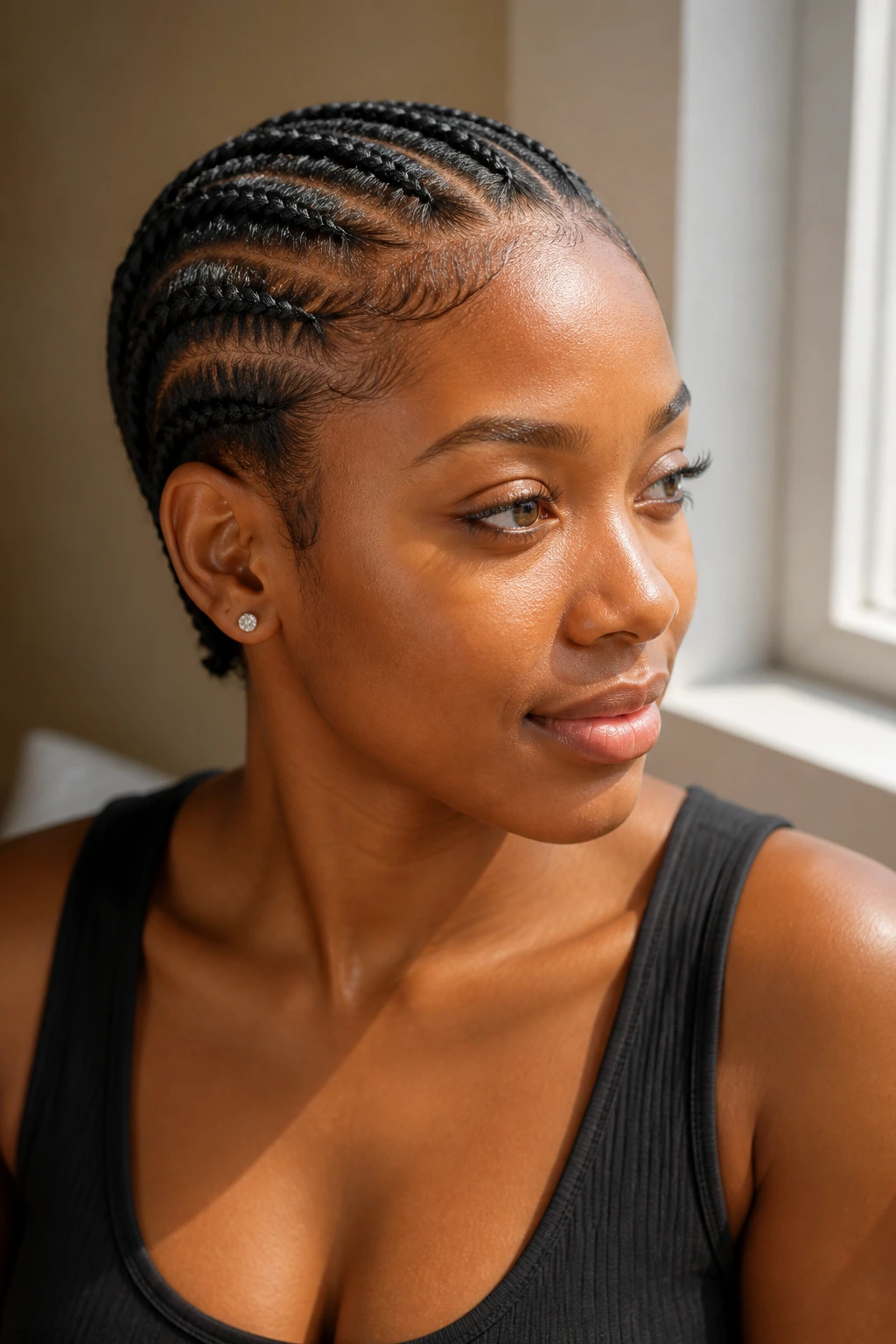
The best short braid for thin hair is the one that feels light at hour six, not just pretty at minute six. That usually means a softer start, a shorter length, and a parting pattern that gives the scalp room to look neat instead of crowded.
I would rather see a slightly smaller braid than a slightly sore scalp. That is the line that matters. Pick the version that sits flat, dries fast, and lets your edges keep their shape, then let the style do its job without asking your hair to carry more than it should.