



Side-swept part haircuts for boys with wavy hair work because they stop fighting the wave and start steering it. That sounds simple, but it’s the whole trick. Wavy hair rarely wants to sit flat all the way across the head, and when you force it into a straight, boxy part, it usually puffs at the sides or sticks up at the front like it’s arguing with the comb.
The better move is to let the wave bend the shape for you. A good side sweep can look tidy at school, soft in family photos, and still survive a backpack strap, a soccer drill, or a ride home with the window cracked open. The part doesn’t always need to be a razor line, either. On wavy hair, the part can be where the hair naturally falls after a quick blow-dry and a finger rake.
A lot of people make the same mistake here: they think the haircut is only about the fade. It isn’t. The real difference comes from three things working together — where the part sits, how much length stays on top, and how the barber handles the crown swirl near the back. Get those right, and even a simple cut looks deliberate instead of accidental.
The nice part is that the same basic idea can go in a dozen directions. Some versions stay clean and school-safe. Others lean sharper, messier, or longer. Some need almost no product. Others ask for a matte clay and two minutes with a dryer. The wave stays the star either way, which is exactly why these cuts keep holding up.
Why This Collection Is Different
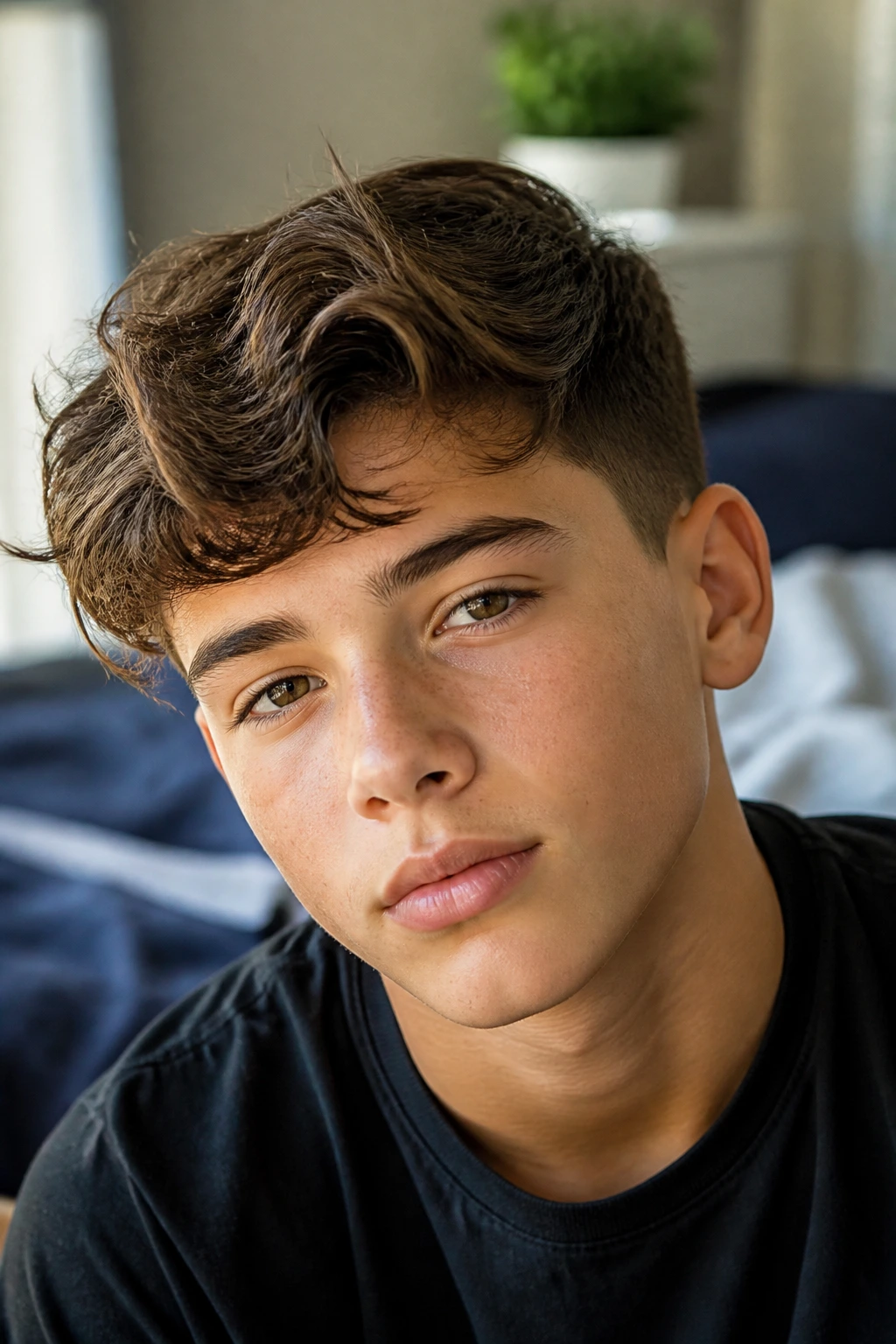
- Wave-friendly shape: Every cut here works with the bend in wavy hair instead of flattening it into a helmet.
- Easy grow-out: Short sides and a side sweep hide small uneven spots better than a blunt fringe.
- School and sports ready: Most of these styles keep hair out of the eyes without looking stiff or overdone.
- Barber flexibility: You can keep the same side-swept idea and change the mood with a low taper, fade, undercut, or longer top.
- Low-fuss styling: Several of these cuts look finished with a quick mist of water, a dab of cream, and a finger comb.
- Good for thick or awkward growth: Wavy hair with a crown swirl, temple puff, or heavy front line usually behaves better in a side sweep than in a straight-down style.
1. Low Taper Side Sweep with Soft Ends
A low taper side sweep is the easiest place to start if you want the haircut to look clean without making the wave feel trapped. The taper stays low around the ears and neckline, which keeps the cut neat, while the top stays long enough — usually around 3 to 4 inches — to show the wave instead of shaving it down.
What to tell the barber
Ask for a soft, low taper that blends into the sideburns and nape without climbing too high. Leave the top long enough to sweep across naturally, and ask for texture at the ends rather than a blunt snip. That tiny detail matters. Blunt ends on wavy hair can look like little shelf edges once the hair dries.
If the part isn’t obvious, that’s fine. On this cut, the part is often more of a direction than a line. The hair should fall to one side with a little bend, not sit in a hard divide.
Best for: boys who want a neat school haircut that still shows movement.
Styling note: a pea-sized amount of lightweight cream on damp hair is plenty. Push the top over with your fingers, then let it air-dry or use low heat for 30 to 45 seconds.
Watch for: a taper that climbs too high. That turns this soft shape into a louder fade, and the whole cut loses its easy feel.
2. Mid Fade with a Loose Wavy Part
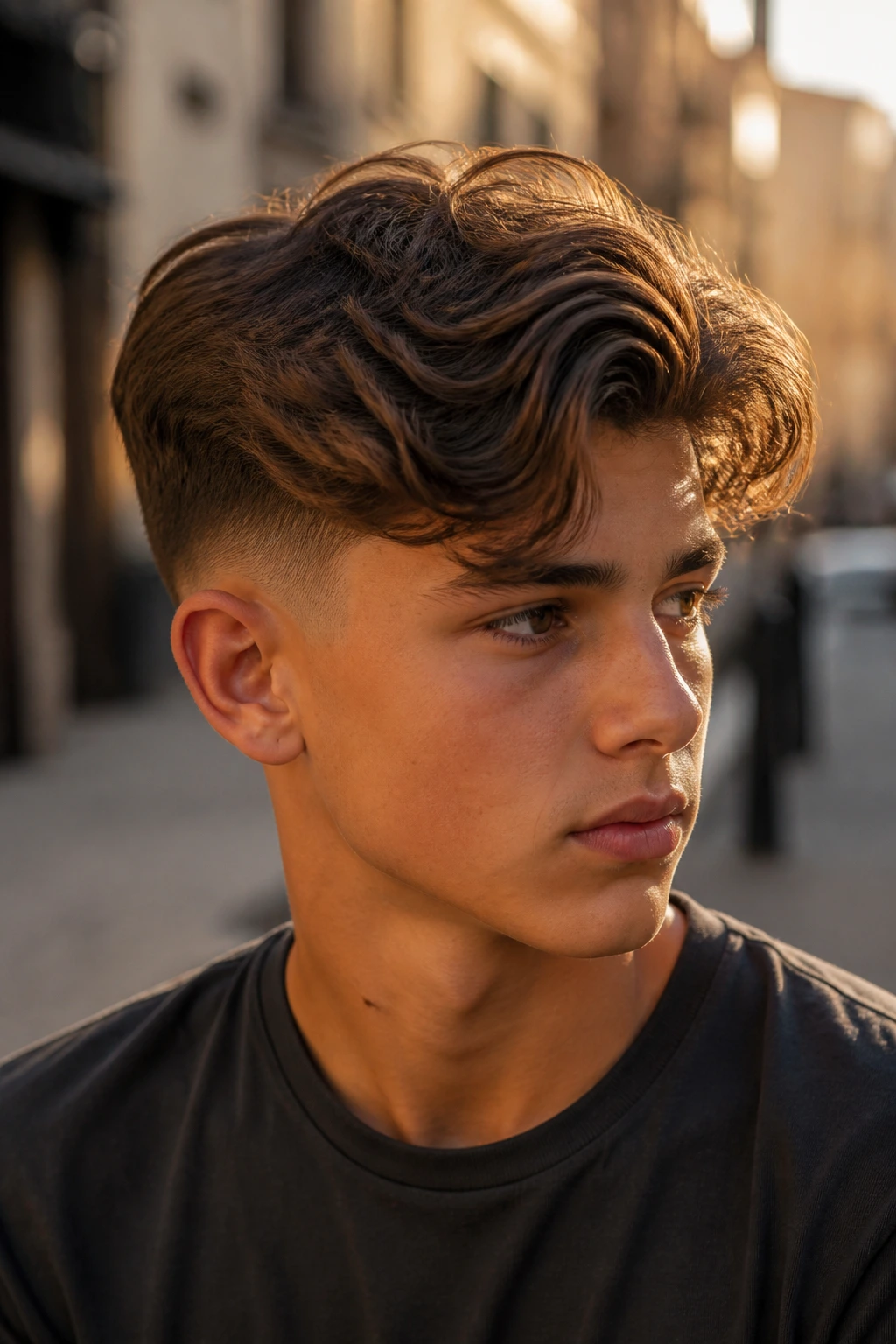
This is the sharper version. A mid fade gives the haircut more contrast, and on wavy hair that contrast can be a gift because it keeps the sides from ballooning out under the top. The fade starts around the middle of the head, usually near the top of the ear, so the sweep above it has enough room to sit.
The top should stay longer than people expect — 4 to 5 inches works well if the hair is dense. Shorter than that and the wave loses the chance to bend. Longer than that and it starts behaving like a fringe instead of a side part, which is a different look entirely.
I like this one on boys who want a cleaner edge without going all the way to skin on the sides. It’s neat, but it doesn’t feel severe. That’s a useful middle ground.
A little matte paste goes a long way here. Warm it between your palms, work it through the front and crown, then comb or finger-sweep the top to the side. If the wave keeps splitting in the wrong place, blow-dry the hair while guiding it over once the roots are almost dry. That one move usually fixes the shape.
3. Classic Scissor Side Part with Natural Movement
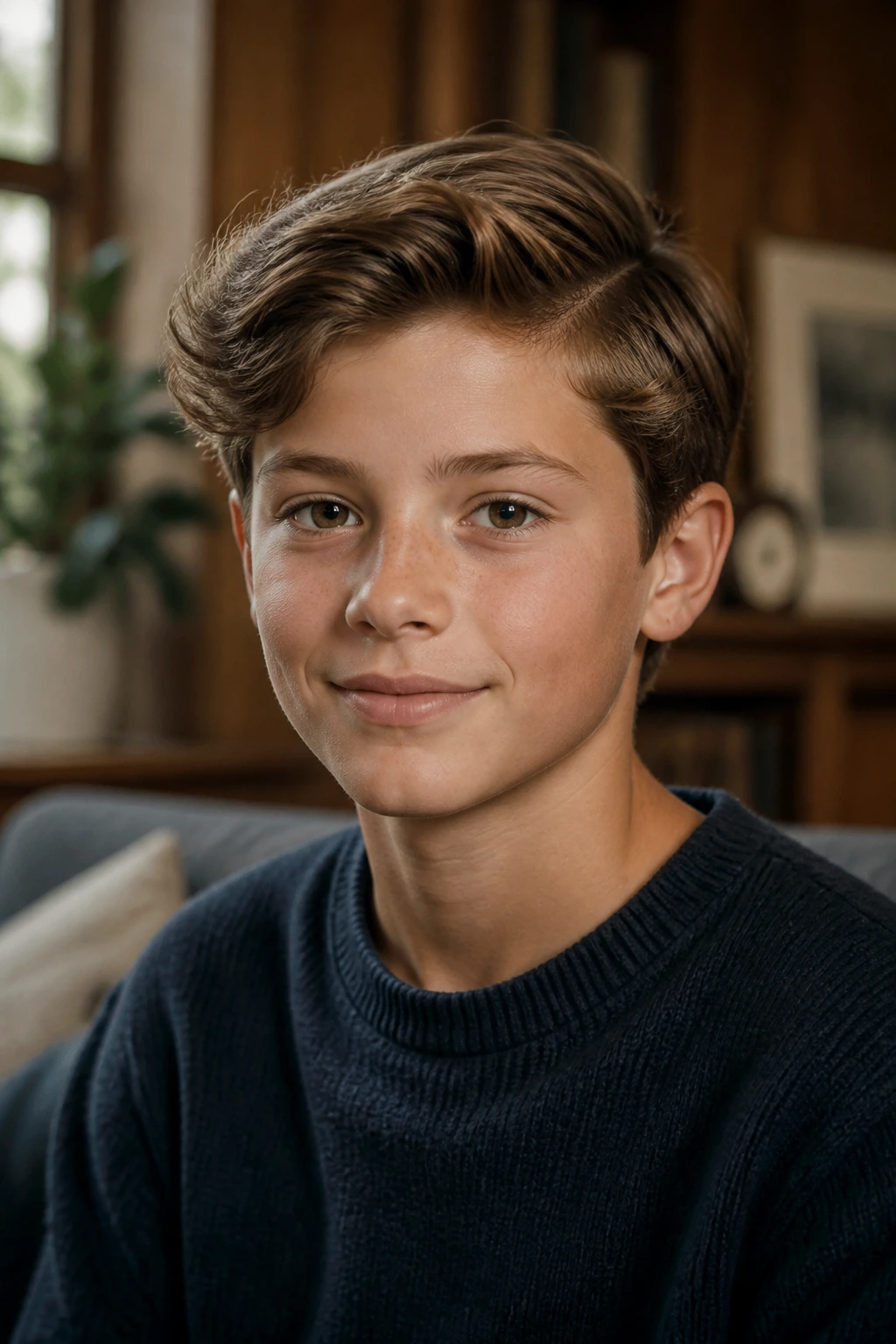
Why does the old-school scissor cut still work so well on wavy hair? Because it respects weight. Instead of carving away the sides with a heavy fade, a scissor-cut side part keeps some softness around the head, which lets the wave move without sticking out like a stubborn corner.
This cut usually leaves the top around 3 to 4 inches and the sides around 1.5 to 2 inches, blended with scissors instead of a high clipper fade. That makes the haircut feel more natural and less boxed in. If the boy has a strong crown swirl or a front that likes to flick up, this version gives the barber more control.
How to style it
Start with damp hair, not soaking wet hair. Comb the top to one side, then pinch the ends with a small amount of cream or paste. Don’t overwork it. Wavy hair looks better when a little texture stays visible.
A wide-tooth comb helps here more than a fine one. The fine teeth pull the wave too straight and leave it fluffy at the edges.
This is the cut I’d choose for someone who wants the hair to look tidy without looking pushed into place. It’s a good school haircut, and it grows out with less drama than a hard fade.
4. Hard Part with Brushed-Over Waves
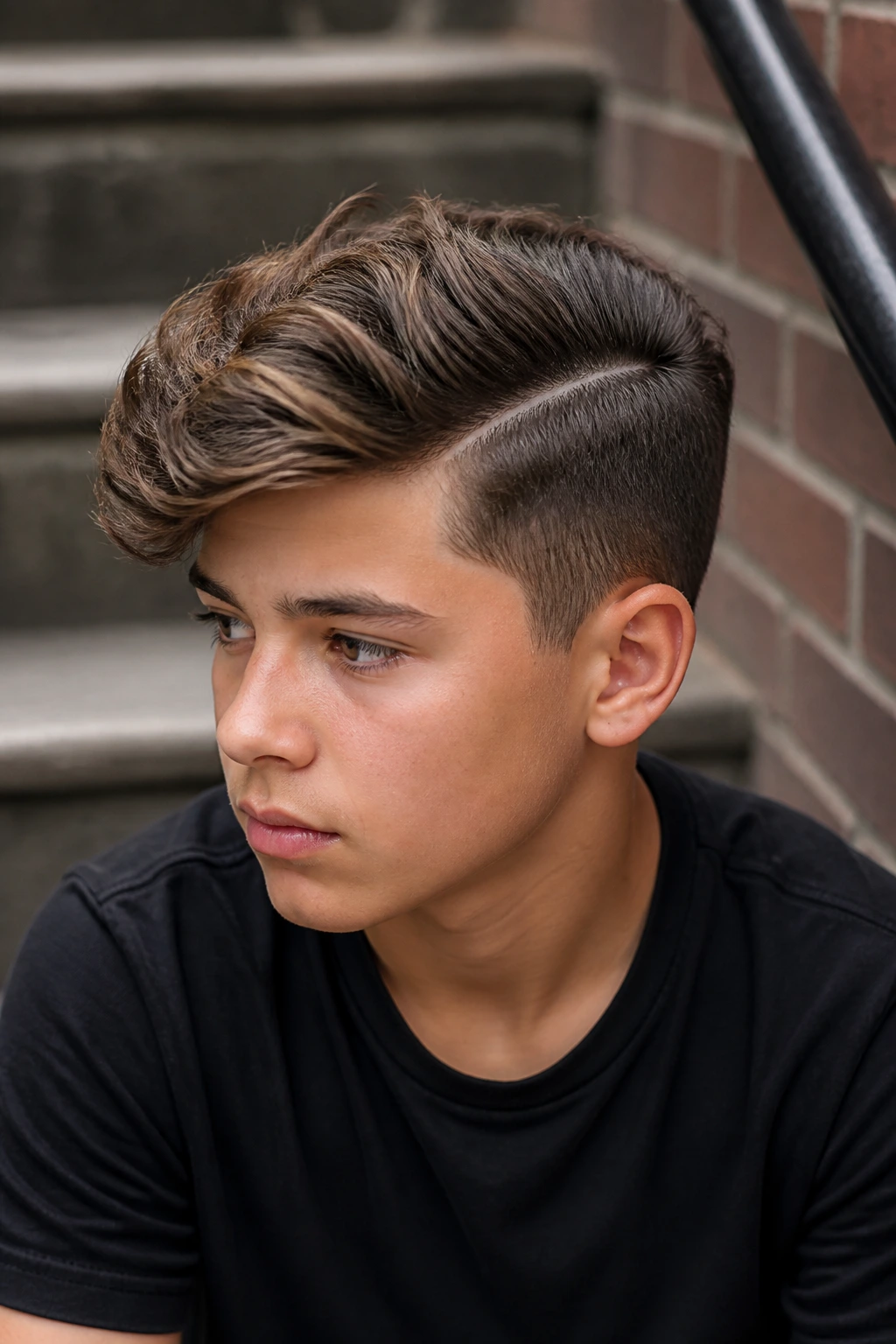
On thick wavy hair, a hard part can rescue a cut that would otherwise turn fuzzy by lunchtime. The razor line gives the eye something to follow, so the wave doesn’t have to do all the organizing by itself. That matters when the top is dense, because dense waves can blur into one big puff if the shape isn’t defined.
The trick is not making the hard part too aggressive. One sharp line is enough. The top should be brushed over with enough length — usually 3.5 to 5 inches — to sit across the part without looking forced. If the top is too short, the line becomes the only thing anyone notices, and that’s not the goal.
Good fit: medium to thick wavy hair that needs a clear direction.
Not ideal for: very fine hair. A hard part on fine hair can look thin instead of sharp.
Barber note: ask for the part to sit slightly above the temple point, not way up on the crown. A part that sits too high can make the front look narrow.
The best styling move is simple: blow-dry along the part first, then push the top over with a matte clay. Use a dime-sized amount, not a fistful. The goal is separation, not stiffness. Stiff hair and waves do not get along.
5. Ivy League Sweep for School Days
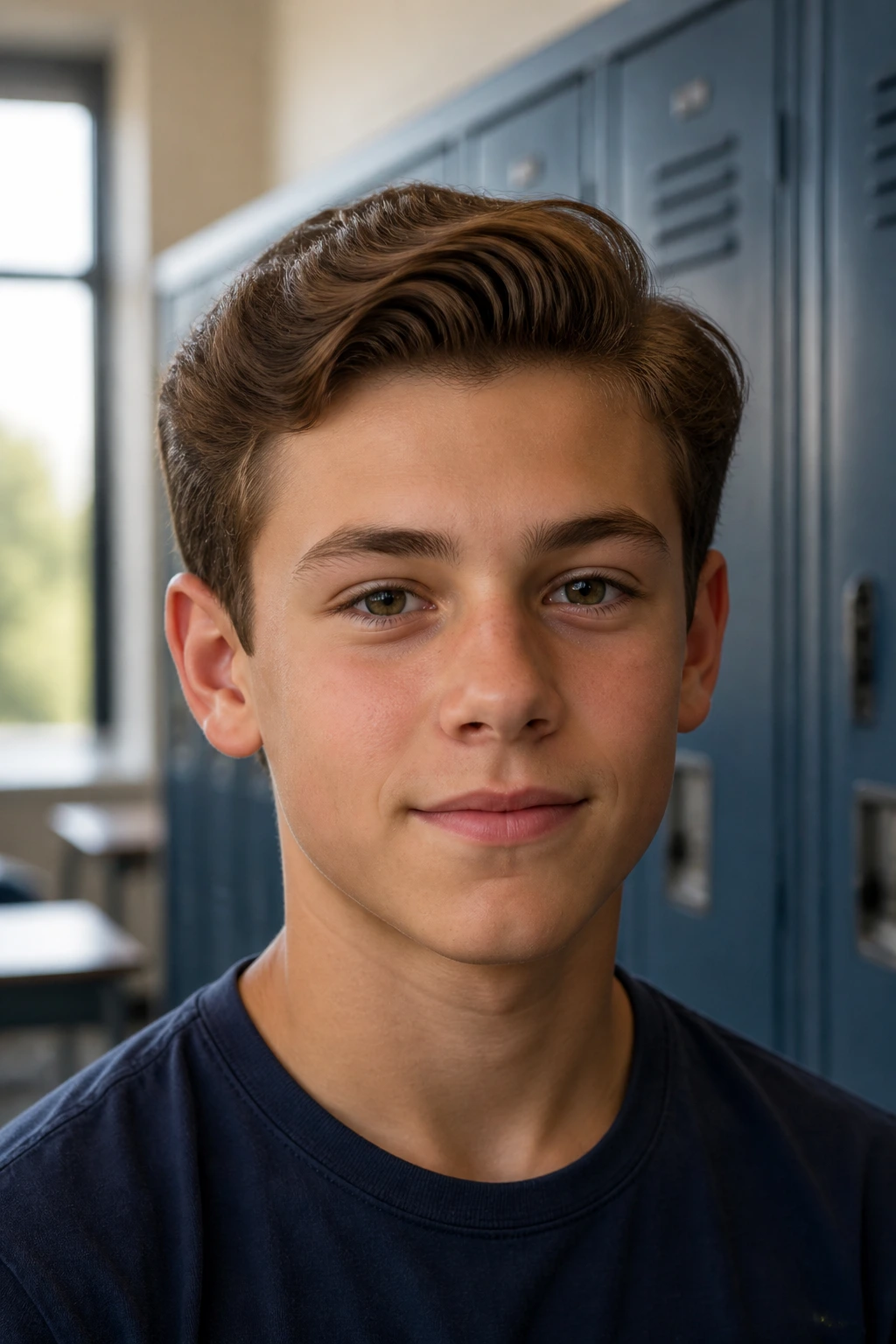
This is the cleanest of the bunch. The Ivy League side sweep keeps the top shorter — usually around 1.5 to 2.5 inches — and uses just enough length to comb the hair to one side with a neat bend at the front. It’s the haircut version of a pressed shirt that still has some life in it.
It’s a strong choice for boys who don’t want hair falling into their eyes, especially if they’re always reaching up to push the front back. The cut stays tidy around the ears and crown, and it doesn’t need much product. A touch of light cream or even a little water in the morning is often enough.
The thing I like most is how it behaves as it grows out. A longer side part can go fuzzy fast. The Ivy League tends to blur in a nicer way, because the top is short enough to keep its shape but long enough to show a little wave.
If the hair is dense, ask the barber to leave a touch more weight on top and trim the sides cleanly. If the hair is finer, keep the top closer to 1.5 inches so it doesn’t flop forward by noon. That’s the kind of small adjustment that changes the whole result.
6. Textured Crop with a Diagonal Fringe
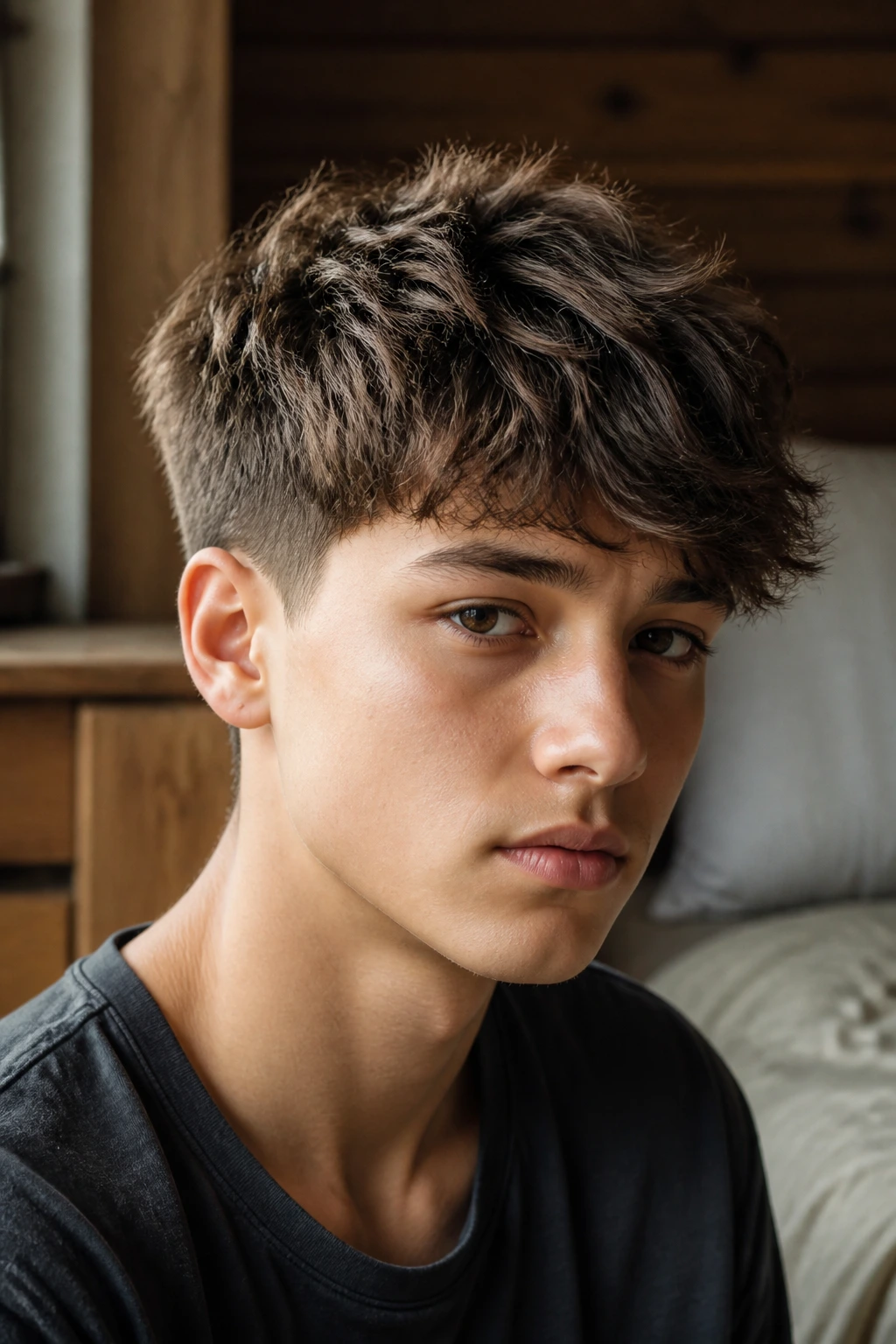
Unlike a polished side part, this cut leans into choppier texture on purpose. The top is cropped shorter — usually around 2 to 3 inches — but the front stays a little longer so the fringe can sweep diagonally across the forehead. On wavy hair, that diagonal line looks more natural than a perfectly straight fringe ever will.
The crop works especially well when the hair has a little spring to it. Instead of fighting the wave, the barber cuts into it with point cutting or choppy scissor work so the ends break up the bulk. That keeps the front from turning into one heavy block.
This is the cut for boys who like the idea of a side part but don’t want the hair to look too formal. It has shape, but it doesn’t look stiff. It also hides minor cowlick trouble because the fringe can be redirected without needing a hard divide.
A matte clay or paste is the right product here. Not gel. Gel makes the texture clump, and then the whole point of the crop disappears. Work the product through damp hair, then push the front diagonally with your fingers and let the wave keep its own texture.
7. Drop Fade Side Sweep
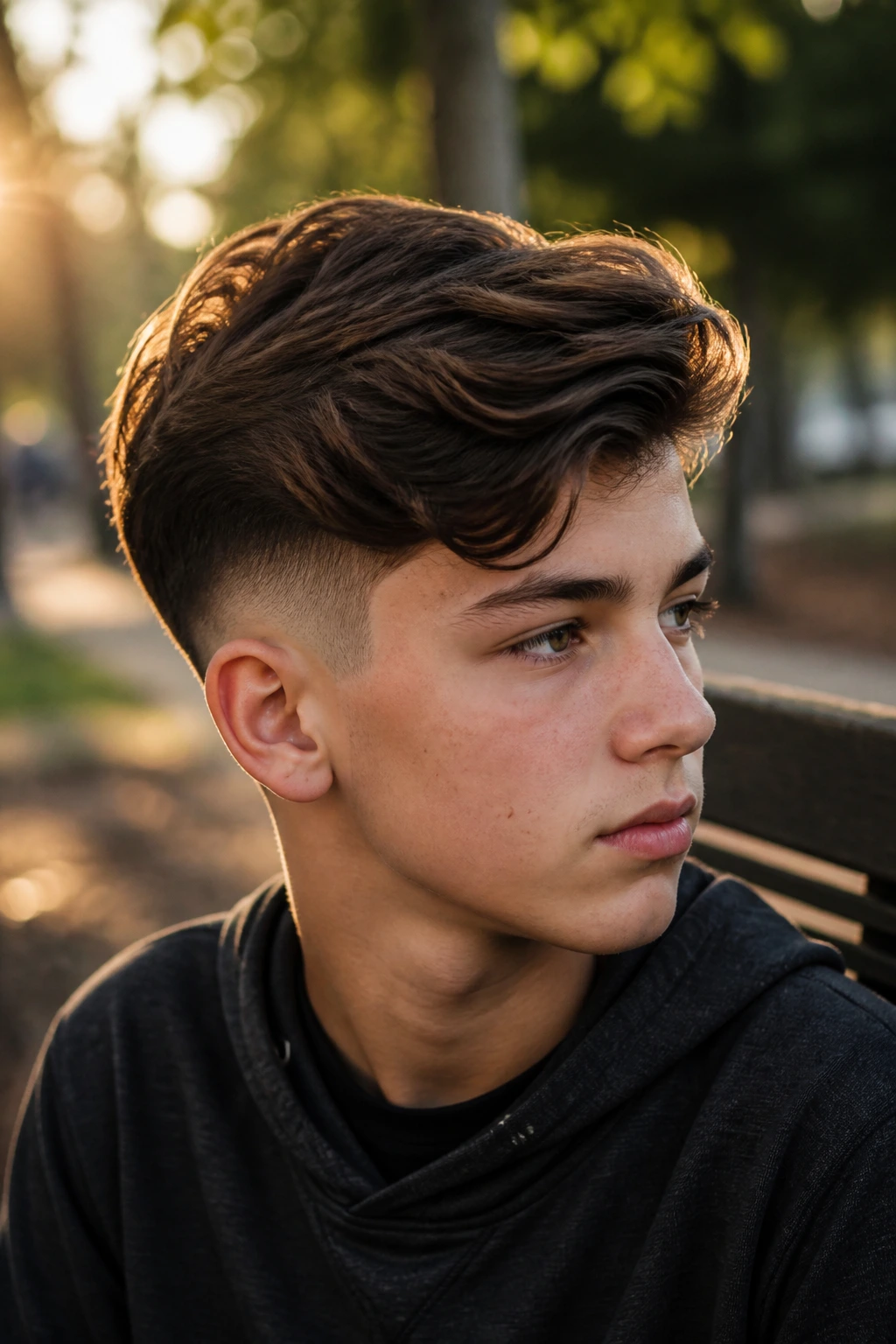
The drop fade is one of those cuts that quietly changes the whole silhouette. Instead of running level around the head, the fade dips lower behind the ear and follows the curve of the skull. That means the top can stay fuller, and the side sweep feels relaxed rather than boxed in.
This shape is especially useful if the boy has stronger hair at the temples or a head shape that benefits from a little curve on the sides. The fade can drop to a #1 or even lower behind the ear, while the top stays around 3.5 to 4 inches and sweeps over with a soft bend.
What makes it different: the drop in the fade gives the haircut a rounded shape from the side view. It keeps the head from looking too wide at the corners.
Styling tip: use a vent brush or fingers to direct the top across while the hair is still slightly damp. Once it dries, the wave will settle into that line.
This is one of the better choices for boys who play sports. The sides stay tight enough to avoid that sweaty puff around the ears, but the top still has enough length to look styled after practice.
8. Longer Fringe Side Sweep
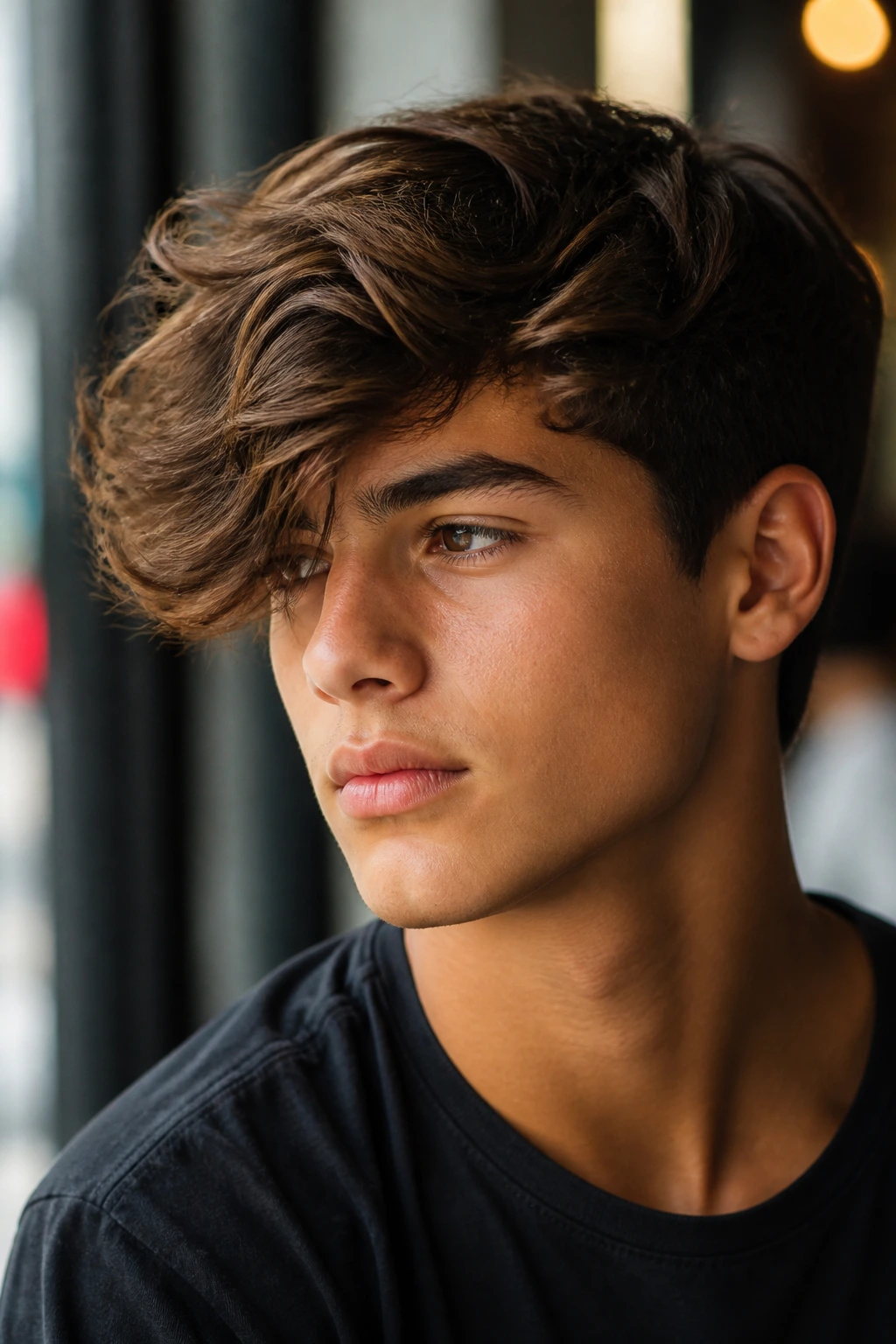
What if the front is the best part of the haircut? Then this is the answer. A longer fringe side sweep keeps more length in front — often 4 to 5 inches — and uses the wave to drape the hair diagonally across the forehead. It’s a bit looser, a bit cooler, and a lot more forgiving if the hair grows fast.
This version is good for boys who like some coverage at the front or who have a forehead shape that looks better with a little softness. It also works when the hair naturally wants to fall forward. Instead of fighting that, the cut simply guides it to the side.
How to keep it from getting in the eyes
Blow-dry the front upward first, then sweep it across while the roots are still warm. That gives the fringe a little lift before it falls into place. If you skip that step, the front can droop and start hanging in the middle of the face.
A light cream or mousse is usually enough. Heavy clay can make the fringe feel tacky, and then the ends start sticking together in little chunks.
This one needs regular trims — every 4 weeks is a good rhythm — because fringe length changes the whole shape fast. A half-inch too much can turn a nice sweep into a face-full of hair.
9. Temple Fade with a Soft Side Part
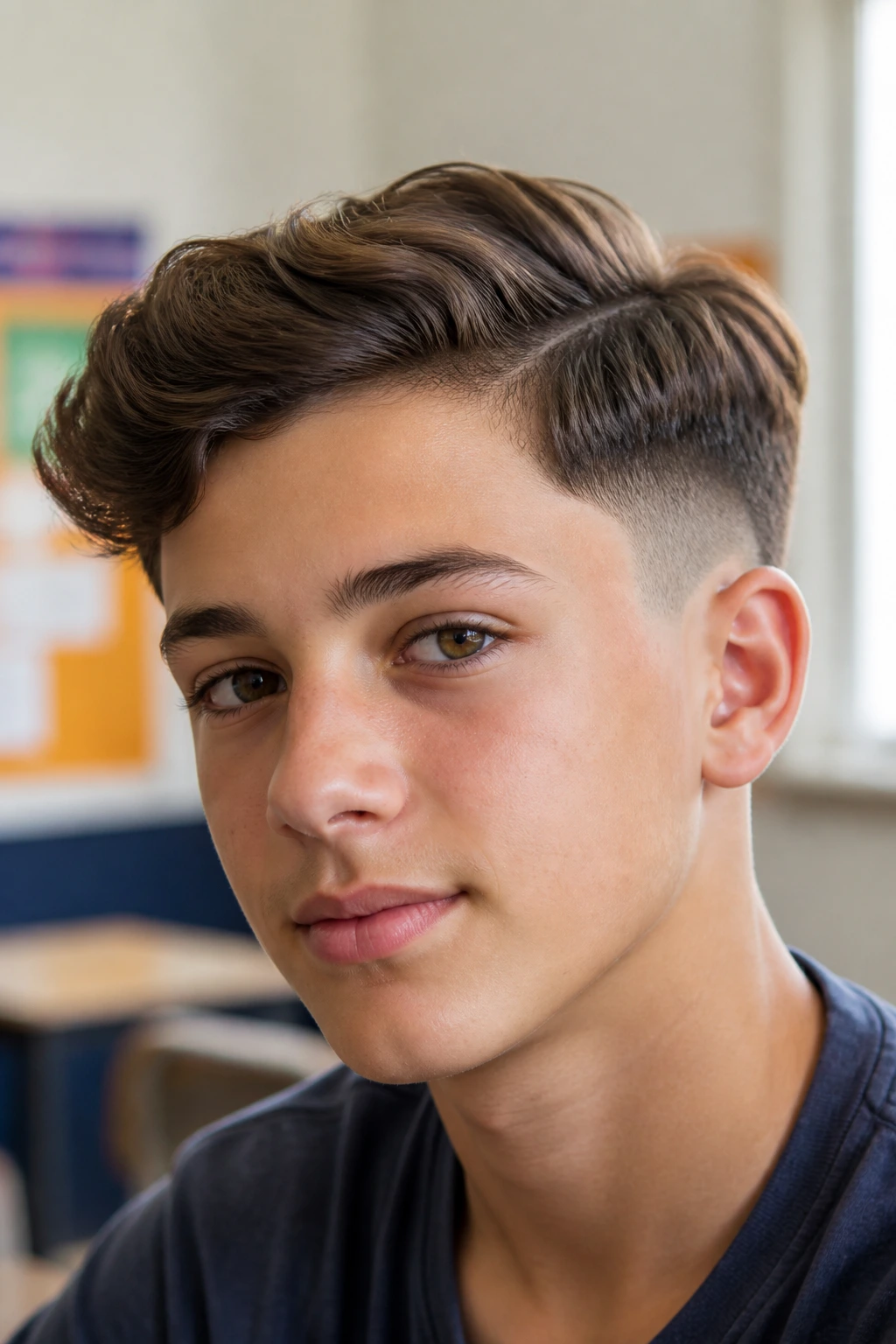
I like this one when the temples puff up before the rest of the haircut does. The temple fade clears that area without taking the whole side down too far, so the top can keep its side-swept shape while the edges stay clean. It’s a useful compromise for boys with wavy hair that gets bulky in the middle but stays fine near the crown.
The fade usually begins around the temple and dips around the sideburn, while the back and lower sides keep a bit more length. The top can sit around 3 to 4 inches, enough to sweep over with a soft part that isn’t pinned down by a razor line.
Who it suits: boys who wear glasses, because the temple area stays neat and doesn’t fight the frames.
Who should skip it: boys whose hair is very thin at the temples. A temple fade can expose too much scalp if the density is low there.
The best part about this cut is that it looks tidy even when it’s not freshly styled. A quick finger sweep, a little water, and a dab of cream are enough. That makes it a smart choice for mornings when the clock is moving faster than the comb.
10. Disconnected Undercut Side Sweep
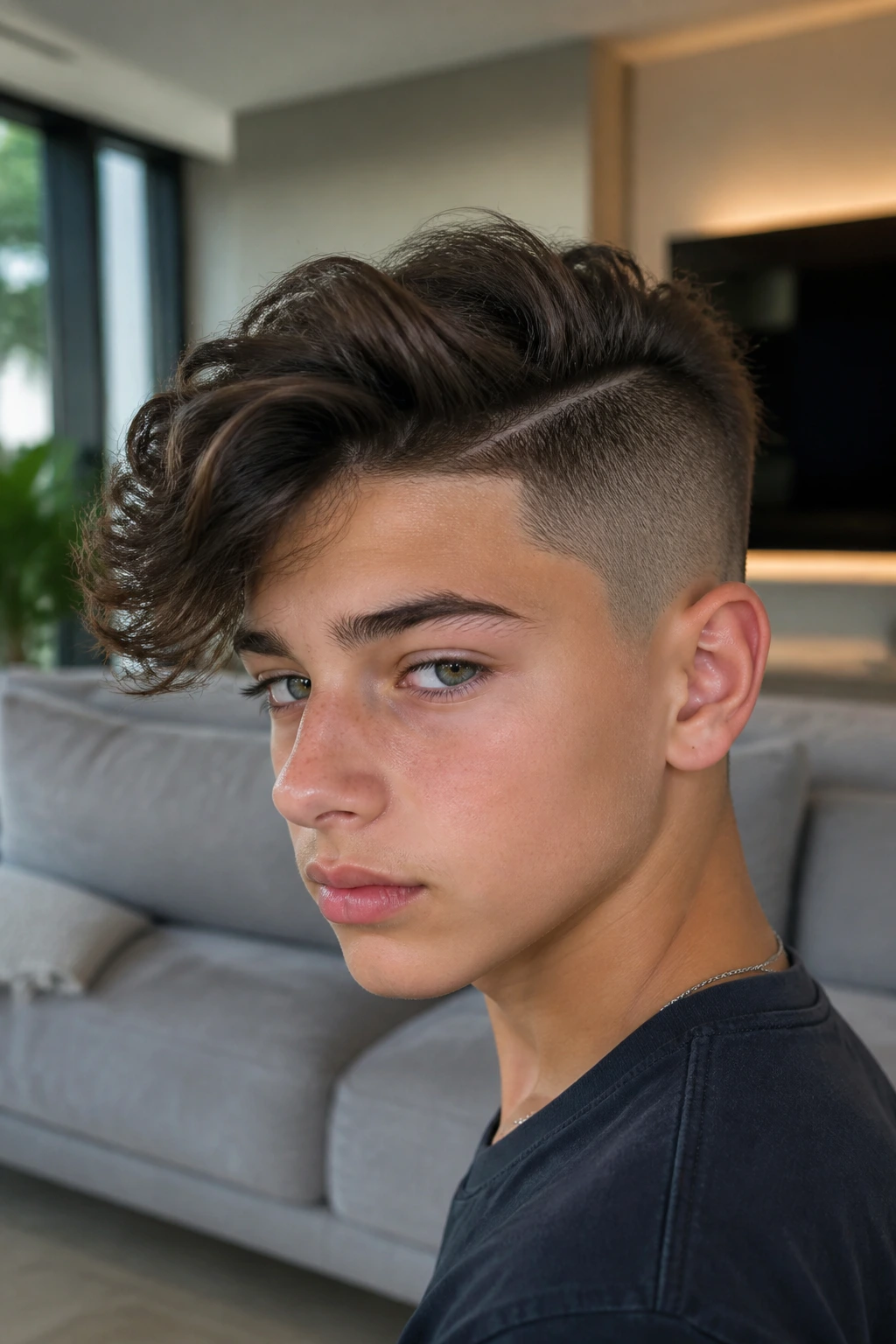
This is the most dramatic version in the group. The undercut takes the sides down very short — sometimes to a #1 or even skin near the neckline — and leaves a much longer top, usually 4 to 6 inches, to sweep over from one side. The disconnect is the point. The contrast is what makes the wave pop.
On thick wavy hair, this can look sharp in a way that feels almost tailored. The top sits like a separate piece, and the wave keeps it from looking flat or too neat. That said, the cut does not hide anything. If the top is uneven or the barber takes too much off one side, you’ll notice immediately.
The catch: grow-out is obvious. If you wait too long between trims, the contrast starts to blur in a patchy way. Plan on visiting the barber every 2 to 3 weeks if you want the shape to stay crisp.
A matte clay is the right finish here, not shine. Push the top across with your fingers, then use the dryer on low for a few seconds to lock the bend. If the boy likes a stronger style, a hard part can work here too, but I’d only add that if the hair is thick enough to handle it.
11. Layered Mop-Top Sweep
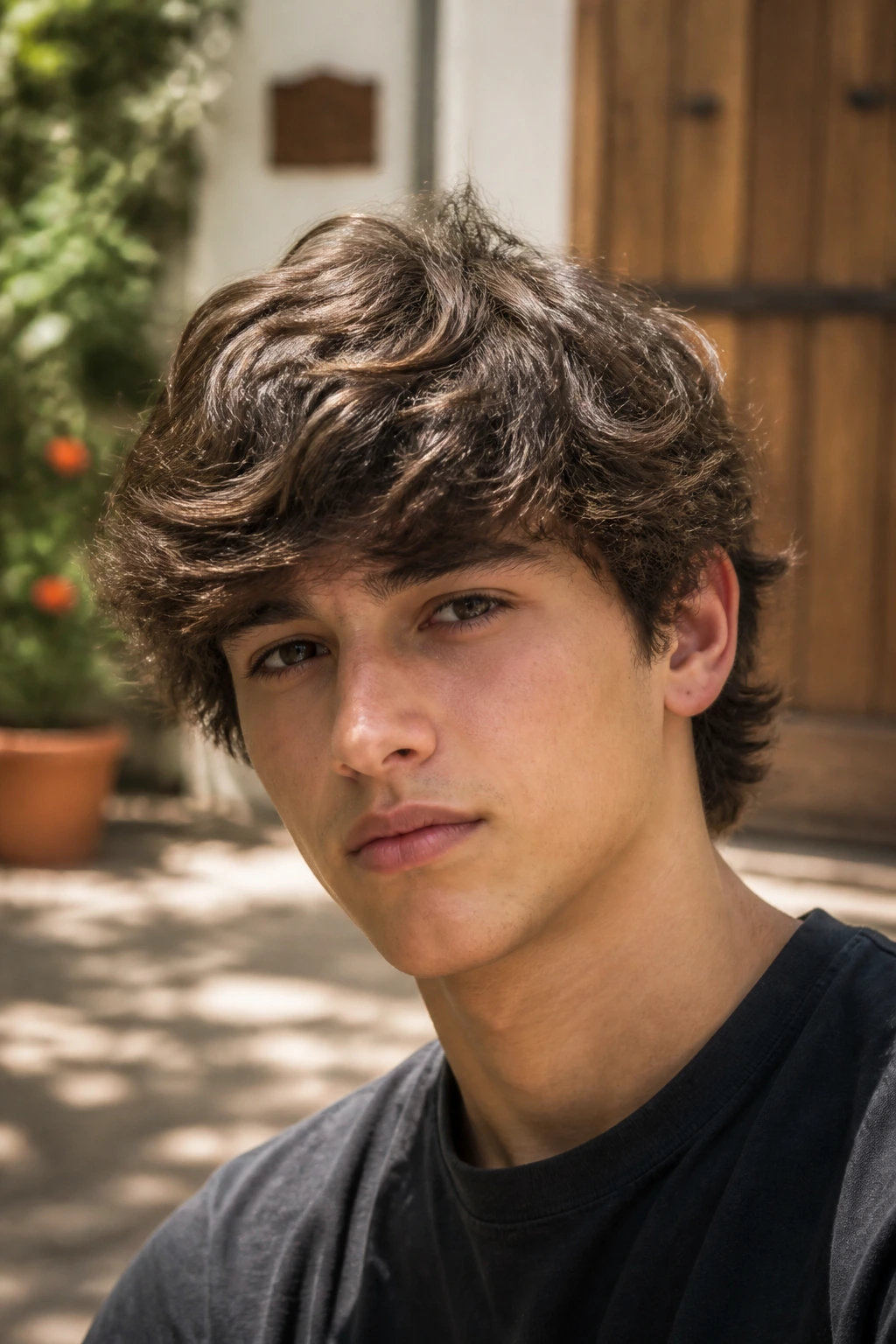
The layered mop-top sweep is softer, looser, and a little less formal than the sharper cuts above. The top stays longer — usually around 3 to 5 inches — but the barber cuts in layers so the wave can fall in pieces instead of one heavy sheet. That’s the whole point. It keeps the shape alive.
This is one of the best options for boys who like hair they can run a hand through without ruining it. The layers help control bulk at the crown, and the side sweep happens almost by accident as the hair settles. If the hair is especially thick, a little point cutting around the front helps keep the fringe from landing like a curtain.
The look works well when the goal is “cool and soft” rather than “sharp and polished.” It’s also forgiving if the boy isn’t going to style his hair much beyond towel drying and finger combing.
Use a light cream or leave-in styler here. Heavy paste will weigh the layers down and make the ends separate in odd places. The layered shape needs movement, not glue. That’s the difference between looking relaxed and looking like the wind hit it on purpose.
12. Short Sides, Heavy Top Side Part
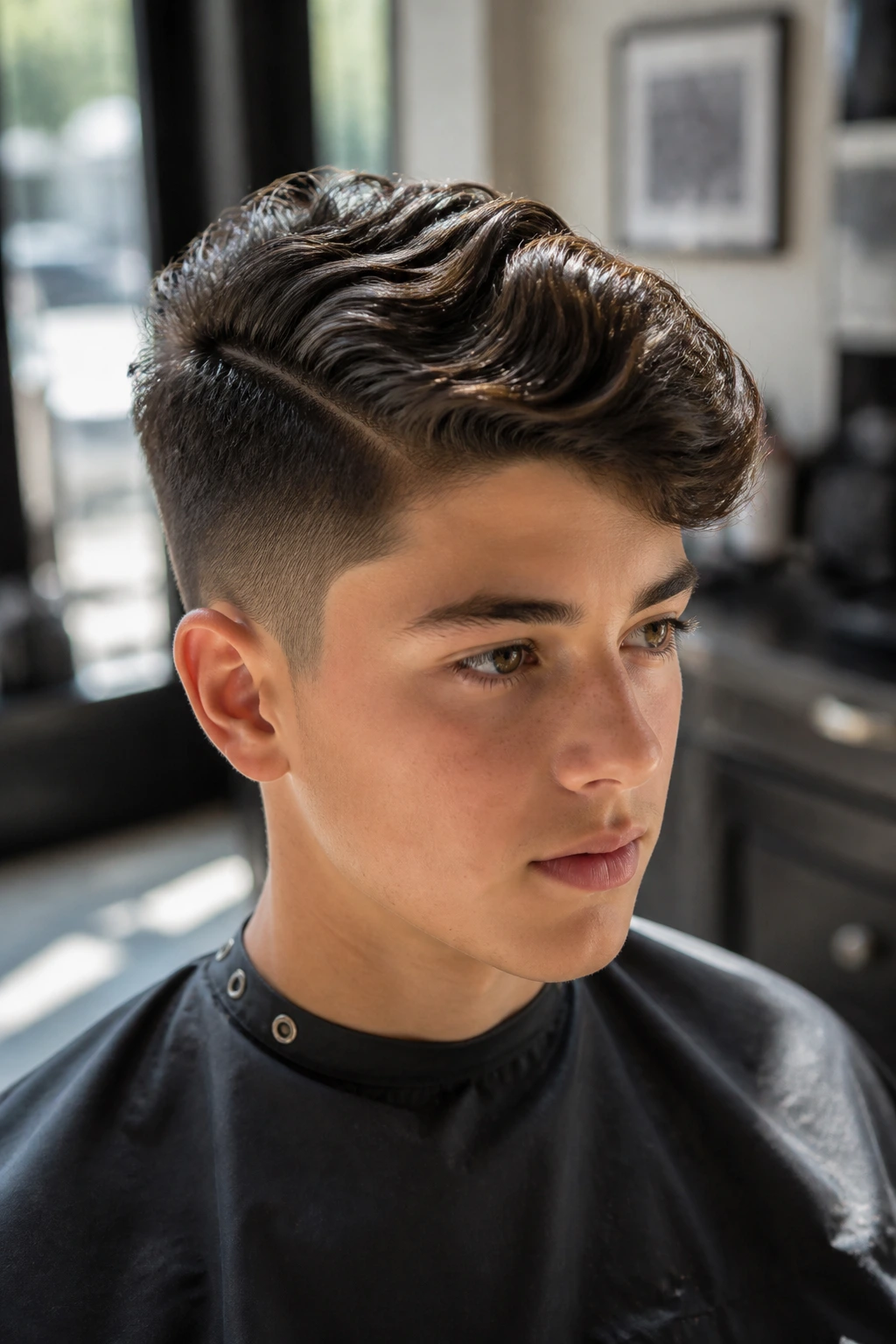
This one is for the boy whose hair looks fine on the sides but turns into a mushroom on top if nobody handles the bulk. The short sides, heavy top side part keeps the weight where the wave looks best — up high — while trimming the perimeter down enough that the whole cut sits clean.
Unlike the undercut, this version still blends from top to sides. That makes it easier to grow out and less extreme around the ears. The top usually sits between 4 and 6 inches, depending on how strong the wave is, and the barber should remove enough bulk on the crown to stop the top from collapsing outward.
Why this cut works
Wavy hair often needs one area to carry the shape. Here, that area is the top. The sides stay shorter, but not shaved down, so the haircut keeps some softness from the front and profile.
A blow-dryer helps more than product does. Dry the roots in the direction of the part first, then finish with a small dab of matte paste. If you only use product, the hair may separate but still sit too flat near the scalp.
This cut looks especially good on boys with thicker hair and a round or square face. The height on top adds a little length, while the shorter sides prevent the head from looking wide.
13. Burst Fade Side Sweep
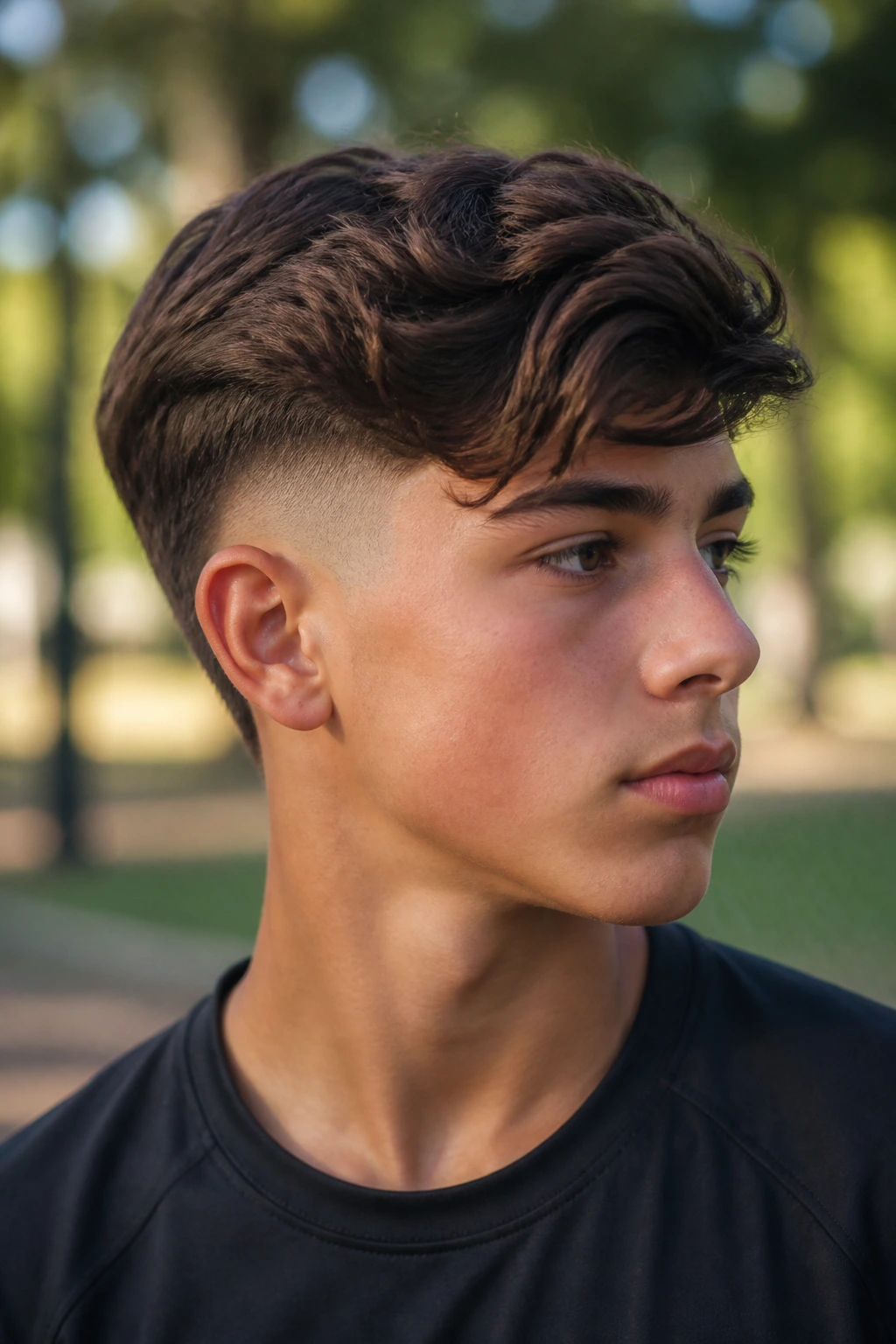
The burst fade wraps around the ear in a curved shape, almost like a half moon, and that curved edge gives a side-swept haircut a more athletic feel. The fade leaves more length at the back than a standard taper would, which keeps the cut from feeling too shaved down.
On wavy hair, the burst fade has a neat trick: it makes the top look fuller. Because the sides curve inward around the ear, the eye reads the top as having more lift and motion. That’s useful if the hair on top is medium density and needs a little help standing out.
This version suits boys who want something with energy. It feels active, a little sharper than a scissor cut, but not as severe as a full undercut. If the boy wears baseball caps a lot, this is a good shape too, because the top can collapse and still bounce back without losing its outline.
Ask for the fade to stay low around the burst. If it climbs too high, the round shape gets lost and the haircut starts to look ordinary. The side sweep should still be the focus. The fade is the frame, not the picture.
14. Tapered Neckline Side Part
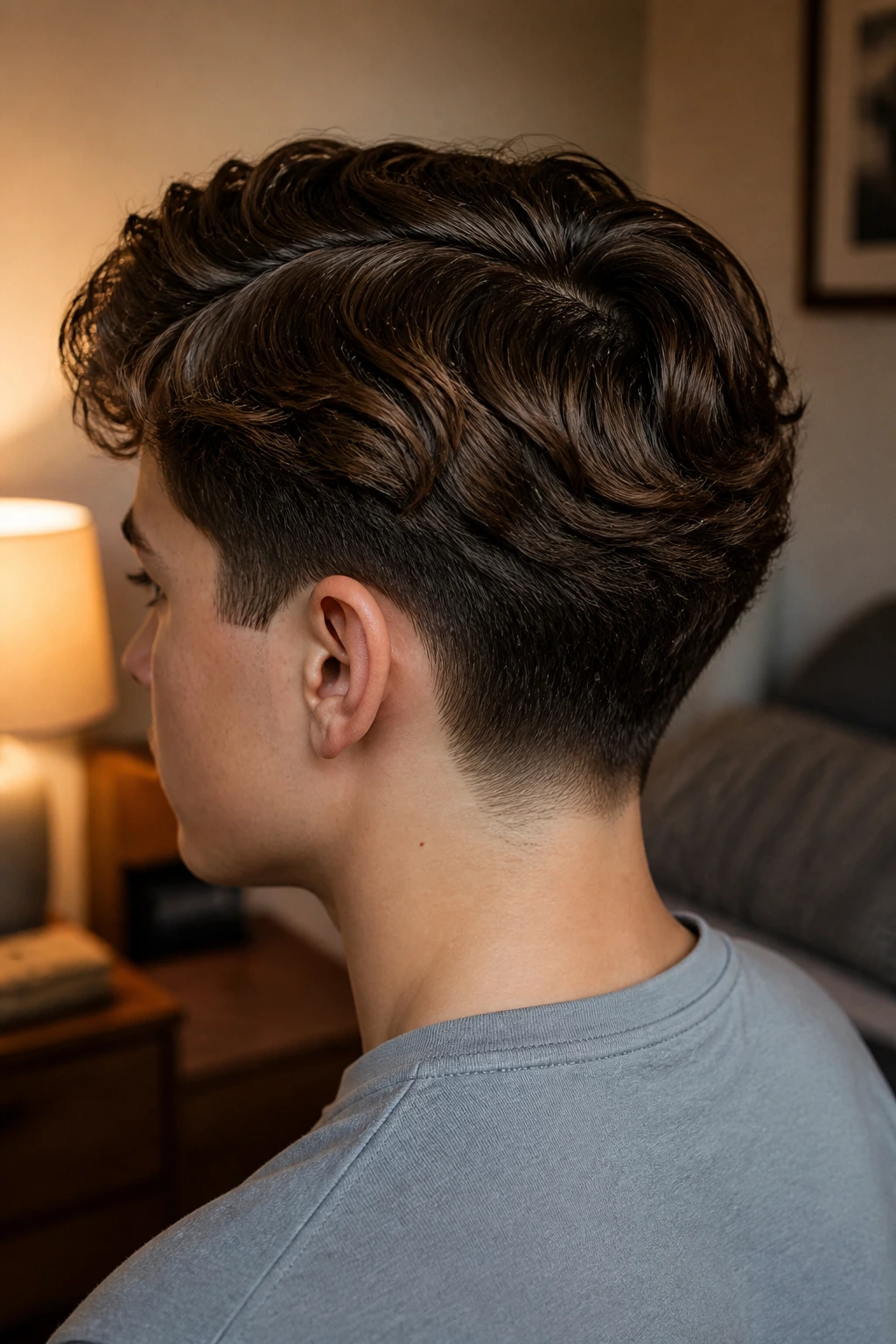
Why does the neckline matter so much? Because that’s the part of the haircut people see when the top is no longer fresh. A tapered neckline keeps the back of the cut clean without making the sides too severe, and on wavy hair that soft finish can save the whole look around week three.
This style usually keeps the top around 2.5 to 4 inches and uses a low taper at the sideburns and nape. The part can be soft or lightly defined. Either way, the key is that the haircut stays polished from behind, not just from the front.
It’s a good choice for school settings where the haircut needs to look tidy but not flashy. It’s also one of the better versions if the boy’s hair grows fast at the neck, because a tapered neckline hides the first signs of grow-out much better than a blunt line.
If the hair naturally flicks out at the nape, ask the barber not to cut the neckline too square. A soft taper usually handles that growth pattern better. Sharp lines and wavy neck hair tend to fight each other, and the fight shows up fast.
15. Wavy Quiff with a Side Bias
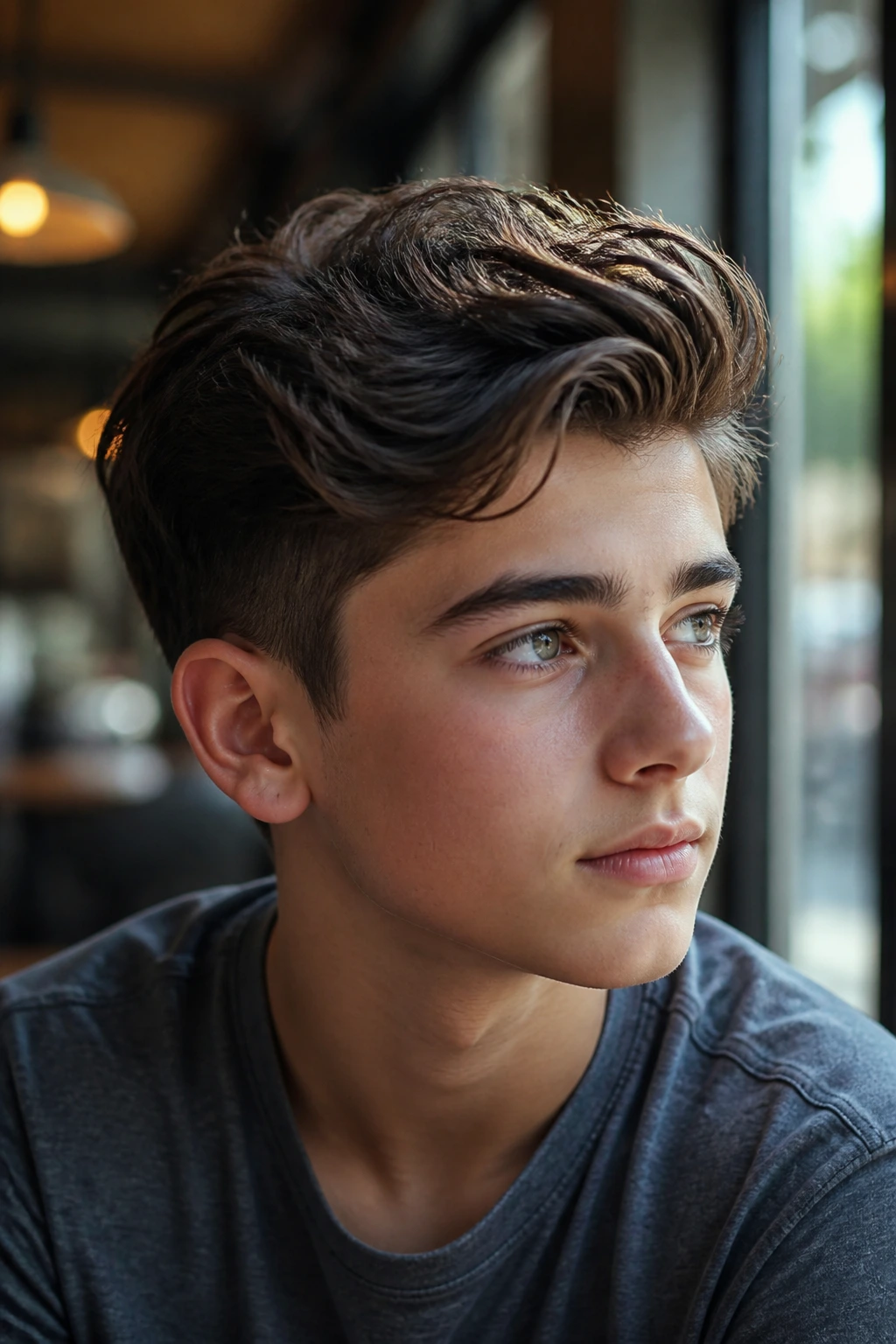
A quiff does not have to stand straight up to count. On wavy hair, a side-biased quiff keeps the front lifted while pushing it diagonally instead of straight back, which gives the haircut more movement and less stiffness. The wave is doing the heavy lifting here, not the product.
This version usually needs 3.5 to 5 inches on top, with the front kept a little longer so it can rise and then sweep. The sides can be low-tapered or faded, depending on how much contrast you want. A dryer helps more than people think. Warm air at the roots, then a quick push to one side, creates the bend that product alone can’t fake.
Best for: boys who want a little height without wearing a full pompadour.
Styling note: use mousse or a light cream at the roots first, then a small amount of clay at the ends. That two-step finish gives lift without crunch.
If the wave is loose, this cut can look soft and brushed. If the wave is tighter, it takes on a more pronounced bend and can look almost sculpted. Either way, the side bias keeps it from feeling too formal.
16. Curtain-Leaning Side Sweep

This one lives near the line between a side part and curtain hair, and that’s why it works. The hair stays long enough — usually 4 to 6 inches — to split and fall softly, but it’s pushed to one side so it doesn’t read like a true middle part. On boys with wavy hair, that slight bias can look effortless in the best way.
The cut works because the wave naturally wants to break apart near the forehead. Instead of forcing the front into a single clean sweep, the barber leaves feathered ends that fall around the brows. That keeps the look relaxed and avoids the heavy, helmet-like shape that longer hair can sometimes create.
This version needs some room around the temples. If the sides are cut too tight, the top starts looking detached in a bad way. A soft taper or low fade usually handles it better than a hard undercut.
Keep the product light. A little sea salt spray or leave-in cream is enough. If you overdo it, the curtain pieces clump and lose the soft line that makes this style work in the first place.
17. Messy Bedhead Side Part

This cut looks like it was dried by the wind, but the shape underneath is doing the work. The side part is there, just not shouting about it. The top stays around 2.5 to 4 inches, and the waves are left messy enough to break up the line without losing the direction.
I like this one on boys who hate the feeling of combed hair. It doesn’t ask for much. A spray bottle, a little salt spray, and a quick finger rake are enough to get it moving. If the hair is thick, the barber should leave a little extra length at the crown so it doesn’t stand straight up after washing.
What makes it work
The mess is controlled. That’s the whole idea.
The sides stay shorter so the top can look casual without turning into a puff. A matte finish works better than shine, because shine makes the mess look greasy instead of easygoing. And no, the cut does not need to look different every day. The point is that it should still look decent even when the morning routine lasts ninety seconds.
This is one of the best side-swept looks for active boys, because it tolerates sweat, rough sleep, and a backpack strap better than a polished side part does.
18. Long Top with a Low Skin Fade
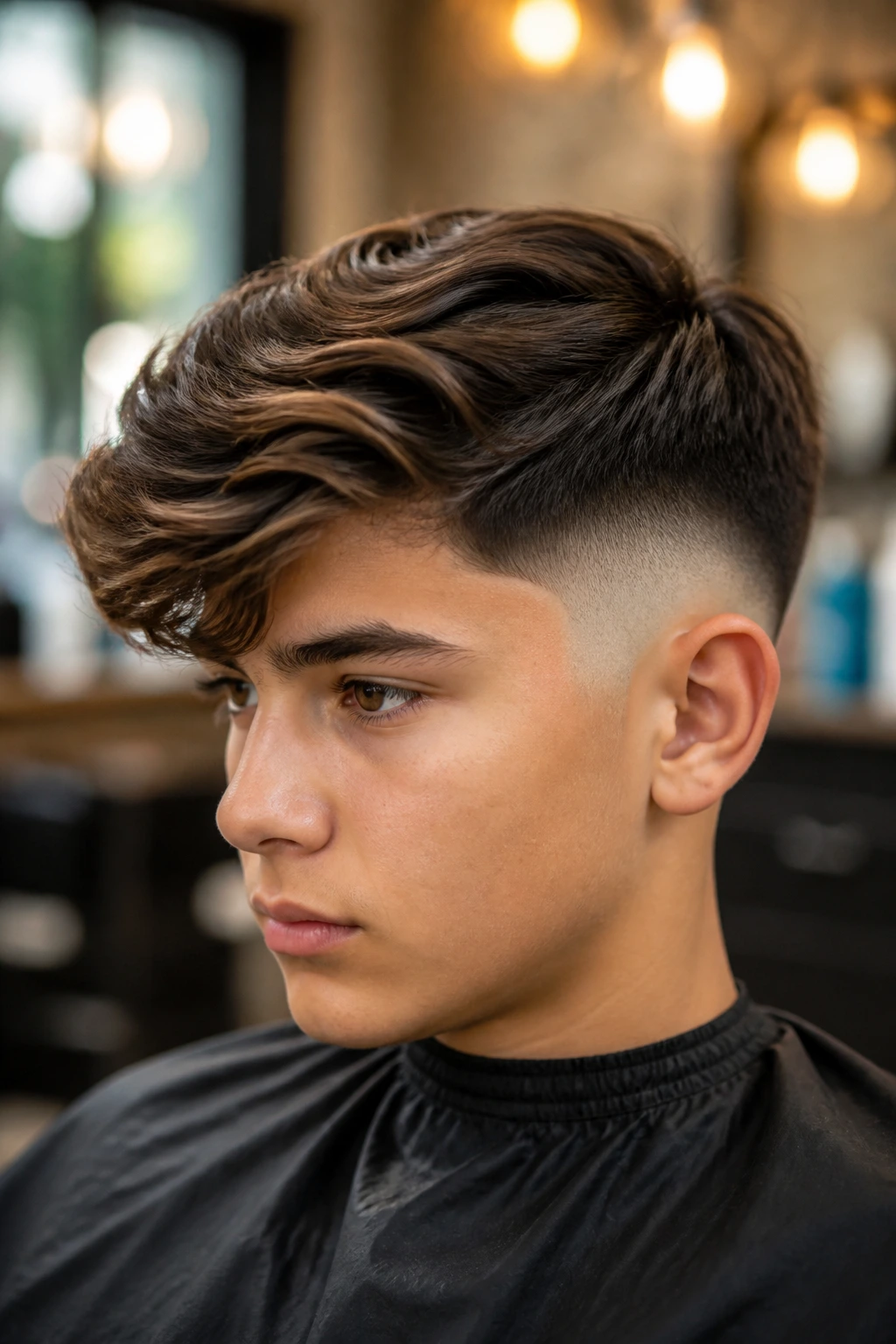
If you want the biggest contrast and the cleanest morning routine, this is the one. The low skin fade clears the sides and neckline down to skin near the bottom, then keeps the fade low so the top still has room to sweep across without looking too dramatic. The top usually needs 5 to 6 inches if the wave is loose, a little less if it’s thick and springy.
The look has a sharp outline, but the wave keeps it from feeling hard. That’s what makes it so good on boys with wavy hair. The hair can move, bend, and separate at the front, while the sides stay crisp enough that the shape doesn’t get lost when the day gets busy.
Best for: older boys, thicker hair, and anyone who doesn’t mind keeping up with trims.
Be careful with: very fine hair or low-density hairlines. A skin fade can expose too much scalp and make the top look thinner than it really is.
To style it, use a blow-dryer first, then a matte paste or clay. Push the top across with a slight lift at the front, not flat against the head. That little bit of lift keeps the side sweep from looking pasted down.
Why the Side Sweep Works So Well on Wavy Hair
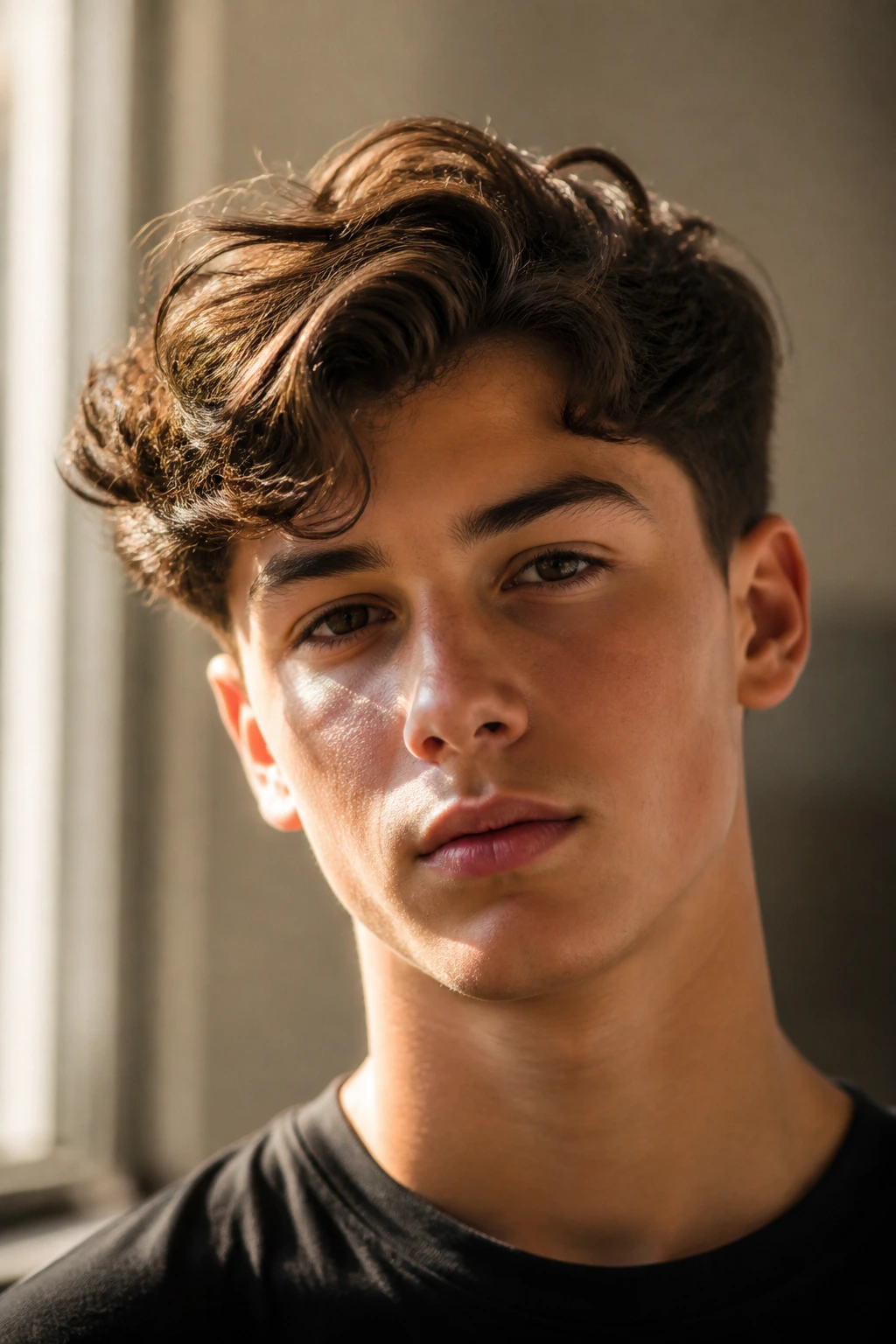
The reason these haircuts keep showing up is simple: wavy hair already wants to move sideways. The growth pattern bends, twists, and swells in a way that flat hair never does, so a side-swept part feels like a conversation with the hair instead of a wrestling match. That’s why the best versions look relaxed even when they’re neat.
The barber’s job is mostly about balance. Keep enough length on top — usually somewhere between 2.5 and 6 inches, depending on the cut — and take enough weight off the sides that the wave can sit without puffing out. If the sides stay too wide, the top gets lost. If the top is chopped too short, the wave loses its shape and sticks up in pieces.
The crown swirl matters more than most people think. A boy with a strong swirl at the back of the head may need the part placed a half-inch farther over than someone whose hair falls straight down. That small shift changes the way the whole cut sits when it dries. Dry hair tells the truth. Wet hair lies.
A visible hard part is optional, not mandatory. On some boys, a soft natural part looks better because it matches the direction of the wave. On others, especially with thick hair or a cleaner fade, a hard part gives the haircut a sharper edge. Neither one is right for everyone. The right choice is the one that matches the hair’s actual behavior.
Tools That Make Styling Easier at Home
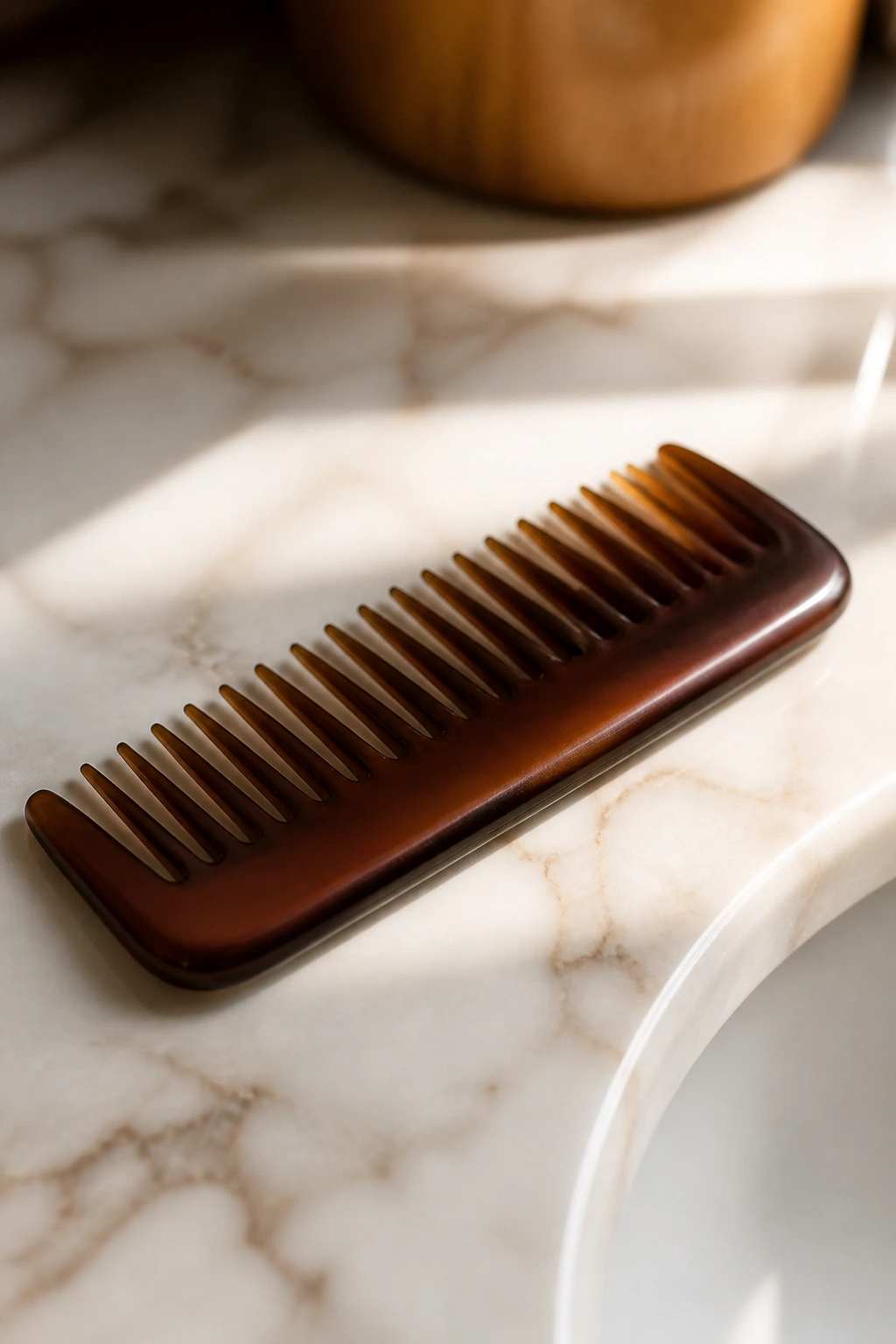
- Wide-tooth comb: Better than a fine comb for wavy hair because it moves the hair without stretching the bend out of it.
- Vent brush: Useful when you want a little lift at the roots while blow-drying the front over.
- Spray bottle: A light mist resets the part in the morning without soaking the whole head.
- Blow-dryer with a nozzle: Directs air where you need it, which matters more than high heat.
- Matte clay or paste: Gives hold without the shiny, crunchy finish that makes wavy hair look stuck.
- Light styling cream: Good for softer cuts, longer tops, or boys who need less hold and more movement.
- Sea salt spray: Helps loose waves separate before styling; use it sparingly so the hair doesn’t get dry and rough.
- Towel with a smooth weave: A rough towel can frizz the wave up fast. A gentler one keeps the surface calmer.
How to Ask for the Right Version at the Barber Chair
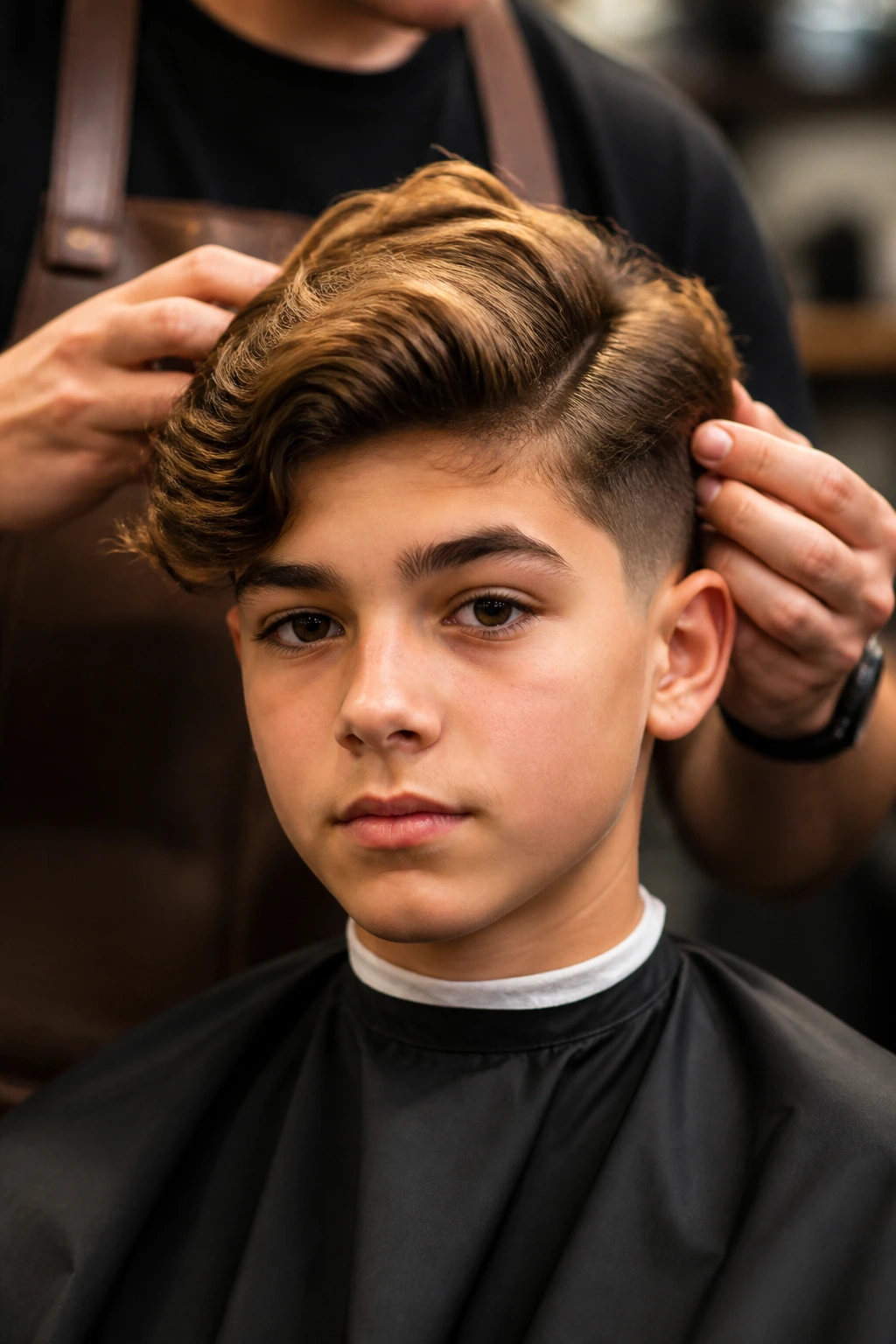
A good haircut starts with a clear description, not a vague “short on the sides, longer on top” request. That phrase can mean almost anything, and on wavy hair, a few millimeters can change the whole shape. Bring a photo if you can, but don’t stop there. Tell the barber how the hair behaves when it dries.
If the front sticks straight up, say so. If the crown splits on its own, say that too. Those are not small details. They tell the barber where the weight needs to stay and where it needs to come out. A barber who knows the hair grows forward, sideways, or into a swirl can place the part in a smarter spot.
Three details worth saying out loud
- How high you want the fade or taper: low, mid, or just around the ears.
- How long you want the top: give a real number if you know it, even if it’s rough.
- Whether you want a hard part or a soft natural part: those are different jobs.
If the haircut needs to work with school rules, say that too. Some cuts look fine on paper but feel too bold in a classroom. A barber can soften the outline without ruining the style. That’s the kind of adjustment that saves a lot of regret later.
How to Wear the Cut for School, Sports, and Photos

School morning: Keep it simple. A mist of water, a dab of cream, and a finger sweep is enough for most of these cuts. If the hair is younger and softer, skip the heavy clay. It tends to make the front look greasy before lunch.
After practice: Rinse the sweat out, towel it until it’s damp, then push the hair back into shape with your fingers. You do not need a full wash every time. Sometimes the wave only needs to be reset, not scrubbed from scratch.
For family photos: Use the dryer for thirty seconds and give the front a little lift before sweeping it over. That one step keeps the top from collapsing in pictures, which is the kind of thing nobody notices until they see the photo later.
With hats and helmets: Choose a cut that leaves a little length on top but keeps the sides tight. The side sweep can be reworked in under a minute once the hat comes off. Very long fringe styles are the hardest to fix after a helmet, so keep that in mind if sports are a big part of the week.
Easy Styling Upgrades That Change the Mood
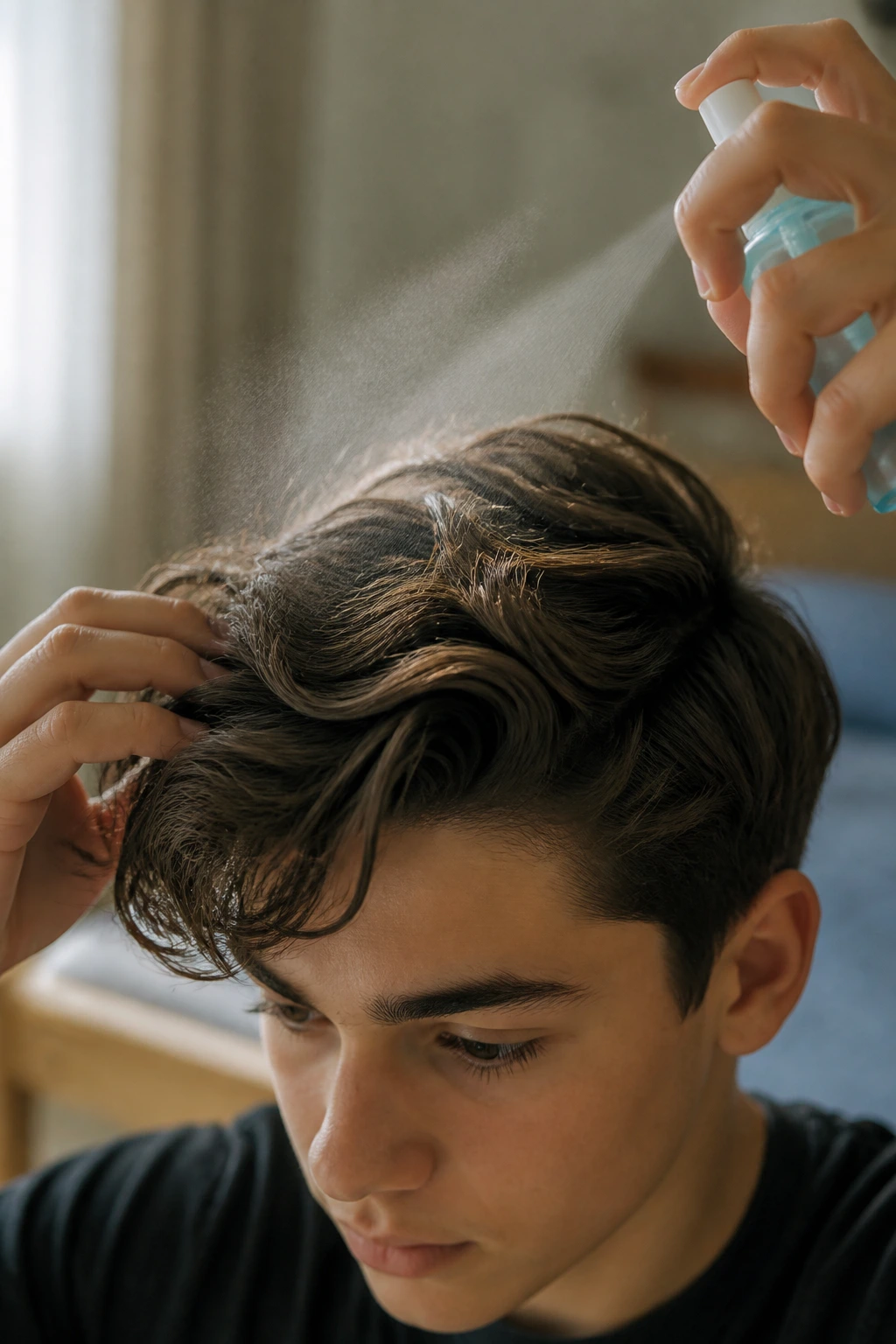
Texture boost: A little sea salt spray at the roots makes loose waves easier to separate before you add cream or clay. Use it sparingly — one or two sprays per section is enough. Too much and the hair starts feeling dry and rough.
Cleaner finish: Blow-dry the front in the direction of the part, then use a comb only at the end to set the line. That gives a more polished side sweep without making the hair look glued down.
Softer finish: Skip the comb and use only fingers. The wave stays visible, and the haircut looks younger, looser, and less formal. This is my favorite move for boys who hate anything that looks too “done.”
Make it yours: Add a hard part if the hair is thick and the family wants a sharper look. Keep it soft if the goal is a school-safe cut that grows out quietly. The same basic shape can live in either place, and that’s the real advantage.
Mistakes That Make a Side Sweep Look Off
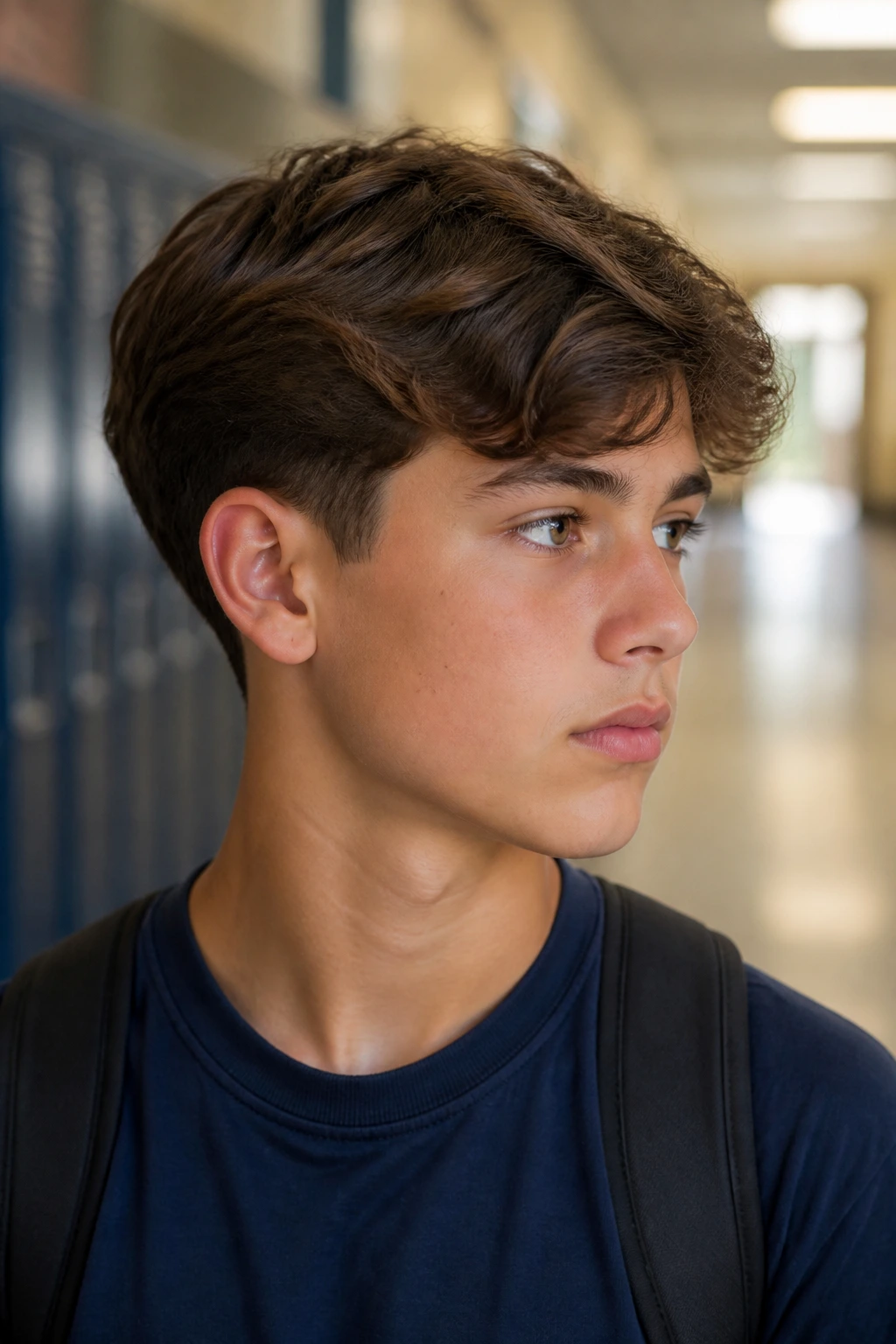
- Parting too high on the head: The haircut starts looking like a comb-over instead of a side sweep. Fix it by lowering the part closer to the natural temple line.
- Cutting the top too short: Wavy hair loses its bend and sticks up in little spikes. Ask for a little more length on the first visit and trim later if needed.
- Using too much gel: The hair turns crunchy and the wave clumps together in a shiny sheet. Use matte cream or paste instead, and start with half a pea-sized amount.
- Ignoring the crown swirl: The front may look fine, but the back starts splitting and puffing out. The barber should cut with the growth pattern, not against it.
- Taking the fade too high: This can make the head look narrow at the top and too exposed at the sides. A low or mid fade usually suits wavy boys hair better than a high one.
- Skipping the blow-dryer entirely: Some waves need a little heat to settle into the side sweep. Even thirty seconds helps.
Variations Worth Trying If You Want a Different Mood
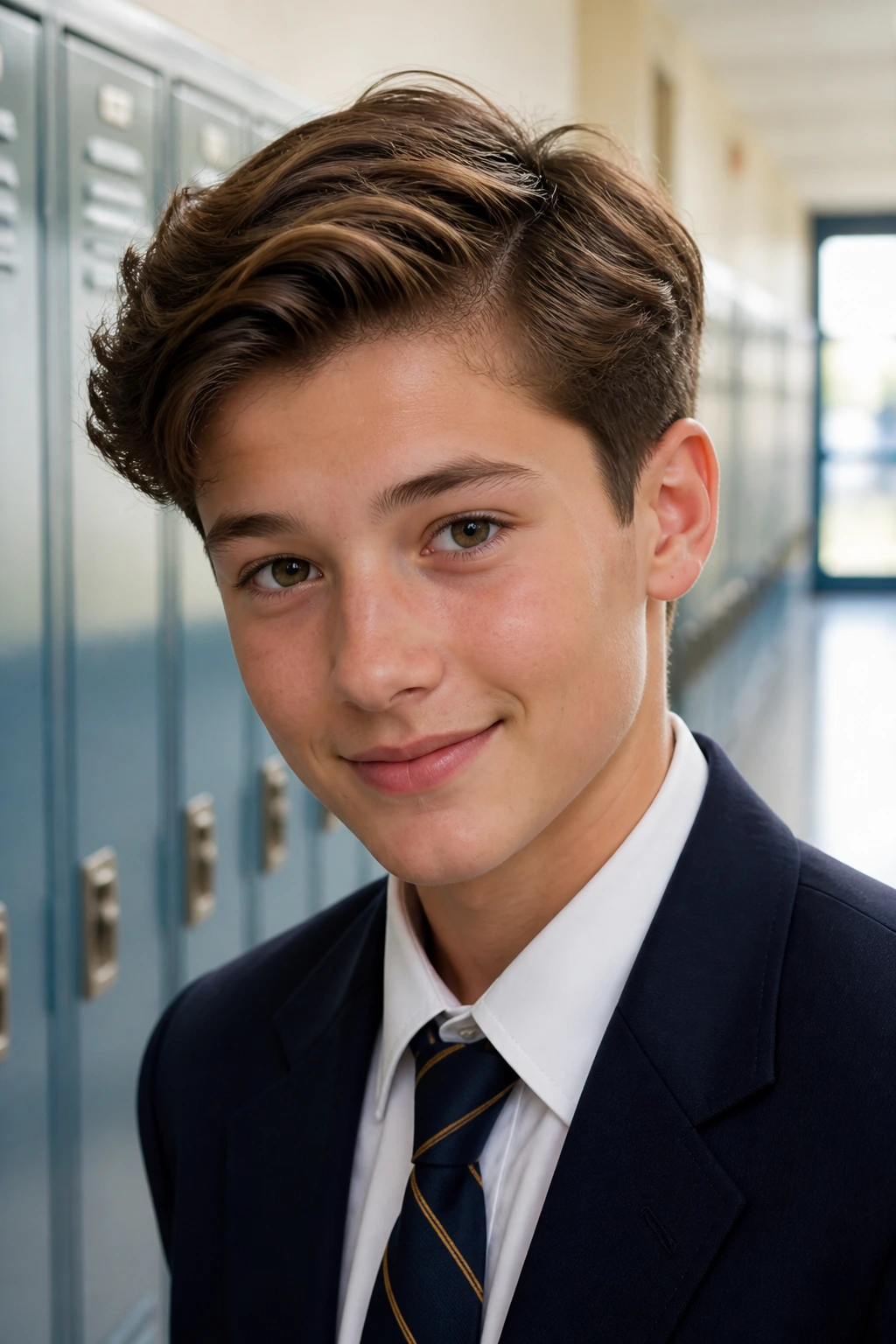
- The School-Uniform Sweep: A low taper, soft part, and shorter top keep the cut neat enough for dress codes without flattening the wave.
- The Sport-Ready Fade: A mid fade with a shorter top sits tighter around the ears and comes back to life fast after a hat or helmet.
- The Dressy Hard Part: A razor line and brushed-over top create a cleaner, more formal shape for special events or photos.
- The Grown-Out Wave: Leave the top longer, soften the sides, and let the side sweep get looser. This works well when you’re between barber visits.
- The Curtain-Bent Sweep: Keep the front longer and let the hair fall diagonally across the forehead for a softer, more relaxed look.
- The Low-Drama Scissor Cut: No obvious fade, just controlled layers and a side sweep. This is the easiest version to live with day to day.
Keeping the Cut Sharp Between Barber Visits
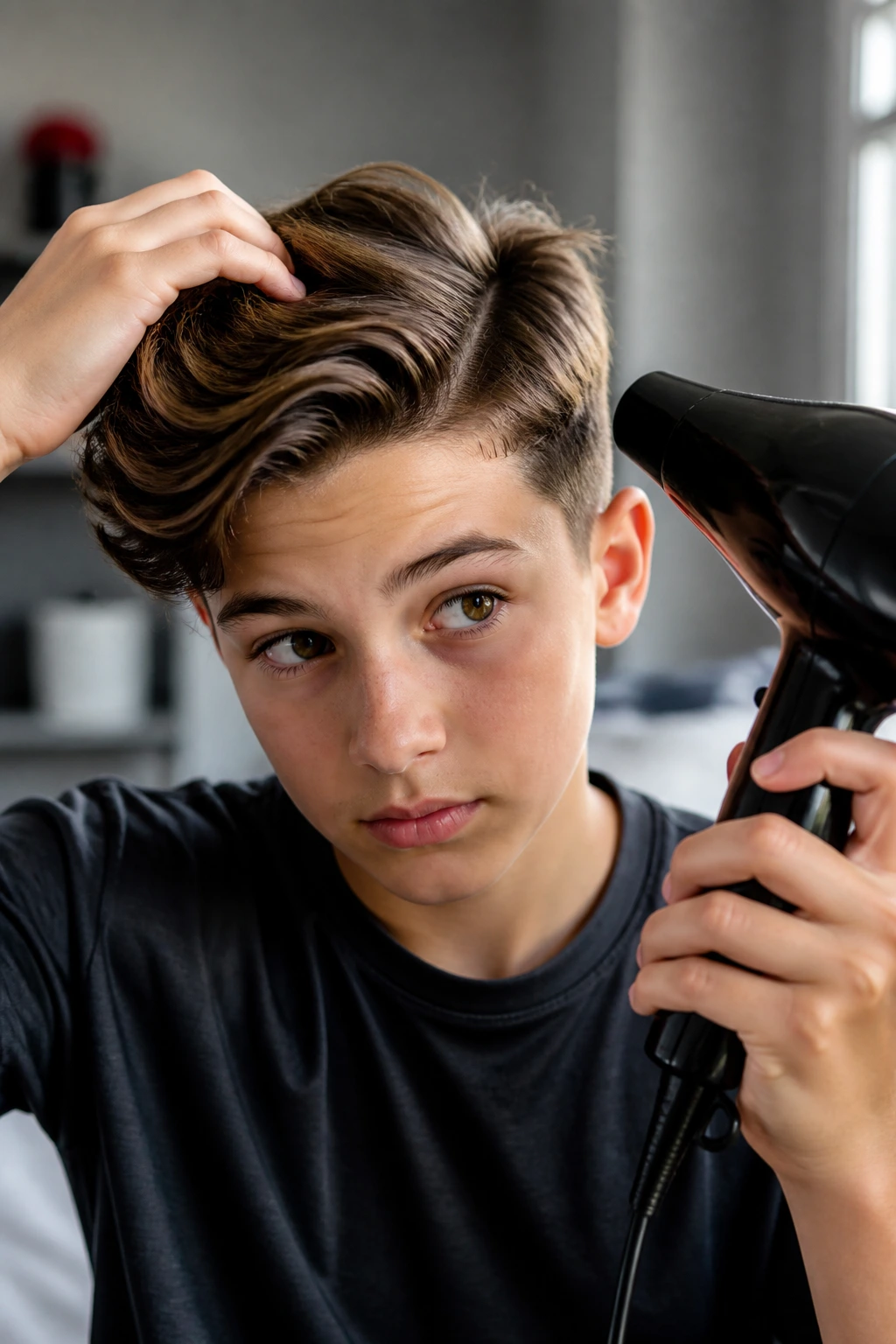
Wavy hair grows in a way that can hide a lot, but it still needs maintenance. Most fade-based versions need a cleanup every 2 to 4 weeks if you want the edges to stay crisp. Scissor-heavy versions can last a little longer, often closer to 4 to 6 weeks, because the growth blends more gently.
Wash frequency depends on product and scalp, not some perfect rule. If the hair gets sweaty after sports, rinse it. If it’s only been styled with cream or mousse and the scalp feels fine, a full shampoo every other day or a few times a week is usually enough. Overwashing can make wavy hair frizzier and drier than it needs to be.
A quick morning reset helps a lot. Mist the hair lightly, finger-sweep the part back into place, and use a dryer for a short burst if the front keeps flipping the wrong way. If the hair starts looking flat, a tiny amount of matte paste at the roots can bring the shape back. If it looks dry, use less product, not more.
At night, a simple pillowcase swap can help. A smoother pillowcase reduces the rough friction that makes the wave frizz up by morning. It’s a small thing, but hair that lies down more gently usually styles faster the next day.
Questions Parents Actually Ask
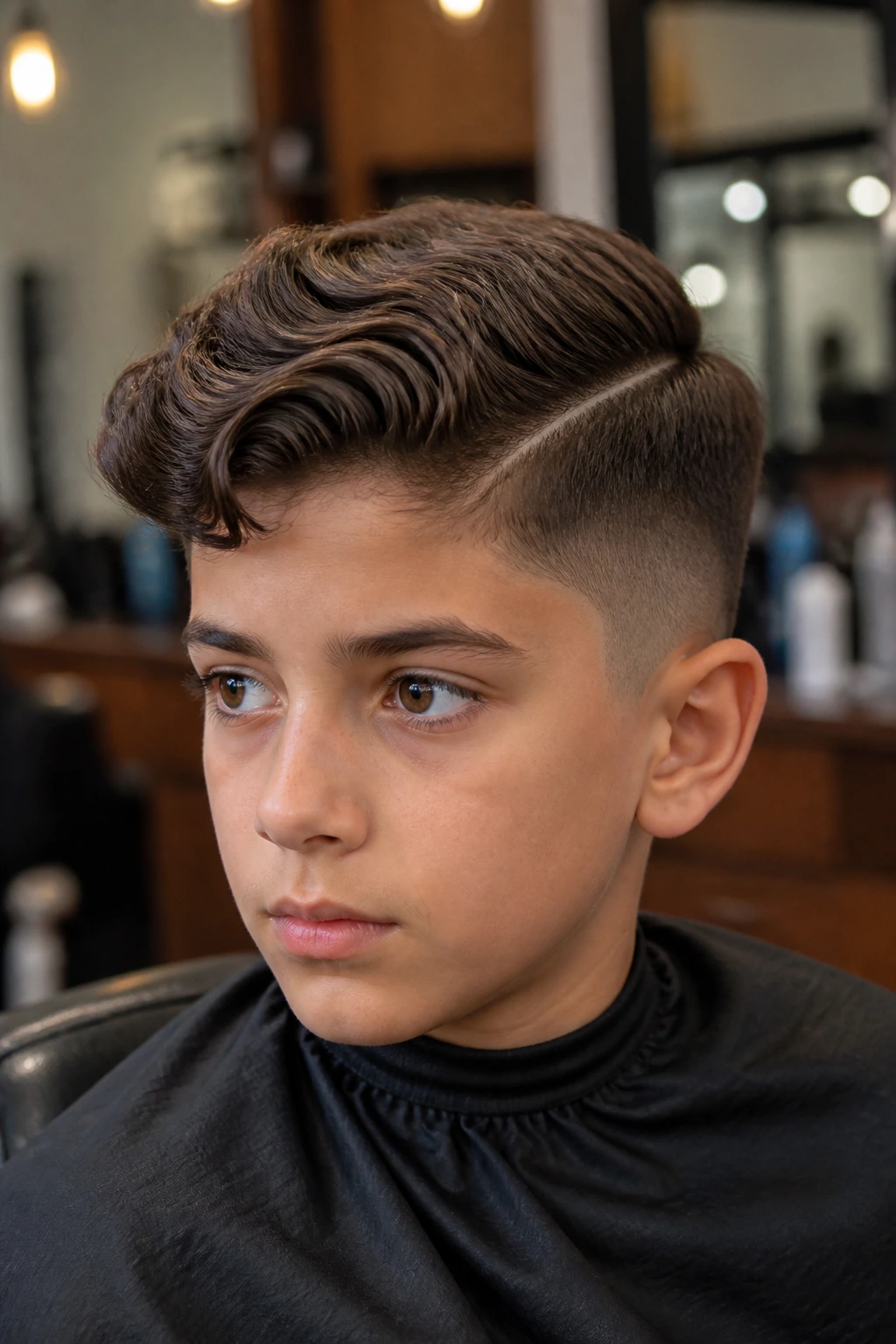
Is a side-swept part good for boys with thick wavy hair?
Yes, and in some cases it’s the best shape for it. Thick wavy hair needs direction, and the side sweep gives it one without forcing it flat. The key is to remove bulk on the sides and keep enough length on top so the wave can bend instead of puff.
Should the part be hard or soft?
A hard part looks sharper and is easier to see, while a soft part follows the natural fall of the hair. If the boy likes cleaner lines and the hair is thick, a hard part can work well. If the hair is finer, softer, or still changing as it grows, the natural part usually looks better.
What product should I use for a boy’s wavy side part?
Start with a lightweight cream for softer cuts and a matte clay or paste for sharper ones. Skip shiny pomades unless you want a polished, slightly retro finish. For most boys, matte is easier because it keeps the wave visible.
How short can the sides be?
Short enough to stay neat, but not so short that the top floats alone. A low taper, temple fade, or mid fade tends to work best for this style. If you go too high with the fade, the haircut can start looking disconnected in the wrong way.
What if the wave sticks straight up after the haircut?
That usually means the top was cut too short or the crown swirl wasn’t handled well. A little more length and a quick blow-dry in the direction of the part usually fixes it. If the problem keeps happening, ask the barber to leave more weight at the crown next time.
Can boys with fine wavy hair wear these cuts too?
Yes, but keep the product light and avoid harsh undercuts that expose too much scalp. Fine wave looks better with soft taps, low tapering, and a shorter Ivy League or scissor side part. Heavy clay can drag the hair down and make it look thinner.
How often should the haircut be trimmed?
Fades usually need a touch-up every 2 to 4 weeks, depending on how fast the edges blur. Longer scissor cuts can stretch farther, closer to 4 to 6 weeks. If the side sweep loses shape before then, the front probably needs a small trim more than the sides do.
Will this work with glasses?
Yes, especially temple fades, low tapers, and softer side parts. Those styles keep the frame area cleaner, so the hair doesn’t fight the glasses arms. A hard part can work too, but the sides need to stay tidy so the frame doesn’t get crowded.
The Shape That Lets the Wave Breathe
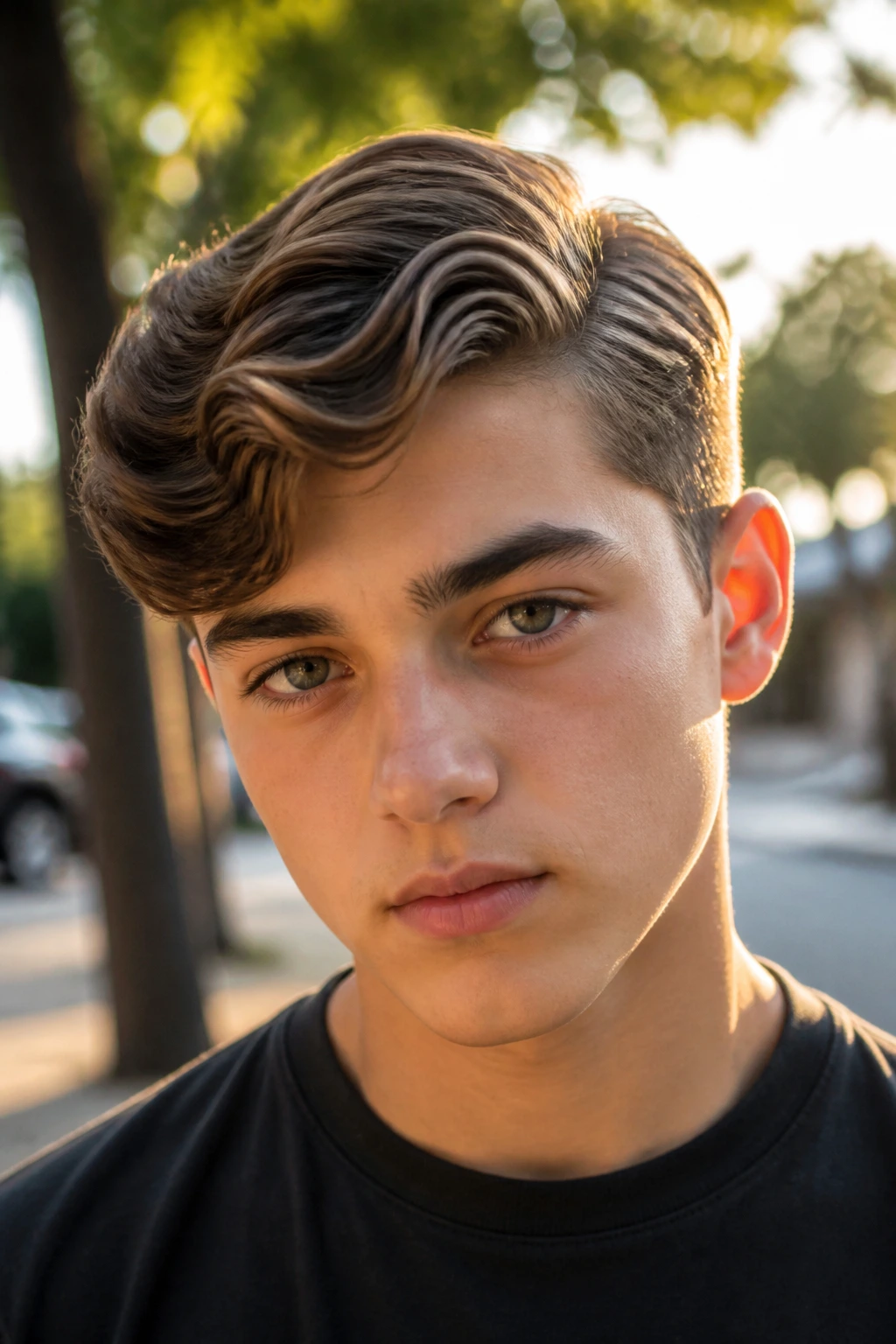
The best boys’ haircuts for wavy hair don’t flatten the wave into submission. They give it a lane. That’s why a side-swept part keeps coming back in different forms — low taper, hard part, Ivy League, longer fringe, or something looser and messier. The shape changes, but the logic stays the same: let the wave move, then clean up the edges around it.
If you’re taking a boy to the barber, the smartest move is to decide how sharp you want the sides to feel and how much hair you want left on top. Everything else follows from there. A half-inch more length, a lower fade, or a softer part can turn the same cut from stiff to easygoing.
And that’s the part worth remembering. Wavy hair usually looks its best when it’s guided, not trapped. Give it a little direction, a little breathing room, and a cut that respects the bend already in the hair, and the result tends to hold its shape longer than the obvious, over-combed version ever does.