



Pale skin can make brunette hair look polished and expensive, or it can make the face go a little flat and chalky. The difference usually comes down to one thing people skip right past: undertone. A brown with the wrong base can drag every bit of pink in the skin to the surface, while the right brown can sharpen the eyes, soften redness, and give the whole face a cleaner frame.
That’s why brunette isn’t a single answer. It’s a whole set of answers. Mushroom brown behaves nothing like espresso. Chestnut doesn’t read like taupe. A level 4 with red warmth can feel cozy on one face and harsh on another, while a cool level 5 can look like it was made for porcelain skin. The swatch matters. So does the light you check it in. And yes, a color that looks tame in the salon mirror can turn louder once you step into daylight.
My favorite part of brunette hair color ideas for pale skin is how much range they give you without forcing the face to compete with the hair. You can go smoky, glossy, dimensional, or rich and inky. You can keep it whisper-soft near the hairline or push contrast hard if your eyes can take it. The trick is picking a brown that does a little editing for you, not one that shouts over your features.
Why This Collection Feels Different on Pale Skin
Undertone control: The right brunette for pale skin usually lives somewhere between ash, beige, and controlled warmth, because those bases keep the color from turning muddy or orange.
Contrast choices: Some pale faces need a soft brown that stays close to the skin; others look sharper with a dark, glossy brunette that makes the eyes look brighter.
Low-risk transitions: A good brown gives blonde-to-brunette switchers a softer grow-out line than jet black ever will.
Salon-proof ideas: These shades are the kind you can describe clearly in a consultation, which matters more than chasing a cute photo with weird lighting.
Range for every mood: There’s room here for subtle, smoky, cherry-tinted, caramel-striped, and deep espresso looks without leaving pale skin behind.
1. Mushroom Brown
Mushroom brown is the shade I reach for when pale skin has a cool or pink cast and you want the hair to calm things down instead of waking them up. It sits in that smoked, beige-ash zone that looks a little earthy, a little misty, and very good when the goal is softness rather than drama.
Why It Works With Porcelain Skin
A mushroom brown usually sits around a level 5 or 6, which means it has depth without dropping into the heavy, near-black territory that can harden fair features. The ash base keeps warmth from turning brassy, and that matters if your skin already flushes easily.
- Best for: cool, pink, or neutral pale skin.
- Ask for: beige-ash ribbons around the face so the color doesn’t read flat.
- Avoid: too much gold, which can make the brown look orange next to very fair skin.
A loose wave shows the smoke in the shade nicely. Straight and glossy works too, but the texture is what keeps mushroom brown from feeling too serious.
2. Espresso Brown
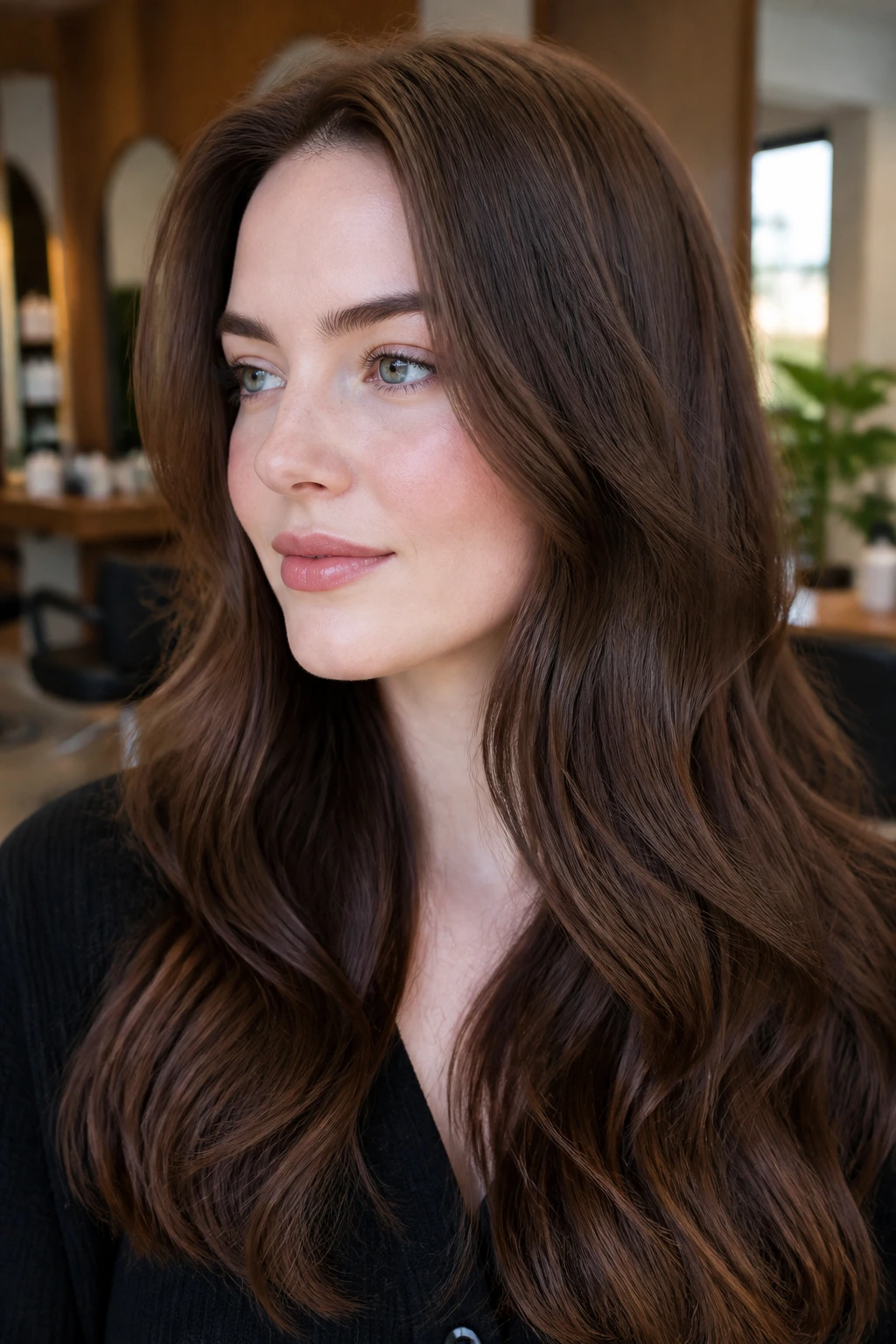
Espresso brown is a bold move, and I mean that in the best way. On pale skin, it can look crisp, clean, and expensive-looking when the rest of the face has enough contrast to handle it.
A lot of people worry that very dark brown will swallow them up. Sometimes it does. But when the eyes are bright, the brows are defined, and the skin has a clear undertone, espresso creates a frame that makes blue, green, or gray eyes look sharper.
The key is shine. Flat espresso can read harsh. A glossy finish makes the color look intentional instead of heavy. If you like a stronger makeup look—think liner, mascara, and a defined brow—this shade usually plays nicely with that structure.
3. Chestnut Glaze
Chestnut glaze is what happens when brown gets a little warmth without drifting into copper territory. It’s one of the easiest brunettes for pale skin because it keeps the face from looking washed out but doesn’t bully the complexion.
What Makes It Friendly to Fair Skin
The reddish warmth in chestnut gives pale skin a bit of life, especially if you look drained next to cool ashy shades. It’s flattering on freckled skin, neutral skin, and pale skin that leans slightly olive. The color lands best when the red is soft and brown-based, not loud.
A chestnut glaze also grows out well. That matters. Roots don’t scream at you the way they do with stark black or high-contrast fashion colors.
If you want brunette hair color ideas for pale skin that feel warm without going orange, this is one of the safest places to start.
4. Ash Mocha
Ash mocha has a dry, smoky feel that keeps pale skin from going pink in the mirror. It’s more grounded than mushroom brown and a little deeper, which makes it useful if your hair naturally pulls warm and you’re tired of fighting brass.
I like this shade for people who want brown hair but do not want “brown” to turn into “caramel everything.” That gets old fast. Ash mocha keeps the color in the cooler lane, and that makes the face look cleaner, especially around the jaw and temples.
- Works well with: cool or neutral undertones.
- Looks best with: subtle highlights at the part line.
- Maintenance note: ask for a demi-permanent gloss every few weeks if your hair fades warm fast.
5. Chocolate Cherry
Chocolate cherry is a brown with a red-violet whisper under it, and it’s one of the prettiest options when pale skin needs a little color without full-on copper. In daylight, it can look like rich cocoa. Indoors, the red shows more.
That shift is the point. It keeps the shade lively. On pale skin, chocolate cherry can make the complexion look less stark, especially if your natural coloring is muted and you don’t want the hair doing all the shouting.
How It Reads in Real Life
This shade is less obvious than bright auburn, but more interesting than plain brown. That middle ground is why it works. You get warmth, depth, and a little sheen that flatters cool eyes and neutral skin without making the color feel seasonal or gimmicky.
6. Soft Bronde
Soft bronde is for the person who looks best when the hair stays in the beige zone and never fully commits to dark brunette. It’s brown, yes, but with enough blonde threaded through that the face keeps its lightness.
The payoff on pale skin is balance. Hard contrast is the thing that can make some fair faces look tired. Soft bronde keeps the edges blurred, especially around the front sections, so the hair looks blended instead of painted on.
This is one of those shades that looks best when the highlights are small, not chunky. Tiny ribbons. Tiny shifts. Nothing stripy. If you’re moving from blonde toward brunette, this is the easiest bridge.
7. Walnut Brown
Walnut brown has a neutral depth that sits between warm and cool without tipping too far either way. That makes it useful for pale skin that doesn’t know what it wants, or for anyone whose complexion changes with the light.
Why I Like It on Pale Skin
It doesn’t yell “ash,” and it doesn’t throw gold in your face. It just looks balanced. That balance is what saves a lot of pale complexions from either turning sallow or looking too stark.
A walnut brown bob or shoulder-length cut can look especially sharp because the color has enough body to define the shape of the haircut. Long, layered hair works too, but the shade has a little more presence when the cut is clean.
One practical note: walnut brown is a good choice if you want brunette hair color ideas for pale skin that won’t fight peachy blush or berry lipstick.
8. Cinnamon Brown
Cinnamon brown brings controlled warmth, and that warmth can be a lifesaver on skin that goes flat next to cooler shades. It’s richer than chestnut and lighter than mahogany, with a spice note that keeps the color from feeling muddy.
This shade is a nice match for pale skin with freckles or golden undertones. It also works when you want the hair to look a touch brighter than your natural base but still stay in brunette territory.
The catch? Cinnamon can go orange if the formula is too bright. Ask for brown first, spice second. That order matters. You want warmth tucked inside the color, not sitting on top of it like a neon gloss.
9. Cool Cocoa
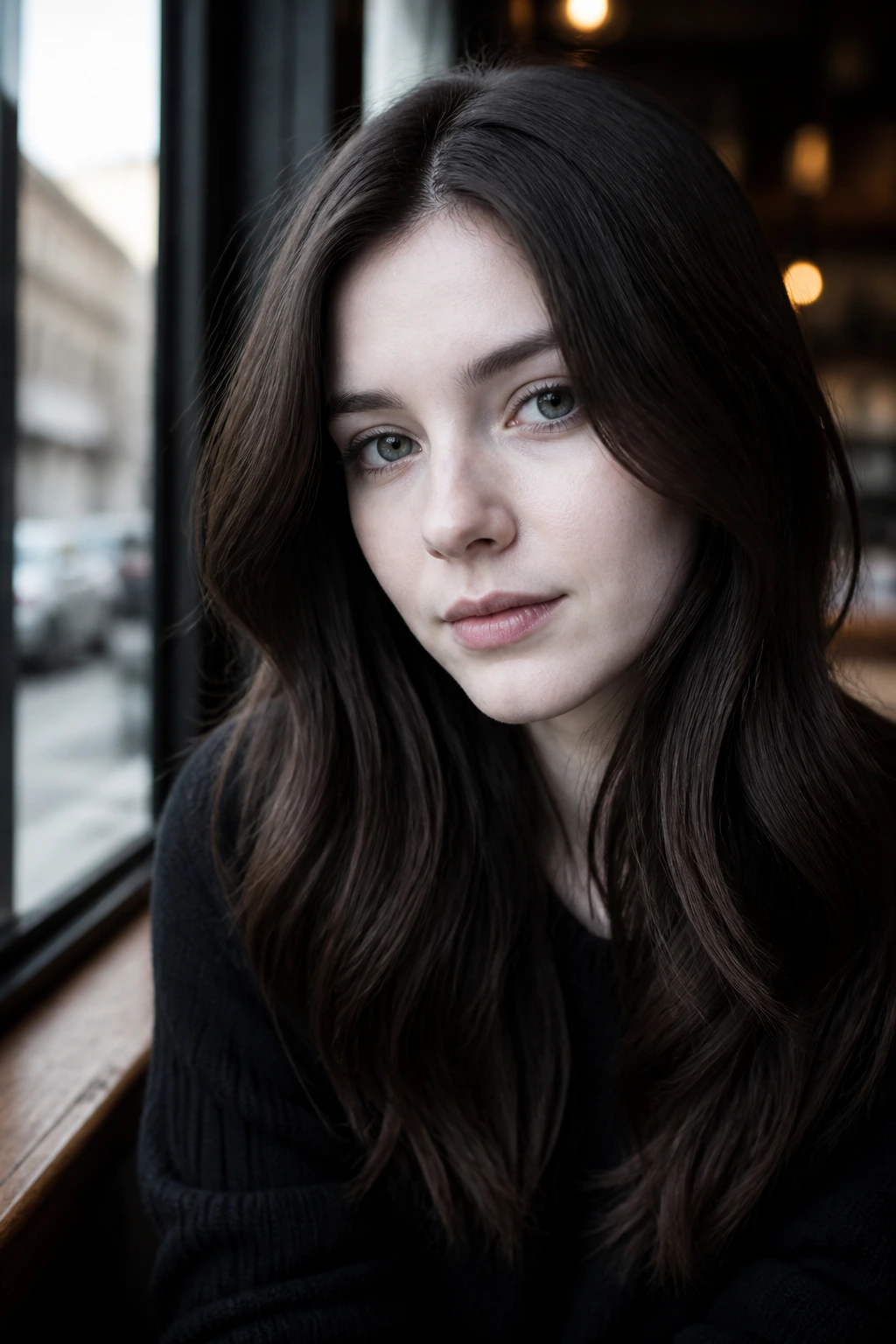
Cool cocoa is the quiet one in the room. It’s deep, smooth, and just a little powdery in the tone, which makes it a solid answer for very fair skin that gets overwhelmed by warm brown.
A lot of people think “cocoa” means chocolate. Not here. Cool cocoa has more restraint. It doesn’t pull red, and it doesn’t swing golden. That gives pale skin room to stay pale without looking washed out.
This is the color I’d point to if you want depth but don’t want your hair to announce itself before your face does. It’s also easy to wear with silver jewelry, black clothing, and minimal makeup.
10. Caramel Ribbon Brown
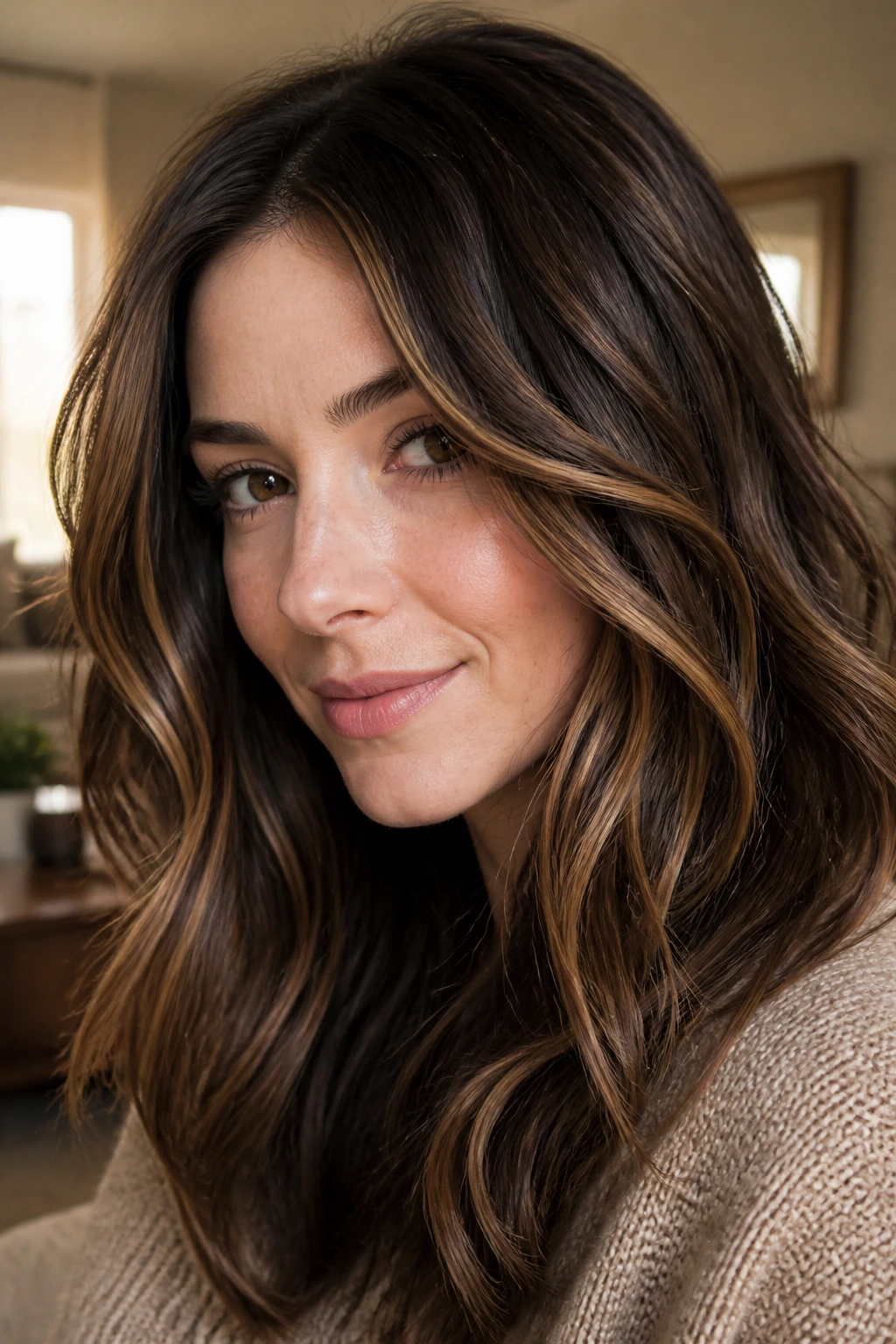
Caramel ribbon brown is not about one flat color. It’s about movement. The base stays brunette, but fine caramel pieces wind through it, especially near the face and through the top layers.
That little bit of light changes everything on pale skin. The face gets a glow-up without needing the whole head to go lighter. The caramel brings warmth near the cheekbones, and the brown keeps the look grounded.
Best Way to Ask For It
Tell your colorist you want thin, broken-up ribbons, not chunky blonde streaks. The thinner the highlight, the less likely the result is to look dated or too obvious. This works especially well if you wear your hair in waves or a soft blowout.
11. Taupe Brunette
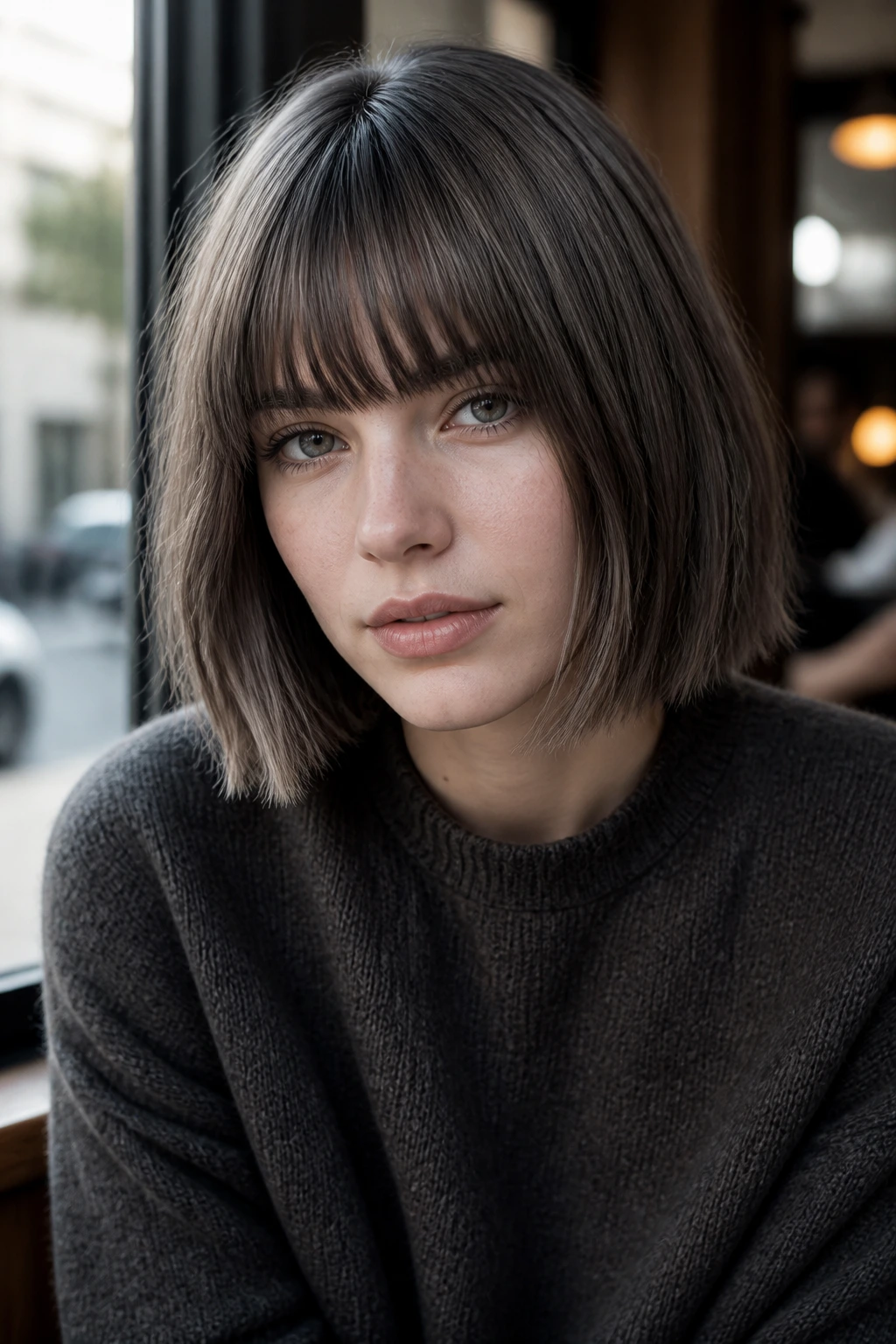
Taupe brunette is almost indecisive in the best way. It hovers between brown and gray, and that smoky edge makes pale skin look more delicate rather than more washed out.
If your complexion is cool and your eyes are pale blue, gray green, or slate, this shade can feel almost tailored. It avoids the warmth that sometimes turns fair skin pinker than you want.
There’s a reason taupe browns have such a loyal following among people who don’t like obvious warmth. They make the hair look textured even when the style is simple. A blunt cut in taupe brunette looks especially chic because the color itself carries the interest.
12. Dark Roast
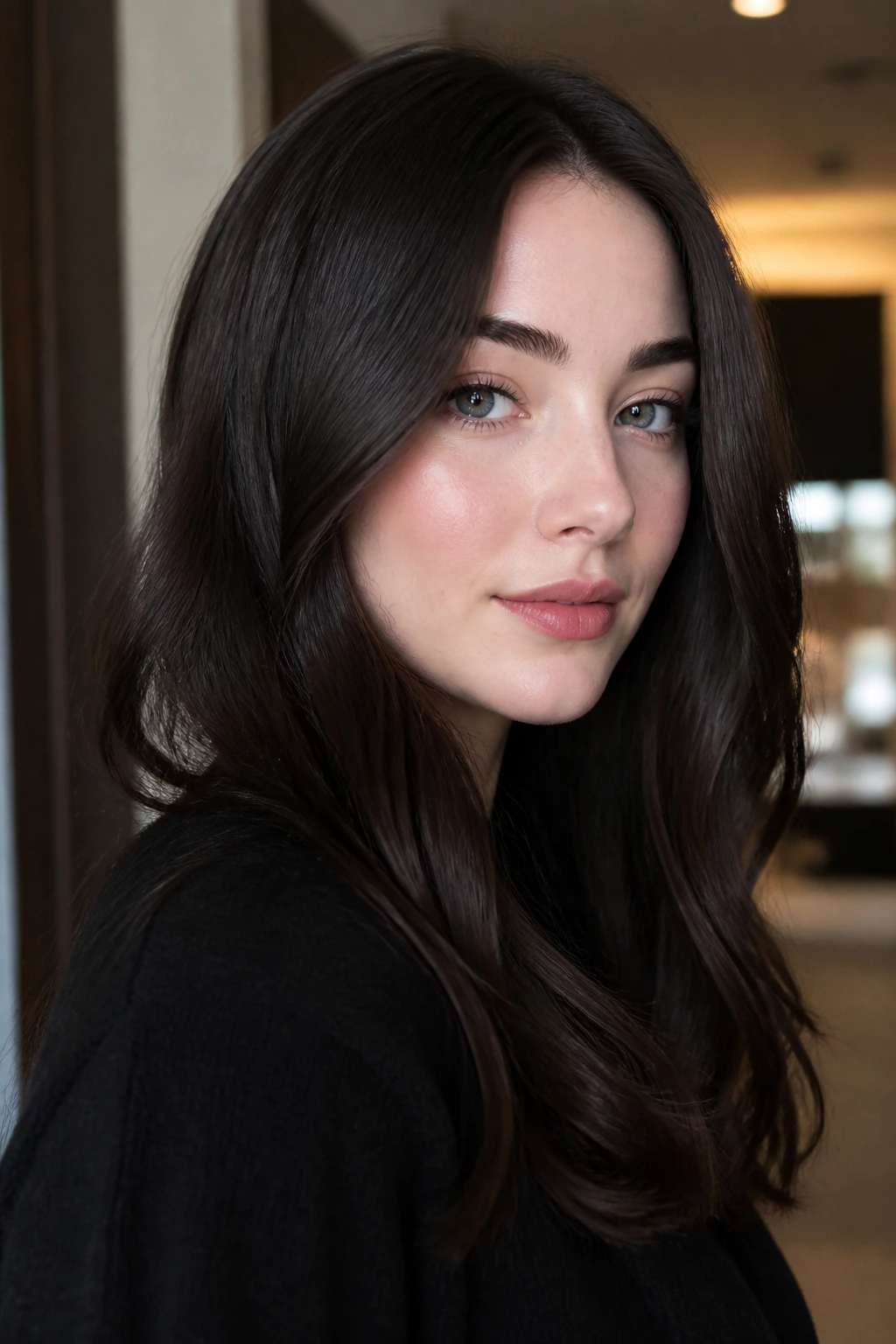
Dark roast is espresso’s moodier cousin. It’s deep, glossy, and a little softer in the undertone, which makes it easier on pale skin than pure black-brown.
A lot of fair-skinned people worry about going dark because they imagine a hard edge around the face. Dark roast still gives contrast, but the brown base keeps it from turning severe. The result is more like a strong frame than a blunt outline.
This shade really shines when the brows are not too light. You do not need to match them exactly, but if the brows are very pale, the hair can outrun the face. A little brow definition helps the whole look make sense.
13. Honeyed Chestnut
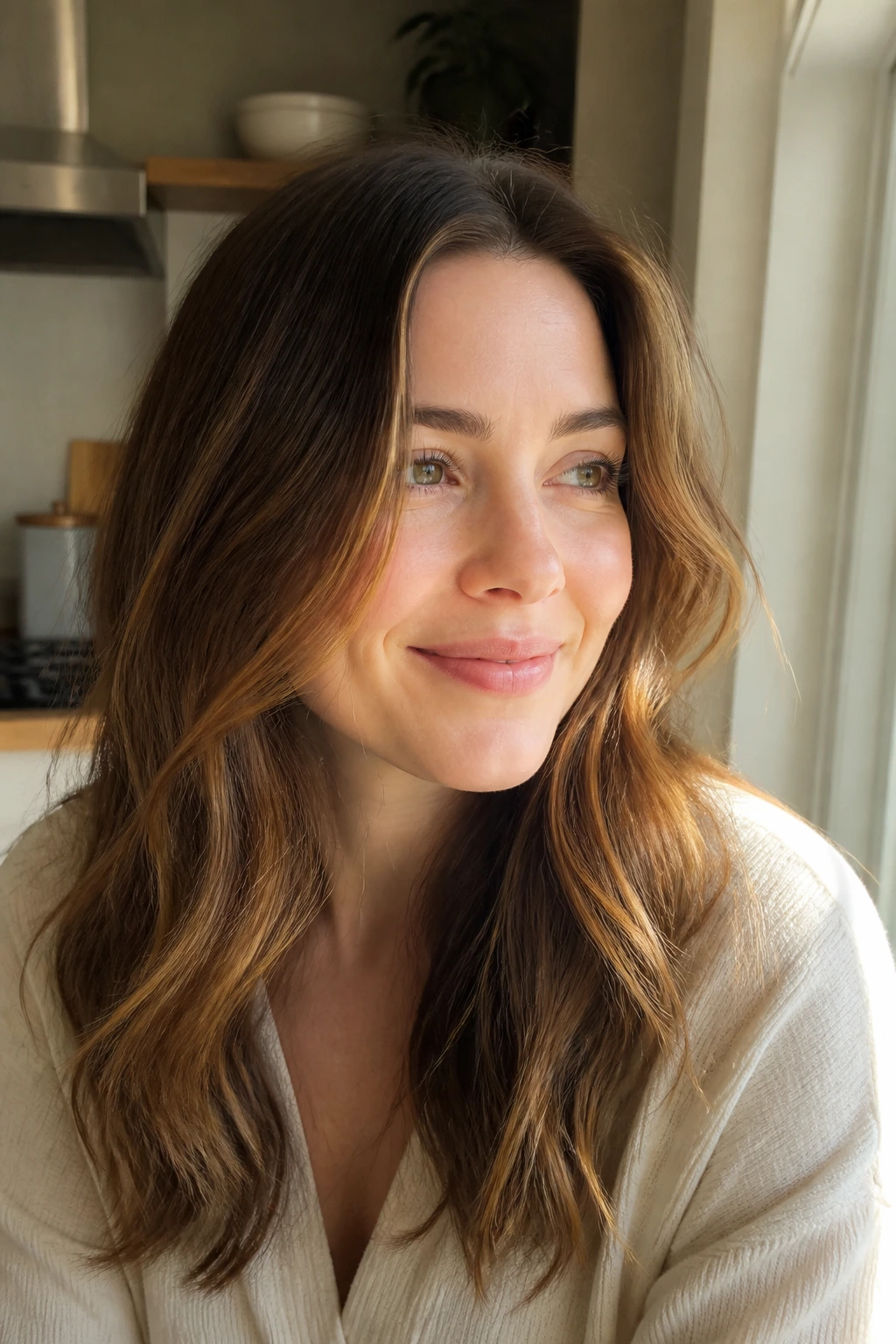
Honeyed chestnut is warm, but it isn’t syrupy. The honey note sits inside the brown, not on top of it, so pale skin gets a little brightness without being bombarded by gold.
It’s a flattering choice if your skin leans peach, beige, or lightly freckled. The warmth can make the complexion look more awake, especially when the hair is styled with bend and movement rather than stiff curls.
This shade is also forgiving in softer light. Under window light, it can look plush and dimensional. Under indoor bulbs, it stays friendly instead of turning brassy. That’s a rare thing, honestly.
14. Smoked Almond
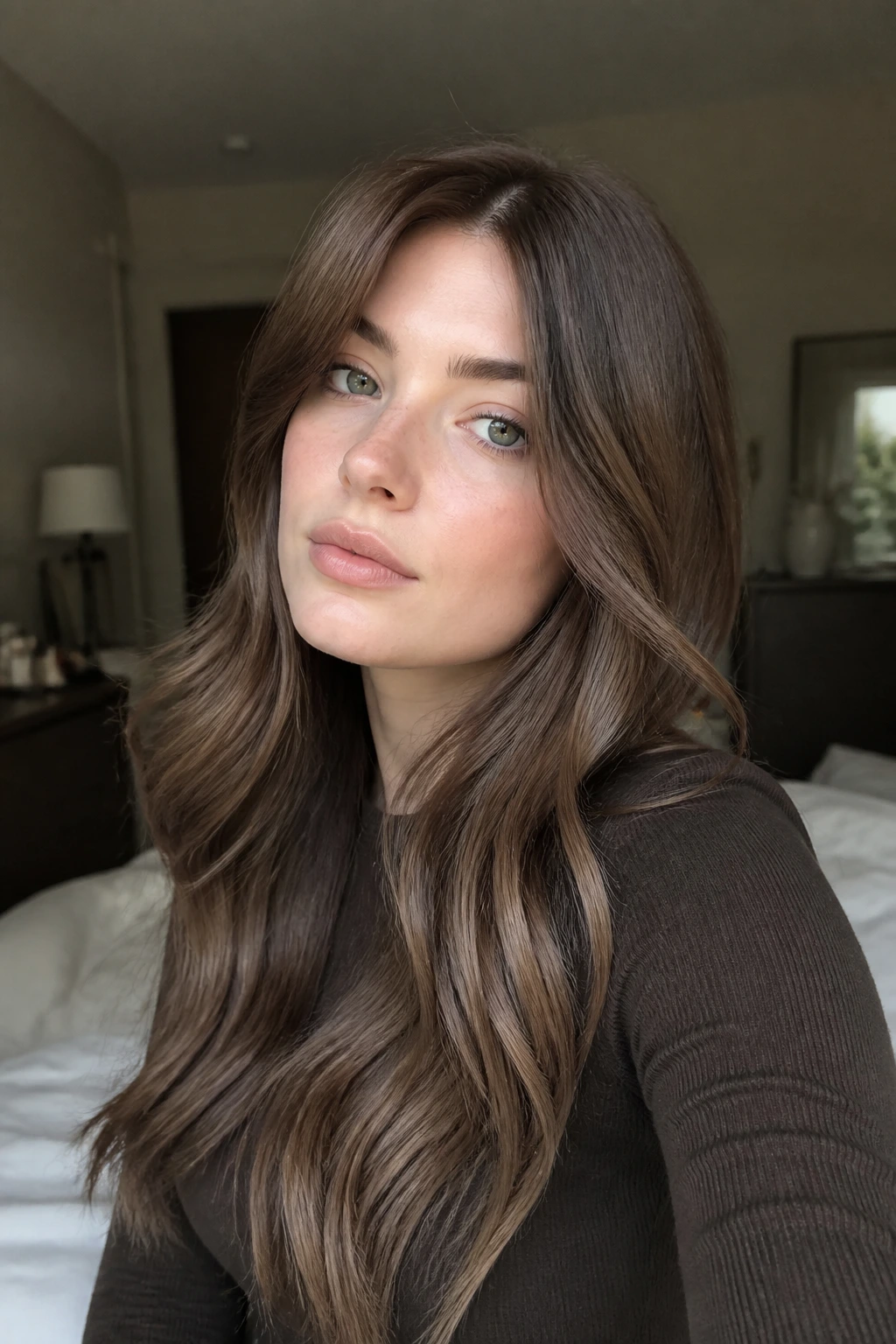
Smoked almond is what happens when beige brown meets a little cool smoke. It’s gentle, not icy. That makes it one of the easiest brunette hair color ideas for pale skin when you want a softer, lived-in result.
What It Does Better Than Flat Brown
It avoids the “helmet” problem. Flat, one-note brown can sit on pale skin like a wig if the shade is too uniform. Smoked almond has enough movement in the undertone to keep the hair from looking pasted on.
- Ideal for: straight hair, long layers, and collarbone cuts.
- Tone note: ask for beige with a cool finish, not yellow beige.
- Wear it with: soft pink blush, taupe lipstick, and gold jewelry if your skin can handle it.
The color is subtle. That’s the charm. It doesn’t need to shout to work.
15. Rosewood Brown
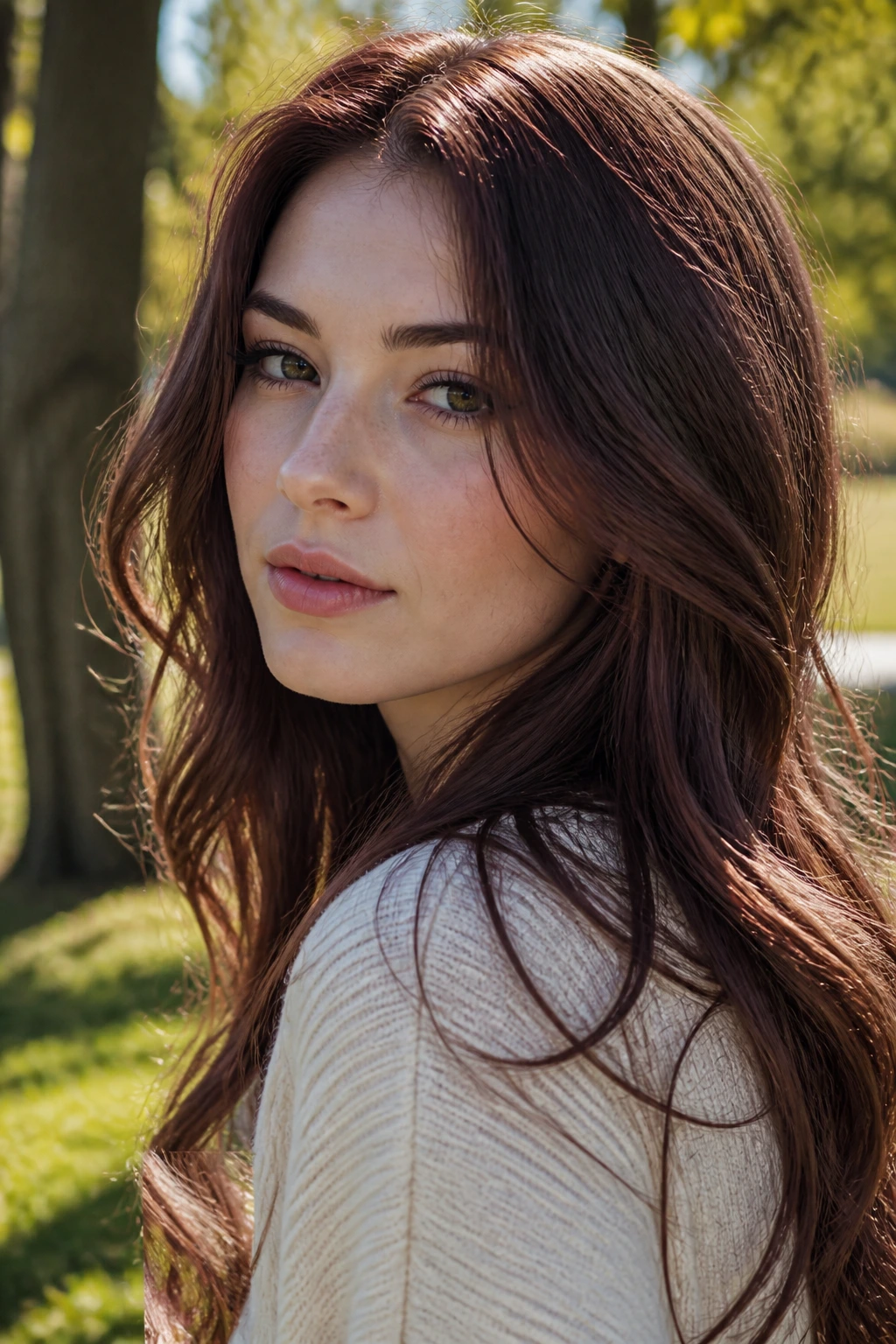
Rosewood brown has a muted rosy cast that makes pale skin look less stark, especially if your complexion is cool and a little translucent. It’s not red hair, and it’s not plain brown. It sits in a sweet spot between the two.
This shade gives a face a bit of warmth without pushing orange. I like it best on pale skin with blue eyes or soft green eyes, because the rose note can make eye color look more open and less shadowed by the hair.
If you’re bored of standard brunette, rosewood is where you go when you want something pretty but not loud. It feels dressed up even when the haircut is simple.
16. Toffee Brunette
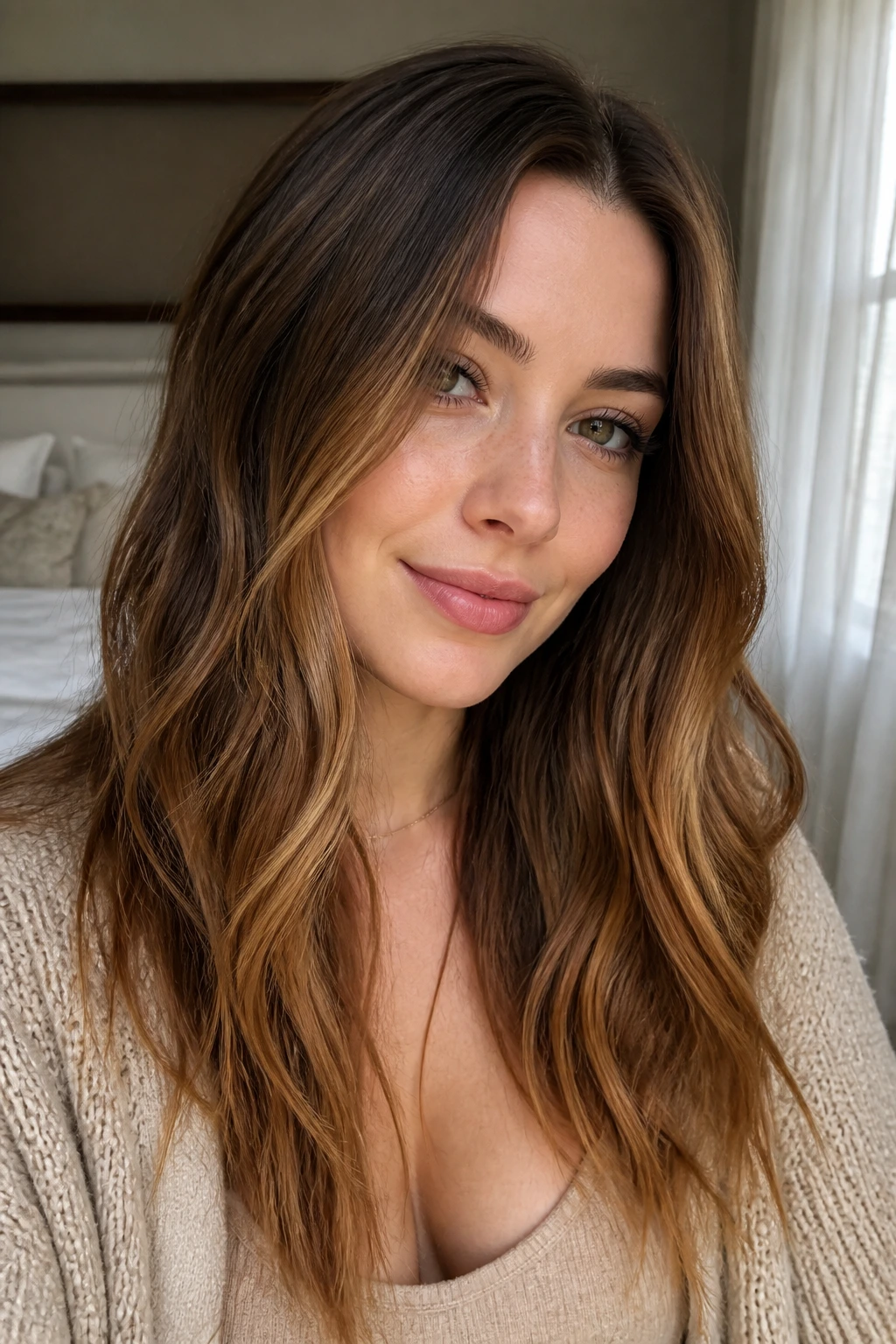
Toffee brunette is warmer and sweeter than walnut or taupe, with a smooth golden-brown finish that can make pale skin look less flat. The trick is keeping the toffee rich instead of bright.
That matters because pale skin can take warmth in brown hair, but too much brightness near the face starts to look orange. A good toffee brunette is soft around the edges, with lighter ends or subtle dimension through the mid-lengths.
I like this shade on pale skin that tans a little, freckles easily, or looks best in cream, camel, and soft olive clothing. It has a cozy feel without getting heavy.
17. Sable Brown
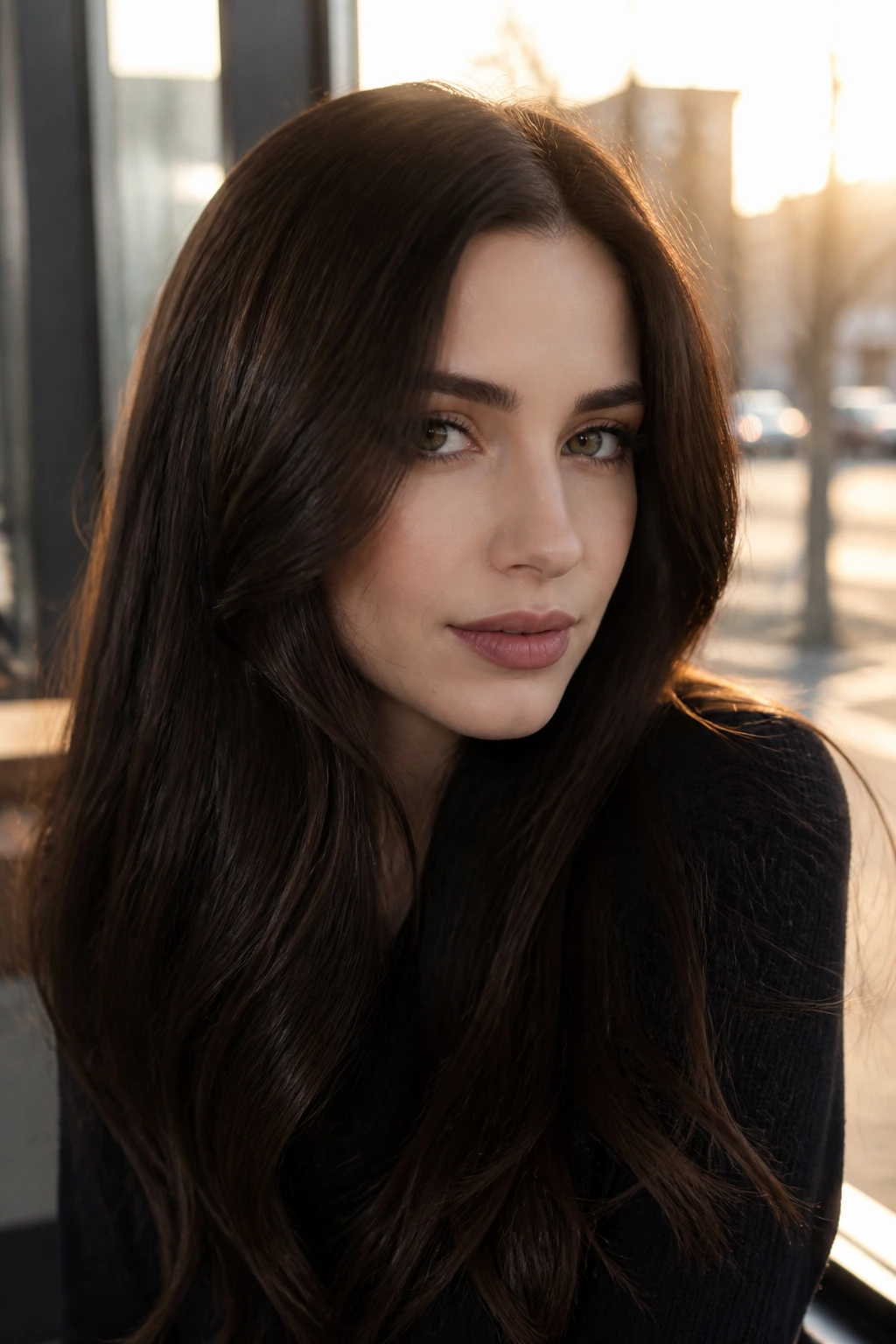
Sable brown is dark, sleek, and neutral. It has enough depth to look polished, but it doesn’t carry the blue-black edge that can be unforgiving on some pale faces.
This is a good answer if you want more contrast than chestnut but less severity than espresso. It works especially well on thick hair because the color can look lush and almost velvety when the cut has weight.
There’s also a nice practical side: sable grows out more gracefully than pure black. The line at the roots is softer, which helps if you don’t want a hard maintenance schedule.
18. Maple Brown
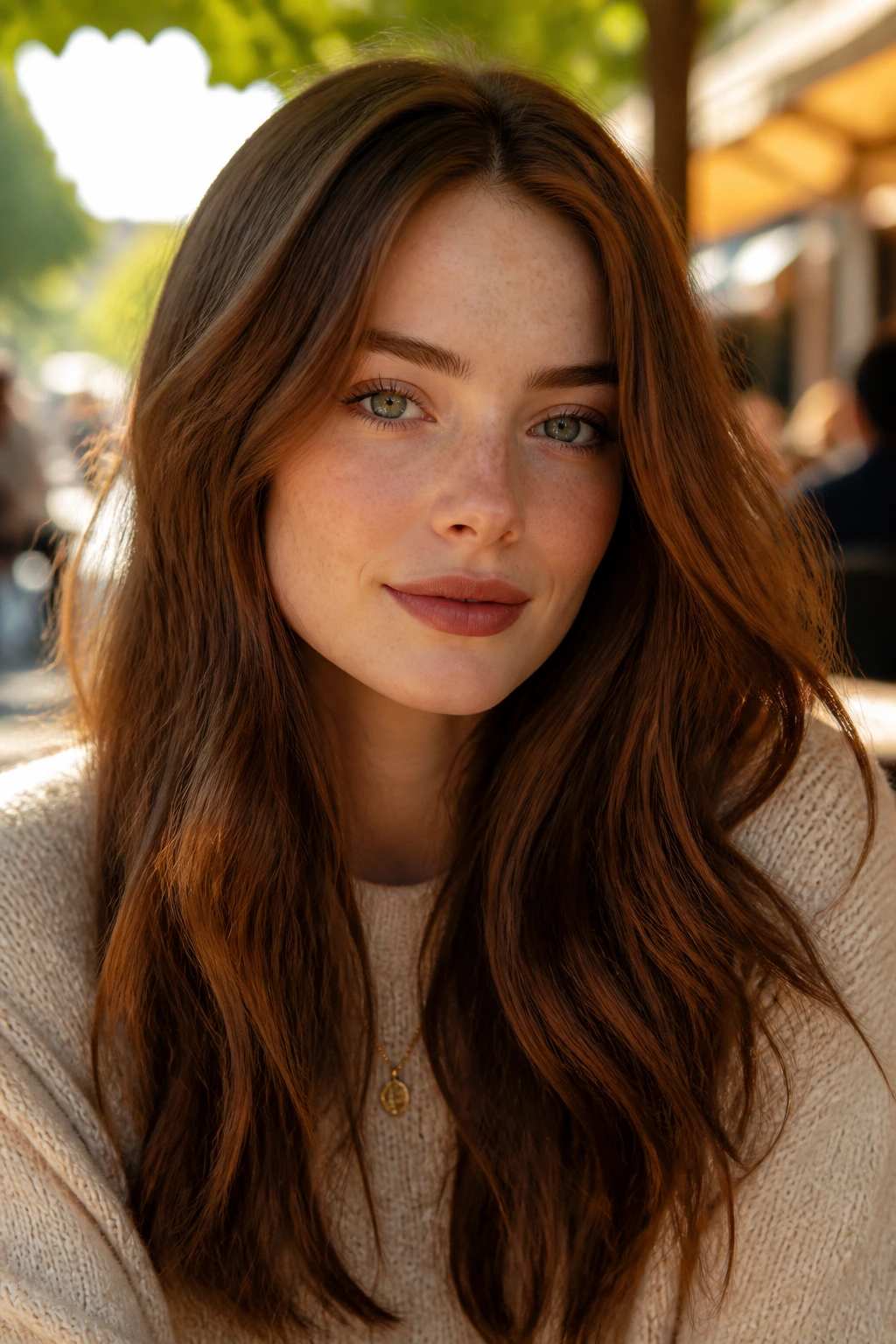
Maple brown has a warm amber-brown glow that can make pale skin look alive in a very clean way. It’s richer than honey blonde, obviously, but lighter and more reflective than deeper brunette shades.
The color works when you want warmth without copper. That’s a delicate balance, and maple does it better than most browns because the gold stays tucked into the shade rather than sitting on the surface.
For pale skin, this is especially nice if your natural brows and lashes are medium to dark. The contrast feels coherent. You get a face that looks lit from inside the brown, not buried under it.
19. Beige Brown
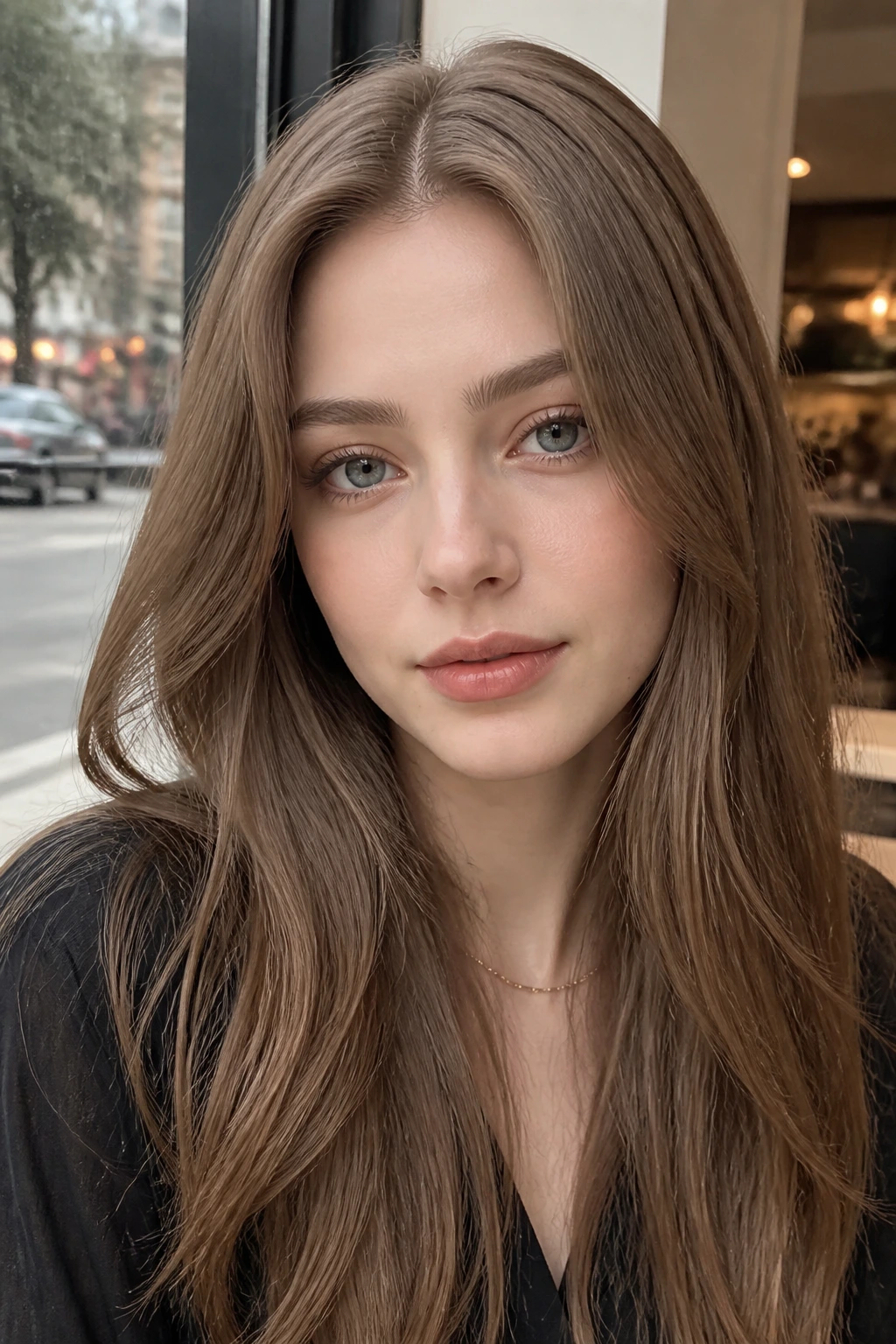
Beige brown is the neutral middle lane. It’s not smoky enough to be cool, not golden enough to be warm, and that neutrality is exactly why it flatters so many pale faces.
This shade is useful if your skin tone changes between seasons, or if you hate hair color that locks you into one makeup palette. Beige brown plays well with soft pinks, mauves, taupes, and even sharper berry shades.
A beige brown lob with a clean center part can look especially modern because the color doesn’t distract from the cut. It just supports it. That’s an underrated thing in hair color.
20. Coffee Bean Brunette
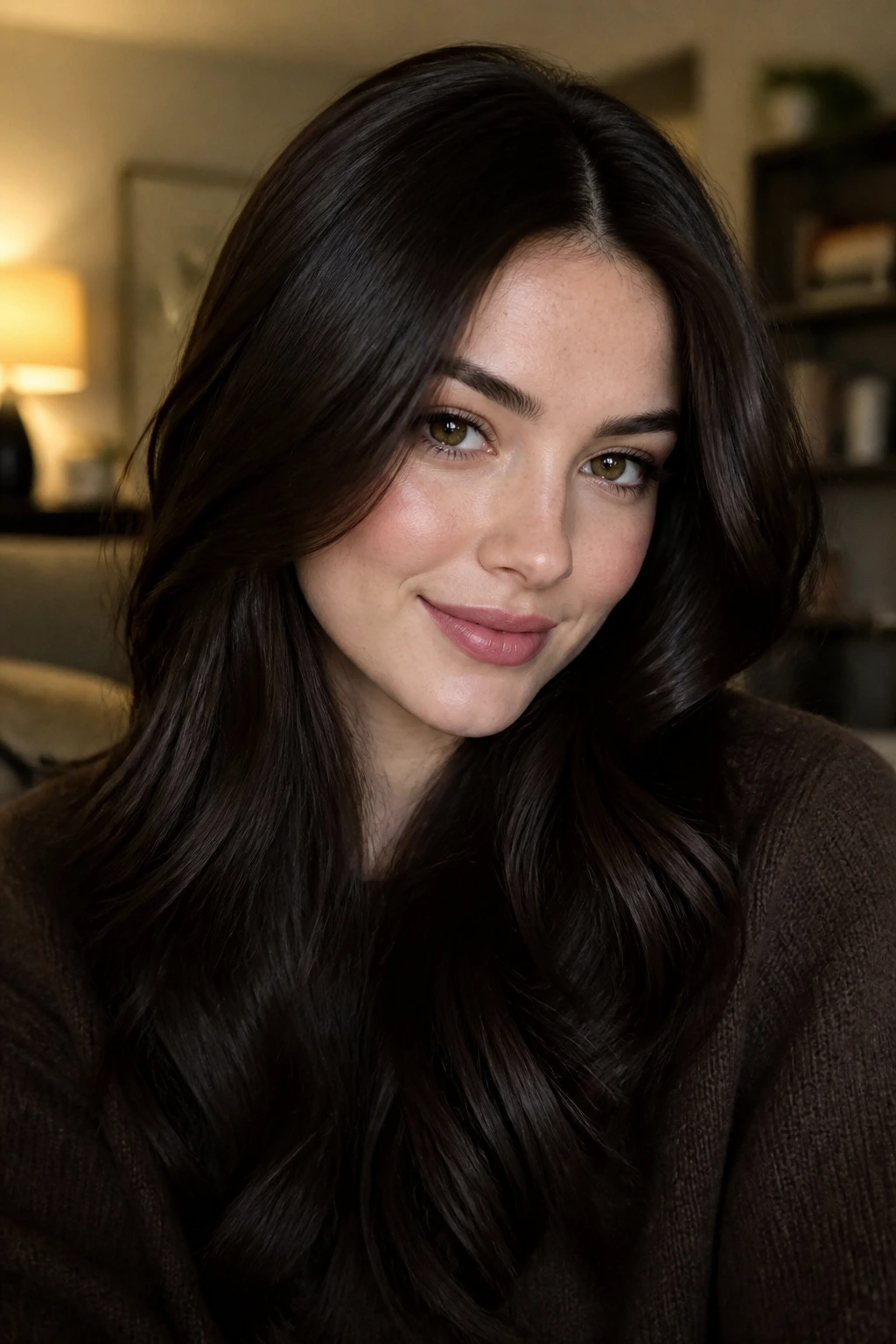
Coffee bean brunette is deep, glossy, and a touch more grounded than espresso. It has enough darkness to make pale skin pop, but the brown core keeps it from turning stark.
I like this shade for people with defined features—high cheekbones, strong brows, or naturally contrasty eyes. The hair becomes a backdrop that lets the face do more of the work.
Why It Can Look Better Than Black
Black hair can flatten some pale skin because it creates a hard edge. Coffee bean brunette gives you almost the same visual weight, but with a softer transition. That extra softness is what keeps the look wearable day to day.
If you want drama without the “I went black and now I regret it” feeling, this is the safer dark lane.
21. Hazelnut Brown
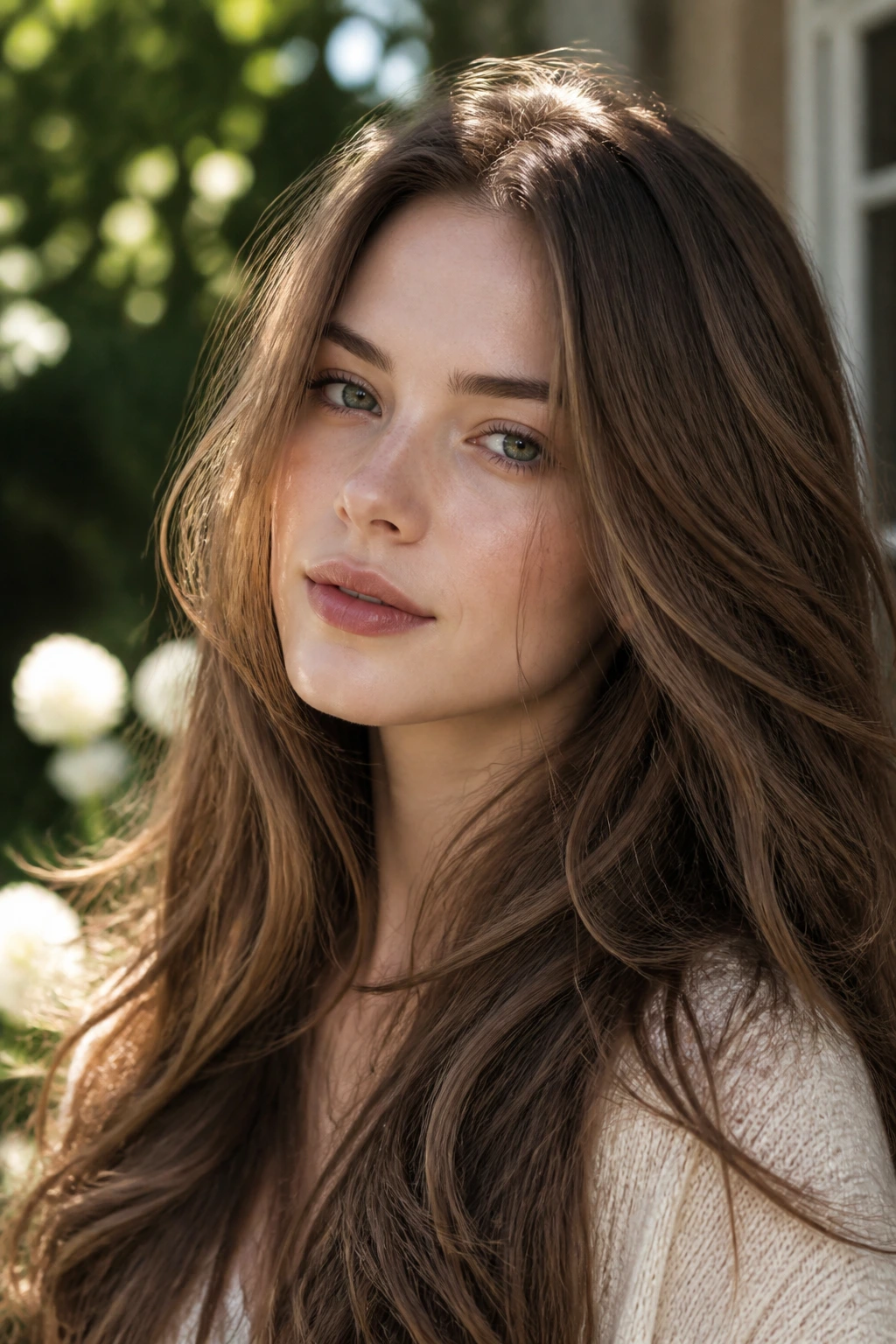
Hazelnut brown is friendly. That’s the word that fits it best. It has warmth, a little beige, a little gold, and enough softness that pale skin doesn’t get swallowed by it.
This shade is great for anyone who wants brunette hair color ideas for pale skin that don’t feel trendy in a loud way. Hazelnut looks natural-ish, but improved. Better lit. Less flat.
It’s especially nice with layered cuts because the color shifts a bit as the hair moves. On still hair, it stays calm. On waves, it gets that soft shimmer people always chase and rarely name correctly.
22. Merlot Brunette
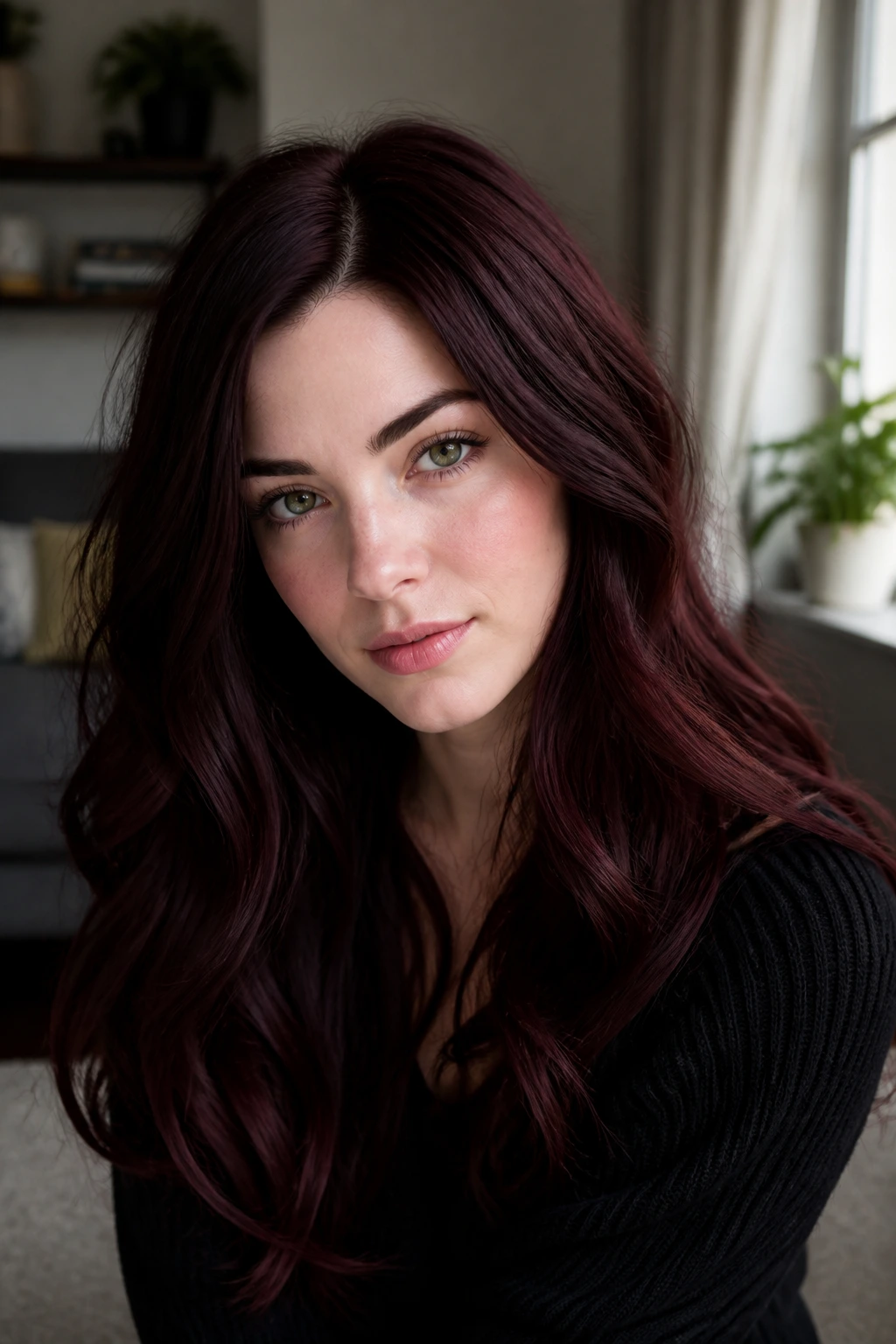
Merlot brunette is for people who want their brown to carry a dark wine note. The red-violet cast is deeper and moodier than chocolate cherry, which makes it a better fit when pale skin needs richness rather than brightness.
The color can look especially striking on cool skin and dark eyes. It also works on pale complexions with some natural redness because the violet undertone tends to be kinder than a copper base.
Don’t ask for a bright red-brown. That’s a different thing. Ask for brown with a muted wine undertone. The difference is everything here.
23. Smoky Chestnut
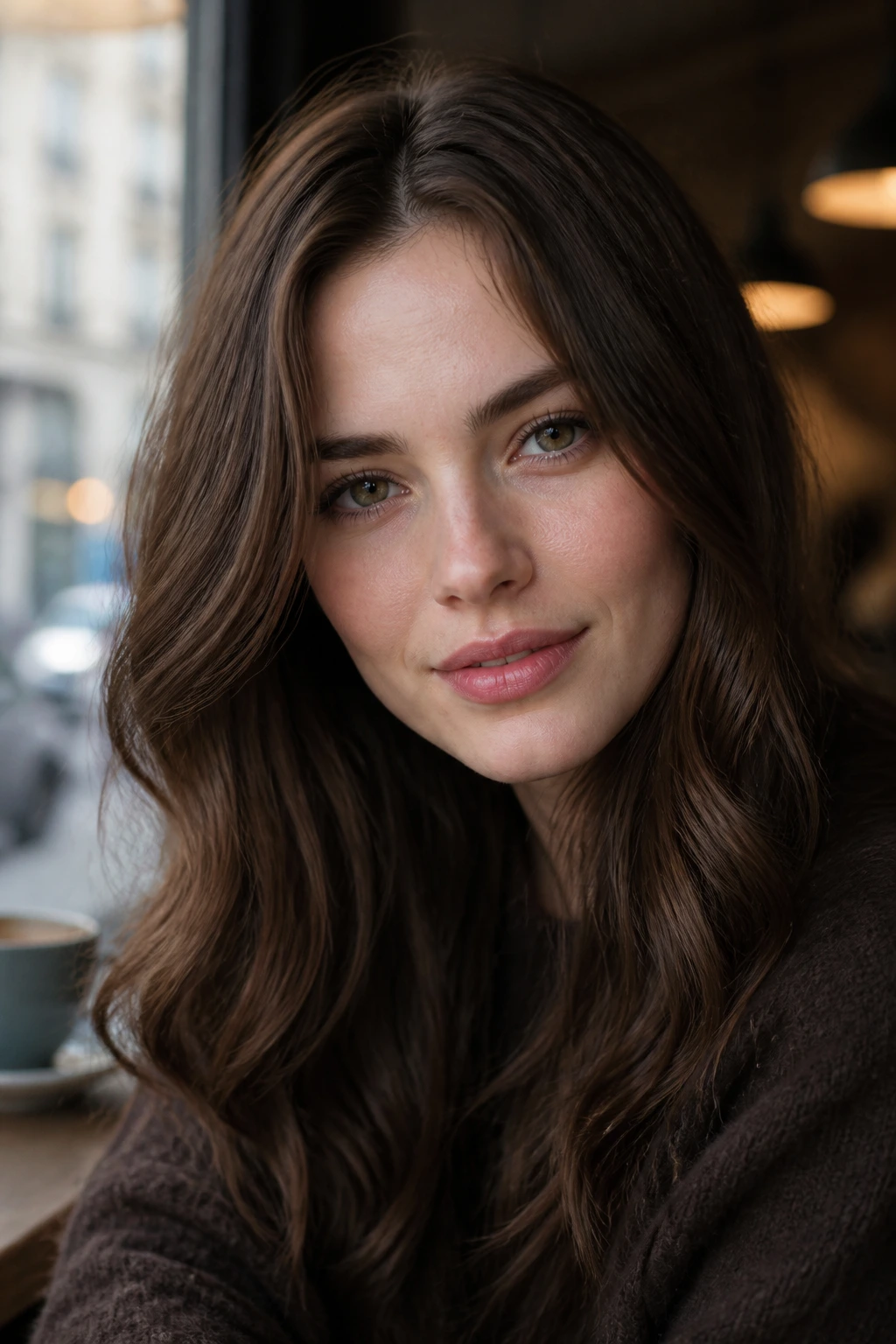
Smoky chestnut takes the warm shape of chestnut and softens the edges with a little ash. That makes it easier to wear on pale skin than a straight warm chestnut, especially if your complexion gets pink after sun or heat.
It sits in a really useful middle zone. Enough warmth to keep the hair from looking flat. Enough smoke to stop it from turning orange. That balance is why it works so often.
A smoky chestnut cut with loose bends can look almost effortless, though I dislike that word because the work is still there. What I mean is the color does not need perfect styling to look finished.
24. Truffle Brown
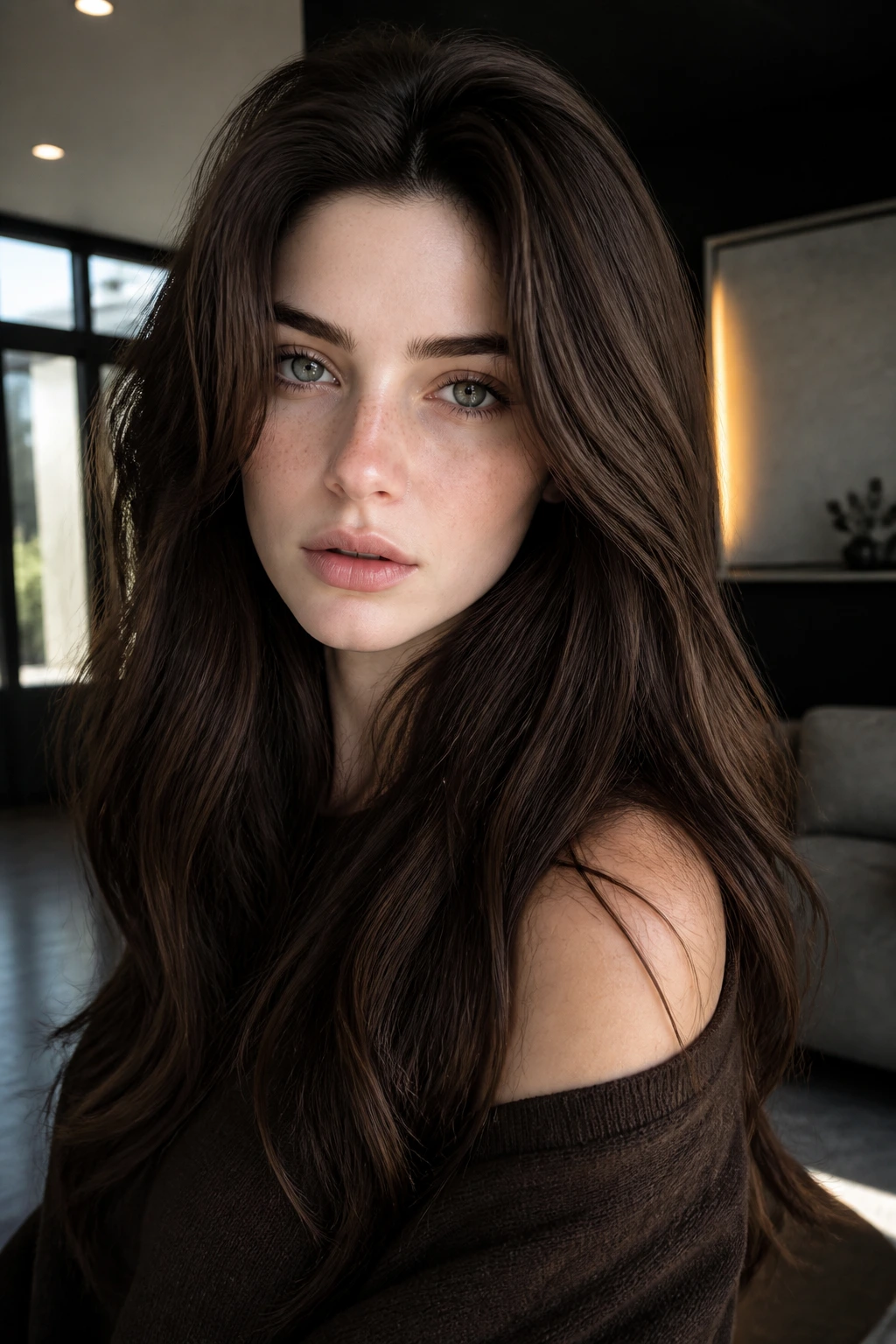
Truffle brown is deep, smooth, and a little earthy. It doesn’t carry the sugary warmth of milk chocolate or the ashiness of taupe. Instead, it lands in a grounded middle, which is exactly why it flatters pale skin that needs depth but not glare.
This shade is especially good if you wear a lot of black, cream, or charcoal. It gives enough contrast to keep the face alive without creating a hard wall around it.
Truffle brown also tends to look rich in low light. That’s useful because some browns only look good in full daylight. This one has body in the shadows, which makes it feel more expensive in everyday life.
25. Milk Chocolate Brown
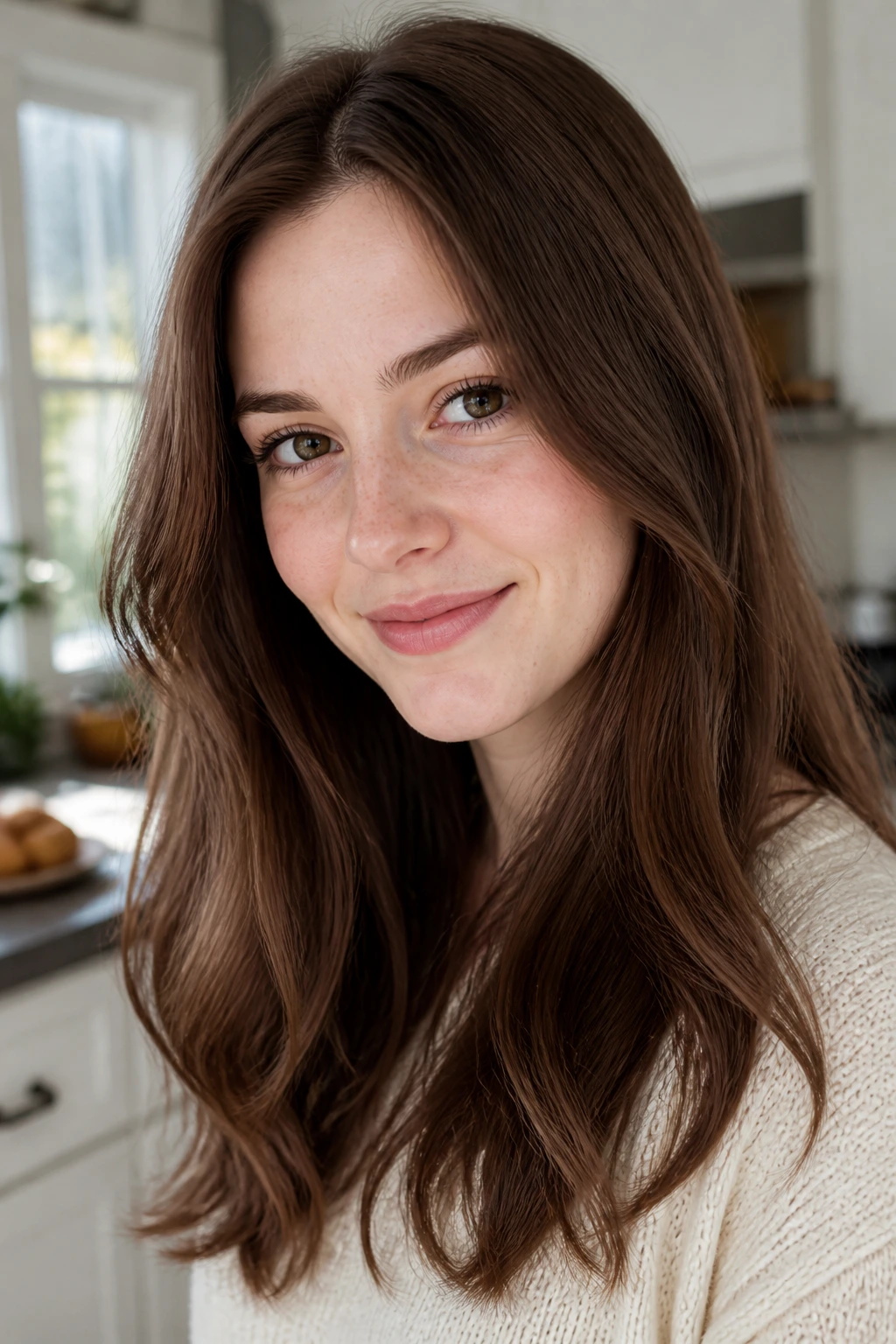
Milk chocolate brown is softer and friendlier than dark roast or espresso, and that softness can be a real gift on pale skin. It gives depth without turning severe.
I like it for people who want a classic brunette look that doesn’t fight their complexion. It’s a little sweeter, a little lighter, and easier to wear with minimal makeup. If your skin is fair but not especially cool, milk chocolate often lands in the right spot.
The key is gloss. A dull milk chocolate can look dusty. A shiny one looks plush. Small change, big difference.
26. Honey Ash Bronde
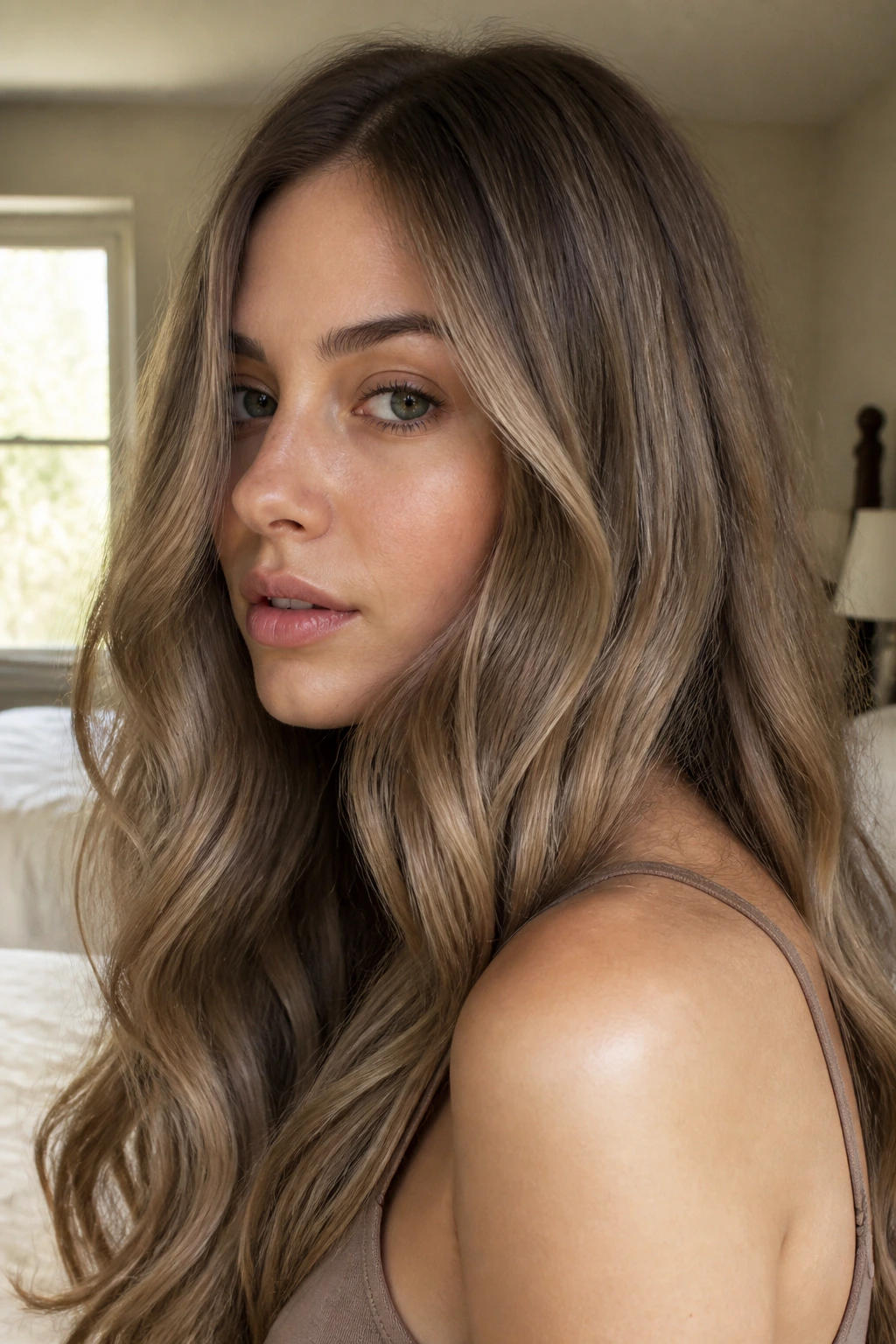
Honey ash bronde sounds contradictory, and that’s exactly why it works. The honey keeps the color alive; the ash keeps it from getting too yellow. For pale skin, that balance is often the whole game.
This is a good choice if you’re between blonde and brunette and don’t want to commit hard to either side. It gives softness around the face, with enough brown depth to feel intentional.
How It Wears Over Time
The beauty of honey ash bronde is that it fades into something still wearable. It doesn’t usually fall apart into one ugly tone. If anything, it becomes a little lighter and a little blurrier, which many people actually prefer.
That makes it one of the lower-stress options on this list.
27. Mulled Spice Brown
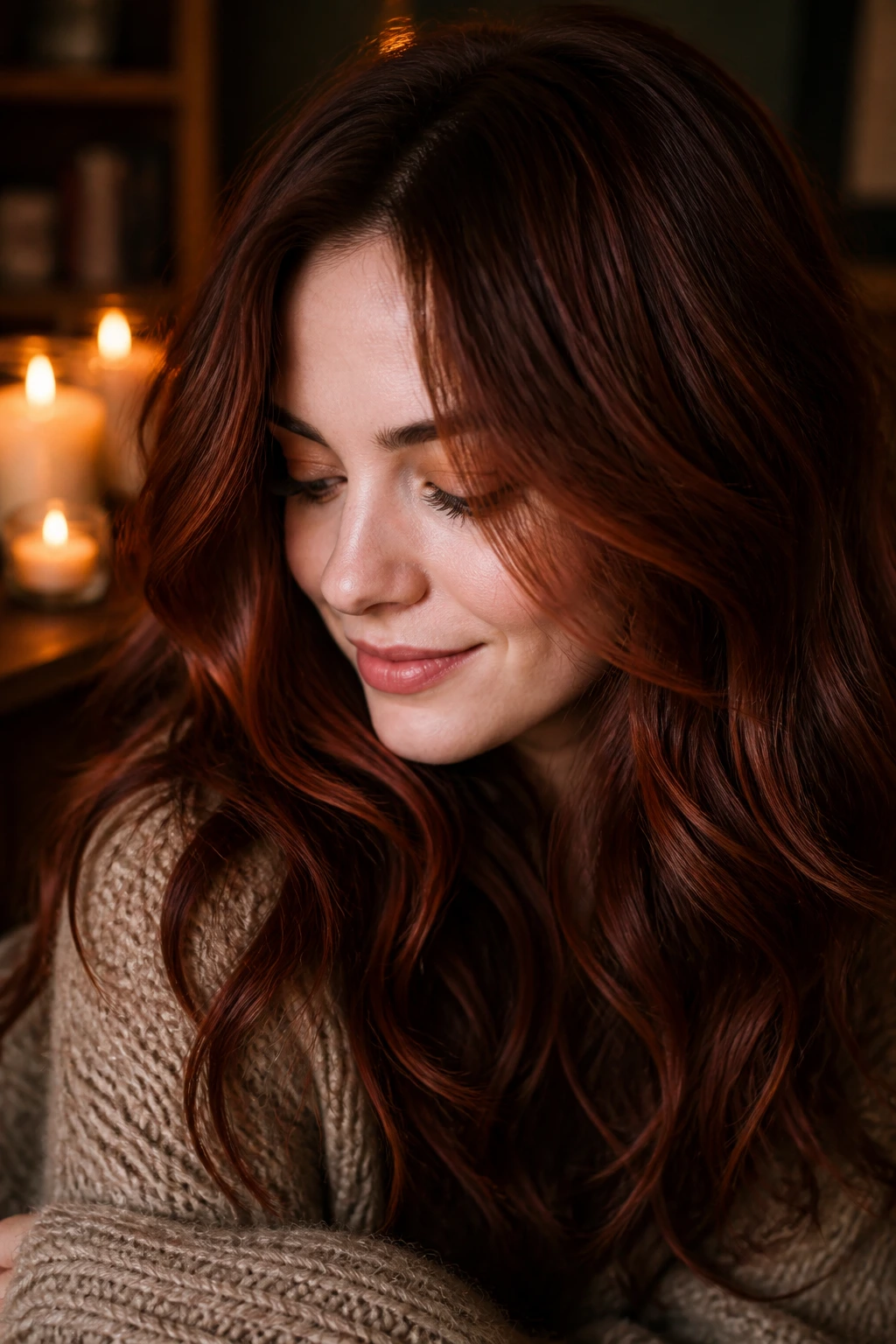
Mulled spice brown carries a warm, winter-drink kind of richness. Think cinnamon, clove, and a little brown sugar, but kept inside a brunette base. It’s a good fit if pale skin looks a bit drained in cooler brown shades.
This color is one of the more personality-heavy options here. It reads warm and cozy, but not overly copper. That makes it useful for people who want their hair to look dimensional in candlelight, dinner light, or soft indoor light.
If you like berry lipstick, cream sweaters, and gold jewelry, mulled spice brown can fit that whole palette nicely. It’s not quiet. It’s not loud either. It just has some character.
28. Mocha Melt
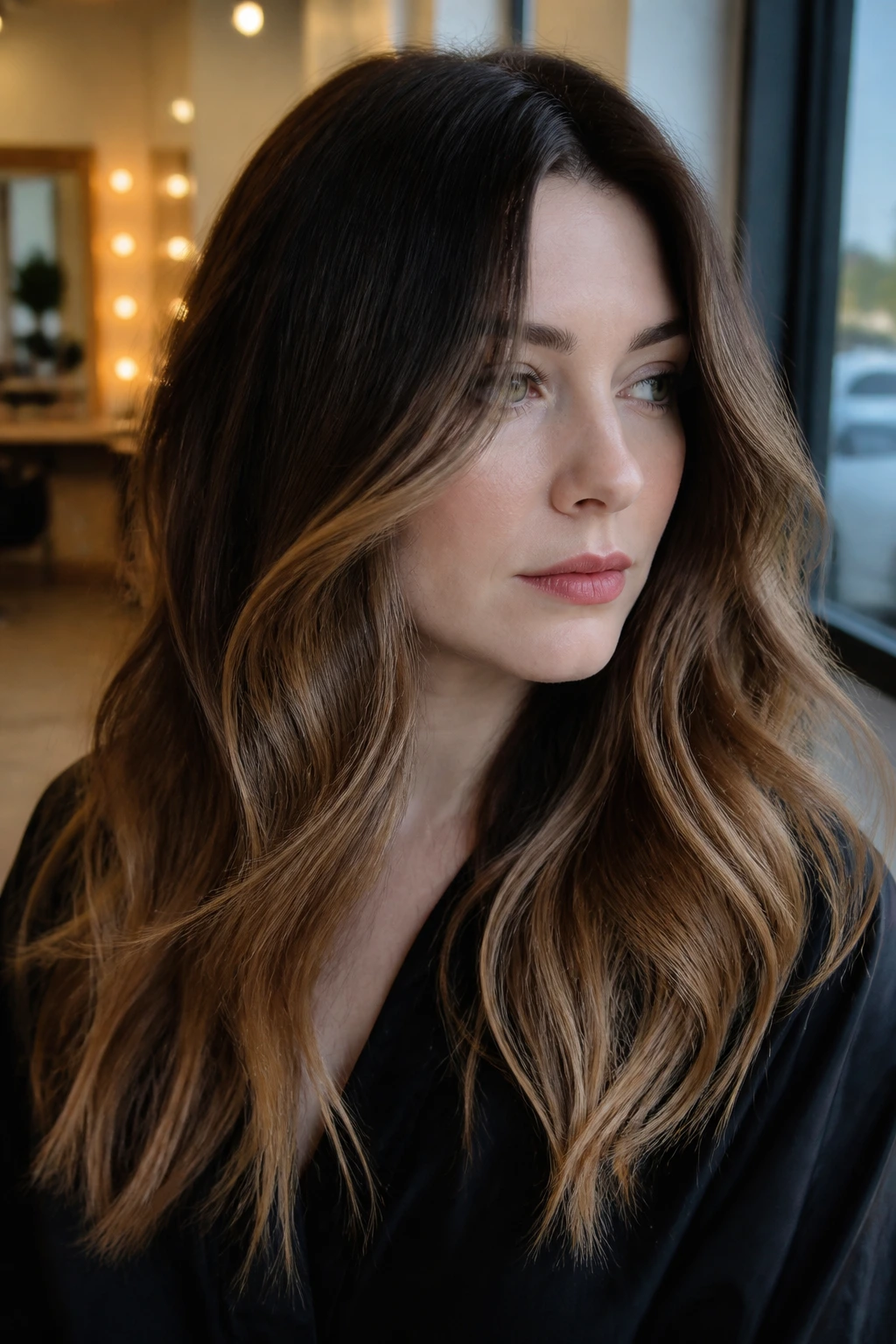
Mocha melt is all about the gradient. The roots stay deeper, the mids soften, and the ends hold a smoother brown with just enough lightness to keep the face from feeling boxed in.
This is one of the smartest brunette hair color ideas for pale skin if you want dimension without obvious streaks. The melt keeps the color modern and soft, and it grows out in a way that doesn’t demand constant panic at the mirror.
A good mocha melt almost always looks better with movement. Soft bends, layers, or a blowout round brush finish help the tones fold into one another.
29. Cedar Brown
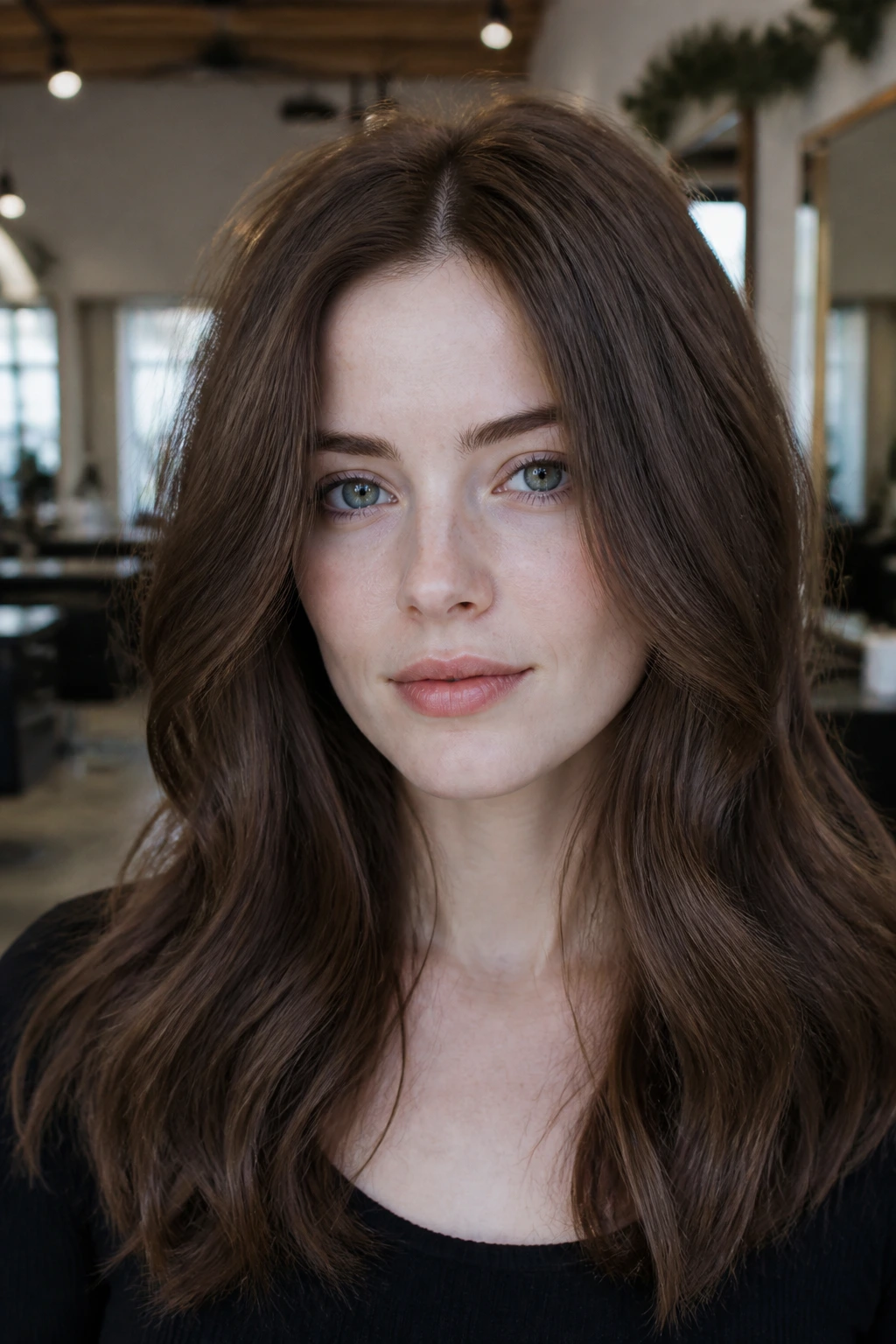
Cedar brown has an earthy, slightly wood-toned quality that makes it stand apart from the sweeter browns on this list. It’s a little green-brown, a little smoky, and very good for pale skin that does not love yellow warmth.
The color can be especially flattering if your skin is neutral-cool and your eyes have a green or hazel cast. It creates a subtle contrast that feels natural rather than stylized.
Cedar brown is not for everyone. That’s the appeal. It has a more tailored, less sugary finish than caramel or honey brown, and I think that makes it refreshing.
30. Soft Espresso Balayage
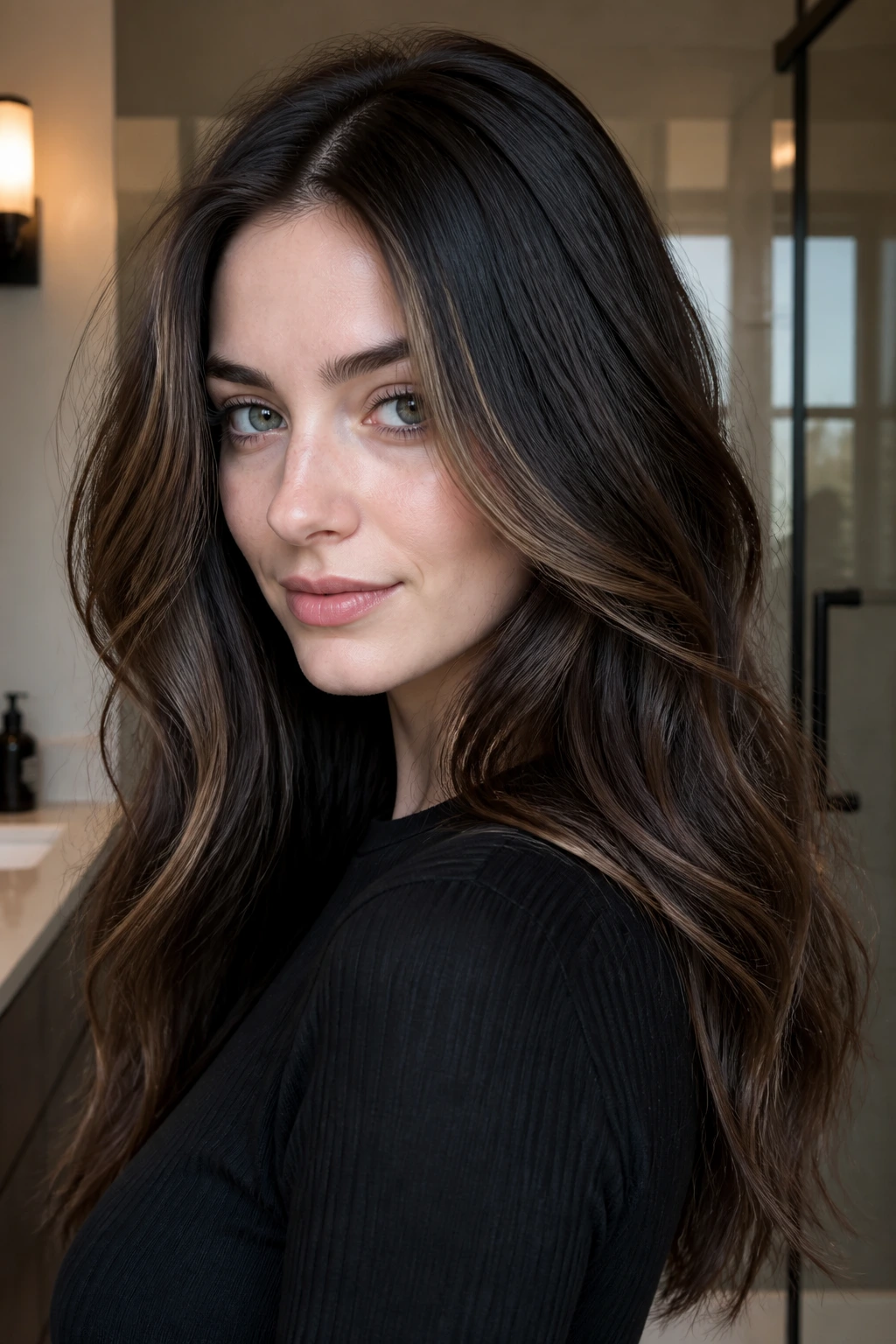
Soft espresso balayage gives you the drama of a deep brunette base with just enough lighter hand-painted pieces to stop the color from going too heavy. On pale skin, that contrast can look expensive without looking severe.
The balayage pieces should be fine and broken up, not chunky. That’s the whole secret. A few thin, lighter strokes around the face and in the top layers keep the espresso from sitting like one dense block.
This is a good finish if you want something striking but not rigid. It lets you wear the dark brown without committing to a flat, one-note brunette. And honestly, that flexibility is what makes it such a useful option.
Why Pale Skin and Brunette Tones Play So Well Together
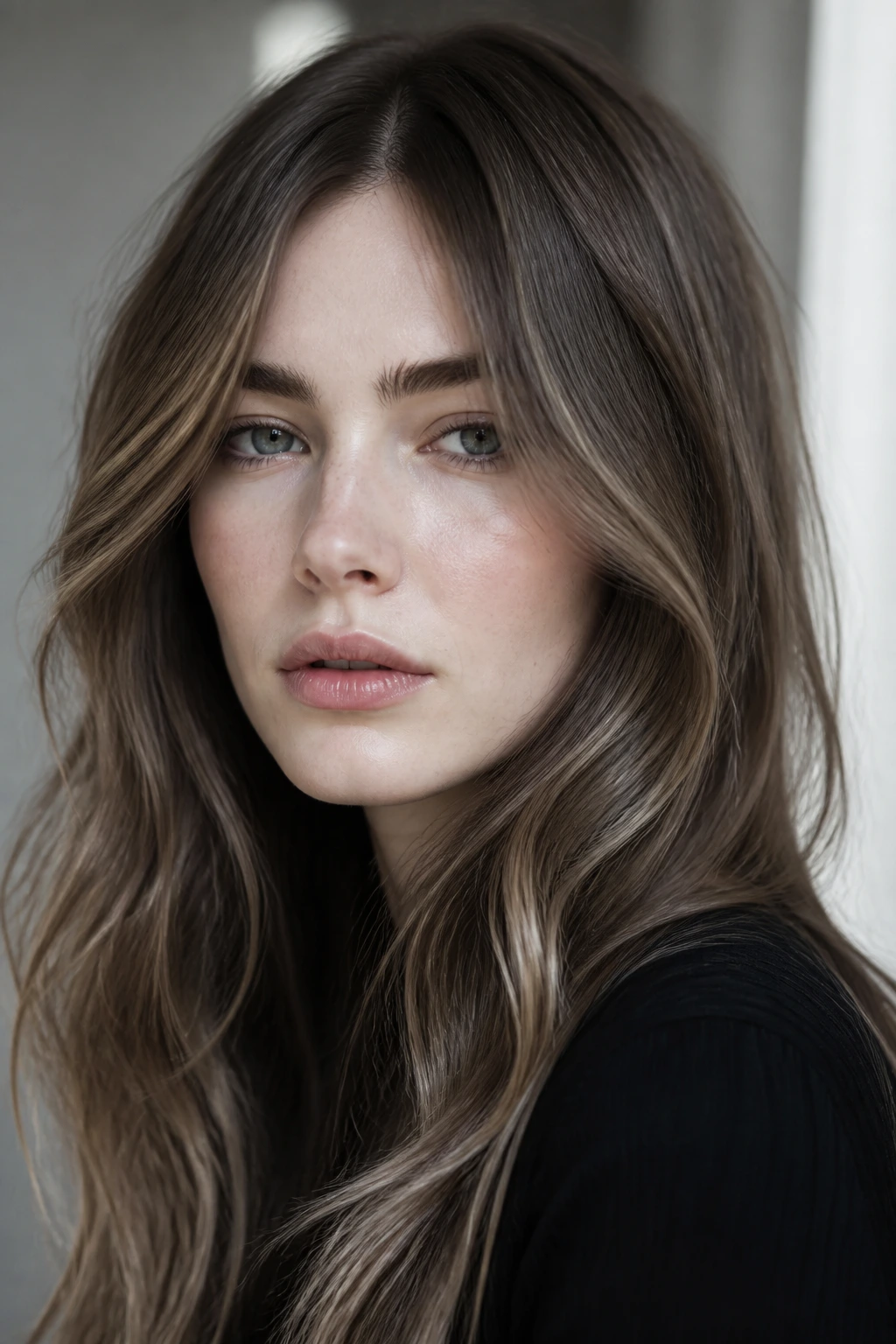
Pale skin doesn’t need to be kept blonde to look balanced. That idea hangs around longer than it should. A well-chosen brunette often makes fair skin look more even because the hair adds structure instead of competing with the complexion.
The main issue is undertone, not darkness. Ash, beige, muted gold, and soft red-brown all behave differently against fair skin, especially if your face flushes easily or your eyebrows are naturally lighter than your hair used to be. A brunette that respects those details tends to look thoughtful. One that ignores them tends to look pasted on.
I also like brunette on pale skin because it lets your features breathe. The eyes stand out. The mouth looks more defined. Freckles, if you have them, often read better instead of being washed out by a too-light base. That’s why a good brown can feel more flattering than a bright blonde or a severe black-brown.
Tools That Make the Color Job Go Smoothly
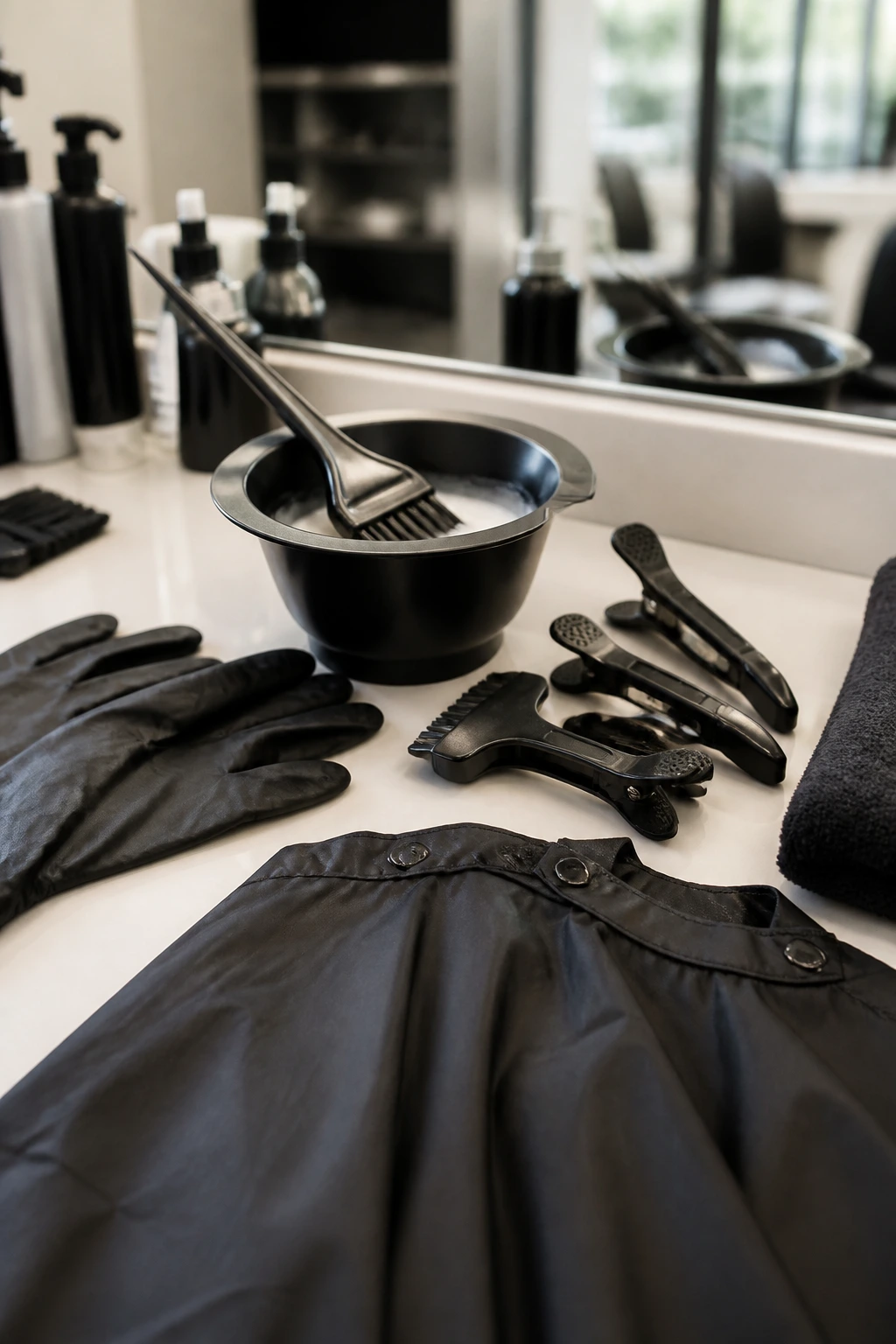
- Tint bowl and color brush: A narrow brush gives you better control around the hairline and part, where pale skin shows mistakes fast.
- Sectioning clips: Four to six sturdy clips keep the sections clean so the color lands evenly from roots to ends.
- Gloves that fit snugly: Loose gloves make a mess, and a messy hairline around fair skin is more obvious than people expect.
- Dye cape or old towel: Brown dye stains light towels fast. Use something you do not care about.
- Fine-tooth comb: Handy for even distribution on root color and quick glosses.
- Hand mirror: Useful for checking the back at a window. Artificial light lies.
- Color-safe shampoo and conditioner: The wrong shampoo can strip gloss out of a brown shade in a few washes.
- Heat protectant: Brown hair color looks richer when the cuticle stays smooth. Heat damage dulls it fast.
- Clarifying shampoo: Use it only when buildup makes the brown look hazy, not every wash.
- Reference photos in daylight: Bring several, because one dimly lit salon picture is not a strategy.
How to Pick the Right Brown in Daylight, Not Under Bad Bulbs
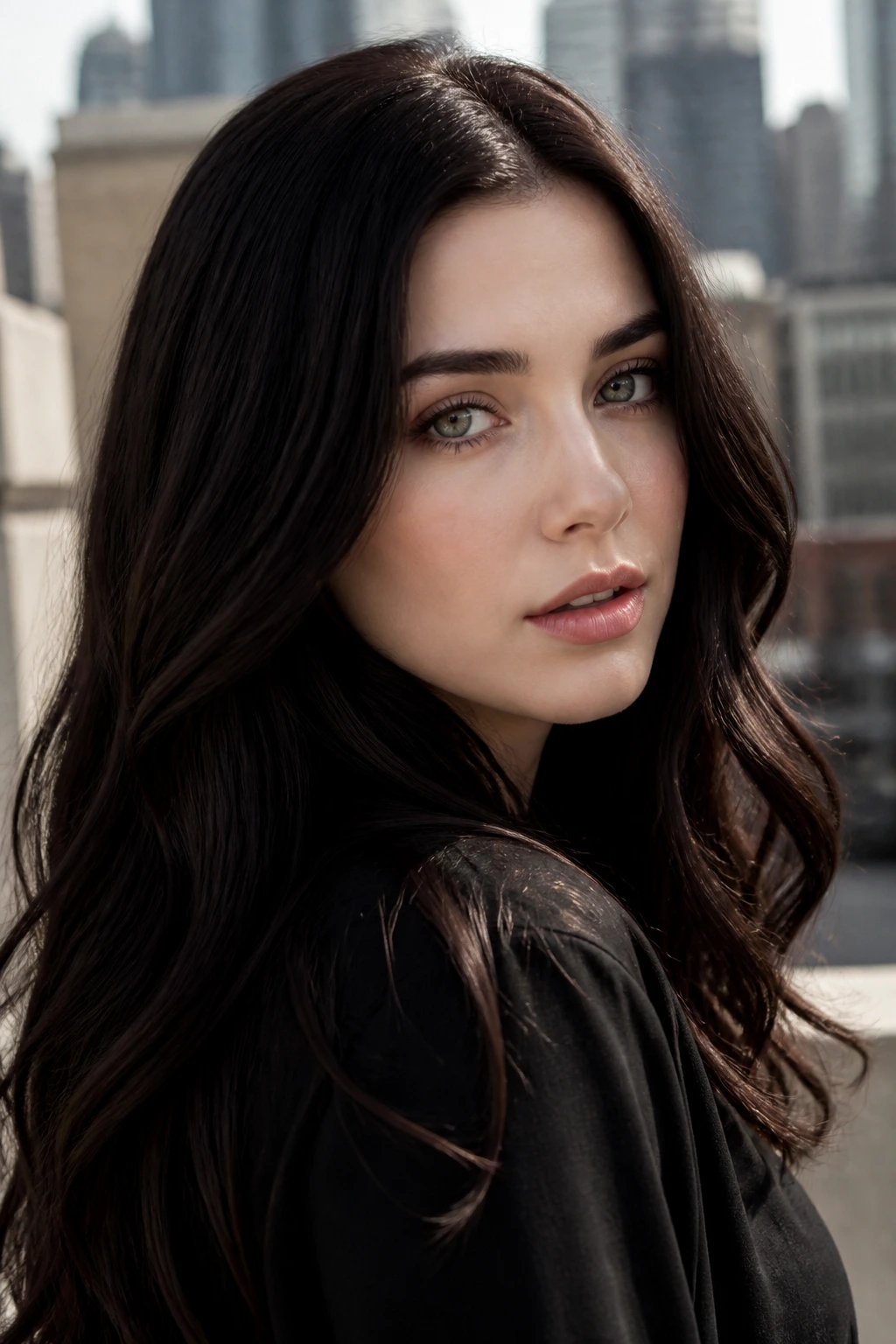
The smartest brunette choice for pale skin starts with looking at your face in honest light. Stand near a window. If your skin looks pink, blue-based browns and smoky brunettes usually behave better. If your skin looks beige, peach, or lightly golden, warmer browns can work without turning the face red.
Hair level matters too. Level 4 to 6 browns tend to be the sweet spot for pale skin because they create contrast without making the face disappear. Level 2 or 3 can work, but they need shine, softness around the hairline, and usually a stronger brow to keep the whole face from going heavy. Level 7 and up starts slipping into bronde territory, which is fine if you want lightness, but not if you want true brunette depth.
Ask for undertone words, not only shade names. Say ash, beige, neutral, muted gold, soft copper, or wine-brown. Those words help far more than “dark brown,” which could mean anything from flat box dye to glossy espresso. If you’re doing this at home, always strand test first. Brown dye can read warmer on porous hair, and once it pulls orange, you’re stuck fixing the mess for another round.
How to Wear Brunette Shades So They Don’t Fight Your Face
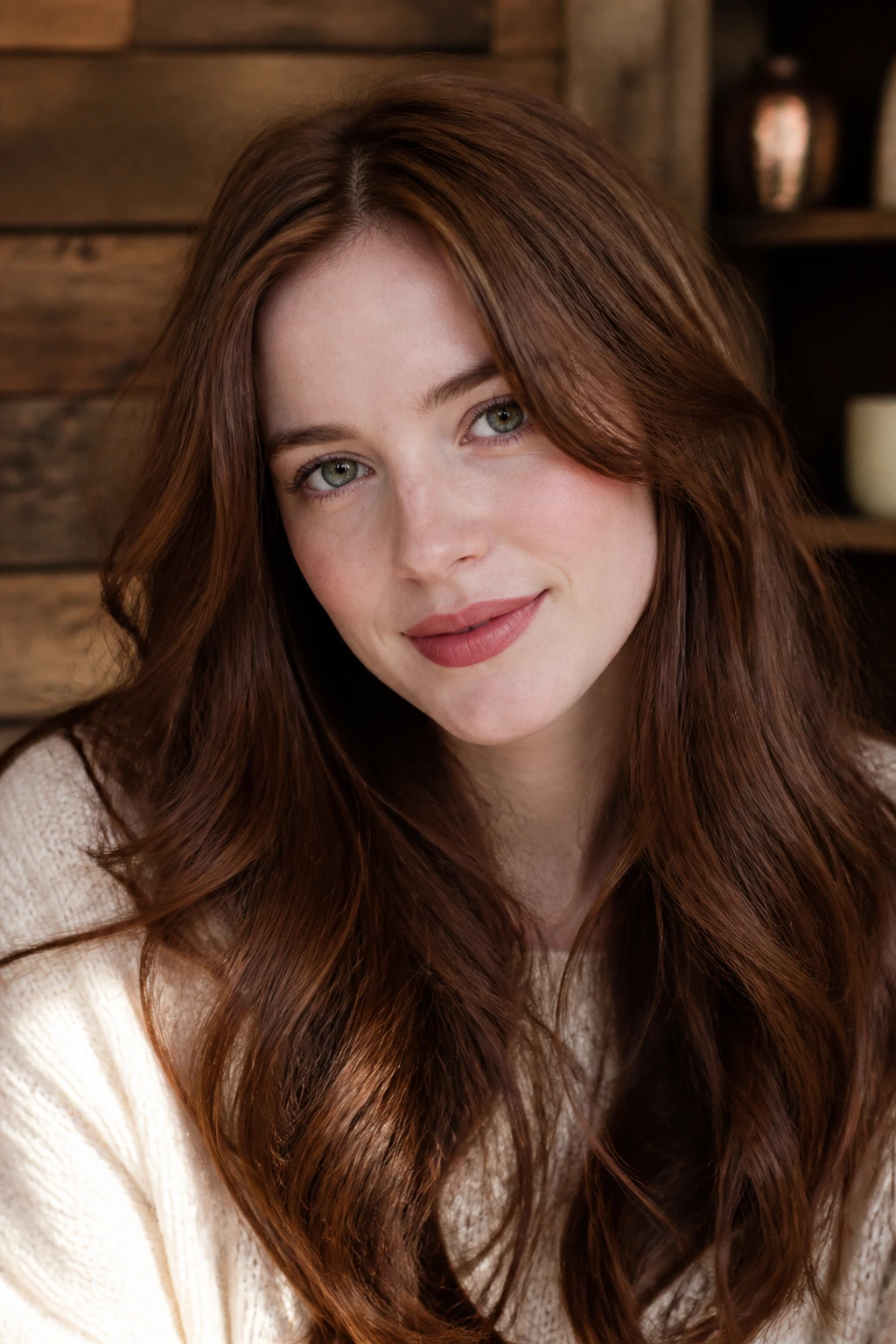
Presentation: Loose bends, a soft blowout, or a sleek middle part all show brunette color differently. If the shade is dimensional—mushroom, bronde, caramel ribbon brown—waves make it come alive. If it’s dark and glossy—espresso, sable, dark roast—a smooth finish shows the richness better.
Accompaniments: Pale skin usually likes makeup and clothes that echo the hair’s undertone. Cool brunettes pair well with mauve, taupe, plum, and crisp black. Warm browns look better with cream, camel, terracotta, and soft berry shades. You do not need a full wardrobe swap. A lipstick that matches the tone is often enough.
Intensity: If you want subtle, keep the brown within one or two levels of your natural depth. If you want drama, go deeper at the roots and softer through the lengths, so the face still has light around it. Hard, one-color dark brown is the move I’d skip unless you really want that sharp outline.
Finish: Shine matters more than people think. Brown hair with a smooth cuticle looks richer and kinder to pale skin. Dry, rough brown can look dusty. That’s not a shade problem as much as a texture problem.
Extra Shine, Dimension, and Tone Control
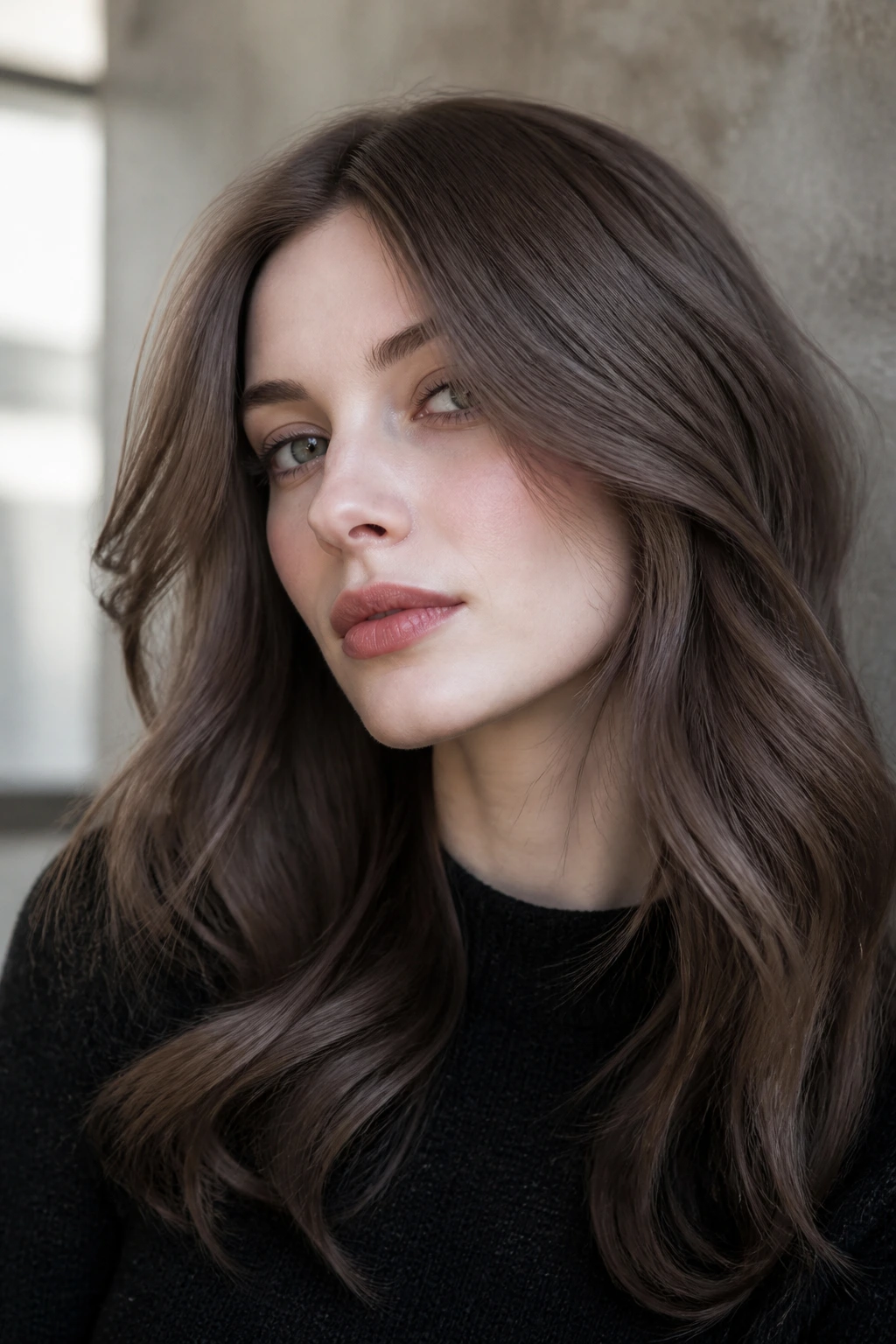
Gloss boost: A clear or beige gloss every 6 to 8 weeks can keep brunette shades from going dull or coppery. On pale skin, dull brown looks harsher than polished brown.
Dimension trick: Fine face-framing pieces around the part and temples soften strong contrast. You do not need chunky highlights. A little light in the right spot goes a long way.
Tone control: If your brown keeps warming up, use a blue-tinted shampoo or a salon gloss with ash-beige notes. Go easy. Over-toning can make hair look flat and gray.
Make-it-yours: If your skin is very fair and your brows are light, stop one shade lighter than the darkest brown you want. If your brows are already bold, deeper brunettes usually look more natural.
Styling note: Round-brush volume at the crown keeps dark brown from sinking into the face. Flat roots and dark color can be a rough combo on some complexions.
Keeping Brunette Color Fresh Between Salon Visits
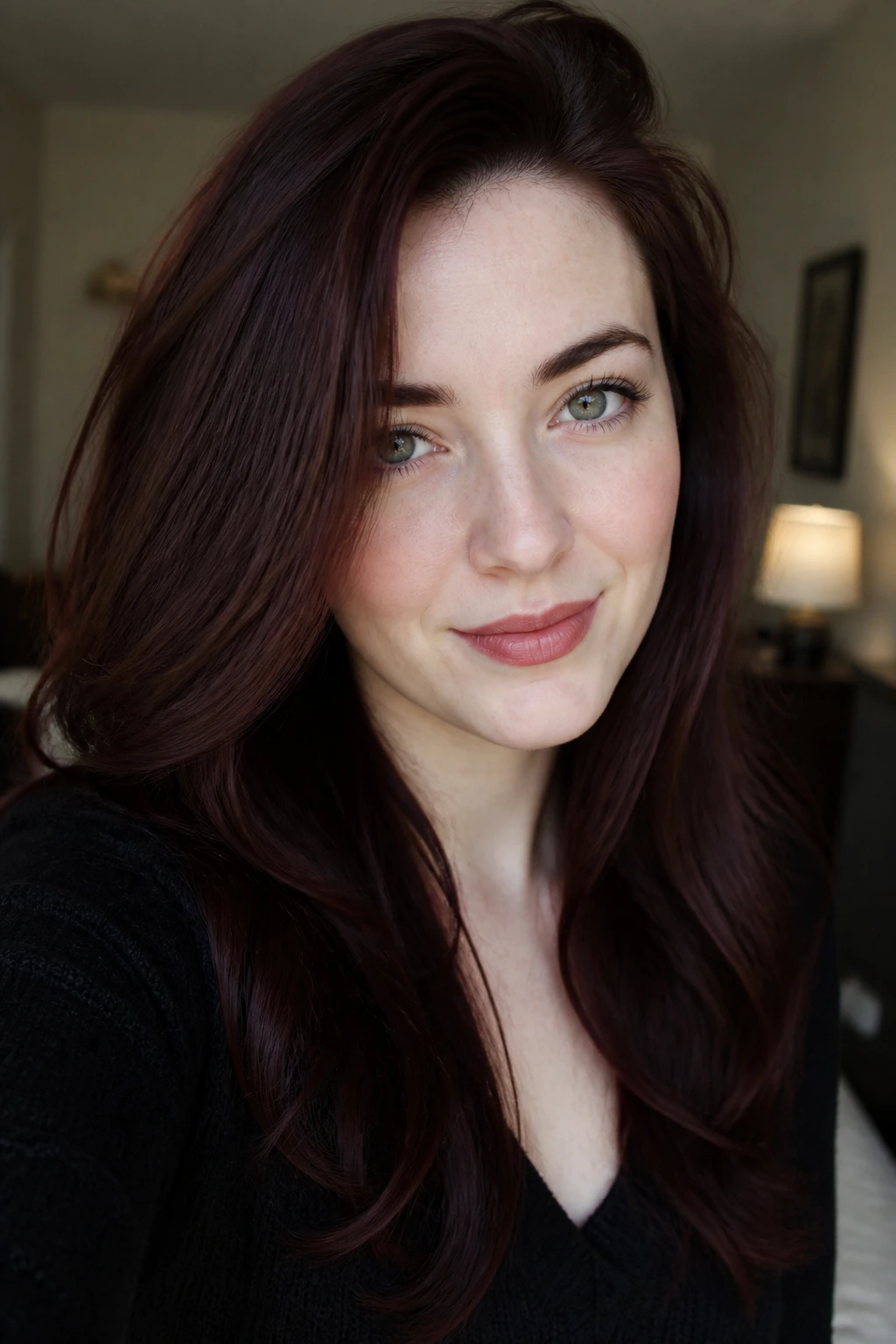
Permanent brunette dye usually needs root attention every 4 to 6 weeks if you want a crisp line, though balayage and rooted melts can stretch longer. Demi-permanent browns and glosses often stay pretty for 4 to 8 weeks before they start losing their edge. Pale skin shows fade faster than some other complexions because brass, red shift, and flatness are easier to spot.
Wash with lukewarm water. Hot water strips tone and opens the cuticle faster, which makes brown go limp. Use a color-safe shampoo 2 to 3 times a week if your hair allows it, and keep conditioner mostly on the mids and ends so the roots don’t collapse.
If the brown starts turning orange, that’s usually warmth escaping, not the color “fading.” A toning gloss or a salon refresh fixes that better than piling on darker dye. If the hair turns muddy, especially on porous ends, you may need a clearer gloss or a lighter hand on the next refresh. Brown should look clean, not dense and dull.
Variations and Adaptations to Try
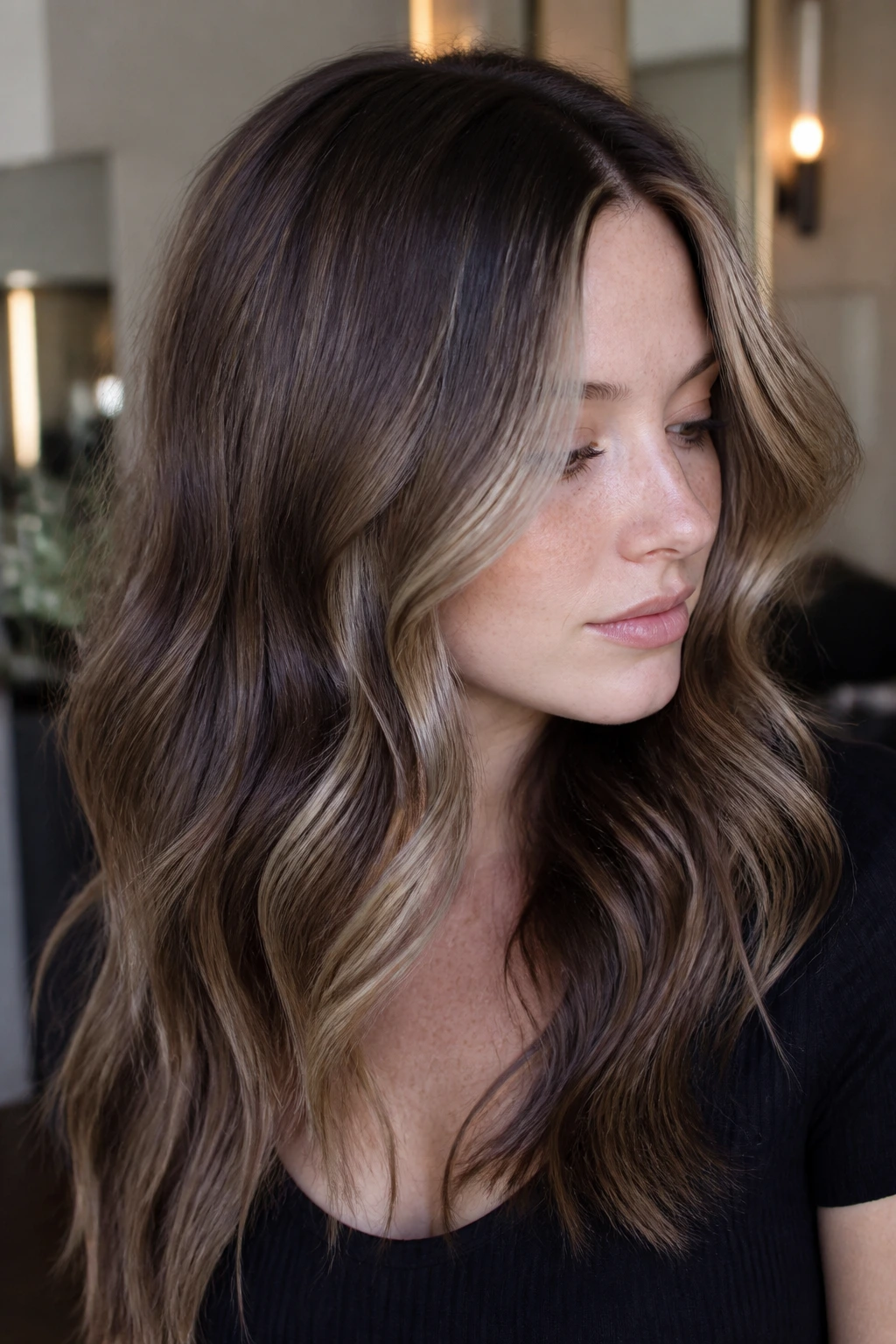
Porcelain Mushroom Melt: Keep the base cool mushroom brown and add only a few beige ribbons near the front. This is the cleanest option for very fair, pink-leaning skin that turns red next to gold tones.
Freckled Chestnut Glow: Use chestnut with a soft honey glaze and a slightly brighter face frame. It works well if your skin has freckles or peach undertones and you want the hair to warm up the face instead of cooling it down.
Espresso with a Soft Edge: Start with espresso at the roots, then fade into coffee bean brown through the lengths. That gives you drama without the hard, one-note block that can feel severe on pale skin.
Cherry-Cola Brunette: Blend chocolate brown with a muted red-violet gloss. This version is for people who want their brown to look plush and a little mysterious, not flat or purely neutral.
Bronde for the Fence-Sitters: If you are not ready to go fully brunette, keep a medium brown base and layer in fine beige highlights. The result stays light enough for pale skin while still reading as brown.
Rooted Sable Fade: Dark roots, softer mids, and a gentle fade toward truffle or sable ends. It’s a smart choice if you want longer grow-out and a slightly more dramatic frame around the face.
Common Mistakes That Make Brown Hair Look Off on Pale Skin
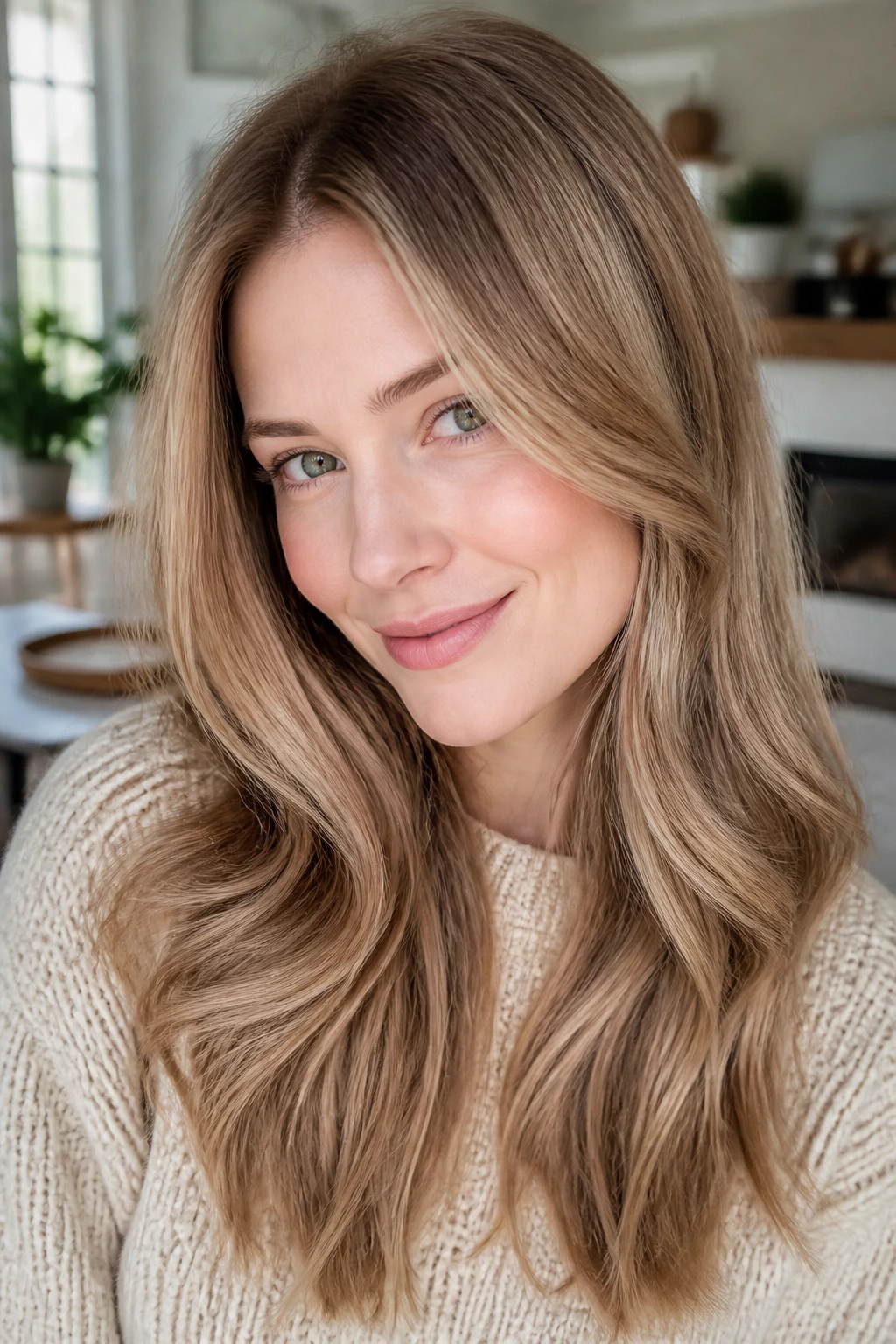
Going too dark too fast: Jet-black-adjacent brown can flatten the face and make the skin look paler than you meant. The fix is to step down one or two levels and keep some softness around the hairline.
Choosing warmth without restraint: A warm brown that leans orange can make fair skin look flushed or tired. If that happens, ask for beige, ash, or muted red-brown instead of bright gold.
Skipping dimension: One flat brown block can read wiggy on very fair skin, especially if the haircut is blunt. Fine highlights, a gloss, or a subtle root melt give the eye something to follow.
Ignoring the brows: Hair that is much darker than the brows can make the face seem detached. You do not need a perfect match, but the brow should live in the same neighborhood.
Trusting indoor light: A brown that looks soft in a bathroom mirror may turn loud or muddy in daylight. Always check swatches near a window before committing.
Letting fade go unchecked: When brunette fades warm or dull, pale skin shows it quickly. A gloss or toning treatment before the color gets rough is easier than trying to rescue it later.
Frequently Asked Questions About Brunette Hair Color for Pale Skin
Which brunette shade is most flattering on very pale skin?
Mushroom brown, ash mocha, and taupe brunette are strong starting points because they keep warmth controlled. If your complexion is cool or pink, those shades usually feel calmer than gold-based browns.
Can pale skin wear very dark brown?
Yes, but the finish matters. Espresso, coffee bean, and dark roast can look striking if the hair has shine and the brows or eyes provide enough contrast. Flat, matte dark brown is where things start to look harsh.
Is warm brunette or cool brunette better for fair skin?
That depends on your undertone. Pink or rosy skin usually likes cool or beige-brown shades; peachy or freckled skin can handle warm chestnut, cinnamon, or honeyed brunette better.
Will brunette hair make pale skin look washed out?
Only if the shade is too close to the skin tone or too flat in one color. Adding gloss, a little dimension, or a slightly deeper root keeps the face from disappearing.
What if my brunette turns orange?
That usually means the underlying warmth is showing through. A blue-toned shampoo, a cooler gloss, or a salon toner can calm it down, but overusing toning products can make the hair look dull, so go carefully.
Should I lighten my brows when I go brunette?
Not necessarily. Brows usually look best when they stay a touch softer than the hair, not identical. If the new brown is much deeper than your natural brows, a subtle brow product can help them sit in the same range.
Are balayage brunettes better than one-color browns for pale skin?
Often, yes. Balayage, root melts, and fine ribbons soften the contrast and keep the face from looking boxed in. A solid brunette can still work, but it needs careful undertone control and shine.
Can I do brunette at home if my hair is very light?
You can, but strand testing matters a lot. Light hair grabs brown dye fast and can go warmer than expected, so test a hidden section first and choose a shade with ash or beige if you want to avoid brass.
A Brown That Works With the Face, Not Against It
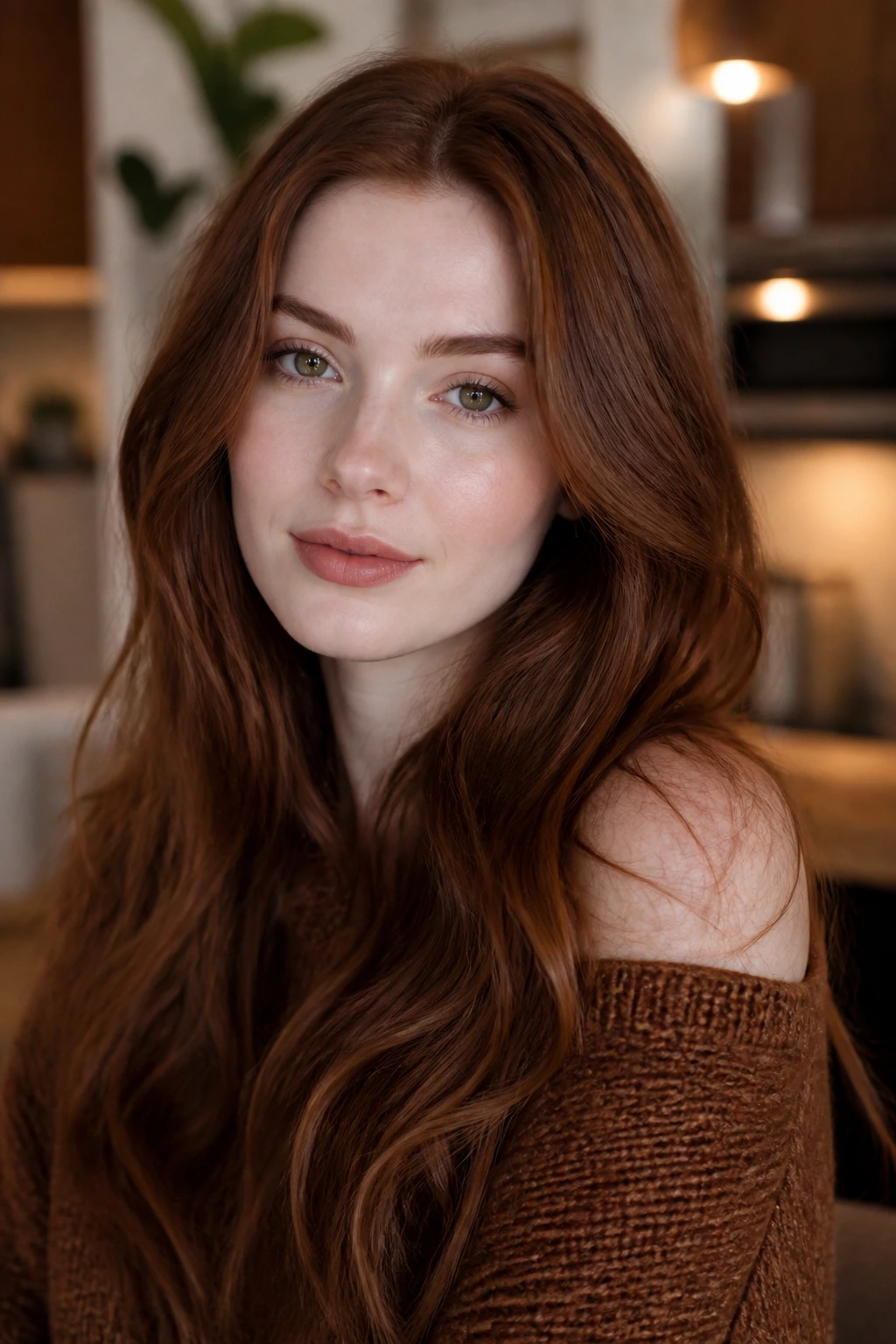
The best brunette on pale skin does a quiet job. It gives the face shape, keeps the complexion from looking washed out, and leaves room for the eyes and brows to do their work. That is the sweet spot—noticeable, but not bossy.
If you remember one thing, make it this: the right brown is not about how dark it is. It’s about how the undertone behaves next to your skin in daylight. Get that part right, and even the simplest brunette can look sharp, fresh, and fully intentional.