



Some blondes fight olive skin. A wash of icy ash can drag the face toward gray, and a heavy gold can tip hair into that odd, yellowed brightness that looks louder than it should. Buttery blonde sits between those problems. It has cream in the middle, a little beige in the base, and enough warmth to wake up the face without turning the hair into a brass helmet.
That balance matters more on olive skin than most people realize. Olive undertones already carry a muted green, gray, or neutral-warm cast, so the wrong blonde can make the complexion look tired instead of fresh. The trick is not simply going lighter. It’s choosing a blonde with softness in the tone, depth at the root, and a finish that looks creamy rather than flat.
What I keep coming back to with buttery blonde is how adjustable it is. It can be glossy and polished on a blunt bob, airy on long waves, or a little more lived-in on curls that need brightness around the face and depth underneath. The color can go soft, bright, beige, honeyed, or champagne-heavy, but it should never look chalky. That part changes everything.
Why These Buttery Blonde Ideas Work on Olive Skin
- They soften, not fight: Cream and beige tones sit cleaner against olive undertones than icy platinum, which can pull the skin toward green or gray.
- They leave room for depth: Most of these looks keep a root shadow or a deeper midtone, which matters if your natural base is dark brown or black.
- They work at different brightness levels: You do not need the same blonde level on fair olive skin and deep olive skin; the right tone can sit at level 7, 8, 9, or 10 and still look right.
- They grow out with less drama: A rooted buttery blonde usually softens the line of regrowth, so you are not staring at a hard stripe six weeks later.
- They flatter texture: Waves, curls, shags, lobs, and pixies all show off buttery blonde in different ways, which is handy because the color changes shape depending on the cut.
1. Cream-First Balayage
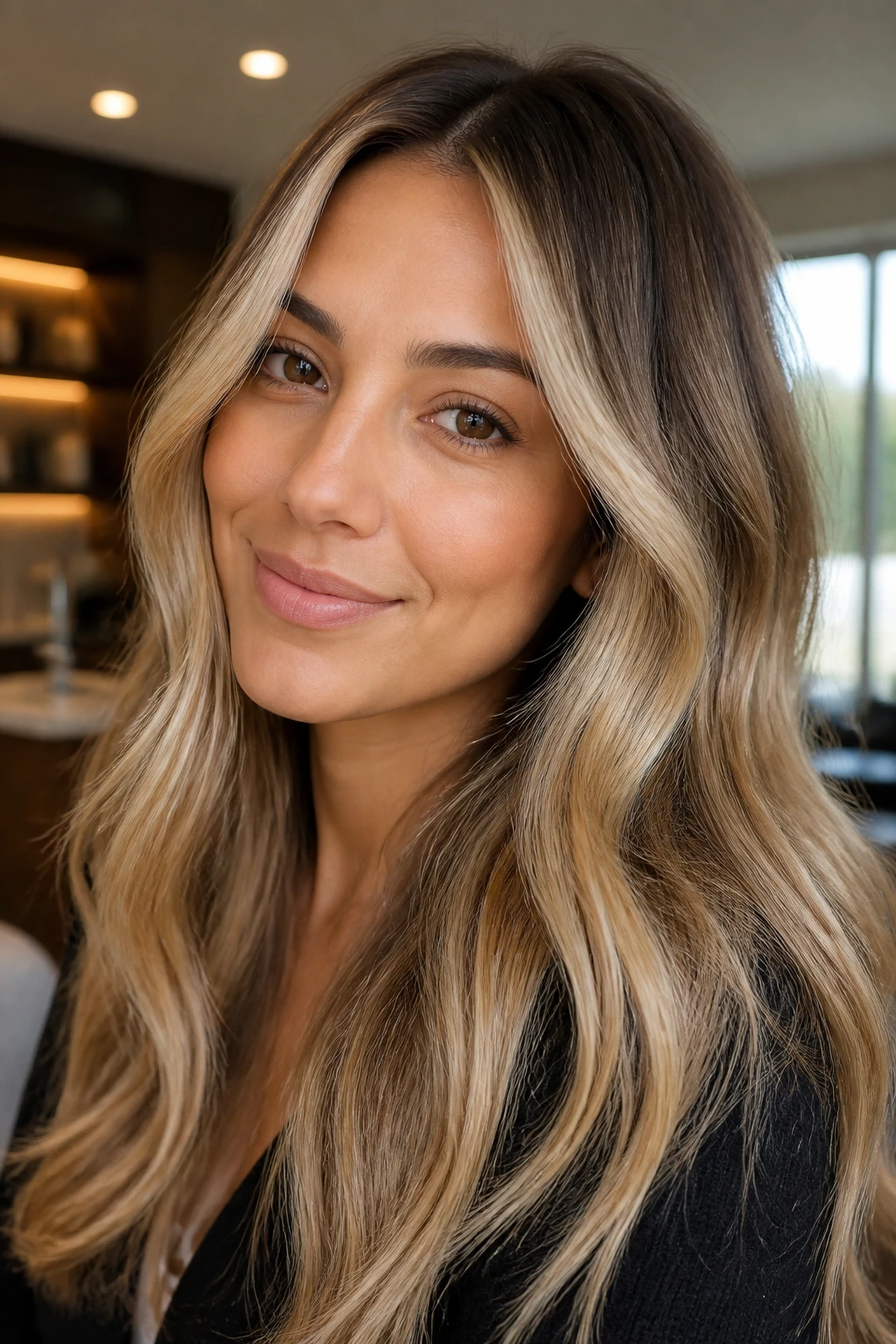
Cream-first balayage is the shade I reach for when someone wants blonde that looks expensive without looking overworked. The highlights stay soft through the mid-lengths and brighten a half-step more around the face, so the color never sits in one flat band. On olive skin, that creaminess keeps the complexion from going sallow.
What makes this one work is the balance between lift and restraint. Ask for a beige-to-cream finish, not a stark ash toner. If your base is medium brown, keeping the root a touch deeper gives the face a frame and lets the blonde read as polished instead of striped. It also grows out quietly, which is a blessing if you hate high-maintenance color.
2. Beige Money Piece
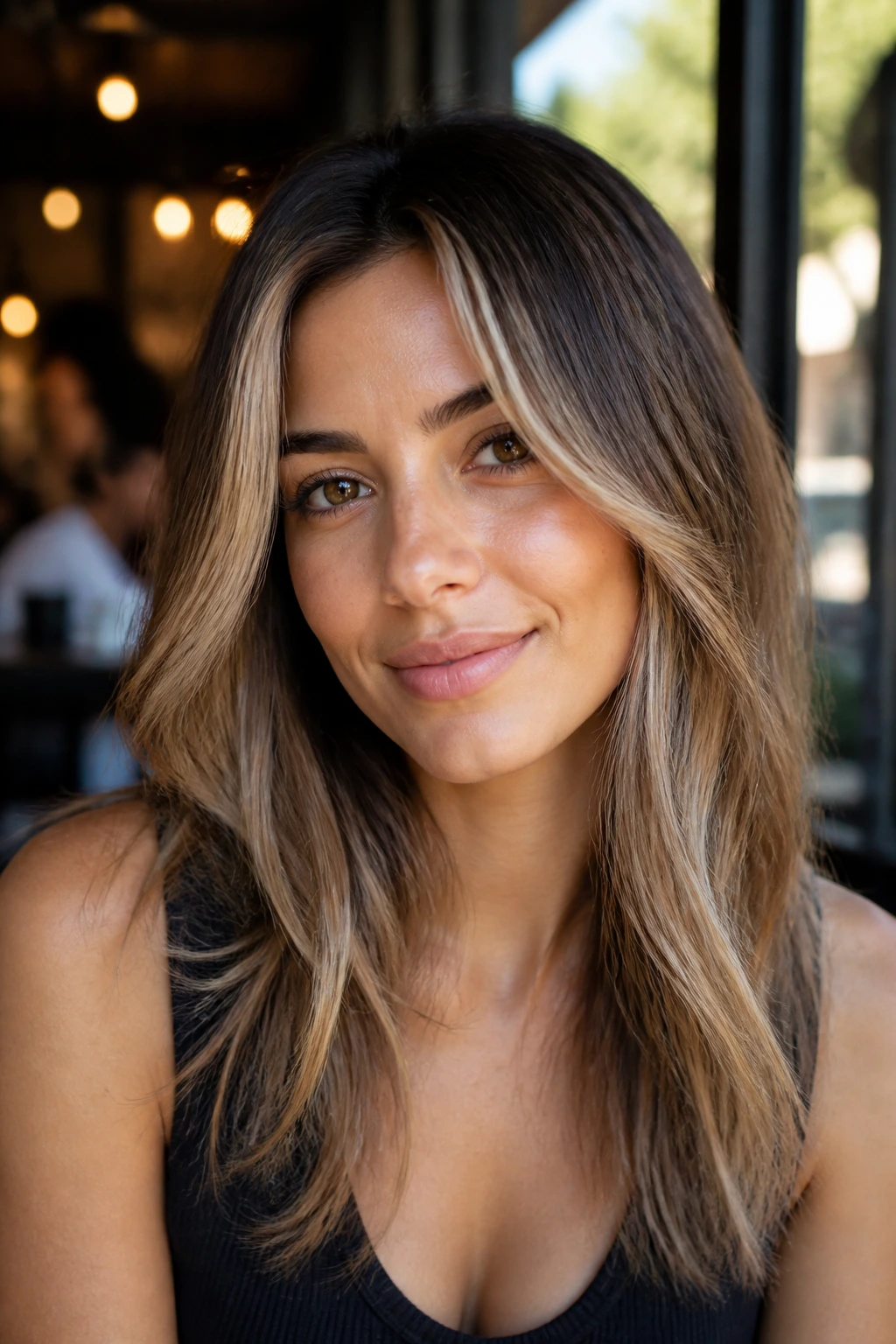
A beige money piece is the fastest way to test buttery blonde on olive skin without committing to a full head of lightness. Two face-framing sections, lifted a level brighter than the rest, can change the whole mood of the cut. Beige keeps the front pieces soft; gold alone can look brassy on some olive complexions.
I like this with shoulder-length layers or a long bob. The lighter front pieces catch the eye, while the rest of the hair stays closer to your natural depth. It’s a smart option if your skin leans cool-olive and you worry about going too yellow. One good gloss, placed cleanly, makes the contrast look intentional instead of patchy.
3. Vanilla Blonde Lob
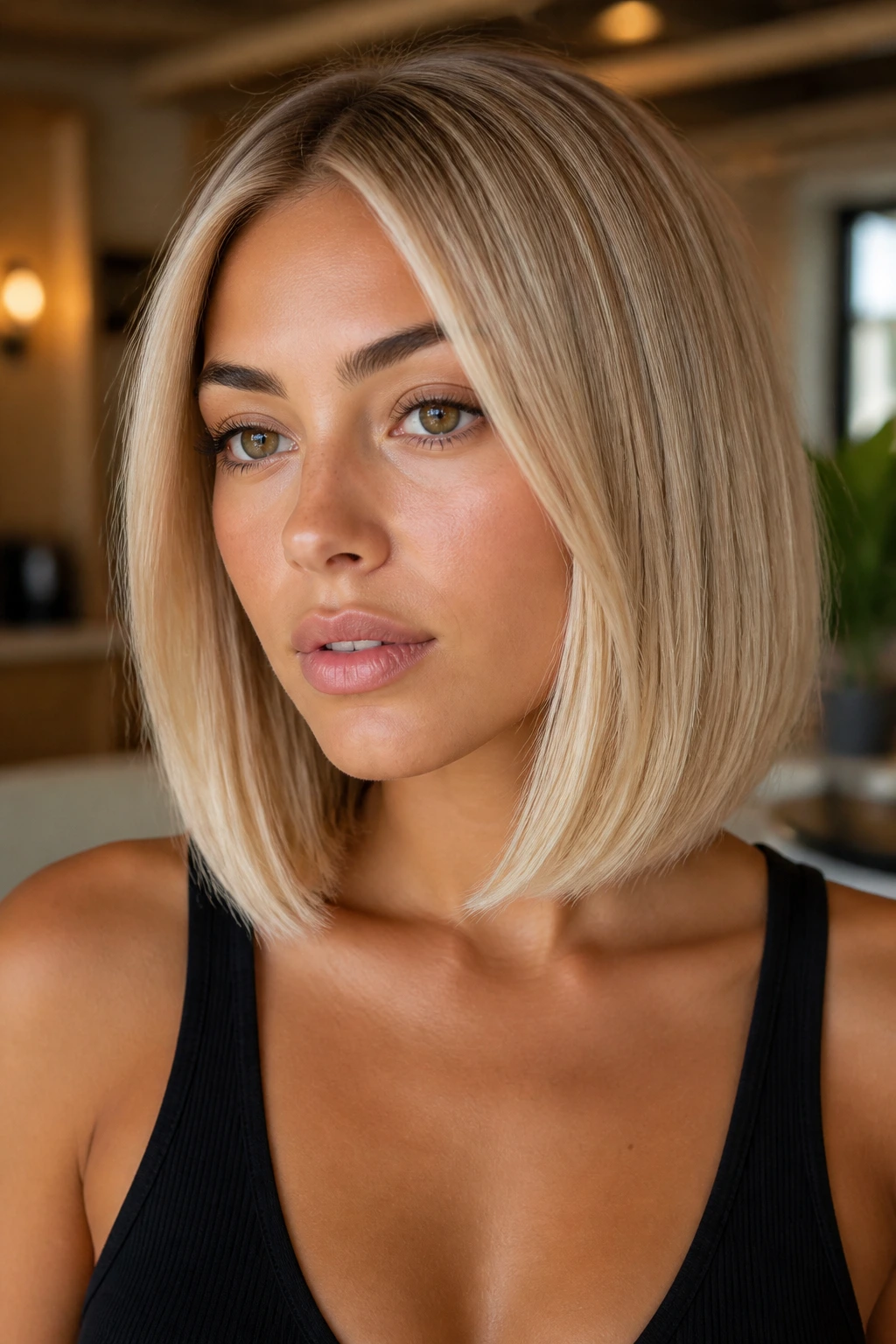
A vanilla blonde lob has that clean, creamy brightness that looks tidy even when the hair has a bit of bend in it. The bluntness of a lob gives the color a neat edge, and that helps olive skin look sharper, not washed out. If the blonde gets too pale or too icy, the whole look can go dull fast; vanilla keeps it in the sweet spot.
This shade works especially well when the ends are a little lighter than the crown. The slight gradient gives movement without a loud contrast line. I’d ask for soft ribbons through the interior and a neutral-beige gloss on top. On straight hair, it looks sleek. On loose waves, it gets that smooth, buttery sheen people notice without quite knowing why.
4. Honey Ribbon Highlights
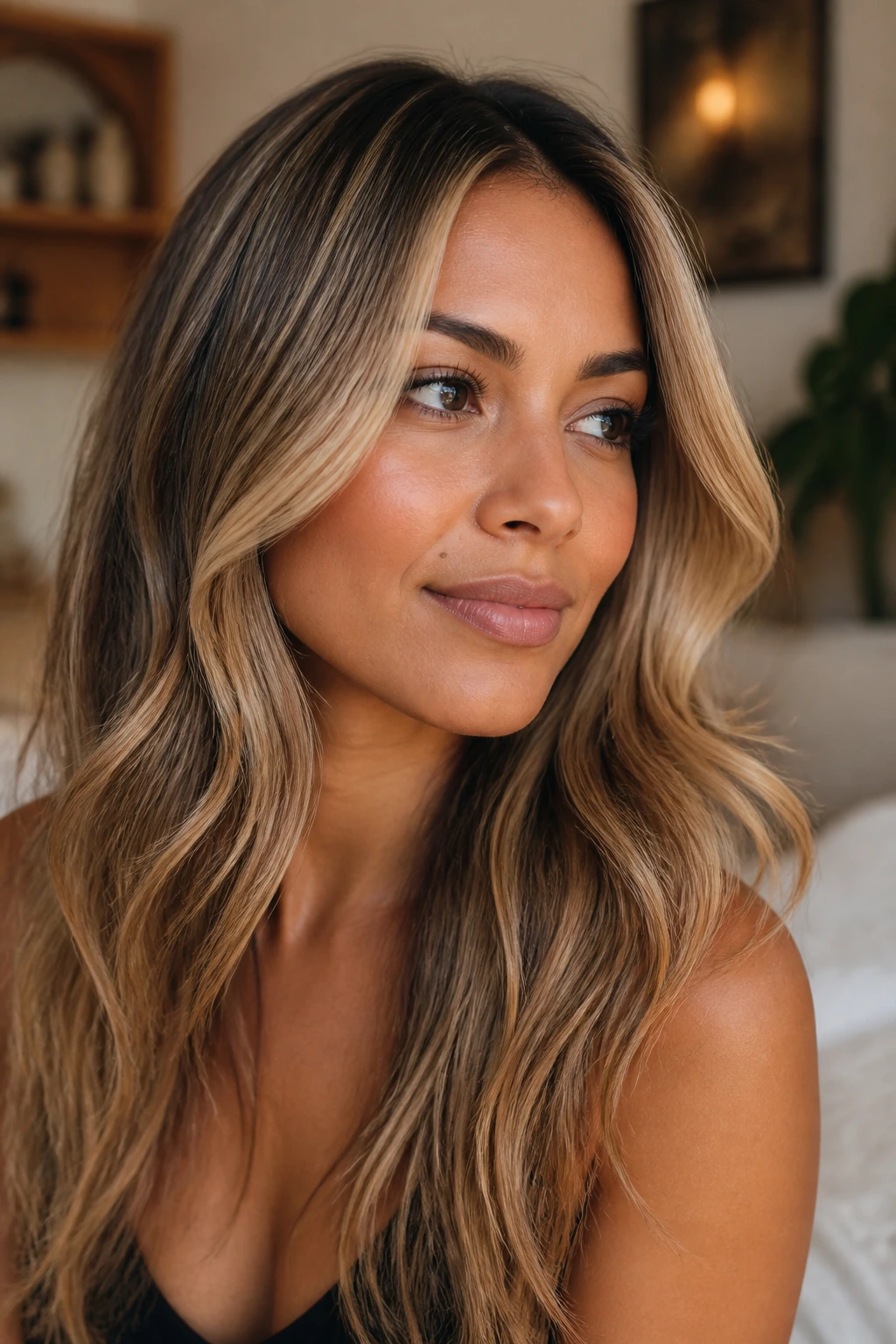
Honey ribbon highlights are for the olive-skinned reader who wants warmth with a little more glow than beige alone. The placement matters here. Thin, woven ribbons through the mids and ends add brightness without breaking the hair into chunky streaks, and that makes the color read softer on skin that already has depth.
The thing to watch is saturation. Honey should feel cushioned, not orange. If your olive skin leans warm, this can be a flattering match; if you lean cooler, keep the roots darker and the honey finer around the face. It’s a color that looks best when the hair still has shadows in it. Flat honey blonde is where this goes wrong. Dimension is the whole point.
5. Rooted Butter Melt
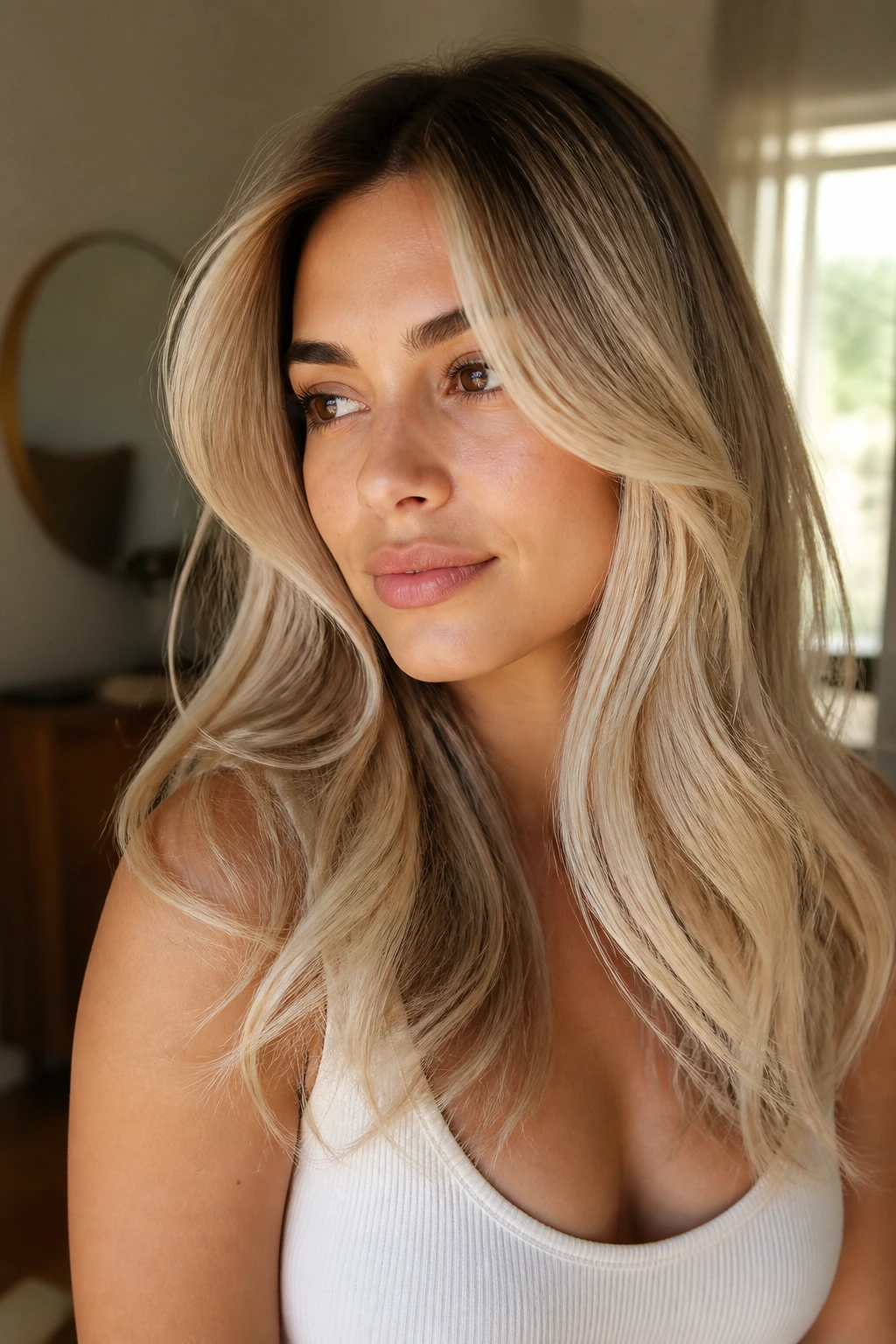
Rooted butter melt is the low-stress version of buttery blonde, and honestly, I think it suits olive skin more often than all-over lightness does. The root stays one to two levels deeper, then the color softens into a creamier blonde through the mids and ends. That shadow at the scalp keeps the face from looking blank.
The melt matters because it prevents a hard break between your natural base and the blonde. That’s a huge deal if your hair is dark brown or black. The grow-out line stays hazy instead of obvious, and the color can go several weeks longer before it looks tired. If you like a lived-in finish with less salon pressure, this is one of the smartest versions on the list.
6. Champagne Blonde Waves
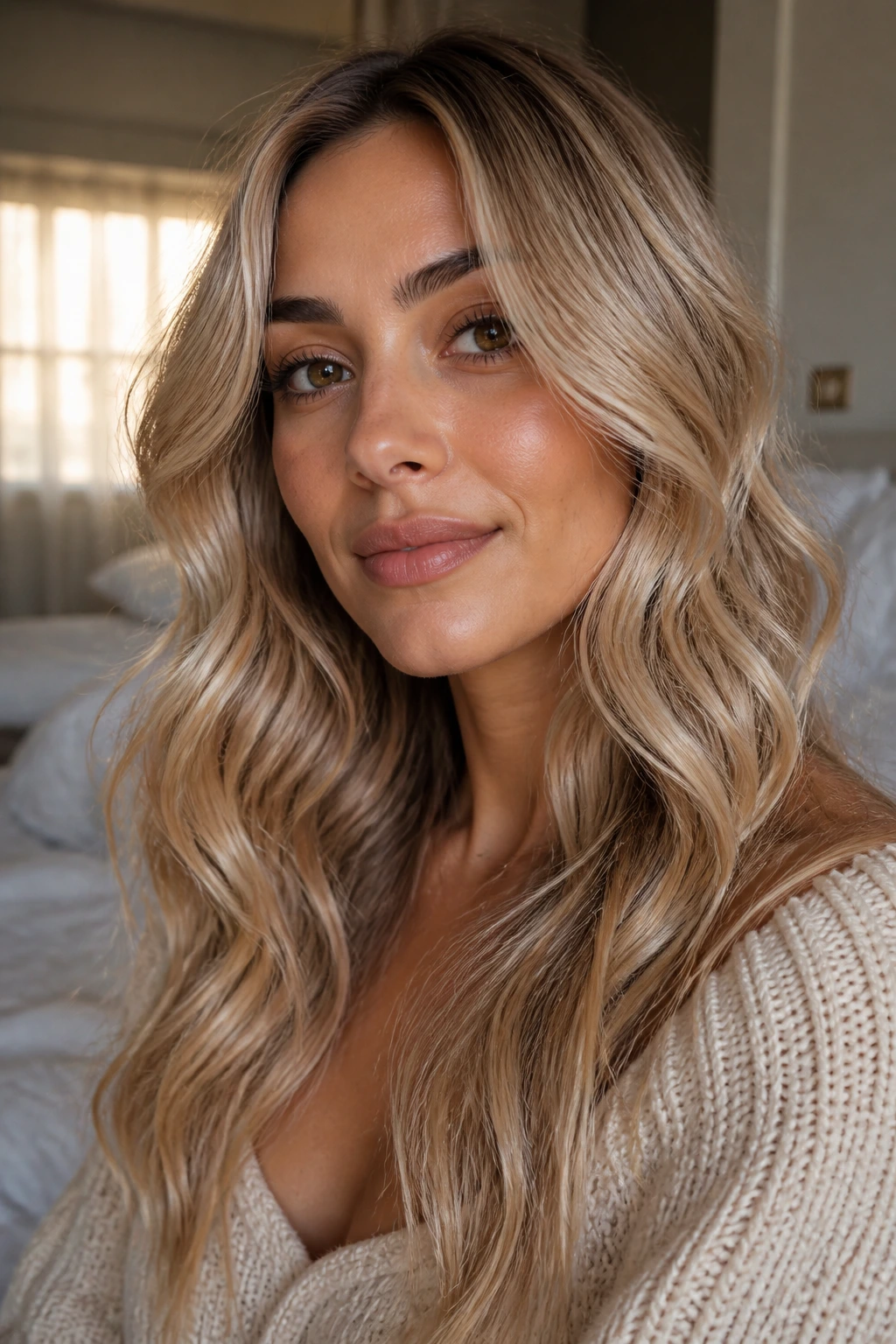
Champagne blonde waves bring a little sparkle without crossing into icy territory. The tone sits between beige and pale gold, which gives olive skin a brighter frame without making the hair look flat or chalk-white. Loose waves help the different tones catch light in pieces, so the color looks layered instead of one-note.
I’d recommend this when your natural base already has some softness and your skin can take a brighter blonde around the face. It works on collarbone-length cuts and long layered hair especially well. The finish should feel glossy and fluid, not dry. If your stylist pushes it too cool, the color loses the champagne effect and starts looking pale in a bad way.
7. Buttermilk Bob
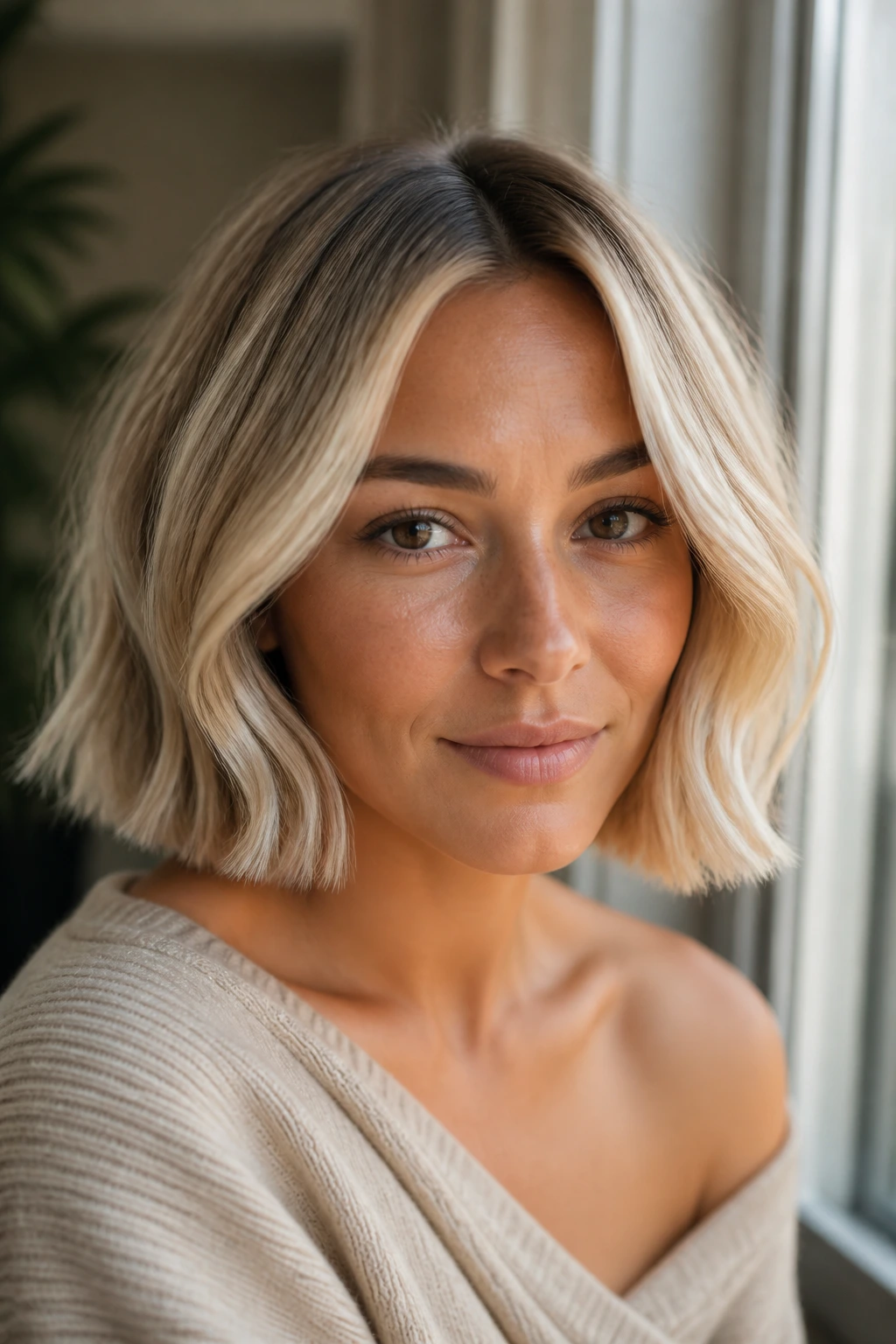
A buttermilk bob is creamy, close to the face, and far easier to wear than a lot of people expect. The shorter shape keeps the blonde contained, which helps olive skin because the color does not overwhelm the features. The tone should sit in that soft, milky zone — warm enough to feel alive, beige enough to stay clean.
This is a strong choice if your hair is fine or medium and you want more visual fullness. A bob with subtle buttermilk highlights looks thicker than one solid shade, especially when the ends are kept blunt. I prefer a slight root shadow here. It makes the cut look richer and keeps the blonde from drifting into that flat salon-lightened look some short hair gets.
8. Almond Bronde Glow
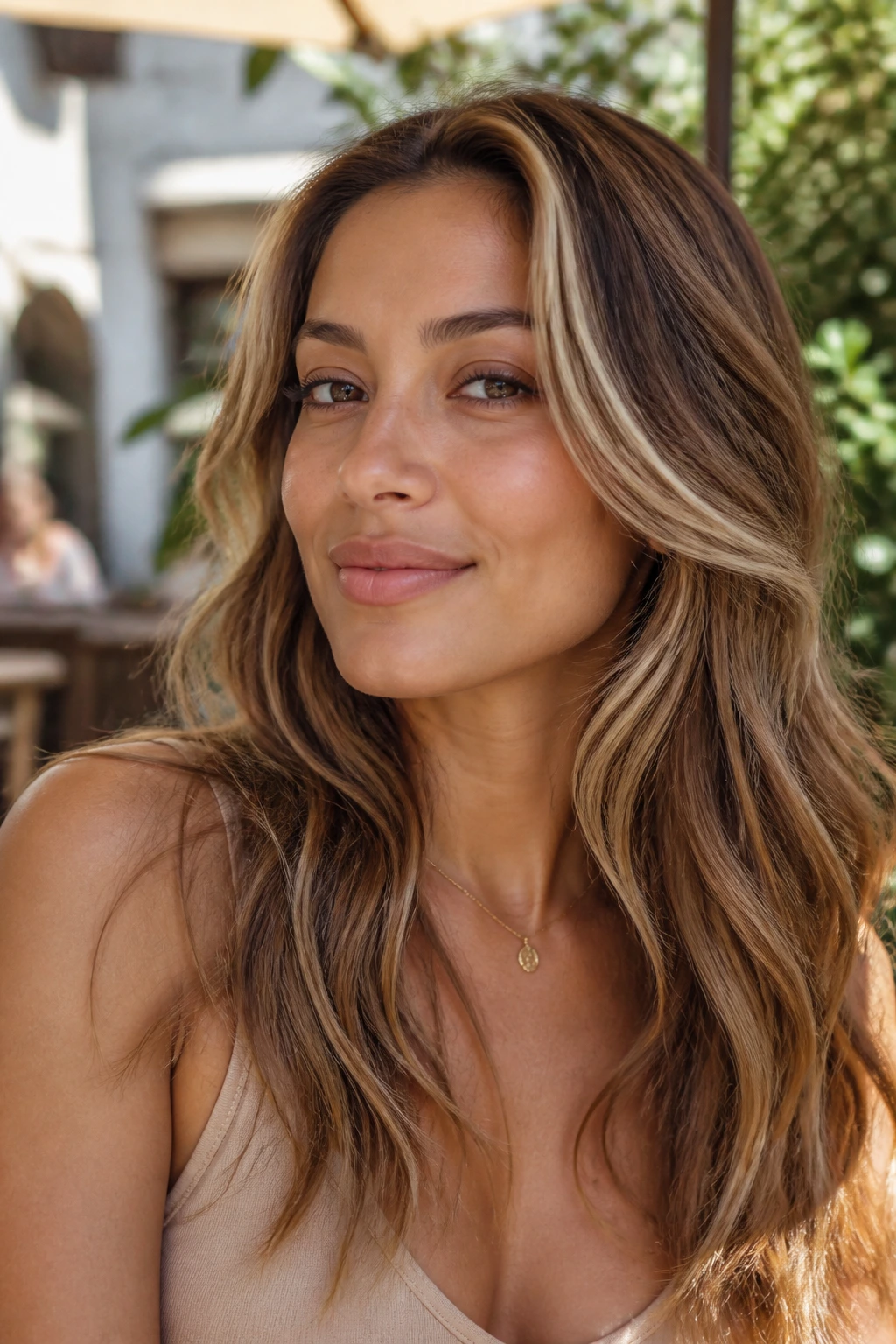
Almond bronde is the bridge between brunette and blonde that olive skin often handles better than a full jump to pale blonde. The almond tone keeps the warmth quiet, while the bronde base preserves enough depth to let the complexion stay steady. It’s not flashy. That’s the appeal.
This color shines on people who want buttery blonde ideas for olive skin but do not want the upkeep of a full light blonde. Ask for soft highlights through the top and a beige gloss over the mids. You get brightness without losing the richness that usually flatters olive undertones. On medium to deep olive skin, this one looks especially grounded because it does not strip away all contrast.
9. Toasted Cream Shag
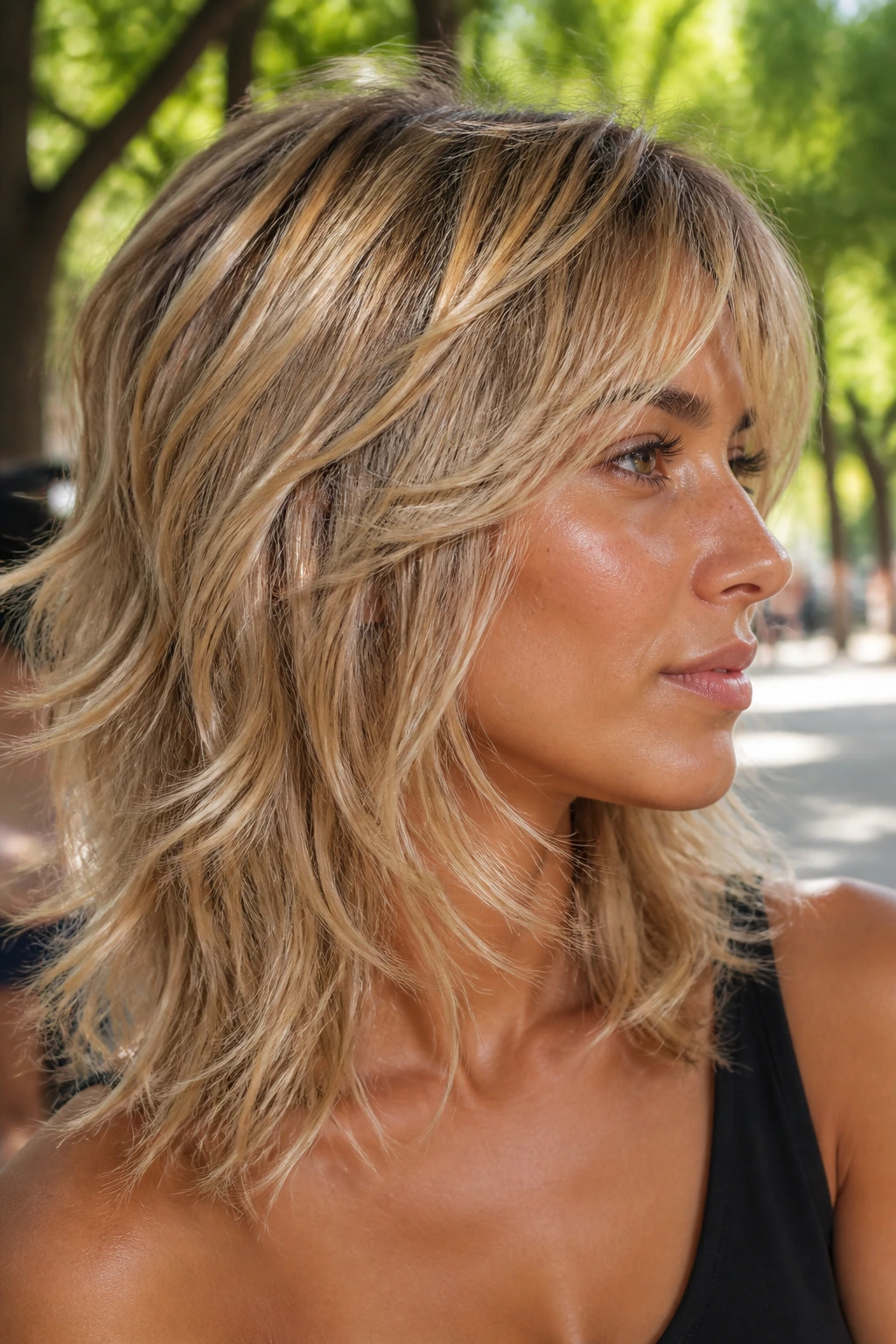
A toasted cream shag has movement, texture, and just enough roughness to keep the blonde from feeling precious. The shag cut does a lot of the work: layers break up the color, and the fringe or face frame can be a touch brighter than the rest. That keeps olive skin from getting swallowed by a heavy blonde block.
The toast in the tone should be gentle, not brown. Think creamy beige with a hint of warmth through the ends. This is a strong match if your hair has a natural wave or a little bend, because the layers make the blonde look airy instead of stripy. On straight hair, it can feel more graphic, which is fine too, but the tone needs to stay soft or the whole cut goes flat.
10. Pearly Beige Layers
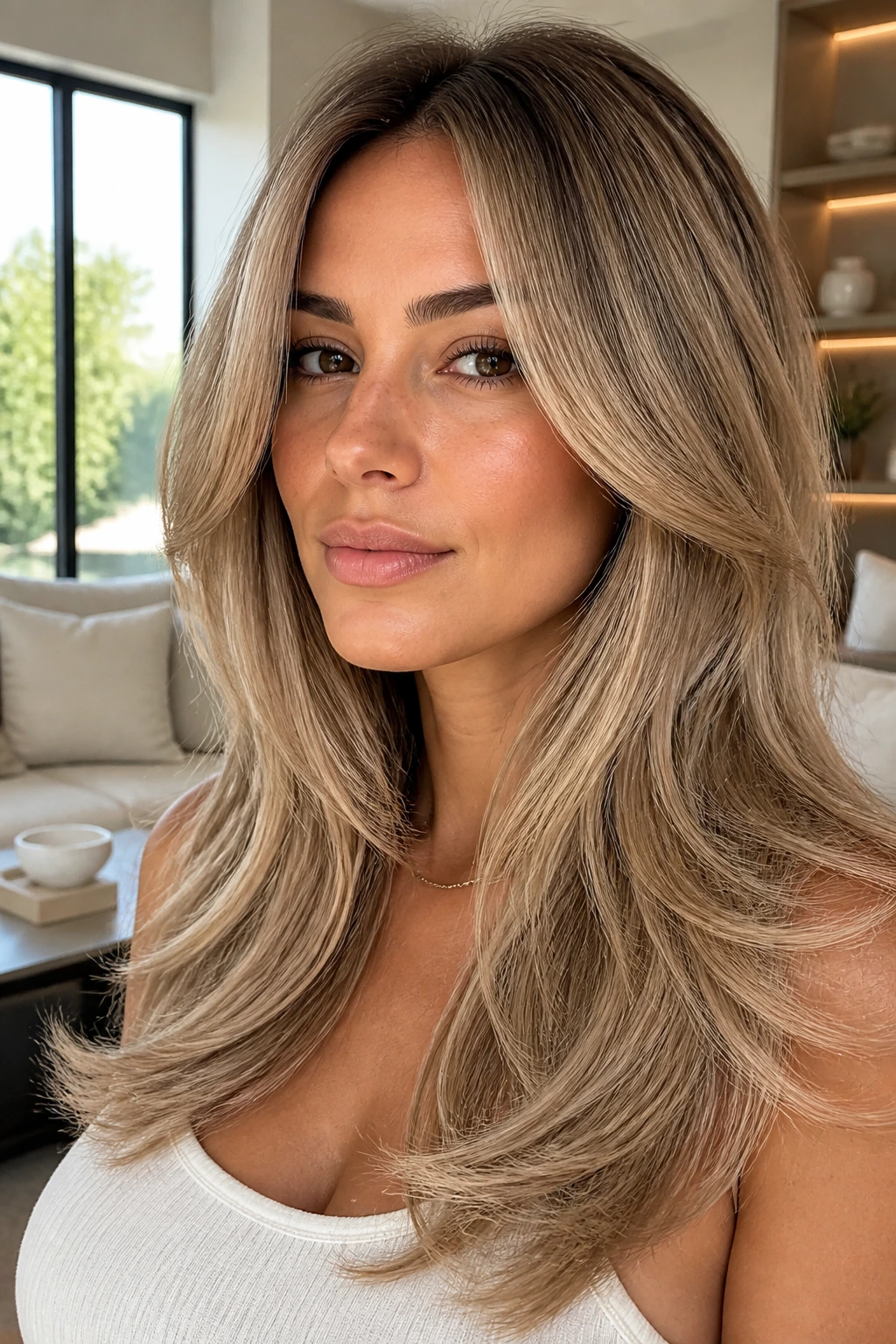
Pearly beige is a good choice when someone wants blonde that looks clean rather than sun-heavy. The pearl part keeps the tone cooler than honey, while the beige backbone stops it from turning icy. On olive skin, that mix gives a crisp finish without making the face look tired. It’s one of those shades that looks more nuanced in person than in a photo.
Layered cuts help this color a lot. The light catches the ends, then slides through the pieces underneath, so the blonde has movement. I like it on medium-length hair, especially when the layers start below the cheekbones. If you’re nervous about warmth, this is a safe middle ground. It is not brassy. It is not chalky. It just sits neatly.
11. Sunlit Curtain Bangs
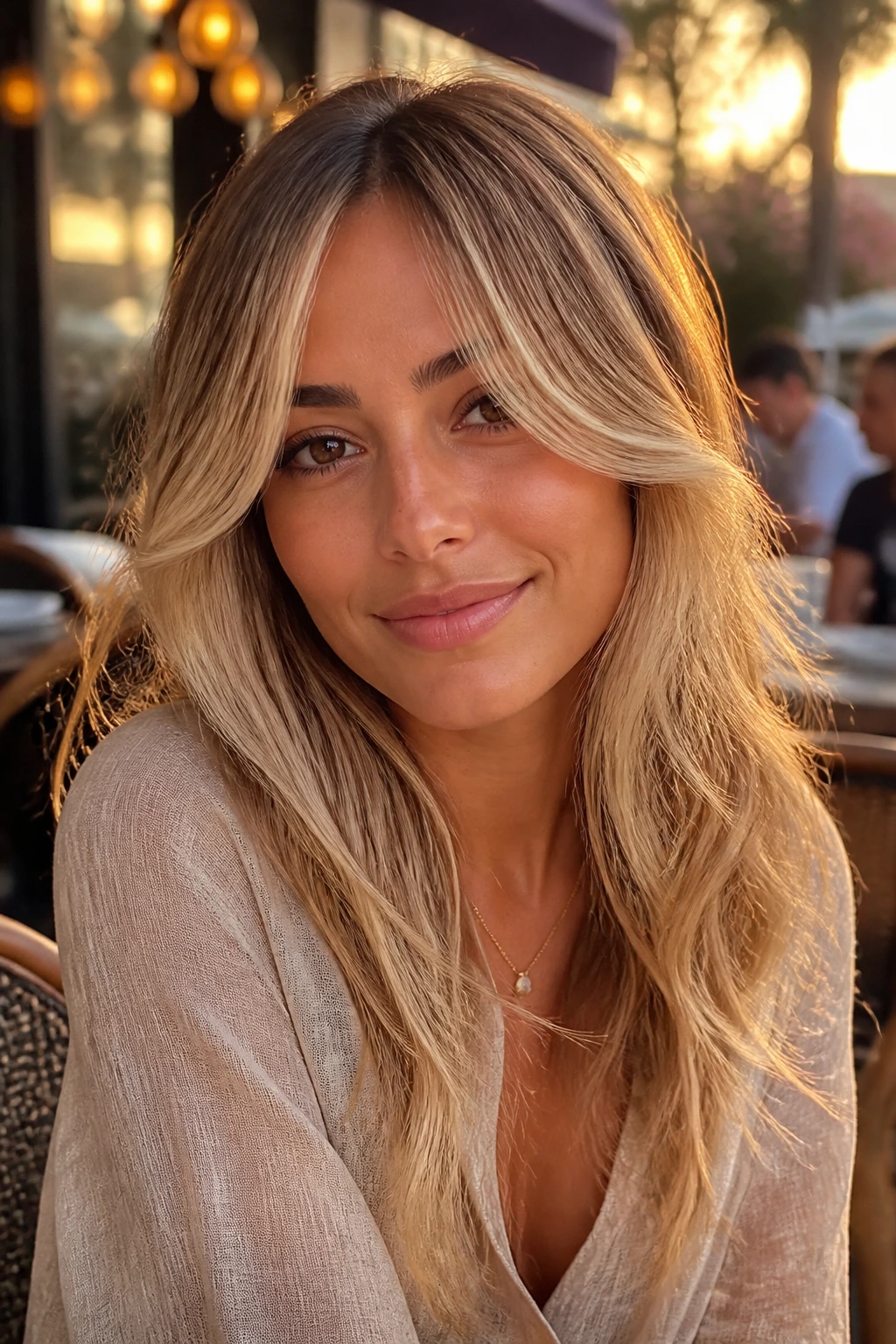
Curtain bangs can change the whole mood of buttery blonde. A few lighter pieces brushing the cheekbones and splitting at the brow line bring the color right where the face needs it most. On olive skin, that brightening effect works better than scattering the same brightness everywhere.
The rest of the hair should stay a little softer so the bangs carry the impact. I like this with long layers and a beige-gold glaze, not an aggressive yellow toner. If the bang pieces are too pale, the contrast can look harsh against olive undertones. Keep them creamy and a touch diffused. The result feels easy, flattering, and much less fussy than a full front highlight set.
12. Caramel-Softened Ends
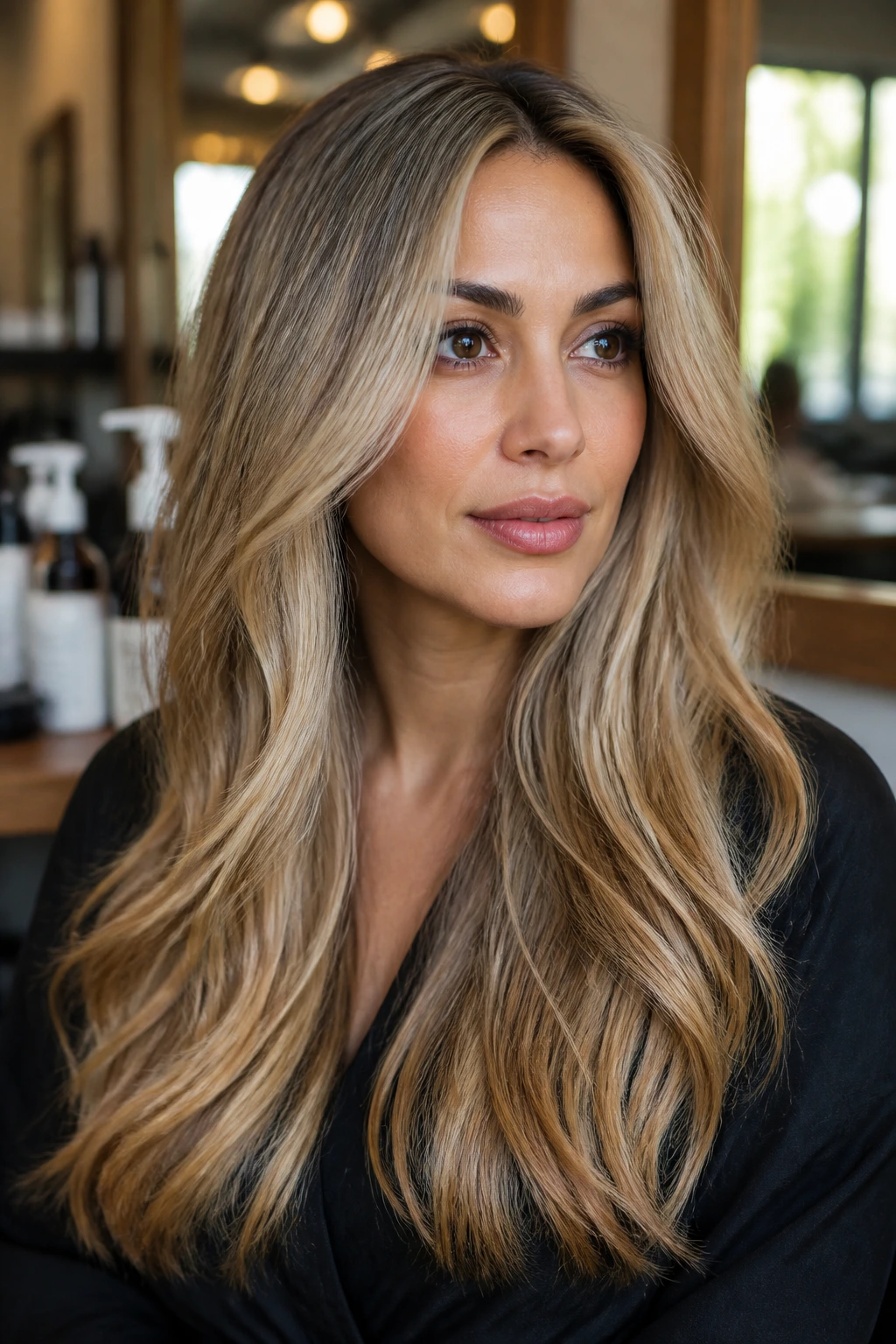
Caramel-softened ends are for people who want blonde in the hair but do not want the whole head pushed into pale territory. The caramel lives near the ends and lower layers, while the top stays more beige and cream. That keeps olive skin from being overpowered by brightness right at the face.
This shade works well on long layers, especially when the ends need a little life. It gives depth near the root and warmth where the light naturally lands. If your hair tends to look one-dimensional after a cut, caramel-softened ends can fix that fast. I’d avoid making the caramel too red or too orange. The goal is creamy warmth, not copper.
13. Coconut Cream Pixie
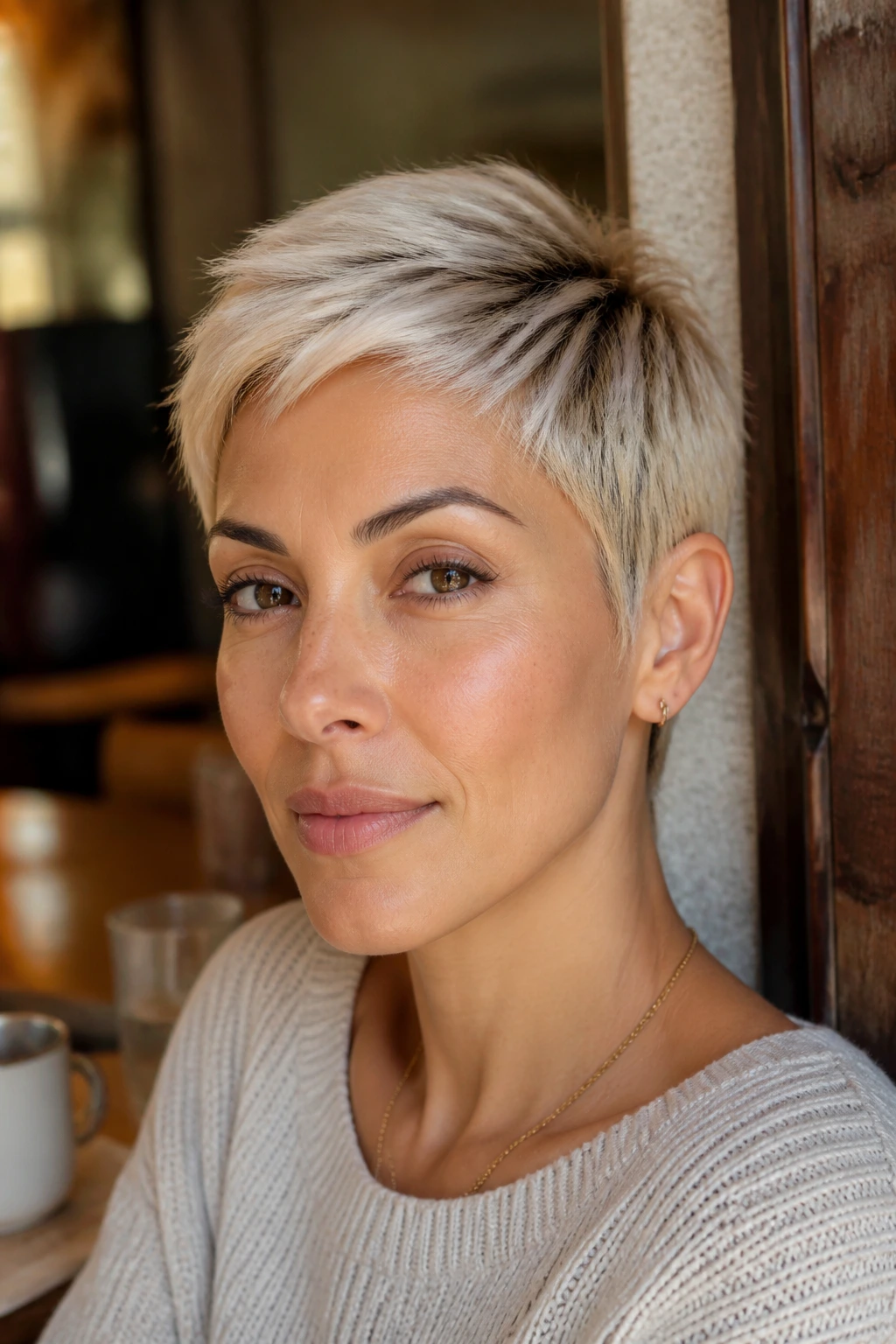
A coconut cream pixie is short hair with a soft blonde edge. Because the cut is cropped close, the color has to do less work, and that’s a good thing on olive skin. A pale, coconut-toned blonde can brighten the face without taking over the whole look, especially if the root is left just a shade darker.
This kind of pixie needs delicate placement. Ask for subtle lift on the top and crown, with less brightness through the sides. That keeps the shape crisp. It also means the grow-out stays believable, which matters with short hair because every inch shows. If you like a pixie with polish but not harsh contrast, this one lands nicely.
14. Vanilla Chai Balayage
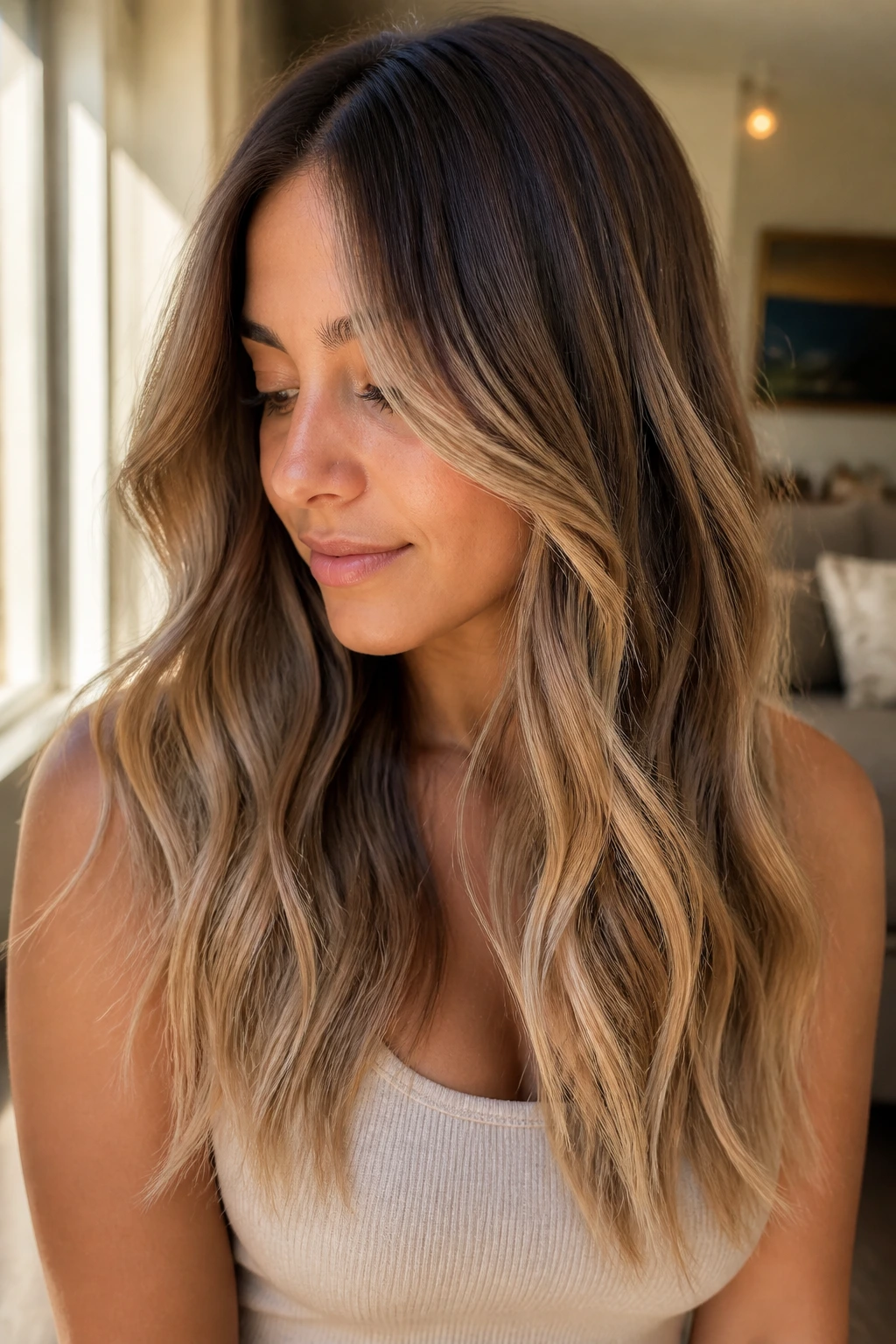
Vanilla chai balayage has a little more spice in the warmth, but it still stays creamy enough for olive skin. Think soft beige with a whisper of golden tea color, not a bold caramel. That subtle warmth is what keeps the complexion looking fresh rather than muddy.
This shade is especially good for brunettes who want to stay in a gentle blonde lane. The balayage should sweep through the mids and ends in thin, blurred pieces. Let the root stay grounded. That deeper base is what keeps the chai tones from turning loud. On wavy hair, this look has a natural, sun-kissed movement that feels easy to wear.
15. Oatmilk Midlength Layers
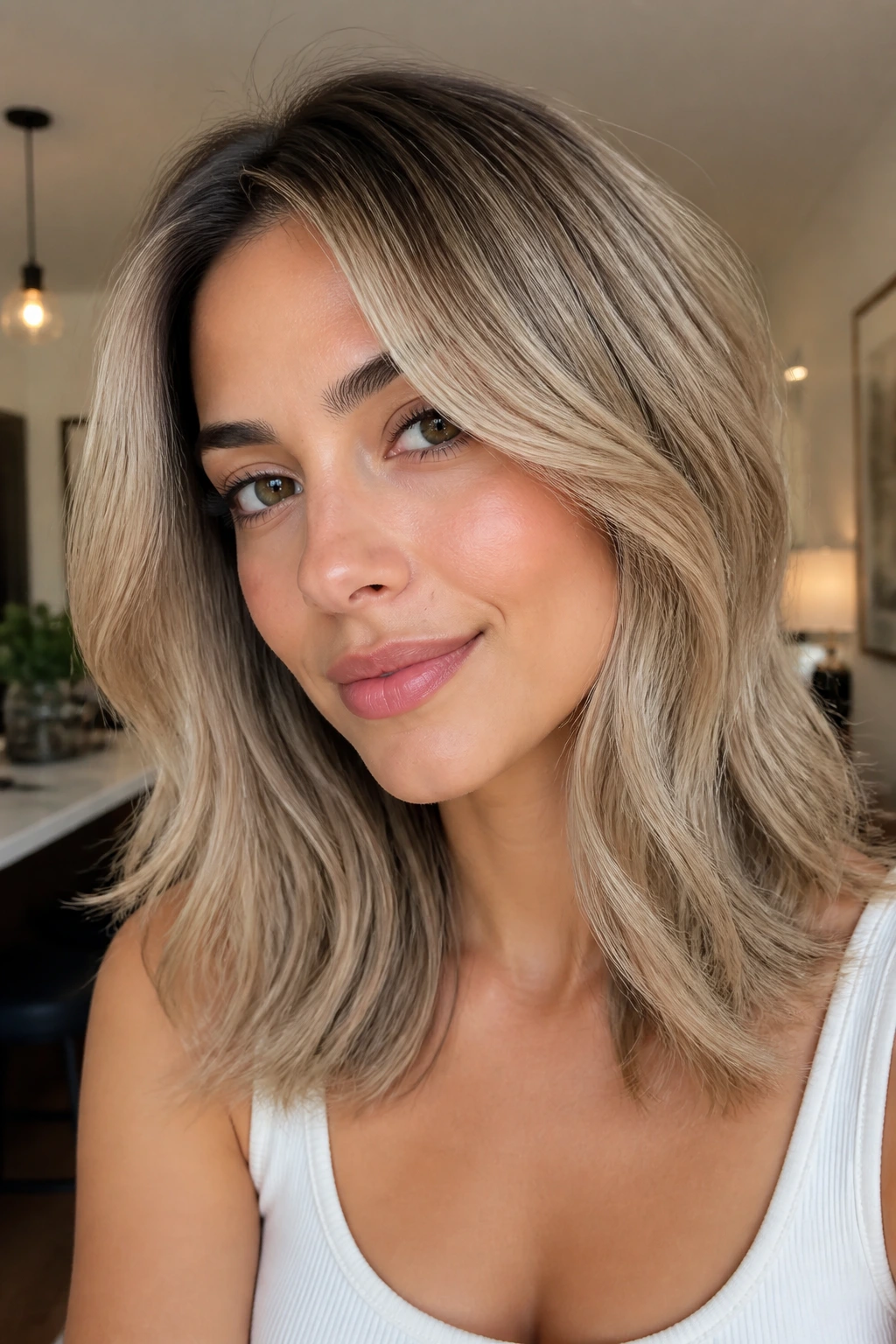
Oatmilk blonde is pale, but not stark, and that makes it a useful shade for olive skin that needs brightness without a cold finish. Midlength layers help break up the color so it doesn’t sit as one flat curtain. The tone should lean creamy and neutral, more oatmilk than white gold.
This is a solid choice if your hair has enough lift to reach a level 9 or 10 without looking brittle. The ends should stay soft, not crunchy, because oatmilk tones show damage quickly. I like this best with a soft blowout or loose wave. It has a clean, easy look that still feels warm on the face.
16. Shadow-Root Butter Blonde
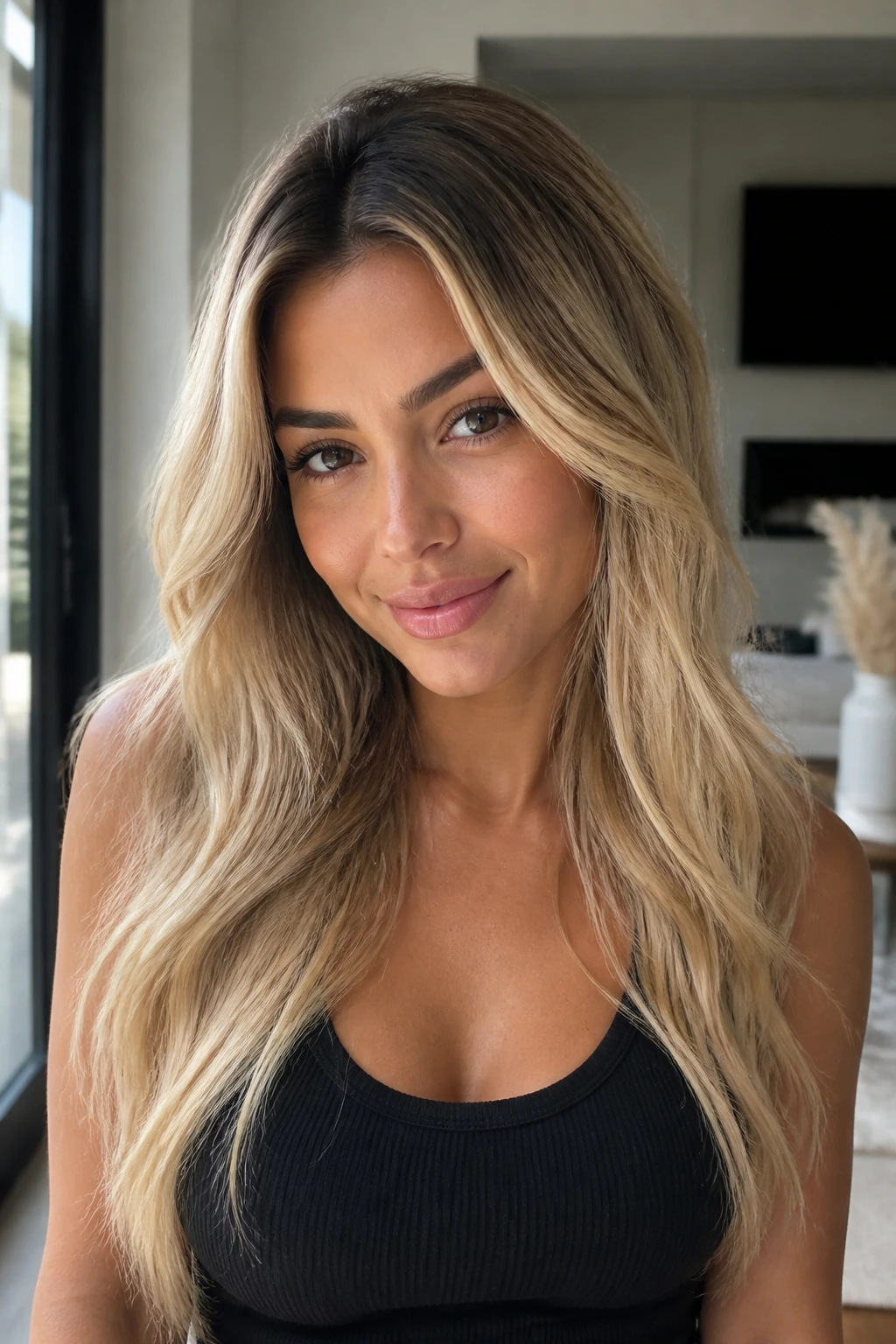
Shadow-root butter blonde is one of the easiest ways to wear lighter hair on olive skin without fighting regrowth every few weeks. The root stays darker, usually a soft brown or deep beige, and the blonde grows brighter as it moves through the mids and ends. That gradient keeps the color believable.
The shadow root also does a nice job of keeping the face from going washed out. If your complexion leans neutral-olive, this helps the blonde sit inside your features instead of hovering above them. It’s a practical choice, but it does not look boring. In fact, the little bit of darkness at the scalp makes the buttery tones look richer.
17. Butterscotch Curls
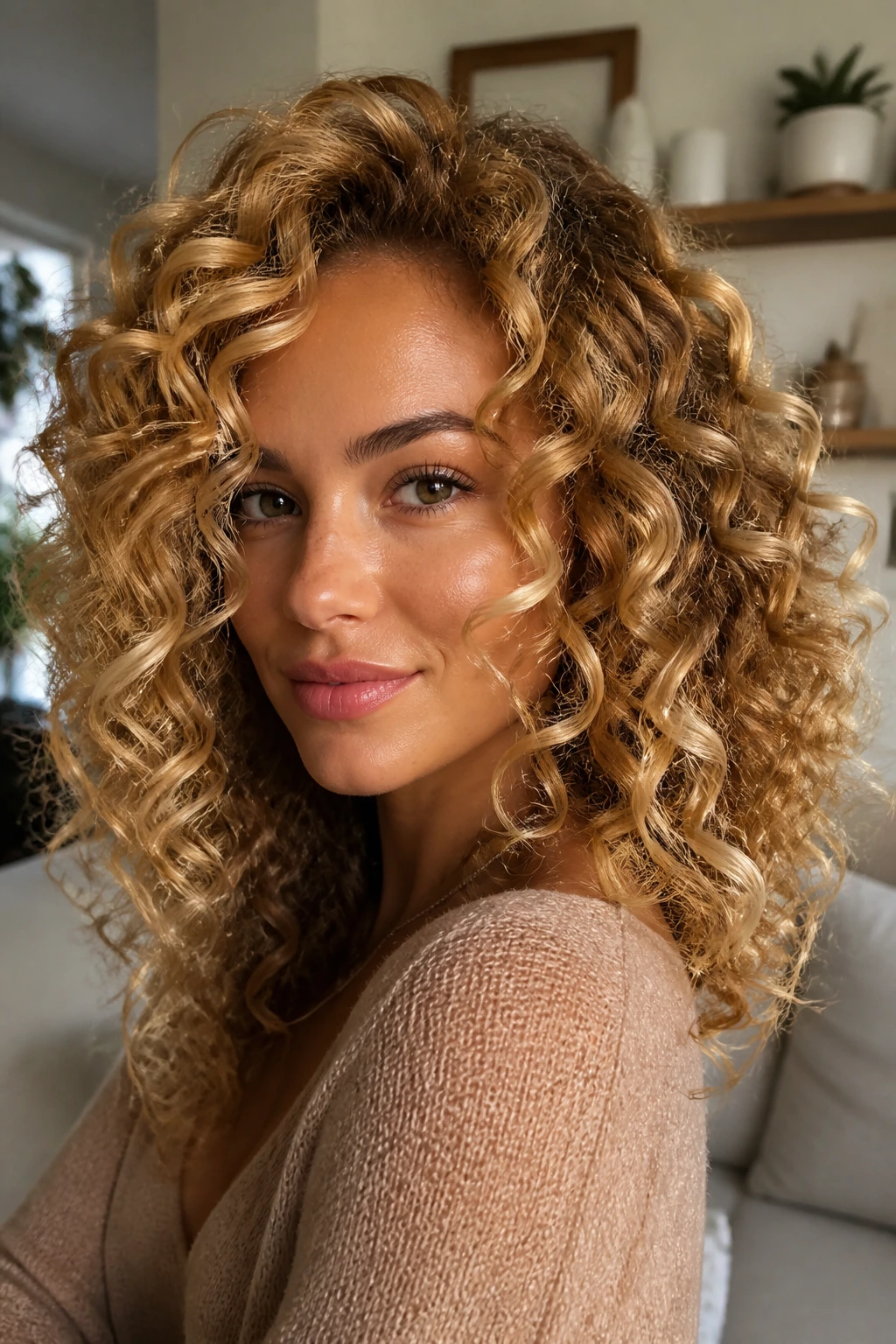
Butterscotch curls need enough warmth to move through the coils and waves without turning orange. The shade is richer than plain beige blonde, so it works best when the curls have shape and shine. On olive skin, that warmth can make the complexion look healthier, especially if the skin leans golden rather than gray.
The trick is dimension. Ribbon-like highlights work better than blocky lightener on curls because they follow the curl pattern and keep the hair from looking frizzy. A curl cut with visible layers will show this color much better than a blunt, heavy shape. If you want buttery blonde ideas with more glow and less restraint, this is a strong candidate.
18. Cream Soda Lob
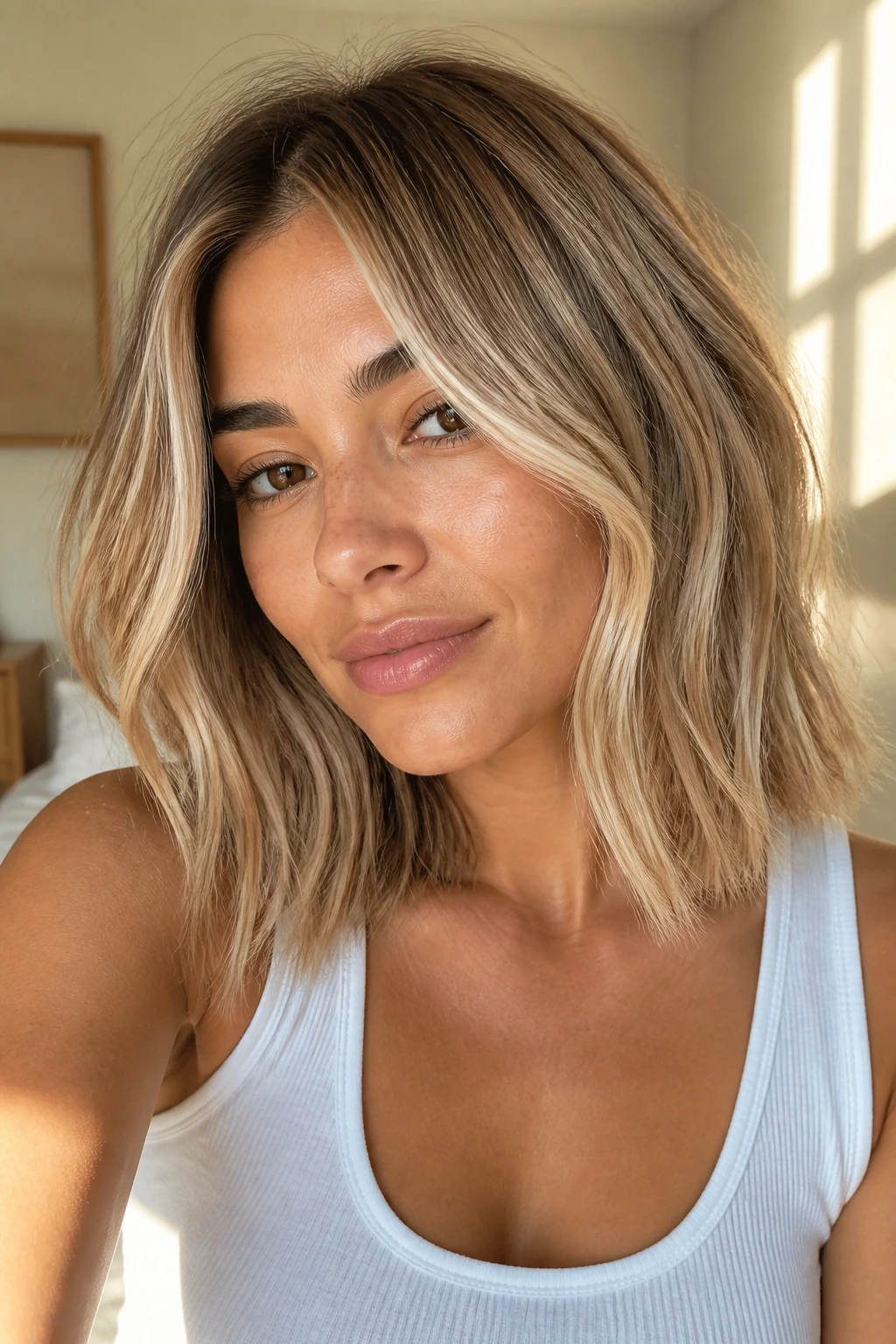
A cream soda lob has enough lift to feel blonde, but it still keeps a soft, drinkable warmth instead of pure yellow. That matters on olive skin. The color should read fizzy and light, not washed out. A lob gives the shade a neat structure, which makes the whole look feel intentional even when the hair is air-dried.
Ask for a beige base with slightly brighter ends and a few face-framing highlights. That lets the cream soda effect show without lighting every strand the same way. It’s a nice match for straight textures and loose bends alike. I’d call this one easy to wear, not easy to maintain — because the tone needs a gloss now and then to stay clean.
19. Honey Beige Hush Cut
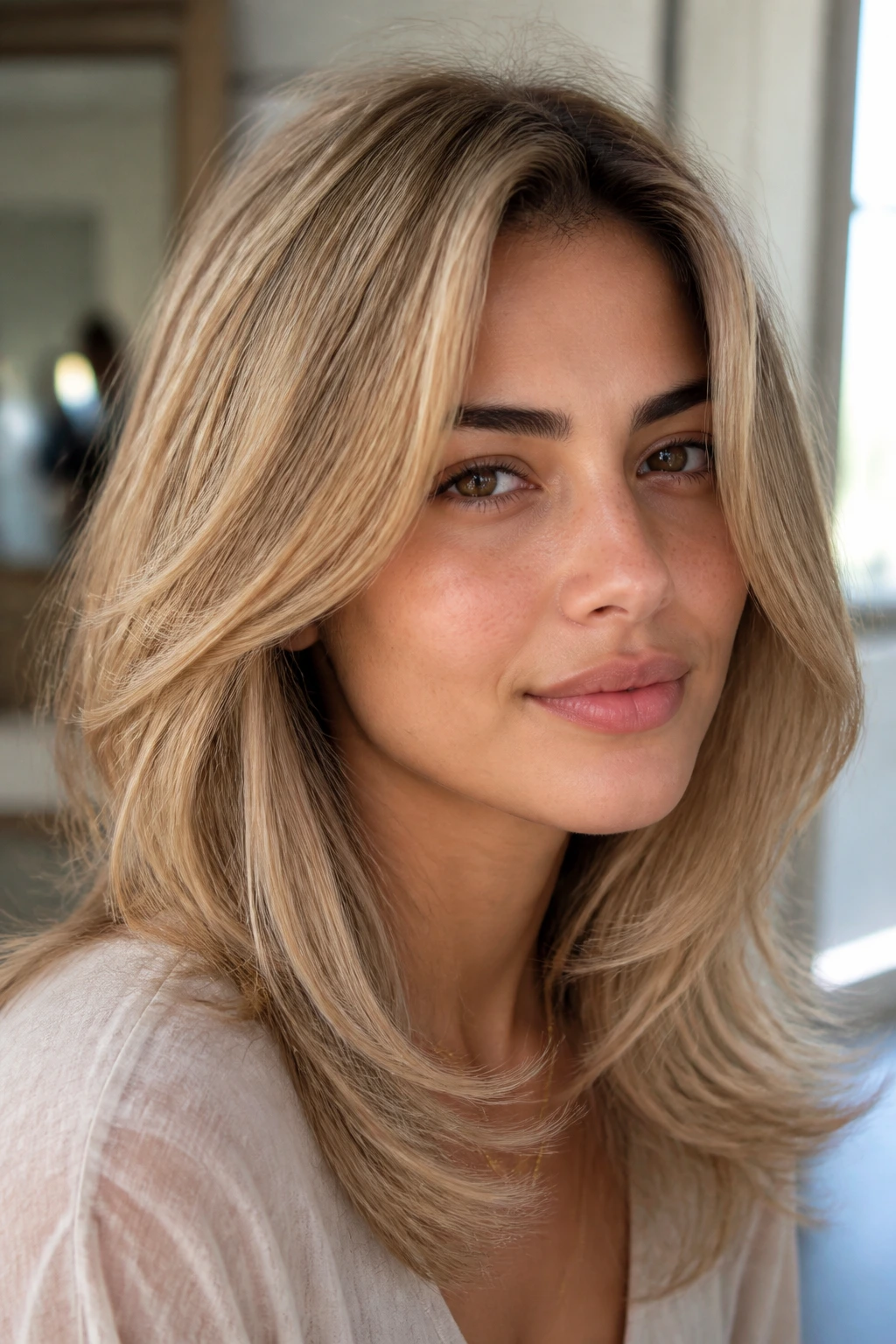
A hush cut already has softness built in, so honey beige fits it naturally. The layers are feathered, almost whisper-light, and the blonde should follow that feel. On olive skin, the honey beige gives warmth, but the beige keeps it from going too rich or too yellow.
This is a good fit if you want hair that moves without looking heavily styled. The cut creates shape around the face, and the color keeps that shape visible. If your hair is thick, the hush cut prevents the blonde from turning bulky. If it’s fine, the layered pieces give the color more lift. It’s one of the more understated options here, and that is exactly why it works.
20. Bright Butter Pixie
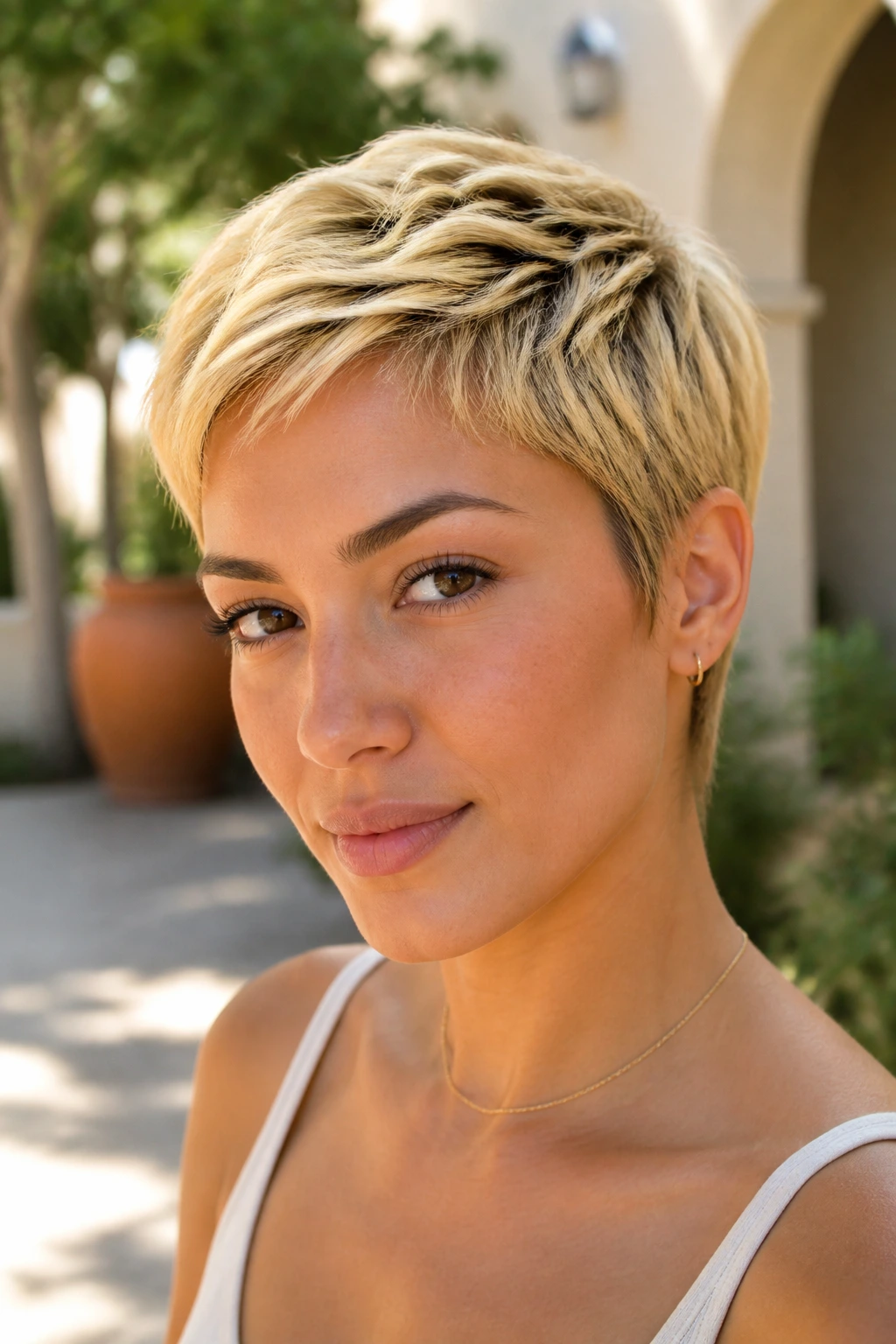
A bright butter pixie has more lift than the coconut cream version, but it still needs softness in the tone. The blonde should glow, not flash. On olive skin, a bright butter tone can sharpen the features nicely as long as the root stays a touch deeper and the crown does not drift too pale.
I’d choose this for someone who likes short hair with a little edge. The cut can handle brightness because the shape is tight and clean. Ask for lighter top layers, but keep the sides close and controlled so the color does not spread too far. With a pixie, every small tonal decision shows. That’s the fun part and the danger.
21. Mushroom-Butter Blend
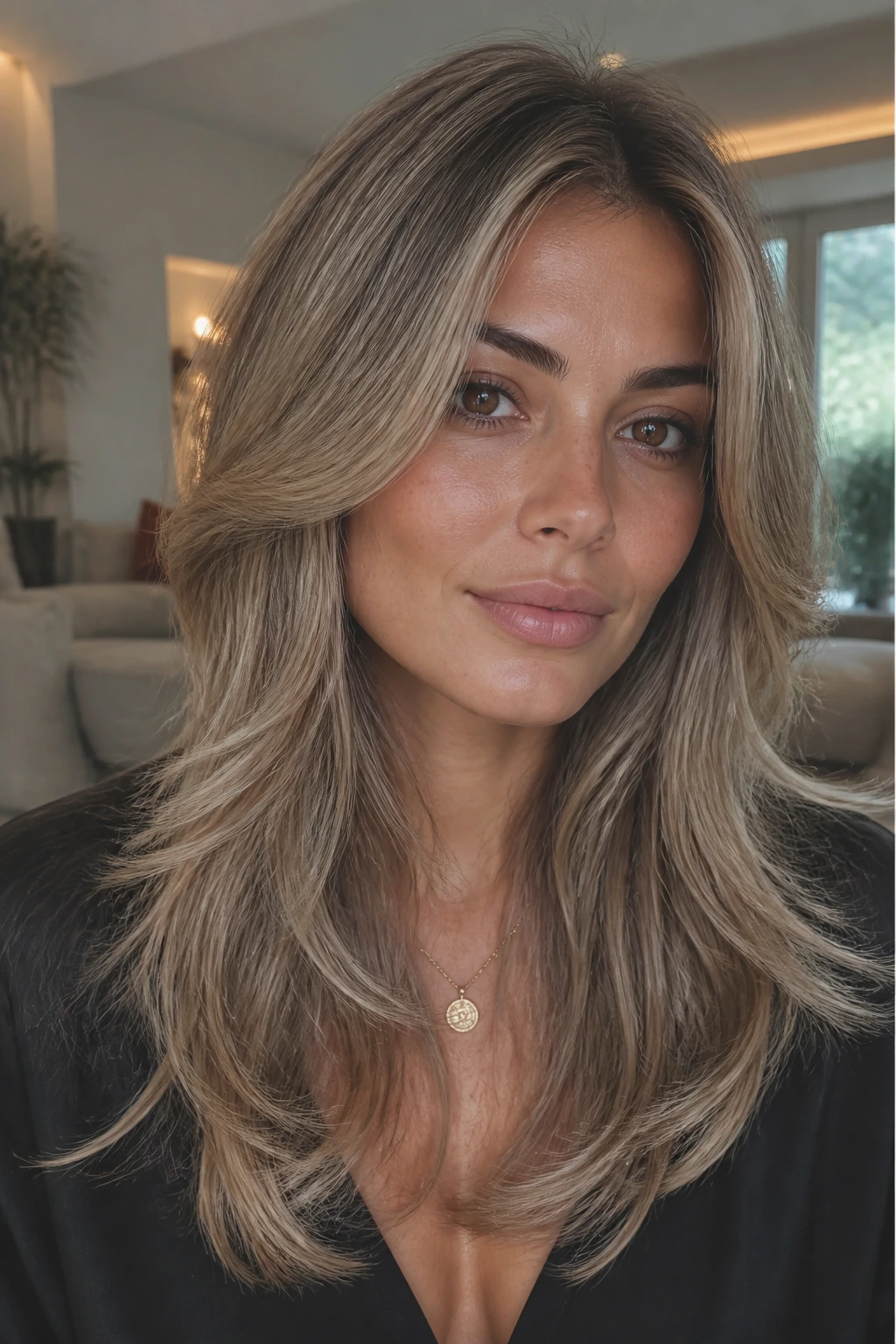
Mushroom-butter blonde sounds odd until you see how useful it is on olive skin. The mushroom base brings in a cool-beige undertone, and the butter keeps the whole thing from looking dull. It’s one of the best shades for neutral-olive complexions that can handle some softness but not too much gold.
This shade works beautifully on layered cuts and shoulder-length shapes. The darker lowlights give the blonde some grit, which keeps the hair from looking too airy or washed out. If you want a blonde that feels modern without chasing high contrast, this is a sharp choice. It’s not sunny in the obvious way. That’s its charm.
22. Sandy Vanilla Waves
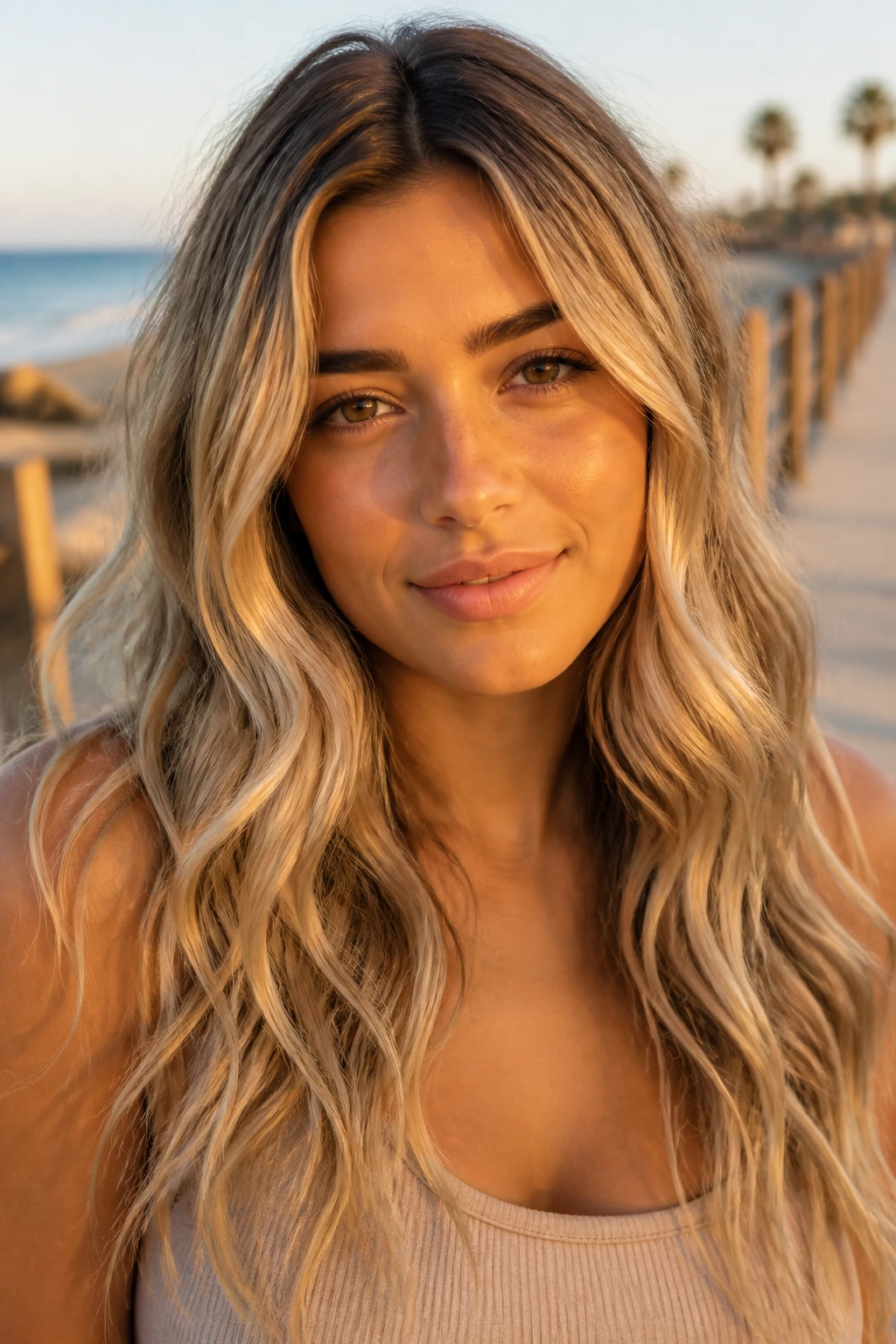
Sandy vanilla waves are less yellow than honey and warmer than pearl, which is why they sit so well on many olive skin tones. The sand keeps the color grounded. The vanilla keeps it soft. Wavy hair makes the mix look casual instead of stiff, and that’s usually where this shade looks best.
The finish should feel touchable. Ask your colorist to keep the transition between darker root and lighter ends blurred, not stripey. This is a forgiving color if your natural hair has a medium brown base. The waves show the dimension, and the tone keeps the skin from looking flat. It’s a safe choice, but not a boring one.
23. Dimensional Beige Blunt Cut
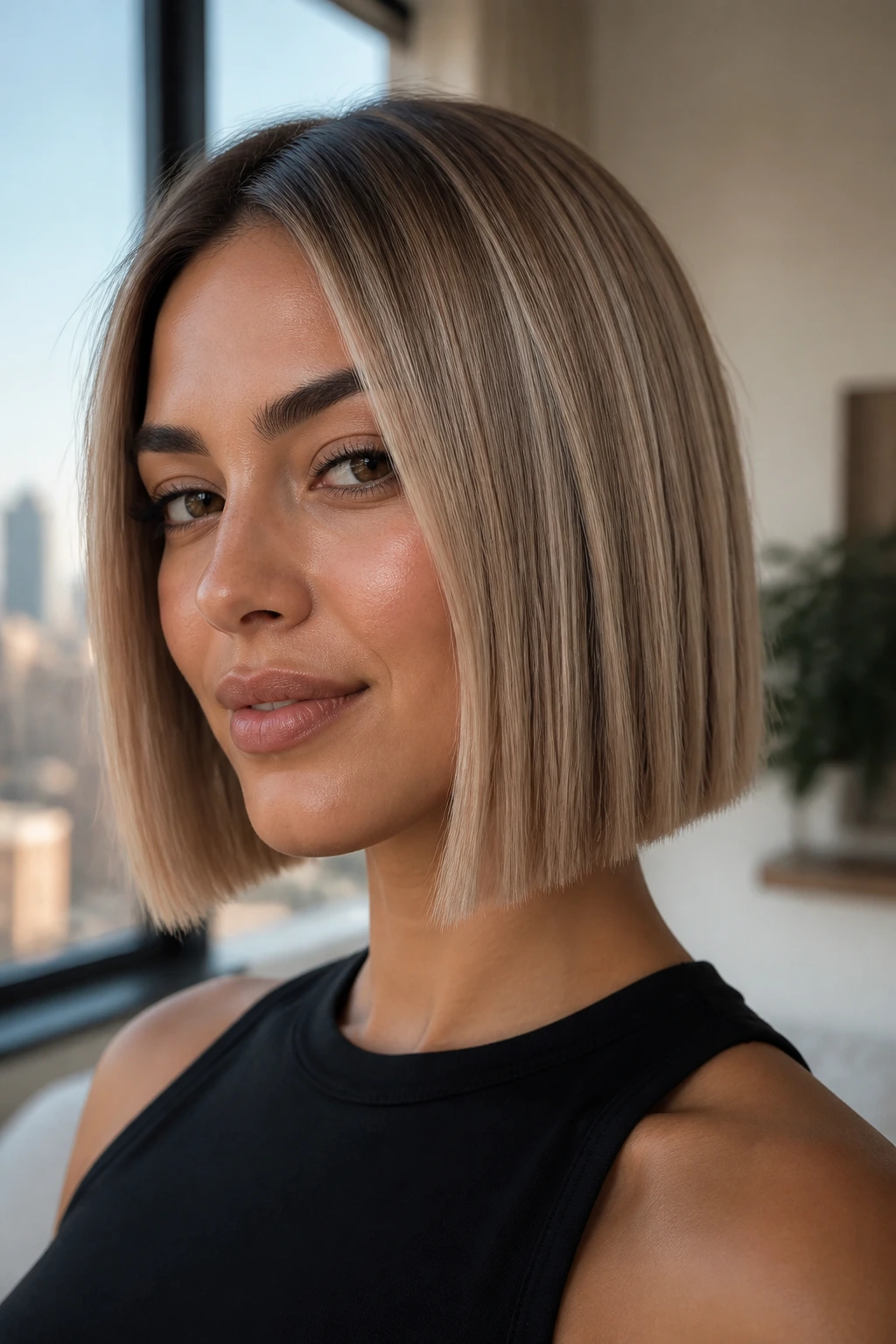
A blunt cut and buttery blonde can be a little too clean if the color is flat, so dimension matters here. Thin beige highlights keep the line from looking heavy, and the blunt edge makes the blonde look crisp. On olive skin, that crispness reads polished rather than severe.
I like this on chin-length bobs and long bobs with a strong edge. The cut gives structure; the color gives softness. The highlights should be fine enough that you notice the movement before you notice the streaks. If the blonde goes too pale, the blunt shape can feel stark. Beige is the better call almost every time.
24. Warm Pearl Blonde
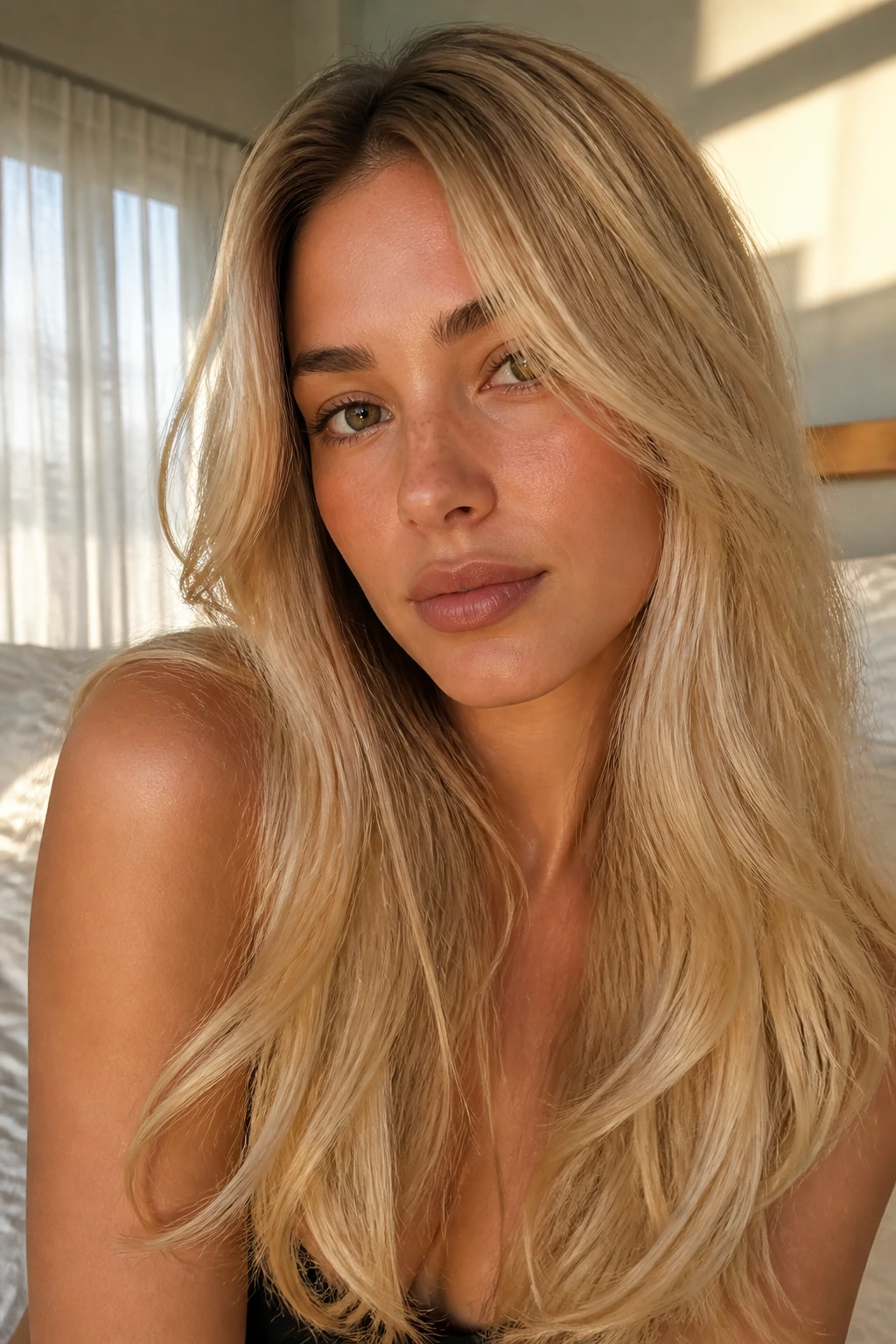
Warm pearl blonde is one of the more elegant versions on this list, though I usually avoid the word elegant because people use it lazily. Here, it means the finish has a polished, soft sheen and no ugly brass. The pearl keeps the blonde cool enough to stay clean, and the warmth keeps olive skin from going gray.
This shade is especially pretty on longer hair where the light can move through the layers. It also works on face-framing pieces if you want a brightening effect without a full color change. The trick is toner maintenance. Warm pearl turns sour fast if the gloss fades too far, so it needs upkeep. Worth it, though.
25. Butter Blonde Ombré
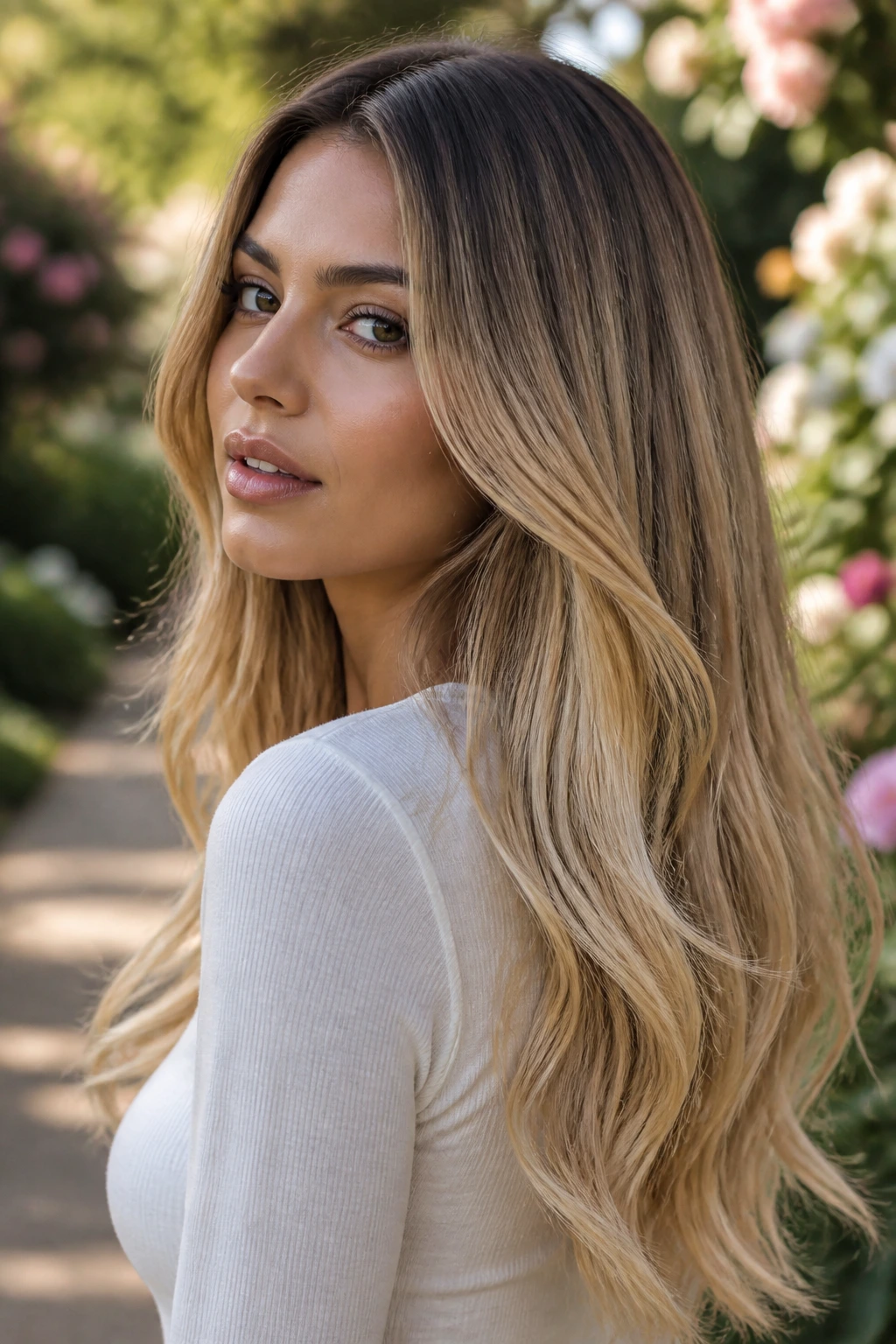
Butter blonde ombré is a gradual shift from deeper root to brighter ends, and that slow fade is forgiving on olive skin. It creates space around the face and keeps the crown from looking too light too soon. The ends carry the buttery tone, while the top stays rooted enough to feel natural.
I’d recommend this if your hair is long enough to show a real color transition. Short hair can look chopped with ombré, but mid-back or longer lengths give the fade room to breathe. The best version is soft, not chunky. No hard line. No sun-bleached stripe. Just a smooth shift that keeps the color alive as it moves down the hair.
26. Deep Root Cream Blonde
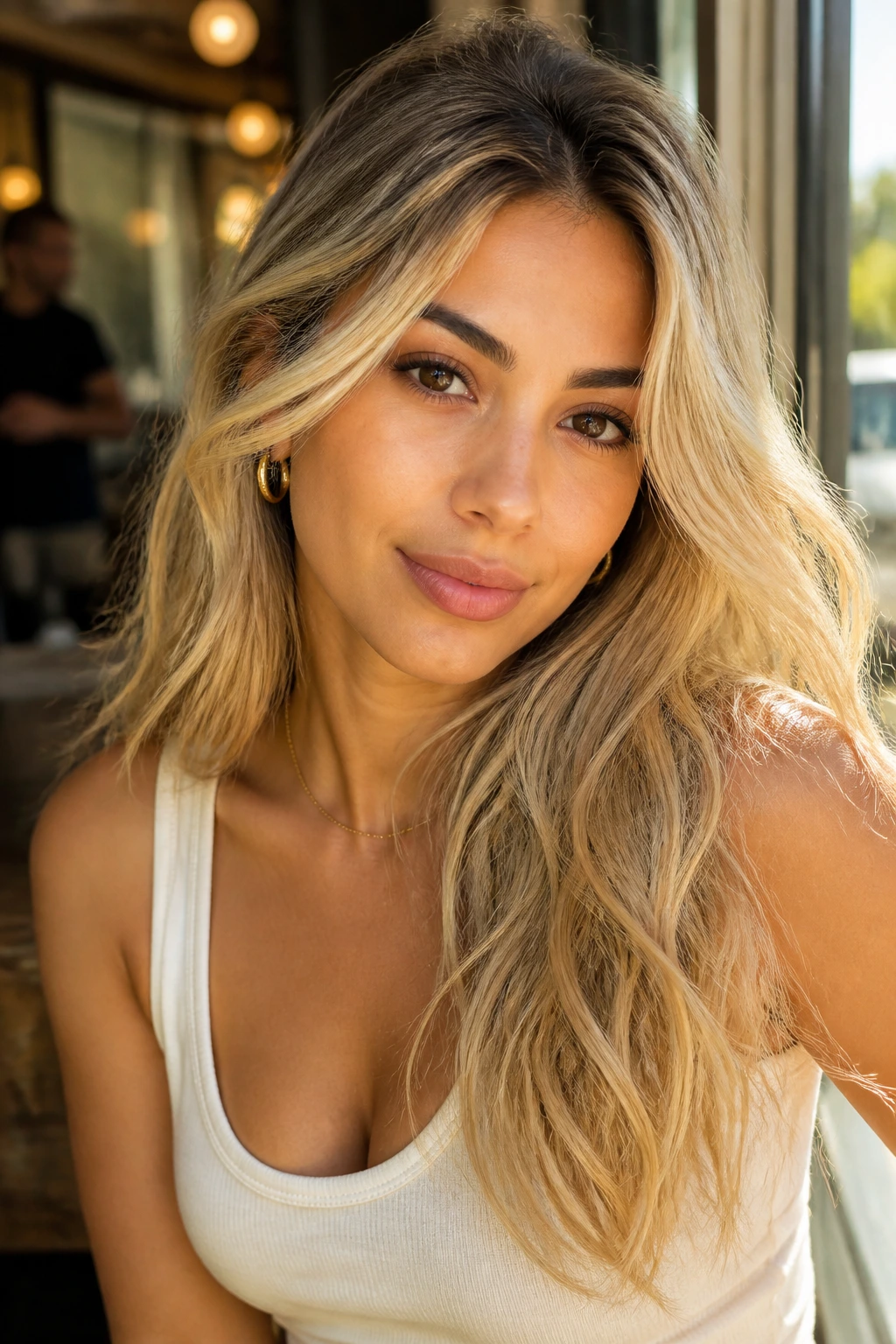
Deep root cream blonde is for the person who likes lighter ends but cannot stand the look of a pale scalp. The deeper root anchors the color, and the cream blonde through the mids keeps the whole thing soft. On olive skin, that anchor matters more than most people realize because it stops the face from looking too open.
This shade also buys you time between appointments. A deep root gives you a longer grow-out window and makes the blonde feel intentional even when it starts to soften. It’s a smart choice for anyone with naturally dark hair or a busy schedule. The color still looks lifted. It just does not scream for touch-ups.
27. Face-Framing Vanilla Layers
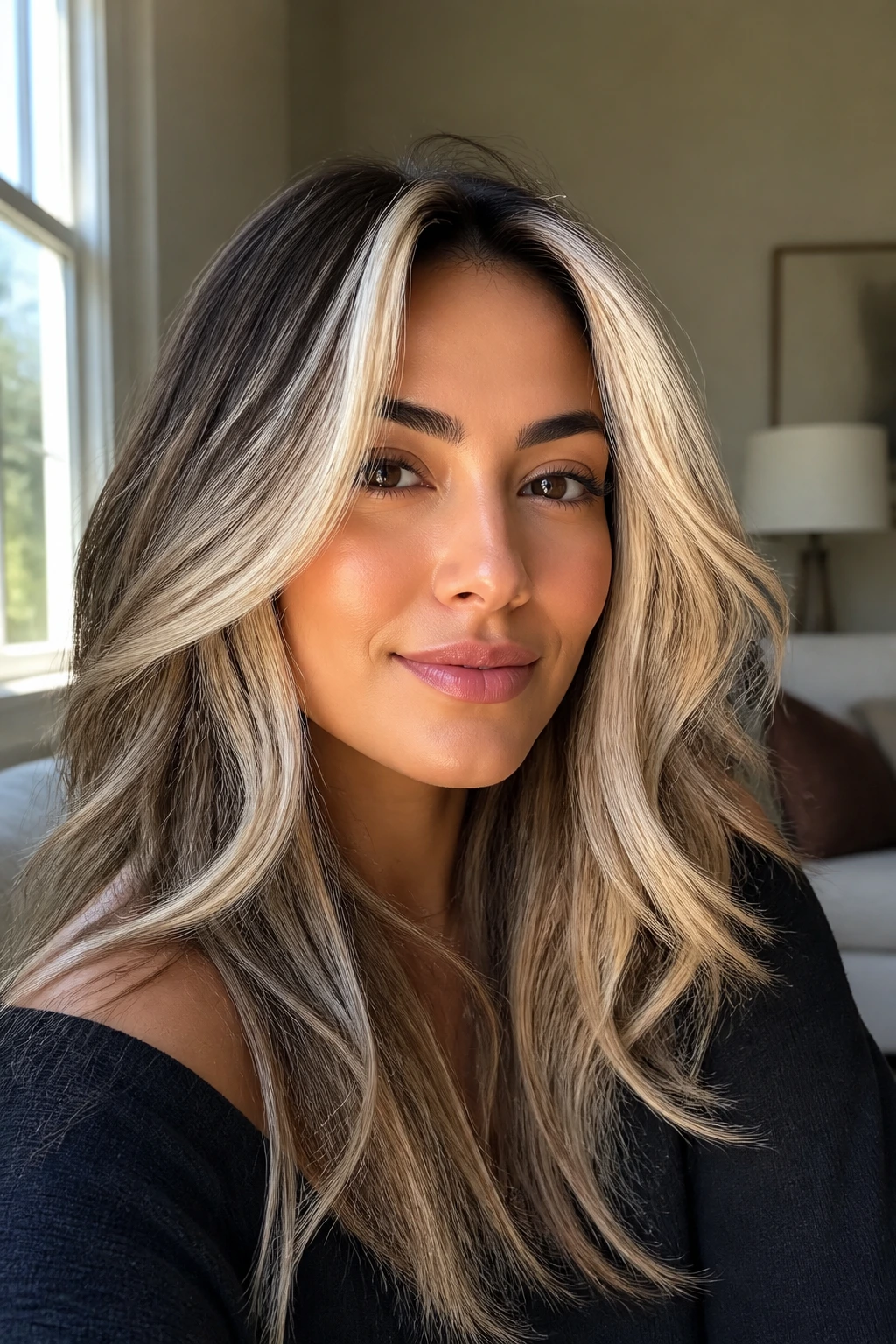
Face-framing vanilla layers are a close cousin of the money piece, but they spread the brightness a little farther through the front sections. That makes the cut feel airy instead of concentrated. For olive skin, the vanilla tone keeps the face from going harsh, especially around the cheekbones and temples.
The rest of the hair can stay more beige or slightly deeper, which is where the balance comes from. If you tend to wear your hair up, these layers still show when the front pieces fall loose. If you wear it down, they bring light to the face without making the entire head blond. That flexibility is the whole point.
28. Glossy Champagne Blonde
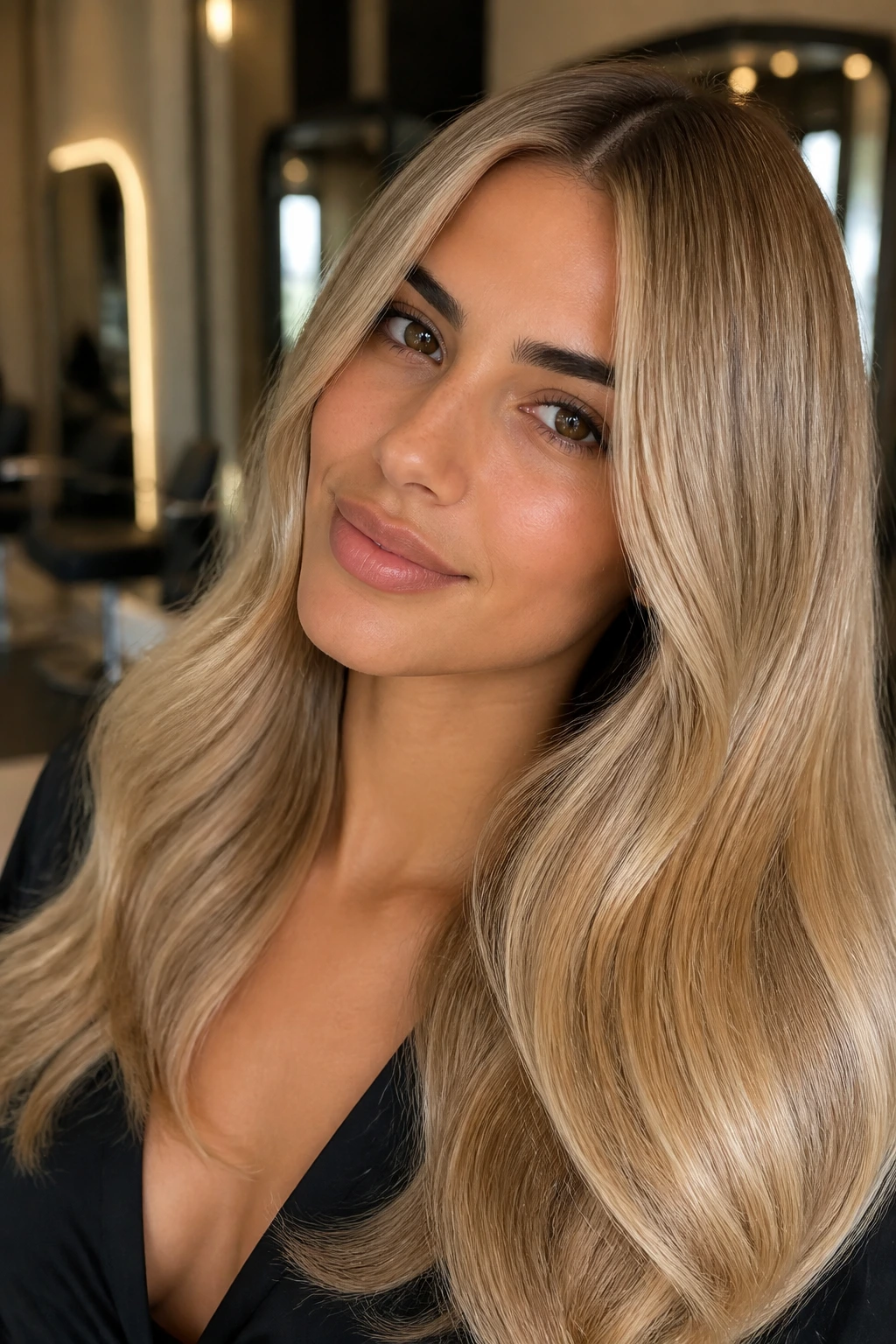
Glossy champagne blonde is less about extreme lightness and more about finish. The shine is what sells it. The tone sits between beige and pale gold, and a clear, reflective gloss keeps the hair looking smooth instead of dry. On olive skin, that reflective quality matters because it stops the color from seeming dusty.
This shade is especially good if your hair cut already has movement — long layers, soft curls, or a blowout with bend at the ends. The shine catches the light, and the tone stays soft enough for the complexion. I’d keep the root slightly deeper so the color doesn’t float away from the face. It should glow, not float.
29. Caramel Butter Midi
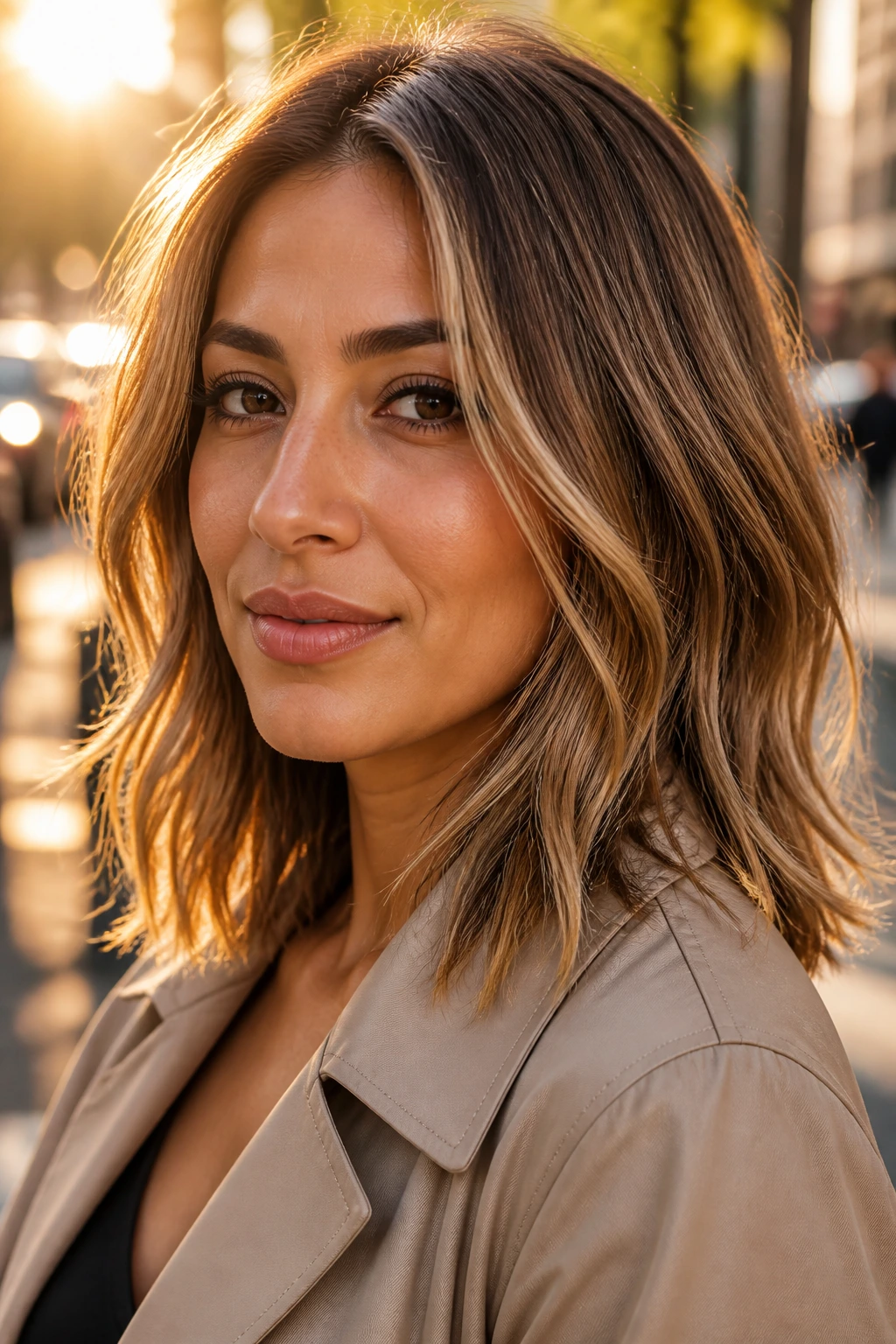
A caramel butter midi leans a little warmer than many shades here, which makes it useful for olive skin with golden or tan undertones. The caramel gives depth, and the butter lightens the mids and ends enough to keep the hair from looking heavy. Mid-length cuts are ideal because they show both tones without crowding the face.
This color works especially well if you want dimension you can see from across the room. Ask for lighter ribbons around the face and warmer lows underneath. That gives the hair movement and prevents the blonde from looking too pale. If your skin leans green-gray rather than golden, keep the caramel subtle and the butter more beige.
30. Micro-Highlight Cream Blonde
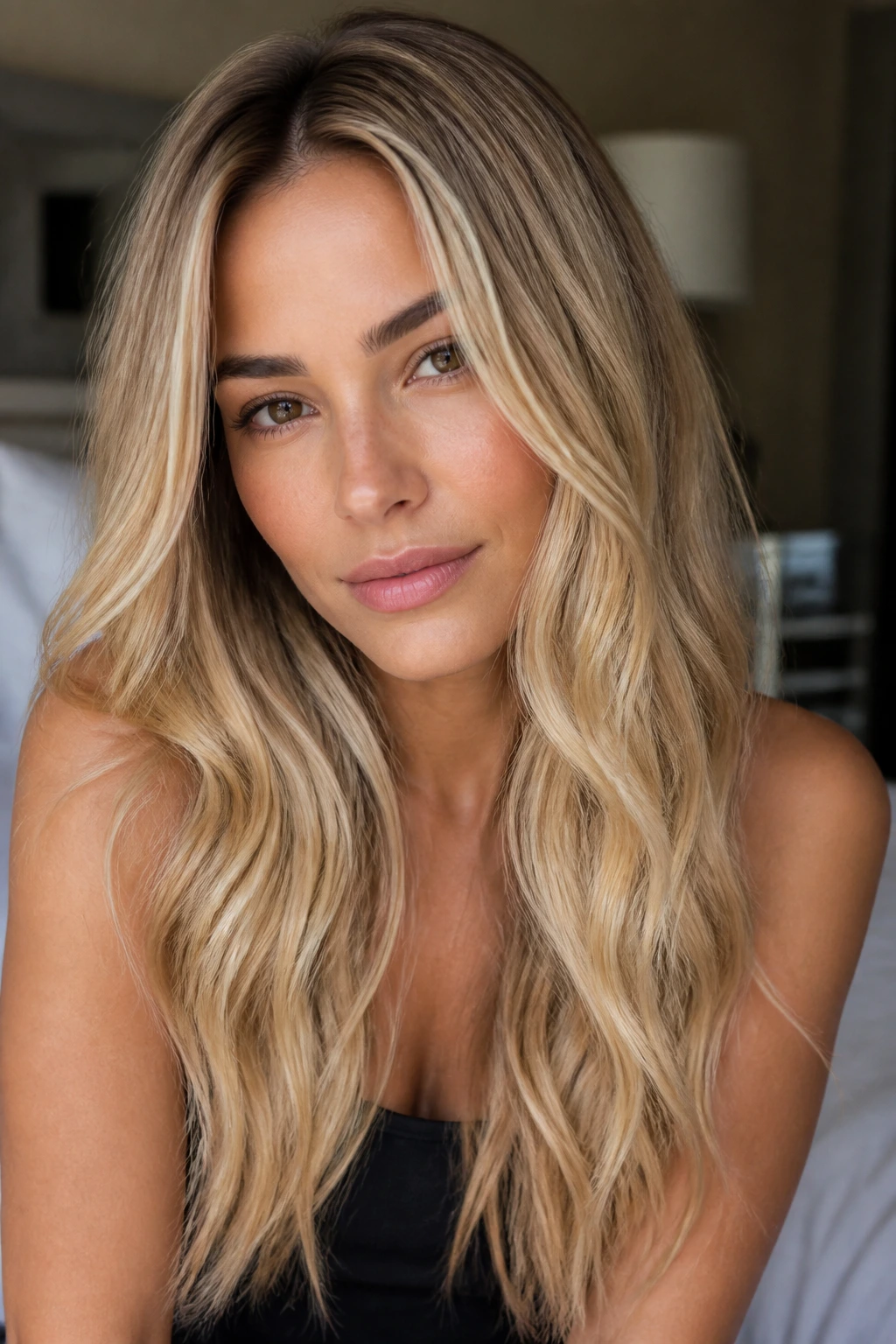
Micro-highlights are small, fine woven pieces that blend into the hair instead of sitting on top of it. That is why they look so good on olive skin. The color shifts softly, and the eye sees cream instead of streaks. If you want buttery blonde that feels refined rather than loud, this is a smart ending point.
The tiny highlights are especially useful on fine hair, where chunky lightening can look too obvious. They also work on thicker hair if you want a gentle glow through the surface rather than full brightness everywhere. The finish should be airy and creamy. Not striped. Not yellow. Just enough light to make the texture move.
Why Buttery Blonde Feels Right on Olive Undertones
Olive skin has a tricky reputation because people keep trying to match it with the wrong kind of blonde. Too much ash drains it. Too much yellow can make it look tired. Butter, cream, beige, and soft gold solve that by giving the skin a cleaner frame without punching it in the face with color.
The other reason this family of shades works is the depth. A rooted blonde or a softly blended balayage gives olive skin somewhere to rest. Without that shadow, the hair can look blown out, and the complexion starts to carry all the contrast by itself. A little root depth, a little cream through the mids, and a gloss that keeps the tone calm — that’s the formula I trust.
Choosing the Right Level of Blonde for Your Skin Tone
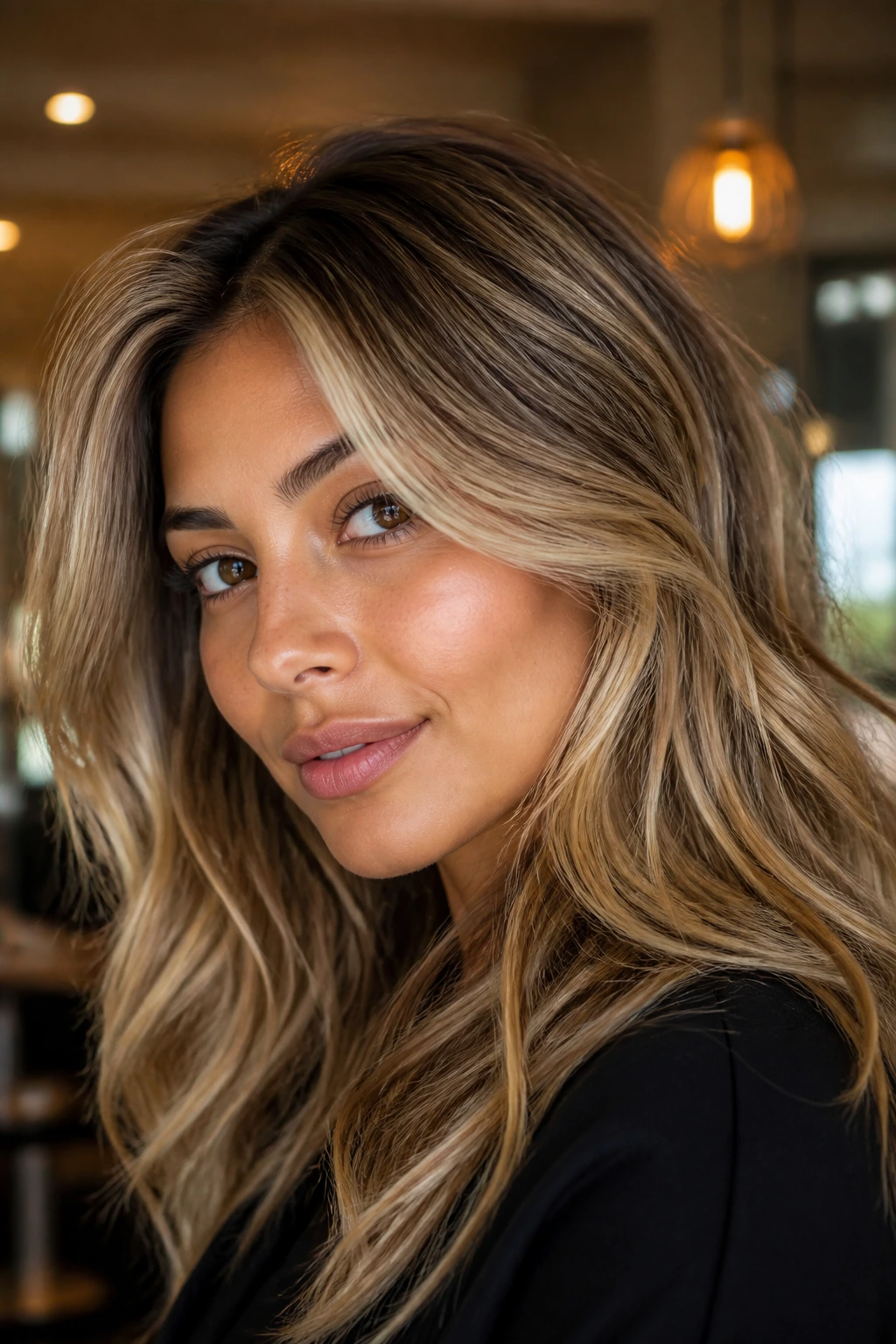
Not every olive complexion wants the same blonde. Fair olive skin can take a lighter vanilla or champagne tone if the root stays soft. Medium olive skin usually looks best with beige, honey-beige, or rooted butter blonde that keeps some richness near the scalp. Deep olive skin often needs more contrast, so a creamy blonde money piece or caramel-butter melt can brighten the face without making the rest of the hair disappear.
The biggest mistake is asking for the same blonde every time because it looked good on someone else. Ask your colorist what level your hair can reach safely, then make the toner do the rest of the work. That’s where the polish lives. Color level gets you close. Tone makes it wearable.
What to Say at the Salon
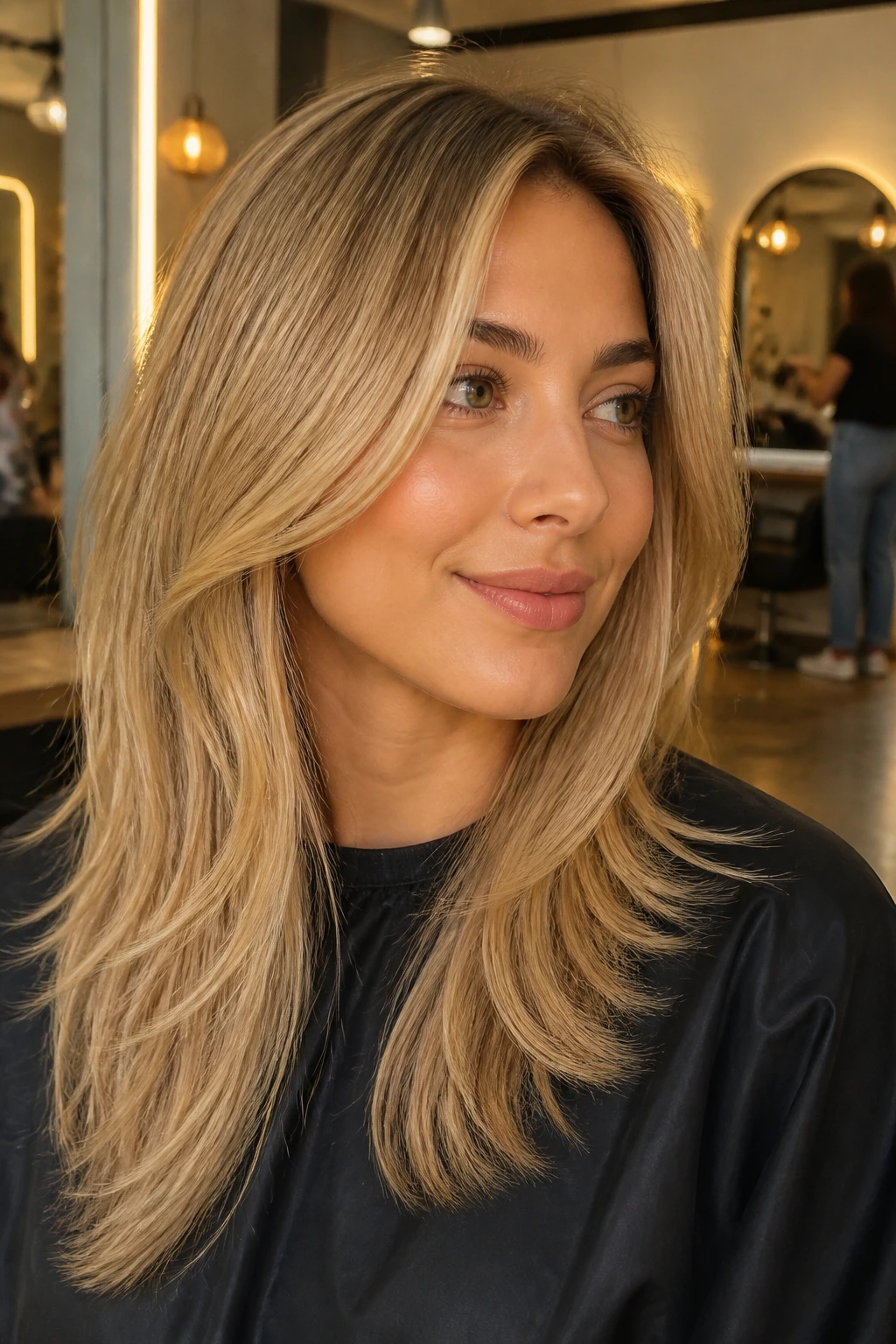
Bring photos, but bring the right kind. You want images that show the root depth, not just the front view with bright filters. Say you want buttery, beige, or creamy blonde rather than icy or yellow, and mention whether you prefer a strong face frame or a softer all-over blend. That one detail saves a lot of confusion.
If your natural hair is dark, ask about lift in stages. A good colorist will tell you whether you need one session, two sessions, or a partial approach first. Mention how often you want to come back. That changes everything. Someone who likes six-week touch-ups can wear a brighter blonde than someone who wants a three-month grow-out.
Tools and Products to Keep the Shade Creamy
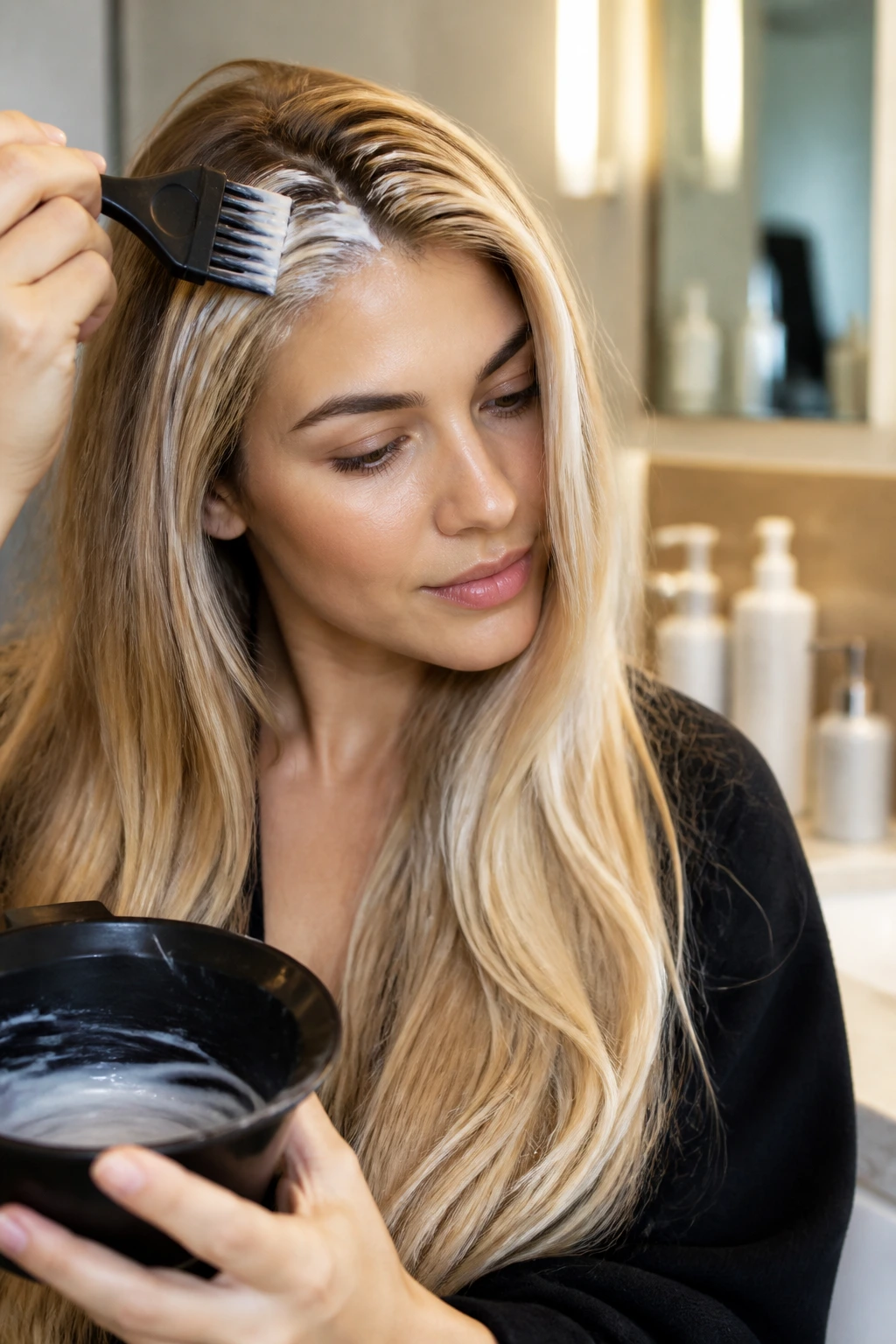
- Color-safe, sulfate-free shampoo: Keeps the blonde from stripping too fast and helps the tone stay softer between washes.
- Purple or blue-violet shampoo: Use sparingly, about every 2-3 weeks, if the blonde starts turning yellow or orange; too much can make buttery tones look dull.
- Deep conditioner or mask: A weekly mask helps lightened ends stay smooth so the blonde reflects light instead of looking frayed.
- Heat protectant: Blow-dryers and flat irons chew through blonde fast, especially on olive skin where tone matters.
- Gloss or toning treatment: A salon gloss every 4-6 weeks can reset the beige-cream balance before brass takes over.
- Wide-tooth comb or detangling brush: Lightened hair breaks easier when it’s wet, so a gentle tool matters.
- Silk or satin pillowcase: Less friction means fewer snapped ends and less frizz around the face.
How to Wear the Shade So It Flatters Your Face
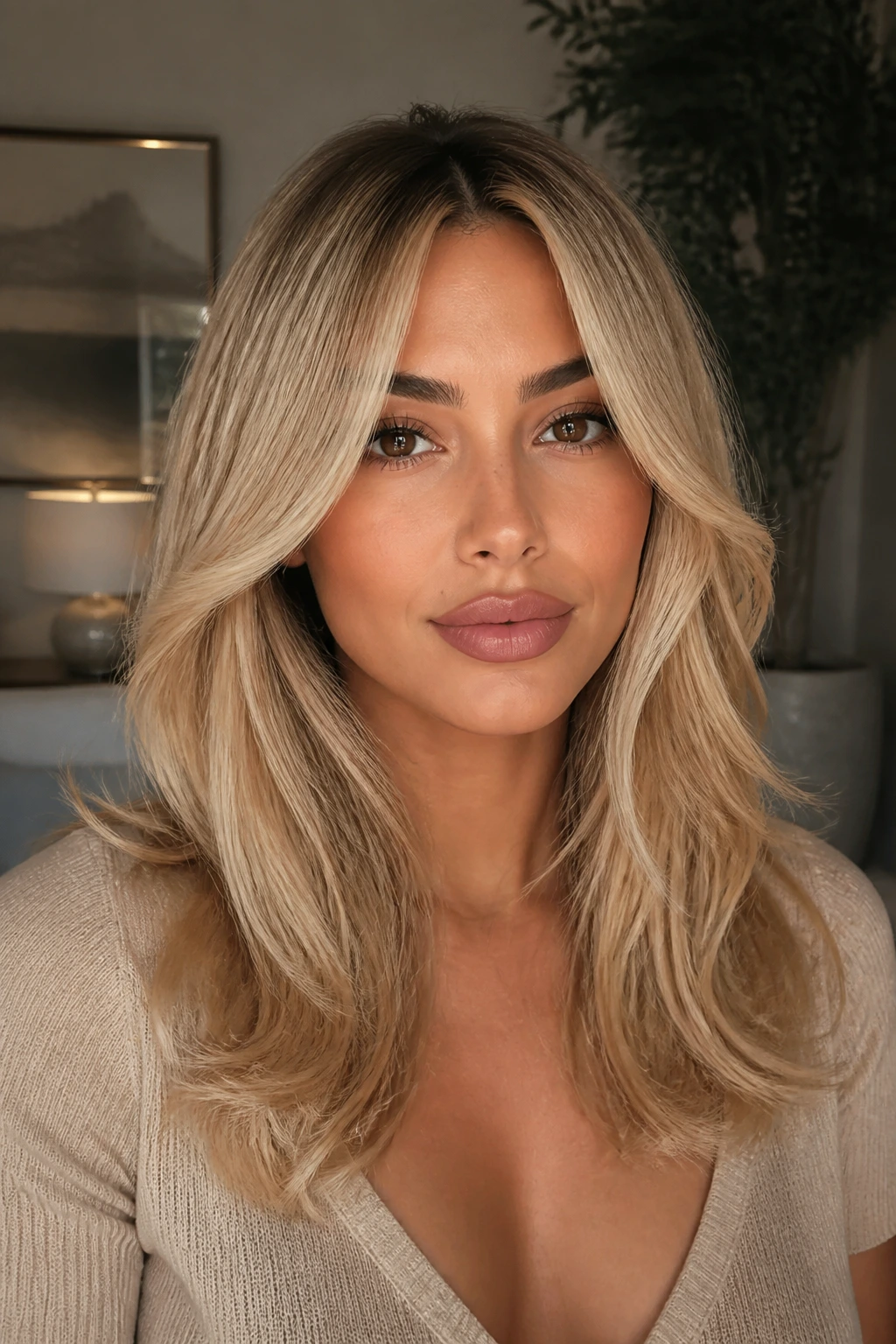
Best Cut: Layered lobs, soft shags, curtain bangs, and blunt ends with face-framing pieces all help buttery blonde show dimension. A single-length cut can work, but it needs careful placement or the color can go flat fast.
Styling: Loose bends with a 1.25-inch curling iron, brushed-out waves, or a smooth blowout all keep the tone soft. I’d avoid tight ringlets unless the highlights are fine, because chunky curls can make broad blonde pieces look louder than they are.
Makeup: Olive skin usually likes peach, rose-beige, taupe, bronze, and soft berry tones. A lipstick that is too icy can fight the hair, and a blush that is too pink can look disconnected. Keep the face warm but not orange.
Clothing Colors: Cream, camel, chocolate, olive, muted teal, and black all sit well next to buttery blonde. Pure white can be stark, and neon yellow can make the hair look more yellow than it is. Small thing. Big difference.
Small Tweaks That Make the Color Better
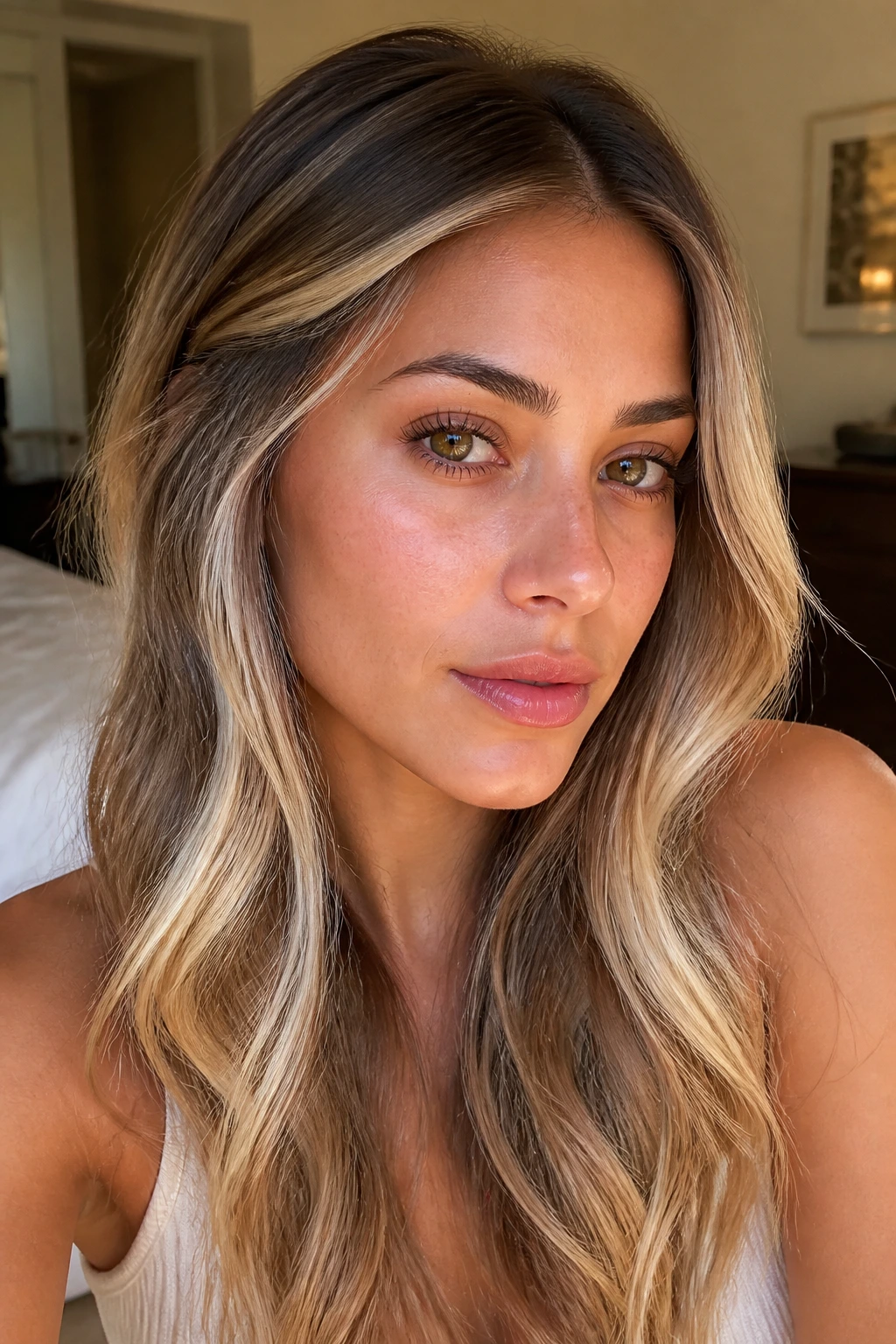
Brightness at the Hairline: A few lighter pieces at the temples and cheeks usually do more for olive skin than brightening the whole head. That is the part people see first.
Tone Control: Ask for beige, vanilla, pearl, or soft gold in the gloss, depending on how warm your skin runs. A good toner is what keeps the blonde creamy instead of flat.
Dimension: Keep at least one shade of depth somewhere in the hair — at the root, underneath, or in lowlights. A one-note blonde rarely flatters olive skin for long.
Finishing Touch: A drop of lightweight serum on the ends after styling makes the blonde look smoother and less dry. Dry blonde rarely looks expensive.
Common Mistakes That Make Buttery Blonde Go Flat
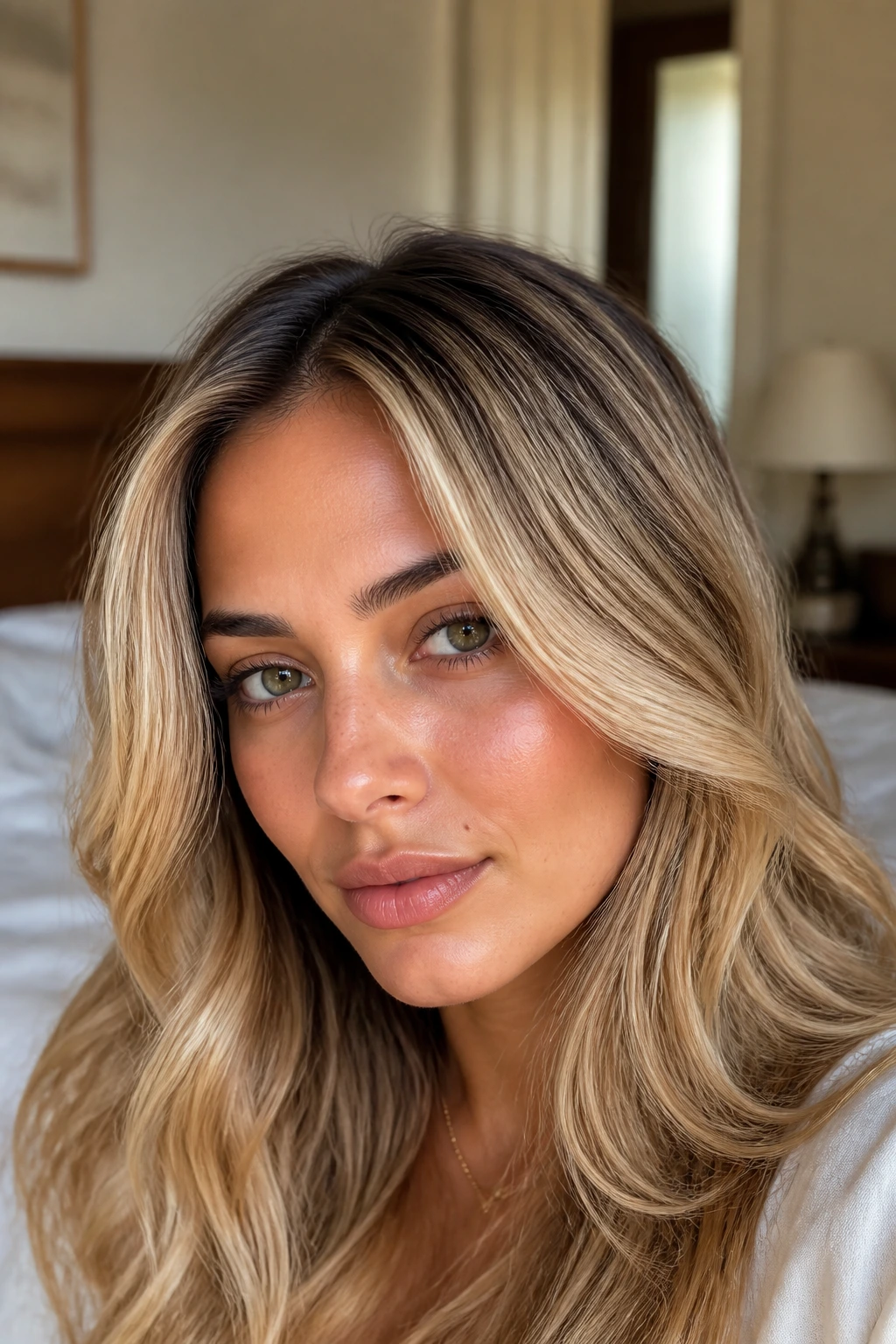
- Going too icy: The hair can turn pale and chalky, and olive skin often ends up looking green or tired next to it. Fix it with a beige or cream gloss.
- Going too yellow: A strong yellow blonde can look brassy within a few washes, especially if the water at home runs hard. Ask for a softer gold-beige blend instead.
- Skipping depth at the root: Flat, root-to-tip lightness can make the face look washed out. Keep a shadow root or lowlights underneath.
- Using purple shampoo too often: A purple wash once in a while is useful; using it every shampoo can kill the creamy warmth that makes buttery blonde work.
- Ignoring the cut: The wrong haircut can hide the dimension and make the blonde look like a single sheet. Layering, bangs, or a clean bob usually help.
Variations and Adaptations to Try
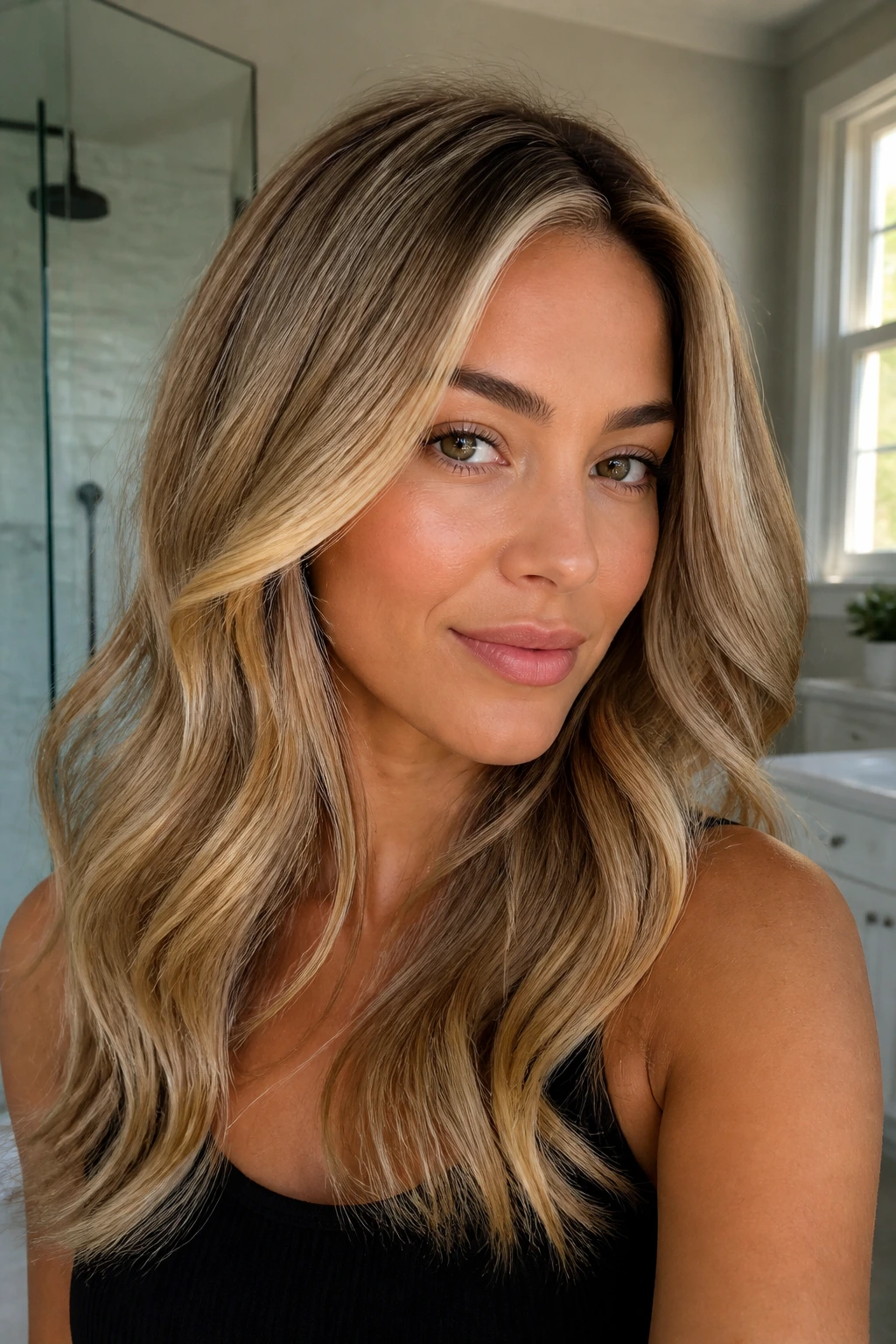
Fair Olive Vanilla Flash: Keep the blonde a level brighter, but keep the toner beige rather than icy. This version works when your skin is light but still carries olive undertones that hate stark platinum.
Medium Olive Root Melt: Start with a deeper root and melt into soft cream through the mids. It’s one of the easiest ways to wear buttery blonde without constant touch-ups, and it gives the face enough contrast.
Deep Olive Honey Glow: Use warm beige and honey ribbons with more depth underneath. The richness helps deeper olive skin hold color instead of looking overshadowed by pale blonde.
Curly Butter Ribboning: Place fine highlights along the curl pattern rather than painting broad stripes. Curly hair needs movement in the placement or the blonde can look patchy.
Low-Maintenance Shadow Stretch: Keep the root a shade or two deeper than the mids, then let the lightness live mostly through the ends. This stretches salon visits and keeps the blonde from looking overprocessed.
Frequently Asked Questions
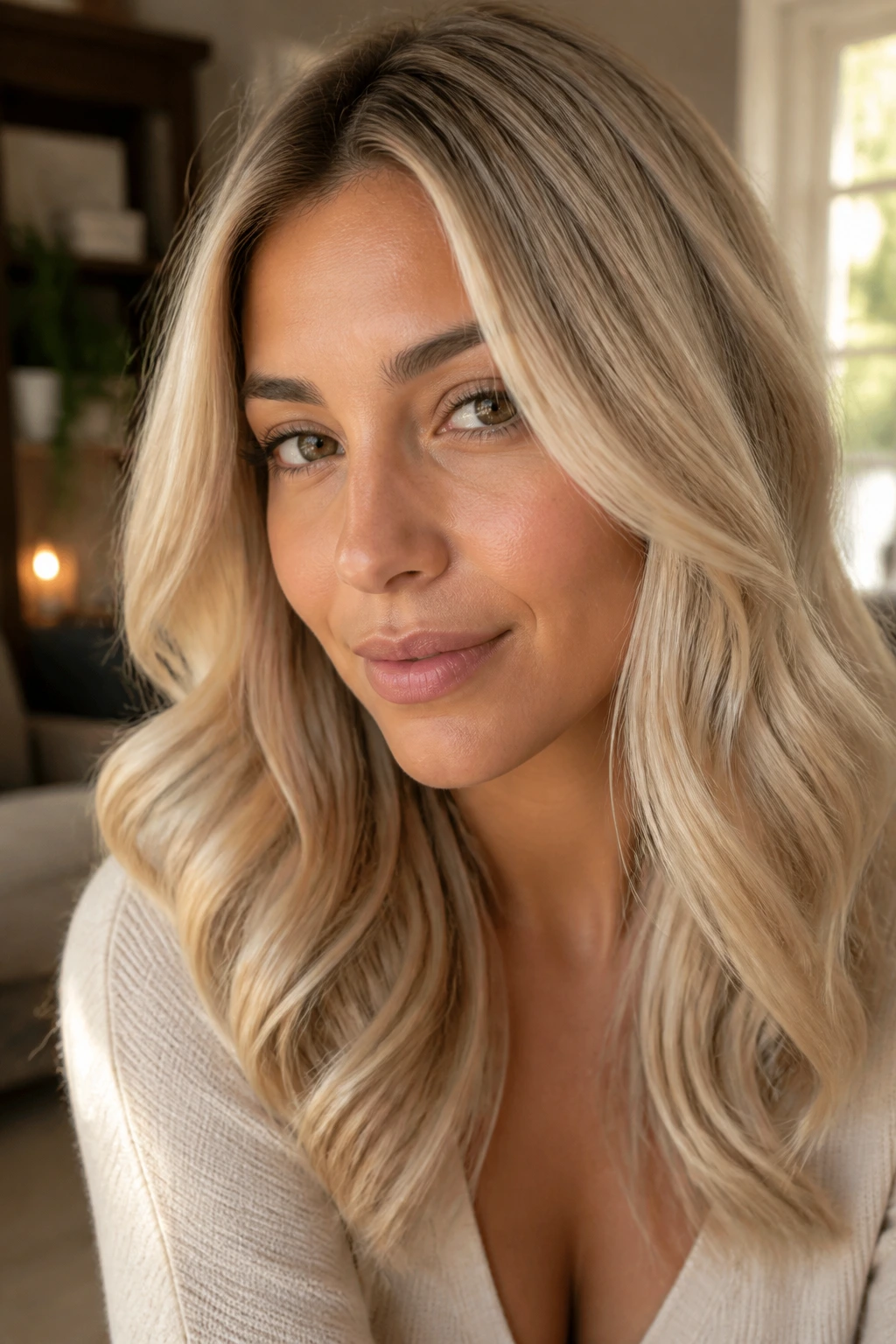
Does buttery blonde work on every olive skin tone?
Not every version, no. Fair olive skin usually likes lighter vanilla and champagne tones, while medium and deep olive skin often look better with beige, honey, or rooted blonde that keeps some depth in the hair.
Is ash blonde bad for olive skin?
Not always, but it can be risky. Too much ash can pull olive skin toward gray or green, especially if the hair is lightened very pale. A beige-ash blend is usually safer than a flat cool blonde.
How light does my hair need to be for buttery blonde?
That depends on your natural base and how bright you want the result. Dark brunette hair may need staged lightening to reach a clean cream tone, while medium brown hair can often get there in fewer sessions.
How often should I get a gloss?
A salon gloss every 4-6 weeks usually keeps buttery blonde from drifting into brass or dullness. If your water is hard or you wash often, you may need it a little sooner.
Can I do buttery blonde at home?
A small face frame or gloss refresh can be manageable at home if you already know your hair well. A full blonde change, especially on dark hair, is usually better left to a colorist because olive skin shows bad toner choices fast.
Will buttery blonde make my features look softer?
Yes, if the tone stays creamy and the highlights are placed near the face and through the mids. The wrong placement can flatten the face, but the right one brings out cheekbones and eyes without making the hair look harsh.
What if my blonde turns brassy too fast?
Start by checking your shampoo, shower water, and heat styling habits. Hard water, hot tools, and overwashing all strip tone. A beige gloss and a weaker purple shampoo schedule usually help more than scrubbing the hair harder.
Keeping It Creamy
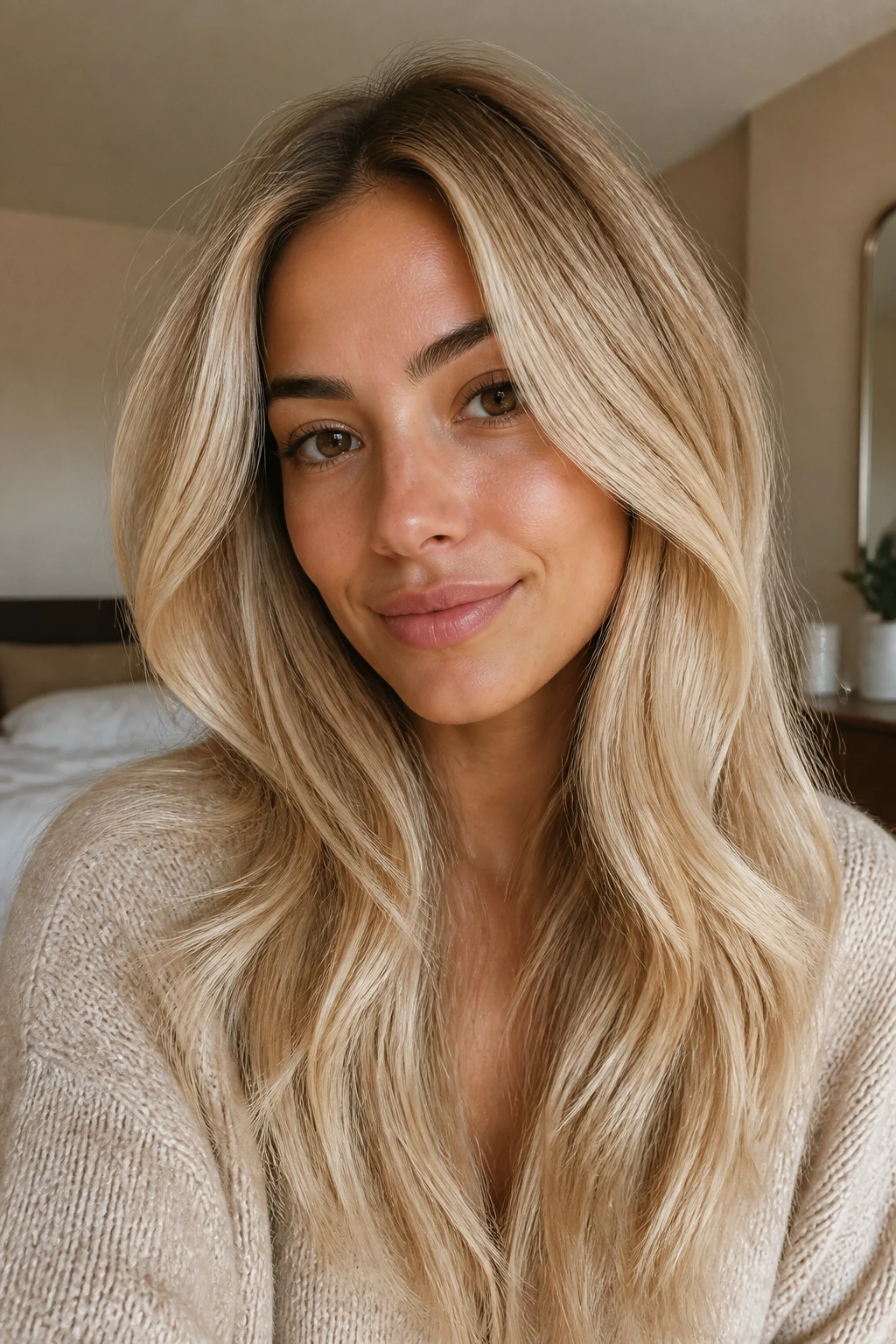
Buttery blonde works on olive skin because it understands restraint. It gives you light without whitening the face, warmth without pushing the hair into yellow, and enough depth to keep the whole look grounded. That combination is hard to beat when you want blonde that still feels like you.
If I had to narrow the whole list to one rule, it would be this: keep the root a touch deeper and keep the tone creamy. That’s the difference between blonde that flatters olive skin and blonde that fights it. The best versions do not shout. They settle in, soften the features, and make the haircut look better than it did before.