



Brown red medium highlights for brunettes have a very specific job, and when they do it well, the whole head of hair changes personality. The base stays brunette, which keeps everything grounded. Then the red-brown pieces slip through the lengths in chestnut, mahogany, cinnamon, or wine tones, so the color moves when you turn your head instead of sitting there like a single flat block.
The trick is the medium part. Tiny babylights can vanish inside a dark brunette base, and chunky streaks can look dated fast. Medium ribbons — the kind that read clearly in a braid, a loose wave, or a blunt lob — give you enough contrast to see the color, but not so much that it starts yelling across the room. That middle ground is why these shades age well between salon visits.
There’s also a practical upside people forget. Red-brown pigment family shades usually fade into softer brown and cinnamon notes rather than dropping straight to dull gold, which means the grow-out can look intentional if the placement is smart. If your hair sits anywhere from medium brown to deep espresso, and you want warmth without turning into a copper caution sign, the looks below give you a lot to work with.
Why These Shades Keep Brunettes From Going Flat
-
They add depth without stripey drama: Medium-width ribbons break up a solid brunette base in a way that still looks soft when the hair is straight.
-
They suit real brunette undertones: Chestnut, mahogany, auburn, and merlot all sit naturally against brown hair, so the result looks richer instead of pasted on.
-
They grow out with less stress: A deeper root line and mid-length placement make the regrowth line softer than bright copper highlights near the scalp.
-
They work with movement: Waves, bends, curls, and even a brushed-out blowout make the red tones show up in different ways.
-
They can go subtle or bold: One well-placed money piece can change the whole haircut, while scattered ribbons keep things quieter.
-
They play well with lowlights: A few deeper panels under the crown can make the red highlights look more expensive. That contrast matters.
1. Chestnut Ribbon Highlights
Chestnut ribbons are the safe place to start if you want red-brown dimension without much risk. The tone sits right between cocoa and auburn, so it warms a brunette base without pushing it into orange.
Why It Works on Brunette Hair
Use 1/4- to 1/2-inch foils through the mid-lengths and around the face. On level 5 brunettes, chestnut usually shows up as a rich brown shine in daylight and a deeper red cast indoors. That shift is the whole point.
- Best base: medium brown, dark blonde-brown, or soft espresso.
- Placement: face frame, upper mid-lengths, and a few underlayers.
- Maintenance: gloss every 6-8 weeks if you want the red to stay warm.
My favorite move: ask for the front pieces to be one half-step brighter than the rest so the color does not disappear when your hair is tied back.
2. Mahogany Face-Framing Pieces
Mahogany around the face is one of those changes that looks small in the chair and dramatic in real life. The red stays deep, almost velvet-dark, which keeps it from fighting a brunette base that already leans cool or neutral.
The reason I like this more than a bright money piece is simple: it ages better. Mahogany doesn’t scream for attention on day one, and it still looks polished after a few washes because the tone fades into a softer brown-red instead of a washed-out copper.
If your haircut has curtain bangs or a collarbone-length lob, ask for the panels to start just under the root and fan out toward the cheekbone. That shape puts the color where the eye lands first.
3. Cinnamon Midlength Veils
Why do cinnamon veils look so good on shoulder-length brunette hair? Because they sit in the exact zone where the cut bends. The color catches the curve of the layers instead of sitting on top like decoration.
How to Use It
This look works best when the highlight pieces are painted through the mid-shaft and not overloaded at the ends. You want soft warmth that shows when the hair swings, not a bright halo around the perimeter.
A loose blowout shows it better than pin-straight styling. If you like the finish to feel polished but not stiff, this is a smart pick.
What to Ask For
- Cinnamon or toasted auburn gloss over a brunette base
- Medium ribbons through the top layer
- A few deeper lowlights underneath so the cinnamon does not turn flat
4. Auburn Caramel Balayage
Picture a brunette lob with loose bends and the color shifting from espresso at the root to auburn caramel through the middle. That’s the version people bring to the salon photo wall and then keep because it actually grows out well.
Balayage gives this style a softer edge than foils. The painted hand placement keeps the auburn from looking boxed in, and the caramel note keeps it from going too wine-dark.
Key details:
- Keep the lightest auburn around the face.
- Let the color float through the top layer, not just the bottom.
- Use a demi-permanent gloss if you want the warmth to fade gently.
The whole look depends on movement. Flat ironing it straight can make the balayage feel quieter than it should.
5. Merlot Peekaboo Lowlights
Merlot lowlights are for brunettes who want dimension but do not want to look like they highlighted their whole head. The darker red sits under the top layer, so it peeks through when the hair is tucked behind the ear or pulled into a low ponytail.
That underlayer trick is underrated. On thick hair, it keeps the surface from reading one-note. On finer hair, it gives the illusion of fullness because the darker red slices through the base instead of sitting only on top.
I’d choose this if your brunette base already has enough warmth and you want more depth, not more brightness. It’s a quiet color, but not a boring one.
6. Copper Toasted Ends
Copper toasted ends are not the same as bright ginger tips, and that difference matters. This version keeps the root and mid-lengths brunette, then warms the last few inches with a copper-brown glaze so the ends look sunlit instead of dyed-in-one-shot.
The finish works especially well on long layers. The color collects at the bends and makes the haircut look more expensive than a straight copper dip ever could. If your hair is thick and heavy at the bottom, this is one of the easiest ways to lighten the visual weight without a full color shift.
Skip this if you want something quiet. Choose it if you like a little edge and don’t mind the ends reading louder than the roots.
7. Espresso and Wine Panels
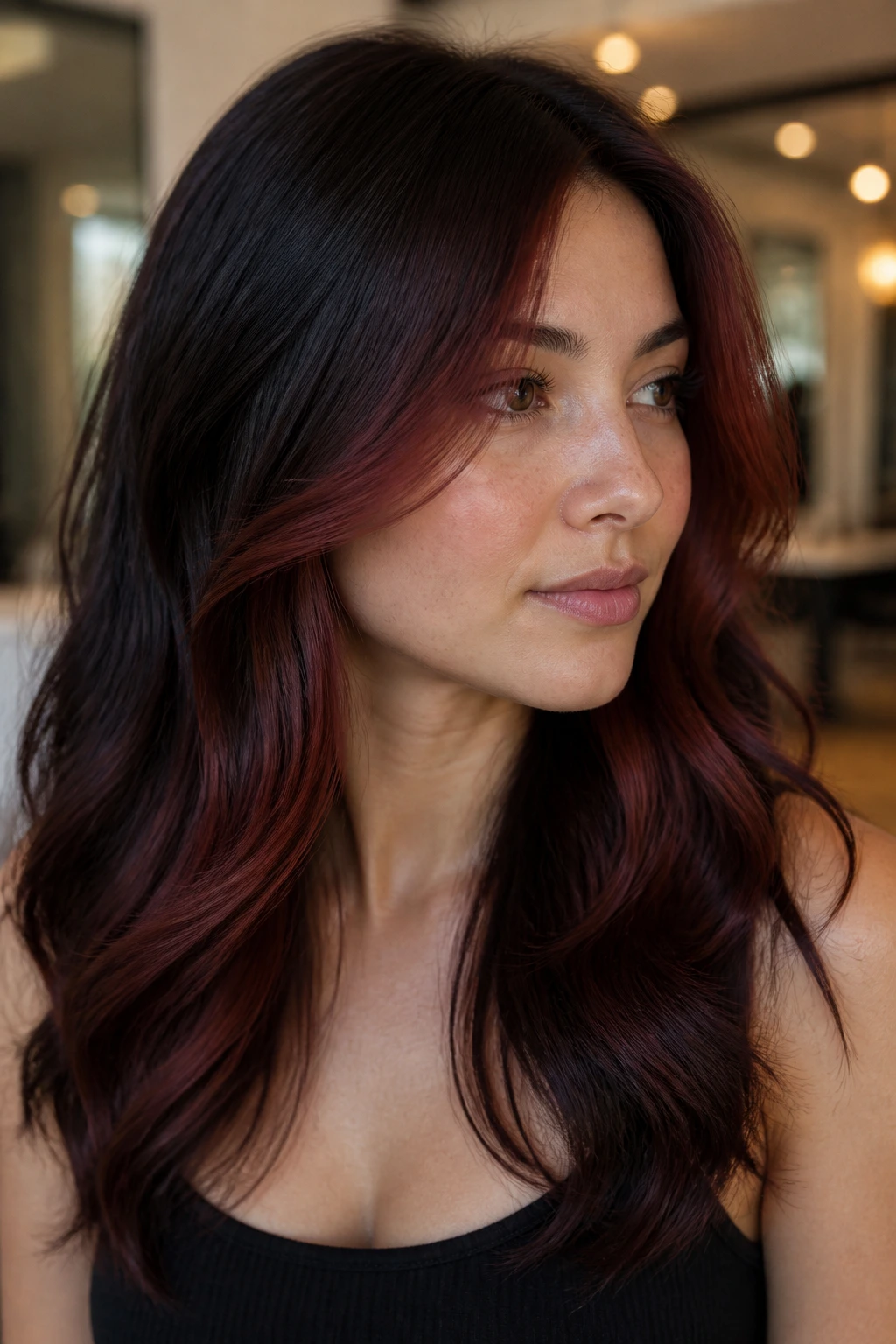
Espresso and wine panels give you contrast without losing the brunette identity. The base stays deep and glossy, while the wine-toned panels create those darker red flashes that show up when light hits from the side.
Why It Works
The combination is strong because the wine pieces are not trying to be bright. They sit inside the brunette family, which keeps the whole look believable. Add them in medium sections near the crown and through the back, and you get movement that shows up even in a simple ponytail.
- Best for: medium to thick hair that can hold dimension.
- Tone: cooler red-brown with a hint of plum.
- Style match: blowouts, loose curls, and layered shags.
A good salon note: ask for the wine panels to be one shade deeper than the face-framing pieces. That keeps the color from flattening out.
8. Smoky Rosewood Slices
Smoky rosewood is what I suggest when someone wants red-brown but hates obvious red. It sits on the cooler side of the spectrum, with a muted blush-brown cast that looks especially good on brunettes with neutral or pink undertones.
The slices should be medium-sized, not skinny. If they’re too fine, the rosewood disappears into the brown. If they’re too chunky, the softness goes away. The sweet spot is a panel you can actually see when the hair moves, but that doesn’t read as one hard stripe.
This is one of the cleaner choices for straight hair, because the tone itself carries the interest even before styling.
9. Cocoa Glaze Highlights
Cocoa glaze highlights are barely louder than the base, and that’s what makes them useful. You get a sheen-like effect, almost as if the brunette was polished with a warm brown-red filter.
What Makes Them Different
Instead of chasing obvious contrast, this look leans on tone. The highlights should be just lighter and redder than the base, enough to catch the light at the ends and around the temples. It’s a very forgiving choice if you wear your hair in a ponytail a lot or if your cut is blunt and clean.
How to Wear It
Use a 1.25-inch curling iron and brush the curls out once they cool. The movement makes the cocoa-red pieces show in a way straight hair doesn’t always allow.
Best with: sleek bobs, long lobs, and midlength layers.
10. Red Clay Money Piece
A red clay money piece is the boldest face-frame in this group, but it still belongs here because the brown base keeps it grounded. The clay tone has that earthy, brick-red warmth that looks rich rather than bright.
This is the one I’d pick for someone who wants the front to change the whole haircut. You do not need a full-head color shift when the hair around your face is doing that much work. Keep the rest of the highlights softer and more chestnut so the money piece can carry the drama.
If you wear glasses, this choice looks especially strong. The color lands right where the frames sit, and the effect is sharper than you’d think.
11. Cherry Cola Ribboning
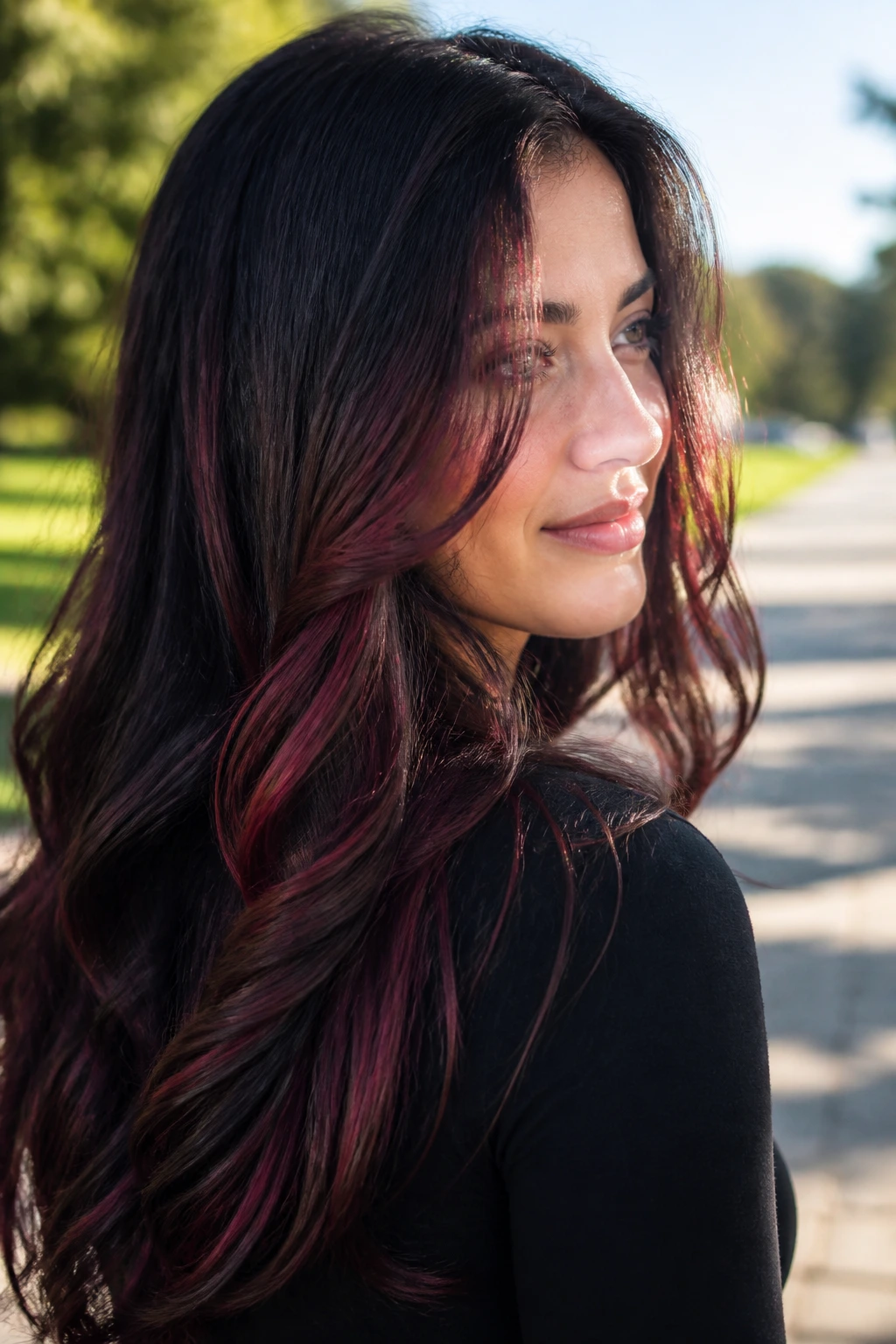
Cherry cola ribboning is the easiest way to get a red note into brunette hair without leaning into obvious copper. The trick is layering dark cherry and brown in thin ribbons so the hair looks saturated, not streaked.
The shade works best on longer hair with some bend in it. Loose waves let the cherry tones catch light from the side, and the brown keeps the finish from going flat. If your hair tends to look heavy at the ends, this color lightens the visual weight without needing a pale blonde lift.
I like this on medium-density hair. It gives movement a lot to do.
12. Toffee Auburn Melt
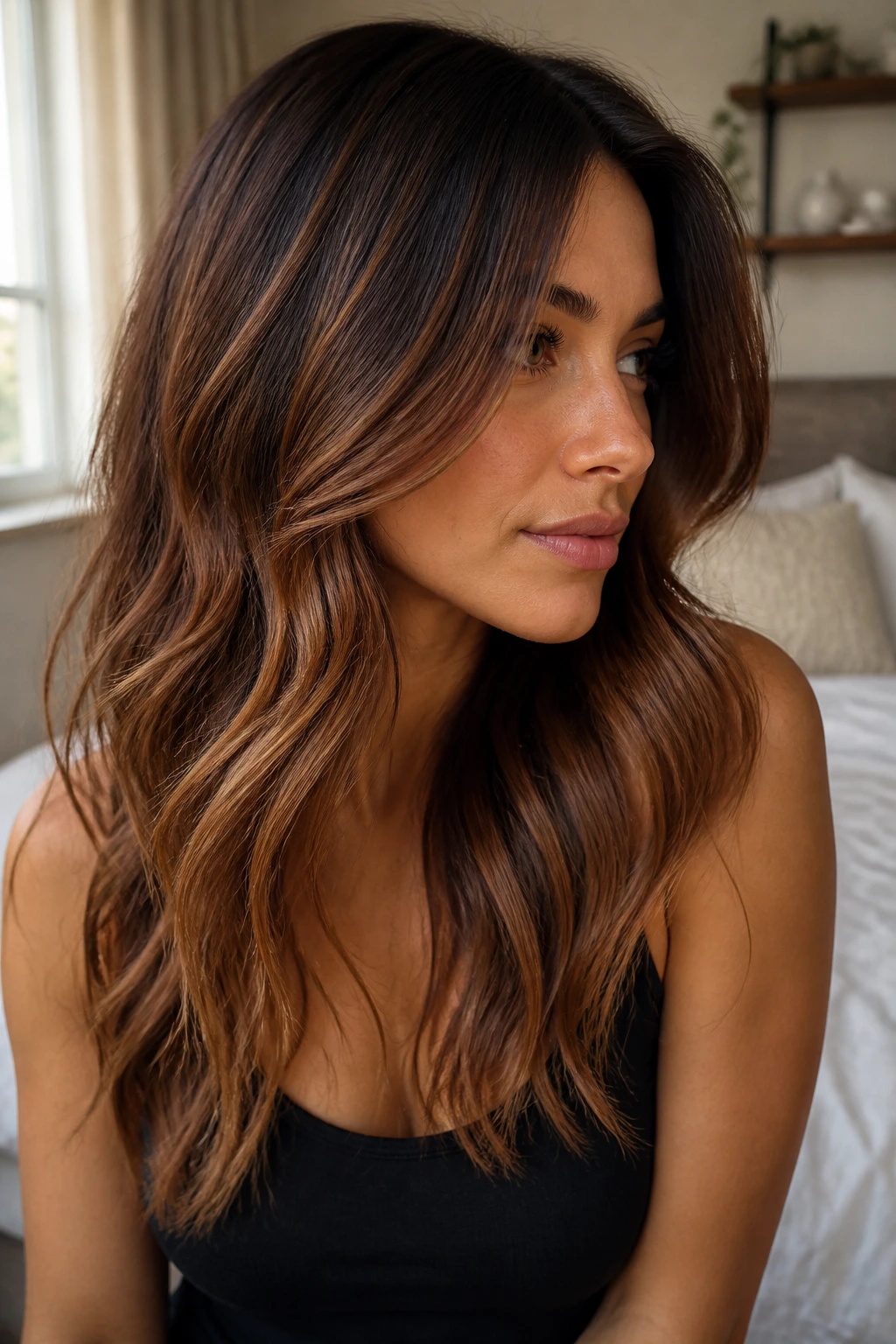
Toffee auburn melt is a good answer for anyone who wants warmth but not a lot of contrast. The root starts brunette, then the tone melts into auburn-toffee through the mid-lengths and ends, so the shift feels gradual.
Compared With Brighter Auburn
Brighter auburn can pull attention to the color first and the haircut second. Toffee auburn does the opposite. It keeps the shape of the cut visible, which is a better choice if your layers are the part you actually care about.
Who It Suits
- Long layered cuts
- Soft waves
- Brunettes with warm or golden undertones
Ask for the brightest pieces to stop above the ends, not run all the way through the bottom. That keeps the melt from looking stringy.
13. Rusted Mahogany Layers
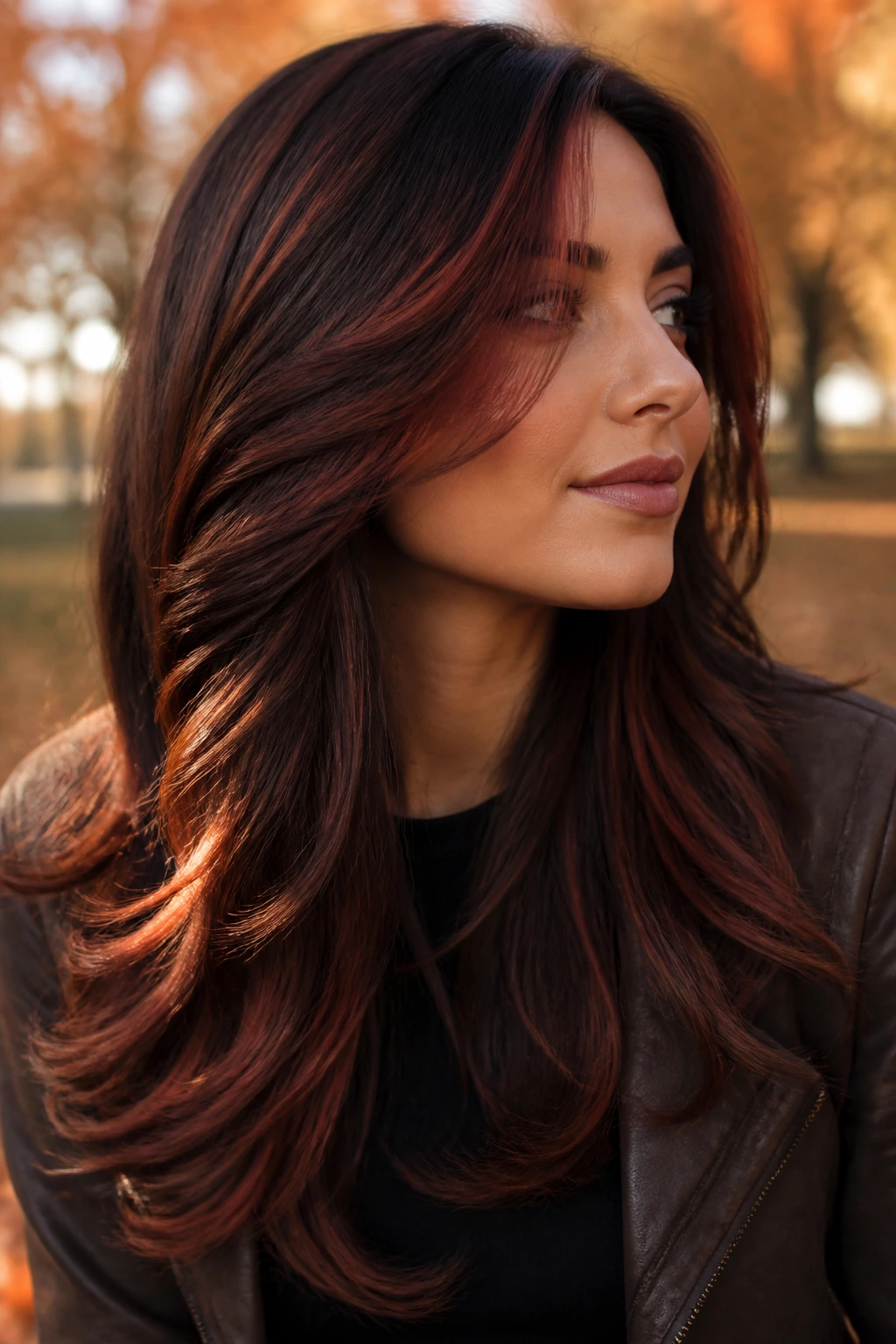
Rusted mahogany layers give the hair a deeper, autumn-brown feel without dragging it into flat red. The rust note is warm, but the mahogany keeps it from going orange, which is exactly where a lot of brunettes go wrong when they want a red-brown change.
Why It Works on Brunette Hair
The layer placement matters more than the exact tone. If the pieces are concentrated through the bends of the haircut, the color shows every time the hair moves. On a long shag or a soft wolf cut, this effect is especially good because the layers already create natural breaks in the light.
A lot of people ask for red and end up with a single surface color. This version avoids that by keeping some pieces hidden under the crown.
14. Mulled Wine Underlights
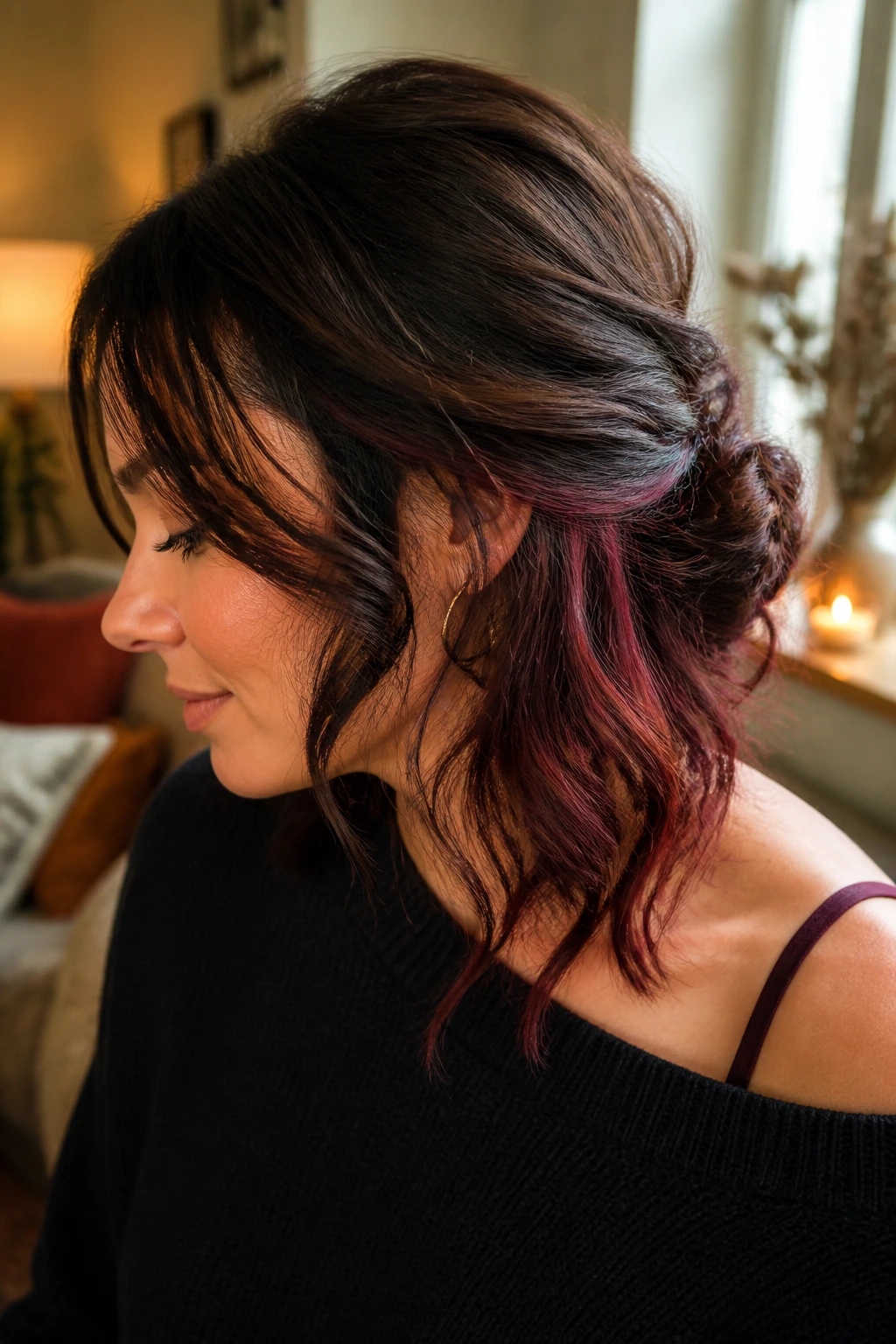
Mulled wine underlights are for the person who likes a little secret in the color. The surface stays brunette, maybe with one or two deeper highlights, while the underlayer carries the wine-red tone.
That hidden color gives you more range than people expect. Pull the hair into a bun and the red flashes at the nape. Wear it down and the shade creates depth from below instead of shouting from the top.
I think this works especially well on shoulder-length curls. The curl pattern keeps revealing and hiding the wine tone, which makes the whole style feel more layered.
15. Maple Chestnut Contrast
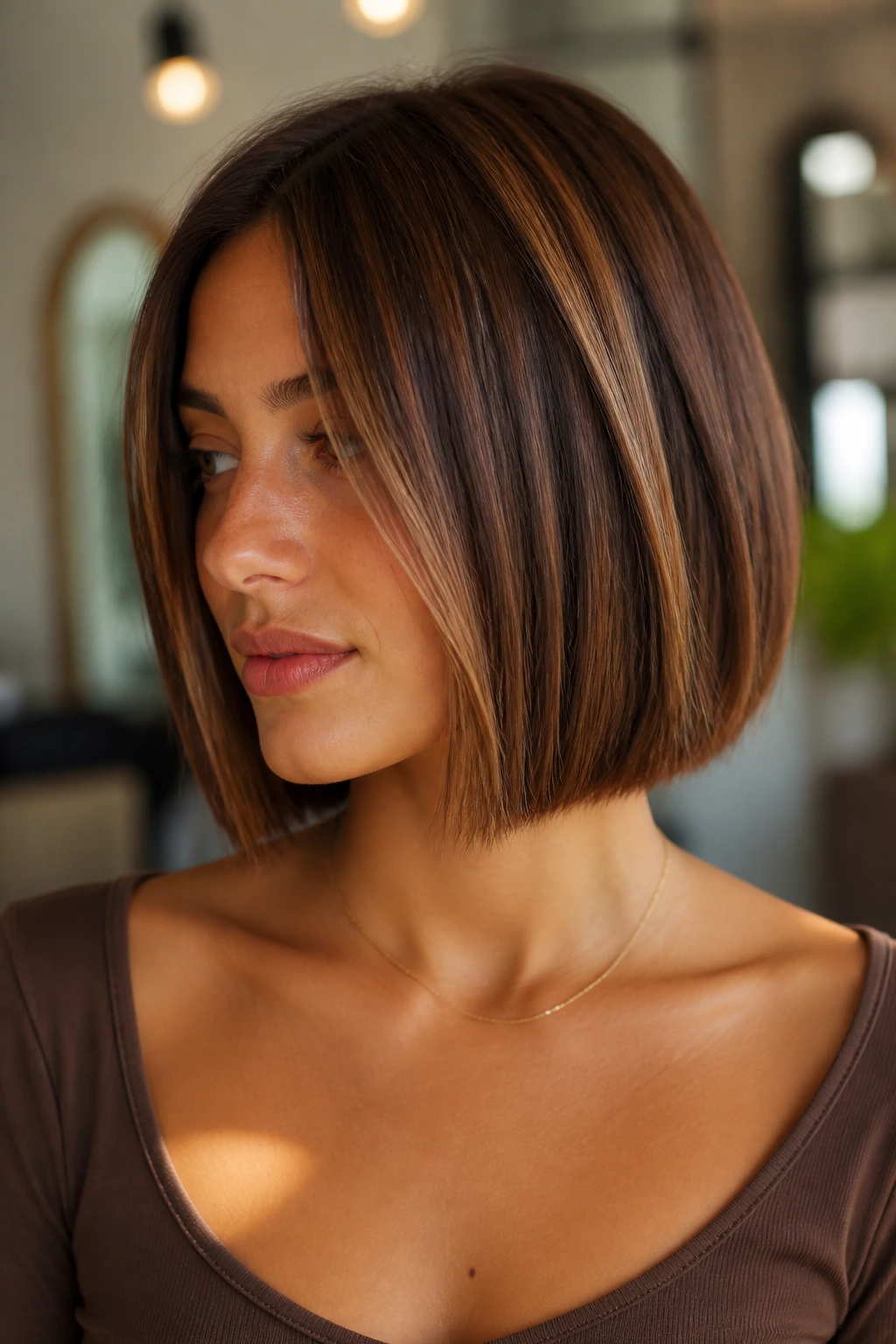
Maple chestnut contrast sounds soft, but it has more definition than people expect. The maple pieces are a touch lighter and warmer, while the chestnut sections keep the brunette base anchored.
Why It Works
The contrast is useful because it separates the haircut into readable layers without breaking the color family. That matters on blunt cuts or square shapes, where a little tonal variation keeps the ends from feeling heavy.
Use It If
- Your hair is all one length and needs dimension
- You want warmth without bright red
- You usually style with a round brush
A touch of darker lowlight near the nape keeps the maple from reading too sweet.
16. Terra Cotta Face Lights
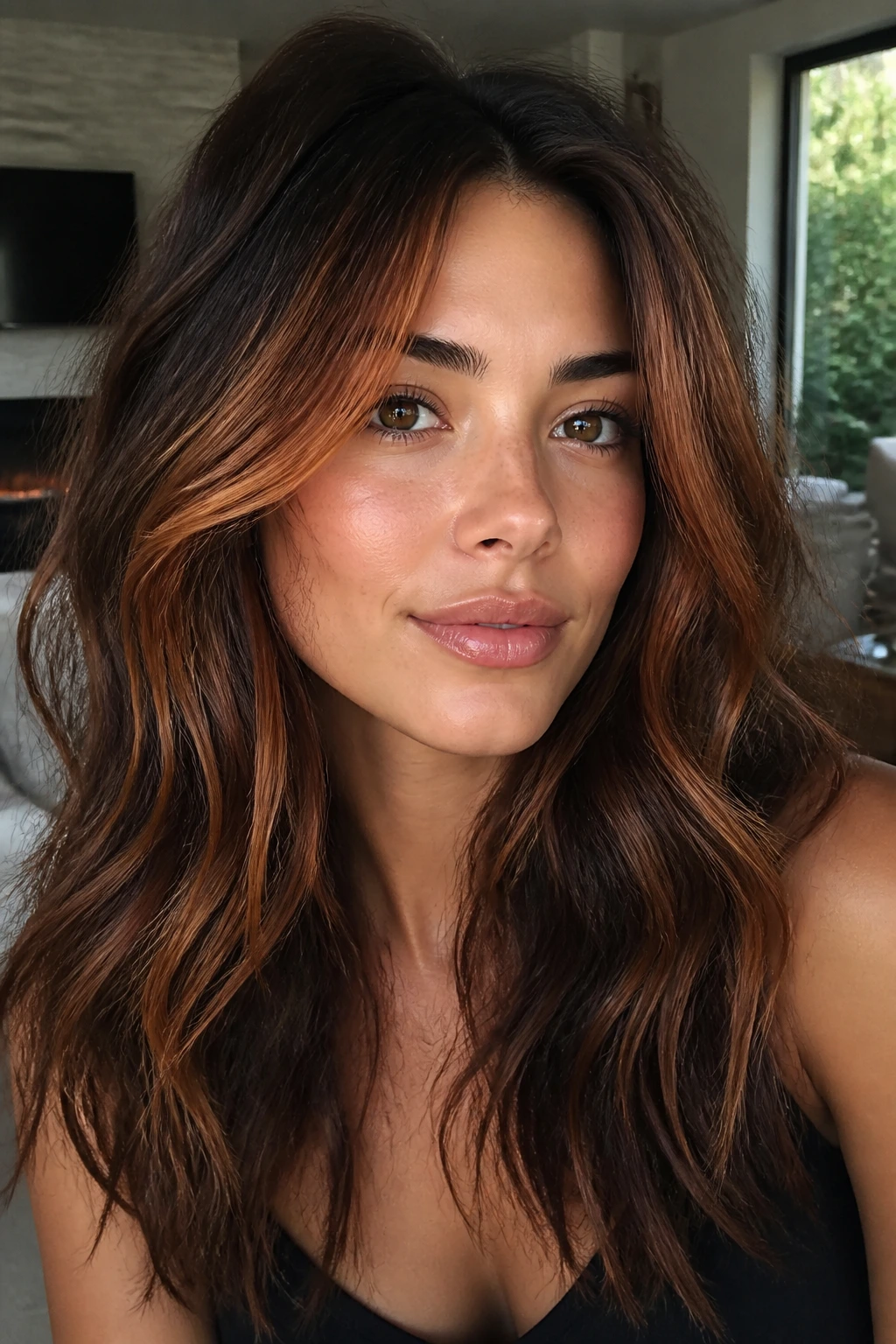
Terra cotta face lights bring warmth right where the eye looks first. The shade sits between copper and clay, so it reads earthy rather than bright, which is why it flatters brunettes so well.
The look is stronger when the pieces start a little below the root and sweep toward the cheekbones. That avoids the stripy-root problem that can happen when the face frame is placed too high. On curls, this color looks lively. On straight hair, it reads clean and graphic.
If you want one visible change and not a full overhaul, start here.
17. Garnet Mid-Sections
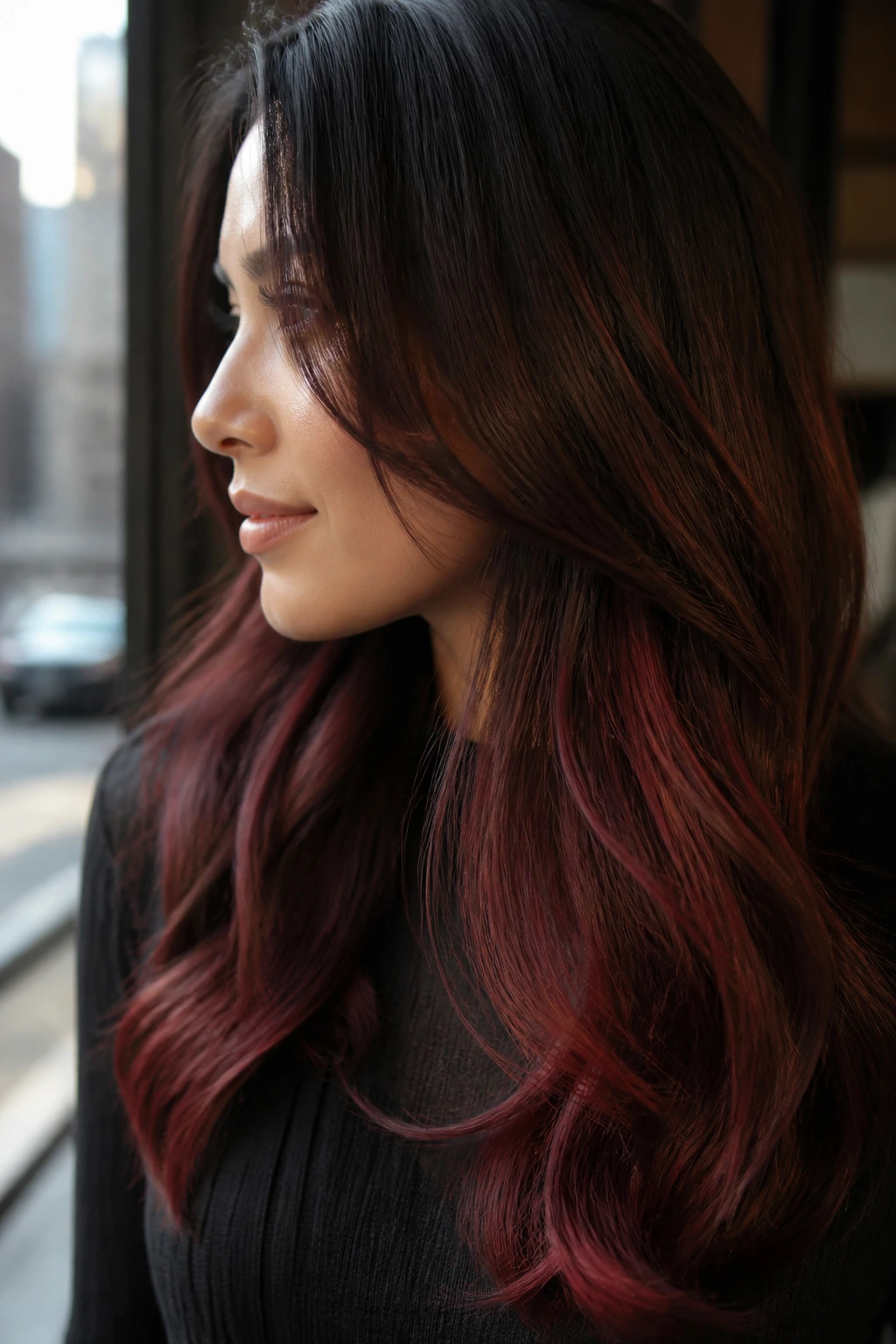
Garnet mid-sections are deeper and richer than auburn, which makes them useful for brunettes who want red without warmth overload. The red sits in the middle of the hair, not just the ends, so the color has somewhere to live when the hair is tucked or braided.
The key is saturation, not brightness. Garnet is strongest when it looks like the brunette base has been infused with color instead of painted over. On dark espresso hair, it can appear almost plum in shadow and red-brown in daylight. That shift is the whole appeal.
This is one of the better choices for someone who likes darker makeup or deeper wardrobe colors. The hair and the style speak the same language.
18. Cinnamon Swirl Balayage
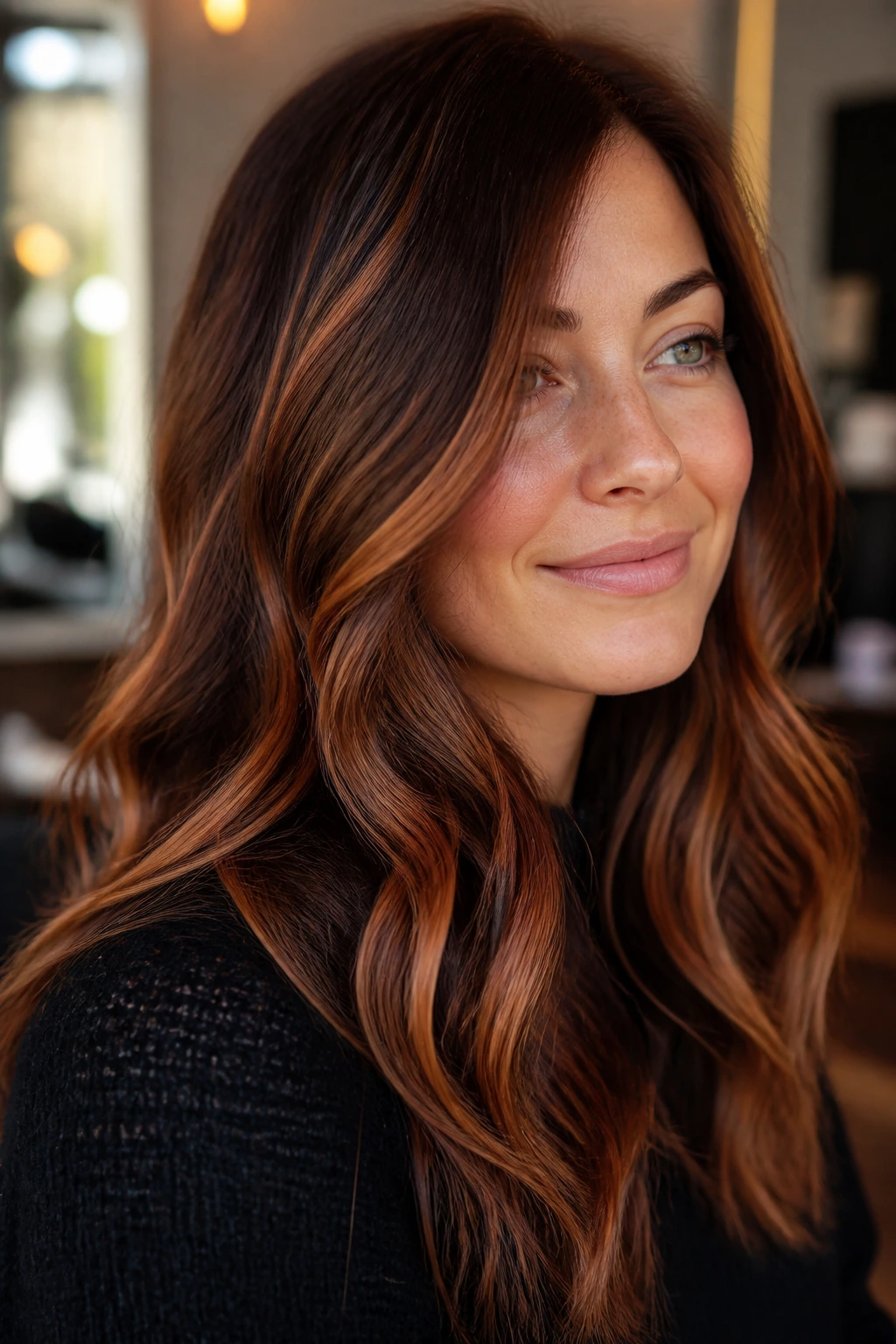
Cinnamon swirl balayage is the piecey version of a warm brunette refresh. The highlights should curve through the hair like ribbons in a batter, not sit in straight vertical lines.
What Makes It Different
The swirl effect lets the color move with the haircut. On loose curls, the cinnamon pops. On a layered blowout, it looks expensive in the easiest possible way. The reason I like this more than a full red-brown dye job is that it still leaves you with brunette shadows under the top layer.
Best For
- Long layers
- Thick hair that needs lightness through the ends
- People who want warmth without a full color commitment
Keep the root shadow soft. Too much contrast at the scalp kills the swirl effect.
19. Soft Burgundy Ribbons
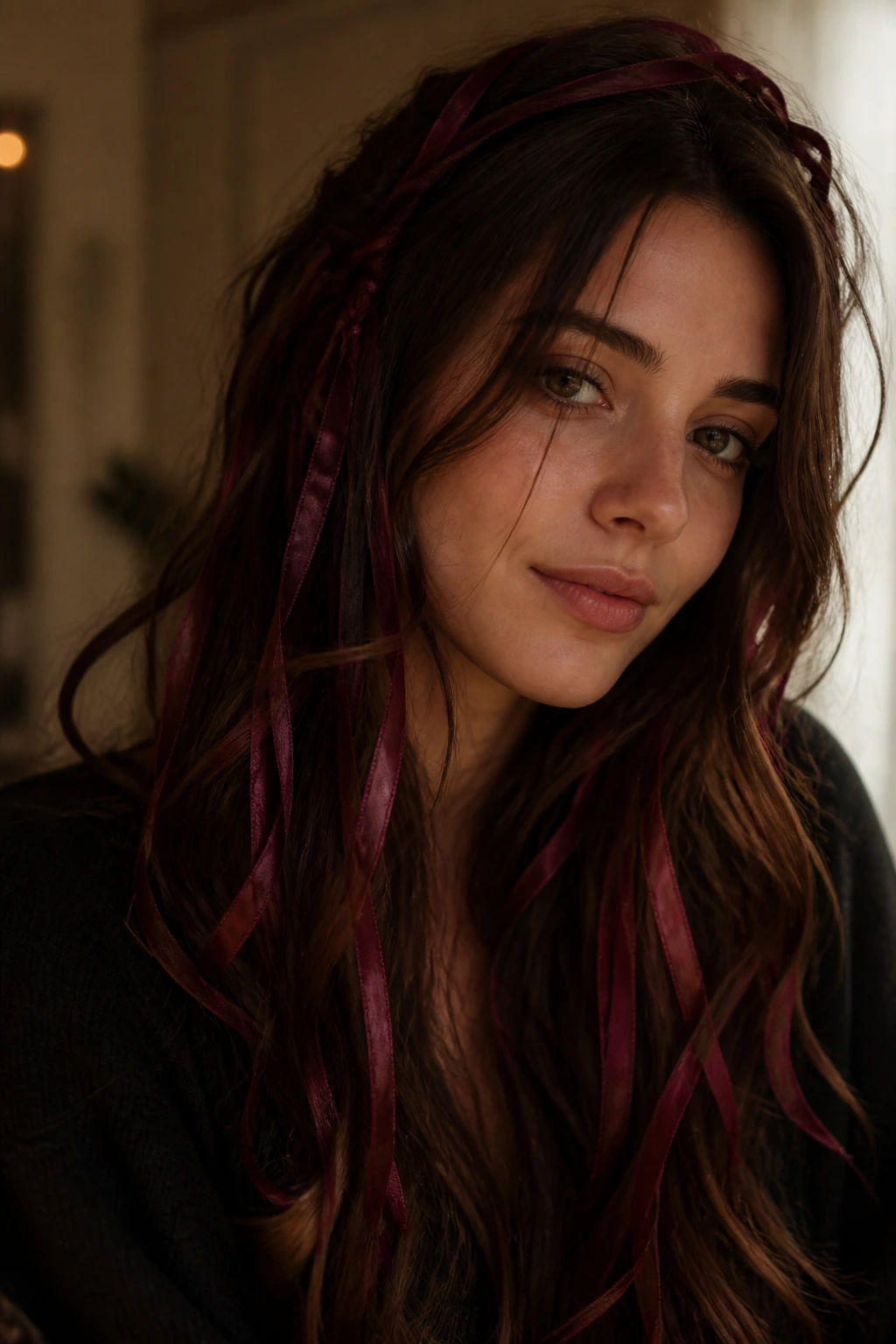
Soft burgundy ribbons are the polished, evening-dress version of red-brown highlights. The burgundy note is deeper and cooler, so the hair feels richer than fiery. That makes it a smart pick for brunettes who wear a lot of black, charcoal, or deep jewel tones.
The ribbons should stay medium-width and slightly irregular. If every section is the same size, the hair starts to look planned in a way that feels stiff. A little variation makes the color breathe.
This is one of the rare red-brown options that still looks elegant in dim light. Not loud. Just deep.
20. Chocolate Cherry Ends
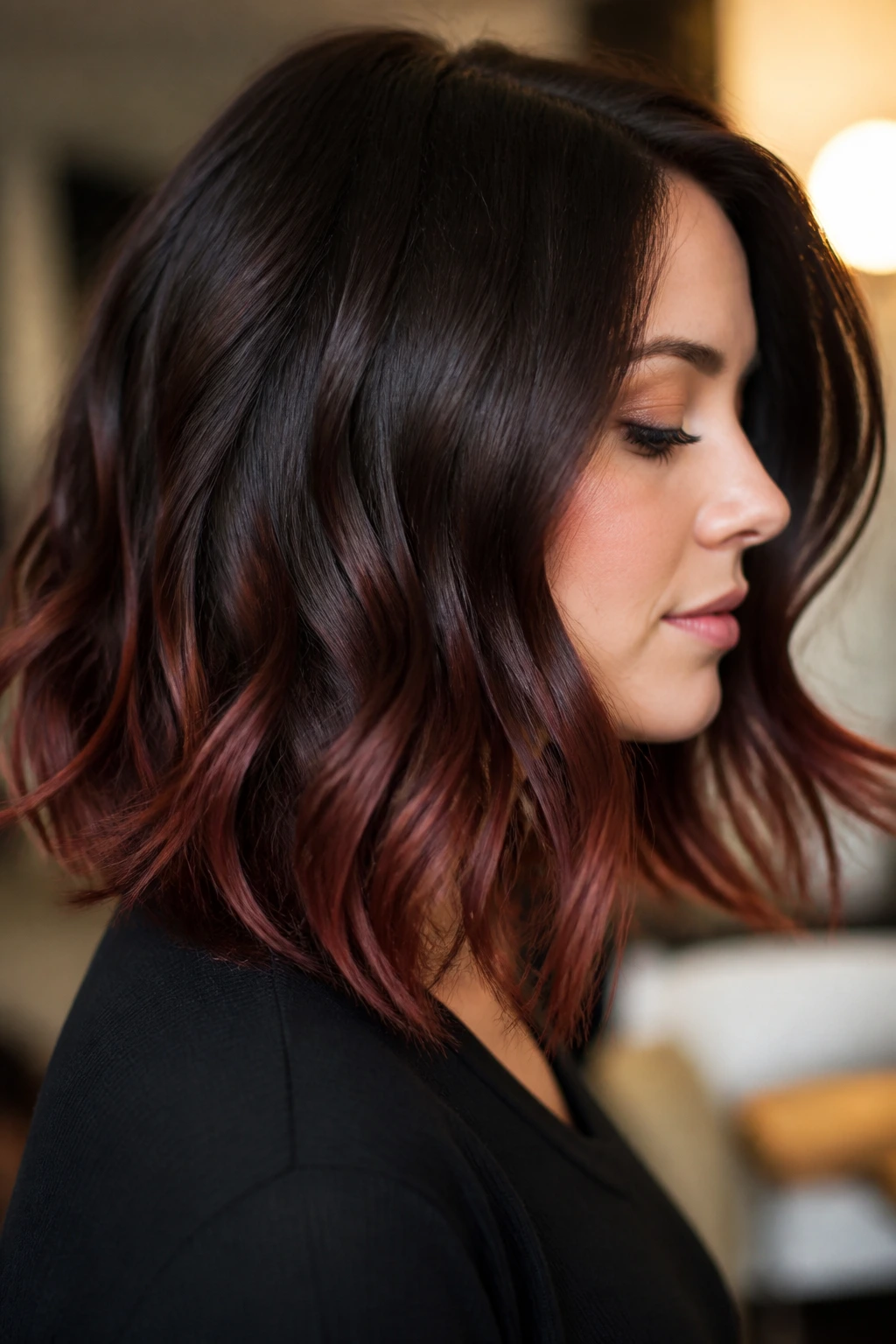
Chocolate cherry ends are a good compromise between subtle and obvious. The base stays chocolate brown, then the ends pick up a cherry note that shows most clearly when the hair swings.
That makes it a good option for layered cuts that need more movement. The ends are where the eye lands as the hair moves, so the color feels intentional instead of scattered. If you keep the top fairly dark, the cherry reads as a finish, not a full commitment.
I’d choose this over a full red gloss when the haircut already has strong shape. The cut can do some of the work for you.
21. Warm Tawny Lowlights
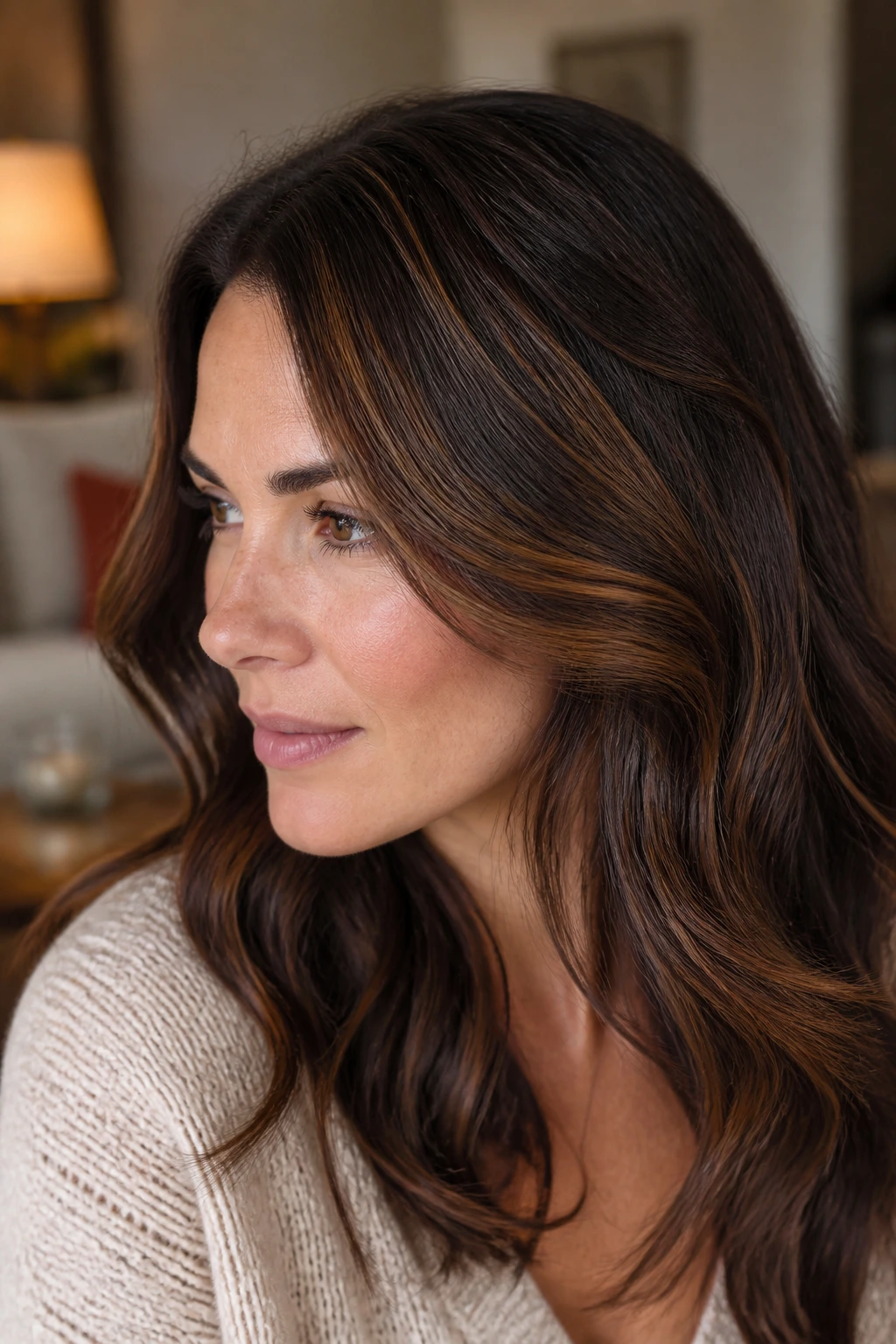
Warm tawny lowlights do a quiet but important job. They sit below the surface, darkening some strands just enough to make the brighter brown-red pieces around them look brighter by comparison.
How to Use It
Ask for a few tawny panels through the crown and under the top layer. The goal is not to darken the whole head. You want pockets of depth that stop the color from becoming one flat warmth.
When It Fits
- Fine hair that needs the illusion of thickness
- Brunettes with already warm pigment
- Anyone who wants dimension without much visible lightening
A deep side part helps. It shifts the lowlights and highlights across the head, which makes the pattern look more natural.
22. Red Velvet Veils
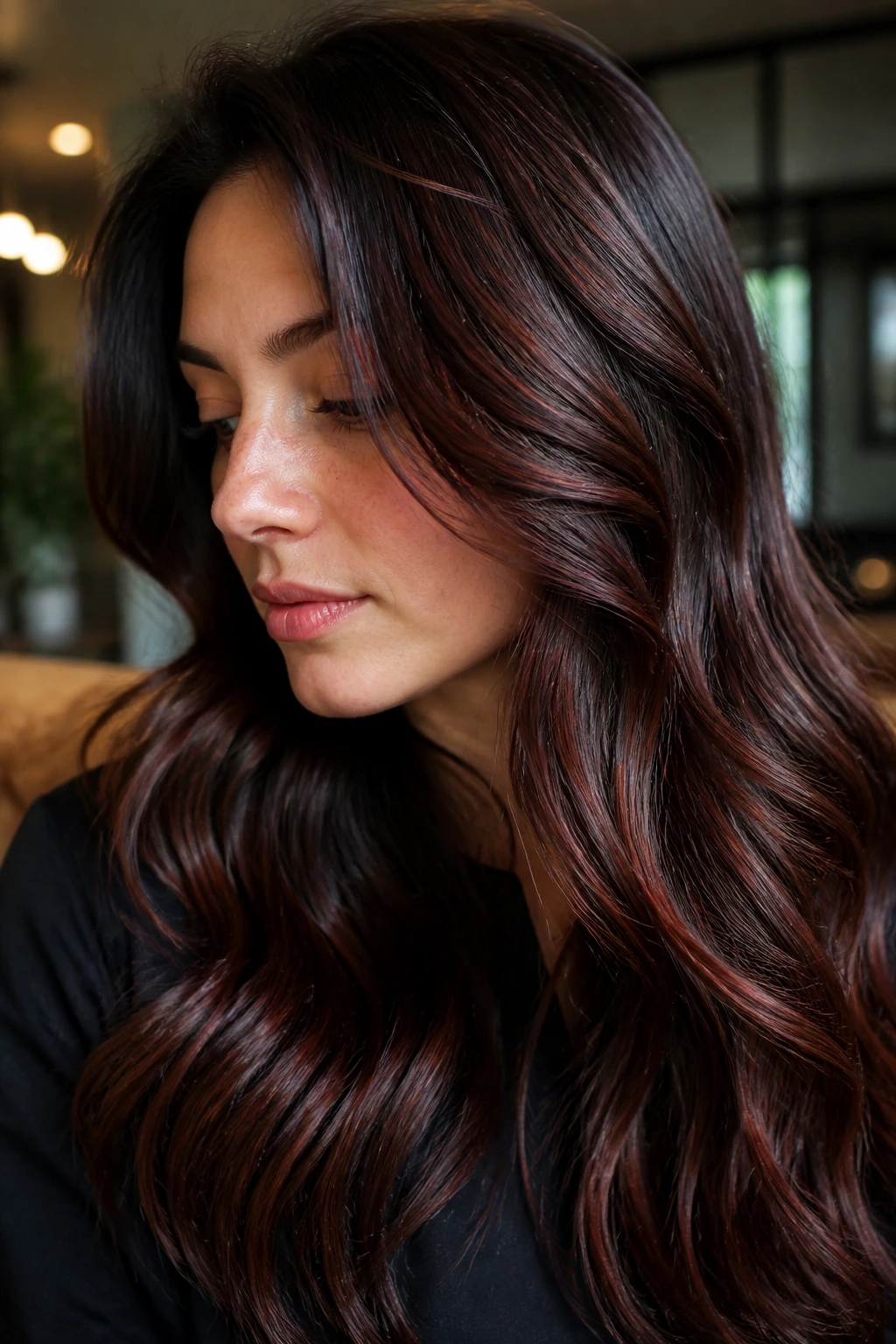
Red velvet veils work because they are soft on the surface and rich underneath. The color should feel like a layer of red-brown fabric slipped through the hair, not a painted stripe sitting on top.
The veil effect is easiest to see on waves and soft curls. The bends catch the red first, then the darker brunette base slips back in, which keeps the look from becoming too uniform. If your hair is thick and you wear it long, this is one of the prettier ways to show dimension without cutting in a lot of blonde.
The velvet part matters. The shine should look plush, not glossy in a synthetic way.
23. Bronzed Auburn Frame
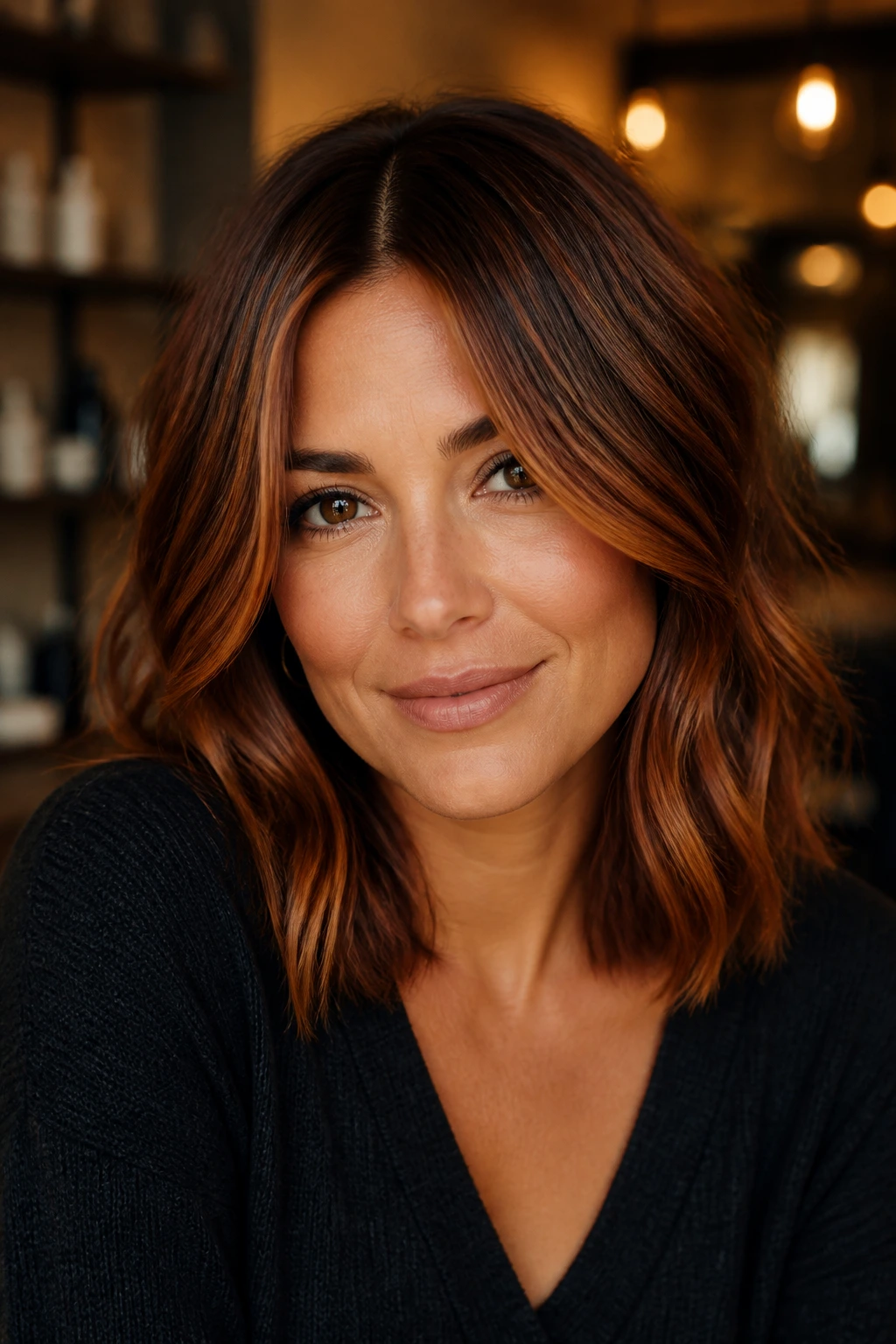
A bronzed auburn frame sits between warmth and shine. It’s less fiery than copper and more reflective than plain auburn, which gives brunette hair a lifted look around the face.
Pure straight hair can make this look seem a little quieter than you expect. Add a bend near the ends and the bronze catches far better. On shoulder-length cuts, this frame can make the whole haircut look cleaner because it outlines the face without needing heavy contrast elsewhere.
If your skin tone runs warm, this is one of the easier options to wear. If you run cooler, keep the auburn more muted and let the bronze do the work.
24. Spiced Plum Panels
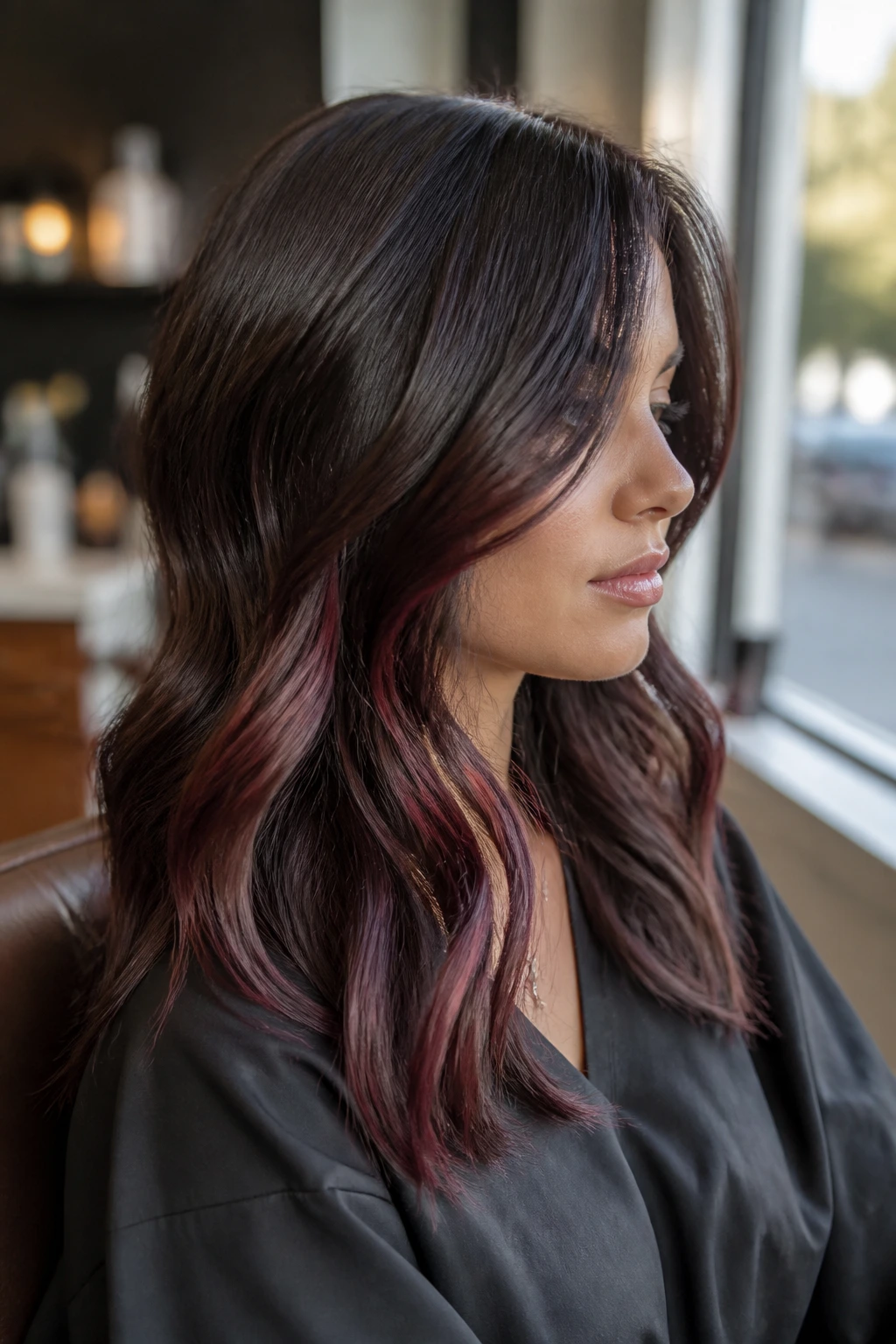
Spiced plum panels lean into the darker side of red-brown and stay there. The plum note brings a cooler undertone, which is useful if cherry or copper tends to look too loud on you.
What Makes It Different
The panels work best when they’re medium and spaced with room to breathe. Too many and you lose the plum effect. Too few and they vanish into the brunette base. When the spacing is right, the hair gains a cool red shadow that shows most in side light and at the ends of layers.
Who Should Try It
People with neutral-to-cool skin tones often wear this shade easily, especially if their brunette base already has ash or mocha depth. It’s also a smart choice if you like darker lipstick and want the hair to keep pace.
25. Smoky Chestnut Waves
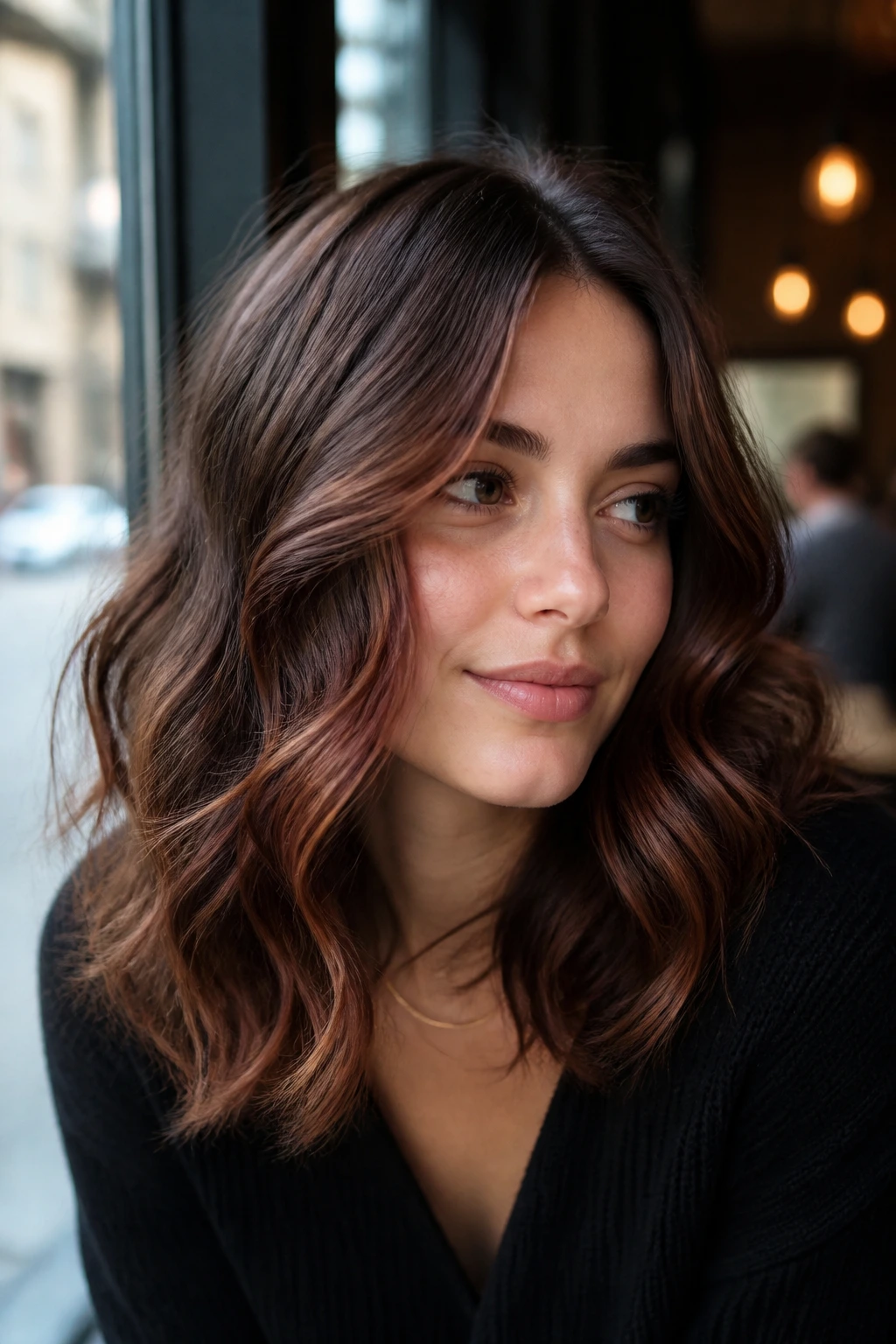
Smoky chestnut waves are one of the most forgiving ways to wear red-brown highlights. The color is warm, but the smoky note keeps it from going orange or too sweet. The waves do the rest.
The trick is keeping the pieces medium and slightly uneven so the color doesn’t look line-drawn. On a wave pattern, the chestnut lights up and then disappears as the bend turns. That movement makes the hair feel thicker than a flat single-tone brunette.
This is the kind of look I’d recommend to someone who wants a color that still behaves on a messy day. It’s not precious.
26. Copper Sand Layers
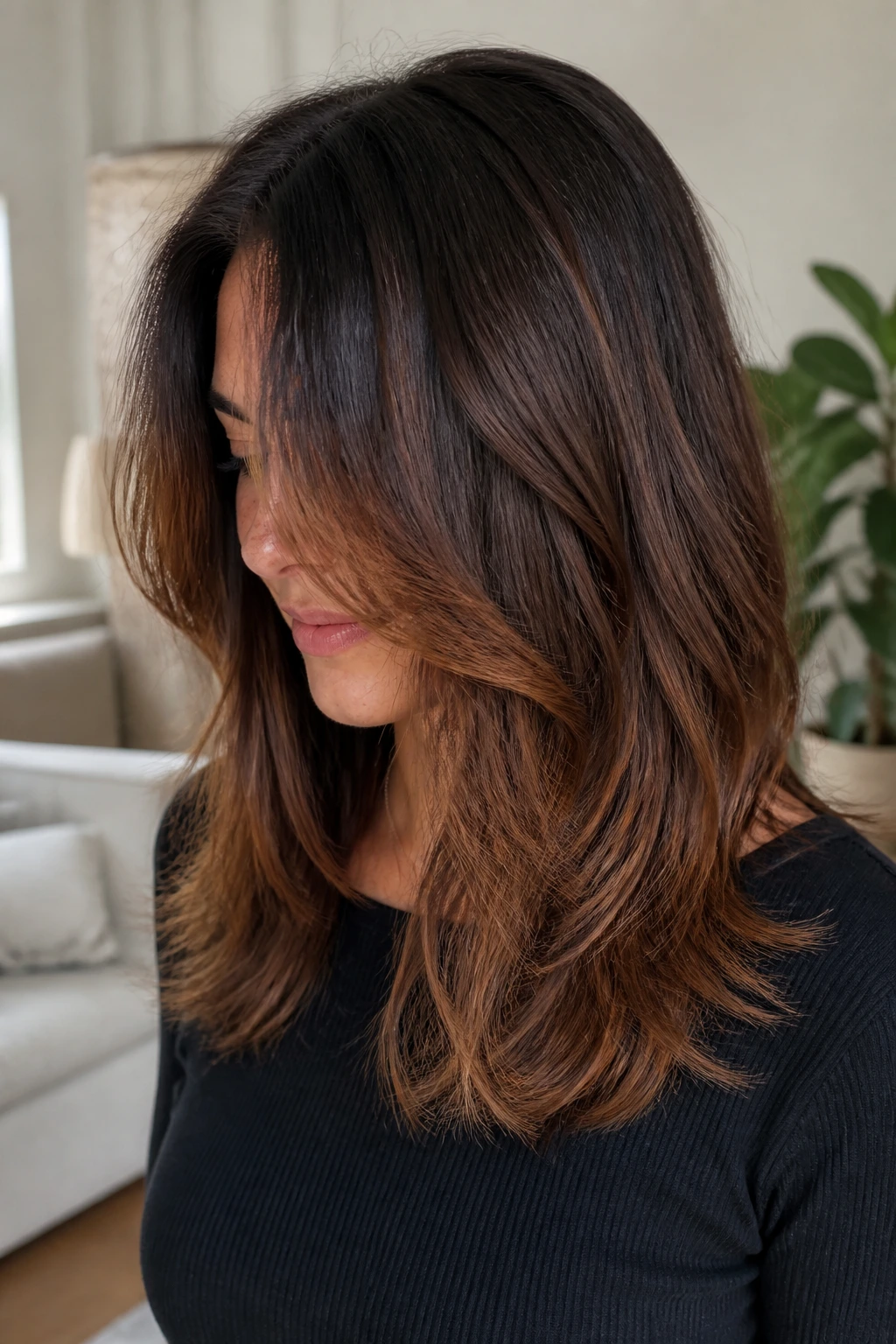
Copper sand layers sit on the lighter side of this whole group, but they’re still rooted in brunette enough to feel wearable. The sand note softens the copper, and the layers keep the color from settling into a heavy block at the ends.
This version works especially well on layered midlengths. The top stays brunette, the middle picks up warmth, and the ends catch just enough copper to brighten the silhouette. If your hair tends to fall flat, this is a nice way to add motion without sacrificing depth.
I’d avoid making the copper too bright at the crown. Let the lower pieces carry most of the light.
27. Merlot Root Shadow
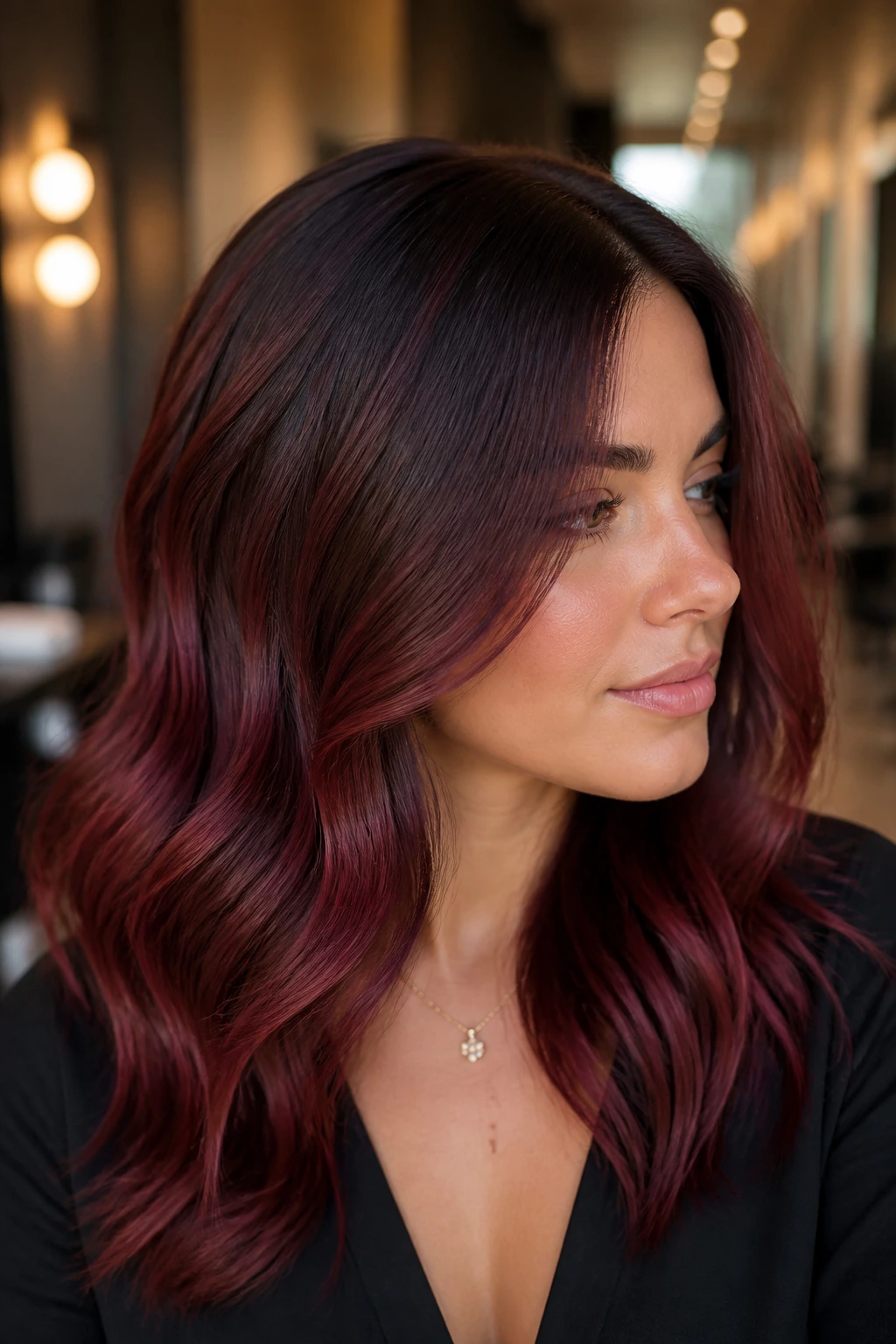
Merlot root shadow is a smart move if you hate obvious grow-out. The root stays deeper, the merlot sits just below it, and the transition between the two is soft enough to buy you time between appointments.
Why It Works
That shadowed root keeps the red from fighting the brunette base. It also helps the highlight pattern look richer, because the eye reads the darker root and the red-brown body together. On long hair, the effect can be almost editorial; on a bob, it feels clean and modern.
Best For
- People who air-dry often
- Dark brunette bases
- Hair that needs lower-maintenance color
Ask for a gloss instead of a high-lift color if you want this to stay dimensional, not bright.
28. Burnt Sienna Ribbons
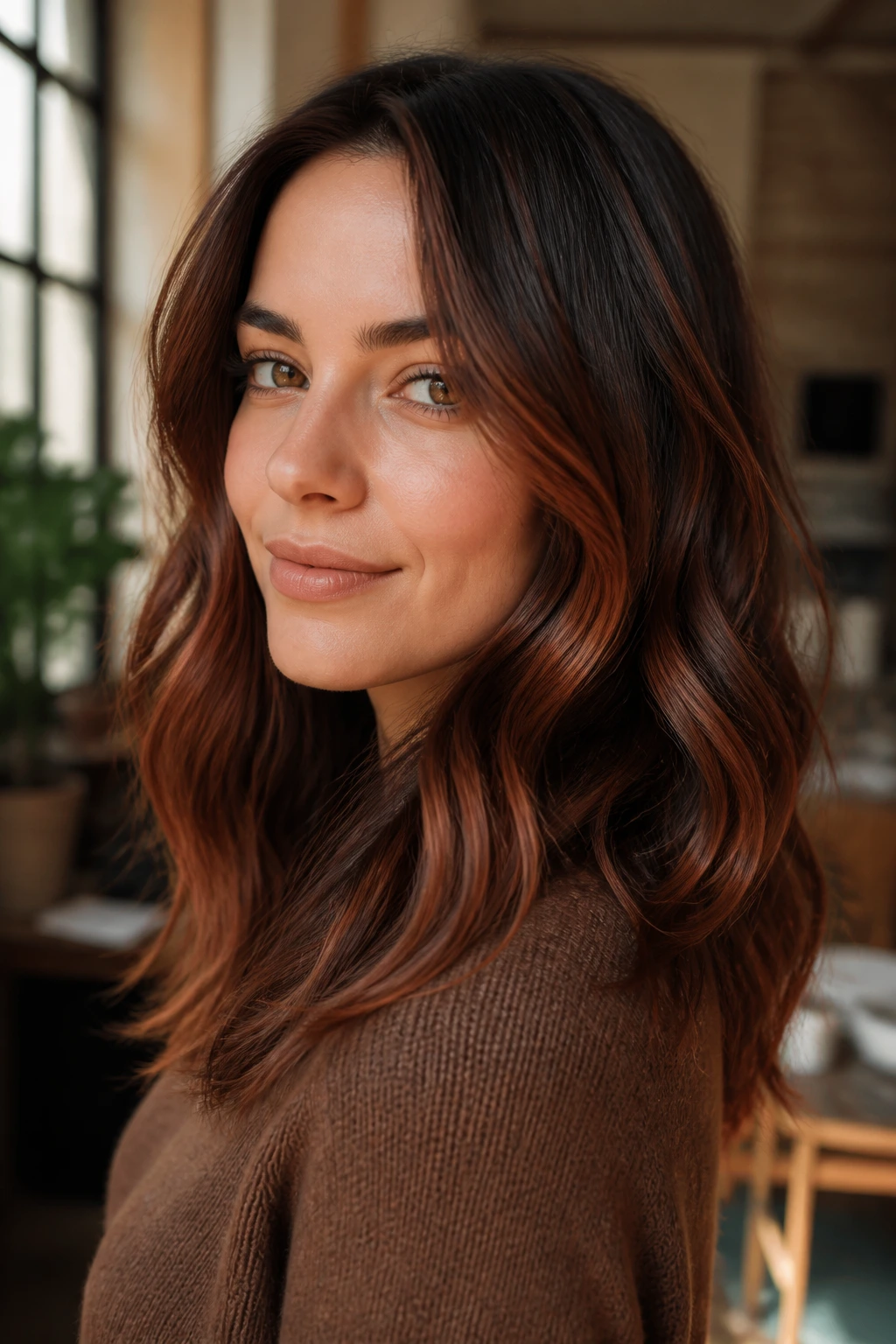
Burnt sienna ribbons bring the earthy side of red-brown forward. The shade has enough warmth to wake up a brunette base, but it stays grounded enough that it does not look copper-heavy.
The placement should be visible but not uniform. A few ribbons near the face, some through the mid-lengths, and a deeper panel under the crown can make the color feel hand-painted rather than patterned. That unevenness is the good part. It keeps the hair from looking rehearsed.
If your hair has a lot of natural wave, burnt sienna can look almost sunlit in motion. On straight hair, it reads more like a color shift and less like a highlight effect.
29. Cocoa Red Peekaboo Lights
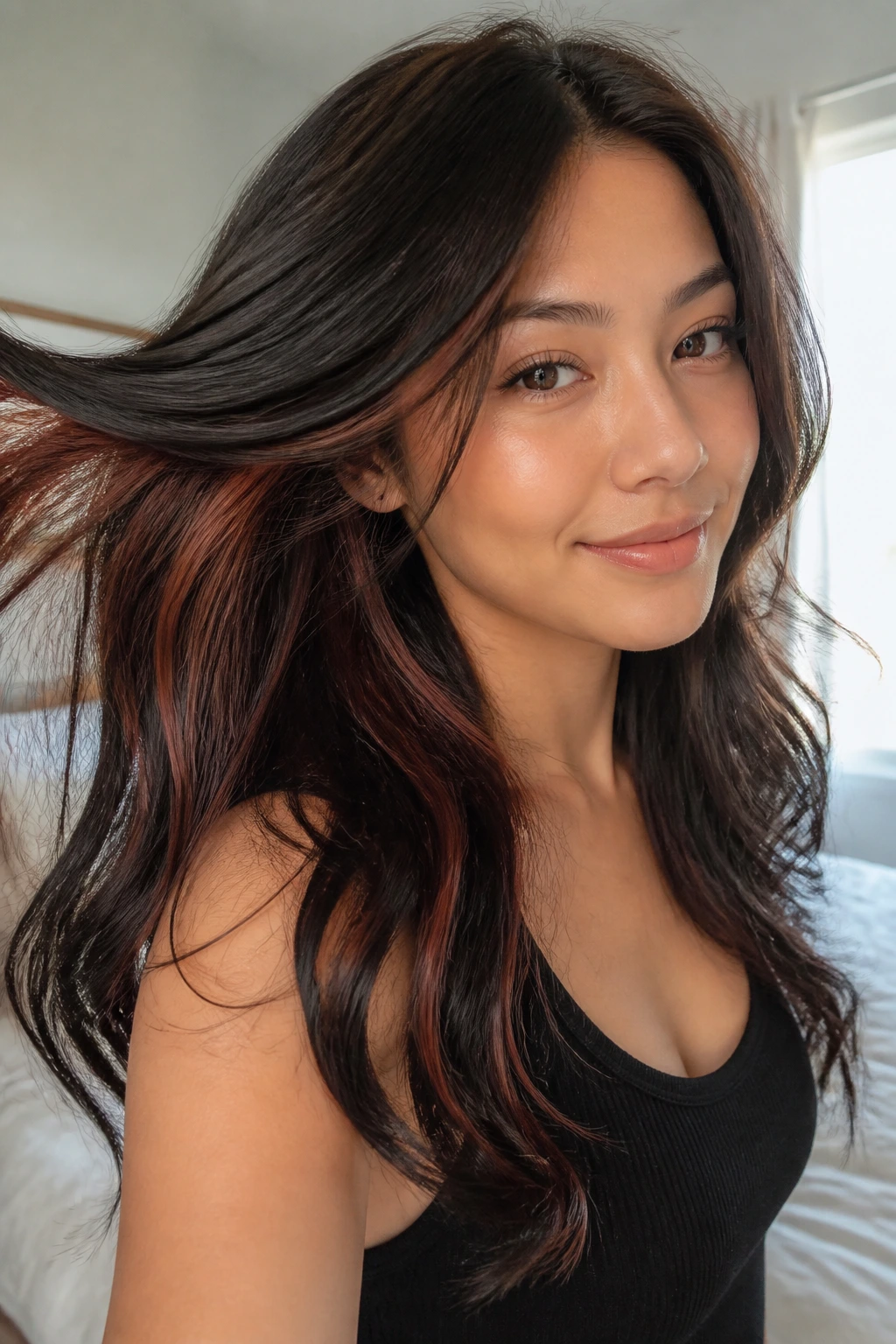
Cocoa red peekaboo lights are for people who like a little surprise. The red-brown pieces sit underneath the top layer, so the color only shows when the hair moves, parts, or gets tucked.
That hidden placement gives brunettes an easy way to try red tones without going full commitment. It also protects the color a bit, because the top layer shields the lighter pieces from constant sun and heat. On thick hair, the peekaboo effect creates depth; on finer hair, it adds visual density.
This is the most fun option if you spend a lot of time wearing your hair half-up. The reveal is the point.
30. Mulled Spice Dimension
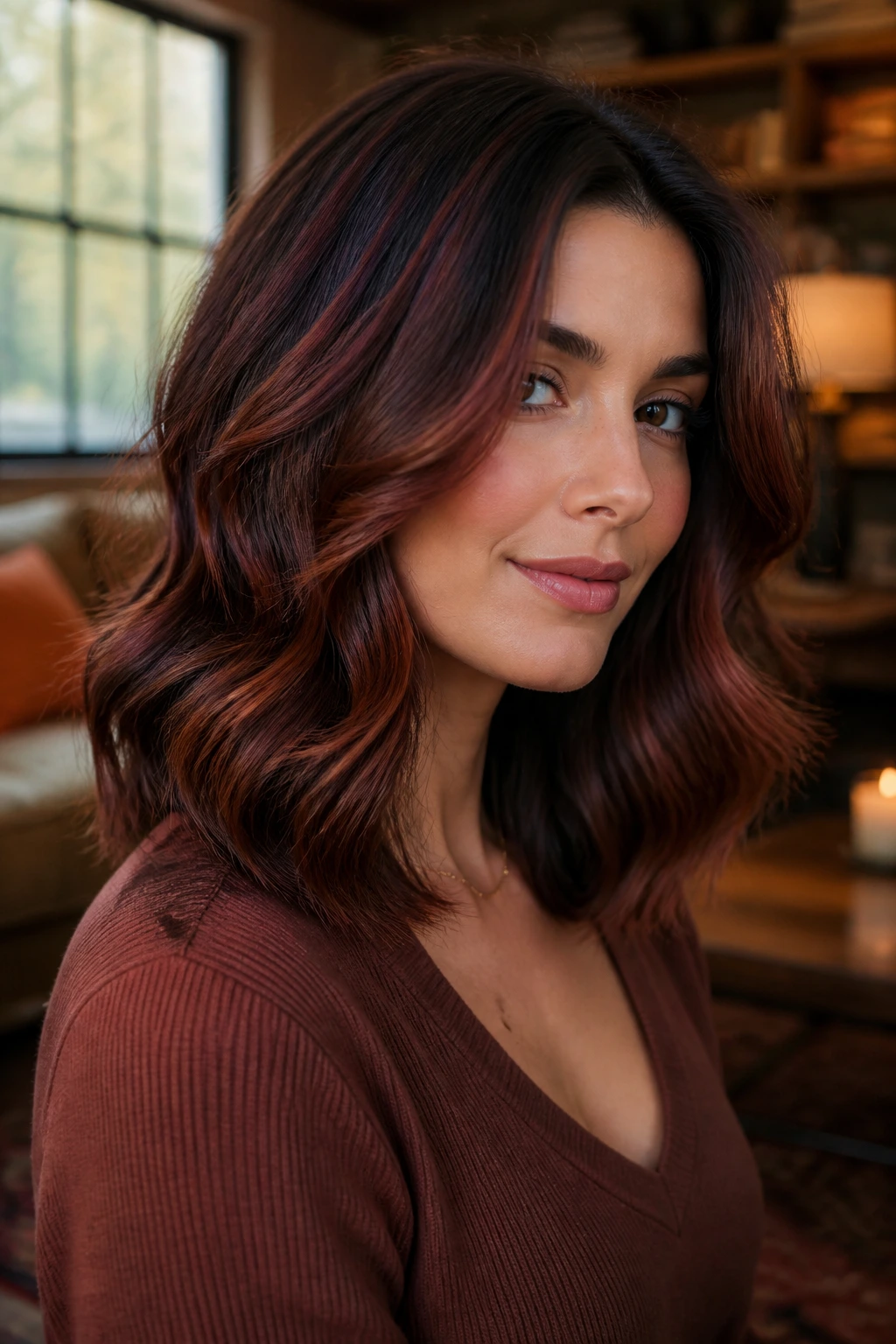
Mulled spice dimension is the full story version of brown-red medium highlights for brunettes. It mixes chestnut, cinnamon, merlot, and a touch of lowlight so the color shifts from piece to piece instead of sitting in one note.
What It Feels Like
The brunette base stays visible, which keeps the overall look honest. The spice tones come forward when the hair moves, and the medium section width means you can actually read the color from across a room. That matters more than people think. A beautiful color that only shows in close-up is a waste of good hair.
Who It’s Best For
This is the strongest choice for someone who wants dimension, shine, and warmth in one appointment. It suits layered cuts, lob lengths, and medium-to-thick hair especially well.
If you want one reference photo to bring to a colorist, make it this kind of layered, mixed-tone finish.
Why Brown-Red Medium Highlights Work So Well on Brunette Bases
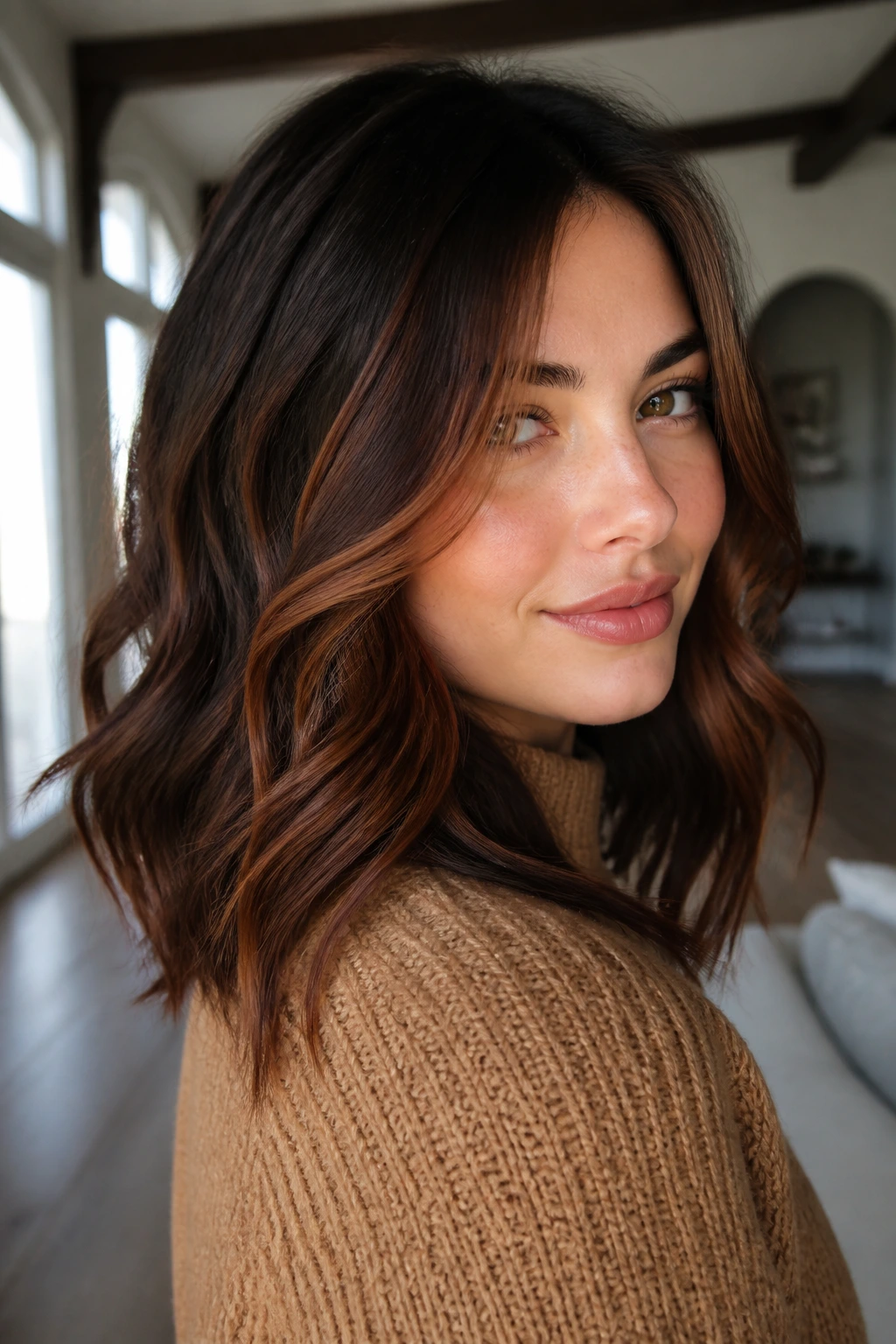
Medium red-brown ribbons work because they respect the brunette base instead of fighting it. The eye can read the darker hair, then catch the warmer pieces as the hair bends or moves. That contrast is enough to create depth, but not enough to turn the whole head into a patchwork.
The width matters more than most people expect. Thin babylights can disappear inside dense brown hair, especially under indoor lighting. Very chunky highlights can look like a different hairstyle every time you part your hair a little differently. Medium sections — the quarter-inch to half-inch range — sit in the middle and hold their shape.
I also like the way these tones age. A red-brown gloss that fades into chestnut or cinnamon is easier to live with than a bright copper that announces every week of grow-out. There’s nothing wrong with loud color if that’s what you want. But for brunette hair that needs dimension, this middle path usually looks more thoughtful.
Essential Tools for Brown Red Highlights and Lowlights
- Inspiration photos in natural light: Bring pictures where the color is visible outside, not just under salon lights.
- Tail comb: Helps show whether you want medium ribbons, face-framing pieces, or softer veils.
- Sectioning clips: Keep the top layer separated so placement stays clean.
- Foils or balayage board: Foils give stronger definition; balayage softens the edge.
- Color bowl and tint brush: Needed for glosses, toners, and direct-dye refreshes.
- Gloves and cape: Red pigments stain fast, and they are clingy about it.
- Color-safe shampoo and conditioner: Keeps the red-brown tone from washing out too quickly.
- Heat protectant: Heat can dull the red cast faster than most people notice at first.
- Deep conditioner or mask: Good for keeping the mid-lengths smooth so the highlights reflect light.
- Shine spray or lightweight serum: A small amount helps the brown-red ribbons show their depth.
Smart Shade Selection and Consultation Notes
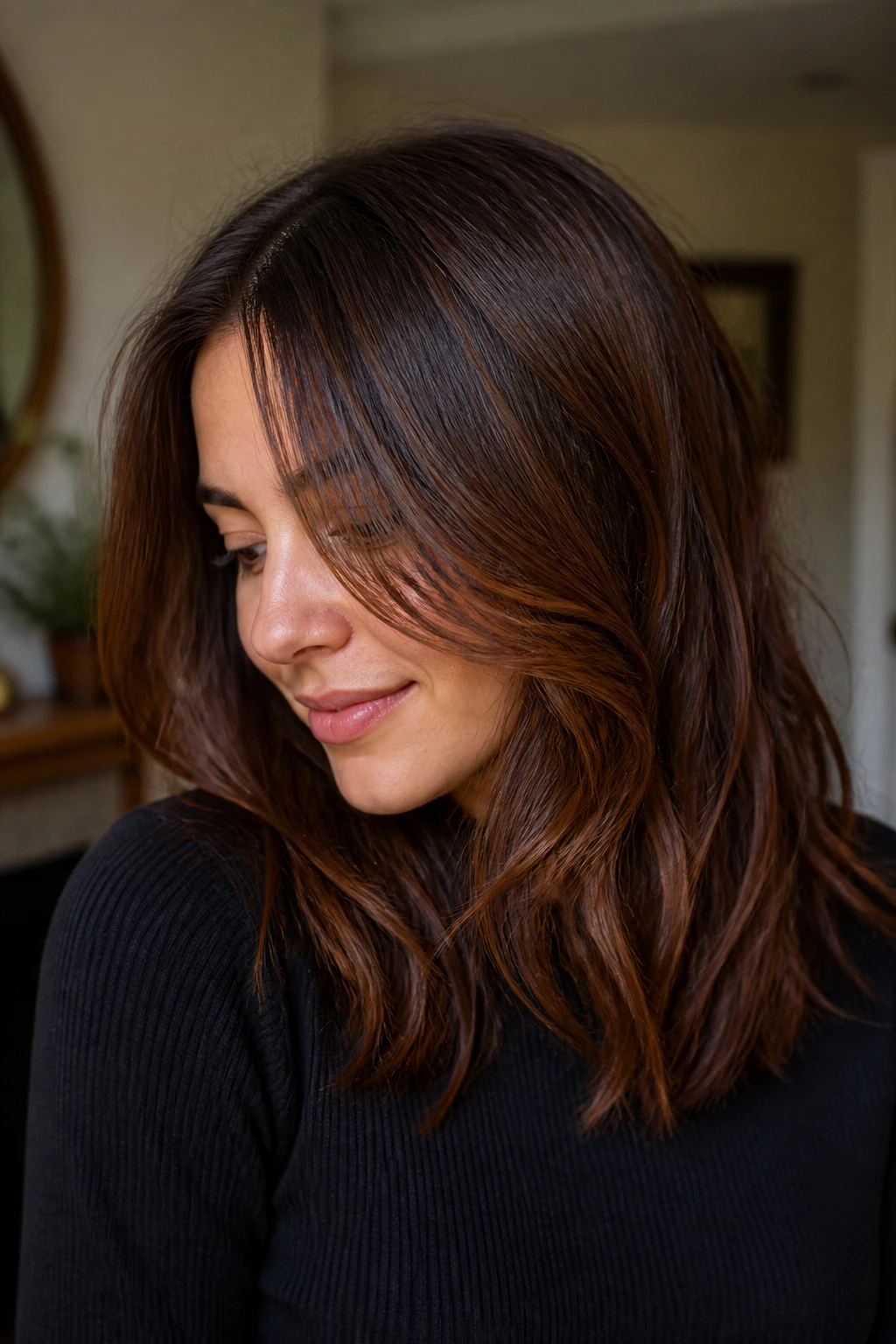
The easiest way to choose a flattering brown-red shade is to match the tone to your brunette base, not to a random photo on a phone screen. If your hair is level 4 or 5, chestnut, mahogany, cinnamon, and mulled wine usually sit naturally. If your base is lighter brown, auburn, cherry cola, and copper-brown can show up more clearly without extra lift.
Undertone matters too. Warm skin often plays nicely with chestnut, caramel auburn, and terracotta. Neutral or cool skin can wear smoky rosewood, burgundy, and plum-toned red-browns without looking washed out. That does not mean you are locked into a color family forever. It just means the result looks cleaner when the undertone and the pigment are speaking the same language.
Bring one photo for placement and one for tone. Those are not the same thing, and a lot of salon disappointment comes from mixing them up. A client might love the placement of a money piece but the color of a soft balayage. Say both out loud. Seriously. It saves a lot of correction later.
If your hair has old box dye or dark permanent color on it, be blunt about that. Red-brown shades can be gorgeous over compromised brunette hair, but the formula choice changes when the base is uneven. A colorist needs the whole story, not the polished version.
How to Wear These Highlights So the Color Shows Up
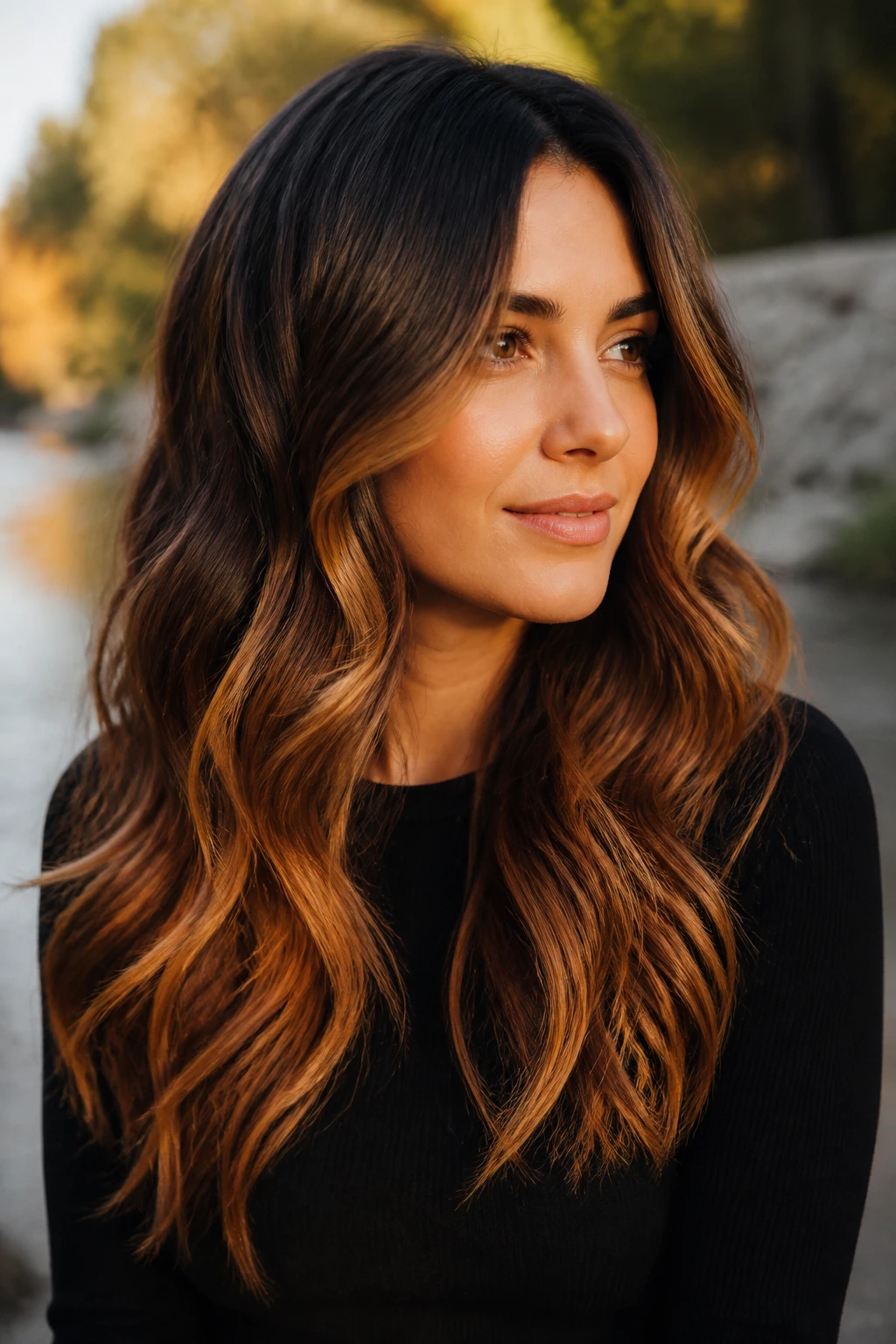
Placement: The color reads best around the face, through the bends of layered cuts, and in the upper mid-lengths where light naturally hits first. If the highlights all live under the bottom layer, you will keep forgetting they are there.
Haircuts: Long layers, curtain bangs, lobs, shags, and soft bobs all show red-brown dimension well. Blunt cuts can wear it too, but they usually need stronger placement near the perimeter or a visible money piece up front.
Styling: Loose waves and brushed-out curls do more for these shades than pin-straight styling. A round-brush blowout or a 1.25-inch curling iron gives the medium ribbons something to catch on, which keeps the red from going flat.
Finish: Use a lightweight serum, not a heavy oil. Heavy products can darken the lighter pieces and swallow the red-brown contrast. A small amount at the ends is enough.
Extra Shine, Tone, and Dimension Boosters
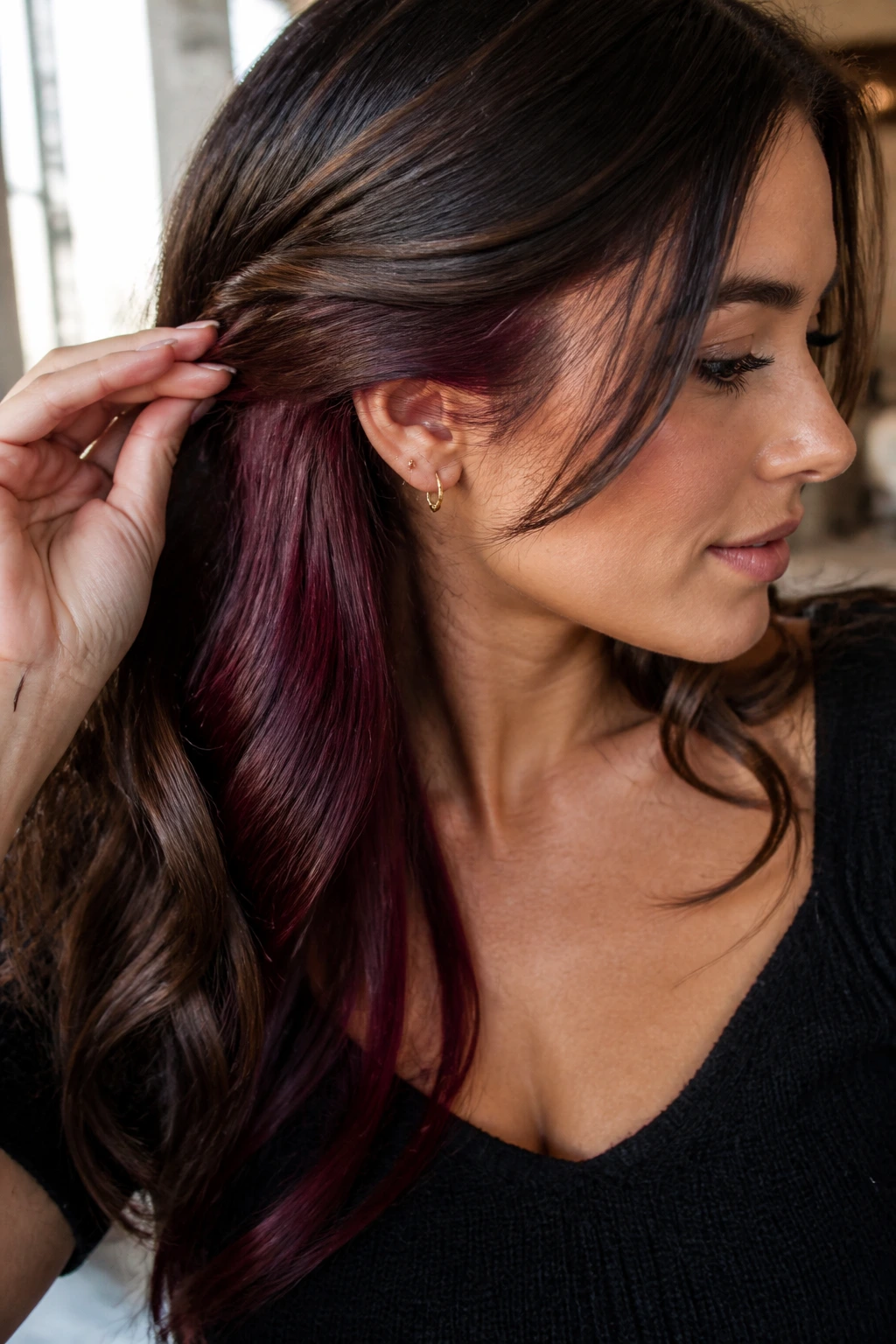
Color Boost: A clear or chestnut gloss every 4-6 weeks can keep the red-brown tones looking fresh without changing the whole formula.
Customization: If you want a softer result, ask for just a money piece and a few hidden lowlights. If you want more depth, add a deeper panel under the crown so the highlights have something to sit against.
Serving Suggestions: For everyday wear, a loose center part shows the most even spread of color. For evenings, tuck one side behind the ear and let the front pieces do the work. A tiny amount of shine spray at the ends can make the brown-red ribbons read cleaner in photos and in person.
Make-It-Yours: Fine hair usually looks best with a modest contrast and medium ribbons packed a little closer together. Thick or curly hair can handle wider sections and deeper lowlights, because the texture already breaks the color up for you.
Common Mistakes That Flatten Brunette Dimension
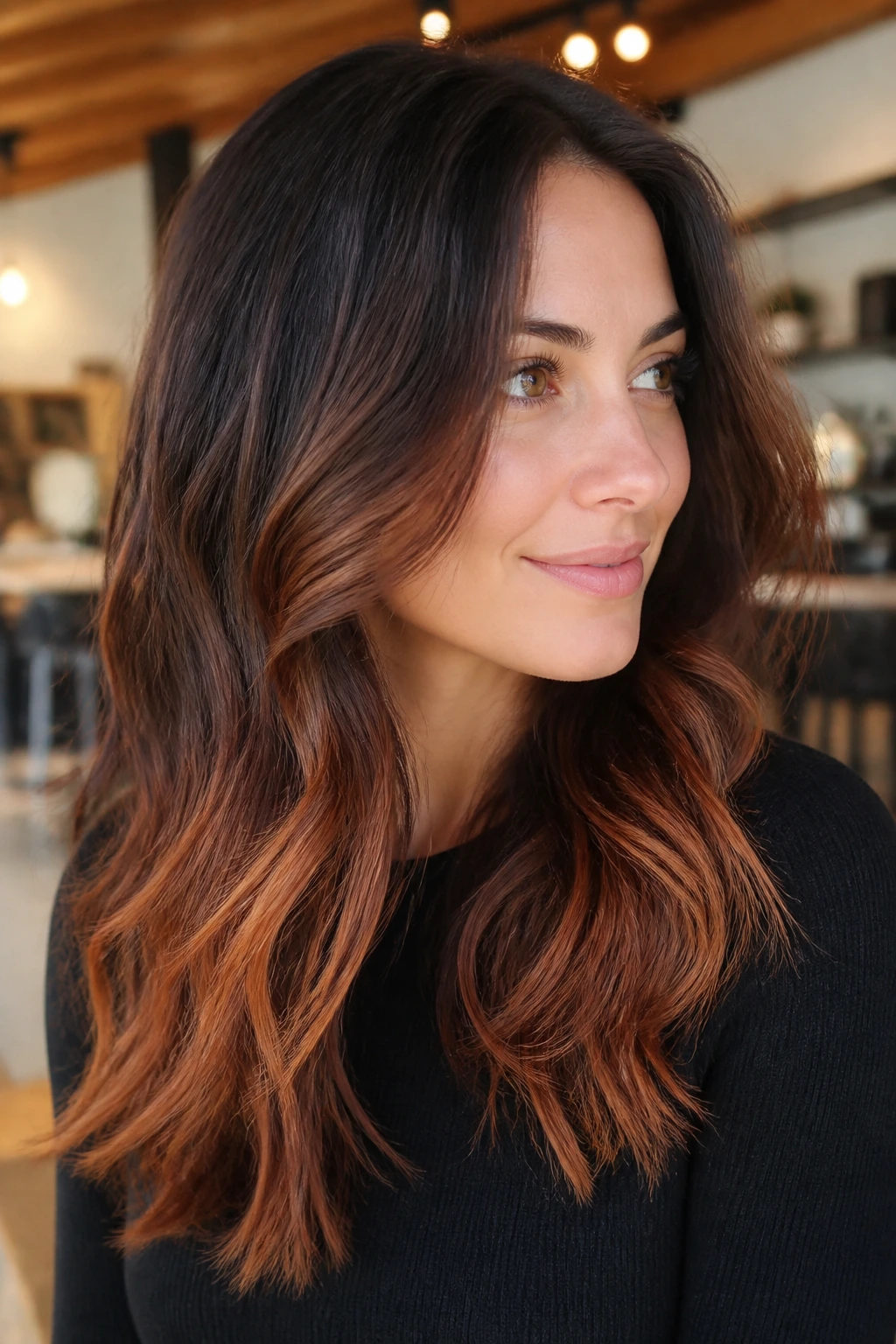
Going too bright with the red: This is the fastest route to brass or orange. If the red looks like it belongs in a copper penny instead of a brunette family, the formula is too strong.
Using one-width sections everywhere: Uniform panels can make the color look striped. Mix a few slightly narrower pieces with medium ribbons so the hair feels hand-placed instead of stamped out.
Hiding all the color underneath: Peekaboo lowlights are lovely, but if every red-brown piece lives below the surface, the style disappears when the hair is down. Keep at least some pieces visible on the top layer.
Skipping depth: Highlights without a few darker lowlights can go flat fast. Brunette hair needs shadow if you want the red to feel rich.
Treating purple shampoo like a cure-all: Purple can mute warmth, which is useful for blonde brass but not always for red-brown tones. If your highlights start looking dull, use color-safe shampoo instead of overcorrecting with purple every wash.
Variations and Adaptations to Try
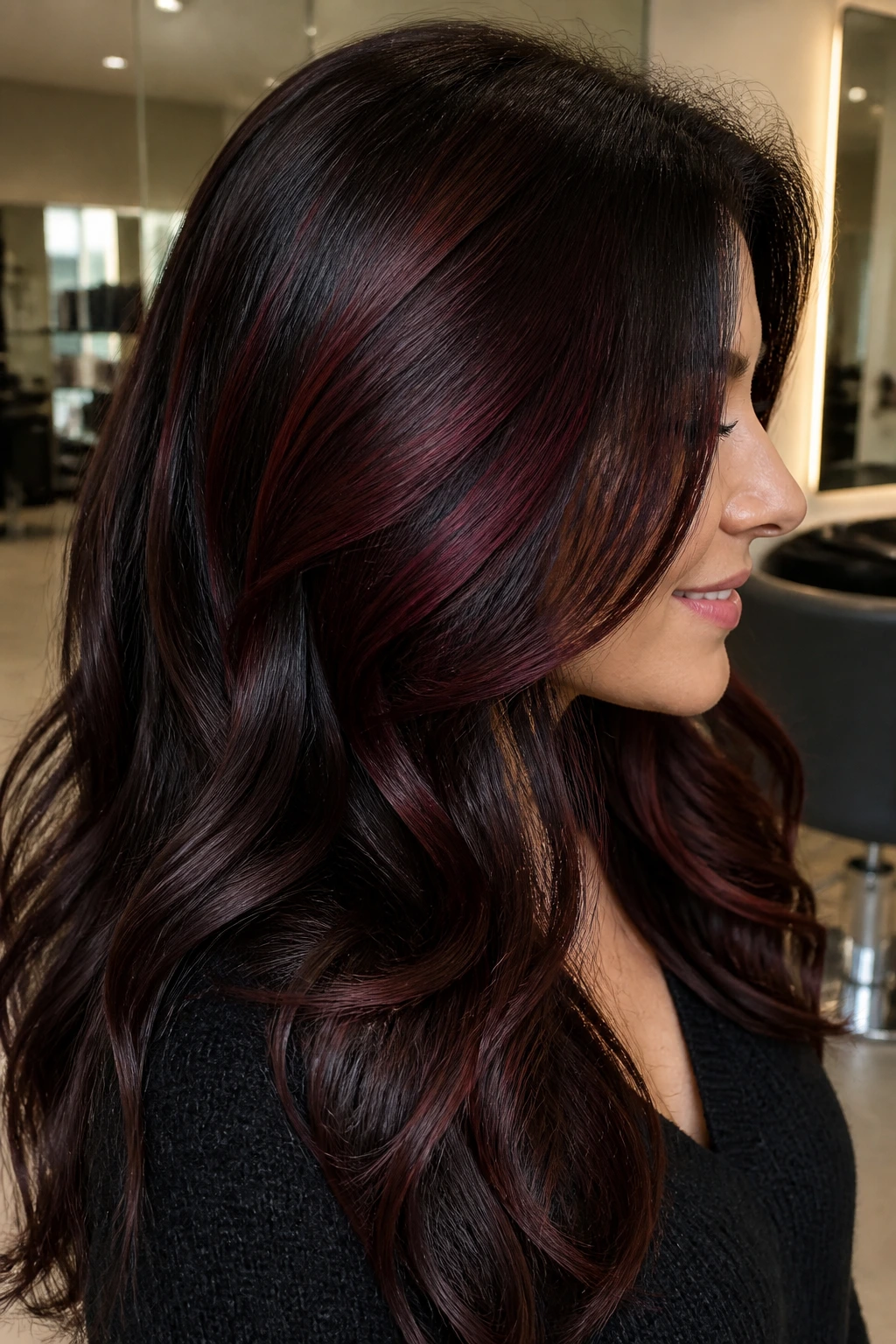
Soft Chestnut Melt: Choose this if you want the gentlest version of the look. Keep the highlight pieces close in tone to the base and let the red show mostly in sunlight.
Curly Coil Dimension: For curly hair, widen the sections slightly and place more color where the curl clumps separate. That keeps the red from vanishing inside the curl pattern.
Cool Plum Brunette: Shift the red note toward burgundy and smoky rosewood. This is a cleaner fit for neutral or cool undertones and makes the hair feel deeper, not brighter.
Money Piece and Lowlight Combo: Put the strongest color at the face and add deeper panels under the crown. That combo gives you contrast up front and richness everywhere else.
Red-Brown Gloss Refresh: If you already have brunette balayage, you may not need foils at all. A demi-permanent gloss in chestnut, auburn, or merlot can warm the whole head and soften old highlights.
Keeping the Color Fresh Between Salon Visits
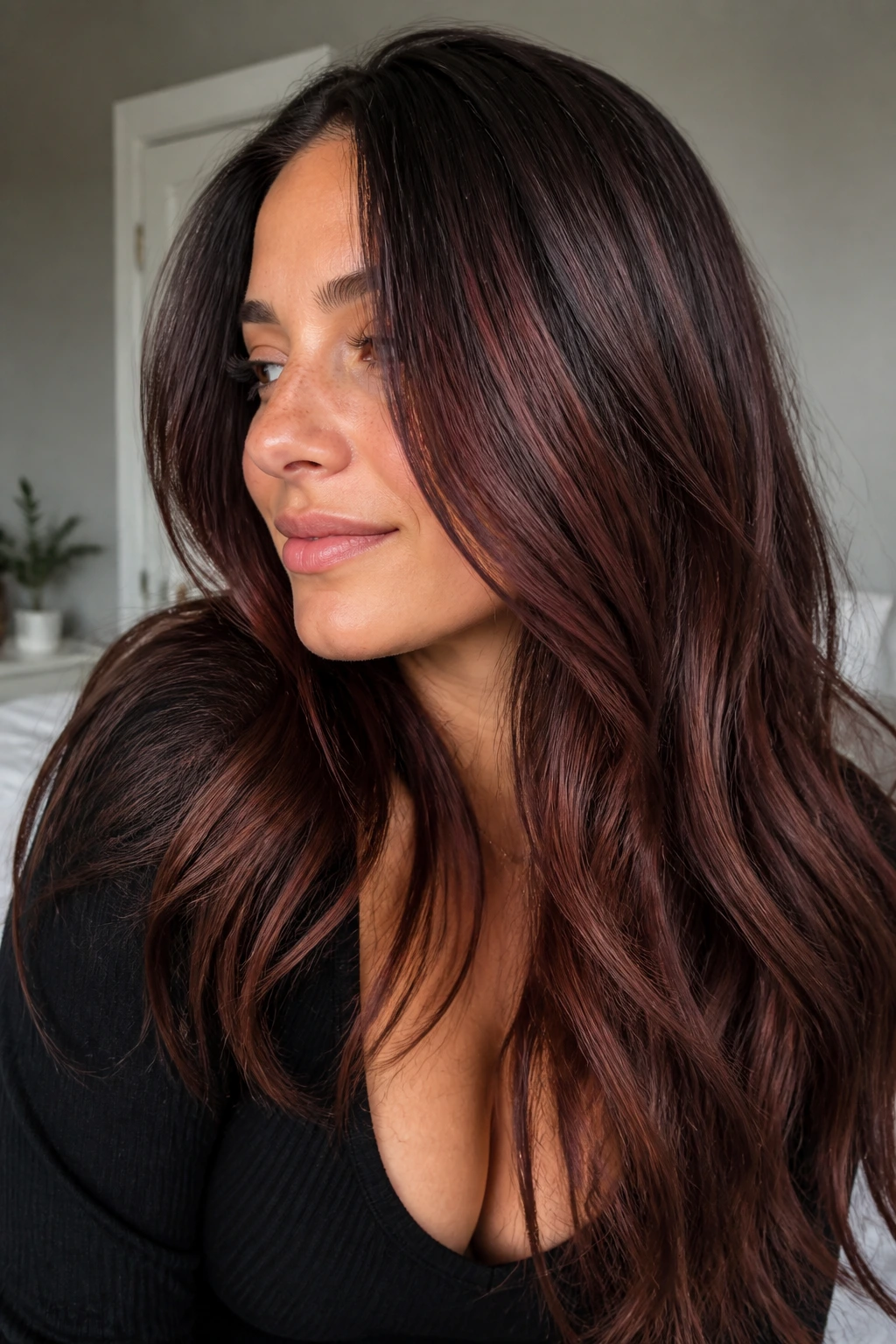
The first 48 hours matter. If possible, avoid shampooing right away so the color can settle, and go easy on hot tools during that same window. Red pigments are not delicate in a poetic sense. They are fragile in a practical sense. Heat, sulfate-heavy shampoo, and frequent washing pull them down fast.
After that, wash two or three times a week with cool or lukewarm water. Hot water opens the cuticle and lets red-brown pigment leave faster than people expect. A color-safe shampoo and conditioner help the shade stay warm instead of muddy. If your hair is very porous, a light leave-in can stop the ends from looking thirsty.
Glosses are the easiest refresh. Every 4-6 weeks, a chestnut, mahogany, or auburn gloss can bring the warmth back without a full coloring session. Root touch-ups usually sit at 8-12 weeks, depending on how visible you want the contrast to be. If you swim, rinse before and after; chlorine is rude to red tones.
For heat styling, use protectant every single time. Not once in a while. Every time. The ends are where the red-brown sheen lives, and once they get brittle, the color loses its shine even if the tone is still there.
Frequently Asked Questions About Brown Red Highlights for Brunettes
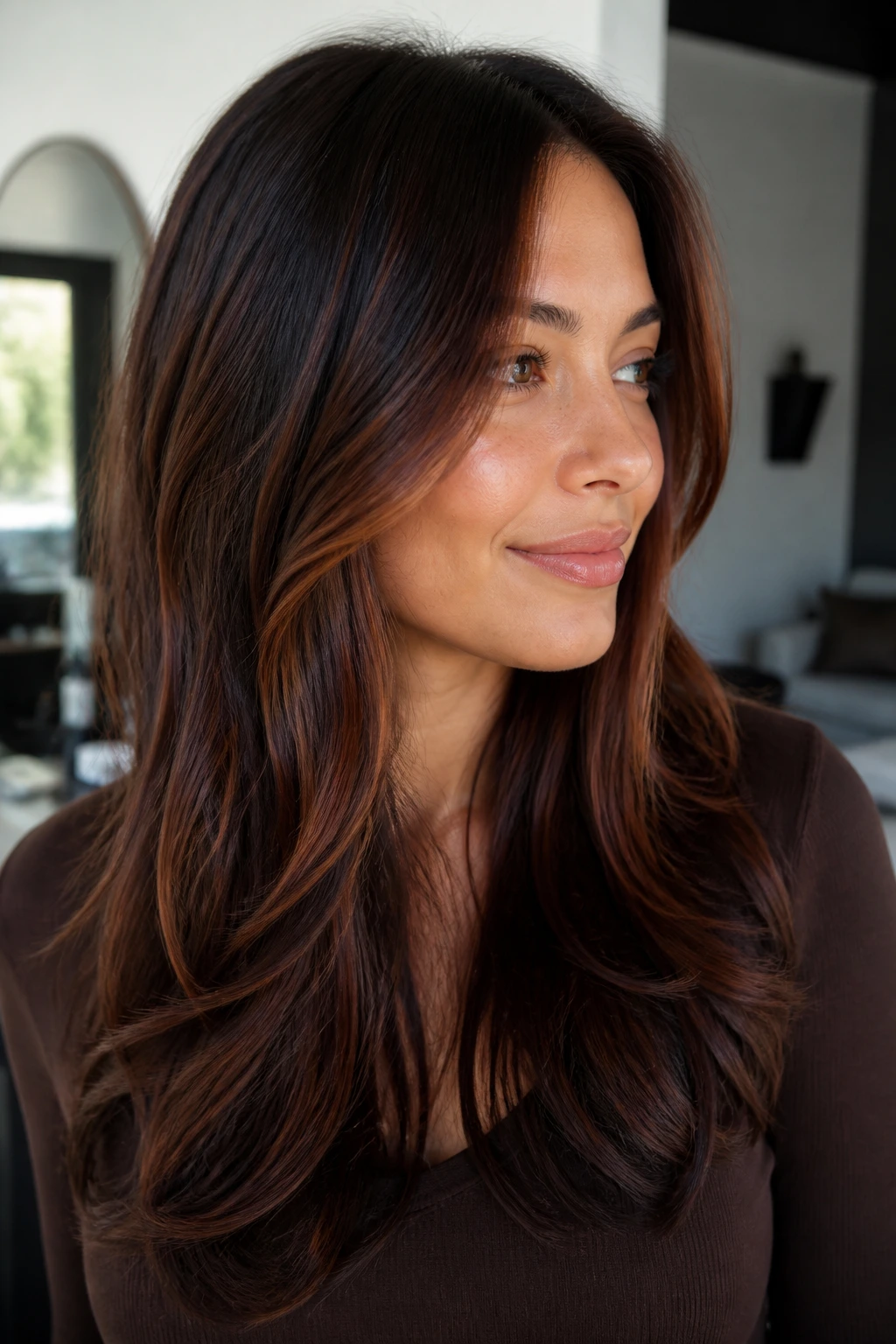
Will brown red highlights work on very dark brunette hair?
Yes, but the result will be deeper and moodier than bright. On a level 3 or near-black base, mahogany, burgundy, and cherry cola usually show better than cinnamon or copper unless the hair is lifted first.
Do medium highlights look better than babylights for this color family?
Usually, yes. Babylights can disappear in brown hair, while medium ribbons keep the red tone visible when the hair moves. If you want subtlety, you can still keep the sections soft — just not microscopic.
How do I stop red-brown highlights from turning orange?
Ask for the right pigment family at the start. Chestnut, mahogany, merlot, and smoky rosewood stay closer to brunette territory than bright copper, which can go orange if the formula is too warm.
Can these shades work on curly hair?
Absolutely. Curly and coily textures make red-brown tones look deeper because the light hits the curls at different angles. Wider placement usually works better than super-fine sections so the color doesn’t disappear into the curl pattern.
How often do I need touch-ups?
Root and gloss timing depends on how bold you want the look to stay, but many brunettes refresh every 6-10 weeks. If you choose a softer chestnut or mahogany, you can stretch the visits longer than with brighter auburn.
What if I want this to stay low-maintenance?
Pick a shade close to your natural brunette base and keep the highlights concentrated around the face and mid-lengths. A root shadow plus a demi-permanent gloss gives you warmth without a hard line as it grows out.
Should I choose warm or cool red-brown tones?
Match them to your undertone and wardrobe if you can. Warm skin often likes chestnut, auburn, and terracotta; cooler skin usually looks cleaner in burgundy, plum, or smoky rosewood.
Can I ask for both highlights and lowlights in the same appointment?
Yes, and that’s often the smartest move. The lowlights give the highlights something to bounce against, which keeps brunette hair from looking washed out or one-note.
A Brunette Color That Moves With You
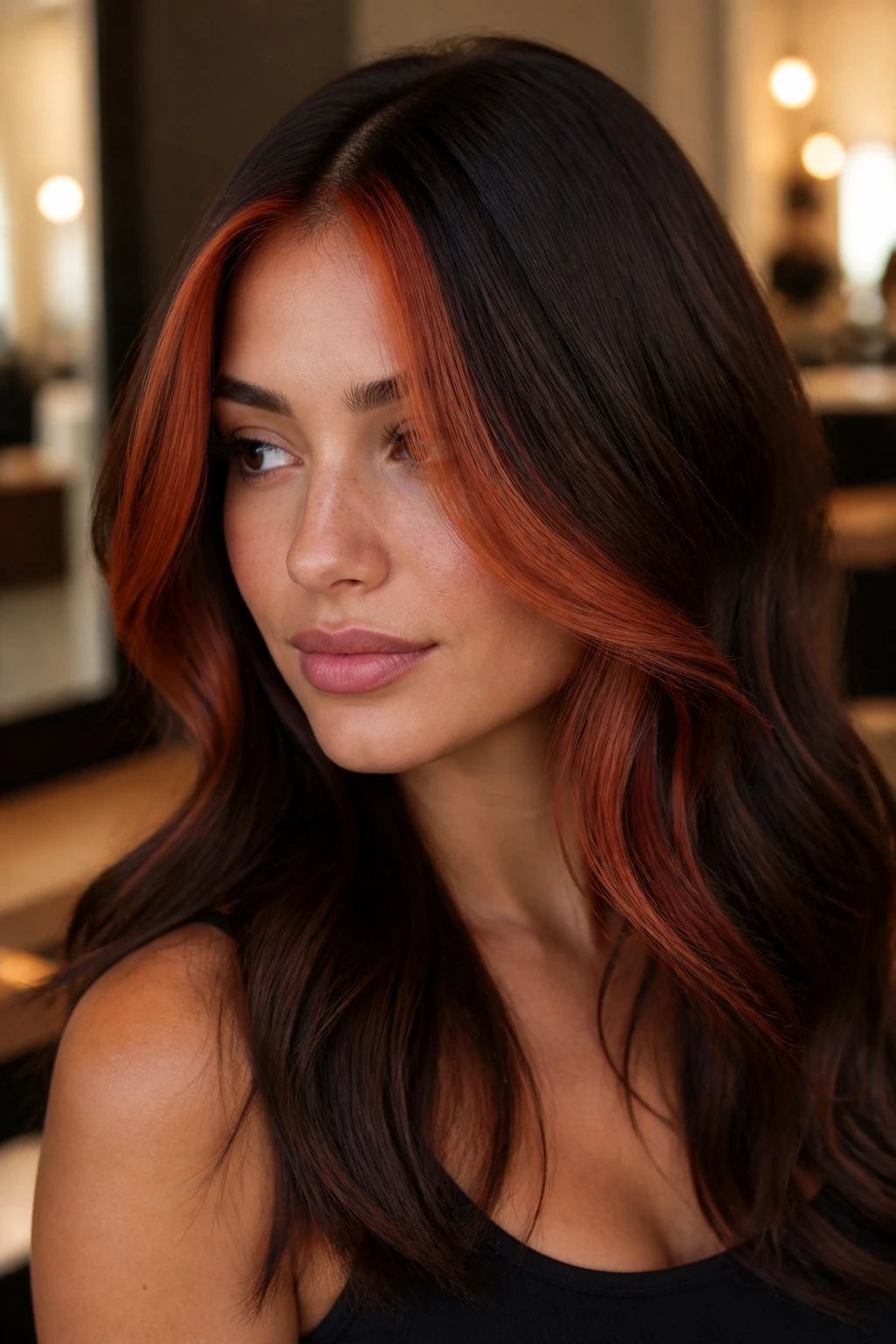
The best brown-red highlight looks do one thing well: they keep brunette hair from sitting still. Medium ribbons, the right red-brown pigment, and a little shadow underneath can make even a basic cut feel layered and alive.
If you want the most wearable version, start with chestnut, mahogany, or cinnamon pieces placed around the face and through the mid-lengths. If you want more drama, move toward merlot, burgundy, or a red clay money piece and keep the rest of the hair deeper. Either way, the color should look like it belongs to the haircut, not like it was dropped on top of it.
Bring one photo for tone, one for placement, and be specific about how much red you want to see when your hair is straight. That tiny bit of clarity makes a very big difference once the foils go in.