



Medium skin can wear a louder blonde than people think—if the tone is doing the right job.
The best blonde hair shades for medium skin tones are rarely the palest swatch on the board. They’re the shades that echo what’s already in the complexion, whether that means gold, olive, peach, or a cool beige cast. Get the match wrong and the hair can look striped or brassy. Get it right and the face looks cleaner, brighter, and a little more awake without drifting into that over-processed, chalky zone nobody wants.
I like blonde with dimension on medium skin. Honey, caramel, mushroom, champagne, even soft platinum can all work, but medium skin usually wants some depth left in the root, underneath, or around the face—something that keeps the blonde from floating by itself. That one detail changes everything. It’s the difference between hair that feels pasted on and hair that moves with your features.
A few shades look tame in a tube and much better in hair, and those are the ones worth knowing first.
Why This Blonde Collection Works So Well on Medium Skin
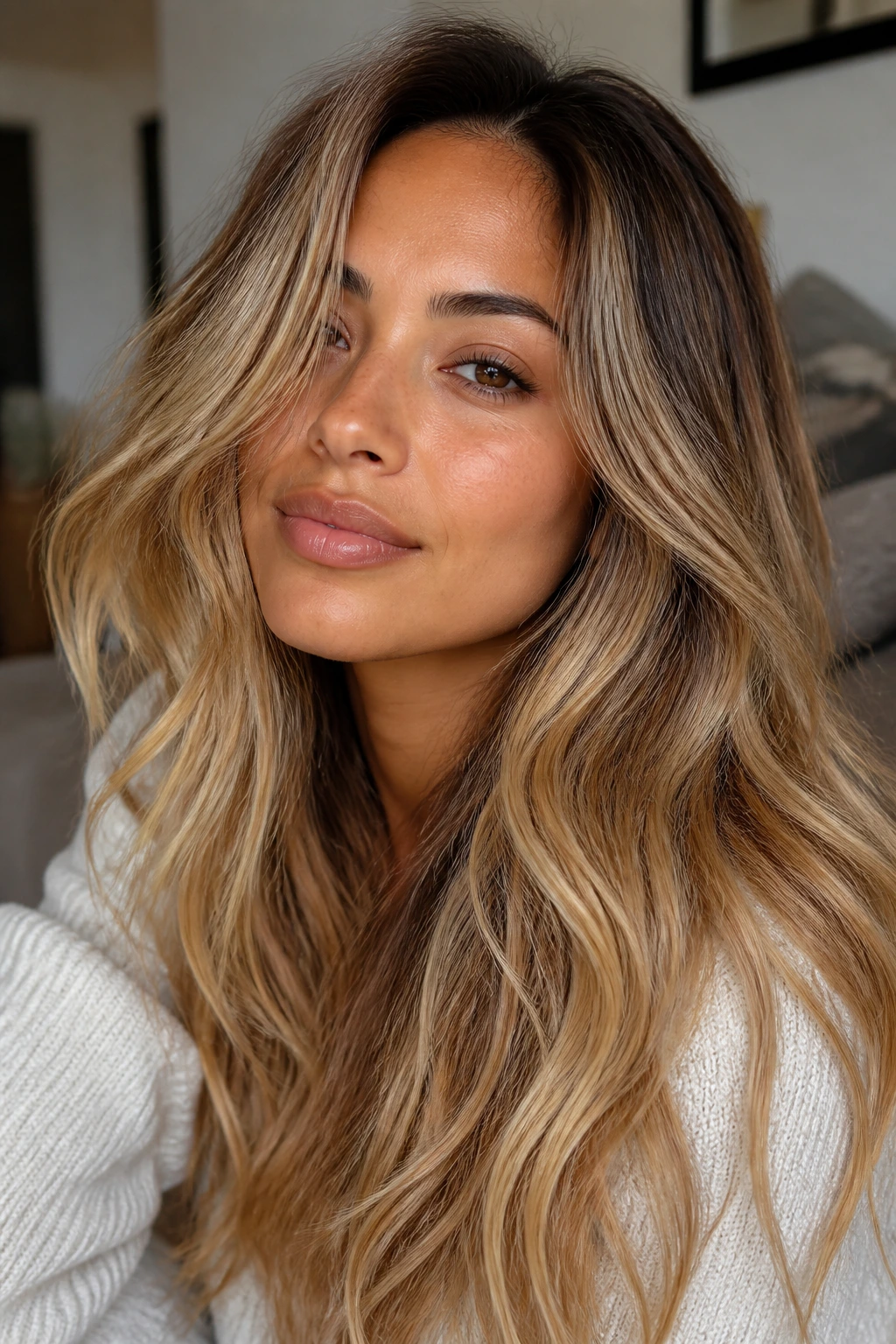
- Undertone matching matters more than “lightness”: Medium skin can hold warm, cool, or olive notes, and the right blonde echoes that undertone instead of fighting it.
- Depth keeps the face from going flat: Leaving a root shadow, lowlight, or darker perimeter gives blonde somewhere to land, especially around the hairline.
- Dimension beats one-note color: Fine highlights, balayage ribbons, and blended glosses look richer on medium skin than a single pale block of blonde.
- Grow-out is part of the look: The best versions of these shades don’t need a perfect salon finish every two weeks; they age with less drama.
- There’s room to go light or stay soft: Medium skin can handle beige, honey, platinum, and smoky blonde—just not all in the same formula.
- Toner is not optional: Brass shows fast on lifted hair, and the right toner keeps blonde from swinging orange, yellow, or gray.
1. Honey Blonde
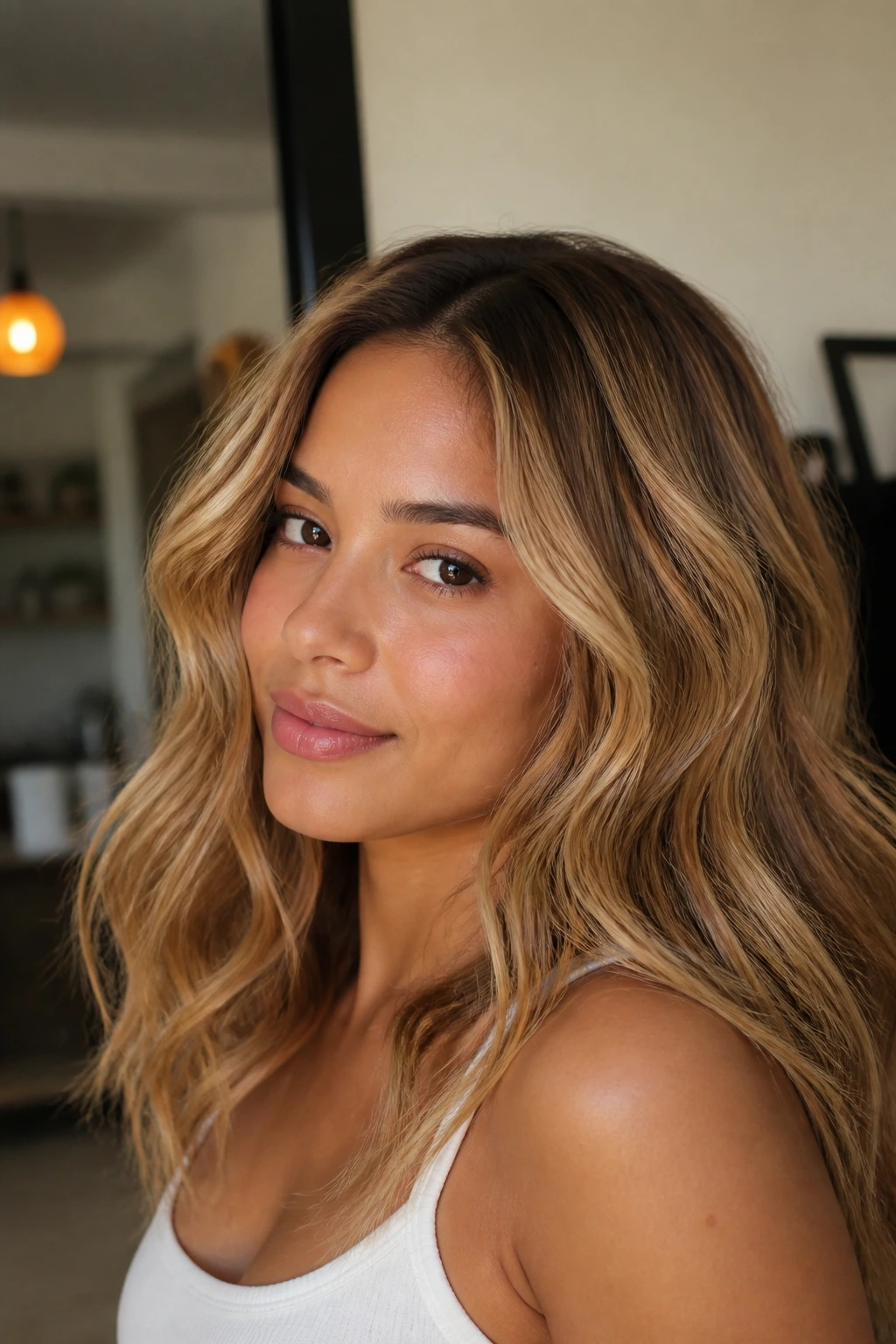
Honey blonde sits right in the sweet spot between gold and beige, which is why it lands so well on medium skin that already has warmth in it. Ask for level 8 or 9 ribbons with a beige-gold gloss; if the formula leans too yellow, it can go brassy fast.
Tone note: I like honey blonde best with a deeper root shadow and loose bends, because the movement catches the lighter pieces and keeps the color from reading flat. On medium skin, that softness around the face matters more than people think.
2. Beige Blonde
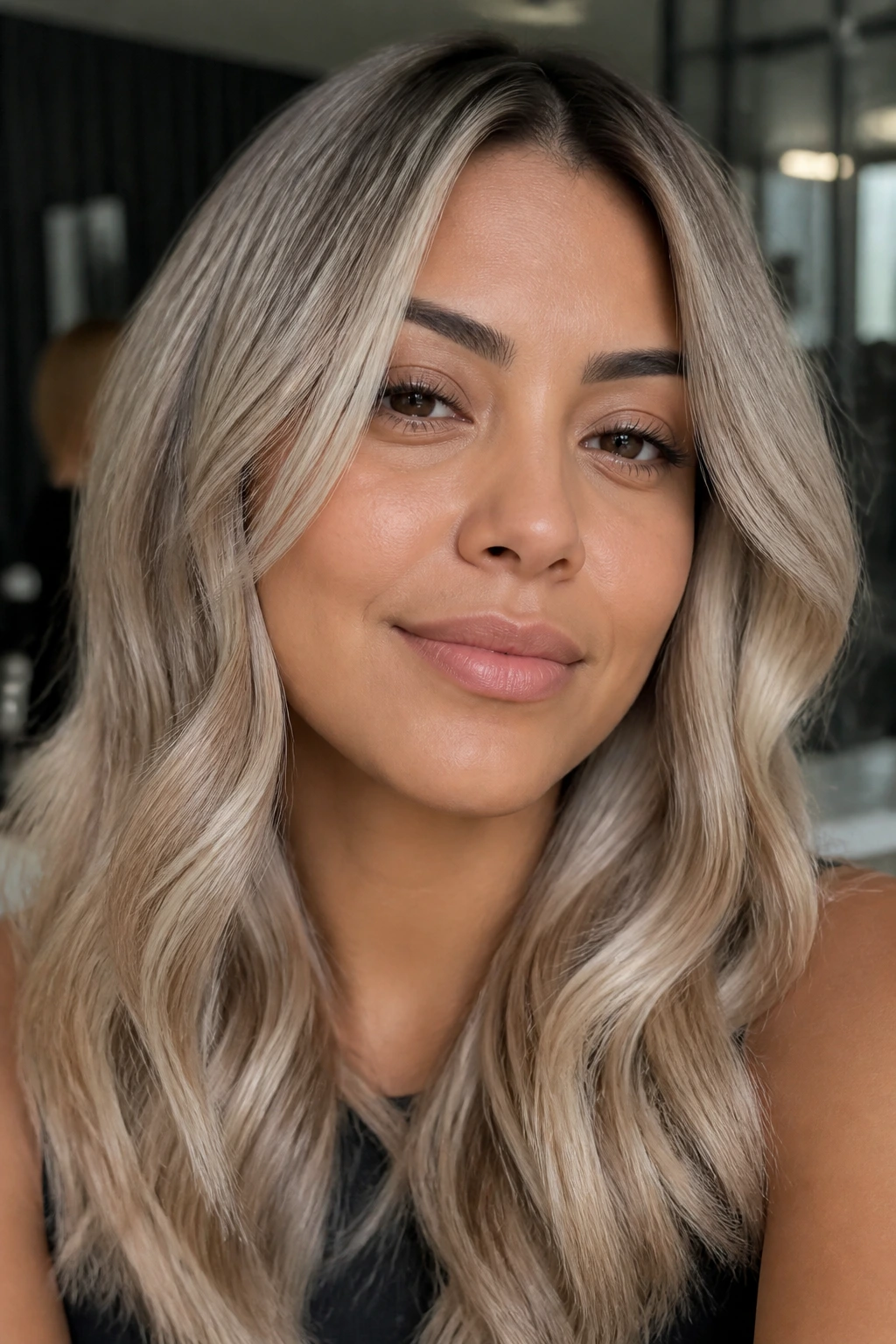
Beige blonde is the clean, neutral answer when you want lightness without syrupy gold. The mix of soft ash and warm beige keeps medium skin from looking muddy, especially if your undertone sits between olive and neutral.
What makes this shade useful is that it does not scream for attention. It sits close to the skin, and that makes it easy to wear with blunt cuts, sleek blowouts, or fine hair that can disappear under heavier color.
3. Caramel Blonde
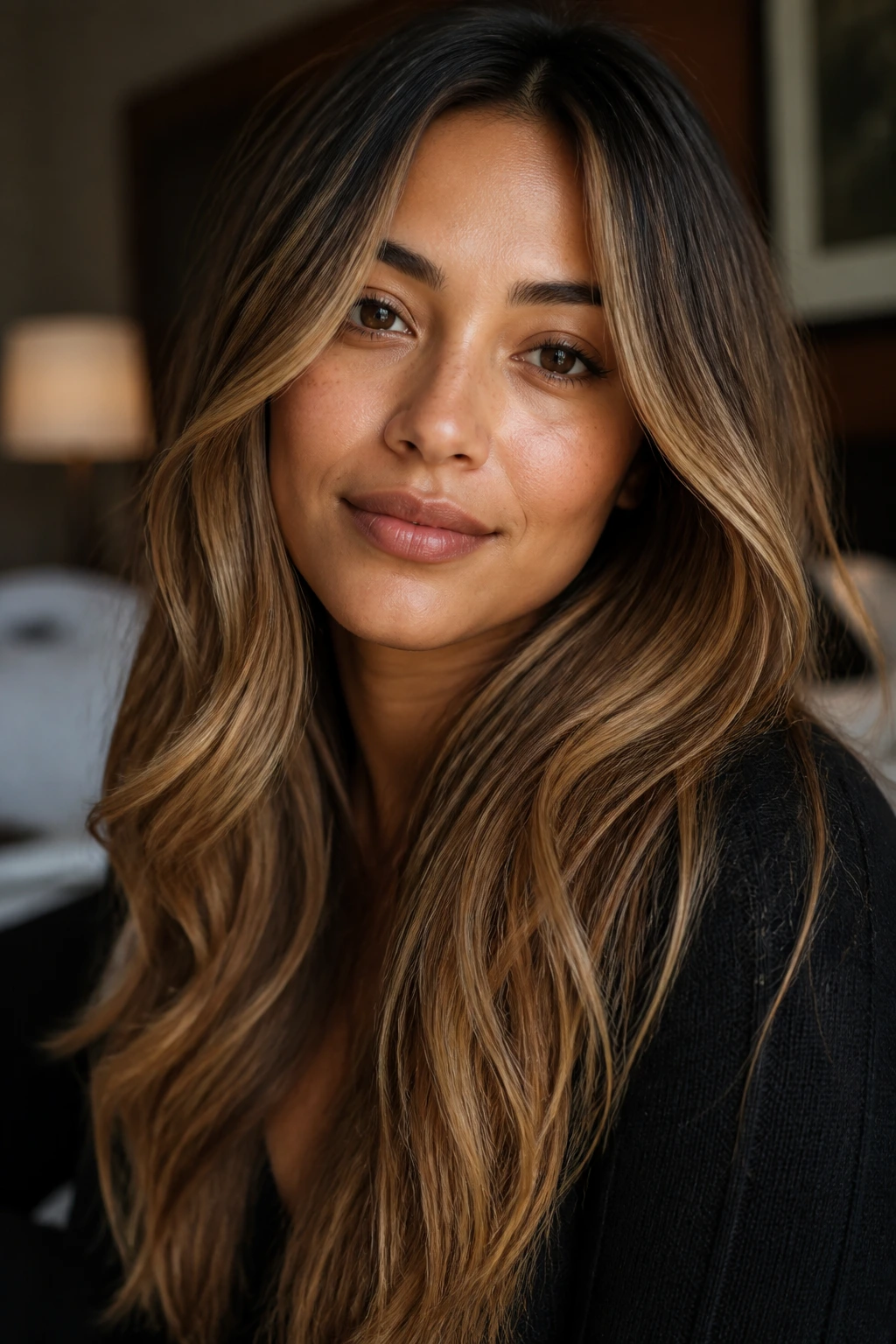
Caramel blonde is what happens when brunette and blonde decide to stop arguing. On medium skin, the warm ribbons look intentional rather than streaky, especially if your base is a medium brown or dark blonde.
Ask for: balayage pieces with caramel mids, not chunky stripes. That keeps the grow-out soft and gives you that deeper, glossy finish that medium skin wears well.
4. Sandy Blonde
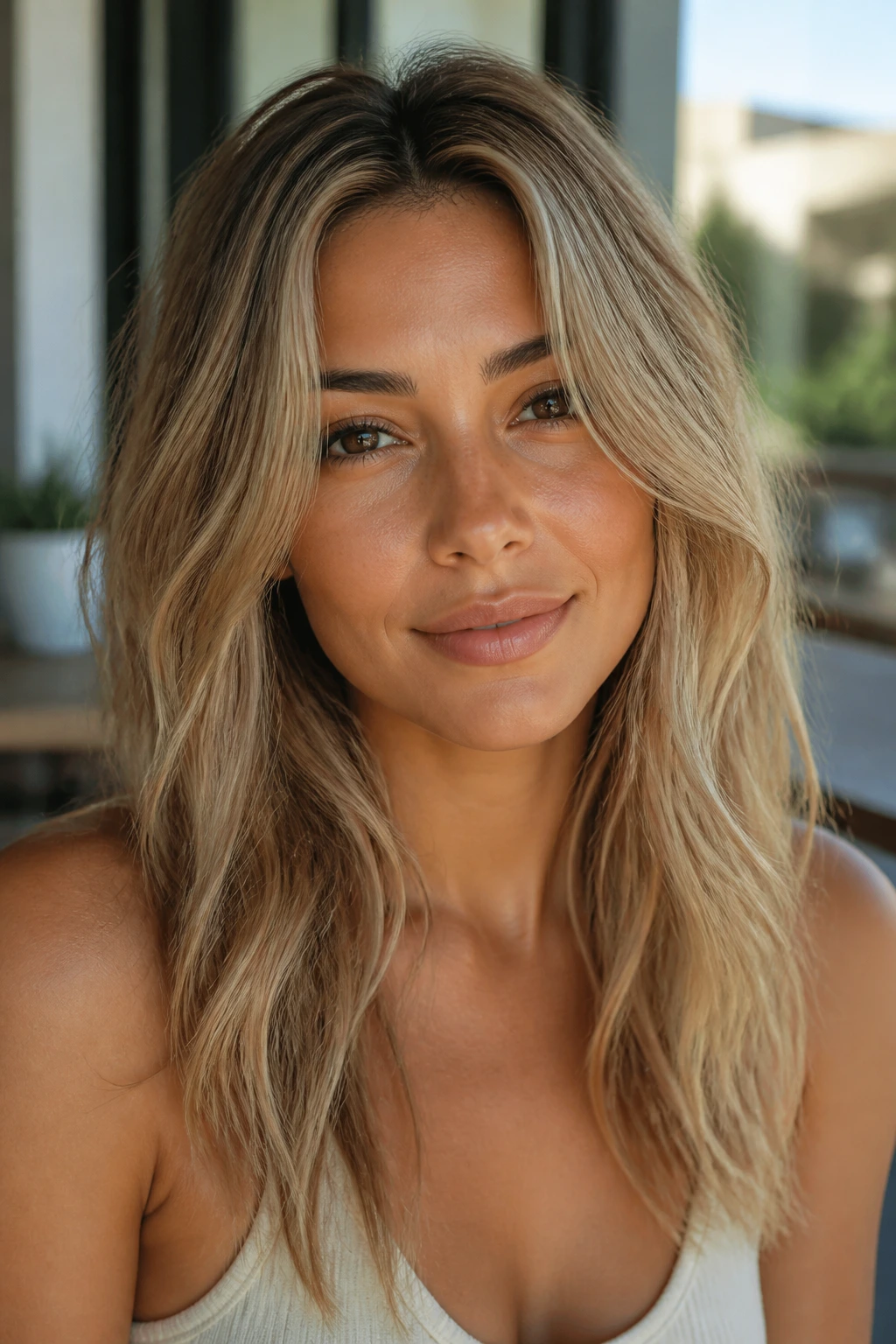
Sandy blonde is the muted, beach-worn version of blonde, and that muted part is what makes it smart for medium skin. It has enough lightness to brighten the face, but the beige-brown softness keeps it from feeling too loud.
This shade works especially well if you want blonde that looks relaxed in ponytails, messy buns, and natural waves. It’s not trying to be icy. Good. That’s the point.
5. Golden Blonde
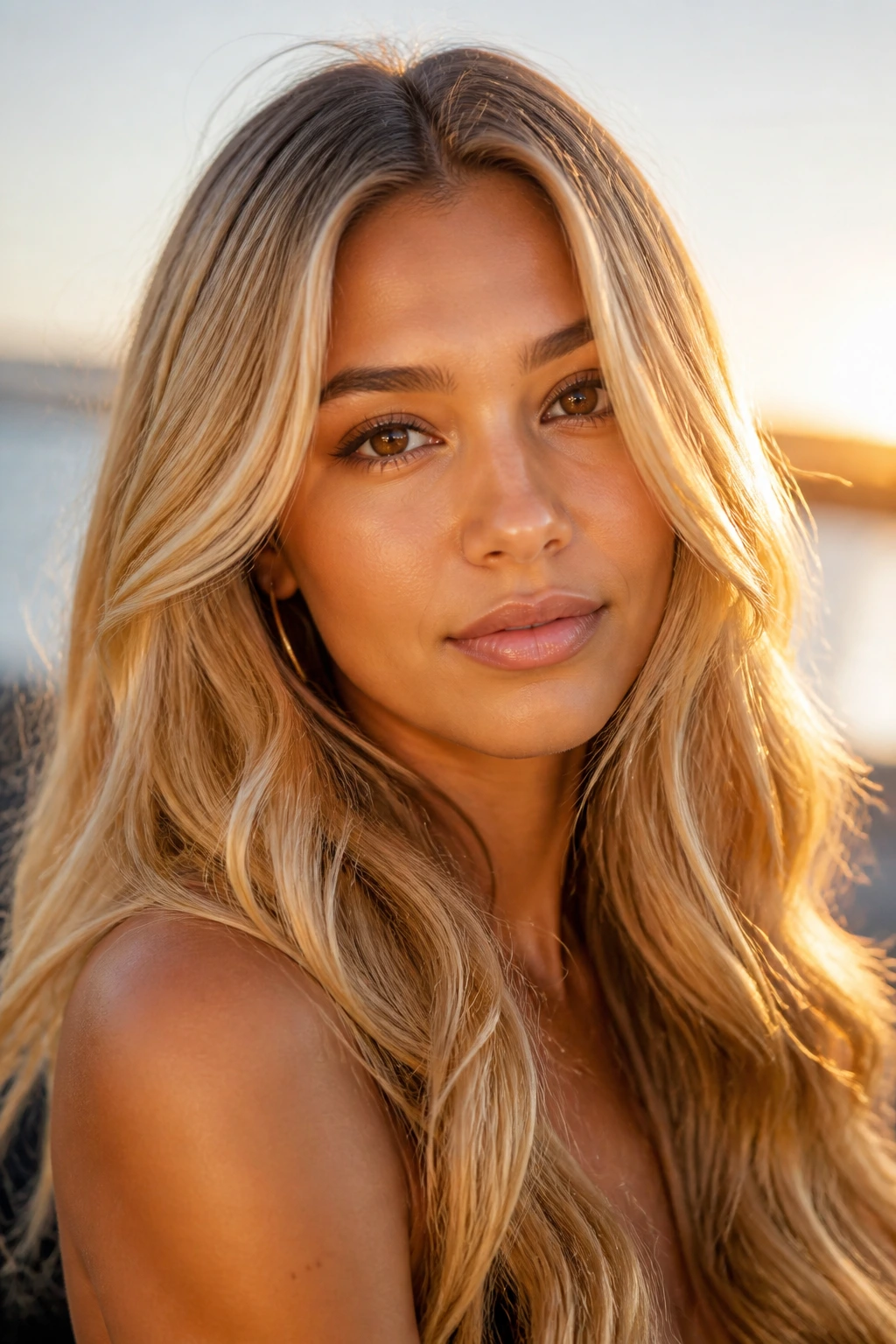
Golden blonde is brighter than honey and more reflective, with a sunny yellow-gold that can look stunning on warm medium skin. The trick is keeping it clean enough that it glows instead of sliding into brass.
I’d choose this shade if your skin pulls gold in the sun, your makeup leans warm, and you don’t mind a little more upkeep. A gloss every few weeks keeps the gold soft; once it fades, the color can get loud in a bad way.
6. Butter Blonde
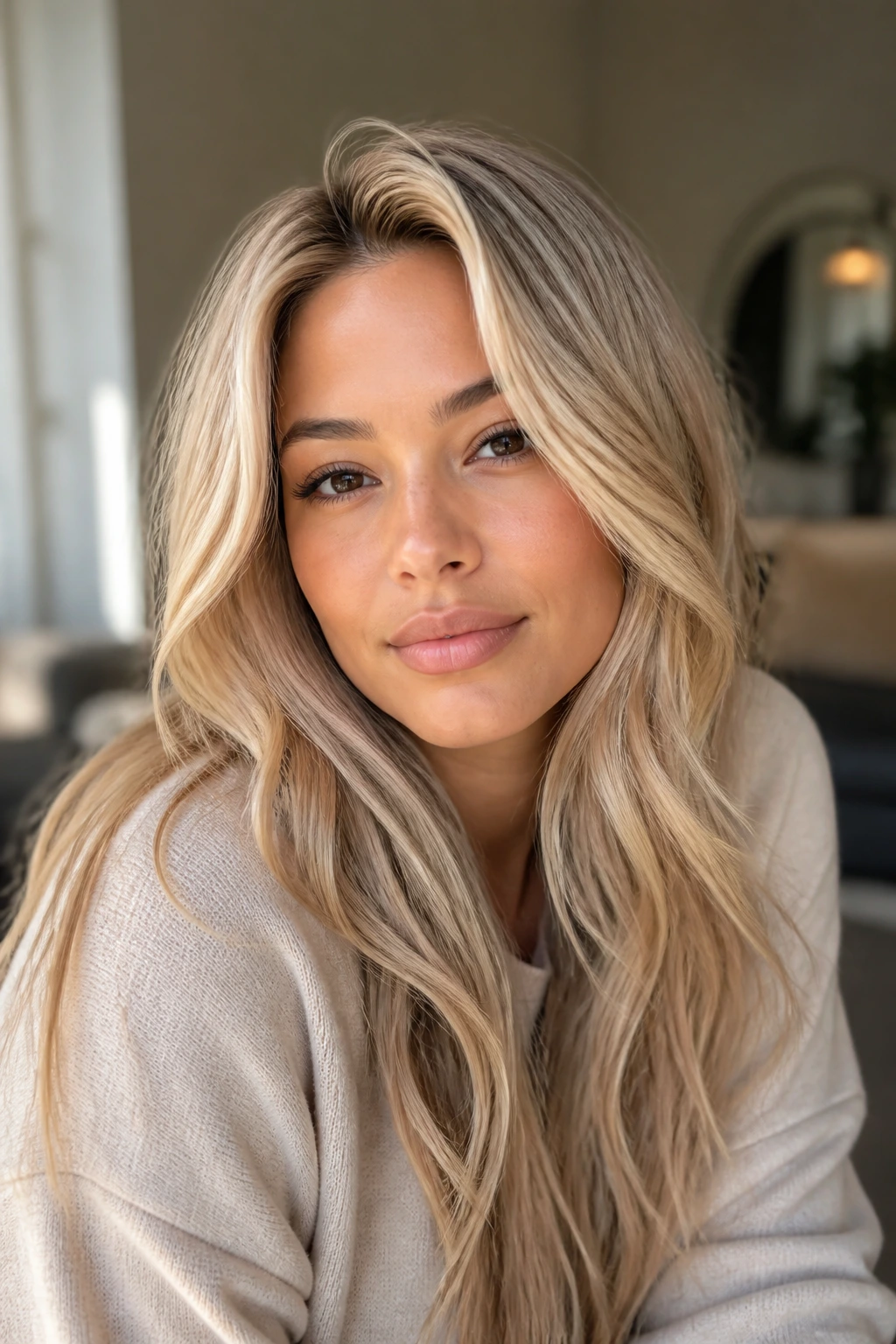
Butter blonde is creamy, soft, and a little richer than platinum. On medium skin, that creamy yellow-gold keeps the complexion from looking washed out, especially if your natural brows are darker and you want contrast to stay visible.
It looks especially nice on layered cuts because the creamy pieces catch on the bends and light up the ends. Straight, one-length hair can make butter blonde feel too even, so I’d add movement if you can.
7. Champagne Blonde
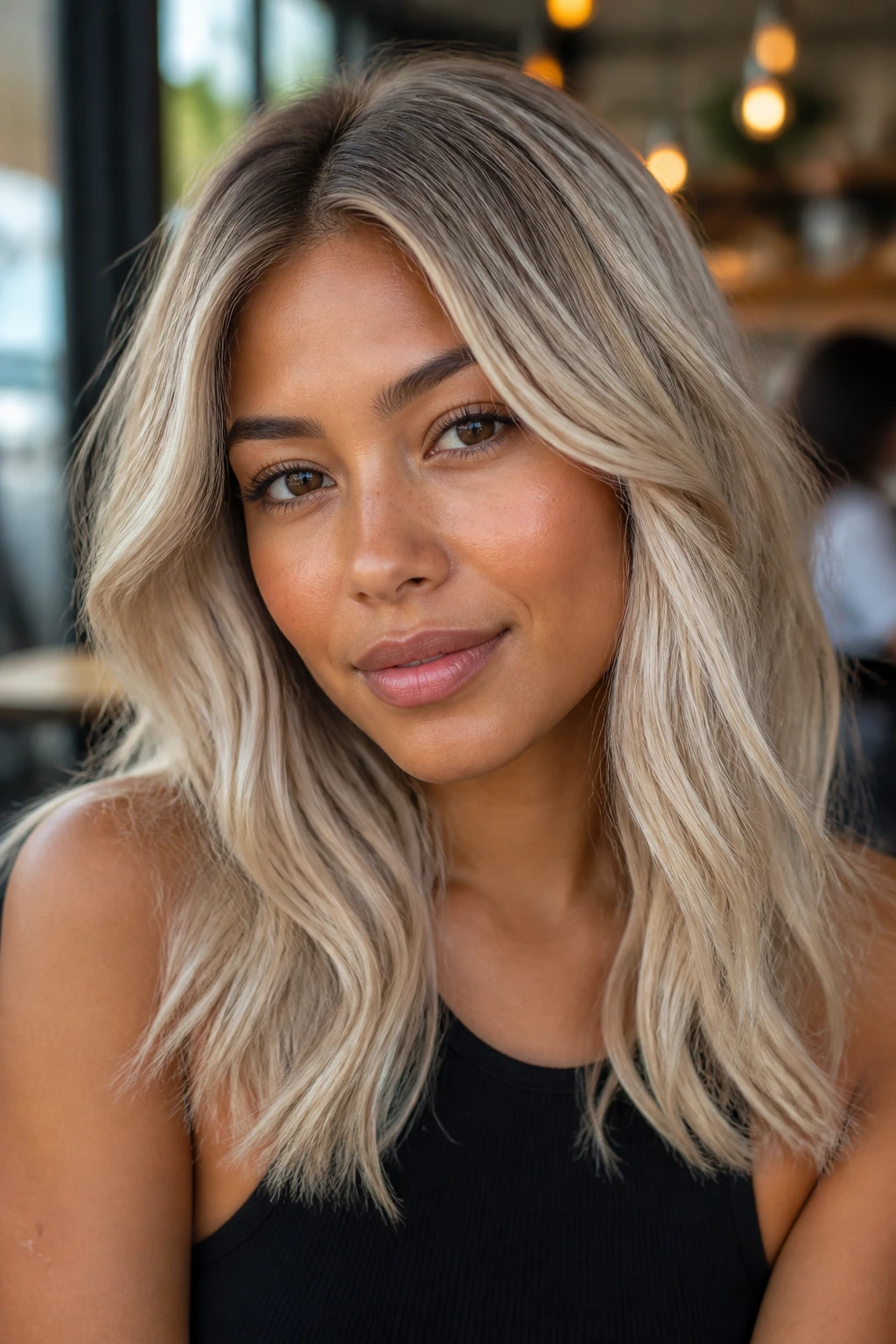
Champagne blonde has that pale, sparkling beige tone that sits between cool and warm. On medium skin with neutral undertones, it can look especially clean because it doesn’t push too orange or too gray.
This is one of those shades that benefits from a shadow root. Without it, champagne blonde can feel a little floating and pale around the face. With it, the whole thing settles down and looks deliberate.
8. Mushroom Blonde
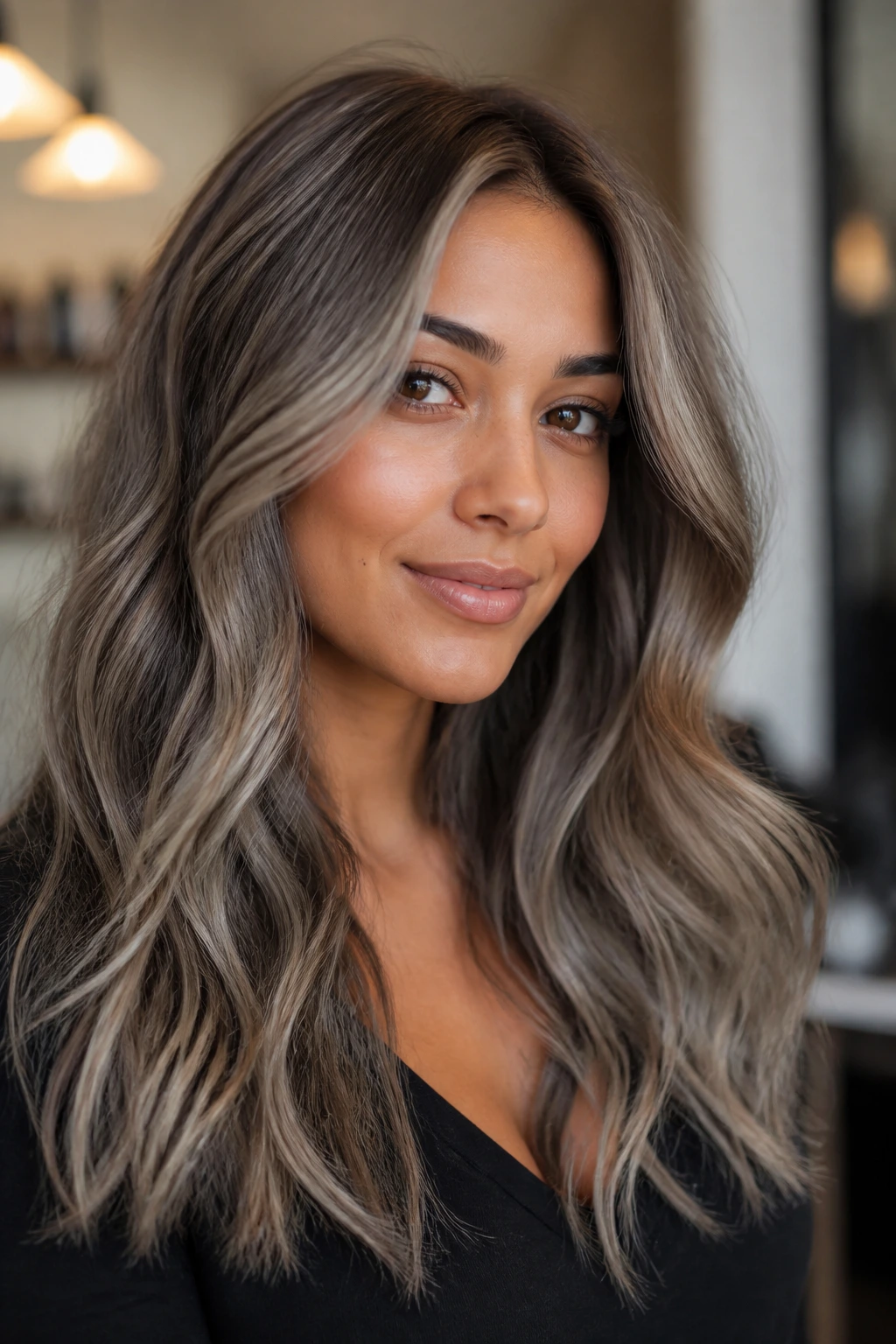
Mushroom blonde is smoky, taupe, and softly cool, with brown-beige lowlights that make it feel grounded. Medium skin with olive undertones tends to wear this shade better than people expect, because the muted tone echoes the skin instead of fighting it.
If you want something lower contrast than platinum but cooler than honey, this is a strong choice. It also hides grow-out better than most blondes. That part matters more than the photos do.
9. Bronde Balayage
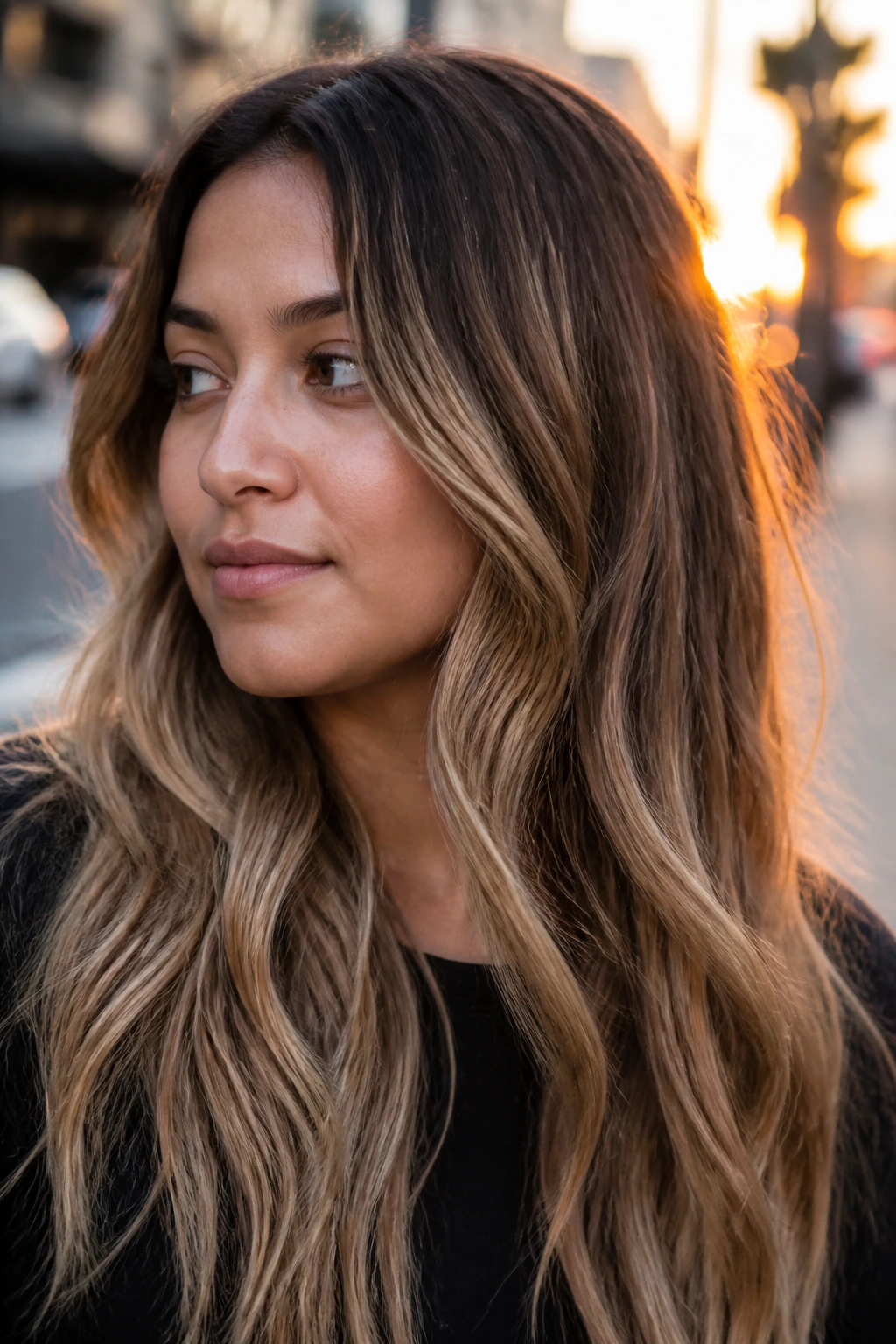
Bronde balayage keeps the brunette base and lets the blonde do its work in the midlengths and ends. On medium skin, that balance is often easier to wear than a full-head blonde because the darker base frames the face.
Best for: people who want blonde without giving up depth. The hand-painted pieces should sit where the hair naturally catches light—around the cheekbones, ends, and top layers—so the result feels blended, not striped.
10. Toffee Blonde
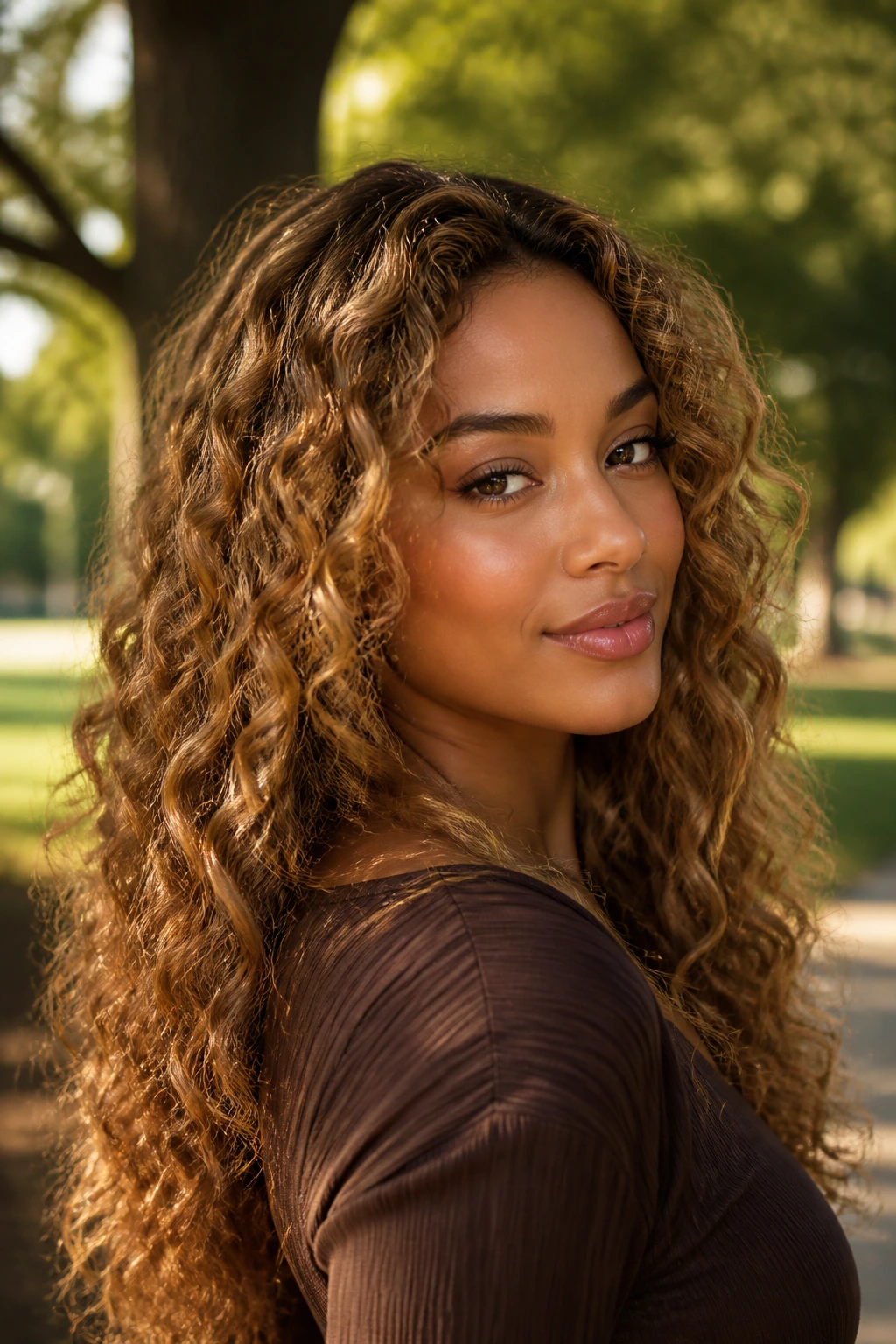
Toffee blonde is deeper and warmer than honey, with a richer brown-gold cast that looks especially good on medium skin with peach or gold undertones. It has enough depth to feel soft, but enough lightness to count as blonde.
I reach for this shade when a client wants dimension more than brightness. It reads better on curls and waves than on pin-straight hair, because the shape helps show the darker and lighter pieces working together.
11. Vanilla Blonde
Vanilla blonde is pale, creamy, and a little cleaner than butter blonde. It suits medium skin best when there’s a little depth left at the root, because that contrast keeps the color from looking chalky.
If your skin is neutral and you like lighter brows, this shade can look fresh without going icy. If your brows are very dark, keep the root slightly deeper so the face doesn’t split into two separate color zones.
12. Cream Blonde
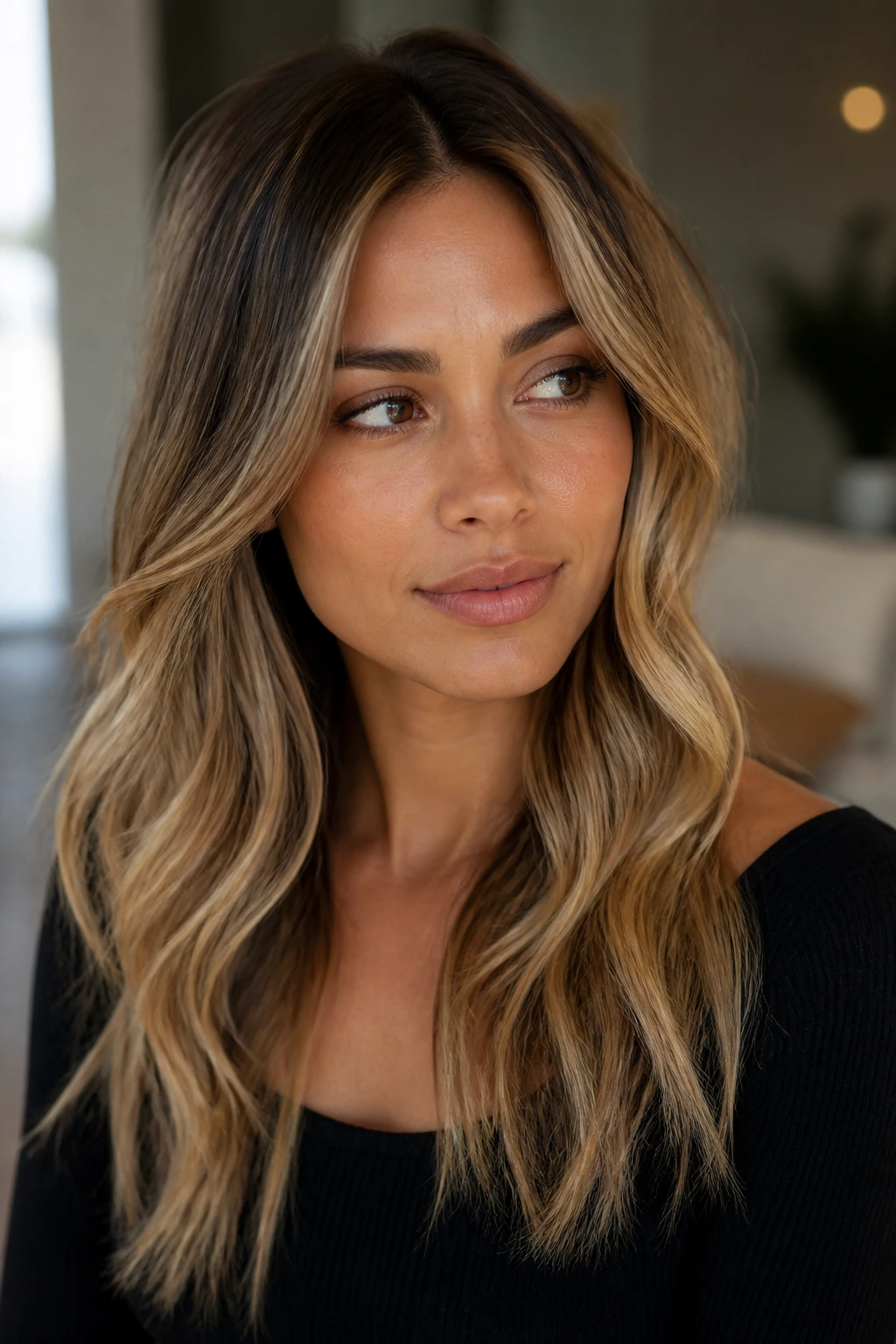
Cream blonde is warmer and fuller than vanilla, with a softer finish that sits nicely against medium to medium-deep skin. It feels more forgiving than a high-lift blonde because it keeps a touch of gold in the mix.
The best version is usually dimensional, not flat. A few beige lowlights through the crown stop the shade from turning into one pale sheet, which is the mistake people make when they chase brightness too hard.
13. Ash Blonde
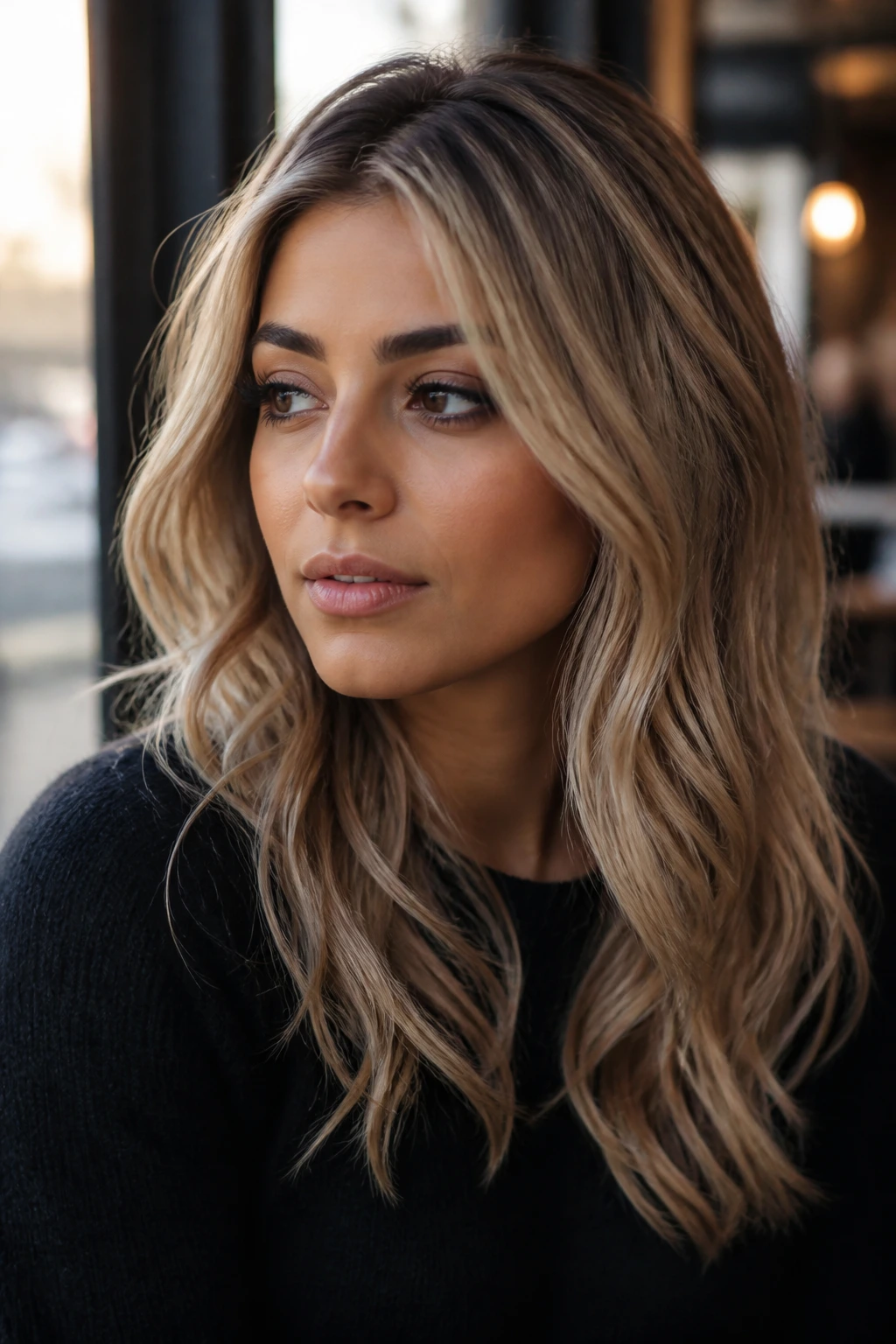
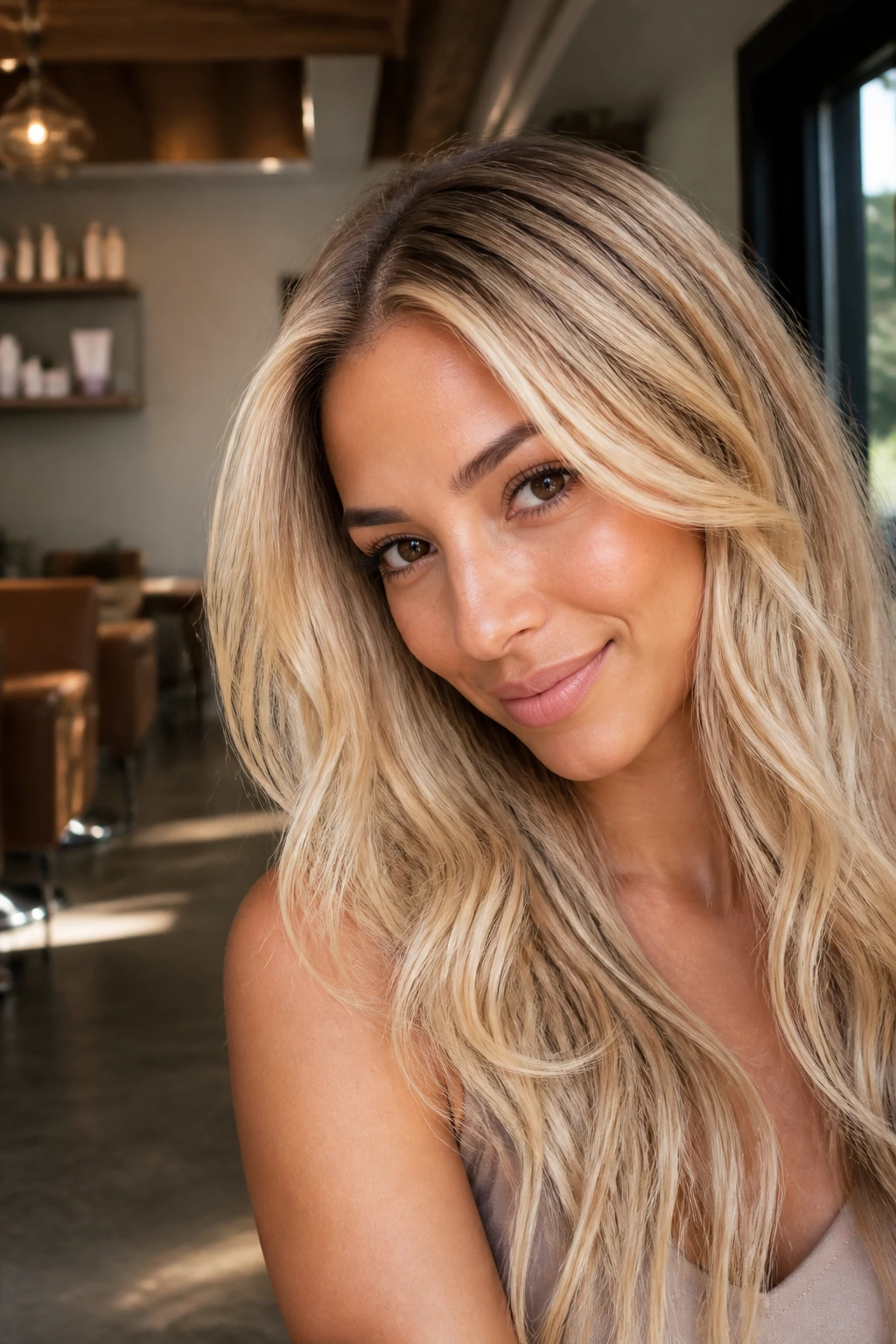
Ash blonde can look sharp on medium skin, but it needs the right undertone. If your complexion leans olive or neutral, the smoky coolness can be gorgeous. If you’re warm and golden, too much ash can make the face look tired.
Watch for: gray-green toner buildup. That happens when ash blonde gets pushed too far and the color loses life. Keep a little beige in the formula, and the whole thing stays more wearable.
14. Pearl Blonde
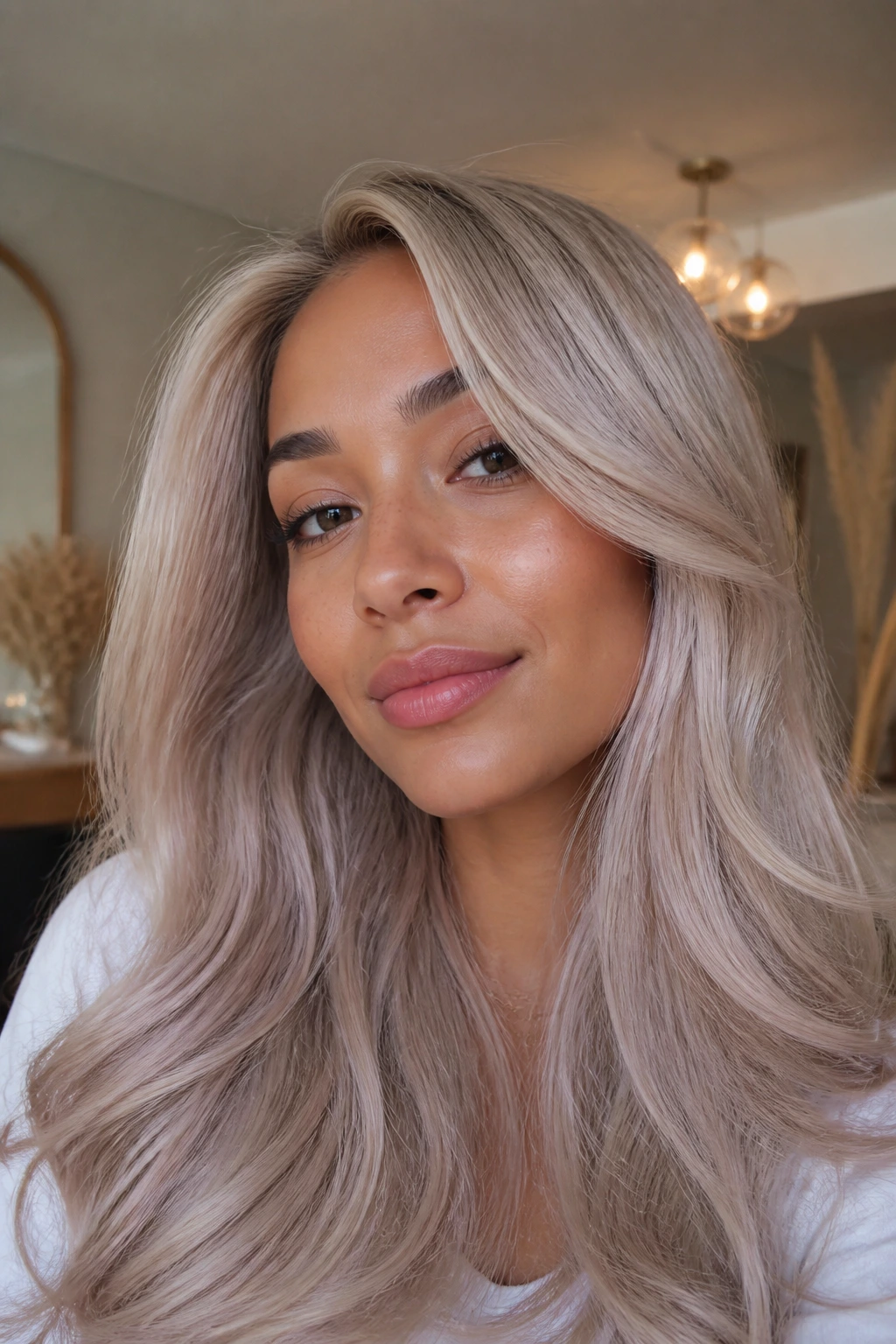
Pearl blonde has a soft iridescent cast, usually built from beige, violet, and pale blonde tones. On medium skin, it works best when you want something lighter than champagne but less severe than white blonde.
I like pearl blonde on straight styles and smooth blowouts because the sheen shows up cleanly. It does need maintenance, though. The iridescent tone can fade fast, and once it does, the color can feel flat instead of luminous.
15. Strawberry Blonde
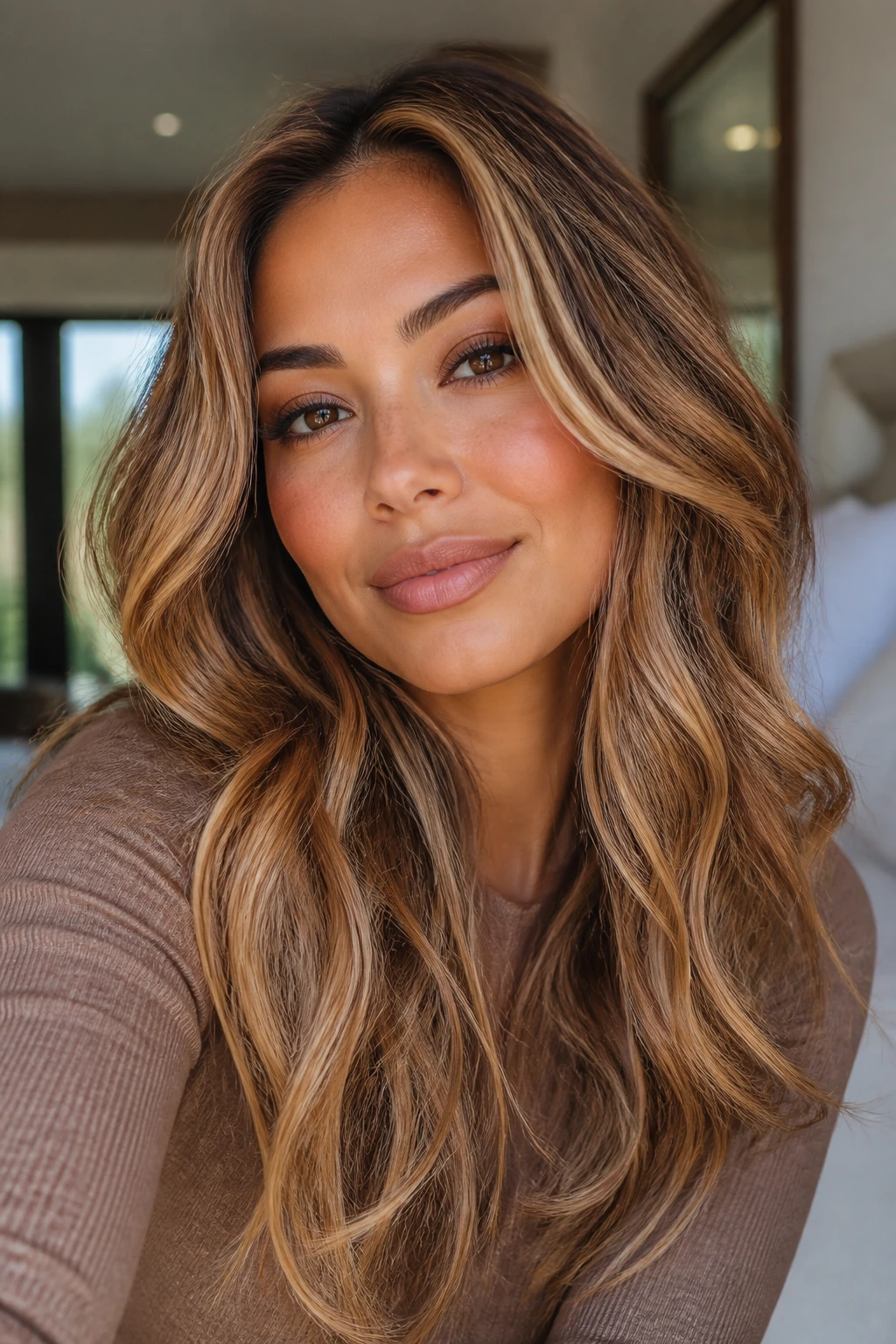
Strawberry blonde sits between copper and gold, which gives medium skin a warm, flushed look without turning the whole head red. It’s one of the few red-leaning blondes that can still feel soft rather than costume-like.
A peachy medium skin tone can wear this especially well. Keep the red part gentle, though. If the copper goes too hard, the color stops reading blonde and starts reading apricot.
16. Copper Blonde
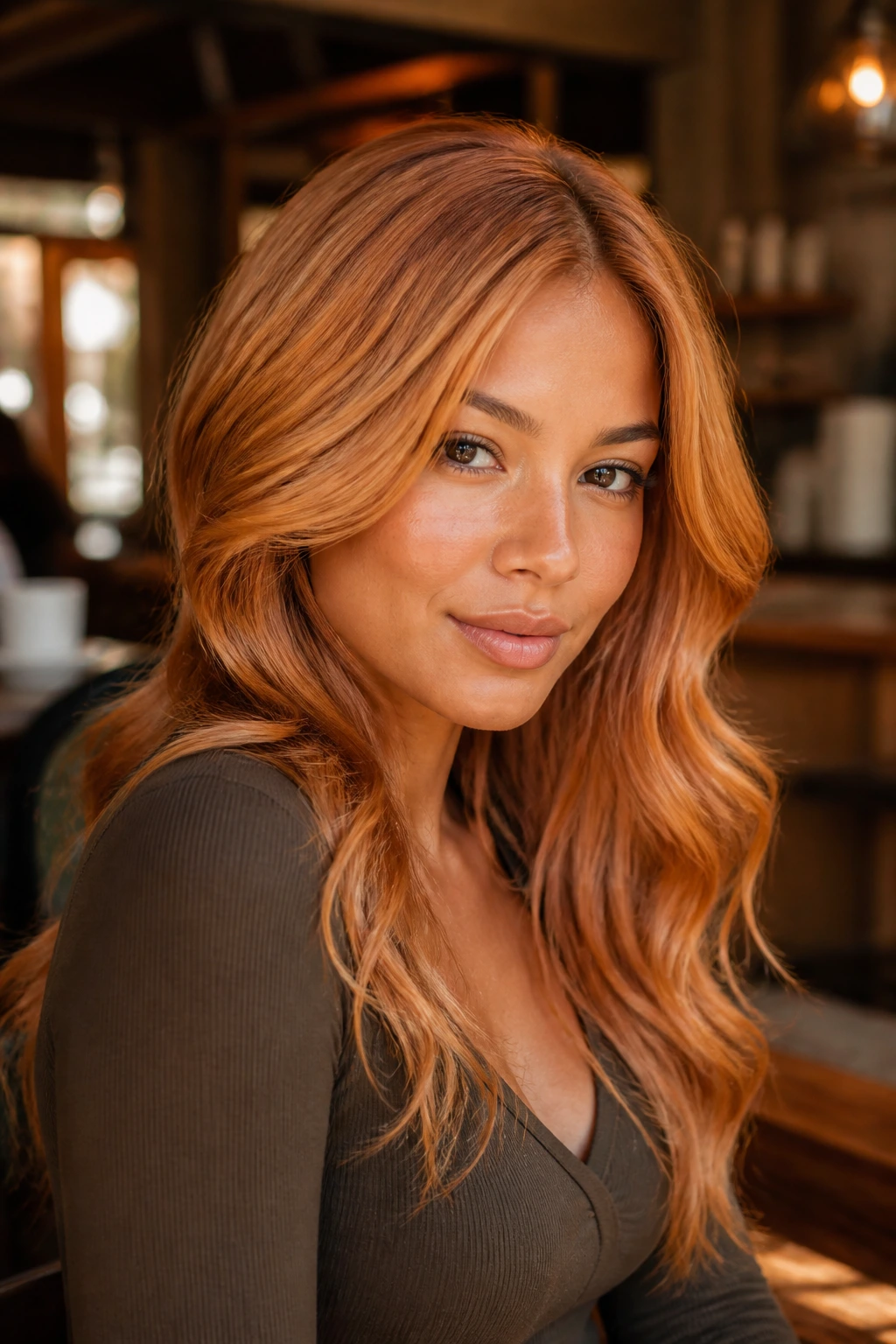
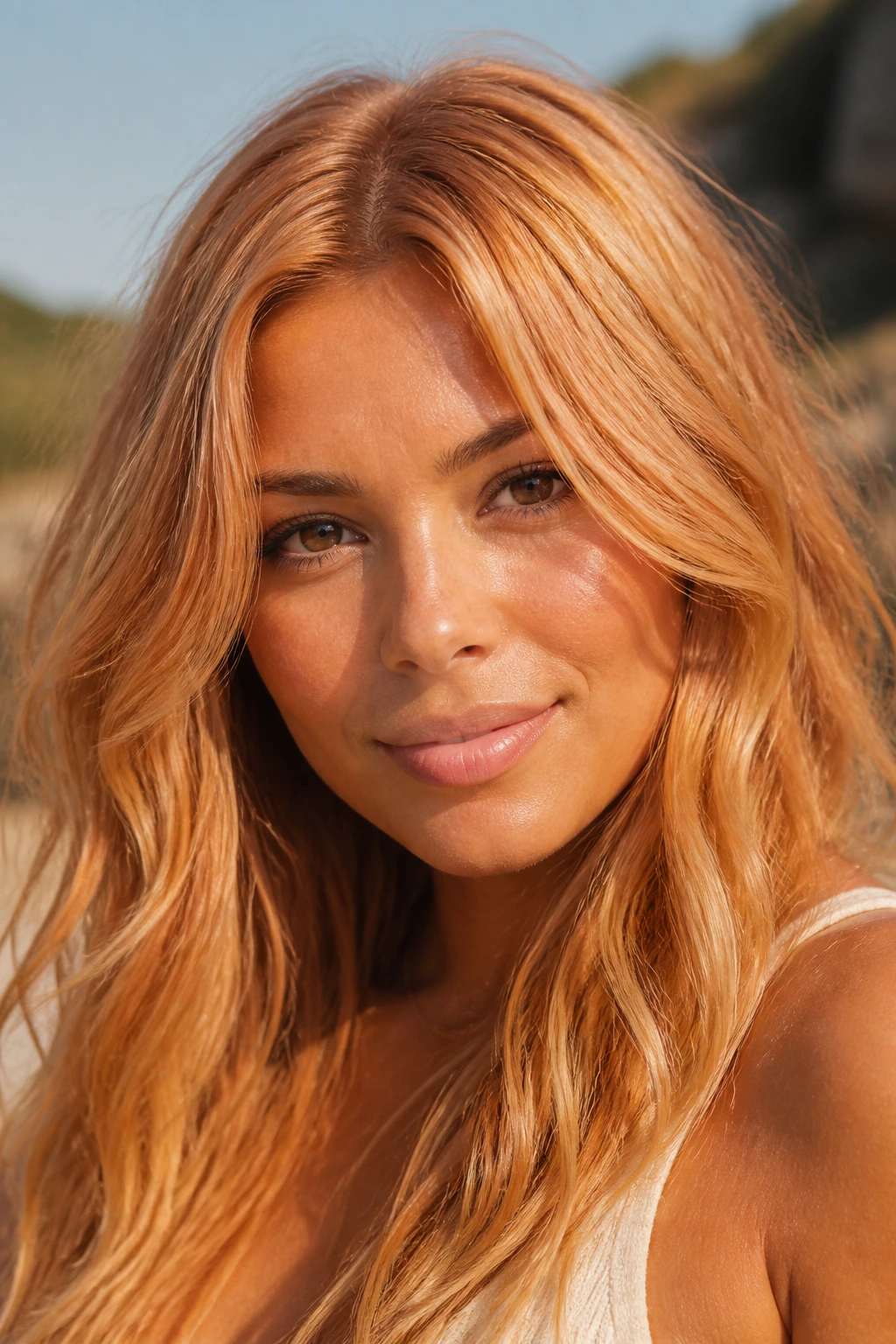
Copper blonde is richer, louder, and more orange-gold than strawberry blonde. On medium skin, especially deeper medium skin, it can be a real statement because the warmth mirrors the complexion rather than fading into it.
This shade needs the most discipline. Use color-depositing shampoo or a gloss to keep the copper from going dull, and don’t let the blonde lift too pale. The copper sits better when there’s actual depth underneath it.
17. Rooted Blonde
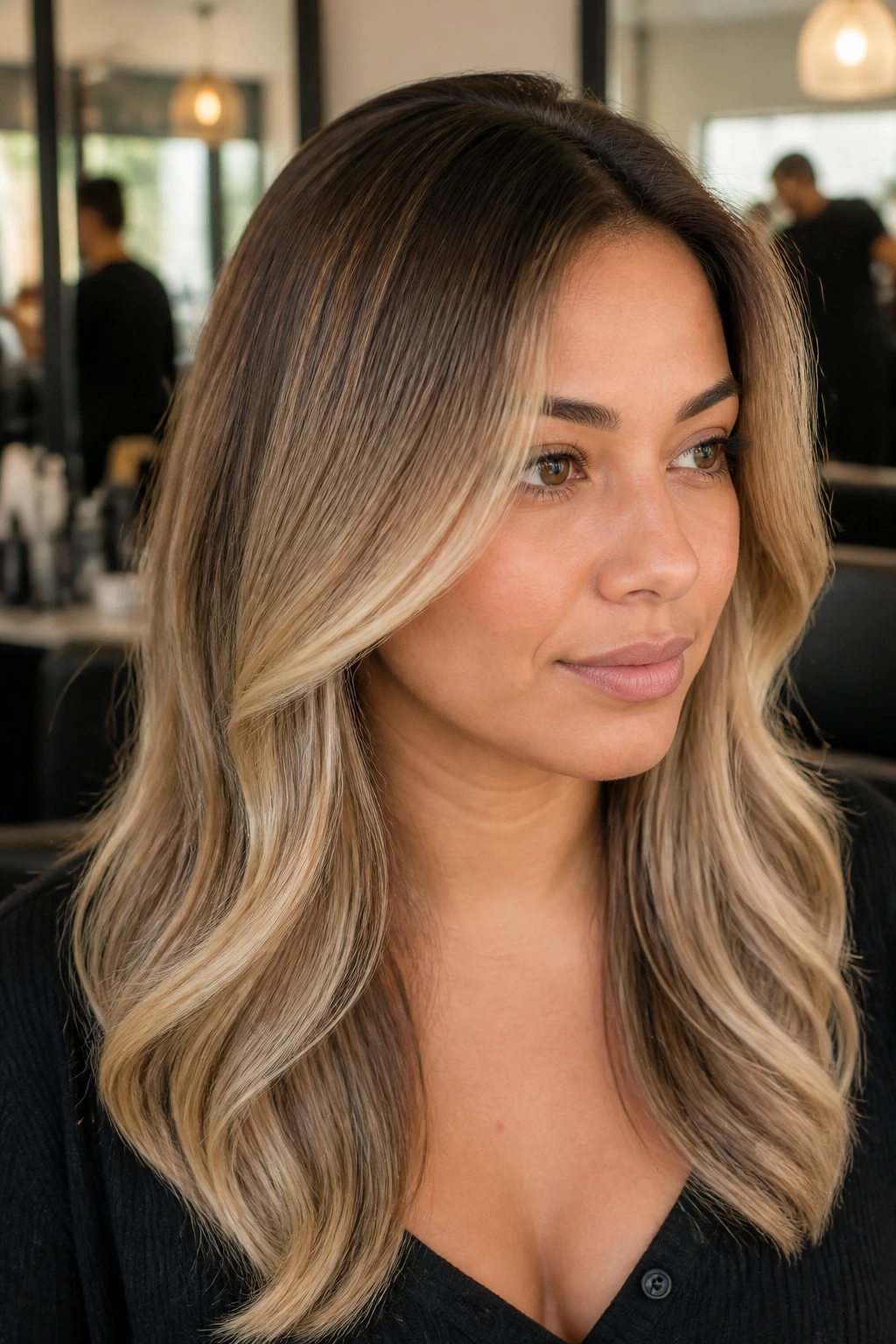
Rooted blonde is the most practical way to wear light blonde on medium skin without making the grow-out line obvious. The darker root gives the color a frame, and that frame keeps the blonde from looking abrupt.
I’d call this the quiet workhorse of the list. It can be honey, beige, champagne, or pearl through the mids and ends—the rooted part is what makes it wearable for more than a few weeks.
18. Icy Beige Blonde
Icy beige blonde sounds contradictory, and that’s exactly why it works. The color is cool, but not gray; light, but not paper-white. On medium skin with neutral or olive undertones, that balance keeps the face from going flat.
The best way to wear it is with polished styling and a slightly deeper brow. If both hair and brows get too pale, the features can disappear. A little contrast keeps the color honest.
19. Bronzed Blonde
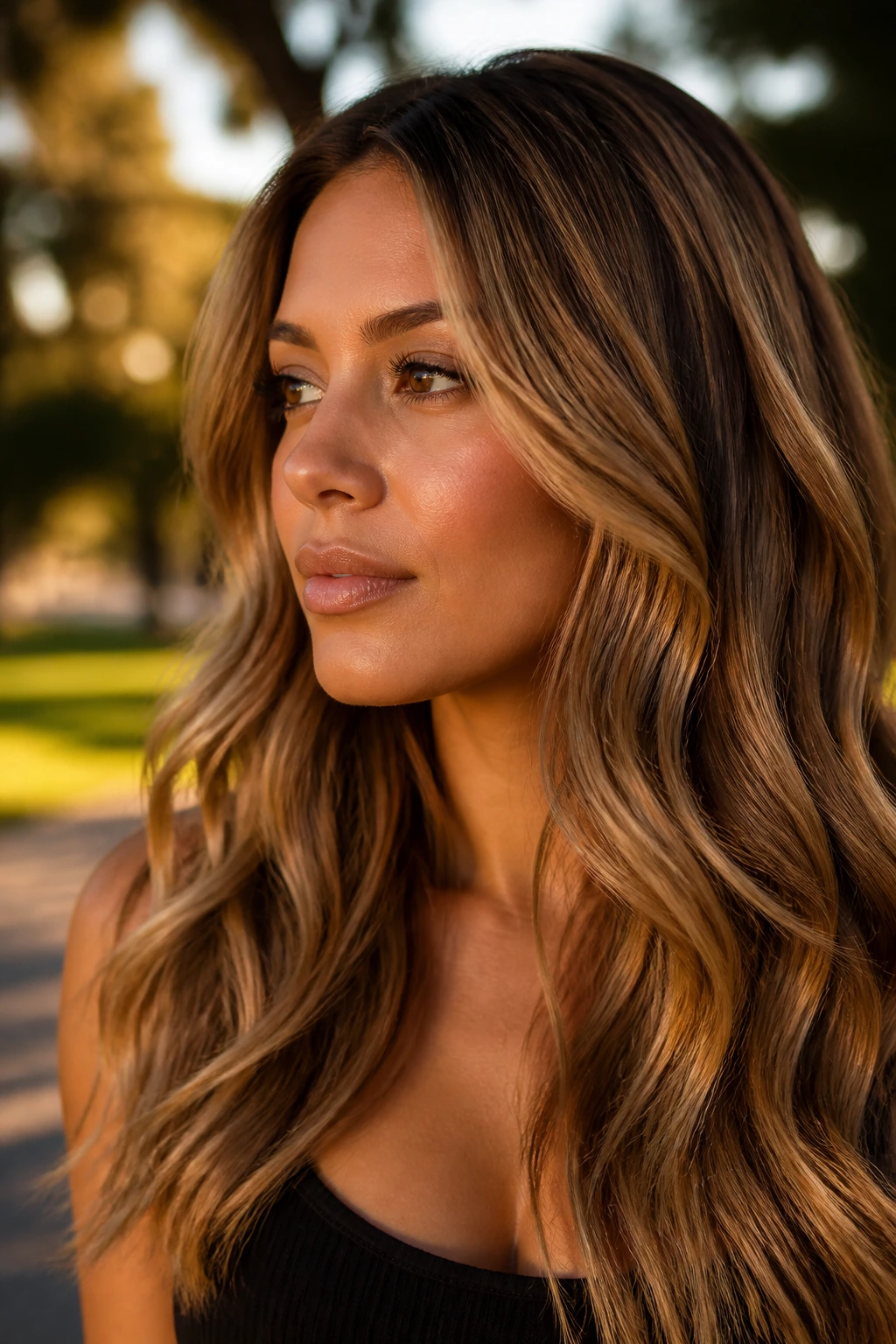
Bronzed blonde is the warmer cousin of beige blonde, with toasted gold and soft brown notes that sit beautifully on medium skin with golden undertones. It has more depth than a classic bright blonde, which is why it feels easier to wear.
This is one of my favorite choices for thicker hair, because the warm ribbons show movement without needing a full bleach job from root to end. The result feels sunlit, but not flimsy.
20. Money Piece Blonde
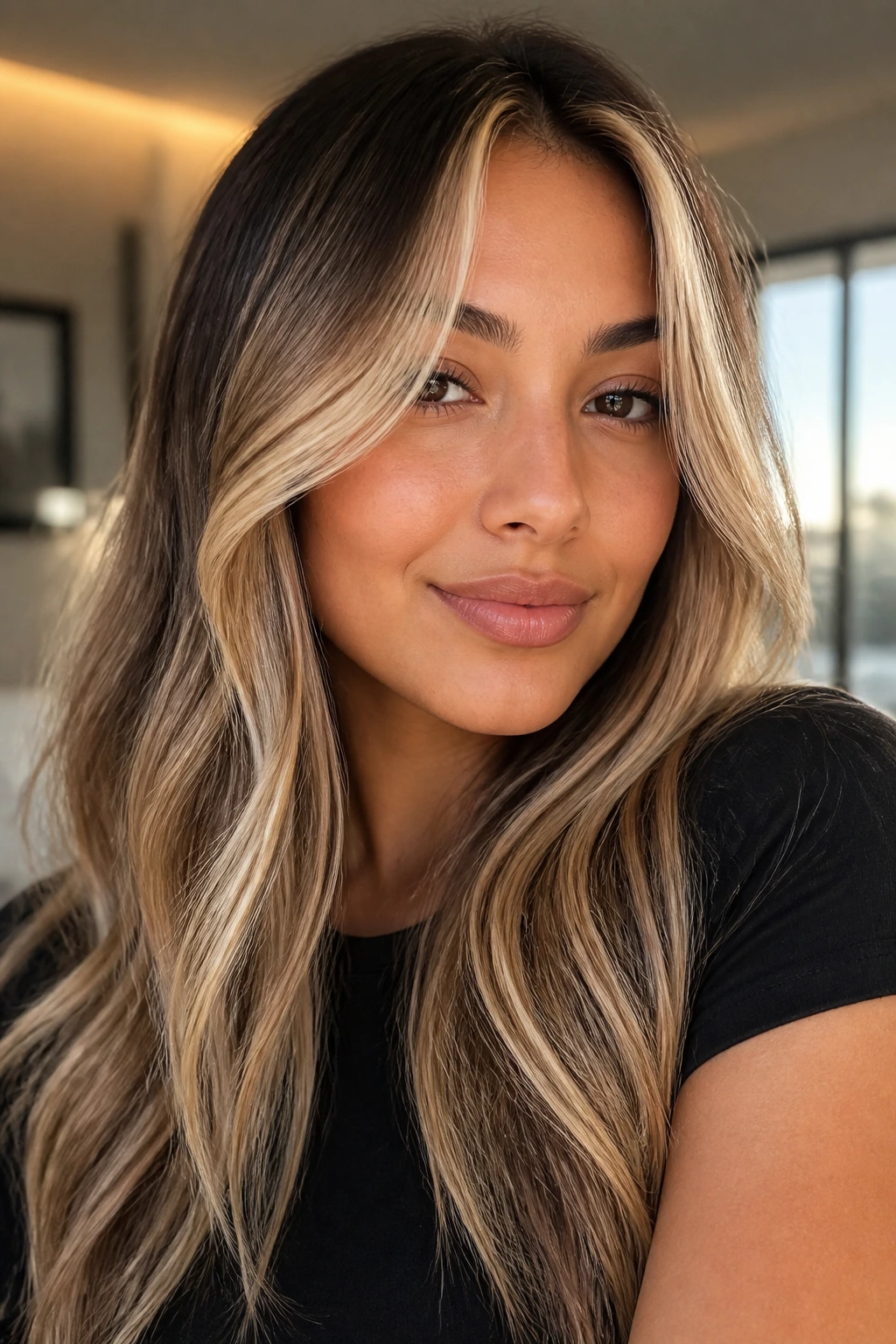
Money piece blonde is not a full shade; it’s a placement choice. The brighter front pieces near the face lift medium skin fast, especially when the rest of the hair stays deeper and more dimensional.
Placement note: this works best when the face-framing pieces are one to two levels lighter than the rest of the blonde, not five. Too much contrast at the hairline can look harsh; a softer frame usually does the job better.
21. Sun-Kissed Balayage
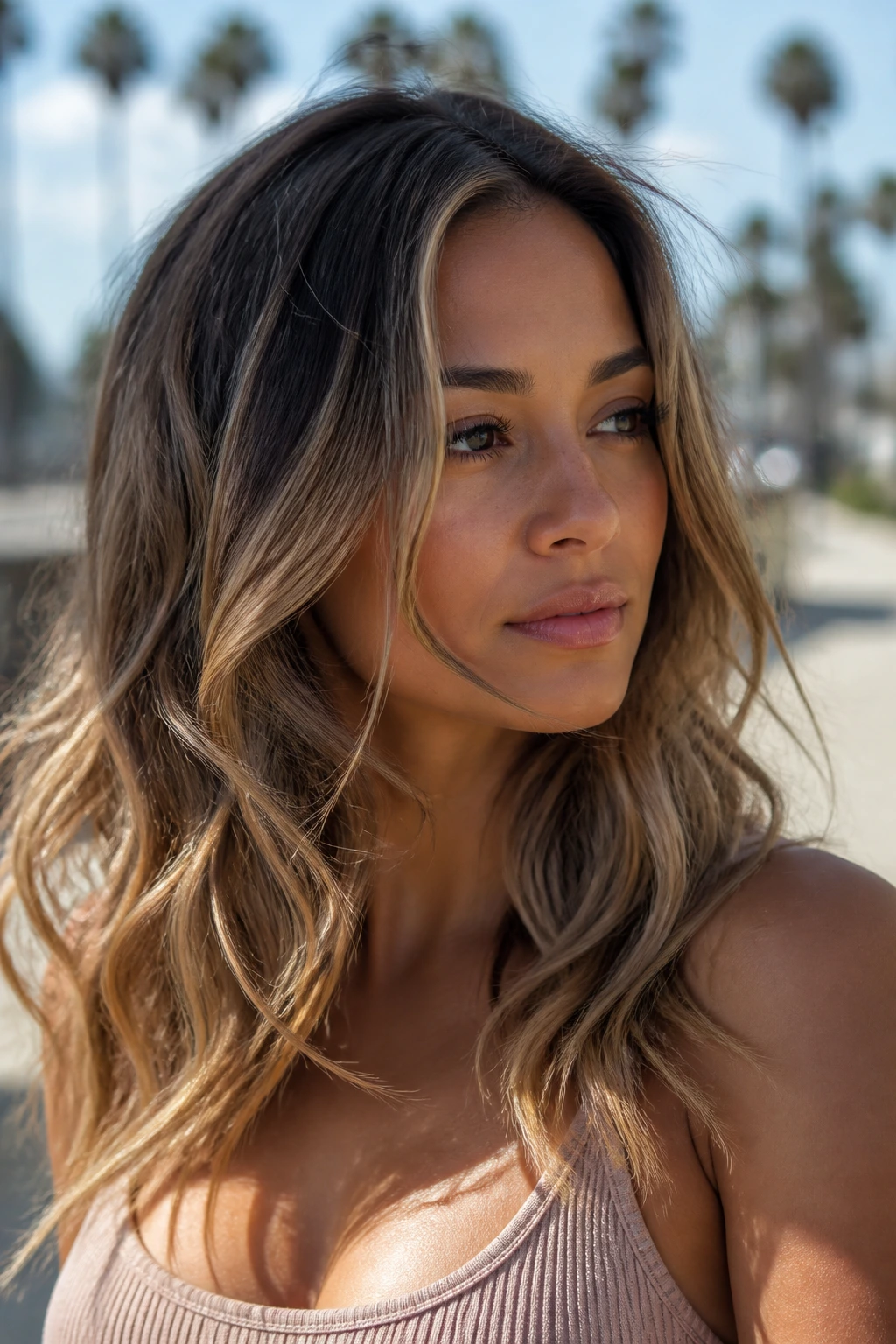
Sun-kissed balayage is what I recommend when someone wants blonde that looks like it happened over time. The color is painted in softer patches, mostly on the top layers and ends, so medium skin gets brightness without a hard stripe line.
It’s one of the easiest options to live with because the grow-out is built into the design. That’s useful if you don’t want every salon visit to feel like a rescue mission.
22. Old Money Blonde
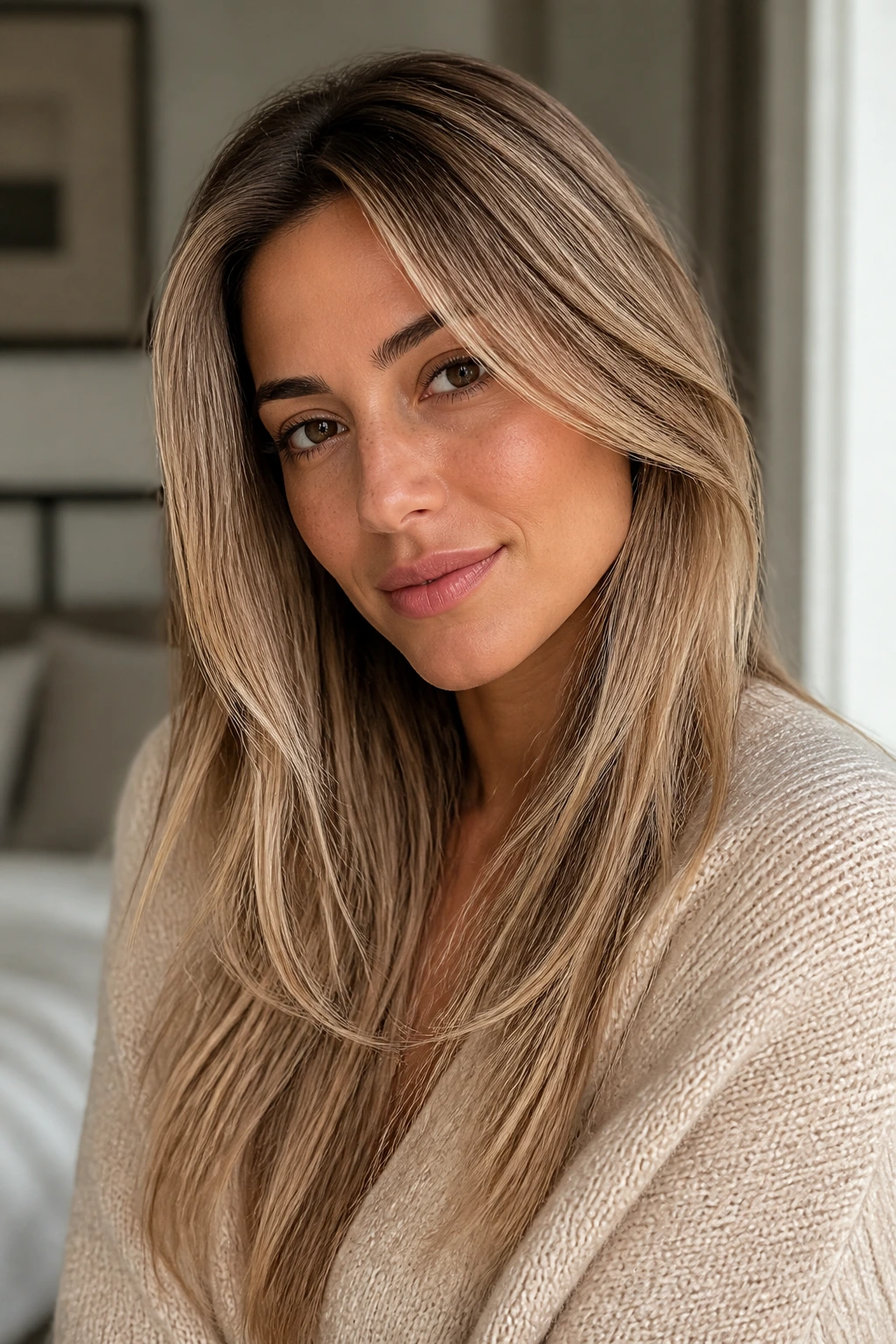
Old money blonde is really about fine placement and blended depth. Think beige-gold highlights, a shadow root, and almost no harsh lines. On medium skin, that quiet contrast tends to look better than a solid pale blonde.
The shade works because the blonde never takes over the whole head. It stays mixed in with darker pieces, which gives the face structure. That structure is doing a lot of work here.
23. Wheat Blonde
Wheat blonde is soft, dusty, and a little sunbaked, with a muted golden tone that avoids the syrupy look of brighter blondes. It’s especially good for medium skin that needs warmth without going too yellow.
I like this shade for people who want something natural-looking but not boring. It has enough color to feel deliberate, yet it still reads as blonde in daylight.
24. Almond Blonde
Almond blonde is the quieter cousin of caramel. It mixes beige, light brown, and soft gold, which is why it can sit so comfortably on medium skin without shouting for attention.
Best match: neutral or warm medium skin, especially if you like soft waves or a layered cut. It gives the hair a smooth, nutty finish that doesn’t need a lot of styling to look finished.
25. Maple Blonde
Maple blonde has amber and gold running through it, with just enough warmth to feel rich rather than bright. On medium skin, it can make the complexion look even and alive, especially if your undertone leans peach.
The reason it works is simple: the warmth is spread through the color instead of sitting on top of it. That gives the shade depth, which keeps it from feeling flat in indoor light.
26. Champagne Beige Blonde
Champagne beige blonde is a cleaner, cooler version of beige blonde with a little sparkle in the tone. It works best on neutral medium skin, where the balance between warm and cool keeps the color from pulling yellow.
I like this shade for medium-length hair and sleek cuts. The gloss shows up nicely when the hair is smooth, and the neutral tone helps the skin look clearer without turning the whole look icy.
27. Soft Platinum Blonde
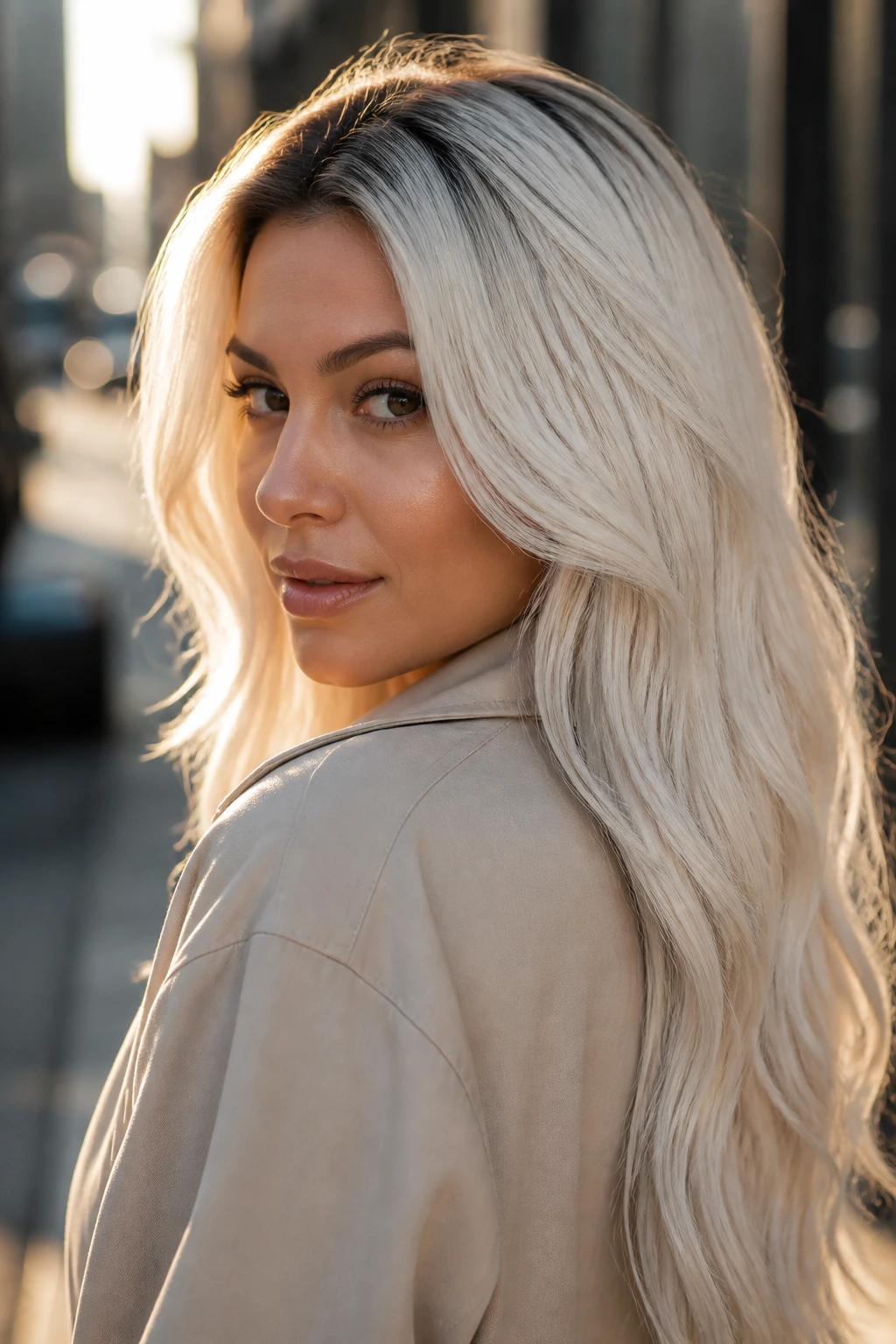
Soft platinum blonde is platinum with enough softness to stay wearable on medium skin. That usually means keeping a darker root, leaving some depth around the face, and avoiding a harsh white finish from scalp to ends.
This is the highest-maintenance shade on the list, no question. But if you want it, the trick is not to let the blonde float alone. Brow shape, makeup, and root depth all matter more here than they do with honey or caramel.
28. Peach Blonde
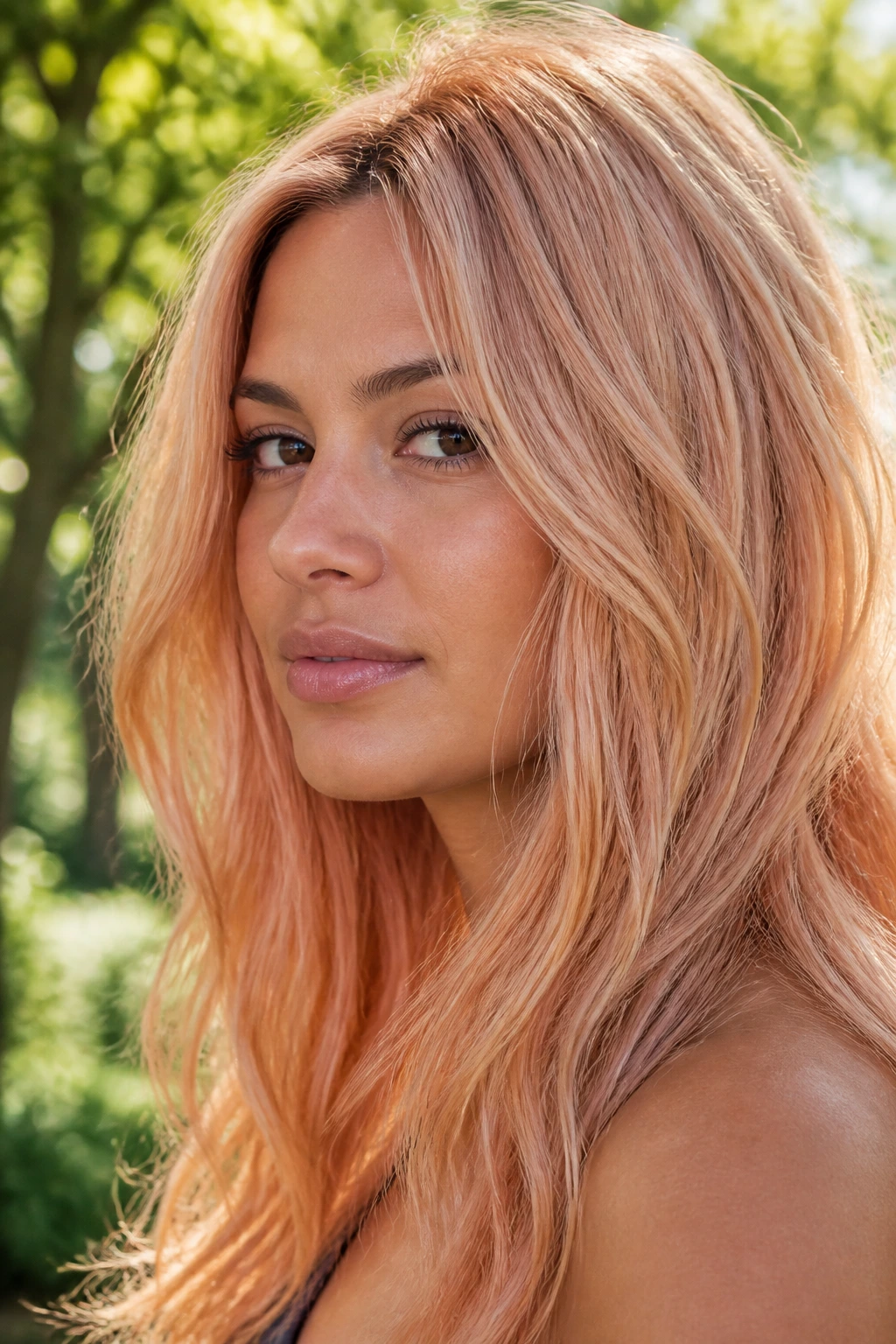
Peach blonde has a blushy coral-gold cast that looks lively on medium skin with peach or neutral undertones. It can brighten the face in a way that standard gold blonde can’t, especially when the color is kept soft.
This shade works best when the peach note is light, not neon. Think pastel warmth, not orange. The softer version is what keeps it wearable outside a photo.
29. Espresso-Root Blonde
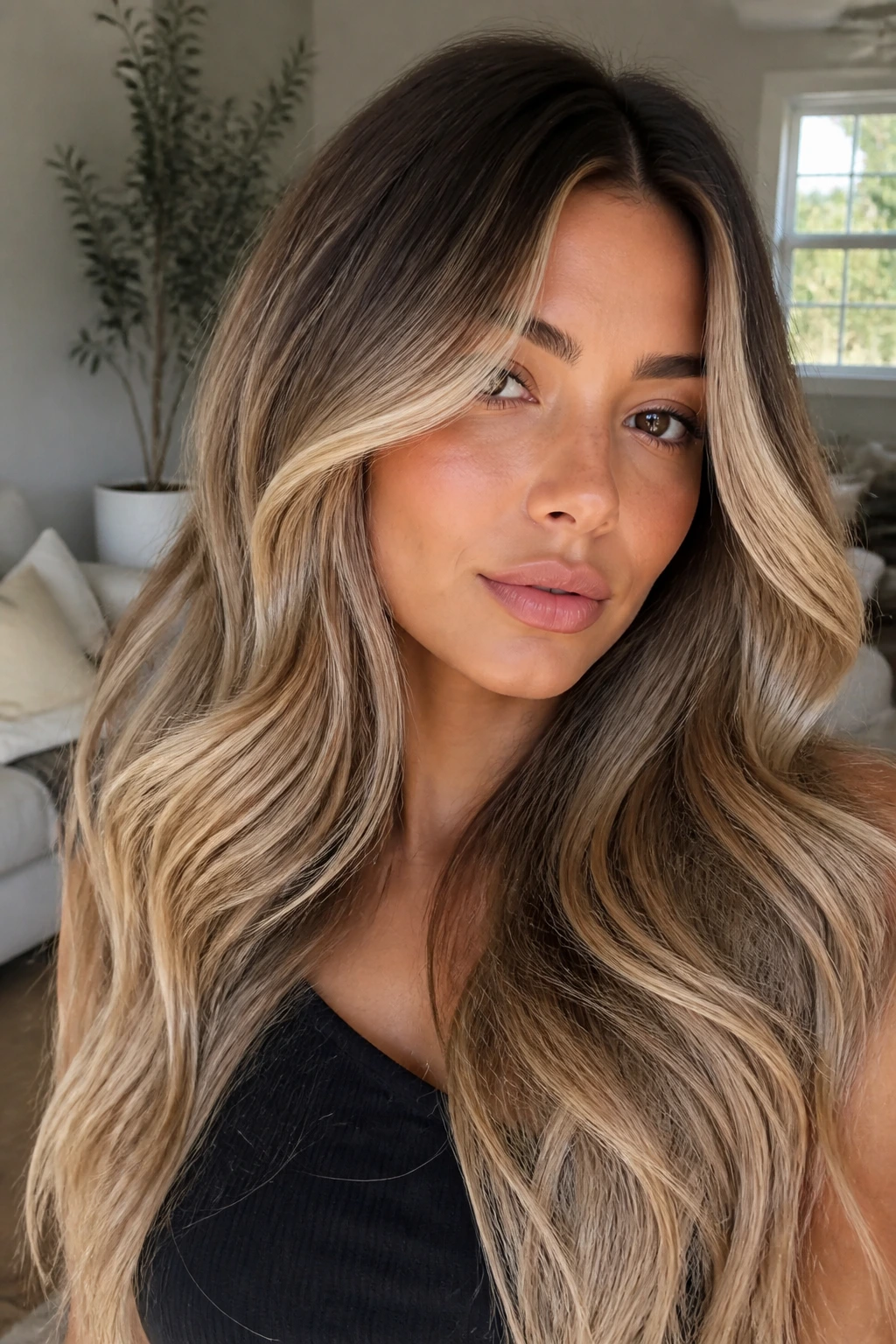
Espresso-root blonde gives you the strongest contrast on the list, and that contrast is the reason it looks so good on medium skin. The dark root frames the face, while the blonde mids and ends keep the hair from feeling heavy.
If you like the idea of blonde but hate the upkeep, this is worth a hard look. The root can grow out several weeks before it starts to look messy, which makes the whole style easier to keep up with.
30. Dimensional Vanilla Blonde
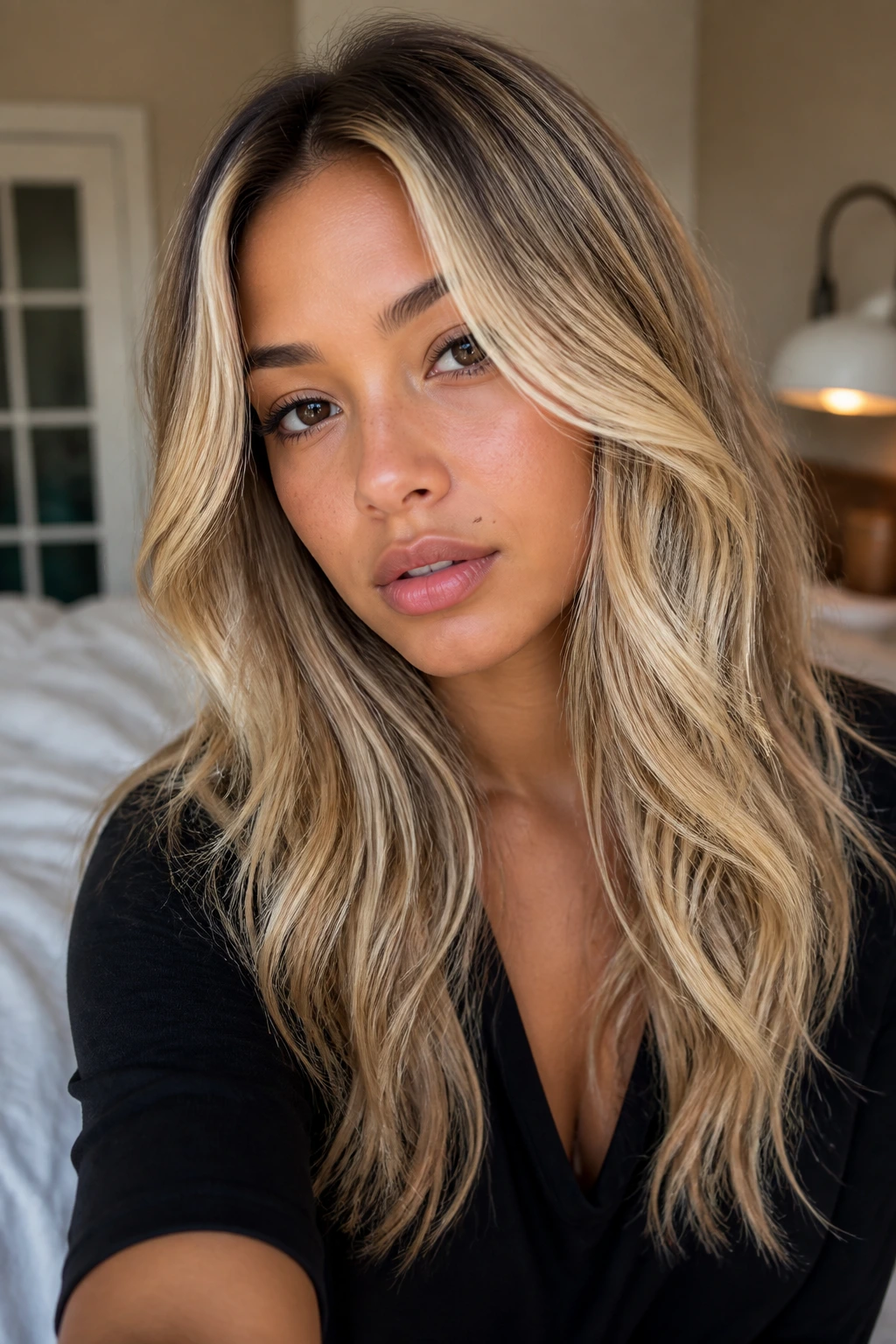
Dimensional vanilla blonde is the smartest version of pale blonde for medium skin if you want lightness without losing shape. A vanilla base, a few beige ribbons, and a touch of champagne give the color enough movement to stay alive.
If you’re stuck, start here: it’s lighter than honey, softer than platinum, and more forgiving than a flat ash blonde. On medium skin, that mix usually reads balanced from every angle, which is the whole game with blonde.
Why Blonde Hair Shades for Medium Skin Tones Work Better With Depth
Flat blonde has a way of making medium skin look separate from the hair. That’s the basic problem, and once you notice it, you can’t unsee it.
Depth fixes that. A shadow root, lowlights, or even a darker brow keeps the color anchored to the face, so the blonde doesn’t float like a wig line. That anchor is especially useful if your skin leans warm or olive, because those undertones need some contrast to stay lively.
I also like the way dimension lets medium skin do more than one job at once. A caramel ribbon can warm the cheek area while a cooler beige piece keeps the crown from going orange. That mix looks more natural than a single blonde note, and it grows out better, too. No one wants a color that only works under salon lighting.
Essential Tools for a Blonde Color Appointment
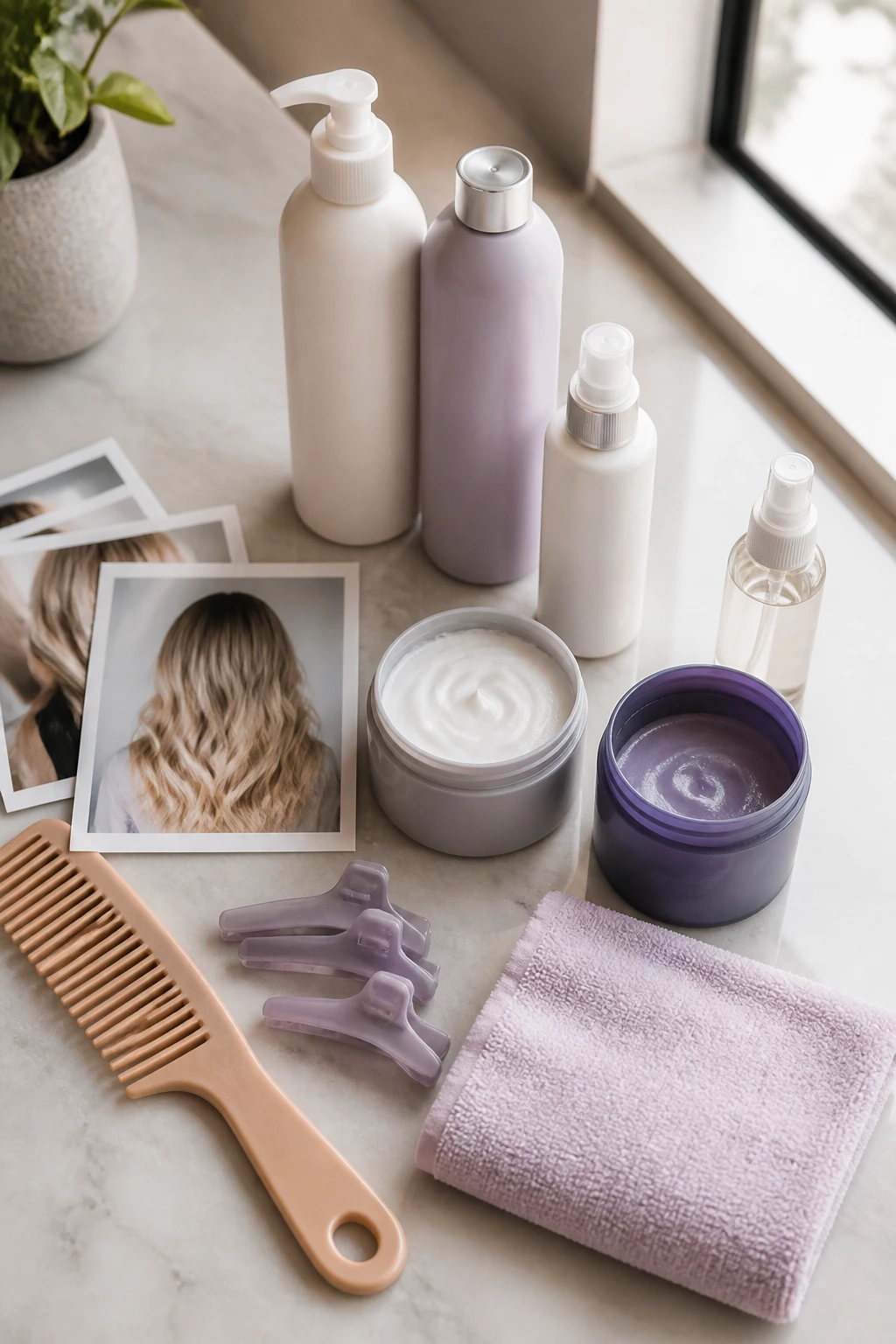
- Daylight reference photos: Save 3 to 5 photos taken in natural light so you can show the tone, depth, and placement you actually want.
- Neutral makeup or bare face: If your makeup shifts very warm or very cool, it can distort how a blonde reads against your skin.
- Sulfate-free color-safe shampoo: Helps the tone last longer and keeps lifted hair from feeling stripped.
- Purple shampoo or blue shampoo: Purple handles yellow brass; blue handles orange brass. Use the one that matches the problem, not both at once.
- Bond-repair treatment: Essential if your hair has been lightened more than once. Lifted hair needs support.
- Deep conditioning mask: Keeps blonde ends from turning rough and fluffy after a few washes.
- Heat protectant spray: Use it before every blow-dry, iron, or hot brush pass.
- Wide-tooth comb and section clips: They make glossing, detangling, and at-home toning much easier.
- Microfiber towel: Cuts down friction on fragile lightened ends.
- Shower filter if your water is hard: Hard water can throw blonde tones off fast, especially ash and beige shades.
How to Read a Blonde Swatch Book for Medium Skin
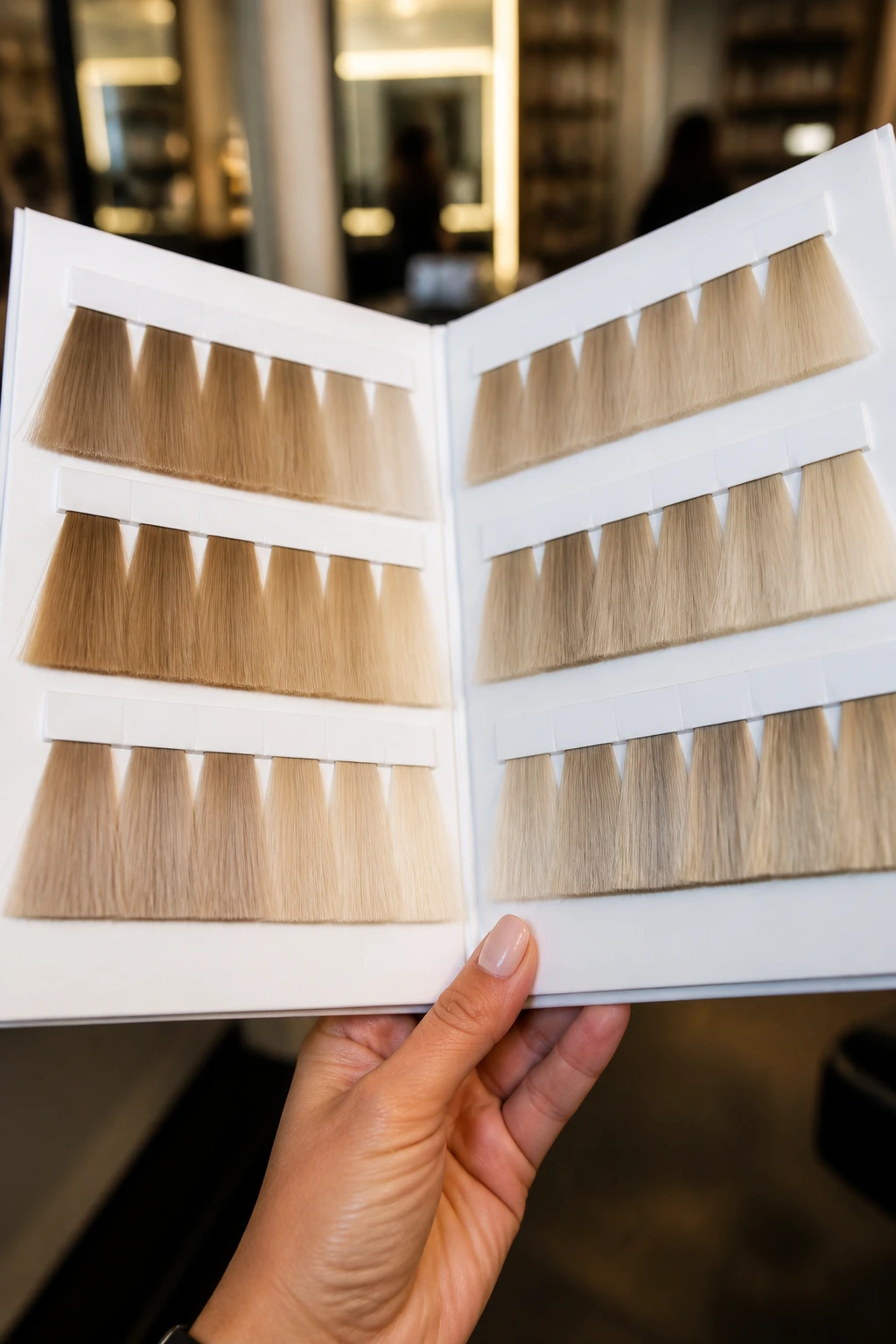
A swatch book is useful, but only if you stop treating it like a promise and start treating it like a clue. Hair color levels matter here. Level 7 sits in the dark-blonde zone, level 8 is the classic blonde sweet spot, and level 9 to 10 is where the palest looks start to show up.
Warm Medium Skin
If your skin has gold, peach, or bronze in it, honey, caramel, toffee, maple, and bronzed blonde tend to sit naturally against it. You can still go lighter, but I’d keep some gold in the formula and leave the root a shade or two deeper.
Neutral Medium Skin
Neutral medium skin has more room. Beige blonde, champagne blonde, dimensional vanilla, and cream blonde usually play nicely here because they don’t pull too warm or too icy. If you want platinum, this is the undertone that gives you the best odds.
Olive or Muted Medium Skin
Olive skin often looks best when the blonde is smoky, beige, or grounded with depth. Mushroom blonde, ash blonde, rooted blonde, and bronde balayage are strong options because they keep the color from turning brassy against green-gold undertones.
When you talk to a colorist, use the level system and the placement language. Say whether you want a full blonde, a soft balayage, a money piece, or a rooted grow-out. That conversation gets you farther than saying “make me blonde” ever will.
How to Wear These Shades So They Look Intentional
Presentation: Soft waves show off ribbons of honey, caramel, and balayage better than pin-straight hair, which can flatten the whole thing into one tone. Sleek blowouts suit beige, champagne, and pearl because the shine reads cleanly.
Accompaniments: Medium skin usually looks stronger when brows stay a shade deeper than the hair and makeup leans into the blonde’s undertone. Warm blondes like terracotta blush, peach lip, and gold jewelry; cooler blondes like taupe liner, muted rose, and silver or mixed metal.
Portions: If you don’t want high commitment, ask for partial highlights, face-framing pieces, or a rooted blend instead of a full head of lift. A deeper base under the surface often makes blonde easier to wear on medium skin because it keeps the color from feeling airbrushed away.
Lighting: Always check your blonde in daylight before you leave the salon or the bathroom mirror. Warm indoor bulbs can make a cool blonde look yellow, and fluorescent light can make a warm blonde look muddy. The same color can behave like a different shade depending on the room.
Extra Tips for Better Shine and Less Brass
Gloss Trick: Ask for a beige or neutral gloss after lifting. It settles the tone faster than leaving blonde raw and hoping it calms down on its own.
Tone Control: Use purple shampoo once a week if your blonde trends yellow; use blue shampoo if it swings orange. More is not better here. Too much toning product can leave the hair dull or chalky.
Shine Boost: A clear gloss or glaze every 4 to 6 weeks keeps honey, champagne, and beige shades from looking dry. That step matters even more if your hair is porous from prior coloring.
Budget-Saver: Keep the root one to two levels deeper than the mids if you want your color to last longer between appointments. A shadow root buys you time, and time is what most people actually need.
Heat Rule: Stay under 350°F when you can. Lifted hair goes frizzy and thirsty fast, and once the cuticle is rough, the blonde looks older than it is.
Make-It-Yours: Warm skin? Add gold ribbons. Neutral skin? Go beige or champagne. Olive skin? Lean smoky and leave depth in the formula. That small adjustment usually matters more than chasing the palest possible blonde.
Common Mistakes That Throw Medium-Skin Blonde Off Balance
- Going too pale at the root: The color can lift the face so hard that it stops feeling connected to the skin. The fix is a root shadow, lowlights, or a softer transition near the hairline.
- Choosing the wrong undertone: Ash on very warm skin can look gray and tired; gold on very cool skin can pull orange. Match the undertone to the skin first, then decide how light to go.
- Letting toner fade for too long: Brass creeps in after a few washes, and the blonde starts looking yellow, orange, or flat. A gloss or toner refresh keeps the shade honest.
- Using purple shampoo every wash: It can dry the hair out and leave a dusty cast. Once a week is usually enough unless your hair lifts very warm.
- Skipping brow and makeup adjustment: If the hair goes much lighter, the rest of the face may need a tiny shift too. A slightly deeper brow and warmer or cooler makeup can stop the color from swallowing your features.
- Over-highlighting the whole head: Too many light pieces can make medium skin lose definition. Keep some depth underneath so the blonde has structure.
Named Variations and Alternate Blonde Directions
Soft Root Melt: Keep the first inch or two deeper, then melt into honey, beige, or champagne through the mids. This is the easiest route if you want blonde that grows out without a hard line.
Smoky Beige Blend: Use beige and ash together with very fine highlights. It suits olive medium skin best and gives you a cooler blonde that still has enough softness to stay wearable.
Platinum With Anchors: Leave a darker root, darken the brows slightly, and place the lightest pieces away from the scalp. That keeps platinum from washing out medium skin and gives the color some shape.
Copper-Touched Blonde: Add a whisper of peach or copper over a blonde base. This is the best move if you want warmth without going full red.
Face-Frame Brightening: Keep the base deeper and concentrate the lightest pieces around the hairline and crown. It’s a good compromise if you want a visible change without bleaching every strand.
Keeping Blonde Fresh Between Appointments
Blonde on medium skin stays best when you treat maintenance as part of the color, not an annoying afterthought.
Use a color-safe shampoo for most washes and reserve purple or blue shampoo for the moments you actually see brass showing up. Once a week is plenty for many blondes. If your hair is very porous, even less may be better, because toning products can stack up fast.
Glosses and toners usually need a refresh every 4 to 8 weeks, depending on how light and cool the shade is. Pearl, ash, and platinum fade faster than honey or caramel. Rooted blondes and balayage can stretch longer—often 8 to 12 weeks—because the darker base gives the eye something to hold onto.
Deep condition once a week, and add a protein treatment every 2 to 3 weeks if the hair feels stretchy, gummy, or oddly soft when wet. That’s a sign the cuticle needs support. A monthly clarifying or chelating wash helps too if your water is hard, because mineral buildup can turn blondes dull and strange very quickly.
Blonde Hair Shade Questions People Actually Ask
What blonde shade looks best on most medium skin tones?
Beige blonde, honey blonde, and rooted bronde are the safest starting points because they balance lightness with depth. They tend to work across warm, neutral, and some olive undertones without needing a perfect match.
Can medium skin wear ash blonde?
Yes, but it works best when the skin has neutral or olive undertones. If you’re warm and golden, ash can look too flat unless it’s softened with beige or kept away from the entire hairline.
Is platinum blonde too harsh for medium skin?
Not automatically. Platinum can look sharp and modern on medium skin if the root stays deeper and the brows don’t disappear. Without that contrast, it can look washed out.
Do I need bleach for these shades?
Not always. Bronde, caramel blonde, rooted blonde, and many balayage looks can be done with highlights, glosses, or lighter pieces over a darker base. Platinum, pearl, and icy blonde usually need more lift.
Which shade needs the least upkeep?
Rooted blonde, sun-kissed balayage, and bronde balayage are the easiest to live with. Their darker base and blended placement make grow-out less obvious.
How do I stop blonde from turning orange?
Use the right toner, not just purple shampoo. Orange brass usually needs blue-toning help, especially if your hair started out dark brown or was lifted unevenly.
What if my hair is very dark brown?
Start with a rooted balayage, money piece, or bronde blend instead of jumping straight to pale blonde. Dark hair often looks better with planned depth than with an all-over lightening job.
Should I change my makeup after going blonde?
Usually, yes, at least a little. A slightly deeper brow, more definition at the lash line, and blush that matches the undertone of your blonde can keep the color from overpowering your face.
The Shades That Carry the Light
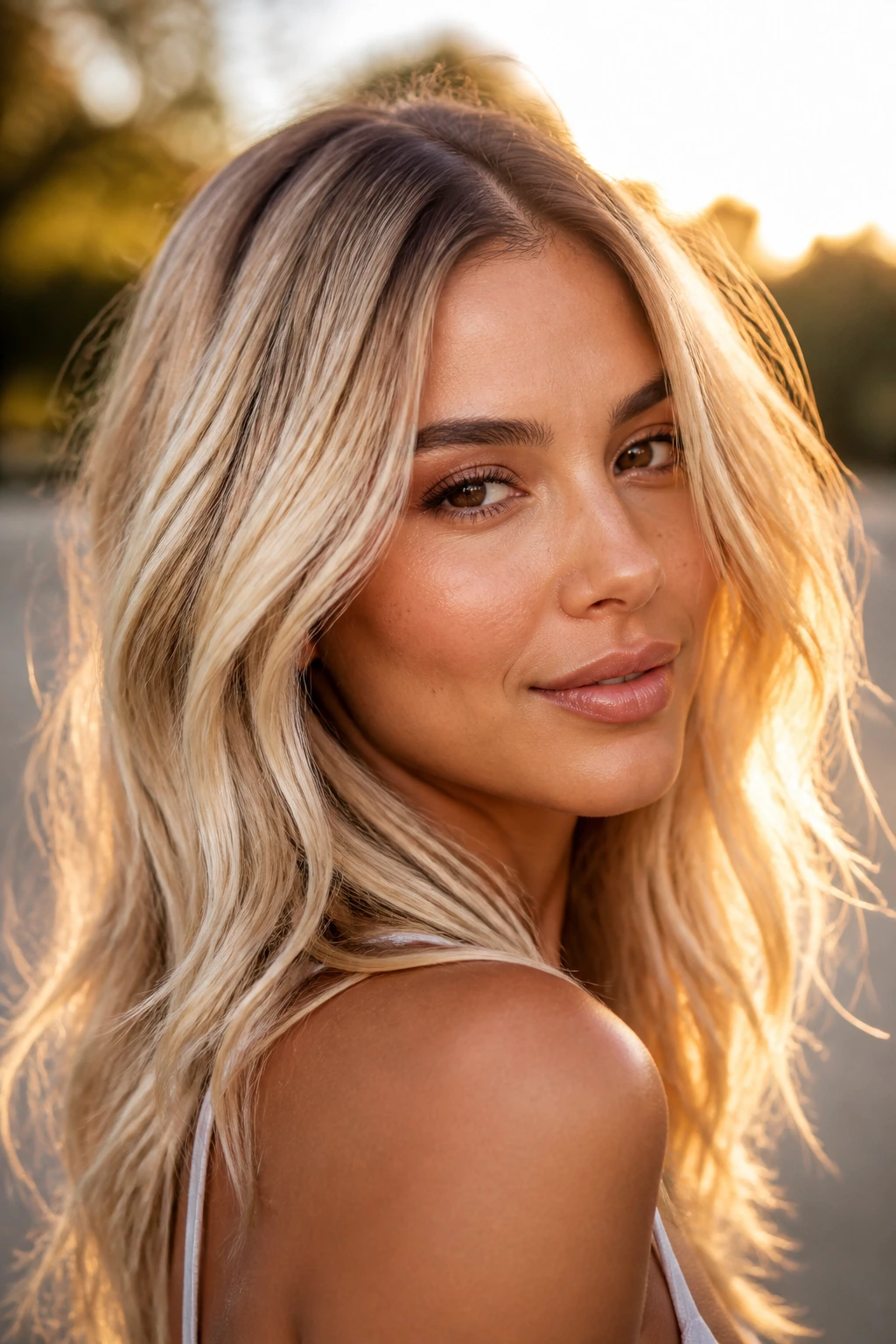
If medium skin has one advantage, it’s range. You can go warm, cool, smoky, creamy, or bright, and the right blonde will still feel believable when the formula respects your undertone and keeps some depth in the mix.
That’s why I’d save the palest options for the end of the experiment, not the beginning. Beige, honey, caramel, rooted bronde, and champagne are the shades that usually give the cleanest payoff first. Once you know how your skin reacts to those, then it gets interesting.
A good blonde on medium skin should look like it belongs there from the first glance and the second. Start with the shade that matches your undertone, keep the root honest, and let the rest be a little dimensional. That’s the version you’ll end up wearing most often.