



Pale skin doesn’t need more blonde. It needs the right kind of brown.
That’s the part people miss when they ask for brown blonde hair color ideas for pale skin and then bring home a shade that looks flat under kitchen light and streaky in daylight. The sweet spot sits in the middle: beige, mushroom, taupe, caramel, champagne, oat, cocoa. Not muddy. Not yellow. Not too dark around the face unless you want that sharper contrast on purpose.
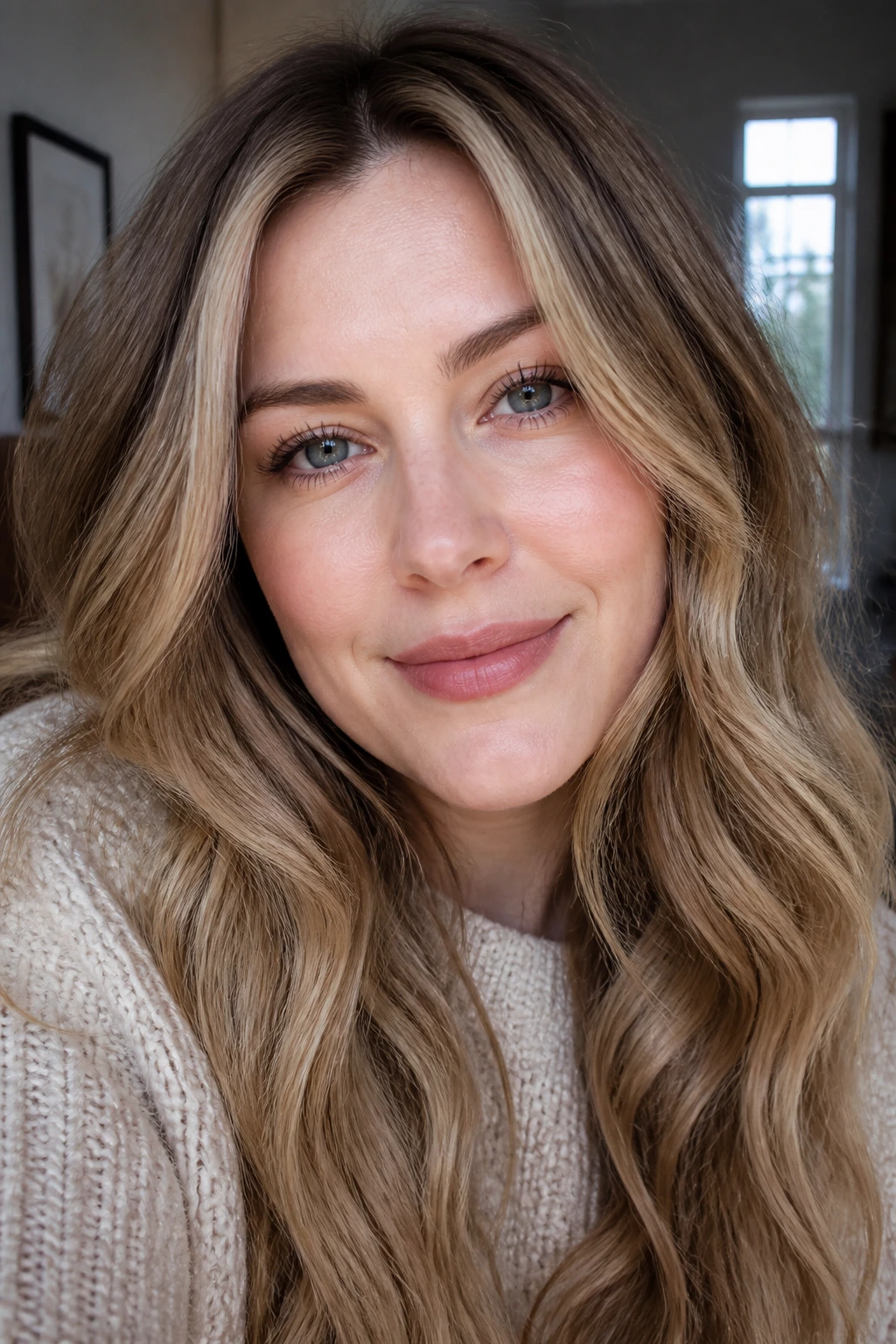
The best brown-blonde blends do two jobs at once. They give fair skin some warmth or smoke to lean against, and they keep the hair from looking like one solid block of color. On pale skin, that movement matters. A few lighter ribbons around the temples or cheekbones can change the whole read of the face — suddenly the skin looks clearer, the eyes pop more, and the color feels intentional instead of accidental.
There’s no single “correct” shade for everyone with fair skin. Pink undertones, freckles, cool ivory skin, olive-leaning pale skin, and neutral skin all need slightly different balance. The list below covers smoky, buttery, cool, and softly warm options so you can match the color to your undertone instead of fighting it.
Why These Brown Blonde Shades Work When Pure Blonde Doesn’t
-
They build shape first. A brown-blonde mix keeps the base rich enough to frame pale skin, then adds brightness where the eye naturally lands — around the face, part line, and ends.
-
They avoid the chalky look. Very light blonde against very fair skin can erase contrast and make the complexion look washed out; a beige or taupe brown keeps the hair from disappearing into the face.
-
They soften redness. If your skin has pink or flushed areas, smoky beige and ash-brown tones usually sit better than icy yellow blonde or orange caramel.
-
They grow out more cleanly. A rooted bronde or balayage blend gives you a softer line at the scalp, which matters a lot when your natural color is deeper than the chosen blonde pieces.
-
They can lean cool or warm. That flexibility is the whole point. Pale skin isn’t one note, and these shades let the colorist tune the warmth instead of forcing a single blonde formula onto every face.
1. Mushroom Bronde with Soft Smoke
Mushroom bronde is one of the safest bets for pale skin because it lives in that cool beige-gray lane that never turns brassy. Ask for a level 6 or 7 base with smoky ribbons one to two levels lighter, then keep the finish soft rather than shiny-gold.
Why it flatters fair skin
It gives pale skin contrast without heat. That matters if your complexion leans pink, cool, or a little translucent in natural light.
- Best for: cool or neutral undertones
- Ask for: a shadow root and beige-ash ribbons
- Avoid: heavy gold toner or copper gloss
Best move: wear it in loose bends so the smoke and beige interlace instead of reading like stripes.
2. Beige Balayage with a Shadow Root
Here’s the blunt version: if you want brown blonde hair color ideas for pale skin that look expensive rather than loud, beige balayage is hard to beat. The root stays a soft brown, the mids turn sandy-beige, and the ends keep just enough lightness to catch the eye.
It suits pale skin because beige doesn’t fight your complexion. It sits beside it. That’s why this shade works on people who hate obvious warmth but still want something lighter than brunette.
The real trick is placement. Ask for the lightest pieces around the cheekbones and the top layer, not only the ends. Hair that moves around the face needs that brightness where it shows most, not hidden underneath.
3. Ash Brown Melt
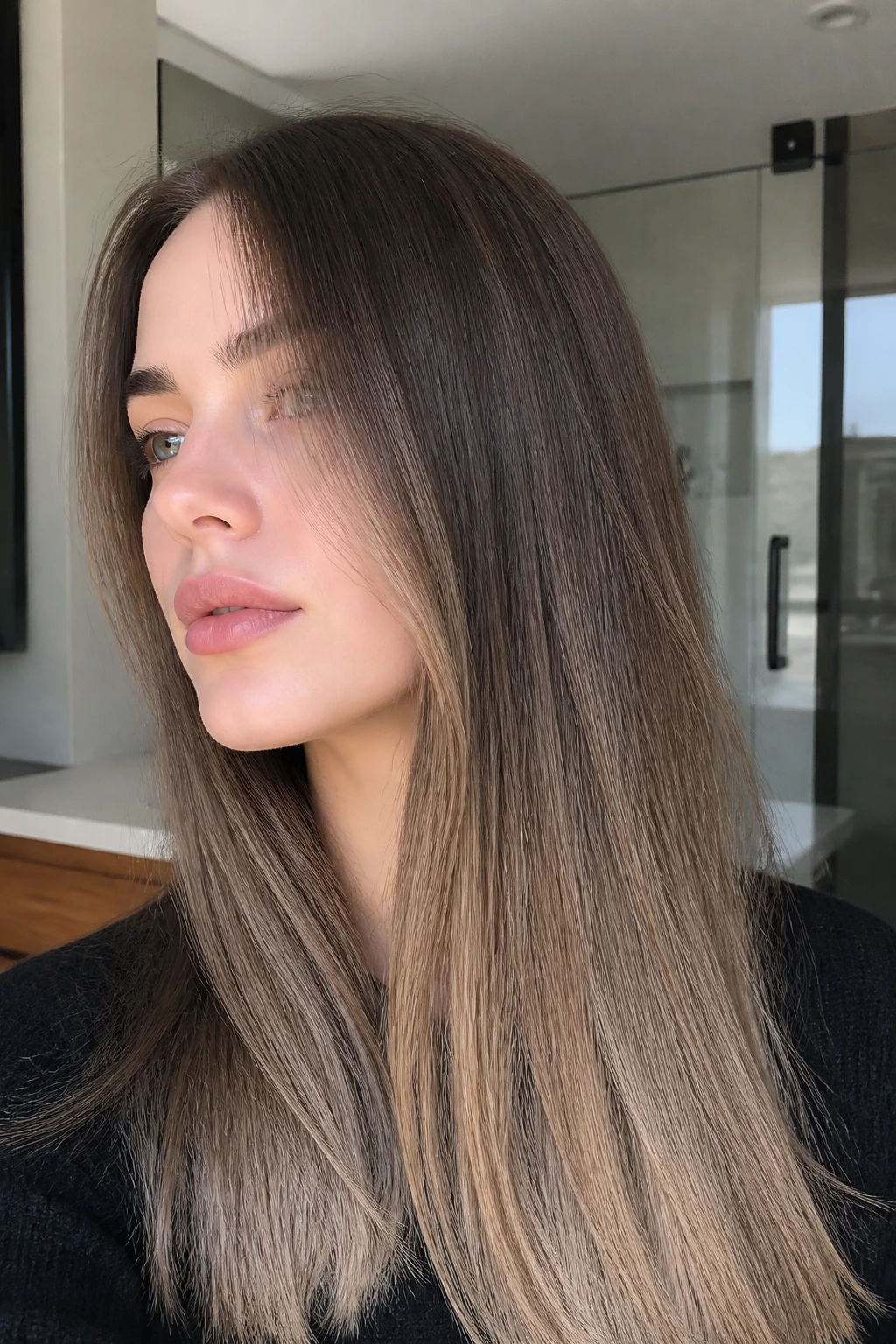
Can ash brown look flat? Sure, if it’s done like a helmet. But a proper melt — dark at the root, softly lighter through the mids, then barely beige at the ends — gives pale skin a cool, clean frame that feels deliberate.
How to wear it
This shade is strongest on straight hair, sharp lobs, and blunt bobs. The clean lines make the ash read modern instead of dull.
If your skin leans red or flushed, this is one of the better choices in the whole lineup. It cuts the warmth and leaves the face looking calmer. Keep the toner soft, though. Go too gray and the hair starts looking dusty.
4. Caramel Babylights on a Soft Chestnut Base
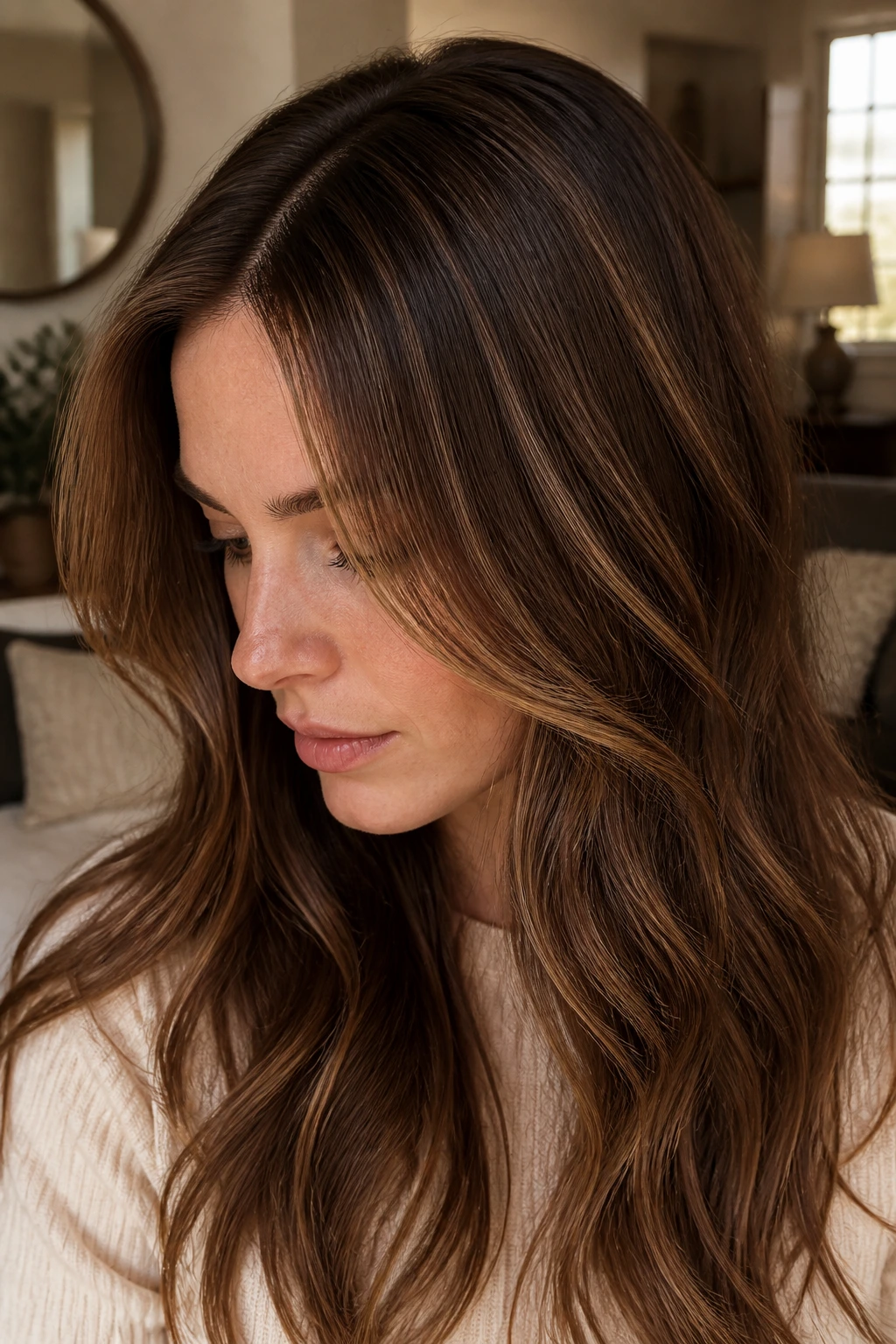
Picture chestnut hair with the tiniest caramel strands woven through it. That’s the appeal here. The base stays rich and brown, but the babylights are so fine that they break up the color without creating chunky blonde streaks.
That size matters on pale skin. Tiny lights are easier on a fair face than thick panels because they don’t overpower the skin or make the roots look harsh.
Ask for babylights concentrated around the hairline, part, and crown. The light pieces should look scattered, not lined up like highlights from an older salon book. This one works especially well if you want brown to remain the main color and blonde to play backup.
5. Sandy Bronde Lob
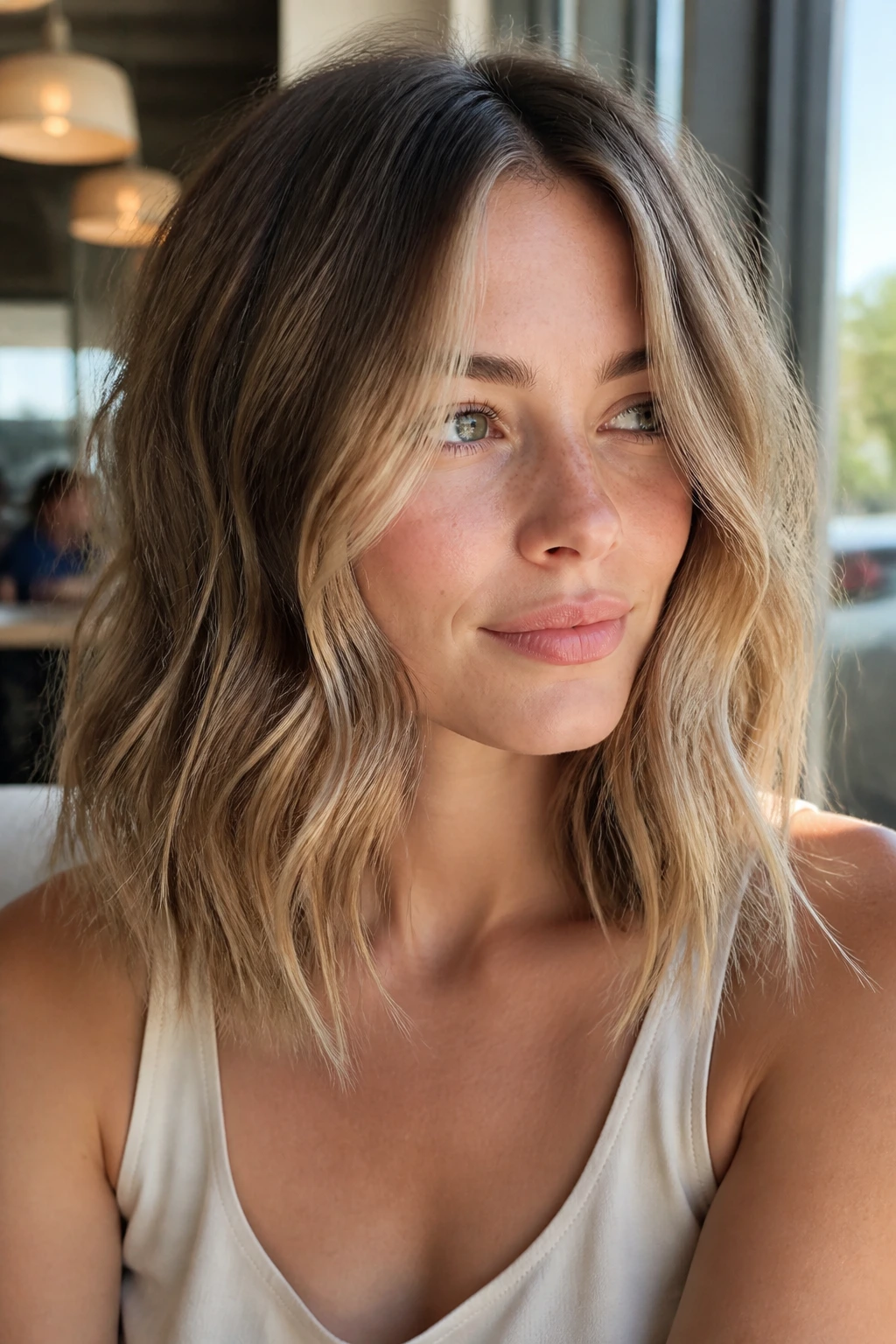
Sandy bronde has a softer, drier finish than caramel. That’s the charm. On a lob, it looks almost sun-touched, but not in a beachy cliché way — more like pale sand, oat milk, and light brown knit all mixed together.
It’s especially good on pale skin that goes neutral in daylight. The color sits quietly next to the complexion and doesn’t shout warmth or ash. A lob also gives the shade a cleaner read because the ends sit near the face.
Keep the texture loose. A small wave, not a curl. Too much curl can make sandy tones look heavier than they are.
6. Chestnut with Champagne Ribbons
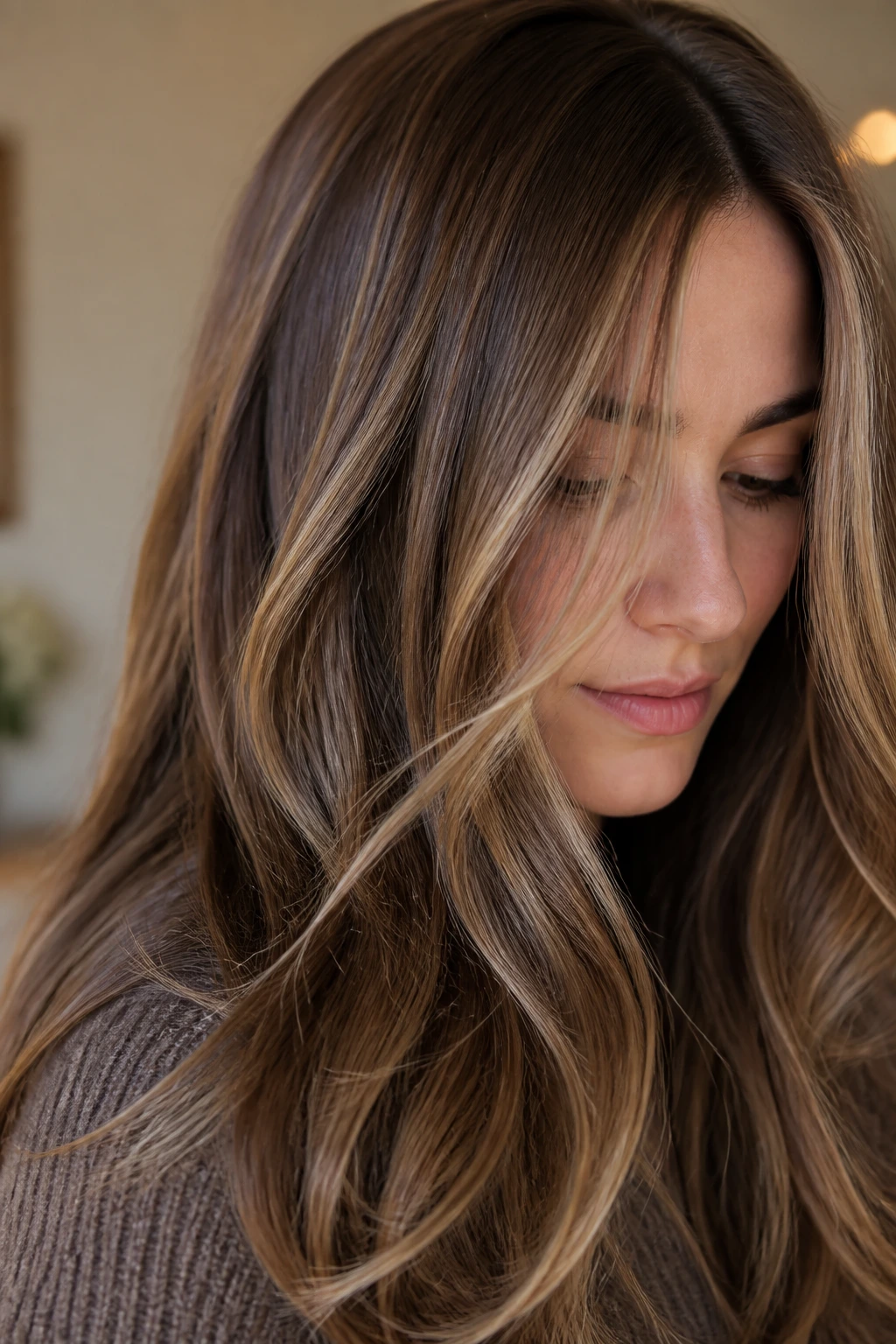
Chestnut with champagne ribbons is what happens when you want a little sparkle without tipping into blonde overload. The chestnut base keeps the hair grounded, while the champagne pieces lift the hairline and the top layers just enough to brighten fair skin.
Unlike honey blonde, this look doesn’t lean too warm. That’s the reason it works on pale skin with cooler eyes or a pink flush in the cheeks.
It’s best when the ribbons are thin and intentional. Think “glints,” not “highlights.” The champagne should show up when the hair moves, then disappear back into the chestnut. That kind of shift is what keeps it from looking stripy.
7. Smoky Mushroom Ombré
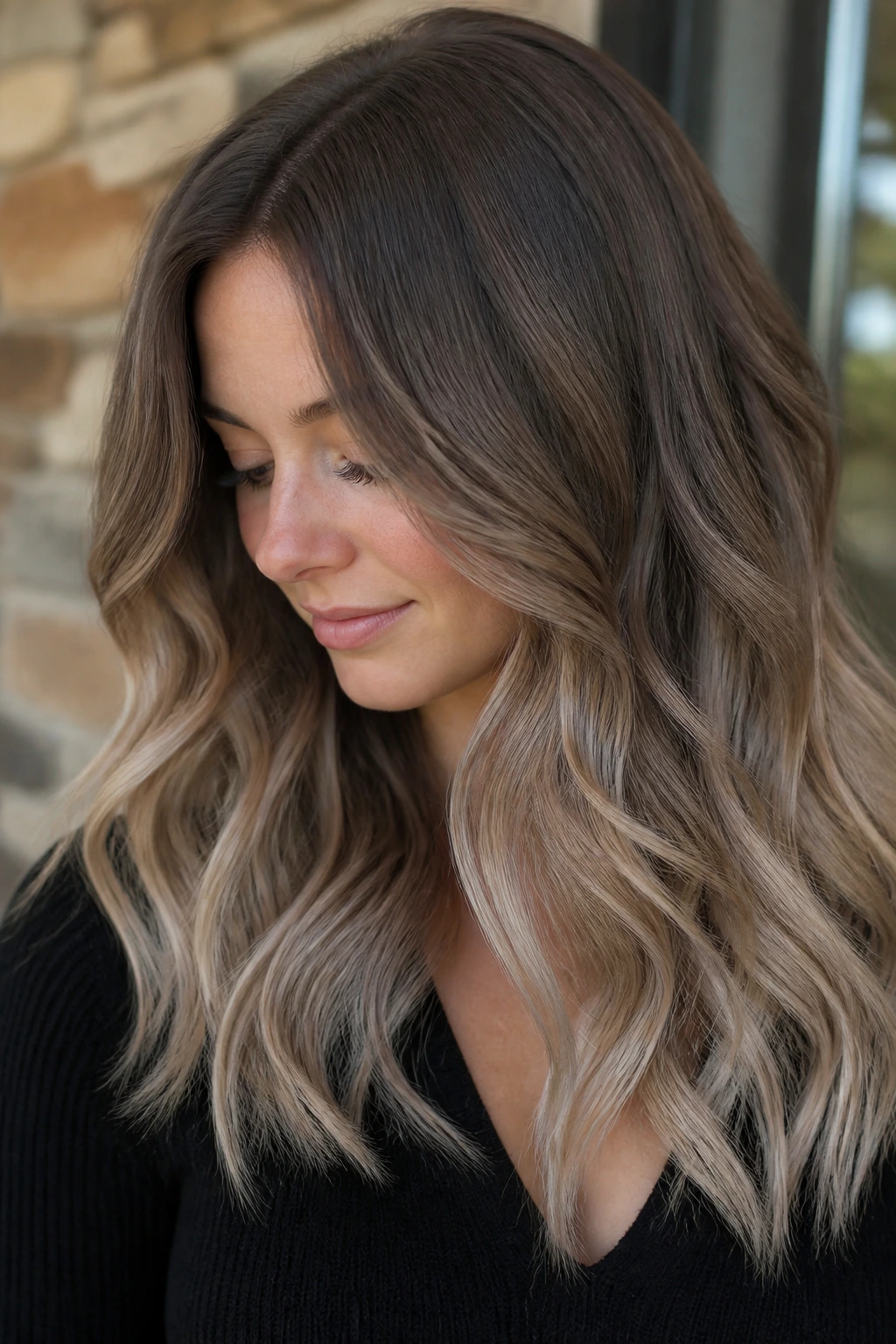
Smoky mushroom ombré is for the person who wants a bit more drama but still wants the color to look grown-in. The roots stay darker, the mids drift into mushroom brown, and the ends fade into a muted beige that never turns yellow.
Why it works
Pale skin often looks best when the deeper color stays away from the center of the face and the lighter tone sits lower. Ombré does that naturally.
- Best for: longer hair and layered cuts
- Ask for: a low-contrast fade, not a hard line
- Style with: soft waves to show the gradient
Don’t make the ends too blond. The whole point is a smoky fade, not a dip-dye effect.
8. Hazelnut Gloss with Muted Ends
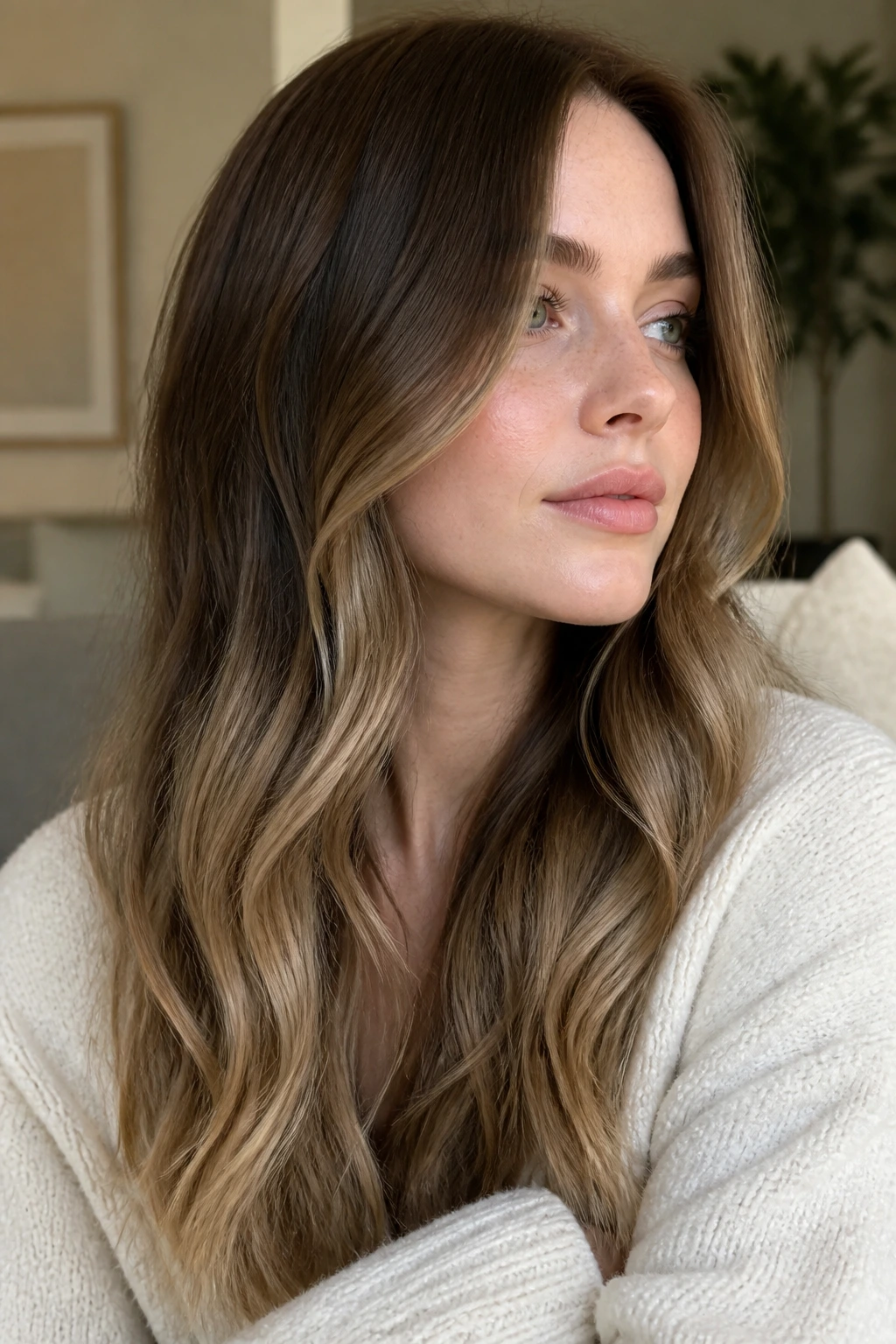
Hazelnut is a friendly shade for pale skin because it sits in the middle of warm and cool. It gives the hair a nutty brown base, then a beige gloss can push the mids and ends just light enough to avoid heaviness.
This is a smart pick if you don’t want bleach-heavy highlights. A demi-permanent gloss over lighter brown hair can do a lot here, and it fades more softly than a bright blonde service.
The color has a polished, quiet feel. Not boring. Just controlled. On fair skin, that control keeps the face from looking overwhelmed.
9. Toffee Face-Framing Pieces
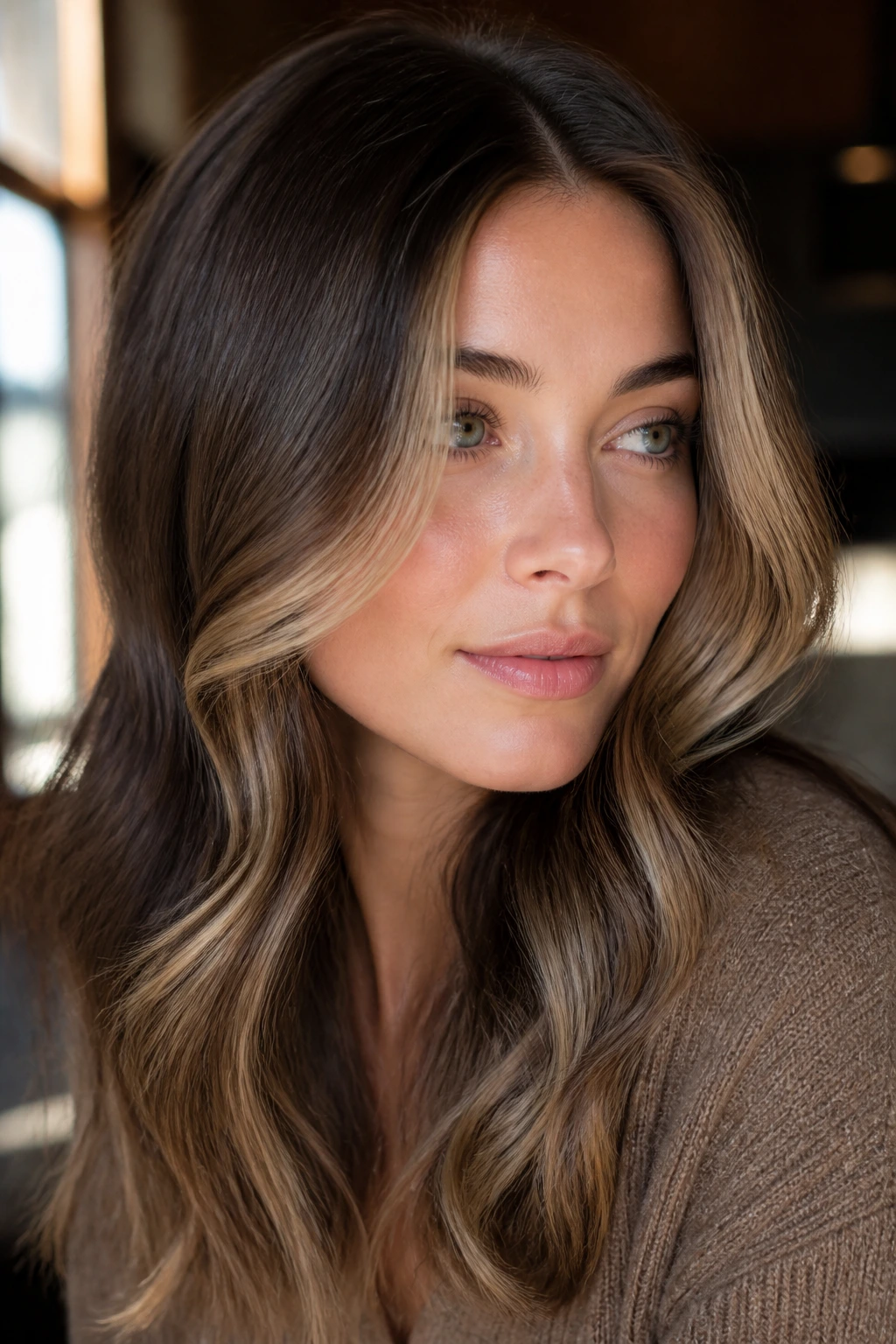
Toffee around the face is a useful move when you want brightness without committing to a full head of blonde. The base can stay medium brown, but the front pieces get lifted to a soft toffee-beige that warms the skin and opens up the eyes.
How to use it
This is one of the easiest ways to test brown blonde hair color ideas for pale skin without taking the whole head lighter. If you like the effect, you can always add more depth or brightness later.
A few notes:
- Keep the frame pieces one level lighter than you think you need.
- Ask for soft blending at the root so they don’t look like money-piece stripes.
- If your skin is very pink, stay closer to beige than gold.
The face-framing pieces should do the talking. Everything else can stay quiet.
10. Espresso Roots with Oat Blonde Ends
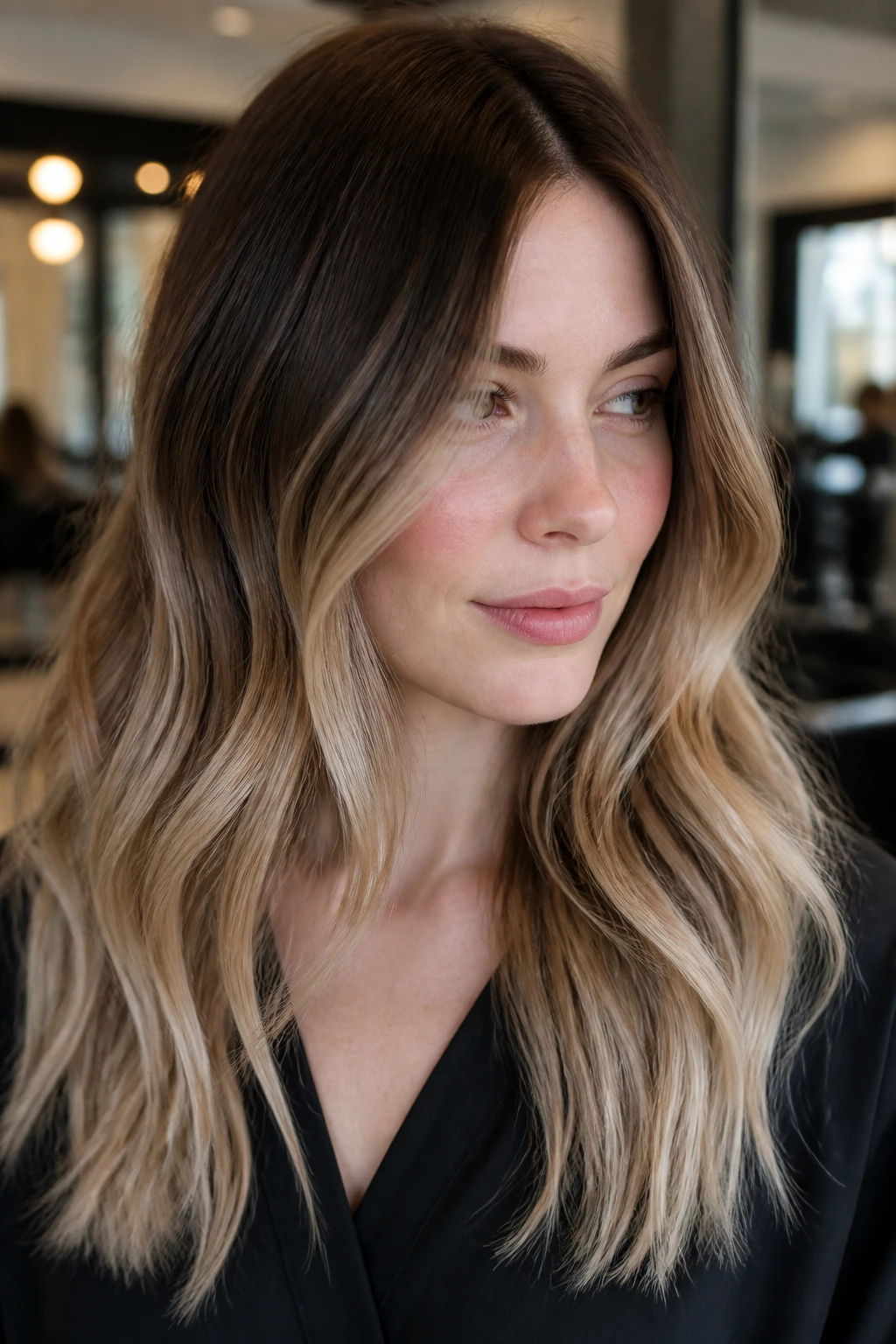
This one has contrast, and that’s the point. Espresso at the root gives pale skin structure, while oat-blonde ends stop the look from becoming too heavy. It’s a sharper version of bronde, but still wearable if the blonde stays creamy rather than icy.
The cut matters here. Layers help the darker root move down into the lighter ends. On one-length hair, the transition can feel abrupt; on layers, it looks intentional.
Try this if your brows are dark or if you like a little edge around the face. The espresso sets a strong frame, and the oat ends keep it from going severe.
11. Vanilla Beige Bronde
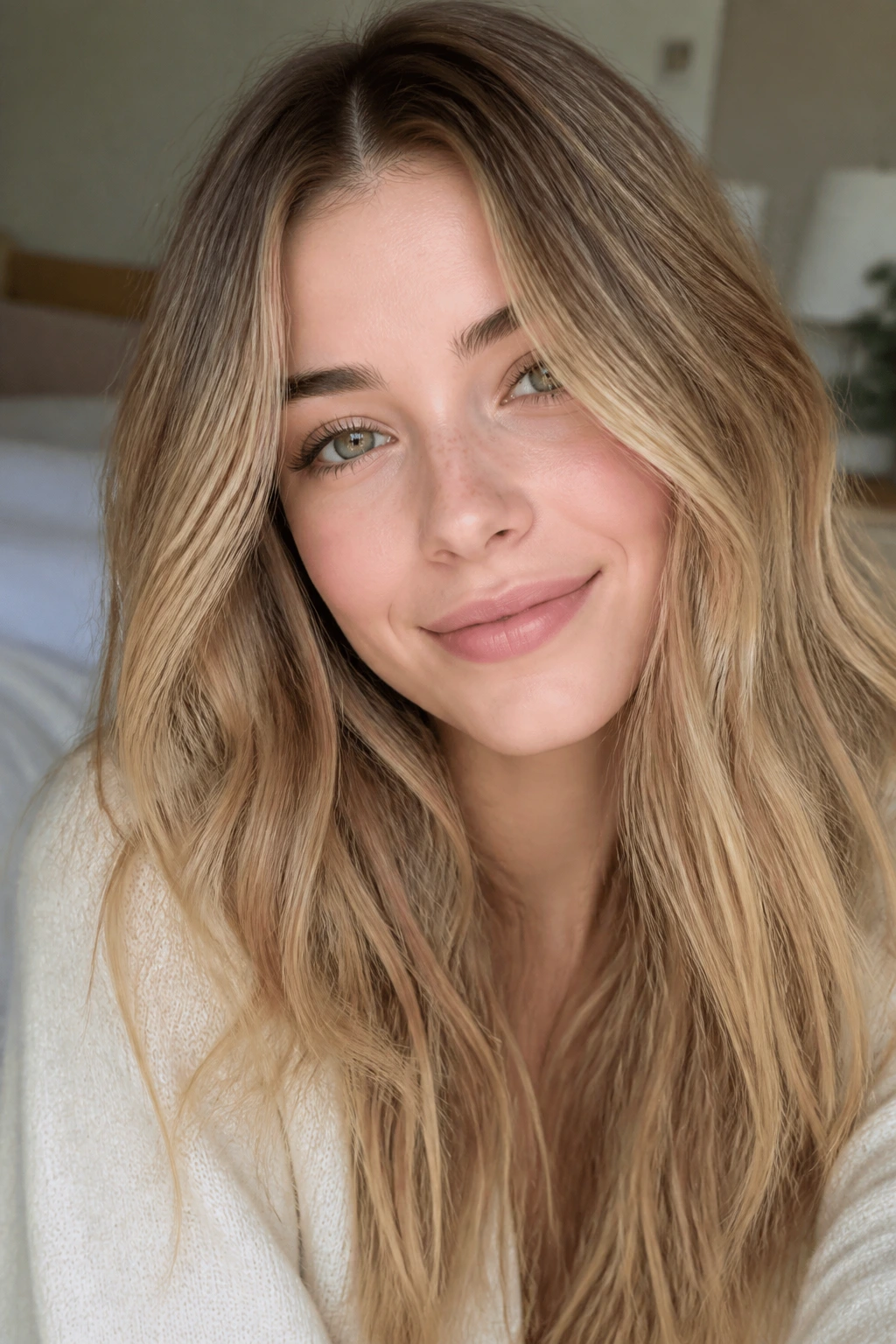
Vanilla beige bronde is soft, pale, and a little creamy without tipping yellow. On fair skin, it adds lightness in a way that feels airy rather than bright. The brown part stays close to a light brunette, and the blonde part lands in a gentle beige zone.
This shade is good for people who want blonde energy without a lot of maintenance. The contrast is low, so regrowth doesn’t shout. It’s also a smart choice if your skin has a neutral undertone and you don’t want to choose sides between cool and warm.
Wear it with a middle part or soft curtain fringe. Both let the beige blend sit around the face instead of disappearing into the length.
12. Walnut Brown with Pearl Highlights
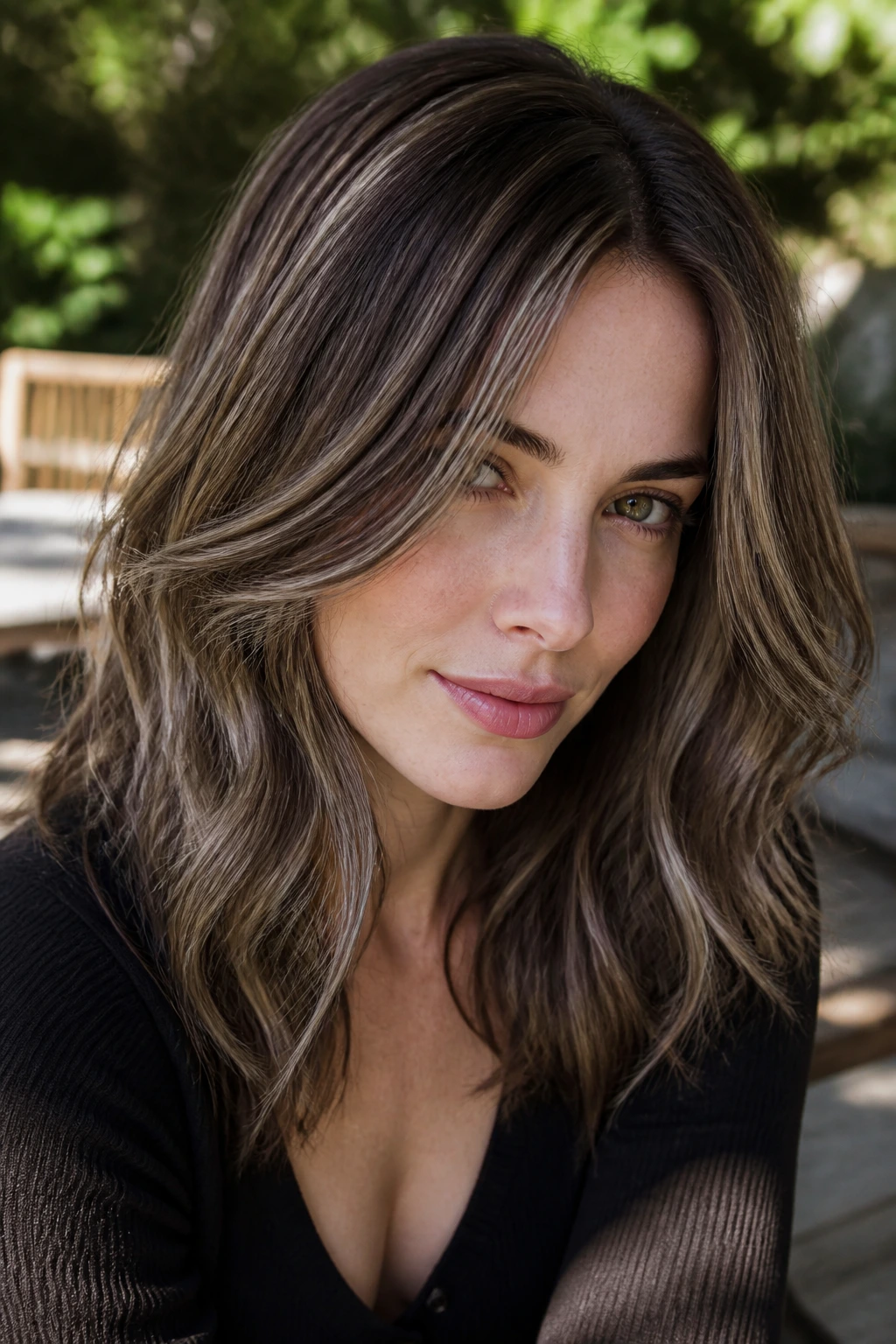
Walnut brown already has a little depth, and pearl highlights keep it from feeling too heavy on pale skin. The pearl pieces should be cool, soft, and a bit translucent — not bright white, not yellow.
That coolness is the reason the color works. Pearl highlights don’t fight fair skin; they echo it. If your complexion gets blotchy with warm blonde, this is a cleaner lane.
What makes it different
The walnut base keeps the hair looking rich, while the pearl strands add light exactly where the hair bends. It’s subtle, but not invisible.
Best on medium-length hair, layered shags, and blunt cuts that need some movement around the edges.
13. Honeyed Mushroom Bob
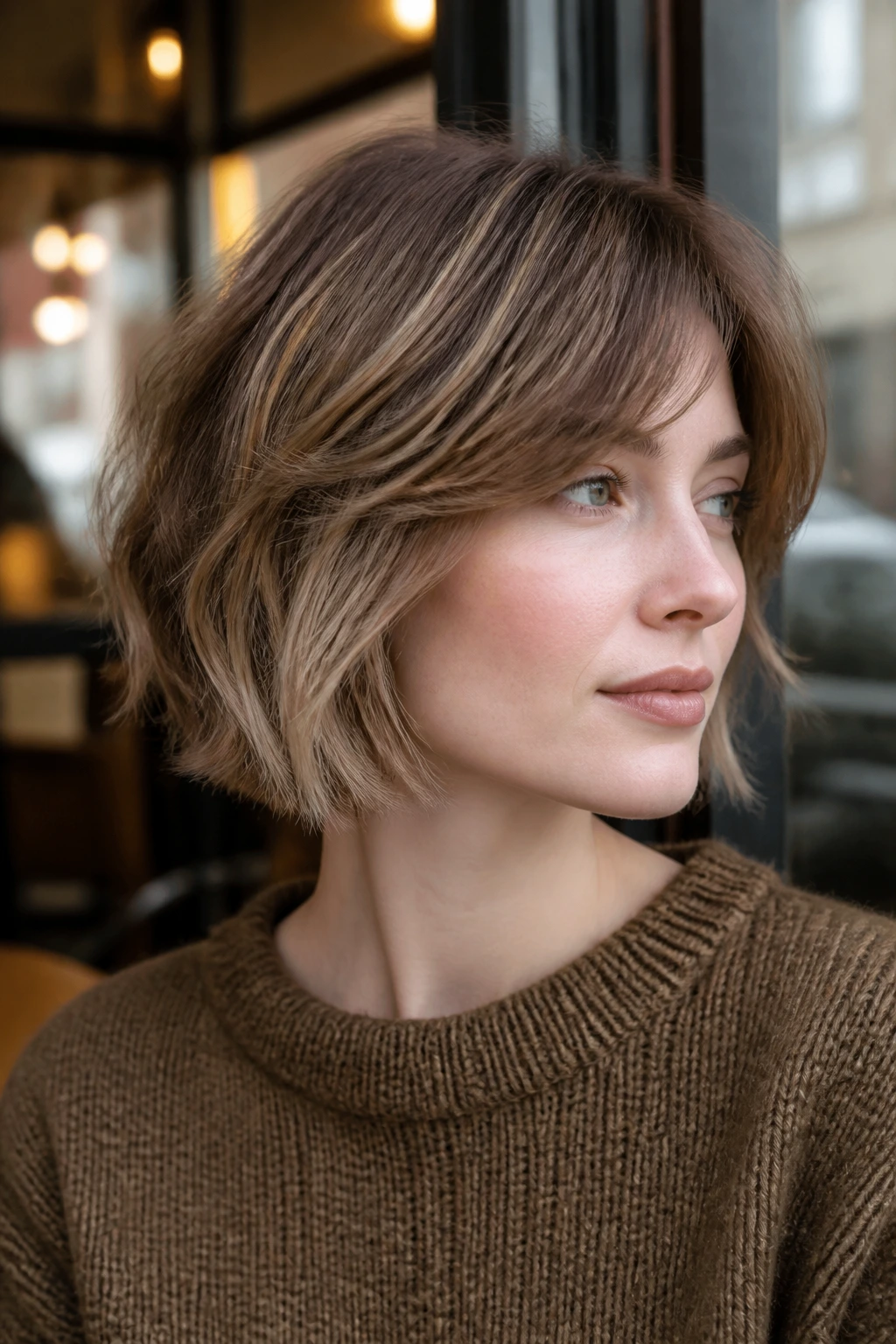
A bob changes how brown blonde reads. On short hair, every placement shows. That’s why honeyed mushroom can be such a good fit: the mushroom base keeps the look cool enough for pale skin, and the honey pieces add a little warmth without turning brassy.
This works especially well on textured bobs, French bobs, and jaw-grazing cuts. The shape does part of the work for you. One or two lighter panels can catch the edge of the haircut and make the whole thing look more dimensional.
If your skin is rosy, keep the honey restrained. If your skin is ivory-neutral, you can let the warmth come through a little more.
14. Mocha Balayage with Smoke Lowlights
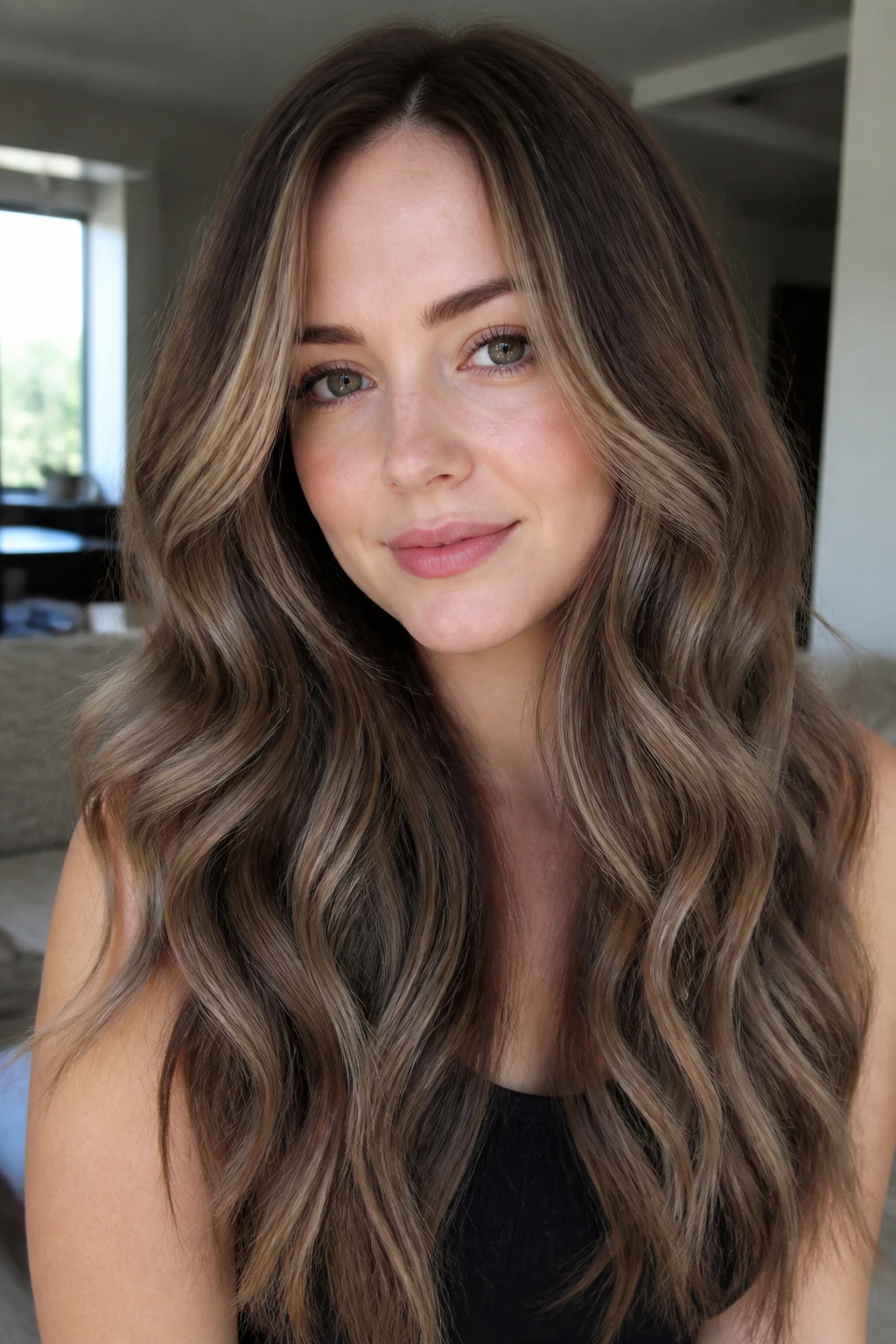
Mocha balayage sounds warm, but the smoke lowlights are what make it useful on pale skin. The darker ribbons interrupt the blonde pieces and stop the color from going orange or flat.
That’s a big deal on hair that tends to pull warm. The lowlights create enough depth that the lighter strands can stay beige instead of turning coppery.
This shade likes long layers and soft bends. Straight hair can still wear it, but waves show the lowlights better. If you have pale skin with blue eyes, this contrast can be especially sharp in a good way.
15. Dirty Blonde Bronde
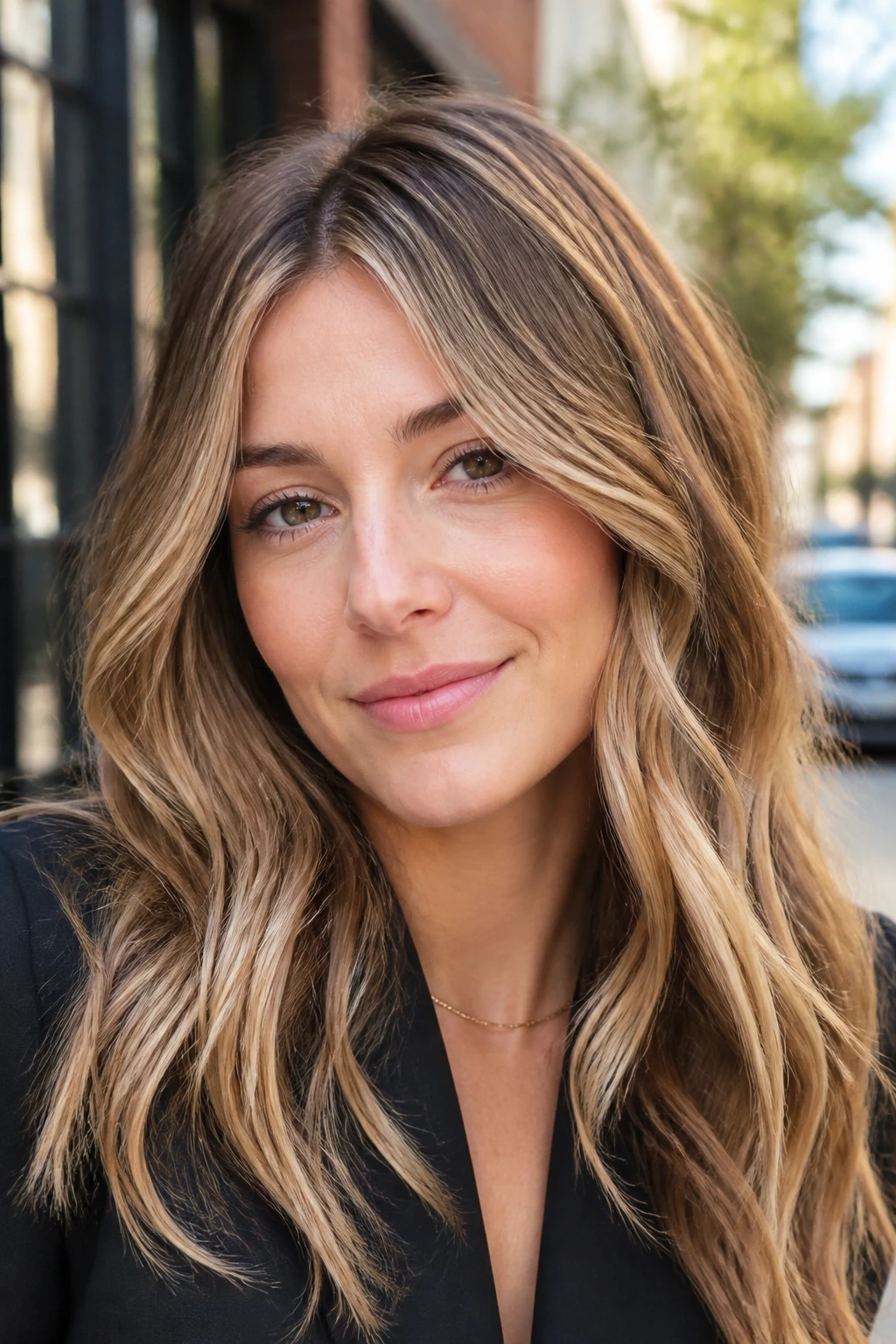
Dirty blonde gets an unfair reputation. Done right, it’s one of the easiest shades for pale skin because it looks lived-in, natural, and not too polished. The brown part is soft and the blonde part is muted, so the whole color sits in a believable range.
Why it works on fair skin
It keeps the face from looking over-lightened. That matters when your skin is already pale and you want the hair to add shape, not glare.
- Best for: low-maintenance grow-out
- Ask for: soft root shadow and muted beige ends
- Skip: anything that reads bright yellow
This one is for people who like hair that doesn’t announce itself before they do.
16. Cinnamon Milk Tea Blend
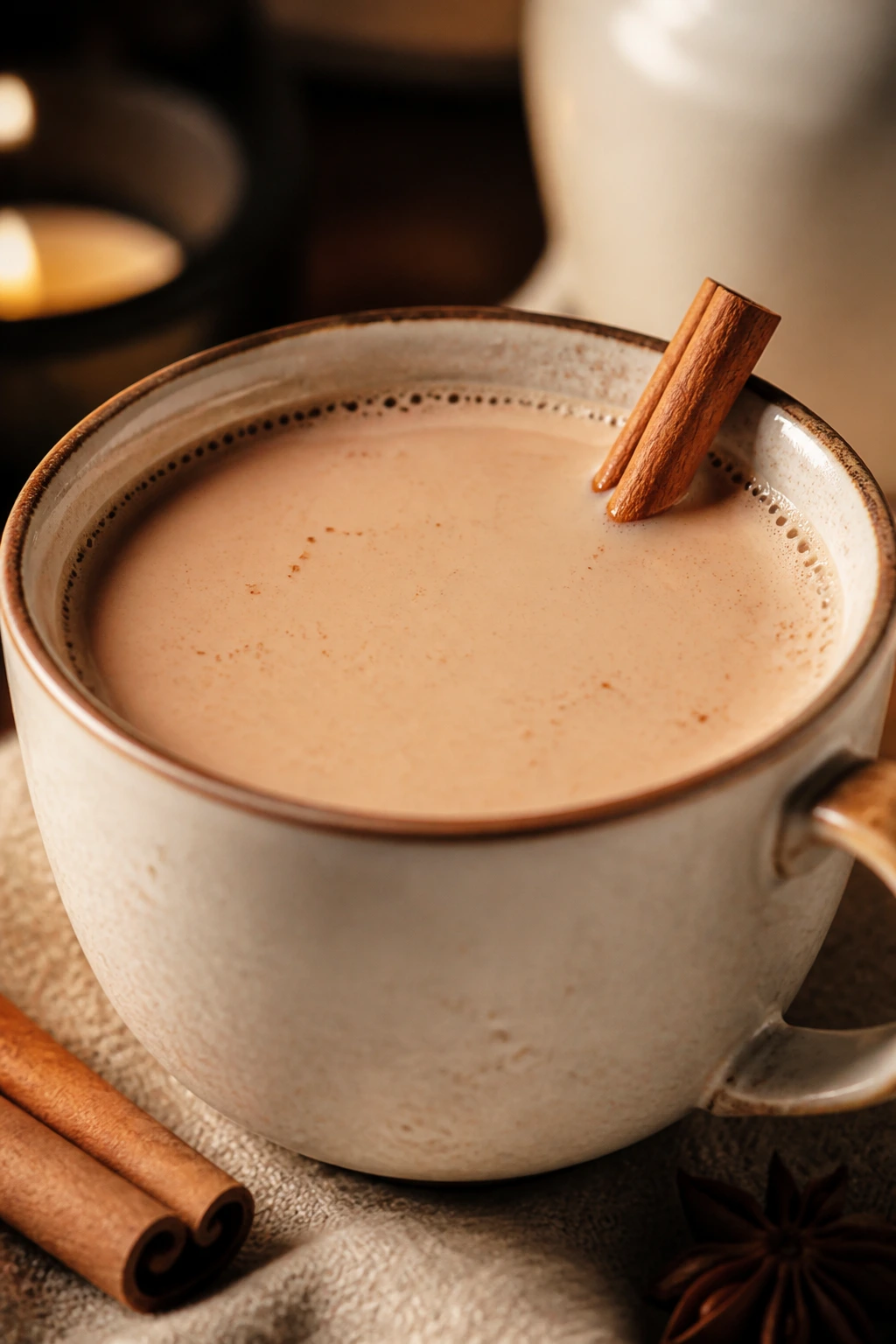
This is warmer than mushroom, but gentler than full caramel. Think of a soft brown base with a muted cinnamon lift and pale beige ends that keep the warmth from getting sticky. It can look especially good on pale skin with freckles.
The key is restraint. Cinnamon should read as a whisper, not a copper belt. If the toner goes too orange, the whole thing turns loud very fast.
It suits wavy cuts, soft shags, and shoulder-length styles that show off tone changes. On straight hair, you may want a bit more face-framing lightness so the warmth doesn’t sit all at the ends.
17. Taupe Brown Blonde
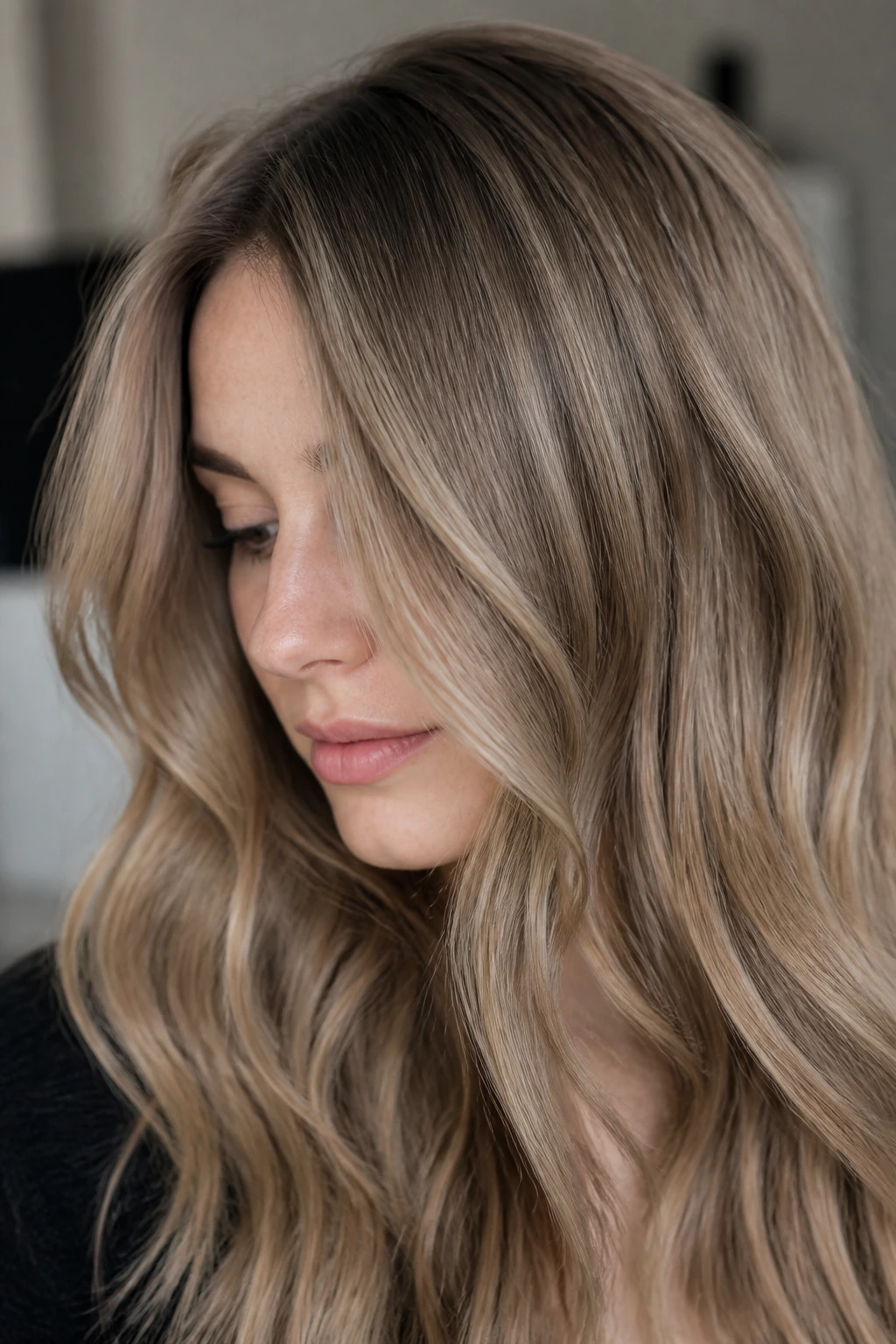
Taupe is the shade people ask for when they want brown blonde hair color ideas for pale skin but hate obvious warmth. It sits somewhere between ash and beige, with enough softness to keep the hair from looking chalky.
This is a strong pick if your skin leans cool-neutral and your wardrobe tends to live in black, white, gray, cream, or denim. Taupe won’t fight those colors. It stays in the same quiet lane.
Ask the colorist to keep the highlights soft and the root shadow blurred. A hard line ruins the whole effect. The point is that the hair should feel blended even when it’s up in a clip.
18. Rooted Champagne Bronde
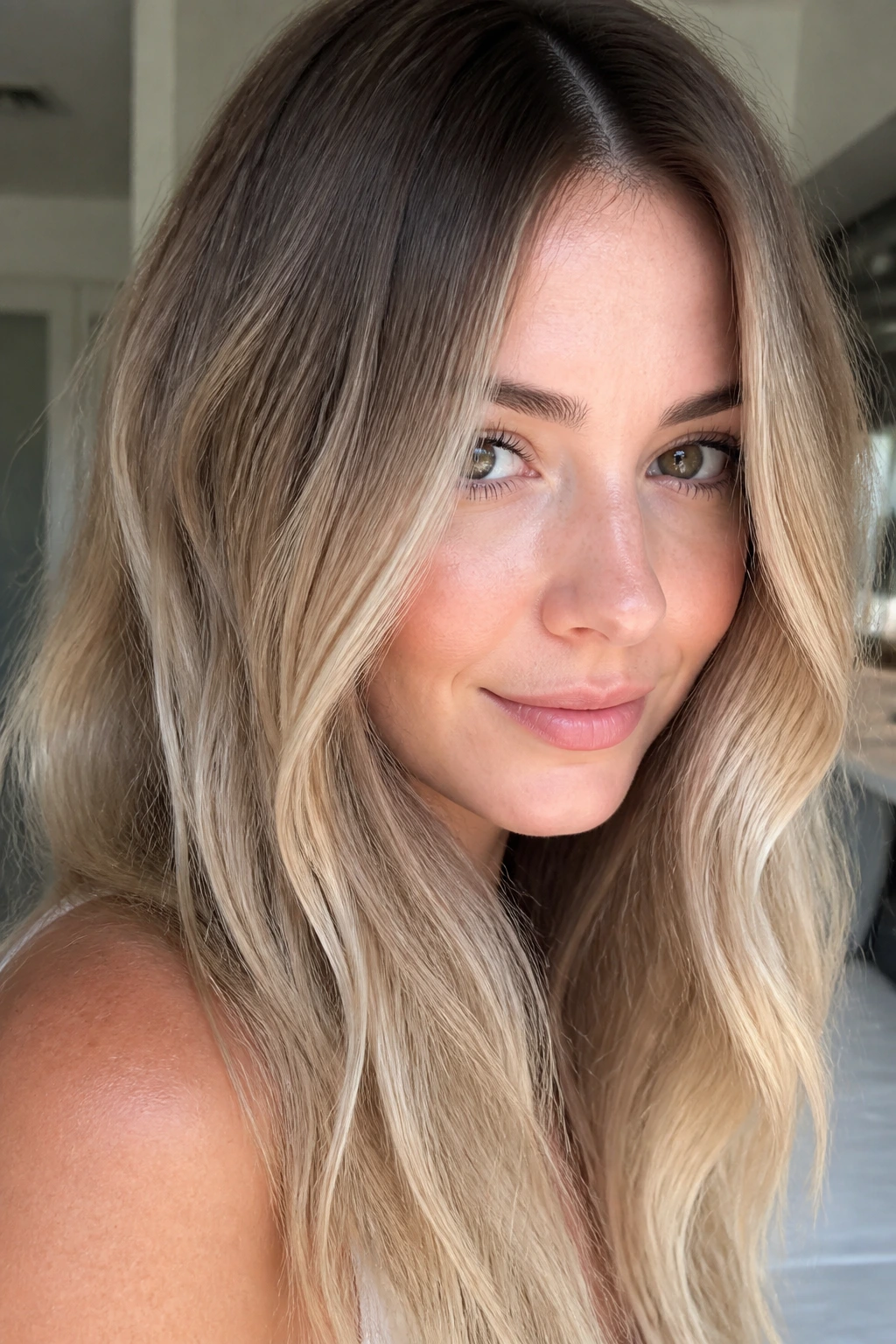
Champagne is one of the prettiest light tones for pale skin because it gives lift without the harshness of icy blonde. Keep the root deeper — a soft brown, not black — and let the champagne live through the mids and ends.
That root is doing important work. It keeps the face from getting washed out and gives the lighter pieces somewhere to land.
It’s a good choice if you like your hair to look brighter in daylight and softer indoors. The shade can shift a lot depending on light, which is part of its appeal. Not every color needs to be static.
19. Sable with Wheat-Blonde Pieces
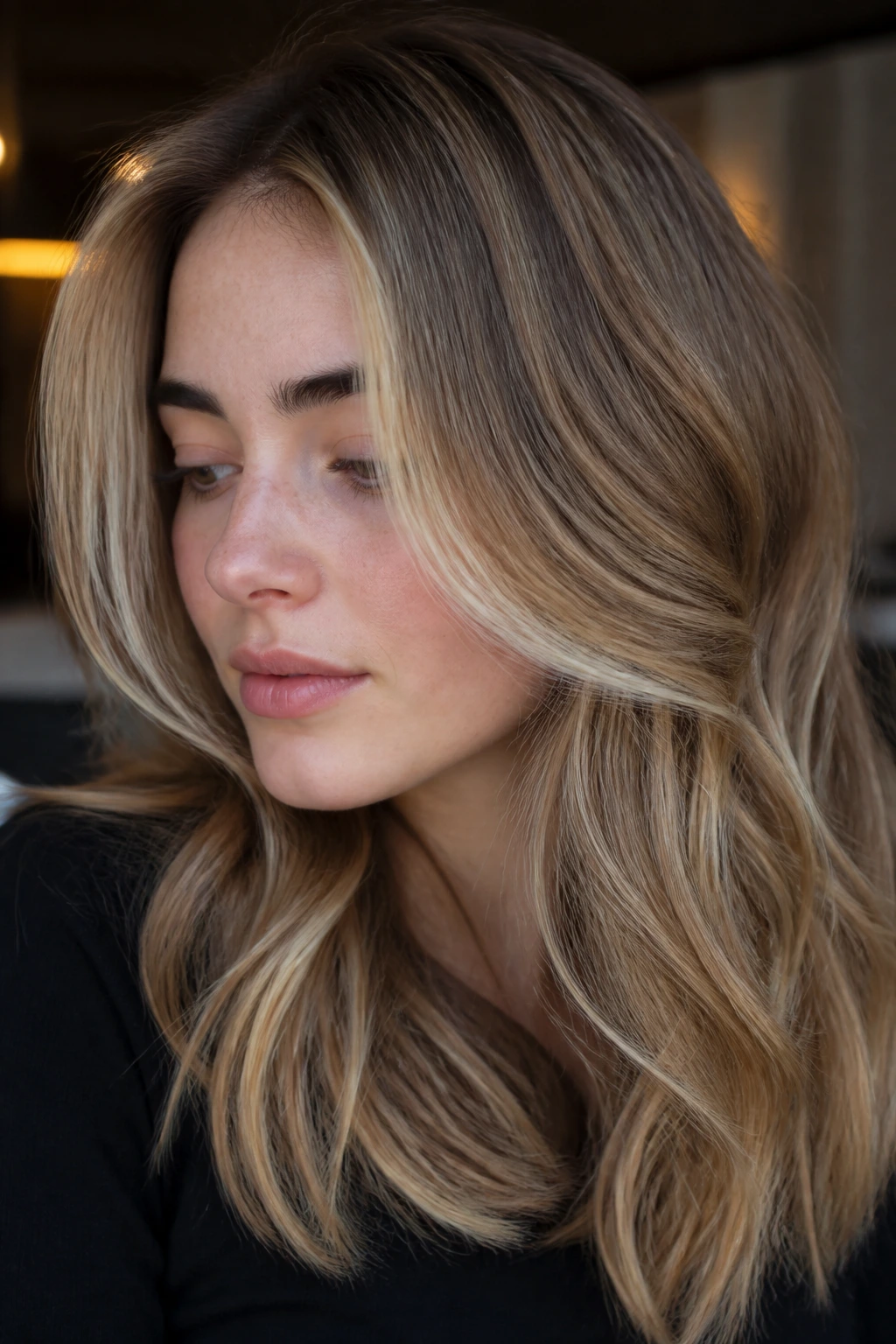
Sable makes the base rich and dark enough to frame the face, while wheat-blonde pieces keep the ends from sinking into heaviness. On pale skin, this balance can look elegant without becoming severe.
Why it flatters pale skin
The lighter pieces should stay soft and creamy, not bleachy. Wheat blonde has just enough gold to warm the complexion without dragging it into orange.
- Best for: people who want some contrast
- Ask for: thin ribbons near the front and crown
- Avoid: thick streaks that look disconnected
This shade gets stronger when the cut has movement. A single length can make sable feel heavier than it needs to be.
20. Chestnut-to-Cream Melt
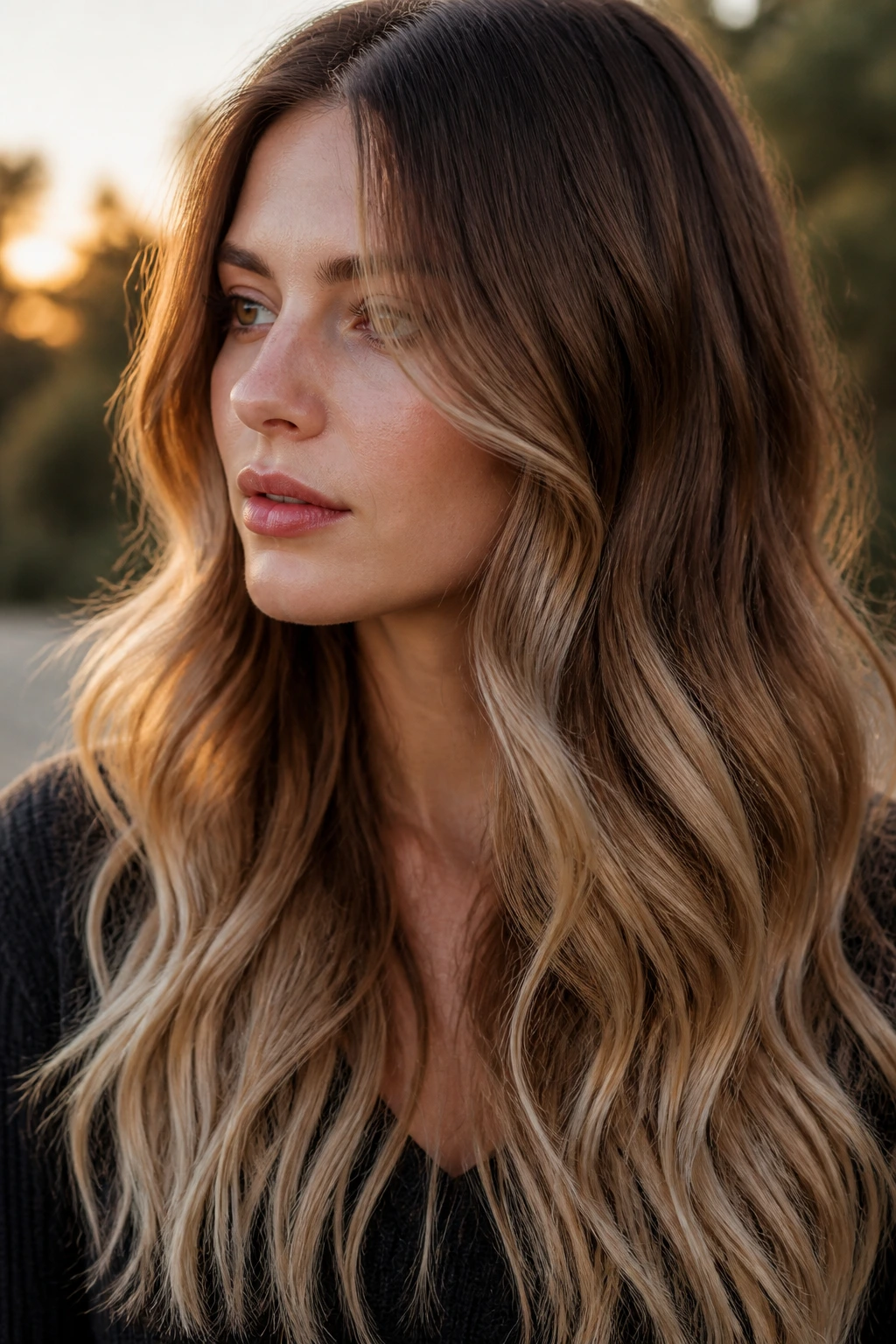
A chestnut-to-cream melt is a slow fade from rich brown into a much lighter beige-cream finish. It’s softer than ombré and smoother than a highlight pattern. On pale skin, that cream tone can look almost lit from within — but only if the brown stays warm enough to support it.
The danger here is lifting the ends too high and leaving the base too dark. Then the hair looks disconnected. The better version keeps the color in one family, just with a clear shift in depth.
Try this if you like long waves, because the movement shows off the melt best. Straight hair can wear it too, but the transition reads more clearly when the hair bends.
21. Cocoa with Frosted Strands
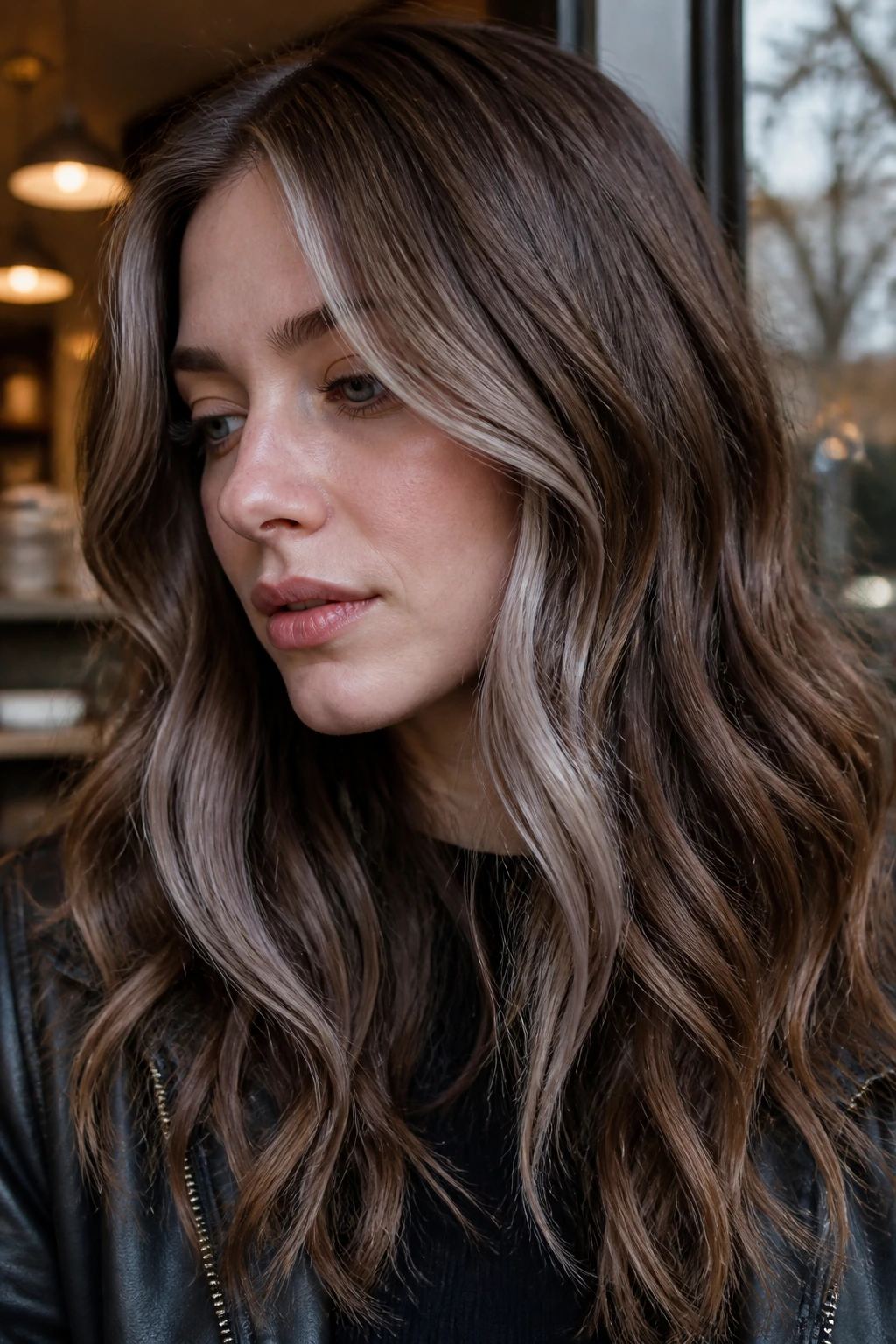
Cocoa gives pale skin a soft frame, and frosted strands keep the whole look from sinking into one tone. The frost should be muted, not platinum. Think light beige with a cool edge.
This is a good choice if you want brunette first and blonde second. The cocoa stays visible, which helps fair skin look more contrasted and less pale in a washed-out way.
Keep the frosted strands near the top layer and around the face. If they hide under the hair, you lose the whole point.
22. Bronze Bronde for Rosy Skin
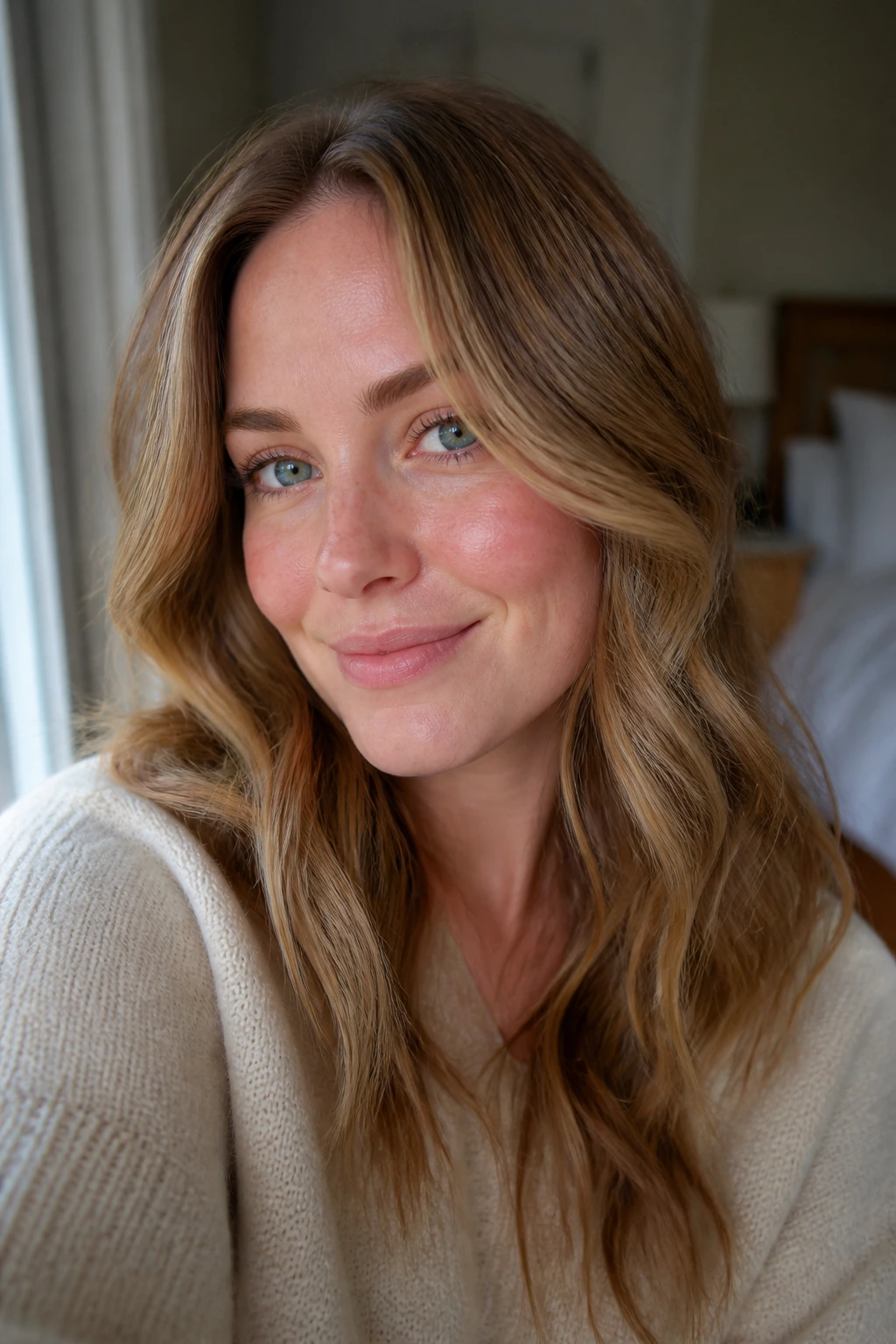
Rosy pale skin can be tricky. Too much ash makes it look chilly, and too much gold can make it look flushed. Bronze bronde sits right in the middle if the bronze is muted and the brown base stays soft.
This shade has warmth, but it’s not sticky warmth. It feels sun-kissed in a controlled way. That’s why it works on skin that already carries pink or red undertones.
Use it with layered cuts and a little wave. The texture helps the bronze show up as dimension instead of as one flat orange note.
23. Sandalwood Blonde-Brown Mix
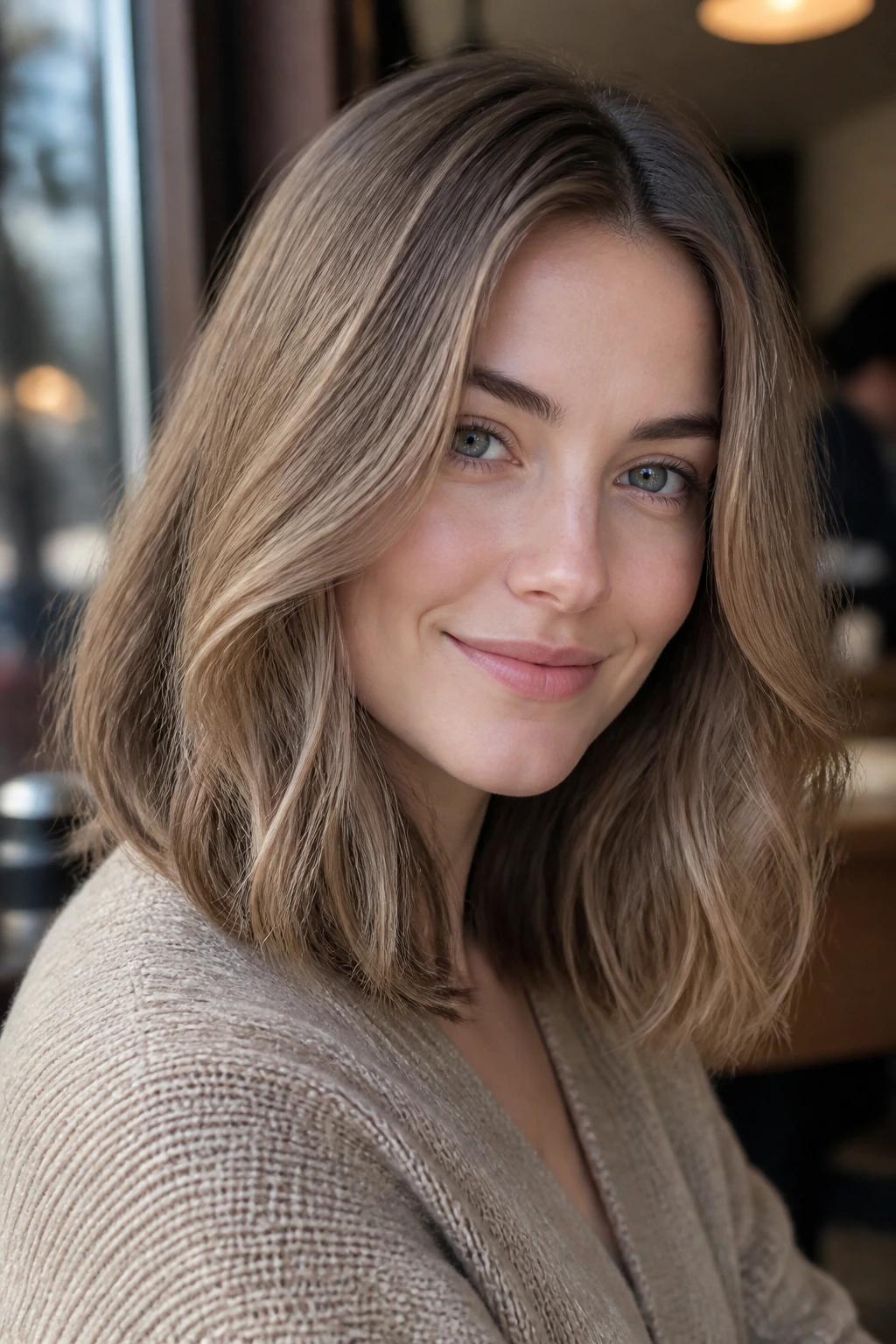
Sandalwood is one of those understated shades that looks richer in real life than in photos. It’s a beige-brown blend with a faint woody warmth that suits pale skin without stealing the show.
The charm here is its quiet depth. It doesn’t try to be blonde. It doesn’t try to be brunette. It sits between them and uses that middle space to make the skin look calmer.
This shade is good for long hair, but it also works on shoulder-length cuts that need softness. If your features are sharp, sandalwood can take the edge off without making the hair appear flat.
24. Smoky Caramel Money Piece
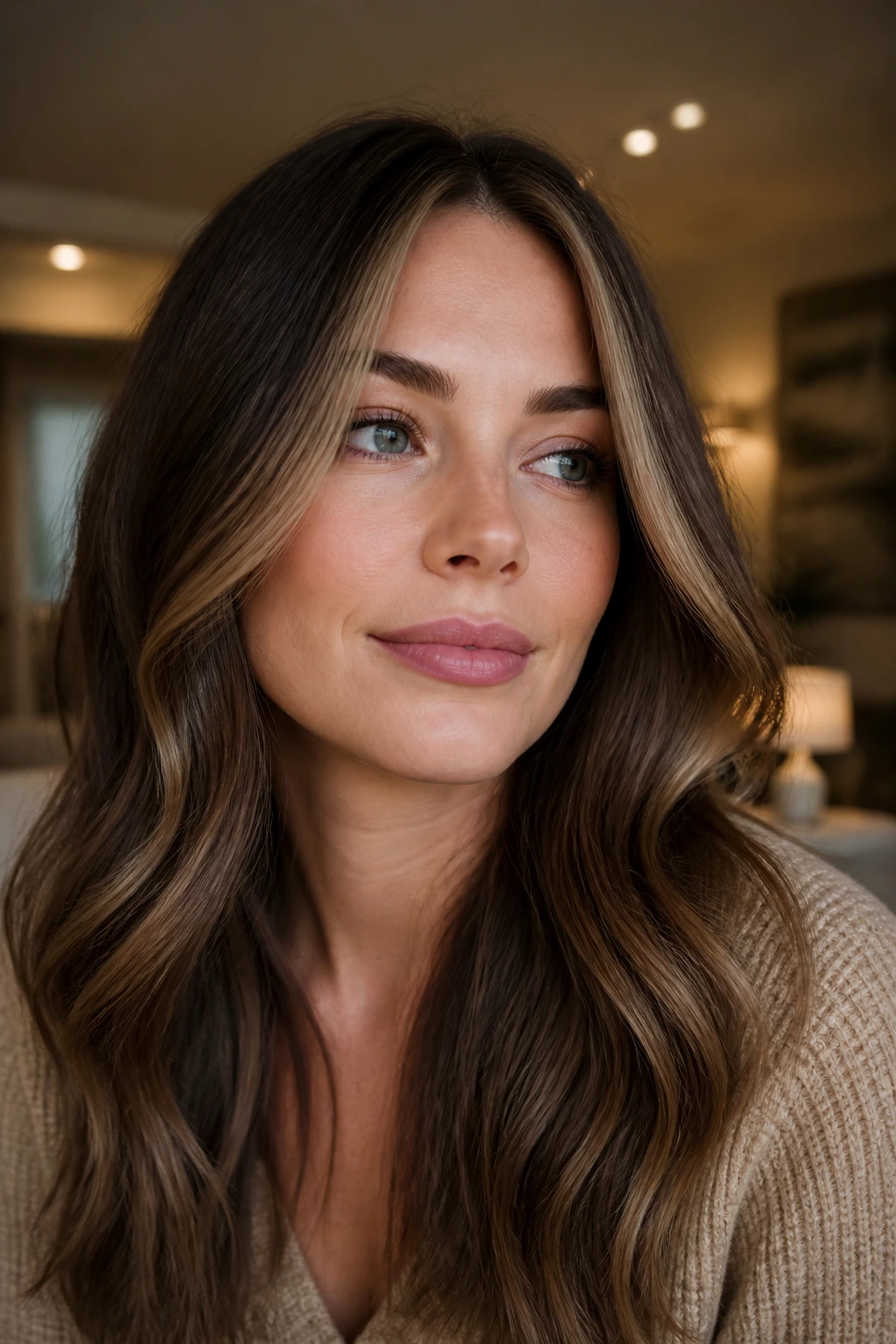
A money piece can go wrong fast on pale skin if it’s too bright or too yellow. Smoky caramel avoids that by keeping the face-framing section warm but softened with a brown base underneath.
How to wear it
The rest of the hair should stay quieter. If everything is bright, the face frame loses impact.
A few practical notes:
- Keep the money piece thin if your features are delicate.
- Use a muted caramel toner, not a golden one.
- Let the root stay soft so the front doesn’t look pasted on.
This look is for people who want a visible change without coloring every inch of the head.
25. Maple Bronde
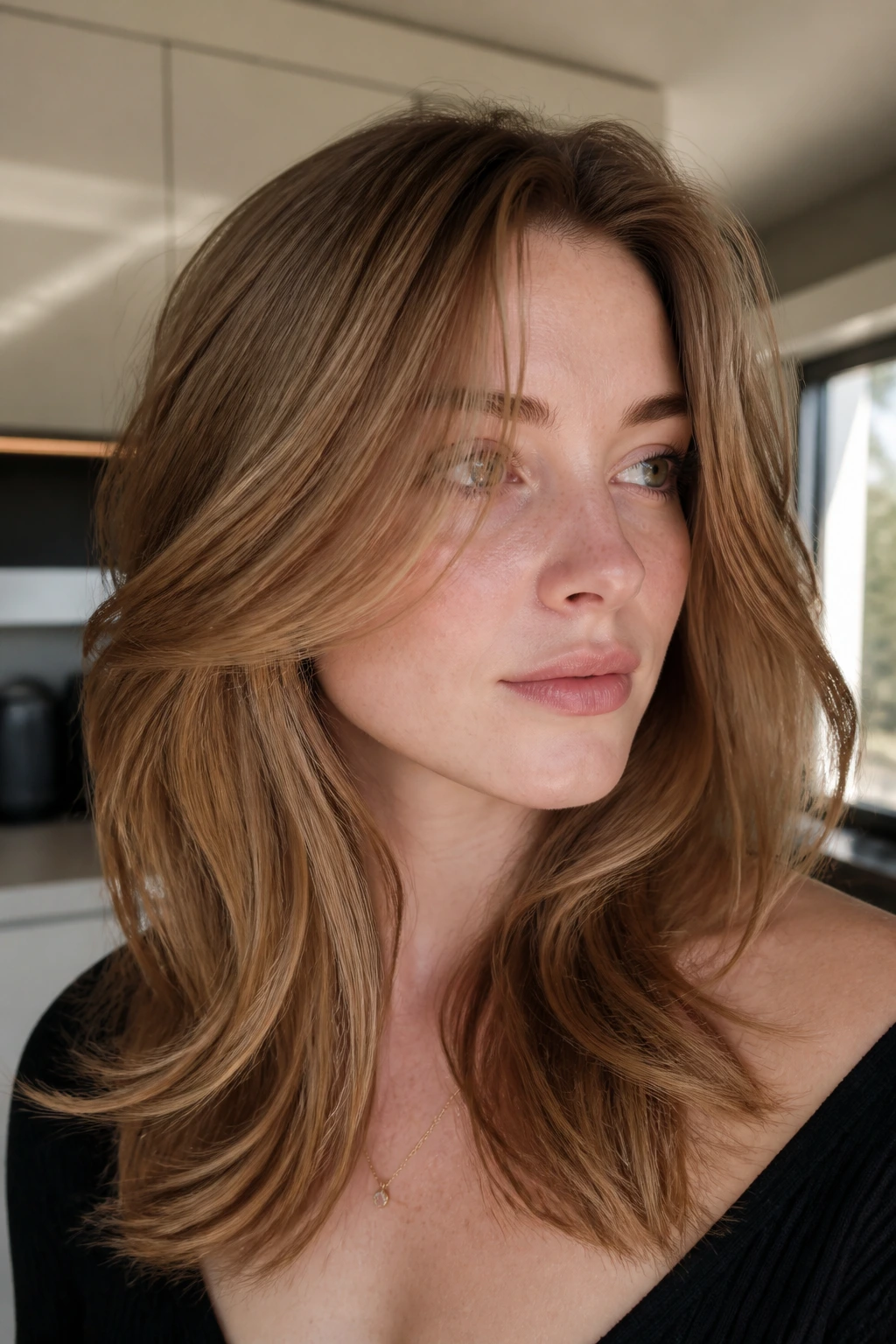
Maple bronde has a warm, sugared-brown feel that works best when the gold is balanced with beige. On pale skin, the shade can look cozy and a little luminous — not orange, not flat.
It’s strongest on medium-length hair with soft layers. The color needs movement to show the maple-beige shift. If the cut is too blunt, the warmth can feel heavier.
This is a nice option if you already wear warm makeup tones or if your skin has a soft peach undertone. It gives the face a little glow without pushing the hair into bright copper territory.
26. Ashy Light Brown with Flaxen Ends
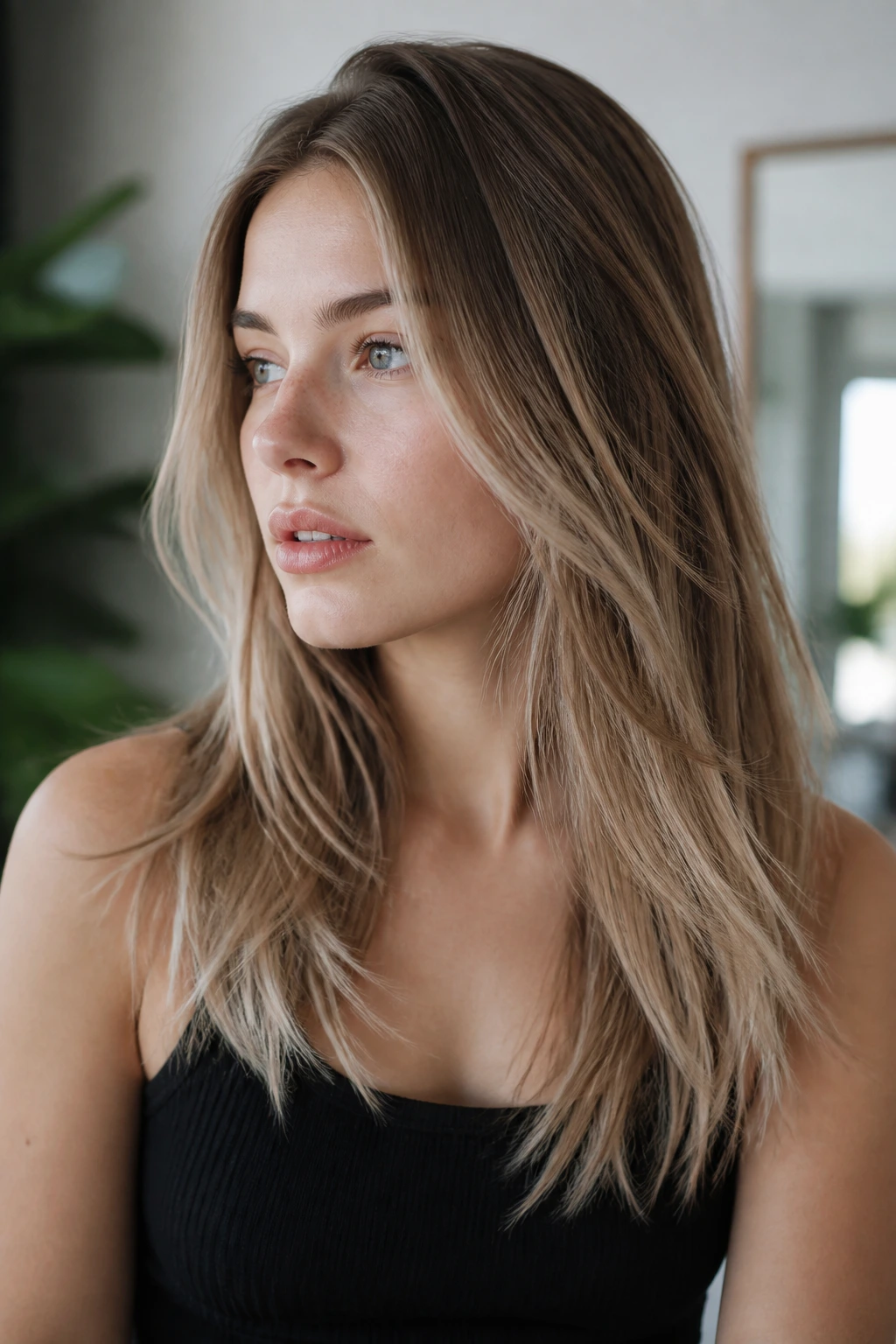
This is a clean, understated version of bronde. The root and mids stay ashy light brown, and the ends pick up a flaxen tone that’s softer and more muted than bright blonde.
On pale skin, it works because the ash controls the base while the flaxen ends keep the hair from looking dense. The result is airy, not loud.
It’s a smart pick if you wear your hair straight or in a loose wave. Too much curl can make the flaxen pieces bunch together and lose their softness.
27. Toasted Almond Balayage
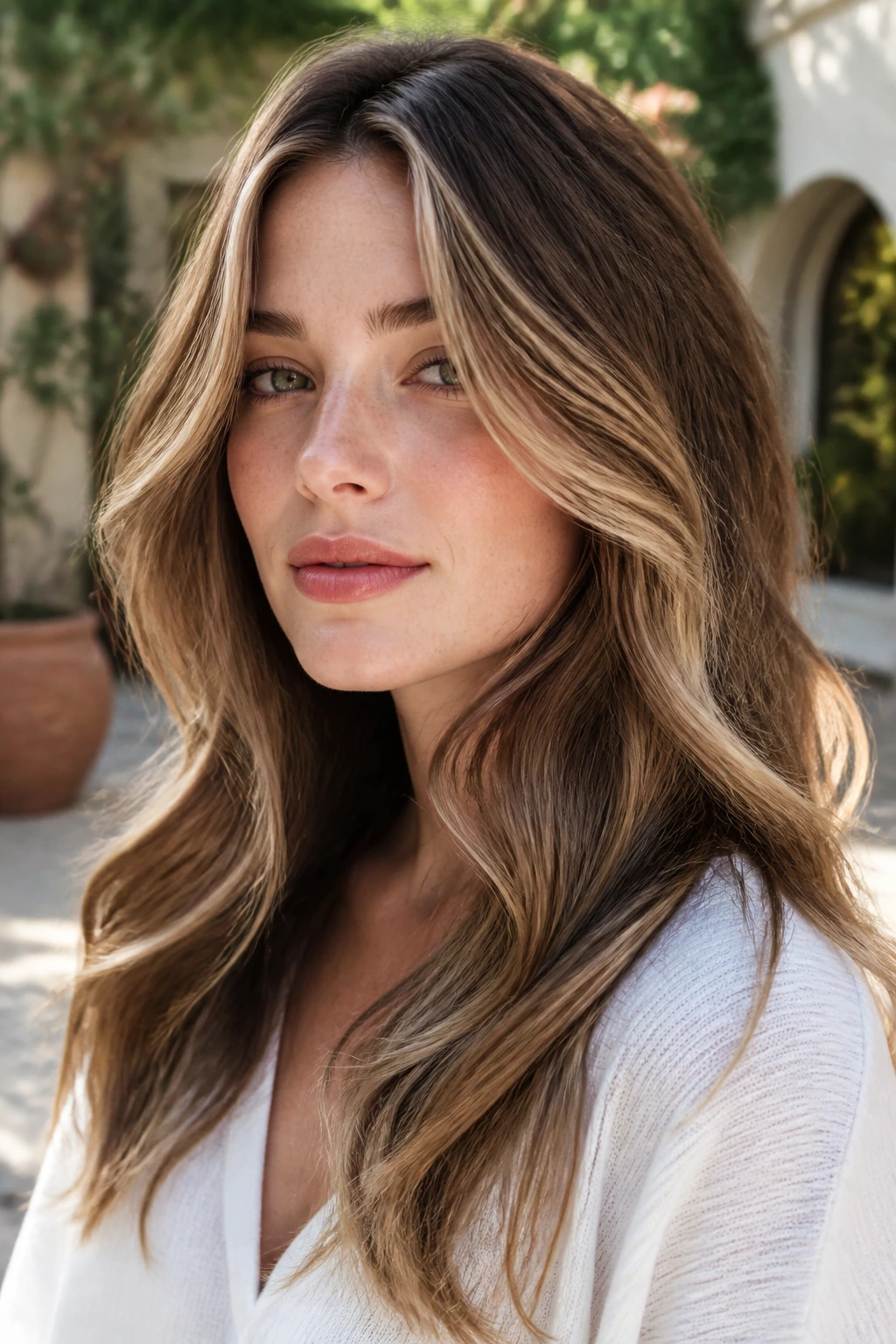
Toasted almond sits in a good middle zone for people who want warmth but not gold overload. The brown base has a nutty note, and the balayage pieces lift just enough to brighten pale skin around the face and crown.
This one feels especially good on layered cuts because the almond pieces can land on different lengths and keep the hair moving. The color is gentle, but it isn’t dull.
If you have pale skin with green or hazel eyes, this shade can make the eye color read more clearly. The warmth is restrained enough to support the face without making the skin look too yellow.
28. Cool Latte Layers
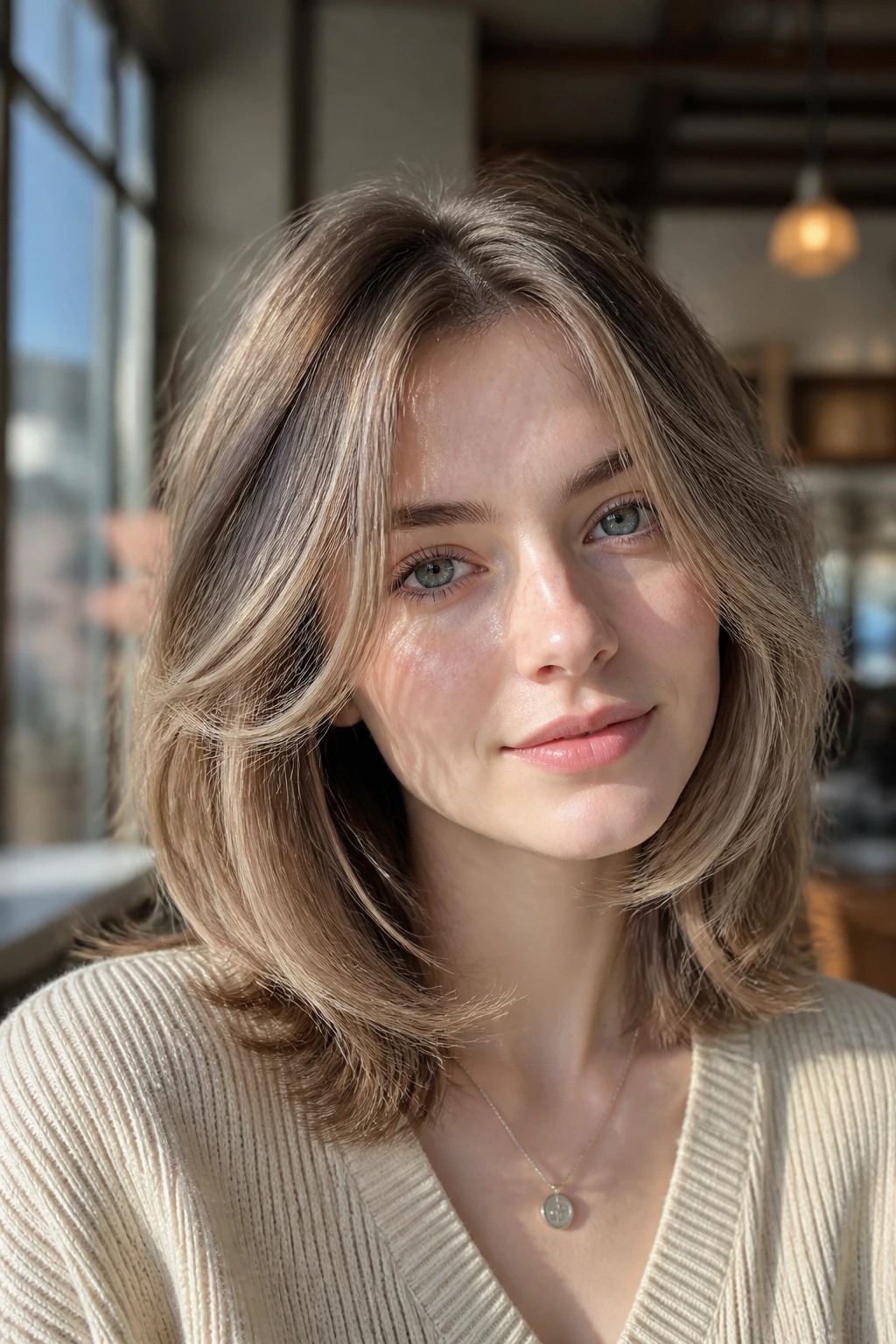
Cool latte is one of the easiest bronde ideas to wear if you want something soft and neutral. It sits between light brown and beige blonde, with a milkier finish than ash but less warmth than caramel.
Layers matter here. The cut creates space for the lighter pieces to fall through the hair instead of sitting in one flat band.
This is good for pale skin because it doesn’t compete with the complexion. It just gives the face a little structure. If your natural color is a level 5 or 6, this can be a very believable transition shade.
29. Soft Mocha with Beige Gloss
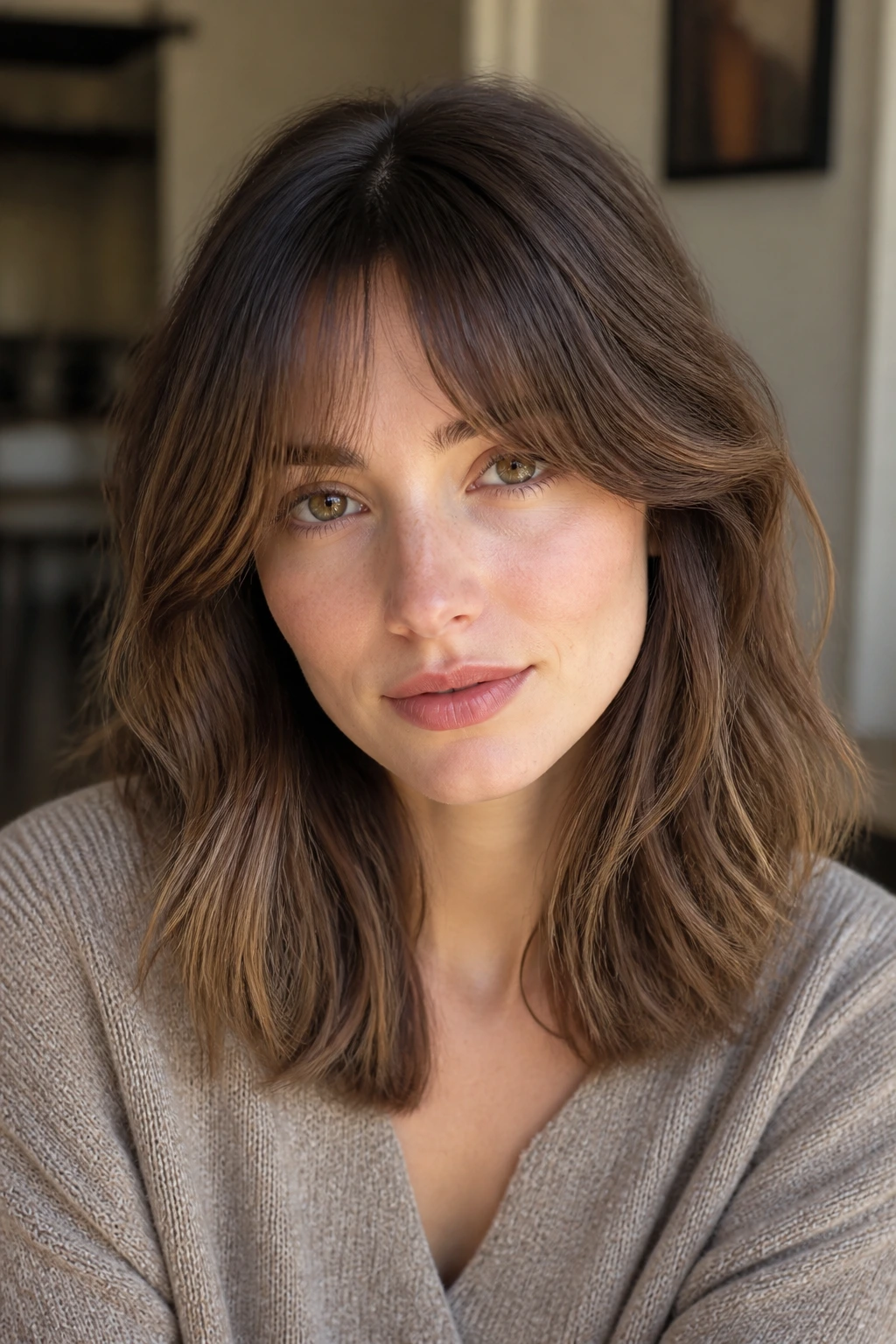
Soft mocha gives the hair a deeper foundation, and the beige gloss keeps it from turning too dark against pale skin. That combination is useful if you want richness but still want some lightness around the face and ends.
The gloss matters more than people think. It can turn a simple brown into a softer, more expensive-looking brunette-blonde blend without adding much maintenance.
This shade works especially well on medium or long hair with curtain bangs. The bangs pick up the beige gloss and stop the front from looking heavy.
30. Beige Mocha with Feathered Ends
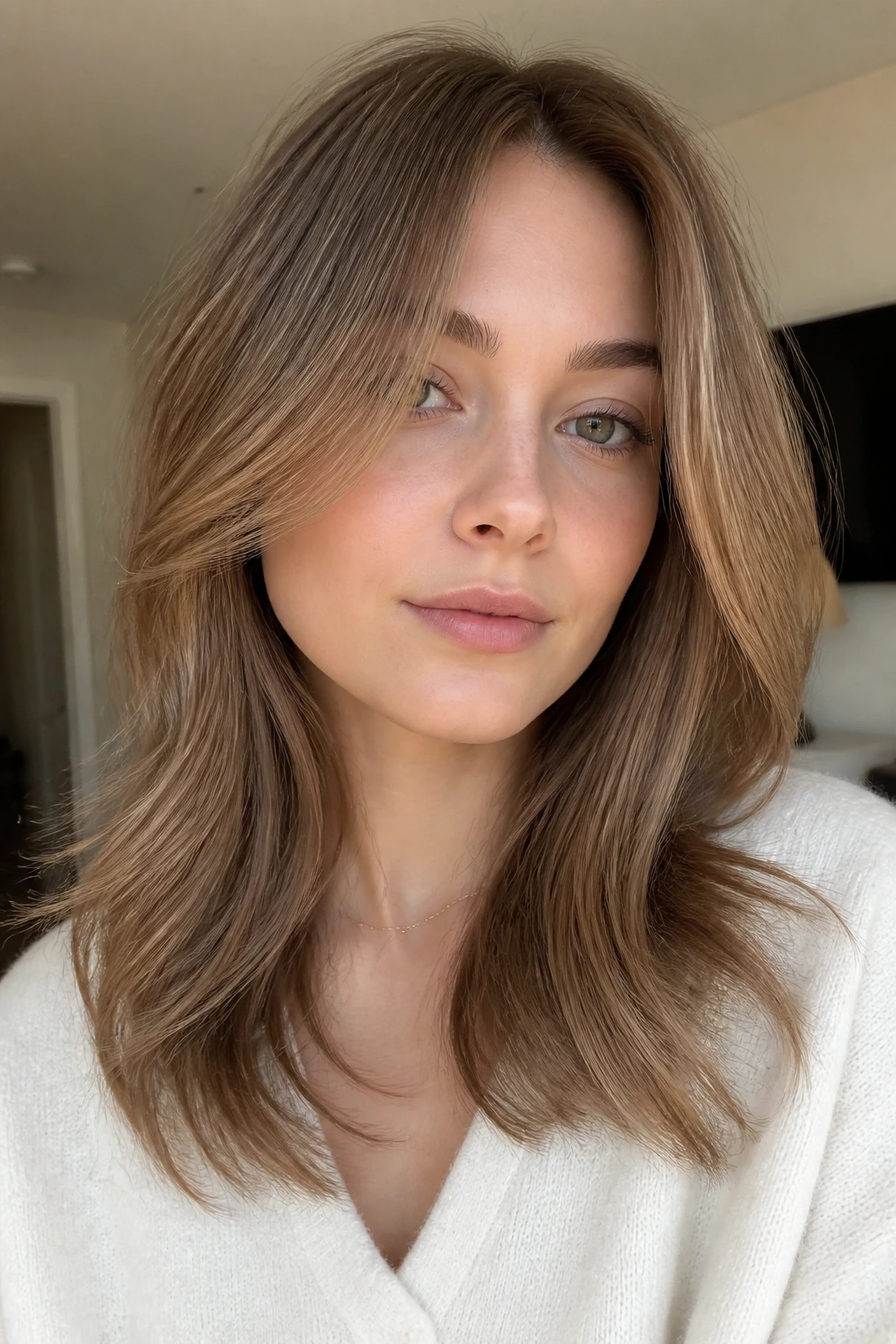
Beige mocha is a steady finish to this list because it balances warmth, coolness, and wearability in one shade. The mocha base keeps the hair grounded, while the feathered beige ends stop it from feeling dense around pale skin.
Feathering is the difference-maker. The ends need to look airy, not blunt. A soft razor cut or textured layers can help the color move more naturally.
If you want a brown-blonde look that doesn’t lean too blonde or too brunette, this is the one I’d keep near the top of the shortlist. It plays well with fair skin, and it doesn’t need constant correction to stay readable.
How to Choose Brown Blonde Hair Color Ideas for Pale Skin by Undertone
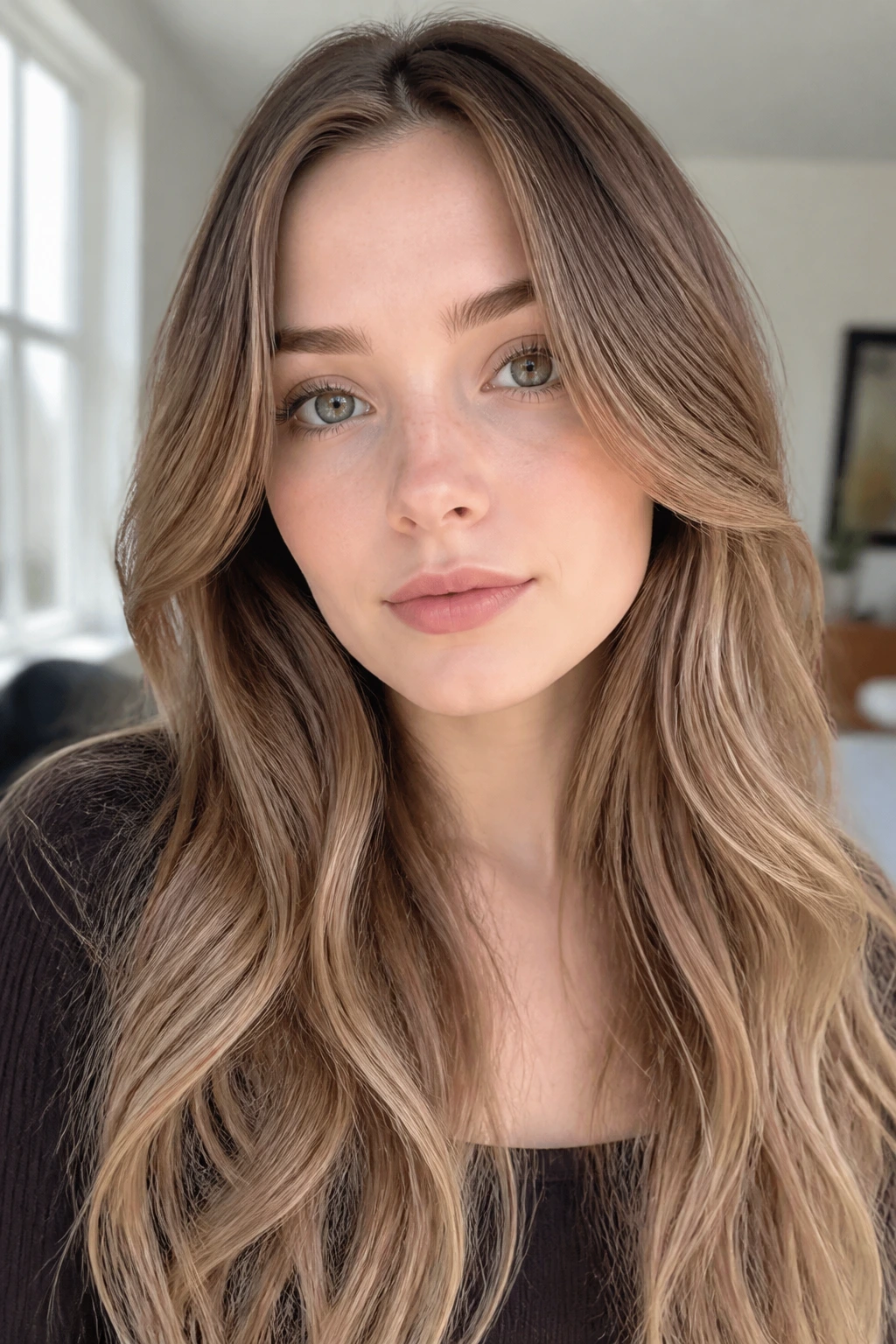
The fastest way to narrow this down is to look at your undertone in daylight, not bathroom lighting. If your skin reads pink, flushed, or cool-toned, smoky beige, mushroom, taupe, ash brown, and pearl-toned ribbons usually behave better than gold. They don’t cancel the skin out; they quiet it a little.
Neutral pale skin has the widest range. Beige balayage, hazelnut gloss, cool latte, and rooted champagne all tend to sit well there because they don’t tilt too far in either direction. Neutral skin can wear warmth, but it usually looks best when the warmth is softened with a brown base.
Warm or freckled pale skin can take more caramel, maple, toasted almond, or bronze. The trick is not letting the warmth turn orange. Keep some beige in the formula, and keep the root a touch deeper so the face still has a frame.
Cool undertones
Choose smoke, taupe, ash, mushroom, pearl, or beige with a gray edge. That keeps the skin from reading more pink than it already is.
Neutral undertones
You can move between beige, oat, walnut, and champagne. Ask for a blurred root so the shade doesn’t look too staged.
Warm or rosy undertones
Look at caramel, maple, toasted almond, honeyed mushroom, and bronze bronde. The warmth should stay soft and creamy, not coppery.
Salon Terms, Tools, and Products to Bring to the Chair
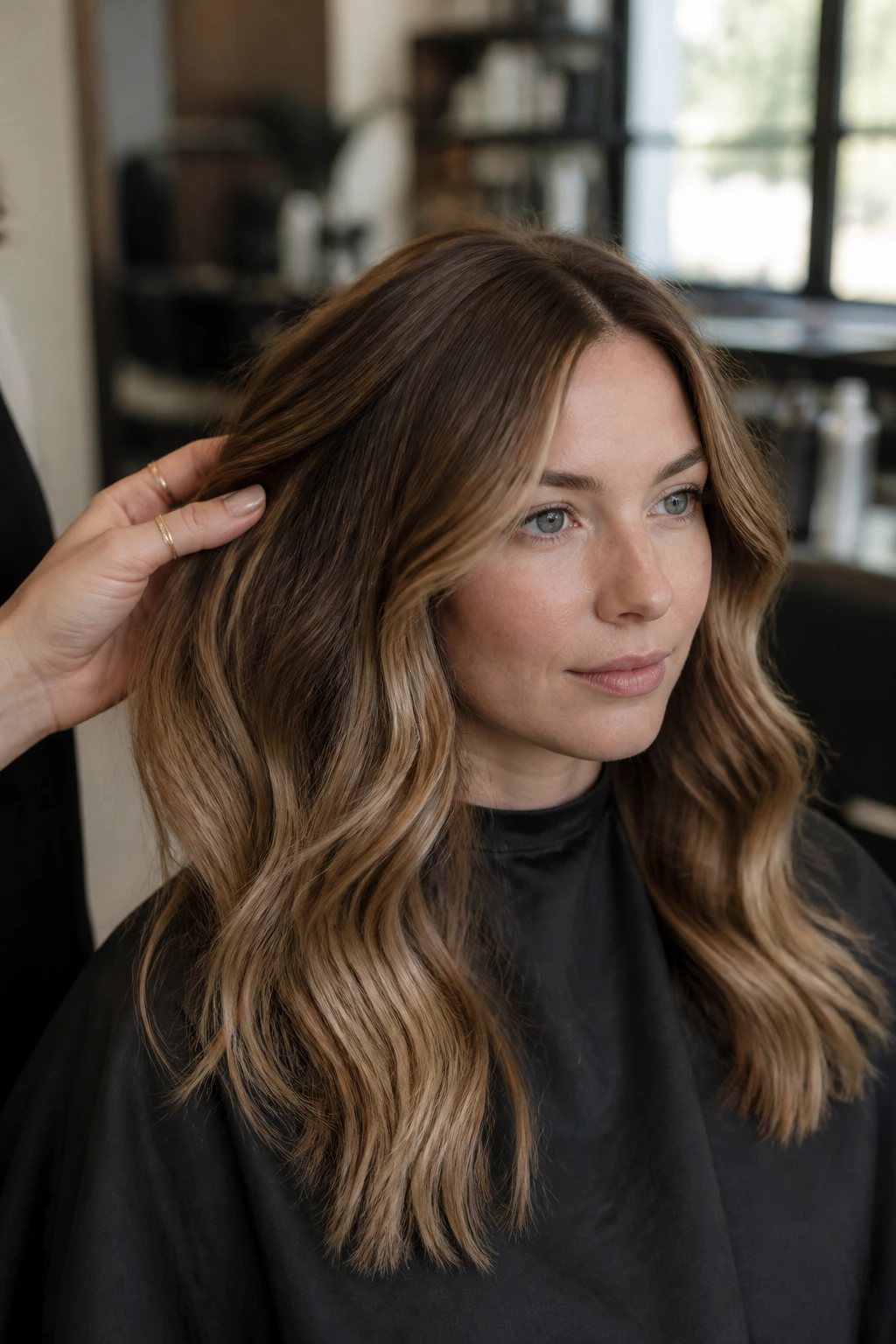
A lot of color disappointment comes from fuzzy language. “Brown blonde” can mean five different things to five different stylists. Bring photos, then point out which part you like: the root depth, the face frame, the warmth, the finish, or the grow-out.
- Reference photos in daylight: Salon lights lie. Natural light shows whether the shade is beige, gold, ash, or orange.
- Level 6–8 swatches: That range covers most pale-skin bronde looks without pushing the hair too dark or too bright.
- Balayage board or foils: Not something you buy for yourself unless you color at home, but it helps to know the method you want.
- Demi-permanent gloss or toner: Good for softening brass after lightening and for adding beige, smoke, or champagne.
- Color-safe shampoo and conditioner: Keeps the shade from fading fast and turning muddy.
- Purple shampoo: Useful for blonde ribbons that drift yellow; use it sparingly so the hair doesn’t go dull.
- Blue shampoo: Better when the brown base turns orange rather than yellow.
- Heat protectant: Pale-skin bronde often shows damage quickly because the lighter pieces lose shine first.
- Wide-tooth comb and clips: Handy if you style or tone at home and need clean sectioning.
Small Adjustments That Keep the Color Soft on Pale Skin
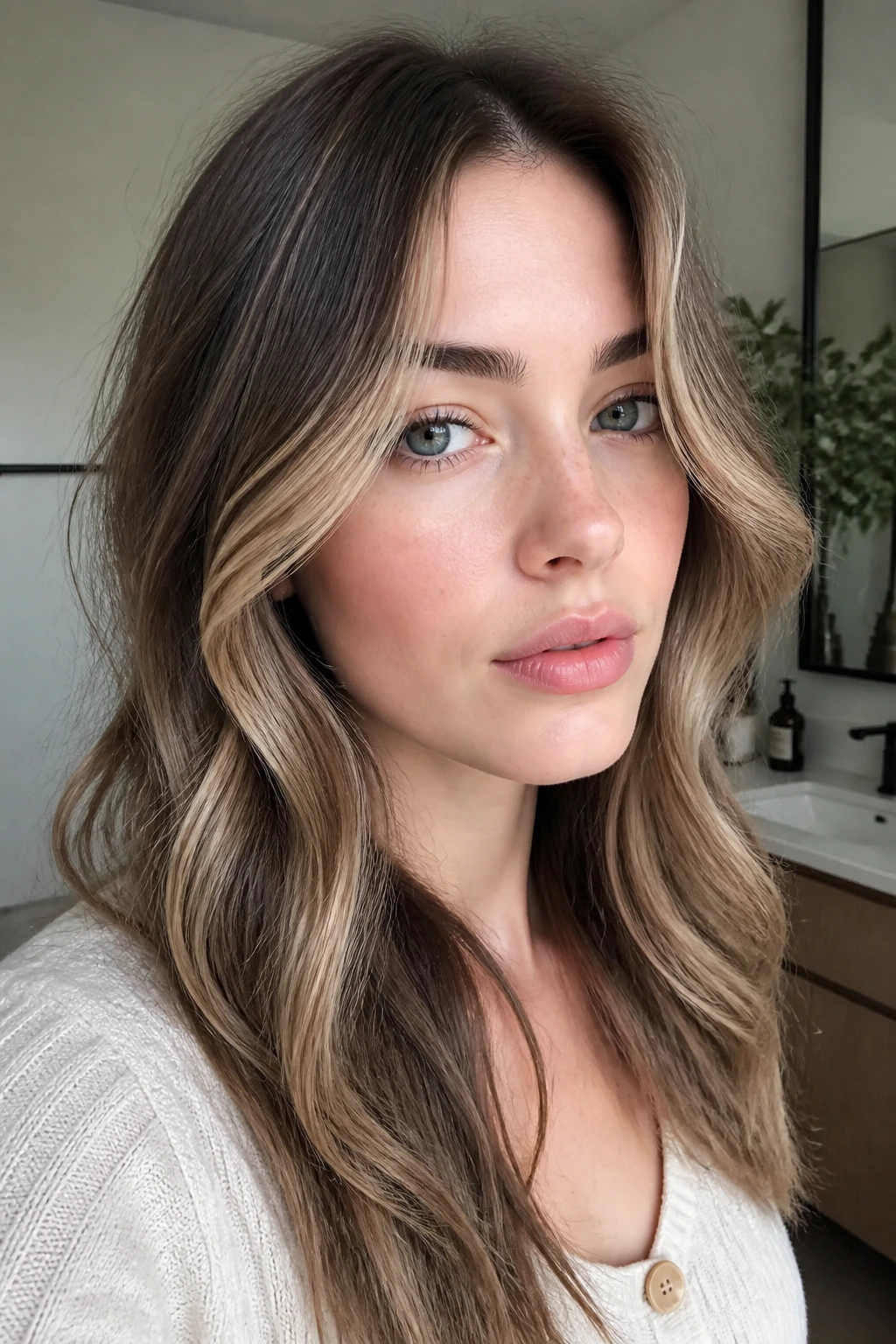
The shade itself matters, but placement is what makes the color sit well on the face. A pale complexion can take a lot of tone variation if the lightness is put in the right spots. That usually means the front pieces, the top layer, and a few scattered ends — not a random block of brightness hidden underneath.
Face-Framing Lift: Keep two to four lighter ribbons around the temples and cheekbones. That’s usually enough to wake up pale skin without going full blonde everywhere.
Texture Trick: Soft waves show the shift between brown and blonde better than pin-straight hair. A one-inch iron or large-barrel blowout brush gives the color some bend without turning it into curls.
Gloss Move: Ask for a beige or neutral gloss after the lightening service. It softens the blonde, removes raw brass, and makes the brown part of the shade feel richer.
Make-It-Yours: If your skin is cool, keep the blonde pieces beige or smoky. If your skin is warm or freckled, let a little honey or caramel stay in the mids so the face doesn’t look drained.
Keeping the Tone Fresh Between Appointments
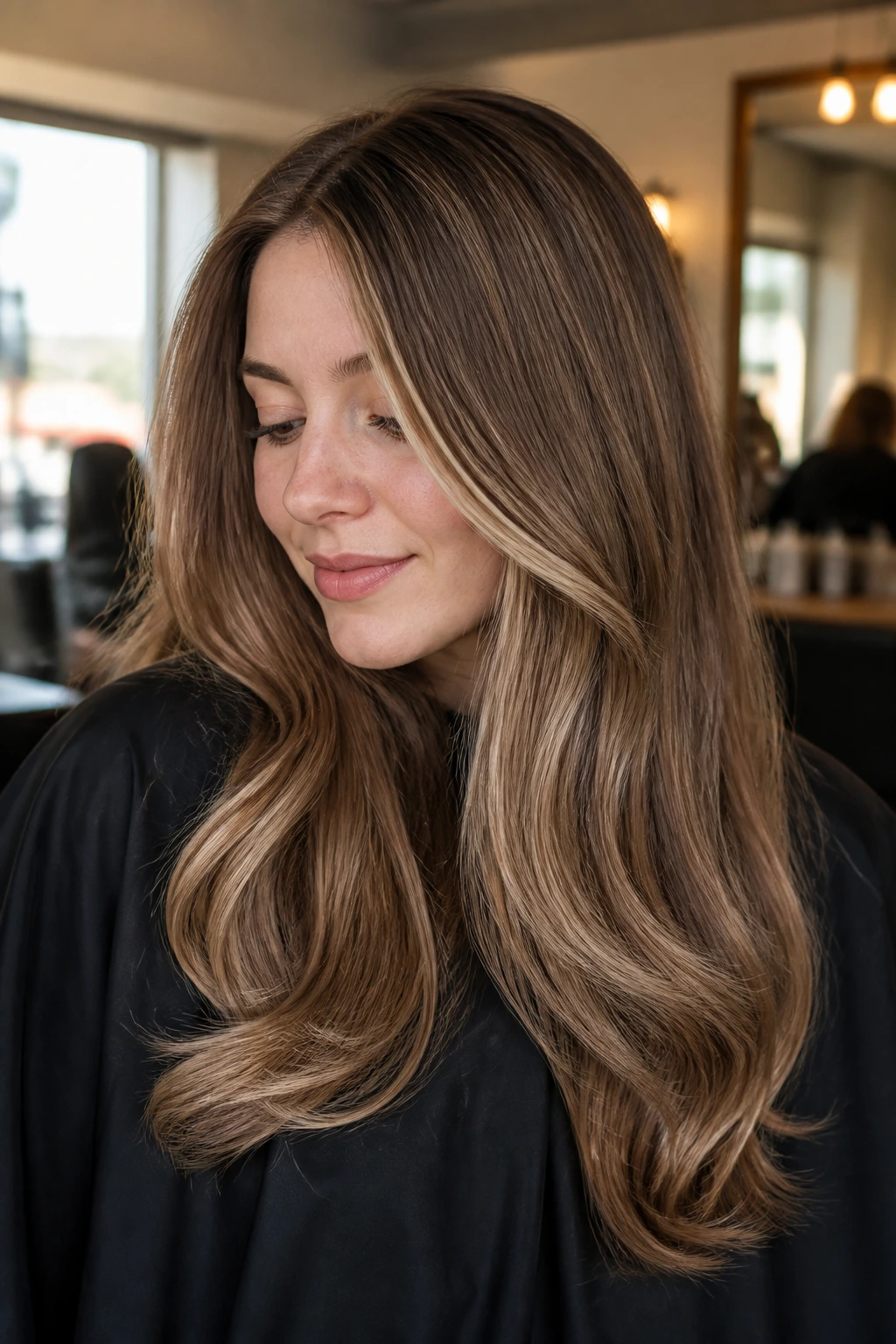
Brown blonde hair fades in layers. The light pieces usually shift first, then the brown base starts to lose its shine. That’s normal. What you want to avoid is the awkward in-between stage where the blonde goes yellow and the brown goes flat at the same time.
At the salon
Plan on a gloss or toner every 4 to 6 weeks if your hair is light around the face. If you’re wearing a rooted balayage or a softer bronde, the salon visit can stretch to 8 weeks, sometimes 10 if the grow-out is gentle.
At home
Use color-safe shampoo 2 to 3 times a week, not daily unless your hair is very oily. Water that’s too hot pulls tone faster, so lukewarm rinses do less damage than people expect. A weekly mask helps the lighter pieces stay smooth instead of frayed.
When the color starts to shift
Use purple shampoo once a week if the blonde goes yellow. Use blue shampoo only if the brown portions start turning orange. Both can overcorrect, so don’t treat them like regular shampoo. If the hair feels chalky or the shine drops, back off and let a gloss do the correction instead.
Common Mistakes That Make Pale Skin Look Washed Out
-
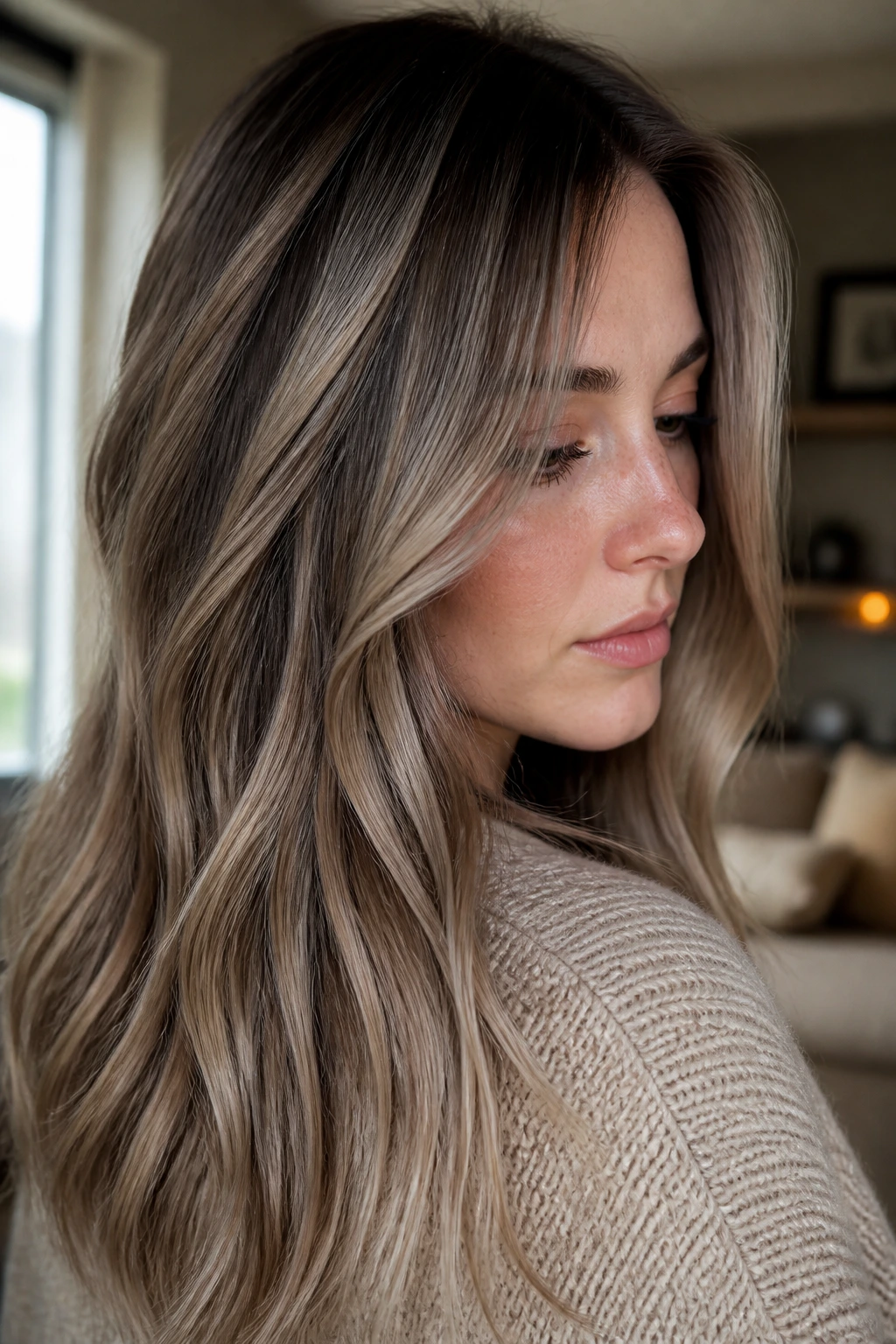
Choosing a base that’s too dark. If the root drops to near-black, pale skin can look paler and the hair can swallow the face. The fix is to stay in the light brunette range and keep darkness away from the front hairline.
-
Going too gold on pink skin. Bright caramel or honey can pull out redness and make the face look flushed. A beige, mushroom, or taupe toner is cleaner when the skin already has pink in it.
-
Putting all the lightness at the ends. The hair may look pretty in a photo from behind, but the face can still look flat. Move some brightness to the cheekbone area and crown so the color works from the front.
-
Overusing purple shampoo. Too much can make the lighter pieces dull, gray, or strangely dry. Once a week is plenty for most people, and sometimes every other week is enough.
-
Skipping maintenance glosses. A faded bronde can turn muddy fast, especially on pale skin. A quick beige or neutral gloss keeps the blonde looking soft and the brown looking rich.
-
Ignoring your brows. Very light hair with very dark brows can be striking, but if the contrast feels harsh, the whole face can look split in half. Sometimes a subtle brow tint or a slightly darker root shadow helps the color settle better.
Variations and Alternatives to Try
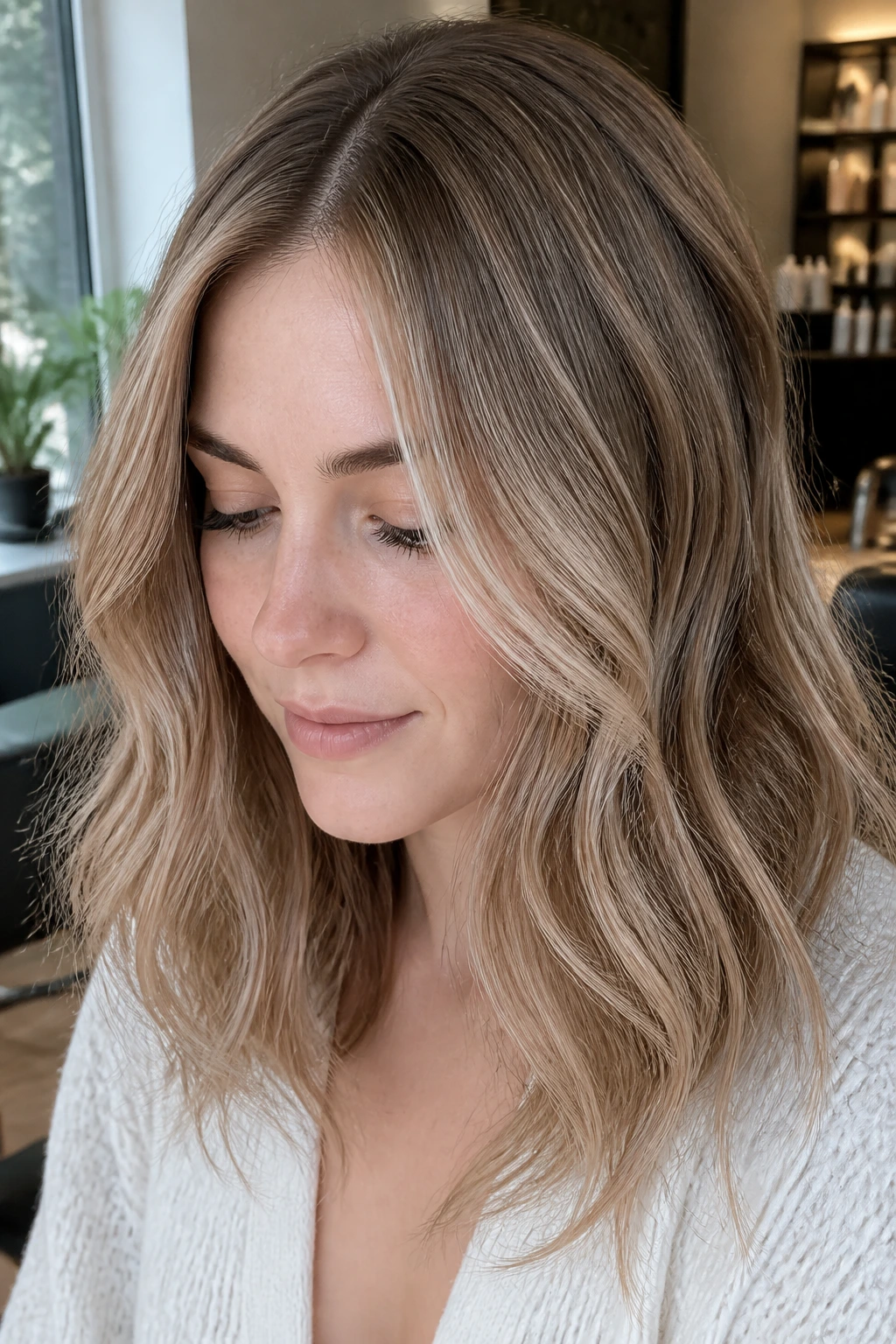
Cool-Palette Edit: If your skin is pink, red, or blue-based, lean into mushroom, taupe, ash, and pearl. Keep the blonde pieces beige rather than yellow and ask the stylist to blur the root so the finish feels soft instead of stark.
Honeyed Freckle Edit: Freckles and warm undertones can take a little more caramel, maple, or bronze. The trick is to keep the warmth creamy, not coppery, and to leave some brown depth at the root so the face keeps its outline.
Low-Commitment Balayage Edit: If you don’t want high upkeep, use a soft balayage with a shadow root and thin face-framing lights. The grow-out stays gentler, and the color still shifts enough to keep pale skin from looking flat.
High-Contrast Frame Edit: This version uses a darker brown base with brighter pieces near the front. It’s the sharpest option here, and it works best if you like your hair to have edge and your brows already sit dark enough to handle it.
Curly-Hair Placement Edit: Curly and wavy hair need the lightness on the outer curve of the curl pattern, not hidden in the underlayer. That keeps the brown-blonde blend visible when the hair moves and keeps the face from getting swallowed by shadow.
Questions People Ask Before Booking Brown Blonde Hair
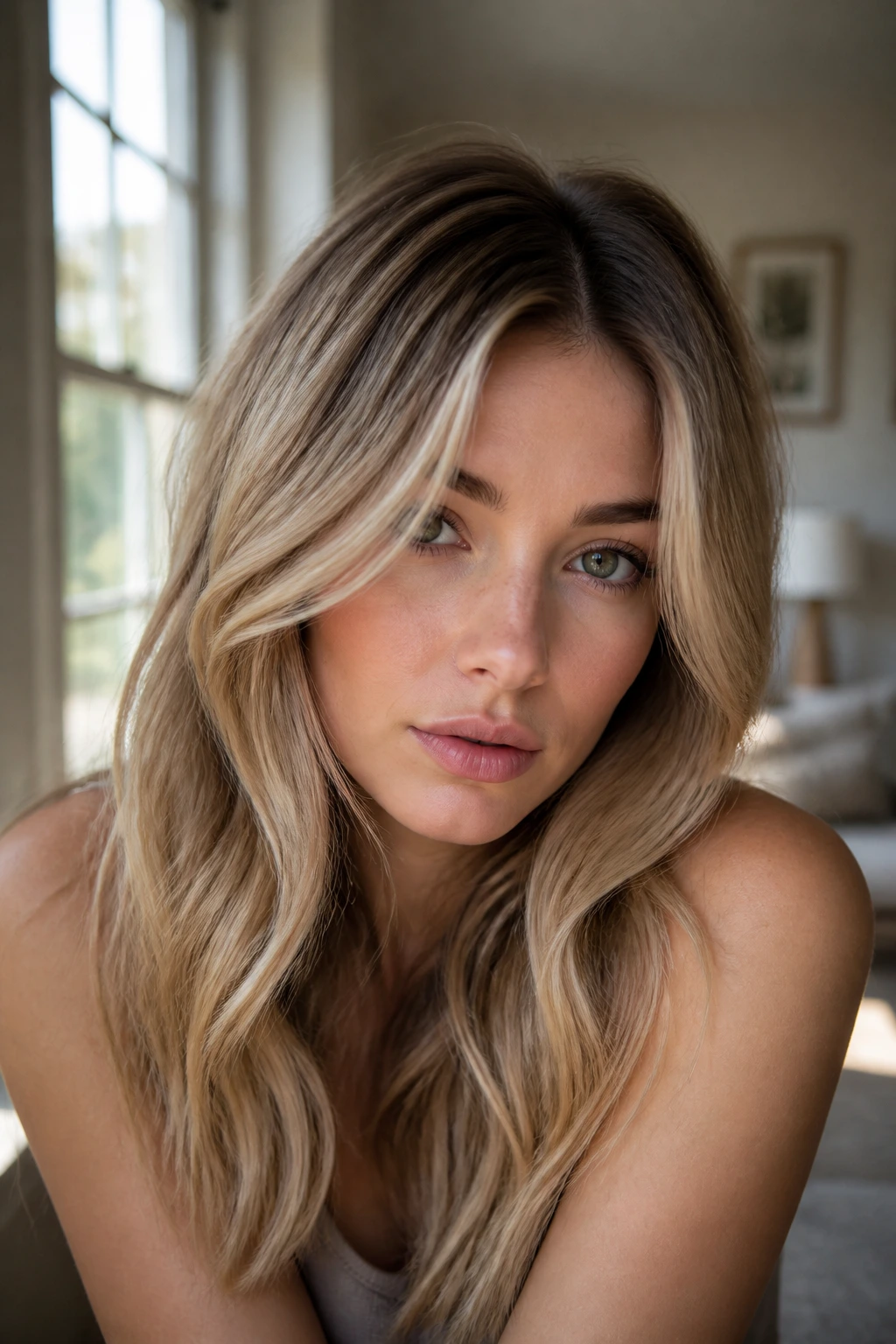
Will brown blonde hair make pale skin look older?
Not if the tone is chosen well. A flat, too-dark brown can harden the face, but beige, mushroom, and softly warm bronde usually add enough movement to keep the complexion lively.
Is ash or caramel better for pale skin?
Ash is cleaner for pink, red, or cool undertones. Caramel works better when the skin has warmth, freckles, or a peach note. Beige sits between them if you want a safer middle ground.
Do I need bleach for these shades?
Sometimes, but not always. If your hair is already light brown or dark blonde, a gloss, balayage, or soft foil placement may be enough. Dark brunette hair usually needs some lift to get the blonde pieces visible.
What if my brown blonde turns orange?
That usually means the toner is too warm or the hair lifted unevenly. Blue shampoo can help short-term, but a salon gloss is the cleaner fix because it corrects the tone without drying the hair out.
How often do I need to touch it up?
Root shadow and balayage can stretch 8 to 12 weeks, sometimes longer if the blend is soft. Face-framing highlights and brighter blondes usually need a refresh closer to 6 to 8 weeks.
Can very fair skin wear warm brown blonde shades?
Yes, but the warmth has to stay controlled. Think toasted almond, maple, bronze bronde, or honeyed mushroom, not bright gold or copper.
Will this work on fine hair?
Fine hair often looks better with babylights, glosses, and soft ribbons than with chunky highlights. The lighter pieces add movement, while the brown base keeps the hair from looking stringy.
What if I want the color to stay mostly brown?
Choose a rooted mocha, chestnut, sable, or walnut base with only a few beige pieces around the face. That gives you enough brightness for pale skin without turning the whole head blonde.
A Shade That Still Looks Like You
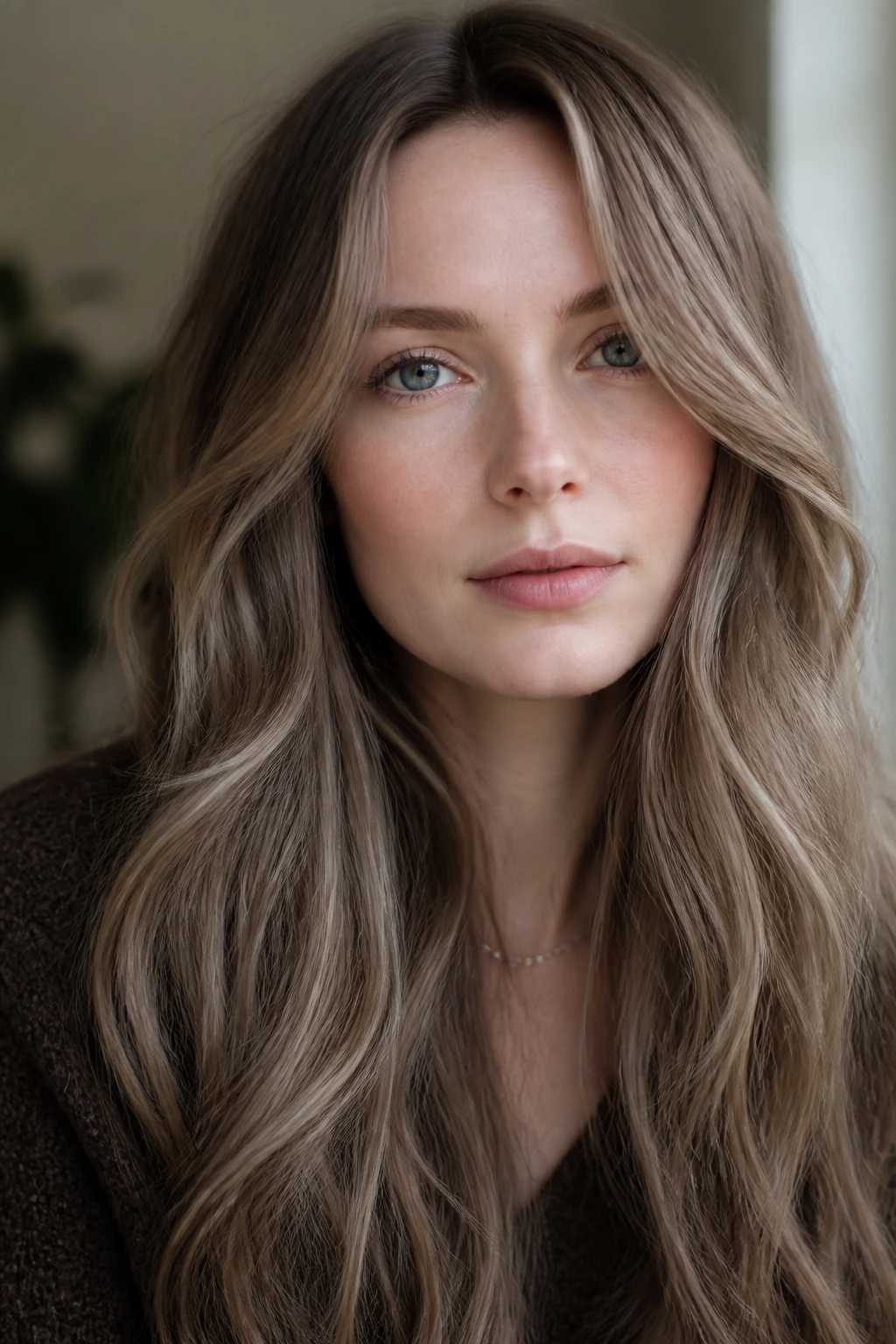
The best brown blonde hair color on pale skin doesn’t fight the face. It gives the face something to sit against. That’s a different goal, and honestly, it’s a better one than chasing the lightest blonde in the book.
If you want the safest starting point, I’d look first at mushroom bronde, beige balayage, taupe brown blonde, and rooted champagne. If you want more warmth, move toward caramel babylights, toasted almond, or maple bronde. The right answer is the one that keeps your skin clear, your features defined, and your hair from turning into one flat tone from root to end.
Bring photos, point to the root, the ribbon placement, and the finish you want, and be specific about warmth or smoke. That one conversation saves a lot of regret later.