



Black braids on wavy hair have a look that straightened styles never quite match. The dark braid lines make every part look sharper, while the natural bend of wavy hair keeps the whole style from reading too stiff or too polished. When the sections are clean and the tension is sensible, the result feels intentional without looking like your scalp spent the day arguing with the comb.
Wavy hair can be slippery at the roots. That’s the part people forget. If the hair is left too soft, the braids slide, puff, or fray at the base faster than they should. If it’s stretched too much, the whole style can look thirsty and rough. The sweet spot sits in the middle: clean, dry, slightly stretched, and handled with enough tension to hold, but not enough to make your hairline file a complaint.
That’s why black braids for a protective style with wavy hair deserve more than a pretty photo board. Some styles sit flat and quiet. Some lean decorative. A few are built for long wear, and a few are built for days when you want your hair to do the talking before you’ve even put on earrings. The good ones respect the texture underneath instead of fighting it.
Why These Black Braids Work on Wavy Hair
-
Low-tension starts matter: Knotless and feed-in styles keep the first inch of hair flatter, which helps wavy roots lie down instead of bulking up at the base.
-
The color does some of the work: Deep black braid hair makes part lines look crisp and keeps the style looking clean even when the braid pattern gets intricate.
-
Wave texture softens the finish: Wavy hair gives these looks a bit of lift and movement, so even a neat cornrow pattern doesn’t end up looking sealed in place.
-
You can choose your weight: Some of these styles sit light and close to the head; others bring length and swing. That matters when your hairline needs a break.
-
Accessories play well here: Beads, cuffs, scarves, and clips show up clearly against black braids, so small details read from across the room.
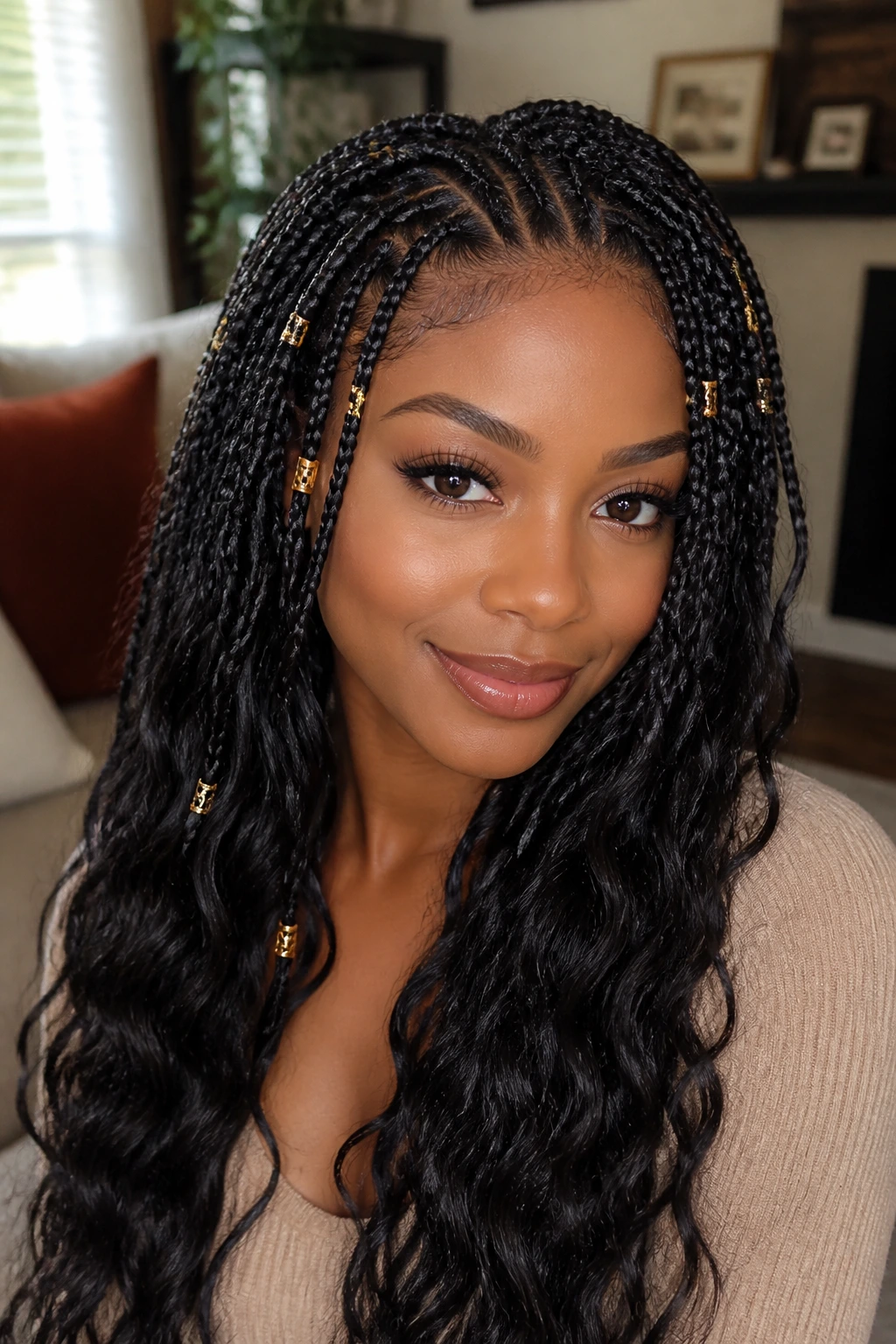
1. Waist-Length Knotless Box Braids
Why It Works: Knotless box braids are the safe bet when your hair is wavy and you want the style to last without feeling heavy at the root. The braid starts small and builds, which means less tugging right at the scalp. If you like a clean silhouette with a little movement at the ends, this is the one that behaves.
Quick facts
- Best braid size: Medium parts, about 1/2 inch to 3/4 inch.
- Hair to ask for: Pre-stretched 1B or jet-black braiding hair.
- Wear window: Usually 4 to 8 weeks if the roots stay neat.
- Weight note: Long enough to swing, but don’t overpack the sections.
Why it suits wavy hair: Wavy roots can puff if they’re locked under a tight knot. Knotless braids skip that hard anchor, so the base sits flatter and the install usually looks cleaner.
Pro tip: Ask for slightly shorter length if your scalp is sensitive. Thirty-inch braids are pretty on video; they are a lot less charming on wash day.
2. Straight-Back Feed-In Cornrows
Bold move: This is the style that makes a part line look like it was measured with a ruler.
Straight-back feed-in cornrows are the polished, no-nonsense choice when you want your wavy hair tucked down and out of the way. The braid gradually picks up extension hair, so the start stays thin and smooth instead of bulky. That makes a big difference if your natural texture is soft at the root and prone to lifting.
The best version uses six to ten rows, depending on density. Fewer rows read sleeker. More rows sit flatter and can feel more secure, though they take longer to install. If you want something that fits under hats and scarves without drama, this is one of the easiest styles to live with.
3. Side-Swept Lemonade Braids
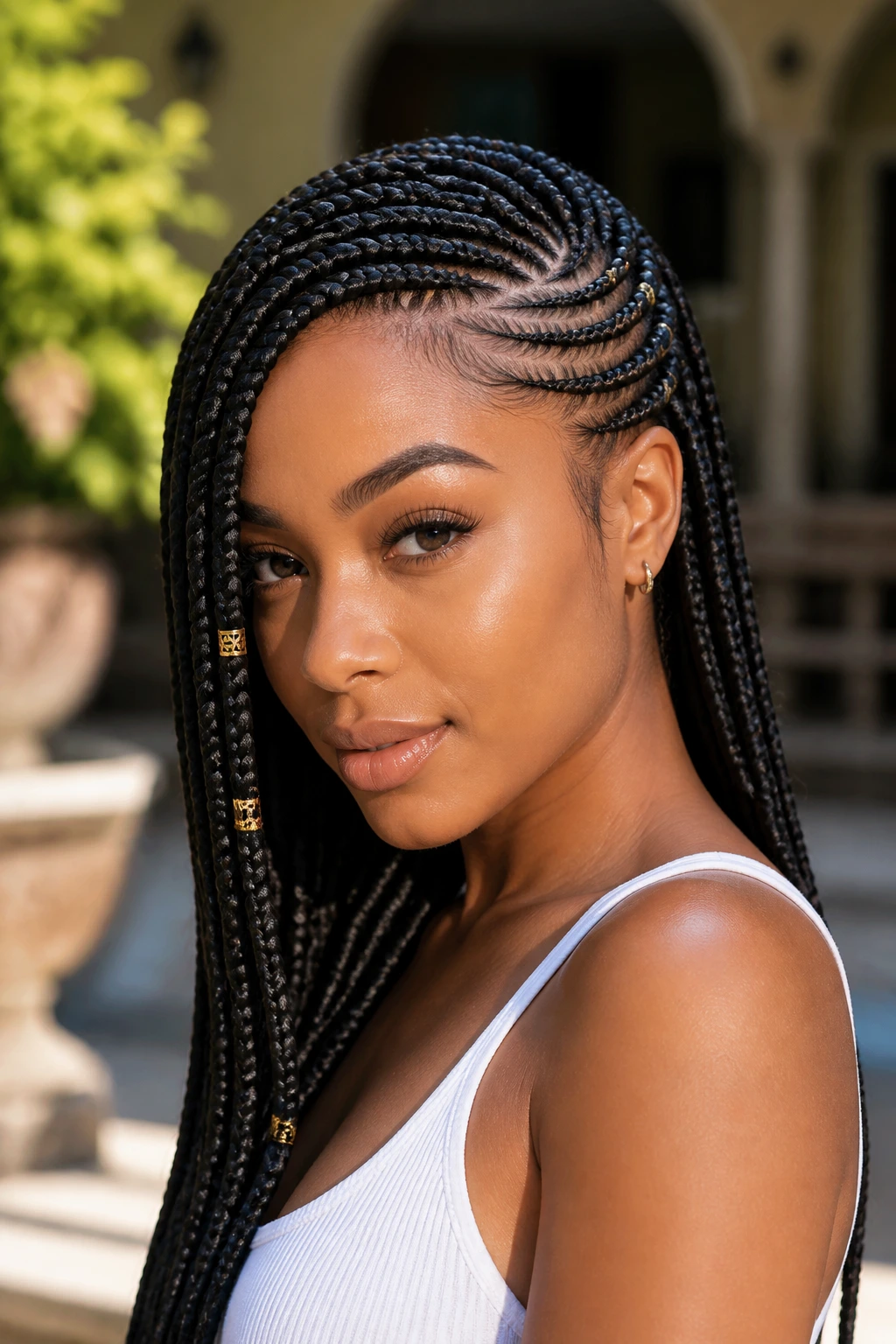
Question: Why do these look so good on wavy hair? Because the side part gives the whole head a direction, and wavy texture already likes a little movement.
Lemonade braids sweep across the scalp instead of marching straight back, so the style feels softer around the face. That’s useful when your natural hair wants to fluff at the edges. The angled lines keep the top controlled while the braids fall down one side like they were planned that way from the start.
How to Wear It
Use a deep side part and keep the front-most braid slightly thinner so it lays clean near the temple. A few gold cuffs on the side that shows most can pull the eye exactly where you want it. If you have layered wavy hair under the braids, this shape helps disguise uneven shrinkage at the hairline.
4. Goddess Braids with Wavy Tendrils
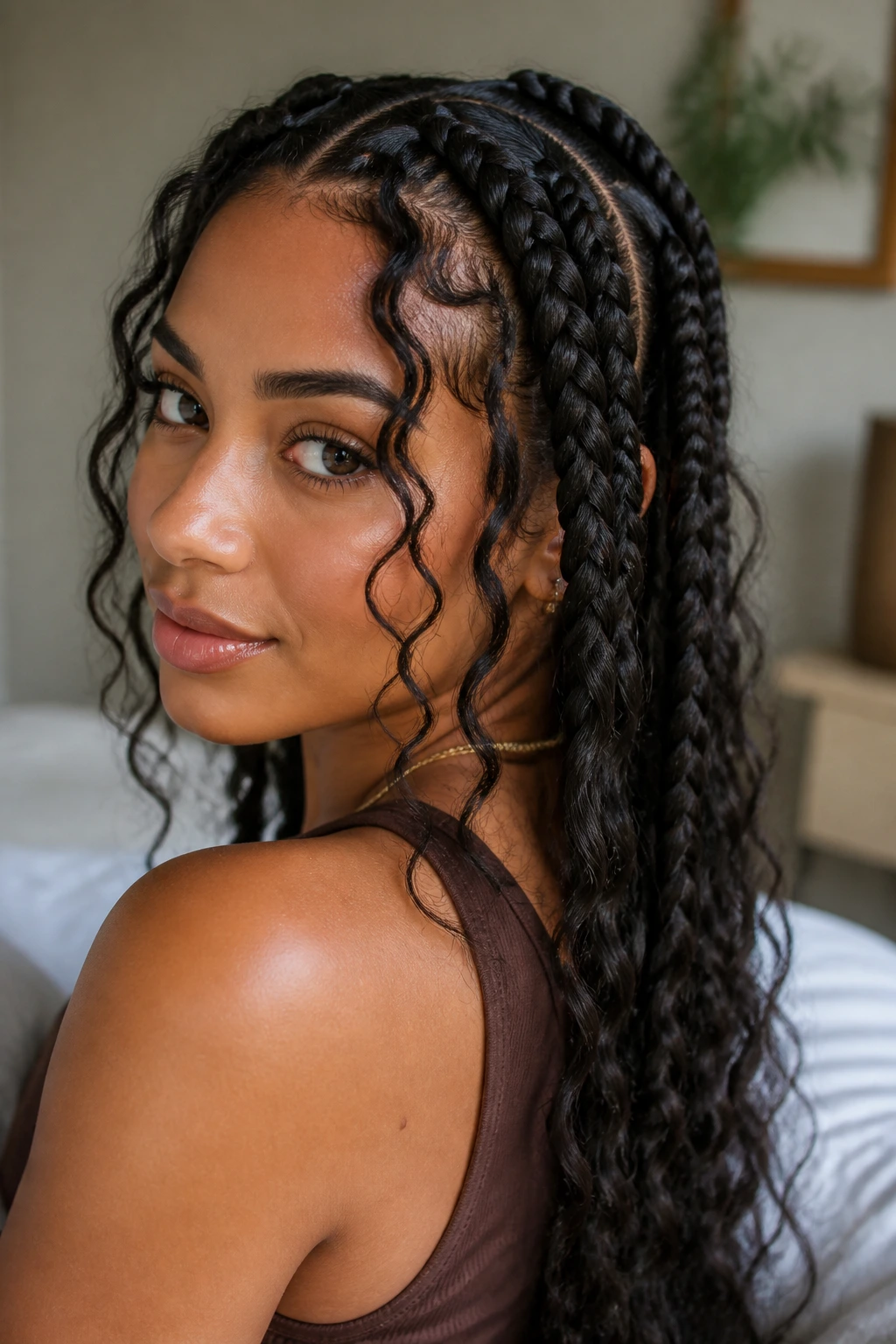
You know that style that looks calm from far away and a little romantic up close? This is it.
Goddess braids give you two or three larger braids with a few loose wavy pieces left out near the face or through the lengths. On wavy hair, that contrast feels natural instead of forced. The braid stays protective, but the loose pieces keep the style from looking sealed shut.
- Best for: Medium to thick hair.
- Length sweet spot: Shoulder to mid-back.
- Texture note: Leave a few tendrils out, not half your hair.
- Finish: A light foam wrap keeps the loose pieces from looking fuzzy.
The trick is restraint. Too many loose pieces and the style starts to look messy by day two. A few well-placed tendrils do more.
5. Triangle-Part Knotless Braids
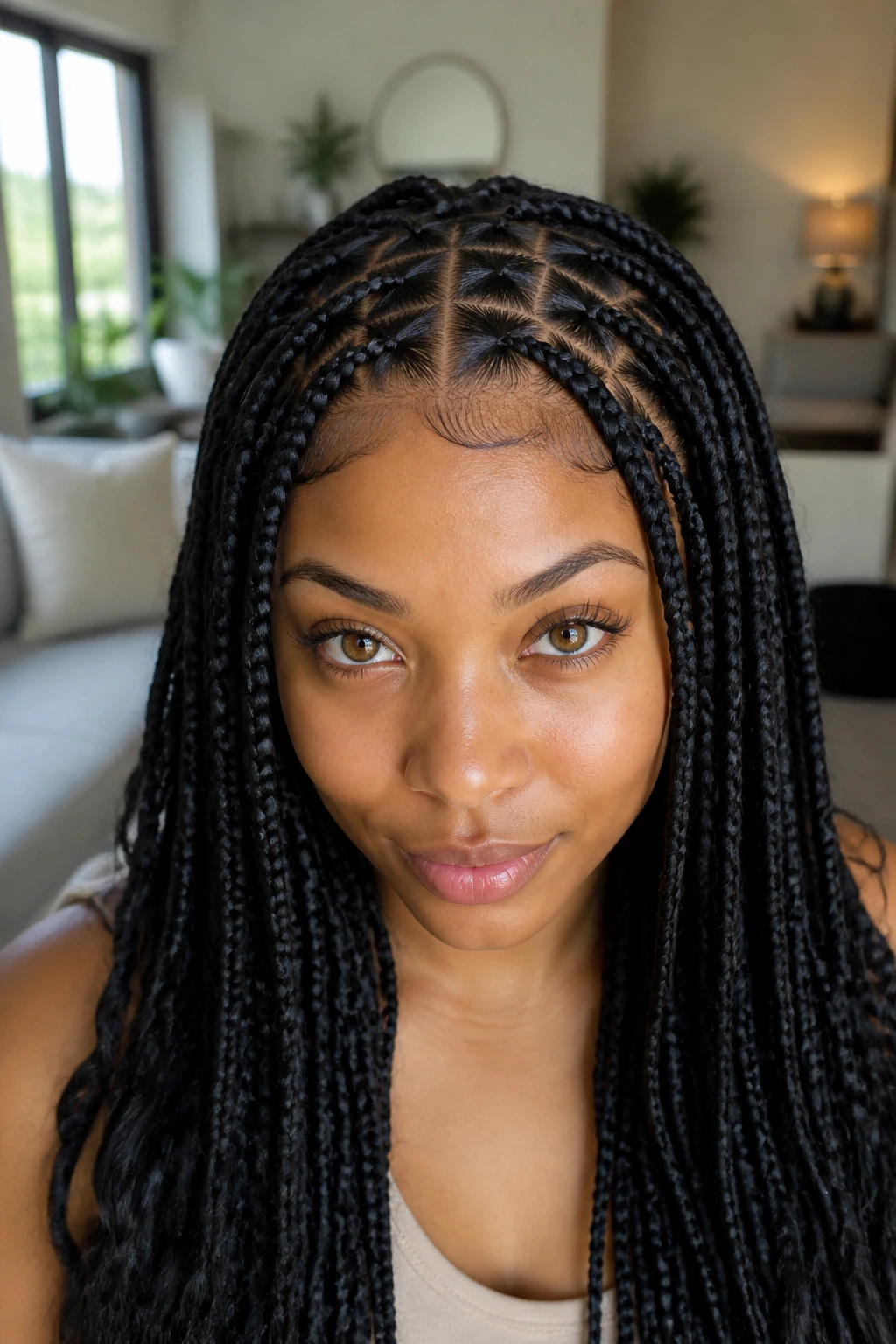
Triangle parts are for people who enjoy a little geometry in their beauty routine.
The braid itself may be the same knotless build as item one, but the parting changes the mood completely. Instead of squares, you get sharp little triangles that catch the eye and make the whole install look custom. On wavy hair, that part pattern also helps distract from the natural puff that can show up if the roots are too soft.
If you want something that looks more detailed without jumping to micro braids, this is a smart middle ground. It takes longer to part, and yes, it should. That’s the point. Clean triangle sections make the braid pattern look more deliberate, and black braiding hair makes those edges read even more clearly.
6. Low Braided Ponytail
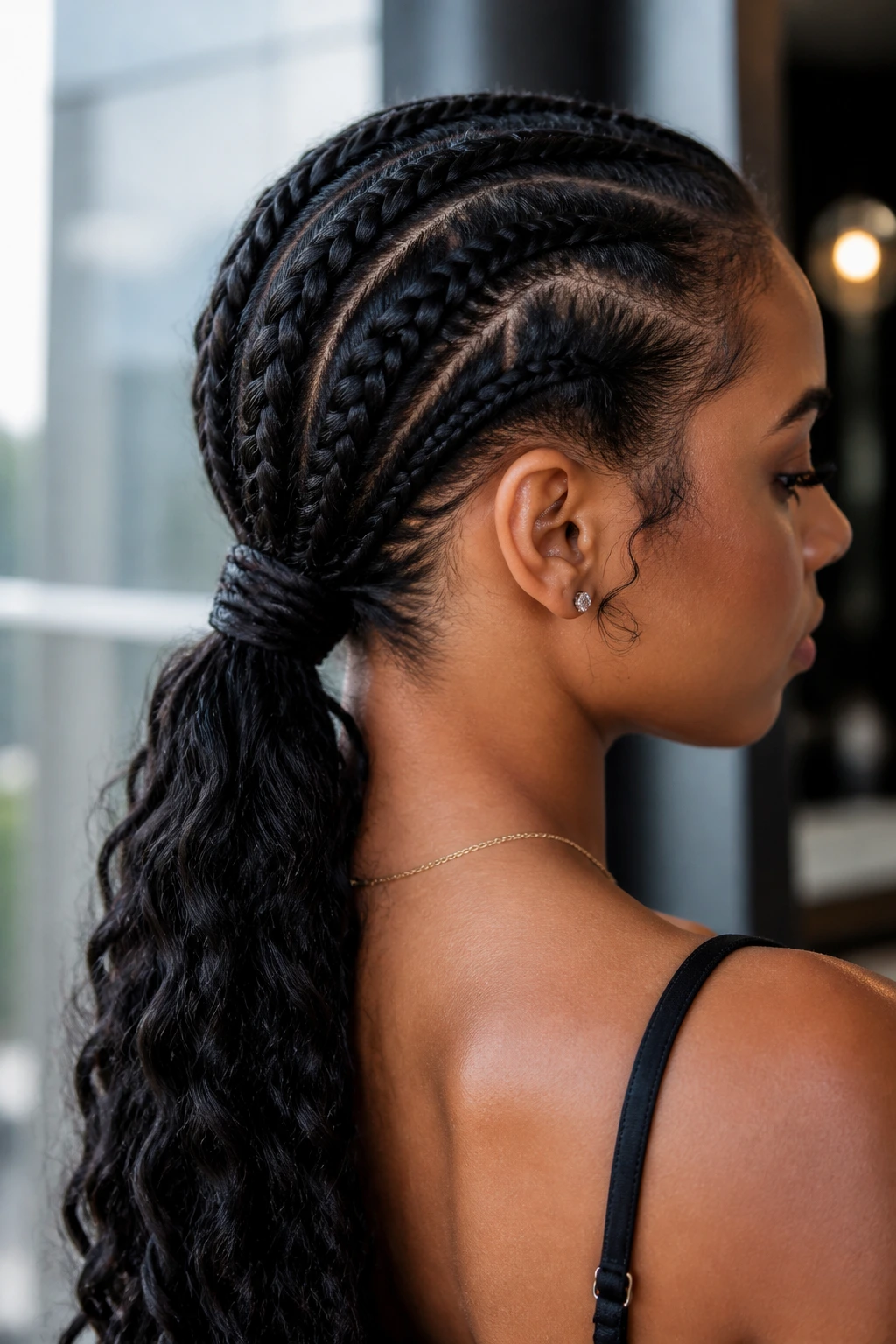
Comparison point: Unlike a free-hanging length of braids, a low braided ponytail keeps the weight centered near the nape, which is kinder when your scalp wants a break.
This style works because it pulls the braids off the shoulders and down into one tidy line. For wavy hair, that usually means less friction around the edges and less puff from constant movement. It also gives you a cleaner neck line, which sounds small until you try to wear a jacket or a collar with a dozen braids bouncing around.
A wrapped base is worth the extra minute. It hides the elastic or braid seam and makes the ponytail look finished instead of improvised. If you wear a lot of simple tops, this style does the most with the least effort.
7. Fulani Braids with a Center Path
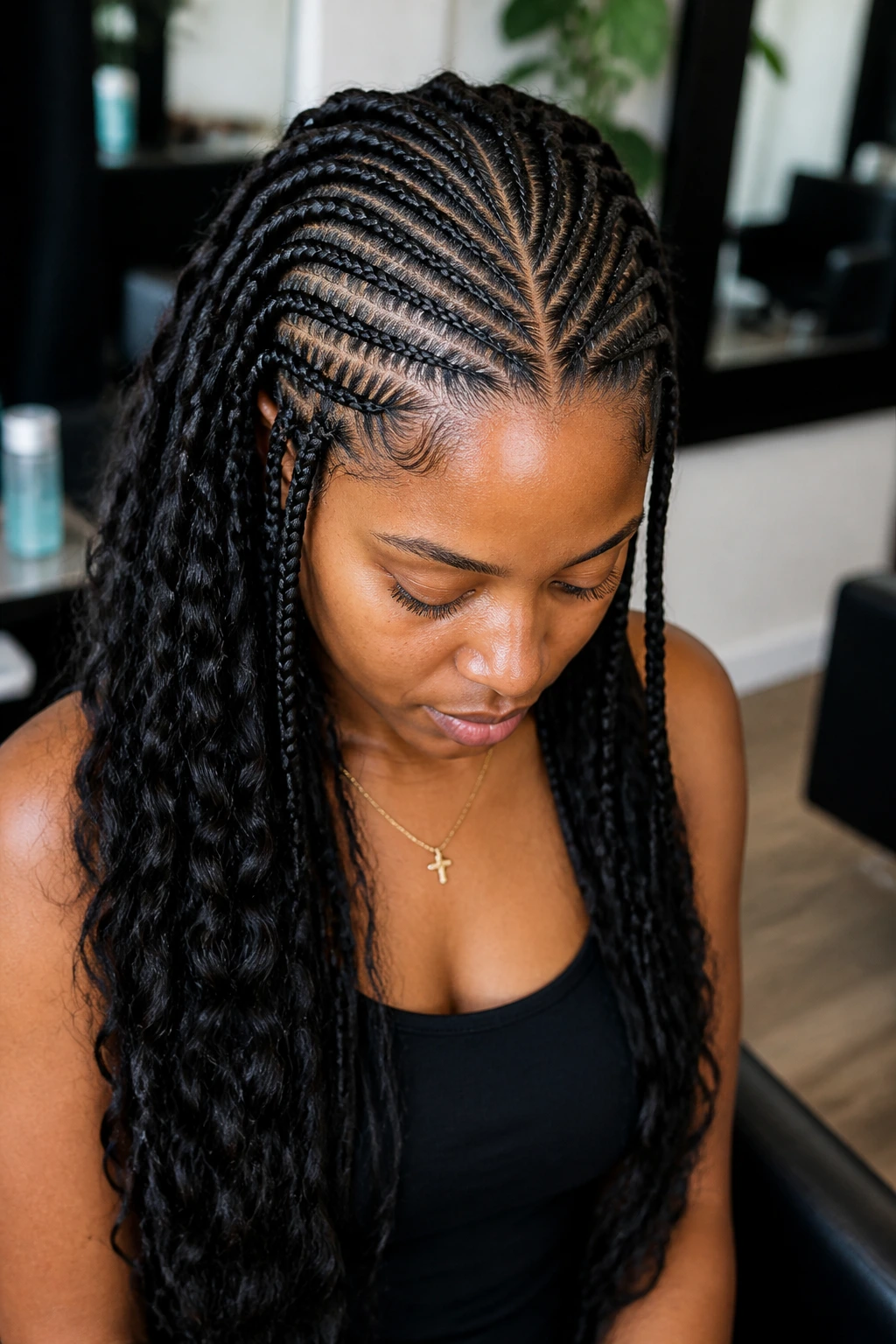
There’s a reason this one keeps coming back. The center braid acts like an anchor, and everything else fans out from it in a way that suits wavy hair beautifully.
Fulani braids usually mix straight-back or side braids with a central line and temple details. On black braids, the pattern looks crisp without needing a lot of extra decoration. A few beads at the ends can change the entire tone, but they are optional. Sometimes the parting is the main event.
Small details that matter
- Keep the front braid narrow so the hairline doesn’t feel crowded.
- Use consistent spacing between the side braids.
- Choose beads only if the length can handle the weight.
- Leave the ends sealed cleanly so the whole style falls straight.
The style looks best when the spacing is even. Sloppy Fulani parts show fast.
8. Jumbo Braids with Soft Curves
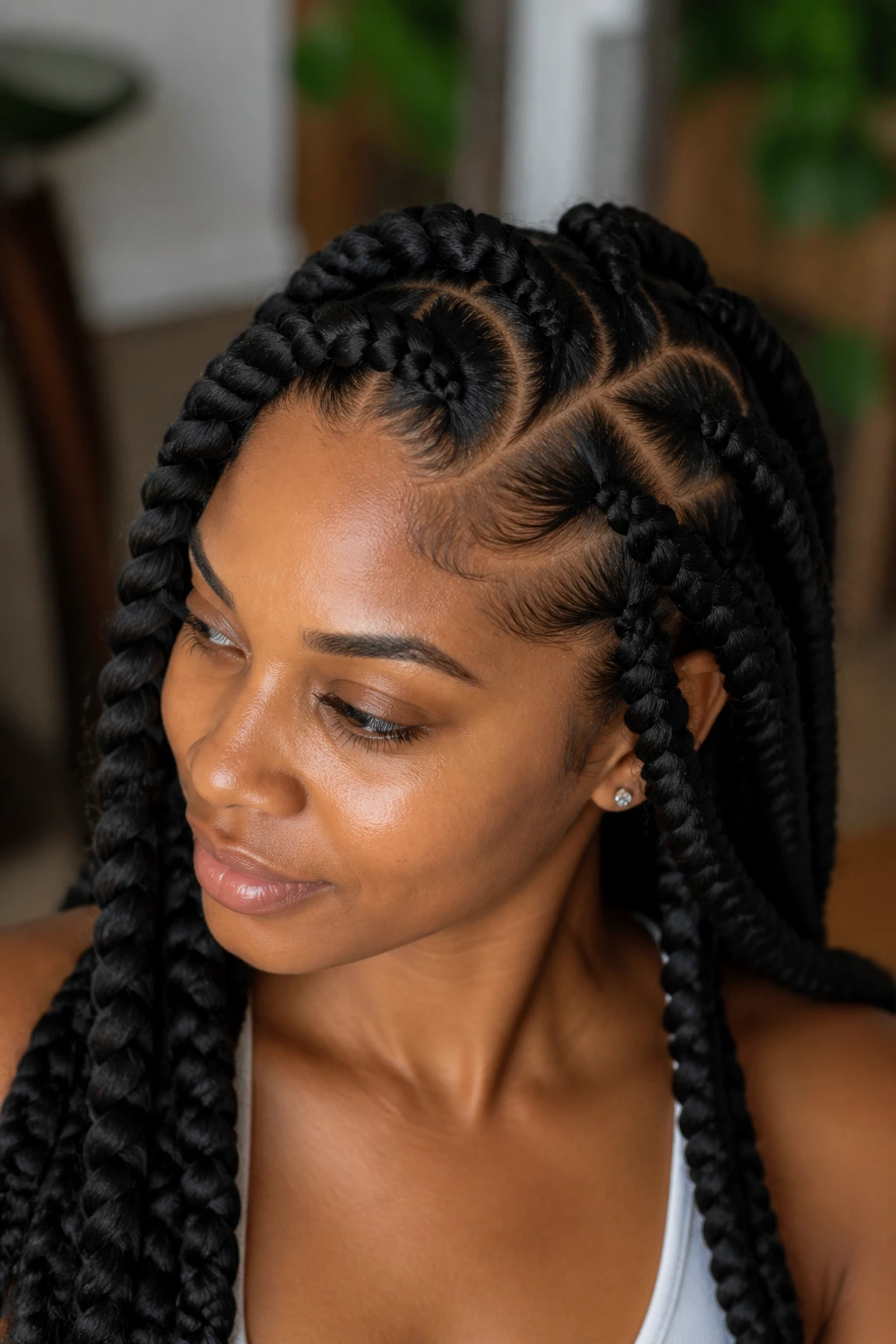
Bold claim: If you want faster install time and stronger visual impact, jumbo braids deliver both.
Jumbo braids are thick by design, which means fewer sections, less chair time, and a heavier visual line across the head. On wavy hair, they work if your strands are dense enough to support the size. The trick is not to let the braids get so thick that they overwhelm the face or tug on smaller sections around the perimeter.
Soft curved parts make jumbo braids look less boxy. Straight rows can feel rigid; curved parting gives the style more life. If you’re drawn to bold styles but don’t want micro-detail, this is the one that reads big without requiring endless installation time.
9. Braided Bob with Blunt Ends
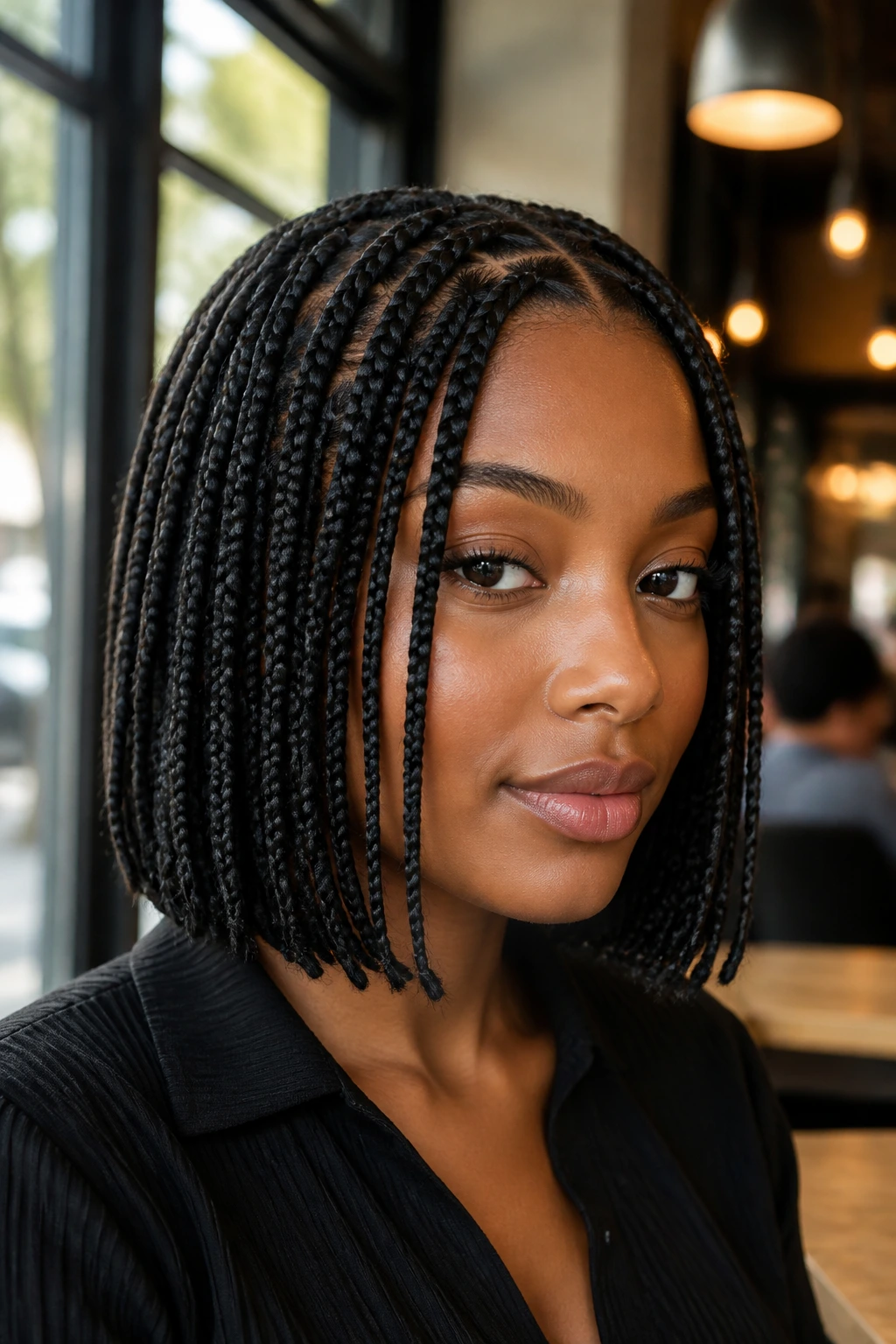
Shorter braids are underrated. They show off the braid work instead of disappearing into a wall of length.
A braided bob lands around the chin, jaw, or collarbone, and that shorter length helps wavy hair stay lighter at the root. The blunt end gives the cut a neat line, which looks especially good with black braiding hair because the edge is so clean. It’s a solid choice if you hate managing long braids while you sleep.
The bob also lets earrings and necklines do more of the work. That matters. Long braids can steal the whole outfit. A shorter bob leaves some room for your face to stay visible, which is useful if you wear glasses or prefer a more open shape.
10. Stitch Braids into a Low Bun
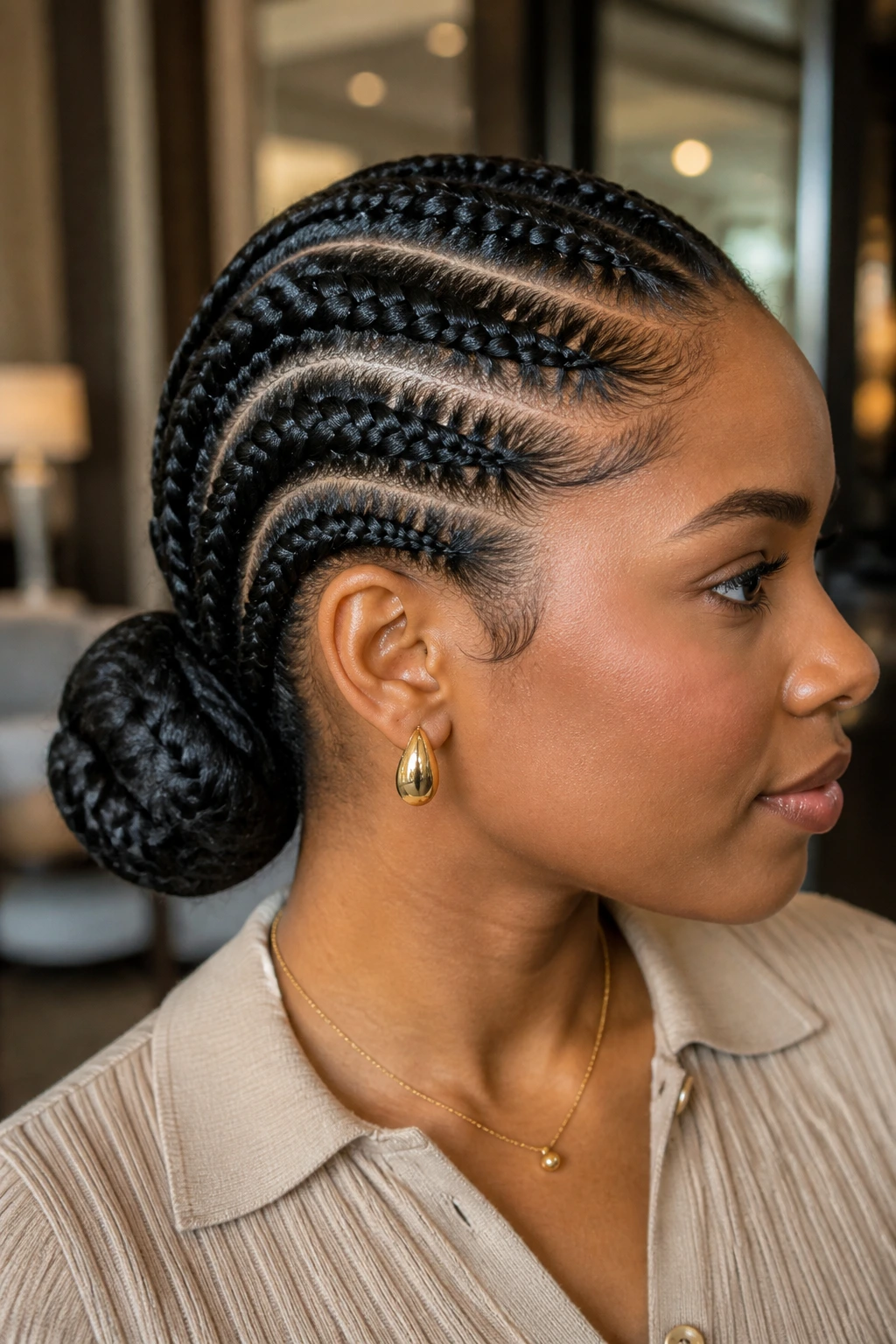
Question: Want a style that looks sharp enough for an event but still protects the hair underneath? Stitch braids into a low bun are hard to beat.
The stitch pattern gives the scalp a segmented, almost tailored look, while the bun keeps the ends tucked away. Wavy hair benefits here because the pattern flattens the base and the bun removes day-to-day friction from the ends. That makes it one of the more practical options if you need a tidy profile for work or travel.
Keep the bun low and secure, not torqued into the crown. A wrapped bun that sits at the nape tends to stay in place without pulling the edges upward. That little choice saves a headache later.
How to Wear It
Pair this with hoops, a clean neckline, and a soft edge brush finish. It reads crisp. Not fussy.
11. Half-Up, Half-Down Braids
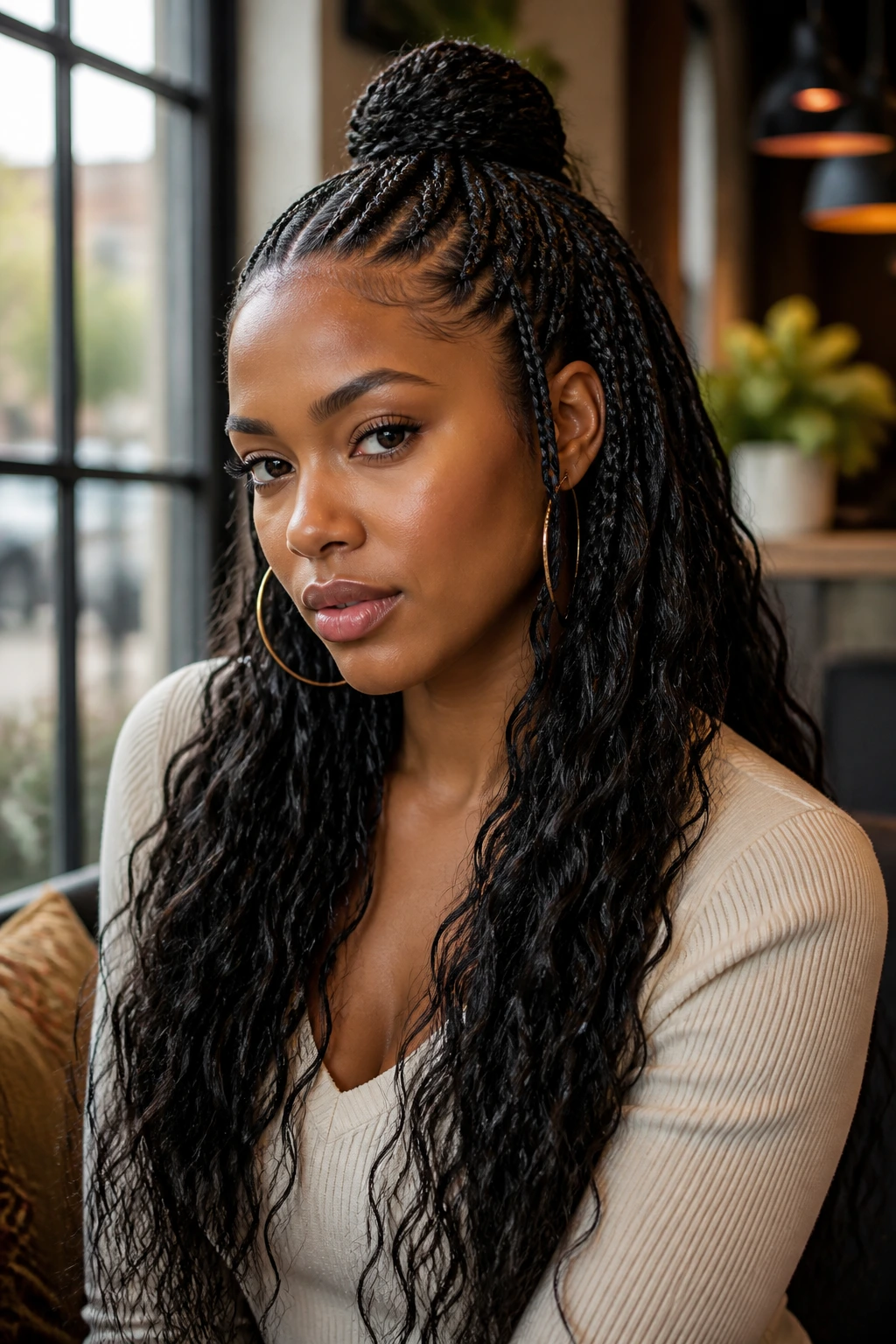
This is the style for people who want length and face exposure at the same time.
The top section gets pulled back, usually into a small bun or ponytail, while the rest falls loose. On wavy hair, that upper lift helps control the roots where puffing starts, and the loose lower section keeps the movement. It’s a useful compromise when you like the idea of long braids but don’t want all the weight hanging from the scalp every minute of the day.
The half-up look also gives you a place to hide a few imperfections. If one side of the install settles a little looser than the other, pulling the top back evens out the shape fast. That’s a small mercy on days when you’re in a hurry.
12. Tribal Braids with Beads
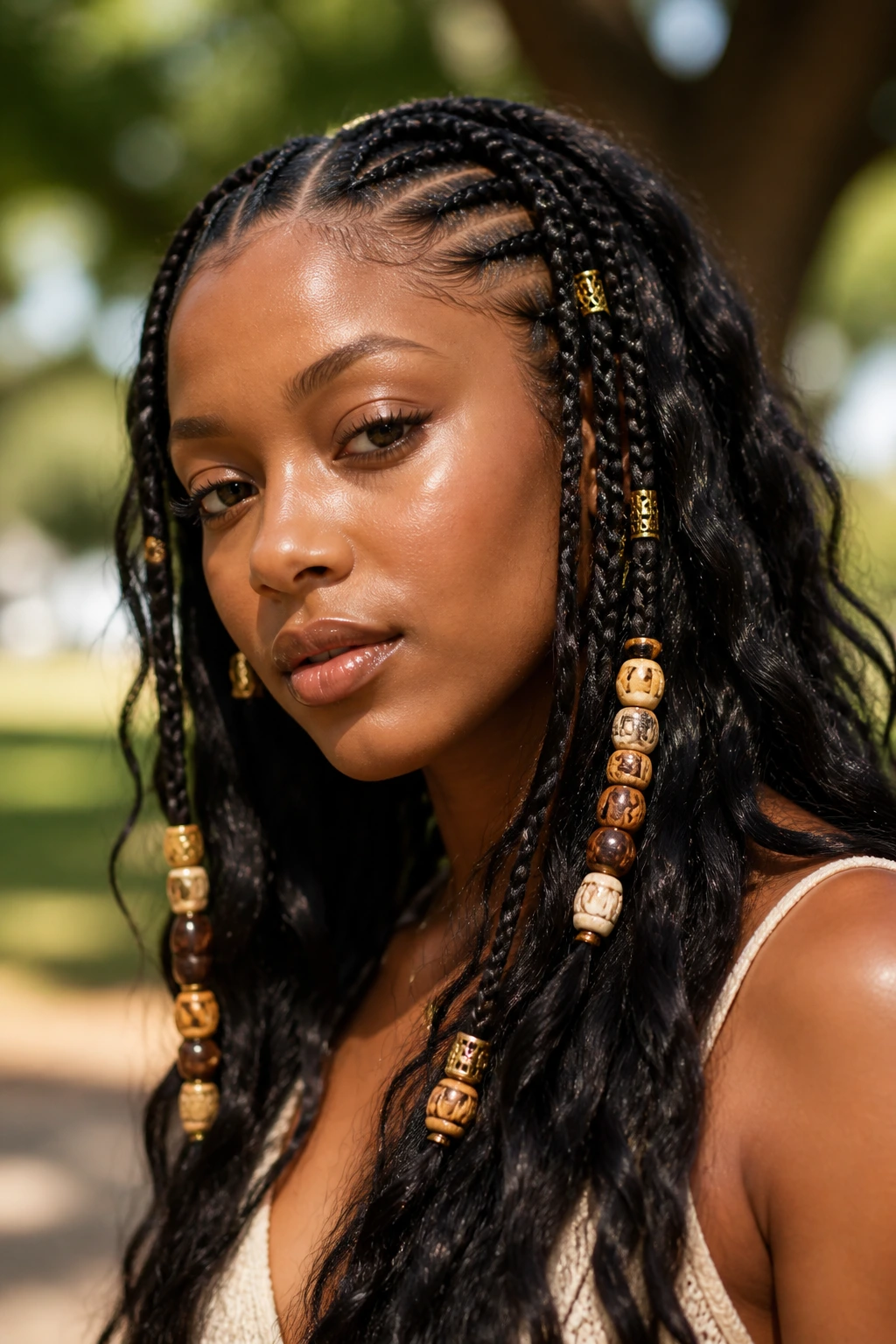
Why it stands out: Tribal braids bring pattern, texture, and decoration into one style, so the black braid base never has to carry the whole look alone.
A few rows can stay neat and simple while the hanging braids get beads, cuffs, or thread. That mix works especially well when your hair is wavy, because the style can be part clean and part playful. The texture underneath doesn’t have to do all the heavy lifting; the accessories do some of that work.
Don’t overload the ends. One or two bead clusters per braid is enough if the braid is medium-thick. Too many beads make the ends sag and create a clunky sound every time you turn your head. Cute is good. Dragging is not.
13. Braided Crown with Tucked Ends
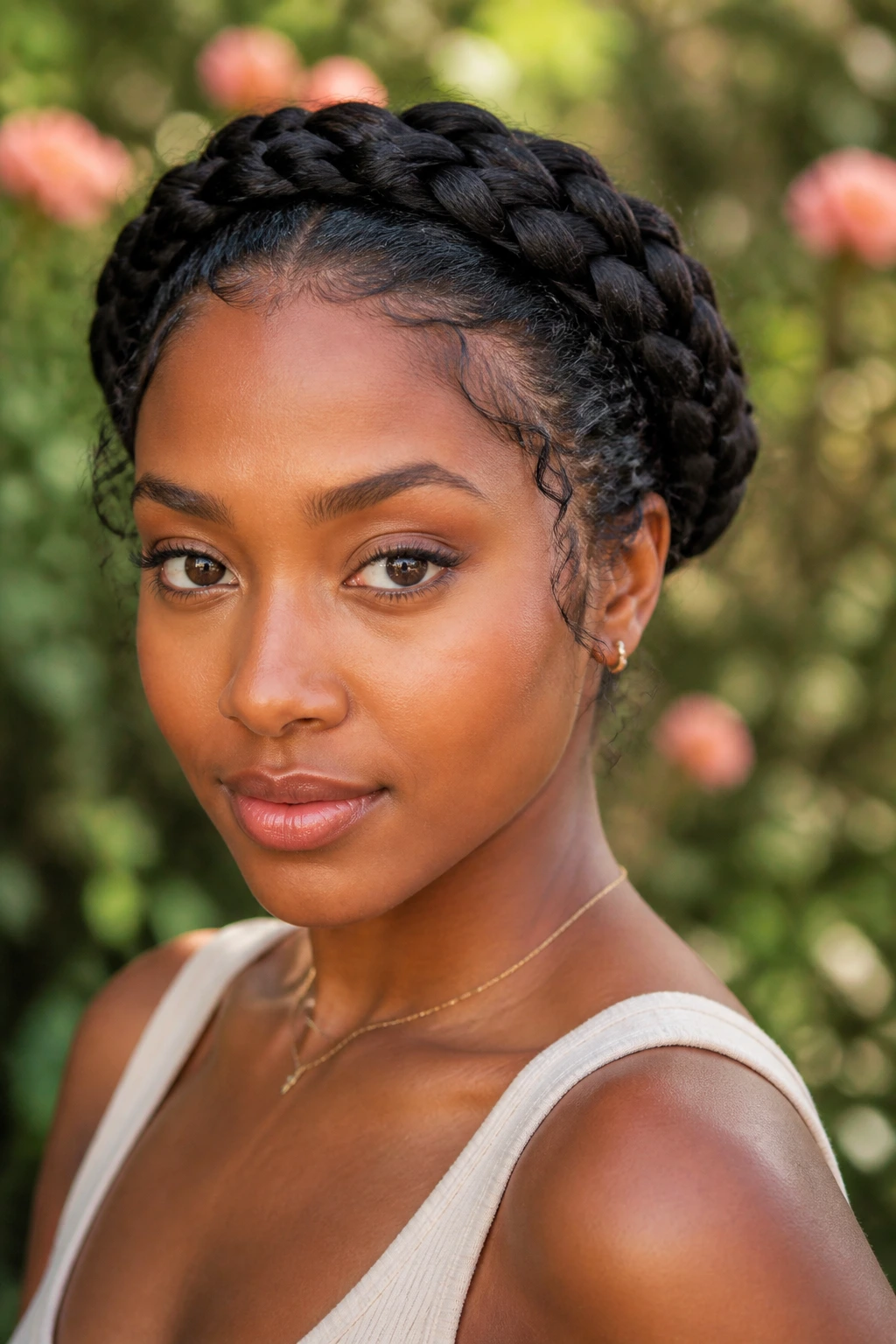
A crown braid has a quiet, old-world feel, but the practical part is what makes it worth wearing.
The braid wraps around the head and the ends get tucked under or pinned away, which keeps them off the neck and away from friction. For wavy hair, that matters because the style protects the ends while keeping the top smooth. It’s one of the most contained looks on the list.
If you like styles that stay put through a full day of movement, this one behaves. It can be dressed up with a few hair pins or left plain. Either way, the shape does not need much help. The braid itself is the ornament.
14. Boho Box Braids with Curly Pieces
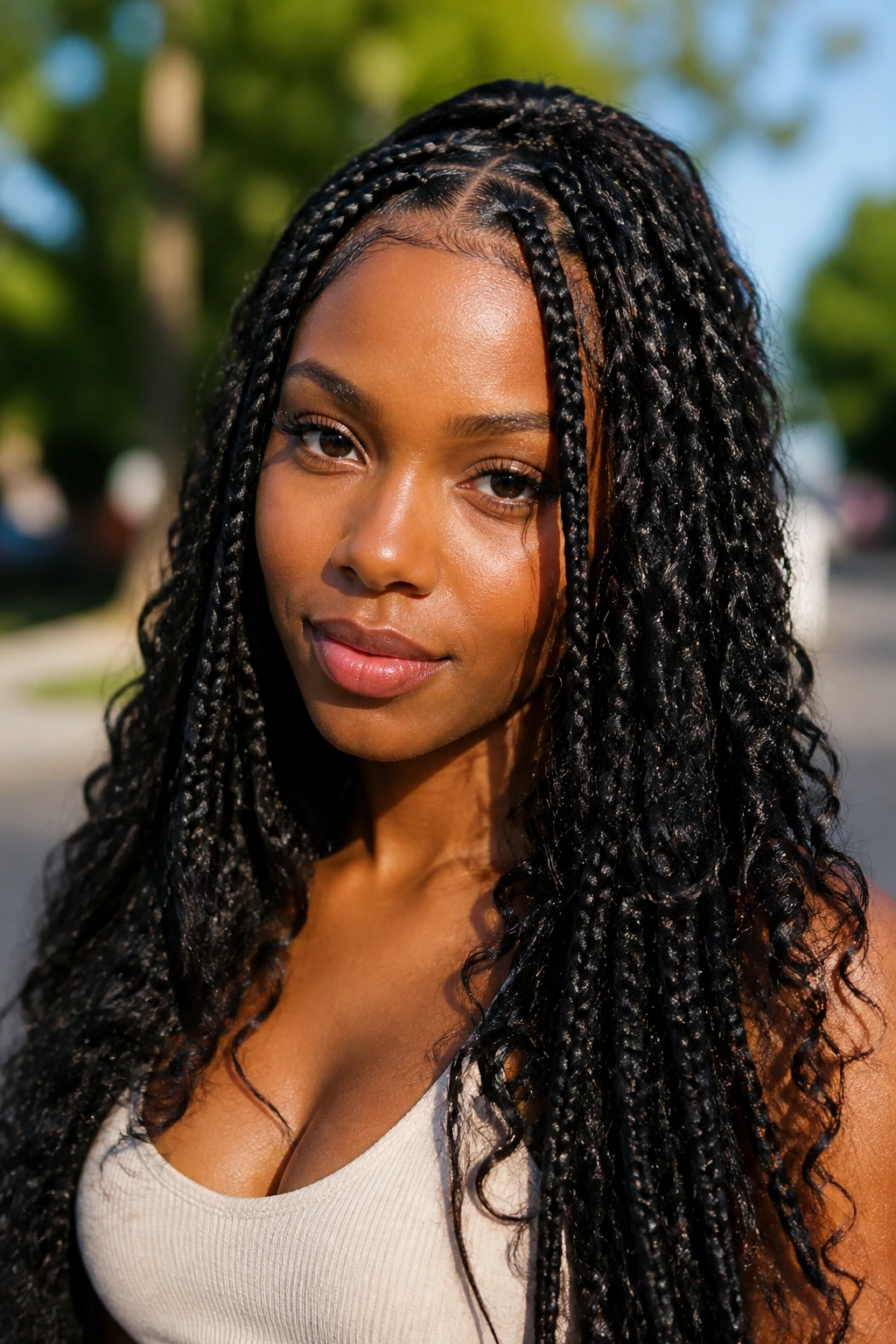
This style is for people who like their braids to move a little more freely.
Boho box braids mix neat sections with loose curly or wavy pieces throughout the lengths. On black braids, the contrast between the braid and the added texture is the whole point. It softens a style that could otherwise look severe, and it gives wavy hair a place to echo its own natural bend.
Use human hair or curly-texture pieces if you want the loose bits to stay believable. Synthetic curls can work, but they can frizz faster and tangle if they’re too fine. Keep the loose pieces mostly toward the mid-lengths and ends, where they can do their job without turning into a knotty mess at the scalp.
15. Zigzag-Part Braids
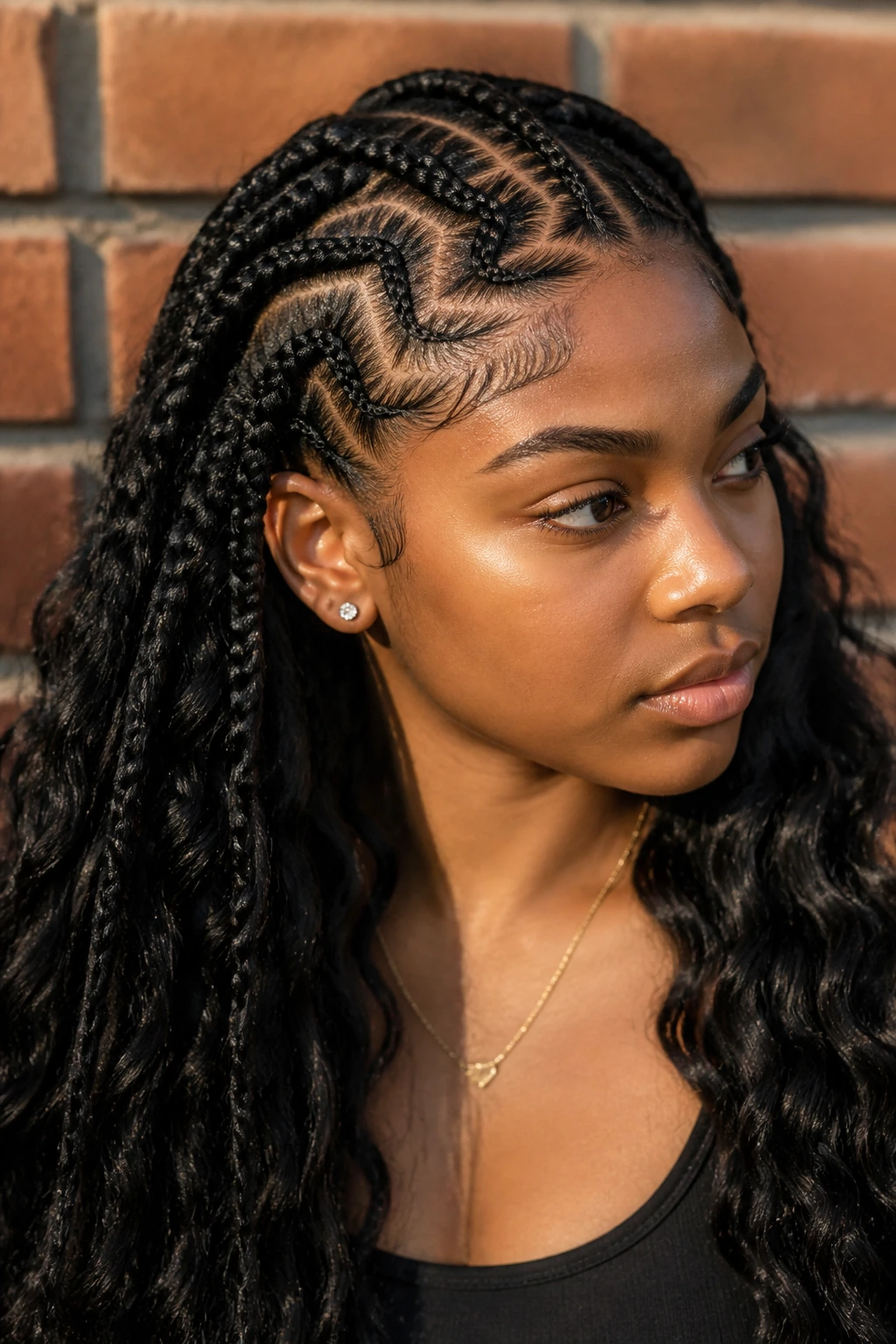
Bold move: Zigzag parts are pure detail work, and that detail is exactly what makes the style worth it.
Instead of straight rows, the comb lines bend and shift across the scalp, which turns a basic braid pattern into something more graphic. Wavy hair likes this because the parting itself becomes part of the style. You do not need the root to be perfectly flat when the lines are already doing visual work.
What to Watch For
The parts have to be consistent in width or the whole pattern starts to wobble. A rat-tail comb with a fine point helps. So does patience. This is not the style for a rushed morning unless someone else is doing the braiding.
If you want a look that reads custom without a ton of accessories, zigzag parts give you that edge.
16. High Braided Ponytail
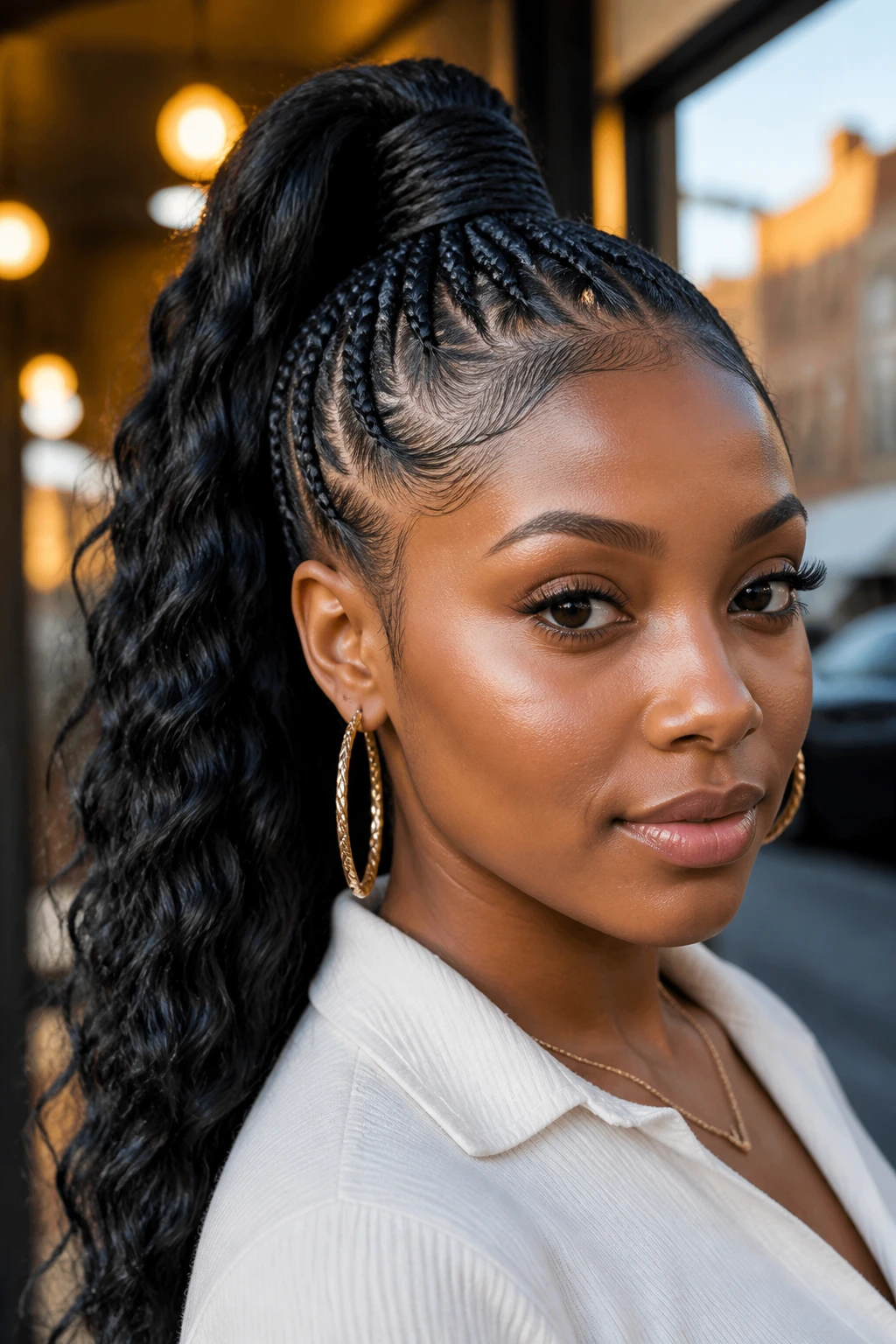
Comparison point: A high ponytail lifts the face and exposes the parting more than a low ponytail does, which makes the work up top matter even more.
This style puts the braid mass at the crown, so it feels bouncier and a little more dramatic. On wavy hair, it can be flattering because it pulls the softer texture upward instead of letting it puff around the sides. The tradeoff is tension. A high ponytail should feel secure, not tight enough to make the temple area throb.
A wrapped base hides the ponytail seam and gives the style a cleaner line. If you like a lifted profile with a clear neckline, this is one of the strongest choices here. It looks especially sharp with layered earrings or a structured top.
17. Side-Part Feed-In Braids
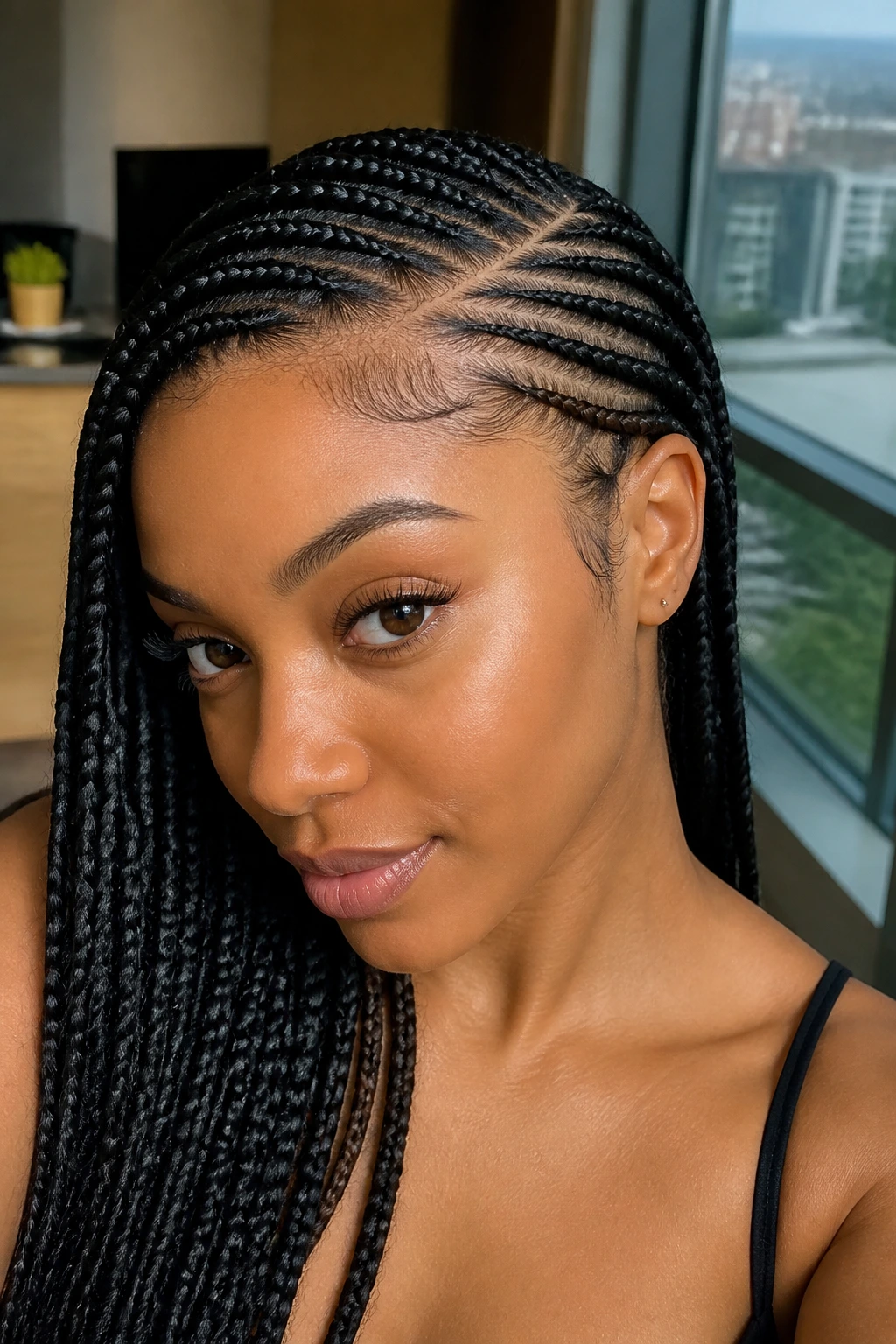
Side parts change the whole face shape. Small shift, big result.
Feed-in braids with a side part let the braids sit diagonally and soften a strong forehead or a narrow face. Wavy hair benefits because the side part gives the roots a direction, which helps reduce that fluffy “where do I go?” look some textures get at the crown. The style reads neat but not severe.
The front braid near the part should stay slim. That keeps the line clean and prevents the first row from feeling bulky. If you’re wearing black braiding hair, the contrast between the part and the braid pattern looks especially crisp in this layout.
18. Micro Braids with a Soft Finish
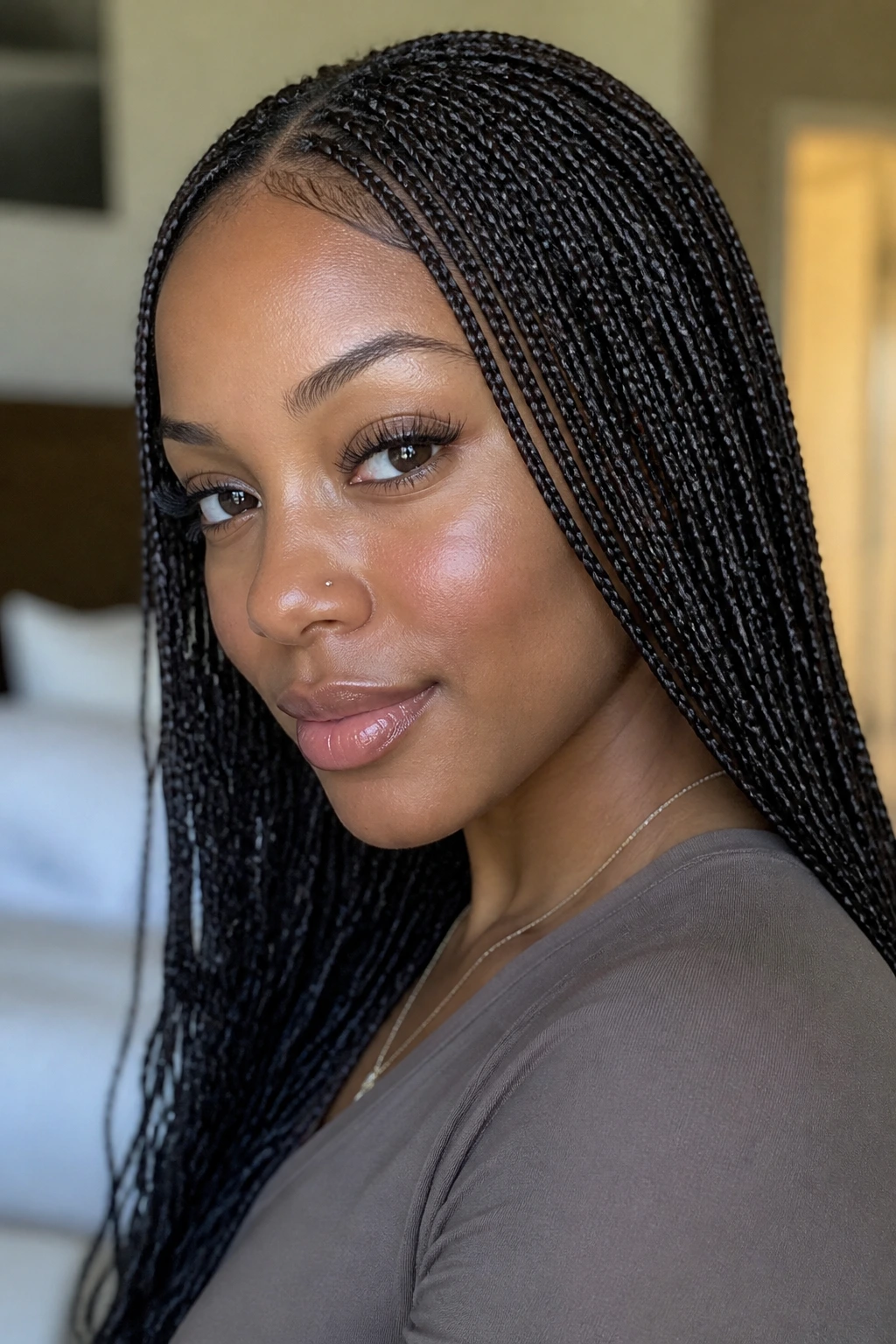
Micro braids are not for the impatient. Let’s be honest about that.
They take time, and they take maintenance, but they give you a very flexible, very movable finish that suits wavy hair well if you want a long wear window. Because the sections are tiny, the overall style lies flatter and can look almost woven. Black braid hair makes the tiny parts easier to read from a distance, which helps the style avoid looking fuzzy.
The price you pay is chair time and aftercare. Micro braids need careful detangling at the ends and a light touch with product, or they start building lint and tangles fast. If you like smaller, smoother structure and you don’t mind upkeep, they reward that attention.
19. Braided Mohawk with Hanging Length
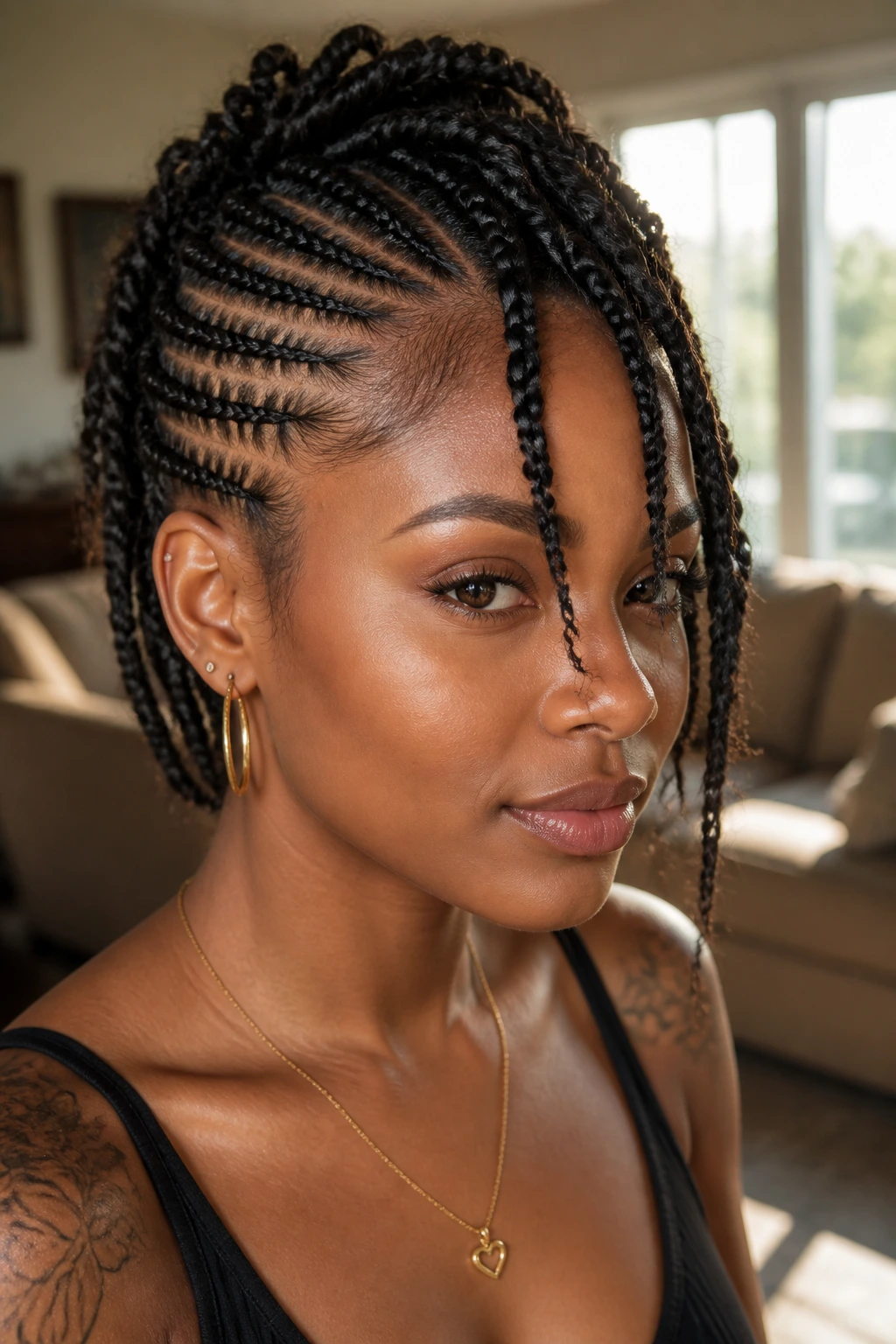
A braided mohawk gives you height without asking the whole head to stand up and perform.
The sides stay braided close to the scalp while the middle section rises or hangs with more volume. On wavy hair, that center lift creates a strong shape while the sides stay controlled. It’s a good choice when you want some edge but not the full weight of a long style across every inch of your head.
The mohawk shape also lets you play with length. Keep the central braids shoulder-length for a lighter feel or go longer if you want the drama. Either way, the contrast between tight sides and loose center lines is the selling point.
20. Double Dutch Braids into Long Plaits
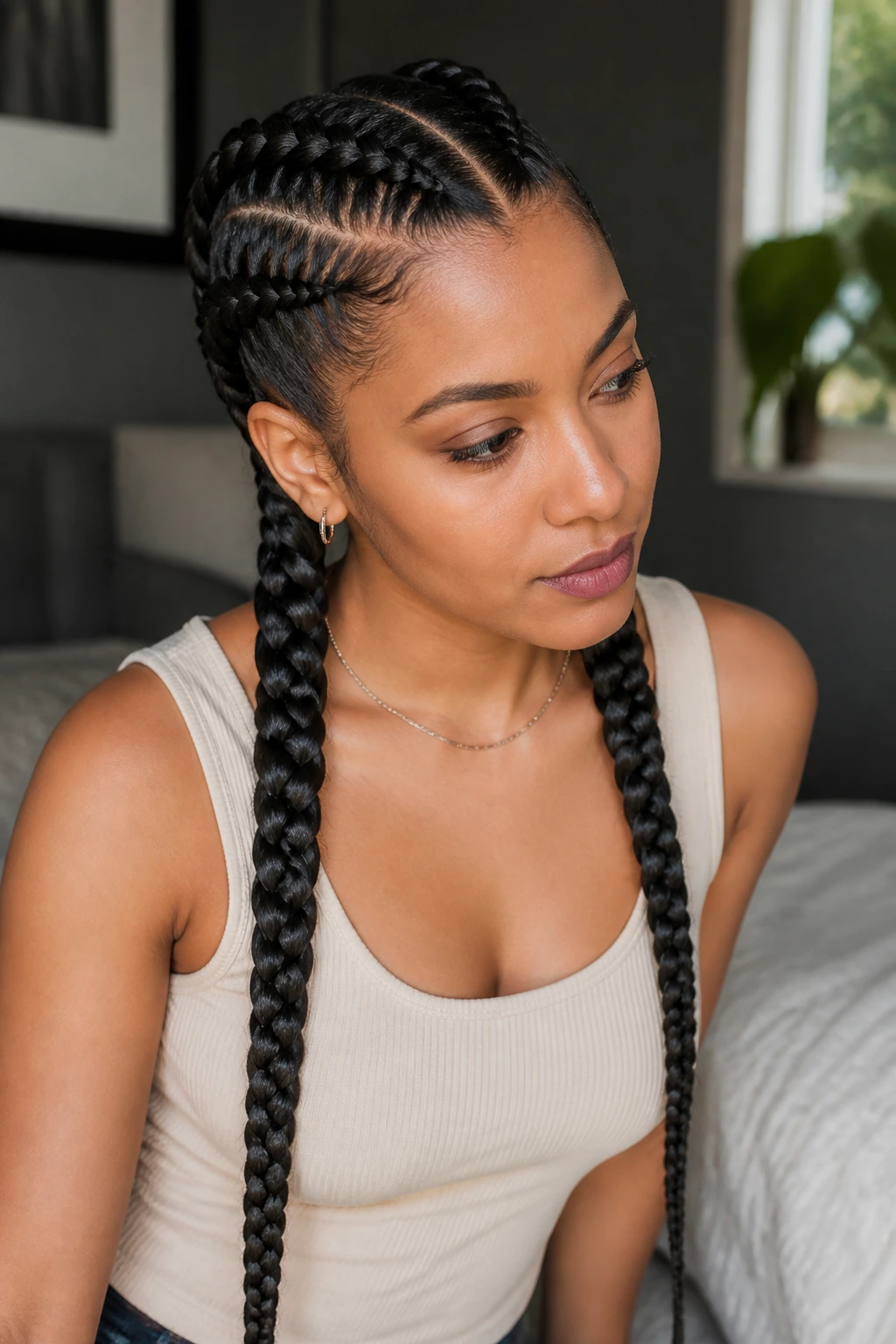
Why it works: Two strong braids into long plaits give you structure at the scalp and movement at the ends, which is a nice balance for wavy hair.
The Dutch braid foundation keeps the top secure, and the lower plaits can hang loose or be wrapped into rope-like lengths. This style sits somewhere between athletic and polished. It’s practical if you need your hair out of the face but still want something that looks finished when you take off your jacket.
Use a middle part if you want symmetry. Use a side part if you want a softer front. The style can go either way, and that flexibility makes it easy to live with.
How to Wear It
A simple satin scarf at night keeps the top neat. In the day, a small cuff at the end of each plait adds just enough detail.
21. Curved Feed-In Braids
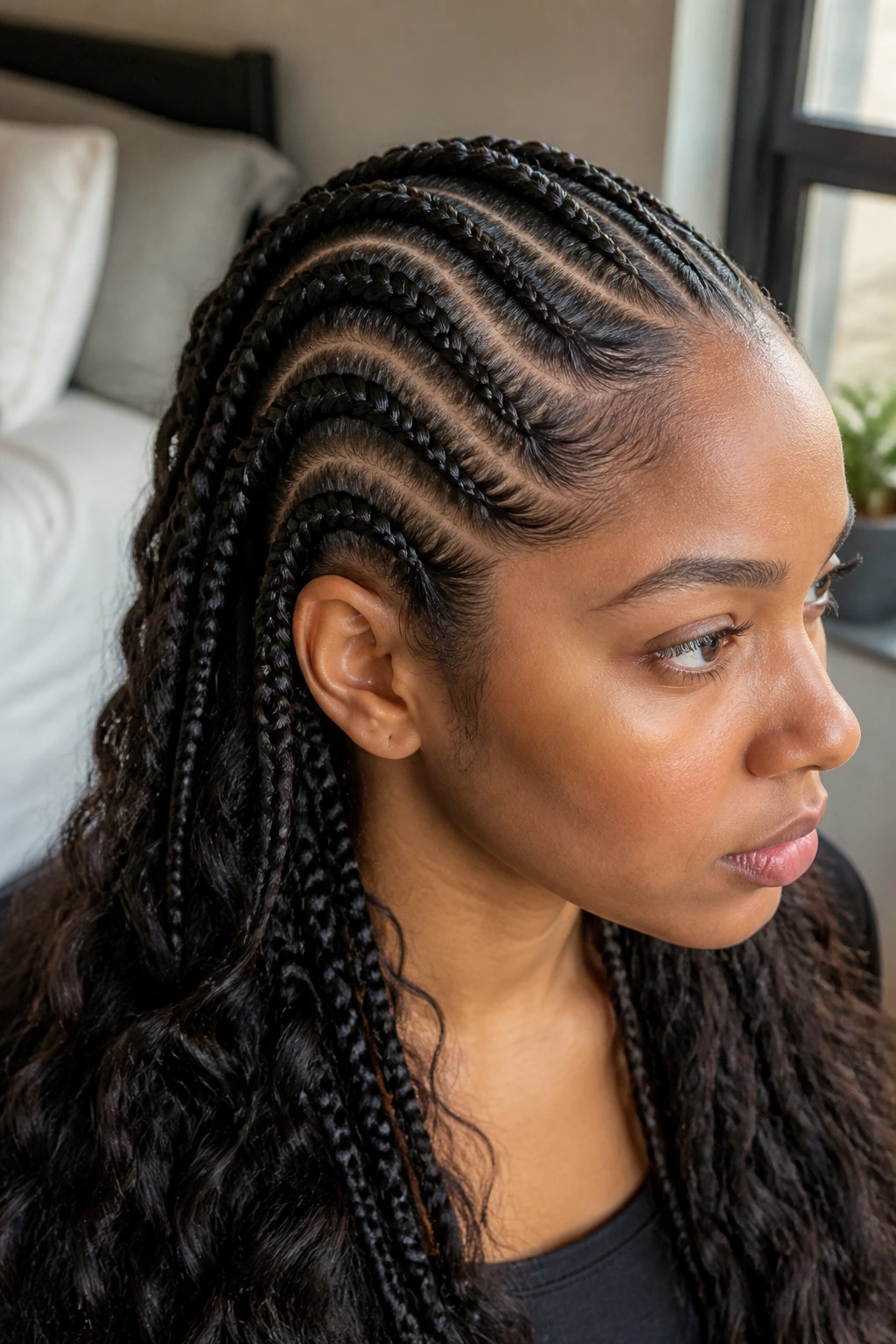
Curved feed-ins are the kind of style people notice from the side first.
Instead of running straight back, the braid paths bend around the head in smooth arcs. That gives the scalp pattern a more fluid look, which pairs well with the loose wave in your natural hair. It’s a clean choice if you want braids that feel custom without relying on color or heavy accessories.
The curve is the point, so the parting has to stay even. If the lines are wobbly, the style loses the whole effect. A skilled parting hand matters here more than almost anywhere else on the list. This one rewards precision.
22. Layered Face-Framing Braids
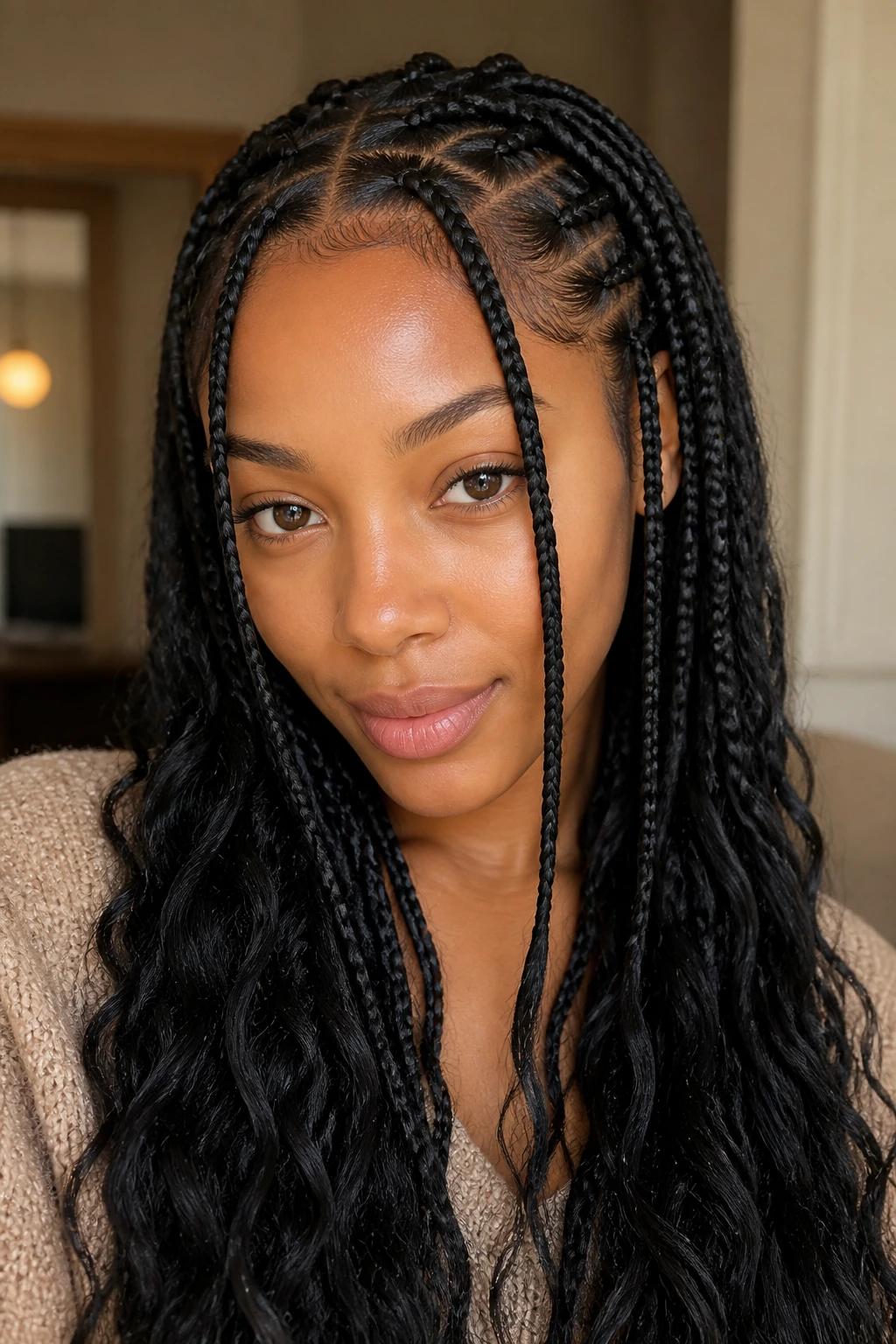
A few shorter braids near the face can change the entire shape of the style.
Layered face-framing braids work because they soften the edges around the cheekbones and jaw while the longer braids handle the rest. On wavy hair, that framing keeps the front from puffing awkwardly and gives you a place to show off the part without putting every braid on display. The layers also help if your hairline is still recovering from old tension.
Keep the shortest front pieces intentional. If they’re too random, the style can look unfinished. If they’re placed with purpose, they make the whole head look lighter and more balanced.
23. Rope-Twist and Braid Combo
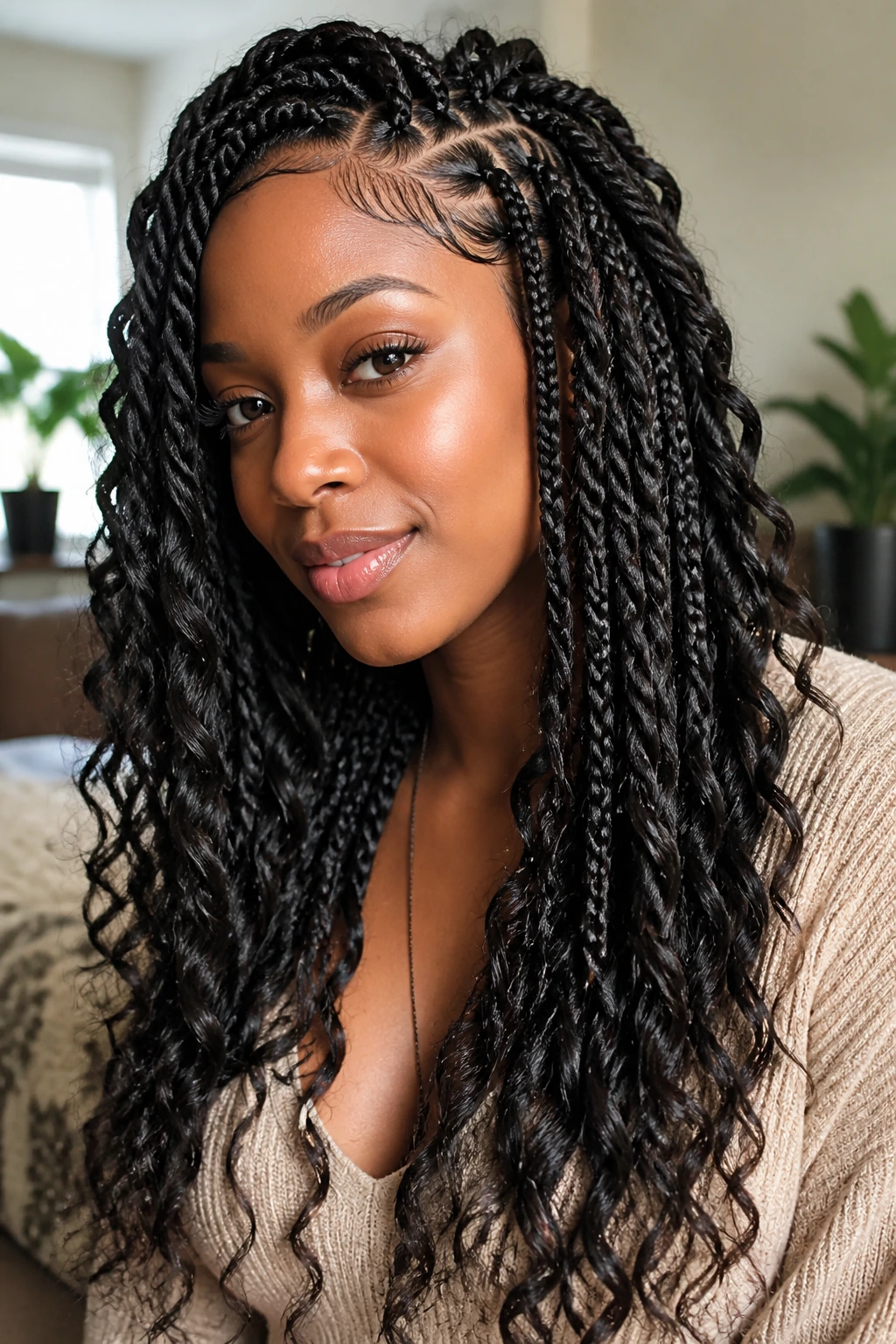
Sometimes the best answer is not all braid, all the time.
A braid-and-twist mix gives the style a softer rhythm, especially if your hair is naturally wavy and you want the texture to show a little more. The twists move differently from the braids, which keeps the look from feeling flat. Black extensions make that contrast visible even at a distance.
This combo fits people who like variation but do not want full boho texture. It’s also handy if you want a style that can sit somewhere between casual and dressed up. Add a few cuffs or leave it plain. Either way, the shape reads more relaxed than a strict braid-only install.
24. Braids with Wrapped Gold Cuffs
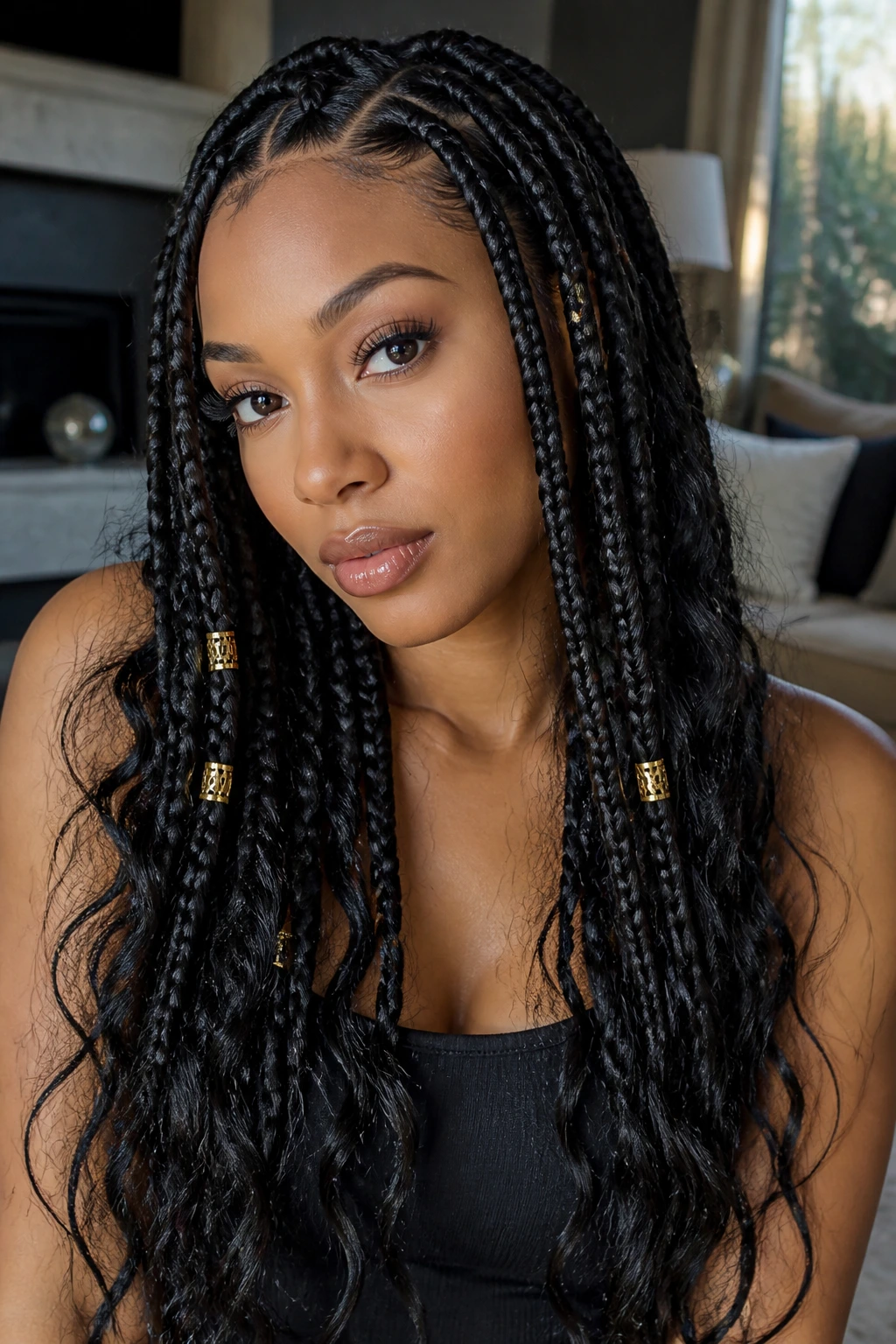
Accessories matter. Sometimes they matter more than the parting.
Gold cuffs on black braids give the style a sharp, finished edge without changing the structure at all. That makes this one of the easier ways to personalize a protective style with wavy hair. The braid can stay simple and low-tension, while the cuffs turn it into something more deliberate.
Use the cuffs sparingly if the braids are thin. A few evenly spaced pieces look better than a handful of random ones scattered around like afterthoughts. If the braid length is long, place the cuffs closer to the middle or lower third so they do not crowd the roots.
25. Shoulder-Length Braids
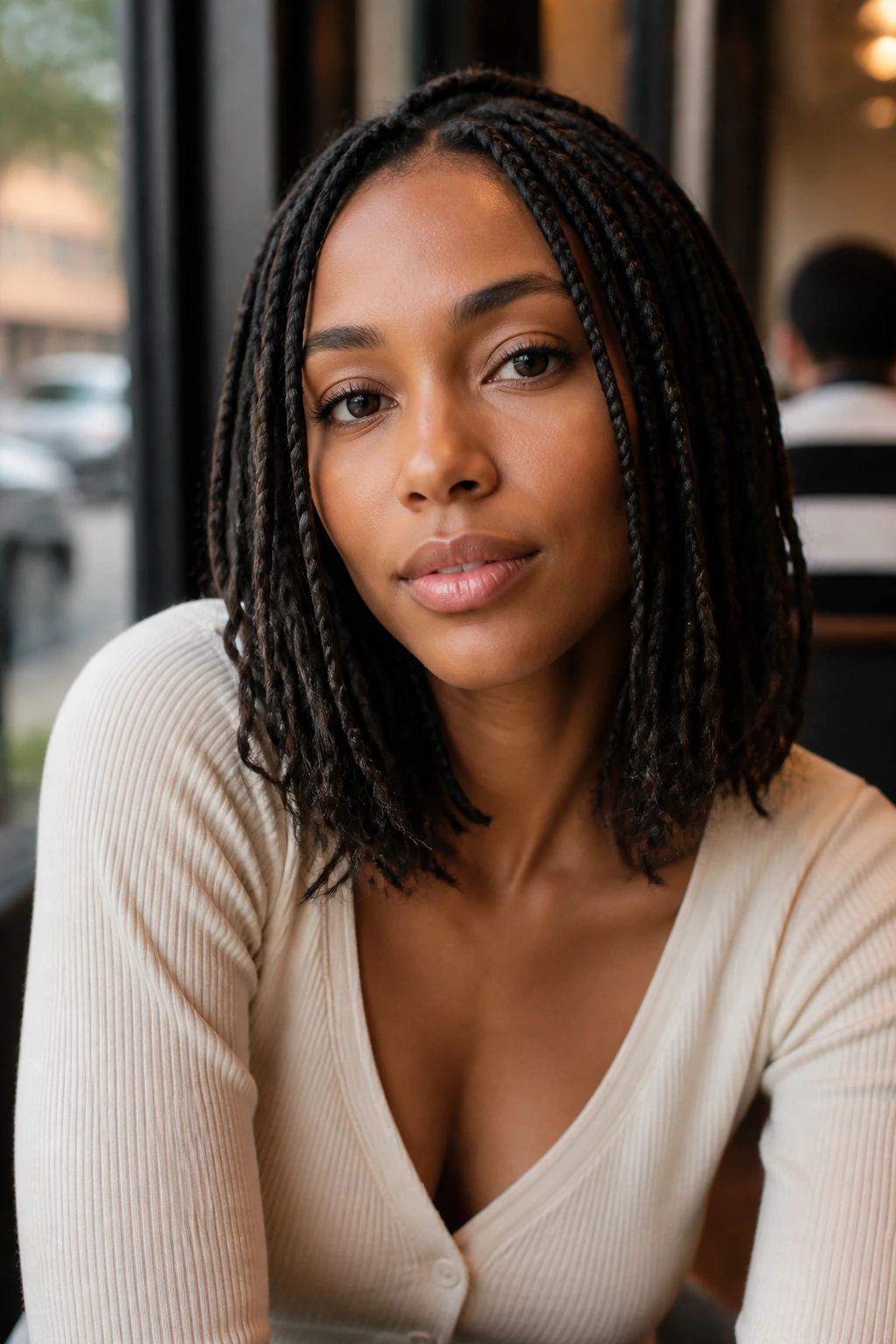
Comparison point: Shoulder-length braids are lighter than waist-length versions, and that small change can be the difference between a style you enjoy and a style you keep taking down early.
This length sits right in the useful zone. It gives enough swing to feel styled, but it does not drag on the shoulders quite as much as long braids do. For wavy hair, that usually means less pull at the nape and fewer tangles from coats, bags, and seat backs.
The shoulder cut also works well if you want to wash more often. Shorter braids dry faster, which matters more than people like to admit. If you’re active or you sweat at the scalp, this length is one of the sanest choices.
26. Low Chignon Braids
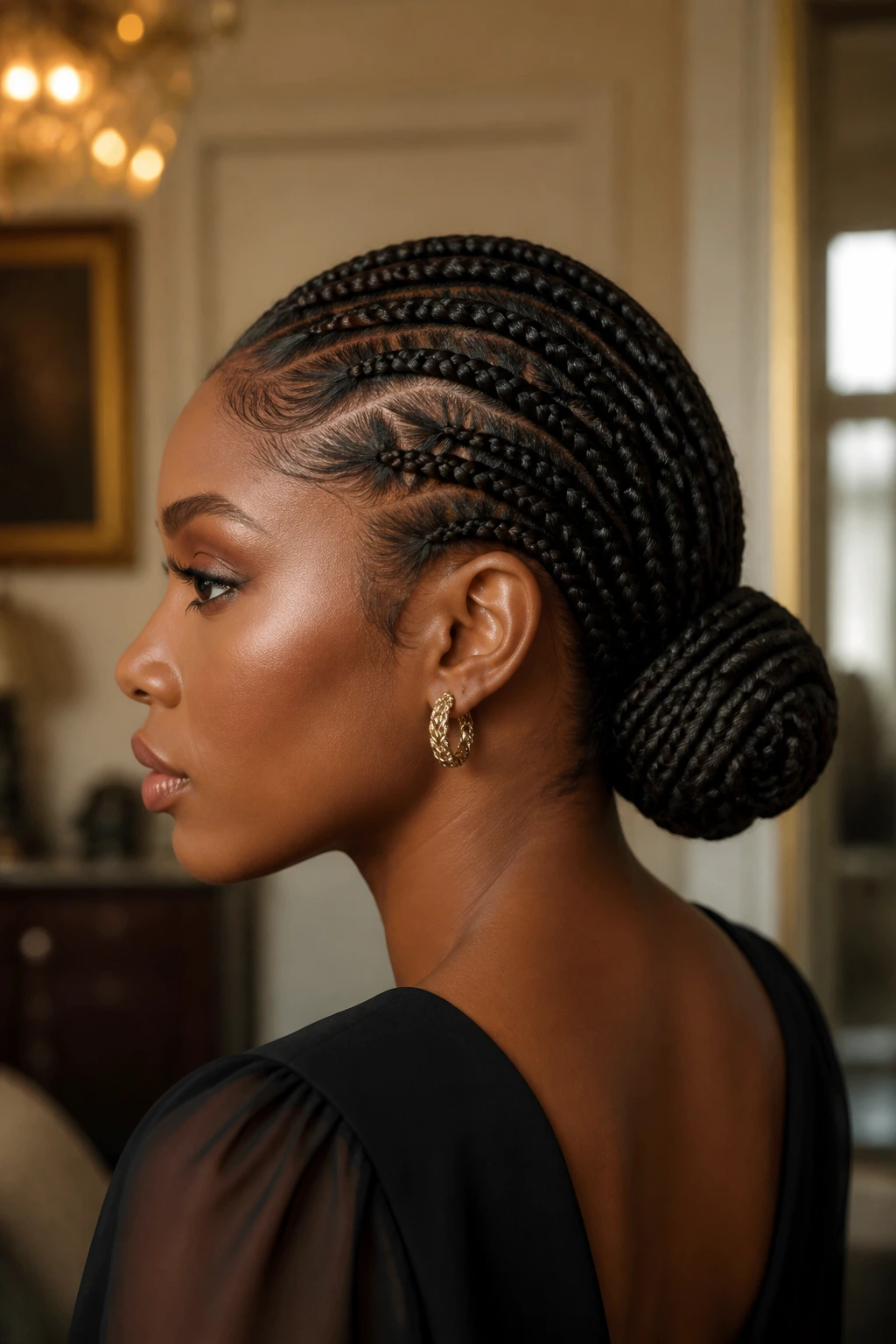
A braided chignon looks formal, but it is more practical than fancy by half.
The braids get folded into a low knot at the nape, which keeps the whole style compact and secure. That matters when your wavy hair tends to frizz around the edges. The ends are hidden, the shape stays neat, and the neck stays clear. Nothing hangs into your collar.
This is a strong option for events, meetings, or days when you want the braid install to disappear into the outfit a little. A smooth chignon with black braids reads clean even without accessories. Add one pin or keep it plain. Either way, it stays composed.
27. Braids with Curly Accent Pieces
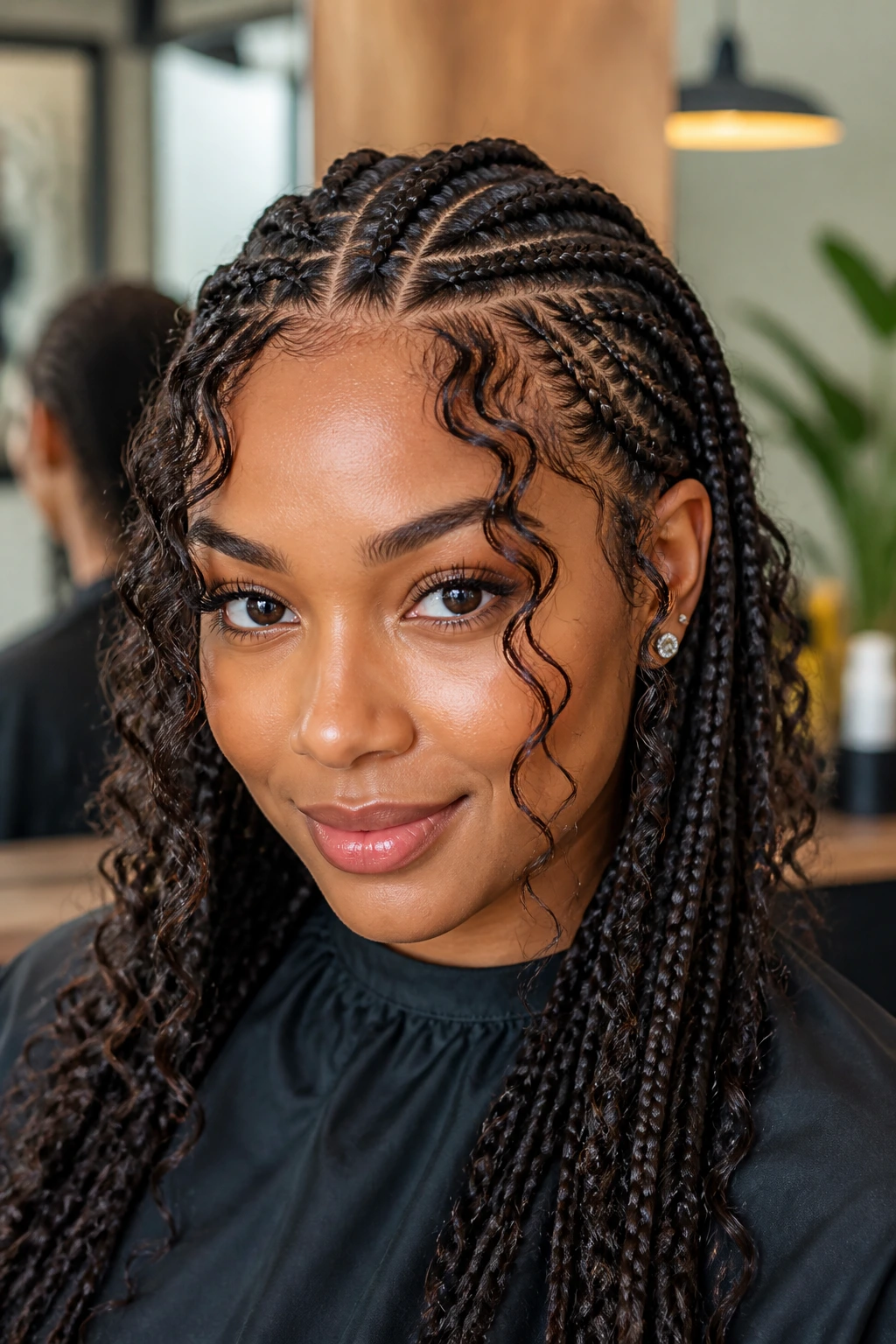
A few curly accent pieces can do more for a style than a full head of loose texture.
This look keeps most of the braids neat and controlled, then places curly or wavy accent strands in specific spots—around the temples, near the crown, or toward the ends. On wavy hair, that reads intentional because the accent pieces echo the natural bend without taking over the whole install. It’s a good compromise for anyone who wants softness without going full boho.
The key is placement. Put the accent pieces where the eye lands first. Around the face works best if you want softness. Toward the ends works best if you want a little movement without changing the silhouette too much.
28. Straight-Back Braids with Cuffs
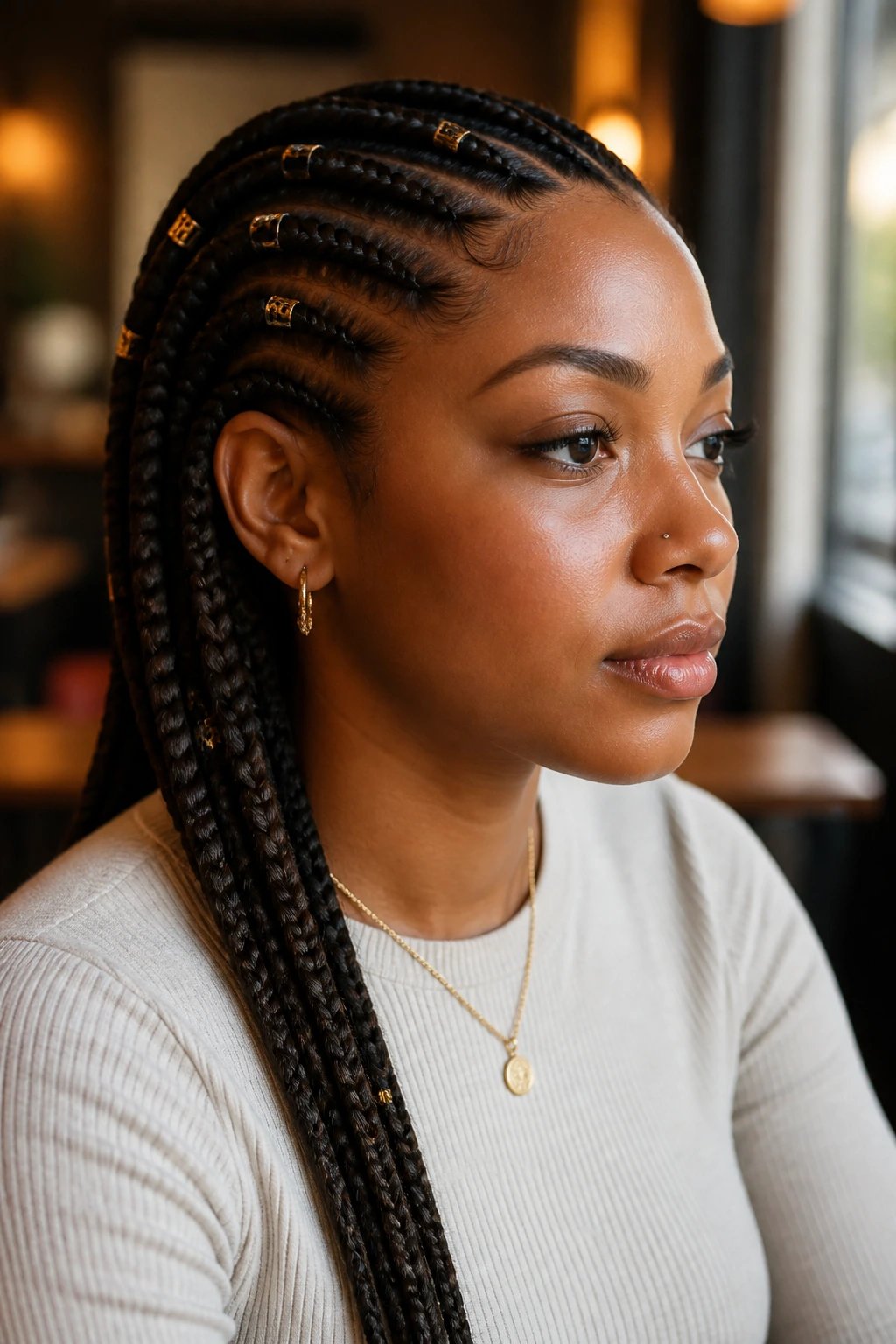
This is the cleanest version of the classic straight-back look.
The rows stay orderly, the braids go straight back, and the cuffs give the whole style a little metal shine. On wavy hair, the simplicity helps the install look controlled from the start, which is useful if your texture frizzes when overhandled. The style does not need a lot of decoration because the lines themselves are neat enough to carry it.
I like this look when the goal is low drama and high wearability. It works with casual clothes, work clothes, and a sharp lip. That’s a rare combination. A lot of braid styles lean one way or the other. This one stays in the middle.
29. Cross-Over Braided Ponytail
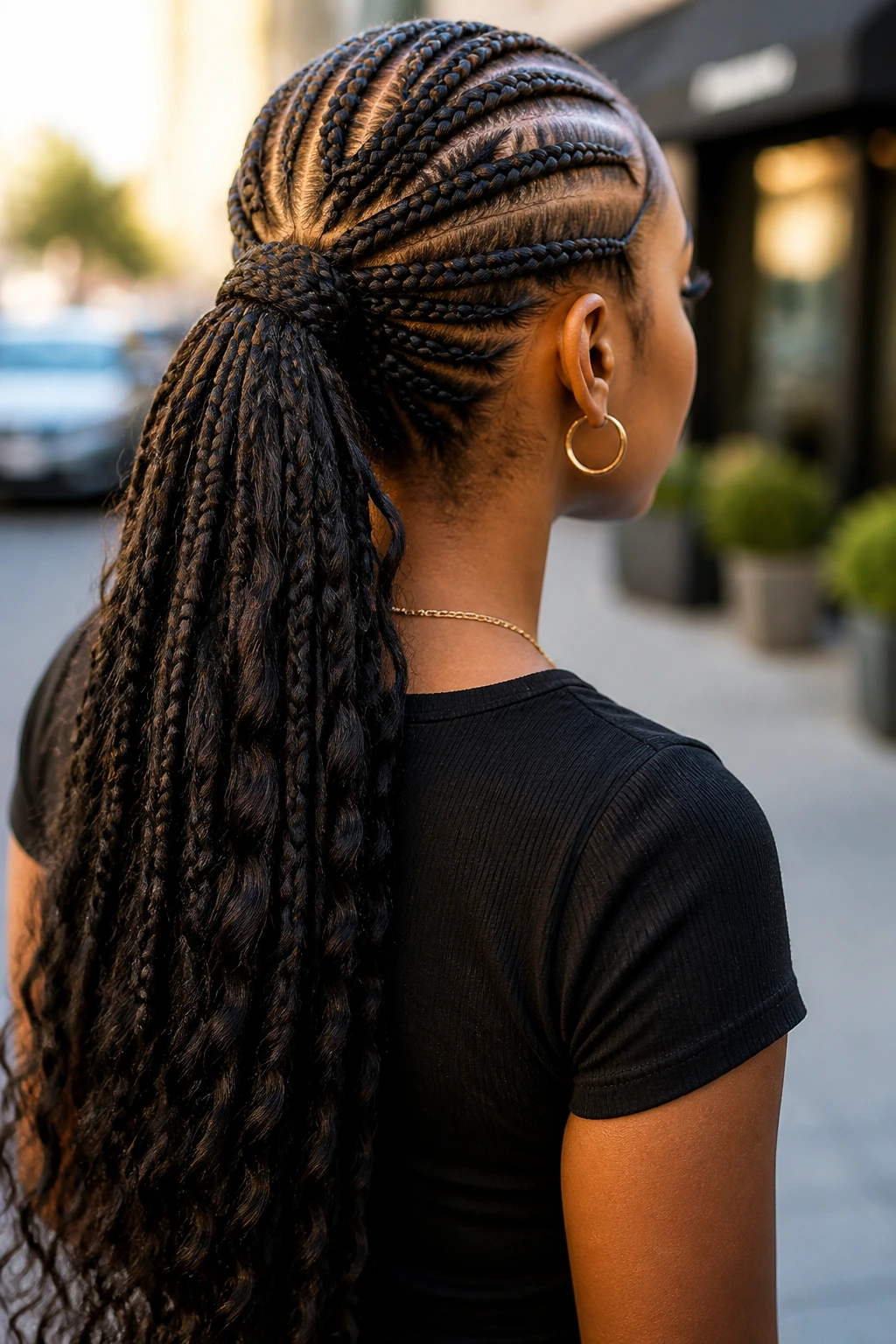
Bold claim: If you want a ponytail with more visual movement than a standard wrap, cross-over braids give you that without adding extra bulk.
The braids cross over near the crown before gathering into one tail, which makes the style look layered and deliberate. Wavy hair benefits because the crossing lines control the top while the tail can keep some swing. It feels less rigid than a sleek wrap ponytail and less busy than a full half-up install.
Use this when you want the back to stay clear but you still want the braid pattern visible from the front. A clean parting pattern is a must. If the crossings are loose or uneven, the whole ponytail loses the point.
30. Mermaid-Length Boho Braids
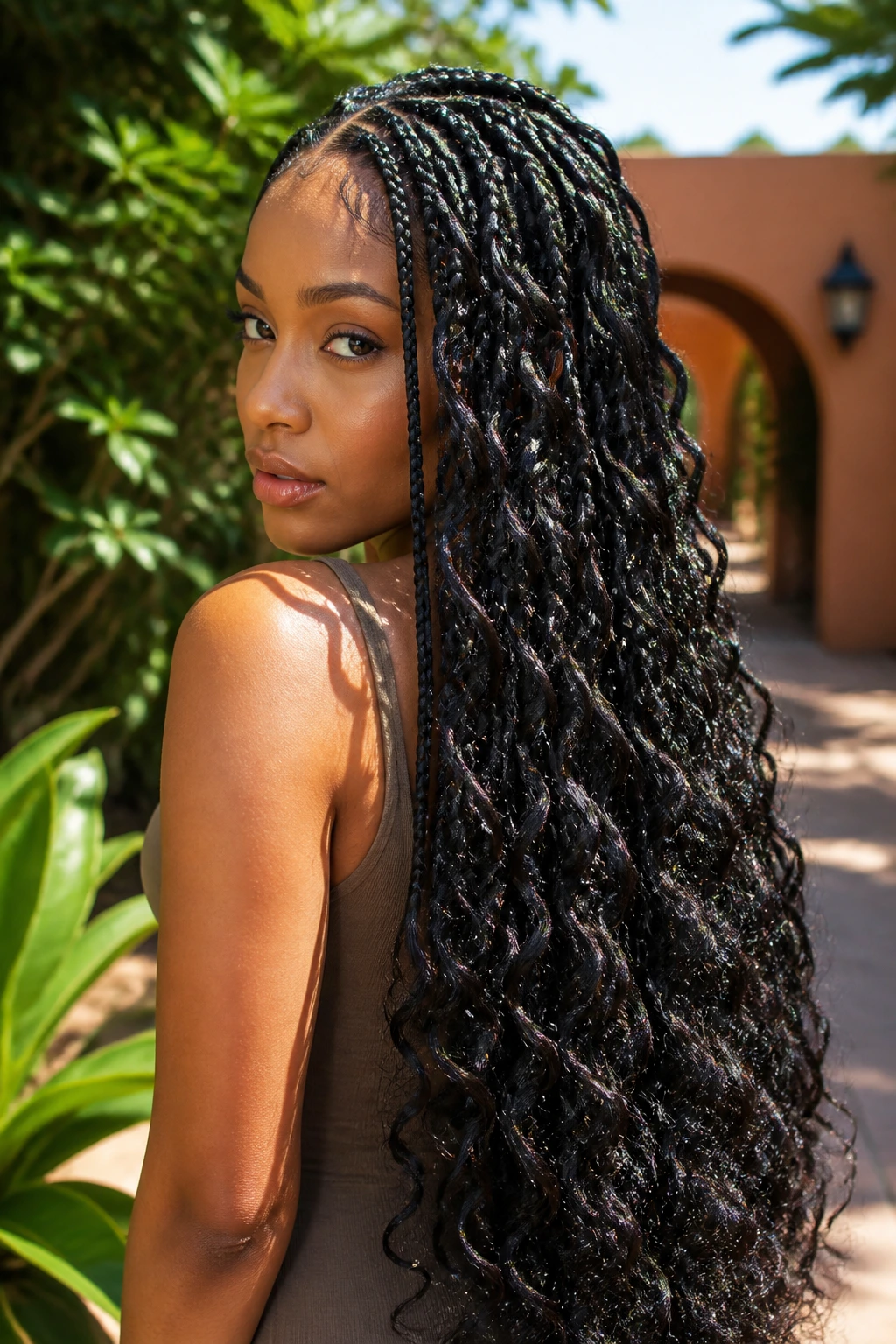
Mermaid-length boho braids are for the days when you want length to be part of the mood.
The braids stretch far down the back, and the loose curly or wavy pieces keep the style from looking like one heavy curtain. On wavy hair, that texture echo matters. It makes the style feel connected to what your natural hair already does, just controlled and protected. Black braiding hair gives the length a glossy, deep line that shows off the added movement.
This one is not light. Say that out loud before you commit. It takes more hair, more drying time, more storage room, and a little more patience when you sleep. But if long, soft, boho braids are what you want, this is the version that gives the full effect.
The Prep Work That Keeps Wavy Hair Flat Under Braids
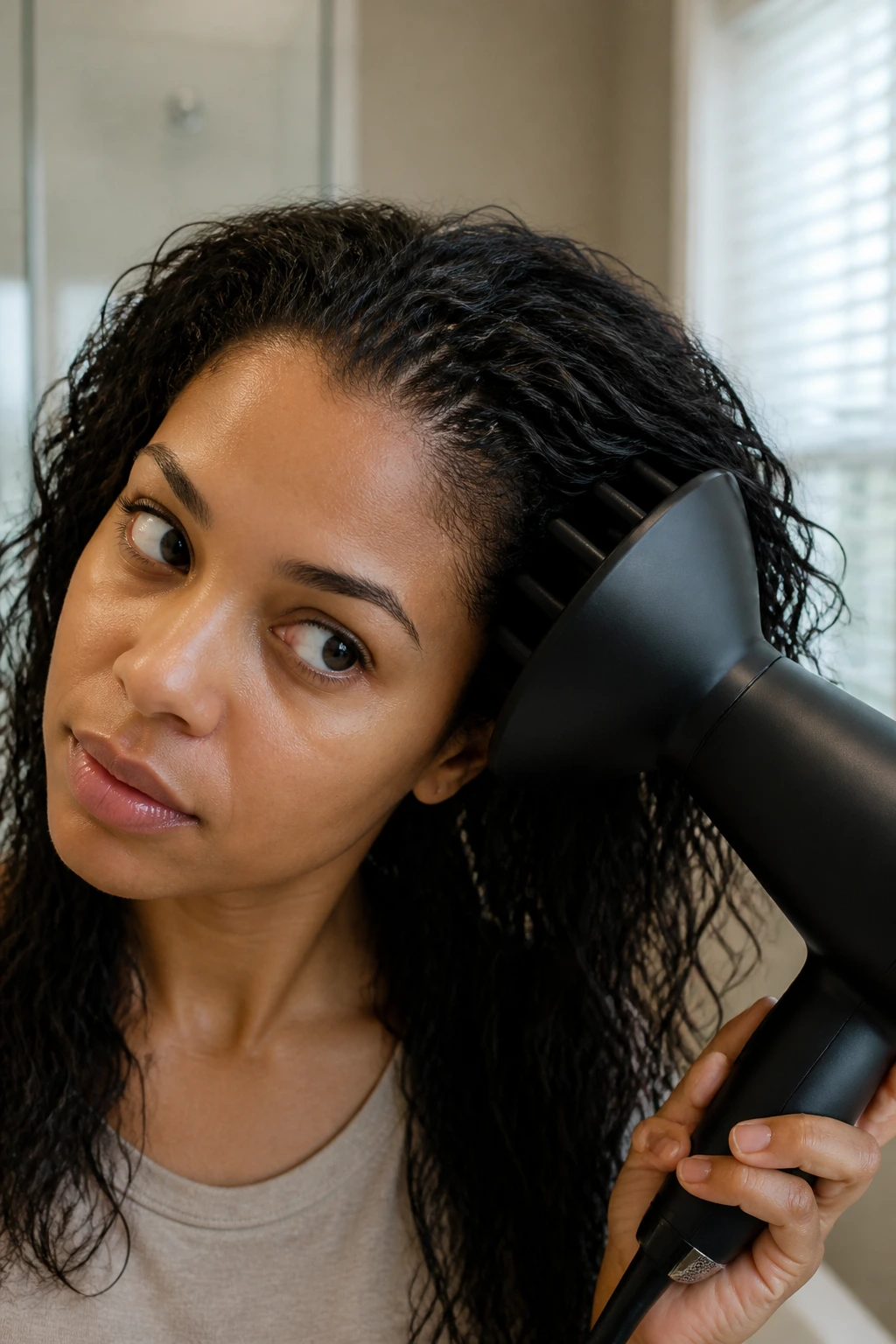
Wavy hair usually needs one thing before braiding: proper drying. Not “mostly dry.” Properly dry. Damp roots swell later, and swollen roots make braids sit lumpy at the base. A wash, a thorough blow-dry on low heat, and a clean stretch make the install look smoother from the first row to the last.
A clarifying shampoo helps if your scalp collects oil quickly or if you’ve been using heavy creams. Follow it with a light conditioner, then rinse well. Heavy residue turns into slip, and slip turns into braids that slide faster than they should. If you prefer no heat, banding or stretching in loose braids overnight can help, but the result is usually softer and not as flat.
Part the hair only after it’s dry. That one move saves a lot of frustration. Wet parting looks neat for about five minutes and then rebounds into puff.
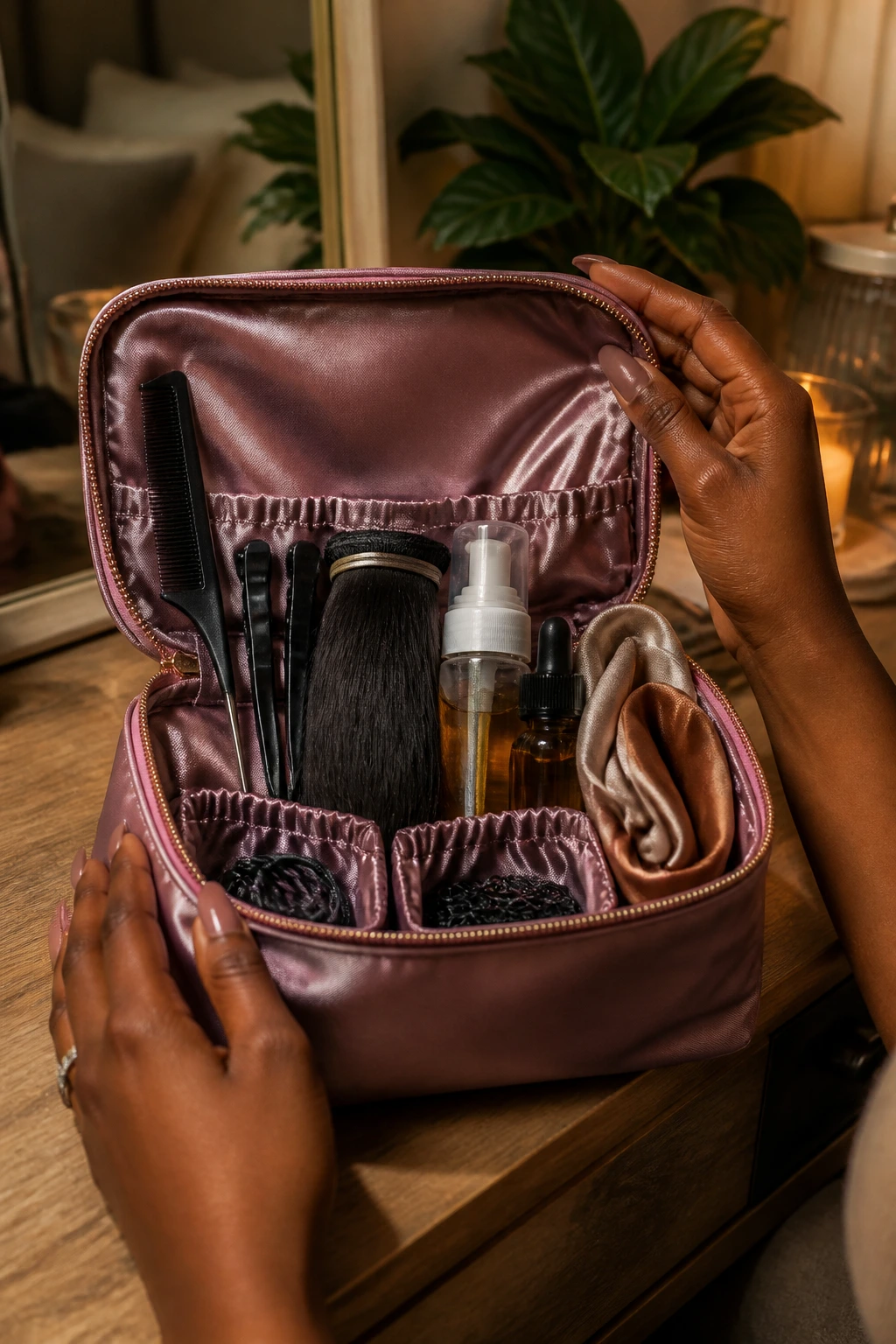
What to Keep in Your Braid Kit
-
Rat-tail comb: Clean parting starts here, especially for stitch, zigzag, and triangle parts.
-
Duckbill clips: These keep sections separated so the braid work stays even and you’re not chasing loose hair with one hand.
-
Pre-stretched braiding hair: Saves time and gives the ends a smoother finish than cutting a fresh bundle yourself.
-
Light mousse or foam wrap: Helps set flyaways and gives boho or goddess styles a softer finish.
-
Scalp oil or spray nozzle bottle: Useful for targeted care between washes; a little goes farther than a drench.
-
Silk or satin scarf/bonnet: Night protection, no excuses.
-
Small elastics: Handy for ponytails and a few braid-end finishes.
-
Edge brush: Keep it soft, not stiff enough to scrape the hairline.
Smart Shopping for Hair, Parts, and Product
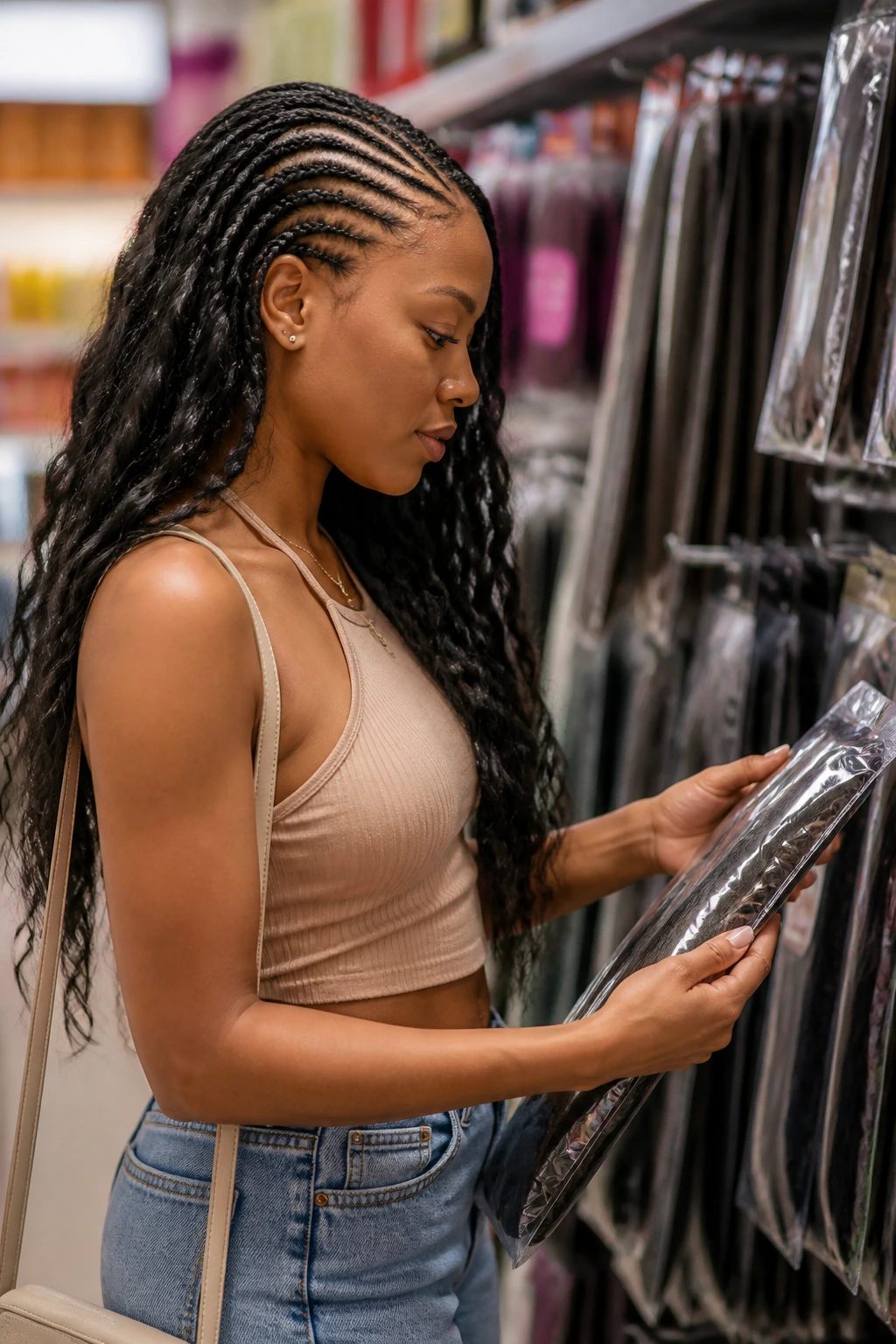
For black braids, the hair color choice is usually between 1B and jet black. I lean 1B when you want the install to look a little softer in daylight. Jet black is sharper and glossier, which can look stunning, but it also shows every flyaway more clearly. If your natural hair is medium-dark and you want a smoother blend, 1B is often the safer bet.
Pack count depends on size and length. Medium knotless braids may need 6 to 8 packs. Smaller braids or waist-length styles can push higher, especially if the hair is dense or the install includes curly accent pieces. Braiding hair that’s pre-stretched tends to behave better at the ends and shave off a lot of combing time.
If you want boho or goddess pieces, buy the accent texture separately. Don’t assume the main braiding hair will do that work for you. It won’t. Curly human hair or matching textured bundles hold the loose pieces together much better than random scraps from the drawer.
How to Wear These Braids Without Fighting Them
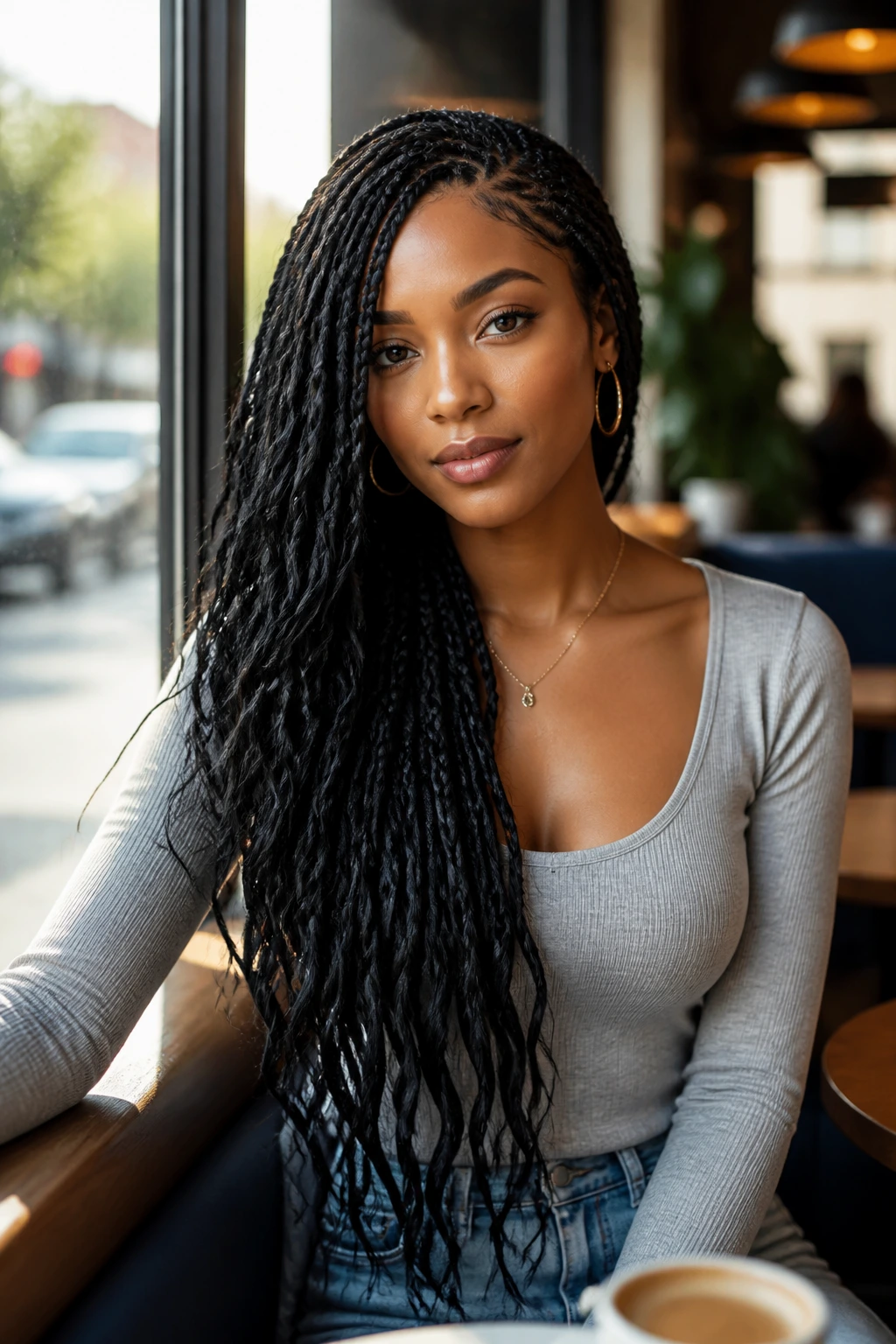
Frame the Face: Side parts soften a strong braid line, while center parts sharpen it. If your wavy hair tends to puff at the temples, keep the front rows slim and close.
Dress Them Up: Hoop earrings, a silk scarf, or a few cuffs can change a plain install in five seconds. Black braids take accessories well because the color gives them a clear backdrop.
Keep the Weight Honest: Waist-length braids are pretty, but if your scalp is tender, shoulder-length or bob-length will feel saner after the third day. Weight matters more than people admit.
Match the Day: Low buns and straight-backs work for busy, physical days. Half-up styles and boho pieces suit days when you want movement and softness. Pick the shape that fits the plan, not the photo.
Extra Tweaks That Make Each Style Feel Personal
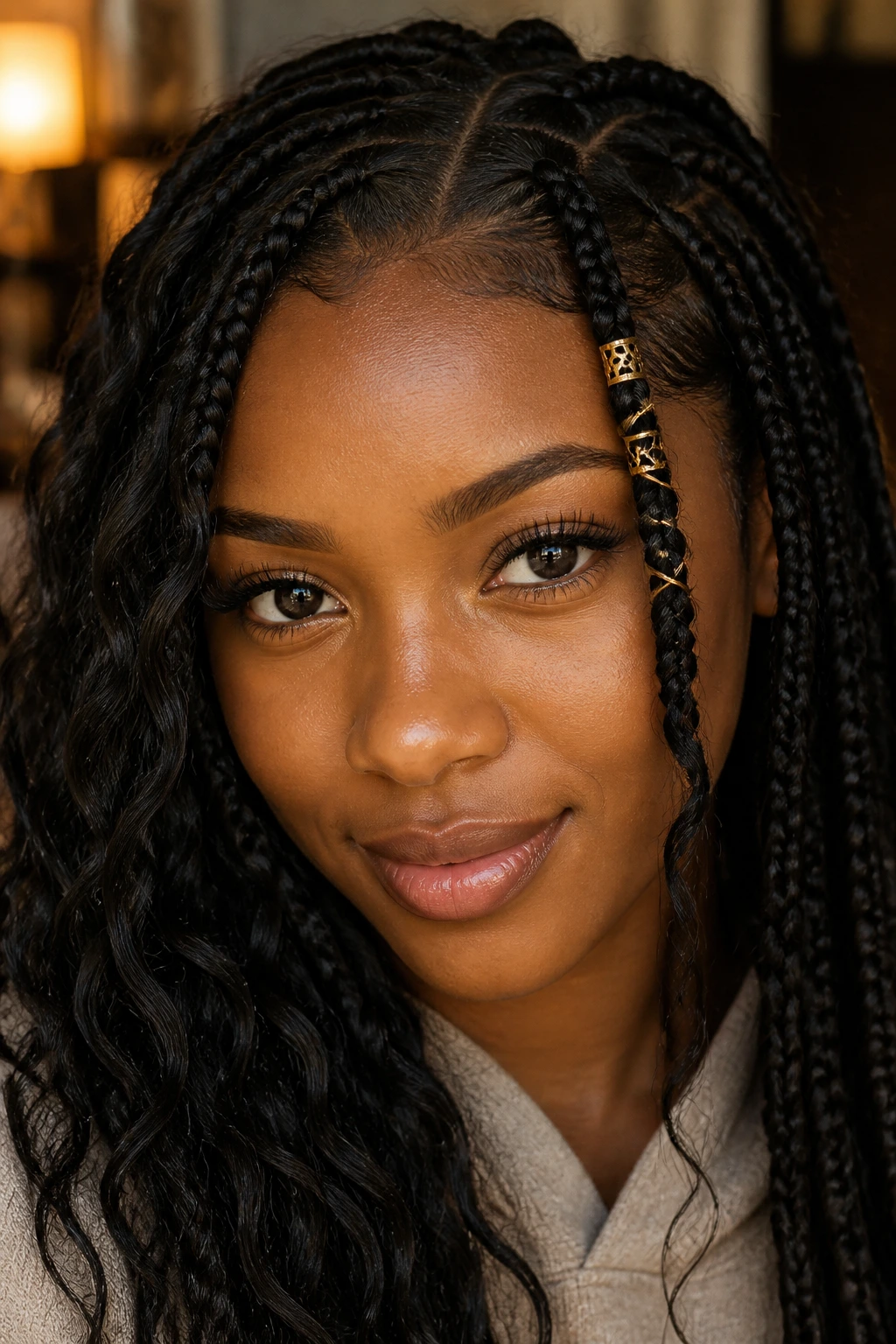
Texture Boost: Leave a few face-framing pieces out or add a small amount of curly texture to the lower third. That softens a hard braid line without turning the style into a tangle trap.
Color Shift: Deep black is classic, but 1B or a subtle brown mix can soften the contrast if your skin tone or wardrobe leans warmer. The braid pattern still reads clean; it just does not hit as hard.
Parting Play: Triangle parts, zigzags, or curved rows change the whole look without changing the braid size. If you’re bored of square sections, this is where to start.
Make-It-Yours: Beads, cuffs, ribbon thread, or a single wrapped strand near the front can turn a plain install into something that feels personal. Use one accent idea, not five. That usually looks better.
Mistakes That Make Braids Look Messy Fast
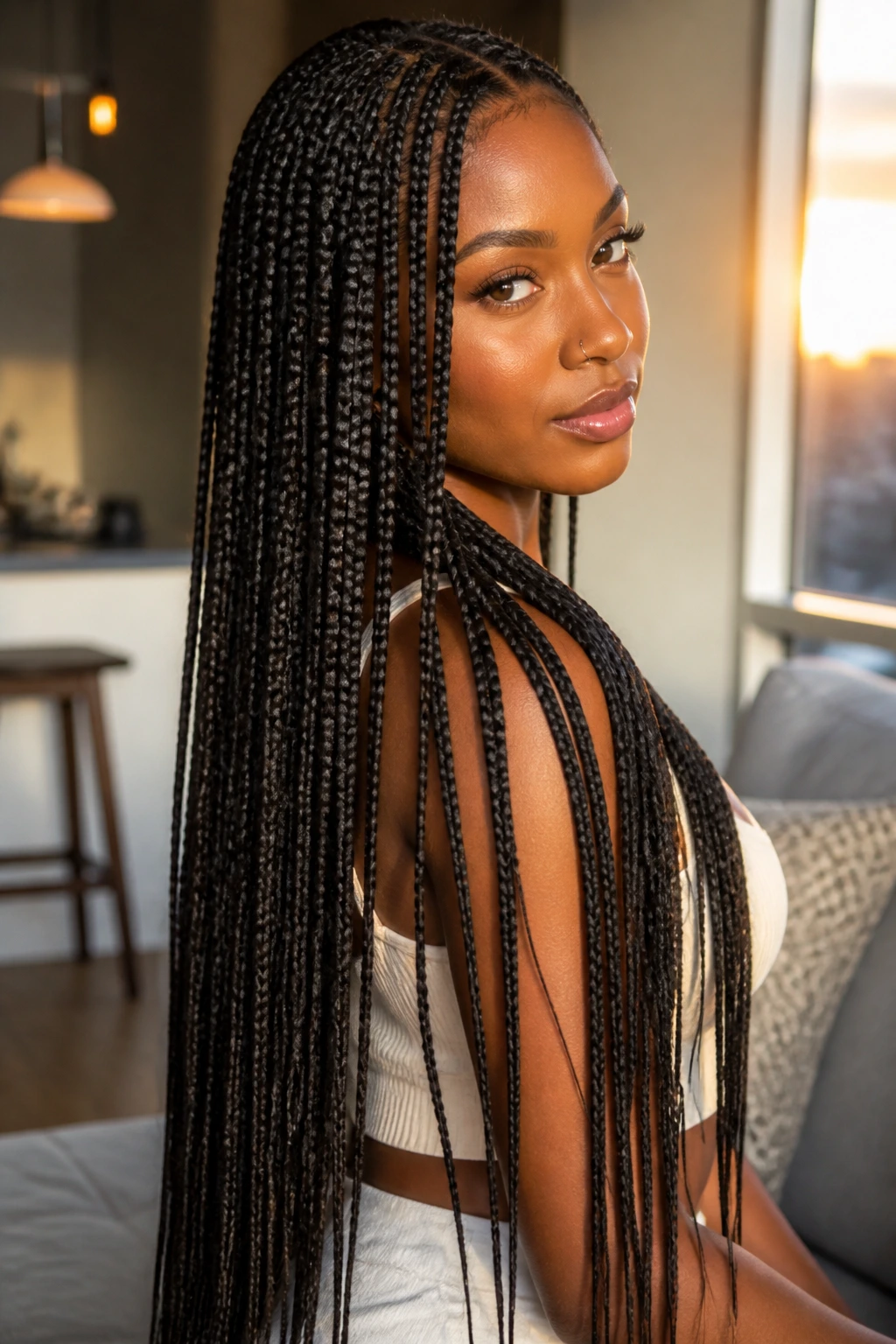
-
Braiding damp hair: The style may look neat at the chair, then swell and puff once the moisture comes back out. Dry the hair fully first.
-
Overloading the roots with product: Too much gel or edge control leaves white flakes and makes the part line gummy. Use a small amount and keep it where it belongs.
-
Tight edges, loose middle: This one shows up as soreness around the hairline and a style that starts lifting from the front. Keep the tension even, and speak up if the front feels too hard.
-
Ignoring the braid weight: Extra-long or super-thick braids can stress fine wavy hair fast. If your hair feels tired by day two, the style was too heavy.
-
Skipping night protection: Cotton pillowcases strip shine and rough up the braid surface. Satin is not optional if you want the style to stay smooth.
Color, Length, and Texture Changes Worth Trying
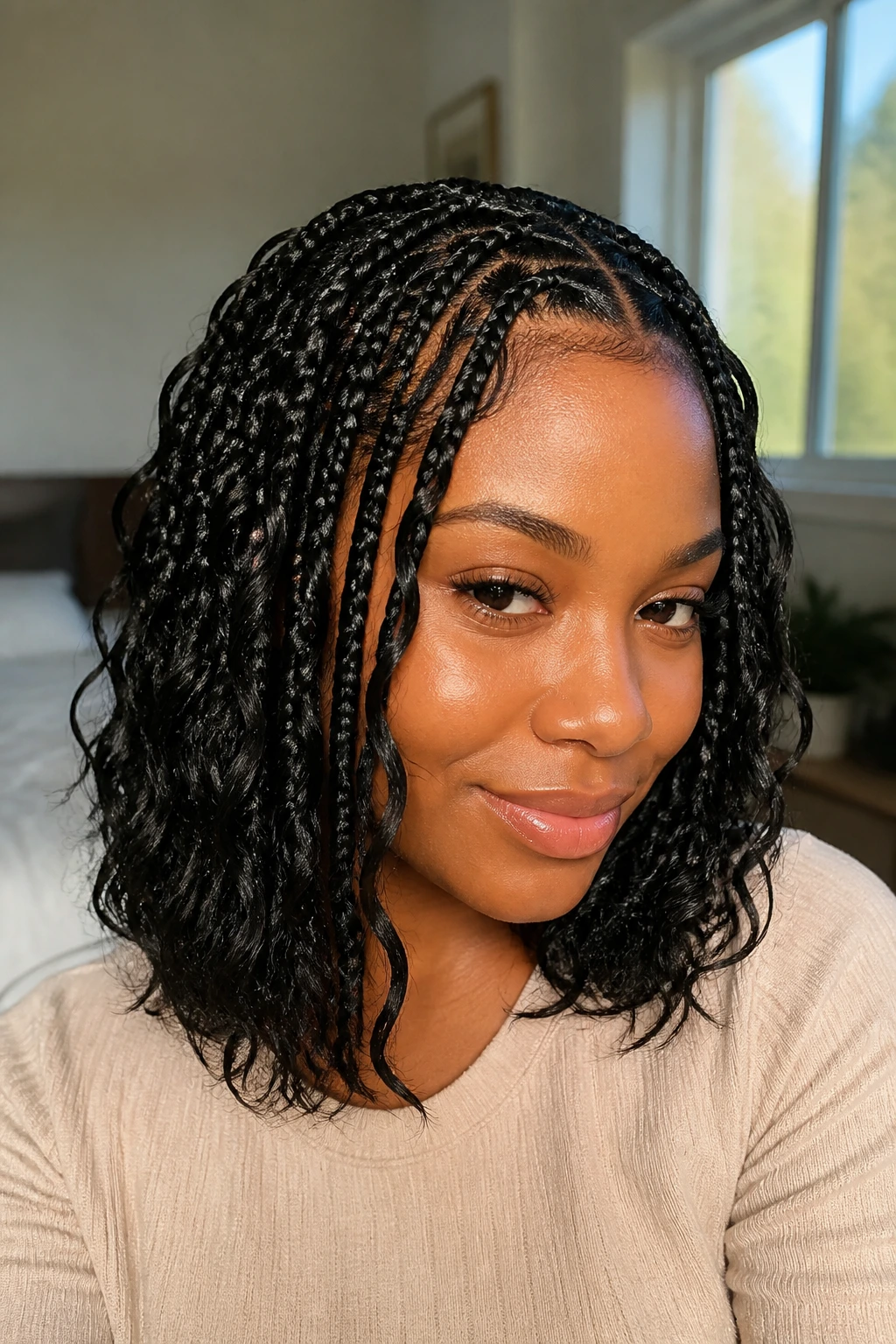
Soft-Black Edit: Choose 1B instead of jet black if you want a slightly less stark look. The braid pattern stays crisp, but the finish feels softer in daylight.
Shoulder-Length Reset: Shorten any of these styles to collarbone or shoulder length if your scalp needs less pull. You still get the shape, but the daily wear gets easier.
Boho Lift: Add loose wavy pieces only at the front and ends if full boho braids feel like too much maintenance. This gives you movement without inviting tangles everywhere.
Beaded Detail Run: Use beads only on the braids near the face, not all the way around the head. It keeps the style lighter and more balanced.
Low-Manipulation Switch: Favor knotless, feed-in, or low bun versions if your hairline needs a break. A beautiful braid that hurts is not a win.
Keeping Braids Fresh from Week 1 to Takedown
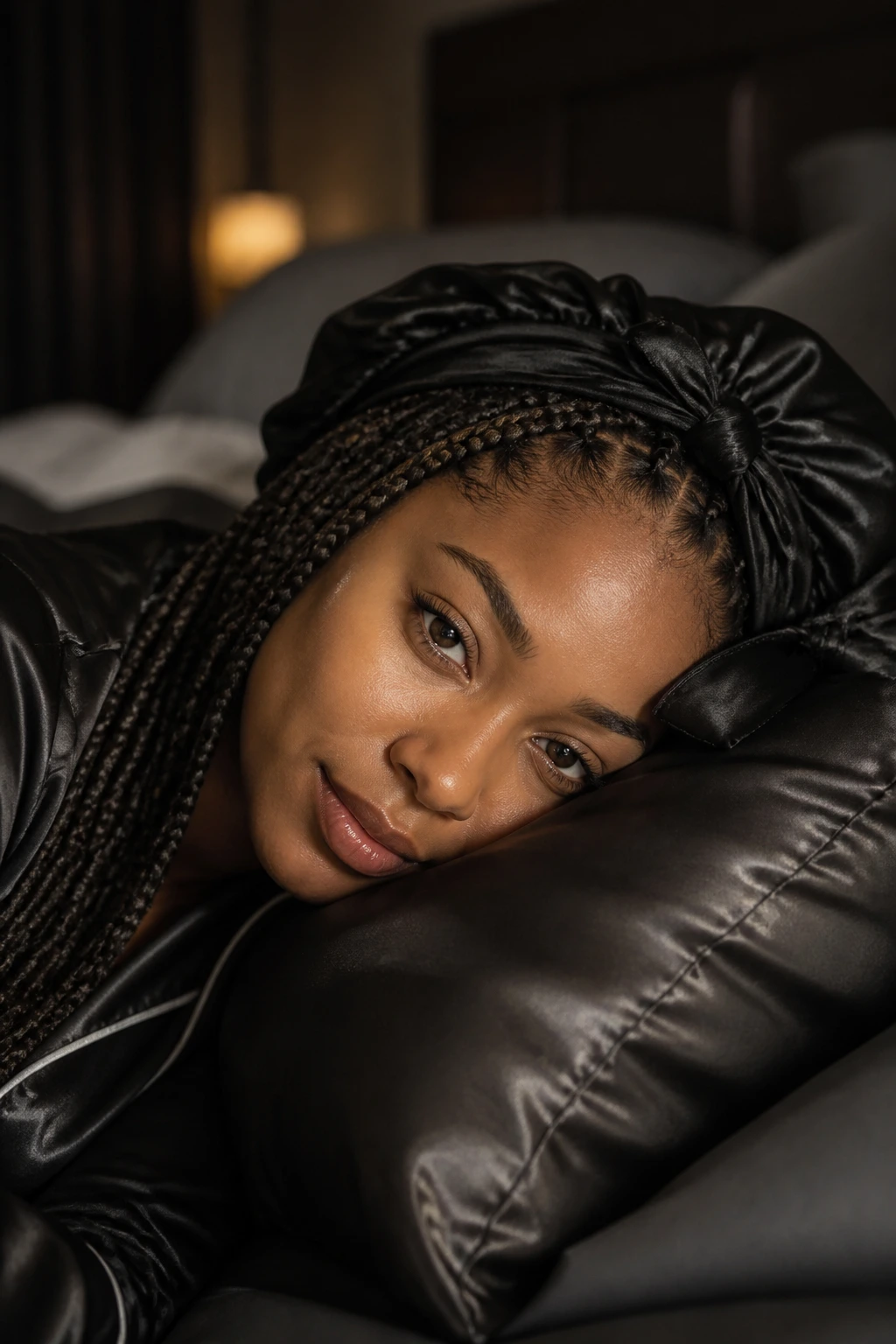
Sleep with a satin bonnet or scarf every night. That sounds boring because it is boring, and it still matters more than half the styling products people buy. If the ends snag on cotton all night, the braid surface starts fraying early.
For the scalp, a light oil or spray every 3 to 4 days is enough for most people. Don’t soak the roots. A wet scalp under braids can turn itchy fast. If you wash the style, do it gently, focus on the scalp, and dry the braids completely afterward with a towel squeeze and cool or low-air drying.
Most braid installs do best for about 4 to 8 weeks. Smaller, neater styles can last longer. Larger, heavier ones usually ask to come out sooner. When the new growth starts bending the part lines and the roots stop lying flat, that’s your cue.
Questions People Ask Before They Sit in the Chair
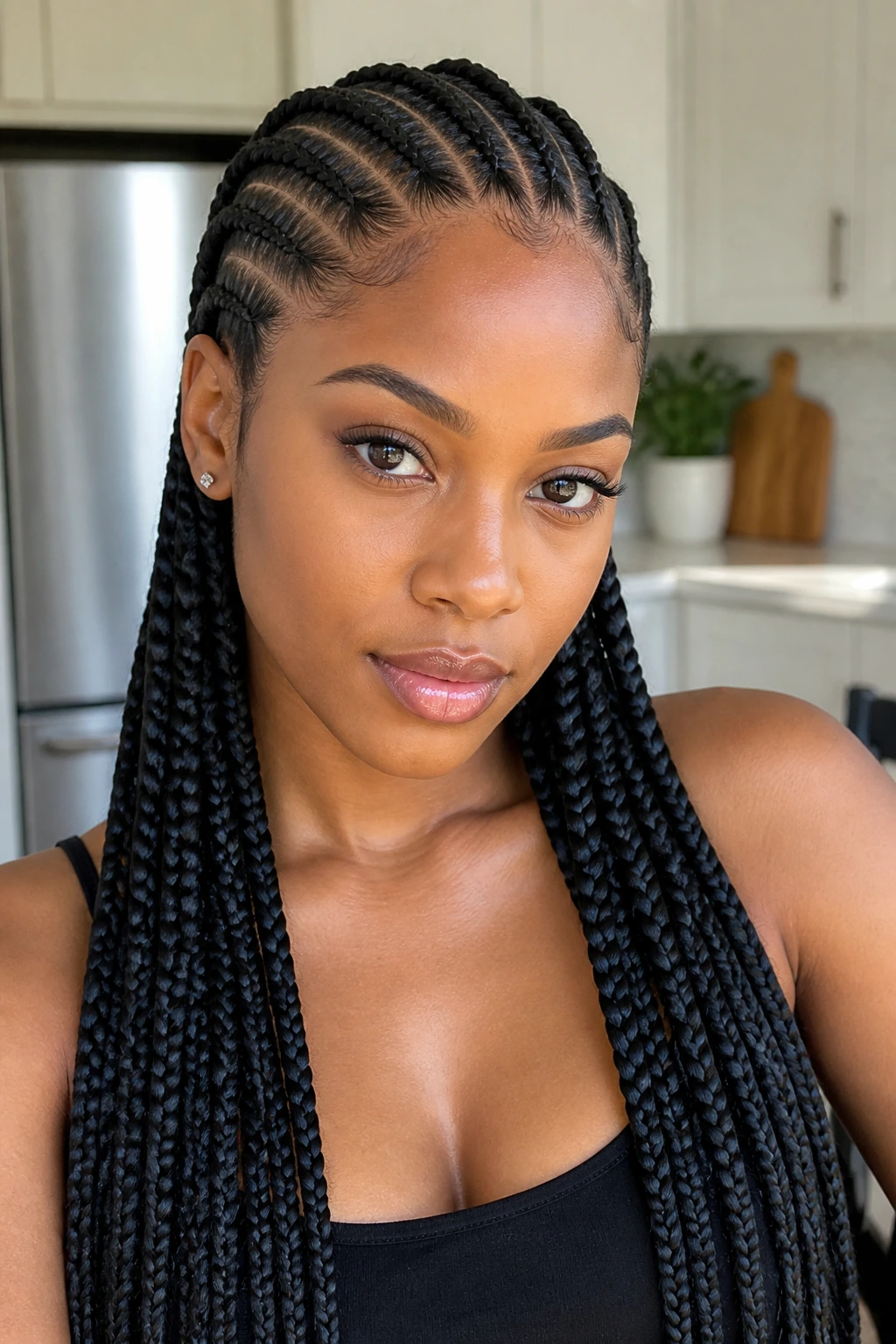
Are black braids a good protective style for wavy hair?
Yes, especially when the install is low-tension and the hair is fully dry before braiding. Wavy hair can puff at the root, and black braids help hide some of that while keeping the pattern sharp.
Which style is gentlest on the hairline?
Knotless box braids, low buns, and shoulder-length styles tend to be the kindest. Anything that pulls the weight high or starts with a tight knot deserves extra caution.
How many packs of braiding hair do I need?
Medium knotless styles often need 6 to 8 packs, while smaller or longer styles can need more. If you add curly pieces or cuffs-heavy details, plan a little extra so you do not run short halfway through.
Can I wash braids?
Yes. Use a diluted shampoo or scalp cleanser, focus on the scalp, and dry thoroughly afterward. Wet braids left to air-dry in a closed room can smell stale fast.
What if my wavy hair keeps slipping out at the roots?
Dry it more, stretch it first, and use smaller sections at the base. Slippage usually comes from softness, not from the braid style itself.
Should I choose synthetic or human hair?
Synthetic braiding hair is the standard for most of these looks. Human hair makes sense for curly or wavy accent pieces, boho finishes, and any style where you want the loose parts to behave more naturally.
Can I wear these if my hair is short?
Yes, but the shortest hair usually needs smaller sections or added extension hair close to the root. A good stylist can tell you whether the braid base will hold without excess tension.
Braids That Hold Up and Still Move
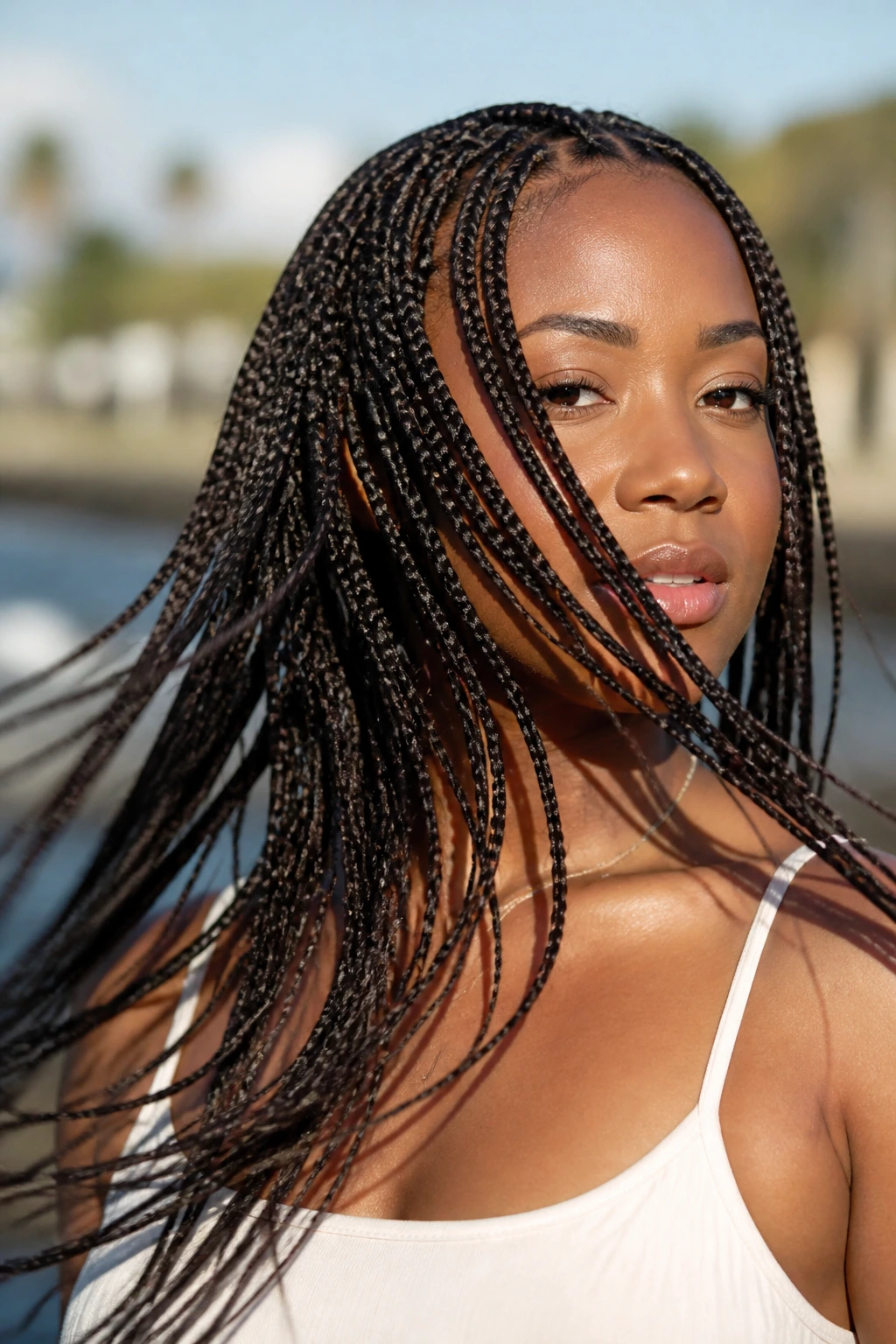
The best black braids for wavy hair are the ones that respect the texture underneath instead of trying to flatten it into silence. Knotless starts, clean feed-ins, thoughtful parts, and a sensible amount of weight do more for the final look than any single accessory ever will.
Pick the shape that fits your scalp, not just your camera angle. That choice tends to age better, wear better, and feel better by day ten. And that is the real test.