



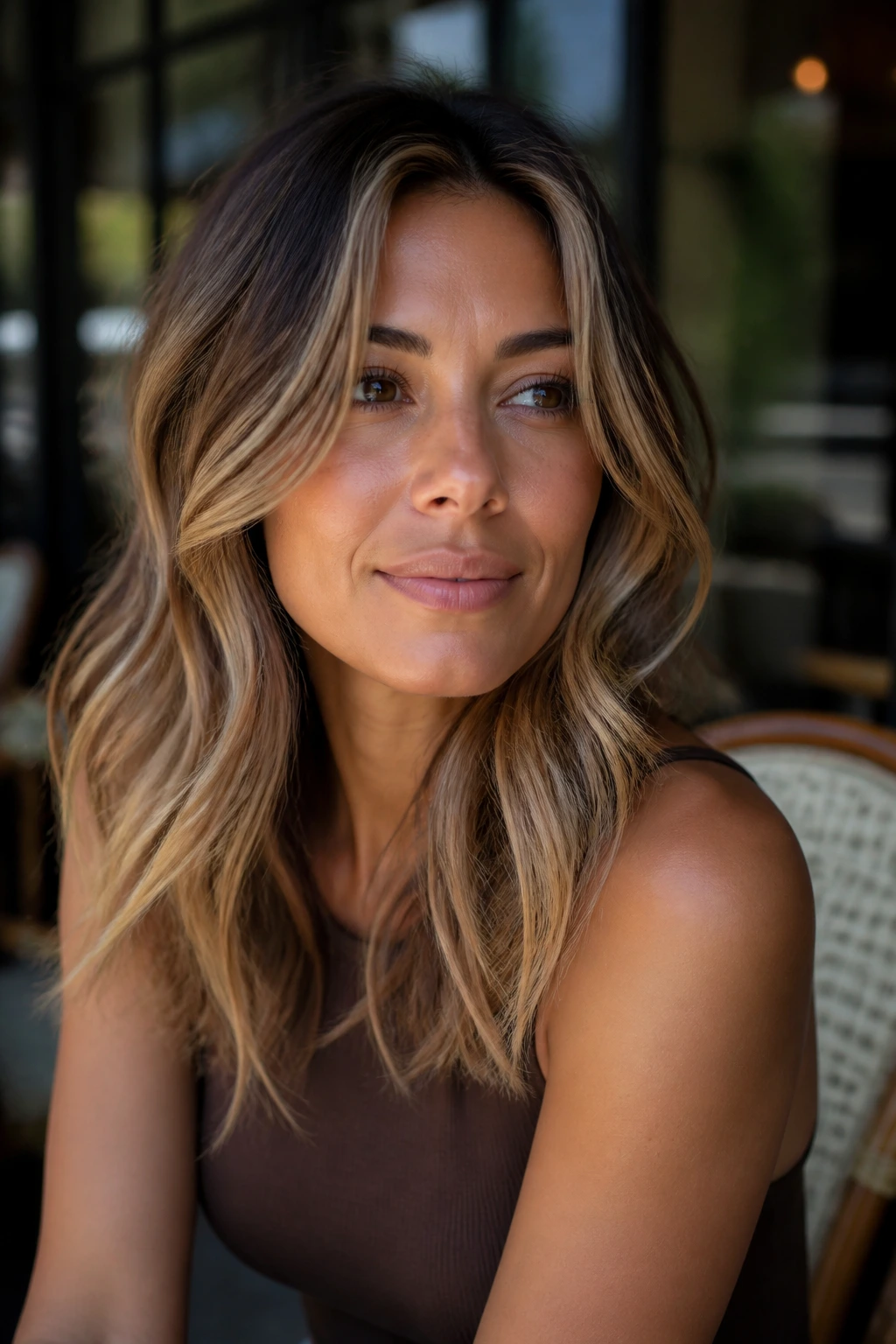
Medium skin tones can carry more color than people sometimes assume. Put a soft caramel ribbon next to a golden-brown base and the whole face seems to wake up; push the contrast too hard, though, and the hair starts wearing the color instead of the color wearing the hair. That’s why subtle highlights for medium skin tones are such a smart lane: they add movement, shine, and shape without wiping out the depth that makes medium complexions look rich in the first place.
The trick is not “go lighter.” It’s go smarter. Medium skin can take honey, beige, bronze, mushroom, copper, champagne, and a dozen soft blends in between — but the winning shade depends on undertone, base level, and where the light lands around the face. A warm olive complexion and a neutral golden one do not want the same gloss, even if both sit in that medium range. That’s where so many highlight jobs go sideways: the color is nice on a swatch and wrong on a person.
I’ve always liked highlights that look like they were placed by daylight, not by a ruler. Thin babylights, hand-painted ribbons, soft money pieces, and low-contrast contouring all have a place here. The best versions don’t shout from across the room. They glow when the hair moves, which is a much better test.
Why These Shades Earn Their Keep
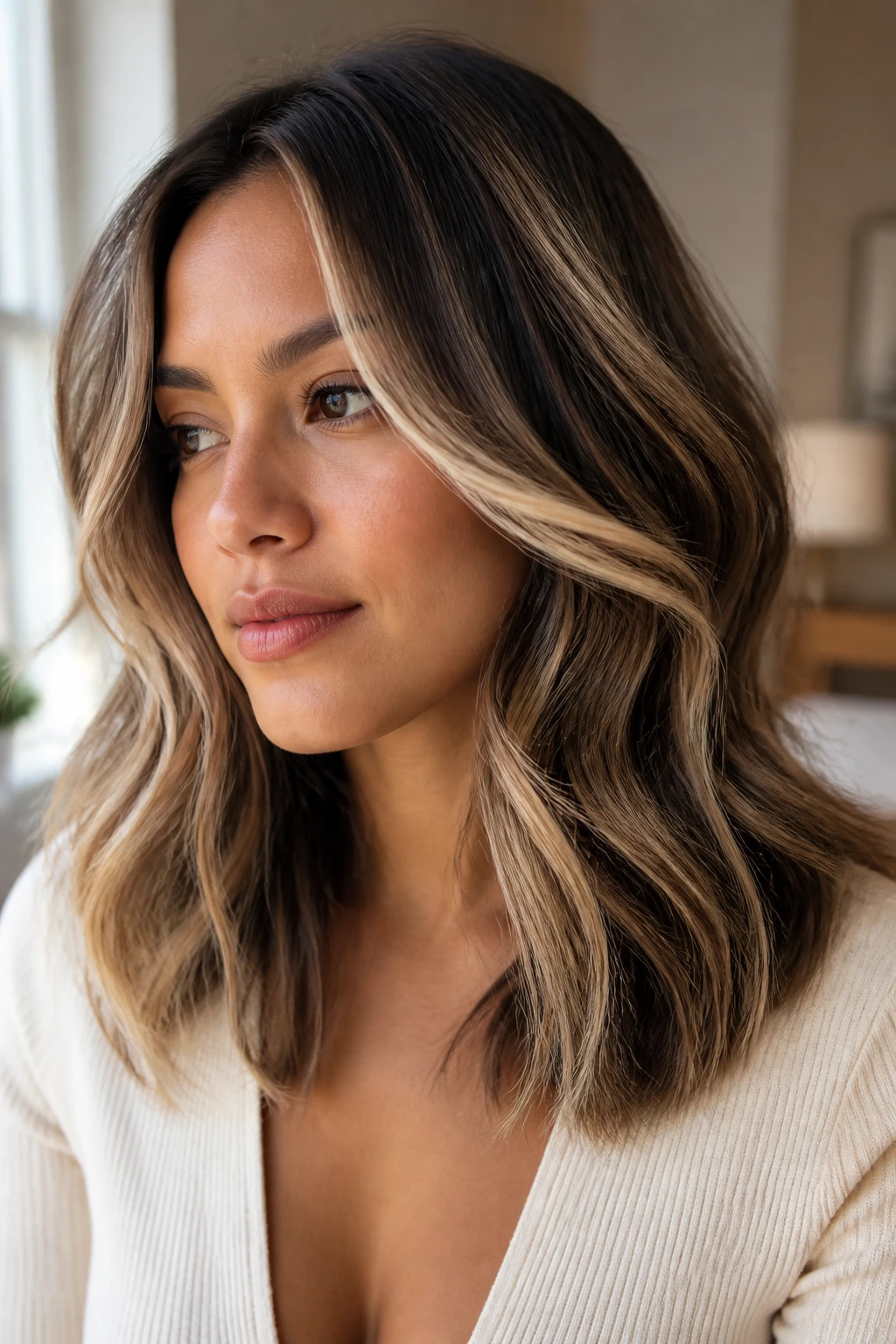
- Undertone-aware color: Medium skin can read warm, neutral, or olive, and the right highlight tone should echo that warmth instead of fighting it.
- Soft grow-out: These looks are built for blur, not stripes, so the root line stays lived-in instead of harsh.
- Face-brightening placement: A few lighter pieces around the temples and cheekbones do more than an all-over blonde shift ever could.
- Low-contrast payoff: You get shine and dimension without the high-maintenance look that needs constant toner.
- Salon-friendly, but not fussy: Most of these shades can be described clearly in a consultation without a page of technical jargon.
- Works across textures: Straight hair, waves, and curls all show subtle highlights differently, and that’s part of the fun.
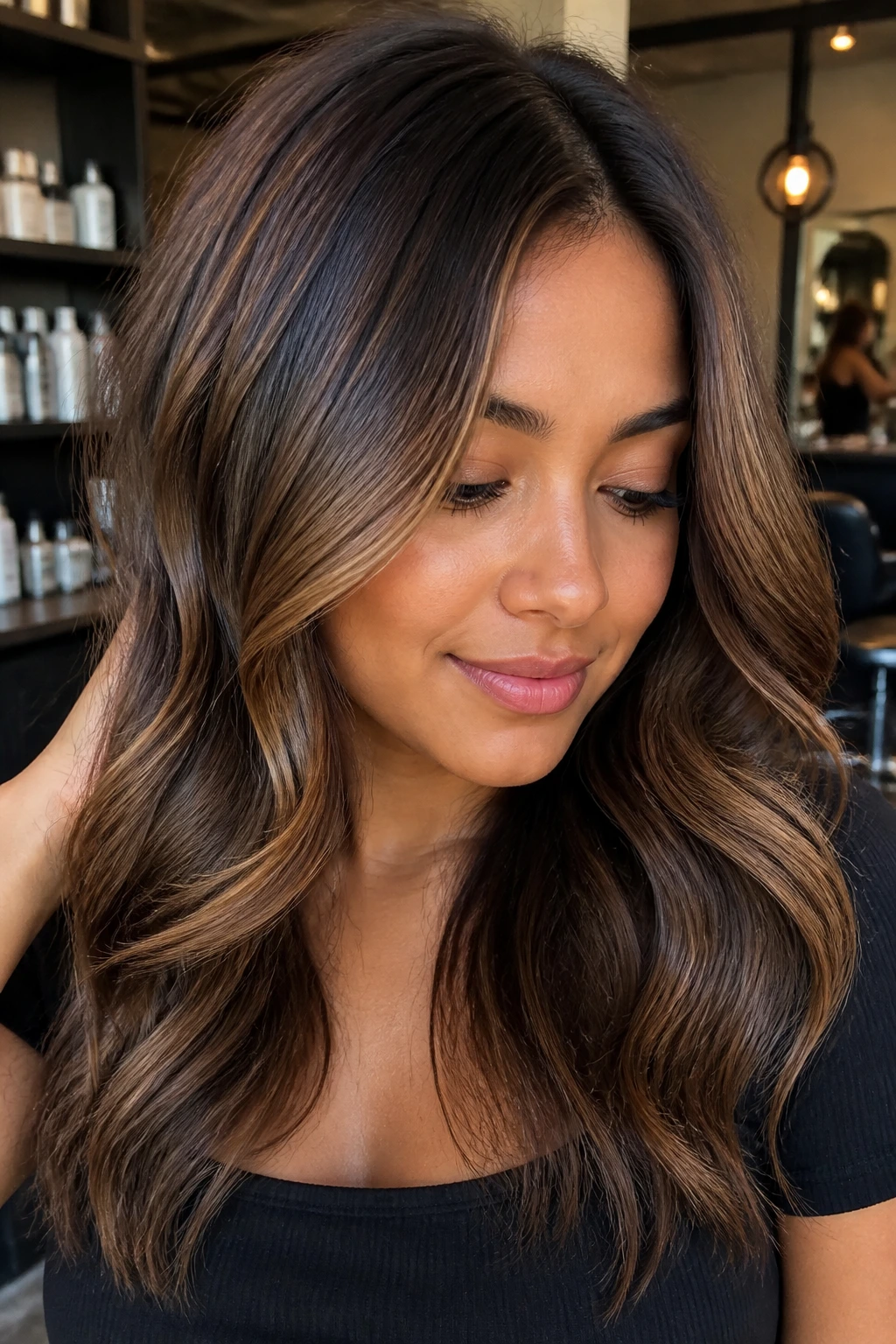
1. Caramel Ribbon Balayage
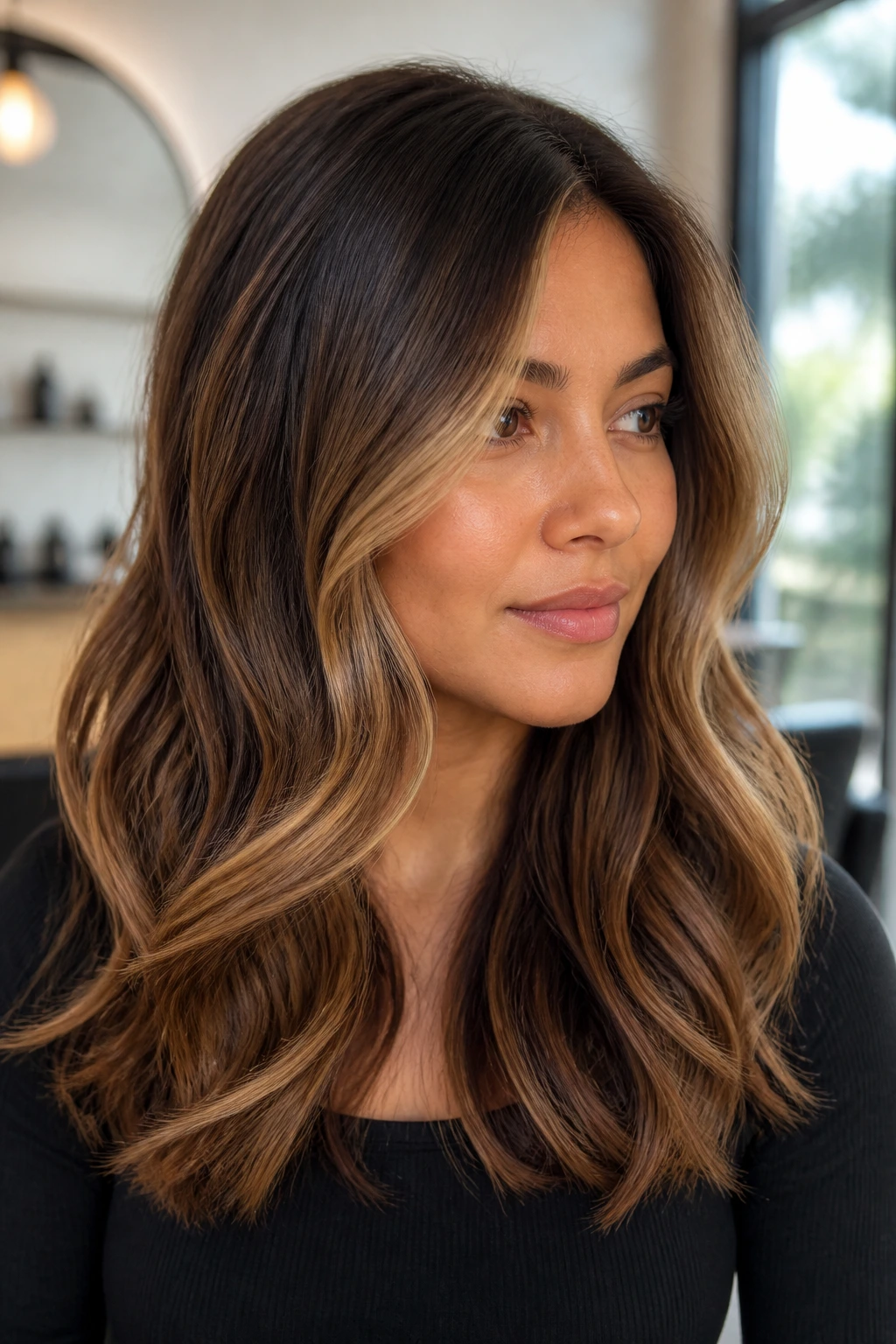
Caramel ribbon balayage is the one I recommend when someone wants dimension but does not want to feel “highlighted.” The ribbons sit a shade or two lighter than the base, usually through the mid-lengths and ends, so the result looks sun-kissed rather than streaky. On medium skin, that warm caramel tone tends to sit in the sweet spot: bright enough to show, soft enough not to fight the complexion.
Why It Flatters Medium Skin
The warmth in caramel plays nicely with golden and neutral undertones, and it can soften the look of darker brown hair without flattening the depth. Ask for hand-painted pieces rather than chunky foil stripes, because the blur at the root is what keeps this elegant. If you want the face to pop, keep a few front pieces slightly lighter than the rest.
What To Ask For
- A base-level caramel about one to three levels lighter than your natural hair
- Extra brightness around the face frame
- Soft ends, not a block of light on top
- A beige-caramel toner if you want to keep brass under control
Pro tip: On medium skin, caramel looks richest when it still has a little brown in it. If the tone leans too yellow, it can go flat fast.
2. Honey Babylights
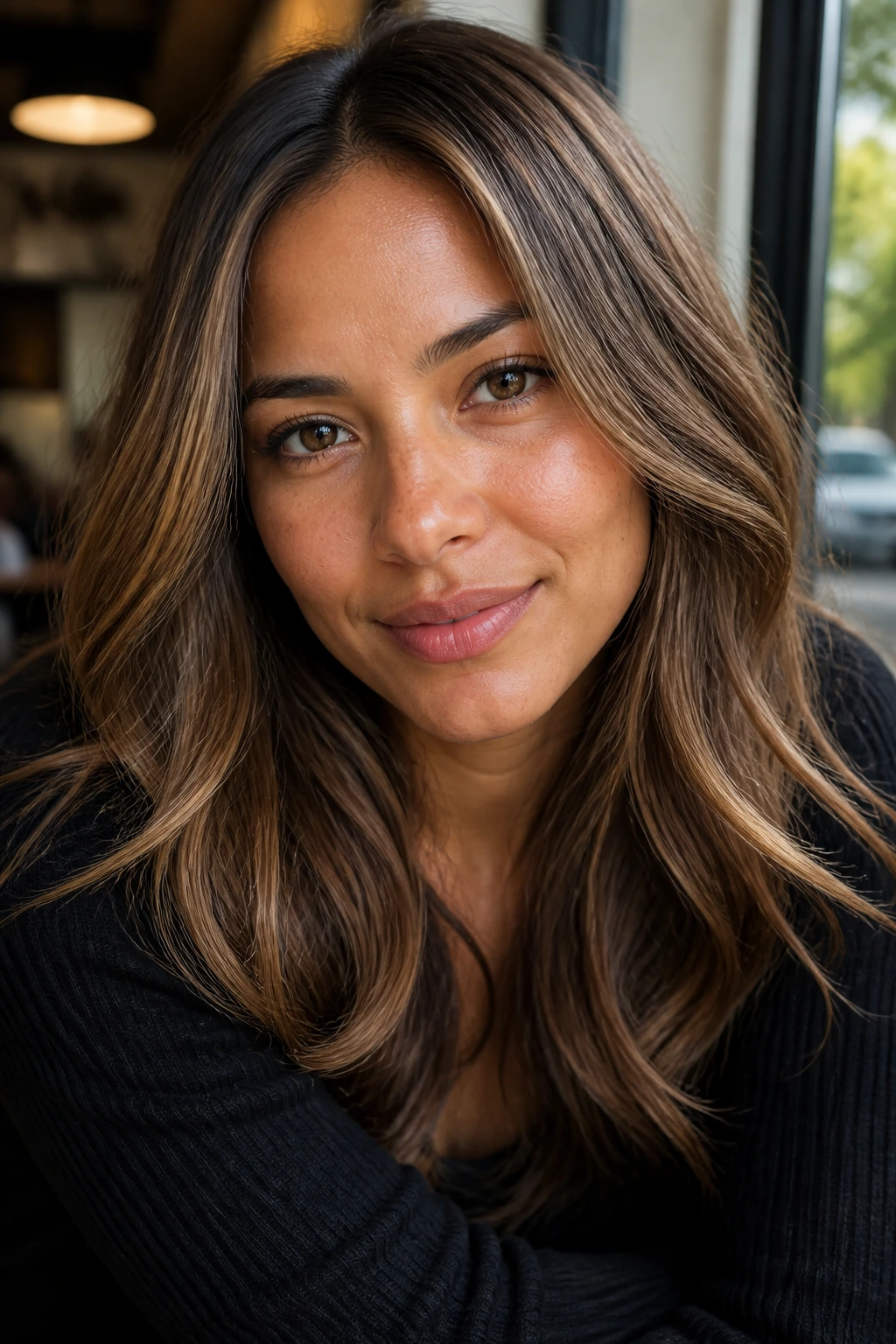
Honey babylights are tiny, delicate highlights that catch the light in a way that feels almost accidental. That’s the charm. They’re narrow enough to disappear into the hair until you move, and then you get these little flashes of gold that make medium skin look warmer and fresher without any obvious stripe pattern.
Babylights work especially well if your hair is already medium brown or dark blonde and you want to brighten it without a big color leap. The best version keeps the tone honeyed, not brassy. Honey has enough gold to flatter medium skin; it just needs a clean finish so it doesn’t slide into orange.
I like this look on fine hair, too, because the tiny sections create the illusion of more density. It’s the opposite of that chunky, overprocessed striping people used to chase. Much better.
3. Beige-Blonde Face Frame
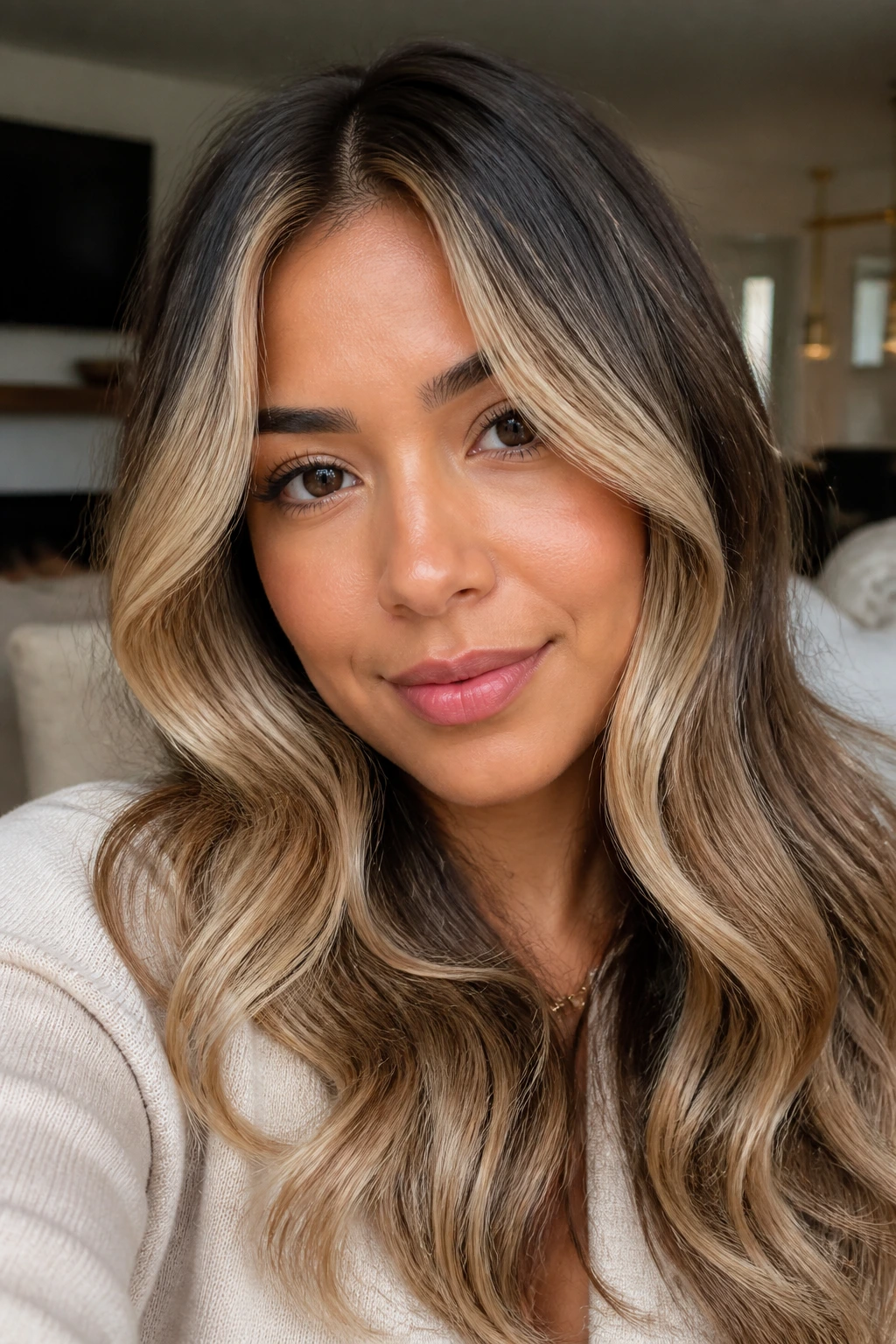
Why does a beige-blonde face frame work so well on medium skin? Because it brightens the front without bleaching the whole head into submission. The beige note keeps it softer than icy blonde, and that matters. On medium skin, especially neutral or slightly warm skin, beige reads polished instead of stark.
The face frame can be thin and elegant or a touch bolder around the temples and cheekbones. I prefer the softer version around medium complexions because it gives you that lifted effect when the hair is down and still looks believable when it’s pulled back. The center part shows it off fast; an off-center part makes it feel a little gentler.
If your base is dark brown, ask for the front pieces to be lifted gradually so they don’t look disconnected from the rest of the hair. Beige blonde needs a good toner. Otherwise it turns into a tired yellow before you’ve even left the salon chair.
4. Mocha Lowlights
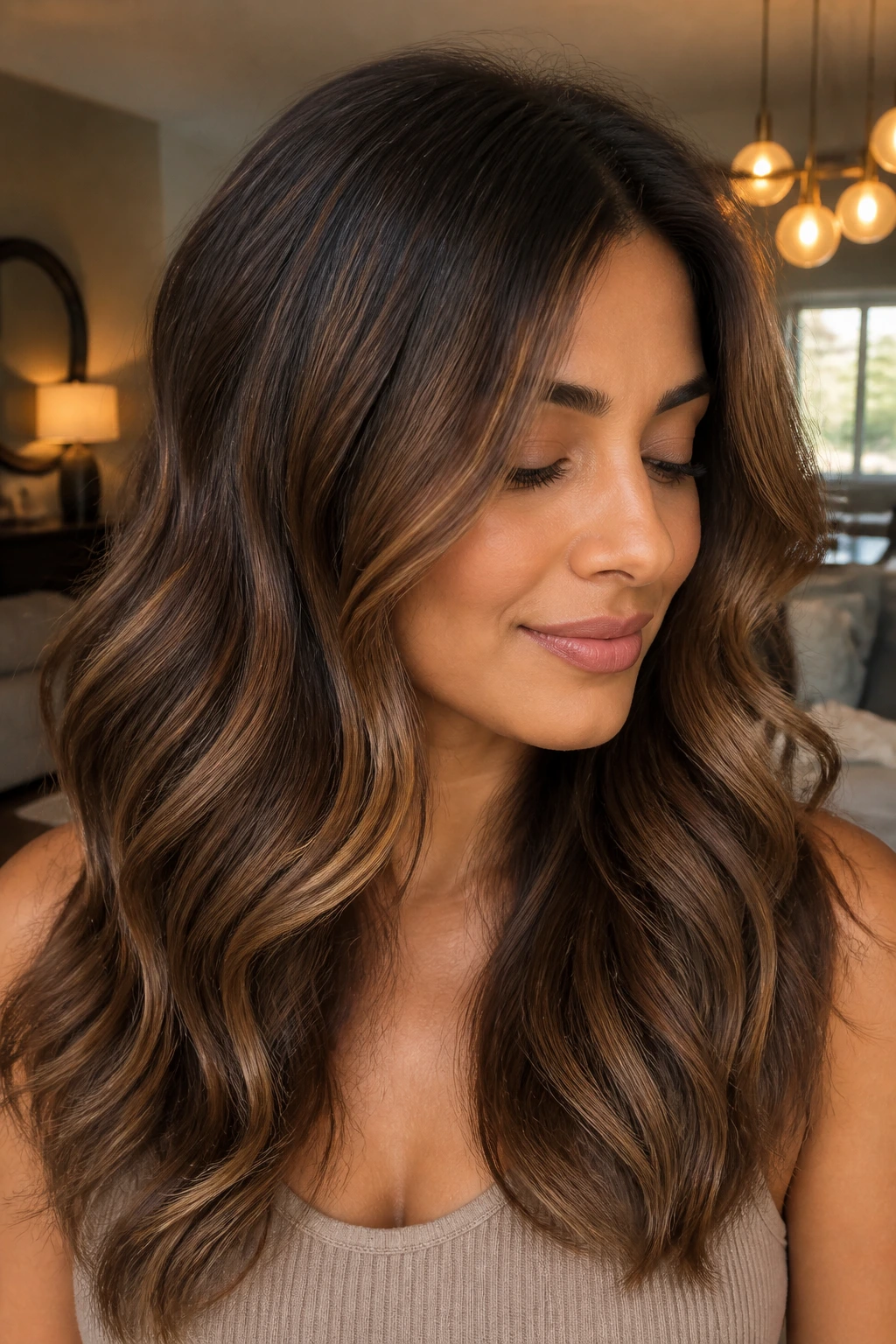
Mocha lowlights are for the person who thinks their hair feels a little too bright, a little too flat, or a little too “all one note.” Instead of adding lightness, these darker pieces restore depth through the crown and mid-lengths. On medium skin, that extra brown often makes the complexion look clearer, not duller.
This is a smart move if you’ve had too many highlights already and the hair has started to look thin or washed out. Mocha lowlights bring back that expensive-looking contrast without making the hair darker overall. The result is quiet, but not boring.
Best Fit
- Medium skin with neutral or olive undertones
- Over-lightened brunettes
- Thick hair that needs visual depth
- Anyone who wants to stretch time between highlight appointments
If you’re sitting on the fence between light and dark, lowlights are the underused answer. They work.
5. Cinnamon Ribbon Highlights
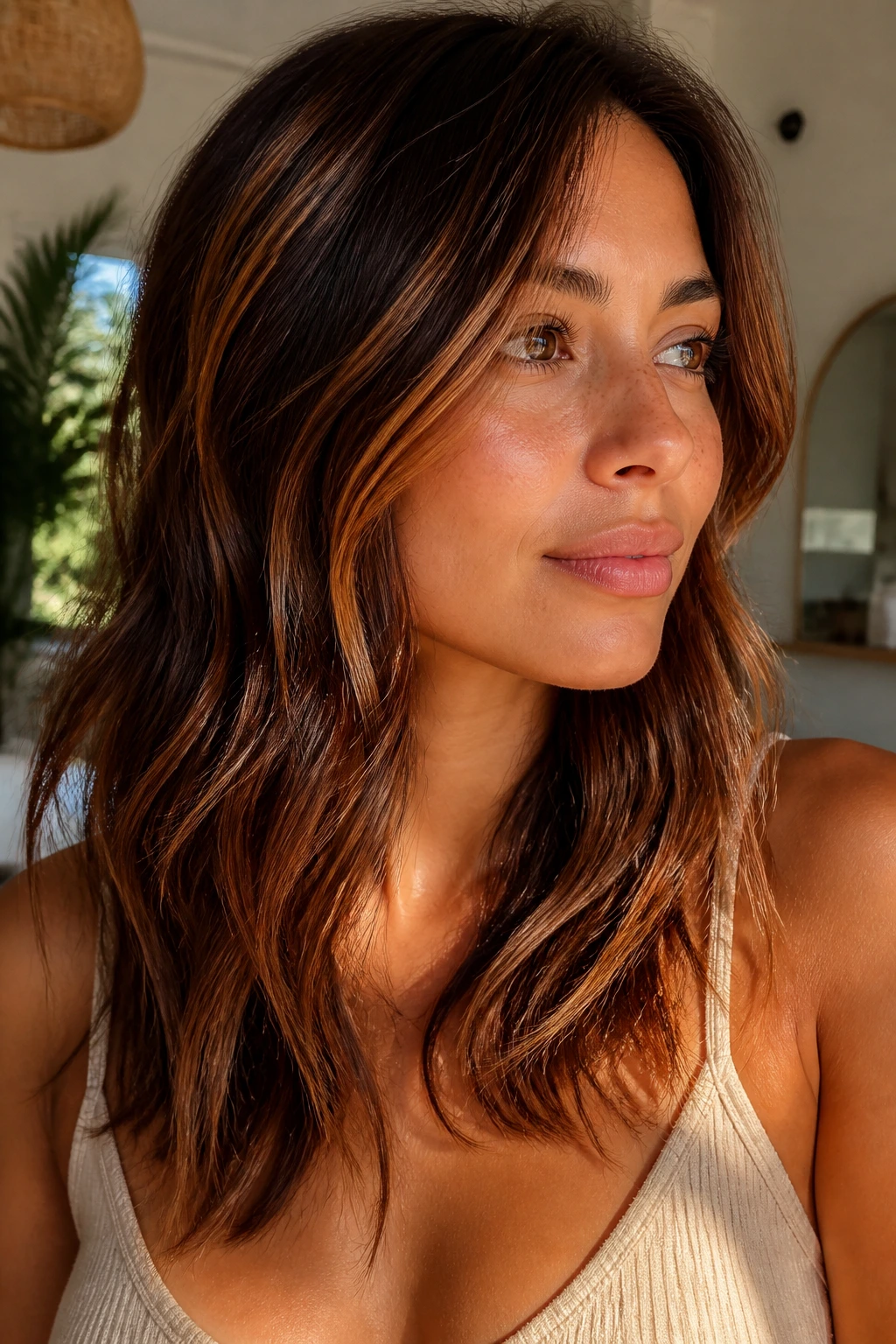
Cinnamon ribbon highlights have a little spice to them, but they’re still subtle enough for medium skin. The tone lives somewhere between copper, auburn, and warm brown, which means it brings warmth without going full red. On golden or olive medium skin, that can be gorgeous.
I like cinnamon best on brunette bases that need movement. A few woven ribbons through the mid-lengths keep the color from reading one flat shade, especially on layered cuts. The tone also catches sunlight in a way that makes hair look denser and richer.
This is one of those shades that looks even better when it isn’t too perfect. Slight variation in placement helps it feel natural, like the sun found it on its own. If your skin leans cool, keep the cinnamon muted. If it leans warm, you can push the copper a little harder.
6. Bronze Veil Balayage
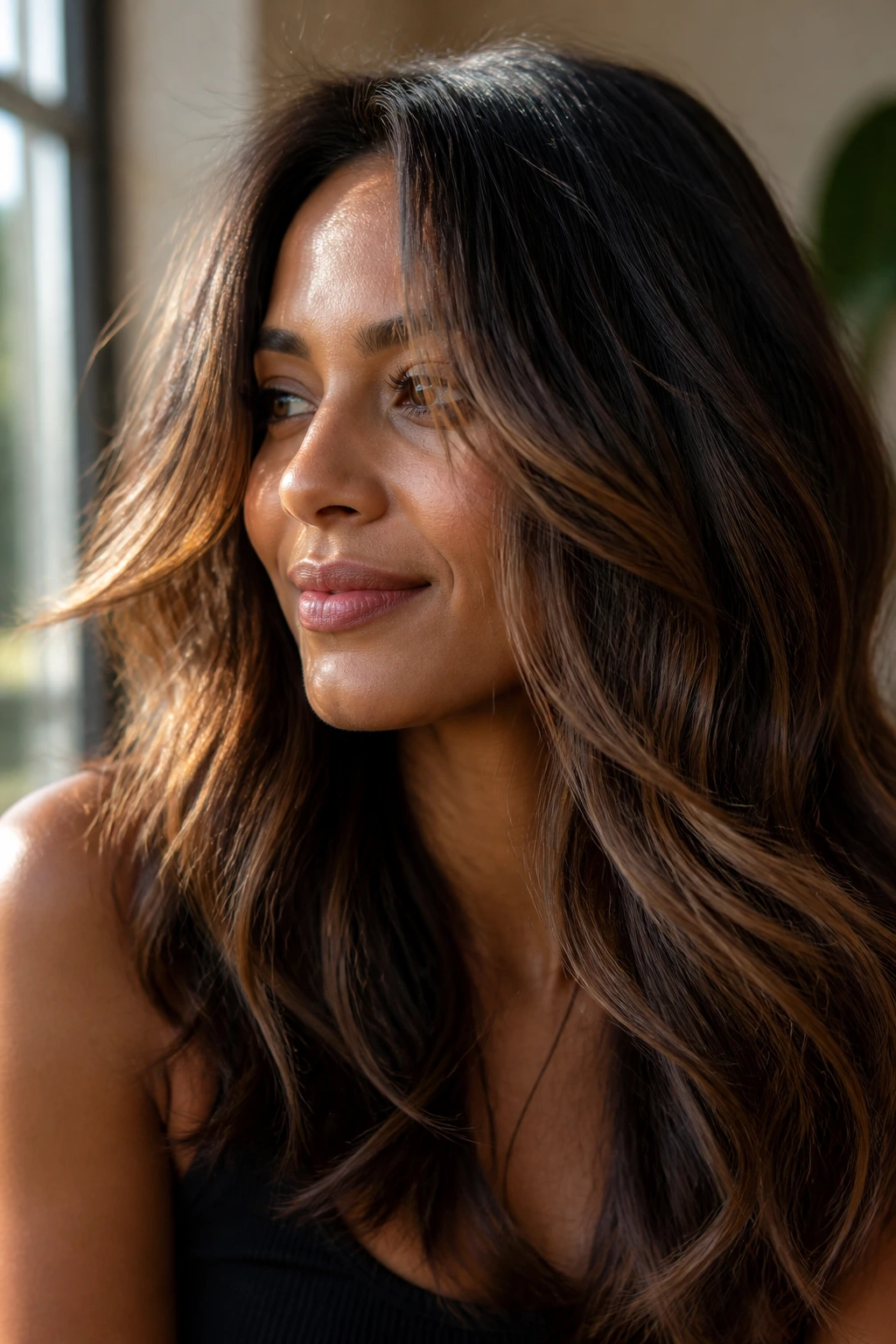
Bronze veil balayage is the polished cousin of caramel. It has more metallic depth, less dessert-shop sweetness, and it’s especially good on medium skin that likes warmth but not yellow. Bronze sits beautifully on wavy hair because the bends in the hair make the shade flash and dim as you move.
The veil part matters. You do not want big, obvious panels. You want a thin overlay of bronze lightness through the outer layer, with just enough reflectiveness to catch daylight. That’s what keeps it subtle.
This is one of my favorite choices for people who wear a lot of earthy makeup or gold jewelry. The hair and skin end up speaking the same language, which sounds fussy and is actually just smart color matching.
7. Mushroom Brown Dimension
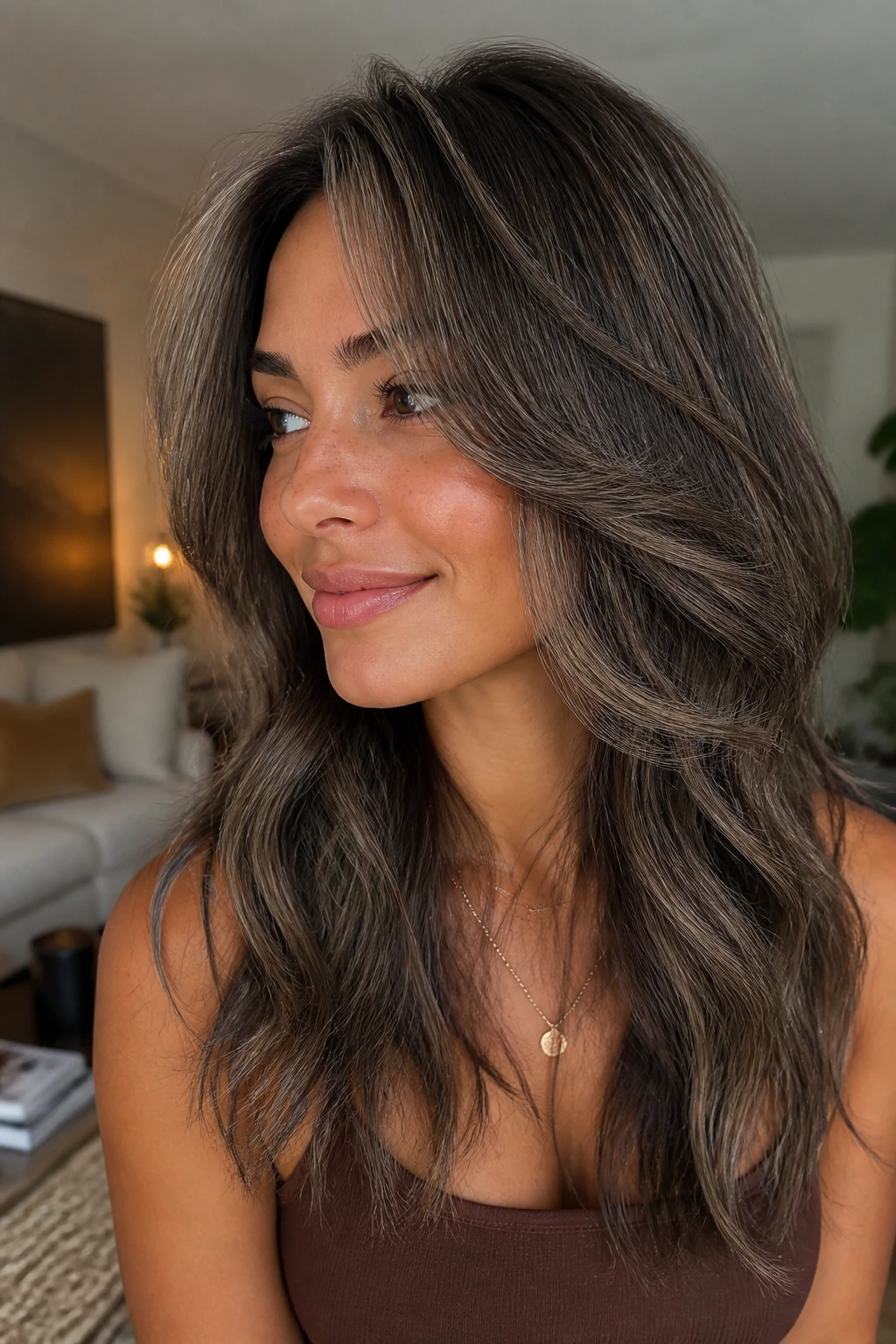
Mushroom brown can look intimidating on paper because it sounds cool and earthy at once, but on medium skin it often lands beautifully. The taupe-brown undertone creates a smoky effect that softens warm redness in the skin and keeps darker hair from looking heavy. It’s a very good option if you like subtle highlights but hate anything too golden.
A lot of people assume medium skin has to stay warm. It doesn’t. Neutral and olive medium tones often look best with a cooler brown that has a little gray in it, and mushroom does exactly that. The key is blur, not contrast.
What Makes It Different
- Smoky, not ashy in a flat way
- Nice on layered bobs and longer shags
- Looks expensive when the finish is glossy
- Best when the highlight pieces stay fine and scattered
If you want dimension that feels a little cooler and more editorial, this is the lane.
8. Amber Money Piece
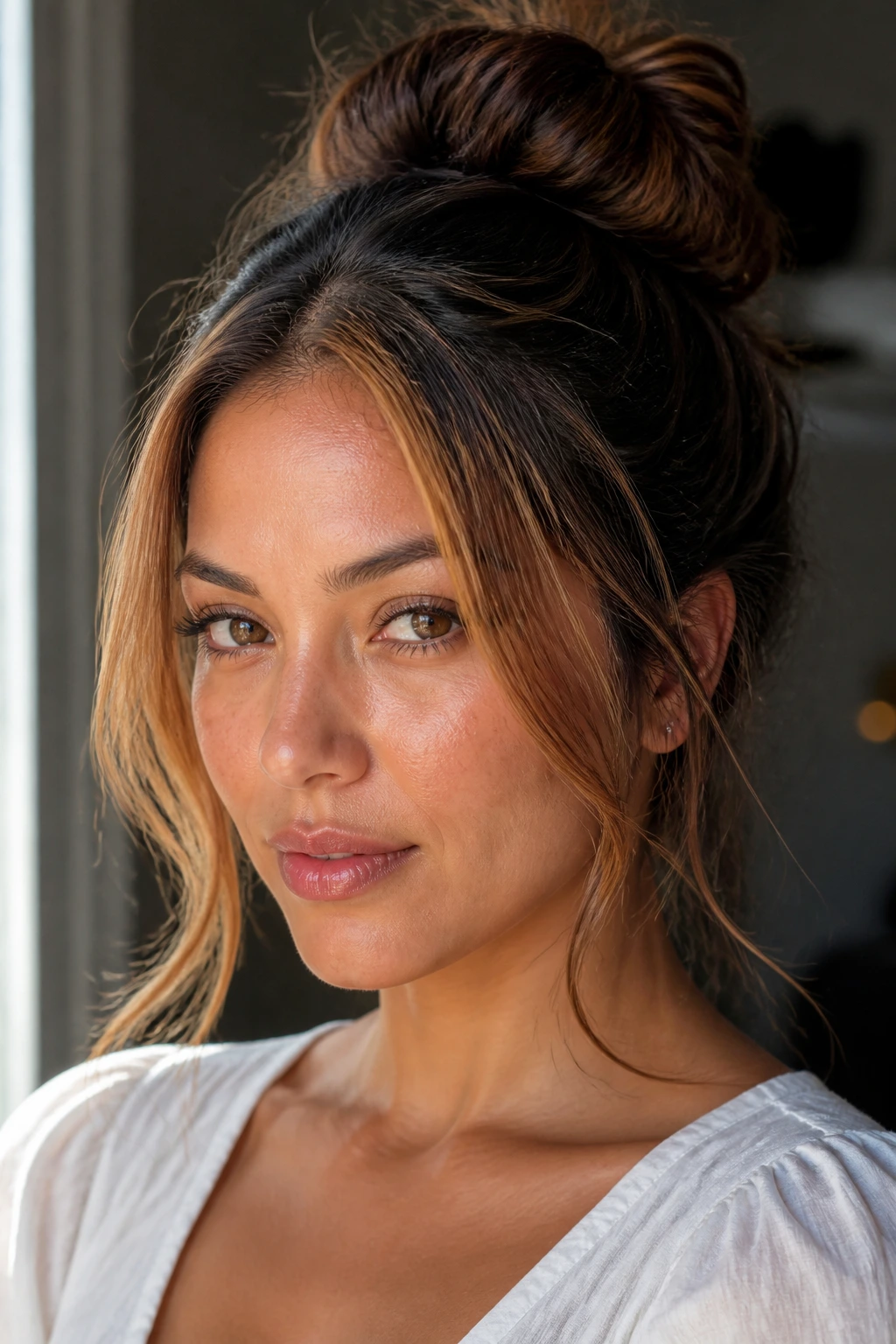
An amber money piece gives you the face-brightening effect of a brighter highlight without lighting up the whole head. The amber tone is warmer than beige, but not as red as copper, so it works well on medium skin that has a little gold in it. It’s a strong choice if your hair is dark brown and you want the front to do more work.
The money piece should be bright enough to frame the face, not so bright that it looks pasted on. I prefer amber here because it sits beautifully near the hairline and near the brows. That little echo matters more than people think.
If you wear your hair in buns, ponytails, or half-ups, this look earns its keep fast. The front stays visible even when the rest of the hair is tucked away. Handy. And flattering.
9. Champagne Beige Ribbons
Champagne beige ribbons are for medium skin that wants lightness without yellow and shine without brass. The tone sits soft and pale, but the beige note keeps it grounded. On neutral or slightly cool medium complexions, that balance can be lovely.
This look depends on restraint. If the ribbons are too wide, they start to feel overworked; if they’re too sparse, the effect disappears. I like them placed through the mid-lengths and the outer layer, with a few finer threads near the front. The finish should look airy, not stripped.
The good thing about champagne beige is that it reflects a lot of light. The bad thing is that it can get dull if the toner fades. So this is one of the shades that rewards a decent gloss schedule.
10. Toffee Contour Highlights
Toffee contour highlights are placement-first color. The shade itself is warm and soft, but what makes it special is where it lands: around the cheekbones, temples, jawline, and the outer edges of layered hair. That placement can subtly sculpt the face, which is why medium skin often looks so good with it.
Unlike a full balayage, contour highlights focus on the pieces that move closest to the face. The toffee tone keeps the result from feeling too light. You get shape, shine, and warmth in one shot. It’s especially useful if you wear your hair down more often than up.
Ask your stylist to keep the back quieter than the front. That contrast is the whole point. A little light in the right place beats a lot of light in the wrong one.
11. Copper-Kissed Ends
Copper-kissed ends are for someone who wants a warm edge without committing to a full copper transformation. The color lives mostly at the bottom half of the hair, where it can peek through curls, flips, and waves. On medium skin with warm undertones, that little hit of copper makes the whole look feel alive.
I like this option on medium to dark brunettes because the base stays rich while the ends carry the personality. The trick is to keep the copper soft, not neon. Think sunrise, not traffic cone.
This is also a nice option if your hair has a few layers and you want them to show. The light catches the ends first, so a copper wash there gives movement even when the rest of the hair is still.
12. Sand Blonde Foils
Sand blonde foils bring in a lighter, beachier note without the icy edge that can fight medium skin. The tone is beige-gold with a whisper of warmth, which makes it one of the safest blonde options for neutral or warm medium complexions. It’s blonde, but it’s not loud about it.
Foils give this look more structure than balayage, so it’s a good choice if you want the highlights to show clearly under indoor light. Keep the spacing fine and the tone sandy rather than platinum. The difference is huge. Sand blonde feels lived-in; platinum can start shouting.
On shoulder-length cuts, these foils show the most movement near the mids and ends. On longer hair, they can be layered through the undersections so the color doesn’t sit all on top. That keeps the whole head from looking top-heavy.
13. Espresso-and-Cream Melt
Espresso-and-cream melt is a contrast look, but not a harsh one. The dark espresso base stays dominant while thin cream ribbons create brightness through the mid-lengths and face frame. On medium skin, especially if your complexion has some natural depth, that contrast can look sharp in the best sense.
This is the style for people who want a visible change without losing richness. Cream alone can look too stark. Paired with espresso, it feels intentional and luxurious, not overprocessed. The melt matters here; the highlights need to blend into the dark base so the grow-out line stays soft.
It’s a strong pick for straight hair because the contrast shows cleanly, but it’s just as pretty on waves. The movement in the hair keeps the cream pieces from looking like lines. They become streaks of light instead.
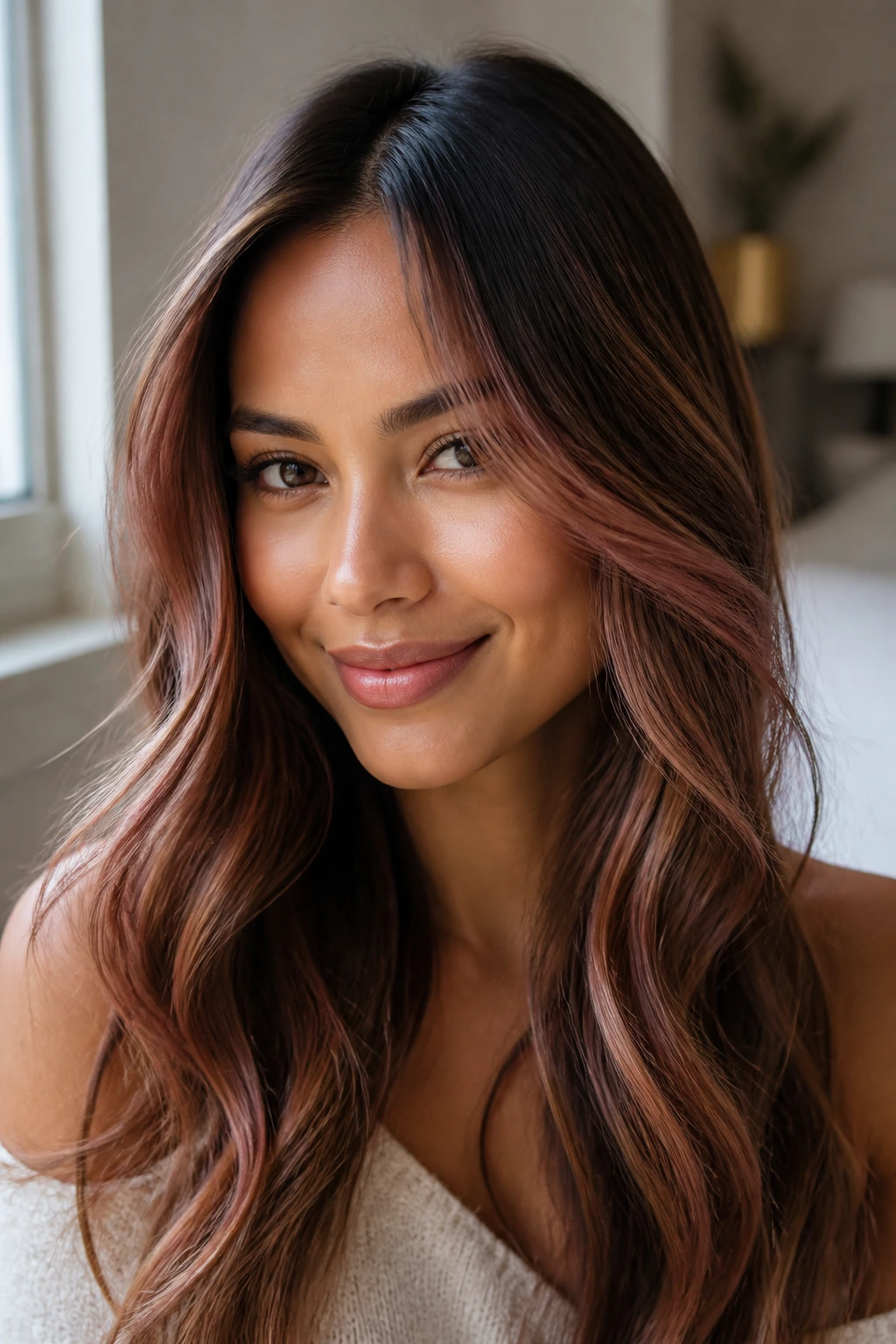
14. Rose Gold Whisper Highlights
Rose gold whisper highlights are subtle, rosy, and a little playful without veering into obvious pink. On medium skin with warm or neutral undertones, they can bring a soft glow to the complexion, especially when the hair has enough brown in it to anchor the color. Too much pink and the whole thing goes costume-y. The whisper version is the one worth wearing.
I like this on lighter brunettes and dark blondes most, because the rose tone sits on top of a lighter base without looking muddy. A glossy finish is non-negotiable. Rose gold loses its charm fast if the hair looks dry.
If your style leans romantic, this shade does the work for you. If your style is more tailored, keep the pieces finer and more restrained. Same color, different attitude.
15. Chestnut Halo Lights
Chestnut halo lights give the crown and outer layer a gentle glow without pulling the entire head lighter. The effect is especially flattering on medium skin because chestnut keeps enough brown in the mix to feel natural, while the halo placement lifts the face and softens the silhouette.
This is a good option for layered haircuts, long bobs, or curls that sit around the shoulders. The lighter chestnut pieces catch the top layer first, so the hair looks fuller from every angle. That fullness matters. Medium skin often looks best with color that has body, not just brightness.
I’d choose this over a stronger blonde highlight if you want something that still looks rich in low light. The shade changes only a little from room to room, and that subtlety is the whole point.
16. Bronde Sunkissed Layers
Bronde is still one of the easiest subtle highlight directions for medium skin, and I stand by that. It sits between brown and blonde without forcing either one to dominate, which makes it forgiving for a wide range of undertones. Add sun-kissed layering, and you get movement that feels natural rather than engineered.
The best bronde isn’t flat. It has little changes in tone through the mids and ends, sometimes a caramel note, sometimes a beige thread, sometimes a softer honey piece around the face. That mix keeps the hair from looking one-note under indoor lighting.
If you like low maintenance and don’t want to chase toner every few weeks, this is one of the safer bets. Bronde grows out well, and the layered haircut gives the color places to live.
17. Apricot Glaze Ribbons
Apricot glaze ribbons are brighter than caramel, softer than copper, and a little more unexpected. On medium skin with warm undertones, apricot can bring a fresh, juicy warmth to the face. It works best when the ribbons stay thin and the glaze effect remains soft rather than orange.
This is one of those shades that looks especially good in motion. The warm peachy notes catch light differently on each wave or bend, so the color never sits still. That can be a blessing if you want your hair to look lively, not severe.
I would not push apricot too far on very cool medium skin. It can still work, but it needs a more beige-leaning base. On warmer skin, though, it can be gorgeous.
18. Walnut Lowlights
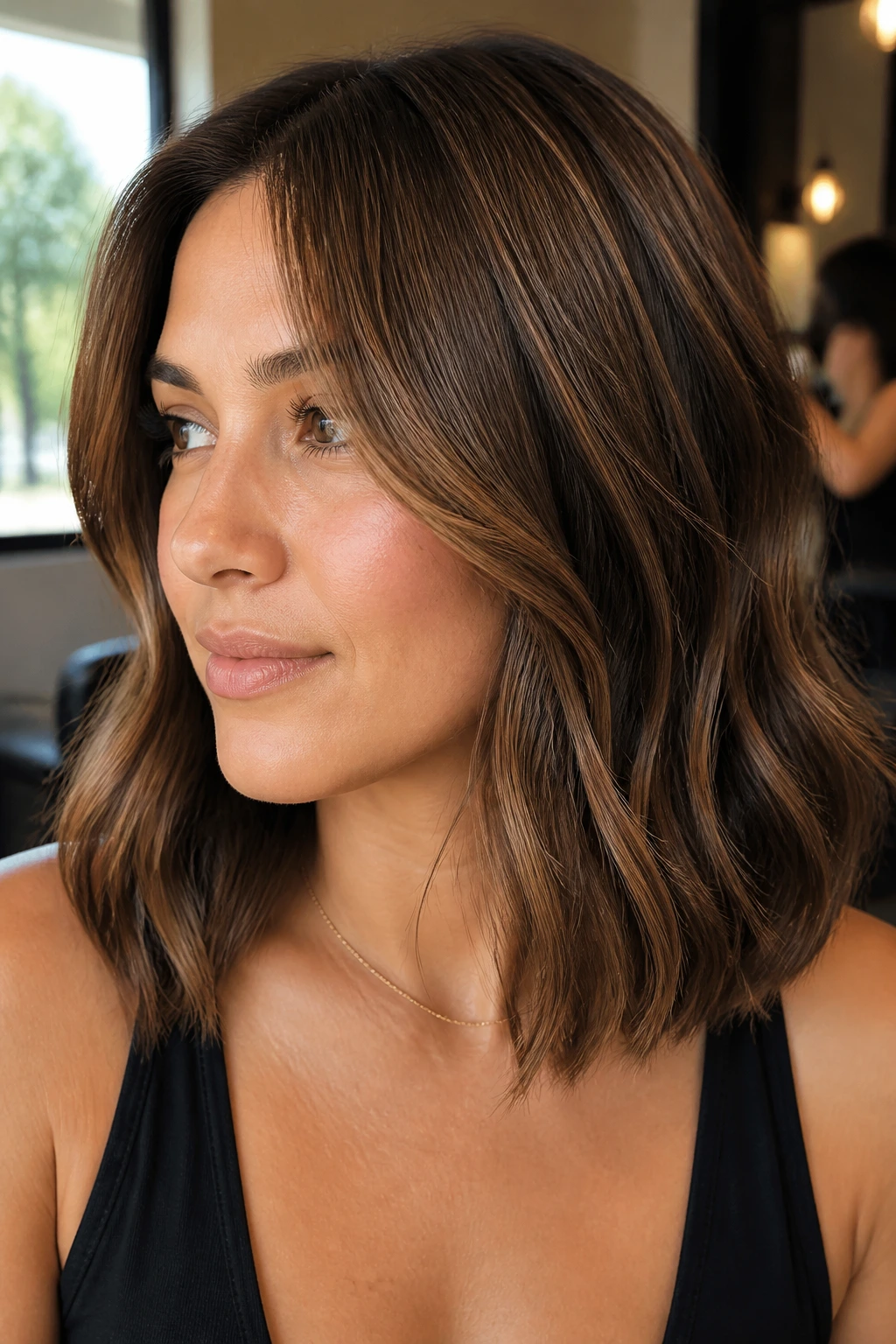
Walnut lowlights are the fix when hair has gone too light, too flat, or too fuzzy around the edges. The richer brown pieces drop back into the hair and give medium skin something solid to sit against. A face can look oddly washed out when the hair is too pale or too evenly light; walnut lowlights solve that fast.
This is also a smart move for blondes who want to shift back toward brown without going all the way dark. The darker pieces create depth in the crown and around the underlayers, which makes the lighter pieces pop more. Counterintuitive, but true.
If your hair has been over-highlighted, walnut lowlights can make it look healthier in one appointment. The color reads glossy, not heavy, when the placement is measured.
19. Buttercream Babylights
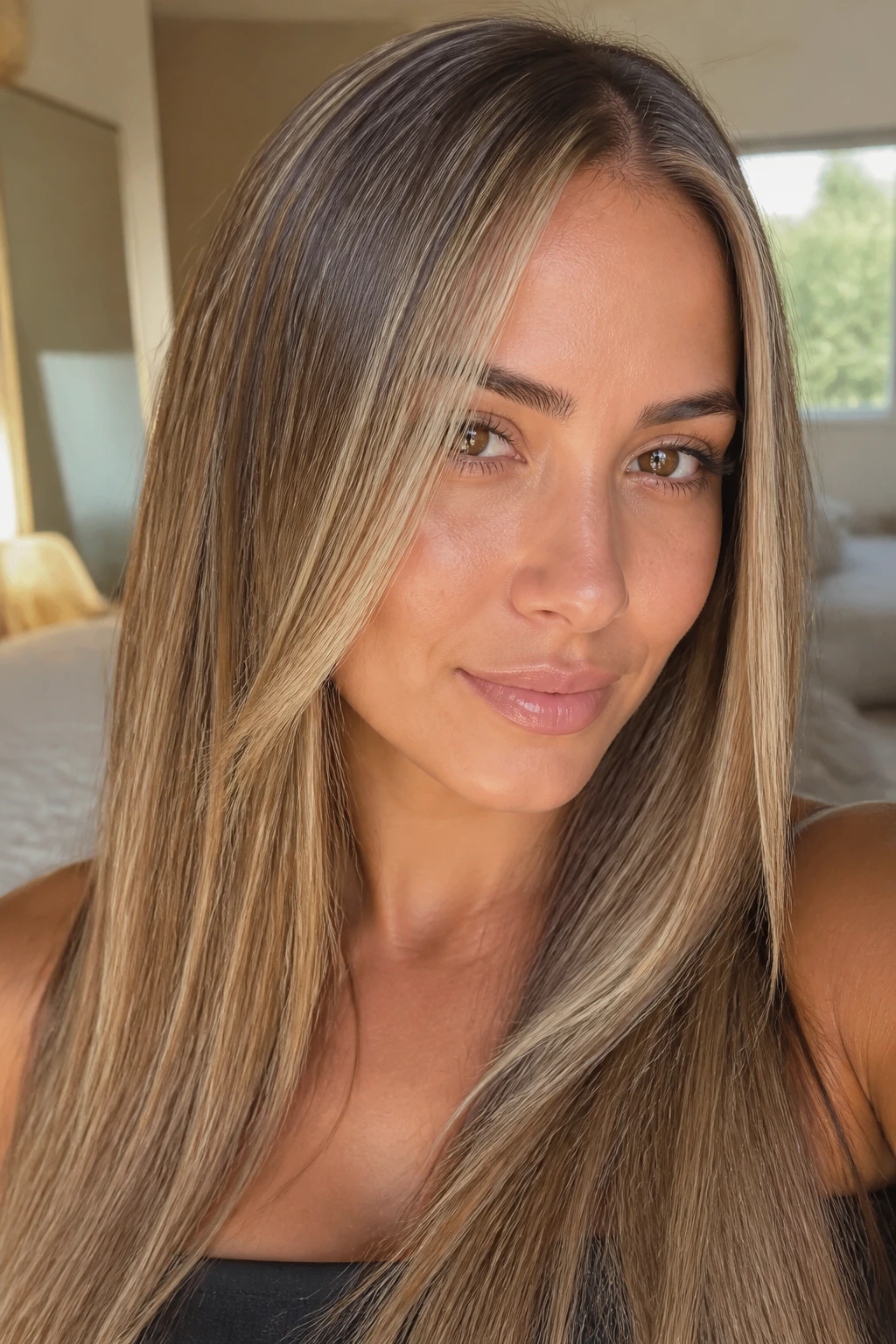
Buttercream babylights sit in that creamy, soft-blonde lane that never quite turns icy. On medium skin, especially with neutral undertones, buttercream can brighten the face without pulling the complexion sallow. The tone feels cushioned. That’s the best word for it.
Because the strands are so fine, the effect is more glow than stripe. You see the color when the hair moves or when light lands across the top layer. I like this on silky straight hair and loose blowouts, where the shine has room to do its thing.
If you want blonde but hate brass, buttercream is a friend. Just don’t let the base get too lifted, or the tone can look chalky. The softness is what makes it work.
20. Tawny Balayage
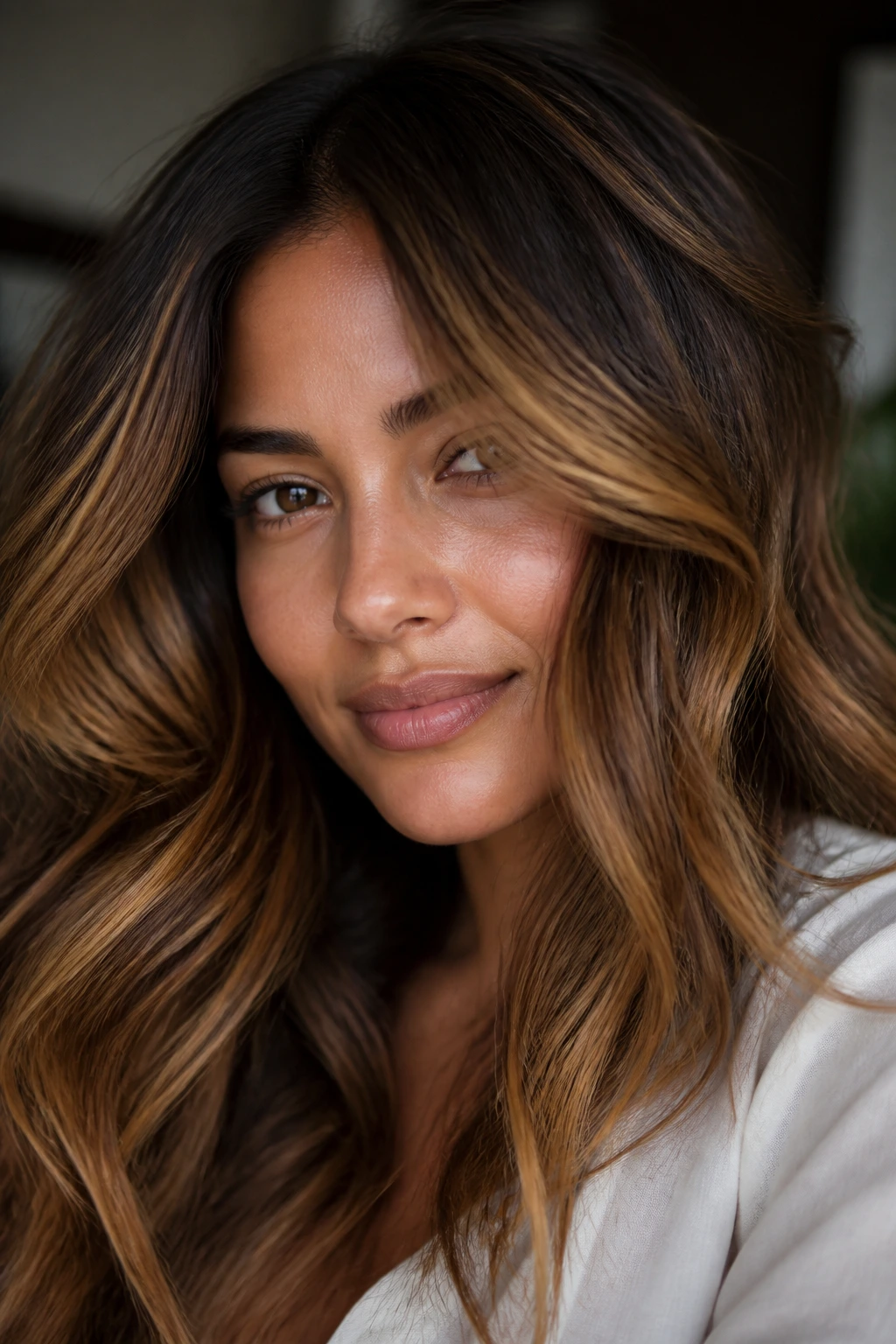
Tawny balayage has the right mix of gold, brown, and a touch of muted warmth to flatter many medium skin tones. It’s softer than copper and less sugary than caramel. That makes it a very easy bridge shade if you’re not sure which direction to go.
Balayage placement keeps the tone from feeling overly done. The color should blend from the mid-lengths into the ends with just a hint of brightness around the face. I especially like tawny on layered cuts because the color settles into the movement instead of sitting on top of it.
If you’re nervous about highlights showing too much contrast, tawny is a good starting point. It brightens without making the hair look dramatically lightened, which is often the better move.
21. Smoky Beige Lights
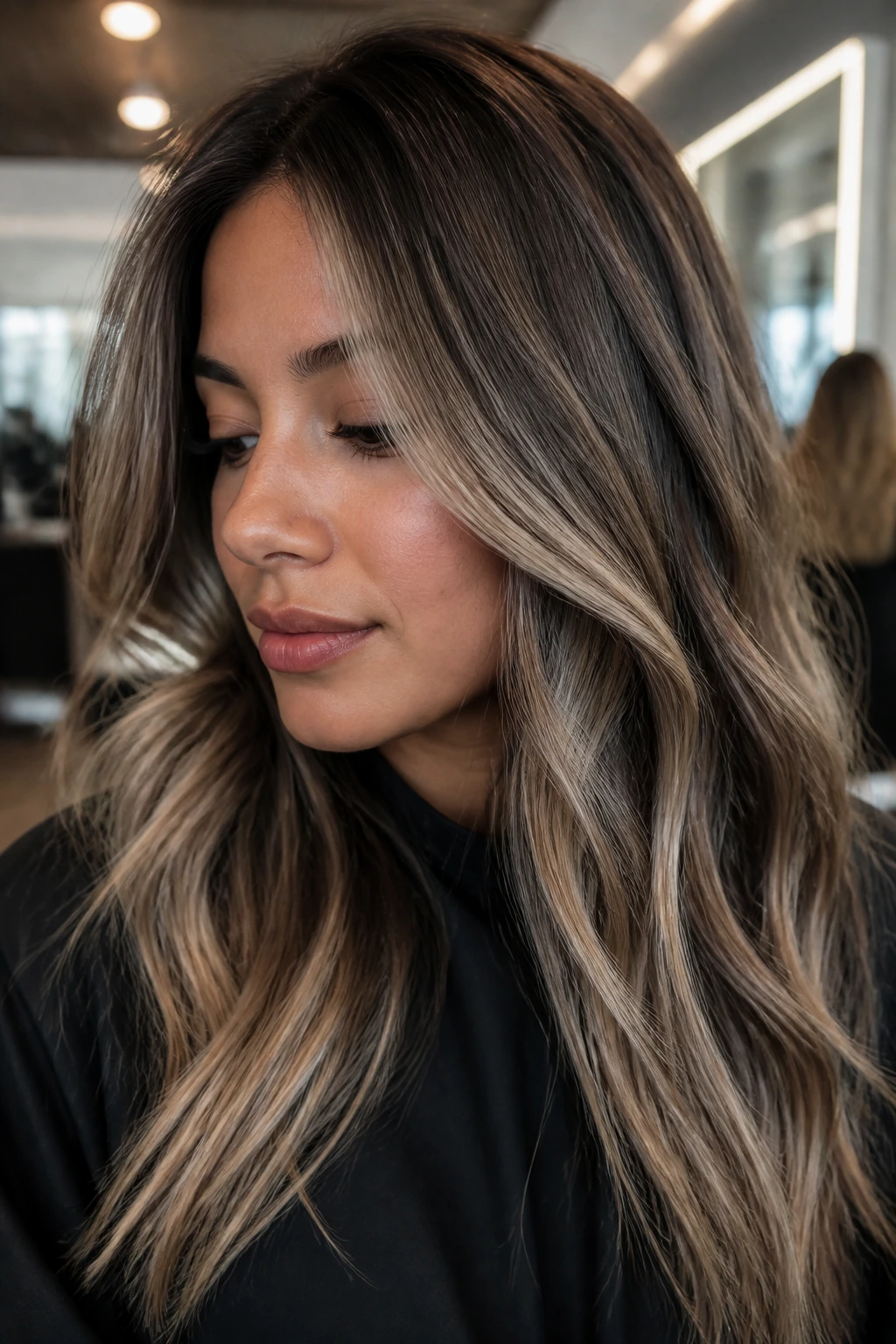
Smoky beige lights are for medium skin that likes a cool edge. The beige tone keeps them wearable, but the smoky note mutes any yellow and gives the hair a cleaner finish. On olive or neutral skin, this can look expensive in that quiet, almost dusty way.
What makes it subtle is the restraint in placement. Fine pieces through the outer layer, a soft face frame, and a muted gloss are enough. Too much beige and you lose the smoke; too much ash and the hair can look flat. The balance is delicate.
This is a very good choice if you wear silver jewelry, cooler makeup, or deep berry lipstick. The hair and makeup stop competing and start cooperating. That sounds small, but it changes the whole face.
22. Golden Melt Ombre
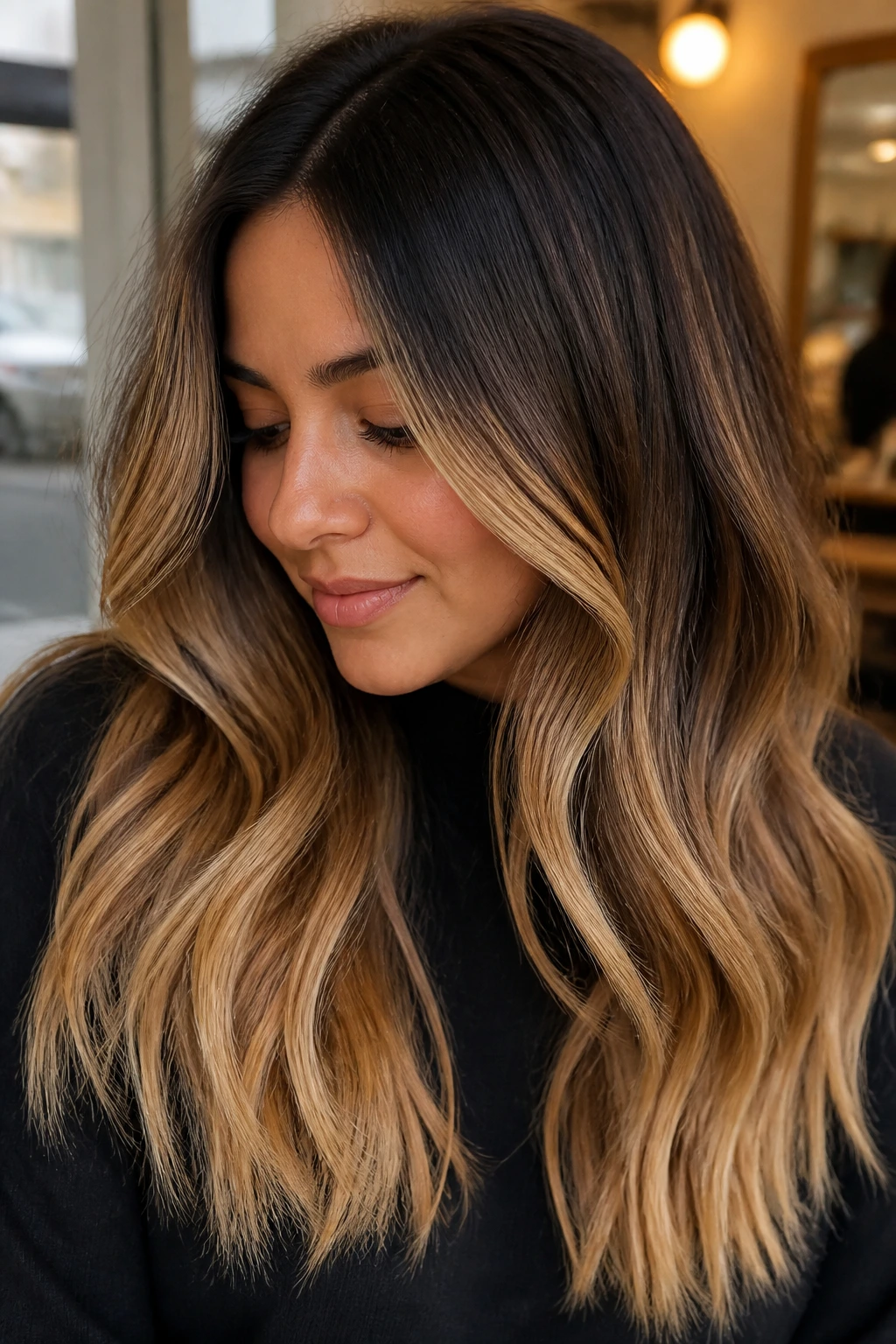
A golden melt ombre works best when the transition is slow enough that you can’t point to a line and say, “there.” That blur is what makes it subtle. On medium skin, the golden ends bring light without stripping the base of richness.
I prefer this on longer hair, where the shift from root to end has room to breathe. Short cuts can handle it, but the effect is softer on lengths that fall past the shoulders. The golden tone should feel warm and glossy, not yellow.
If your natural base is dark brown, ask for a root shadow or root melt so the ombre doesn’t start too abruptly. The whole look gets better when the dark root stays visible. It keeps the color grounded.
23. Peach Bronze Slices
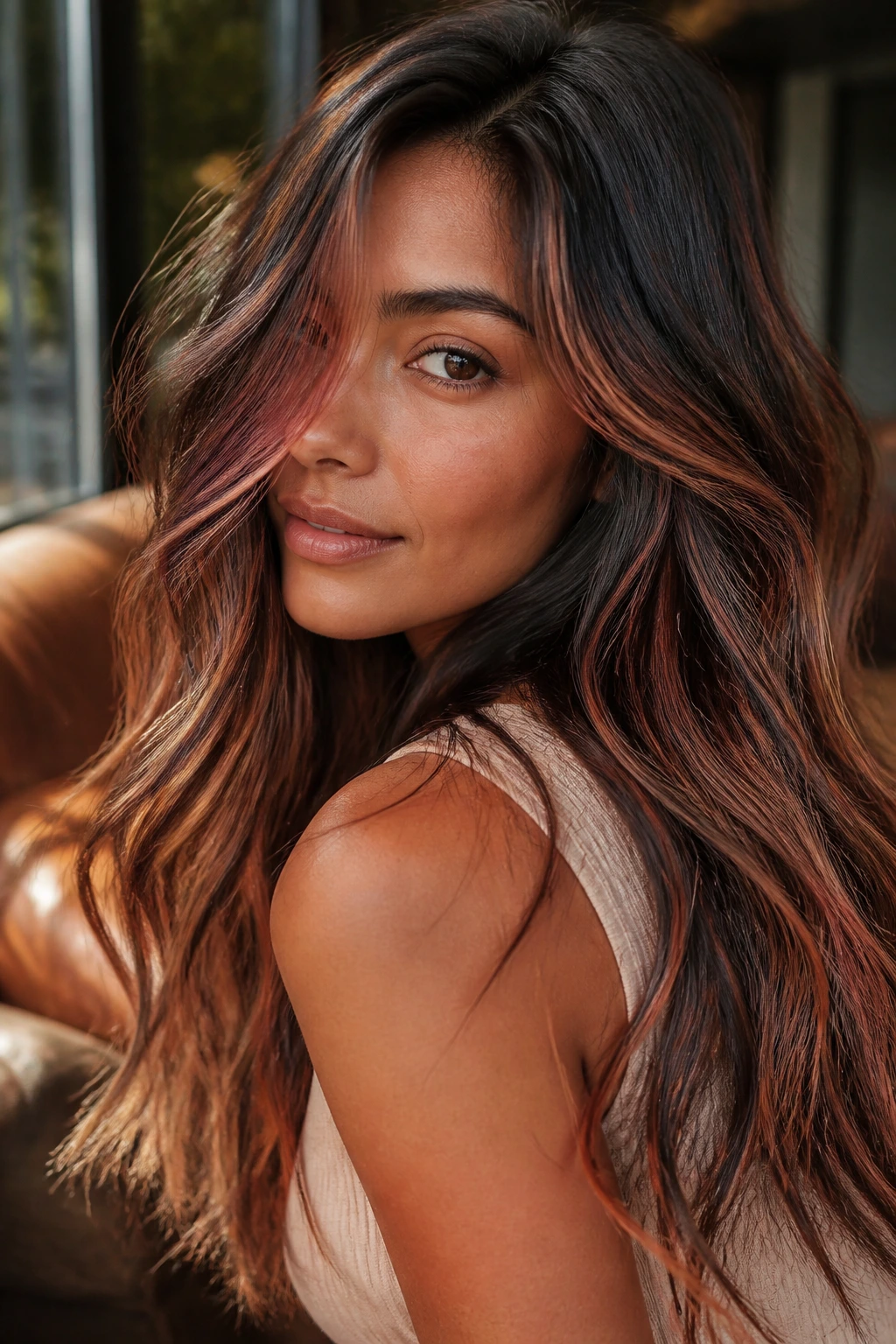
Peach bronze slices are a little bolder than babylights, but still subtle enough if the sections stay thin. The peach warmth gives the bronze depth a brighter edge, and on medium skin with golden undertones, the combination can look rich instead of flashy. It’s a good choice if you want the color to have personality.
Slices work well on textured cuts, shags, and layered lobs because the pieces show up as the hair moves. That motion is the whole point. You get flashes of warm color instead of an all-over blanket.
I’d keep the peach softened with a glaze if your skin leans more neutral. Too much peach on a warm base can go orange. A little restraint keeps it modern.
24. Cool Caramel Ash Blend
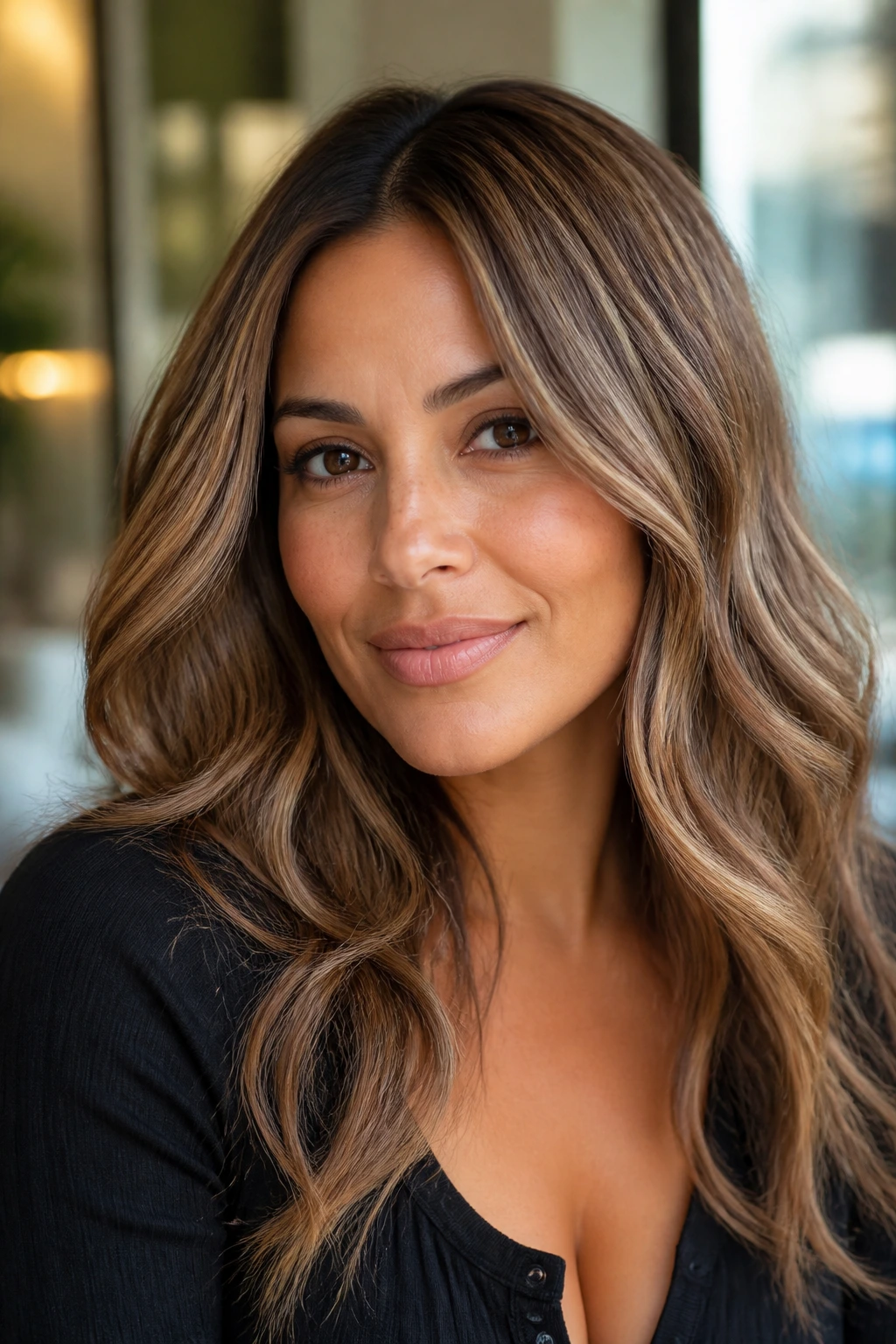
Cool caramel ash blend sounds contradictory, and that’s why it works. You get the familiar softness of caramel, but an ash note cools down any brass and makes the color more wearable for neutral or olive medium skin. The result is not icy. It’s smarter than icy.
This is one of my favorite correction-friendly directions if a previous highlight job came back too orange. The ash doesn’t erase warmth entirely; it reins it in. That means the hair still looks dimensional instead of dull.
Ask for a soft blend rather than a stark ash stripe. The more seamless the transition, the more natural the finish. On curly hair, this can be gorgeous because the curls keep the cool-warm mix from looking rigid.
25. Maple Glaze Highlights
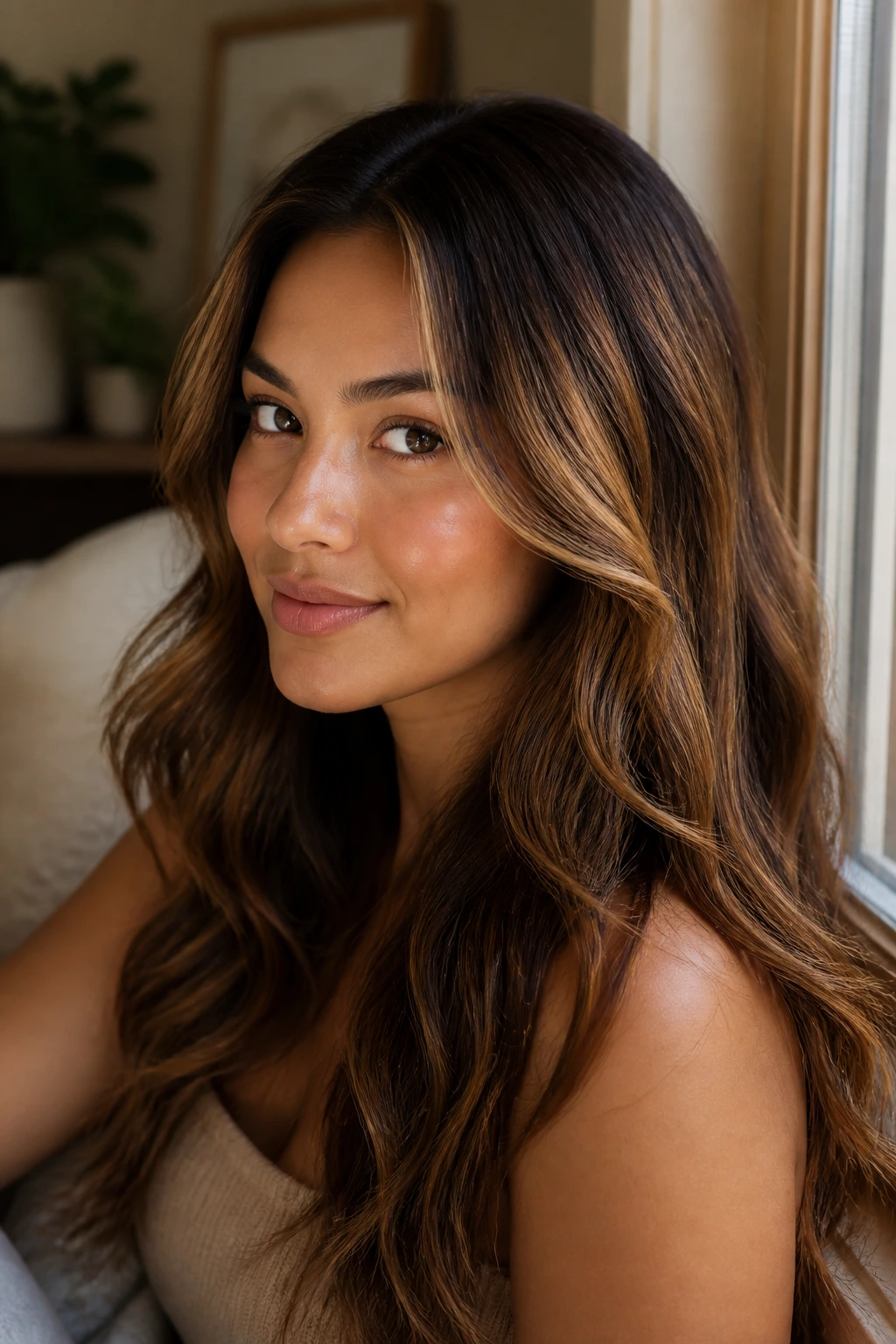
Maple glaze highlights are warm, glossy, and a little deeper than honey. They sit beautifully on medium skin because they mirror the rich tones already present in many medium complexions. The glaze finish matters almost more than the color itself.
This is a low-drama option for people who like warmth but do not want bright blonde. The maple tone gives hair a toasted, dimensional look that plays well with brown eyes and warm makeup. On layered cuts, it can make the whole shape look fuller.
If the hair tends to look matte, maple is a strong choice. It adds shine visually, especially when paired with a clear or warm gloss. The tone doesn’t need to be loud to do the job.
26. Pearl Beige Threads
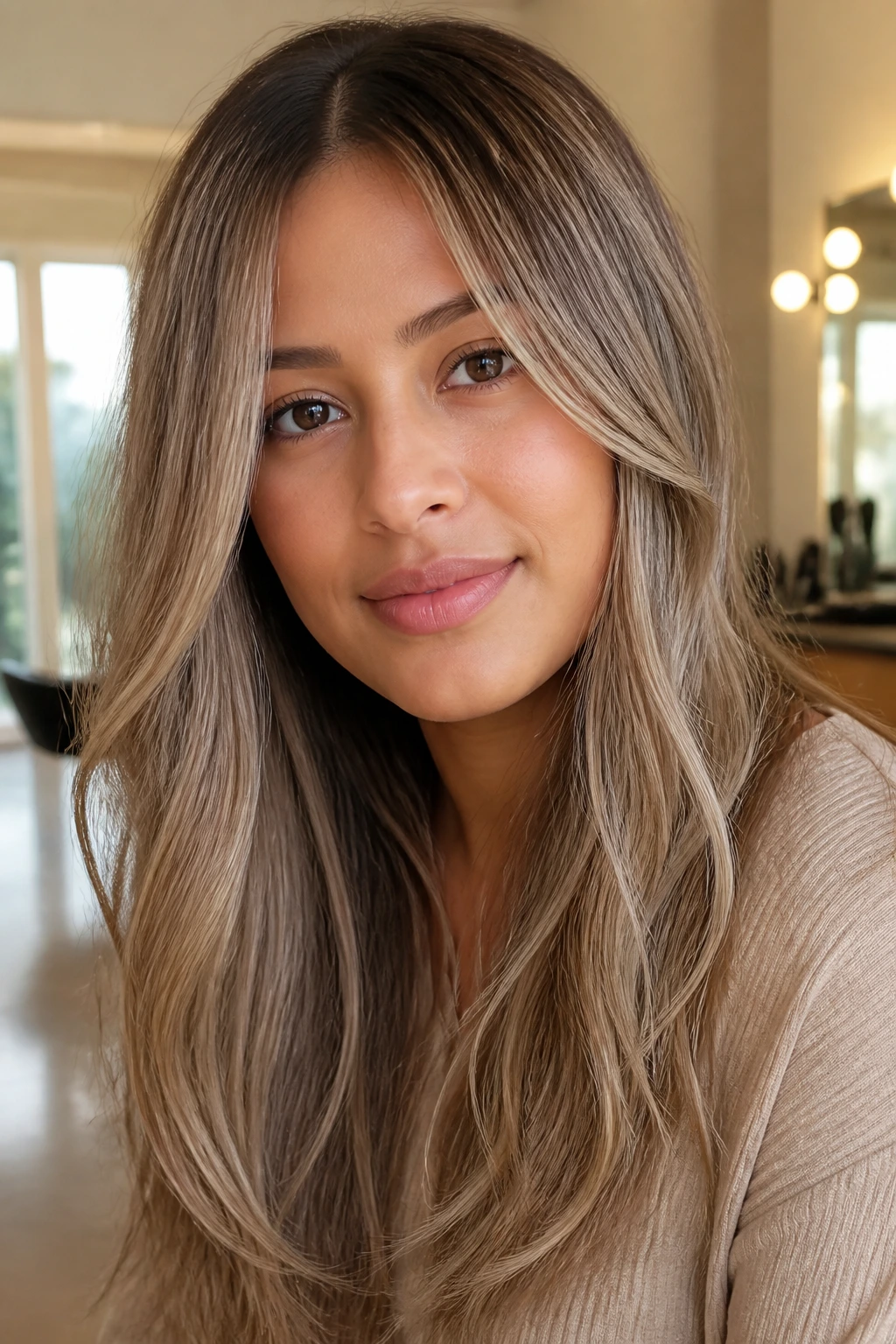
Pearl beige threads are the quietest blonde-adjacent option in this list. They’re soft, fine, and a little luminous, with enough beige to stay friendly on medium skin. The pearl note keeps the finish from going too yellow, which is useful if your base is already warm.
I’d choose this when the goal is “lighter, but not obviously highlighted.” The threads are so thin that they mostly register as shine until you get close. That makes them especially pretty on smooth blowouts and sleek ponytails.
This shade does require thoughtful toner care. If the pearl fades and the beige gets muddy, the whole look gets sleepy. Keep it bright enough to read.
27. Spiced Rum Ribbons
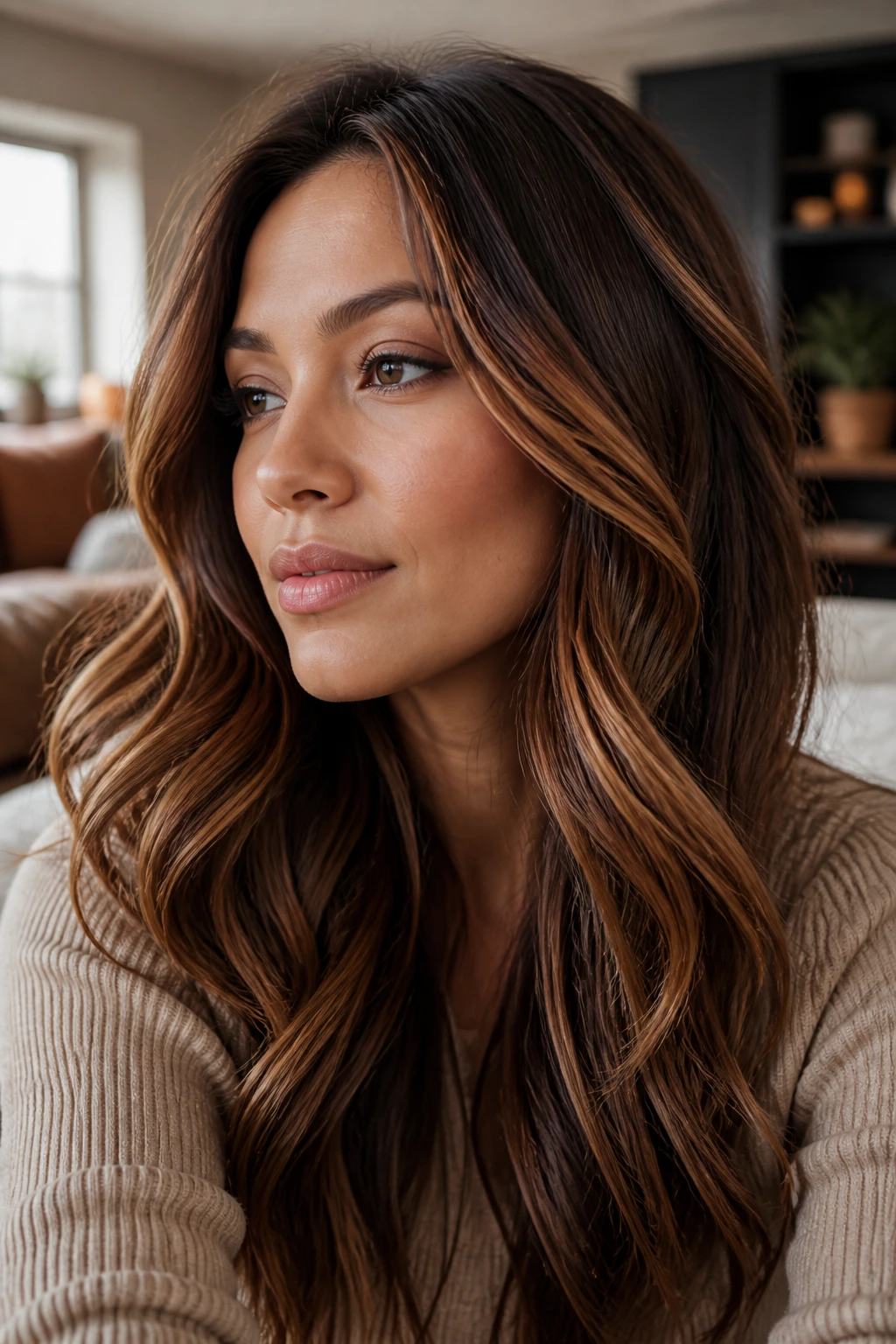
Spiced rum ribbons bring depth, warmth, and a slight edge. They’re deeper than honey, redder than caramel, and more grounded than copper. On medium skin that leans golden or olive, the color can make the complexion look warmer and the hair look thicker.
The ribbons should be scattered, not stacked. A few through the front, a few through the crown, and some through the ends are usually enough. That keeps the shade from turning into one big warm block.
This is one of the best choices if you want a richer autumnal tone without going full auburn. It feels grown-up, but not severe. There’s a difference.
28. Soft Sunlit Balayage
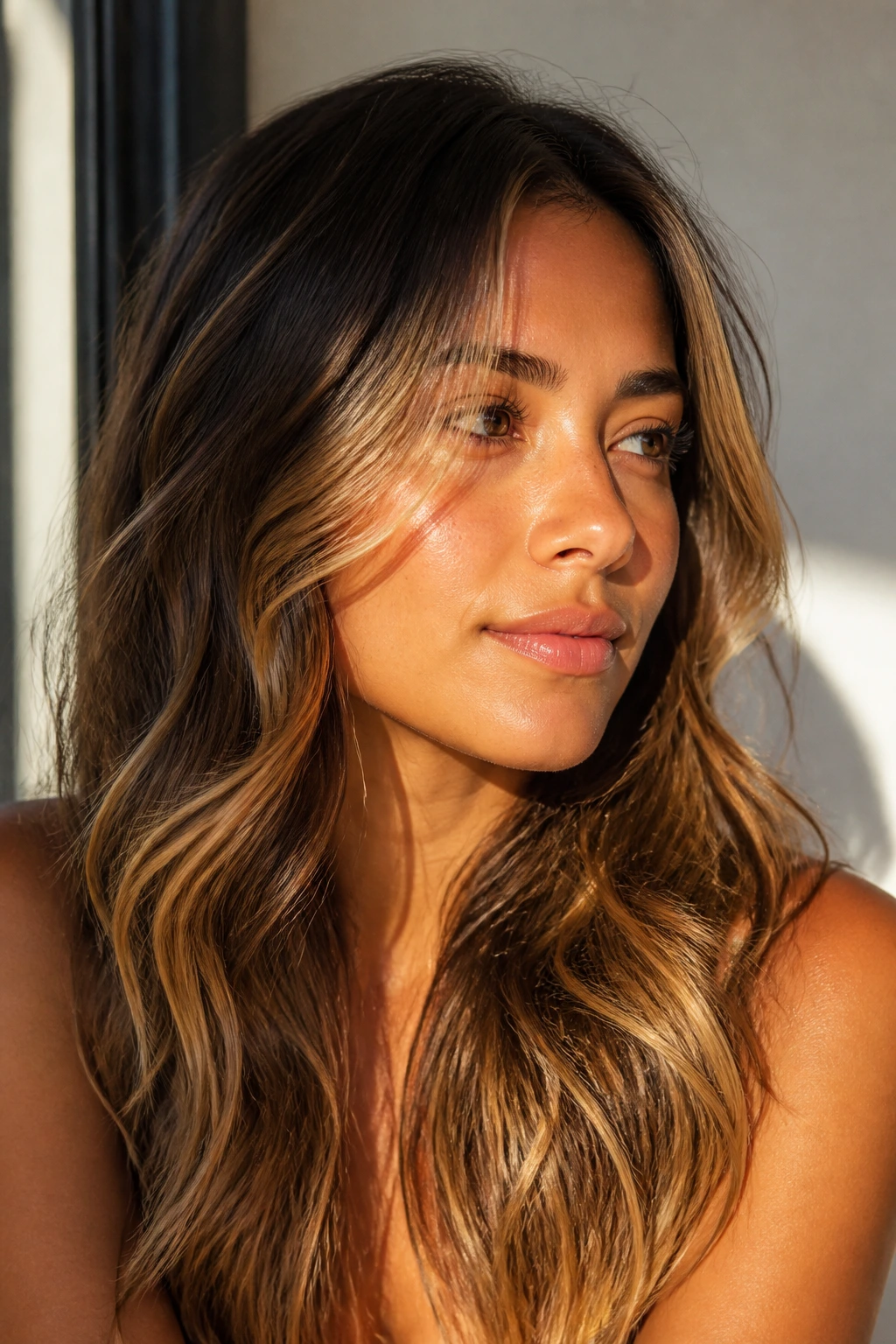
Soft sunlit balayage is the closest thing to “I went outside and the light found my hair for me.” The pieces are fine, blended, and lifted just enough to add movement to medium skin without changing the overall mood of the hair. It’s a gentle finish, not a dramatic transformation.
The real win here is versatility. It works on straight hair, waves, curls, and layered cuts because the placement is soft enough to sit inside the hair rather than on top of it. That makes the grow-out calm and forgiving, which I always appreciate.
If you want one last rule of thumb, keep the brightest pieces near the face and let the rest of the balayage stay quieter. That’s usually where the magic is.
Why Subtle Dimension Looks So Good on Medium Skin
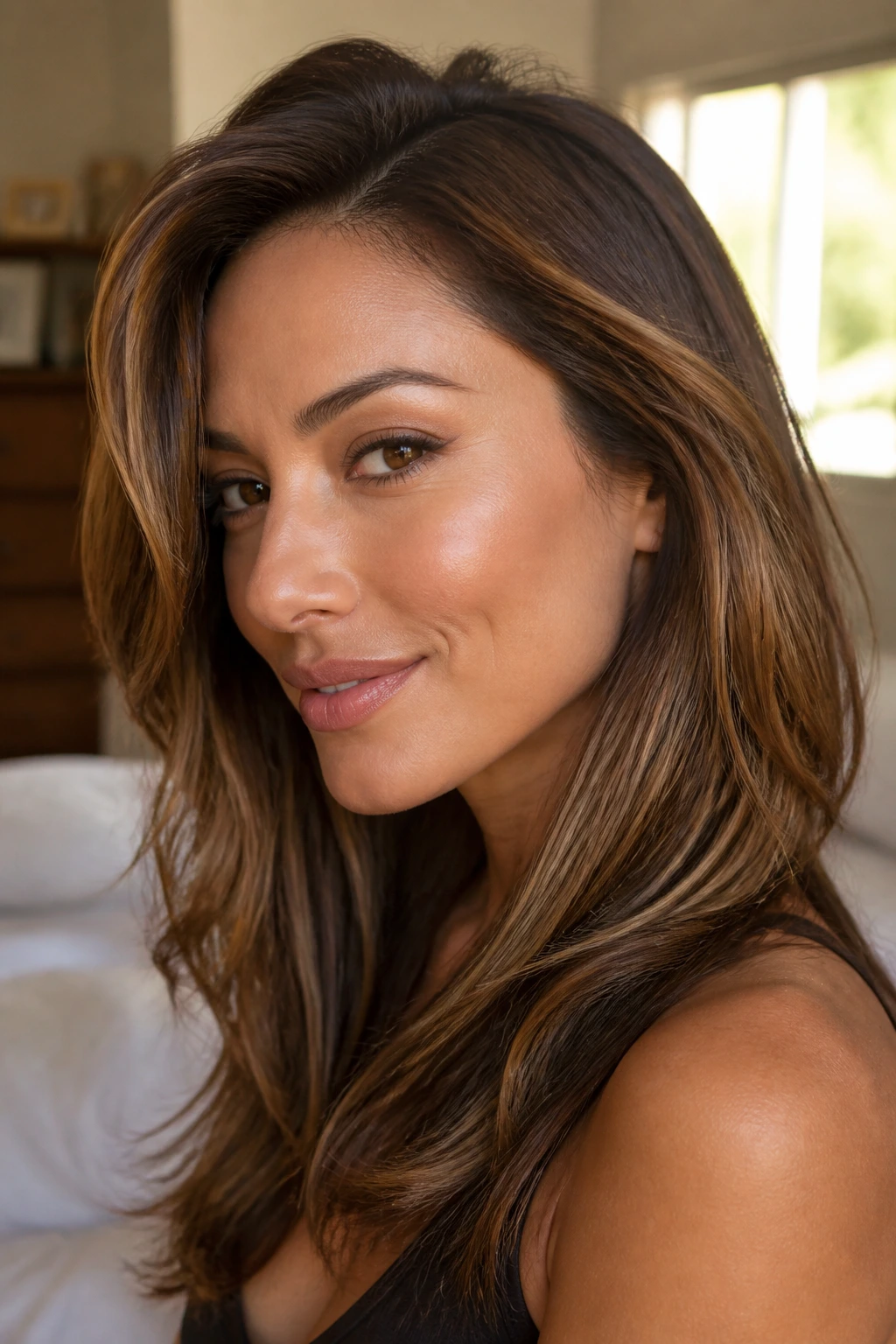
Medium skin has a built-in advantage: there’s enough color in the complexion to hold light, but not so little that every blonde piece looks detached. That’s why soft highlights often feel more natural here than on very fair or very deep skin. The contrast has room to breathe.
The main mistake people make is chasing brightness for its own sake. A huge lift can erase the richness in medium skin, especially if the hair turns too yellow, too beige, or too white. I’d rather see a shade that stays closer to the base and uses placement to create interest. A front piece a little brighter. A few ribbons a little thinner. A root a little deeper. Those small choices do more than a blanket lightening job.
Undertone matters more than the label on the box. Warm medium skin usually likes caramel, honey, bronze, apricot, tawny, and maple. Neutral skin can handle beige, champagne, bronde, pearl, and soft gold. Olive skin often shines with smoky beige, mushroom brown, cool caramel, and low-contrast contouring. There’s overlap, sure. But those lanes make the consultation easier.
The finish matters too. Glossy hair reflects the color better than dry hair ever will. If the hair looks parched, the highlight reads harsher. If it gleams, even a tiny ribbon of color looks intentional.
The Tools and Salon Basics That Make These Looks Easier
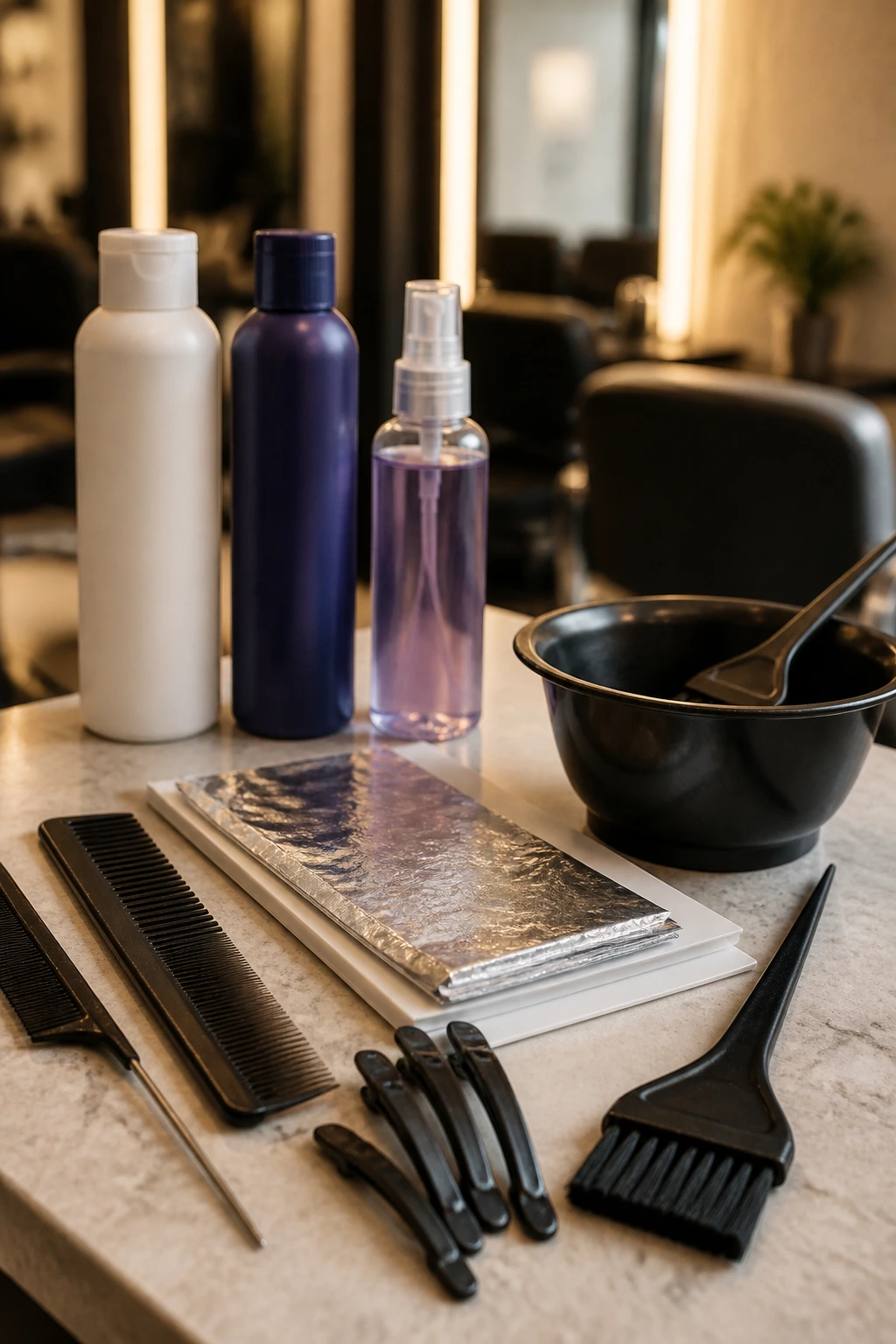
- Tail comb: Needed for clean sectioning, especially when asking for babylights or fine ribbons.
- Sectioning clips: Keep the crown, sides, and back organized so the placement stays even.
- Balayage board or foil sheets: Helpful for painted pieces or brighter foiled accents; not every look needs both.
- Tint brush: Lets the color sit exactly where the stylist wants it, which matters for contour pieces.
- Mixing bowl and color brush: Basic, but indispensable if a gloss or toner is part of the service.
- Fine-tooth detangling comb: Useful before toning and for checking whether the hair is tangling from dryness.
- Color-safe shampoo and conditioner: The real aftercare workhorses; ordinary shampoo can strip tone fast.
- Purple or blue shampoo: Optional, and only worth using if the highlight shade runs blondeside or brass-prone.
- Heat protectant: A non-negotiable if you blow-dry or flat-iron after lightening.
Shopping Smart and Talking Clearly at the Consultation
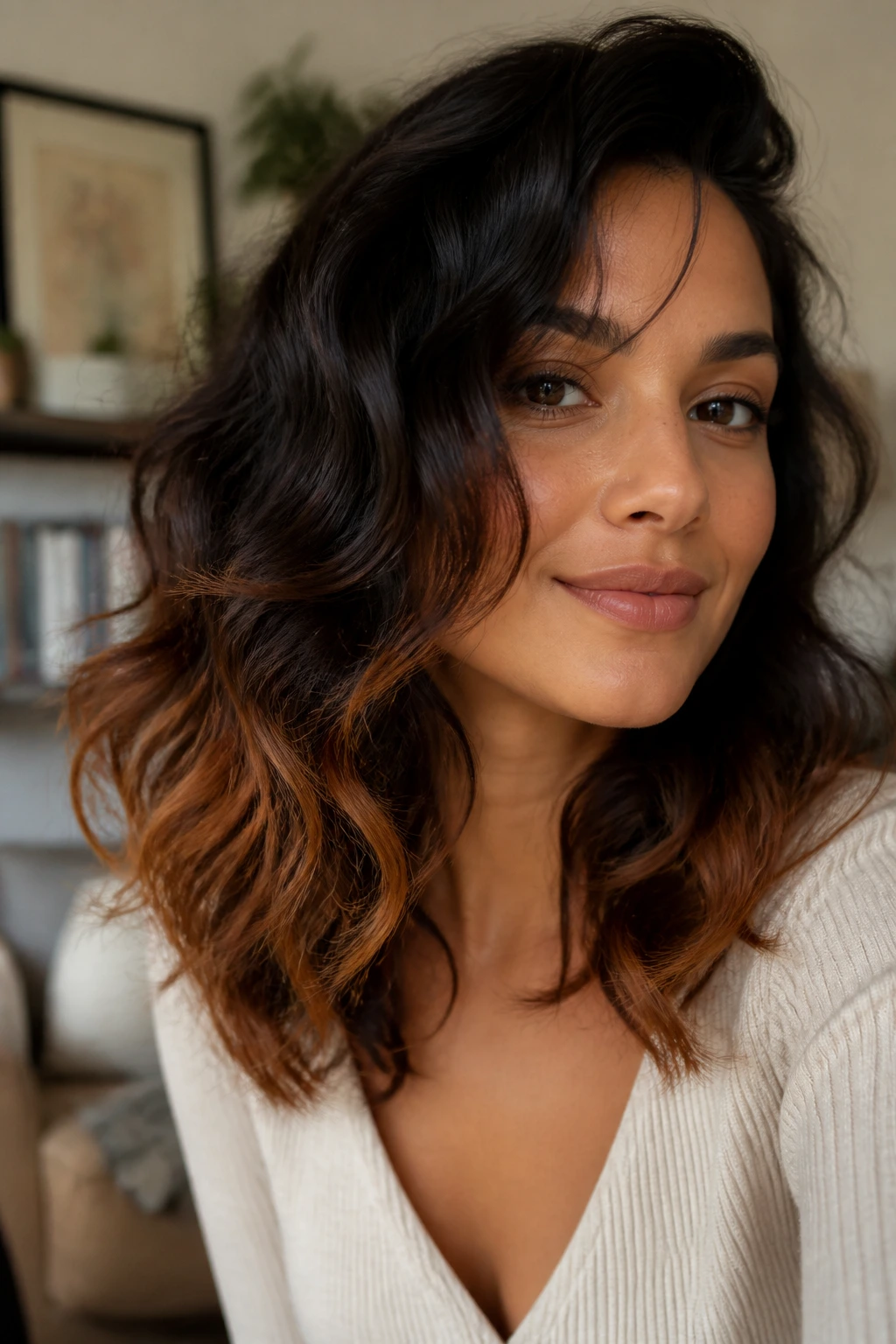
The best salon conversation is plain, not poetic. Bring 2 or 3 photos of the same shade family in natural light, then explain whether you want the highlights to read warm, neutral, or cool. That one detail matters more than asking for “subtle.” Subtle to one stylist can mean barely visible; to another, it means full blonde with a soft root.
Ask in levels if you can. If your base is a level 4 or 5 brown, a level 6 or 7 ribbon will usually stay believable. A level 8 or 9 piece can look great too, but only if the placement is narrow and the toner is chosen carefully. The bigger the jump, the more maintenance you inherit.
The other thing I’d watch is your hair history. Box dye, henna, old dark color, and repeated heat damage all change how highlights lift. Hair with porous ends can grab toner faster and go dull. Hair with built-up color can lift warmer than expected. A good stylist will adjust the plan instead of forcing the hair to behave.
For medium skin, the shade family should echo your undertone more than your outfit mood. Warm skin usually tolerates caramel, maple, bronze, honey, and copper-kissed tones. Neutral skin can travel in both directions. Olive skin often looks sharp in smoky beige, mushroom, taupe, and soft cool brown. If you’re unsure, ask for a glossed brunette with fine ribbons before you ask for a big blonde moment.
How to Wear These Shades So They Actually Show Up
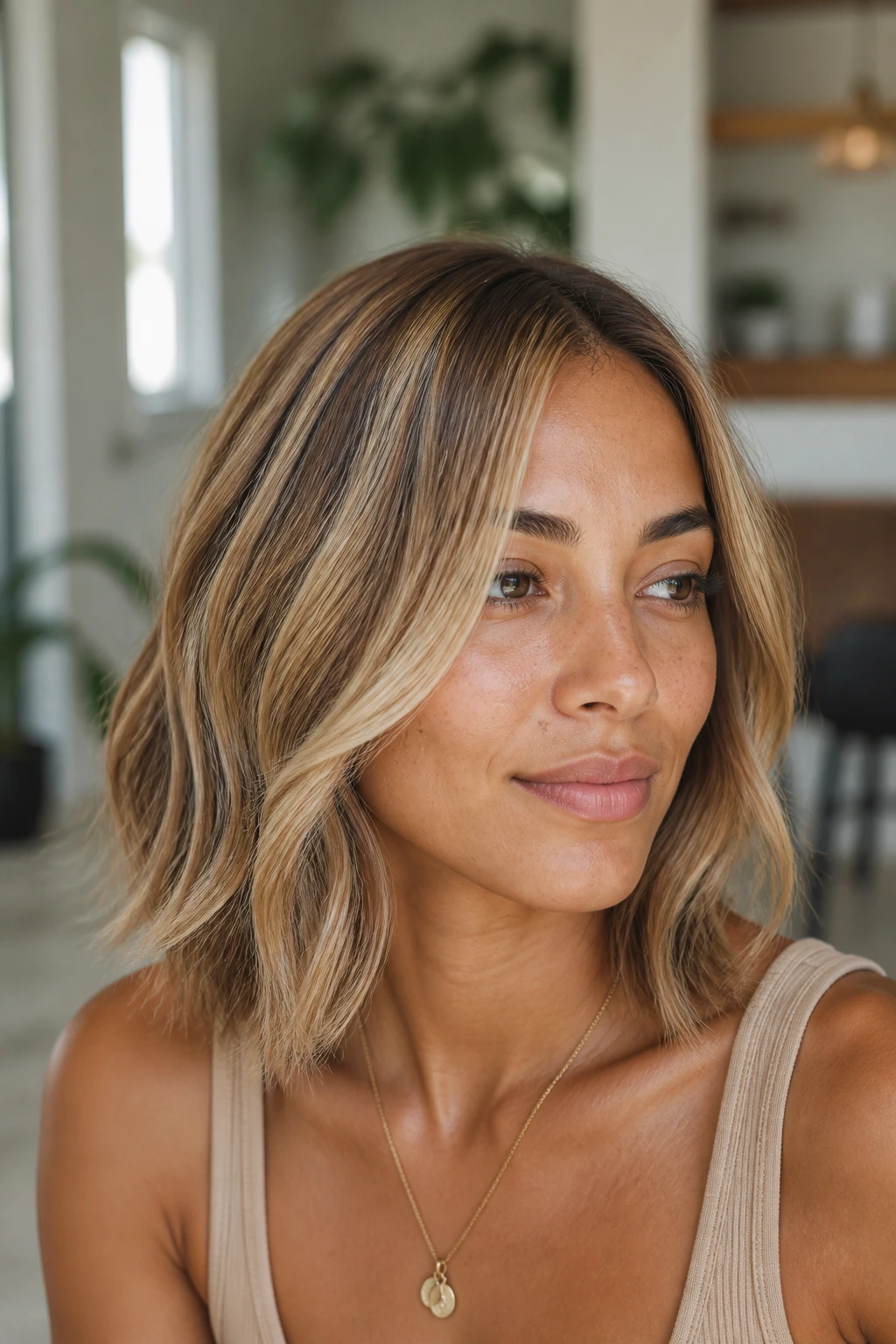
Placement: Put the brightest pieces where the light naturally hits — around the temples, cheekbones, and the outer layer of the hair. That’s what gives medium skin the glow-up effect without flooding the whole head with light. Back-of-the-head brightness can stay softer.
Styling Partners: Loose waves are the easiest way to show off subtle highlights because the bends expose different tones at different moments. Straight blowouts show cleaner ribbons and contour pieces. Curls need a little more contrast in placement, or the color can disappear into the texture.
Contrast Level: If you want the result to look gentle, keep the highlight no more than two or three levels lighter than the base in most places. You can go brighter in the front. That’s the usual compromise, and it works.
Parting: A middle part shows symmetry and works well with face-framing highlights. A side part softens everything and can make warm tones feel less obvious. I change the part depending on whether I want the color to look sharper or softer that day.
Small Upgrades That Make the Color Look More Expensive
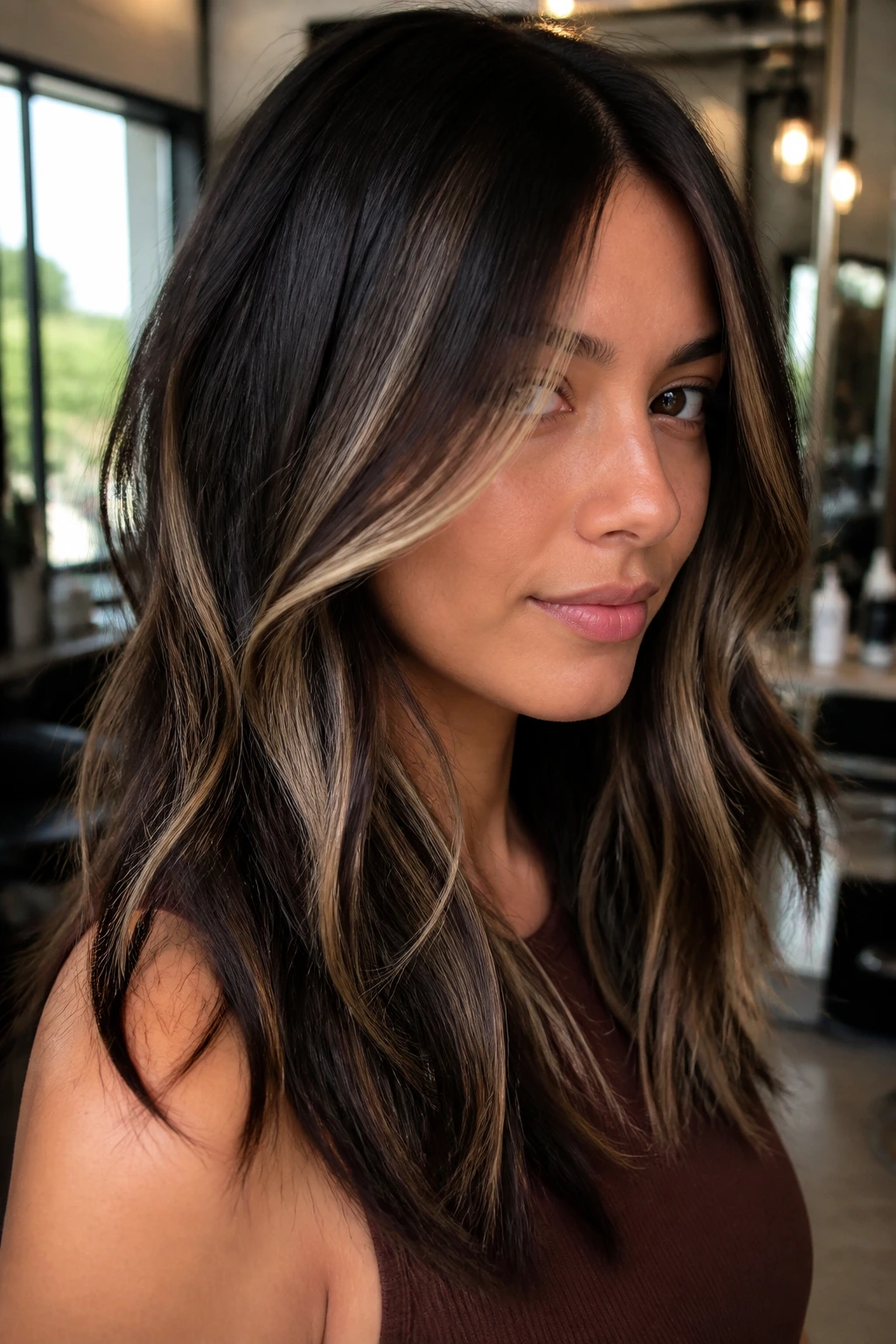
Gloss Finish: A clear, beige, or warm gloss every 6 to 8 weeks keeps the tone reflective and stops the highlights from looking dusty. On medium skin, shine matters almost as much as tone.
Texture Match: Fine babylights flatter silky hair, while broader ribbons tend to look better on waves and curls. If the color placement doesn’t match the texture, the result can feel off even when the tone is right.
Face-Frame Boost: Ask for the first inch or two around the face to be a touch brighter than the rest. That tiny adjustment can do more for the complexion than an entire extra level of lightness.
Make-It-Yours: Warm undertones usually like caramel, bronze, honey, apricot, or maple. Neutral undertones can swing toward beige, champagne, or bronde. Olive undertones often look best with mushroom, smoky beige, cool caramel, or walnut-laced contrast.
Maintenance, Toning, and Grow-Out
Most subtle highlights behave best when you treat them like color, not decoration. Shampoo 2 or 3 times a week if your scalp allows it, and use cool or lukewarm water so the toner hangs on longer. Hot water is sneaky; it strips tone faster than people expect.
For blonde, beige, pearl, and champagne shades, a purple shampoo once every 10 to 14 days is usually enough. I would not use it on copper, apricot, bronze, or maple tones unless you want to mute the warmth on purpose. That’s the fastest way to ruin a pretty warm highlight. Warm shades need warmth-preserving products, not anti-brass products.
Gloss or toner refreshes often land around 6 to 8 weeks for lighter beige looks and 8 to 12 weeks for richer caramel, bronze, or mocha shades. Balayage can often stretch longer because the root is softer. Foiled face frames usually need attention sooner because they sit higher and show faster.
Heat styling matters too. A protectant before blow-drying or flat-ironing helps the lightened pieces keep their tone and shine. If you use a hot tool on the highest setting every day, even the prettiest highlight starts looking tired. That’s not a morality tale. It’s just hair.
Hard water can also dull blonde-leaning shades. If your hair turns a little foggy or yellow, a chelating shampoo every 2 to 4 weeks can help remove mineral buildup. Use it sparingly, though. Overdoing it makes hair feel stripped.
Common Mistakes That Make Subtle Highlights Look Wrong
Going too light too fast: Medium skin can handle brightness, but the color still needs depth around it. If you jump several levels in one appointment, the hair can look disconnected and the skin may look flatter by comparison. Ask for a softer lift first.
Choosing the wrong temperature: Ashy beige on warm skin can look dull. Golden copper on cool olive skin can look loud in a bad way. Match the tone to the undertone, not to a trend photo.
Placing all the brightness on top: If the crown gets most of the light and the ends stay dark, the hair can look frosted in the wrong places. Spread the dimension through the mids and face frame so the color moves.
Skipping toner care: Fresh highlights can look perfect for a week and then drift yellow, peachy, or muddy if they’re not toned and maintained. That doesn’t mean the highlights failed. It means they need care.
Using purple shampoo everywhere: Great for beige and blonde pieces. Bad for copper, honey, apricot, and maple shades if you like warmth. Wrong shampoo can flatten the whole point of the color.
Ignoring texture: A highlight placement that looks soft on straight hair can vanish in curls, while a chunky ribbon that seems too bold on a bob might be perfect in a coily pattern. Texture changes the whole read of the color.
Variations and Adaptations to Try
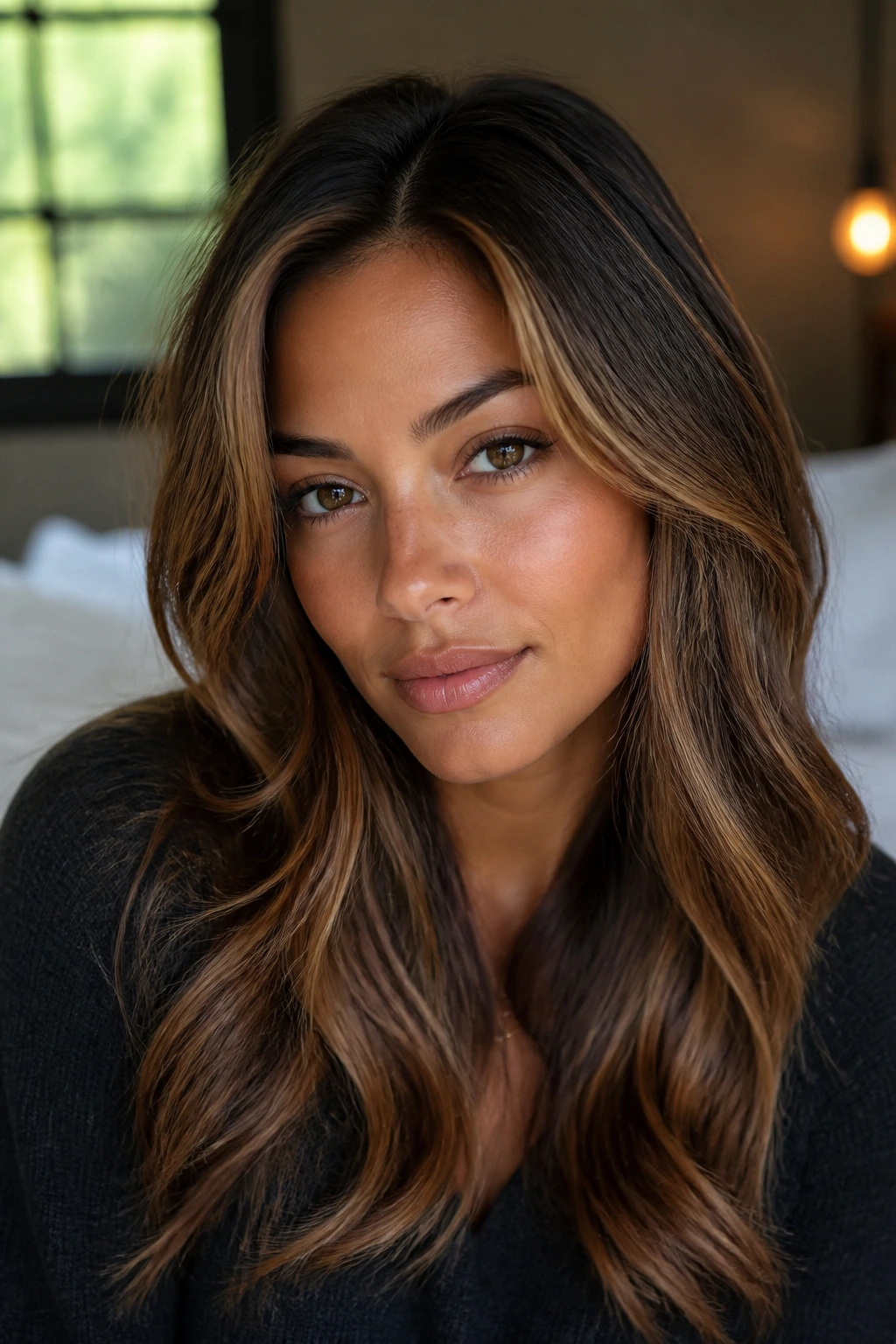
Warm Honey Softening: If your skin leans golden, ask for honey, caramel, and bronze tones with a glossy finish. The warmth will read rich instead of brassy when the pieces are kept fine and the root stays deep.
Neutral Beige Reset: For neutral medium skin, shift the palette toward beige, champagne, pearl, and sand. This version is ideal when you want brightness that stays calm in both daylight and indoor light.
Olive-Skin Smoke: Olive undertones often love a smoky edge. Mushroom brown, cool caramel, and taupe ribbons keep the complexion clear while still adding movement.
Curly Halo Placement: Curls need broader painted sections because the pattern compresses the color. Place the light near the outer curve of the curl and around the face so it doesn’t disappear once the hair dries.
Grey-Blending Soft Light: If you’re blending early gray, use fine babylights and low-contrast highlights near the part line. The goal is to soften regrowth, not cover every silver thread.
Low-Maintenance Root Melt: Ask for a deeper root and softer ends if you don’t want frequent touch-ups. The grow-out stays tidy, and medium skin usually benefits from the extra depth near the scalp.
Questions People Actually Ask Before Booking
What highlight shades work best on medium skin with warm undertones?
Caramel, honey, bronze, maple, amber, and apricot usually sit well because they echo the warmth already in the skin. The safest versions stay soft and glossy rather than yellow or red.
Can medium skin pull off blonde highlights?
Yes, but the blonde usually looks better when it’s beige, sandy, champagne, or buttercream rather than icy. A root shadow or darker base keeps the look grounded.
Are ash highlights good on medium skin?
They can be, especially on olive or neutral undertones. The trick is to keep the ash soft and smoky, not flat and gray.
Is balayage better than foils for subtle dimension?
Balayage usually wins if you want a blurrier grow-out and softer movement. Foils are better when you want finer, brighter pieces with more structure around the face.
How often do subtle highlights need toner?
Light beige and blonde shades often need toning every 6 to 8 weeks. Richer caramel, bronze, and mocha tones can stretch longer, especially if you use color-safe products and avoid hot water.
What if my highlights turn brassy?
Use a toning gloss or a purple/blue shampoo that matches the problem. Purple helps yellow blonde pieces; blue helps orange-brown brass. Warm shades need gentler correction, so don’t overdo it.
Can these looks work on curly hair?
Absolutely, but placement has to be adjusted. Curly hair usually needs broader painted sections and a little extra brightness where the curls swell and separate.
What should I tell the stylist if my hair has box dye on it?
Be honest about it, because box dye changes lift. The stylist may need to use a slower lightening plan, a color remover, or a softer highlight map to avoid patchy results.
How do I keep highlights from looking stripey?
Ask for finer sections, softer root blur, and a tone that’s close to your base. Stripey color usually comes from too much contrast and not enough blending.
The Shade That Does the Least and Shows the Most
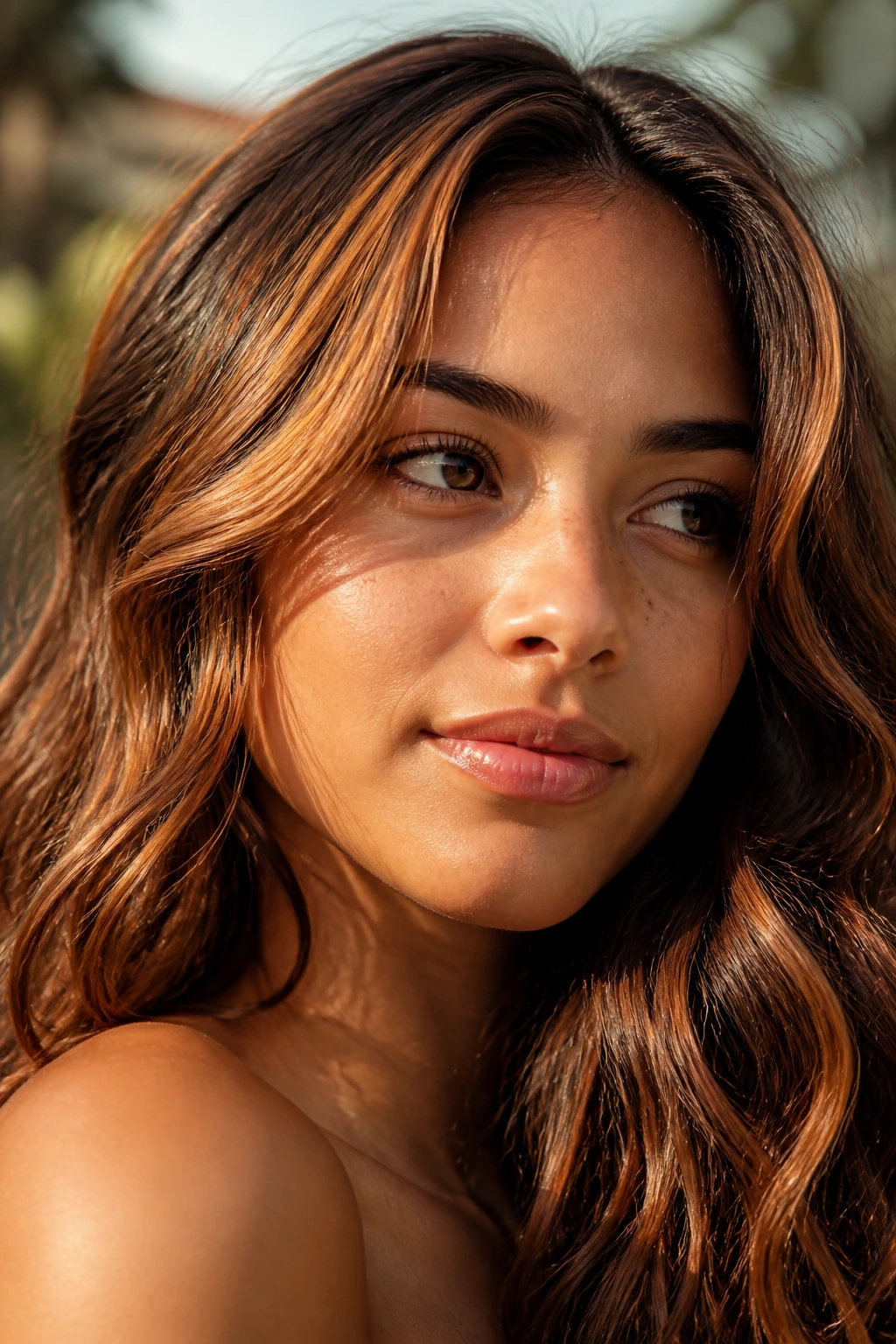
The best subtle highlights for medium skin tones do not try to turn you into someone else. They take the color already in your face, your hair, your undertone, and your texture, then nudge everything a little brighter and a little richer. That’s the magic. Not a makeover. A better version of what’s already there.
If you’re sitting between shades, start with placement and tone before chasing drama. A few well-placed caramel or beige pieces around the front can do more than a full-head lightening job ever will. And when the gloss is right, the whole thing looks like it belongs to you, which is the only standard that matters.
The smartest color jobs on medium skin usually look easy from a distance and thoughtful up close. That’s the sweet spot worth asking for.