



Babylights are the reason some blonde hair color ideas look soft instead of striped. The difference is tiny on paper and obvious on a head of hair: ultra-fine foils, tiny painted sections, a little depth left at the root, and suddenly the blonde moves with the light instead of sitting there as one flat color.
If you have ever looked at a blonde photo and thought, “Pretty, but too solid for me,” this is usually the missing piece. Babylights let a colorist brighten the surface, tuck a few lowlights underneath, and steer the tone toward champagne, beige, pearl, honey, or icy cream without blasting the whole head to the same level.
That is why highlights and lowlights matter together. The right placement can make fine hair look fuller, curls look more defined, and grown-out color look intentional rather than overdue. The 25 ideas below stay in that sweet spot — some warm, some cool, some bright, some rooted — so you can match the blonde to your base, your haircut, and the amount of upkeep you actually want.
Why These 25 Babylight Looks Work So Well
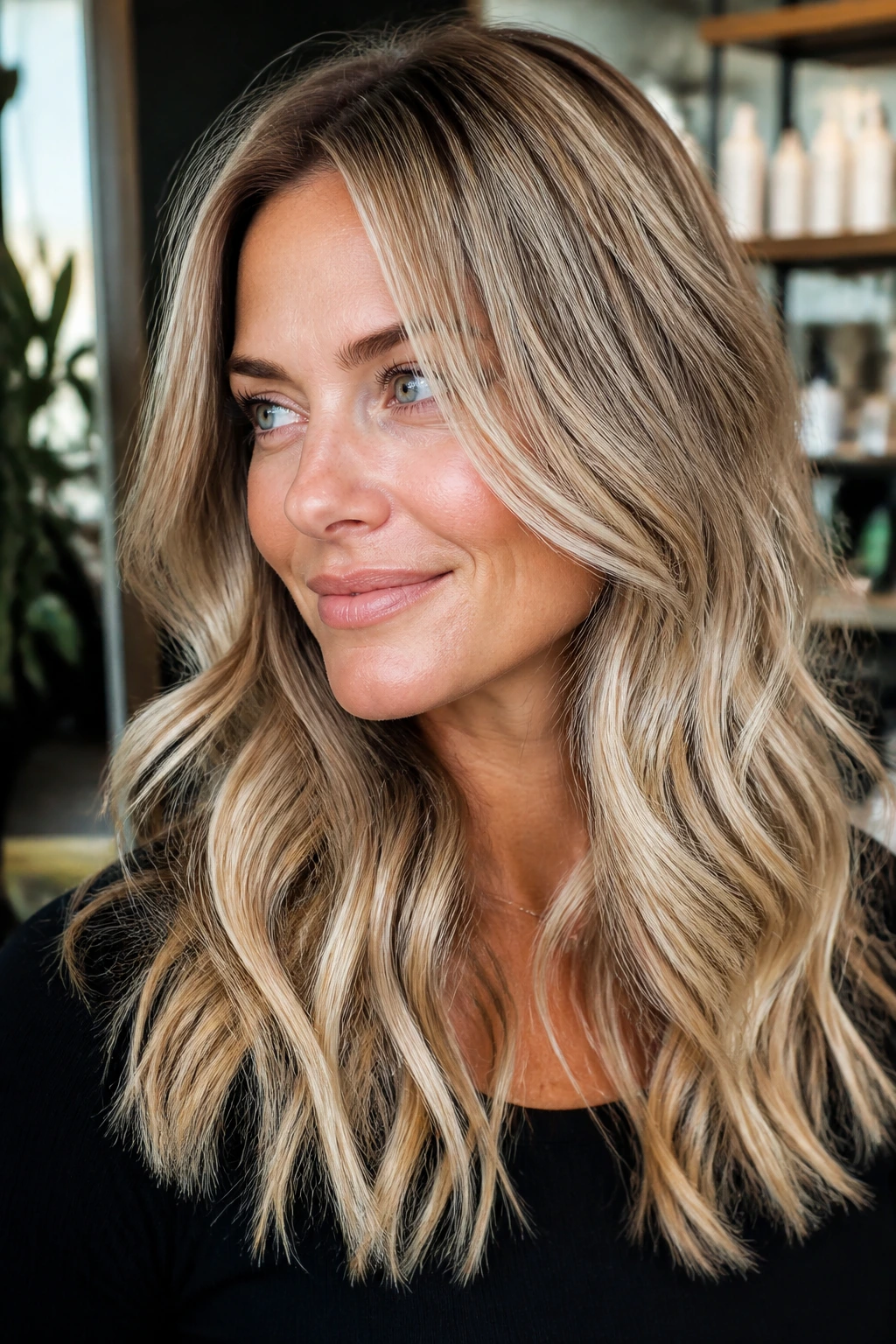
- Soft grow-out: Babylights are so fine that new root growth blends into the old color instead of drawing a hard line across the scalp.
- Built-in depth: A few lowlights keep pale blonde from looking like one bright sheet under indoor lighting.
- Tone control: Champagne, pearl, beige, and honey blondes can be nudged warmer or cooler with toner instead of a full color redo.
- Better movement: Tiny ribbons of light show off waves, bends, and layers in a way chunky highlights rarely do.
- Less panic around maintenance: Root smudges, shadow roots, and soft melts buy you real time between salon visits.
- Works with more cuts: Bobs, lobs, long layers, and curls all show babylights differently, which is half the fun.
1. Champagne Blonde Babylights
Champagne blonde is the shade that sits between pale gold and pearl, and that narrow lane is exactly why it works so well with babylights. The color has a dry, crisp finish rather than syrupy warmth, so the tiny woven pieces keep it from turning into one flat yellow sheet. It looks especially good when the root is left a shade deeper, around level 7 or 8, because the contrast makes the champagne shimmer instead of wash out.
I like this shade on neutral and cool skin because it brightens the face without veering into icy territory. On a lob or a layered cut, the fine pieces catch movement in a way chunky highlights never do. Tell the stylist you want a beige or pearl toner, not a high-shine gold glaze, if you want the champagne to stay clean.
This is one of those blondes that gets better when you keep a little shadow near the scalp. Too much brightness at the root makes it look salon-fresh in the bad way — flat and a little overexposed. A soft root melt fixes that in one pass.
2. Creamy Butter Blonde
Want blonde that feels warmer than champagne and less harsh than platinum? Creamy butter blonde lives in that middle space. The trick is leaving enough depth underneath so the yellow-gold notes read like fresh butter, not brass. Babylights keep the warmth soft by scattering it in fine ribbons instead of dumping it into the whole head at once.
Best for: medium skin, golden undertones, thick waves, and layered cuts that can hold a little movement. On very fine hair, this shade can look fuller than a cooler blonde because the warmth adds visual density. That matters more than people think.
Ask for fine babylights around the face and part, then a soft beige-gold gloss through the mids and ends. If the blonde starts leaning orange, the fix is a cooler toner at the salon — not five rounds of purple shampoo at home. That route usually ends with dull hair and a bathroom shelf full of regret.
3. Beige Blonde With a Soft Root Smudge
Beige blonde is the sane person’s blonde. It is not trying to be icy, and it is not chasing honey either. The root smudge is what makes it look finished: a slightly deeper shadow at the scalp softens the grow-out, while the babylights lighten the surface in thin, airy pieces.
- Root depth: ask for a smudge that is about one to two levels darker than the blondest ends.
- Tone: beige, not gold; the whole point is a muted, creamy finish.
- Placement: concentrate the brightest pieces around the face and crown, then keep the interior softer.
That combination works on straight hair, but it really earns its keep on a messy wave or a collarbone-length cut. The color doesn’t scream for attention. It just looks expensive in a quiet way, which is usually the sign that the placement is right.
4. Mushroom Blonde With Taupe Lowlights
Mushroom blonde is the cool-girl blonde for people who hate yellow but do not want to live in platinum territory. It has that smoky, taupe-beige feel that sits somewhere between dark blonde and light brunette. Babylights keep the top layer bright, while taupe lowlights underneath stop the whole head from turning powdery.
This shade needs dimension. Without lowlights, mushroom blonde can look like a faded toner job under fluorescent light. With them, it gets shape. The darker strands make the lighter ones look cleaner, almost like the hair has contours instead of just color.
If your natural base is around level 6 or 7, this is one of the easier blondes to wear because it doesn’t fight your roots. It suits blunt bobs, shag cuts, and layered lobs especially well. The cooler the haircut, the better this color reads.
5. Pearl Blonde Face-Framing Ribbons
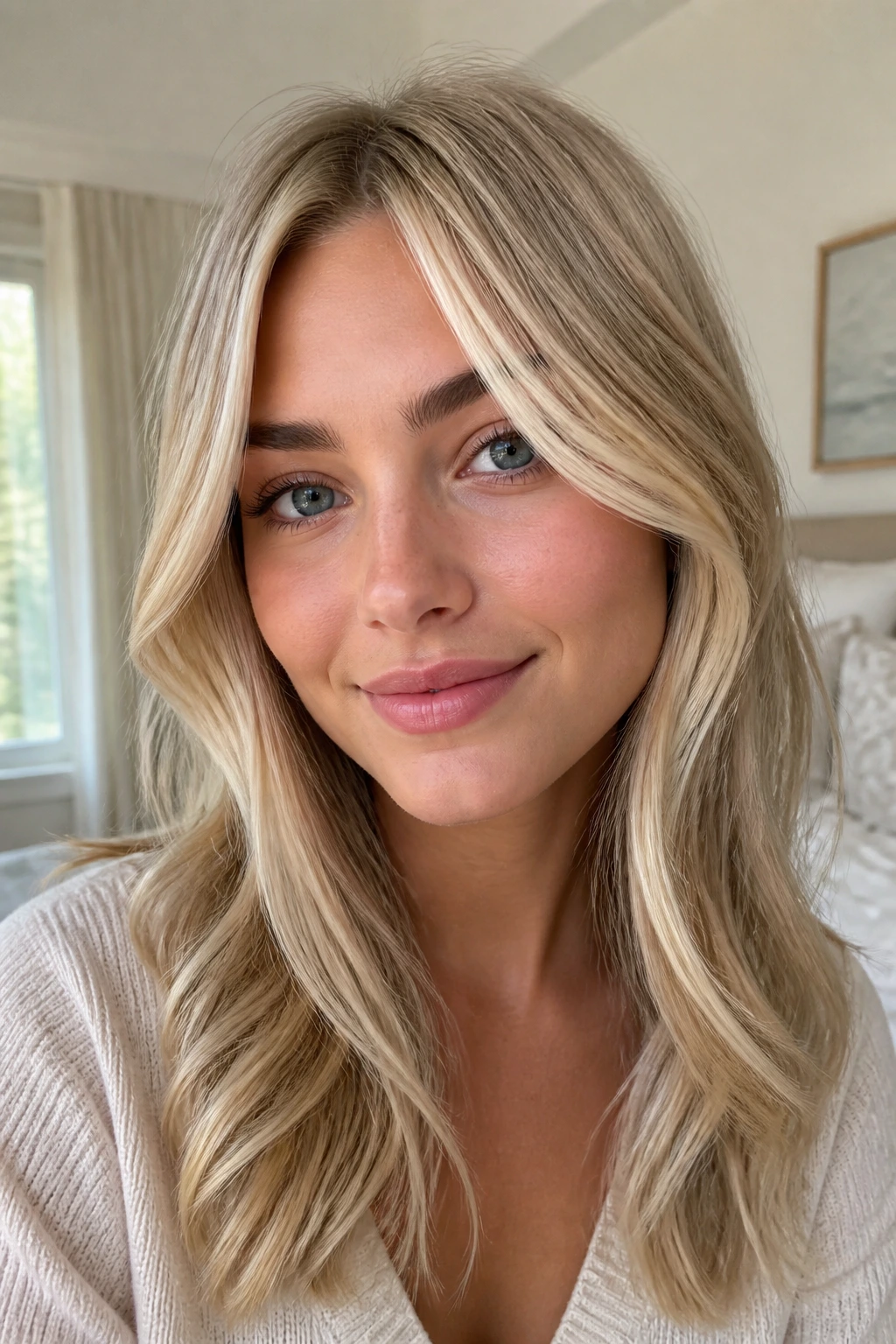
Pearl blonde is what happens when the blonde is bright but not loud. The face-framing ribbons are the whole trick here: the front pieces are taken lighter and a little finer so they catch the skin first, then the rest of the hair stays softer and more mixed. That contrast is what gives the color its lift.
This shade flatters people who like a crisp finish around the face. Think curtain bangs, loose front layers, or a deep side part where the brighter pieces can bend around the cheekbones. It’s a smart choice if you want the blonde to do some cosmetic work for you — brighten the eyes, soften shadows near the jaw, make the haircut look more deliberate.
Pearl tones can go dull if the gloss is too flat, so ask for a pale beige or neutral pearl finish rather than a smoky ash. One small thing matters here: if the front pieces are too thick, the whole look stops being pearl and starts looking striped. Keep the weave tiny.
6. Honey Blonde With Caramel Threads
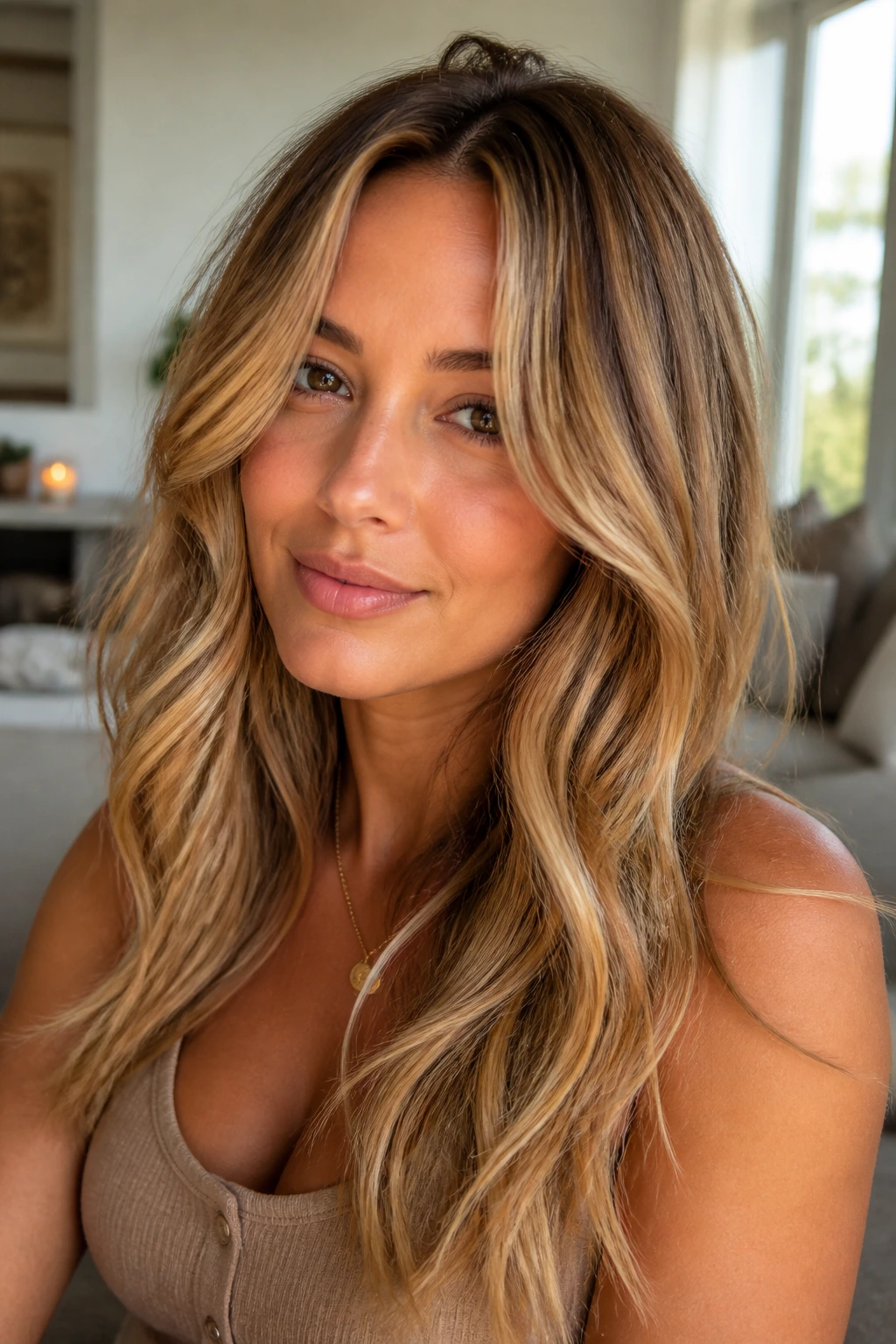
Honey blonde with caramel threads is warm, layered, and a little more dimensional than people expect. The babylights bring the brightness, but the caramel lowlights make the honey feel deeper and richer. On wavy or curly hair, those two tones separate beautifully and keep the shape from disappearing into one color block.
This is the shade I reach for when someone wants blonde that still looks like hair, not frosting. It’s especially good on olive and golden skin, where a cooler blonde can look detached. The warm mix keeps the face alive.
Ask your stylist to place the lightest pieces where the hair bends — around the midlengths, a few inches back from the hairline, and through the ends if the hair is healthy enough to take it. That placement matters more than chasing a specific honey label. Too much light at the root flattens the caramel. Leave the shadow.
7. Vanilla Blonde With a Cool Sheen
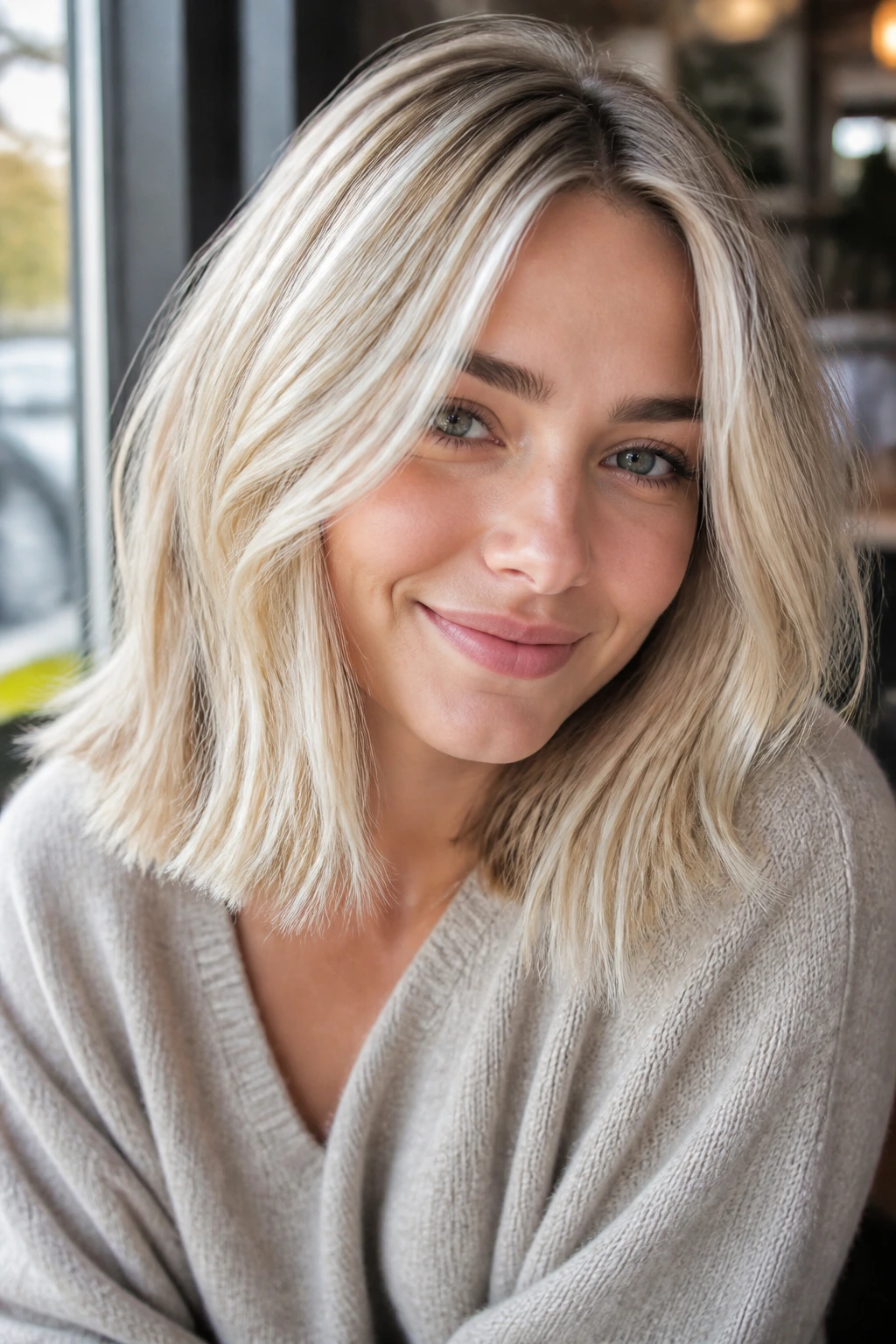
Vanilla blonde sounds simple, but good vanilla blonde is anything but flat. It’s creamy, pale, and soft around the edges, with just enough cool sheen to keep it from turning buttery. Babylights are what make that balance possible because they let the color shift tone in tiny sections instead of all at once.
Why it looks fuller than a solid blonde
On fine hair, vanilla blonde can create the impression of more density because the light pieces break up the surface. That makes the hair look like it has more texture, even if the cut is simple. A clean blunt bob or a shoulder-length lob takes this shade especially well.
If you want this color, say you want a vanilla base with neutral-to-cool ribbons and a soft root. Do not ask for white blonde unless you really mean it. White can erase the nuance that makes vanilla interesting, and it ages faster than people expect.
8. Sandy Blonde and Shadow Roots
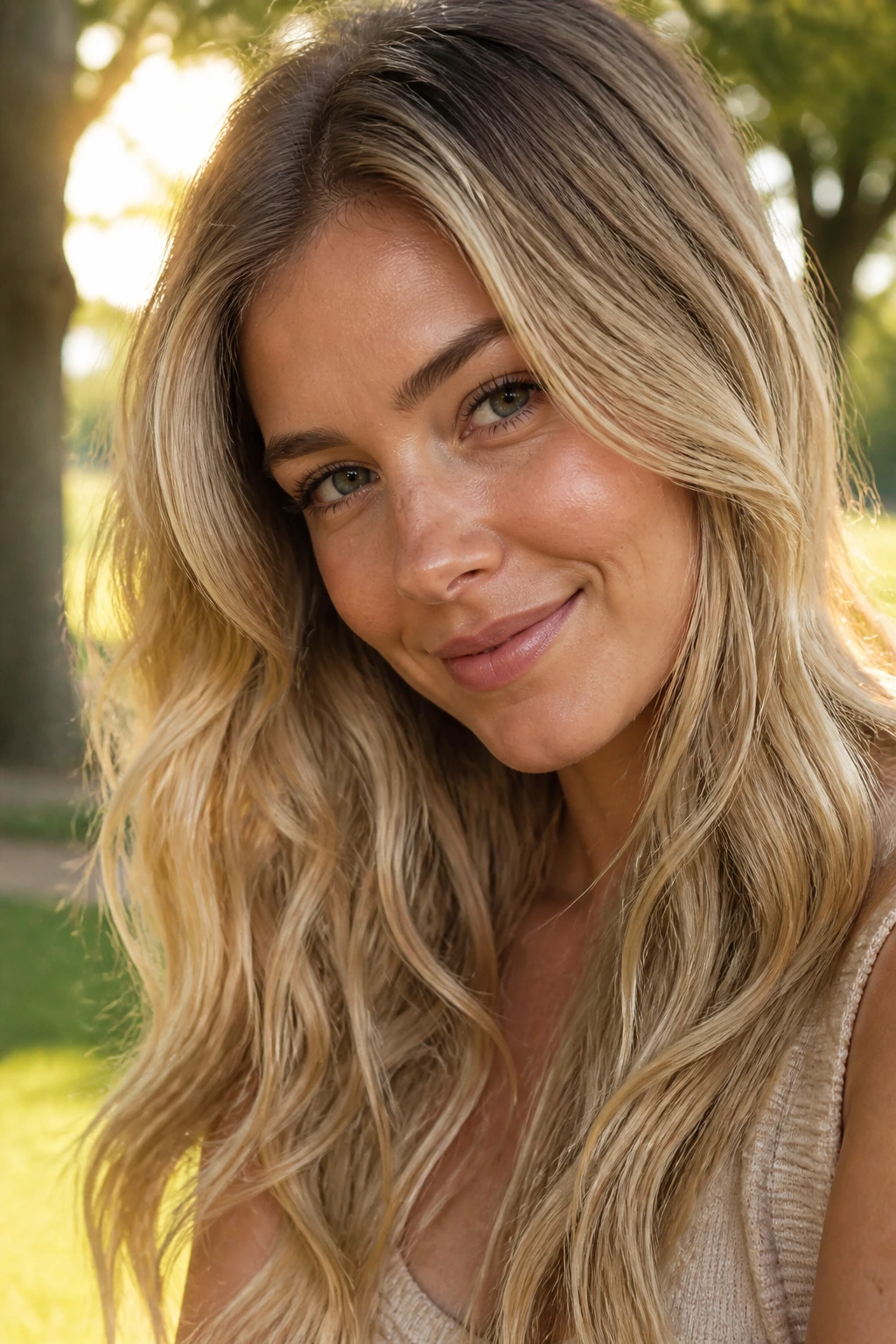
Sandy blonde has that beach-washed look without the overexposed yellow that can come with sun-blonde hair. Shadow roots make it practical. They keep the scalp area a touch deeper, which helps the lighter babylights on the surface look brighter by comparison.
This is one of the easiest blondes to live with if you air-dry a lot. The color works with a little bend, a little frizz, a little imperfect texture. In fact, the slightly undone finish helps it. Flat-ironed sandy blonde can look too neat; a soft wave lets the pieces separate and do their job.
If your natural base is darker than a level 7, this shade can still work, but the root should stay intentionally shadowed. That keeps the grow-out from looking like a mistake. A sandy blonde with a clean root line is a different animal altogether — harsher, and not nearly as forgiving.
9. Icy Platinum Babylights
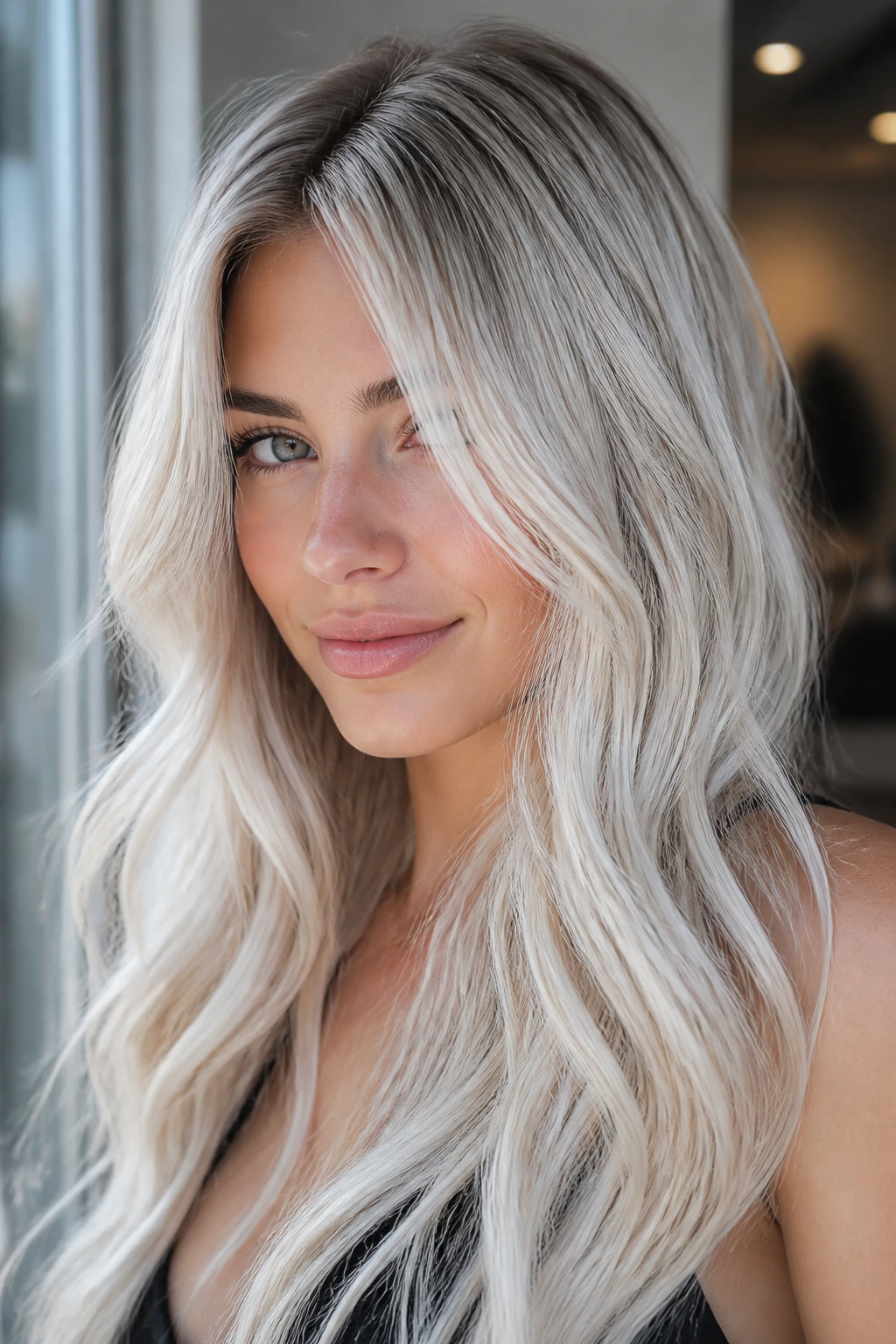
Icy platinum babylights are bright, sharp, and demanding. They look spectacular when the hair is healthy enough to handle the lift, but they punish rough ends and overprocessed mids fast. The reason babylights help here is simple: you can create a platinum effect without bleaching every strand to the same level 10.
That slight variation matters. A few deeper strands underneath keep the platinum from looking like cotton. They also make the pale pieces look brighter than they are, which is a neat trick when you want extreme lightness without a blocky finish.
This shade is not the one to chase on tired hair. If the ends feel stretchy when wet, or the hair is already pale and porous from old color, ask for a softer blonding plan first. Platinum should sit on top of strong hair, not rescue damaged hair that wants a break.
10. Smoked Almond Blonde
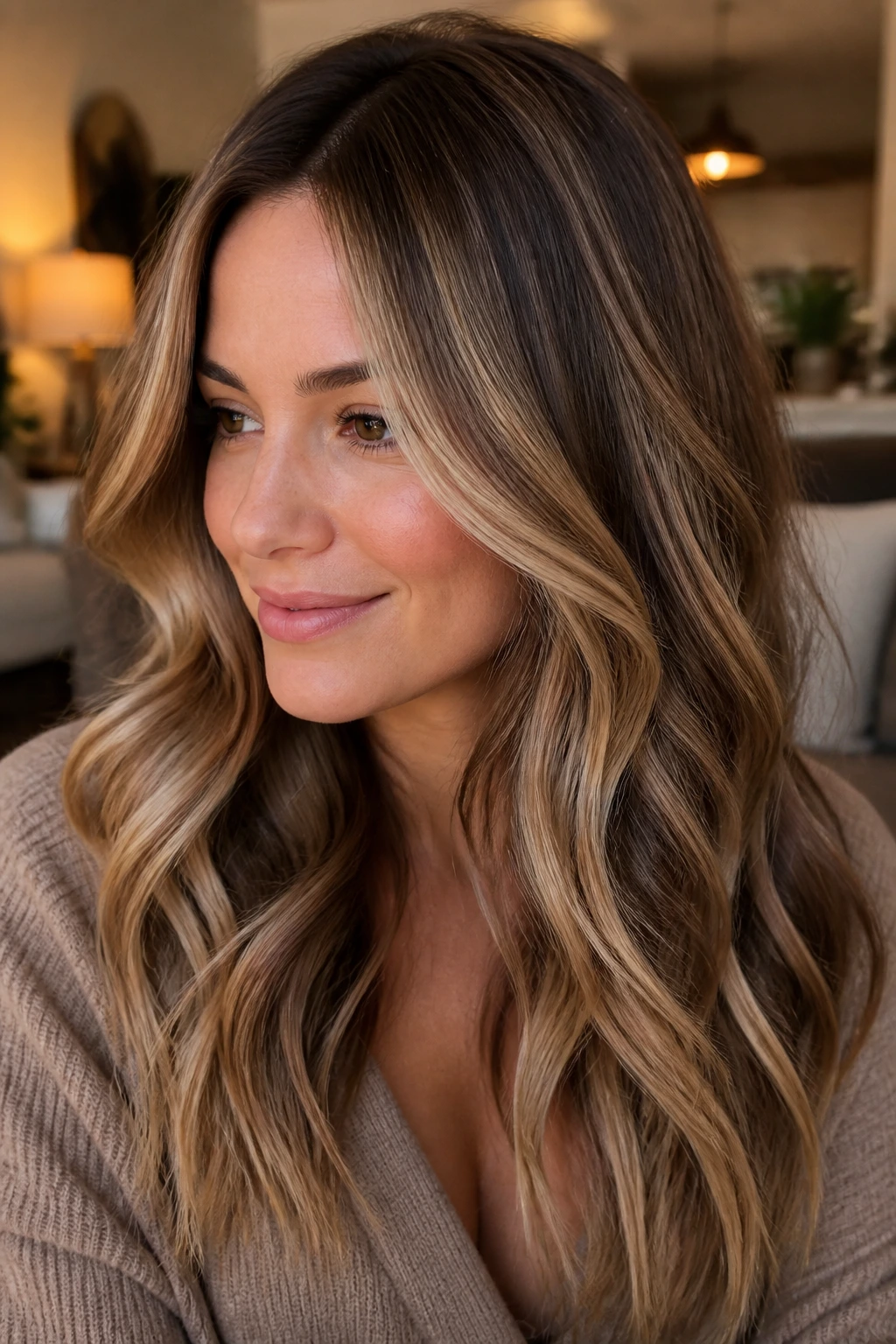
Smoked almond blonde is what happens when brunette depth and blonde ribbons decide to share the same head peacefully. It’s soft, nutty, and just cool enough to keep from turning orange. The babylights are scattered through a darker beige-brown base, which makes the blonde look richer than an all-over lift.
This is a smart choice if you want visible change without committing to full blonde maintenance. On straight hair, it reads polished. On waves, it gets even better because the lighter threads move in and out of view. The color doesn’t sit there and announce itself. It shifts.
What to ask for
- A brunette or dark blonde base kept at the root.
- Fine babylights lifted to a beige-blonde tone, not yellow.
- A few deeper ribbons underneath so the blonde has something to sit against.
If you like the idea of blonde but hate the look of an overlightened head, this is the one I’d send you to first.
11. Strawberry Blonde With Champagne Ends
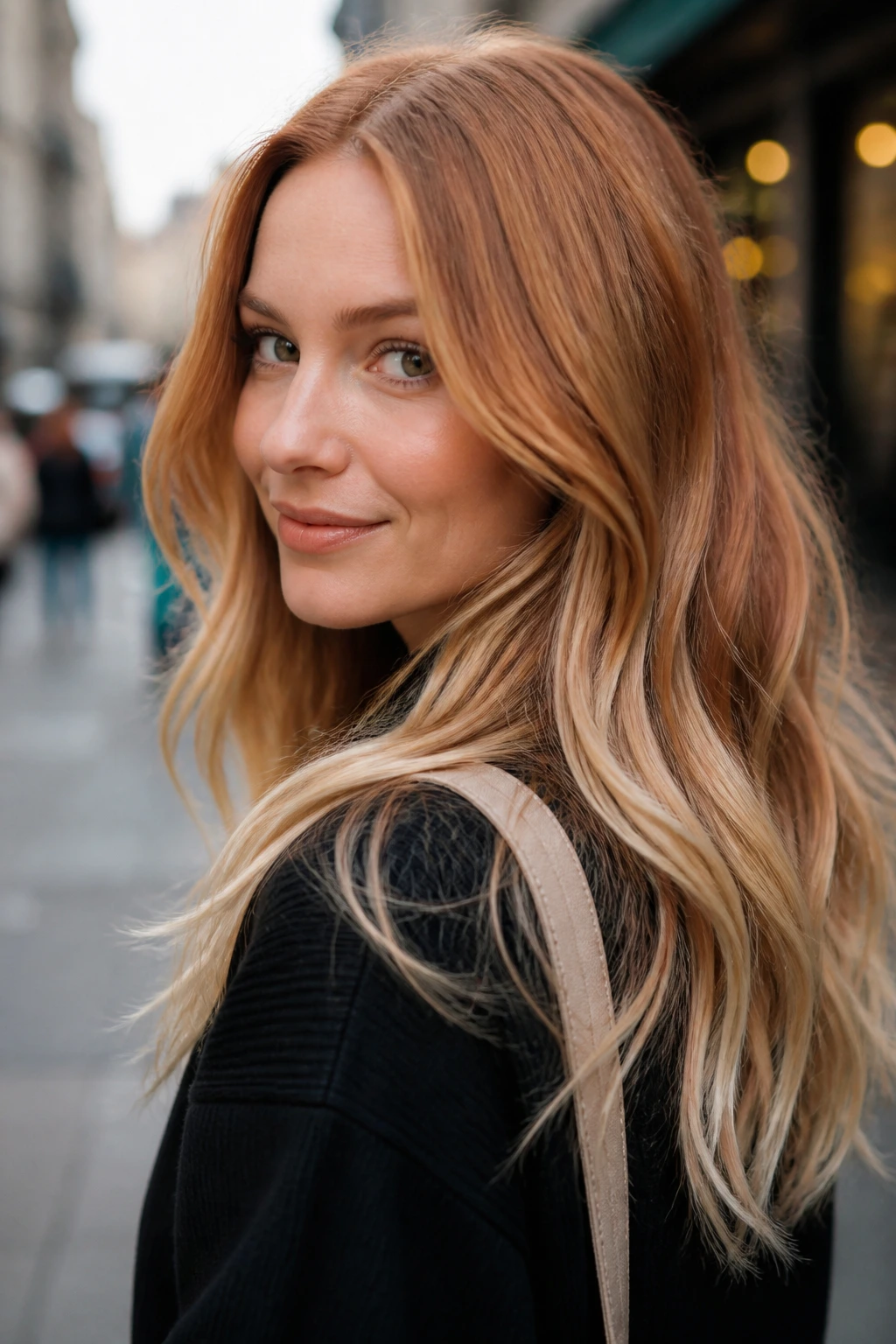
Strawberry blonde gets interesting when the ends lean champagne instead of copper all the way down. That small change keeps the color from tipping too orange, which is the problem I see most often with warm red-blonde mixes. Babylights help distribute the lighter pieces so the strawberry reads soft, not loud.
This shade loves natural redheads and anyone with warm skin that can hold copper without looking harsh. The champagne ends make the color look more dimensional and a little less seasonal, which matters if you want it to feel wearable every day. It also looks good on layered cuts, because the different tones show up as the hair swings.
If you’re nervous about committing to red, ask for a warm blonde base with strawberry glossing at the surface. That gives you the warmth without locking you into one very specific copper note. The blonde underneath keeps it flexible.
12. Beige Bronde Babylights
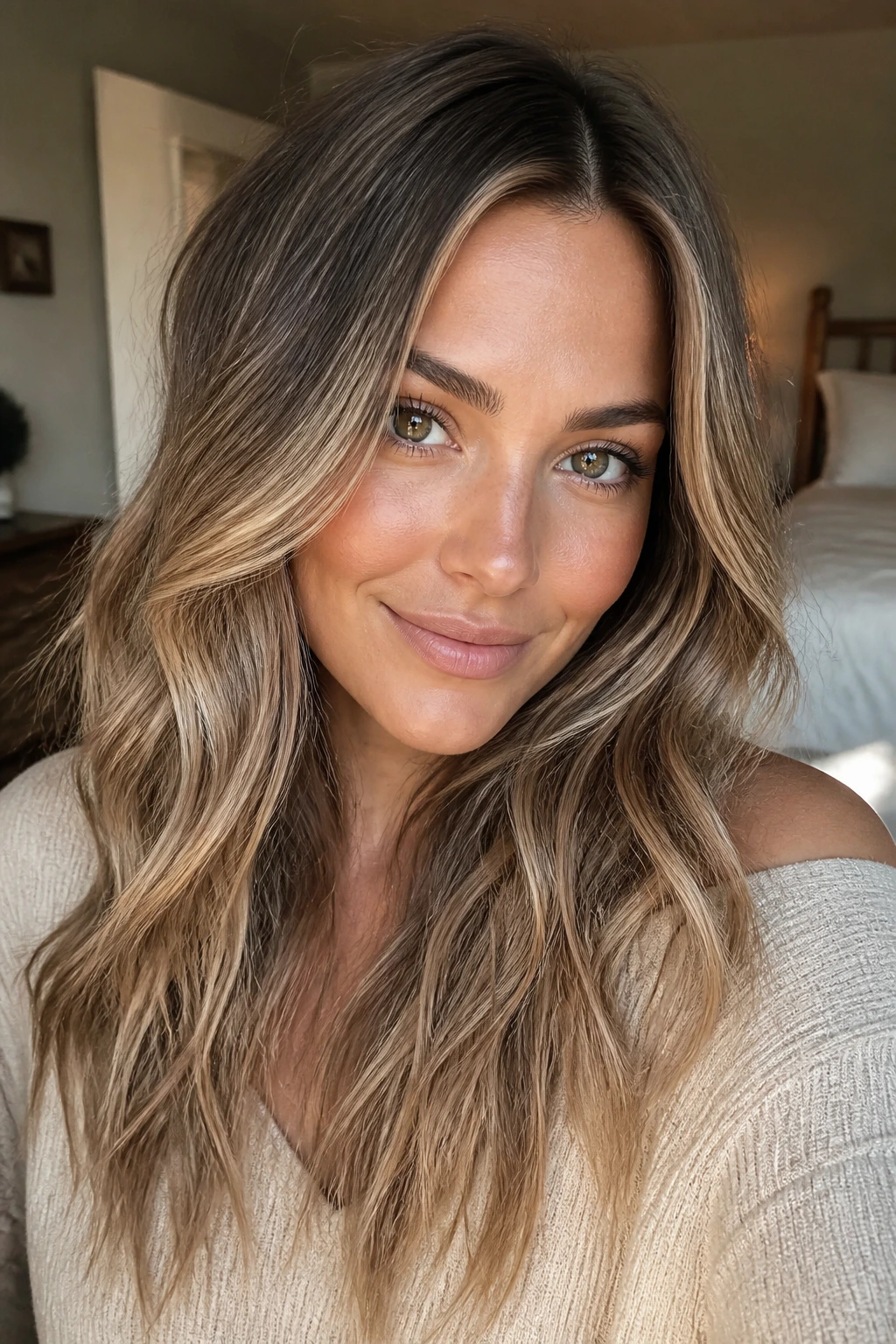
Can’t decide between brown and blonde? Beige bronde is the easy answer, and babylights are what keep it from reading muddy. The hair stays rooted in brunette territory, but the lighter ribbons are fine enough to brighten the surface without destroying the base color.
This shade is good on people who want a change but do not want to feel “done” every six weeks. The beige tone keeps the blonde pieces from turning yellow, while the brown base gives the whole look some weight. That mix is especially flattering on long hair, where a flat blonde can get heavy fast.
The best version of bronde is never one tone all over. It needs a little root shadow, a little beige in the mids, and a few brighter face pieces to keep it alive. Leave those pieces too chunky, and it starts looking like a standard highlight job.
13. Golden Hour Blonde
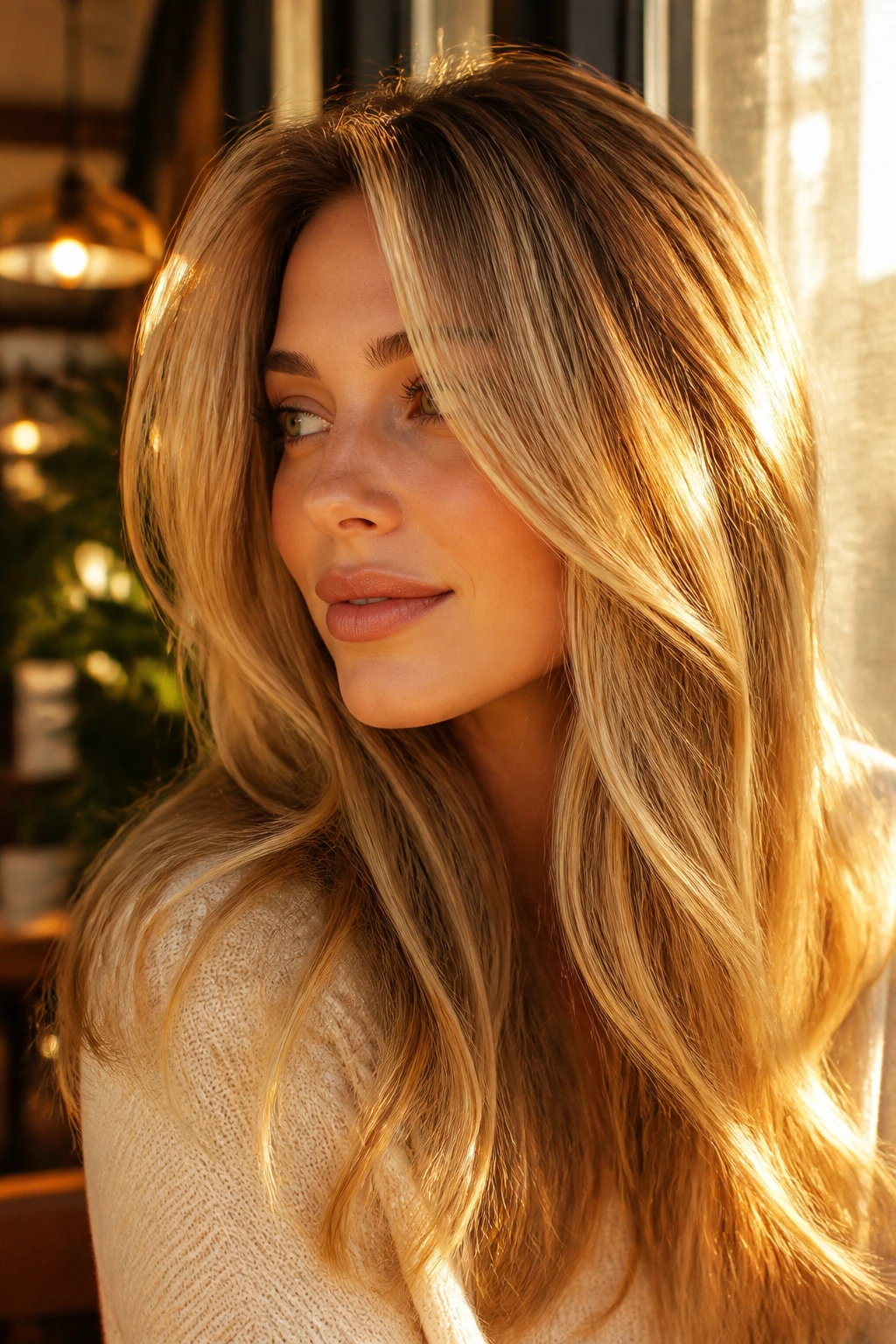
Golden hour blonde has that lit-from-within warmth people chase in photos, except here it’s built into the color instead of coming from a filter. The babylights lift the surface to a soft gold, and the lowlights underneath keep the brightness from going thin or washed out.
This shade looks especially good on layered cuts and textured blowouts. Every bend in the hair catches a different shade of gold, which is what gives it movement. On very straight hair, it can read a little more polished and clean; on waves, it looks sunlit in the best way.
If you want this color to stay pretty instead of brassy, the toner matters more than most people think. Ask for a gold-beige finish, not a yellow one. There’s a line there, and it’s thinner than salon pictures make it look.
14. Toasted Coconut Blonde
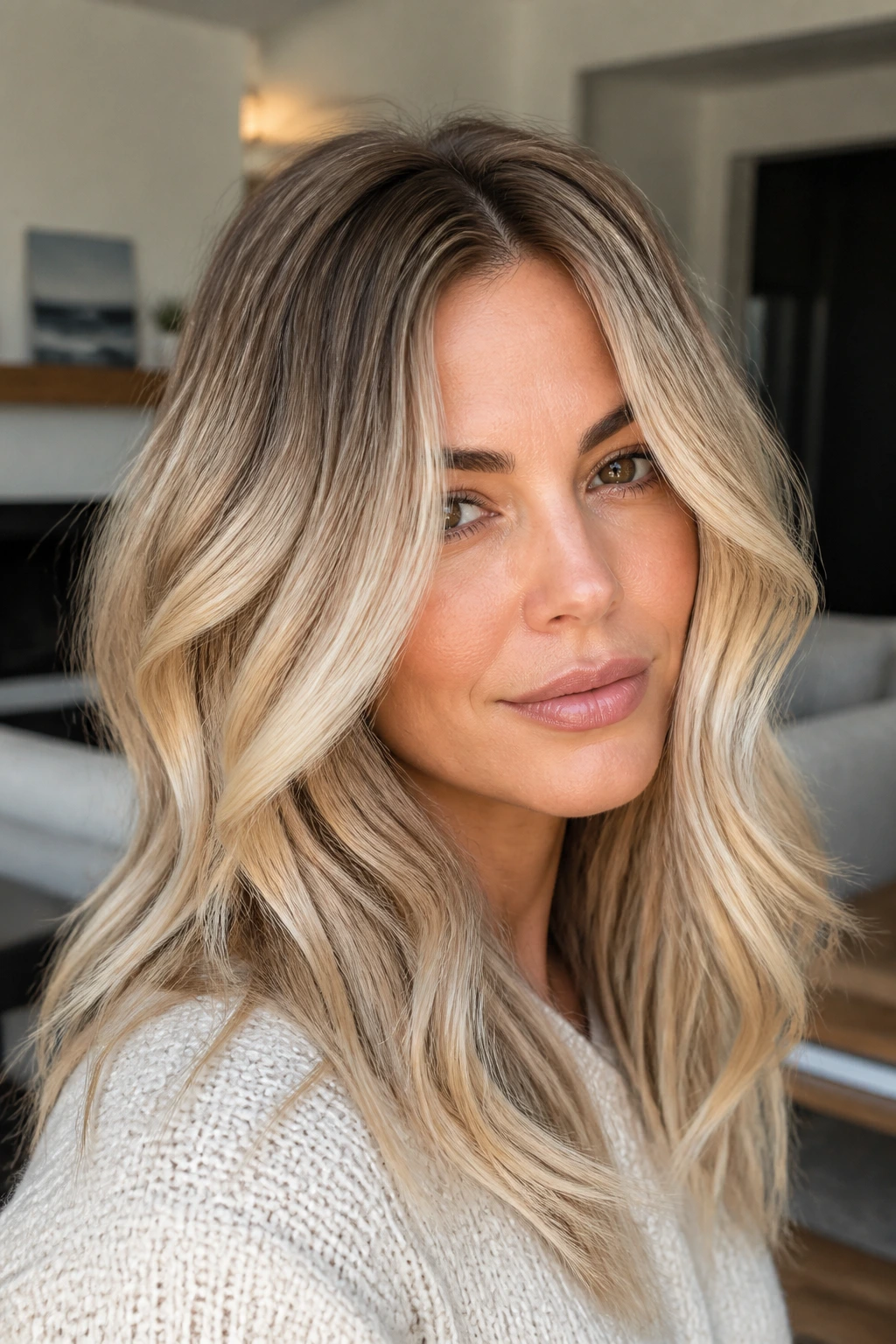
Toasted coconut blonde is a soft contrast shade: deeper at the root, creamy through the mids, and pale at the ends without going chalky. The name fits because the base has some warmth and the lighter pieces sit like the toasted edges around a coconut shell. Babylights keep the transition clean.
This shade is nice on thicker hair because it breaks up weight. On thin hair, it can still work, but the blonde pieces should stay delicate or the ends will look sparse. The point is movement, not striping.
I’d choose this over a solid beige blonde if you want a little more edge in the color. The contrast keeps it interesting, especially on a middle part. A few soft face-framing pieces make the whole look less rooted and more intentional.
15. Scandinavian Frost Blonde
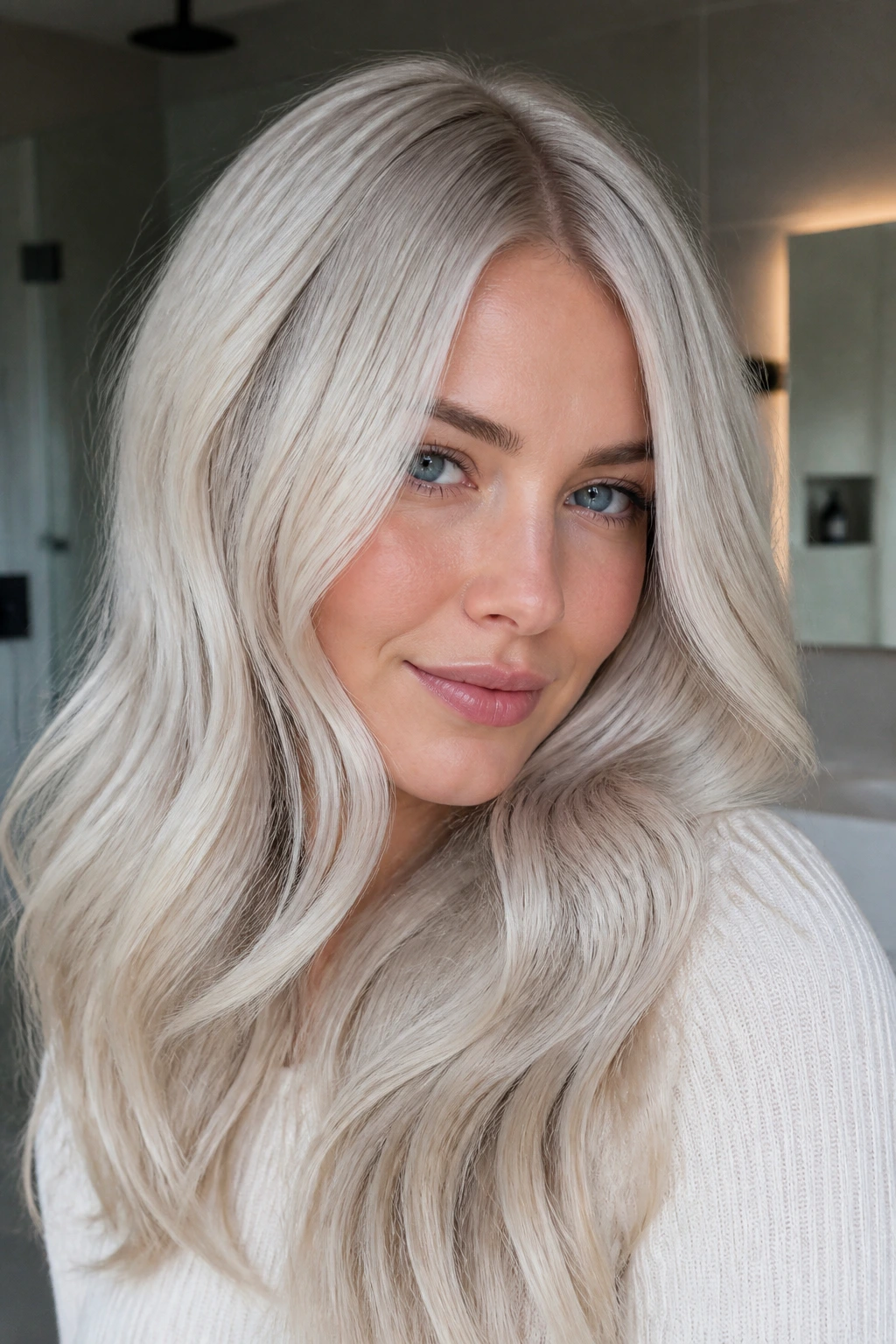
Scandinavian frost blonde is the cool, pale, almost silvery blonde that people imagine when they think of a severe blonde done well. The difference between this and plain platinum is the softness at the root. Babylights let the brightness stay fine and airy instead of turning into one block of white.
How to keep it from looking flat
A tiny shadow root helps more than you’d think. Without it, the color can read chalky under indoor lights. With it, the frost looks sharper and more expensive.
This shade is strongest on sleek blowouts, blunt bobs, and very healthy hair. It needs maintenance, and there is no polite way around that. The upside is that when the tone is right, it looks clean from across a room.
16. Caramel Swirl Blonde
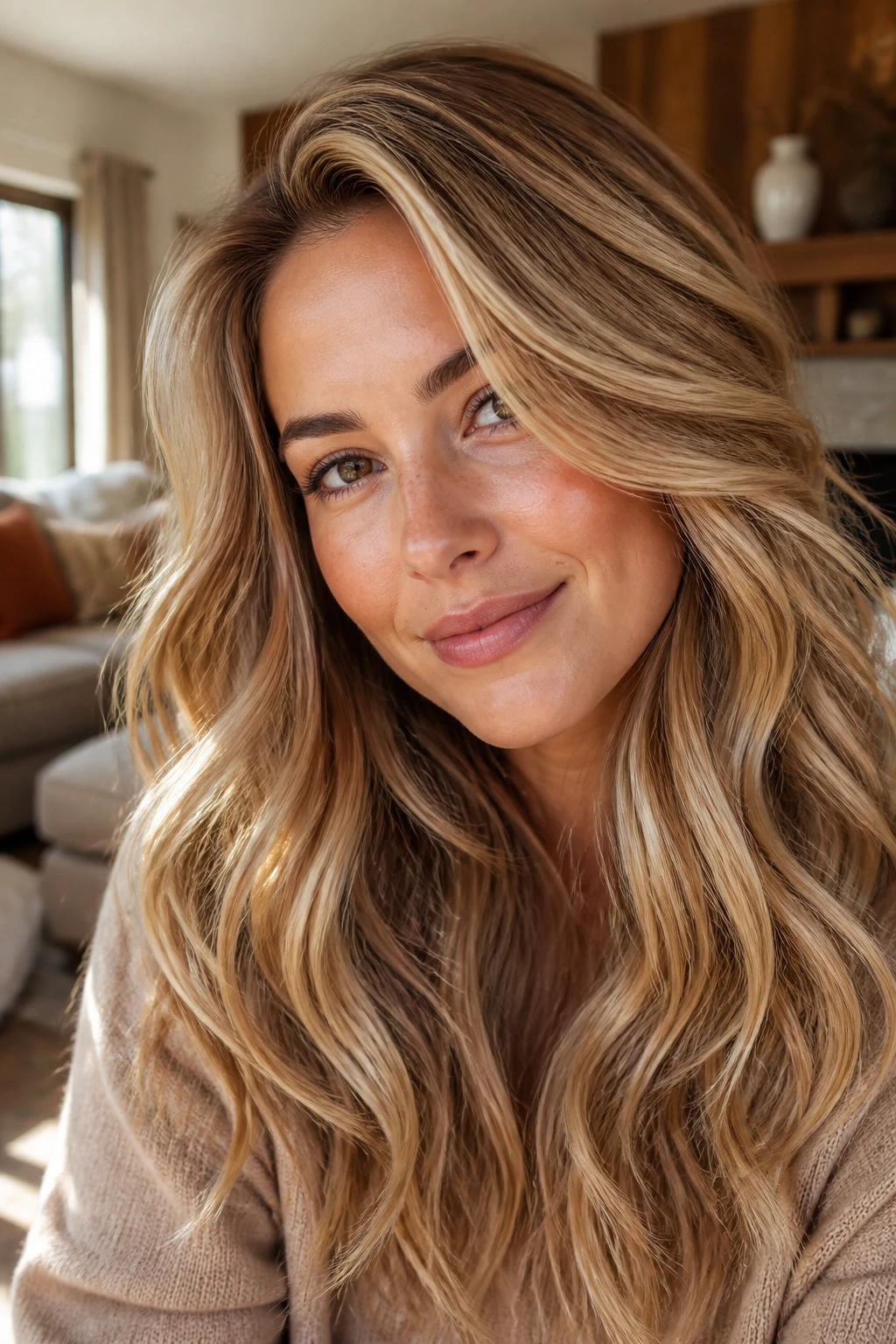
Caramel swirl blonde is warm, dimensional, and built for hair that wants to move. The babylights weave through caramel lowlights in a way that makes curls, bends, and layers look fuller. On thick hair, that contrast keeps the color from swallowing the cut.
This is a shade with enough warmth to feel soft, but not so much that it turns into honey soup. It works well if your natural base is medium brown or dark blonde and you want the lighter pieces to look obvious without being stripey. The swirl effect comes from mixing fine and slightly wider pieces, not from making everything bright.
If you wear your hair curly, ask the stylist to place the light pieces where the curl clumps separate. That way the highlights show when the hair moves, not just when you face the mirror.
17. Soft Beige Balayage With Babylight Veils
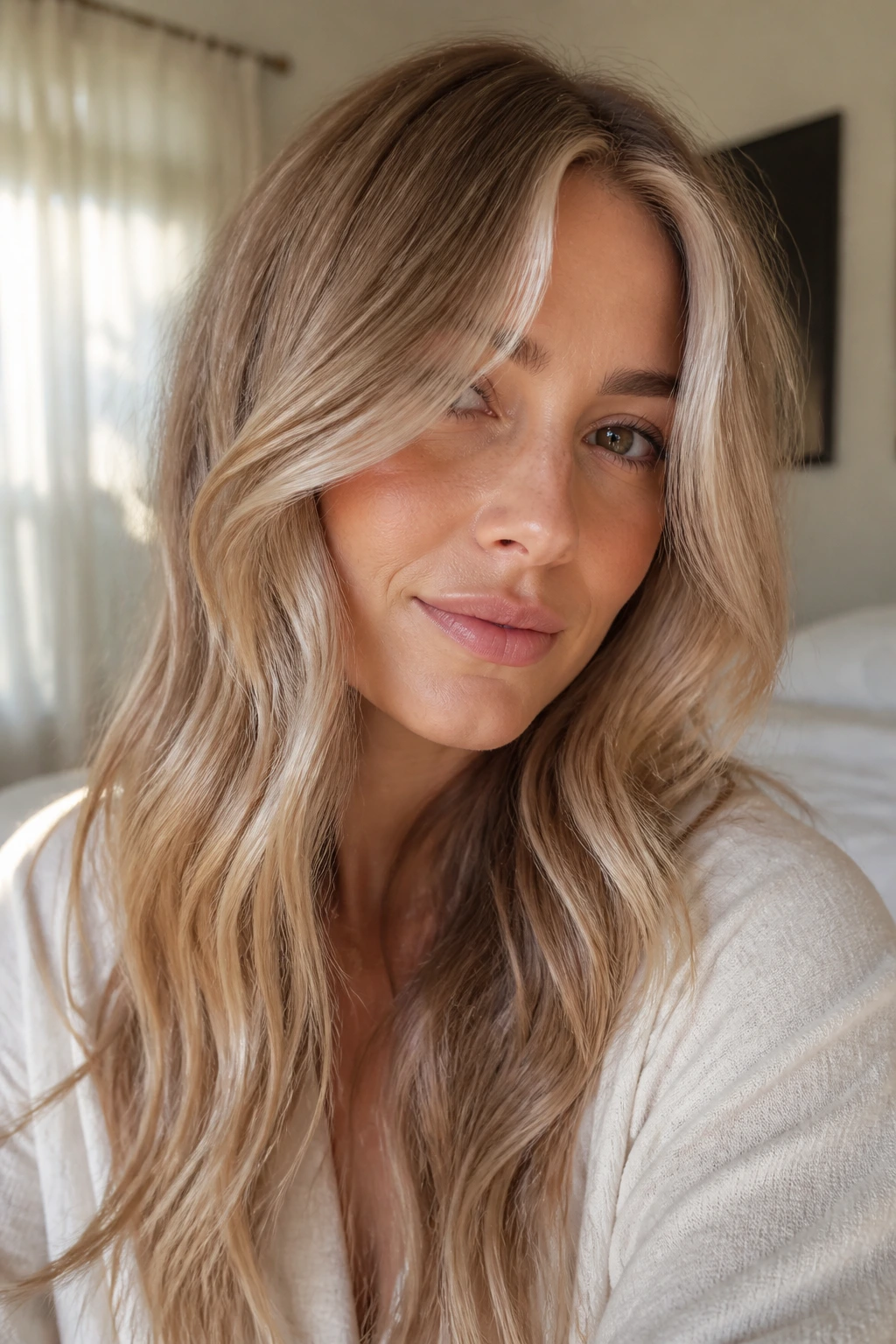
This is the one for people who want softness first and brightness second. The balayage gives you the loose, hand-painted fade, and the babylight veils lay a fine bright layer over the top so the color doesn’t disappear into the base. It’s a useful combination when you want blonde that looks expensive without looking overworked.
Beige is the right word here. Not gold, not ash, not pearl trying to be silver. Beige lets the color sit in the middle and keeps the grow-out gentler, especially if your natural root is already somewhere in the dark blonde or light brown range.
This shade is especially good on longer cuts because the veils have room to move. On a shorter bob, you can still do it, but the brightest pieces need to stay controlled or the shape starts reading chunky. That’s the one thing this color cannot afford.
18. Buttery Sunlit Blonde
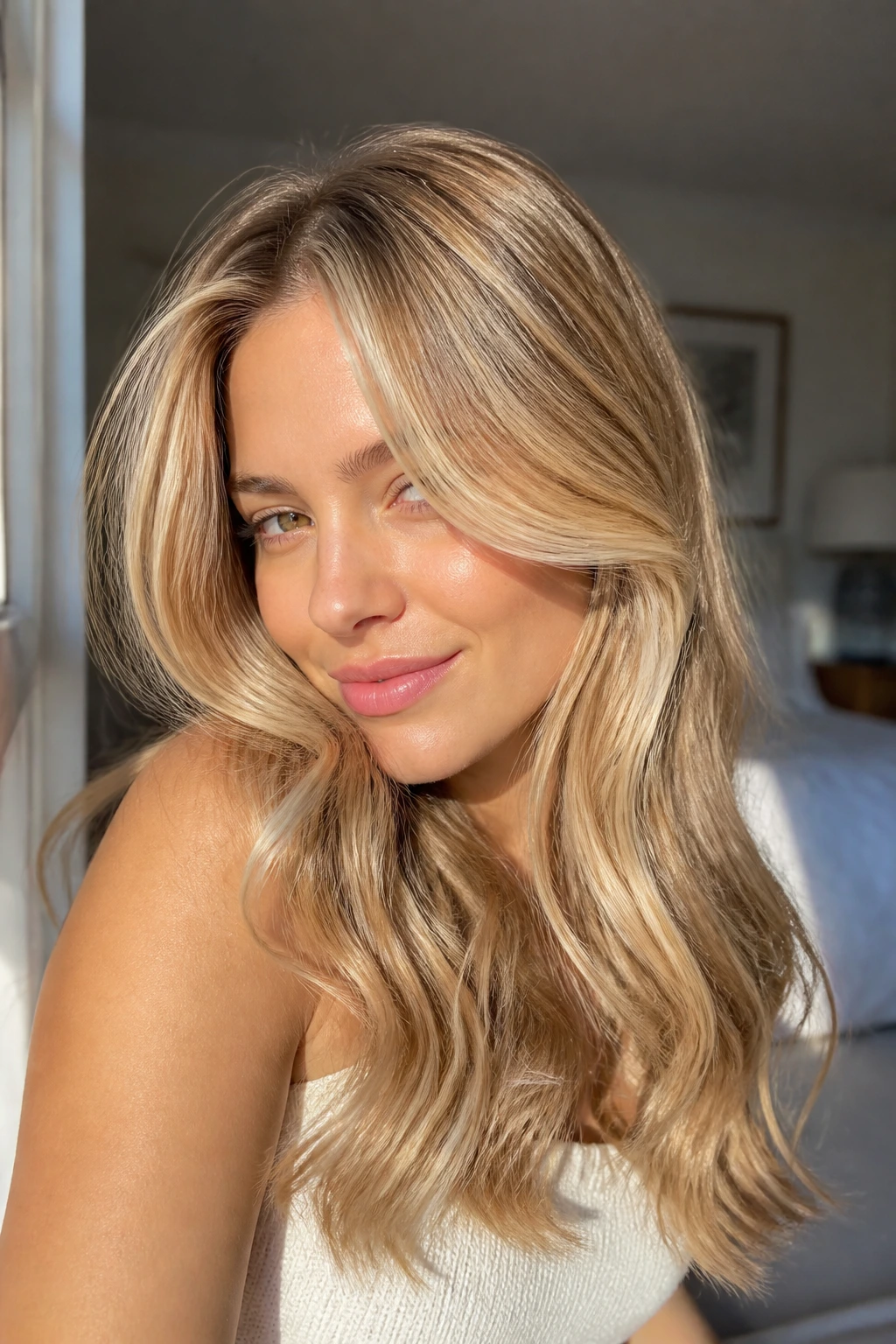
Buttery sunlit blonde is warm, glossy, and easier to wear than most people expect. The babylights give it brightness, but the buttery tone keeps it from going pale and lifeless. It looks strongest when the hair has a little bend or polish — soft waves, a smooth blowout, or a low pony with face-framing pieces.
I like this shade on medium skin because the warmth feels connected to the complexion instead of floating on top of it. On very cool skin, it can still work if the buttery tone stays soft and the root is a touch deeper. The deeper base matters. Without it, the blonde can look like one large highlight strip.
If you want a finish that stays creamy, ask for a gloss every few weeks instead of letting the blonde drift. Butter turns dull faster than cooler blondes because warmth shows brass sooner. That’s the tradeoff.
19. Champagne Rose Blonde
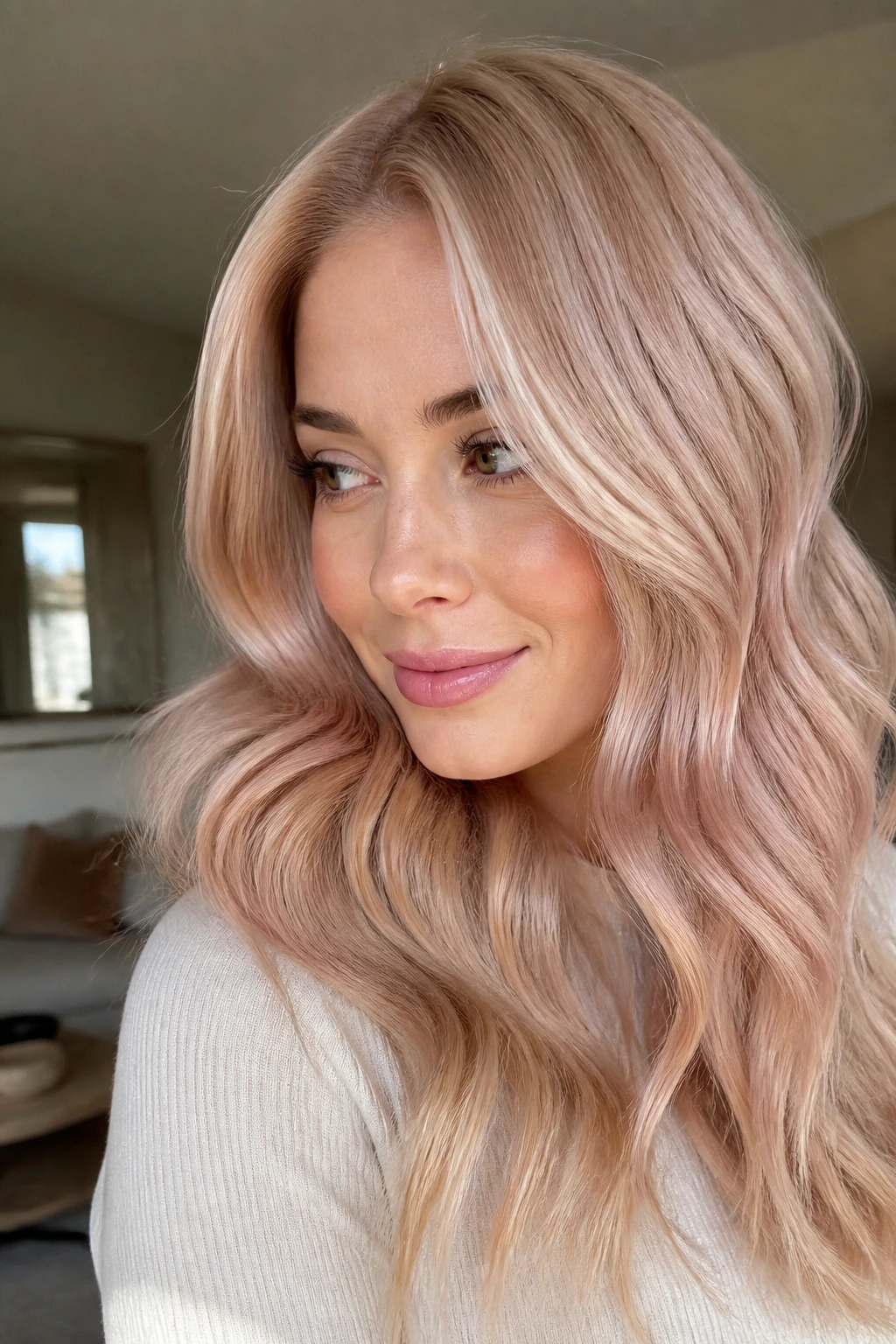
Champagne rose blonde is for people who want something a little more interesting than beige but still wearable. The rose note sits under the champagne, so the color reads pink-beige rather than candy pink. Babylights keep the rose soft by spreading it in tiny flashes instead of flooding the hair with one clear shade.
This is a nice option if your skin has cool or neutral undertones and you want the blonde to feel less predictable. It’s also a good choice for blunt cuts and long lobs, where the smooth surface lets the tone show clearly. On curly hair, the rose hint gets playful fast.
The catch is fade. Rose tones are lovely, but they do not hang around forever, especially if the hair is washed often. Ask for a glossed finish and expect to refresh it more often than a beige blonde.
20. Cool Wheat Blonde
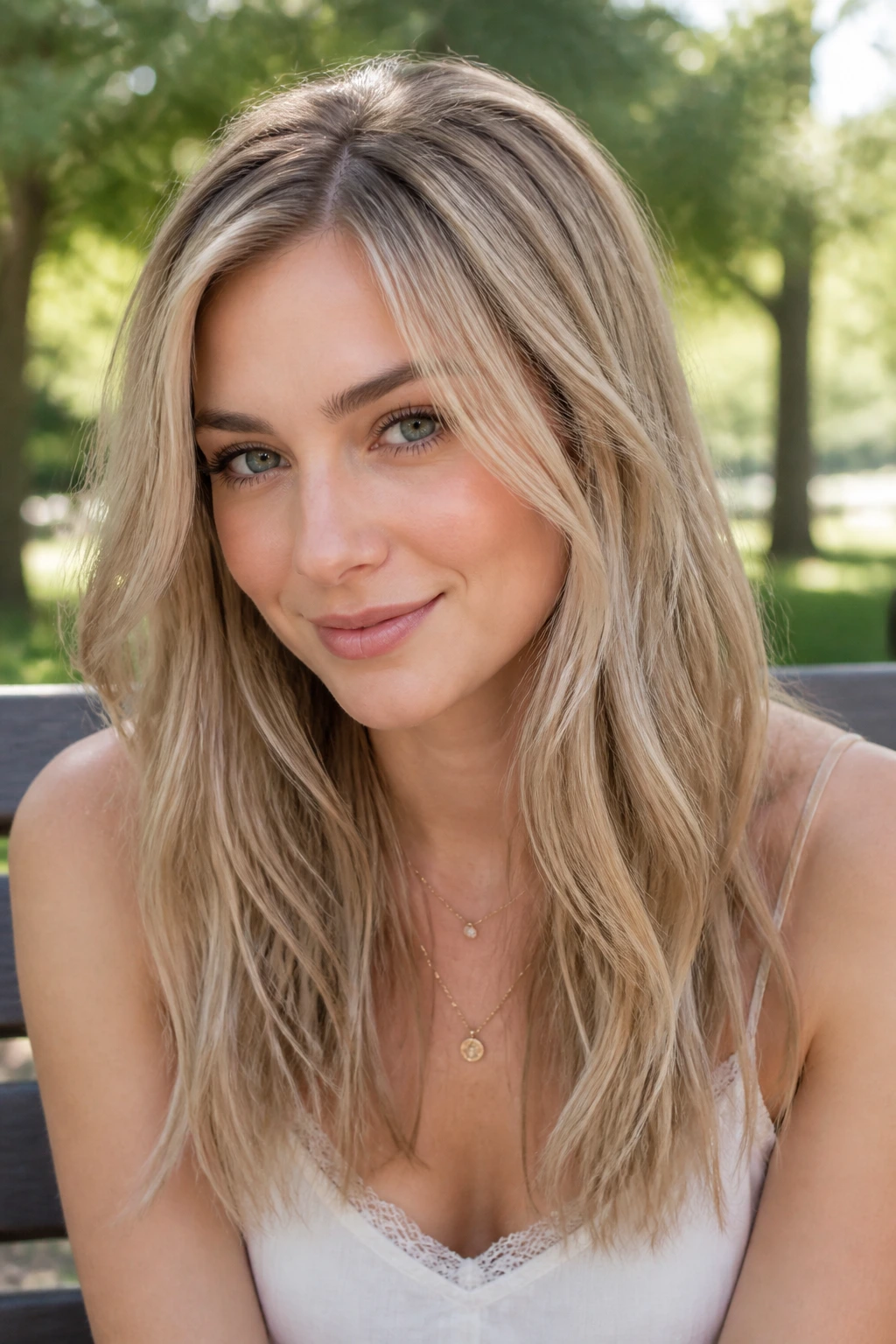
Cool wheat blonde is the answer for anyone who wants blonde without the obvious ash or gold extremes. It sits in a soft, dusty middle ground. Babylights lift the surface just enough to keep the color bright, while the wheat tone adds a muted beige cast that feels natural.
This shade is underrated on people who have darker eyebrows or a natural level 6 to 7 base. It doesn’t fight the face. It also looks good on simple cuts because the color itself is doing the work. You do not need a lot of styling to make it read well.
If yellow is your enemy but silver feels too stark, this is the compromise worth trying. Ask for a cool beige gloss, not a blue-toned ash, or the result can go flat fast.
21. Honey-Butter Melt Blonde
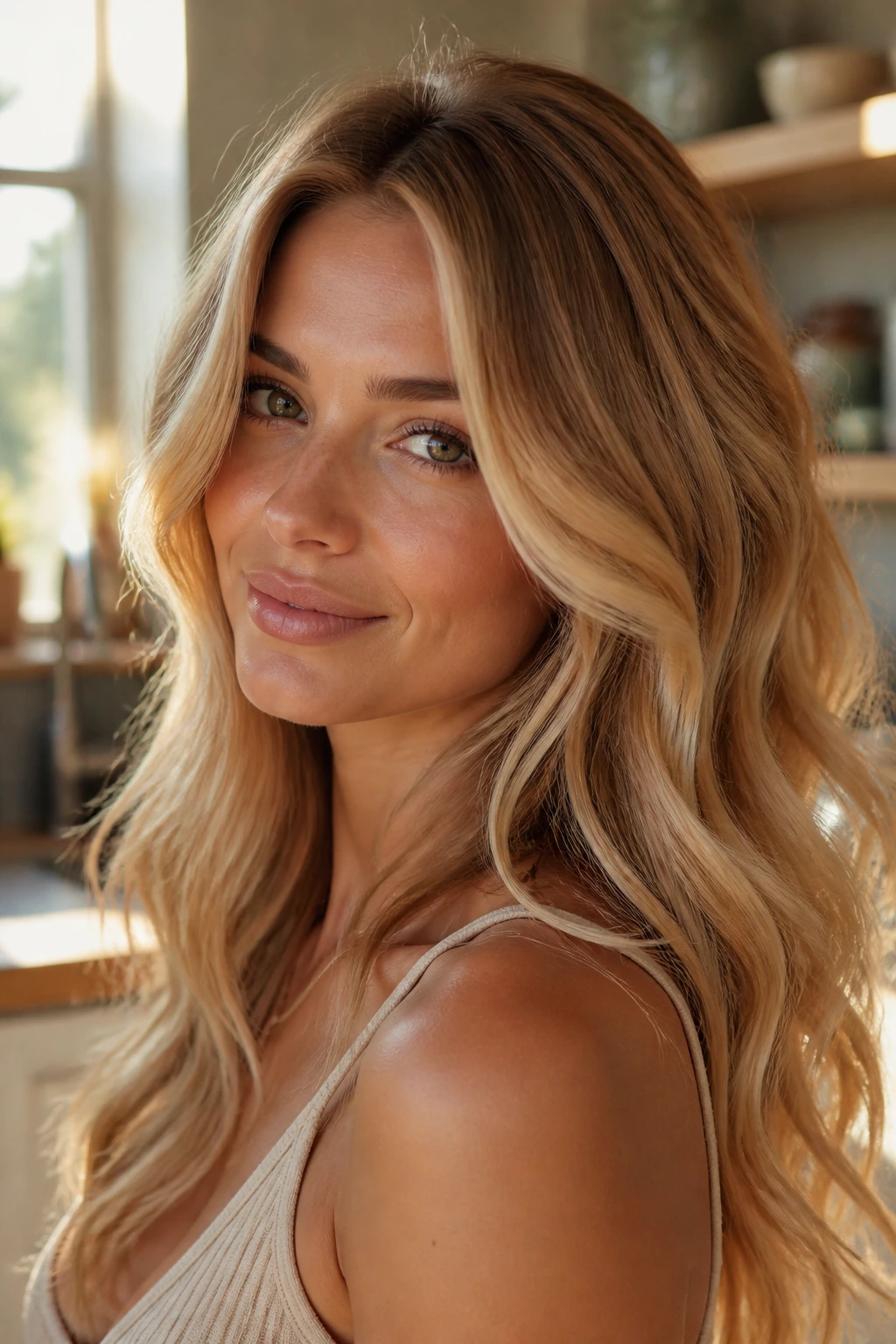
Honey-butter melt blonde is one of the easiest warm blondes to wear because it has two speeds: honey at the top, butter through the lighter pieces. The melt keeps the transition soft, and the babylights prevent the whole head from looking like one warm block. There’s enough depth for shape, but not so much that it feels heavy.
This shade is good on layered hair, especially when the layers are meant to show movement around the face. It also suits curls that need a little contrast to keep the pattern visible. The warmer palette makes the texture read richer.
Ask for the root to stay just a shade deeper than the ends, then weave very fine highlights through the mids. That keeps the melt soft. Too much lift at the root will flatten the whole effect.
22. Snowy Cream Blonde
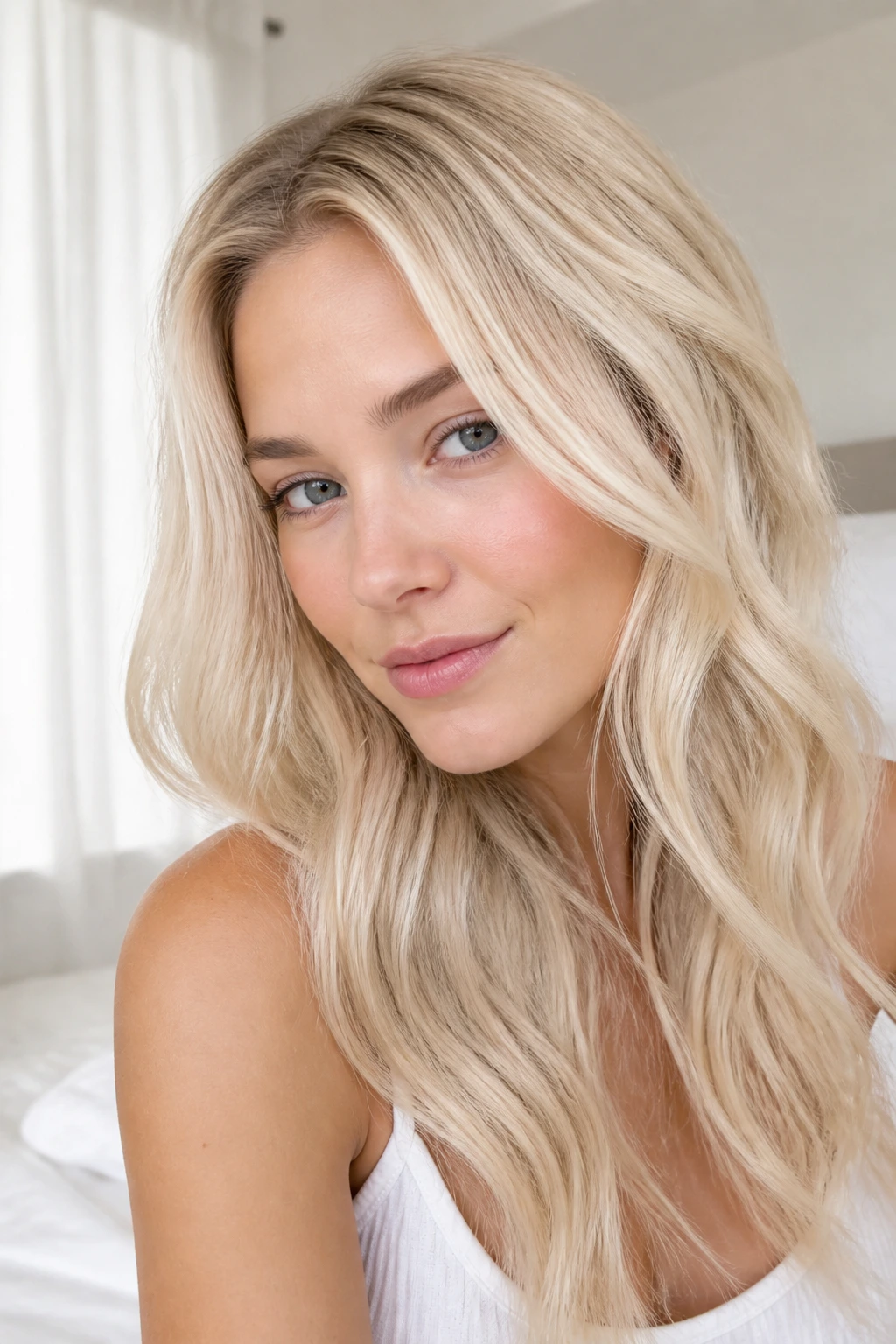
Snowy cream blonde is pale, soft, and a little more wearable than full white blonde. The cream note saves it from looking stark. Babylights give it that cloudlike quality — fine, airy pieces rather than a solid sheet of light.
This works best on hair that can hold tone without getting muddy. If your hair is porous, snowy cream can swing dull fast, so the gloss schedule matters. On a blunt bob, it looks clean and modern. On long layers, it reads softer and more diffused.
Be careful with purple shampoo here. A little helps. Too much and the cream can go violet or flat. That’s one of those things people learn the hard way, and it’s annoying every time.
23. Smoky Ash Blonde
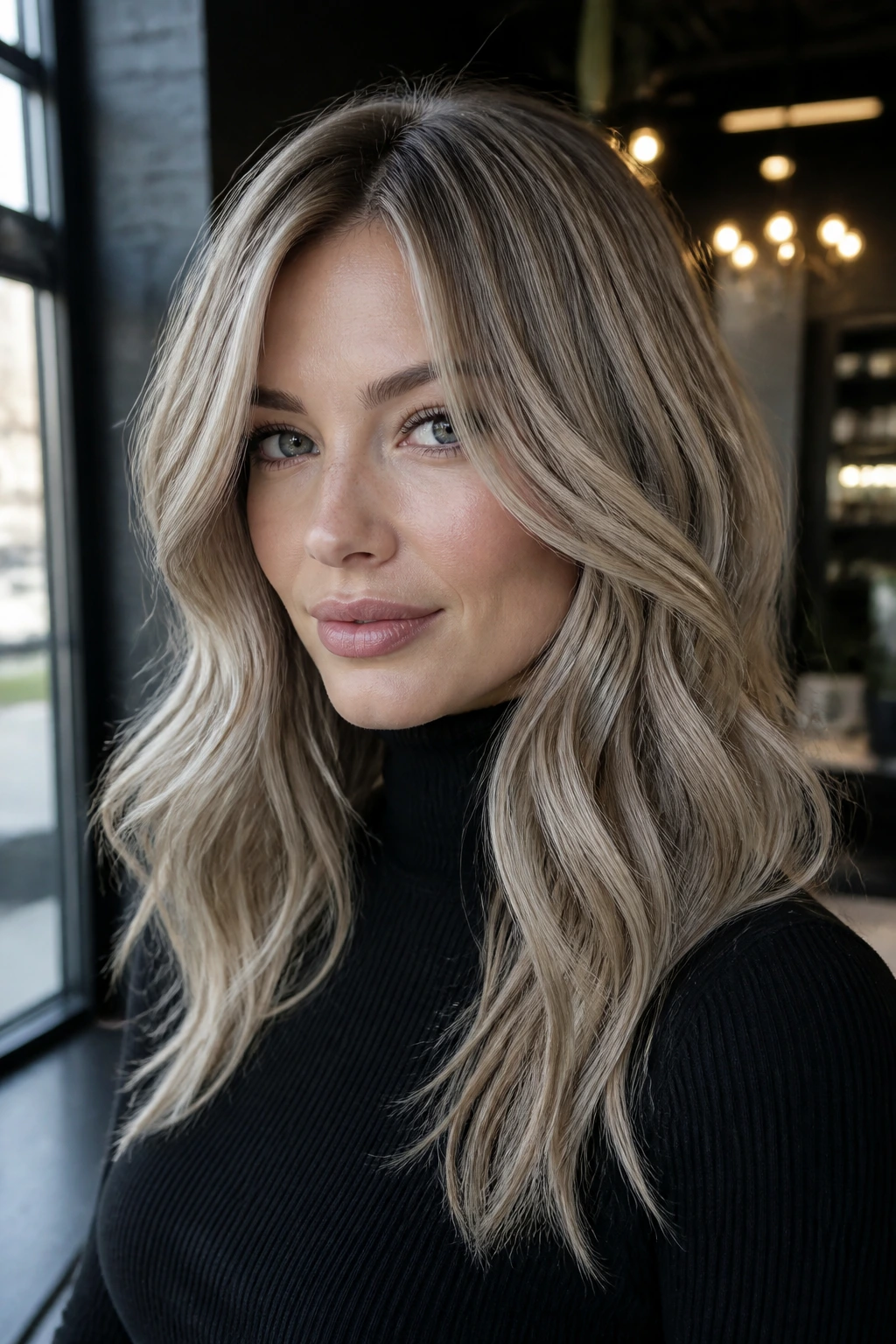
Smoky ash blonde is the cool, slightly moody blonde that keeps brass in check by design. The lowlights are doing real work here; they stop the ash from looking thin or chalky. Babylights brighten the top layer just enough to keep the shade from disappearing into gray.
This is a good call if your eyebrows are dark and your wardrobe leans black, charcoal, denim, and crisp white. The color looks strongest when it has contrast around it. On very warm skin, though, it can feel a bit severe unless the ash is softened with beige or taupe.
One thing to watch: ash grabs fast on porous hair. If the ends are thirsty, they can go too dark or too dull while the roots stay brighter. A good colorist will tone those zones separately.
24. Cocoa-Rooted Blonde
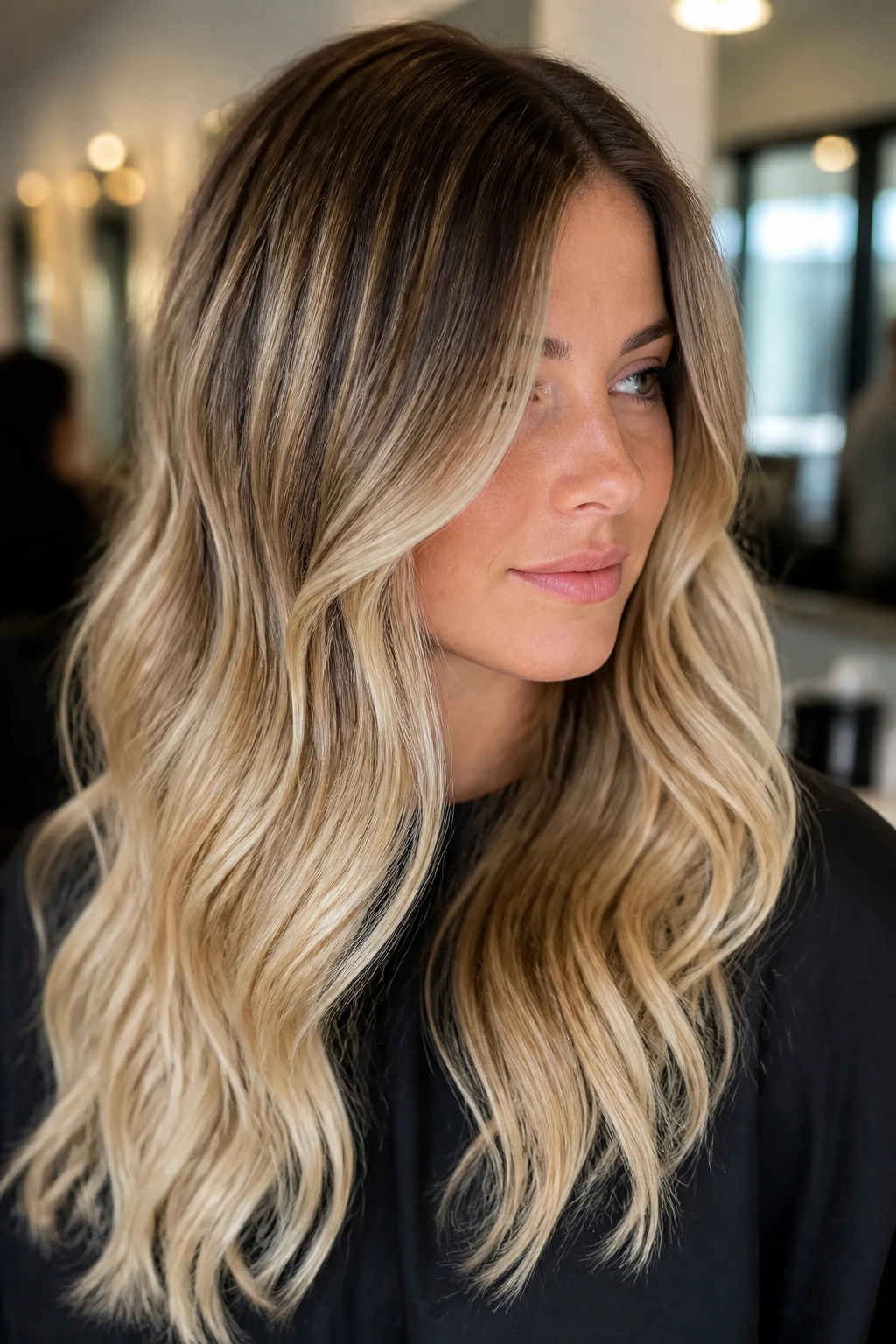
Cocoa-rooted blonde is what happens when you want brightness but refuse to give up a rich base. The root stays cocoa or deep mocha, and the babylights travel through the mids and ends in thin, bright ribbons. That contrast is the whole point. It keeps the blonde from floating away from the face.
Why the root matters
A deeper root makes the blonde look sharper. It also buys you grow-out time, which is useful if you do not want to be in the salon every few weeks. The blonde pieces look lighter because the root is not competing with them.
This shade is one of the best bridges between brunette and blonde. It feels deliberate, not accidental. If you’ve been nervous about going lighter, this is a strong place to start.
25. Sunflower Blonde Micro-Babylights
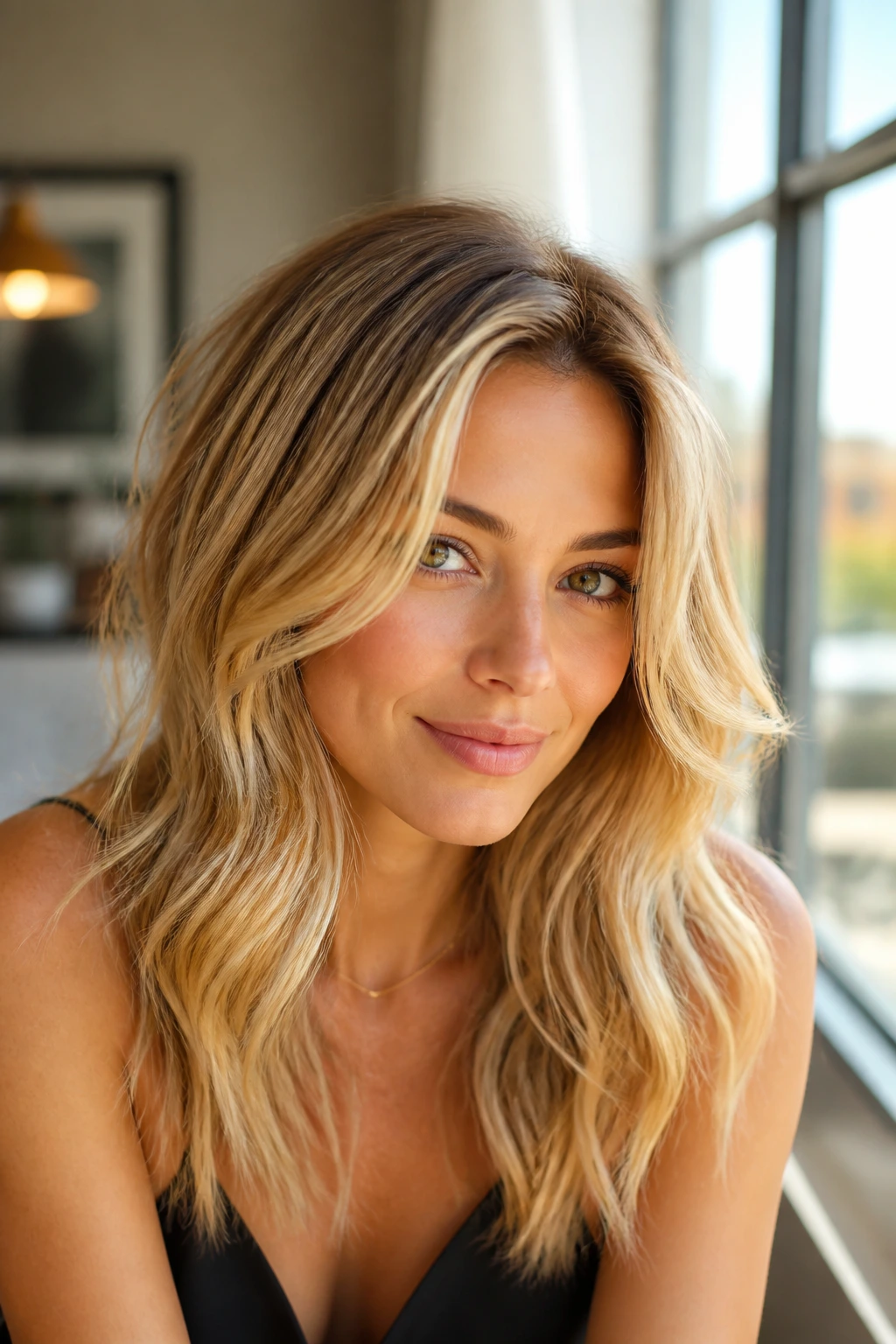
Sunflower blonde is bright, sunny, and full of tiny ribbons that keep it from turning into one loud yellow tone. The micro-babylights are what make it work. Instead of broad stripes, you get little flashes of light that move through the hair and keep the shade lively.
This is a good choice if you like warmth but don’t want gold to take over. It looks especially nice on layered cuts and waves, where the tiny highlights can separate and show off the dimension. On sleek hair, it still works, but the surface has to be polished or the color can look too busy.
The easiest way to keep sunflower blonde looking fresh is to leave a few deeper strands underneath. That shadow keeps the brightness from becoming washed out. Bright hair needs contrast. Without it, even a pretty blonde can lose its shape.
Why Babylights and Lowlights Make Blonde Look Softer
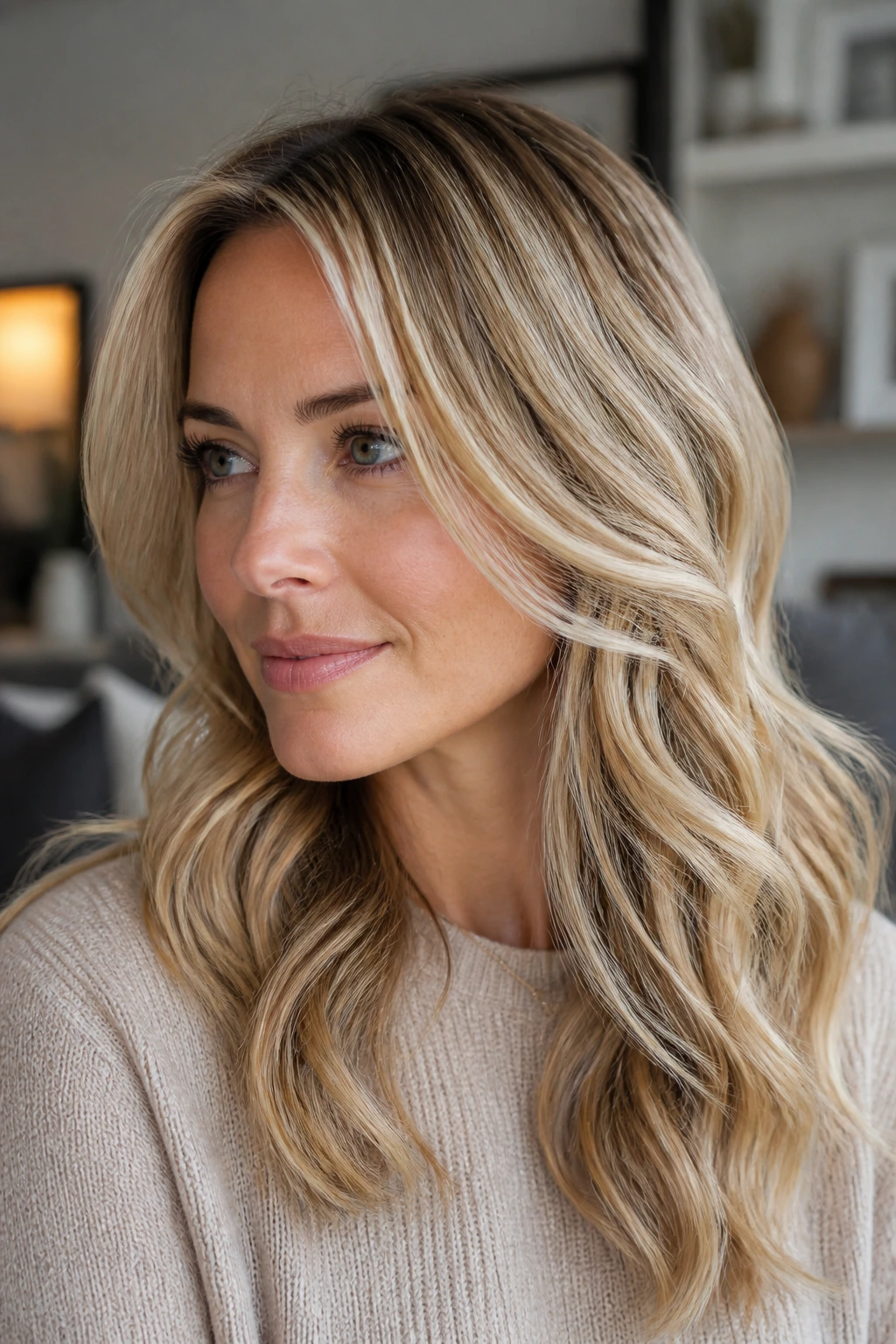
Babylights are tiny on purpose. That fine weave lets a colorist scatter brightness across the hair instead of painting wide, obvious stripes that show every time you part your hair differently. The effect is closer to natural sun exposure than to a classic foil highlight job, and that is why the color grows out so cleanly.
Lowlights do the other half of the work. They keep pale blonde from turning into a bright, featureless sheet, especially under indoor light where overlightened hair can suddenly look flat. A few deeper strands near the underside, crown, or nape give the eye somewhere to rest. Without that shadow, a blonde can look washed out fast.
The nicest thing about this technique is how flexible it is. Fine babylights can be warm, cool, beige, golden, smoky, or icy depending on the toner and where the colorist places them. The same technique looks completely different on a blunt bob, loose curls, or long layers, which is why this method holds up so well across haircut styles.
The Tools and Products a Colorist Reaches For
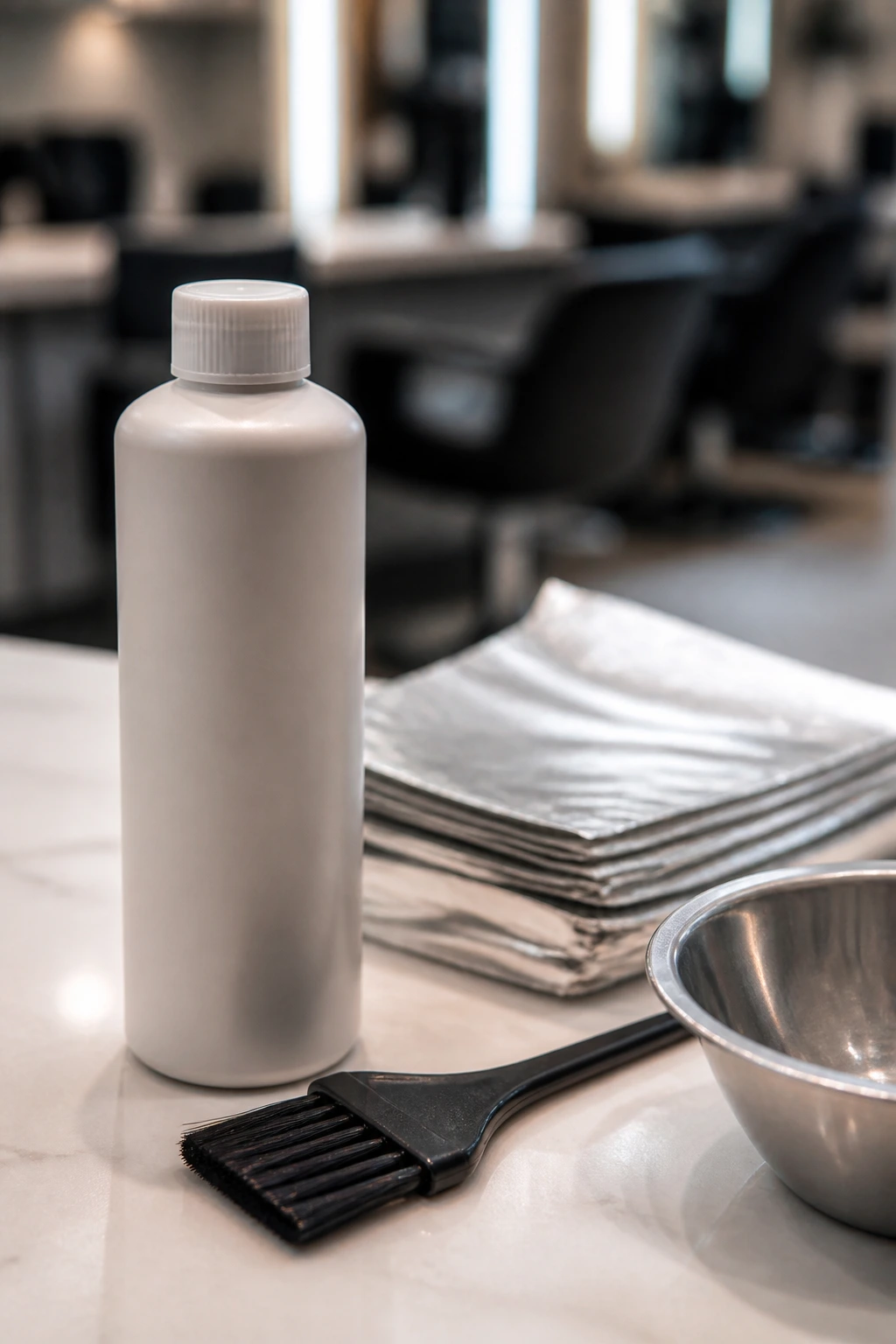
- Tail comb: Useful for clean partings and for checking whether the babylight weave is truly fine, not chunky.
- Sectioning clips: Keep the top layers out of the way so the highlights stay precise and don’t bleed into each other.
- Foils or a balayage board: Foils give crisp lift; a board helps when hand-painting delicate pieces near the face.
- Lightener with a bond builder: The lightener does the lifting, but bond support helps the hair hold together better during the process.
- Demi-permanent toner: This is what steers the blonde toward beige, pearl, honey, ash, or champagne.
- Color-depositing mask: Handy at home if the blonde starts to look dull between salon visits.
- Purple shampoo: Best for blondes that drift yellow; use it sparingly, not like regular shampoo.
- Blue shampoo: Better for blonde-brown blends that pull orange or copper at the root.
- Heat protectant: Non-negotiable if you blow-dry or use a flat iron.
- Microfiber towel: Cuts friction on lightened hair, which tends to fray more easily than virgin hair.
How to Choose the Right Blonde Shade for Your Base
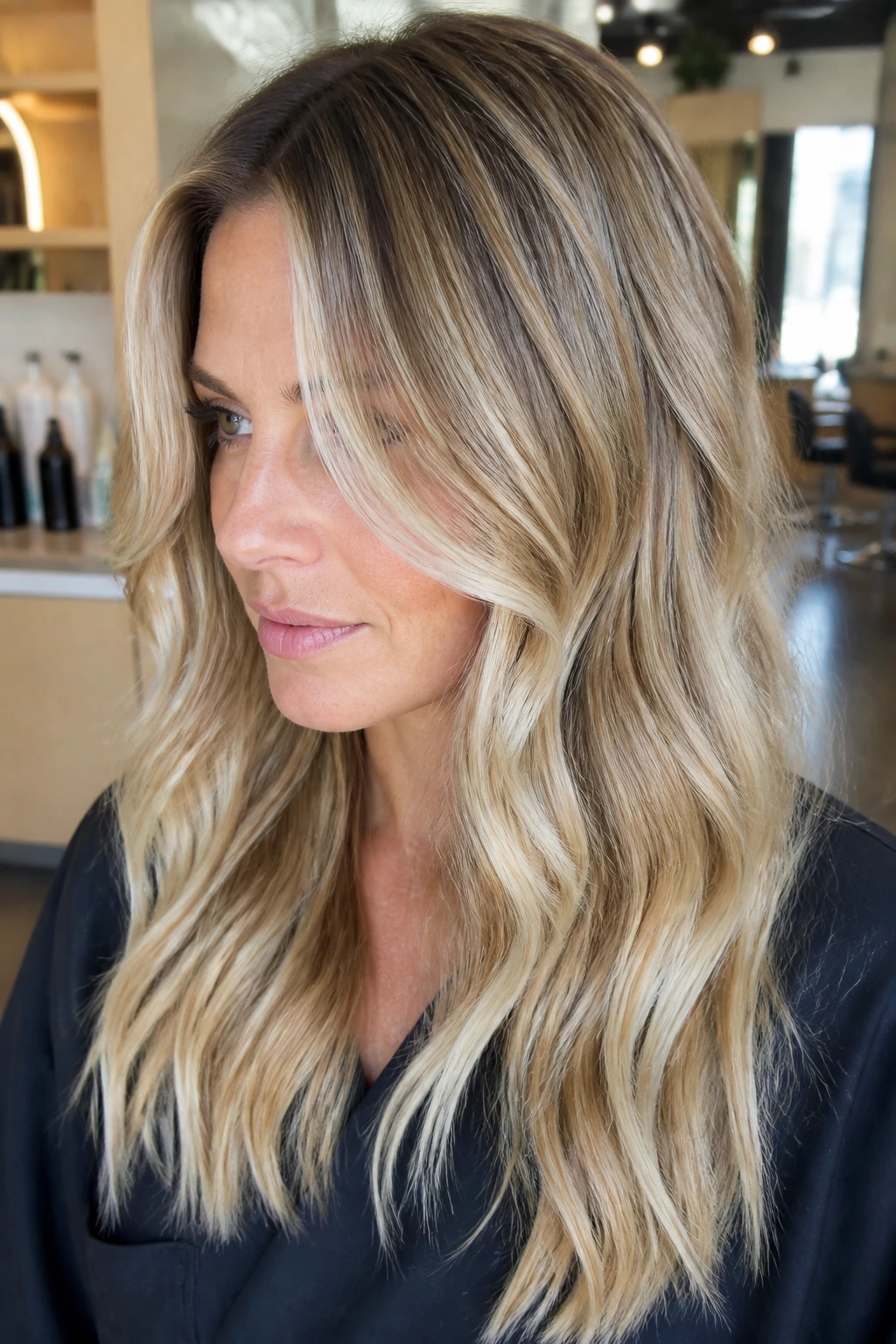
The easiest mistake is asking for “blonde” and leaving it there. Blonde is a range, not a target. A level 6 brunette, a level 7 dark blonde, and a level 9 pale blonde all need different placement, different toner, and different expectations about maintenance.
If your natural base sits around level 6 or 7, shades like beige bronde, smoked almond, honey-butter melt, and cocoa-rooted blonde usually blend in the cleanest. They let the hair keep some depth, which means less shock to the cuticle and less visible regrowth. Go lighter too fast, and the hair often looks thin before it looks bright.
If you start from a lighter base, champagne, pearl, vanilla, snowy cream, and Scandinavian frost become easier to wear. The toner choice matters more than the bleach in that case. A level 9 blonde can read completely different with a pearl gloss versus a beige one.
Porosity changes the picture too. Porous ends grab toner fast and can turn smoky, dull, or violet before the roots do anything dramatic. If your hair has been colored a lot, ask for the ends to be toned separately. That tiny detail saves a lot of bad finishes.
How to Wear These Blonde Shades in Real Life
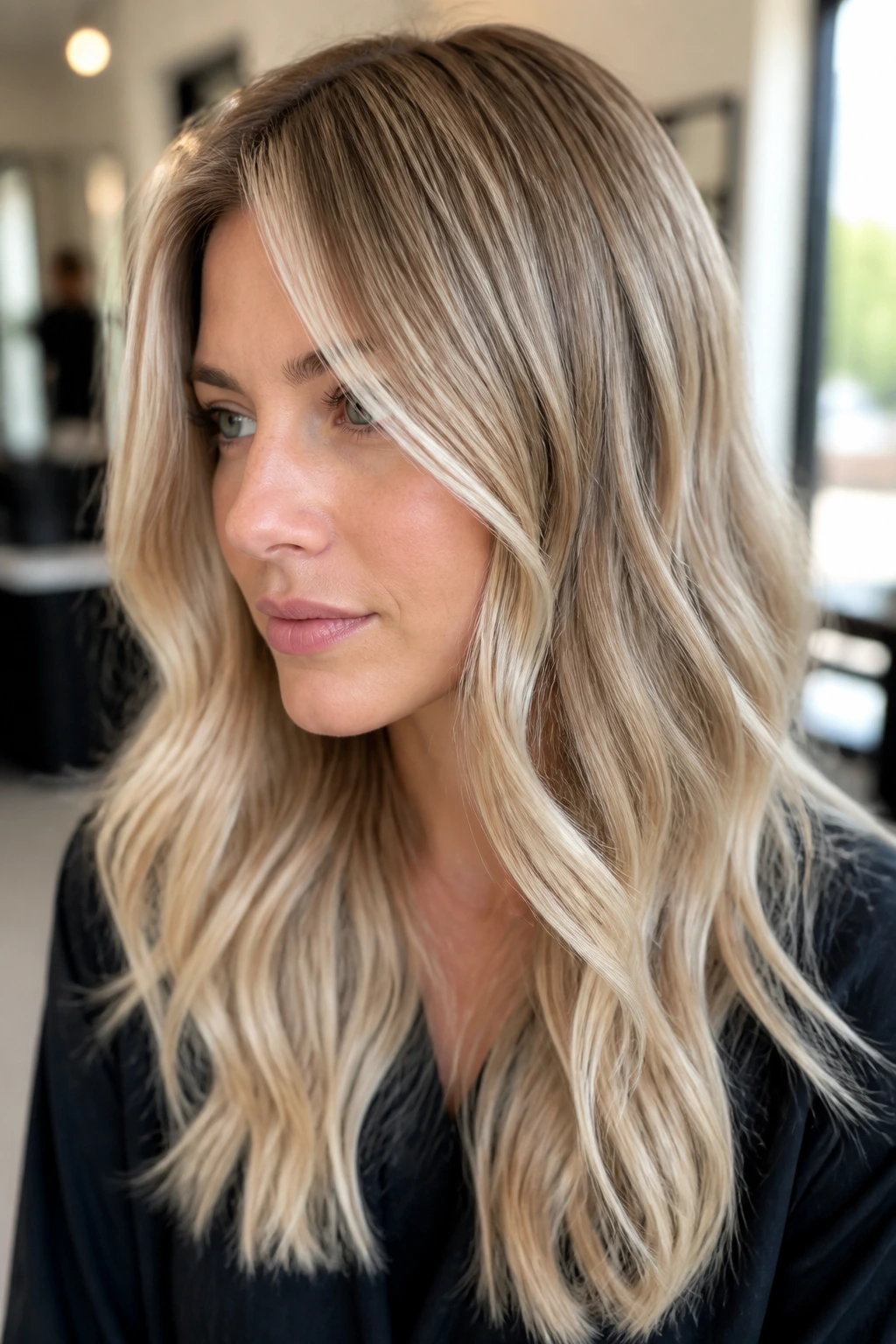
Styling: Loose waves show off babylights better than any other finish because the tiny highlights move in and out of view. Sleek blowouts make pearl, champagne, and snowy cream read cleaner, while curls and bends let caramel, honey, and bronde show their depth. If the color feels too subtle, a round-brush blowout will usually wake it up.
Haircuts: Curtain bangs, long layers, and collarbone lobs are the easiest cuts for babylights because they create little surfaces for the light to bounce around. Blunt bobs are better for crisp shades like vanilla, icy platinum, and Scandinavian frost. A shag or curly cut usually asks for more scattered placement so the blonde doesn’t get trapped in one section.
Makeup: Cool blondes tend to look best with taupe liner, rose blush, and a nude-pink lip. Warm blondes lean better with peach, bronze, and soft coral. If the blonde is very pale, a strong brow can keep the face from disappearing into the hair.
Lighting: Always look at the color in daylight and indoor light before you leave the salon. Champagne can read beige outside and yellow under a warm bulb. That tiny shift matters more than people expect.
Extra Ways to Tune the Tone and Depth
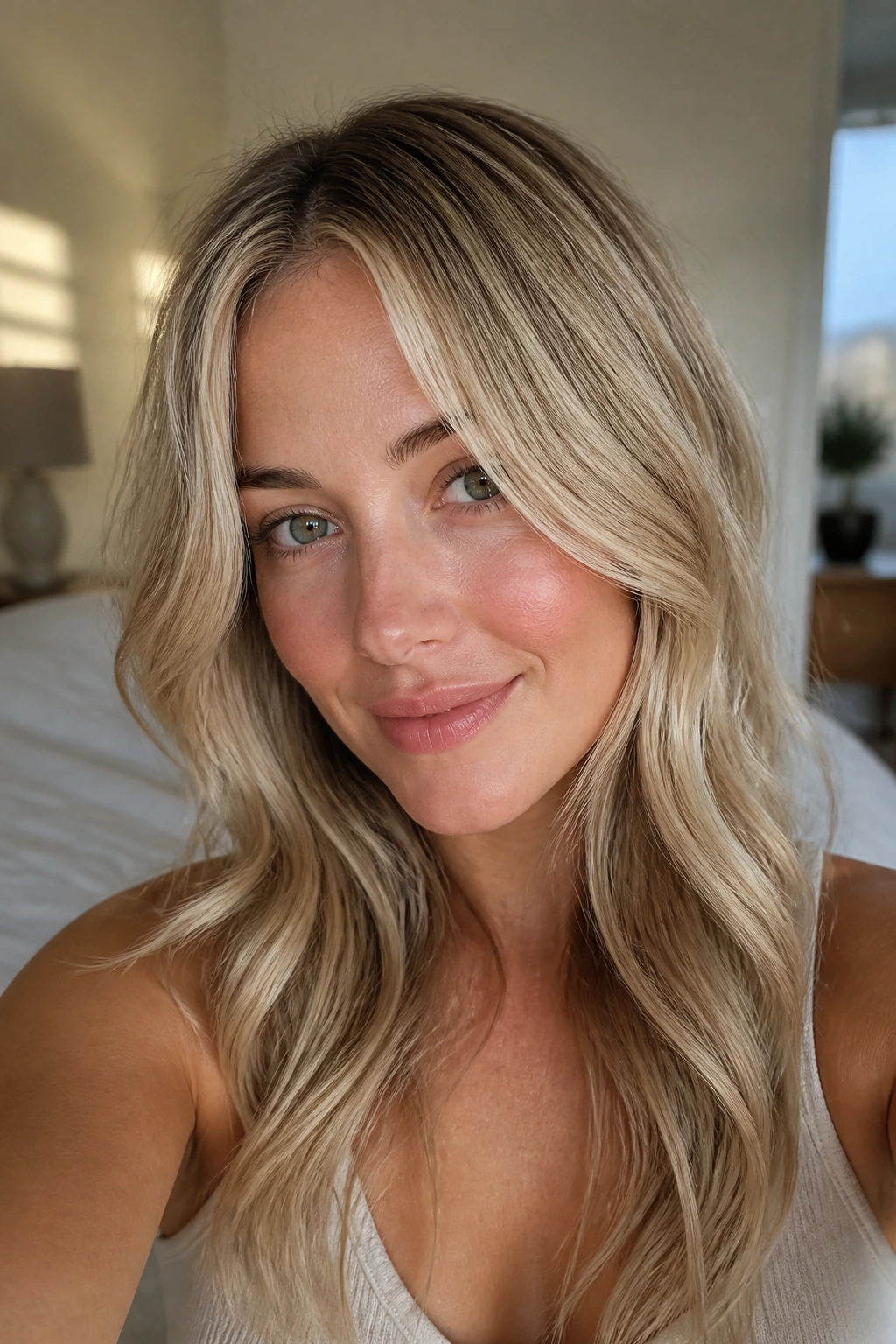
Tone Boost: A clear or lightly tinted gloss every 4 to 6 weeks keeps the blonde from going dull between bigger appointments. Beige and pearl glosses are useful when you want shine without changing the color too much.
Depth Trick: Leave 10 to 20 percent of the hair darker through the root and underneath. That shadow makes the light pieces look brighter and gives the cut some shape, especially on long hair.
Movement Play: Place the brightest babylights where the hair bends — around the hairline, through the top layer, and near the ends of layered cuts. Brightness in the wrong spot just sits there. Brightness on a bend looks alive.
Make-It-Yours: Cool skin often likes champagne, pearl, vanilla, and smoky ash. Warm and olive skin usually does better with honey, butter, gold, and caramel. If you’re in the middle, beige is the safest lane because it can be pushed either way with toner.
Keeping Babylight Blonde Fresh Between Visits
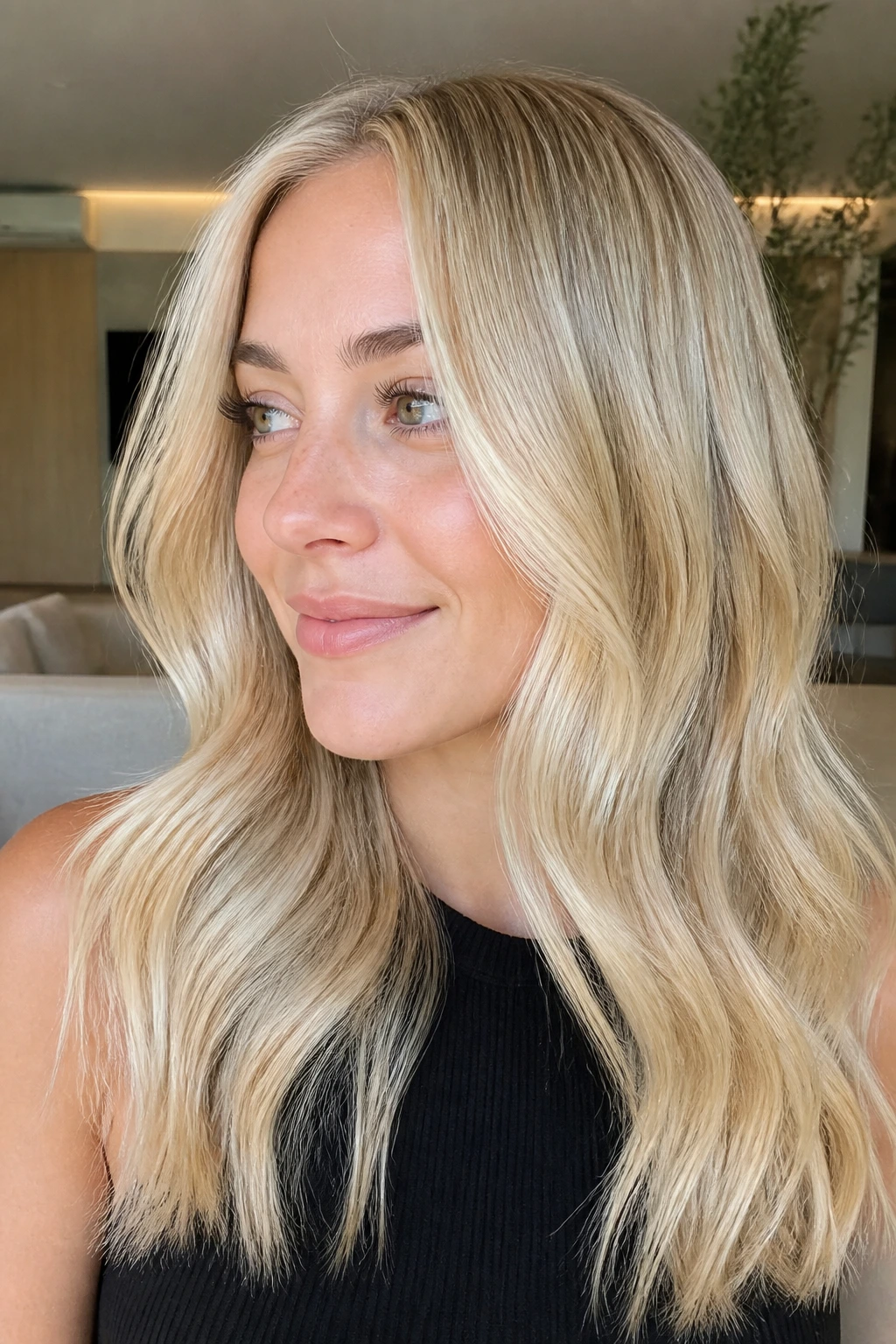
Babylight blonde lasts longer than chunky highlights, but it still asks for a little care. Wait to wash your hair for at least 24 hours after a color service if your stylist recommends it, because toner needs time to settle. After that, keep washing modest. Two to three times a week is enough for most lightened hair, and sulfate-free shampoo is easier on the cuticle.
Purple shampoo is useful, but only in small doses. Once a week is plenty for many blondes; some cooler shades need it even less often. If your base pulls orange rather than yellow, blue shampoo is the better tool. Use it like a correction, not a daily habit, or the hair can go matte and dull.
Plan on a gloss or toner refresh every 4 to 6 weeks if the blonde is pale. Root smudges and shadow roots can stretch the actual color appointment to 8 to 12 weeks, depending on how fast your hair grows and how much contrast you like. Deep conditioning once a week helps the ends stay smooth, especially after lightening.
Heat changes everything. If you blow-dry often, keep the iron temperature on the lower side — around 300°F to 350°F for fine or lightened hair is a sensible range. Thicker hair can take a little more heat, but the ends still need protection. A heat protectant before every hot-tool session is not optional if you want the blonde to keep its shine.
Variations and Adaptations to Try
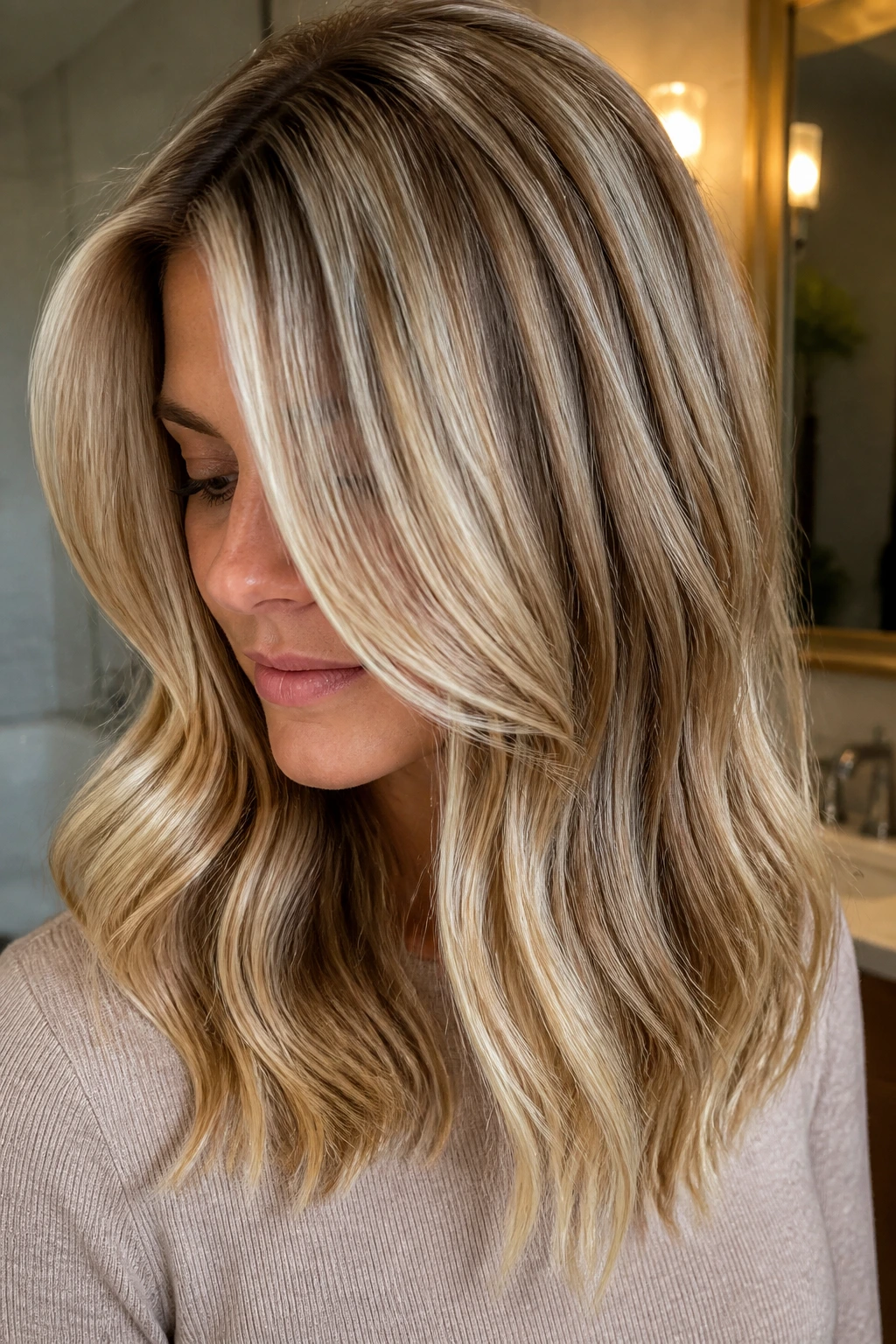
Rooted and Relaxed: Keep the root a bit deeper and the babylights fine through the mids. This version works when you want low maintenance and don’t want a hard grow-out line showing before the next appointment.
Face-Frame Brighter: Put the lightest pieces around the hairline and temples, then soften the rest. It’s a good move when you want the color to lift the face without brightening every inch of hair.
Cooler Pearl Finish: Swap beige or gold toner for pearl or ash-beige. This is the version to choose when yellow bothers you and you want the blonde to feel cleaner under indoor light.
Warm Honey Shift: Add honey or caramel gloss to the mids and ends. That tweak is useful if your skin runs warm or if cooler blondes keep making you look tired.
Curly Ribboning: Place babylights where curls naturally separate instead of weaving the whole head evenly. The color looks more dimensional because each curl clump gets its own little streaks of light.
Bronde Bridge: Keep the base brunette and add beige babylights with a few lowlights underneath. This is the gentlest way to move toward blonde if you’re not ready for a full brightening session.
Mistakes That Make Blonde Look Flat or Brassy
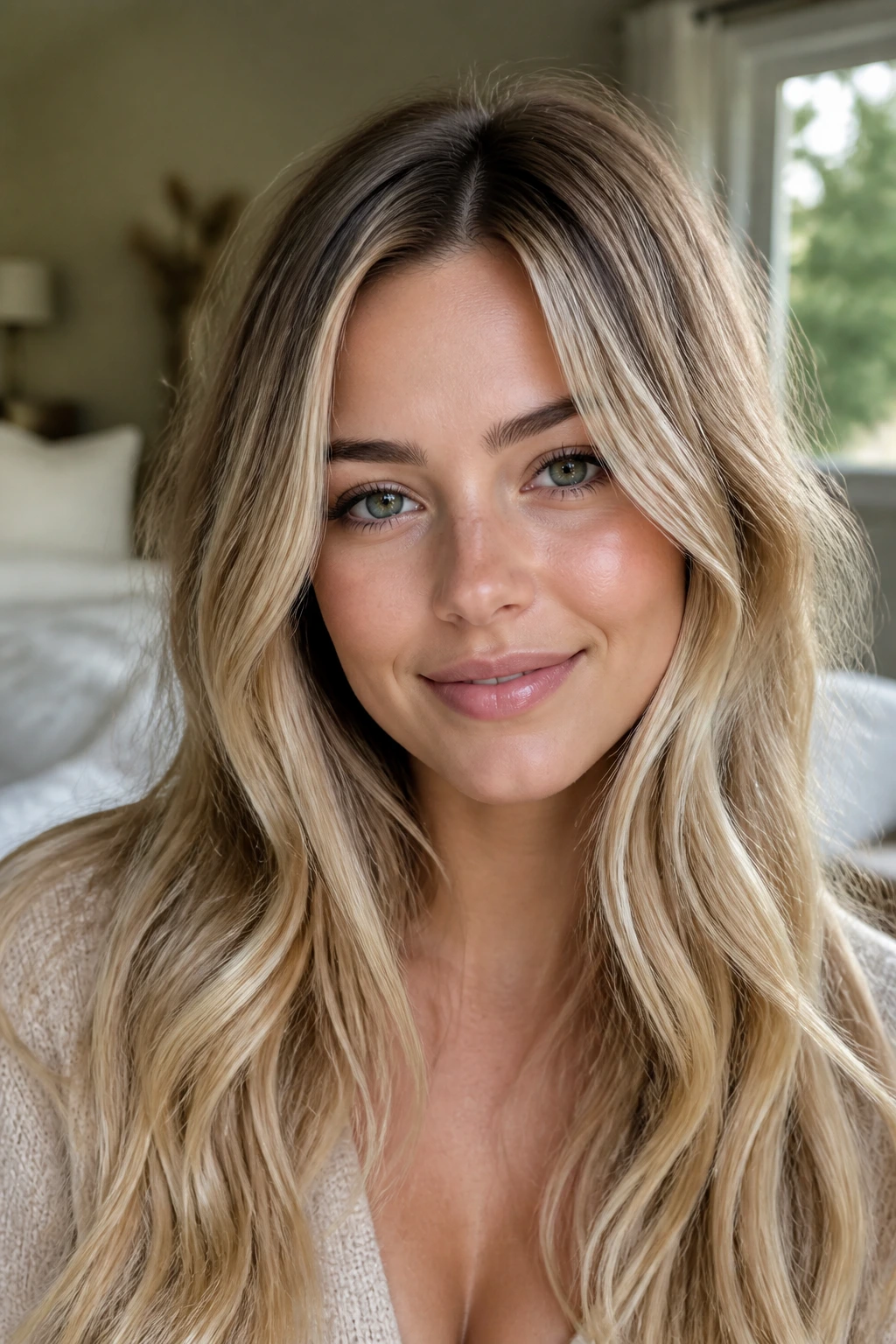
Going too light too fast: Hair can only lift so far in one sitting before it starts looking dry and see-through. If you want icy blonde from a dark base, build it in stages instead of forcing the whole head to level 10 at once.
Choosing tone from one photo: A glossy salon picture can hide brass, ash, or root depth. Bring two or three references and point out the part you like — the tone, the brightness around the face, or the grow-out — so the stylist knows what to copy.
Skipping lowlights: Pale blonde without any shadow often looks flat in daylight and even flatter inside. A few deeper strands underneath keep the color from turning into a single light sheet.
Overusing purple shampoo: Too much purple can leave blonde dull, muddy, or faintly violet. Use it as a tone fix, not your main shampoo.
Ignoring porosity: Old, porous ends grab toner faster than the roots. If the ends are over-processed, they may need a lighter gloss or a separate toner formula so they do not turn smoky.
Forgetting the grow-out plan: If you love a hard highlight line, fine — but babylights usually look best with a soft root melt or shadow root. Without that, the regrowth can look sharper than the color itself.
Questions People Ask Before They Book Blonde Babylights
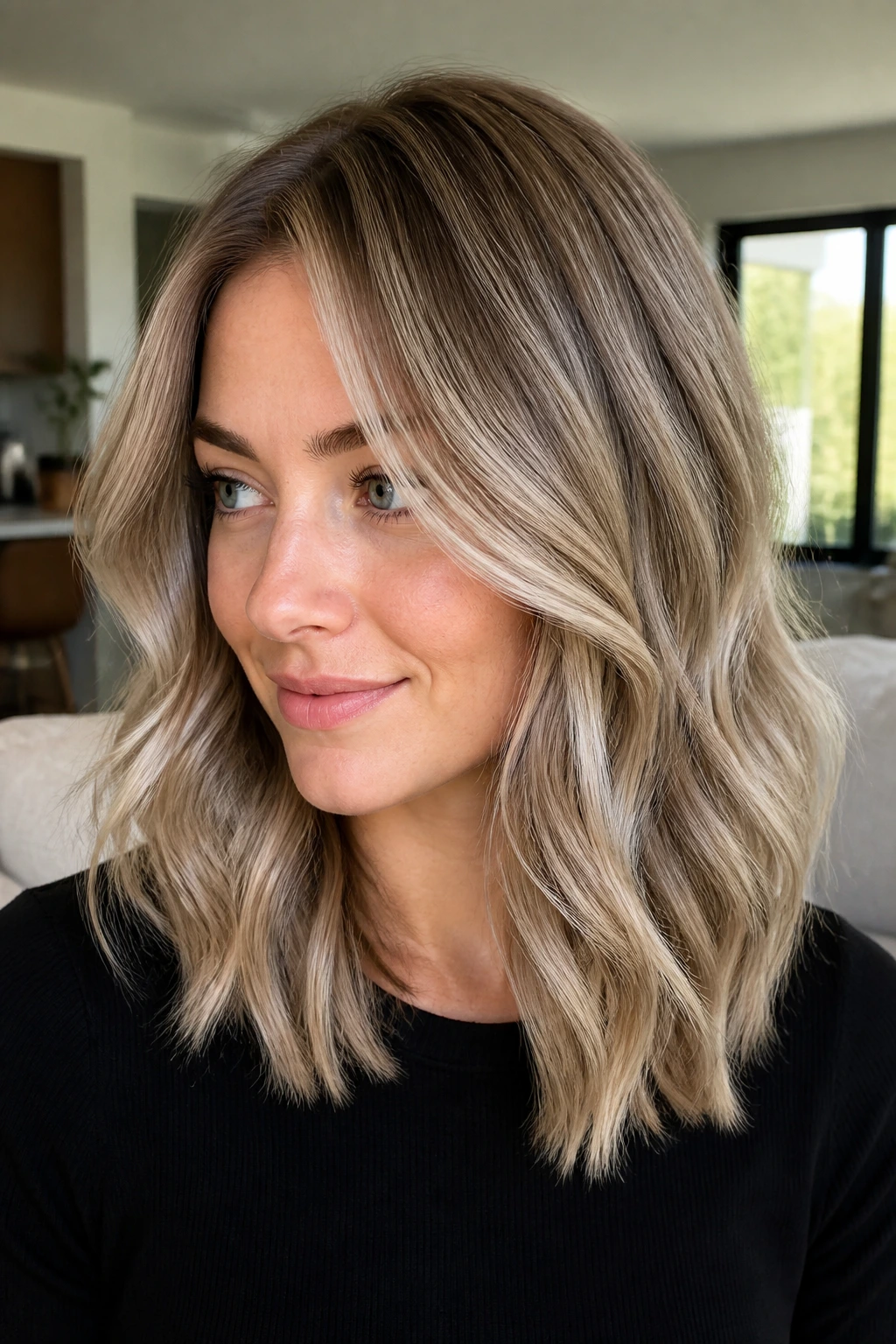
How are babylights different from regular highlights?
Babylights use much finer sections, so the blonde blends into the hair instead of sitting in obvious stripes. Regular highlights can be bolder and brighter right away, while babylights look softer and grow out more quietly.
Which blonde shade needs the least upkeep?
Beige bronde, sandy blonde with shadow roots, and cocoa-rooted blonde tend to be the easiest to live with. They keep enough depth at the root that regrowth doesn’t shout at you every time the part shifts.
Can babylights work on dark brown hair?
Yes, but the path matters. Dark brown hair usually needs a brighter base or a staged lift, and the result often looks better when you keep some rooted depth instead of trying to force an all-over pale blonde in one visit.
Why does my blonde turn brassy so fast?
Heat styling, hard water, sun exposure, and too much wash frequency can all push blonde warmer. If the tone is constantly drifting orange or yellow, ask for a better toner match and use the right corrective shampoo sparingly.
Do babylights damage hair less than chunky highlights?
They can, because the lightening is spread over smaller sections and you can leave more of the natural base intact. But lightening is still lightening, so the condition of the hair and the strength of the lifting process matter a lot.
What should I ask for if I want champagne blonde?
Ask for fine babylights, a soft root shadow, and a beige or pearl gloss. That combination keeps champagne crisp instead of turning gold.
Can this work on curly hair?
Absolutely. Curly hair often looks even better with babylights because the light pieces break up the curl pattern and make the shape easier to see. The stylist should place the color where the curls separate, not just where the hair looks long when stretched out.
What if my ends feel rough after lightening?
Stop piling on purple shampoo and heat. Use a bond-building treatment, a richer mask, and ask for a trim before the next toning session so the blonde has a cleaner base to sit on.
Soft Light, Better Blonde
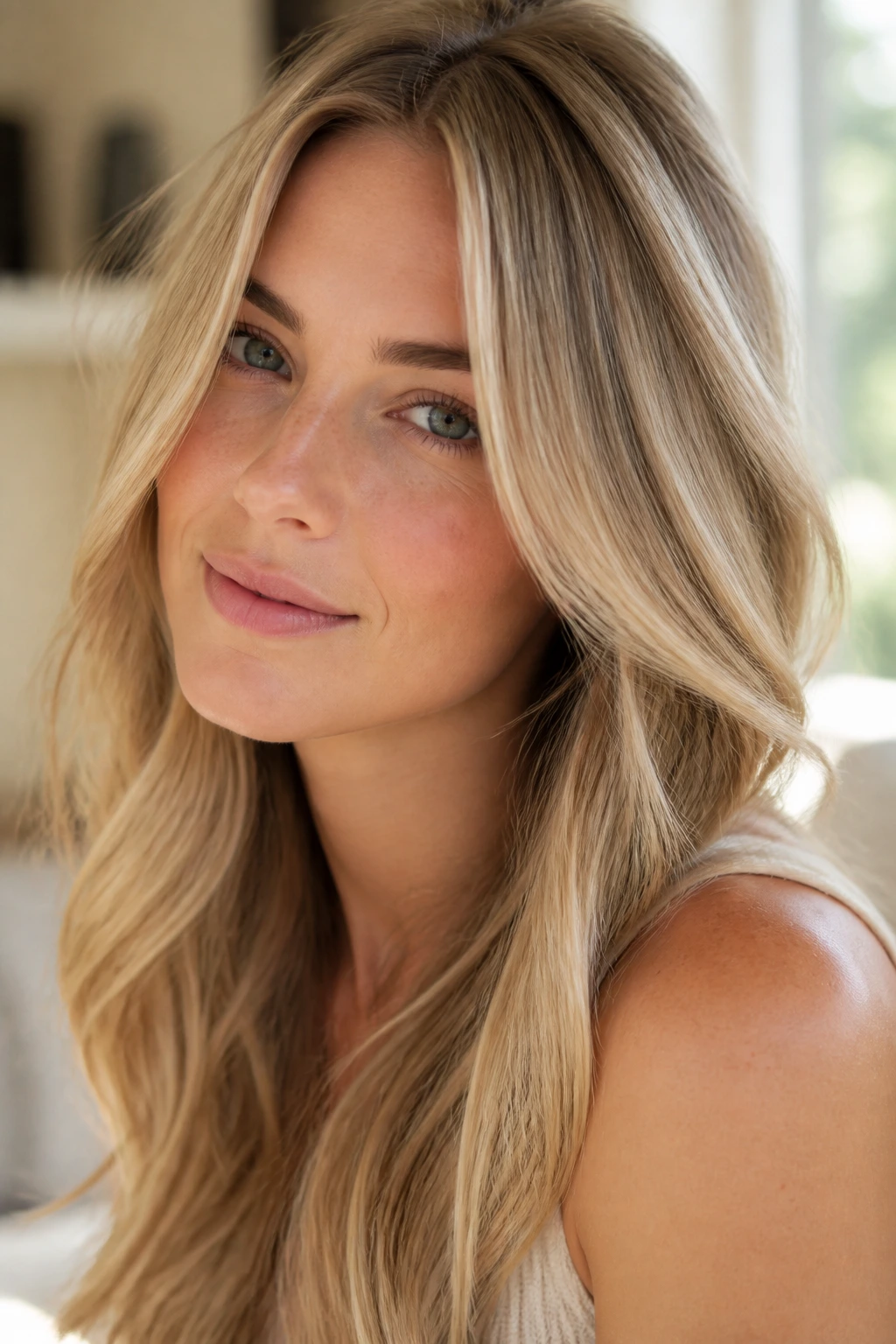
The best babylight blondes do not shout. They move. That’s the whole point. A little shadow at the root, a few fine ribbons around the face, and a toner that knows when to stop — those details matter more than chasing the palest shade in the room.
What makes this style worth booking is the way it gives blonde shape. Champagne looks cleaner, honey looks richer, platinum looks sharper, and beige starts to feel like a color choice instead of a safe compromise. If the placement is good, the hair grows out with grace instead of panic.
Bring a few photos, name the tone you like, and be honest about upkeep. That small conversation is usually what separates a blonde that looks clever from one that looks accidental.