



Warm platinum blonde hair color ideas for fair skin look best when they keep a little warmth in the tone. Too icy, and the face can turn flat, almost bluish under indoor light. Too yellow, and the blonde starts looking brassy by the second shampoo. The sweet spot sits in that narrow band between vanilla, champagne, beige, and soft gold — and when it lands there, the color does something sneaky and useful: it makes pale skin look clearer, softer, and less washed out without dulling the blonde itself.
That balance matters more on fair skin than people think. Porcelain complexions, pink undertones, freckles, and neutral-light skin can all wear platinum, but the finish has to be chosen with a little care. A warm platinum blonde doesn’t fight the skin; it gives it a frame. The best versions keep the brightness high at the ends and the warmth gentle near the face, so the whole look feels luminous instead of stark. I’m a fan of that softer, richer route. It’s easier on the eyes, and frankly, it wears better in real life.
The best part is how many directions you can take it. Some warm platinum looks read as melted butter at the ends. Others lean champagne, cream soda, toasted beige, or apricot-kissed blonde. You can wear it sleek, airy, wavy, rooty, glossy, shaggy, bobbed, or cropped short. The color stays the same family, but the mood changes fast. And that’s where the fun starts.
Why These Warm Platinum Ideas Work on Fair Skin
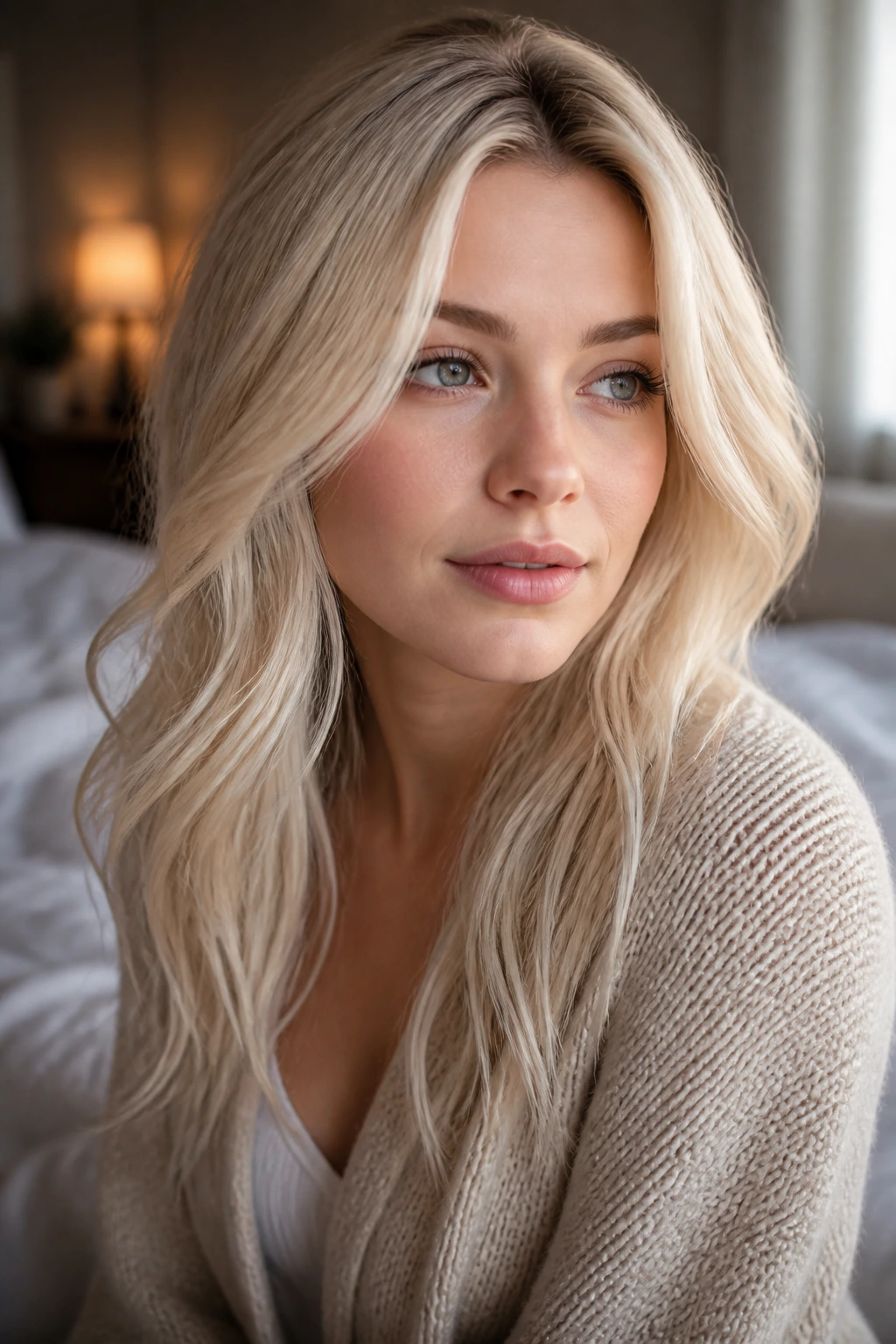
Fair skin needs contrast, but not punishment. A hard white platinum can look sharp in a photo and harsh in a mirror. The warmer versions in this collection keep the brightness while softening the edge, which is why they tend to flatter pink, cool, neutral, and freckled complexions so well.
- Soft warmth beats flat ice: Beige, vanilla, and champagne tones stop the blonde from looking chalky against pale skin.
- Root softness helps the face: A shadow root or gentle melt gives the eyes and brows a little anchor, especially if your complexion is very light.
- Gloss matters more than depth: Warm platinum usually looks better when it has a sheen, not a heavy opaque finish. The shine is part of the color.
- Low contrast is friendlier: Fair skin often looks more balanced when the blonde doesn’t jump too hard from dark roots to white ends.
- These shades are easier to live with: A warm platinum that leans beige or honey usually grows out less aggressively than a silver-white blonde.
If you’ve ever walked out with a bleach-blonde finish that made your skin look tired, this is the correction. Not darker. Better tuned.
1. Butter-Glaze Platinum
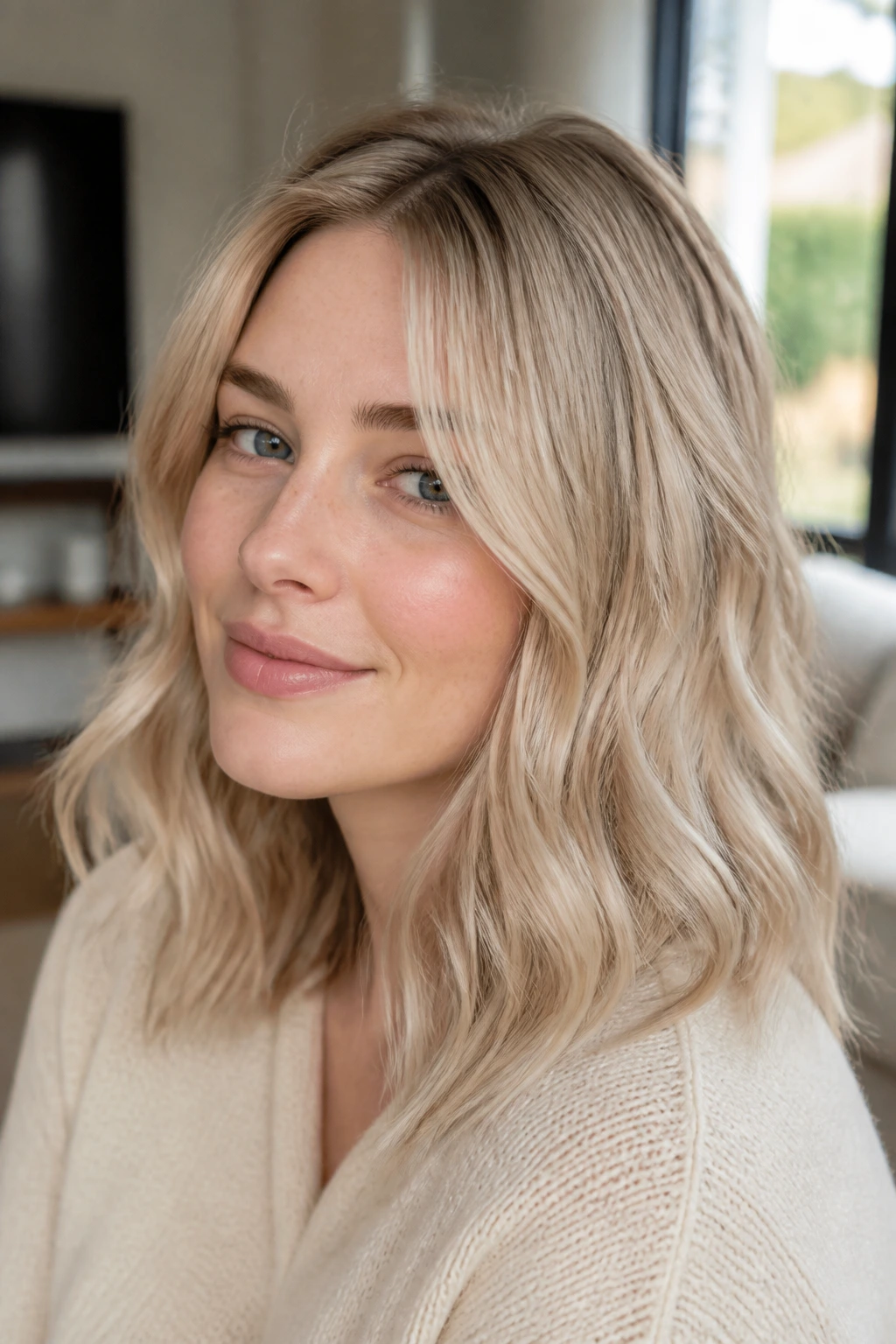
Butter-glaze platinum sits right on that edge where blonde still looks bright, but the tone feels melted rather than icy. On fair skin, it has a way of making the complexion look calmer. If your skin leans pink or porcelain, this shade keeps the face from disappearing into the hair.
A soft beige toner with a creamy gold finish is the trick here. Ask for brightness at the mids and ends, then a whisper of warmth that shows up most in daylight. I like this shade on shoulder-length cuts and soft waves because the bend in the hair catches the color and keeps it from reading flat. On stick-straight hair, it needs shine or it can look a little plain.
Best if you want:
- Bright blonde without the cold finish
- A warmer version of classic platinum
- A color that looks rich in indoor light
Skip if:
- You want silver or pearl tones
- Your skin is already very golden and you do not want more warmth near the face
Tiny note: butter-glaze blonde looks best when the ends stay crisp and the roots stay soft. Hard root lines steal the whole effect.
2. Champagne Cream Platinum
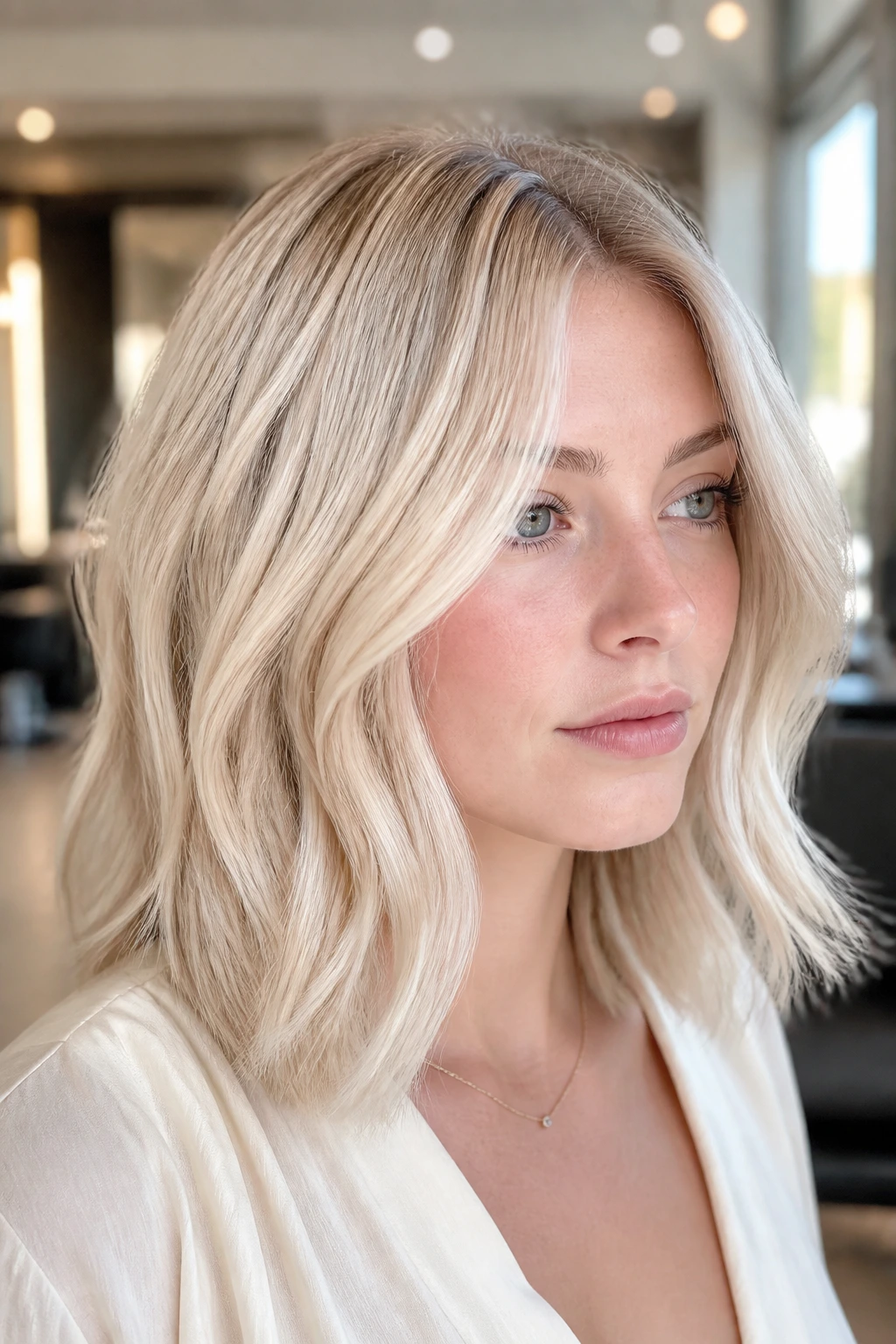
Champagne cream platinum has a fizz to it — not literal sparkle, just that light beige-gold lift that makes the hair look expensive without shouting. It’s one of my favorite warm platinum blonde hair color ideas for fair skin because it brings enough warmth to flatter light complexions without tipping into yellow.
The nice thing about this shade is how it sits between tonal families. You can wear it with pink undertones and it keeps the skin from looking cold. You can wear it with neutral skin and it still reads balanced. I’d ask for a level 10 blonde with a champagne gloss and barely-there beige lowlighting under the surface. That hidden depth is what keeps it from looking one-note.
This one shines on lob cuts, glossy blowouts, and loose waves. It also behaves well on fine hair because the color itself does some of the visual work. The finish looks airy, not heavy.
3. Honeyed Root Melt Platinum
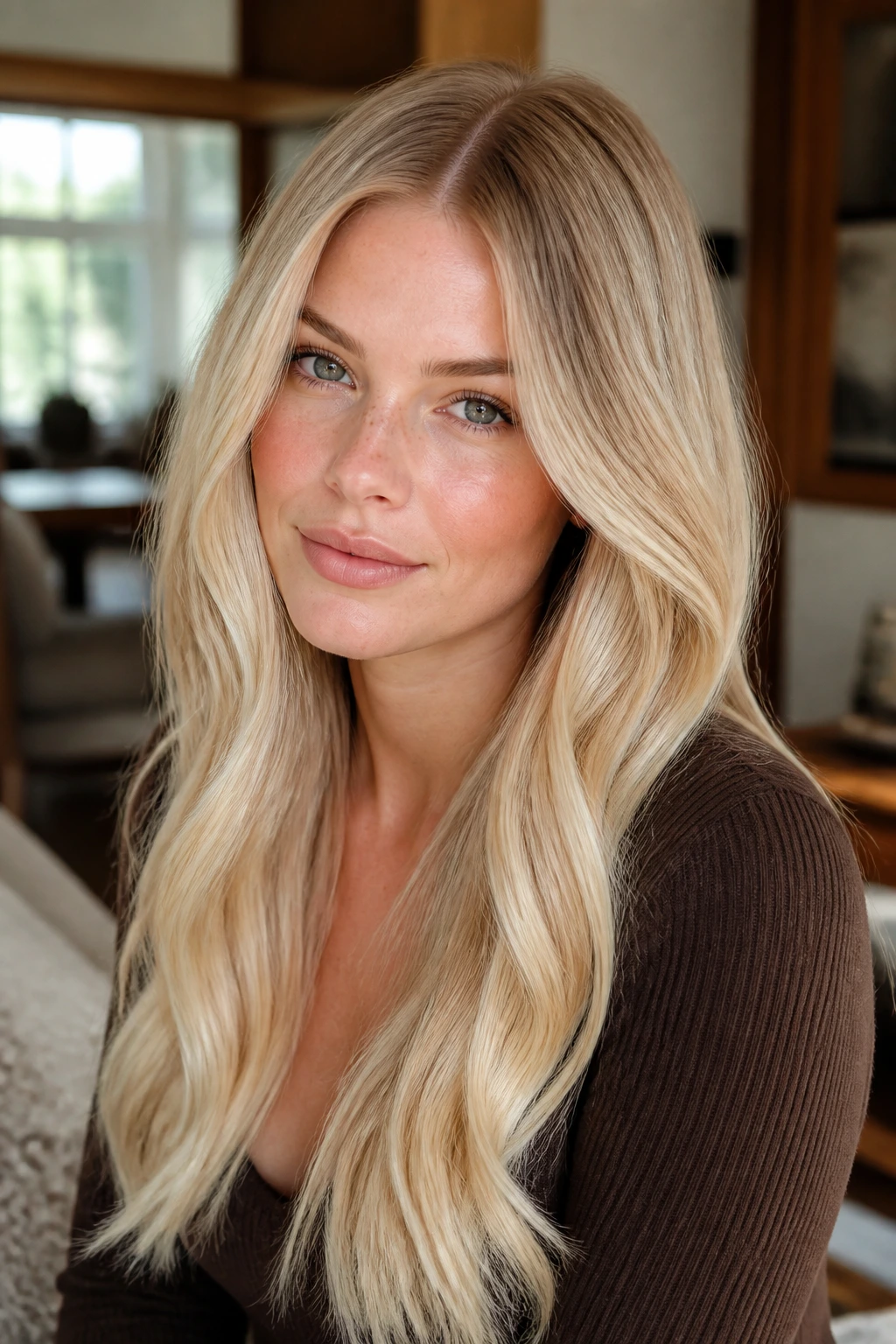
A honeyed root melt is the move when you want platinum at the ends but less shock at the scalp. The transition starts a shade or two deeper at the root, then slides into a creamy blonde that stays warm, not orange. On fair skin, that root softness is a gift. It keeps the face framed and stops the top from turning ghostly.
This is one of those shades that looks deliberate even when the cut is simple. A center part and long layers make the melt obvious. A side part softens it even more. Either way, the grow-out is kinder than a single-process platinum, which matters if you are not in a salon chair every few weeks.
The trick:
- Keep the root muted, not muddy
- Let the midlengths stay beige-gold
- Leave the ends the brightest point
If your brows are light or your lashes are barely there, this is a smart choice. The darker root gives the face enough shape to hold the blonde up.
4. Beige-White Platinum Bob
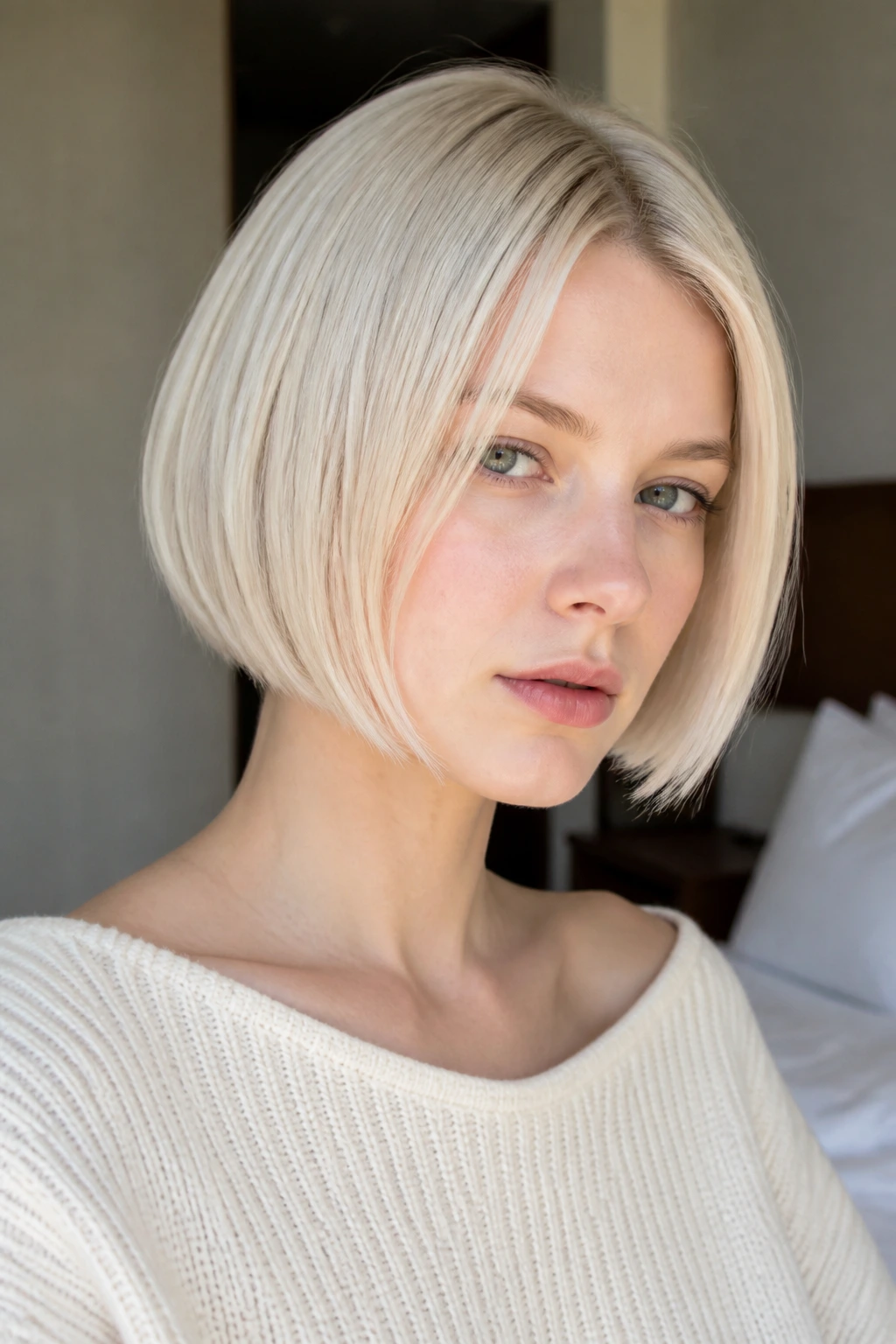
A beige-white platinum bob is for the reader who wants structure with the color. A blunt bob takes warm platinum and makes it look clean, almost tailored. The beige tone keeps pale skin from going flat; the cut keeps the whole look from feeling too soft or airy.
This shade works best when the toner lands in the middle of vanilla and ivory. Not butter-yellow. Not silver. Think polished cream. On fair skin, especially skin with cool undertones, that balance is better than a straight white platinum because it gives the face a little warmth without making the blonde look dull.
I love this with a jaw-skimming cut and a slight bend at the ends. Too much curl and the bob loses its edge. Too little movement and the color can feel a bit severe. A quick round-brush blowout usually solves that.
5. Vanilla Bean Platinum Waves
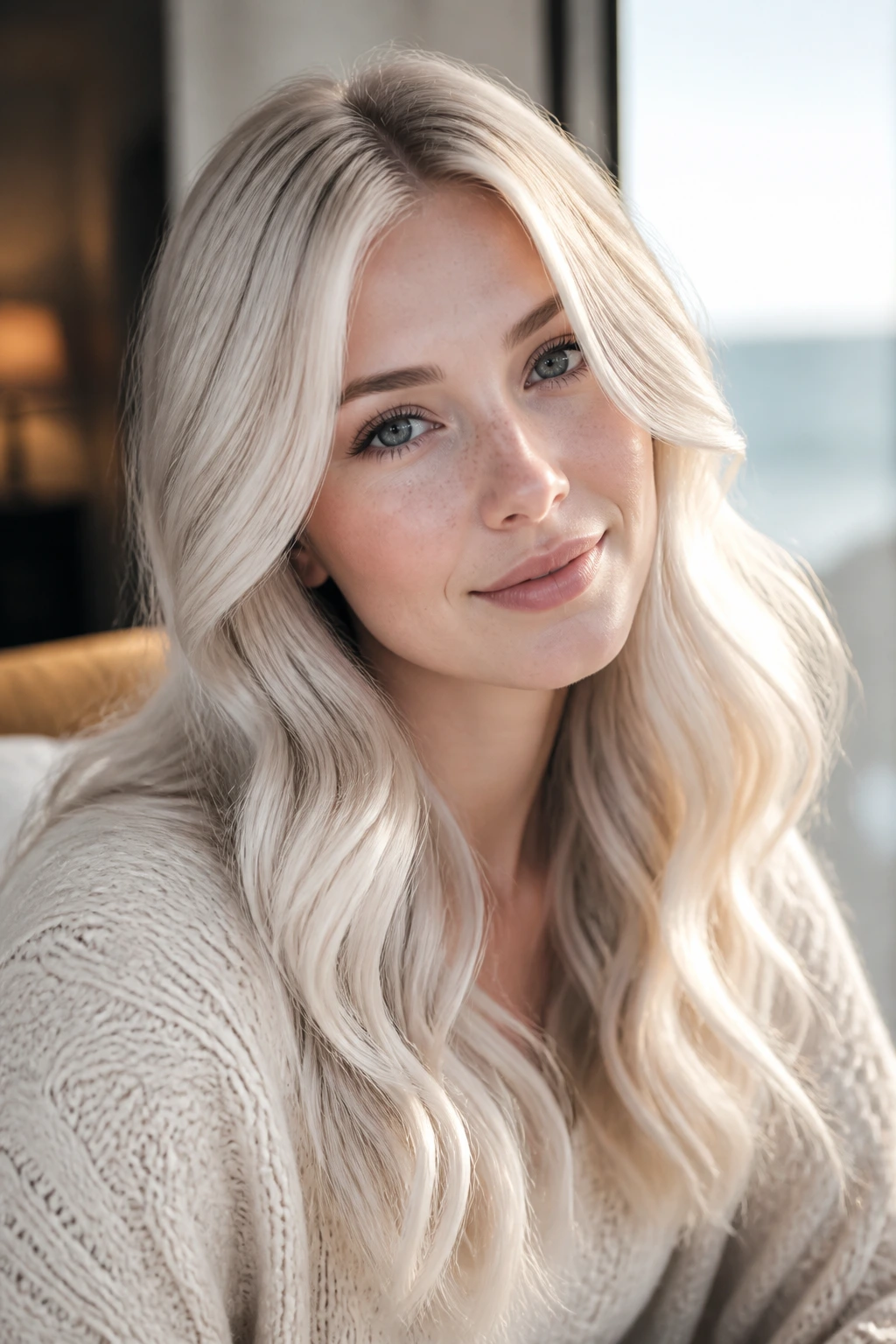
Vanilla bean platinum is what happens when platinum decides to act civilized. It’s bright, yes, but the tone carries a soft milkiness that flatters fair skin without washing it out. If your complexion gets blotchy in white light, this is usually easier to wear than icy blonde.
Waves help this shade a lot. They break up the color so the vanilla and the platinum can move together instead of sitting like a solid block. Ask for a very light base with a creamy gloss, then keep the ends a fraction brighter. That little contrast makes the waves catch the light in a way that feels smooth rather than stripey.
This is a good choice if you like hair that looks expensive but not stiff. It reads relaxed, not overworked. And on fair skin, that matters. The wrong platinum can make the face look like it’s standing next to the hair instead of inside it.
6. Peach-Kissed Platinum
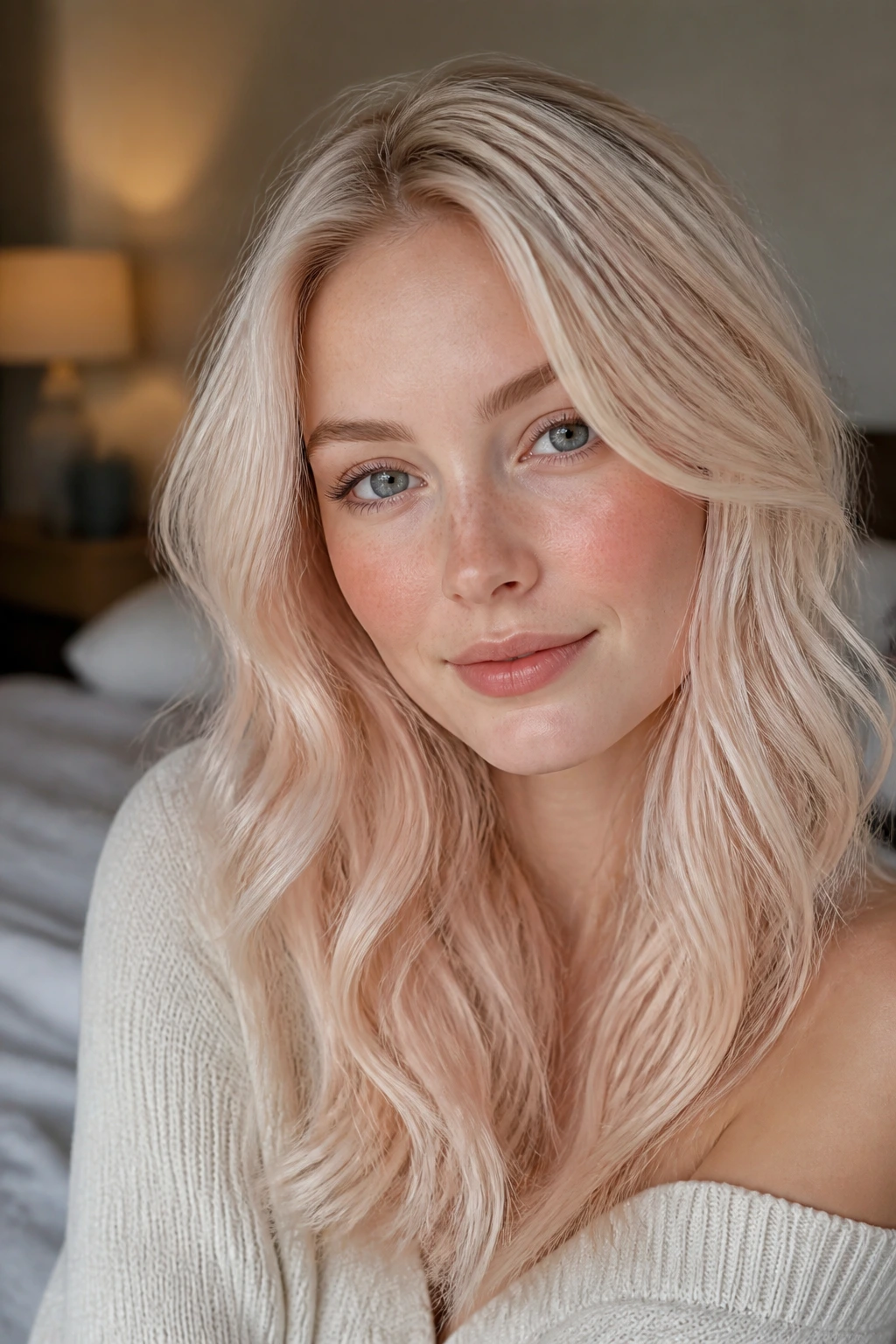
Peach-kissed platinum is one of the prettiest ways to warm up very fair skin, especially if the skin leans pink or slightly ruddy. The peach note is subtle. It should look like a soft flush inside the blonde, not obvious pastel hair. Too much, and it turns novelty fast.
What I like here is the softening effect around the face. Peach tones can calm the sharpness that platinum sometimes creates on pale complexions. They also play well with freckles. If your skin has little sun spots or a rosy cast, this version makes those details look intentional rather than something to hide.
A layered cut helps. So does a gloss refresh every few weeks, because peach can fade into a bland beige if you leave it alone too long. You want the tone to stay creamy and light, not dusty.
7. Cream Soda Balayage
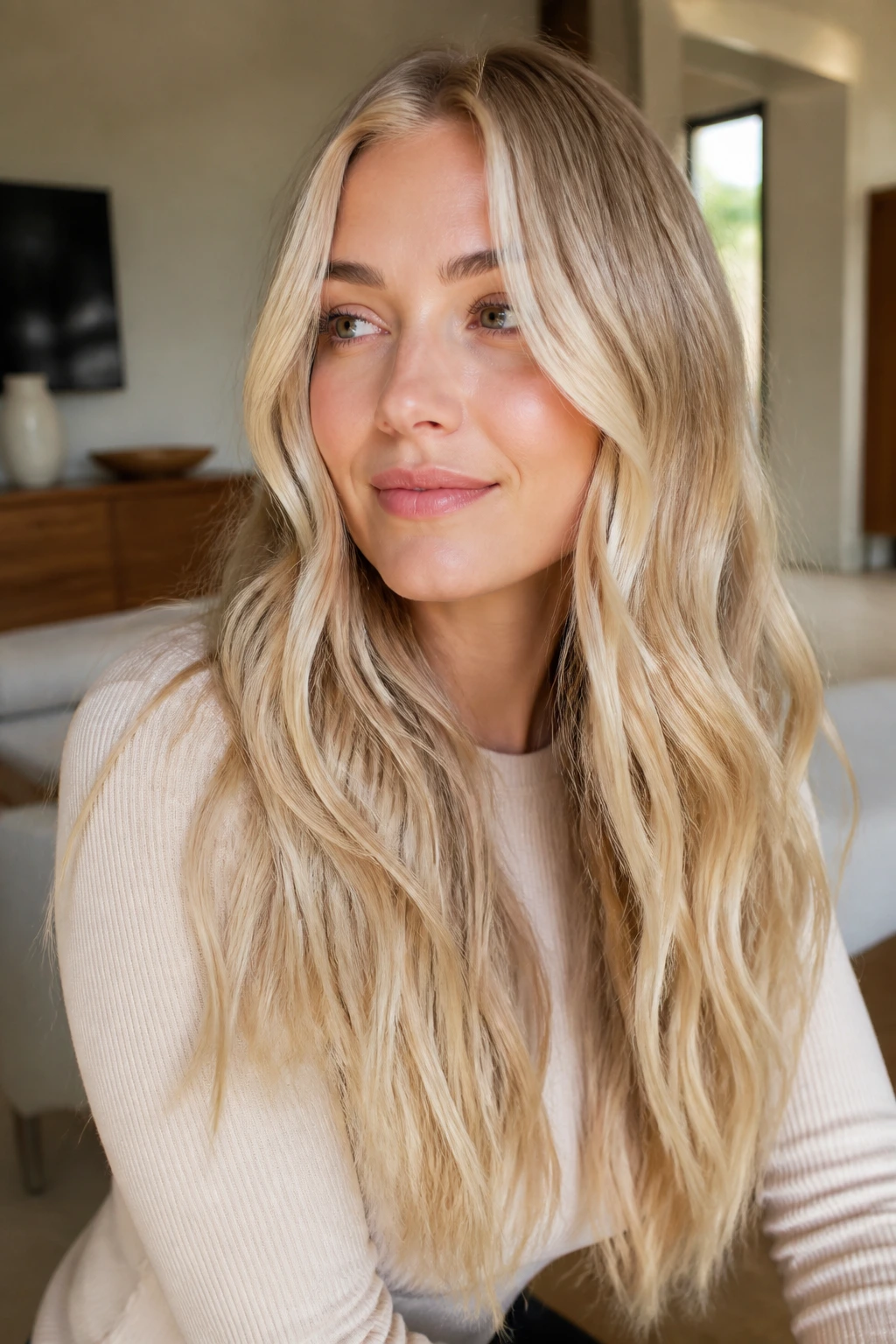
Cream soda balayage is a warmer, more relaxed take on platinum. Instead of a solid sheet of blonde, you get ribbons of cream, pale gold, and soft beige painted through the hair. For fair skin, that variation is useful. It stops the color from flattening the face and gives the eye something to follow.
Balayage also helps if you don’t want the maintenance of a full platinum lift. The darker ribbons near the lower layers keep the hair looking dimensional. On very light skin, that dimension creates shape where a single flat tone can disappear. I’d pair this with soft curls or brushed-out waves, because the color movement shows up better that way.
Why it works:
- The warmth lives in the ribbons, not the whole head
- Grow-out is softer than a full bleach-and-tone service
- It gives fine hair more visual body
If your life includes dry shampoo and a rushed mirror check before leaving the house, this shade is generous. It forgives more than a precise single-process blonde.
8. Golden Veil Platinum Pixie
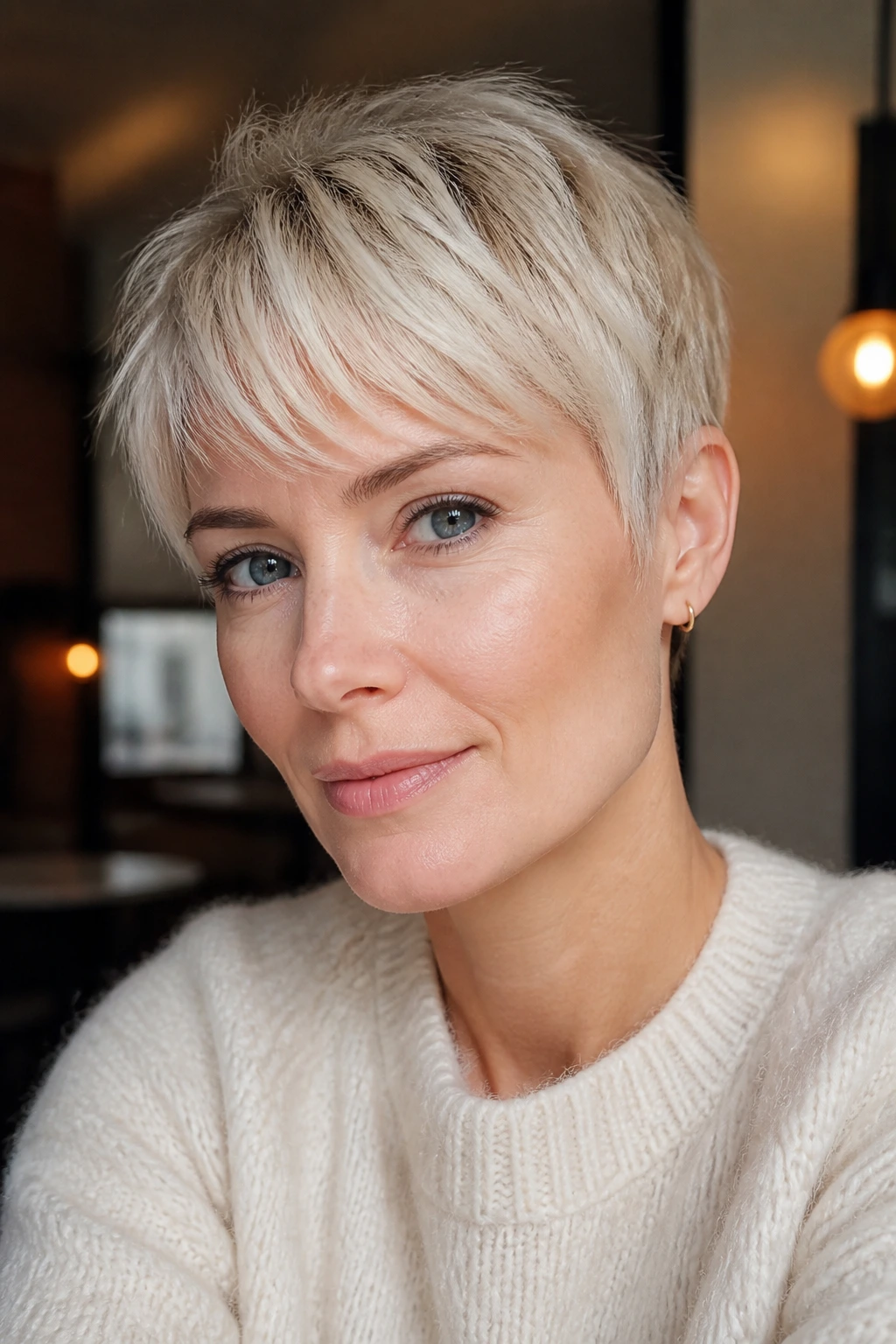
A pixie in warm platinum has a different energy from a long blonde wave. It’s sharper, lighter, and honestly a little cooler in style even when the tone itself is warm. The “golden veil” part matters because fair skin can get lost under a too-white crop. The warm glaze keeps the cut from looking severe.
This shade works especially well if you wear makeup lightly. A short cut leaves your face exposed, so a hint of champagne or gold in the hair keeps the whole look from turning clinical. I like it best with a textured top, a soft fringe, and a bit of root shadow for depth.
It’s also a smart move if your hair is fragile. A pixie needs less length to lighten, and that can mean less damage overall. You still need toner upkeep, though. Short platinum hair shows fading fast.
9. Pearl-Platinum with Warm Finish
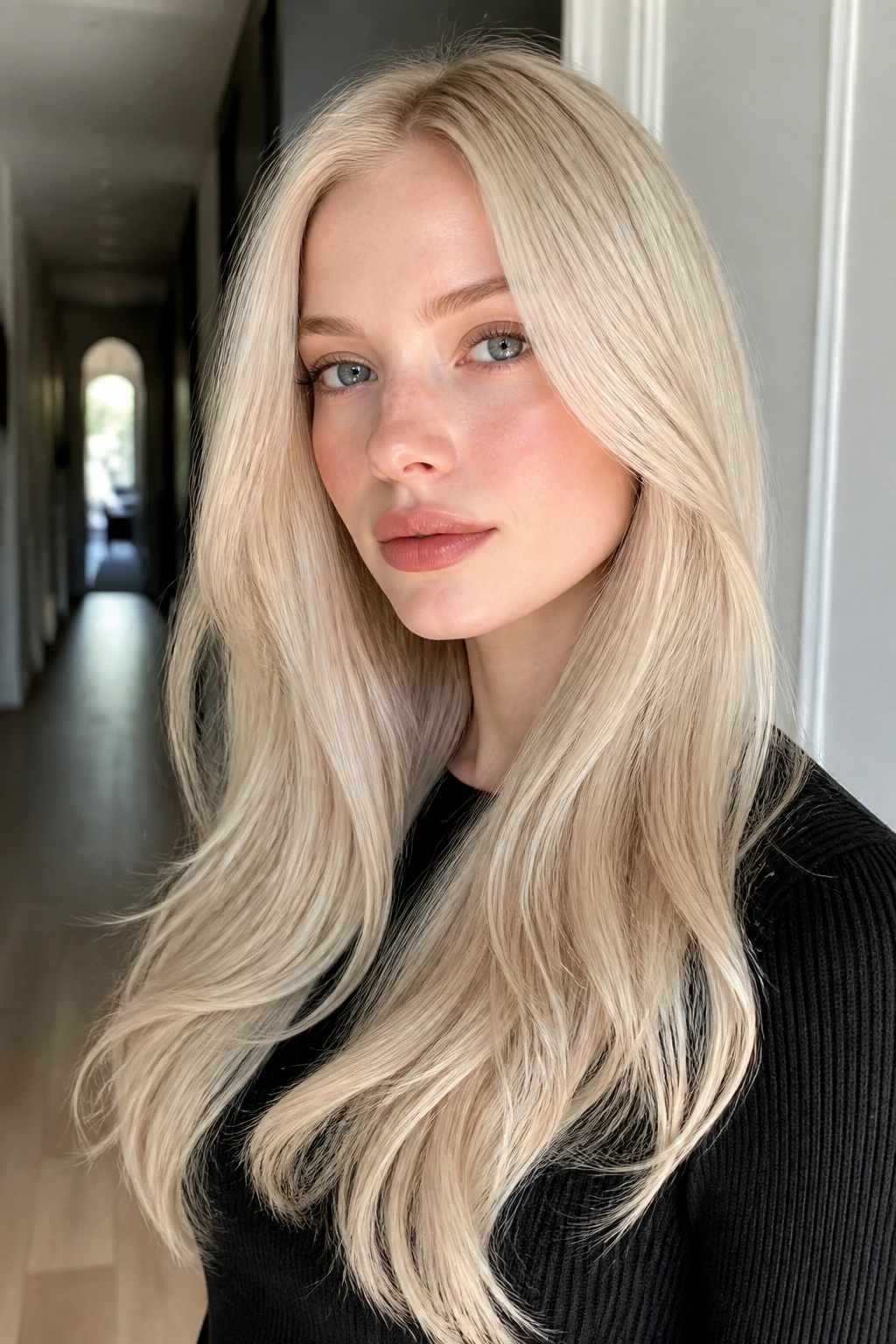
Pearl-platinum usually sounds icy, but the warm finish changes the story. Instead of silver-white, you get a creamy pearl tone with just enough beige underneath to make fair skin look alive. That little warmth saves the face from going blue in harsh light.
This is a very good option if you like elegant, smooth color and don’t want visible gold. It works on long hair, sure, but it’s especially striking on sleek cuts with clean ends. The tone itself does the heavy lifting, so the styling can stay simple. Middle part. Glossy blowout. Maybe a tucked-behind-the-ear moment. Done.
If your skin is pale but not pink — more neutral, maybe with a slightly olive cast — pearl-platinum with warmth can be easier than classic icy platinum. It keeps the face bright without making the hair look frosted to the point of stiffness.
10. Toasted Almond Platinum
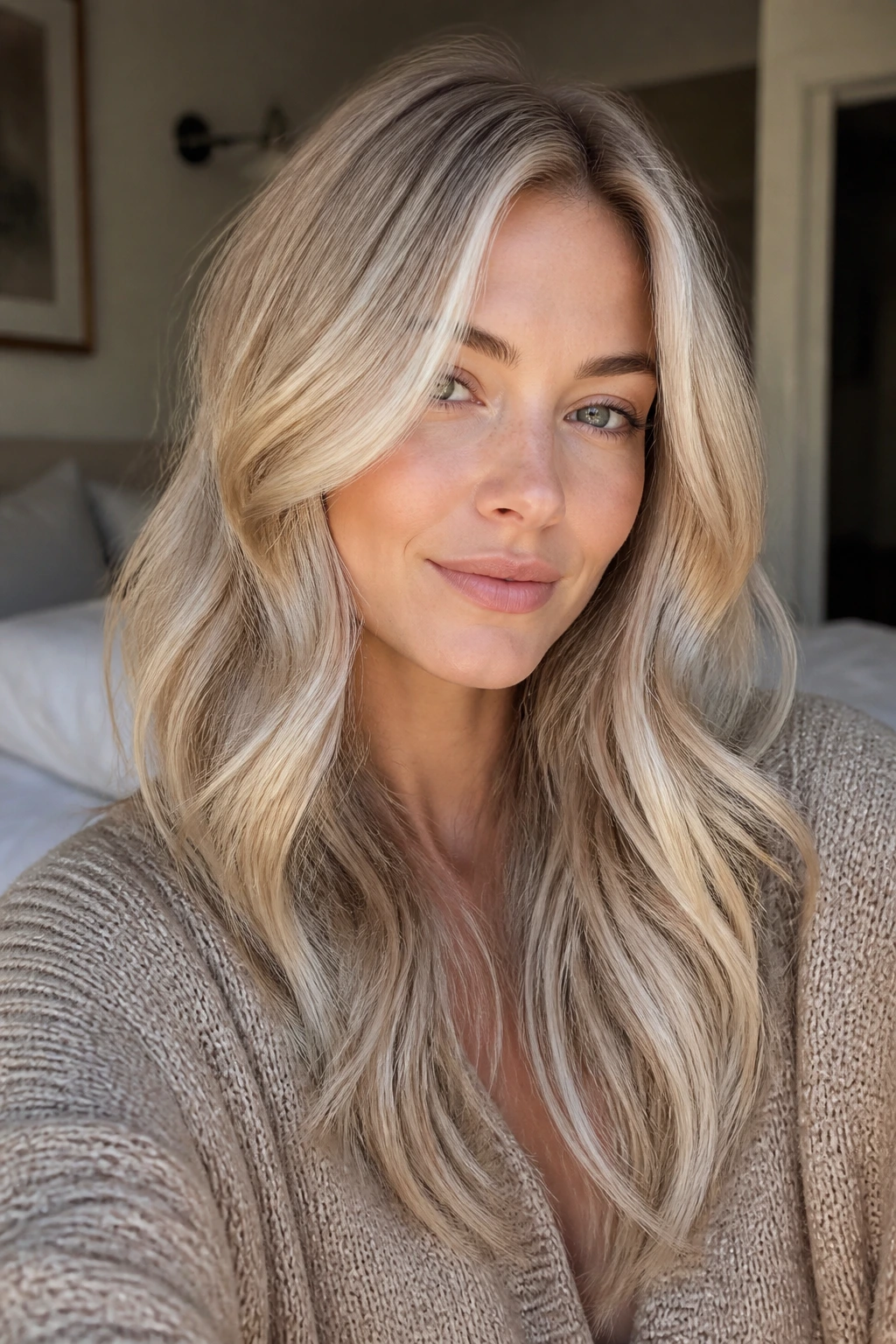
Toasted almond platinum sits a notch deeper than the brightest shades, and that’s the charm. It gives fair skin a little contrast without making the blonde too stark. The almond note adds a nutty beige cast that feels gentle, almost buttery, but a shade earthier.
I’d choose this if you want a warm platinum that looks believable on everyday skin, not just in a salon mirror. It works well with soft layers and a slightly undone finish. Straight, glossy hair can make it read a little plain; a loose bend brings the warmth forward.
Good match for:
- Fair skin with neutral undertones
- People who want blonde but not bleach-white
- Cuts that need texture more than drama
The color is subtle in the best way. It doesn’t announce itself from across the room. It just makes the hair look cared for.
11. Butterscotch Money Piece Platinum
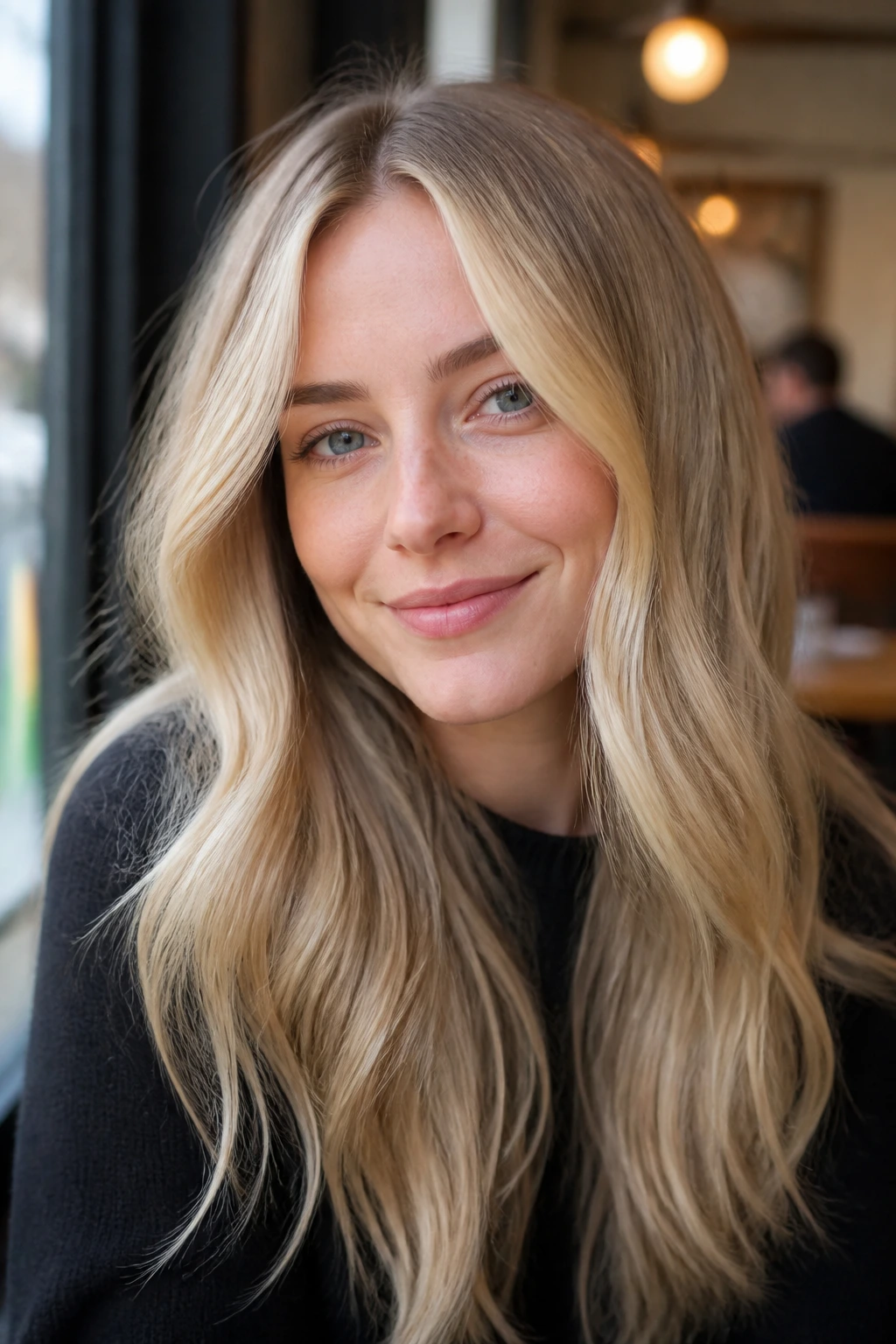
A butterscotch money piece gives you brightness exactly where you want it — around the face — while leaving the rest of the hair calmer. On fair skin, this can be a smart compromise. The face-framing pieces bring warmth and lift, while the deeper lengths keep the whole look from going too yellow.
I like this because it lets the skin and hair talk to each other. If you have light brows or very pale eyes, the warm front panels pull the features into focus. If the rest of your hair is slightly cooler beige, even better. The contrast keeps the style lively.
This is the kind of blonde that looks best when you tuck a few pieces behind one ear or let them fall around a collarbone-length cut. You want those brighter front sections to do their job. Otherwise, why bother?
12. Sandy Platinum Lob
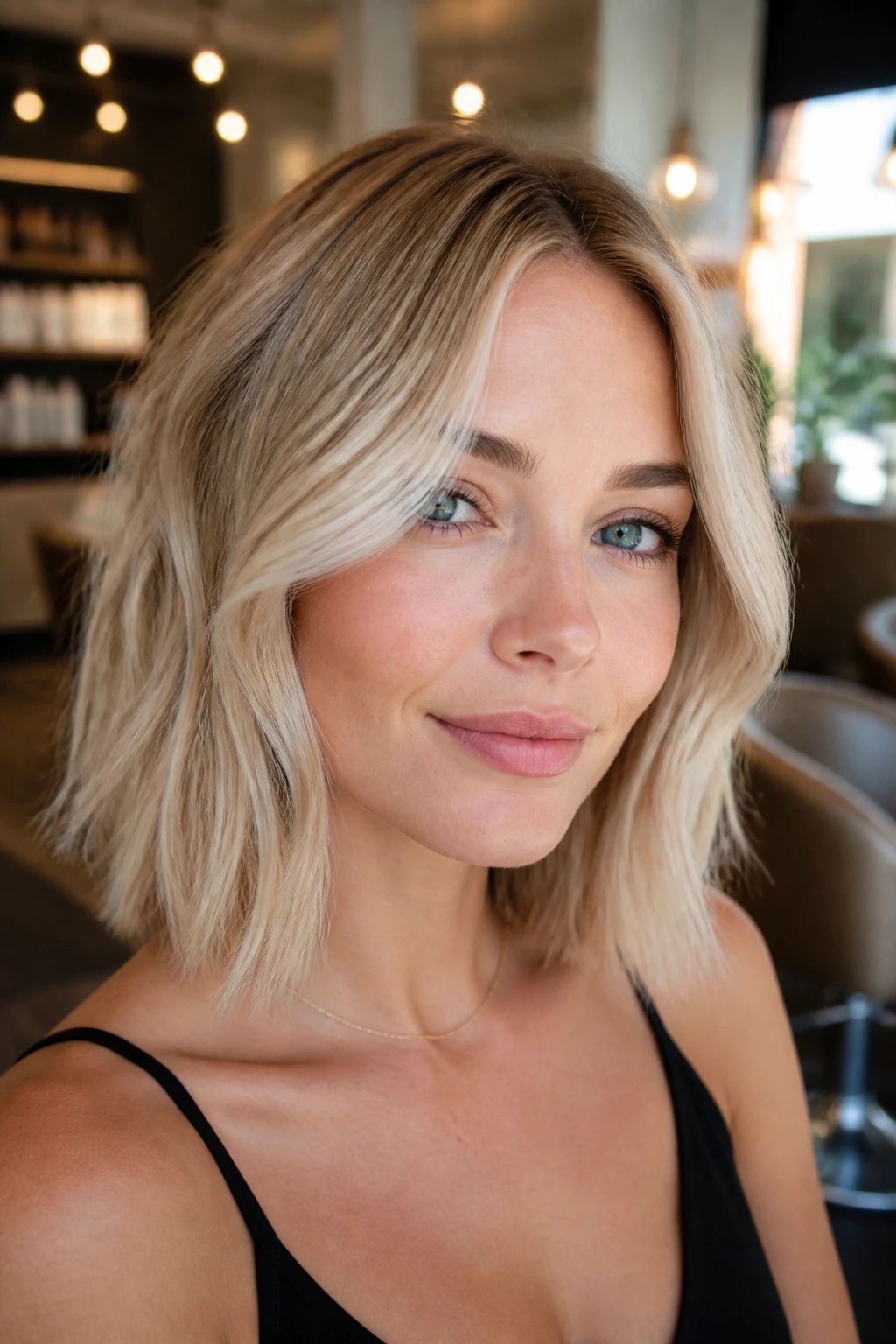
Sandy platinum is the version I reach for when someone says, “I want blonde, but I don’t want it to look obvious.” That’s a useful sentence. On fair skin, sandy blonde avoids the harshness of white platinum and the warmth of honey blonde. It lands in the middle, which gives the face a softer frame.
A lob keeps the color from feeling too precious. The cut has enough length to show the tone shift from root to end, but it’s not so long that the shade starts to drift into flatness. Add some wave, and the sandy finish picks up texture in a very easy way.
This one is especially good if you wear minimal makeup. The color does not compete with the face. It supports it. That’s a rare and underrated thing.
13. Sunlit Cream Blonde with Face Framing
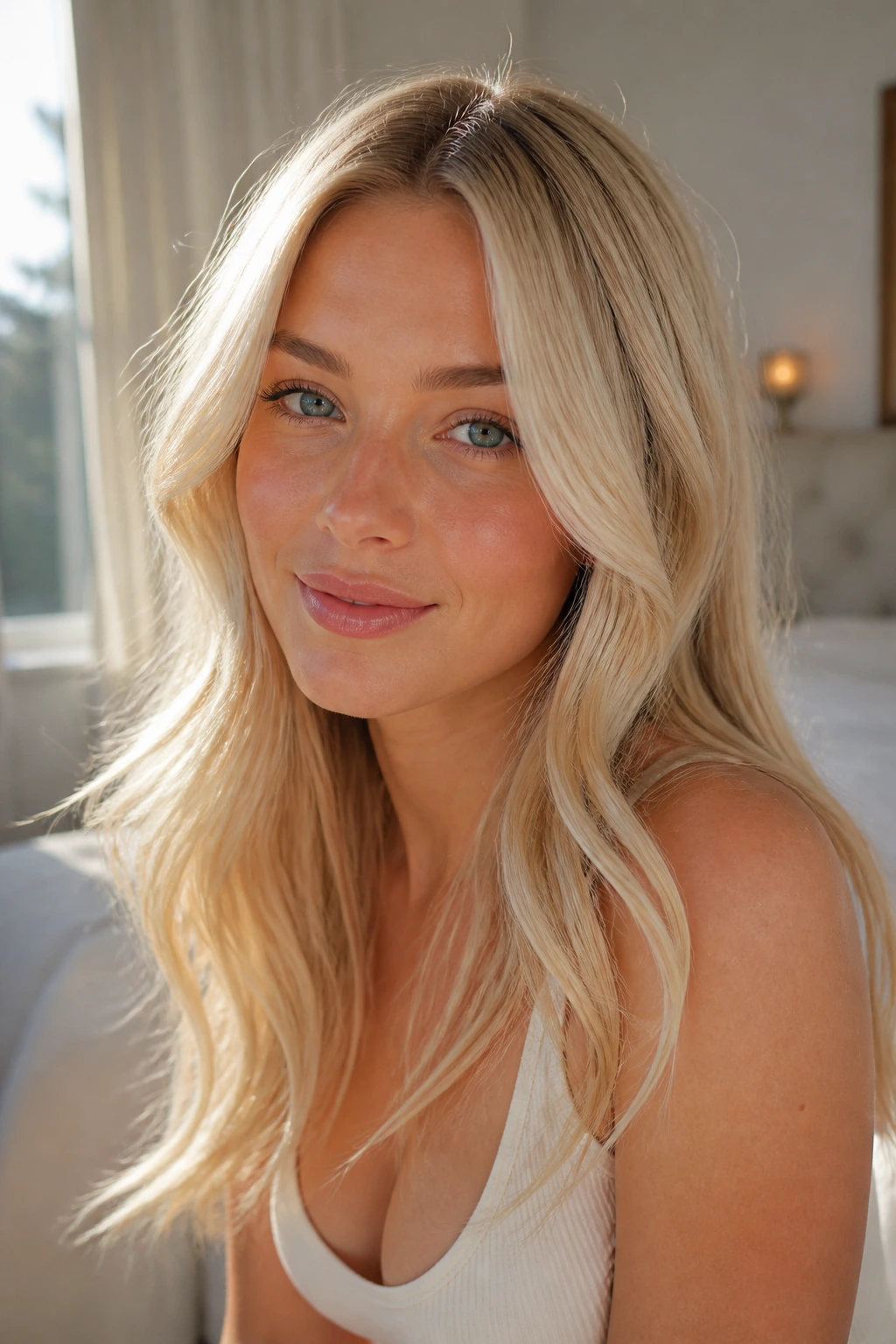
Sunlit cream blonde is bright, but the brightness feels natural rather than bleached. The face-framing pieces are the key. They lighten the area closest to fair skin and keep the color soft where the eye lands first. That makes the skin look warmer without making the whole head one flat tone.
This is a great shade if you live in messy hair. The color still looks polished when the waves fall out. The lighter front pieces make even a loose ponytail feel intentional. I’d ask for creamy ends, slightly brighter ribbons around the cheekbones, and a soft root that avoids a hard line.
It’s flattering on fair skin because it creates brightness exactly where pale complexions need it most: around the eyes, cheeks, and temples. Not everywhere. Just enough.
14. Vanilla Latte Platinum Layers
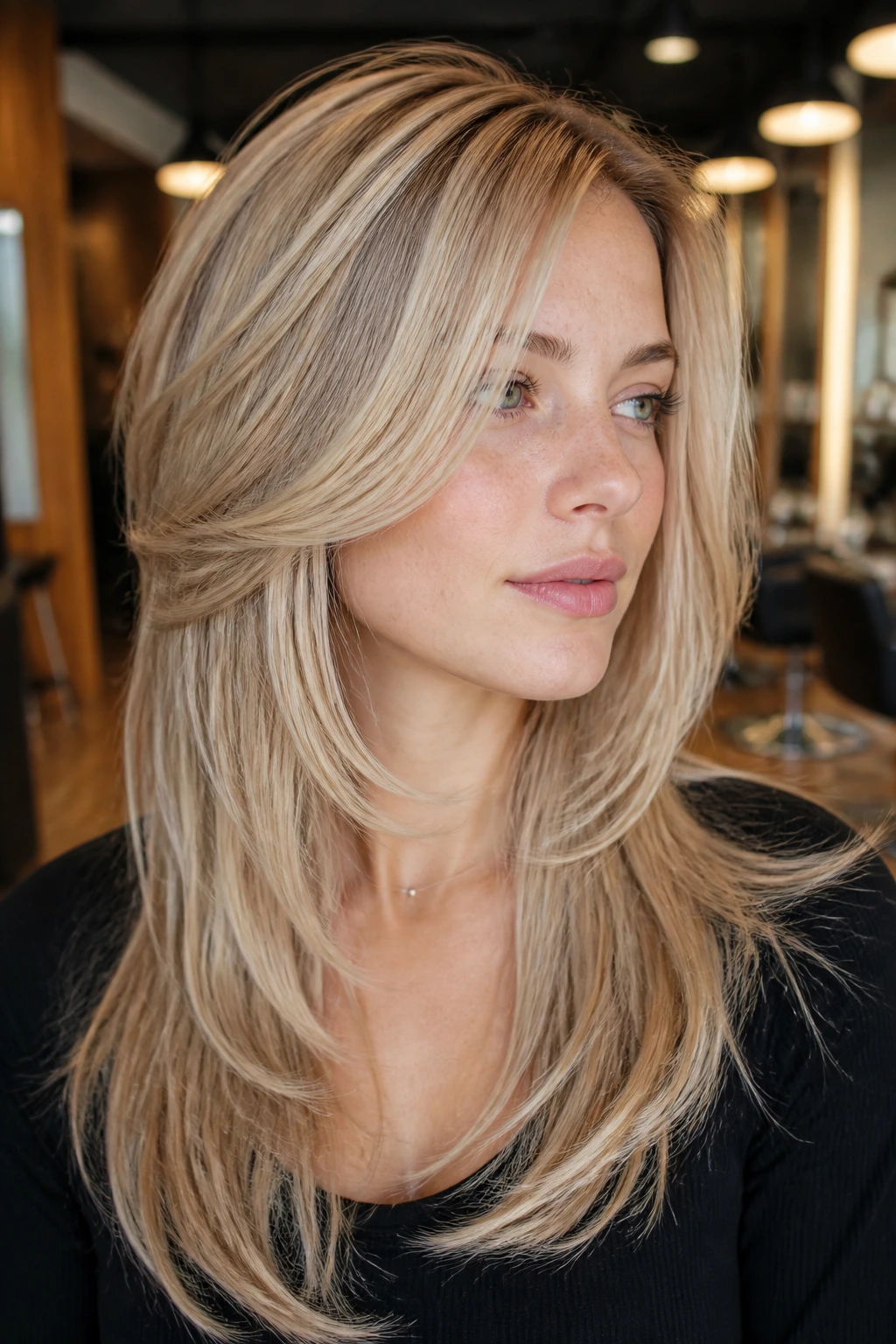
Vanilla latte platinum has that soft coffee-and-cream feel, which sounds cozy and a bit silly until you see it next to fair skin. Then it makes sense. The base is light enough to stay in platinum territory, but the beige-gold warmth gives the whole style a smoother edge.
Layered cuts are where this color wakes up. The movement keeps the tones from sitting still and helps the lighter pieces separate from the shadow underneath. If your hair is fine, layers can also make the blonde look fuller, because the color changes are easier to see.
I like this shade for people who want something elegant but not icy. It’s a little easier on pale skin, a little less demanding in makeup, and a little more forgiving when the toner starts to fade.
15. Warm Platinum with Shadow Root
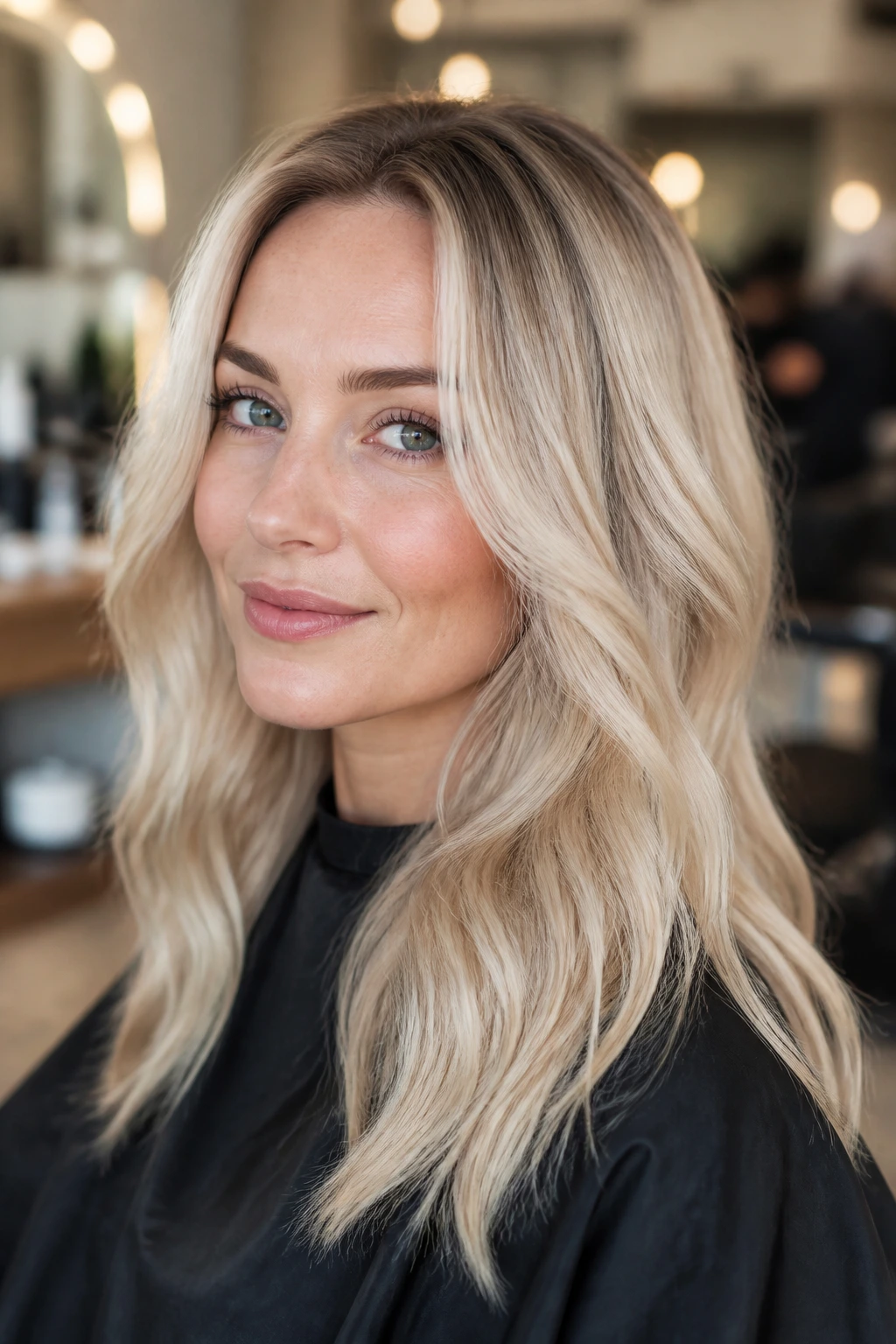
Shadow root warm platinum is one of the least fussy ways to wear a very light blonde. The root stays slightly deeper, maybe a soft beige-brown or neutral blonde, and the platinum starts a little lower down. On fair skin, that depth at the scalp keeps the face from floating away from the hair.
This is a practical shade, but not a boring one. The contrast makes the ends look even brighter. It also stretches the life of the color between salon visits, which is no small thing when you’re dealing with lightening and toner maintenance.
What to ask for:
- A soft root melt, not a stripe
- Beige or vanilla mids
- Bright but warm ends
If you want platinum but hate obvious grow-out, start here. It’s the adult version of blonde. Still pretty. Less needy.
16. Buttercream Platinum Curly Crop
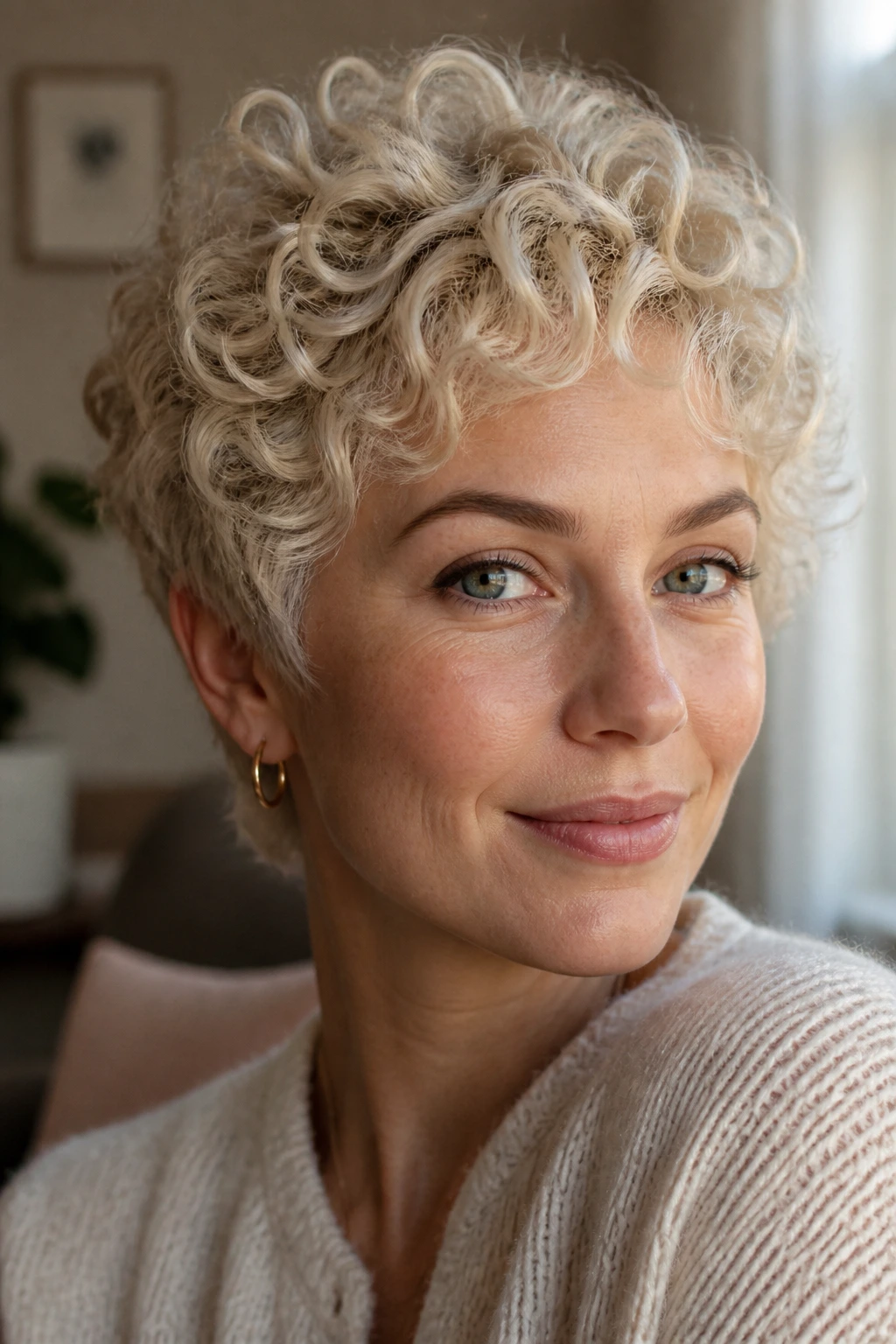
Curly hair and platinum can be a tricky pair if the tone gets too cold. Buttercream platinum solves that problem by bringing warmth back into the curl pattern. The curls themselves do the work here. Warm highlights catch on the bends, and fair skin gets a softer halo around the face.
This shade is especially good on short curly cuts, where too much darkness can feel heavy and too much ice can feel harsh. Buttercream blonde keeps the texture visible and the finish soft. I’d go for a cream gloss with a hint of gold, then keep the curls hydrated so the color doesn’t sit on top of dry frizz.
This is one of those looks that can feel playful or polished depending on how you style it. Air-dry for something casual. Diffuse for a cleaner shape. Either way, the warmth helps.
17. Champagne Beige Platinum Updo-Friendly Blonde
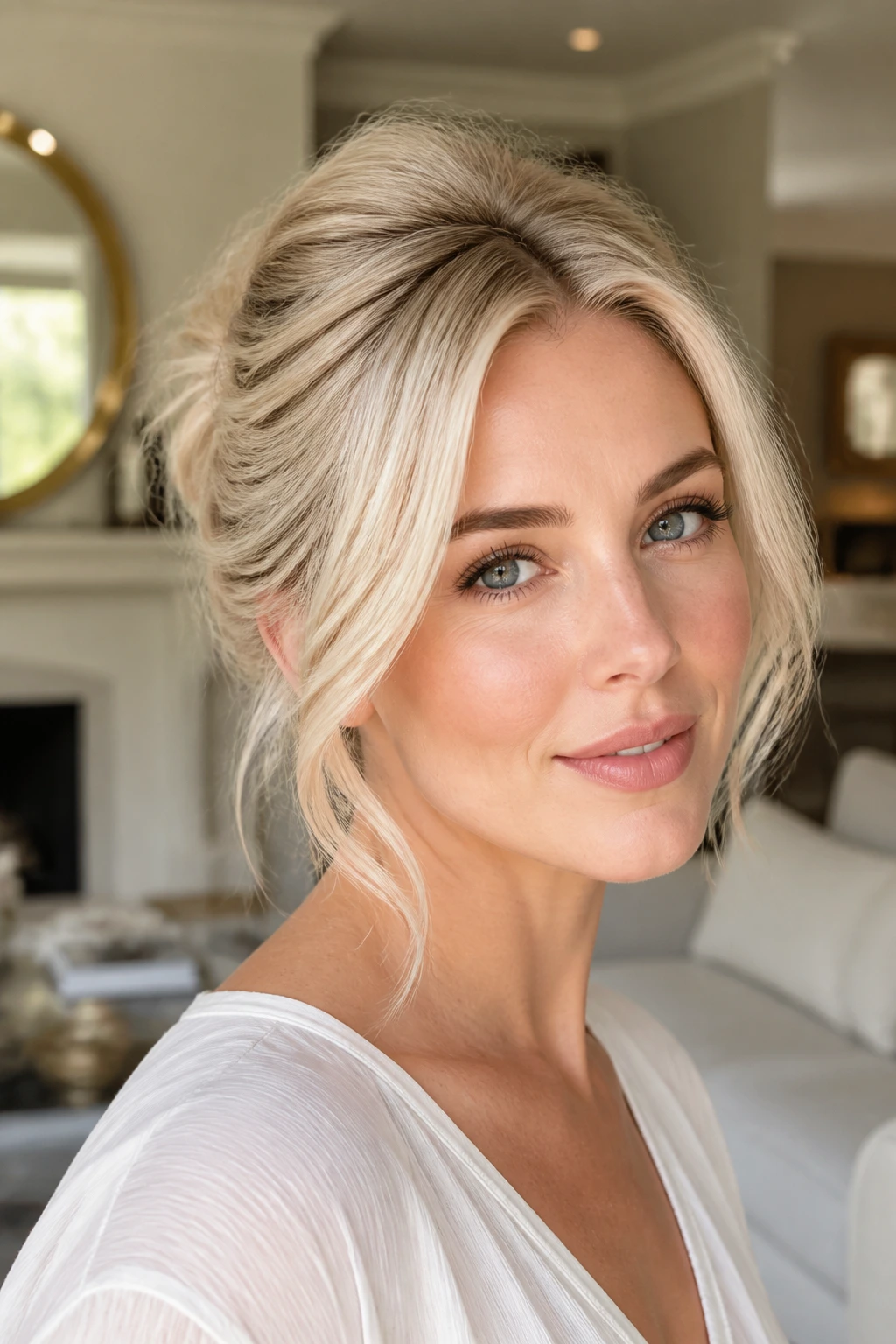
Some blondes look best loose. Champagne beige platinum is the opposite. It’s made for buns, twists, half-up styles, and sleek pinned looks where the color needs to hold its shape. On fair skin, the champagne-beige tone keeps the hair from becoming too stark when pulled back from the face.
That matters more than people expect. A very cool platinum updo can make pale skin look almost erased around the temples and jaw. This warmer version leaves a little glow behind. It also photographs well under indoor light, where pure silver blonde can go flat and dull.
If you wear your hair up a lot, ask for a finish that stays creamy through the midlengths and ends. The goal is a soft champagne finish, not a gold band. That difference is everything.
18. Maple Cream Platinum Long Layers
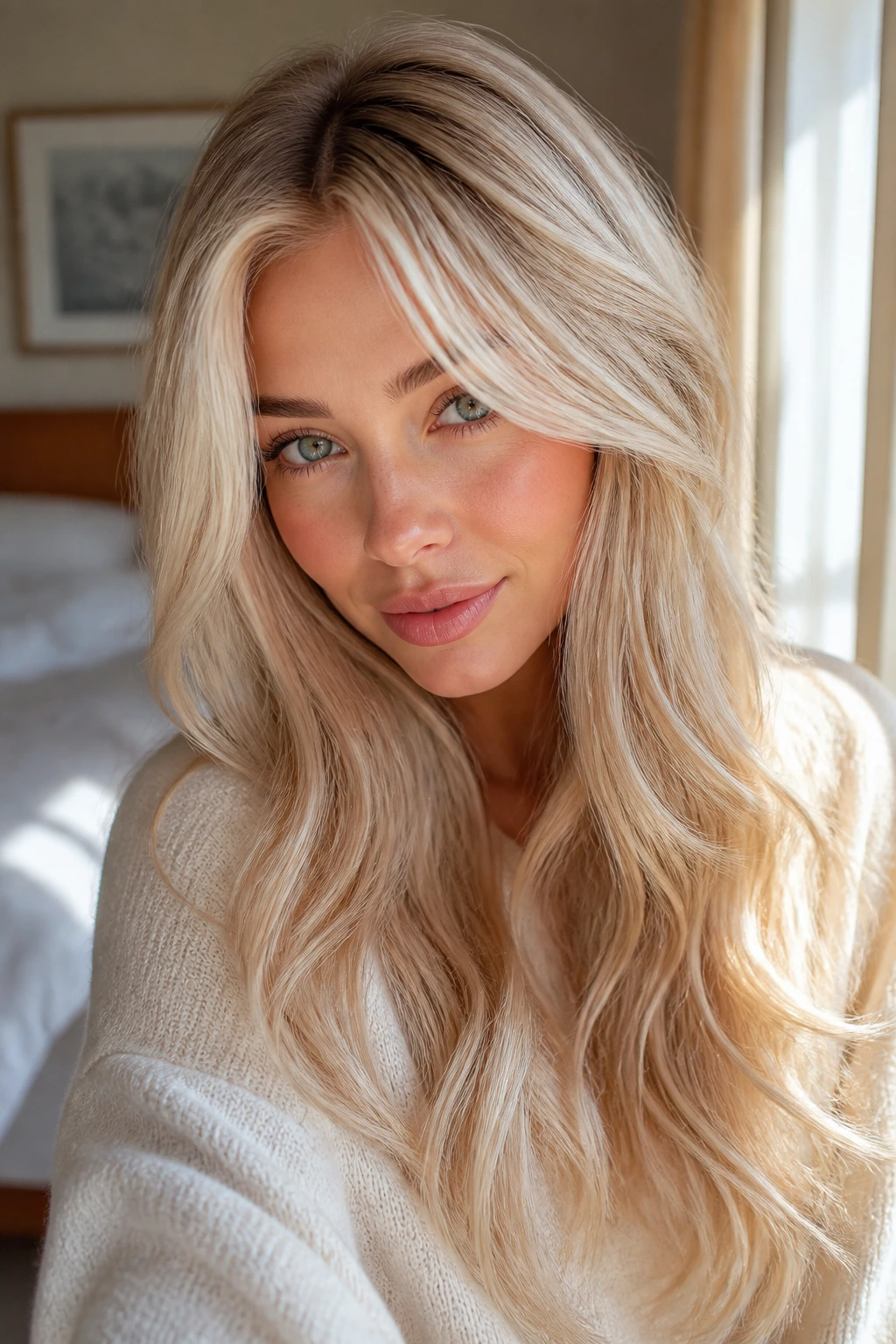
Maple cream platinum is warmer and richer than vanilla, but still light enough to qualify as platinum-inspired. I like it on fair skin that needs a bit more color in the hair to balance redness or very light brows. The maple note gives warmth; the cream keeps it from tipping brown.
Long layers help here because they let the color move. This shade can look too uniform on one-length hair, especially if it’s very straight. The layers create little pockets of light, which keeps the tone interesting from top to bottom.
It’s also a useful shade if your natural base is a touch darker and you don’t want a full stark lift. You can keep the roots soft, let the mids stay creamy, and brighten the ends. The whole thing feels lived-in, not overdone.
19. Warm Platinum with Soft Lowlights
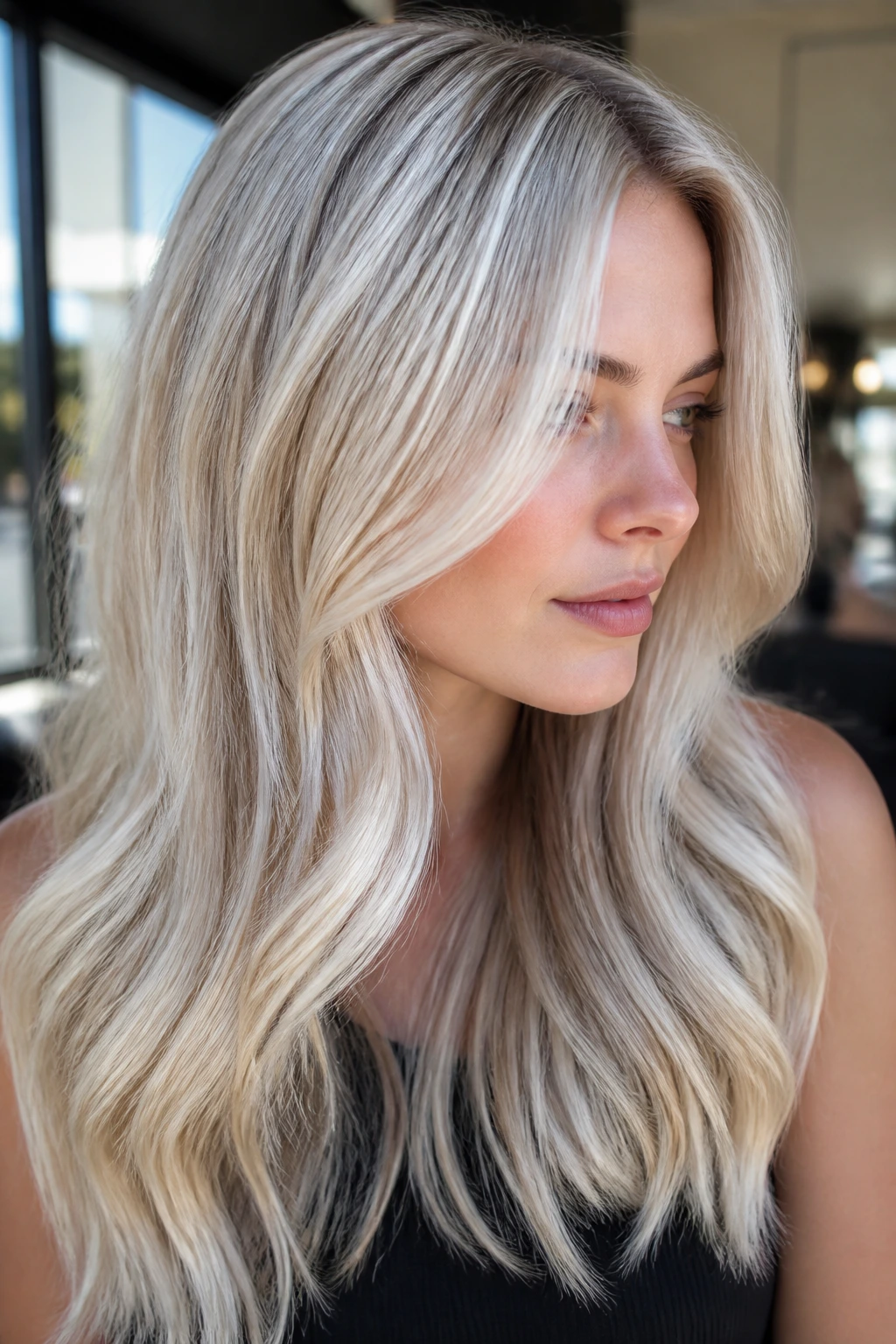
Soft lowlights are the unsung hero of blonde. They keep warm platinum from floating into one pale blur. On fair skin, that extra depth can make the hair look fuller and the face more defined. Without it, the blonde can start to blur into the complexion, especially in bright daylight.
The lowlights should be fine, not chunky. Think of them as pencil lines, not stripes. The best versions sit in the beige-to-sand range and tuck through the underlayers so the top still looks bright. If you’ve got fine hair, this is one of the quickest ways to add body without sacrificing lightness.
This shade works on almost any cut, but I love it on waves because the darker pieces move under the lighter ones. It gives the whole style a little lift. Not dramatic. Just smart.
20. Caramel-Edged Platinum Shag
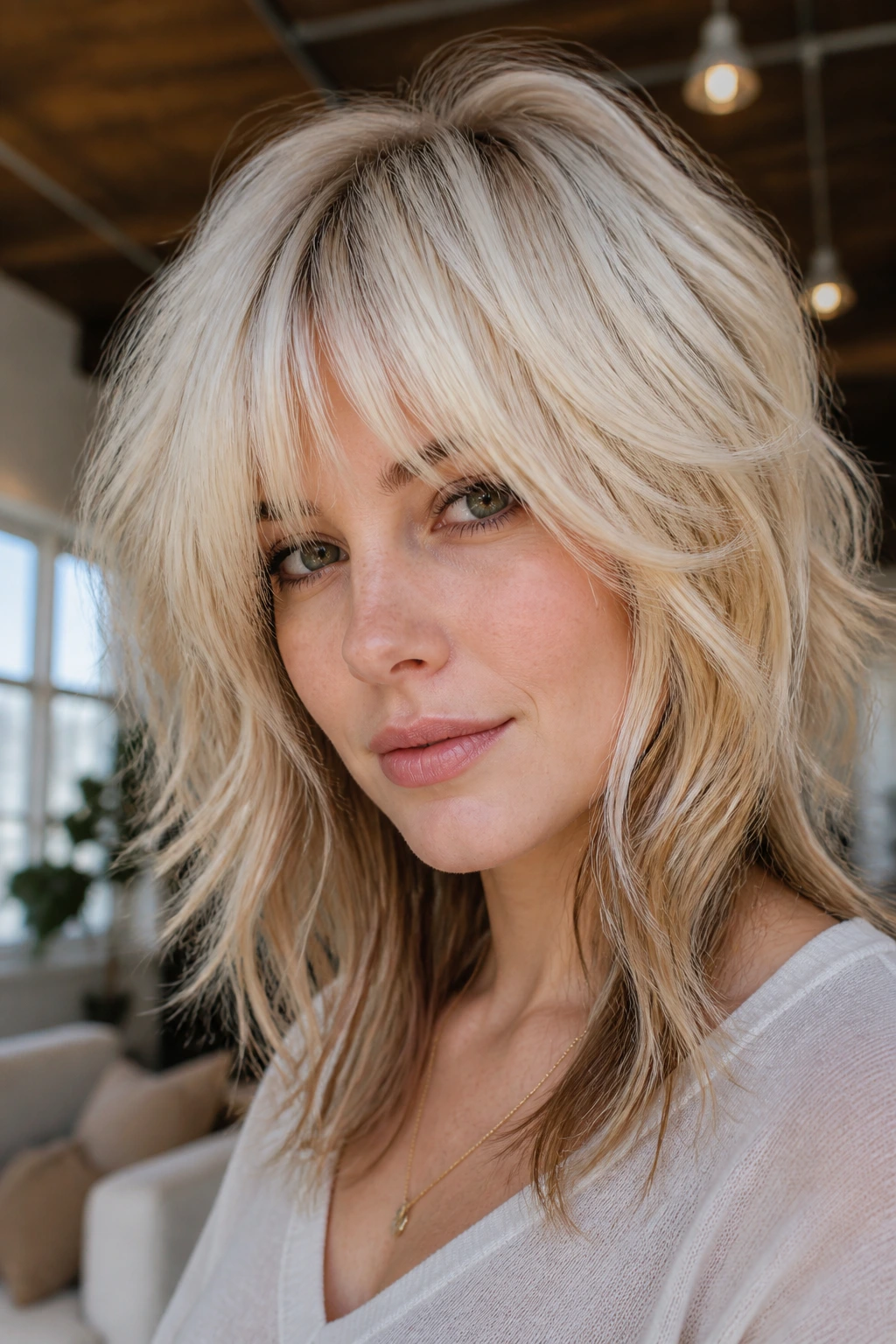
A shag loves a little mess, and warm platinum gives that mess shape. Caramel edges add depth where the layers kick out, which means the haircut looks deliberate instead of fluffy. On fair skin, the caramel is useful around the face because it warms the complexion without turning the whole blonde deep.
This is one of the more expressive shades in the list. It’s not the quiet, polite version of platinum. It has texture. It has attitude. The layers, fringe, and edge pieces all need dimension to show up, so the warmer ends help the haircut do its job.
If your hair falls flat fast, this shade earns its keep. The contrast keeps the silhouette visible. And yes, it looks best when you don’t overstyle it. A little bend, a little grit, done.
21. Oyster Shell Platinum
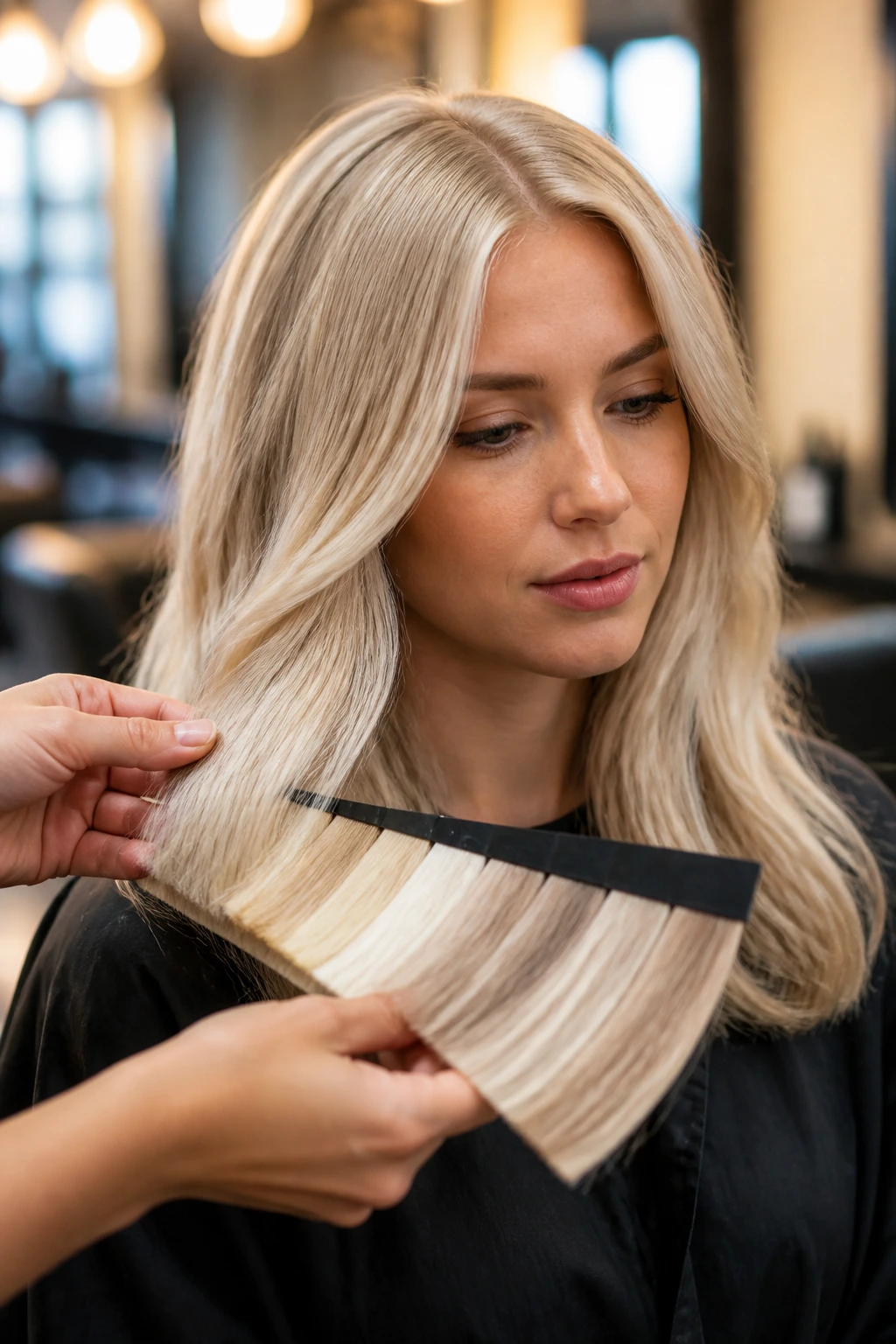
Oyster shell platinum sounds cooler than it is. The name suggests a pale, pearly surface with a warm undertone underneath, and that’s exactly the point. It’s a refined version of warm platinum that keeps fair skin from looking drained. The warmth is not gold. More like cream with a soft mineral edge.
I like this when someone wants high-end looking blonde without obvious yellow or honey. It suits straight hair, sleek ponytails, and polished waves because the color itself has enough subtlety to hold interest. If the cut is precise, the shade looks even better.
On very fair skin, oyster shell platinum can be a nice middle path between icy and buttery. It gives a cool impression at first glance, then reveals warmth on closer look. That push-pull is what makes it interesting.
22. Golden Bisque Platinum
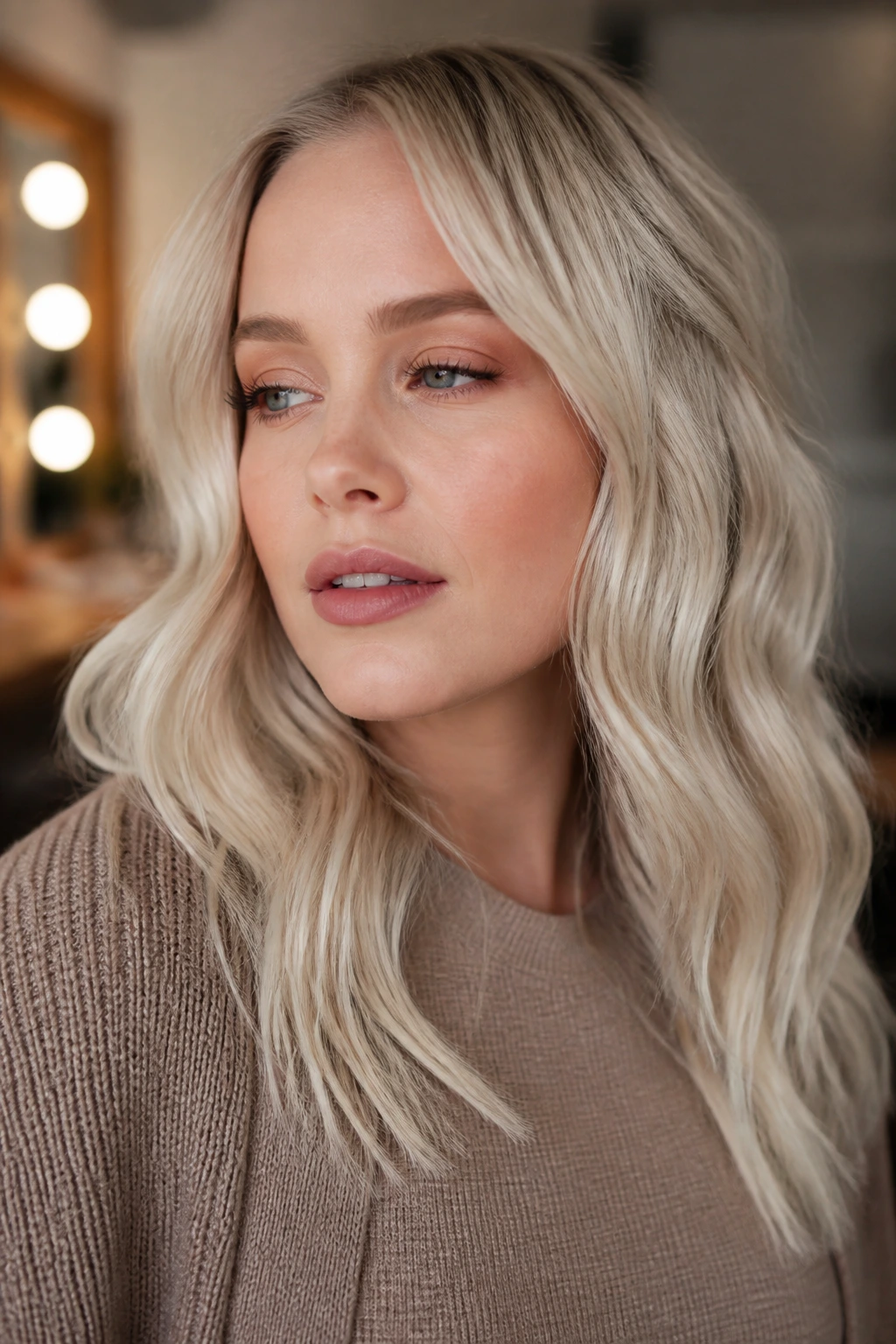
Golden bisque platinum is warm in a deeper, creamier way. It’s not as bright as vanilla, not as rich as honey, and not as cold as pearl. That middle ground makes it forgiving on fair skin, especially if your complexion tends to go red in bright light.
This shade suits smoother finishes. A clean blowout, a neat bob, or long hair with glossy bends will show it off well. If the hair is very choppy or heavily textured, the warmth can get lost in the movement. The color likes structure.
I’d describe this as a “room temperature blonde.” It doesn’t feel too hot, too cool, or too sharp. It just sits comfortably against pale skin and lets the features do the rest.
23. Creamy Platinum with Airy Fringe
An airy fringe changes the whole effect of platinum on fair skin. It breaks up the forehead, softens the top edge of the face, and keeps the blonde from taking over the expression. The creamy tone supports that softness. It’s a nice choice if you like a little polish but don’t want the hair to feel stiff.
This look works well with brow-skimming bangs, face-framing layers, or a wispy curtain fringe. The fringe gives the lighter tone something to land on. Without it, creamy platinum can sometimes feel too open, especially on very pale skin with little contrast in the brows or lashes.
If you like makeup that stays light — tinted moisturizer, cream blush, a soft lip — this shade fits. It doesn’t demand a heavy face to balance it. That’s one of its better qualities.
24. Apricot-Touched Platinum
Apricot-touched platinum is the most playful option in the group. The apricot note should be tiny, almost a blush inside the blonde rather than a full pastel wash. On fair skin, that hint of warmth can be lovely, especially if the skin is cool and a touch pink.
I would not use this everywhere unless you want the color to read fashion-forward. The better move is to keep the apricot subtle through the mids and around the face, then let the platinum stay brighter at the ends. That gives you warmth without making the blonde look peach-heavy.
This shade likes waves and soft texture. It also looks good in photographs without needing heavy styling, which is useful if you don’t want a color that only works when the hair is perfect.
25. Honey Champagne Platinum
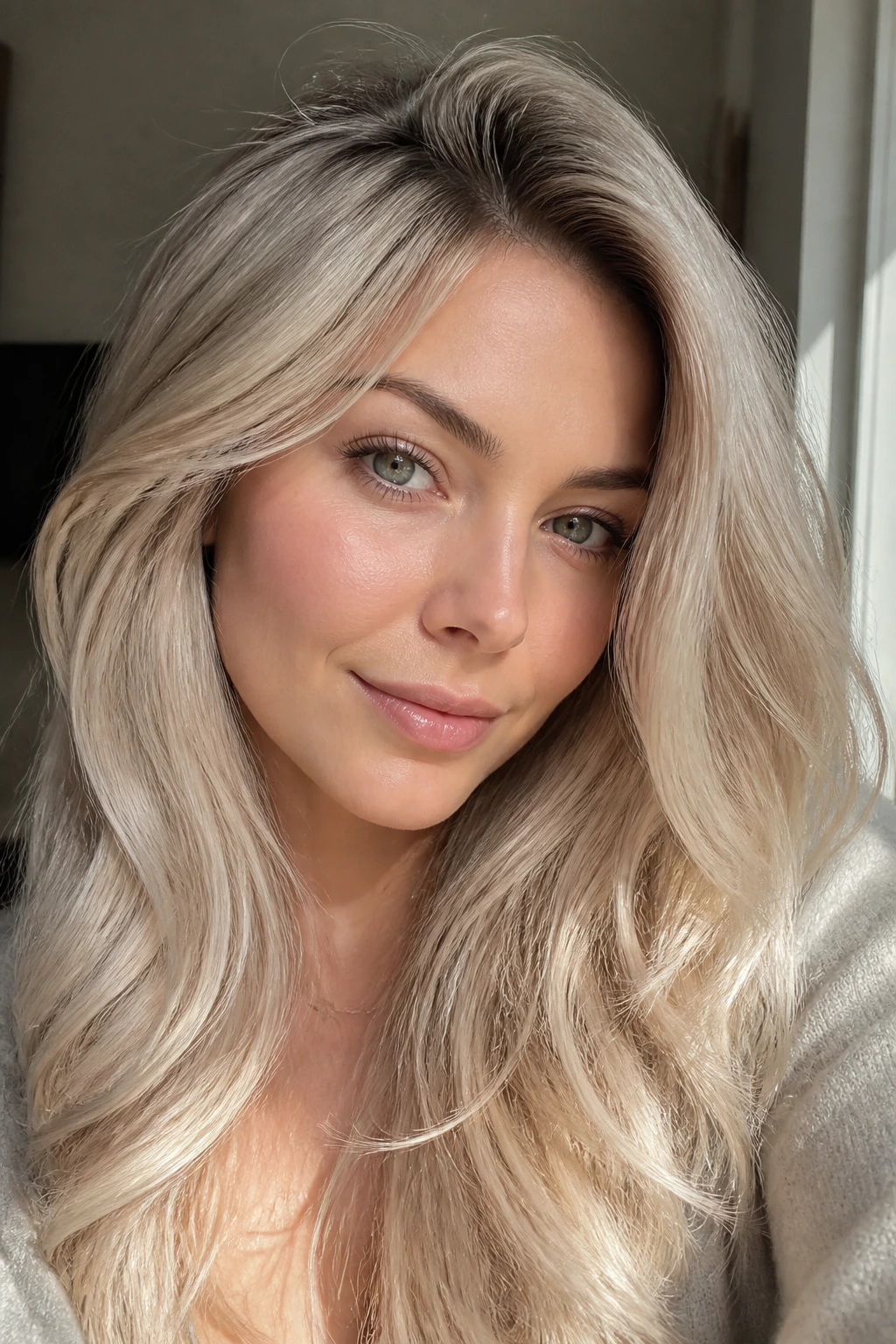
Honey champagne platinum is the warmest finish here, and it can be gorgeous on fair skin when it stays light. The honey note adds glow; the champagne keeps it from collapsing into yellow. If you have freckles or a light peach undertone, this can make your skin look sunlit instead of pale.
The key is restraint. The blonde should remain bright enough to qualify as platinum, with warmth used like seasoning. Too much, and it becomes plain honey blonde. Too little, and the whole point disappears. I’d ask for a glossy finish, bright ends, and a root that’s only a shade deeper than the mids.
This is a nice final stop if you want a blonde that feels soft, wearable, and a little luxurious without leaning icy at all.
Why Warm Platinum Blonde Works Better Than Pure Ice on Pale Skin
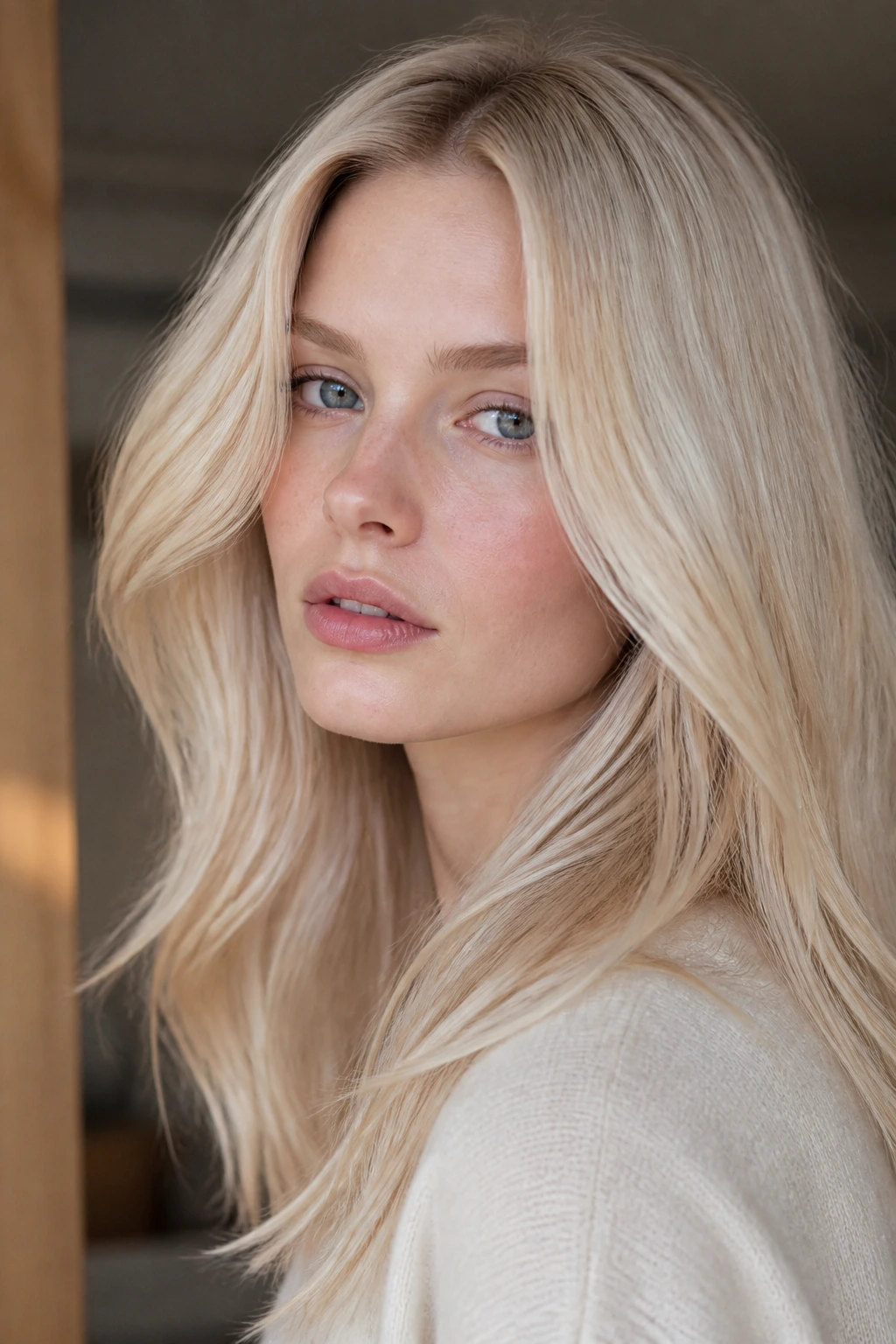
Pure ice can be beautiful, but it’s a blunt tool. Warm platinum gives fair skin more room to breathe. The skin looks less tight, the brows look less disconnected, and the whole face keeps a bit of color instead of being drained by the hair. That does not mean every blonde needs gold in it. It means the best version usually has a touch of beige, cream, or champagne where the eye lands first.
A lot depends on the person’s undertones. Pink fair skin often likes champagne, peach, or vanilla. Neutral fair skin can wear beige and cream easily. Very light skin with freckles usually looks good with soft honey or sandy warmth because it keeps the face from going too pale next to the hair. The trick is not to chase warmth until the blonde turns yellow. Small moves. Better results.
Essential Tools for Keeping Warm Platinum Blonde Polished
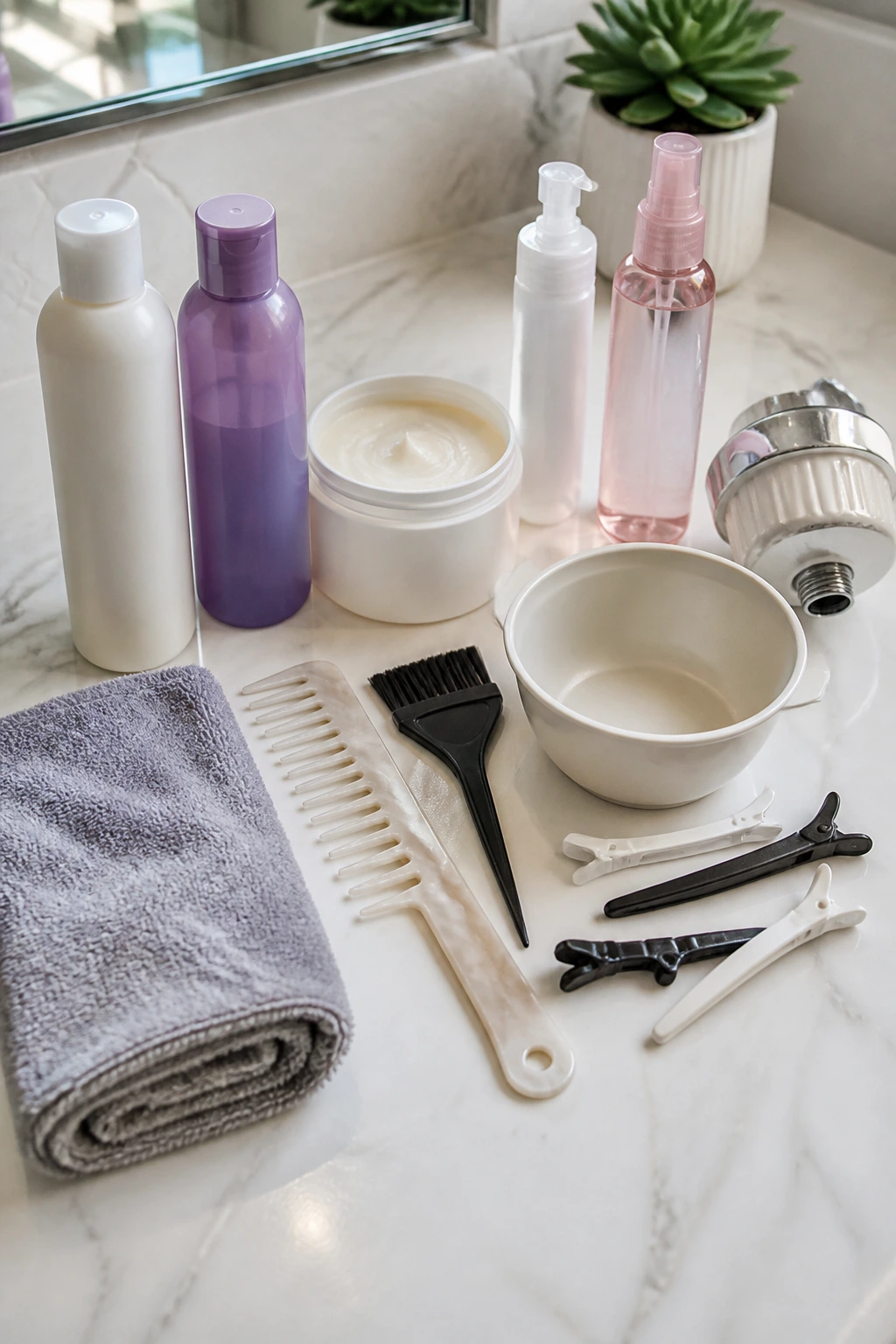
A warm platinum shade behaves best when you treat it like delicate fabric. It’s light, yes, but it’s also fragile in the wrong hands.
- Sulfate-free shampoo: Cleans without stripping the toner too fast.
- Purple shampoo: Use sparingly, usually every few washes, so warmth doesn’t vanish.
- Hydrating mask: Keep one with a rich cream texture for weekly repair.
- Leave-in conditioner: Helps the ends stay smooth and keeps platinum from looking frayed.
- Heat protectant spray: Essential if you blow-dry or iron your hair, even on low heat.
- Microfiber towel or soft T-shirt: Cuts down on rough towel friction after washing.
- Wide-tooth comb: Better than yanking a brush through damp lightened hair.
- Tint brush and bowl: Useful if you gloss at home or mix a color-depositing conditioner.
- Clips for sectioning: Makes product application cleaner and more even.
- Shower filter: Optional, but helpful if your water is hard and leaves blonde looking dull.
The piece people forget is the heat protectant. Warm platinum fades muddy fast when it gets fried. One lazy blow-dry can take the shine out of it for days.
Smart Shopping and Product Notes for Warm Platinum Blonde Hair Color
If you’re heading to a salon, bring photos that show both the color and the skin tone. A warm platinum on a very fair, pink face looks different from the same blonde on a golden beige complexion. That difference matters more than the haircut, and sometimes more than the lighting. Ask for beige, champagne, vanilla, or soft gold tonal direction if you want warmth. Ask for silver, pearl, or icy ash only if you want the colder edge.
For at-home maintenance, look at the toner family, not just the blonde name on the box. Demi-permanent beige glosses are usually safer than permanent box dye if you’re just trying to refresh tone. If the hair needs lifting, that’s a different conversation, and bleach can get ugly fast in unskilled hands. I’m not shy about saying this: full platinum lightening is the part most people underestimate. The toner is the easy piece.
Check the product ingredients, too. Bond-building formulas can help keep already lightened hair from snapping off at the ends. If a shampoo strips the hair in one wash, skip it. You want blonde that still feels smooth when you run your fingers through it, not hair that squeaks and tangles.
And one small note that matters: if your skin is fair and sensitive to brass, avoid overcorrecting with purple shampoo. It can mute the warmth you’re trying to keep.
How to Wear the Color Without Letting It Wear You
Presentation: Warm platinum looks best when the haircut has some intention behind it. A blunt bob, a soft shag, or long layers with a few face-framing pieces make the color read richer. If the cut is too shapeless, the blonde can blur into one pale cloud.
Makeup Pairing: Peach blush, soft rose lips, taupe brows, and a touch of cream bronzer usually work better than cool gray tones. On very fair skin, a little warmth in the face keeps the hair from overpowering your features. If you wear heavy black liner, the blonde can start to feel harsh, so balance it with softer shadow or a brown pencil.
Wardrobe Pairing: Ivory, camel, slate, dusty rose, navy, and soft chocolate all sit nicely beside warm platinum. Pure optic white can be a little sharp unless the hair leans creamy. If you love black, keep it near the face with a softer neckline or a bit of texture in the fabric.
Styling Notes: Soft waves, brushed bends, and smooth blowouts show off the tone shifts better than crunchy curls. Warm platinum needs movement. Flat irons can work, but only if the finish stays glossy and the ends don’t look fried.
There’s a reason so many people like this shade with a little softness around the edges. It feels deliberate without feeling severe.
Additional Tips and Tone Boosters
Gloss Boost: A clear or beige gloss every 4 to 6 weeks keeps the blonde shiny and helps the warmth stay clean instead of muddy. If your hair fades fast, ask for a salon gloss rather than trying to fix it with shampoo alone.
Dimension: Fine lowlights in the underlayers can make warm platinum look fuller. You do not need visible streaks. A few subtle ribbons are enough to give the hair depth when it moves.
Makeup Match: If your fair skin is very pink, a champagne or peach blonde often makes the face look calmer. If your skin is neutral, beige and vanilla usually sit best. If you have freckles, a tiny bit of honey warmth near the front can make the color feel natural instead of pasted on.
Styling Shortcut: Blow-dry the roots for lift and keep the midlengths smooth. That contrast helps the color show instead of sinking into the shape. You can leave the ends slightly bent or tucked under for a softer finish.
Make-It-Yours: Want less upkeep? Keep a deeper root and brighter ends. Want more brightness around the face? Add a money piece. Want a cooler read without losing warmth? Choose champagne instead of gold.
Maintenance, Regrowth, and Gloss Timing
Warm platinum blonde lives or dies by maintenance. The cut and makeup help, sure, but the color itself needs regular attention or it slips from creamy to tired. A salon gloss every 4 to 6 weeks is the sweet spot for most people who want the tone to stay fresh. If your hair lifts fast or your water is hard, you may need the refresh sooner.
For roots, a 6- to 8-week touch-up window is a common place to start, though some people can stretch longer if they choose a shadow root or balayage version. If you go fully platinum from root to end, the regrowth line can become obvious fast. That isn’t a flaw. It’s just the nature of a light blonde.
At home, wash with lukewarm water instead of hot. Hot water opens the cuticle and can push the toner out faster, especially on porous hair. Use purple shampoo only when the blonde starts looking a little too gold or yellow — not every wash. Once every 2 to 3 washes is enough for most warm platinum shades. If you use it too much, the blonde starts looking dull and the warmth disappears.
A weekly mask helps. So does a leave-in conditioner on damp hair, concentrated through the ends. If the hair feels rough, it will look rough, no matter how good the color is. That part’s not glamorous, but it’s true. Wait at least 24 to 48 hours after a major lightening service before the first wash if your colorist recommends it, because the cuticle needs time to settle.
Variations and Adaptations to Try
Shadow-Root Softie: Keep the root one to two shades deeper than the mids, then melt into warm platinum ends. This is the easiest version to live with if you hate obvious grow-out. It also keeps very fair skin from looking too pale at the scalp.
Champagne Frost: Choose a cooler beige-champagne gloss and keep the warmth controlled instead of buttery. This works well if your skin is fair, pink, and you want brightness without gold.
Butter Biscuit Bob: A blunt or tucked bob with a slightly deeper butter-beige tone. The cut gives the color shape, and the shade stops the skin from looking washed out. It’s tidy, clean, and a little old-school in the best way.
Honey Ribbon Balayage: Instead of all-over blonde, paint soft honey ribbons through a platinum base. That gives you warmth where the hair bends and brightness where the light hits. It’s a smart option if you want dimension without heavy maintenance.
Freckle-Friendly Cream: Keep the blonde soft, creamy, and low contrast. This is ideal if you have freckles and a fair complexion that looks best with gentle warmth rather than sharp platinum. The color should feel like it belongs to the skin, not compete with it.
Apricot Sheen: Add the faintest peach tint through the front pieces or gloss. Use this if your face needs a little extra warmth near the cheekbones and temples. It’s subtle, not pastel.
Common Mistakes That Flatten the Color
The first mistake is going too cool. A silver-white toner may look sleek on a swatch, but on fair skin it can drain the face fast. If your complexion already leans pink, the result is often flat rather than chic. The fix is to step back into beige, champagne, or vanilla territory.
The second mistake is chasing brass with purple shampoo every wash. That’s how warm platinum turns dull and dusty. Purple shampoo is a correction tool, not a daily religion. Use it only when the tone shifts too gold, then go back to moisture.
Another common slip is a harsh root line. A hard dark band can make light skin look disconnected from the hair, especially when the blonde is bright. A shadow root or soft melt is easier on the eye and usually grows out better. Tiny difference. Big payoff.
People also forget about brows and lashes. If your hair is very light and your brows are barely visible, the face can lose structure. You do not need dark brows. You do need enough contrast to frame the eyes. A brow gel, tint, or pencil can help.
Heat damage is the quiet killer here. Over-using irons dries out the ends, and once the hair goes dull, the whole blonde looks cheaper. Use heat protectant every time. Every time.
Frequently Asked Questions About Warm Platinum Blonde Hair Color Ideas for Fair Skin
Will warm platinum blonde work on very pink fair skin?
Yes, and often better than icy blonde. Pink undertones usually benefit from beige, champagne, or vanilla warmth because the hair stops the skin from looking flushed or flat.
How do I ask for warm platinum at a salon?
Use words like beige blonde, champagne blonde, vanilla platinum, or creamy platinum. Bring photos of hair on fair skin if you can, because the same tone can read differently depending on the face next to it.
Does warm platinum need purple shampoo?
Usually, but only in small doses. Use it when the hair starts drifting too yellow, not as your main shampoo, or you’ll scrub out the warmth that makes the color flattering.
Can I get this look if my hair is naturally dark?
Yes, but the lift process matters a lot. Dark hair usually needs more than one session to reach a clean warm platinum base, and the condition of the hair should guide how far you push it in one visit.
What root shade looks best with warm platinum on fair skin?
A soft beige-brown, neutral blonde, or muted honey root usually works best. The point is to frame the face, not draw a hard line across the scalp.
Is warm platinum easier to maintain than icy platinum?
Most of the time, yes. The beige and champagne tones are a bit more forgiving when they fade, and regrowth often looks softer. You still need glossing and moisture, though.
What if my warm platinum turns too yellow?
Back off the purple shampoo if you’ve been using it too often, then book a gloss or toner refresh. Yellow usually means the tone has shifted, not that the color is ruined.
Can warm platinum work with bangs?
Absolutely. Bangs can make the blonde feel softer on fair skin because they break up the forehead area. Keep the fringe hydrated, though, since dry bangs make light hair look frayed fast.
Do warm platinum shades work better on short hair or long hair?
Both, but in different ways. Short cuts make the color look sharper and more editorial, while long layers show off the tone shifts and gloss. The choice is more about the vibe you want than the length itself.
A Blonde That Stays Soft
Warm platinum is one of those shades that looks easy when it’s done well and slightly unforgiving when it’s not. That’s the fun of it, honestly. The good versions have a softness that icy blonde can’t always give you, especially on fair skin that needs a little warmth to keep the face alive.
Pick the version that fits your maintenance level and your undertone, not the one that sounds boldest on paper. The prettiest warm platinum blonde hair color ideas for fair skin usually aren’t the loudest ones. They’re the ones that give the skin a little glow, the hair a little shine, and the whole look enough room to breathe.