



Butterscotch hair color can look like melted sugar in the best possible way, or like brass with good PR in the worst. The difference is rarely the shade name itself. It’s the balance: enough gold to warm up fair skin, enough beige or cream to keep the color from shouting, and enough depth at the root so the whole thing doesn’t wash out under daylight.
That’s why this shade can be so good on fair complexions. Pale skin doesn’t need a timid blonde. It needs contrast with manners. A clean butterscotch tone can wake up rosy cheeks, soften a strong jaw, and make blue, green, or gray eyes look brighter without the hard edge that comes with icy platinum. If the tone skews too orange, though, fair skin often looks tired rather than luminous. Same level. Wrong balance. Big difference.
The 28 ideas below range from whisper-soft gloss jobs to chunkier, more dimensional looks. Some lean beige and creamy. Some lean honey-gold. A few pull a little copper for warm fair skin that can handle it. That range matters, because “fair skin” is not one skin tone. It’s a whole family of undertones, and butterscotch only works when you respect that.
Why These Butterscotch Ideas Flatters Fair Skin
-
Undertone control: Butterscotch works best when the gold is softened with beige, cream, or a touch of neutral brown, which keeps fair skin from looking flushed or washed out.
-
Built-in brightness: The shade sits in that sweet spot between blonde and caramel, so it gives light skin a glow without the starkness of platinum or the heaviness of chestnut.
-
Easy to tailor: The same butterscotch base can skew cooler, warmer, softer, or richer with a different toner, shadow root, or highlight placement.
-
Good eye contrast: On fair skin, this color can make light eyes pop without the hard stripe effect you sometimes get from ultra-light highlights.
-
Flexible maintenance: You can wear butterscotch as a full color, balayage, gloss, or highlight pattern, which means you can choose between low upkeep and high drama.
-
Looks polished in motion: The shade tends to show its best side in waves, layers, and soft bends, where the mix of gold and beige moves instead of sitting flat.
1. Soft Butterscotch Lob With Airy Ends
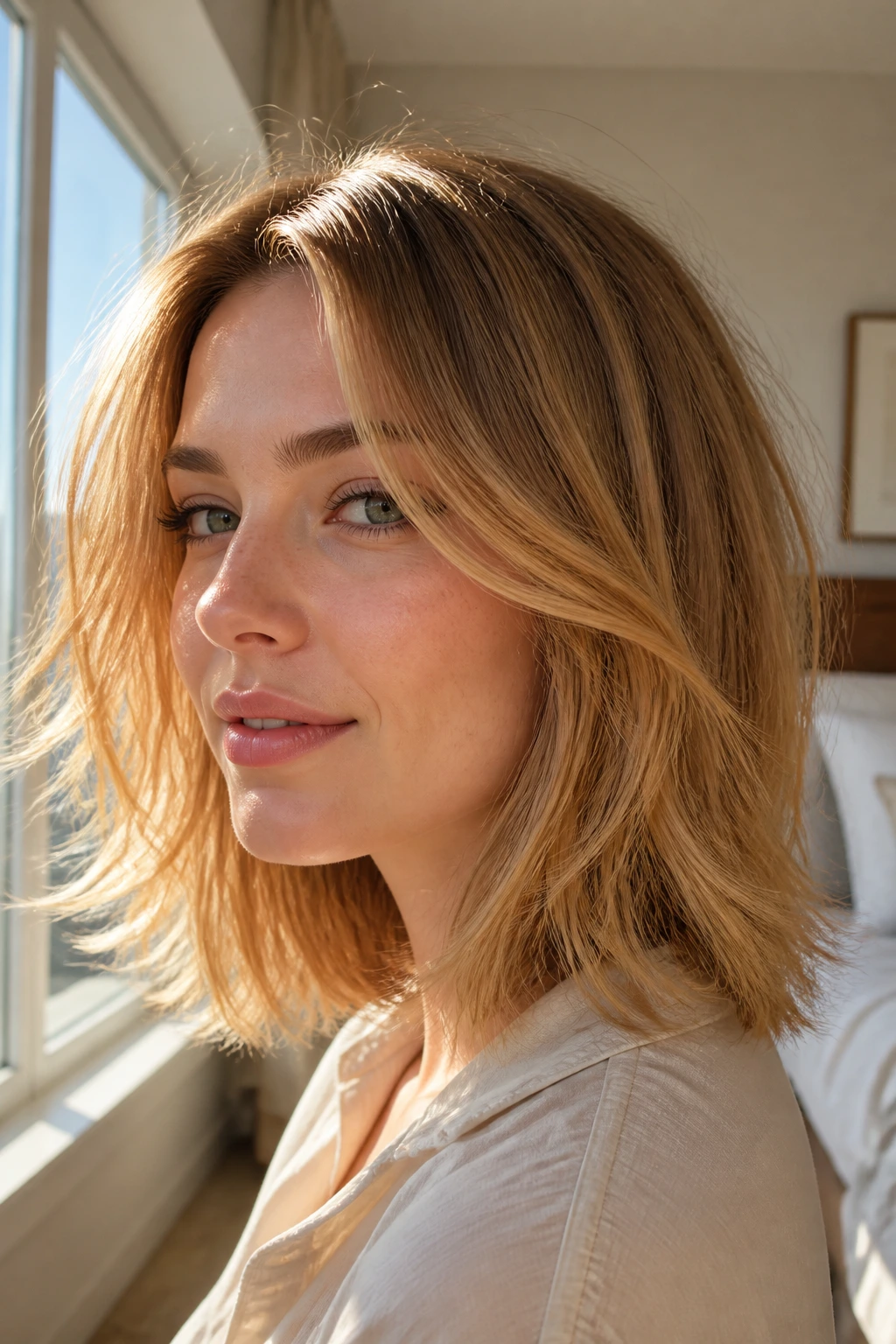
A lob is one of the safest places to start with butterscotch hair color for fair skin, and “safe” is not a complaint here. It gives the shade enough surface area to show off those creamy shifts from root to tip, but it still feels light around the face. On a blunt or almost-blunt cut, the color reads cleaner. On airy, slightly textured ends, it looks softer and more expensive.
Ask for a butterscotch tone that stays beige at the mid-lengths and brighter through the ends. That keeps the haircut from looking like one flat blonde helmet, which is the thing nobody wants and yet happens far too often. If your skin leans pink, keep the root a shade deeper and ask for a beige gloss, not a pure gold toner.
The result should look like warm butter under daylight, not a neon candy wrapper. That distinction matters. A good lob with this color moves.
2. Rooted Butterscotch Blonde With a Soft Shadow
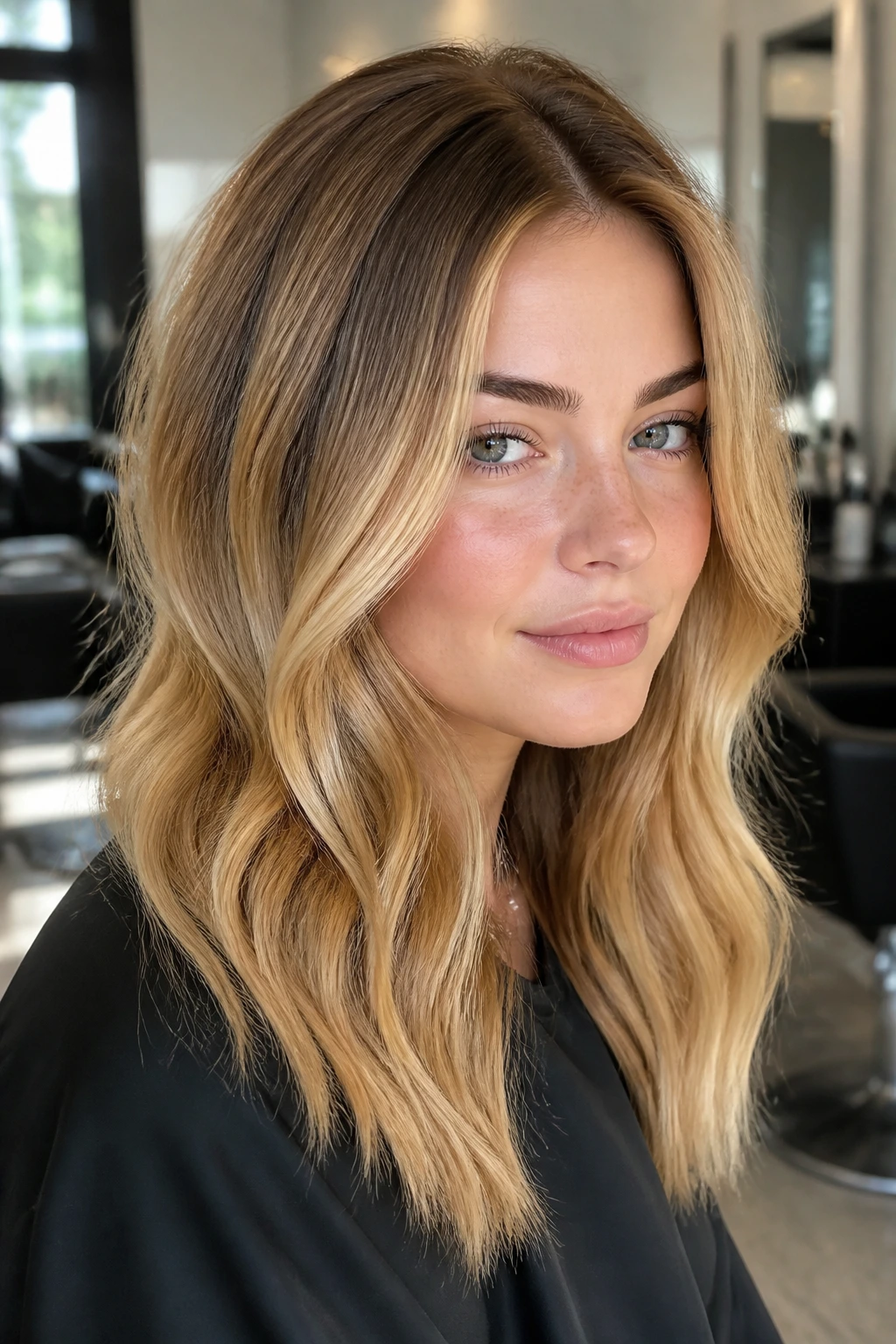
A root shadow solves the one problem fair skin often has with light butterscotch: the color can disappear if it’s lifted too high from scalp to ends. A shadow root, usually one or two levels deeper than the mids, gives the shade a place to land. It also makes the blonde look intentional instead of over-processed.
Why the Shadow Root Helps
The darker base creates contrast right where the eye needs it most. That little bit of depth keeps the butterscotch from blending into your skin tone, especially if you have porcelain or ivory coloring. It also buys you time between salon visits because the regrowth is less obvious.
- Best for: fair skin with neutral or cool undertones
- Ask for: a soft root melt, not a hard line
- Avoid: roots that are too smoky or muddy
- Best styling match: loose bends or a round-brush blowout
If you like hair that looks lived-in on day one, this is a smart place to start.
3. Face-Framing Butterscotch Money Piece
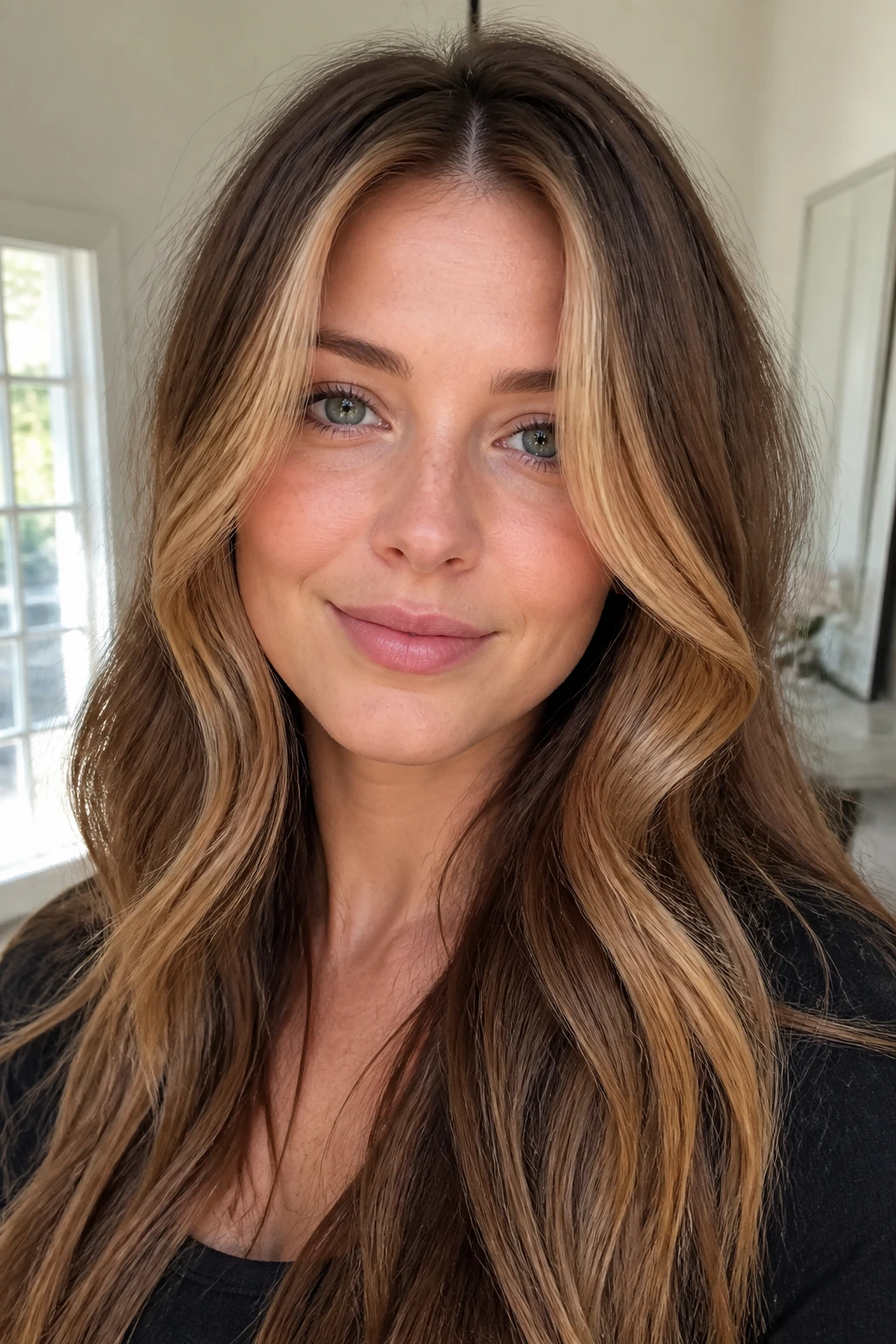
What happens when you want the color bright right near the face, but you do not want the whole head pushed to level 9? You do a money piece. That front section can be lifted to a lighter butterscotch blonde while the rest stays a touch deeper and richer. On fair skin, this works because the brightness sits where it flatters your features instead of overwhelming them.
The trick is tone. A face-framing piece that goes too yellow will sit hard against pale skin. A butterscotch money piece with a beige-gold finish, though, gives a little glow without looking stripy. It’s especially good if you wear your hair tucked behind one ear or parted down the middle, because the lightness catches immediately.
I’d call this the easiest way to test butterscotch without committing to a full color correction-level appointment.
4. Butterscotch Balayage on a Light Brown Base

Balayage gives butterscotch some breathing room. Instead of coating every strand, the color is painted in soft, hand-placed strokes, usually over a light brown or dark blonde base. On fair skin, that depth underneath matters more than people realize. It keeps the look from floating away.
This version feels less “blonde makeover” and more “hair that spent two weeks in good sunlight.” The best balayage has pieces that start a little lower around the crown and get brighter toward the ends, so the whole head doesn’t read the same at every angle. If your skin runs cool, ask for a buttery beige finish rather than a warm gold finish.
It’s a clean choice if you want dimension without constant root panic.
5. Glossy Butterscotch Bob With a Clean Edge
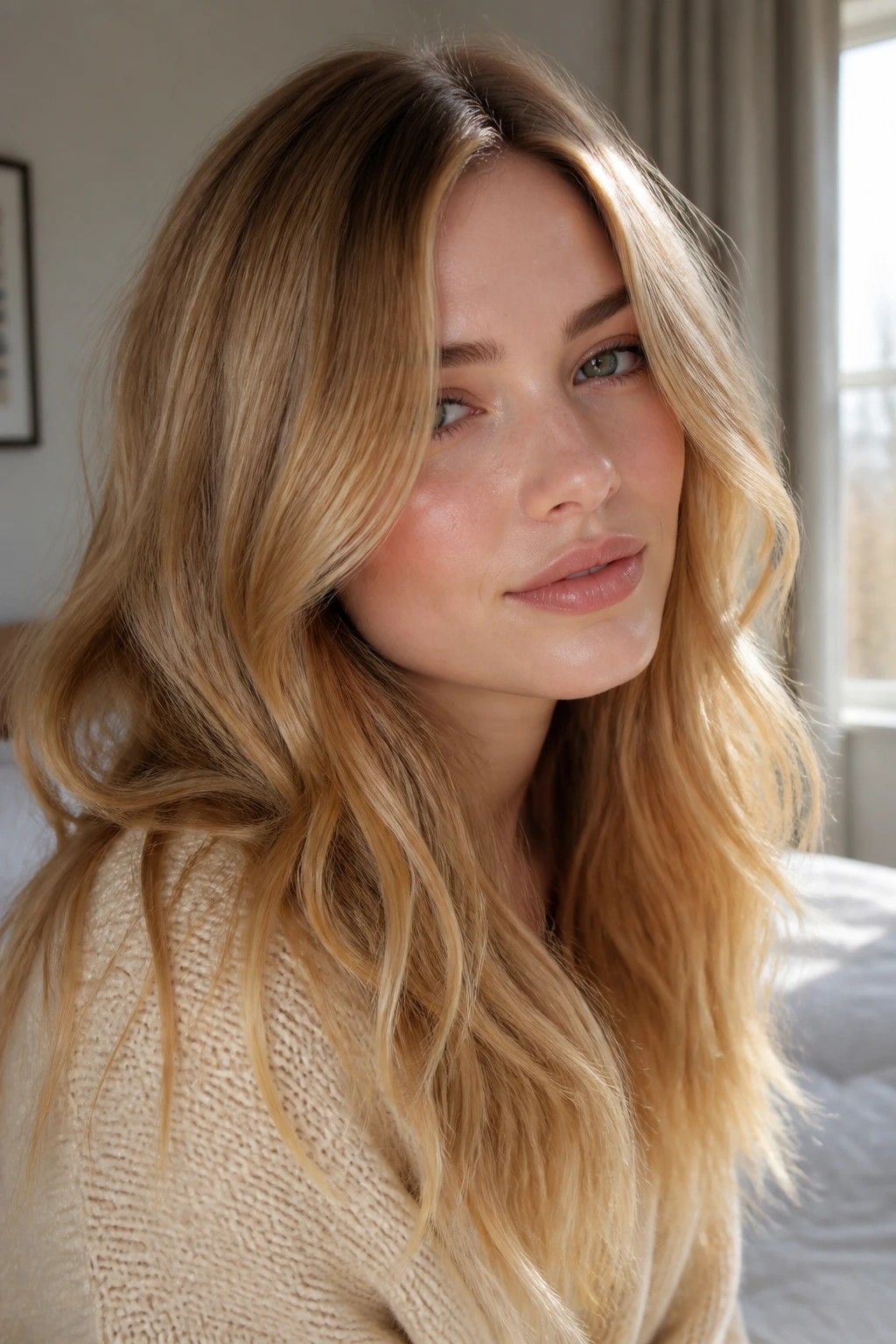
A bob and butterscotch are a good pair because the haircut gives the color structure. There’s nowhere for the shade to hide, which is exactly why a glossy finish matters here. A clear, reflective glaze makes the butterscotch look creamy instead of dry, and fair skin usually likes that polish.
The clean edge of a bob also keeps the tone from reading overly sweet. That can happen with softer cuts, especially if the color leans honey. On a blunt bob, the finish feels modern. On a slightly rounded bob, it reads softer. Either way, the color should stay more beige-gold than orange-gold, because the shorter the cut, the less room you have to camouflage a bad toner.
This is one of those styles that looks better after a gloss than before it.
6. Ribbon Highlights Through Long Waves
Long waves are where butterscotch can really earn its keep. Ribbon highlights thread brighter strands through a deeper base, so the color catches in movement instead of sitting as one note. On fair skin, that movement keeps the face from looking too stark against the hair.
The best ribbon highlights are not tiny and not chunky. They’re those medium-width pieces that look hand-painted, with enough spacing to let your natural base show through. If your skin is very pale, keep the ribbons slightly beige and avoid pure gold at the brightest points. Otherwise, the highlights can look loud near the temples and softer everywhere else, which is an odd imbalance that photographs badly and looks even stranger in person.
Waves help because they break the highlights into little flashes. Straight hair can wear this too, but the effect is more obvious when there’s bend.
7. Cinnamon-Kissed Butterscotch for Warm Fair Skin
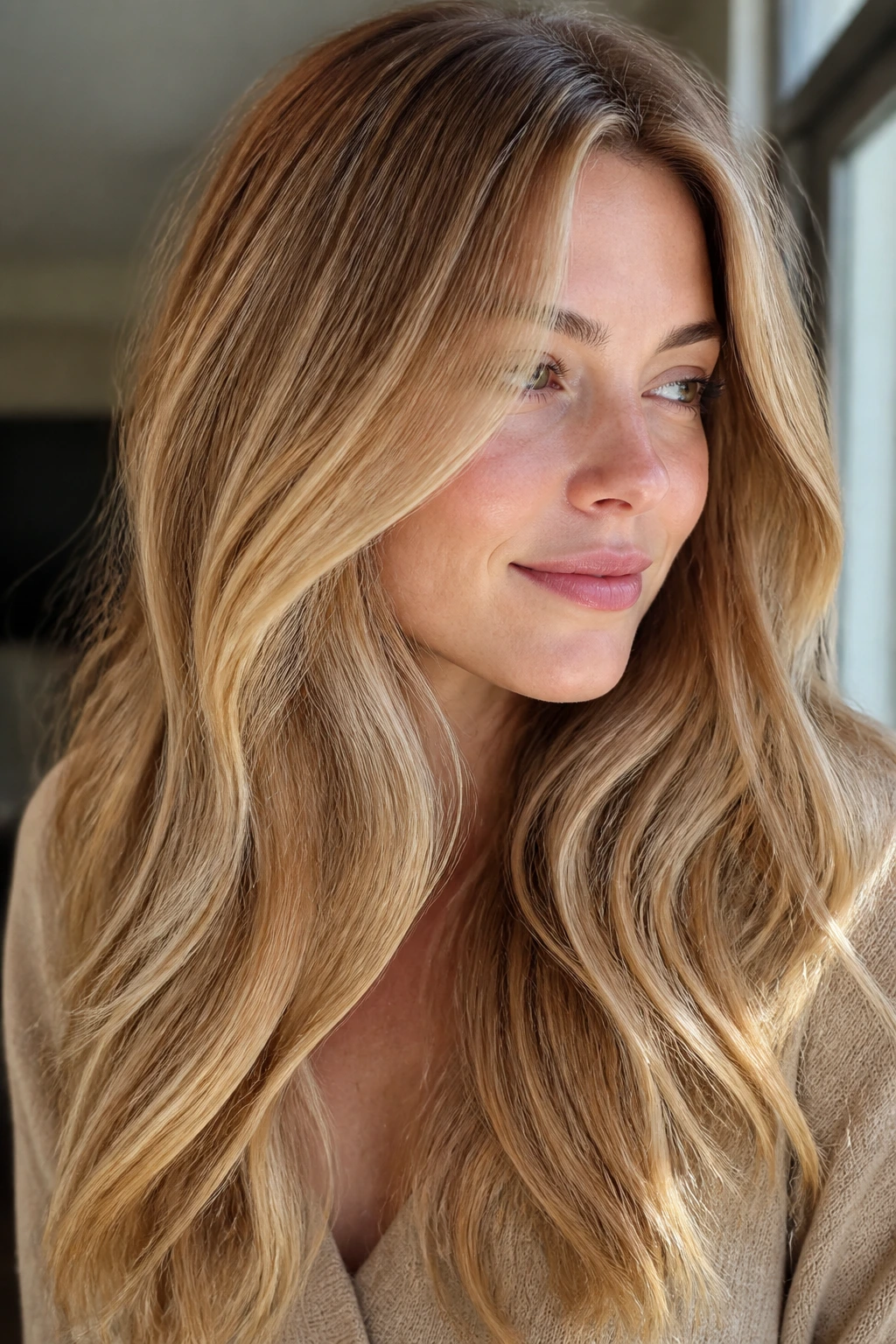
Warm fair skin can take more warmth than people think. If your complexion has peach, yellow, or light golden undertones, a little cinnamon in the butterscotch makes the shade feel richer without tipping into copper territory. That tiny red-gold note gives the hair a baked, buttery finish.
The key is restraint. You want the color to whisper cinnamon, not become auburn. A stylist can do this with a warm toner or by placing a few deeper lowlights under brighter butterscotch pieces. The result is especially pretty when sunlight hits it and the warmer ribbons glow first.
If you’re someone who gets a lot of warmth in your cheeks already, this may be your sweet spot. It’s cozy without being heavy.
8. Beige Butterscotch Melt for Cool Fair Skin
Cool fair skin can wear butterscotch, but it needs a gentler hand. Beige butterscotch is the answer I reach for first because it softens the warmth and keeps the finish from turning brassy. A melt from a soft root into beige-gold mids and slightly brighter ends is the cleanest version.
The point is not to remove warmth altogether. That would leave you with a pale blonde that can drain the face. The point is to keep the gold muted enough that the skin still looks fresh. If your skin has pink or rosy undertones, this is the safer path than a bright honey shade.
Ask for a toner that leans creamy, not copper. That one word changes the whole result.
9. Golden Butterscotch Pixie With Lift at the Crown
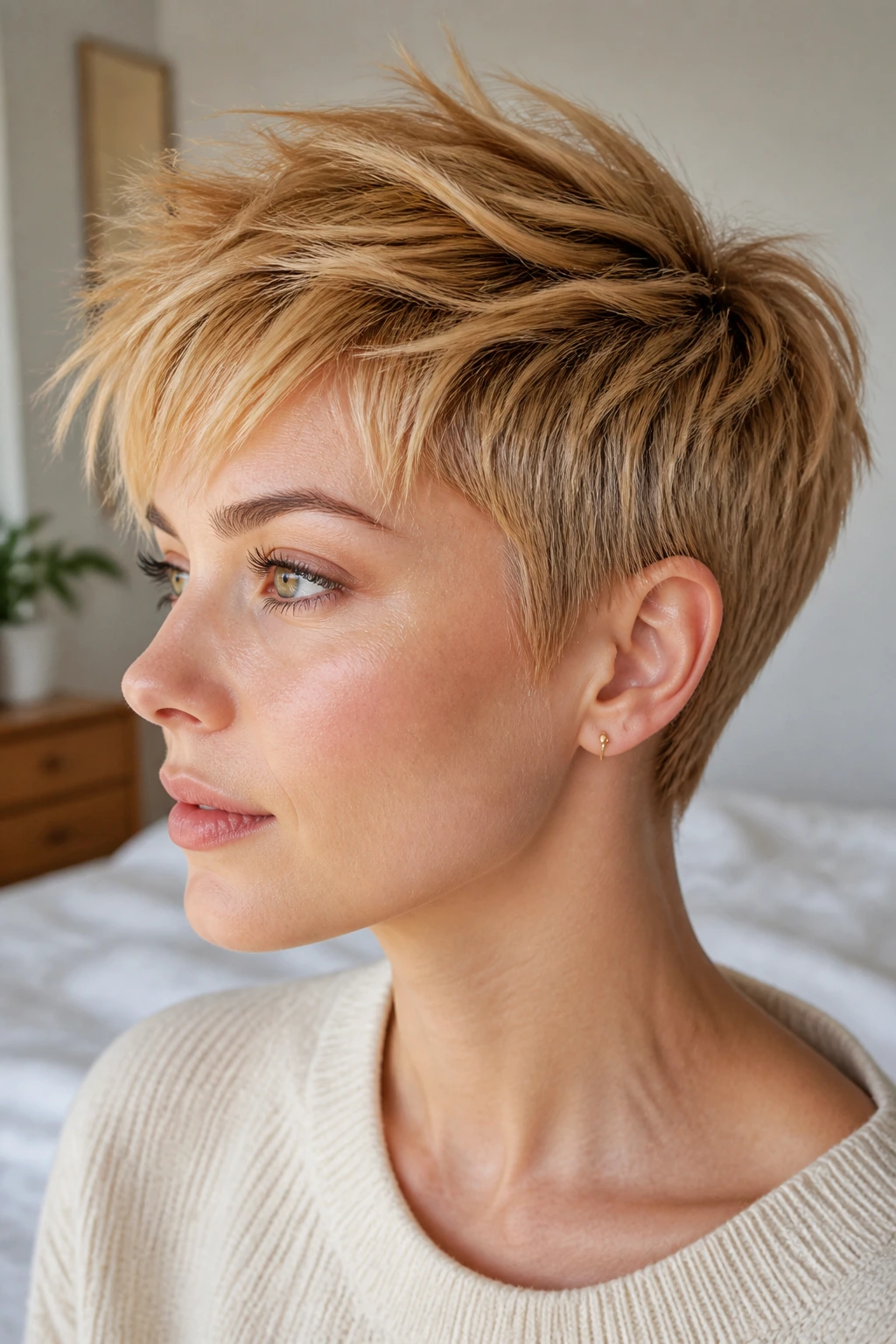
A pixie cut gives butterscotch a sharper edge, which is useful if you do not want the color to feel too soft or sugary. The crown can be lifted a touch brighter so the hair has movement, while the sides stay a shade deeper. On fair skin, that contrast can be beautiful because it frames the face without hiding it.
Short hair exposes tone fast. There’s no long curtain of color to distract from brassiness. So if you choose this route, the finish should be precise: golden, yes, but not yellow; soft, but not dull. A tiny amount of lift at the top makes the cut look airy, especially with a side-swept fringe or textured pieces near the temples.
This is a neat choice if you like your color to read crisp from across the room.
10. Butterscotch Ombre From Brown to Blonde
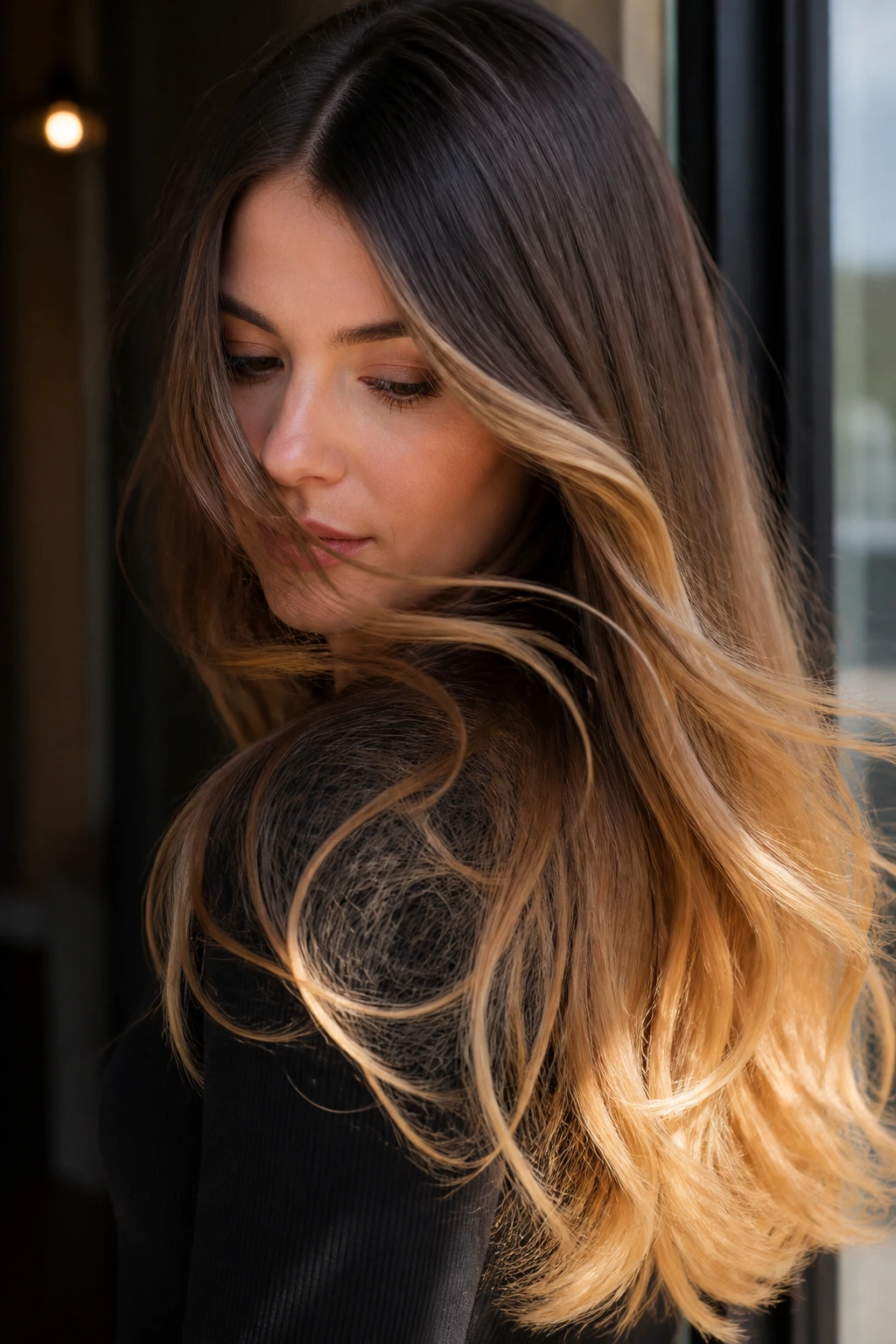
Ombre can go wrong fast if the transition is too blunt, but when it’s done well, it gives butterscotch a slow, flattering fade. The darker top anchors fair skin, and the lighter ends brighten the whole look without putting too much pale color near the scalp. That’s useful if you want a little drama but not a full-head blonde upkeep routine.
The best ombre feels like a deliberate shift, not a dip-dyed strip. The transition should blur through the mid-lengths so the color moves from brown to caramel to butterscotch in a way that looks natural in motion. If your skin is very light, the contrast at the roots keeps the lighter ends from washing you out.
I like this version on longer hair because the fade has room to breathe. Shorter hair can work too, but the transition has to be soft.
11. Strawberry-Butterscotch Blend for Soft Rosy Skin

Here’s a shade I don’t see enough: a butterscotch base with a faint strawberry note. Not pink hair. Not copper hair. Just enough red-gold warmth to echo rosy fair skin instead of fighting it. The result can look tender and slightly luminous, especially if your skin flushes easily.
This blend works best when the strawberry note is buried underneath the blonde rather than sitting on top like a loud glaze. You want the hair to read warm and dimensional, not orange. A stylist can tuck in apricot or rose-gold toners so the effect stays soft. It’s a good move if you hate flat blonde but still want something lighter than caramel.
In daylight, this one has a kind of soft glow that plain gold often misses.
12. Caramel-Laced Butterscotch Layers
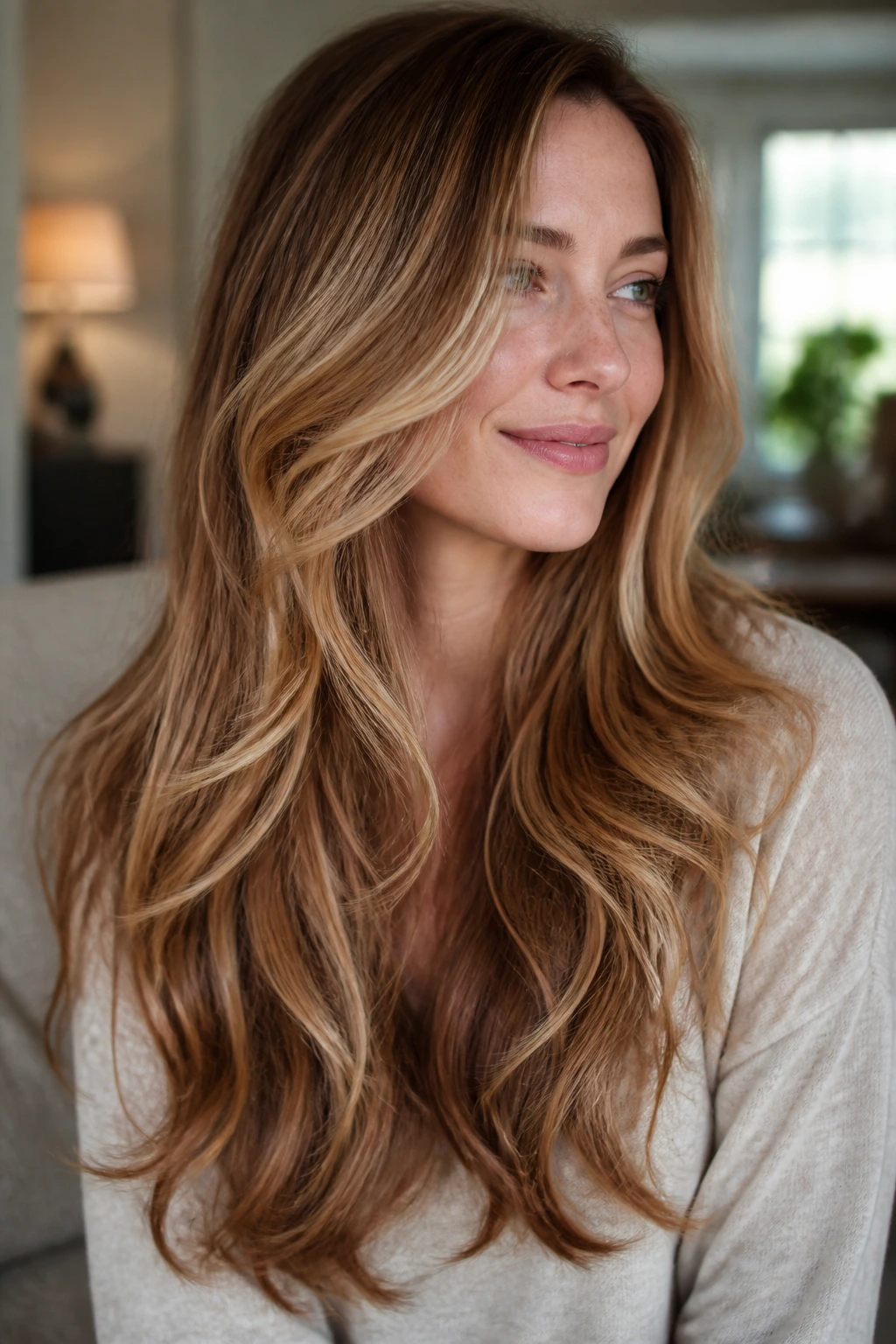
Layers give butterscotch more to do. Without them, the shade can sit in one sheet, and that is where it starts to feel less polished. Caramel-laced layers add depth underneath the lighter bits, so fair skin gets contrast instead of a foggy blanket of color.
What Makes It Work
The caramel should live one or two levels deeper than the brightest butterscotch pieces. That makes the haircut visible, which matters more than people think. Long layers, in particular, benefit from this because the movement shows where the color shifts. If your hair is fine, this is also a smart way to fake thickness without going darker overall.
- Best for: medium to long lengths
- Best cut pairings: face-framing layers, butterfly layers, soft U-shapes
- Best finish: loose waves or a soft blowout
- Avoid: all-over uniform color that hides the layers
The whole thing should look plush, not stripy.
13. Butterscotch With Curtain Bangs
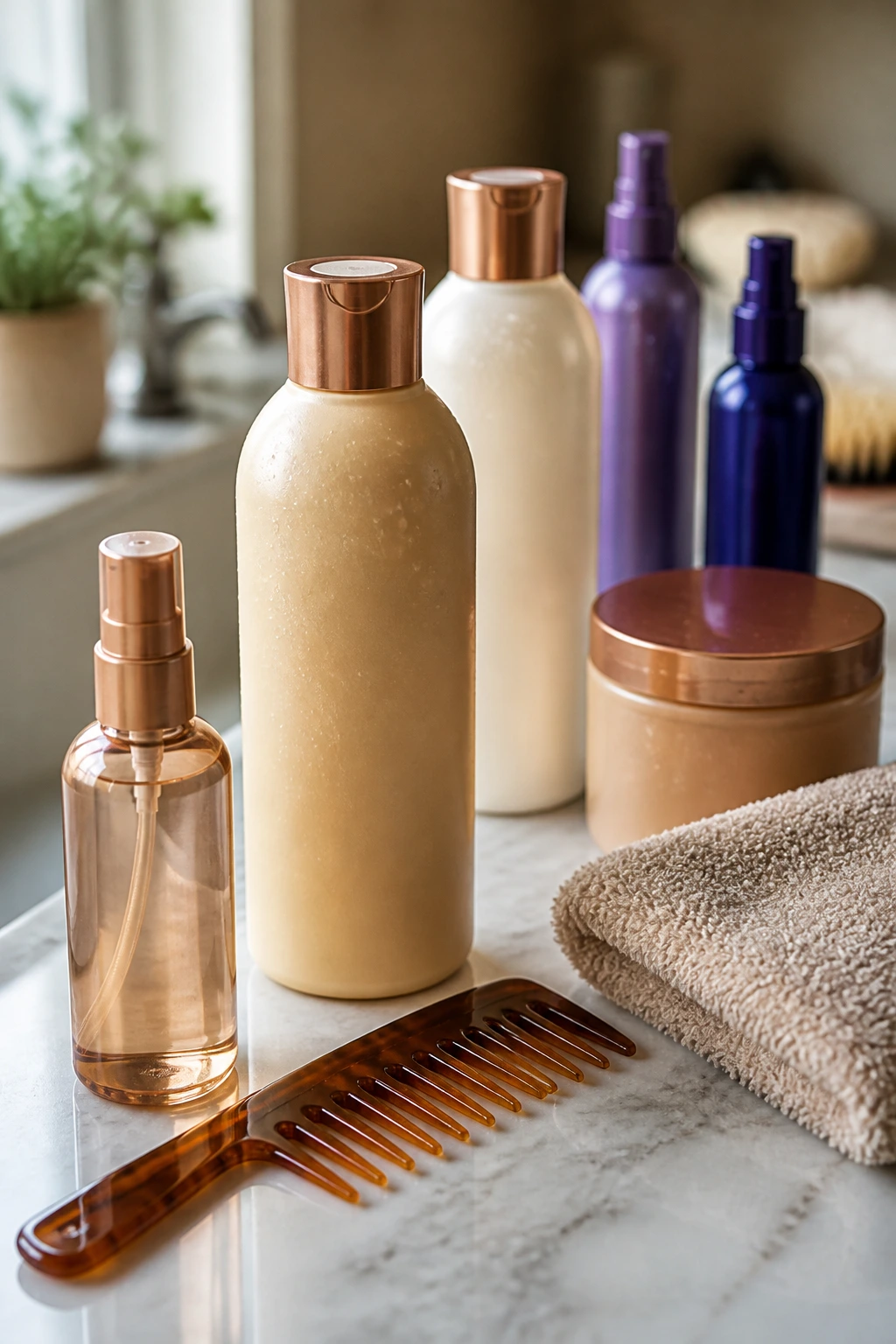
Curtain bangs change the way butterscotch sits around the face. They draw the eye inward, which makes the shade feel warmer and more intentional on fair skin. If the bangs are lighter than the rest of the hair by just a shade, the color frame around the face looks polished without being loud.
This is a good option when you want a gentle brightening effect near the cheeks and forehead. The bangs can be a touch brighter, while the lengths stay rooted and slightly deeper. That contrast helps the color hold its shape instead of blending into the skin. It also makes grow-out easier, which matters if you don’t want to fight your mirror every three weeks.
I’d keep the bangs soft and feathery rather than heavy. Heavy bangs plus pale skin plus warm blonde can get dense fast.
14. Cream-Soda Butterscotch for a Soft Finish
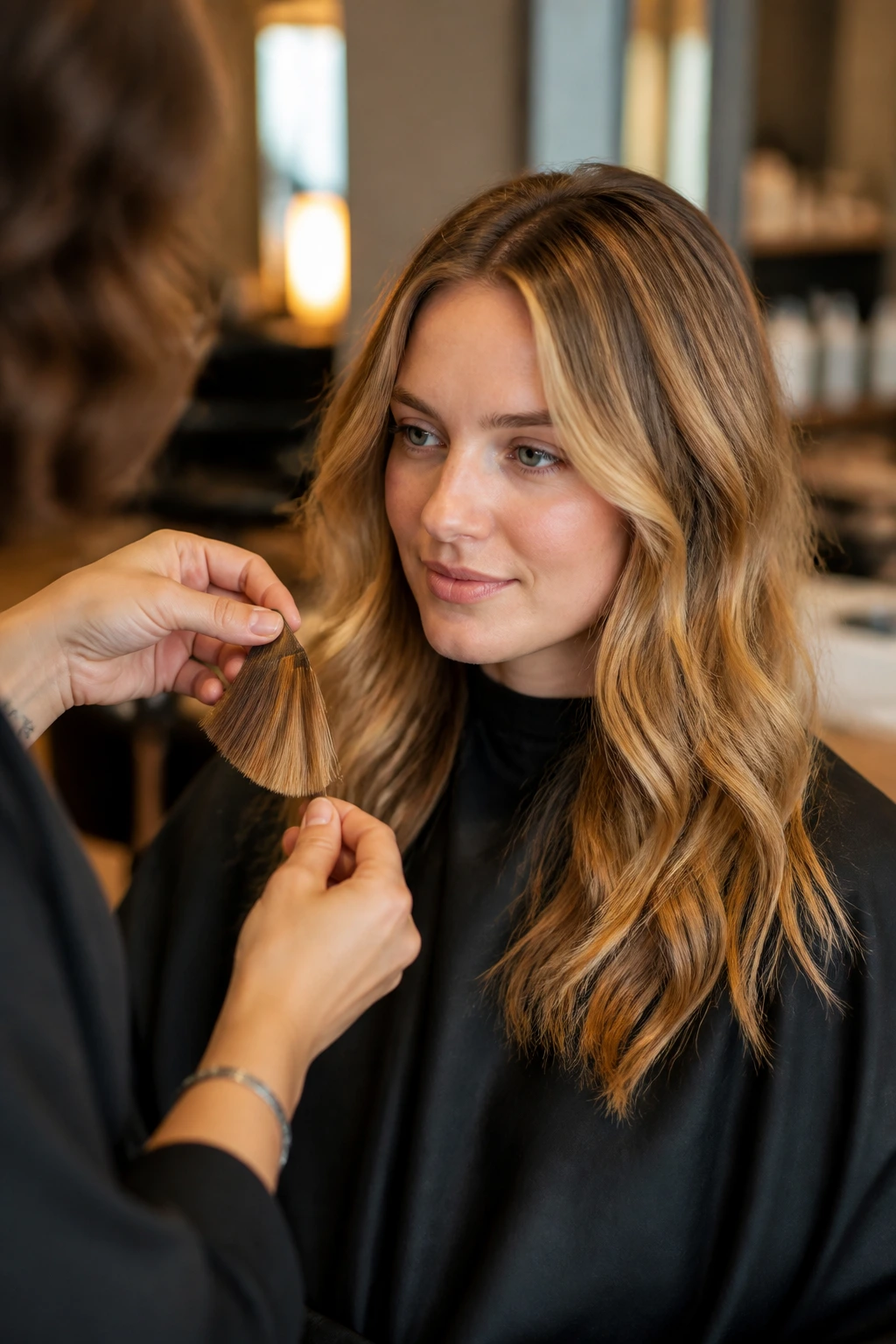
Cream-soda butterscotch is the softer, frothier cousin of a more obvious golden blonde. It’s got warmth, but the warmth is buffered by a milky beige tone that keeps fair skin from looking overly flushed. If you’ve ever wanted your hair to look like the top of a shaken dessert drink, this is the version.
The best part is the finish. It should look smooth, almost satin-like, with enough shine to catch light but not so much that every strand screams for attention. This shade works especially well on finer hair because it makes the whole head look fuller without adding visual weight. Ask for soft beige toner and a gloss rather than a bright lift all over.
It’s quiet, but not shy.
15. Dimensional Butterscotch for Fine Hair
Does fine hair need a lighter butterscotch? Not always. What it needs is depth in the right places. A dimensional color plan — brighter pieces around the top layers, softer lowlights underneath — gives fine hair the look of density while still staying light enough for fair skin.
The mechanism is simple. Lighter hair pieces catch the eye, darker ones create the illusion of body between them. If the whole head is pushed too pale, that illusion disappears. Ask for a mix of butterscotch highlights and neutral lowlights, especially if your hair tends to fall flat at the roots. The root area can stay one level deeper so the crown doesn’t look see-through.
This is one of the few times where a little darkness is your friend.
16. Shoulder-Length Waves With Butterscotch Ribbons
Shoulder-length waves have a nice middle-ground feel, and butterscotch ribbons fit that mood. The length gives enough room for the ribbons to show without the color looking too stretched out, and the waves break up the brightness so fair skin doesn’t feel overexposed next to it.
A shoulder-length cut also keeps the lighter pieces from pulling the face down. That happens with ultra-long hair sometimes; the color drags. Here, the ribbons sit around the jaw and collarbone, which is usually the most flattering place for them. If you like subtle movement more than obvious contrast, ask for fine-to-medium ribbons rather than big painted sections.
This style looks easy in the best sense: not careless, just relaxed.
17. Warm Butterscotch With Beige Lowlights
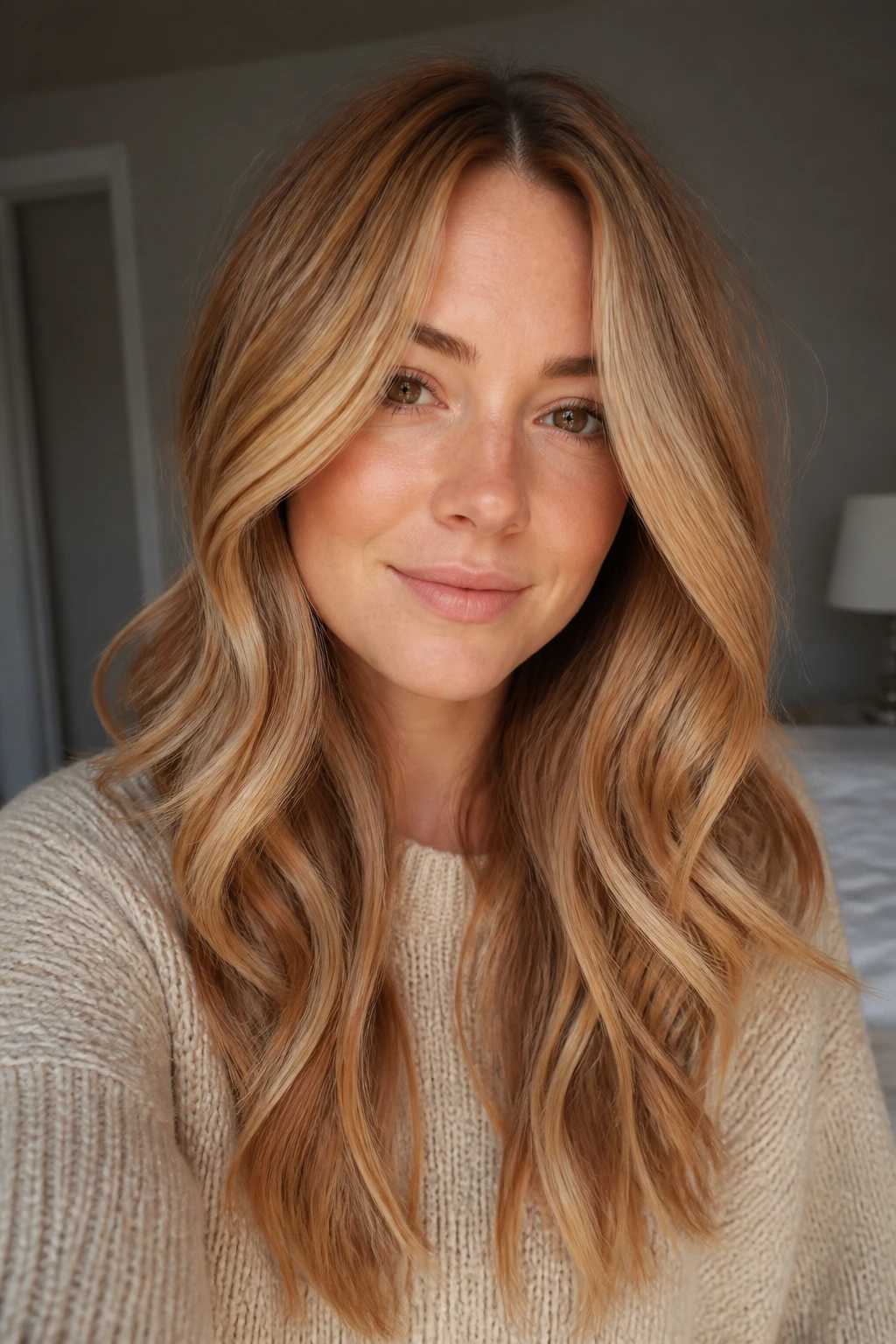
Too much gold and the hair can go shiny-yellow. Too much beige and it can look dusty. Beige lowlights are the in-between move that keeps warm butterscotch under control, especially on fair skin that turns sallow when the color gets too yellow.
The lowlights don’t need to be dramatic. They just need to sit underneath the brighter pieces and break up the surface. That extra depth gives the whole color some shape. If your hair is straight, this is especially useful because straight strands show every flat patch. If your hair is wavy, the lowlights show up more softly, which is even better.
I’d reach for this if you want warmth but not sweetness.
18. Butterscotch Shag With Choppy Ends
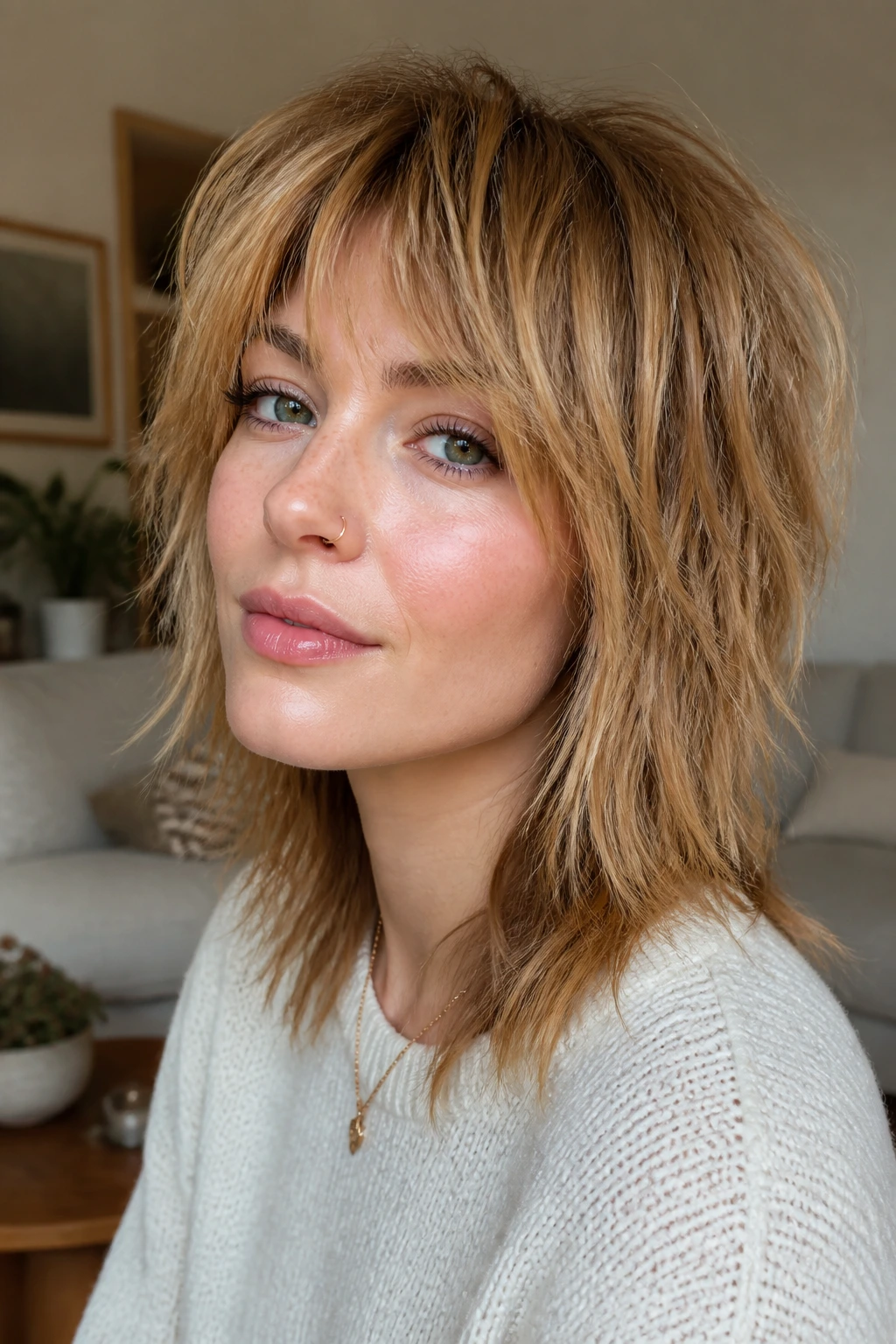
A shag makes butterscotch feel a little cooler and less precious. The choppy ends and broken layers stop the color from reading too polished, which is useful if your style leans a bit undone. On fair skin, that texture keeps the warmth from taking over your whole face.
The best shag versions have brighter pieces around the top layers and slightly deeper warmth through the lower lengths. That keeps the cut visible when it moves. If you want an edgier finish, ask for a lived-in root and a matte beige-gold gloss. If you want softer, keep the highlights more diffused.
This is one of the easiest ways to make butterscotch feel modern without making it loud.
19. Dark-Root Butterscotch Money Piece

A darker root with a bright butterscotch money piece is a smart move if you like contrast but hate the feeling of being all blonde all the time. The darker base keeps fair skin from floating away from the hair, and the bright front pieces lift the face right where it matters.
This style has a nice visual rhythm: depth at the crown, brightness near the eyes, and softer color through the rest. It’s not the most subtle option, but it’s easy to wear because the eye reads the brightest part first. If your skin is pink or cool, keep the money piece beige-gold rather than yellow-gold. That keeps the front from looking too abrupt.
It’s the kind of color that looks expensive when the tones are balanced.
20. Soft Copper-Butterscotch for Peach Undertones

A little copper can be beautiful on fair skin — if the skin has peach or apricot undertones. The trick is not to turn the whole head red. You want butterscotch with a copper edge, enough to warm the complexion but still clearly blonde at first glance.
This works especially well if your natural hair sits in the light brown to dark blonde range, because the copper warmth can be woven in instead of painted on top. Think amber, not fire engine. The color should look like a warm sunset, not a spice rack. Ask for a transparent copper glaze over butterscotch highlights if you want softness.
If you have very pink skin, I’d be more cautious here. A little copper goes a long way.
21. Pearlized Butterscotch for Cool Fair Complexions
Pearlized butterscotch is one of the cleanest choices for cool fair skin because it cuts the heat without killing the warmth. That pearly softness keeps the blonde from looking too yellow, while the butterscotch base still gives the face some life. It’s a narrower target than standard gold blonde, and that’s why it works.
Why It Feels Different
Pearl tones add a soft, almost creamy reflectiveness that looks good in bright indoor light and daylight alike. If your skin has rosy or porcelain undertones, this finish helps the hair sit beside the face instead of competing with it. Keep the root smudged and the ends just a little brighter for shape.
- Ask for: pearl beige toner, not icy violet toner
- Best placements: face frame, crown, soft mid-length ribbons
- Avoid: strong yellow highlights
- Best finish: smooth blowout or straightened ends with a bend
It’s a refined version of warm blonde.
22. Sunlit Butterscotch on Straight Hair
Straight hair can be a little unforgiving with warm tones, which is why the light needs to be placed with care. Sunlit butterscotch works because the highlights are painted in thin layers, so the color flickers instead of forming one harsh band. On fair skin, that lightness near the surface gives a clean glow.
The biggest mistake with straight hair is making every piece equally bright. That flattens the cut and makes the shade look cheap under indoor lights. Instead, keep a slightly darker underlayer and brighter surface ribbons. The contrast is what gives straight hair shape. If your natural hair is already light brown, this can be a very efficient way to go blonde without a big jump.
The finish should look crisp, not frozen.
23. Sunkissed Butterscotch With Babylights
Babylights are tiny, and that’s the whole point. They let butterscotch build slowly across the head, which is excellent for fair skin because the color reads soft from a distance and detailed up close. The result can look almost natural — if your natural hair spent time in warm sunlight and came back with better manners.
This style is especially nice when you want dimension but not obvious stripes. The fine highlights make the hair look airy, and the overall tone stays creamy rather than yellow. If you have very light skin, this is a safer version than thick balayage pieces. It gives enough contrast to show the color, but not so much that your face gets lost.
There’s a reason this one ages well. It’s gentle.
24. Butterscotch Melt for Gray Coverage
Gray coverage and butterscotch can work together better than people expect. A melt, where the root is softened into the mids and ends, helps gray blend into the color instead of standing apart. On fair skin, that also keeps the root line from looking harsh, which matters if the hair around your temples is going silver first.
The best version is not fully opaque. It has enough dimension that the grow-out looks natural for a few weeks, and the gray becomes part of the texture rather than a problem to hide. If you’re covering a higher percentage of gray, ask for a warm beige base with butterscotch ribbons rather than a single-process blonde. It holds up better between appointments.
This is one of those color choices that rewards planning over impulse.
25. Toffee-Butterscotch Brunette Blend
If you want more depth than a standard blonde but still want warmth around fair skin, toffee-butterscotch is a solid compromise. The brunette base gives the color body, and the butterscotch pieces keep it from feeling heavy. The finished look is richer than plain blonde and a lot more forgiving if your skin has a strong pink cast.
The nice thing here is the contrast. A deeper base around the crown and underlayers makes the lighter pieces feel brighter without overlifting the whole head. That means less stress on the hair and a cleaner grow-out. It also makes waves and layers look fuller, because the darker bits create the illusion of density.
I’d choose this if you like blonde energy but not blonde maintenance.
26. Bottleneck Bangs and Butterscotch Layers
Bottleneck bangs are softer than blunt bangs and a little easier to live with, which makes them a smart partner for butterscotch. They frame the face in a curved way that lets the lighter pieces sit near the eyes and cheekbones without feeling too heavy. Fair skin often benefits from that softness.
The best move is to brighten the front just a touch more than the rest of the layers. Not much. A shade or two is enough. That keeps the bangs from disappearing into the hair while still preserving dimension. If your skin is pale and cool, keep the bang area more beige than gold; otherwise, the front can get too warm too fast.
This cut-color combo has a gentle, lived-in rhythm that works on a lot of face shapes.
27. Bright Butterscotch for Curly Hair
Curly hair changes the game because every curl catches light differently. Bright butterscotch can look gorgeous here, but the placement has to respect the curl pattern. If the highlights are painted where the curls naturally bend and separate, the color pops without turning patchy.
The best curls get dimension in layers, not one blanket tone. That means brighter butterscotch on the outer curls, softer beige-gold inside, and enough depth at the root to keep the shape defined. On fair skin, the contrast creates a lively frame around the face. If the curls are very tight, a chunky highlight can look too stripey; finer pieces usually behave better.
This is one of the most rewarding versions of the shade because the movement does half the work.
28. Micro-Highlighted Butterscotch With Airy Dimension
Micro-highlights are the opposite of obvious. They’re tiny, placed close together, and meant to create a blended glow rather than visible stripes. On fair skin, that can be a gift. The color looks soft at first glance, then more detailed when the light hits it, which is usually how the best hair color behaves anyway.
This version is strongest when you want a lot of dimension but not a dramatic color shift. It works on fine hair, straight hair, and shoulder-length cuts especially well because the small pieces keep the texture from collapsing into one tone. Ask for a butterscotch glaze after the highlights so the warmth stays creamy rather than yellow.
If your taste runs subtle, this is the one that hides its work the best.
What Makes Butterscotch Read Warm Instead of Orange
The line between warm and orange is thin enough to cause trouble. Butterscotch should look like a soft, buttery gold with beige in the mix. Orange happens when the gold gets too red, too strong, or too bare against a pale base. On fair skin, that mistake is even easier to see because the color sits right beside the face.
What usually saves the shade is a neutralizer. Beige toner. A soft root shadow. A few cooler ribbons tucked into the mids. Those choices don’t make the color dull; they keep it from turning sour under overhead lights. The best butterscotch tones have depth at the root, brightness in the visible panels, and a gloss that reads creamy instead of fiery.
Daylight is the truth-teller here. If the color looks buttery in daylight and only a little warmer indoors, you’re in the right zone. If it looks orange in both places, the toner was wrong or the lift was too warm to begin with.
Essential Tools and Products for Maintaining Butterscotch Hair
-
Color-safe shampoo: Choose a sulfate-free formula that cleans without stripping the golden-beige tone out of the hair in two washes.
-
Moisturizing conditioner: Butterscotch shows shine best when the cuticle is smooth, so a creamy conditioner matters more than a flashy styling serum.
-
Purple or blue shampoo: Use sparingly. Purple helps if the blonde is going yellow; blue is better if the butterscotch starts drifting toward orange.
-
Heat protectant spray: Anything with heat styling should be shielded, because warm blondes can go dull fast when they’re fried with a flat iron.
-
Weekly gloss or color-depositing mask: A beige-gold gloss can refresh the tone between salon visits without forcing a full recolor.
-
Wide-tooth comb: Handy for detangling damp hair without pulling out the fragile lightened ends.
-
Microfiber towel or soft T-shirt: Rough drying creates frizz, and frizz makes warm blonde look less polished.
How to Ask for the Right Butterscotch Tone at the Salon
Say the words out loud, but also give your colorist the structure: level, warmth, brightness, and placement. That’s the language that actually helps. If you want fair skin to glow instead of blush, ask for a butterscotch blonde that sits around level 7 to 9, depending on how light you want it, with beige-gold warmth rather than copper-orange warmth.
Bring one or two reference photos and say what you like about them. Don’t just point and hope. If the picture has the right brightness but too much gold, say that. If you love the root depth but want softer ends, say that too. A good color appointment often comes down to editing the photo in words.
If your skin is cool or very pink, ask for a softer root melt and a beige gloss. If your skin is warm or peachy, you can usually carry a little more gold. Either way, ask how the color will fade in 4 to 6 weeks. The fade tells you whether the toner was chosen well.
Common Mistakes That Make Butterscotch Turn Harsh
The first mistake is going too yellow. That’s the classic one. It happens when the toner is bright but not balanced, and the result can make fair skin look sallow instead of fresh. The fix is a beige or neutral glaze, not more lightness.
Another problem is forgetting the root. If the whole head is lifted to the same pale level, fair skin can lose contrast and the hair starts looking flimsy. A soft shadow root or lowlight fixes that fast.
Overusing purple shampoo is a sneaky one. It can suck the warmth right out of butterscotch and leave a dull, dusty blonde. Use it only when the color starts drifting yellow, and leave it on for a short time — usually 1 to 3 minutes, not a long soak.
Skipping gloss appointments is another common trap. Butterscotch lives and dies by shine.
Smart Variations and Personal Tweaks
Tone Boost: If you want more warmth, ask for a golden beige gloss instead of a bright gold gloss. That tiny shift keeps the shade richer without pushing it into pumpkin territory.
Root Softening: If you hate obvious regrowth, keep the root one level deeper than the mids and soften the transition with a melt. It’s cleaner, and it grows out with less drama.
Cut Pairing: Long layers, curtain bangs, bottleneck bangs, and soft shags all help butterscotch look more dimensional. A one-length cut can work, but it needs a sharper gloss to keep the color from flattening out.
Make-It-Yours: For cool fair skin, go beige-pearl. For warm fair skin, go honey-gold. For rosy skin, add a faint strawberry or apricot note. For curly hair, keep the highlights fine so the pattern doesn’t break into stripes.
How to Keep the Color Fresh Between Appointments
Butterscotch does not like neglect, but it’s not high-maintenance in the worst way either. The main goal is to keep the tone creamy and the ends from drying out. Wash every 2 to 4 days if you can, using lukewarm water. Hot water opens the cuticle more than you want and strips the gloss faster.
Most people do well with a salon gloss every 4 to 6 weeks if they’re wearing a bright butterscotch blonde. If the color is more rooted and dimensional, you can stretch that out. Use purple shampoo only when brassiness shows up, and keep it off the most delicate pieces around the face if those strands already run cool.
Heat styling should stay controlled. A blow-dryer on medium heat with a heat protectant is easier on the tone than a flat iron used every day at high heat. And if your hair starts looking flat, don’t reach for more bleach first. A toner refresh, a trim, or even a clean conditioning treatment usually brings the shade back faster.
Questions People Ask About Butterscotch Hair on Fair Skin
Will butterscotch wash me out if I have very pale skin?
It can, if the shade is too light and too yellow. The safer version is a beige-butterscotch with a soft root shadow, which gives pale skin contrast instead of making everything merge together.
Is butterscotch better than honey blonde for fair skin?
Often, yes, because butterscotch has more beige and cream in the mix. Honey blonde can read brighter and yellower, which looks lovely on some fair skin tones but harsh on others.
Can cool-toned fair skin wear butterscotch?
Absolutely, but it needs a softer version. Pearlized, beige, or neutral butterscotch works much better than a loud gold or copper tone.
How often will I need touch-ups?
For a rooted or balayaged version, many people can go 8 to 12 weeks between major appointments. Bright all-over butterscotch usually needs toning or glossing more often, around 4 to 6 weeks.
What if my hair turns orange after lifting?
That usually means the toner or underlying pigment was off. A beige or blue-leaning gloss can help calm it, but if the lift is too warm, a salon correction is often the cleaner fix.
Can I do this at home?
A gloss or tone refresh, yes. A full butterscotch transformation on fair skin is trickier, because the difference between warm beige and orange brass is small. If you’re lifting more than a shade or two, a colorist is the safer bet.
Does butterscotch work on gray hair?
It can, especially as a blended color or melt. The lighter warmth helps gray blend in, though fully resistant gray may need a more deliberate coverage plan.
Soft warmth wins here.
That’s the thread running through every good butterscotch shade for fair skin: not the brightest blonde, not the deepest caramel, but the version that sits in the middle and knows when to stop. A little beige, a little gold, a little depth at the root — that’s what keeps the color from looking loud or flat.
If you’re choosing between shades, start with the one that feels slightly softer than your first instinct. Hair color has a funny habit of looking warmer and brighter once it’s on the head than it does in the bowl. A restrained butterscotch tone usually ages better, grows out cleaner, and flatters fair skin in daylight, which is where the real judgment happens.