



Short hair has a rude habit of telling the truth. Miss the part by half an inch, load on too much gel, and the whole shape can tip from polished into stiff, from chic into helmet. Soft layers change that equation. They give slick hairstyles for short hair with soft layers somewhere to go — a bend at the cheekbone, a little movement at the jaw, a front piece that falls with intention instead of sitting there like a sheet of lacquer.
That’s why sleek short hair looks so much better when it has a few feathered edges to work with. A blunt cut can take shine, sure, but layered short hair takes shine and shape. The result is cleaner at the crown, lighter at the temples, and a lot less severe around the face. You get that glossy, pulled-together finish without losing the little bits of softness that keep the cut human.
And that balance matters. A slick style on short hair should feel controlled, not frozen. The looks below lean into that idea from every angle: deep parts, tucked ears, mini twists, wet looks, pin-back shapes, and a few versions that keep the front glassy while letting the ends breathe. Some are sharp enough for a night out. Some are the kind of styles you can throw together with a comb, a few pins, and a stubborn opinion about your side part.
Why This Collection Works So Well on Short Hair
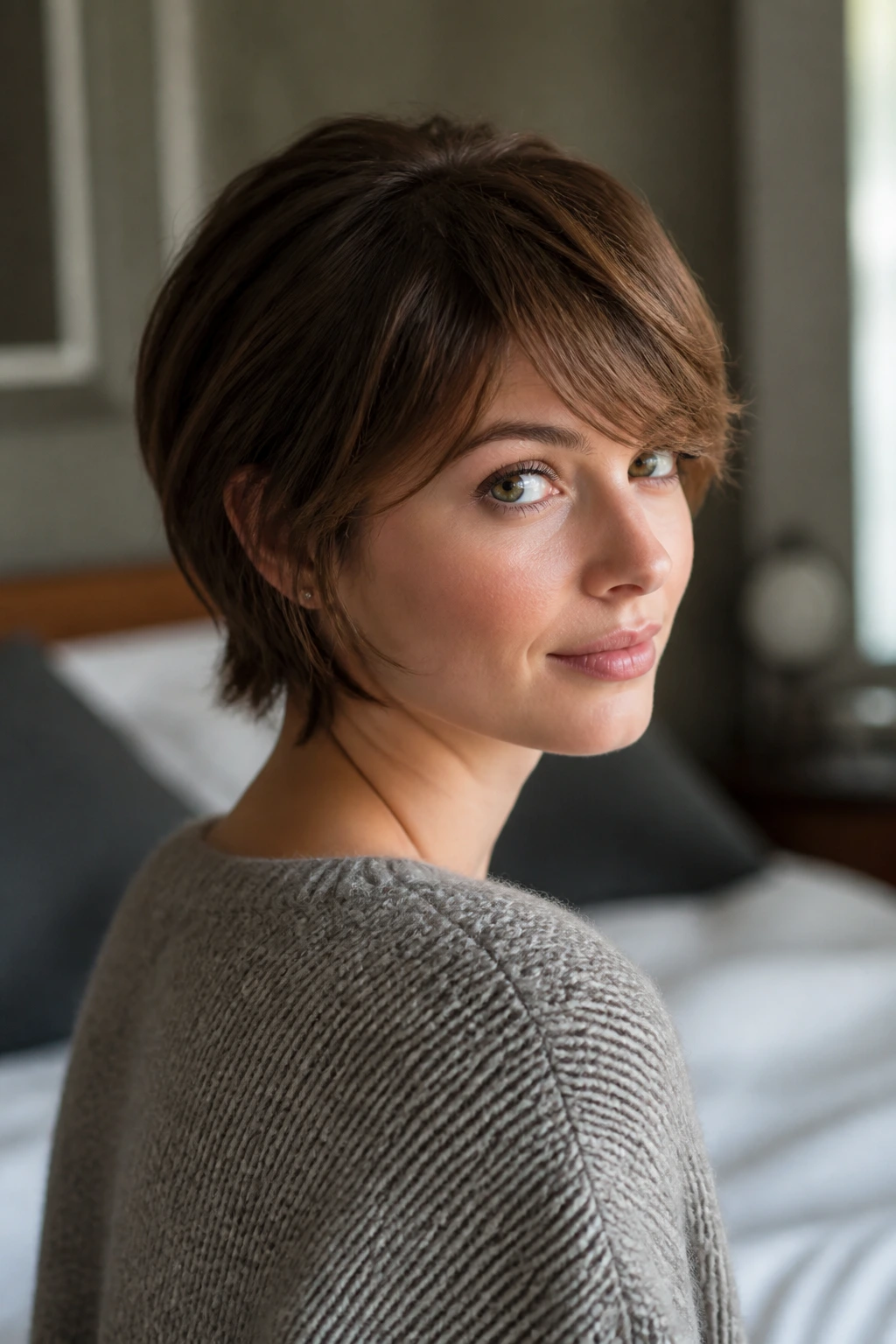
-
Soft Layers Keep the Hairline from Looking Harsh: The shorter pieces at the temples and jaw break up that hard, flat line you sometimes get with a full slick-back, so the style reads cleaner on the face.
-
Short Hair Needs Less Product Than People Think: A nickel-sized amount of gel, cream, or pomade often covers the whole head; go heavier and the crown starts looking greasy instead of glossy.
-
These Styles Play Nice with Natural Texture: A little wave or curl at the ends can stay visible under the sleek top, which gives the haircut shape instead of making it look pressed to the skull.
-
Day-Old Hair Often Behaves Better: Slightly lived-in roots hold parts, pins, and twists better than squeaky-clean hair, especially when your layers are soft and have a bit of slip.
-
One Part Change Can Make a Whole New Look: Deep side, center, and off-center parts all change how short layers sit around the cheeks and forehead; you do not need a full restyle to make it feel different.
-
These Looks Are Good at Hiding the Weird Bits: Cowlicks at the crown, frayed ends, and that one front piece that always escapes can be worked into the style instead of fought all day.
1. Deep Side-Part Pixie with a Slicked Crown
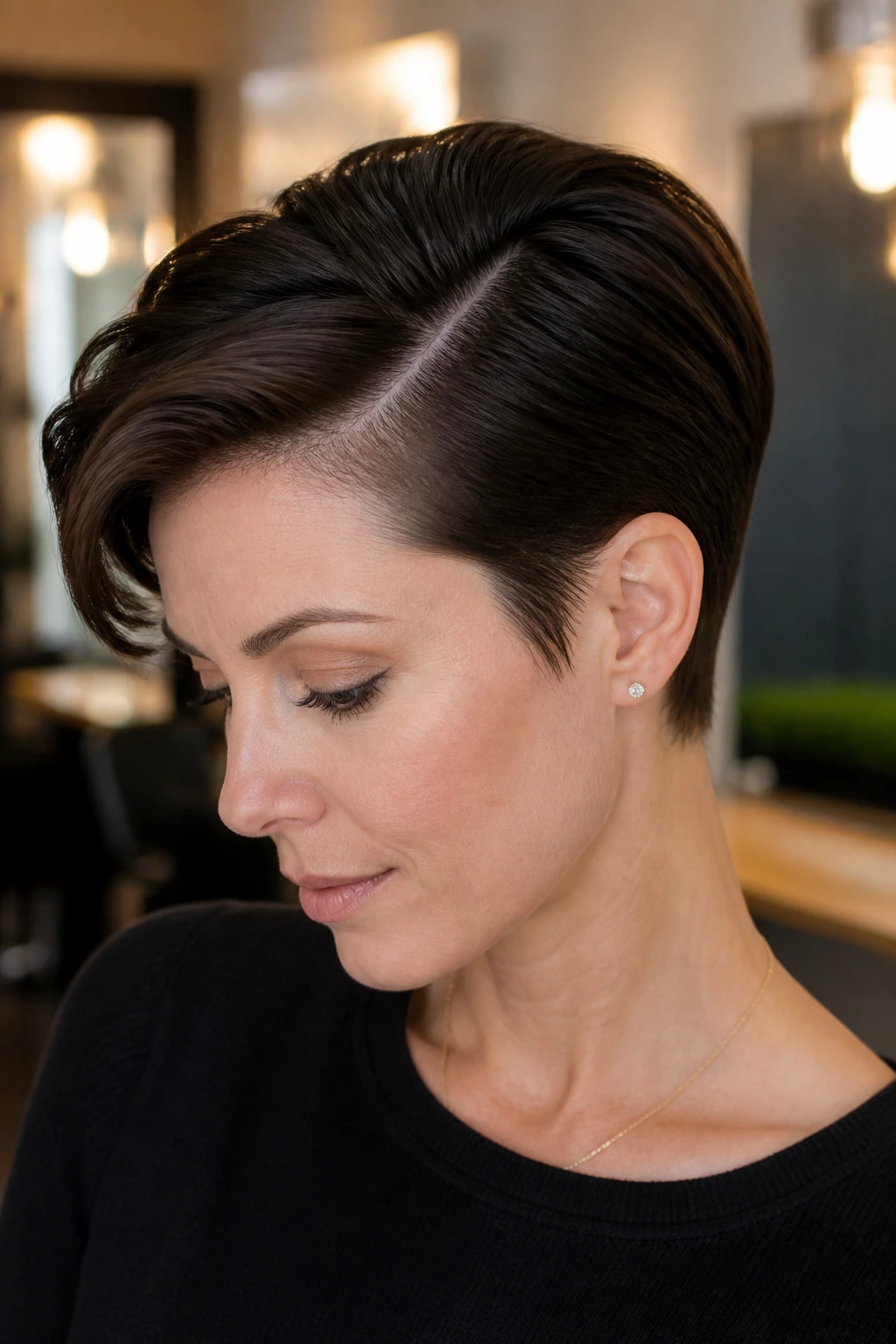
A deep side part makes a short pixie look deliberate in about ten seconds. Push the front over one temple, smooth the crown flat, and let the softer layers around the hairline stay a little feathered so the cut still has shape. That contrast is the whole trick: sharp on top, soft around the face.
Why it works
The deep part gives the eye a clear line to follow, which makes short hair look longer and a little more sculpted. On soft layers, it also keeps the fringe from puffing up in odd places. Use a light gel on damp hair, then finish the ends with a tiny touch of wax so they separate instead of clumping.
Quick styling notes
- Comb the part in with a rat-tail comb while the hair is still damp.
- Smooth the crown with a boar-bristle brush.
- Keep the product off the very ends near the ears if you want movement.
Best for: fine to medium hair that needs a little body at the front without bulk at the crown.
2. Wet-Look Micro Bob with Tucked Ends
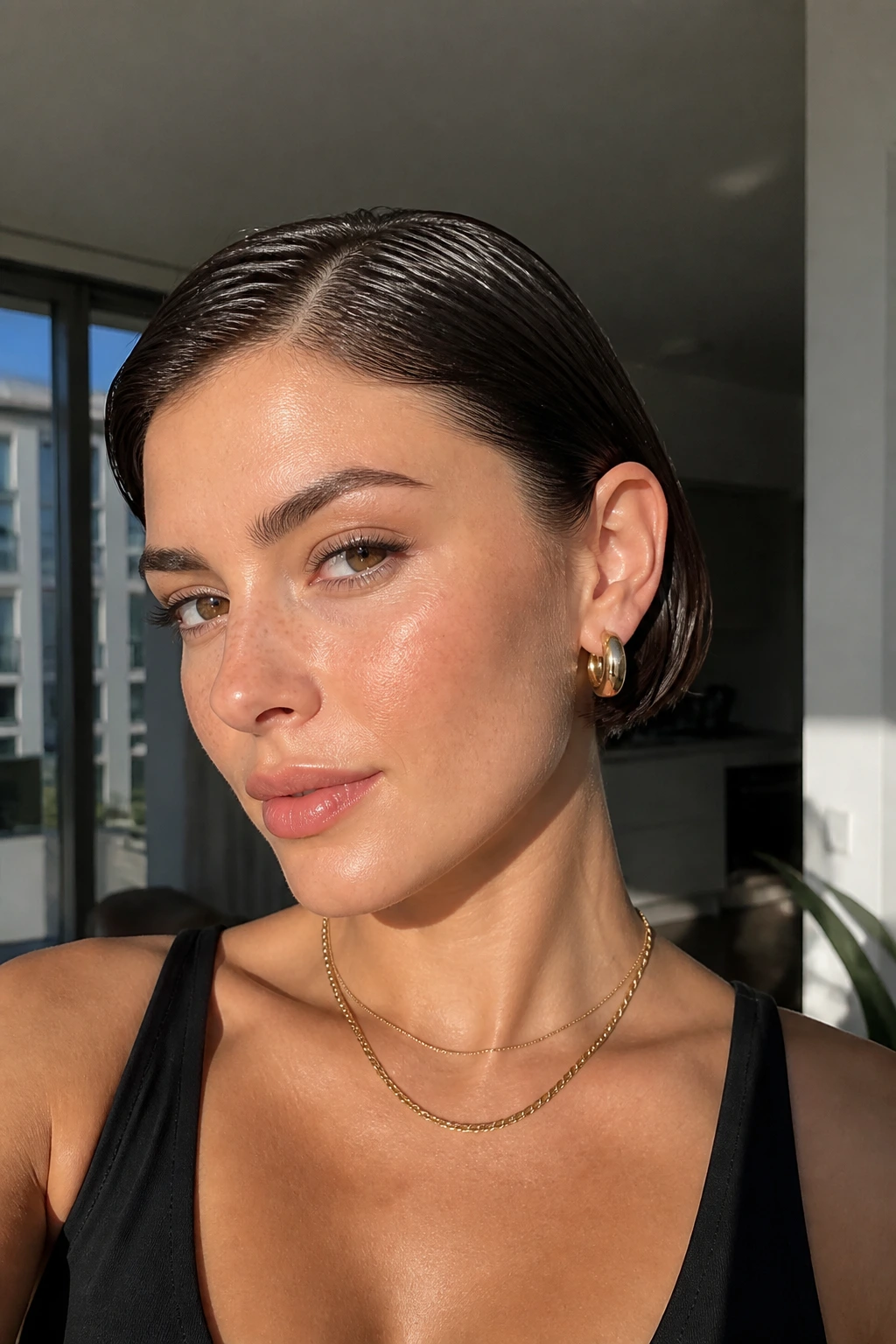
Why does a chin-length bob suddenly look sharper when the ends disappear behind the ears? Because the face becomes the main event. The sleek top and tucked ends let the soft layers sit close to the head while the cheekbone pieces still show a little bend.
How to style it
Work a gel-cream through damp hair, then comb everything back and slightly down. Tuck both sides behind the ears and secure the heaviest side with a tiny flat clip if your hair likes to spring out. If the ends flip, press them under with your palms before the hair sets.
What to watch
- Too much gel makes the bob stringy.
- Too little leaves the layers fuzzy around the ears.
- A center part keeps this looking clean, but a slight off-center part softens it fast.
Best for: short bobs with layers that skim the jaw rather than sit at one blunt length.
3. Ear-Tucked Chin-Length Bob
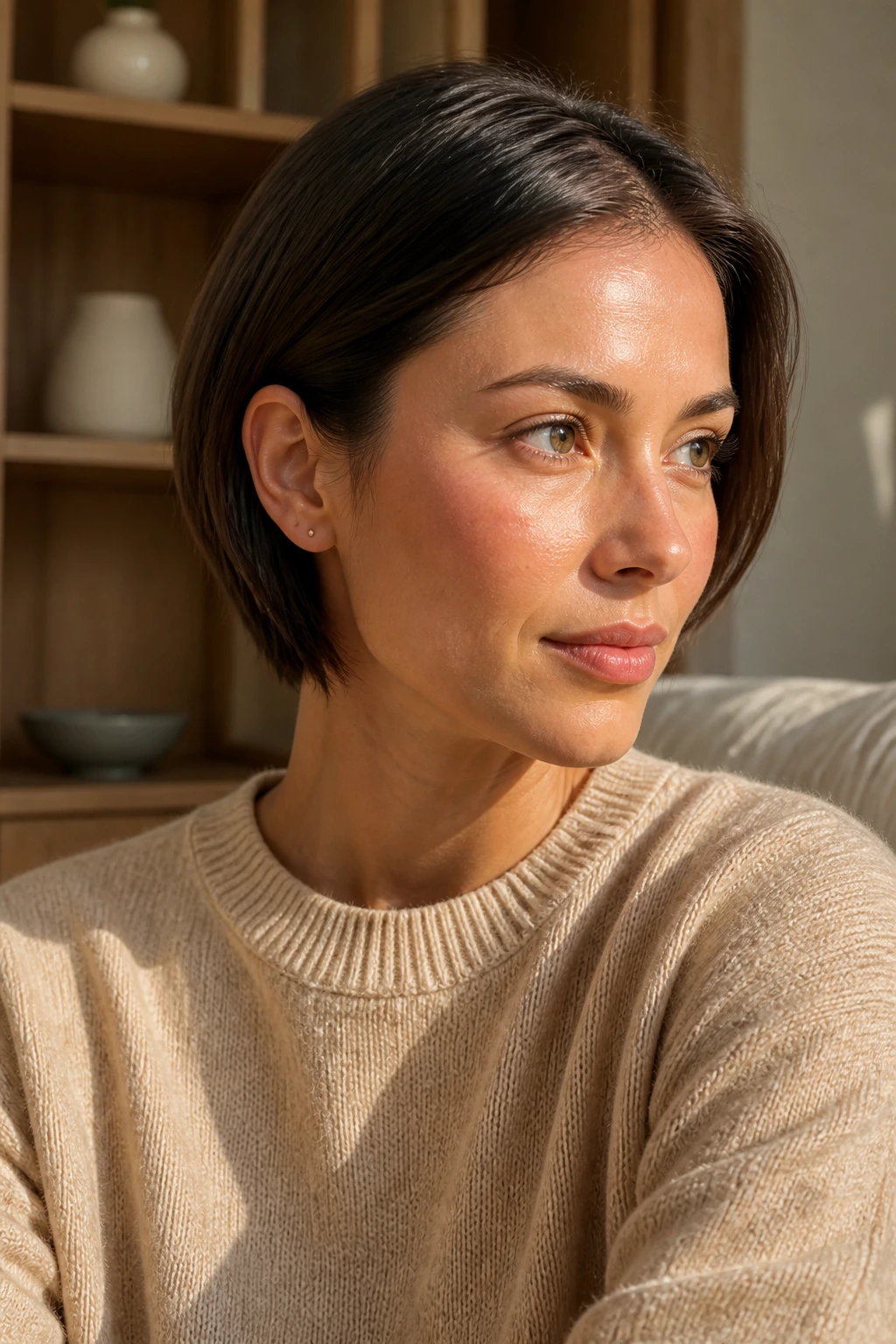
This is the look I reach for when the hair wants to behave, but not dramatically. The sides are tucked, the crown stays smooth, and the face-framing layers get to peek out just enough to keep the shape from feeling boxy. It’s neat without being severe.
The shape to aim for
Brush the hair straight back from the face, then tuck only the front third behind the ears. Leave the back panel loose and shiny. That split — tucked front, free back — is what keeps soft layers from turning into a helmet.
A light mist of shine spray over the outer layer is enough. Seriously. If you can see product sitting on top of the hair, it’s too much for this style.
4. Sculpted Finger Waves on a Short Crop
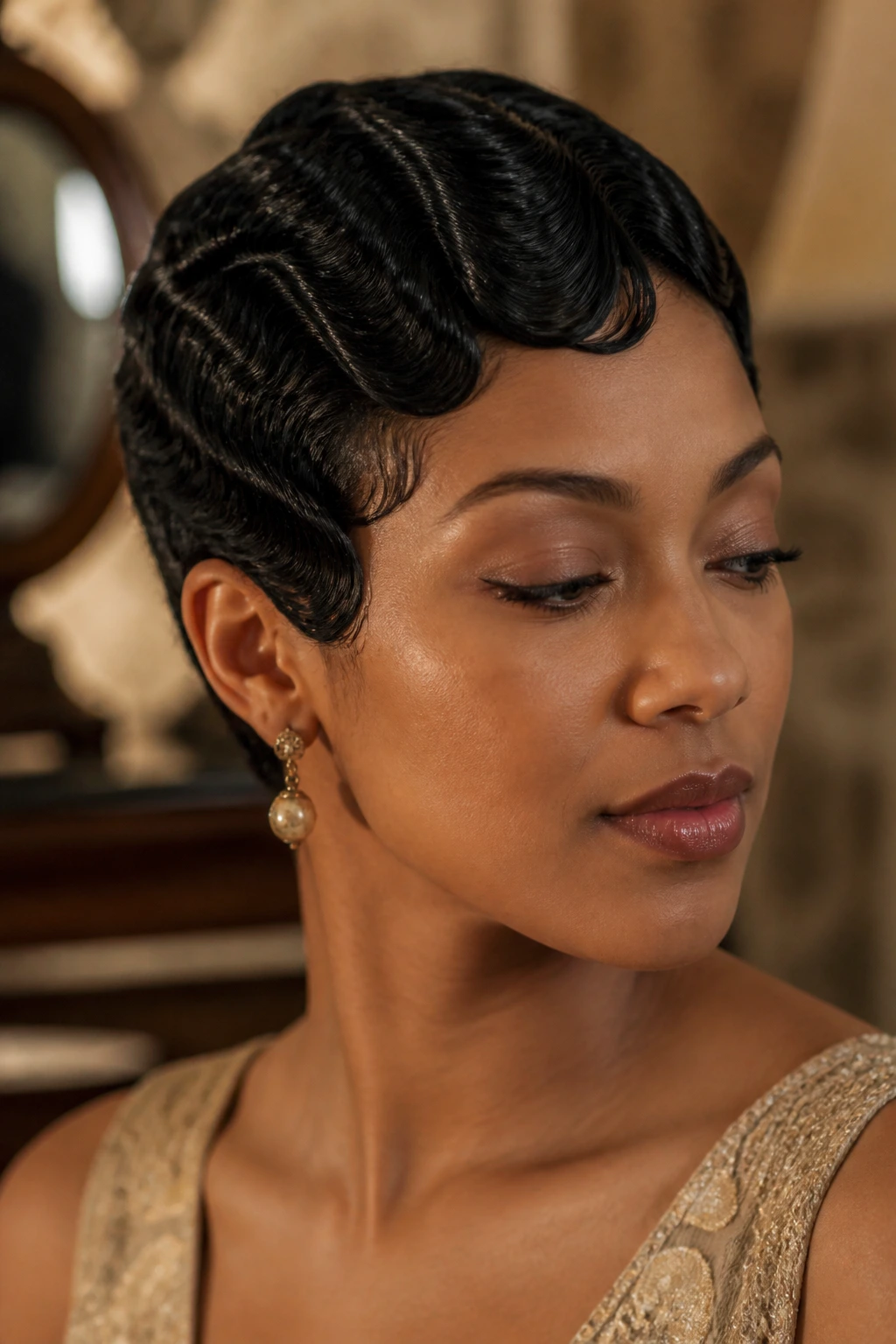
Finger waves give short hair an old-school curve, but on soft layers they look less costume-y and more tailored. The S-shaped bends hug the head and turn little layer breaks into part of the design instead of something to hide. It’s one of the few slick styles that actually loves imperfect hair.
Why it works
The wave pattern controls the front without flattening every strand. That matters on short cuts, because layers around the temples can pop out in strange ways if they’re left to their own devices. A setting lotion or strong mousse before the wave pattern goes in helps the shape hold overnight, then a fine-tooth comb and pin clips do the rest.
Style notes
- Best on damp hair with enough length to pinch into a bend.
- Use a small amount of gel along the hairline only.
- Dry fully before removing the clips.
Best for: formal events, short bobs, and textured crops that need a polished curve.
5. Mini Nape Knot for Layered Bobs
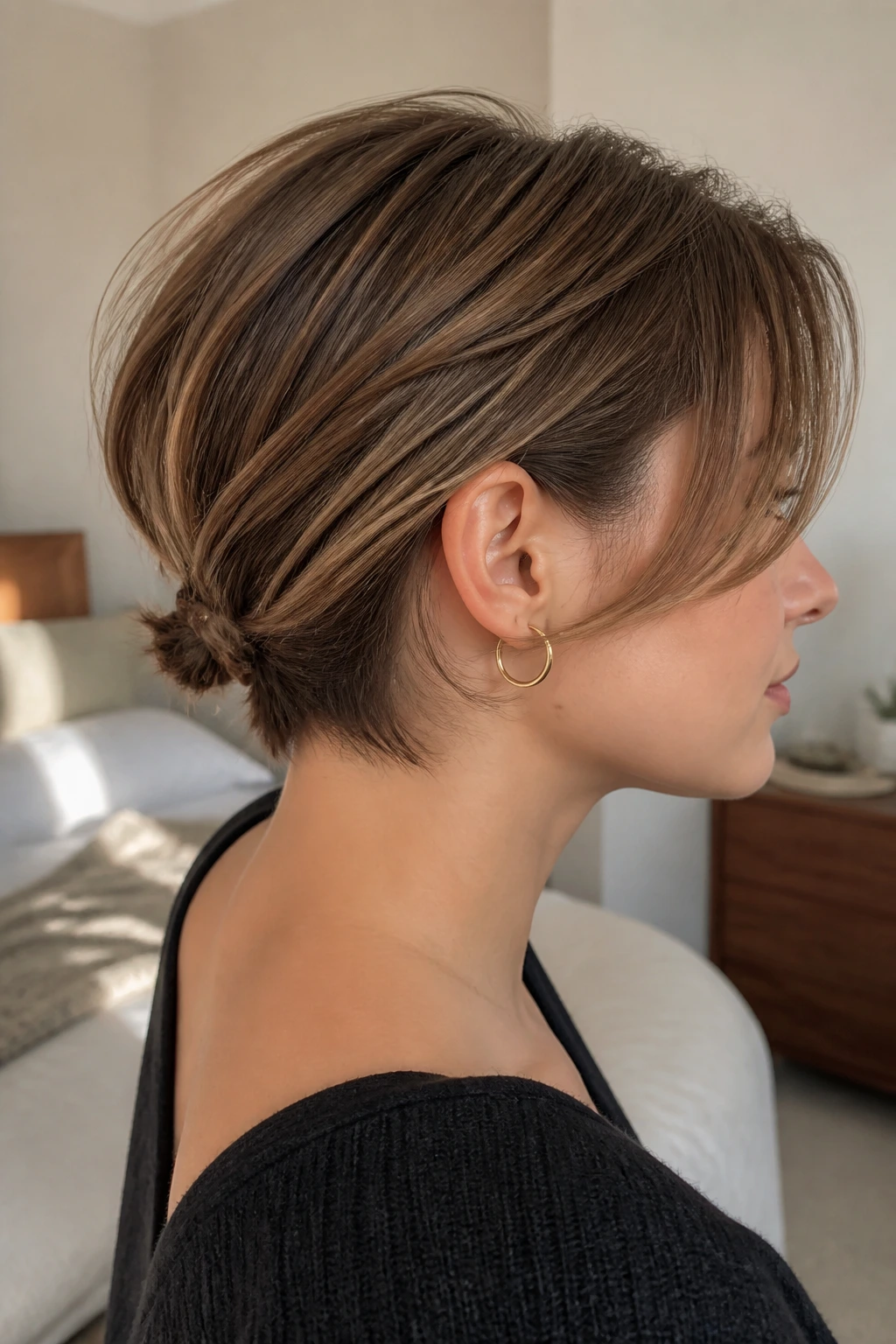
There’s a sweet spot for bobs that are too short for a real bun but too long to leave loose all the time. That’s where the mini nape knot lives. It gathers the lowest section into a tiny twist at the neck while the top stays sleek and the face-framing layers fall softly around the cheeks.
Why it works
Soft layers near the face stay out of the knot, so the style doesn’t puff up where you least want it. The key is keeping the upper half of the hair smooth before you twist the bottom section. A small clear elastic and two bobby pins usually do the job.
Best way to wear it
- Smooth the crown with a comb and a touch of cream.
- Gather only the lowest layer at the nape.
- Twist once, pin, and let the shorter top pieces stay close to the head.
Best for: layered bobs that need a quick updo without forcing the cut into a shape it cannot hold.
6. Slicked-Back Curly Bob
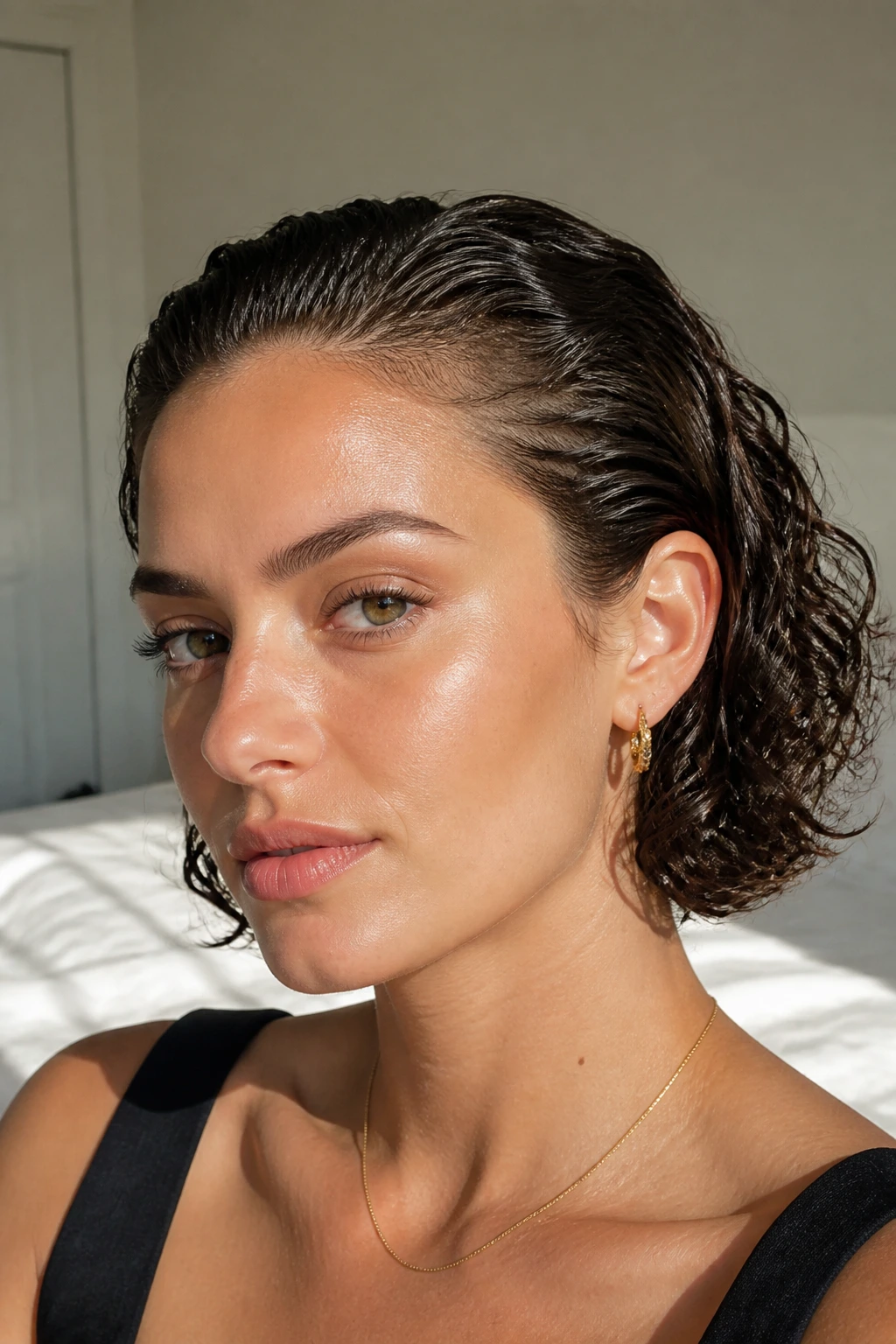
Curly hair can do slick styles, and I actually think the result is better when the bob still shows some curl at the ends. The top gets pressed back with gel, but the body of the curl remains visible below. That mix keeps short layers from collapsing into one flat mass.
How to get the finish
Apply gel to soaking-damp curls, then rake it back with your fingers and a wide-tooth comb. Smooth the outer layer with a brush, but stop short of brushing the curls apart below the crown. Diffuse on low until the top is set and the ends feel dry but not crunchy.
Small warning
If you brush curls all the way through, the bob turns fluffy and the layers stick up where the gel can’t hold them. Keep the crown slick and let the lower half keep its coil. That split is the whole point.
7. Asymmetrical Bob with One Flat Side
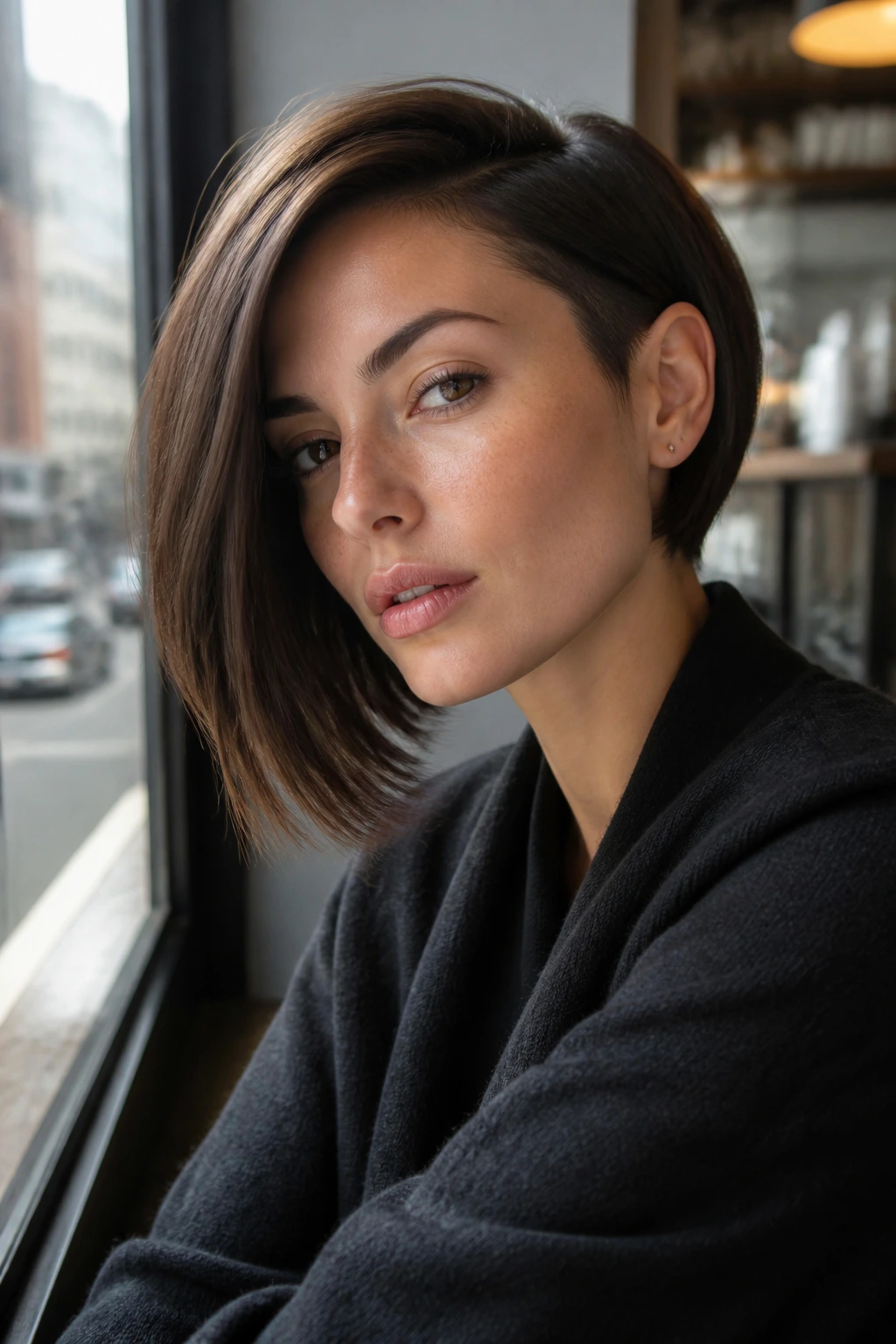
A bob with one side tucked flat and the other side left a little fuller has a nice bit of tension to it. The soft layers keep the fuller side from ballooning out, while the flatter side makes the whole cut look sharper. It’s one of the easiest ways to make a short layered cut feel styled instead of simply worn.
What makes it different
The asymmetry gives the face a direction. If your jawline is strong, this helps soften it. If your hair tends to fall in one stubborn direction, even better — use it. Smooth the flatter side with a cream or a little gel, then leave the opposite side with just enough bend to show the layers.
Best for: straight or slightly wavy hair that already likes a side part.
8. Half-Slick Crown and Loose Ends
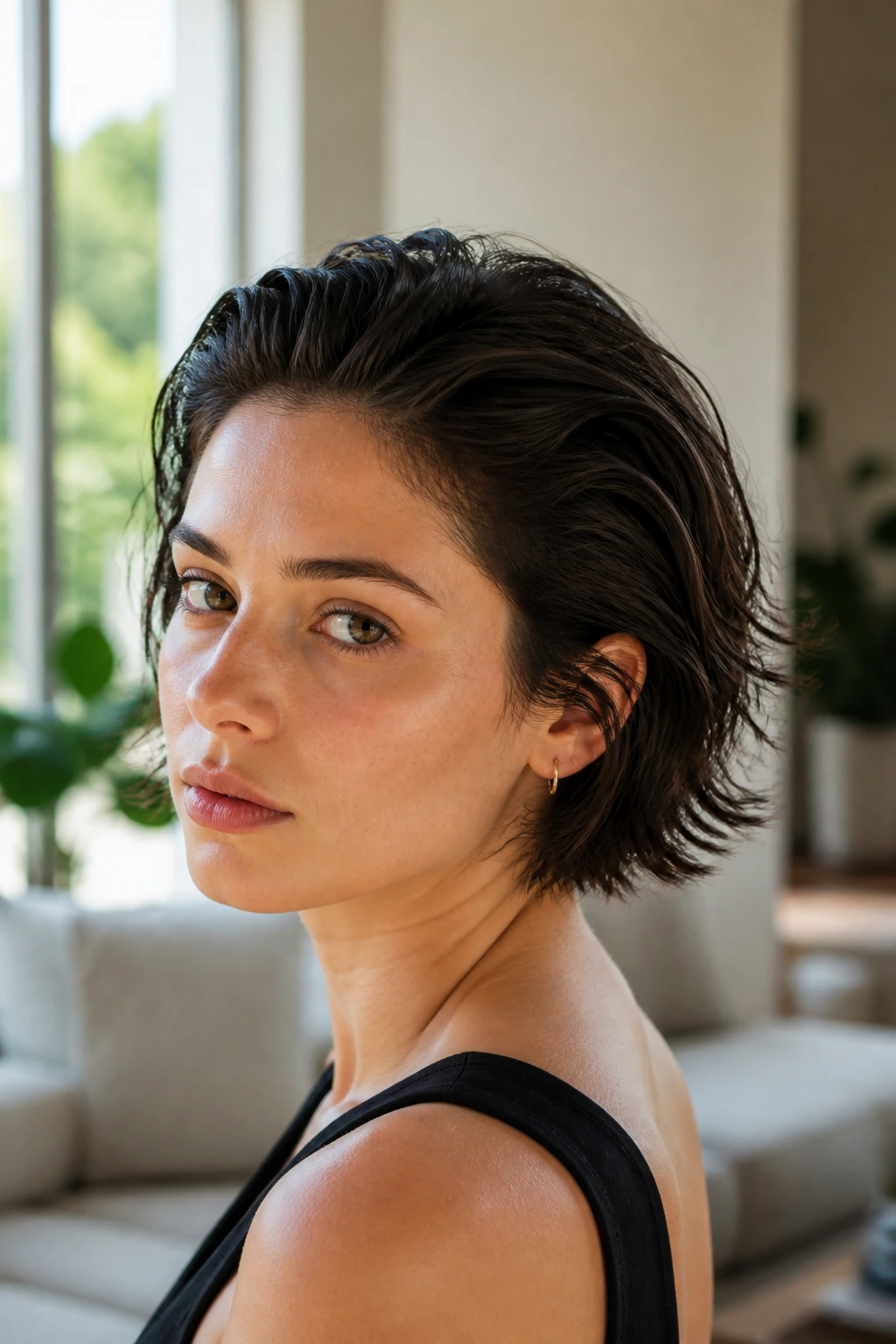
This one is for people who want the sleek feel without giving up all the movement. The crown and top layers are brushed back tight, while the ends stay loose and airy. On short hair with soft layers, that contrast keeps the shape from going flat and makes the style feel light instead of overworked.
How it sits
The front should look clean from the hairline to the crown. Below that, the ends can bend out, curl under, or flip a little if that’s how the cut behaves. A small amount of mousse at the roots gives the top enough grip, and a little serum on the ends keeps them shiny.
Tiny tip
Do not slick the lower half as hard as the top. If everything is pressed flat, the style loses the whole point of being half-slick.
9. Side-Swept Pixie with a Piecey Front
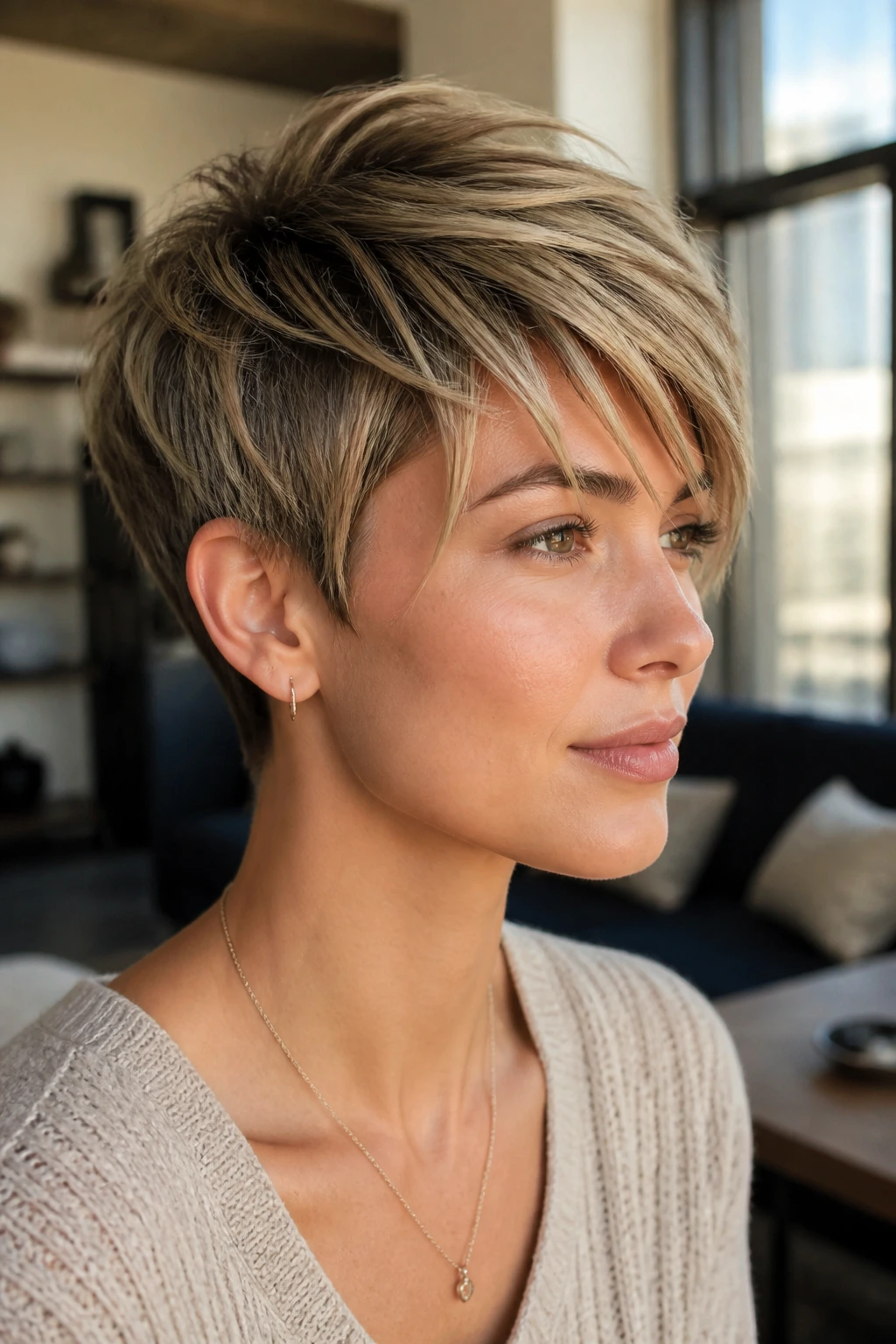
A side-swept pixie looks best when the front is controlled but not glued down. Push the longer top layer diagonally across the forehead, then separate the ends with a pea-size dab of pomade. The soft layers around the temples keep the shape from feeling rigid.
Why it flatters short hair
The sweep gives the cut movement, and the piecey front keeps it from reading as too formal. If your face is round or heart-shaped, this is one of the easiest ways to soften the outline without losing the short-hair feel. The trick is to keep the sweep light enough that you can still see strand definition.
Best for: pixies with a longer top section and delicate layers near the face.
10. Claw-Clip French Roll for Short Layers
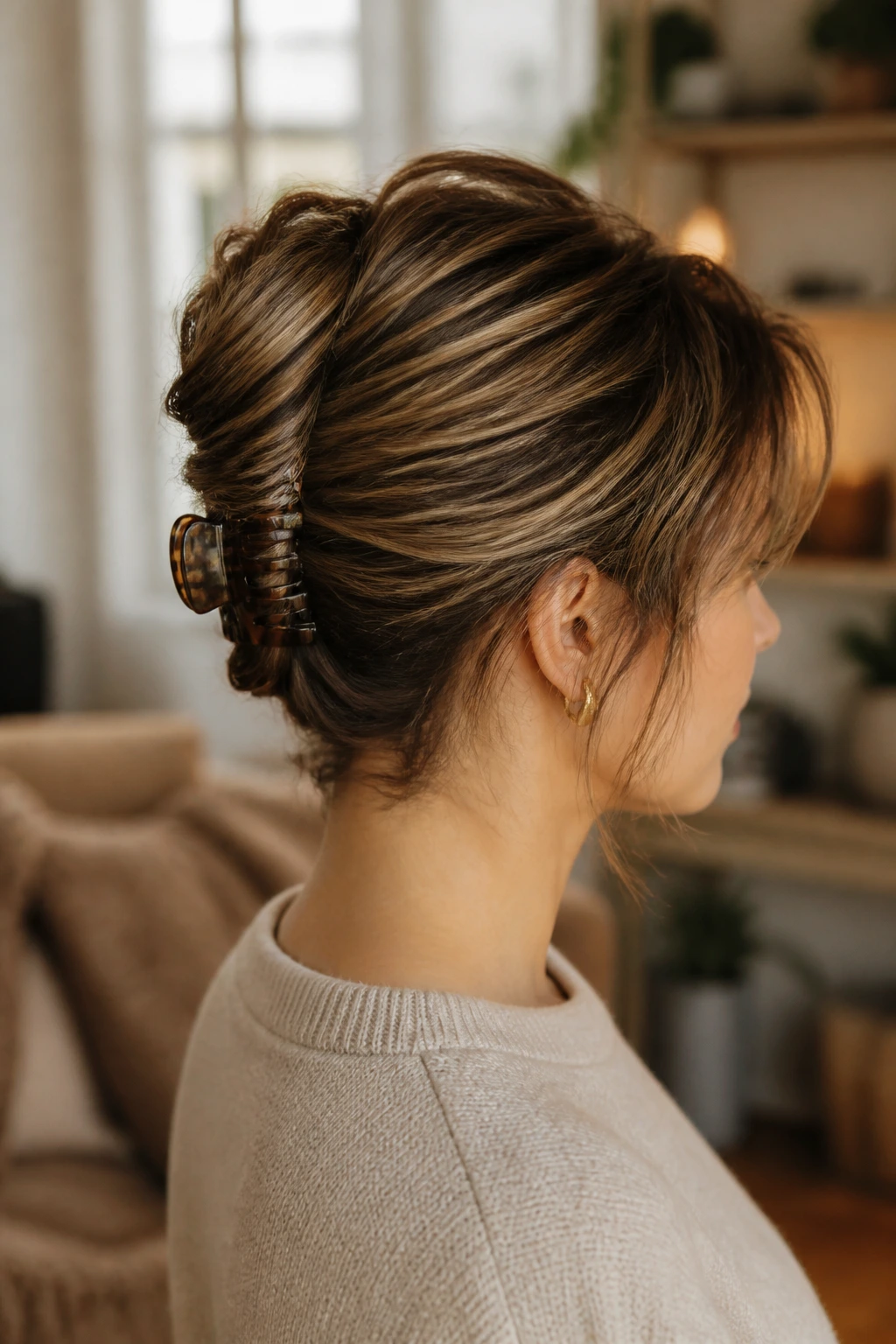
A claw-clip French roll works surprisingly well on short layers because the clip does the heavy lifting. You twist the hair upward from the nape, tuck the ends in, and let the face-framing pieces stay soft on purpose. It looks neat from the back and a little undone near the front, which is the right balance here.
A few useful details
Use a medium clip, not a giant one. If the clip is too big, it slides; too small, and it won’t catch the shorter layers. A little hairspray at the nape helps the twist stay put, especially if the cut has a lot of feathering.
11. Twisted Crown with Pin-Secured Sides
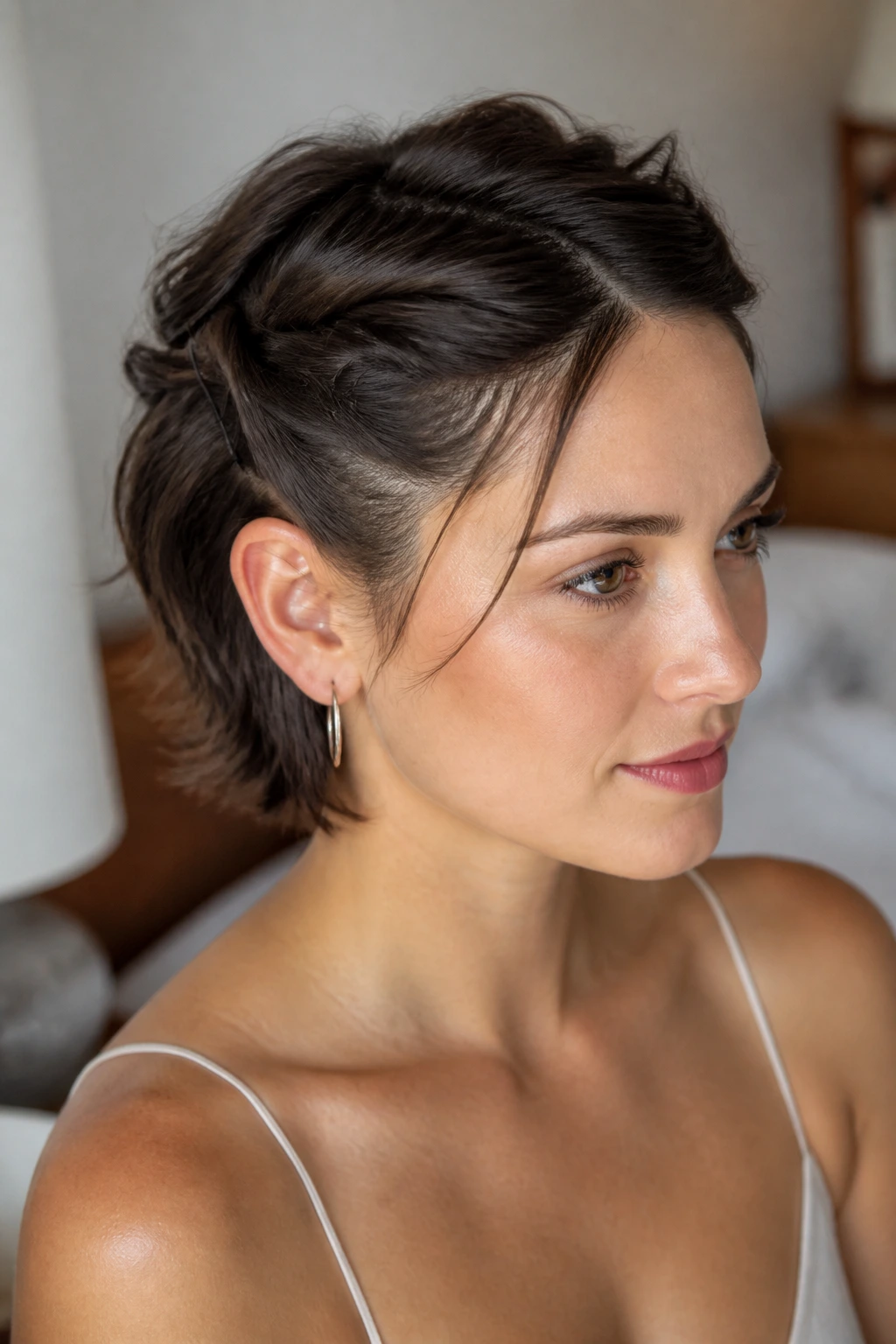
This style is mostly about the sides. Twist small sections from the temples back toward the crown, pin them flat, and leave the rest of the short hair sleek underneath. It’s a tidy way to manage soft layers that want to fall into the eyes.
What to keep in mind
The twists should sit close to the head, not puff up like ropes. Pull them snug, then anchor the pins in a crisscross pattern. A matte bobby pin holds better than a slippery decorative one if the hair is freshly washed.
If you want a softer finish, leave two tiny front pieces out. That’s enough. You do not need a curtain of face-framing strands for the look to stay gentle.
12. Glassy Center-Part Bob
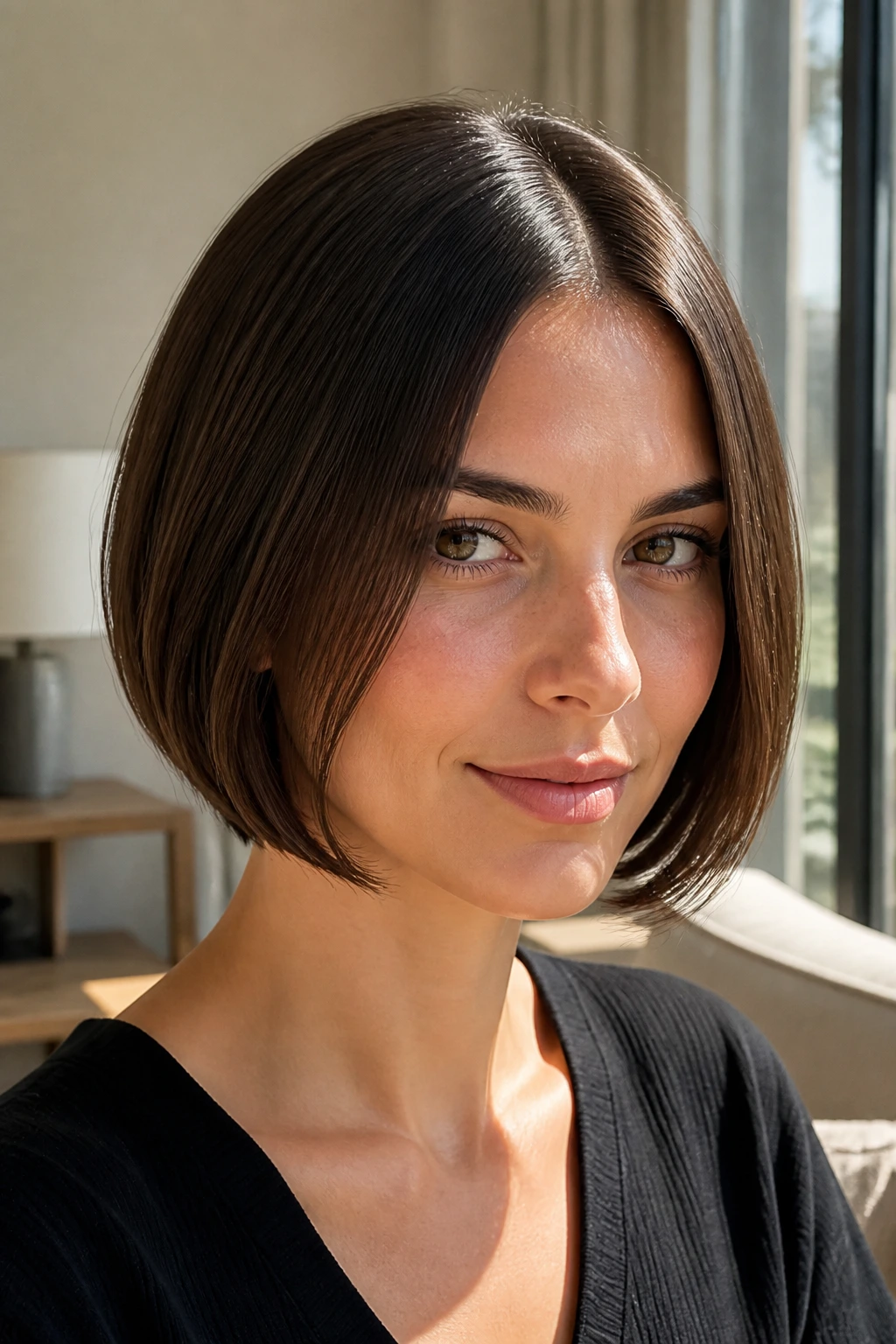
A center part changes the mood instantly. On a short layered bob, it makes the shape feel cleaner and more modern, especially when the surface is smoothed until it reflects light in a straight line. Soft layers keep the front from looking too severe, which is why this version works better than a dead-straight blunt cut for a lot of people.
Why it works
A center part opens the face and lets the layers fall evenly on both sides. Use a flat brush and a blow dryer with a nozzle, or a flat iron if your hair bends in odd places. Finish with a drop of serum on the mid-lengths and ends, not the roots.
Best for: straight hair, or wavy hair that can be pressed smooth without losing its shape.
13. Low Tucked Twist at the Nape
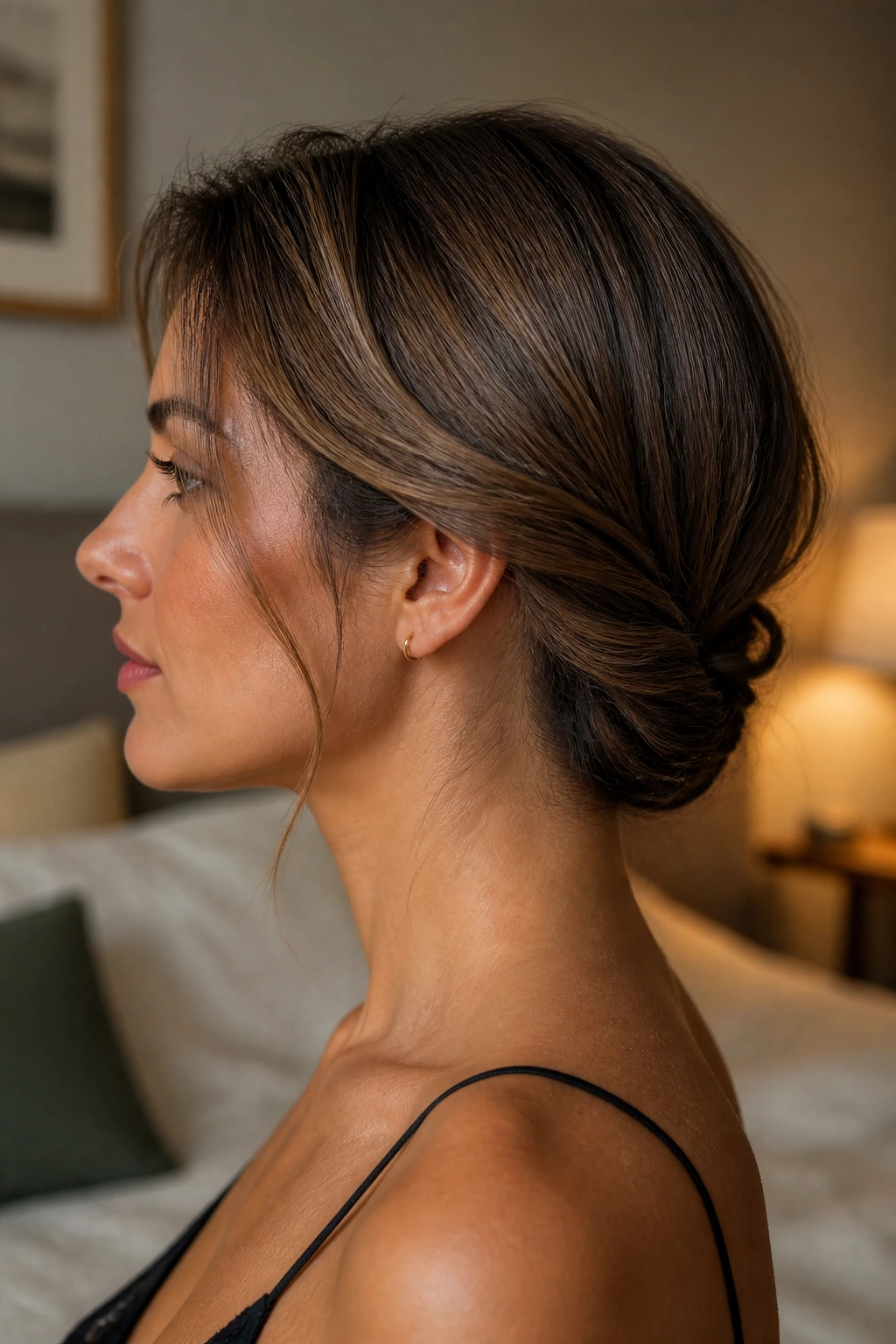
This is the short-hair version of a low chignon, and that’s exactly why it’s useful. The hair is gathered low, twisted inward, and pinned tight against the neck, while the top and front layers stay sleek and close to the scalp. Soft layers help here because they keep the face from looking stripped bare.
How to make it hold
Prep with a small amount of styling cream and make sure the section at the nape is fully controlled before you twist. A couple of U-pins can hold better than one heavy clip, especially if the hair is layered and short at the ends. Finish with a light mist of hairspray.
14. Gel-Defined Piecey Pixie
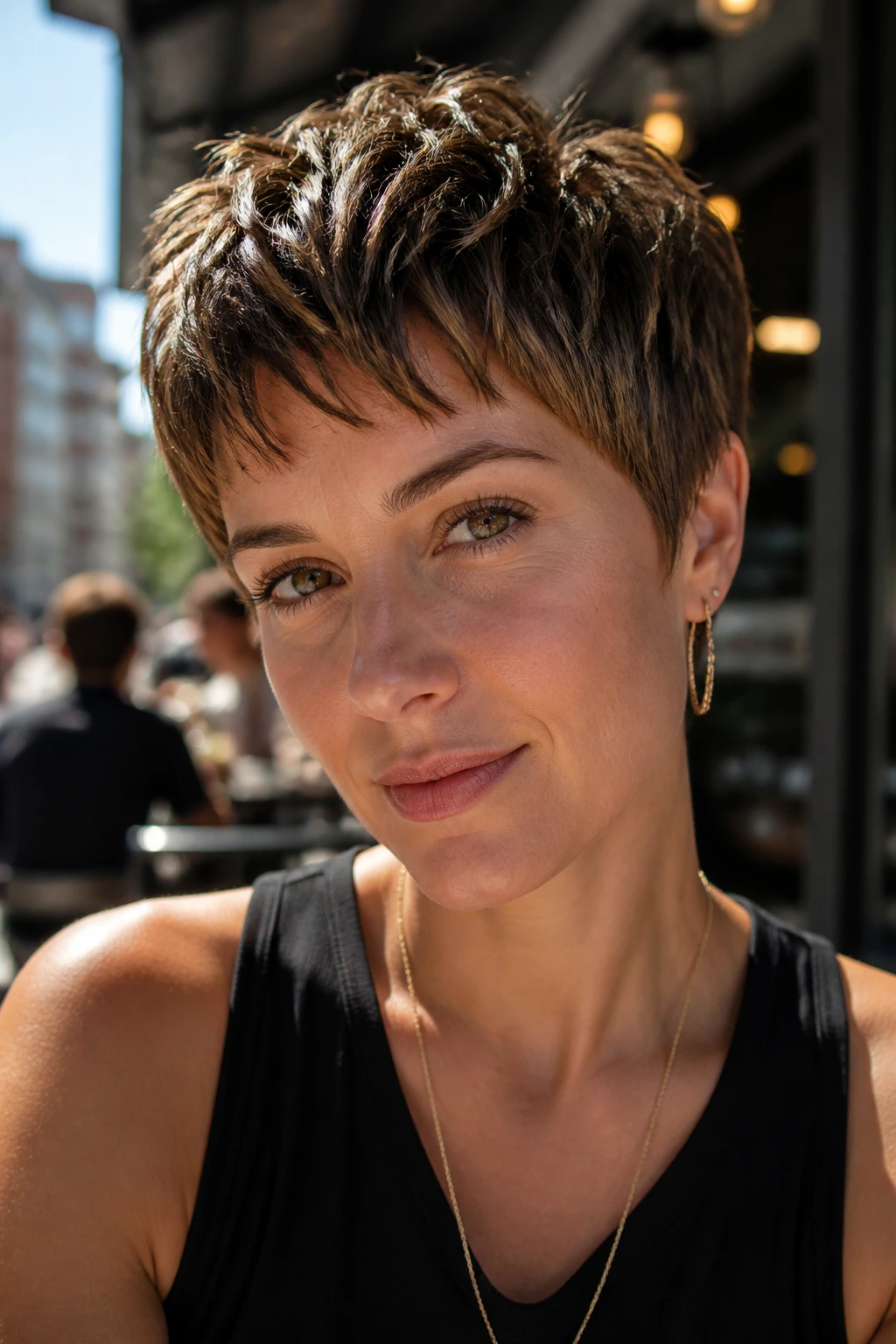
If you like short hair with a bit of edge, this one leans into separation. The crown is slicked, but the top layers are broken into clean little pieces with gel and fingertips. That keeps the cut from going too smooth and lets the soft layers show off their texture.
The right product balance
Use gel on damp hair, then stop combing once the shape is in place. After that, pinch a few sections at the front and around the ears so the layers are visible. A wax stick can clean up the edges, but only use a little — enough to define, not enough to harden.
Best for: pixie cuts with short, feathered layers and some natural texture.
15. Sleek Shag with Softly Pushed-Down Layers
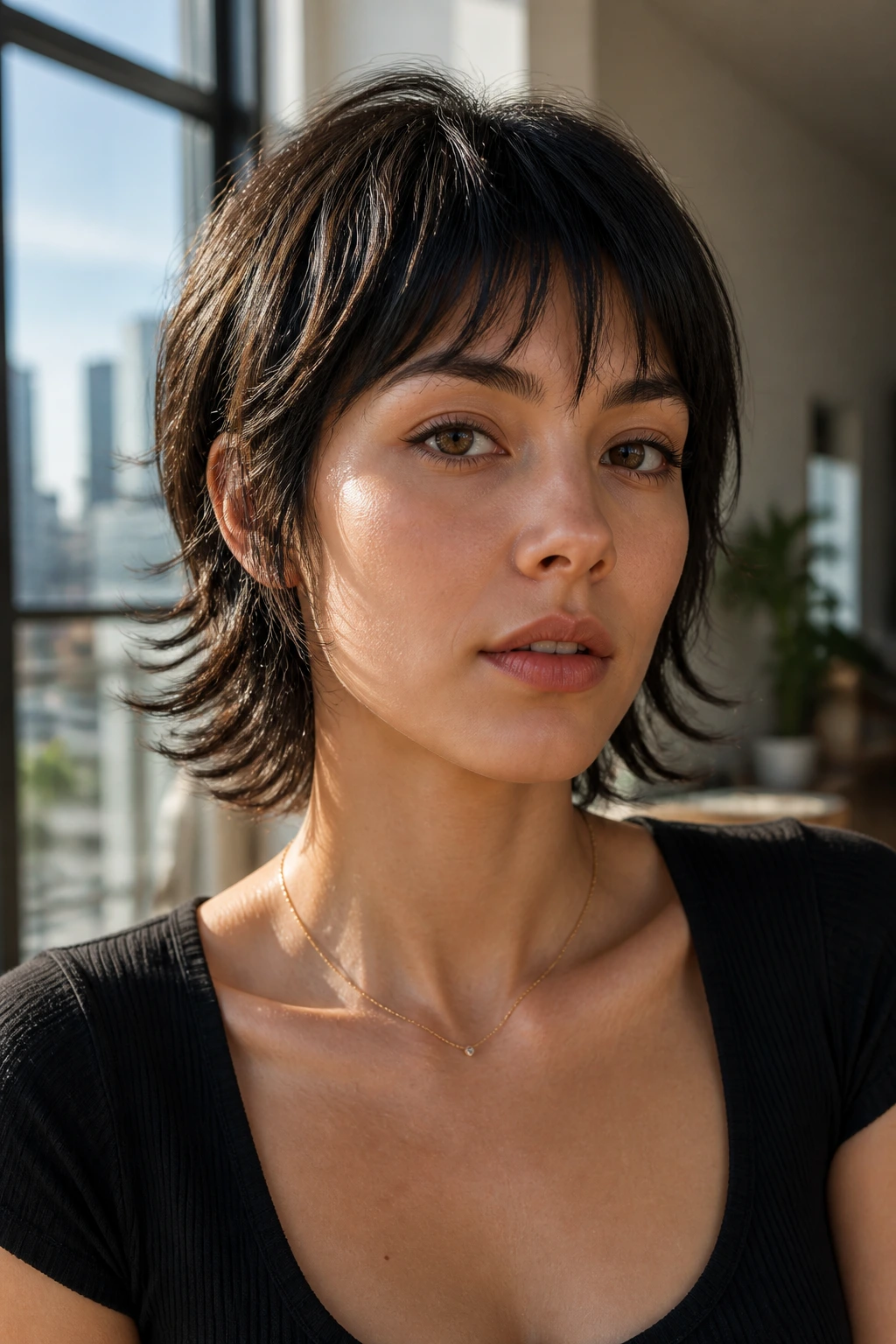
A short shag can look messy fast, which is exactly why the slick version is so useful. Push the top and the fringe down with a creamy gel, but let the layers around the sides and back keep a little swing. That contrast gives the cut shape without killing the shaggy outline.
What makes it work
The layers are already doing the interesting part, so your job is to control the puff at the crown and keep the front from splitting in weird directions. A round brush at the fringe can help if the front wants to stand up. Otherwise, fingers and a comb are enough.
Tip: keep the product away from the very ends if you want the shag to stay light.
16. Side-Part Bob with an S-Curve Front
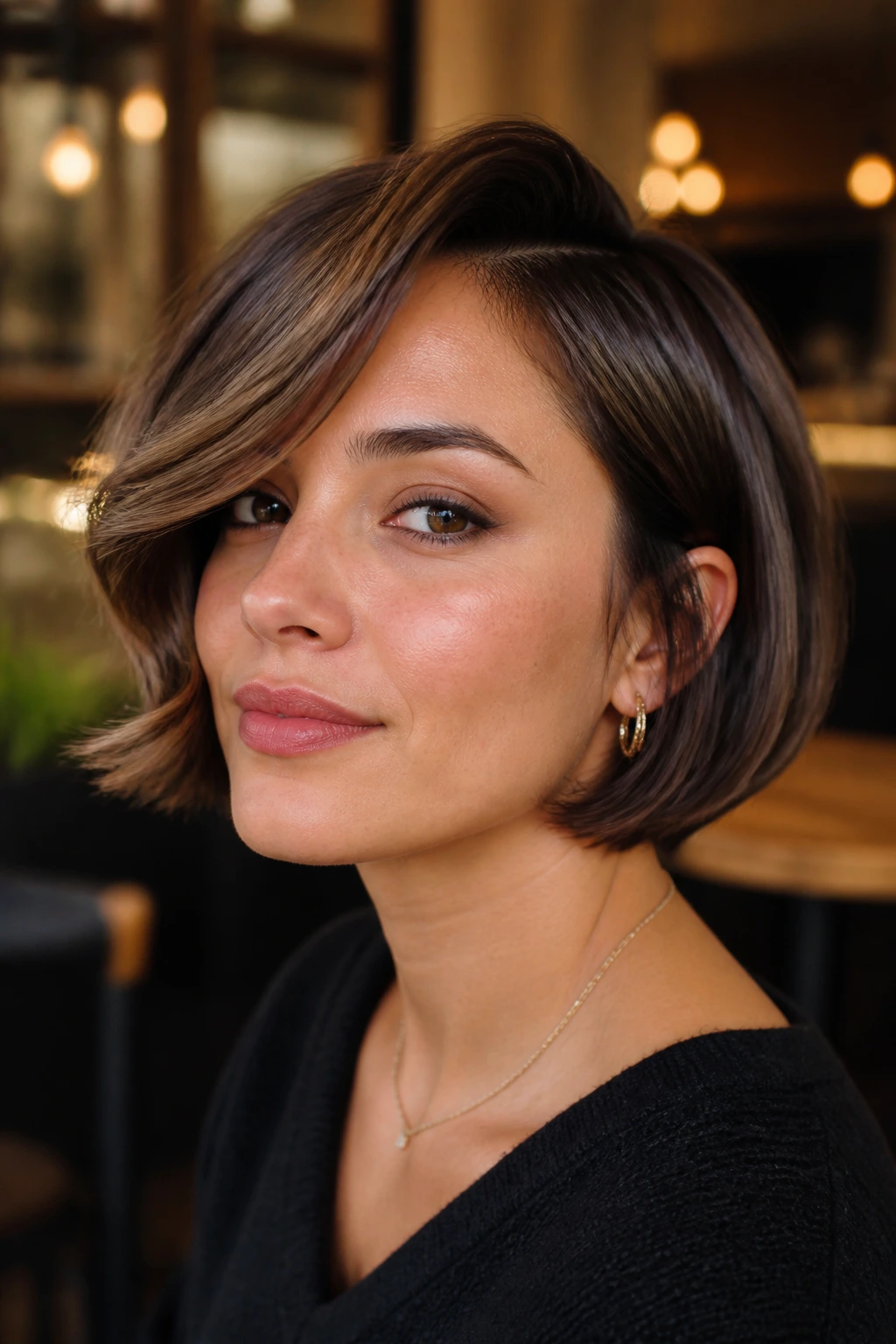
This style has a little bend at the front instead of a hard line, and that bend is what makes it feel soft. Sweep the front section across the forehead, then turn the ends slightly under with a round brush or flat iron. The rest of the bob stays smooth and low-friction.
Why it flatters soft layers
The S-curve keeps the face-framing pieces from sitting flat against the cheeks. On layered short hair, that tiny bend adds movement without turning the whole cut into a curl set. It’s especially good if the hair grows out with a natural flip at the front.
17. Slicked-Under Ends Bob
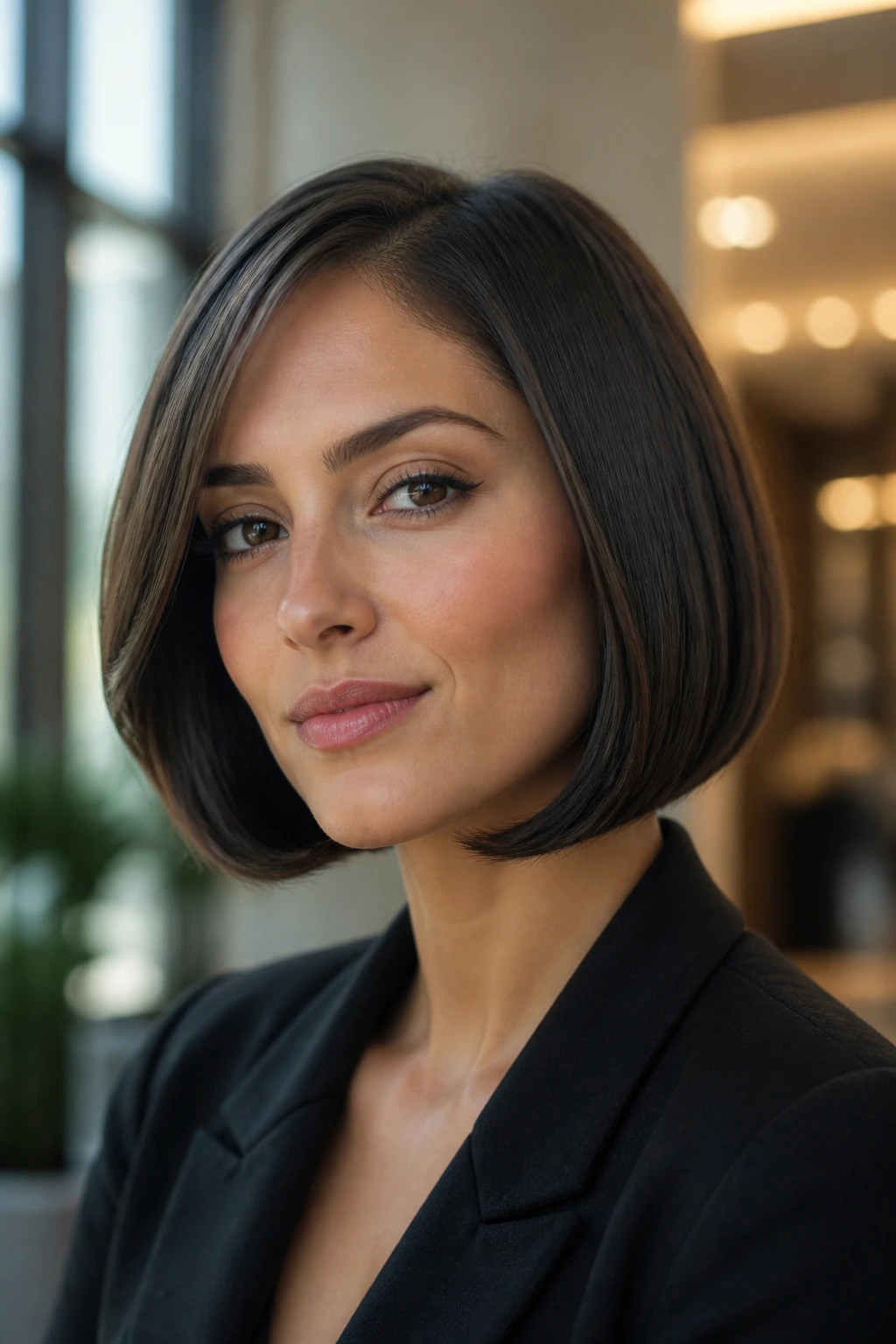
The root area is sleek, the mid-lengths are smooth, and the ends tuck under the jaw. That old-school inward bend feels neat on short hair, and soft layers keep it from looking bulky at the bottom. It’s a very specific kind of polish, and I like it because it makes the neckline look clean.
The best way to set it
Blow-dry with a round brush, rolling the ends under as you go. Seal the surface with a shine spray or a drop of serum. If your layers are too choppy, use a flat iron only on the ends to nudge them inward.
18. Faux Bang Sweep with a Deep Side Part
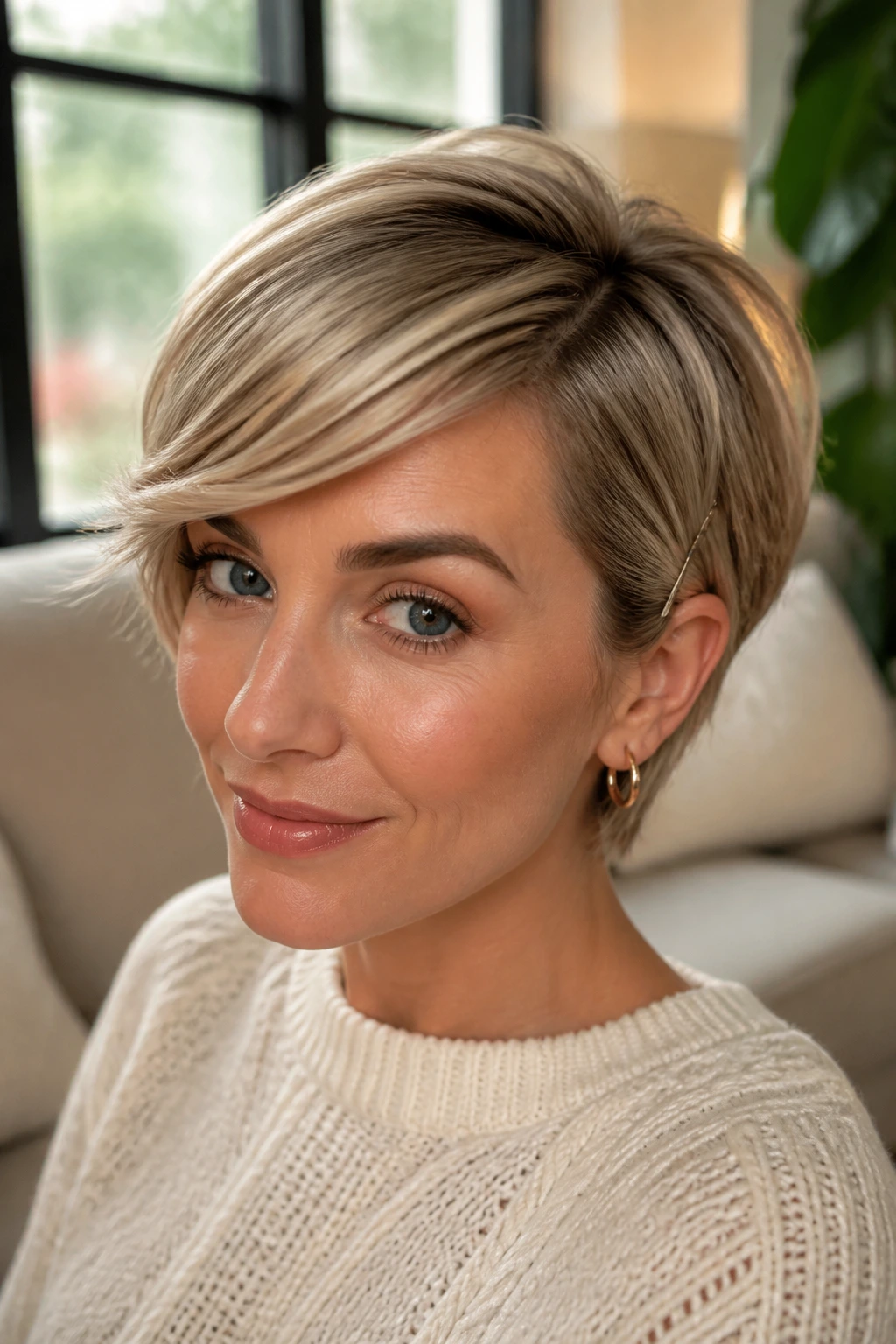
Short hair does not always give you full bangs, but it often gives you enough front length to fake them. Sweep the front across the forehead, pin it low near one temple, and let the rest of the layers fan back. The result looks intentional, not grown-out.
Who this helps
This is smart for layered cuts where the front is the longest point. It brings attention to the eyes and softens the forehead without hiding the face. A little pomade on the ends keeps the “faux fringe” from splitting apart midway through the day.
19. Mini Ponytail with Lifted Crown
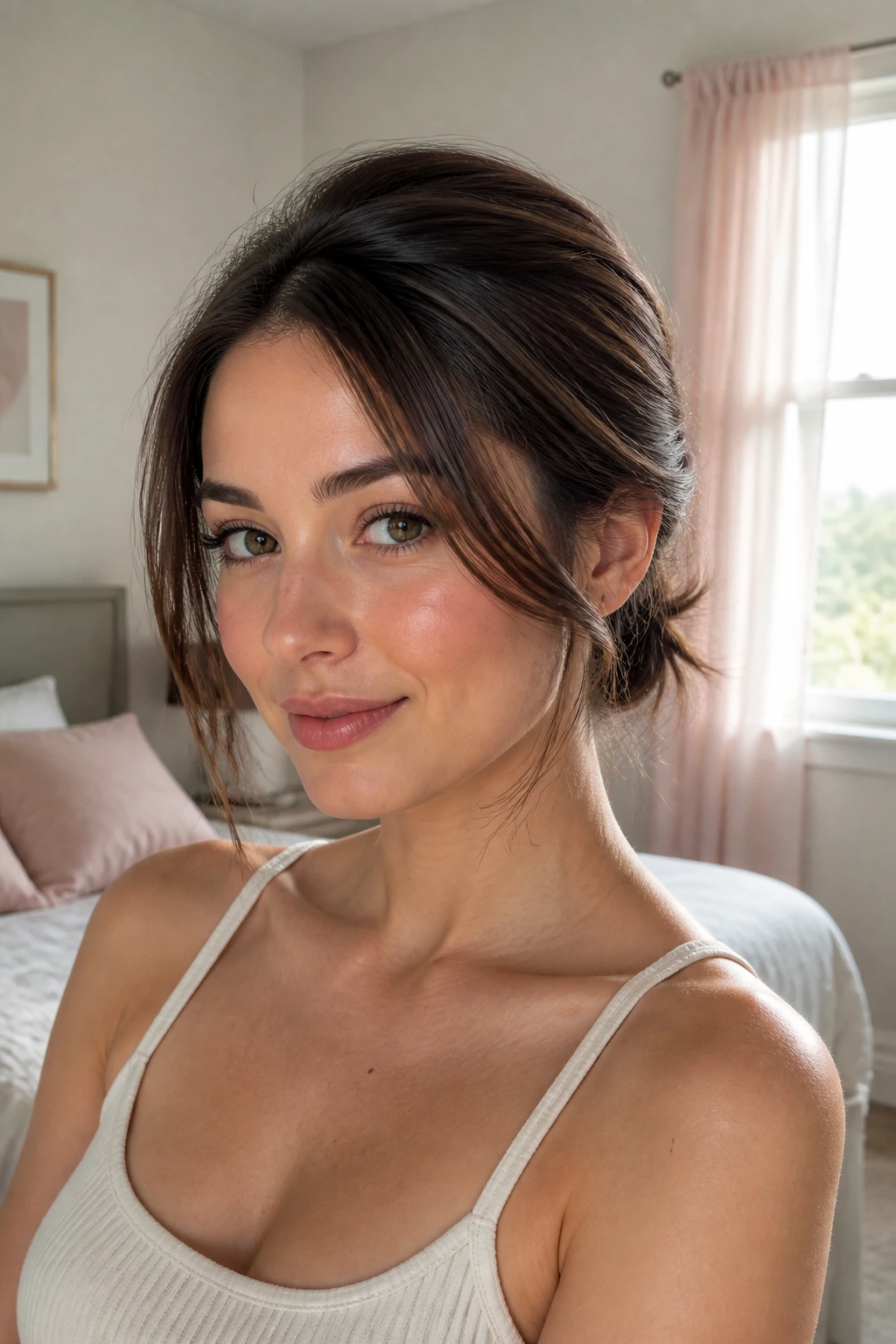
If your short layers are long enough to gather at the nape, a mini ponytail can look polished fast. The trick is not dragging everything tight. Leave the crown slightly lifted and smooth only the top half, so the short layers around the face stay soft and flattering.
A practical note
Use a tiny elastic and wrap a thin section of hair around it if you want the finish to look cleaner. If the front layers are too short to join the ponytail, let them frame the face on purpose. That’s not a flaw. It’s the style.
20. Pin-Back Halo Sweep
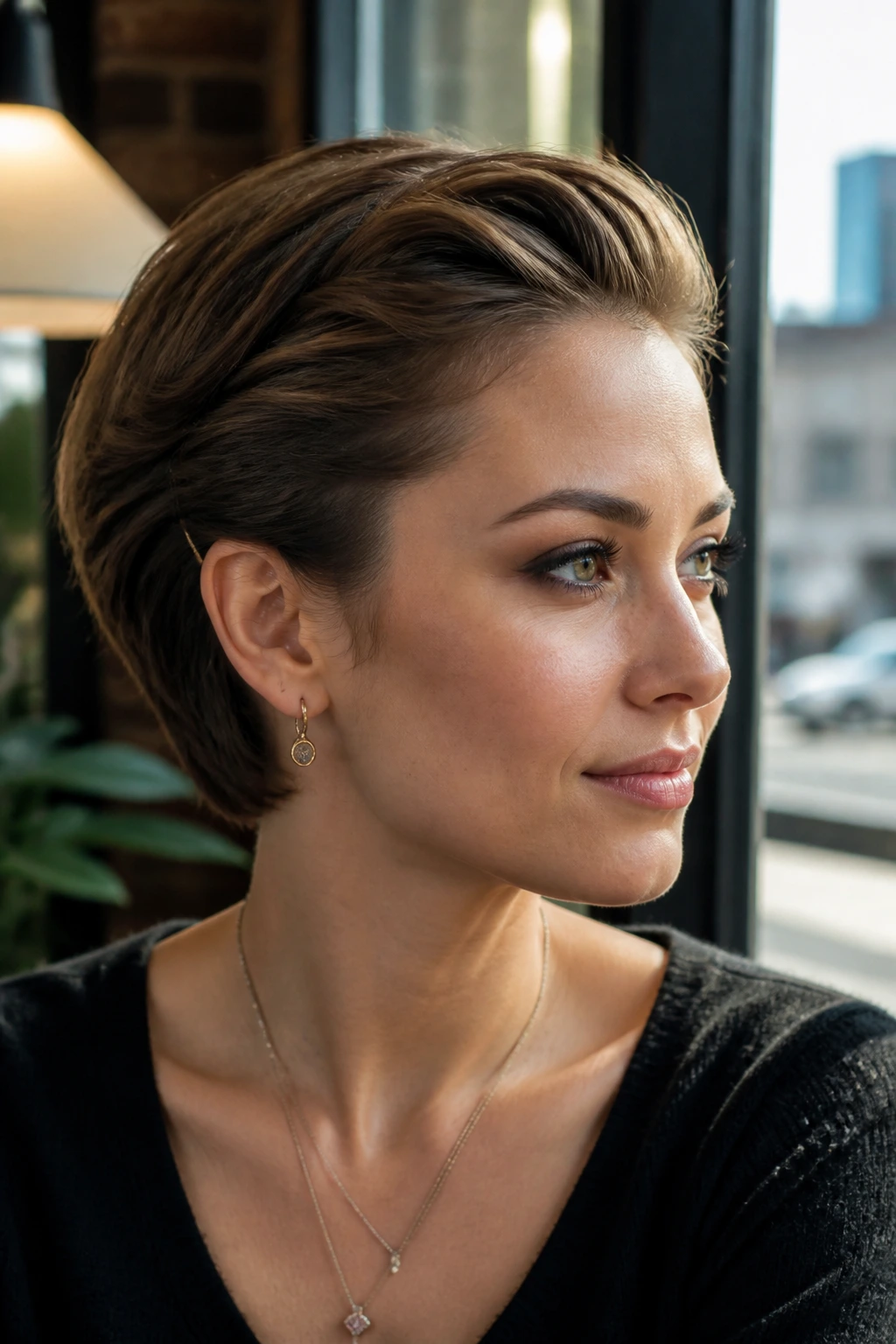
This one has a pretty, controlled shape without needing much length. Sweep both sides back, secure them with pins just behind the ears, and let the top arc backward like a halo. Soft layers make it easier because the shorter face-framing pieces can sit loose while the rest stays smooth.
When it looks best
It’s one of the easiest slick styles for short hair with soft layers when you want polish but not full coverage. The pinned sides open the face, the crown keeps some lift, and the back can stay sleek or slightly curved under. Good earrings help here. So does a neat part.
21. Side-Comb Flat Wave
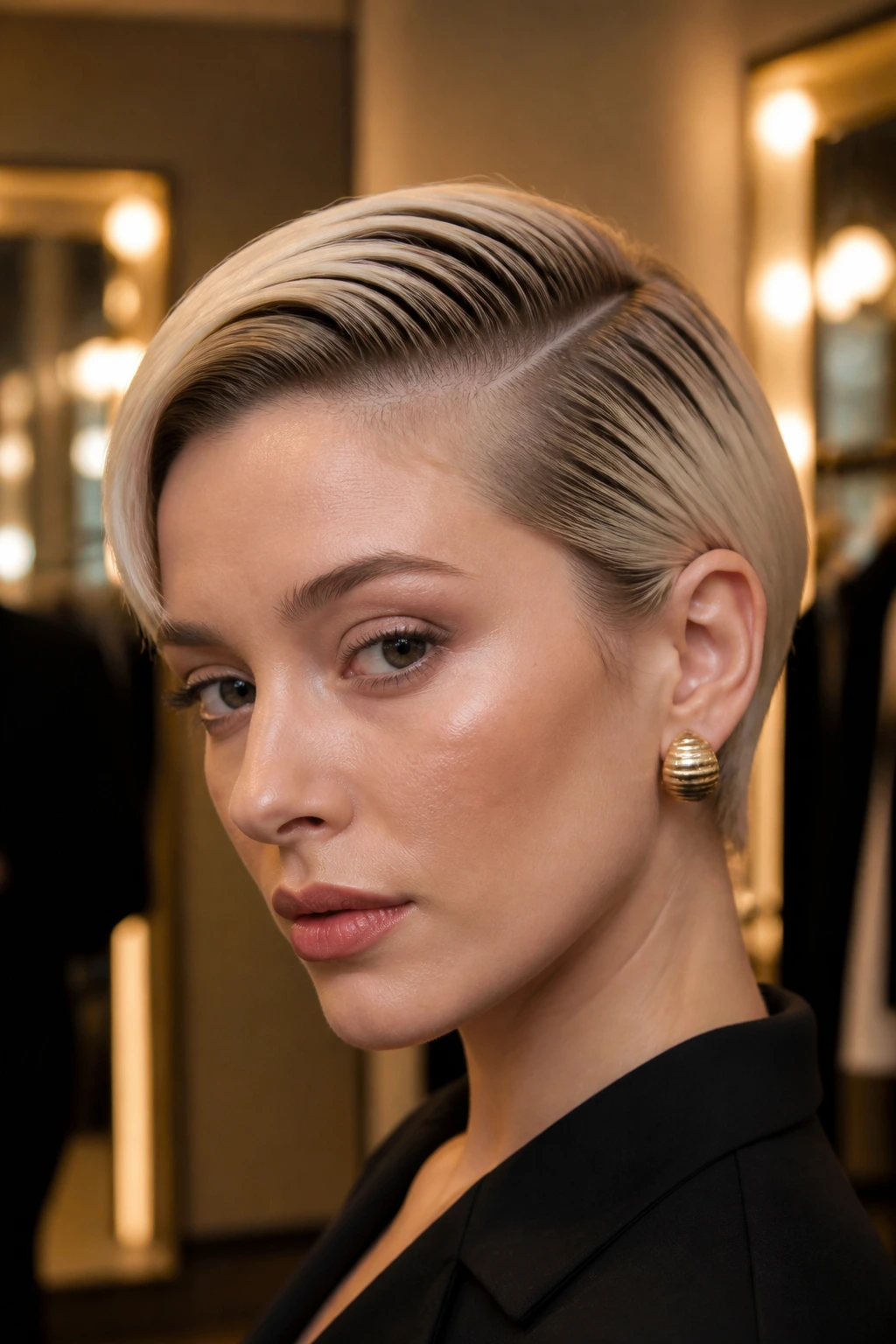
A side-combed wave is a close cousin of the finger wave, only looser. You comb the front into one broad directional sweep, press it into a gentle curve, and leave the rest sleek. It works beautifully on layered short hair because the wave gives the front shape while the soft layers keep the cut from feeling blocky.
Small detail, big difference
The wave should move from one temple toward the opposite side, not straight across the forehead. That diagonal line changes the whole mood. A strong-hold mousse gives more bend than a heavy gel here, which is why I reach for mousse first.
22. Wet-Look Mullet-Lite
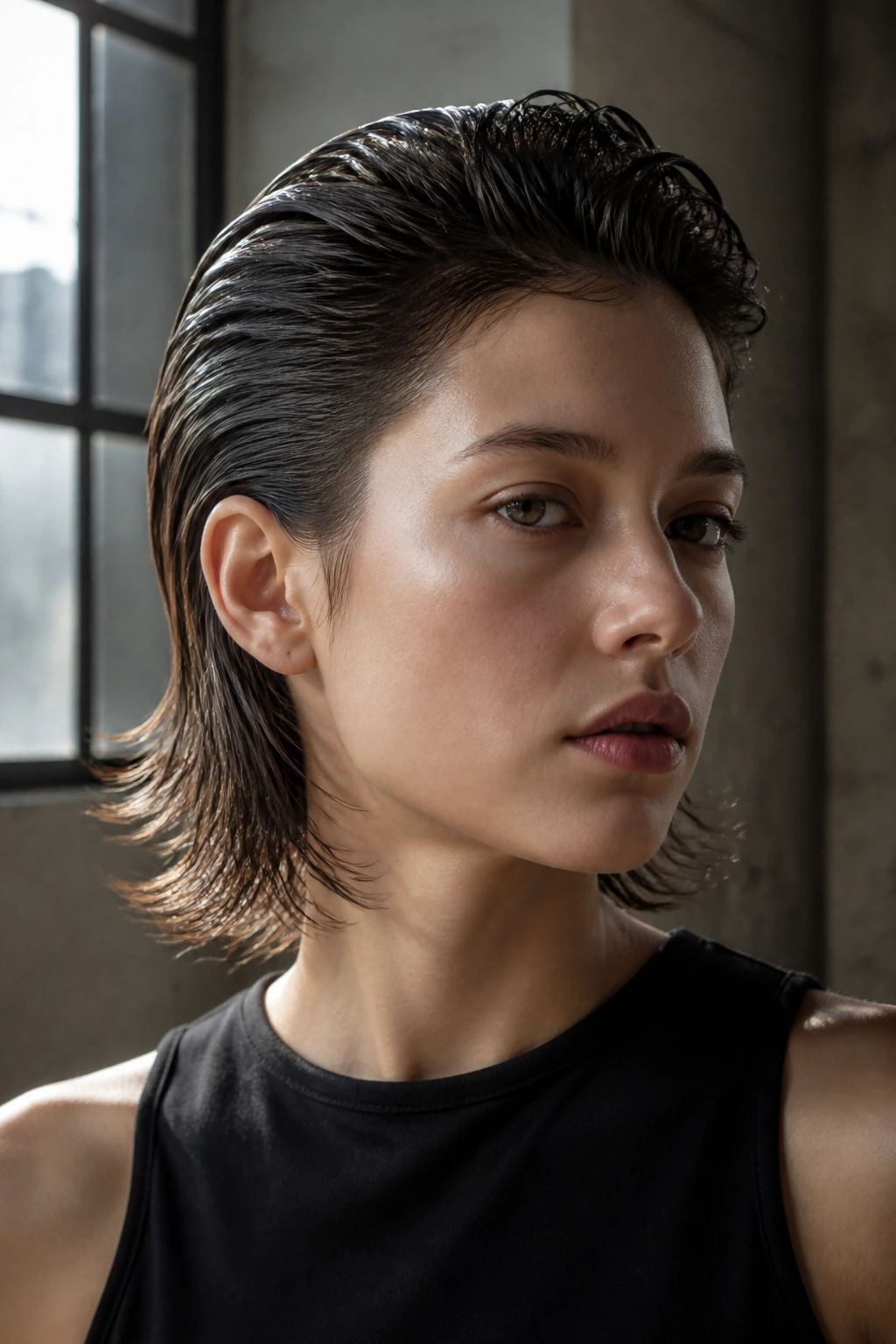
This is the edgy option, but it can be elegant if the layers are soft and the shine is controlled. Slick the front and top close to the head, then let the back keep a bit of feather and separation. The contrast is what makes it work; if everything is flattened, the shape loses its edge.
Best use case
This suits shaggy or mullet-inspired short cuts that already have a little length in back. Use gel at the crown and a lighter cream on the ends so the back stays movable. A deep side part can soften the whole thing if you do not want it too sharp.
23. Blunt Bob with Swooped Face-Framing Layers
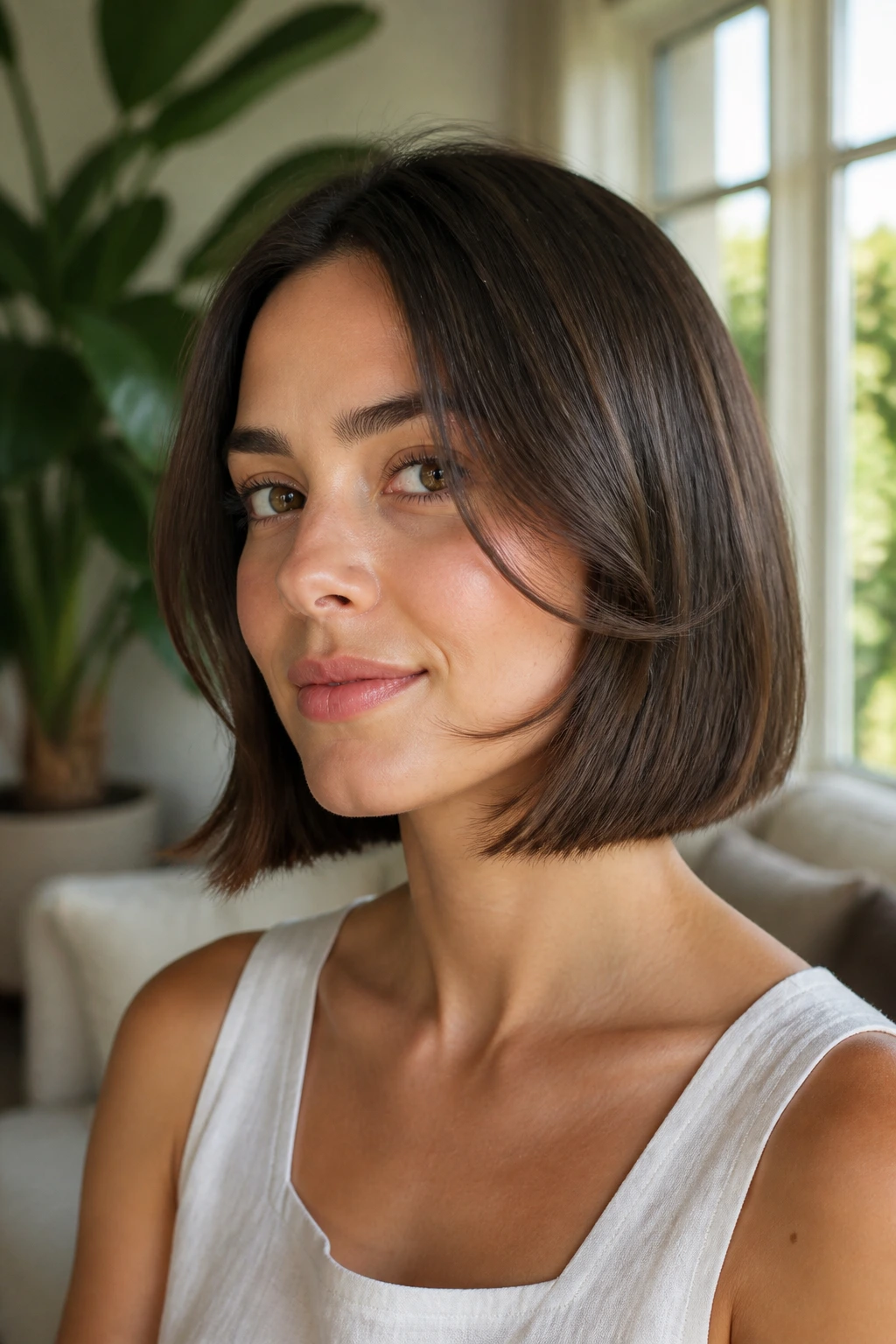
A blunt bob can look too square when it’s slicked straight back, but swooping the front pieces away from the face solves that fast. The center of the cut stays clean, while the front layers bend outward at the cheekbone and collarbone. That little sweep is what softens the line.
Why it works
The blunt perimeter gives structure. The soft layers keep it from feeling heavy. On short hair, that’s a useful mix because the style reads crisp from a distance but still has movement when you turn your head. A flat iron or round brush can create the swoop in one pass.
24. Low Rope Twist on Short Layers
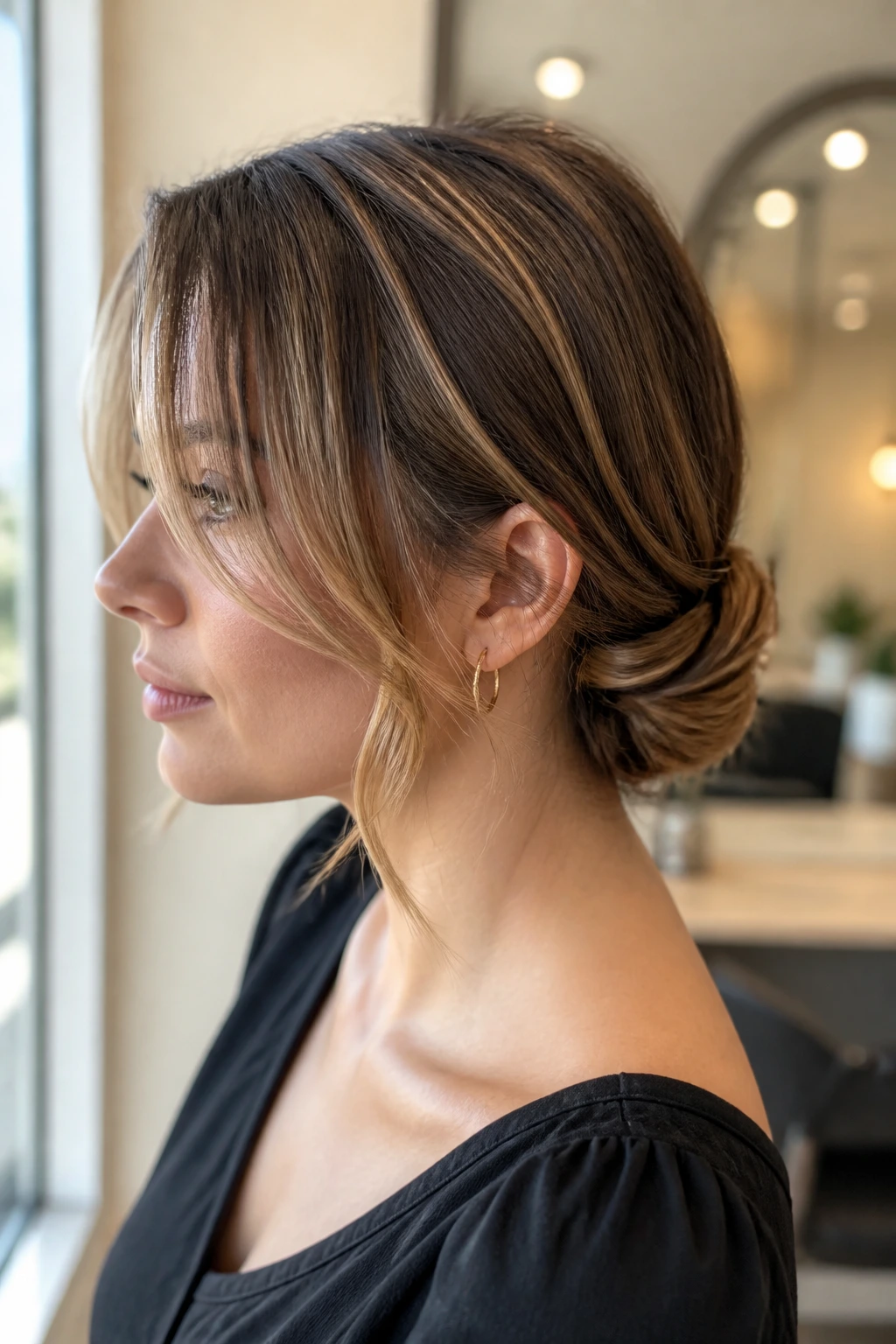
A rope twist is just two sections wrapped around each other, but on short hair it looks far more finished than people expect. Pull the sides back low, twist them together near the nape, and pin the ends under. The front stays slick and tidy, while the face-framing layers stay loose enough to soften the look.
What to know
This is a good one for hair that refuses to stay in a braid because it’s too short or too layered. The twist grips better than a standard plait, and it doesn’t need much length. Use a little texturizing spray first if your hair is slippery.
25. Slicked Bob with Whisper Fringe
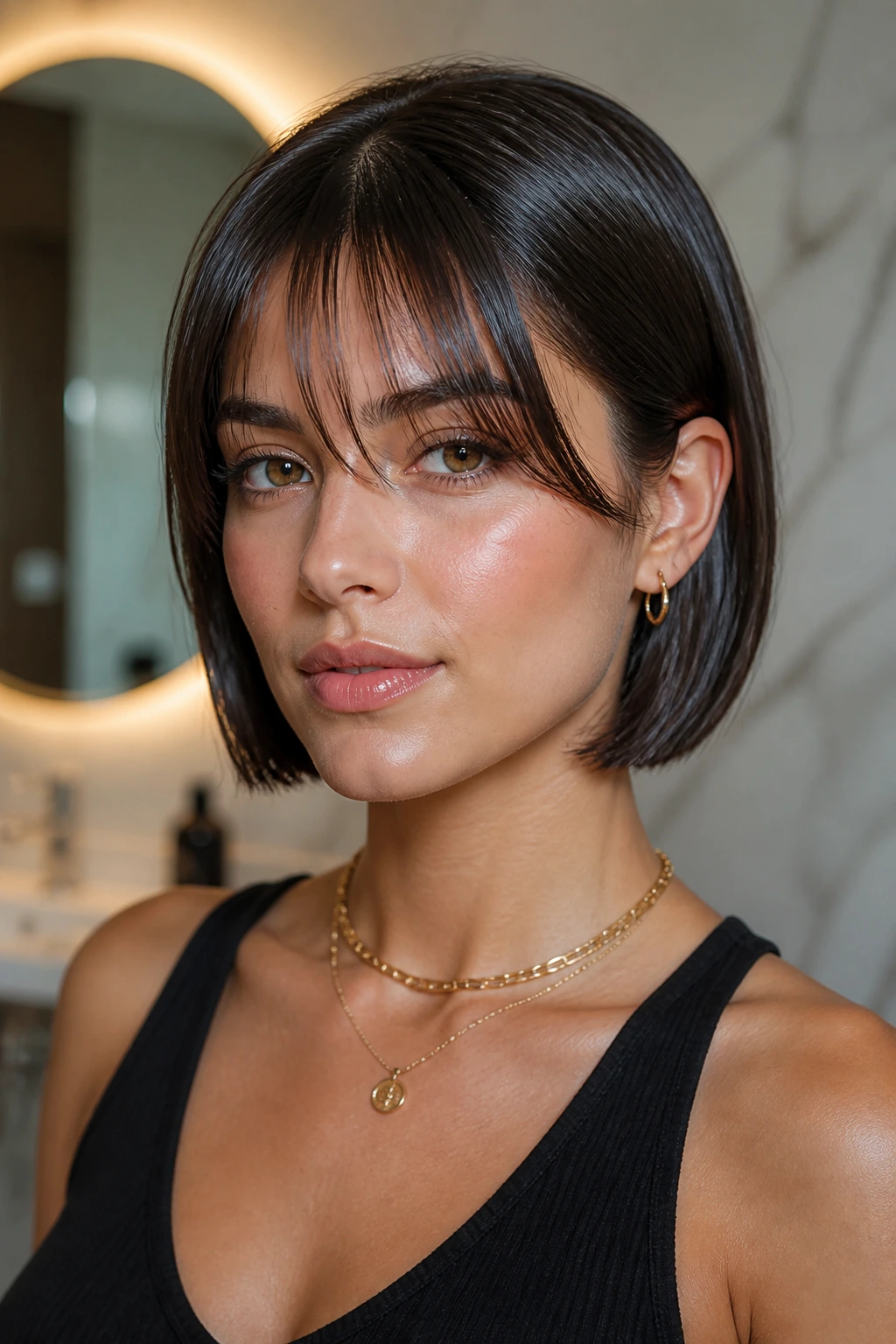
This is the softest look in the bunch. The bob is smooth and shiny, but a few wispy front pieces are left loose and brushed forward, almost like a whisper of fringe. On short hair with soft layers, that tiny bit of movement keeps the style from becoming too formal or too flat.
The finish to aim for
You want control, not stiffness. Comb the bulk of the hair back and down, then separate just the thinnest face-framing bits with your fingers. A drop of serum on the ends and a light mist of spray at the roots are enough. Anything more starts to look heavy.
Why Soft Layers Change the Way Slick Hair Sits
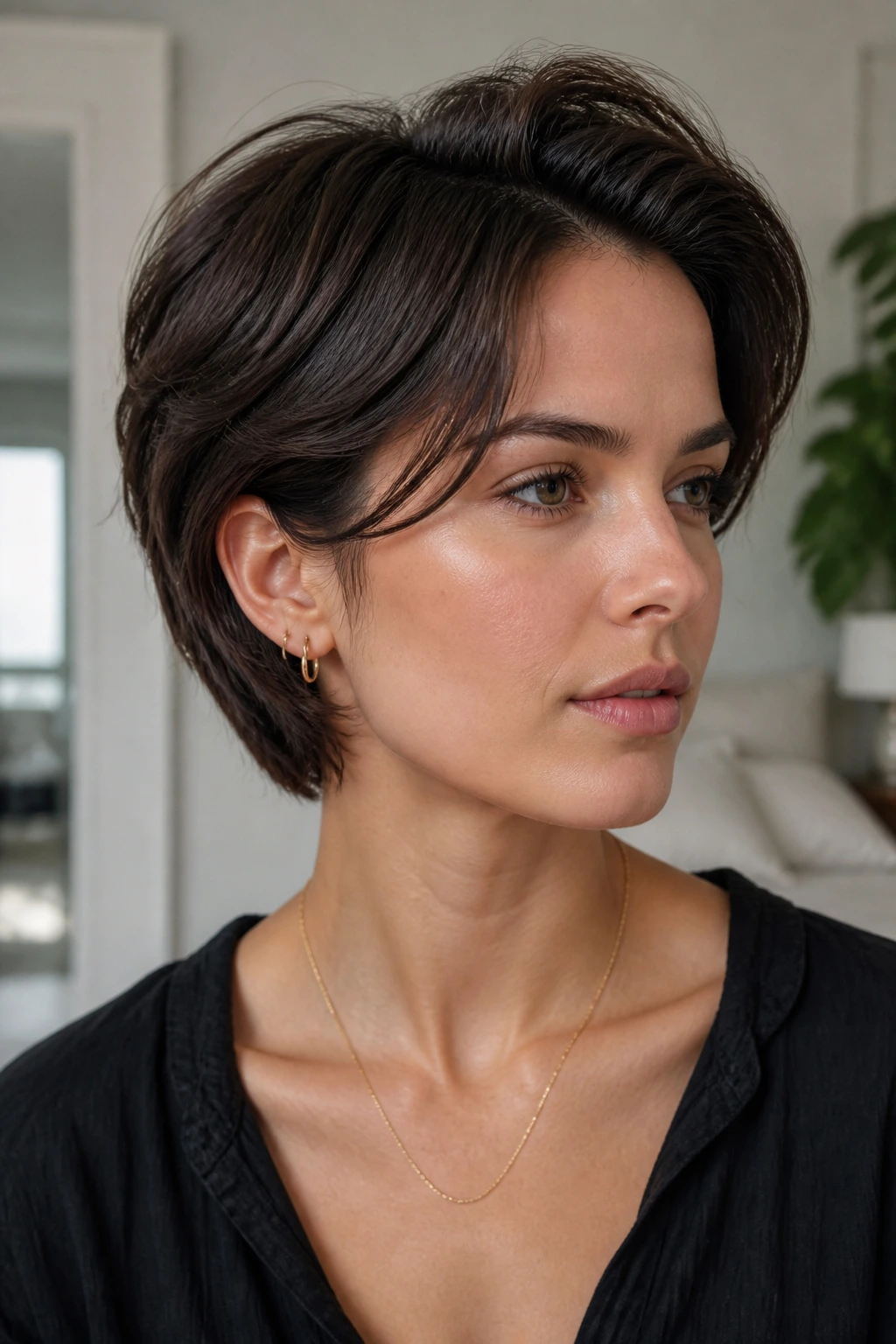
Soft layers are doing quiet work in every one of these looks. They take weight off the perimeter, which means the hair can move closer to the head without sticking out at the sides like a box. They also give you places to leave things loose — a fringe piece, a temple strand, a little bend at the jaw — so the slick finish feels tailored instead of sealed.
That matters more on short hair than people expect. When the cut is cropped, there isn’t much length to hide mistakes. A rough part line shows. A heavy product application shows. So does a blunt layer that was cut too high around the face. Soft layers give the style a built-in escape hatch. The hair can stay sleek and still look alive.
If your cut has a lot of movement already, you do not need to fight it into submission. Use the layers as your map. The slick part should control the roots and the top surface, while the softer ends keep the shape from hardening into one flat silhouette.
The Brushes, Gels, and Pins That Actually Help
-
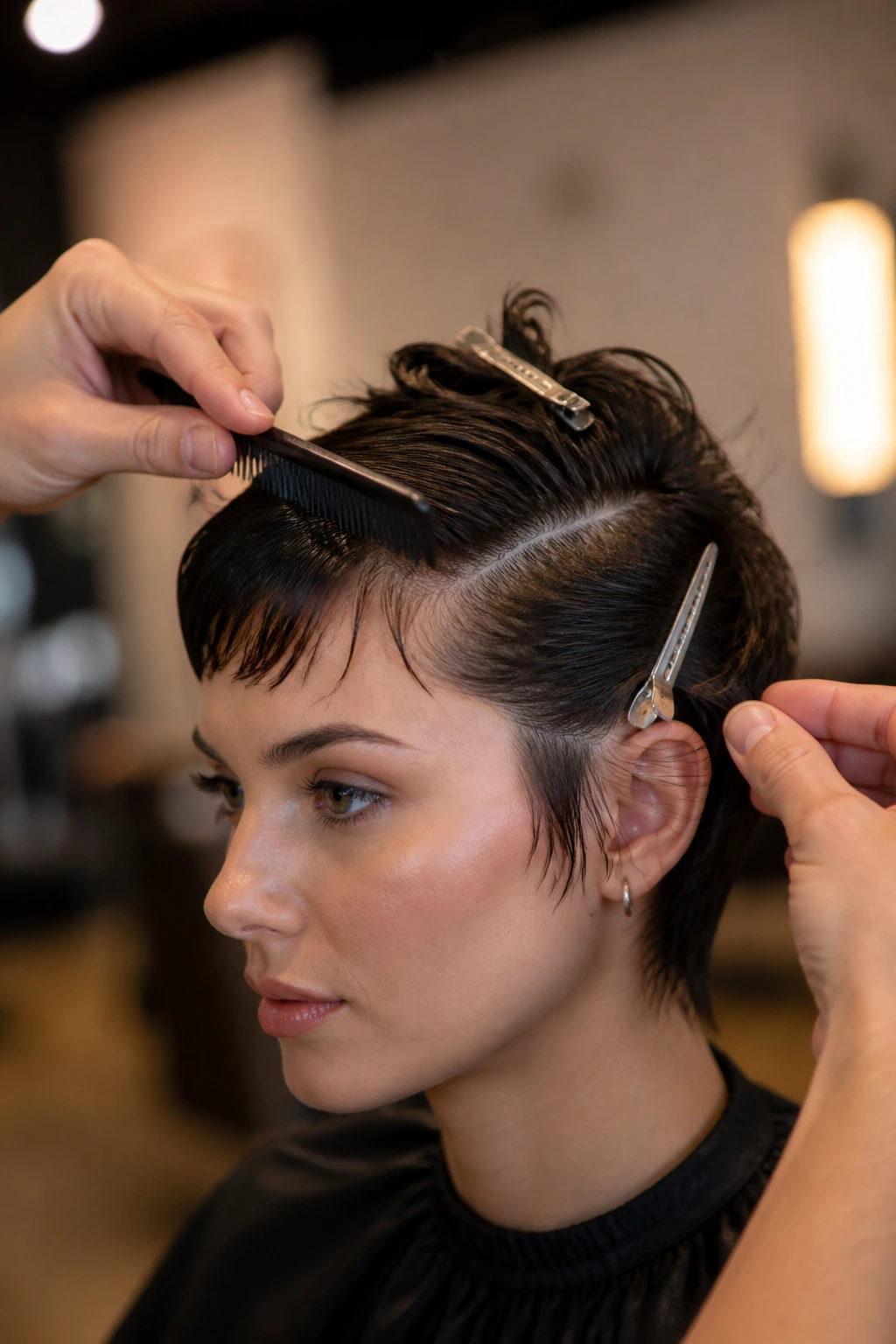
Rat-tail comb: Clean parts and crisp sectioning are easier with this than with fingers alone; the point matters more than the handle.
-
Fine-tooth comb: Best for laying down the top surface, especially on short bobs and pixies where every strand shows.
-
Boar-bristle brush: Useful for smoothing without blasting the hair apart; it helps the slick finish look controlled rather than greasy.
-
Small duckbill clips: These hold side sections while you part, twist, or shape the crown, and they leave fewer dents than big clips.
-
Bobby pins in a matching color: Short layered hair usually needs several, not one heroic pin. Cross them for grip.
-
Water spray bottle: Damp hair takes gel and cream more evenly, which matters when the layers are short and slippery.
-
Strong-hold gel: Good for wet looks, slick parts, and hairlines that refuse to stay put.
-
Styling cream or mousse: Better when you want shine with movement, especially on layered bobs and shag cuts.
-
Wax stick or pomade: Use this on the edges, ends, or fringe pieces. A little goes a long way.
-
Shine serum: One drop on the mids and ends smooths the outer layer without crushing volume at the roots.
Smart Shopping for Hold, Shine, and Slip
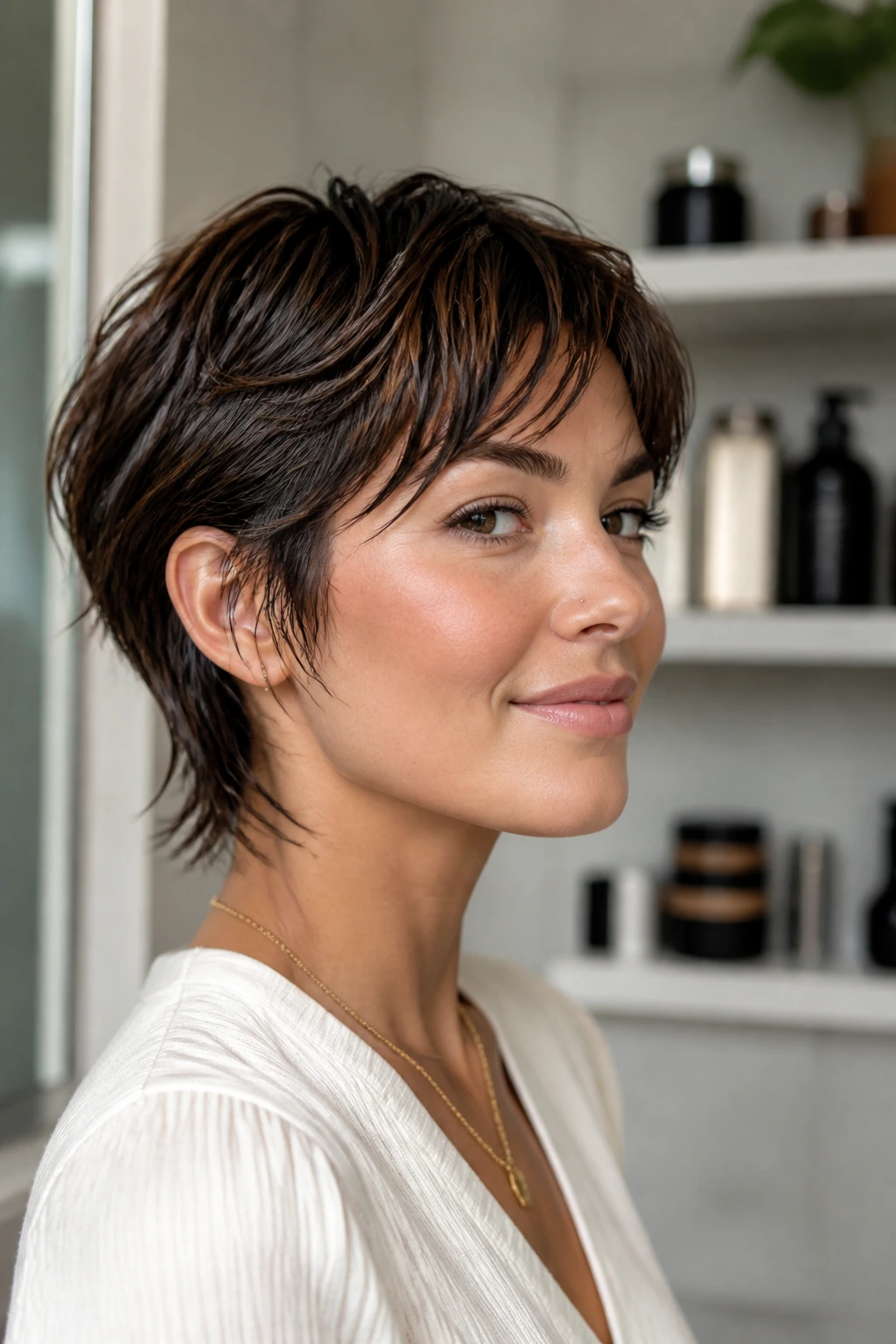
Not every shiny product is right for short layered hair. Heavy oils can make fine layers collapse, while ultra-stiff gels can leave the front looking chalky once they dry. I’d rather see a water-based gel with a clean rinse than a sticky jar of mystery paste that flakes by noon. That’s a blunt opinion, but it saves time.
For fine hair, look for lightweight formulas that say gel-cream or flexible hold. For thick or coarse hair, a firmer gel or a cream with real slip usually works better because the layers need help staying close to the head. Curly hair often behaves best with a stronger gel at the crown and a softer cream on the lengths.
Pins matter too. If the hair is very short, tiny bobby pins and duckbill clips beat oversized accessories every time. The point is grip, not decoration. Decorative clips can be lovely, but they need enough teeth to catch the shorter sections or they’ll slide out and you’ll spend the day chasing them around the back of your head.
How to Wear These Styles Without Flattening the Face
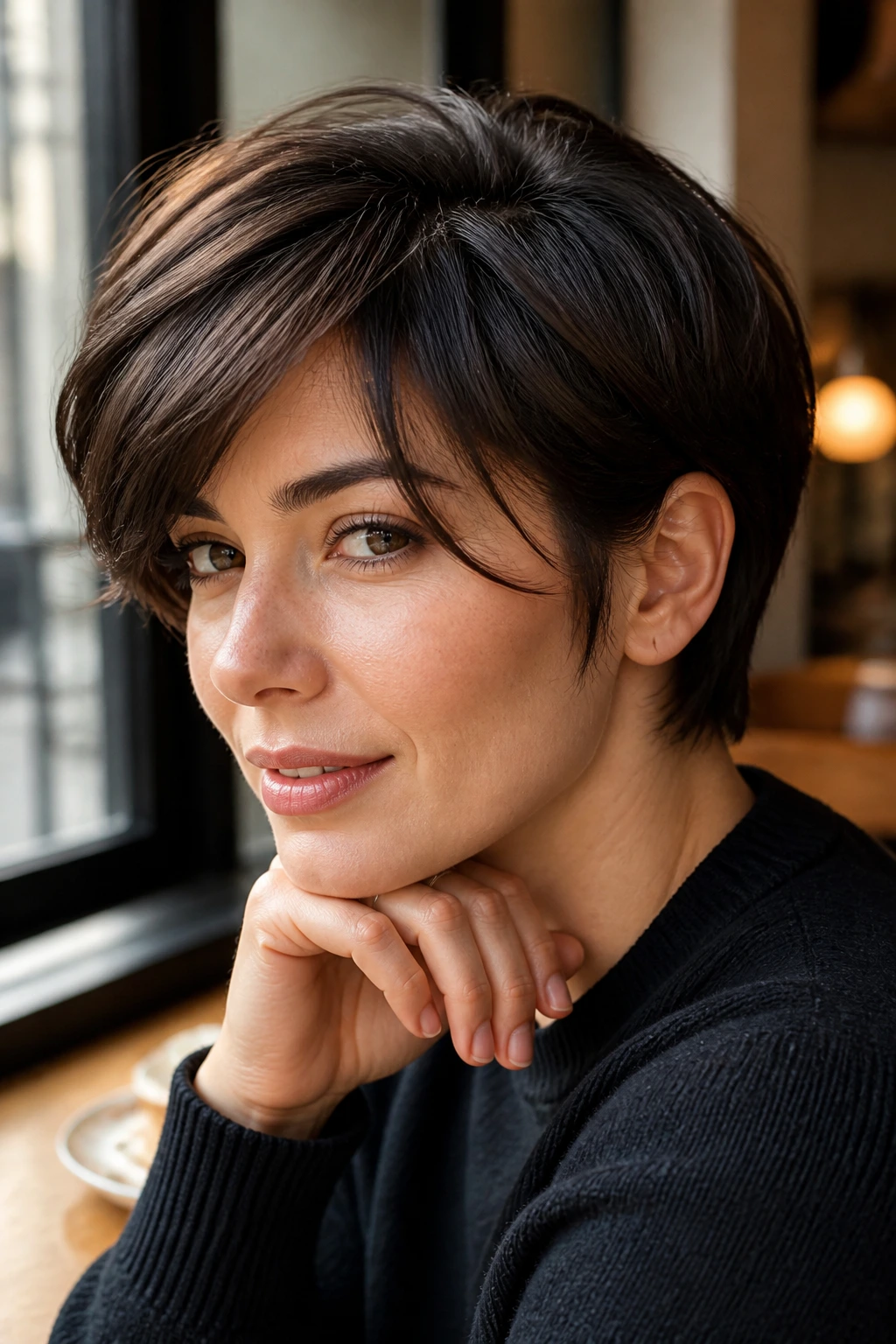
Presentation: Keep one face-framing rule in mind: the front should look polished, but not sealed. Let a temple piece bend, let a fringe sweep, or let one side sit a touch fuller than the other so the style still follows your features.
Outfit Matches: These looks sit nicely with sharp collars, simple tees, knit tanks, slip dresses, and structured jackets. A slick short style likes clothes with clean lines. It looks especially good when the neckline is open enough to show the neck or earrings.
Wear Time: Most of these finishes hold a full day if you start with the right product amount and set the shape before the hair dries. If you need them to last into the next day, protect the front with a scarf or clip and avoid sleeping directly on the part.
Face Shape Notes: Deep side parts soften round faces, center parts sharpen symmetry, and tucked styles show off the jaw and earrings. If the style feels too severe, leave one small front piece loose. That tiny detail changes the whole mood.
Small Fixes That Change the Finish Fast
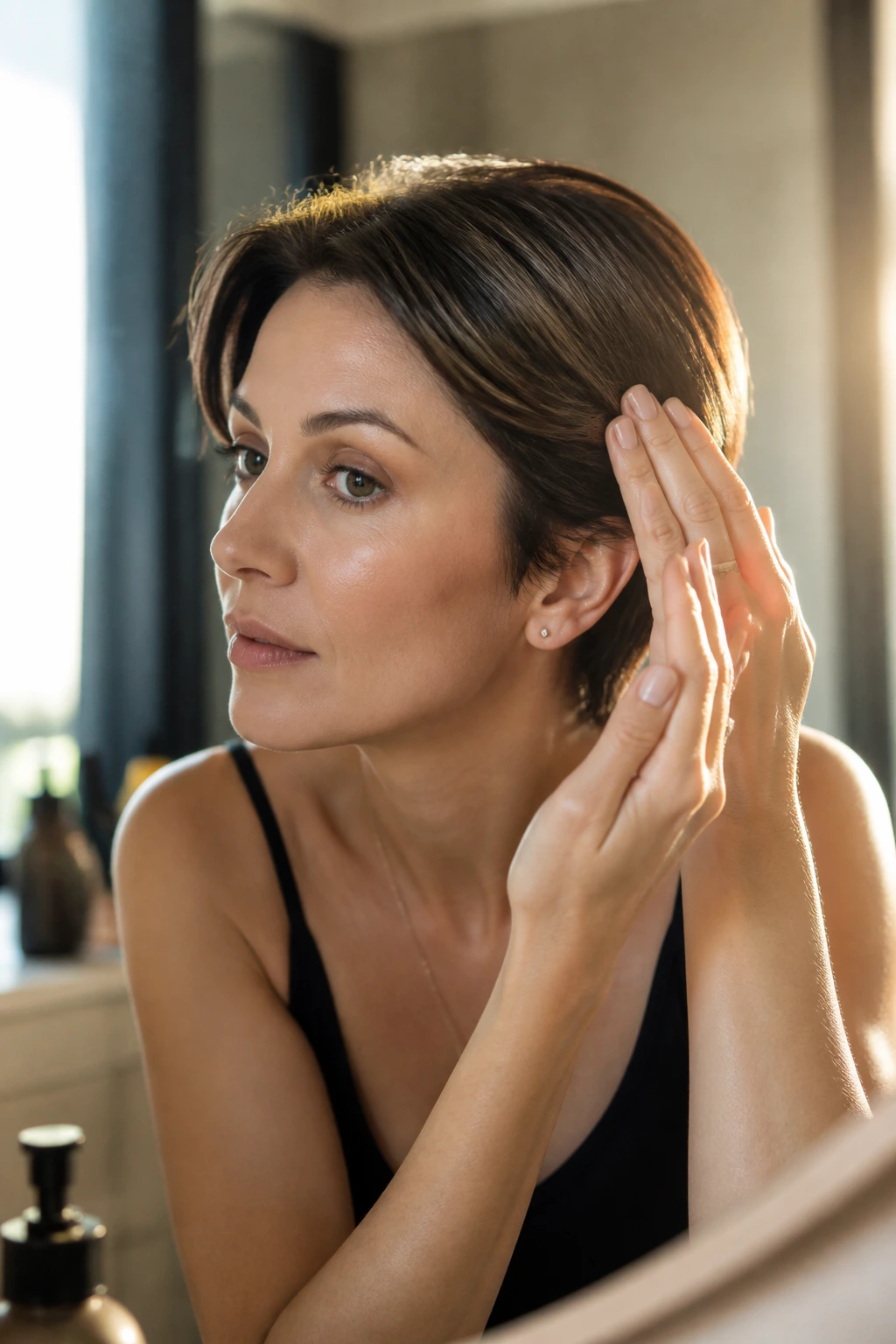
Shine Enhancement: A single drop of serum warmed between your palms and pressed onto the outer layer gives short hair a better finish than dumping in more gel. Less shine product, more control.
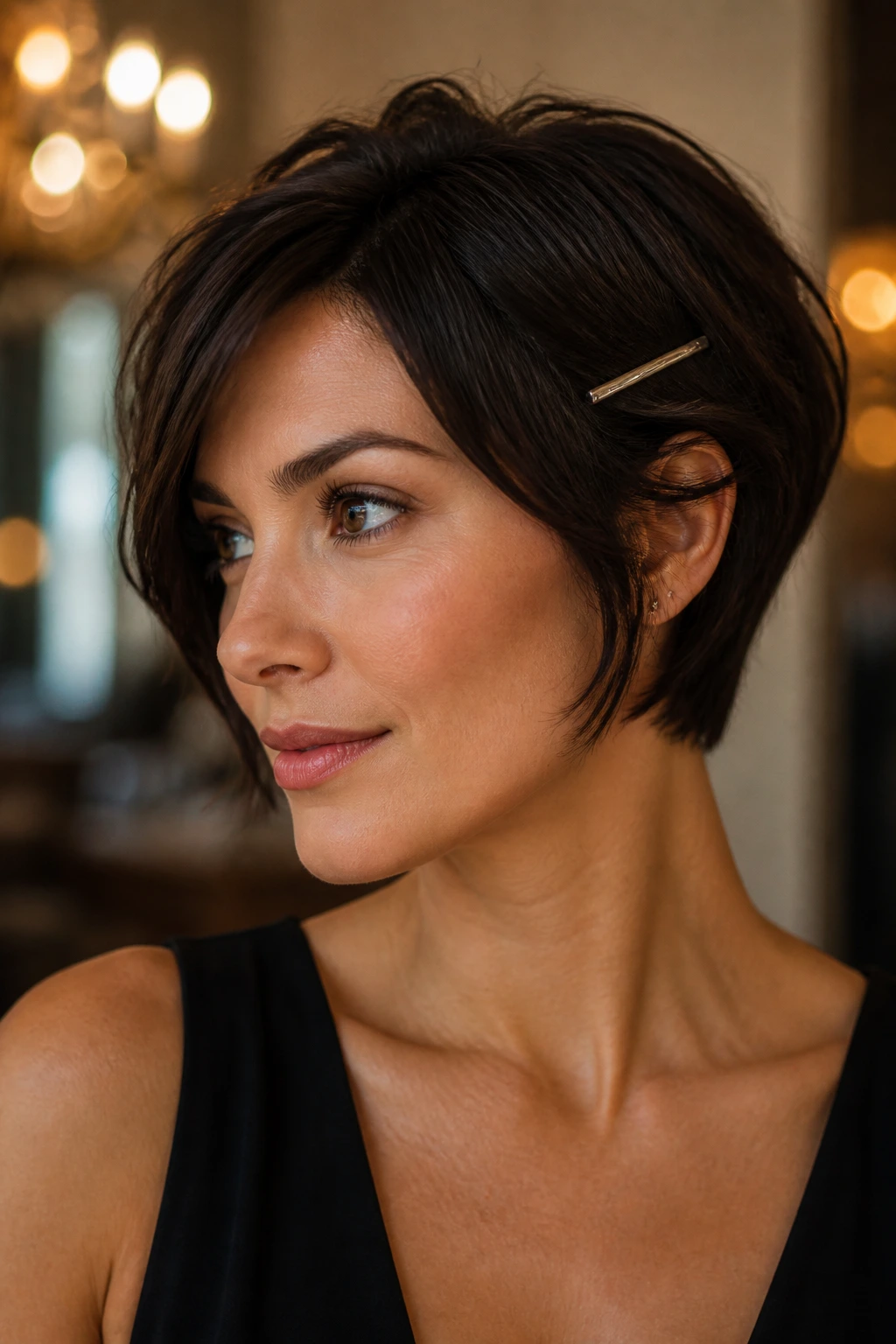
Customization: Swap a plain pin for a metallic one, or add a tiny barrette at the temple if you want the style to look dressed up without rebuilding it from scratch. One accessory is enough.
Scalp Comfort: If your scalp gets itchy, keep the product a quarter-inch off the root line and smooth the hairline with a brush instead of your hands. That usually prevents the heavy, tacky feeling.
Make-It-Yours: For wavy hair, leave a small bend in the front instead of forcing every strand straight. For curly hair, keep the crown slick and let the ends show texture. For fine hair, skip heavy wax and use a light gel plus spray.
Overnight Protection and Next-Day Refreshing

Short slick styles do not need a complicated overnight routine, but they do need protection. A satin pillowcase helps, and so does a loose scarf tied around the hairline if your part keeps shifting. If you sleep on the style with nothing covering it, the crown usually rises and the sides frizz first. That’s the part to protect.
The next-day refresh is almost always about the front and the roots. Mist the hair lightly with water, smooth the crown with damp fingers, and add a pea-size amount of cream or gel only where the shape has collapsed. If the hair feels coated or gummy after two or three wears, wash it out. Layered short cuts hold onto product near the ends faster than people think.
For mini twists, pinned shapes, and claw-clip rolls, reset the pins rather than redoing the whole style. Half the time, the style is still there. It just needs one better anchor.
Ways to Remix the Same Cut
The Fine-Hair Version: Use mousse at the roots, then a light gel only at the hairline. Fine hair can go flat fast, so keep the product on the outer layer and leave the ends less saturated.
The Thick-Hair Version: Start with a stronger gel and a firm brush. Thick layered hair usually needs more tension to stay close to the scalp, especially around the temples and nape.
The Curly-Hair Version: Smooth the top and let the lower half keep its texture. Trying to erase every curl usually makes the style puff back up. Better to control the crown and let the ends be themselves.
The Heat-Free Version: Set the part while damp, clip the front pieces where you want them, and let the hair dry in place. It takes longer, but it keeps short layers from getting fried.
The Dressy Version: Add a metallic pin, pearl clip, or a narrow barrette at one side. The shape stays the same, but the finish looks deliberate enough for a formal outfit.
Common Mistakes That Make Slick Short Hair Look Stiff
The first mistake is overloading the roots with product. The hair gets shiny, then heavy, then dull-looking by the end of the day. Use less than you think, especially on fine hair.
The second mistake is brushing every layer straight back with no part. That can work on some cuts, but on soft layers it often makes the face look wider and the crown look flat. A side part or a small front sweep usually fixes that.
Another problem is skipping pins on short styles that actually need them. Hair that sits just above the nape often looks secure for ten minutes, then starts slipping out at the sides. Anchor the twist or tuck with two or three small pins, not one big hope.
And watch the ends. If they’re soaked in gel and left to dry in random directions, they’ll dry crunchy and frayed. Smooth them once, set them once, then leave them alone.
Questions People Ask Before Trying a Slick Short Style

Can short hair with soft layers really stay slick all day?
Yes, if you use the right amount of product and set the part while the hair is damp. The hold usually comes from the combination of tension, direction, and pins, not from a giant blob of gel.
What product works best for these styles?
A water-based gel or gel-cream is the easiest place to start. If your hair is thicker or curlier, add a stronger hold product at the crown and a lighter cream on the lengths.
Should I style on damp or dry hair?
Damp hair is easier to shape for wet looks, parts, and combed-back styles. Dry hair works better for piecey pixies, touch-up pomade, or anything that needs a softer finish.
How do I stop flakes?
Do not mix products that hate each other. Gel plus too much wax often turns chalky. Stick to one main product and finish with one light touch product, not three competing ones.
What if my layers keep popping out?
Leave them out on purpose instead of forcing every strand into the same direction. Short layers around the face often look better as a controlled frame than as hidden pieces that fight the style.
Can I do these looks with curly hair?
Absolutely. Curly and wavy hair often looks richer in slick styles because the top can stay smooth while the ends hold texture. Just use enough hold at the crown to keep the part in place.
How often should I wash out the product?
After one or two heavy styling days, or whenever the hair feels coated and dull. Short hair shows buildup fast, especially near the nape and around the ears.
What if my bob is too short for a knot or ponytail?
Use a tuck, twist, clip, or pin-back shape instead. Those styles are built for short lengths and layered ends that will not gather into a real elastic.
The Slick Finish That Still Lets Short Hair Move
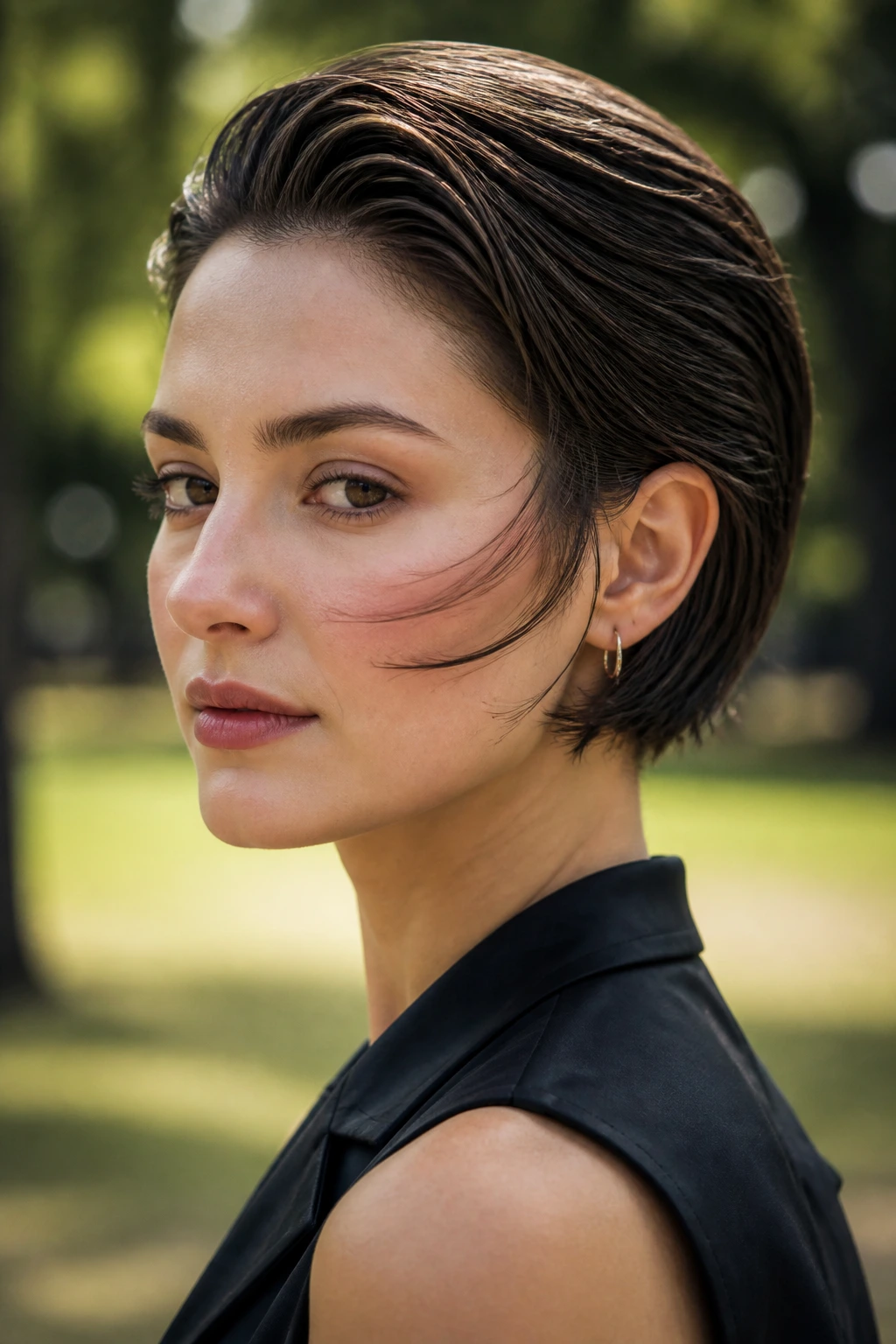
The smartest thing about slick short styles is that they do not ask the haircut to become someone else. They work with the bend at the jaw, the little flick at the temple, the part that wants to live left of center, the layers that fall softer than the rest. That’s why soft layers matter so much here. They keep the style from turning into a flat sheet and give the hair enough texture to look expensive without looking overworked.
If your short cut has been fighting you, start with one clean part, one good brush, and a product that suits the way your hair actually behaves. The rest is adjustment. A pin here, a tuck there, a front piece left free on purpose. Short hair can do a lot with very little when you stop trying to force it into a shape it does not want.