



Thin hair doesn’t need rescue. It needs shape. And when the cut is a sleek bob for thin hair and oval faces, the whole head starts to look more deliberate: the ends feel denser, the crown stops collapsing into the skull, and the face gets framed instead of swallowed by length.
Oval faces can take a lot of bob lengths, which is both a blessing and a trap. You can go short, stay at the jaw, drop to the collarbone, part it down the middle, swing it to the side, tuck one side behind the ear, or wear the whole thing in that smooth, glassy finish that looks expensive without trying too hard. The challenge is not choosing a bob. It’s choosing one that leaves enough weight at the perimeter so thin strands don’t go wispy and tired by noon.
The best versions here all do the same quiet trick in different ways: they keep the outline clean, avoid over-thinning the ends, and use parting or length placement to keep the haircut from flattening out. Some are blunt and neat. Some have a little bend. A few are sharper than others. All of them work with thin hair instead of fighting it.
Why Sleek Bobs Work So Well on Thin Hair and Oval Faces
-
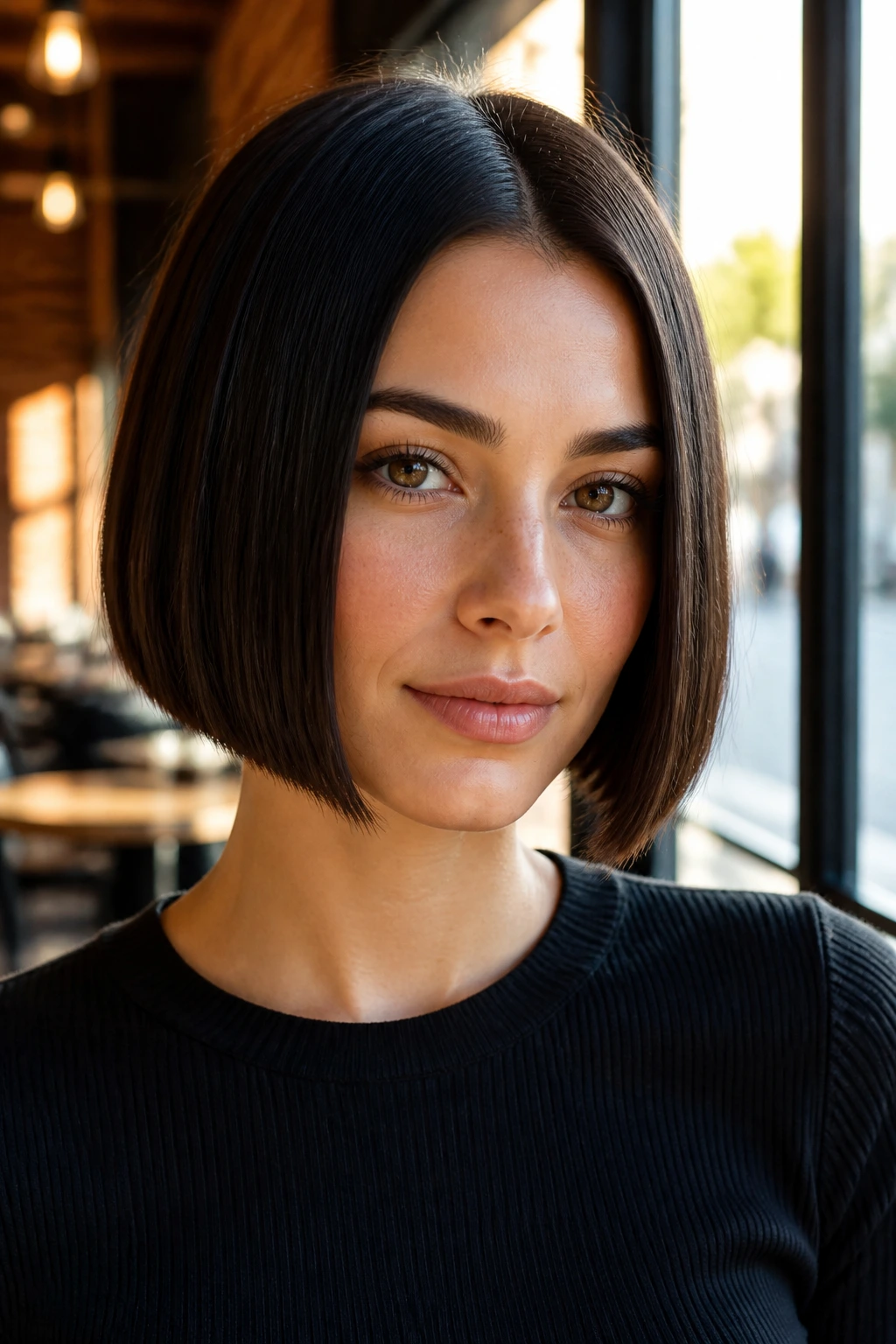
Blunt edges create the illusion of density. When the perimeter lands in one clean line, the eye reads thickness at the ends instead of seeing scattered, see-through pieces.
-
Oval faces can wear almost any bob length, but the best ones still pay attention to balance. A jaw-skimming cut shows off symmetry, while a collarbone length keeps the face from looking too long and narrow.
-
Sleek styling keeps the haircut from looking airy in the wrong places. A smooth finish preserves the shape, so the haircut looks intentional even when the strands themselves are fine.
-
A controlled part can change the whole mood. Middle parts sharpen the lines, side parts add lift at the crown, and a slightly off-center part can keep flat roots from announcing themselves.
-
Less layering usually helps more than people expect. Thin hair often looks fuller when the shape is built with perimeter and slight bevel instead of chopped-up layers that leave the ends whisper-thin.
-
These cuts are fast to style once the shape is right. That matters. A good bob should let you spend five to ten minutes polishing the top and ends, not forty minutes trying to manufacture volume that the haircut should have given you already.
1. Chin-Length Blunt Bob
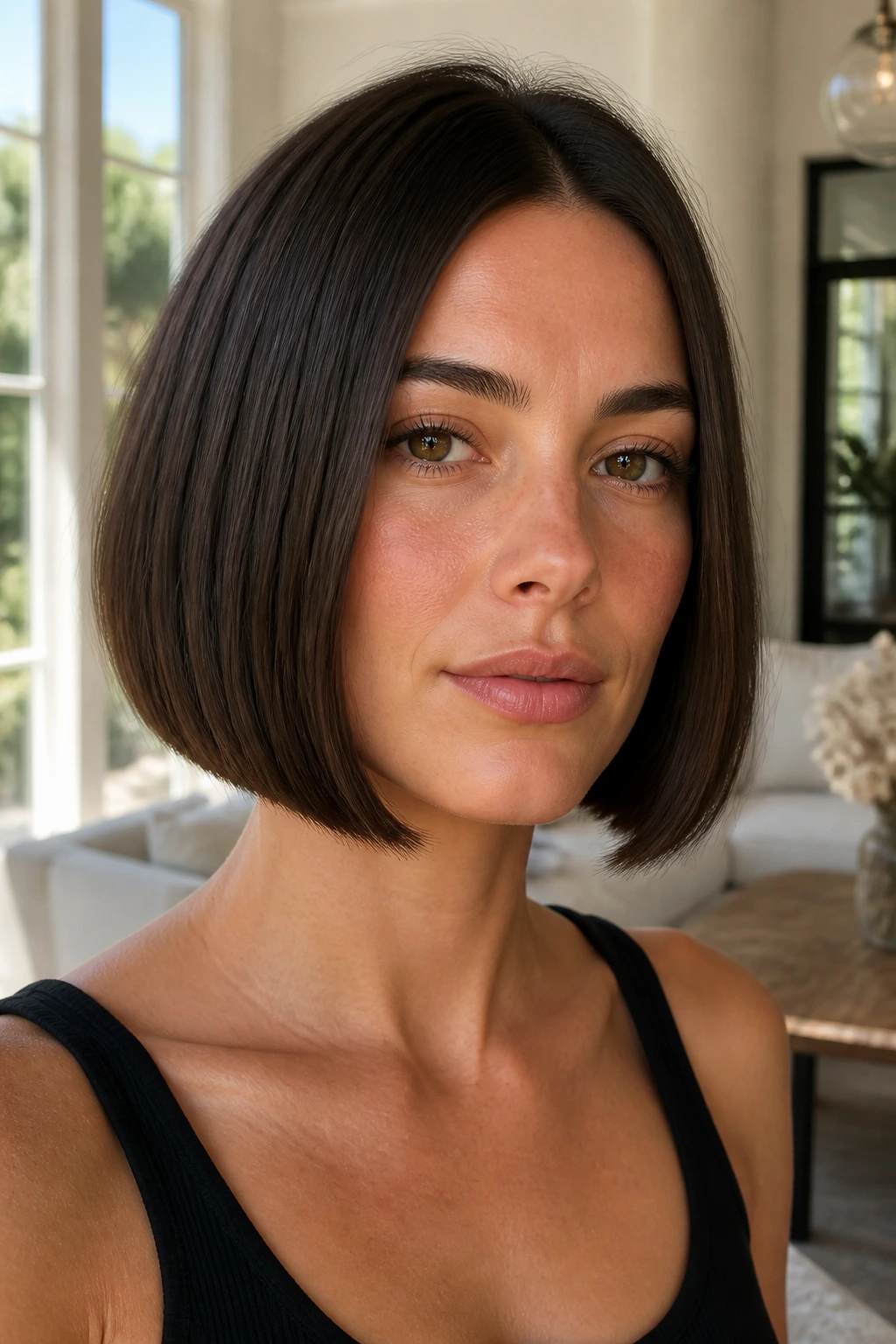
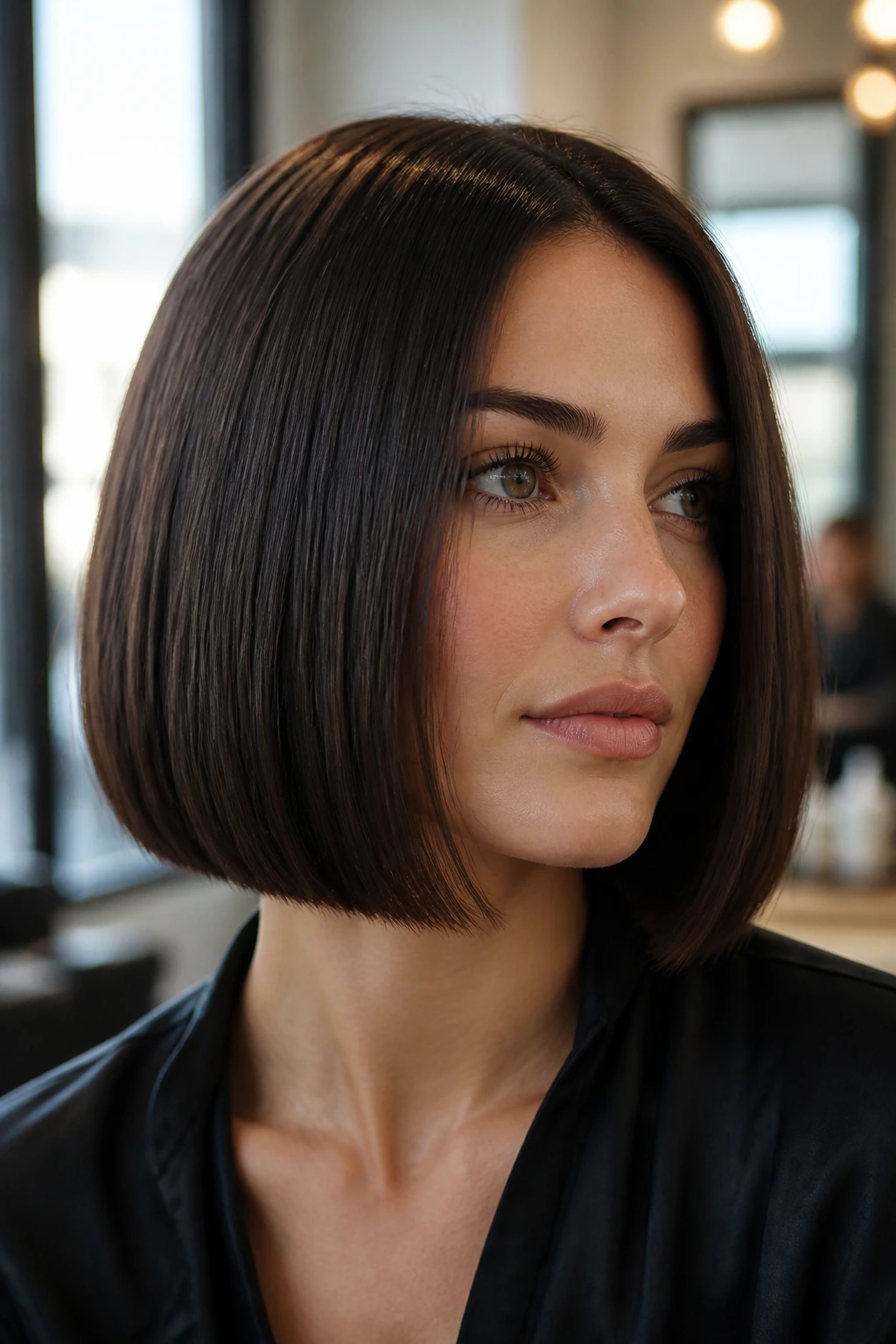
A chin-length blunt bob is the plain-spoken hero of this whole group. No fuss, no shredded ends, no apology. The line sits right where the jaw starts to turn, which gives thin hair a heavier-looking edge and makes an oval face look clean and balanced rather than stretched. It’s the kind of cut that looks like it knows exactly what it’s doing.
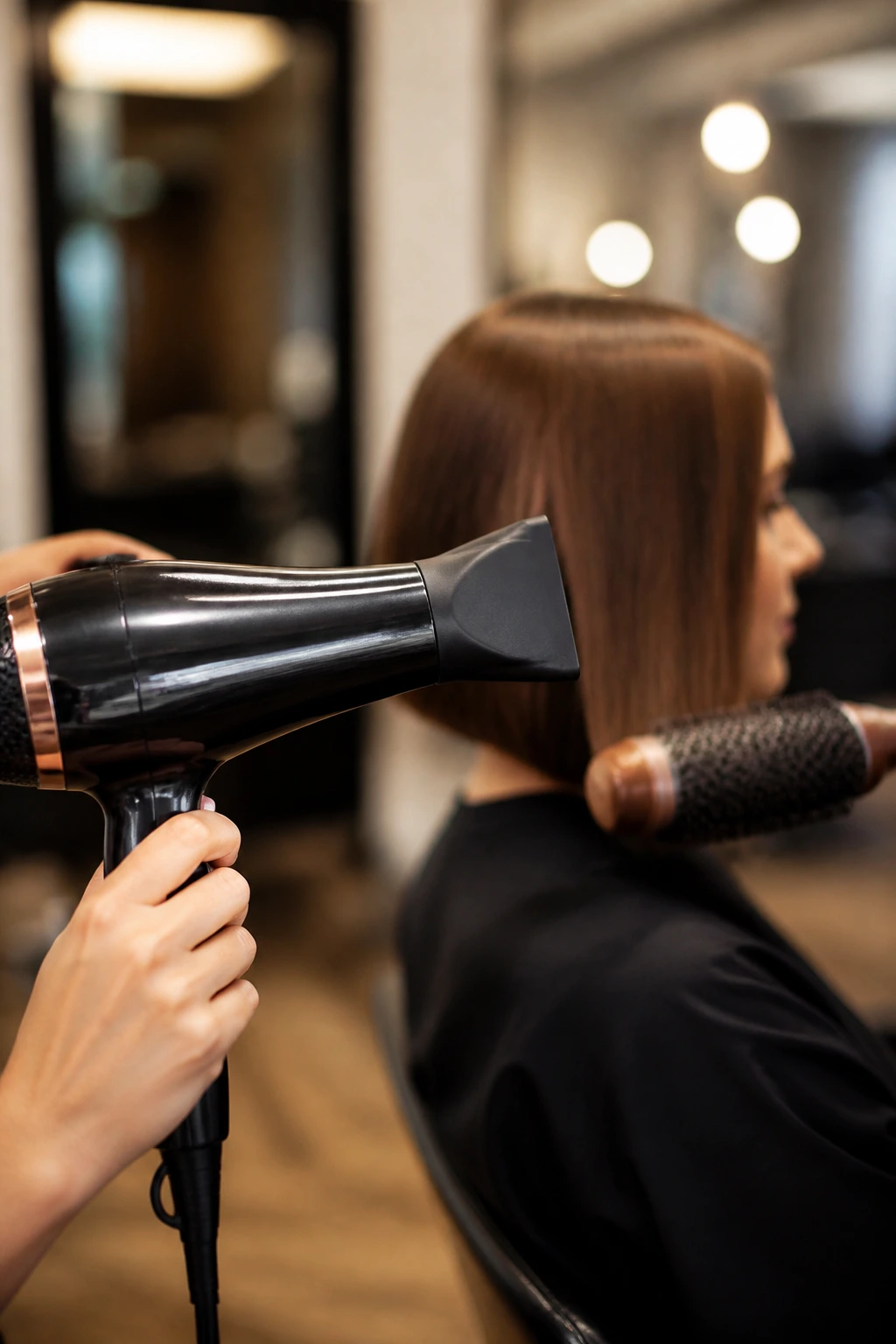
The key is keeping the ends blunt enough that they do not fray out on day two. Ask for a one-length perimeter with only the lightest internal cleanup if your hair needs it. Style it with a round brush or a flat brush blow-dry, then bend the last half-inch under with a flat iron if your ends tend to kick out. The result should feel smooth, compact, and a little bit sharp.
2. Glass-Hair Center-Part Bob
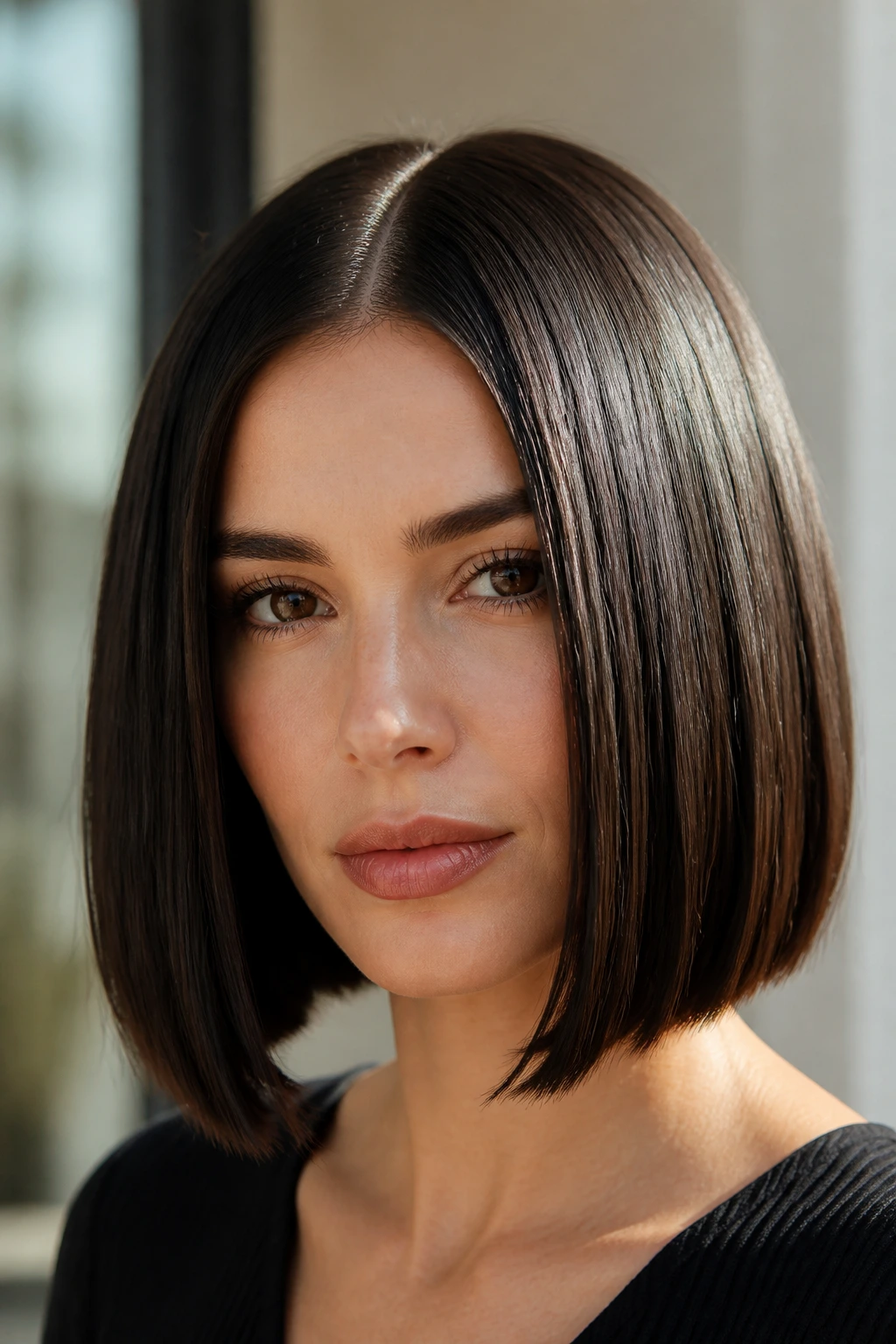
If you like a polished finish that reads almost mirror-smooth, this is the move. A glass-hair center-part bob uses the natural symmetry of an oval face and turns thin hair into a shape story instead of a volume story. The center part makes the line feel modern; the shine makes the cut look denser than it is.
What makes this one work is the discipline. You keep the haircut blunt, then smooth the surface with heat protectant, a fine-tooth comb, and a flat iron passed through in small sections. The hair should fall with very little bend, but not pin-straight in a stiff way. That tiny bit of movement at the ends matters. Without it, the style can look severe. With it, it looks like you meant it.
Styling note
Use a pea-sized amount of lightweight serum only on the mids and ends. Anything heavier will separate the strands and make the whole thing look stringy.
3. French Bob With a Soft Undercurve

A French bob usually brings a little cheek, a little charm, and just enough swing to keep it from feeling rigid. On thin hair, the trick is keeping that undercurve soft rather than fluffy. The ends turn inward just enough to hug the jaw, which makes the line look fuller and gives the face a clean frame without adding bulk at the sides.
Oval faces can handle the shorter length easily, and that’s why this cut is such a good fit here. It puts the visual weight right around the mouth and chin, which keeps the proportions compact. Ask for a blunt perimeter at the chin or just above it, then style the bend with a small round brush or a quick pass with a flat iron. The curve should feel polished, not curled.
4. Collarbone Lob With Tucked Ends

When the hair is thin, a collarbone lob can be a smart place to stop because the length gives the illusion of more actual hair. The cut still reads sleek, but the extra inches keep the outline from looking sparse. On an oval face, the collarbone landing point is especially forgiving; it draws the eye down in a way that feels elegant without dragging the face visually.
The tucked-ends part is what keeps this from going limp. You want the hair to slide under at the shoulder line or curl in just at the edge, so the shape feels finished. It also gives you options. Wear it straight one day, tuck one side behind the ear the next, and let the front pieces skim the collarbone when you want a softer look.
5. A-Line Bob With Longer Front Pieces
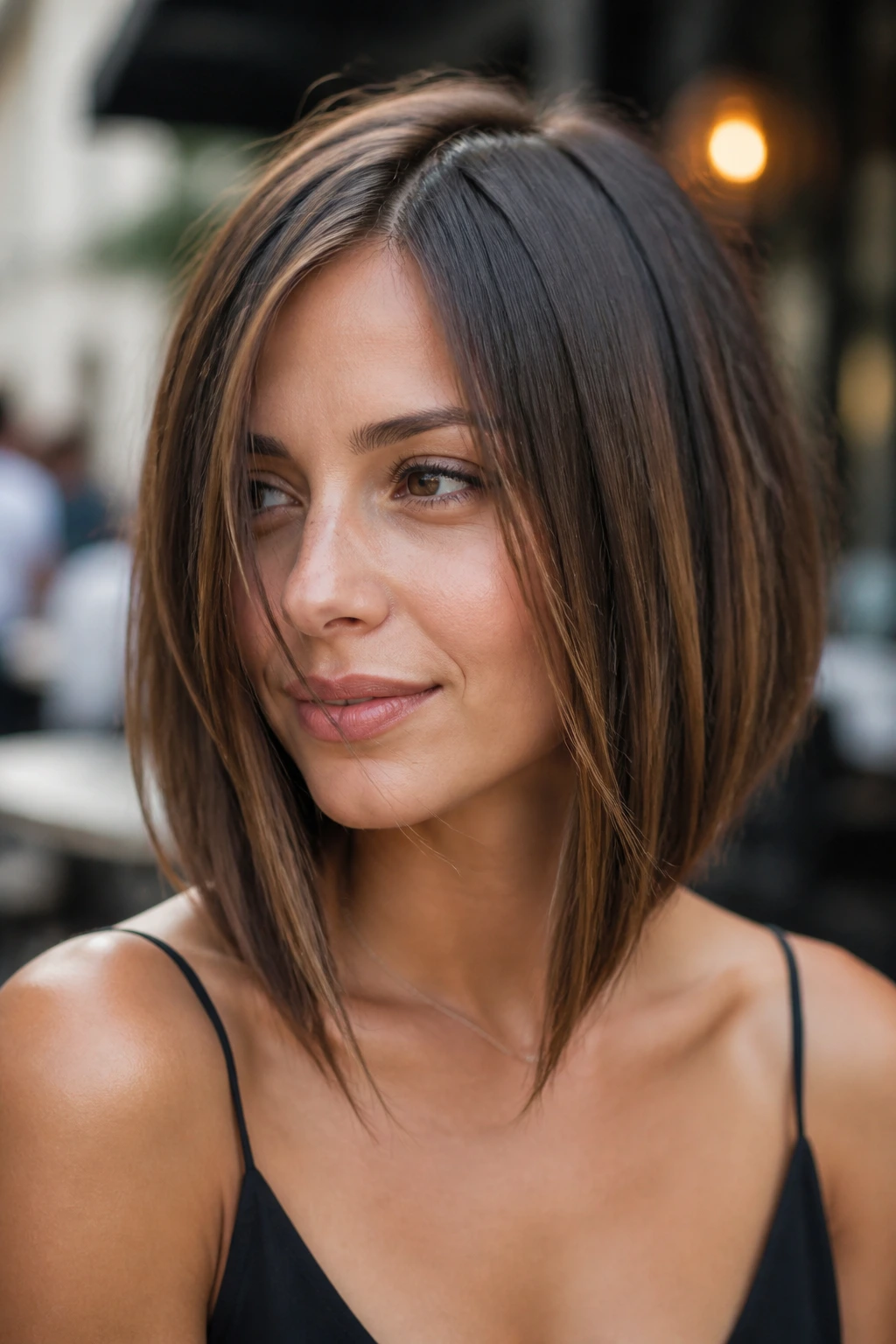
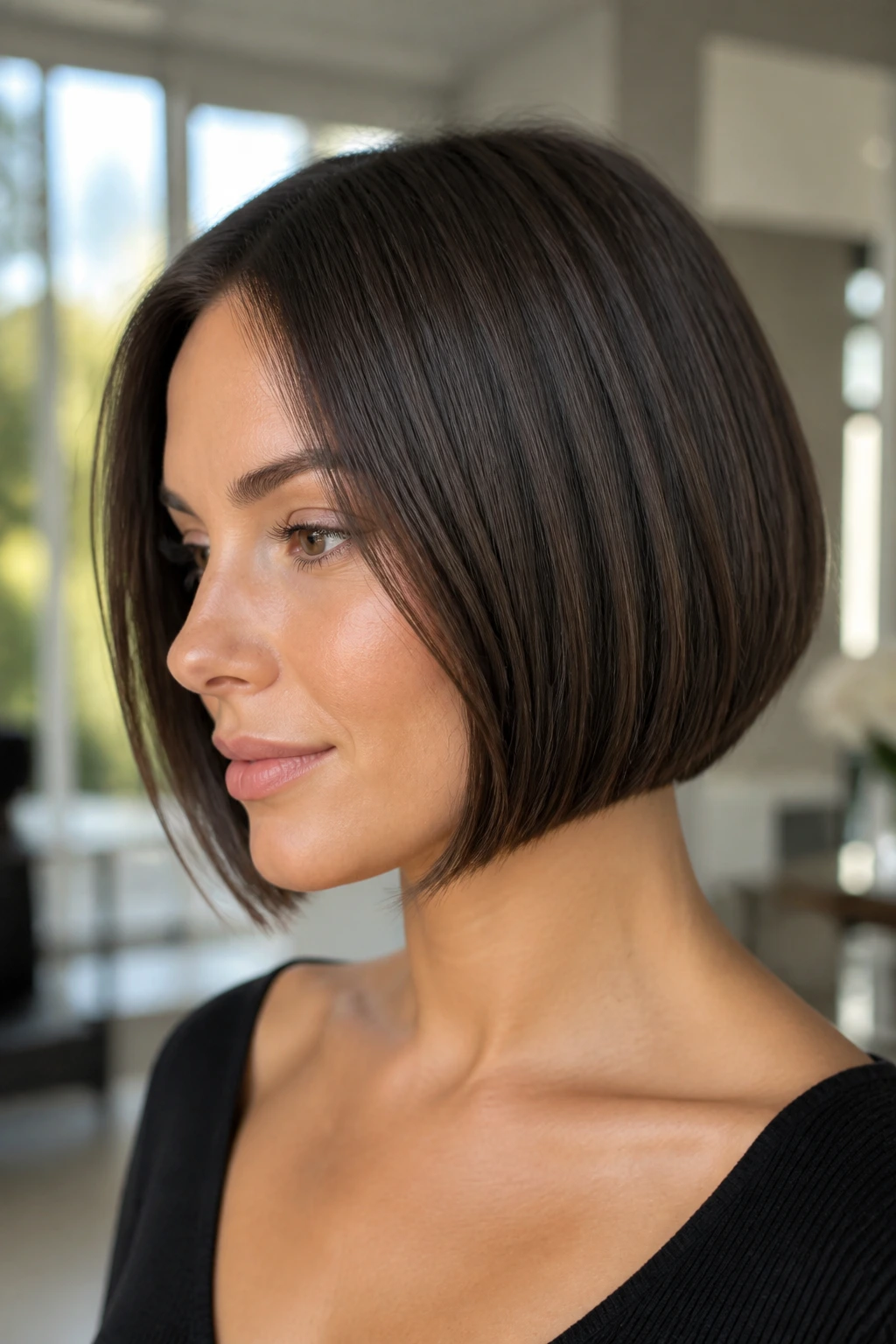
A-line bobs are built for people who want structure. The back sits a little shorter, the front hangs a little longer, and the diagonal line quietly stretches the neck while keeping the face open. Thin hair likes this shape because the longer front pieces create movement without forcing you into heavy layering.
The real advantage is that the cut looks sleek even on a simple blow-dry. The angle does the work. On oval faces, that forward line can sharpen the jaw in a flattering way, especially if your hair naturally falls flat on top. Ask for the back to stay compact and the front to angle down only enough to show the geometry. Too steep, and it starts looking dramatic in a way that can eat up density.
6. Deep Side-Part Bob With Crown Lift
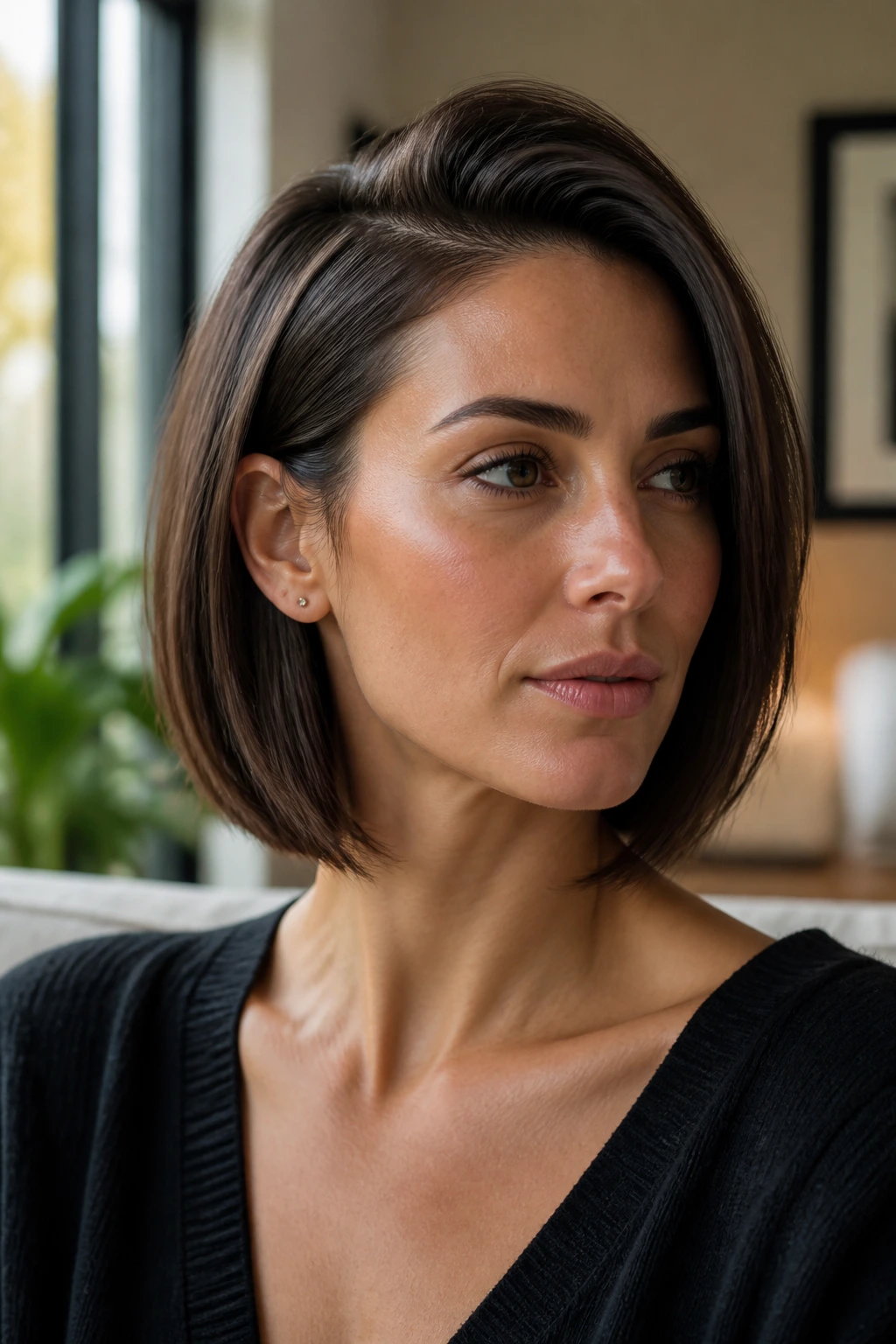
A deep side part can rescue thin hair that refuses to stay up at the roots. It shifts the weight of the style, lifts the crown, and gives the illusion that there’s more hair than there really is. On an oval face, that extra asymmetry also keeps the look from becoming too symmetrical and too flat.
This bob works best when the cut itself stays clean and the drama comes from the part, not from layers. Blow-dry the roots in the opposite direction first, then switch the part back while the hair is still warm. That little trick creates bend near the root without needing a ton of product. The ends should stay sleek and the top should have just enough height to keep the whole shape from lying down like a nap.
7. Box Bob With a Square Edge
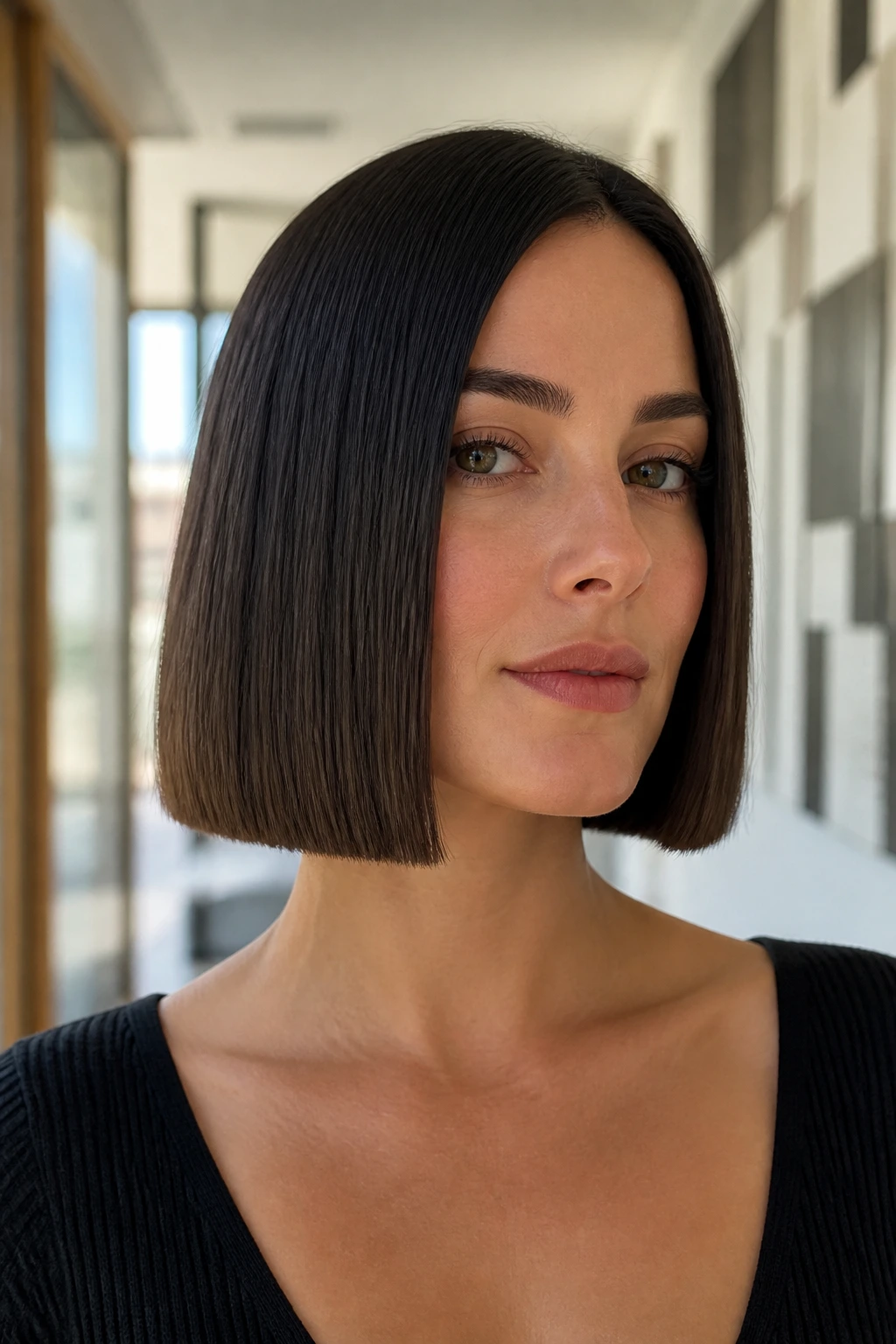
The box bob is a blunt bob with attitude. It has a square, almost architectural outline, and that makes thin hair look fuller because the perimeter has real presence. There’s less taper, less feathering, and less of that flimsy edge that can make fine strands look like they’ve given up halfway through the day.
Oval faces can pull this off because the face shape already gives you room. The square edge adds a little severity in a good way. It’s especially strong if you like sharp collars, clean makeup, or a wardrobe with structured lines. Keep the shape straight and make sure the ends are cut with precision. A box bob loses its charm the second the line turns soft and fuzzy.
8. Asymmetrical Bob With a Longer Front

Not every sleek bob has to be even on both sides. A subtle asymmetrical cut—one side slightly longer than the other—can make thin hair look intentionally styled, not merely trimmed. The uneven line draws the eye, which is useful when density is low and you need shape to do some of the heavy lifting.
The trick is keeping the difference modest. A half-inch to an inch can be enough. You want the effect to feel chic, not costume-like. Oval faces handle asymmetry beautifully because the face is already balanced enough to take a small visual twist. If your hair tends to lie flat, this cut gives the illusion of movement even when the finish is polished and still.
9. Micro Bob at the Jaw
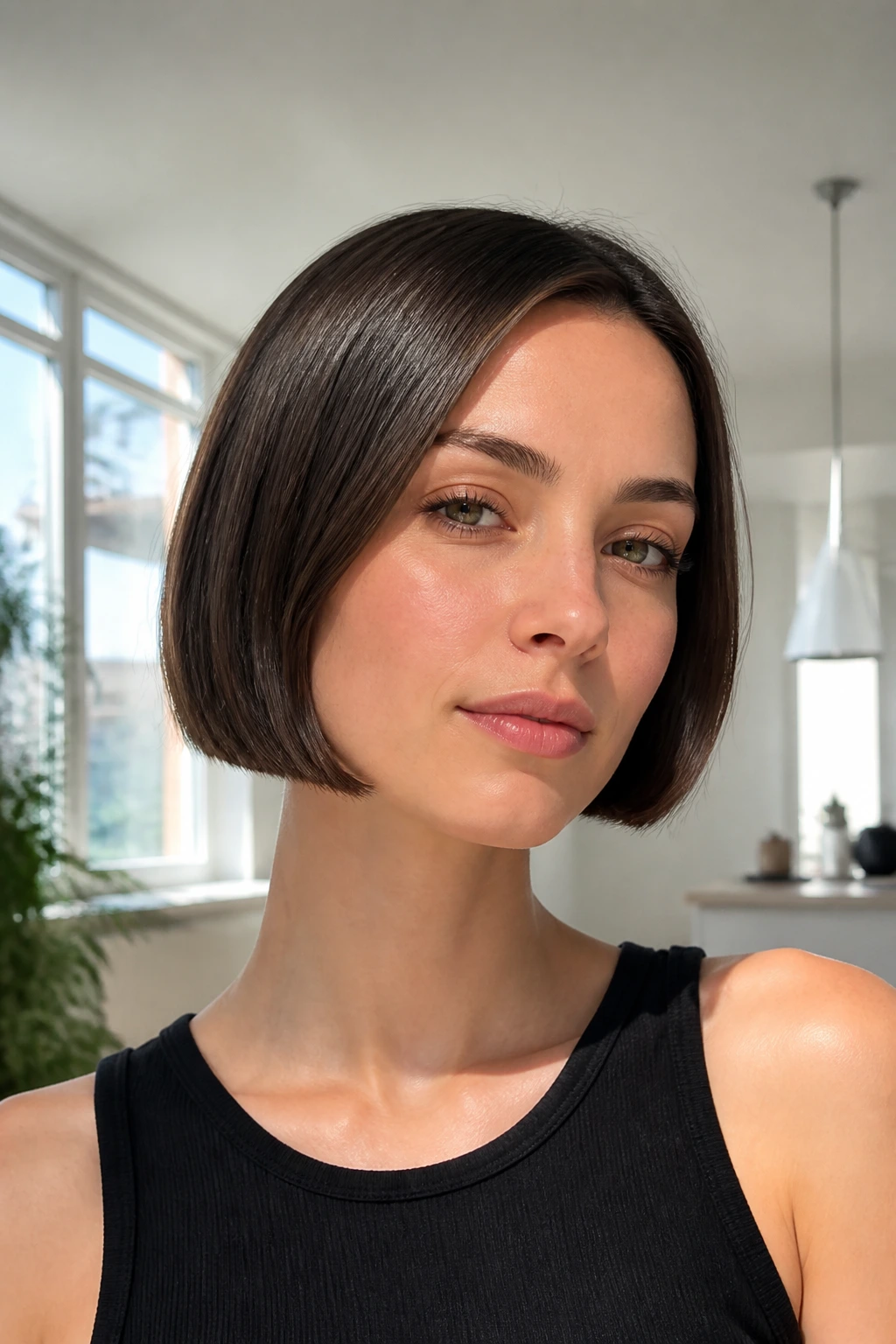
A micro bob is short enough to feel sharp and clean, but not so short that it starts fighting thin hair. The sweet spot is the jawline or just above it. At that length, the ends gather visually, which makes the haircut look fuller than a longer, thinner perimeter would.
This is a good option if you like your hair off the neck and don’t mind showing the line of the jaw. Oval faces can wear it well because the shape isn’t working against the face’s natural symmetry. It does, however, ask for regular trims. Let it grow out too long and the clean shape disappears fast. Keep the ends blunt, keep the nape tidy, and avoid over-texturizing the interior.
What makes it work
The micro bob is at its best when the line feels crisp from every angle. If the back gets shaggy, the whole thing loses its point.
10. Curved-In Round-Brush Bob
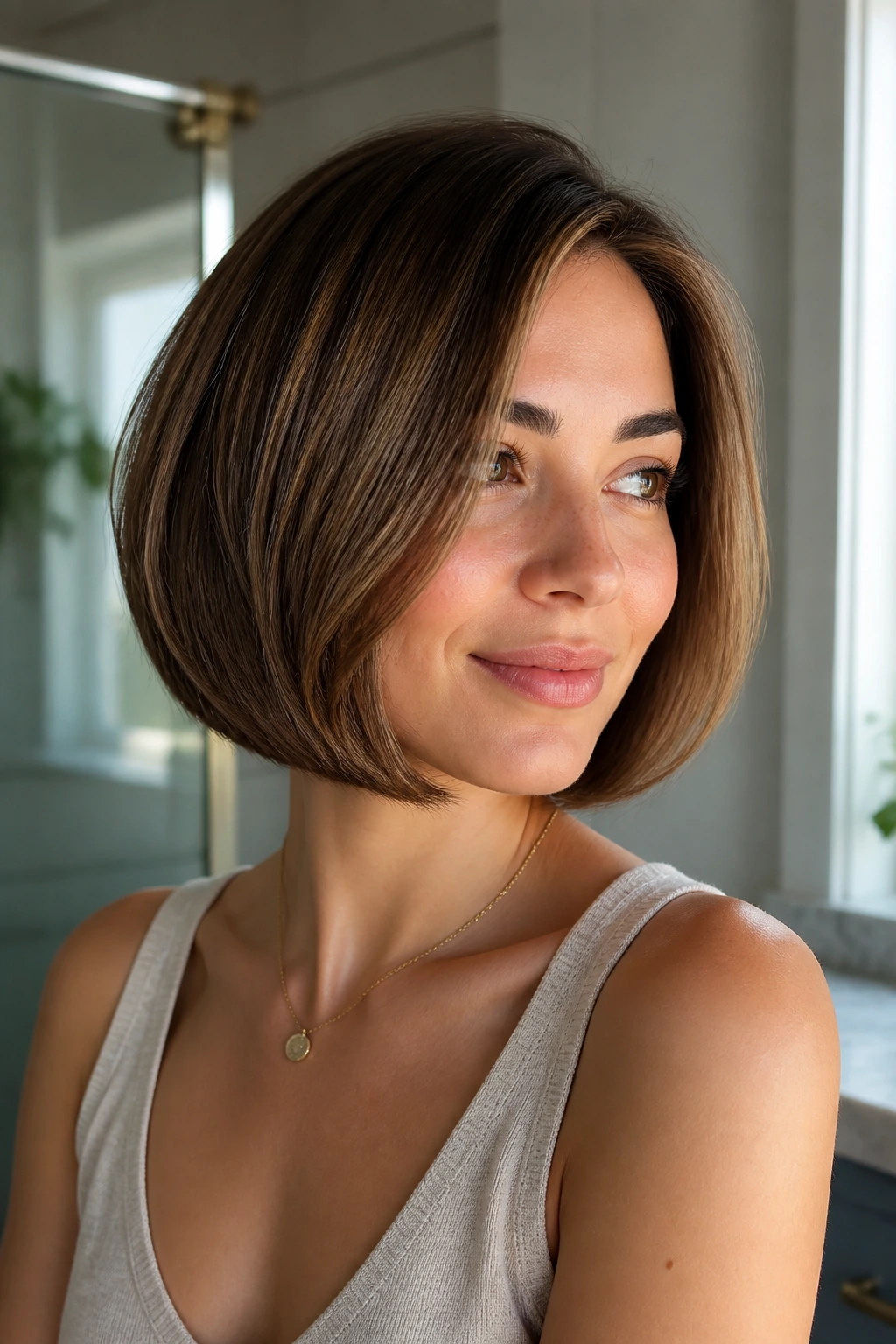
Some bobs need no drama at all; they just need a good blow-dry. The curved-in round-brush bob is one of those cuts. It’s sleek, but the ends roll in slightly, which gives thin hair a fuller-looking edge and stops the style from hanging straight and flat against the jaw.
That inward bend is useful on oval faces because it frames the lower half of the face without crowding it. It also creates a cleaner outline in profile, which is where a lot of bob cuts either shine or fall apart. If your hair is fine, keep the brush size moderate. Too large, and the bend disappears. Too small, and the ends get too curled, which can make the haircut feel dated.
11. Bob With Curtain Fringe

Curtain fringe gives a bob a softer top line without eating too much density from the front. For thin hair, that matters. A full, heavy bang can sometimes pull the front down and make the rest of the cut feel sparse, but a light curtain fringe opens the face and keeps the center from looking heavy.
Oval faces can wear this because the fringe splits around the face instead of masking it. The result is breezy but still polished. Keep the bob itself blunt or slightly curved in, then let the fringe graze the cheekbones. That little sweep can be enough to make the haircut feel more lived-in without losing the sleek edge.
Styling note
Blow-dry the fringe first, side to side, so it doesn’t separate in awkward ribbons. Once it sets, the rest of the bob is easier.
12. Hidden-Undercut Sleek Bob
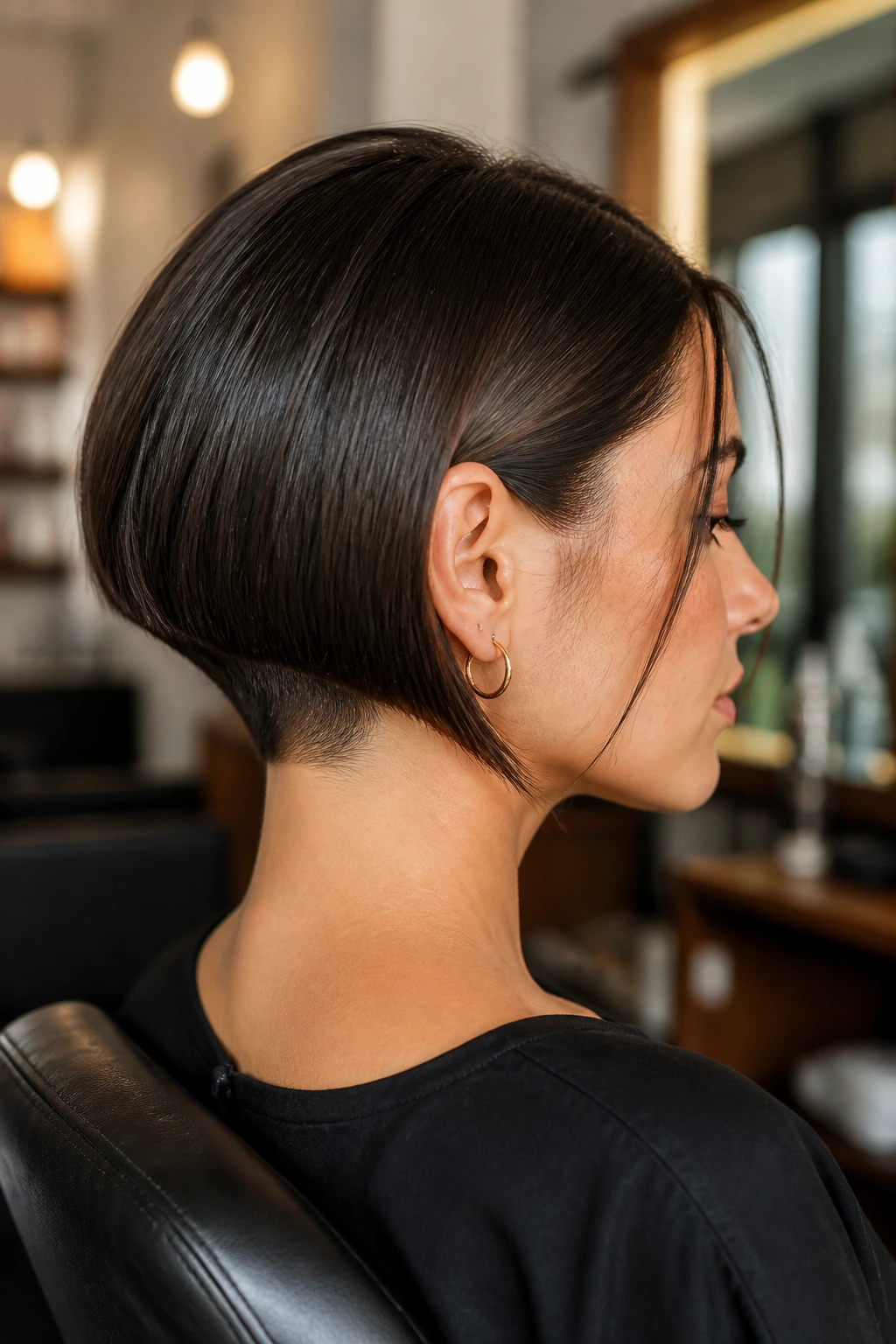
This one is for people who want a clean outer shape but need the inside to behave. A hidden undercut removes bulk from the nape, which can help a sleek bob sit closer to the head without puffing out at the bottom. Thin hair usually doesn’t need much removal, so the key is restraint—only enough to help the shape lie flat and polished.
Oval faces benefit because the outline stays neat and the nape looks crisp. The surface hair still covers the shorter underlayer, so the style looks like a normal bob from the outside. It’s a practical choice if your hair has a weird cowlick at the back or if the bottom section keeps flaring out no matter how many times you round-brush it.
13. Graduated Bob With Nape Lift
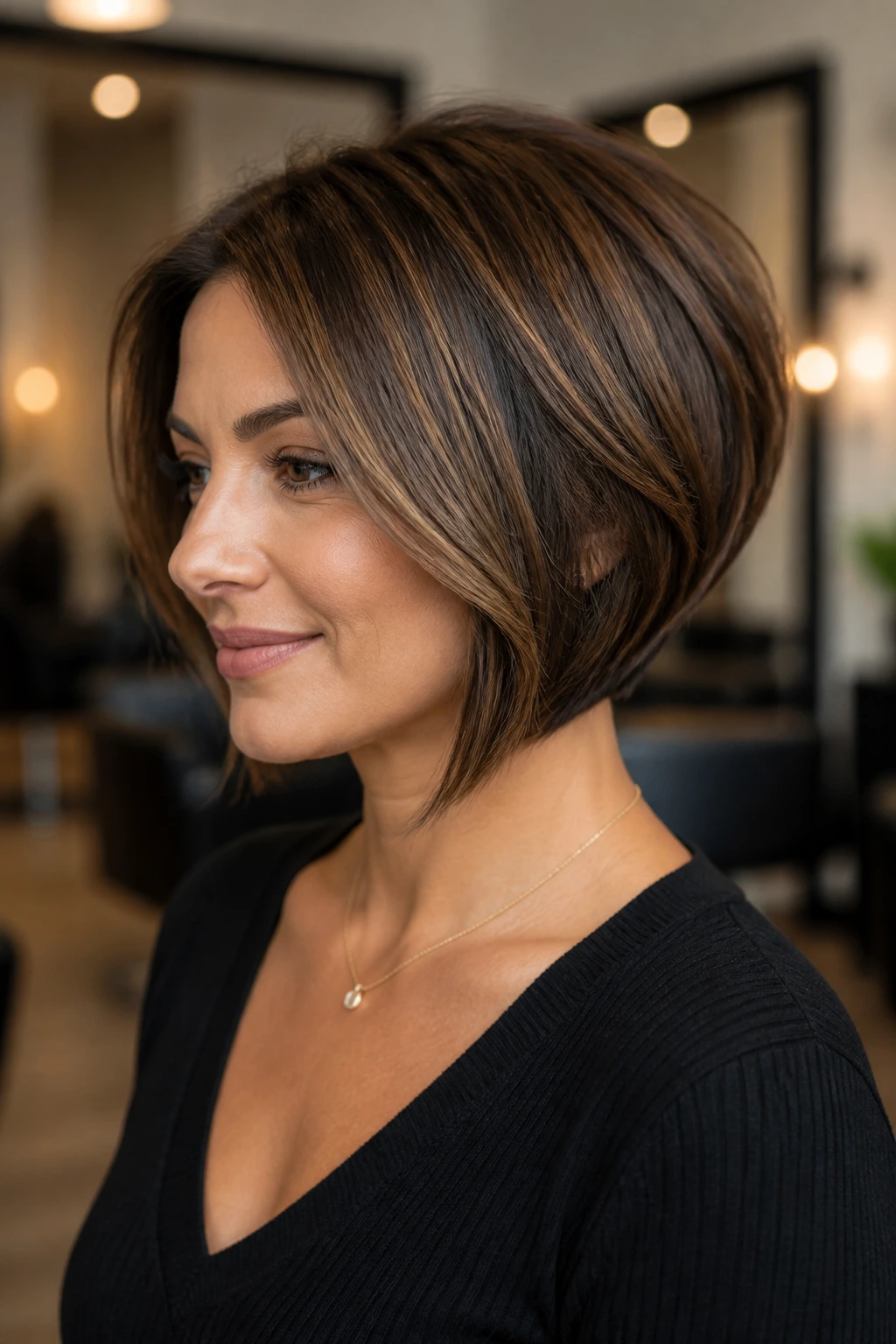
A graduated bob stacks a little weight in the back while leaving the front longer. On thin hair, that can create a more rounded shape through the occipital area, which helps the head look fuller from the side. The graduation should be subtle, not a sharp wedge. You want lift, not a helmet.
Oval faces wear this well because the front still skims the cheek and jaw without making the face feel over-framed. The back gives the illusion of thickness, while the front keeps the look elegant. If your hair is very fine, ask for graduation that builds shape without over-layering. Too much internal removal will leave the back looking airy, and airy is not what you want here.
14. One-Length Lob With No Layers
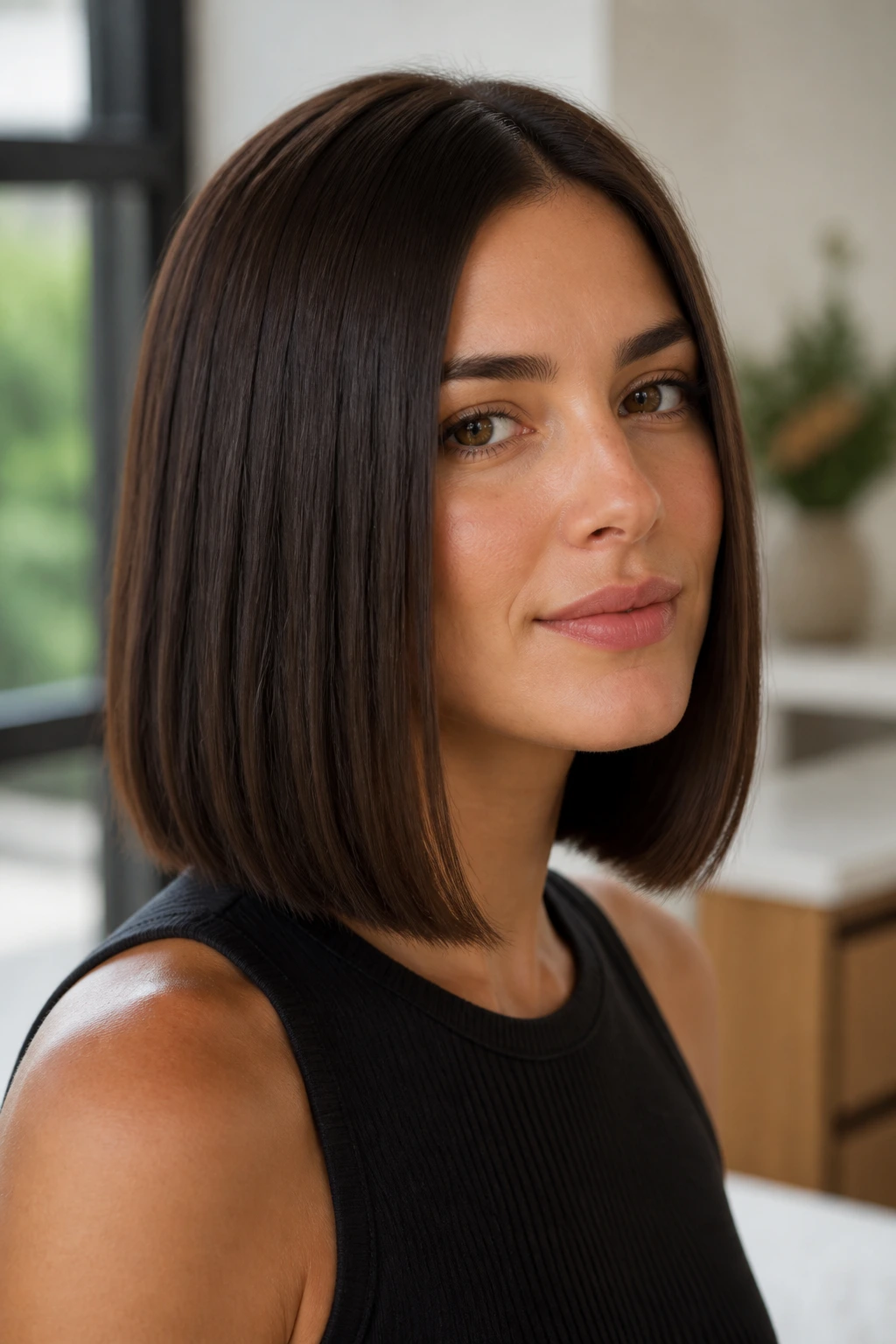
This is the cleanest answer if you hate fussy styling. A one-length lob with no layers keeps every strand fighting for the same line, which makes thin hair look denser. The length, usually somewhere between the chin and collarbone, lets you have sleek movement without giving up weight at the bottom.
Oval faces can carry this especially well because the symmetry stays open and calm. The haircut is easy to dress up with a deep side part or keep simple with a middle part and flat finish. It’s not flashy. That’s the point. On some mornings, a cut that behaves is worth more than a cut that tries to impress.
15. Wet-Look Bob for Nights Out
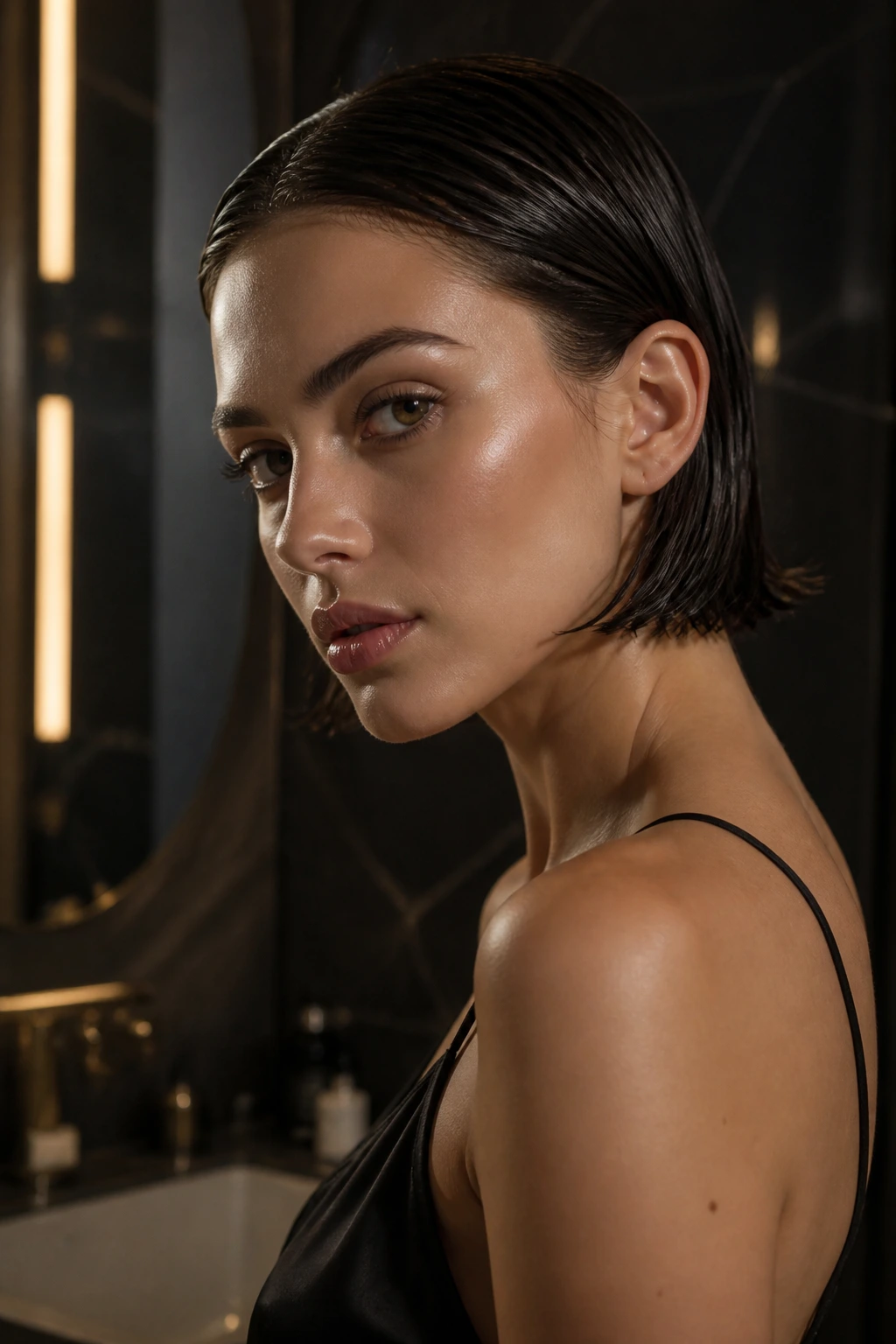
The wet-look bob is less about actual wetness and more about controlled shine. It gives thin hair a slick, compact surface that makes the cut feel deliberate and a little dramatic. For oval faces, it works because the smoothness shows off bone structure instead of hiding it under volume.
Start with a clean bob, then use a light gel or glossing cream through damp lengths and comb it into the part you want. The shape should stay close to the head, especially at the crown and temples. Keep the ends neat. If the bottom turns crunchy or separates, the look slides from polished into awkward fast. A little product goes a long way here.
16. Tucked-Behind-Ear Bob

A tucked-behind-ear bob is a small styling choice that changes the whole read of the haircut. One side gets tucked, the other stays loose, and suddenly the face looks more open without the style losing its line. Thin hair likes this because the tuck creates control where there might otherwise be a loose, floating edge.
Oval faces are good candidates because the exposed cheekbone and jawline do half the work. The style also helps if your hair falls into your eyes or if you wear earrings you actually want people to notice. Keep the rest of the bob smooth and let the tucked side stay slightly flatter on purpose. The asymmetry is the charm.
Quick detail
Use a tiny dab of lightweight cream behind the ear if the tucked side keeps slipping. Too much, and the section will go greasy by lunch.
17. Side-Swept Fringe Bob

A side-swept fringe can make a sleek bob feel softer without turning it into something shaggy. The front section angles across the forehead and blends into the bob’s line, which is useful if you want to break up a strict center part. For thin hair, it’s a smart compromise: you get shape around the face without sacrificing too much density.
Oval faces can handle this easily, and the diagonal line draws attention to the eyes and cheekbones. Keep the fringe light enough that it doesn’t separate in little pieces. If it’s too thin, it looks accidental. If it’s too heavy, it drags the haircut down. The middle ground is where this one works.
18. Internal-Contour Bob
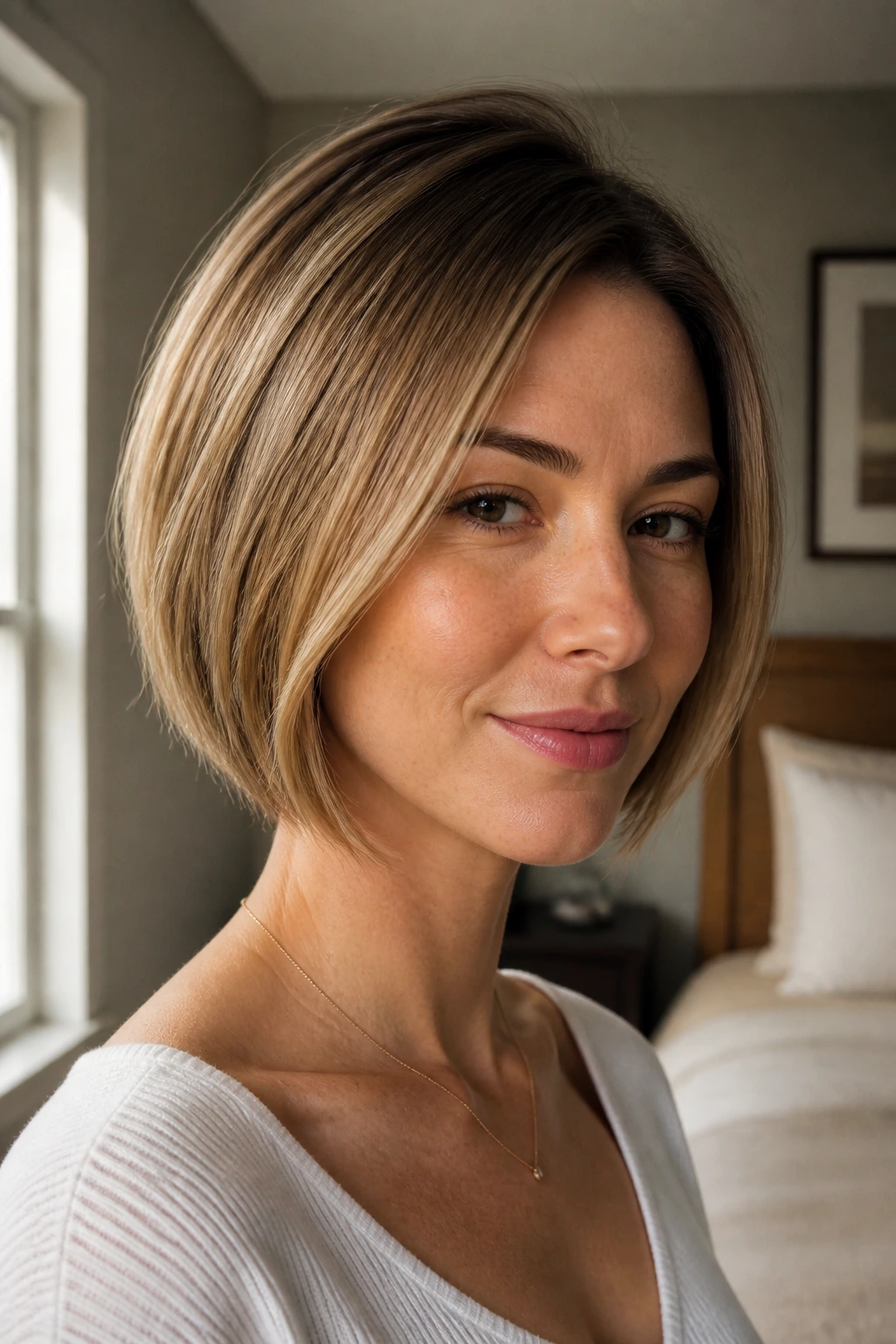
An internal-contour bob looks simple from the outside, but the inside is quietly shaped to help the hair sit better. Think of it as a bob that has had the inside organized without shredding the perimeter. That matters for thin hair because the outside line still looks full while the inside gets just enough room to move.
This is a useful choice if you hate boxiness but also hate see-through ends. The contouring can give a small lift where the hair collapses, especially around the occipital bone and just behind the ears. Oval faces do well here because the face keeps its balance while the haircut gains a bit of flex. It’s one of those cuts that looks plain until you realize it behaves better than most.
19. Italian Bob With a Plush Bend
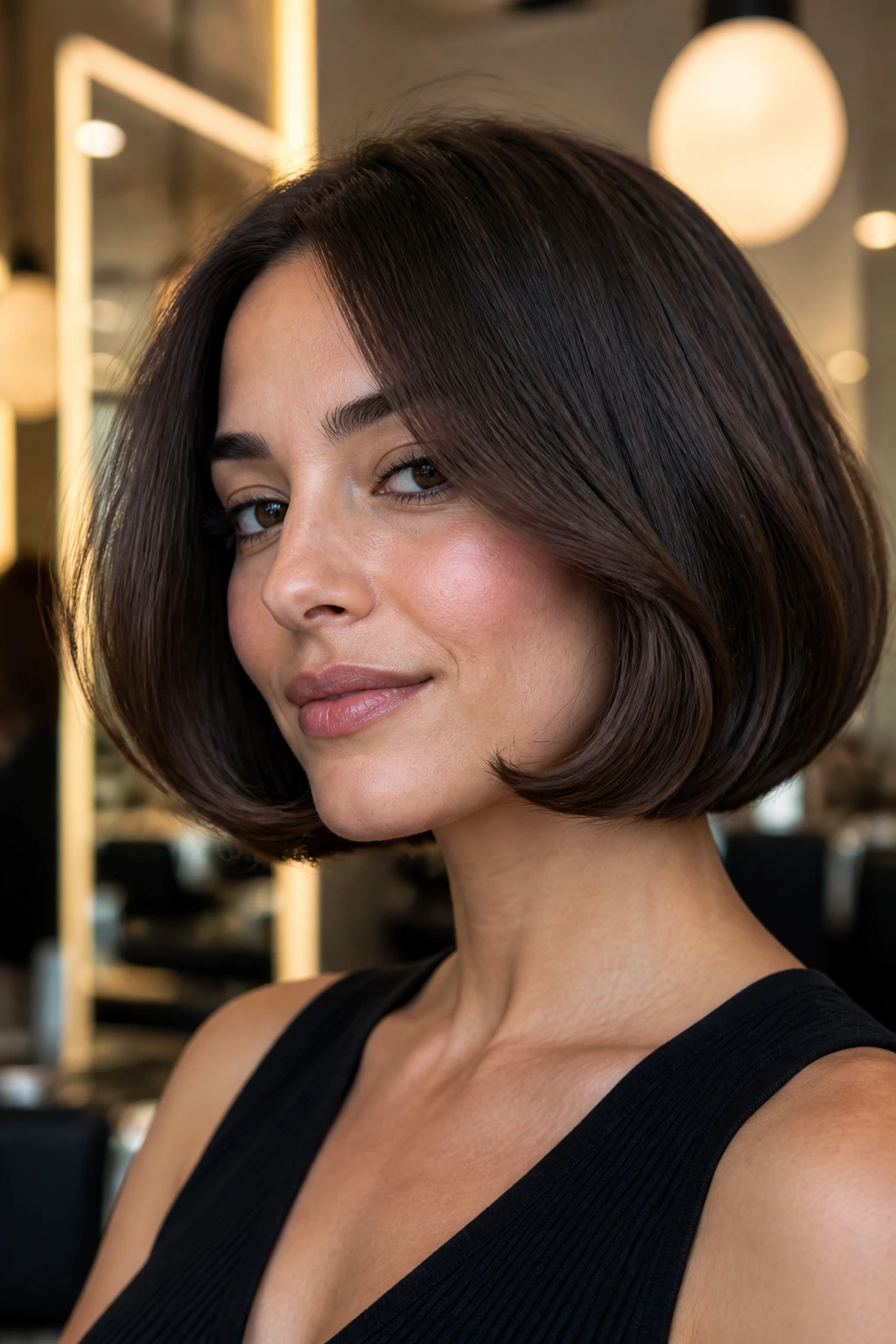
The Italian bob sits in that sweet spot between crisp and soft. It has a bit more body than a classic blunt bob, usually with a rounded bend through the ends and a fuller look around the temples. Thin hair benefits from the plush shape because it creates the sense of density without needing layers that chew up the outline.
Oval faces can wear the volume around the sides as long as the perimeter stays neat. The result feels stylish but not precious. If your hair falls too flat to hold the bend, use a medium round brush and set the ends with the dryer for a few seconds. That little bit of hold at the edge makes the whole haircut feel richer.
20. Shoulder-Skimming Sleek Lob
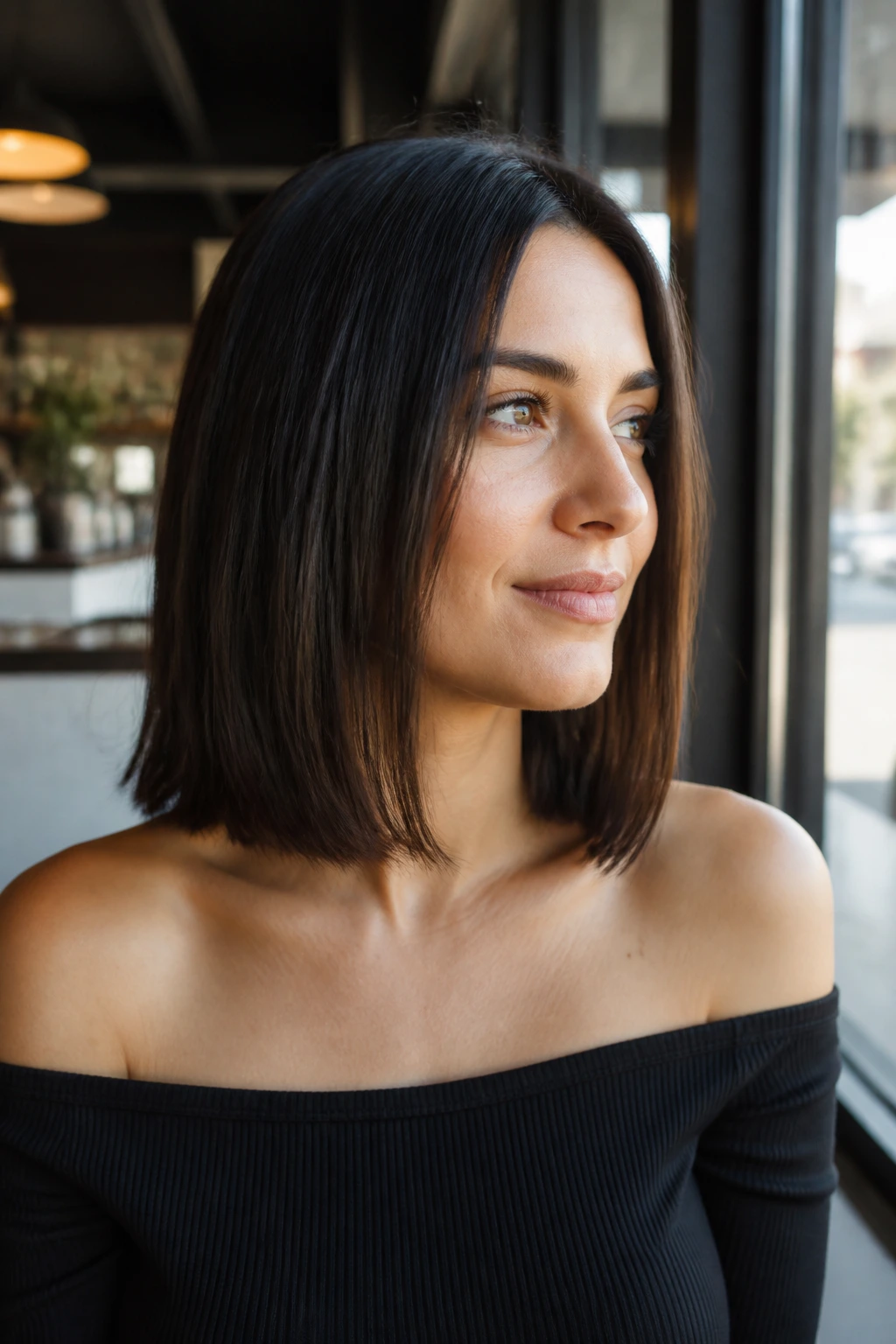
The shoulder-skimming lob is the safe choice that never looks boring when the cut is clean. It gives thin hair extra length to work with, which can make the amount of hair on your head feel more substantial without asking you to commit to a very short crop. The ends still need to be blunt, though. Otherwise the longer length turns limp in a hurry.
Oval faces can wear this because it leaves room around the jaw and collarbone. It’s especially useful if you wear your hair straight most days and want enough length to tuck behind the ears or clip back on one side. Keep the finish smooth, keep the part neat, and avoid overworking the ends with too much heat. Long doesn’t have to mean loose.
21. Bubble Bob With a Soft Curve
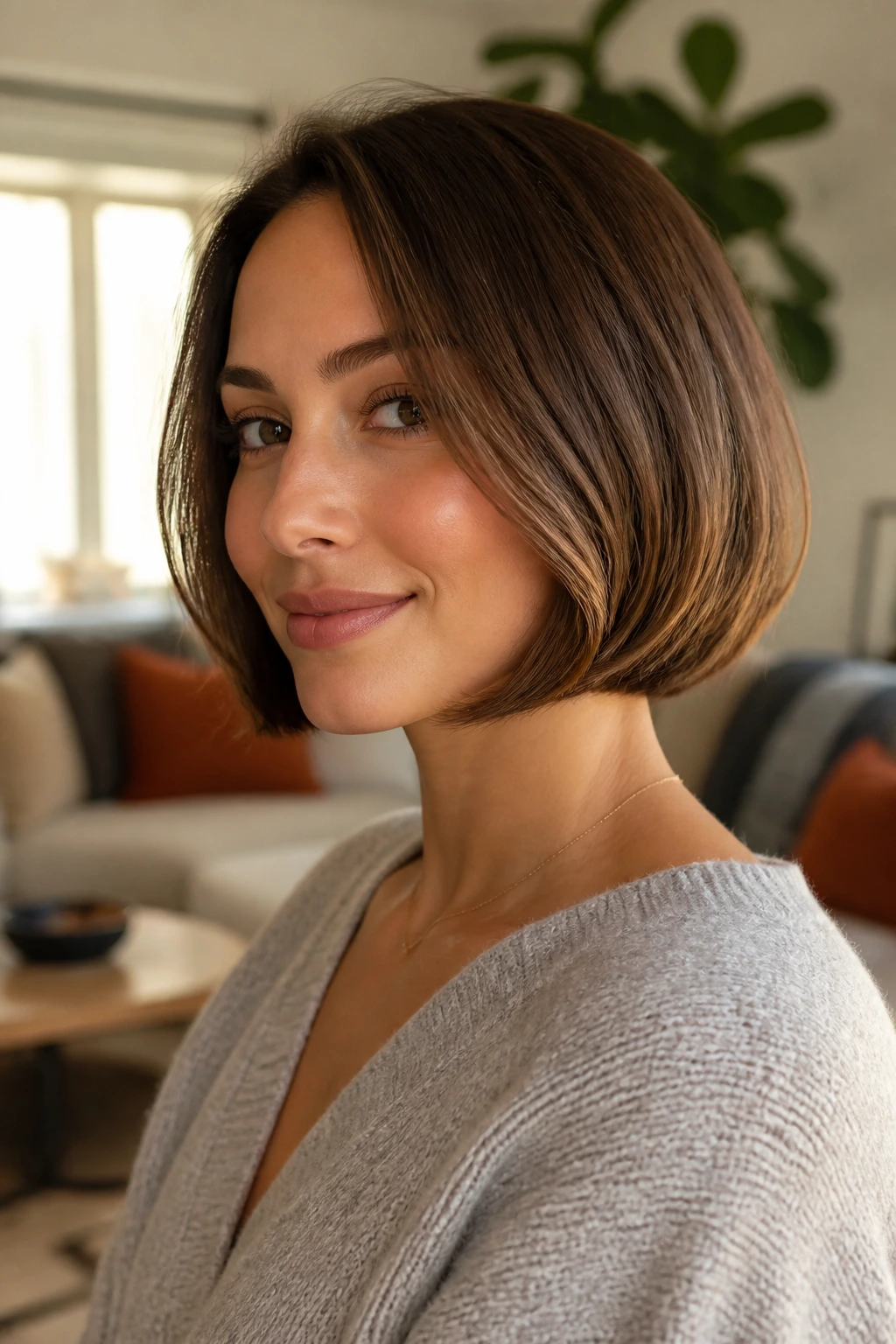
A bubble bob sounds playful, but on thin hair it works best when the curve is controlled. The shape rounds gently through the middle and tapers back in at the ends, which gives the illusion of a fuller body without turning the style puffy. That controlled fullness is the whole point.
Oval faces can handle the roundness because they already have good balance. The bob adds softness, not width. If your hair is fine, ask for the curve to be built mostly through styling rather than aggressive cutting. That keeps the shape reversible. Straight today, rounded tomorrow. Not a bad bargain.
22. Razor-Free Blunt Bob
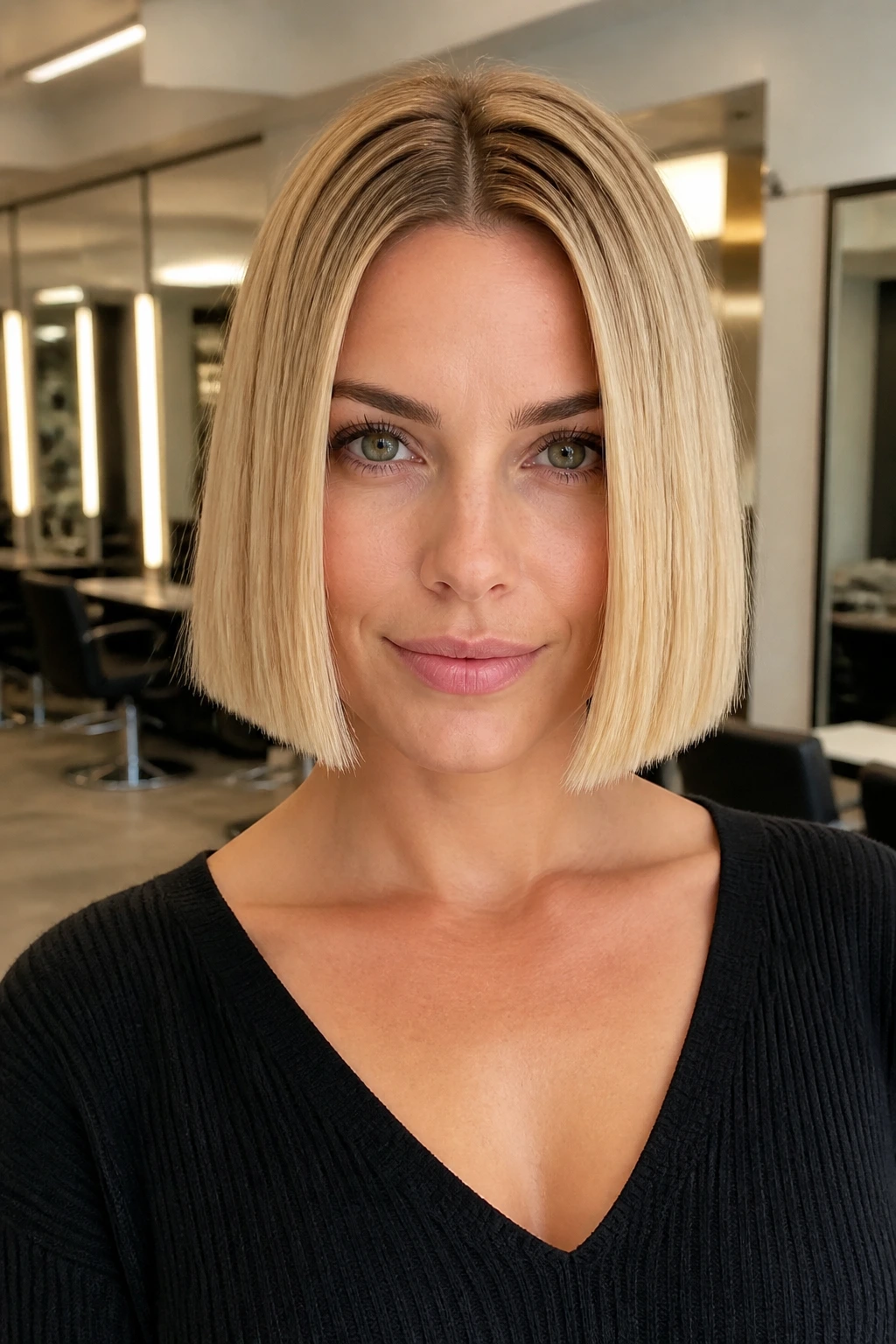
Razor cuts can look airy, but airy is not your friend when the hair is thin. A razor-free blunt bob keeps the ends compact and solid, which is what creates the thicker-looking line. The whole cut depends on precision scissors and a steady hand, not on texture for texture’s sake.
This one looks clean at the chin or just below it and works beautifully on oval faces because the shape reads classic rather than trendy. If your stylist likes to texturize every section, speak up. Ask for clean edges and only minimal softening at the front if needed. The haircut should feel like a single shape, not a stack of fragments pretending to be one.
23. Face-Framing Corner Bob
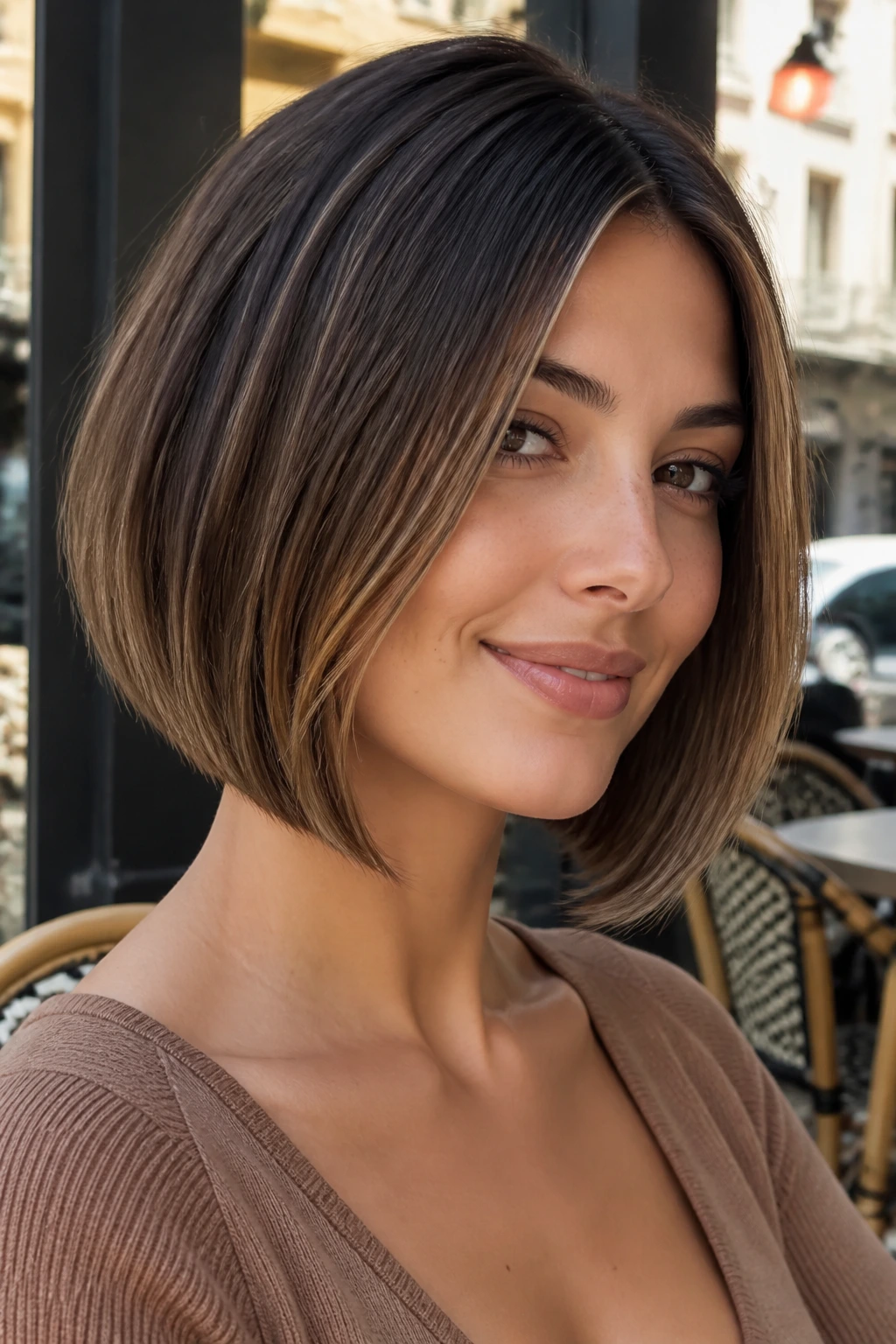
A face-framing corner bob keeps the sides a little longer at the front corners, almost like the haircut is gently pointing toward the jawline. Thin hair likes that because those front corners create the sense of shape without stripping density from the back. It’s a small change, but it shows.
Oval faces are especially friendly to this style because the front corners can sharpen the outline without making the face feel crowded. Wear it sleek and tucked behind one ear for a crisp finish, or let the corners skim the cheeks when you want a softer mood. Either way, the haircut has enough structure to hold its own.
24. Sculpted Nape Bob
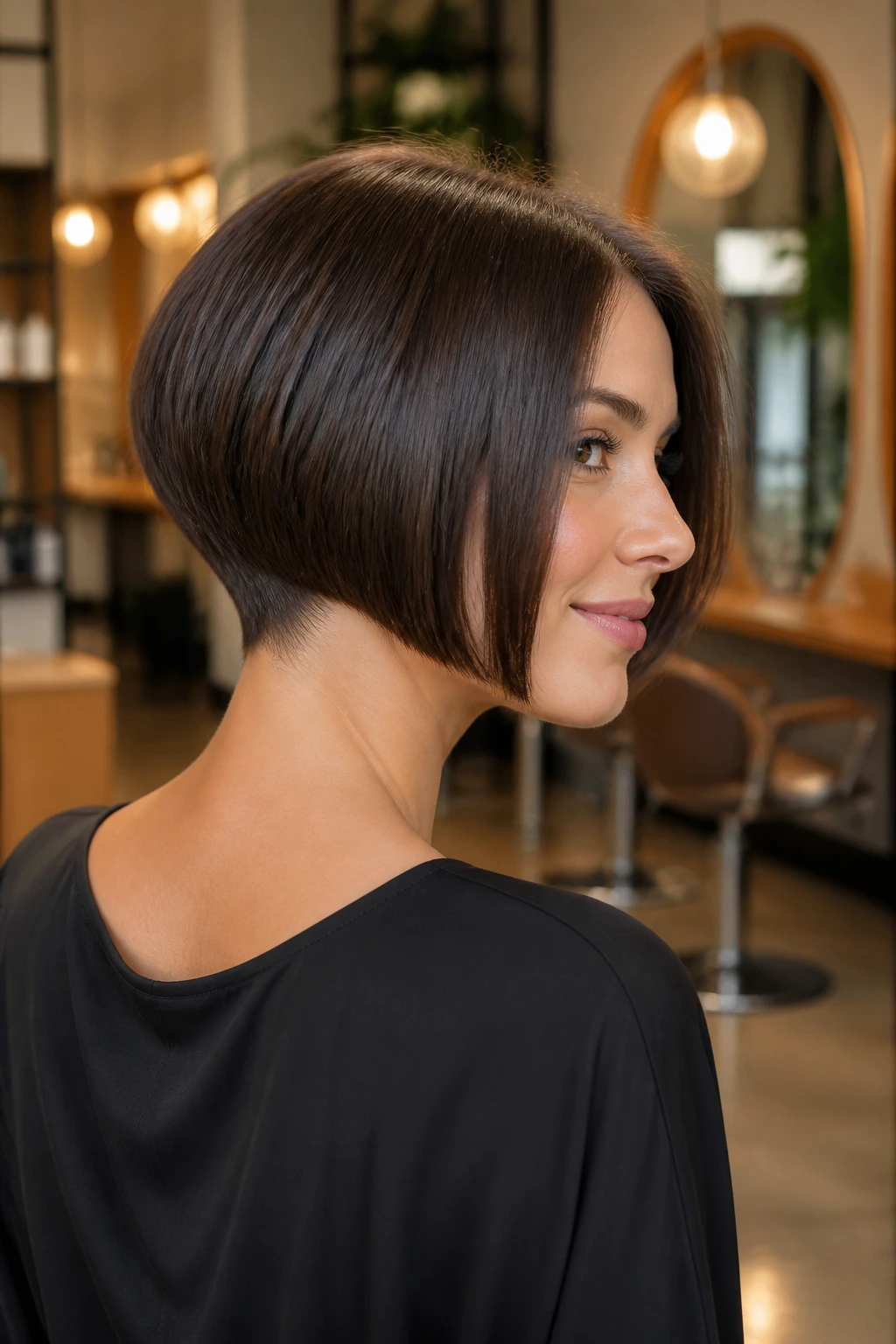
The sculpted nape bob is one of those cuts that looks simple from the front and quietly impressive from the side. The nape is trimmed close and clean, which helps thin hair sit neatly instead of puffing or flipping under a jacket collar. The front can stay a touch longer, but the real magic is in the back.
For oval faces, that clean neckline lengthens the neck and keeps the profile sharp. It’s a good option if you like polished hair but don’t want the maintenance of a very short crop. Ask for the nape to be snug without being chopped too high. If it’s cut too aggressively, the grow-out gets awkward fast. Gentle precision is better.
What to watch for
If your nape grows in with a strong cowlick, this style can still work, but it needs more frequent trims. Waiting too long lets the shape start kicking out at the bottom.
25. Long-Line Center-Part Bob
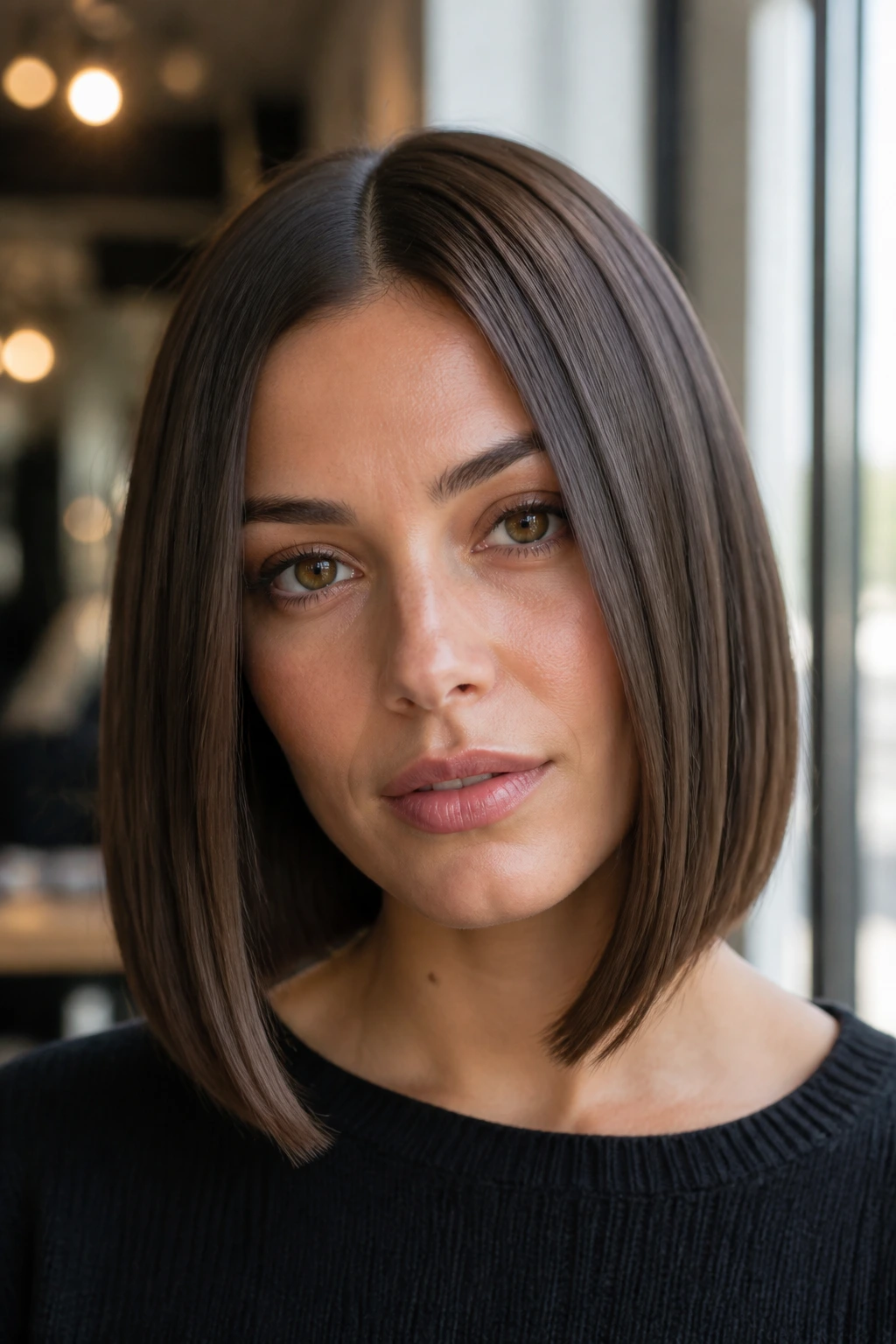
A long-line center-part bob is the most restrained look in the bunch, and I mean that as praise. The line stays clean, the part stays centered, and the length usually sits between the jaw and collarbone. That extra stretch can be useful for thin hair because it gives the ends more room to gather visually.
Oval faces can carry the center part without looking harsh, which is why this style feels so natural here. It shows off symmetry and keeps the haircut calm. If your hair flattens easily, this is one of the easiest sleek bobs to wear because it doesn’t demand too much root volume to look finished. Clean, straight, and a little polished. That’s the whole appeal.
Why the Cut Matters More Than the Blow-Dryer
A lot of people try to fix thin hair with heat, but the cut is doing most of the heavy lifting long before the blow-dryer starts. If the perimeter is wispy, no amount of serum will make it look dense. If the shape is blunt and the length is placed well, you can get away with a modest blowout and still look put together.
That’s why sleek bobs for thin hair and oval faces are such a useful pairing. The face shape gives you freedom, and the haircut gives you structure. A center part can sharpen things. A side part can lift the crown. A chin-length edge can make the hair look fuller. The tool matters less than people think when the architecture is right.
Essential Tools for These Looks
-
A precision haircutting appointment note or photo reference — This is the real starting point; show the shape you want instead of describing it vaguely.
-
A blow dryer with a narrow nozzle — The nozzle helps direct the air down the hair shaft so the cut stays smooth instead of frizzy.
-
A medium round brush, 1.5 to 2 inches wide — Good for bending the ends under without turning the bob into a curl.
-
A flat iron with rounded edges — Handy for polishing the perimeter and creating that soft inward bend.
-
Heat protectant spray — Thin hair burns fast when it’s over-styled, so this is non-negotiable.
-
Lightweight mousse or root lift spray — Use this at the crown if your roots collapse after 20 minutes.
-
Fine-tooth comb — Useful for center parts, slick finishes, and cleaning up the top layer before heat styling.
-
Light serum or shine spray — Apply sparingly to mids and ends; too much will separate the hair and make it look thinner.
-
Small clips — Great for sectioning and for the tucked-behind-ear looks in this collection.
-
Dry shampoo — Not as a rescue for dirty roots only; it also adds a little grip when the style goes flat.
How to Choose the Right Cut, Tools, and Products
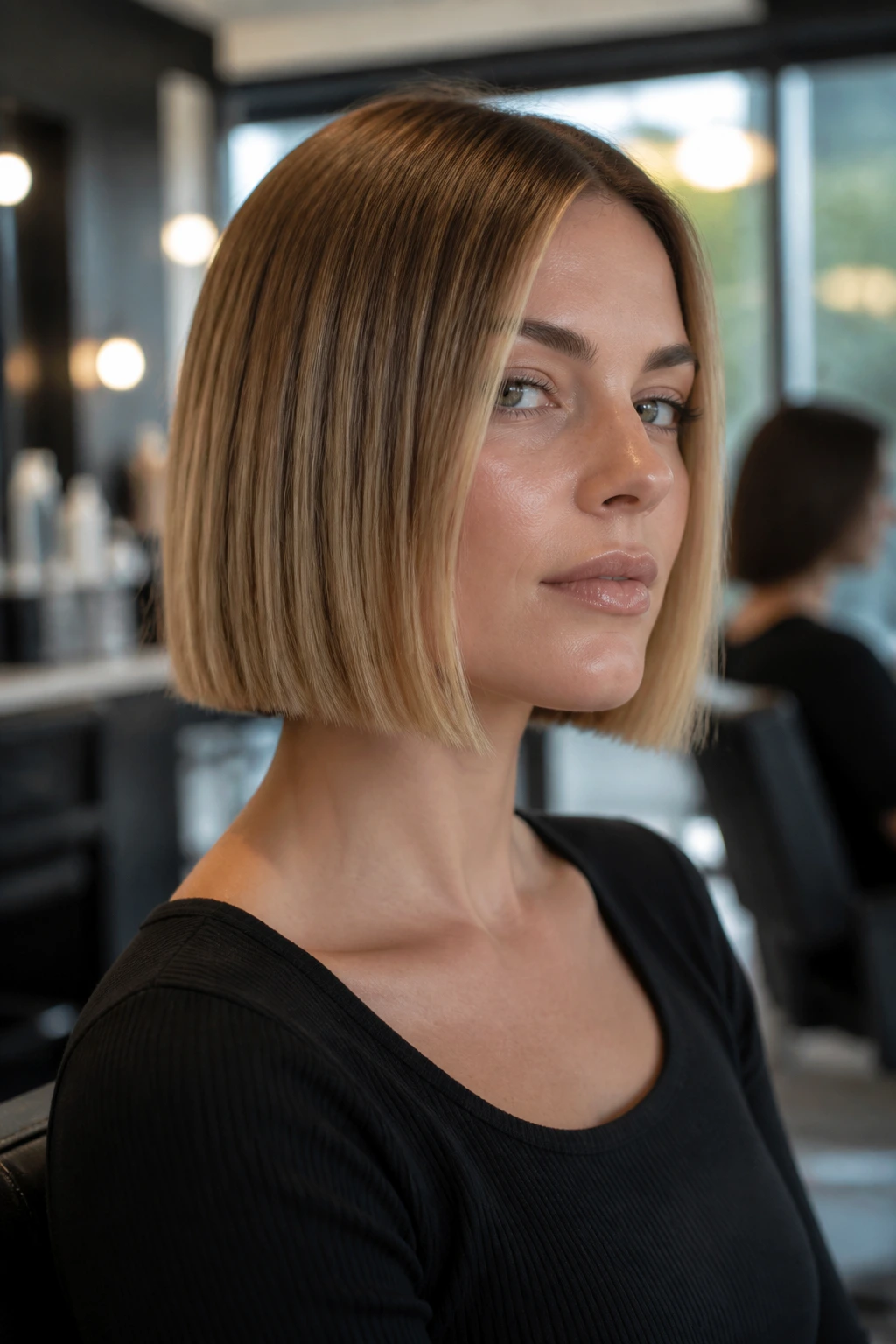
The smartest bob is the one that matches your hair’s actual behavior, not the one you wish it had. If your hair lies flat from crown to nape, ask for a blunt cut with minimal internal thinning and use mousse at the roots. If your strands are fine but plentiful, you can usually take a slightly longer length—collarbone or shoulder-skimming—and still keep the outline dense.
Tell your stylist you want the perimeter to stay heavy. That phrase matters. “Heavy” does not mean bulky or bulky-looking; it means the ends are left intact instead of being shredded into soft little feathers. If you want movement, ask for it in the front corners, around the face, or in the parting area. Leave the bottom line alone unless there’s a specific reason to change it.
For products, keep the formula list short. A heat protectant, a light mousse, a shine spray, and a dry shampoo will cover most of these looks. Skip thick oils at the roots. They turn sleek into flat, and flat is the enemy here. If your hair tangles easily, a small amount of cream on the ends before blow-drying is fine. More than a pea-sized amount is usually too much.
How to Wear These Bobs Without Losing the Line

Presentation: Keep the outline visible. Tuck one side behind the ear, keep the ends visible at the jaw or collarbone, and avoid burying the shape under big curls or heavy bend unless the bob is built for it.
Accessories: Small hoops, slim earrings, clean necklines, and glasses with light frames all work well because they don’t compete with the haircut. A chunky scarf can swallow the nape line, which defeats half the point.
Balance: Chin-length bobs put the focus on the jaw. Collarbone bobs soften the face a little more. If your oval face is on the longer side, the shorter cuts usually feel stronger; if it’s on the softer side, the lob lengths often sit better.
Finish: Go glossy when you want precision, slightly matte when you want movement. A bob can handle both, but it should still look controlled. The moment the ends start acting like they’ve been forgotten, it’s time for a quick brush and a touch of heat.
Extra Styling Tips and Finishers
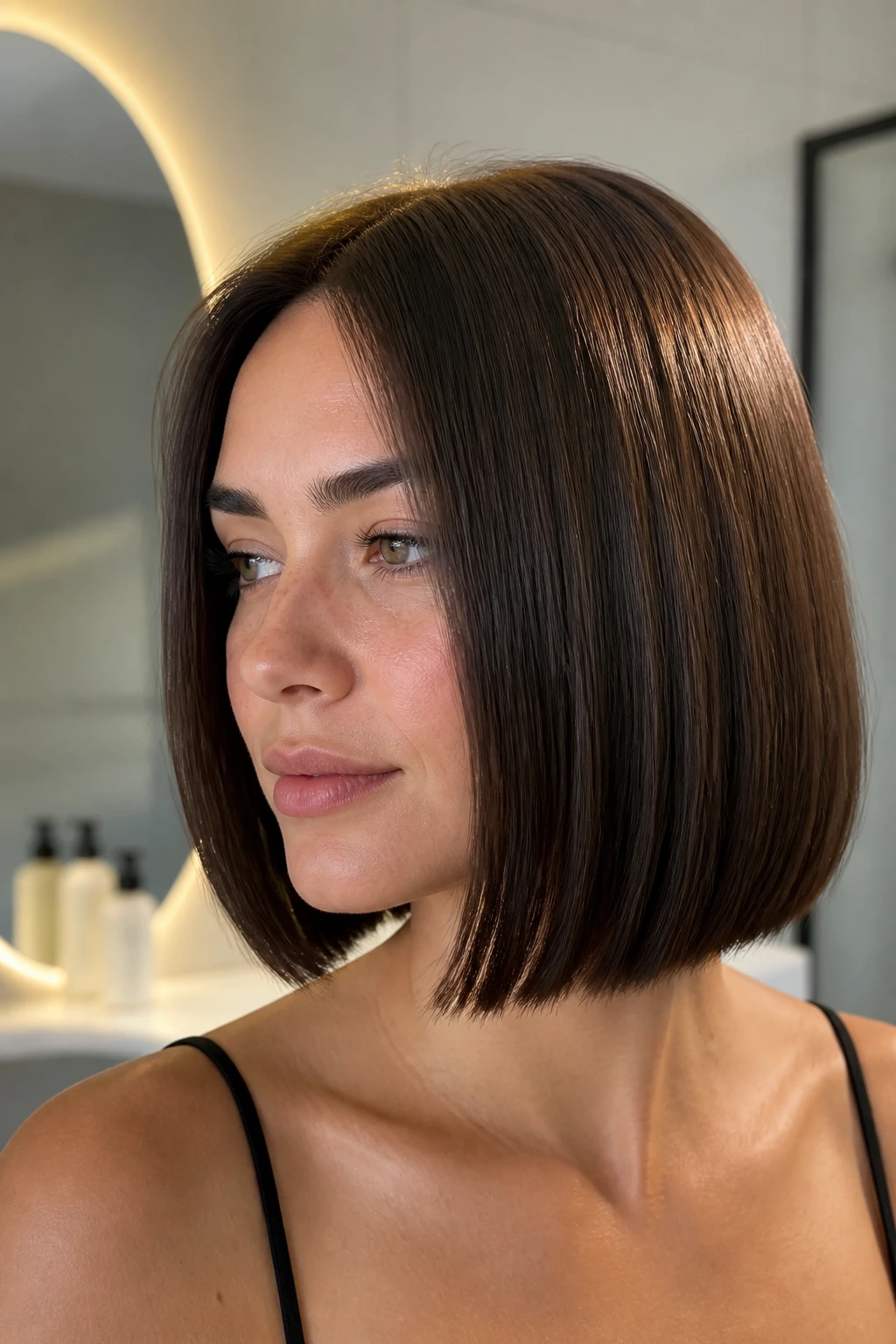
Gloss Boost: Use one drop of serum, rubbed between your palms, then press it only onto the outer layer and the last inch of the ends. That keeps shine on the surface without turning the root area greasy.
Root Lift: Blow-dry the crown in the opposite direction first, then flip the part back. It’s a small trick, but on thin hair it gives the top section a little memory so it doesn’t collapse immediately.
Shape Memory: Run the flat iron only over the last half-inch to one inch of hair. That tiny bend is often enough to keep the bob reading sleek and intentional, and it uses less heat than trying to curl the whole head into submission.
Make-It-Yours: If your hair is very fine, keep the length a touch shorter and the layers almost nonexistent. If your hair is fine but abundant, you can leave a little more length and still get a full-looking outline. If the ends kick out, a tiny bevel inward usually fixes more than another round of product ever will.
How to Keep a Sleek Bob Sharp Between Cuts
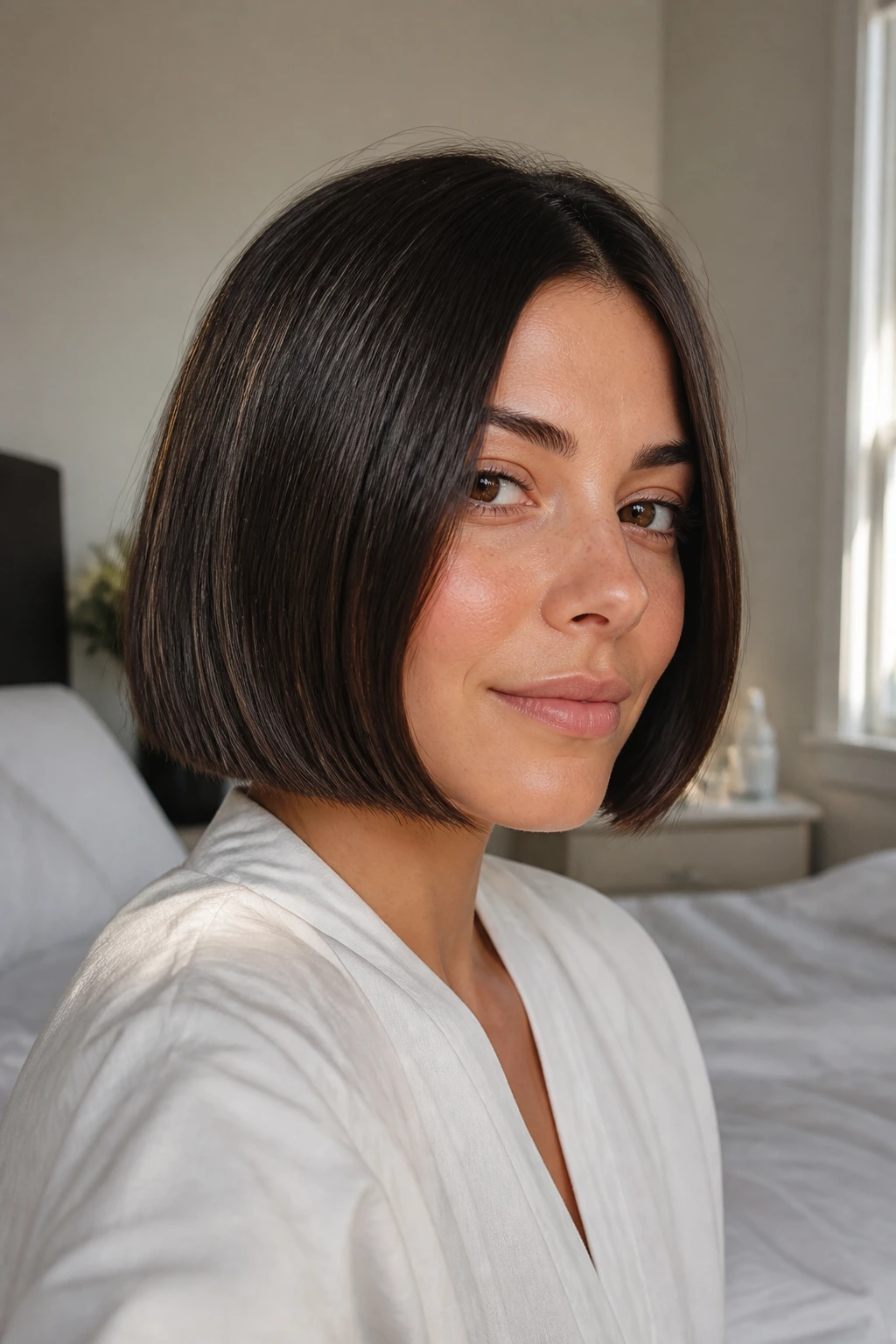
A sleek bob can go from crisp to limp faster than people expect, which is why maintenance matters more here than with longer cuts. Thin hair shows wear early. A split end, a grown-out nape, or a weak part can change the whole mood of the haircut.
Plan on a trim every 6 to 8 weeks if you want the perimeter to stay clean. If the bob is very short—chin length or above—you may want the tighter end of that range. At home, wash only as often as your scalp needs, not on a rigid schedule. Thin hair often gets weighed down by leftover product faster than thick hair, so a clarifying wash every few weeks can help the shape stay light.
Sleep matters, too. A silk or satin pillowcase reduces friction, which helps keep the ends from looking fuzzy the next morning. If the bob bends awkwardly overnight, mist the ends with water, brush them flat, and re-dry the front few sections rather than redoing the whole head. That saves time and heat.
If the crown starts going flat by midweek, use dry shampoo at the roots before the hair looks oily. Don’t wait until the hair is visibly dirty. A little dry texture early in the week gives the bob more lift and keeps the silhouette from sliding into the head.
Variations and Adaptations to Try
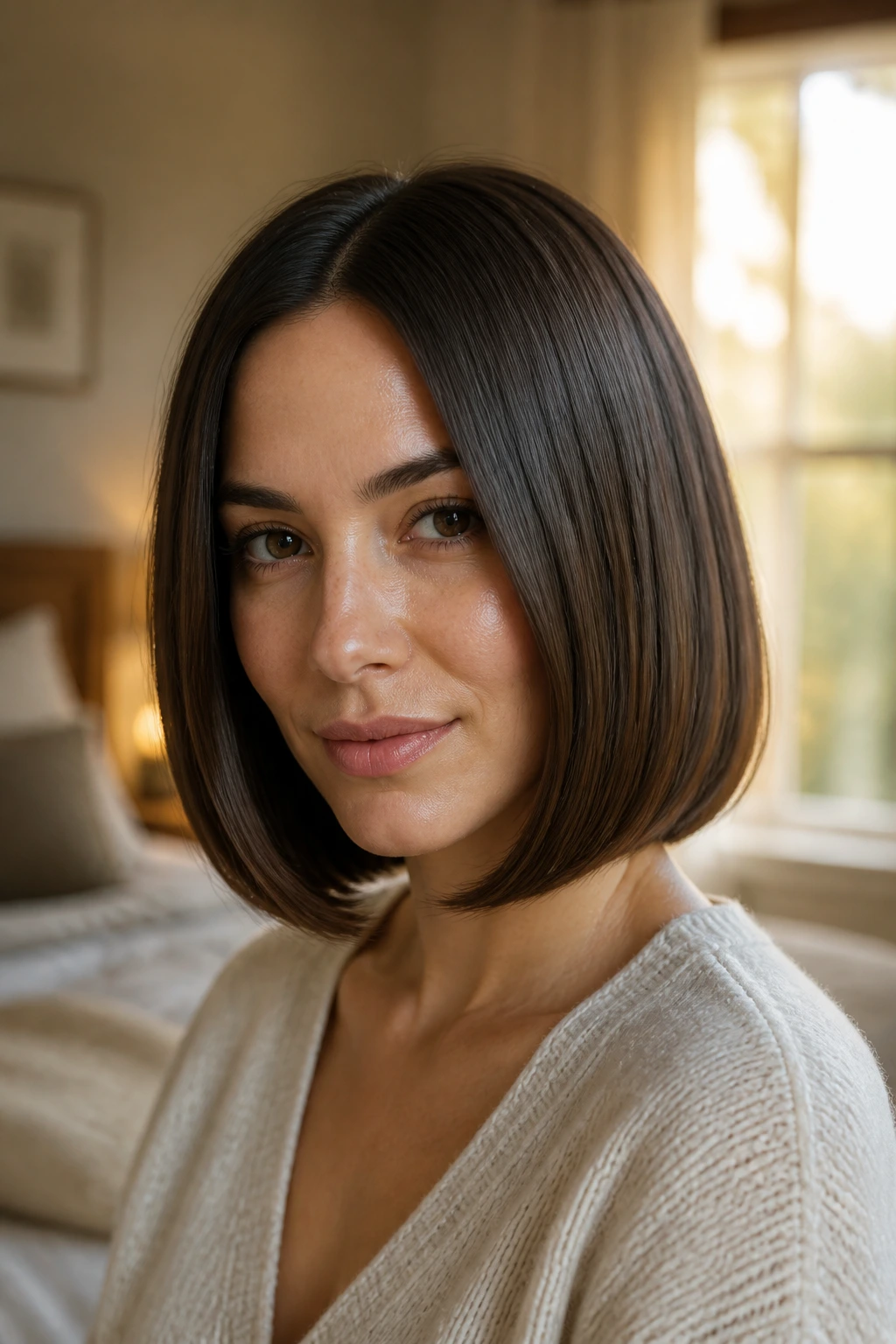
The Soft-Bevel Version: Keep the same cut but round the ends inward with a brush and a cooler blow-dry. This suits people who want sleekness without a hard, geometric edge.
The Glossy Middle-Part Version: Take any of the blunt cuts and wear them with a clean center part plus a shine spray. It sharpens oval faces fast and makes thin hair look organized rather than sparse.
The Side-Tuck Version: Choose a chin-length or jaw-length bob and tuck one side behind the ear. The exposed cheekbone gives the cut lift, and the tucked side keeps the line from feeling heavy.
The Fringe Version: Add curtain bangs or a feather-light side fringe to a blunt bob. This works best when the fringe is kept airy enough to preserve density through the rest of the cut.
The Longer-Lasting Lob Version: If you hate frequent trims, keep the length around the collarbone. It still looks sleek, but the grow-out is gentler and the cut has more room to breathe.
The Low-Heat Version: For hair that gets fried easily, ask for a bob that air-dries with a clean shape and only needs a quick pass of a flat iron on the ends. The cut should do enough work that you’re not heating the whole head every day.
Common Mistakes to Avoid
-
Over-layering thin hair. The ends start looking see-through and broken up. Ask for a blunt or lightly contoured perimeter instead.
-
Choosing a length that sits at the fattest part of the neck. That can make the whole haircut feel bottom-heavy. Chin, jaw, or collarbone usually reads cleaner.
-
Using too much oil or cream. Thin hair goes stringy fast, especially around the face. Keep product off the roots and use only a small amount on the mids and ends.
-
Blowing the hair out without lifting the crown. If the top is flat, the bob can look helmet-like. Dry the roots in the opposite direction first, then set the part.
-
Letting the bob grow past its shape. Once the blunt edge softens too much, the haircut loses the thick-looking perimeter that made it work in the first place. Trim before the ends start whispering apart.
-
Ignoring the part line. A center part is not always the answer. If your crown collapses, a slightly off-center or deep side part may keep the style alive longer.
Frequently Asked Questions
Are bobs good for thin hair, or do they make it look thinner?
A well-cut bob usually helps thin hair look fuller because it concentrates the ends into a clean perimeter. The problem is not the bob itself; it’s too much layering, too much thinning, or a length that leaves the outline looking airy.
What bob length is best for an oval face with thin hair?
Jaw length, chin length, and collarbone length all work well, but the best choice depends on how flat your hair falls. If you want more density, shorter is usually better. If you want a softer grow-out, the collarbone lob gives you more room.
Should I wear a middle part or side part with a sleek bob?
A middle part highlights the symmetry of an oval face and works well with blunt cuts. A side part gives the crown more lift, which is useful if your roots collapse quickly. If you’re unsure, try both and watch which one keeps the top from lying flat.
Can fine hair and thin hair wear the same bob?
Not always. Fine hair refers to strand thickness; thin hair refers to density. Fine but dense hair can usually handle a little more length, while thin hair often needs a stronger perimeter to look full.
How often should I trim a sleek bob?
Every 6 to 8 weeks is a good rhythm for most sleek bobs, especially the shorter ones. If the line starts flipping out or the back grows softer than the front, that’s the haircut telling you it’s due.
Can I get bangs with one of these bobs?
Yes, but keep them light. Curtain fringe and side-swept fringe usually work better than a heavy full bang on thin hair because they preserve more density in the rest of the cut.
What if my bob flips out at the ends?
That usually means the ends have grown past the shape or the blow-dry is pushing them the wrong way. A quick inward bend with a round brush or flat iron can help, but if the flipping is stubborn, the perimeter probably needs a trim.
Can these bobs work if my hair has a slight wave?
They can, as long as the cut is a little longer and the wave is smoothed into the shape rather than fought into submission. If your hair waves at the ends, a blunt lob or a softly curved bob usually behaves better than a very short cut.
The Shape That Does the Heavy Lifting
A sleek bob earns its keep when the haircut itself solves the problem before the styling even starts. That’s what makes these looks so useful for thin hair and oval faces: the line is doing real work. It holds the ends together, keeps the face open, and gives you enough structure that the hair doesn’t vanish into the background.
The best version is the one that looks like it belongs on your head the second you tuck it behind one ear or smooth it flat in the mirror. Once the perimeter is right, the rest gets easier. That’s the part worth chasing.