



A bob with layers can look expensive in the best possible way: movement at the ends, a little lift at the crown, and just enough shape around the face to make the whole cut feel deliberate. Modern bobs with layers for short hair do that trick better than almost any other haircut because they can be sharp, soft, airy, or piecey without losing the clean line that makes a bob a bob.
What I like most is that the cut does some of the work for you. Thick hair stops ballooning out at the sides. Fine hair gets a little push where it usually goes flat. Wavy hair keeps its bend instead of fighting it into a smooth helmet. And if you’ve ever had a bob that felt heavy by noon, you already know why layers matter so much.
The catch is that not every layered bob wants the same treatment. Some need invisible internal layers. Some want obvious choppy texture. Some look best when the back is tighter and the front drifts longer toward the collarbone. The difference between “fresh” and “why does this feel off?” is often just a few millimeters, and that’s exactly where these cuts get interesting.
Why These Layered Bobs Keep Working on Short Hair
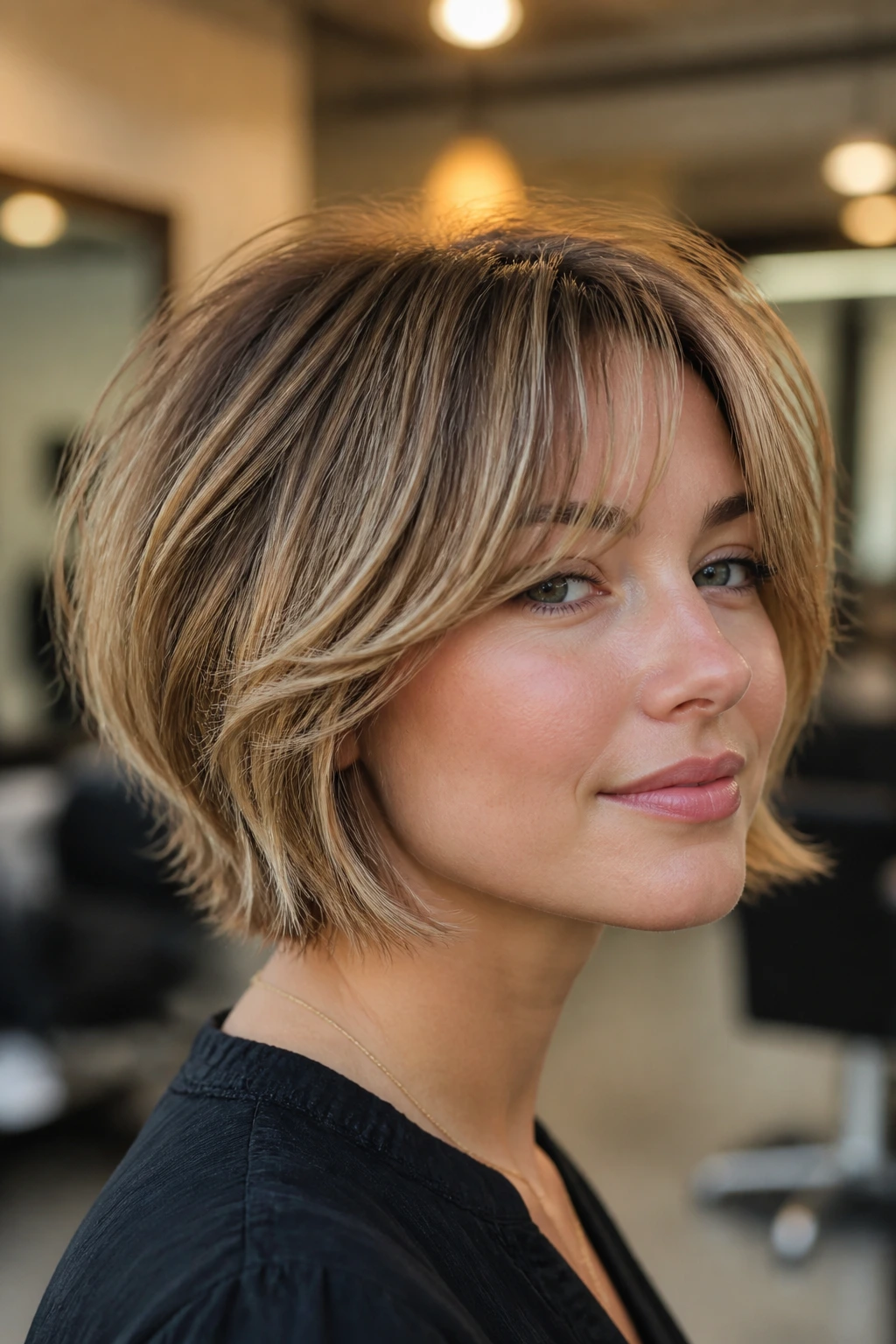
-
They build movement into the cut: Short hair can go flat fast, but a smart layer map lets the ends flick, bend, and separate instead of sitting in one solid block.
-
They calm heavy hair without making it look thin: Thick hair needs weight removed in the right spots, not hacked apart. A layered bob can take out bulk at the nape and around the sides while keeping the perimeter full.
-
They give fine hair some lift: A blunt edge can look sleek, but it can also look limp if the density is low. Subtle layering, point cutting, or a soft stack adds air without making the ends see-through.
-
They make styling less fussy: A good layered bob still looks decent after a rough blow-dry, a quick bend with a flat iron, or a little mousse and a diffuser. That matters on mornings when you do not feel like negotiating with your hair.
-
They grow out better than people expect: A clean bob line is beautiful on day one. A layered bob often stays flattering for longer because the shape can soften without collapsing.
How to Pick the Right Layer Map for Your Face Shape and Texture
The best layered bob is not the shortest one in the room. It is the one that works with your hair’s real personality. A cut that looks light and airy on one head can look choppy and awkward on another, and the difference usually comes down to density, bend, and where the weight sits.
Fine Hair Needs Gentle Internal Layers
If your hair is fine, ask for movement that lives inside the shape rather than a lot of chopped-up ends. Too many short layers can make the perimeter look wispy, especially around the chin. A soft graduation in the back, a slight bevel under the ends, and a little root lift at the crown usually do more for fine hair than aggressive texture ever will.
Thick Hair Needs Weight Control
Thick hair can handle a stronger layer pattern, but it still needs discipline. The goal is not to thin it to bits. It is to remove the blunt bulk that makes the cut puff out at the sides. Ask for a bob that keeps enough density at the ends to look solid, then opens up around the cheekbones or jaw where the hair tends to stack up.
Wavy and Curly Hair Need Room to Move
Waves and curls want a shape that respects their spring. If the layers are too short in the wrong places, you get a halo of frizz and a triangle you did not ask for. A better choice is a bob that follows the curl pattern, with the shortest pieces sitting where the curls naturally bounce and the longest pieces keeping the outline clean.
Face Shape Matters, But Not in a Cookie-Cutter Way
Round faces usually like a little length below the chin or a diagonal front that gives the eye somewhere to travel. Long faces often benefit from layers that sit around the cheeks and a fringe or side sweep to break up vertical length. Heart-shaped faces tend to look balanced with fullness around the jaw, while square faces usually soften nicely with feathered edges and less severe angles.
Bring photos, yes. Bring the part you actually wear too. That tiny detail changes everything.
1. Feathered French Bob
This is the one that makes short hair look light without looking flimsy. The ends are softly feathered, not shredded, so the bob moves when you turn your head and settles neatly when you don’t.
Why it works: The feathering removes enough weight to keep the cut from feeling boxy, but the perimeter still reads clean. It’s especially good if your hair has a fine-to-medium texture and you want a bob that air-dries with some shape instead of collapsing into a flat sheet.
Best for: Straight hair, soft waves, and anyone who likes a little cheekbone lift without a lot of styling drama.
A side part or a center part both work here. The cut does not need a perfect blowout to behave, which is half the charm.
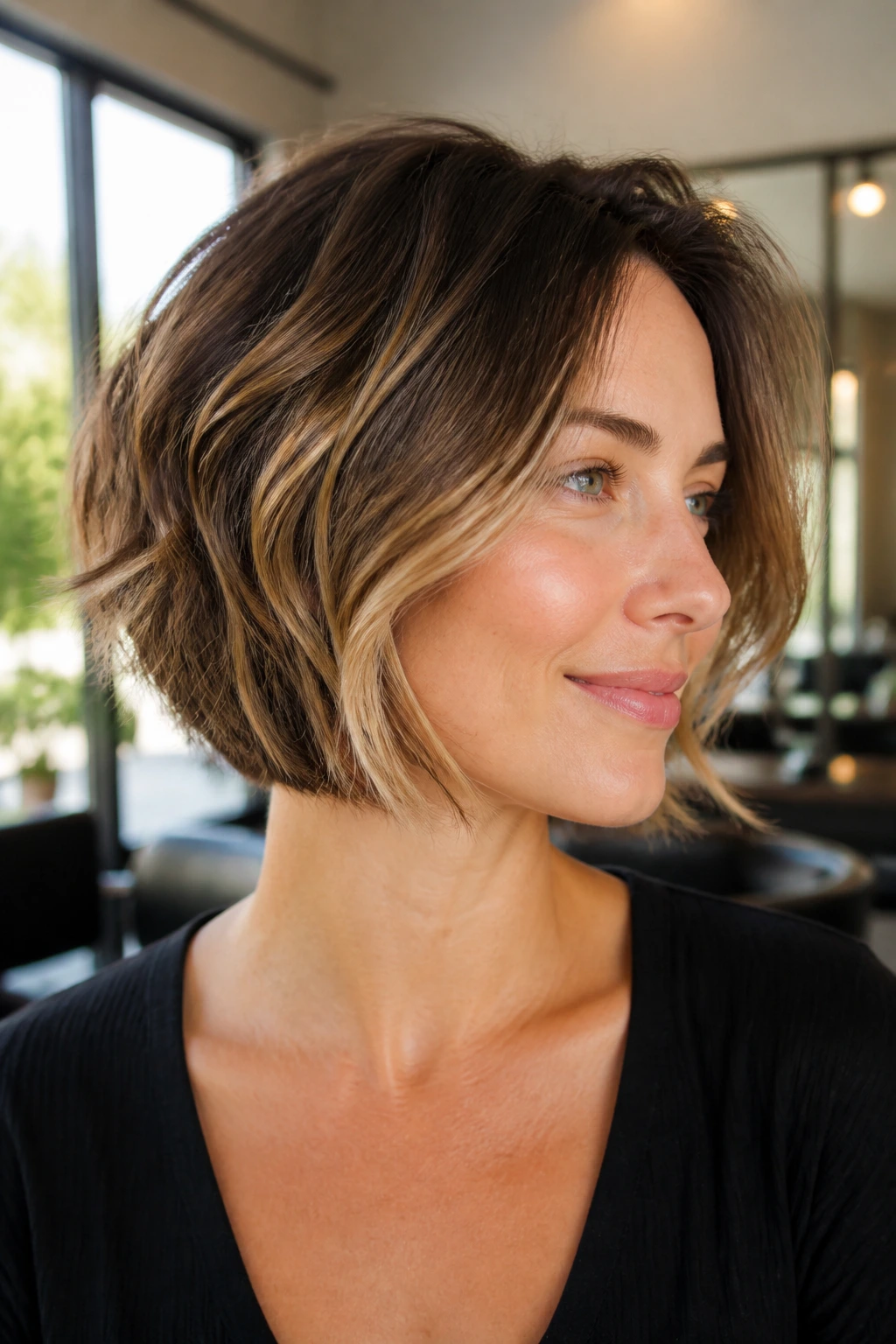
2. Choppy Jaw-Length Bob
This one has attitude. The ends are cut with a little bite, so the line sits right at the jaw and the layers break up the edge just enough to keep it from looking stiff.
Why it works: Jaw-length bobs can go heavy fast, especially on thick hair. Choppy layers stop that from happening by taking out some of the mass around the bottom third of the cut. The result feels sharper, not thinner.
Style note: A matte texturizing spray at the ends gives this cut its best life. Too much shine can make it look too polished, and that defeats the point.
- Good for dense hair: It keeps the shape from ballooning.
- Good for strong features: The jawline placement creates a clean frame.
- Not ideal for very fine hair: The choppiness can make the ends look sparse if the hair is already low-density.
If you like a bob that looks a little cool and a little undone, this is a smart one to pin.
3. Rounded Collarbone Bob
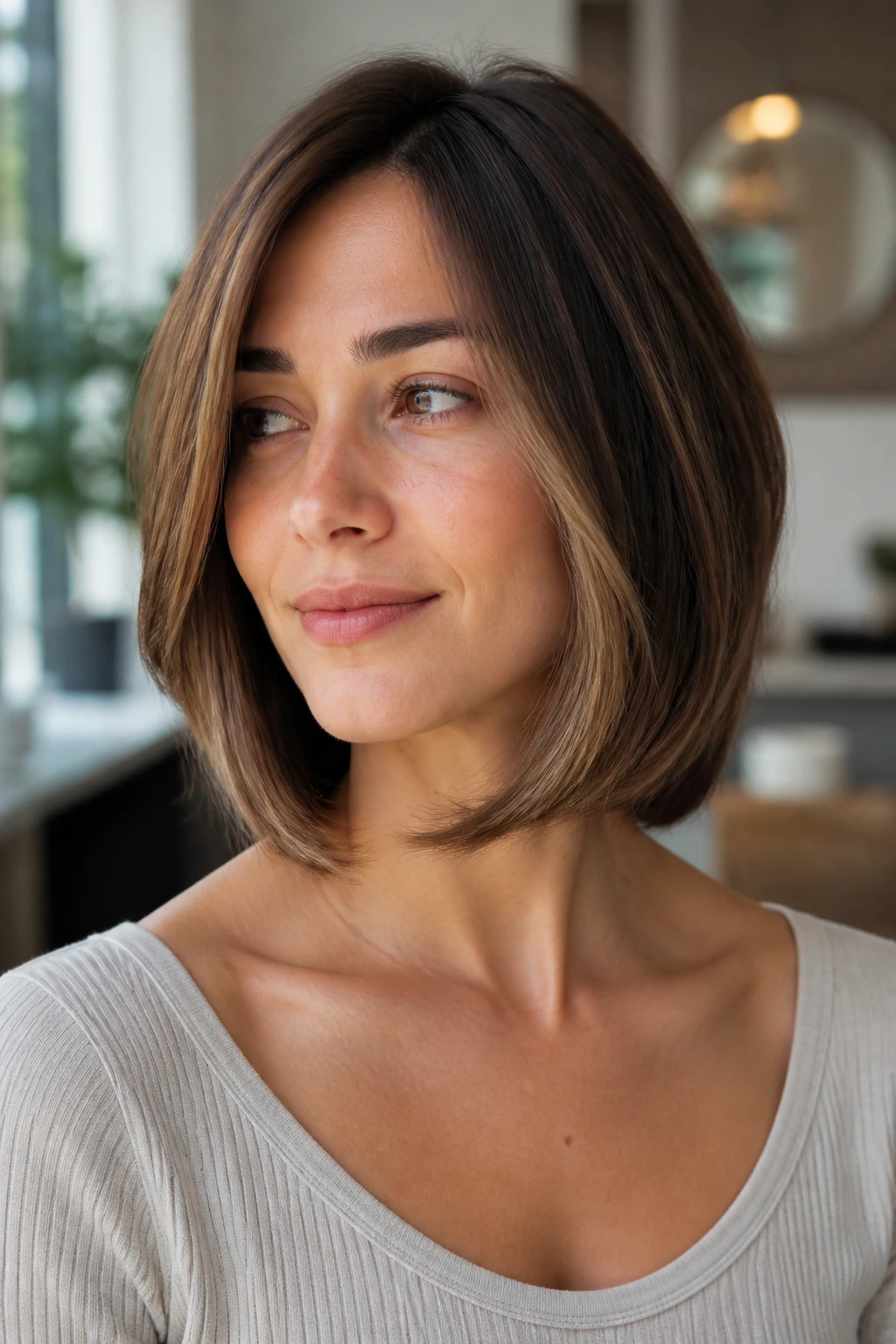
This is the calm, polished cousin in the group. The shape curves gently toward the collarbone, and the layers are kept soft so the line still feels smooth and controlled.
Why it works: The extra length gives the layers room to sit without flaring out. That makes this cut useful for people who want movement but do not want to lose the security of a longer bob. It also helps if you are growing out a shorter cut and want the in-between stage to look intentional.
There is something quietly flattering about a bob that grazes the collarbone. It sits close enough to the neck to feel current, but it is long enough to tuck behind the ears or curl under with a round brush when you want more polish.
4. Textured Micro Bob
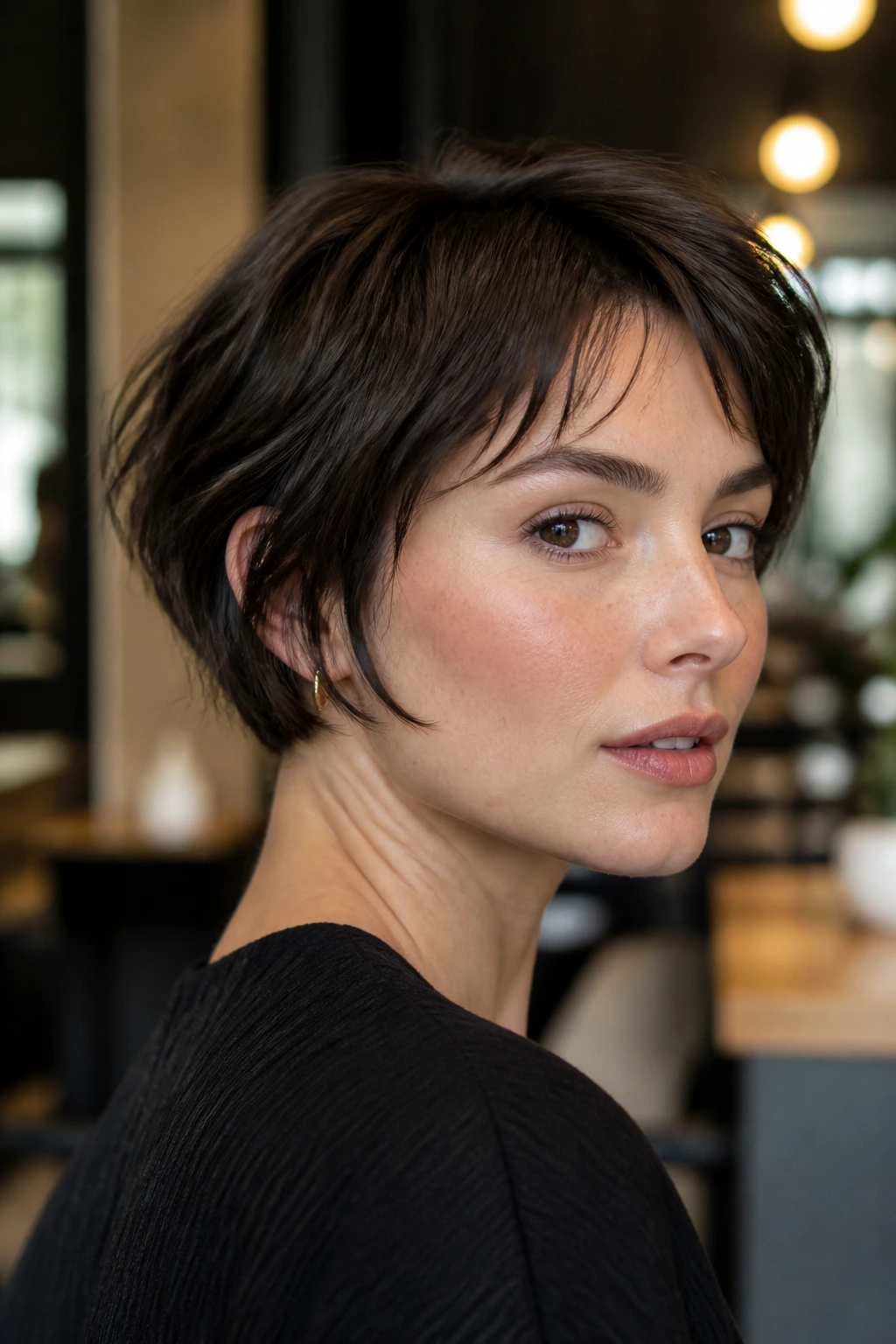
Short, sharp, and a little cheeky. The micro bob sits above or just at the jaw, with internal texture that gives the style lift instead of bulk.
Why it works: On shorter hair, tiny changes matter. A micro bob with layers can look expensive because the cut is doing a lot of the visual work: exposing the neck, sharpening the profile, and adding movement through the crown so the shape never feels helmet-like.
How to wear it: Keep the styling loose. A soft bend at the ends, a little root lift, and a touch of paste through the front pieces are enough. If you flatten it too much, it starts to look severe.
This cut is not shy. If you like your hair to open up the face and show off your earrings, collarbones, or jawline, it earns its keep fast.
5. Wavy Shag Bob

This one lives somewhere between a bob and a shag, and that is exactly why it works. The layers are more visible, the ends are more broken up, and the whole shape looks better with a little messy texture.
Why it works: Natural waves give this cut most of its personality. The layers help the waves stack in a softer way, so the hair doesn’t puff out at the sides or hang flat at the bottom. It has that worn-in, second-day feeling even when it’s freshly styled.
If your hair bends on its own, do not fight it here. Scrunch in mousse, diffuse until the roots are dry, and let the ends stay a little imperfect. That undone finish is the point.
6. Inverted Layered Bob
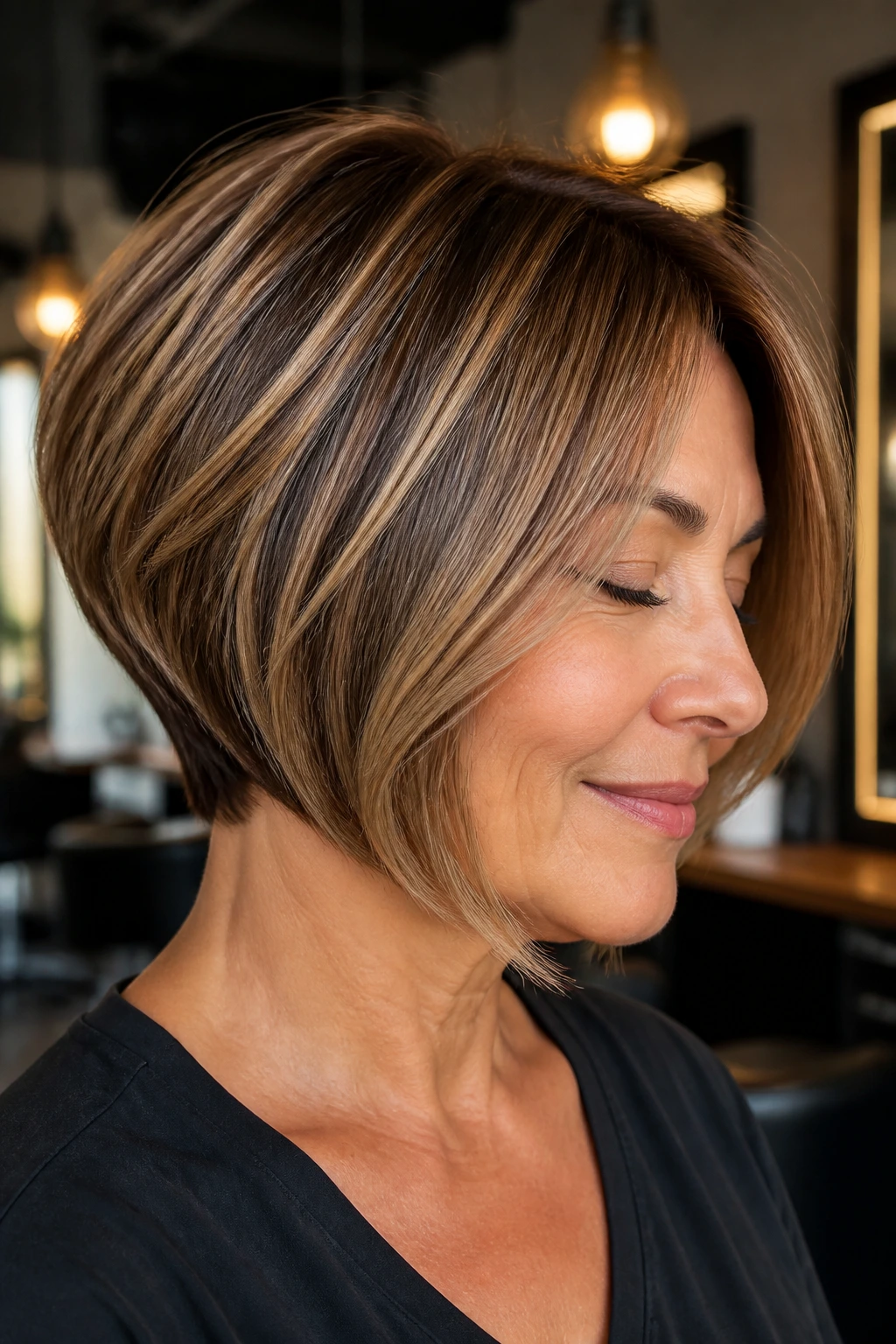
A classic for a reason. The back is shorter and stacked, while the front stays longer, which creates a clean diagonal line that feels sharp without being harsh.
Why it works: The inversion gives the crown a built-in lift. That’s useful for hair that tends to lie flat in back or collapse after a few hours. The layered graduation also helps thick hair sit closer to the head, which makes the outline much easier to manage.
This cut is one of those rare styles that can look crisp on straight hair and still hold up on wavy hair. It does need a good finish, though. A flat iron bend or a quick round-brush pass in the back makes the angle read properly.
7. Piecey Chin-Length Bob

Piecey is the right word here. The ends are broken up enough to feel light, but not so much that the bob loses its line.
Why it works: Chin-length bobs live right where the jaw starts doing expressive things, so the layers need to be placed with a little care. Piecey texture keeps the hair from forming one solid shape under the chin, which can make the face look heavier than it is.
How I’d style it: Tuck one side behind the ear, leave the other loose, and add a little texture spray at the ends. That asymmetry keeps the cut from reading as too neat.
- Best on: straight to slightly wavy hair.
- Watch out for: over-thinning the front pieces.
- Bonus: it grows out gracefully into a short lob.
8. Curly Layered Bob

Curly hair needs a layered bob that understands volume, not one that tries to erase it. The right version keeps the curl pattern intact while removing enough weight to let the curls spring instead of stack.
Why it works: Short curls can turn pyramid-shaped fast if the layers are blunt in all the wrong places. A curly bob with layers opens up the silhouette, gives the crown room, and lets the sides sit in a more rounded shape. It also helps curls dry more evenly, which is a gift on any day.
Ask for the cut dry if possible, or at least styled close to how you usually wear it. Curly hair changes shape a lot when wet, and a bob can go from flattering to off by a full inch or two if the cut is guessed instead of seen.
9. Blunt Bob With Invisible Layers
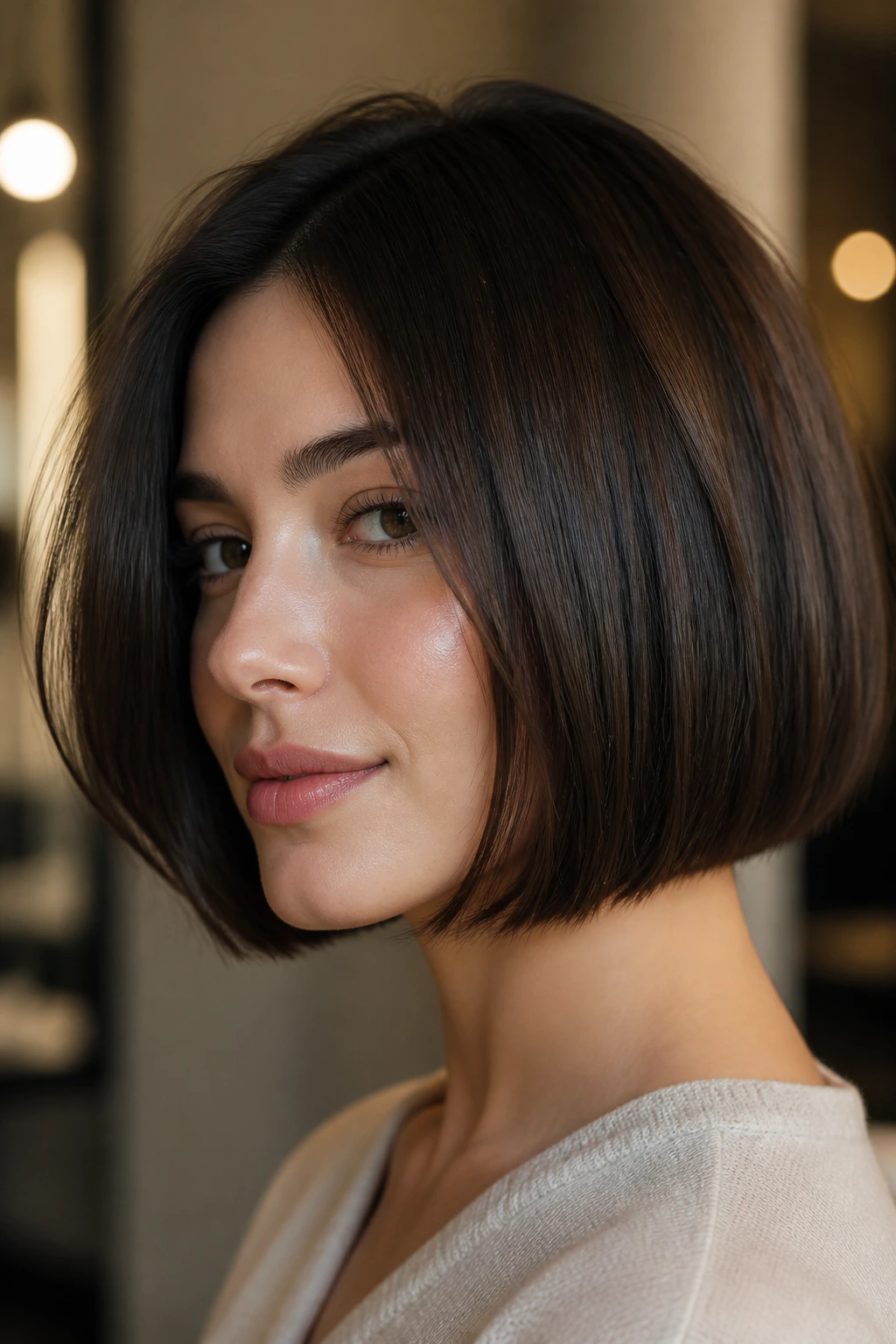
This is the sleek one that still moves when you walk. From the outside, it looks blunt and polished. Underneath, the internal layers take out just enough weight to keep it from feeling like a solid block.
Why it works: Invisible layers are the answer when you want clean edges but not stiff ends. They keep the bob from puffing under at the hem, especially if your hair is thick or naturally bends in odd directions.
The trick is restraint. If the layers show too much, the whole point is lost. You want the hair to fall smoothly, not announce every cut made inside it.
10. Airy A-Line Bob
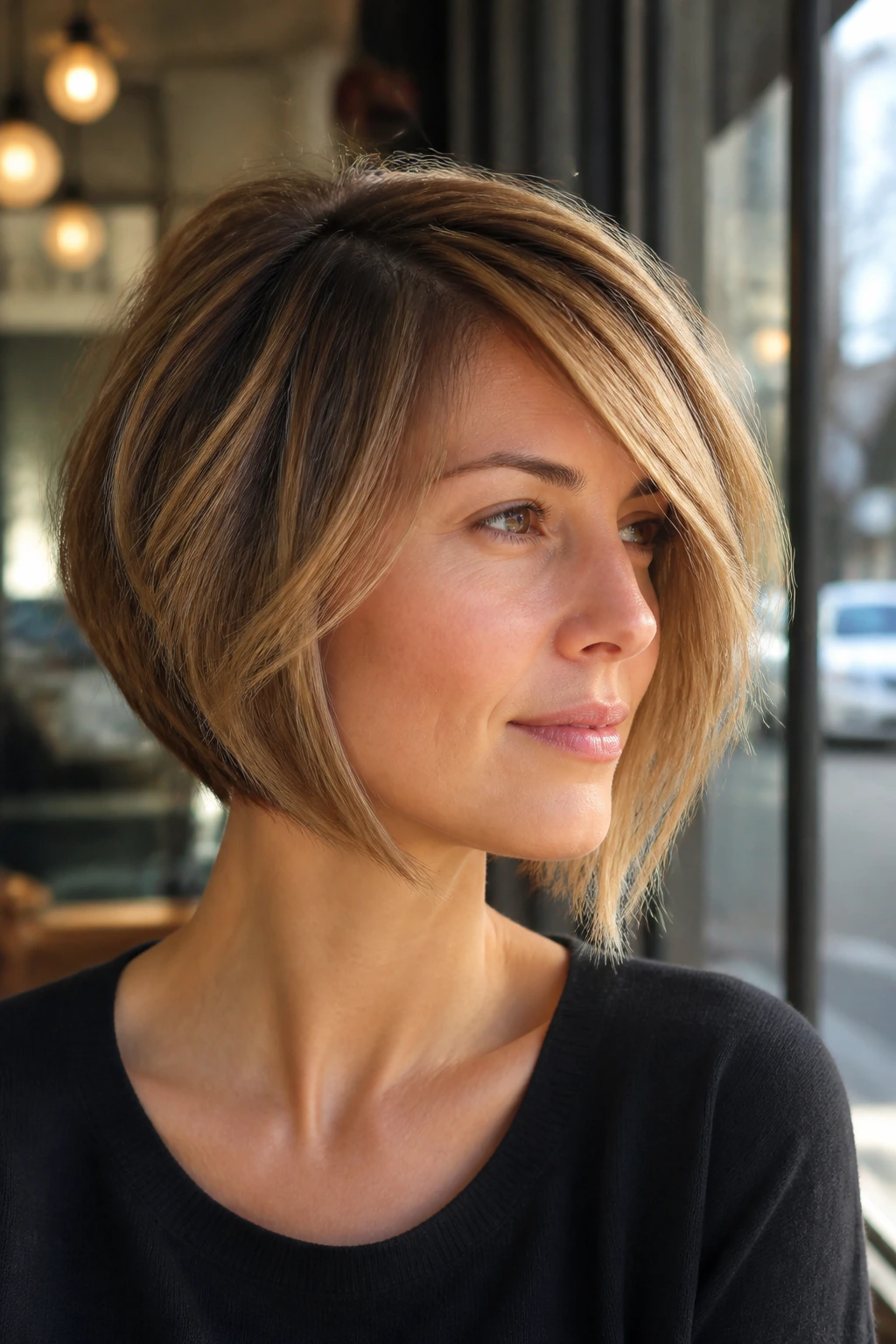
The A-line shape gives you that subtle forward sweep: shorter in the back, longer toward the front, with soft layers that keep the front from getting too heavy.
Why it works: The diagonal line pulls the eye down and forward, which gives the haircut some motion even when the hair is straight. It is a useful shape for people who want a modern bob but do not want anything too severe at the nape.
How to style it
Blow-dry the back first so it sits close to the head, then use a round brush or flat iron on the front pieces to keep them smooth and slightly tucked under. If the front flips out too much, the angle starts to feel accidental.
This is one of my favorite “looks better than it sounds” cuts. The shape does the heavy lifting, and the layers just keep it from turning chunky.
11. Side-Parted Sliced Bob
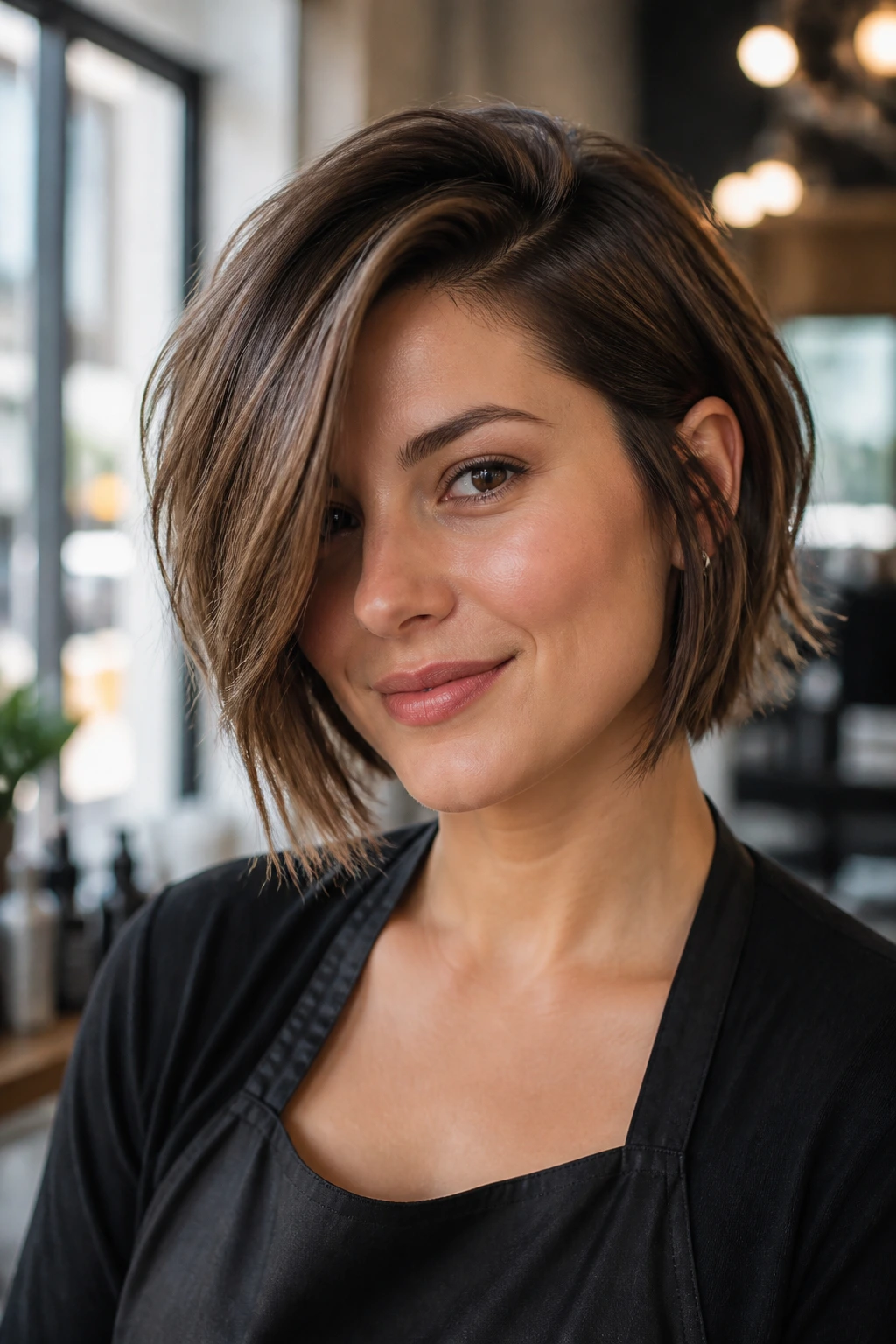
A deep side part gives this bob a bit of drama, and the sliced layers keep the ends sharp and airy instead of puffy.
Why it works: Side parts change where the weight lands. That makes them useful for bobs because the cut can suddenly look fuller on one side and cleaner on the other, which is a nice way to break up a symmetrical face or a very even haircut.
The sliced finish is subtle. It’s not shaggy. It’s not choppy. It’s that in-between texture that makes short hair look deliberate even when it’s not freshly styled.
A quick bend with a flat iron at the front pieces is enough. Don’t overcurl it. The line should move, not twist.
12. Tousled Pixie Bob
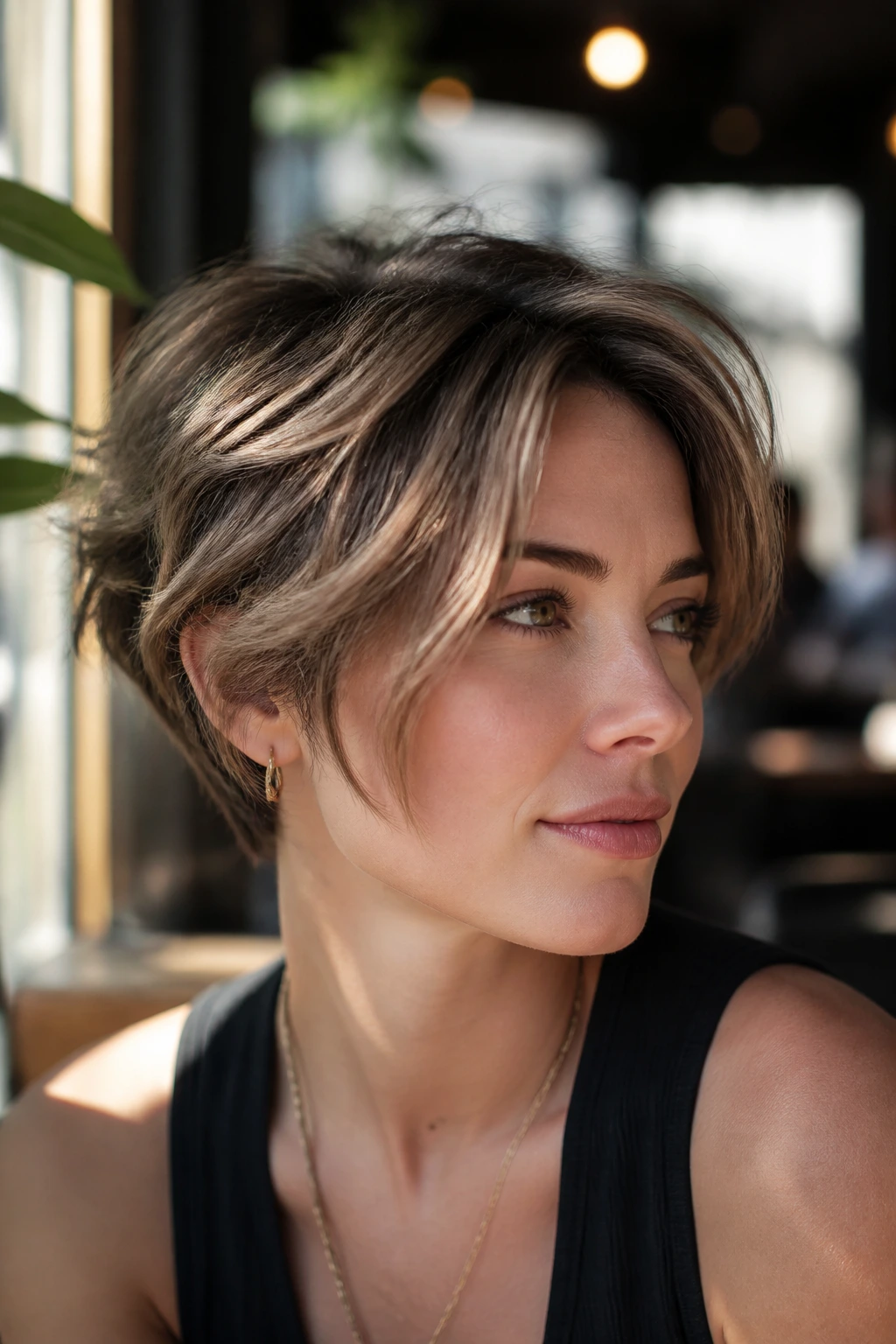
This cut sits between a pixie and a bob, which means it gets the softness of one and the edge of the other. The layers are short enough to create lift, but there’s still enough length to sweep around the face.
Why it works: If you want a short haircut with shape but not a full pixie commitment, this is the sweet spot. The textured layers keep the crown from lying flat, and the longer front pieces stop it from feeling too cropped.
- Great for: fine hair, strong cheekbones, and anyone who likes a quick styling routine.
- Needs: a light mousse or root spray.
- Avoid: heavy creams that drag the layers down.
This is a very “wake up, rough it up, leave the house” kind of cut. Good ones have a little bite in the ends and a clean outline at the neck.
13. Graduated Nape Bob
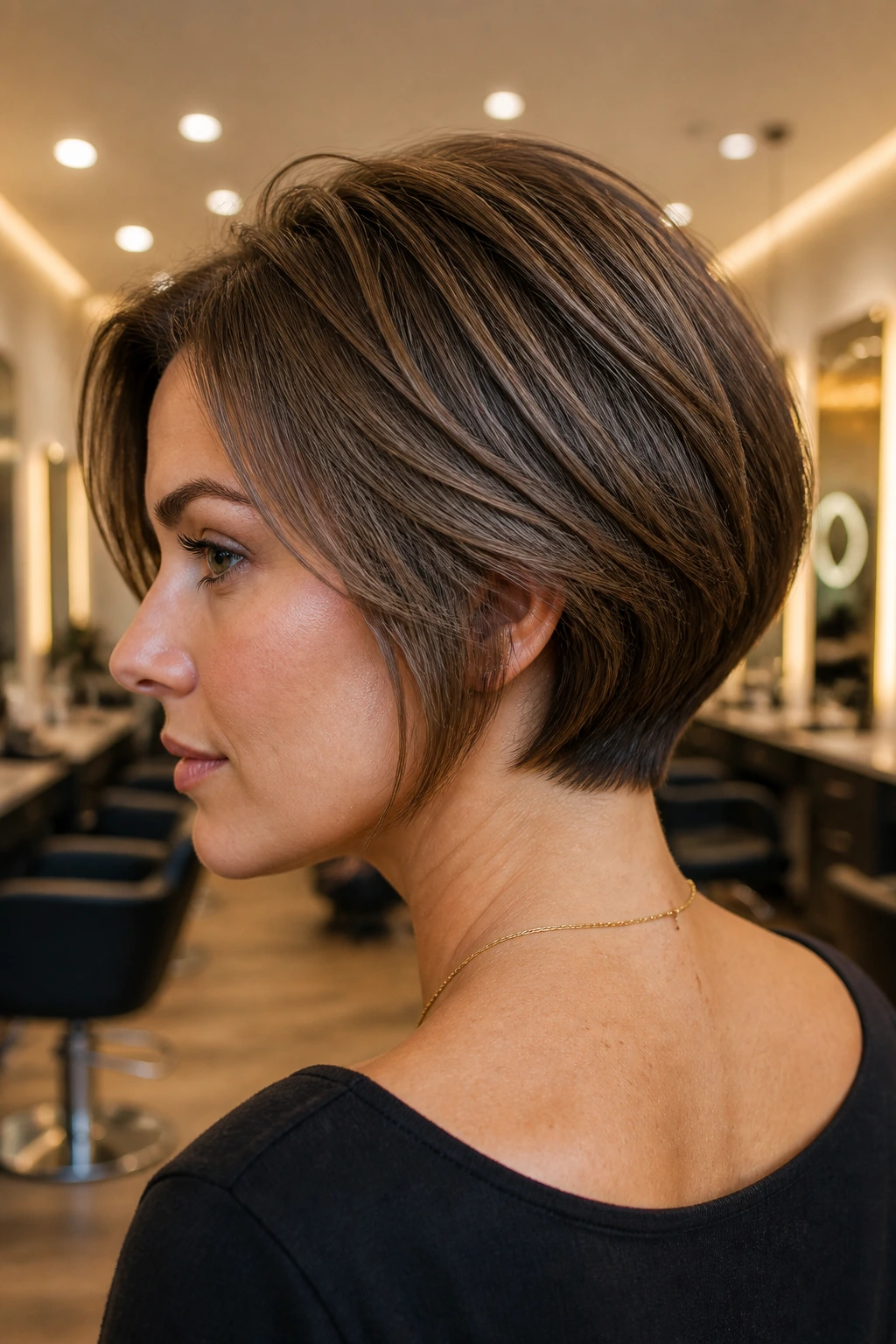
The graduation at the nape is the quiet engine of this cut. It builds volume in the back without making the sides look bulky.
Why it works: Short hair often needs structure at the back, especially if the head shape is a little flat there. Graduated layers make the bob curve neatly into the neck and give the crown a touch of lift. The result looks tailored, not over-styled.
This cut loves a clean neckline. If you wear earrings, turtlenecks, or shirts with a sharp collar, it plays well with all of them. There’s a crispness to it that never looks accidental.
14. Curtain-Bang Bob

A bob with curtain bangs can change the whole mood of the haircut. The fringe opens at the center, falls softly toward the cheekbones, and blends into layers that move around the face.
Why it works: Curtain bangs create a face-framing line that makes short hair feel less blunt at the front. That is useful if you want your bob to soften the forehead or balance a longer face. The layers behind the bangs keep the cut from feeling heavy where the fringe ends.
The biggest mistake here is cutting the bangs too short or too dense. They need room to split and fall. Otherwise, they start to look like a separate helmet sitting on top of the bob.
15. Undone Angled Bob

This cut looks relaxed, but it is not random. The angle is there on purpose, and the layers are placed to keep the front swinging longer than the back.
Why it works: An undone angled bob gives you movement without the sharpness of a highly structured shape. It’s a nice option if you want something modern but not severe. The softness also helps when your hair has a bit of bend and you do not want to fight it every morning.
If you like a cut that can be worn straight one day and wavy the next, this one gives you room. The angle keeps the outline interesting even when the styling is minimal.
16. Collarbone Lob With Internal Layers
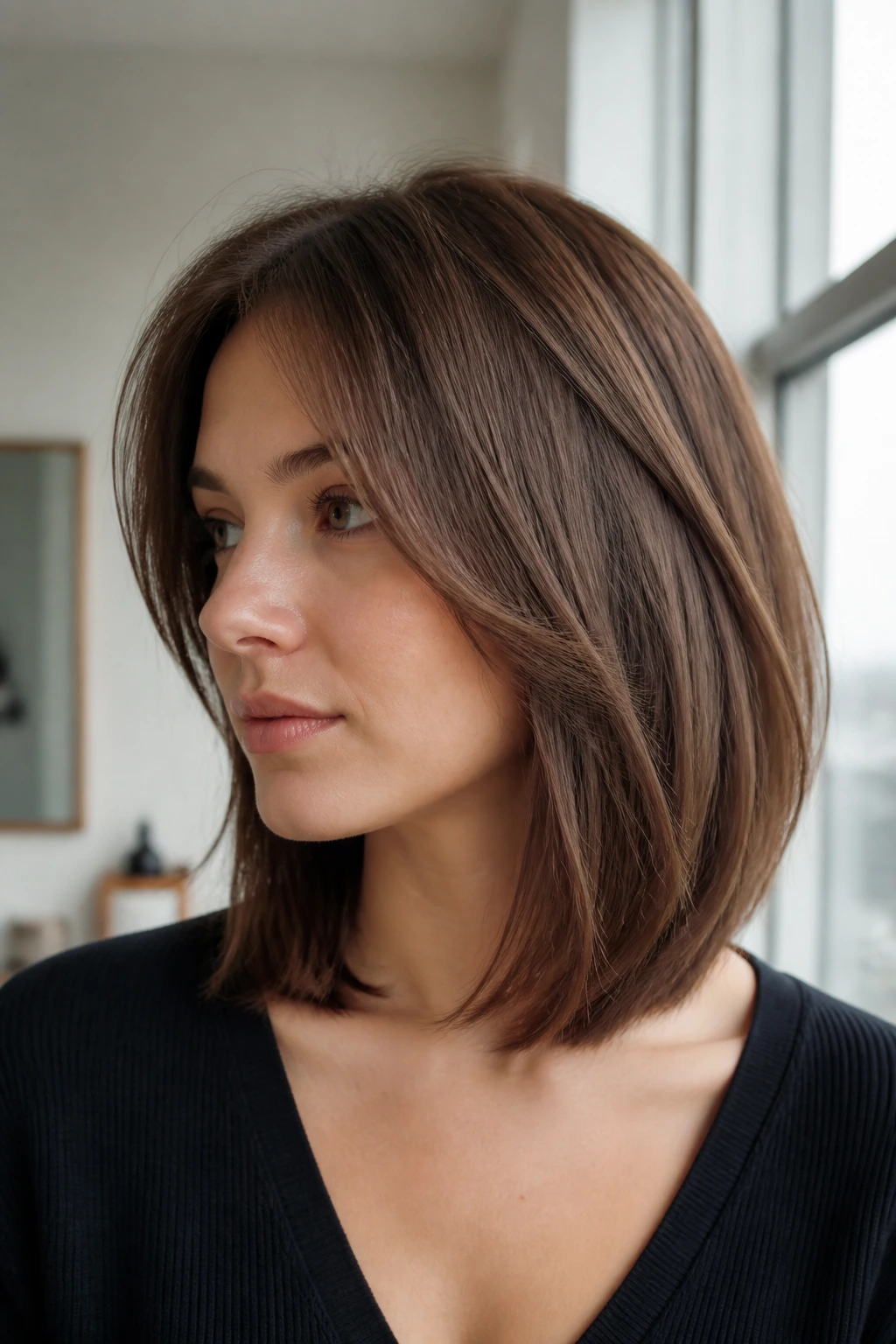
Not every short-hair cut has to be chin-short. This lob sits at the collarbone, which makes it a comfortable place to land if you want layers but also want a little length to tuck, tie, or pin.
Why it works: Internal layers remove weight without breaking up the surface too much. That means the hair still falls in a clean sheet, but it has movement inside it. It’s especially useful if you’re growing out a shorter bob and want the transition to feel polished.
There’s also a practical benefit here: collarbone length is forgiving. You can wear it straight, curled, or air-dried, and it still looks like a decision instead of a compromise.
17. Razor-Cut Bob
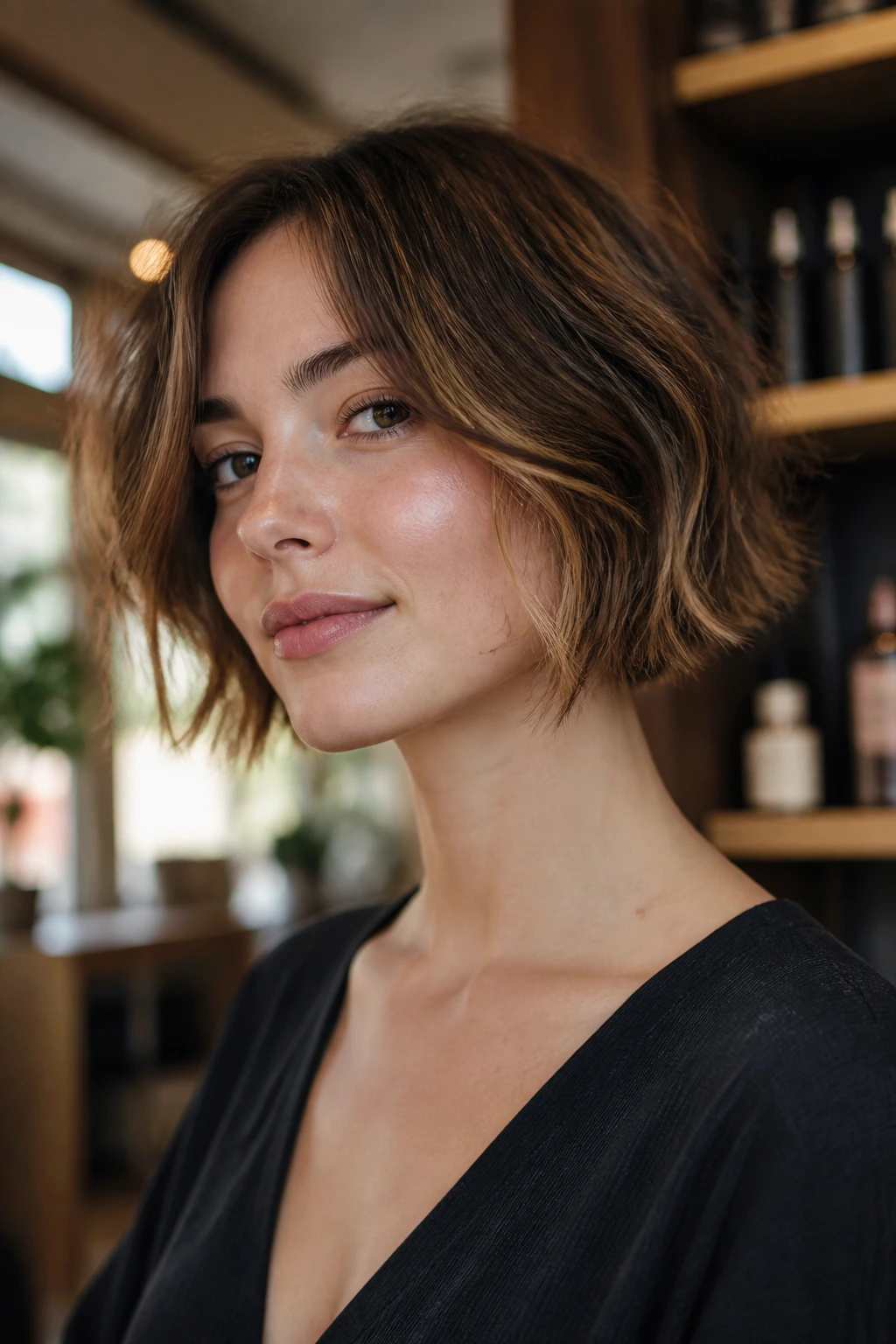
A razor-cut bob has softer edges and a little grit at the ends. It is not about perfection. It is about texture that looks lived in, not overworked.
Why it works: A razor removes weight in a gentler, more fragmented way than scissors alone. That gives the bob some movement, especially on medium-to-thick hair that needs to shed bulk. It also makes the ends feel less blunt, which helps if your hair tends to sit too solidly at the bottom.
This style can go wrong if the razor is used on hair that is already fragile or frizzy. Then the ends can look frayed instead of textured. The cut wants healthy hair and a stylist who knows when to stop.
18. Deep Side-Sweep Bob

A dramatic side sweep changes everything. One side gets more face time, the other stays quieter, and the layers help the sweep fall across the forehead without collapsing into the eyes.
Why it works: This is one of the easiest ways to make a bob look a little more fashion-forward without changing the overall length. The side sweep adds movement at the front, which is where a lot of bobs need help. It also softens the profile nicely.
If you have a cowlick at the front hairline, this can be tricky at first. Blow-dry the part in the direction you want it to sit and pin it while it cools. That little bit of patience saves a lot of annoyance later.
19. Bottleneck-Bang Bob
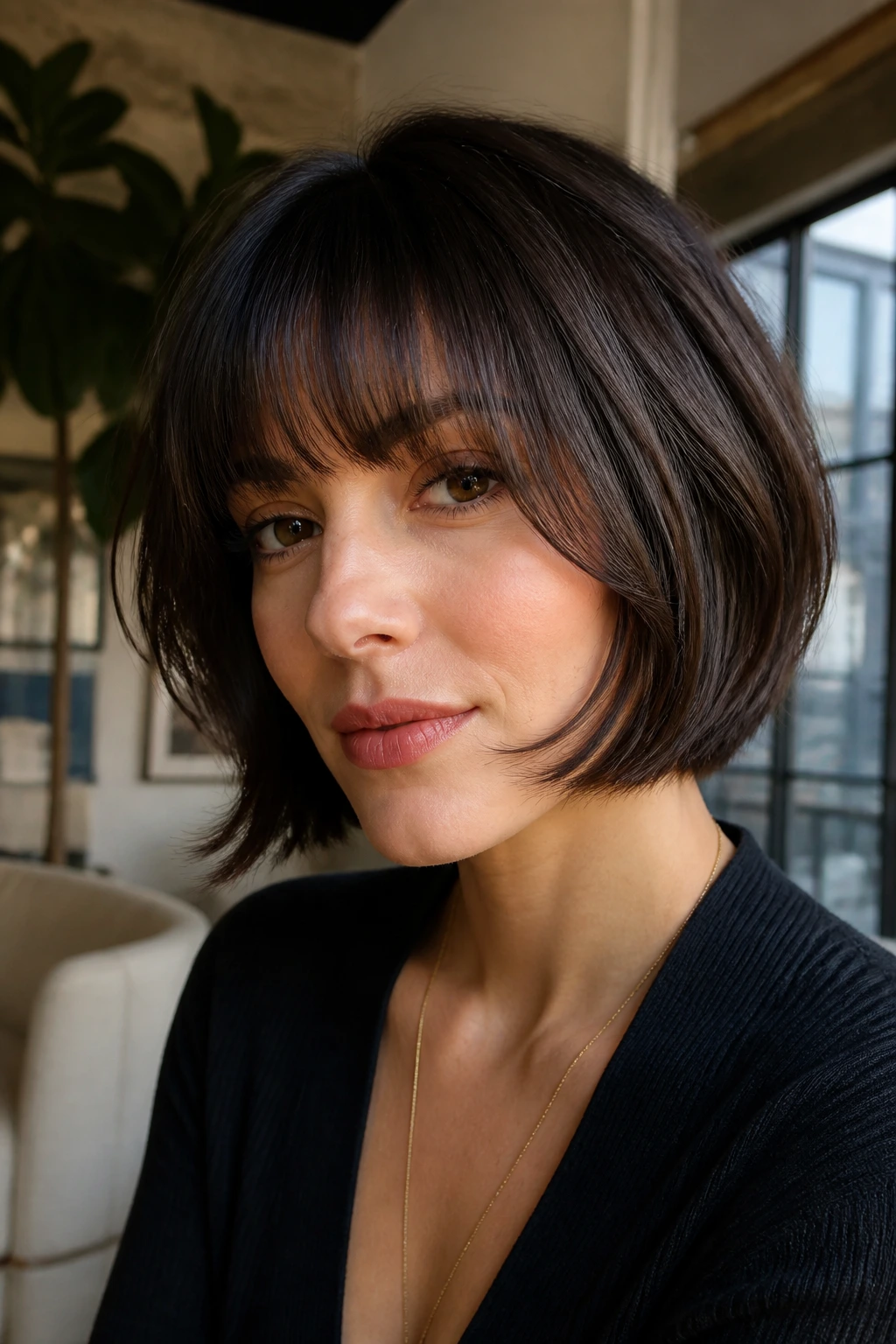
The bottleneck bang gives the bob a softer frame: shorter in the middle, a little longer at the sides, and blended into the rest of the haircut instead of sitting on top of it.
Why it works: It breaks up the forehead without making the front heavy. That makes it a smart choice if you want fringe but do not want to commit to a blunt line. The layers around the cheeks help the bangs disappear into the cut, which keeps everything feeling connected.
What to ask for
Tell your stylist you want the fringe to curve into the bob, not stop abruptly. That phrase matters. The transition from bang to layer should feel gradual, especially if you plan to wear the hair tucked behind one ear.
This style has a nice soft-focus effect in real life. It’s less about drama and more about making the cut feel finished.
20. S-Curl Bob
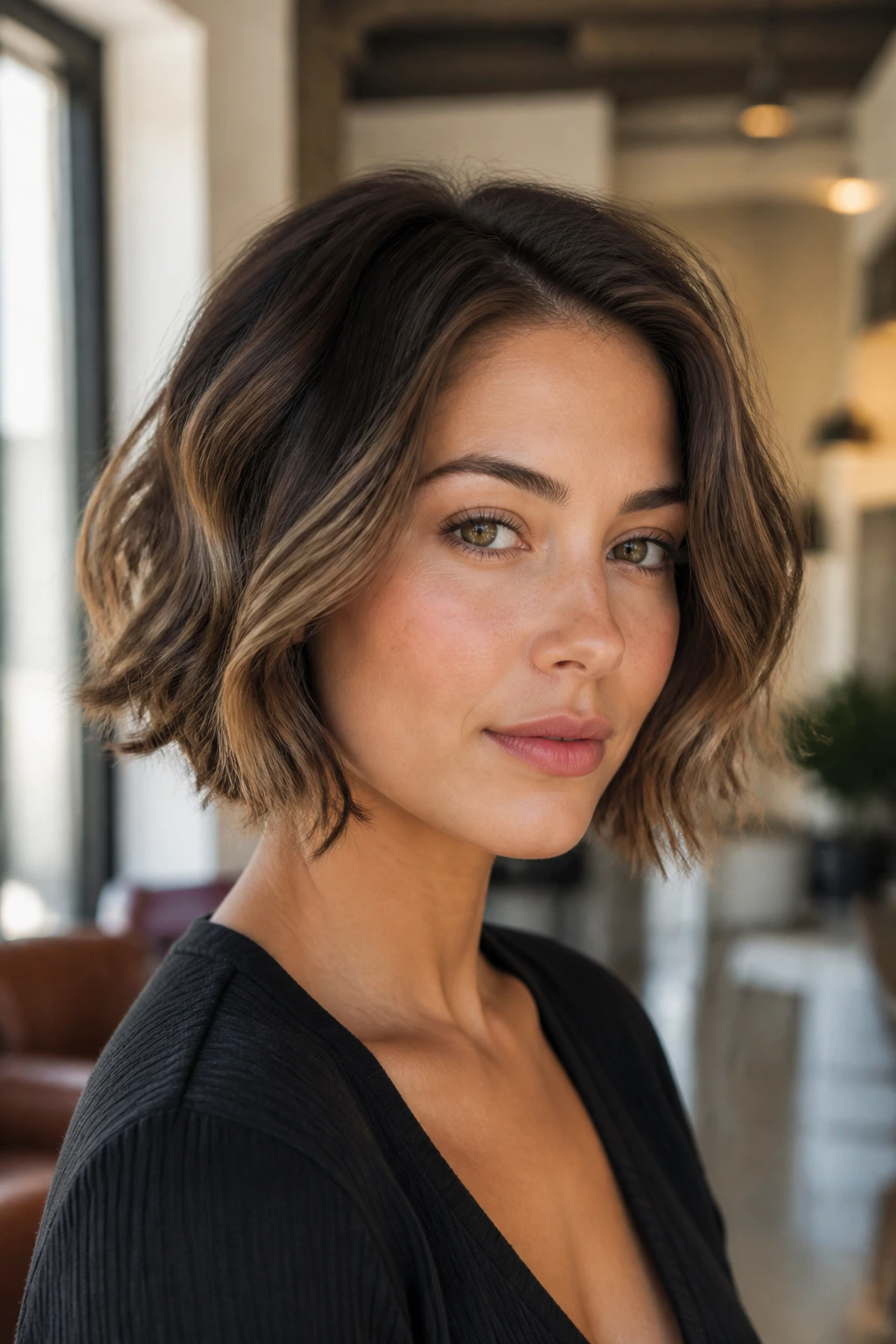
The S-curl bob is all about bend. The hair is styled into a loose S-shape that gives short layers a polished, wavy rhythm.
Why it works: S-curls make layered bobs look expensive without needing a full curl pattern. They create movement through the mid-lengths and ends, which is where short hair can sometimes look choppy in the wrong way. The shape is elegant, but not stiff.
- Best tools: a medium-barrel curling iron or flat iron.
- Best product: a light heat protectant with a little grip.
- Finish: brush the curls out once they cool so they melt into each other.
This is a gorgeous option if you want your bob to look more styled than messy. It does take a few minutes, though. There’s no free lunch here.
21. Sleek Tucked Bob
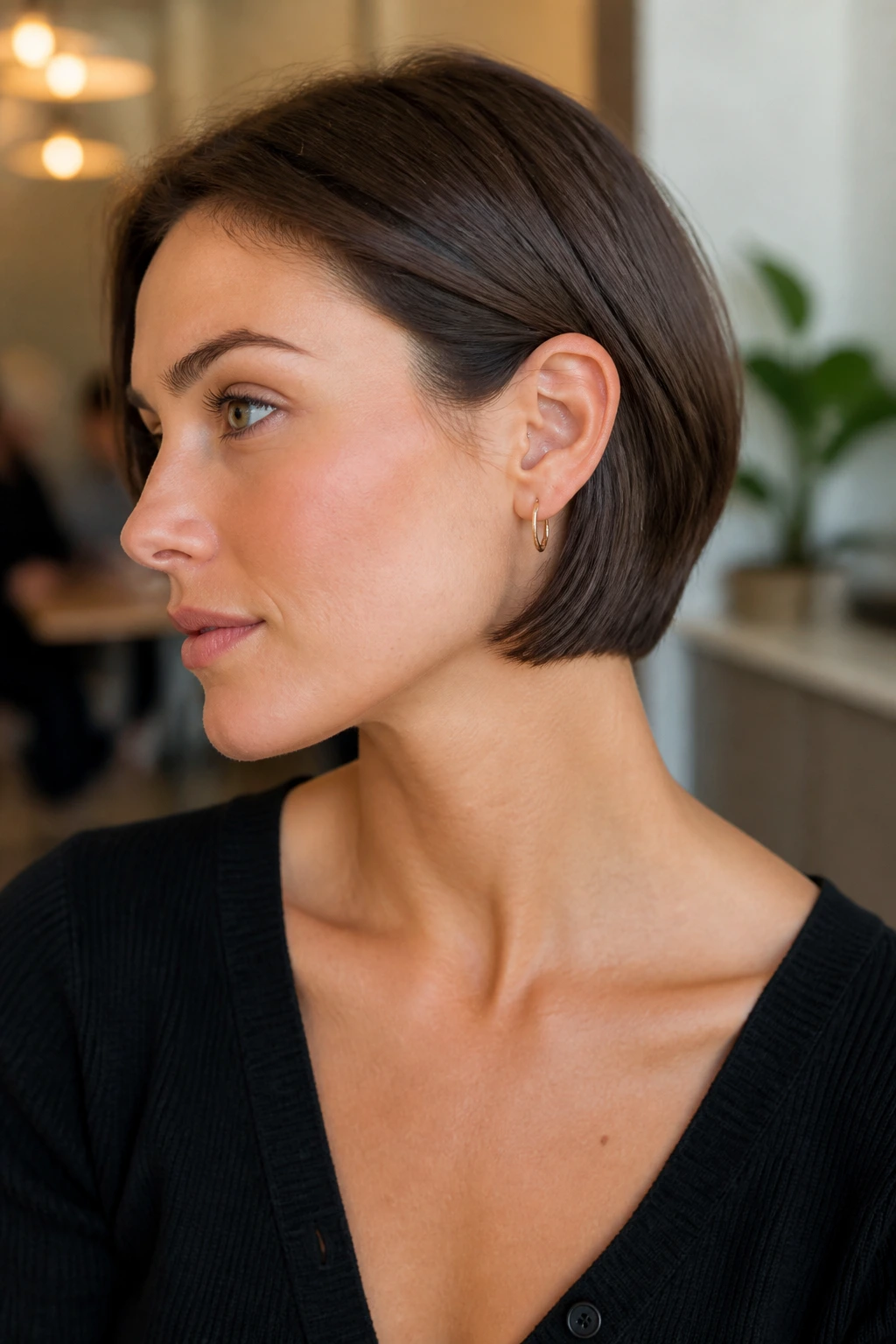
This is the neat one that looks especially good behind the ears. The layers are subtle, the ends are clean, and the shape is built to show off the neckline and jawline.
Why it works: Tucking short hair changes the silhouette in a way that can be surprisingly flattering. A sleek bob with light layering still has movement, but the tucked finish makes the whole cut look intentional and sharp. It is a strong choice if you wear glasses or earrings and want the hair out of the way without losing style.
Keep the product light. Too much serum will make the tucked side look greasy by lunchtime, and that is a fast way to ruin an otherwise clean cut.
22. Mullet-Inspired Bob

This one is for people who like a little edge. The top and front stay bob-like, while the back gets a touch more length and softness, giving the whole cut a slightly rebellious line.
Why it works: The mullet-inspired shape keeps the cut from feeling too precious. It also gives the crown and top layers some lift, which is useful if you want height without a lot of teasing or product. On the right head shape, it can look very cool. On the wrong one, it can look like a compromise.
That is why this cut needs confidence and a strong stylist. The proportions have to be balanced carefully. A tiny shift in the back length changes the whole read.
23. Bouncy Blowout Bob
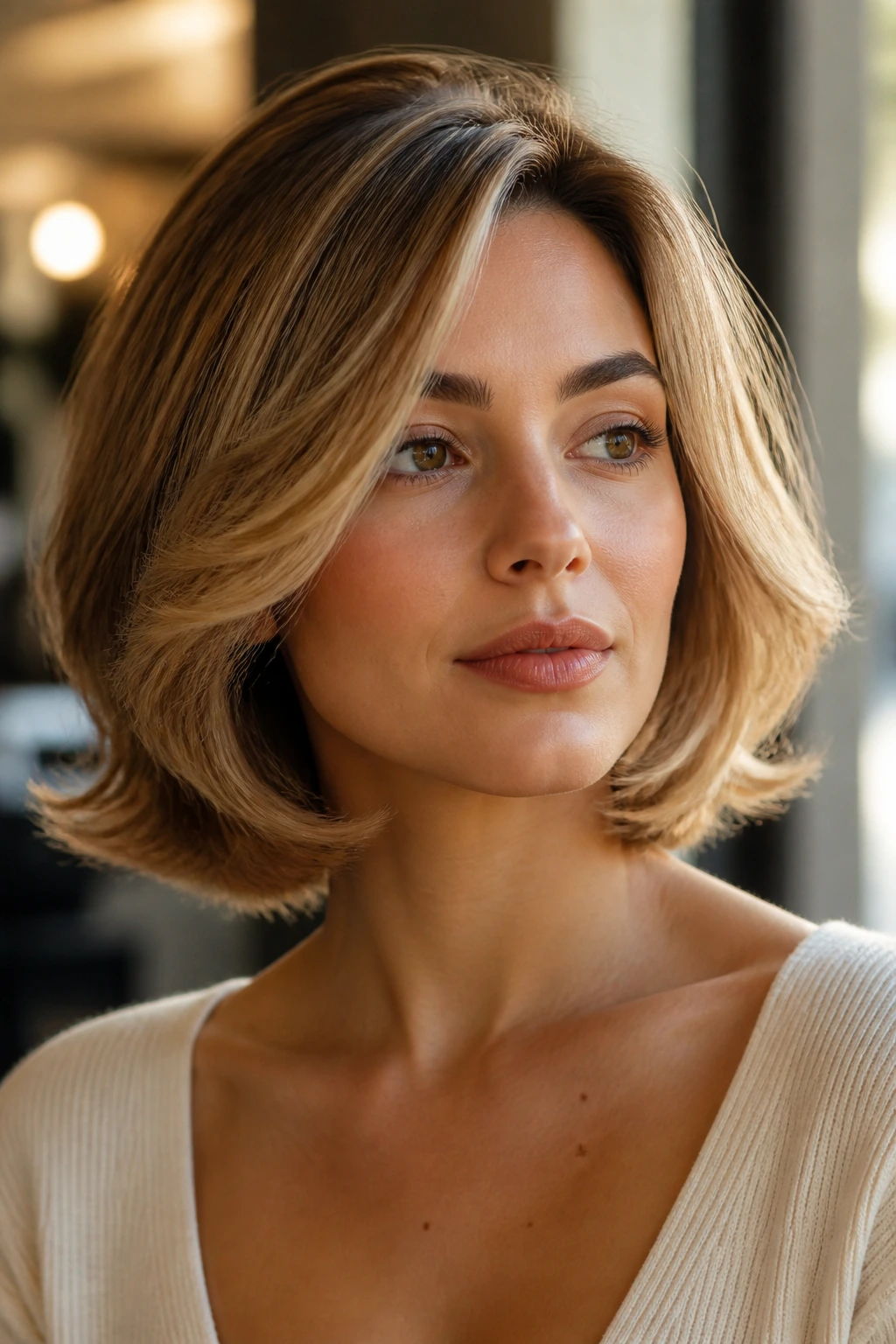
If you love a round brush and a little volume, this is your bob. The layers are arranged to create bounce, so the finished shape flips softly at the ends and lifts around the crown.
Why it works: A blowout bob depends on where the weight is removed. The layers help the brush do the shaping for you, which means the hair bends cleanly instead of fighting the tool. It’s a good option for medium-density hair that needs a little life.
The finish should look airy, not set in lacquer. You want movement when you turn your head, not a hard shell. A small amount of flexible spray keeps the shape without making it crunchy.
24. Salt-and-Pepper Layered Bob
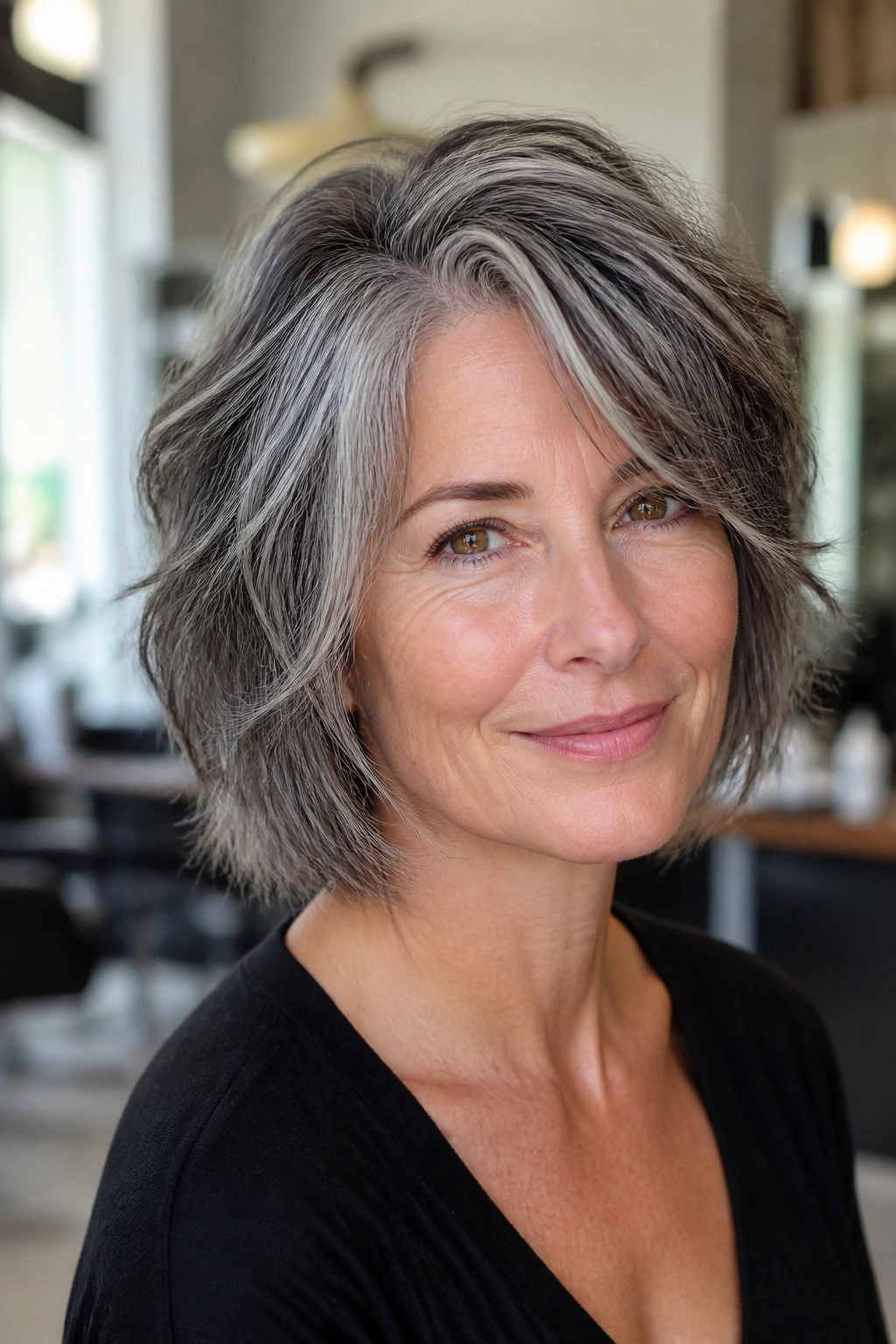
Gray hair, silver strands, and mixed tones look especially good in a layered bob because the layers catch the light in different ways. The shape shows off dimension instead of hiding it.
Why it works: Salt-and-pepper hair often has a mix of coarse and soft textures, and layers help that blend feel intentional. They also keep short gray hair from sitting like a heavy block, which can happen fast if the cut is too blunt.
I like this one with a slightly tousled finish. The texture gives the color room to breathe. And if the silver is coming in unevenly, the layers can make that grow-out look far more graceful than a solid line ever could.
25. Asymmetrical Statement Bob
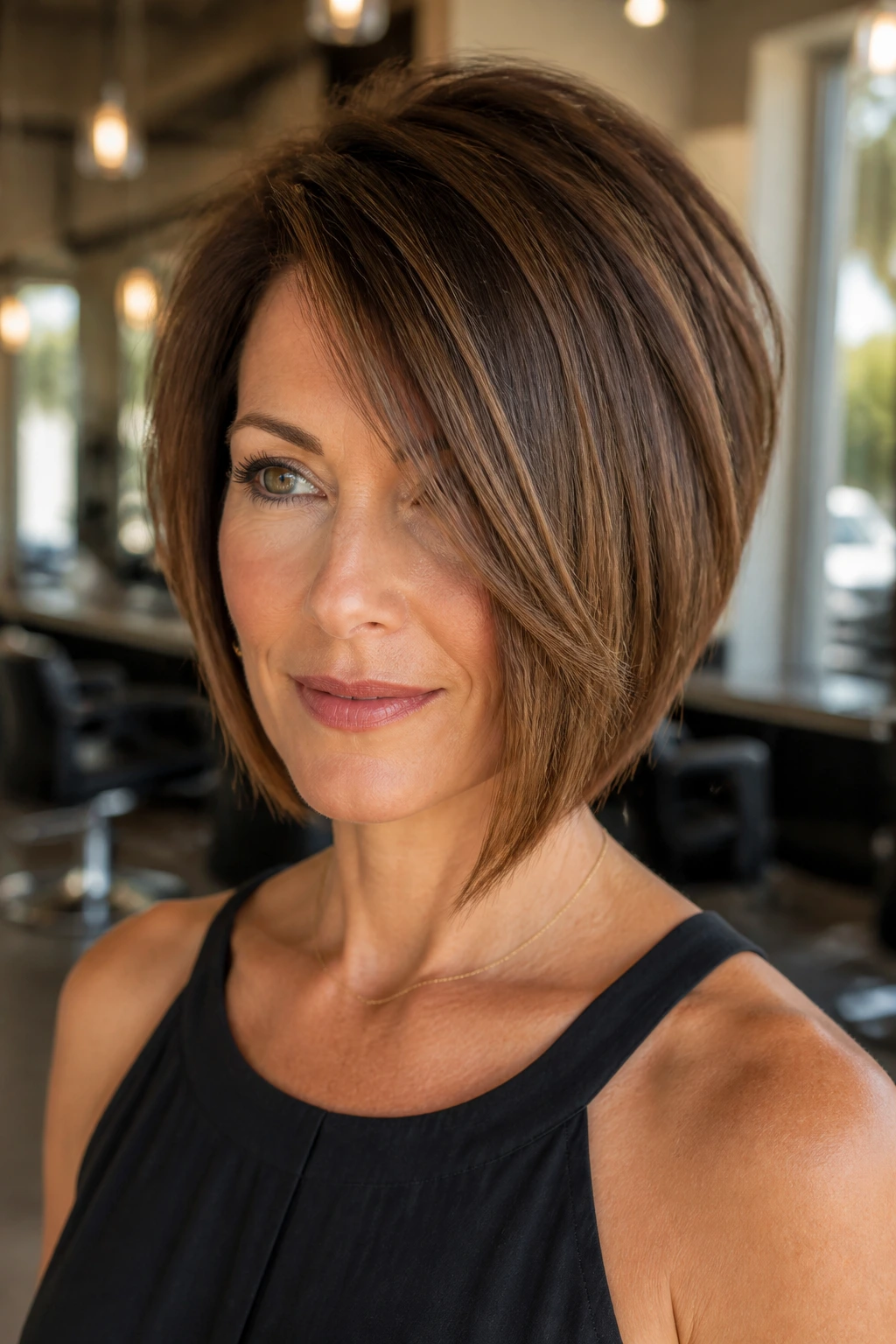
One side longer than the other. That’s the whole point, and it works because the asymmetry gives the bob movement before you’ve even styled it.
Why it works: An asymmetrical cut changes the eye line. It makes short hair feel more sculpted, and the layers keep the longer side from dragging down the shape. This is the kind of bob that turns plain straight hair into something a little sharper and more memorable.
The honest version
It is not the most forgiving cut if you hate regular trims. Asymmetry needs maintenance, or the whole effect blurs out fast. If you’re the type who likes a cut to stay neat for a while with minimal effort, this one may ask for more than you want to give.
How Stylists Build Layers So Short Hair Moves Instead of Puffing
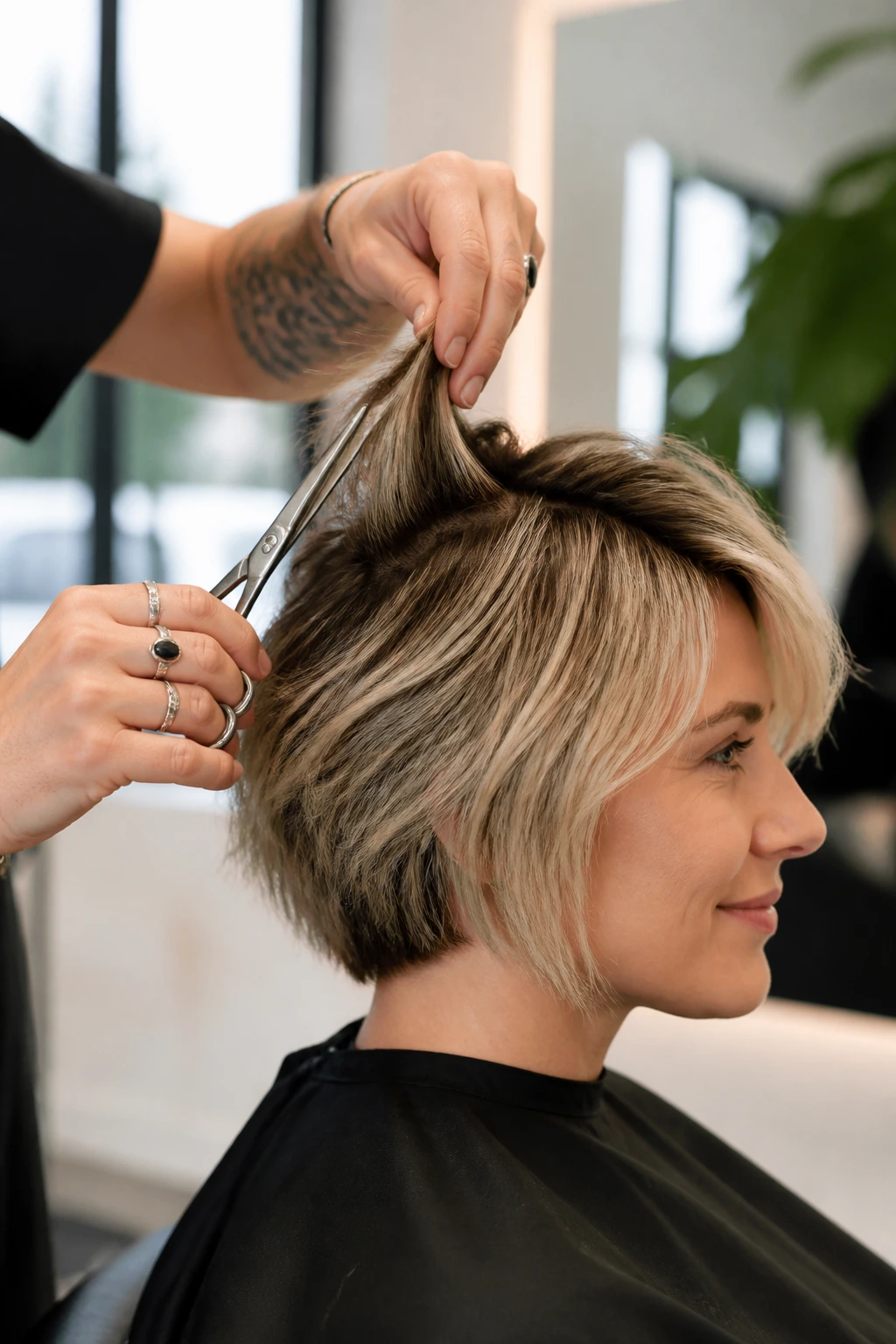
Good layered bobs are built from the inside out. That’s the part most people never see. The surface may look clean and simple, but underneath there’s usually a map of slight graduation, point cutting, or internal removal that changes how the hair falls around the head.
The line between “lift” and “puff” is thin. On thick hair, too much layering around the sides can create a halo effect. On fine hair, too much removal at the ends can make the bob look transparent. A skilled stylist watches where the bulk lives — crown, nape, cheek area, or just under the jaw — and cuts there first.
I prefer layers that have a reason. If the crown needs height, the crown gets shape. If the nape is too bulky, the nape gets cleaned up. If the face needs softness, that softness gets placed where it matters. Random layering is where bobs go sideways.
How to Style a Layered Bob at Home Without Fighting It

The easiest way to ruin a layered bob is to over-style it into obedience. These cuts usually look best when the finish has some movement, not when every strand is pinned into place.
Air-Dry for a Soft, Undone Finish
Work a small amount of mousse or curl cream through damp hair, then scrunch or twist the ends lightly. Let the crown dry with a little lift — a side part or a clipped root can help. If the layers are good, air-drying should leave enough shape that you do not need to rescue it with heat.
Blow-Dry for Shine and Control
Use a nozzle and a round brush or paddle brush, depending on the finish you want. Lift the roots at the crown, smooth the mid-lengths, and give the ends a slight bend under or out. That bend matters. A bob with dead-straight ends can look harsh, while a tiny curve makes the whole cut feel finished.
Add Texture Without Turning It to Frizz
A dry texturizing spray should go at the ends and mid-lengths, not the roots only. Lift a few pieces, mist lightly, and scrunch once or twice with your fingers. Too much spray, though, and the hair starts to feel chalky.
Know When to Stop
Short hair does not need ten products. Usually it needs one for grip, one for heat protection if you’re styling hot, and maybe one finishing spray. Anything more starts to weigh down the layers or make the bob look greasy by noon.
The Tools That Make a Layered Bob Behave
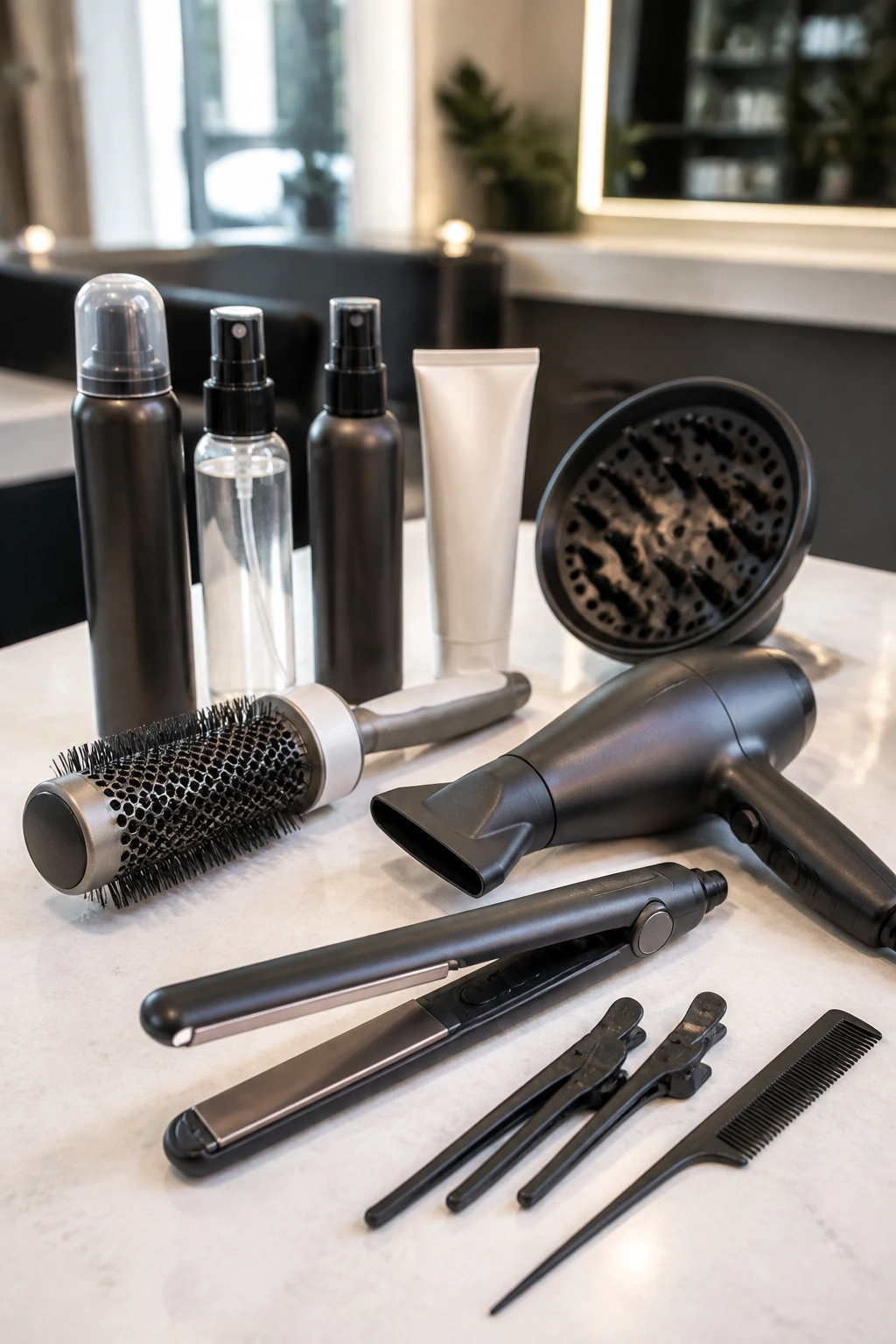
-
1-inch round brush: Best for shaping bends in chin-length and jaw-length cuts without making the ends curl too much.
-
Blow dryer with a nozzle attachment: Gives you directional airflow, which matters if you want the crown smooth and the ends controlled.
-
Flat iron with rounded edges: Useful for subtle bends, tucked ends, and soft S-waves; a sharp-edged plate can make the hair look too flat.
-
Diffuser: A must if your bob is wavy or curly and you want the layers to keep their shape instead of frizzing outward.
-
Sectioning clips: Short hair is still easier to style in sections, especially if the top layers are shorter than the underneath layers.
-
Tail comb: Helps with precise parts and clean sectioning at the crown and around the fringe.
-
Lightweight mousse: Gives grip at the roots and helps layered bobs keep a little lift without feeling crunchy.
-
Texturizing spray: Good for piecey ends and tousled styles; use it sparingly so the cut does not turn dry-looking.
-
Heat protectant spray: Non-negotiable if you use a blow dryer, iron, or hot brush. Short hair shows heat damage fast.
-
Smoothing serum or cream: Best for sleek bobs and tucked styles, but a pea-sized amount is plenty.
How to Keep a Layered Bob Looking Intentional Between Trims
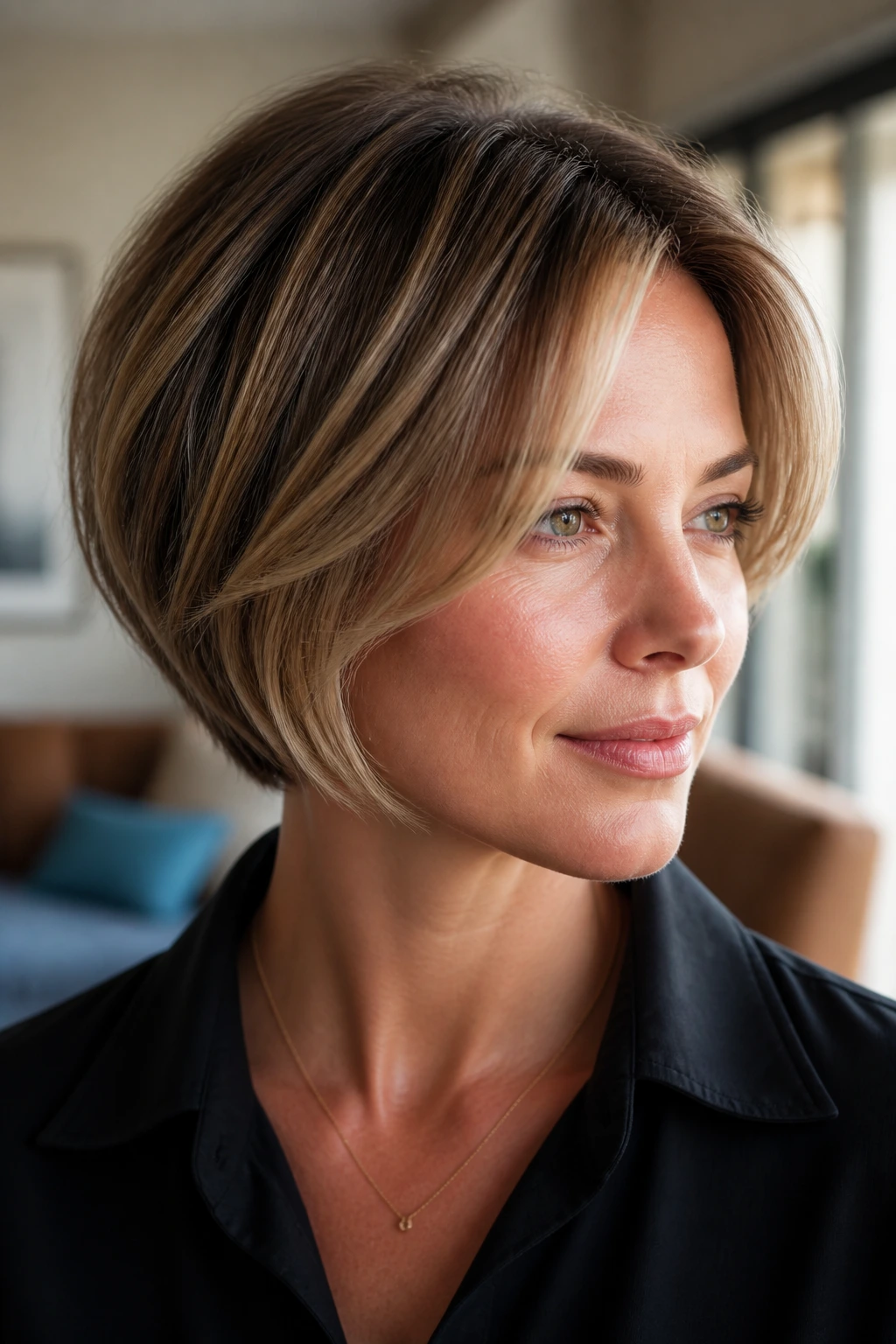
Short bobs live or die on trim timing. Once the outline drops too far, the layers stop working the way they should, and you start styling around the cut instead of with it. For most layered bobs, a trim every 6 to 8 weeks keeps the shape honest. If the cut is very short or highly graduated, some people need a tidy-up sooner.
Sleep habits matter more than people think. A layered bob can get flattened or bent in strange directions overnight, so a silk pillowcase or a loose clip at the crown can make the next morning less irritating. For wavy or curly versions, refreshing with a water spray and a little mousse is often enough. For sleeker cuts, a quick blow-dry of the front and crown pieces usually restores the shape faster than washing again.
If your bob tends to separate at the ends, that is not always a bad sign. Sometimes it just means the layers are doing their job. But if the perimeter starts looking ragged or the back loses its line, it is time to book the trim instead of squeezing another month out of it.
Common Mistakes to Avoid With Layered Bobs

The most common error is asking for too much texture on hair that does not have the density to support it. On fine hair, aggressive layering can make the ends look see-through and patchy, especially around the chin. The fix is a softer layer map with more shape at the crown and less removal at the perimeter.
Another one: ignoring your part. A bob cut for a center part can look lopsided the second you move it to the side, and vice versa. If you wear a deep part every day, tell the stylist before the scissors come out. Hair obeys gravity, not good intentions.
Heavy products are a sneaky problem. Oils, thick creams, and glossy serums can flatten the lift that makes a layered bob work in the first place. Use the smallest amount that keeps the hair smooth, then stop. Seriously. Short hair does not hide over-product well.
And do not forget the neckline. A layered bob that looks good from the front but bulky from the back is missing the point. The silhouette should feel clean all the way around, which means the nape and back layers matter just as much as the face frame.
Variations and Alternatives Worth Trying
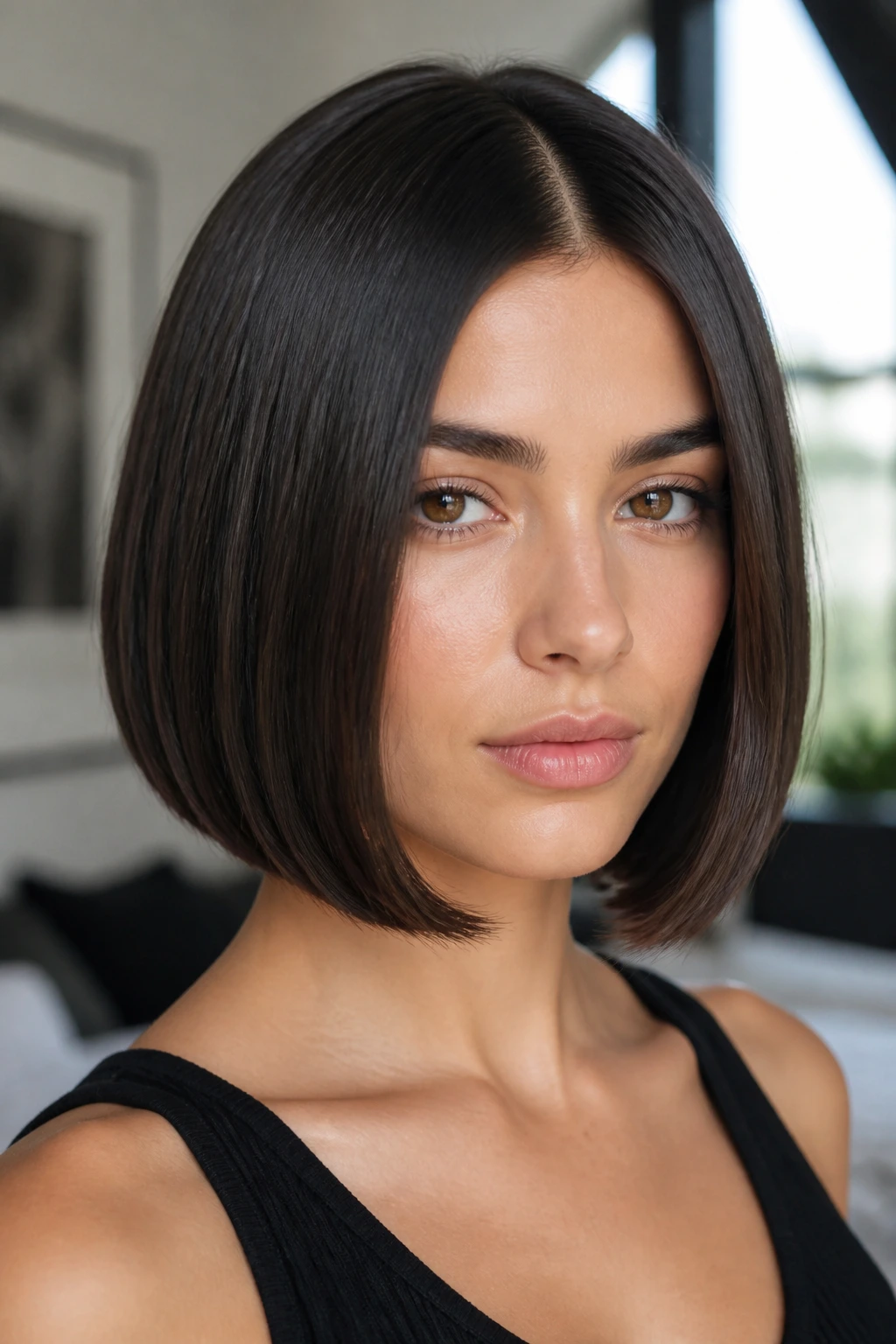
The Glassy Bob: Keep the layers invisible and the finish sleek. This version works if you like polished hair, a center part, and a smooth surface that shows off a strong shine spray. It is the least messy option in the group.
The Air-Dry Bob: Ask for soft internal layers and a little more weight at the ends. This is the one for wavy or slightly curly hair that looks better when it’s touched as little as possible. If your best hair days happen with no heat, this is your lane.
The Fringe Bob: Add curtain bangs, bottleneck bangs, or a soft side sweep. Fringe changes the whole haircut, and on short hair it can make a layered bob feel much more styled without adding length.
The Growth-Phase Bob: Keep the front a bit longer and the back clean, so the cut can stretch out without turning awkward. This is a smart choice if you know you will not get to the salon on a perfect schedule.
The Edge-Heavy Bob: Go with a razor-cut or asymmetrical finish. This version suits people who want the bob to feel less classic and more directional. It looks especially good with strong glasses frames or sharp collars.
Frequently Asked Questions

Which layered bob is best for fine hair?
A feathered French bob, a blunt bob with invisible layers, or a softly graduated nape bob usually works well. The key is keeping enough density at the bottom so the ends do not look stringy. Fine hair needs lift and movement, not a cut that removes half the body.
Do layers make short hair look thinner?
They can, if the layering is too aggressive or placed too high. The better approach is internal layering and careful weight removal in the right spots. A good cut should make the hair look lighter and more mobile, not sparse.
How often should I trim a layered bob?
Most need a trim every 6 to 8 weeks. Very short bobs and heavily shaped cuts may need tidying sooner, while collarbone-length versions can sometimes stretch a little longer. Once the line drops and the layers lose their separation, the style starts looking tired.
Can curly hair wear a layered bob?
Absolutely, but the layers need to follow the curl pattern instead of fighting it. A curly bob should keep its shape when dry, which is why curl-by-curl or dry-cutting methods often work better than guessing the shape while the hair is wet.
What if my bob flips out at the ends?
That usually means the ends are either too blunt for the texture or the brush is forcing the hair in the wrong direction. Try drying the ends with a round brush that curves them under slightly, or ask for a softer perimeter so the hair bends more naturally.
Can I get a layered bob if I wear a side part?
Yes, and the part actually changes the whole balance of the cut. Tell your stylist where you part your hair on most days so the layers can be placed to support that direction. A bob cut for a center part can feel awkward once it’s moved over.
Is a layered bob hard to style every day?
Not if the cut is shaped well. Most of these styles want one of three things: a quick blow-dry, a small amount of texture spray, or a soft bend with a flat iron. The bad version is a bob that needs rescue every morning; the good version mostly holds its own.
What should I bring to the salon?
Bring 2 or 3 photos, plus one photo of a bob you do not want. That second part helps more than people think. Also mention your hair density, whether you air-dry, and how often you trim. Those details change the cut as much as the picture on your phone.
The Shape That Keeps Making Sense

There’s a reason layered bobs keep coming back in salons and bathrooms alike: they solve the annoying parts of short hair without turning the cut into a project. They can be sleek, piecey, curly, sharp, or soft, and the right version makes your natural texture look like part of the plan instead of a problem to hide.
The best part is that you do not need to chase a perfect finish every day. Pick the shape that works with your density, your part, and the way your hair actually falls. That’s where these cuts stop being a trend and start acting like a good haircut should — quietly, and on your side.