



A shoulder-length bob can do a very specific kind of rescue work for fine Black hair. It gives you a clean edge, enough swing to look styled, and just enough weight at the ends to stop the whole shape from disappearing by lunchtime.
Fine hair is not the same thing as thin hair, and that difference matters here. Plenty of Black women have plenty of density but slender strands, so a cut that keeps the perimeter blunt while leaving the inside light can look richer than a long style that has been thinned to death.
The sweet spot sits around the shoulders or just below the collarbone. Shorter than that and the look can turn boxy; longer than that and fine strands start to read as stretched out instead of full. The right bob does not fight your hair — it gives the eye a line to follow, and that line does most of the heavy lifting.
Why These Bobs Keep Doing the Most for Fine Hair
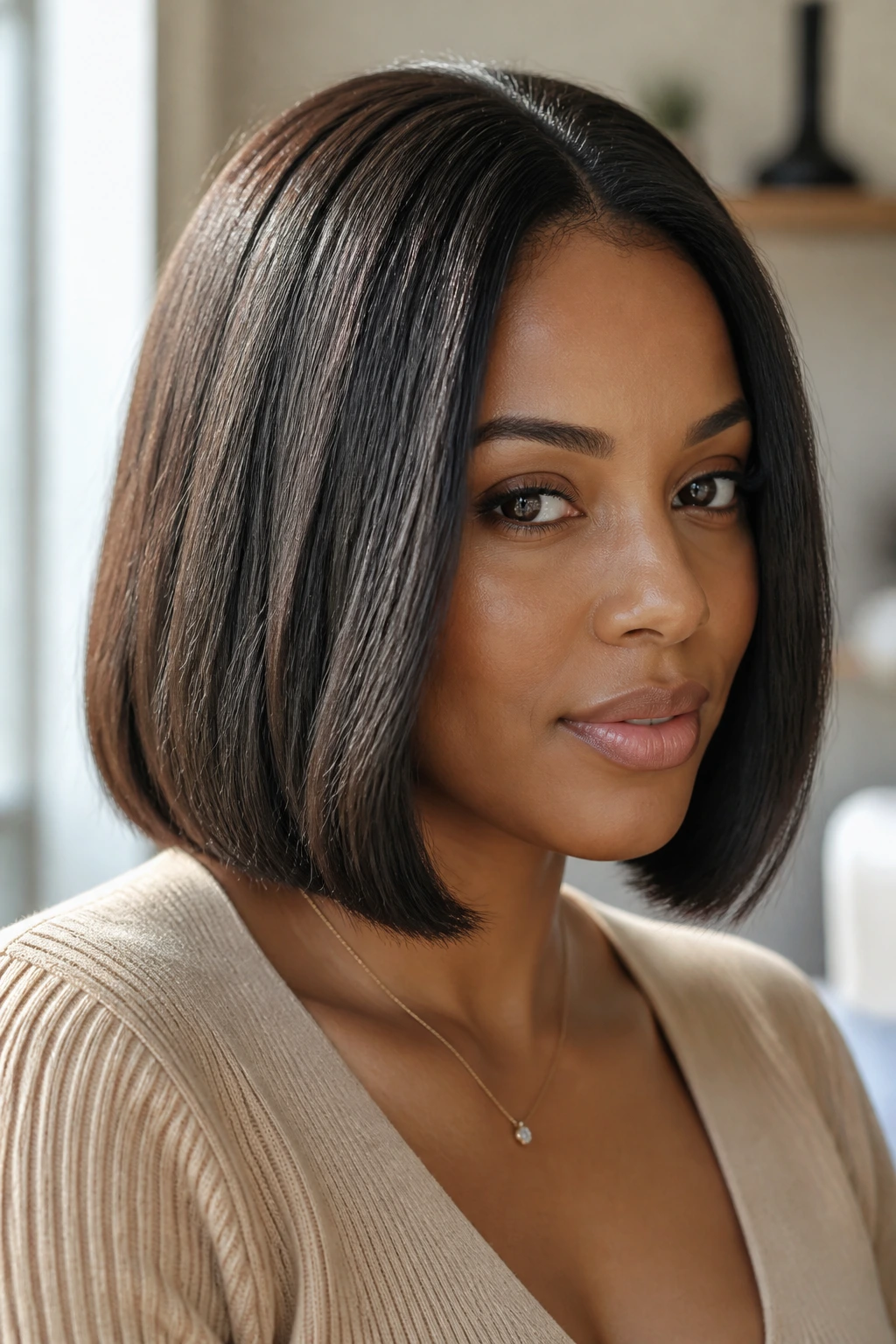
- Blunt ends make the hair look denser: A clean edge gathers fine strands into one strong line instead of scattering them into wispy tips.
- Shoulder length keeps the shape from collapsing: The cut stays long enough to move, but short enough that the roots can still support it without constant styling.
- Angles create lift where fine hair needs it most: A side part, slight A-line, or gentle curve gives the crown more presence without piling on product.
- The styles work across textures: These bobs can be worn silk-pressed, blown out, curled, stretched, or worn in a natural finish without losing the basic shape.
- Maintenance stays realistic: A good shoulder-length bob can go 6 to 8 weeks between trims if the perimeter is kept clean and the ends are not over-thinned.
- The cut grows out gracefully: That matters more than people admit. A bob that looks tidy at week one and week six is worth more than a dramatic cut that turns shapeless fast.
How to Choose the Right Bob Before You Cut Anything
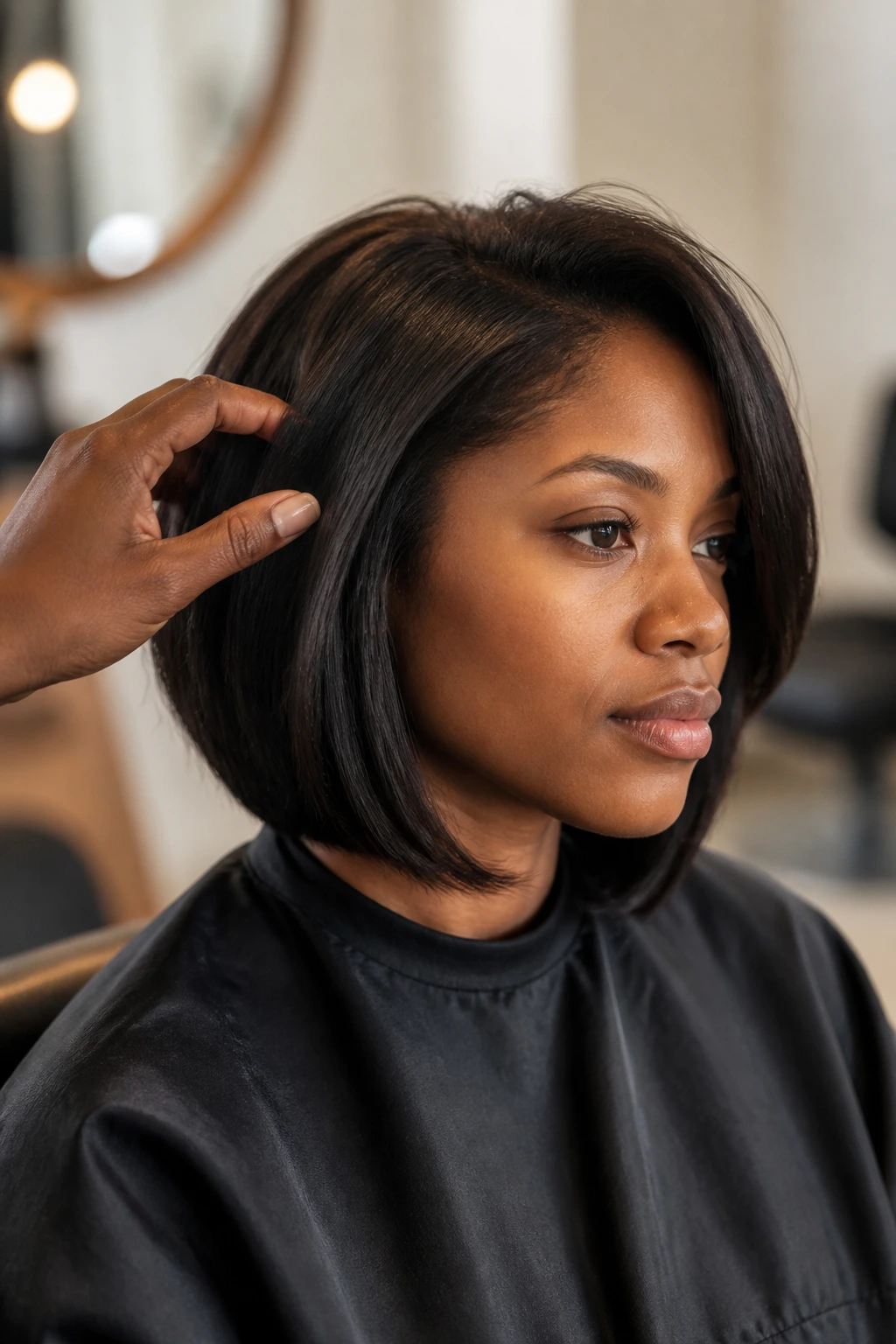
The biggest mistake people make with fine hair is treating every strand the same way. Fine hair can be dense, sparse, porous, relaxed, natural, heat-styled, stretched, or all of the above depending on the week. A stylist who understands Black hair should talk to you about strand size, density, shrinkage, and how you wear your hair between wash days — not just where the ends land when you leave the chair.
Strand size versus density
If your strands are fine but you have a lot of hair overall, you can usually wear a blunt bob, a soft A-line, or a rounded lob without losing shape. If your density is low on top or around the temples, keep layers subtle and let the perimeter carry the visual weight. Heavy razoring is a bad idea here. It makes the ends look frayed faster than it saves time.
Shrinkage and length
Natural texture changes the whole math. A shoulder-length bob on stretched hair may sit higher once it dries, especially with coils or tight curls. If you wear your hair natural most of the time, ask for the cut to be shaped in a stretched state and keep the length a touch longer than you think you need. That extra half-inch matters.
What to ask for at the salon
Say the words blunt perimeter, minimal thinning, and soft face-framing pieces if you want movement without losing fullness. If you like a sleek finish, mention how often you heat style. If you want a natural finish, ask the stylist to shape the bob around your curl pattern, not against it. That difference changes everything.
1. Blunt Center-Part Shoulder-Length Bob
This is the cut I point to first when someone wants fine hair to look fuller without a lot of fuss. A blunt center-part bob gives you one strong line from side to side, and that line makes the ends read as thicker than they are. At shoulder length, the hair has enough movement to avoid looking stiff, but it still lands with some weight.
Why it works on fine hair
The center part keeps the style balanced, which helps fine strands look more even across the head. No hidden corners. No uneven sweep swallowing half the volume. If you wear your hair pressed or softly blown out, this shape also holds a clean silhouette after a light wrap at night.
A small bend at the very ends is enough. You do not need a curled-under helmet. A single pass with a round brush or a 1.25-inch flat iron keeps the edge smooth and lets the blunt line do its job.
2. Deep Side-Part Bob with a Swept Front
Why does a deep side part make fine hair look thicker almost instantly? Because it gives the crown a little lift before the eye even notices the length. The shorter side exposes root height, while the longer side drapes over it and creates the illusion of more hair where you want it.
This version works well if your hair falls flat at the top no matter what you do. Keep the part soft, not carved into the scalp like a ruler line. A little mousse at the root and a duckbill clip at the heavier side can hold the shape while it cools. Heavy gel will only make the front sit close to the head, and that defeats the point.
3. Slight A-Line Bob
If you like a shape that narrows just a little toward the front, the slight A-line bob is your quiet overachiever. The back sits a touch shorter, the front grazes closer to the collarbone, and the whole cut gives the face a gentle frame without turning into a sharp angle.
That subtle slope matters on fine hair because it gives the front pieces a little more visual weight. I would keep the difference small — maybe one to one and a half inches from back to front. Too much angle and the style starts looking like it is chasing drama instead of fullness.
4. Curved-Under Silk Press Lob
This is the style that looks the most polished with the least nonsense. A curved-under silk press lob gives you that smooth, beveled end that flips inward just enough to make the hair feel deliberate. It is especially good when you want fine hair to look neat rather than fluffy.
Best when you want clean lines
Use a heat protectant first, then either blow-dry with a round brush or press with a flat iron set only as hot as your hair needs — usually somewhere in the 300 to 375°F range, depending on texture and condition. The goal is not poker-straight hair with no movement. The goal is a soft bend at the bottom and a strong shape from root to tip.
If the ends start to look see-through, stop overworking them. Fine hair does not forgive repeated passes the way thicker hair sometimes can.
5. Invisible-Layer Bob
A lot of people hear “layers” and think volume, but on fine Black hair the wrong layers can leave the ends looking thin and exposed. Invisible layers are different. They live inside the cut, where they remove bulk without taking away the clean outer line.
That is the part I like. The perimeter stays blunt, so the eye still reads fullness, but the inside of the cut moves a little easier when you curl, bend, or blow it out. Ask for point-cutting or internal layering only if your hair is already on the fine side and you do not want the bottom to fray visually.
6. Feathered Face-Framing Lob
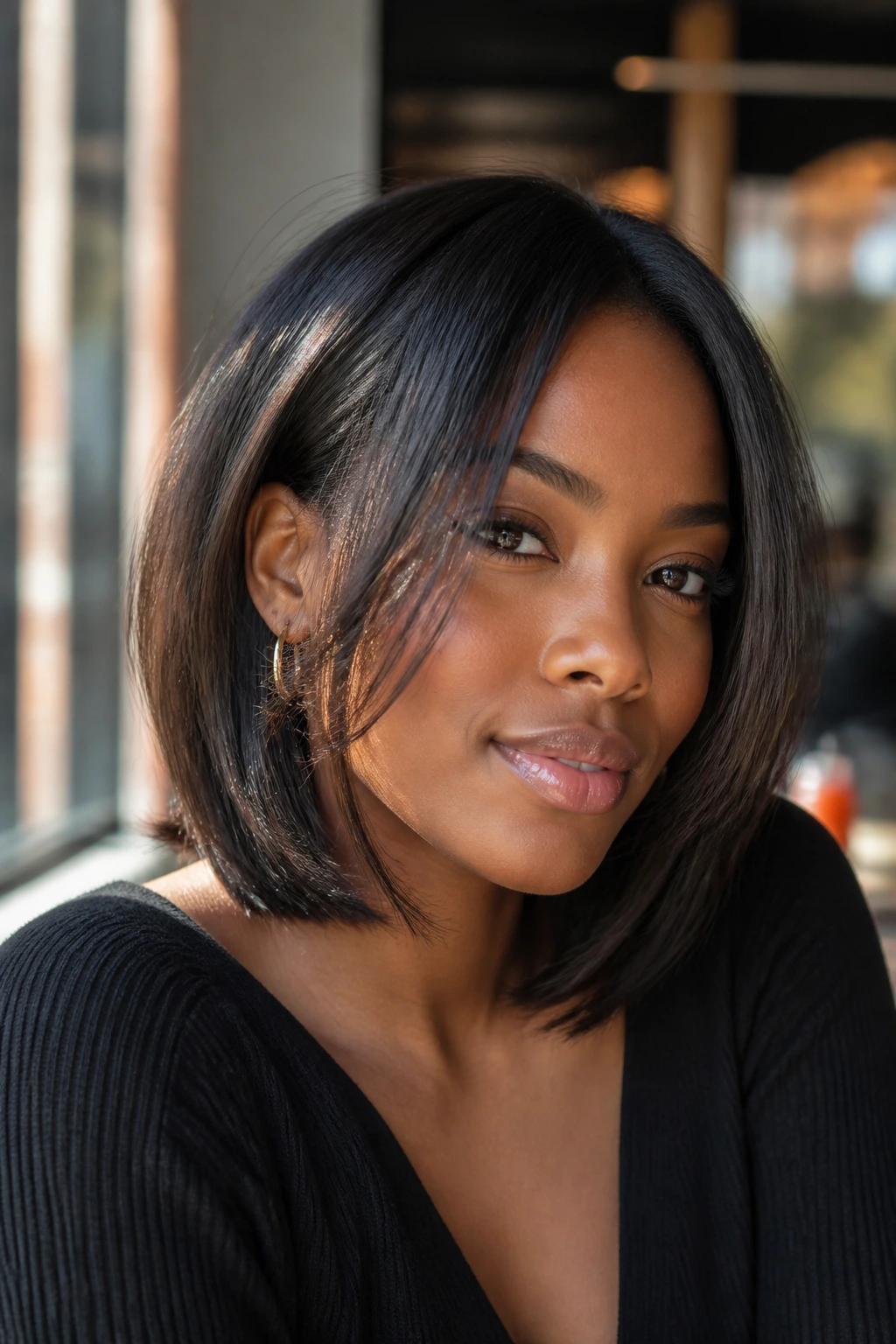
A few feathered pieces around the face can wake up a straight bob fast. The trick is restraint. You want soft movement from the cheekbone down, not six razor-cut strands hanging around your jaw like a curtain from the wrong decade.
This version works best when the face-framing starts lower than you think — around the chin or just under it. That keeps the fullness where the bob needs it and lets the front pieces soften the edge. On fine hair, the difference between “feathered” and “wispy in a bad way” is usually about one inch of length and one careless texturizing pass.
7. Rounded Volume Bob
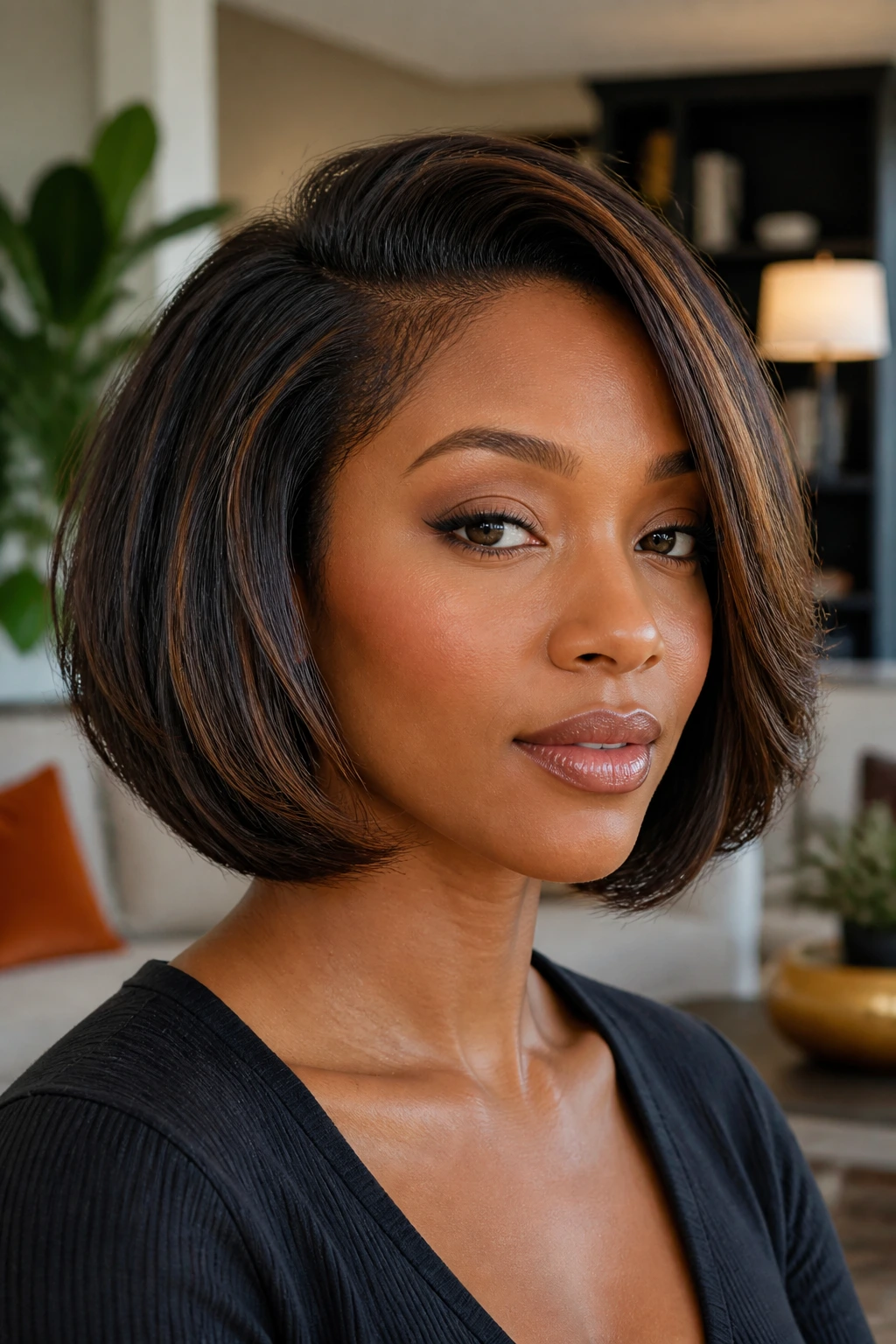
If you like hair that has a little body at the crown and a soft curve through the body, the rounded volume bob earns its place. It works especially well on fine hair that has enough density but tends to fall flat after lunch. The shape is built, not wished into place.
How to set it
Blow-dry with a medium round brush, lifting the roots up and slightly forward. Pin the crown for 10 to 15 minutes while the hair cools, or set a few Velcro rollers at the top if you want more lift. A light mousse at the roots helps, but skip the heavy cream that turns the whole style sleepy by day two.
This one can look a little formal if you over-smooth it. Leave a bit of movement in the ends. That is what keeps it from looking like a helmet.
8. Asymmetrical Collarbone Cut
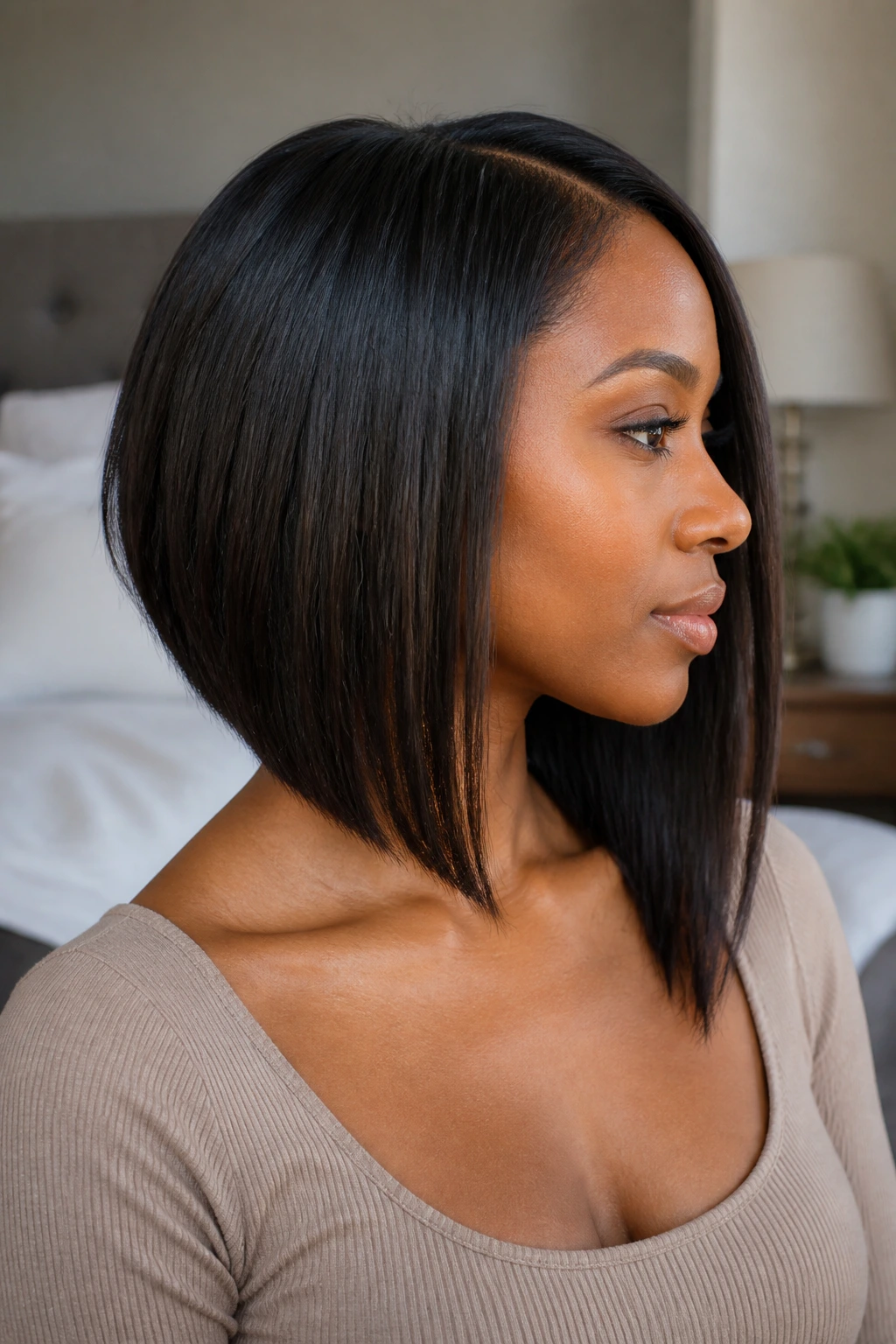
One side a little longer than the other changes the whole mood of a bob. Not by a mile. Just enough to make the shape feel sharper and less expected. On fine hair, that asymmetry gives your eye something to notice, which helps the cut feel fuller than a perfectly even line sometimes does.
The key is subtlety. An inch or two of difference is plenty. If the angle gets too steep, the cut starts looking like it is borrowing length where it cannot afford to spare any. Keep the front pieces soft and let the imbalance do the talking.
9. Flip-End Shoulder Bob
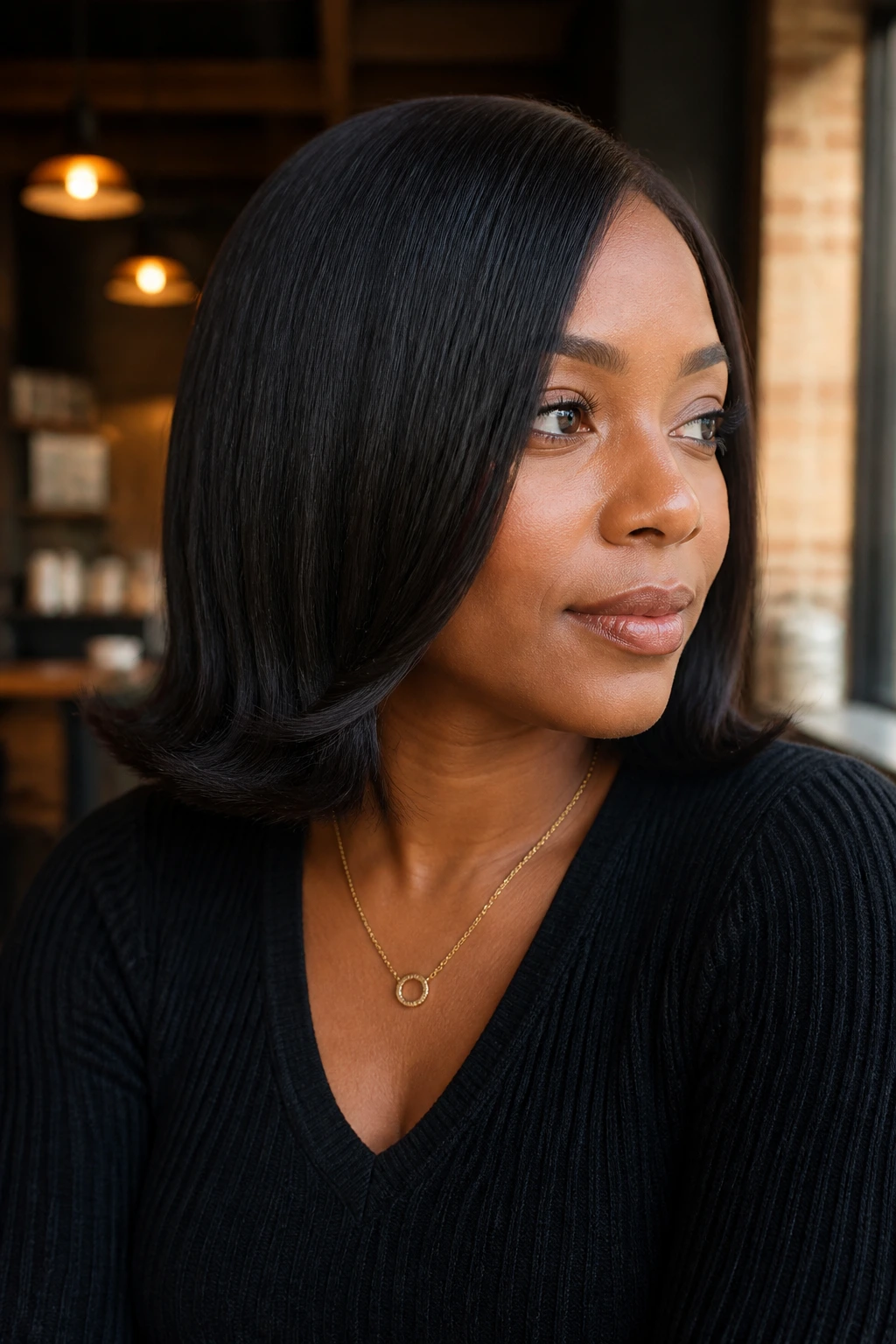
The flip-end bob has a little old-school charm, and I mean that in a good way. The ends turn outward just enough to create motion, which is useful when fine hair tends to hang too close to the face. That tiny flick at the bottom keeps the style from falling into a straight curtain.
A 1-inch iron or a round brush can do the trick. Turn only the last inch or inch and a half outward, then set the shape with a light mist of flexible hairspray. If you flip every end too much, the style starts looking busy. Keep the top calm and let the bottom have the fun.
10. Loose Wand-Curled Lob
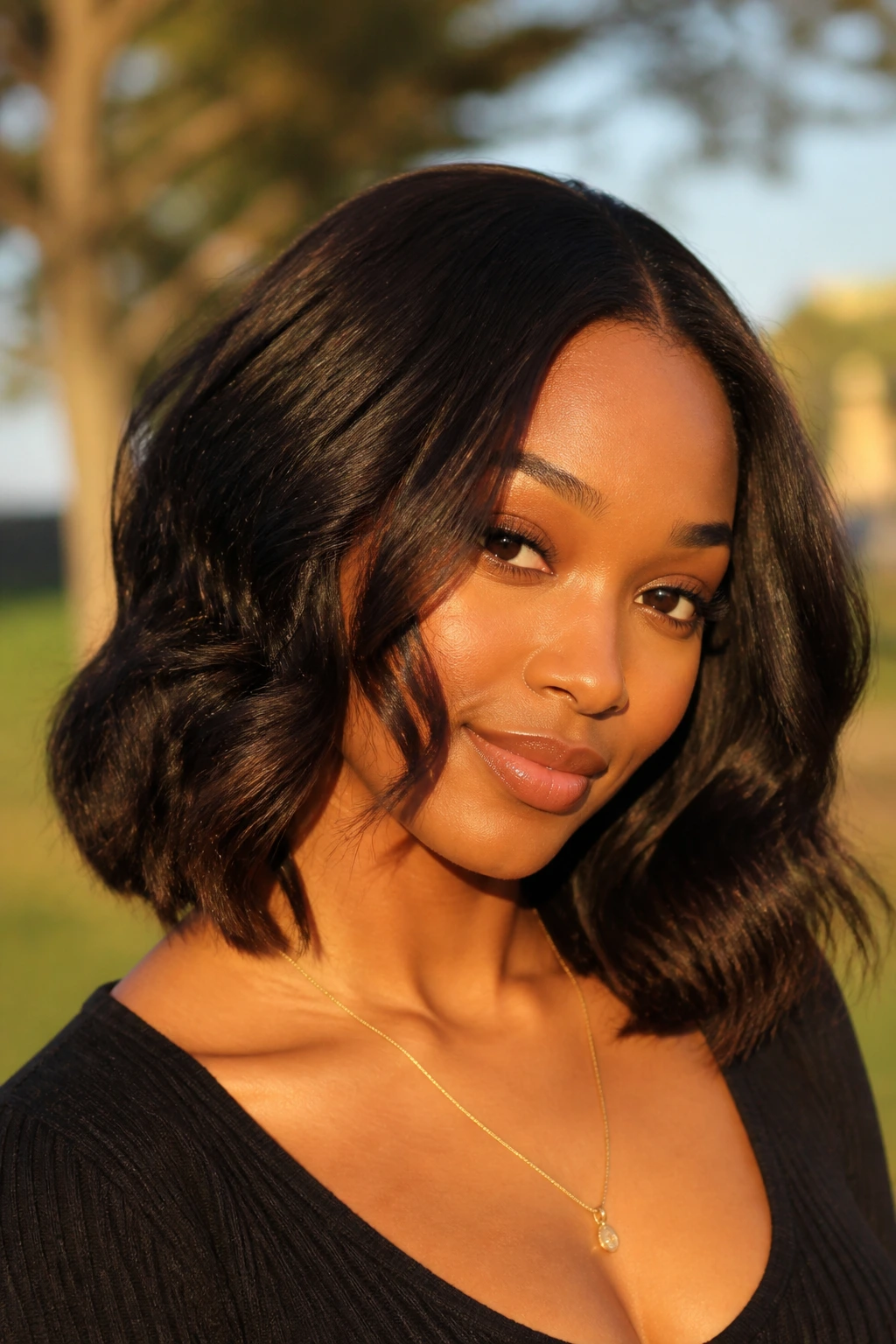
Fine hair usually looks better in bigger, softer curls than in tiny ringlets that separate into frizz by the second hour. A loose wand-curled lob gives the strands some body, keeps the ends from looking stringy, and leaves enough shape to brush out later.
What makes it hold
Use a 1.25- to 1.5-inch wand and wrap sections away from the face on one side, toward the face on the other. That mix keeps the style from collapsing into one flat pattern. Let the curls cool completely before touching them. Warm curls fall apart if you rush them, and fine hair does not have much margin for error.
A single pass with a wide-tooth comb or a soft paddle brush gives you those airy waves that sit nicely at shoulder length.
11. Soft Barrel-Curl Bob
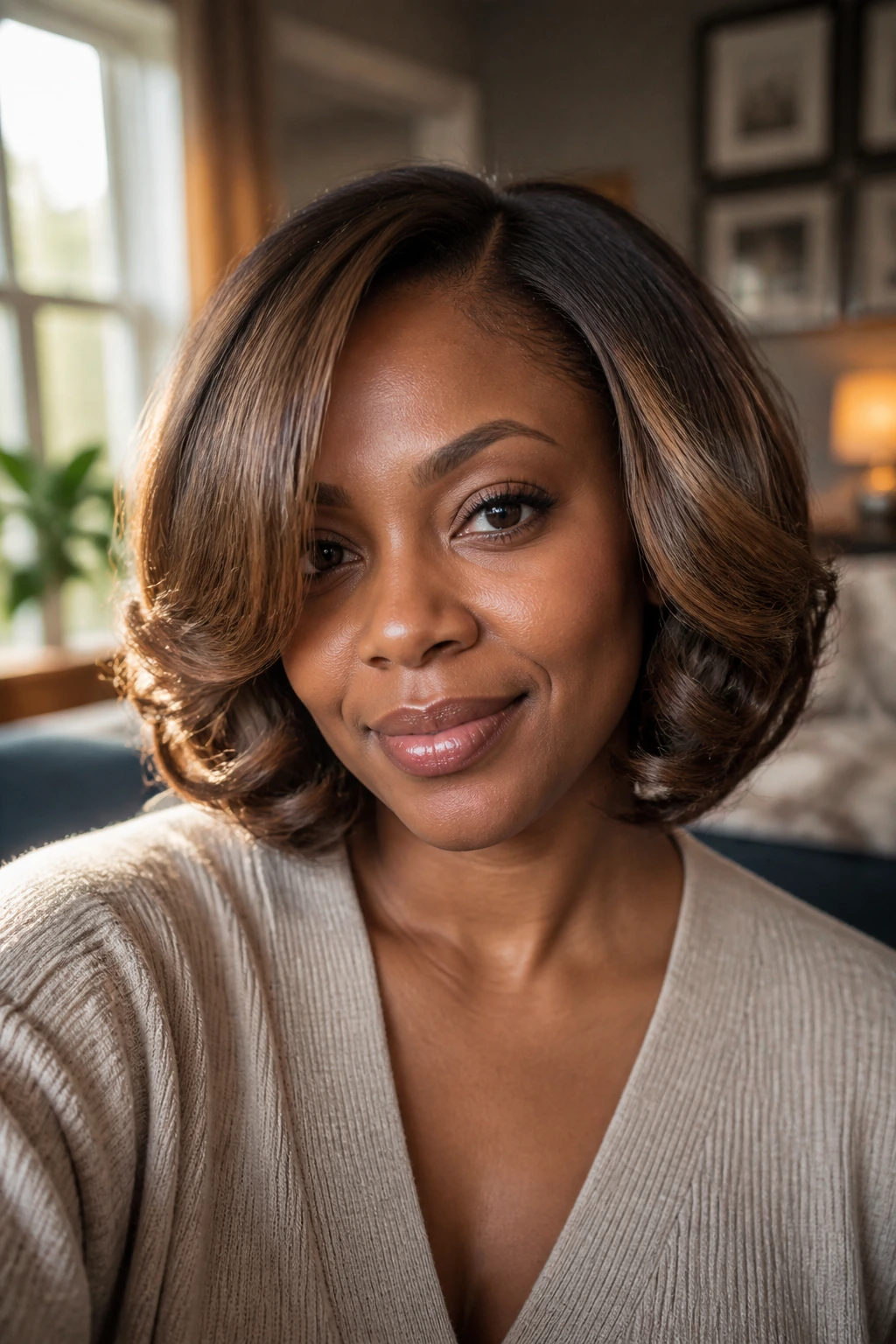
This is the cousin of the wand curl, just a little rounder and a little more dressed up. Soft barrel curls work well when you want the bob to have a smooth bend instead of loose waves. Think dinner, photos, or any day you need your hair to look intentional without looking stiff.
Keep the curls broad. If the barrel is too small, fine hair will spring up too much and lose length. If you use rollers, choose a size that leaves the ends sitting just under the shoulders when they come out. Then brush the curls lightly so they merge into one shape instead of staying in little loops.
12. Twist-Out Bob
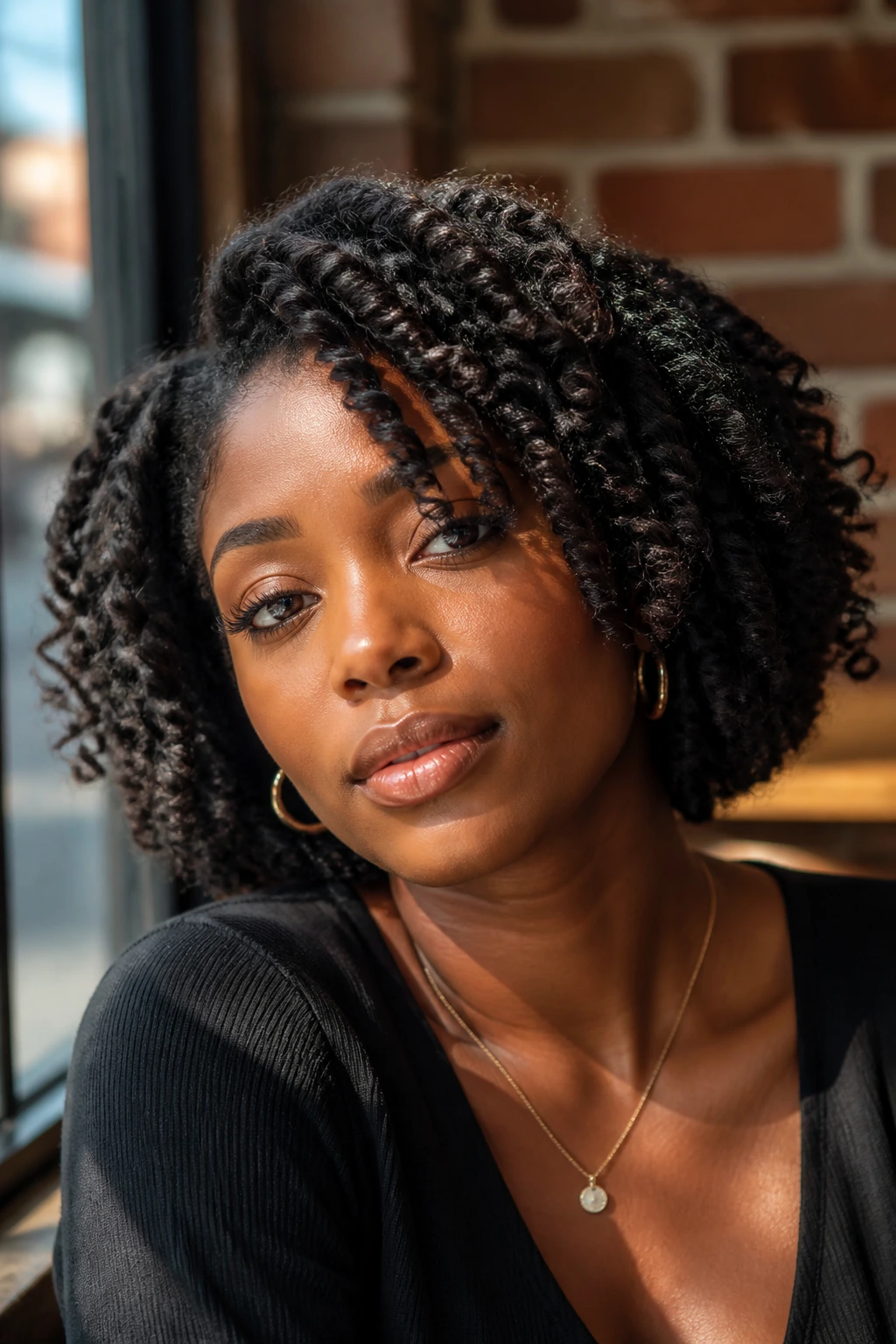
A twist-out bob is a smart move when you want body without heat. The twist pattern gives fine strands a little memory and a lot of width, which makes the silhouette look fuller than a straight stretch sometimes does. It also plays well with Black hair that shrinks a little and wants movement at the same time.
Use medium-sized twists if you want a soft, fluffy finish. Smaller twists give more definition, but they can make the bob look narrower. Unravel the hair only when it is fully dry, and use a tiny bit of oil on your fingertips — not a slick coating — so the separation stays light.
13. Braid-Out Lob
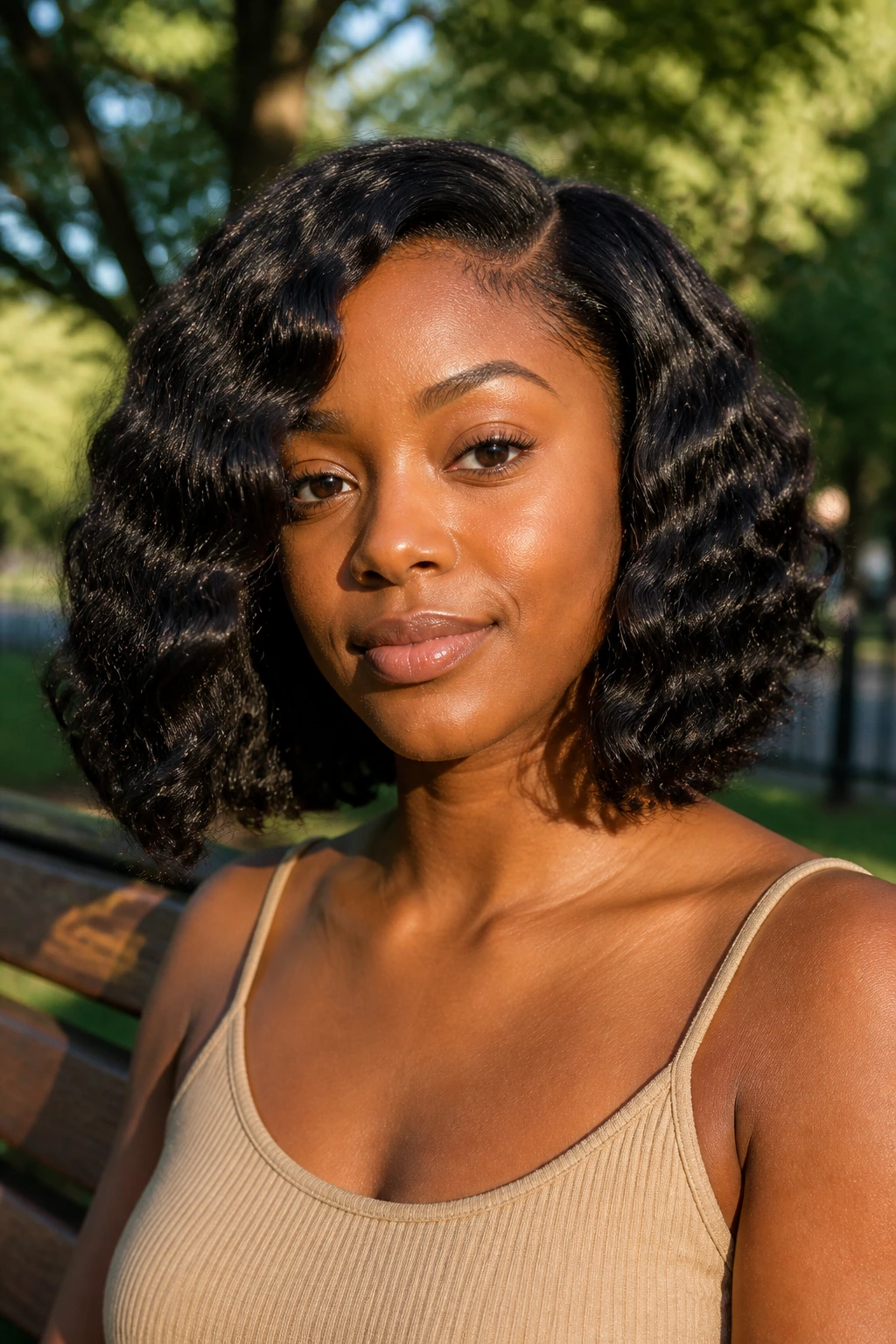
A braid-out reads chunkier than a twist-out, and that is the point. The waves come out broader, which helps fine hair look less sparse and more anchored through the mid-lengths. It is a good choice if you want a soft, lived-in bob instead of a polished press.
Start with clean, damp hair and a setting foam or light styling lotion. Bigger braids create looser bends; smaller braids create tighter texture. Do not take them apart too early. If the inside still feels cool or damp, the shape will puff in odd places later, and nobody wants that.
14. Stretched Coil Bob
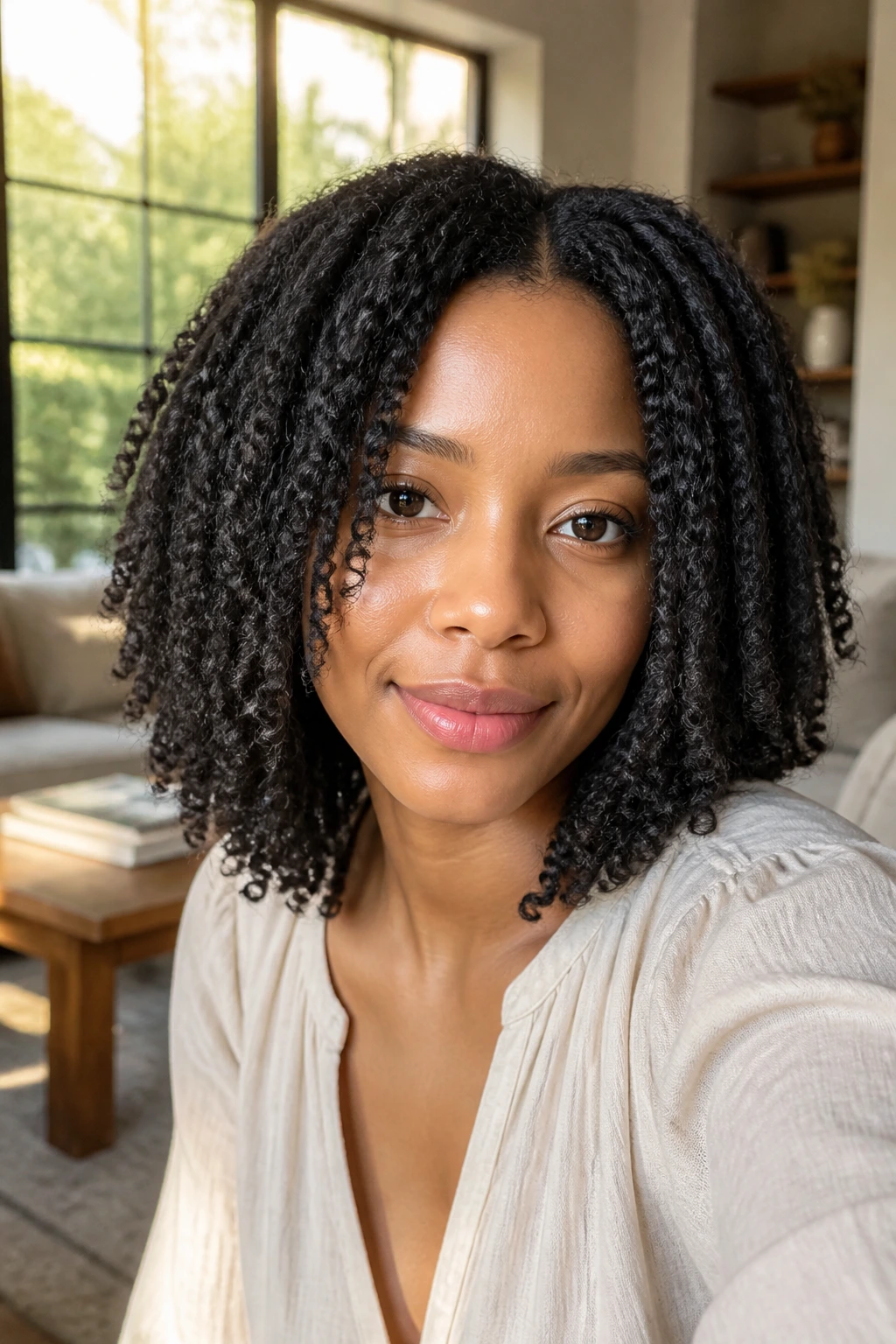
For coily hair that shrinks hard, a stretched coil bob can save you from losing the shape at the nape. The haircut itself should be planned on stretched hair so the final result lands where you actually want it. On fine strands, that part matters more than people think.
Banding, threading, or a careful blow-dry stretch all work. What you want is enough elongation to show the bob line without flattening the natural texture into submission. The finished look should feel soft and springy, not stiff. If it looks too stretched in the mirror, it will probably feel too stretched by the end of the week.
15. Tapered-End Lob
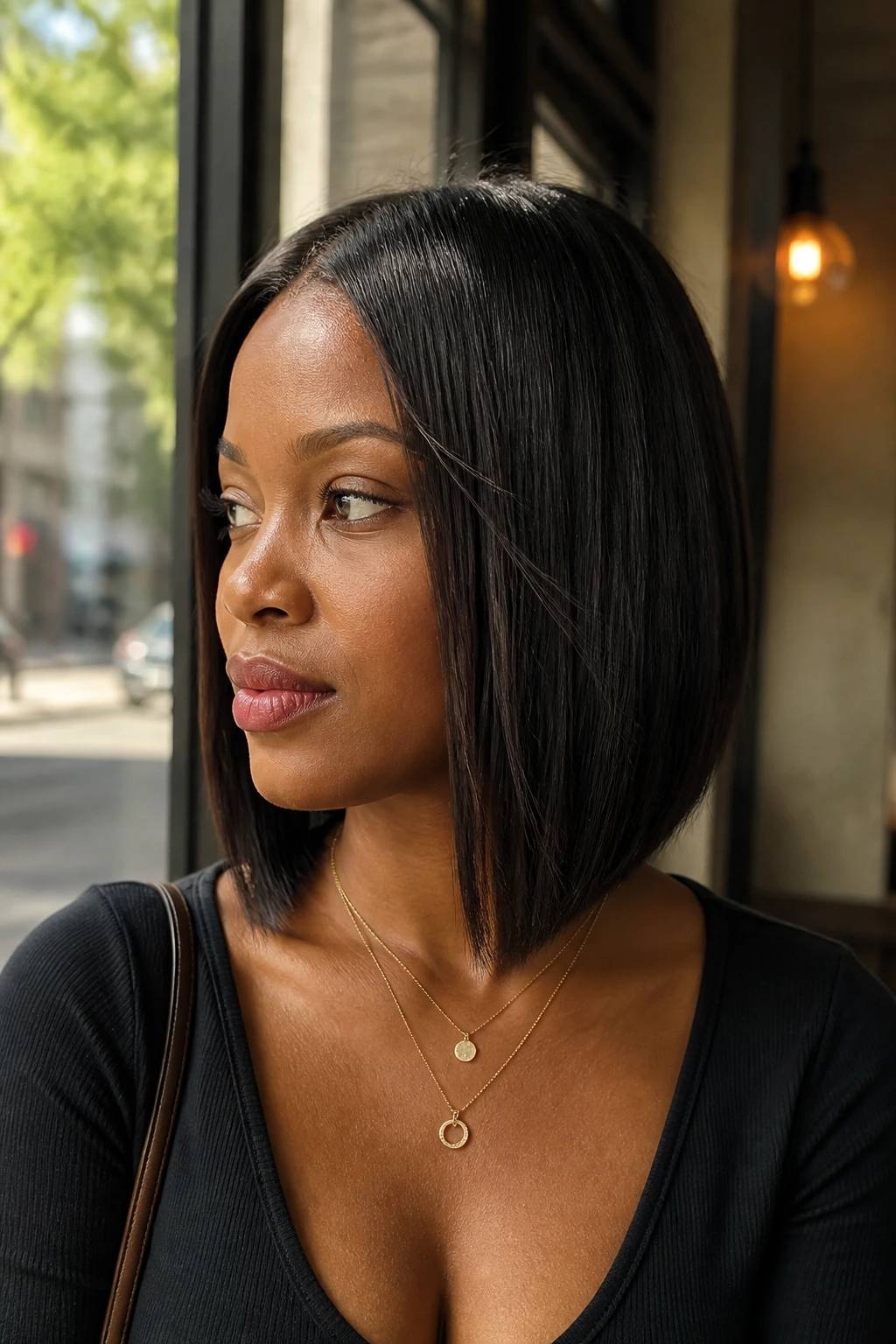
A tapered-end lob narrows just enough toward the bottom to keep fine hair from looking heavy at the sides. It is not a razor-heavy cut. It is a shape that gets a little slimmer around the nape and jaw while keeping the outer line tidy.
This is the cut I reach for when someone wants the neck area to look clean but does not want a sharp angle. Ask the stylist to keep the perimeter blunt and taper only the interior or the back edge very lightly. Too much tapering makes fine hair look thin. A little goes a long way here.
16. Bottleneck Bang Bob
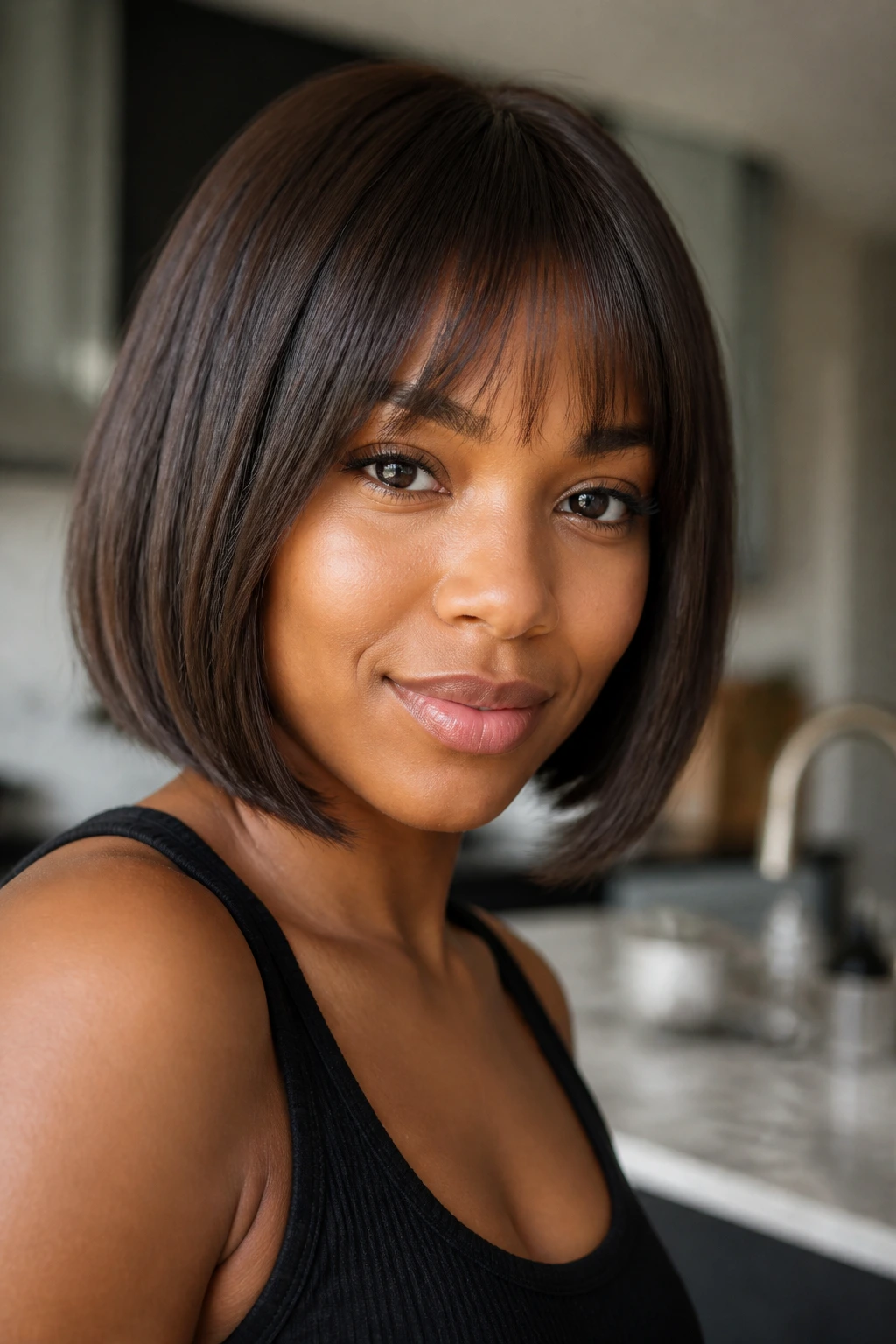
If bangs usually scare you, the bottleneck bang is the civilized version. It starts shorter in the middle, then gets longer toward the sides so it opens the forehead without swallowing the rest of the bob. On fine hair, that shape keeps the front soft while still adding some face framing.
Where to place the bang
The shortest point should sit well above the brows, but not so short that it feels harsh. The longer side pieces should blend into the bob around the cheekbones. That little graduated shape keeps the front light enough for fine strands and avoids the thick, blocky bang that can flatten the whole haircut.
Style it with a quick blow-dry and a round brush. Bangs need direction, not a fight.
17. Curtain Bang Lob
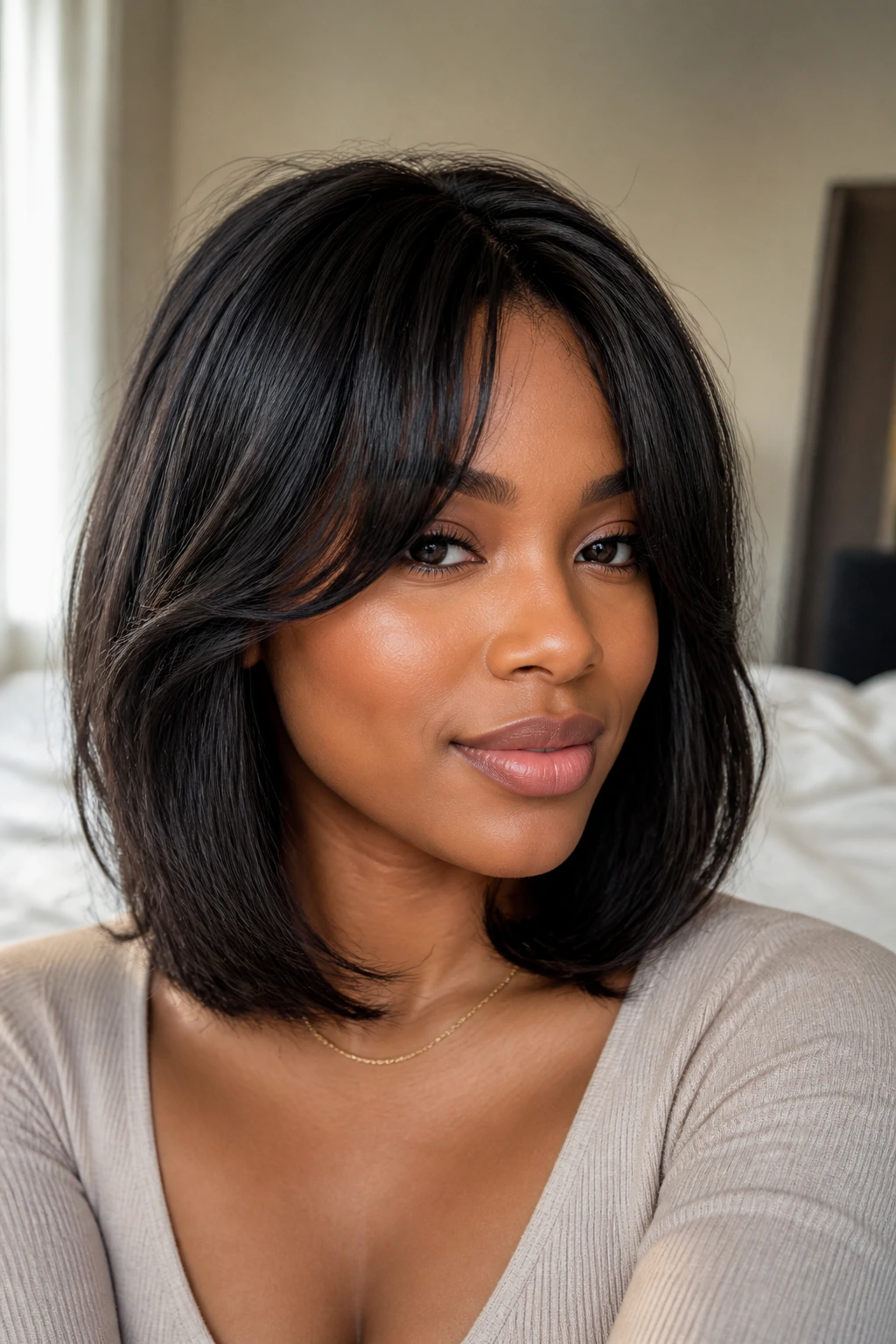
Curtain bangs do a similar job, but with more softness and less structure. They part in the center, skim the cheekbones, and blend into the sides of the bob. On fine hair, that kind of face frame can make the whole cut feel fuller because the front no longer drops in one flat sheet.
Keep the bangs light. Thick curtain bangs on fine hair can eat up too much density right at the front, which leaves the rest of the bob looking skimpy. Ask for long, wispy pieces that can be tucked back when you want them off your face. That flexibility is half the charm.
18. Tucked Side-Part Bob
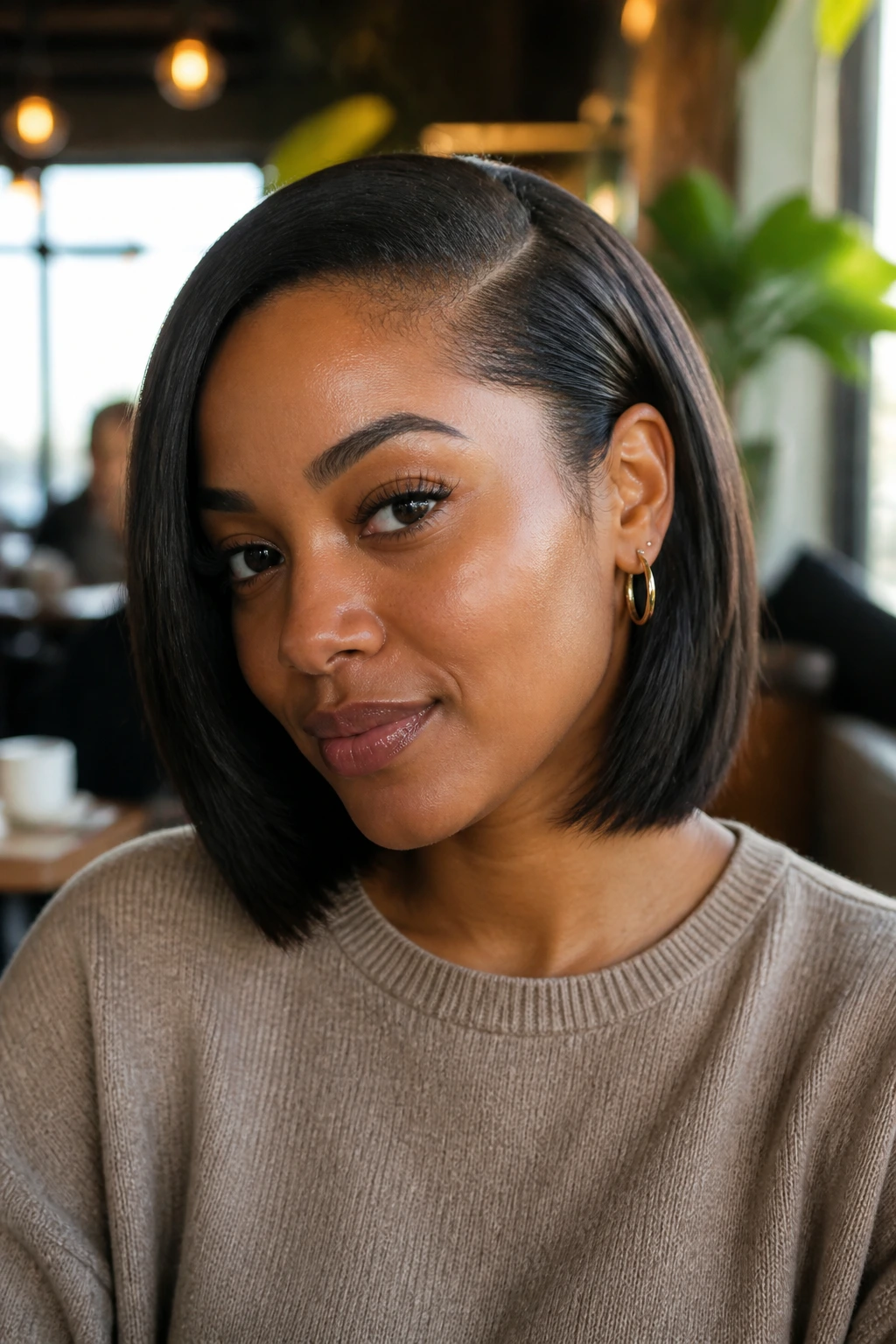
A bob that is tucked behind one ear sounds plain on paper. In real life, it can be one of the prettiest ways to wear fine hair because it gives you an instant line break. The visible side gets the attention; the tucked side opens the face and adds a little lift where the hair is free to fall.
This look is especially nice if one side of your hairline is a little thinner or if you wear earrings often. The tuck shifts the weight of the style instead of asking both sides to carry the same visual load. Use a tiny pin if the hair keeps sliding back. No need to overdo it.
19. Wet-Look Sleek Bob
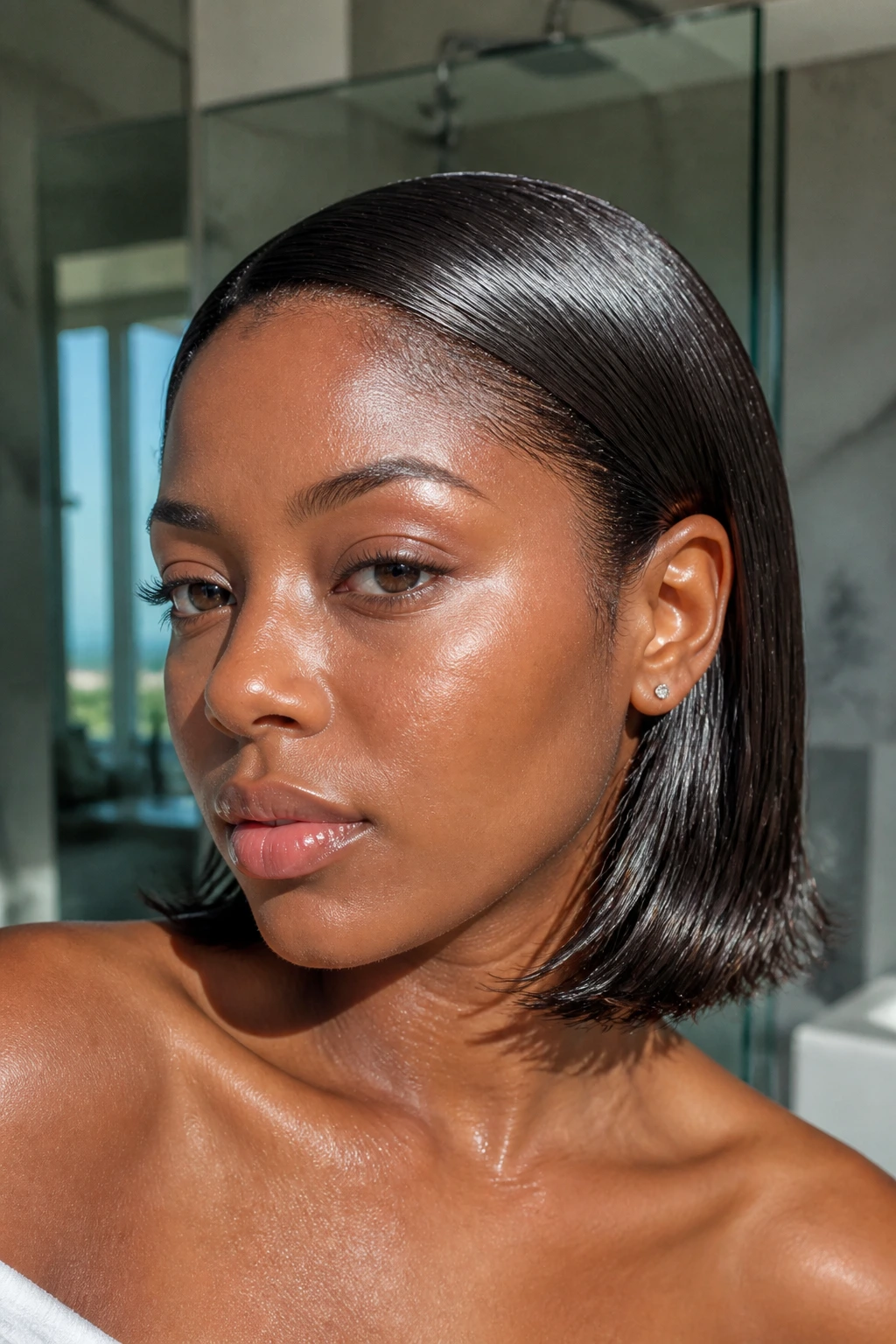
A wet-look bob is not for every day, and that is part of why it works. The gloss and separation make fine hair look deliberate, almost sculpted, as long as the product stays under control. The trick is to use enough gel or styling cream to smooth the hair, not enough to turn the roots greasy.
Start on damp hair, brush it flat with a boar-bristle brush or a dense paddle brush, and finish with a shine spray on the mid-lengths and ends. If the strands are already dry and fine, this style can separate too much. It does best on hair that has been freshly washed or lightly stretched.
20. Bone-Straight Lob with Clean Edges
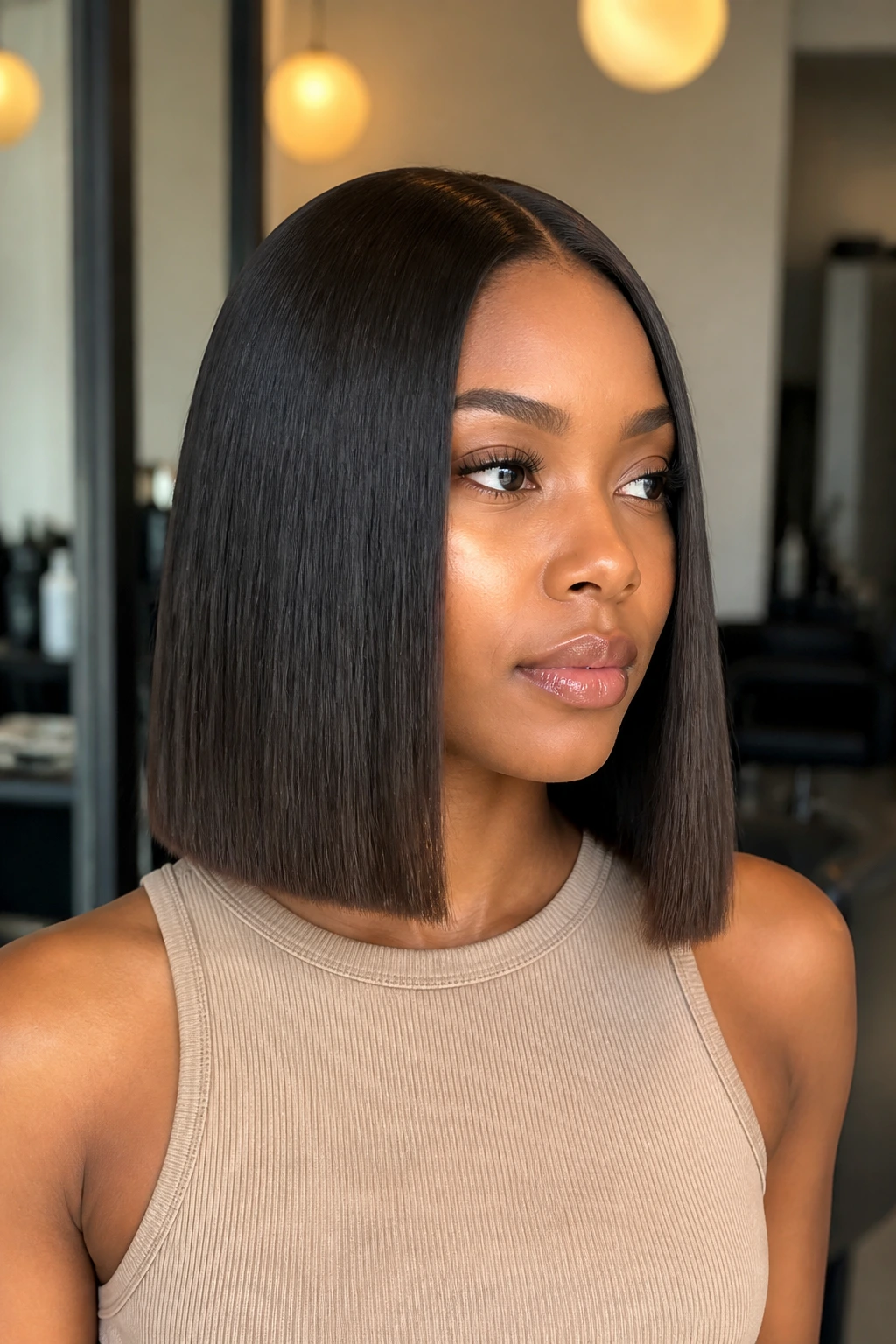
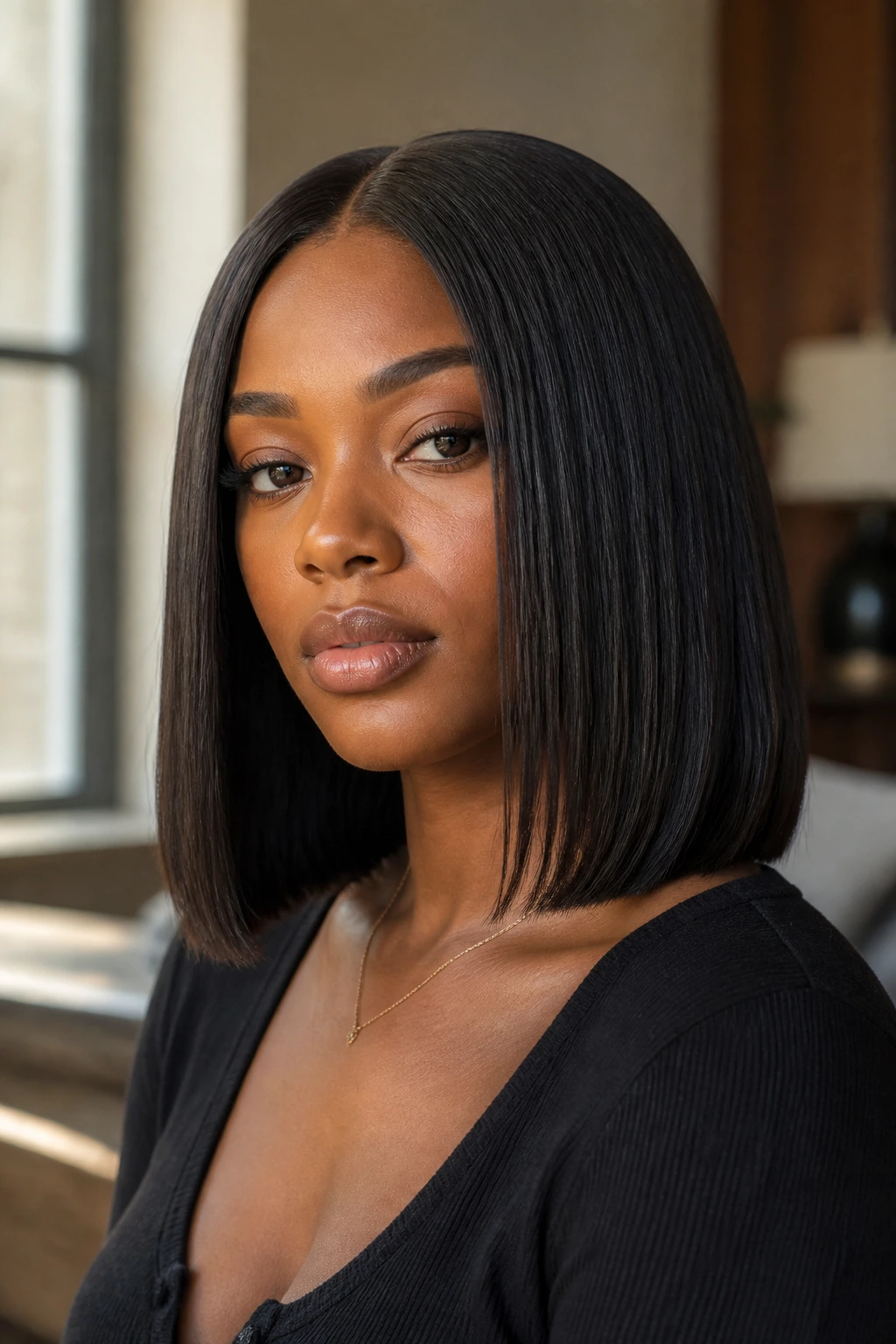
This is the cut for people who like precision. No extra fluff. No fuzzy ends. Just a sharp line that sits close to the shoulder and makes fine strands look neat from every angle.
Heat caution matters here
Bone-straight looks can go wrong fast if the iron is too hot or if the stylist passes over the same section six times. Keep the temperature in the lowest effective range and use a heat protectant that does not leave the hair slippery and limp. Fine hair can be persuaded into smoothness. It does not need to be bullied.
A trim every 6 to 8 weeks keeps the line clean. Wait longer than that and the ends start to feather in a way that stops looking sleek.
21. Natural Coily Bob
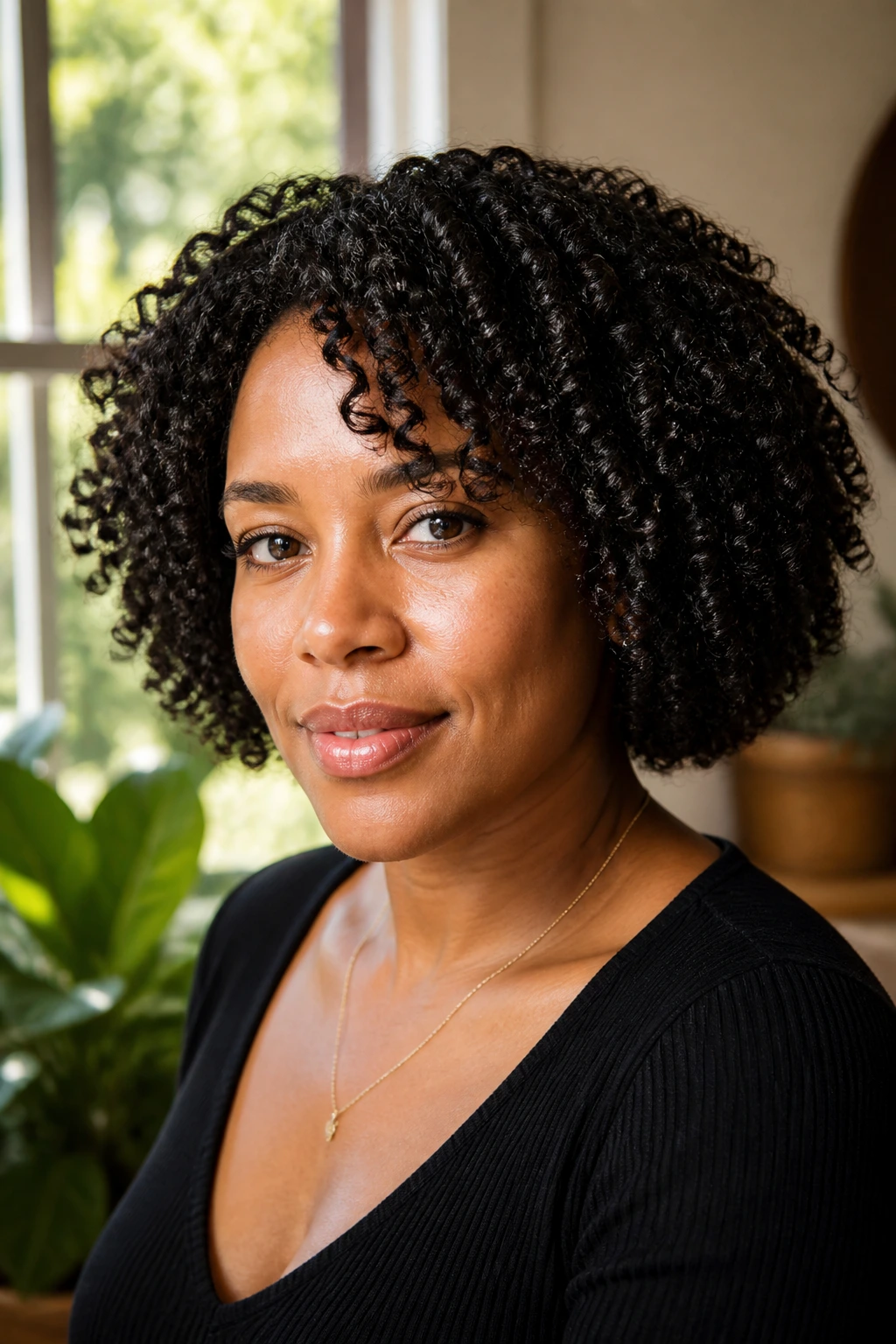
A natural coily bob has the best kind of tension: shape on the outside, spring inside. The bob can sit at the jaw, chin, or shoulders depending on shrinkage, so the cut should be planned with the finished texture in mind rather than the stretched length only.
If your coils are fine, keep the shape rounded and avoid carving out too much around the perimeter. A little fullness at the sides helps the style read as a bob instead of a halo. If you want the ends to land closer to the shoulders, cut on stretched hair or ask your stylist to leave a bit of extra length. Shrinkage is real. Fight it on paper, not in the chair.
22. Piecey Textured Bob
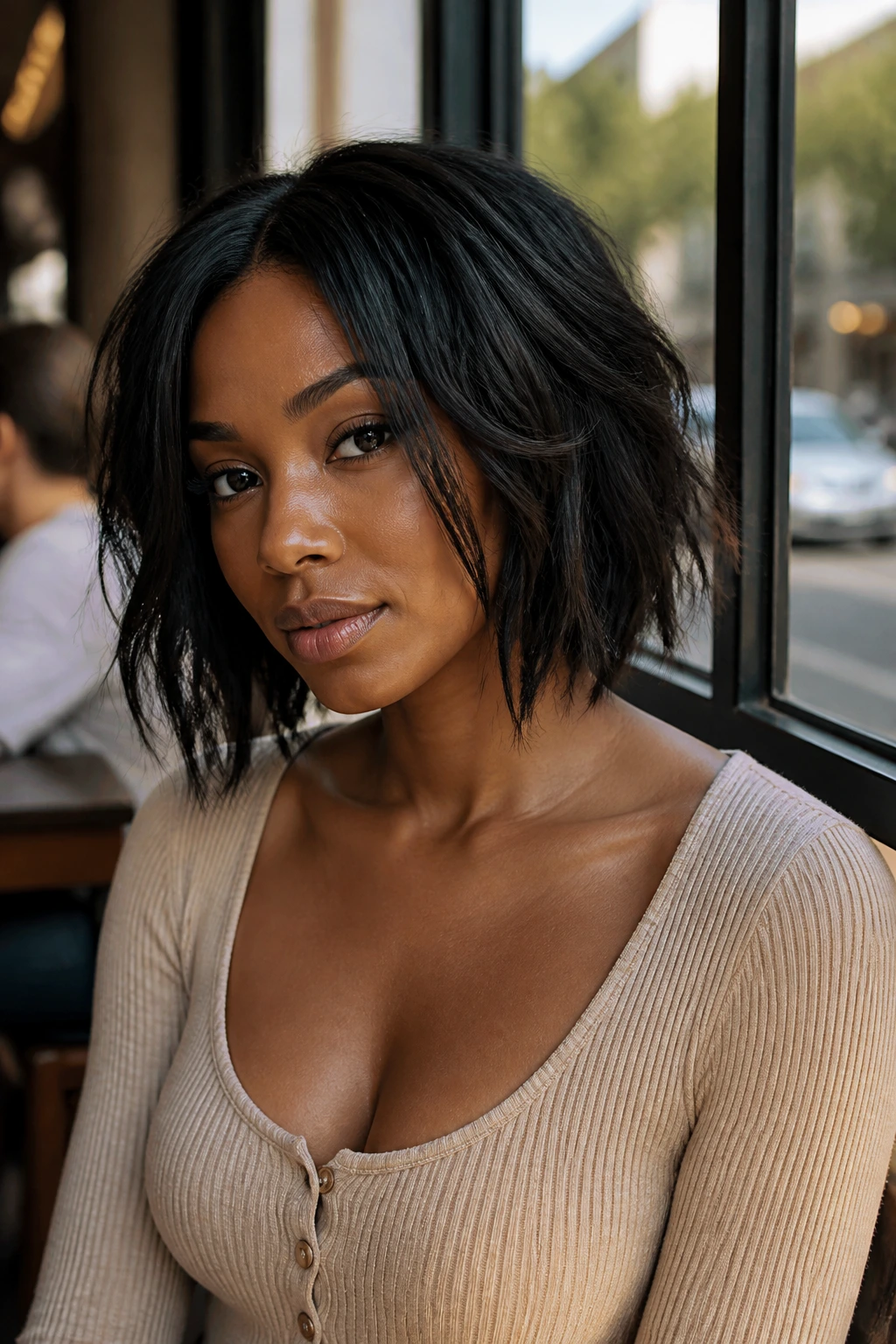
Some people want their bob tidy. Others want it to move and separate a little. A piecey textured bob sits in the middle. It keeps the shoulder-length shape, but the finish has enough breakup to keep fine hair from looking flat and uniform.
A light mousse or foam, a soft curl cream, and a little finger separation can create that effect without turning the hair crispy. The important part is restraint. You want pieces, not frizz pretending to be texture. If the ends start to look thin after you separate them, stop and leave the shape alone.
23. Crown-Lift Side-Part Bob
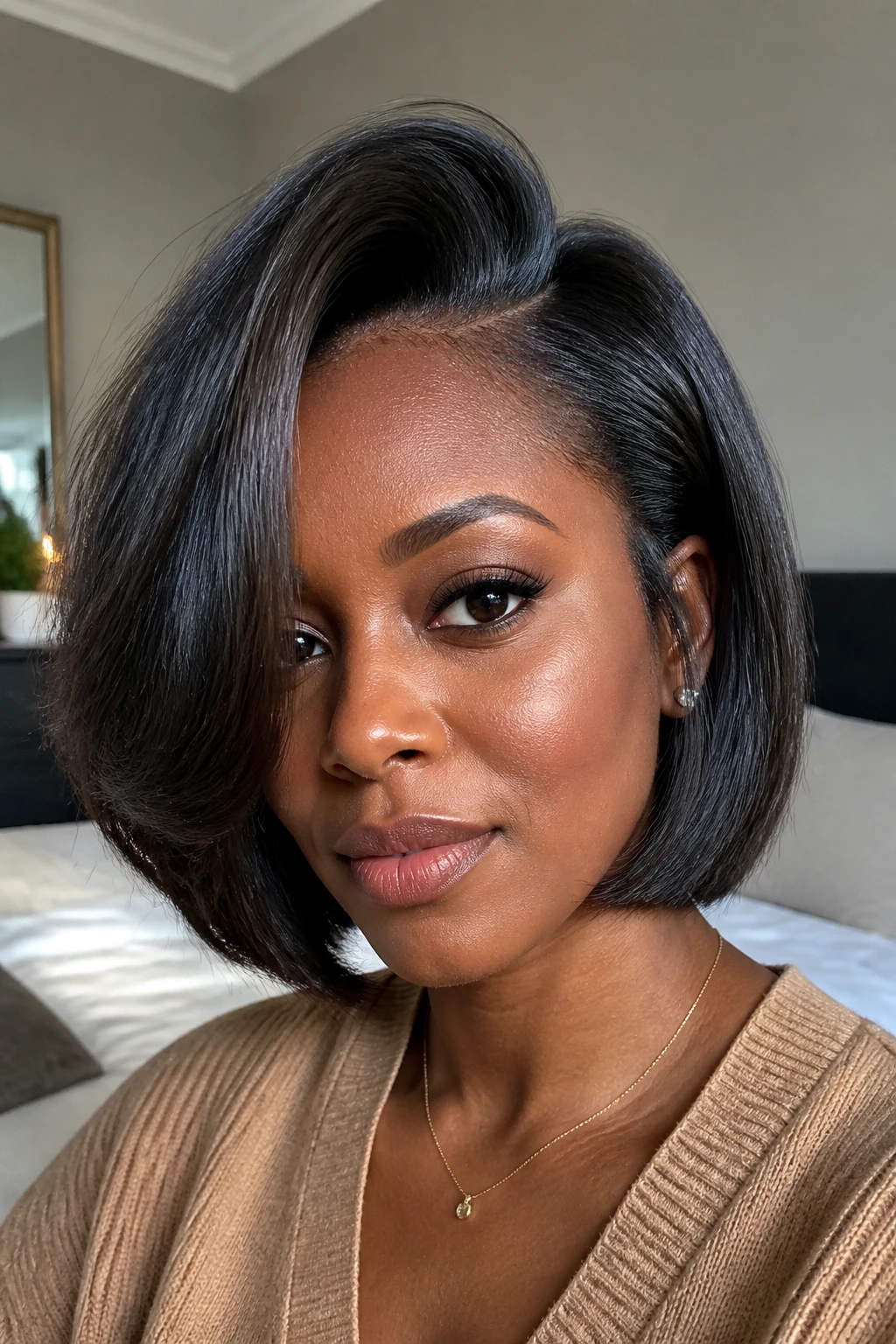
This version is for the reader who says, “My roots give up by noon.” A crown-lift side-part bob puts the energy at the top of the head, where fine hair often needs the most help. The part is off-center, the roots are clipped or rolled while cooling, and the body is directed upward before it falls.
That makes the silhouette look fuller without stuffing the lengths with product. A little root spray is useful here, but only at the base. Put weight on the hair shaft and it slumps. Keep the mids and ends light, and let the crown carry the lift.
24. Color-Dimension Bob
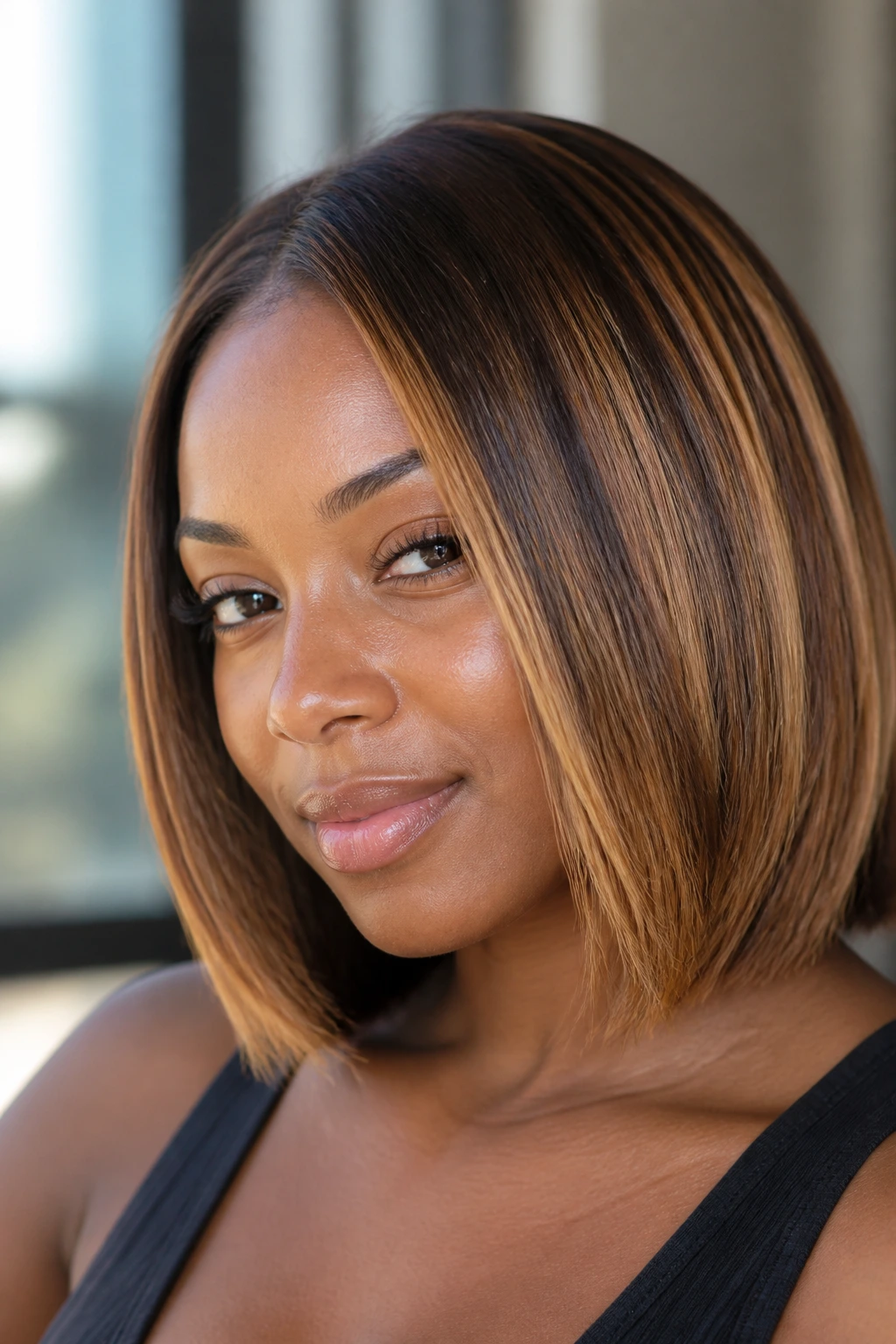
A little dimension can make fine hair look richer fast, especially when the color sits on the surface and around the ends instead of being packed into the whole head. Warm ribbons of caramel, honey, cinnamon, or copper can make the bob read as denser because the eye tracks the shifts in tone.
The catch is damage. Fine hair does not love harsh processing, so low-lift color, glosses, or soft highlights are the safer play. I would rather see a glossy, healthy bob with subtle dimension than a bright, dry one that frays at the ends. Shine beats drama every time.
25. Protective Lob with Leave-Out
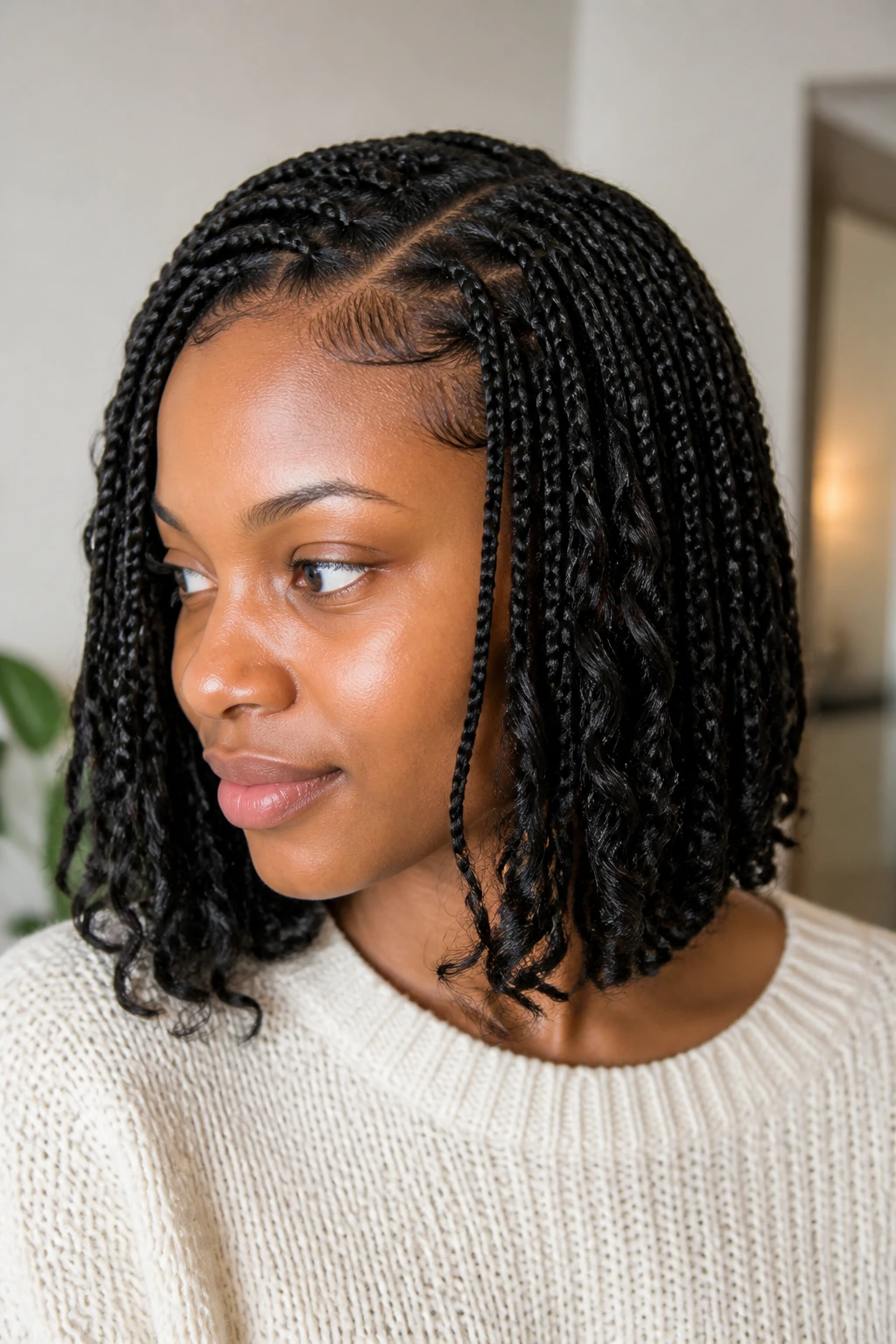
A protective lob can be a sew-in, quick weave, or wig cut into a shoulder-length shape, and it earns a place here because it gives fine hair a break without giving up the bob silhouette. Keep the leave-out minimal so your own hair does not have to carry the whole illusion. The goal is rest, not a tug-of-war at the hairline.
What to tell your stylist
Ask for light density around the perimeter and enough fullness through the middle to mimic a natural bob, not a helmet. Blend the leave-out with a soft press, a stretched blowout, or a matching twist-out texture. If the install is too heavy, the whole style sits low and looks tired. A good protective bob should still move when you turn your head.
How to Keep a Shoulder-Length Bob Full Without Overstyling
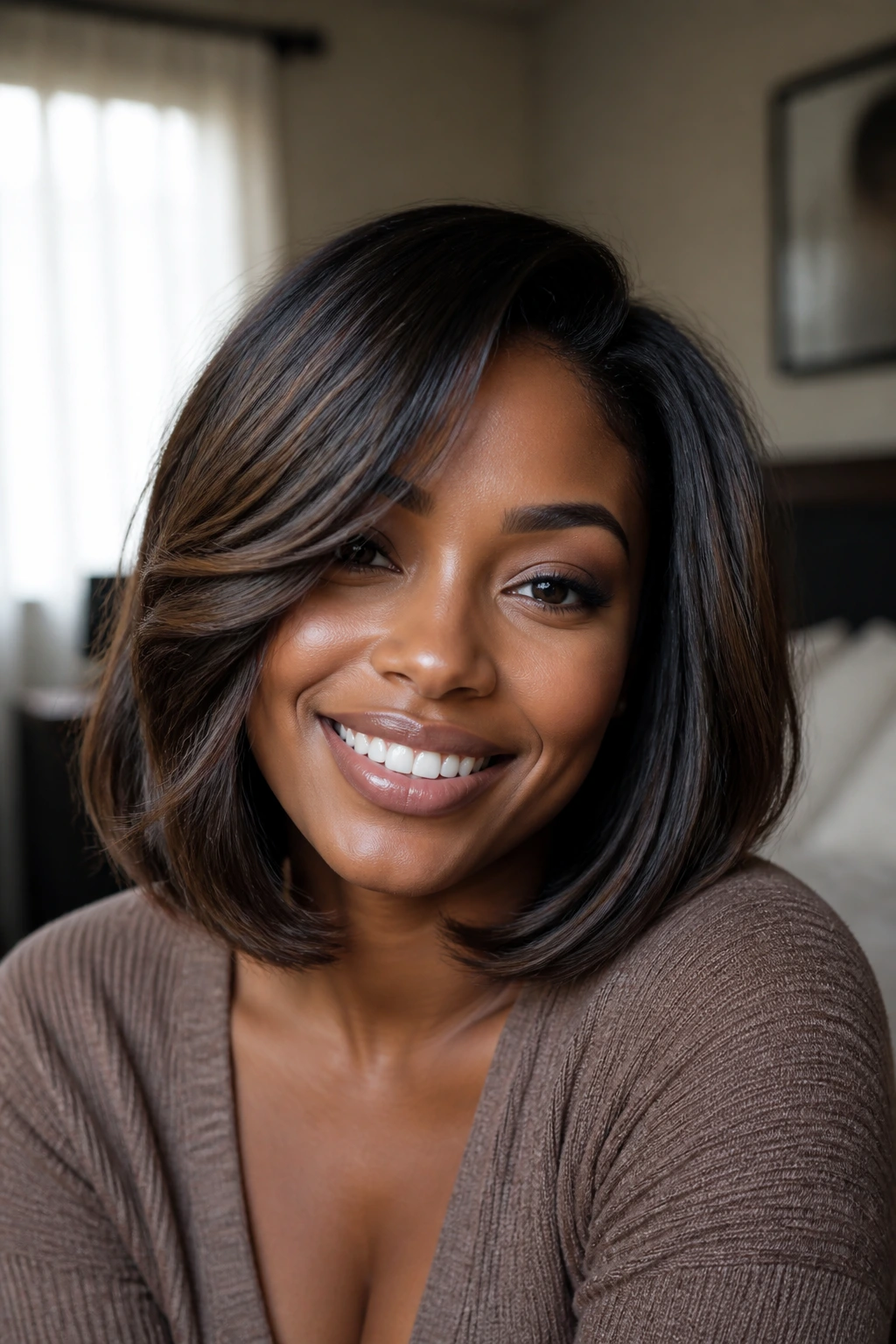
Fine hair usually looks best when the style has a little air in it. Not a ton. Just enough. The easiest way to keep a bob full is to build lift at the root before you bother with the ends. Blow-dry the hair until it is about 80 percent dry, then set the crown with clips or rollers while it cools. That one habit does more than a shelf full of thickening sprays.
Product weight matters. Use mousse, foam, or a lightweight setting lotion if you want body. Heavy creams, buttery oils, and dense edge products sit on fine hair like a wet towel. The ends separate. The roots slump. The whole style gets sleepy.
Keep the perimeter blunt. A bob that has been thinned too much at the bottom looks airy for about a day and then starts reading as sparse. If you want movement, ask for invisible layers or a gentle curve instead of aggressive slicing. The outer line should stay thick enough to catch the eye.
Refresh the front first. If the back still looks fine but the part and edges have collapsed, fix those before reworking the whole head. A bit of water, a little mousse, and a quick round-brush pass at the crown can buy you another day without a full restyle.
Tools That Earn Their Spot on the Counter
- Round brush, medium size: Useful for shaping the ends under or giving the crown a little lift without creating too much curl.
- 1-inch or 1.25-inch flat iron: Small enough to smooth the bob cleanly and bend the ends without frying them.
- Blow dryer with a concentrator nozzle: Helps direct airflow at the root so fine hair does not just puff everywhere.
- Duckbill clips or root clips: Great for holding volume while the hair cools.
- Light mousse or foam wrap lotion: Adds body without the heavy feel that fine hair hates.
- Heat protectant spray: Non-negotiable if you press or curl regularly.
- Boar-bristle brush or dense paddle brush: Smooths the surface for sleek styles and wet looks.
- Silk scarf or bonnet: Keeps the shape from getting crushed overnight.
- Wide-tooth comb: Best for curls, twist-outs, and braid-outs so you do not yank the pattern apart.
- Fine-tooth tail comb: Handy for parts, but use it lightly — a harsh part line can make fine hair look thinner than it is.
Common Mistakes That Make Fine Hair Look Thinner
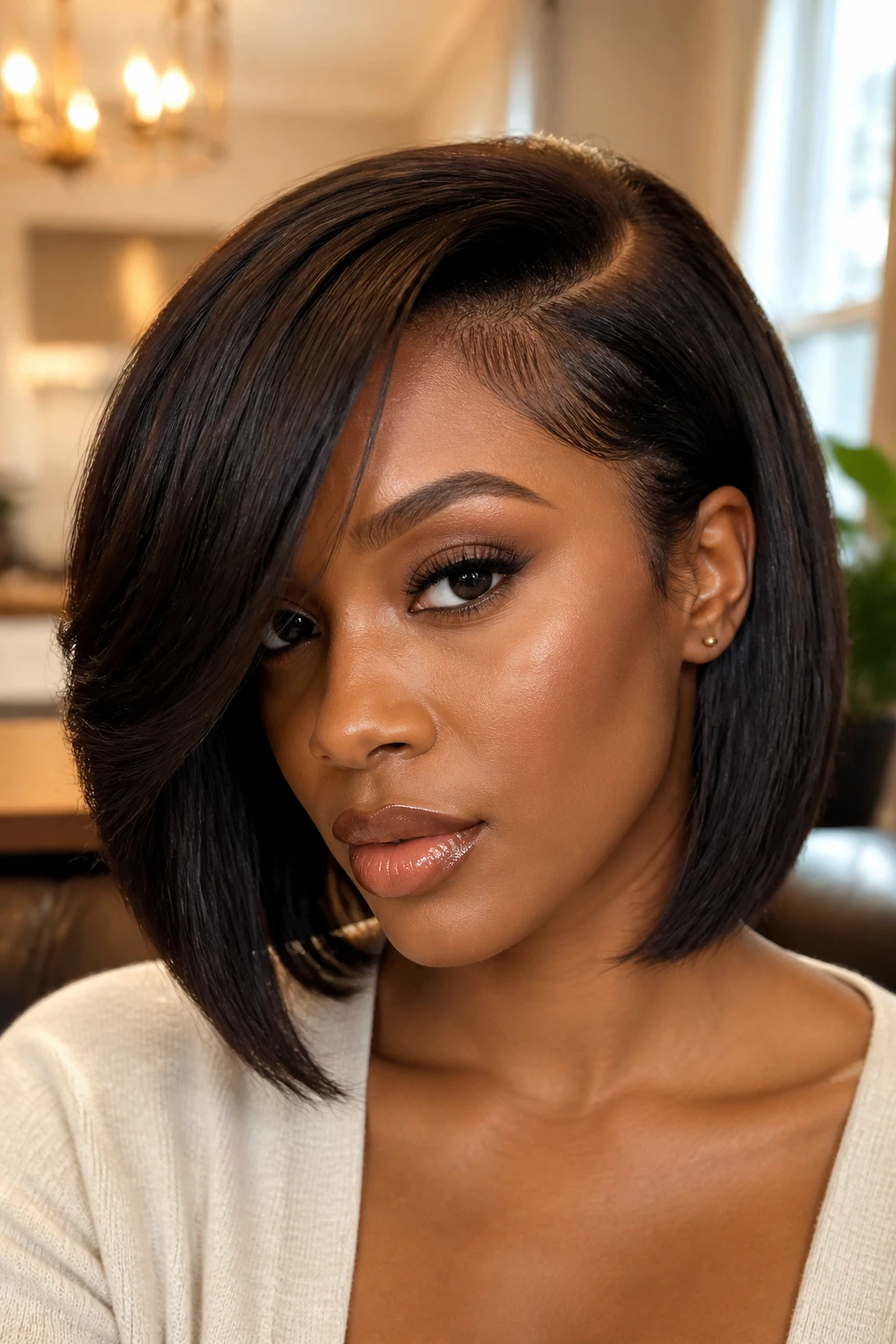
- Too many layers: The symptom is a see-through bottom edge. The fix is a blunt perimeter with only light internal layering or soft face-framing pieces.
- Heavy oils and butters near the roots: Fine hair goes limp fast when product sits on the scalp or crown. Use lightweight mousse at the top and save richer products for the ends, and even then only a little.
- A cut that is too long for the density: If the bob drags past the shoulders and keeps falling flat, it will look stretched rather than full. Bring it back to the collarbone or keep a subtle A-line.
- Overusing heat: The ends start to look frayed, dull, or wispy. One or two controlled passes are better than repeated ironing at high heat.
- Ignoring the part: A bad part can flatten the whole style. A side part often gives more lift, while a center part works best when the perimeter is blunt and the crown has some root support.
- Skipping trims: Fine ends split fast. Once they go fuzzy, the whole bob looks thin, even if the rest of the hair is healthy.
Different Ways to Wear the Same Lob Without Changing the Cut
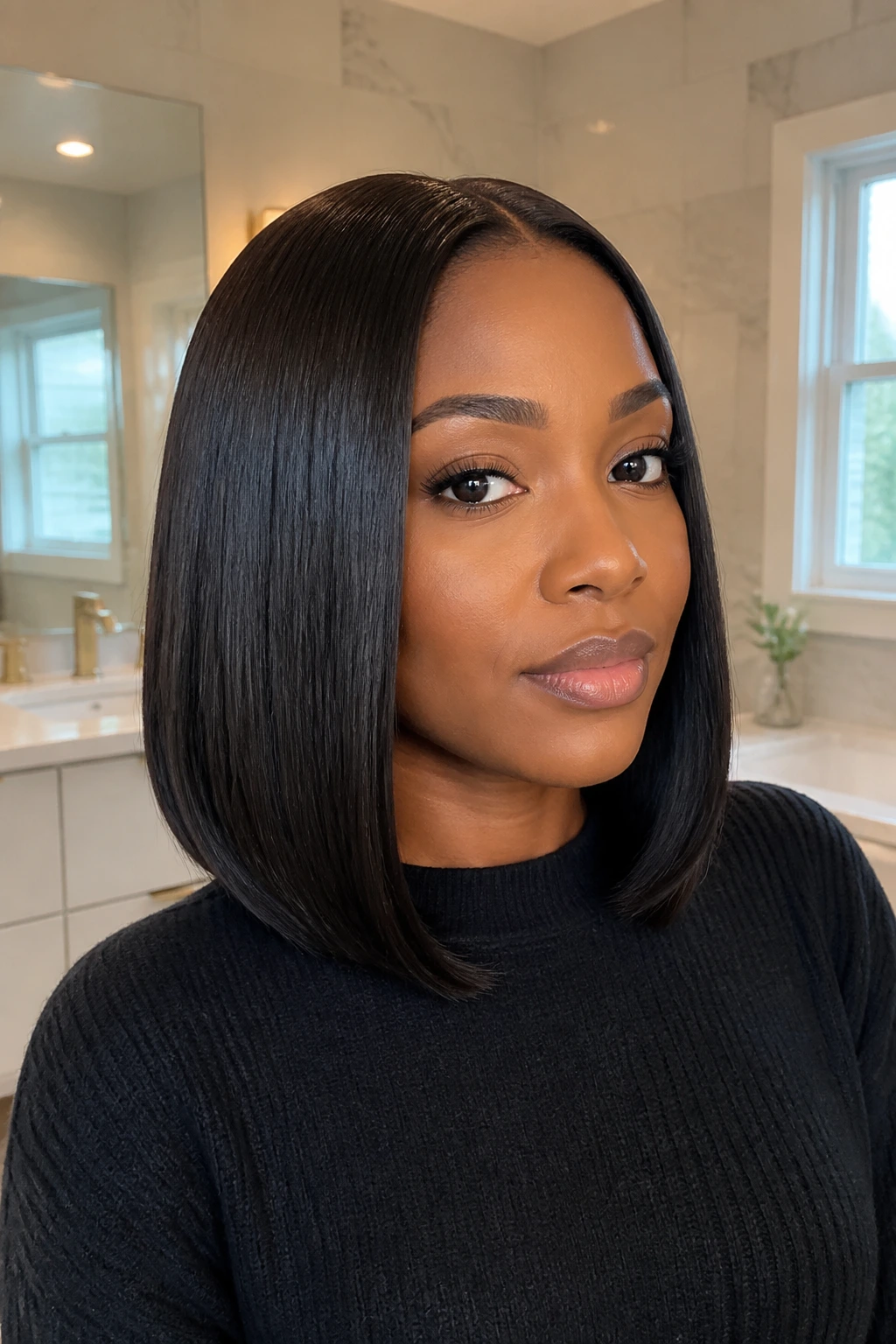
The Pressed-and-Polished Version: Keep it sleek with a silk press, a blunt edge, and a soft bend under the ends. This is the cleanest take and the easiest one to dress up.
The Soft-Wave Version: Use a wand, large rollers, or a braid-out to give the bob body and movement. Fine hair usually reads fuller when the wave is broad and soft, not tight and busy.
The Natural Stretch Version: Banding, twisting, or a careful blowout keeps the length visible without erasing your texture. Good for people who want the bob shape but do not want a straight finish every week.
The Protective Rest Version: A bob-shaped sew-in, quick weave, or wig lets your own hair take a break while you keep the shoulder-length silhouette. Keep the density light enough that the style still moves.
The Color-Gloss Version: Add subtle caramel, honey, or copper ribbons, then finish with a gloss for shine. Dimension can make fine hair look richer, but overprocessing will do the opposite fast.
Night Care and Between-Wash Maintenance
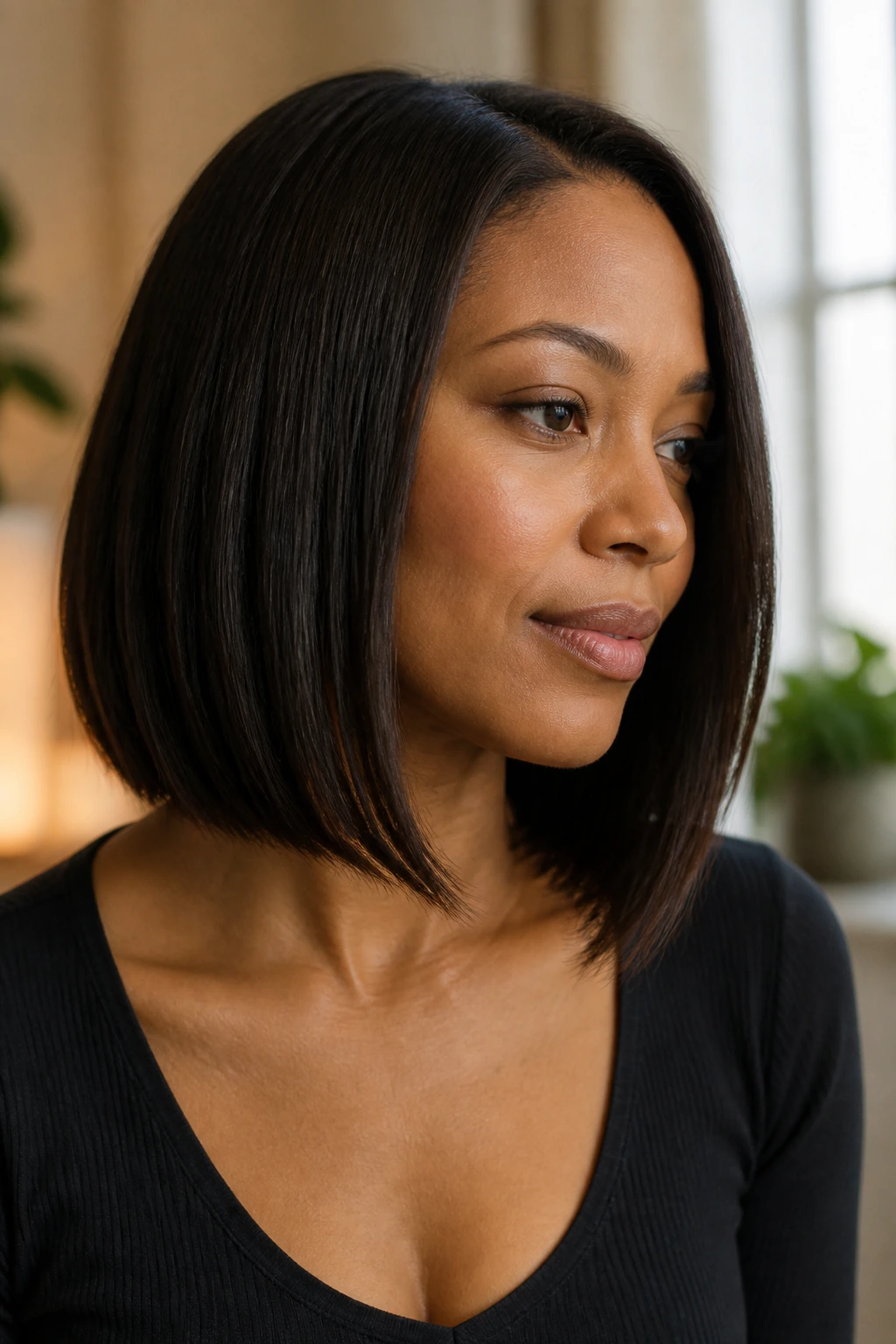
A shoulder-length bob on fine hair usually stays sharp longer if you treat bedtime like part of the styling process. Wrap the hair with a silk scarf or sleep on a silk pillowcase, then use one or two loose pins if the ends tend to flip in the wrong direction. If you wear a sleek press, a quick nightly wrap keeps the shape from puffing up at the crown.
For heat-styled bobs, a refresh every 5 to 7 days is usually enough if you protect the hair well at night. You do not need a full wash every time the roots lose a little lift. A light mist of water, a touch of mousse at the part, and a few minutes under a cool dryer can bring it back. If the style feels coated or heavy, wash sooner rather than piling on more product.
Natural and stretched versions need a little more judgement. Twist-outs and braid-outs often hold for 3 to 5 days before the pattern starts to blur. At that point, refresh the front and crown, then re-do only the loose sections that need help. Trims every 6 to 8 weeks keep blunt bobs clean, and color-treated fine hair should be checked more often because the ends dry out quicker than the rest.
Frequently Asked Questions
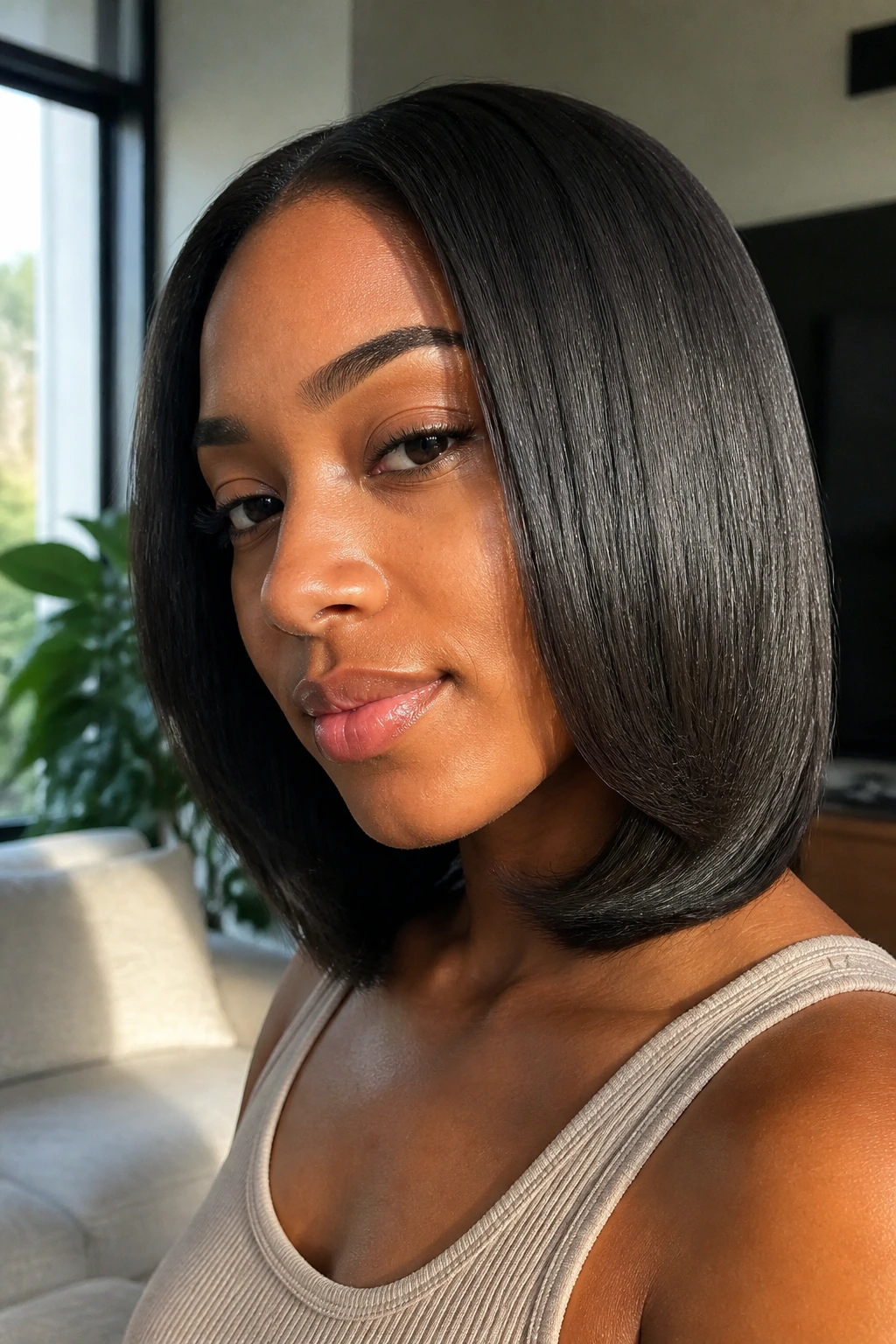
What shoulder-length bob looks fullest on fine Black hair?
A blunt bob or a soft A-line usually gives the best density illusion. The clean perimeter makes the ends read as thicker, and the slight angle keeps the shape from feeling boxy.
Are layers a bad idea for fine hair?
Not always, but they need to be quiet. Heavy layers can make the ends look hollow, while invisible layers or soft face-framing pieces can add movement without stealing fullness.
Should I wear a center part or a side part?
A center part gives a neat, balanced look, while a deep side part gives more crown lift. If your roots go flat fast, the side part usually has the edge.
Can I wear a shoulder-length bob without heat?
Yes. A twist-out, braid-out, stretched coil set, or banded blowout can keep the shape visible without a flat iron. Just plan the cut with shrinkage in mind so the finished length lands where you want it.
How often should I trim a fine-hair bob?
Every 6 to 8 weeks is a good range for blunt shapes, especially if you wear heat. Letting the ends sit too long makes fine hair look fuzzy and thin, even when the rest of the hair is healthy.
Will bangs make my hair look thinner?
They can, if the bangs are too heavy or cut too short. Soft bottleneck bangs or curtain bangs tend to work better because they frame the face without eating too much density at the front.
What if my bob looks flat by midday?
Start at the root. Use less product, clip the crown while it cools, and check whether the cut has too much weight removed from the perimeter. A flat bob is usually a shape issue, not just a styling issue.
Can color help a fine-hair bob look fuller?
Subtle dimension can help a lot. Glosses and low-lift highlights create depth, while harsh bleach on already-fine strands can make the ends look tired very quickly.
The Shape Worth Keeping
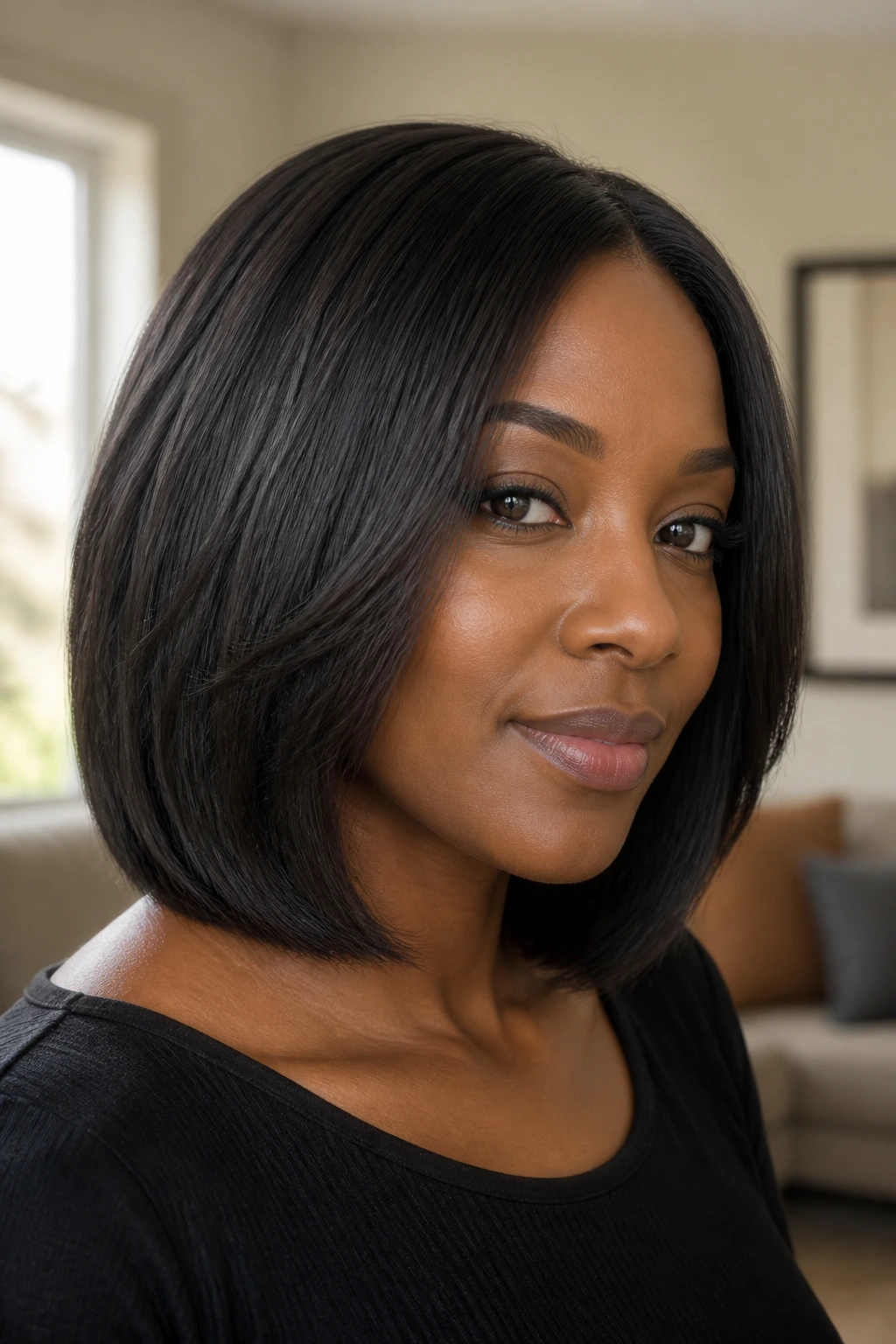
A good shoulder-length bob does not need to shout to work. It just needs a clean line, a little lift, and a finish that respects fine Black hair instead of fighting it. That is the real advantage here: the cut can look sleek, soft, natural, or dressed up, and the shape still makes sense.
What I like about this length is how little it asks for once it has been cut correctly. Keep the edges blunt, treat the crown gently, and do not over-thin the ends. The rest is mostly taste, which is the fun part.