



Medium length older layered haircuts for women over 50 work best when they respect what hair has become, not what it used to be. A shoulder-length cut can look clean one week and heavy the next if the weight sits in the wrong place, and that shift usually shows up right around the cheekbone, the crown, and the ends brushing the collarbone.
A blunt line can be tidy. It can also feel stern.
Layers change the silhouette in a smarter way: they let the top move, soften the front, and keep the ends from hanging in one thick strip across the shoulders. If your hair has gotten finer, a little wirier, or less eager to do what it used to, that change matters more than most salon chatter admits.
The best cuts in this round-up don’t try to hide age. They make room for it — silver strands, glasses, waves that have gone frizzier, a jawline that wants a softer frame, a morning when you do not want to wrestle a round brush for twenty minutes. The right shape makes all of that easier, and the 25 options below cover the sweet spot from polished to undone.
Why These Layered Cuts Earn Their Keep
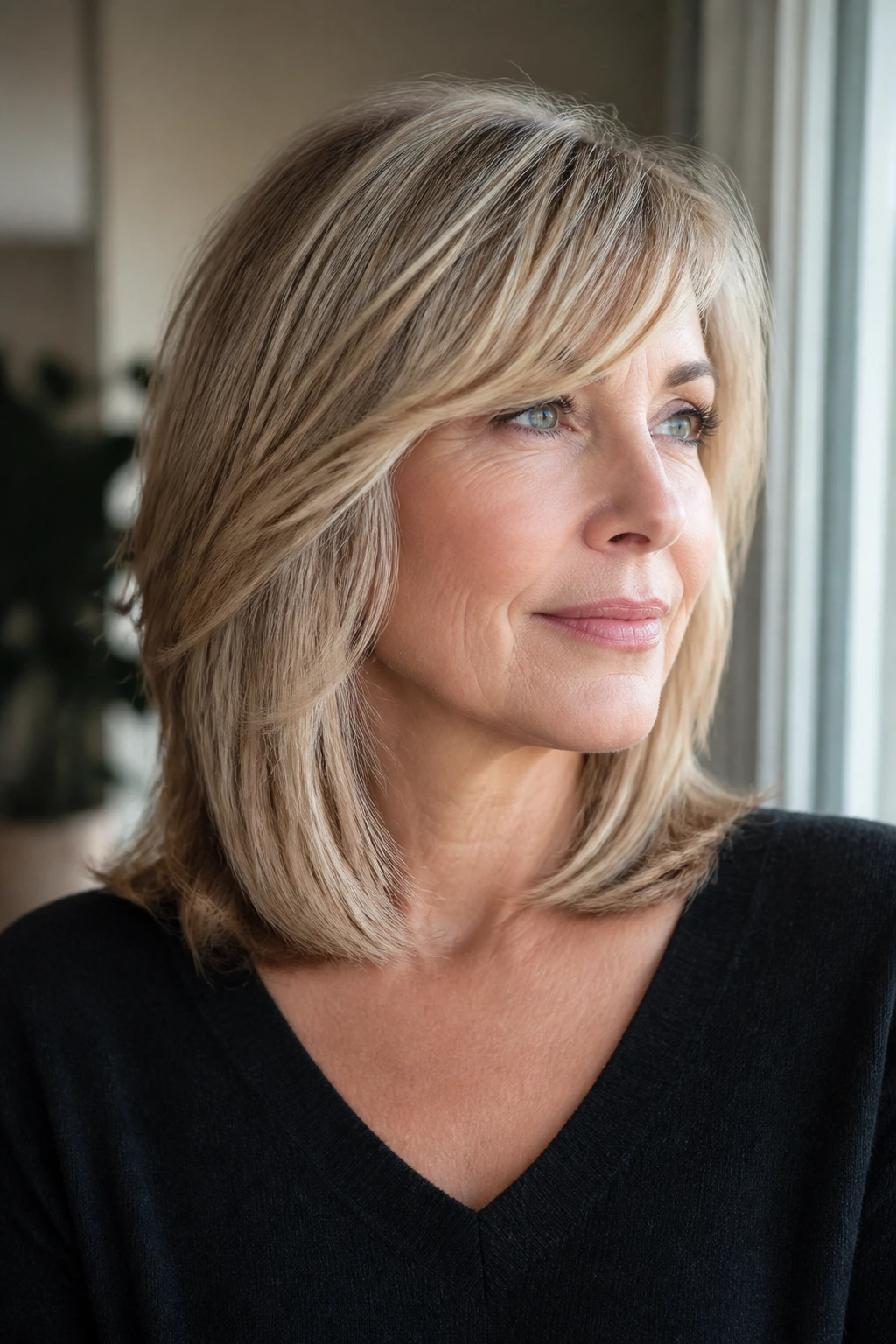
- Crown lift without a drastic chop: Layers remove weight where hair starts to collapse, so the top can rise a little while the ends still brush the shoulders.
- Face-framing that doesn’t fight glasses or jawlines: The best pieces land near the cheekbone or just below the frames, which keeps the face open instead of boxed in.
- Better behavior on fine or changing hair: Soft layers can keep the silhouette full without forcing every strand to do the same job.
- Room for waves, curls, or a straight blowout: A medium cut can air-dry with texture, then still smooth out cleanly with a brush if you want polish.
- Easy grow-out: These cuts usually stay shaped longer than a sharp bob or a heavily chopped shag, so a late salon appointment does not wreck the whole look.
- Enough length for clips and pins: That matters more than people admit; a cut you can twist back on day three gets worn far more often.
1. Soft Collarbone Layers with a Side-Swept Fringe
This is the cut I recommend when someone wants movement but not drama. The collarbone length gives the hair a clean anchor, and the side-swept fringe breaks the forehead line without cutting the face in half. It’s neat, but not stiff. That’s the trick.
Ask for the shortest pieces to start around the cheekbone and melt into the rest of the length. If the fringe lands too high, the whole thing can turn puffy. Too low, and it disappears. Right at the cheekbone, it softens the face and makes glasses, earrings, and necklines look more intentional.
2. Invisible Layers for Fine Hair at Shoulder Length
Fine hair needs a quieter hand. Too much chopping and it starts to look thin at the edges, which is why invisible layers are so useful here — the shape moves, but the outline stays full. The haircut reads as one smooth line until you catch the swing in the ends.
The best version keeps the perimeter solid at the shoulders and removes weight inside the shape. That means the crown gets a little air, but the bottom does not go wispy. If your hair falls flat by noon, this is one of the smartest cuts on the list.
- Best for: Hair that loses lift fast.
- Ask for: Internal layering, not heavy texturizing.
- Skip if: You want a shaggy, piecey finish.
3. Feathered Ends That Move Instead of Flop
Feathering sounds old-fashioned until you see it done well. Then it looks modern, because the ends bend and separate instead of sitting there like one blunt shelf. On straight or slightly wavy hair, that softness keeps medium length from feeling boxed in.
Why it works on mature hair
Feathered ends take the edge off a thick outline without shredding the shape. That matters when the hair has become a little drier or when the front pieces need to curve away from the jaw rather than cling to it. The cut still looks tidy on day one. On day three, it tends to look even better.
4. Curtain Bang Layers That Open the Cheekbones
Curtain bangs do a lot of quiet work. They split the attention in the middle, skim the cheekbones, and grow out better than a blunt fringe that sits above the brows and demands a trim every few weeks. When they’re paired with medium layers, the whole cut feels lifted without looking overdone.
The important part is length. Curtain bangs should graze the eyelashes or cheekbone, not stop in the middle of the forehead. If you wear your hair tucked back sometimes, these pieces still fall nicely around the face instead of springing up like they’ve got a mind of their own.
5. A Deep Side-Part Lob with Lift at the Crown
A deep side part is one of the fastest ways to change the mood of a layered lob. It gives instant height at the crown, shifts the weight away from a flat part line, and creates a little asymmetry that makes the cut look expensive even when the styling is simple. Sometimes that’s all a haircut needs.
This version works especially well if one side of your hair lies flatter than the other. The longer front section softens the cheek, while the shorter lifted side opens the top of the face. It’s a good answer when you want polish without a helmet-shaped blowout.
6. Blended Layers That Flatters Silver and White Hair
Silver hair shows every cut line, which is why blended layers matter so much here. A harsh layer on white or salt-and-pepper hair can look choppy fast. Soft blending, on the other hand, lets the shine move through the cut and keeps the silhouette rounded.
I like this cut best when the ends are slightly beveled instead of razor-thin. Gray hair can be coarse, and coarse hair needs shape, not punishment. The right layered lob will let the hair swing around the neck while still keeping enough weight to sit neatly when you air-dry it.
7. A Soft Shag That Stops at the Shoulders
A shag at this length can be brilliant when you want texture without leaning all the way into a mullet-shaped mess. The shoulder stop keeps it grounded. The layers around the crown give lift. The face frame keeps it from feeling too boyish or too edgy for everyday wear.
This is a good cut if your hair has a little wave and you do not want to fight it into submission. A few spritzes of texture spray and a quick scrunch are often enough. If your hair is pin-straight and slippery, though, the shape can fall apart unless you add some grip at the roots.
8. The U-Shaped Cut That Keeps Length in Back
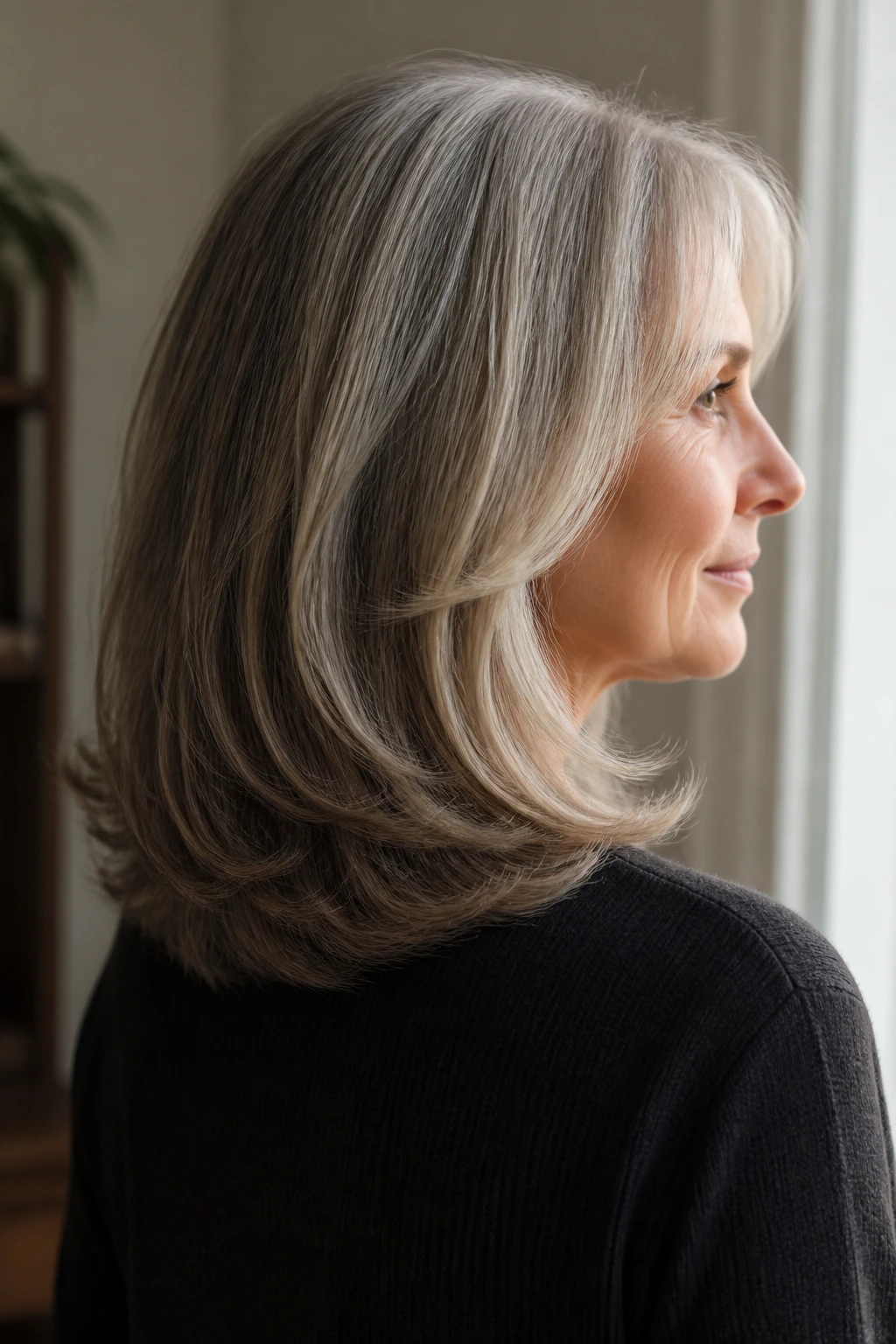
A U-shape is one of those cuts that looks simple until you see the profile. The back keeps a little extra length, which makes the whole style look softer and fuller than a blunt line. The front still frames the face, but the back prevents the cut from looking too square.
This is a strong choice if you still want to pull your hair into a low ponytail or claw clip. The layers should open the shape without stealing too much density from the ends. If the shortest pieces start too high, the U loses its grace and turns choppy.
9. Razored Layers for Thick, Dense Hair
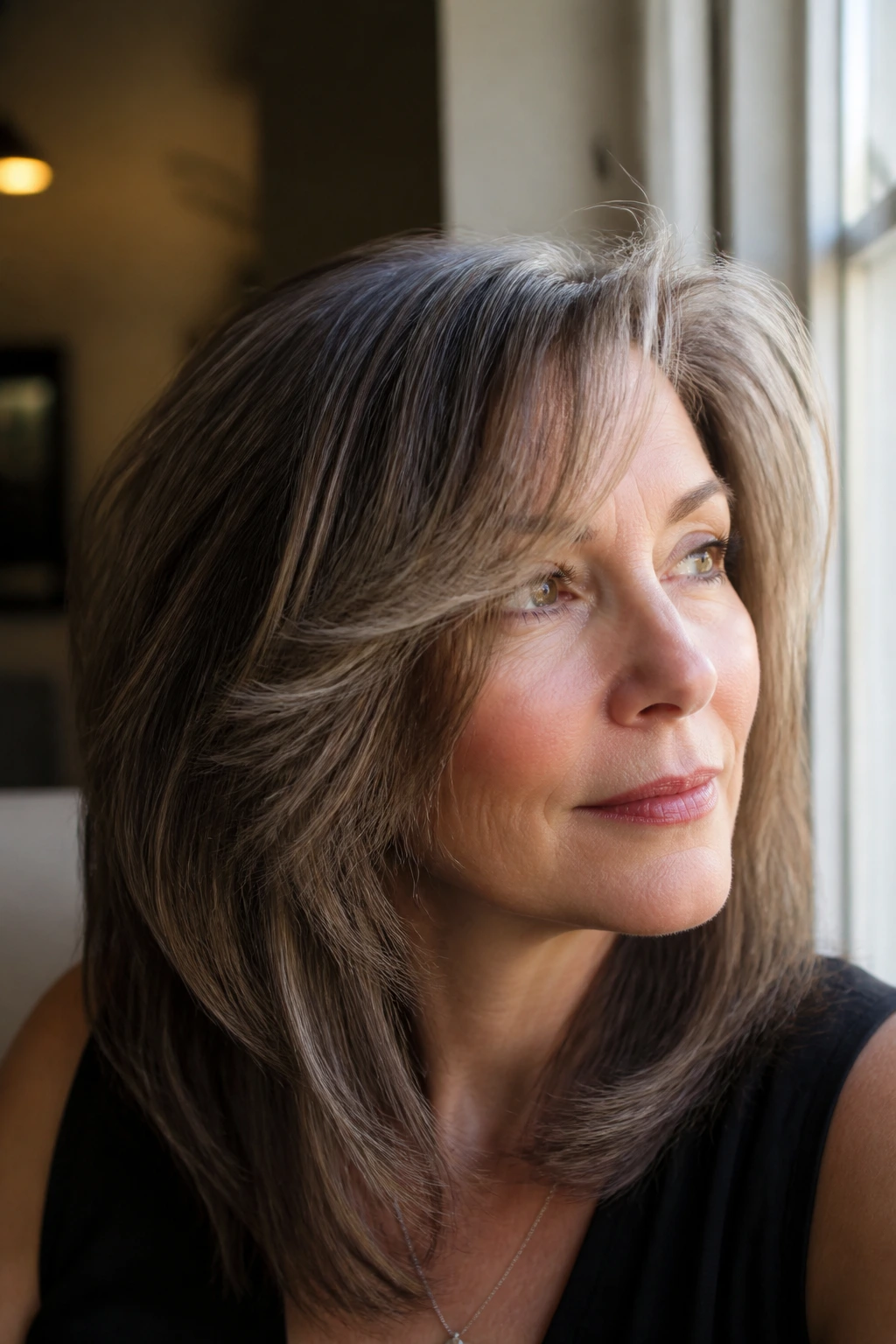
Thick hair needs relief, but not every stylist goes about it well. Razored layers can work beautifully when the hair is dense and straight enough to handle the texture, because they remove bulk without building a block at the ends. Done right, the hair swings instead of ballooning.
The catch is frizz. If your hair already fuzzes up in humidity, too much razor work can make the surface look thirsty. Ask for soft, controlled weight removal through the interior and keep the perimeter reasonably full. That gives the cut shape without making the ends look hungry.
- Best for: Dense, heavy hair that sits flat at the crown.
- Ask for: Internal weight removal and soft point cutting.
- Watch out for: Over-thinned ends near the shoulders.
10. Polished Blowout Layers with Rounded Ends
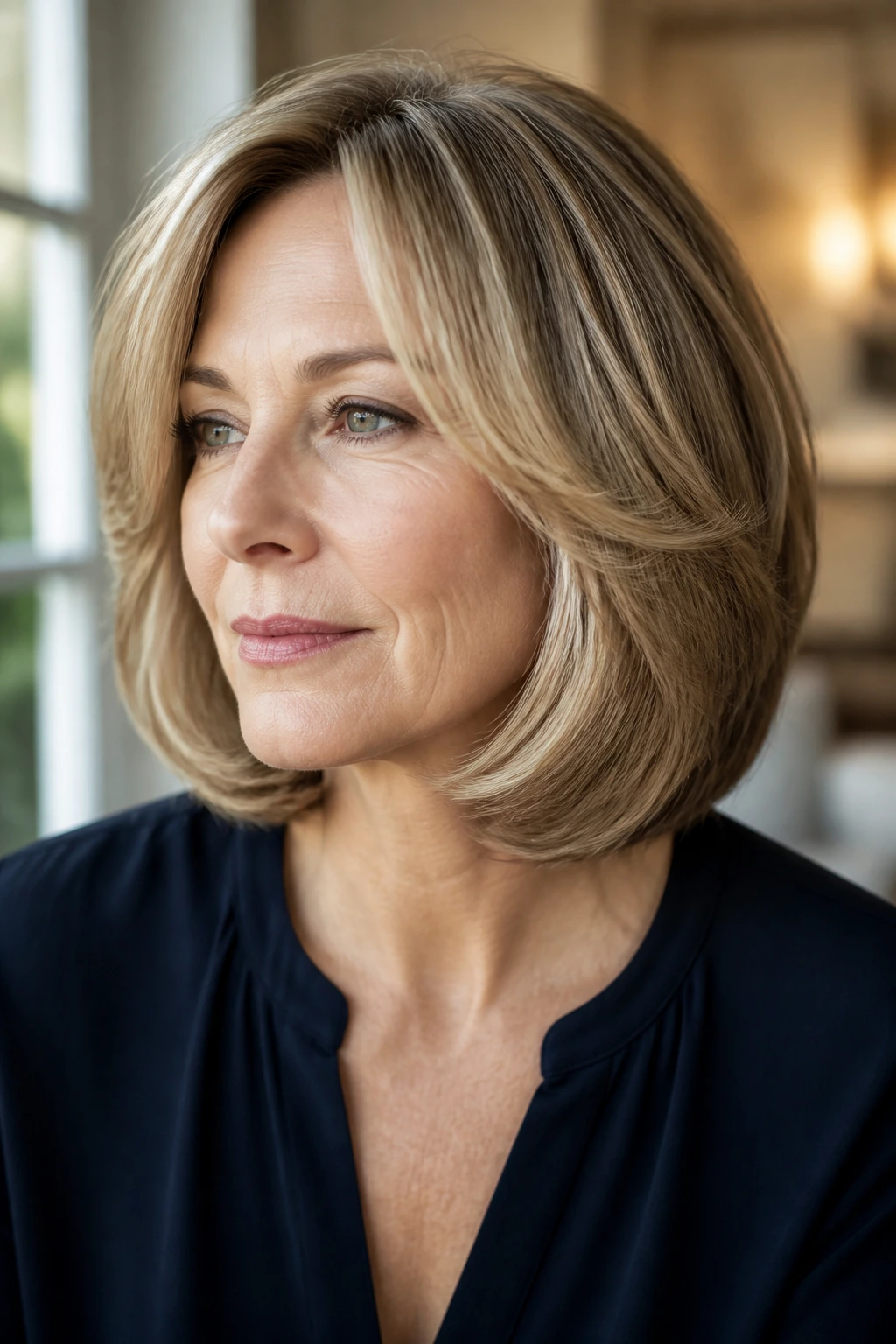
This is the cut for anyone who likes the feeling of a fresh salon blowout and wants the haircut to help, not resist. Rounded ends curve under the jaw and make the shoulders look tidy, while the layers keep the top from collapsing into one solid block. It’s elegant without being fussy.
A round brush and a little tension matter here. Blow-dry the crown first, then shape the face frame away from the face and tuck the ends under slightly. The cut does not need a lot of product; too much serum flattens the movement that makes it work.
11. Wavy Mid-Length Layers That Let Texture Lead
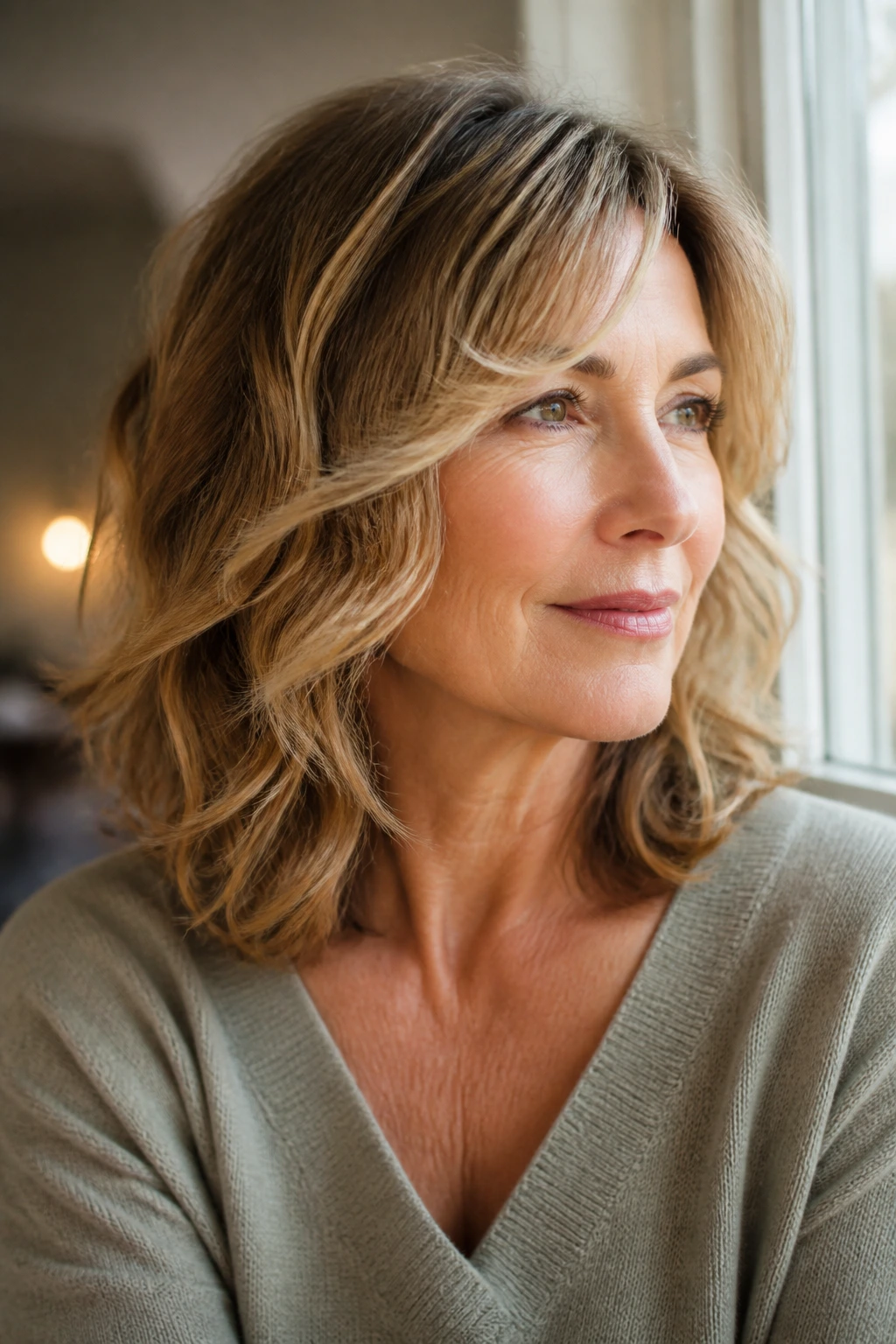
If your waves are already doing half the styling work, do not over-engineer them. The best layered cut for wavy hair keeps the waves from forming a triangle and gives the ends enough room to bounce. That usually means layers that start below the cheekbone, not all over the head.
The thing wavy hair hates
Heavy thinning near the top. It can make the wave pattern frizzier and leave the ends looking scraggly. A better approach is a gentle shape through the sides and a little softness around the front, then let the wave pattern fill in the rest. Air-dry cream, a twist of the wrist, done.
12. Wispy Fringe Layers for a Softer Forehead Line
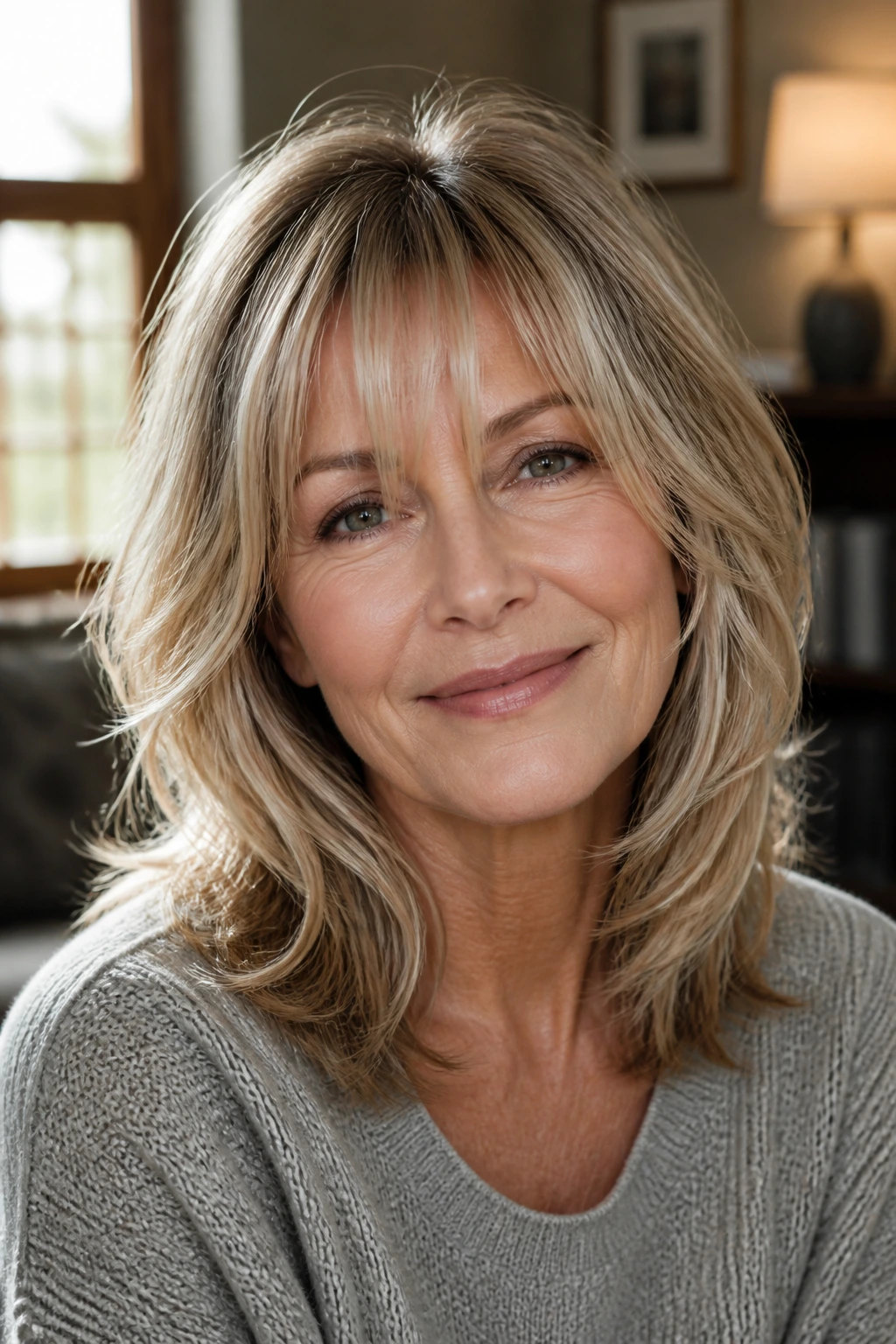
A wispy fringe is lighter than a blunt bang and far easier to live with. It softens the forehead without taking over the face, and it gives the layered cut a slightly more relaxed edge. The fringe should look like part of the haircut, not a separate project.
This works well if your hairline has a few cowlicks or if you do not want bangs hitting the brows all day. Keep the fringe long enough to sweep aside when needed. When it’s paired with medium layers, the cut feels airy and a little playful, which can be a nice break from anything too polished.
13. Chin-Skimming Face-Framing Pieces with a Longer Back
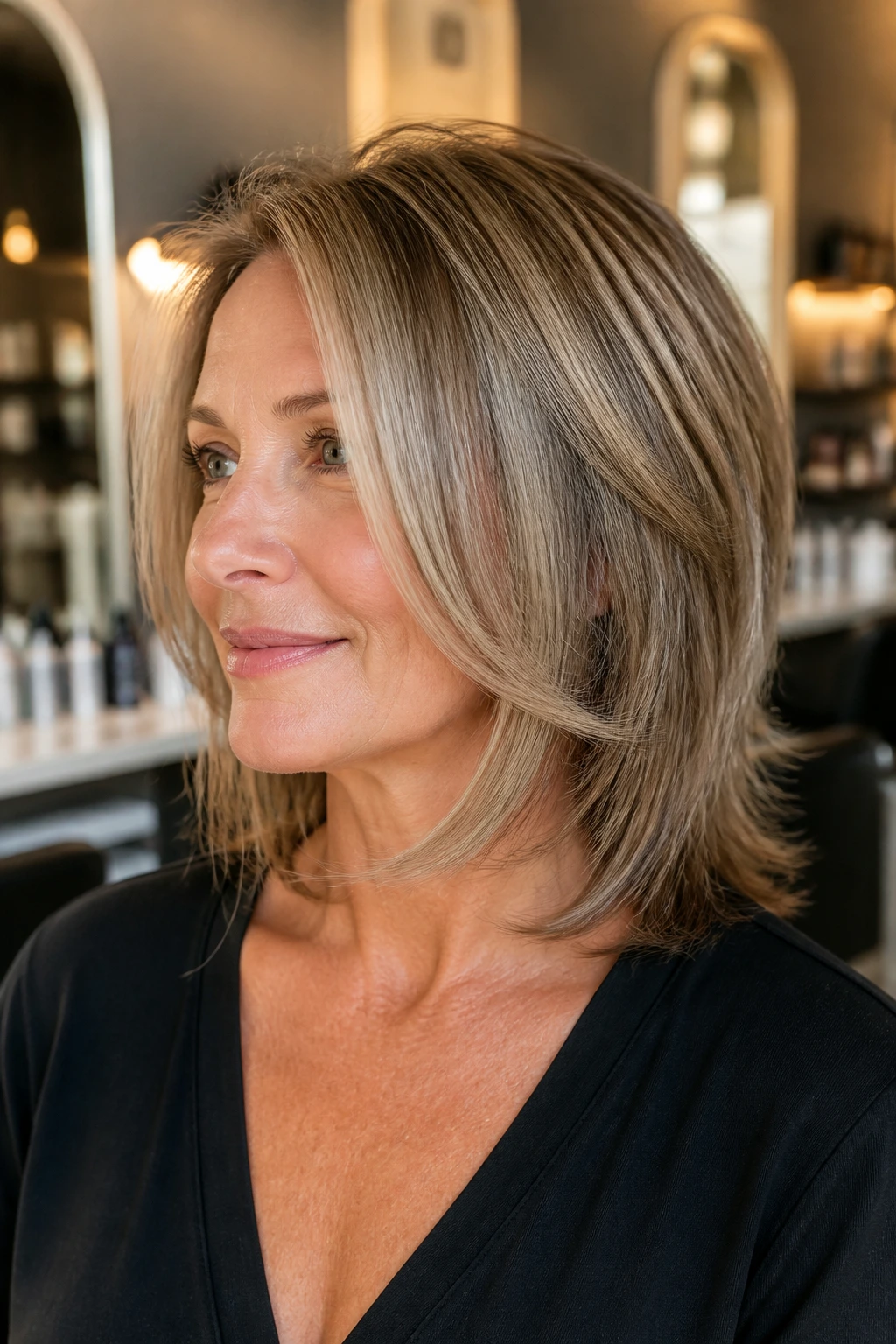
This one is all about line. The front pieces skim the chin just enough to guide the eye, while the back stays longer and fuller, so the hair still feels substantial when it moves. It’s a smart cut for anyone who wants shape around the face without sacrificing the tail end of the length.
I like this on square or round faces because the front pieces create a vertical pull. If your chin is already prominent, ask for the shortest layer to sit just below it rather than right on it. Small shift. Big difference.
14. Curly Layers That Respect the Curl Pattern
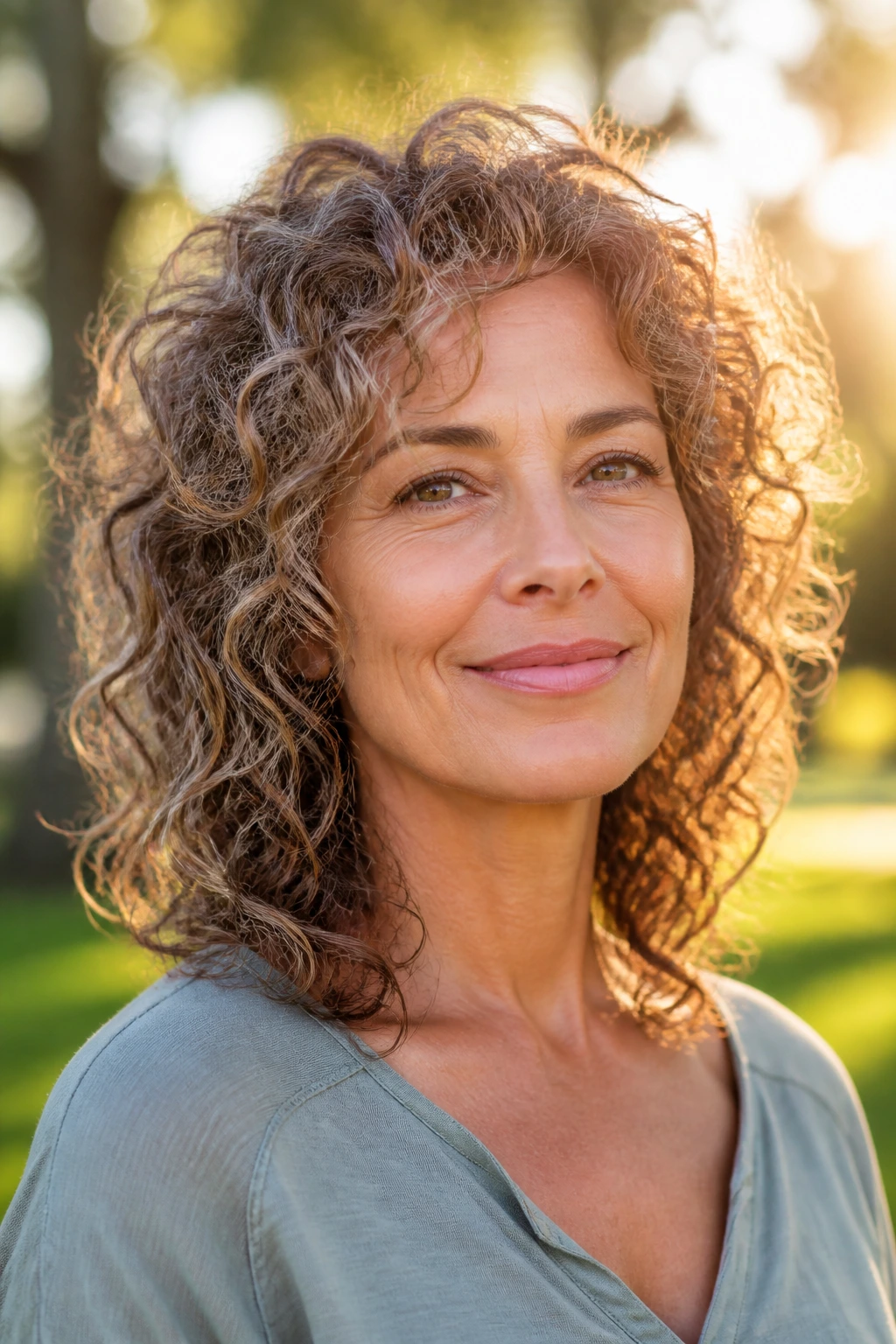
Curly hair after 50 can get gorgeous shape from layers, but only if the cut respects the curl pattern. Cutting dry, or at least cutting with the curl fully observed, helps the stylist see where the hair wants to spring and where it needs more length to avoid a halo of frizz.
If you have curls, the goal is not to chop volume out of existence. It is to let the curls stack in a way that keeps the silhouette round and the front pieces in the right place. A good curly layered cut should still look good after air-drying, not only after a full styling routine.
15. Collarbone Flip Layers with a Little Bend
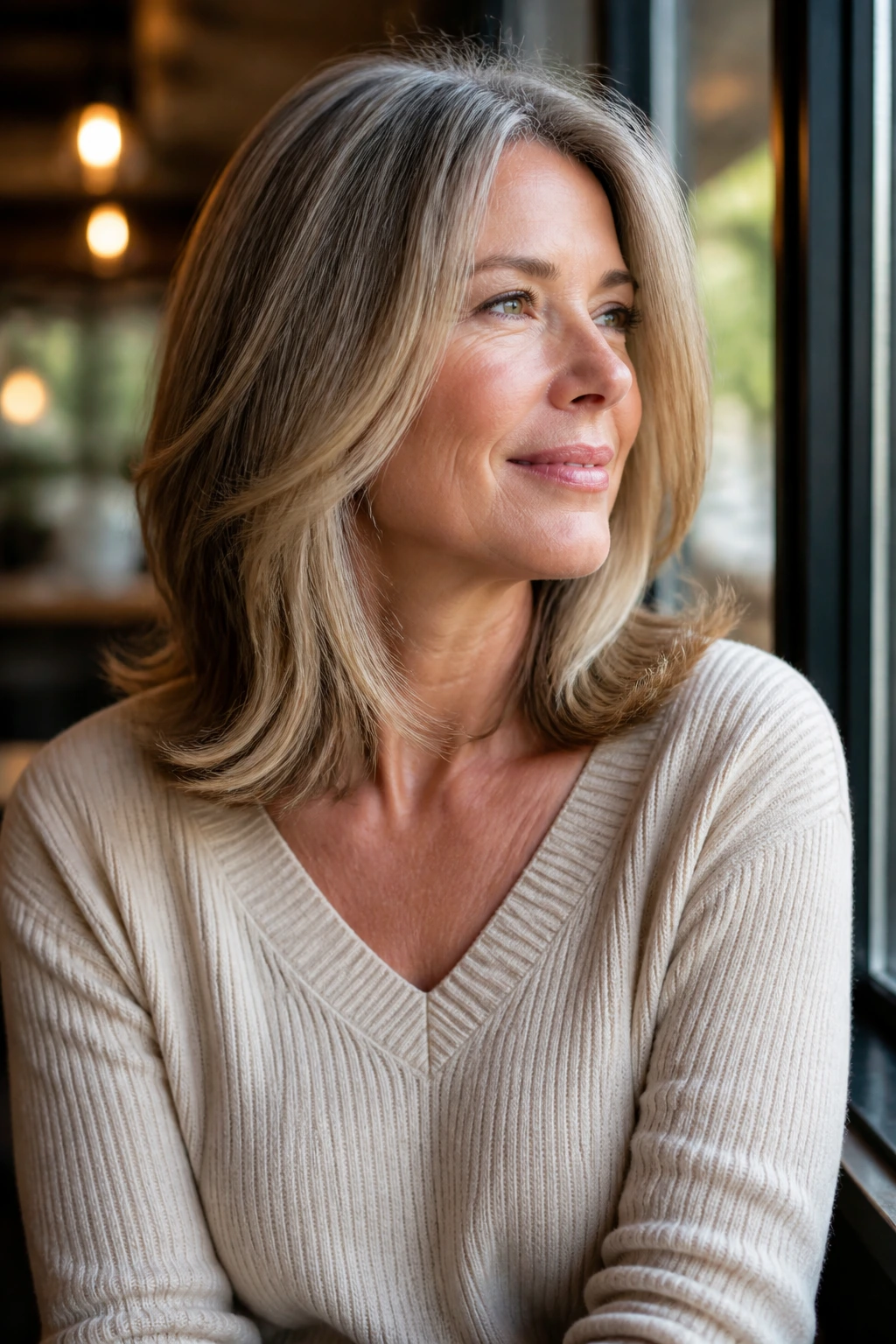
There’s something charming about a soft flip at the ends. It gives the haircut a little lift without looking too retro, and it keeps collarbone length from feeling heavy. This is one of the best ways to give straight or slightly bent hair a bit of energy.
The bend should live mostly at the ends, not in the whole head. A quick pass with a round brush or a medium-barrel curling iron is enough. You want the hair to curve, not curl into a pageant wave. That line is thin, but it matters.
16. Air-Dry Layers for Low-Maintenance Styling
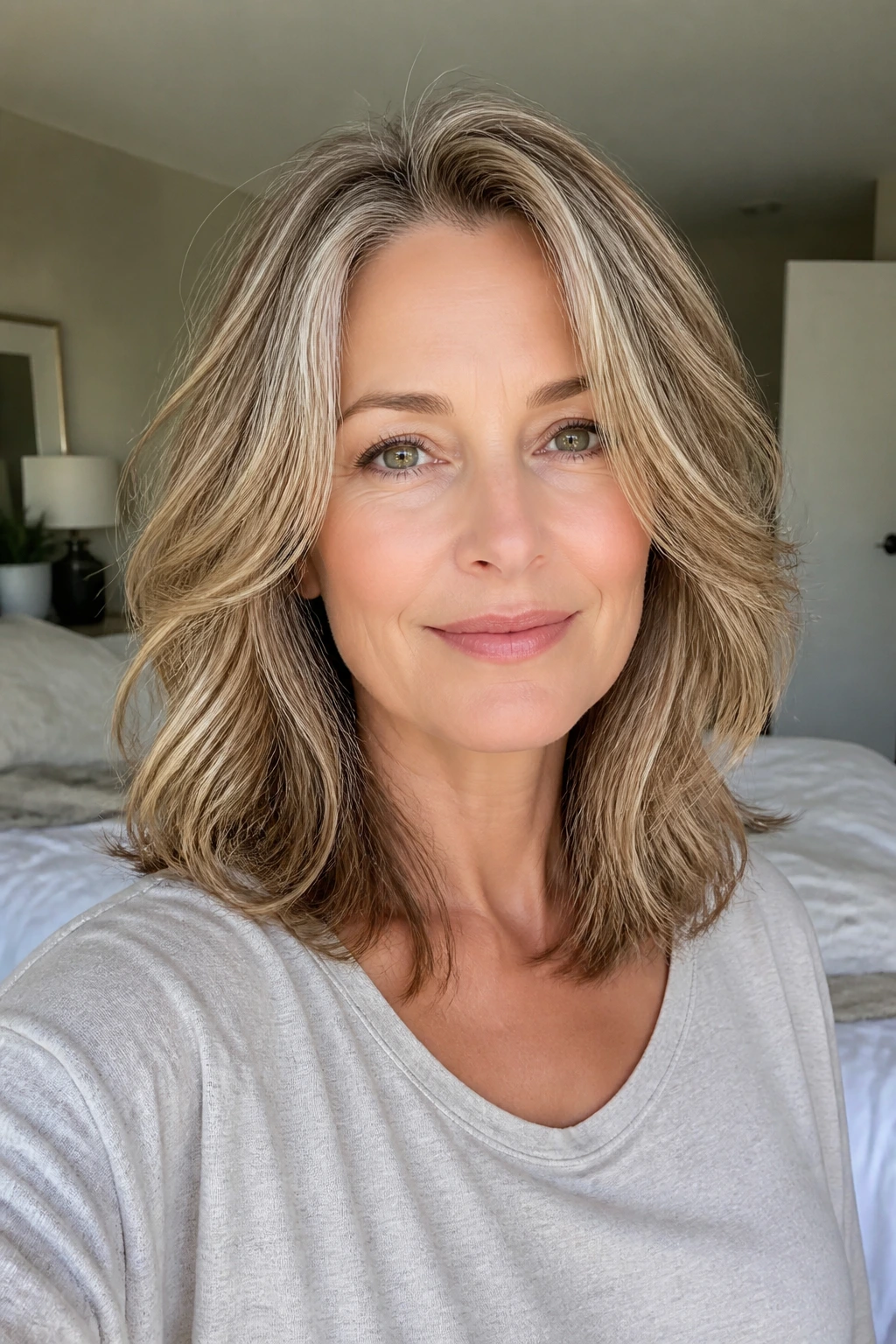
Some cuts only look good after a salon-style blowout. This is not one of them. An air-dry friendly layered cut needs enough shape to fall into place without a fight, which means smart face framing and a perimeter that still has weight.
This style is good for mornings when you want the hair to behave while you do something else. A small amount of leave-in cream, a quick scrunch, and a hands-off dry time are often enough. If the stylist stacks too many short layers, though, the air-dry shape can puff out instead of settling down.
17. Sleek Lob Layers with Tucked-In Ends
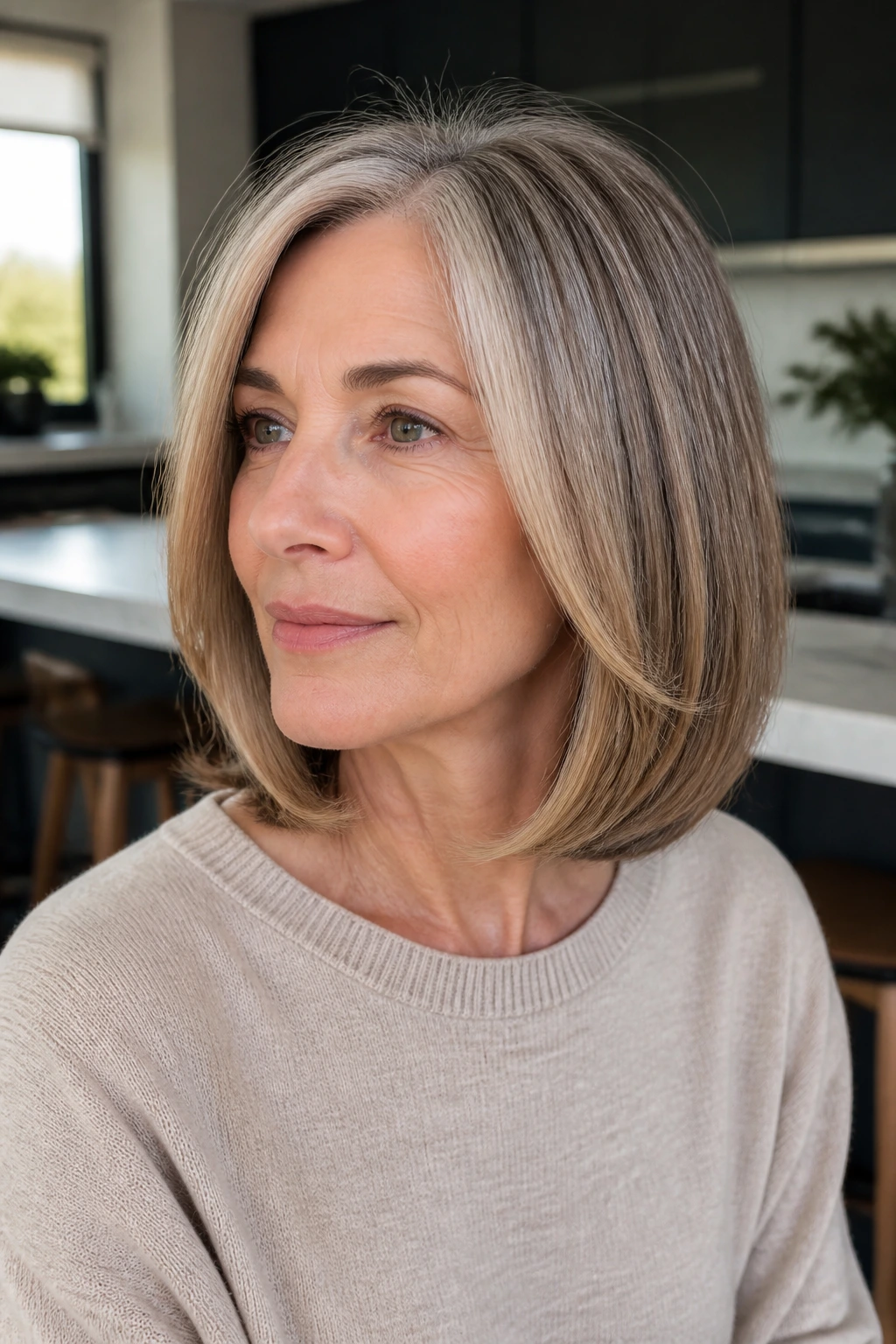
A sleek lob with layers works because the cut stays calm at the outline. The layers live inside the shape, giving movement without disturbing the clean edge. Tucked behind the ears, it looks neat. Worn down, it still has enough swing to avoid a flat, boardlike finish.
This is a good pick if you like a more tailored look. Use a flat brush or a paddle brush while drying, then tuck the ends under just a touch. A single drop of serum on the mid-lengths can tame flyaways without collapsing the shape.
18. A Soft Wolf Cut with a Grown-Up Shape
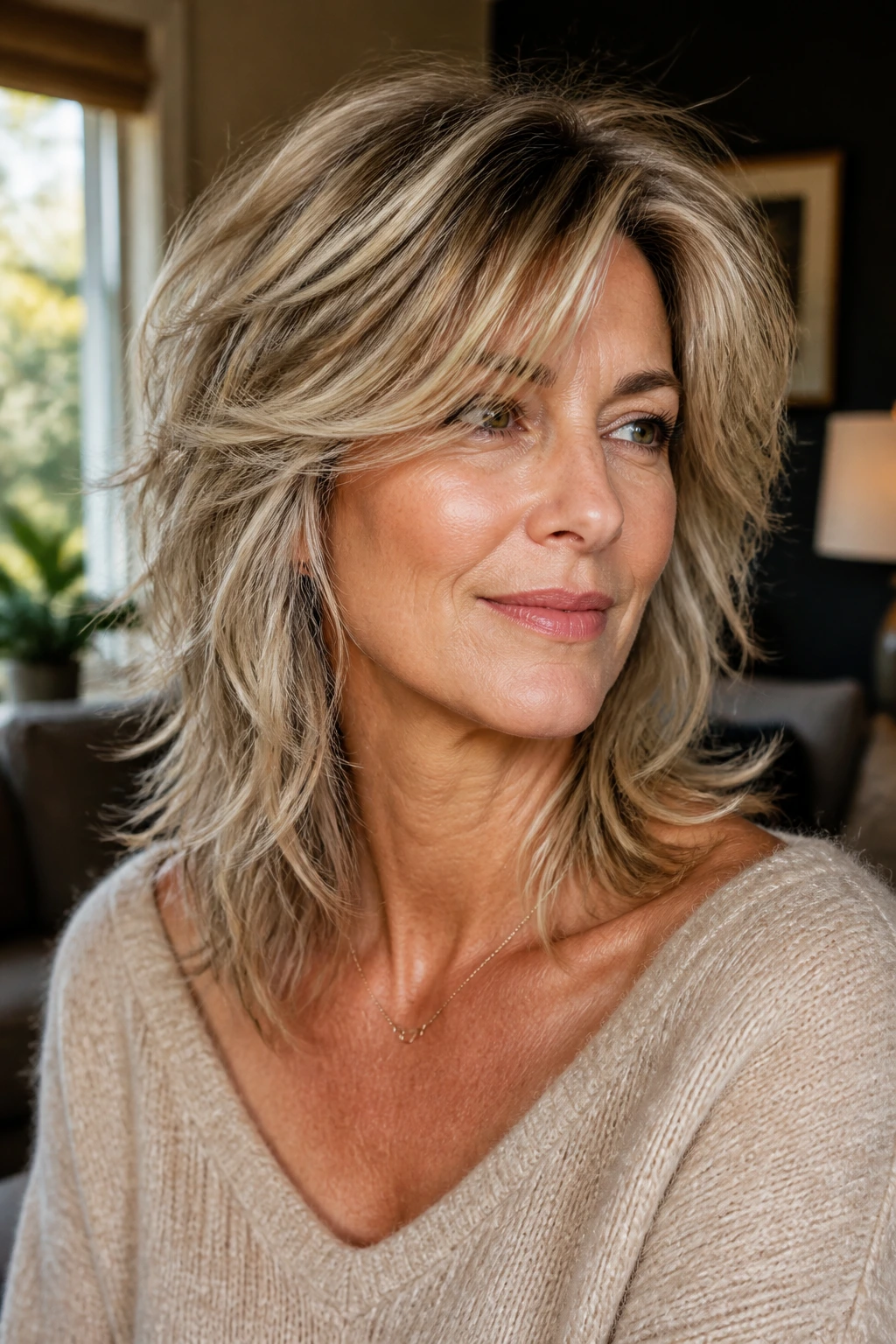
The wolf cut gets a bad reputation when it’s cut too aggressively. The softer version is a different animal. It keeps the shaggy energy, but the layers are controlled, the ends stay wearable, and the face frame isn’t hacked to bits.
This cut makes sense if you want edge and movement, especially on hair with natural texture. It gives the crown some lift and the ends some separation. The key is proportion: the shortest layers should still feel connected to the rest of the cut, not like they were borrowed from a different haircut.
19. Crown-Boosting Layers for Flat Roots
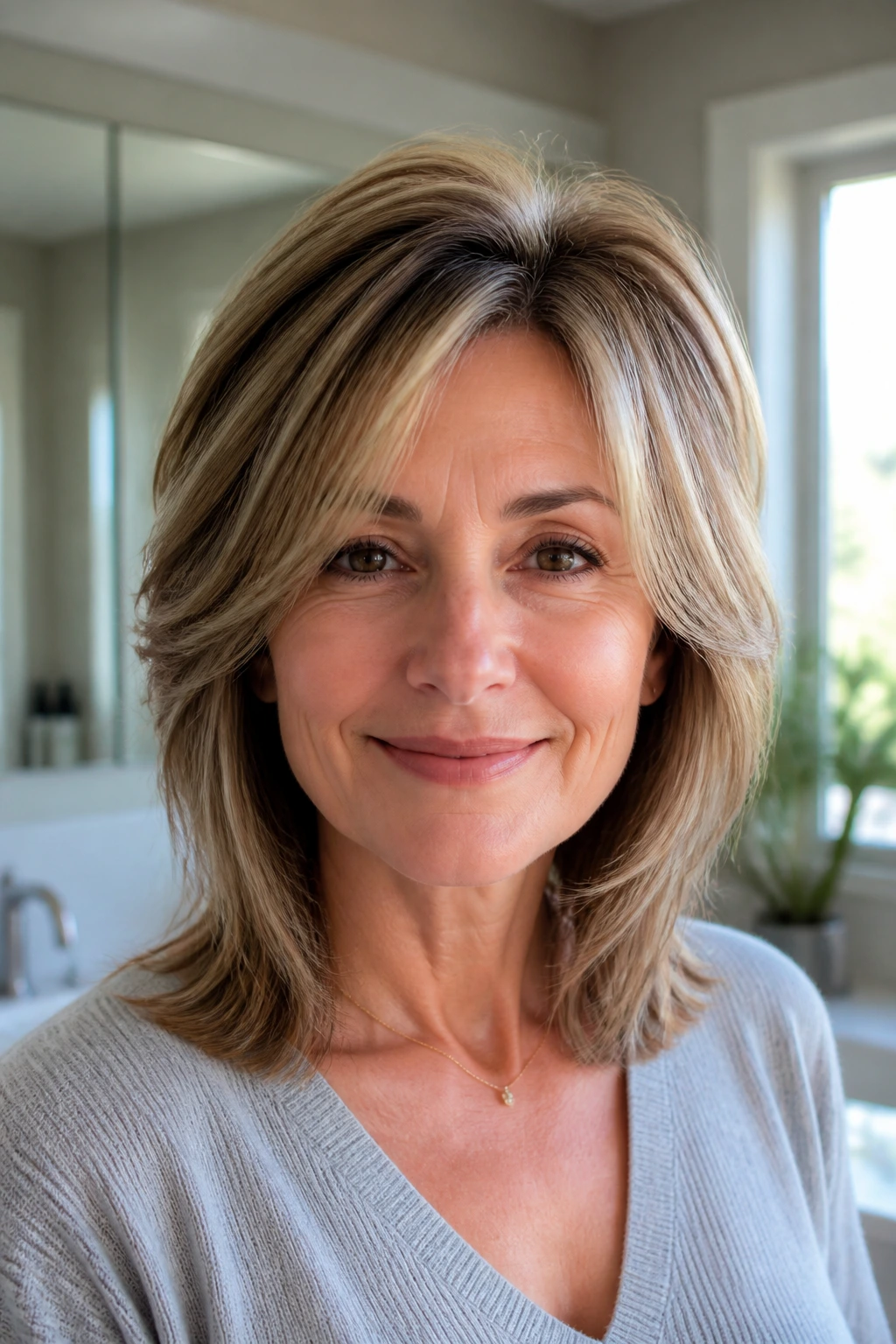
Flat roots can make medium-length hair feel heavier than it is. Crown-boosting layers solve that by moving some of the weight higher up, where the head needs lift most. It is a very practical cut, and practical cuts often look better than the fancy ones.
This works especially well if your part line has widened or if the top goes limp by lunchtime. A little mousse at the roots and a blow-dry with lift at the crown can change the whole profile. Keep the front pieces soft so the volume stays flattering instead of spiky.
20. Glasses-Friendly Side Layers That Miss the Frames
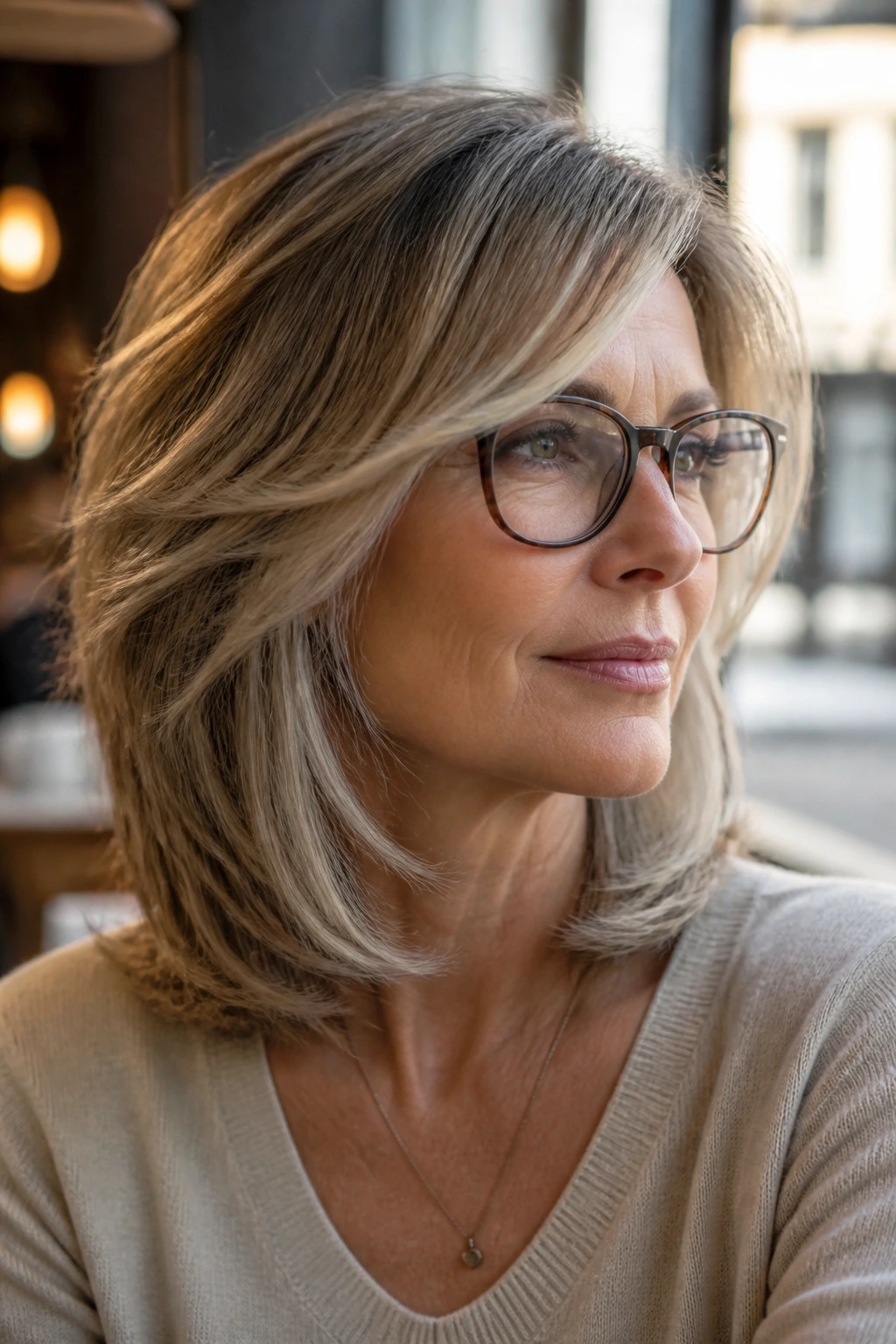
Glasses can wreck a bad cut faster than almost anything. If the shortest layer lands right where the frame sits, you spend all day fighting a hair-and-plastic collision. A glasses-friendly cut keeps the front pieces below the frame line and sweeps them outward instead of straight across.
I’d choose this for anyone who wears frames daily and wants the haircut to live around them, not against them. Side layers are especially kind here because they open the face and let the glasses look like part of the style. Tiny detail. Huge payoff.
21. Face-Framing Layers for a Round Face
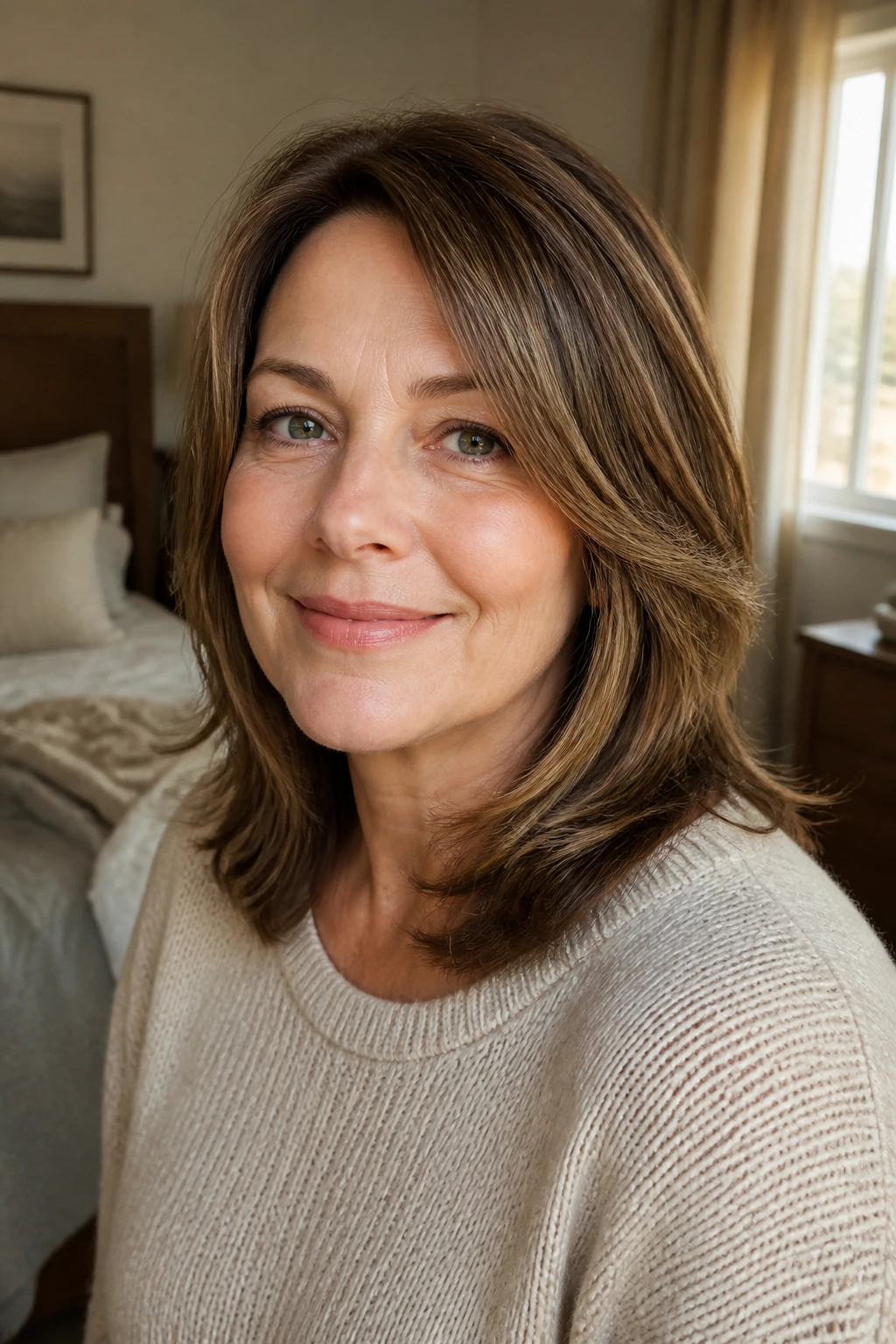
Round faces usually look best when the haircut adds a little vertical line. That does not mean stripping away softness. It means placing the face frame low enough to lengthen the outline and keeping the crown from puffing out too wide.
A middle part can work here, but a slight side part often gives more shape. Keep the shortest layer around the cheekbone or just below, then let the rest fall past the jaw. The cut should guide the eye downward, not spread it sideways.
22. Jaw-Softening Layers for a Square Jawline
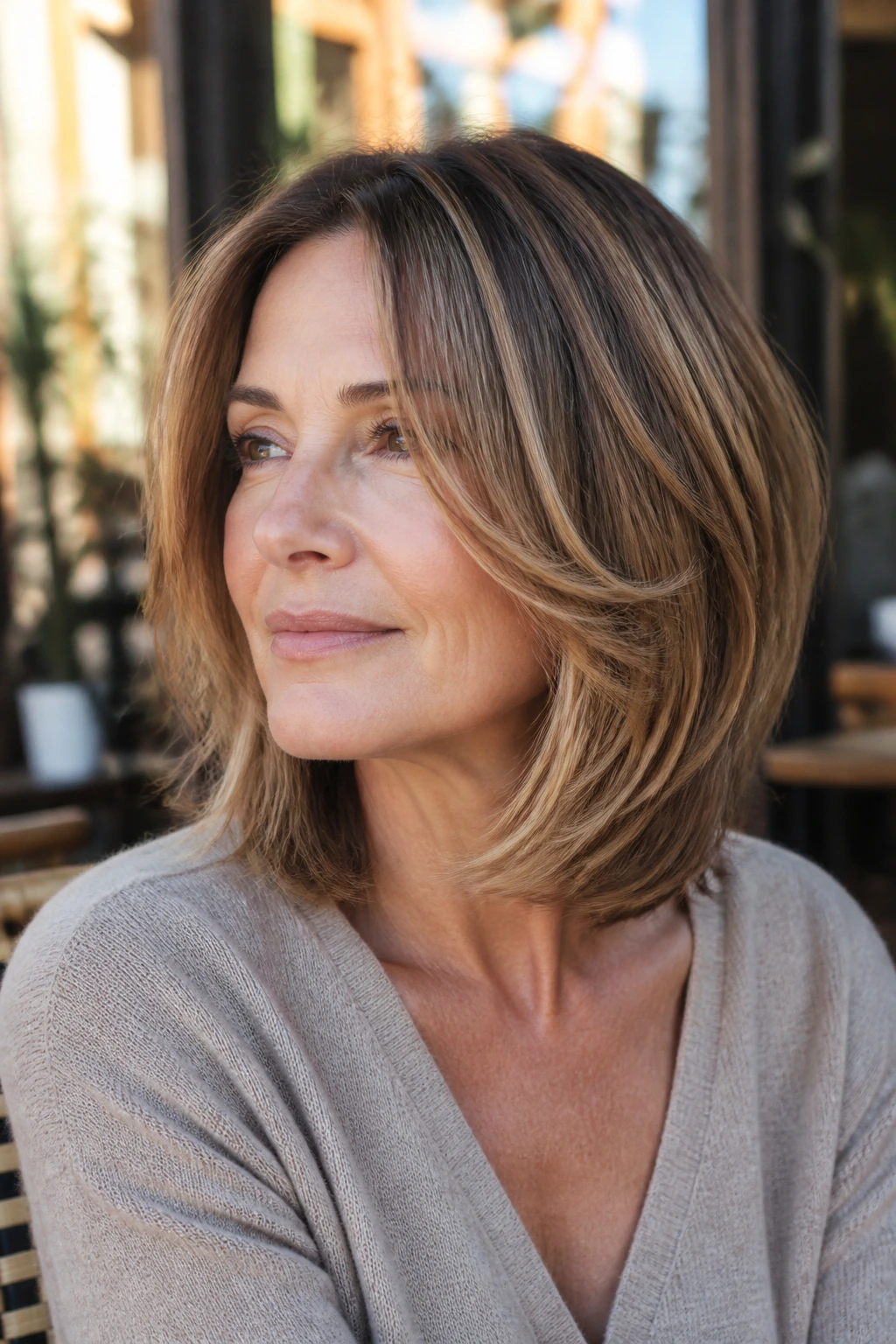
Square jawlines can handle a strong cut, but a layered medium length can soften the angles in a way that feels easy rather than severe. The magic is in the curve: the front pieces should bend around the jaw, not stop right on the widest point.
This style is especially good if you like a side sweep or if your hair has a little movement around the cheek. A blunt edge near the jaw can look sharp in the wrong way. Layers that skim past it feel lighter, and the face frame starts working for you instead of drawing a box.
23. Long Layers with a Light, Wispy Fringe
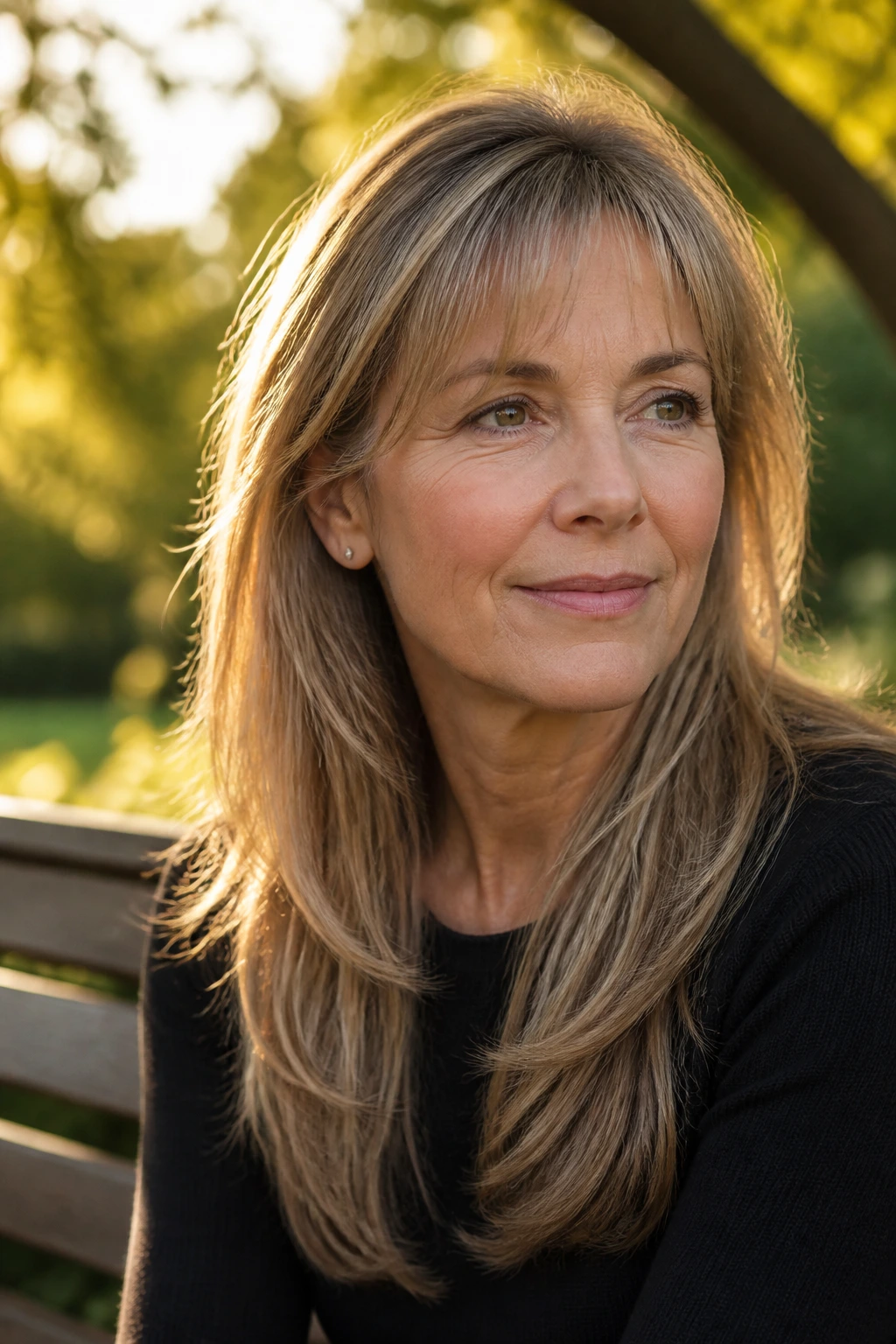
If you are not ready to give up length, this is the safer lane. The layers stay long enough to keep the outline full, while the fringe adds just enough softness around the eyes and forehead. It is not a heavy bang. It’s a light touch.
This cut is useful when you want the hair to tuck behind the ears, clip back, or sit over the shoulders without looking heavy. A wispy fringe gives the style a little movement at the front so the length does not feel plain. Keep the layers subtle, or the whole thing can lose its shape.
24. Piecey Layers That Keep Low-Density Hair from Looking Thin
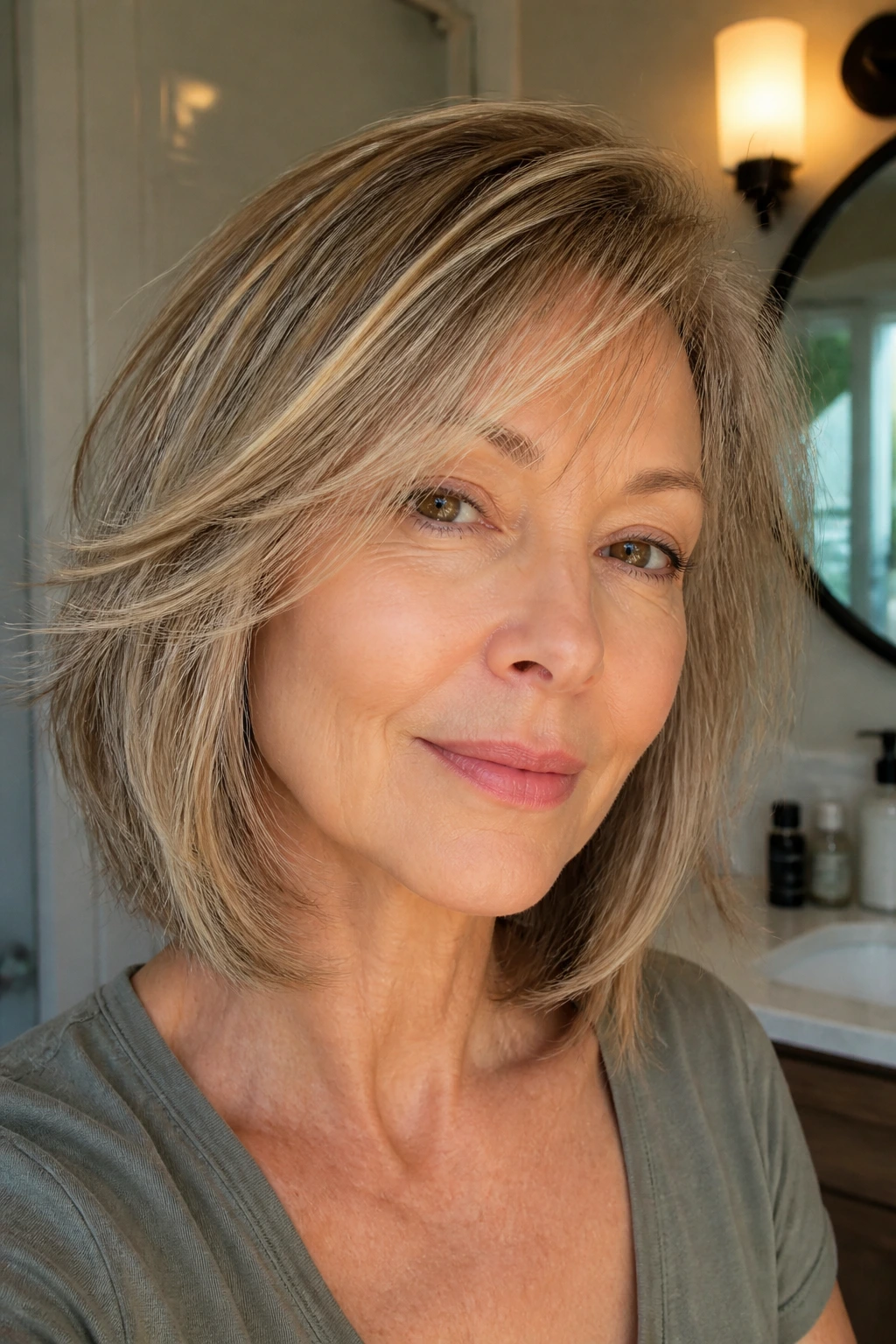
Low-density hair does not need aggressive thinning. It needs smart separation. Piecey layers create little pockets of movement so the cut looks airy without exposing the scalp or turning the ends into see-through strands.
The styling matters here almost as much as the cut. A light volumizing mousse, a quick root lift, and a few bends through the face frame can make the style look fuller than it really is. Do not overload it with oil. That kills the piecey effect in a hurry.
- Good move: Ask for point cutting instead of heavy texturizing.
- Good move: Keep the shortest layer below the cheekbone.
- Bad move: Razor the ends until they go fuzzy.
25. Romantic Shoulder Layers with a Soft Center Part
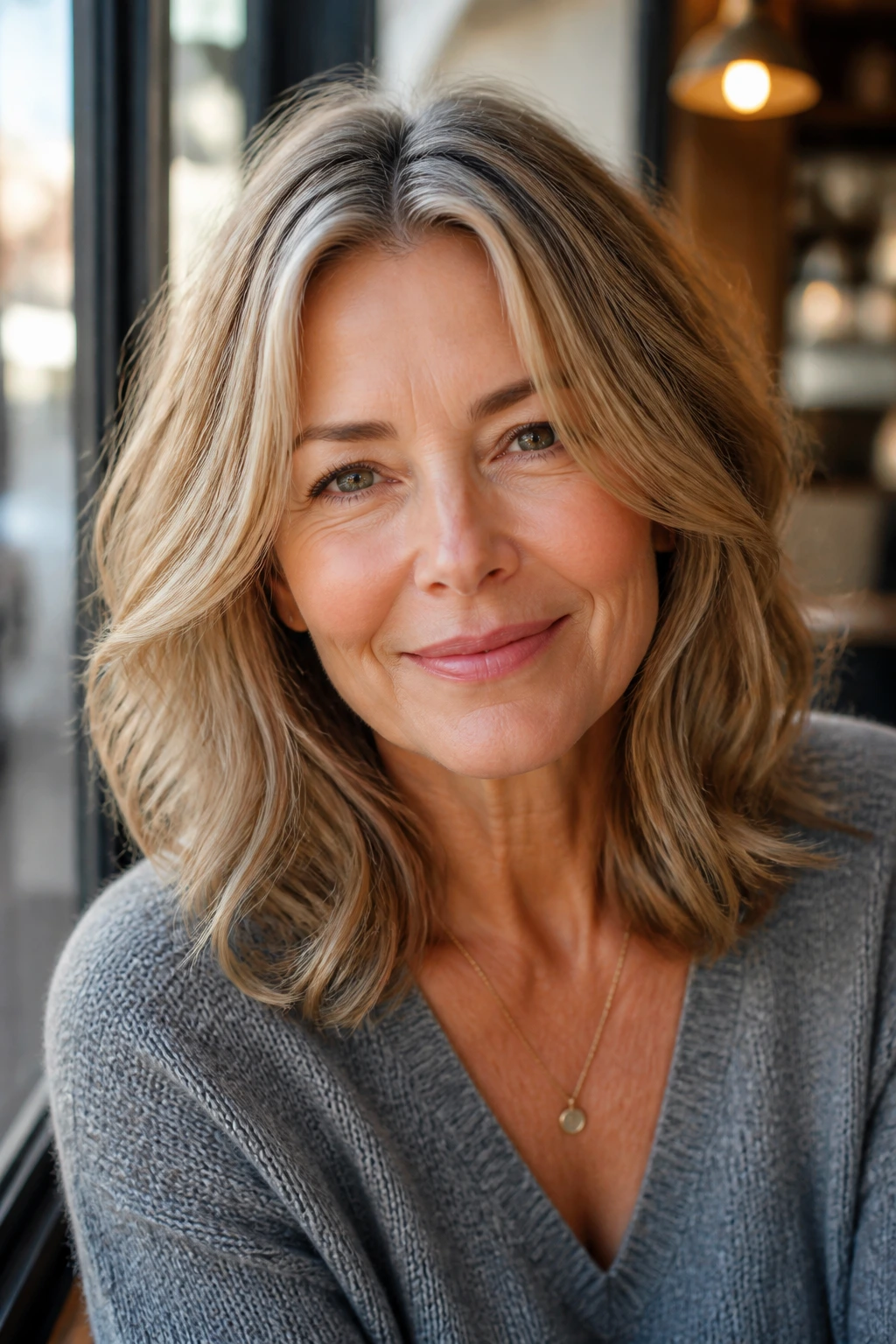
This is the gentlest cut in the group, and maybe the prettiest when the hair has a little natural movement. The center part keeps the look clean, while the shoulder-grazing layers curve softly around the face and neck. It has a quiet, polished feel that works for a lot of settings.
The best version is brushed out, not stiff. Think soft bend at the ends, a little fullness at the sides, and enough length to tuck one piece behind the ear if you want the face open. It is the kind of haircut that behaves well in a rush and still looks considered when you take an extra five minutes.
Why Medium-Length Layers Work So Well After 50
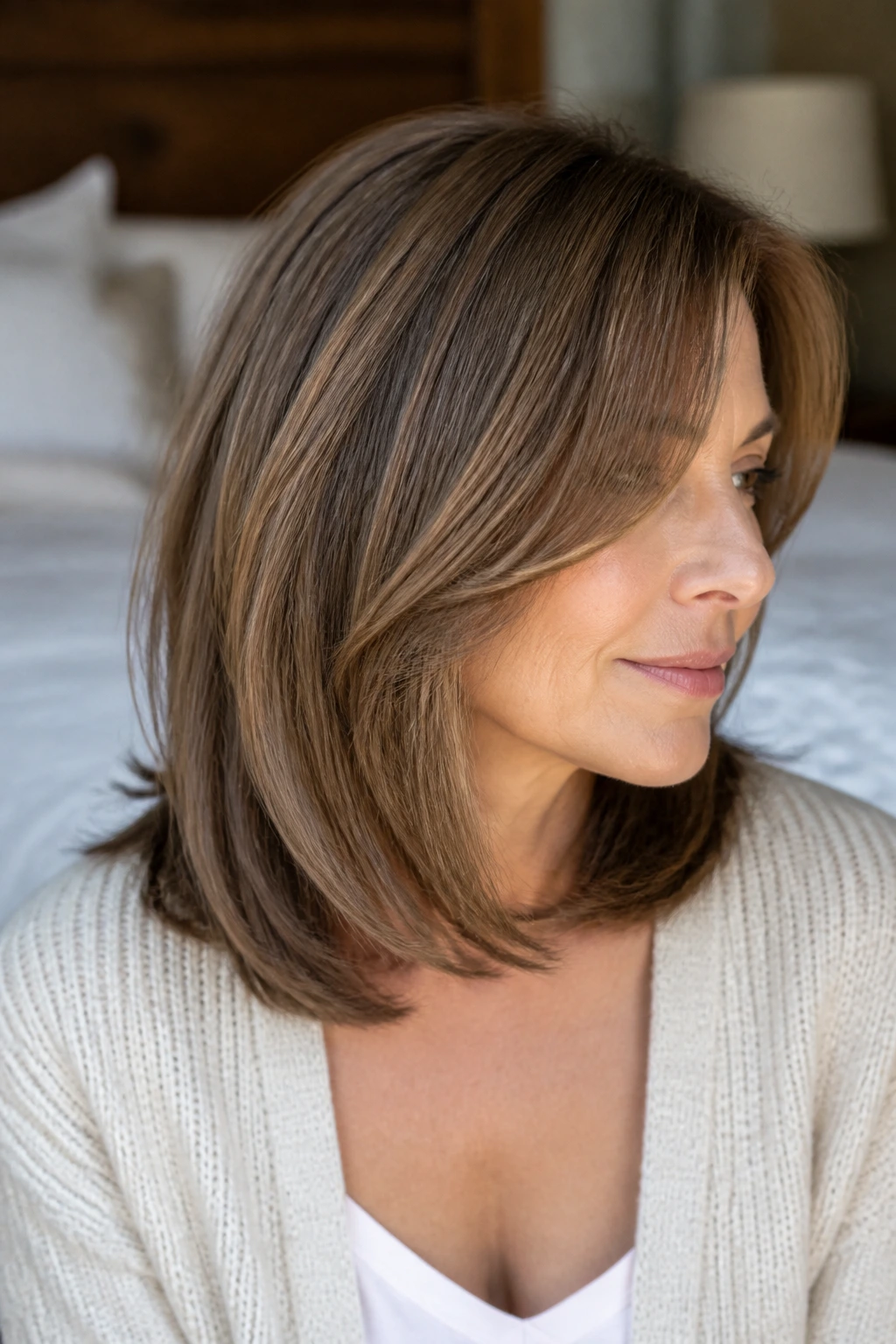
Hair after 50 often changes in two directions at once: the ends can get drier, while the roots can flatten faster. Medium length is the sweet spot because it keeps enough weight for the hair to sit neatly, but not so much that it drags the whole shape downward. Layers take the pressure off the ends and put a little life back into the top.
Less weight, more bend
A long, heavy line can make fine or dry hair look tired. Layers let the hair bend around the head instead of hanging straight down like a curtain. That movement is what keeps a shoulder-length cut from feeling stale.
A softer edge beats a hard line
A face-framing layer near the cheekbone changes the whole read of a haircut. It softens the jaw, keeps the cut from boxing in the face, and works with glasses or earrings instead of competing with them. The effect is subtle, which is why it lasts.
Why medium length beats going shorter than you think
Short cuts can be great, but they ask for more styling discipline. Medium length gives you options: a clip, a low knot, a blown-out finish, an air-dried wave. That flexibility is worth a lot on a weekday morning.
How to Ask for Medium Length Older Layered Haircuts for Women Over 50
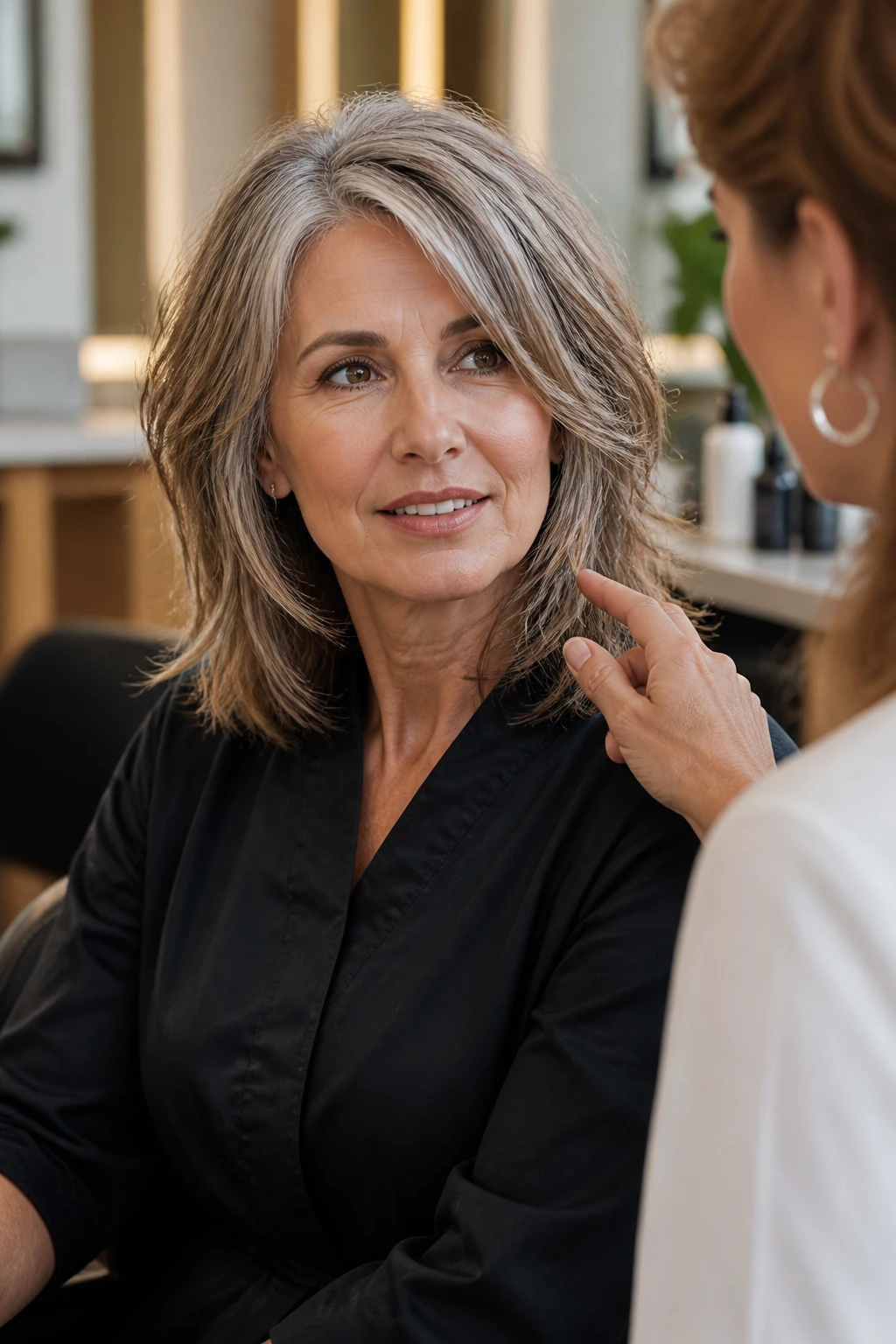
The fastest way to get a good cut is to stop describing it with vague words like “fresh” or “younger.” Those words mean different things to different stylists. Use shape language instead.
Tell your stylist where you want the longest length to land — collarbone, shoulder, or just above the bust. Then point to the front and say where the shortest face-framing piece should start: cheekbone, jaw, or chin. If you wear glasses, say that out loud. If your crown goes flat, say that too.
Bring photos, but bring the right ones. A salon photo on a model with thick hair and a big blowout will not tell the story. Better photos show your texture, your face shape, and the kind of daily styling you actually do. And if you still want to tie your hair back, say so. That one sentence changes everything.
Tools That Make Styling Easier
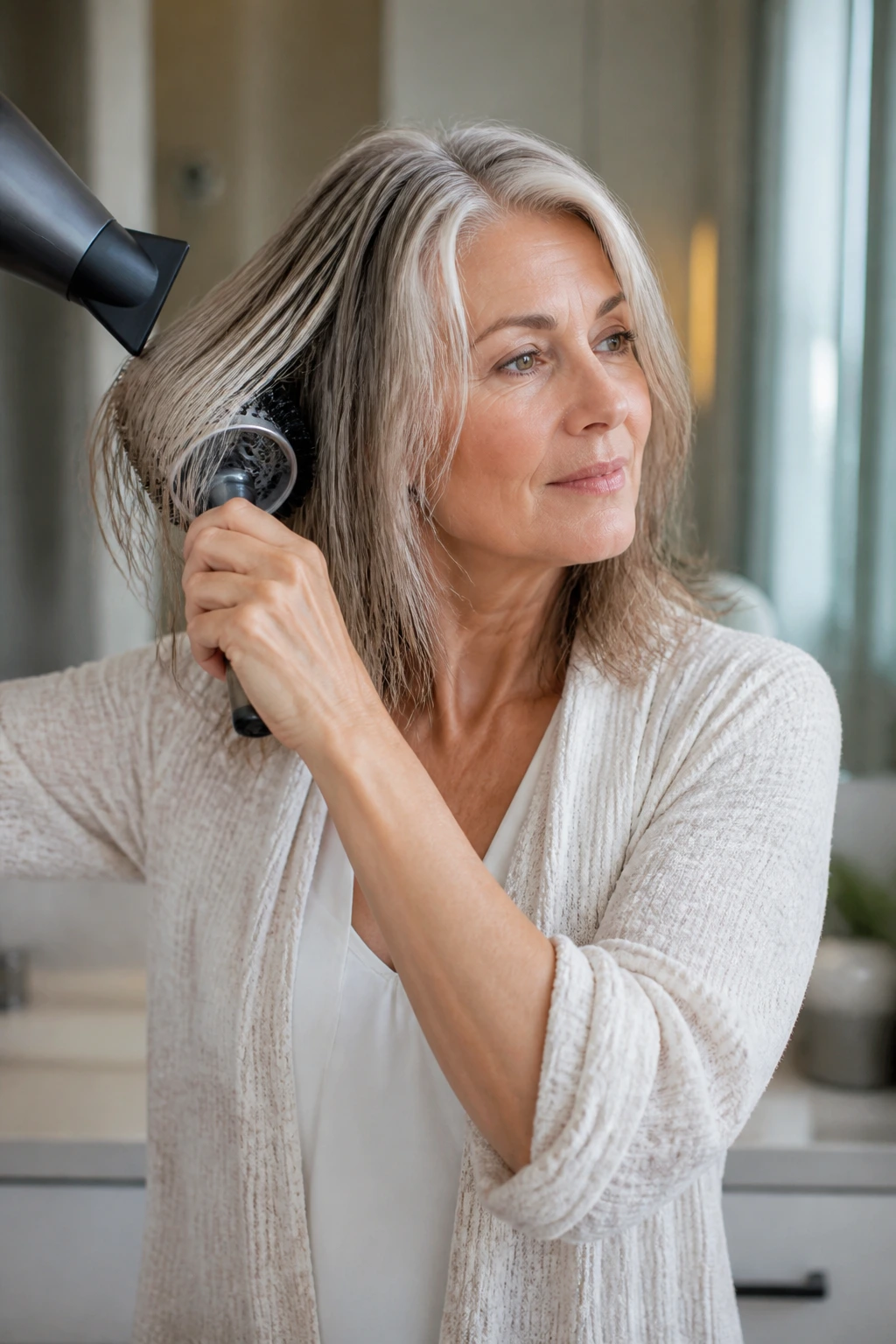
- Round brush, 1 to 1½ inches: Best for face-framing bends and a little lift at the ends.
- Blow dryer with a concentrator nozzle: Keeps the airflow directed so the layers don’t puff around the head.
- Heat protectant spray: Non-negotiable if you use a brush, iron, or rollers.
- Lightweight mousse: Helps roots stand up without making silver or fine hair sticky.
- Velcro rollers: Useful for crown volume and soft bends at the front when you want a salon feel.
- Wide-tooth comb: Better than a brush for wavy or curly hair when it’s damp.
- Duckbill clips or sectioning clips: Save time. Hair dries cleaner when you work in sections.
- Light serum or cream: One pea-sized amount is usually enough on the ends.
How to Style the Cut Without a Complicated Morning
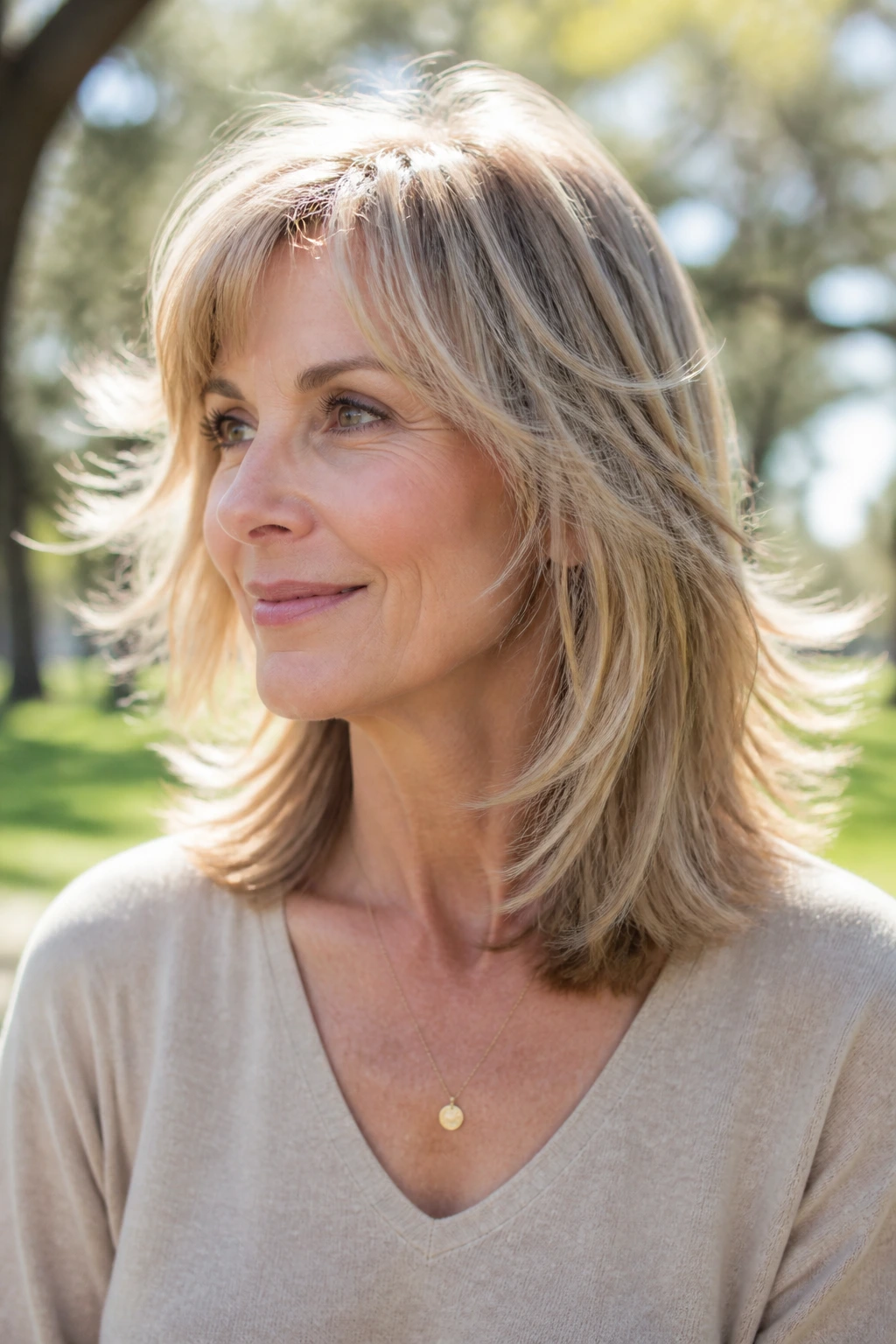
Volume: Put mousse at the roots while hair is damp, then rough-dry the crown first. If the top goes flat, the whole haircut loses lift, even if the layers were cut well.
Shape: Dry the front sections with a round brush or velcro rollers, pulling them away from the face and then letting them settle back. That gives the haircut a soft curve instead of a stiff curl.
Texture: For waves and curls, stop fighting the pattern. Use a cream, scrunch lightly, and let the cut do the work. Brushing it dry usually makes the surface fuzzy.
Finish: Use a tiny drop of serum only on the ends. If the layers start looking stringy, you used too much. That mistake shows up fast on medium-length hair.
Common Mistakes That Make Layered Hair Look Choppy
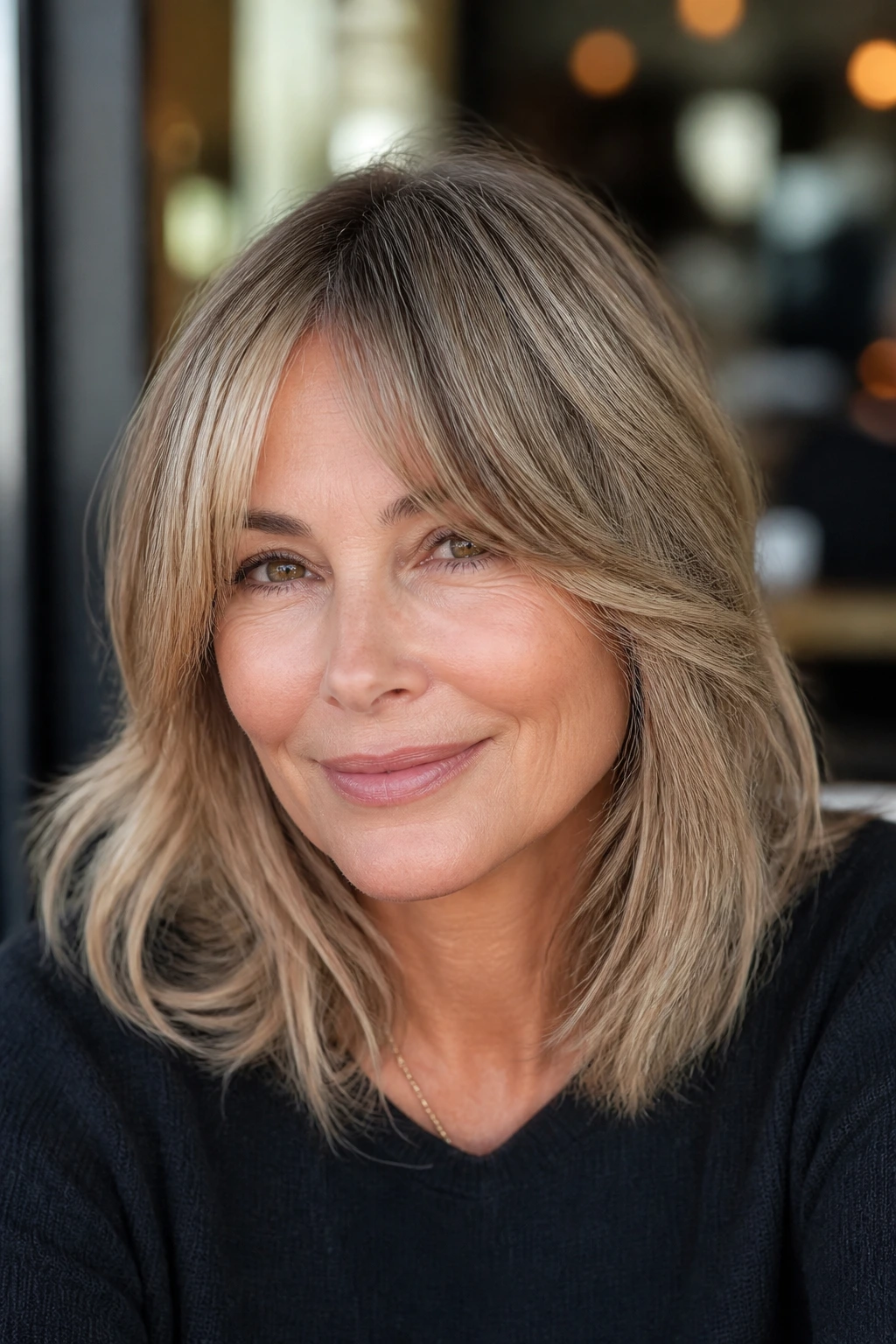
- Starting the shortest layer too high. The haircut can turn puffed up near the cheekbones and thin at the bottom. The fix is simple: keep the shortest face frame lower unless your hair is very thick and straight.
- Over-thinning fine hair. The ends go see-through and the style loses shape by noon. Ask for internal movement instead of aggressive texturizing.
- Ignoring the crown and part line. A cut can be great on paper and still fall flat where you part it every day. Style from the part you actually wear.
- Putting short layers next to glasses frames. The hair and frames fight all day, and the face gets crowded. Keep those front pieces below the frame line.
- Using too much product. Creamy ends turn limp, and silver hair can look greasy. Start small. Add only if the hair needs it.
- Waiting too long for trims. The layers begin to kick out at odd angles, especially around the face. A shape trim every 8 to 10 weeks keeps the cut honest.
Smart Variations for Fine, Thick, Curly, and Silver Hair
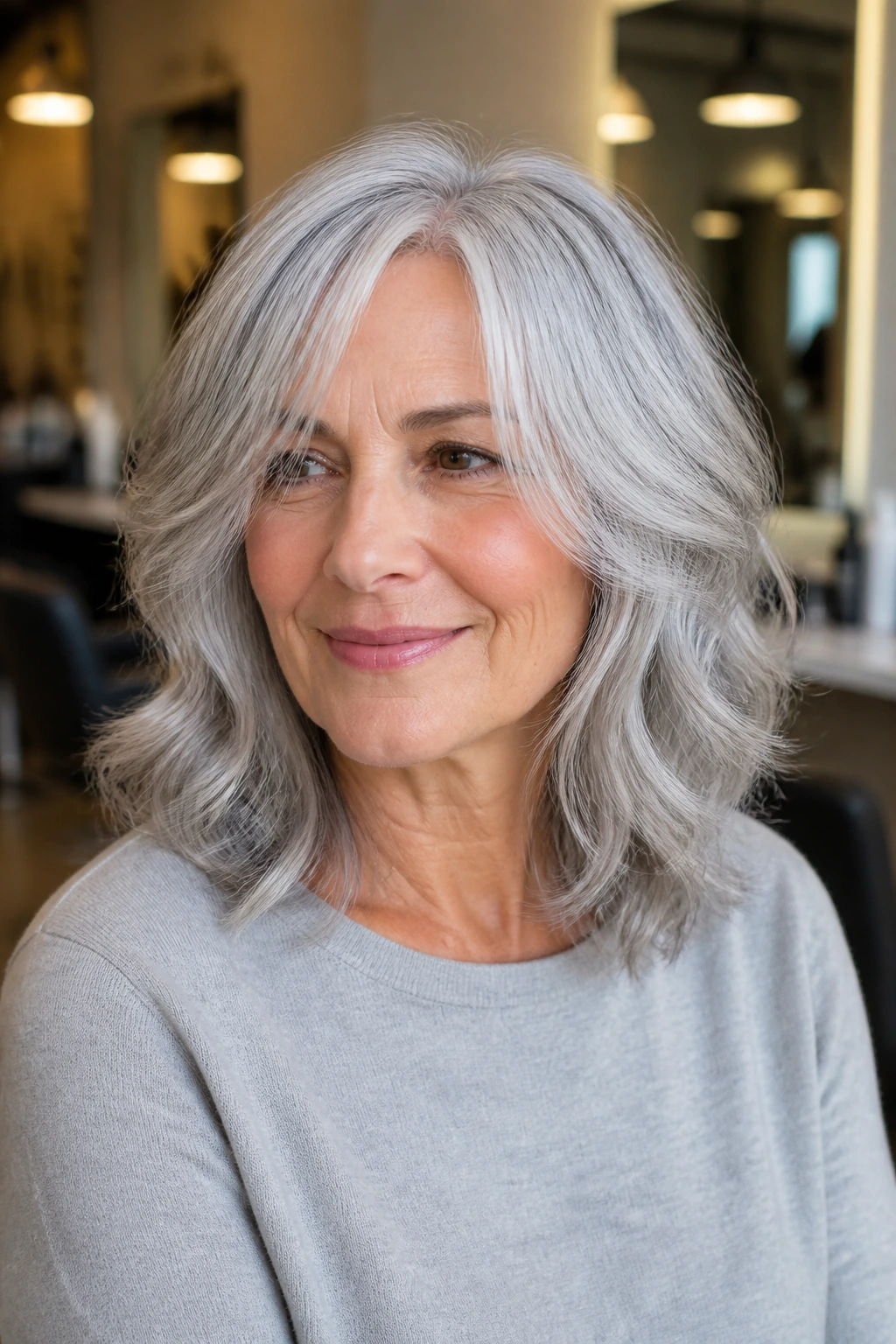
The Silver Sweep: Keep the layers soft and rounded, then add a gloss or toner to keep gray and white hair from looking dull. This version is especially good if the natural texture has gone a little wiry.
The Fine-Hair Float: Choose invisible layers with a fuller perimeter and a light root-lift product. It gives the illusion of density without exposing too much scalp.
The Thick-Hair Tamer: Use internal weight removal and a controlled face frame. The goal is swing, not shredding.
The Curl-Respect Cut: Ask for the cut to follow the curl pattern, with longer front pieces and minimal disruption at the crown. This keeps the curl shape round instead of triangular.
The Glasses-Line Frame: Keep the shortest front pieces below the glasses and sweep them outward. It’s a tiny adjustment, but it stops the haircut from crowding the face.
Trim Timing and Between-Appointment Care
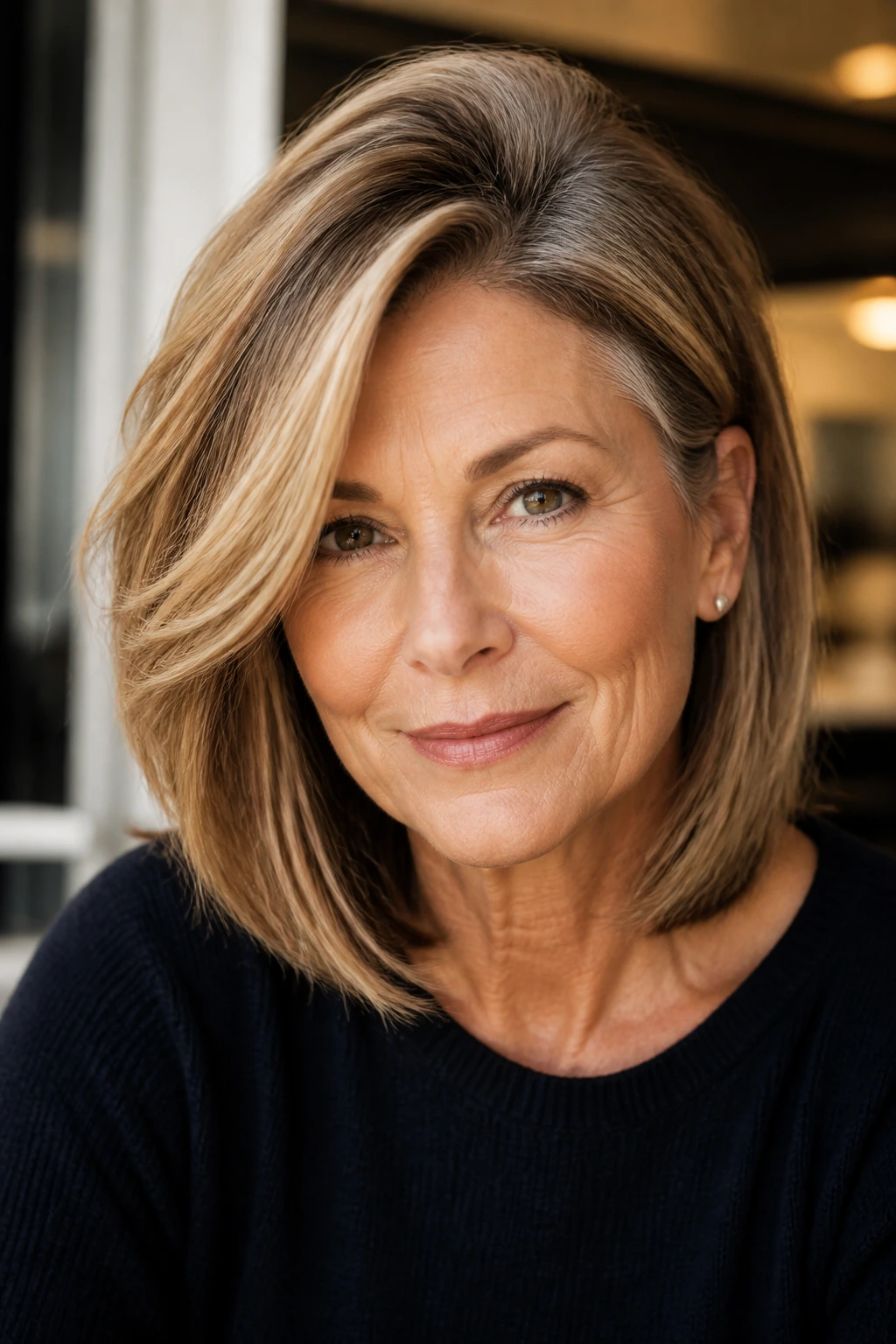
A medium layered cut usually keeps its shape for 8 to 10 weeks, though bangs or curtain pieces may need a touch-up sooner. If your hair grows fast, or if the shortest face-framing pieces start hitting your mouth instead of your cheekbone, you’ll feel the shape drift before you can see it in a mirror. That’s your cue.
At home, use a dry shampoo at the roots on day two or three if the crown goes limp. A small mist at the underside of the layers can wake up the shape without making the surface dusty. If you color your hair, keep the ends conditioned but not coated — medium-length layers show product buildup fast.
Questions People Ask Before They Book
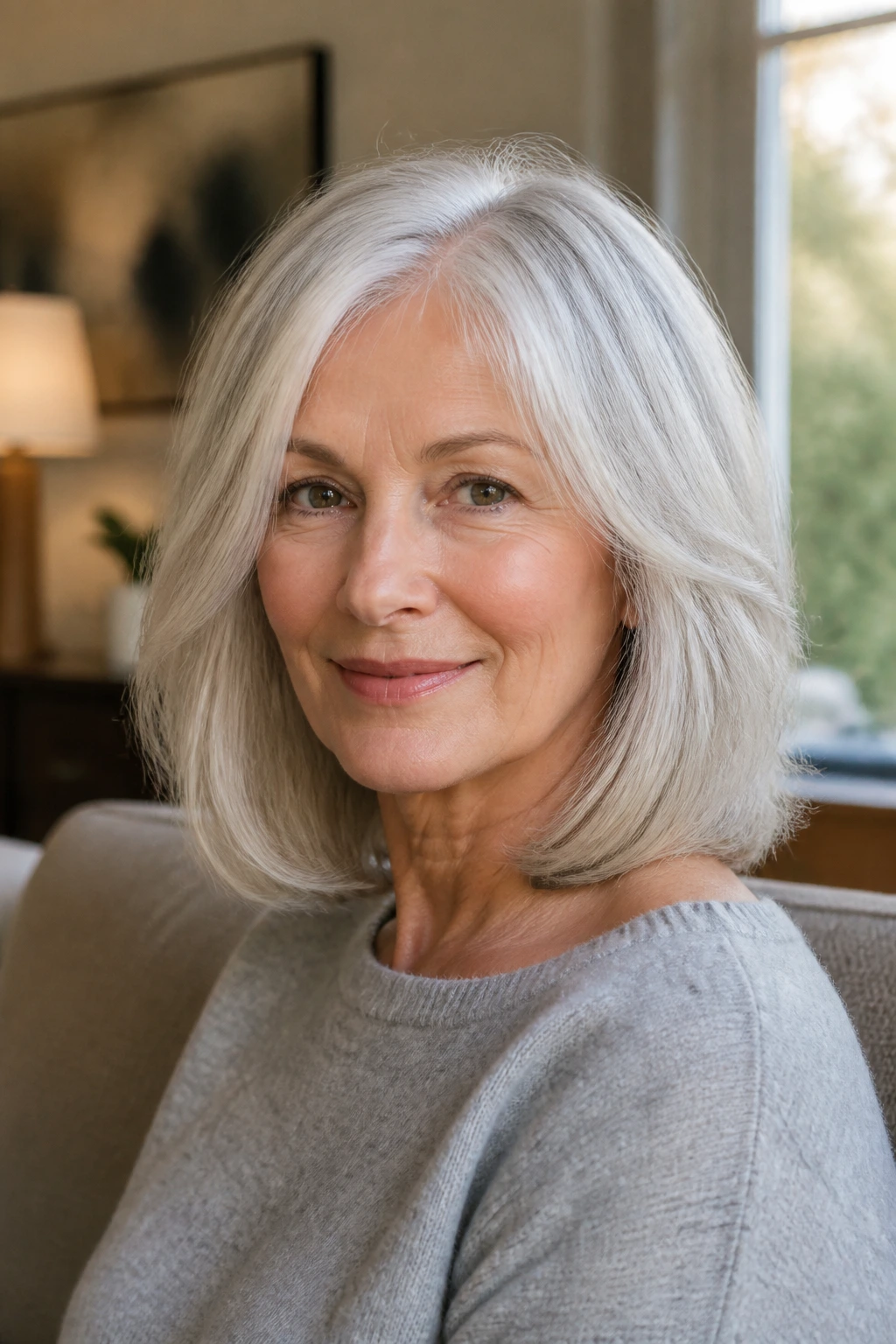
Will layers make fine hair look thinner?
Not if they’re cut well. The problem is usually too much thinning at the ends, not layers themselves. Keep the perimeter fuller and let the movement happen inside the shape.
Are curtain bangs hard to maintain?
Less hard than blunt bangs, which is why people keep returning to them. They grow out more gracefully and can be swept aside on days when you do not want a fringe in your face.
What if I wear glasses every day?
Tell the stylist before the scissors come out. The front pieces need to sit below the frames or curve around them, not fight them.
Do these cuts work on curly hair?
Yes, but the cut should follow the curl pattern. A dry cut or a curl-by-curl approach usually gives a better result than cutting curls the same way you’d cut straight hair.
How short can “medium length” be?
Usually somewhere between the chin and the collarbone, with the shoulders as the most common landing zone. If you want the option to clip it back, keep enough length in the back to gather.
What if my hair is thick and puffy?
Choose internal weight removal and avoid over-layering the top. You want the cut to release bulk, not inflate the whole shape.
Can I air-dry a layered cut and still look put together?
Yes, if the layers are balanced and the perimeter still has enough weight. A light cream and a proper part help more than people think.
How do I keep the style from looking dated?
Skip hard, short layers around the face and avoid over-feathered ends. Softer movement, cleaner edges, and a little asymmetry usually look fresher.
The Shape That Stays Useful
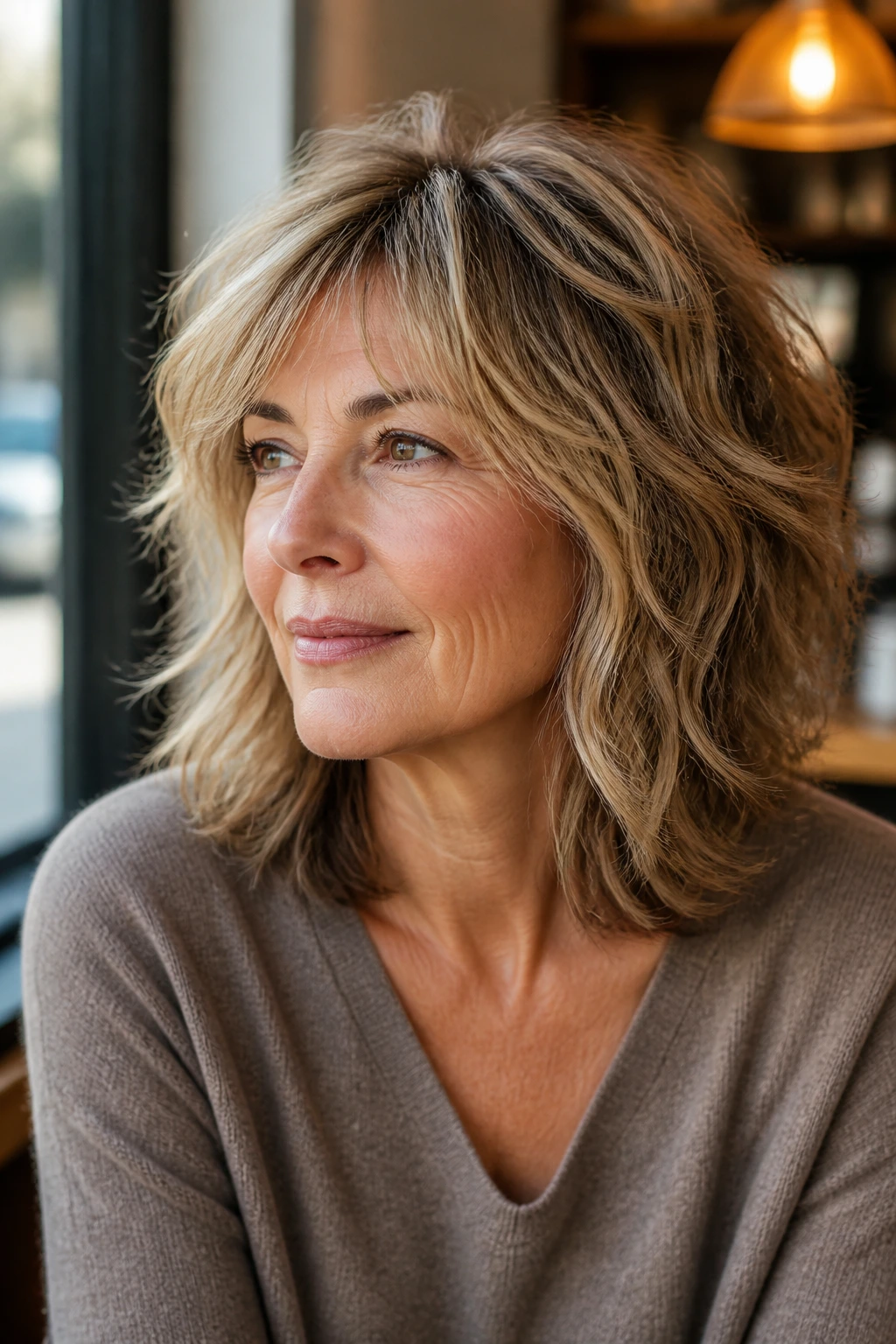
The best medium-length layered haircut is the one that does not make you work for its approval. It lands in the sweet spot between full and easy, soft and structured, polished and lived-in. That balance matters more than chasing a dramatic before-and-after photo.
If you bring one clear idea to the salon, make it this: the cut should help the hair move where you need it to move. Around the cheekbone. At the crown. Past the jaw. That’s the real job, and when it’s done well, you notice it every time you pass a mirror without thinking about it.