



Dark hair can take blonde in two directions. Done badly, it looks striped and thirsty, like the color is sitting on top of the hair instead of living in it. Done well, light brown blonde highlights for dark hair give you that expensive-looking lift around the face, a soft break in the depth at the ends, and enough contrast to make waves, curls, and blunt cuts look more intentional.
The trick is tone, not drama. A pale, icy stripe against a level 3 or 4 base can shout from across the room in the worst way. A light brown blonde ribbon—beige, caramel, mushroom, champagne, honey—usually reads as dimension first and “highlight” second. That’s the sweet spot most people are actually chasing, even when they say they want to go blonde.
And placement matters as much as color. A money piece near the cheekbone changes the whole mood of a haircut. A few fine foils through the crown make thick hair move better. A root smudge can keep the grow-out from turning into an awkward line six weeks later. Those are the details that separate a nice salon photo from hair you can live with.
Why This Palette Works on a Dark Base
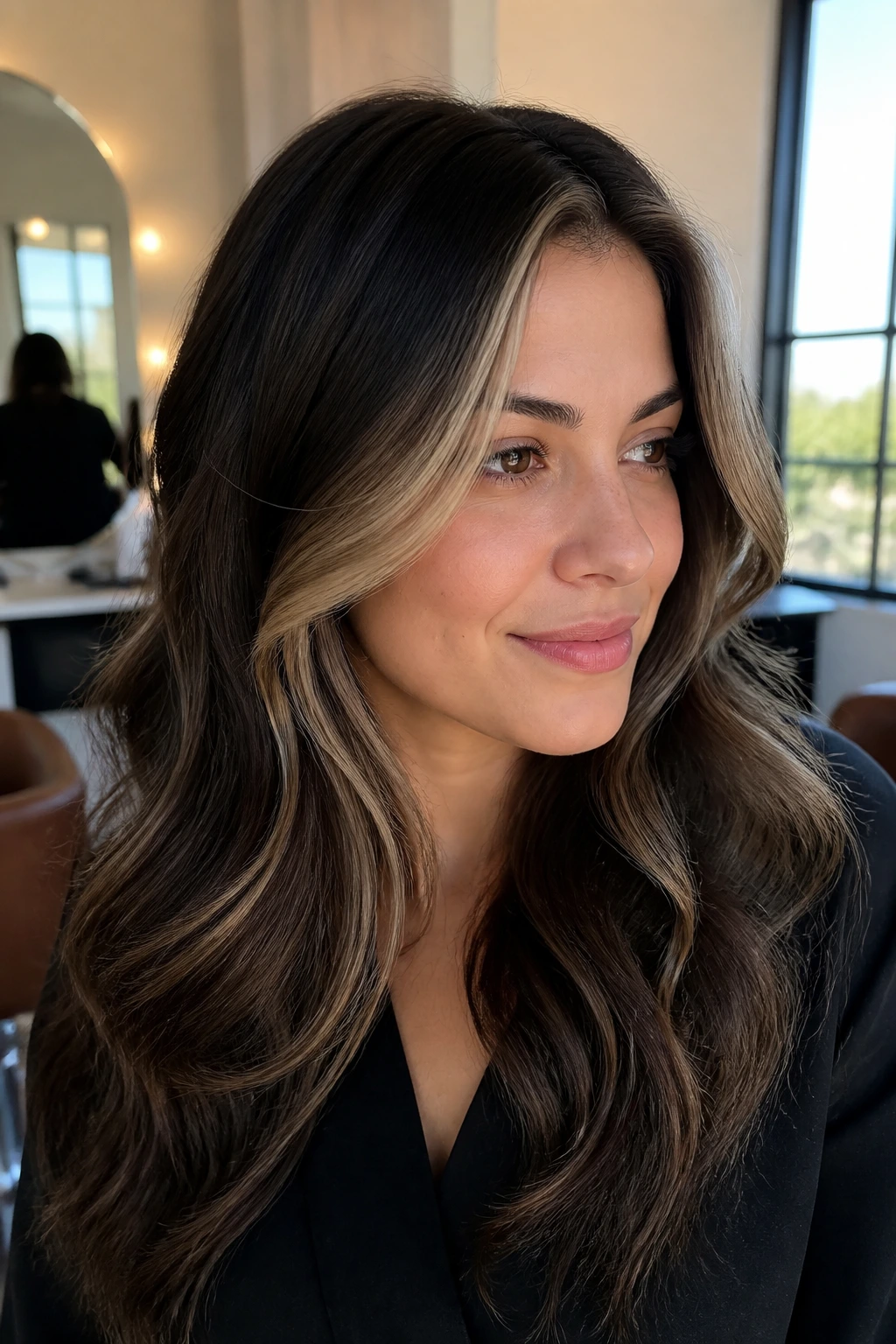
- It softens the jump: Light brown blonde sits close enough to brunette that the shift looks blended instead of pasted on.
- It flatters grow-out: A darker root and a beige or caramel lift through the mids leaves you with a softer regrowth line.
- It gives hair movement: Even two or three shades of lift can make straight hair look less one-note and curls look more defined.
- It can be tuned warm or cool: Beige, honey, ash-beige, mushroom, and champagne all behave differently on dark hair, which makes this family easy to tailor.
- It keeps the base visible: If you love your dark color, this route lets you keep it. That matters more than people admit.
1. Soft Beige Money Piece
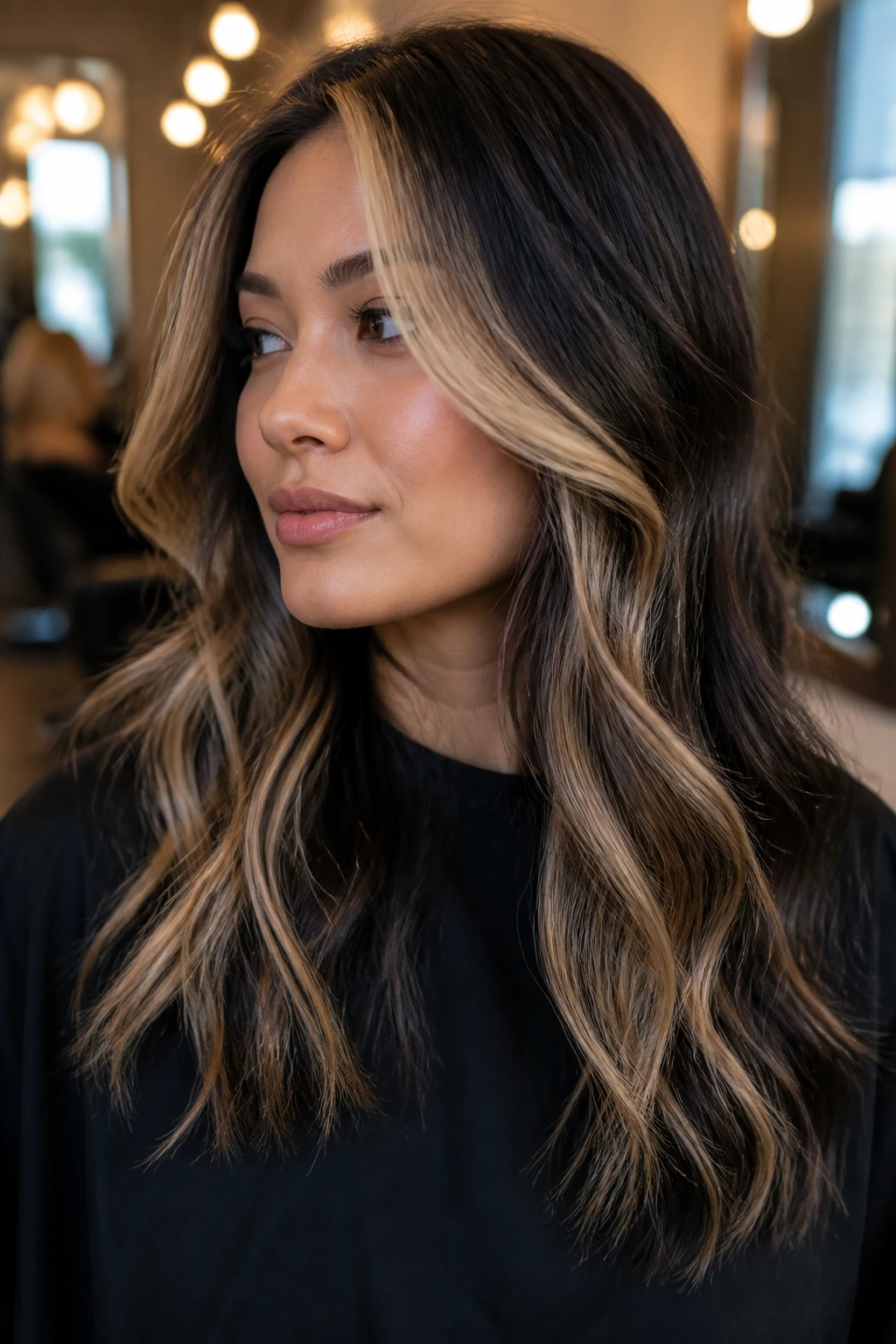
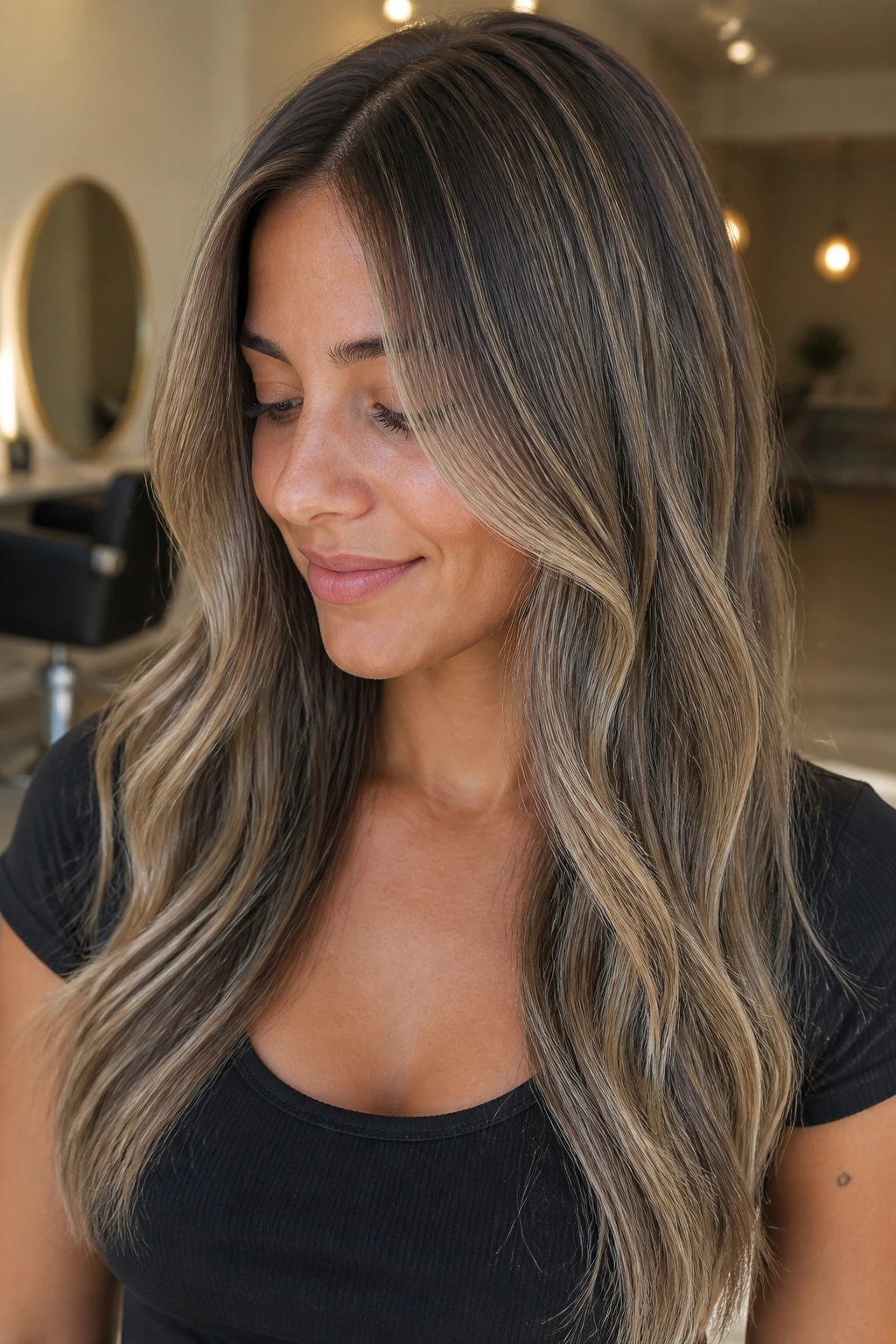
A beige money piece is the safest way to brighten dark hair without turning the whole head into a project. The lighter face frame sits just enough above the base to catch light when you turn your head, but the beige tone keeps it from looking stark or brassy.
Ask for thinner pieces right at the hairline and a slightly softer edge near the temples. If your hair falls straight around the face, this placement reads clean and polished. If you wear waves, it looks even better because the bends break up the color and make the beige look expensive instead of flat.
Best for
- Medium to deep brown bases
- Oval, round, or heart-shaped faces
- Anyone who wants a visible change without full-head lightening
One good money piece can carry a haircut. A bad one can take over the whole face.
2. Caramel Veil Balayage
Caramel veil balayage is what I reach for when someone says they want brightness but refuses to look stripy in a ponytail. The color painterly sweeps through the mid-lengths, usually leaving the root alone and concentrating the lift where hair naturally catches sun.
What makes this version work is the softness at the edges. You want the caramel to melt into the dark base, not sit there like a separate layer. On layered cuts, the result looks especially good because the shorter pieces around the face show the light first and the longer pieces keep the depth underneath.
3. Champagne Face-Frame Ribbons
Champagne is a sneaky color. It sounds pale, but on dark hair it usually reads as refined beige with a tiny cool edge, which is why it works when pure gold starts to feel too warm. The result is brighter than caramel, cleaner than honey, and less icy than true blonde.
If your skin goes red easily or your base pulls orange, this tone can calm things down. I like it around the front panels and the first few inches of the top layer, where it can peek through every time you tuck hair behind your ears. The style looks polished even when you do almost nothing to it.
Ask for
- 2 to 4 face-framing foils on each side
- A beige-champagne toner, not a yellow one
- Softer blending at the root so the front doesn’t look blocky
4. Toffee Ends with a Shadow Root
Toffee ends are for the person who wants the bottom half of the hair to look thicker and lighter without sacrificing the dark root. The shadow root keeps the top grounded, and the lighter toffee through the ends gives long hair a sun-faded finish that feels less high-maintenance than all-over blonde.
This is one of those looks that gets better as it settles. The first day after color can feel a touch brighter than expected. A couple of washes later, the toffee relaxes a little, and the contrast between root and end looks lived-in instead of fresh-from-the-chair obvious.
5. Honey Babylights Through the Crown
Babylights are tiny. That’s the whole point. On dark hair, they create a shimmer at the top rather than obvious streaks, and honey is the shade that keeps them soft enough to wear every day without looking harsh at the part line.
This style makes sense if your hair is dense or naturally flat on top. A scattering of fine honey foils through the crown catches light when you move, which makes the whole cut look less heavy. It also grows out quietly, which is a small blessing if you hate booking salon visits the moment roots show.
6. Mushroom Blonde Panels
Mushroom blonde is the cool-girl version of lightening dark hair. It sits in that ash-beige zone that can look muddy in the wrong hands and gorgeous in the right ones. The finish is earthy, muted, and a little smoked, which is exactly why it plays so well against dark brown or espresso bases.
Use this if warm tones make your face feel too yellow or if your wardrobe runs gray, black, cream, and denim. The color doesn’t scream for attention. It sits there looking expensive, calm, and a little bit editorial.
7. Chunky 90s Contrast Pieces
Chunky highlights are back because they do a job finer foils can’t: they create visible contrast. On dark hair, a few thicker light brown blonde pieces around the front and through the top layer can give a blunt cut or a long layered blowout that unmistakable old-school edge.
I like this look when the hair is straightened or brushed into soft bends. The thicker ribbons need shape around them, or they can look accidental. Keep the toner beige rather than yellow, and the whole thing reads modern instead of costume.
8. Sand Blonde Micro-Weave
A micro-weave is for people who want to see a difference but don’t want to identify every single foil in the mirror. Sand blonde sits between beige and light taupe, so it softens dark hair without leaving a yellow cast. Tiny woven sections keep the effect hazy.
Fine hair likes this approach because large highlights can make it look sparse. A micro-weave gives the illusion of more hair, not less. It’s subtle in the chair and even subtler as it grows, which is exactly why some of us keep coming back to it.
9. Warm Bronde Melt
Bronde is that middle ground where brown and blonde stop arguing. A warm bronde melt on dark hair usually starts with a deeper root and gradually picks up more beige-gold through the mids and ends, so the color feels blended rather than painted in blocks.
This is one of the easiest looks to live with if you prefer your hair to look softer as it grows. There isn’t a hard line to stare at. The ends lighten enough to shift the whole silhouette, but the root keeps the style tied to your natural color.
10. Ash-Beige Ribbon Highlights
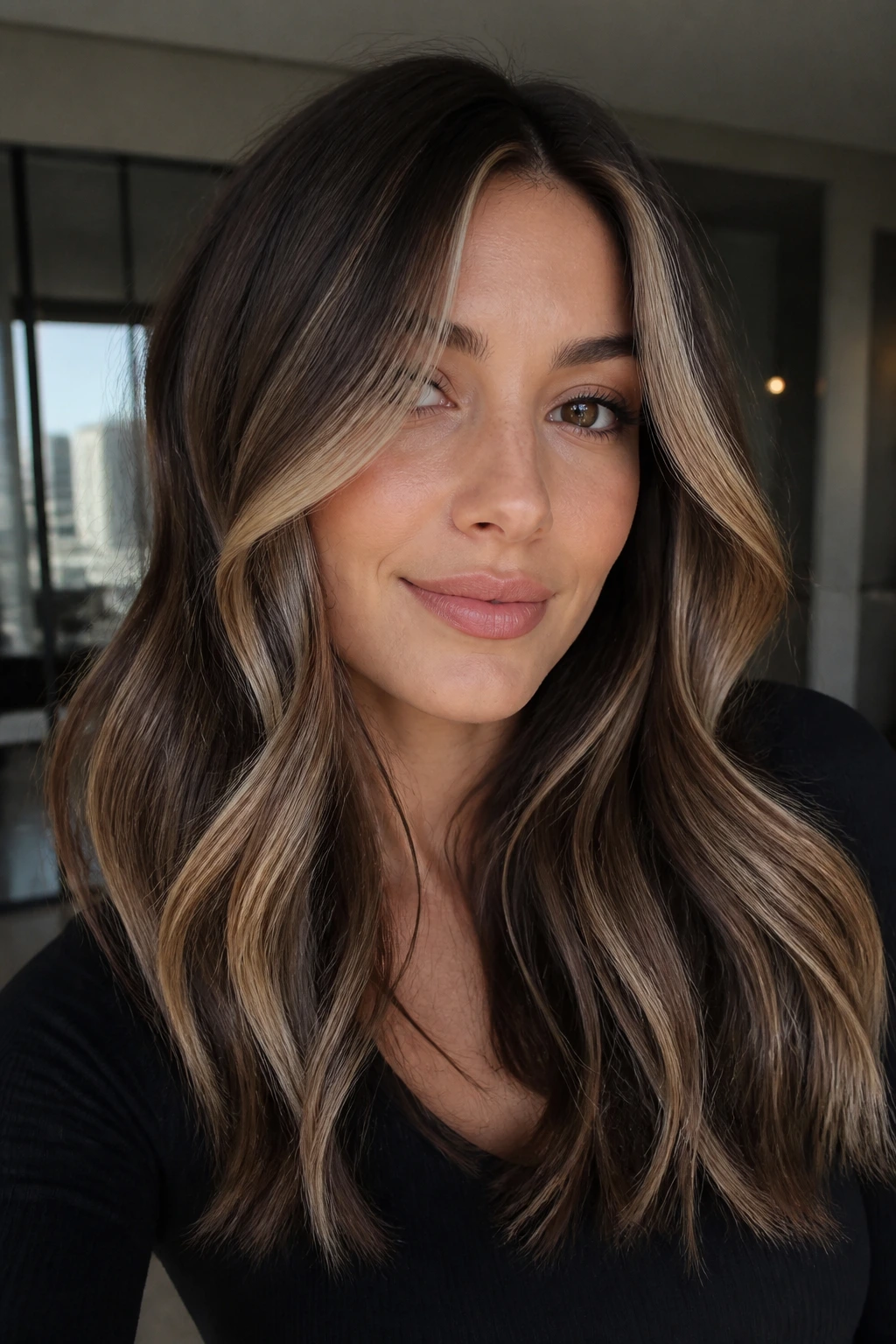
Ash-beige can save dark hair that pulls orange every time it’s lightened. The tone has enough beige to stay wearable and enough ash to cool down the warmth. It’s not silver. It’s not flat gray. It lives in the middle, which is a useful place for brunette hair.
If you wear dark makeup, cooler metals, or blue-based reds, this finish tends to look especially clean. It also helps when the goal is dimension more than brightness. You get a quiet lift through the hair without that honeyed glow some people like and others absolutely do not.
11. Golden Contour Lights
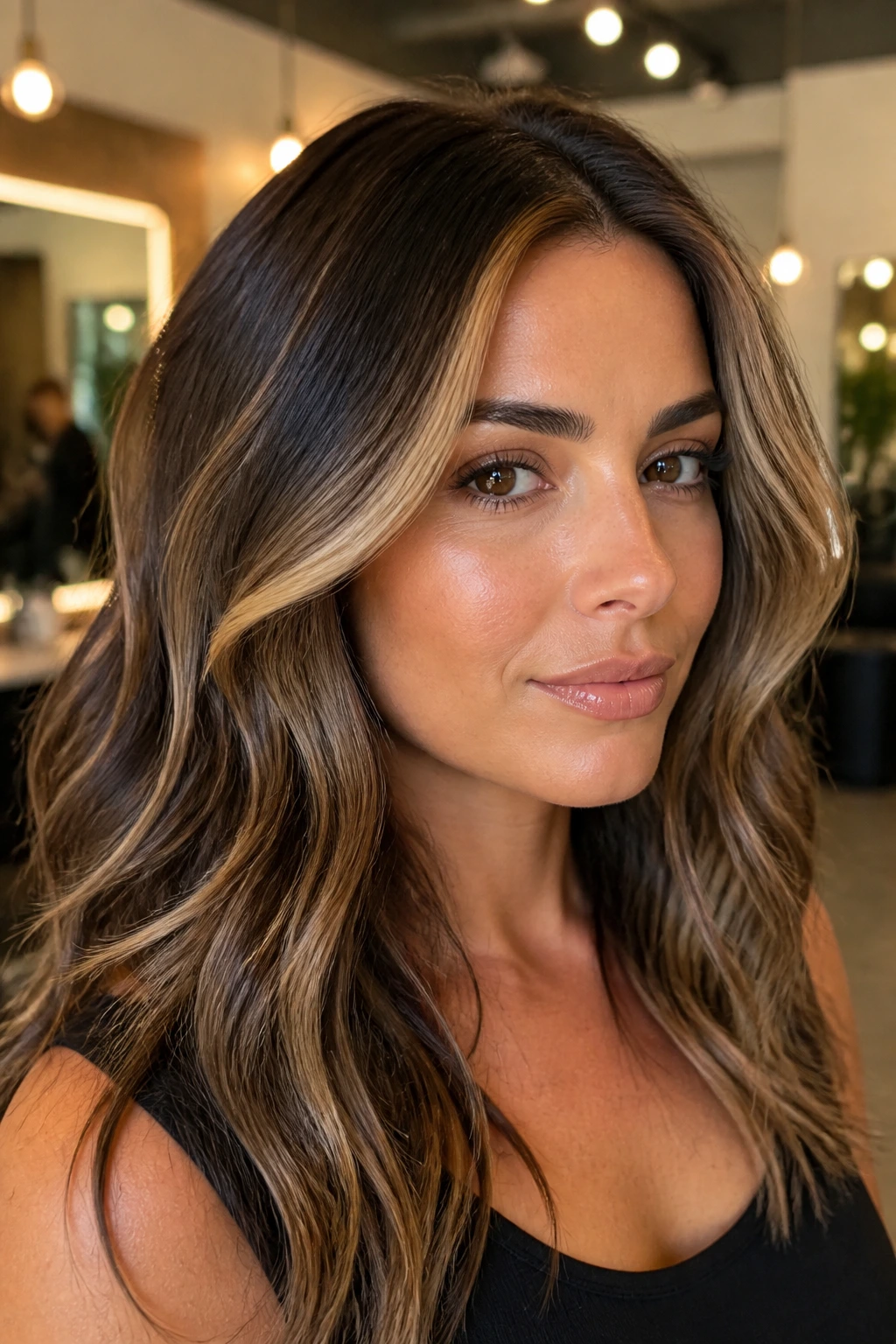
Golden contour lights are placed where the haircut needs shaping most: around the temples, along the cheekbones, and sometimes right at the jaw. A few strategically placed foils can make a blunt bob look more carved, and they can soften a long layer cut that’s starting to feel heavy.
The gold tone keeps the result warm, not brassy. That matters. Too much gold can drift into orange on a dark base. Kept light and clean, though, it gives the hair a healthy look that reads as sunshine, not dye job.
12. Peekaboo Blonde Underlayer
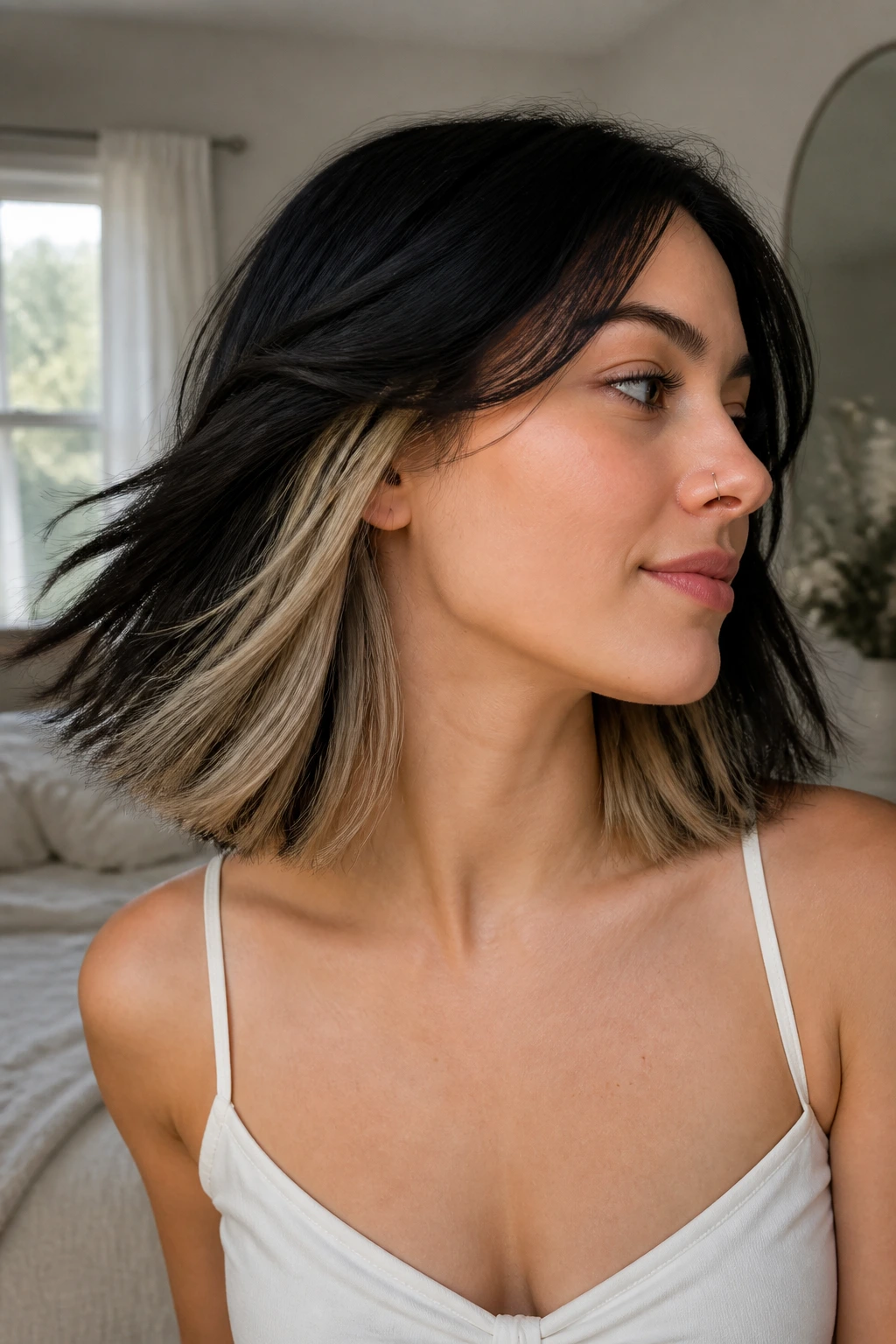
Peekaboo color is for the person who likes a little surprise. The lighter blonde lives under the top section of dark hair, so you only see it when the hair moves, flips, or gets tucked back. It’s fun without being loud.
This look works especially well on shoulder-length hair and shorter layers because the hidden panel shows up more often. It also gives you a way to experiment with blonde if you work somewhere conservative or simply don’t want bright pieces visible from every angle.
13. Smudged Root Blend
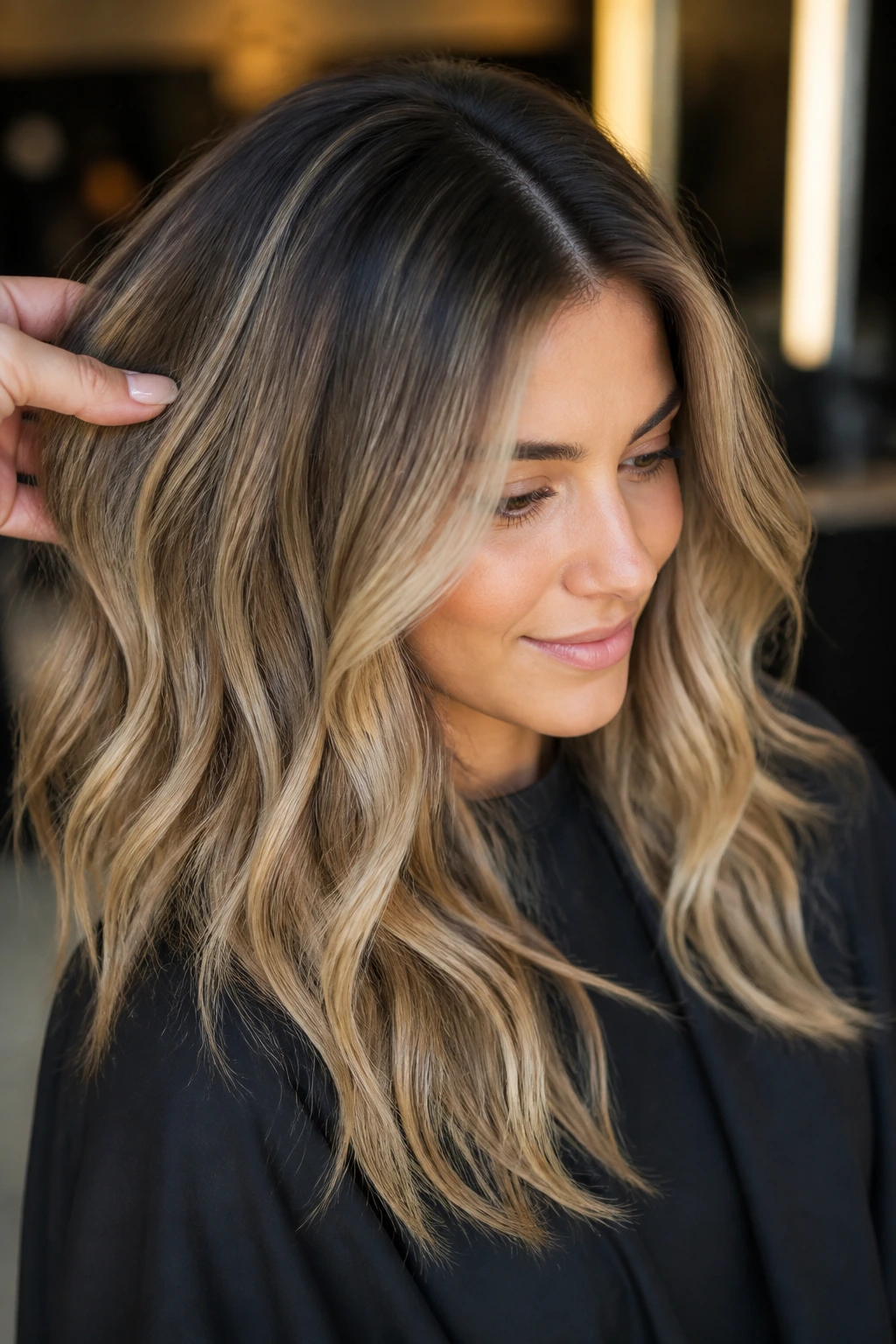
A smudged root is what keeps blonde from looking too fresh for too long. The stylist melts a darker shade into the root zone after lightening, usually just enough to blur where the highlight starts. On dark hair, that little blur is worth its weight in gold.
The best version keeps the root one to two levels deeper than the mids. If the smudge is too dark, the hair can look hollow at the top. If it’s too light, the line comes back fast. The sweet spot is soft and shadowy, not muddy.
14. Sunlit Mid-Length Foils
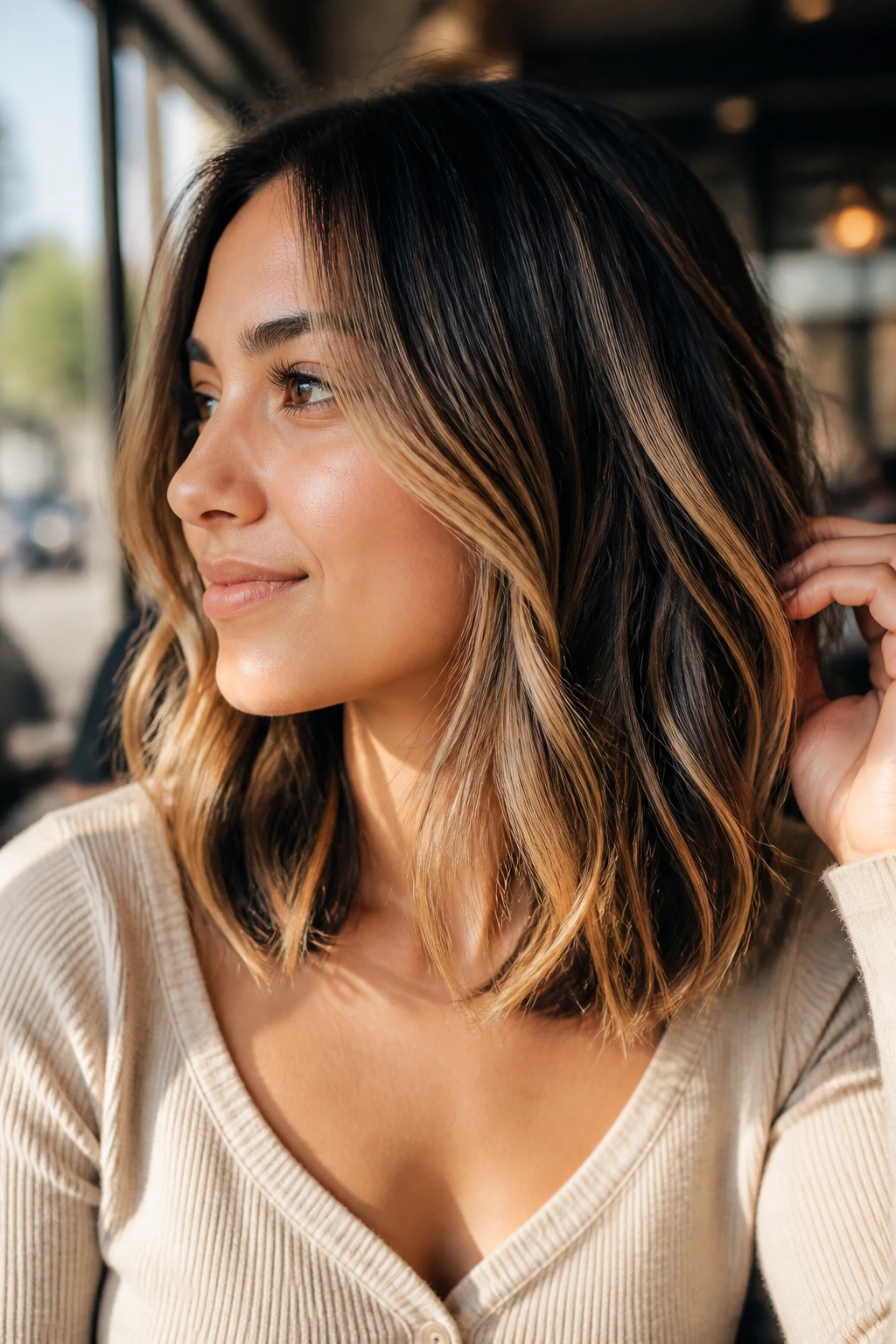
Mid-length foils are one of the smartest placement tricks in hair color. Instead of crowding the root, the color lives from about the ears down to the collarbone area, which means the light hits where the hair actually swings and bends.
That placement is excellent for long bobs and layered lengths because it makes the middle of the cut look fuller. Dark roots at the top keep the color grounded. Light brown blonde through the middle gives you a warm, sunlit strip without losing the depth that makes dark hair look rich.
15. Espresso-to-Bronde Slices
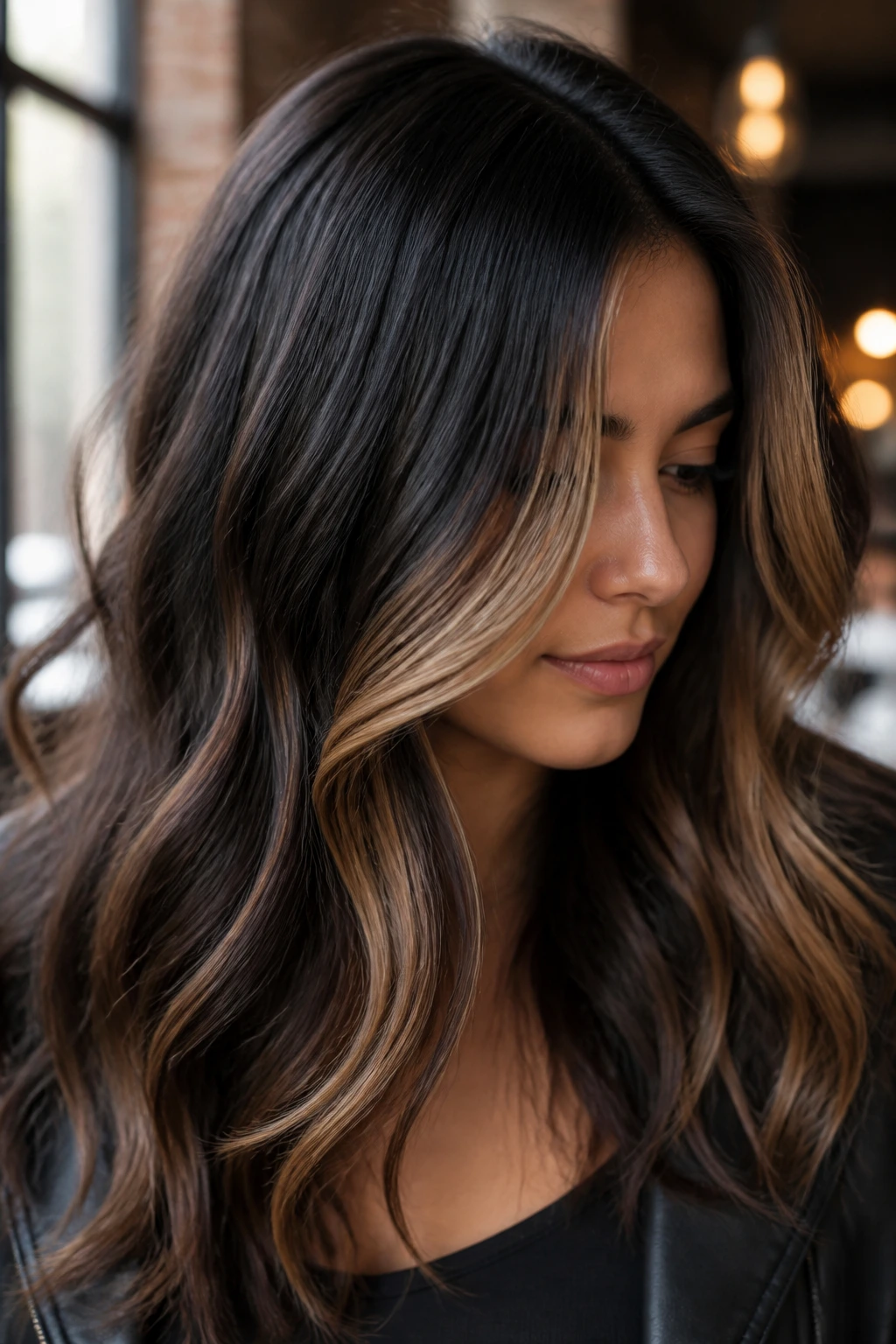
This is a stronger version of dimension. Thick espresso lowlights sit next to brighter bronde slices, so the color has more stop-and-start contrast than a soft balayage. It’s bold, but not fragile-looking.
I like it on thicker hair because the deeper pieces keep the style from becoming a big pale blur. You can still see the dark base clearly, which matters if you love brunette hair and don’t want to drown it in blonde. The slices should be clean and deliberate. Messy placement ruins the point.
16. Cinnamon Beige Balayage
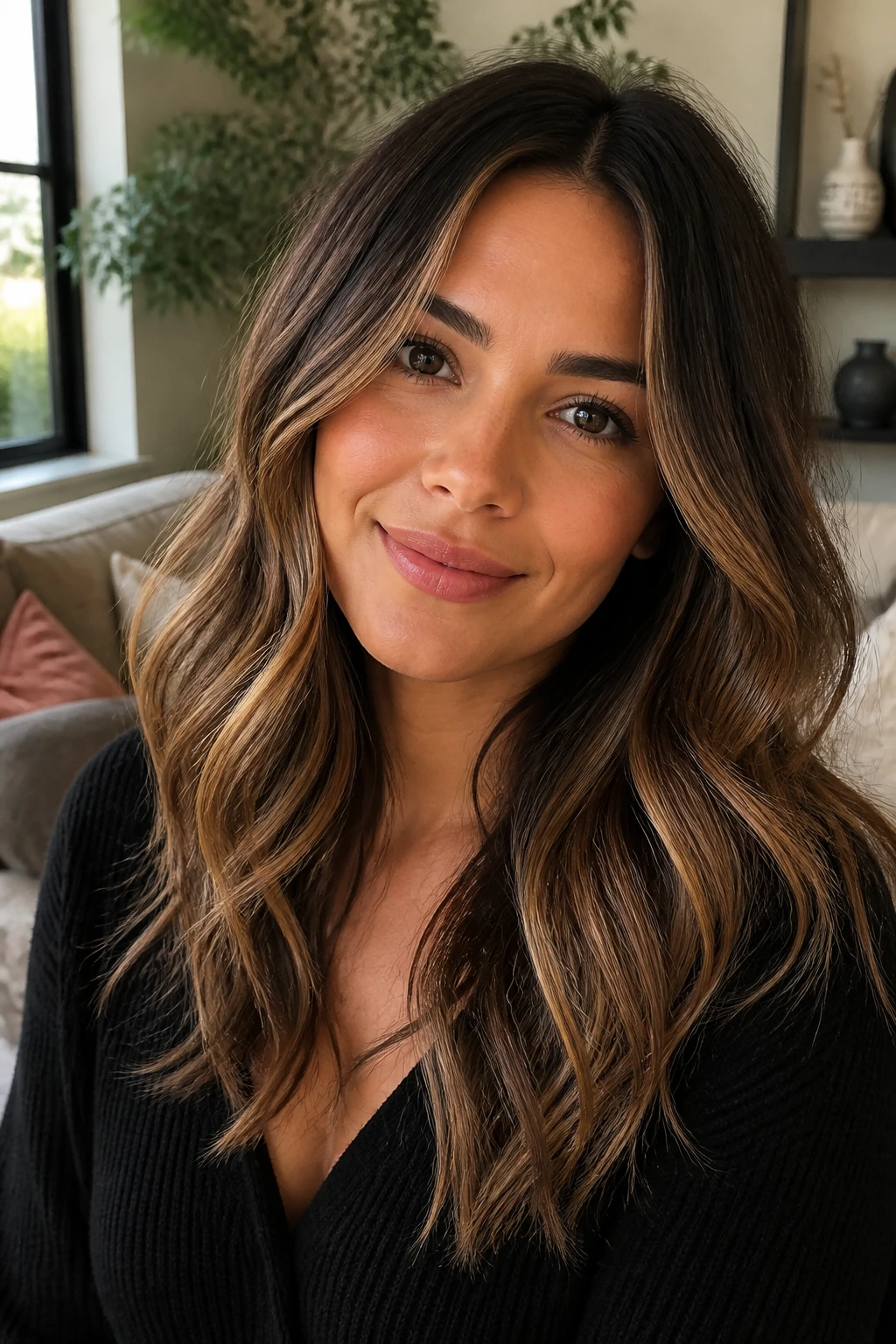
Cinnamon beige is for people who want warmth with restraint. The cinnamon note gives the blonde a faint spice, while the beige keeps it from turning orange. On dark hair, that combination can look softer than gold and less cool than ash.
This tone pairs well with skin that likes warmth but gets overwhelmed by yellow. It’s also one of the easier ways to brighten darker hair in fall-warm palettes without veering into copper everywhere. The result has a baked, glossy feel that suits waves especially well.
17. Cool Neutral Streaks
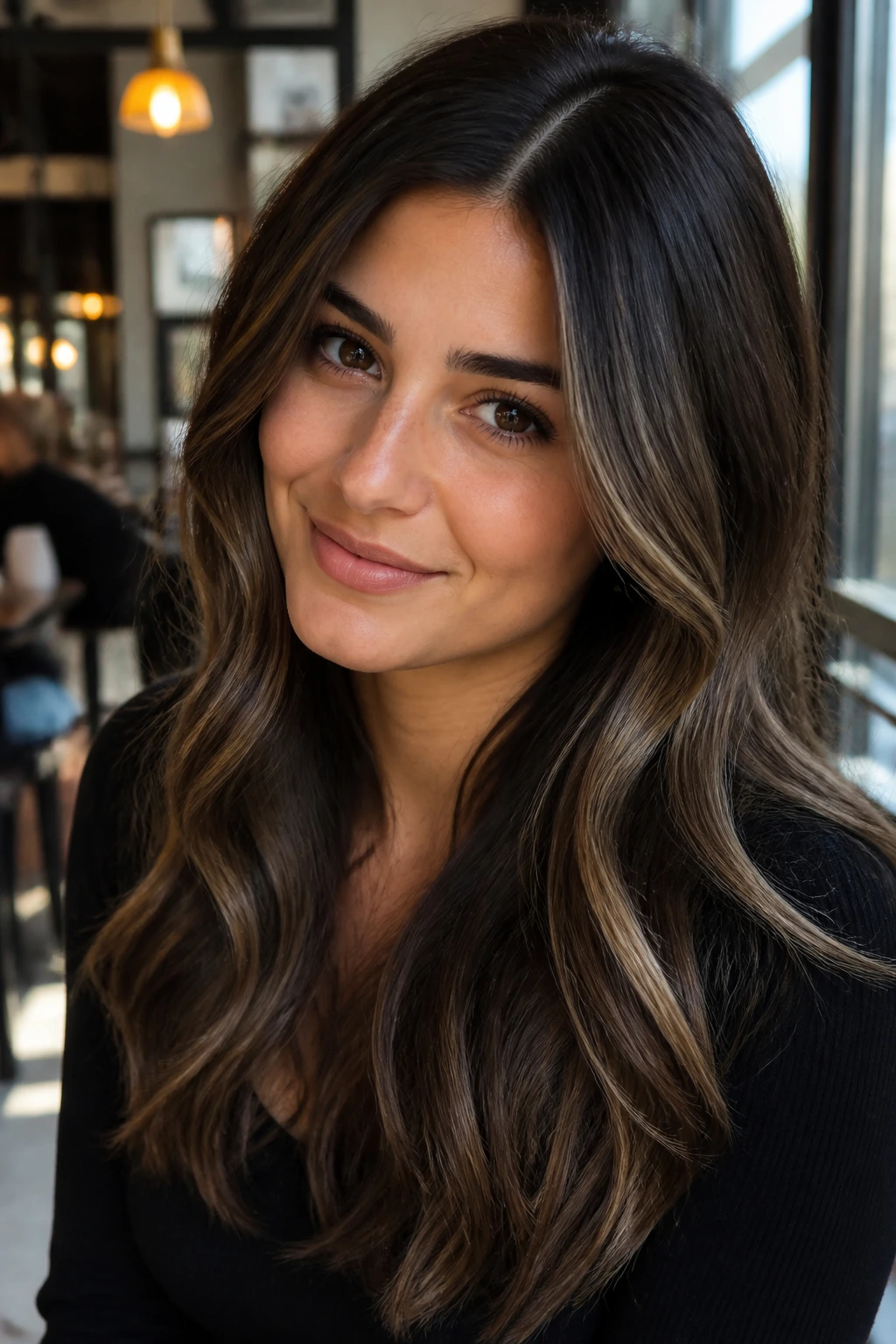
Cool neutral streaks are the answer when you want definition more than glow. The highlights sit in a carefully toned zone between ash and beige, so they don’t go icy, and they don’t go caramel either. They just break up the dark base.
This style is useful on hair that already has red or gold undertones, because the neutral toner keeps the final result from skewing too warm. It’s understated, yes, but not boring. In good light, the streaks give dark hair depth you can actually see.
18. High-Contrast Skim Highlights
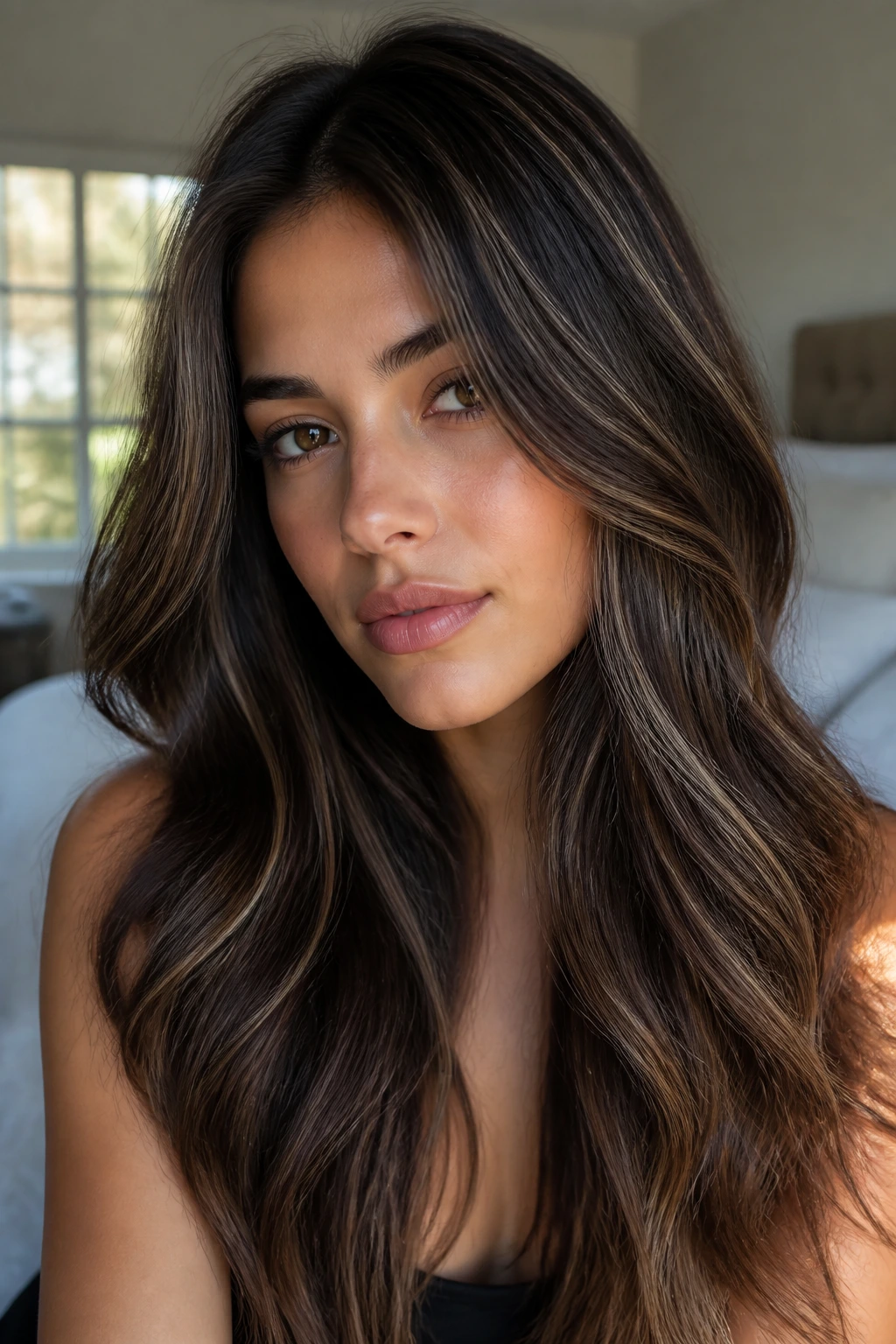
Skim highlights are thin, light ribbons placed near the surface of the hair rather than buried deep inside it. On dark bases, that creates a sharper contrast line, especially when the hair is blown out smooth or worn in loose waves.
The style suits layered cuts, curly hair with room to move, and anyone who wants the highlight to show from across the room. The trick is keeping the strands slim enough that they look intentional. If they get too wide, the look starts drifting toward chunky and loses the skim effect.
19. Soft Ombré Blonde Tips
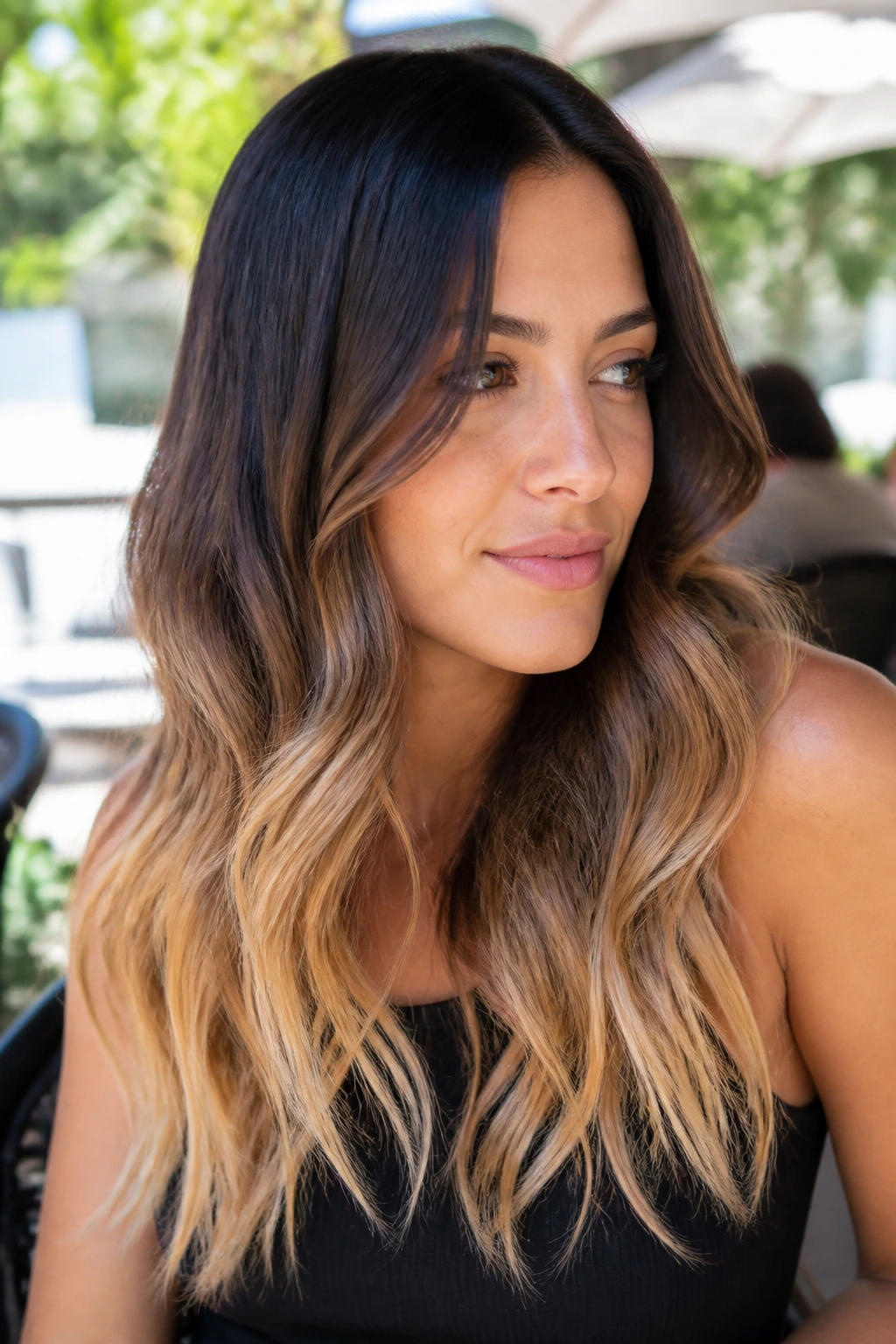
Ombré tips let the dark root stay dark and slowly open into light brown blonde at the ends. The gradient can be subtle or obvious, but on dark hair I prefer subtle. A hard line makes the style feel dated fast. A soft fade looks much more expensive.
This works best on longer lengths where there’s enough room for the color to stretch. Short hair can feel too abrupt. With a longer cut, the blonde tips move when you walk, which is where the style really comes alive.
20. Chestnut and Wheat Blend
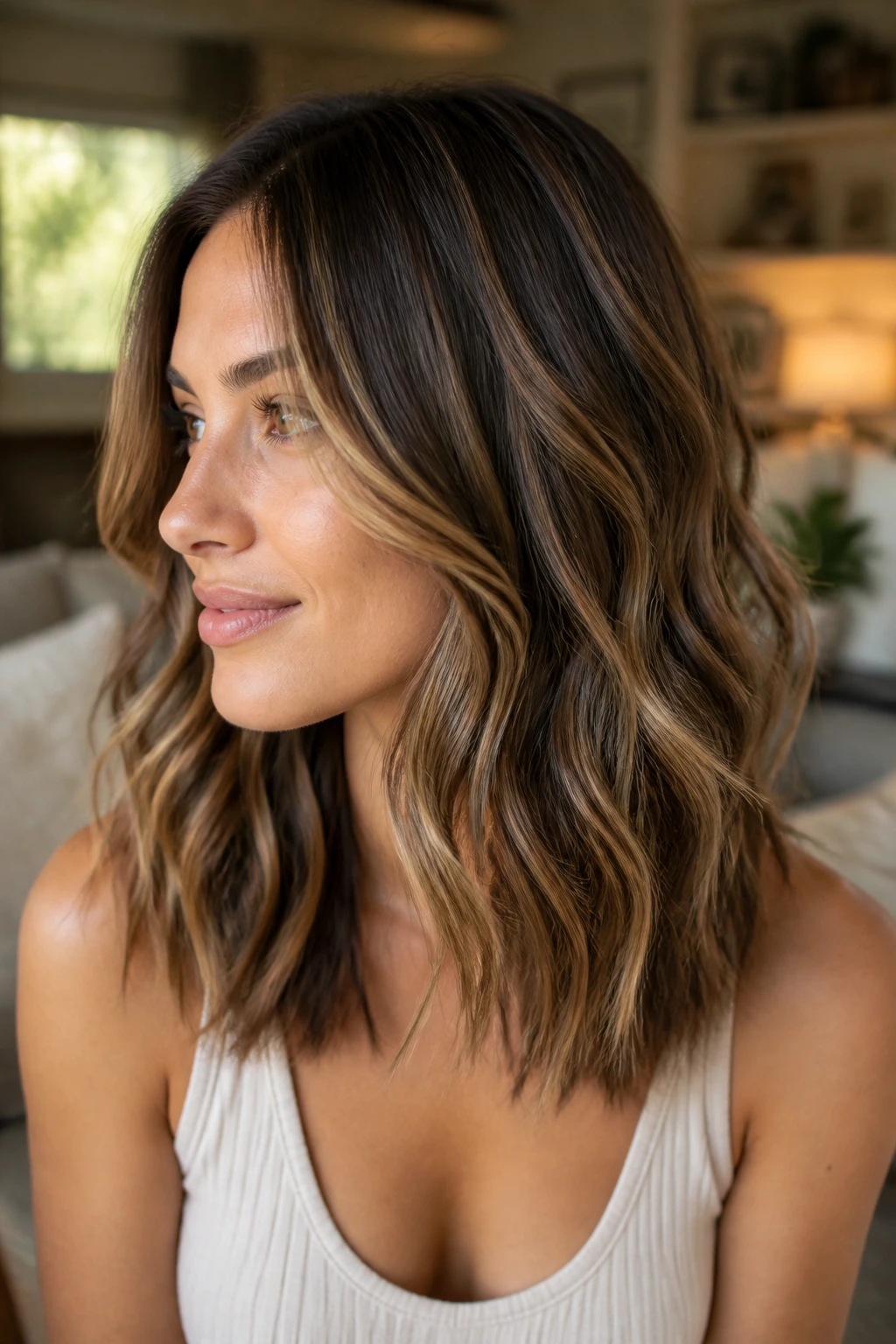
Here the fun is in mixing tones, not chasing one perfect blonde. Chestnut lowlights keep the hair rich and grounded, while wheat blonde pieces lift the surface. The color ends up looking dimensional in a way single-tone highlights often miss.
This is a smart choice for fine or medium hair that tends to go flat after coloring. The darker pieces give the illusion of depth, and the wheat tones stop the whole thing from looking too heavy. It’s a practical color story, and I mean that as a compliment.
21. Curly Hair Carved with Ribbons
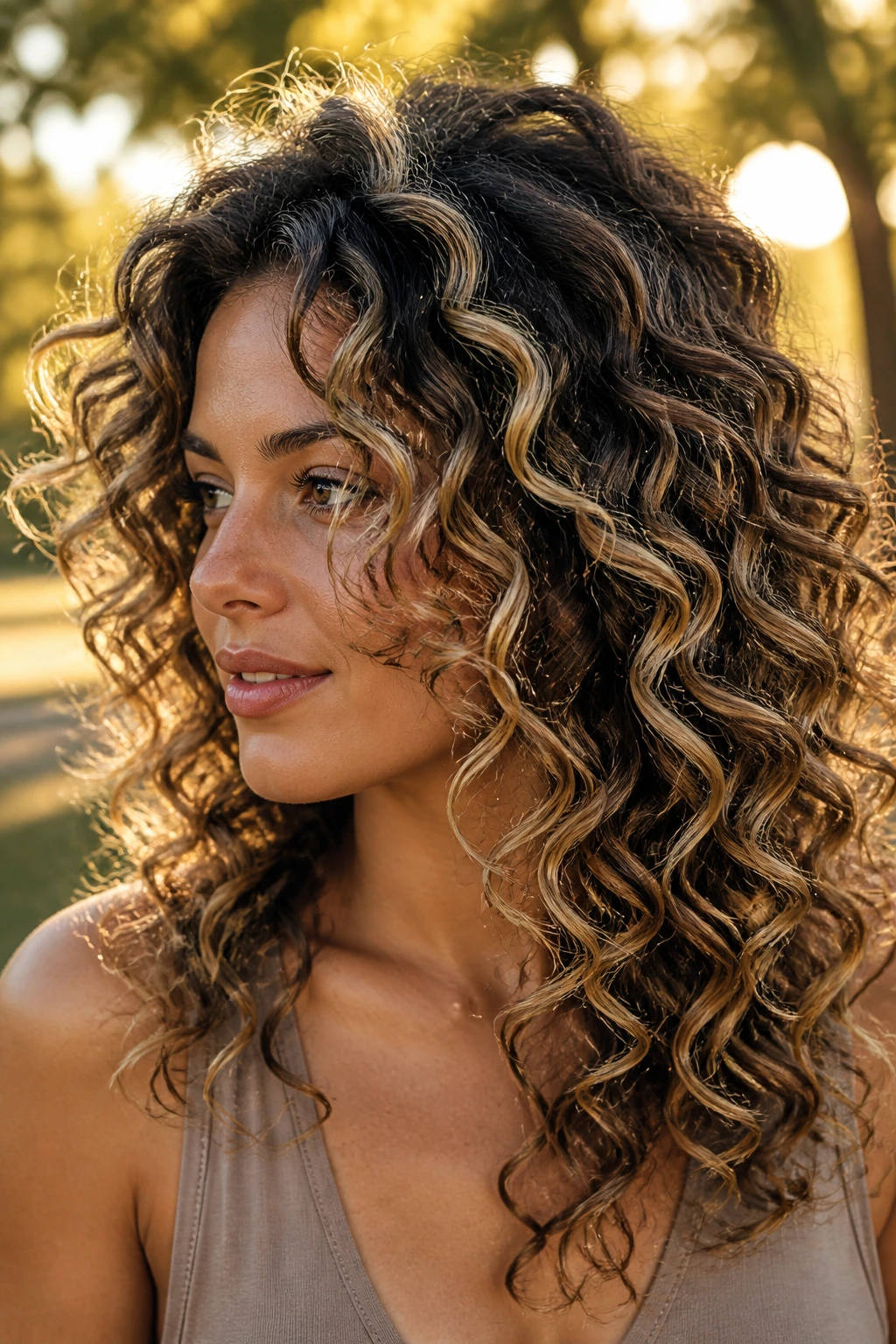
Curly hair needs its own map. A stylist who carves ribbons into the curl pattern—not just the stretched-out section—can place light where the ringlet opens and moves, which is why this look can be so good on dark curls.
The blonde should follow the shape of the curl family. Too many pieces too close together can look frizzy from a distance, and too little light gets lost inside the coil. A few carefully carved ribbons around the face and through the upper layer usually go farther than a full head of lighter strands.
22. Straight-Sleek Linear Foils
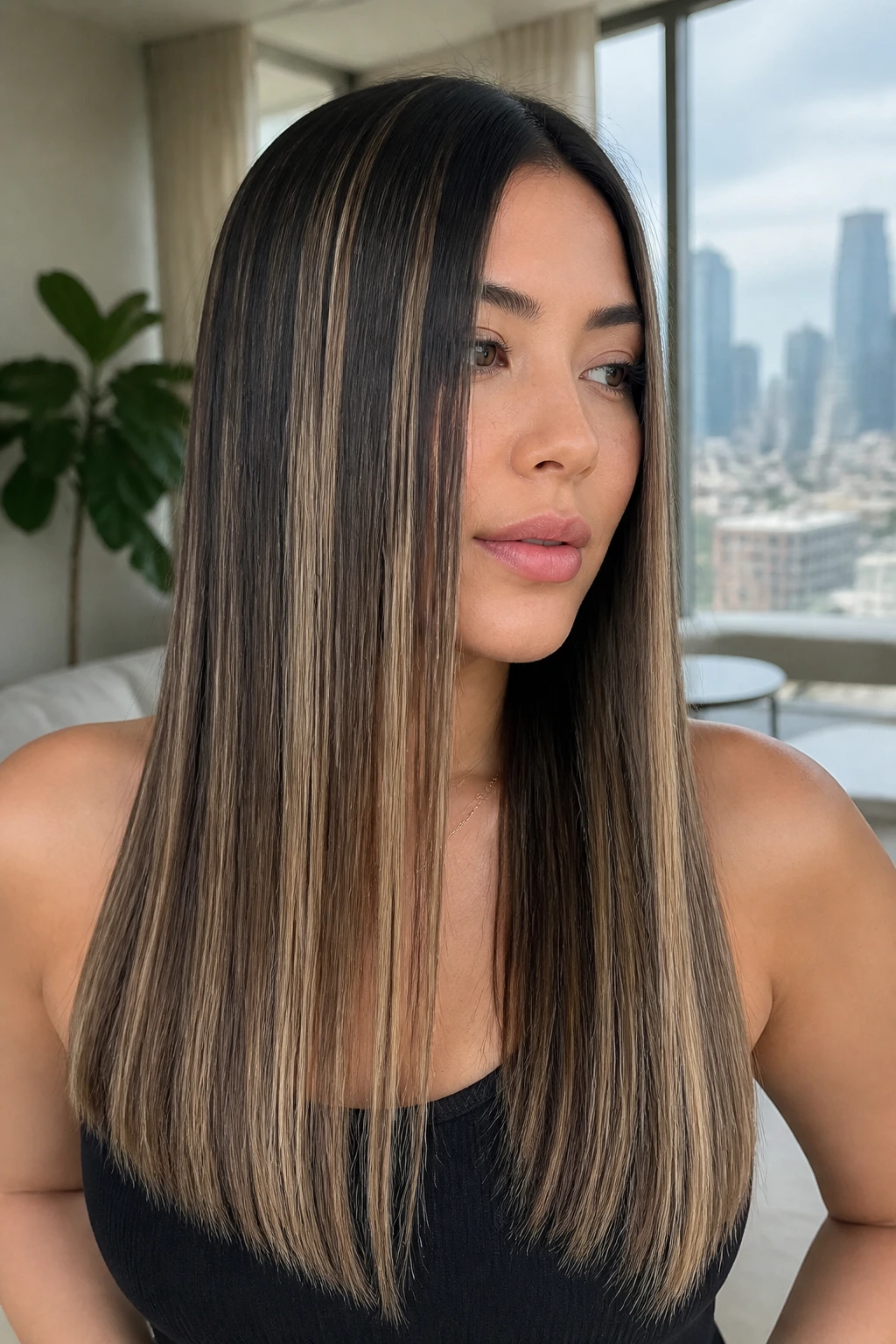
Straight hair can carry more obvious geometry, and linear foils lean into that. The color runs in cleaner, longer sections, which creates a crisp stripe effect that looks best when the blowout is smooth and the part line is neat.
This is the sort of highlight pattern that rewards precision. A crooked or uneven foil line shows fast. Done well, though, the result has a clean, modern edge that makes blunt cuts and sharp bobs look sharper. If you like polished hair, this is a strong direction.
23. Copper-Brown Blonde Mix
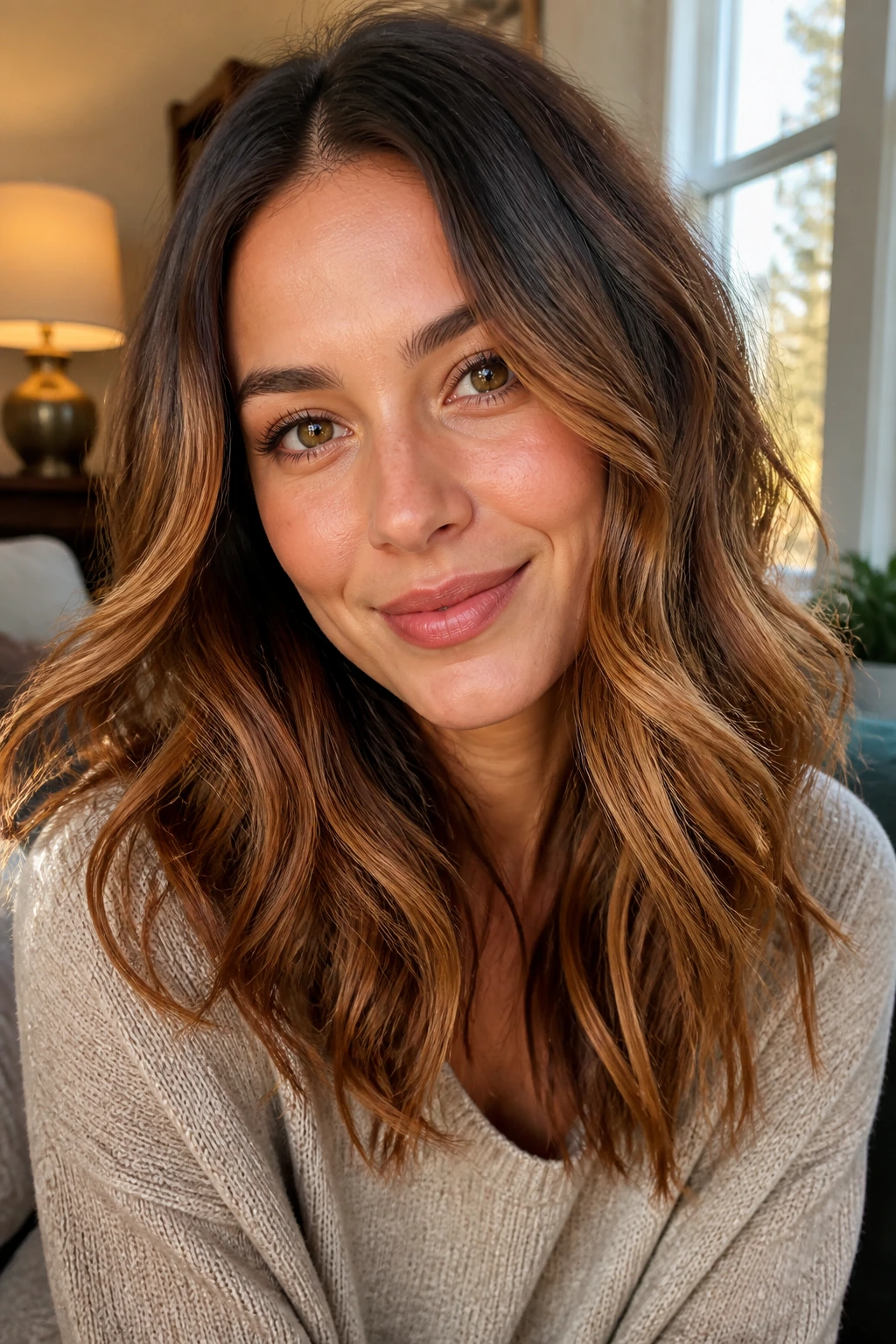
Copper-brown blonde sits warmer than beige and cooler than full copper, which gives dark hair a rich, baked tone without turning the whole head red. The blend is especially flattering if your natural hair already has warm undertones hiding inside it.
I like this on people who think “blonde” sounds too pale but still want lighter pieces around the face and ends. The color catches light with a soft glow, and it looks especially good in layered hair where the copper notes can hide under the darker pieces until you move.
24. Rooty Dimensional Brunette Blonde
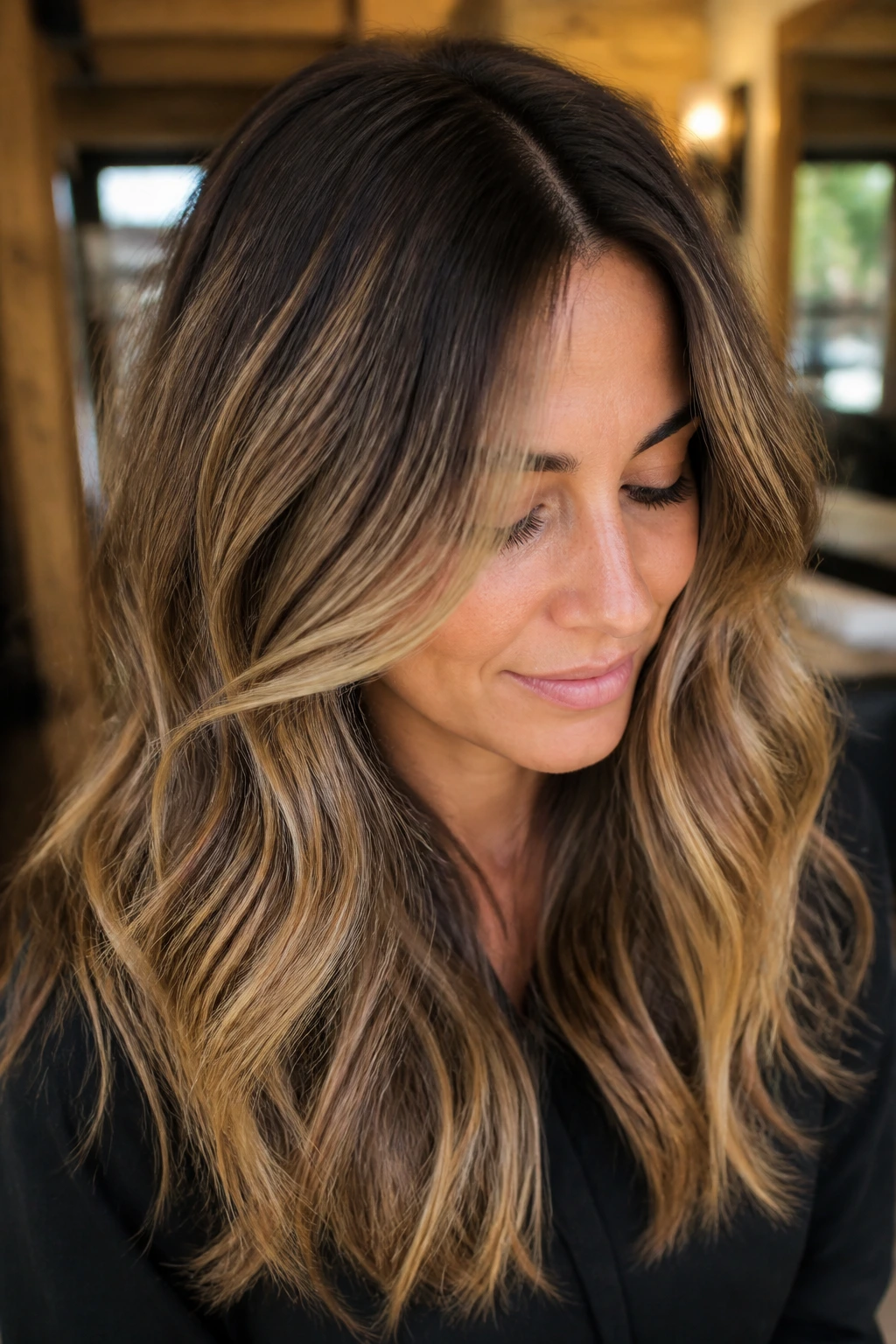
A rooty dimensional brunette blonde look uses more than one light tone, usually paired with a soft shadow root. That mix keeps the color from flattening into one flat shade of brown-gold. You get depth at the top, brightness in the mids, and a little extra clarity at the ends.
This is one of my favorite choices for people who want the salon appointment to grow out gracefully. The multiple tones mean the color still looks deliberate when the root shows. If your hair tends to look muddy after one-tone coloring, this fixes a lot of that problem.
25. Soft-Focus Halo Highlights
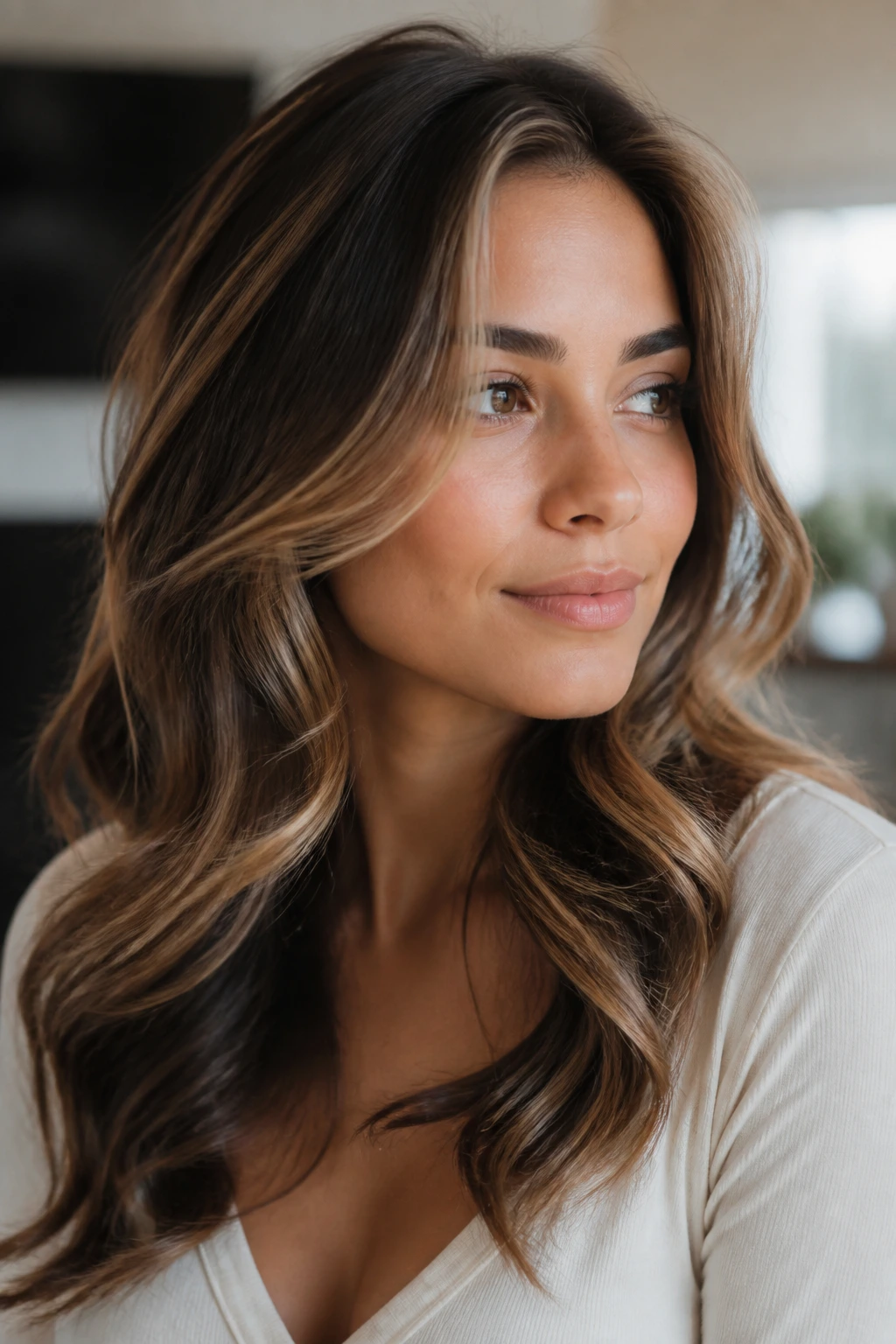
Halo highlights live around the perimeter and crown, where the eye goes first. The pieces frame the face, skim the top layer, and leave enough darkness underneath to keep the style grounded. It’s a brightening look, not a bleaching contest.
The payoff is strong when hair is tucked behind the ears, clipped half-up, or worn in a low ponytail. You see the light at the edges and the darker depth underneath at the same time. That contrast is what makes the style feel soft rather than flat.
How Light Brown Blonde Highlights Work Best on Dark Hair
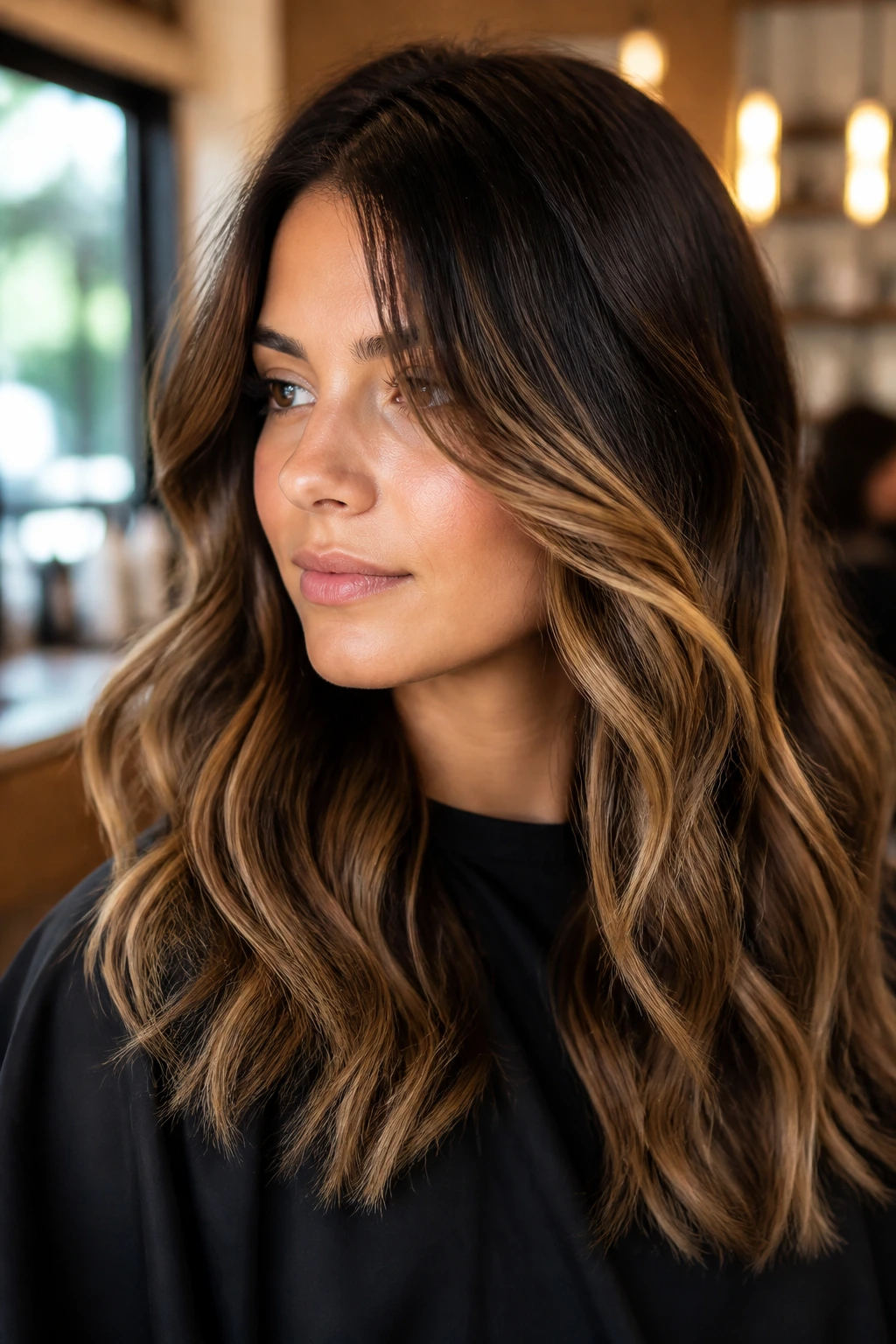
Placement beats volume. A few well-placed foils around the face and through the top layer can do more than a full head of scattered light pieces. Dark hair needs breathing room between the lighter sections, or the result turns fuzzy and loses shape.
A good colorist also thinks in levels. On a dark brunette base, jumping straight to pale blonde is where breakage and brass both show up fast. Beige, caramel, mushroom, and champagne tones usually look more natural because they sit closer to the base and don’t fight it. That’s why these tones keep coming back in salons: they’re easier to wear, and they don’t demand a perfect blowout to look finished.
What usually matters most
- Base level: Level 3, 4, and 5 hair all react differently to lightening.
- Undertone: Red-orange warmth needs different toning than cool brown hair.
- Texture: Curly hair wants wider spacing; fine hair wants narrower pieces.
- Maintenance tolerance: If you hate root appointments, ask for a deeper root and softer ends.
Essential Tools for These Highlight Looks
- Tail comb: Makes sectioning cleaner, especially for money pieces and micro-weaves.
- Sectioning clips: Keep the crown, sides, and back separated so foils don’t slide around.
- Foils or balayage board: Foils create stronger lift; a board helps when painting softer ribbons.
- Tint brush: Useful for smooth, controlled placement and root smudging.
- Mixing bowl and scale: A scale matters when a stylist is matching formula strength and toner ratios.
- Bond-building treatment: Helpful whenever lightening dark hair, because the ends can feel dry fast.
- Purple or blue shampoo: Purple helps yellow brass; blue leans better for orange warmth.
- Heat protectant: Mandatory if you blow-dry or use hot tools. No shortcuts here.
- Microfiber towel: Cuts down on rough friction after washing, which dark-highlighted hair does not need.
Smart Consultation Notes and Inspiration Picks
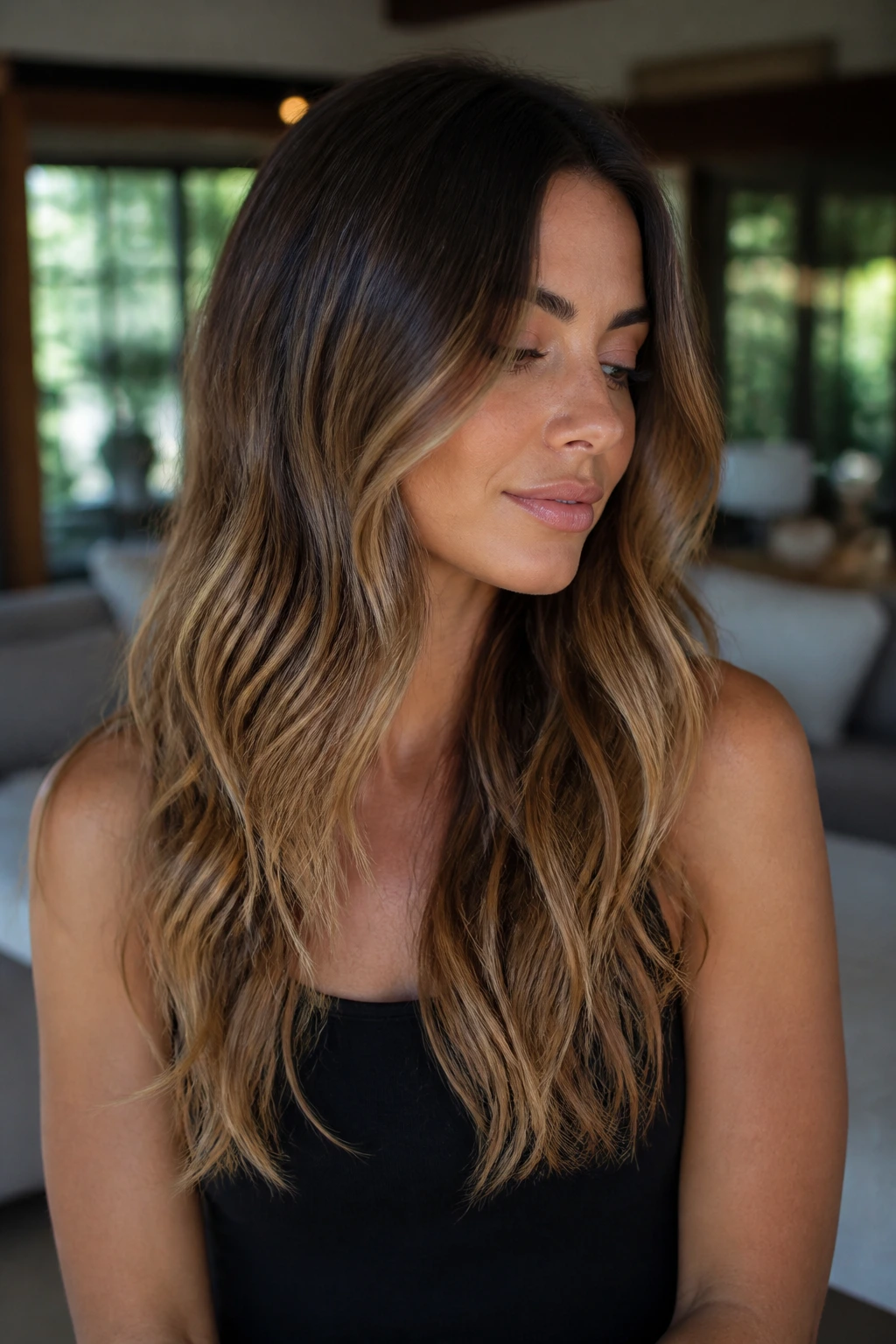
Bring photos, yes, but bring the right photos. Show one image for placement, one for tone, and one for how much contrast you want. Mixing those three jobs into a single screenshot usually ends with a frustrated stylist and a result that misses your real goal.
Say what your hair does, not just what you want it to be. If your base is level 4 and you pull orange fast, say that. If your hair is fine and breaks when over-lightened, say that too. That information changes the formula. So does your part line, your curl pattern, and whether you wear your hair up half the week.
A few details make the appointment better almost every time:
- Name the root depth you want: Soft shadow root, visible root, or nearly seamless melt.
- Pick your warm/cool lane: Beige, honey, champagne, ash-beige, mushroom, or cinnamon.
- Be honest about upkeep: Root blur every 6 to 8 weeks looks different from color that needs a full refresh every month.
- Mention old color history: Box dye, henna, prior bleach, and dark permanent dye all change the lift path.
How to Style the Color So the Ribbons Show
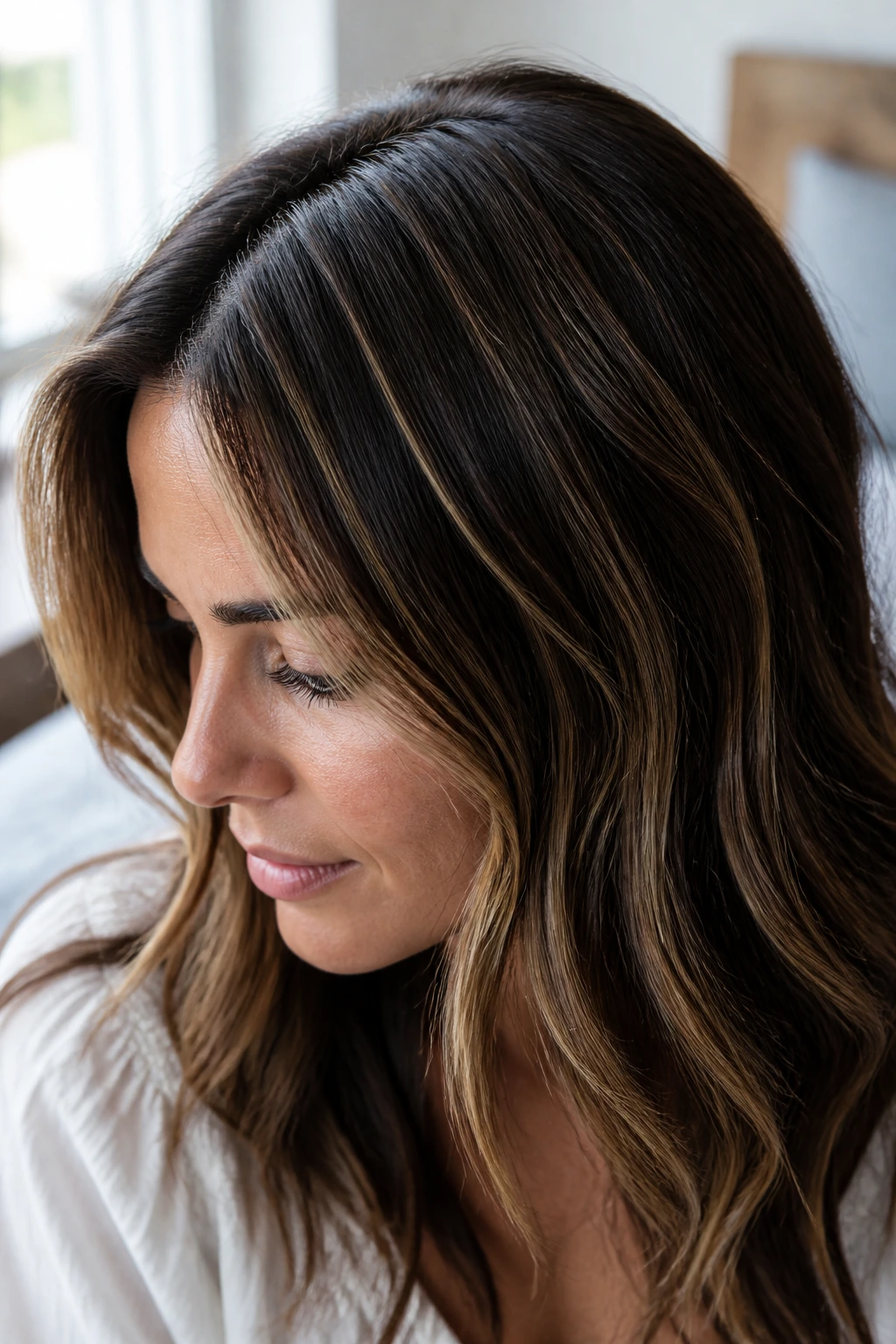
A highlight can be gorgeous and still disappear under the wrong styling. That happens more than people admit. The cut, the bend, and the direction of the hair all decide whether the lighter pieces show up or vanish into the base.
For waves: Use a 1-inch iron or a round brush blowout and bend the hair away from the face in alternating directions. That stops the highlights from stacking on top of each other and gives the color room to read as movement.
For straight styles: Keep the finish sleek and tuck one side behind the ear. The line of the money piece or halo highlight becomes much clearer when the hair is smooth.
For curls: Work with leave-in cream instead of heavy oil, then scrunch dry with a diffuser. Too much product makes the lighter strands look greasy and narrow. A satin pillowcase helps, too. Simple. Worth it.
Common Mistakes That Flatten Dark Hair Highlights
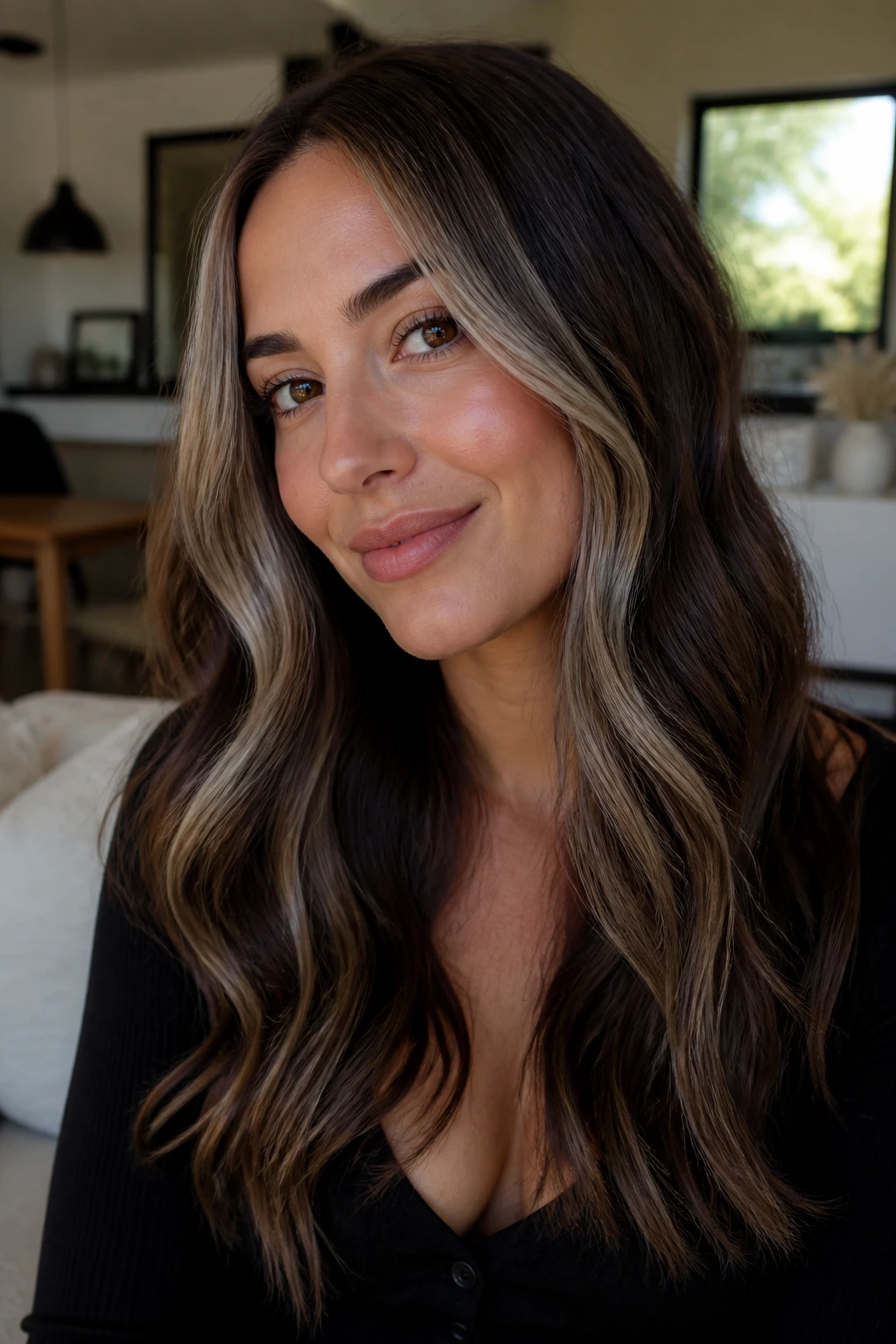
The first mistake is asking for blonde that’s too light, too fast. On dark hair, that can leave the ends dry and the tone hollow. The fix is to stay a few levels above the base and let the shade do some of the work, not all of it.
Another miss: putting the light pieces everywhere. When highlights land with no pattern, dark hair loses its shape. You want pockets of brightness, not confetti. The color should support the cut.
Skipping toner is another one. Freshly lifted hair often looks warmer than the final result, and if you stop there, orange or yellow can take over. A beige, mushroom, or ash-beige toner is what turns “lightened” into “finished.”
And yes, overusing purple shampoo can backfire. Use it too often and the blonde can look dull or dusty. Once a week is enough for many hair types; some need it even less. Watch the tone, not the bottle.
Variations and Alternatives to Try
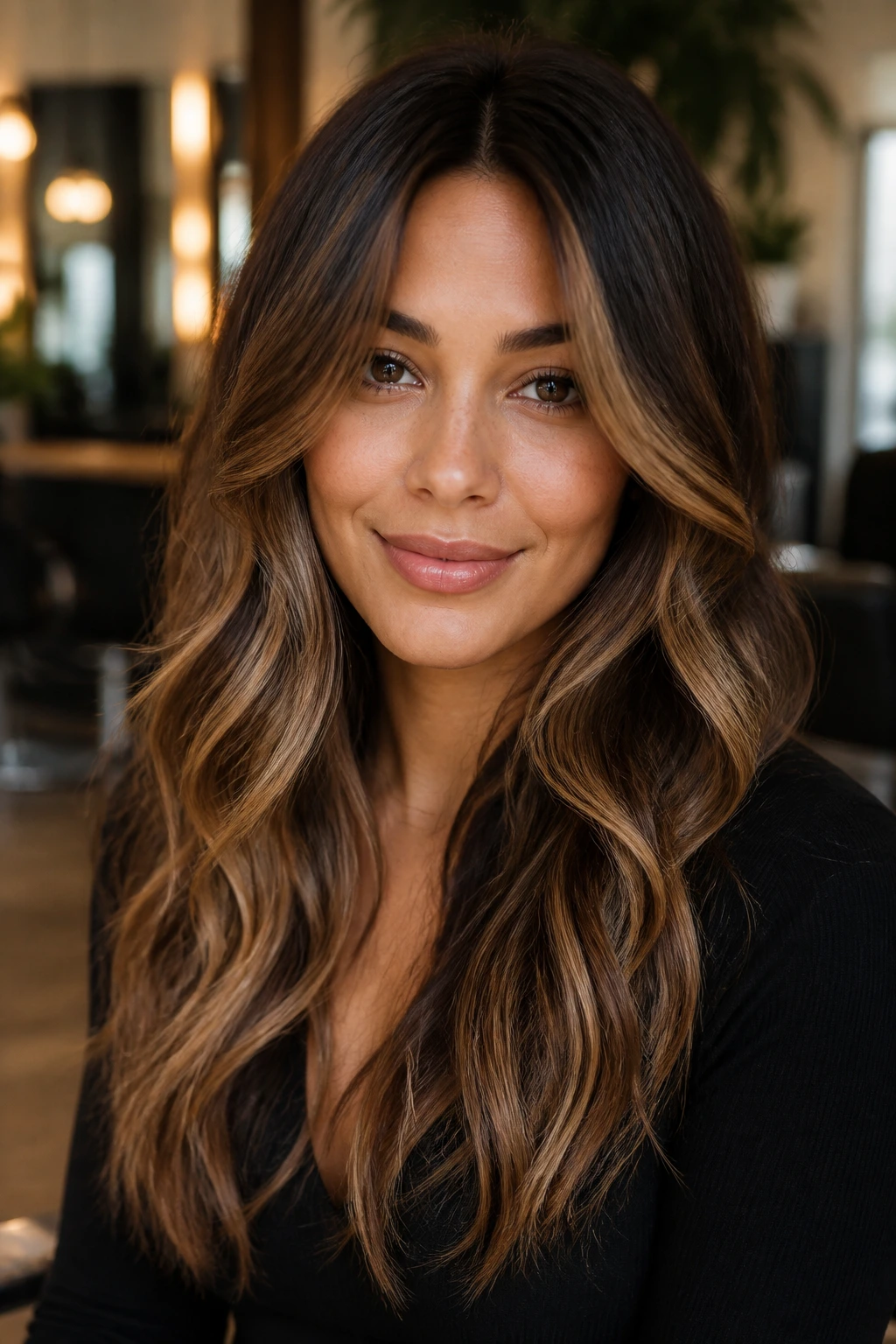
The Bronde Drip
This leans warm and blended, with caramel and beige tones flowing together from root to end. It suits someone who wants visible lightness but doesn’t want the hair to read as blonde first.
Mushroom Smoke
Cooler, ashier, and more muted, this version keeps the highlights in a taupe-beige lane. It’s a clean choice for dark hair that hates warmth and looks best on straight or softly waved cuts.
Retro Chunk Frame
A bolder front highlight with thicker pieces near the part and temples. It nods to the 90s, but keep the tone beige or champagne so it looks intentional rather than costume-like.
Curly Halo Lift
Instead of lighting the whole head, focus on the outer curl pattern and crown. This keeps the bottom layers dark and gives the curls a halo effect that moves well in daylight.
Soft Root Melt
For anyone who wants lower upkeep, this keeps the root deeper and the mids softly blended. The color grows out gracefully, which is the whole point if you dislike obvious regrowth.
Keeping Light Brown Blonde Highlights on Dark Hair Glossy
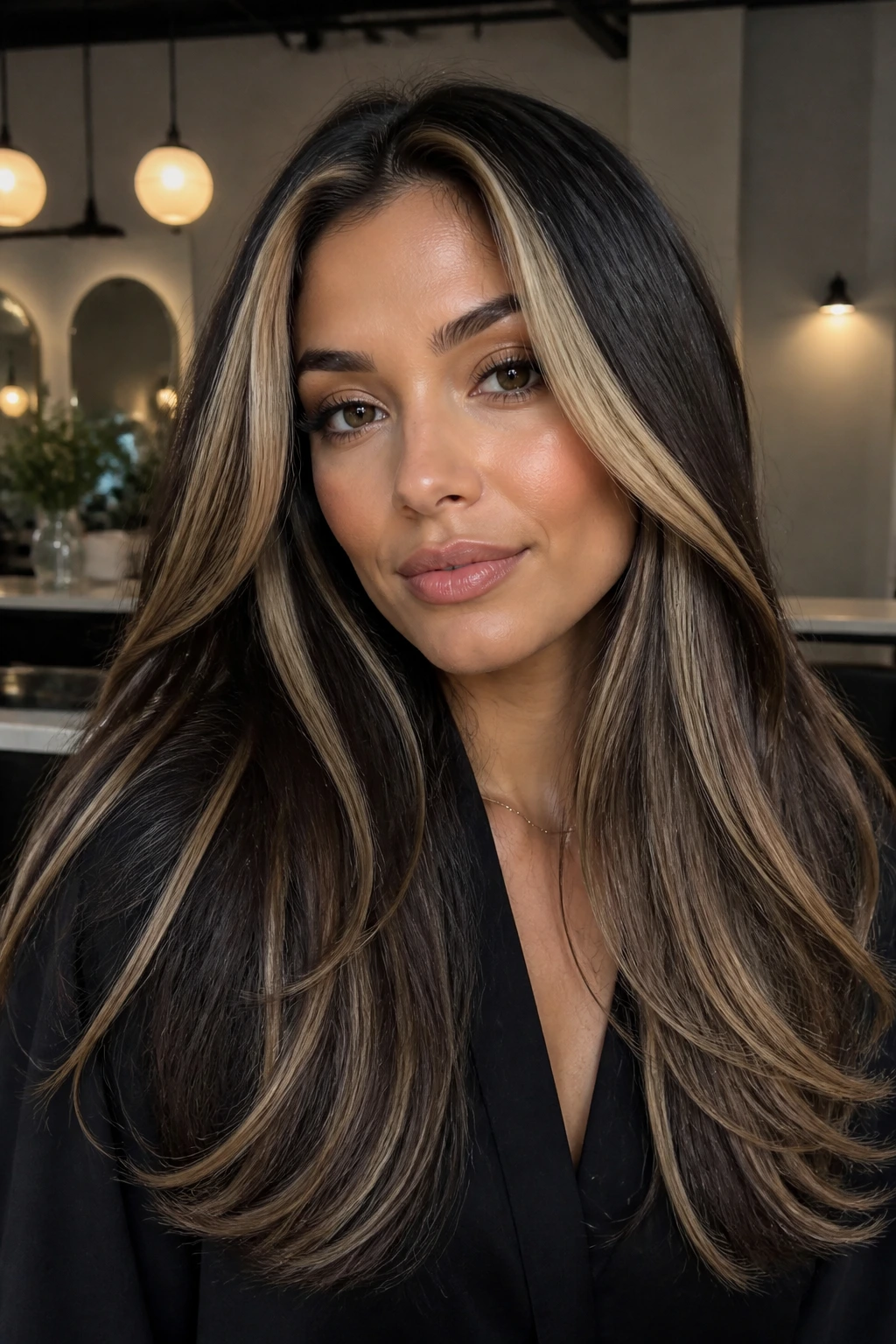
Lightened dark hair needs a little discipline. Not punishment. Just discipline. Wash 2 to 3 times a week if you can, use lukewarm water, and lean on a sulfate-free shampoo so the toner doesn’t wash out in three shampoos flat.
A color-depositing gloss every 6 to 8 weeks can keep beige and caramel tones from drifting brassy. If the hair starts to look warm in an orange way, blue shampoo usually helps more than purple. Purple is better for yellow. That distinction matters, and a lot of people use the wrong one.
Trim the ends on schedule, especially if the lightened pieces live there. Dry blonde ends look louder than dark roots because the contrast exaggerates every split end. A quick dusting every 8 to 10 weeks keeps the finish smoother.
Frequently Asked Questions
Do light brown blonde highlights damage dark hair a lot?
They can, because dark hair usually needs lightening first. The amount of stress depends on how far the hair must lift, how many sessions you use, and whether the ends are already fragile.
Can I get this look without full bleach?
Sometimes, yes. If your hair is already light brown or dark blonde, a high-lift color or a gentle gloss may get you there. Very dark hair usually needs some lightening to show the blonde tones clearly.
What’s better for this look: foils or balayage?
Foils give stronger lift and cleaner contrast. Balayage gives a softer, more blended finish. If you want a visible money piece or champagne ribbons, foils often win; if you want a melted bronde look, balayage usually fits better.
How often should I tone it?
For most dark-to-light color work, every 4 to 8 weeks is a sensible range. If your hair pulls orange fast, you may need toner sooner. If it stays beige for weeks, leave it alone longer.
Will these highlights work on curly hair?
Yes, but the placement needs to follow the curl pattern. Curly hair looks best with ribbons carved around the coils, not with tiny highlights packed too tightly together.
Can I do this at home?
You can, but lightening dark hair at home is where many ugly brass stories begin. If you try it, keep the lift subtle, strand-test first, and stay away from over-processing the ends. A salon result is safer if your hair is already colored or damaged.
What if the blonde comes out too orange?
That usually means the hair was lifted enough to expose warmth, but not enough to reach the tone you wanted. A blue-based toner or gloss can calm it down, but the real fix is often better lift paired with correct toning.
How do I keep the highlights from looking stripey?
Ask for thinner pieces, softer transitions, and a little root depth. Stripey color usually comes from sections that are too wide, too bright, or placed with no rhythm around the haircut.
Soft Grow-Out
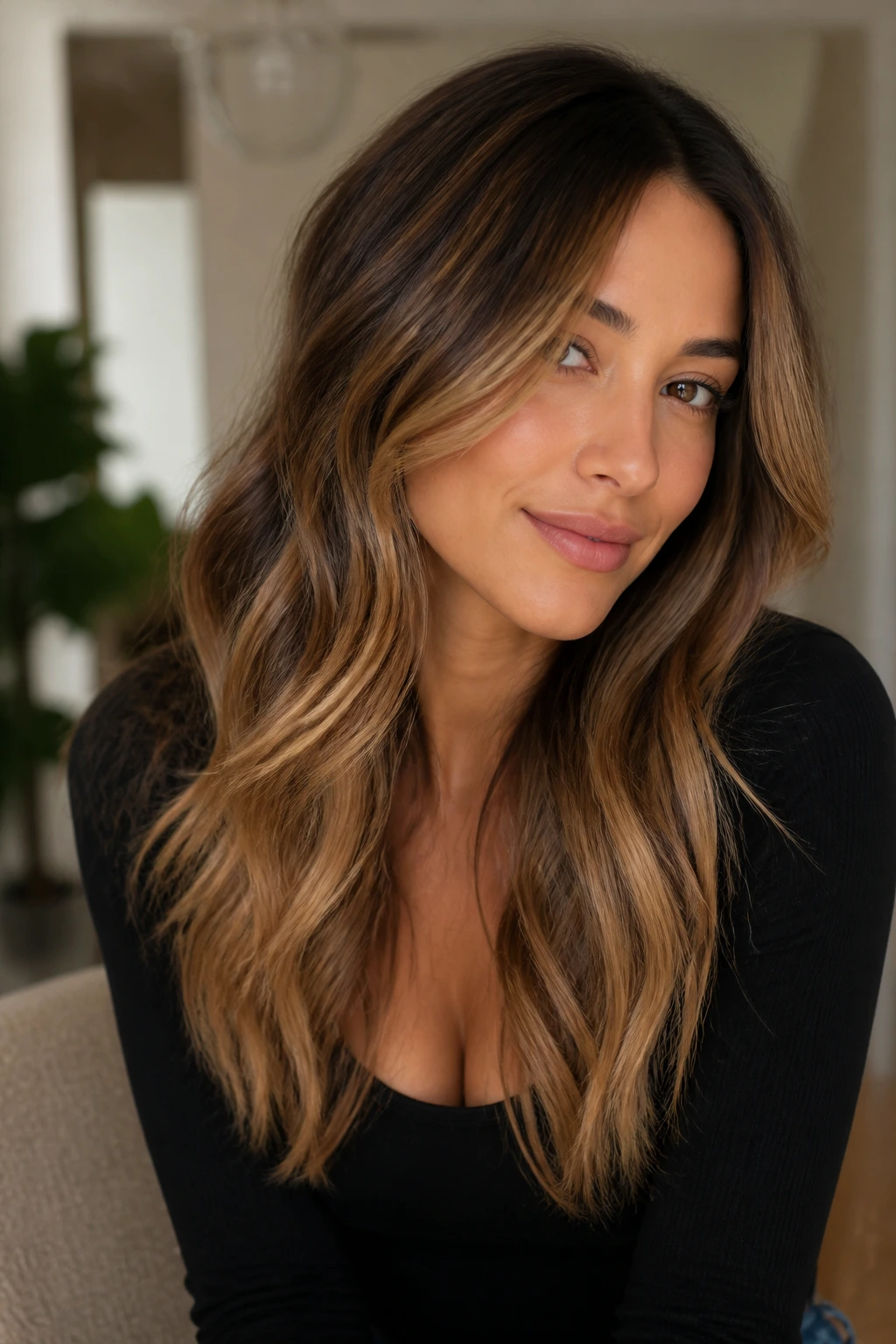
The nicest thing about this whole family of color is that it doesn’t demand perfection to look good. Beige money pieces, caramel veils, ash-brown ribbons, and soft bronde melts all keep some of the dark base visible, which means the hair still feels like your hair when the roots start to show.
That’s the part worth chasing. Not a brittle blonde moment that needs rescuing every few weeks, but a color story that moves with your cut, your texture, and your real life. If you want brightness without losing depth, this is the lane I’d stay in.