



Honey hair color ideas for warm skin tones work because gold on gold rarely fights. When the shade is handled well, the face looks less tired, the jawline looks cleaner, and the hair stops reading like a separate object sitting on top of your head.
The tricky part is that “honey” is not one thing. A beige-gold balayage on dark blonde hair feels soft and lived-in; a copper-leaning honey gloss on medium brown hair feels richer and deeper; a bright money piece near the cheekbones can wake up the whole face in two seconds flat. Get the tone wrong, though, and the same family of shades can drift into orange, straw, or that dull yellow that makes even good skin look a little flat.
Warm skin tones do best when the hair mirrors what’s already there: golden undertones, peach, apricot, amber, soft caramel. That doesn’t mean everything has to go light. It means the right honey shade should look like it belongs against the skin, not like it was pasted on from another head entirely. And once you start looking at it that way, the good options get a lot more interesting.
Why These Shades Work So Well
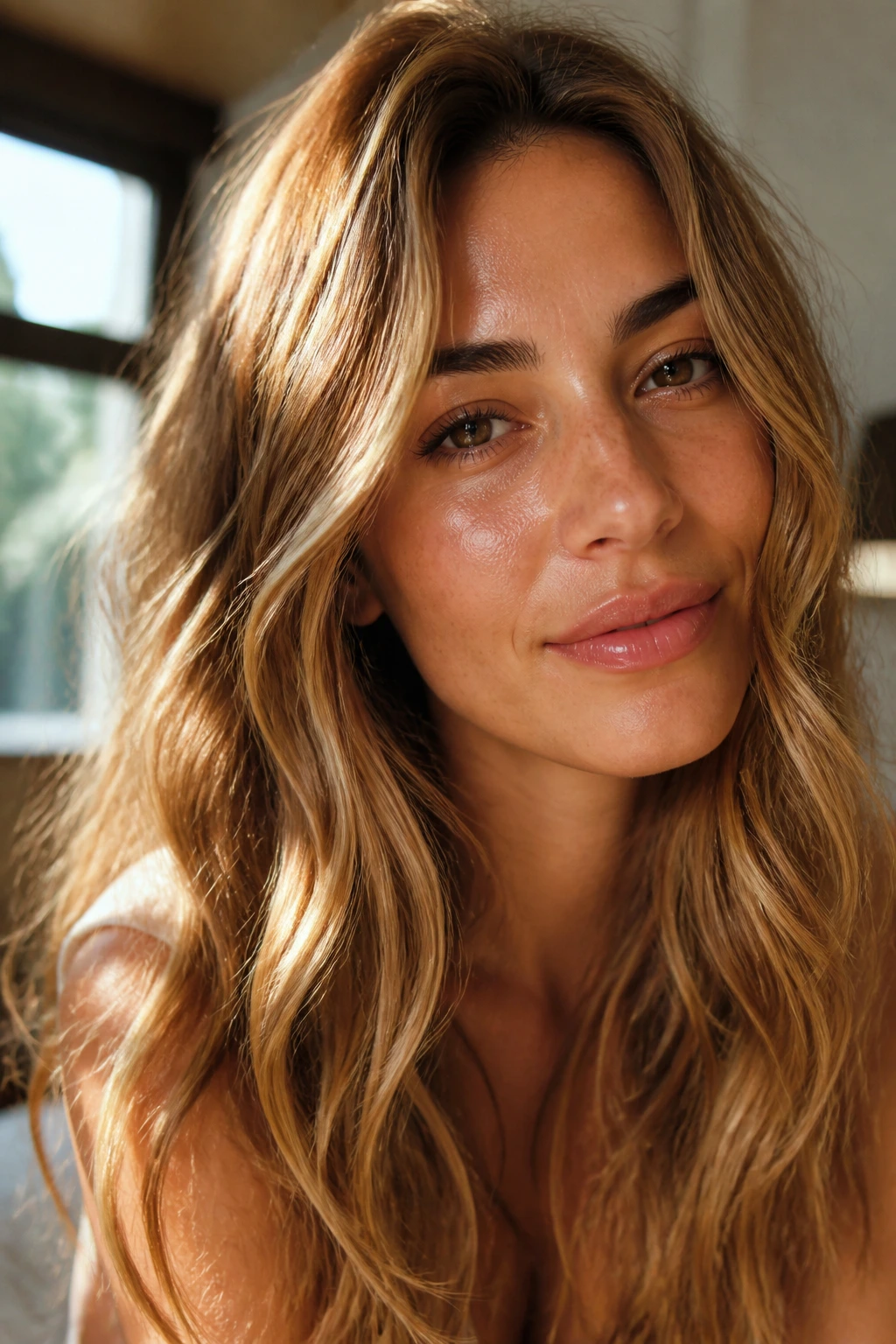
- They echo warm undertones instead of fighting them: Honey shades sit in the gold, caramel, apricot, and amber family, which keeps warm skin looking alive instead of washed out.
- They can be as soft or as bold as you want: A gloss, a few babylights, or a full balayage all land in the honey lane without reading the same way on the hair.
- They grow out with less drama: Root shadows, melted mids, and soft ribbons leave a less obvious line than flat all-over blonde.
- They work on a wide range of bases: Dark brunettes, medium browns, and lighter blondes can all wear honey, as long as the placement matches the starting level.
- They look richer than icy tones in indoor light: Beige-gold and caramel honey keep their depth under office bulbs, bathroom lighting, and cloudy daylight.
1. Sunlit Honey Balayage
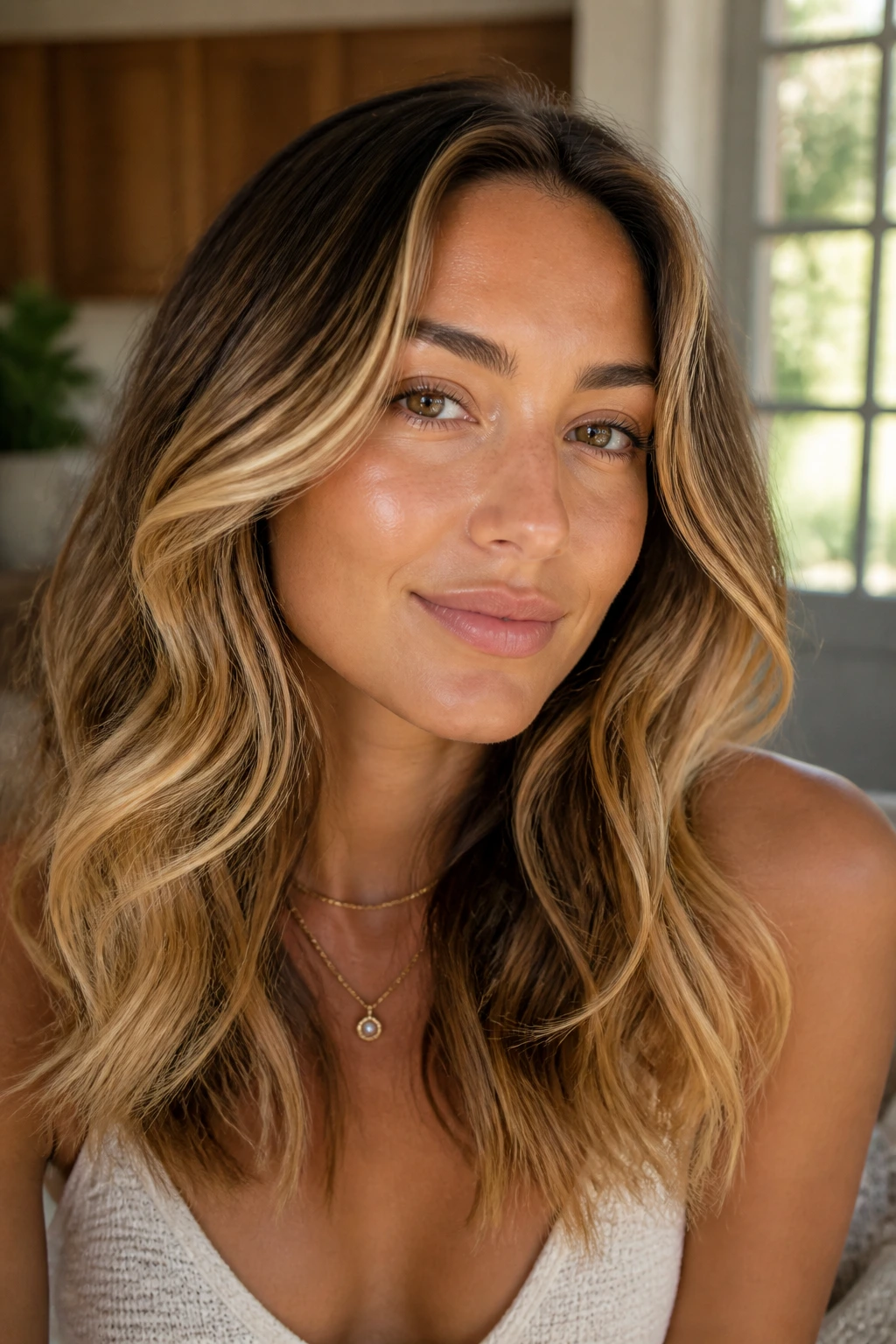
Sunlit honey balayage is the shade I reach for when someone wants movement more than they want a hard color statement. The painted ribbons sit a little brighter around the face and mids, then soften toward the ends, so the hair looks like it has been rinsed in late-afternoon light instead of streaked with obvious blonde.
Why It Flatters Warm Skin
The painted placement matters as much as the color. On warm skin, those lighter honey pieces pull the eye upward without stealing all the attention from the face, which is exactly why this look stays soft even when the hair is a full two or three levels lighter than the natural base.
Ask for level 7 to 8 honey ribbons with a beige-gold gloss and a soft root smudge. That wording keeps the shade from tipping too yellow.
2. Honey Beige Ribbons
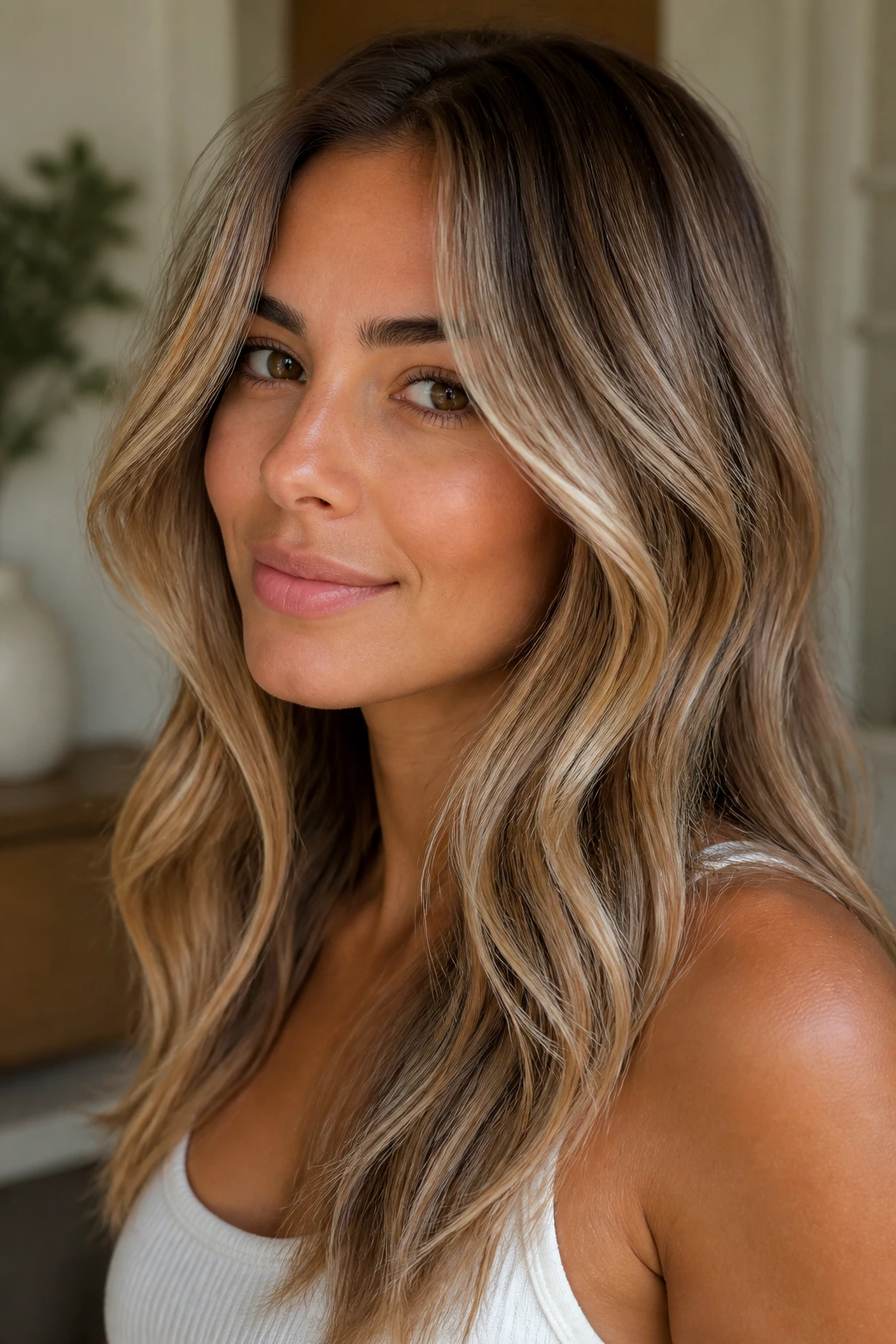
Honey beige ribbons are for people who want warmth without the loud, syrupy look that some blondes pick up under fluorescent light. Beige cools the gold just enough to keep the color expensive-looking, if I can borrow a phrase I don’t hate in this case. It’s still warm. It just isn’t sticky.
This version is especially good on medium brown or dark blonde hair because it sits between brunette and blonde without forcing the hair to choose a side. If your skin has gold or peach in it, the beige keeps the hair from looking orange while the honey keeps the whole thing from turning flat.
3. Caramel Honey Melt
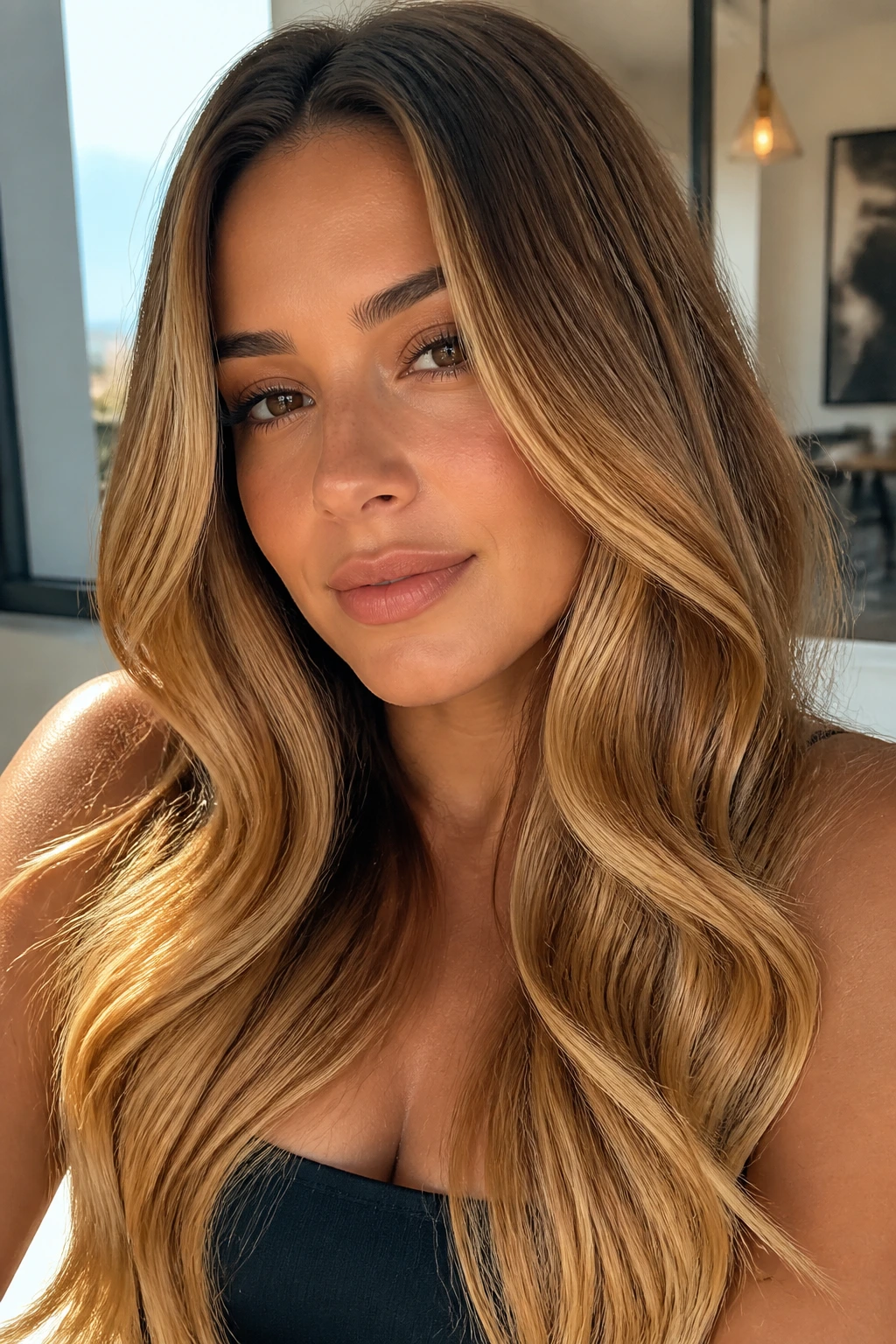
Why does a caramel honey melt look softer than highlights alone? Because the color changes gradually from root to end, and the eye reads the whole thing as one long warm gradient instead of separate stripes. That blur is the point.
How to Ask for It
Tell your colorist you want deeper caramel at the roots, honey through the mids, and a lighter gold finish at the ends. If your base is medium brown, this is one of the easiest ways to get dimension without committing to heavy blonde. It also gives warm skin a creamy backdrop instead of a bright, high-contrast frame.
4. Butterscotch Money Piece
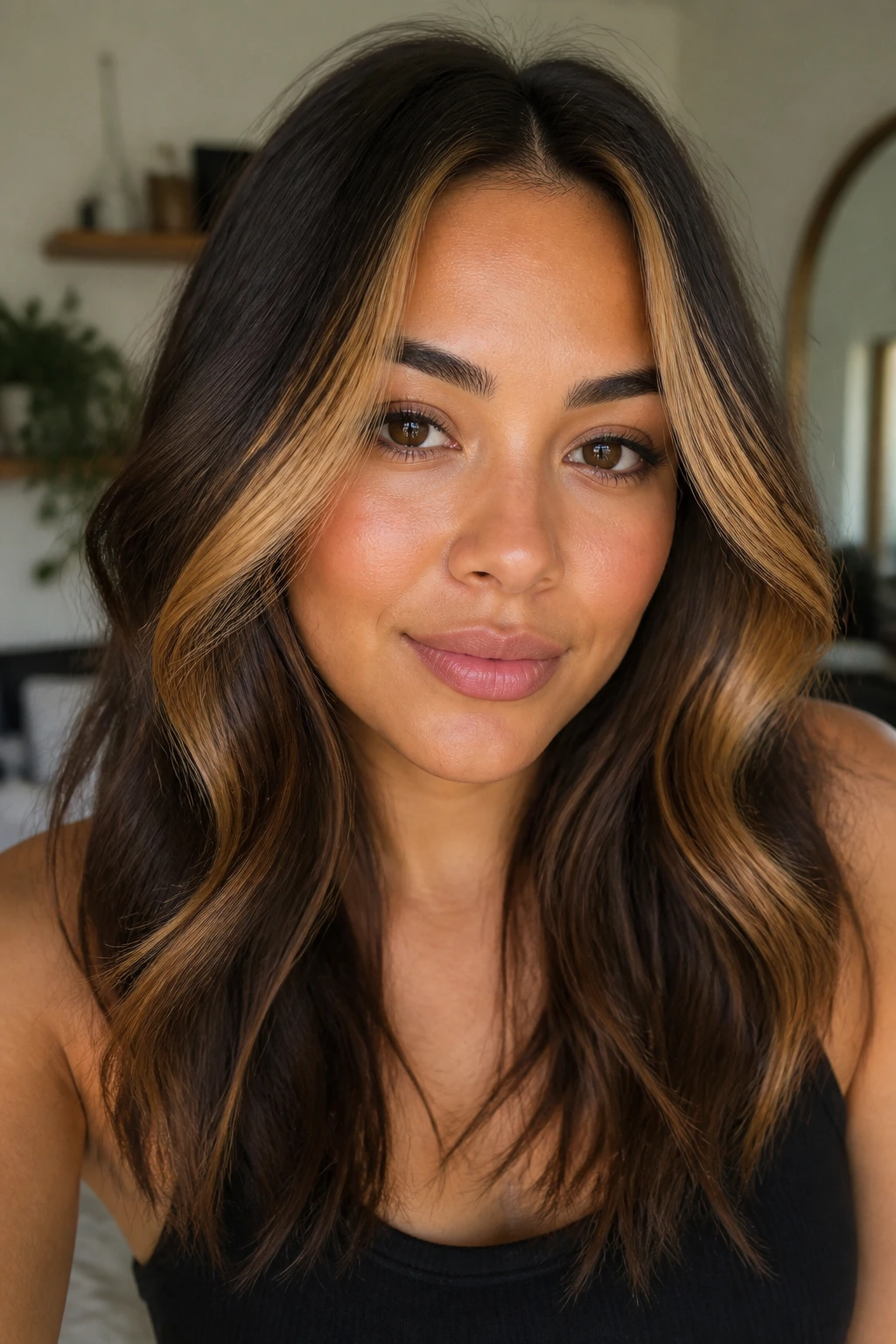
A butterscotch money piece is for the person who wants the front of the hair to do some work. The face-framing sections are brighter, almost toffee-gold, while the rest of the hair stays deeper. That contrast makes cheekbones pop and keeps the overall look grounded.
This one is especially useful if you like your hair darker but still want something people notice first. The money piece gets enough light to matter, but not so much that the entire head has to be lifted. Ask for two front panels one level lighter than the rest and let the stylist feather them back toward the temples.
5. Honey Bronde
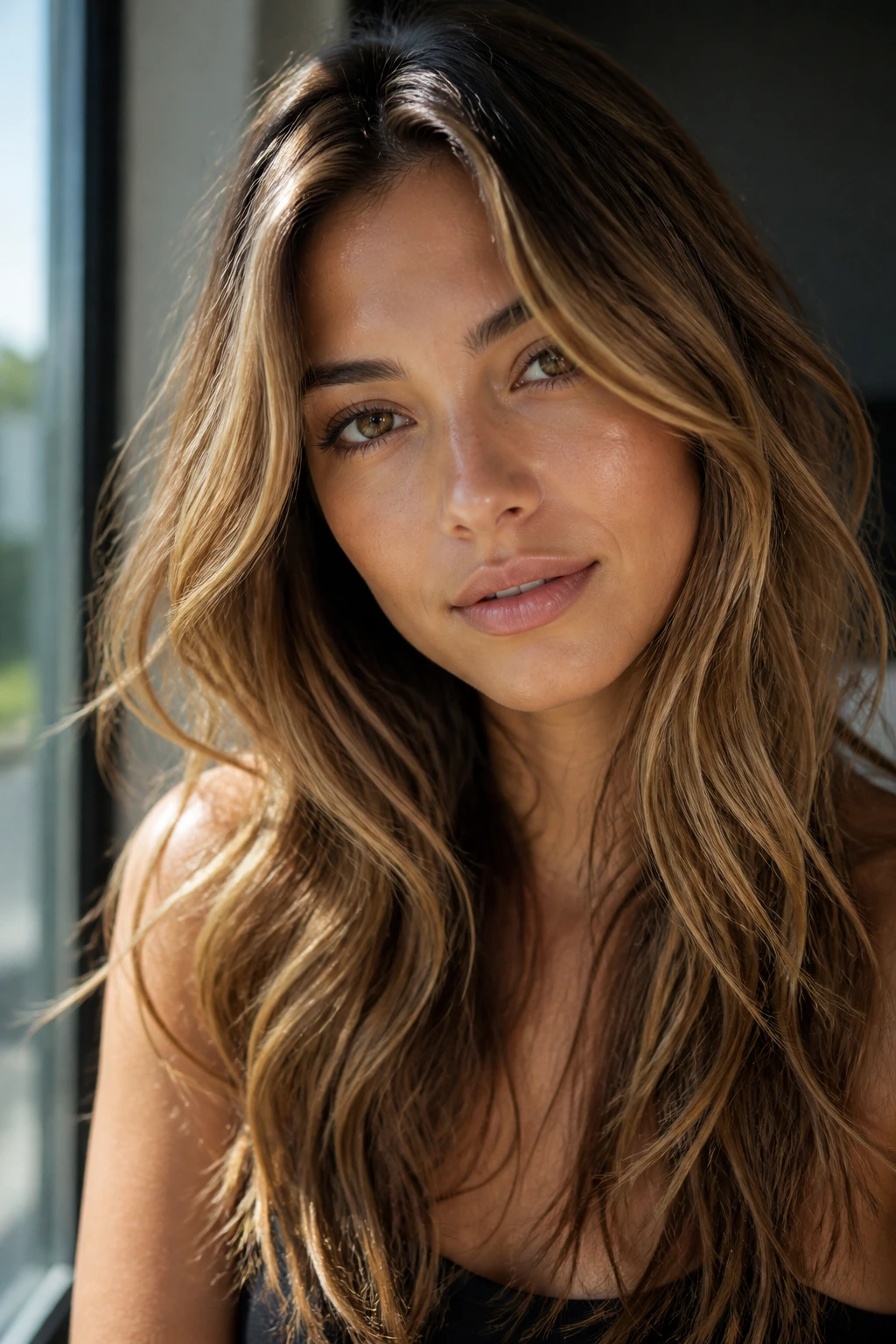
Honey bronde sits in that sweet middle ground between brown and blonde, which is why it behaves so well on warm complexions. There’s enough lightness to brighten the face, but the brown remains present, so the color doesn’t wash out olive or golden skin.
I like this choice on people who hate obvious maintenance. Bronde grows out better than all-over blonde because the darker base stays part of the look. If your hair is naturally medium brown, a honey bronde with soft lowlights can look richer than a full highlight job and still give you that lighter, airier finish around the face.
6. Cinnamon Honey Gloss
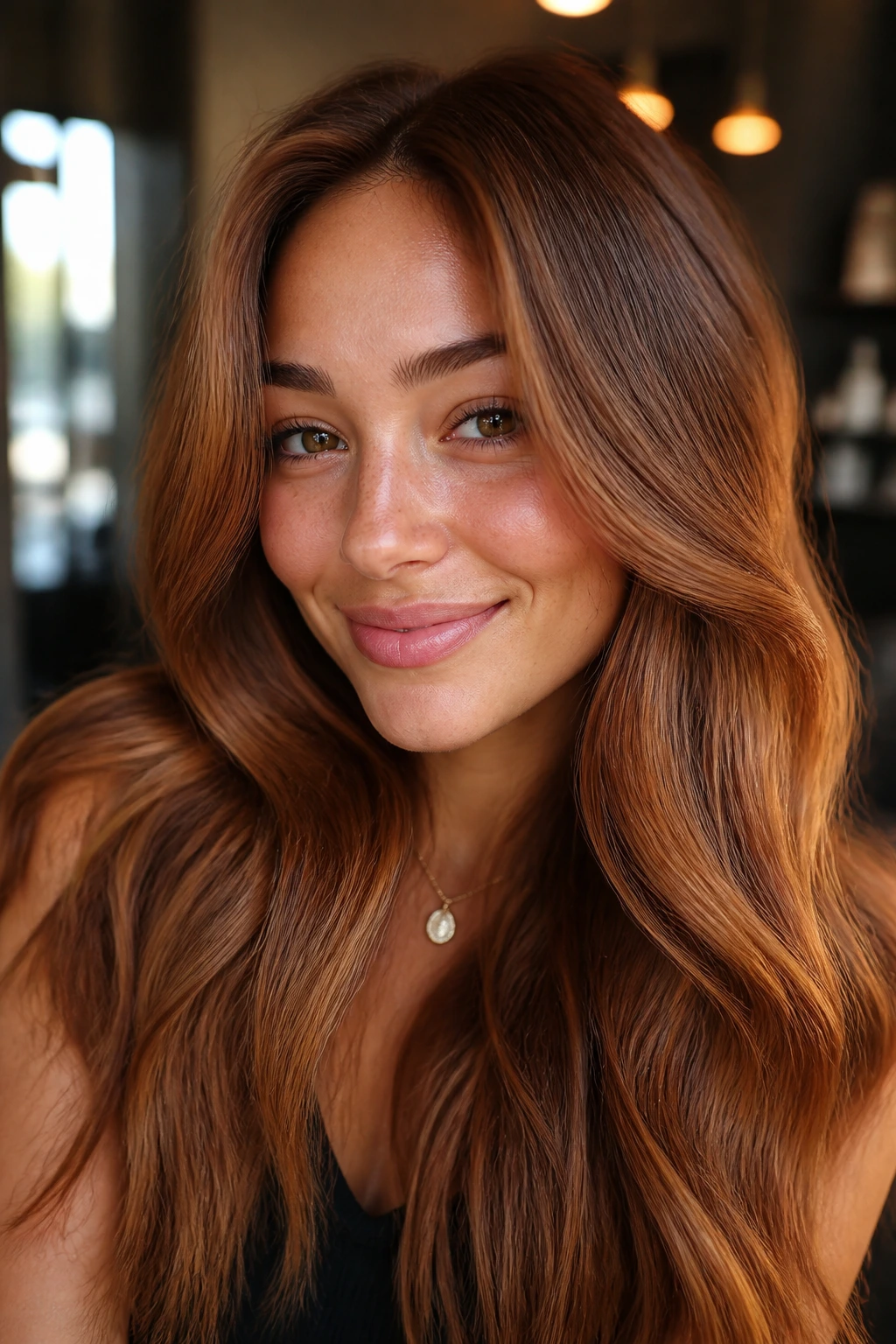
Cinnamon honey gloss reads warmer than a plain gold glaze. The cinnamon note adds a faint red-brown hum underneath the honey, which makes chestnut and mahogany bases look polished instead of brassy. It’s one of the few warm shades that can make dark hair feel lighter without trying to turn it blonde.
What Makes It Different
Unlike bright honey highlights, a gloss stays close to the base color. That means less damage, faster salon time, and a finish that looks more like expensive shine than obvious color work. It’s a good match if your skin is warm but not especially light, because the richer tone won’t overwhelm your face.
7. Chestnut Honey Brunette
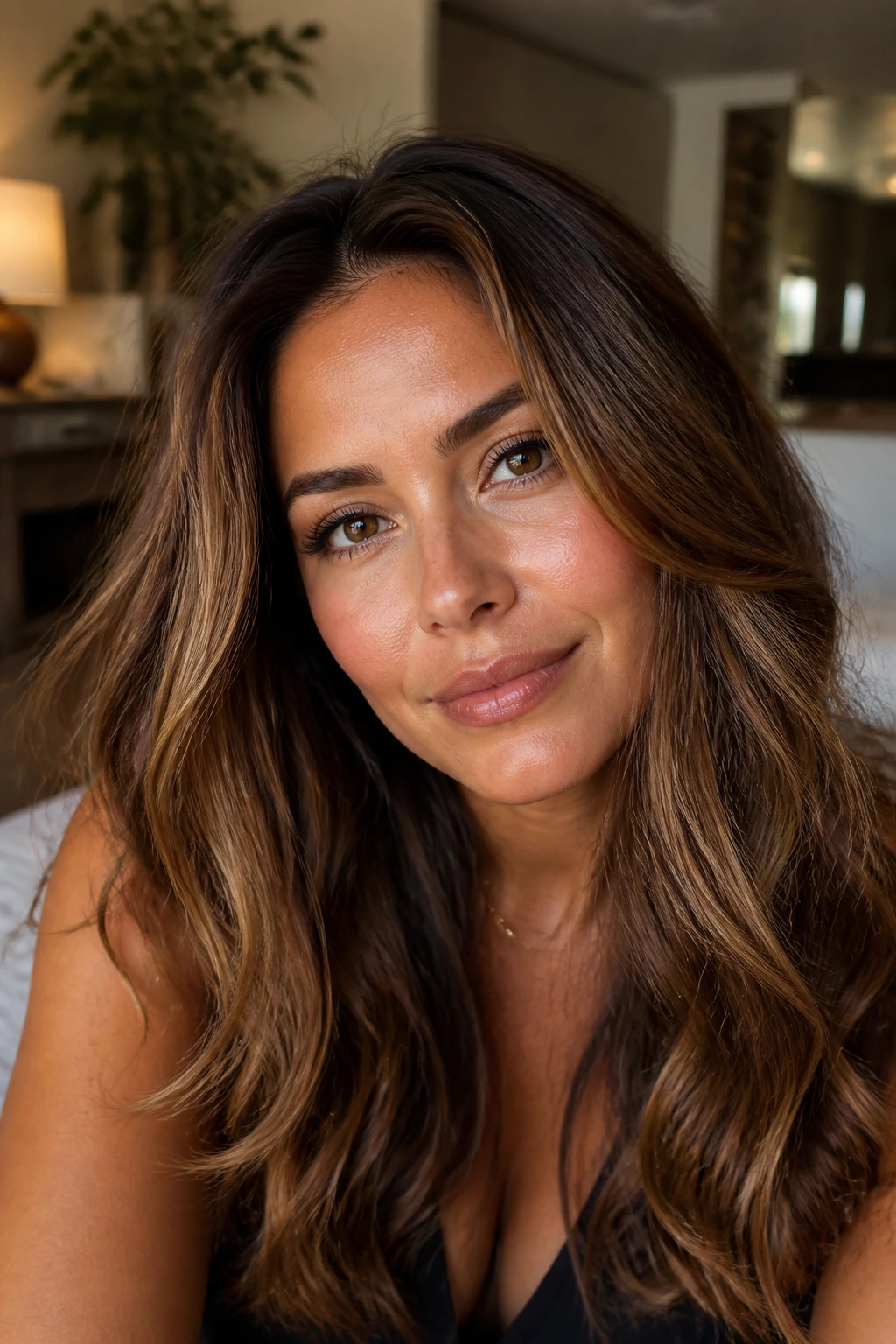
Chestnut honey brunette is the shade for someone who keeps saying they don’t want to go blonde and means it. The hair stays brown, sometimes quite deep brown, but honey threads are woven through the mids and ends so the movement shows when the hair swings.
A lot of people underestimate how good this looks on warm skin. The trick is keeping the honey narrow and layered rather than blasting it across the whole head. That keeps the color from getting loud. It also makes the grow-out easier, which is never a bad thing if you have better uses for your salon money.
8. Warm Honey Babylights
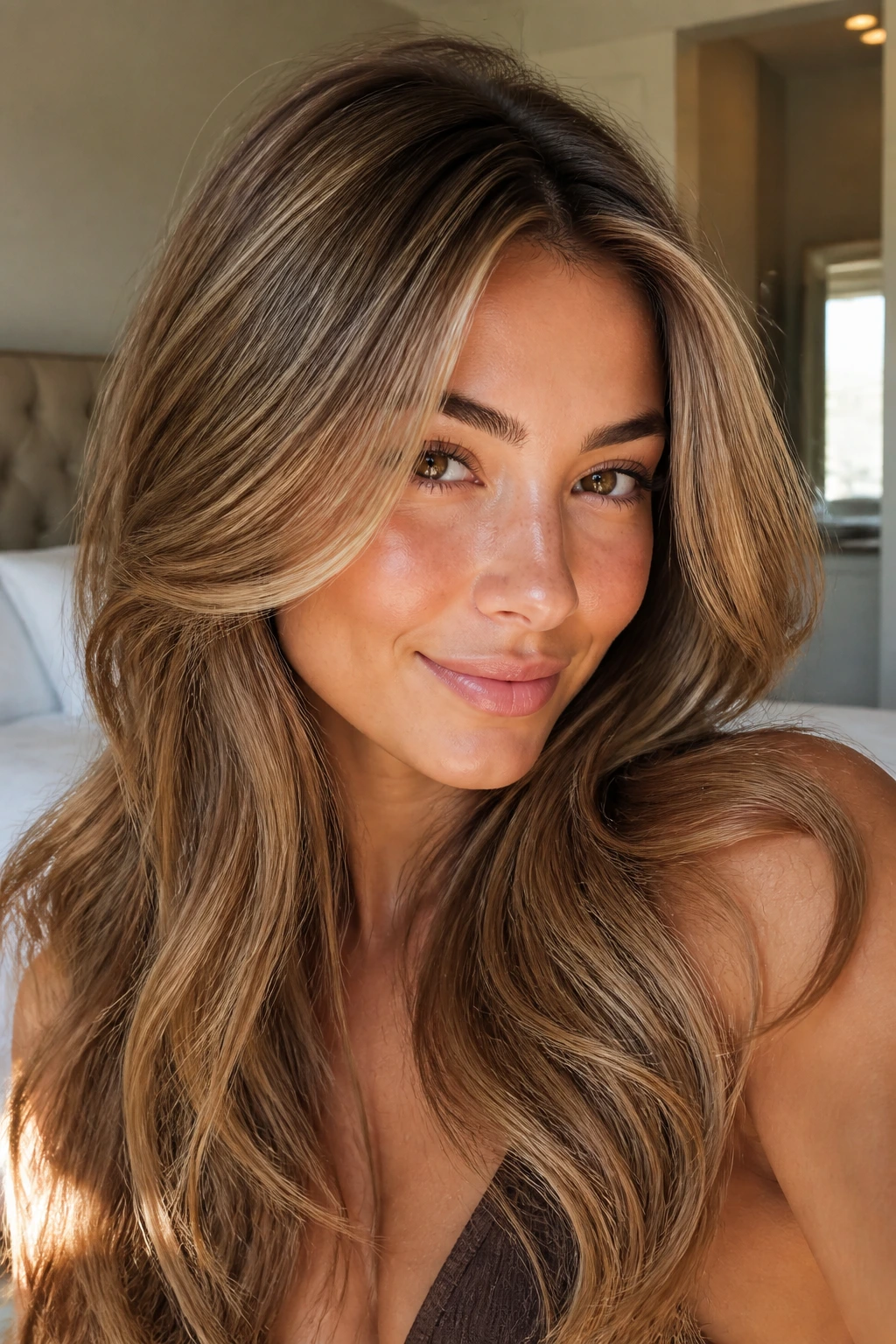
Warm honey babylights are tiny, fine strands of light that blur into the base instead of shouting for attention. On fine hair, they create the illusion of density because there are so many delicate points of brightness. On thicker hair, they keep the surface from reading as one solid block.
The small scale matters. Babylights look best when they’re placed densely enough to shimmer, not so sparsely that they look like skipped sections. If you’re asking for this, tell the stylist you want fine honey foils with a soft gold-beige toner, especially around the top layers and crown.
9. Honey Copper Blend
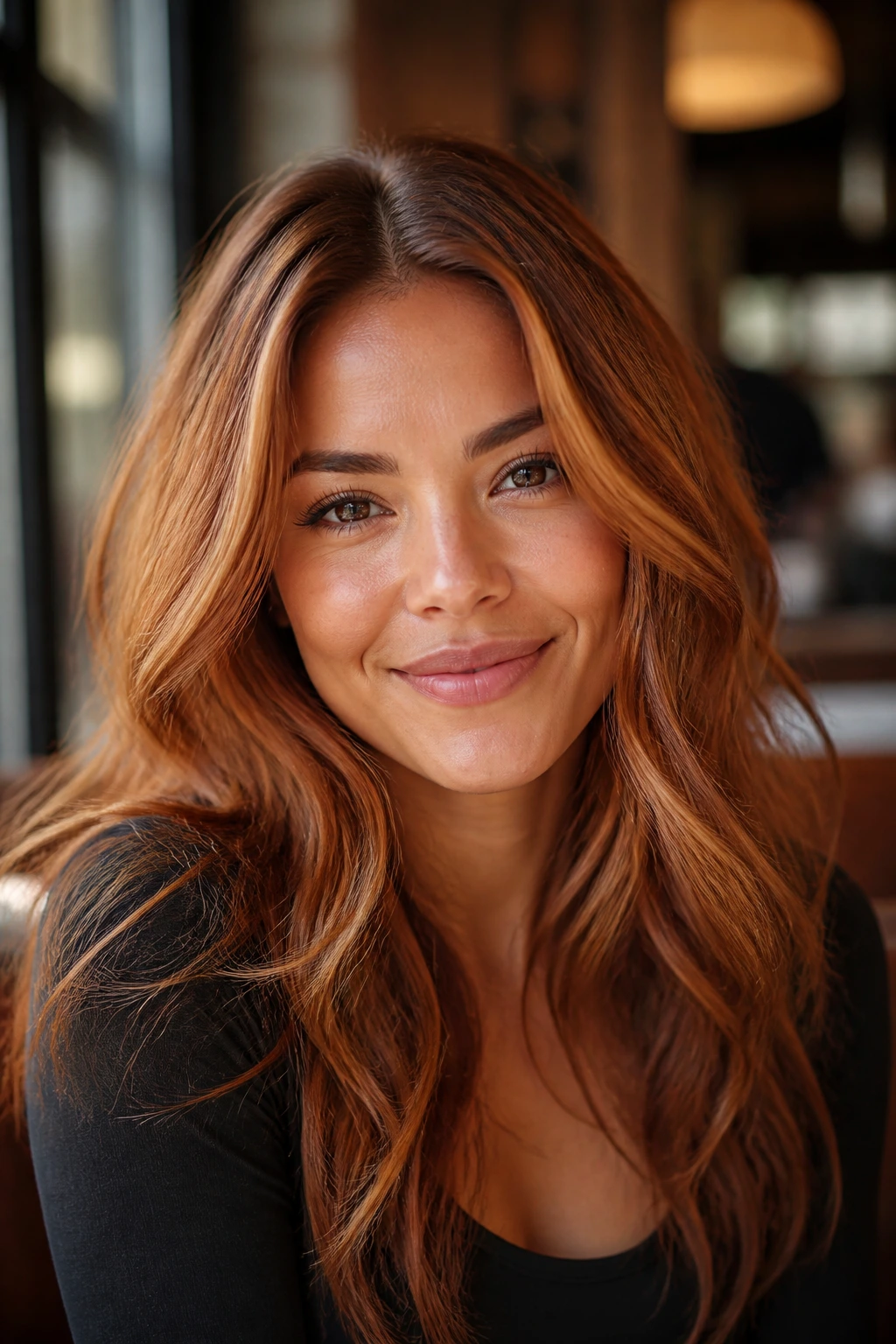
Honey copper blend is warmer and a little bolder, which is exactly why it suits skin that already leans peach, apricot, or golden. The copper note gives the honey more depth; the honey keeps the copper from turning tomato-bright. Together, they land somewhere in the middle, and that middle is where the good stuff lives.
The Science Behind the Look
Warm undertones in the skin and warm reflect in the hair bounce off each other. That can make the complexion look smoother, especially around the cheeks and under the eyes. If the copper goes too red, though, the color starts competing with skin instead of supporting it. Stay in the soft copper range, not the neon one.
10. Toffee Honey Waves
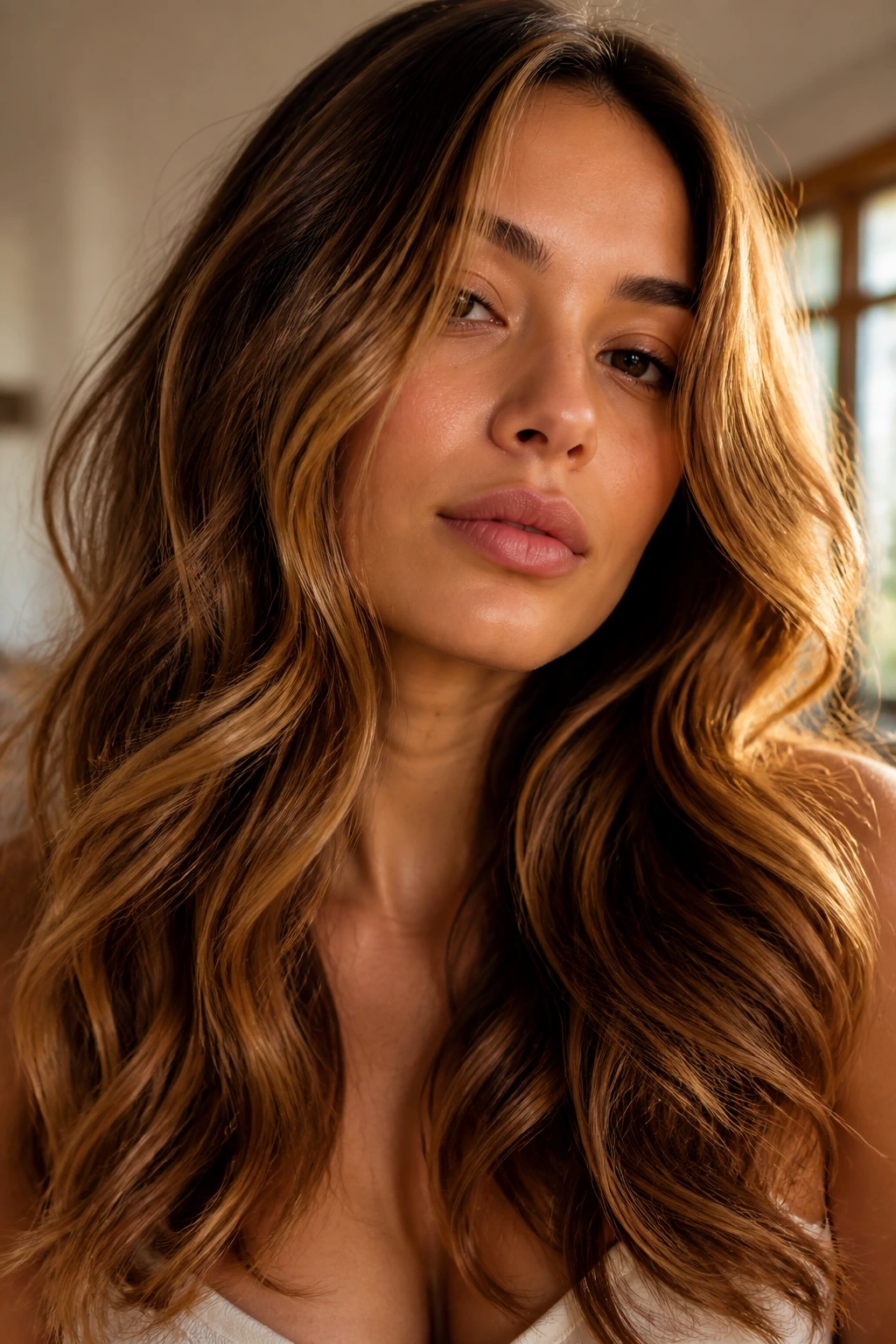
Toffee honey waves are what I recommend when someone wants depth first and brightness second. The base stays medium brown or dark blonde, then honey-toffee pieces are painted so the wave pattern catches them. On styled hair, the color has more dimension than a flat all-over shade ever could.
This look works best if you actually wear your hair with some bend or texture. Straight, sleek hair can hide the placement, which is a waste. A loose iron wave or a big round-brush blowout shows off the color better, and warm skin tends to like that soft, flowing effect around the face.
11. Dark Honey Glaze
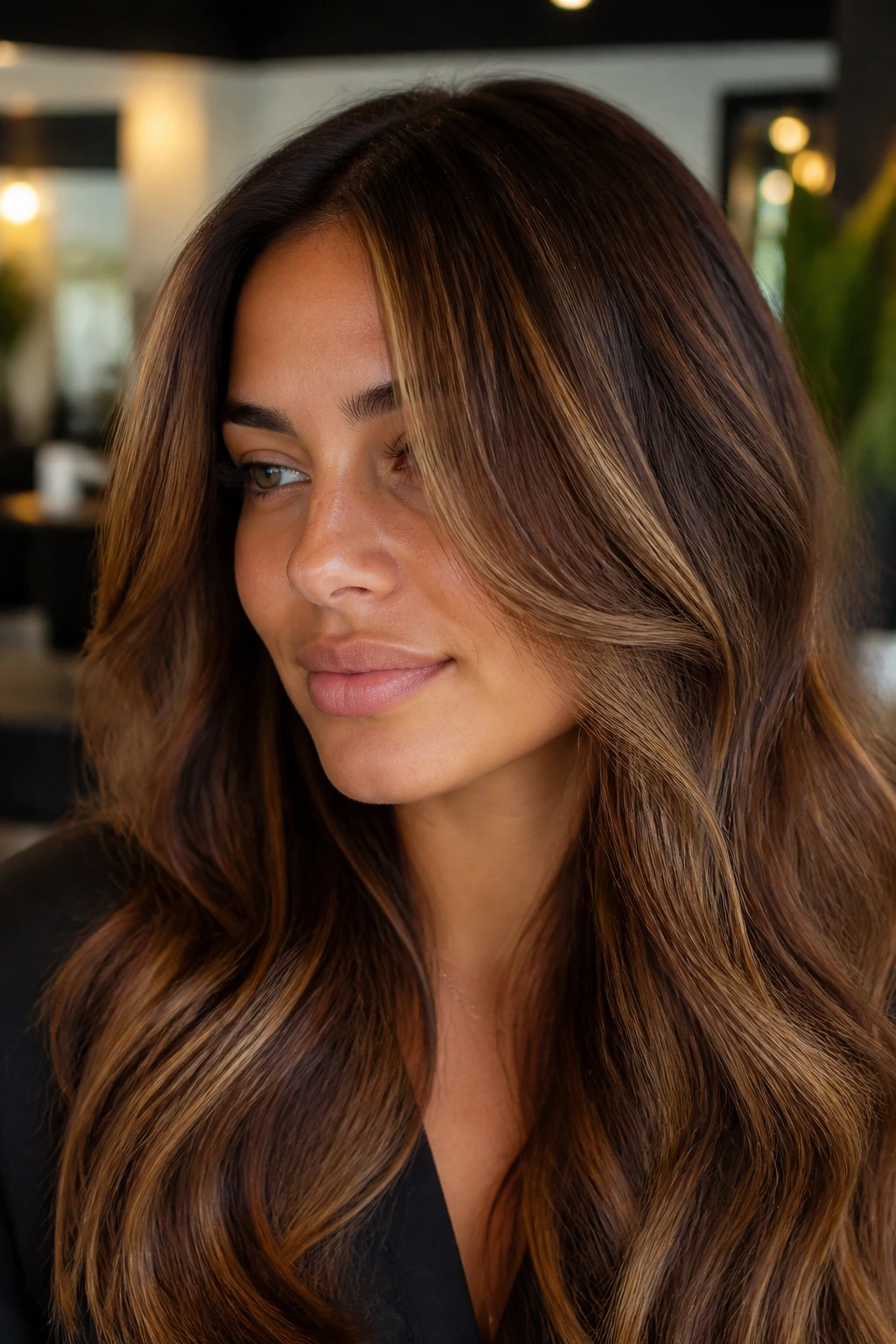
You do not need to go lighter to wear honey. A dark honey glaze keeps the base rich and uses warmth as shine instead of brightness, which is often the smarter move on deeper brunettes. The result looks like the hair has been polished, not bleached.
This is one of my favorite options for people whose skin has a golden or olive cast and who want to avoid any harsh contrast. The glaze can be done as a demi-permanent toner or a color-refresh service, usually with a honey-brown formula that adds reflect without lifting the base. Subtle. But not boring.
12. Honey Blonde with Root Shadow
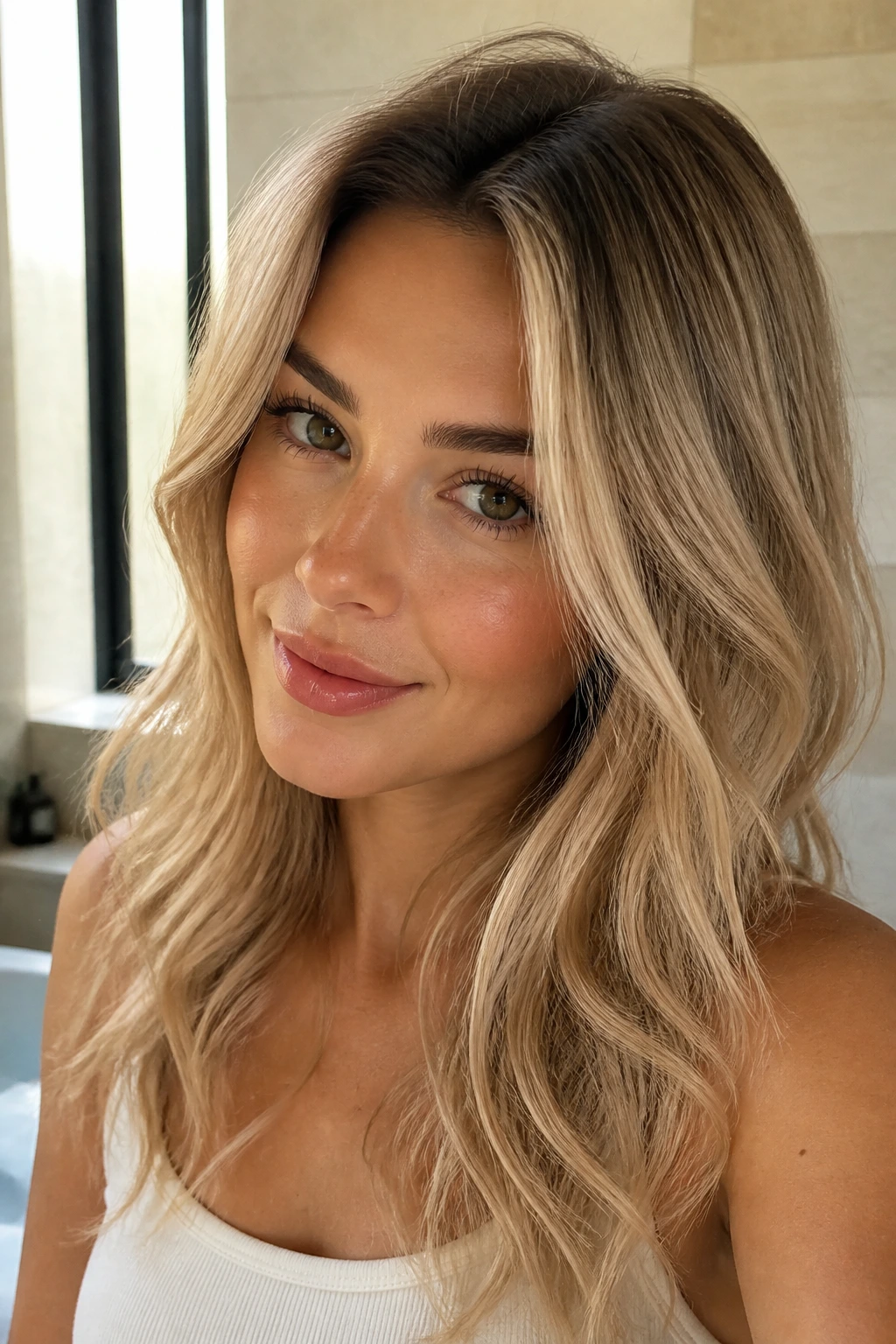
Honey blonde with a root shadow is the cleanest way to wear blonde on warm skin without making the scalp line scream for attention. The roots stay a shade or two deeper, often in soft brown or dark blonde, while the mids and ends open into honey blonde. That little dark anchor does a lot of work.
- Best for: grown-out blondes who want less upkeep.
- Ask for: a beige-gold honey blonde, not icy blonde.
- Watch for: a root that’s too dark, which can make the face look heavy.
The shadow root is also useful if your natural color is darker than you want to keep it. It buys you time between appointments and gives the blonde somewhere to land.
13. Maple Honey Brunette
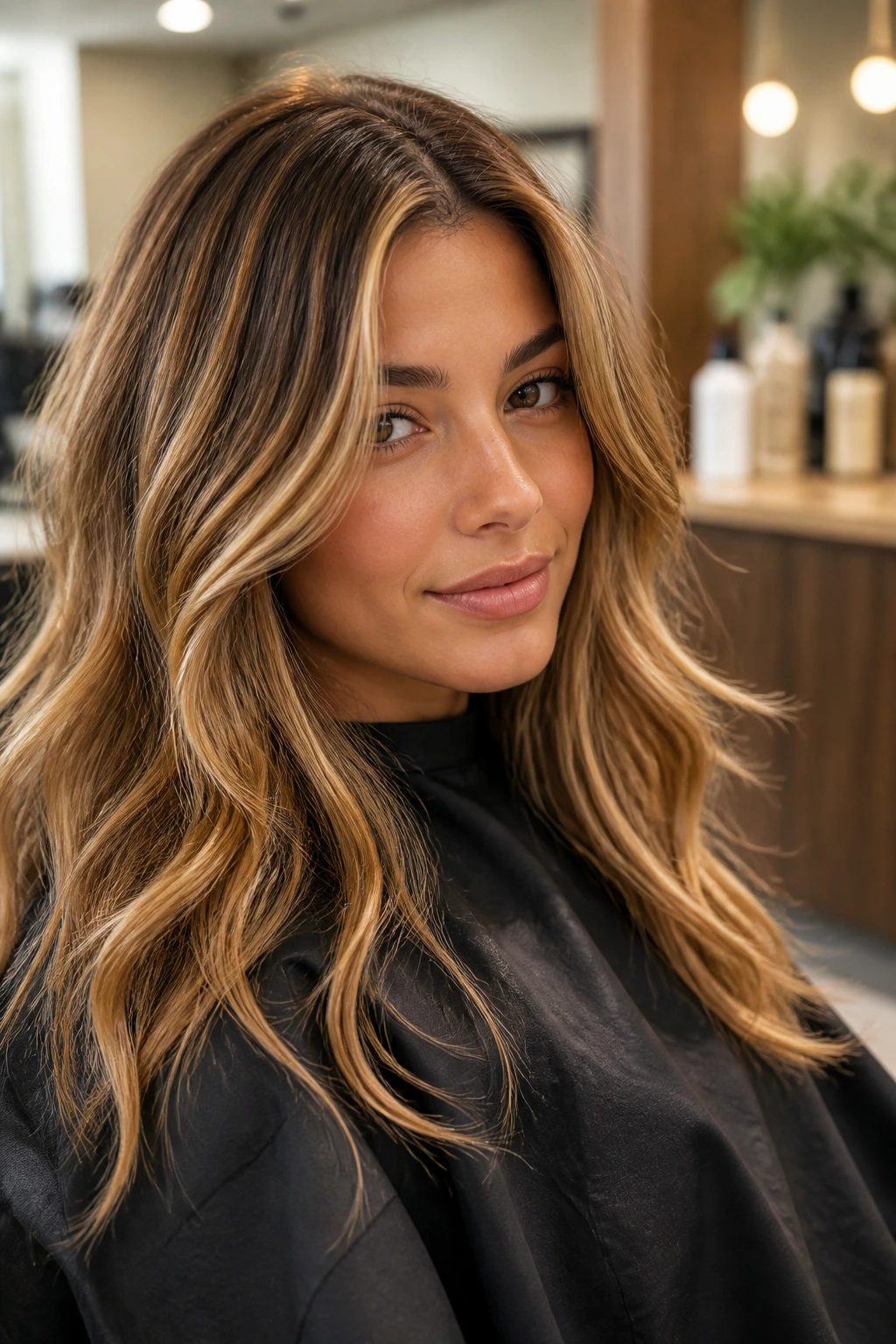
Maple honey brunette feels richer than caramel and less red than chestnut. The maple note brings in a soft reddish-brown tone, which makes warm skin look a little more alive without tipping into copper. It’s a very grown-up kind of warmth.
I like this on medium to deep bases because it keeps the hair looking dense. The color catches light in ribbons, not stripes, and that makes it a solid choice for people with thick hair who don’t want the ends to look thin after coloring. A gloss every few weeks keeps the maple reflect from going muddy.
14. Golden Apricot Honey
Golden apricot honey is brighter and a little more playful. The apricot note gives the color a sunny softness that works especially well on peachy or golden skin, because the face and hair start speaking the same language. It’s warm, but it doesn’t feel heavy.
This shade is easiest to wear when the highlights stay around the face and top layers. Too much apricot all over can turn the hair loud fast. Keep the interior deeper, let the front pieces glow, and the whole look stays easy to live with.
15. Honey Ginger Lights
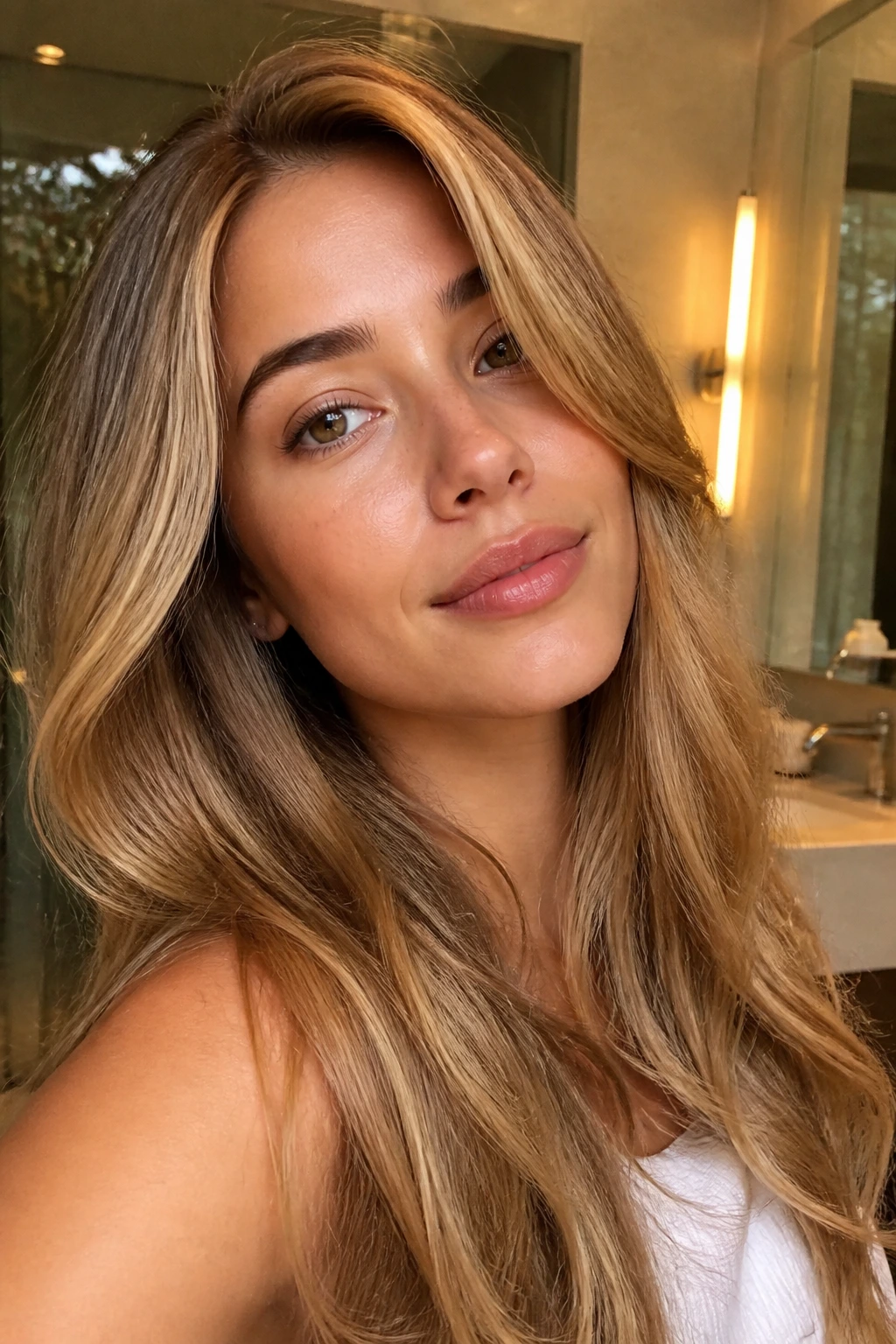
Honey ginger lights are for the person who wants a little fire without going fully copper. The ginger tint sits inside the honey, which keeps the color from looking like a fake red. On warm skin, that small dose of spice can make the whole face look more awake.
How to Wear It
This color is strongest when the lightest pieces sit near the fringe, temples, and upper mids. That’s where it frames the face without taking over. If your base is dark brown, ask for ginger-honey ribbons rather than an all-over shift; you’ll get the warmth without losing the depth that makes the hair look thick.
16. Face-Framing Honey Layers
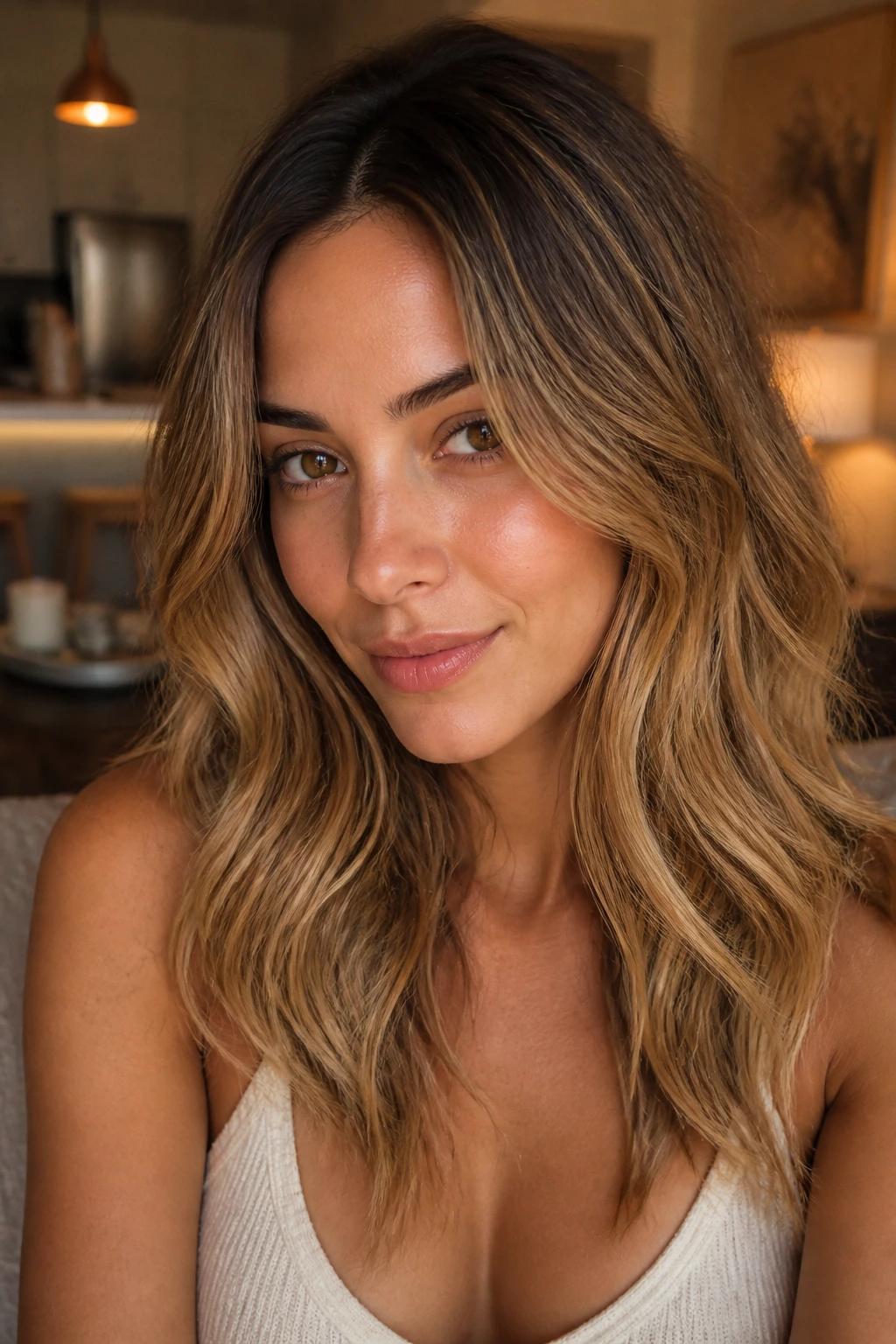
Face-framing honey layers do a very specific job: they put light exactly where your haircut already wants movement. The layers carry the honey through the front, while the rest of the hair stays deeper and calmer. It’s a smart way to color around a haircut instead of fighting it.
On warm skin, this technique can be enough on its own. If the pieces around the face are a shade or two lighter and a little warmer than the rest, the skin looks brighter without a full head of highlights. It’s the kind of color that looks expensive in motion and low-key when you tie it back, which is rare and useful.
17. Smoky Honey on Medium Brown
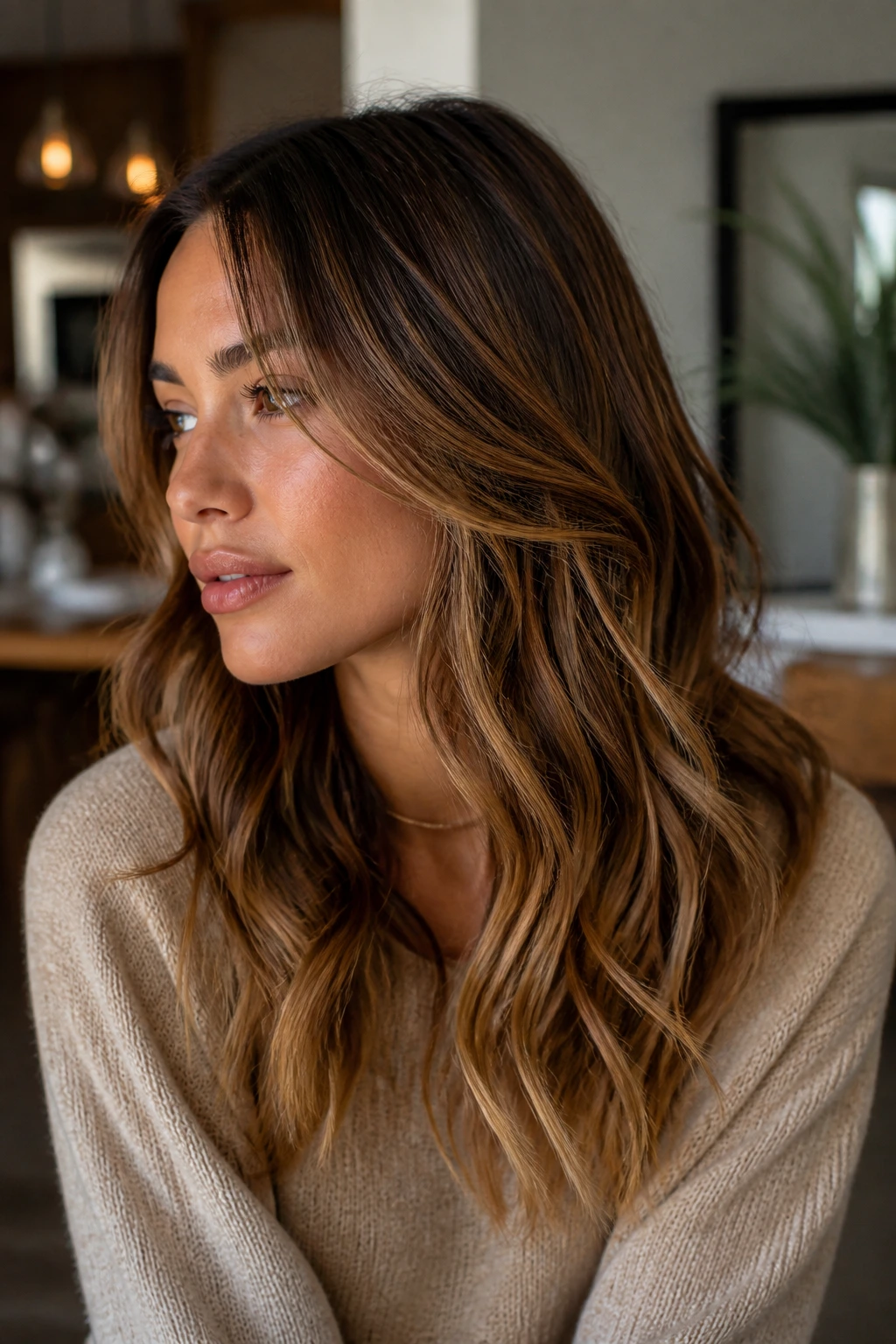
Smoky honey sounds contradictory, and that’s why it works. The smoky part keeps the warmth from running wild; the honey keeps the hair from looking flat. On medium brown hair, this often means soft lowlights underneath and honey pieces floating over the top.
What to Watch For
If the toner is too cool, the color can go dull fast. If it’s too warm, you get brass. The answer is a neutral-gold middle ground with just enough beige to keep the reflection clean. This is a very good option if your skin is warm but you do not like hair that looks yellow in bathroom lighting.
18. Amber Honey Curls
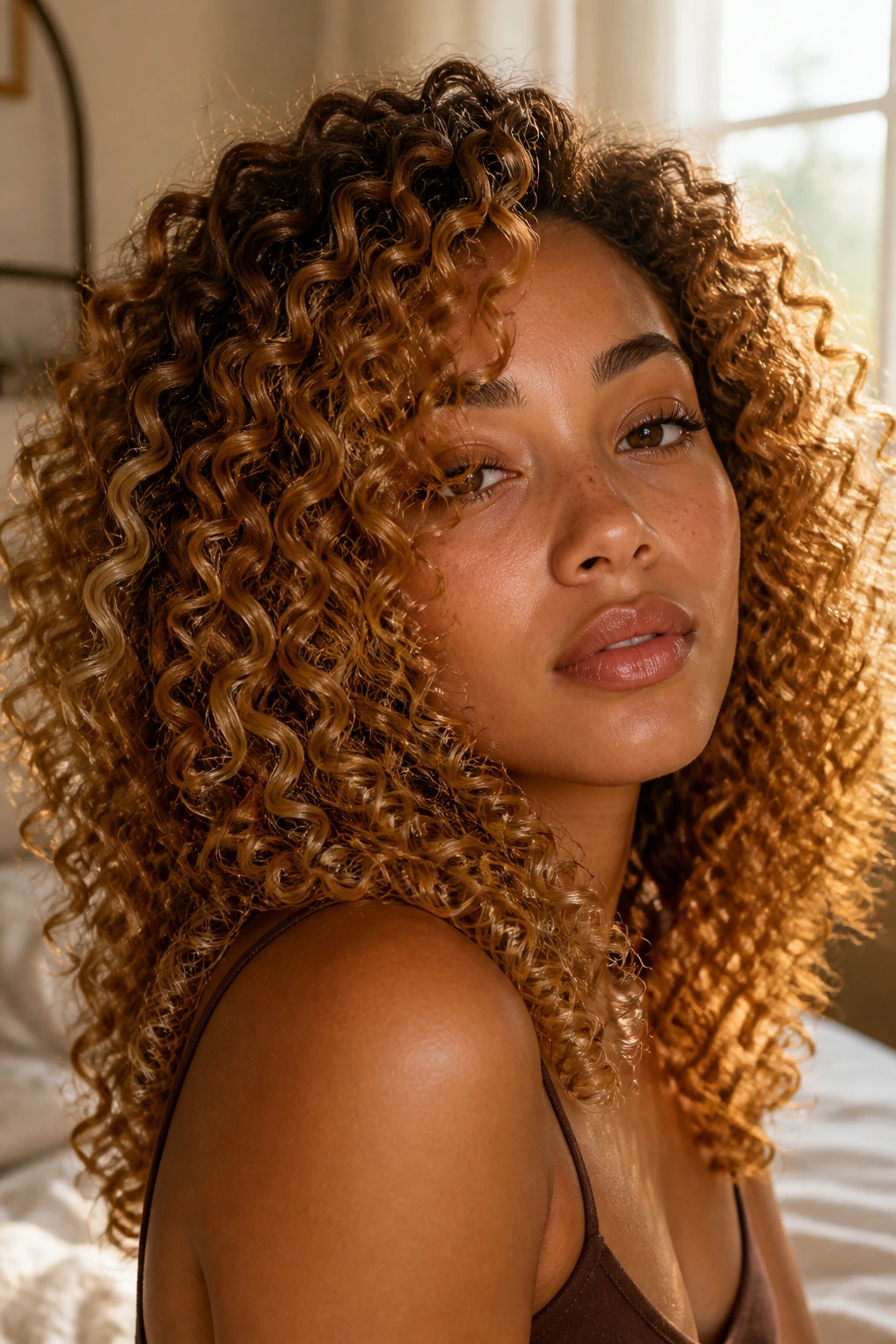
Amber honey curls look especially good because curly hair gives the color natural movement all by itself. The amber pieces sit inside the curl pattern and change as the hair bends, which means the shade never looks flat from more than a few feet away. That’s the part I love.
The best placement usually follows the curve of the curls, with brighter honey on the outer layers and slightly deeper amber underneath. That keeps the shape visible without making the hair frizzy-looking. If your curls are porous, ask for a gloss-heavy finish so the color doesn’t turn thirsty and matte after one wash.
19. Wheat Honey Highlights
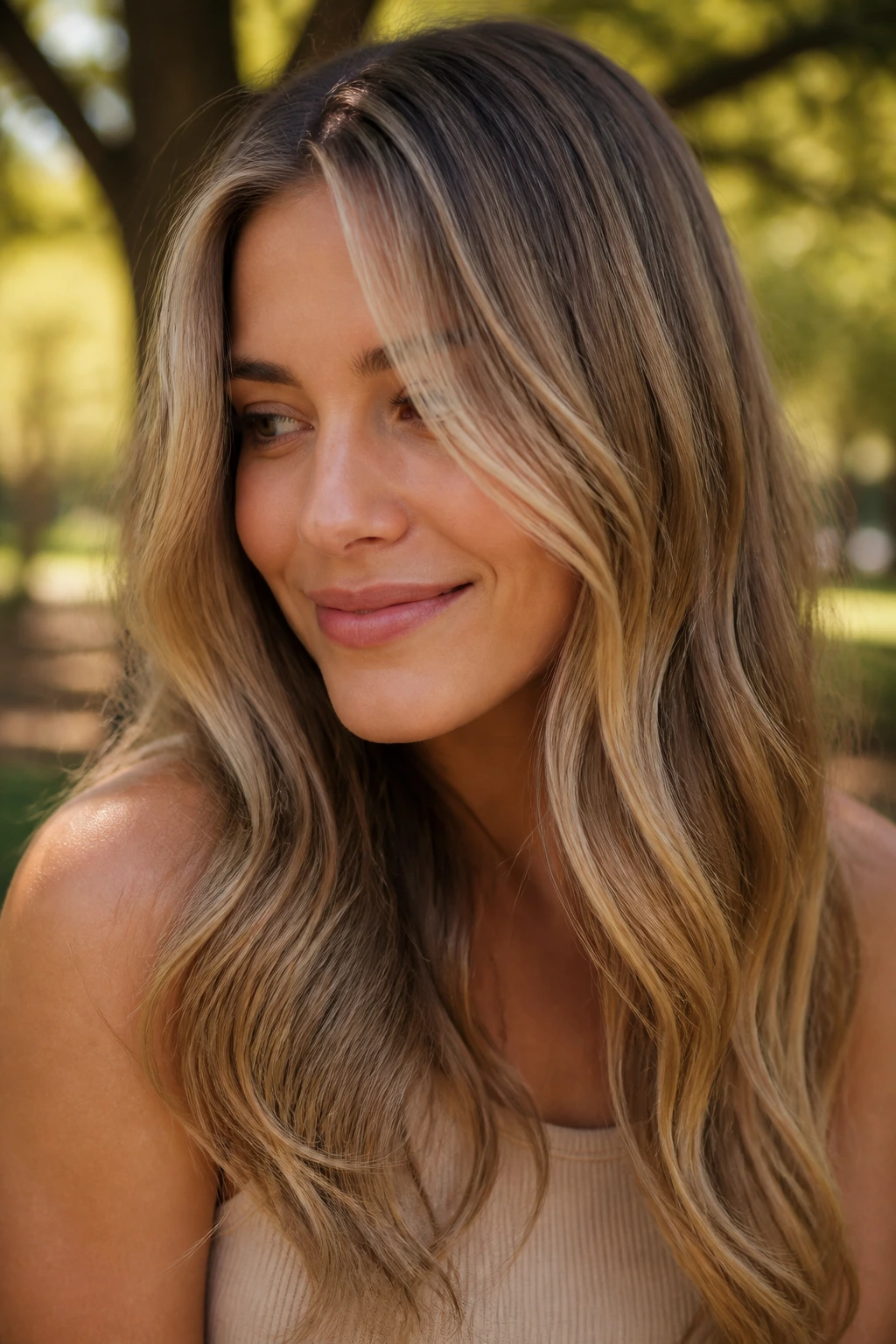
Wheat honey highlights are softer than blonde, paler than caramel, and quieter than copper. They can be a smart move on light brown or dark blonde hair when you want warmth but you don’t want the color to announce itself from the parking lot. The effect is gentle, but not sleepy.
I’d call this the most understated honey option in the group. It works well if your skin has a golden base and you like hair that looks sun-kissed rather than dyed. Ask for thin, airy highlights with a wheat-gold toner, and keep the root a touch deeper so the contrast doesn’t disappear.
20. Honey Espresso Dimension
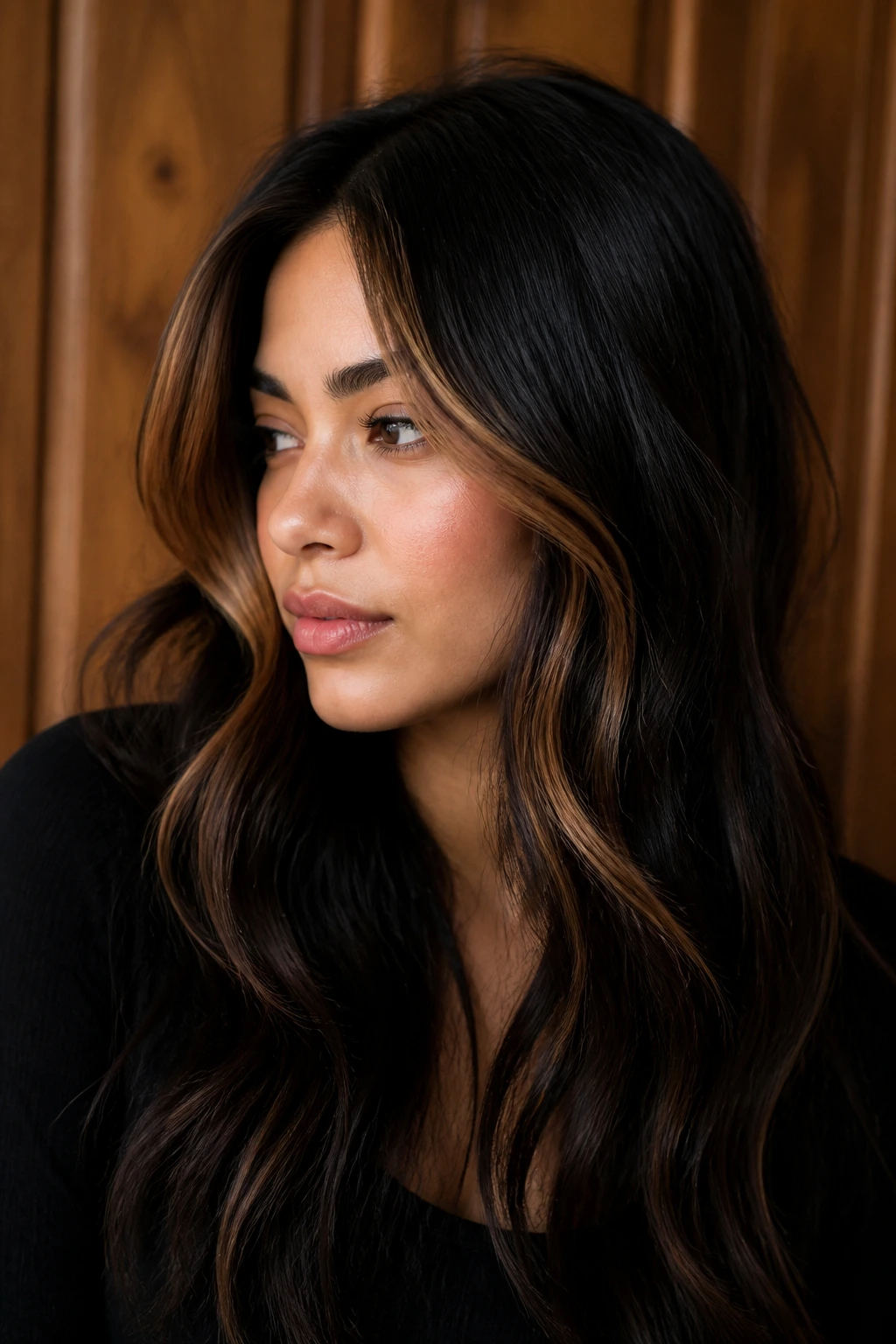
Honey espresso dimension is the answer for anyone with very dark hair who wants warmth without giving up depth. The espresso base stays dominant, then honey pieces are placed in sparse ribbons so the contrast reads when the light hits. A little goes a long way here.
This is not a loud look. It is a strategic one. On warm skin, the espresso keeps the face grounded while the honey keeps the hair from sinking into one dark block. If your hair is black or near-black, ask for lifted honey panels around the top and front rather than all-over lightening. Your ends will thank you.
21. Saffron Honey Bob
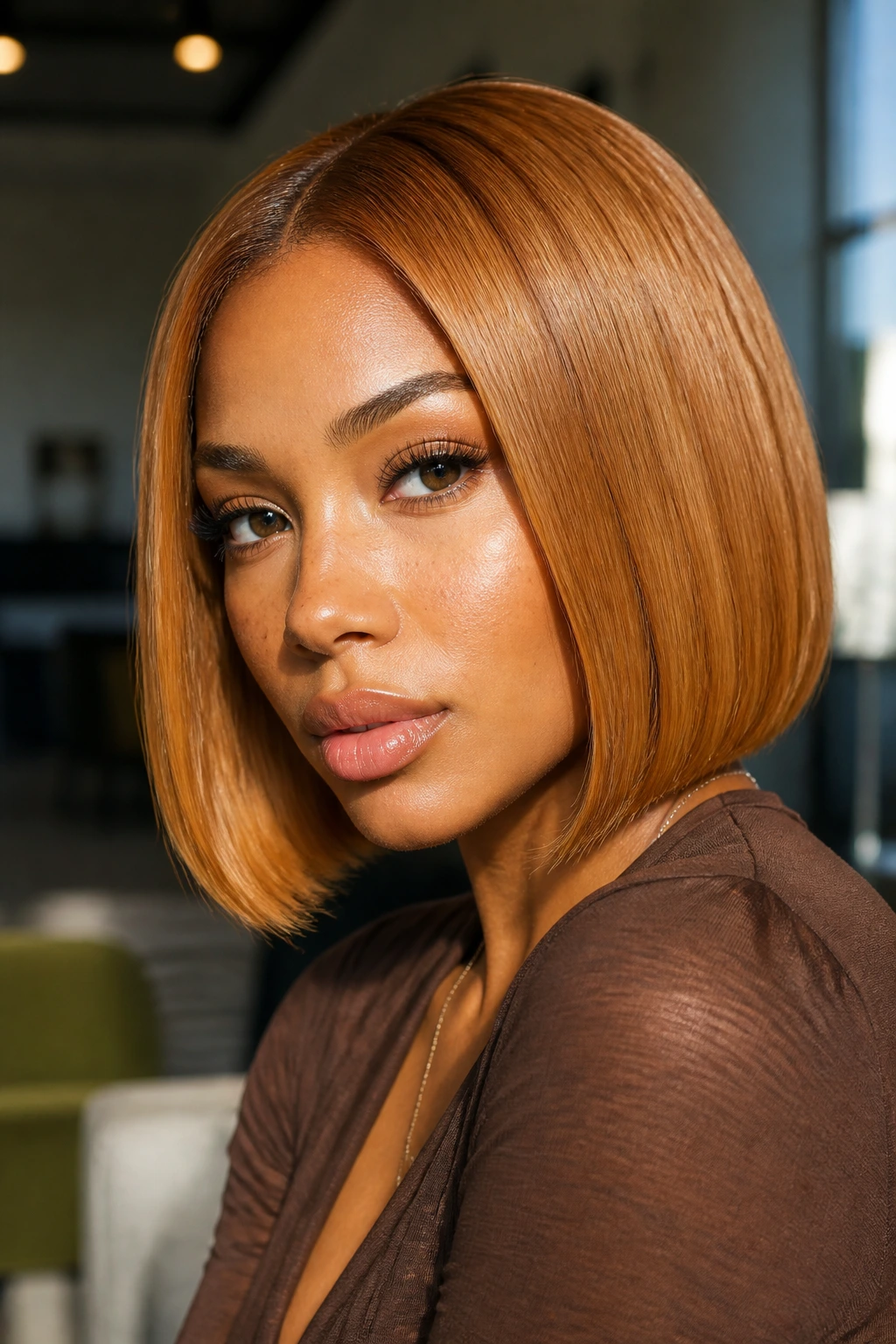
A saffron honey bob has a sharper edge than the softer honey looks, which makes it useful when the cut itself is blunt and graphic. The color gives the bob warmth; the cut gives it shape. Together they feel intentional in a way that flat brown hair rarely does on the same length.
Best If You Want Structure
This shade works best when the bob is sleek or only slightly waved. The blunt edge shows the color changes cleanly, especially if the honey is placed just a touch brighter at the ends. Warm skin tones can handle the saffron note because the cut keeps it controlled. Without that shape, the shade can start to feel too open.
22. Honey Melt for Curly Hair
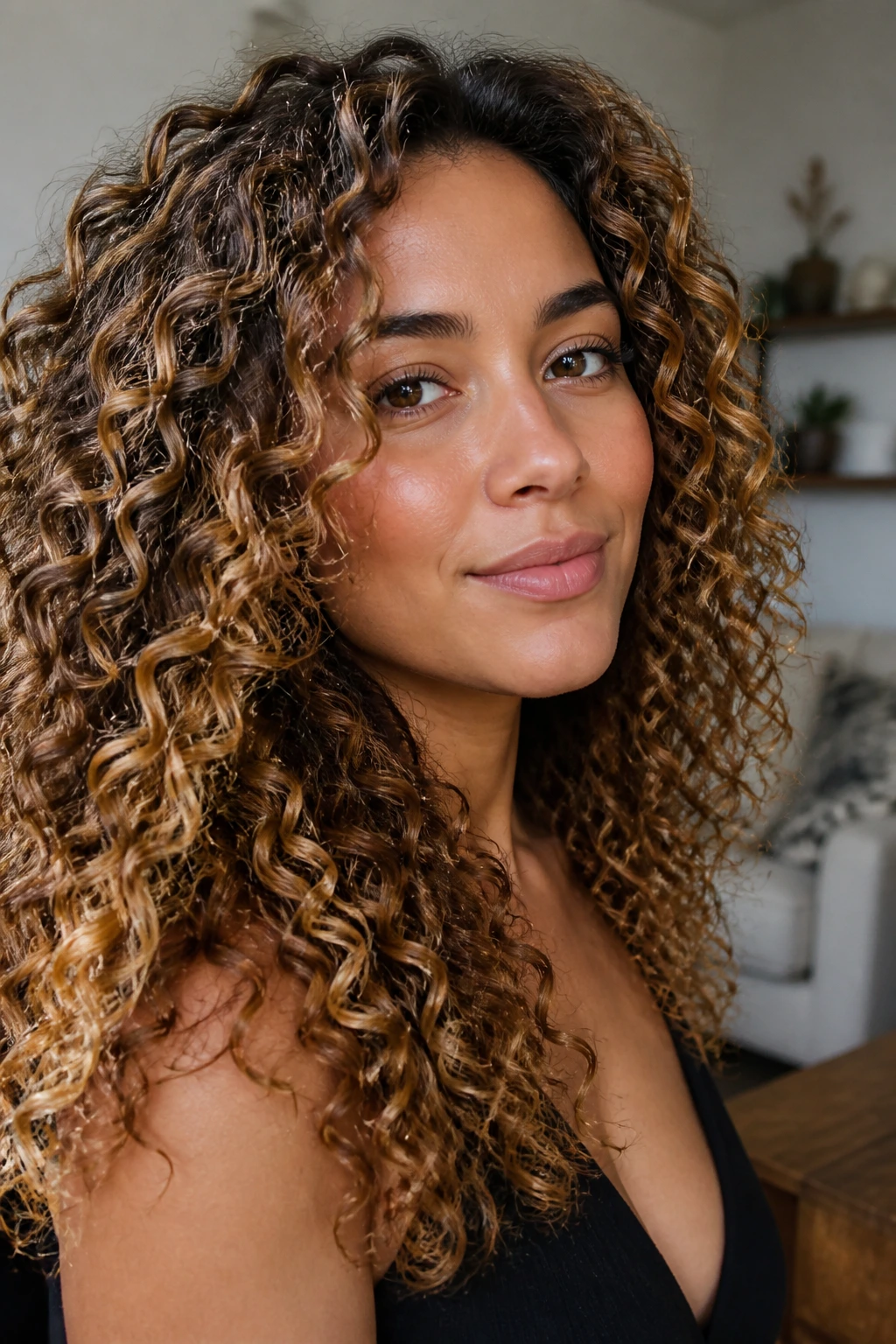
Curly hair loves a honey melt because the color can be placed where the curls naturally expand. That gives you brightness in the places people actually see, not just on the surface layer. The result is softer than chunky highlights and more lively than a one-tone glaze.
I’m partial to this on medium and deep curls because the melt keeps the roots rich and the ends brighter, which mirrors the way curls stack on the head. Ask for a custom placement that follows your curl pattern, not a straight foil pattern copied from someone with straight hair. That little distinction changes everything.
23. Honey Glaze with Copper Ends
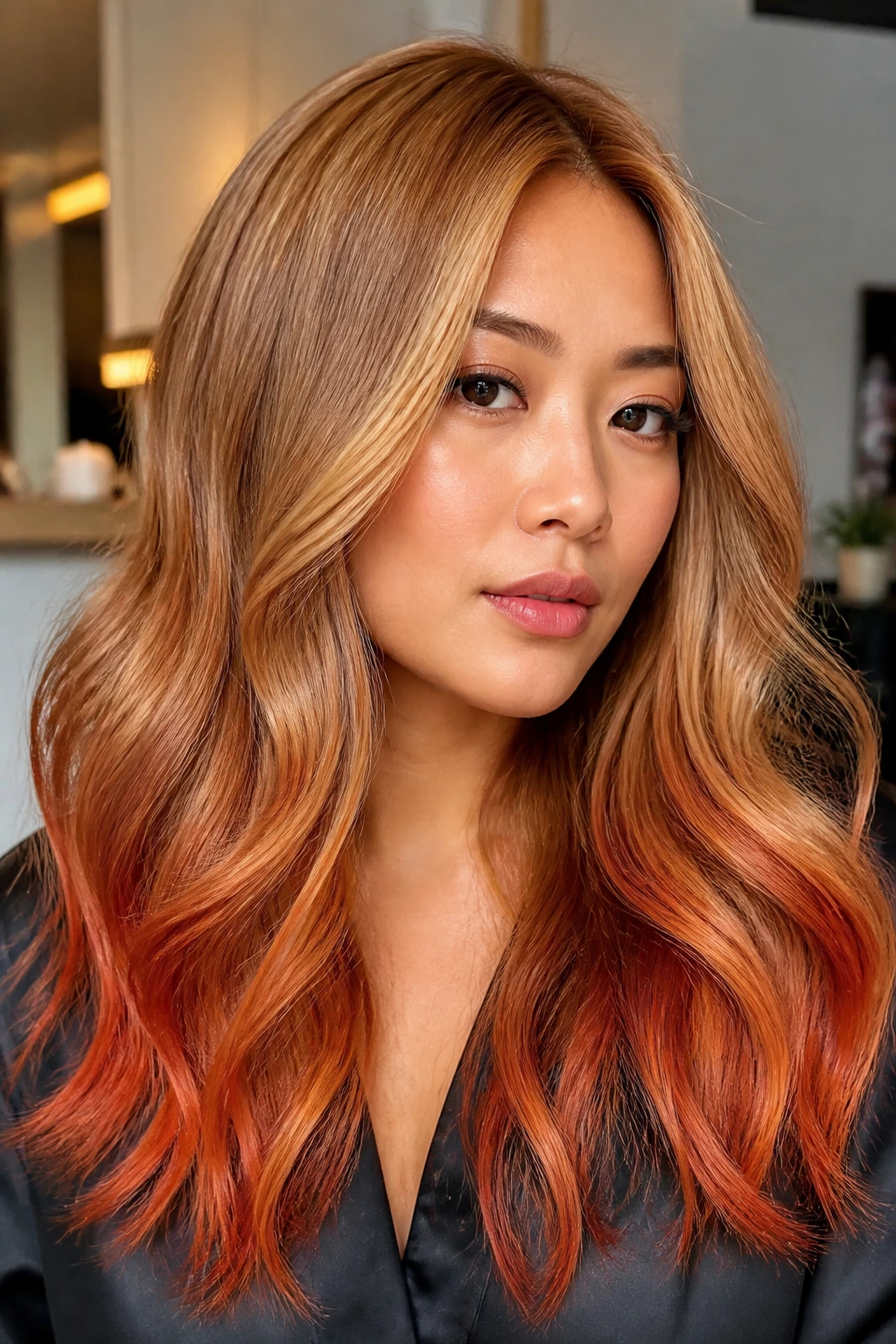
Honey glaze with copper ends is for someone who wants the ends to say something. The root and mids stay honey-gold, while the last few inches pick up copper, almost like the hair warmed up as it went down. It’s a strong choice, but it still lives inside the warm family.
- Use this if: you want more personality at the ends without bleaching the entire head brighter.
- Skip it if: your hair is already fragile at the bottom, because copper on damaged ends can look patchy.
- Ask for: a soft transition, not a hard dip-dye line.
The best versions look deliberate and sleek, never streaky. Straightened ends show it most clearly, but soft waves can make it feel richer.
24. Bronze Honey Midlights
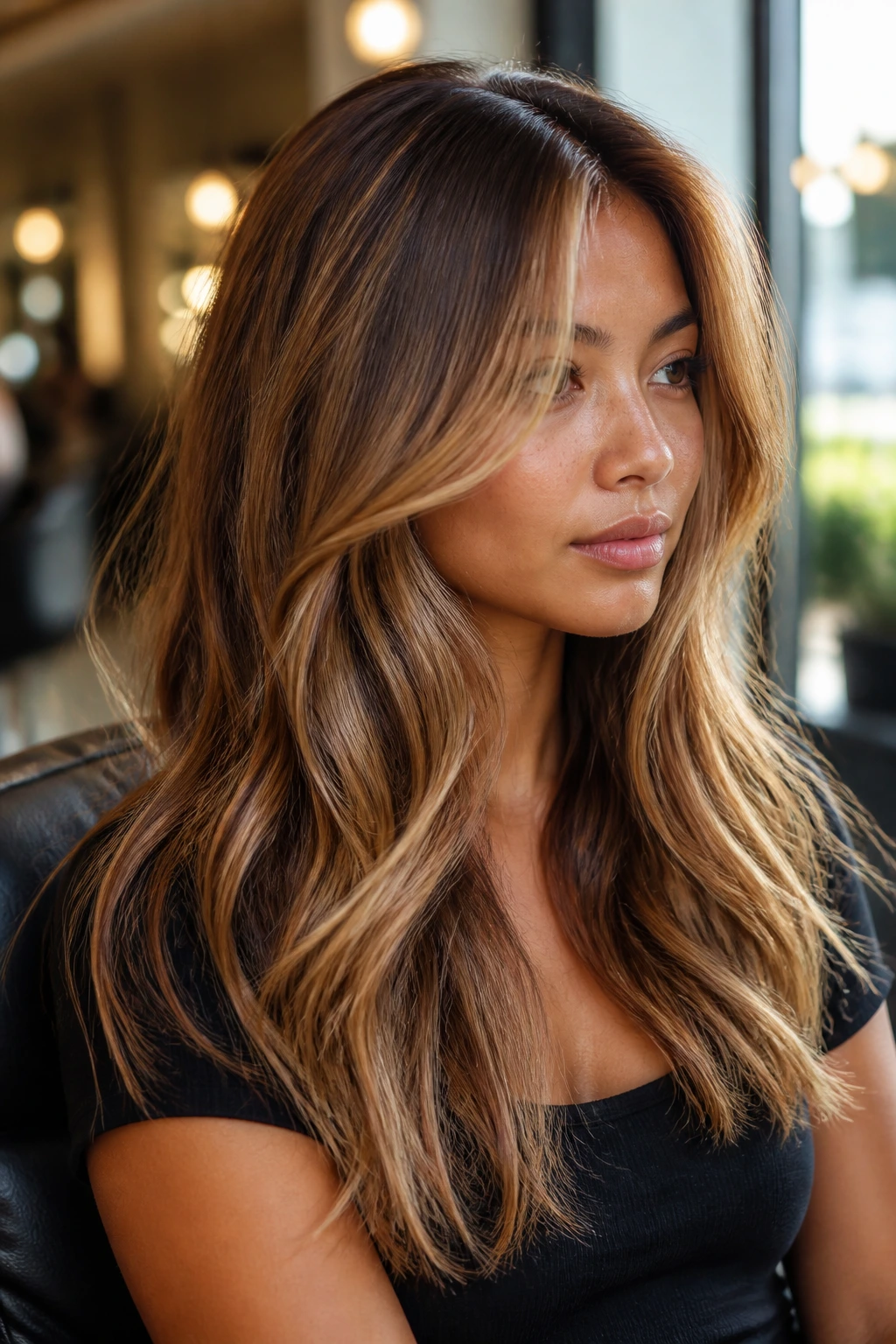
Bronze honey midlights are underrated because they do their best work in the middle of the hair shaft, where most people forget to place color. The bronze gives depth, the honey gives glow, and the two together create a finish that feels layered instead of striped.
This is a smart choice if your hair has been highlighted before and needs more balance. Instead of adding more bright pieces, midlights fill in the gaps and make the lighter parts look intentional. Warm skin tones tend to like that balanced depth because it doesn’t flatten the face or push the complexion into yellow.
25. Soft Honey Foilayage
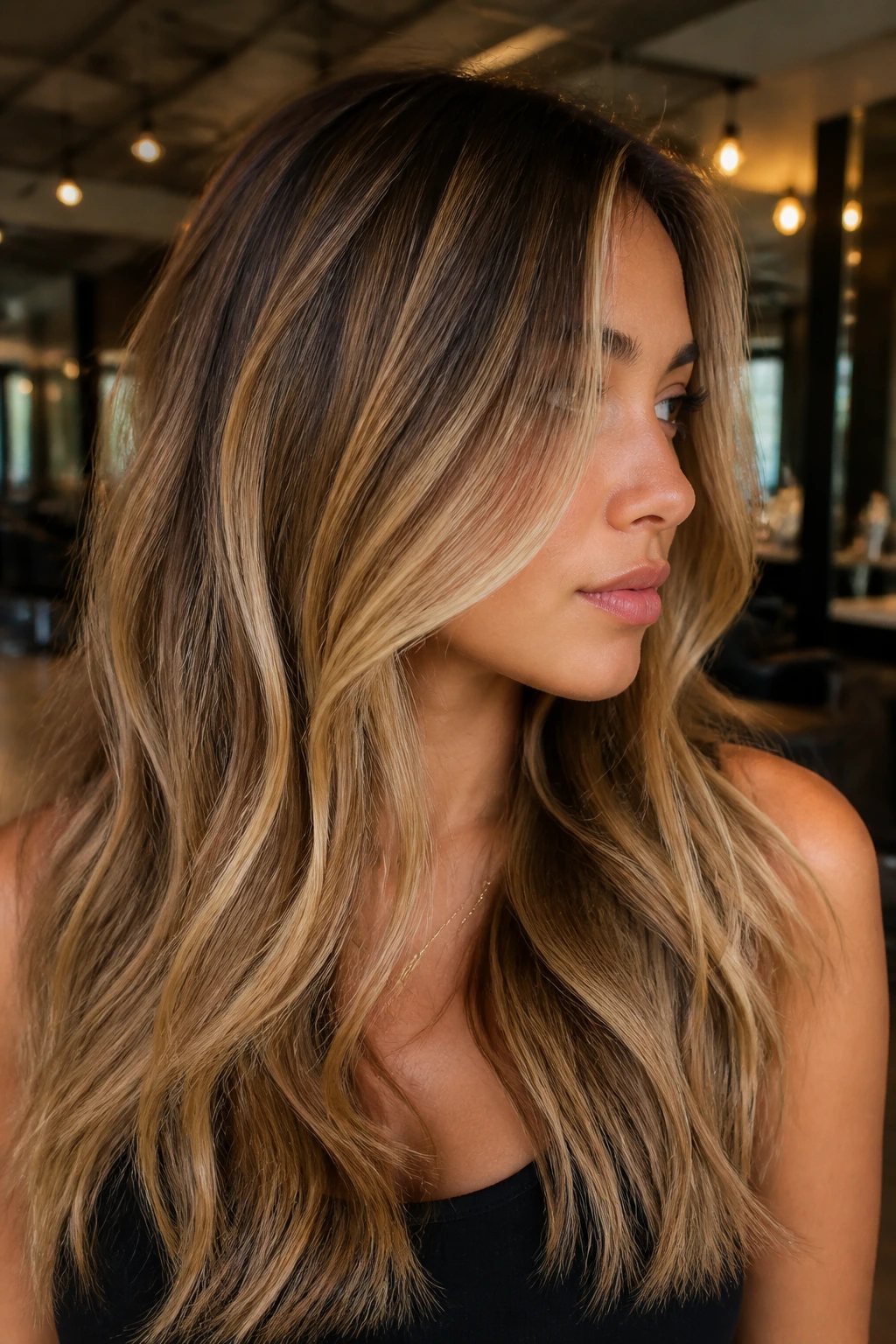
Soft honey foilayage is the polished version of honey color, the one that gives you ribboned brightness with a softer edge than traditional foils alone. The combination of foiling and balayage lets a stylist lift some pieces more than others, which creates a more natural scatter of warm light through the hair.
That uneven brightness is the whole advantage. It keeps the honey from looking too placed, too stripey, or too salon-bright around the face. If you want one honey look that can move from casual hair days to a dressed-up blowout without changing color, this is the one I’d put at the top of the pile.
Why Honey Hair Color Flatters Warm Skin Tones
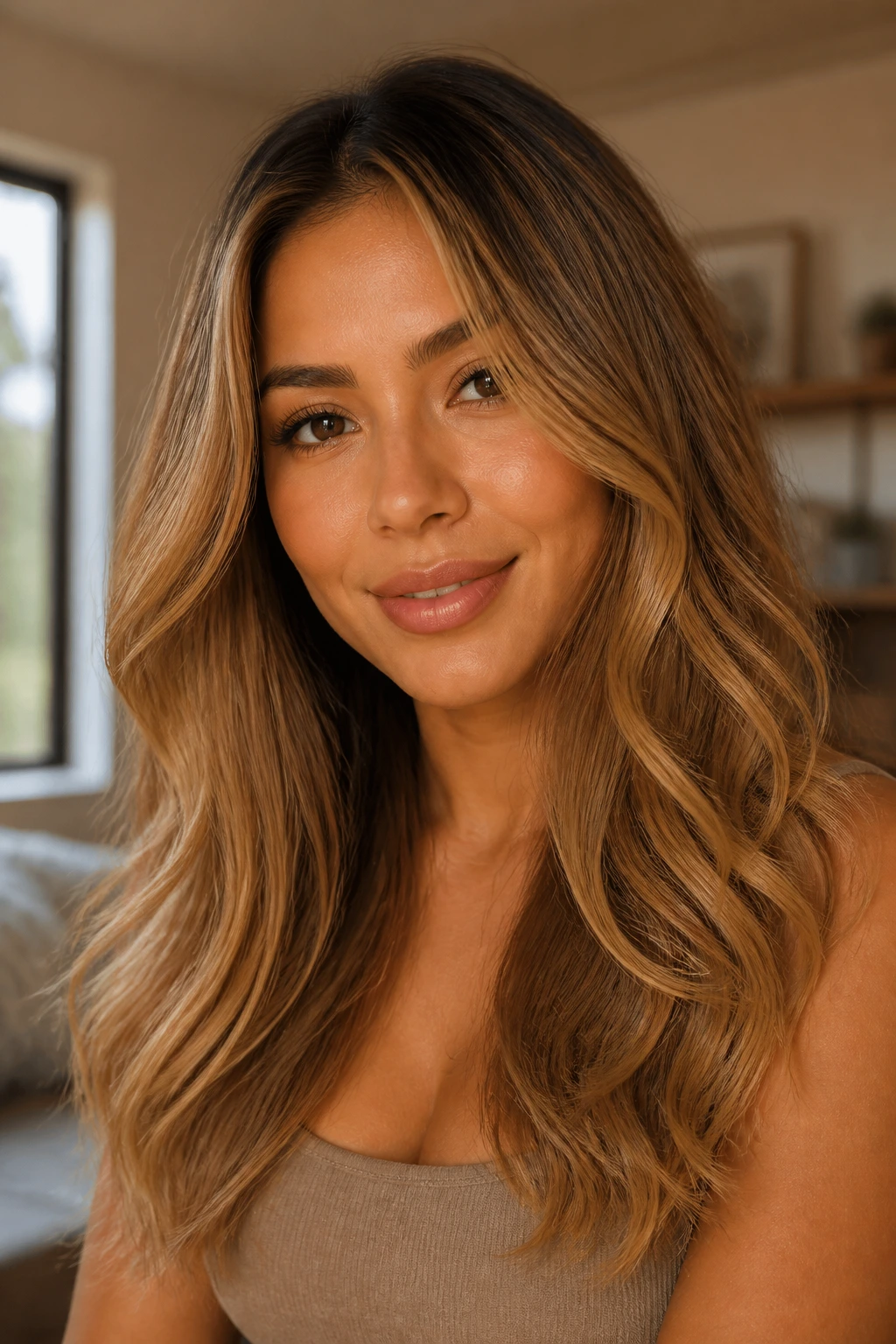
Warm skin tones usually carry gold, peach, apricot, or olive undertones, and honey hair color sits in that same family. That matters more than most people think. A shade that echoes the skin’s warmth tends to look cleaner around the forehead, cheeks, and neck because the hair and face are not arguing over temperature.
The best honey tones for warm complexions usually have beige-gold, caramel, amber, or soft copper reflect. Those reflect notes keep the color from looking flat in indoor light. Flat is the enemy here. A honey blonde that looks fine in a salon mirror can go a little yellow or lifeless under office lighting if it’s too one-note, which is why a gloss or toner with some beige in it often reads better than pure gold.
There’s also a big difference between lightness and warmth. You can keep hair fairly deep and still wear honey if the reflect is right. You can go lighter and still look off if the tone fights the skin. That is why a good colorist thinks in levels and undertones, not just “blonde” or “brunette.” Those labels are too crude for this job.
Essential Tools for Coloring and Maintenance
- Color-safe sulfate-free shampoo: Keeps honey tones from fading fast and strips less of the gloss.
- Color-depositing mask or gloss: Useful when the ends start looking dull or a little too pale.
- Heat protectant spray: Honey shades lose shine fast when flat irons and curling wands run hot over bare hair.
- Wide-tooth comb: Gentler on highlighted or porous hair, especially after washing.
- Microfiber towel or soft cotton T-shirt: Cuts down on friction, which matters if the hair is wavy or curly.
- Sectioning clips: Handy if you’re doing root work, toning, or at-home masking in small sections.
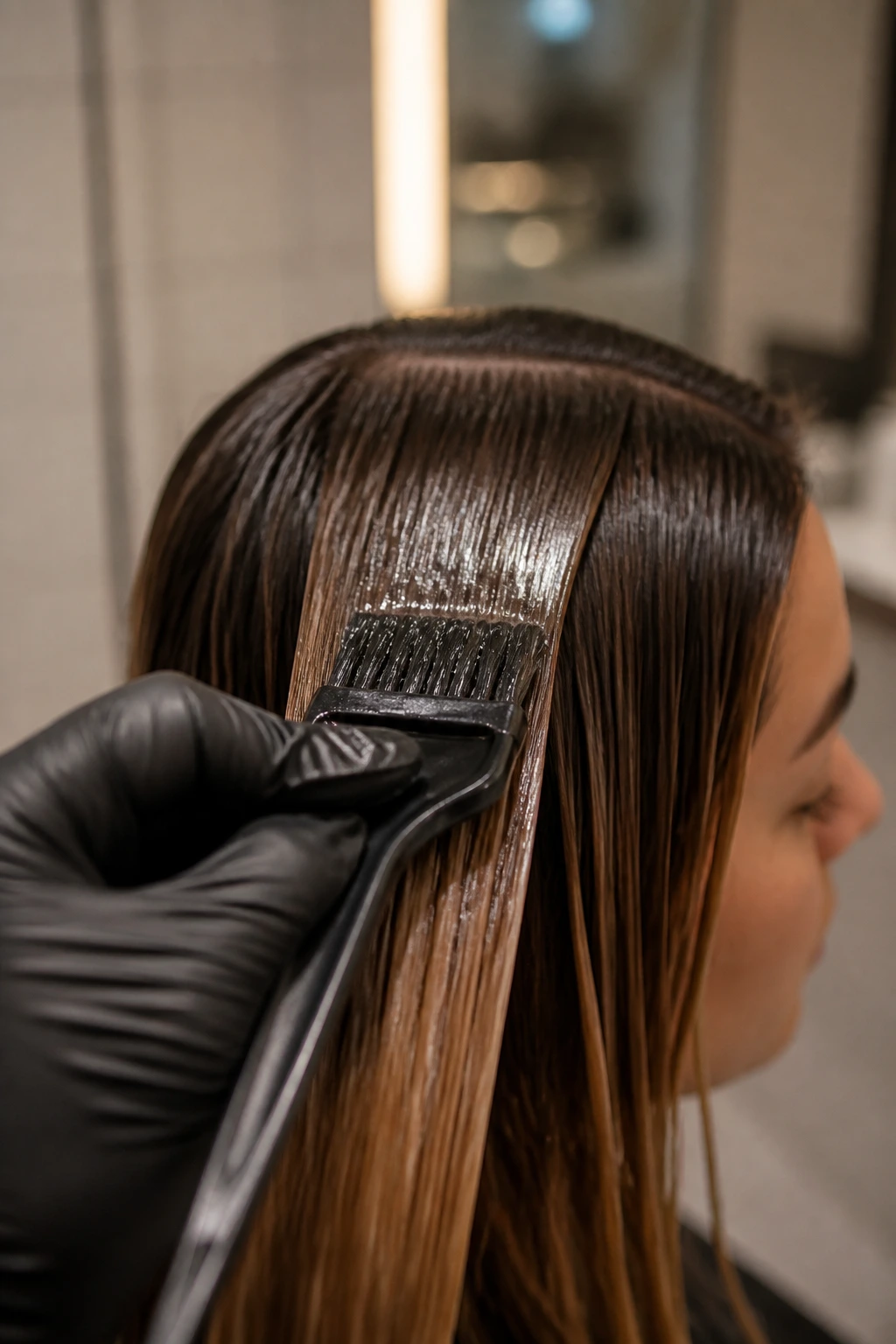
- Tint brush and mixing bowl: Only if you’re applying a gloss or toner at home; they make the product go on more evenly.
- Shower filter: Optional, but useful if your water runs hard and tends to make blonde pieces dull or muddy.
How to Choose the Right Honey Shade at the Salon
Bring pictures, but bring the right kind of pictures. A photo of a honey blonde on pale skin tells a stylist very little about how the tone will sit against your own face. Better to collect images of people with similar base depth, eye color, and skin warmth. That gives the stylist something useful to work from instead of a vague “I want this vibe” request, which is where many bad color jobs start.
Use plain language at the consult. Say things like beige-gold honey, soft caramel melt, warm root shadow, or golden brunette with face-framing pieces. Those words narrow the plan fast. If you say “honey” alone, a colorist may hear anything from butter blonde to amber glaze, and that range is wider than it sounds.
If your hair is dark, ask how much lift is realistic before the first appointment ends. Some bases need multiple sessions to reach a clean honey blonde without frying the ends. If your hair is already light, the job may be more about toner than bleaching. That difference changes the health of the hair and the maintenance schedule, so it is worth talking through before foil touches head.
How to Keep Honey Hair Looking Rich Between Appointments
Honey shades fade in a predictable way: the bright pieces lose shine first, then the warmth can slide toward yellow or copper depending on your hair’s porosity and how often you wash it. The fix is boring, but it works. Wash a little less often, use cooler water, and keep heat styling under control when you can.
A gloss every 4 to 6 weeks helps maintain the beige-gold reflect. Root shadows and soft brunettes can usually stretch farther, often 6 to 10 weeks, because they are not relying on bright blonde to carry the look. Balayage and foilayage tend to hold shape longer, usually 8 to 12 weeks before the contrast needs refreshing. Those numbers shift with wash frequency and sun exposure, but they’re a solid starting point.
Hair that is porous — usually the kind that has been lightened more than once — will soak up color fast and lose it fast. That hair likes masks, protein if needed, and not too much purple shampoo. People reach for purple shampoo when the honey looks too warm, but if you use it too often, the hair can go dull and muddy. A little correction is fine. A weekly purple bath is how warm, glossy hair gets flattened.
Additional Tips and Shine Boosters
Tone Control: If your skin is warm but leans red, ask for beige-gold rather than pure gold. Beige keeps the hair from bouncing too much yellow back onto the face.
Texture Play: Loose waves and bends show honey ribbons better than poker-straight hair. The curves catch light in broken pieces, which makes the color feel richer without adding more blonde.
Low-Damage Move: If the ends are dry, ask for a gloss first and lifting later. A good gloss can buy you time while you nurse the hair back with masks and fewer hot tools.
Make-It-Yours: Peachy skin usually likes apricot and golden honey. Olive skin often handles deeper caramel and bronde better. If your complexion is very golden, a brighter face-framing piece can work without tipping harsh.
Common Mistakes That Make Honey Hair Look Off
1. Picking a toner that is too ashy. The hair may start out pretty, but a cool toner can drain the warmth that makes honey flattering in the first place. The fix is simple: ask for beige-gold or neutral-gold, not silver or ash.
2. Going too light too fast. Honey should glow, not erase your base. If the lift is pushed too far in one session, the ends can turn brittle and the color can look washed out on warm skin. Slower lightening is safer and often prettier.
3. Ignoring your base color. A honey gloss on level 4 hair will not look like a honey gloss on level 8 hair. If the base and the target shade are not matched correctly, the result can look muddy at the roots or orange on the ends.
4. Overusing purple shampoo. A little violet product can stop blond pieces from going banana-yellow. Too much can strip the warmth that makes honey look soft. Use it sparingly, and only where the lighter pieces need correction.
5. Forgetting about placement. Even a good shade can look heavy if it is painted everywhere with the same intensity. Around the face, on the crown, and through the mids are where honey tends to matter most. Put the light in the wrong place and the haircut loses shape.
Variations and Adaptations to Try
Soft-Root Honey Bronde: Keep the roots a neutral brown and feather honey through the mids and ends. This is the easiest version to grow out and one of the safest bets for warm skin that wants dimension, not drama.
Copper-Kissed Honey: Add just enough copper to make the honey read richer, especially around the front and the outer layers. It works well on peach or apricot undertones and can make curls look more alive.
Low-Light Honey Brunette: Instead of brightening everything, work in deeper lowlights and a few honey ribbons over the top. The hair keeps its brunette identity while the warm pieces give it movement.
Curly Honey Halo: Place brighter honey around the outer curl ring and leave the interior deeper. The result frames the face and keeps the curl pattern visible instead of blotchy.
Beige Honey Blonde: If you want to stay blonde, lean beige rather than pure gold. The beige keeps the blonde from tipping yellow, which is the fastest way to make warm skin look less fresh.
Maintenance, Glossing, and Root Care
Honey hair is not especially fussy, but it does ask for a little consistency. A color-safe shampoo, cooler water, and a gloss every month or so will keep the tone from turning flat. If the hair is highlighted, a deep-conditioning mask once a week usually helps more than people expect, especially on the ends where the lighter pigment fades first.
Roots depend on the technique. A balayage or foilayage can often go 8 to 12 weeks before it needs a proper refresh. Root shadow and brunette-gloss versions can stretch a little longer. Bright money pieces or heavier blonding usually need attention sooner, often around 6 to 8 weeks, because the front sections show growth fast.
Sunlight, chlorine, and hard water all push honey shades off course. A UV protectant spray is worth using if the hair spends a lot of time outside, and a clarifying wash every couple of weeks can help if mineral buildup starts making the color look muddy. That said, clarify carefully. Once a week is too much for most colored hair. It just strips too fast.
Frequently Asked Questions
Can warm skin tones wear honey blonde without looking too yellow?
Yes, if the honey has beige or caramel mixed in. Pure yellow is the risky one. Beige-gold, soft honey, and honey-bronde usually look much better because they carry warmth without turning the hair brassy.
Is honey hair color high-maintenance?
It depends on the placement. A full bright blonde honey look needs more toning and more attention than a honey glaze or brunette melt. Balayage, root shadow, and babylights are easier to keep looking good between visits.
What if my hair is naturally dark brown?
You can still wear honey, but it usually works better as ribbons, gloss, or face-framing pieces than as an all-over light blonde. Dark bases look strongest when the honey is placed with purpose instead of lifted everywhere.
How do I stop honey highlights from turning orange?
Use a toner that leans beige-gold, not copper-heavy unless you want copper. Limit heat, skip aggressive shampoos, and ask for a gloss refresh when the tone starts to shift. Orange usually shows up when the hair is over-lifted or the toner choice was too warm.
Can curly hair pull off honey color?
Absolutely. Curly hair often shows honey better than straight hair because the light lands on different parts of the curl as it moves. The key is placing brightness where the curl naturally expands, not forcing straight-line foil work onto a curved shape.
Can I get honey color without bleaching?
On lighter bases, yes. A gloss or demi-permanent color can add honey reflect without major lift. On darker hair, you may still need some lightening if you want the honey pieces to show clearly.
What’s the best honey shade for olive skin?
Usually a deeper honey bronde, caramel honey, or smoky honey brunette. Those shades keep the skin from looking sallow and avoid the overly gold effect that can make olive undertones look a little heavy.
How often should I tone honey hair?
Most people do well with a gloss or toner every 4 to 6 weeks if the shade is light. Darker honey brunettes can often go longer. The moment the color starts looking flat instead of warm, that’s your signal.
The Shade That Stays Soft
Honey hair works because it is warm without being lazy. The good versions are shaped on purpose — placed near the face, softened through the mids, and toned so the shine reads clean rather than yellow. That’s why the same family of shades can look delicate, rich, or bold without leaving warm skin behind.
If you want the easiest entry point, start with a gloss, a money piece, or a soft balayage. If you already know you want more contrast, go for honey bronde or a caramel melt. Either way, the right shade should feel like it belonged there from the start, and that is still the best test I know.