



The best blonde hair color ideas for women over 50 are rarely the pale, one-note blondes people imagine. On real hair — especially hair with a few silver threads, a drier midlength, or a blunt line around the face — blonde needs shadow, not just light. A beige blonde that starts a touch deeper at the root can look richer than a full-head platinum job that has nowhere to settle.
That’s the part people miss. Blonde after 50 is less about chasing brightness and more about choosing where the brightness lands. The right shade can soften regrowth, make finer hair look fuller, and keep the color from turning chalky or brassy after a few shampoos. It also does something useful that salon photos rarely show: it buys you more time between touch-ups.
A good blonde works with the hair you have. It doesn’t fight texture, gray, or a changing skin tone. And once you start looking at it that way, the whole palette opens up.
Why Blonde Hair Color Ideas for Women Over 50 Work Best With Dimension
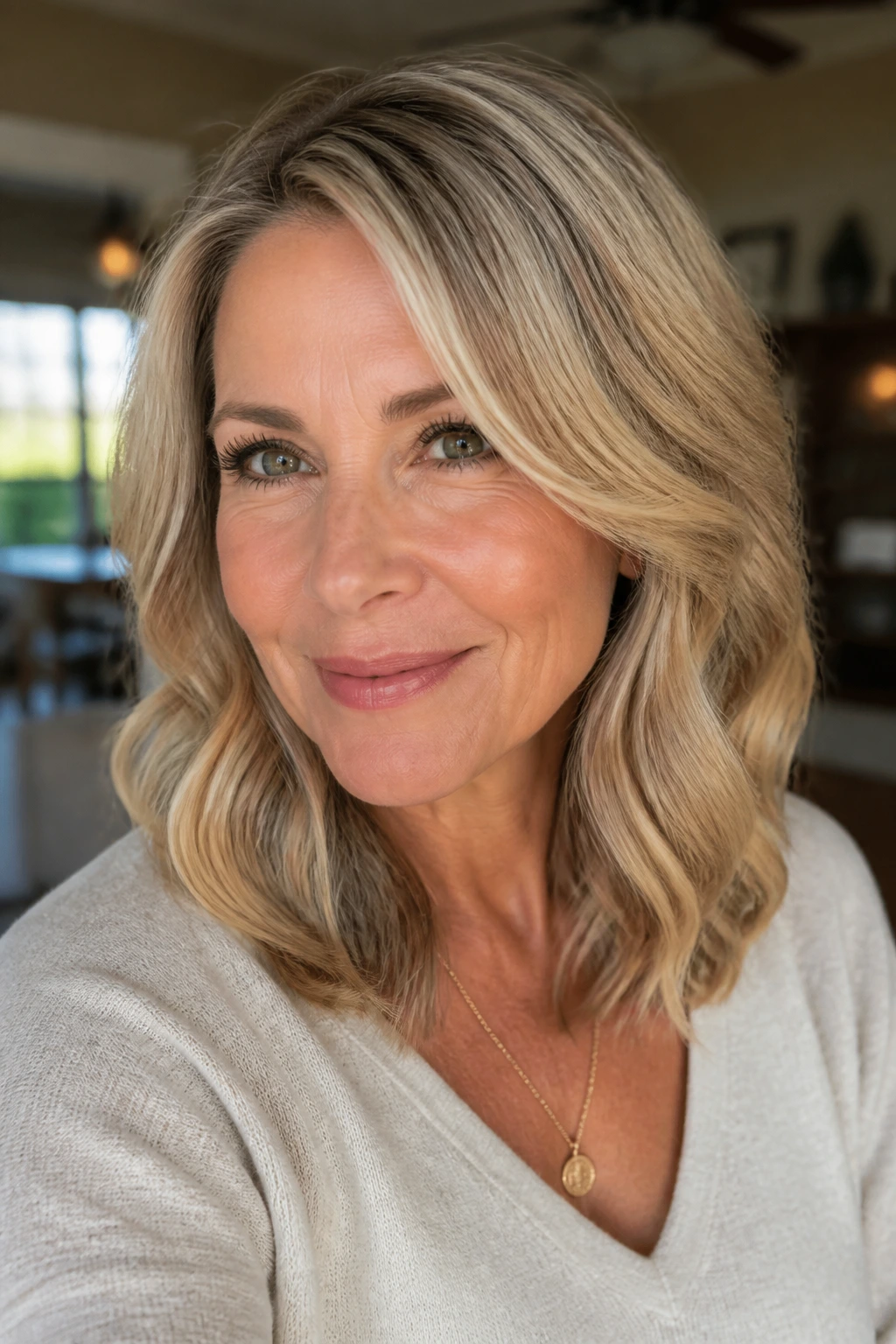
-
Soft roots make regrowth less obvious: A root shadow that sits one or two levels deeper than the ends keeps the line of demarcation from shouting at you every three weeks.
-
Lowlights stop blonde from looking thin: Fine hair often looks better with ribbons of beige, taupe, or caramel because the darker strands give the eye something to land on.
-
Gray hair blends better with mixed tones: Silver doesn’t disappear into a flat yellow blonde, but it melts into beige, champagne, mushroom, or ash with far less fuss.
-
Face-framing brightness does the heavy lifting: A few lighter pieces near the cheekbones and temples can brighten the face more than an all-over light blonde ever will.
-
Creamier shades feel kinder to changing skin: Very icy blondes can pull attention to redness or dryness; neutral and warm blondes tend to sit beside the face more gently.
1. Buttercream Blonde
Buttercream blonde is the shade I reach for when someone wants brightness without that brittle, bleached-out look that can make hair feel tired before the cut even settles. It lives in the creamy middle — usually a level 8 or 9 — with beige and soft gold woven together so the color looks plush instead of loud.
That matters on mature hair. Buttercream blonde gives you light around the face, but the tone stays mellow enough to handle gray regrowth and a little dryness at the ends. On fine hair, the creaminess adds the illusion of body. On thicker hair, it keeps the blonde from tipping into yellow.
A shoulder-length cut or layered bob shows it best. The movement lets the lighter pieces flash through without needing a harsh stripe of color at the part line.
2. Beige Blonde with a Soft Root
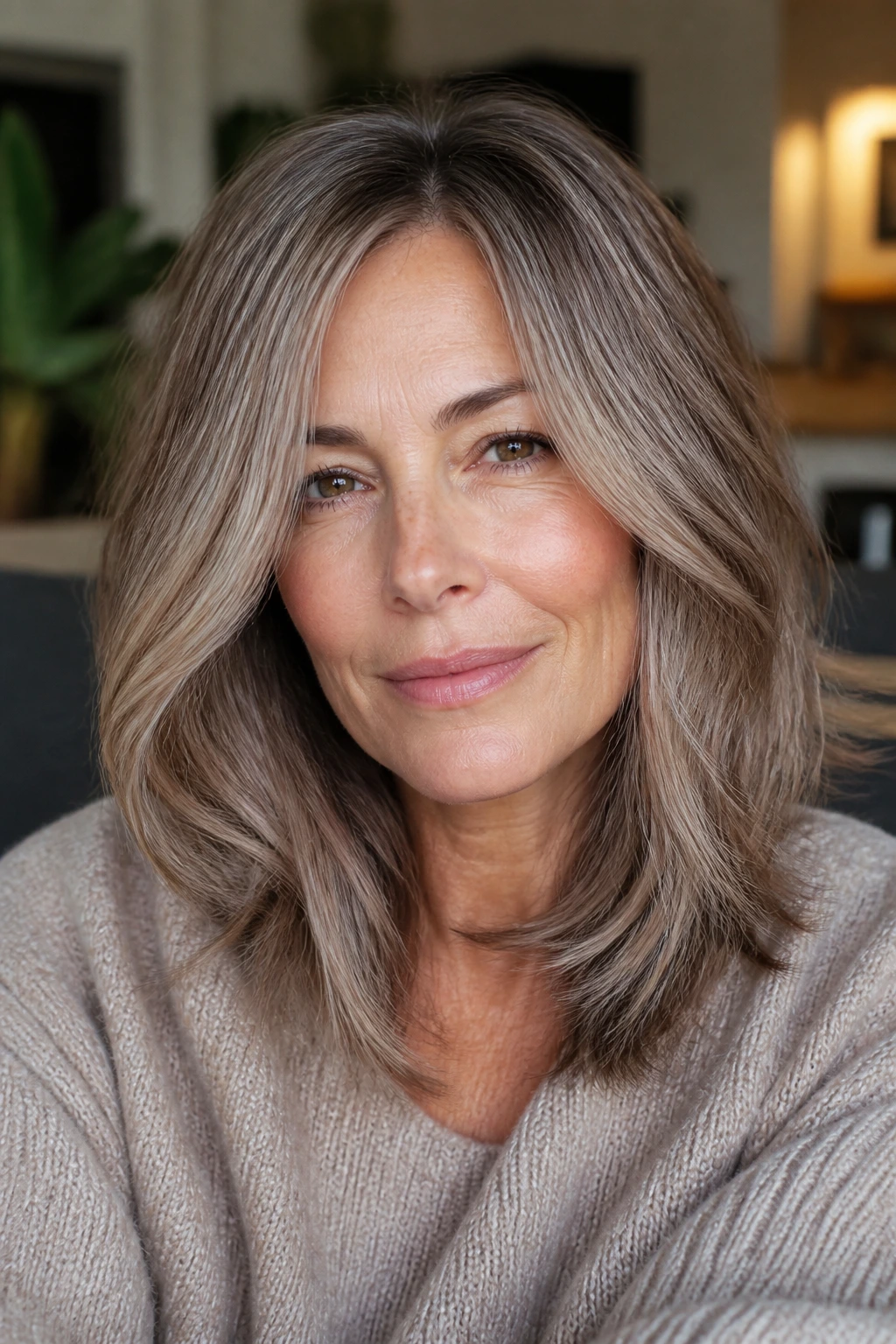
Does a blonde need to be bright to look fresh? Not even close. Beige blonde is one of those shades that quietly does the best work, because it sits between warm and cool without getting muddy. The color has enough softness to blend silver strands, but enough pale lift to keep the hair looking light.
Why It Flatters Mature Hair
Beige blonde is friendly to skin that has changed a bit over time. It doesn’t glare. It doesn’t turn the face sallow the way a very ashy tone can, and it doesn’t bring out every bit of redness the way a strong gold sometimes does.
A soft root makes the whole thing easier to live with. If you keep the root a shade or two deeper, the grow-out line looks intentional instead of obvious. That’s the difference between a color that lasts six weeks and one that feels done after two.
3. Champagne Blonde with Fine Highlights
A woman can wear champagne blonde without looking overdone, and that’s the appeal. It has that pale, sparkling feel, but the best versions stay airy rather than stark. Think of the color you’d get if beige blonde and a cool pearl tone had a smarter conversation.
The fine highlight pattern is the point. Instead of big, obvious streaks, champagne blonde works in narrow ribbons that catch light around the crown and temples. The result is polished in daylight and soft at night, which is exactly where a lot of salon blondes fall apart.
- Best on: shoulder-length layers, loose waves, and blowouts with bend at the ends
- Skins tones it tends to love: neutral, cool-neutral, and lightly rosy complexions
- Watch for: too much ash, which can make champagne turn gray and dull
- Ask for: a beige gloss with a few brighter pieces near the face
4. Honey Blonde That Warms the Face
Honey blonde has a built-in glow. Not the orange kind, not the brassy kind — the good kind, where the gold sits deep enough to look rich and the finish feels almost satiny. On women over 50, that warmth can be a gift if the face has lost some color or if the skin leans neutral and needs a little life.
I like honey blonde most when it’s paired with loose texture. Straight, one-length hair can make it look heavier than it is. A soft wave breaks the color up and keeps the gold from reading flat.
It also happens to be one of the easier blondes to wear if your starting hair is dark blonde or light brown. You don’t have to drag the whole head up to a pale level to get a noticeable change.
5. Mushroom Blonde for a Quiet, Smoky Finish
Mushroom blonde is the shade for someone who likes blonde, but not shiny yellow blonde. It sits in that smoky beige-brown zone with a cool cast that feels modern without being severe. The color is particularly good at making gray regrowth disappear into the mix instead of standing up like a separate stripe.
What Makes It Different
Mushroom blonde works because it gives the eye a few directions at once. You see beige, a little ash, a little taupe, and maybe a whisper of darker root. That layered effect is what keeps the hair from looking thin or overprocessed.
It’s also a smart choice if your natural color is darker. Going straight to a light gold can feel like a shock. Mushroom blonde eases the transition and keeps the whole look believable.
6. Silver Blonde with a Crisp Edge
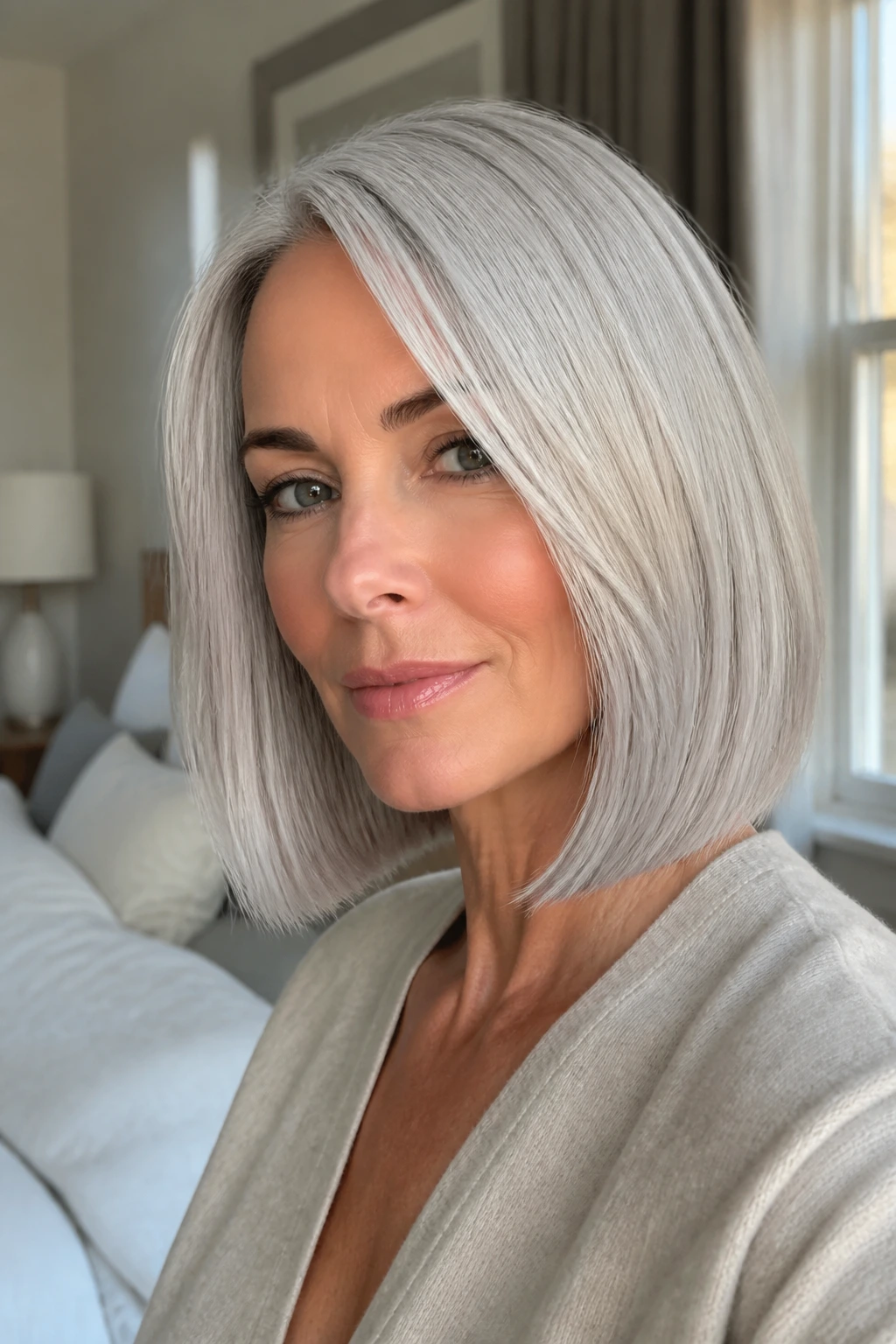
Silver blonde is not gray hair pretending to be blonde. It’s a deliberate cool blonde with a pearl-silver finish, and it looks best when the hair has enough shine to carry that coolness. If the texture is dull, the shade can fall flat fast.
Compared with warmer blondes, silver blonde needs cleaner maintenance. Purple shampoo matters here, but not every wash — overdoing it can leave the hair looking powdery. A gloss every few weeks helps the silver tone stay sleek instead of chalky.
This shade suits women who like a clean, sharp look and don’t mind touching up toner. A pixie, sleek bob, or softly layered crop tends to make silver blonde look intentional rather than icy for its own sake.
7. Rooted Platinum with a Soft Shadow
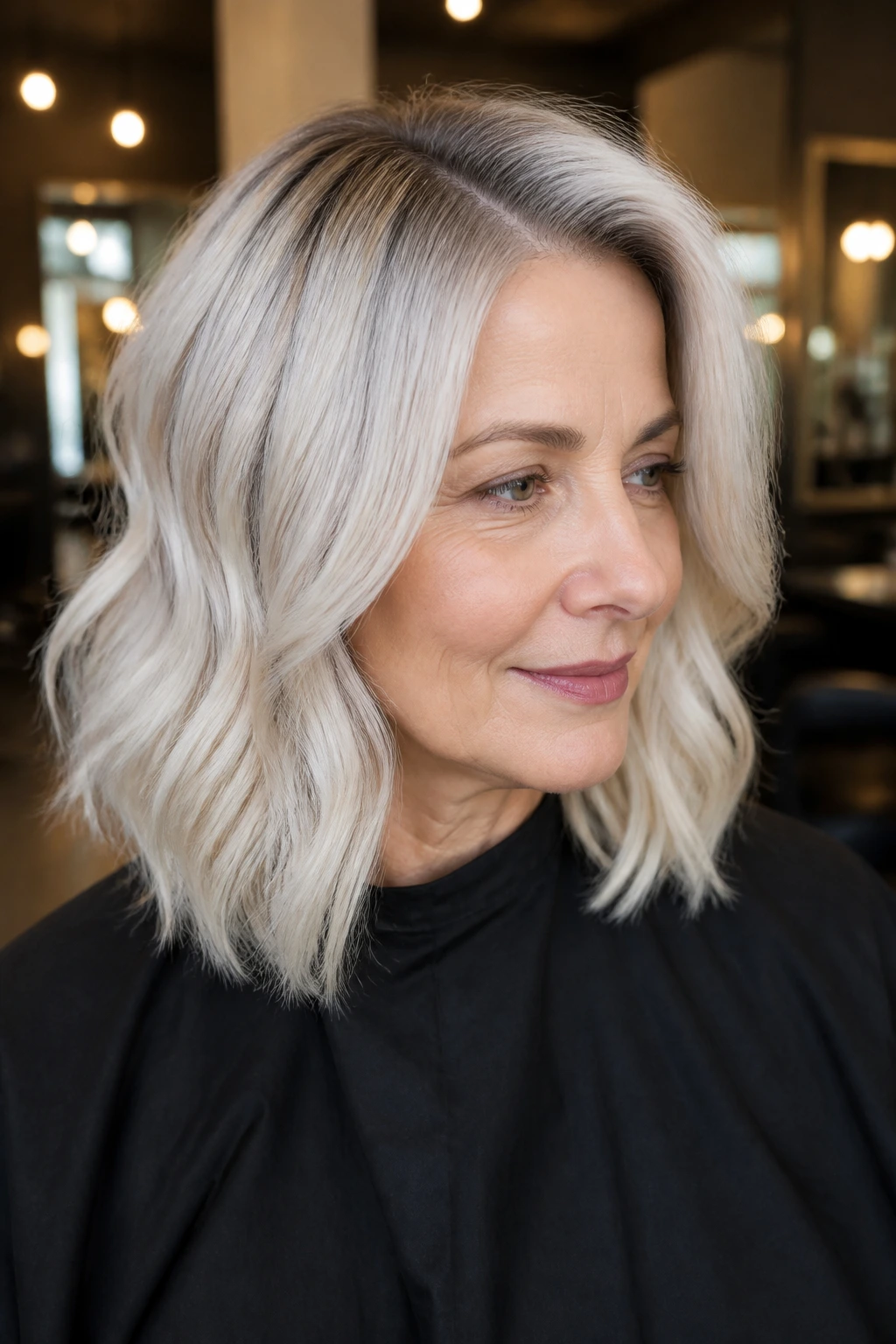
Rooted platinum has attitude, but it doesn’t have to look harsh. The trick is the shadow root, which keeps the base a little deeper and gives the platinum ends somewhere to live. Without that depth, platinum can make the hairline look hard and the regrowth obvious in a week.
A rooted platinum bob works especially well on denser hair because the shape can handle the lightness. On very fine hair, full platinum can sometimes make the strands look narrower than they are. The root shadow fixes some of that by adding contrast.
This is the blonde for someone who wants drama. Not chaos. Drama.
8. Pearl Blonde with a Soft Shine
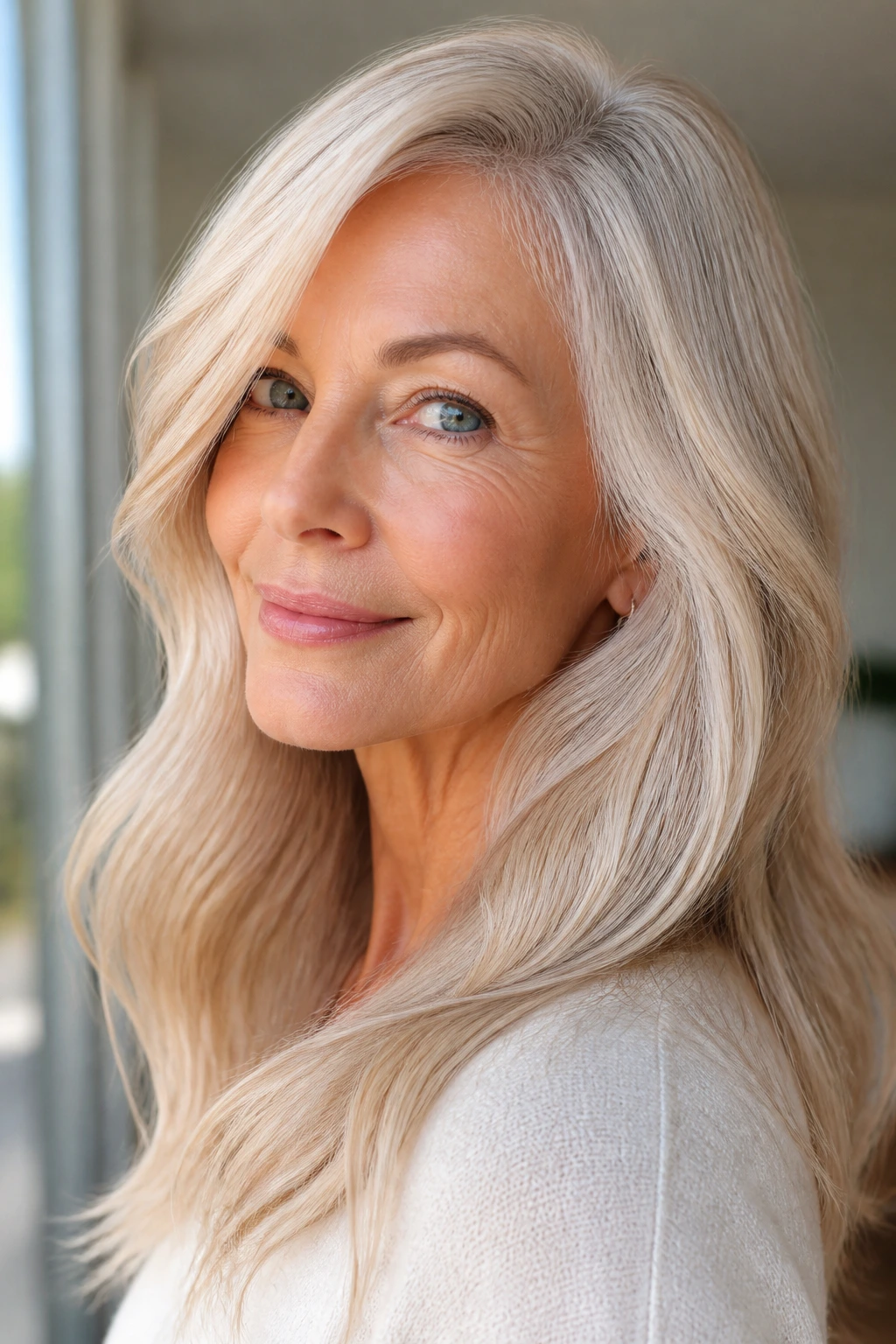
Can blonde look expensive without being loud? Pearl blonde is the answer. It’s pale, cool-neutral, and slightly opalescent, like the color has a soft sheen instead of a hard shine. The finish matters more than the level here, because pearl blonde looks best when the tone stays creamy, not white.
Why It Works on Older Hair
Pearl blonde flatters hair that still has movement. Light layers or a long bob help the different tones catch the light in a gentle way, which keeps the color from looking like a helmet. That’s the whole game with lighter shades after 50: keep the lightness, lose the stiffness.
The shade is also kind to skin that leans cool or neutral. It doesn’t fight redness. It doesn’t yell. It just sits there and looks polished.
9. Caramel Ribbon Blonde with Deep Ribbons
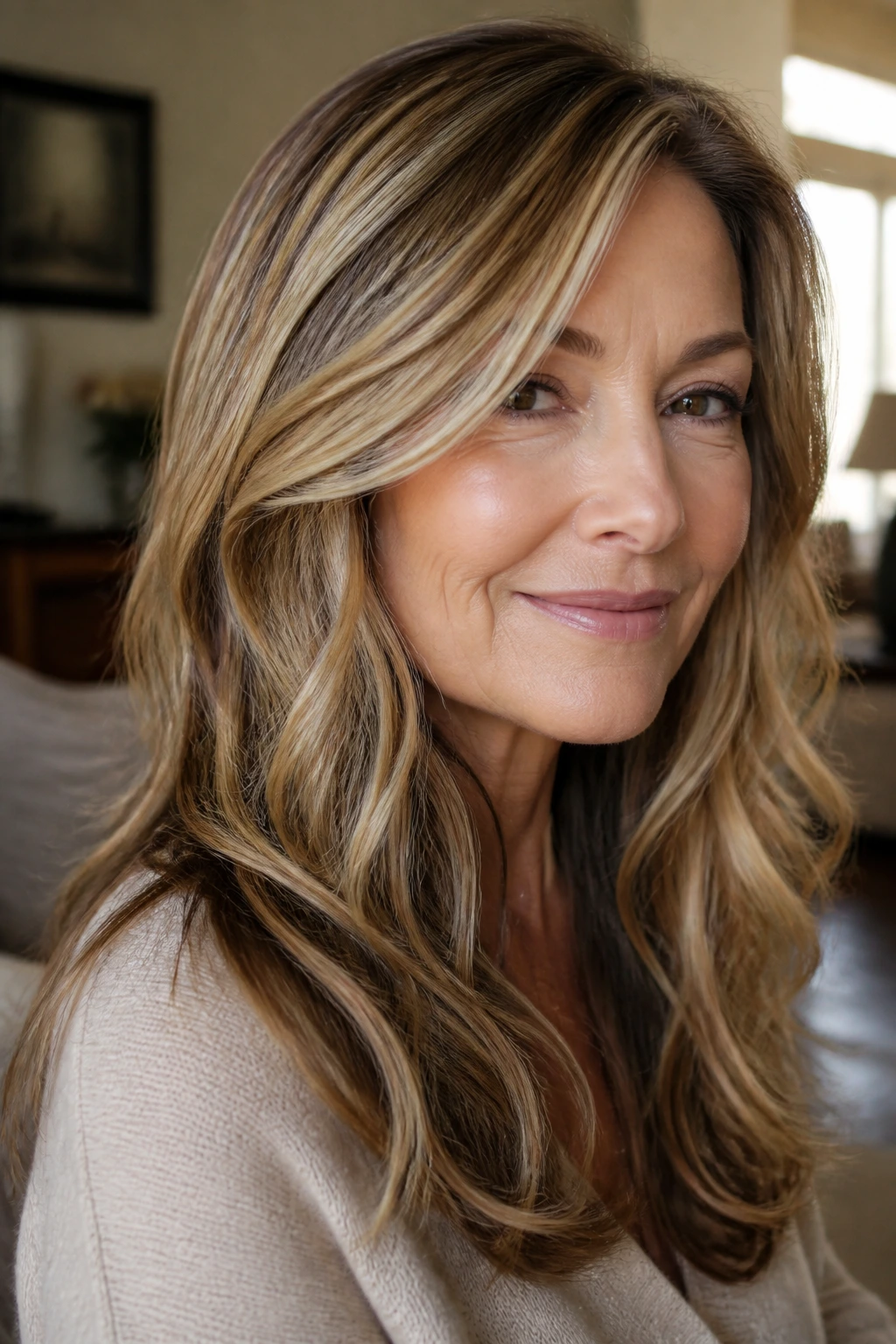
A head full of pale blonde is not the only way to feel lighter. Caramel ribbon blonde uses golden-beige ribbons layered over a darker base, so the blonde shows up in movement instead of in one big solid block. The effect is richer than an all-over lightening job, and it grows out more smoothly.
This is a smart pick for brunettes easing into blonde. The lift is noticeable, but the contrast stays soft enough that you don’t get the “new hair, old ends” problem at the first grow-out stage. The ribbons also make thick hair look more cut and shaped.
If you want a practical blonde, this is one of them. It gives you brightness, but it doesn’t demand your whole calendar.
10. Soft Bronde That Keeps the Transition Easy
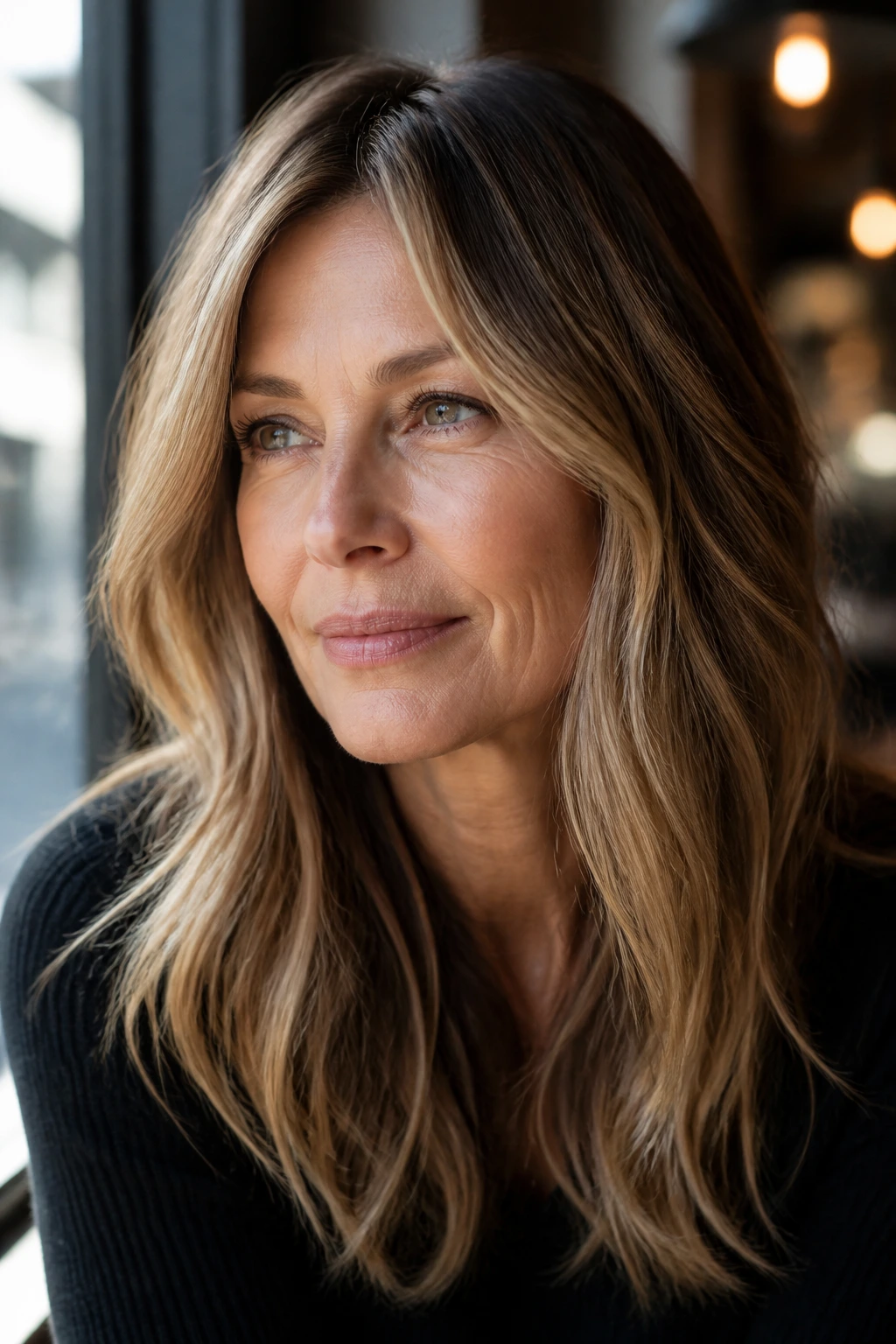
Bronde sits between brown and blonde, and on women over 50 that middle ground can be a relief. It lets you brighten the hair without pretending you’re starting from scratch. The best bronde looks like your own color got better lighting.
The reason it works so well is the balance. Too much blonde on darker hair can look striped. Too much brown can make the face look heavy. Bronde avoids both by keeping depth at the root and spreading the lightness through the mids and ends.
It’s also one of the most forgiving choices for gray blending. The silver threads become part of the texture instead of a separate issue.
11. Sandy Blonde Lob with Breezy Movement
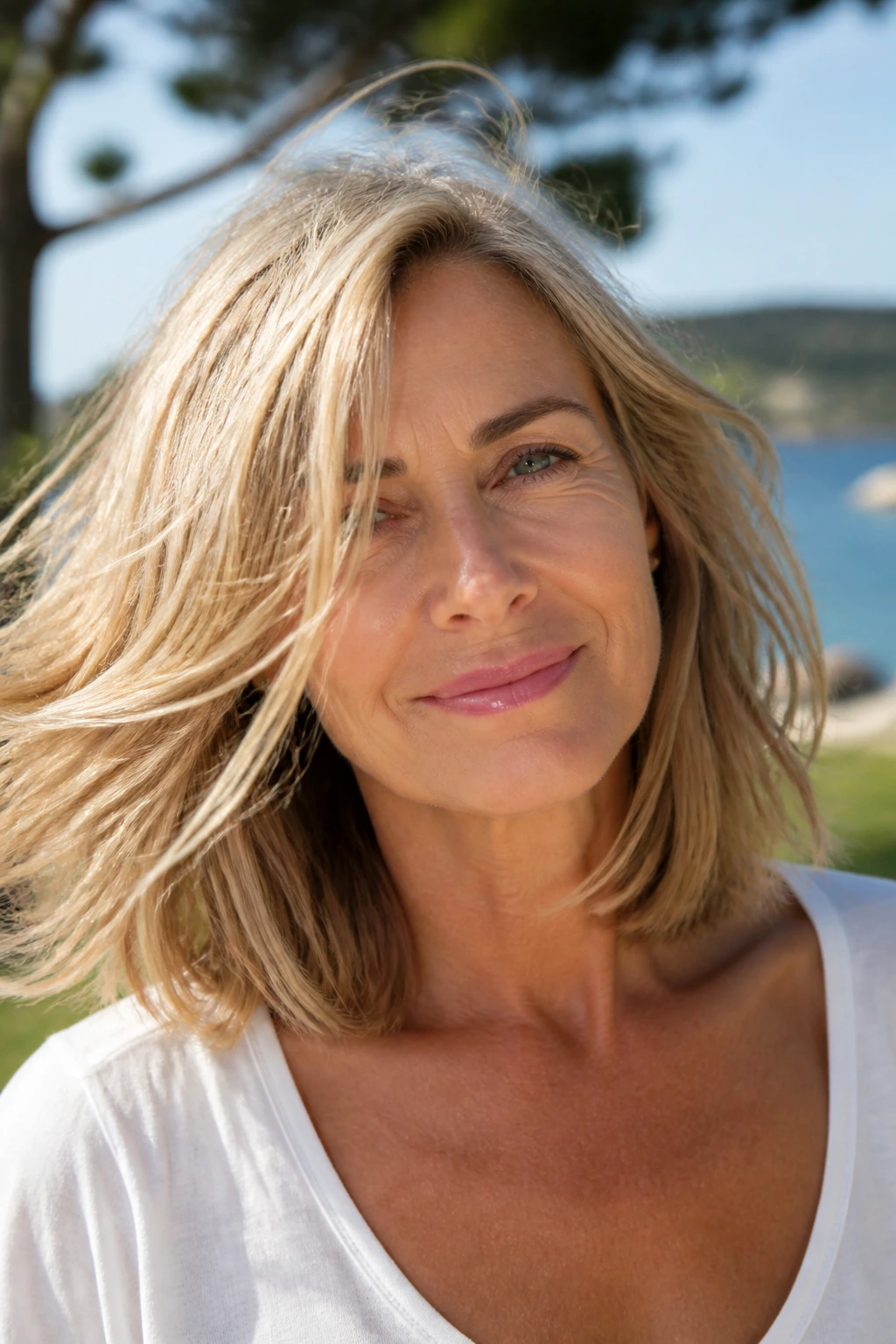
A sandy blonde lob has that sun-washed, slightly cool look that never feels overstyled. It’s not gold. It’s not ash. It sits in the middle and lets the cut do a lot of the visual work. On a lob, that’s smart, because the length naturally swings and shows off the tones.
The Best Part of This Shade
Sandy blonde is one of the easiest colors to wear with a blunt-ish cut. The color softens the edges so the lob doesn’t feel severe. If your hair is a little fine or a little straight, the shade gives the cut more life.
Ask for a few brighter pieces around the front and a beige root. That’s enough. Too much contrast and sandy blonde loses the easy, lived-in feel that makes it work.
12. Face-Framing Money Piece Blonde
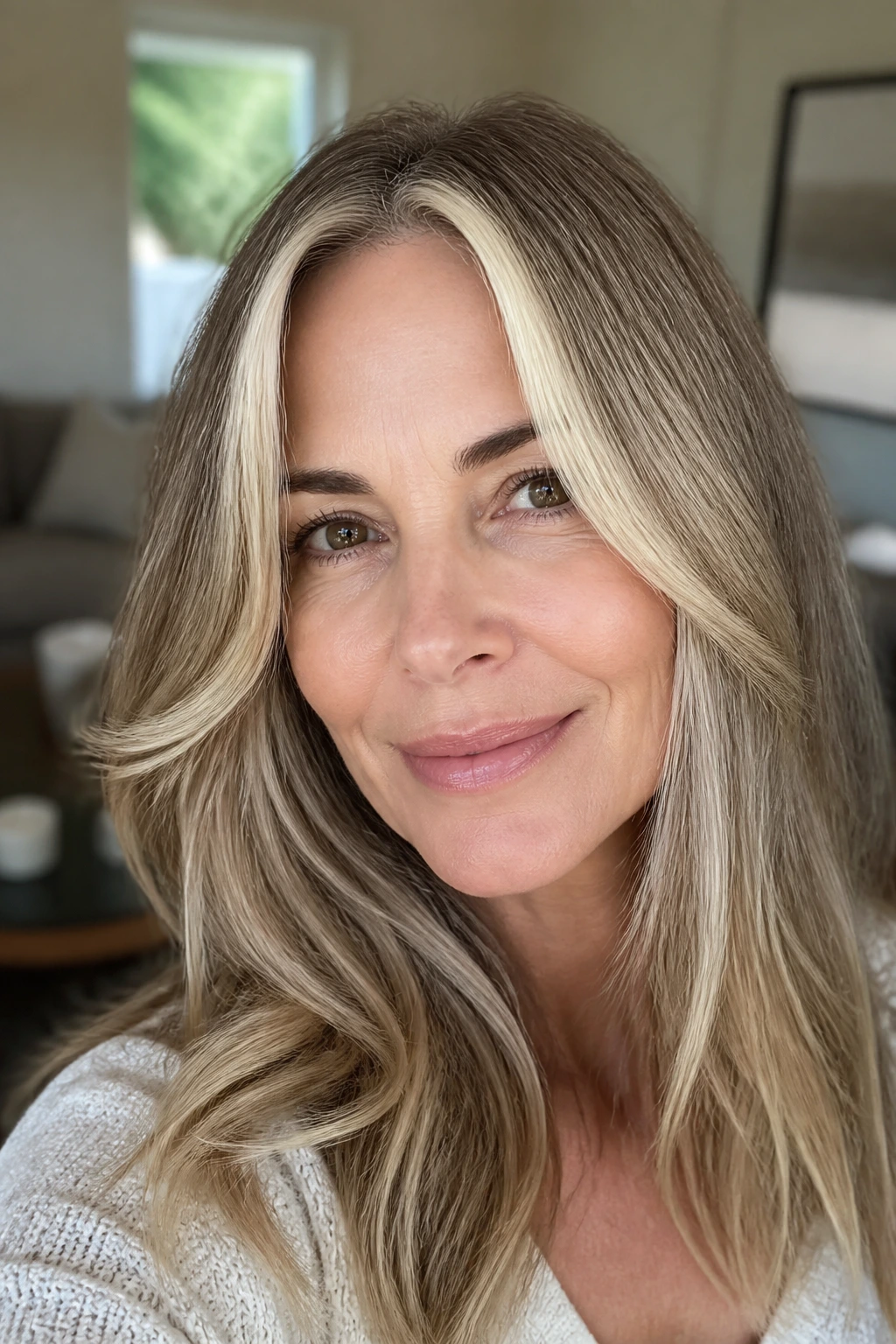
Money-piece blonde is not about going lighter everywhere. It’s about using a few bright strands near the face to throw light onto the skin, the eyes, and the cheekbones. Done well, it can make the whole haircut feel refreshed without a full color overhaul.
Compared with an all-over blonde, this approach is cheaper to maintain and less stressful on fragile ends. The lighter pieces are concentrated where people actually see them, so the color has more impact than the amount of bleach would suggest.
This is a favorite for women who wear glasses, too. Brightness near the temples and around the front helps the hair show up beside the frames instead of disappearing behind them.
13. Ash-Beige Blonde for Sleek Hair
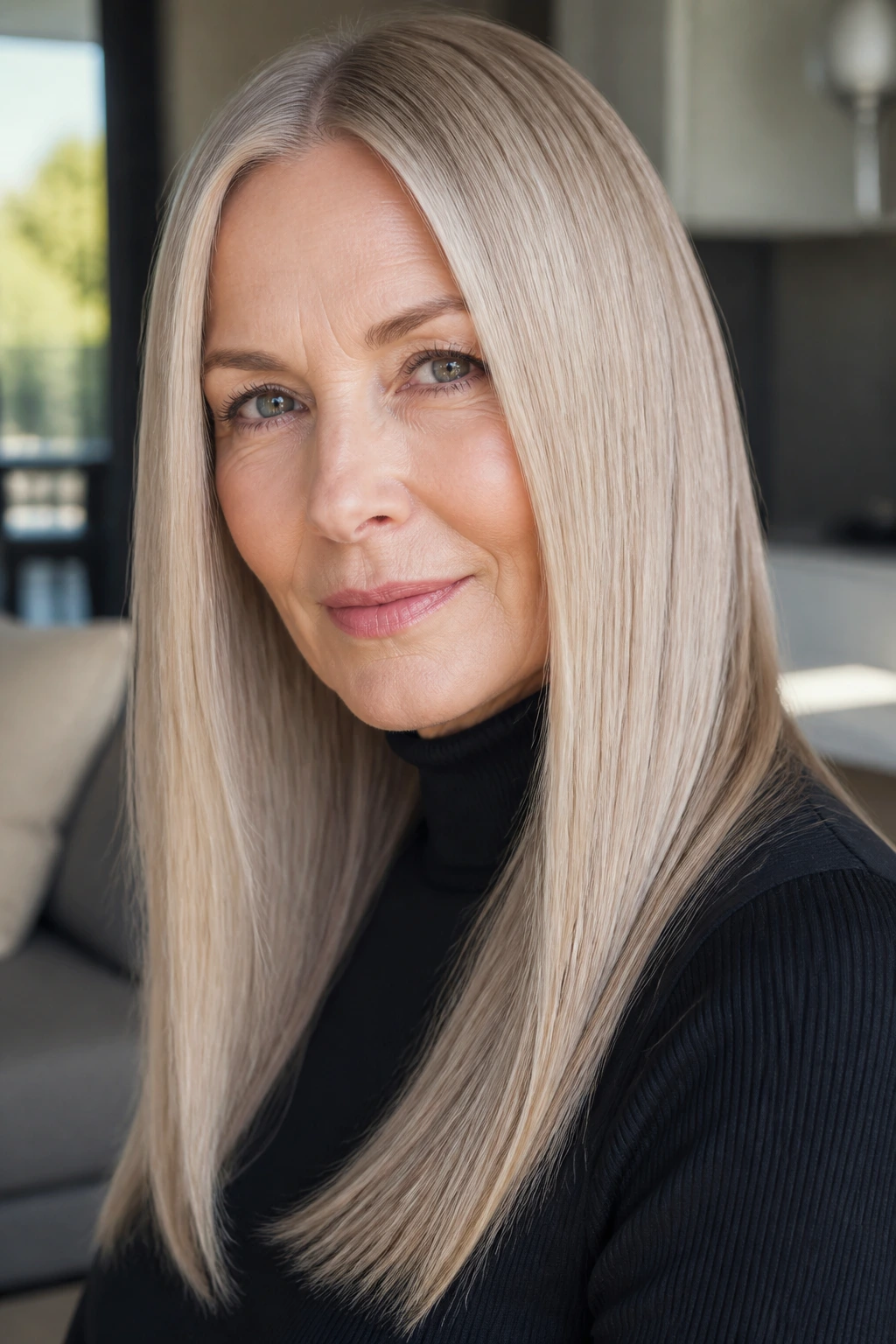
Ash-beige blonde has a cooler backbone than buttercream or honey, but it stops short of looking gray. That’s the sweet spot. You get the calm, muted feel of ash, with enough beige to keep the hair from becoming flat or dusty.
A sleek cut shows this shade at its best. Straight hair and a clean part make the color look polished. If the hair is curly or very textured, too much ash can disappear into the pattern, so a little more beige in the toner usually helps.
Why I’d Choose It
It’s one of the best blondes for women who don’t want warmth near the face. The shade looks neat, controlled, and modern. No brass. No orange. No excess shine.
14. Vanilla Blonde with a Creamy Finish
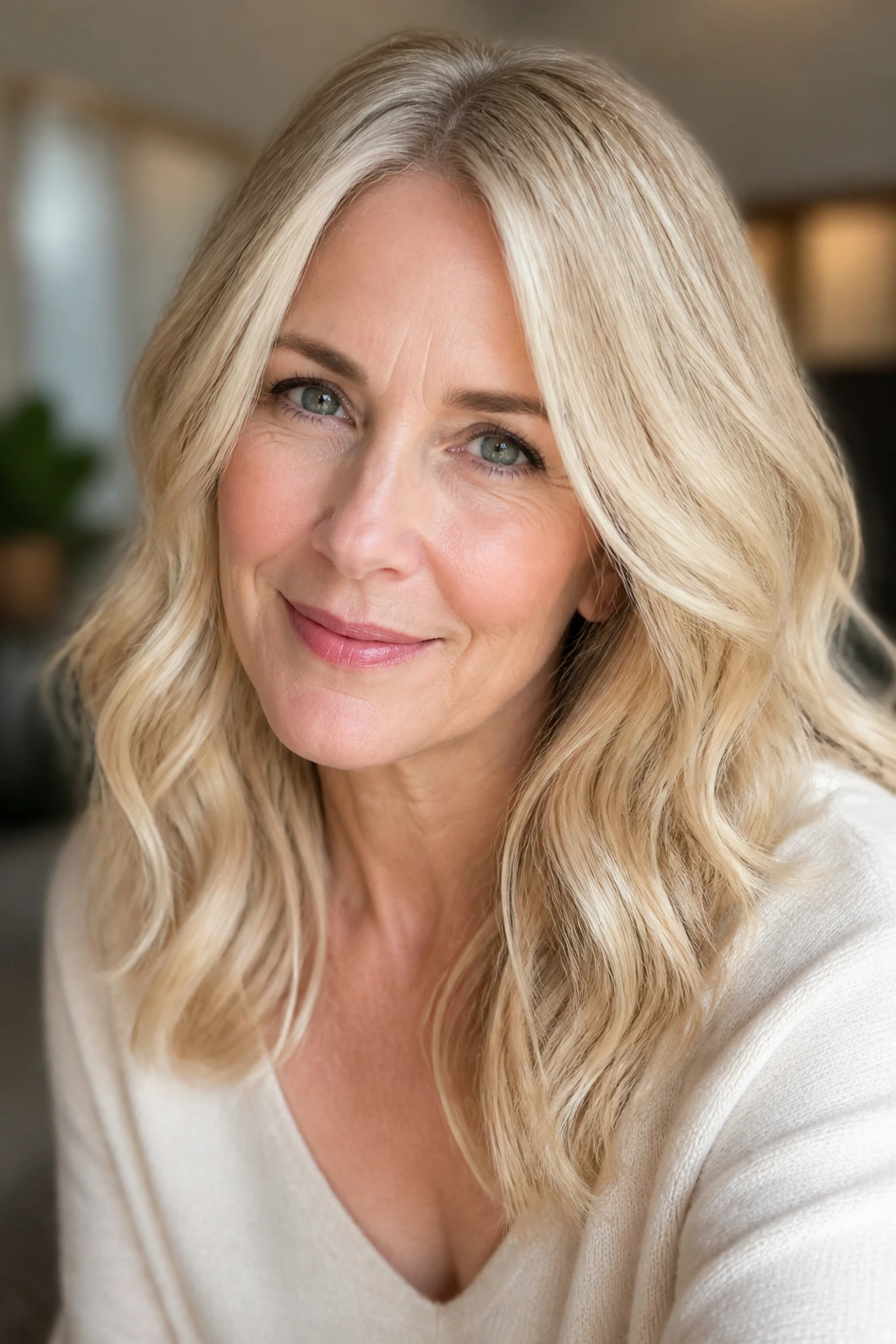
Why does vanilla blonde feel softer than platinum even when the level is similar? Because the tone does the work. Vanilla has that pale creamy look that keeps the hair bright, but it avoids the brittle edge that pure white blondes sometimes get.
Where It Shines
A medium-length layered cut gives vanilla blonde somewhere to move. The color reflects light in the bends of the hair, and the result feels airy rather than hard. On long, heavy hair, it can go flat faster.
The shade asks for decent upkeep. A gloss keeps it creamy, and a sulfate-free shampoo helps the tone stay clean. Skip both, and vanilla blonde starts to look tired fast.
15. Golden Blonde with Chestnut Lowlights
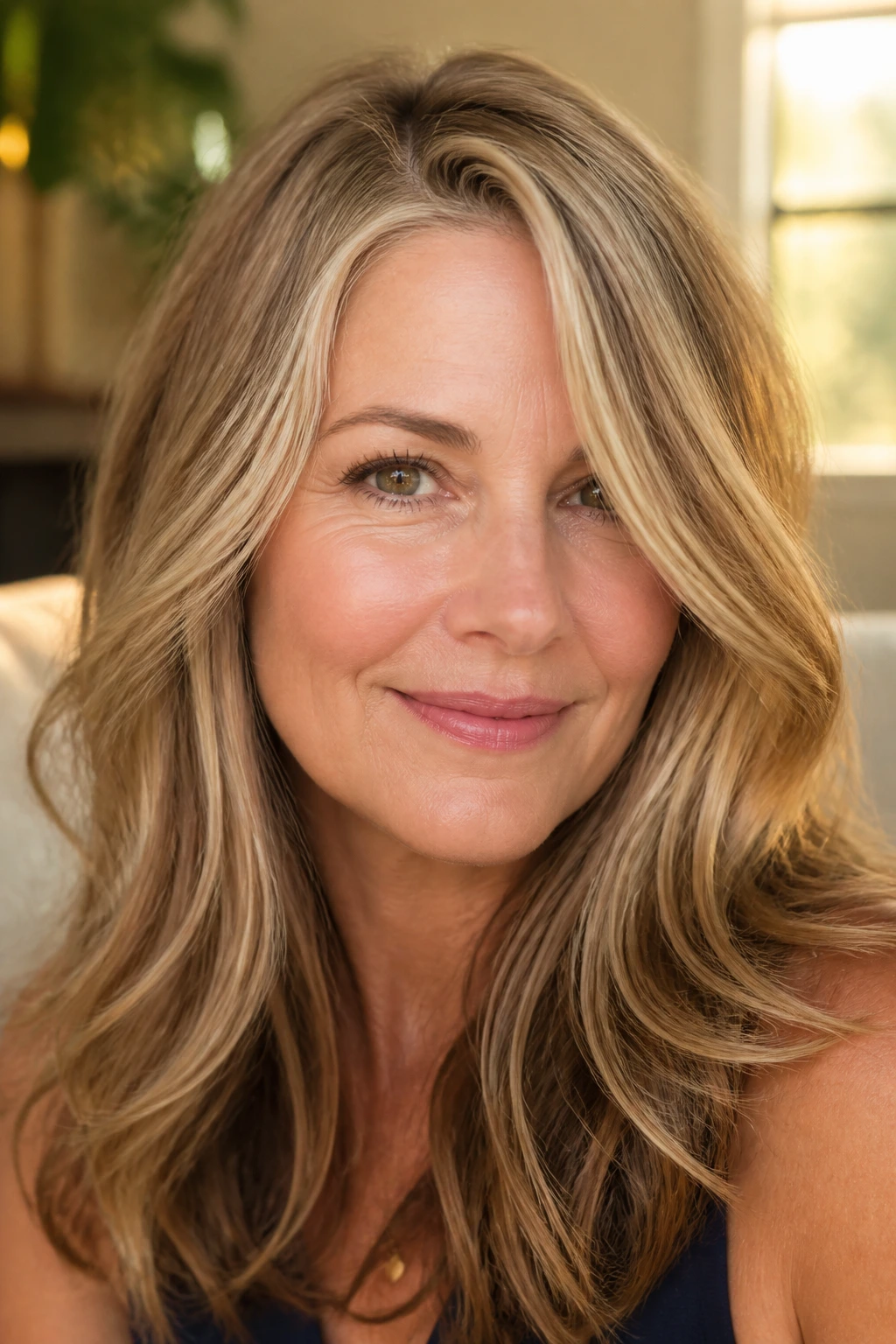
Golden blonde on its own can sometimes look too one-dimensional, especially on thicker hair. Add chestnut lowlights, though, and the whole color gets depth. The result is warmer at the surface and richer underneath, which is what keeps the blonde from flattening out.
- Best for: thick hair, medium-density hair, and layered styles that need shape
- Works well with: warm or neutral skin, brown eyes, and soft curls
- Maintenance trick: lowlights stretch the time between highlight appointments
- Tone note: ask for gold, not yellow; the difference is obvious in daylight
This is a shade that likes movement. A blowout, loose bend, or a big round brush finish makes the contrast between the gold and chestnut pieces look expensive without trying too hard.
16. White Blonde Pixie with Texture
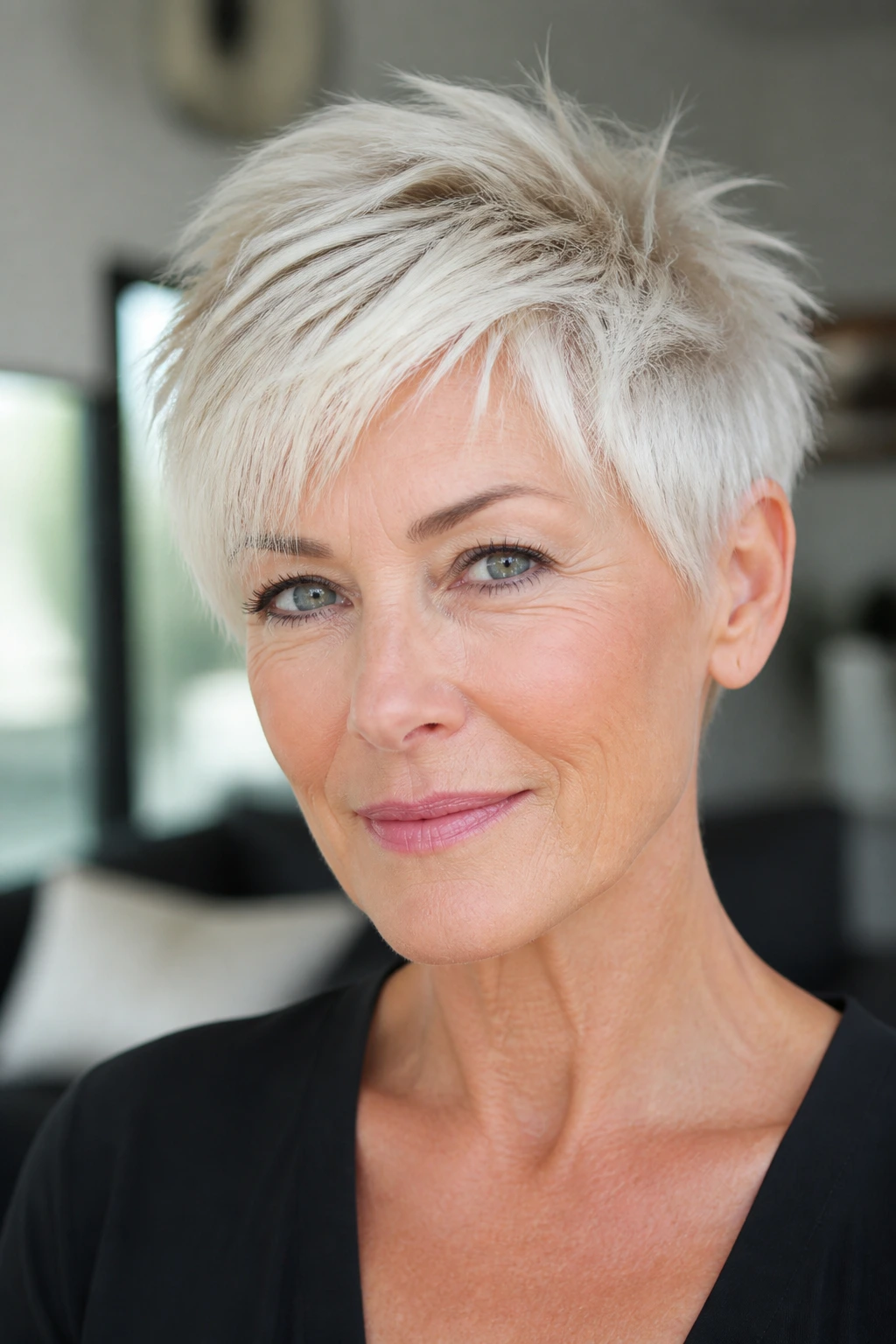
A white blonde pixie is bold, clean, and far less fussy than people expect — provided you’re willing to keep the cut tight and the tone crisp. The short shape makes the pale color easier to wear because there’s less hair for the eye to read at once.
This is not the shade for someone who wants low maintenance. It shows roots fast. It shows brass fast. But if you like a fresh cut and you don’t mind salon appointments, the payoff is real. The look is sharp around the ears, the crown, and the fringe.
It also works nicely for women with strong facial features. The color doesn’t hide them. It frames them.
17. Strawberry Blonde with Peach Undertones
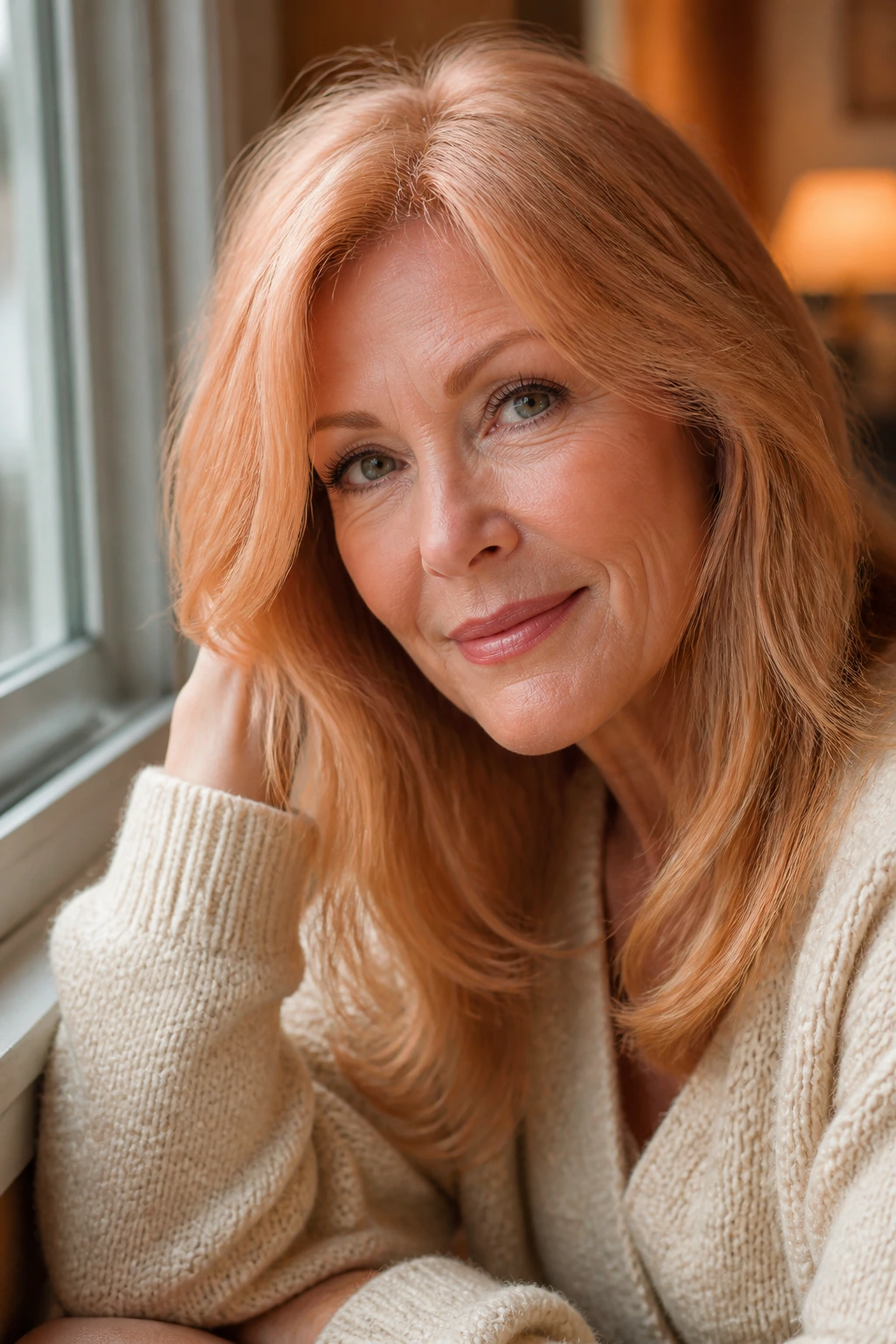
Strawberry blonde is one of the gentlest ways to warm up a face. It sits between blonde and red, with peach or copper notes that keep it from feeling pastel. On fair skin, freckles, or warm undertones, the color can look almost alive.
Why It’s Not as Fragile as It Sounds
The best strawberry blonde isn’t candy-colored. It’s muted enough to wear in daylight and soft enough to avoid that artificial copper shine. A beige base with peach gloss tends to age better than a bright red-blonde mix.
That said, it does need a careful hand. Too much gold and it turns brassy. Too much red and it starts to read copper. The sweet spot is a soft peach wash over a light blonde base.
18. Smoky Blonde with a Cool Shadow
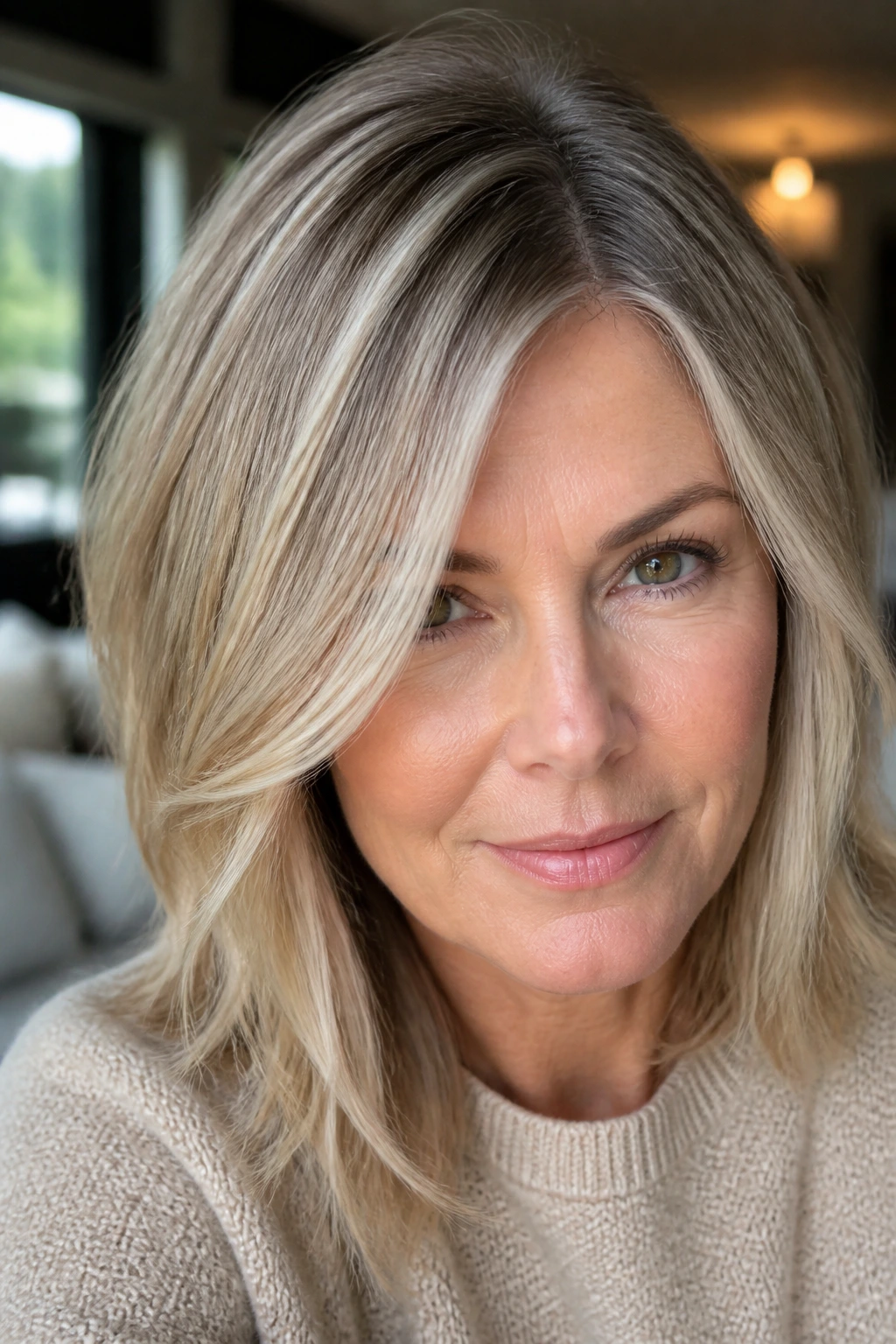
Smoky blonde is what happens when blonde gets a little depth and stops trying to be the brightest thing in the room. The tone leans cool, but not icy. Think smoke, not frost. That distinction matters, because smoky blonde can look rich where a pale ash sometimes looks flat.
It’s a good fit for women who are growing out gray hair and don’t want to fight every silver strand. The smokiness helps blur the transition. On top of that, the darker root and muted mids make the grow-out less dramatic, which is a blessing if you’re not a fan of monthly touch-ups.
This shade is quietly one of the best practical choices on the list.
19. Toasted Almond Blonde with a Nutty Base
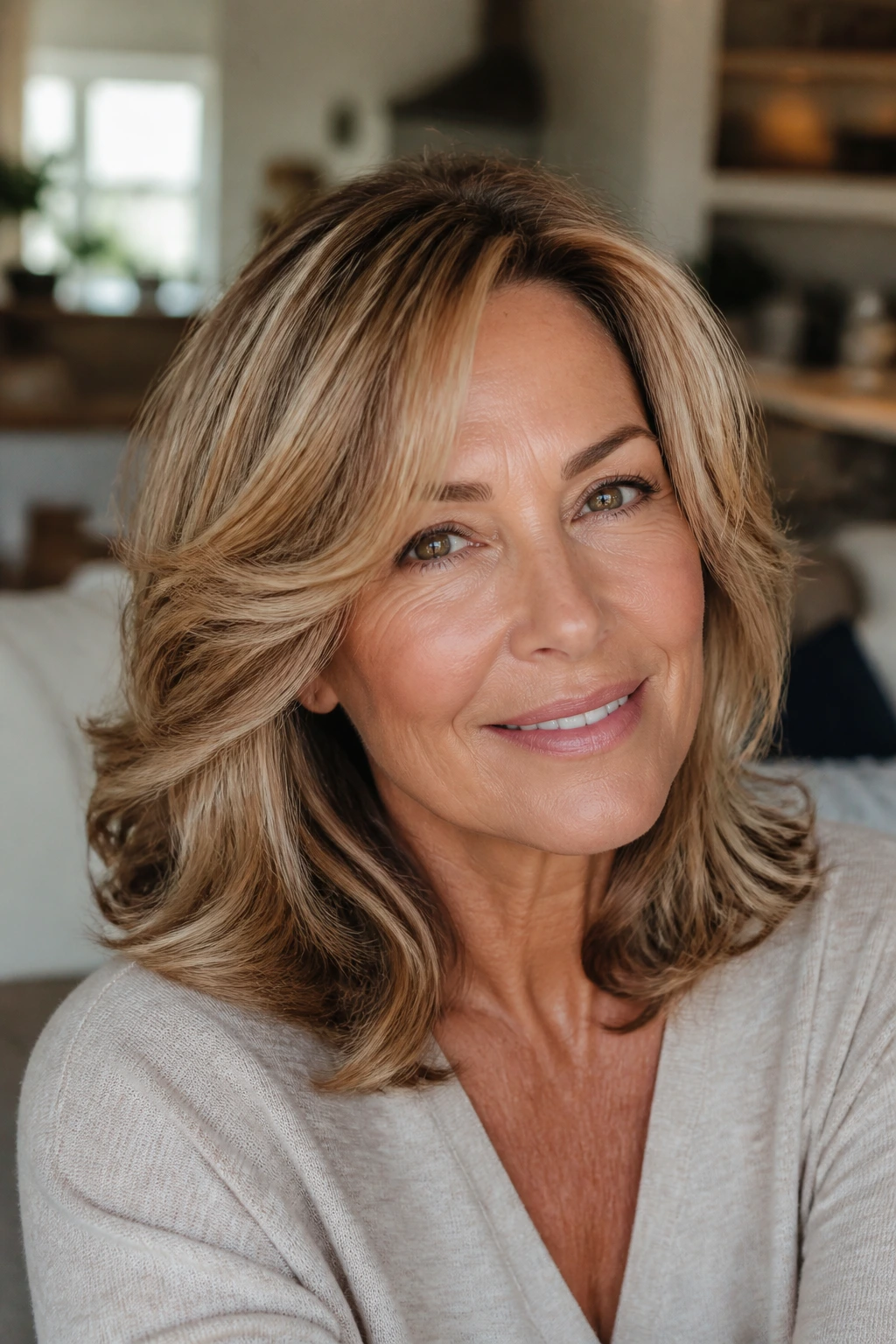
Toasted almond blonde feels like a warmer cousin of beige blonde, with a nutty tone that keeps the hair from looking too pale. The color is especially useful if your natural base is light brown or dark blonde and you want to lighten without losing all sense of depth.
The warmth should be restrained, not sugary. If it gets too yellow, the whole thing tilts cheap. If it stays toasted and beige, it reads polished and easy to wear.
Best Use Case
This is the blonde I’d suggest for someone who likes a natural finish and doesn’t want to fight the color every three weeks. It sits nicely on layered hair, and it looks good with a little wave through the ends.
20. Baby Blonde Highlights Around the Hairline
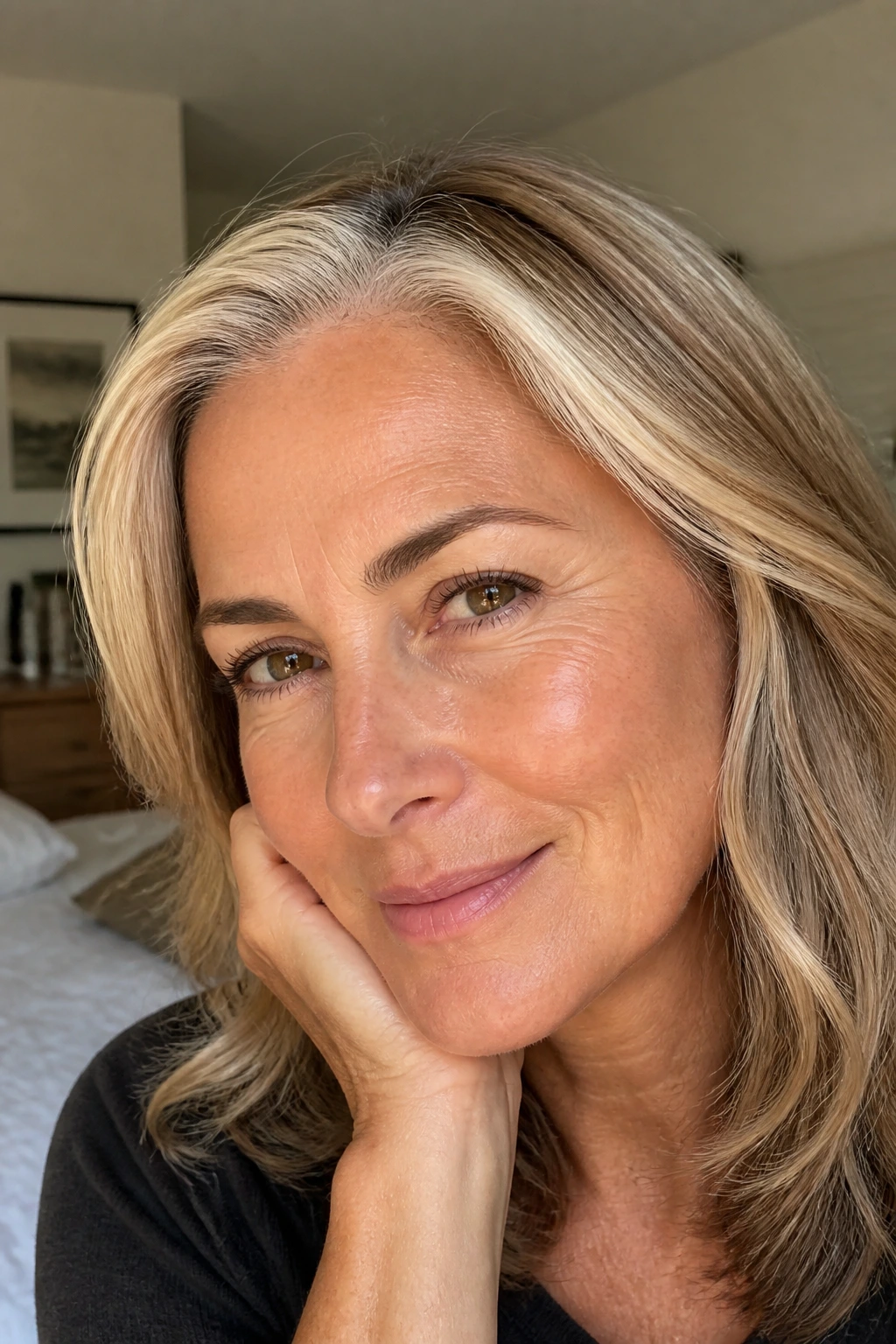
Can a few small highlights really change the whole face? Absolutely. Baby blonde highlights around the hairline brighten the front without forcing the rest of the hair into a heavier bleaching process. They’re tiny pieces, but they catch enough light to matter.
How to Use Them
Ask for narrow foils near the part, temples, and fringe area, then leave the mids and back softer. That keeps the color from looking patchy and avoids the over-lightened stripy effect. It also helps if your hair is fine, because too much full-head blonde can make fine strands look wispy.
Baby highlights work best when they’re strategic. Not scattered. Strategic.
21. Golden Wheat Blonde for Long Layers
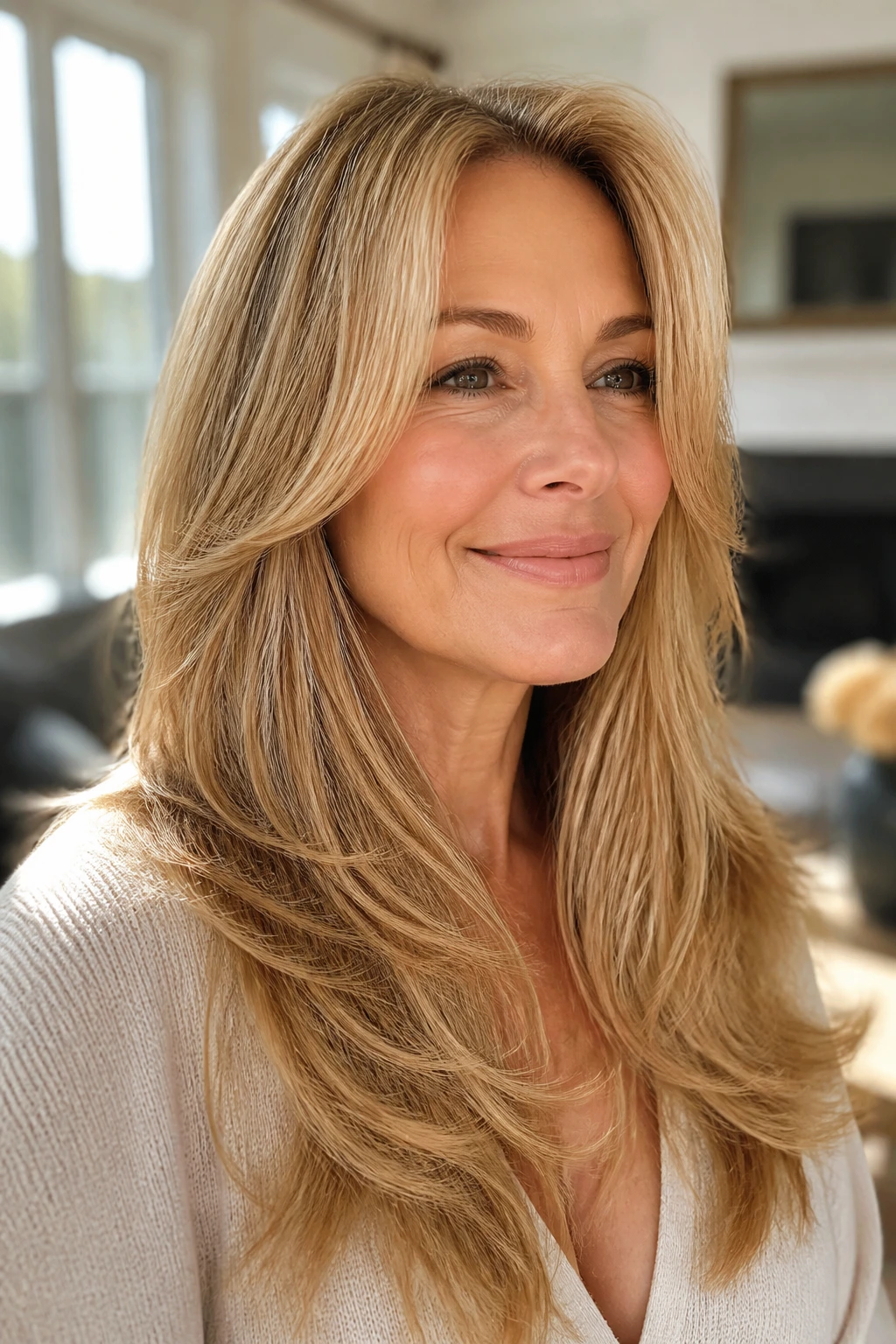
Golden wheat blonde has a sunlit, bread-crust warmth that sounds odd until you see it in hair — then it makes perfect sense. The tone sits between honey and beige, which keeps it from going brassy while still giving you that familiar golden glow.
A long layered cut shows this shade particularly well because the layers keep the lightness moving. One long, heavy block of hair can swallow the color. Layers let the blonde breathe. They also give the warm tone a little lift near the ends, where hair often needs it most.
If your hair is naturally a bit coarse, this is one of the friendlier blondes. The warmth disguises dryness better than an icy color does.
22. Dimensional Blonde for Curls and Waves
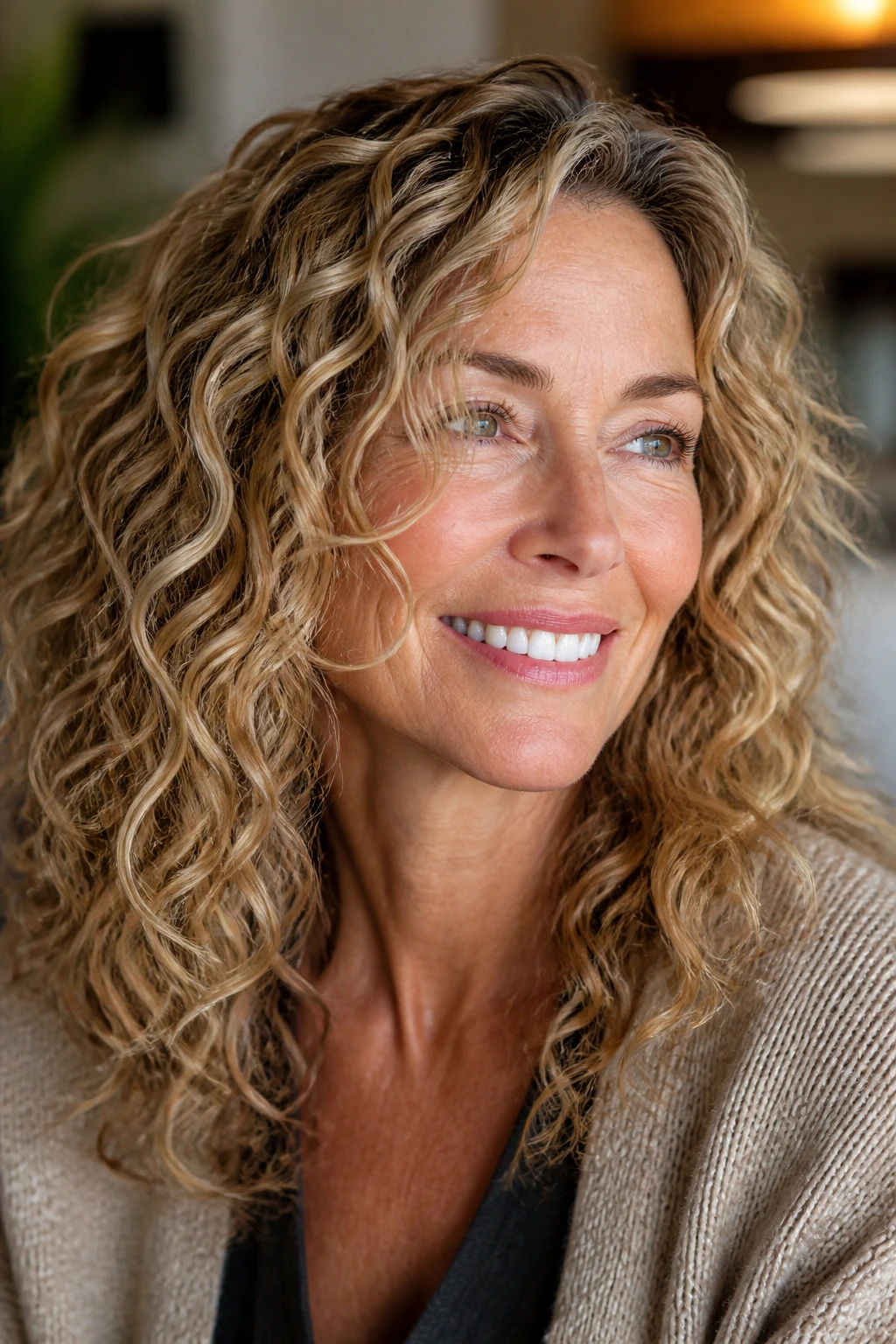
Curly hair and blonde need a more thoughtful plan than straight hair does. A single tone can make curls look fuzzy or washed out. Dimensional blonde — with highlights, lowlights, and a darker base — gives the curl pattern shape, because the eye can follow the light and dark pieces through the bend.
The best version keeps the lightness away from every single curl. That sounds strange, but it works. You want pockets of brightness, not a halo of bleach. That way the curl pattern stays visible, and the blonde doesn’t turn into a pale blur.
A curl specialist usually places lighter pieces where the hair naturally opens up. It’s more work, yes. Also worth it.
23. Dusty Champagne Lob with a Soft Edge
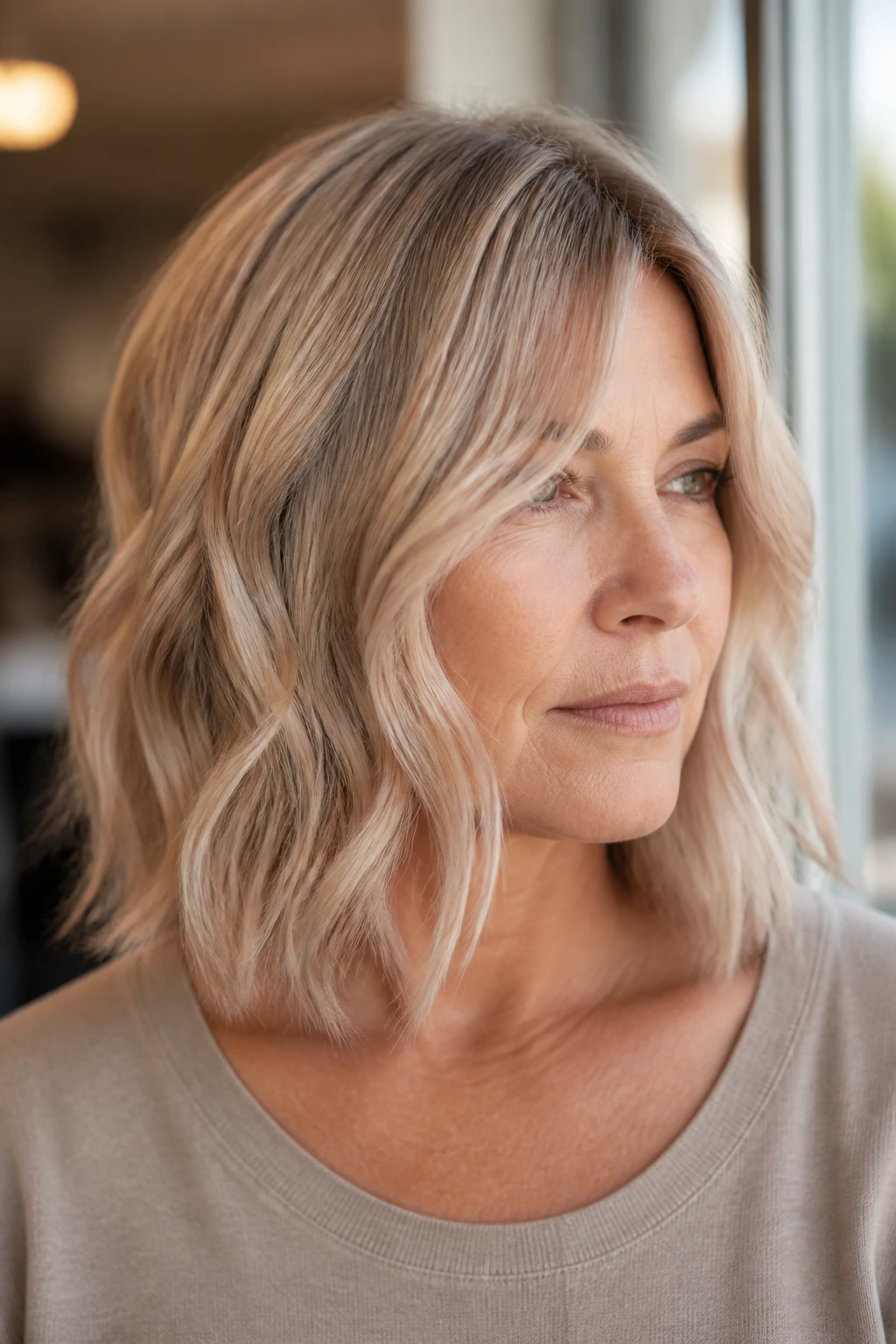
Dusty champagne blonde is the quieter, moodier cousin of classic champagne. It has a muted sparkle, but the dusty finish keeps the color from feeling too shiny or too sweet. On a lob, that balance looks particularly polished because the length is long enough to show tone and short enough to keep the color from weighing down the face.
Why It Works So Well
The shade is especially useful if you have neutral skin and you’re tired of blonde colors that swing too warm or too icy. Dusty champagne stays in the middle lane. It gives light without looking loud.
Add a soft bend through the ends and the color gets even better. Straight and flat can make it feel restrained; movement gives it personality.
24. Dirty Blonde with a Soft Root Melt
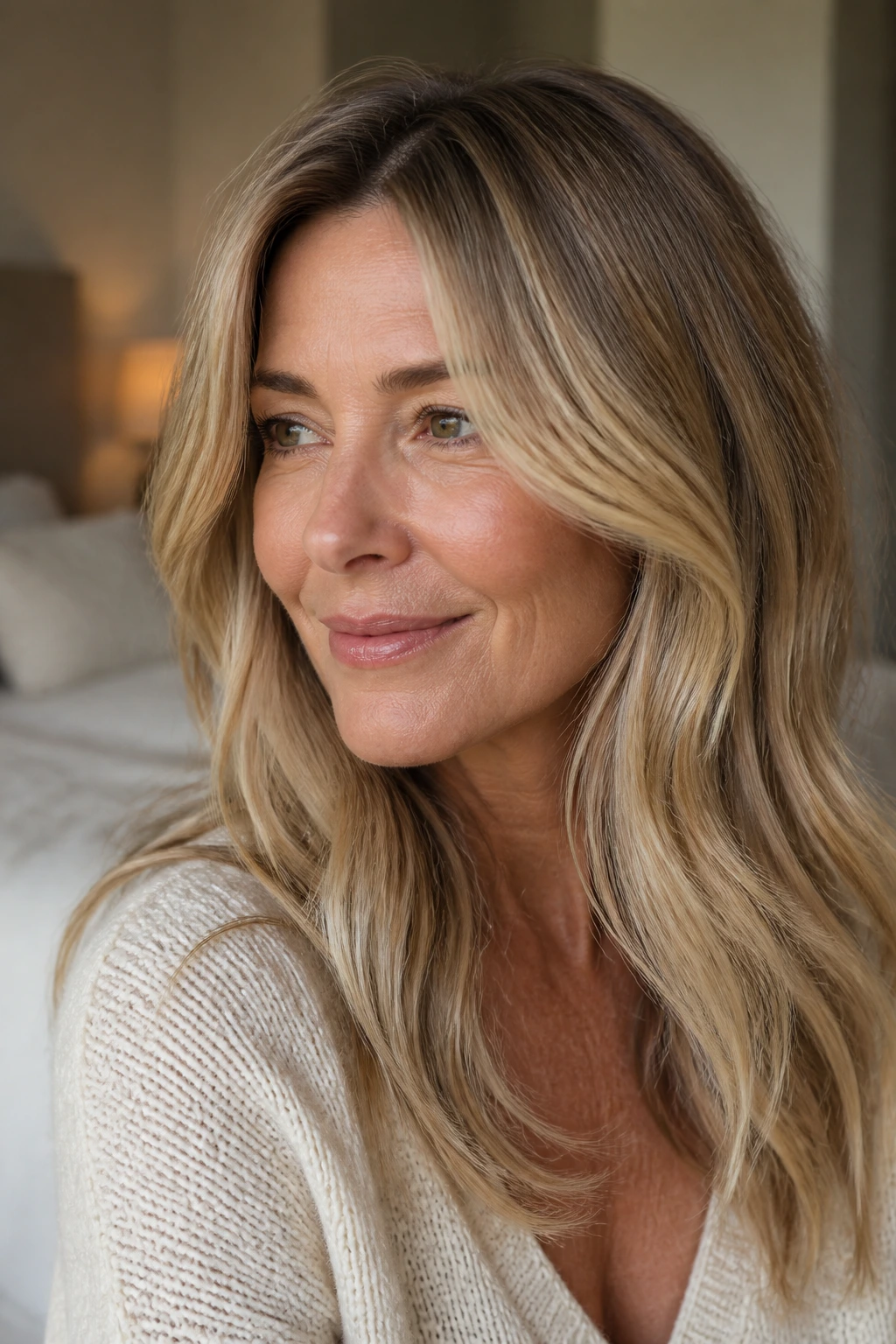
Dirty blonde has a terrible name and a useful result. It’s the kind of blended blonde that keeps depth near the root and lets the lighter pieces drift toward the mids and ends. On women over 50, that softness is gold — figuratively, not literally — because it handles regrowth with a lot less fuss.
Compared with a brighter blonde, dirty blonde is easier to wear if your natural color is already medium brown or dark blonde. The grow-out stays believable. The hair can be worn loose, tied back, or styled in waves without the color looking too “done.”
It’s one of the most practical choices on the list, and practicality is underrated.
25. Butterscotch Blonde with Warm Ends
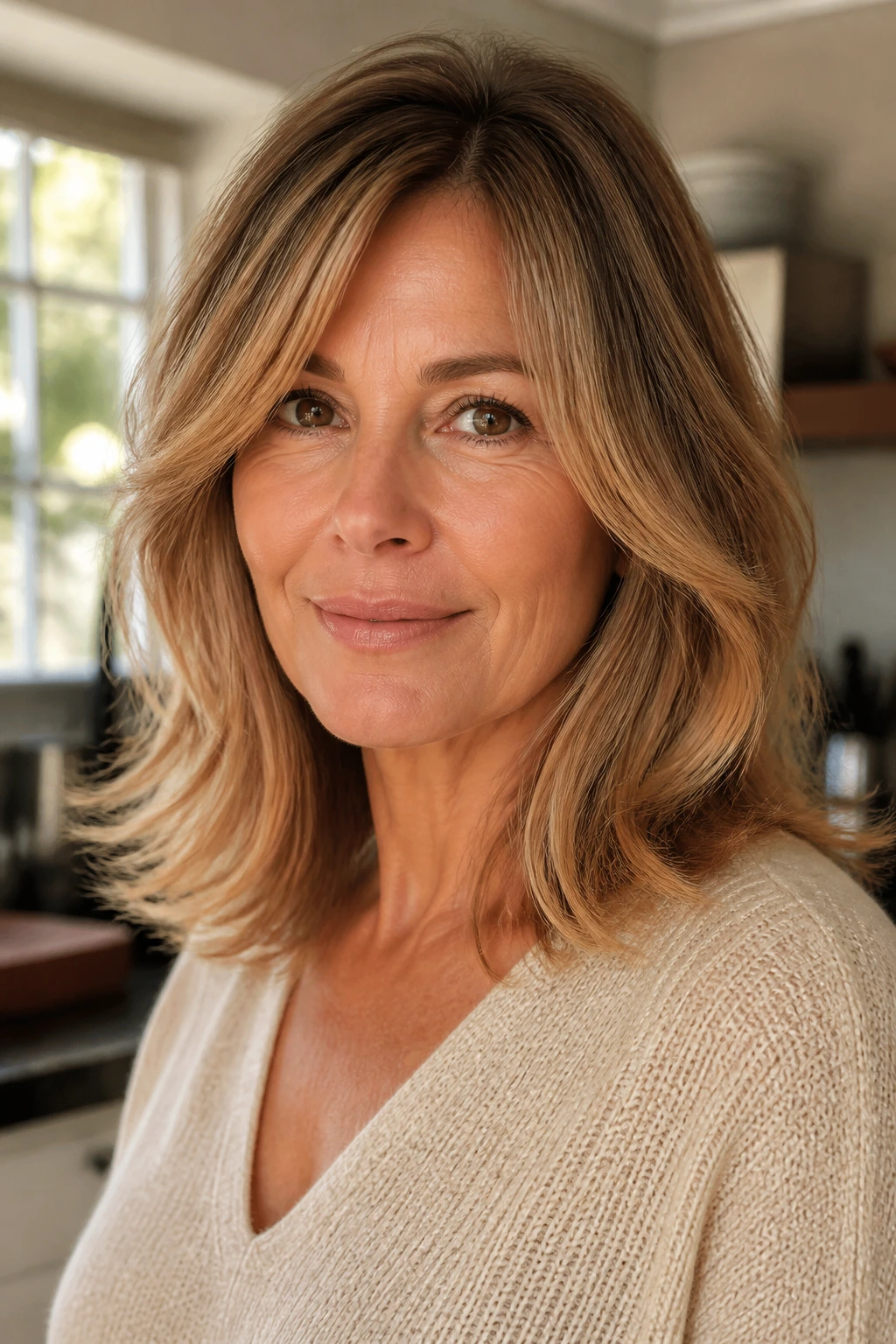
Butterscotch blonde brings richer warmth than honey blonde, but it stays more layered and less yellow if it’s done right. The shade usually has deeper caramel notes near the root or underlayer, then soft golden blonde through the ends. That little shift in depth keeps the whole thing from feeling flat.
For women with darker starting hair, butterscotch is a friendly bridge shade. It lightens the look without asking the hair to become pale. On thicker hair, the warmth keeps the ends from looking dry or hollow.
This is a color that likes shine. A light gloss or a nourishing mask helps the warm tones read smooth, not dry.
26. Cool Cream Blonde with a Satin Finish
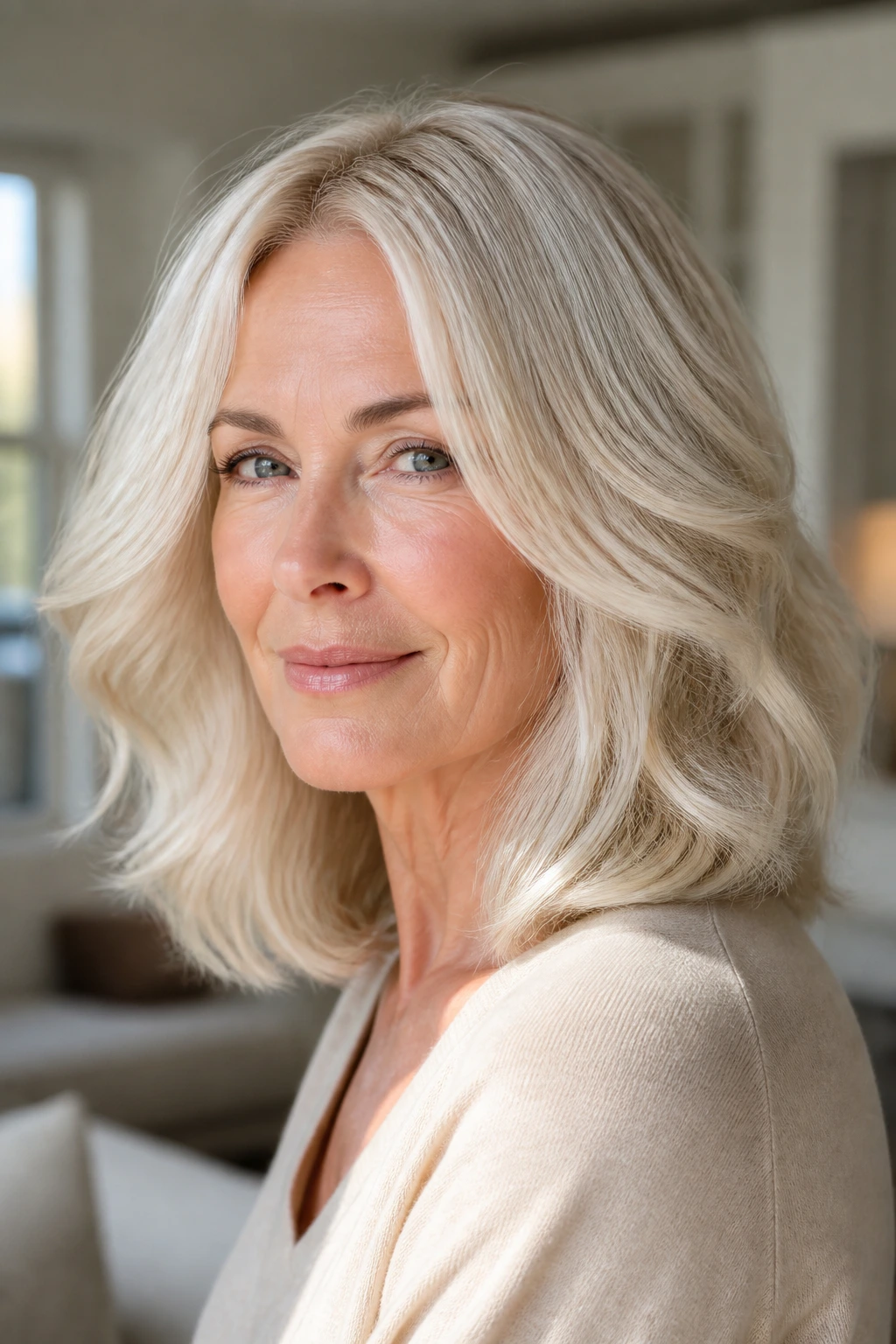
Cool cream blonde is softer than platinum but cleaner than beige. It has a pale, milky finish that works best when the hair is healthy enough to reflect light evenly. If the hair is overly porous or heavily processed, the cream tone can go patchy.
How to Wear It
A shoulder-length cut with movement through the ends usually works better than a very long, heavy style. Cool cream wants air around it. It needs a little lift, especially near the face, where the tone can brighten the skin without turning icy.
A satin finish matters. Too much shine and the color looks flat and pale; too little and it loses the creamy effect.
27. Sunlit Balayage Blonde on Mid-Length Hair
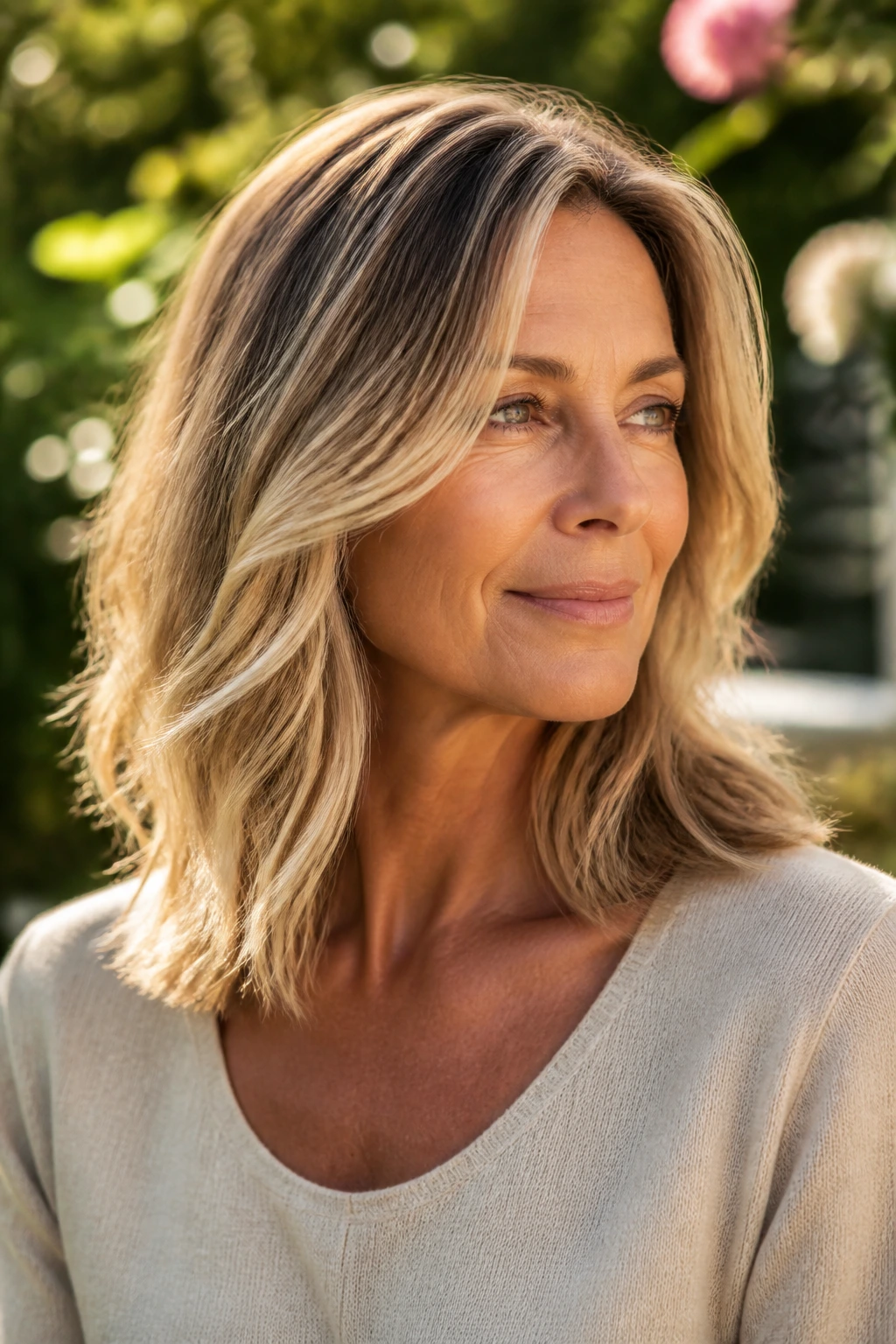
Sunlit balayage is the color equivalent of a good vacation photo — only less fake and far more wearable. The painted pieces usually land around the face, the top layers, and the ends, so the blonde shows up where hair moves. Mid-length hair is ideal because the shape gives those pieces room to play.
- Placement: keep the brightest pieces around the front and upper layers
- Blend: leave a deeper base so the grow-out is soft
- Maintenance: refresh with a gloss every 6 to 8 weeks
- Best styling match: loose waves, brushed-out curls, or a voluminous blow-dry
This is a strong pick if you want blonde that doesn’t look sliced into the hair. It should feel painted, not stamped.
28. Soft Platinum Blonde with a Shadow Root
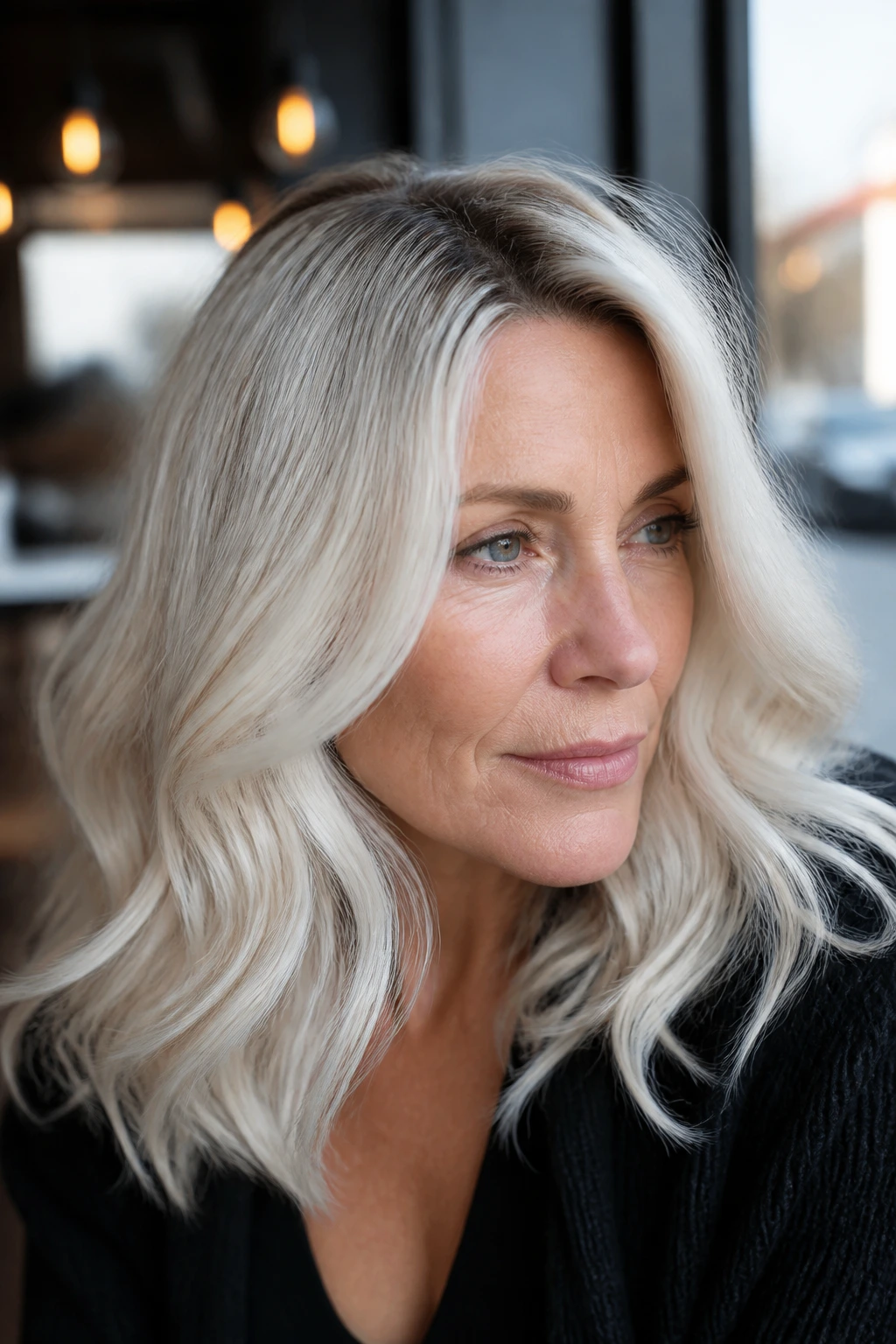
Soft platinum is the closest thing on this list to a high-drama blonde, but the word soft does a lot of work. The root shadow keeps the platinum from looking severe, and the slightly creamy finish keeps it wearable on real faces instead of only in editorials.
The trade-off is upkeep. Light blondes like this need toner, heat protection, and a clear plan for brass. They also demand respect from a flat iron. If the hair is already fragile, you have to pace yourself.
Still, when it works, it really works. The color can brighten the whole face in one shot, and the shadow root keeps it from looking fake the second the roots appear.
Why These Blonde Hair Color Ideas for Women Over 50 Work Best With Dimension
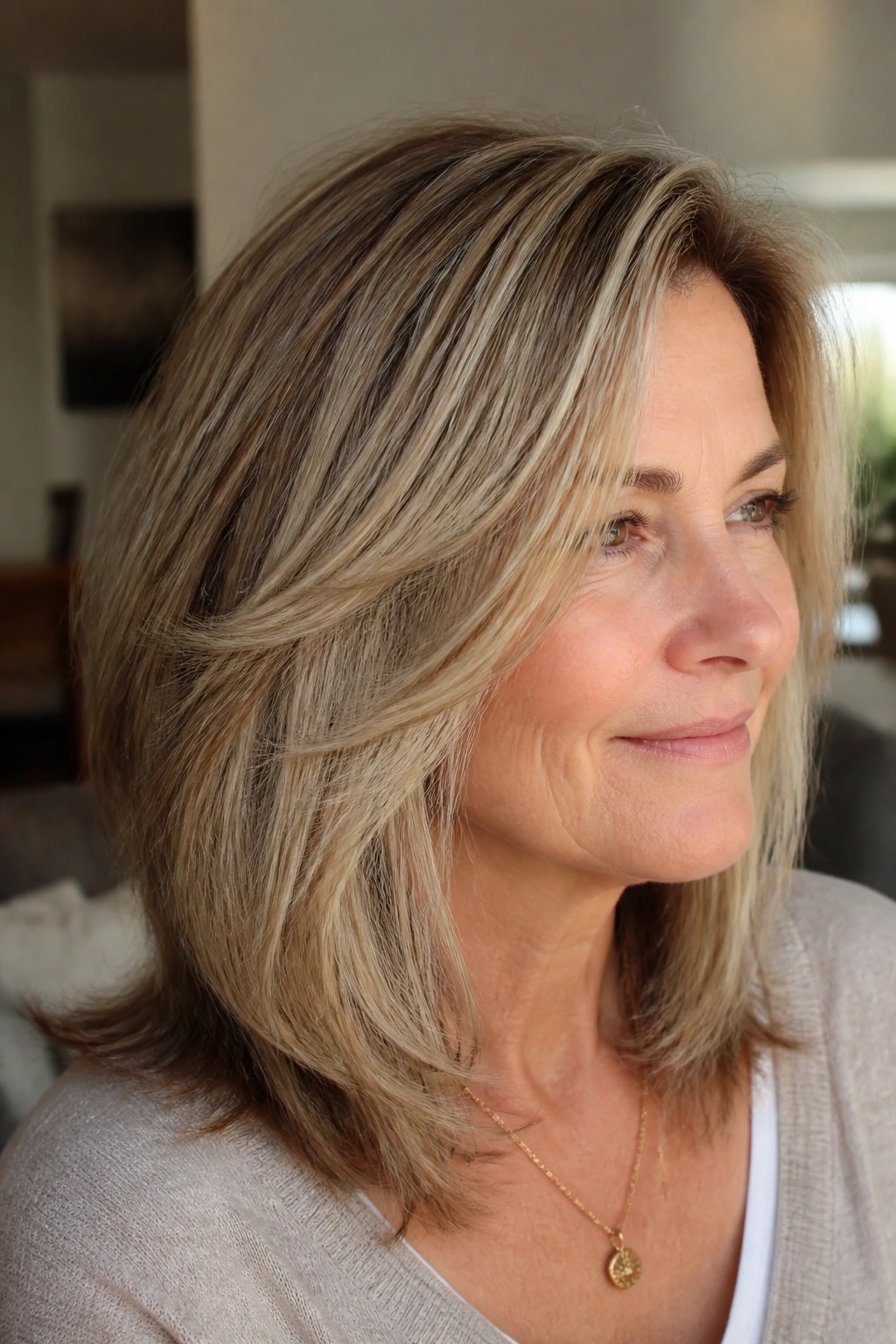
Flat blonde is usually the first thing people ask for, and it’s the first thing I’d talk them out of if the hair has any gray, dryness, or fine texture. Dimension is what makes blonde look believable on mature hair. A deeper root, a few lowlights, and a mix of warm and cool tones can do more than an entire head of bleach.
There’s also the matter of shape. Hair changes with time. It can get finer in some spots, coarser in others, and a little more resistant around the crown. One flat tone exposes every one of those shifts. Mixed tones hide them. That’s not a trick. It’s just better color design.
Blonde looks best when it feels like it belongs to the haircut. A bob can carry a cleaner beige tone. A pixie can handle a brighter platinum. Waves love ribboned highlights. Curls need contrast. The color and the cut should be having the same conversation.
How to Choose the Right Blonde Hair Color for Gray Regrowth
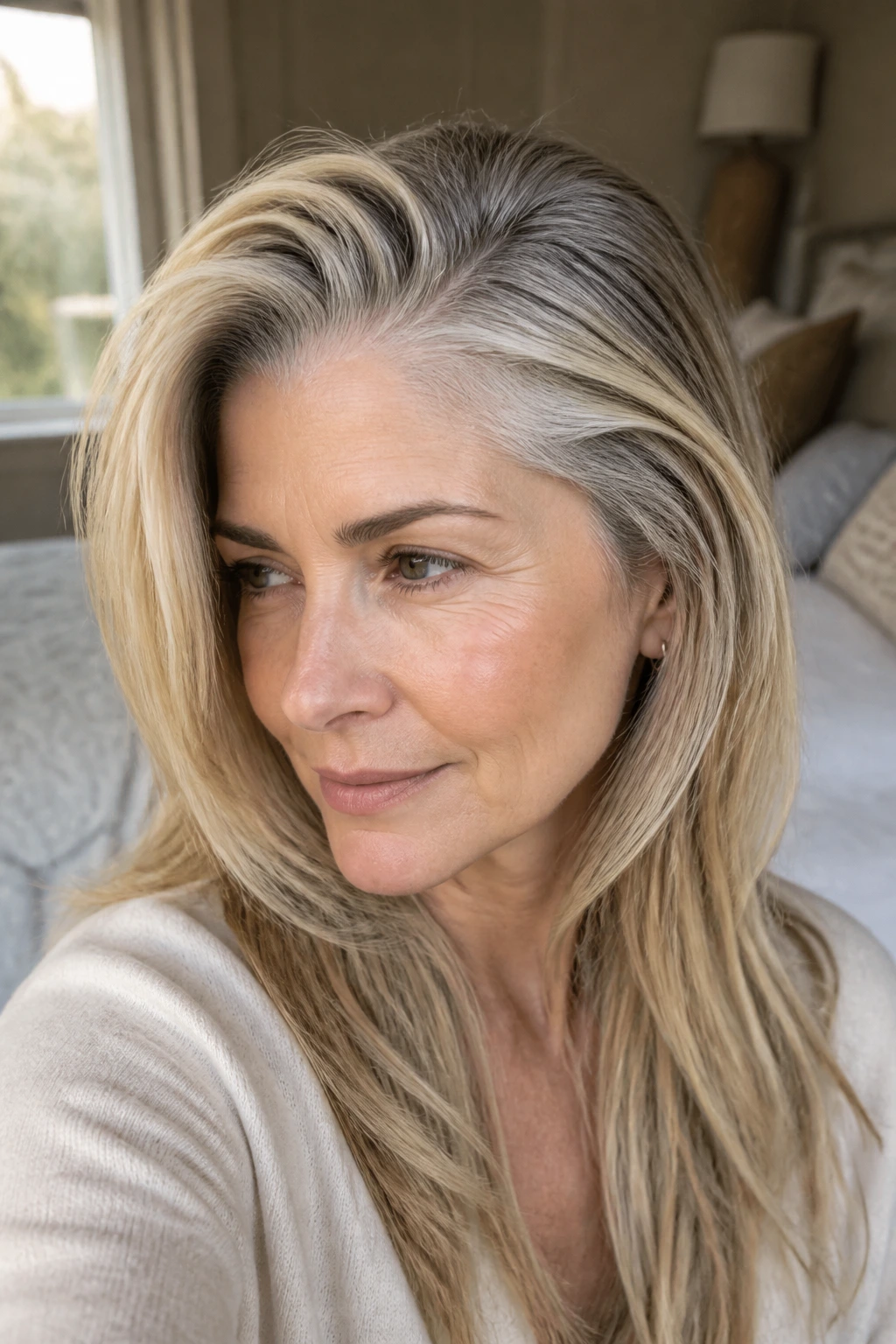
The smartest blonde choice usually starts with the gray pattern, not the inspiration photo. If your silver hair is concentrated at the temples and part line, a soft root and beige tone will usually blend more smoothly than an all-over pale gold. If the gray is scattered through the mids and ends, a dimensional blonde with lowlights can make it disappear into the movement.
Lighting matters, too. A blonde that looks flattering under salon lights can turn sharp in daylight. Bring reference photos that show the hair outside, not just in filtered images. The undertone has to match your skin in natural light or the color will feel off the second you step outside.
Texture changes the answer as well. Fine hair usually benefits from a little contrast and a slightly darker root, because it gives the illusion of thickness. Coarser hair can take more warmth and more lift without looking flimsy. Straight hair shows every line, so the placement has to be clean. Curly hair needs a thoughtful mix, or the blonde gets lost in the pattern.
What to Bring to a Blonde Color Appointment
-
Reference photos in daylight: One salon image and one outdoor image tell a colorist much more than six filtered screenshots.
-
A note about your gray pattern: Say where the silver shows up first — temples, part, crown, or underneath — because that changes the placement plan.
-
Your maintenance limit: Be honest about how often you’ll sit in the chair. A low-maintenance blonde and a full platinum plan are not the same animal.
-
Photos of your hair when it behaves badly: If your ends go dry, your color turns brassy, or your curls frizz, show that too. It helps with placement and toner choice.
-
A wide-tooth comb or clips for at-home care: Small things, but they keep fragile lightened hair from snagging.
-
Color-safe shampoo and conditioner: A sulfate-free cleanser and a good conditioner are the bare minimum for keeping blonde from going dull fast.
How to Wear These Shades With the Right Cut and Finish
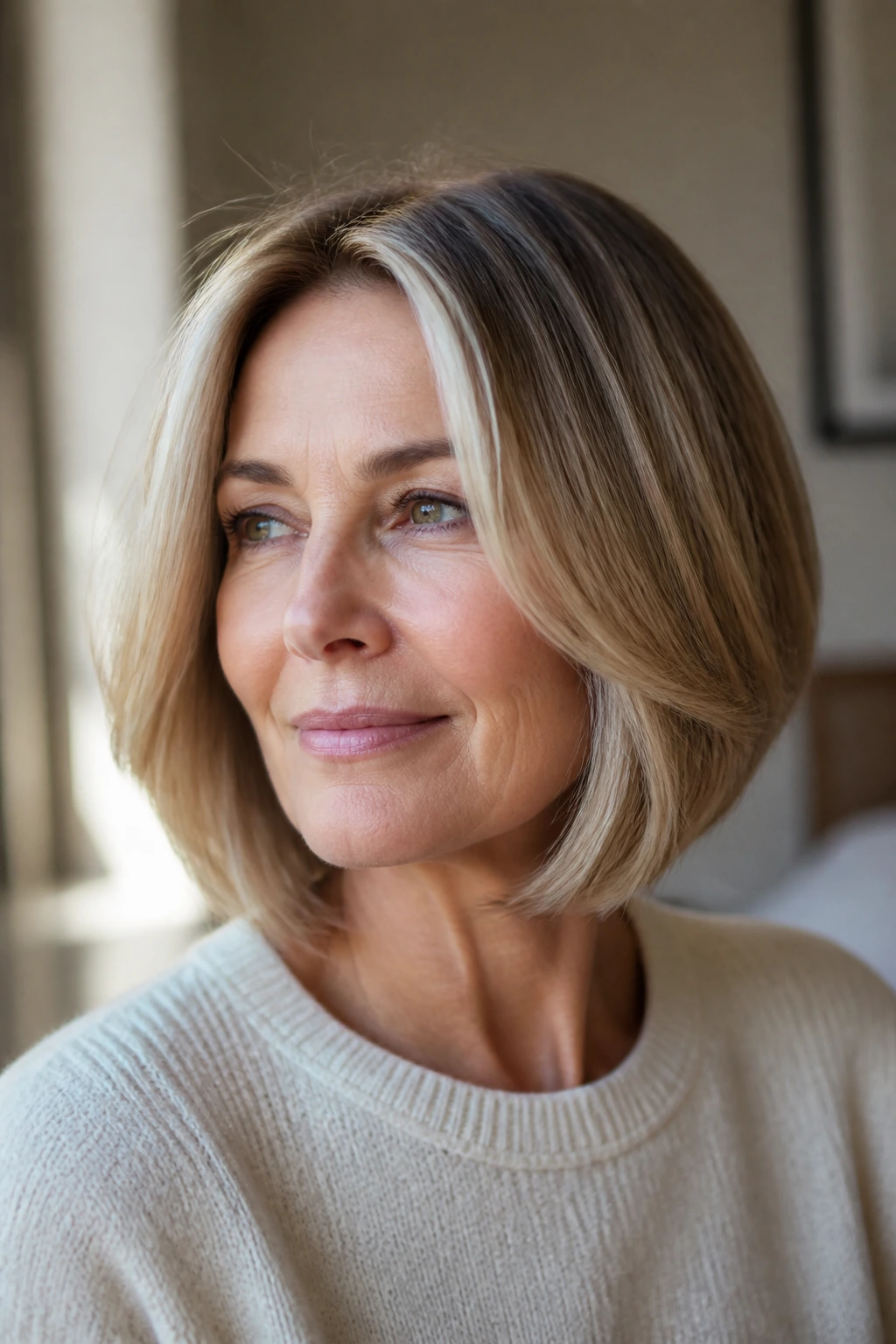
Placement: Put the brightest blonde around the face, the top layer, and the part line if you want lift; save the softer beige or root shadow for the underneath and back. That keeps the color from reading stripey and gives the haircut some movement.
Companion Cut: A bob, lob, pixie, or layered mid-length cut usually shows blonde better than a heavy one-length curtain of hair. Lightness needs shape. Without it, the color can sit there and do nothing.
Maintenance Rhythm: Rooted blondes, beige blondes, and bronde shades can stretch longer between appointments. Platinum, silver blonde, and white blonde need tighter scheduling. If you hate frequent salon visits, pick a shade that grows out softly and skip the high-contrast stuff.
Makeup Pairing: Warm blondes tend to look better with peach blush, warm browns, and soft nude lips. Cool blondes often need cooler brows and a little more color in the cheeks so the face does not disappear beside the hair. Glasses frames matter, too — they can either echo the blonde or fight it.
Additional Tips to Make Blonde Look Richer
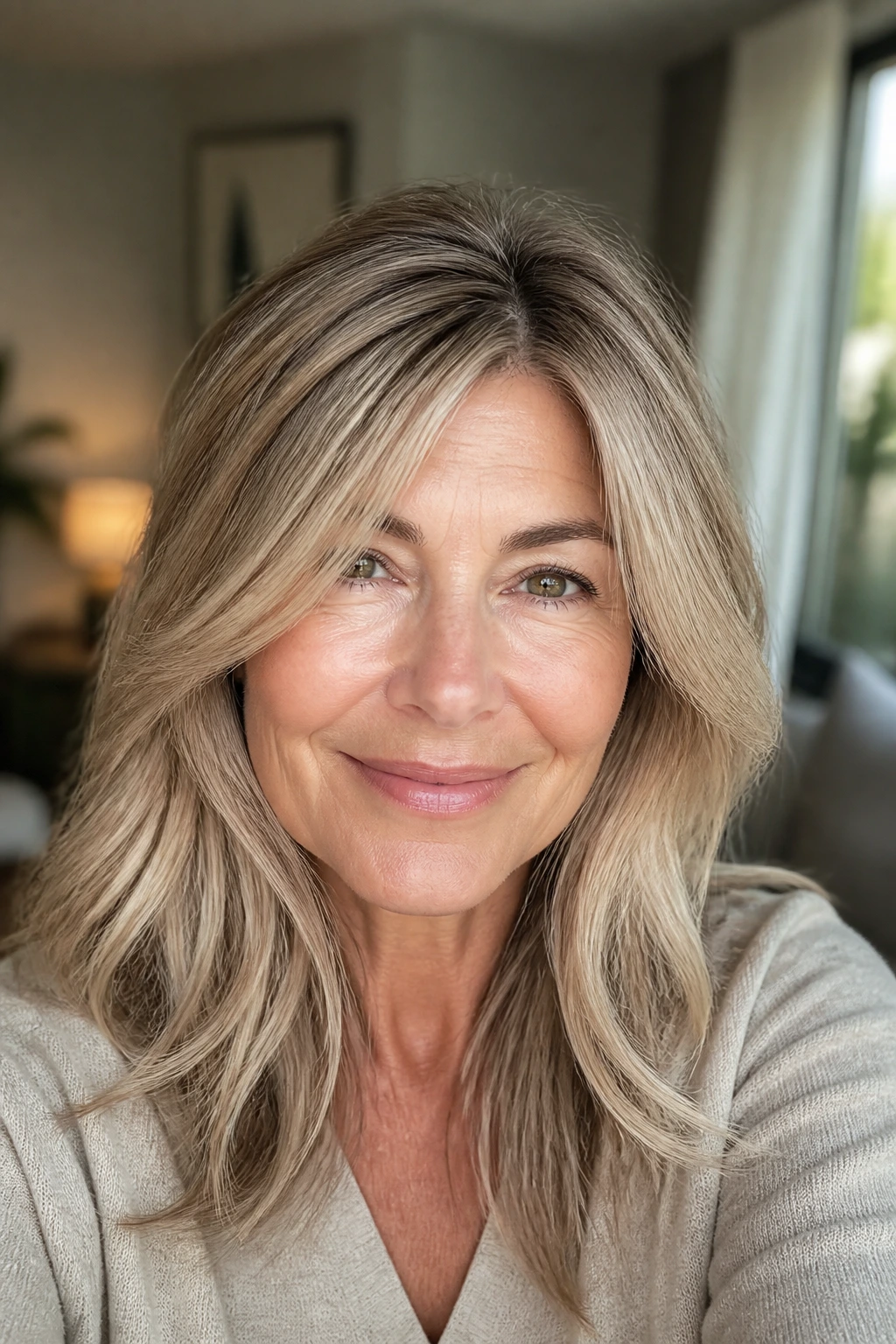
Gloss Boost: A clear, beige, or softly golden gloss every 4 to 8 weeks keeps the tone from going flat. I like this more than piling on purple shampoo, which can make blonde look dusty if you overuse it.
Tone Control: If the blonde pulls yellow, use purple shampoo once a week for 1 to 3 minutes. If it pulls orange, a blue-toned cleanser helps more. Don’t use either every wash unless your colorist told you to; too much toning leaves hair dull.
Gray Strategy: If your silver hair is aggressive at the temples, leave a slightly deeper root there and lighten around it. That tiny shift makes regrowth less obvious and keeps the color from reading patched-on.
Shine Discipline: A heat protectant before blow-drying matters more on blonde than on darker hair. Lightened strands show dryness fast. Keep hot tools around 300°F to 350°F if you can, and skip the scorching pass at the ends.
Common Mistakes That Make Blonde Look Tired
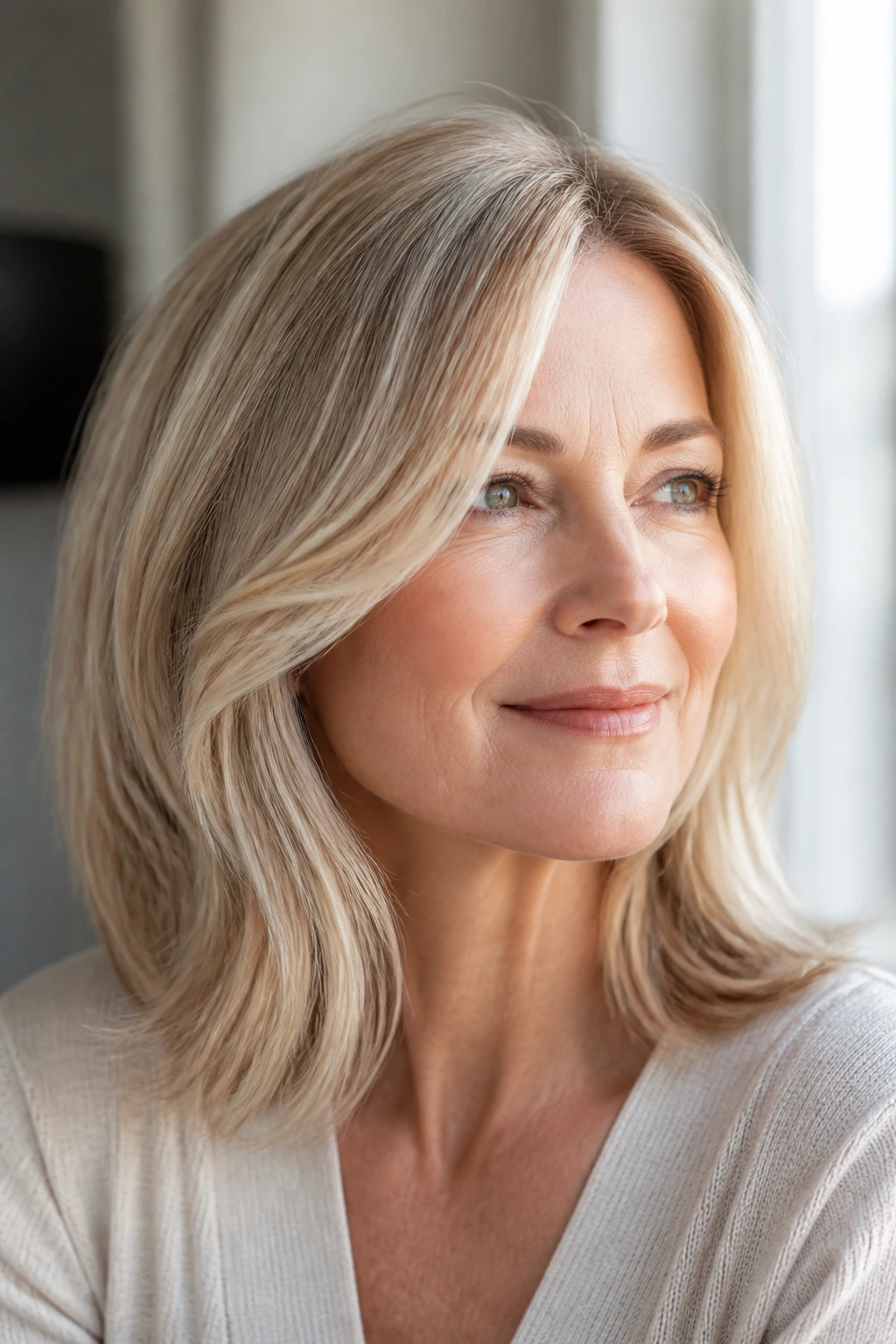
The first mistake is chasing one flat light blonde from root to tip. On paper it sounds simple. In real life it often looks thin, highlights the wrong places, and shows regrowth in a harsh line. The fix is a root shadow or at least a bit of lowlight.
The second mistake is over-toning. Purple shampoo, silver shampoo, gloss, toner — all useful. Too much of any of them and the hair turns chalky or grayish in a way that feels old before its time. If the blonde starts looking dry and dusty, scale back and add moisture.
The third one is ignoring the haircut. A gorgeous blonde on a bad shape still looks off. Heavy ends swallow brightness. A blunt line can make warm tones look bulky. Get the cut right and the color starts working harder.
A fourth mistake: assuming warm blonde always flatters and cool blonde always sharpens. Not true. The skin, eye color, and gray pattern decide more than the label does. The best blonde is the one that looks like it belongs on your face, not someone else’s.
Variations and Adaptations to Try
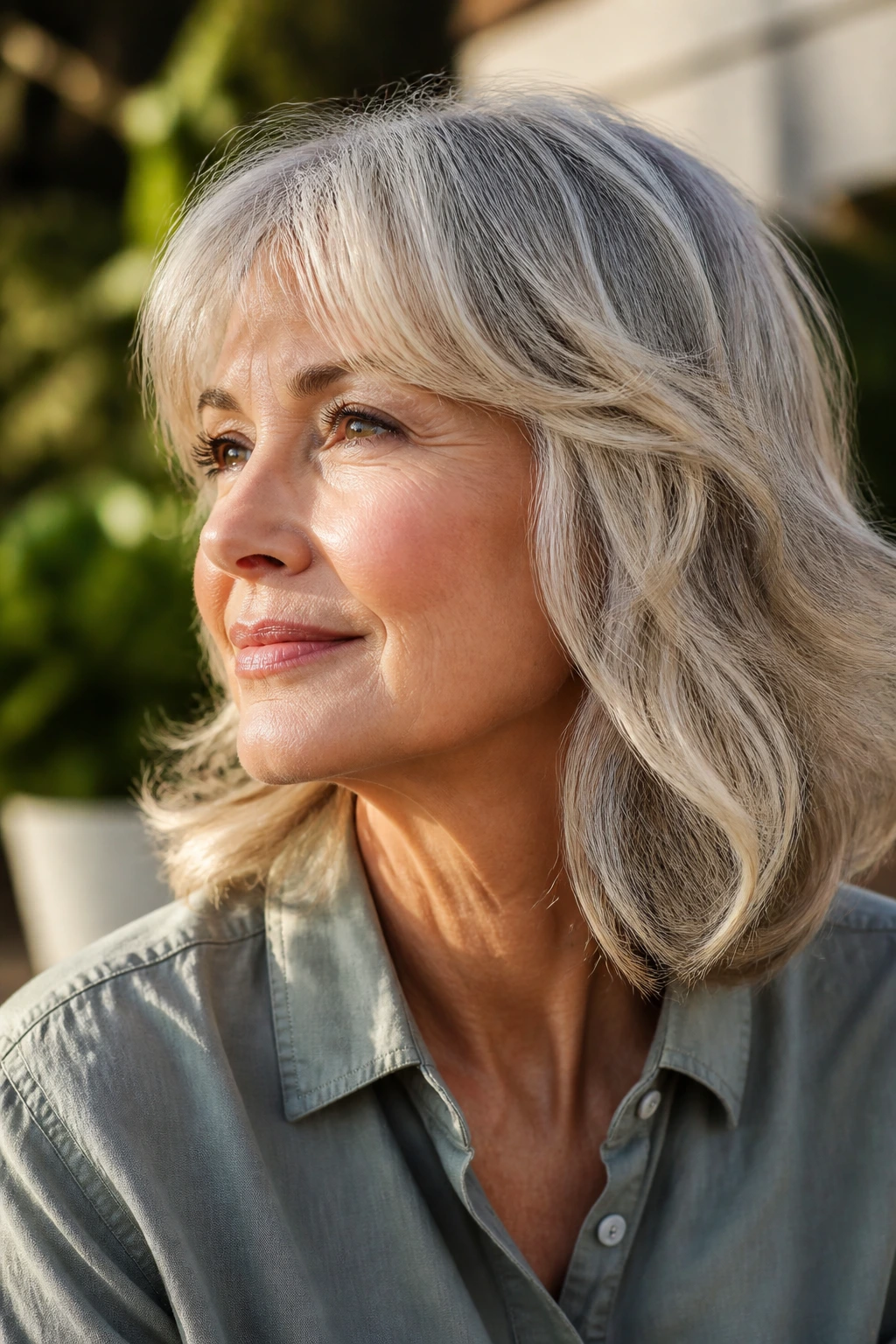
The Soft-Gray Blend: Keep the root close to your natural level and weave beige or mushroom blonde through the mids. This is the easiest route if you want the silver to feel incorporated instead of hidden.
The Bright-Front Refresh: Leave most of the hair a soft blonde, then brighten the front pieces and part line. It gives the face a lift without committing to a full-head lightening service.
The Warm-To-Cool Balance: Ask for honey or caramel at the base with beige or ash in the highlights. That mix works well if your skin changes between seasons or if warm-only blonde tends to look too orange.
The Short-Cut Platinum: Pair a pixie or cropped bob with silver blonde or soft platinum. The short length keeps the maintenance realistic and makes the color look deliberate rather than overprocessed.
The Curly Dimension Version: Use lighter pieces on the outer curls and deeper lowlights underneath. Curly hair needs contrast to keep the curl pattern readable, and this method avoids that washed-out halo effect.
Make-Ahead, Storage, and Reheating for Blonde Hair
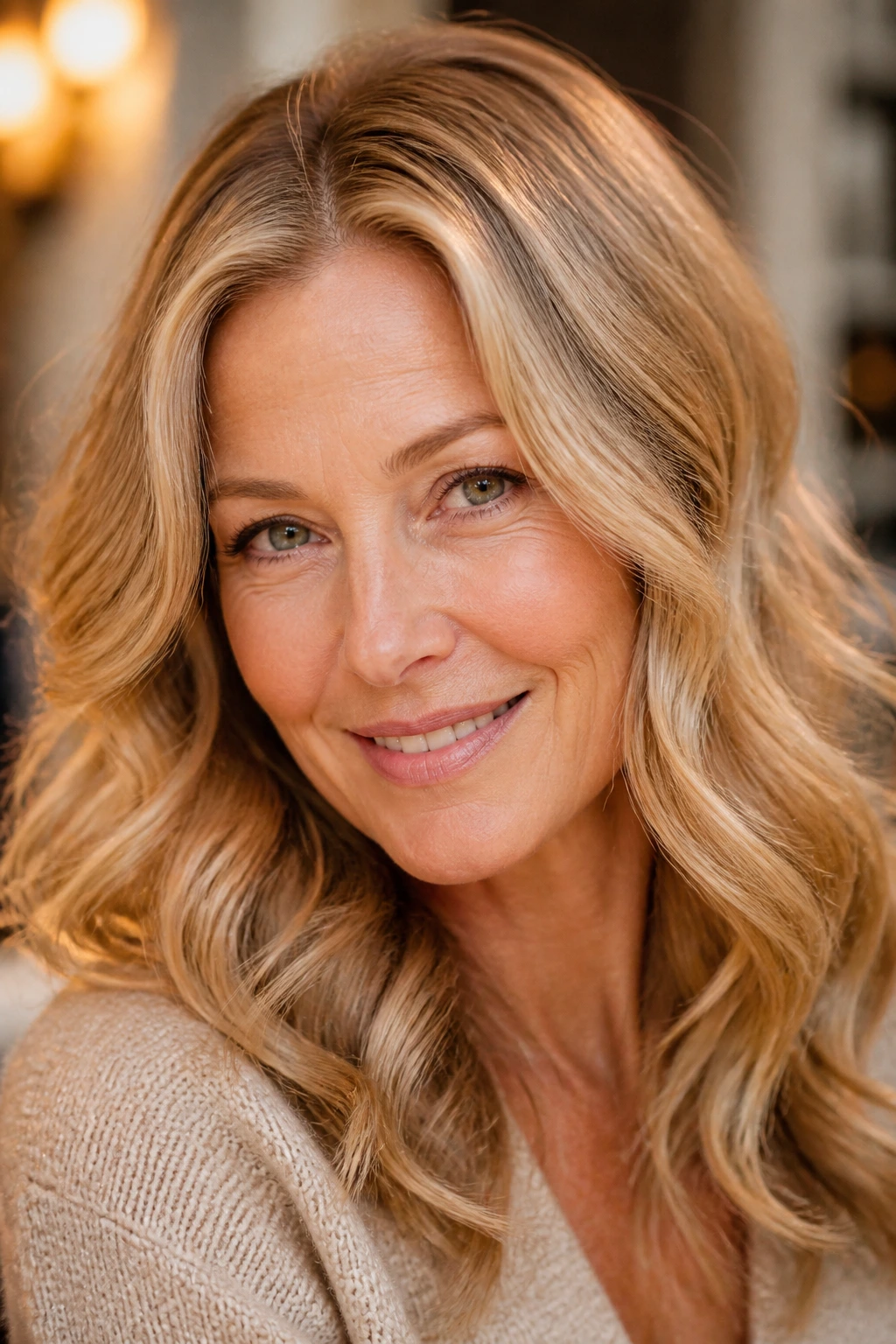
Blonde hair has its own version of storage, and it’s called maintenance. Toner usually holds for about 4 to 6 weeks before it starts to shift, though that depends on porosity and how often you wash. A gloss can stretch the tone a little longer, especially if the color is beige, champagne, or mushroom.
At home, color-safe shampoo is the first line of defense. Wash 2 to 3 times a week if your hair is dry, less often if your scalp allows it. Purple shampoo once a week is plenty for most blondes; use it like a touch-up, not a daily cleanser. Leave it on for 1 to 3 minutes, then rinse well. Longer is not better.
Heat styling shortens the life of blonde if you go too hot, too often. A blow-dry on medium heat and a glossing serum at the ends will keep the tone looking smoother than a daily flat-iron habit. Swim chlorine and hard water can rough up pale blonde fast, so a shower filter and a chelating wash every couple of weeks are worth the bother.
Frequently Asked Questions
Which blonde shades are most flattering after 50?
Beige blonde, honey blonde, champagne blonde, and soft bronde tend to be the easiest starting points because they soften gray regrowth and don’t drag the face downward. If you like stronger contrast, rooted platinum or silver blonde can work too, but they ask for more upkeep.
Is warm blonde better than cool blonde on mature skin?
Neither one wins every time. Warm blondes can bring color back to skin that looks a little drained, while cool blondes can calm redness and shine. The better choice usually comes down to undertone, not age.
Can gray hair go blonde without turning yellow?
Yes, but the toner has to be handled carefully. Gray and white hair can grab warmth fast, so beige, pearl, or smoky tones usually behave better than very gold formulas. Purple shampoo helps with yellow, but toner and placement do most of the real work.
What blonde works best for fine hair?
A dimensional beige blonde or a rooted blonde with face-framing brightness usually makes fine hair look fuller than a single pale shade. A tiny bit of lowlight gives the strands shape. Flat platinum on fine hair can look thinner than you want.
How often do blonde highlights need to be refreshed?
Most highlights look best with a gloss or toner refresh every 4 to 8 weeks. Full foils and root lifts need more schedule discipline than balayage or root-shadowed styles. If the grow-out line starts bothering you, the placement was probably too high-contrast for your routine.
What if my blonde turns brassy fast?
Hard water, heat, and too-frequent washing are the usual culprits. Use a sulfate-free shampoo, add one purple or blue shampoo day a week, and ask for a cooler gloss at the salon. If brass keeps showing up, the formula may need less gold in it from the start.
Can I go blonde if my natural hair is dark?
Yes, but it usually works better as a gradual shift. Caramel ribbon blonde, soft bronde, or sunlit balayage gives dark hair a believable path into blonde without the shock of full platinum. A slow lift also keeps the hair from breaking off in the process.
Is platinum too harsh after 50?
Not automatically. Platinum can look striking on the right cut and skin tone, especially with a shadow root to soften the line. What usually makes it harsh is not the color itself, but the lack of dimension and the wrong eyebrow or makeup balance.
How do I keep blonde looking shiny instead of dry?
Use a weekly mask, limit high heat, and get occasional gloss treatments. Blonde hair reflects light badly when the cuticle is rough, so shine is often about condition, not just the dye formula. A small amount of serum on the ends helps more than people expect.
The Blonde That Feels Like You
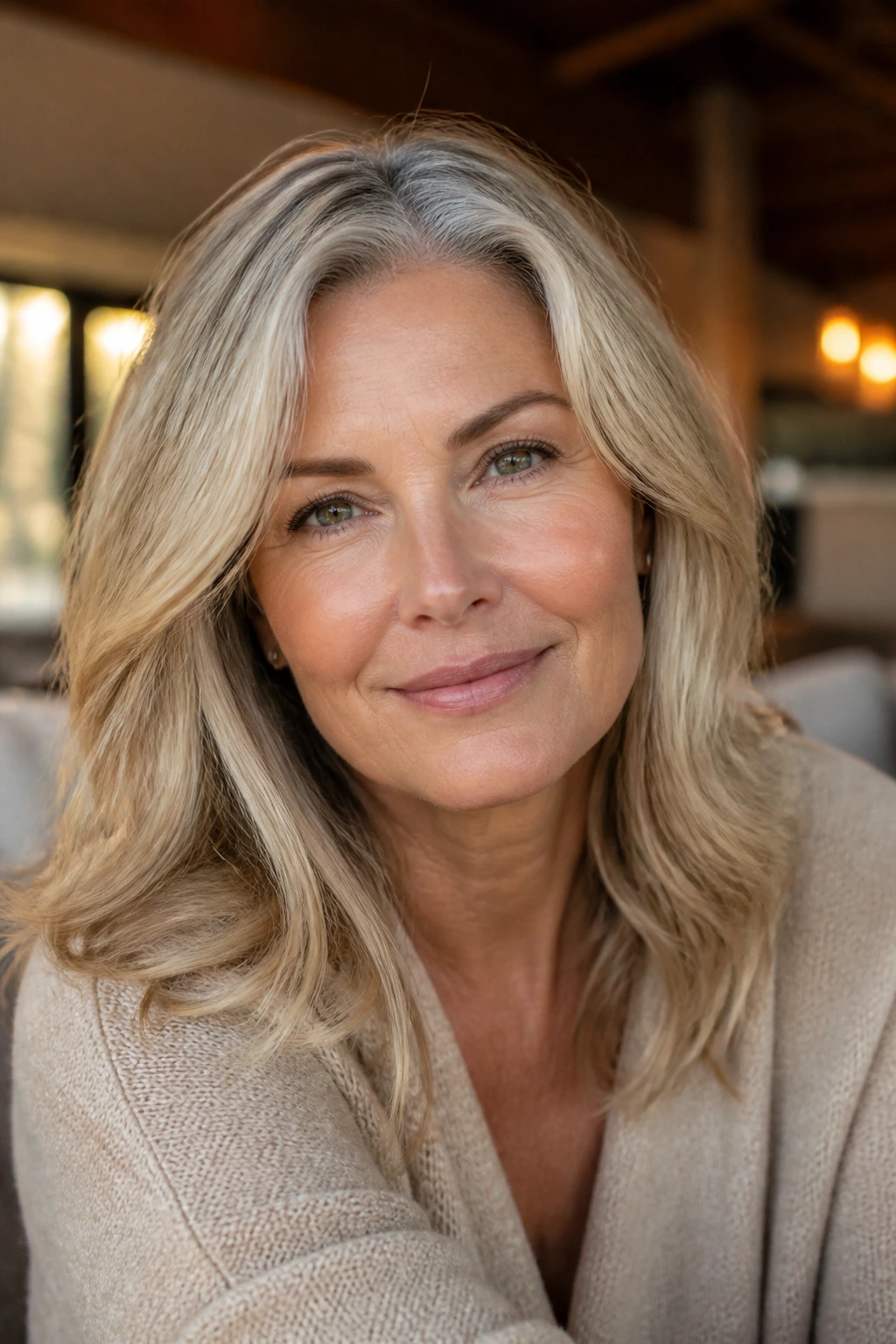
The best blonde after 50 does not try to erase anything. It works with silver threads, texture changes, and the way the face has its own map now. That’s why the most flattering shades in this list are usually the ones with a root, a little depth, and some room for the eye to move.
If you’re choosing between two shades, pick the one with the better grow-out first. Pretty in the chair is nice. Pretty six weeks later is better. A blonde that still looks intentional when the roots appear is the one worth wearing.