



Honey blonde on brunettes is one of those color choices that can go glossy and dimensional fast — or collapse into flat orange if the tone is off by half a level.
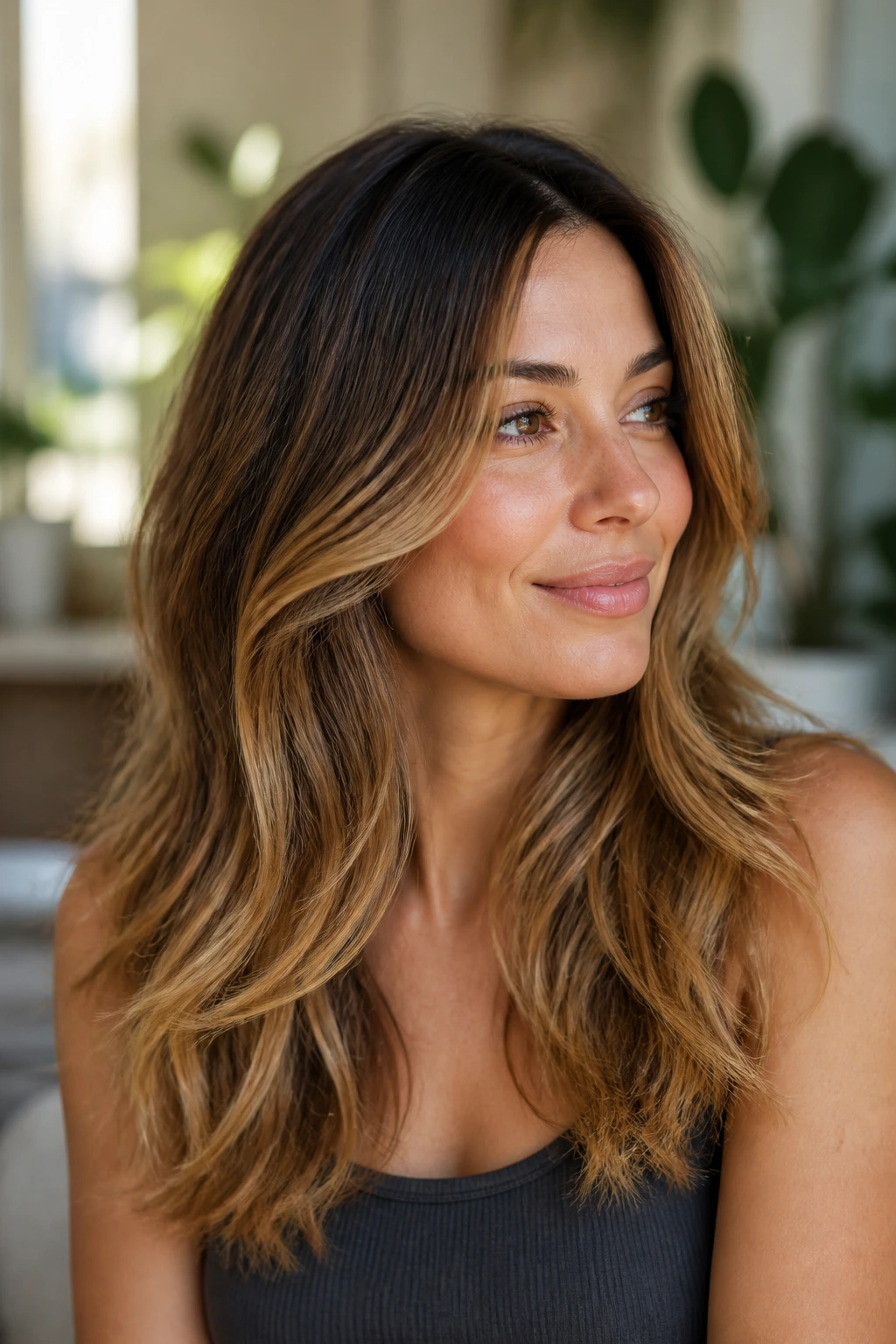
The best warm blonde honey hair color ideas for brunettes keep the brown in the picture. That contrast does the heavy lifting: lighter pieces near the face, deeper ribbons underneath, and enough gold to catch light without turning the whole head brassy. On dark brown hair, that usually means caramel, amber, toffee, beige-gold, or a soft honey bronde rather than a pale blonde lift. And honestly, that’s the smarter route most of the time.
What makes this shade family so useful is range. A level 4 brunette can wear a rooted honey balayage and still look like herself. A level 5 can slide into bronde. A lighter brown can get wheat, butter, or champagne honey and keep that brunette depth that makes the whole thing feel finished.
The ideas below are warm, wearable, and salon-friendly. Some are high-contrast, some are whisper-soft, and a few are built for curls, bobs, or long layers. The useful part is that they don’t all chase the same blonde.
Why These Honey Shades Look Better on Brunettes Than Flat Blonde
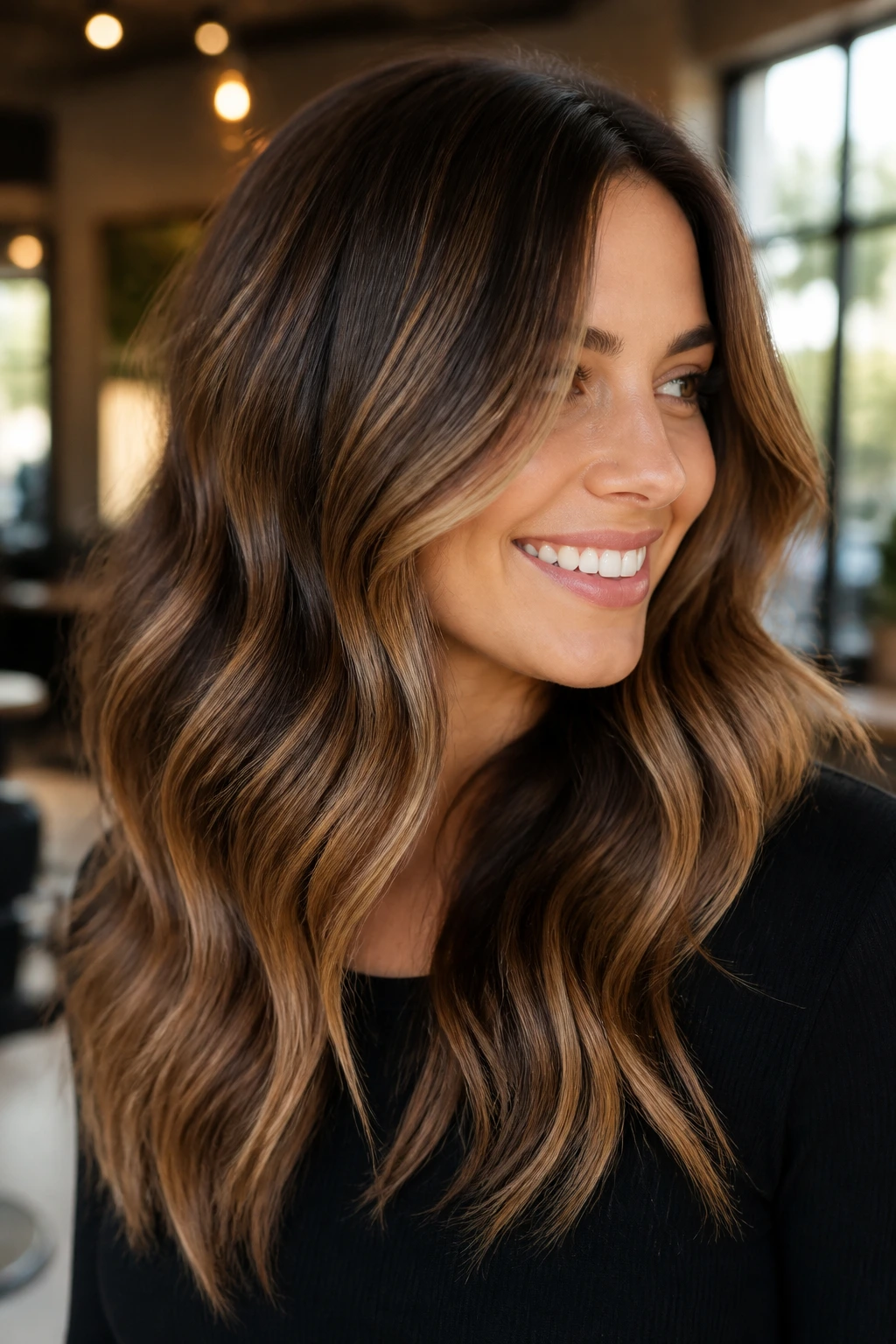
- The brunette base keeps the color honest: Leaving some depth at the root and underlayer stops honey from reading washed out, especially on level 3 to 5 hair.
- Warm tones are easier to wear on brown hair: Gold, caramel, amber, and beige-gold melt into brunette pigment better than icy blonde, which can look harsh next to deeper eyes and brows.
- Placement matters as much as shade: A money piece at the cheekbone, a ribbon through the mids, or a soft root melt can change the whole mood without extra lightening.
- Grow-out is gentler: Balayage, babylights, and root-shadow work leave a softer line as the hair grows, which matters if you’re not booking touch-ups every month.
- Texture changes everything: Waves make honey look sunlit, curls turn it into dimension, and straight hair shows every ribbon and tonal shift more clearly.
1. Soft Honey Balayage on a Deep Brown Base
This is the version I reach for when someone wants lightness but refuses to lose brunette depth. The base stays level 4 or 5, and the honey is painted through the mids and ends in pieces that look like they were caught by late afternoon light, not forced there with a foil cap.
The trick is keeping the lift soft. Ask for hand-painted balayage that reaches about level 7 honey, not pale blonde. On wavy hair, the movement gives the color a second life; on straight hair, the contrast looks cleaner and a little more graphic.
Best for: brunettes who want warmth without a hard root line.
Salon note: If your hair pulls orange, ask for a honey-gold gloss after lightening rather than a cool toner. Cool toner will mute the warmth you actually wanted.
2. Caramel Honey Money Piece at the Cheekbone
A bright money piece can wake up a brunette faster than a full head of highlights. The key is placement. Start the brightest ribbons right at the cheekbone and keep the interior of the hair darker so the frame does the talking.
This works especially well on round or heart-shaped faces because the lighter pieces create a vertical pull. I like a level 7 caramel-honey blend here — not banana blonde, not copper. The color should feel warm and clean, with just enough gold to catch the light when you turn your head.
How to ask for it: “Keep the base rich, then brighten the front pieces from the cheekbone down.”
Wear it with: loose bends, a middle part, or a tucked-behind-the-ear style. The contrast is the point.
3. Rooted Honey Bronde for Medium Brunettes
If your hair sits around level 5 or 6, bronde is the easiest honey idea to wear. It keeps the brown, adds warmth, and avoids that too-blonde look that can make medium brunettes feel stripped out.
The rooted version is the smartest. Ask for a level 5 root shadow and honey-bronde ribbons through the mids, with the lightest pieces landing around level 7. The result is soft, lived-in, and easier to maintain than full highlights because the darker root gives the style some breathing room.
I like this look on anyone who hates obvious regrowth. It grows out like a soft blur instead of a line, which saves you from that three-week panic when the salon work starts shouting at the mirror.
4. Golden Beige Ribbons Through Long Layers
Long layers and golden beige highlights are a good match because the cut gives the color places to move. A single block of honey can look heavy on long hair. Thin ribbons, though, break up the length and keep it from looking like one flat sheet.
Ask for a beige-gold rather than a true yellow gold. Beige keeps the brightness from getting loud, and it looks better in office light, not just outside. On darker brunettes, the ribbons should stay visible but not stripey. Think soft contrast, not zebra lines.
A center part shows the ribbons cleanly. Side parts soften them and push the color into the ends.
5. Buttery Face-Framing Highlights for Wavy Hair
Waves love buttery honey because the bends of the hair catch the lighter pieces at different points. The front sections do most of the work here, especially if your hair sits around collarbone length or longer.
I’d keep the brightest pieces around the face and then soften the rest into the mid-lengths. That gives you a glow without committing to a full blonde overhaul. Buttery tones sit a touch lighter than caramel, so they work well when you want the color to read fresh rather than deep.
Best for: wavy brunettes who wear their hair down most of the time.
Ask for: front pieces lifted to level 7 to 8, with the rest kept in the honey-beige family.
6. Toffee-Dipped Ends on a Chestnut Base
This one is for the brunette who wants change without touching the root. Keep the chestnut base intact and move the warmth toward the ends, almost like the hair was dipped into toffee.
The finish should be glossy, not chunky. A soft ombré works better than blunt linework because it gives the eye a gradual shift from brown to honey. If you already have long hair, this is a clever way to make the length feel lighter without bleaching the whole head.
It’s also easy to live with. When the ends fade, they still look intentional. That matters more than people admit.
7. Amber Gloss Over Chocolate Curls
Sometimes the best honey look is barely a lift at all. On chocolate curls, an amber gloss can warm the surface, deepen the shine, and make the curl pattern look more defined without changing the whole base.
This is a smart move for curls that are dry, porous, or chemically tired. A gloss adds warmth and reflection, which is what makes the hair look richer. It’s not about going lighter by a full mile.
Why it works on curls
The bend of a curl catches gloss differently from straight hair. You get flashes of amber at the ridge of each curl, and that gives the style a lot of life with very little damage.
If your curls already fight frizz, keep the finish light and creamy. Heavy oils can make the color look dull fast.
8. Maple Honey Balayage with a Soft Root Melt
Maple honey sits a little deeper than classic honey blonde, which makes it a good bridge shade for brunettes who want warmth but not a big jump in brightness. The color reads rich, almost syrupy, especially when the roots melt into the lighter pieces.
This is one of my favorites for layered cuts. The root melt keeps the top from looking too processed, and the balayage through the mids gives the ends that warm, sunlit finish. Ask for a level 5 root, then a gradual lift into level 7 maple-honey pieces.
It looks especially good when the hair moves. Still hair shows the root melt; layered hair shows the glow.
9. Wheat Blonde Babylights for Fine Brunette Hair
Fine hair can look thinner when the highlights are too chunky. Babylights solve that problem because the pieces are tiny and closely woven. On brunettes, wheat blonde gives the softness of honey without a lot of visual weight.
The result is subtle from a distance and detailed up close. That’s the sweet spot. You get enough brightness to change the overall tone, but the hair still looks full because the darker strands are still doing their job.
Best for: fine-haired brunettes, short cuts, and anyone who wants soft light instead of obvious contrast.
Pro detail: Ask for microfine foils around the crown and part line. That’s where thin hair can look a little flat if the color is too broad.
10. Cinnamon Honey Melt on Shoulder-Length Cuts
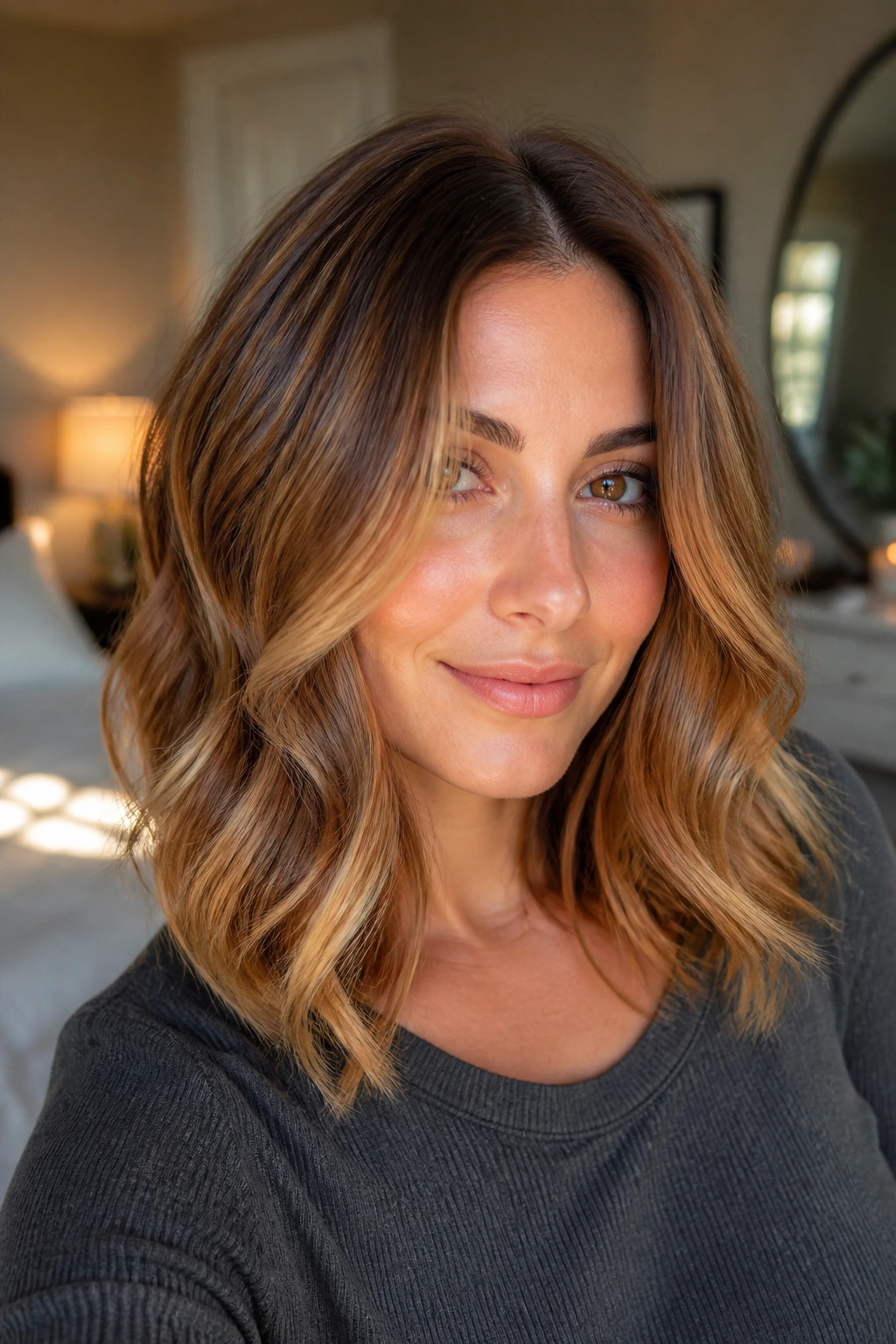
Shoulder-length hair is where a cinnamon-honey melt really comes alive. The cut is short enough to look fresh, long enough to show color gradation, and simple enough that the tone itself gets attention.
Cinnamon in this case should mean warm spice, not red. Think honey kissed with a little reddish gold, especially around the ends. The melt is what keeps it wearable. You want a slow shift from brunette root to warm mid-lengths to brighter honey at the tips.
This is a good pick if plain caramel feels too safe. It has a little more personality, but it still sits in the warm brunette family.
11. Creamy Underlights for Thick Brunette Hair
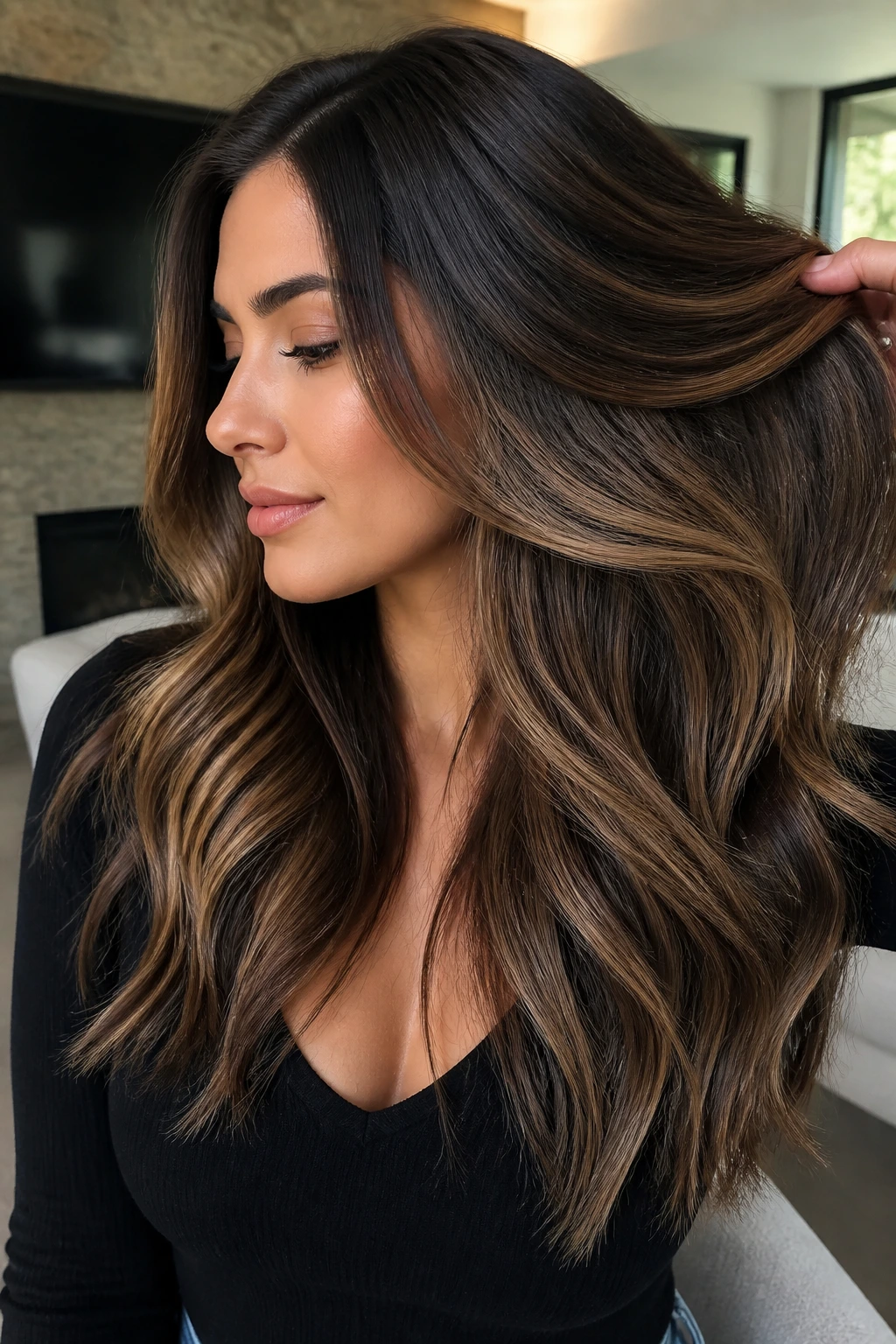
Thick hair can swallow highlights if they’re only placed on the surface. Underlights fix that by hiding brightness beneath the top layer, so the lighter pieces flash when the hair moves or gets tucked behind the ear.
A creamy honey tone works well here because it doesn’t fight the darker cover layer. The contrast is softer, almost secretive. I like this for people who wear their hair up often or have a lot of density through the back.
The practical bonus is obvious: the color grows out quietly because the root area stays dark and full. That’s a nice tradeoff when you want low-maintenance warmth.
12. Peach-Honey Tint for Warm Brunettes
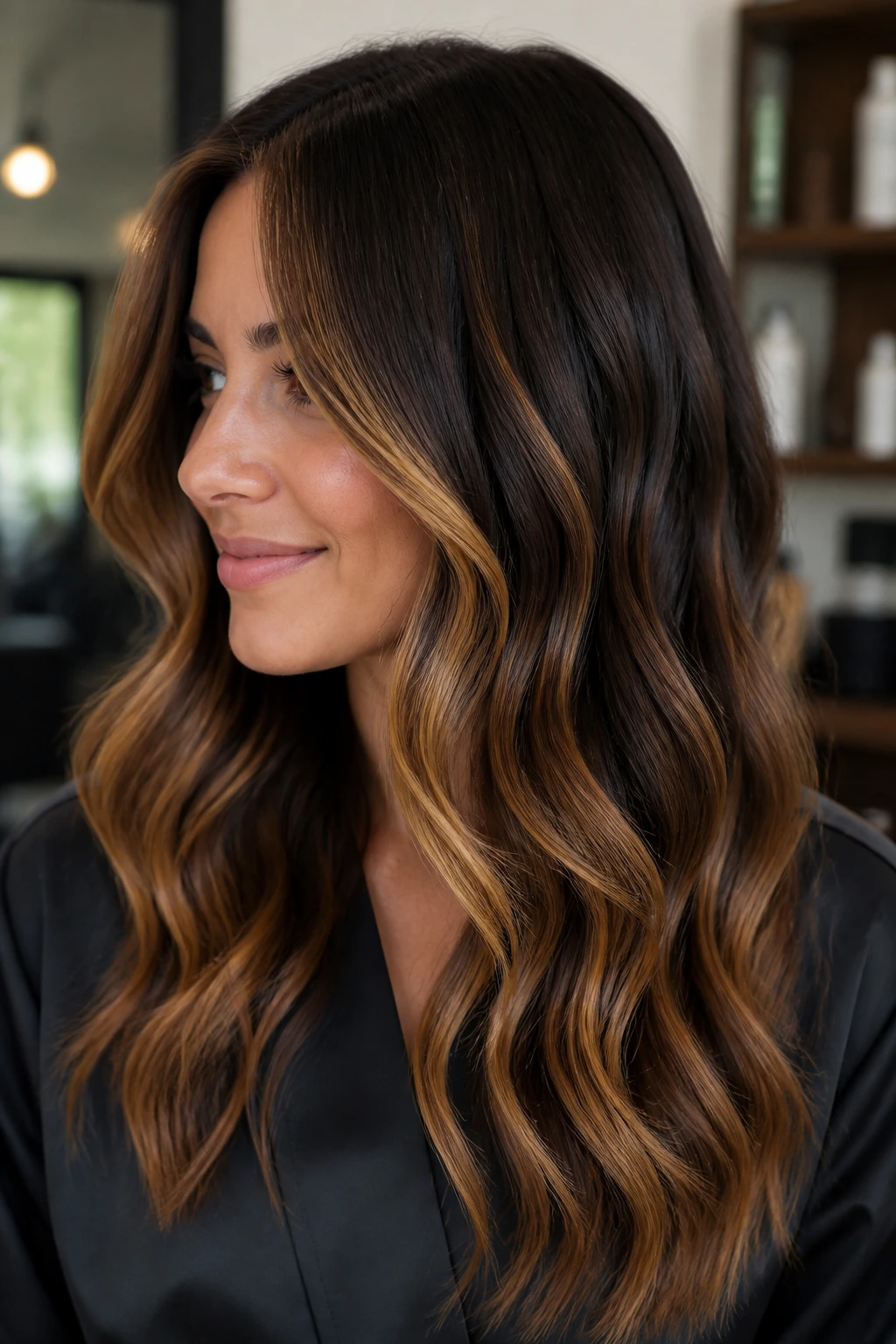
Peach-honey is a warm brunette’s quiet flex. It leans golden, but it has enough soft peach in the mix to keep the color from feeling flat or muddy. On olive or golden undertones, this can look especially natural.
The best version is sheer. You’re not trying to create copper hair. You’re trying to give honey a softer, fruitier edge that sits well on brown bases. It’s a nice choice when plain gold feels too expected.
If your hair is already lightened, a peach-honey gloss can revive warmth between salon visits without another round of bleach.
13. Smoky Honey Bronde for Neutral Skin Tones
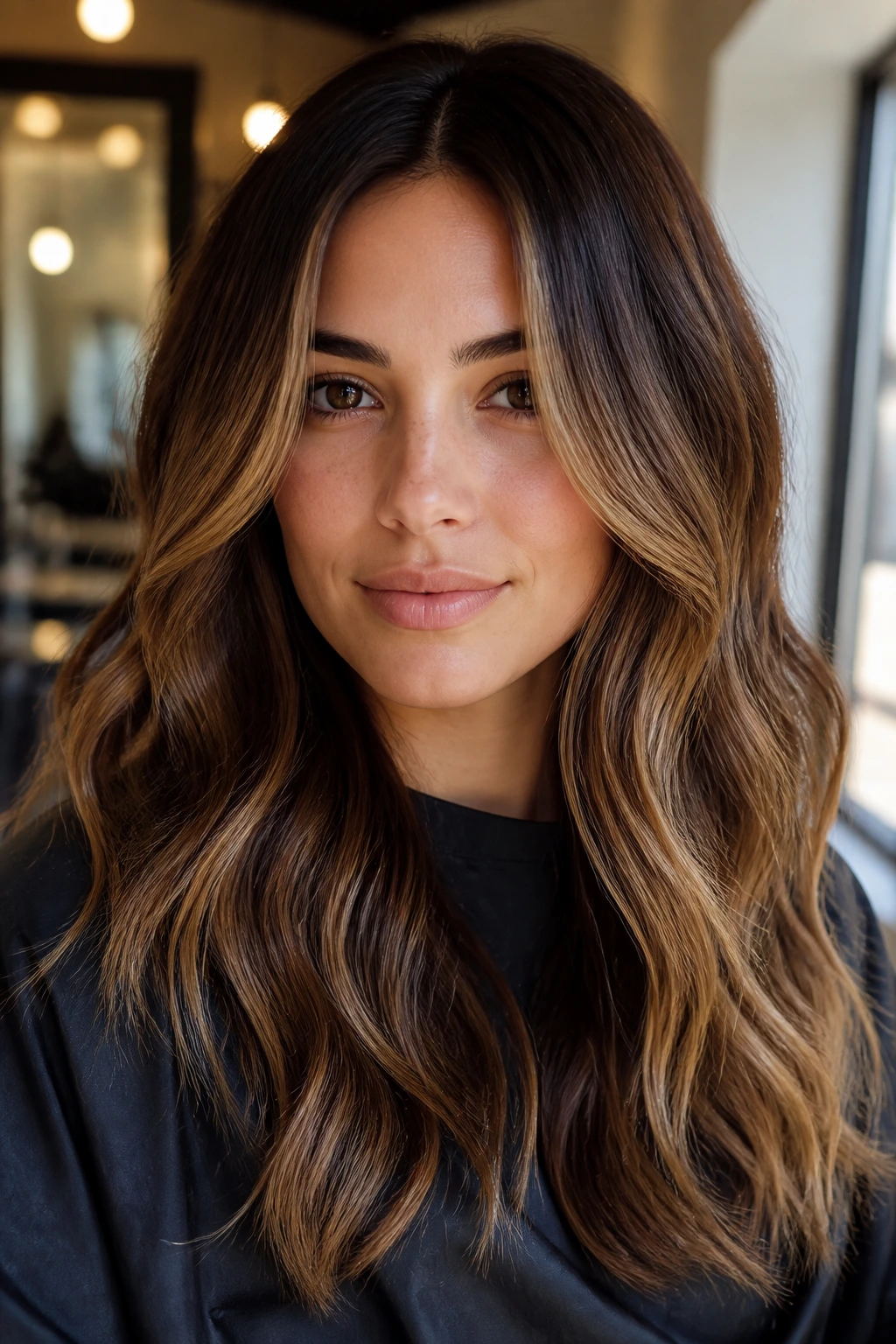
Some brunettes don’t want their hair to swing too gold, and that’s fair. Smoky honey bronde keeps the warmth, but it tones down the yellow so the finish feels smoother and less sunny.
This version is good for neutral undertones because it doesn’t lean hard into orange or ash. The honey sits inside a beige-brown frame, which makes the result wearable in bright light and indoor light. If your usual highlights go too loud, this is the safer lane.
Ask your colorist for
- a soft root shadow
- honey-beige ribbons around level 7
- a gloss that keeps the warmth muted, not icy
14. Sunlit Honey Highlights for Loose Waves
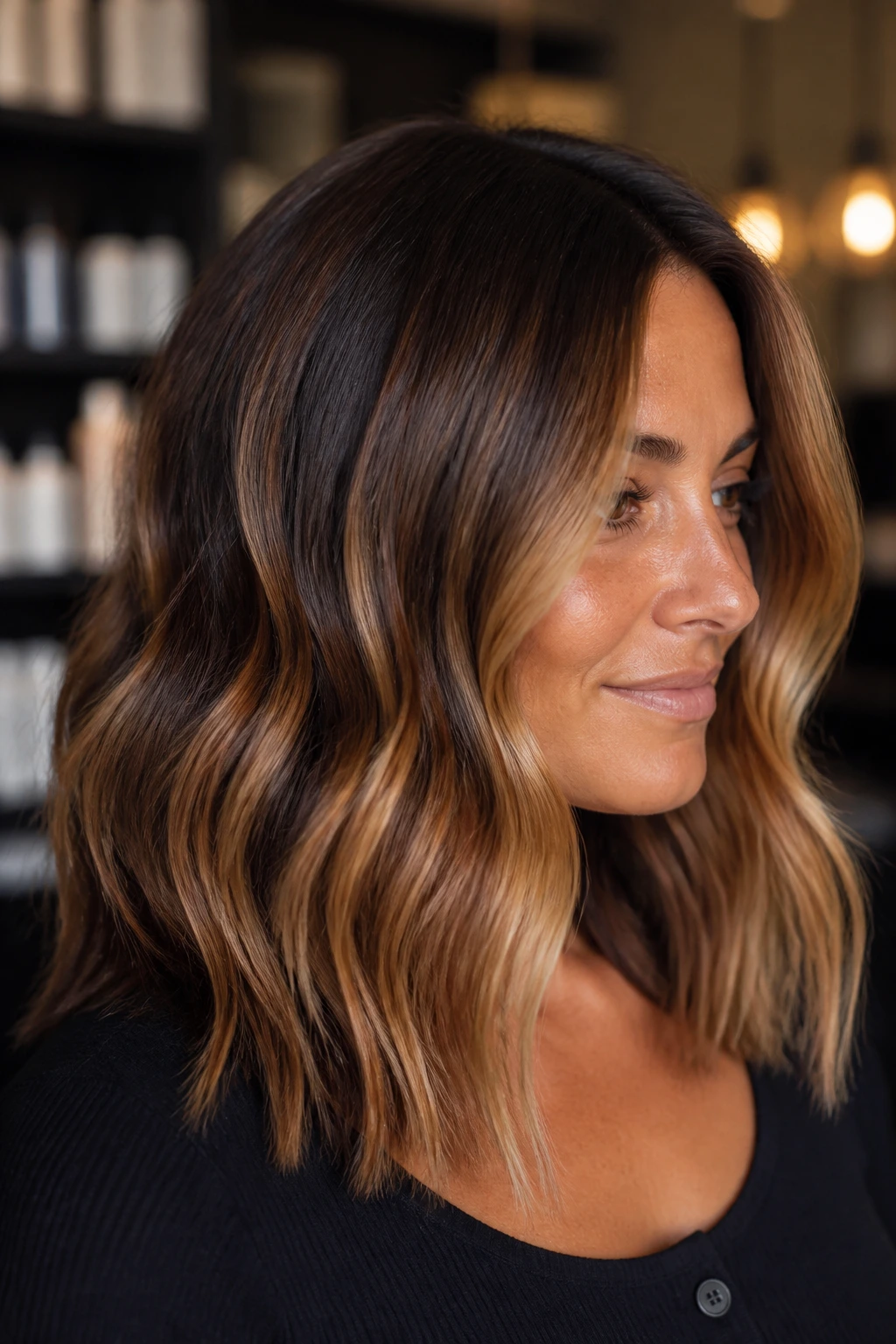
Loose waves are made for honey highlights. The bends catch the lighter pieces at different heights, so the color never looks static. That’s why this idea reads airy even when the actual shade is fairly warm.
Keep the placement scattered and hand-painted, with brighter spots around the face and through the ends. The goal is to mimic what sunlight would do over time, not create a neat stripe pattern. On brunettes, that randomness is what keeps the look believable.
If you like to wear a wave with a 1.25-inch iron, this one is especially good. The pattern and the color start working together.
15. Apricot Honey Peekaboo Panels
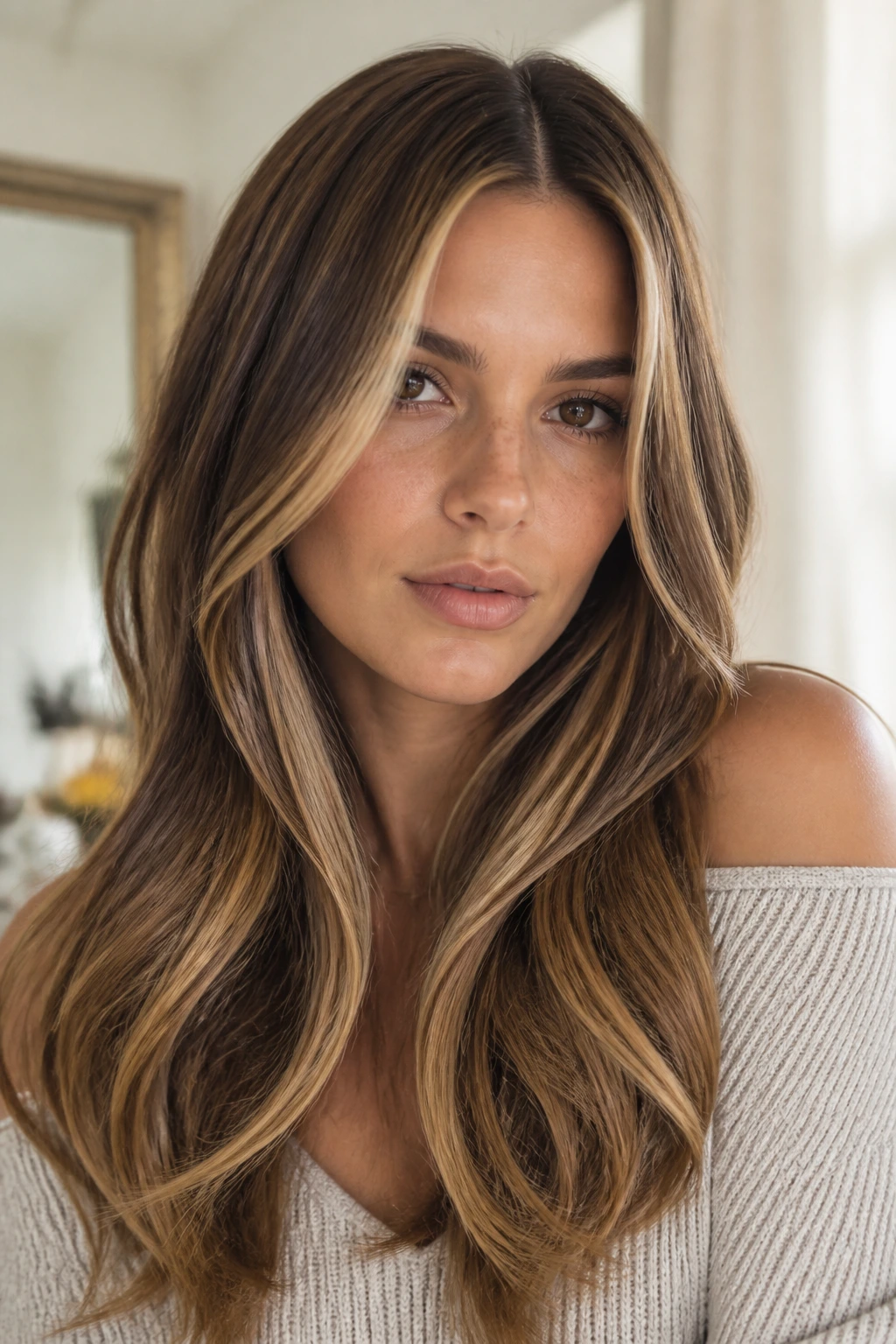
Peekaboo panels are for the brunette who wants fun without letting the whole head shout. Apricot honey under the top layer gives a warm flash that shows when the hair swings, bends, or gets pinned back.
This works well on bobs, lobs, and medium cuts with movement. The top layer keeps the look grounded. The hidden apricot pieces make it feel a little less expected. I like this when someone wants a warm shade that feels playful but not loud.
A good colorist will place the panels where they’ll peek through naturally — under the crown, behind the ears, or near the nape. That placement matters more than the exact tone.
16. Bronze-to-Honey Ombré on Straight Hair
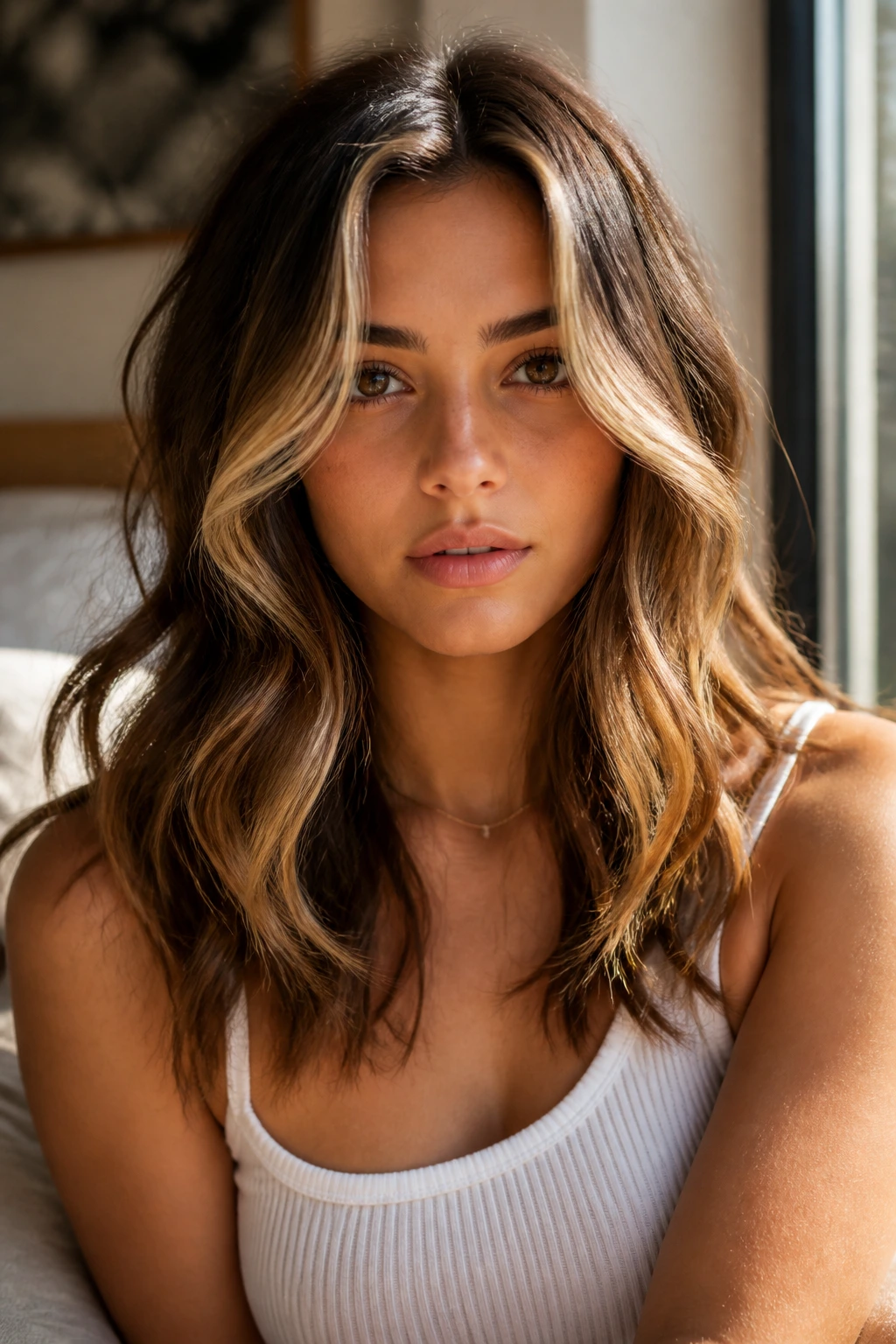
Straight hair shows a gradient better than almost any other texture. That makes it perfect for bronze-to-honey ombré, where the darker brunette root shifts slowly into a warm lighter end.
This idea works because the shine line on straight hair is clean. The eye can follow the color change from top to bottom without getting distracted by waves or curls. Bronze at the top keeps the transition grounded; honey at the ends brings the light.
If you want something polished but not stiff, this is a good lane. It’s a little more obvious than balayage, but the fade can still look soft if the lift is gradual.
17. Butter Honey Highlights for Curls and Coils
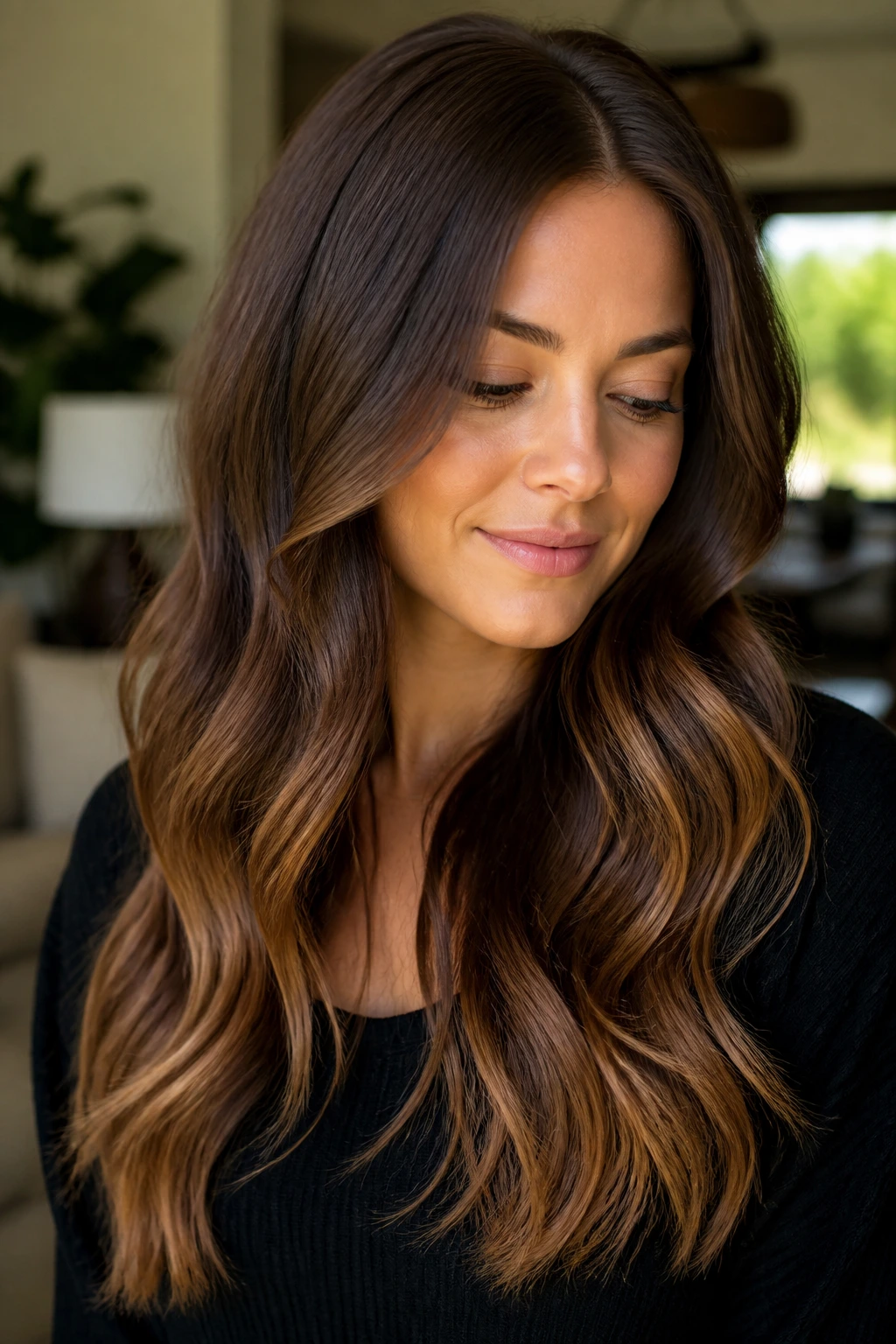
Curls and coils need brightness where the hair naturally bends and opens. Butter honey placed in those spots makes the texture read fuller, not frizzy. That’s the difference between flattering and chaotic.
The color should be creamy and warm, never stripy. Too many chunky highlights will break up the curl pattern in a bad way. A softer weave, placed on the outer curves and around the crown, gives you definition without making the hair feel busy.
Colorist note: Keep moisture front and center. Curl-friendly honey color looks best when the hair still has slip and movement, not when it’s dry and puffy.
18. Honey Espresso Lowlights with Bright Ends
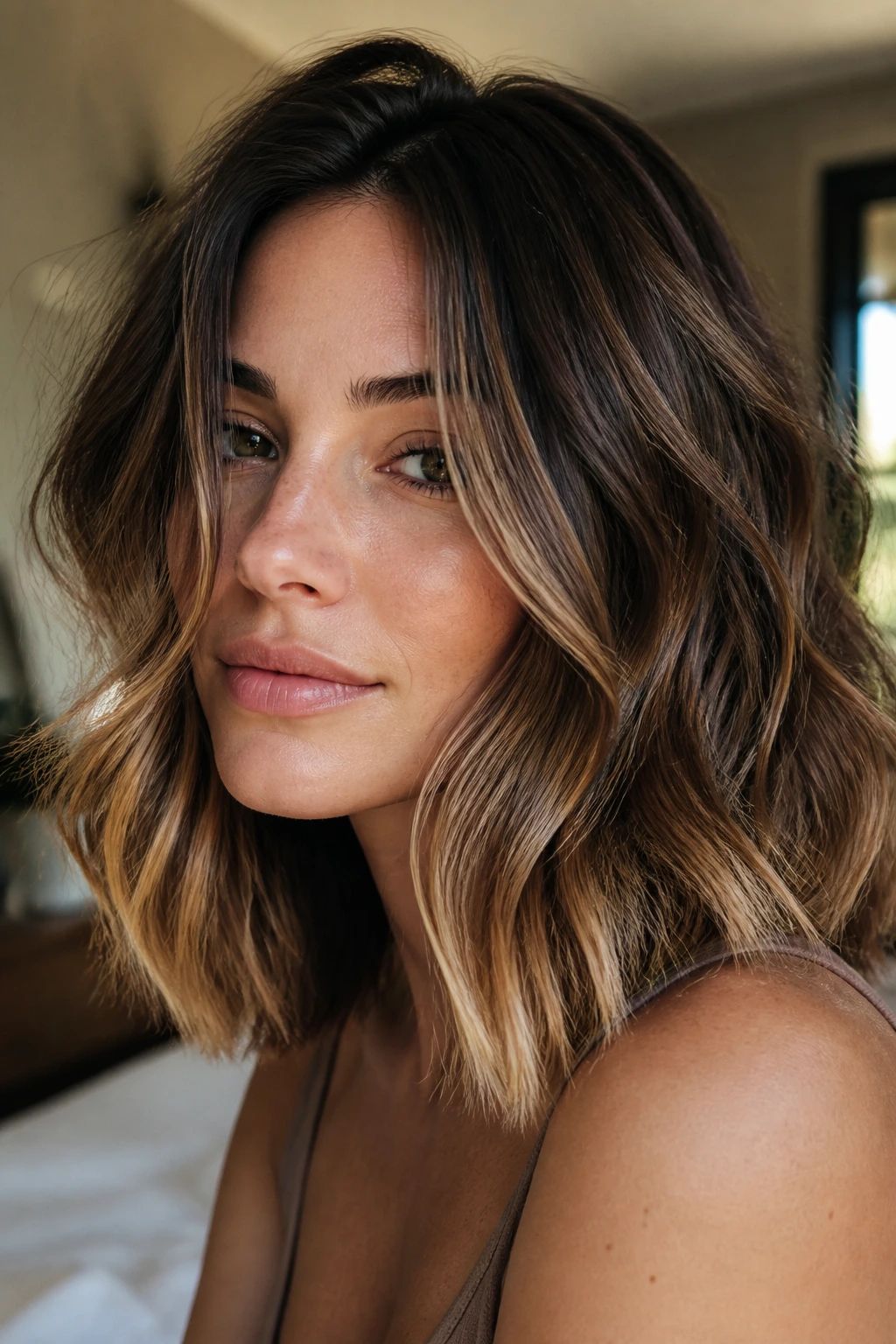
This is the version for brunettes who love depth. The espresso lowlights keep the base strong, while the brighter honey ends make the length feel lighter and more dimensional.
It’s a useful move if your hair is naturally dense or you’ve already got some lightness that needs balance. Lowlights often get ignored, but they’re the reason highlights can look expensive instead of thin. They put the shadows back where the eye wants them.
The bright ends should still stay in the honey family. No icy blonde, no stark contrast. Just a clearer, warmer finish where the hair brushes the shoulders.
19. Golden Toffee Gloss for Short Brunette Bobs
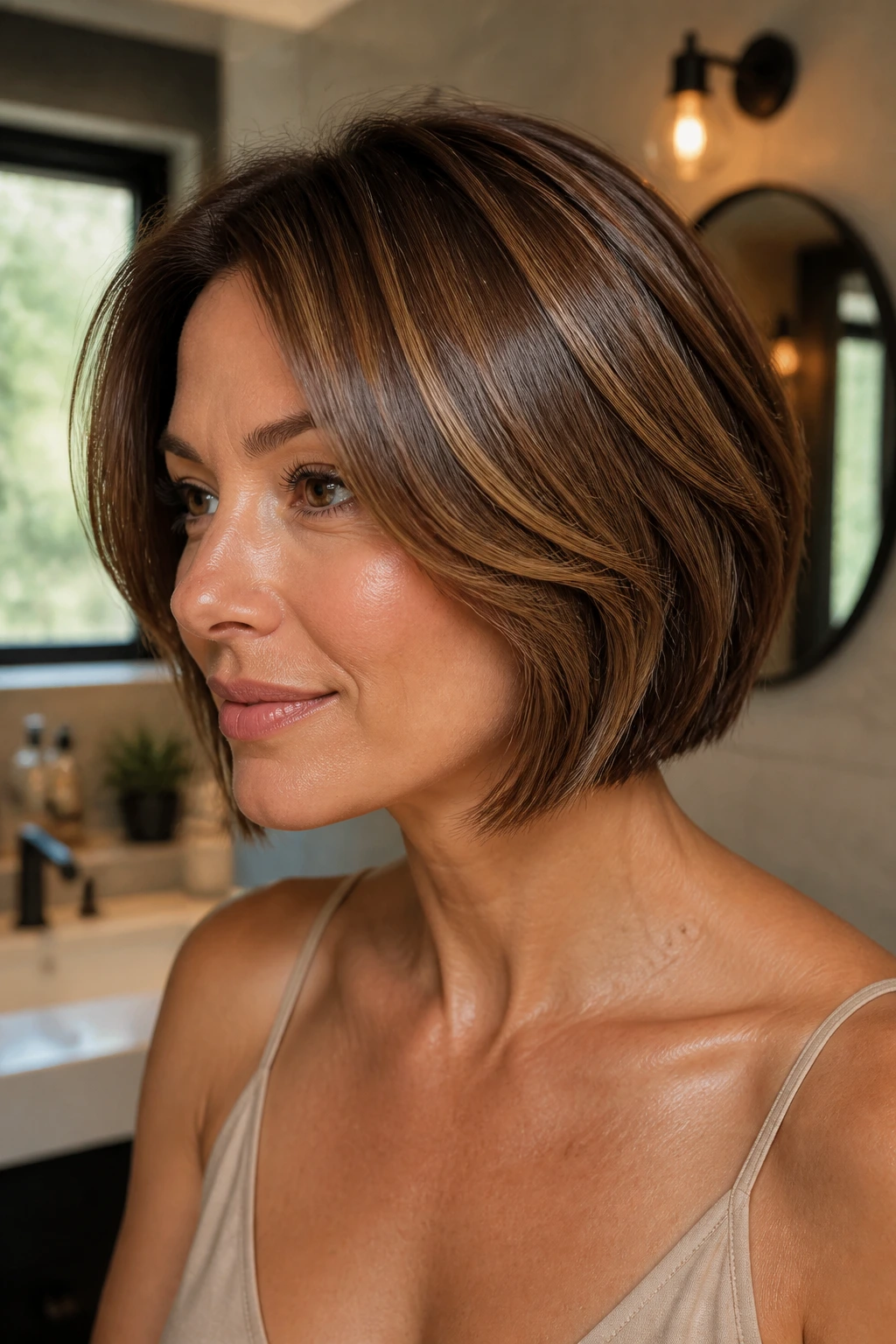
Short bobs can go flat fast if the color is one-note. A golden toffee gloss fixes that by adding a warm reflective layer that changes as the head turns.
This is a low-commitment choice, which I like for short hair. You don’t need a big foil map when the haircut already gives the shape. A gloss can shift the whole read from brown to warm brunette-gold in one appointment.
For square or blunt bobs, the gloss softens the edge. For airy bobs, it gives the cut more depth. Either way, it keeps the color from disappearing into the shape.
20. Champagne Honey Pieces on Dark Chocolate Hair
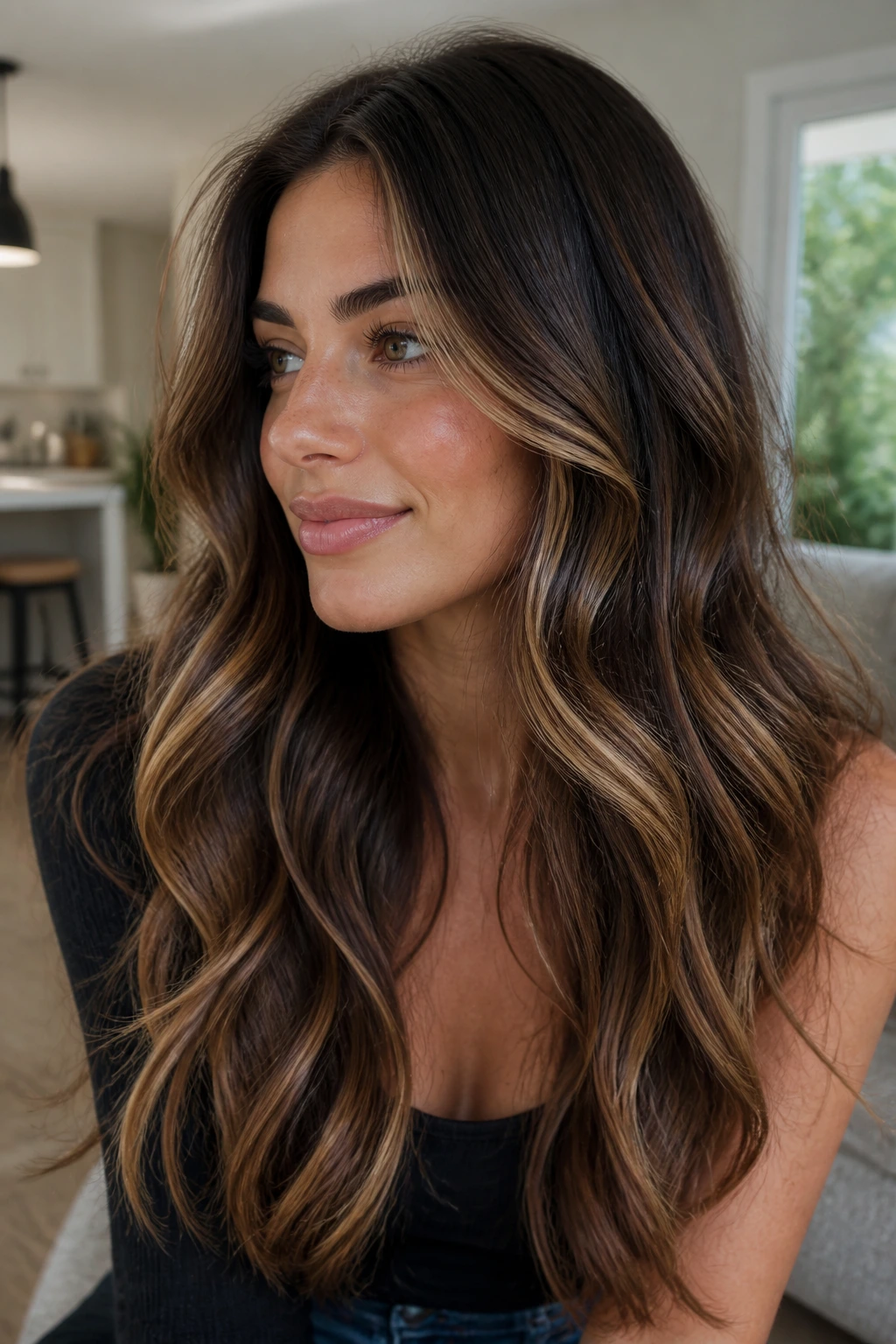
Champagne honey on dark chocolate hair has a brighter, cleaner finish than caramel, but it still sits firmly in the warm family. The trick is not to lift too far. You want lightness, not pale blonde.
A few well-placed champagne pieces around the face and through the top layer can change the whole mood of the hair. The contrast is sharper here, so it suits people who like a more noticeable result.
If your base is very dark, a shadow root helps the highlight pieces feel anchored. Without it, the lighter spots can look like they’re floating.
21. Desert Honey Balayage for Olive Undertones
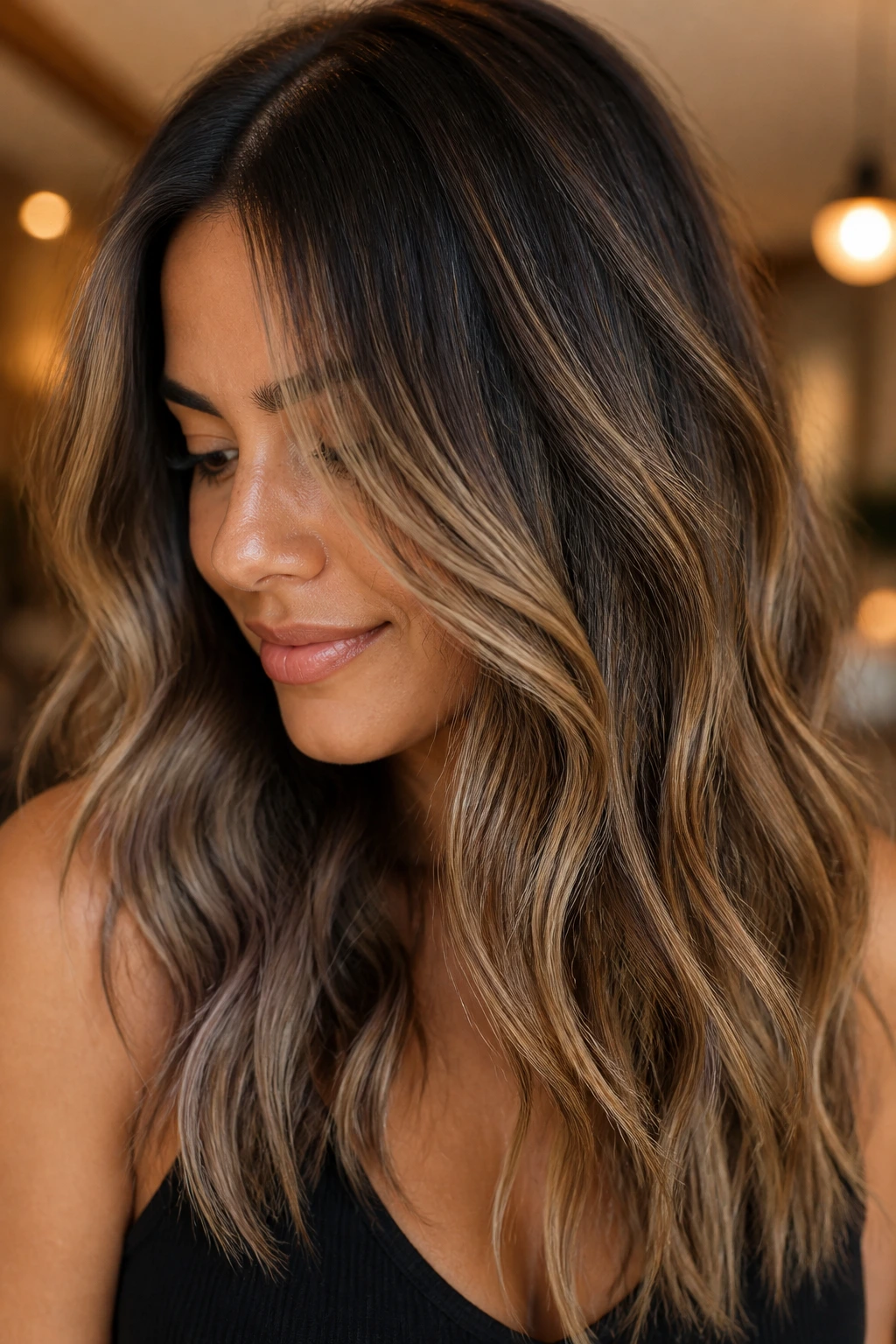
Desert honey is earthy. It leans beige-gold with a dry, warm finish that works especially well on olive undertones, where ultra-yellow blonde can go strange fast.
I like this shade when someone wants warmth but not a sweet, candy-like blonde. It feels a little sunbaked, a little sandy, and very easy to wear with brown brows and warm makeup. The balayage placement keeps the color from sitting in one solid block.
A root shadow helps here too. It keeps the brunette base visible and prevents the lighter pieces from reading too clean or too sharp.
22. Saffron Honey Money Piece
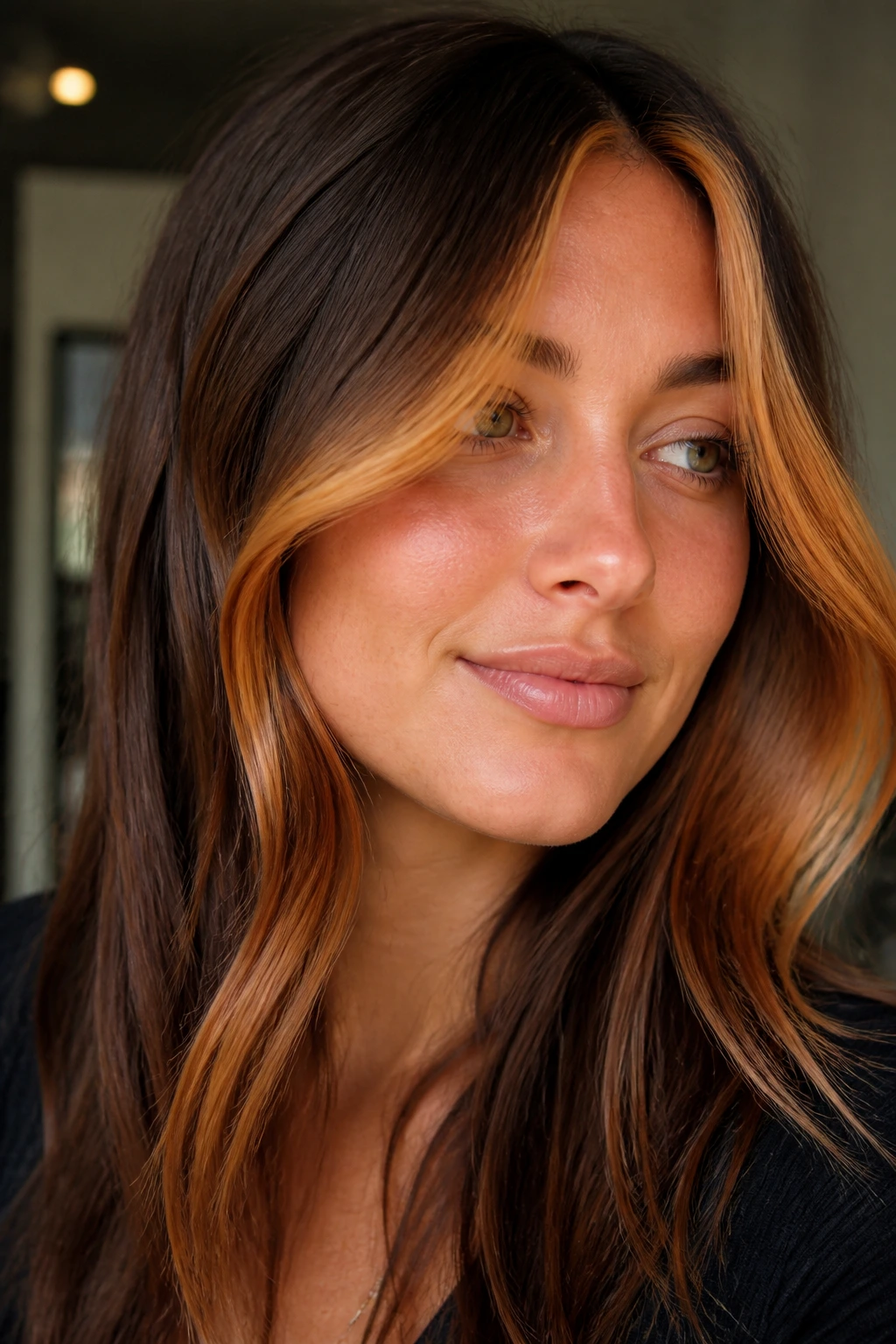
Saffron honey is for people who want the front of the hair to carry the whole look. The money piece is brighter and a touch spicier than classic honey, so it wakes up a dark base fast.
The key is restraint. You want warmth and glow, not copper streaks. Keep the brightness concentrated around the face and let the rest of the hair stay brunette, or the color loses its punch.
This is one of the easier ways to test warmth before going all in. If you love it, you can build it out later through the mids and ends.
23. Soft Wheat Blonde on a Layered Lob
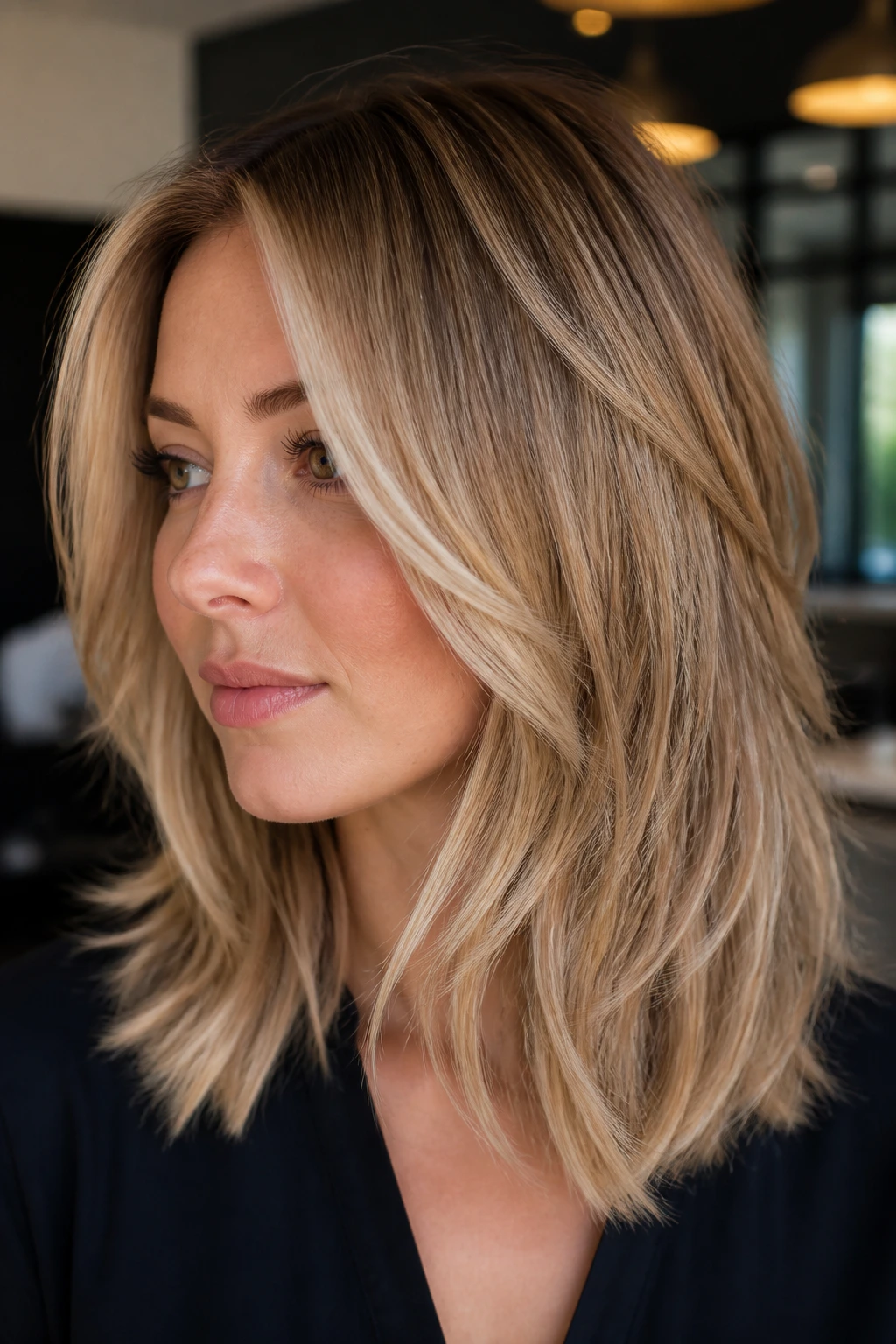
A layered lob gives wheat blonde room to move without looking too delicate. The shorter length keeps the color modern, and the layers break up the light so the hair looks fuller, not thinner.
Wheat blonde is a good middle ground between honey and beige. It’s warm enough to flatter brunette pigment but soft enough to avoid that heavily golden look some people hate. If your hair sits around level 5 or 6, this can be a very natural step up.
The best version uses thin ribbons, not big chunks. The cut already brings shape; the color should just outline it.
24. Maple Syrup Honey Melt on Thick Waves
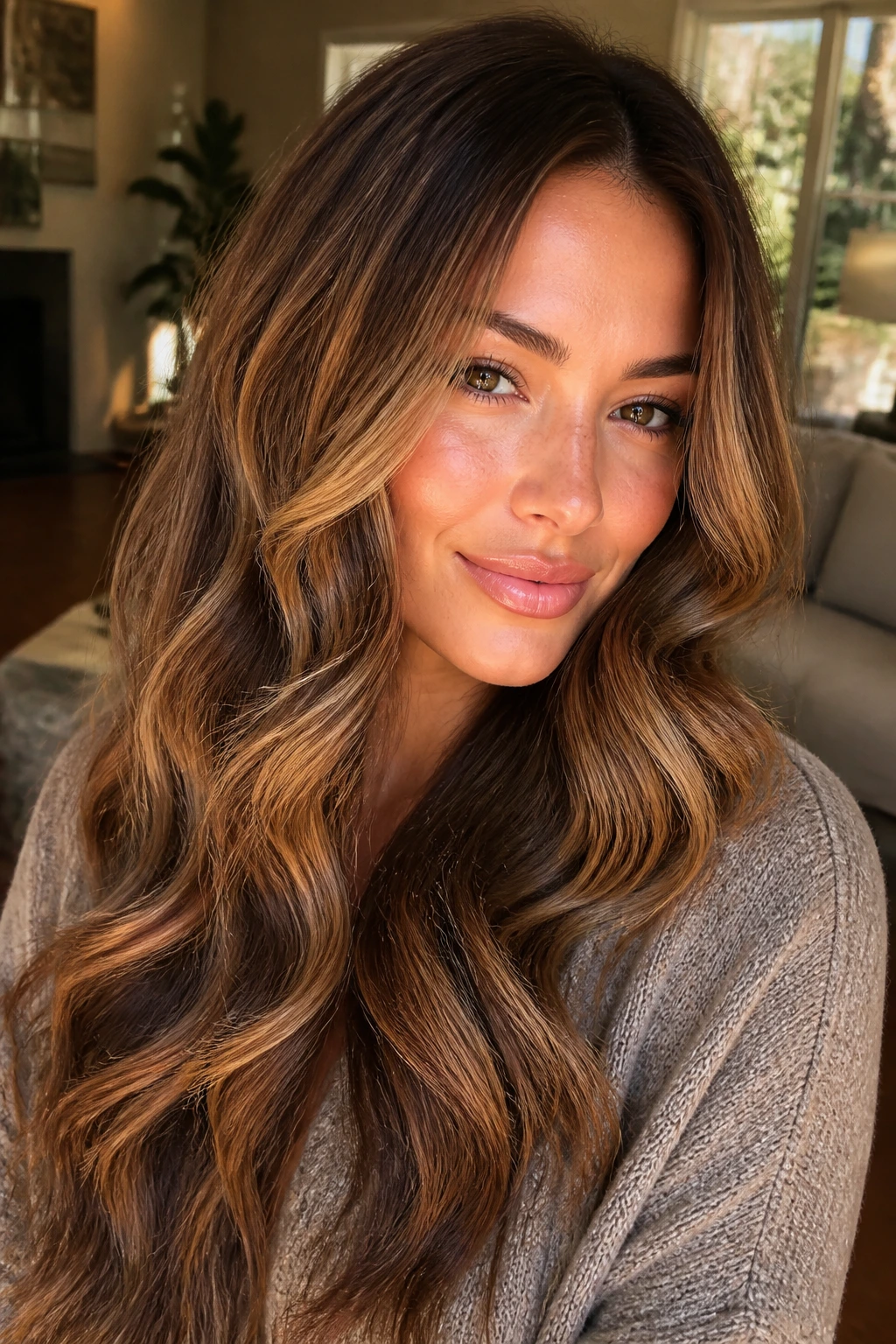
Thick waves can carry deeper warmth than fine hair, which is why maple syrup honey makes sense here. The tone is richer and a little darker than the airy honey looks above, so it doesn’t disappear into heavy texture.
Ask for a slow melt from brunette roots into maple-honey mids and ends, with plenty of gloss. The shine matters. On thick hair, matte warmth can look dull fast, while glossy warmth reads plush and expensive in the plainest sense of the word.
This is a good choice when you want the hair to look richer from across the room, not just up close.
25. Honey Caramel Swirl for Layered Cuts
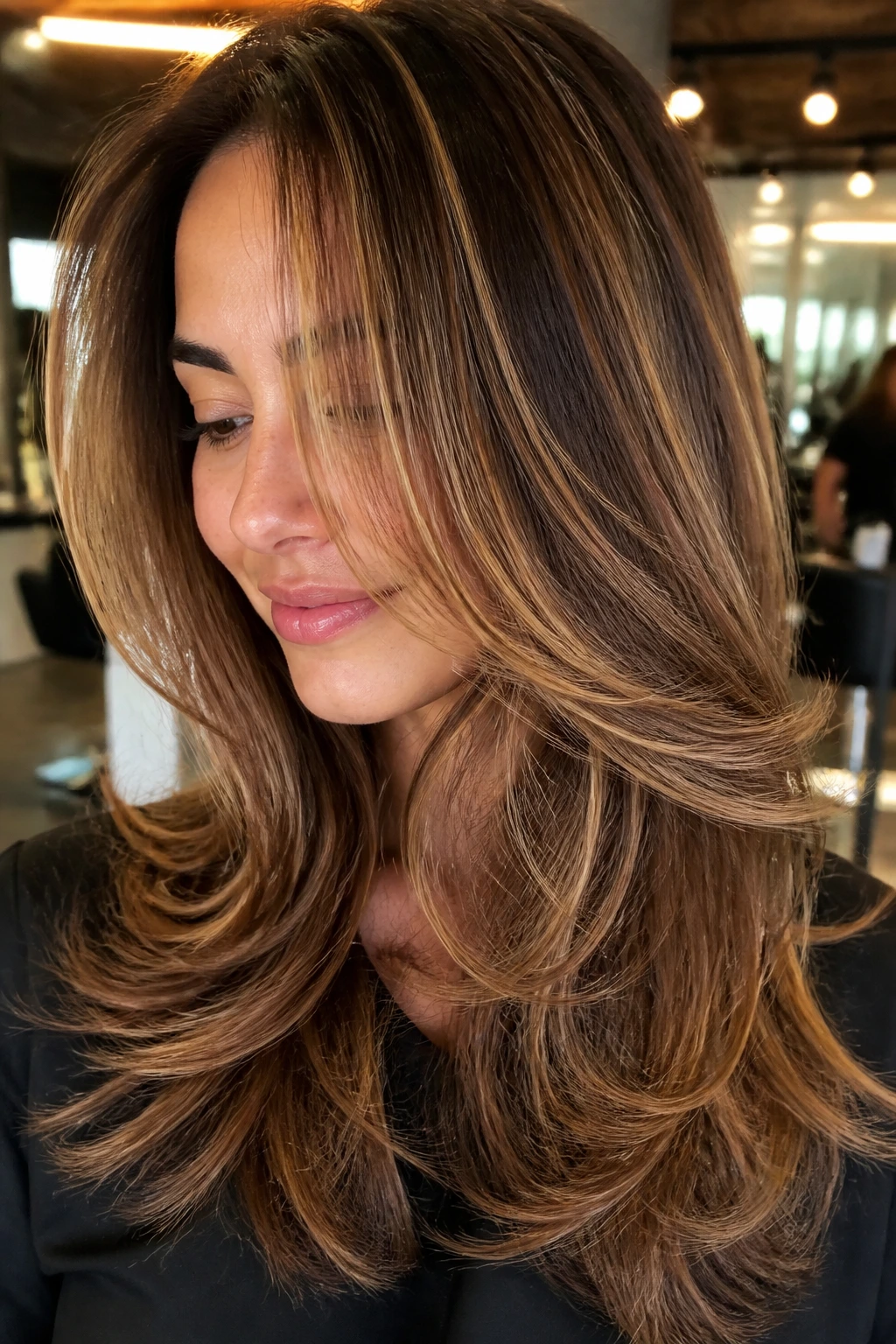
Layered cuts need color that follows the movement, not color that fights it. A honey-caramel swirl does that well because the lighter and deeper pieces alternate as the layers flip and overlap.
This look is less about one perfect tone and more about how the tones play together. Caramel gives the edges depth; honey lifts the mid-pieces. The swirl effect keeps the color from looking liney or stiff.
If your haircut has lots of face-framing layers, this is a strong pick. The layers do half the styling work for you.
26. Warm Vanilla Honey on Medium Brown Hair
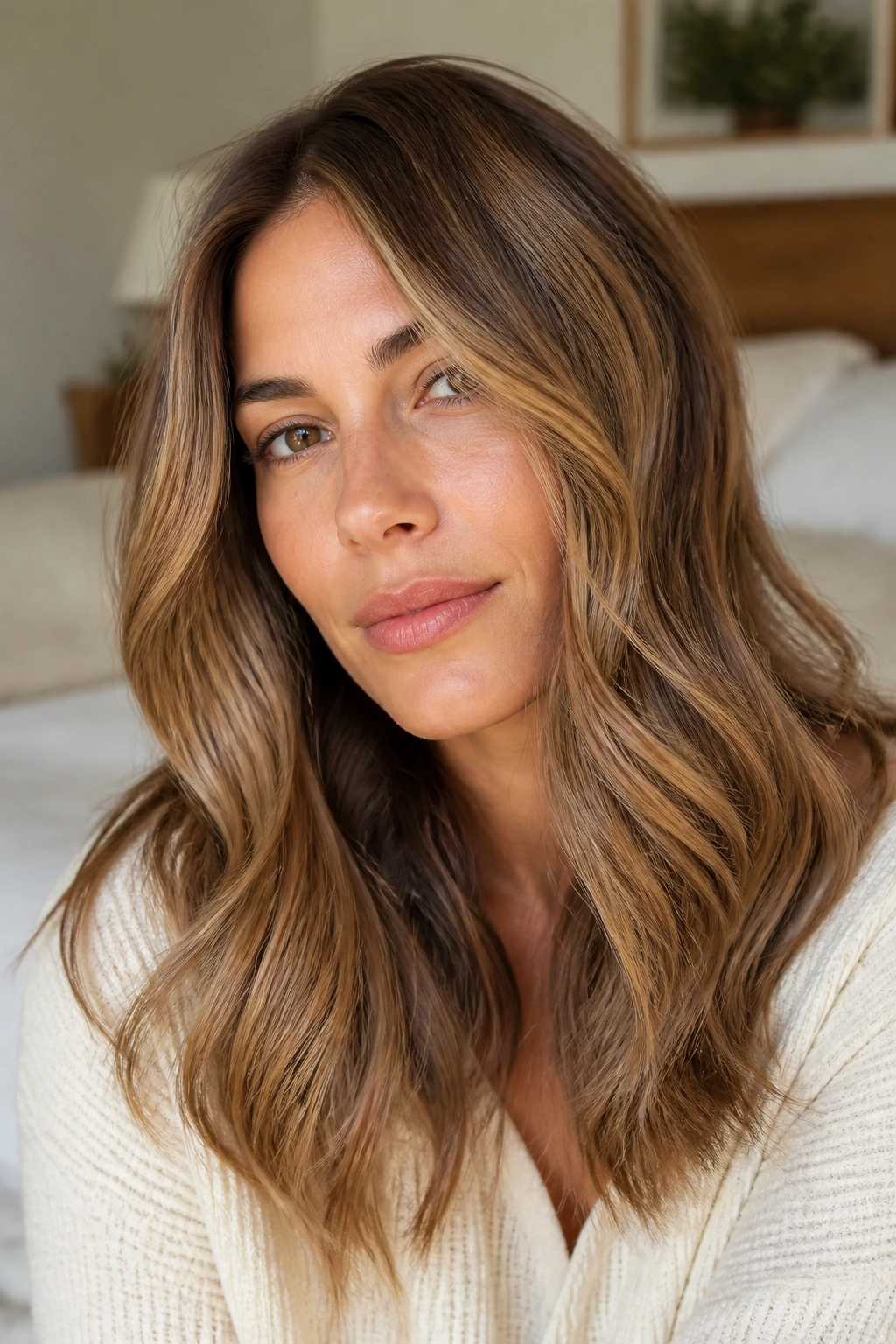
Warm vanilla honey is softer and creamier than classic gold. On medium brown hair, that can be a sweet spot because it lightens the overall look without pushing the base too far from brunette territory.
It’s also a useful shade for people who don’t love strong orange or copper tones. Vanilla keeps the warmth gentle, almost milky, while the honey keeps it from going flat or beige. The final result should feel smooth and polished, not stark.
This is one of the easiest ideas to dress up or down. It works with a blowout, a wave, or a simple air-dried bend.
27. Copper-Honey Blend for Rich Brunettes
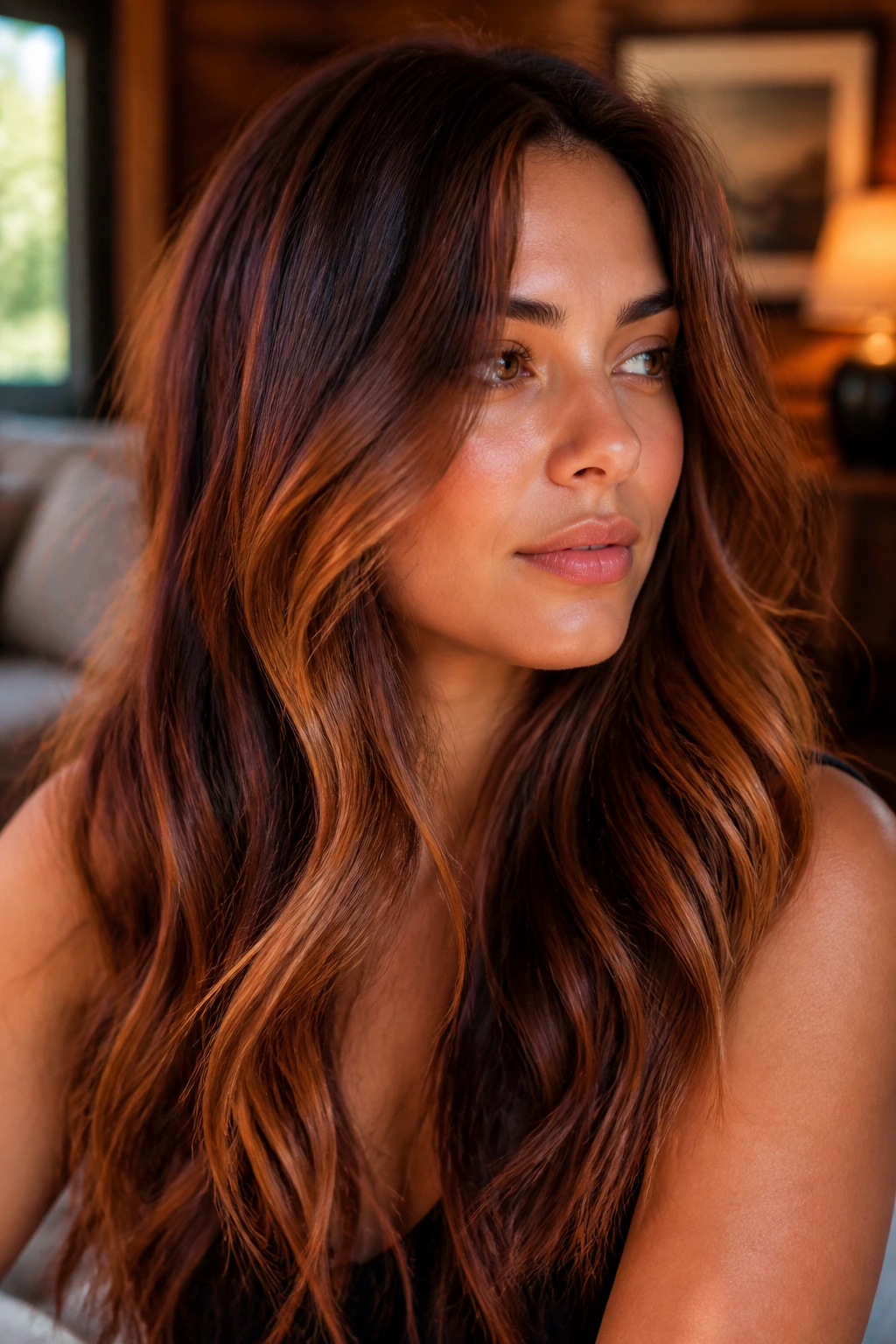
Copper-honey is not for everyone, and that’s why I like it. On rich brunettes, a touch of copper inside the honey makes the hair look deeper and more alive, especially if your natural base has warm pigment already.
The blend should stay on the soft side. A little copper at the mids or face frame is enough. Too much, and you drift into red territory. The sweet spot sits between amber and gold, with enough brown left behind to keep the color grounded.
If your skin has warm undertones, this can be a very flattering choice. If you run cool, ask for more beige in the formula so the copper doesn’t overpower you.
28. Sunset Honey Ends with a Shadow Root
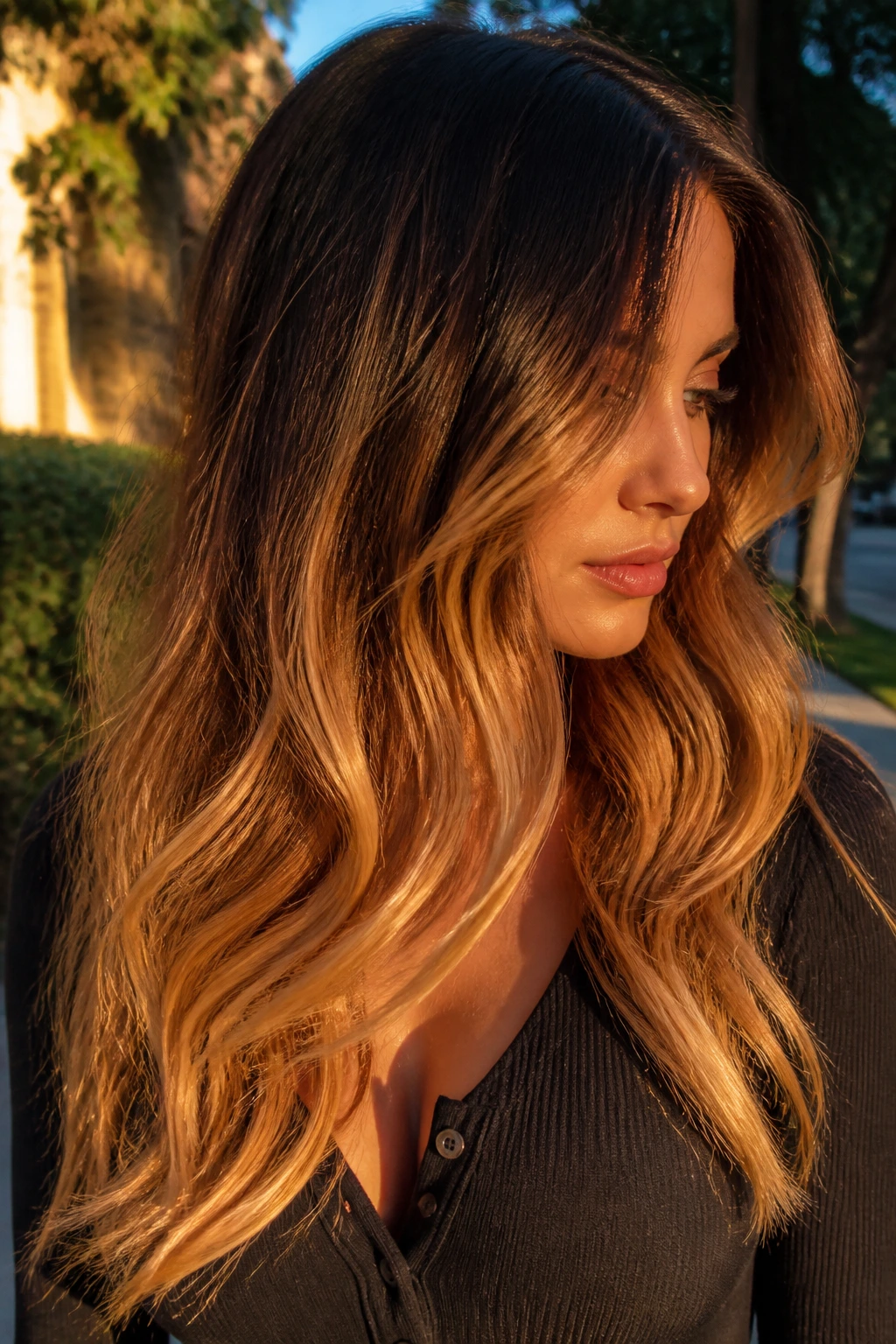
Sunset honey ends are the dramatic finish of the group, but they still behave well on brunettes because the shadow root holds everything together. The root stays deep, the mids warm up, and the ends glow like they’ve been lightened by long, slow sun.
This is a good choice if you want the lightest pieces toward the bottom instead of around the face. It gives long hair a lifted finish and makes the last few inches feel intentional, not dry or faded. The root shadow is what keeps it from looking overprocessed.
If your hair grows fast or you hate obvious touch-ups, this one is easier than it looks. The darker top buys you time.
Why Honey Blonde Reads Soft on Brunette Hair
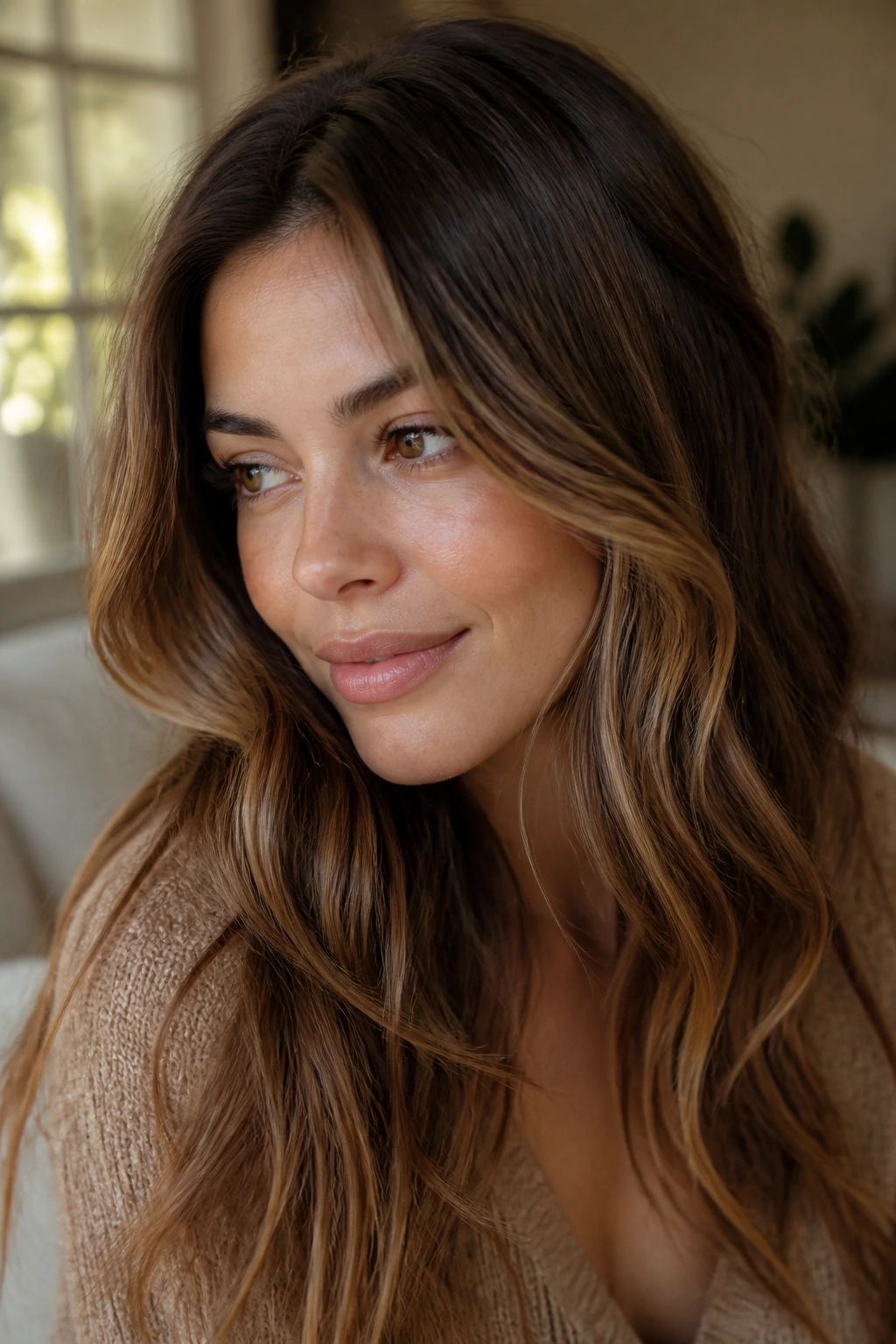
Honey tones work on brunettes because they don’t fight the base. They sit on top of brown pigment the way warmth sits on toast — not as a separate color, but as a richer version of the same thing. That’s why honey, caramel, amber, and beige-gold often look more natural on brunettes than a bright pale blonde ever could.
The other piece is contrast. A brunette base gives honey something to lean against. If every strand is lightened to the same level, the hair can look washed out and a little dry, especially in indoor light. Leave some brown in the root, the underlayer, or the interior, and the color gets depth back.
I also think brunettes have more room to play with tone than people give them credit for. A level 7 honey on dark brown hair feels soft and sunlit. Push the same tone through a level 5 base, and it reads richer and more obvious. The shade name may stay the same, but the result changes with the base, the placement, and the amount of gloss you use.
The Clips, Brushes, and Swatches That Save a Consultation
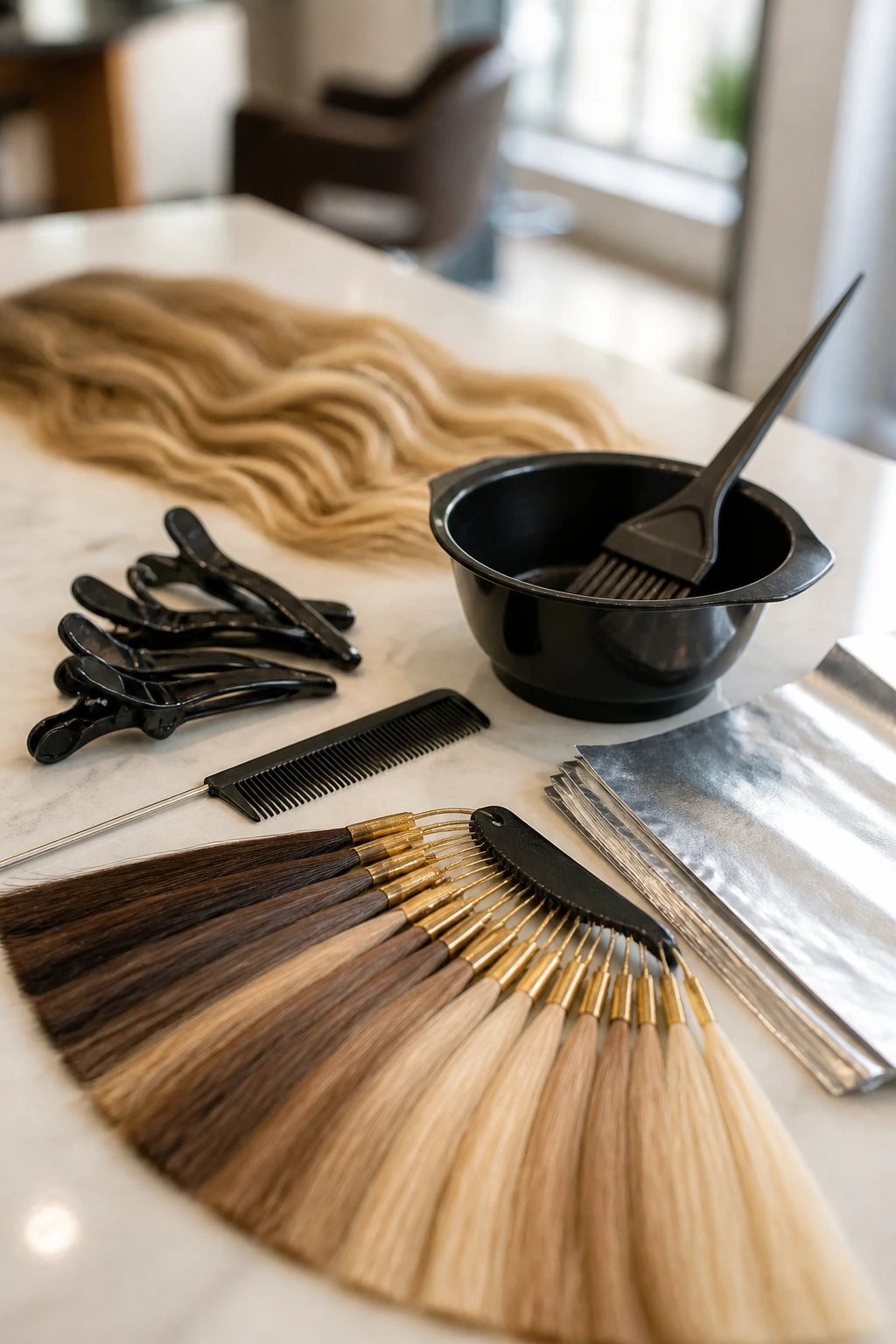
A good honey blonde appointment starts before the cape goes on. The right tools are less about styling and more about giving your colorist a clean map of what you want. Hair photos on a phone help, but only if they were shot in natural light and not filtered to death.
- A few reference photos in daylight: One photo of the color you want, one of a shade you don’t want, and one of your own hair in daylight gives a colorist more to work with than a vague description.
- Sectioning clips: Useful if you’re discussing placement at home or checking the grow-out between visits. They keep the front pieces separate so you can see where brightness actually sits.
- Fine-tail comb: Helps you point to the exact face-framing area, part line, or crown zone you want lightened.
- Tint brush and bowl: Relevant if you’re doing a gloss or demi-permanent glaze on already-lightened hair.
- Foils or balayage board: Not a home must-have for everyone, but important if you’re talking through whether you want woven highlights or hand-painted softness.
- Sulfate-free shampoo and color-safe conditioner: These matter after the appointment more than people think. Harsh shampoo strips warm pigments fast.
How to Choose the Right Honey Tone for Your Base Level
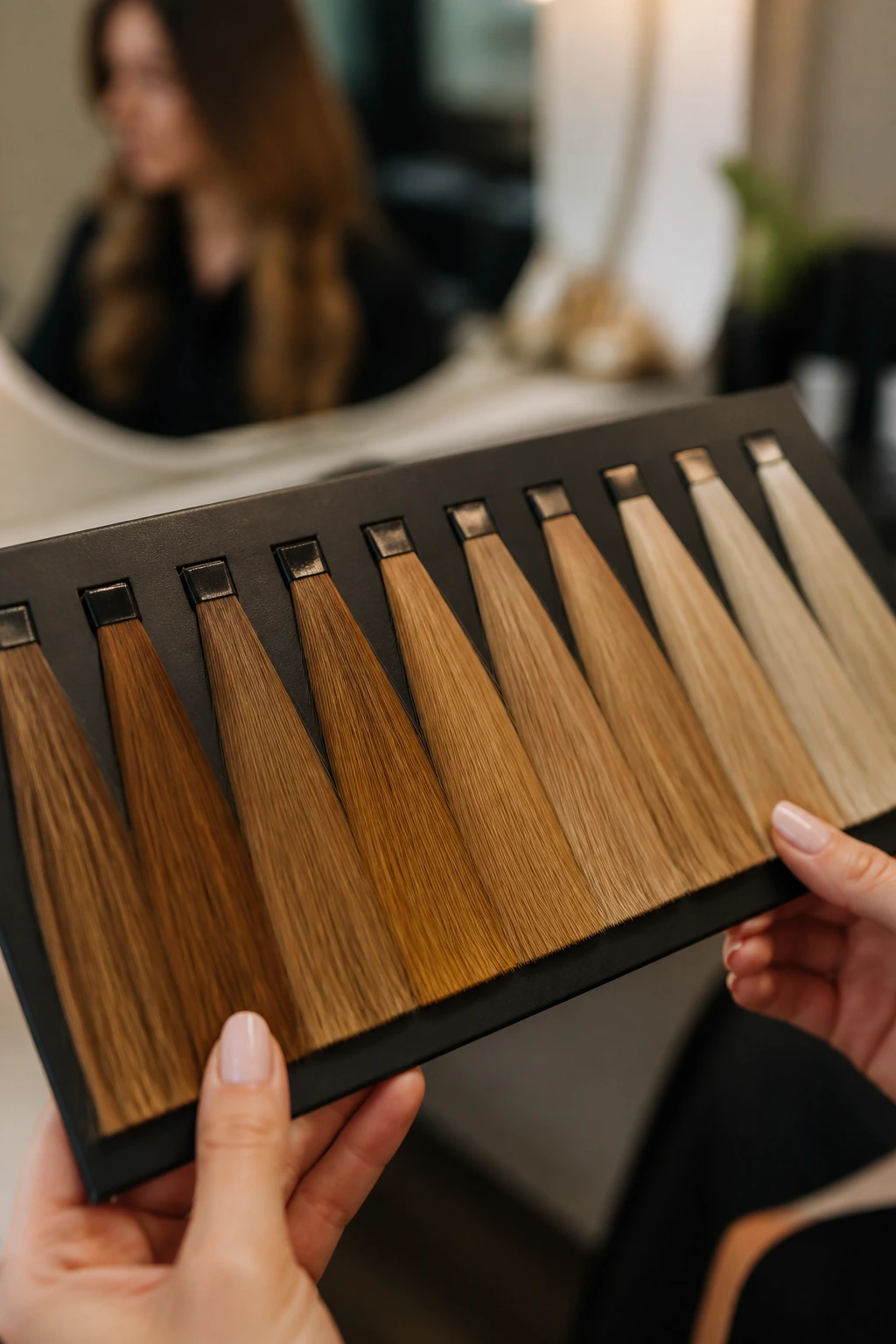
The easiest mistake is picking a honey photo without checking what level your own hair actually is. Level 3 brunette and level 6 brunette do not land in the same place, even if they both look “dark brown” in casual conversation. One needs more lift and more patience.
If your hair is deeper brown, stay in caramel, amber, toffee, or maple territory unless you’re prepared for multiple lightening sessions. A true blonde result on dark hair usually needs more than one appointment, especially if the hair has box dye or years of dark permanent color on it. A good colorist will protect the integrity of the hair before they chase brightness.
If your hair is already a lighter brown, you can move into honey, beige-gold, wheat, or butter more easily. That’s where the bronde family lives. A gloss or partial highlight service may be enough, and that’s a gift if you don’t want a long salon day.
Undertone matters too. Golden and olive skin usually handles stronger honey and amber. Neutral skin can wear beige-gold or smoky honey. If you run cool, ask for a slightly muted gold so the warmth doesn’t jump into orange.
How to Ask for Honey Blonde at the Salon
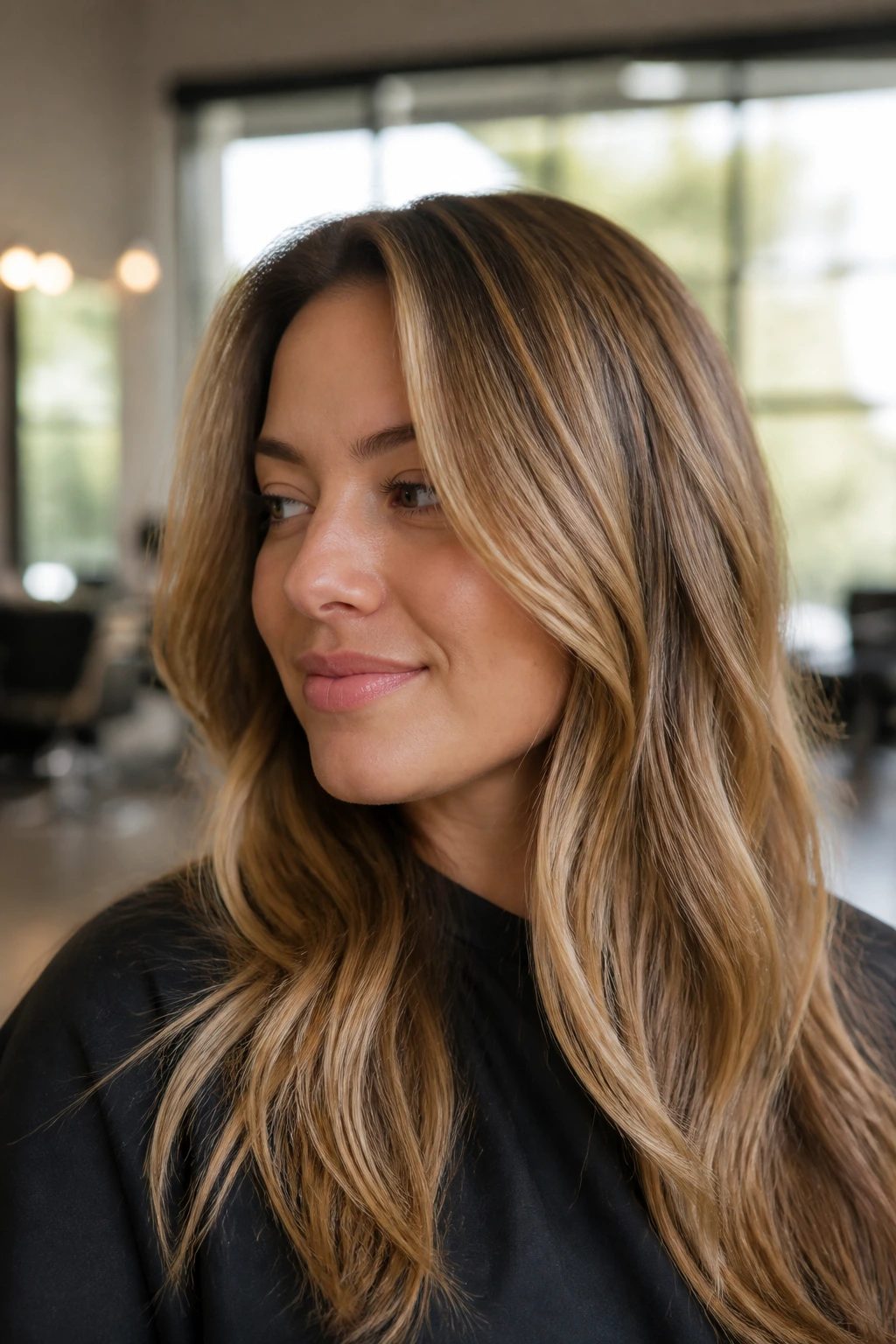
Say the level out loud. That sounds fussy, but it saves bad color more often than any trend phrase ever will. “Honey blonde” can mean a dozen different things, and your colorist needs to know whether you want level 7 ribbons, a level 8 face frame, or a level 5 root shadow with warm ends.
Show a photo, but explain the parts you like. Maybe it’s the brightness around the face. Maybe it’s the darker root. Maybe it’s the fact that the ends still look brown. If you can say that clearly, the appointment gets sharper fast.
Mention your maintenance limit. If you do not want touch-ups every six weeks, say so before the foils go in. That’s the difference between balayage and a more structured highlight plan.
Tell them about past color. Box dye, henna, keratin treatments, and old dark permanent color all change how brunette hair lifts. That history matters more than your inspiration photo.
And please, bring one photo that looks like real hair in natural light. Screens lie. Flash lies harder.
How to Style Honey Blonde So the Warmth Shows Up
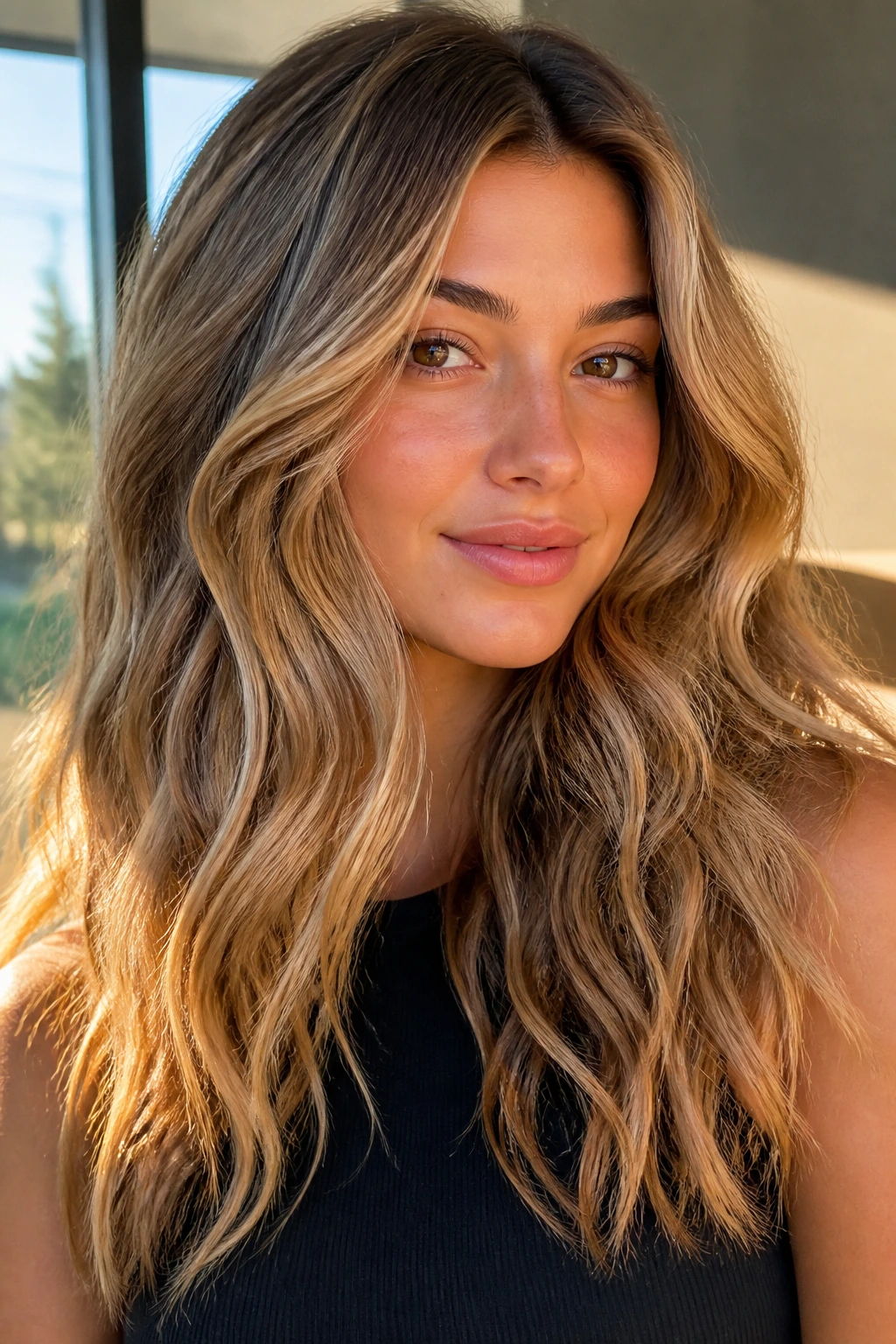
Loose waves: This is the easiest styling move for honey highlights. A 1.25-inch iron, a soft bend, and ends left slightly straighter than the mid-lengths will make ribbons and balayage look alive. Honey color tends to flatten if you make the texture too tight.
Smooth blowout: Best for glosses, money pieces, and high-shine bronde. Use a lightweight serum only from mid-lengths down, because too much product will dim the warm reflection. A clean center part makes the color read symmetrical and polished.
Natural curls: Diffuse on low heat, then scrunch in a cream that does not leave a greasy finish. Honey on curls should look bright at the curve of the curl, not stuck on the surface like paint. That’s the difference between dimension and blotchiness.
Pinned-back styles: Tuck one side behind the ear or twist the front pieces back. It shows off face-framing highlights, which is where honey often looks the richest. A simple claw clip can do more for this color than a lot of styling effort.
What a Honey Blonde Care Routine Looks Like Between Visits
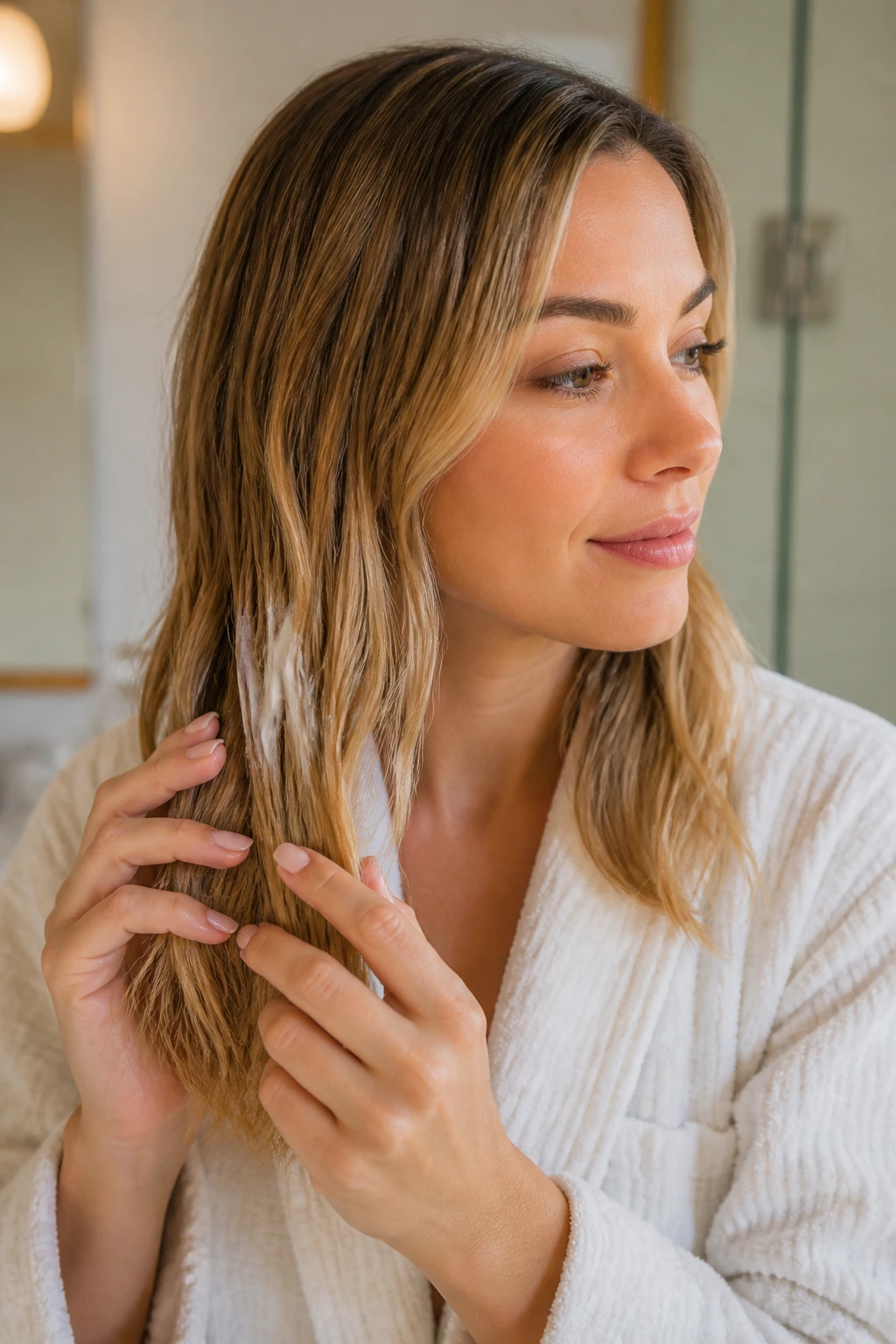
Warm brunette-to-honey color lasts better when you wash it gently and keep the brass in check without stripping the warmth away. That balance matters. If you over-correct, the color goes dull; if you do nothing, the lighter pieces can slide into orange.
For most honey shades, washing two to three times a week is enough. Use lukewarm water, not hot, because heat opens the cuticle and sends dye down the drain faster than most people expect. A color-safe shampoo and a rich conditioner are the baseline. On the ends, a leave-in cream or lightweight oil keeps the lighter pieces from looking dry.
A gloss every 6 to 8 weeks keeps the warmth fresh. Highlights or balayage may only need a refresh every 8 to 12 weeks, depending on how fast your hair grows and how much root shadow you’re wearing. If brass shows up, a blue shampoo can help brunette hair that’s turning orange, but use it carefully. Too much will mute the honey and leave you with a dull beige cast.
One more thing: if you use heat tools a lot, spray heat protectant every time. Honey shades show dryness fast.
Common Mistakes That Flatten Honey Blonde on Brunettes
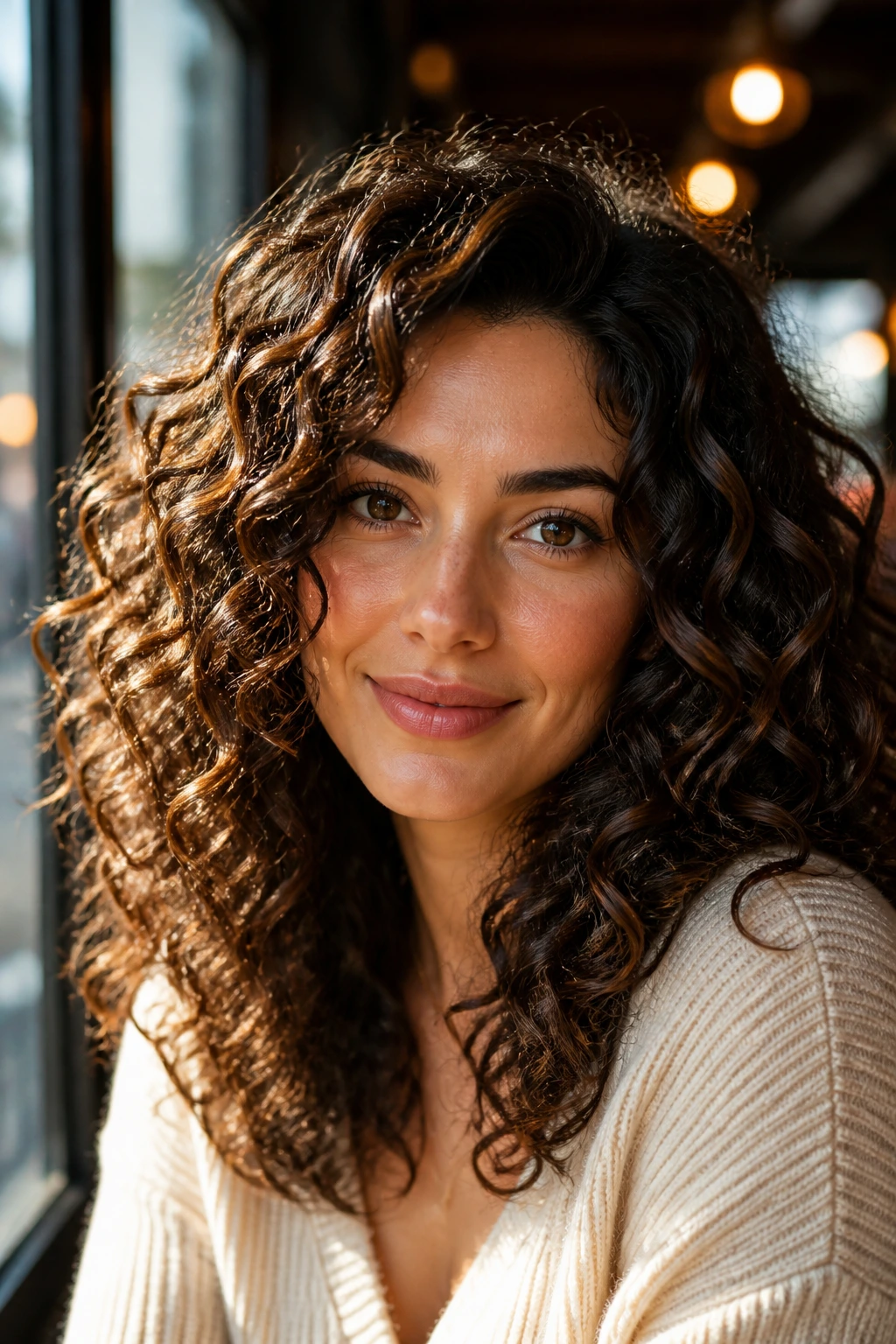
- Going too light too fast: A brunette lifted straight to pale blonde can lose the depth that makes honey look rich. Fix it by leaving a darker root and choosing a level 7 or 8 honey instead of chasing white-blonde pieces.
- Choosing ash when you wanted warmth: Ash toner can turn a warm brunette service muddy or gray-brown. Ask for beige-gold, honey, caramel, or amber if warmth is the goal.
- Using purple shampoo like it’s shampoo shampoo: Purple formulas are made for yellow, not for keeping honey blonde lively. If you use them too often, the warmth disappears and the color looks flat.
- Ignoring porosity on the ends: Porous ends drink in pigment fast and can turn darker or duller than the rest. A good colorist will either pre-fill them or keep them slightly deeper so the finish stays even.
- Skipping the root shadow: Without a grounded root, honey highlights can look disconnected from the base. A soft shadow root helps the whole thing read expensive in the plainest, most useful sense of the word.
- Bringing only one filtered photo: Filters crush undertones and hide how bright the hair really is. Bring several photos shot in daylight and be ready to point out the specific pieces you like.
Variations for Dark, Medium, and Already-Light Brunettes
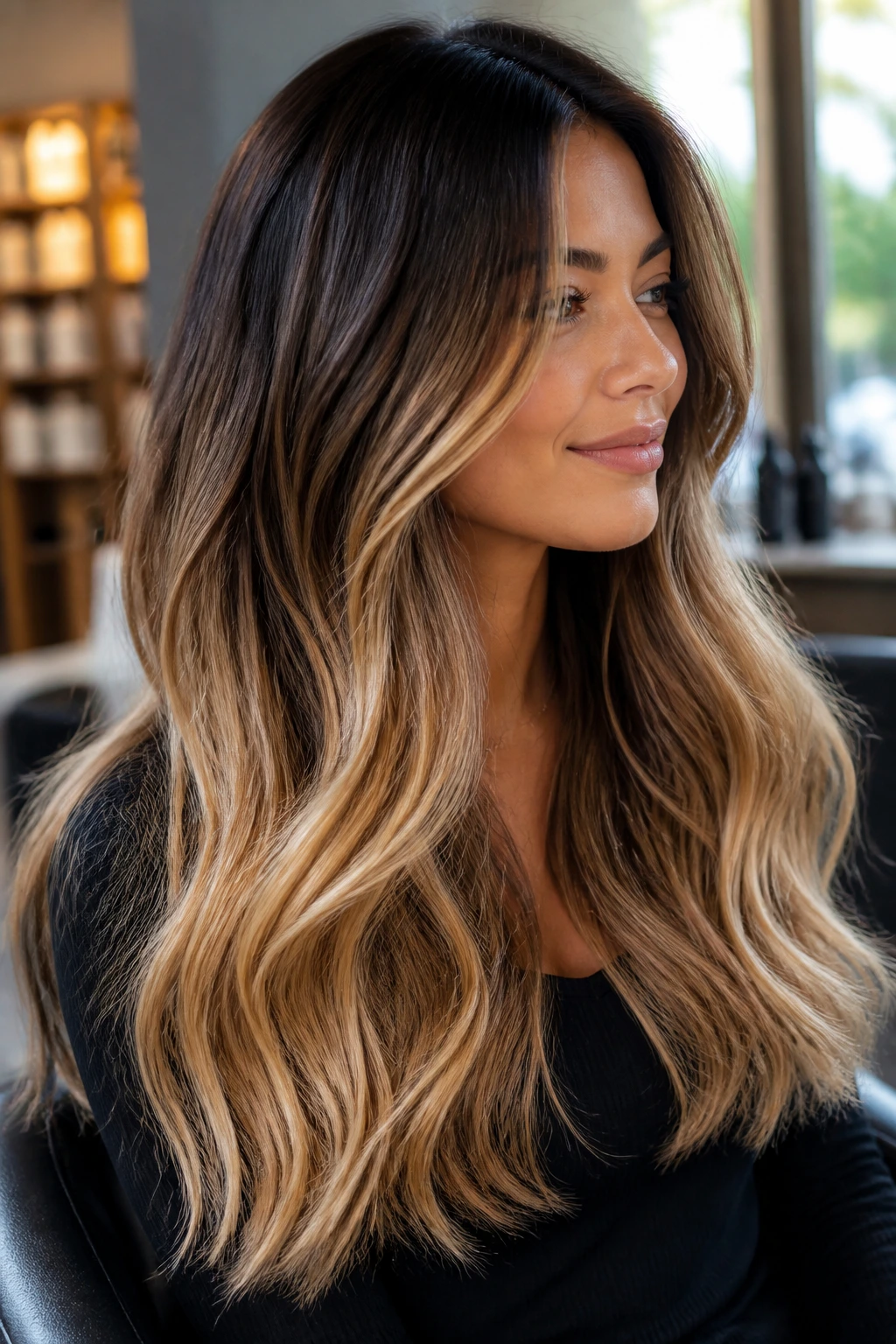
Midnight Honey: For level 3 to 4 brunettes, keep the honey concentrated in the mids and ends, with a deep root and minimal overlap. This version protects the brunette base and gives you warmth without a huge lightening session.
Bronde Honey: For level 5 to 6 hair, blend honey, beige, and light brown until the result sits right in the middle. It’s the easiest version to wear if you want brightness but don’t want your hair screaming blonde.
Honey Butter Blonde: For lighter brunettes, push the warmth a little higher and let the blonde read creamier. This works well when the hair already lifts evenly and can handle a brighter finish.
Curly Halo Honey: Place the lightest pieces around the crown and front curves of curls or coils so the brightness follows the texture. The color should move with the curl pattern, not sit on top of it.
Gray-Blending Honey: If you’re covering scattered gray, ask for warm highlights plus a soft root shadow instead of one solid color. The mix is kinder to grow-out and keeps the finish from looking blocky.
Frequently Asked Questions About Honey Blonde on Brunettes
Can dark brunettes get honey blonde in one visit?
Sometimes, but not always. If your hair is a level 3 or 4, a single appointment usually gets you to caramel or warm bronde more safely than true honey blonde, especially if the hair has been colored before.
Does honey blonde work on cool skin tones?
Yes, but the tone needs more control. Ask for beige-gold or smoky honey instead of bright yellow gold so the warmth supports your complexion rather than fighting it.
What’s the difference between honey blonde and caramel highlights?
Caramel usually sits deeper and richer, with more brown in the mix. Honey blonde is lighter and brighter, but on brunettes it often still needs a brunette base to keep it from looking too flat.
How often should honey blonde be toned?
A gloss every 6 to 8 weeks is a solid rhythm for many brunettes, though some people can stretch it longer with good home care. If your hair gets porous or brass-prone, you may need refreshes a little sooner.
Can I get honey blonde without bleach?
If your hair is already a lighter brown or has been lightened before, sometimes yes. On darker brunettes, though, real lightening is usually needed if you want the honey to show instead of just sit on top as a tint.
What should I bring to the salon besides photos?
Bring a quick note about your maintenance comfort, your natural hair level if you know it, and any old color history like box dye or henna. That kind of context saves a lot of guessing.
Why did my honey blonde turn orange?
Usually because the hair lifted warm and then the toner was too weak, too cool, or washed out too fast. A corrective gloss with the right gold-beige balance usually fixes the tone better than piling on purple shampoo.
A Warm Finish That Still Looks Like You
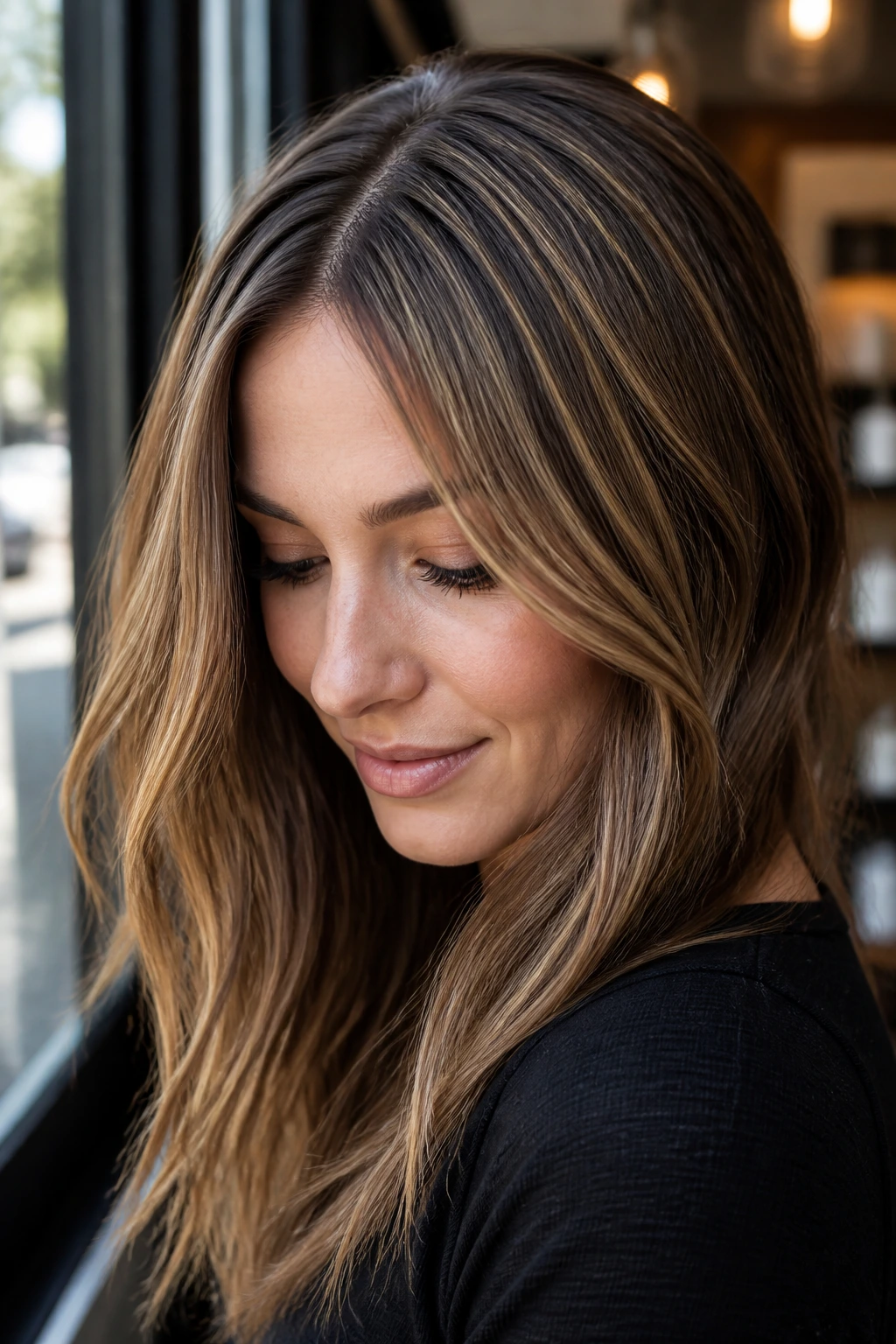
Honey blonde on brunettes works because it respects the base. It does not try to erase the brown; it uses the brown as part of the color story. That’s why the best versions look rich in daylight, soft under indoor bulbs, and still like real hair when you’re standing two feet from a mirror.
If you keep one thing in mind, make it this: the right honey shade is the one that fits your base level, your texture, and your maintenance tolerance. That’s the difference between a color that looks good for a week and one that keeps making sense as it grows out.
Pick the version that fits your hair, and the warmth will do the rest.