



Golden brown blonde highlights on fair skin can look sun-touched, or they can look like the colorist got impatient and lifted the hair too far. The difference usually comes down to three things: how warm the blonde is, how deep the brown stays, and where the light lands around the face.
Fair skin is picky in the best possible way. Give it a flat beige blonde and it can look washed out. Push the tone too coppery and the whole head starts shouting at the face. The sweet spot sits in that narrow strip between honey, caramel, toffee, and beige-gold, where the color still feels bright but the skin gets some help instead of competition.
That’s why golden brown blonde highlights are such a useful family of looks. They can be whisper-soft babylights, chunky ribbons, face-framing brightness, or a rooted melt that grows out without much drama. And if you’ve ever stood under bathroom lighting and thought, why does this blonde look harsh here but soft outside?—yes, placement and undertone are doing that work, not magic.
Why This Collection Feels Different on Fair Skin
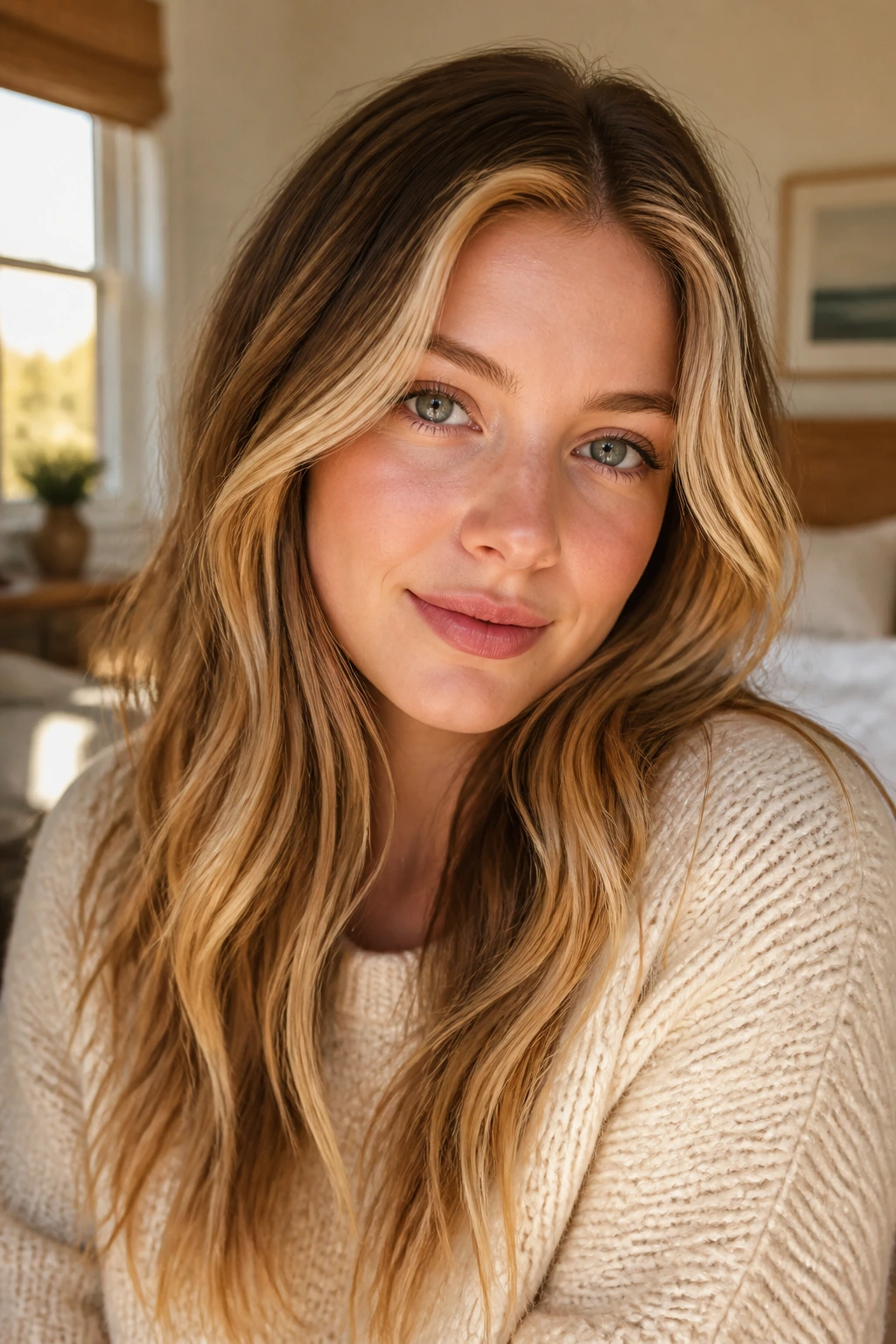
-
Warmth does the flattering, not just brightness: A level 7 to 9 gold-beige highlight gives fair skin a little glow without making the face look chalky.
-
Brown keeps the color from floating away: Leaving some toffee, hazelnut, or root shadow in the mix gives the eye something to land on.
-
The styles cover every comfort level: Some of these looks are barely-there babylights; others are bolder money pieces and ribbon highlights for people who want real contrast.
-
Grow-out is part of the design: A deeper base and softer root melt mean you’re not trapped in a hard line six weeks later.
-
Undertone matters more than trend words: Pink fair skin usually likes beige-gold, peach fair skin can handle honey and apricot, and neutral fair skin can wear almost all of it if the placement stays soft.
Why Golden Brown Blonde Highlights Work on Fair Skin
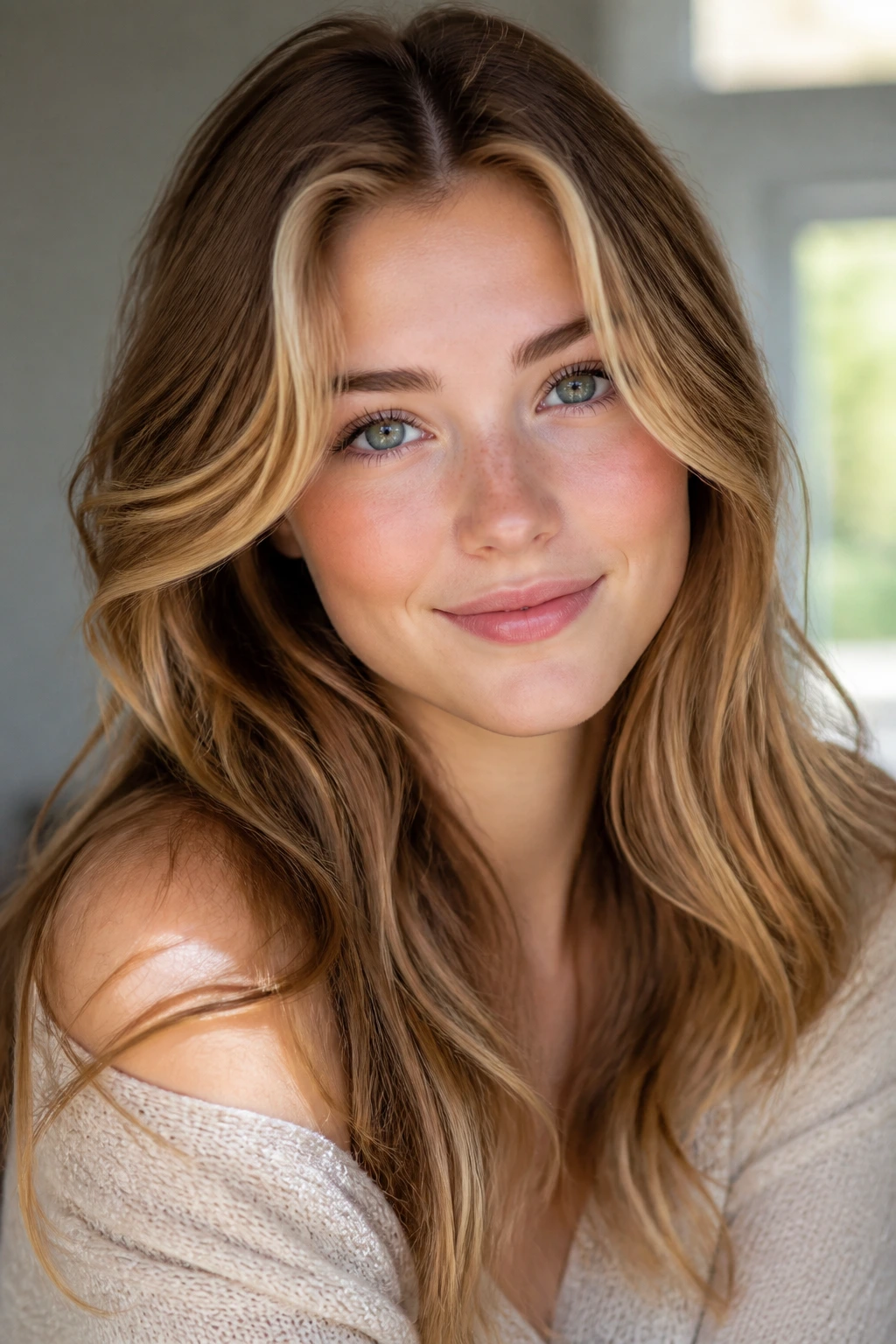
Fair skin tends to show color shifts fast. That’s useful when the tone is right, because a good highlight pattern can wake up the whole face in one glance. It’s also unforgiving. If the blonde is too pale and too cool, the skin can start to look flat beside it. If the brown goes muddy, the hair loses the lift you were paying for.
The trick is that golden brown blonde highlights carry both light and depth. The gold adds reflection. The brown keeps the color anchored. Together, they create movement that feels deliberate rather than stripey, which is usually what people want when they say they want “dimension” but don’t want obvious chunks. I like this family of color because it behaves well in daylight and still looks polished under indoor light. That matters more than Instagram-ready brightness.
Placement does the heavy lifting, too. Around fair skin, the brightest pieces usually belong at the hairline, in the fringe, or on the top layer where they can catch the eye first. If the whole head is lifted to the same level, the face can disappear into the hair. A little root depth fixes that almost every time.
1. Honey Veil Babylights
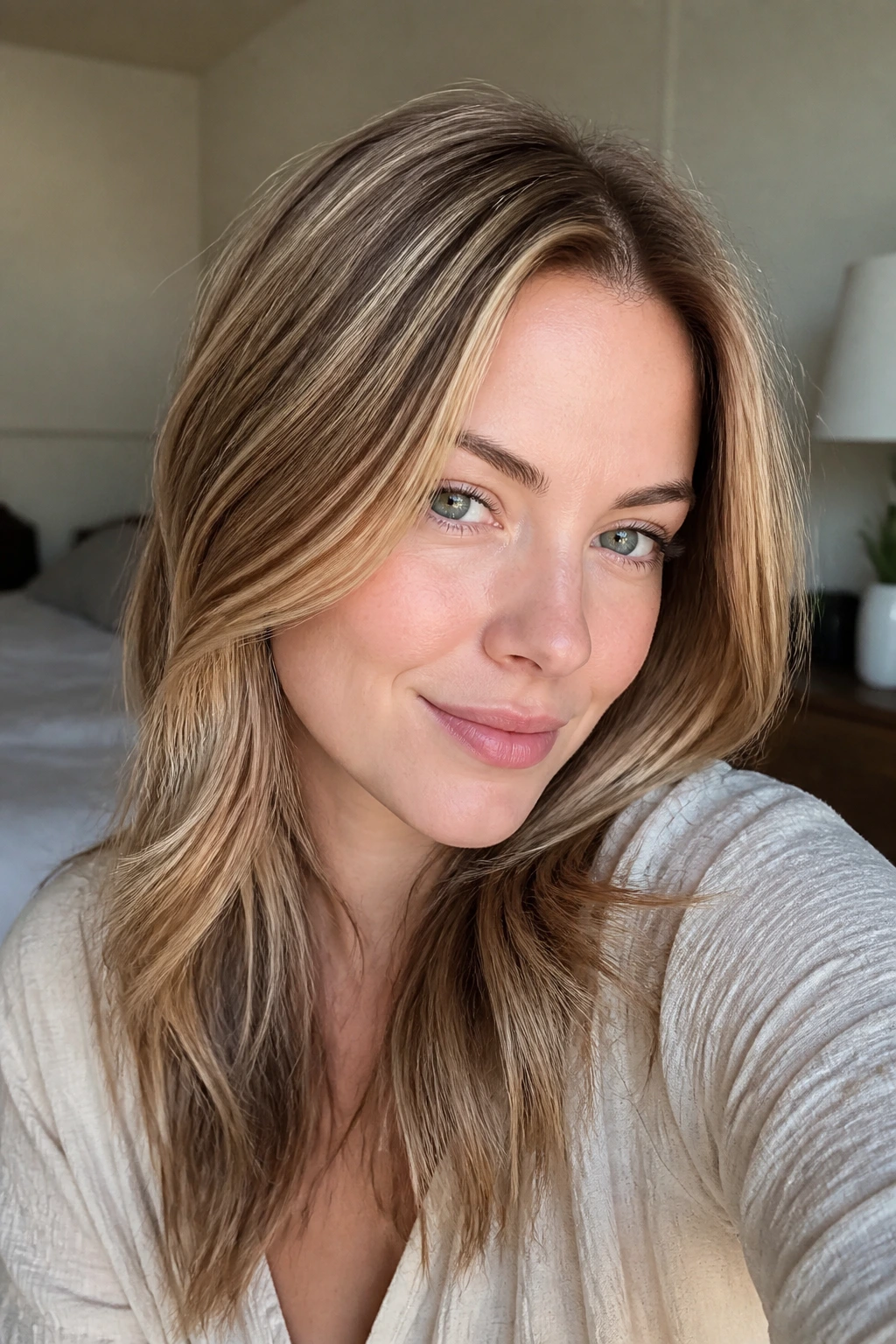
Honey Veil Babylights are the softest place to start if you want golden brown blonde highlights on fair skin without a dramatic shift. The strands are thin enough to look woven in, not painted on, and the honey tone keeps them warm instead of icy.
Why It Works
This style flatters fair skin because the brightness is scattered in tiny threads. You get lift around the face and crown, but the base still reads brown enough to hold the look together. Ask for level 8 babylights with a beige-honey gloss if your skin leans pink.
- Best for: Fine hair, first-time highlights, and anyone who hates obvious regrowth.
- Ask for: Microfine foils, especially around the part and temples.
- Maintenance: Gloss every 6 to 8 weeks keeps the honey from turning dull.
2. Caramel Ribbon Balayage
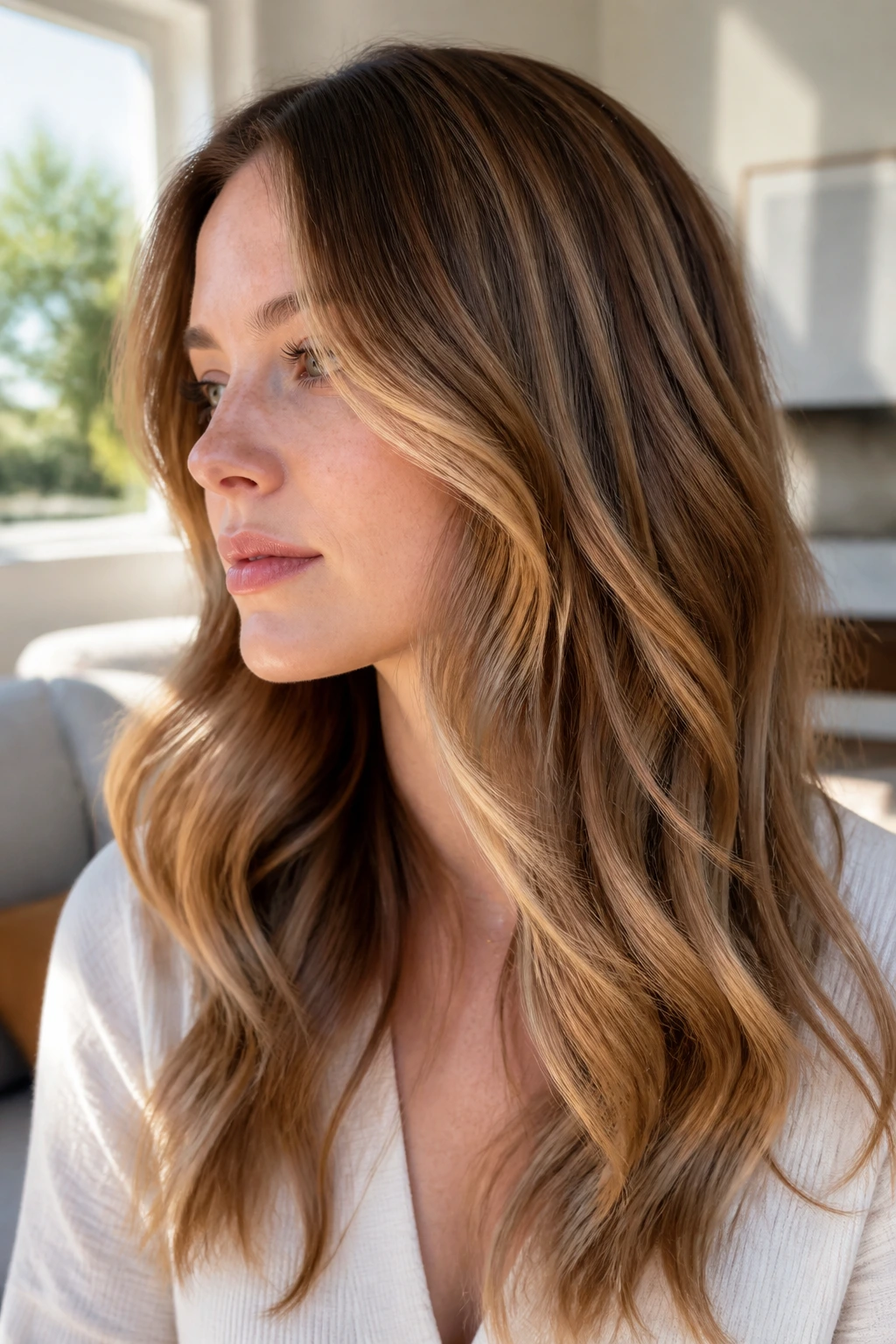
Caramel Ribbon Balayage gives you broader, softer ribbons through the mids and ends, which means the color shows more in a braid, a wave, or a loose blowout. On fair skin, the caramel warmth helps the face keep some color instead of looking pale beside a cooler blonde.
The nice thing here is movement. The ribbons are visible, but they’re not harsh. If your hair is medium brown to dark blonde, this is the kind of highlight that makes people notice the shine first and the coloring second. That’s usually the goal.
3. Bronde Face-Framing Pieces
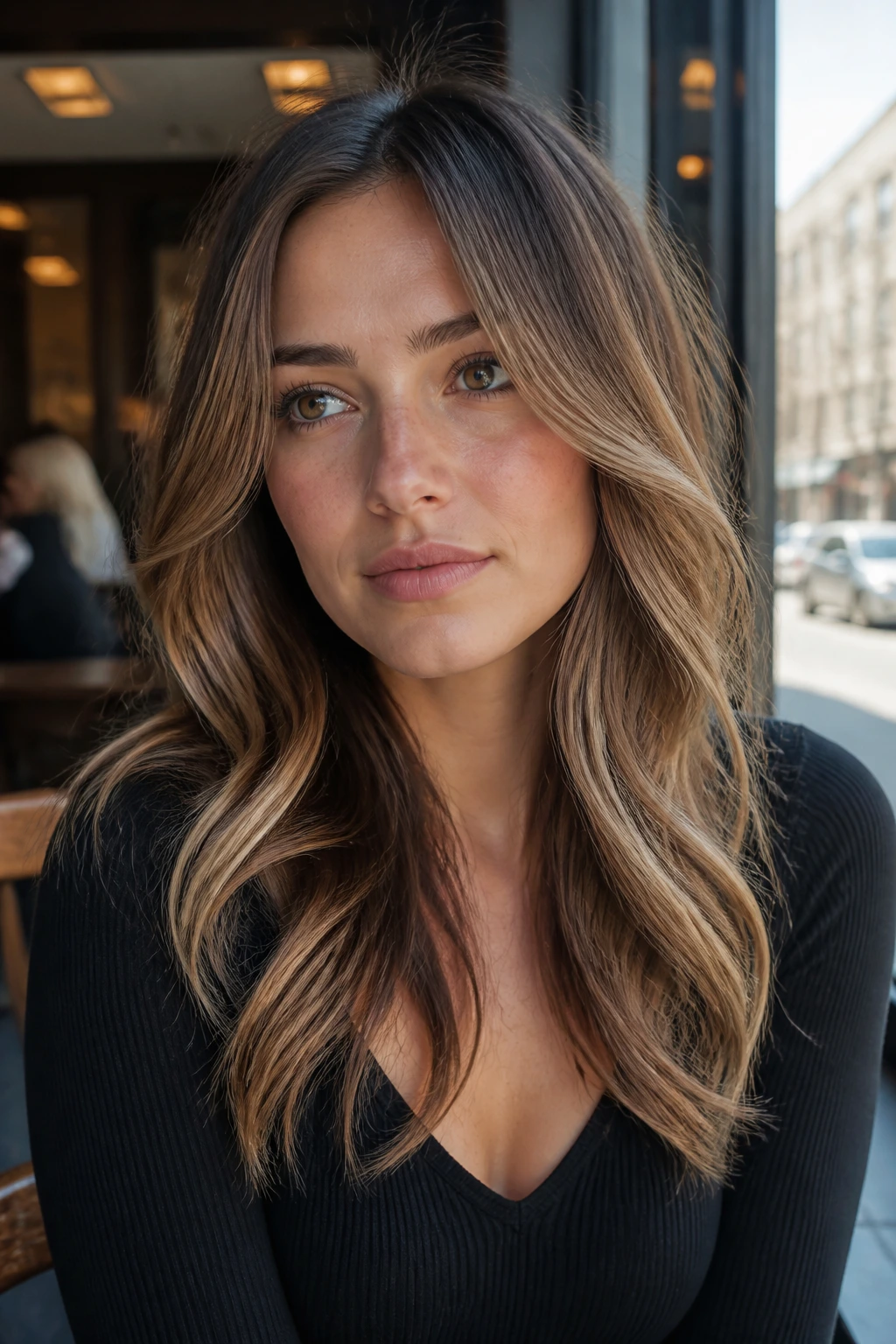
Want the face to wake up fast? Put the light where it counts. Bronde face-framing pieces are brighter than the rest of the head, usually a level or two lighter than the base, and they sit right where the cheekbones, jaw, and curtain bangs can pick them up.
What Makes It Different
Unlike an all-over blonde approach, this one keeps most of the depth underneath. That matters on fair skin, because the contrast stops the face from getting washed out. I’d choose this if you like the idea of highlights but don’t want your hairline to look bleached out by the second week.
4. Toffee Foilayage
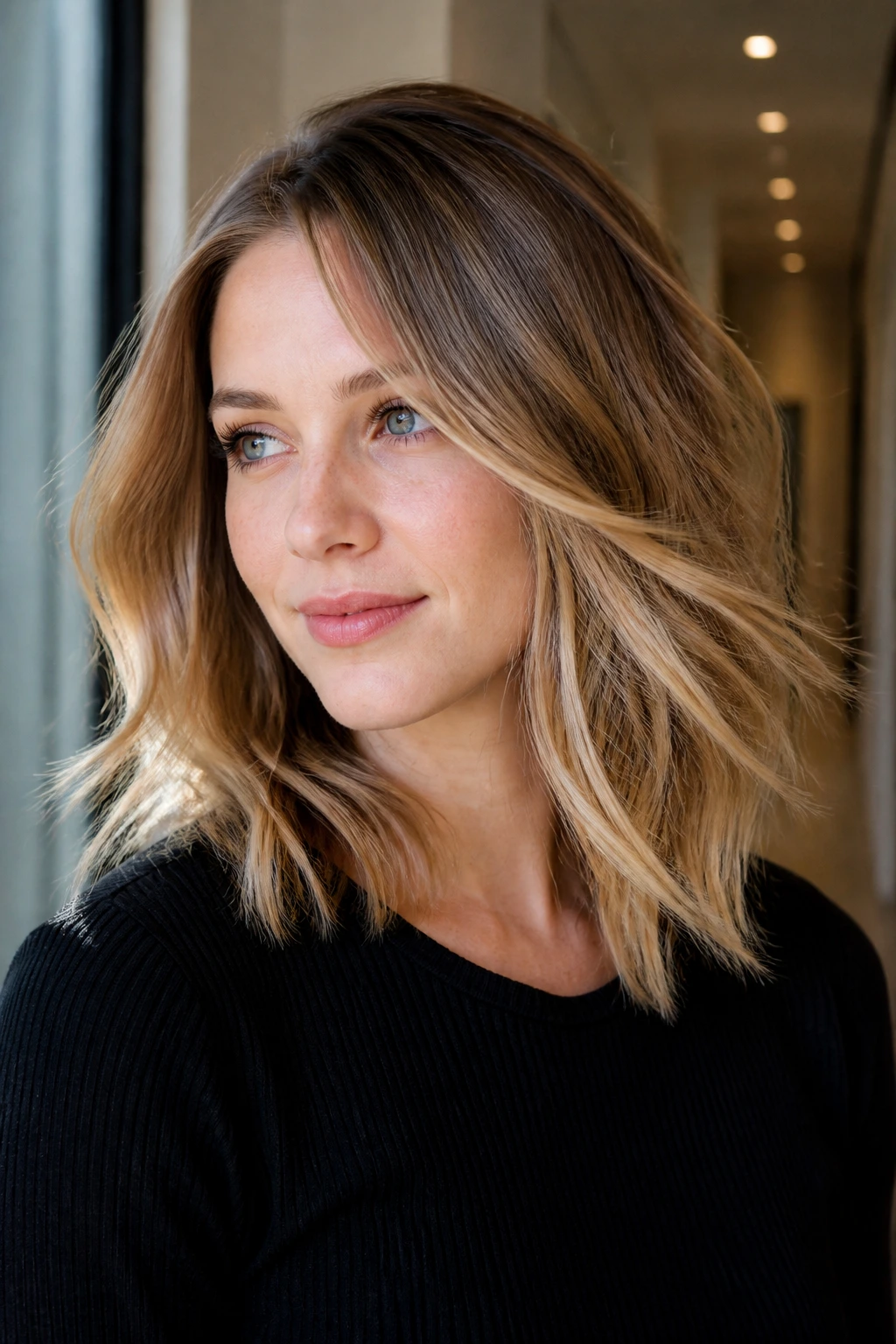
Toffee Foilayage sits between traditional foils and freehand balayage, which is why it gives such a useful mix of control and softness. The toffee tone is warm enough for fair skin, but not so golden that it turns brassy if your hair lifts fast.
A good colorist can place the foils higher near the root and then let the ends melt out. That creates the kind of ribboning that looks expensive in motion. It’s one of my favorite choices for shoulder-length hair, because the pieces show even when you tuck the hair behind one ear.
5. Butterscotch Tip-Blend
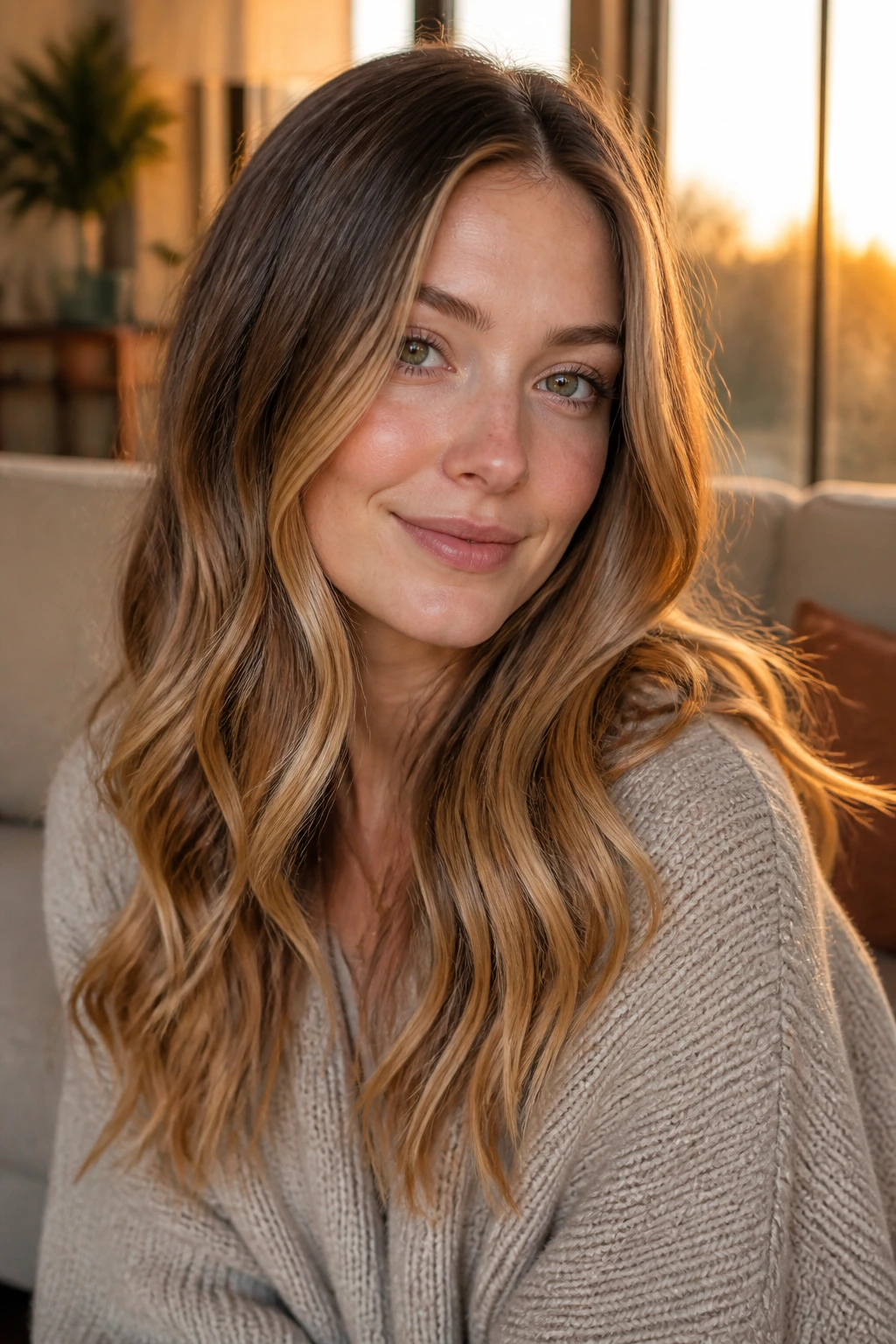
Butterscotch Tip-Blend keeps the lightness mostly through the mid-lengths and ends, which is handy if your roots are a shade you like and you only want the color to warm up toward the bottom. On fair skin, that softer top section can be a relief. There’s no hard line sitting across the scalp.
I’d call this a quiet show-off look. It moves nicely in waves, and the butterscotch tone gives the ends enough color that they don’t look dry or chalky. If your hair is long, this can save you from the “all the brightness lives at the top” problem.
6. Beige-Gold Lowlights and Highlights
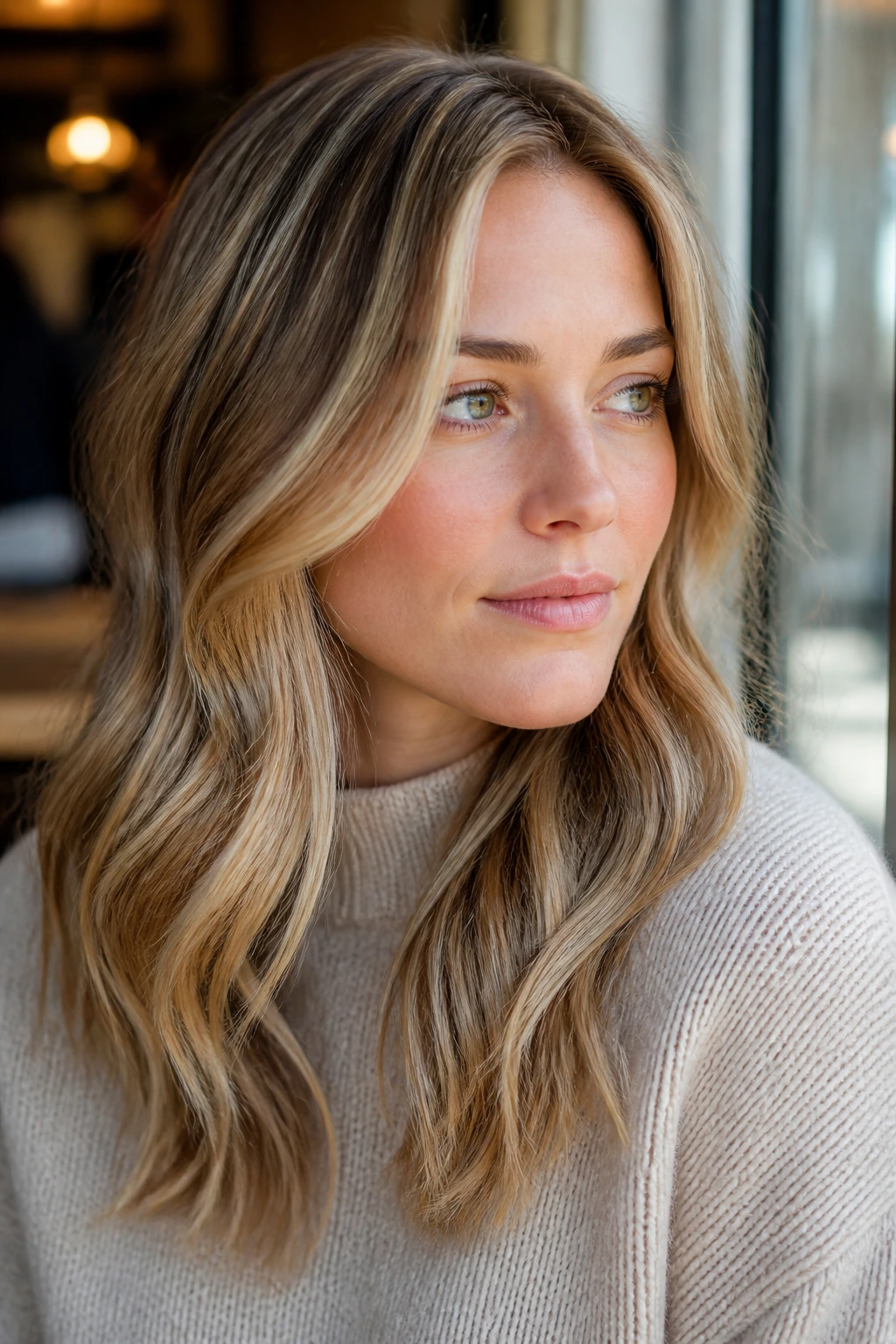
Here’s the smart version of blonde for fair skin: don’t just lighten. Add depth back in. Beige-gold lowlights and highlights create that soft push-pull effect where the lighter pieces sparkle against a deeper beige or soft brown base.
This is especially good if your hair already feels a bit flat after coloring. The lowlights make the blonde look richer, not thinner. On fair skin with cool or neutral undertones, the beige keeps everything from drifting too yellow while still avoiding the hard ash that can drain the face.
7. Champagne Blonde Ribbons
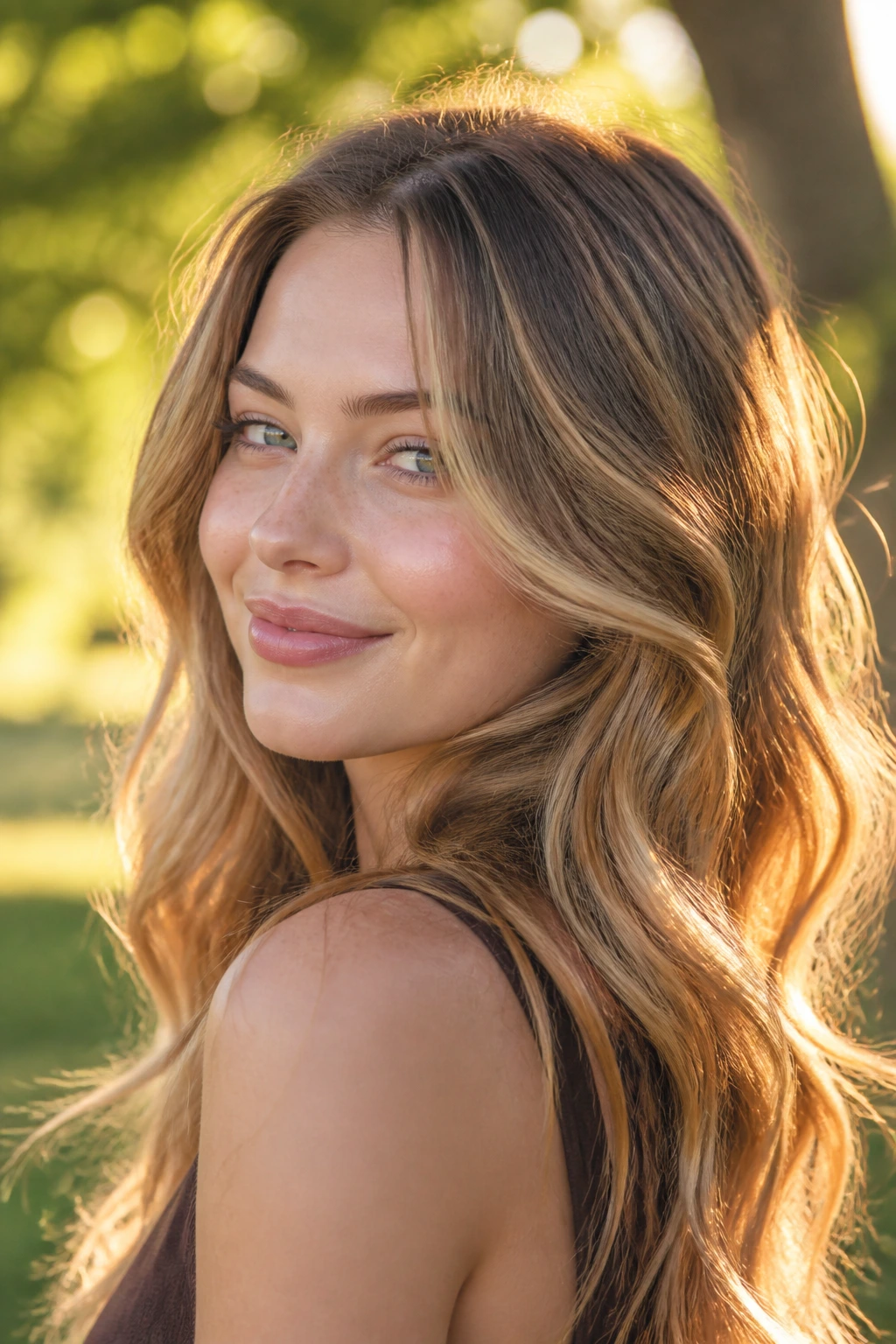
Champagne blonde ribbons sit in the brighter end of the warm spectrum, but they’re not screaming platinum. Think pale gold with a clean finish, woven through a light brown base. The result is lift without the brittle, frosty look that can make fair skin seem more pink.
Best undertone match
If your skin burns easily and flushes pink, this shade family can work better than a straight honey blonde because it stays lighter and less orange. The trick is to keep the roots a shade deeper and the gloss beige, not yellow. That little adjustment keeps the color elegant instead of sour.
8. Maple Glaze Highlights
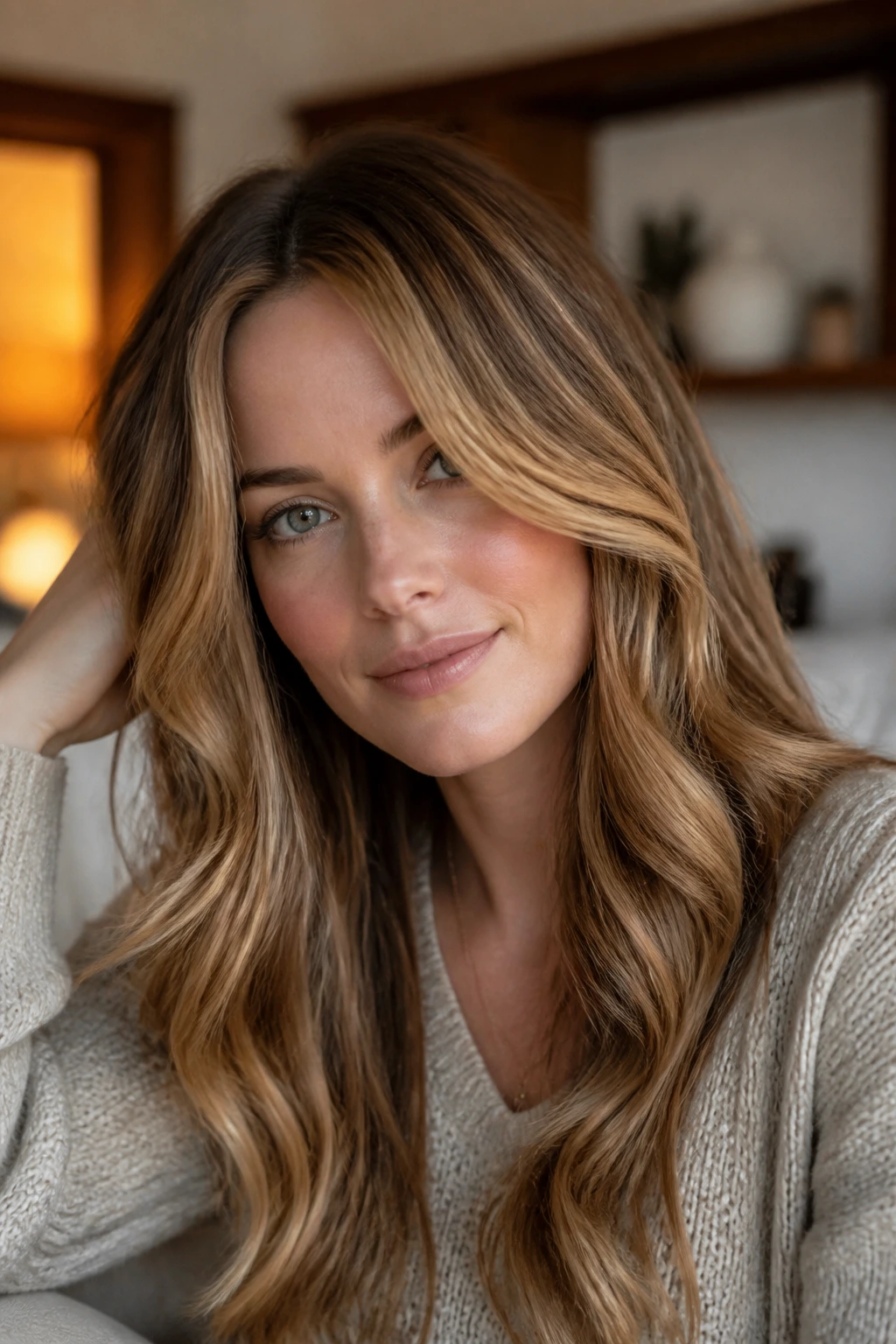
Maple Glaze Highlights lean richer and a touch deeper than standard caramel, which makes them a strong choice when you want warmth without lots of brightness. On fair skin, that deeper gold-brown contrast adds life around the face, especially if your brows are naturally darker.
This is not the look for someone chasing pale blonde. It’s for someone who wants the hair to feel lush, almost syrupy in the light. A maple glaze also hides grow-out better than a cooler blonde, which is a blessing if you dislike regular touch-ups.
9. Sandy Golden Slices
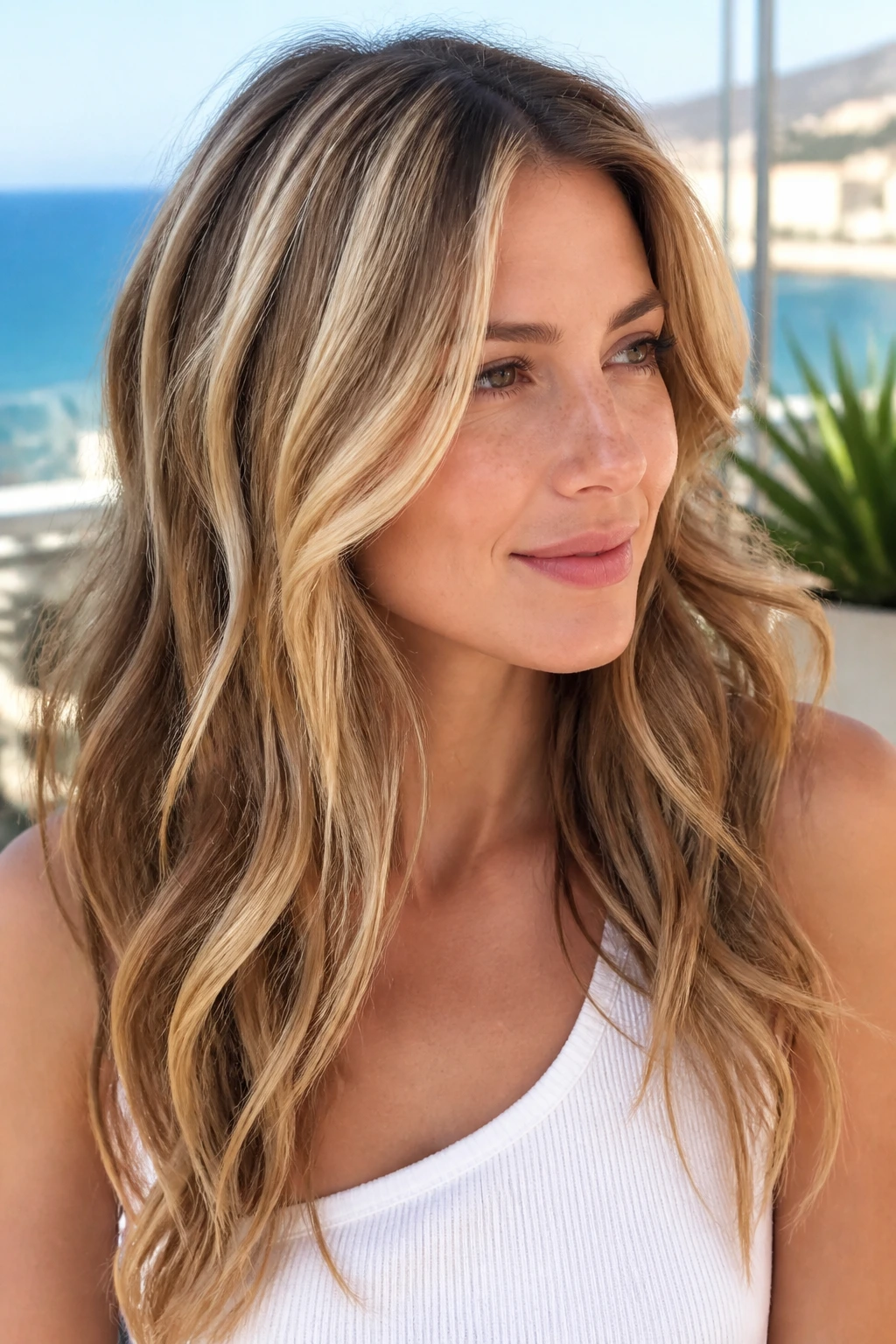
Sandy Golden Slices use thicker placement, which sounds bold, but on wavy or curly hair it can look beautifully soft because the bends break up the color. The sandy-gold tone keeps the slices from turning too orange, while the brown base keeps the whole thing readable on fair skin.
How it wears
This one is good if you like seeing the color move when you turn your head. The slices show up in panels, then disappear into the texture. Fine hair can use this too, but I’d keep the slice width narrower so it doesn’t look chunky.
10. Apricot-Gold Tint
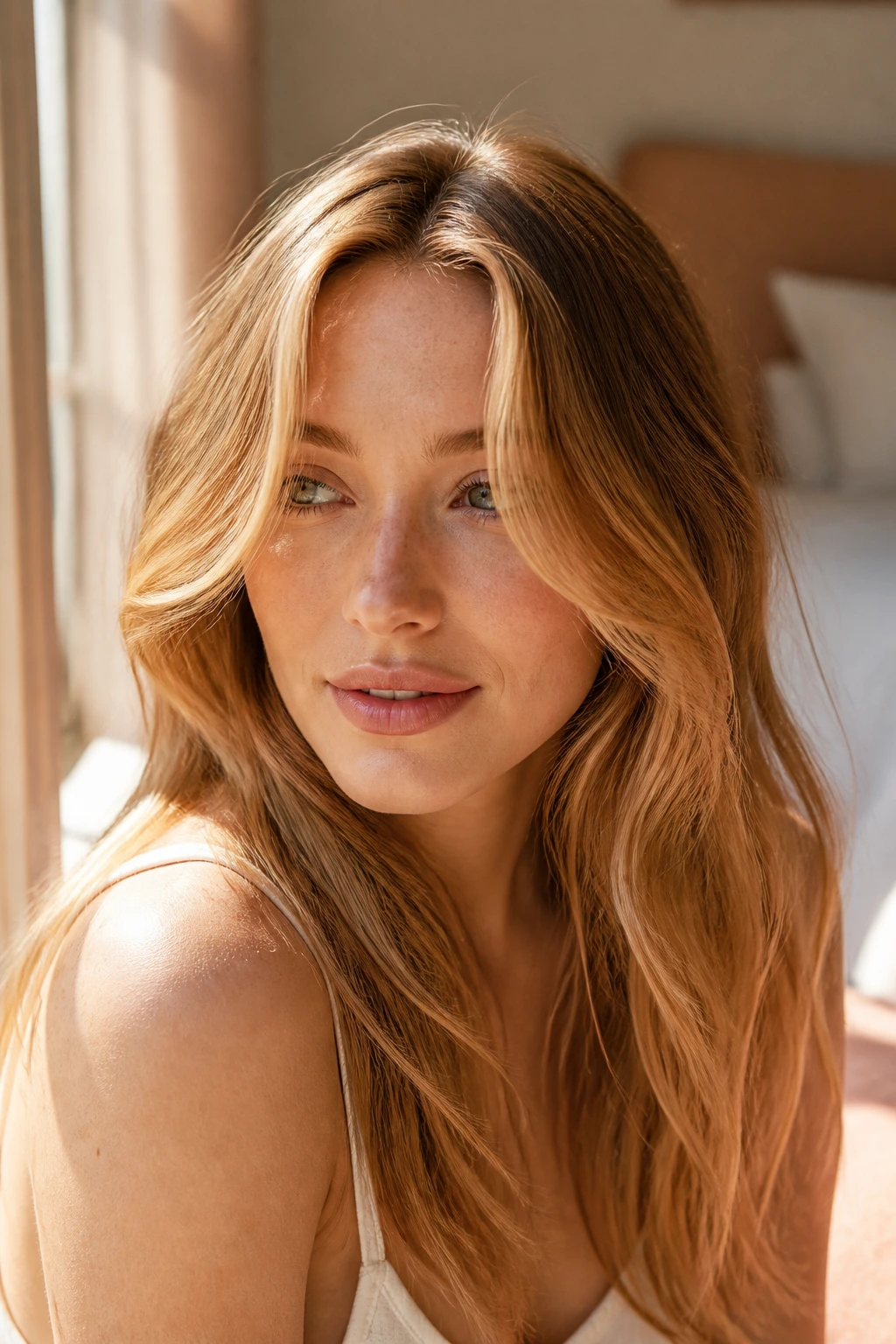
Apricot-Gold Tint is the warmest look in this group, and it deserves some caution. On fair skin with golden or peach undertones, it can look fresh and soft, almost like a warm sunrise around the hairline. On pinker skin, it needs restraint or it can drift into brass.
The smartest way to wear it is as a whisper around the front and crown, not as an all-over orange-gold flood. A gloss with a peach-beige base keeps the result edible instead of loud. That sounds dramatic, but anyone who has seen orange highlights under office lights knows exactly what I mean.
11. Sunlit Micro-Highlights
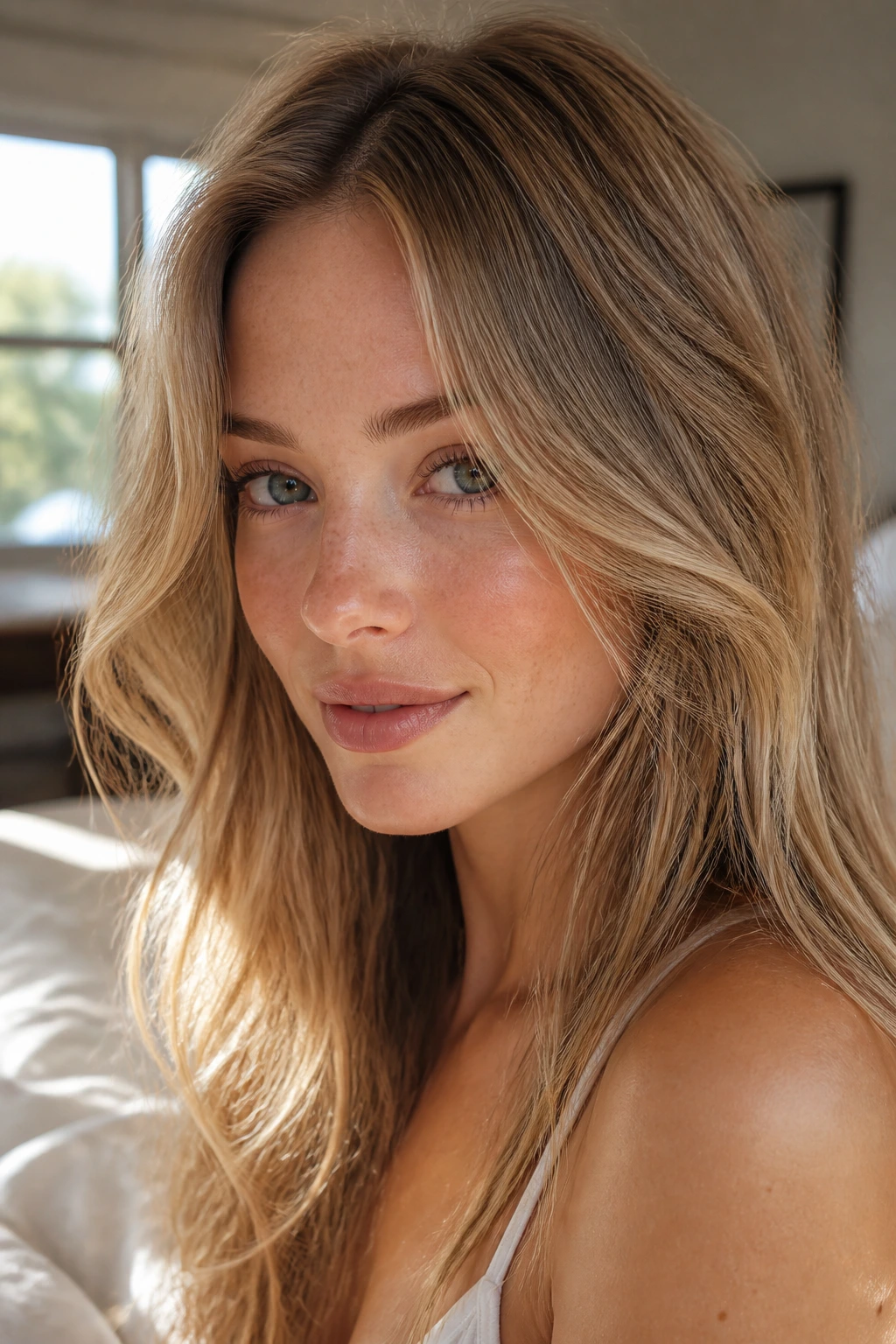
Sunlit Micro-Highlights are the colorist’s answer to “I want to be lighter, but I don’t want anyone to spot the work from across the room.” The strands are ultra-fine, almost dust-like, and they’re spread so evenly that the hair looks lit from inside.
On fair skin, this works because the brightness never sits in one noisy stripe. It’s subtle enough for people who wear little makeup and still want the hair to do some of the lifting. If your natural shade is dark blonde, this can be one of the prettiest options on the list.
12. Biscuit Blonde Blend
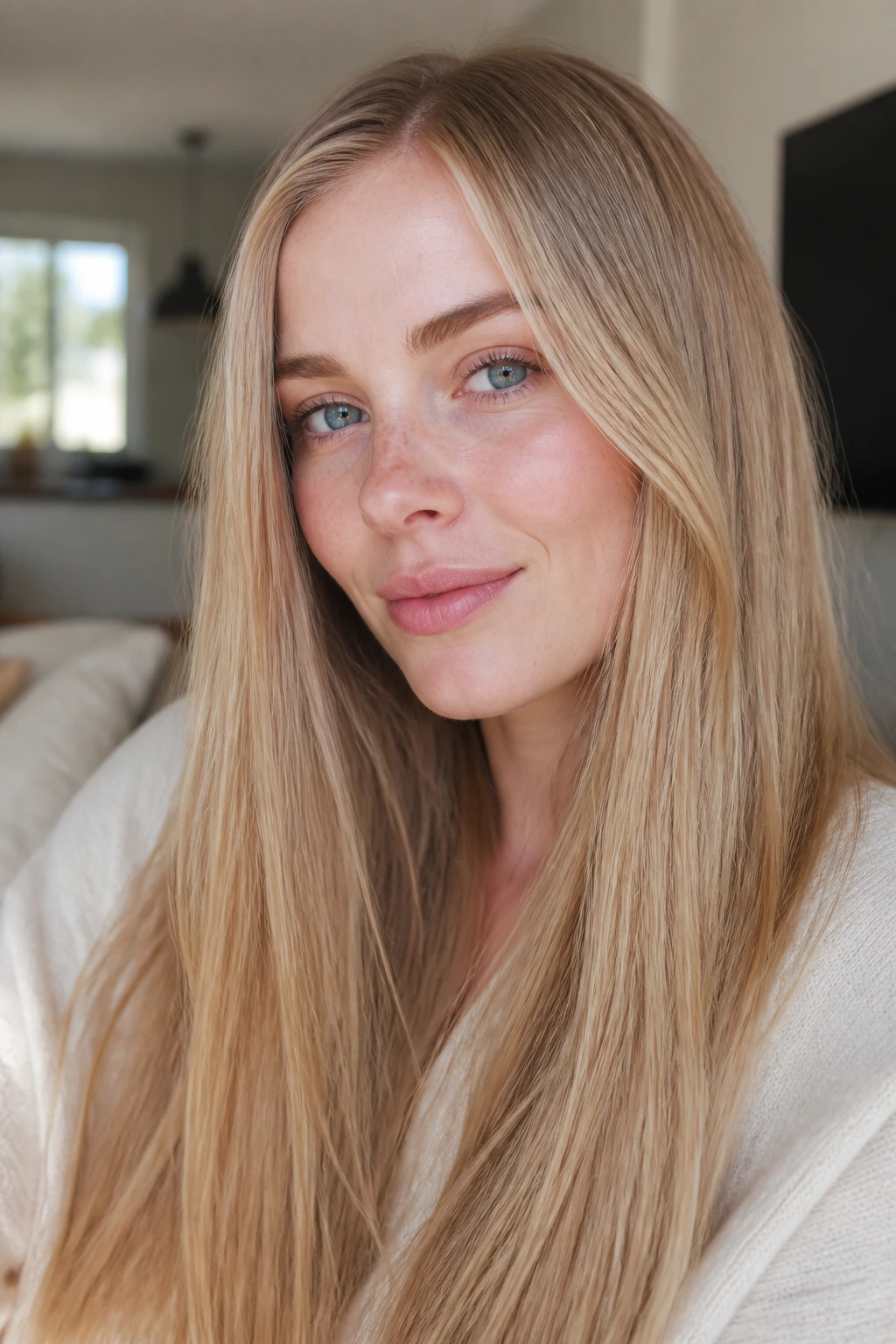
Biscuit Blonde Blend is beige, soft, and low-contrast, which makes it a useful choice when you want blonde dimension without moving too far from brown. Fair skin gets a gentle glow here, not a loud color event.
I like this one on straight hair because the smooth surface shows the tonal shifts. A blowout makes the biscuit and beige layers look even more intentional. If your hair tends to frizz, you’ll still get the point across, but the color really comes alive when the finish is polished.
13. Hazelnut Glow Panels
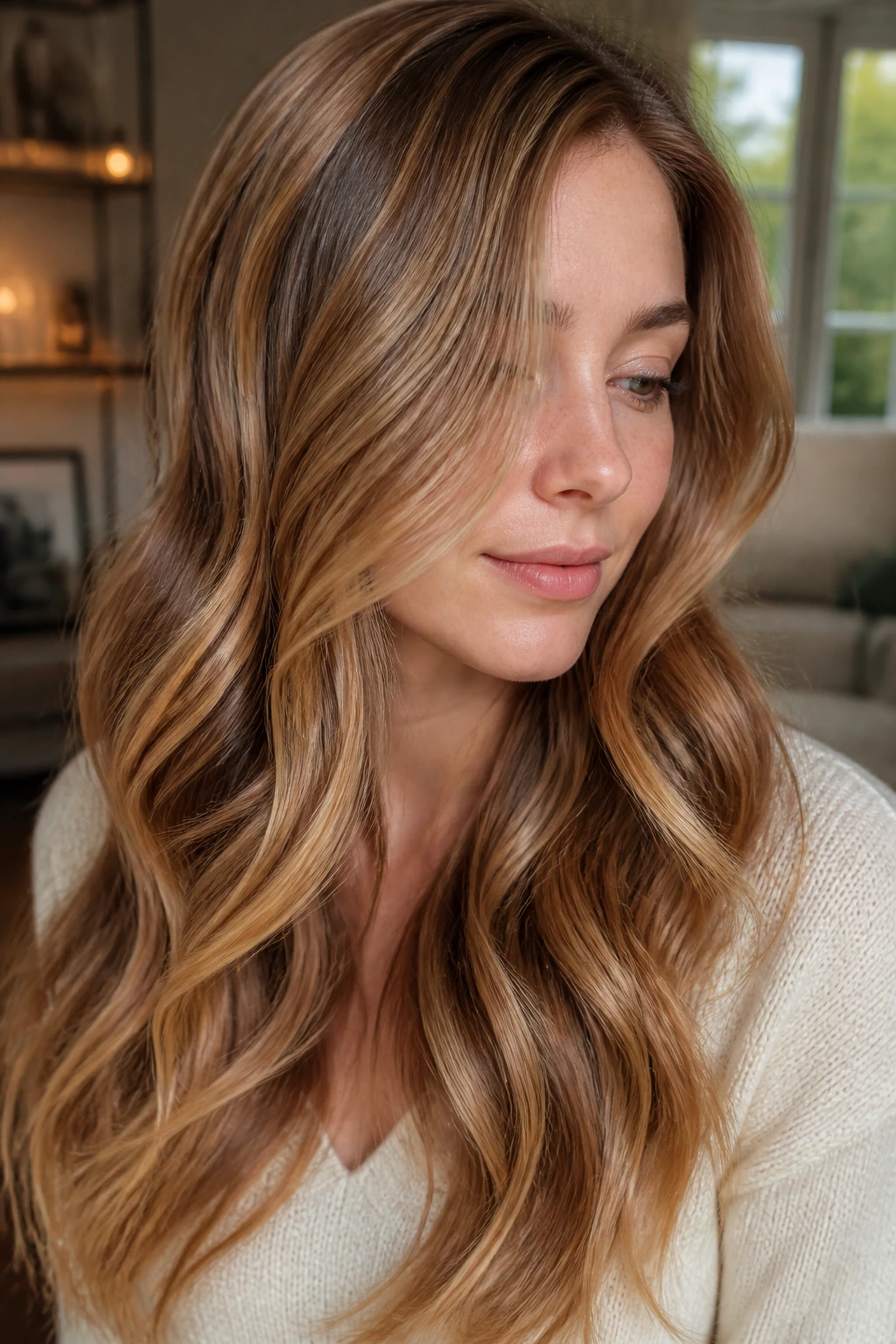
Hazelnut Glow Panels are deeper than caramel and a little cooler at the edges, which helps the color stay grounded on fair skin. Instead of bright ribbons, you get broader panels of hazelnut brown peeking through warmer blonde sections.
What to ask for
Ask your colorist to keep the lightest pieces near the face and the hazelnut panels under the top layer or through the lower half of the head. That keeps the face bright and the length rich. It’s a smart move if your hair has a lot of natural depth and you don’t want to fight it.
14. Copper-Kissed Honey Lights
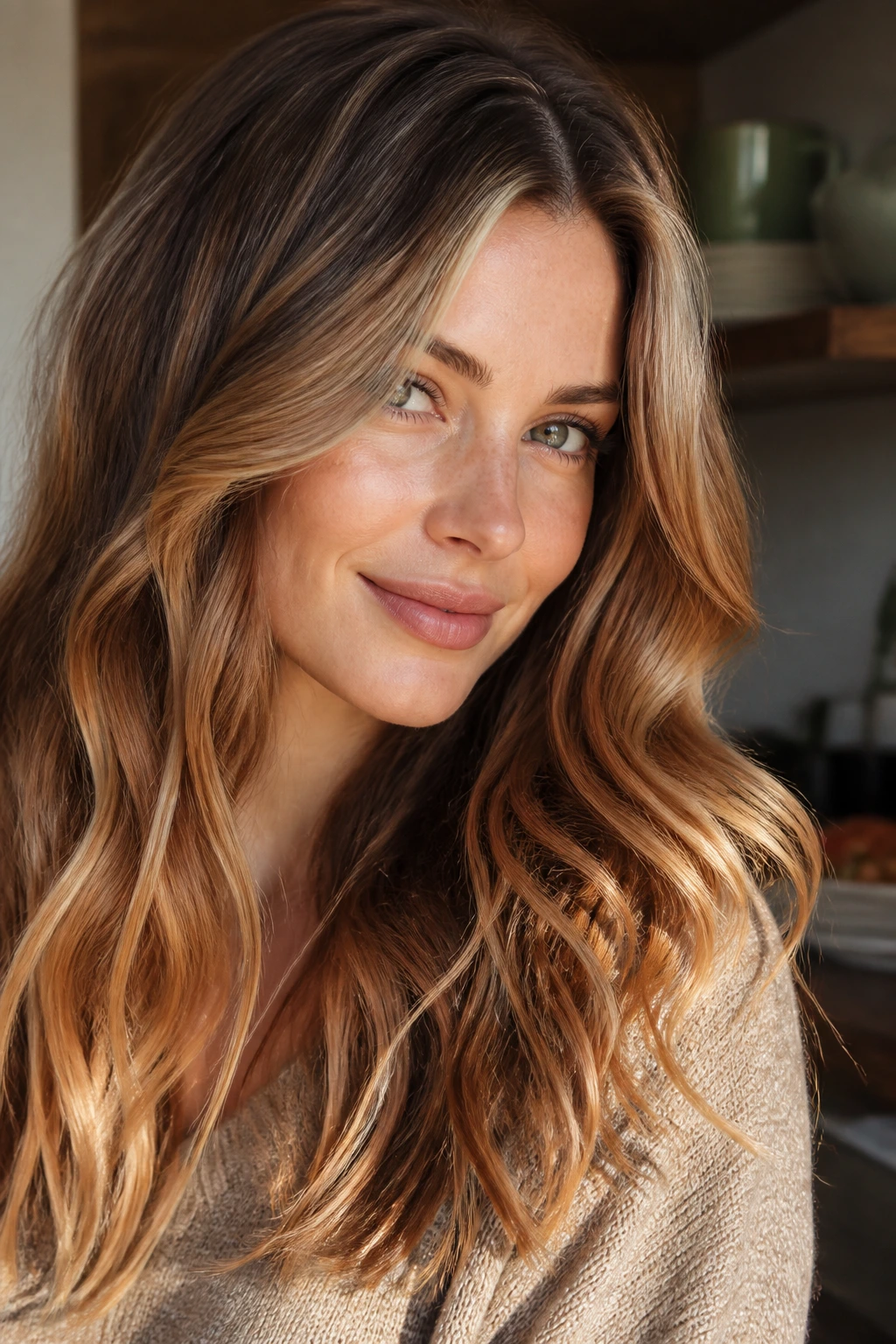
Copper-Kissed Honey Lights are the flirtier version of the warm-blonde family. A little copper near the mids and ends gives fair skin a healthy flush, especially if your own coloring has peach, gold, or freckles in it.
The important part is moderation. Too much copper and you lose the brown-blonde feel entirely. I’d keep the copper as an accent, not the main note, and let the honey do the larger job. That way the hair glows instead of turning orange.
15. Creamy Golden Ombré
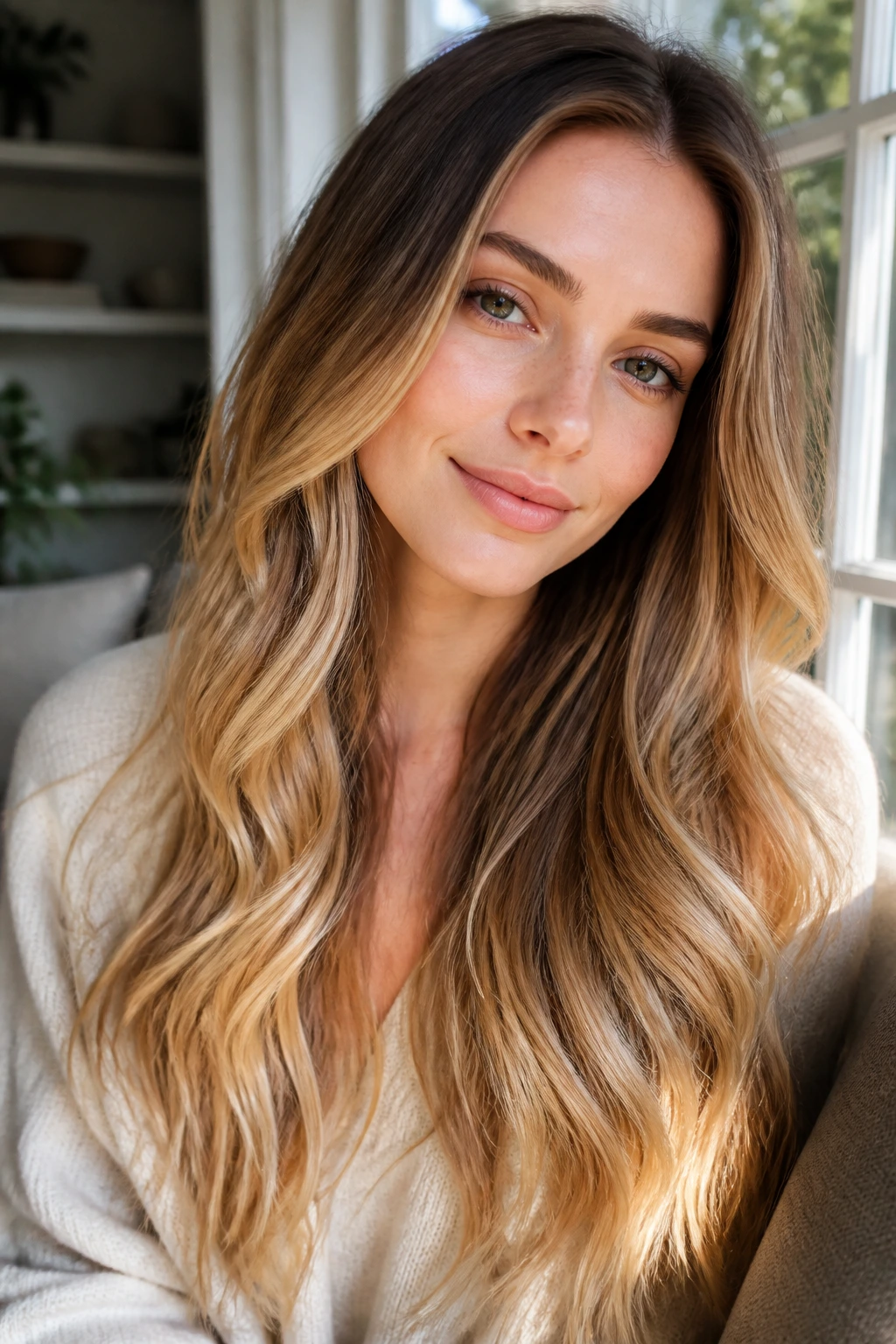
Creamy Golden Ombré starts deeper at the roots and gradually opens into golden cream through the ends. On fair skin, that slow shift is useful because it keeps the top from looking too pale next to the face.
This one wears well on long hair, especially if you like curls or loose bends. The ombré creates a kind of built-in shadow under the light pieces, which keeps the color from flattening out. If you want a softer grow-out and a brighter finish, this is one of the safer bets.
16. Toasted Almond Balayage
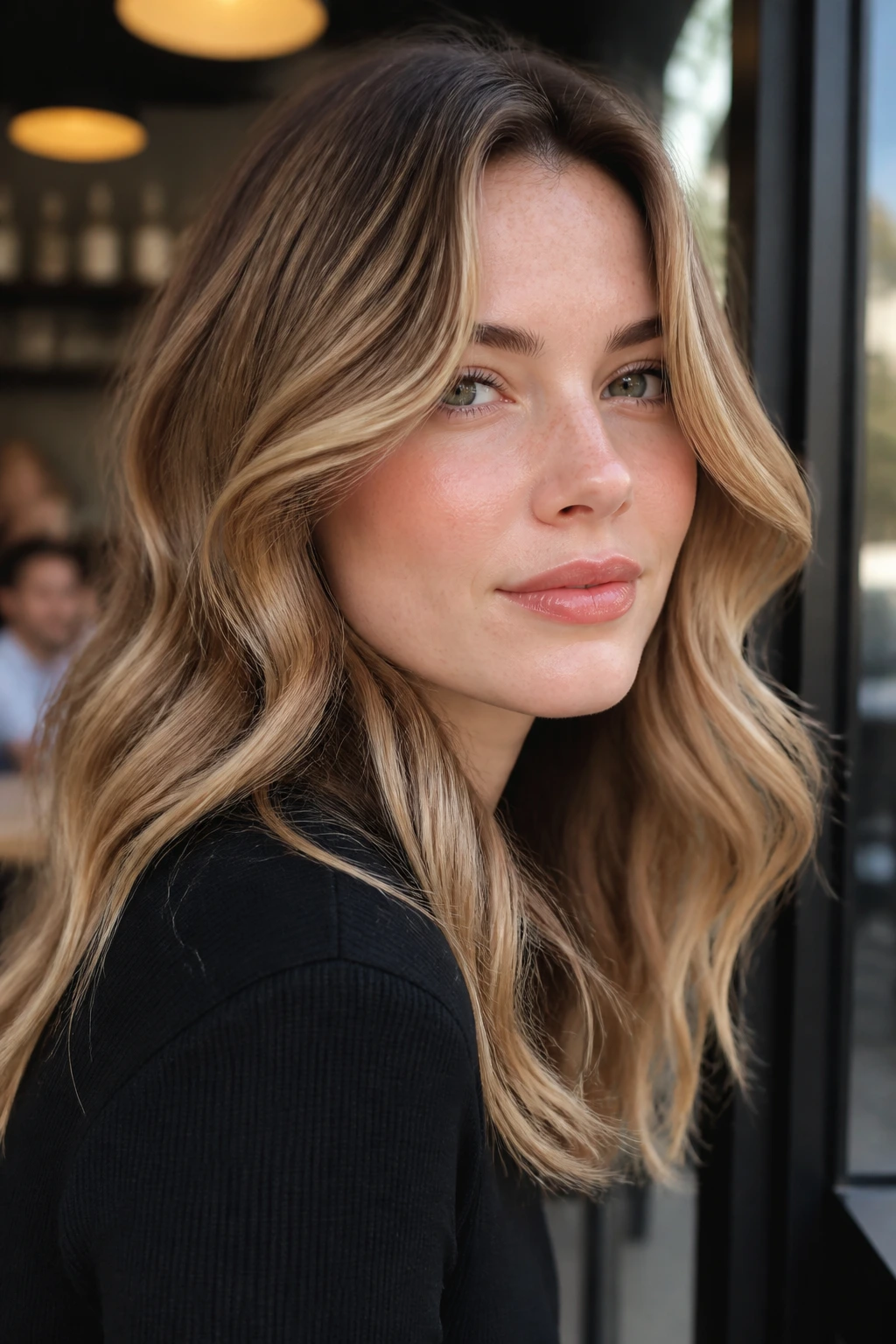
Toasted Almond Balayage is what I’d call the middle lane. Not too gold, not too beige, not too brown. It’s warm enough to keep fair skin from looking drained, and neutral enough to avoid a coppery glow that can read artificial.
Comparison point
Compared with caramel ribbons, toasted almond is less sweet and a little drier in tone. That makes it better for people whose skin runs neutral or slightly cool. It’s also a good choice if your wardrobe leans black, white, gray, or navy, because the color doesn’t fight those clothes.
17. Golden Mushroom Bronde
Golden Mushroom Bronde sounds odd until you see it in hair. It’s earthy, muted, and soft around the edges, with enough gold to keep it alive on fair skin but enough brown-gray beige underneath to stop it from getting brassy.
This is the pick for people who hate yellow blonde but still want warmth. It sits beautifully on medium-density hair and gives a very natural finish, almost as if the color was there from the start. If your skin reddens easily, this cooler-warm mix can be a lifesaver.
18. Soft Walnut Dimension
Soft Walnut Dimension puts brown first and blonde second, which is not a bad thing at all. The walnut base gives fair skin a richer frame, and the golden pieces through the top layers stop the look from going flat.
Why it feels balanced
A lot of fair-skinned people chase brightness and forget that a little depth near the scalp can make the face look brighter by comparison. This one proves the point. It is especially good for fine hair, because the darker dimension makes the hair look fuller, not thinner.
19. Buttercream Peekaboo Pieces
Buttercream Peekaboo Pieces live under the top layers and flash through when the hair moves. That makes them fun without being loud, which matters if you want warmth on fair skin but don’t want the highlights front and center all the time.
The buttercream tone keeps the hidden pieces soft and creamy instead of stark. I like this on bobs, mid-length cuts, and half-up styles because the reveal feels deliberate. If you wear your hair up a lot, these pieces give you a color surprise that doesn’t depend on loose waves.
20. Amber Glow Around the Crown
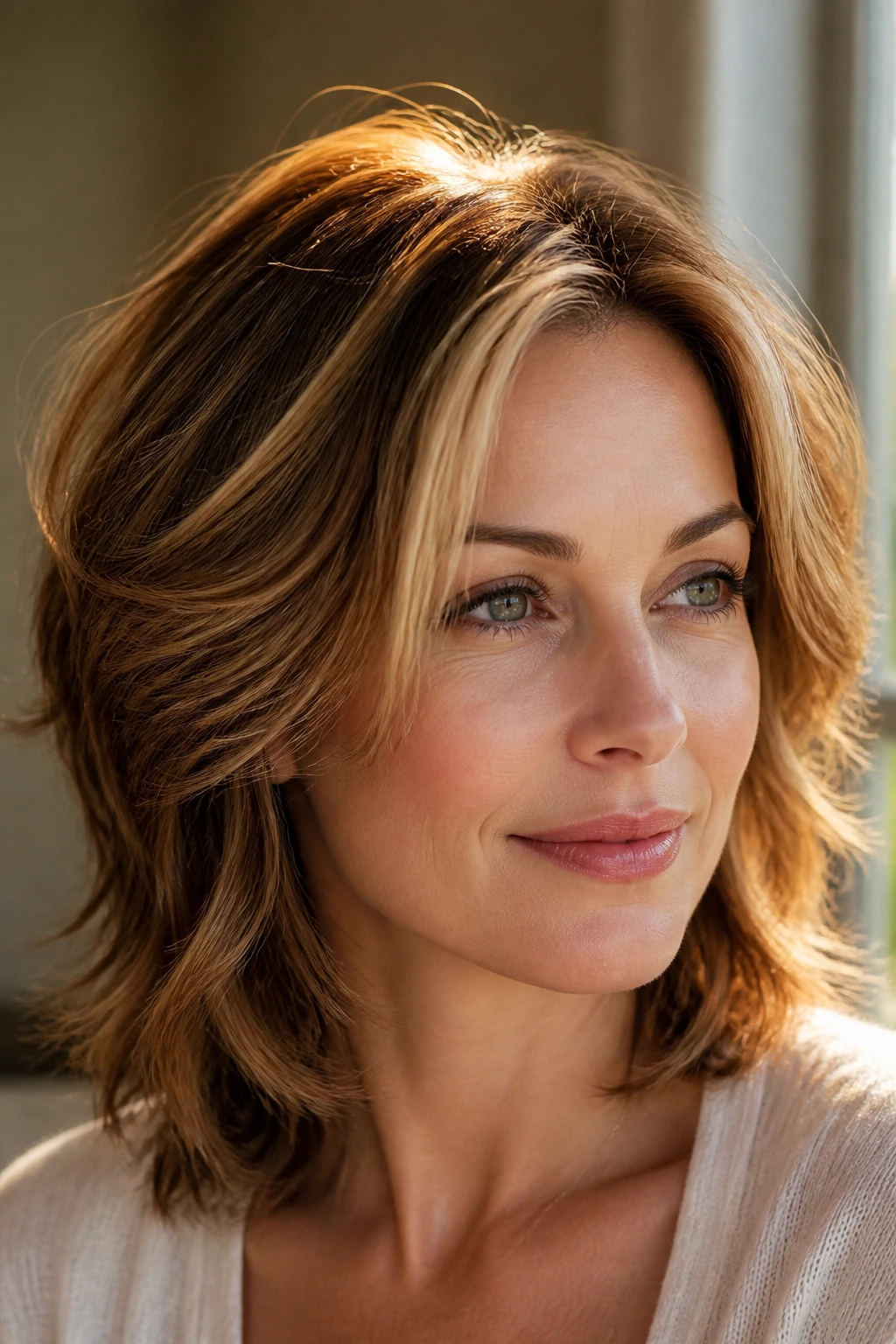
Amber Glow Around the Crown focuses brightness at the top of the head and keeps the ends richer. On fair skin, that crown lift gives the face a quick brightness boost without making the whole length too light.
This is a neat trick on shorter cuts or layered shoulder-length hair. The amber keeps the color warm, and the higher placement draws the eye upward. If you’ve ever felt your hair looked heavy at the root, this is the fix.
21. Warm Ash-Gold Mix
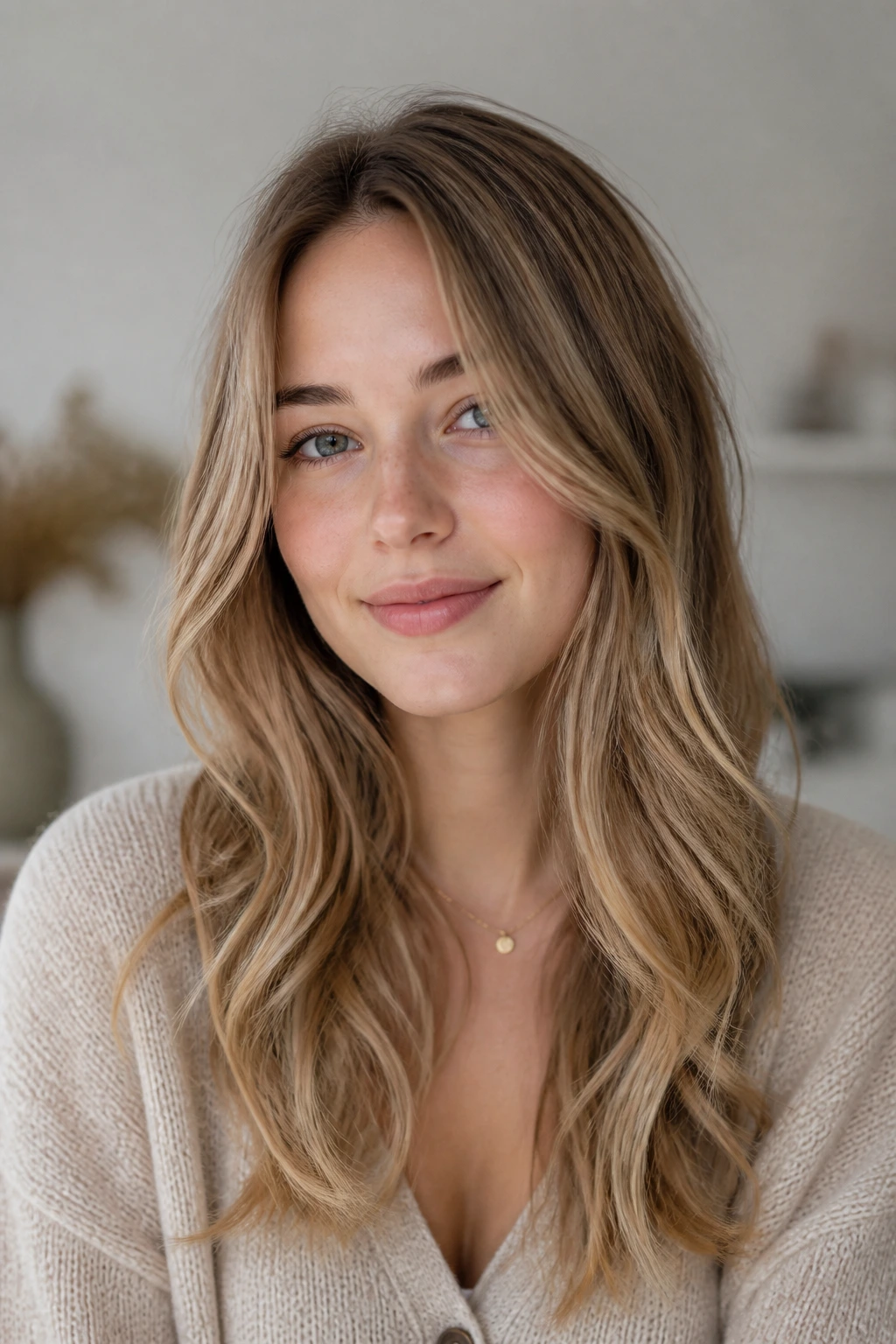
Warm Ash-Gold Mix sounds contradictory because, honestly, it is a little. That’s the point. The ash keeps the tone from turning yellow, while the gold keeps fair skin from looking drained.
I’d choose this if your skin leans cool but you still want warmth in the hair. It’s also a good correction path if previous highlights picked up too much brass. The mixture gives you a beige-blonde finish that looks softer than straight gold and less gray than pure ash.
22. Honeyed Curtain Bang Highlights
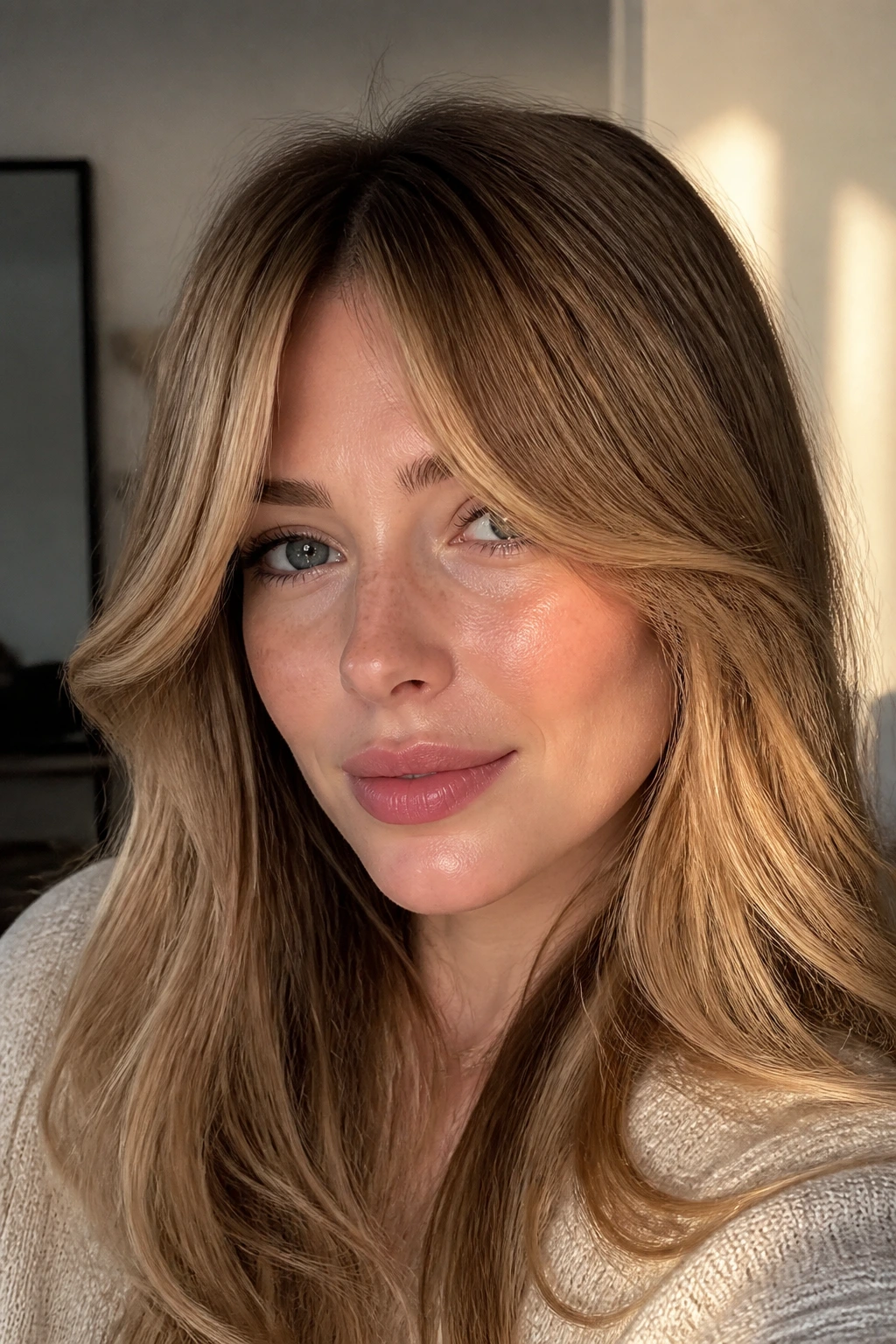
Honeyed Curtain Bang Highlights put the money right where the face opens up. Around fair skin, that’s a smart move because the bangs and temple pieces can act like a soft frame without needing much brightness elsewhere.
Best for this cut
Shags, layered lobs, and curtain bangs are where this style behaves best. The honey tone catches light at the eyes and cheekbones, and that little lift can change the whole expression of the cut. If your hair is straight, add a bend with a round brush or a large barrel iron so the pieces separate instead of hanging flat.
23. Golden Cinnamon Dimension
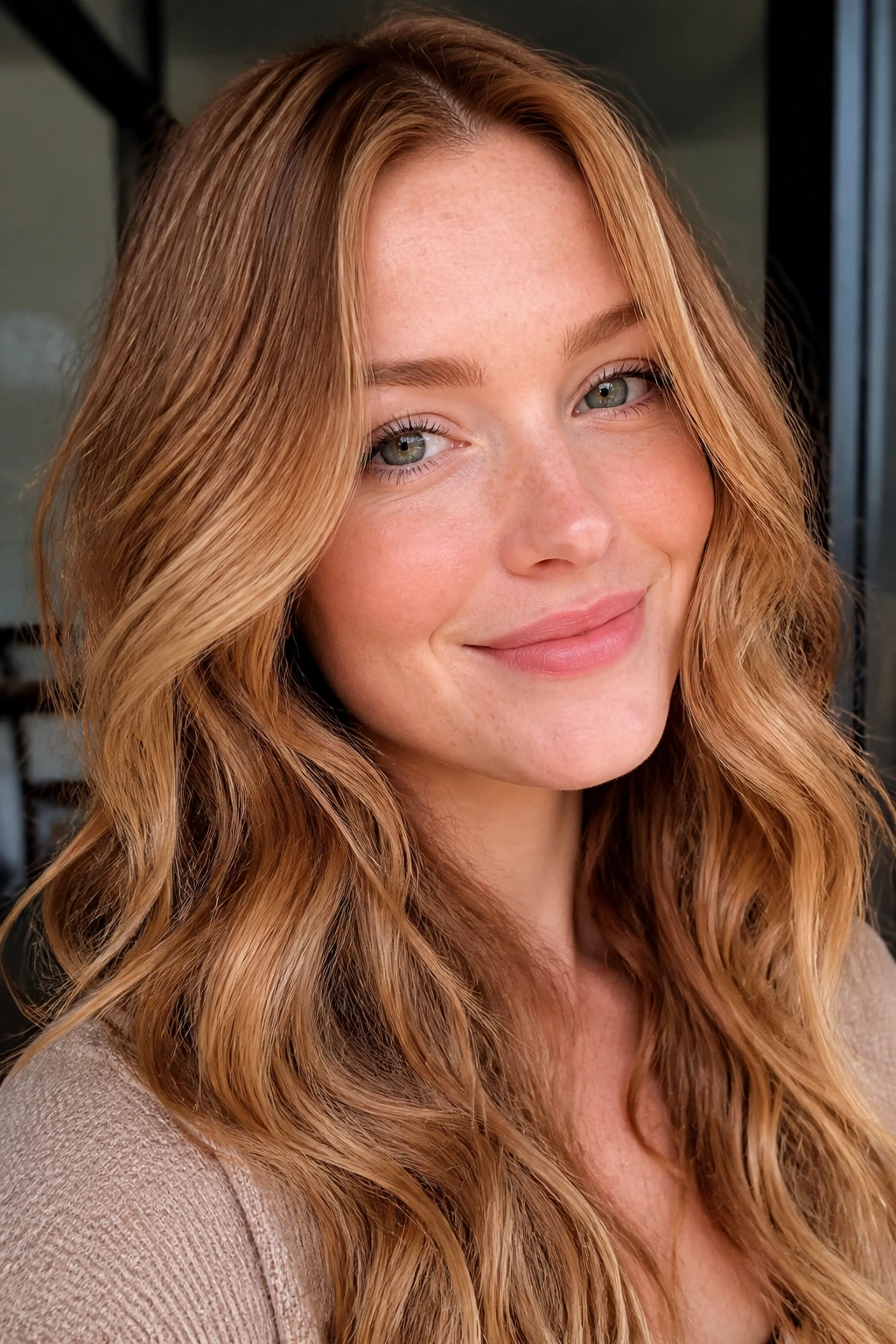
Golden Cinnamon Dimension is warmer and spicier than plain caramel, with a little red-gold pressure in the color. On fair skin, that can look gorgeous when the undertones are peachy or golden, especially if you want the hair to feel richer than standard blonde.
The caution here is simple: keep the cinnamon in the mids and ends unless you want a stronger statement. A few face-framing pieces are enough to make the whole head feel warmer. Too much cinnamon near the scalp can take over fast.
24. Lived-In Root Melt
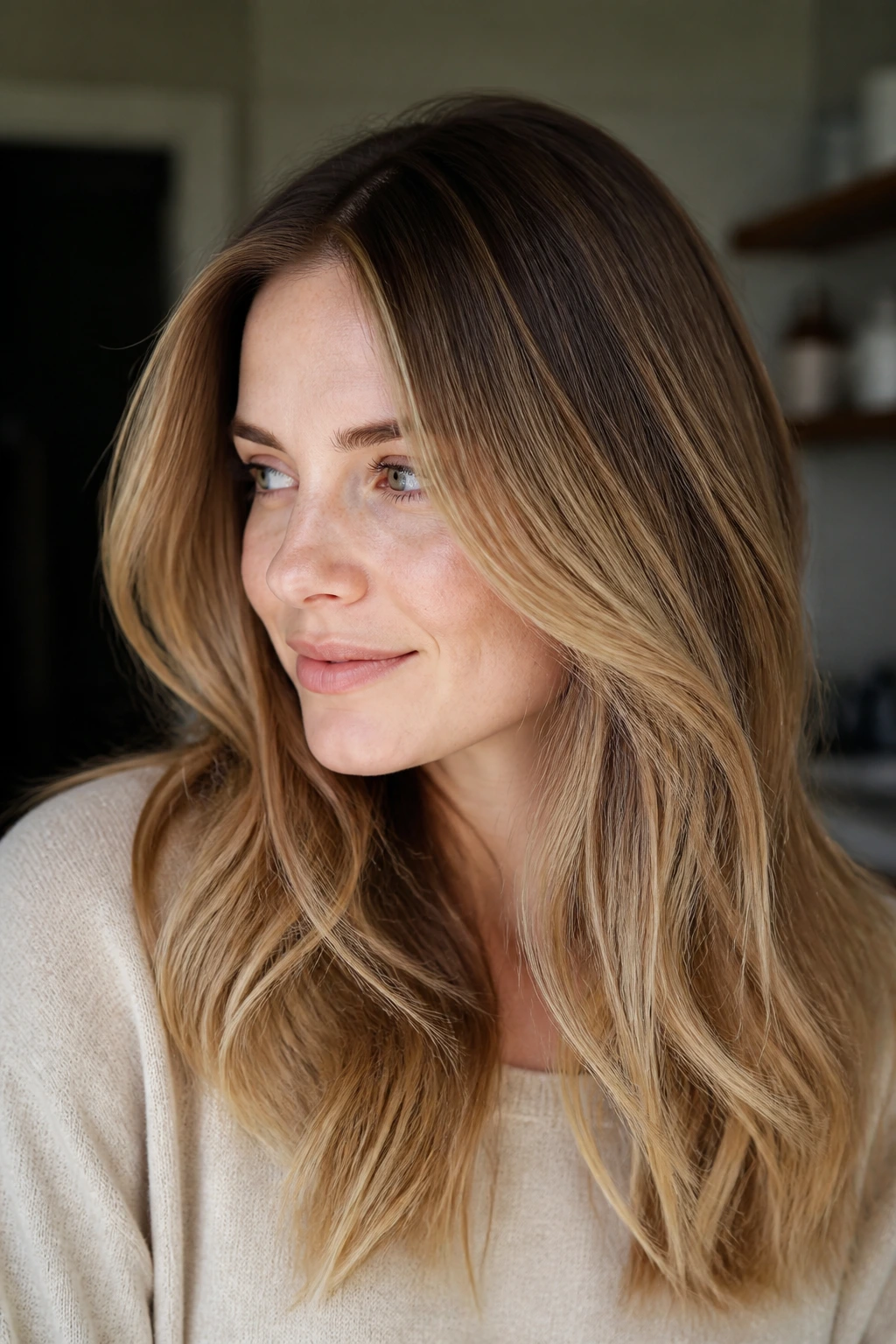
Lived-In Root Melt is what you pick when you want the color to relax a little. The root stays a shade or two deeper, then soft golden-brown blonde pieces open up through the rest of the hair. On fair skin, that root shadow is your friend. It keeps the face from getting swallowed by brightness.
This is one of the easiest looks to wear long-term because the grow-out is built in. If you curl your hair, the depth at the root makes the waves look thicker. If you wear it straight, the melt line gives the color a clean, smooth fall.
25. Frosted Honey Veil
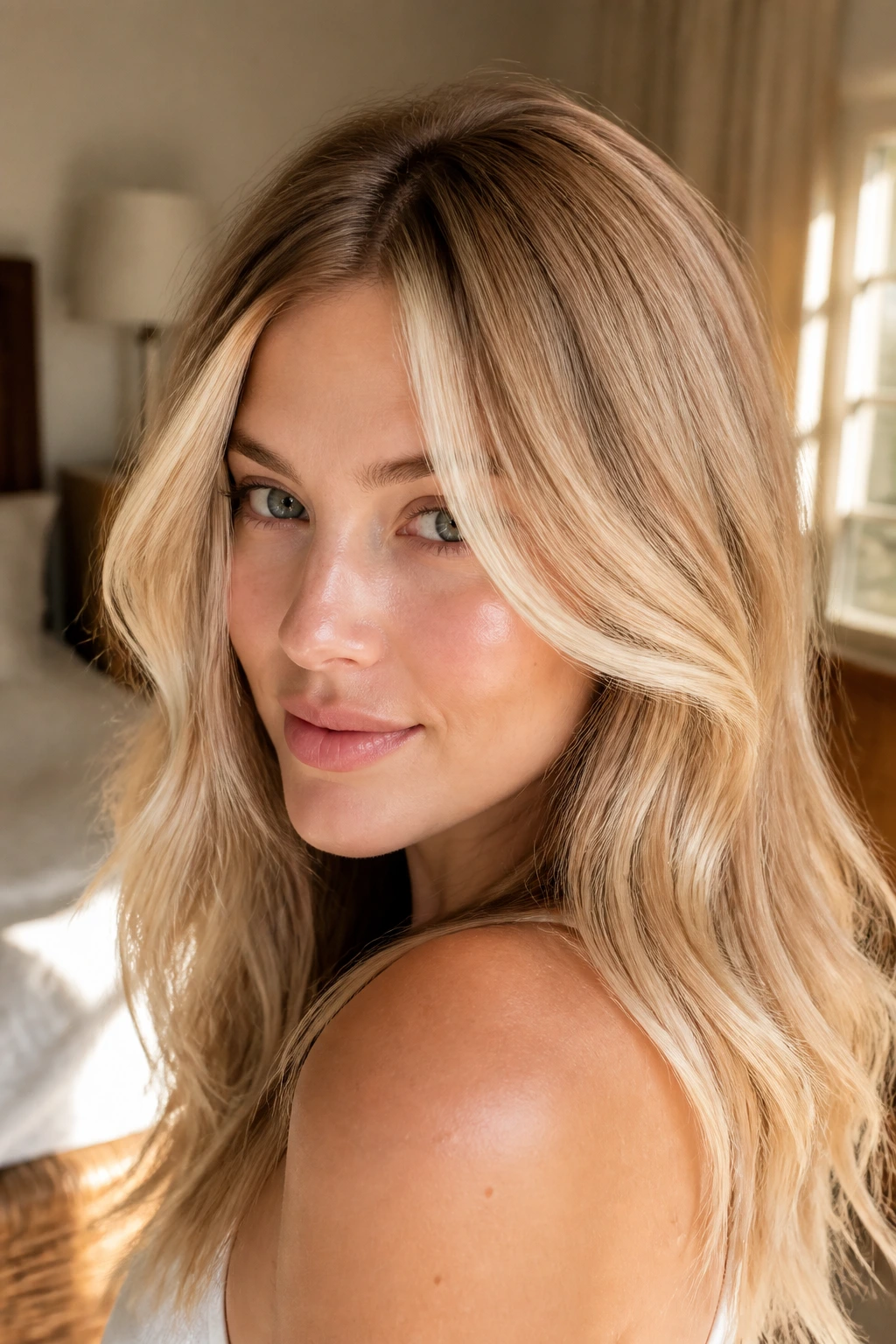
Frosted Honey Veil is the palest end of the warm-blonde spectrum, but it still belongs in this family because the honey base keeps it from going chalky. It suits fair skin when you want brightness first and warmth second.
The secret is restraint. Leave a soft brown or dark beige root, keep the highlights delicate, and gloss the ends so the light reflects instead of turning matte. Done well, it looks airy and clean. Done badly, it looks stripped. There isn’t much middle ground with this one.
How to Choose the Right Depth and Placement
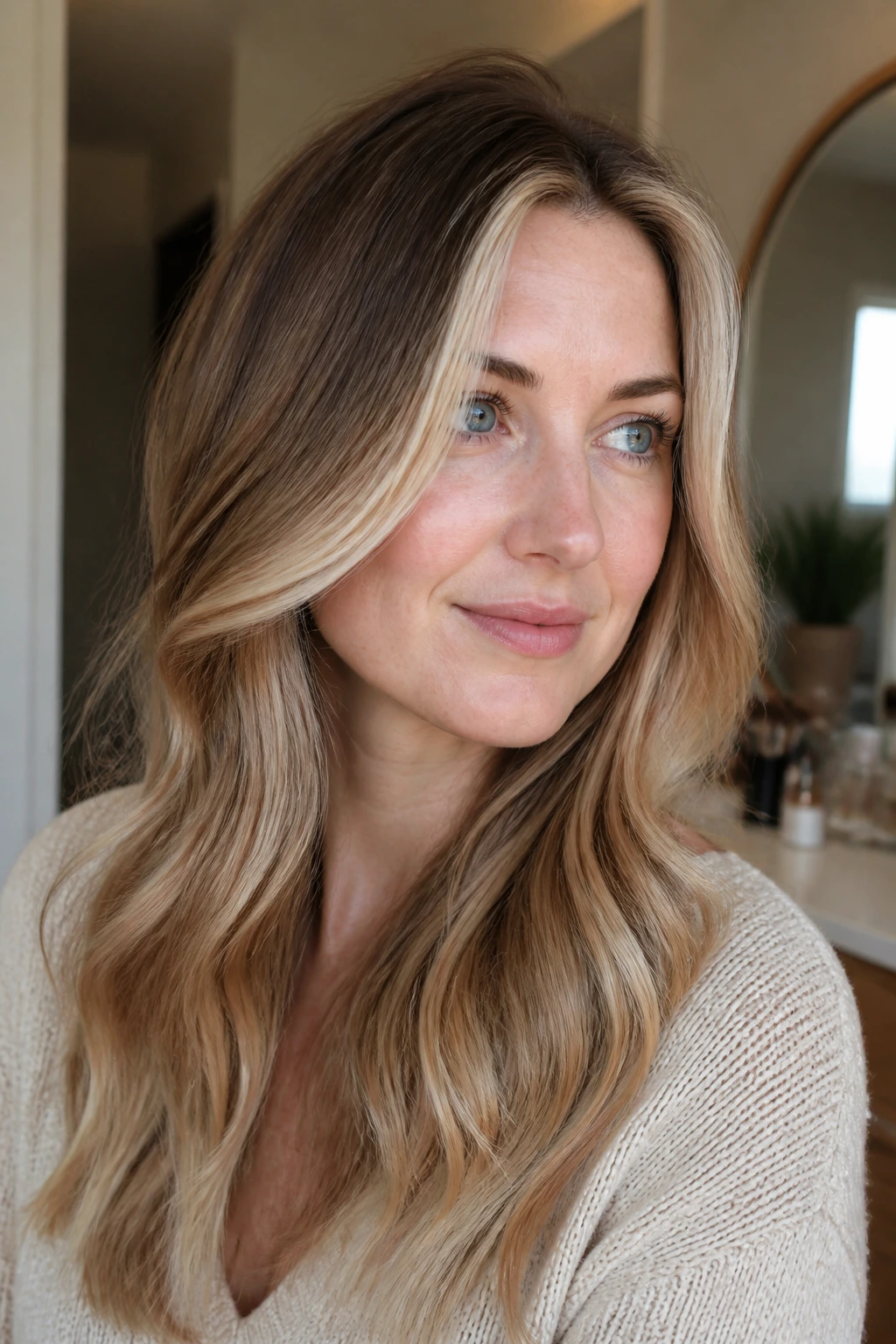
Fair skin usually looks best when the hair has at least two visible tones, and sometimes three. One tone at the root. One through the mids. One lightest note around the face. That tiny bit of contrast keeps the color from dissolving into the skin, which is what happens when the highlights are too similar to the complexion.
If your skin is pink or cool, stay in beige-gold, toasted almond, and mushroom-bronde territory. If your skin is peachy or golden, honey, caramel, and apricot can move closer to the front. And if you’re neutral, you can borrow from both sides as long as the colorist doesn’t push the whole head into a single flat blonde. The problem usually isn’t the shade family. It’s the lack of depth.
How to Ask for Golden Brown Blonde Highlights at the Salon
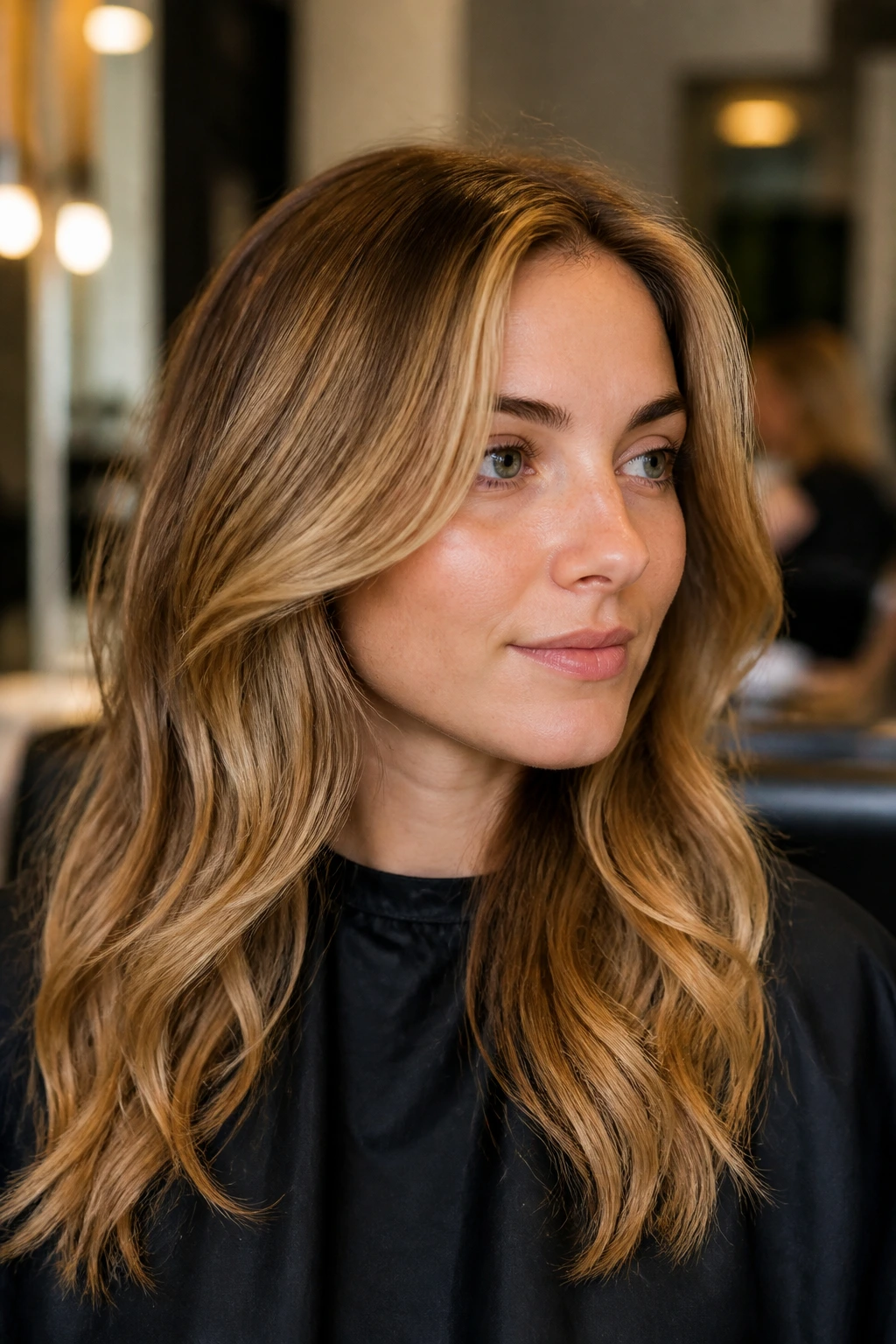
Bring photos with the same base depth as your hair, not just the same highlight color. That saves everyone time. Then be specific about where you want lightness: around the face, through the ends, across the crown, or in thin babylights over the top.
A clean way to say it is: “I want golden brown blonde highlights with a soft root shadow, beige-gold around the face, and enough brown left in the mids so my skin doesn’t look washed out.” That sentence does a lot of work. If your colorist knows levels, mention whether you want a level 7, 8, or 9 result. If not, point to photos and say which piece you love: the face frame, the root, or the end color.
Smart Tips for Getting the Most From the Look
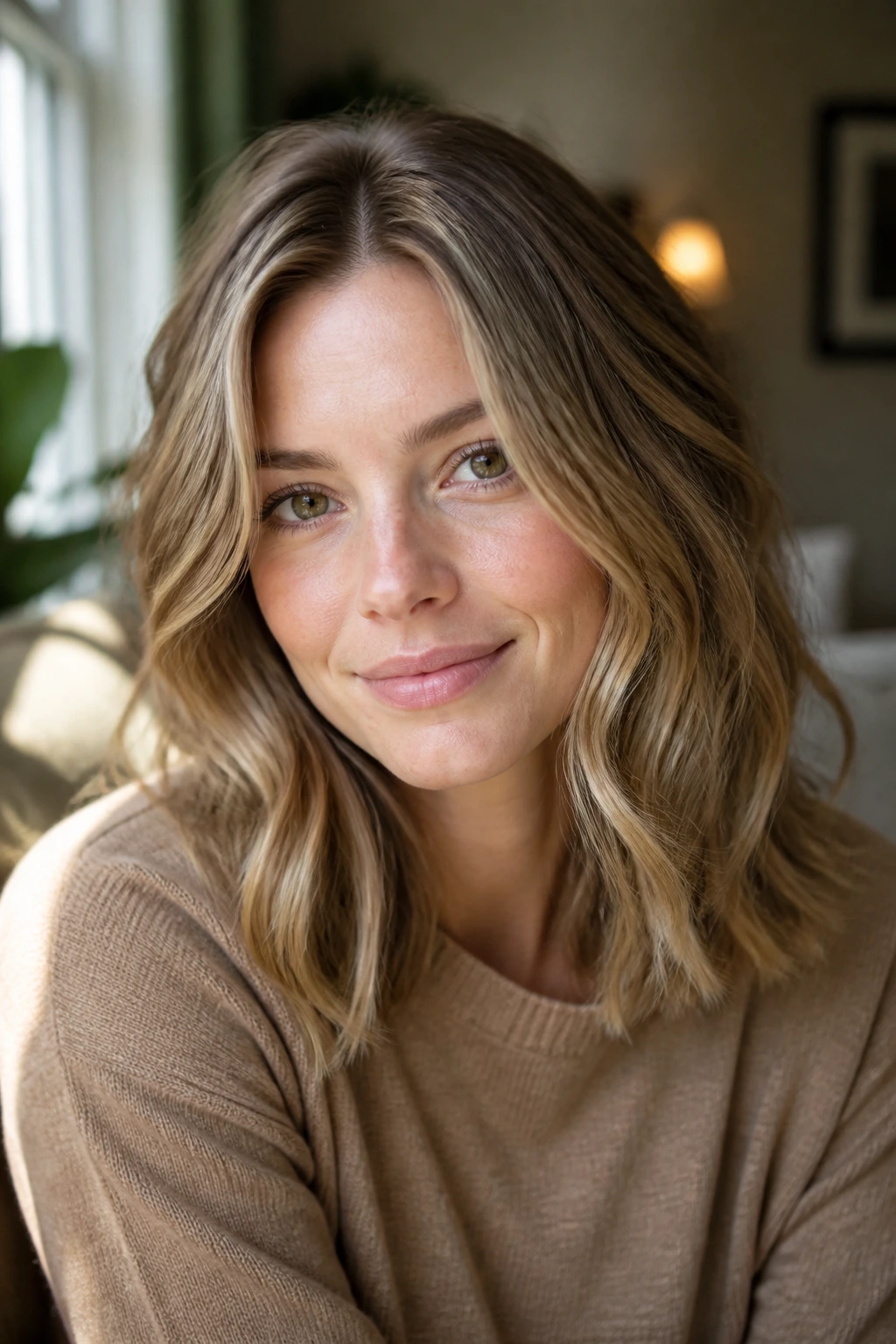
Tone first, then brightness. If your hair lifts too yellow, ask for a beige or honey gloss before you ask for more lightness. A glossy level 8 often looks better on fair skin than a raw level 9 that hasn’t been toned.
Put the brightest pieces near the face. A few lighter strands at the hairline do more than a whole head of medium brightness. The eye goes there first.
Don’t skip the root shadow. Two inches of deeper root can make the blonde look richer and the grow-out less obvious. On fair skin, that tiny bit of depth keeps the hair from floating away visually.
Use waves when you want the color to show. Soft bends separate the ribbons and babylights. Straight hair shows tone; waves show placement. Both matter.
What Usually Goes Wrong
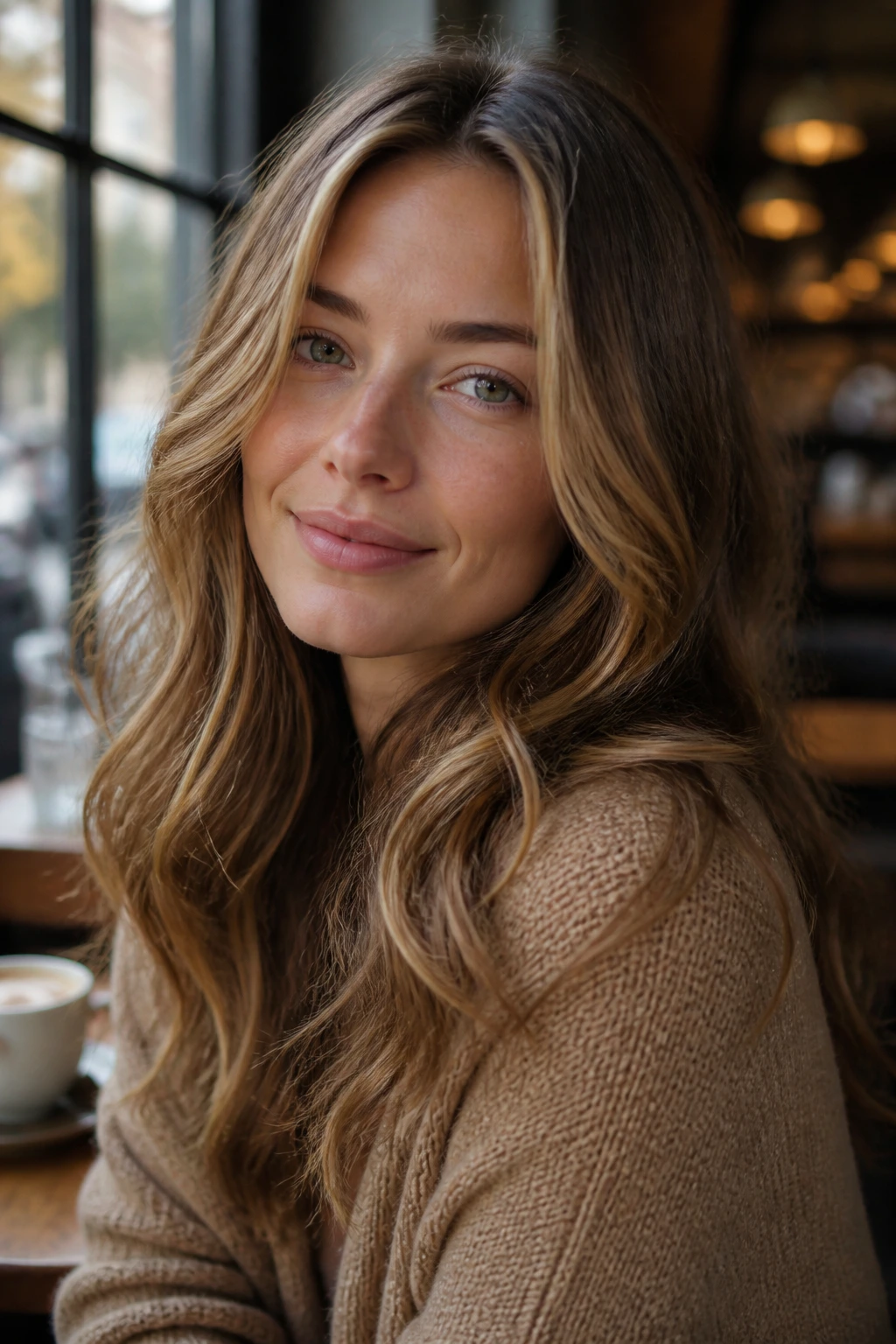
Going too pale too fast is the classic miss. The hair looks bright in the chair, then the face looks pale and unfinished at home. The fix is to keep one shade of depth near the root and ask for beige-gold, not plain pale yellow.
Ignoring undertone causes most brass complaints. Pink fair skin often needs more beige than gold. Peach fair skin can handle warmth better. If you don’t name that difference, a colorist may default to a warmer result than you wanted.
Using chunky highlights on very fine hair can make the color look stripy. Thinner pieces and a softer blend solve that fast.
Skipping lowlights is another mistake. If every strand is light, the hair loses the brown-blonde contrast that gives this family its name.
Forgetting about indoor light is the sneaky one. A shade that looks soft by a window can turn orange under warm bulbs. A beige gloss or a cooler honey mix usually fixes it.
Variations and Adaptations to Try
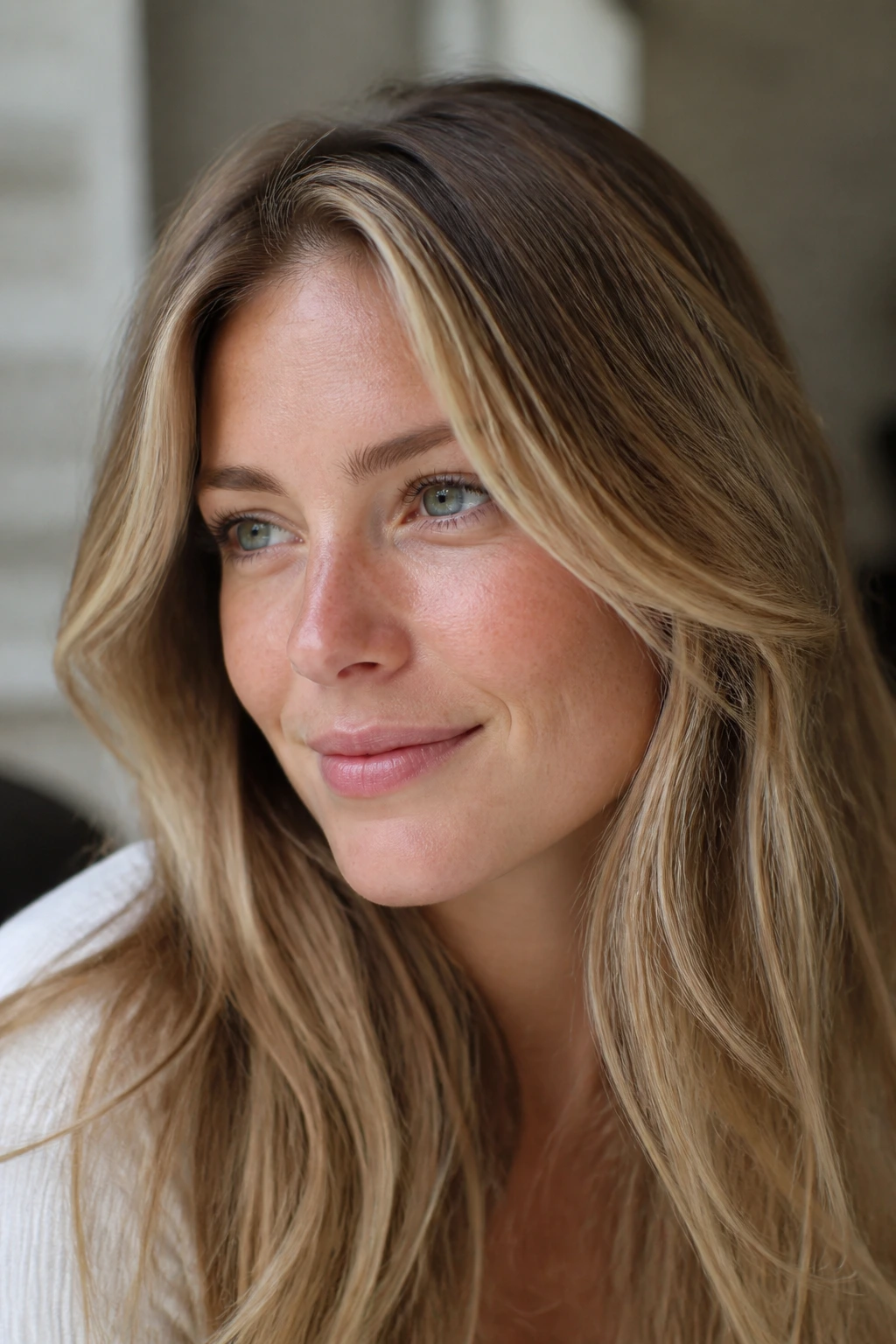
Soft Baby-Light Version: Keep the highlights ultra-fine and close together, with a level 7 or 8 golden-beige gloss. This is the safest route for fair skin that gets washed out easily.
Brighter Face-Frame Version: Push the lightest pieces around the temples, fringe, and front layers, then keep the rest softer. It’s the boldest-looking option without needing an all-over blonde.
Curly-Hair Version: Ask for thicker painted pieces and a deeper root shadow so the highlights don’t disappear in the curl pattern. Curly texture breaks up color fast, so a little more contrast helps.
Low-Maintenance Rooted Version: Keep the base deeper by one to two levels and let the blonde start lower. This grows out gently and works well if you don’t want to live in the salon chair.
Cooler Beige Version: Add a beige or soft ash note to the gloss if your fair skin leans pink. That keeps the color from turning too golden while still avoiding the flatness of a gray blonde.
Essential Tools for This Look
-
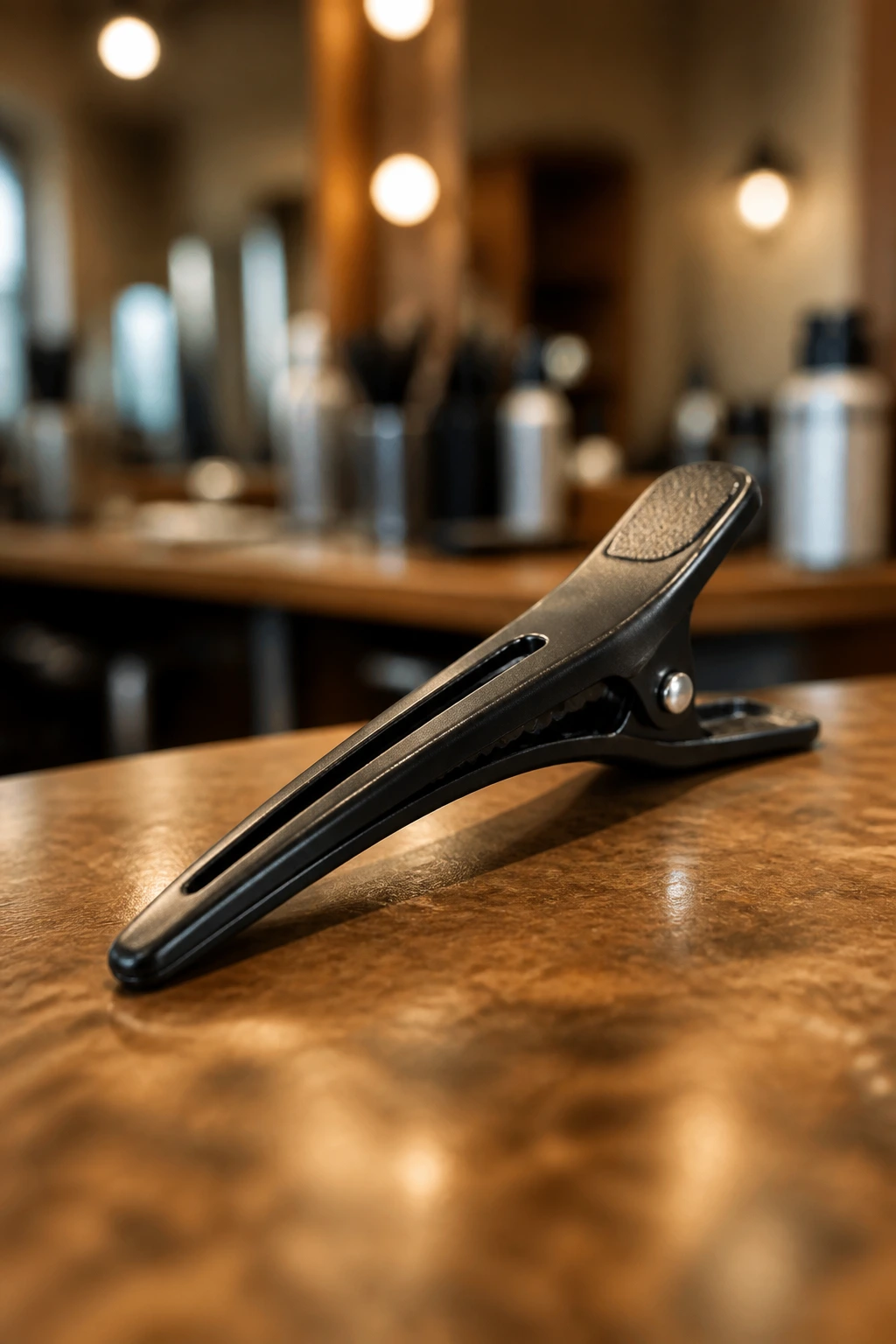
Sectioning clips — Keep the hair separated cleanly so face-framing and crown pieces stay intentional.
-
Tail comb — Useful for clean parts and precise foil placement.
-
Balayage board or foils — Foils give stronger lift; a board helps freehand painting stay neat.
-
Tint brush — Lets you place gloss or toner exactly where the warmth needs softening.
-
Color-safe shampoo and conditioner — Helps preserve the tone between visits instead of stripping it down.
-
Purple shampoo, used sparingly — Good for brass control, but overuse can mute the golden part of the look.
-
Heat protectant spray — A must if you blow-dry or curl often.
-
Wide-tooth comb or detangling brush — Keeps lightened hair from snapping when wet.
Keeping the Color Soft Between Appointments
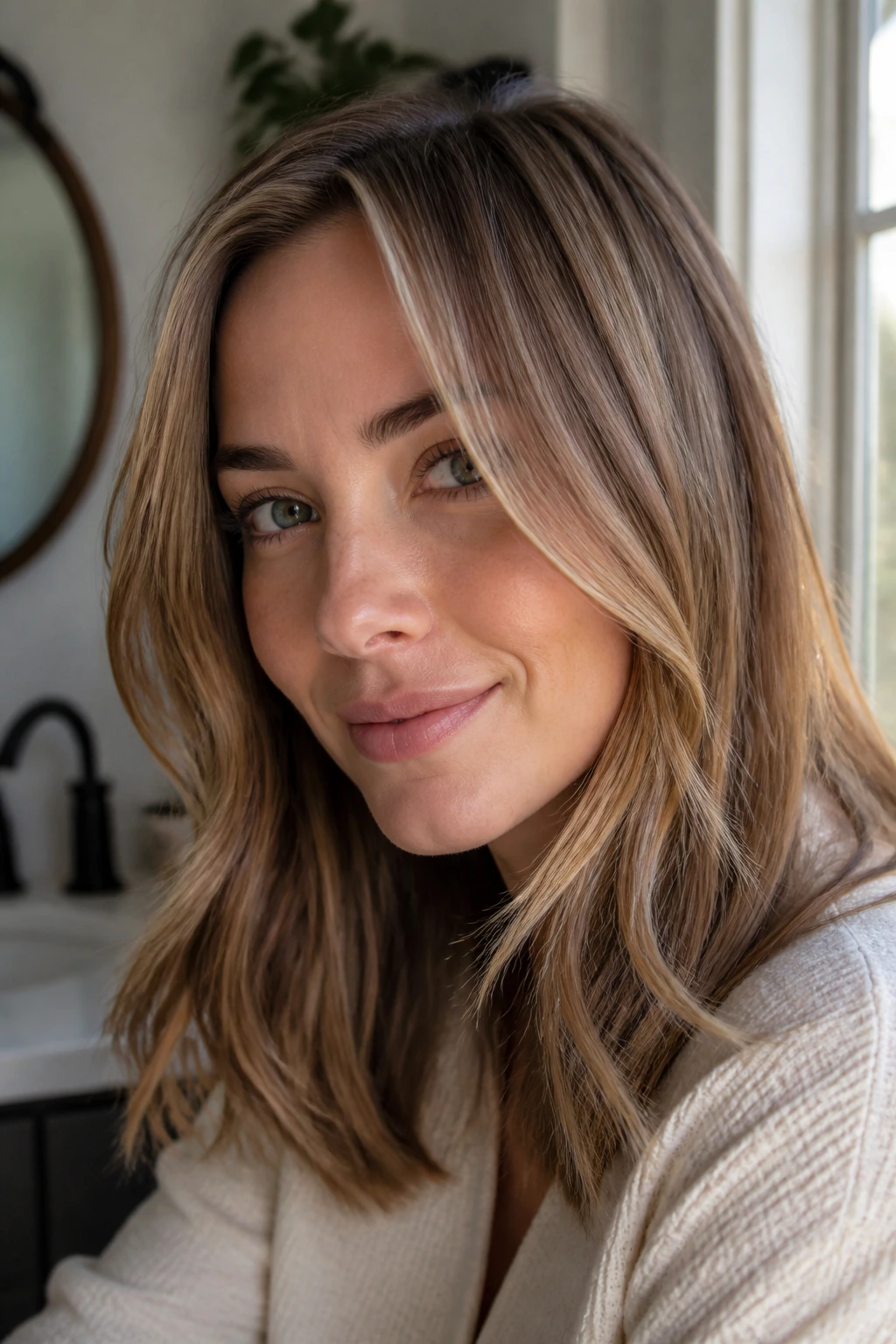
Golden brown blonde highlights usually look best when you don’t wash them into submission. Two to three washes a week is a comfortable rhythm for most highlighted hair, especially if the shampoo is color-safe and not loaded with harsh clarifiers. A lukewarm rinse beats hot water every time. Hot water opens the cuticle fast, and those warm tones fade faster than people expect.
If the blonde starts to look yellow or a little too bright, use a purple shampoo once every one to two weeks, not every wash. That’s enough for most fair-skin-friendly shades. If the color starts to feel dull instead of brassy, swap purple for a beige or honey gloss at the salon every 6 to 8 weeks.
Root melts and balayage can stretch to 10 to 14 weeks before a major refresh, depending on how much contrast you kept. Babylights and brighter face frames usually need quicker attention. A weekly mask with a little moisture helps, but keep it light if your hair is fine. Heavy masks can flatten the shine, and shine is half the point here.
Frequently Asked Questions
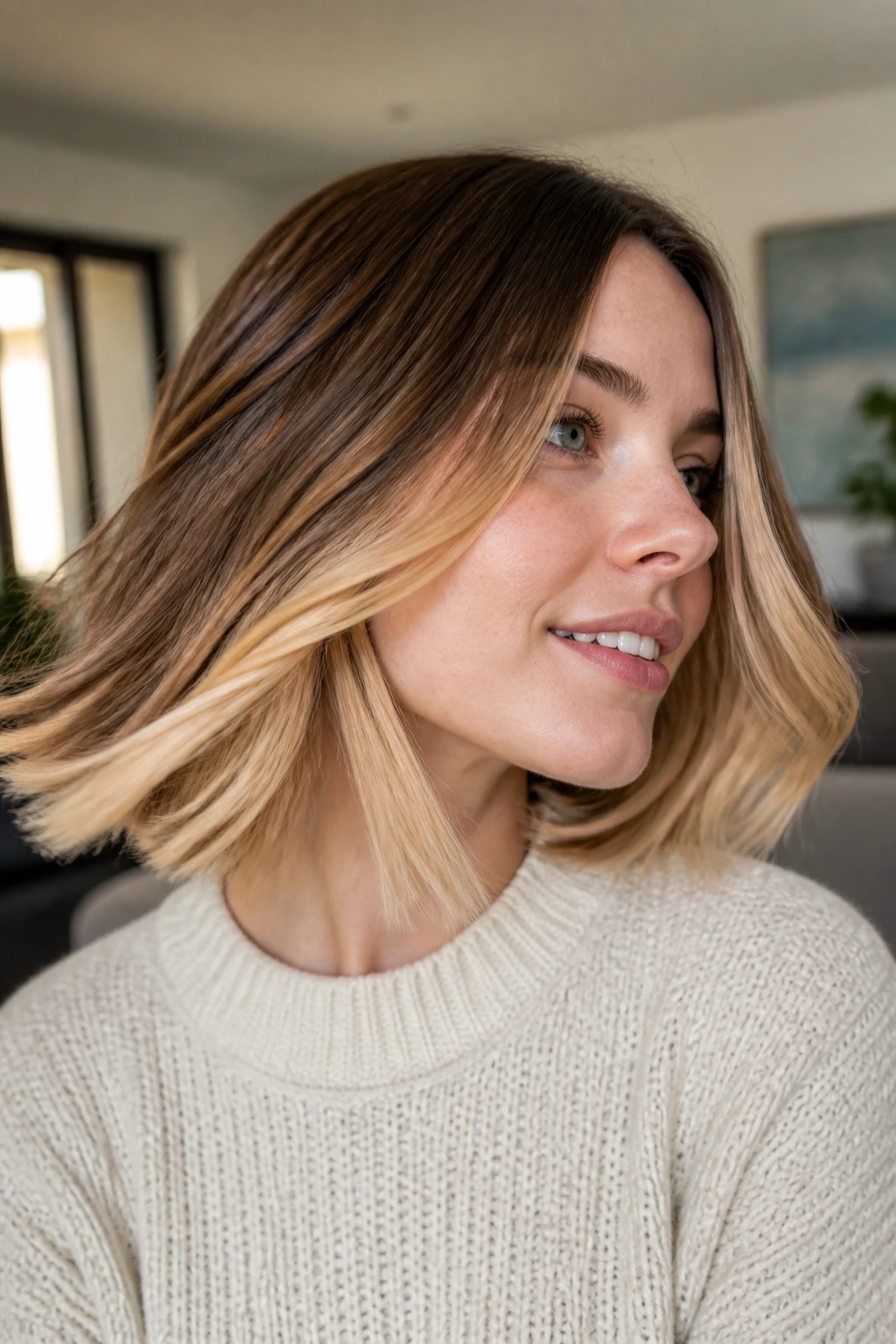
What undertone of fair skin suits golden brown blonde highlights best?
Neutral and peachy fair skin usually take the warmest shades most easily, but pink fair skin can wear them too if the gloss stays beige-gold rather than orange. The real trick is depth at the root, which keeps the color from washing the face out.
Will golden brown blonde highlights make fair skin look red?
They can if the highlights lean too copper or too yellow. A honey-beige, caramel, or toasted-almond tone is safer if your cheeks flush easily. A root shadow also helps the color feel calmer.
Are babylights or balayage better for fair skin?
Babylights usually look softer and more natural, while balayage gives a bolder, painted effect. If you want the least visible grow-out, babylights win. If you want more movement and visible ribbons, balayage is the better choice.
How often do these highlights need toner?
Most warm blonde shades need a gloss or toner every 6 to 8 weeks, though softer brunet-blonde blends can stretch longer. If the blonde starts to look dull, brassy, or flat in indoor light, that’s usually the cue.
Can darker brown hair still wear this color family?
Yes, but it often needs more sessions or a foilayage approach to lift safely. A darker base looks best with strong depth left underneath, because trying to drag dark hair all the way to pale gold in one shot usually gives you weaker, less controlled color.
What if the highlights turn too orange?
Ask for a beige or ash-beige gloss, not a deeper lift. Orange usually means the hair lifted warm but didn’t get enough toning. A good colorist can nudge it back without making it flat.
Which style needs the least upkeep?
Lived-In Root Melt, Toasted Almond Balayage, and Creamy Golden Ombré are the easiest to live with. They all keep a deeper root or a softer transition, so regrowth doesn’t announce itself immediately.
Can I do this at home?
Some subtle face-framing or gloss refreshes can be done at home, but the more dimensional looks really benefit from salon placement. On fair skin, a small mistake shows fast. It is much easier to add brightness later than to erase a highlight that landed too high or too warm.
Soft Warmth, Not Brass
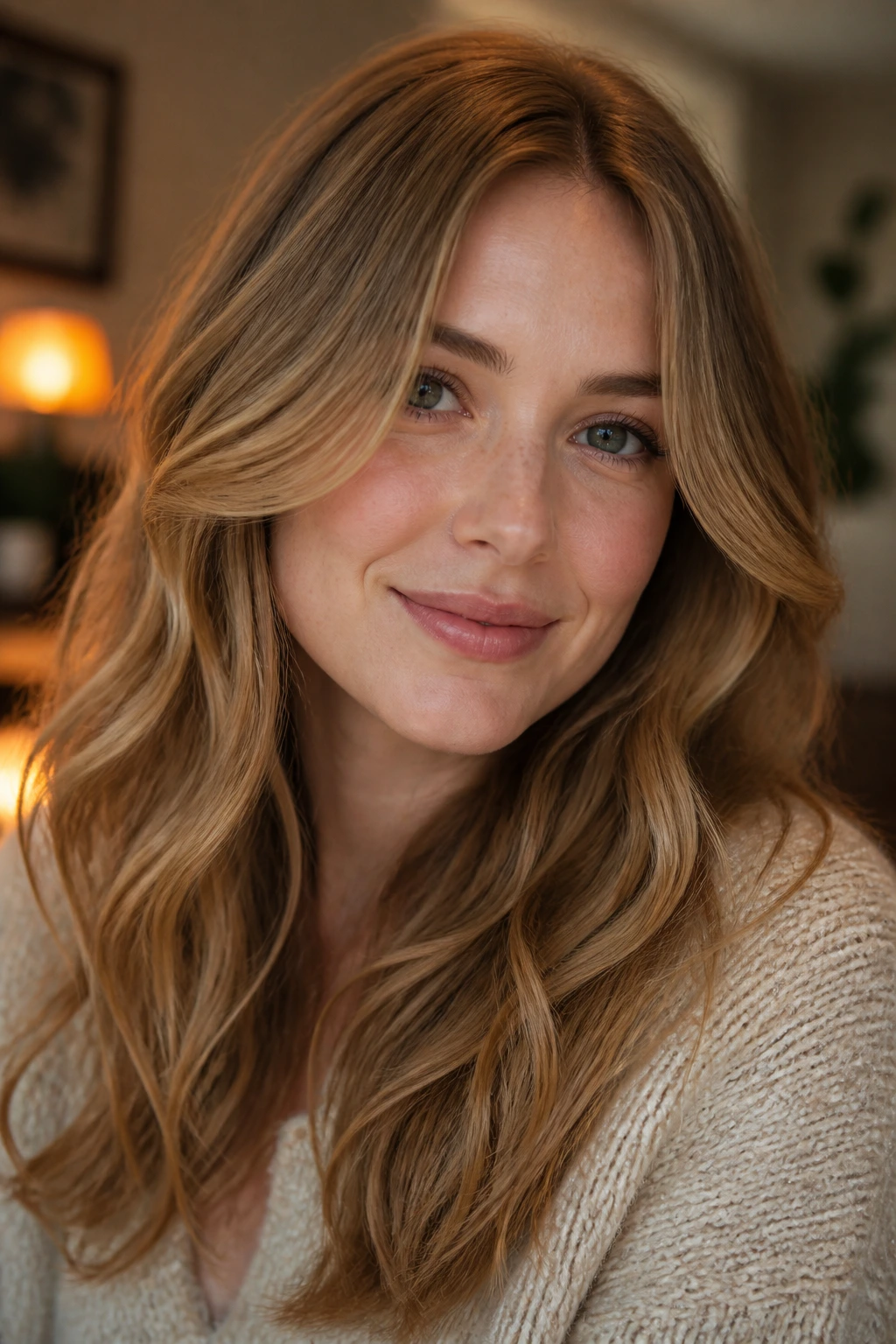
Golden brown blonde highlights work because they don’t ask fair skin to do all the work. They bring warmth, depth, and a little reflection back to the face, which is why the same family of color can look delicate on one head of hair and richer on another. The good versions never feel flat. They breathe.
If you’re standing between honey, caramel, beige, and toffee, start by deciding where your skin sits: pink, peach, or neutral. That one choice narrows the field fast, and it keeps the final result from drifting into the wrong kind of blonde. A soft root, a warm gloss, and a little restraint around the hairline go farther than most people think.
The best of these looks don’t try to outshine the face. They sit around it, catch the light, and make the whole thing feel more awake.