



Pale skin and blonde hair can look airy and polished, or it can look washed out in the harshest possible way. The difference is almost never “blonde” itself. It’s the balance: a few cooler lowlights near the crown, a ribbon of brightness around the cheekbones, a toner that lands on beige instead of yellow, and the whole face suddenly has shape again.
That’s why blonde lowlights and highlights for pale skin are such a useful color game. Flat, one-note blondes can erase eyebrows, flatten eyes, and make skin read more pink or sallow than it really is. Dimension fixes that. A whisper of shadow under the top layer gives the hair a spine. Bright pieces around the face catch the eye first. Good color here isn’t loud; it’s strategic.
I’m also a fan of how forgiving dimension can be. A pure platinum strip shows every regrowth line. A blended beige blonde with mushroom lowlights grows out with less drama, which matters more than people admit. If you’ve ever looked in a bathroom mirror at daylight and thought, “Why does this blonde look different than it did in the salon?”—yes, that’s the exact problem these looks are designed to solve.
Why These Blonde Combinations Feel Different on Pale Skin
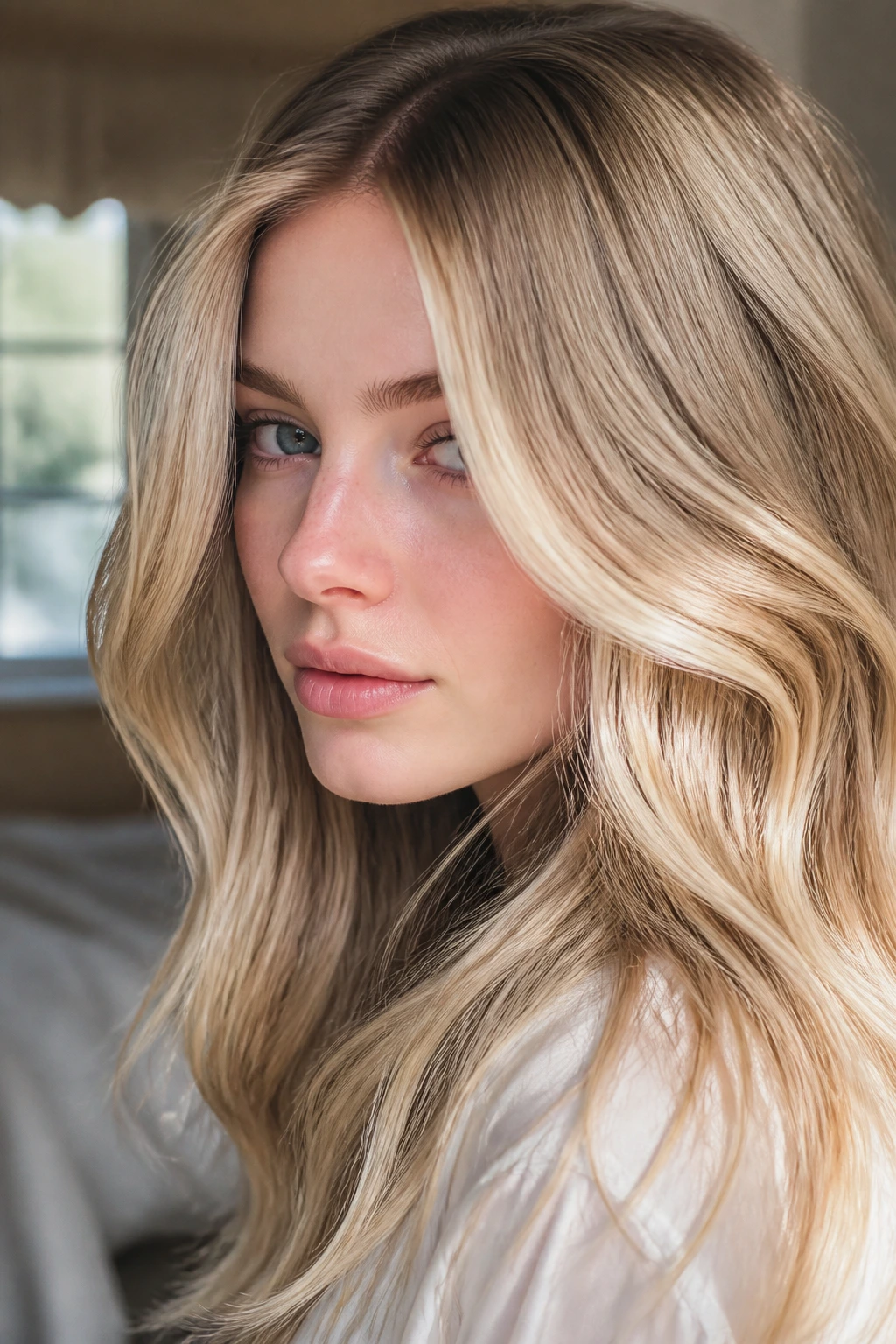
-
Dimension does the contouring: Pale skin often looks best when the hair has both light and shadow, because a single pale tone can blur the face into the hairline.
-
Tone matters more than lift: A level 10 blonde can still look wrong if it leans too yellow, too gray, or too icy for the undertone sitting under the skin.
-
Soft regrowth is part of the design: The better looks here aren’t trapped in week-one perfection; they’re built with root smudges, babylights, or lowlights that fade in a useful way.
-
Warmth is allowed: Pale skin does not always need ash. Honey, butter, and champagne can keep the complexion from looking drained when the warmth is controlled.
-
Fine hair needs a lighter touch: Micro-lowlights and thin highlight ribbons keep strands from looking striped, which matters a lot when the hair itself is delicate.
1. Champagne Blonde With Mushroom Lowlights
Champagne blonde can turn a little too sweet if it’s left on its own. Mushroom lowlights pull it back into something cleaner and more tailored, with beige-gray depth tucked under the brighter surface. On pale skin, that tiny bit of smoke keeps the face from disappearing into the hair.
Why It Flatters Porcelain Skin
The trick is contrast, but not too much. Ask for lowlights one level deeper than your base, not a dark brunette contrast that lands like a stripe. The end result should look soft in daylight and slightly richer near the roots and underneath layers.
I like this look for skin that reads pink or neutral. The beige in champagne blonde adds softness, while the mushroom lowlights stop the whole thing from going sugary or flat.
Stylist note: keep the brightest pieces around the face fine, not chunky. Large face-framing panels can make pale skin look overexposed.
2. Icy Beige Blonde With Pearl Babylights
What keeps porcelain skin from disappearing into a full-on icy blonde? Pearl babylights. They’re tiny, almost whisper-thin highlights that build brightness without turning the head into one solid sheet of pale color.
The Toning Move That Makes It Work
This is the look I’d choose for someone who likes cool tones but hates the chalky edge that some silvery blondes can throw back at the face. A soft pearl toner keeps the blonde luminous rather than dusty, and the babylights give it movement even when the hair is straight.
If your natural hair is already light, this is a smart way to brighten without overprocessing. The sections are small, so the color reads as shimmer instead of stripes.
Best for: cool or neutral pale skin, especially if your eyes are blue, gray, or green.
3. Vanilla Blonde With Root Shadow
If you hate seeing a hard regrowth line every four weeks, vanilla blonde with a root shadow is the sane choice. It looks polished on day one and still makes sense when it’s grown out an inch or two.
The shadow root should live in the first 1 to 1.5 inches at the scalp, then melt into a creamy vanilla mid-length. That little bit of darkness is doing real work: it gives the face shape and stops the blonde from floating away from the head.
I prefer this on fair skin that needs a bit of framing. Too much bright vanilla right at the roots can look airy in a bad way. The shadow fixes that.
4. Honey Blonde With Wheat Lowlights
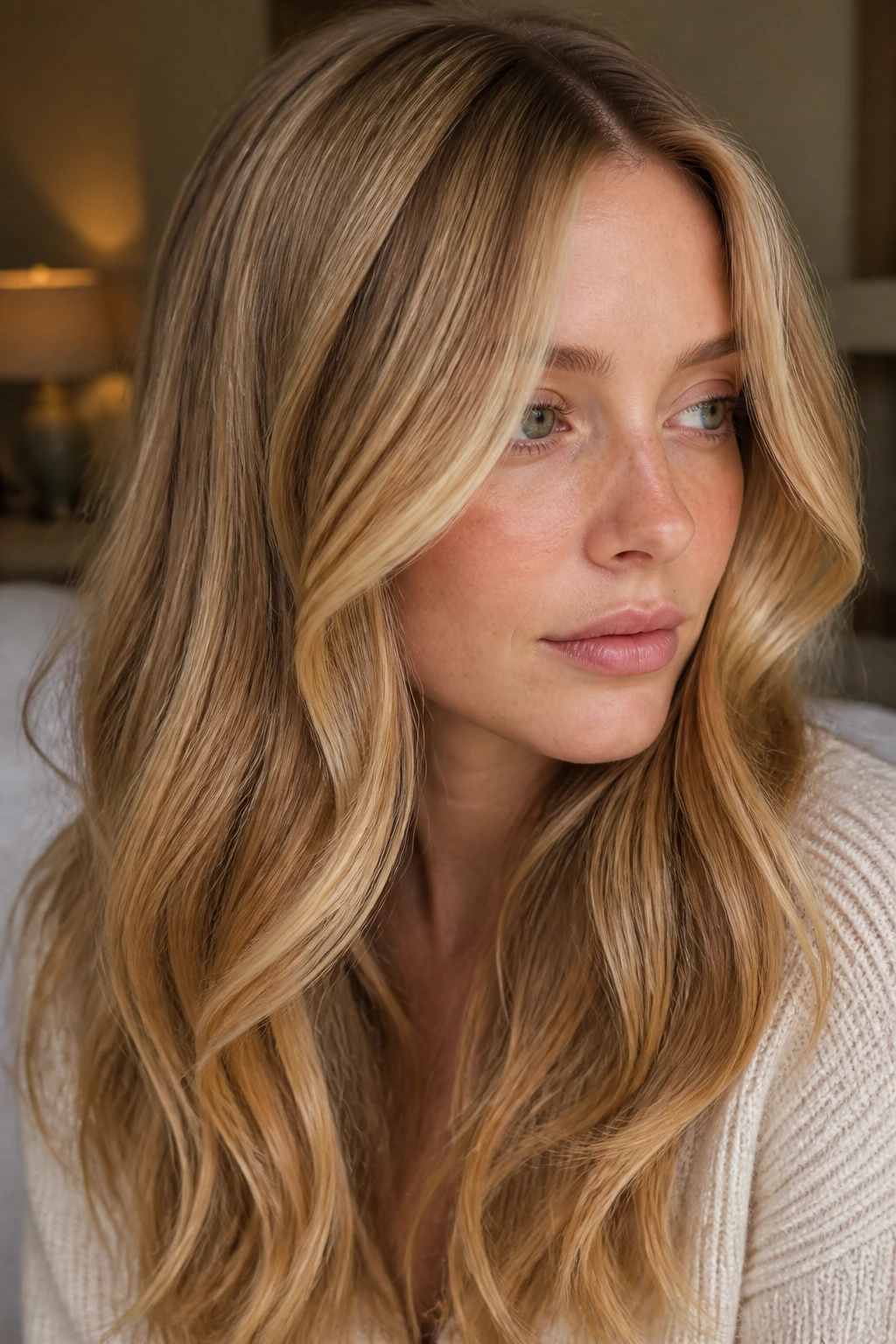
Honey blonde gets a bad reputation because people often let it drift too orange. Wheat lowlights keep it honest. They’re a soft beige-brown note that makes the honey read as warm and sunlit instead of brassy.
This is a strong match for pale skin with freckles, peach undertones, or a little natural redness in the cheeks. The warmth doesn’t fight the complexion; it softens the whole face and makes the skin look a touch calmer.
How to Ask for It
- Ask for honey highlights around the top and temples.
- Keep the lowlights a soft wheat or oat tone, not chestnut.
- Finish with a beige gloss if the color starts to pull gold.
5. Scandinavian Blonde With Smoke-Toned Depth
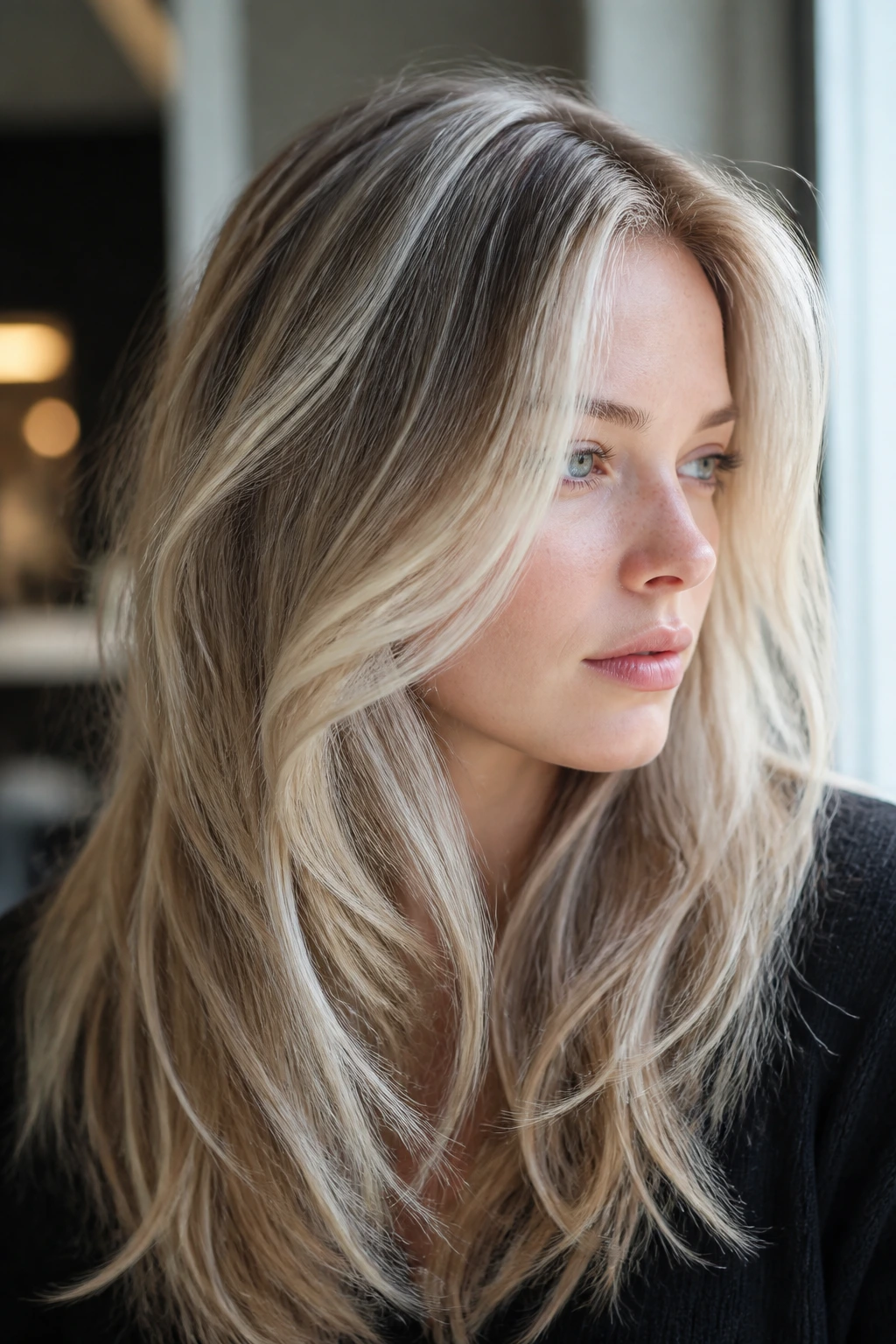
Scandinavian blonde can look breathtaking on pale skin, but it needs a little smoke somewhere or it starts to read like bleach, not color. A shadowy root or smoke-toned lowlight underneath gives the blonde some body.
This look is for the person who wants bright hair and doesn’t mind regular toner visits. The blonde should look pale, but not empty. That’s the distinction. Empty blondes can be hard on fair skin because they erase the outline of the haircut.
Keep the depth hidden under the top layer. If the dark pieces are too obvious, the look loses its cold, sleek feel.
6. Butter Blonde With Sandy Lowlights
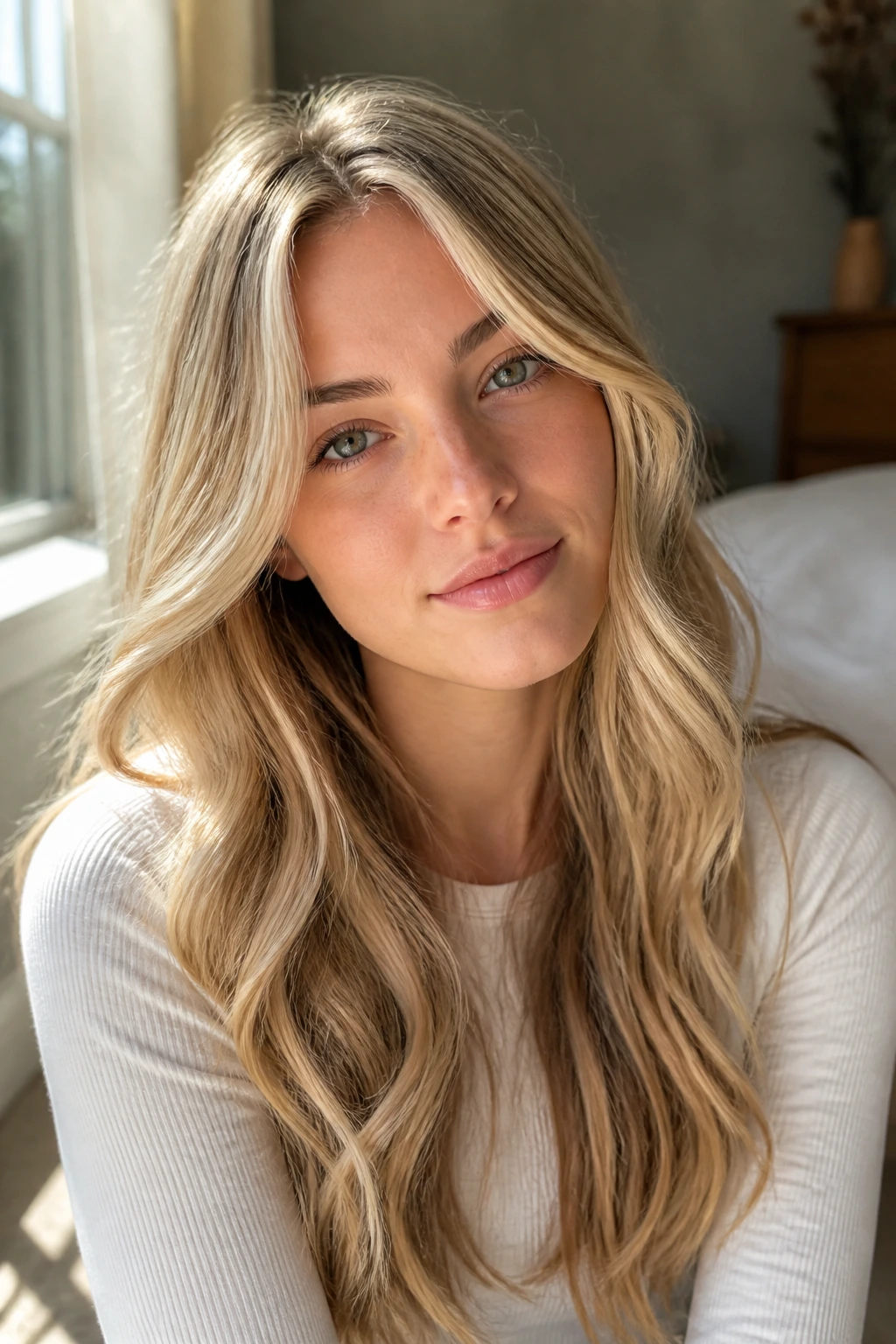
Butter blonde is softer than platinum and less sugary than champagne. Sandy lowlights keep it from turning into a yellow blanket, which is the main problem with creamier blondes on pale skin.
I like this one because it feels lived-in without looking deliberately messy. The color has enough warmth to stop the face from going ghostly, but the sandy ribbons keep the blonde from leaning too sweet.
A loose blowout or soft wave shows this color best. Straight, flat hair can hide the dimension, and then the whole point gets lost.
7. Beige Blonde Balayage With Face-Framing Brightness
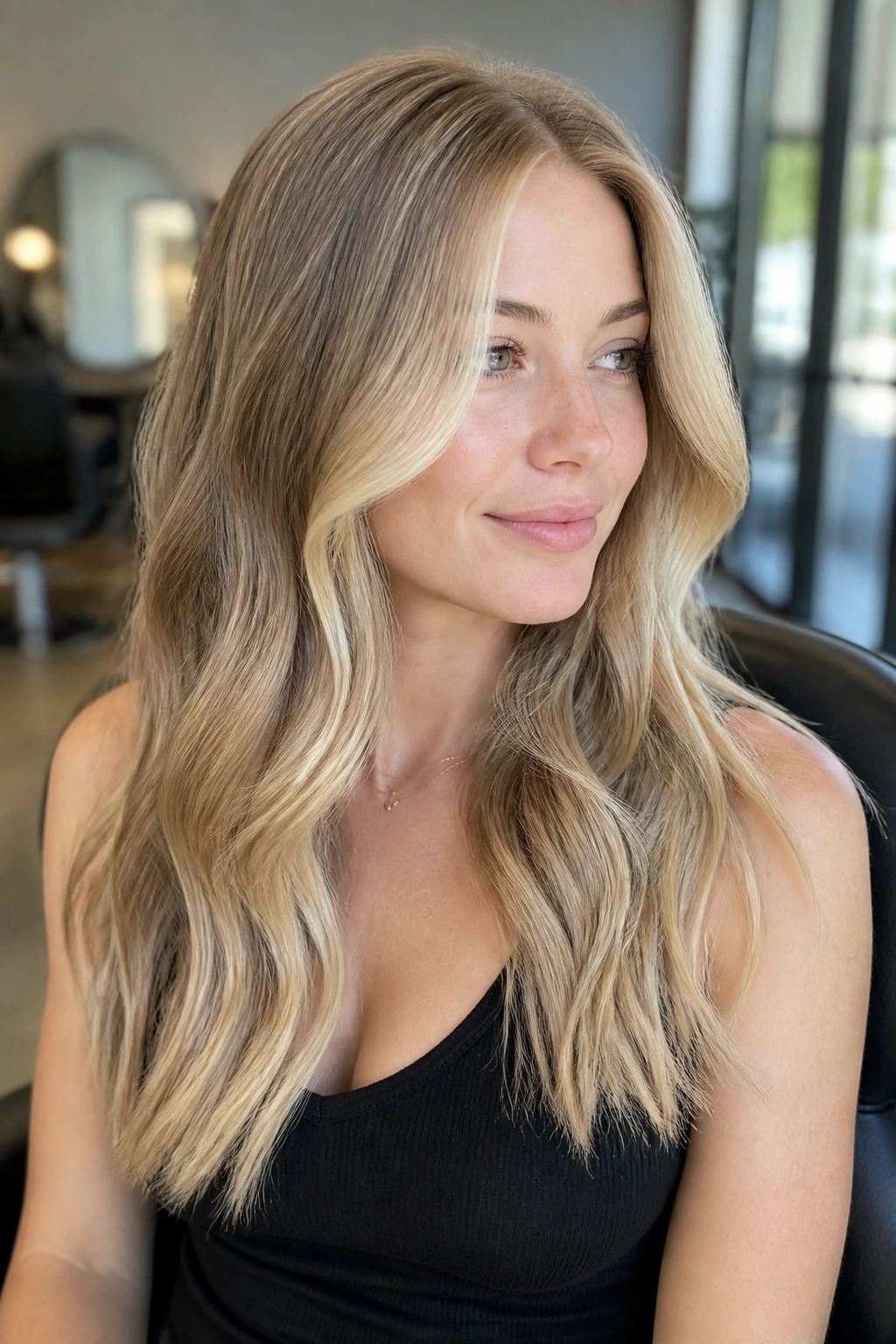
A beige blonde balayage gives pale skin a useful kind of brightness: the kind that sits where the light actually hits. Face-framing brightness around the cheekbones and temples can wake up the complexion faster than an all-over lightening job.
What Makes It Different
The contrast is concentrated. You’re not chasing brightness everywhere; you’re placing it where the eye lands first. That’s why this style is so flattering on fair faces—it behaves a little like contour, only lighter.
For the salon chair, I’d ask for two to three brighter front ribbons and a softer beige melt through the rest. If the front pieces are too wide, the hair can start wearing the face instead of framing it.
8. Peachy Vanilla Blonde With Apricot Glow
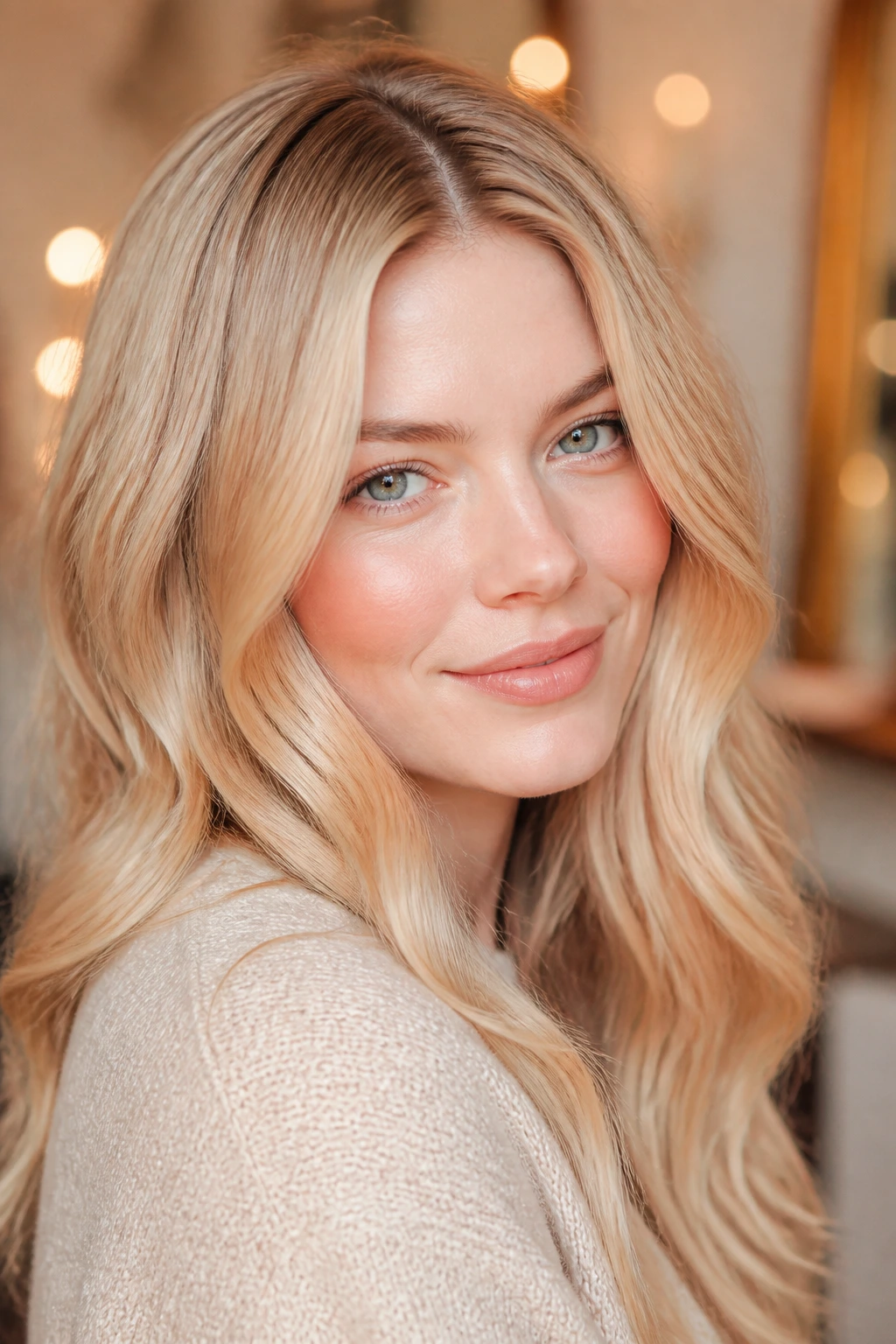
Can pale skin wear warmth without looking orange? Yes, if the warmth is peach and apricot rather than copper. This look uses a vanilla base with a tiny warm glow that sits between blonde and rose gold.
It’s especially good for neutral skin that still wants a little life in the complexion. The apricot note gives the hair some warmth near the face, and that can make a pale face look softer and less severe.
I’d skip this if your skin already pulls very yellow. But if you tend to look washed out in icy blonde, this is one of the easiest ways to fix it.
9. Ash Blonde With Taupe Ribbons
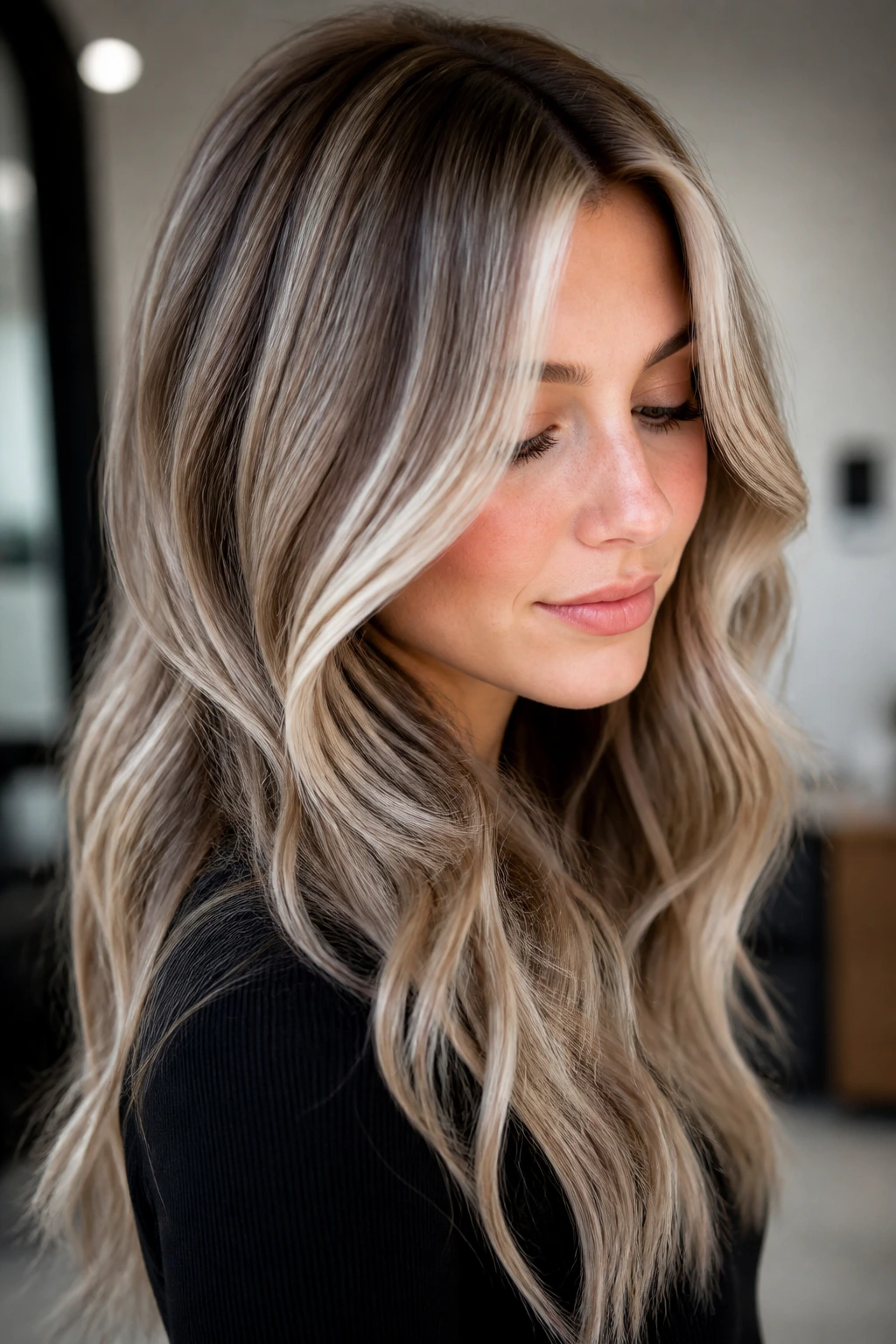
Ash blonde can be unforgiving on pale skin if it’s taken too far. Taupe ribbons are the answer. They give the blonde a cool gray-beige structure without crossing into chalk.
This is one of my favorite choices for cool undertones because it respects the skin instead of fighting it. The taupe lowlights add depth, while the ash highlights keep the overall look clean and crisp.
A good stylist will keep the taupe in the mid-lengths and underlayers. If it spreads too heavily across the top, the hair can go dull fast.
10. Cream Soda Blonde With Beige Veils
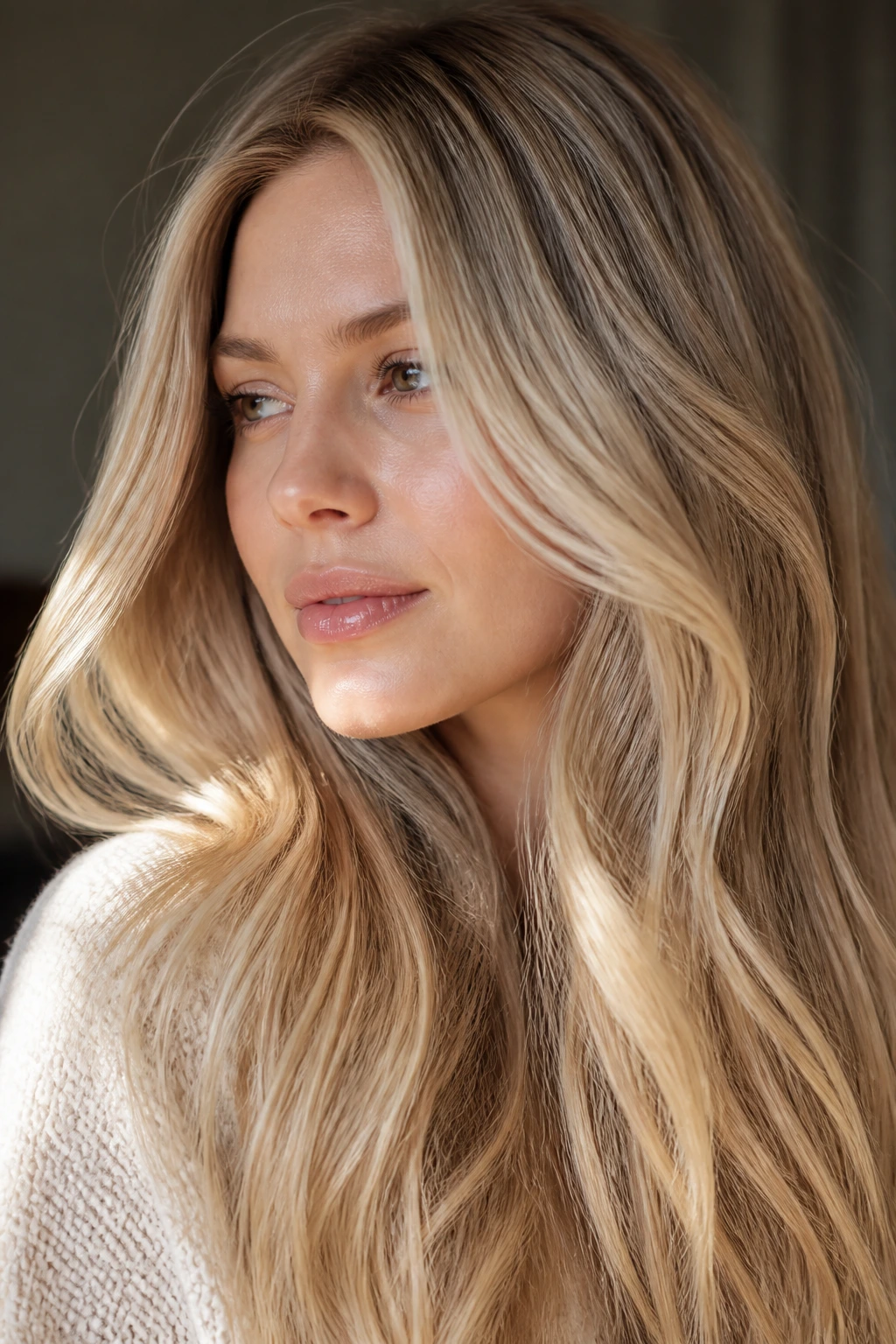
Cream soda blonde sits in that sweet spot where the color looks soft but not faded. Beige veils layered through it stop the blonde from turning into one flat pale mass.
The result is understated, but not boring. On pale skin, that matters. A lot of very light blondes are too stark; cream soda has enough warmth to keep the face alive and enough neutrality to avoid gold overload.
Little detail, big payoff
Ask for fine veiling foils, not broad panels. Thin placement makes the color shimmer when the hair moves, which is the whole reason this shade works.
11. Baby Blonde With Champagne Veils
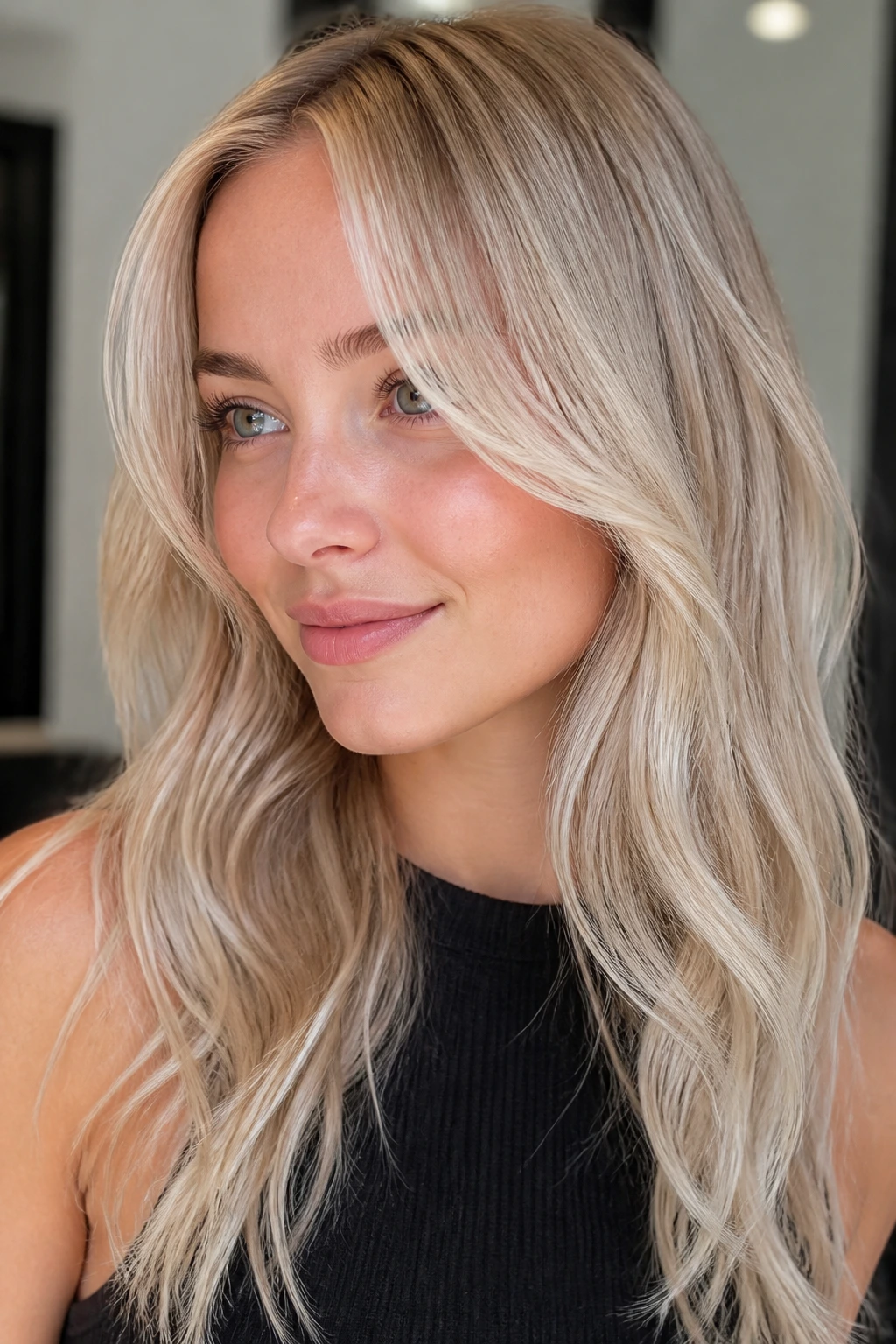
Baby blonde is all about tiny, almost hidden brightness. Champagne veils give it a soft glow instead of a hard blonde stripe, which makes this especially nice for fine hair.
The reason it works is simple: fine hair can look threadbare if the color blocks are too large. Small highlights blend better, move better, and don’t scream from across the room. That’s a real advantage on pale skin, where the eye already has less contrast to work with.
If you wear your hair up a lot, this one is sneaky-good. The color still shows in a bun or ponytail because the veils catch light without needing big surface pieces.
12. Platinum Blonde With Silvery Lowlights
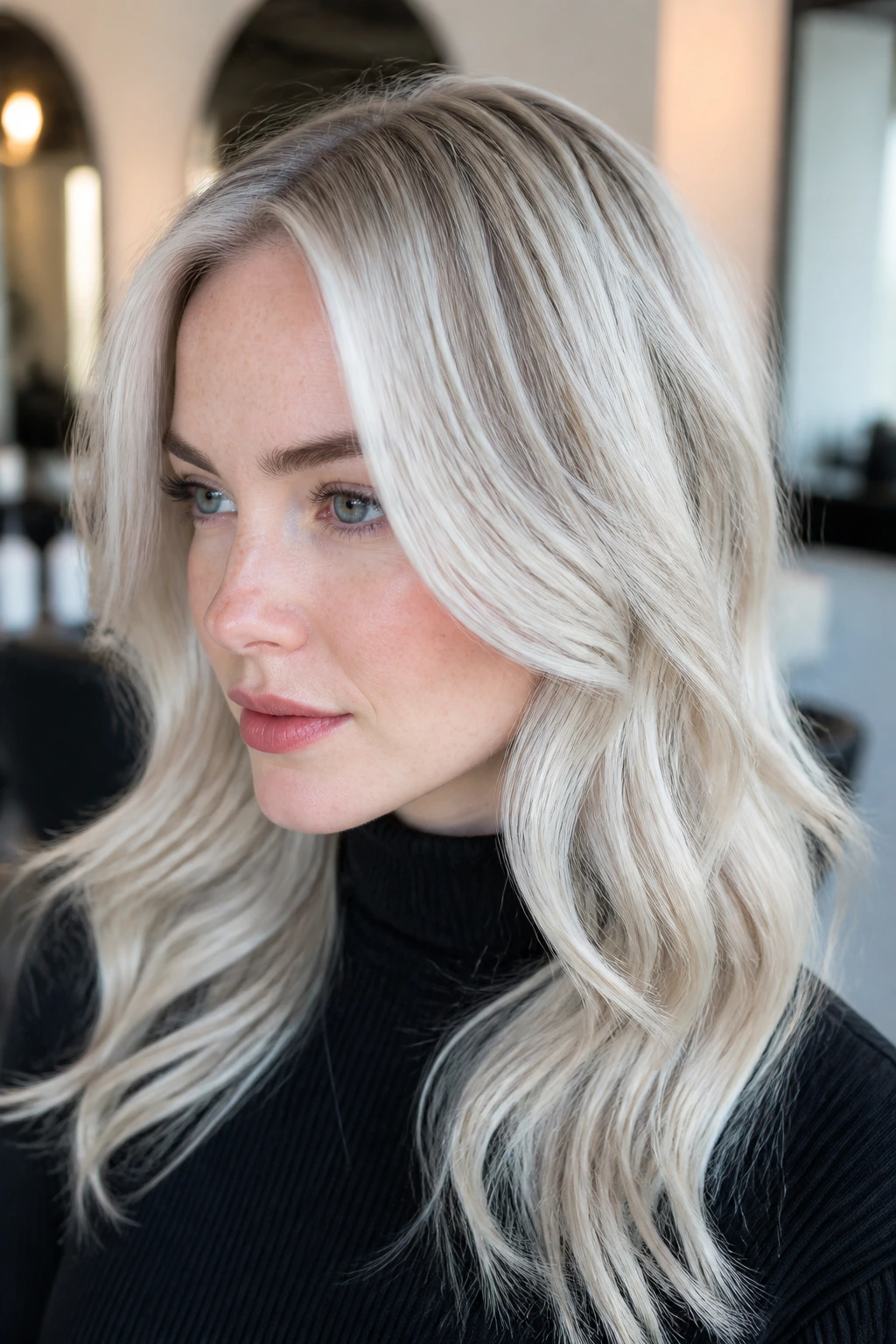
Platinum blonde is the loudest option in this list, and I wouldn’t use it casually on pale skin. It can look incredible, but only if there’s a little silvery depth under it to keep the hair from going flat and paper-thin.
The lowlights should be subtle, almost hidden, and definitely not brown. Think silver-beige shadow, not mocha. The goal is edge and shine, not contrast for its own sake.
This look tends to suit people who like high-maintenance color and don’t mind toner appointments. It’s sharp, cool, and a bit editorial. It is not the shade for someone who wants the salon to disappear for three months.
13. Golden Honey Blonde With Butterscotch Panels
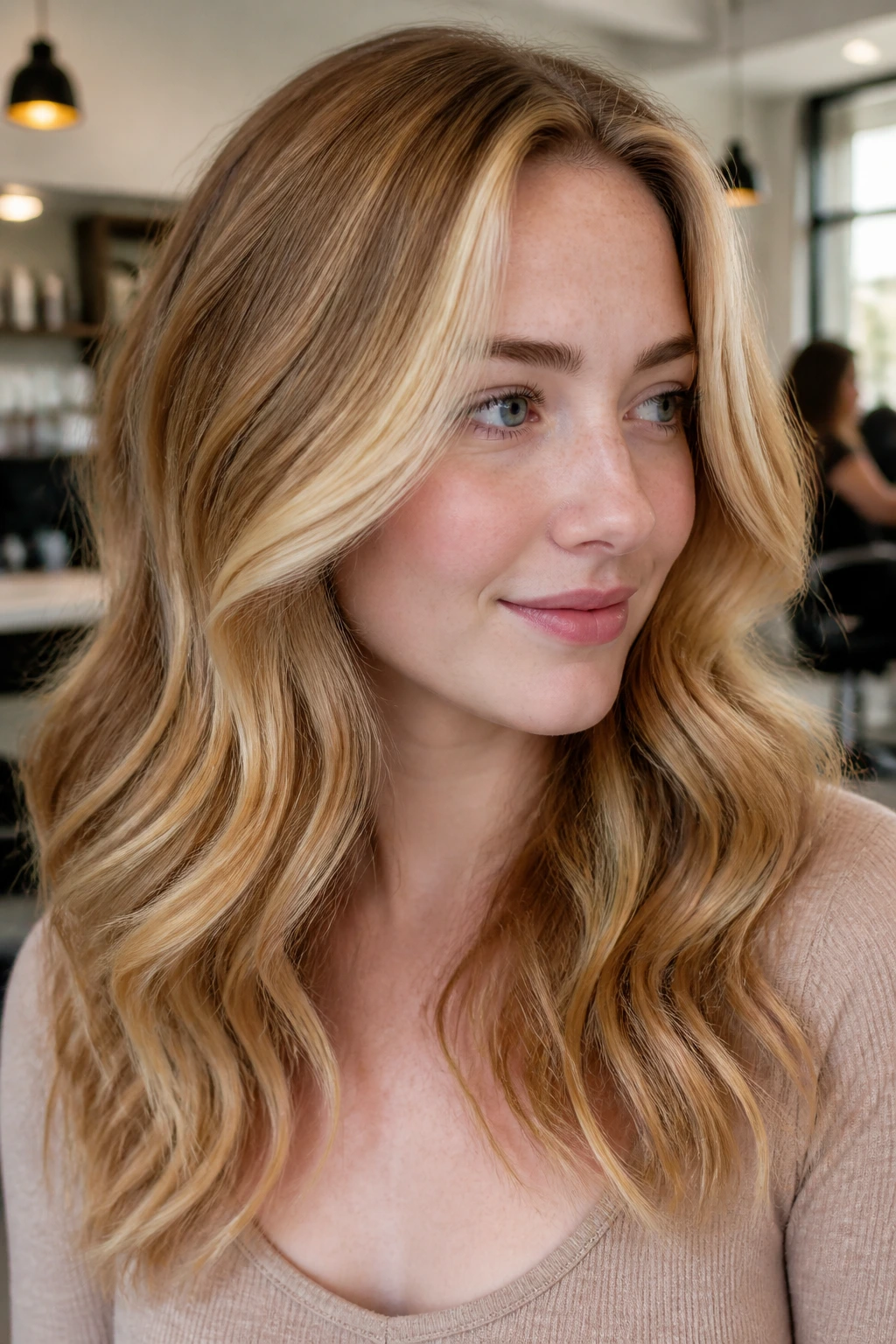
Golden honey can be gorgeous on pale skin with warmth in the undertone, especially if the hair is broken up with butterscotch panels. Without that extra note, it can go one-directional fast.
This is a richer, softer blonde than champagne. The butterscotch pieces add a caramel glow, but they’re still blonde-adjacent, which keeps the color from tipping into brown. Freckles and warm eyes usually look good with it.
I’d keep the brightest pieces around the front and crown, then let the lower layers stay a little deeper. That keeps the hair from looking overlighted all the way through.
14. Mushroom Blonde Melt
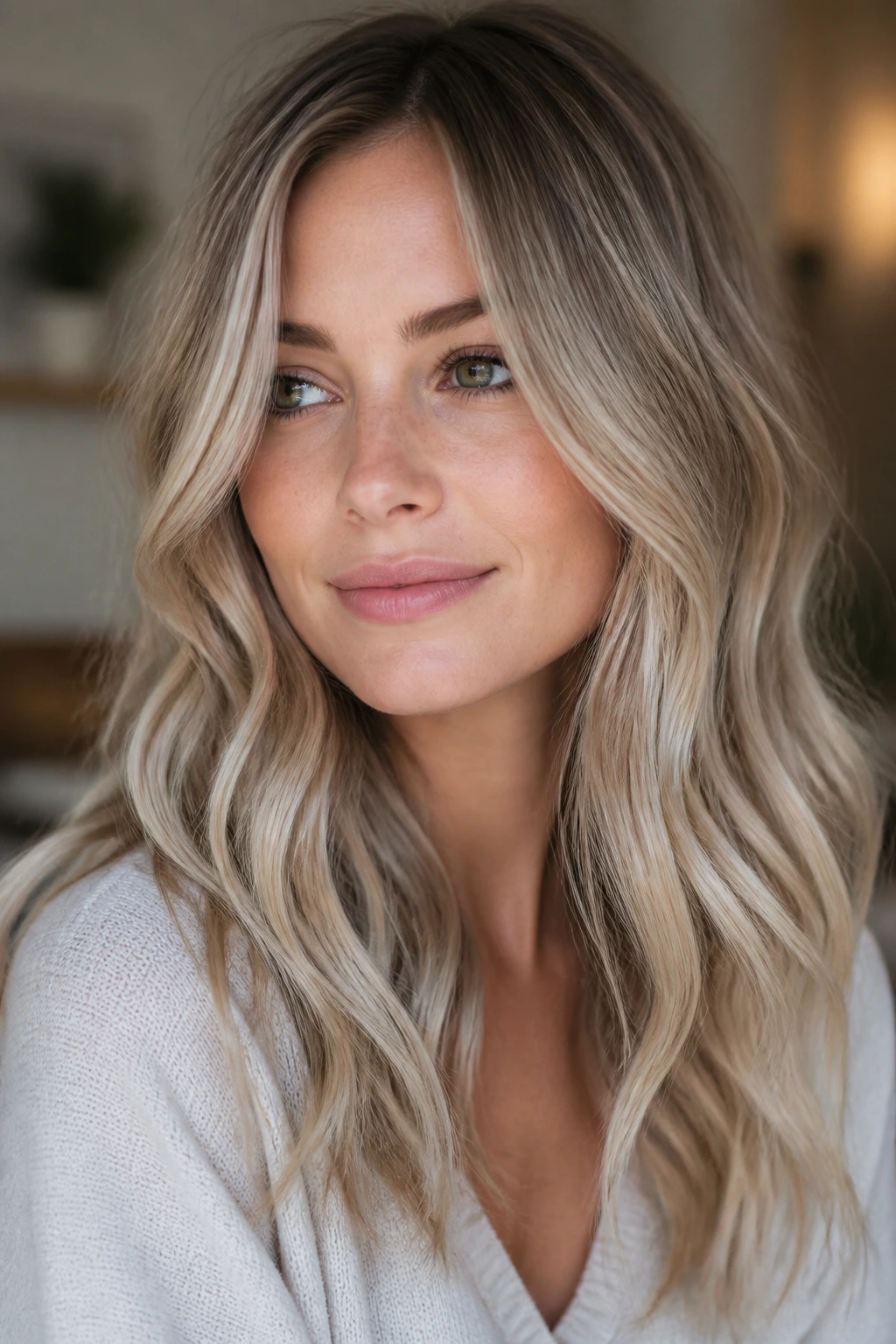
Mushroom blonde is one of those shades that quietly does a lot. It blends cool beige, ash, and soft brown into a melt that grows out with almost suspicious grace.
That makes it a good match for pale skin when you want dimension without obvious stripes. The root stays deeper, the mid-lengths soften into beige, and the ends keep a pale cast. Nothing is shouting. That’s the charm.
Why it stays flattering
The darker root gives the face definition. The beige middle keeps the complexion from looking bruised or flat. And because the transition is gradual, the color still looks intentional when it’s a few weeks old.
15. Vanilla Cream Bob With Micro-Lowlights
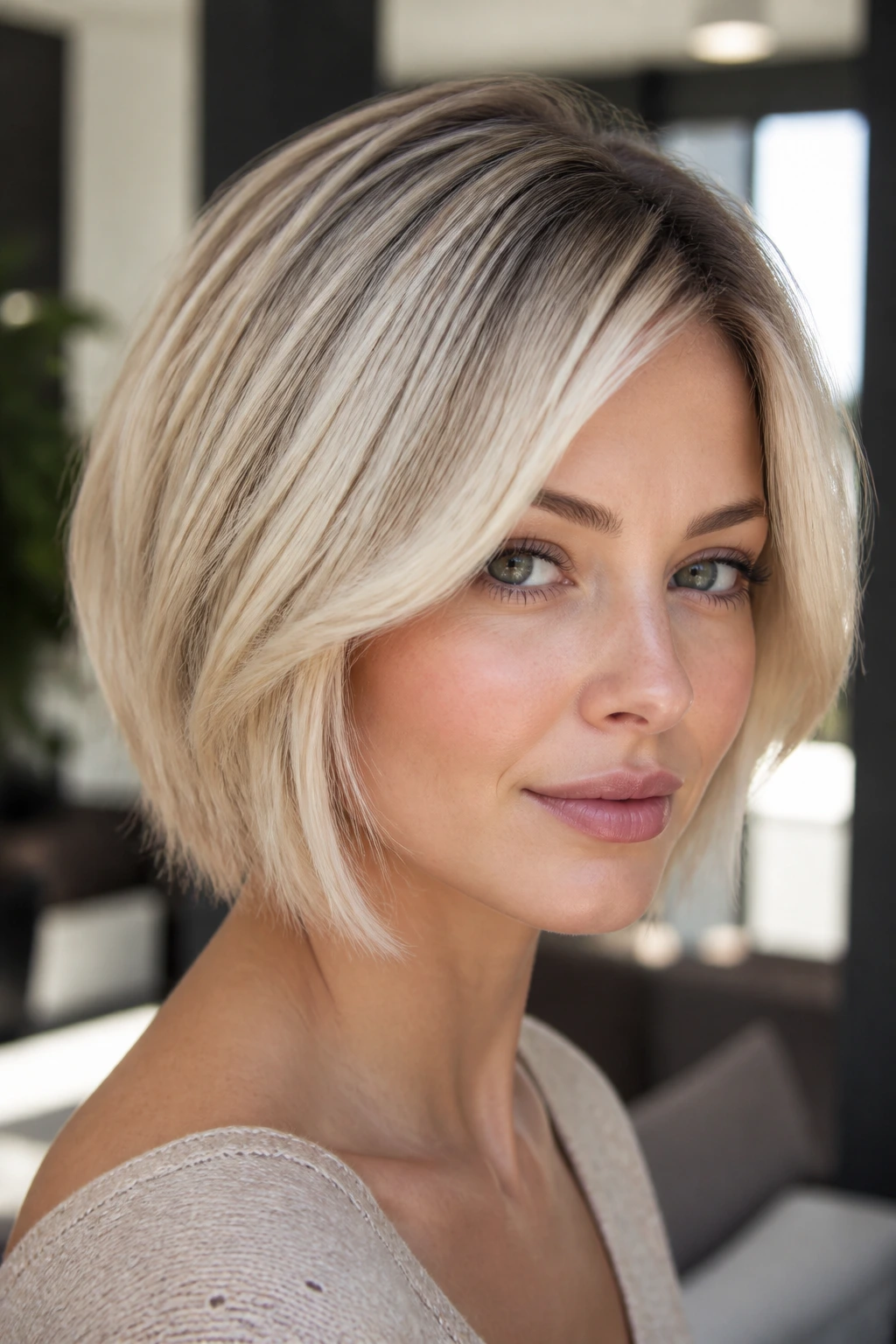
Short hair needs a different approach. On a bob, big highlight chunks can look busy fast, so micro-lowlights are the better move. They give the cut texture without stealing space from the shape.
A vanilla cream bob is especially nice on pale skin because it softens strong jawlines and brings a light, polished frame to the face. The tiny darker pieces live underneath and around the crown, which adds movement when the hair swings.
If your bob is blunt, this color keeps it from looking too blocky. If it’s layered, the micro-lowlights help the ends separate instead of collapsing into one pale shape.
16. Pearl Blonde With Cool Mocha Depth
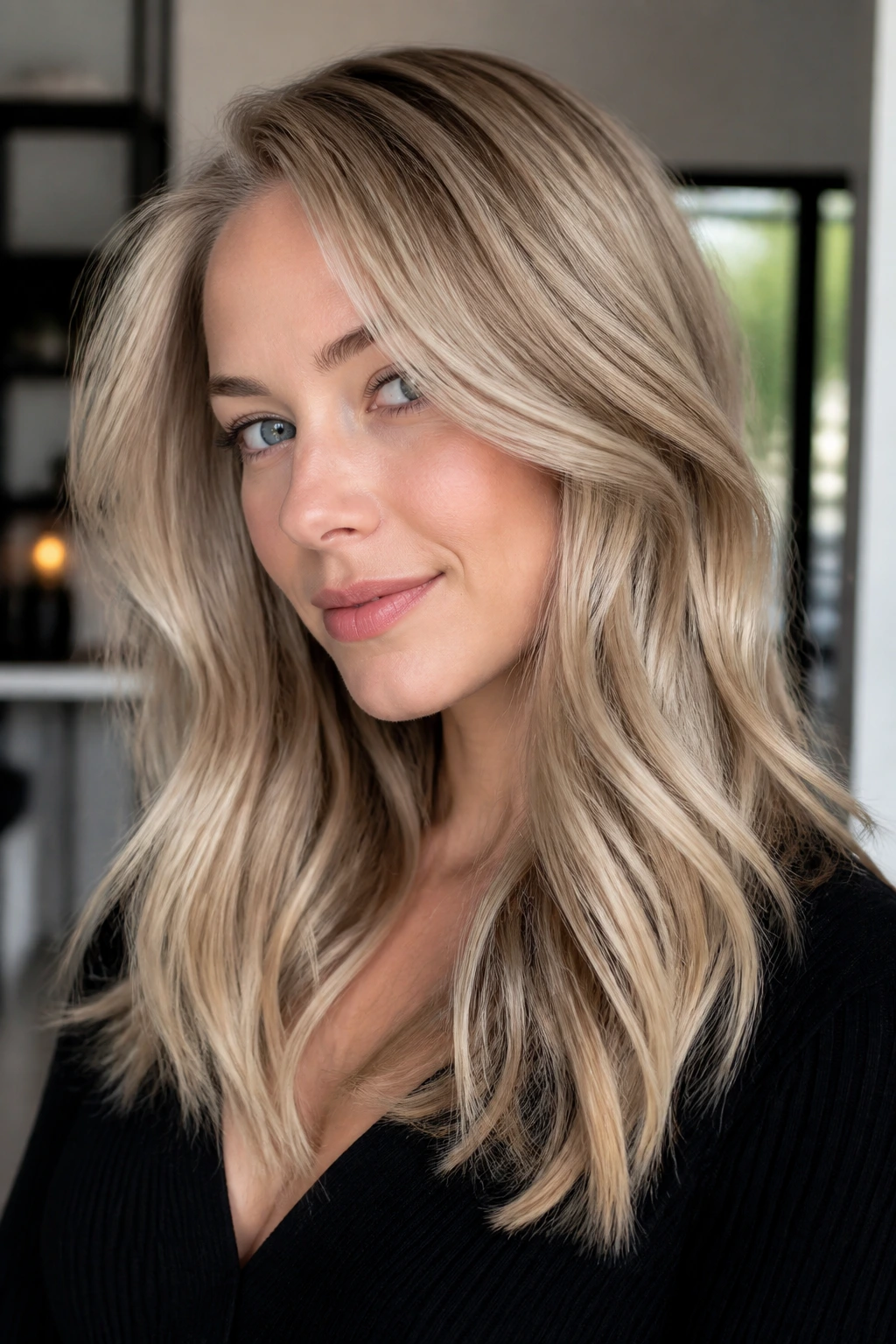
Pearl blonde looks expensive when it has something darker to lean against. Cool mocha depth under the surface gives it that support without turning the blonde warm.
This is one of the better choices if your pale skin has a cooler undertone and you want contour in the hair, not in makeup. The mocha pieces should be restrained and placed in the interior of the cut, where they read as shadow rather than stripe.
I’d avoid making the mocha too rich or chocolatey. Once it gets dark, the balance changes, and the hair starts wearing the face. Keep it cool, soft, and just a step deeper than you think.
17. Wheat Blonde With Dimensional Bronde
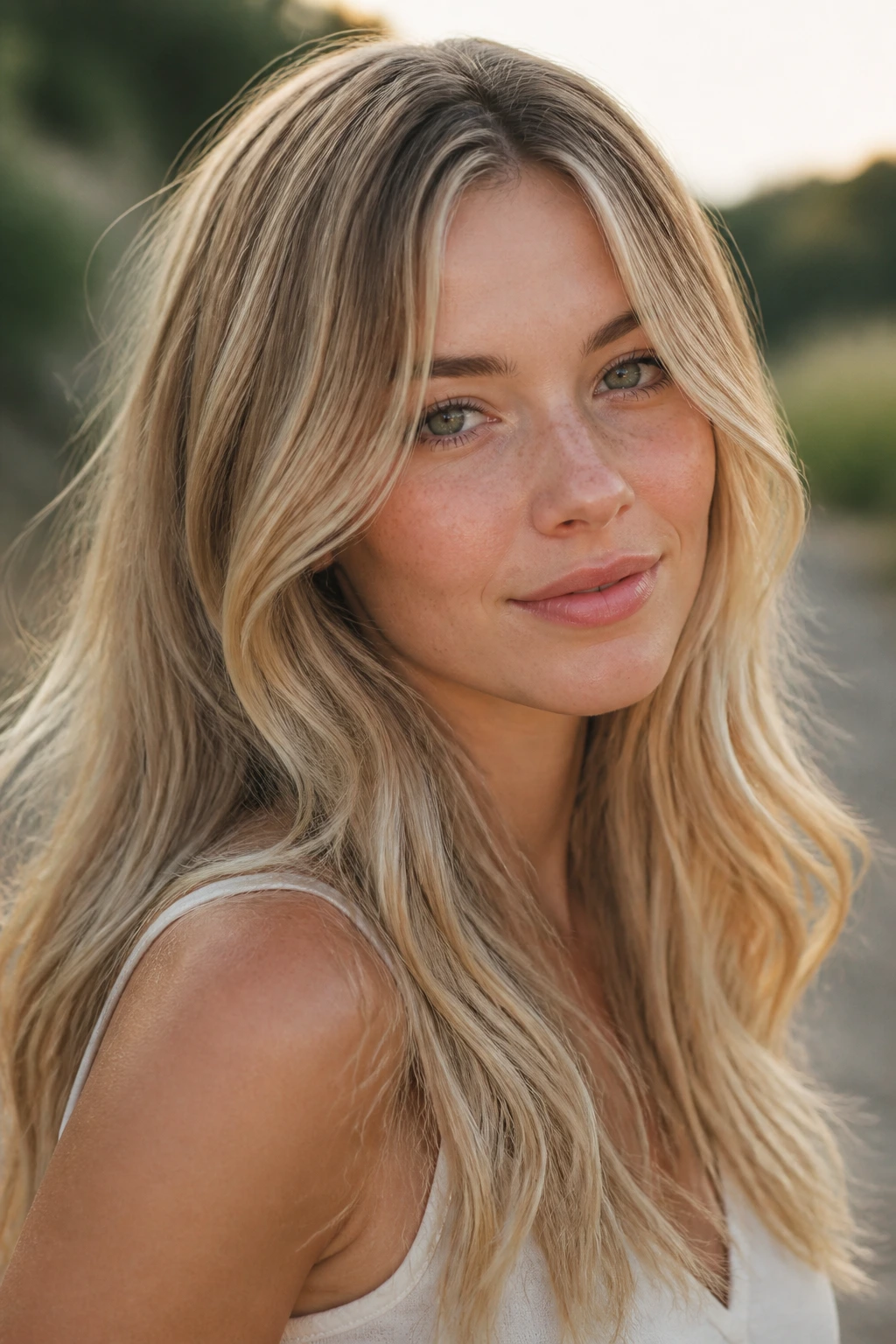
If your natural color lives between dark blonde and light brown, don’t fight it. Wheat blonde with dimensional bronde pieces lets the hair sit in its own lane instead of pretending to be something else.
This one is great on pale skin because it gives the face a little grounding. Pure blonde can sometimes feel too light next to fair skin, but bronde keeps a lived-in edge that makes the complexion look less washed out.
Quick advantage list
- Less maintenance than a full blonde.
- Better depth around the hairline.
- Softer grow-out between appointments.
- More movement in thicker hair.
18. Caramel Blonde With Lightened Ends
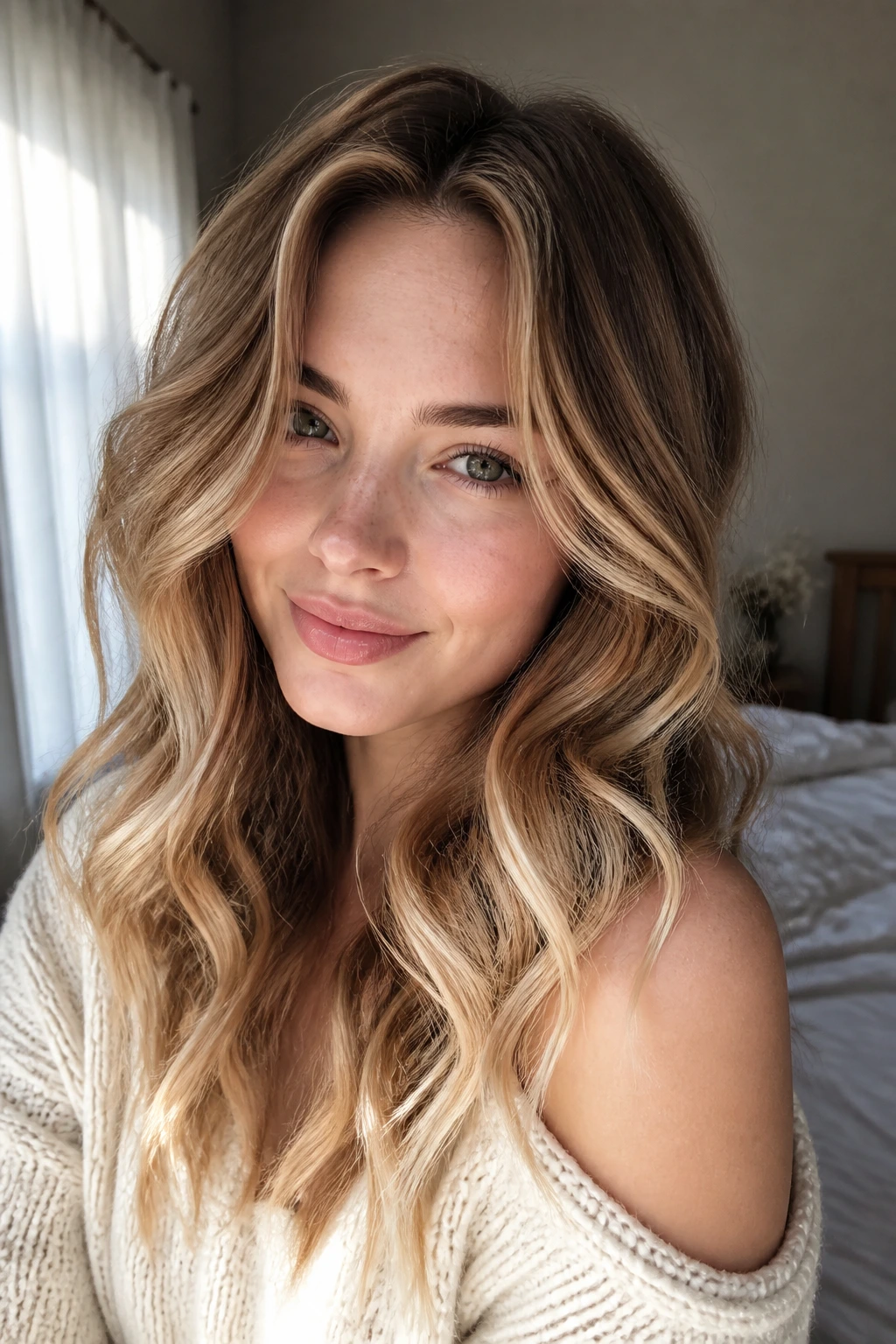
Caramel blonde is warmer and richer, but it still belongs in the blonde family when the ends are lifted enough to stay light. On pale skin, the key is to keep the caramel around the mid-lengths and roots, then brighten the ends so the color doesn’t sink too far down.
This shade suits thicker hair especially well. The deeper base gives body, and the lighter ends keep the shape from feeling heavy. If the hair is fine, the caramel can look dense fast, so that part matters.
A loose curl shows the contrast better than a pin-straight finish. The bend in the hair lets the lighter ends catch the eye.
19. Linen Blonde With Oyster Toning
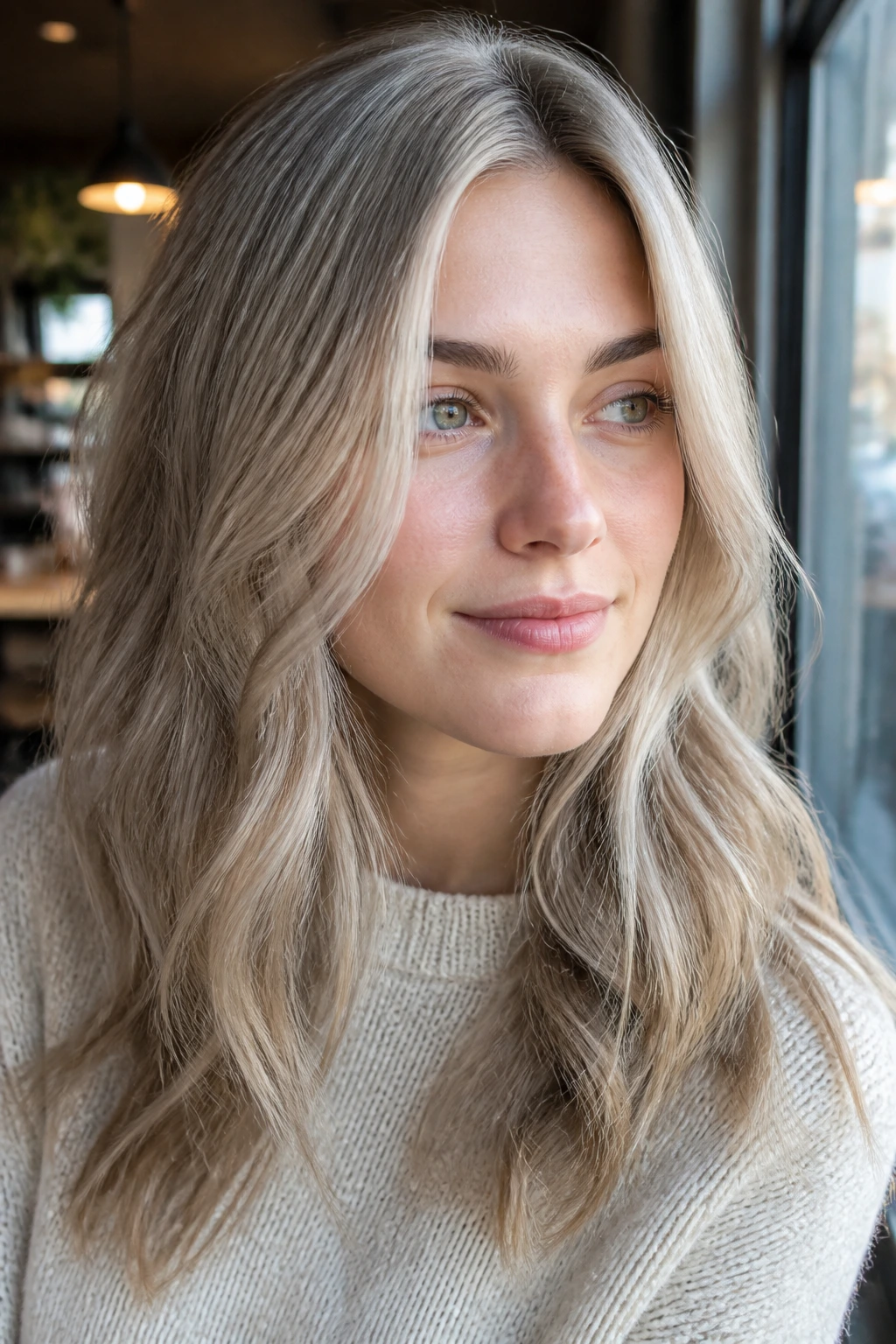
Linen blonde is a quiet color, and that’s the point. Oyster toning keeps it from going flat or yellow, leaving a cool-beige finish that sits nicely against pale skin.
This is one of the cleanest-looking blondes in the bunch. There’s no harsh gold, no heavy brown, and no silver that might make the face look drained. Just a soft textile-like tone that feels airy and neat.
If you like soft sweaters, cream makeup, and low-contrast dressing, this shade fits the same mood. It’s subtle, but not lifeless. Those are not the same thing.
20. Nordic Blonde With Sandy Shadow Root
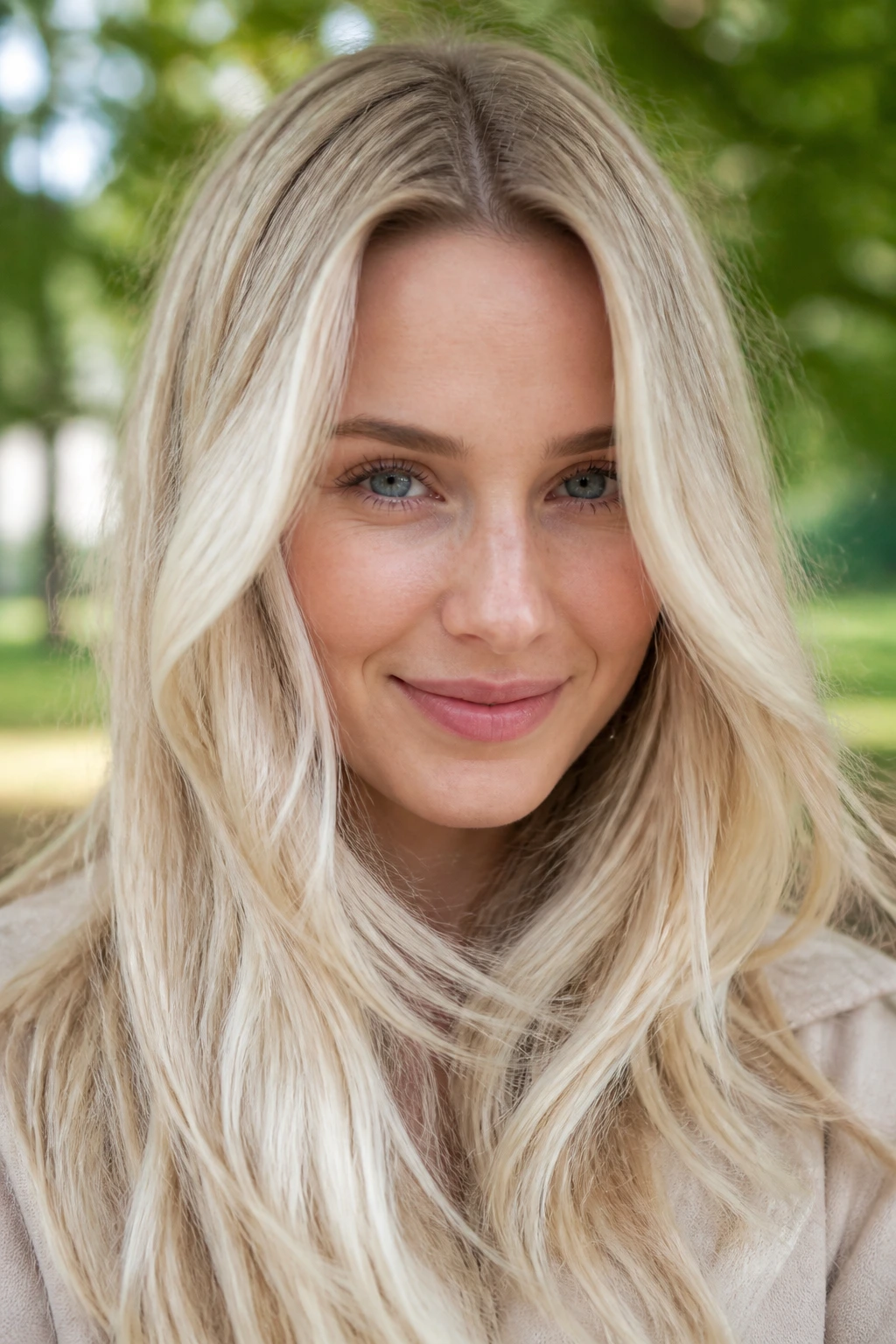
Nordic blonde can read sharp in a good way, but it needs a sandy shadow root so it doesn’t hit the face like a flashlight. The shadow gives the color shape and makes the brightness feel deliberate.
I’d use this on pale skin that can handle cool blondes but still needs some softness at the scalp. The sandy root keeps the look from becoming stark, and the brighter ends keep it fresh.
This shade does best with movement. Even a slight bend in the hair exposes the different tones and makes the color feel less static.
21. Creamy Bronde With Face Frame
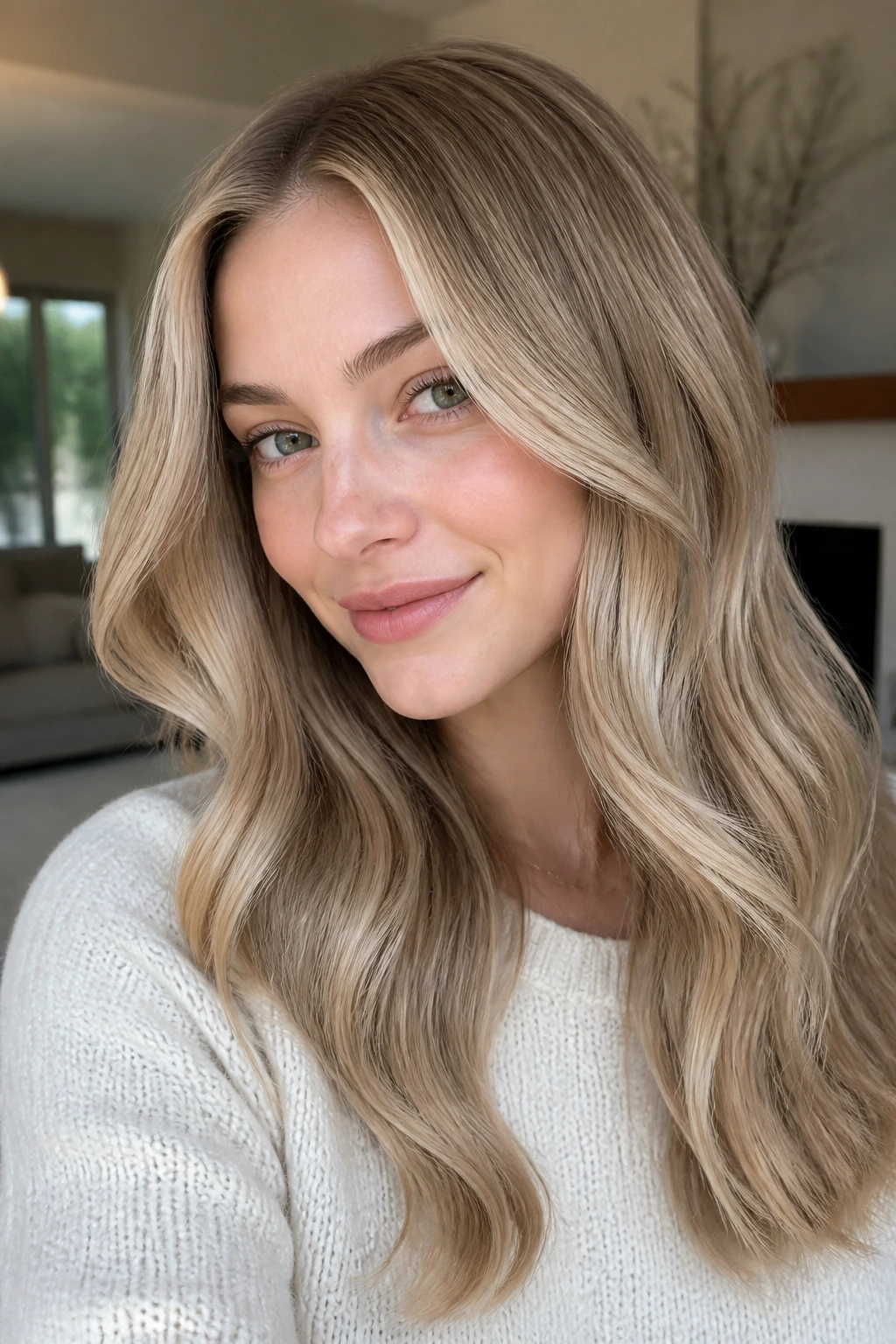
Creamy bronde is one of the easiest shades to live with if you’re hovering between blonde and light brown. Add a face frame, and suddenly the whole thing reads brighter without needing every inch of hair lifted.
That’s why it works so well on pale skin. The face-framing pieces do the visual lifting, while the deeper base preserves structure. If you’re the kind of person who hates high-contrast color but still wants to look awake, this is a smart lane.
I’d ask for the front pieces to start around the eyebrow or cheekbone, depending on your haircut. Too high, and you lose the frame. Too low, and the brightness misses the face.
22. Beige-to-Biscuit Ombre
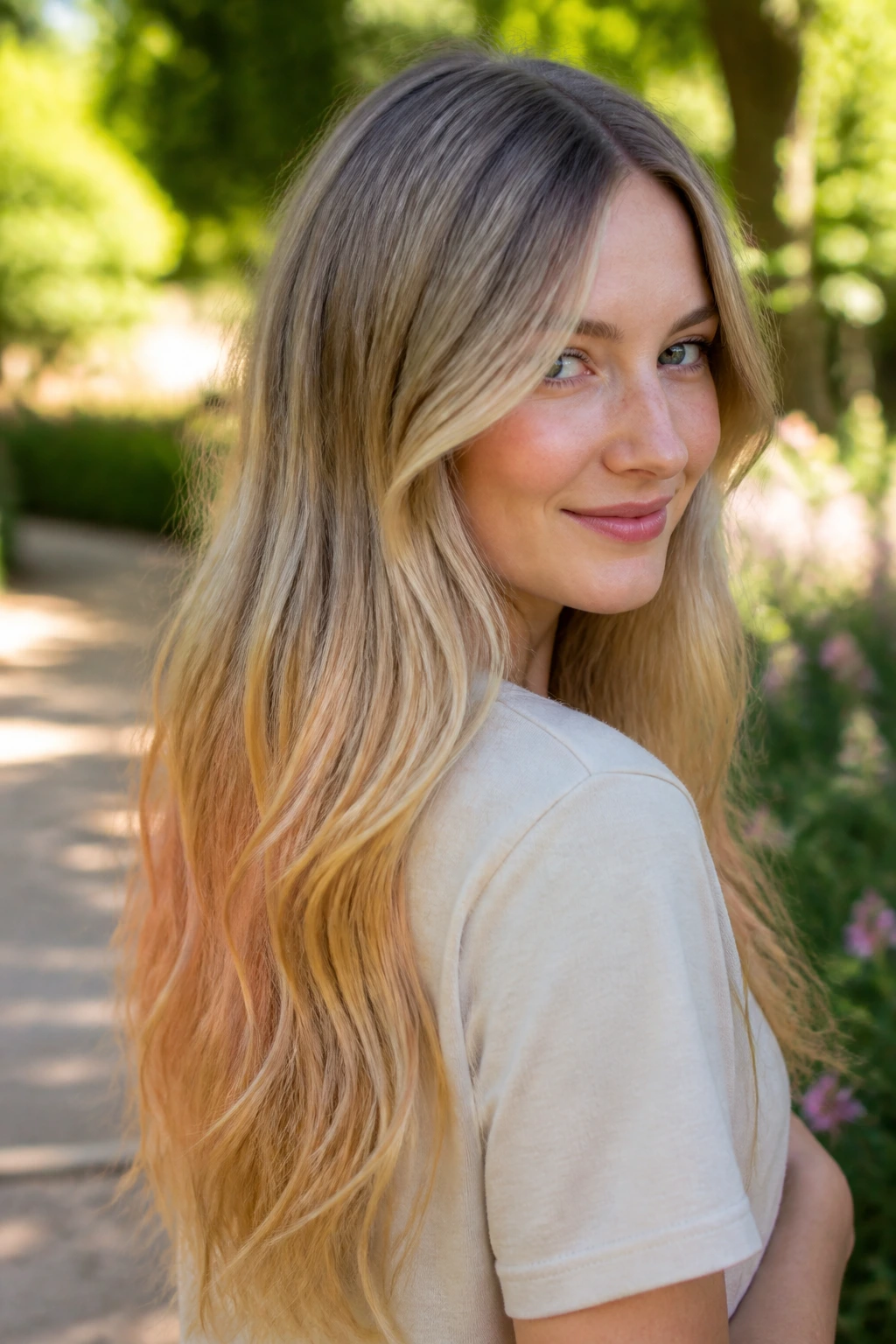
Ombre gets better when the transition is soft enough that you can’t point to one exact line. Beige to biscuit keeps the gradient gentle, moving from cooler blonde near the top into a warmer biscuit finish at the ends.
This is a good choice for longer hair, where the vertical stretch gives the tone room to breathe. On pale skin, the gradual shift helps prevent the face from looking too stark against the hair. It also hides regrowth better than a strict all-over blonde.
The key is restraint. If the biscuit ends get too dark, the effect turns heavy. You want soft depth, not a full brunette drop-off.
23. White Blonde With Beige Smudge
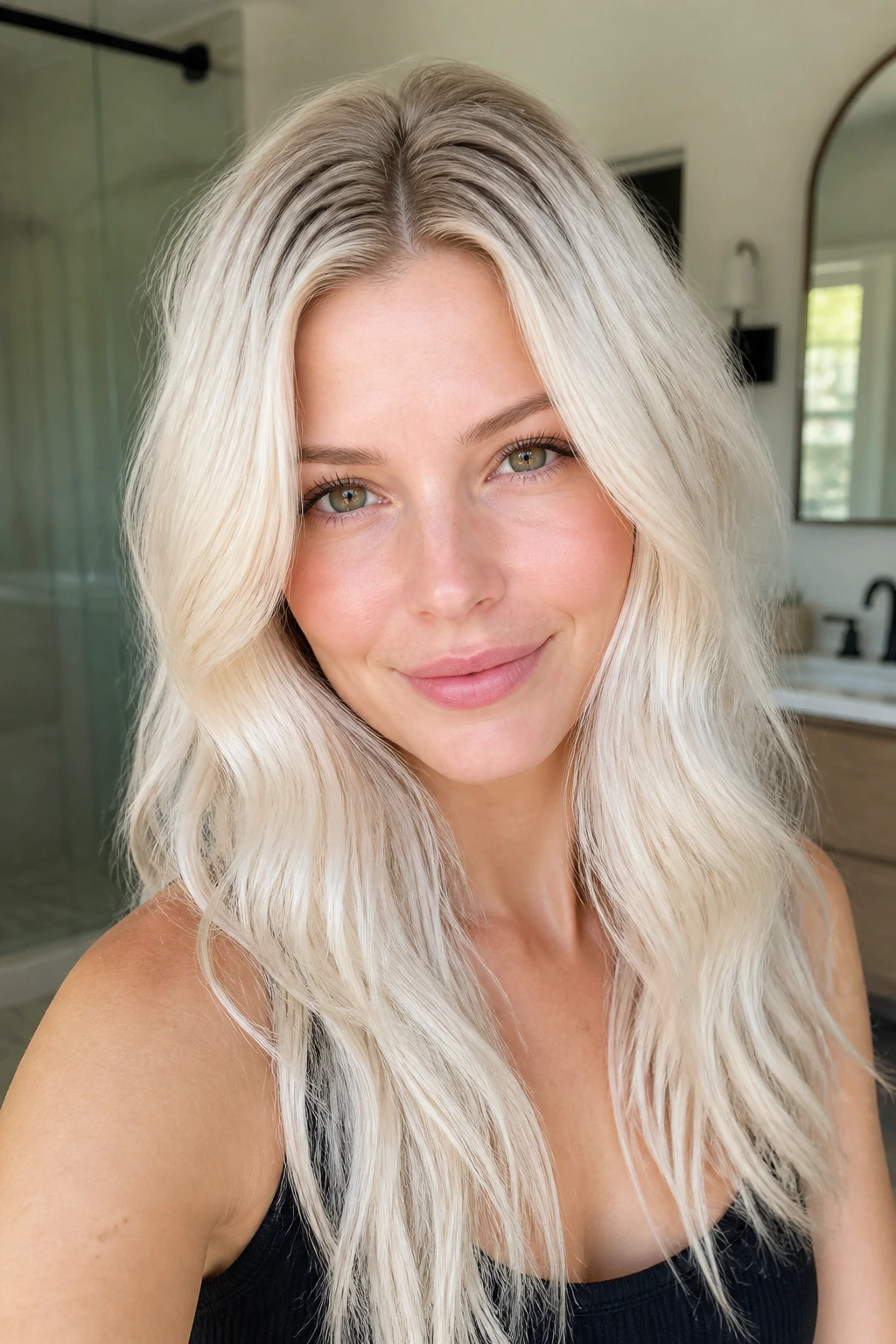
White blonde is for people who know they want brightness and are willing to keep up with it. A beige smudge at the root softens the transition so the hair doesn’t look like it was painted one flat color from scalp to ends.
This is one of the more high-contrast options for pale skin, and the beige root is what keeps it wearable. Without that smudge, white blonde can make the face look severe. With it, the whole thing reads cleaner.
I’d only do this if the hair is already light enough to get there without a long bleach session. If the starting point is dark, the health cost goes up fast.
24. Dimensional Dirty Blonde With Halo Highlights
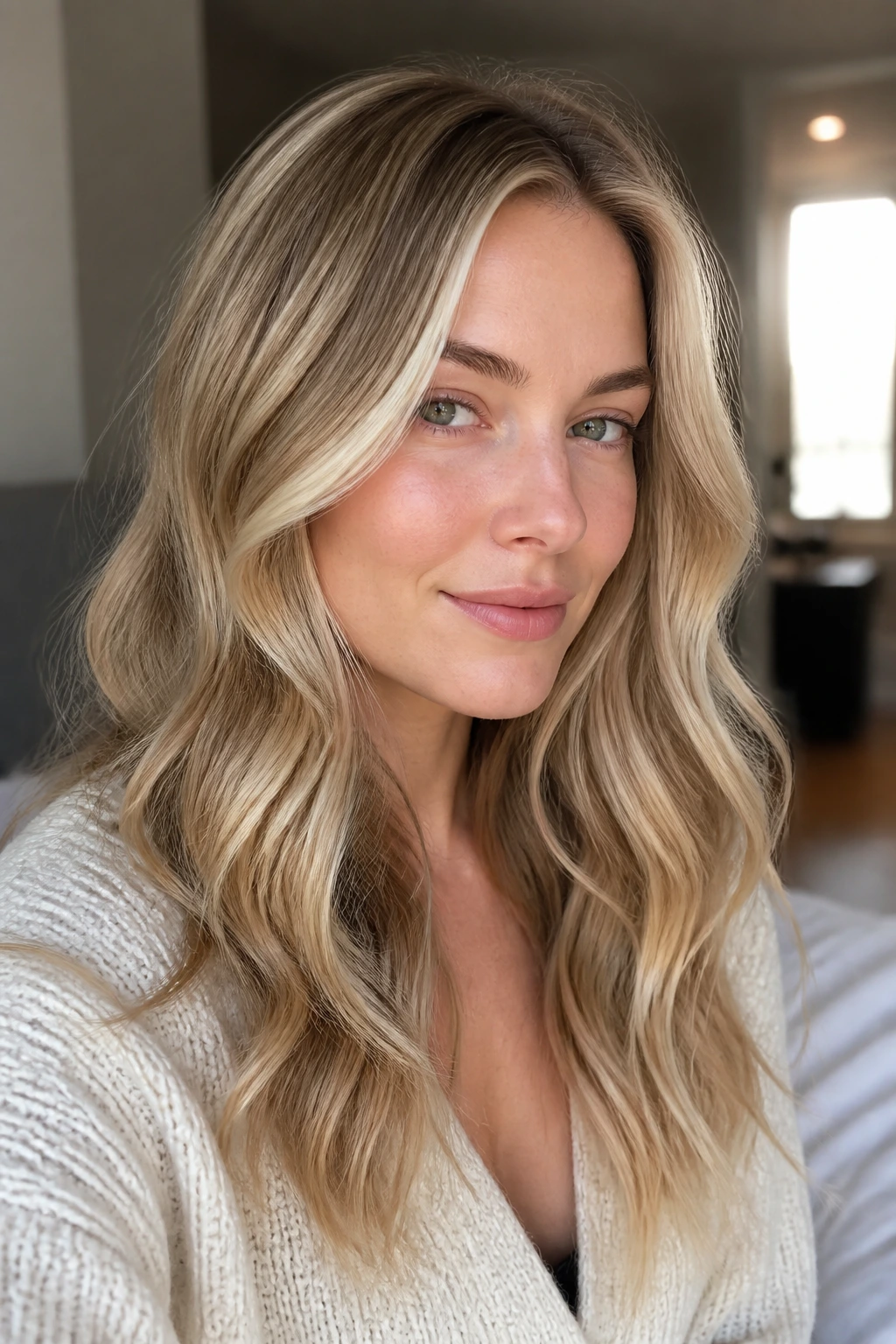
Dirty blonde gets ignored too often. On pale skin, it can be one of the most flattering shades because it keeps enough depth to frame the face while halo highlights open up the top layer.
The halo pieces sit where the hair catches light first, so the color reads brighter without looking overdone. That’s the appeal. The base stays grounded, the top layer gets shine, and the complexion doesn’t get swallowed by all-over lightness.
If you want something that looks natural in messy hair, a ponytail, or a blunt cut, this is a strong candidate. It’s the kind of color that still looks like hair after a windy day.
25. Soft Rose Blonde With Vanilla Lowlights
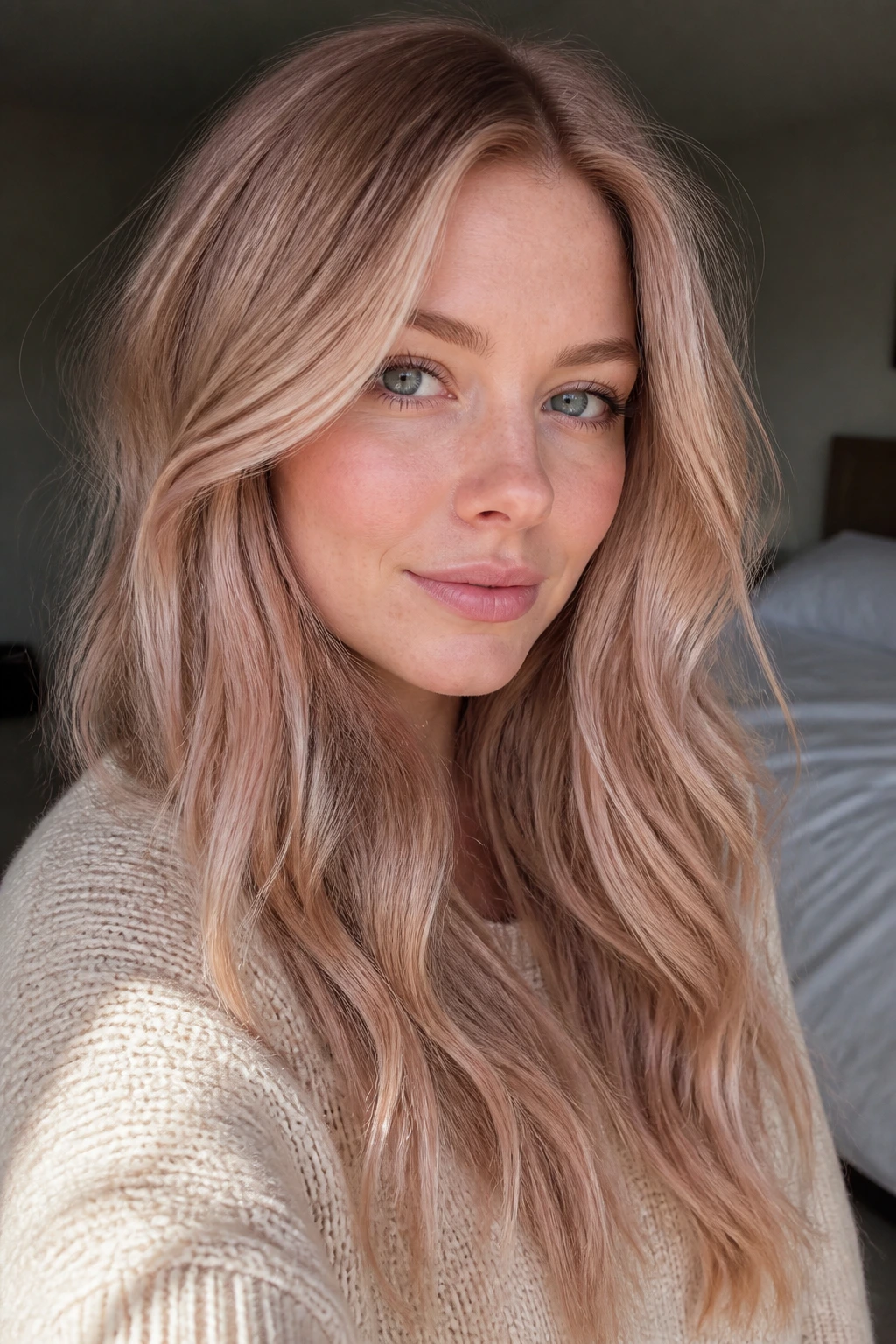
Soft rose blonde is the wildcard here, and I mean that in a good way. It brings a faint blush tone into the blonde, while vanilla lowlights keep the shade from drifting too pink or too sweet.
This is especially good for pale skin with rosy undertones. The rose warms the face in a gentle way, and the vanilla depth stops it from becoming a cotton-candy situation. The balance matters a lot here.
If you try this, keep the rose muted. Neon pink has its place. This is not that place.
Why Blonde Highlights and Lowlights Matter on Pale Skin
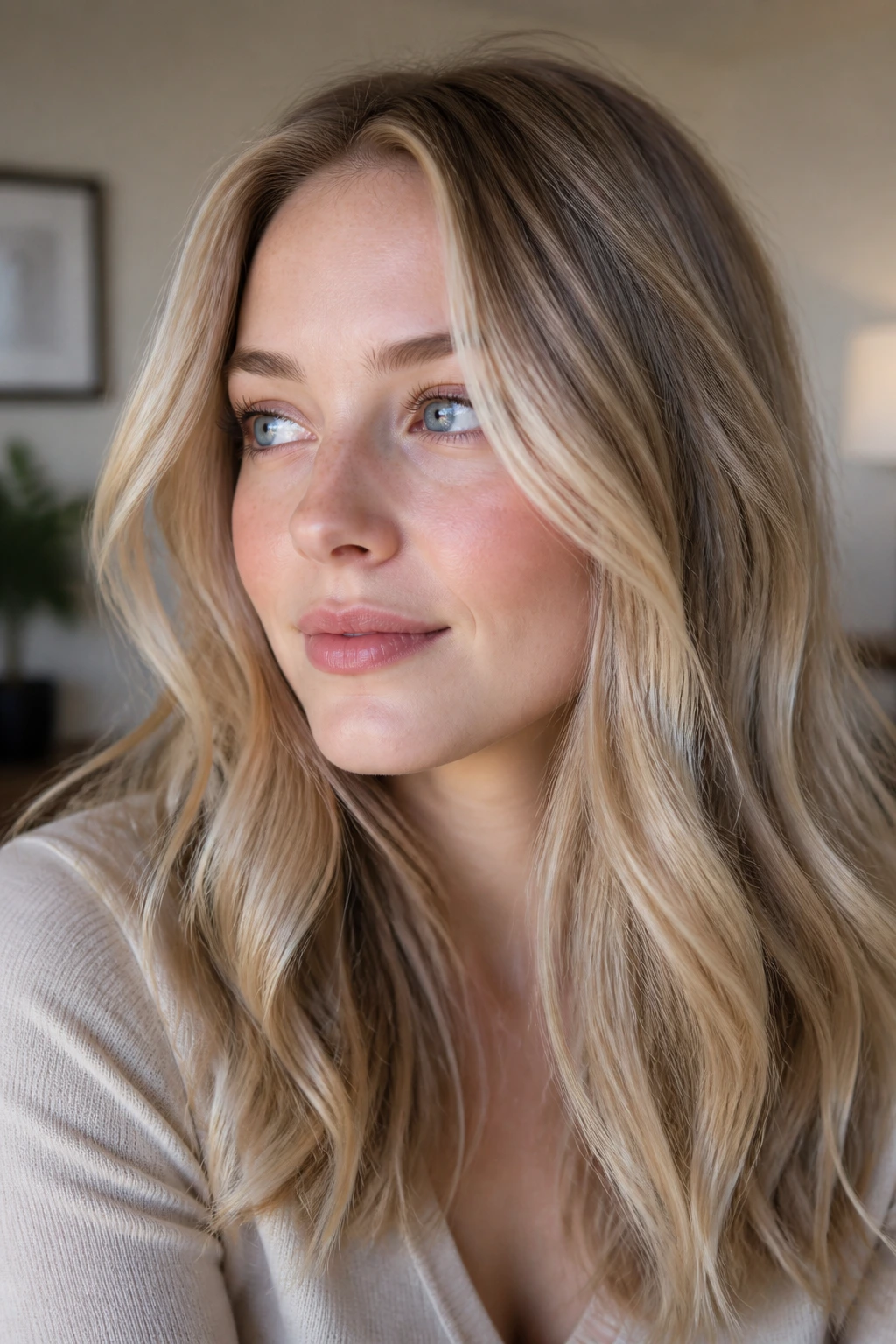
Pale skin can look luminous with the right blonde, but it can also look a little erased if the hair has no depth. That’s the part people miss. Highlights alone add brightness, and lowlights alone add structure, but the pairing is what gives the face shape back.
I think of it as hair contouring, except less gimmicky. The lighter pieces pull the eye forward; the deeper pieces keep the head from becoming one soft, flat blur. On fair skin, that matters even more because the contrast between face and hair is often subtle to begin with.
A single-process blonde can be lovely for a short stretch of time. Then the roots come in, the toner fades, and the color starts to feel very one-note. Dimension gives you room to breathe. It also gives a haircut a chance to do its job, which is something flat blonde often forgets to do.
Essential Tools for Salon Visits and At-Home Care
-
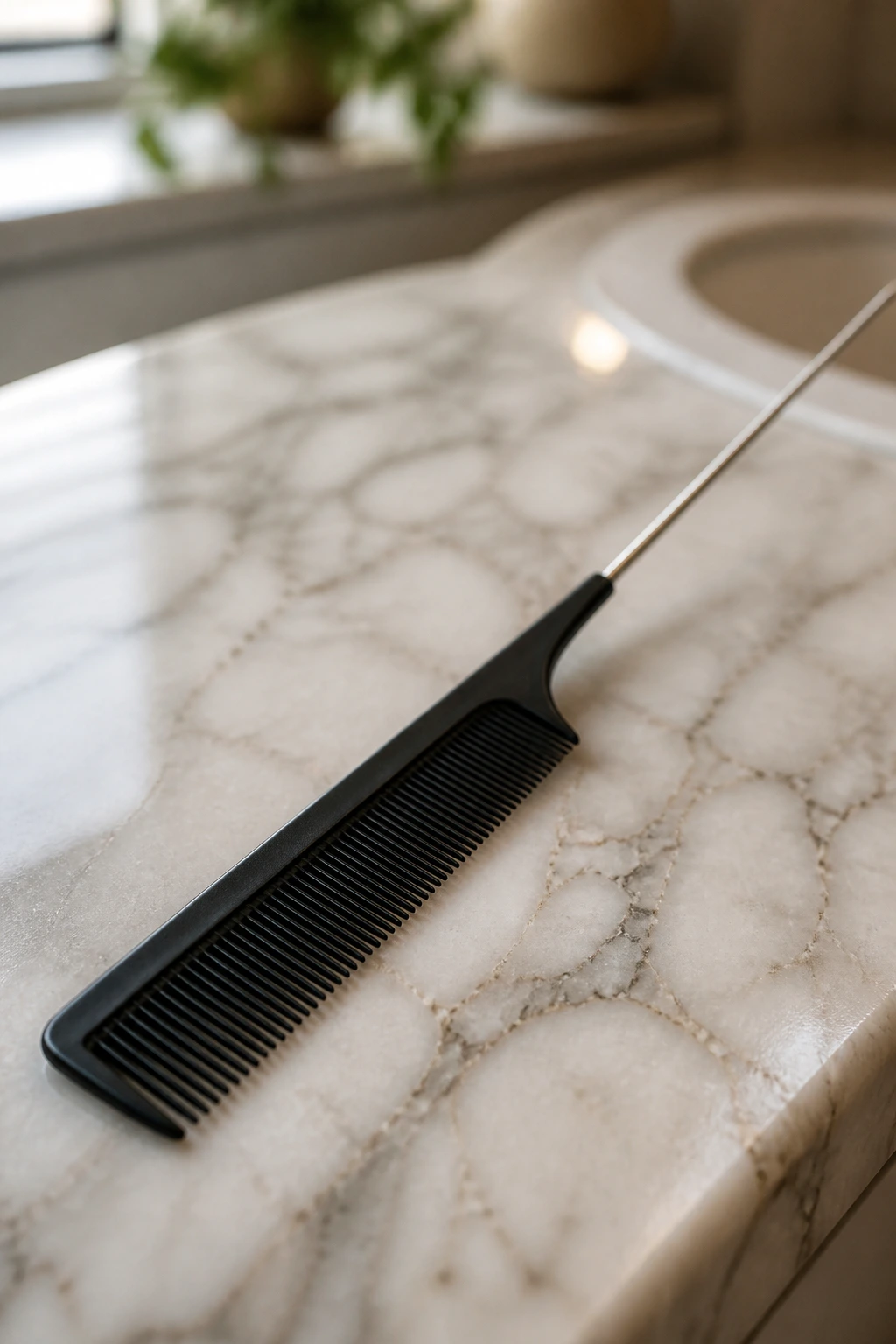
Tail comb: Essential for sectioning hair cleanly so highlights and lowlights don’t get muddy at the roots.
-
Sectioning clips: Keep foils and painted sections out of the way while you work through the hair methodically.
-
Foils or balayage boards: Foils give stronger lift; boards help with smoother, painted placement on longer lengths.
-
Color-safe shampoo and conditioner: Choose formulas that don’t strip toner too fast, especially if your blonde leans beige or pearl.
-
Purple shampoo: Use it sparingly for yellow drift, not as an everyday cleanser. Too much turns pale blonde dull and chalky.
-
Heat protectant spray: Blonde hair shows heat damage fast, so this is not optional if you use irons or a blow-dryer.
-
1.25-inch curling iron or wand: A loose bend shows dimension better than flat-ironed hair on most blondes.
-
Microfiber towel: Cuts down on friction after washing, which helps keep lightened hair from puffing up and breaking.
-
Wide-tooth comb: Easier on fragile blonde strands than a brush when hair is wet.
-
Color-depositing gloss or mask: Handy between salon visits when the tone starts to look tired.
Smart Booking and Product Picks
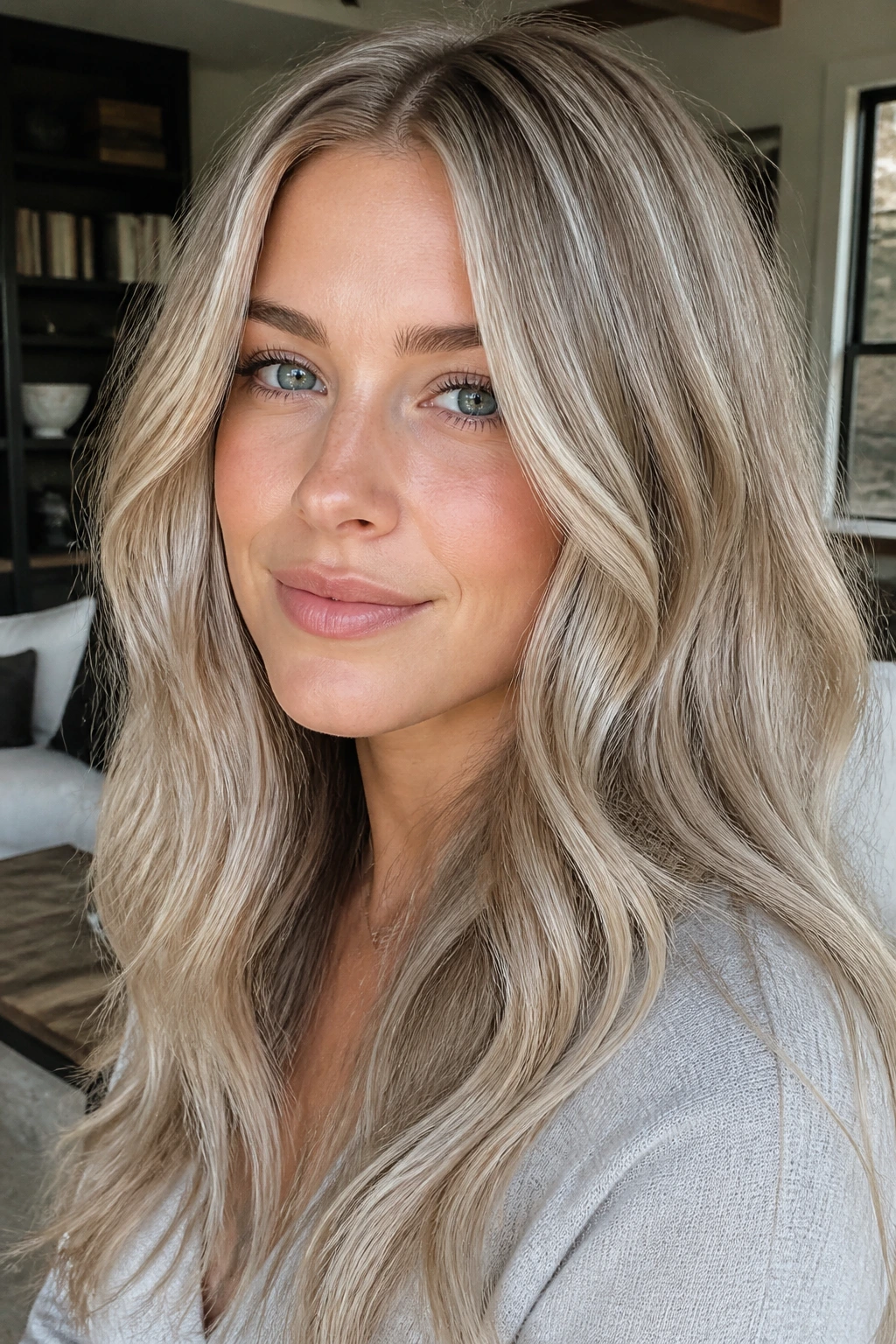
The best salon appointment starts before you sit in the chair. Bring two photos: one for tone and one for placement. A beige blonde with chunky face frames is not the same thing as a beige blonde with baby lights, and your stylist will read those references differently if you hand over one vague picture and hope for magic.
Ask about demi-permanent lowlights if you want the depth to fade softly. Permanent lowlights can hang around too long and go muddy if they’re too dark. If your hair is already light, a gloss may be all you need for the lighter looks; another round of bleach is not always the answer, and honestly, it often isn’t.
Pay attention to your base level. If your natural color sits around level 7 or 8, you have room for blonde ribbons and soft lowlights without a huge chemical leap. If you’re starting darker, the healthiest path may be gradual lightening over more than one visit. Hair that feels rough at the ends is telling you something. Listen to it.
At home, think in terms of maintenance, not rescue. Pick shampoo and conditioner first, then choose one toning product that fits the shade family. Beige blondes need a different hand than icy blondes, and honey blondes need less purple than people assume.
How to Style These Shades So the Color Shows
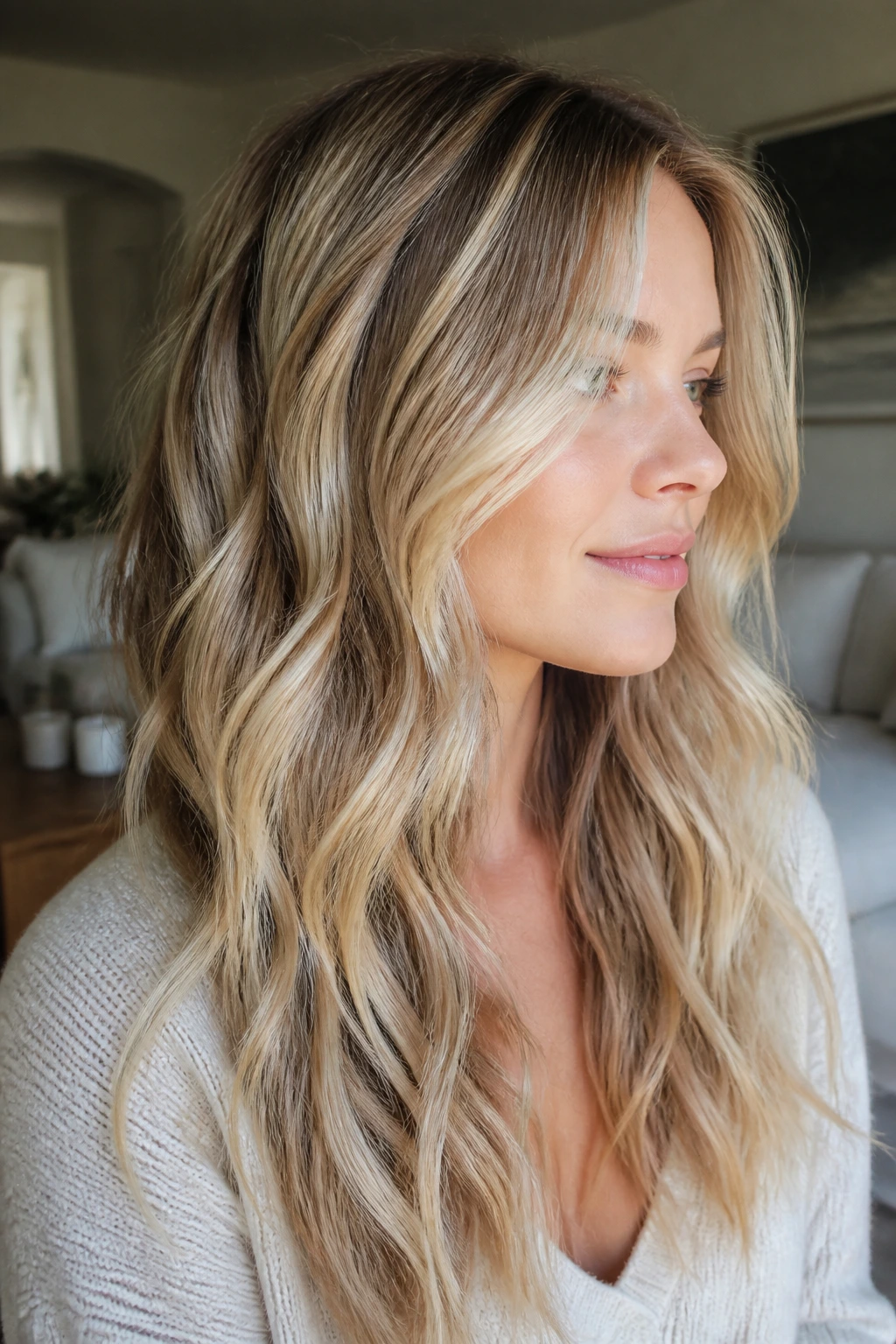
Placement: If you wear a side part, keep the brightest pieces near the heavier side so the face doesn’t get swallowed by the deeper section. Middle parts want balance; off-center parts like a little more brightness on one side.
Texture: Soft waves, a loose blowout, or even a bend from a flat iron will show the highlights and lowlights better than pin-straight hair. The color needs movement to read properly. Flat hair can hide all the work.
Makeup: Pale skin with cool blonde often benefits from a blush that has a touch of rose or berry. Warm blondes usually look cleaner with peach, apricot, or soft coral. Brows matter too. A brow pencil one shade deeper than your hair usually gives better shape than one that matches the blonde exactly.
Wardrobe: Cream, charcoal, navy, sage, and soft rose all play nicely with dimensional blonde. I’d be careful with too much head-to-toe beige if your hair is already very light; the whole look can go a little foggy. A darker collar or earring gives the hair a place to land.
Extra Tips for Richer Tone and Better Grow-Out
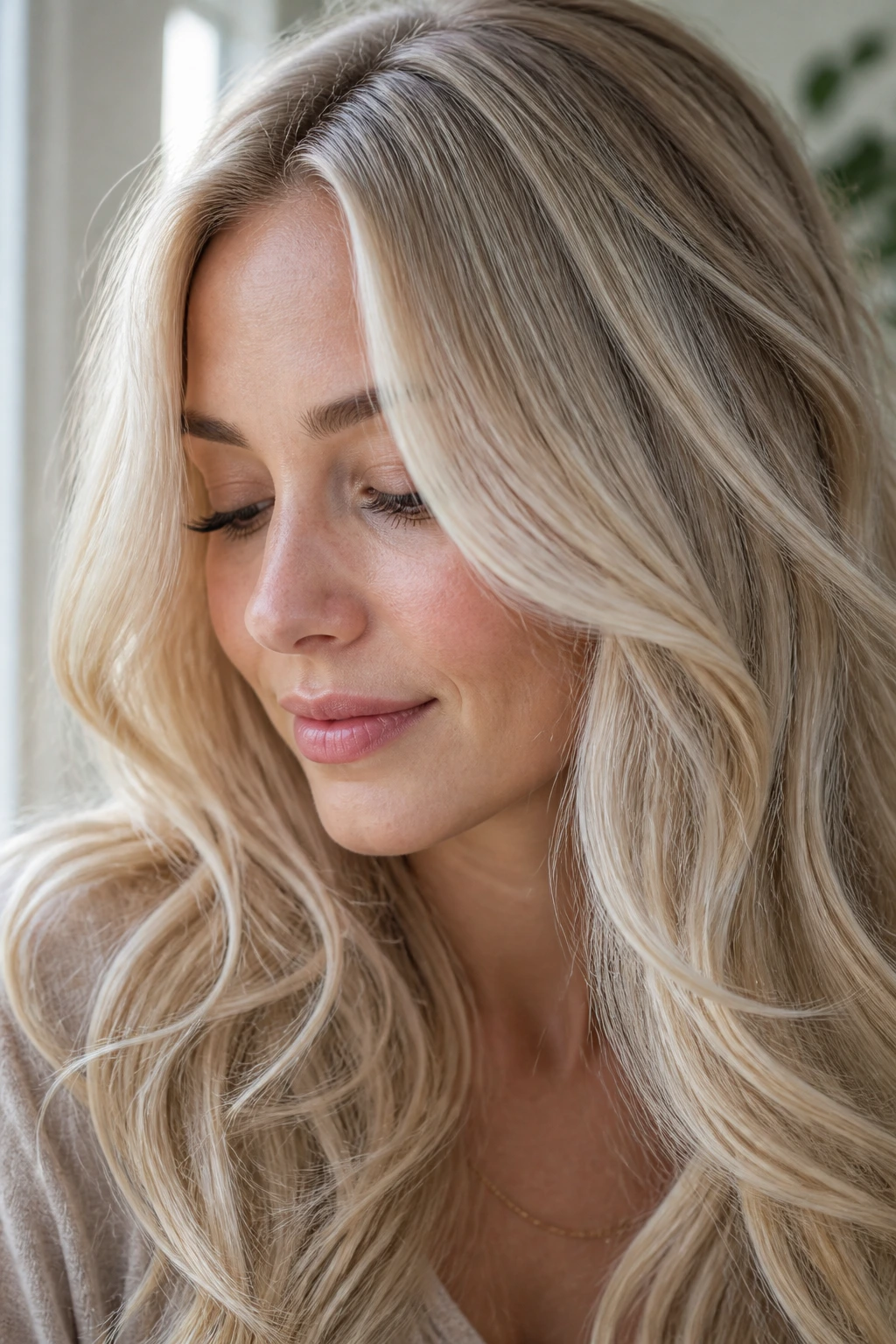
Gloss is the insurance policy: A salon gloss every 4 to 6 weeks keeps beige, pearl, and champagne shades from drifting yellow or dull. I like gloss more than corrective shampoo for most blondes because it smooths tone instead of fighting it.
Root shadow saves time: Even a tiny root tap can buy you a softer grow-out line. If your hair grows fast, this is the part that keeps the color from looking obviously “done” after the first fortnight.
Keep one natural layer: The best blondes on pale skin still need a little ground underneath. Whether that shows up as a shadow root, deeper nape pieces, or a soft lowlight around the temples, one natural layer prevents the color from floating away.
Heat less, shine more: Blonde hair can get fuzzy fast with high heat. A lower blow-dryer setting, a decent heat protectant, and one good gloss beat daily flat-ironing if you want the tone to stay clean.
Common Mistakes That Flatten Pale Skin
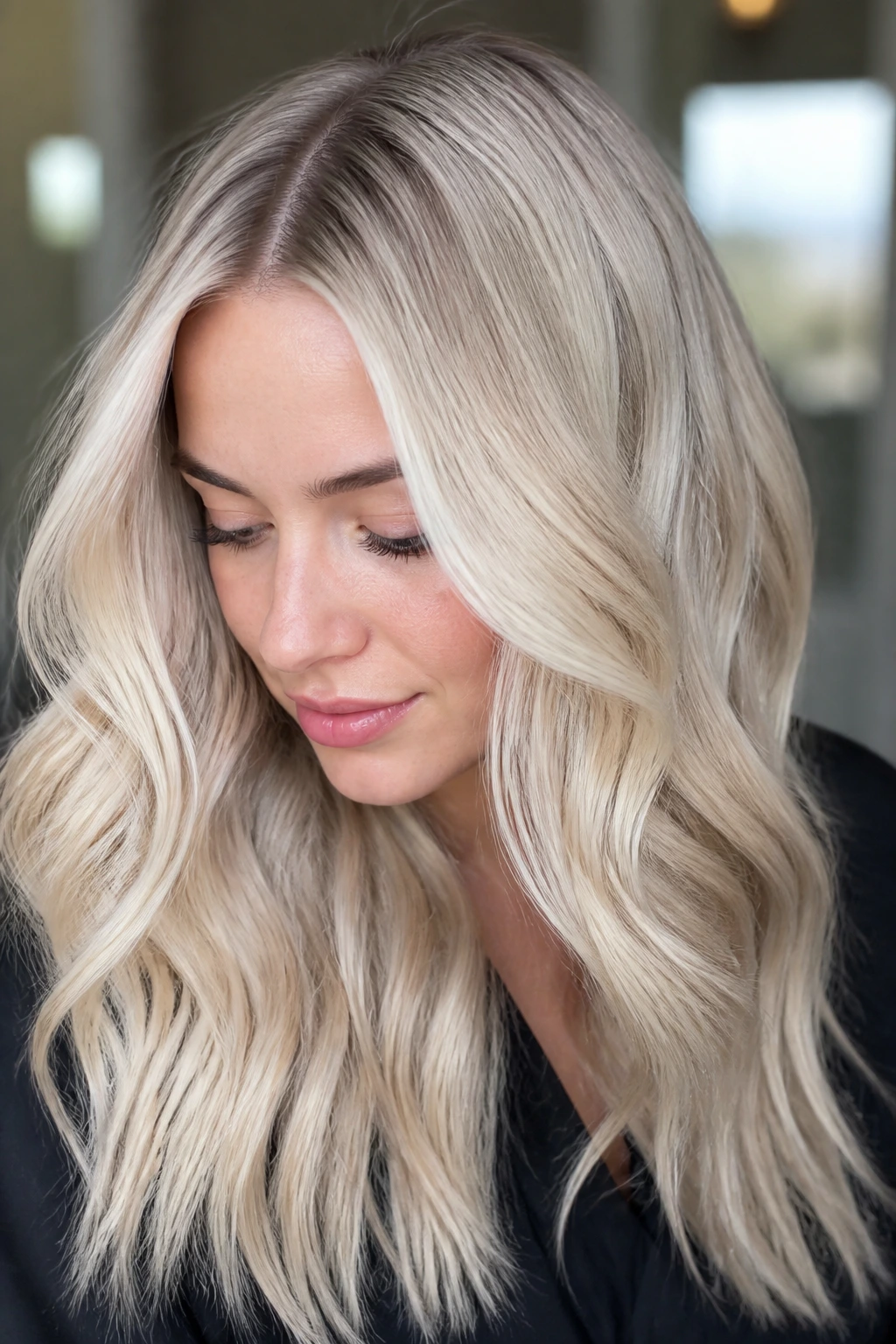
The first mistake is going too ashy and calling it safe. A pale face can handle ash, but not if the blonde turns gray-dusty and drains all color from the skin. The fix is usually beige or pearl, not more ash.
The second mistake is making lowlights too dark. If the contrast is stronger than two levels deeper than the base, the hair starts to look striped. Ask for a softer depth and let the dimension live in the texture, not the darkness.
Skipping toner is another one. Highlights lifted to a pale yellow can look raw for a week or two, then brassy after that. A gloss keeps the tone in the lane you actually wanted.
And then there’s the overuse of purple shampoo. A little helps. Too much leaves blonde hair flat, muddy, or faintly violet, which is not a flattering place for pale skin to sit.
Variations for Different Undertones and Hair Textures
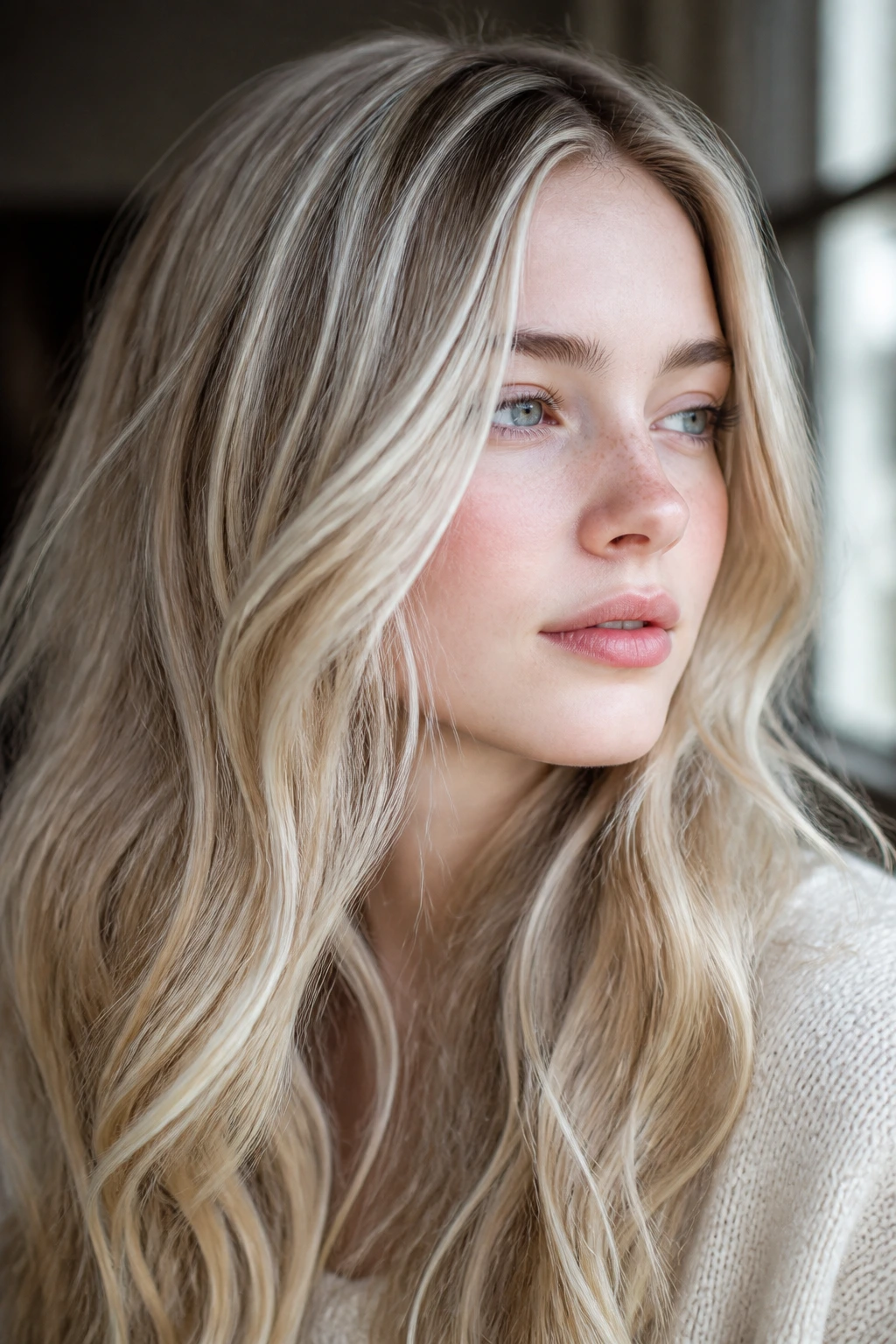
Cool Porcelain Version: Choose pearl, mushroom, taupe, and silvery lowlights. This keeps pink or blue-pink undertones from being overpowered by warmth.
Warm Freckled Version: Lean into honey, butter, wheat, and soft caramel. The warmth can make pale skin look healthier, especially when freckles are part of the picture.
Fine Hair Version: Ask for babylights, micro-lowlights, and a soft root smudge. Smaller sections keep the hair from looking chunky or sparse.
Thick Hair Version: Use wider balayage panels and deeper interior lowlights. Thick hair can carry more contrast, and the extra shadow helps the cut move.
Low-Maintenance Version: Choose balayage, shadow root, and a gloss-heavy finish. That combination grows out cleaner than full foils and needs fewer emergency appointments.
Maintenance, Toning, and Touch-Up Timing
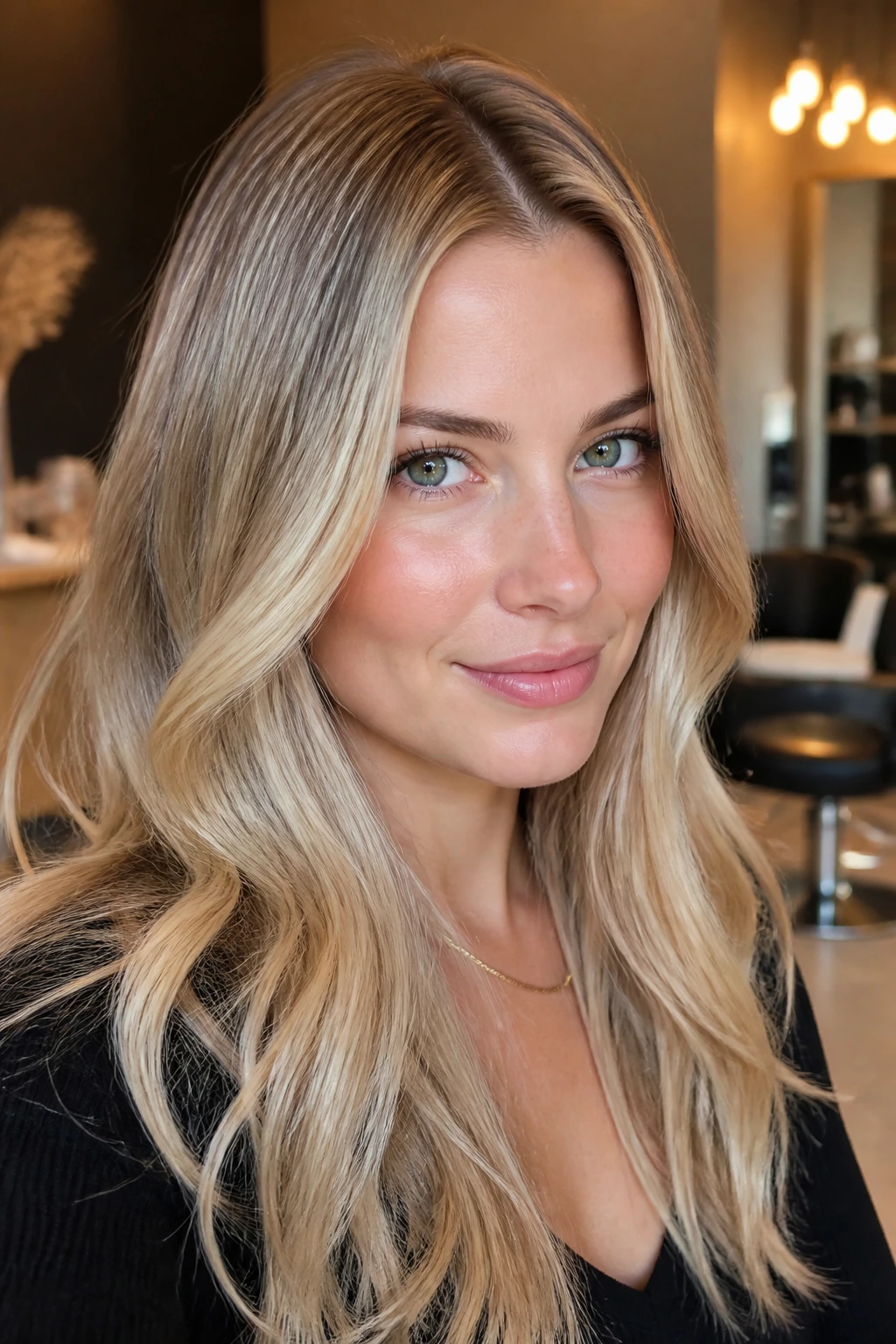
Blonde on pale skin tends to look best when the tone is fresh, not when it’s screaming for help. For most dimensional blondes, I’d plan a gloss or toner refresh every 4 to 6 weeks if the shade is cool, and every 6 to 8 weeks if it’s beige, honey, or creamier. That gap matters. Cool blondes show brass faster; warmer blondes fade more gently.
Partial highlight touch-ups usually happen every 8 to 12 weeks, depending on how much brightness is around the face. If you’ve got a strong money piece or a very light crown, you may want earlier maintenance there and a softer schedule through the back. That split approach keeps the color from looking overworked.
At home, wash less often if you can. Two or three shampoos a week is plenty for most blondes. Use a sulfate-free cleanser, follow with conditioner on the mids and ends, and keep purple shampoo as a correction tool, not a habit. If your blonde starts feeling dry, swap one wash for a color mask or a moisturizing gloss.
Heat protection is a must every single time. Blonde hair gives up its shine faster than darker hair when it’s overcooked. And if your house water runs hard, a shower filter can help more than people expect. Hard water leaves pale blonde looking tired in a way that no conditioner can fully solve.
Questions People Ask Before They Sit in the Chair
Will lowlights make pale skin look darker or older?
Not if they’re chosen well. The right lowlights sit only one or two levels deeper than the base and live mostly under the top layer, so they add shape without weighing down the face.
What blonde shade is best for very fair skin with pink undertones?
Pearl, champagne, beige, and mushroom tend to be the safest lane. They soften redness without pushing the complexion into a gray cast.
Can honey blonde work on pale skin?
Yes, if it’s controlled. Keep the honey clean and pair it with wheat or sandy lowlights so it doesn’t go orange against the face.
How often do highlights need touch-ups?
Bright face frames often need attention every 6 to 8 weeks. Softer balayage and root-shadow styles can stretch longer, sometimes 10 to 12 weeks, if the grow-out is blended.
Should I ask for balayage or foils?
Foils usually give brighter lift and clearer placement. Balayage gives a softer edge and easier grow-out. If you want a visible pop around the face, foils help. If you want low fuss, balayage is steadier.
What if my blonde turns brassy fast?
Start with a neutral or beige gloss and cut back on hot water and heavy shampooing. Purple shampoo can help, but if you use it too much, the blonde can go flat instead of clean.
Can I get dimension without bleaching my whole head?
Absolutely. Many of the best looks here are built with partial lightening, lowlights, and a gloss. You do not need to strip every strand to get movement.
Does this work on curly or wavy hair?
Yes, and curls actually hide grow-out better. The difference is that the highlight and lowlight panels need to be placed with the curl pattern in mind, or they’ll disappear when the hair shrinks up.
Soft Contrast, Better Balance
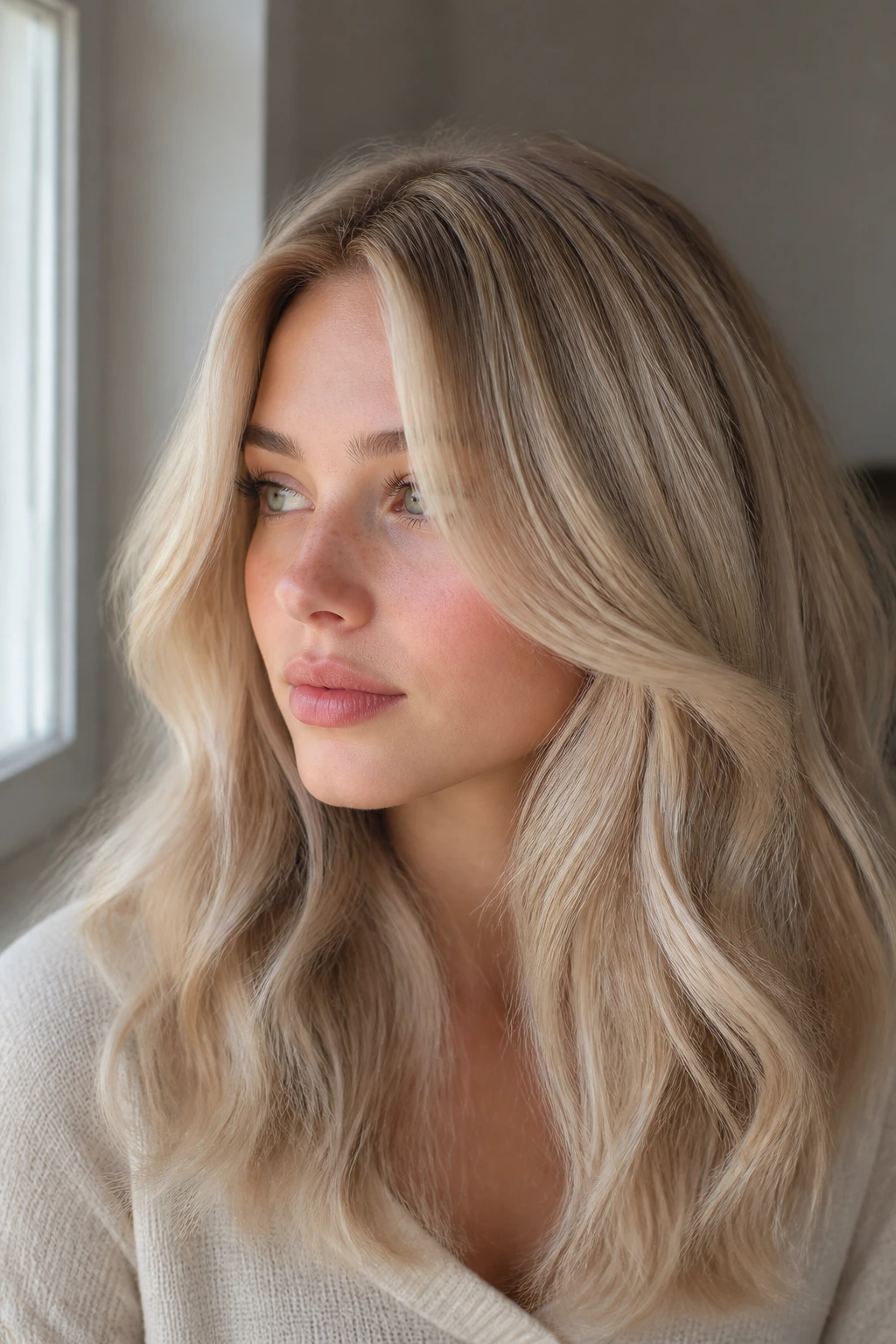
The best blonde for pale skin is rarely the blonder blonde. It’s the one that keeps the face from going flat. A few beige ribbons, a soft root shadow, or a cooler lowlight under the crown can do more for the whole look than another round of bleach ever will.
That’s why I keep coming back to dimension. It gives the hair shape, keeps the skin from disappearing, and makes the color easier to live with after the salon chair. If you’re choosing between a single flat blonde and one with real movement, I’d take the movement every time.