



Golden blonde honey balayage on pale skin is one of those color choices that looks simple from across the room and then gets strangely technical the moment you sit in the chair. Push the gold too far, and the hair starts to look yellowed. Keep it too muted, and the color disappears against porcelain skin, almost like it forgot to show up.
The sweet spot is a warm ribbon of honey that sits between beige and gold, with enough softness at the root to keep the face from looking washed out. That balance matters more on fair skin than on deeper complexions. Pale skin, whether it leans pink, neutral, or peach, tends to expose every bad toner choice. It also makes the good ones look expensive.
What makes these looks interesting is not just the shade. Placement changes everything. A few brighter pieces around the cheekbones can do more than a full head of lightness, and a little root shadow can keep the whole thing from reading flat. These 25 ideas move through that territory from subtle to bolder, so you can find the version that fits your skin, haircut, and tolerance for upkeep.
Why This Collection Works So Well on Fair Skin
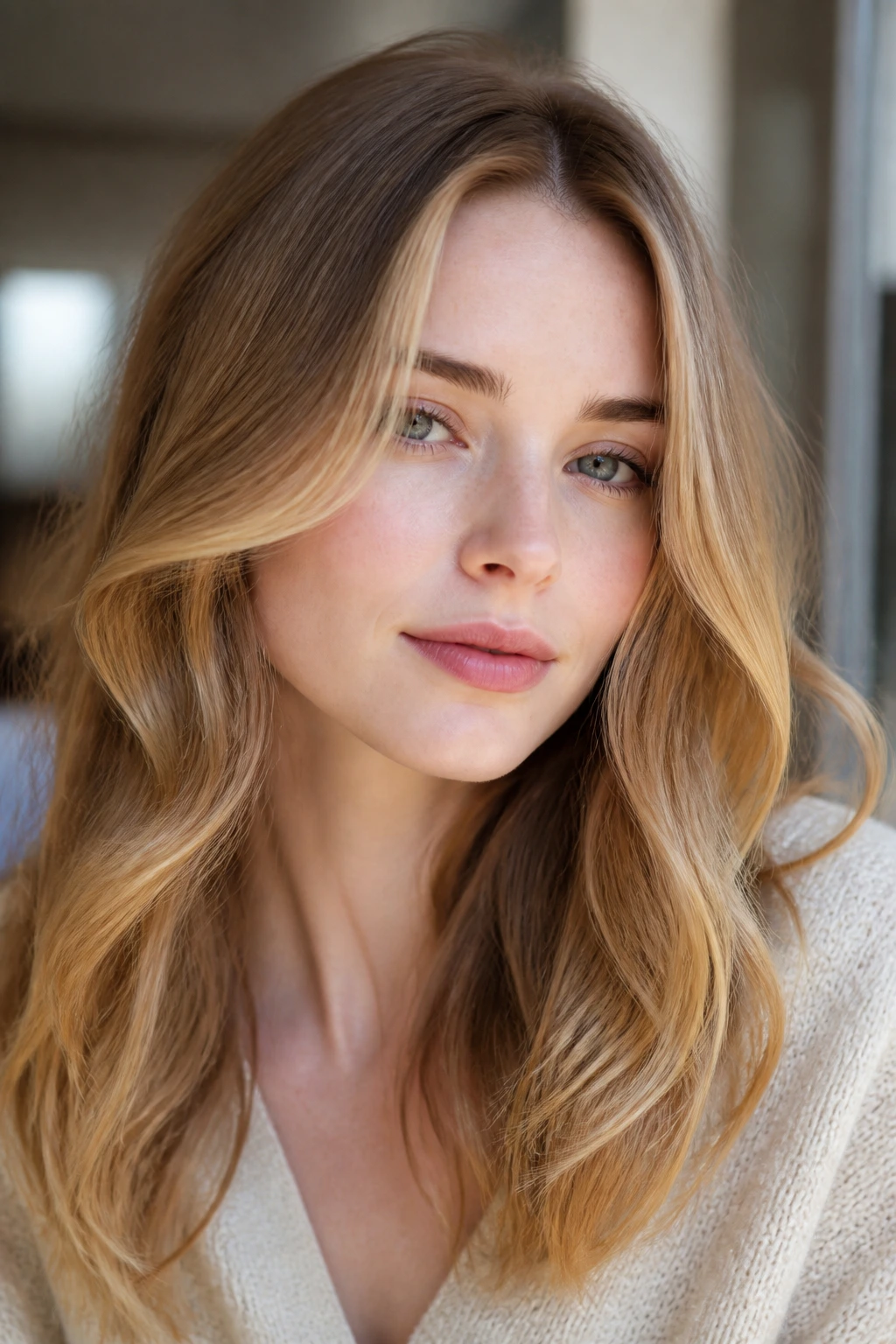
- Soft Warmth, Not Glow-Overkill: Honey and golden blonde add warmth to pale skin without forcing the hair into orange territory, which is the fastest way to make fair complexions look tired.
- The Root Shadow Matters: A slightly deeper root keeps the blonde from floating off the head, especially on very light skin where too much brightness at the scalp can erase contrast.
- Face-Framing Pieces Do the Heavy Lifting: A couple of brighter strands near the front often flatter pale skin more than spreading the light everywhere.
- Easy to Tune for Undertones: Pink skin usually likes beige-gold or neutral honey, while peachier skin can carry richer gold without looking brassy.
- Works on Short, Medium, and Long Cuts: The placement changes with the haircut, but the same warm family of color keeps showing up in a way that still feels soft.
- Grows Out Better Than Flat Blonde: Balayage leaves softer edges at the root, so the line of demarcation stays blurred instead of marching across the head.
1. Face-Framing Honey Slices
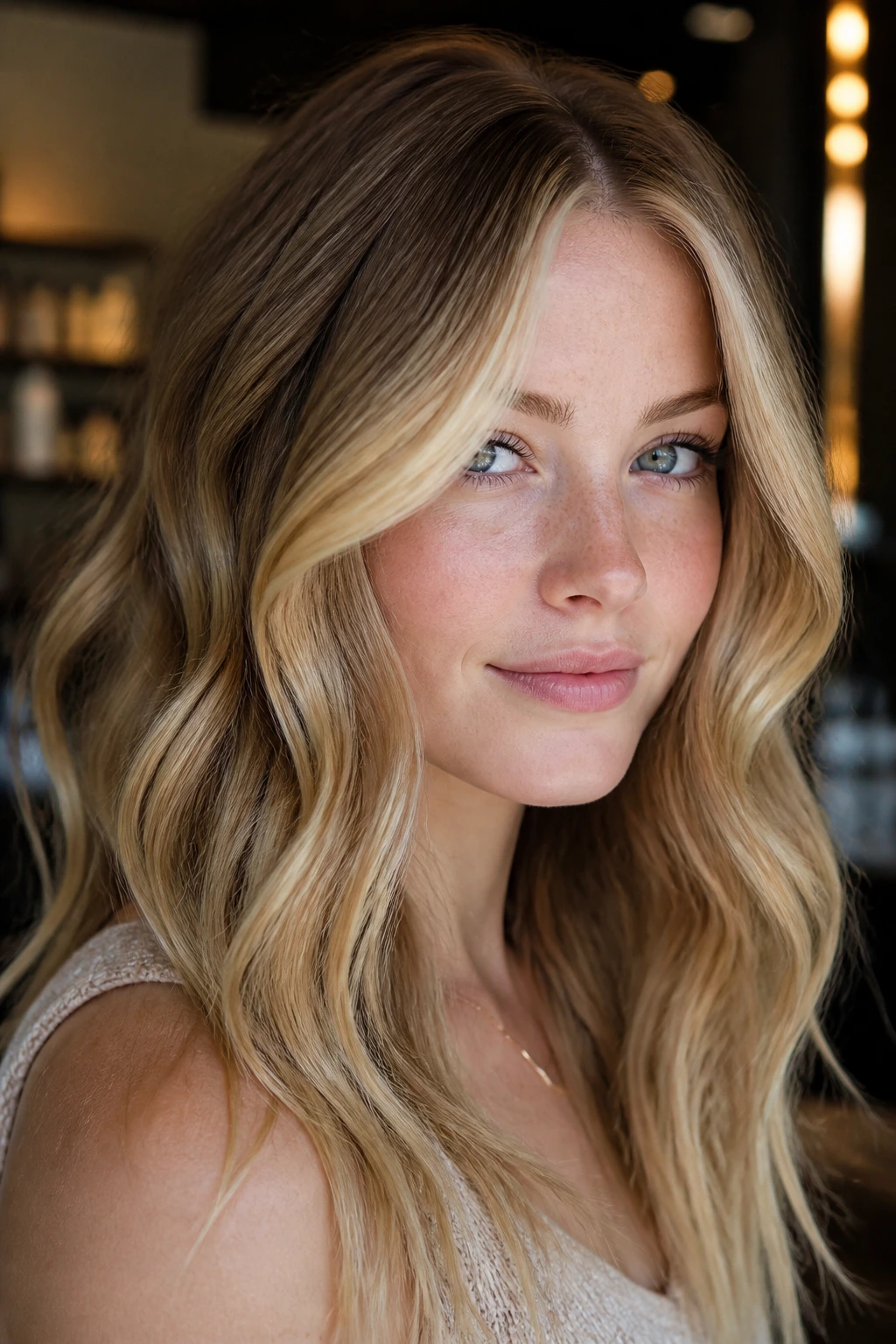
A few bright honey slices around the front can do more for pale skin than a full head of pale blonde. The look is all about bringing the light where the face needs it most — cheekbones, temples, and the first bend of the hair near the jaw.
Why It Works on Pale Skin
These front pieces act like built-in reflectors. On fair skin, that matters because the brightness stays controlled; you get warmth and lift without flooding the whole head with gold. Ask for the lightest strands to stop just below the root so the color doesn’t look pasted on.
The rest of the hair can stay a touch deeper, somewhere in the beige-blonde range. That little contrast keeps the honey from turning flat.
What to Ask For
- Bright, hand-painted pieces around the face
- A softer beige through the mid-lengths
- Slightly deeper root color for a smoother grow-out
- Ends no lighter than level 9 if your skin is very porcelain
Best For: long layers, curtain bangs, or any cut that naturally falls around the face.
2. Root-Shadow Honey Melt
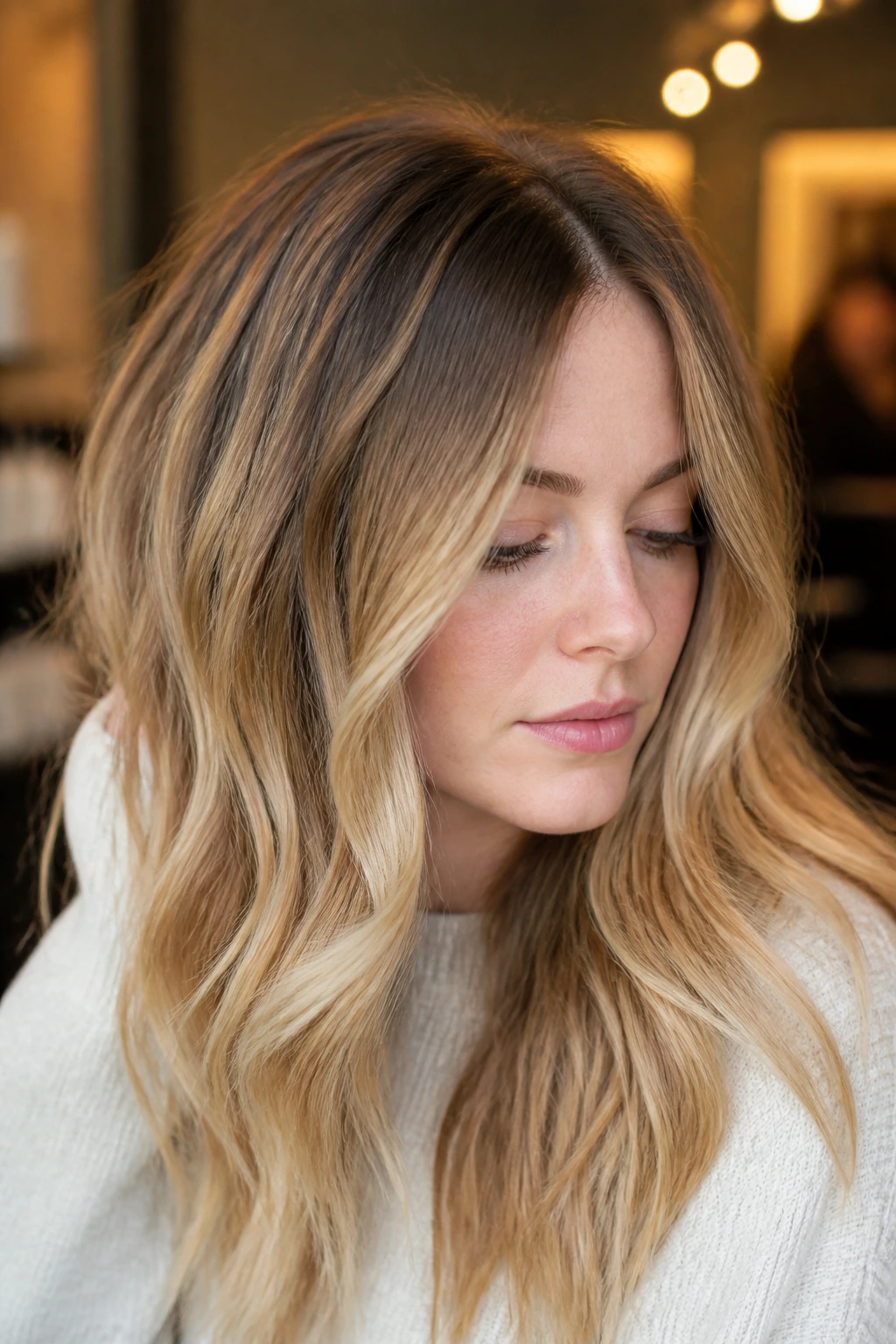
Why does this version look so polished on fair skin? Because it leaves breathing room at the scalp. The root shadow keeps the blonde from bleaching out the complexion, and the melt from dark to honey feels deliberate instead of striped.
On pale skin, the root should usually be one to two levels deeper than the lightest ribbon. That keeps contrast alive. If the root gets too dark, the whole look turns heavy. Too light, and the dimension disappears.
Ask Your Colorist For
A soft shadow root in level 6 or 7, then painted honey ribbons through the mids and ends. The transition should blur over several inches, not stop in a hard line.
If your hair is already light blonde, this can be done with gloss and strategic lowlights instead of heavy lifting. Much gentler. Less drama at the sink, too.
3. Golden Money Piece Glow
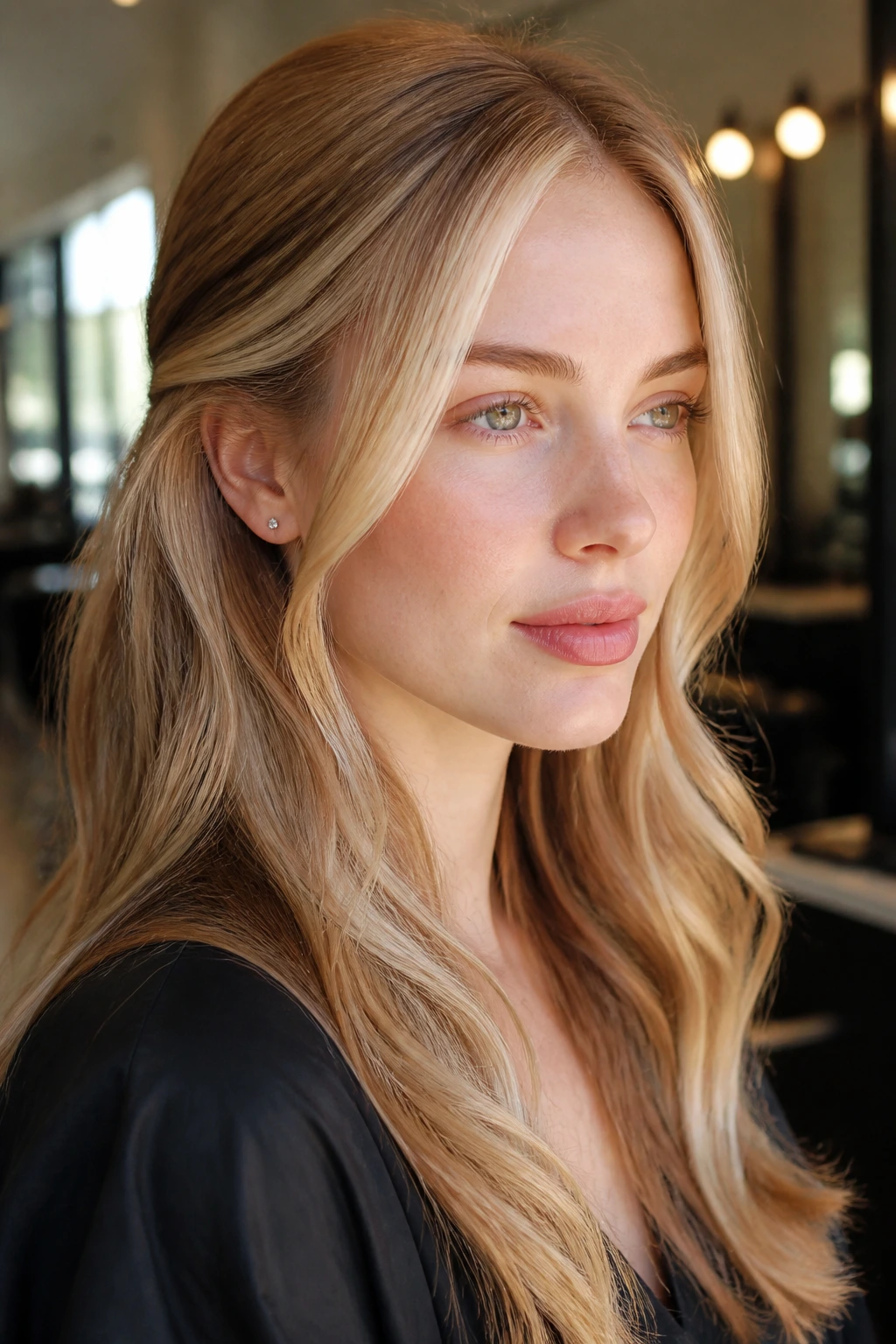
This is the boldest front-end version of honey balayage, and it works because the color is concentrated where the eye lands first. A bright money piece gives pale skin a little lift near the face while the rest of the hair stays more restrained.
The trick is not to make the front sections pure yellow. That’s a rookie mistake. A better version mixes golden blonde with a touch of beige so the highlight reads sunlit, not stripy.
If you wear your hair tucked behind one ear or pulled into a half-up style, this look shows itself fast. It’s a good one for people who want the face frame to do most of the work and don’t mind a bit more salon maintenance around the front.
4. Beige-Honey Lob
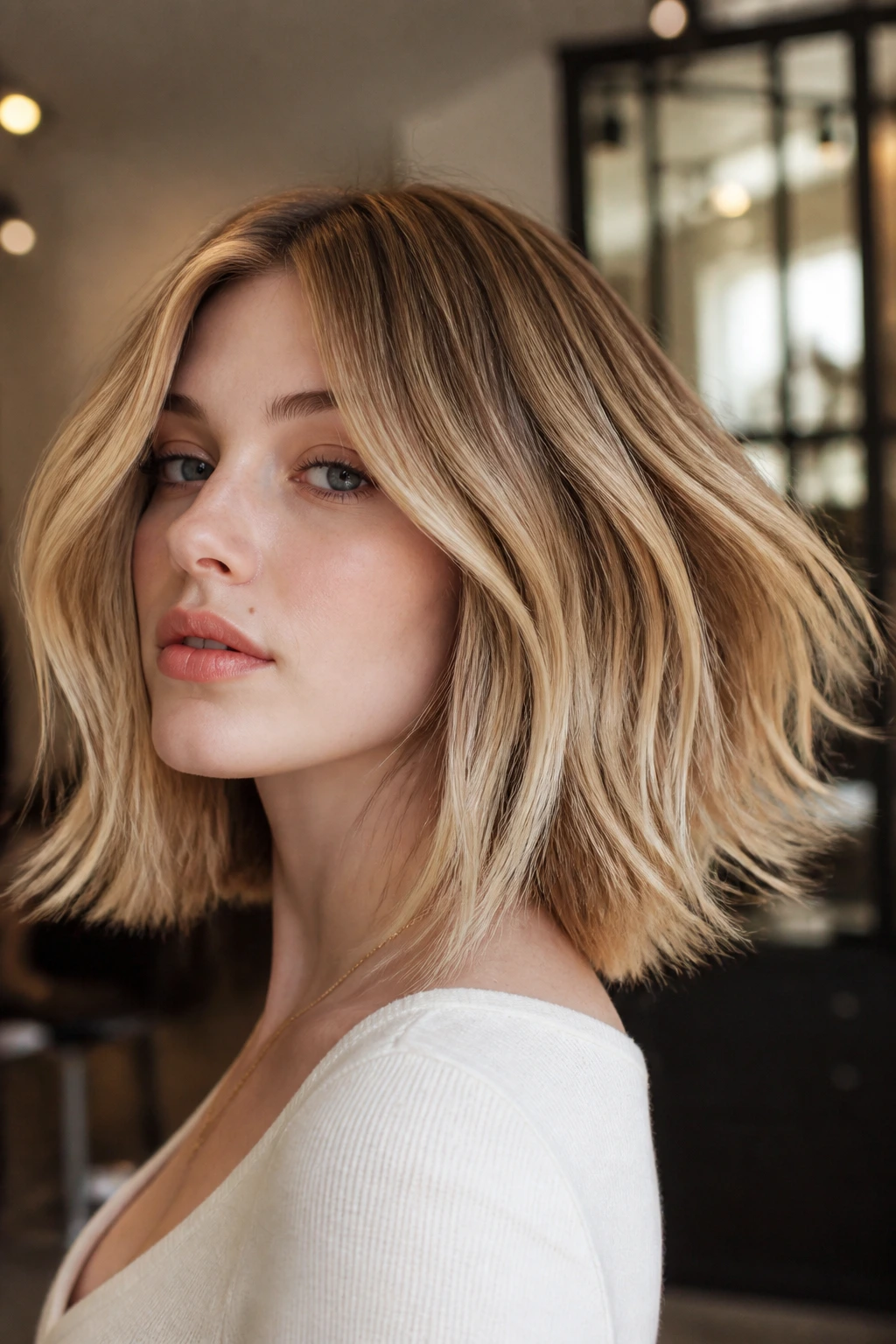
A collarbone-length lob is one of the best canvases for pale skin because the cut already has clean structure. Add beige-honey balayage, and the result feels tidy, bright, and easy to wear.
Unlike ultra-long hair, a lob shows the color change quickly. The lighter pieces don’t get swallowed by layers. They sit right on the surface, which is exactly why beige-gold works here better than loud yellow-gold. You get visible movement when the hair swings, but the color still stays soft enough for fair skin.
This one is especially flattering if your skin has a cool or rosy cast. The beige keeps the warmth under control. A gloss every six to eight weeks makes a big difference, since short-to-medium cuts tend to show dullness faster than longer hair.
5. Buttered Long Layers
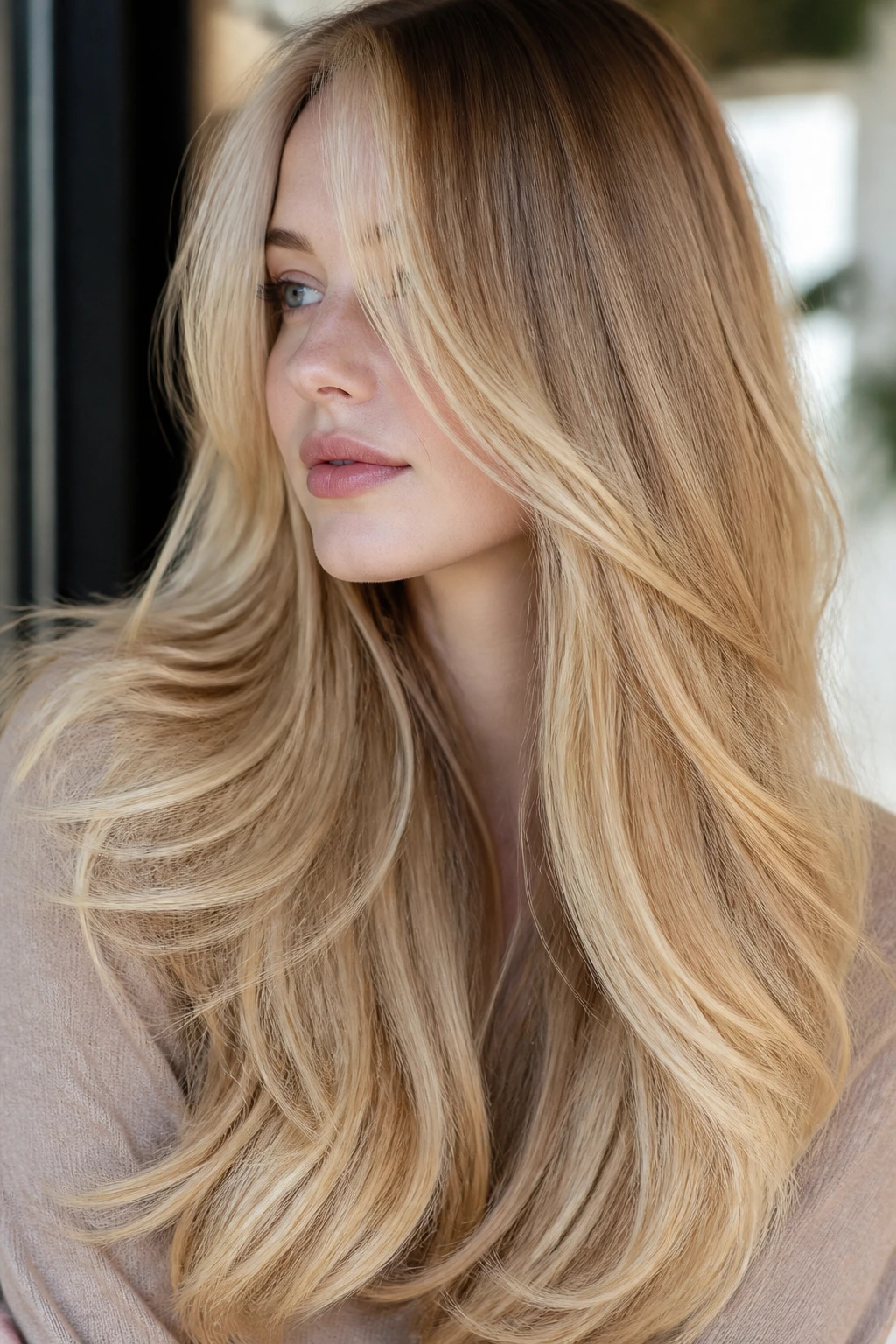
Long layers and honey balayage are a natural pairing, but on pale skin the placement has to be smarter than “lighten everything.” The prettiest version keeps the brightest paint on the surface layers and around the ends, then leaves enough depth underneath that the color has somewhere to sink.
That’s what gives the hair the buttery look instead of a flat blonde sheet. The layers catch the light in slices. Good. You want that.
If your hair is very long, ask for a mix of baby lights and wider painted panels. The fine pieces soften the blonde near the top, while the broader ribbons show off the honey toward the ends. It’s a calmer version of golden blonde, and that calmness is part of the appeal on fair skin.
6. Champagne Ribbon Balayage
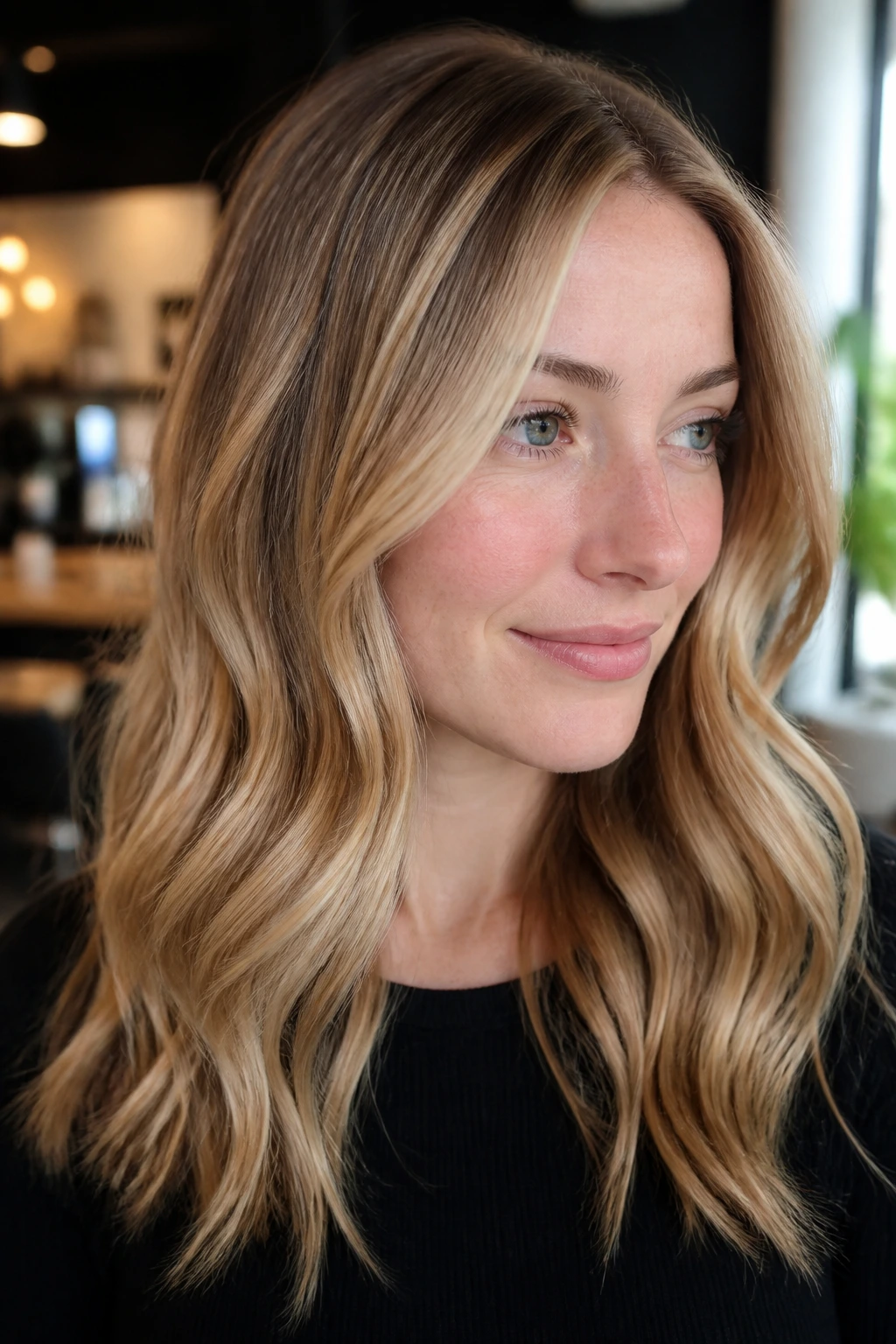
Champagne honey is one of my favorite directions for pale skin because it avoids the harshness that some golds bring. The color sits between cool champagne and soft warm honey, which means it can flatter both pink and neutral undertones without leaning too sugary.
The look reads expensive when the ribbons are thin and irregular. Thick chunks can be fun, sure, but they can also fight with fair skin if the blonde gets too intense. Keep the light pieces spaced out with natural shadow in between. The result is quieter, and quieter often looks richer.
If your base is a dark blonde or light brown, this option feels especially balanced. You still get warmth, but not that burned-yellow edge that can happen when gold is pushed too high.
7. Shadow-Root Honey Bob
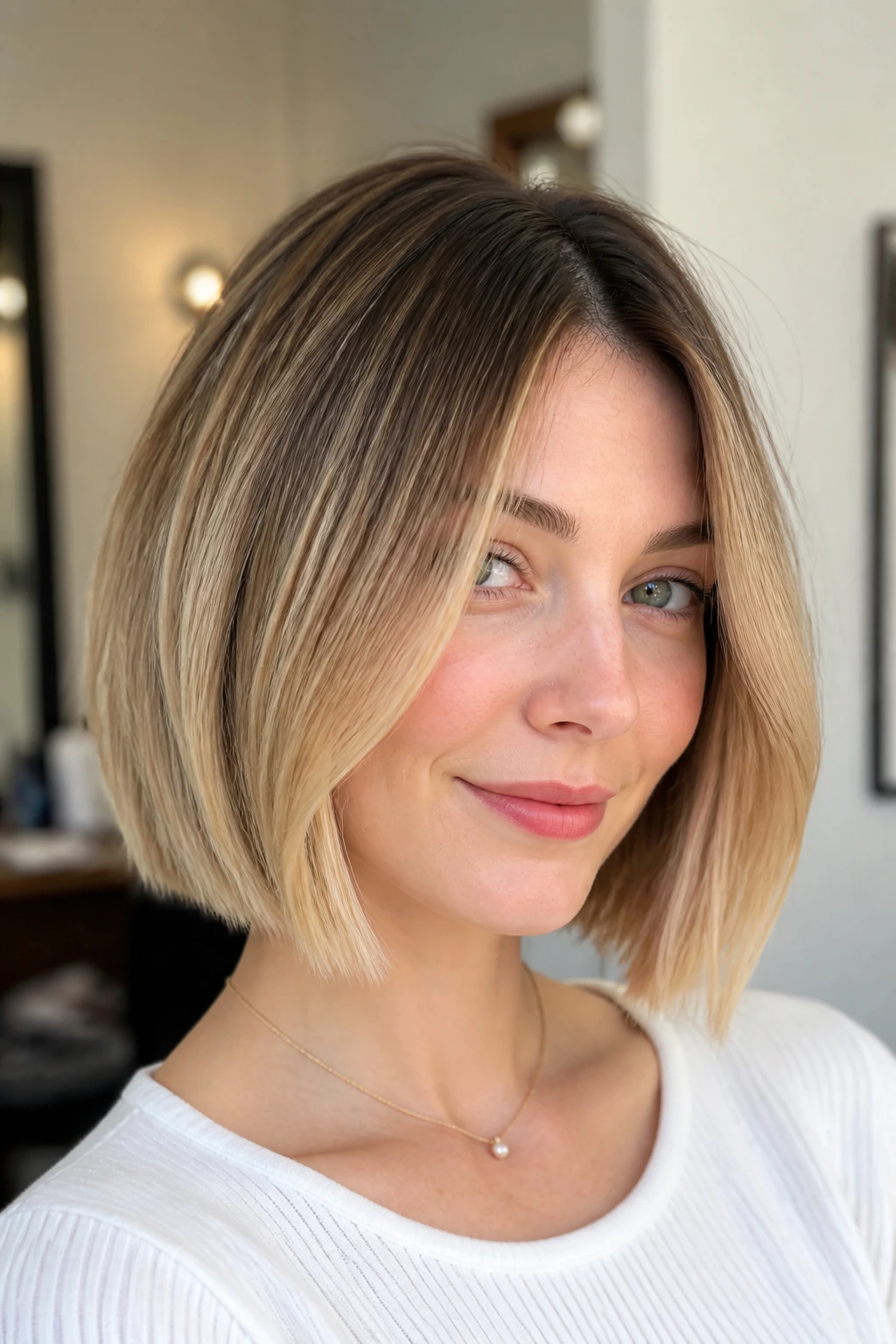
A bob with a shadow root is a small lesson in restraint. Pale skin usually benefits from that restraint because the haircut already brings attention to the face. You do not need the hair color screaming at the same volume.
This style works best when the root stays soft and the honey begins below the first inch or two. The bob’s blunt outline makes the color placement visible right away, so any streakiness shows fast. That means your colorist should paint with thin, broken sections rather than one thick sweep on each side.
The result is neat without feeling stiff. And because the bob sits close to the head, the honey tones move a lot with a simple bend at the ends.
8. Beach Waves with Sparse Gold
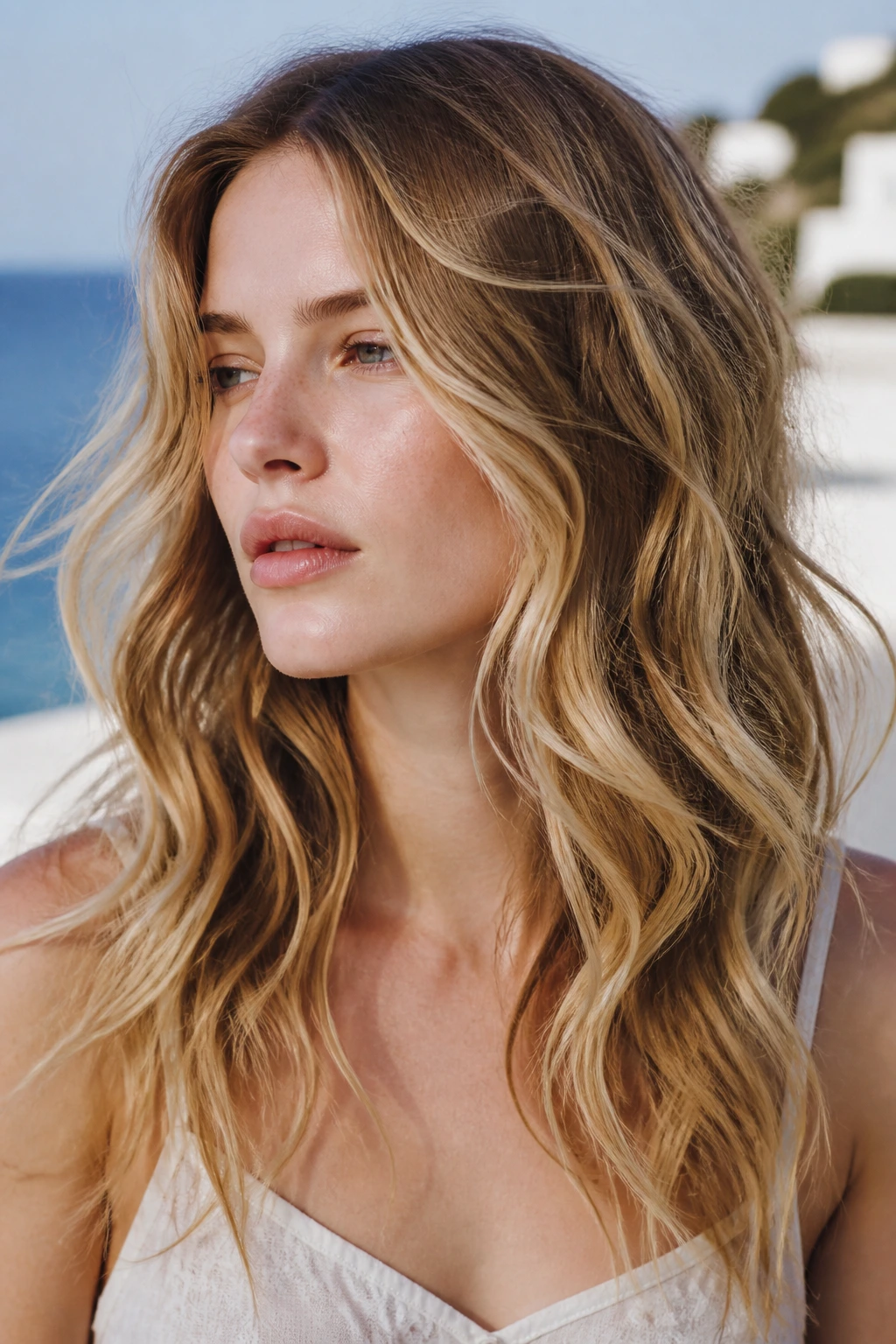
Sparse gold pieces on beach waves are a good answer for someone who wants the lightness but not the upkeep of a full blonde transformation. The waves create enough movement that a few well-placed painted ribbons look much denser than they really are.
On pale skin, this approach prevents the face from getting overwhelmed. The color stays broken up. That matters. If every strand around the hairline is bright, fair skin can start to look drained instead of lifted.
The best version uses wider spacing and a slightly deeper base, then finishes with a warm gloss. Straight out of the chair, the color may seem subtle. Once the waves are in, it wakes up fast.
9. Peach-Honey Blend for Freckled Skin
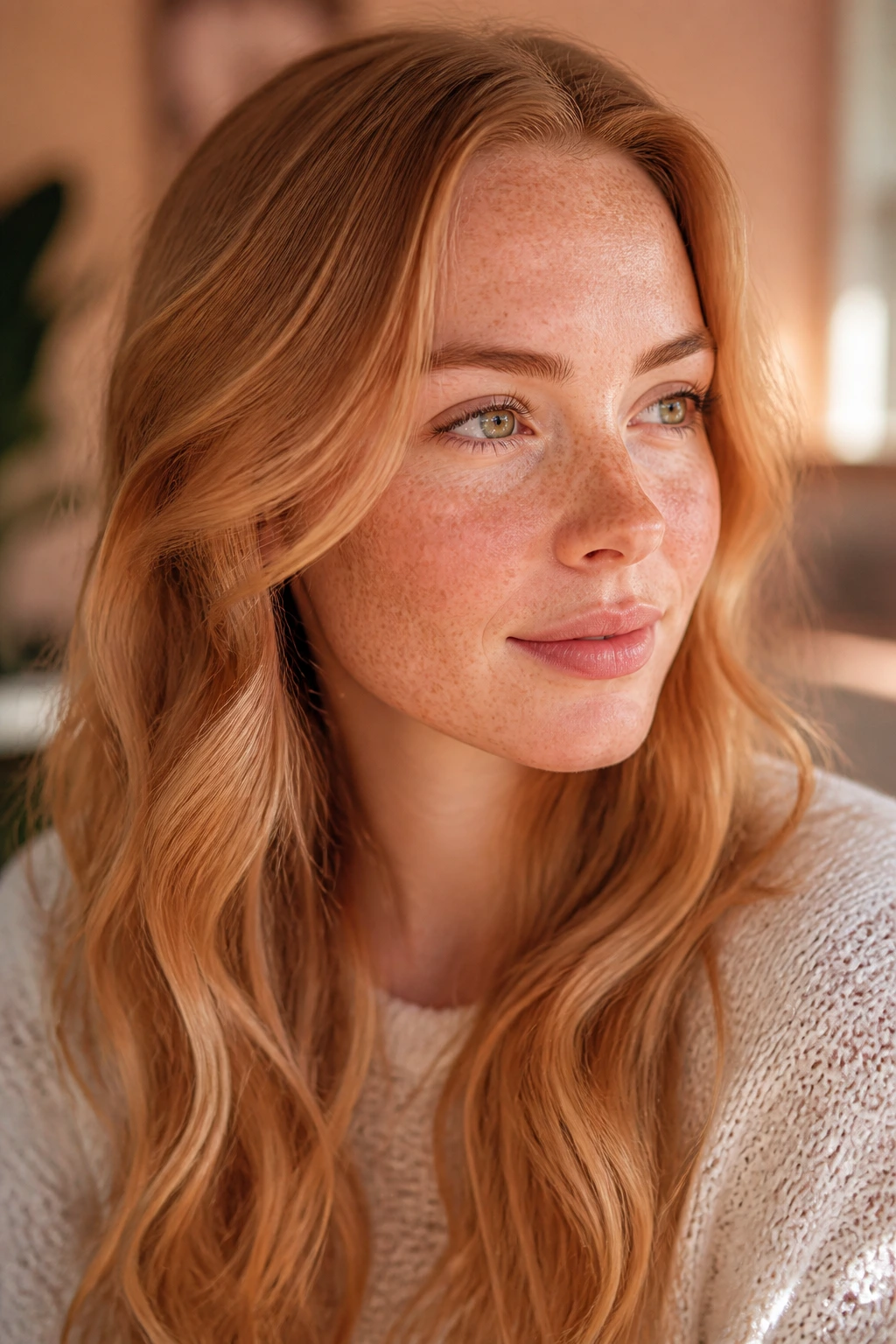
Freckled skin can take more warmth than people usually think. A peach-honey blend brings out the freckle pattern instead of flattening it, especially when the blonde sits on top of a soft beige base.
This shade family is worth trying if your skin has a rosy or warm cast and pure gold keeps turning brassy on you. Peach softens the honey and stops it from looking too yellow. The effect is sunny, but not loud.
A few face-framing pieces placed just in front of the ears can make the whole color read warmer. That tiny move does more than loading every section with blonde.
10. Curtain Bangs and Light Catch
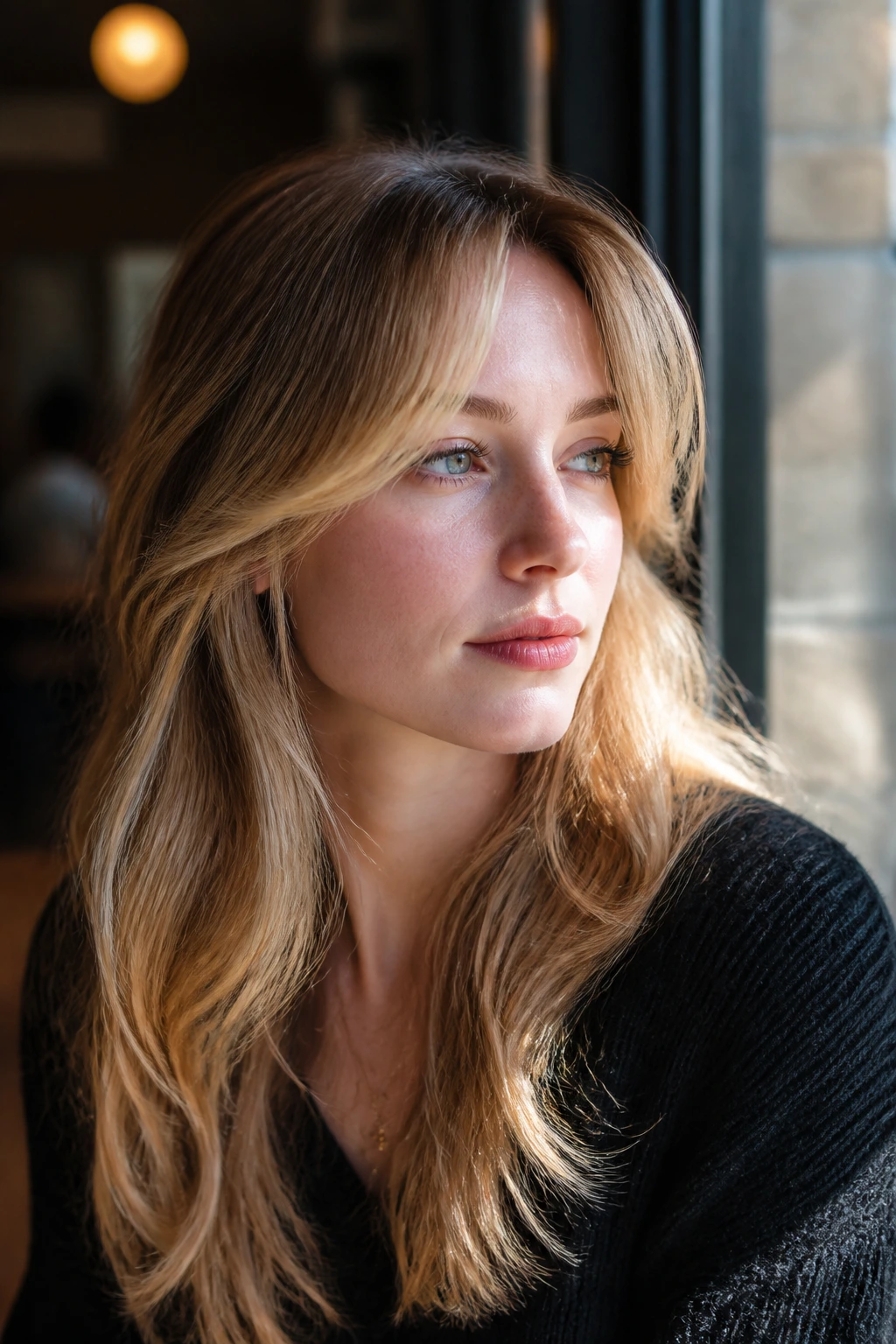
Curtain bangs and honey balayage are a cheat code for pale skin, mostly because the bangs give the color a built-in frame. The lighter pieces peek through at the cheekbones, then the rest of the lengths can stay softer and deeper.
Why It Flatters Fair Skin
Curtain bangs break up the forehead area, which keeps the front from looking too flat or too bright. That is useful on pale skin, where a solid block of light hair near the face can sometimes wash out the features. The warm ends and lighter bang edges balance that out.
If you wear glasses, this is even better. The color lands around the frames instead of fighting them.
11. Butterfly Cut with Honey Veil
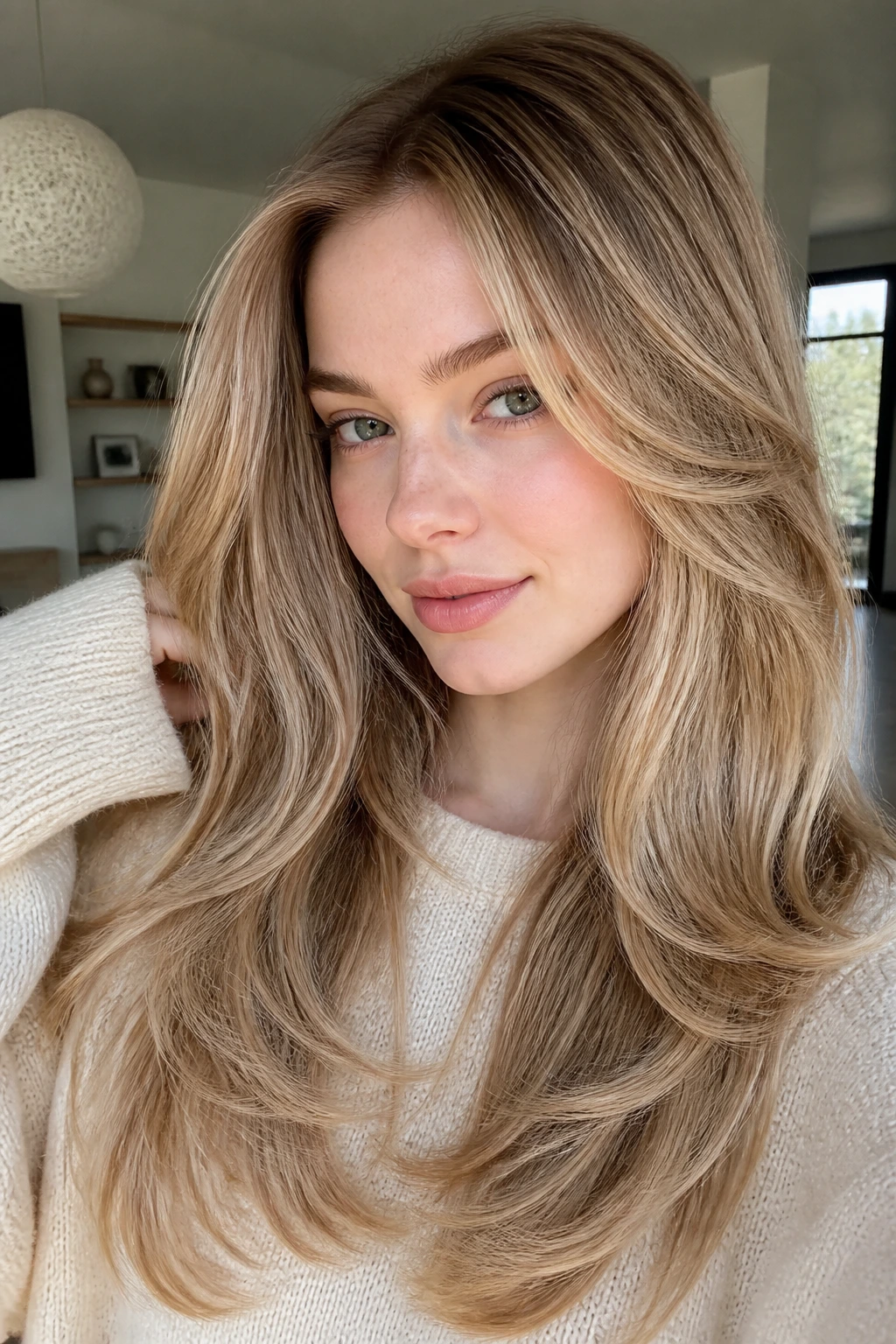
A butterfly cut has enough movement to make honey balayage feel almost weightless. The shorter face-framing layers lift the color near the front, while the longer bottom layer keeps the warmer blonde from going everywhere at once.
That separation works beautifully on fair skin because the light pieces can be kept on the moving top layer. You get brightness where the eye sees it, but the underlayers keep the whole thing grounded. It’s a smart place to use honey, not a flashy one.
Ask for the lightest ribbons to follow the outer sweep of the layers. When you blow the hair out, those pieces catch the light without turning stripey.
12. Glassy Ribbons on Straight Hair
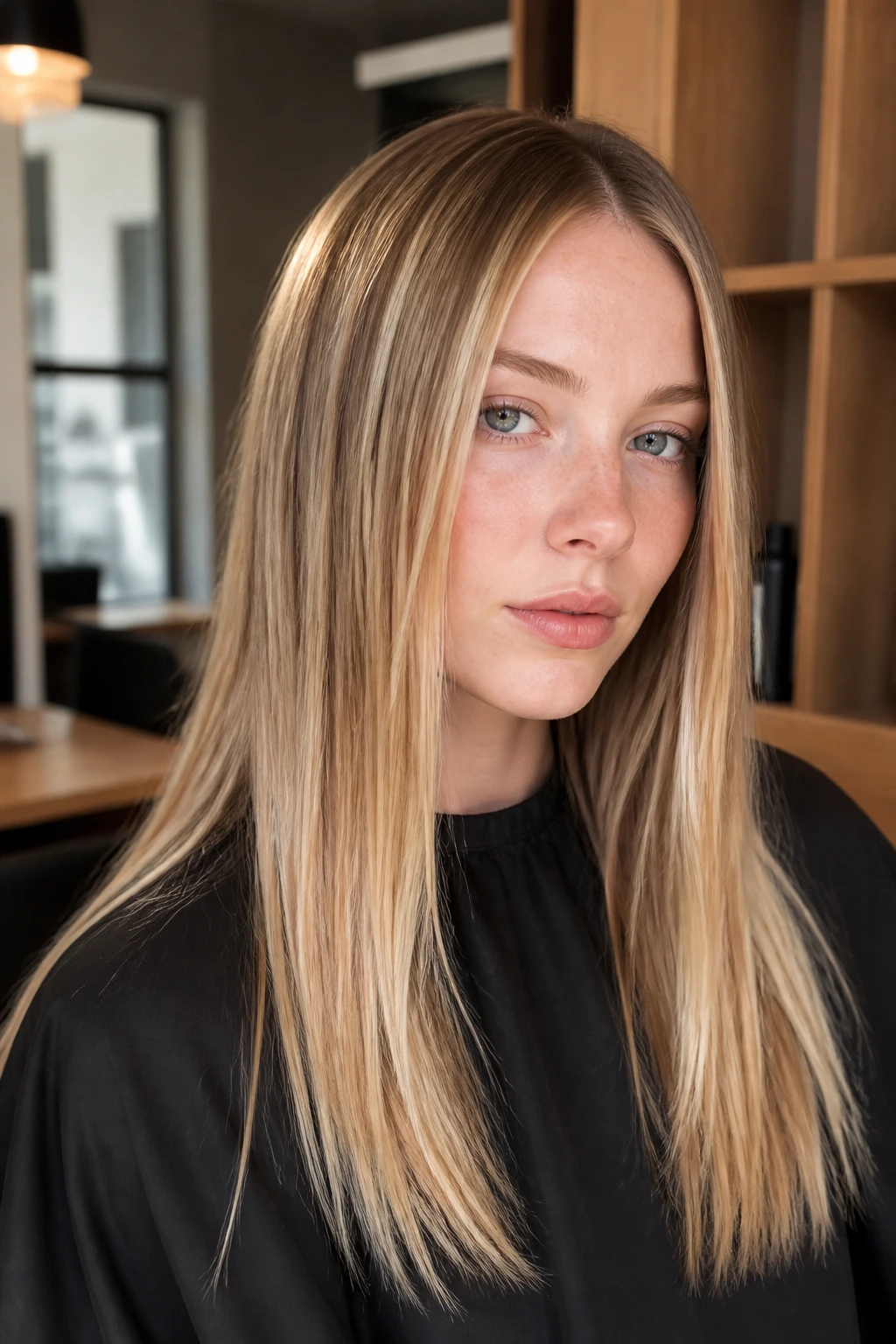
Straight hair can expose bad balayage in a hurry. There’s nowhere to hide. Which is exactly why glassy, honey-toned ribbons are such a good fit for this texture — the finish looks crisp rather than overworked.
For pale skin, the key is keeping the ribbons slim and well spaced. Too many thick sections and the result turns rigid. But a few polished golden strands on a sleek base create that sharp, clean contrast that fair complexions can handle without looking muddy.
A light serum on the mids and ends helps the color read reflective instead of dry. Skip the heavy oils; they can make the honey look darker than it is.
13. Chunky Honey Balayage for Thick Hair
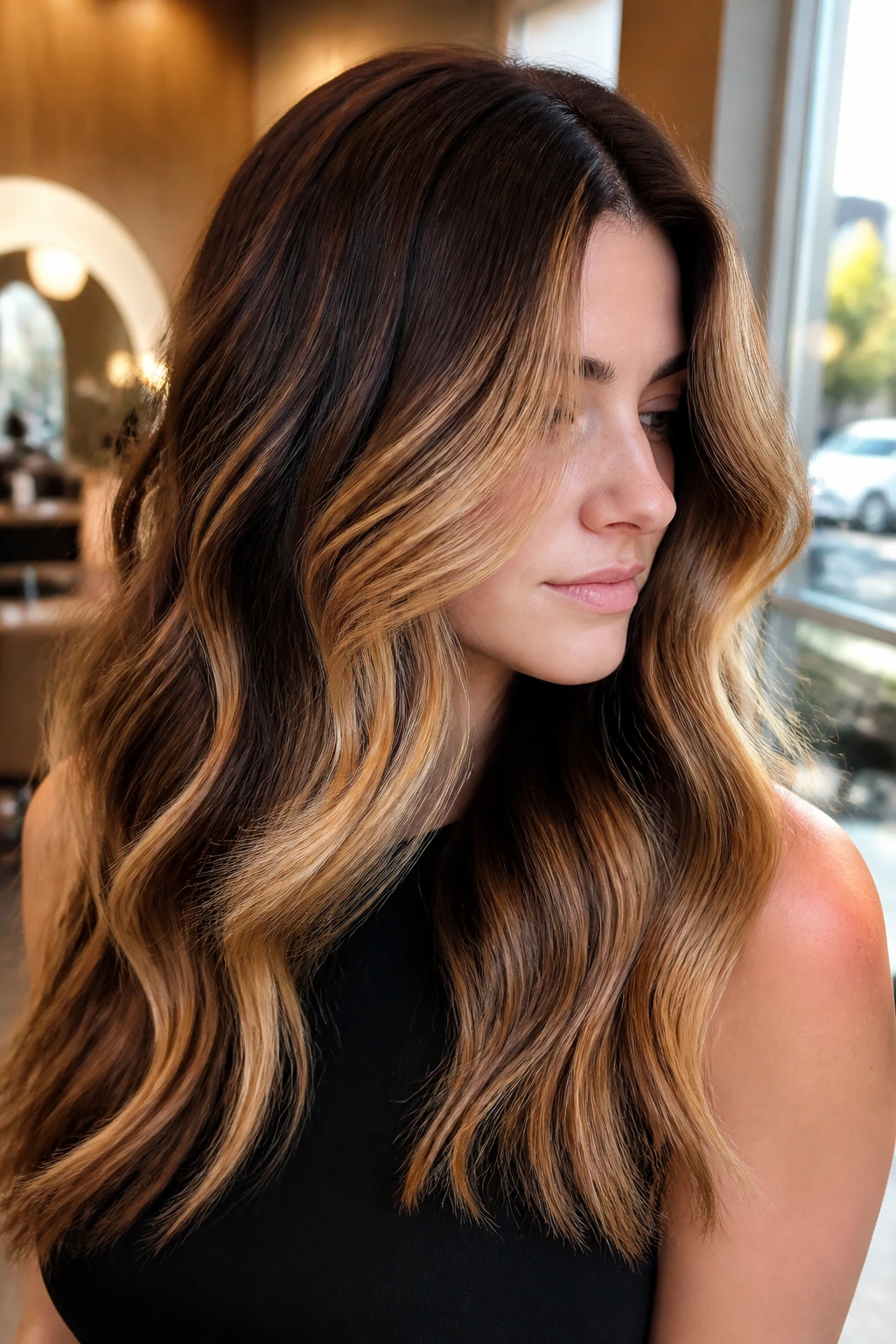
Thick hair can hold wider paint sections without looking messy, and that gives you room to use chunkier honey pieces in a way finer hair usually can’t. On pale skin, this is one of the few cases where bigger light panels make sense because the density of the hair supports them.
Bold Placement, Soft Tone
The color should still stay in the honey-beige family, not bright gold blocks. The thickness of the hair gives the saturation enough room to breathe. If you want the color to look polished, keep the root softened and let the chunks break up as they move through the layers.
This one is for someone who likes seeing the color from across the room. It has more presence than the whisper-light versions.
14. Soft Shag with Warm Feathering
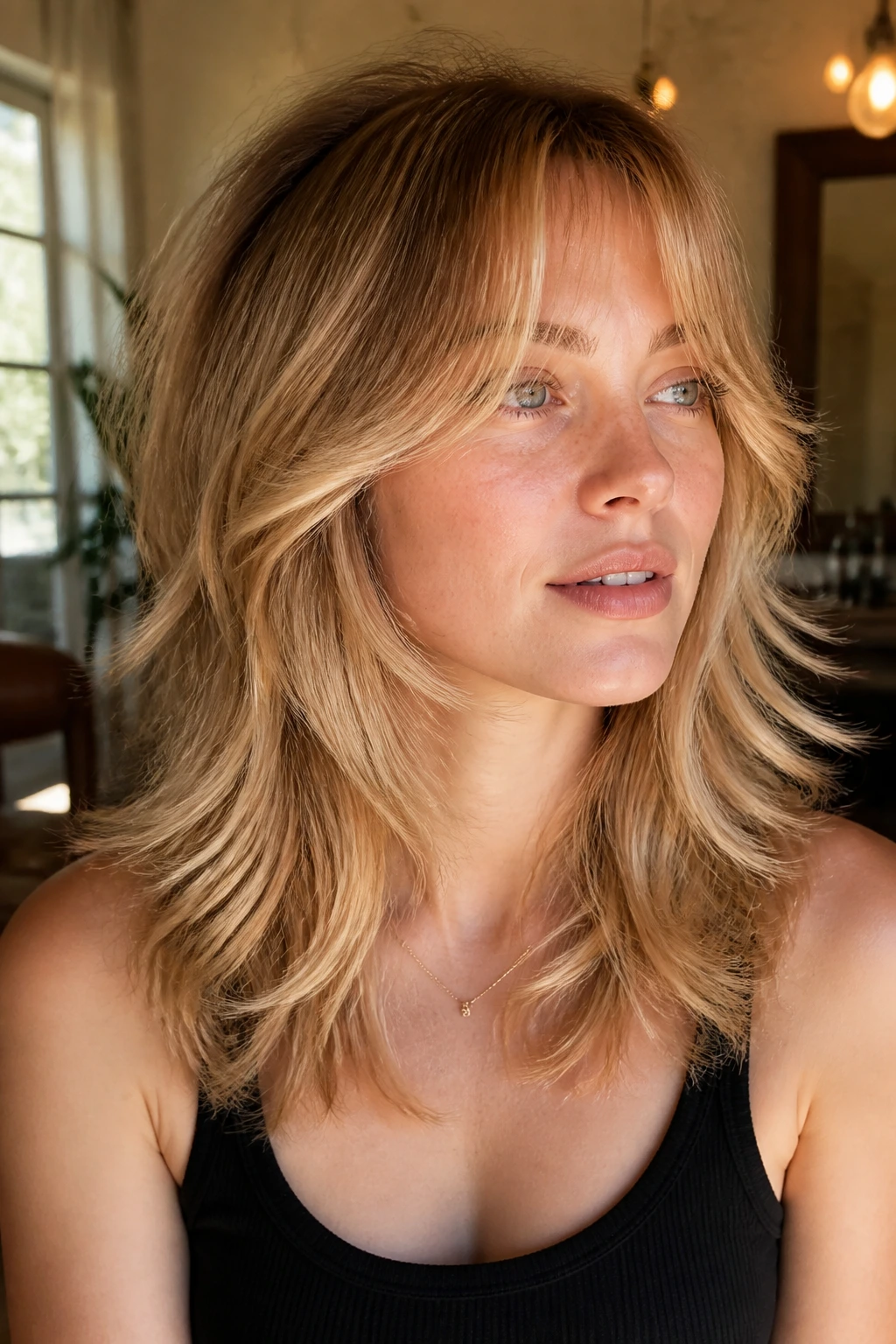
A shag changes the whole mood of balayage. Instead of neat ribbons, you get feathered pieces that flick in and out around the face and collarbone. On pale skin, that movement helps the honey look alive rather than static.
The cut itself keeps the color from sitting in one heavy block. That matters because fair skin can make dense blonde look a little helmet-like if the placement is too regular. Soft feathering breaks it up.
The warmest pieces should sit on the outer edges of the layers, with a slightly deeper tone tucked underneath. That little depth difference keeps the color dimensional even when the hair is air-dried and a bit messy, which is the whole point here.
15. Old-Money Honey Waves
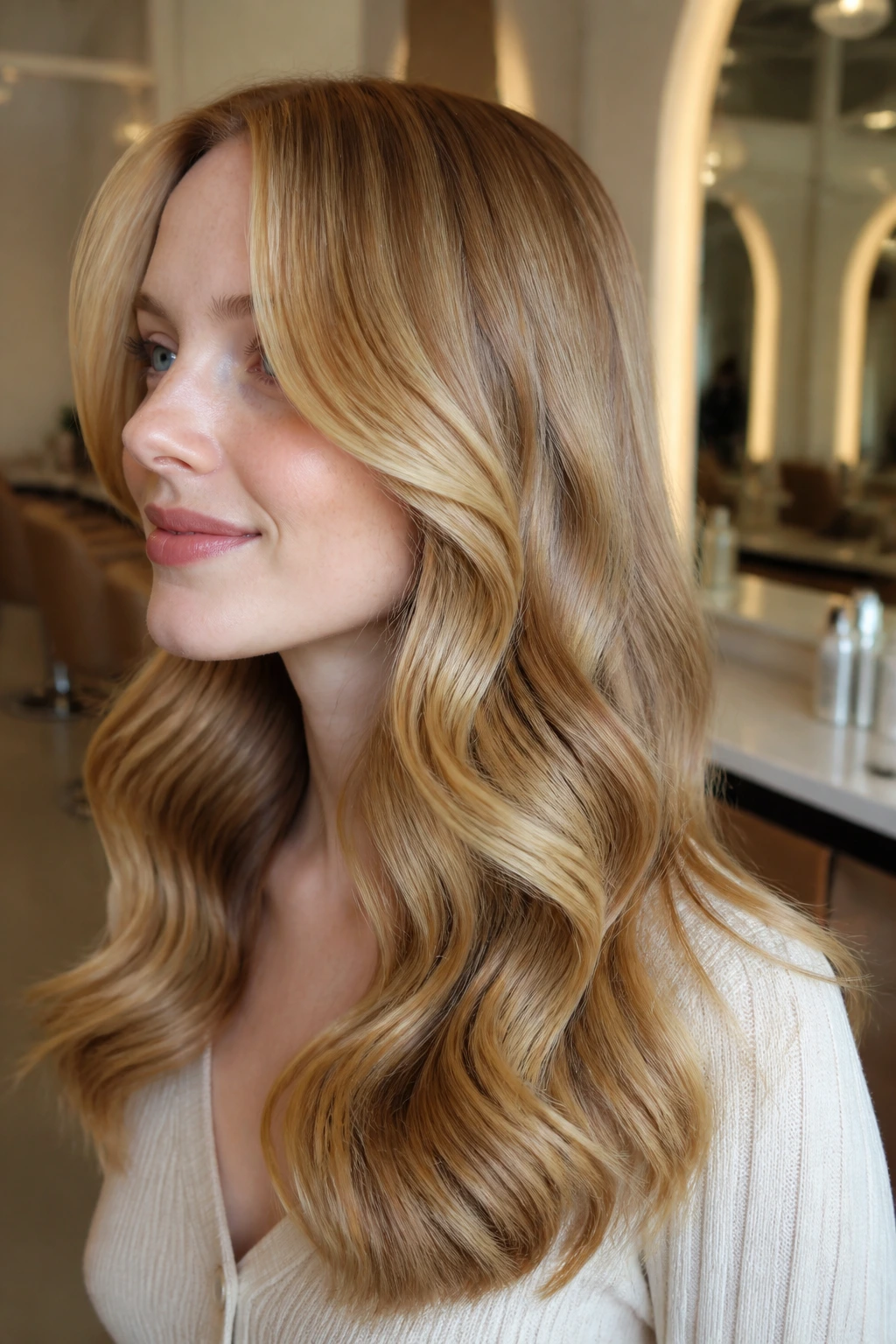
Old-money honey waves rely on polish, not brightness. The blonde stays soft, the gloss stays high, and the waves are smooth enough that the color looks expensive instead of beachy. On pale skin, that restraint can be a relief.
This version works best when the balayage starts halfway down the hair rather than right at the root. A subtle root shadow and beige-gold mids stop the hair from looking bleached. The waves then do the rest, because bend and shine make a warm blonde feel richer than a flat, all-over lightening job.
If your complexion is cool, this is one of the safest honey directions. The finish stays warm but not orange.
16. Beige-to-Honey Transition
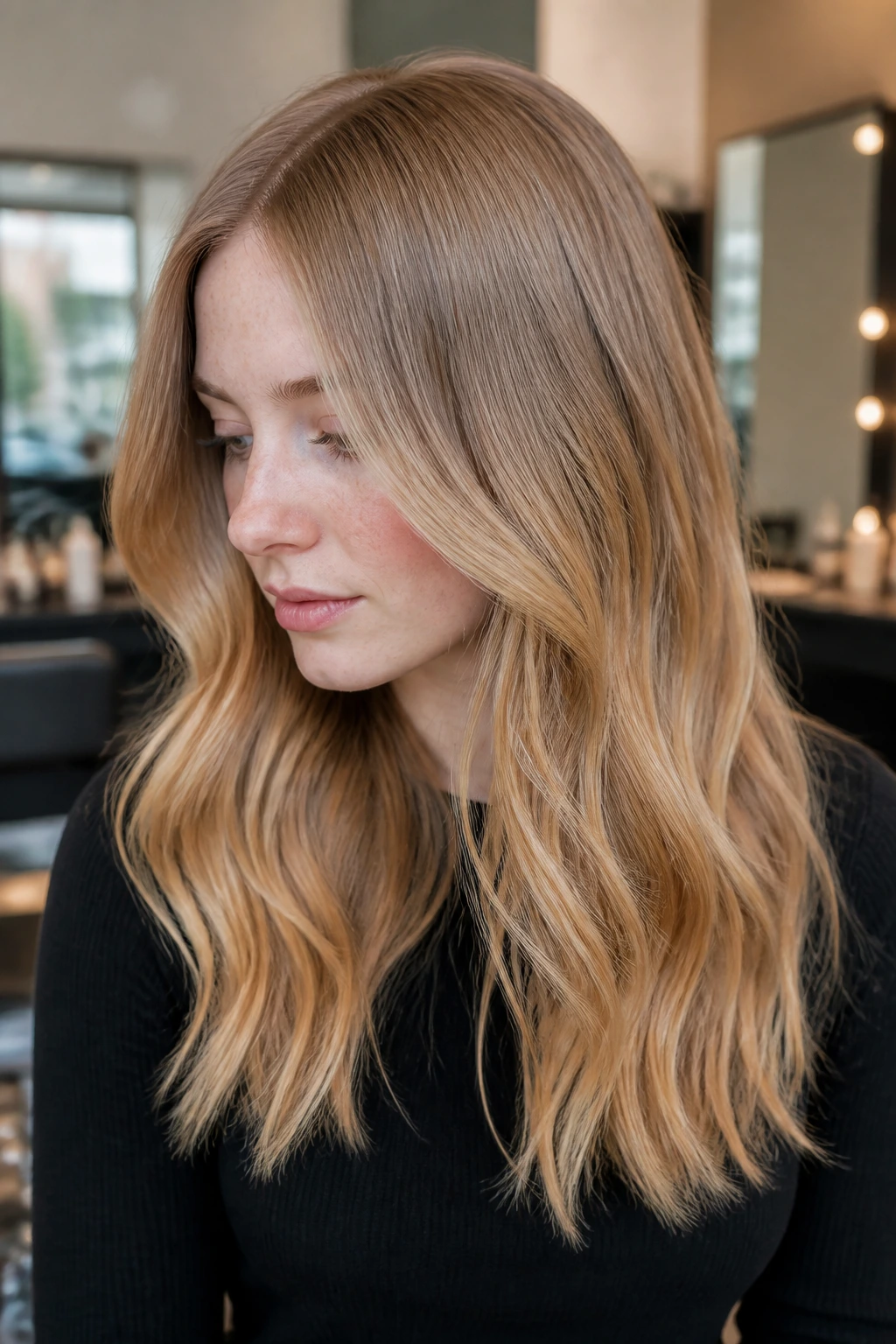
Can honey balayage be subtle? Absolutely. A beige-to-honey transition is proof. It starts in a neutral blonde family, then warms just enough through the ends to give pale skin some life without overwhelming it.
How to Ask For It
Tell your colorist you want the base to remain soft and beige, with the warmth concentrated lower on the hair. That keeps the face area calm. Ask for a gloss that lands between neutral gold and light honey.
This is a smart choice if your skin turns red easily. The beige near the top keeps the whole look steady, and the warmer ends add movement where it counts.
17. Honey Balayage on a Blunt Cut
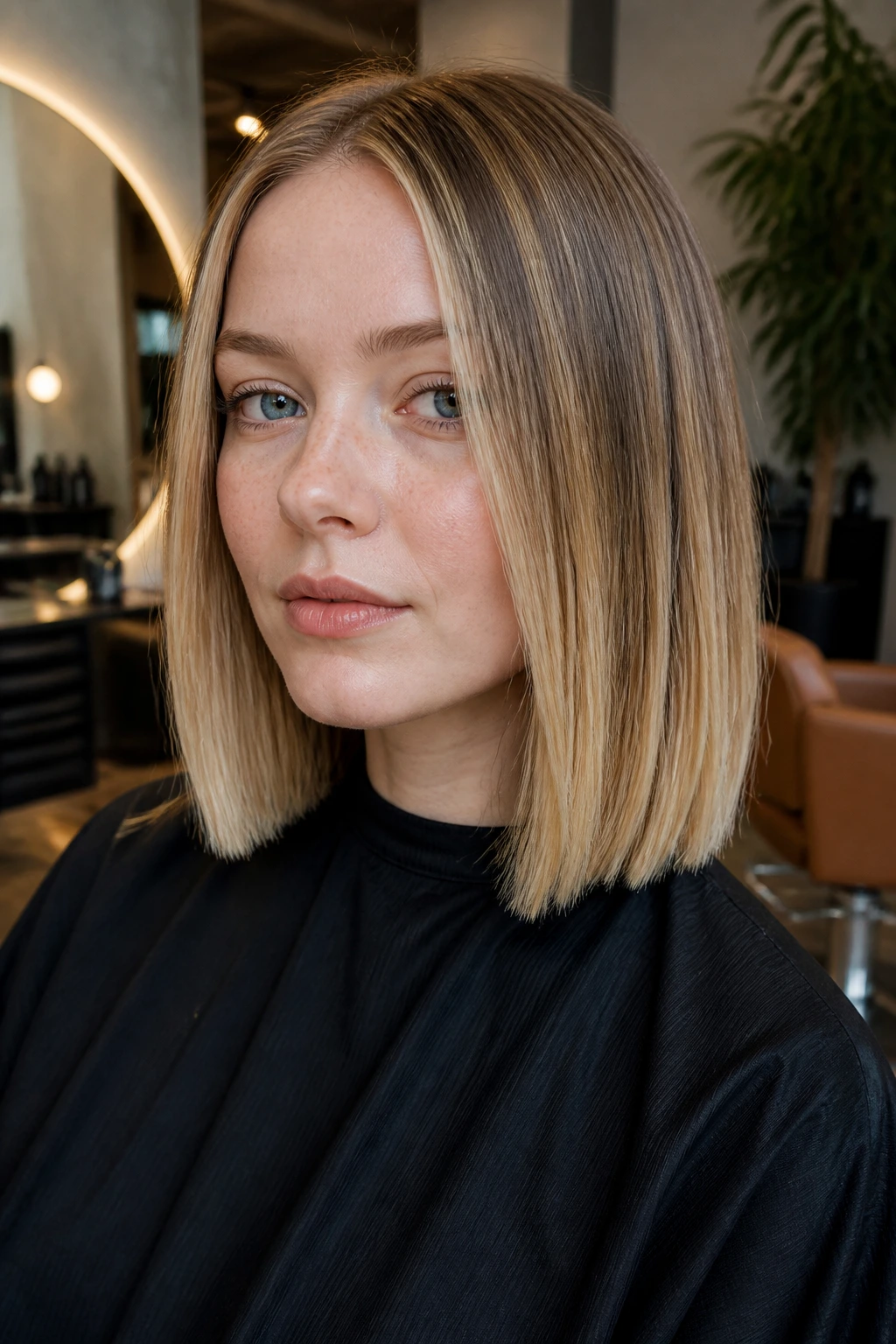
A blunt cut with balayage is a little more unforgiving than layered hair, which is exactly why the placement has to be clean. The good part? On pale skin, a blunt line makes honey ribbons look very deliberate.
I like this version when the painted pieces sit just under the surface and around the face. That way the cut still reads strong, but the color keeps it from feeling severe. If the blonde is too spread out, the blunt edge can start to look heavy. If it’s too concentrated, the whole style can go stripey.
The sweet spot is a few bright ribbons at the front and softer golden drift through the mid-lengths. Simple. Crisp. Easy to wear with a tucked-behind-the-ear finish.
18. Golden Edge Lighting on a Pixie Bob
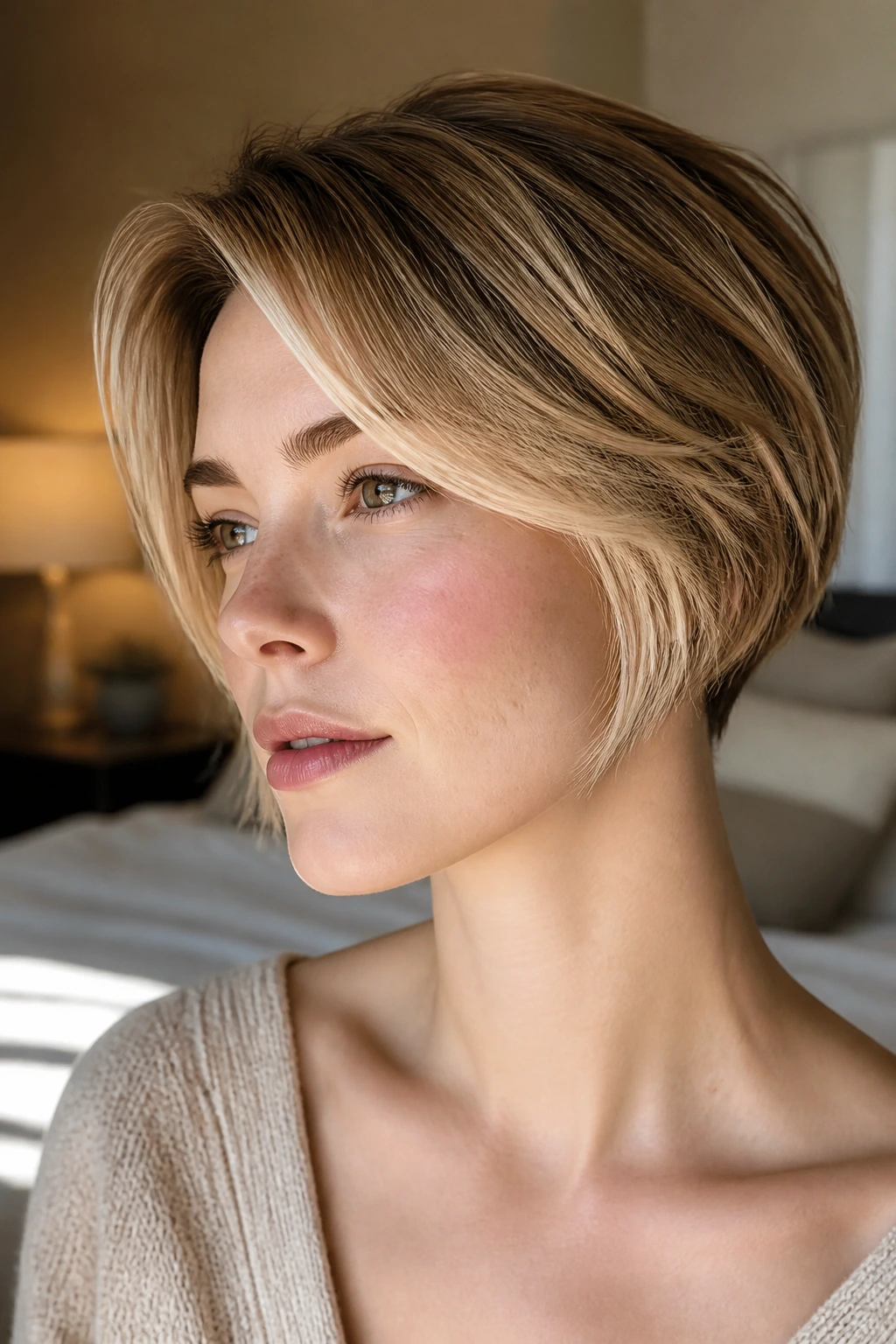
Short hair can absolutely wear golden honey balayage, and a pixie bob is one of the best places for it. The cut has enough shape to hold little panels of light near the edges, where they can catch along the temples and jaw.
For pale skin, this is less about sweeping dimension and more about pinpoint brightness. The color needs to look intentional, almost like a ring of warm light around the perimeter. Keep the top slightly deeper if you want the shape to stay visible.
It’s a sharp, modern way to wear honey blonde. Also, it grows out with a little more personality than people expect, which is a nice bonus when a short cut needs a refresh.
19. Floating Balayage on a Long V-Cut
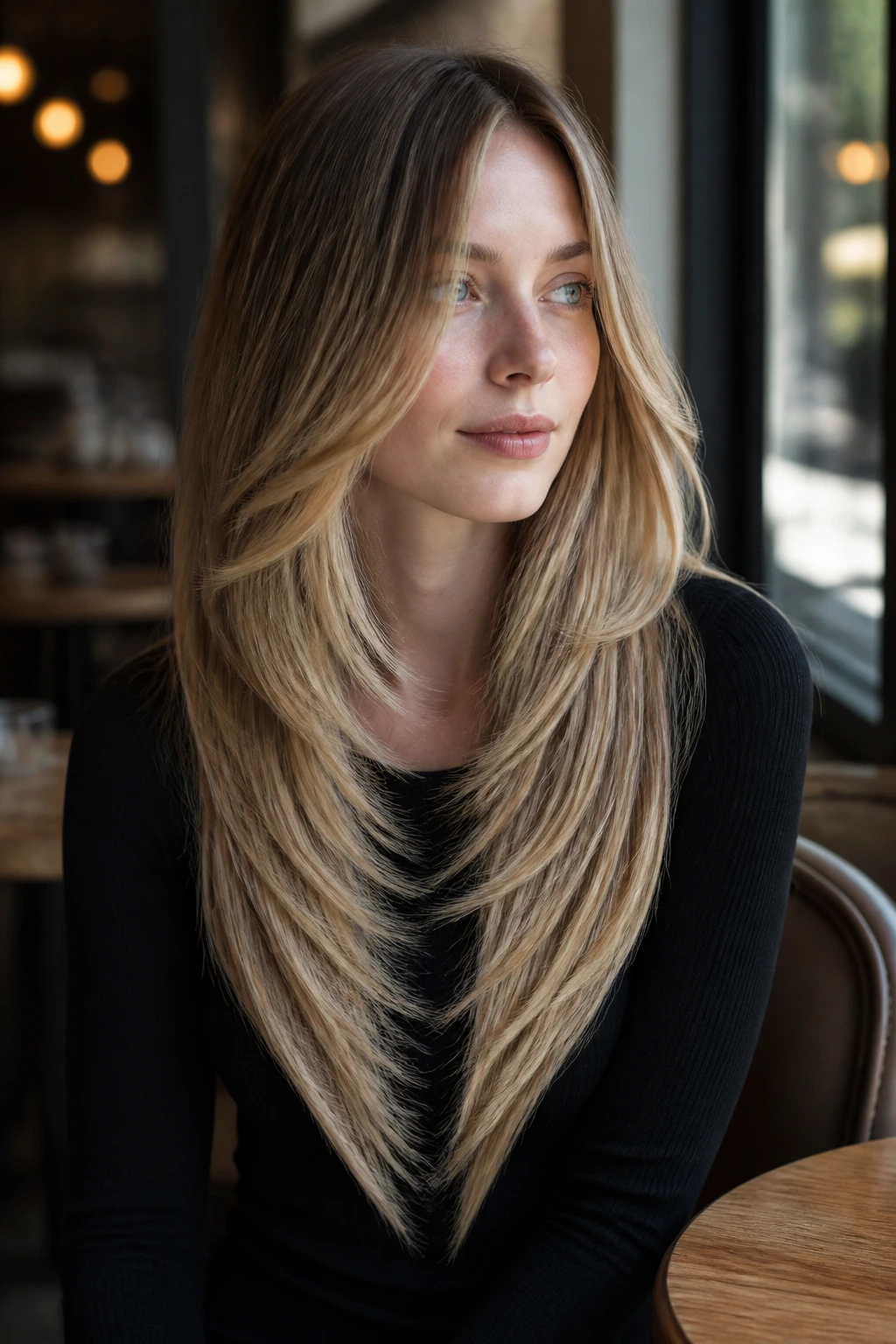
A V-cut gives balayage a runway. The long layers pull the eye downward, and the lighter honey ends seem to float because the shape funnels the color into the center and tail. On pale skin, that means the warm blonde doesn’t have to fight the face; it can stretch out.
This look benefits from a mix of fine and medium painted pieces. Fine ones keep the top soft. Medium ribbons keep the bottom from disappearing. If the ends are too pale, a V-cut can look wispy in a way that does not flatter fair skin. Keep the warmth present.
The result feels airy, but not thin.
20. Honey Halo on Curls
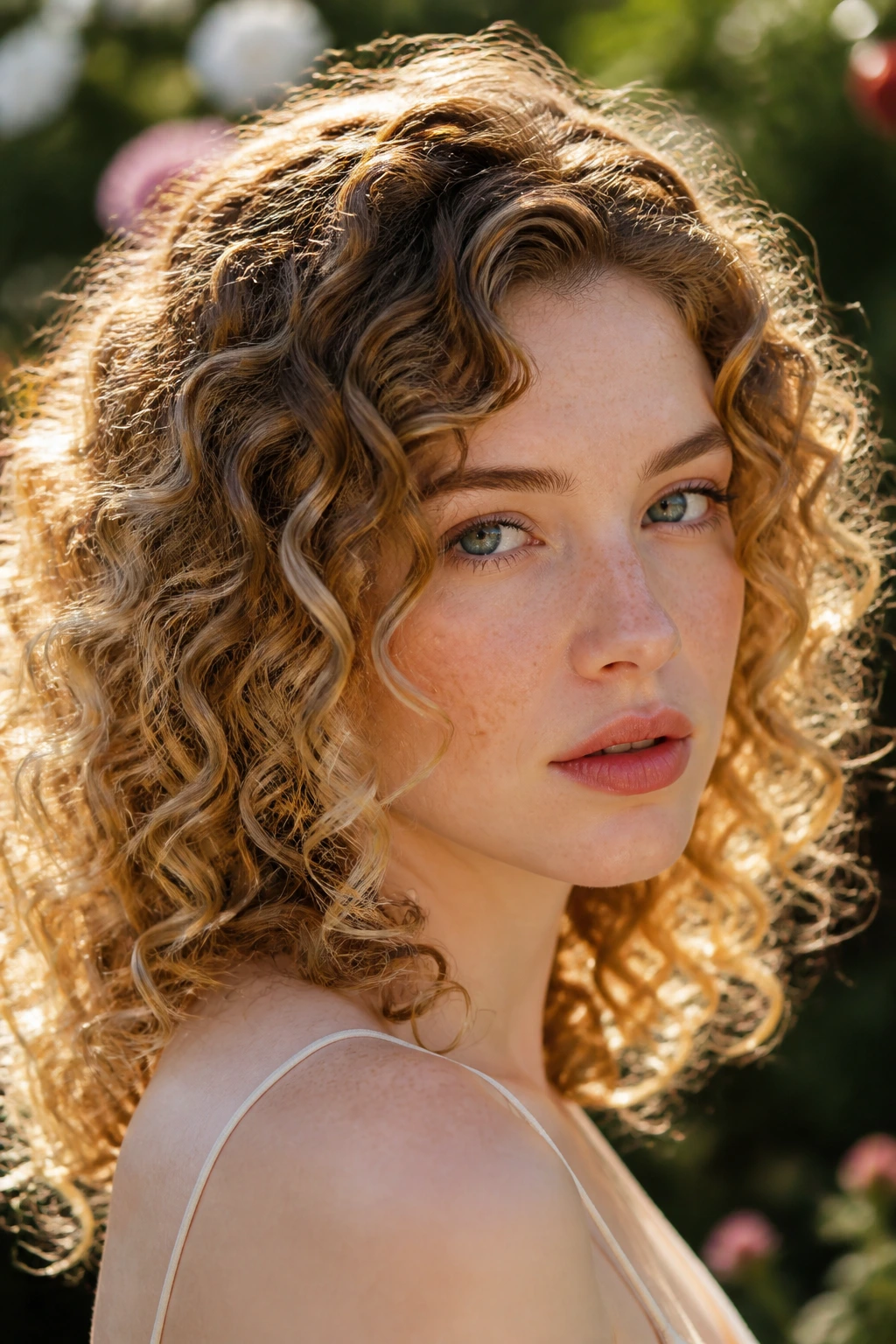
Curls love honey balayage because the color rides the curl pattern instead of sitting on top of it. A halo of warm blonde around the outer curls can give pale skin a glow without requiring the entire head to go lighter.
Why This Version Stands Out
The halo effect keeps brightness where curls naturally catch the light: the top layer, the outer rim, and the front pieces. That makes the face look warmer and the curls look thicker. On fair skin, the contrast between shadow and warm highlight is doing half the work.
Ask for the painterly pieces to follow the curl clumps, not fight them. That keeps the honey from turning patchy when the curls dry.
21. Neutral Honey Beige for Cool Skin
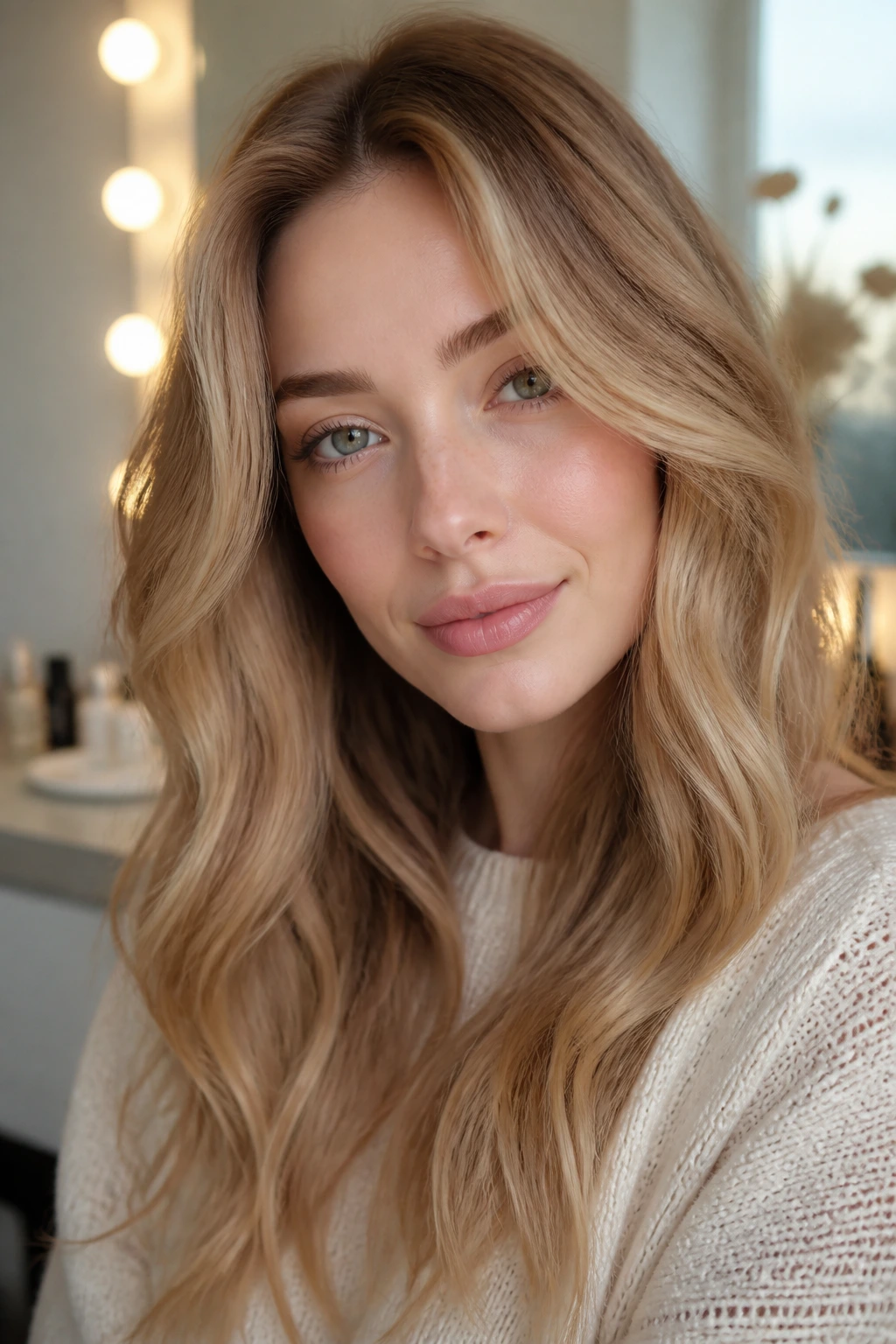
If your pale skin leans cool, this is one of the safest and prettiest ways to wear warm blonde. The tone stays in the honey family, but the beige keeps it from going too yellow. That small adjustment matters a lot on pink or porcelain skin.
The best version is not loud. It’s a quiet glow. The light pieces should be thin near the face and slightly fuller through the mids so the color doesn’t crowd the complexion. A neutral gloss makes the whole thing feel smoother and less golden.
This is the version I’d point to if someone says, “I want warmth, but I don’t want people to notice the warmth first.” That’s a very reasonable request.
22. Caramel-Honey Blend with Light Root Shadow
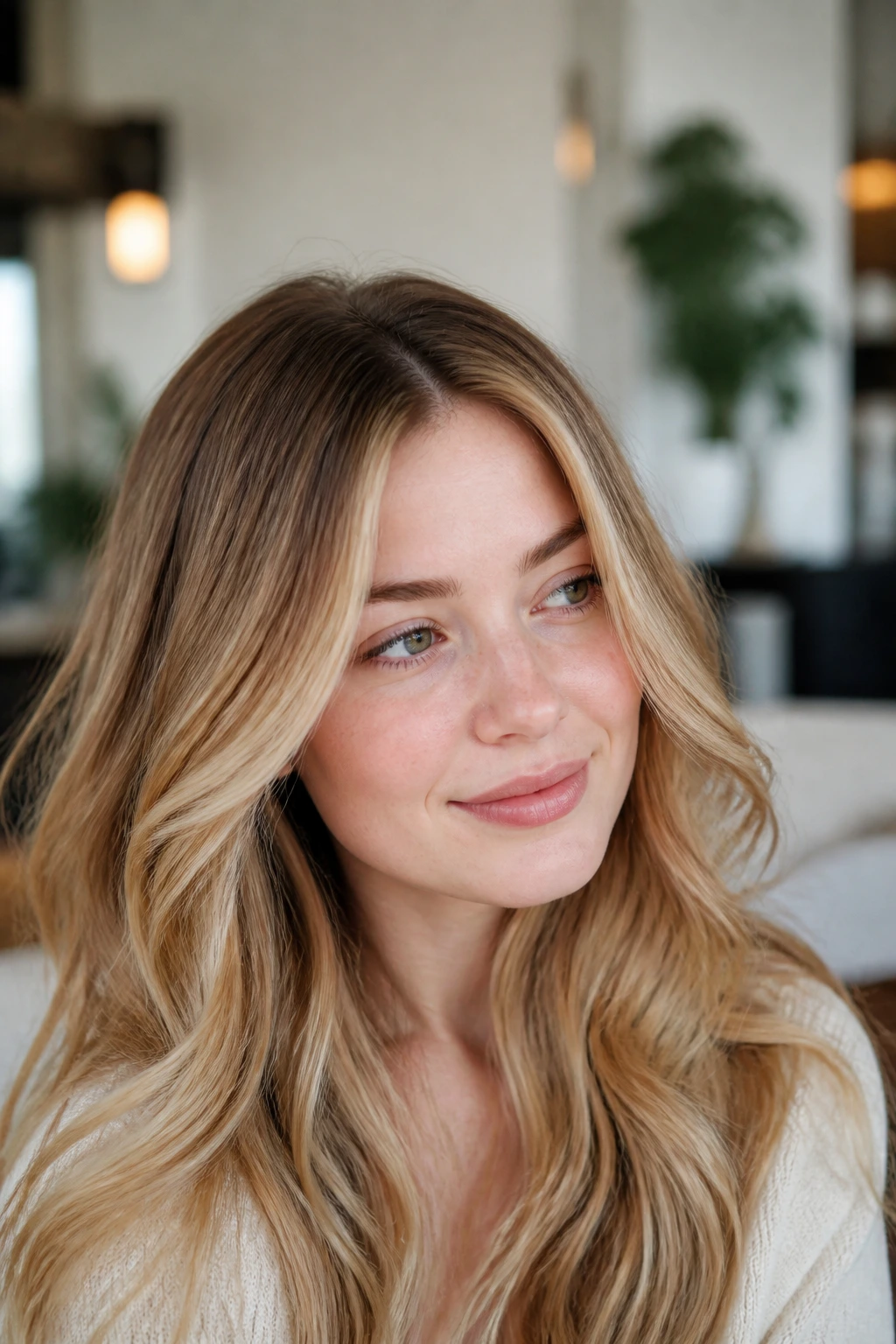
Caramel-honey can sound warmer than it needs to be, but on pale skin the root shadow keeps it grounded. A little depth at the scalp stops the lighter ends from turning into a flat, sugary blonde.
This style works best when the caramel sits in the mids and the honey brightens the ends. That gradient feels richer than a single-tone blonde. It also flatters skin that is fair but not icy, especially if your eyes and brows already carry some warmth.
The main rule here is balance. Too much caramel and the hair gets muddy. Too much honey and it loses the softness that makes the whole thing wearable.
23. Lived-In Glow on a Collarbone Cut
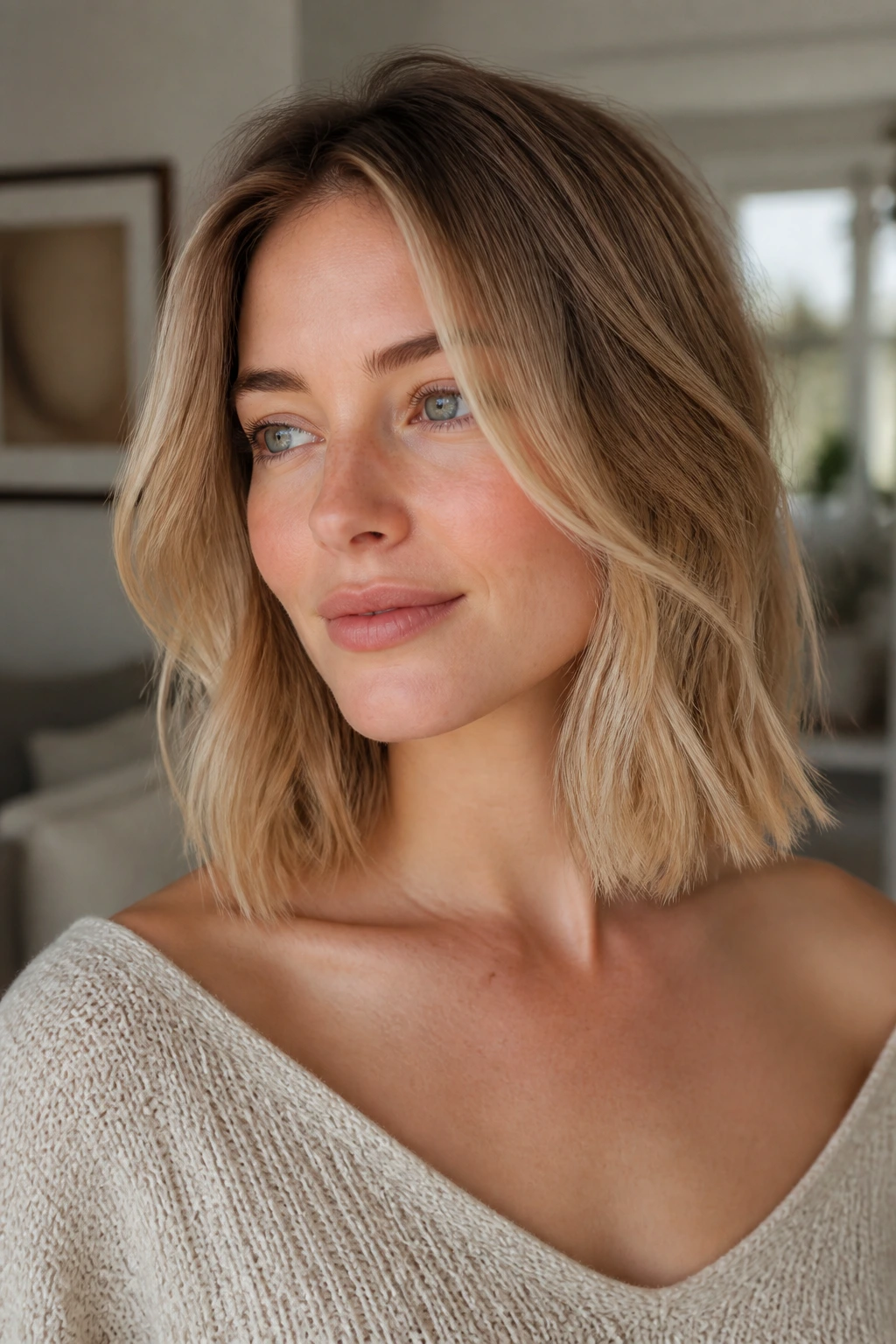
A collarbone cut is one of the easiest places to wear golden balayage because it has enough length to show the blend, but not so much that the color starts to feel heavy. The lived-in finish makes the honey look like it belongs there.
On pale skin, that lived-in softness helps. Sharp blonde can pull too much attention. A slightly diffused placement, with lighter pieces broken around the front and mids, keeps the complexion from getting overpowered.
This look also grows out gracefully. The root stays visible in a good way, not a neglected one.
24. Smoky Root Melt with Bright Face Frame
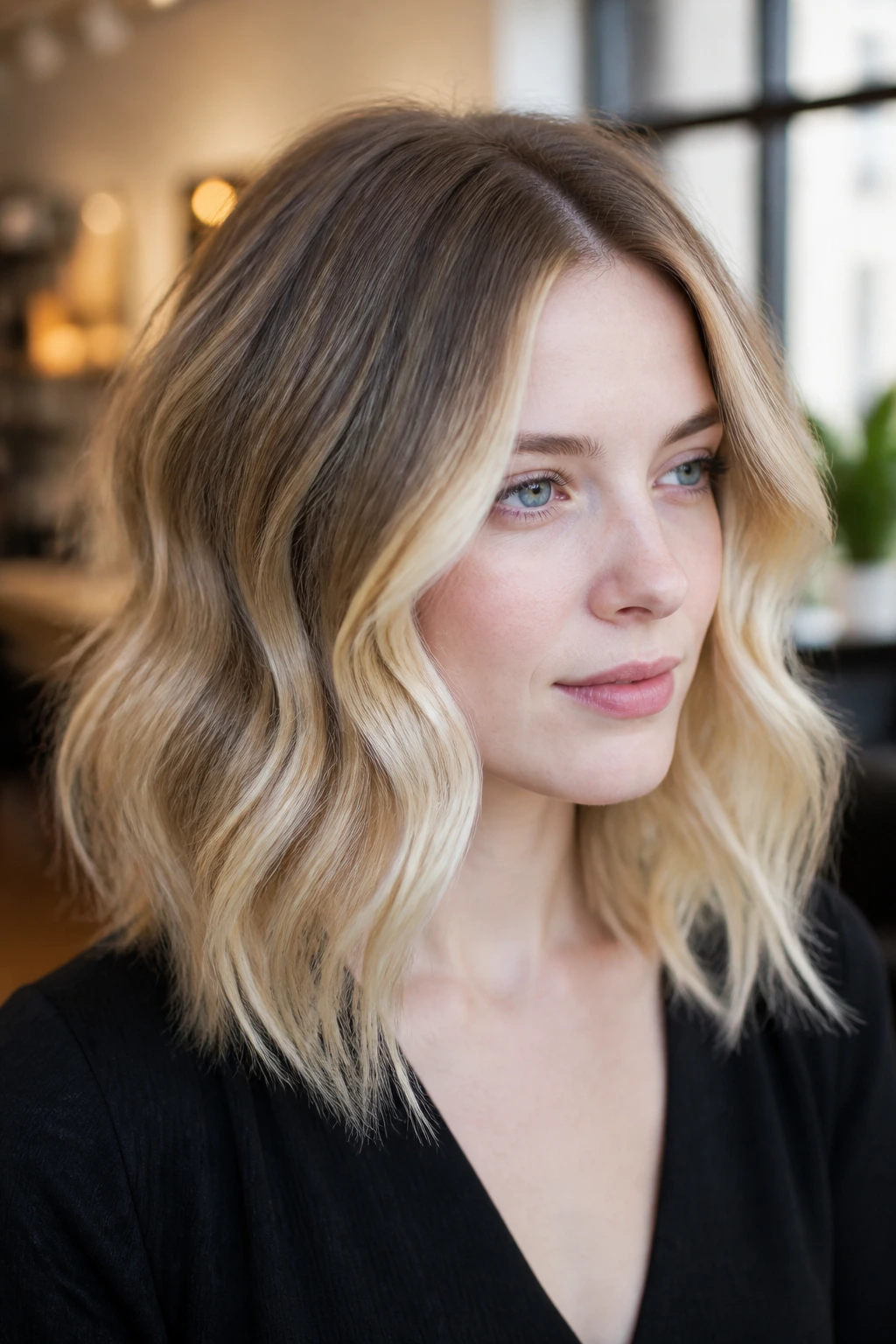
This is for the person who wants contrast, but not a harsh one. The smoky root gives the style a little edge, while the bright face frame keeps pale skin from going flat.
The root should stay cool-neutral, not dark brown. A smoky level 6 or 7 is enough to anchor the blonde without swallowing the face. Then the front pieces can go a touch lighter and warmer. That combination looks especially strong with shoulder-length waves or a soft blowout.
It’s a good middle ground between high-contrast blonde and very subtle balayage. You get both structure and glow.
25. Porcelain-Skin Honey Balayage
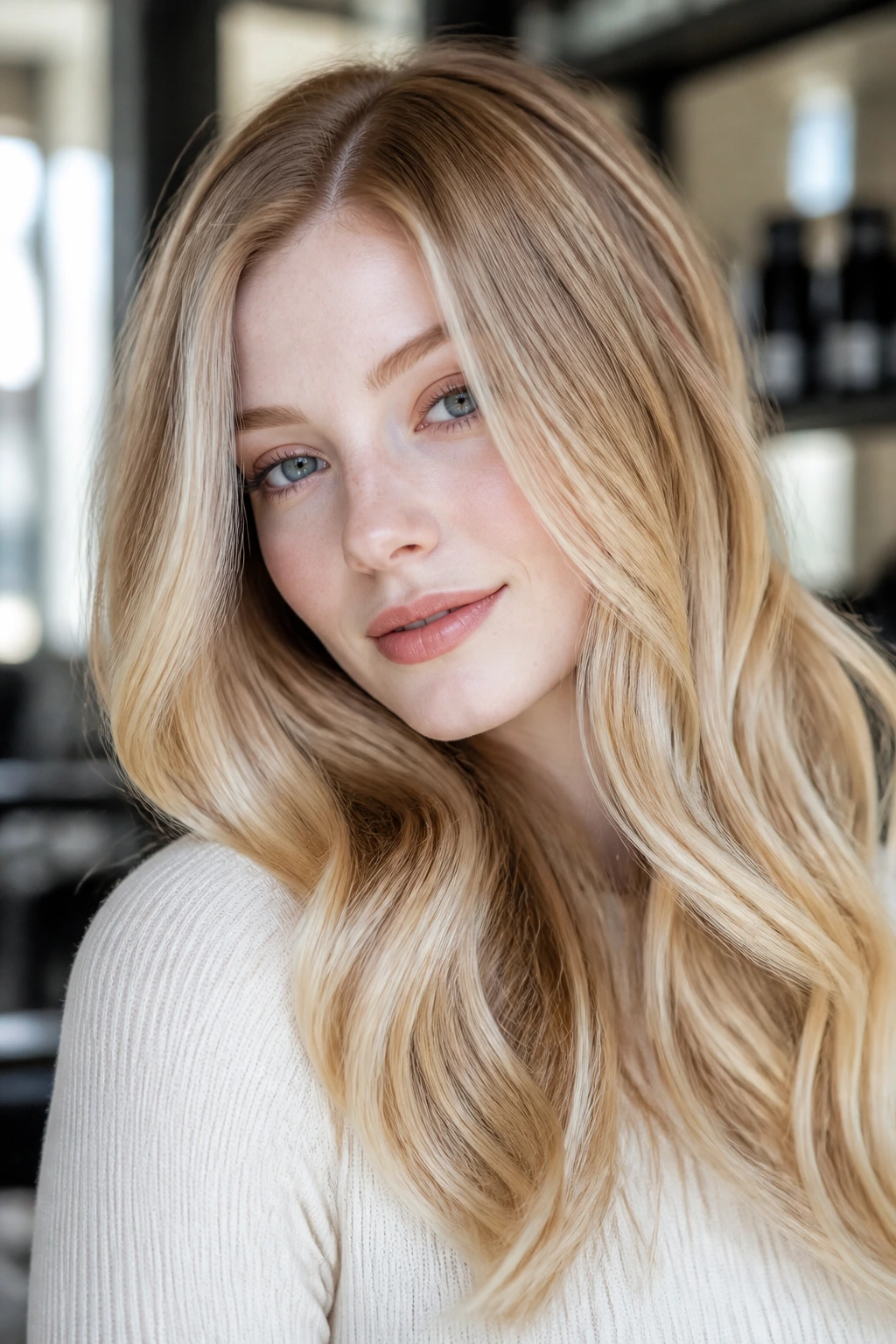
This is the palest-skin version of the whole bunch, and it works because everything is softened by degrees. The honey is gentle, the root stays whispery, and the brightest ribbons sit away from the scalp so the face doesn’t disappear into the color.
If your skin is very porcelain, this is the one to study. Keep the blonde in the beige-gold family. Avoid anything that looks like bright banana yellow in the bowl. That tone can be brutal on fair skin, even when it photographs fine in a salon mirror.
The prettiest result feels like a pale blonde that was warmed by sunlight, not lifted by force. That difference is small on paper and obvious in person.
Why Golden Blonde Honey Balayage Flatters Pale Skin So Well
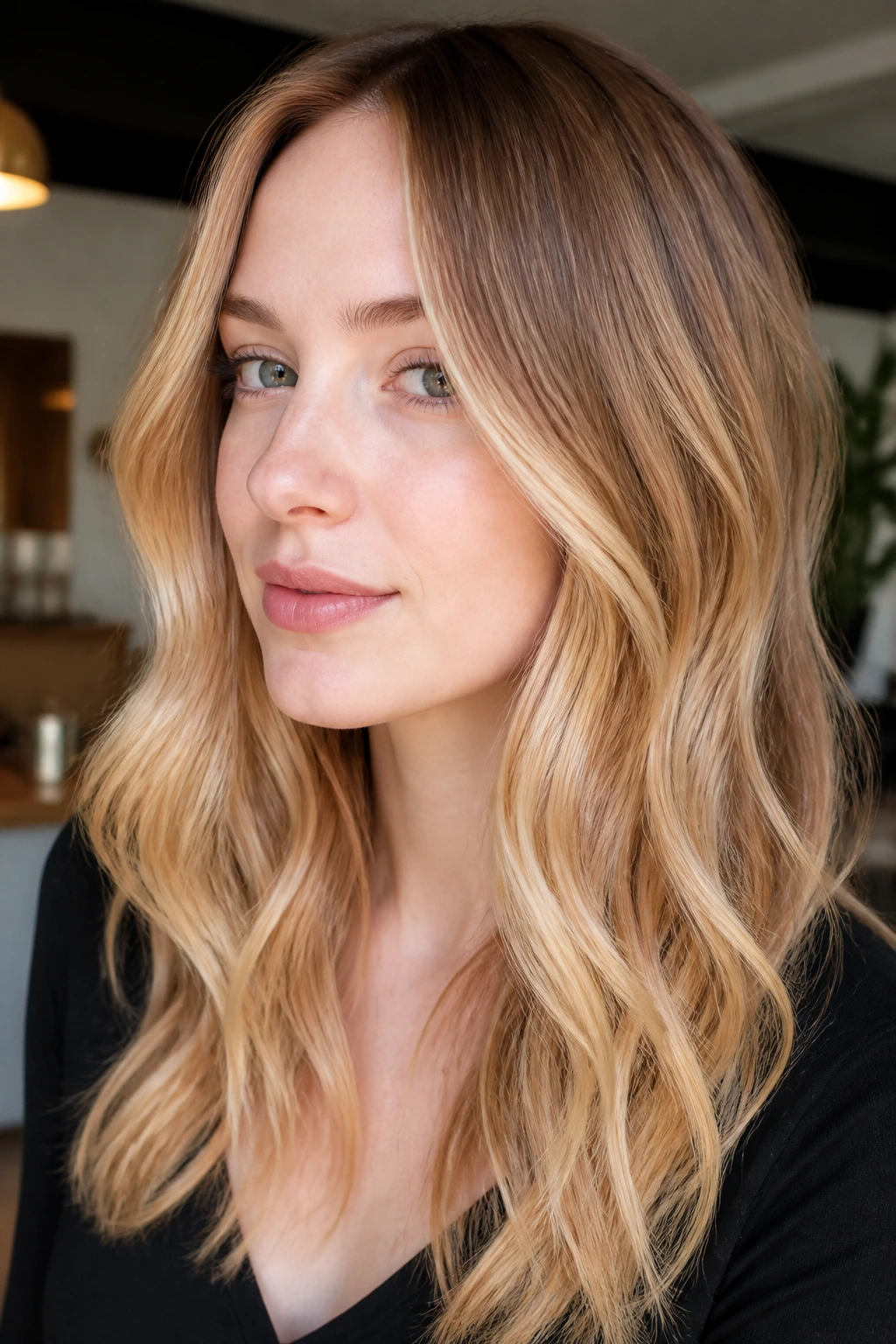
Pale skin usually needs two things from hair color: enough warmth to keep the face from looking washed out, and enough shadow to stop the blonde from turning into a blank sheet. Honey balayage handles both jobs when it’s done with some restraint. The gold brightens, the beige softens, and the root shadow keeps the whole thing readable.
Undertone matters here more than almost anything else. Pink or cool skin usually looks best with beige-gold, neutral honey, or champagne blonde. Peach, freckled, and softly warm skin can carry richer gold without going sallow. If the tone is too yellow, the skin can look redder by comparison. If it’s too ash-heavy, the face can look tired. That tiny middle zone is where the best versions live.
Placement matters just as much. A few brighter pieces at the cheekbones, a softer root, and lighter ends give fair skin shape. The color doesn’t need to be everywhere. In fact, that’s usually the mistake. Too much brightness at the scalp flattens the face and makes the hair feel disconnected from the skin. A little breathing room at the top solves more than people think.
Essential Tools and Products for Styling and Maintaining the Look
- Sectioning clips: These matter if you’re blow-drying or touching up waves at home; clean sections keep the honey pieces visible instead of buried.
- 1.25-inch curling iron or wand: A medium barrel gives soft bends that show off balayage ribbons without turning the hair into tight ringlets.
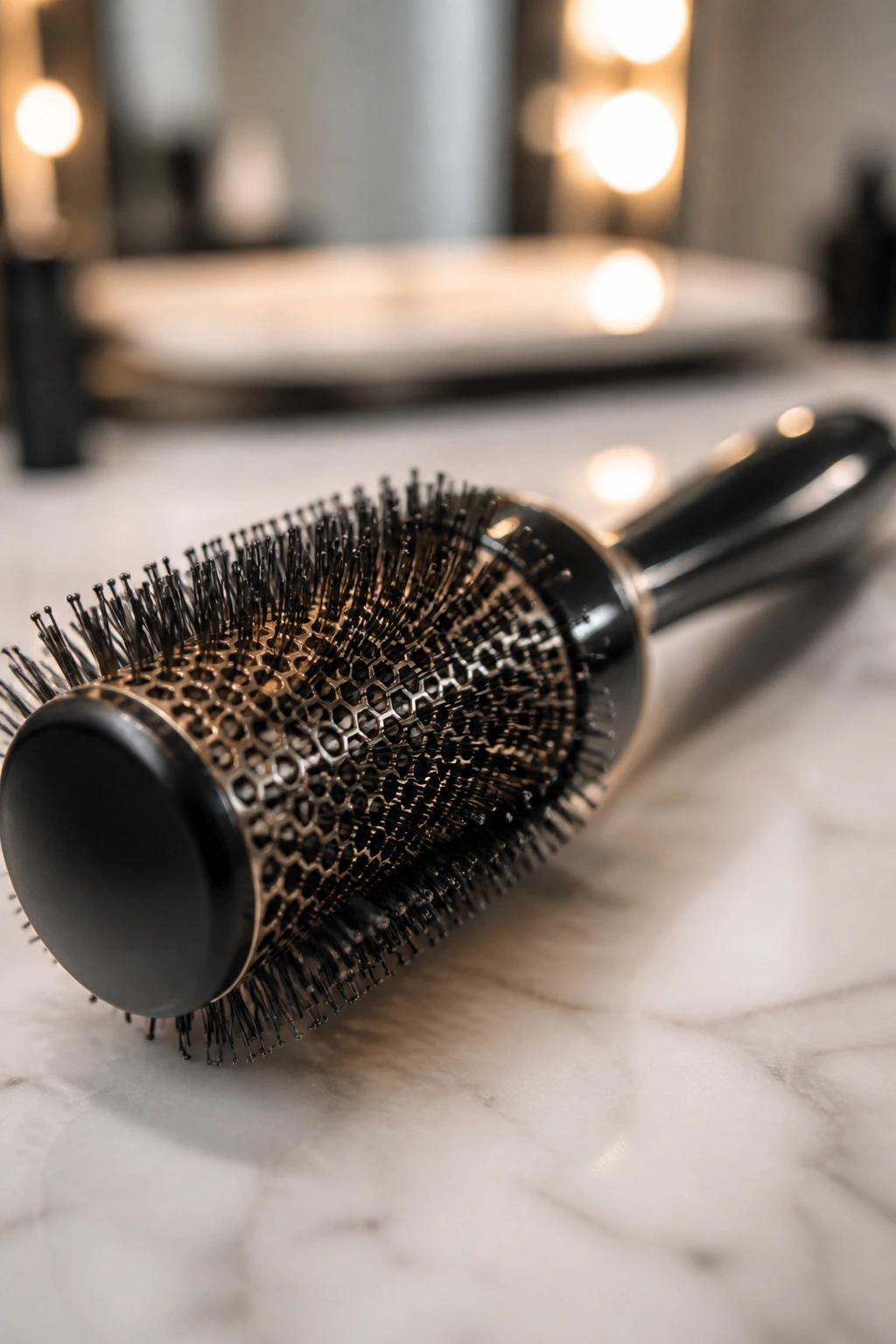
- Round brush: Best for smoothing the root and polishing the front pieces so the lighter strands catch the light cleanly.
- Heat protectant spray: Use it before every hot-tool pass; blonde hair burns faster than darker hair and loses shine fast when it’s overdone.
- Color-safe shampoo and conditioner: Pick a sulfate-free formula if your hair tends to fade quickly or feel dry at the ends.
- Purple or violet mask: Keep this on hand only if the blonde starts drifting yellow; use it sparingly so the honey doesn’t go dull.
- Shine serum: A drop or two on the mids and ends keeps the painted sections glossy without making them greasy.
- Microfiber towel: Less friction means less roughness on lightened strands.
- Wide-tooth comb: Good for detangling after washing without tearing through fragile ends.
- Satin pillowcase: Small switch, real payoff; it cuts down on friction that can make warm blonde look frizzy by morning.
How to Brief Your Colorist for the Right Honey Tone
The cleanest way to get this look is to talk in levels, not vague words like “caramel” or “sun-kissed,” because those can mean almost anything in a salon chair. Ask for a level 8 to 9 golden blonde with beige or neutral honey tones if your skin is pale and cool. If your skin runs peachy or freckled, you can usually handle a slightly richer gold.
Say where you want the brightness to live. Around the face? Through the top layer? Mostly on the ends? That placement choice changes the whole mood. A lot of fair-skinned clients look best when the brightest pieces stay near the front and around the cheekbone area, with softer depth underneath.
Bring photos, yes, but also mention what you do not want. “No yellow,” “no orange,” and “keep the root soft” are useful phrases. They save time. They also help the colorist avoid guessing your comfort zone, which is how people end up with honey that looks aggressive instead of flattering.
How to Wear and Style the Color So the Honey Ribbons Read Clearly
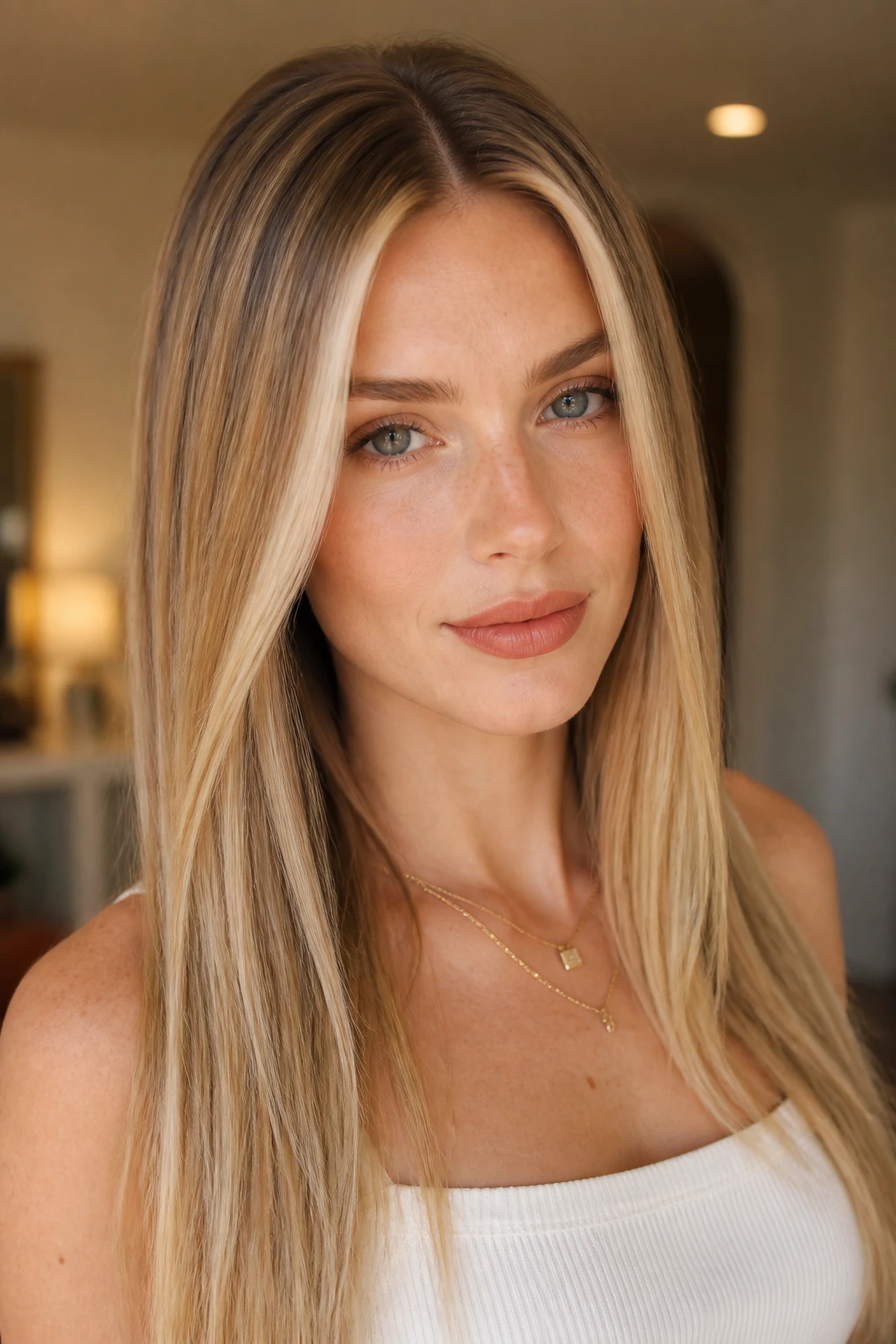
Presentation: Loose waves, a clean center part, or a soft blowout show this color best. Straight, center-parted hair gives the ribbons a polished look; brushed-out waves make the honey feel softer and fuller.
Accompaniments: Curtain bangs, face-framing layers, and collarbone cuts all help the warm pieces sit where the eye naturally goes. Pale skin also tends to look better with makeup that echoes the hair — peach blush, soft gold shadow, or a sheer nude lip instead of a stark pink.
Portions: If you want the color subtle, ask for a partial balayage with 6 to 10 painted sections around the top and sides. If you want more brightness, go for a full-head placement, but keep the root smudge soft so the grow-out stays elegant.
Finish: A light gloss or glossing spray keeps honey from turning flat. On the styling side, a medium-hold spray at the ends preserves movement without making the blonde crunchy.
Additional Tips and Color Boosters
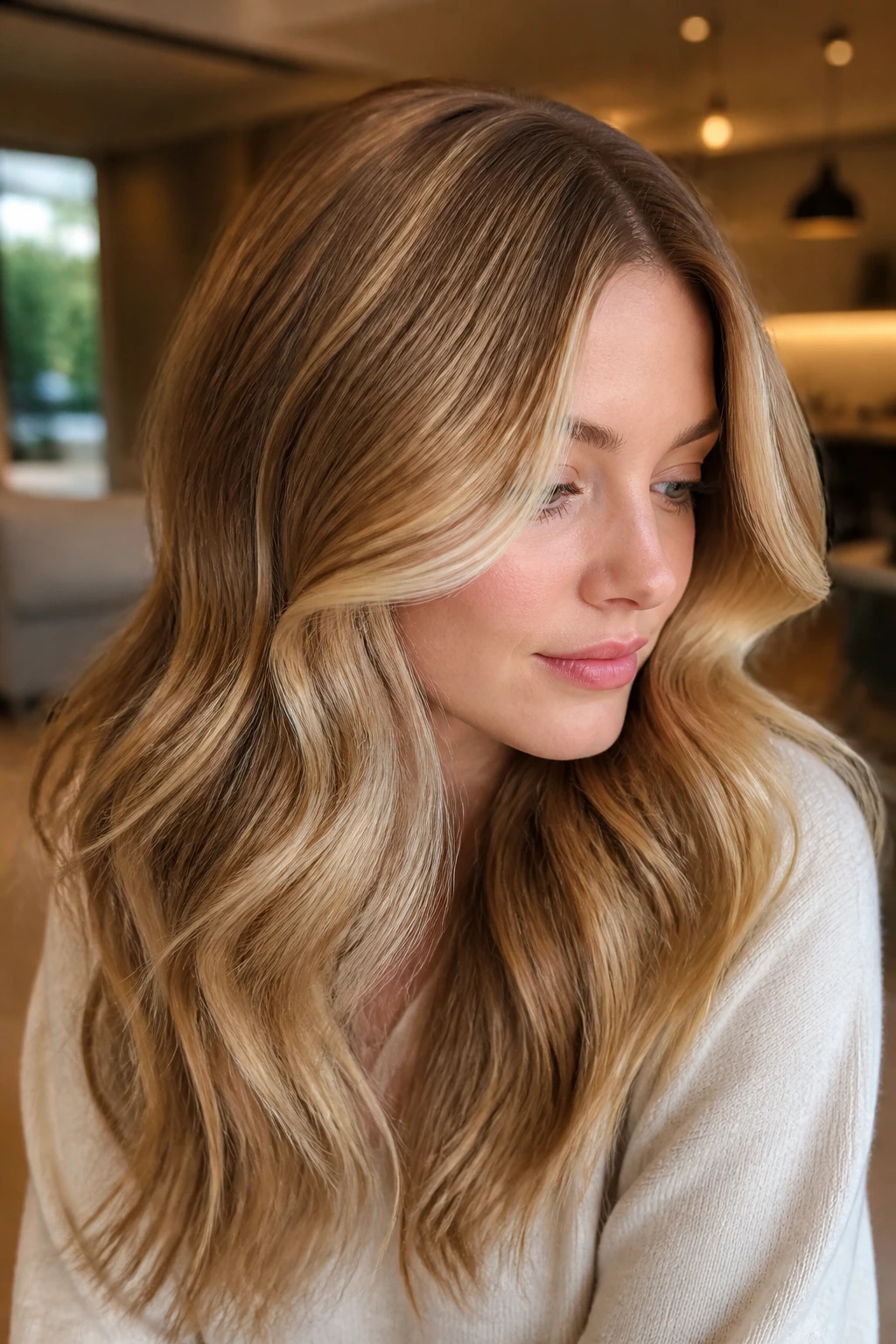
Tone Enhancement: If the blonde starts looking too yellow, ask for a beige gloss rather than going straight to a cool toner. That keeps the honey warmth while knocking down the brass.
Customization: For a softer result, ask your colorist to weave in babylights around the face and leave the rest more painted and airy. For more contrast, add a slightly deeper root melt and concentrate the light pieces in the front third of the head.
Serving Suggestions: Wear the color with a soft bend through the mids, not tight curls. The warmer strands show best when the hair can move. A side tuck, small clip, or half-up twist also exposes the brightest sections without trying too hard.
Make-It-Yours: If your hair is fine, keep the panels thin and let the gloss do the work. If it’s thick, you can handle wider pieces and a bit more saturation. If your skin is extremely fair, lean beige. If you’re freckled or peach-toned, a warmer honey usually looks better.
Color Maintenance, Glossing, and Long-Term Care
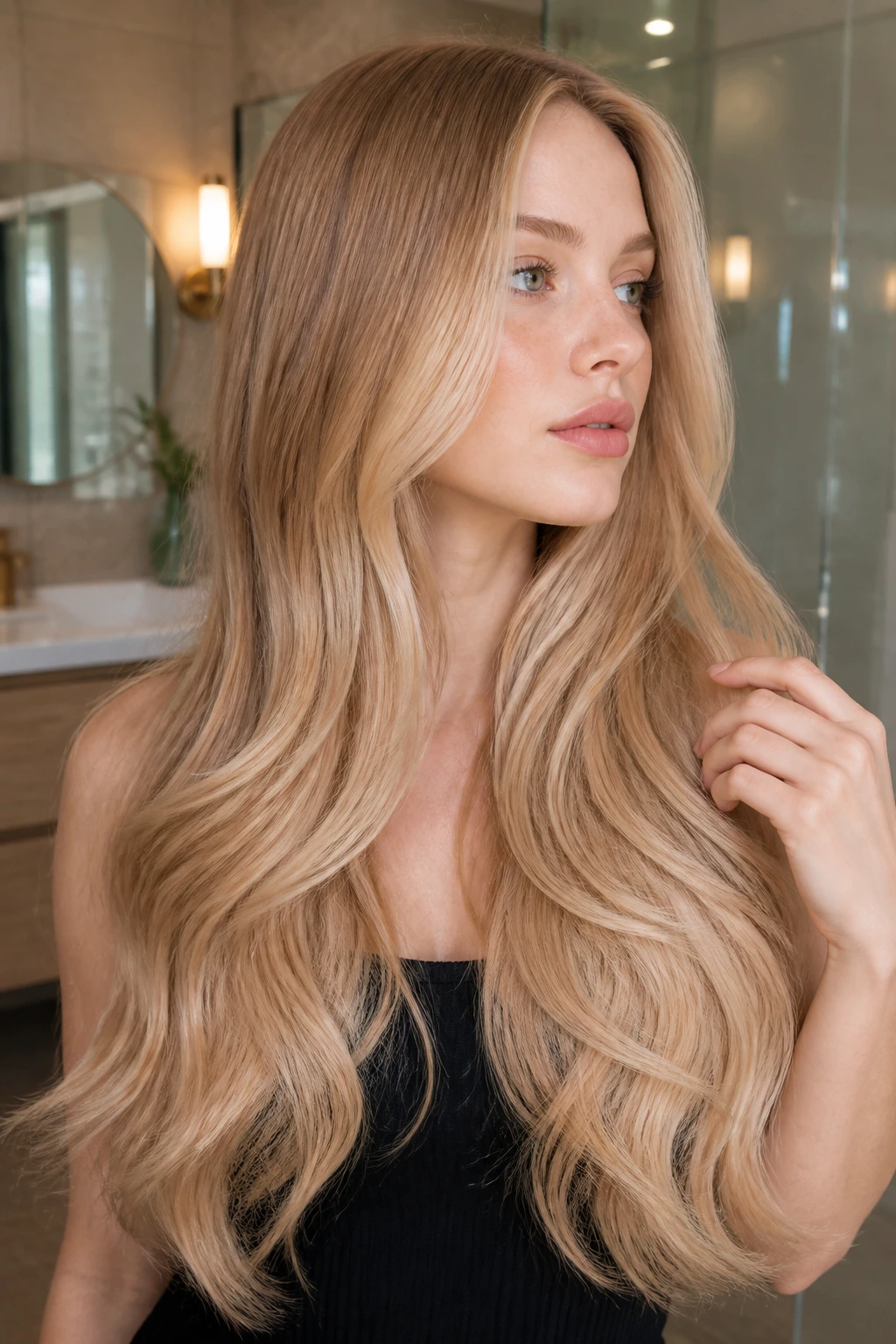
Honey balayage is more forgiving than an all-over blonde, but it still needs attention. The color usually stays sharp for about 6 to 8 weeks before the warmth starts to fade or the ends begin to look dry. If your hair pulls yellow, a violet mask once every 1 to 2 weeks can help, but do not overuse it. Too much purple will mute the gold and leave the hair looking chalky.
Shampooing two or three times a week is plenty for most people with lightened hair. If your scalp runs oily, use a gentle cleanser and keep the richer conditioner on the mids and ends only. A clarifying shampoo every 2 to 3 weeks can clear buildup, especially if you use oils or dry shampoo, but heavy clarifying more often than that can strip the shine right off the honey.
Heat protection matters every time. Every time. Blonde hair shows damage fast, and once the ends go rough, the balayage loses that soft ribbon effect. If you live with hard water, a chelating treatment every 3 to 4 weeks can stop mineral buildup from making the color look dull or slightly greenish.
For grow-out, most people keep their balayage fresh with glosses every 6 to 10 weeks and larger refreshes every 10 to 14 weeks. That’s one of the reasons this shade family works so well on pale skin: it can stay soft even when the root shows a little.
Common Mistakes to Avoid
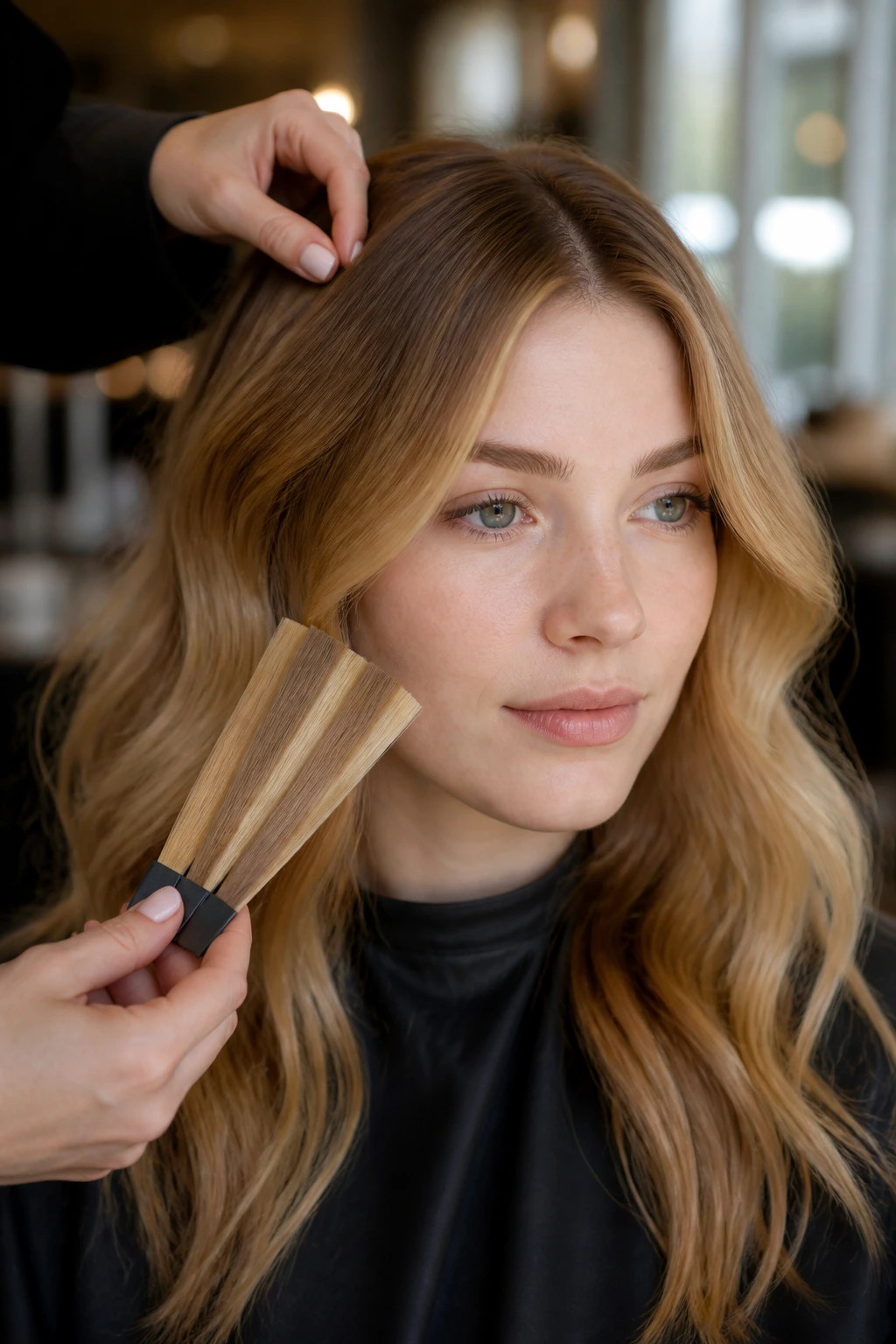
The biggest mistake is choosing honey that is too yellow. On pale skin, especially pink or cool skin, bright yellow gold can make the complexion look red or tired. Ask for beige-gold or neutral honey if you’re not sure, and let the warmth build gradually.
Another common problem is putting the lightest pieces too high at the root. The scalp area needs a little shadow. Without it, the color looks pasted on, and fair skin can lose definition. A root melt or soft shadow root fixes that in one move.
People also overdo purple shampoo. It sounds like a smart fix for brass, but if you use it too often, the warm blonde turns dull and muted. Use it only when the yellow starts to creep in, not as a weekly habit unless your hair genuinely needs it.
Skipping gloss is another quiet mistake. Honey tones lose their shine faster than ash blondes, and once the gloss goes, the color can look dry even when the hair is healthy. A clear or beige gloss keeps the shade fresh with less damage than repeated toning.
Finally, too much heavy oil can flatten the whole look. A little shine is good. Greasy, weighed-down ends hide the painted pieces and make the blonde look darker than it is.
Variations and Color Adaptations to Try
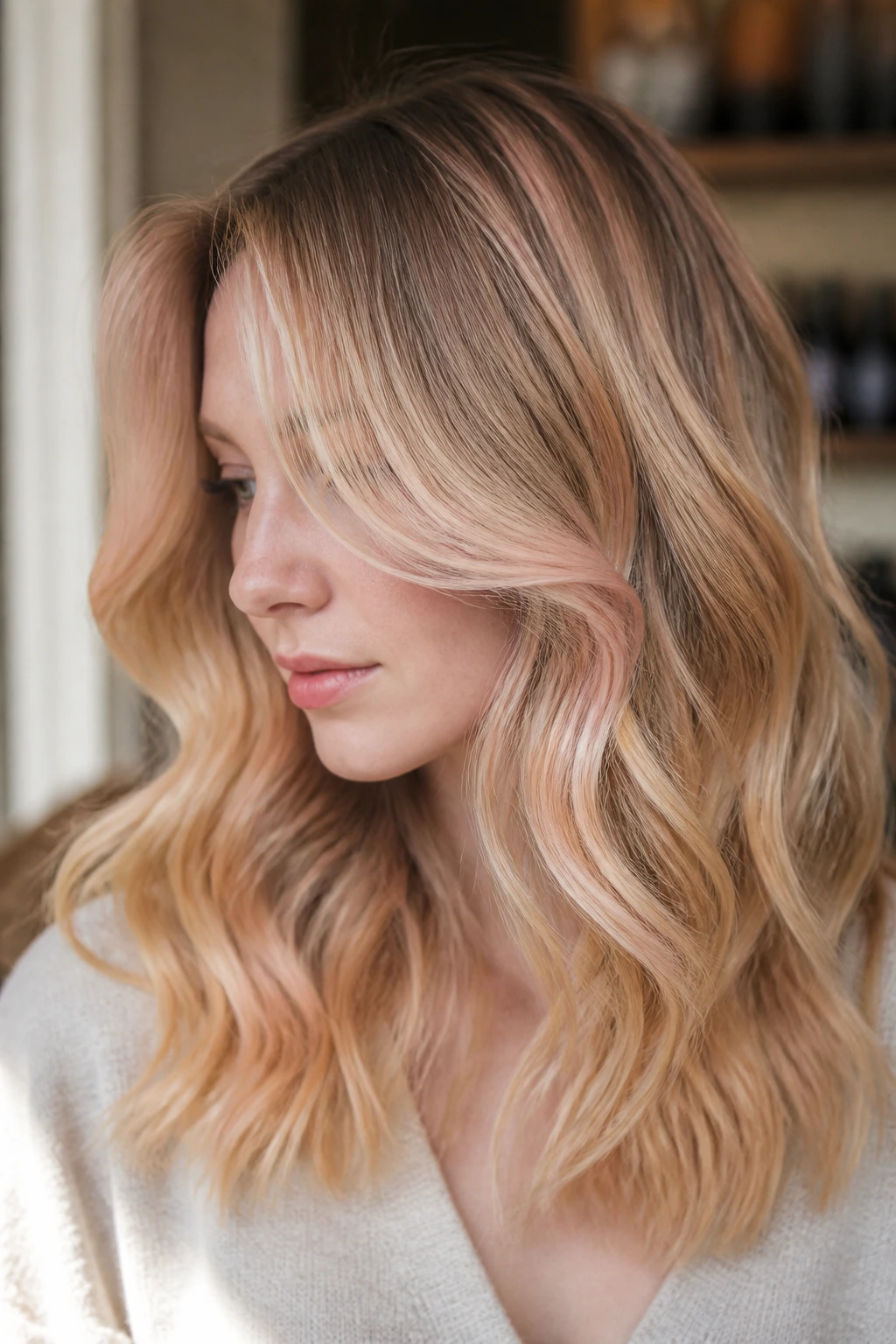
Beige Milk-Honey: Softer, cooler, and quieter. This works if your skin is very fair and pink-toned, or if bright gold tends to clash with your face.
Peach-Kissed Honey: Add a little peach or apricot warmth to the mids and ends if you have freckles or a rosy undertone. It keeps the blonde from looking too cool without pushing it into orange.
Chunky Face-Frame Honey: A bolder money-piece version with wider front sections and softer spacing through the rest of the head. Good if you want the front to read first.
Smoke-Root Honey Melt: A cooler root shadow with warm honey ends. This is a smart bridge for someone moving from brunette or dark blonde into lighter color without a hard line.
Short-Hair Honey Bob: Same color family, tighter placement. Best when the haircut is blunt or chin-length and you want brightness that follows the shape instead of fighting it.
Questions People Actually Ask About Honey Balayage on Pale Skin
Will honey balayage look brassy on very fair skin?
It can, if the gold is too yellow or the toner is too warm. The safer route is beige-honey or champagne honey, which keeps the warmth but softens the yellow cast.
Is balayage better than highlights for pale skin?
Usually, yes, because balayage gives softer edges and a gentler grow-out. Highlights can work too, but if they’re placed too uniformly on fair skin, the result can look stripy instead of blended.
Can I get this look without making my hair much lighter overall?
Yes. Ask for face-framing pieces, a subtle root shadow, and warmer ends. The whole head does not need to be pale blonde for the style to read as honey balayage.
What if my hair is already light blonde?
Then the job is mostly about tone and placement. A gloss, a few lowlights, and some strategic bright pieces can create the same effect without major bleaching.
How often will I need salon upkeep?
Most people refresh the gloss every 6 to 8 weeks and touch up the full placement every 10 to 14 weeks. If you keep the root soft, you can stretch that longer.
Can I ask for this if I have fine hair?
Absolutely, but keep the panels delicate. Fine hair usually looks better with thin ribbons and a lighter surface effect instead of chunky sections that can make the ends look sparse.
What should I do if the blonde turns yellow?
Use a violet mask once, then stop and reassess. If the yellow keeps coming back, the toner may have faded and the salon needs to rebalance it with a beige gloss.
A Softer Kind of Blonde
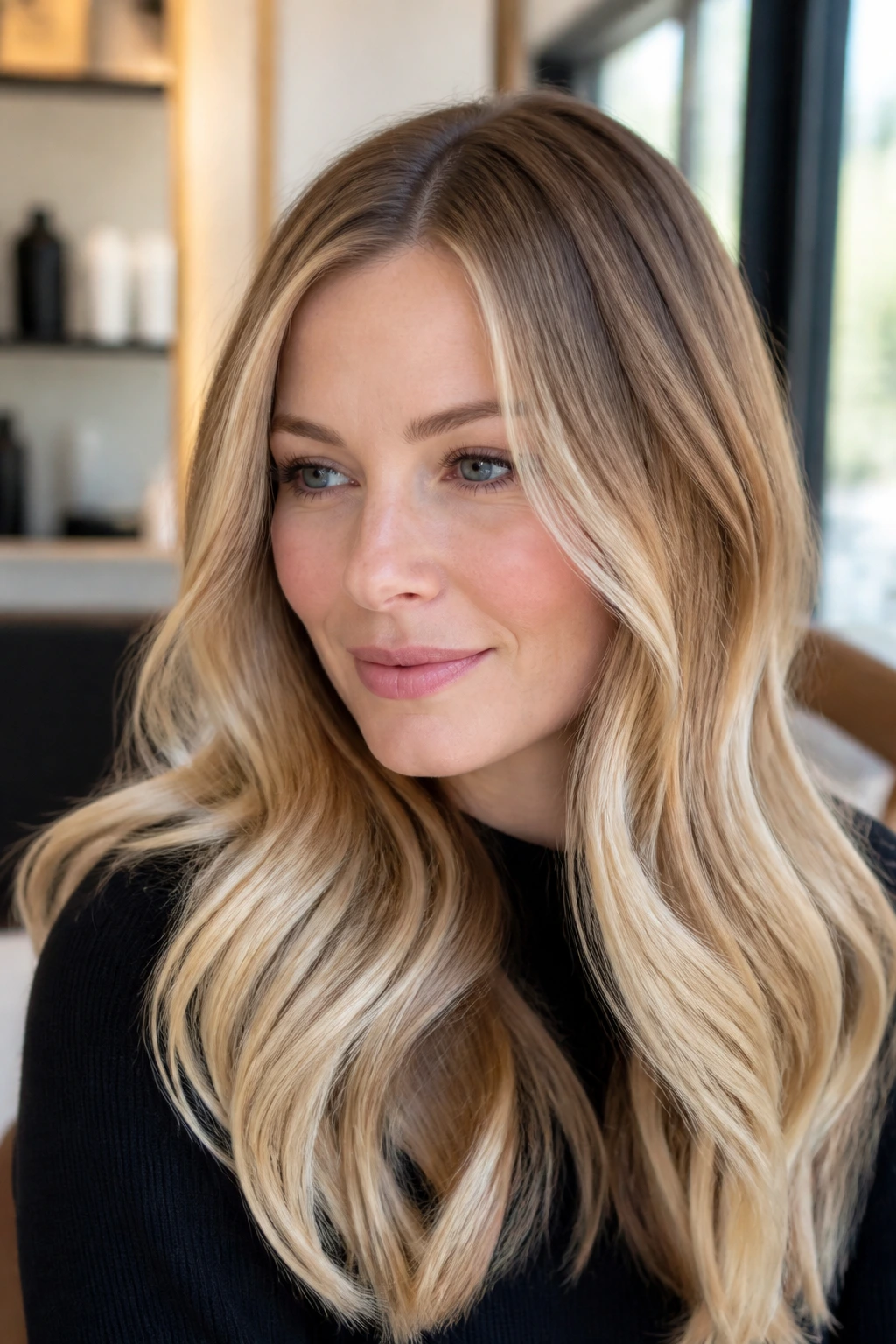
Golden blonde honey balayage works on pale skin because it doesn’t try to flatten the face into one tone. It gives the skin warmth, then leaves enough depth around the roots and mids to keep the result believable. That balance is the whole game.
The most flattering versions are rarely the brightest ones in the room. They’re the ones with good placement, a soft root, and a honey tone that stops just short of brass. Bring one or two of these ideas to a colorist who understands undertone and gloss, and the whole conversation gets easier from there.