



Choppy bangs with a fringe for Black women work best when the front of the cut respects shrinkage instead of trying to bully it into a straight line. That’s the whole trick. A good fringe on coils, curls, relaxed hair, or a silk press can open up the face, sharpen a bob, and give a pixie some attitude, but only when the ends are broken up enough to move instead of sitting there like a stiff little shelf.
The cuts that miss the mark usually fail for the same boring reason: too much bulk at the hairline, not enough thought about how the texture will sit once it dries, and no plan for what happens after the first wash. Black hair changes shape when it dries. A fringe that looks neat in the chair can land an inch shorter, puffier, or heavier at home. That is not a flaw in the hair. It’s the haircut talking.
The styles below lean into that reality. Some are soft and fluffy. Some are sharp enough to skim the eyes. Some live on natural hair, some on pressed hair, braids, locs, or installs. The common thread is movement at the front, because a fringe that breaks up a little at the ends is usually the one that keeps looking good when the weather, the wash day, or the week gets messy.
Why Choppy Bangs and Fringe Fit Textured Hair So Well
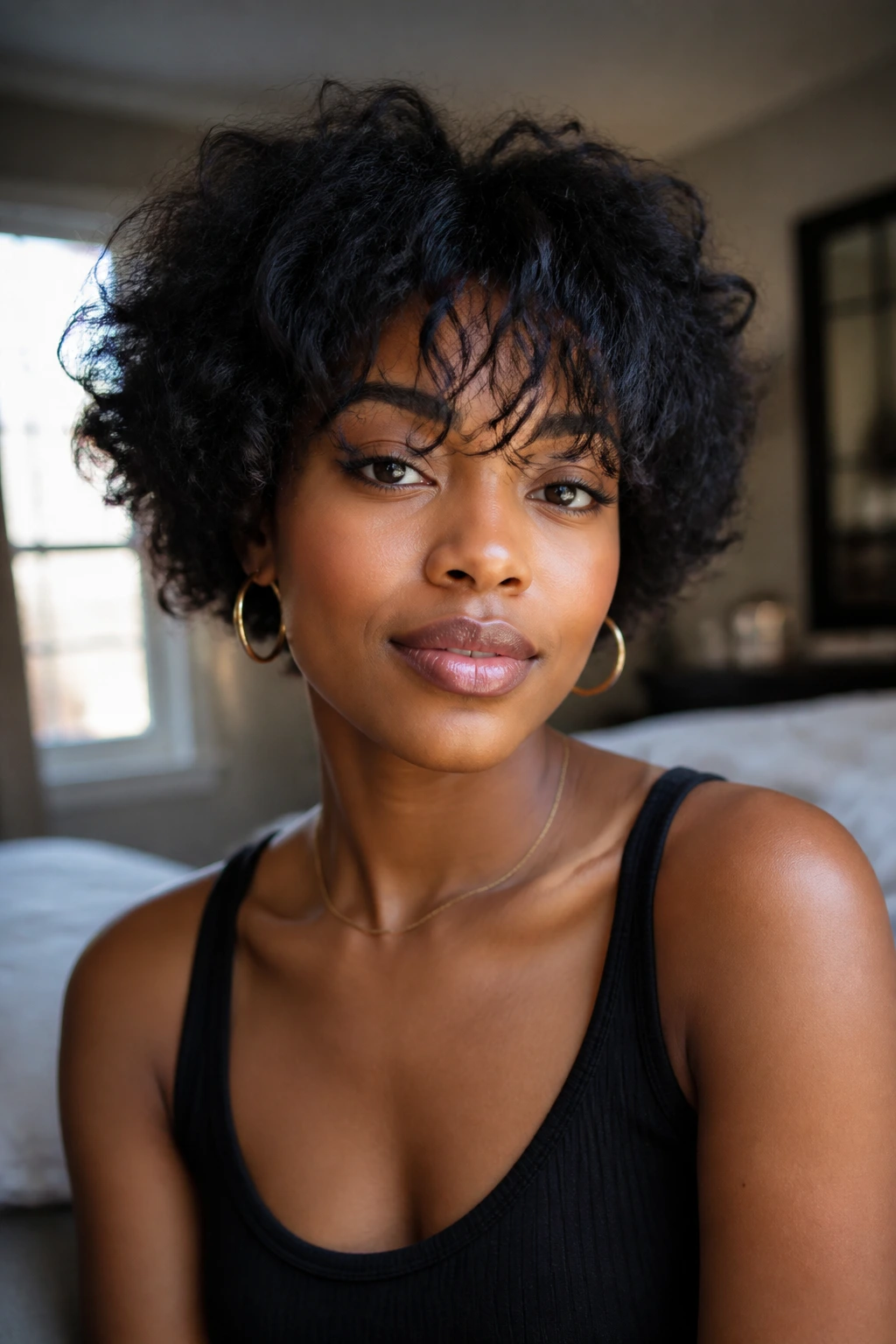
- Shrinkage works for the cut, not against it: A choppy fringe keeps its shape even when tight curls spring upward, so the line still reads as intentional after drying.
- The front looks lighter: Breaking up the ends keeps the hairline from looking heavy, which matters when the rest of the style already has density.
- Grow-out is cleaner: Jagged bangs blend into face-framing layers instead of turning into one blunt line that screams for a trim.
- You get more styling range: The same fringe can sit soft and airy with mousse or sleek and separated with a brush and a touch of heat.
- It flatters without erasing texture: The goal is not to flatten coils into obedience. It is to shape them so they move where you want.
1. Tapered TWA With a Micro-Fringe
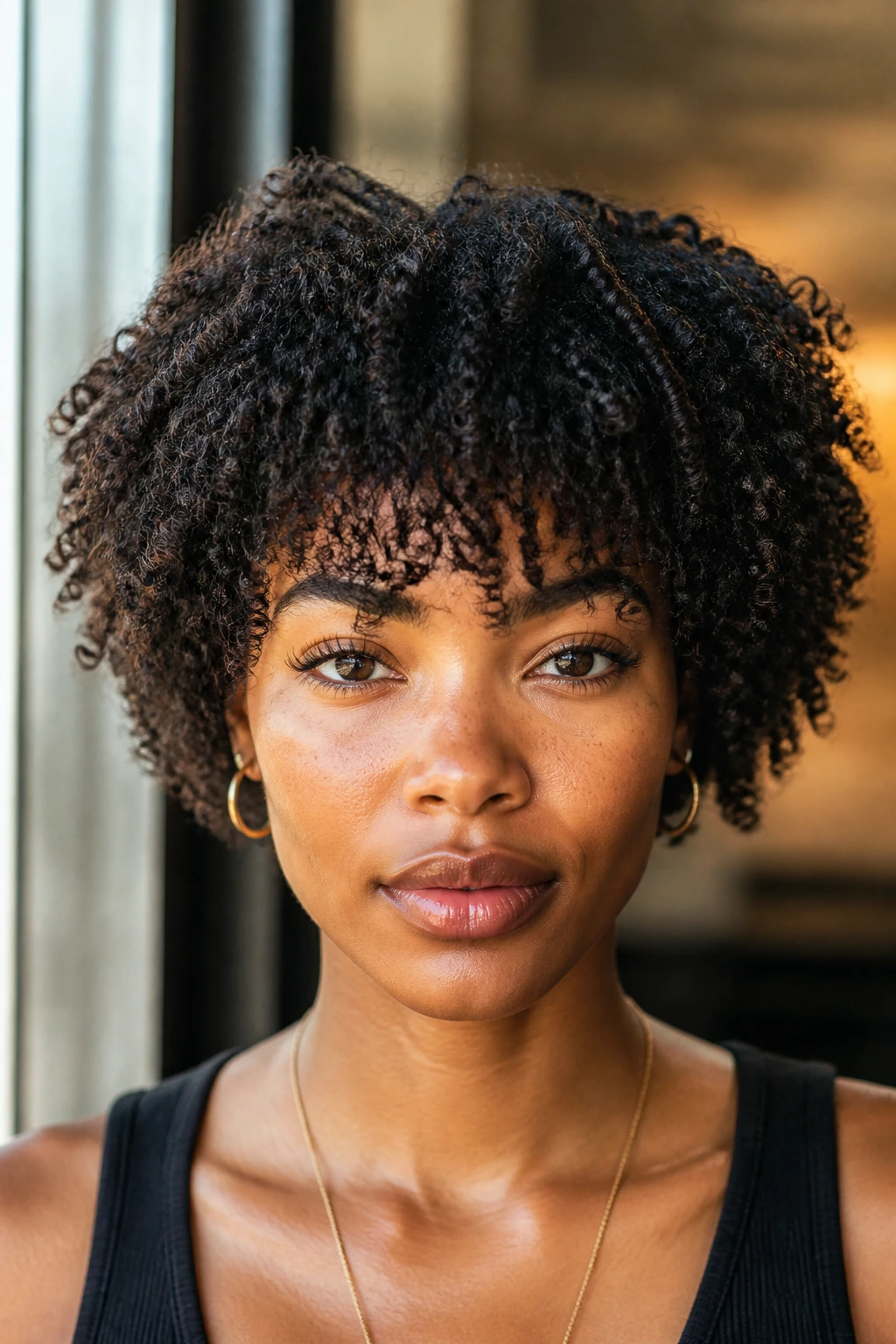
A tapered TWA with a micro-fringe has bite. The front sits short enough to show the brow line, but the choppy ends keep it from feeling severe or helmet-like. On coily hair, that tiny bit of irregularity matters more than length. It lets the fringe lift, curl, and settle instead of sticking straight across the forehead.
Why It Works on Tight Coils
A micro-fringe is safest when it’s cut dry, with the stylist checking where the curls land after shrinkage. On 4B and 4C textures, I’d want the front left a touch longer than the eyebrow at first, then refined once the shape dries. Too short, and you spend the next month playing defense with headbands.
A tapered shape at the sides keeps the fringe from getting lost. It gives your eyes and cheekbones room to breathe. If you like a cut that looks crisp even on day three, this is one of the better choices in the whole group.
Best When You Want
- A front that shows your face, not hides it
- Very little styling time in the morning
- A cut that still looks intentional when the coils fluff up
- A shape that works with earrings, bold brows, and clean neckline tapering
Best move: ask for the fringe to be point-cut, not chopped blunt. That little irregular edge is what keeps the front from reading like a straight shelf.
2. Rounded Afro With a Brow-Skimming Fringe
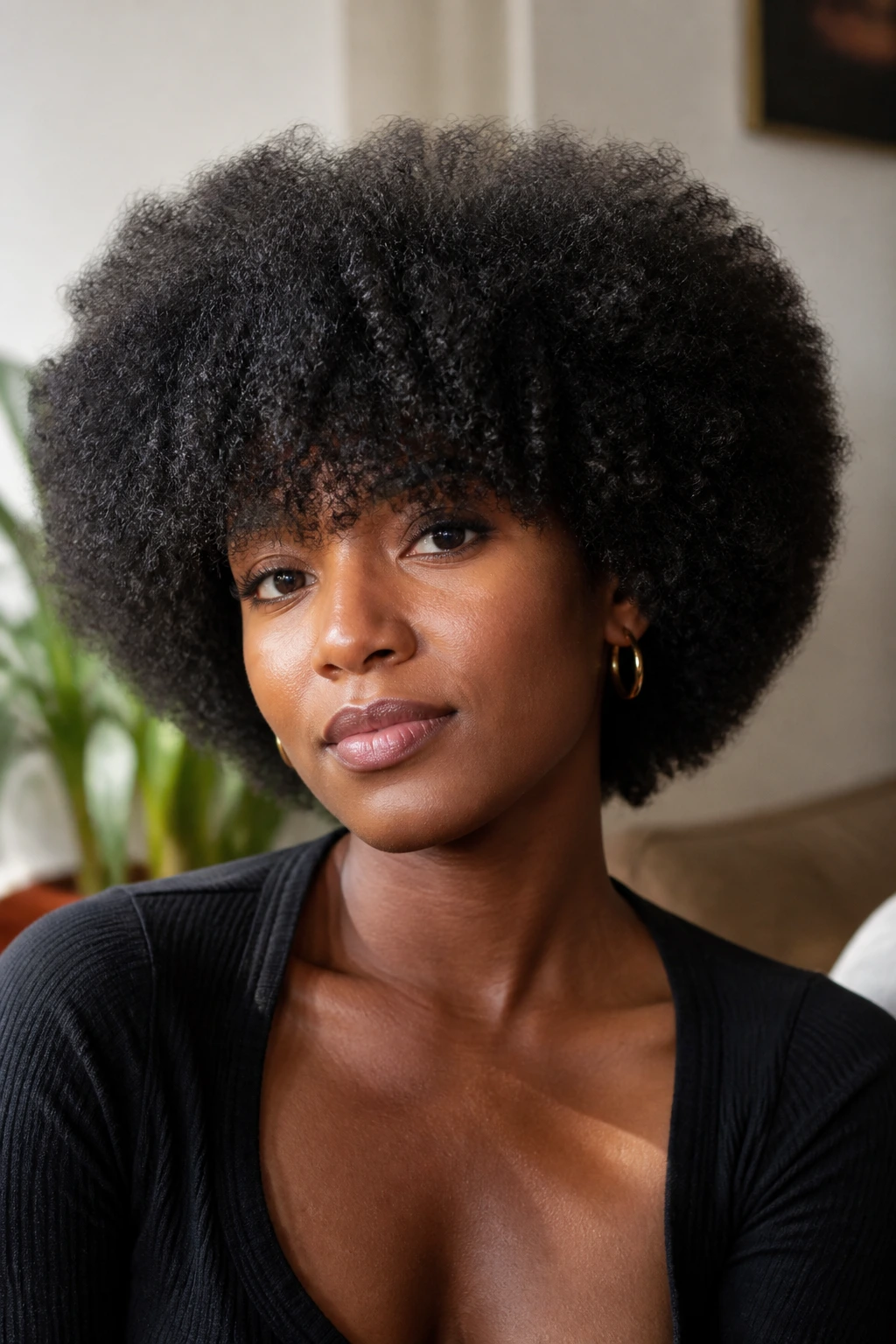
Can a fringe feel soft and structured at the same time? Yes, if the afro around it is rounded and the bang line is broken up enough to move. This version keeps the silhouette full, but the front pieces hover around the brows instead of hiding them.
The rounded shape is doing a lot of the work here. It keeps the fringe from looking disconnected from the rest of the cut. On dense hair, that matters. If the afro gets too wide at the sides, the bang can disappear. If the front is too full, the whole look starts to puff forward. The answer is balance, but not the fake, airy kind people always talk about. Real balance. Weight placed on purpose.
This is one of the best fringe styles for someone who likes a halo shape but wants a little edge across the forehead. A tiny bend, a few uneven pieces, and a fringe that lands just under the brows can make the whole cut feel fresher without losing the round profile.
3. Chin-Length Curly Bob With Curtain Bangs
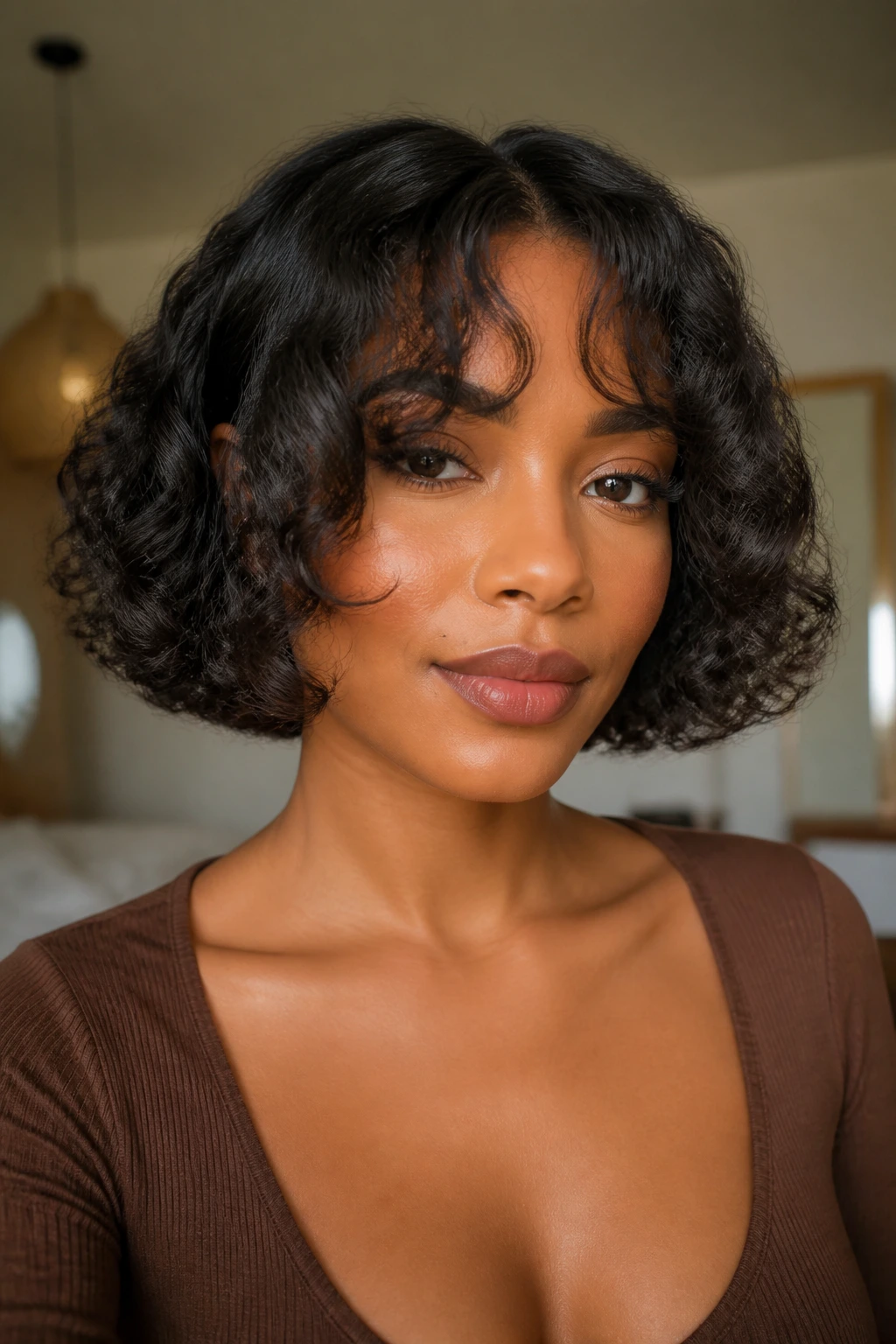
Curtain bangs on curly hair can be a little slippery if they’re cut too symmetrical. The better version is choppy and loose, with a center split that lets each side fall on its own. On a chin-length bob, that split adds movement right where the face needs it.
The cut works because the bob itself is clean and compact, while the bangs are softer and more broken up. That contrast keeps the style from feeling stiff. I like this on loose curls, coil-stretched hair, and even twist-outs that land in the 3B to 4A range. The fringe doesn’t need to lie flat. It just needs to look like it belongs there.
How to Wear It
Wear the bangs with a middle part if you want the face to look longer. Push them a little wider if the forehead feels narrow. If the front puffs up after a few hours, mist the bang area lightly, scrunch once, and let it dry on its own instead of chasing every strand with a brush.
4. Collarbone Shag With Uneven Fringe Layers
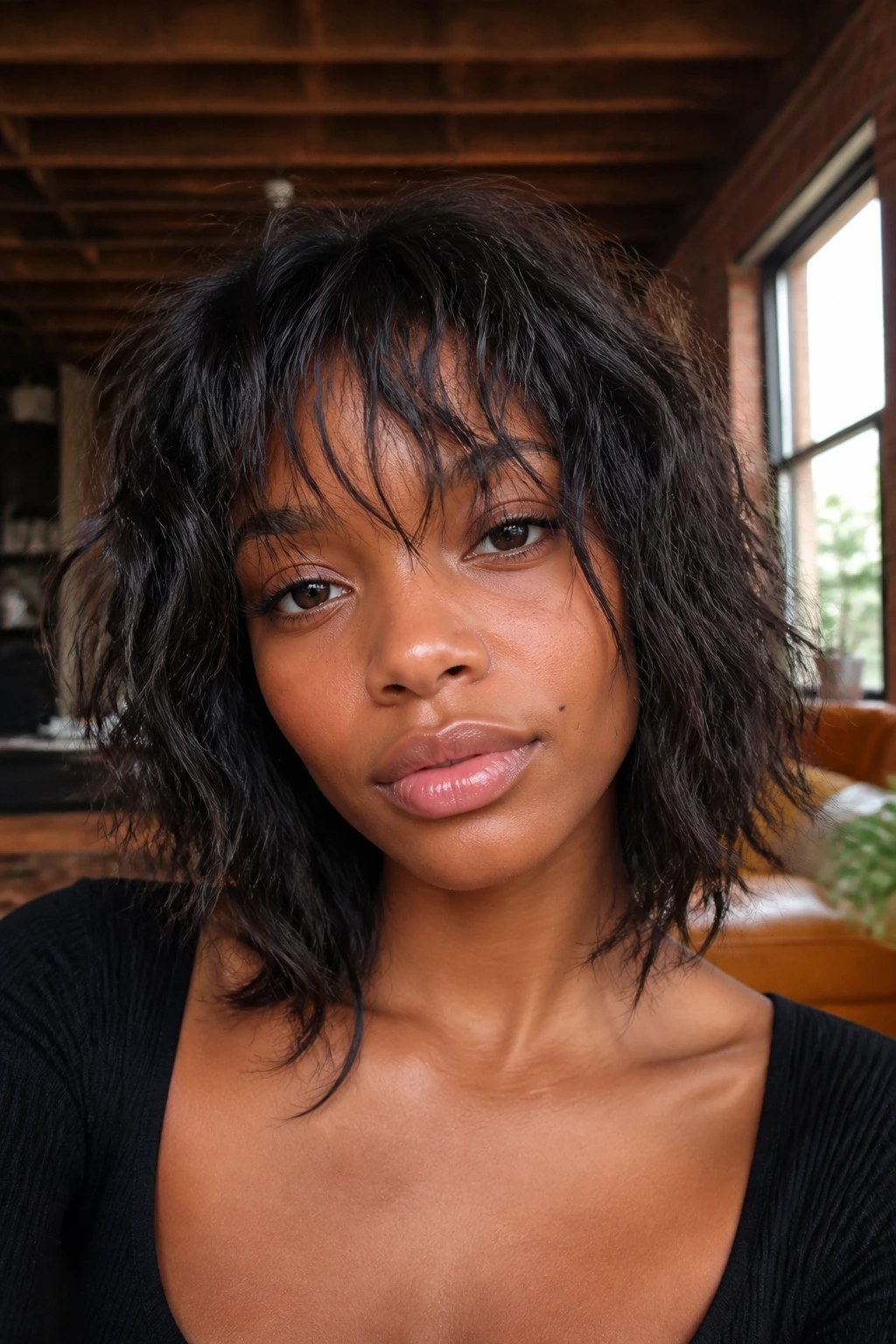
A shag gives you permission to be a little messy, and that is one of the reasons it works so well on Black hair. The fringe doesn’t need to behave like a straight line. It can be a mix of short and long pieces that fall into the eyes, then lift again at the ends.
The collarbone length keeps the cut from getting too wild. The layers around the face do the framing, while the fringe stays broken and feathery. On naturally dense hair, a shag is useful because it removes weight without making the shape collapse. The front has swing. The body has swing. Nothing sits there like it has been shellacked.
If you’re nervous about bangs, this is the safe, stylish place to start. They grow out cleanly. They don’t demand constant flat-ironing. And when the curls get bigger on humid days, the style only looks more lived-in.
5. Asymmetrical Pixie With a Side-Swept Fringe
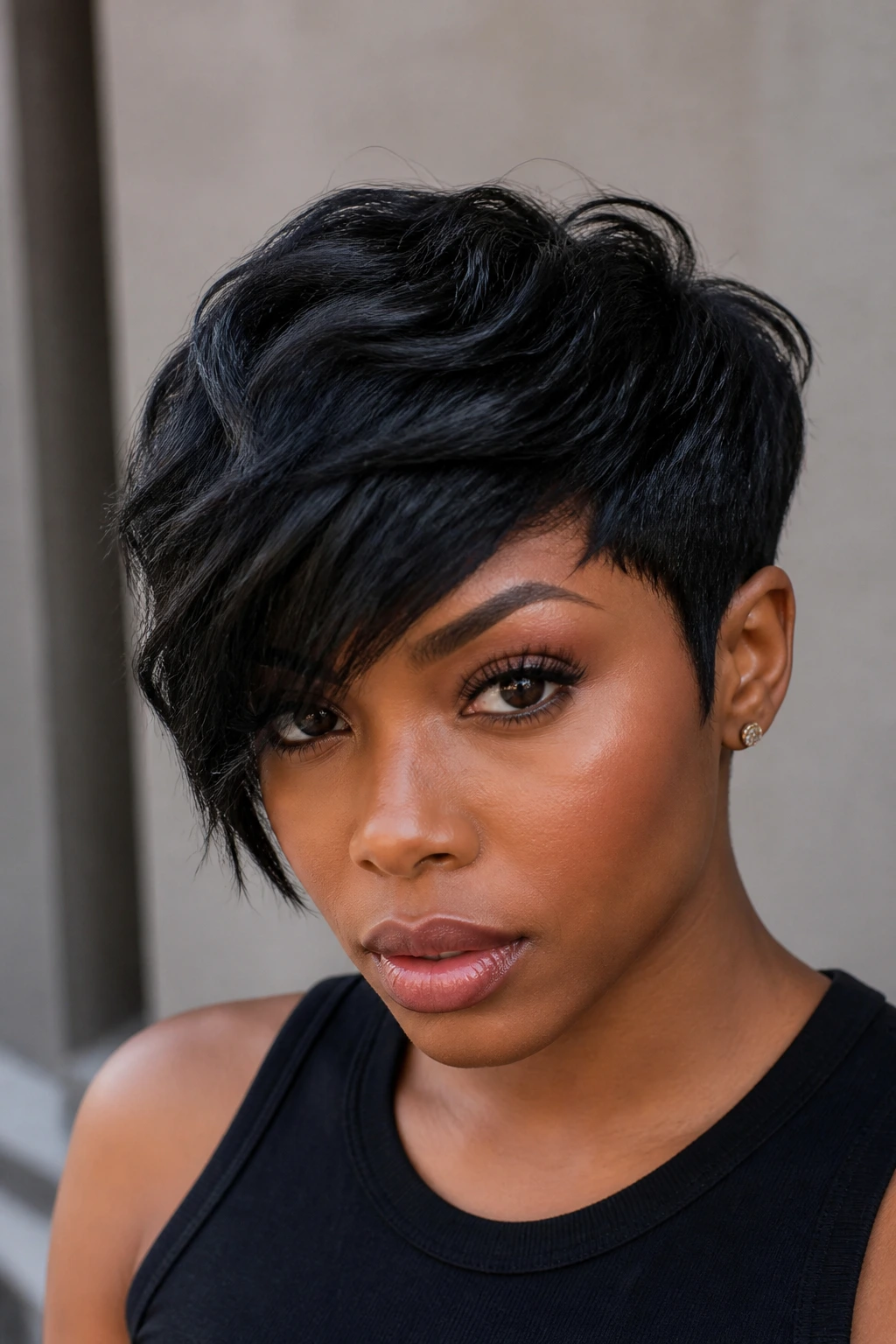
The asymmetrical pixie is for someone who wants the fringe to lead the haircut instead of just decorating it. One side stays longer, the other side gets tighter around the ear, and the bang sweeps across the forehead in a choppy diagonal line. It has motion before you even touch it.
What Makes It Different
Unlike a uniform pixie, this cut uses imbalance on purpose. The longer fringe gives the eye a path to follow, while the shorter side keeps the profile sharp. That’s a strong move on textured hair because it shows off the cut line instead of hiding it under too much fluff.
This one looks best when the bang pieces are trimmed with a slight point-cut so they separate instead of merging into one flat swath. A tiny amount of curl cream or foam is enough. Heavy product turns the whole thing soggy, and soggy is the wrong word for this cut.
Best for women who like strong brows, earrings, and a face-first shape that feels a little daring without being precious about itself.
6. Silk Press Lob With Razored Bangs
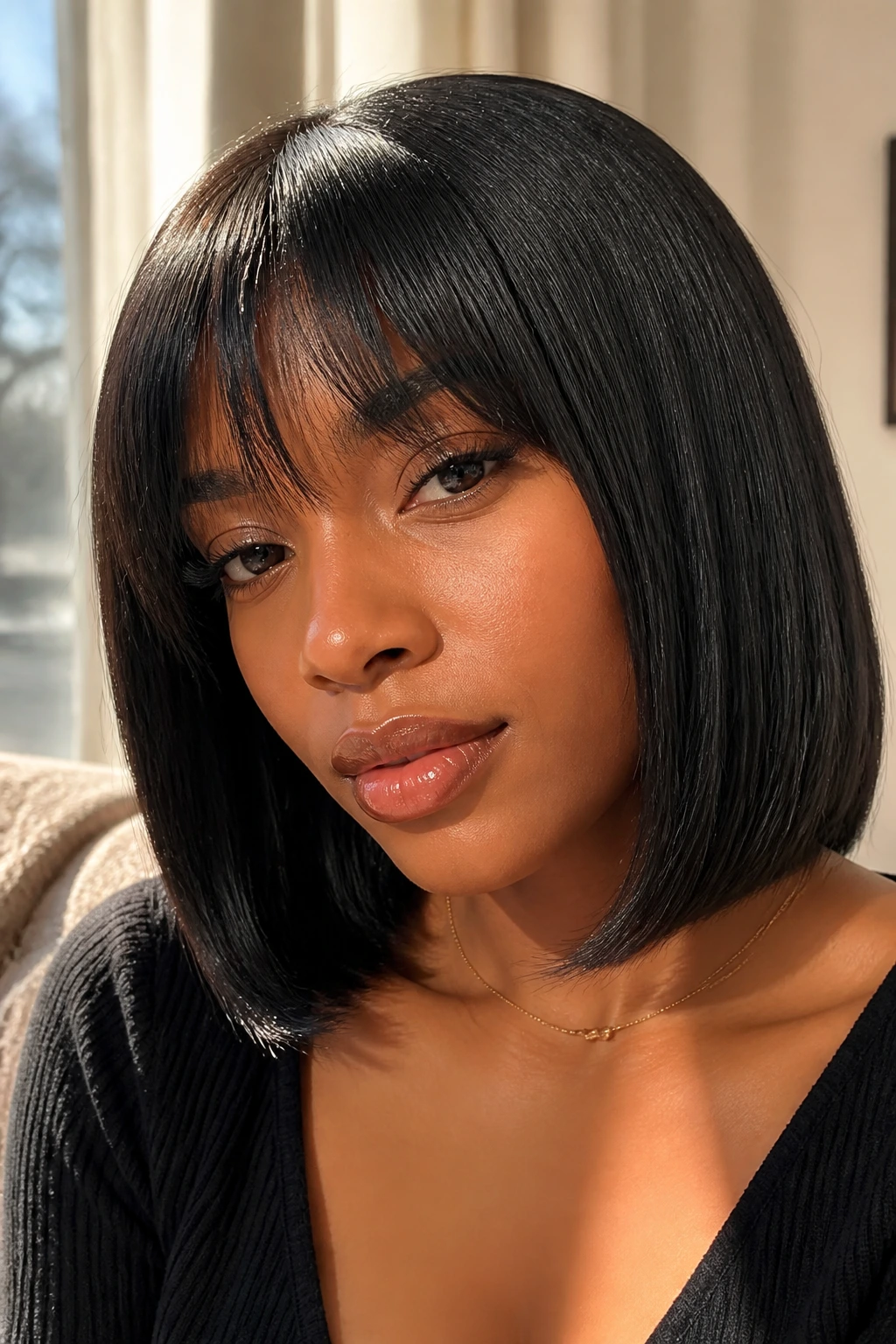
Silk-pressed bangs live or die by the edge of the cut. Too blunt, and they look like a helmet fringe. Razored or point-cut ends fix that fast. A lob gives the fringe room to fall naturally, and the smooth finish lets the broken ends show.
This is one of the few fringe styles where a flat iron can actually help the shape, not just tame it. The key is a heat protectant that doesn’t leave the bangs greasy. Once the front is pressed, a light wrap or a quick cool-down with a paddle brush keeps the hair from kicking back into an awkward curve.
It’s a good choice if you want movement without sacrificing polish. The front still has little pieces that move when you turn your head. That small bit of separation is what keeps the cut from feeling too blunt after the second day.
7. Twist-Out Bob With Airy Bangs
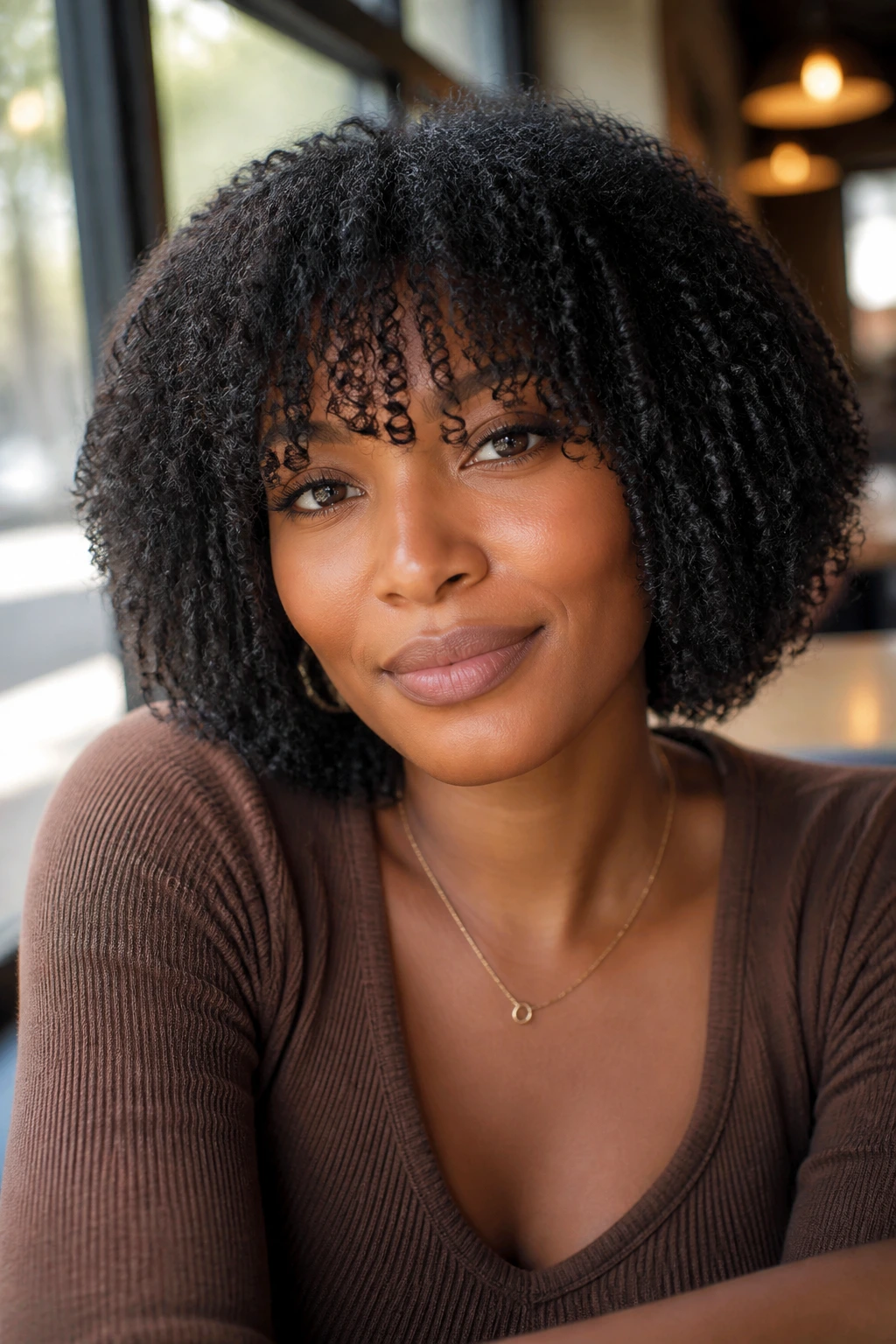
A twist-out bob with airy bangs has a kind of easy charm that a lot of sharper cuts never get. The texture makes the fringe look fuller, but the choppy ends keep it from swallowing your face. It’s a good fit if you like the softness of a twist-out but want the front to feel a little more planned.
The haircut depends on where the twists land. If the front pieces are a touch shorter than the rest of the bob, the bang area gets lift instead of droop. I’d keep the bang section smaller than the crown section so the shape doesn’t swell forward too much on day two.
A little mousse at the roots can help, but don’t drown the fringe in cream. That’s the mistake that turns airy into sticky. Let the front separate with your fingers after it dries. Not a comb. Fingers.
8. Finger Coil Crop With Short Choppy Fringe
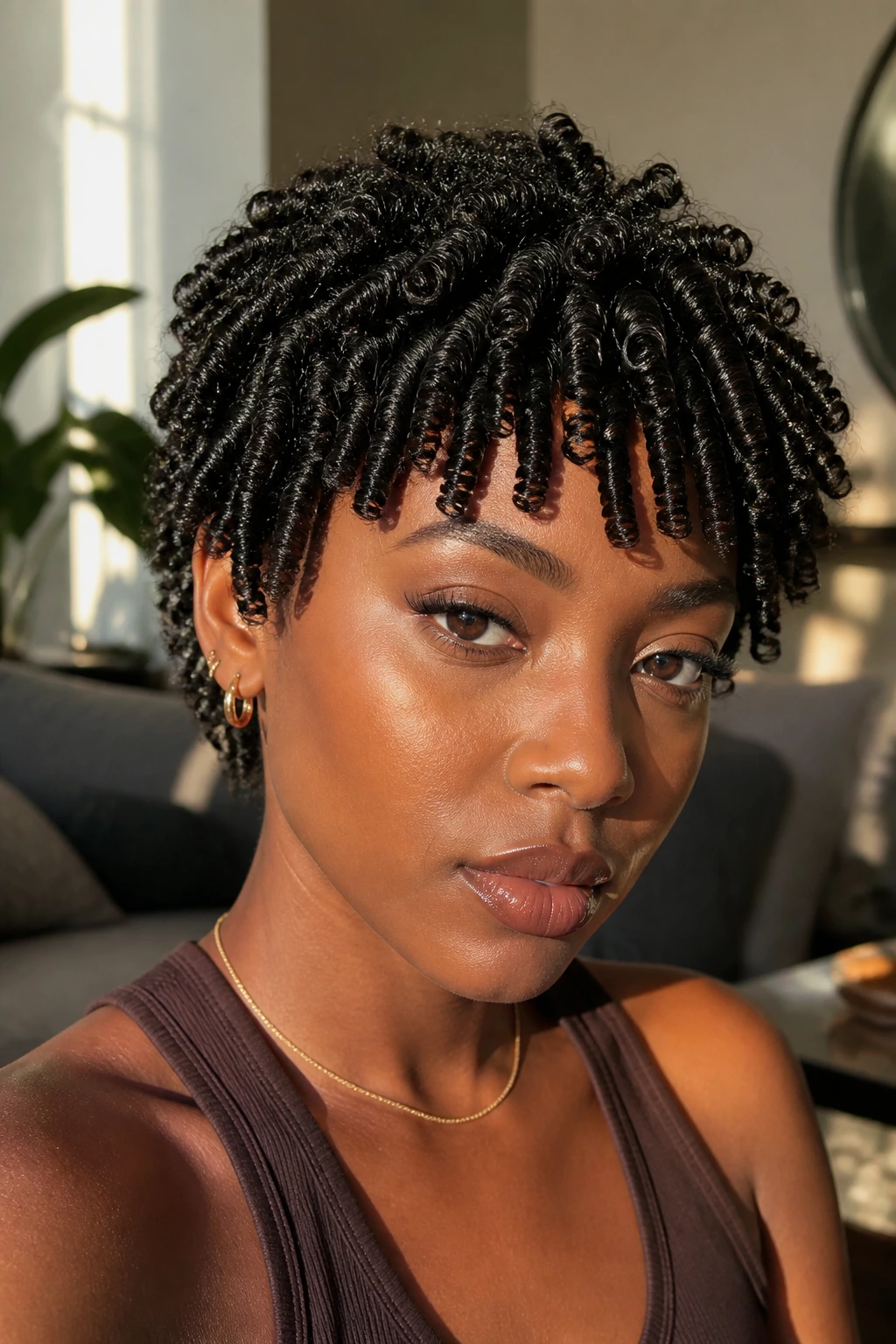
Finger coils and short fringe are a very clean match. Each little coil reads like its own unit, so the bangs can stay short without becoming blunt. The front becomes a row of tiny bends instead of a hard line, which looks especially good on short natural cuts.
This style is one of the easiest to keep neat because the shape is built into the coils. You don’t need a lot of manipulation. A light leave-in, a styling gel with hold, and patience while the coils set are usually enough. The fringe can be separated slightly after drying for a more broken, piecey look.
The best part? It doesn’t collapse easily. Even when a few coils frizz, the fringe still reads as deliberate. That matters. A lot.
9. Bantu Knot-Out With a Split Fringe
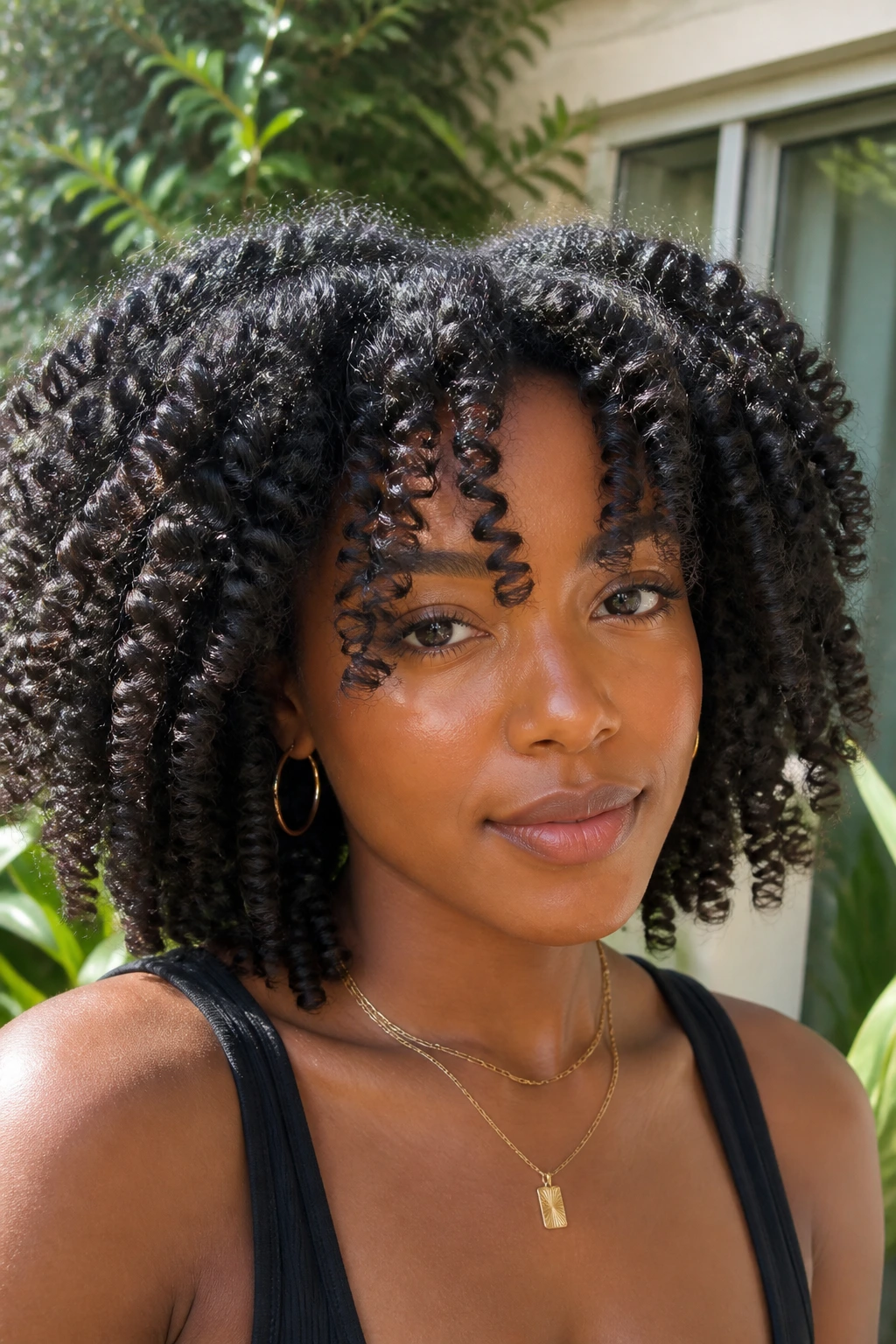
A Bantu knot-out gives the fringe a soft bend that looks almost brushed, but with more bounce than a pressed style. Split the front slightly off-center, and the bangs fall into two loose curtains that are choppy enough to move but not so thin they disappear.
How to Get the Most From It
The front section should be set with smaller knots than the rest if you want the fringe to land lighter. Larger knots at the front can leave the bangs too chunky. Smaller knots create a more broken wave pattern, which is what you want for a fringe that feels airy.
This style is especially good if you wear your hair stretched at times and curly at others. The front transition is gentle. It grows out with a little drama, but not the bad kind. If you’ve ever wanted fringe without committing to a hard bang line, this is a clever middle ground.
10. Long Curly Shag With Face-Cutting Bangs
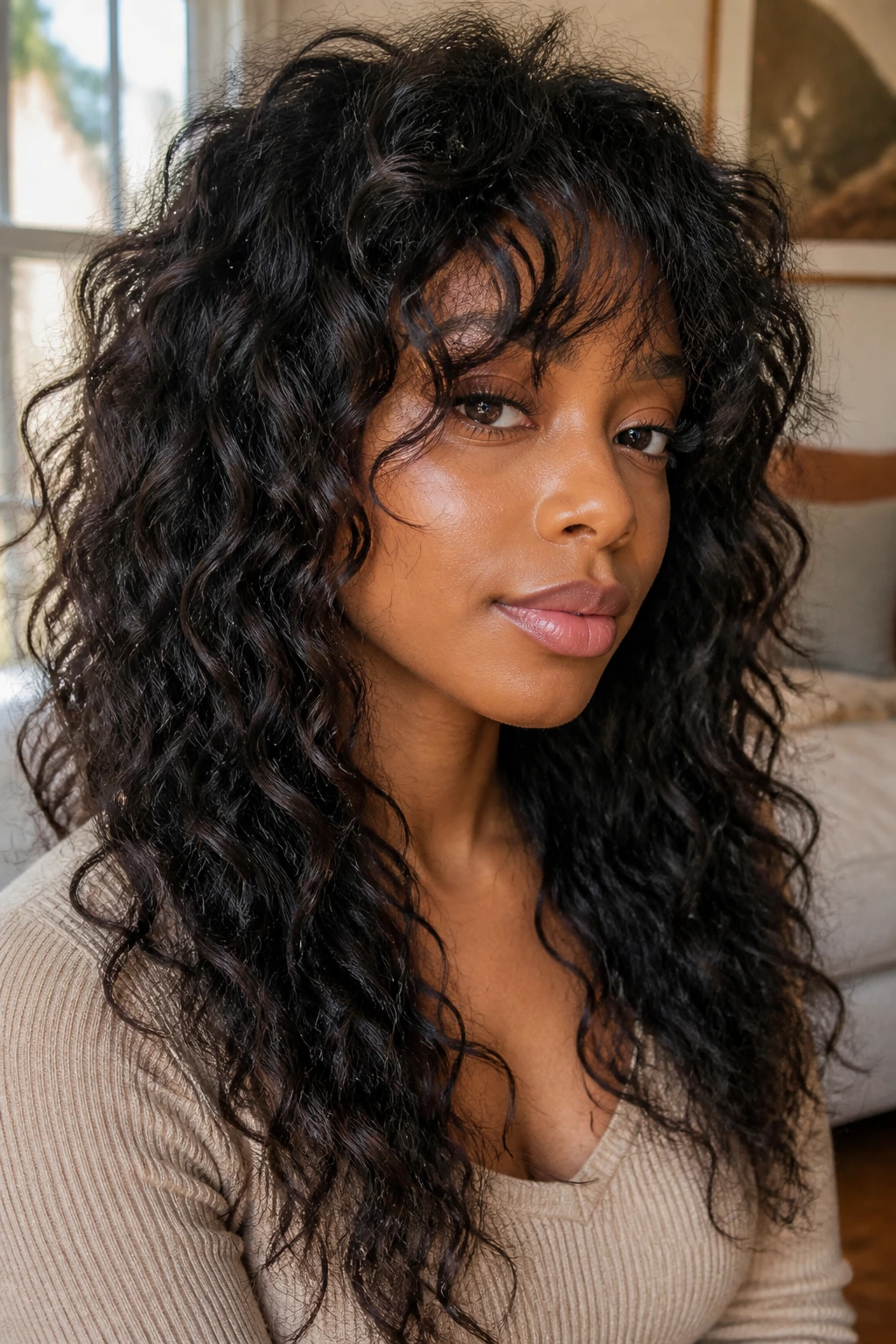
A long curly shag is not shy. It gives you length, layers, and a fringe that keeps darting in and out around the eyes. The bang pieces are usually longer here, which is the right move. On textured hair, longer choppy bangs often look more expensive than short ones because they keep their shape as the curls bounce.
The face-cutting pieces should start around the cheekbone or just above it, then get shorter near the center. That creates the broken fringe effect without making the front too heavy. If your curls are loose, the layers can be cut more aggressively. Tighter curls need a softer hand so the front doesn’t spring up too far.
This cut looks especially good when the curls are separated enough to show a little gap between pieces. Not too much. Just enough to show the line of the fringe without turning it into a solid curtain.
11. Braided Bob With Feathered Front Ends
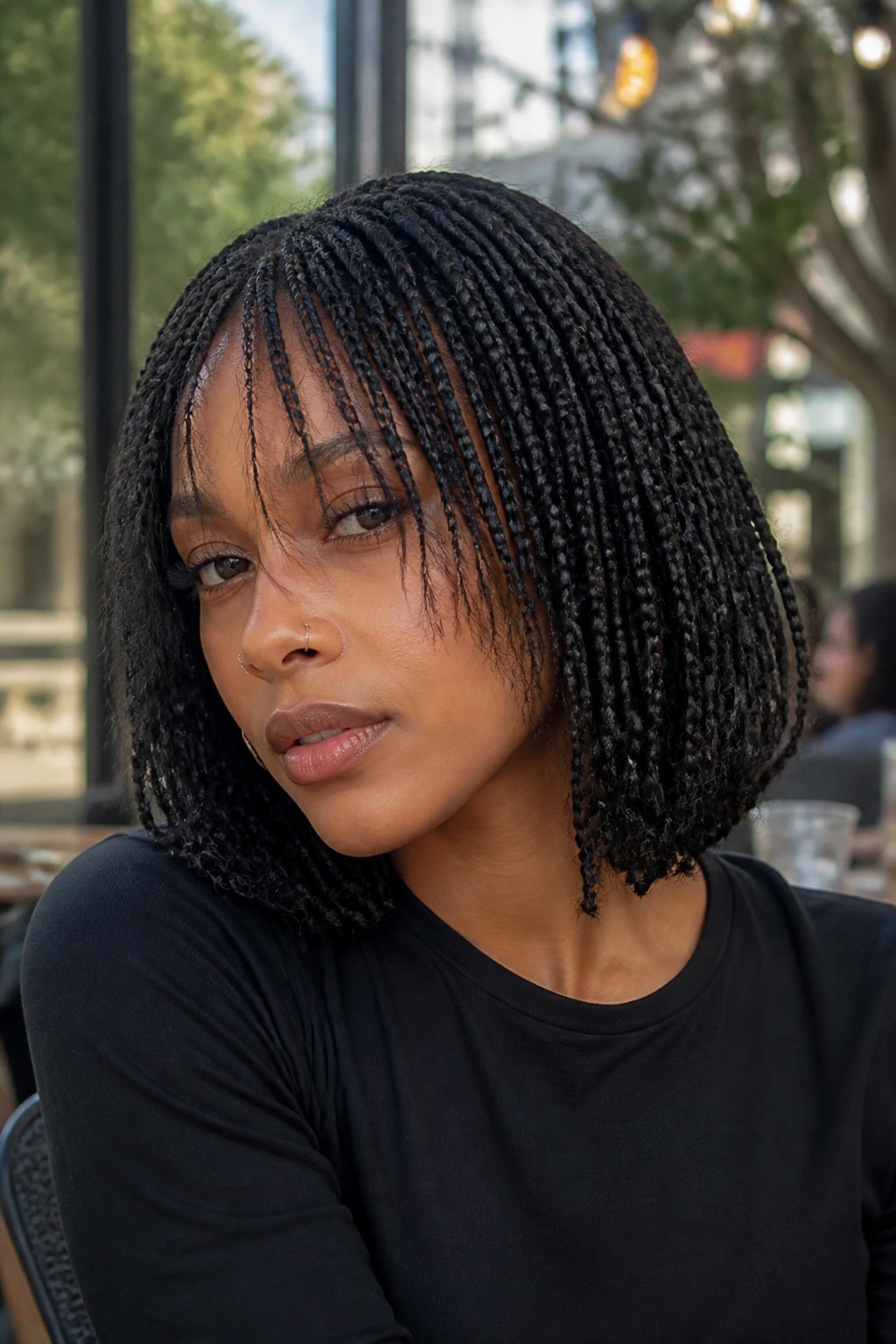
Braided bobs can get stiff fast, which is why feathered front ends matter. Instead of letting the braids stop in one blunt row, the front is trimmed or styled so a few pieces sit a little shorter and softer near the brows. That keeps the fringe from looking boxy.
This style works best with knotless braids, boho ends, or lightweight braids that already have some movement. A little bit of loose hair around the forehead gives the whole bob a less manufactured feel. The front can be side-swept, center-parted, or bent into a soft curve. What matters is the shape around the eyes.
If you wear braid styles often, this is one of the more face-flattering ways to add fringe without cutting your own hair at all. Clean around the hairline. Light around the forehead. That’s the formula.
12. Faux Loc Bob With Shaken-Up Bangs
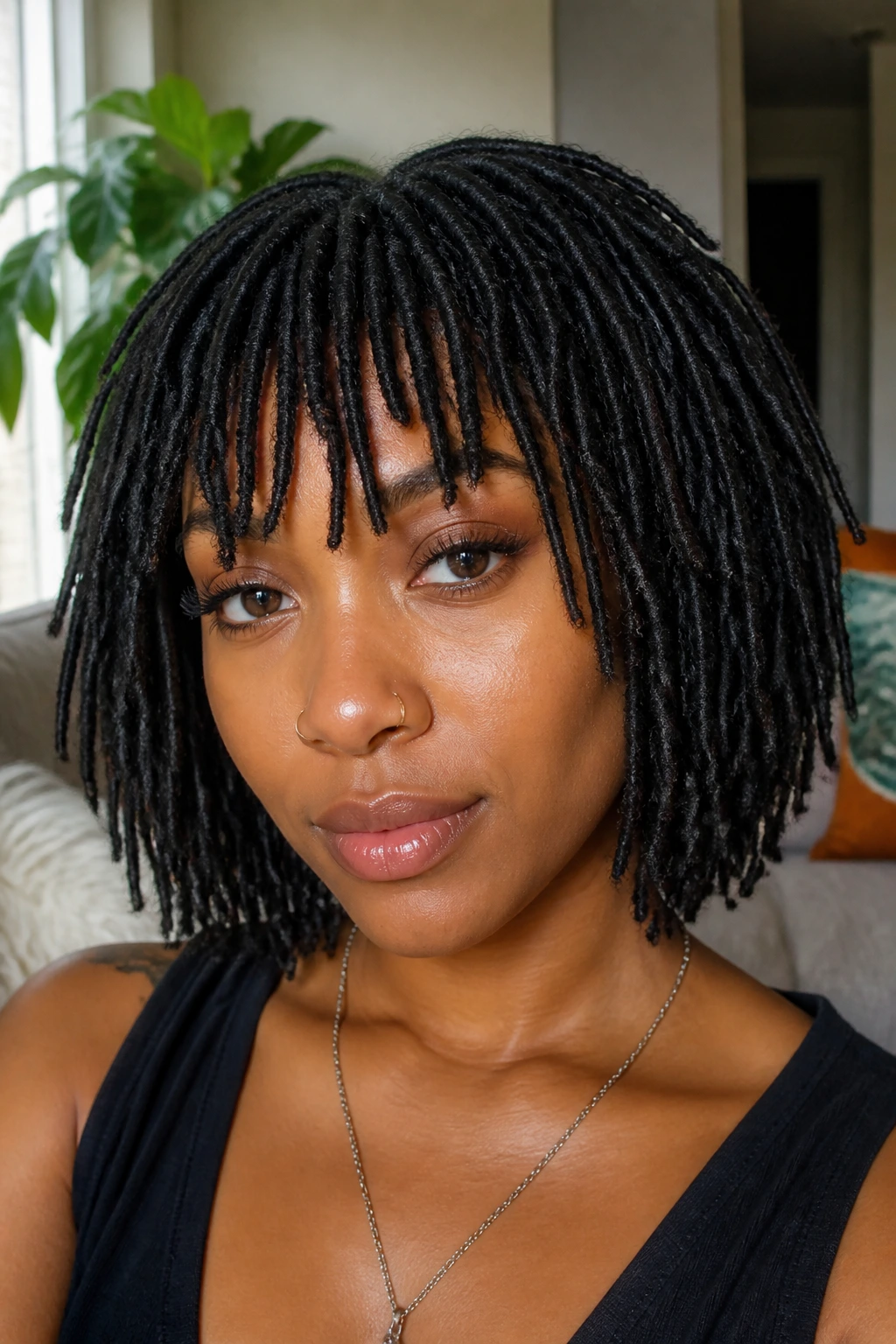
Faux locs usually bring length and weight, so a fringe here needs to stay broken up. Choppy bangs keep the loc bob from feeling like a block. A few front locs can be trimmed shorter, while tiny loose pieces or wrapped ends soften the line across the forehead.
The trick is not making the fringe too dense. Faux loc bangs that are packed too tightly start to sit like a curtain that forgot to open. A better version leaves breathing room between strands. The forehead stays visible, and the style looks more deliberate.
This cut is good for anyone who wants loc texture with a bit of edge around the eyes. It frames the face in a way that feels modern without trying too hard. And yes, it grows out well. The jagged ends hide a lot.
13. Goddess Locs With Layered Fringe Pieces
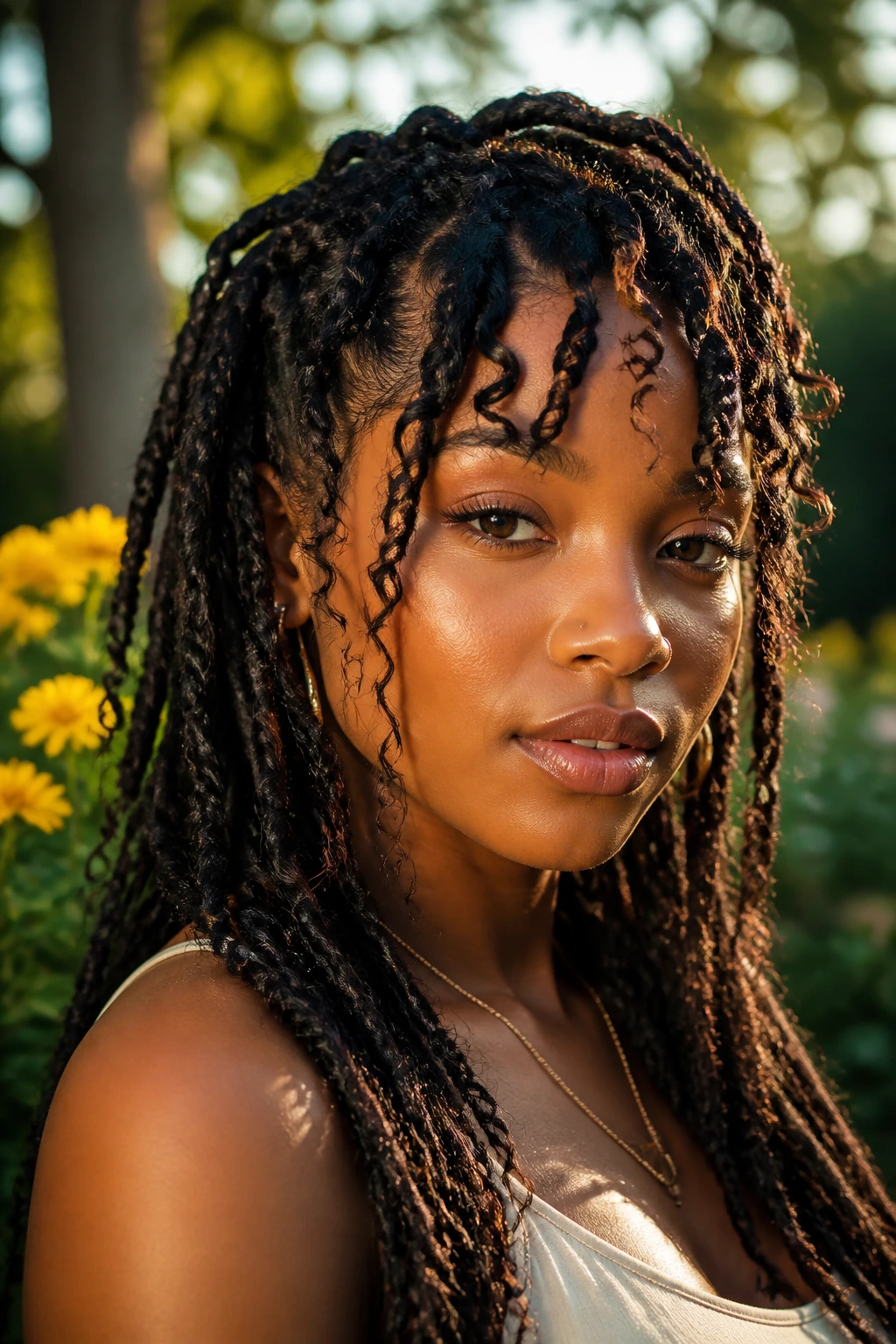
Goddess locs are softer than standard faux locs, so the fringe should follow that lead. Layered front pieces keep the shape romantic without turning sugary. A few shorter locs around the brow line, plus a couple of loose tendrils, make the fringe feel lived-in rather than stiff.
What to Tell Your Braider or Stylist
Ask for front pieces that sit at different lengths by at least 1 to 2 inches. That’s enough difference to make the front read as layered once the locs settle. If everything lands at the same point, the fringe loses its softness.
This look is especially good with side parts. The fringe can sweep across one temple and leave the other side more open. It’s a small detail, but it changes how the whole face is framed. If you like jewelry, this style gives your forehead and cheekbones room to show off.
14. Half-Up Puff With Loose Curly Bangs
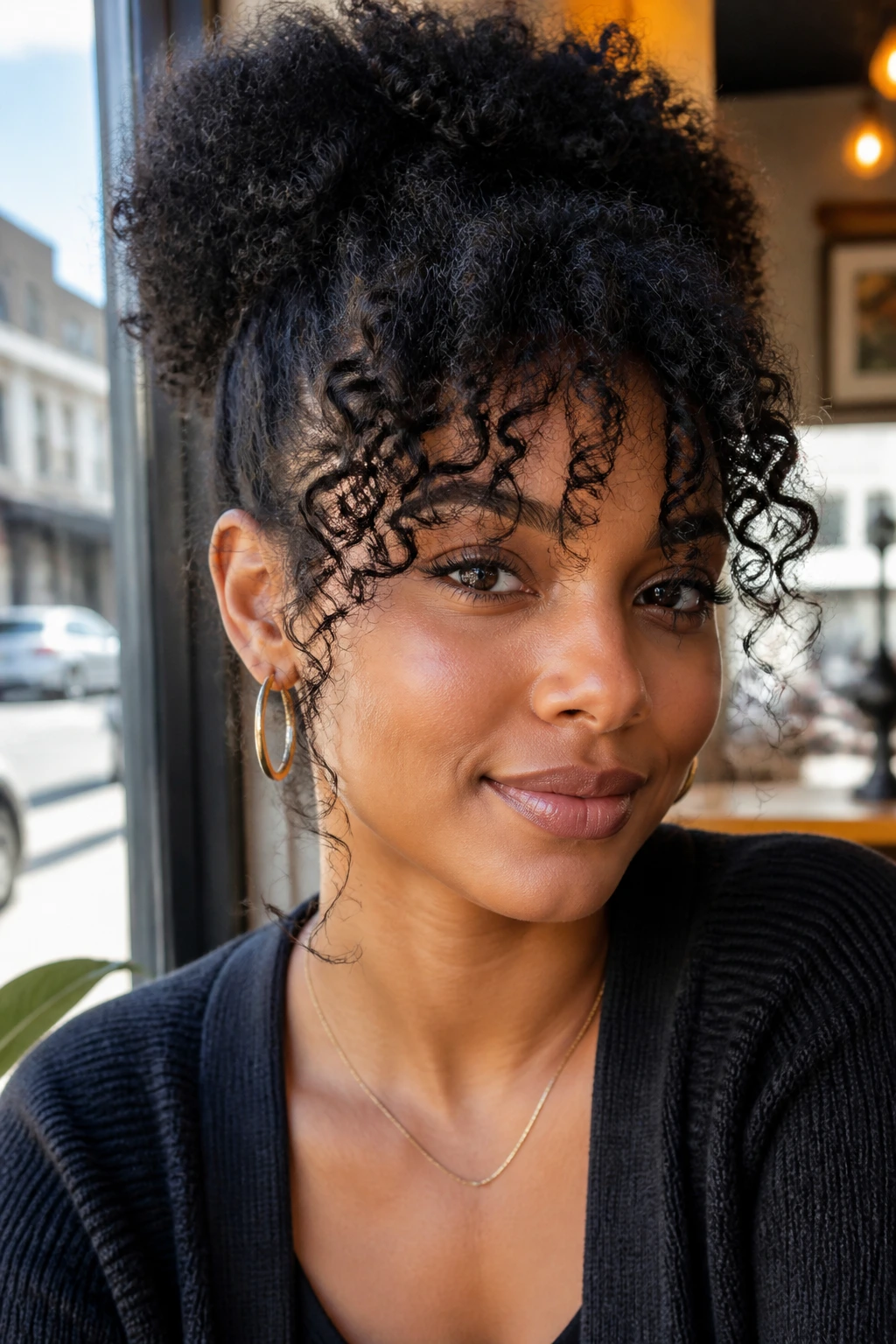
A half-up puff gives you height, but the fringe keeps the front from feeling too pulled back. Loose curly bangs around the forehead make the style read as intentional instead of like you just ran out of time before leaving the house. They also soften the line where the puff starts.
This works especially well on medium-length natural hair with enough density to hold shape at the crown. The fringe can be left slightly longer on the sides and shorter at the center. That keeps it from puffing into one flat triangle across the forehead.
A touch of foam or styling gel at the roots can help the bangs stay separated. Don’t yank them tight into the puff. The whole point is that little bit of front movement. Without it, the style loses the frame around the eyes.
15. Sleek Low Ponytail With Choppy Leave-Out Bangs
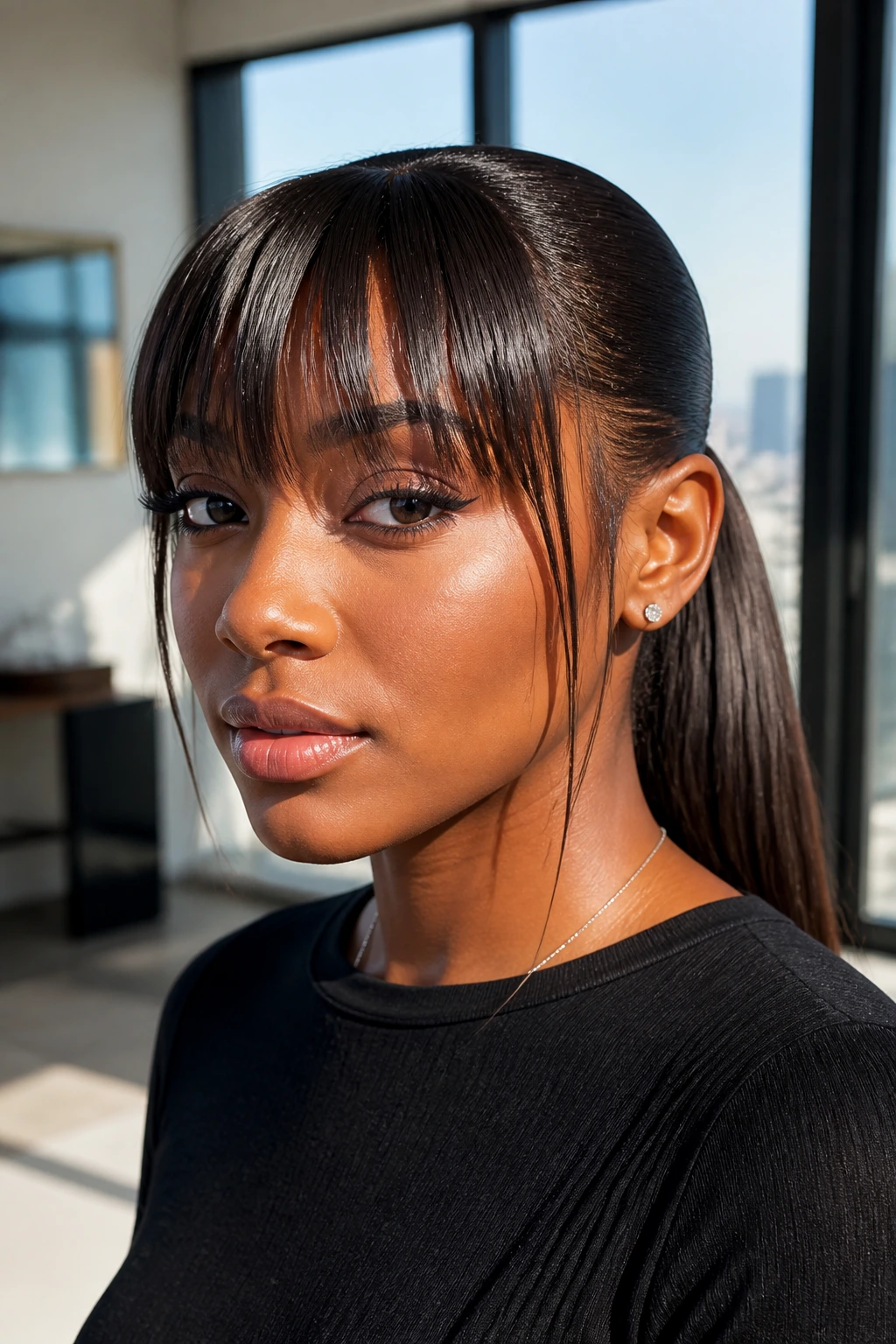
A sleek low ponytail with leave-out bangs has a very specific kind of polish. The ponytail stays smooth and controlled, while the fringe breaks that strict line with a few jagged pieces across the forehead. The contrast is the whole point.
This look works best when the bangs are kept light and the rest of the hair is laid flat. If the fringe is too thick, it fights the ponytail instead of helping it. A side-swept leave-out can be easier than a centered bang if your texture wants to curl up fast.
I like this style for events, interviews, or any day you want your hair to look deliberate without wearing it fully down. It gives the face a little movement and keeps the front from disappearing into the slicked-back shape.
16. Sew-In Bob With Shattered Bangs
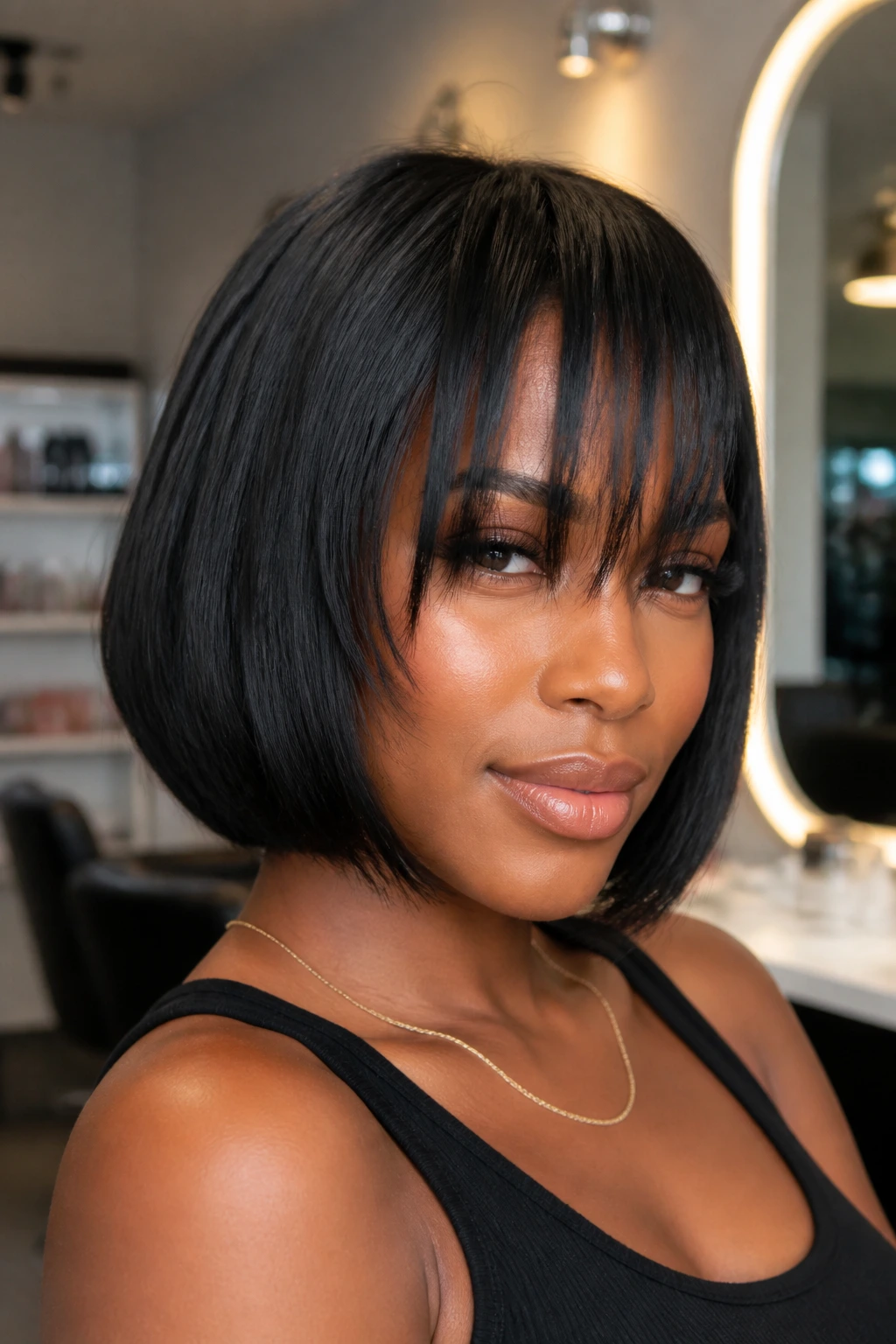
A sew-in bob can look too neat if the bang line is blunt, so shattered bangs fix that fast. The front pieces should vary in length and weight, with some strands grazing the brows and others slipping lower. That break in the line keeps the install from reading as too uniform.
This is a smart choice if your own hair needs a break but you still want the front to feel soft. A good stylist will shape the bang section after the install, not before. That matters because hair added during a sew-in lies differently once it’s sewn and styled.
The best versions of this cut usually use a light bend or a soft wave in the front. Straight bangs can work too, but they need feathered ends so they don’t sit flat against the forehead like a curtain rod.
17. U-Part Wig With Textured Fringe
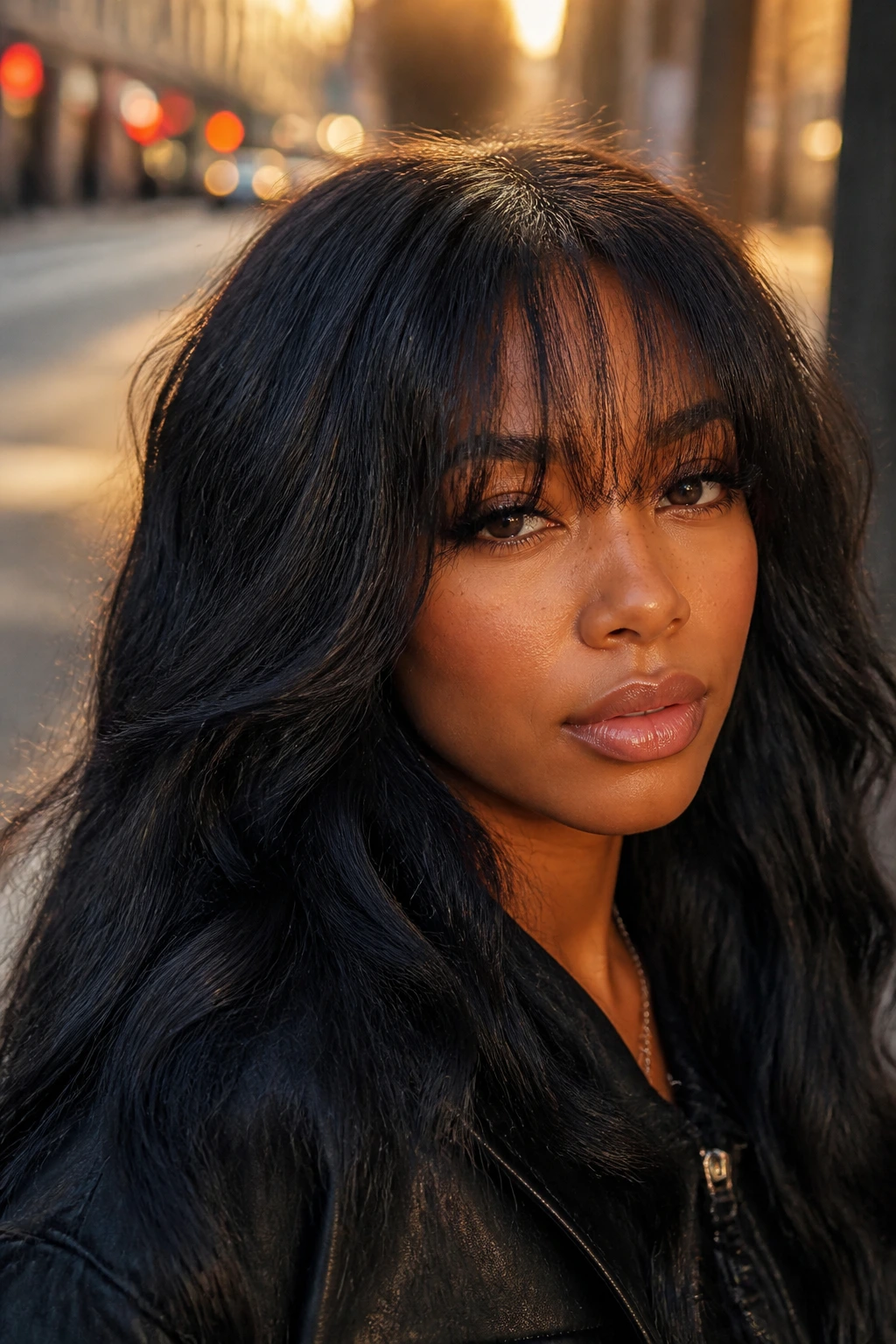
A U-part wig gives you control over the front, which is exactly why it pairs so well with a choppy fringe. You can leave out a small section of your own hair, blend it into the texture of the wig, and keep the bang area broken instead of dense.
How It Reads Best
The fringe should be matched to your leave-out texture as closely as possible. If your own hair is coilier than the wig fiber, use a small bit of foam or flexi-rod setting at the front so the blend doesn’t look split in two. The bang line is where mismatches show up first.
This option is especially good for women who want to test fringe before making a permanent cut. You can try a brow-skimming look, a side sweep, or a shorter broken fringe without touching your real hair. That makes it one of the most forgiving entries on this list.
18. Soft Mullet With a Choppy Forelock
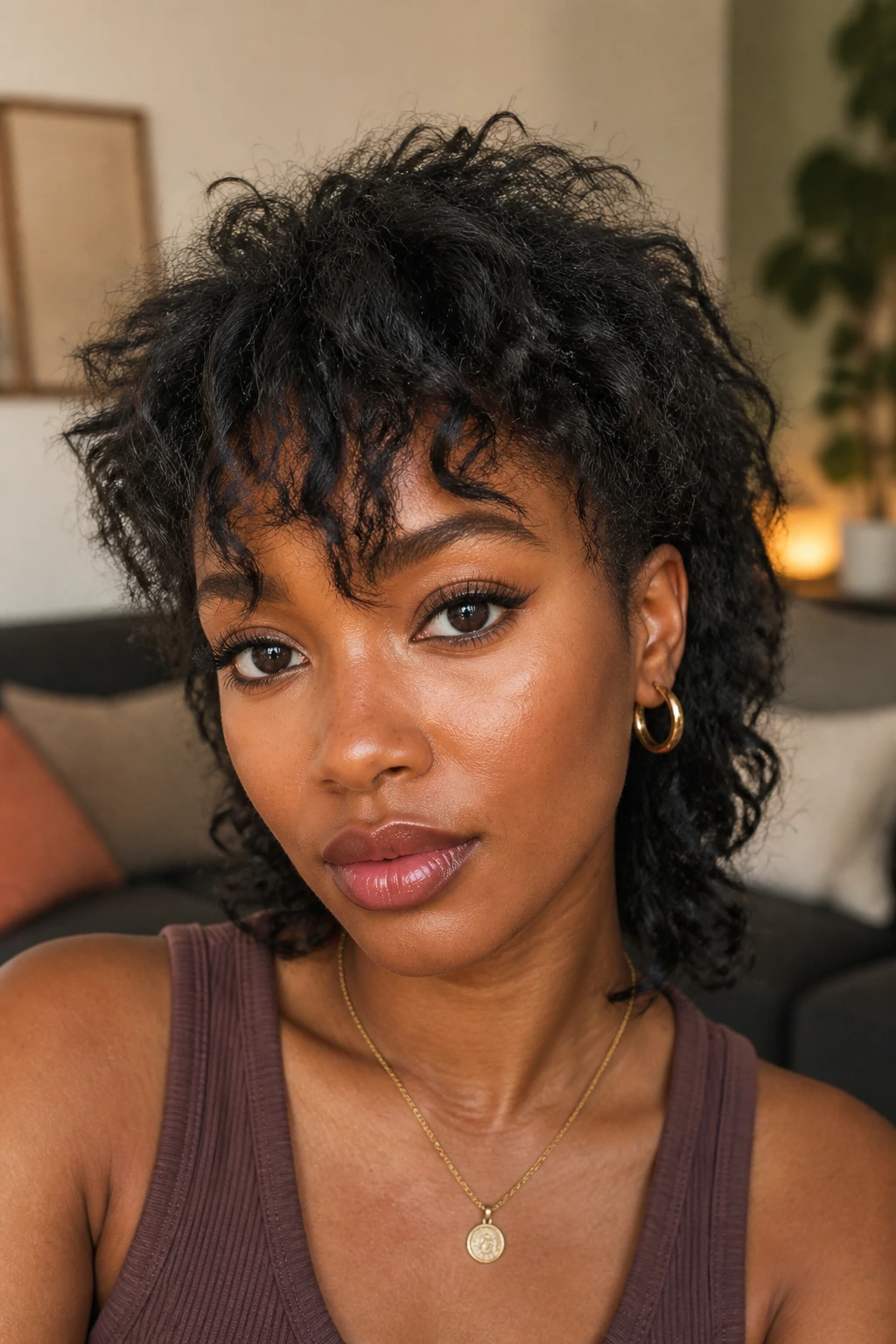
A soft mullet on Black hair is not a joke cut. Done right, it has real shape. The choppy forelock gives the style its front-facing edge, while the length at the back keeps it wearable. The front sits lighter than the crown, which matters because a mullet without a clean forelock can look accidental.
This cut suits people who like a little rebellion in their hair but still want the front to frame the face. The bang pieces should not be even. They should drop at different points across the forehead, with a few strands near the temples to connect the fringe to the layers.
It looks especially good on curls that hold a bit of spring. The front gets that broken, almost feathered finish without losing texture. If you’ve been bored with safe haircuts, this one wakes things up fast.
19. Side-Part Lob With a Piecey Sweep
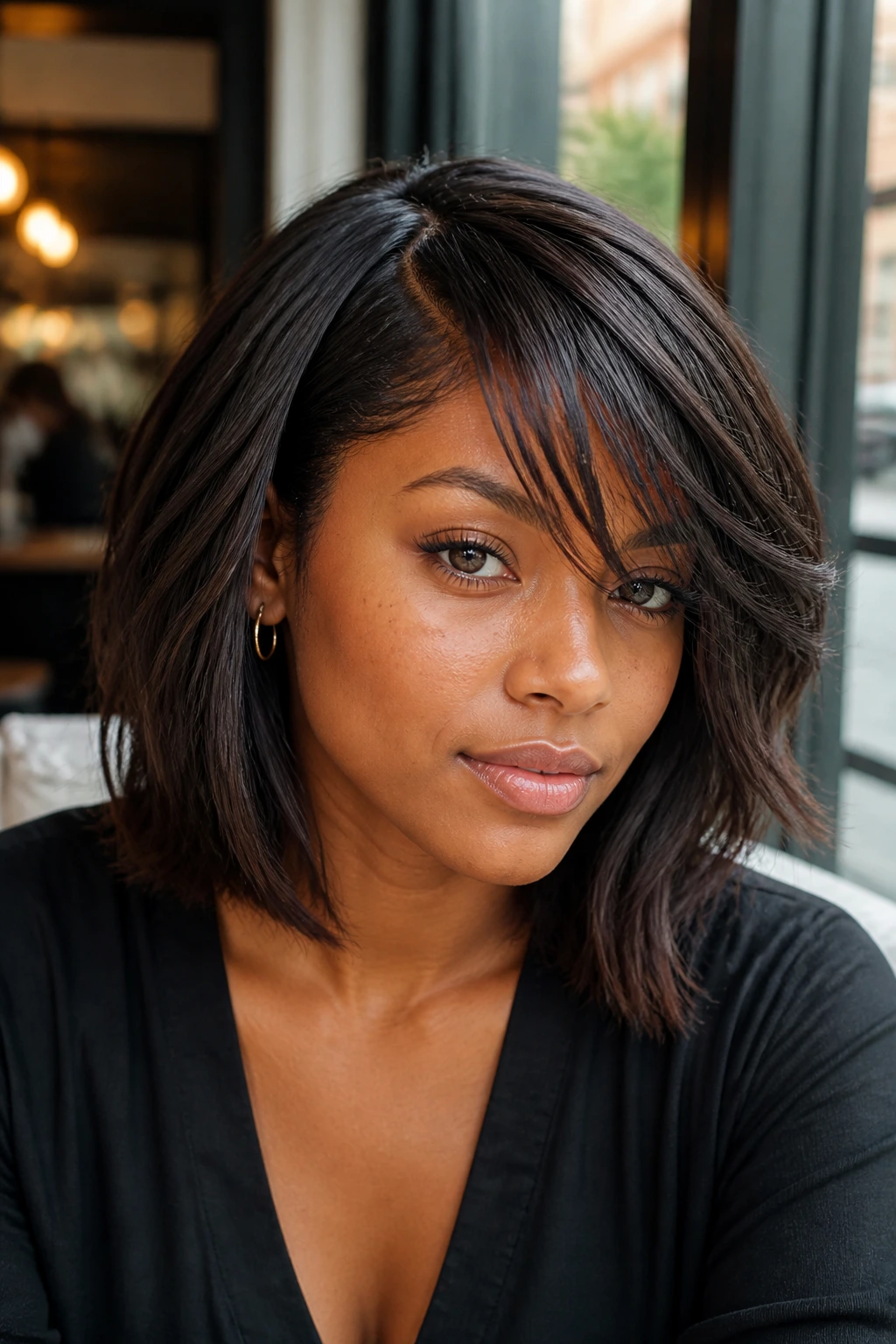
A side-part lob gives the fringe a path to follow. Instead of a heavy bang cutting straight across the face, the front pieces sweep down in little sections, which keeps the style softer and easier to wear. It is one of the best options if you want a fringe but do not want to see your whole forehead covered.
The lob length matters because it stabilizes the silhouette. Shorter hair can make side bangs look too thin; longer hair can drag them down. At lob length, the fringe has room to move. A little mousse at the roots and a finger rake through the front is often enough.
This cut also grows out nicely. The bang pieces slide into the rest of the front layers instead of creating a harsh line. That’s a quiet advantage, but a real one.
20. Relaxed Hair With Feathered Brow Bangs
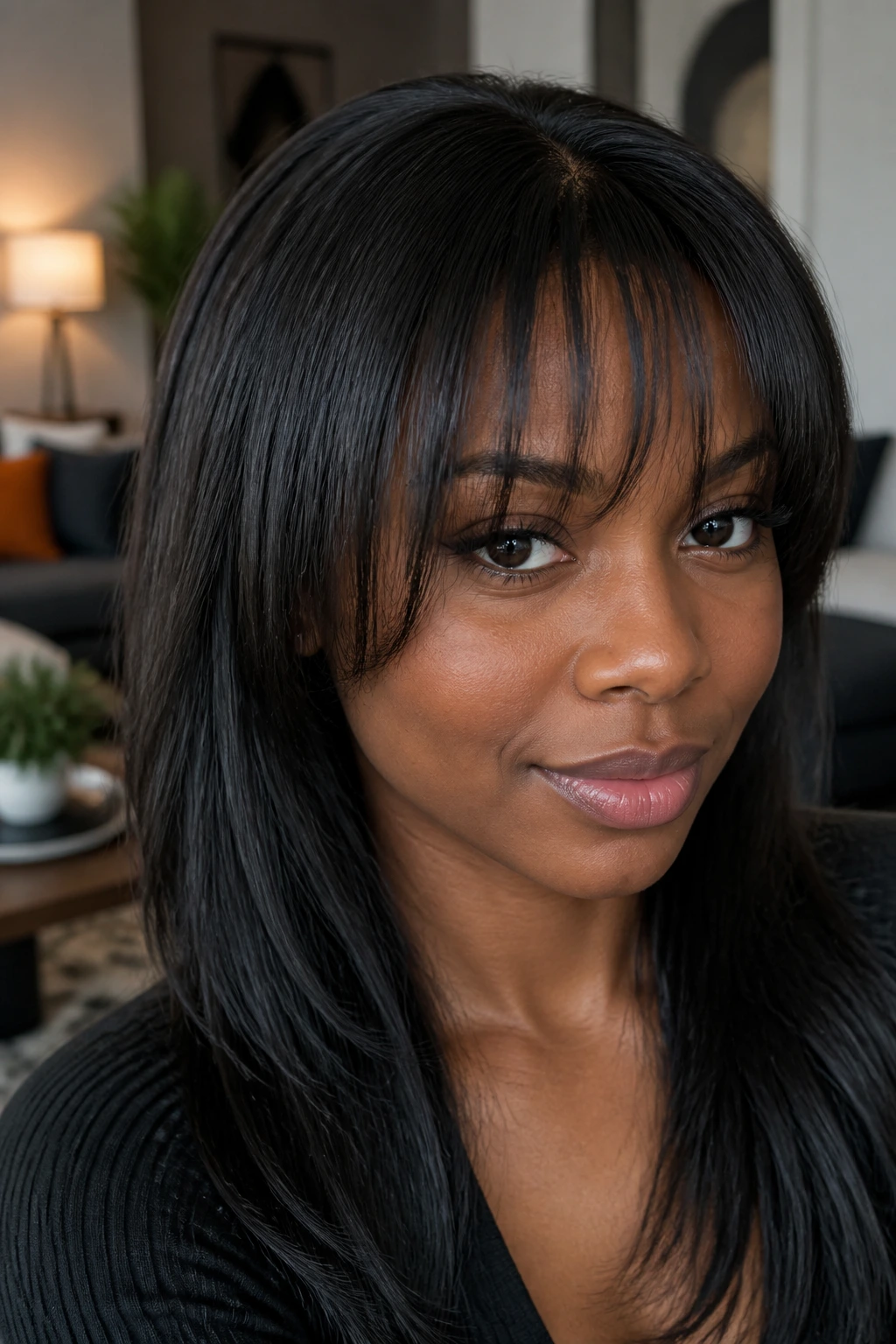
Relaxed hair takes to feathered bangs differently than coily hair. The strands lie flatter, so the choppy edge needs to come from the cut itself, not from curl pattern. Feathered brow bangs keep the front light and prevent the style from becoming too blocky.
Because relaxed hair can look limp if it gets overloaded, the fringe should be cut with air in it. A stylist who over-thins the front can leave you with strings. That’s not feathering. That’s damage-looking bangs. A clean point-cut and a small round brush are usually enough to keep the shape moving.
This is a good fit if you like a smooth finish but still want a little pieceiness around the brows. It works with bobs, shoulder-length cuts, and even short layers if the front isn’t too heavy.
21. Tapered Cut With a One-Side Bang Drop
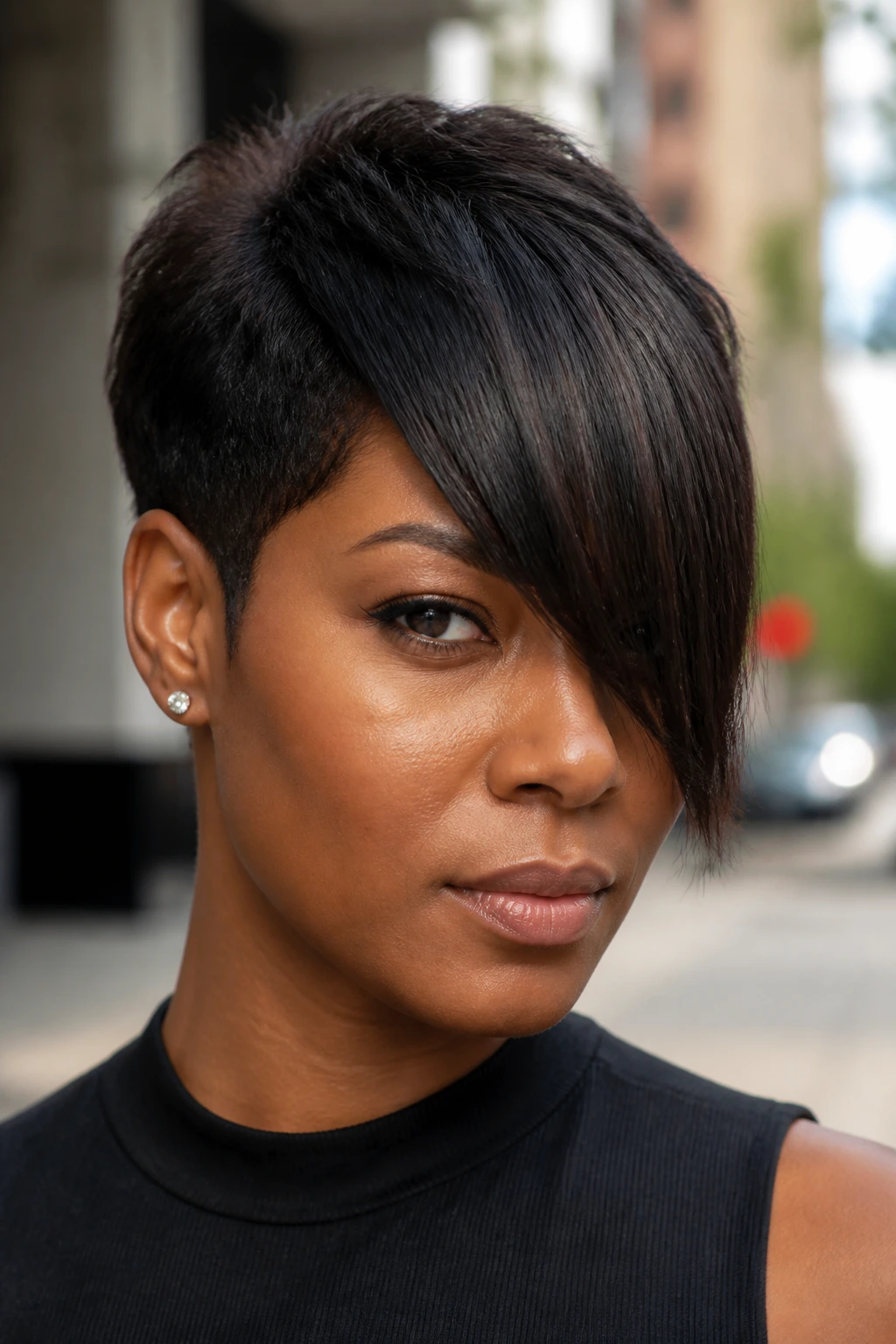
Sometimes the best fringe is the one that doesn’t try to be symmetrical. A one-side bang drop drapes across one eye, then breaks into shorter pieces near the temple. On a tapered cut, that asymmetry feels purposeful, not awkward.
The taper keeps the bulk off the sides and back, so the fringe becomes the visual focus. That’s useful when you want to show off earrings, glasses, or a strong makeup look. It also means the front can be a little longer without overwhelming the face.
If your hair has a mix of tight and loose curls, this cut can be a relief. The side with more bend gets to fall differently from the side with more shrinkage. You’re working with the texture you already have instead of trying to force both sides into one shape.
22. Halo Afro With Broken Ringlet Fringe
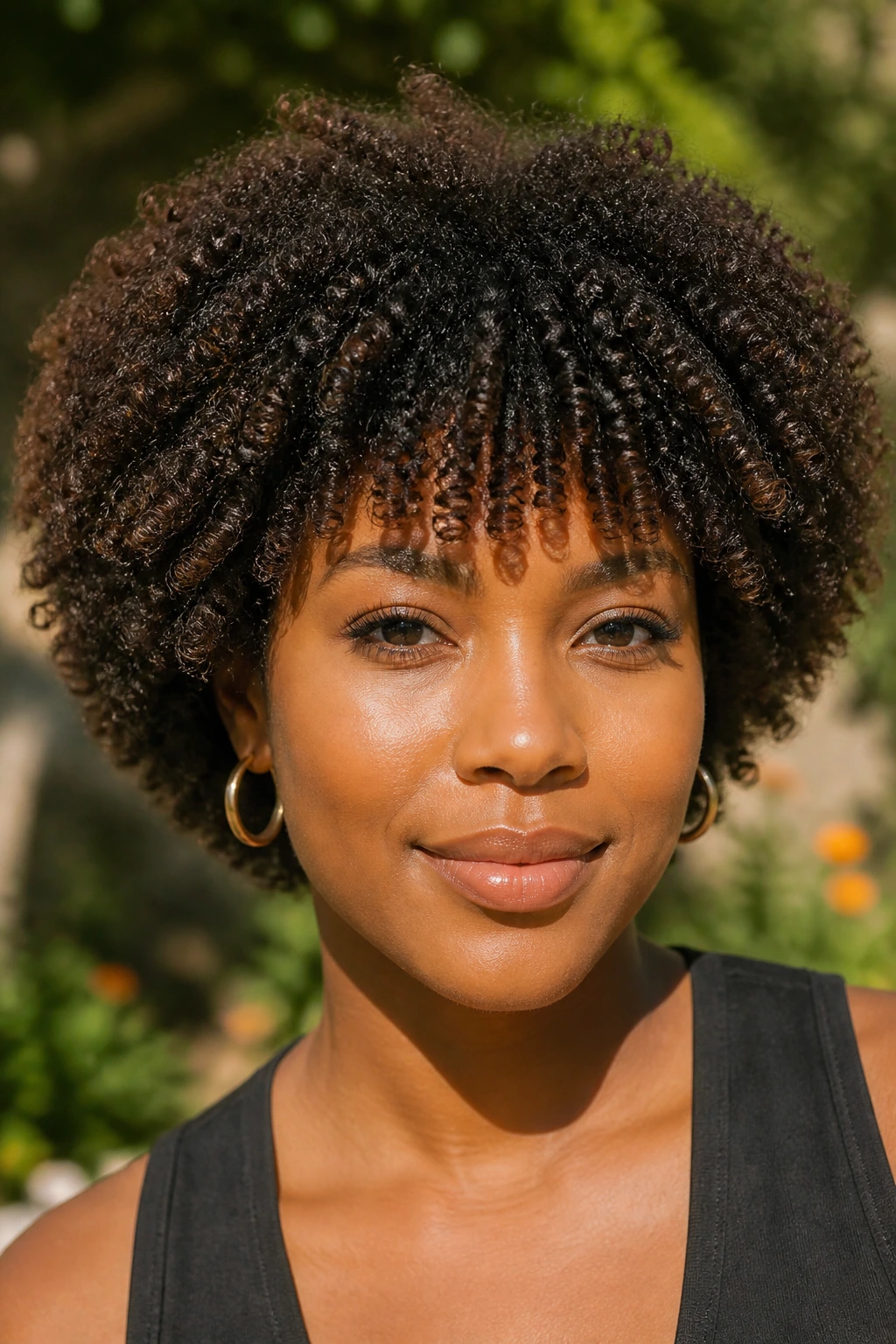
A halo afro already has lift, so the fringe should not fight for attention. Broken ringlet pieces around the forehead soften the front edge and keep the shape rounded instead of boxy. It feels airy without looking thin.
This style is a smart choice for curls that naturally spring into ringlets or loose coils. The bangs can be cut a little longer in the center and shorter near the temples so the front curves into the rest of the halo. That shape keeps the forehead from disappearing under one thick front layer.
A little separation goes a long way here. Too much product and the fringe clumps. Too little and the ringlets lose definition. The sweet spot is a soft, touchable front that still looks like it was cut on purpose.
23. Braided Updo With Face-Skimming Fringe
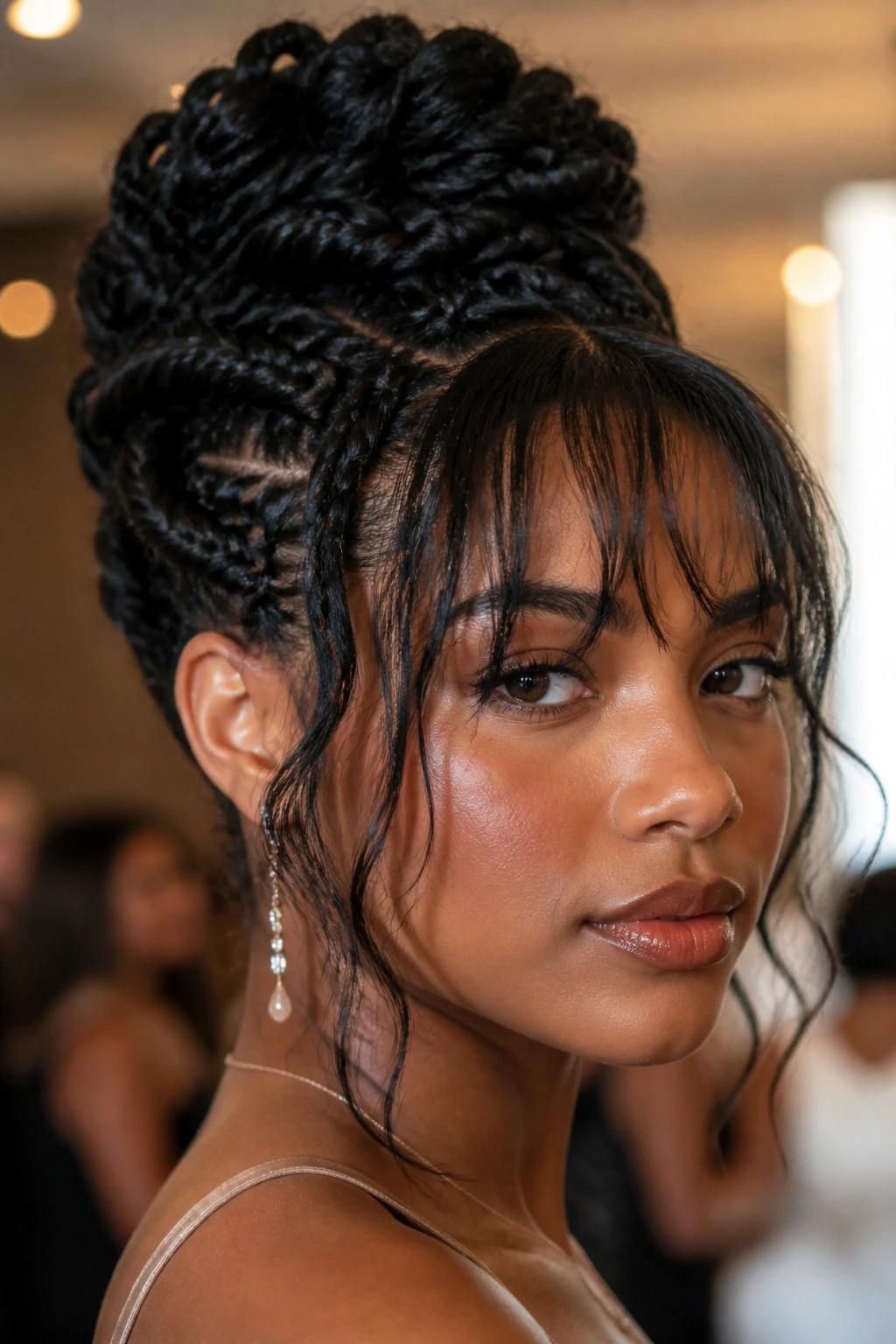
Braided updos can feel severe if every strand is pulled back. A face-skimming fringe fixes that. A few braided or twisted pieces left loose at the front soften the style and bring attention back to the eyes.
This look is especially good for weddings, formal dinners, or any time you want your hair up but not scraped bare. The bangs do not need to be short. They just need to be broken into small sections that land at different lengths near the cheeks and forehead.
One thing I like here: the fringe can be decorative without getting fussy. A center braid, two loose twists, or a few curled tendrils change the whole feel of the updo. The updo gets structure. The front gets motion. That’s the combination.
24. High Puff With Airy Curly Bangs
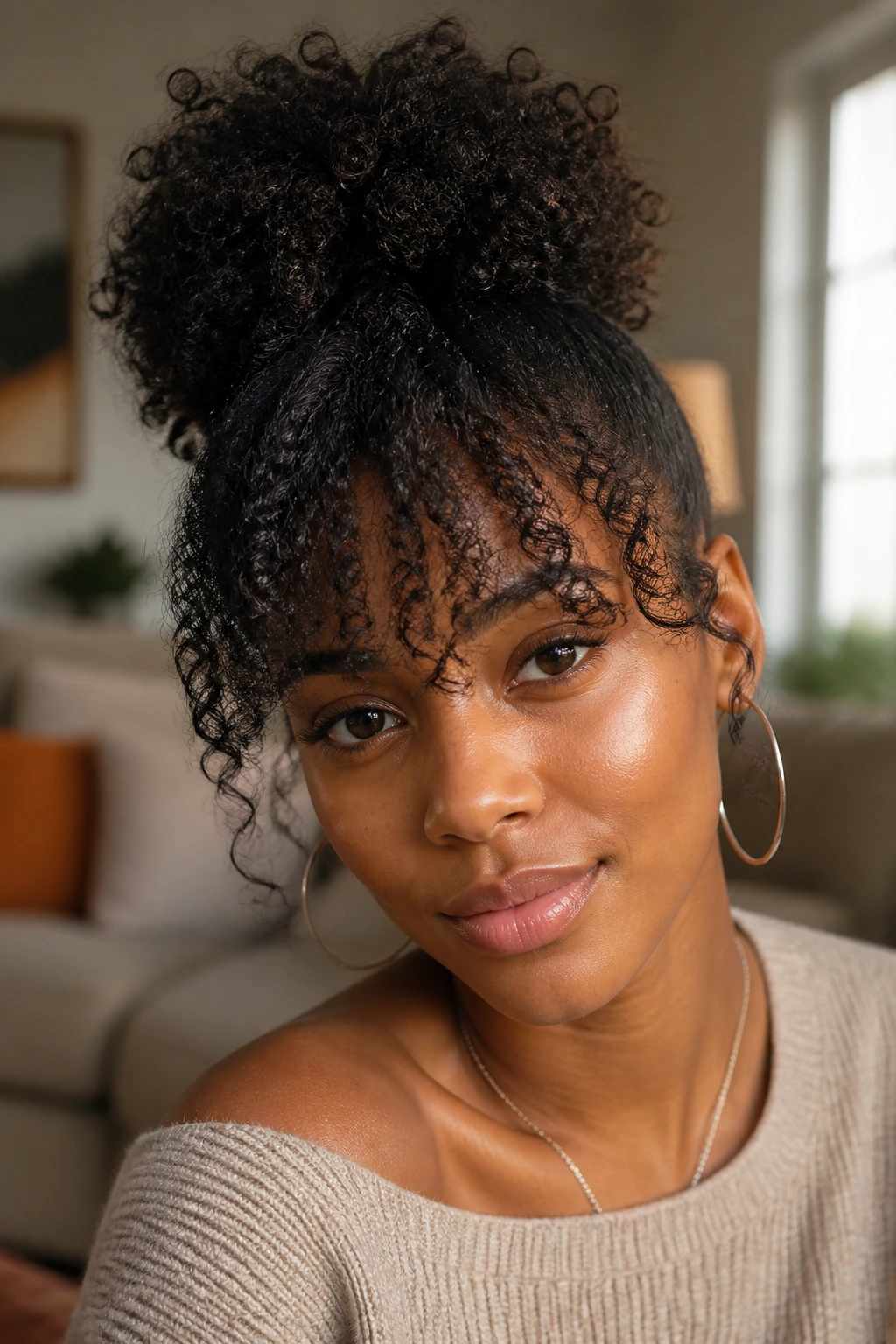
A high puff is already a strong silhouette, so airy bangs help the front stay soft. If the puff lifts the crown, the fringe should frame the eyes with a few loose pieces instead of making the forehead feel crowded. Think of it as a front border, not a wall.
This works well when the front hair is stretched slightly before being shaped. A little elongation at the bang area makes the pieces easier to separate. Once the puff is set, the bangs can be finger-fluffed so they fall in little curls or bends around the brows.
The style is practical, too. On days when you need your hair off your neck, it still gives you a front shape. That little bit of fringe keeps the look from turning into just “hair up” and nothing else.
25. Flat-Twist Set With Soft Chopped Bangs
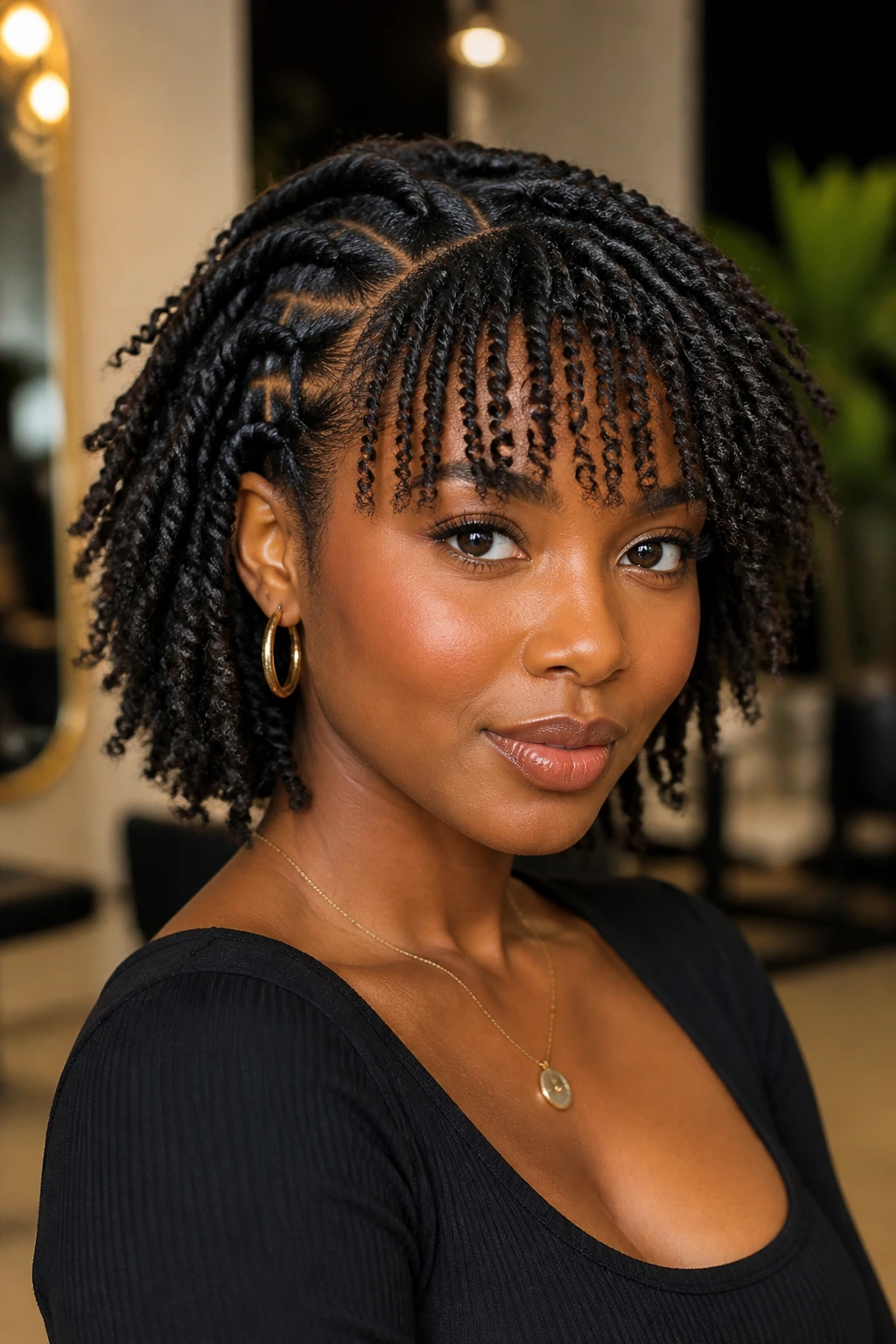
A flat-twist set gives the fringe a gentle wave pattern that lands somewhere between polished and casual. Soft chopped bangs at the front make the twist-out or set look finished, not rigid. The front pieces should be cut or shaped with small length changes so they break apart as they dry.
This style is one of the more forgiving options if you want fringe without a hard line. The twists create pattern, the bangs add frame, and the choppiness keeps the front from feeling too uniform. It’s a good choice for medium-length natural hair and for anyone who likes a style that still looks decent after a night’s sleep.
If you want the bangs to separate more, unravel the front twists carefully and stop before every piece is fully loose. That halfway state is often where the fringe looks best.
Why This Collection Feels Different
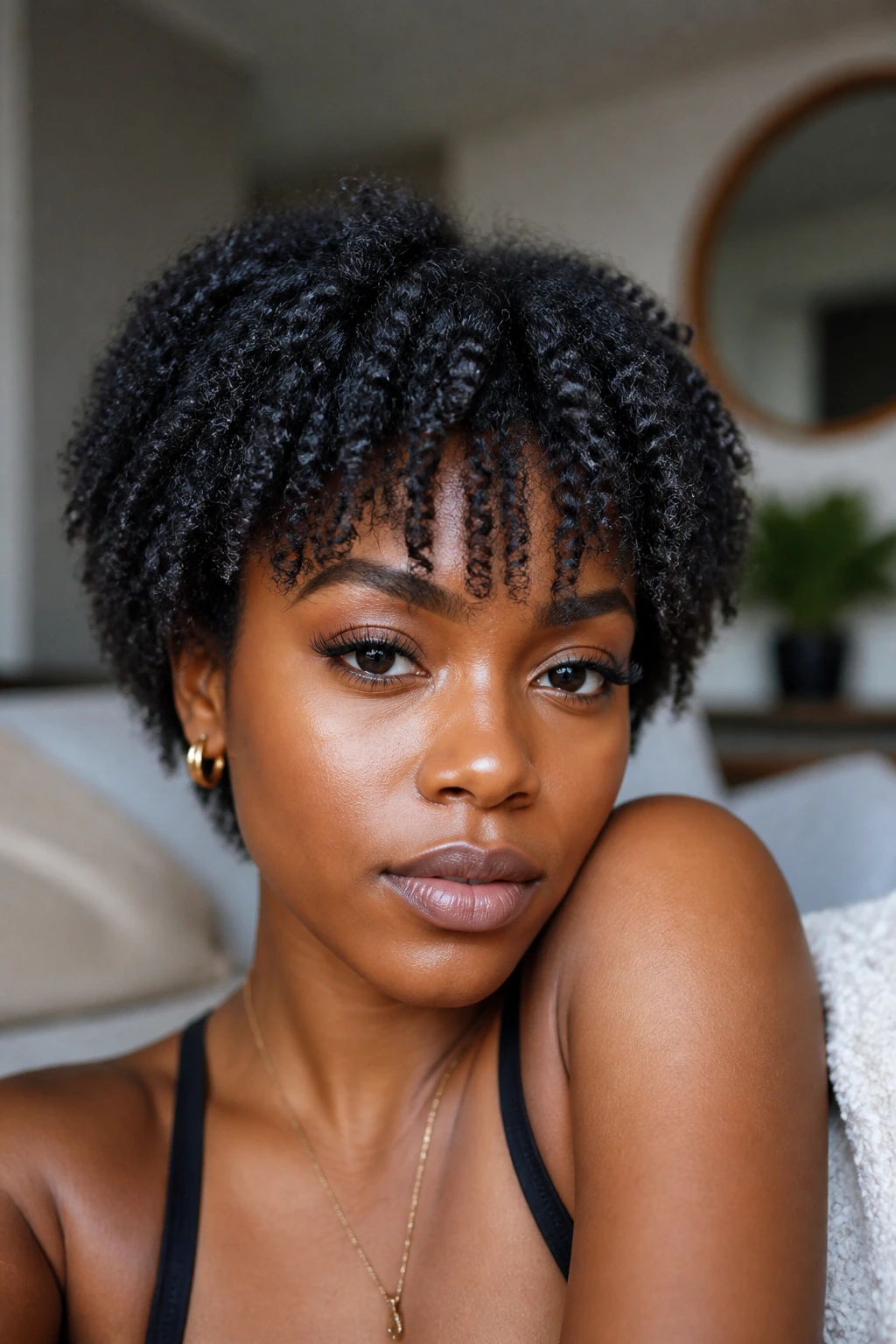
Most fringe roundups treat bangs like a one-size problem. They are not. Black hair changes the rules at the front of the head because density, shrinkage, and texture all show up there first, and they show up loudly. A fringe that ignores that will fight you every morning.
These 25 cuts are built around different ways of handling that front section. Some use dry cutting. Some use a soft bend. Some rely on installs or braids to create the shape without touching your natural length. That range matters because not every woman wants the same maintenance schedule, the same finish, or the same amount of forehead showing.
Shrinkage-friendly shapes: The best fringe is often longer in the chair than it looks on the head once it dries.
Texture-first thinking: Choppy ends let curls, coils, and twists keep their own voice instead of forcing them into one flat line.
Room for growth: Broken layers grow out cleaner than blunt bang shelves, which saves you from awkward in-between weeks.
Different styling moods: The same general fringe idea can be soft, sleek, braided, pressed, or puffed up depending on how you wear it.
Tools and Products That Make the Front Section Behave
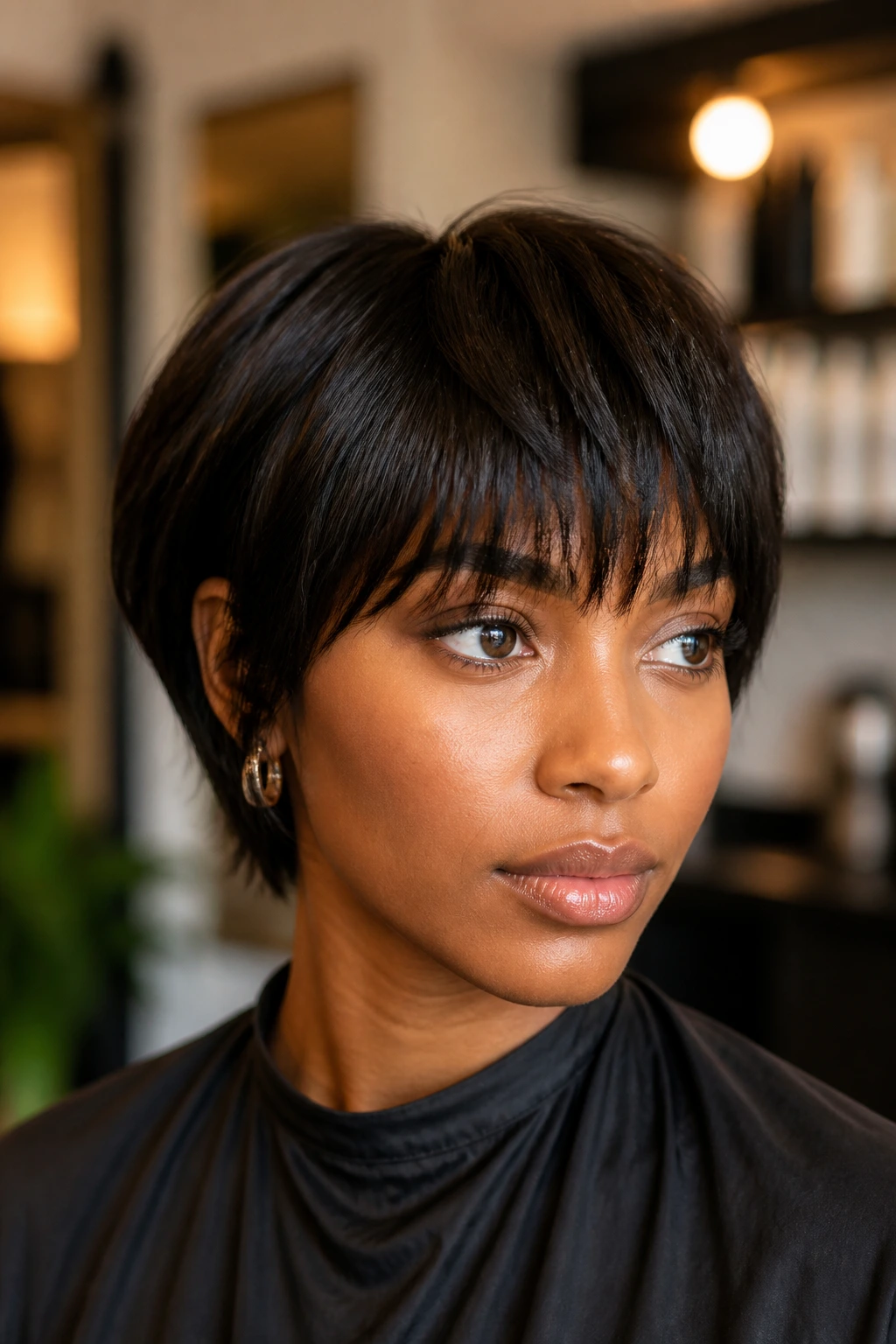
- Sharp haircutting shears: Dull scissors chew the ends and make choppy bangs look ragged instead of intentional.
- Texturizing shears: Helpful on dense hair when you need to remove bulk without wiping out the shape.
- Rat-tail comb: Best for clean sectioning at the front hairline and for checking part lines.
- Duckbill clips: Keep the bang section separated while you work on the rest of the cut or style.
- Spray bottle with water and leave-in: Useful for re-dampening just the fringe without soaking the whole head.
- Small round brush or Denman brush: Good for pressed bangs or for smoothing the front before setting it.
- Diffuser attachment: Keeps curls from blasting apart and puffing like a storm cloud.
- Mousse or foam: Gives the fringe light hold without weighing it down.
- Heat protectant: Non-negotiable if a flat iron, hot comb, or blow-dryer touches the front.
- Satin scarf or bonnet: Protects the bang area overnight so the front does not frizz into a fuzzy triangle.
How to Choose the Right Fringe for Your Face and Texture
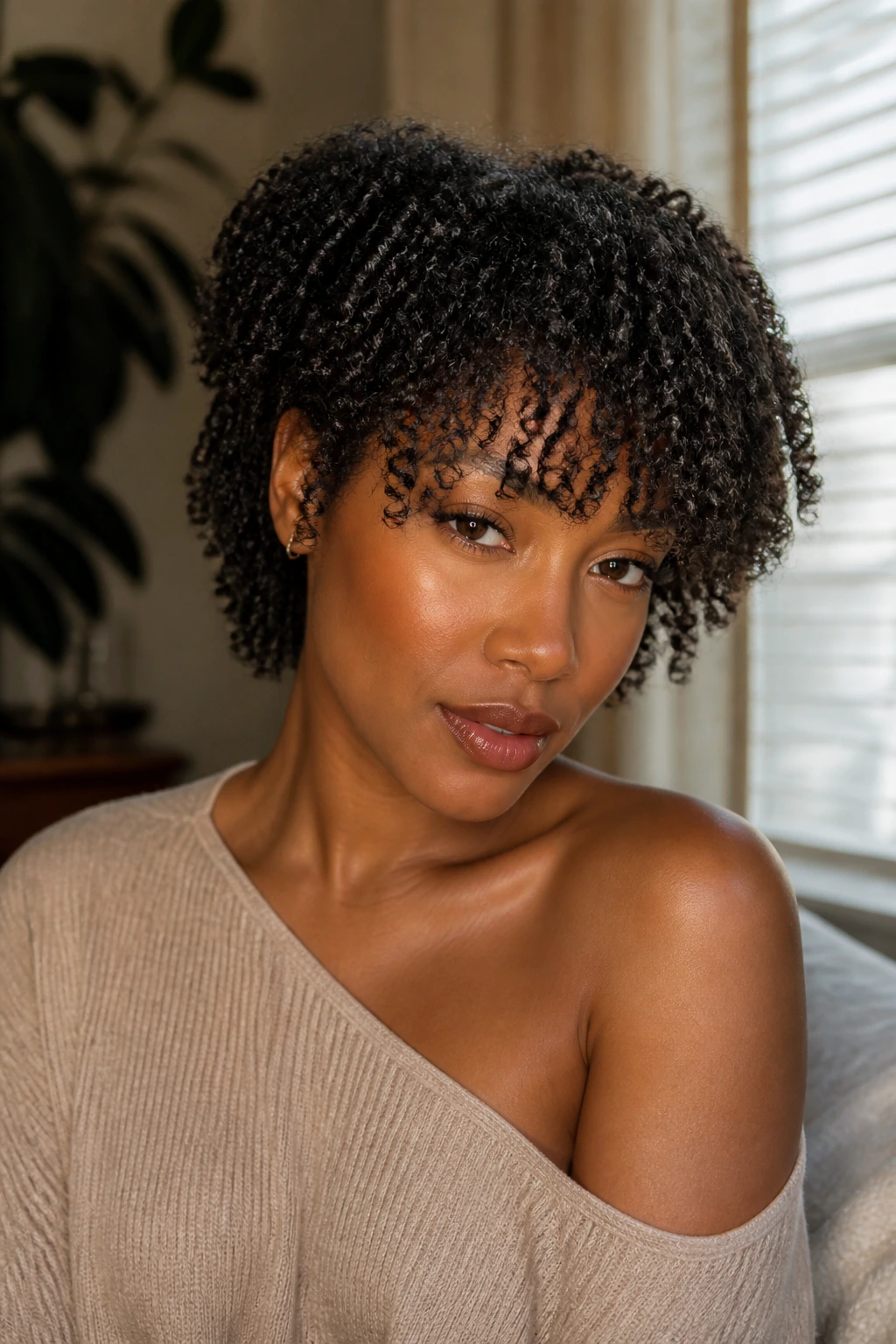
A fringe should do more than sit there. It should change how the whole haircut reads. If your face is round, a side-swept or broken curtain fringe usually gives more length through the center line. If your face is longer, a fuller brow-grazing bang can bring the eye down and keep the shape from stretching vertically.
Texture matters just as much. Tight coils need room to shrink, which means the bang should often be cut longer than the final look you want. Loose curls can handle shorter pieces, but they still need choppiness so the front doesn’t sit like one thick band. Relaxed hair and silk presses want a little more feathering because the strands lay flatter and can look heavy fast.
If you wear glasses, leave a little extra length so the fringe doesn’t fight the frames. If your hairline is delicate, skip heavy bang density and let a few piecey strands frame the face instead. A fringe should feel like part of the cut, not an attachment bolted onto the front.
What to Ask For in the Chair
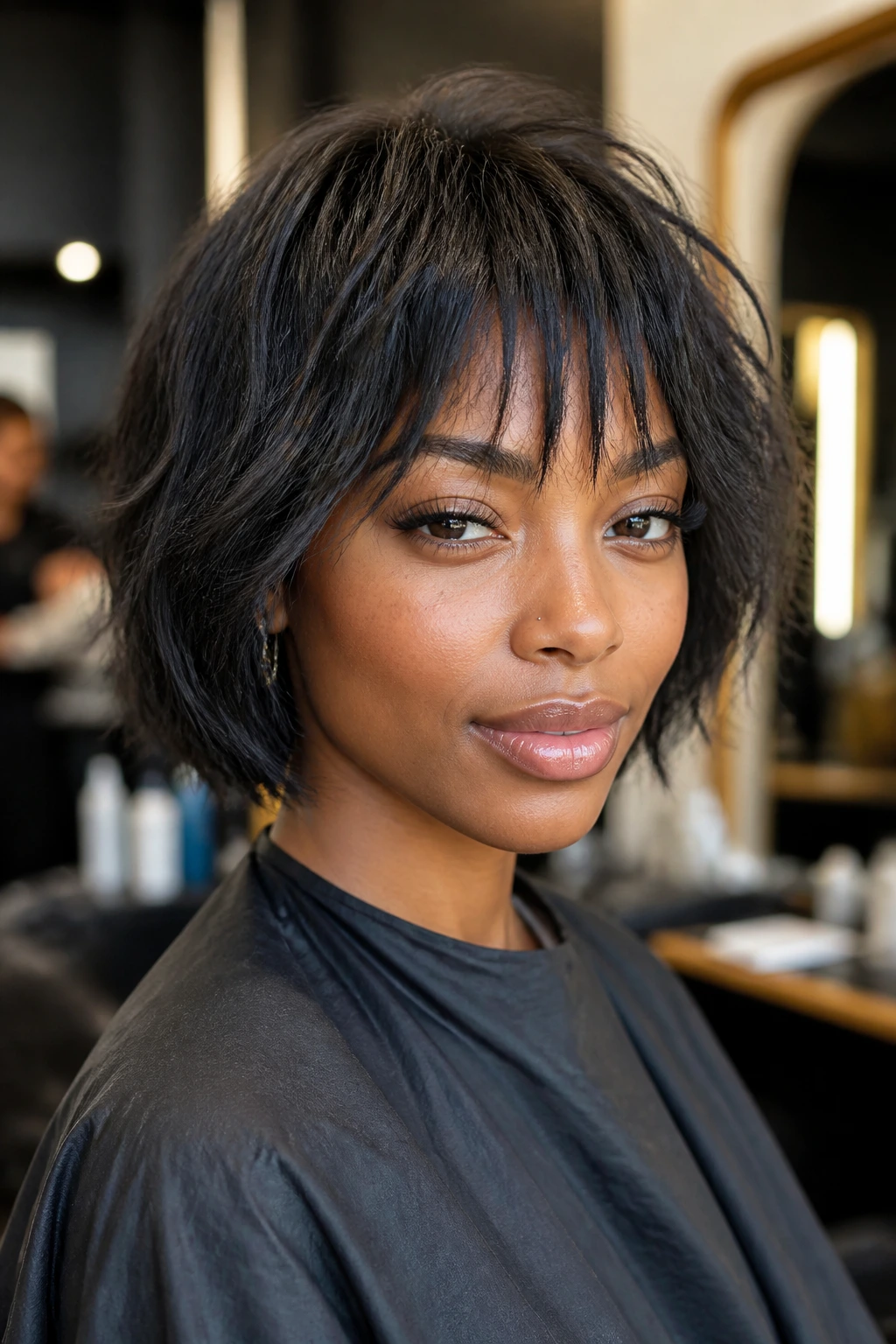
Stylist language matters. If you say “bangs” and stop there, you may leave with a front shelf that looks fine for one day and annoying for six weeks. Tell the stylist whether you want a dry-cut fringe, a point-cut finish, a side sweep, or a curtain split. Those words change the result.
Bring photos of people with your texture, not only of the shape. That saves everybody time. The same fringe looks different on 3A curls, 4C coils, and relaxed hair. If your stylist knows your shrinkage pattern, they can leave the front long enough to settle into the right place after drying.
Ask where the shortest piece should land. Brow? Upper lash line? Cheekbone? That detail matters. It turns a vague bang request into an actual haircut.
How to Wear the Fringe Soft, Sleek, or Pinned Back
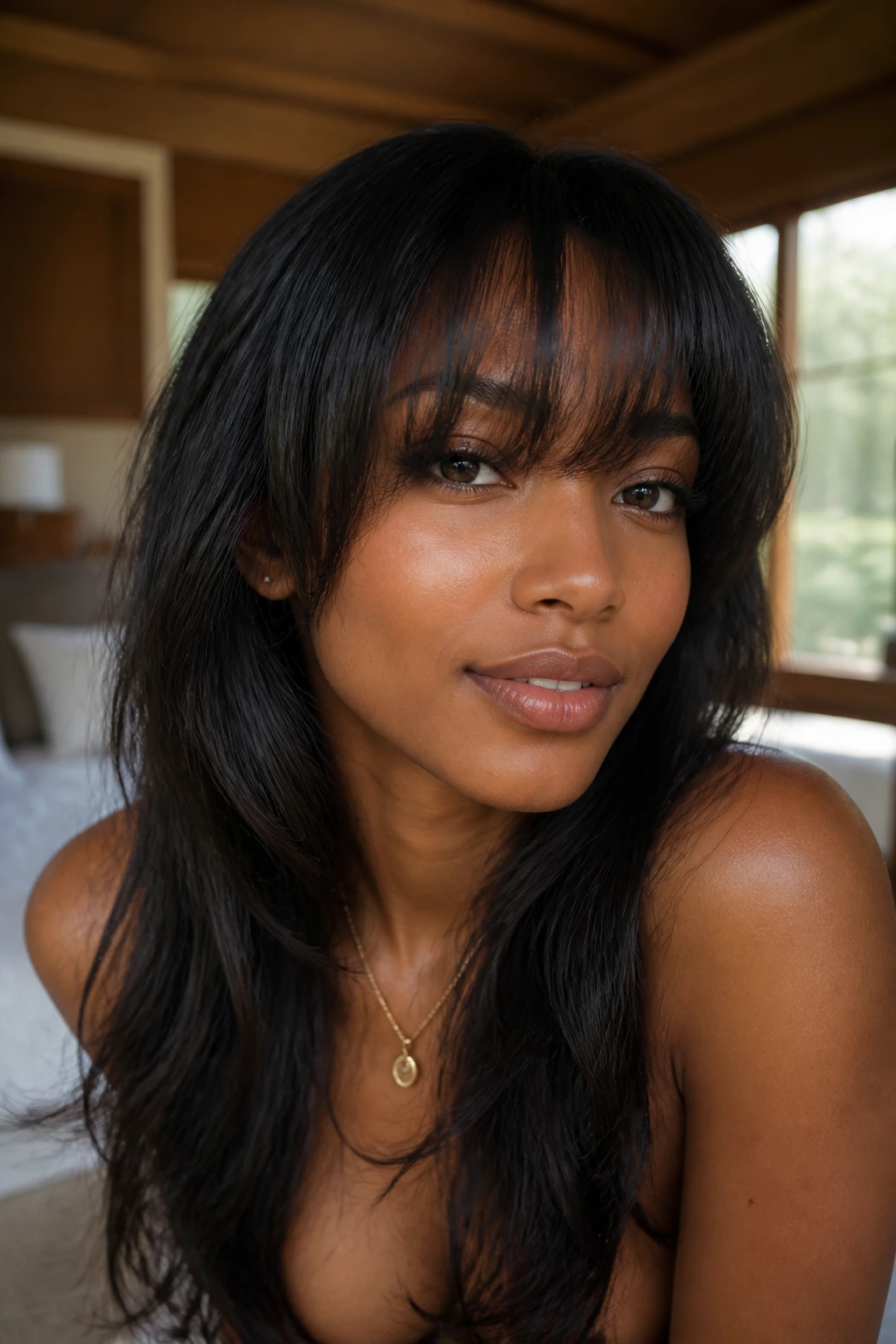
Loose and airy: Mist the front lightly, add a little mousse, then scrunch or finger-shape the fringe so it falls into separated pieces. This is best for natural curls, twist-outs, and shag cuts.
Smooth and polished: Use heat protectant, a small brush, and a blow-dryer or flat iron only on the bang area. Keep the rest of the hair untouched if you want the fringe to be the focal point.
Pinned and practical: On days when the front needs a break, pin the fringe to one side with a small clip near the temple. That keeps oil off the forehead and preserves the shape longer.
Dressed up: Tuck one side behind the ear and let the rest of the fringe fall forward in broken pieces. It gives the style a little movement without making it feel overdone.
Daily Styling Tricks That Save the Shape
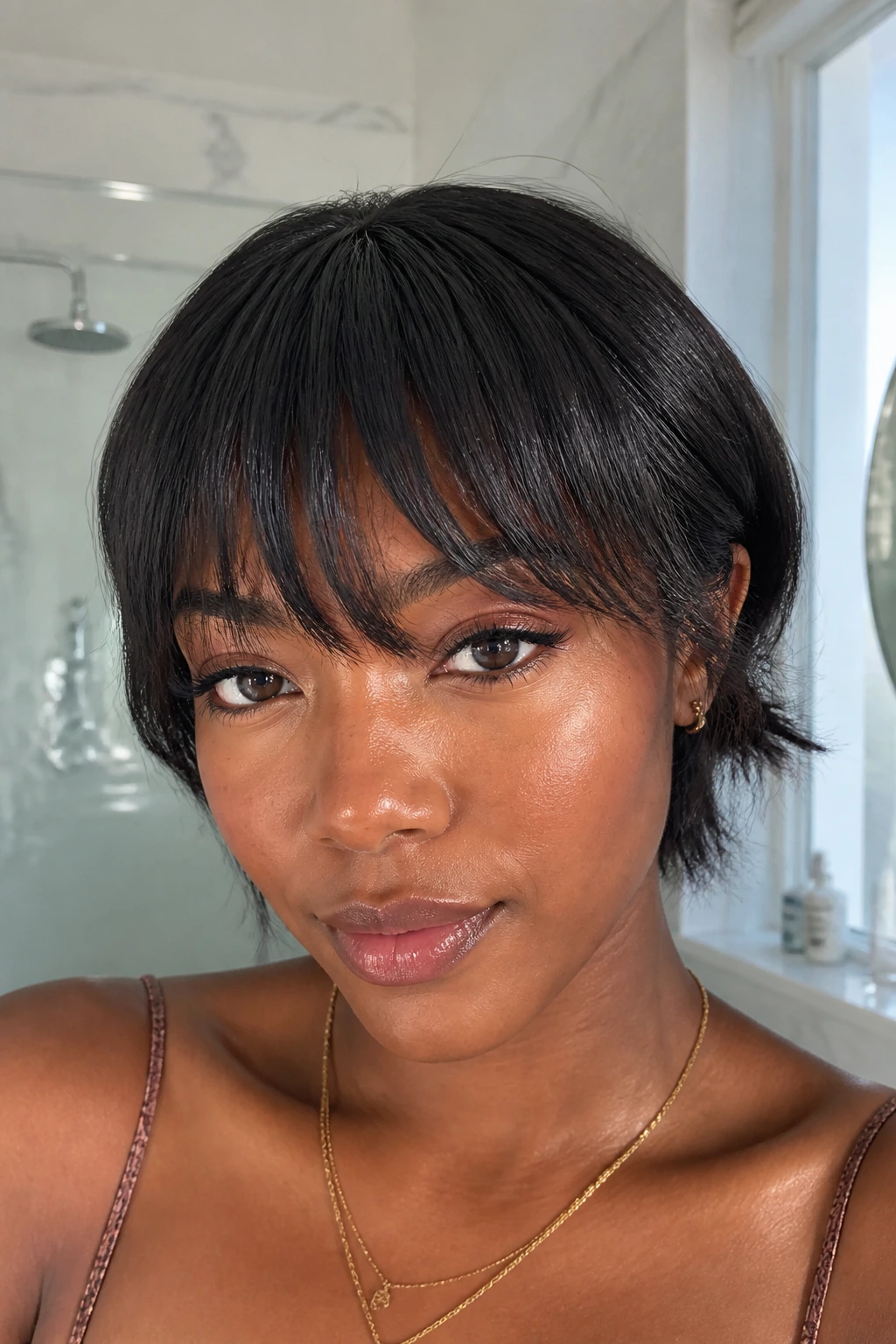
The fastest way to ruin a choppy fringe is to overwork it. Too much cream, too much brushing, too much touching. The front section needs less product than the rest of the head because it sits against skin and picks up oil fast. A pea-sized amount of foam or styling lotion is often enough for the bang area.
Pro move: dry the fringe first. If you start with the bangs, you can shape them before the rest of the head gets in the way. That keeps the front from collapsing under the weight of damp hair.
Time-saver: keep a small spray bottle only for the front. You do not need to soak the whole head to refresh bangs. A few misted sprays and finger separation usually do the trick.
Humidity fix: if the fringe swells up, stop chasing it with a brush. Smooth the roots lightly, then let the pieces dry in place. Brushing frizz on textured hair often makes it louder, not neater.
Common Mistakes That Flatten or Fray the Fringe
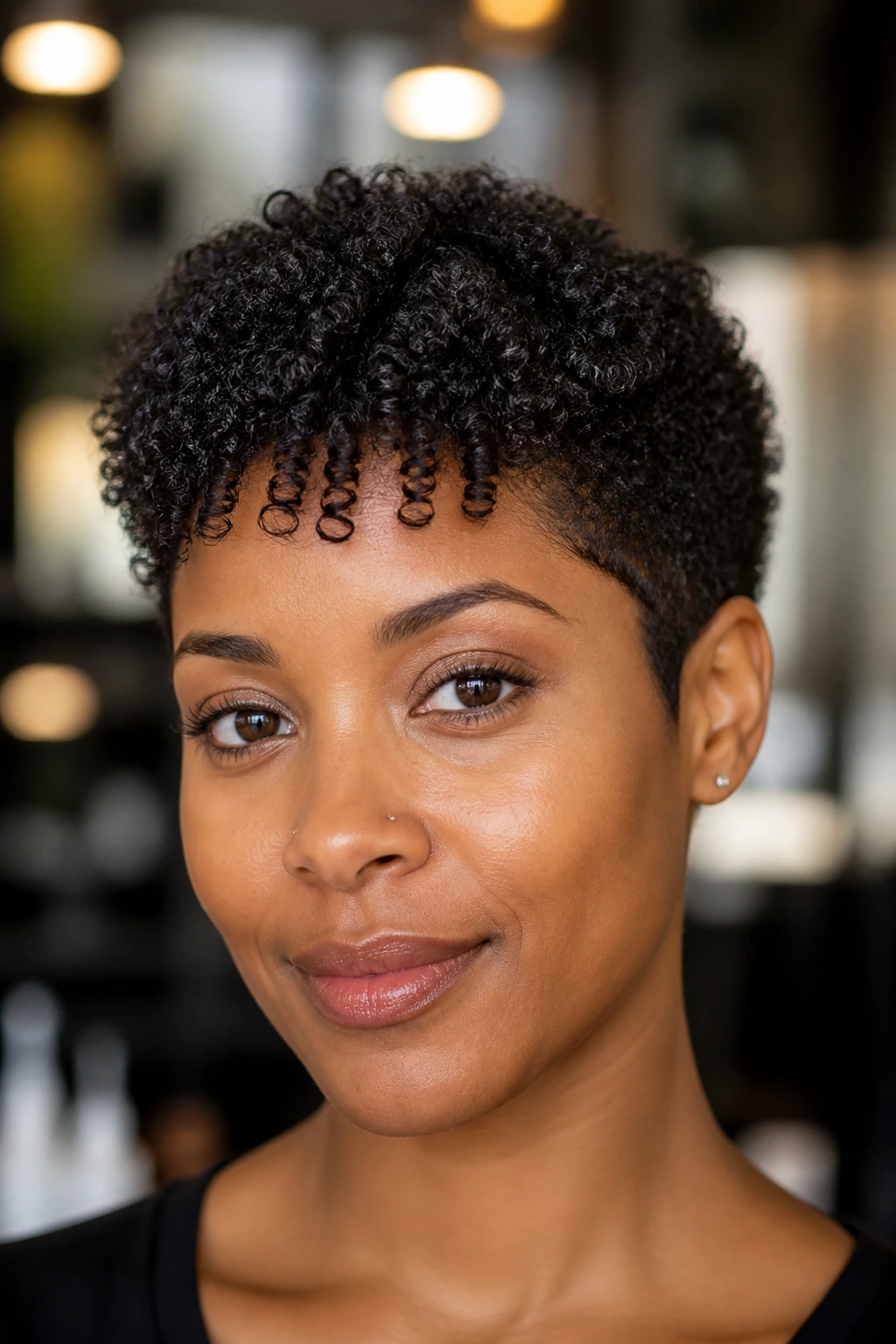
- Cutting the bangs wet and judging too soon: Shrinkage will lie to you every time. On textured hair, wet bangs often look longer than they will after drying. The fix is a dry check or at least a very cautious first cut.
- Packing the front with heavy cream or butter: The fringe gets stringy, then limp, then greasy-looking by lunchtime. Use lighter products at the hairline and save richer stylers for the body of the hair.
- Making the bang line too even: A straight shelf at the forehead can look stiff on curls, coils, braids, and locs. Choppy ends keep the edge soft and the grow-out less awkward.
- Ignoring the front hairline’s density: A thick fringe on a dense hairline can hide the eyes and balloon out. Take some bulk out with point-cutting or choose a softer side sweep.
- Trying to fight shrinkage every morning: If the hair wants to curl up, let it curl up on purpose. A fringe that is constantly straightened back into place usually looks tired.
Variations and Alternatives to Try
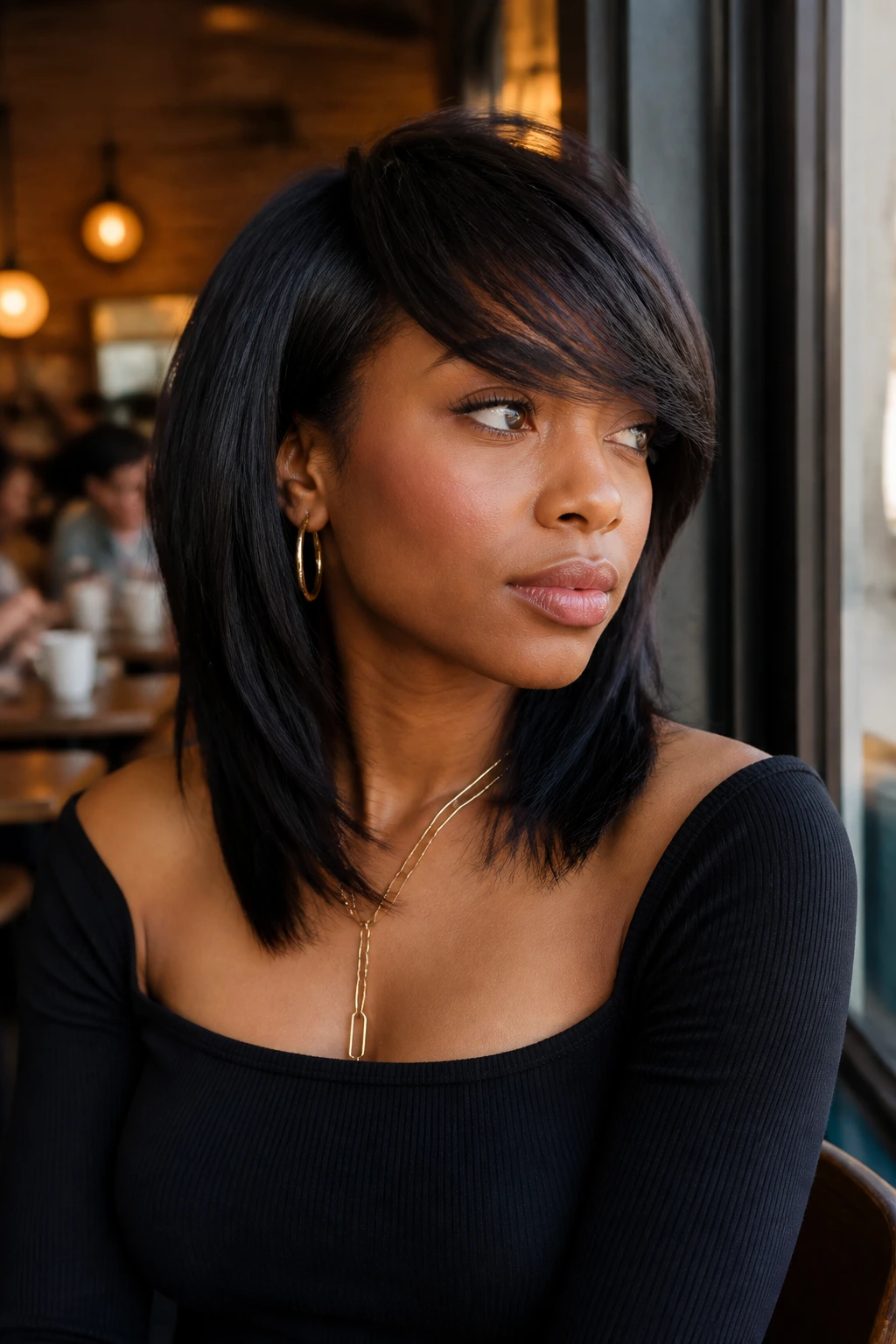
The No-Bang Version: Keep the front layers short enough to frame the face, but stop before they become true bangs. It gives you the fringe effect without full forehead commitment.
The Longer Sweep: Let the front grow to cheekbone length and wear it diagonally. This is the easiest option if you want fringe now and a softer grow-out later.
The Braided Front: If you like braided styles, add one or two face-framing plaits instead of cutting bangs. You still get the front detail, but the maintenance is different.
The Pressed Flip: On silk-pressed hair, flip the ends of the fringe slightly under or out with a brush and heat. It keeps the look clean but not rigid.
The Puff and Piecey Front: Leave the hair big and textured, but shape just the front into broken curls. It’s a good middle ground if you don’t want the whole head to be styled the same way.
Night Care, Trims, and the Grow-Out Phase
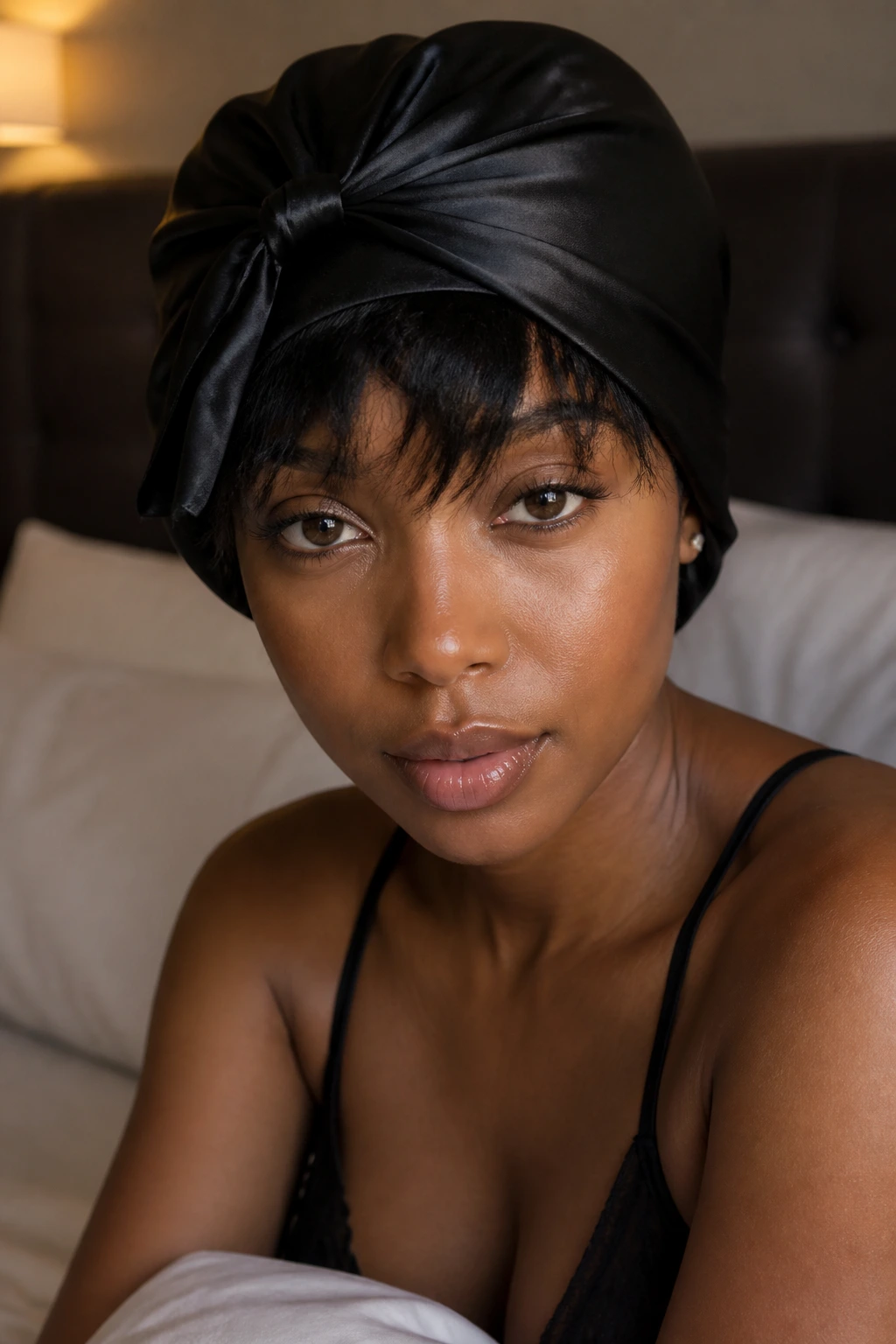
The front section gets hit first when you sleep on it, sweat on it, or brush it back all day. Wrap it with a satin scarf every night, even if the rest of the style is staying put. If the scarf feels annoying, a bonnet with enough front room works too, but make sure the fringe area isn’t getting crushed flat.
For natural hair and short cuts, a trim every 4 to 6 weeks keeps the shape crisp. For bobs and longer fringe styles, 6 to 8 weeks is usually enough unless the bangs grow fast or you wear them very short. Braids, locs, and installs can stretch that schedule, but the front pieces still need a shape check before they start looking uneven.
Growing the fringe out is easier when the stylist blends the shortest front pieces into side layers first. That keeps the grow-out from feeling like one bad stage. Let the bangs drift sideways before you let them disappear completely. It buys you time.
Frequently Asked Questions
Do choppy bangs work on 4C hair?
Yes, but the cut has to respect shrinkage. The best versions are usually dry-cut or trimmed cautiously so the fringe lands where you want after the curls tighten up.
How short should the bangs be?
Short enough to frame the face, not so short that they spring above your brows the moment they dry. For many textured styles, leaving the first cut slightly longer than your target is the safer move.
Can I cut choppy bangs at home?
You can, but only if you’re careful and willing to cut less than you think. A tiny point-cut on dry hair is safer than going straight across wet hair and hoping for the best. One bad snip at the hairline is visible for weeks.
What products keep fringe from puffing up?
Light mousse, foam, and a bit of leave-in are usually enough. Heavy butters and thick creams tend to make the front collapse or separate in a messy way that’s hard to fix.
Will fringe work with braids or locs?
Absolutely. Braided and loc fringe styles look best when the front is layered, feathered, or left with a few loose pieces so the face doesn’t get boxed in.
How do I stop bangs from sticking to my forehead?
Keep the hairline clean, use less product, and dry the fringe fully after styling. If the front is still clinging, it usually means it’s too heavy or too damp.
What if my bangs shrink too much after the cut?
That happens a lot on textured hair. Pull the front forward while it’s damp, reassess after it dries, and have the stylist clean up the line only after they’ve seen the true shape.
How do I grow bangs out without an awkward stage?
Blend the shortest front pieces into side layers, pin the fringe to one side when needed, and let the front sweep instead of sitting straight across the forehead. That softens the line as the hair gets longer.
Keep the Front Interesting
A good fringe changes the whole mood of a haircut before anyone notices the rest of it. That’s why choppy bangs matter so much on Black hair: they give the front section enough movement to breathe, and enough shape to look finished when the curls, coils, or pressed strands settle into their real form.
The styles that last are the ones that understand texture instead of arguing with it. Some are tiny and sharp. Some are soft and broken. Some are built into braids, locs, or installs. The point is the same in every case: keep the front alive, not stiff.
Bring one of these silhouettes to a stylist who knows textured hair, or borrow the parts that fit your own routine and leave the rest behind. The front of the cut does more work than people think, and once it’s right, the whole style starts behaving better.