



Brown caramel medium highlights for fair skin have a funny habit of looking expensive even when they’re doing something pretty simple: they soften the face, add movement, and keep light skin from disappearing under hair that’s too one-note. Go too blonde and the color can take over. Stay too dark and the hair can flatten out against a fair complexion. The sweet spot lives in the middle, where brown and caramel meet in ribbons that look sun-kissed instead of streaky.
The detail that matters most is width. Medium highlights are not those whisper-thin babylights that disappear unless you’re standing in full daylight, and they’re not chunky zebra stripes either. They sit in that useful middle ground where the color actually reads on the hair, especially on straight strands and loose waves. That’s why this family of looks has so much staying power: you can make it soft, bold, creamy, smoky, warm, or cool without losing the basic idea.
Fair skin changes the equation a little. The wrong caramel tone can go orange fast. The right one—especially when it’s blended through a brown base with a little root depth—can make the skin look clearer, fresher, and less washed out. That’s the real trick here. Not brightness for its own sake. Controlled brightness.
Why This Collection Is Different
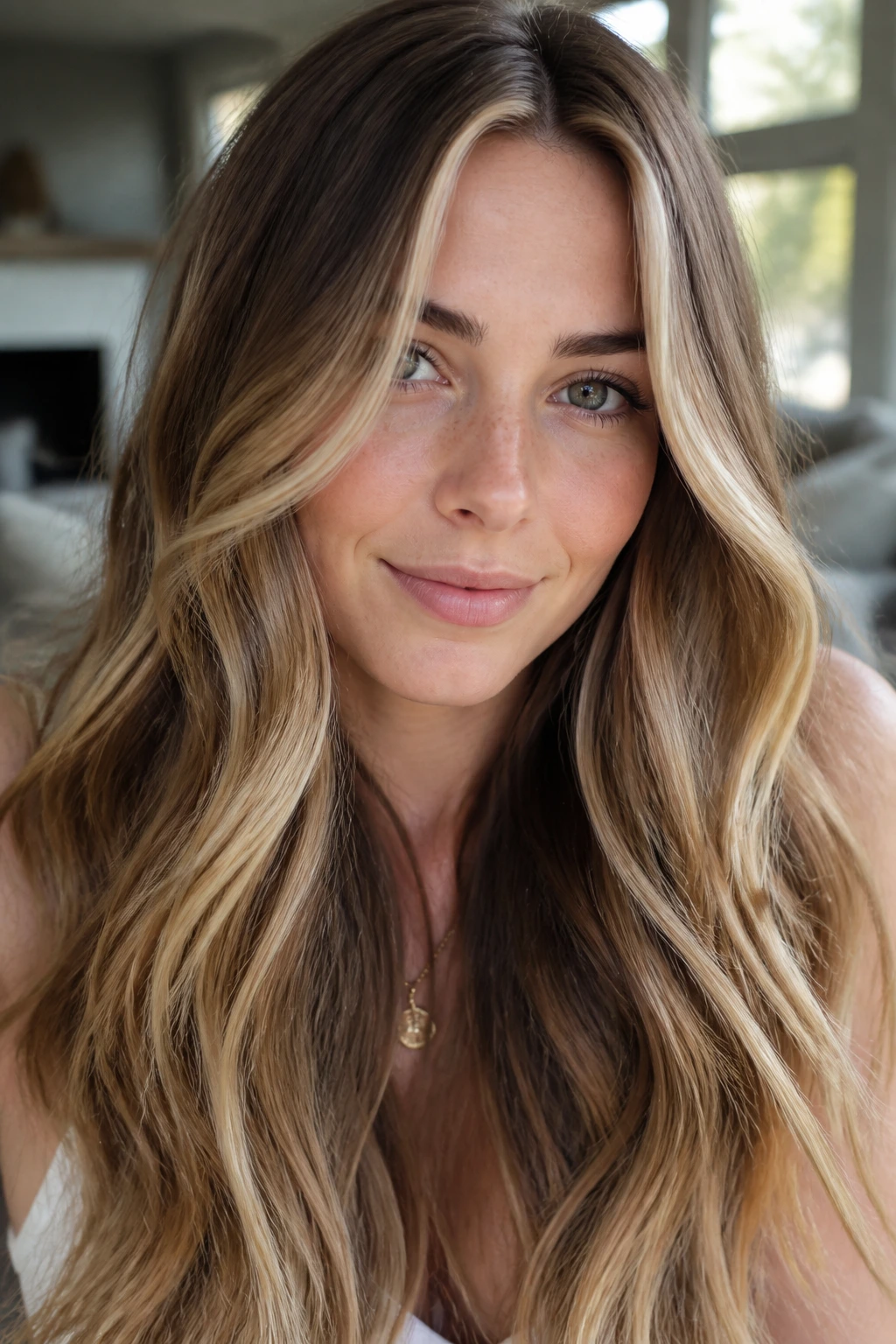
-
Tone range: The looks move from beige-brown to honeyed caramel, so you can match cool, neutral, or rosy fair skin without forcing every face into the same warm shade.
-
Placement matters more than lightness: A face-framing ribbon can do more than a full head of pale streaks, especially when your skin is fair and contrast shows fast.
-
Medium width is the sweet spot: These highlights show up in photos and in daylight, but they still keep the hair looking like hair instead of a sheet of color.
-
Grow-out stays softer: Rooted ribbons, melts, and balayage placements blur the line at the scalp, which keeps the color from turning harsh after a few weeks.
-
Texture changes the mood: On curls, caramel gets bouncy and dimensional. On sleek hair, the same tone looks cleaner and more polished. Same shade, different attitude.
-
You can stay brunette: Not every fair-skinned client wants to drift into blonde territory. Brown caramel keeps the depth, which is half the appeal.
1. Soft Cocoa Face Frame
A soft cocoa frame is the easiest way to wake up fair skin without turning the whole head light. The front pieces sit just a little lighter than the base, so the face gets definition while the rest of the hair stays calm and grounded. I like this look most on medium-length cuts with a slight bend at the ends, because the color lands exactly where the eye goes first.
Why It Works on Fair Skin
The magic is in the contrast. Cocoa is warm enough to keep the complexion from looking flat, but it doesn’t push into orange the way a brighter caramel can. Around a pale face, that matters. A couple of well-placed ribbons near the temples can do more than a full set of blonde streaks.
- Ask for 2 to 4 face-framing pieces around the hairline.
- Keep them 1 level lighter than the base, not 3.
- A neutral caramel gloss keeps the brown from reading muddy.
- Best on pink, neutral, or lightly freckled fair skin.
Best tip: Keep the front pieces soft and feathered. Hard lines at the face are the fastest way to make this look feel dated.
2. Warm Caramel Ribbon Balayage
Caramel ribbon balayage is the one I’d pick for someone who wants movement before they want brightness. The strands are painted in wider ribbons through the mid-lengths and ends, so the color shows when the hair swings but doesn’t scream for attention at the root. On fair skin, that kind of restraint usually looks smarter than a heavy blonding job.
The warmth sits in the hair, not on top of it. That’s the difference. When the caramel is woven through a medium brown base, the result looks like sunlight got lost in the layers and stayed there.
If you wear waves often, this one earns its keep. The bends separate the ribbons and make the dimension obvious, especially around the collarbone and under the cheekbone. Straight hair still works, but you’ll see a softer, smoother blend. Ask for hand-painted pieces from the mid-shaft down and a shadow root that stays just a touch deeper.
3. Chestnut Money Piece
Want brightness without opening the whole head up? The chestnut money piece does that neatly. It puts the lightest action right where people look first—at the part and around the face—while the rest of the color keeps a brown, grounded feel. Fair skin likes that setup because it adds lift without making the face look pale next to too much blonding.
How to Wear It
A center part shows this style best, especially if the two front pieces are placed to skim the cheekbones. On a side part, one heavier ribbon can sit just above the brow for a little more edge. Either way, keep the chestnut tone soft, not rusty.
This look is especially useful if your hair is naturally dark blonde or light brown. The contrast is strong enough to register, but the warmth stays controlled. If your skin leans pink, ask for a chestnut with a beige finish instead of a rich copper-brown.
4. Beige Mocha Babylights
Beige mocha babylights are what you get when you want dimension to whisper instead of talk back. The sections are fine—really fine—so the color reads as a haze of movement rather than obvious stripes. On very fair skin, that restraint can be a relief. The hair looks lighter, but the color never takes over the face.
This one is especially kind to fine hair because the subtlety makes the strands look denser, not thinner. Too-wide highlights can expose the scalp line on lighter hair. Babylights avoid that problem by breaking the color into delicate threads.
- Best for very fair or cool fair skin
- Works well on straight or softly waved hair
- Ask for fine foils through the crown and around the part
- Finish with a beige gloss, not a golden one
One thing to watch: If the highlights are too pale, the whole look slides into ash territory. You want mocha with warmth, not gray.
5. Golden Walnut Mid-Length Sweep
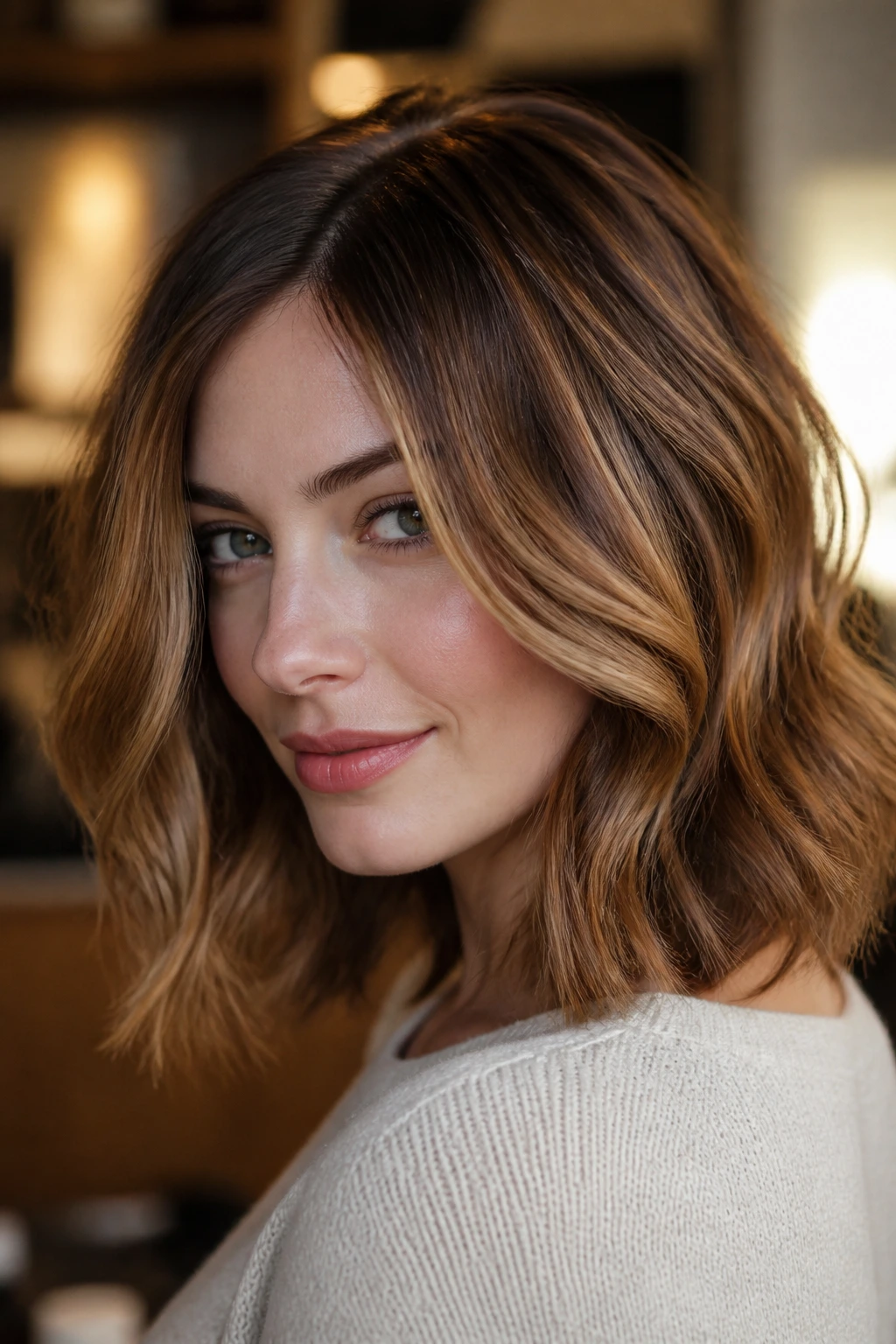
Golden walnut is one of those shades that looks richer in person than it does on a screen. There’s warmth in it, sure, but not the sugary kind. It feels deeper, almost toasted, and that depth is what keeps fair skin from getting overwhelmed. The color works best when it’s swept through mid-length layers where the movement can catch the lighter ribbons.
This style has a nice little trick. By keeping the roots dark and letting the highlights live through the middle third of the hair, the face keeps contrast while the ends stay soft. That’s a better move than flooding the whole head with brightness, especially if your skin is porcelain or prone to redness.
I like this on layered lobs and collarbone cuts. The walnut tone gives the haircut a thicker look, and the golden notes stop it from going flat. If your hair tends to frizz, the color still shows through; if your hair is sleek, it looks clean and polished.
6. Cinnamon Root Melt
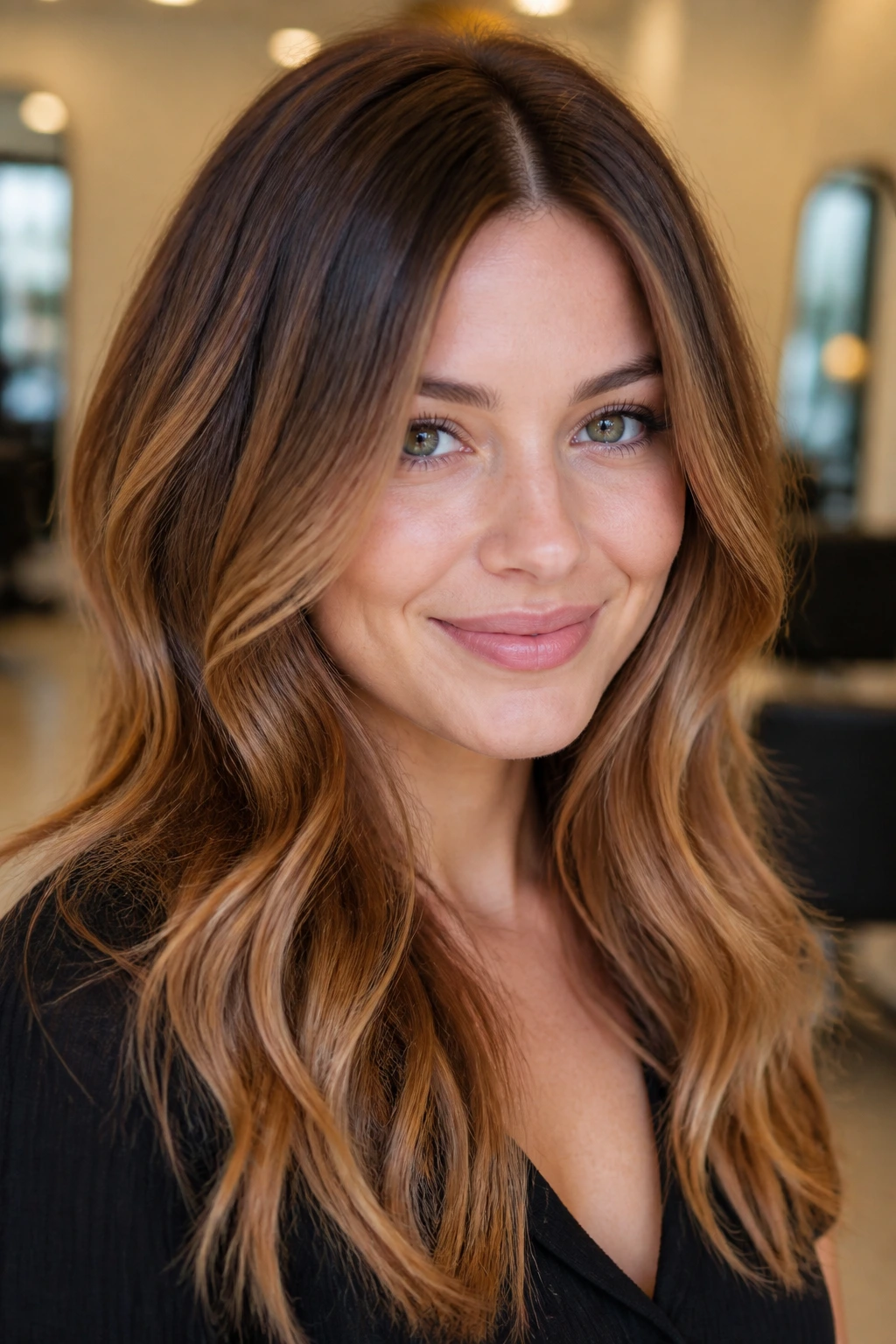
Unlike a highlight pattern that starts high and stays loud, a cinnamon root melt lets the color drift. The top stays deeper, then the warmer brown lightens gradually into caramel-cinnamon lengths. On fair skin, that soft transition matters because it keeps the scalp area from looking harsh or too bright next to a pale face.
This is the pick for anyone who hates obvious grow-out. The root melt hides the regrowth line better than almost any other brown-caramel look in this set. It also gives a slightly cozier feel than cooler beige tones.
If your skin has peach, neutral, or lightly golden undertones, this one can be lovely. If you run very cool and rosy, ask your colorist to mute the cinnamon with a beige-brown gloss so the warmth doesn’t turn too coppery.
7. Toasted Almond Ends
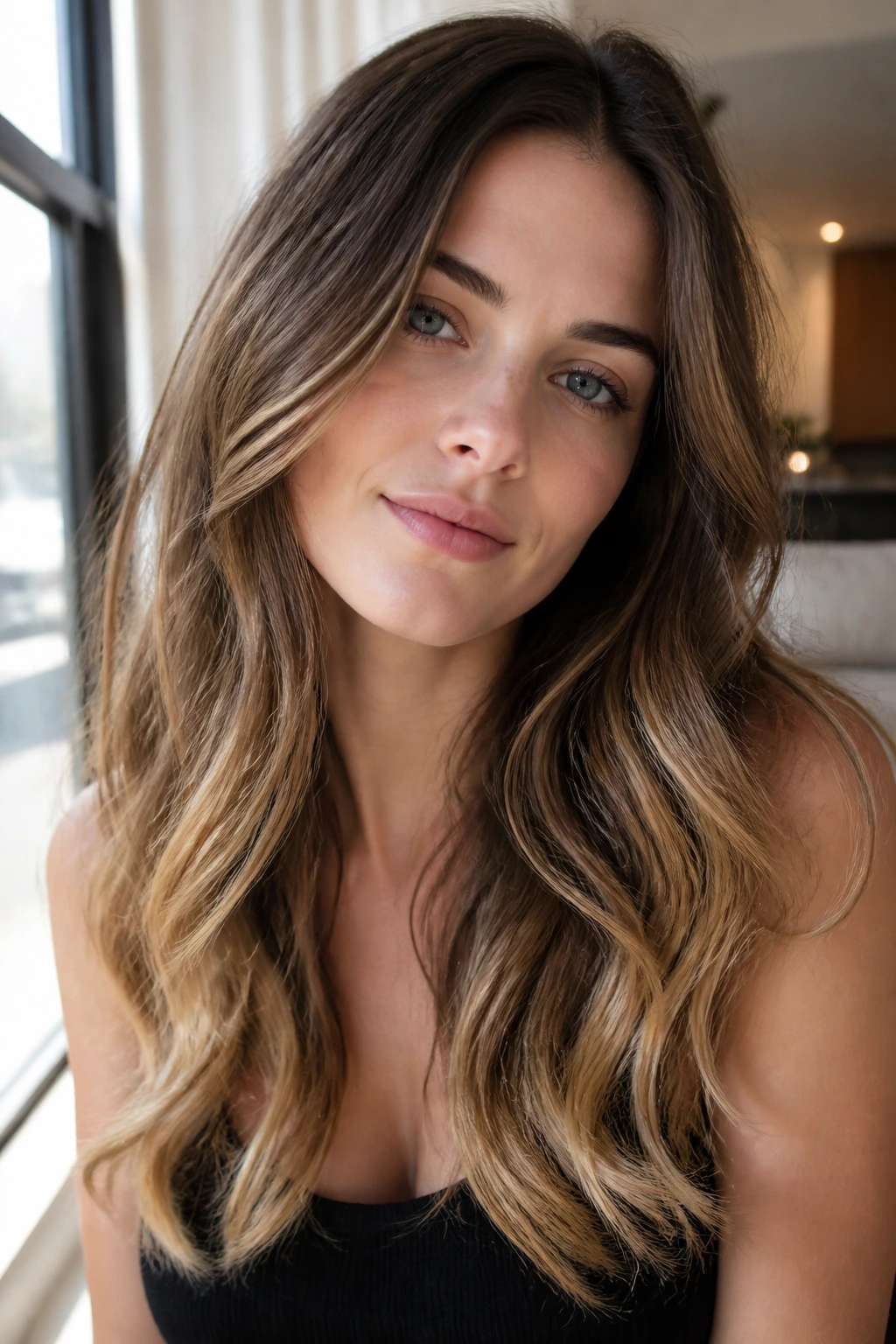
Toasted almond ends keep the brightness near the bottom, where long hair can use a little extra lift. The top stays brunette, the middle softens, and the ends carry the caramel. That setup works because fair skin often needs contrast near the face, not a wall of lightness from root to tip.
How the Ends Do the Work
When the ends are brighter, the whole style looks airier. The eye reads movement first and color second. On wavy hair, the lighter tips break up a heavy silhouette; on straight hair, they stop the style from feeling too dense.
- Best on long layers or V-shaped cuts
- Ask for caramel saturation from the mid-lengths downward
- Keep the tip color soft and creamy, not pale yellow
- Pair with loose waves so the light catches in bends
Best tip: Trim the ends regularly. Brown-caramel tips look fresher when the cut is clean, not wispy.
8. Espresso-Soft Lowlights
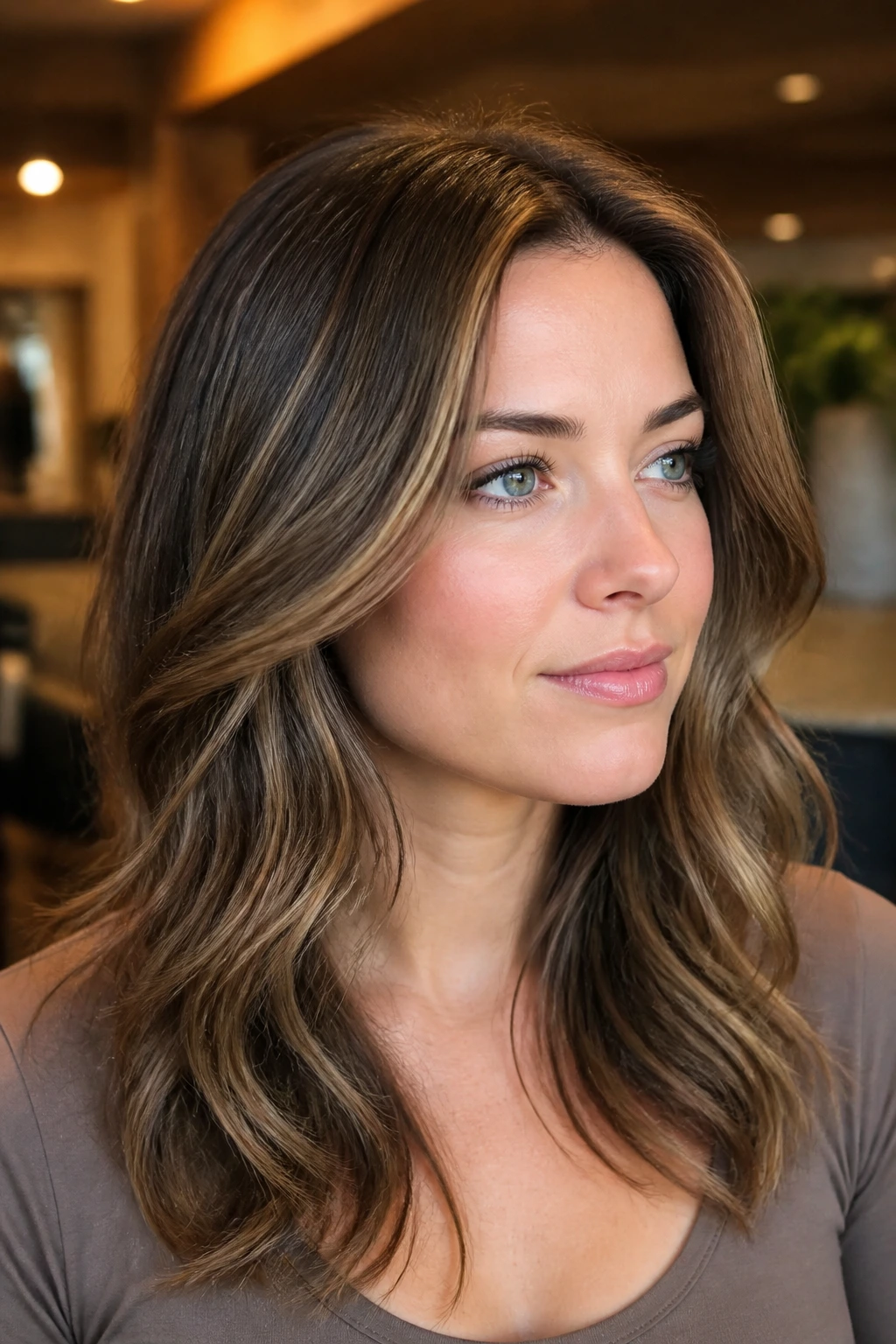
Lowlights deserve more respect than they get. In this look, espresso tones thread through a caramel base so the lighter pieces don’t wash out fair skin. The darker strands create spacing, and spacing is what keeps highlight color from turning blobby or flat. A pale face tends to like that kind of structure.
This is the move if your current highlights feel too bright and too one-note. Rather than stripping more light into the hair, the colorist adds shadows back in. The result is richer, not darker in a dead way. It just has more room to breathe.
Ask for lowlights placed under the top layer and around the nape. That keeps the head from looking overworked from the front. If the hair is fine, the espresso should be thin and scattered; if it’s thick, the pieces can be a little bolder.
9. Maple Glaze Layers
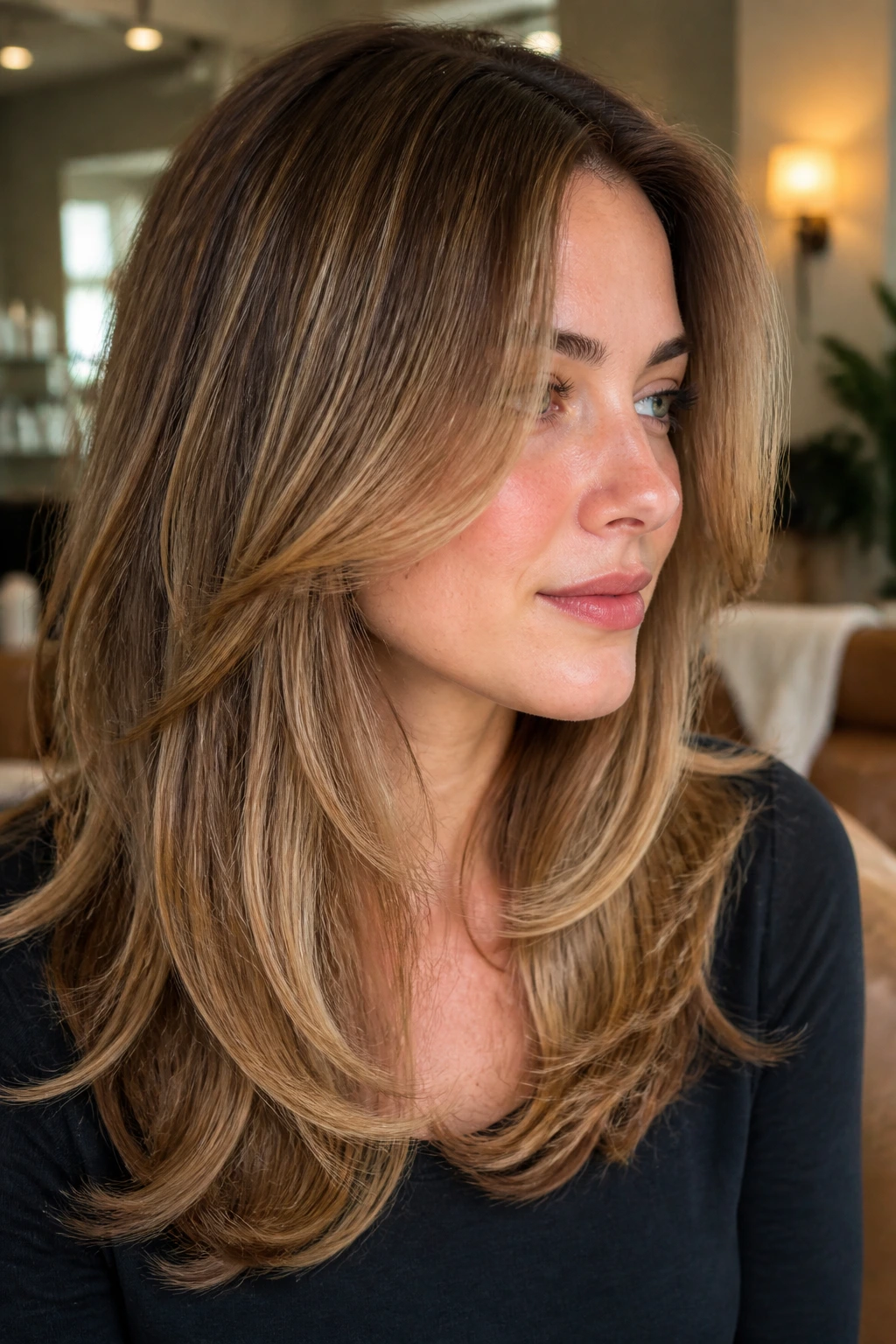
Have you ever seen a brown-caramel color that looked flat in the chair and suddenly woke up once the hair was curled? That’s maple glaze energy. The color isn’t screaming for attention. It’s sitting there, deep and glossy, waiting for the movement to show it off.
How to Ask for It
Ask for warm brown highlights with a maple-beige glaze through the mid-lengths. The glaze matters. It keeps the caramel from drifting yellow and gives fair skin that softly warmed look without going too orange. On a layered cut, the pieces separate just enough to show the variation.
This is a good call for medium-density hair because the glaze smooths the cuticle and the layers keep the dimension from disappearing. If you wear your hair pin-straight, the look reads neat and reflective. If you wear it with bends, the color gets a little more playful.
10. Mushroom Brown Veil
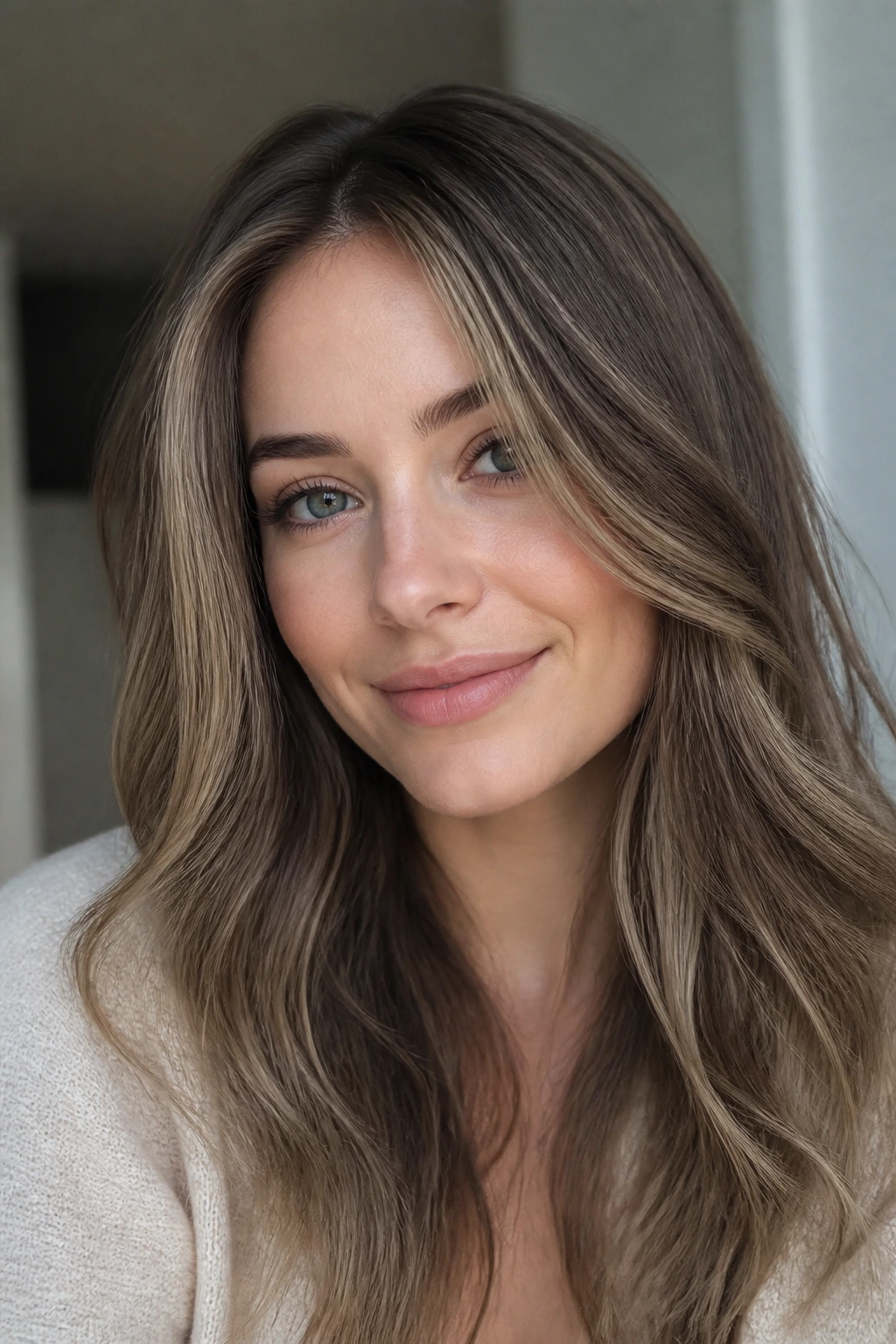
Mushroom brown is the answer when fair skin needs softness, not heat. The veil effect means the color sits lightly over the hair instead of punching through in obvious streaks, and that keeps everything calm around the face. On cool or rosy skin, this can be a lifesaver. No brass. No orange. No weird competition with redness in the cheeks.
The best version keeps the caramel muted and a touch smoky. Think brown with beige, not brown with gold. I’d especially reach for this if your natural hair is dark blonde and you want to stay in a low-contrast zone.
- Choose cool beige-caramel ribbons
- Add smoky lowlights if the hair is fine
- Works well with sleek blowouts
- Ask for a soft gloss every 4 to 6 weeks
Watch the undertone: If the color warms up too much in sun or heat styling, it will lose the mushroom effect fast.
11. Honeyed Bronze Contour
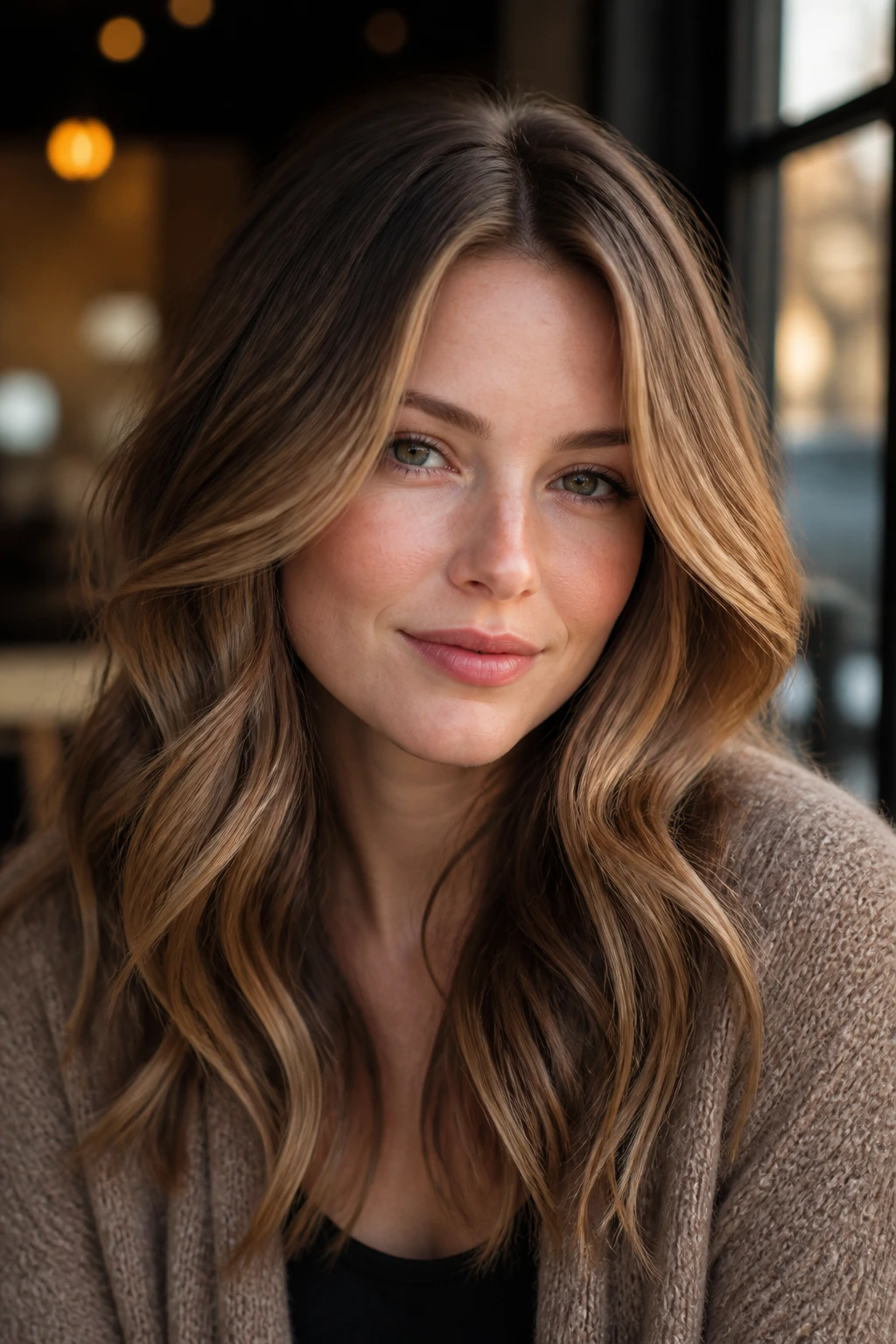
Honeyed bronze around the face acts like makeup for the hair. The brighter pieces sit where the cheekbones and jawline need shape, and the deeper brown stays behind them. On fair skin, that contouring effect can be useful because it brings warmth up toward the face without flooding the entire head with light.
The bronze note is what keeps this style from going overly sweet. A honey caramel alone can feel soft but vague. Bronze gives it backbone. You see the dimension even when the hair is tucked behind the ears or pinned half up.
I like this most on shoulder-length cuts with some layering around the front. It gives movement near the collarbone and a lift near the eyes. If you have freckles, this tone tends to play nicely with them.
12. Cocoa-Dipped Bob
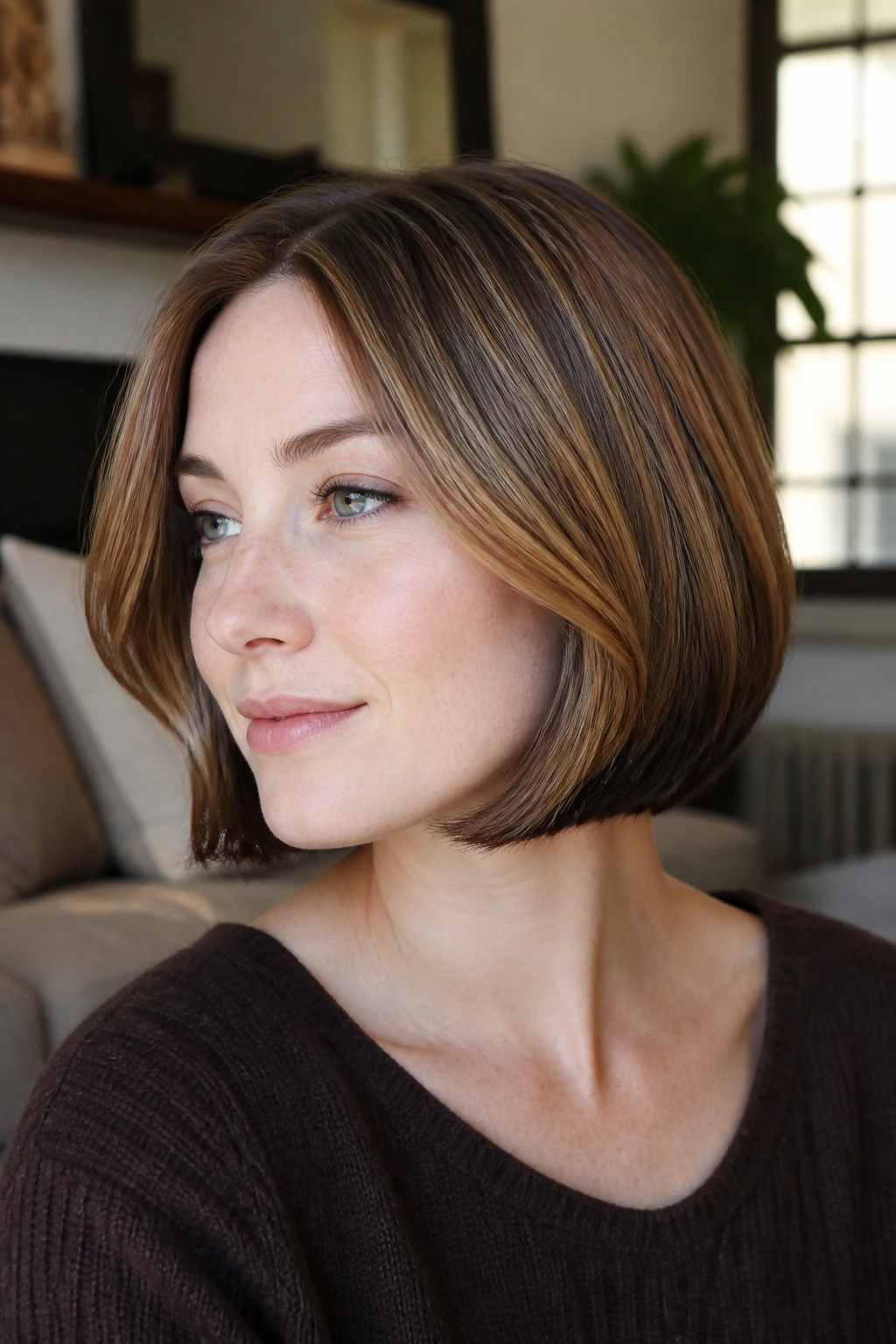
A bob changes the rules a little. You do not need long ribbons to get the effect; you need precision. Cocoa-dipped ends and medium highlights through the surface layers keep the cut from looking like one solid block. Fair skin often benefits from that crisp contrast, especially if the bob sits right at the jaw or just below it.
What makes this one work is the placement. The brighter pieces should sit around the outer curve of the haircut, not scattered randomly through the interior. That way the line of the bob stays clean while the surface catches light.
On straight bobs, the cocoa tone gives the cut weight and shape. On textured bobs, it helps the curls stack in a more visible pattern. If you’re wearing a blunt bob, keep the highlights soft and sparse. Too much color and the line gets messy.
13. Sand-Caramel Curtain Highlights
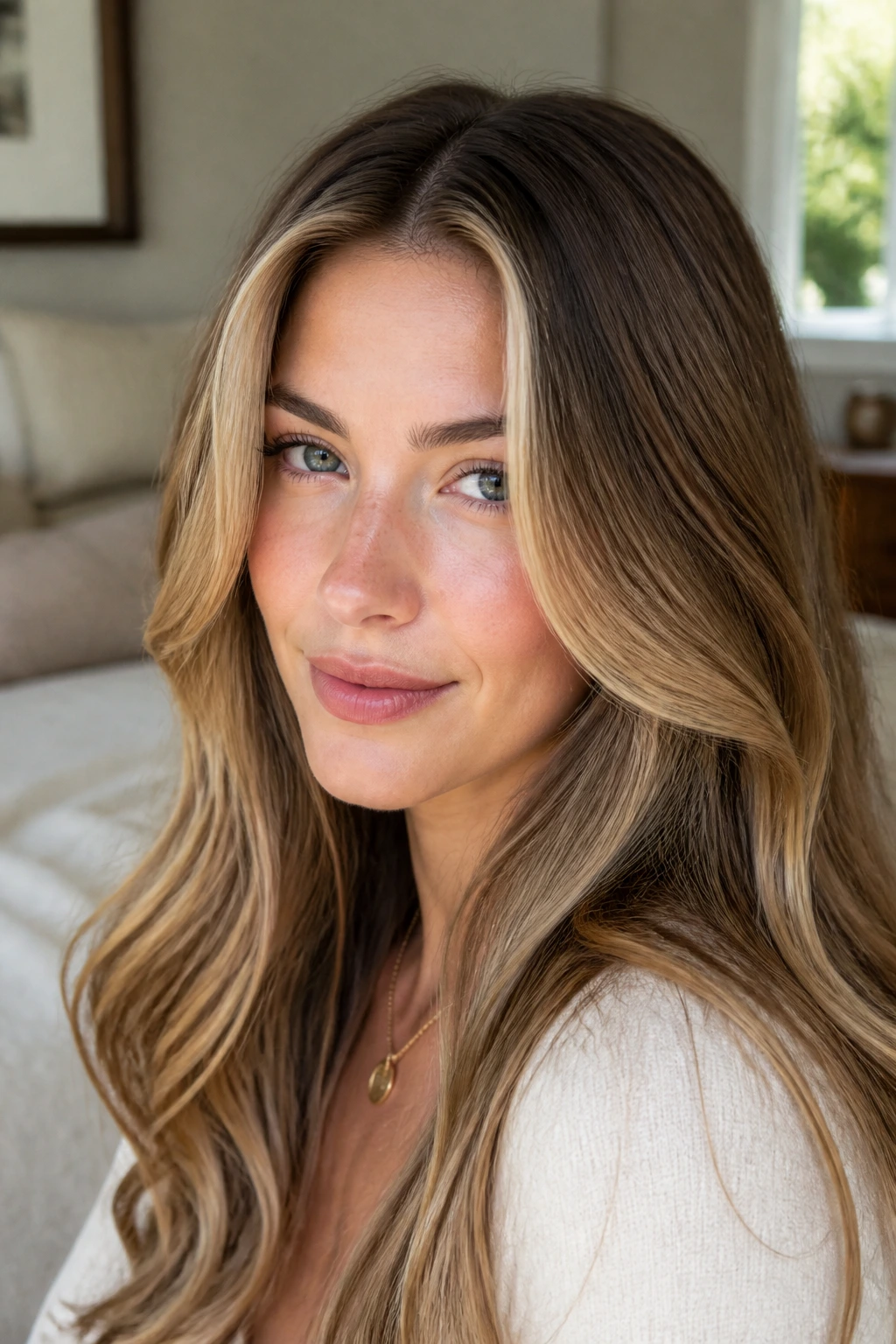
Curtain highlights are one of the easiest ways to make brown caramel feel soft on fair skin. The pieces open around the part and fall toward the cheekbones, which means the brightness lands in the center of the face instead of only at the edges. That’s a small shift, but it changes the whole look.
The Part Line Changes Everything
A narrow part with curtain highlights gives a neater, more polished feel. A wider part lets the caramel show a little more boldly. Either way, the key is to keep the color broad enough to read, but fine enough to blend into the base.
- Ask for two lighter face-framing ribbons
- Keep the rest sandy brown with caramel glazing
- Best for fair skin that needs a little warmth
- Works on straight, wavy, or blowout styles
My take: This is one of the safest looks in the set. It’s visible, flattering, and hard to overdo if the tone stays beige.
14. Sable Peekaboo Panels
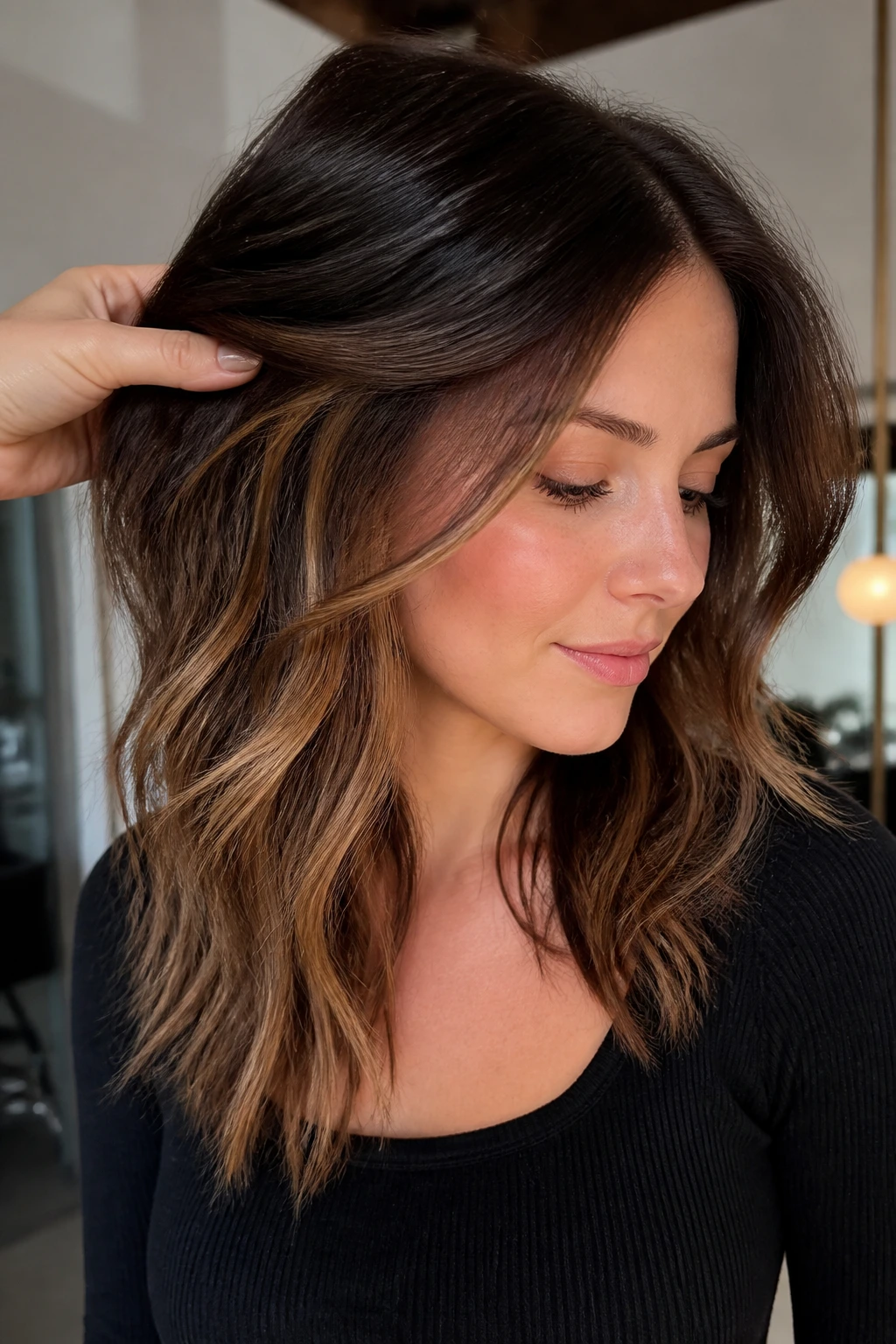
Peekaboo panels are for people who like a little secret in their color. The top stays darker, while caramel and sable pieces live underneath or inside the layers. Fair skin gets the benefit of contrast when the hair moves, but the look never turns loud from every angle.
That hidden placement is smart if your workplace or dress code leans conservative. The color shows when you curl the ends or tuck the hair back, then disappears into the brunette base when you want it quiet. That flexibility is half the appeal.
Ask for the panels to sit under the crown and through the lower third of the head. If the hair is thick, a few wider panels work; if it’s fine, keep the pieces narrower so the interior doesn’t look stripped.
15. Toffee Threads on Long Waves
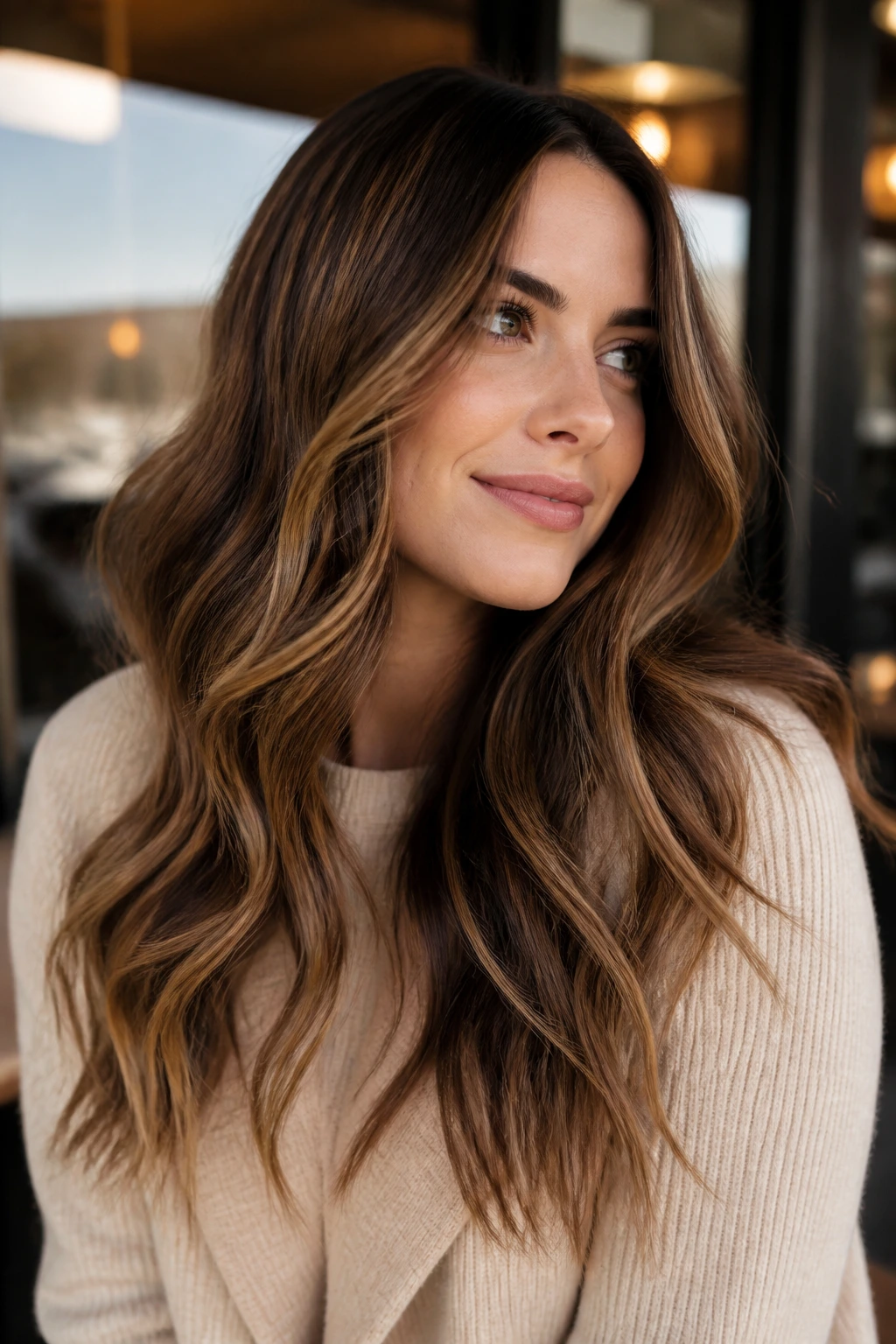
Why do toffee threads work so well on long waves? Because waves give you a moving canvas, and medium highlights need movement to show their depth. A straight sheet of hair can hide too much of the blend. Waves lift it out.
Where the Light Lands
The brightest toffee should sit in the bends, not only on the surface. That means the color shows when the hair shifts, which keeps fair skin from looking flat next to a static block of brown.
Toffee is also useful because it sits between gold and brown. That middle ground flatters neutral fair skin especially well. If your undertone is cool, ask the colorist to cool the caramel with a beige gloss so it doesn’t swing too yellow.
Long layers make this even better. The shorter pieces around the face pick up brightness first, and the longer lengths carry the softer color through the ends. The hair ends up looking lighter without losing its brunette backbone.
16. Cool Caramel Melt
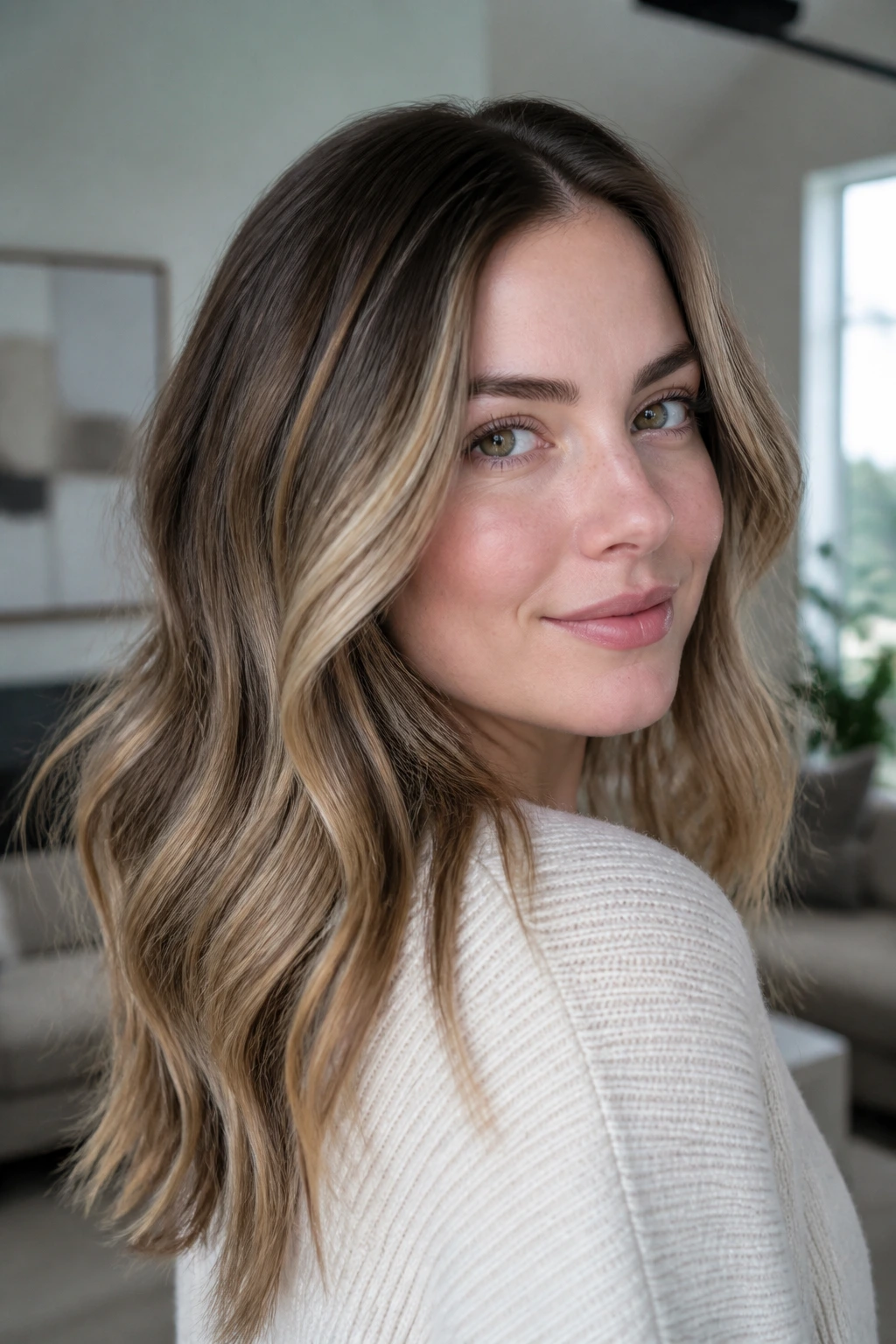
Cool caramel is not the first thing people think of when they hear caramel, and that’s exactly why it works. It takes the sweetness down a notch. The melt keeps the tone soft at the root and cooler through the mids, which is handy for fair skin that gets overwhelmed by golden brass.
This is the right call if your complexion leans pink, ivory, or a little blue-toned. It still gives warmth, but in a quieter way. The effect is almost creamy, like brown sugar mixed with beige rather than poured honey.
- Ask for cool beige-caramel pieces
- Keep the root shadowed and soft
- Best on straight hair and soft waves
- Pair with a blue or purple shampoo only if warmth gets too strong
Useful note: If the colorist goes too ash, the hair can look dull. You want cool, not gray.
17. Dark Chocolate Halo
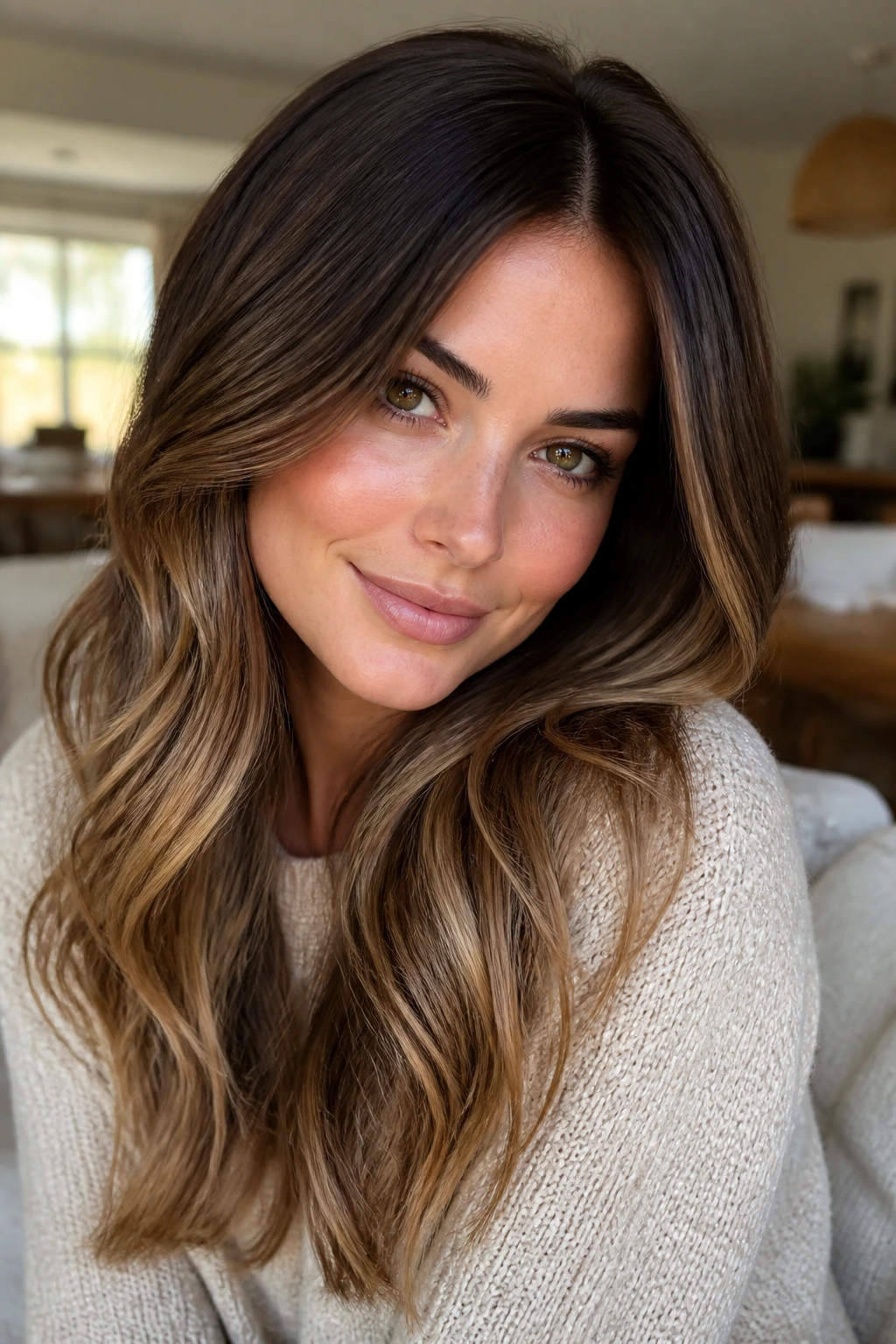
A dark chocolate halo puts the depth where fair skin needs it most: right around the crown and upper sides. That deeper color creates a frame, and the caramel pieces below keep the look from getting heavy. The contrast makes light skin read brighter without forcing the whole head into a high-contrast blonde zone.
This one has a slightly moodier feel than the softer looks earlier in the list. I like it on longer hair with bends, where the darker top section can melt into lighter ends. It also plays nicely with a center part because the halo effect is visible on both sides of the face.
If you’re worried that dark chocolate sounds too stark, don’t overthink it. The point is not black-brown drama. It’s depth. The top should look rich, not severe.
18. Latte Swirl Balayage
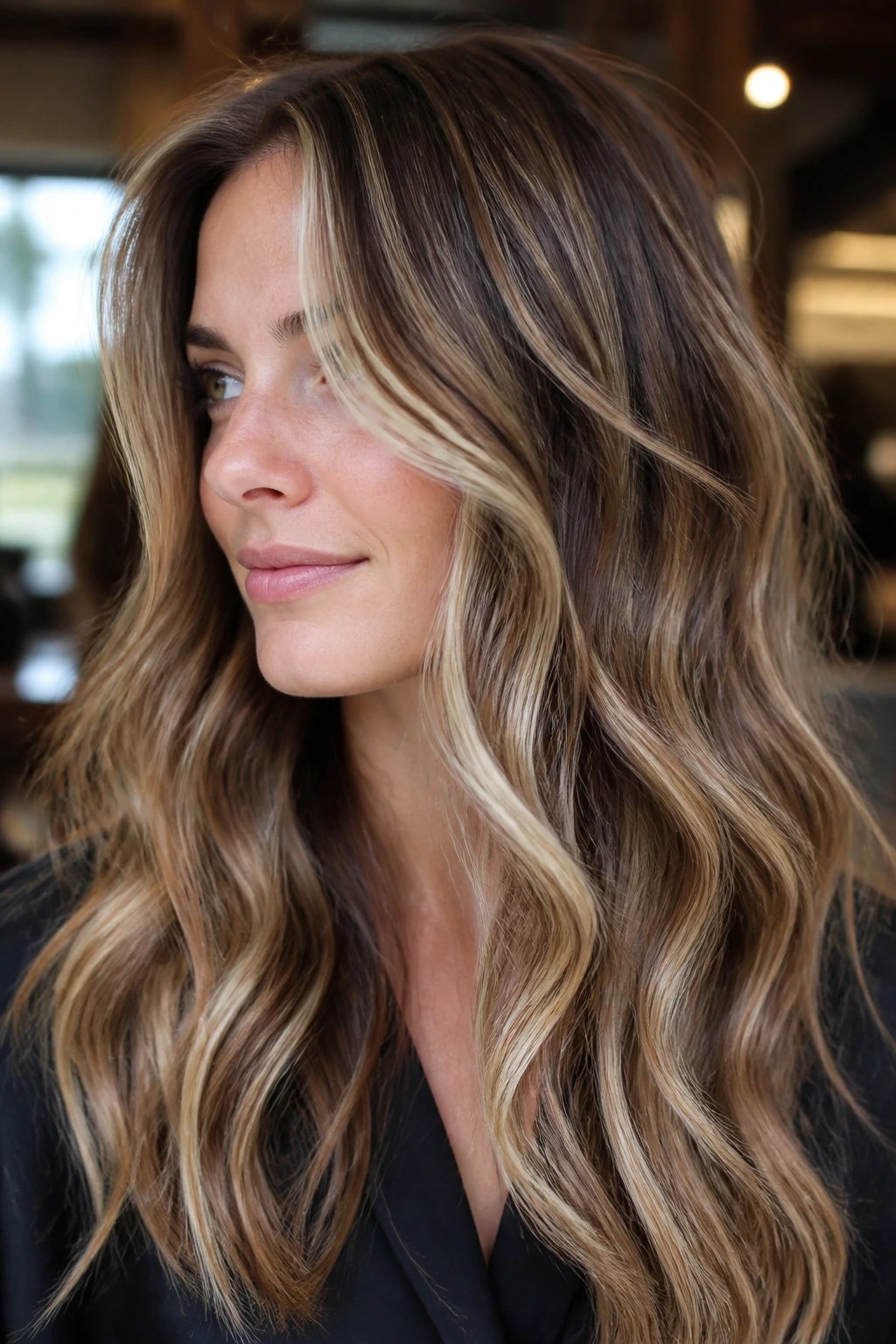
Latte swirl balayage is what happens when you mix coffee brown, beige caramel, and a little milky softness in the same head of hair. It’s not one flat highlight pattern. It’s a blend. That blend matters on fair skin because it keeps the complexion from fighting one fixed warm tone.
Unlike a single-shade caramel look, this one shifts as the hair moves. The lighter and darker pieces trade places in the light, so the style keeps changing shape. That is why it works so well on layered cuts and loose waves.
If you want the brunette side to stay visible, ask for the light pieces to be scattered rather than packed together. The milkier ribbons should sit near the surface, while the deeper coffee pieces live underneath. That gives you a dimensional finish that doesn’t read as streaky.
19. Auburn-Brown Undertone Lift
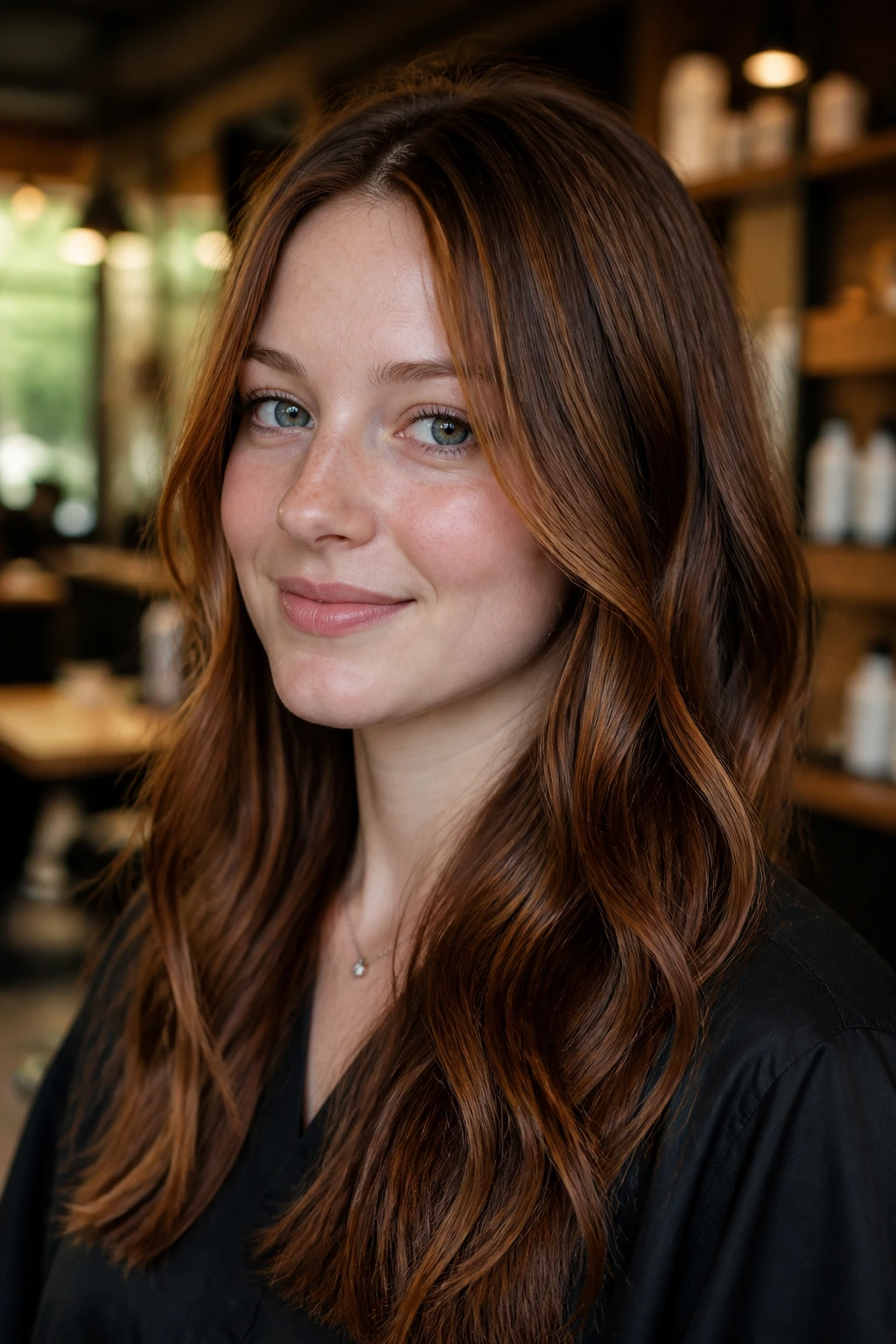
Auburn-brown is the bolder end of the caramel family, and it can be lovely on fair skin with freckles or peach undertones. The warmth lifts the face, and the brown keeps it from running into cartoon-red territory. It has more fire in it than beige caramel, so it needs a steadier hand.
Who This Fits Best
If your natural hair already has a warm cast, auburn-brown highlights can look rich and alive. If your skin is very cool or prone to pinkness, ask for the auburn to be toned down with brown and a touch of beige. That keeps the effect flattering instead of loud.
- Best for golden, peach, or freckled fair skin
- Works well with medium brown bases
- Ask for thin auburn ribbons, not broad panels
- Finish with a soft gloss to keep the red under control
Best tip: Keep heat styling low. Too much heat pulls the red forward faster than you want.
20. Sunlit Chestnut Pieces
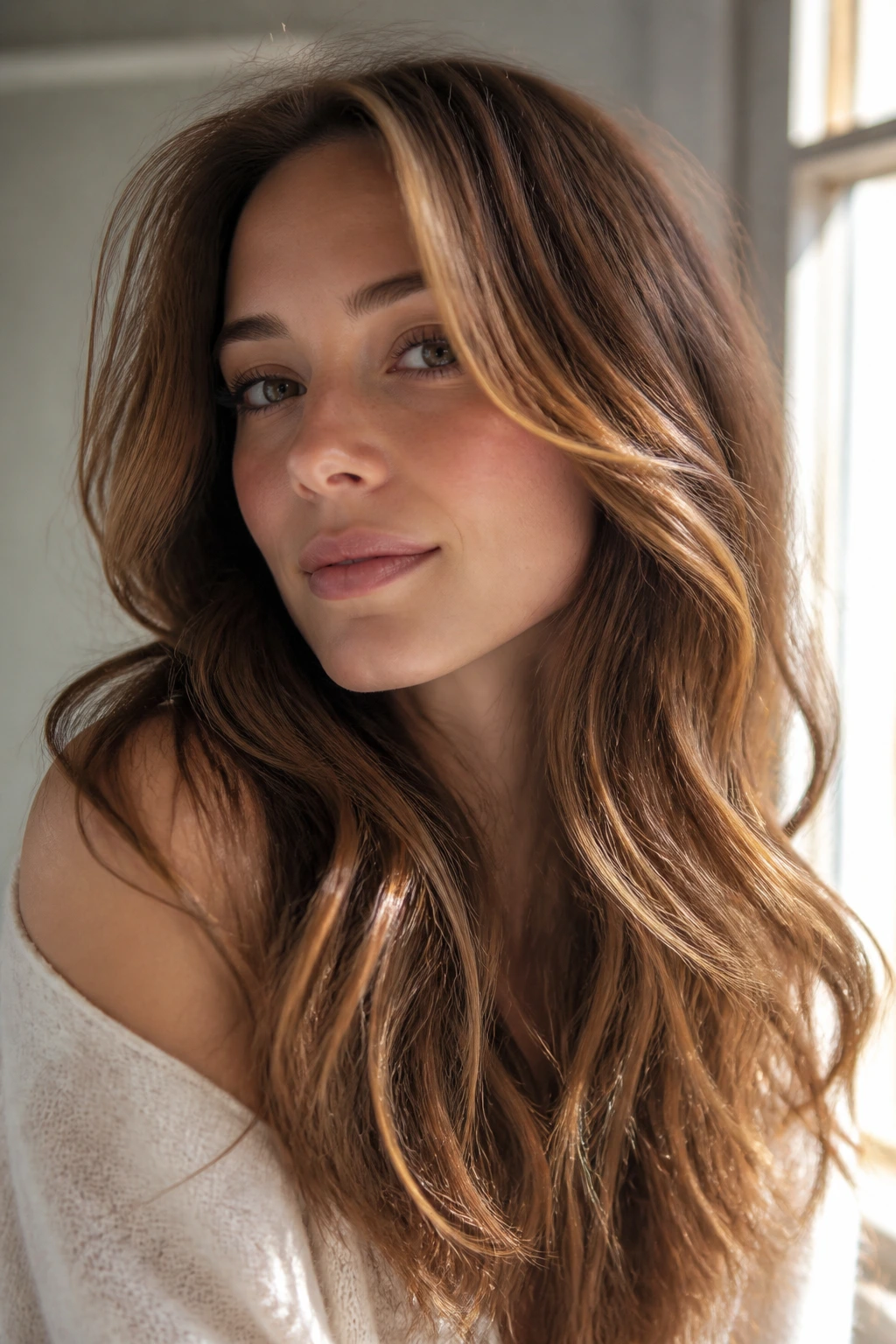
Sunlit chestnut pieces are a cleaner, brighter version of brown highlights, but they stop short of blonde. That makes them a nice middle road for fair skin that wants lift without losing brunette depth. The chestnut sits in a warm, polished place, and the sunlight effect comes from where the pieces are placed, not how pale they are.
A few well-placed ribbons around the face and through the top layer can change the whole haircut. The color opens up the front and lets the ends feel softer. On layered hair, that matters a lot.
This look is especially good if you like wearing hair half up. The chestnut pieces show around the face, then catch again in the lengths when the back is pulled away. It’s subtle, but it is not shy.
21. Velvety Brunette Lob
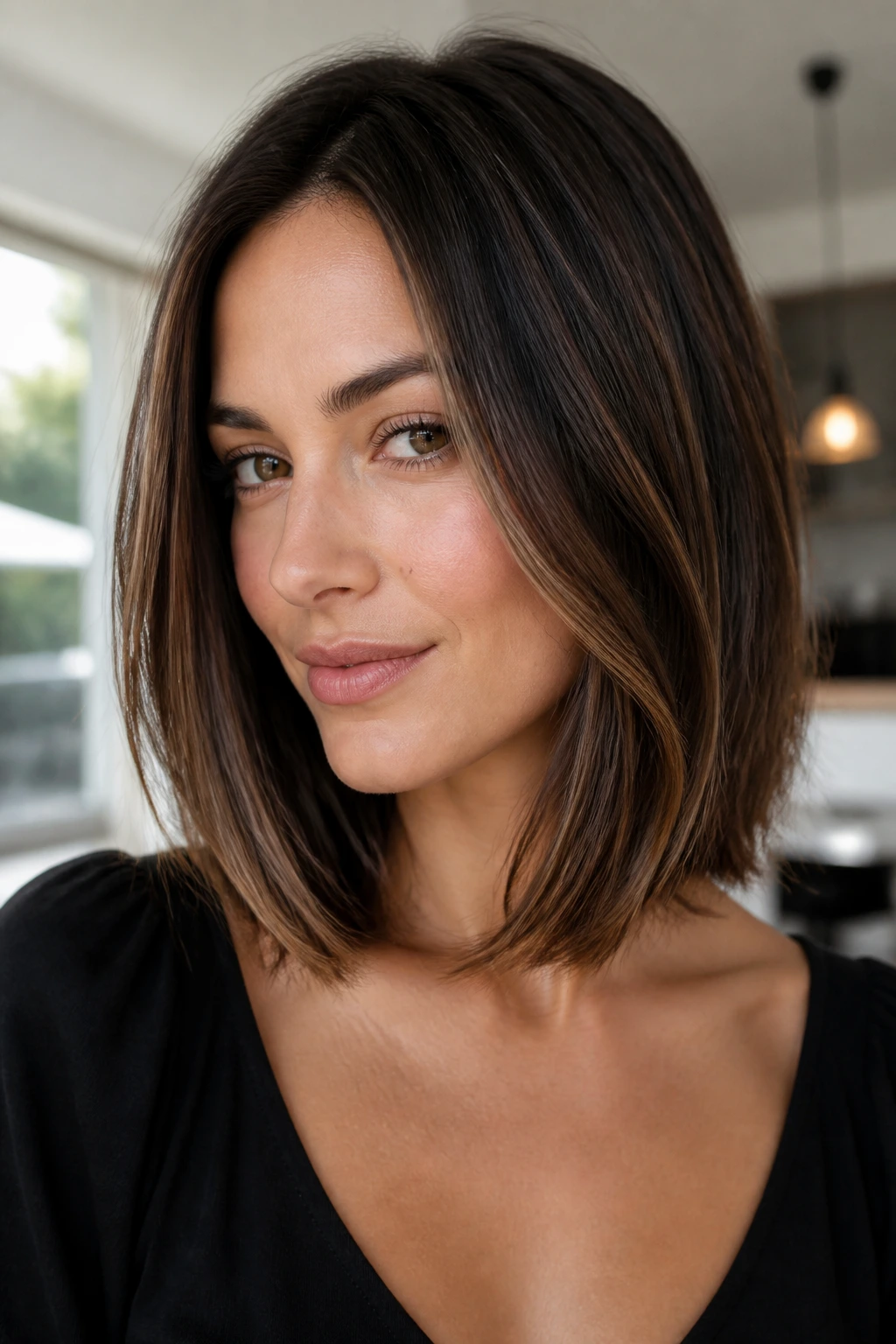
A lob gives you a lot of room for medium highlights to breathe. Not too long, not too short. Just enough length for the brown and caramel to bend through the cut. The velvety part comes from keeping the base rich while the highlights stay soft and controlled.
What I like here is the balance. Fair skin gets enough contrast to stay lively, but the haircut still looks clean. On a lob, highlights can follow the contour of the line around the jaw and collarbone, which makes the shape feel sharper without being harsh.
Why the Cut Matters
Because a lob sits close to the face, the highlight placement needs to be tidy. If the pieces are too wide, the whole style can look busy. If they’re too fine, they vanish. Medium-width ribbons are the sweet spot.
This is one of the best shapes for people who want a polished look with very little drama.
22. Amber-Cocoa Ribboning
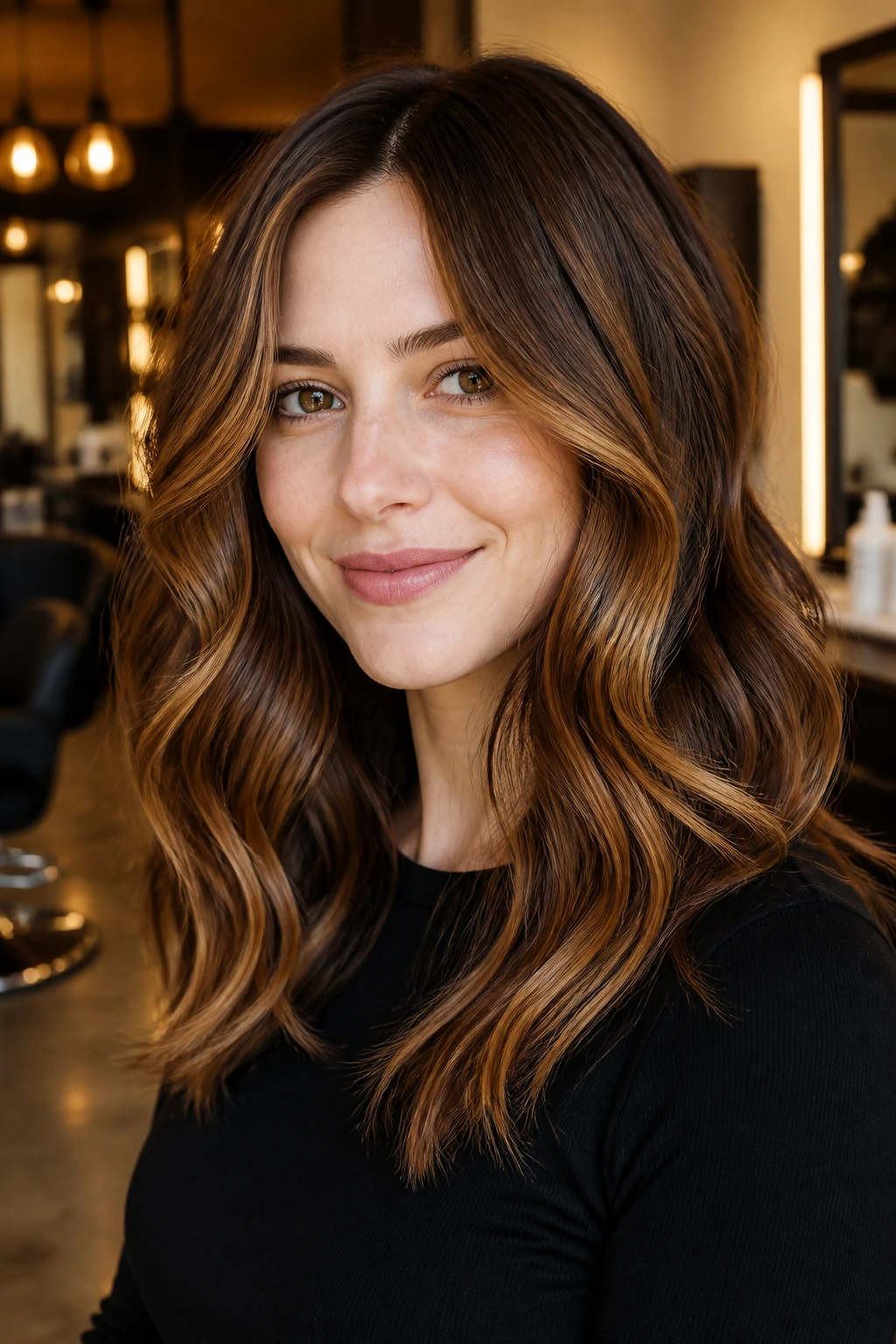
Amber-cocoa ribboning gives you warmth in layers. The amber pieces add a little glow, while the cocoa strands keep the look anchored. That mix works on fair skin because it avoids the two extremes that can be troublesome: too icy and too coppery.
The ribboning should move through the mid-lengths and upper ends, not all from the root. That keeps the color from reading chunky. It also means the highlights catch when the hair shifts, which is what makes the style feel alive.
If you wear your hair in soft waves, this one is especially good. The amber flashes between the darker pieces and the whole cut looks more textured. On straight hair, it reads smoother and more understated.
23. Rooted Caramel Slices
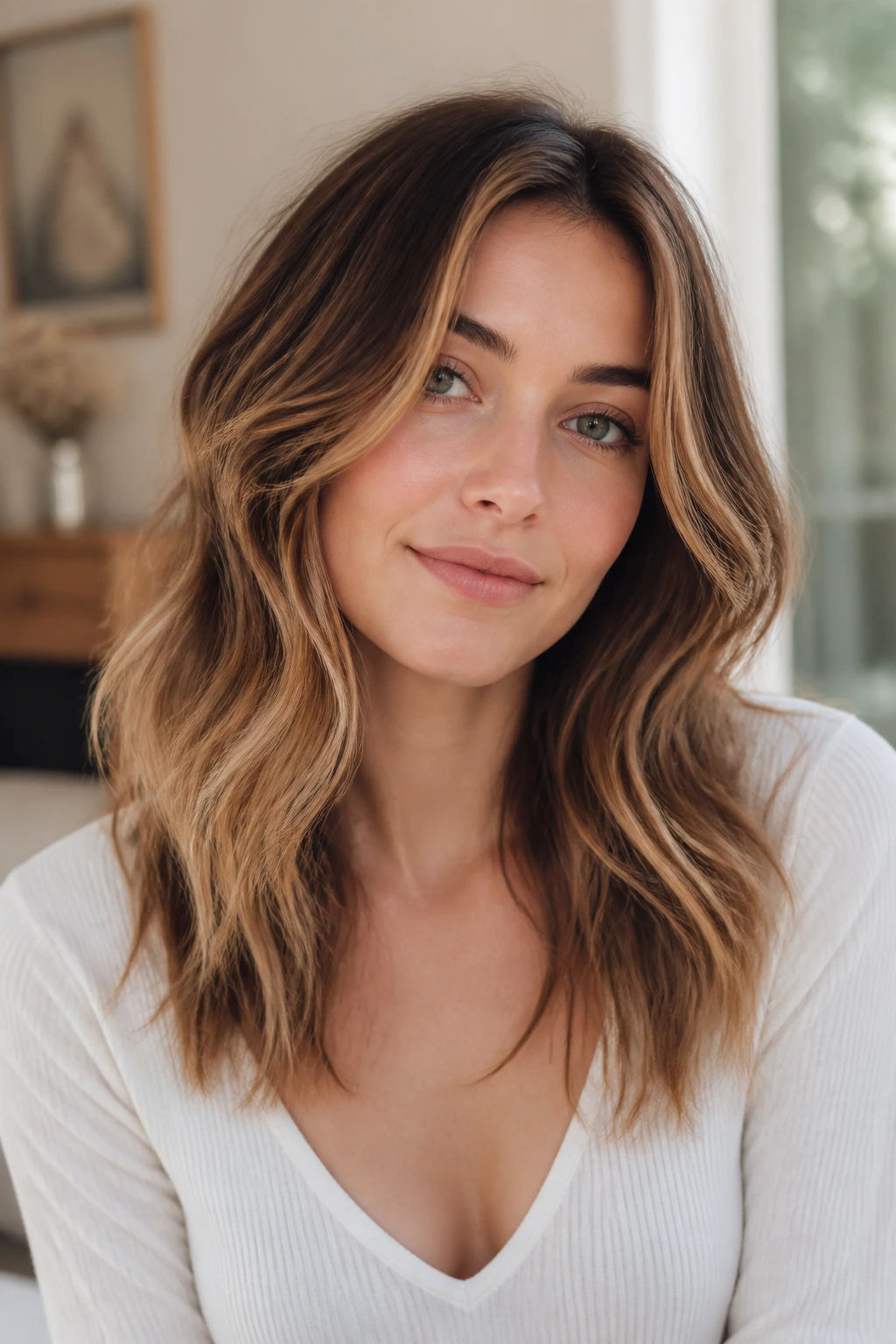
Rooted caramel slices sit somewhere between balayage and classic foil work. The slices are wider than babylights, but the root stays deep enough to stop the look from turning too bright too fast. For fair skin, that rooted base can be a gift. It keeps the color grounded and gives the face a clean frame.
This style is useful if you want a look that grows out with some grace. The root doesn’t scream for attention after a couple of weeks, and the caramel still shows clearly in the mid-lengths. It’s a practical choice, which is not a bad thing at all.
The slices work best when they’re placed with intent. Around the face, a few brighter ribbons. Underneath, deeper brown. Through the ends, soft caramel movement. No need to overcomplicate it.
24. Deep Brunette Bronde Blend
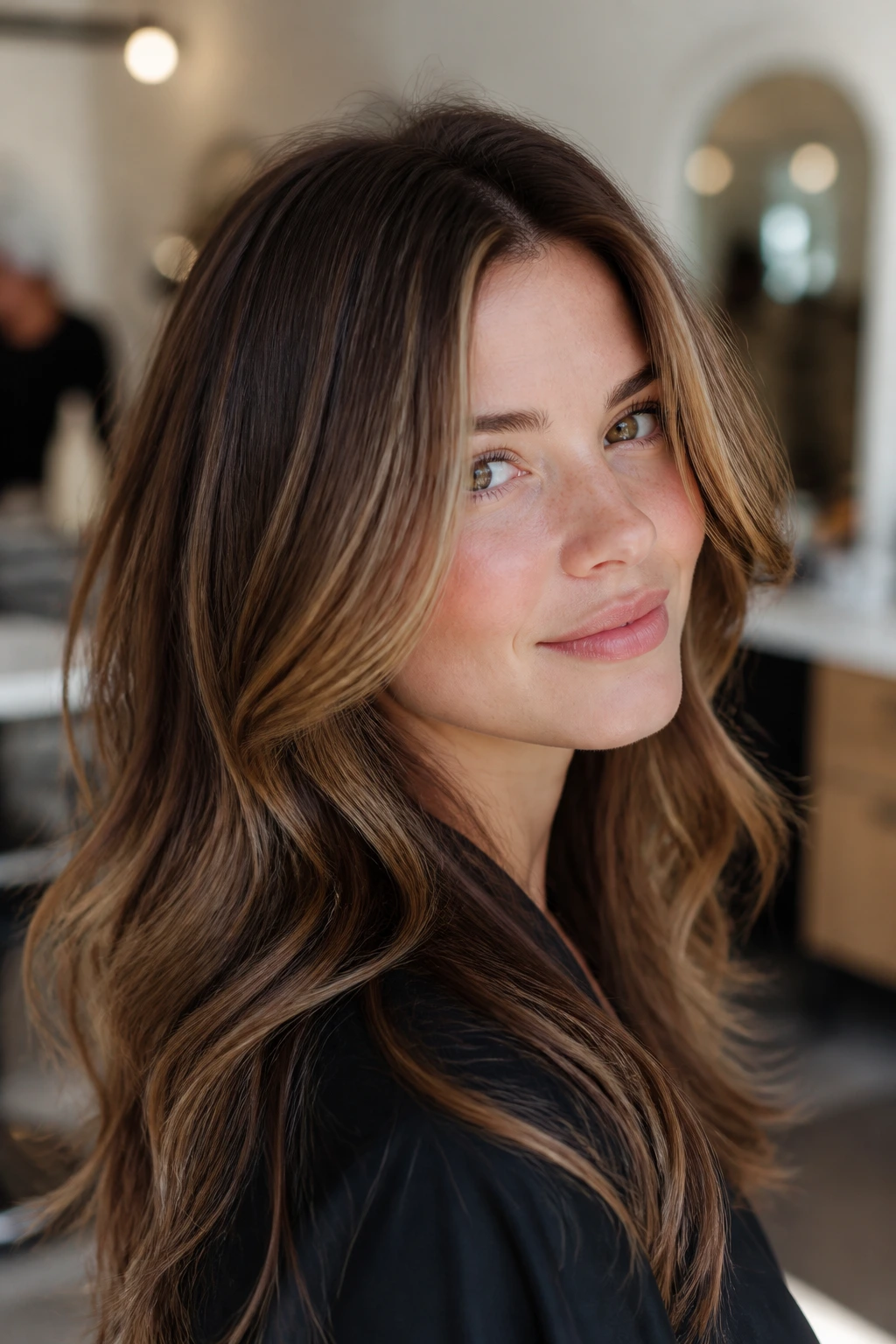
Bronde can go wrong fast when the blonde side takes over. This version keeps the brown in charge. The caramel stays medium and warm, so fair skin gets lift without losing the brunette base. That balance is what makes the blend feel wearable instead of aspirational in a photo and impossible in real life.
Unlike a lighter blonde-leaning look, deep brunettes with bronde pieces still have shape at the root and depth through the crown. The lighter bits live where the eye wants motion: around the face, the top layer, and the lower bends. That gives you brightness where you notice it, not where it causes trouble.
If your skin is very fair and your brows are dark, this is one of the easiest ways to bridge the gap. The hair and face feel connected instead of split into two different color stories.
25. Soft Hazelnut Finish
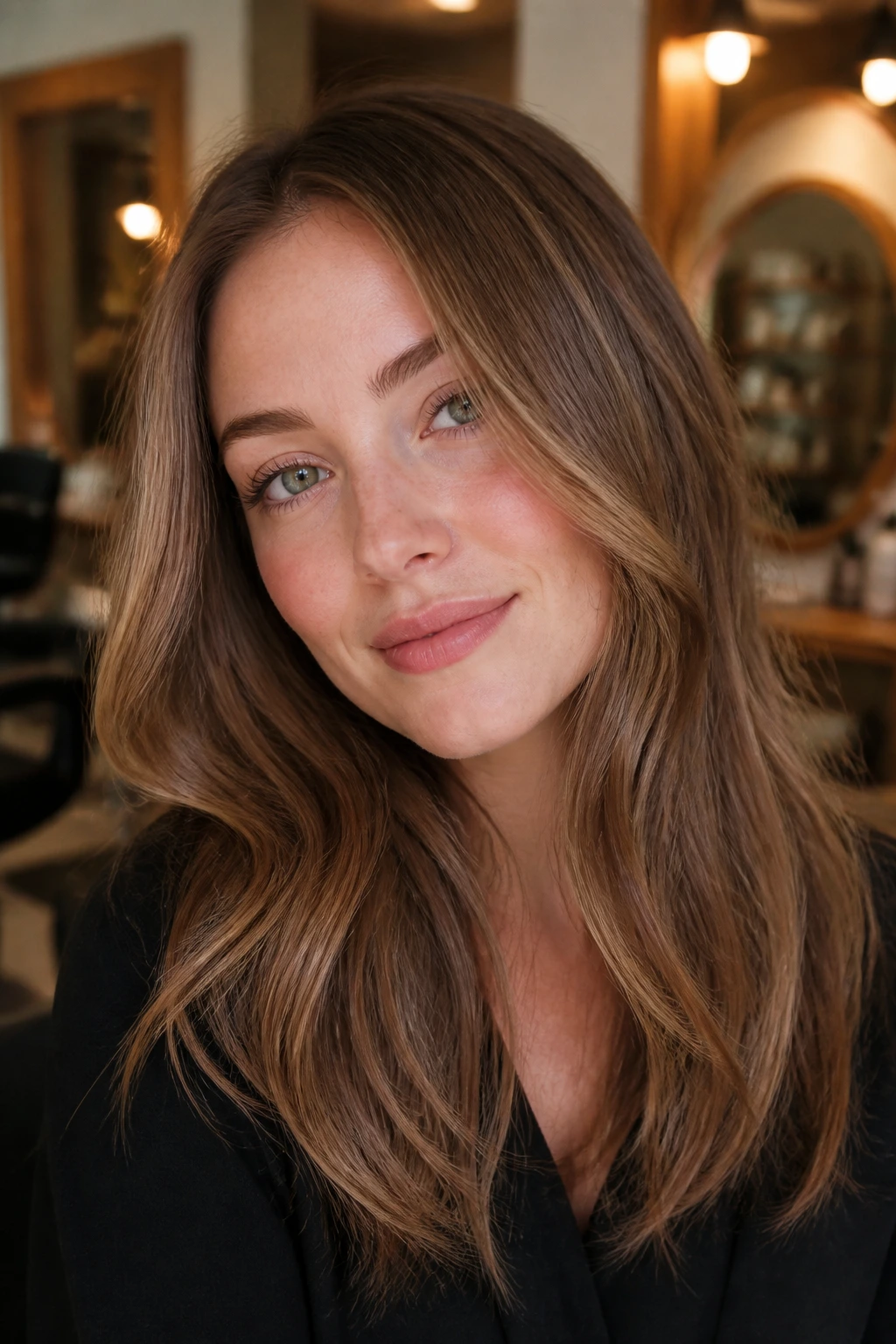
Soft hazelnut is the closing note I’d leave on this whole set. It’s warm without being syrupy, brown without being heavy, and gentle enough to sit next to fair skin without shouting over it. The finish should feel smooth and creamy, almost like the hair has been glazed rather than highlighted.
Why It Holds the Whole Look Together
Hazelnut works because it’s flexible. It can lean cooler for pink skin or warmer for peachy skin. It can live in foils, balayage, or subtle ribbons. That makes it a useful endpoint for people who want the brown-caramel family but don’t want to commit to one dramatic placement.
- Best for neutral fair skin
- Keep the highlights medium, not pale
- Ask for a gloss in the same hazelnut family
- Works on bobs, lobs, and longer layered cuts
Final tip: If you’re unsure where to start, hazelnut is one of the safest tones to bring to a consultation.
Why Brown-Caramel Dimension Flatters Fair Skin
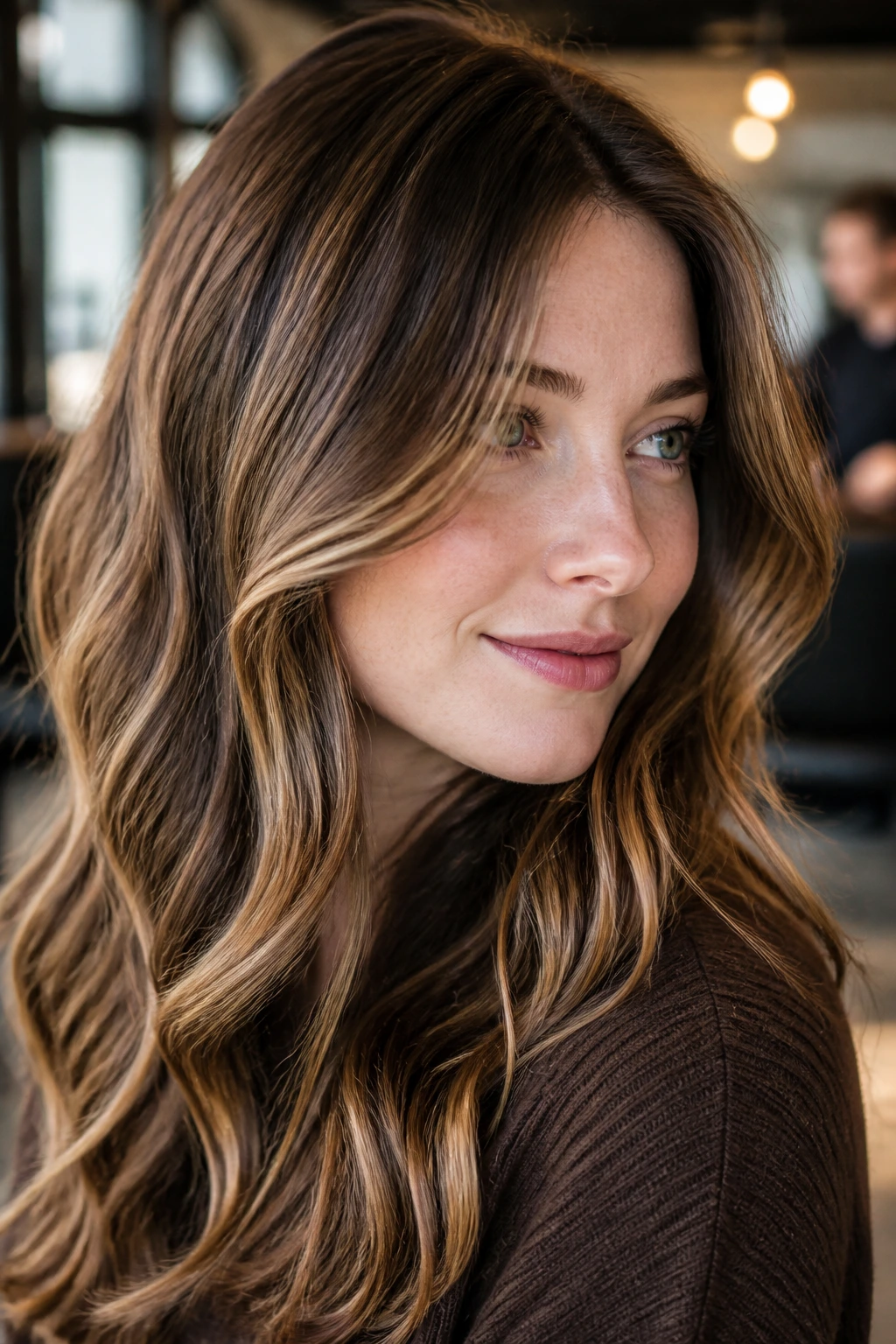
The reason this color family keeps showing up is simple: it gives light skin something to sit against. Fair complexions can look drained when the hair is too pale or too flat, and they can look harsh when the contrast is too strong. Brown caramel sits in the middle and gives the face a frame without swallowing it.
Tone is half the battle. Beige caramel calms pink skin. Golden caramel warms ivory skin. Smokier brown keeps things grounded when you want the hair to stay on the cooler side. That’s why the same idea can look different on two people and still be right on both of them.
Placement matters just as much. A face frame near the part, a few ribbons through the crown, a deeper root, and softer ends can change the whole feeling of the haircut. The eye reads movement first. Color comes second.
How to Choose the Right Caramel Tone for Your Undertone
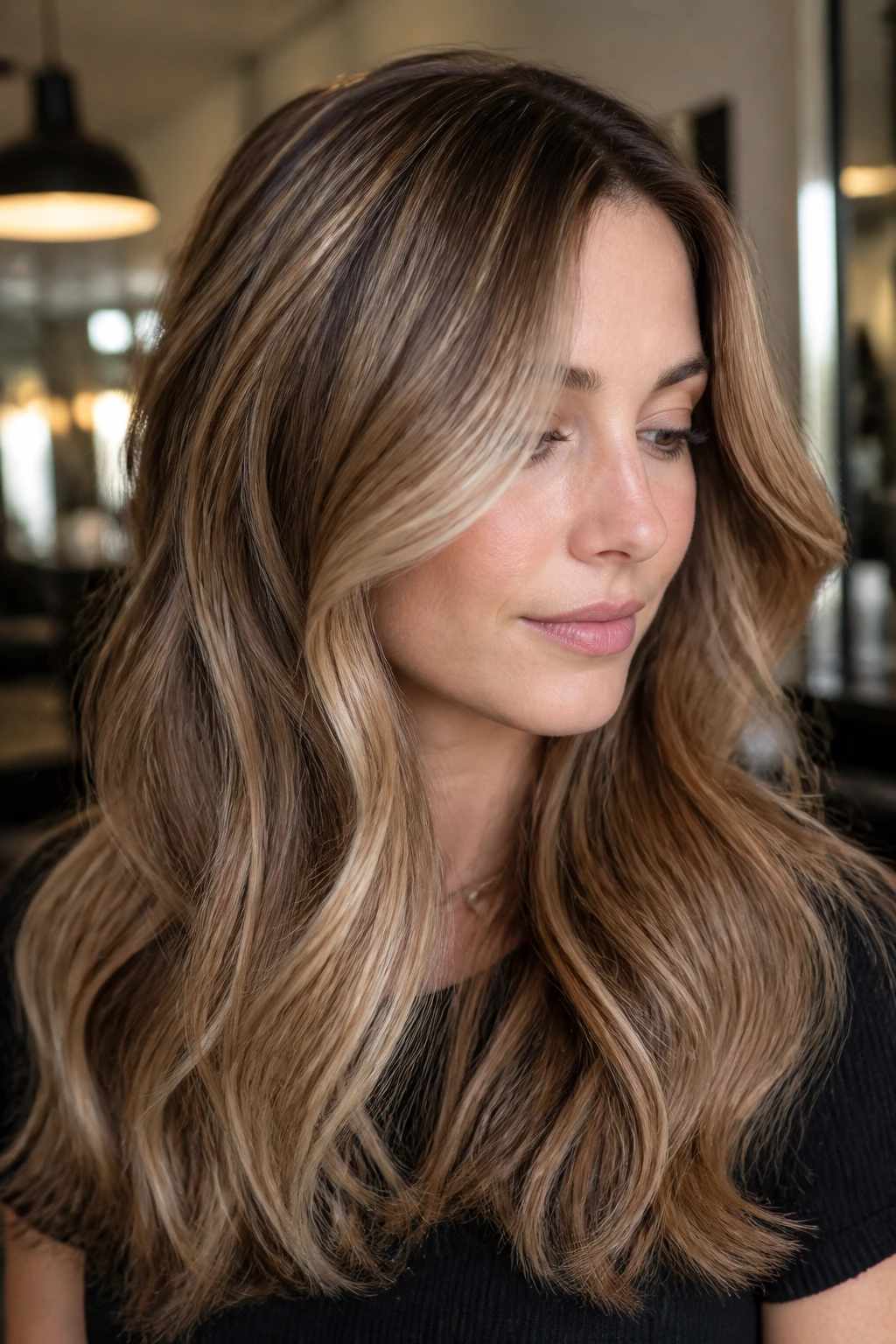
If your skin flushes easily or has a rosy cast, lean beige, mocha, or mushroom-brown caramel. Those tones keep warmth from tipping into orange. They’re especially nice if you already have cool-toned brows or a pink undertone in the cheeks.
If your skin leans peach, golden, or freckled, richer caramel, walnut, and honeyed bronze usually look natural. You can push warmth a little farther here without the color fighting your face. The trick is still to avoid a neon gold effect.
Neutral fair skin is the easiest match. You can wear either side of the spectrum, so the decision comes down to mood. Cool brunette with beige ribbons. Warm brunette with maple or chestnut. Either can work.
A quick consultation shortcut
Bring two photos: one with a cooler tone and one with a warmer tone. That helps a colorist see whether you want softness, glow, or contrast. Say the words medium highlights, because that tells them you want visible ribbons, not baby-fine misting.
Placement, Width, and Face-Framing Details That Matter Most
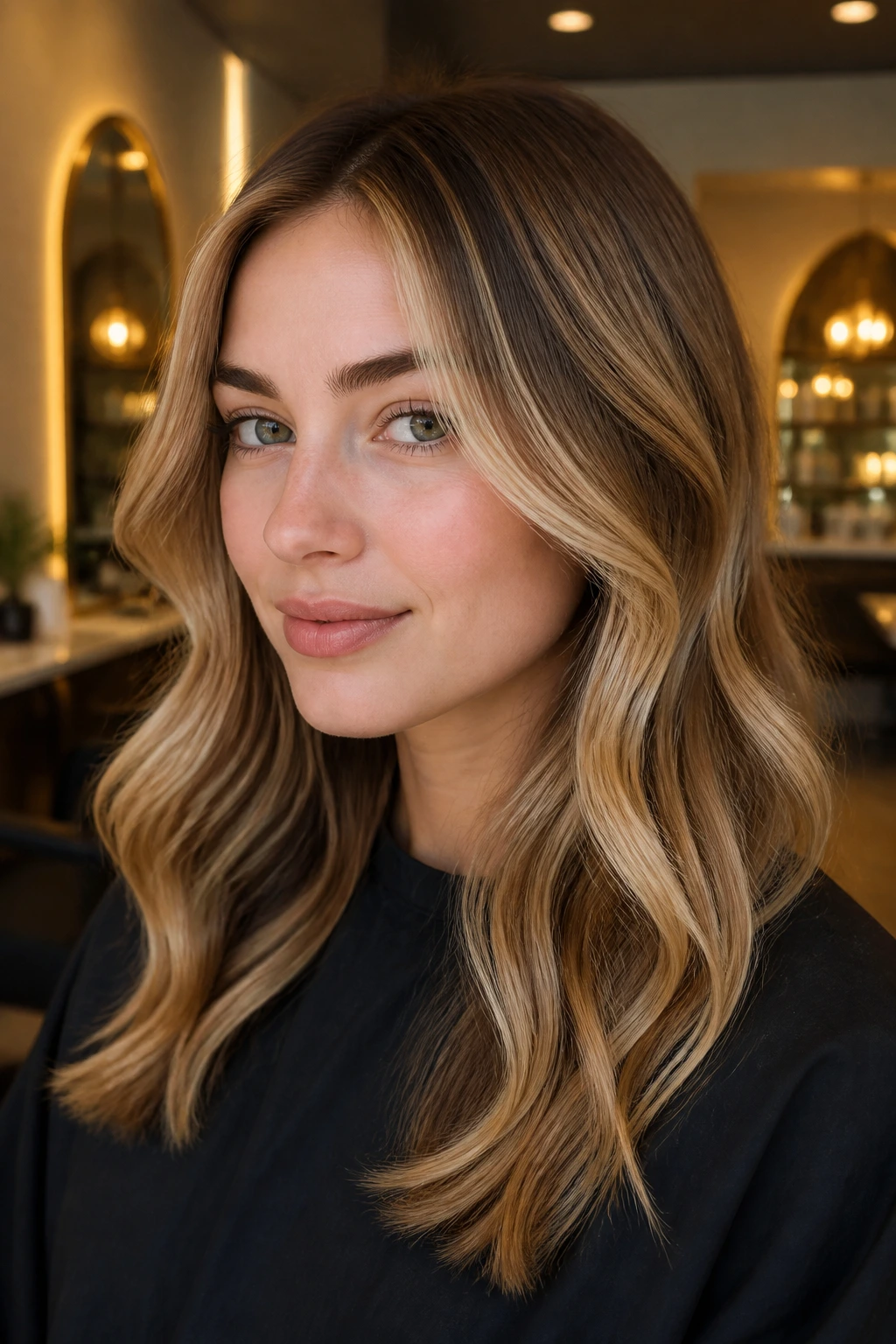
Width changes everything. Thin babylights look delicate, but they can disappear on dense hair. Chunky panels look bold, but they can overpower fair skin if the contrast is too high. Medium highlights hit the center line and give you enough shape to see.
For face-framing pieces, think in terms of where the light lands. Around the cheekbones and temple, not just right at the hairline. That small adjustment keeps the color from looking like a stripe stuck to the front. It should open the face, not draw a box around it.
Longer layers can hold wider ribbons. Shorter cuts usually need tighter placement so the haircut doesn’t get noisy. And on fine hair, fewer pieces often look more expensive than more pieces. That sounds backwards until you see it in a mirror.
Practical Tips for Getting the Most Out of This Color
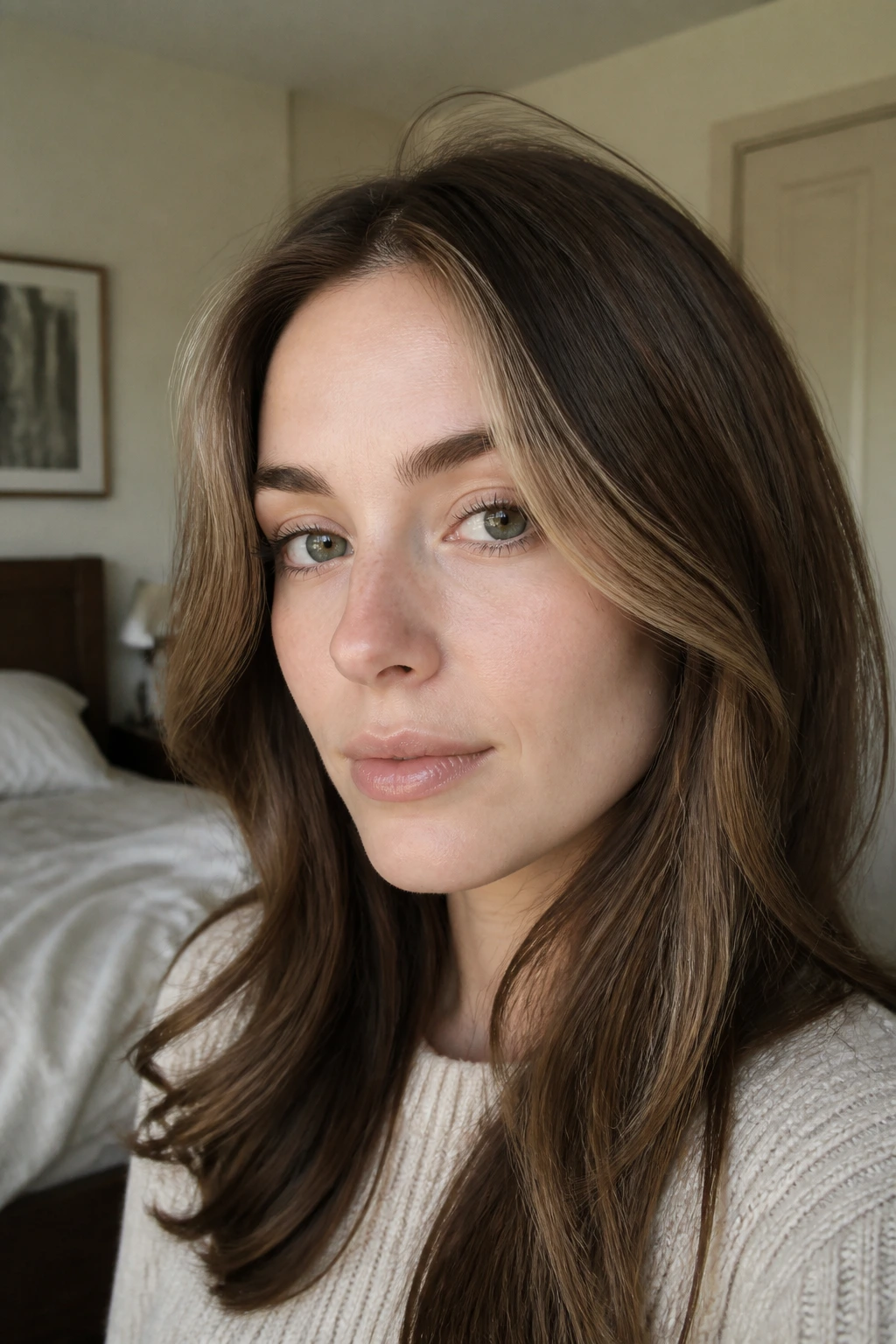
Tone control: Ask for a demi-permanent gloss in a caramel, beige, or hazelnut family after lightening. That last step keeps the highlights from going brassy and gives the hair a softer finish.
Placement logic: Put your brightest pieces around the part, temples, and front layers. Keep the nape and underlayers deeper unless you want a louder, more contrast-heavy result.
Heat honesty: High heat pulls warm tones faster than people expect. Use a heat protectant every time you blow-dry, curl, or flat-iron. It makes a difference in how long the caramel stays creamy.
Budget move: If you don’t want full highlights every visit, ask for partial foils plus a gloss in between. That keeps the color refreshed without repainting the whole head.
Common Mistakes That Make Caramel Look Off
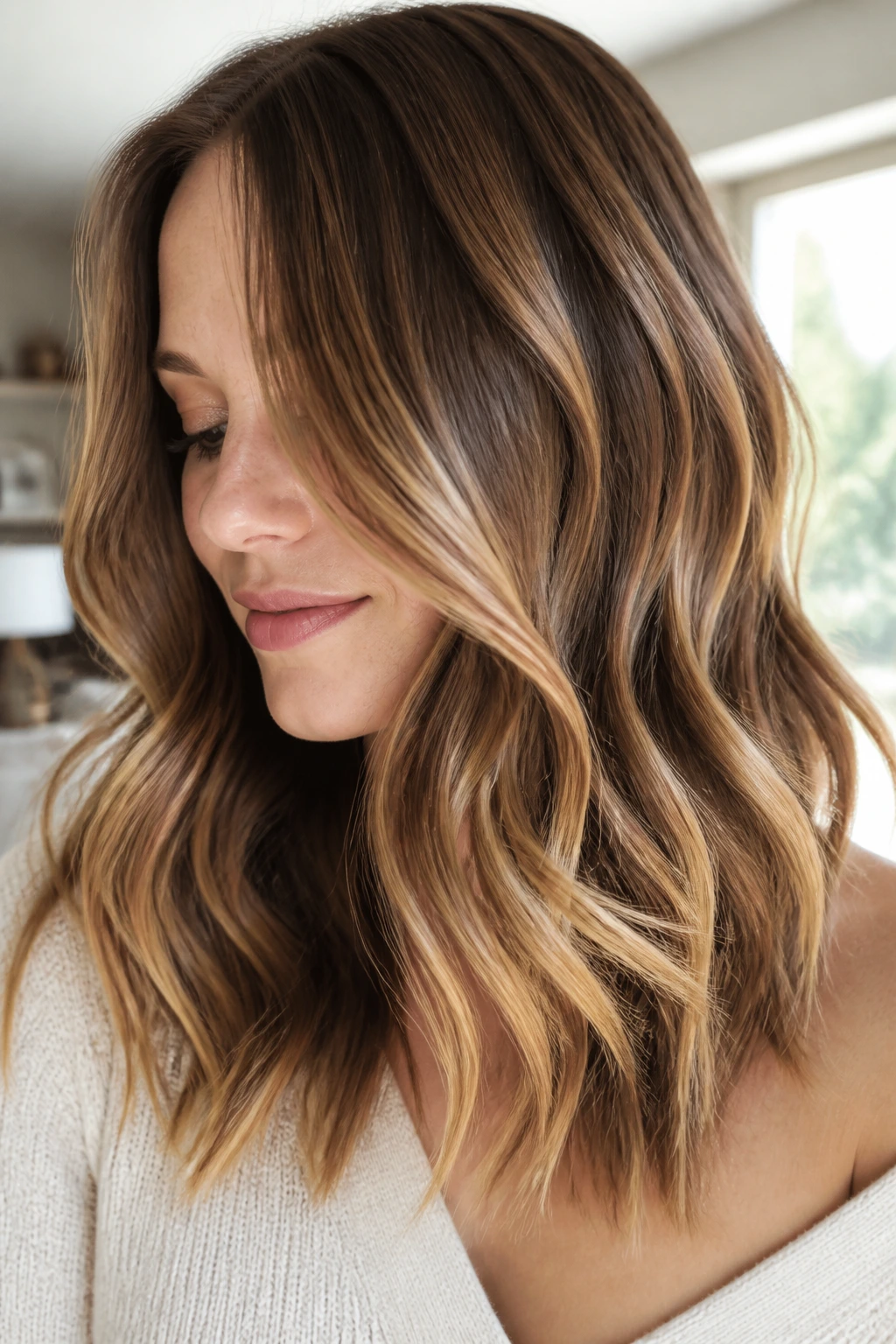
Going too orange: Caramel that leans copper can make fair skin look flushed in the wrong way. Fix it with a beige or neutral gloss, and ask for less warmth in the next appointment.
Making the pieces too wide: Big stripes can look dated fast. The symptom is obvious: the eye sees sections before it sees hair. Use medium ribbons instead of slab-like panels.
Skipping depth at the root: If the hair is light from scalp to tip, the face can look washed out. A deeper root or shadow melt gives the color shape and makes the skin look more awake.
Ignoring undertone: A warm caramel on cool pink skin can turn the whole look a little loud. Cool it down with mushroom, mocha, or beige notes instead of trying to force the same shade on everyone.
Overusing purple shampoo: Too much can mute the warmth you actually want. Use it only when brass starts creeping in, not on every wash.
Variations and Adaptations to Try
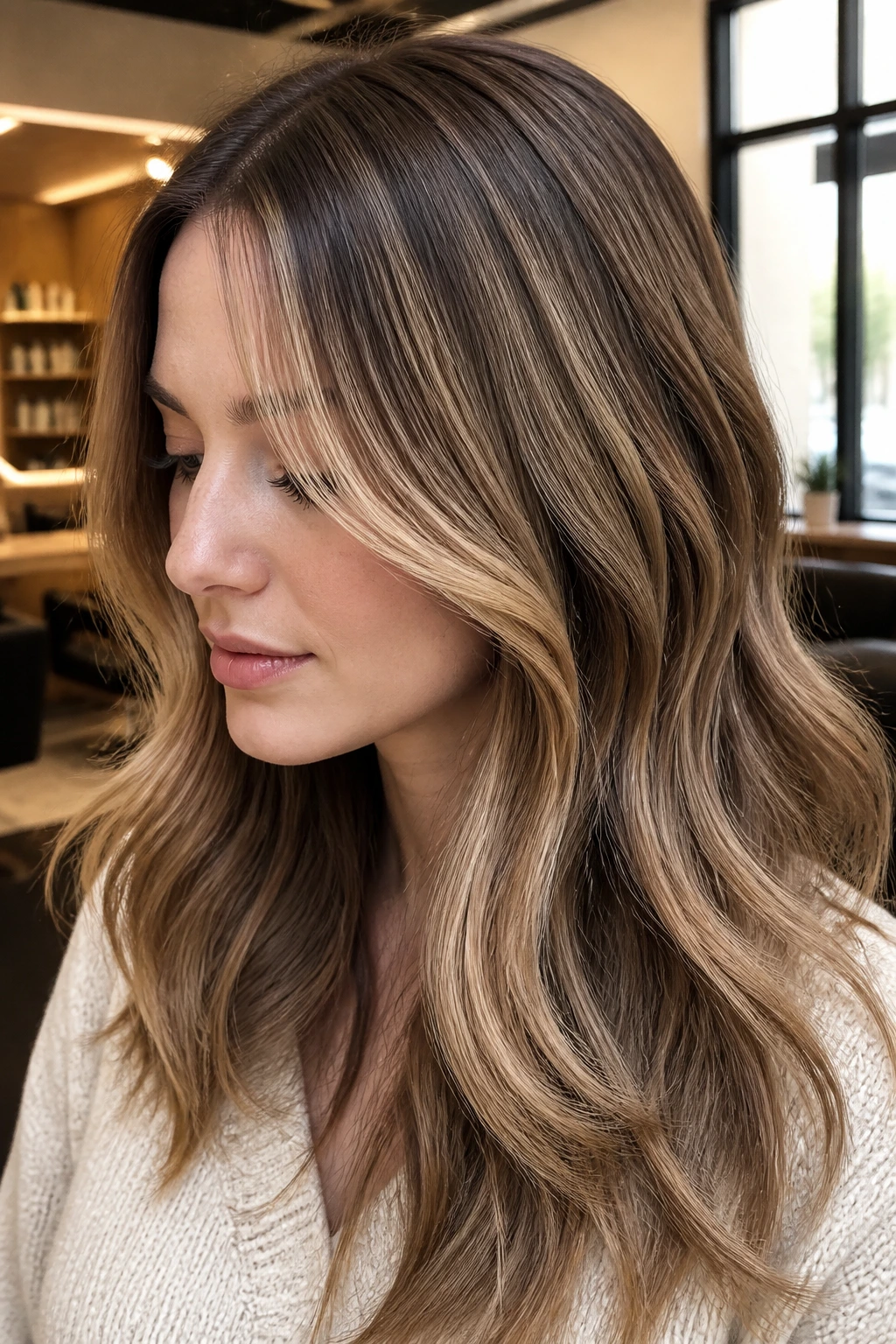
Cool Beige Caramel: Best for very fair or rosy skin. The warmth stays soft and muted, so the color reads creamy instead of golden.
Honey Brown Drift: A warmer version for peach or freckled skin. Keep the highlight width medium and the root slightly deeper so it doesn’t turn syrupy.
Smoky Mushroom Blend: Good when you want brunette depth with a little lightness. This version is especially useful on fine hair because the cool tone creates dimension without loud contrast.
Rooted Bronde Shift: If you want more brightness, move a little closer to bronde while keeping the caramel in charge. The root stays dark enough to frame fair skin.
Short Hair Version: On bobs and lobs, use fewer but more strategic pieces. The cut itself supplies the shape; the color just needs to show the movement.
Essential Tools for These Looks
-
Color-safe shampoo: Keeps the brown and caramel from fading too fast and strips less warmth from the hair.
-
Sulfate-free conditioner: Helps the cuticle stay smoother, which matters when caramel tones need to look glossy.
-
Heat protectant spray: A must if you curl or flat-iron your hair at all.
-
Wide-tooth comb: Good for distributing conditioner and keeping highlighted hair from breaking in the shower.
-
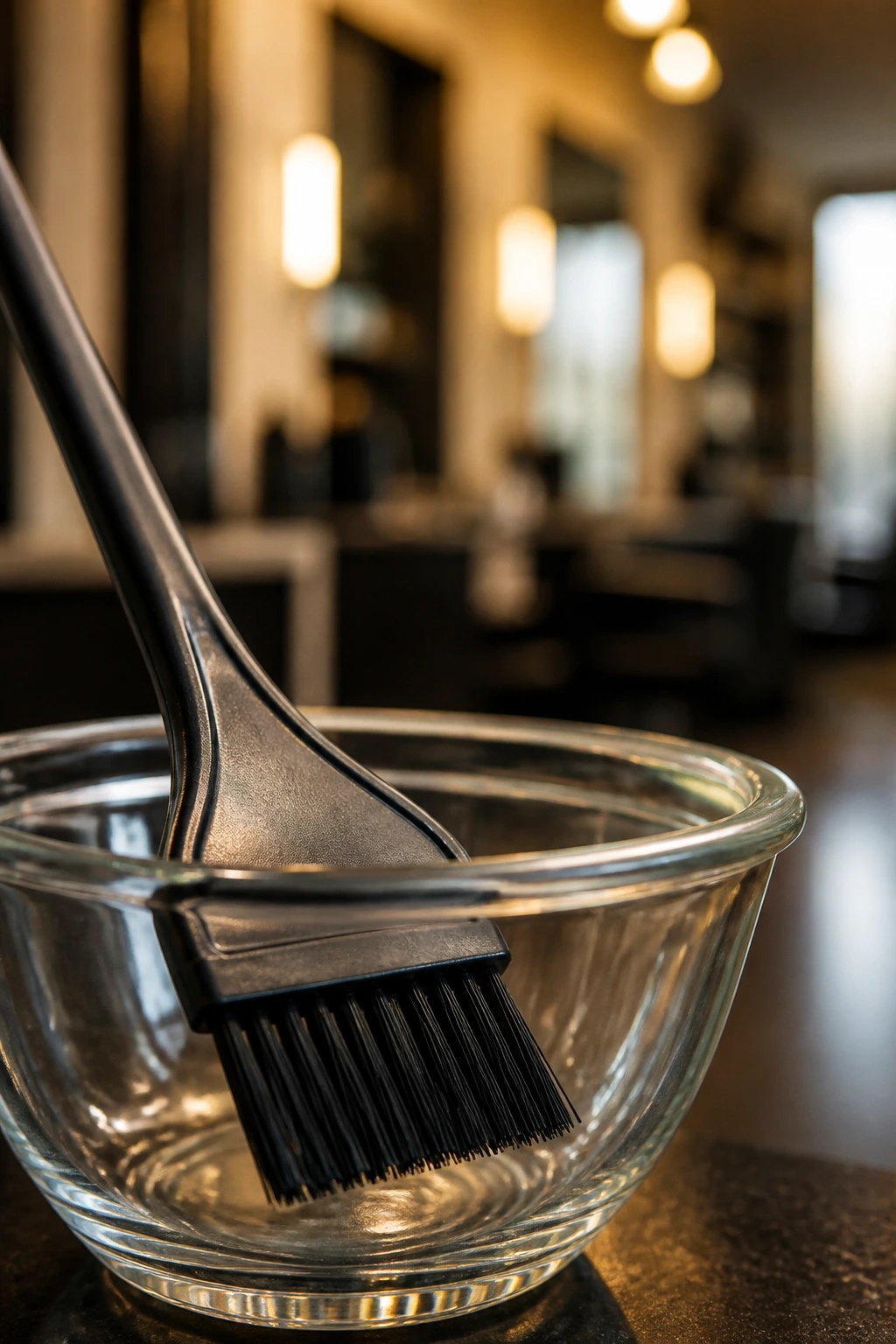
Tint brush and bowl: Useful for gloss or toning appointments at home if you already know what you’re doing.
-
Foils or balayage board: Mostly salon tools, but worth knowing about if you’re talking placement with a colorist.
-
Purple or blue shampoo: Optional, and only for when warmth starts looking too yellow or too orange.
-
Microfiber towel: Cuts down friction on freshly highlighted hair.
Keeping the Color Glossy Between Appointments
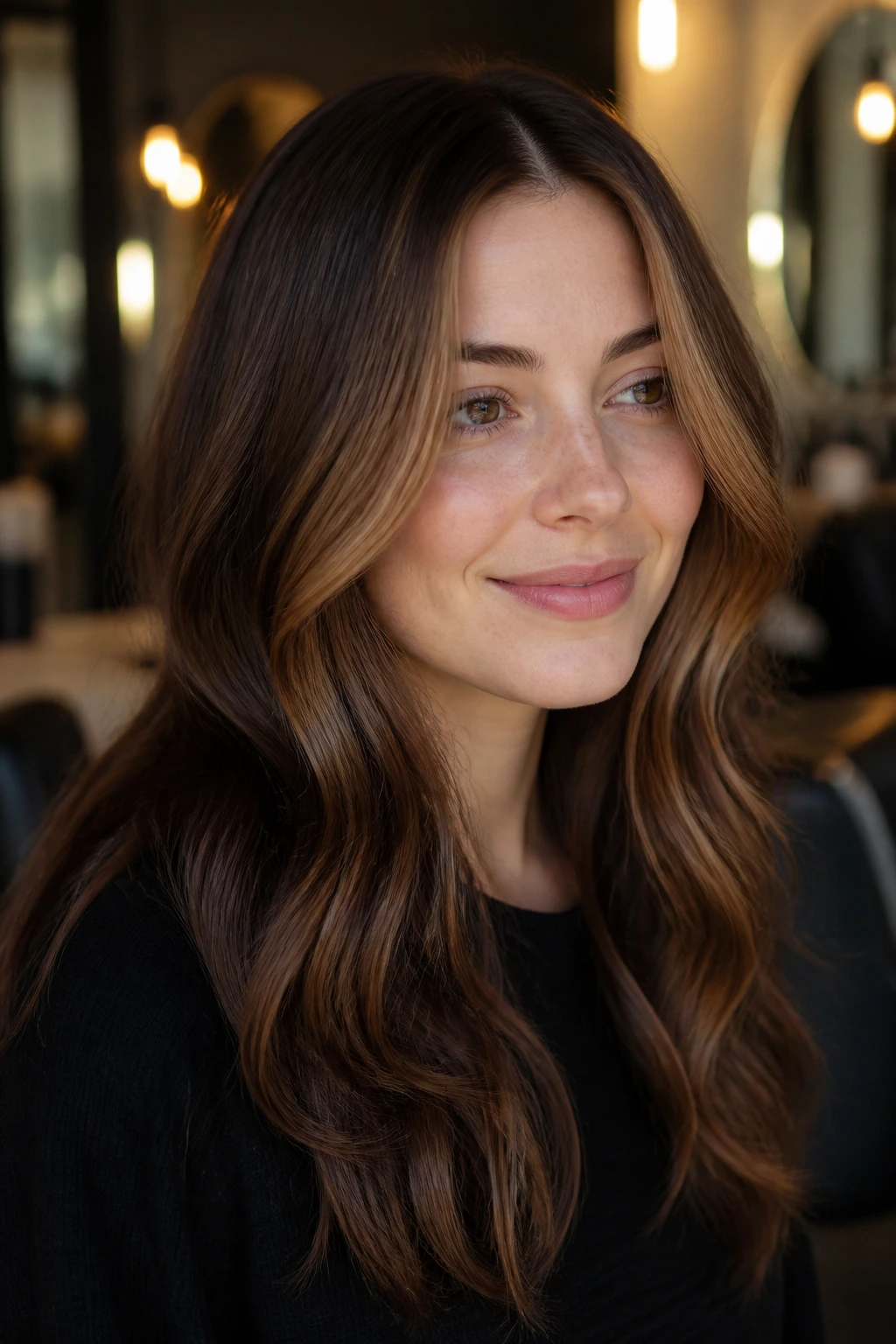
Fresh brown-caramel color usually looks its best for the first few washes, then the edges start to soften. That’s normal. The fix is not piling on stronger shampoo. It’s gentle care and a schedule.
Wash two or three times a week if you can. Use lukewarm water, not hot water, because heat opens the cuticle and pushes toner out faster. If the highlights were toned recently, wait at least 48 hours before the first shampoo unless your colorist told you otherwise.
Glossing every 4 to 6 weeks helps keep the caramel from turning dull. Full highlight refreshes usually live in the 8- to 12-week range, depending on how high the pieces start and how soft you want the grow-out line to be. If the root shadow is part of the look, you can stretch that a bit longer. If the face frame is the whole point, you’ll notice regrowth sooner.
Frequently Asked Questions
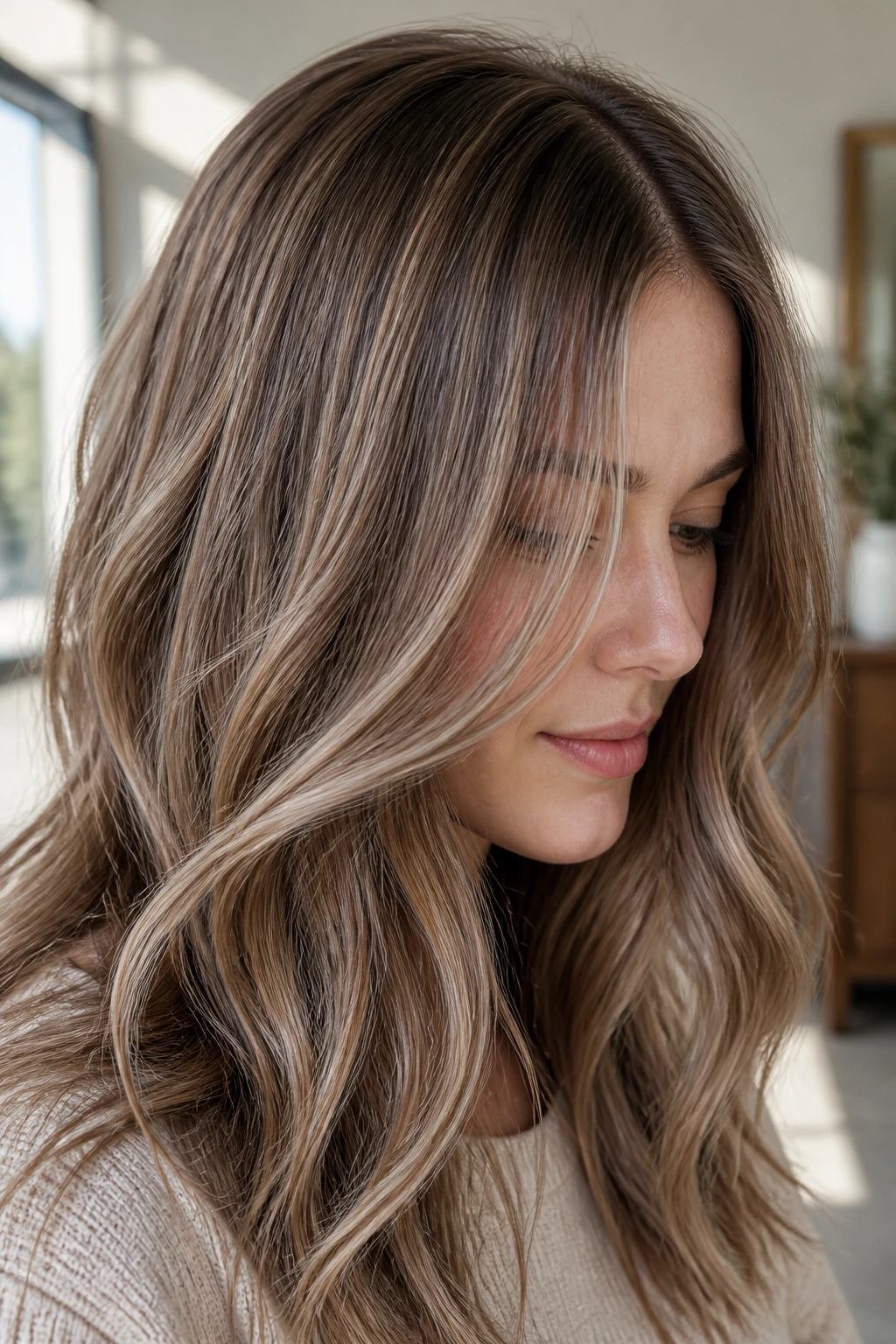
Will brown caramel medium highlights make fair skin look orange?
They can, if the caramel is too warm or too yellow. The safer move is beige, mocha, or neutral caramel on cool or pink skin, and a slightly richer honey tone on peach or golden skin.
Are medium highlights better than babylights for fair skin?
Sometimes, yes. Babylights are subtle, but medium highlights show more dimension and are easier to see on straight or dense hair. If you want the color to actually register, medium width is often the better call.
Can this work on dark blonde hair?
Absolutely. Dark blonde is a sweet base for caramel because the highlights don’t have to fight a very dark canvas. You can keep the result soft and still get enough contrast for fair skin.
What if I have very fine hair?
Keep the pieces delicate and avoid overloading the head with too many ribbons. Fine hair usually looks fuller when the highlights are placed strategically around the face and top layer, not packed everywhere.
How often do I need to tone it?
Many people do well with a gloss every 4 to 6 weeks, but that depends on how warm the hair pulls and how often you heat-style. If the caramel starts turning brassy, it’s time.
Is balayage better than foils for this look?
Balayage gives a softer grow-out and a more painted feel. Foils give more lift and cleaner brightness. For fair skin, either can work; the better choice is the one that matches how much contrast you want.
Can I keep my roots dark?
Yes, and you probably should if you want this look to stay dimensional. A deeper root keeps the hair from looking flat and gives the fair skin a stronger frame.
What’s the easiest way to stop the color from fading?
Use sulfate-free shampoo, lower the water temperature, and reduce heat when you can. A gloss between appointments does more for this color than most people expect.
A Soft Glow That Still Has Shape
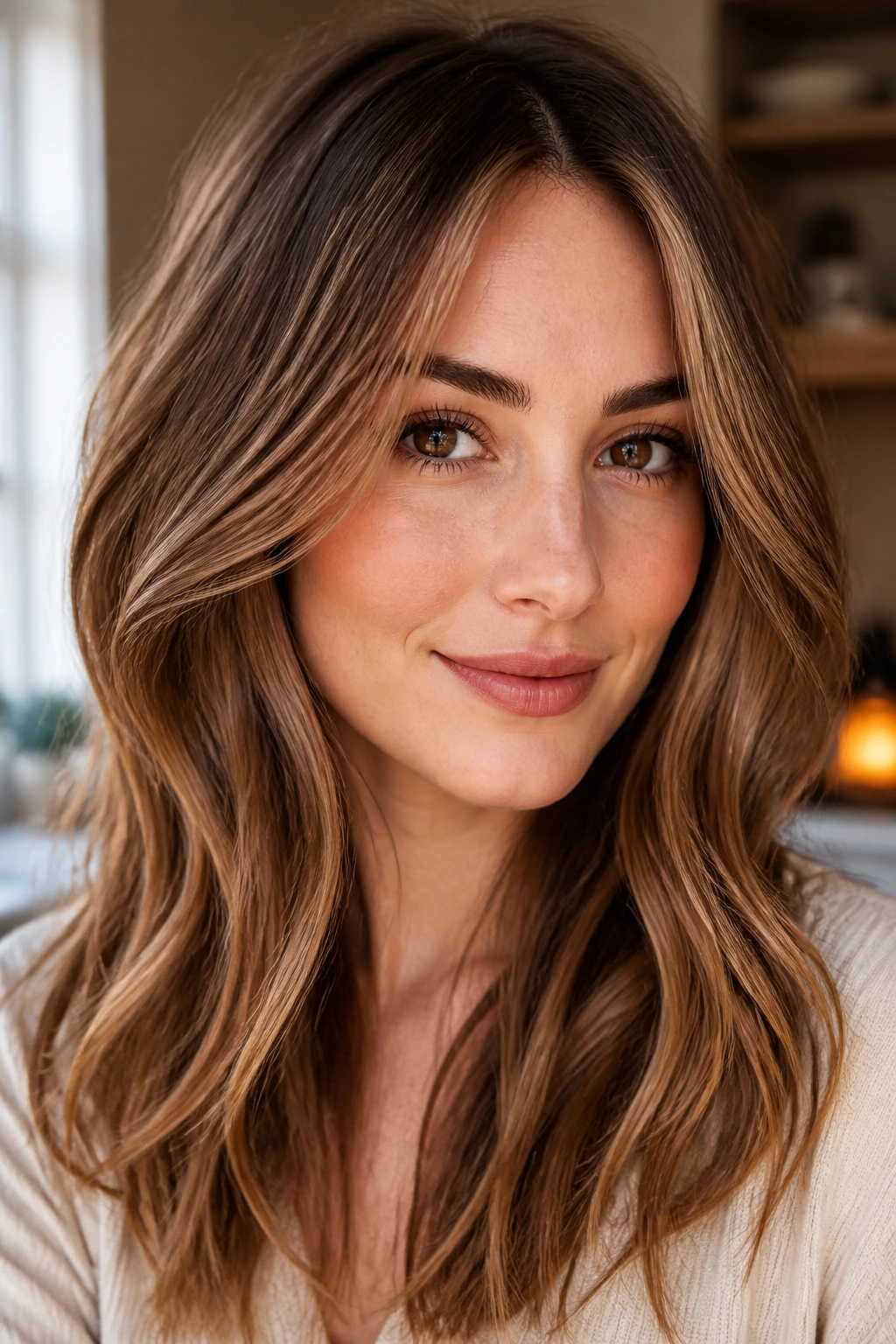
Brown caramel medium highlights for fair skin work because they respect contrast instead of fighting it. The hair stays brunette enough to feel grounded, but the ribbons bring enough light around the face to keep the complexion from fading into the background. That balance is hard to fake and easy to ruin.
What I like most is how many directions the idea can go. Beige and smoky if you want quiet. Chestnut and honeyed if you want warmth. Rooted and ribboned if you want grow-out that behaves. The color family is wide enough to fit real lives, which is probably why it keeps coming back.
If you’re taking this to a colorist, bring one photo that shows placement and one that shows tone. That small move saves a lot of guessing.