



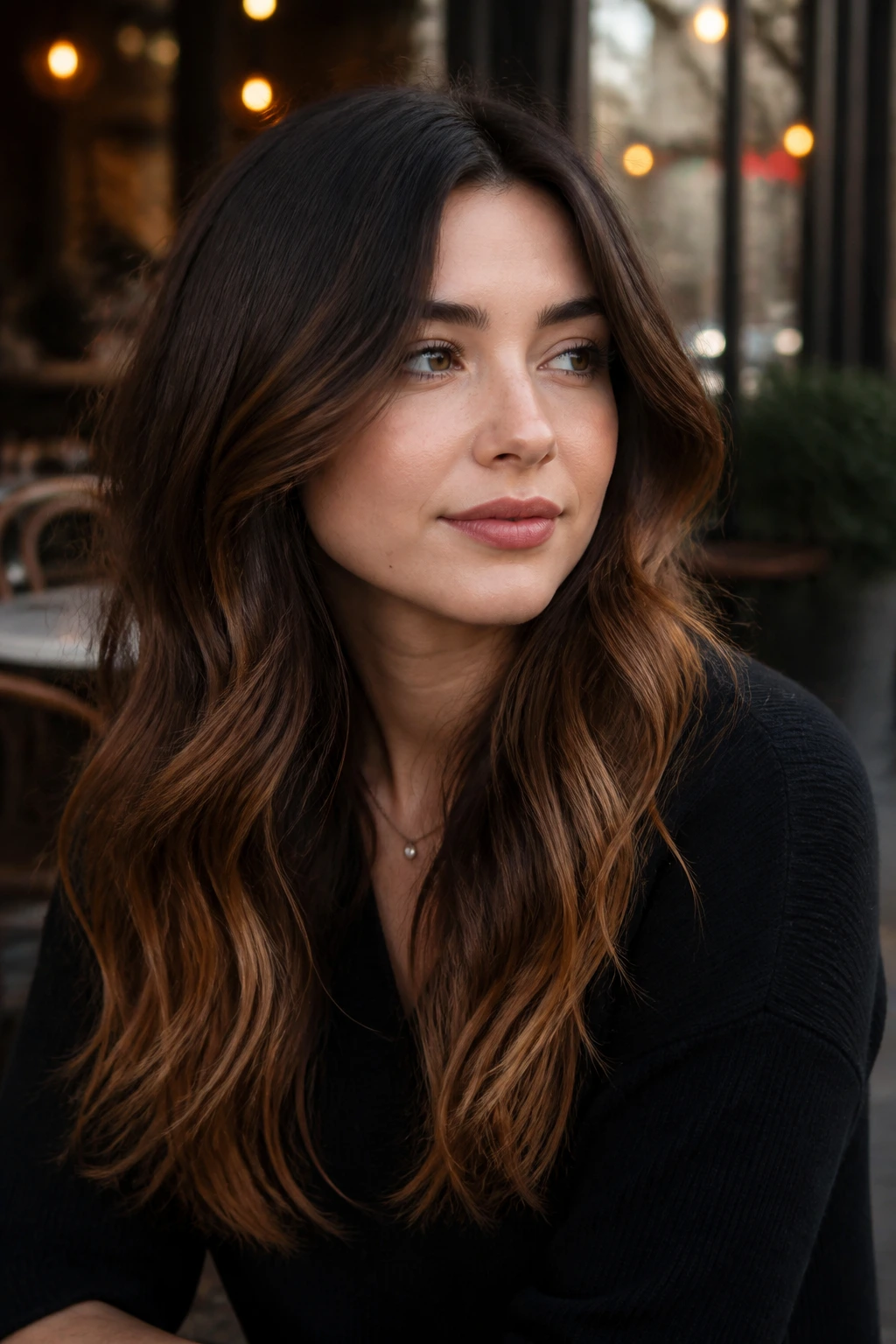
Brown caramel hair color can look soft and expensive on fair skin, but the details matter more than people admit. Push the caramel too yellow and it can read brassy. Make the brown too deep and the face can disappear into the shade instead of glowing against it.
The sweet spot is usually a brown that stays visible around the roots and mids, then caramel that looks toasted, beige, or honeyed rather than syrupy. I like that balance on fair skin because it gives shape without turning the whole head into one flat block of color. A little depth near the scalp, a little brightness where the light actually hits, and suddenly the whole thing feels deliberate.
Fair skin is not one thing, either. Pink-toned porcelain, peach-toned cream, and neutral ivory all react differently to warmth, so the trick is choosing a brown-caramel blend that respects the undertone instead of fighting it. Some shades want ash and mushroom. Others want chestnut and toffee. A few can handle a little more gold, but only if the placement is light-handed.
Why These Shades Keep Working on Fair Skin
Soft Contrast: Fair skin usually looks better when the hair has a visible root or mid-tone anchor, not a washed-out all-over lightness. A level 5 to 7 brown with caramel ribbons gives the face a frame without making the color feel heavy.
Undertone Control: Caramel is not automatically warm enough to be flattering. Beige caramel, mushroom caramel, toffee caramel, and honey caramel each sit differently against pale skin, and that tiny shift decides whether the color reads polished or orange.
Movement Matters: On straight hair, a single-tone brunette can go a little flat. Caramel pieces break that up, especially when they’re placed through the mid-lengths and around the face where light actually lands.
Grow-Out Is Easier: Root shadow and balayage placement keep the color from looking harsh when it starts to grow. That matters on fair skin because a hard line near the scalp is one of the fastest ways to make the whole look feel dated.
Makeup-Friendly: The right brown caramel hair color gives you a frame that works with taupe, peach, rose, berry, and soft bronze makeup without forcing you into one look. The wrong one makes everything else look louder than it should.
How to Match the Brown-Caramel Depth to Your Undertone
Fair skin needs more than a pretty shade name. It needs a level, a tone, and a placement strategy that all make sense together.
Cool or Pink Fair Skin
If your skin leans pink, rosy, or slightly blue, cooler browns are your friend. Think mushroom brown, taupe brown, cool mocha, and beige caramel rather than bright gold. The point is not to drain warmth out of the hair entirely; it’s to keep the caramel from sitting on top of the face like yellow icing.
I’d also keep the brightest strands a little off the hairline if your skin flushes easily. A soft money piece can work, but it should be beige-gold, not yellow-gold. If the blonde in the front looks sunny in the bowl, it may be too warm once it’s on your head.
Warm or Peach Fair Skin
Peach, golden, and freckled fair skin can carry more toast in the color. Hazelnut, chestnut, toffee, maple, and soft honey all sit nicely here because they echo the warmth already in the skin.
The catch is red. Too much copper can take over fast, and then the hair starts shouting when the face only wanted a little warmth. I like warm fair skin best when the caramel stays in the beige-to-toffee family and the brown keeps some depth at the root.
Neutral Fair Skin
Neutral fair skin gets the most options, which is both a blessing and a trap. You can wear beige bronde, mocha ribbons, walnut brown, or a richer espresso melt, but the tone still needs a reason to be there.
For neutral skin, placement matters more than chasing the “right” warm or cool label. A deeper root shadow with brighter mids tends to look cleaner than a one-note brown, especially if your brows are naturally darker than your hair. That tiny difference keeps the color from looking accidental.
1. Soft Mushroom Brown with Caramel Veils
This is the shade I reach for when fair skin needs depth without any brass. The base sits in that muted mushroom zone, and the caramel shows up as thin veils rather than chunky highlights, so the color moves when you turn your head but never feels noisy.
Why It Works
The ash in the mushroom base keeps the caramel from turning orange under indoor light. On cool or pink fair skin, that matters. A level 5 to 6 base with level 7 beige-caramel veils gives you enough contrast to shape the face without making the hair look lighter than the skin.
Ask for the veils to start below the crown and around the cheekbone area. That placement keeps the brightness where it counts and leaves the roots calm. It also grows out softly, which is useful if you don’t want a hard salon line staring back at you every five weeks.
Best for: cool fair skin, soft waves, and anyone who hates obvious highlights.
Skip it if: you want golden warmth that reads sunny rather than muted.
2. Toasted Hazelnut Balayage
Hazelnut balayage is the one caramel brunette that can still look soft next to a pale face. It has more warmth than mushroom brown, but not so much gold that it starts fighting your undertones.
What Makes It Different
A good hazelnut balayage usually lives around a level 6 brunette base with level 7 to 8 hazelnut ribbons painted through the mids and ends. The ribbons should be wide enough to catch light, narrow enough to stay believable. When they’re painted too high at the root, the whole thing can look patchy.
This is especially nice on fair skin with freckles or a little natural peach in it. The warmth gives the face some life, and the balayage placement lets the lighter pieces show through when hair moves. On a blowout, it looks richer than a single-process brunette ever could.
How to Wear It
Loose bends are better than tight curls here. The caramel needs room to show its sweep, and hazelnut tones look best when they’re not crimped into tiny rings. If your hair is medium to thick, this is one of the easiest ways to get dimension without going too light.
3. Beige Bronde Melt
What keeps beige bronde from looking muddy? A clean root shadow and a beige toner. That’s the whole trick, and it’s why this shade suits very fair skin so well when the goal is brightness without a blonded-out finish.
The base usually sits around a level 6, then melts into beige-brown and beige-caramel through the mids and ends. Nothing here is loud. The color shifts in a very soft way, which makes it good for people whose faces go washed out next to heavy contrast.
Ask for the caramel to stay beige, not buttery. Butter can look pretty in a swatch and slightly yellow on pale skin. Beige bronde is more flattering when the lighter pieces are smoky enough to keep the hair grounded.
If you wear a center part and layers that fall around the cheekbones, this one can look expensive in the best plain sense of the word: finished, soft, and easy on the eyes.
4. Chestnut Brown with Face-Framing Caramel
This is the safe choice for people who want brown caramel hair color ideas for fair skin without making the appointment complicated. Chestnut gives you enough warmth to avoid flatness, and the face-framing caramel does the brightening where it matters most.
The best version keeps the caramel concentrated in two front panels and maybe a few whispers at the ends. I like that better than flooding the whole head with highlight because fair skin usually benefits from a clear frame, not from being swallowed by brightness. The darker chestnut around the back keeps the shape tidy.
Quick Ask at the Salon
- Chestnut base, around level 5 or 6.
- Two front pieces lifted to a level 7 or 8 caramel-beige.
- A neutral gloss so the front doesn’t go too yellow.
This shade is especially good if your brows are darker than your hair or if you wear makeup most days. The front pieces lift the face, and the chestnut keeps the overall look grounded.
5. Mocha Brown Ribbon Lights
Mocha ribbon lights are for people who like brunette hair to look expensive in motion, not obvious in photos. The ribbons are finer than balayage, more like streaks threaded through a mocha base, and that texture gives fair skin just enough contrast to wake up the face.
I like this on medium-density hair because the ribboning doesn’t need a lot of bulk to show. A level 5 mocha with level 7 caramel threads through the mids and inner layers creates a soft swing when the hair moves. It’s not the color for someone chasing chunky brightness. It’s for someone who likes detail.
The mocha base also helps if your skin is cool and your brows are strong. Too much gold can fight both. Here, the brown is still the lead actor, and the caramel is the thing that keeps the scene from feeling dim.
6. Almond Butter Brunette
Almond butter brunette is what happens when warm brown gets cleaned up. The shade sits between beige and toffee, which is why it works on fair skin that needs warmth but cannot take full-on gold.
The color reads creamy rather than sandy. That matters. Sandy tones can go flat if the skin is very pale; creamy tones keep a little sheen. Ask for an almond-brown base with soft caramel glaze through the mids, then keep the ends one shade lighter so the whole style doesn’t stop at the scalp.
This one is lovely on longer layers because the transitions have room to breathe. On shorter cuts, it can still work, but the soft melt is more visible on shoulders and below.
If you want a shade that sits safely between brunette and brunette-with-a-glow, this is one of the easiest places to land.
7. Smoky Espresso with Toffee Ends
Smoky espresso with toffee ends has more attitude than the softer shades above, and that’s exactly why it can look so good on fair skin. The dark espresso root creates a crisp frame, while the toffee ends stop the whole thing from going too heavy.
The key is keeping the toffee warm but not yellow. A level 4 or 5 espresso root, blended into level 7 toffee ends, gives you enough contrast to make pale skin look brighter by comparison. If the ends lift too much, the contrast turns sharp in a way that can feel harsh. The darker root softens the transition.
Best for:
- Fair skin with dark brows or lashes.
- Straight hair that needs shape.
- People who want contrast without a blondy front section.
This is one of my favorite choices when someone says they want brunette hair but worry it will make them look washed out. With the right toffee, it does the opposite.
8. Golden Toffee Lob
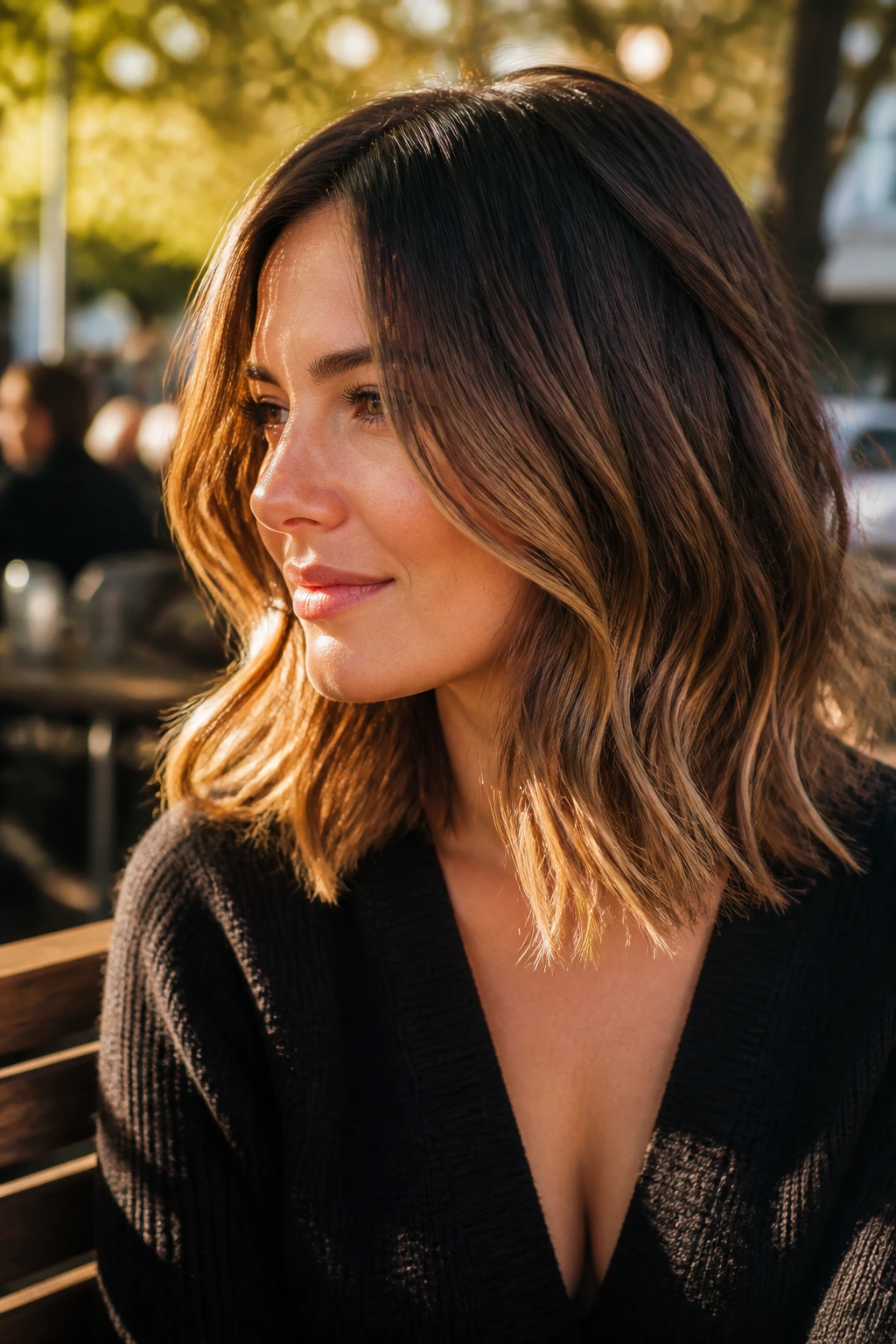
A lob is a good place for caramel to show off, and golden toffee is one of the warmer shades that still plays nicely with fair skin. The length gives the color room to reflect light around the jawline and collarbone, which can make the whole face feel sharper.
The best version is a medium brown base with toffee ribbons concentrated through the lower half of the cut. Loose bends make the difference here. If the hair is poker straight, you lose the movement that helps the gold read like depth instead of dye.
Ask for the front pieces to be a touch lighter than the back. That tiny shift lets the style open up the face without turning the whole head bright. On pale skin with warm undertones, the effect is clean and flattering, not sugary.
9. Walnut Brown Gloss
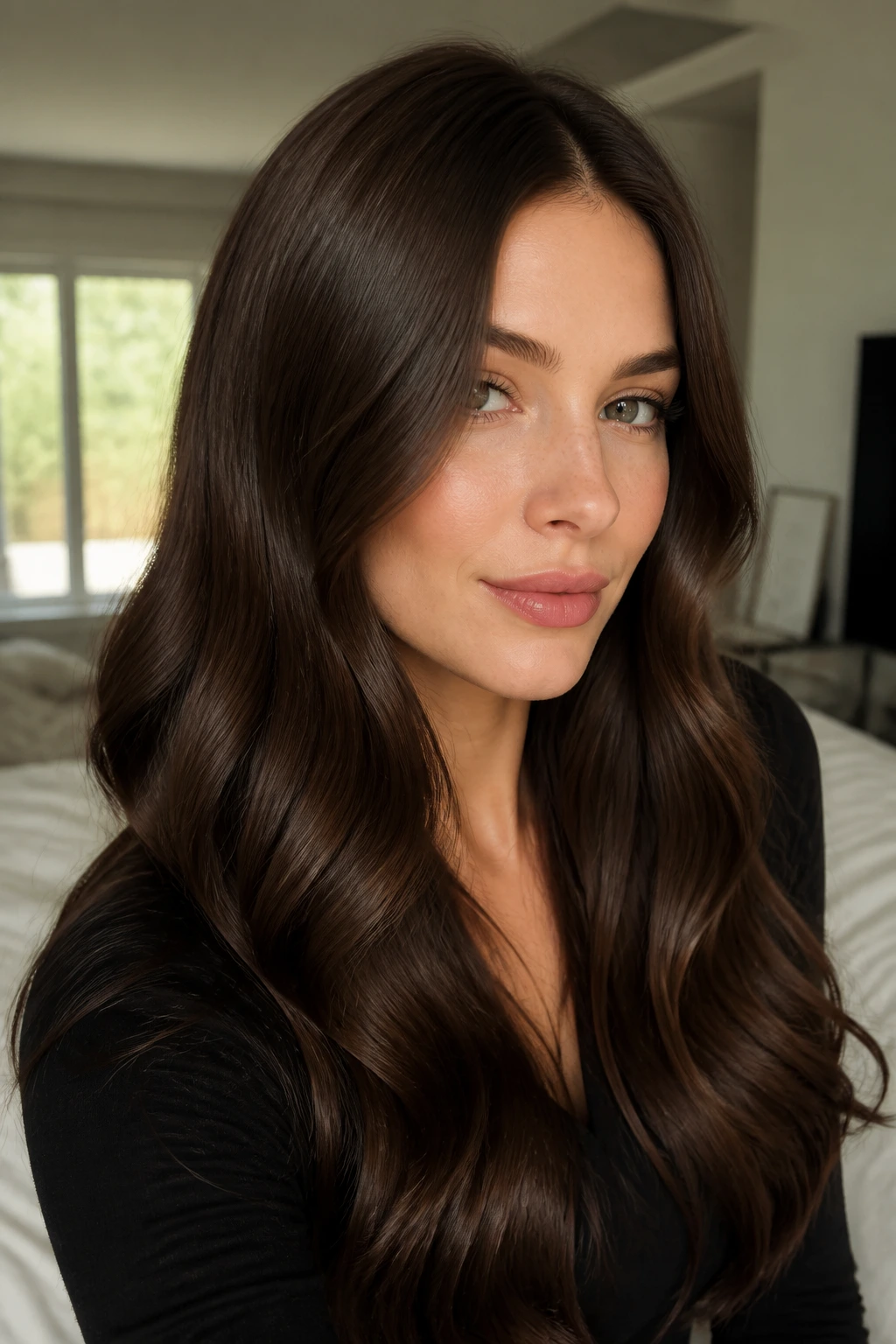
Walnut brown gloss is for the person who wants richness more than highlight drama. The shade sits deep, but not black-deep, which keeps it friendly to fair skin instead of swallowing the features whole.
A glossed walnut brunette reflects light in a way that plain brown does not. It looks sleek when air-dried, and it looks even better after a quick blowout with a round brush. If you’ve got fine hair, this is a smart move because the shine gives the illusion of thicker strands without piling on lighter pieces.
Why It’s a Quiet Win
This is not a high-maintenance color. You’re leaning on tone and finish instead of constant lightening, which means the hair stays in better shape. A neutral or cool walnut glaze also gives you more control over warmth, so fair skin doesn’t get dragged into orange territory.
I like this one especially for anyone whose brows are naturally dark. The contrast feels intentional, not harsh.
10. Milk Chocolate Money Piece
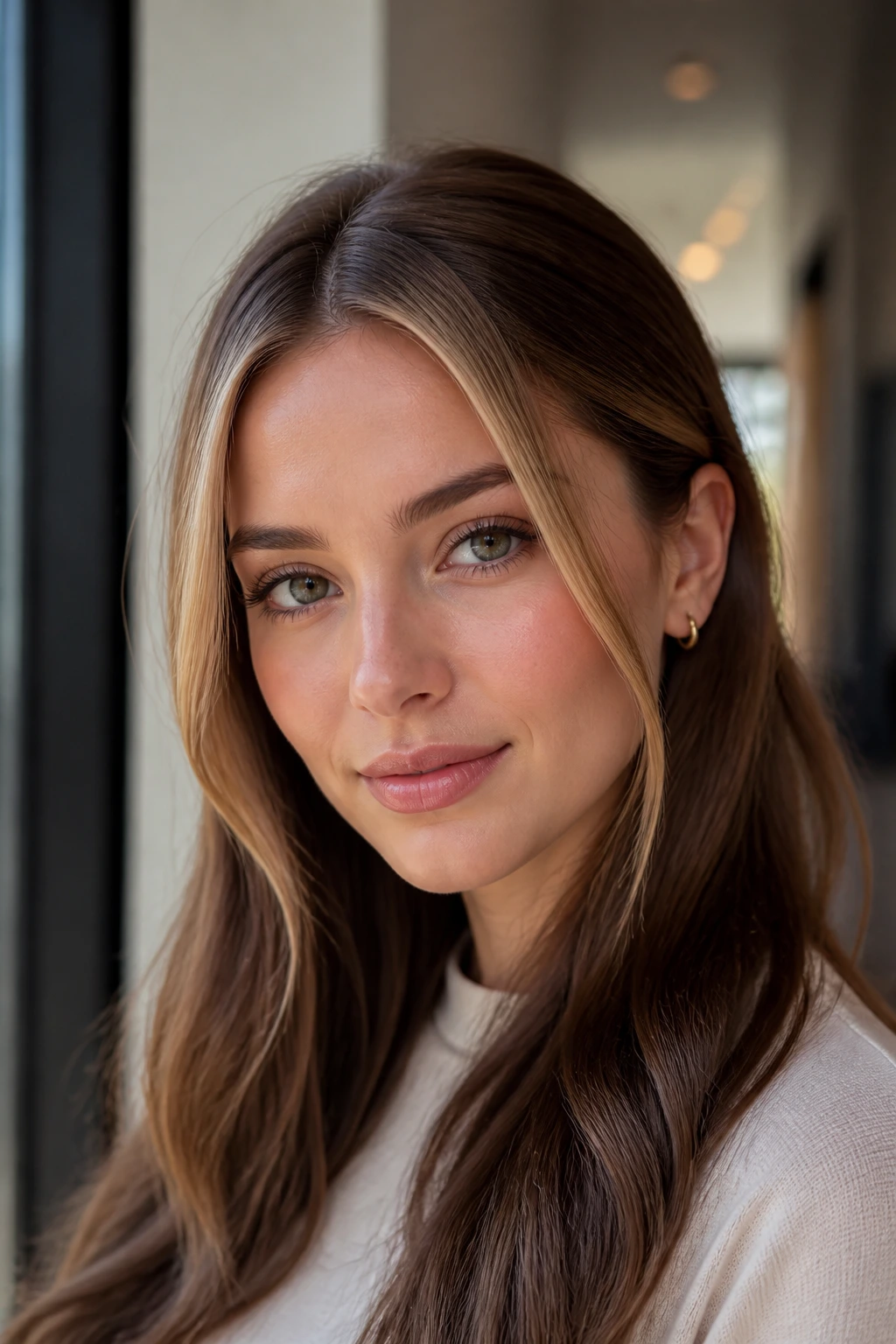
Milk chocolate plus a money piece is the quickest way to make fair skin look brighter without changing the whole head. The base stays soft and chocolatey, and the bright front strands pull light straight into the face.
The trick is not making the money piece too light. I prefer a level 7 or 8 caramel-beige near the hairline, not a pale blonde. On fair skin, a too-light front piece can flatten the rest of the features. A milk-chocolate base keeps the contrast elegant, not cartoonish.
This is the kind of color that wakes up a side profile. The face frame catches light when you tuck hair behind one ear, and the chocolate depth behind it keeps the color from drifting into full brunette-blonde territory.
If you like visible front brightness but don’t want an all-over highlight schedule, this is a strong choice.
11. Praline Brown Curls
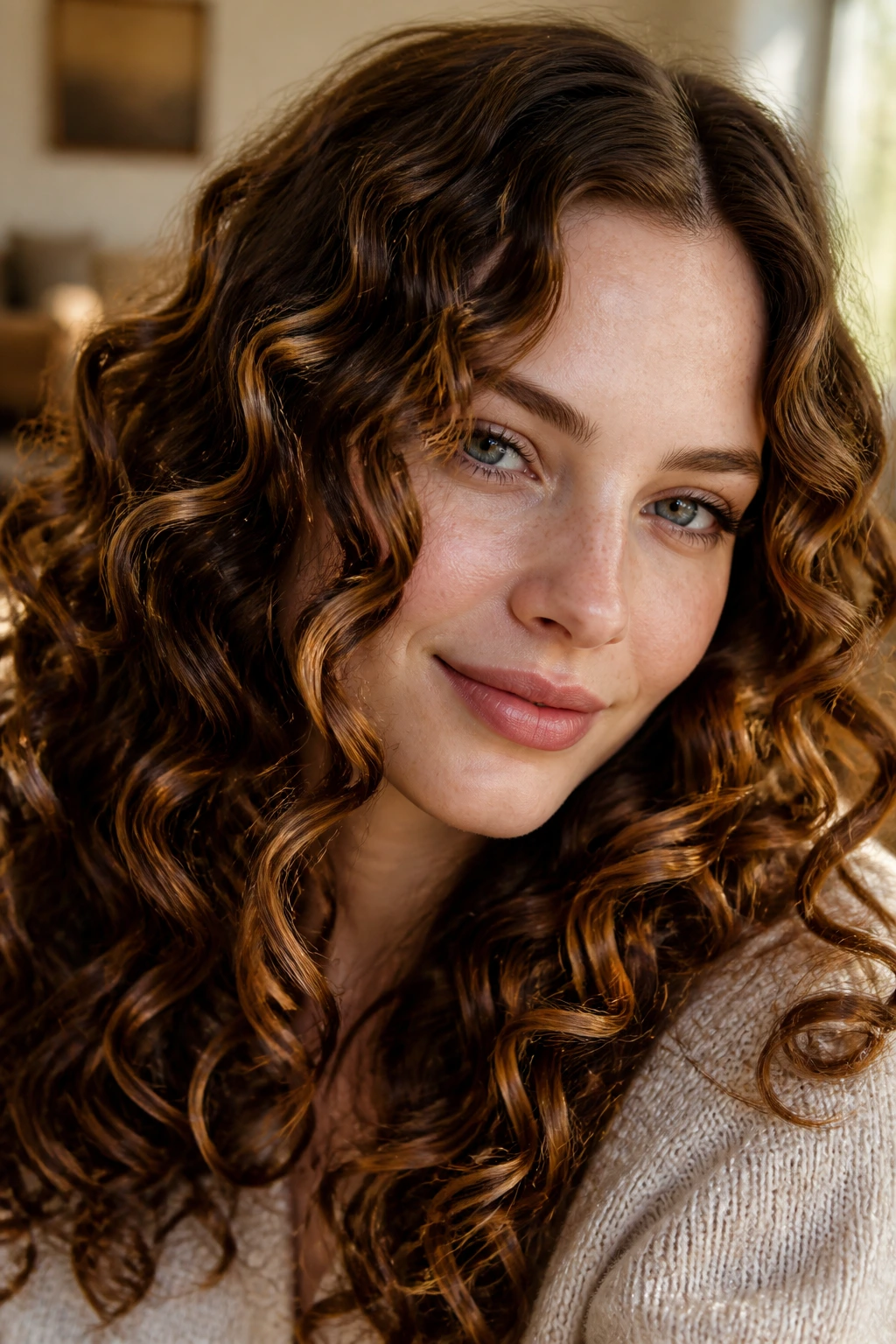
Curls make praline brown look richer, because every bend throws a different tone back at you. That’s the whole reason this shade works so well on fair skin: the caramel doesn’t need to shout when the texture is already doing half the work.
A praline brunette usually lives in a warm medium-brown base with caramel and chestnut ribbons painted through the curl pattern. The ribbons should follow the natural spiral, not fight it. When they’re placed well, the curl clumps look deeper and lighter in alternating spots, which keeps the style alive from every angle.
This shade is better than a flat brown if your hair is thick or coarse. It gives definition. And if your skin is pale, the warmth brings a little glow without pushing you into copper.
12. Sand Bronde
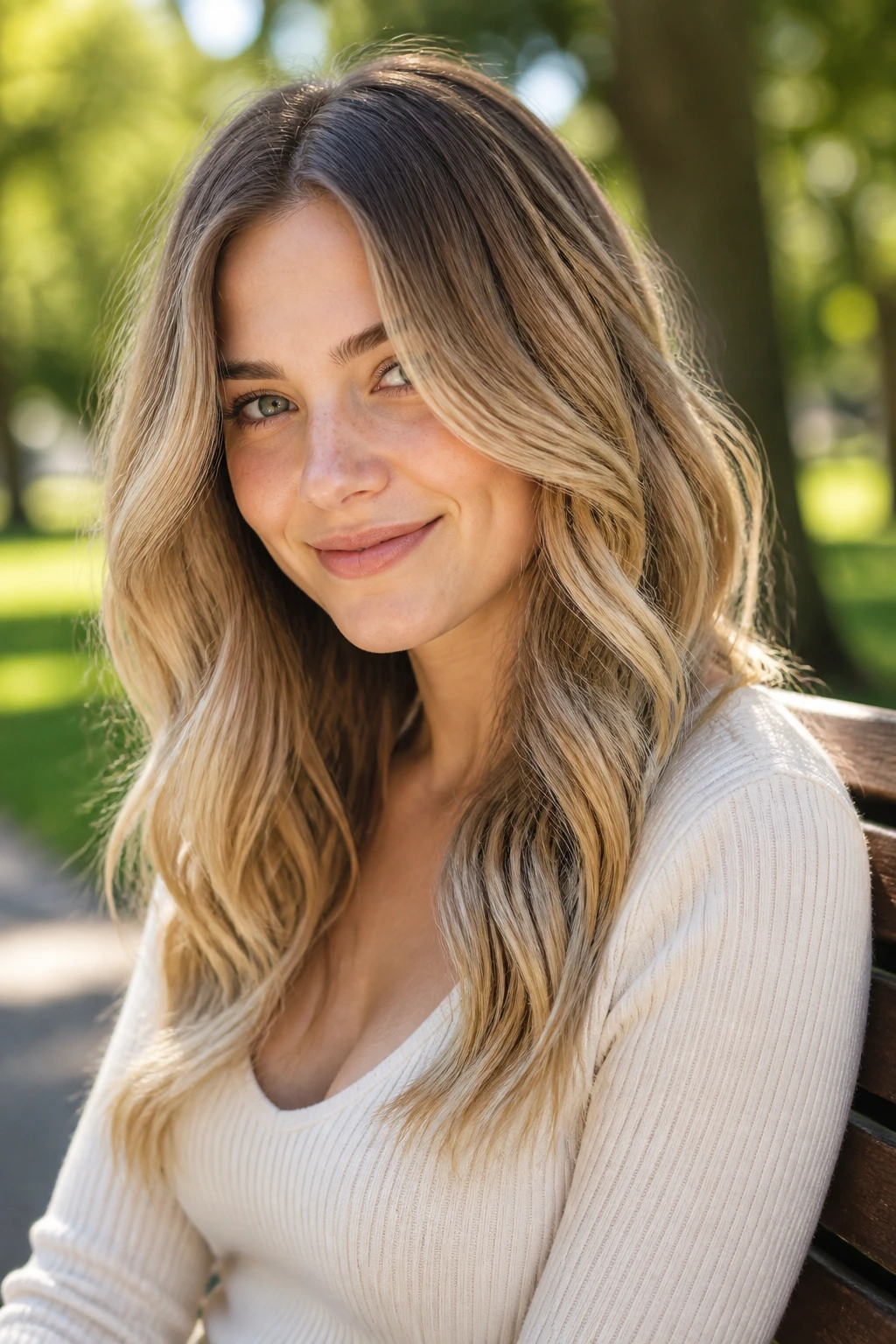
Sand bronde is what I’d call the airy end of the brown caramel spectrum. It sits light enough to brighten fair skin, but the brown anchor keeps the result from drifting into washed-out blonde.
The palette is a soft beige-brown root with sand-colored mids and caramel ends that stay cool enough to avoid brass. If you have neutral skin and like a lighter look around the face, this is one of the most forgiving options. It also looks good on long layers, where the tonal shift can travel from root to tip without looking chopped up.
What I like about sand bronde is the low-stress finish. It doesn’t demand that every piece be perfect. A few imperfect ribbons are part of the charm.
If your natural hair is already light brown or dark blonde, this can be a smooth transition. If your hair is darker, it may need more lift to get that sandy effect.
13. Cinnamon Brown with Caramel Veils
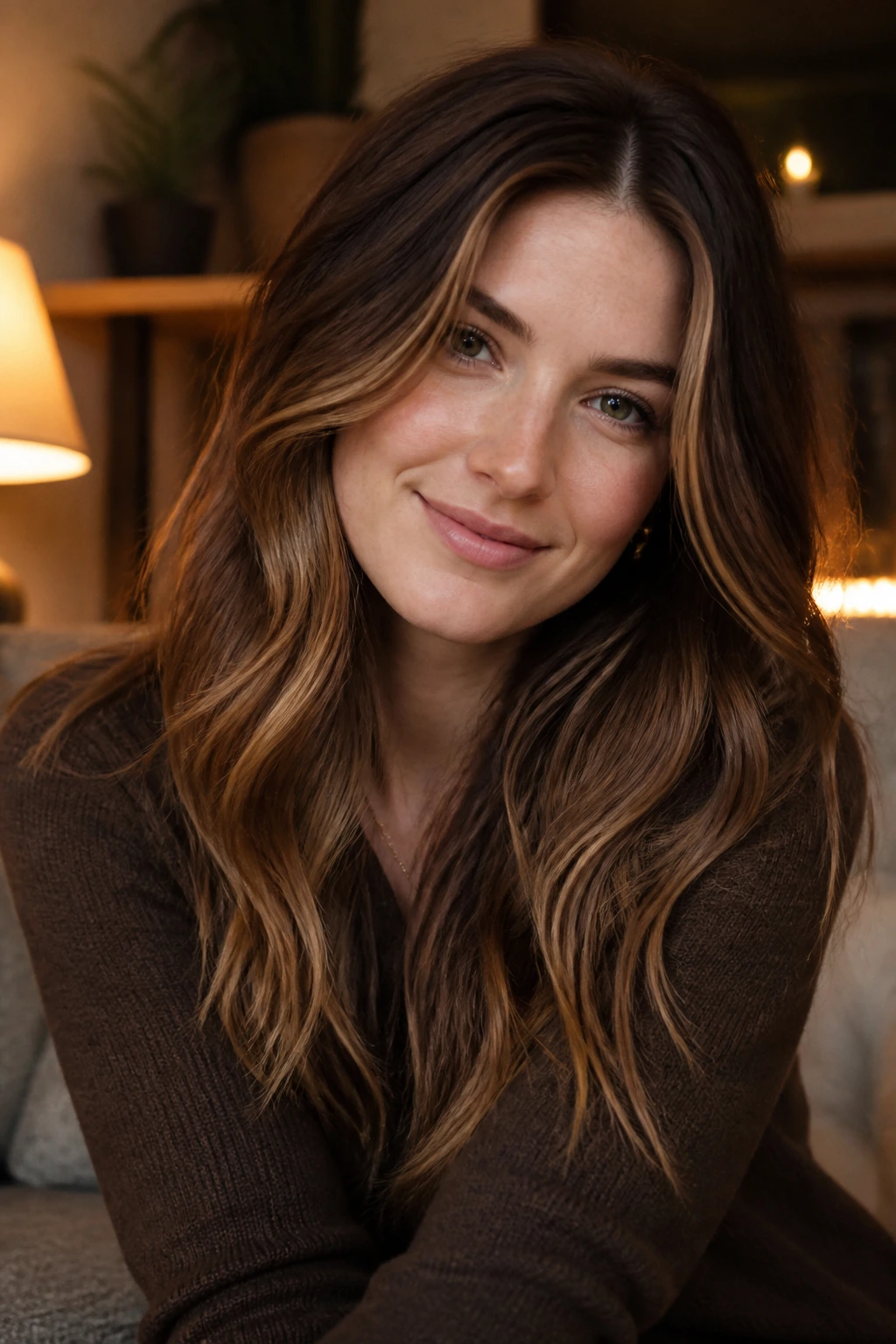
Cinnamon brown has a warm, spiced base that can look fantastic on fair skin with peach or freckled undertones. The caramel veils soften the warmth so it doesn’t turn into straight copper, which is where a lot of warm browns go wrong.
The best version keeps the cinnamon at the root and through the mids, then lets caramel peek through as veils around the face and lower lengths. That layering gives you warmth without losing depth. On wavy hair, it can look almost lit from inside. Almost.
Use this if:
- Your skin leans warm.
- You like a bit of red in brunette shades.
- You want a color that changes a little in sunlight.
I would not push this too high in warmth if your skin is very pink. Cinnamon can bounce off redness faster than people expect. But on warm fair skin, it has a soft, flattering heat that plain brown just cannot match.
14. Cocoa Brown and Honey Babylights
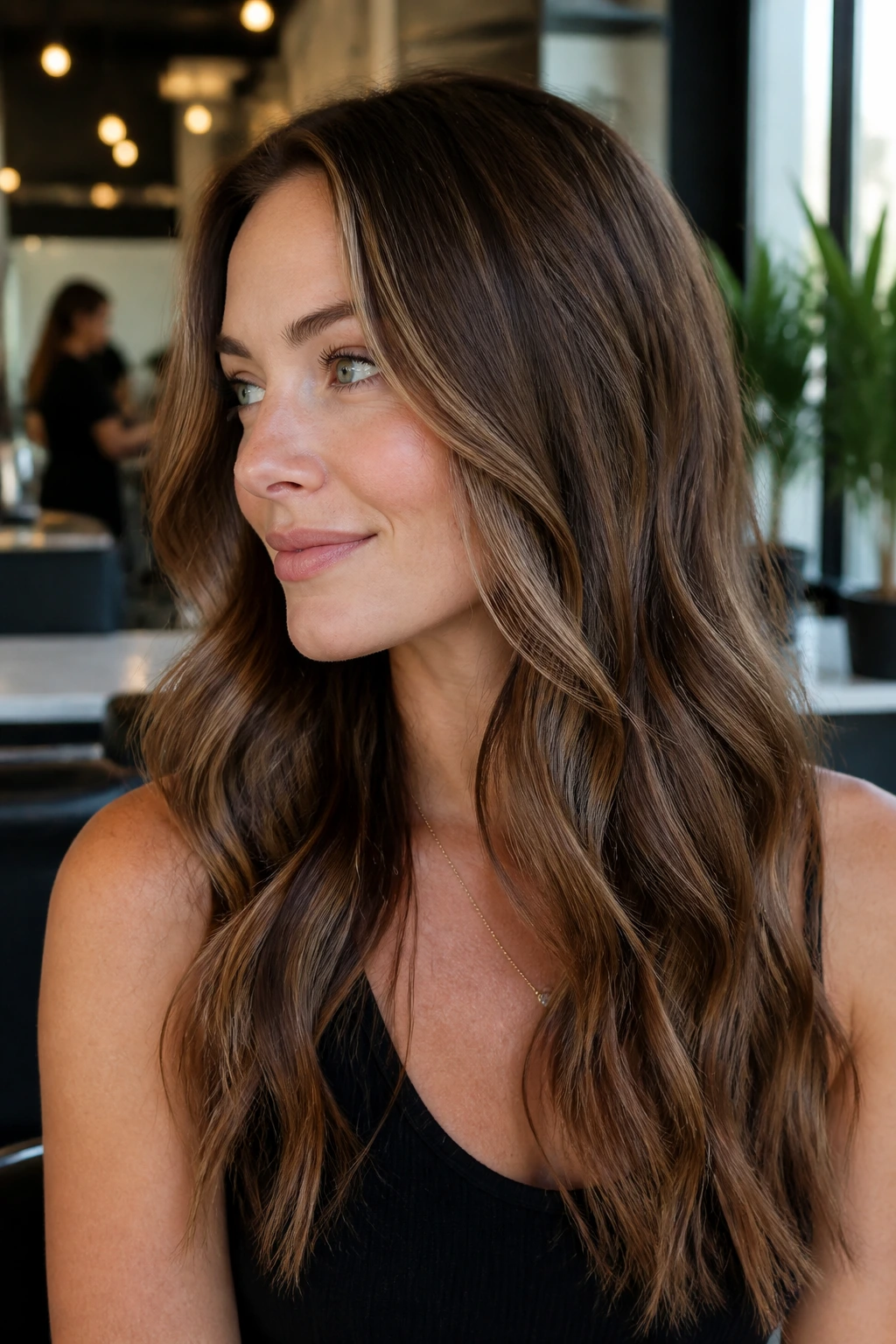
Cocoa brown with honey babylights is all about tiny changes. The base stays rich and cool-leaning, while the babylights are so fine that they read as shimmer instead of stripes. That makes the shade ideal for fair skin if you want brightness without obvious chunks of color.
Babylights work especially well on dense hair because the small sections do not disappear into the mass. They catch the edges of waves and give the whole cut a more expensive-looking texture. Honey is the warmer note here, so the result is softer than full ash brown but not as golden as toffee.
I like this when the goal is “I just want my brown hair to stop looking flat.” That’s the honest version. And it’s a good one.
15. Rooted Caramel Bob
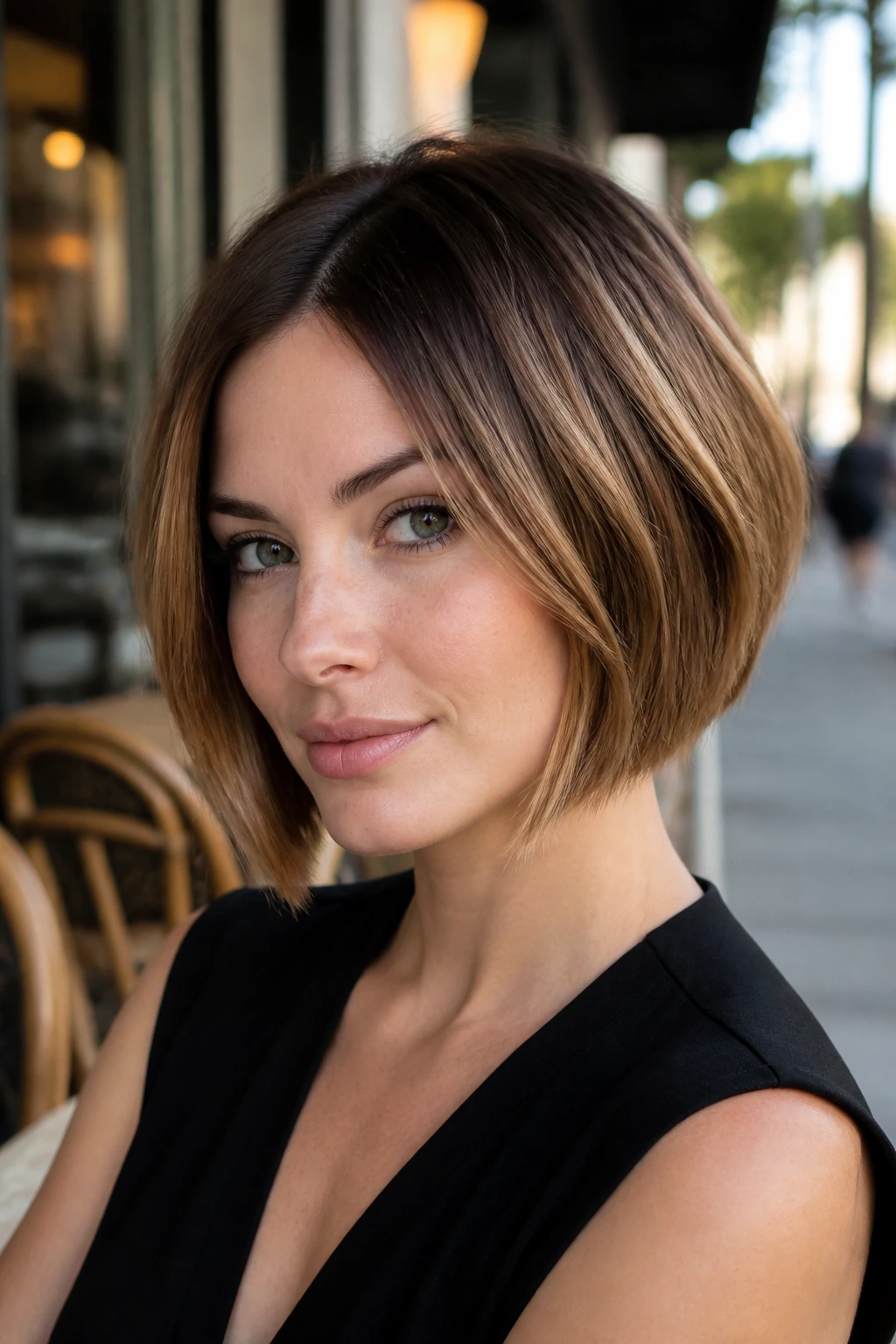
A bob needs structure, and rooted caramel gives it just enough. The shadow root keeps the cut from looking too sweet, while the caramel mids and ends stop fair skin from getting lost behind one solid brown panel.
The most useful part of this look is grow-out. Bobs show new roots quickly, so starting with a rooted base makes the color easier to live with. The caramel should sit mostly on the outer surface of the bob and around the face, where the cut moves. If it’s hidden under too many layers, the dimension disappears.
This is a good option for people who want a polished shape without constant retouching. A crisp bob with a soft caramel melt can look sharp at the jaw and still feel gentle near the face.
16. Taupe Brown Shag
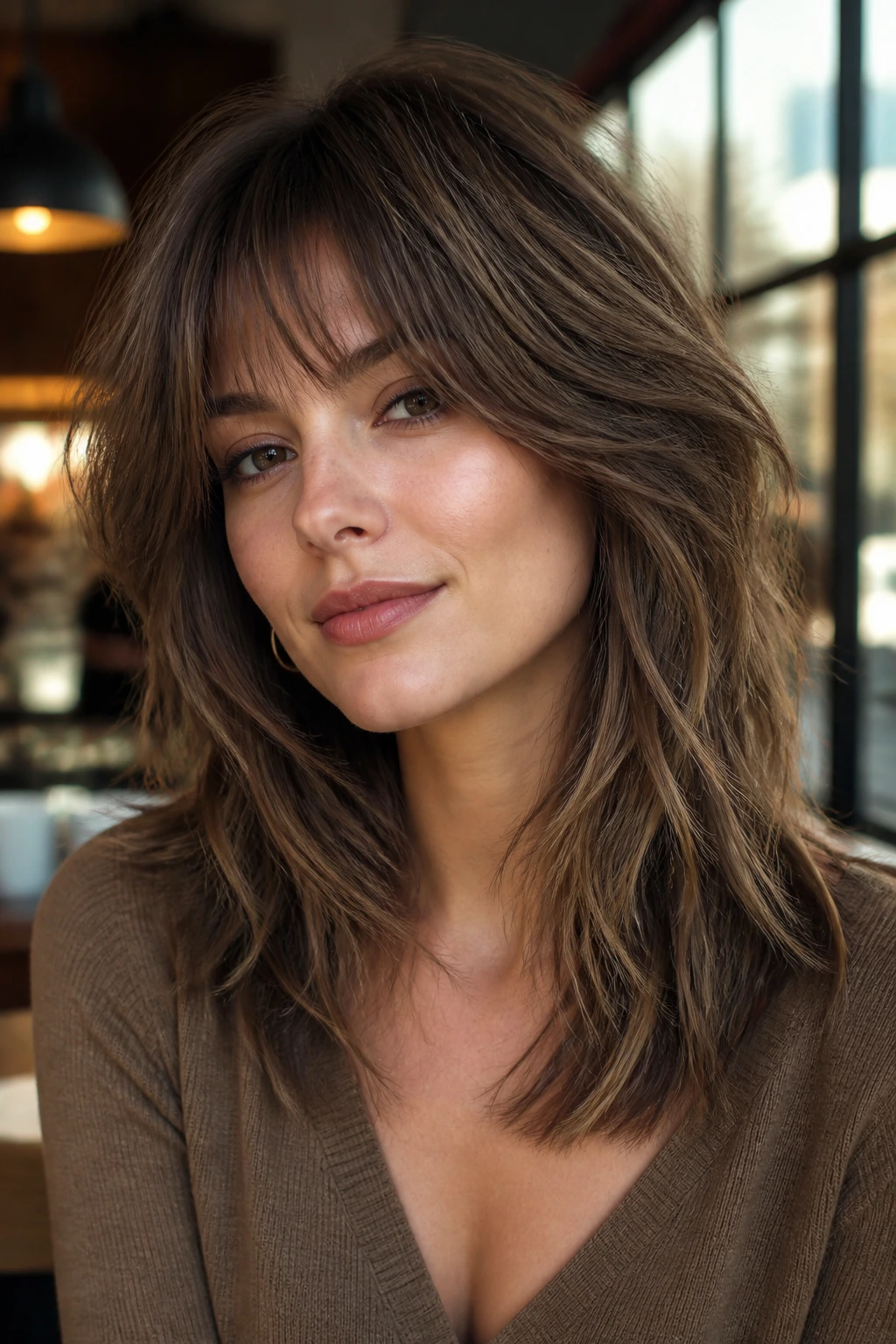
Taupe brown is cool, dusty, and a little undone in the best way. On fair skin, it can look sharper than gold-based caramel because the tone sits closer to the gray-beige side of brown.
A shag gives taupe room to breathe. The layers expose the color in different places, so the caramel pieces never sit in one flat line. Ask for a taupe brown base with slender beige-caramel accents around the fringe and through the top layers. That keeps the style from looking hollow at the bottom.
Why It’s Worth Considering
If your skin is pink or neutral and you usually hate yellow warmth, this is a strong answer. It looks modern without needing a dramatic color shift. I also like it on shorter, messier cuts because the matte texture of a shag plays well with cooler brunette tones.
17. Maple Brown Layers
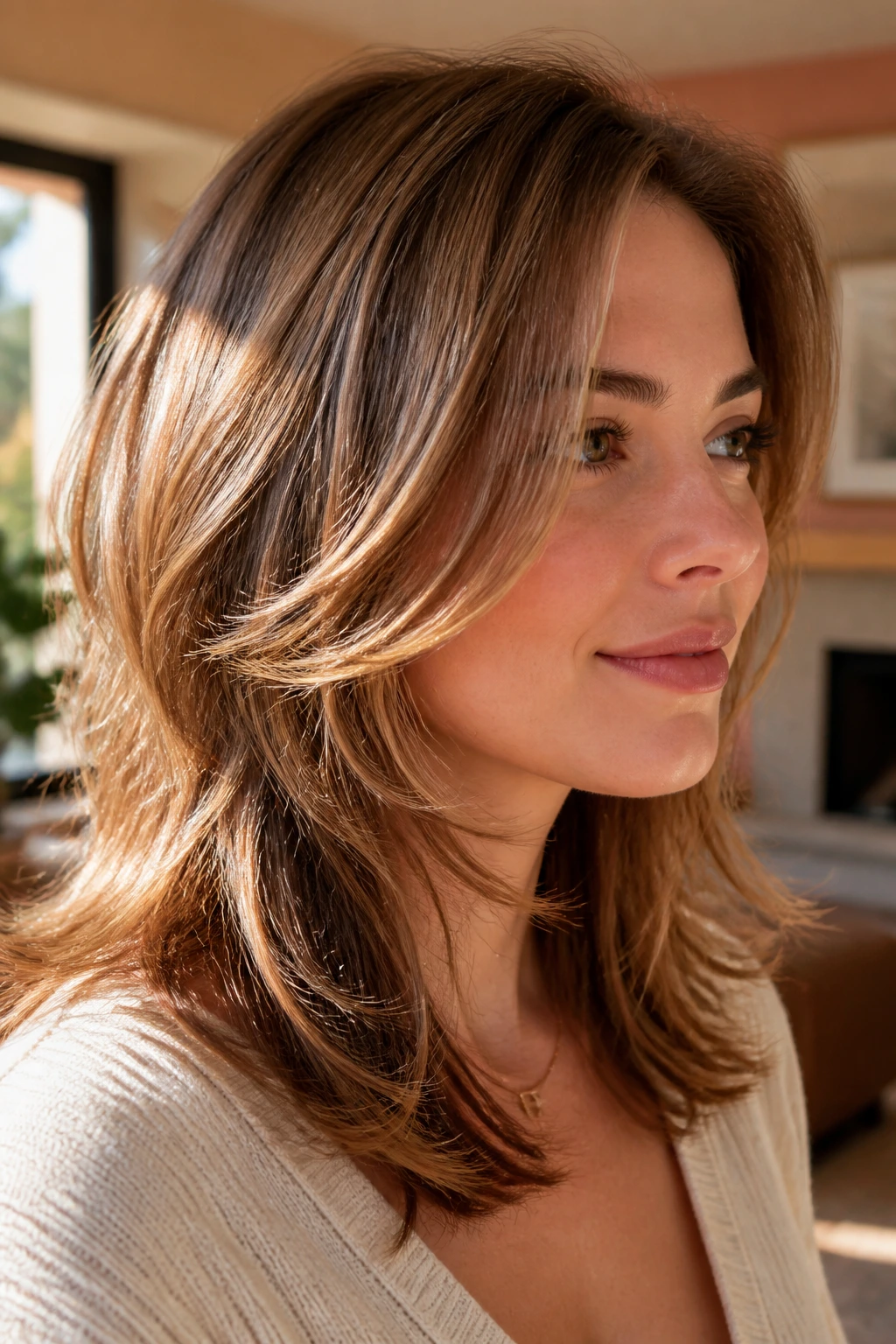
Maple brown lives in the warm middle ground. It has the syrupy glow of a caramel shade, but the brown base gives it enough weight to suit fair skin without going blond.
Layers help this one a lot. They let the lighter maple ribbons move through the cut instead of sitting on top of it. On long hair, the effect can be rich and soft at the same time, which is a useful combination if you want warmth but not obvious red or gold.
This shade pairs nicely with peach blush and soft brown mascara. It also does a quiet favor to green or hazel eyes, because the warmth in the hair gives those colors a bit more edge.
18. Bronze Brunette Waves
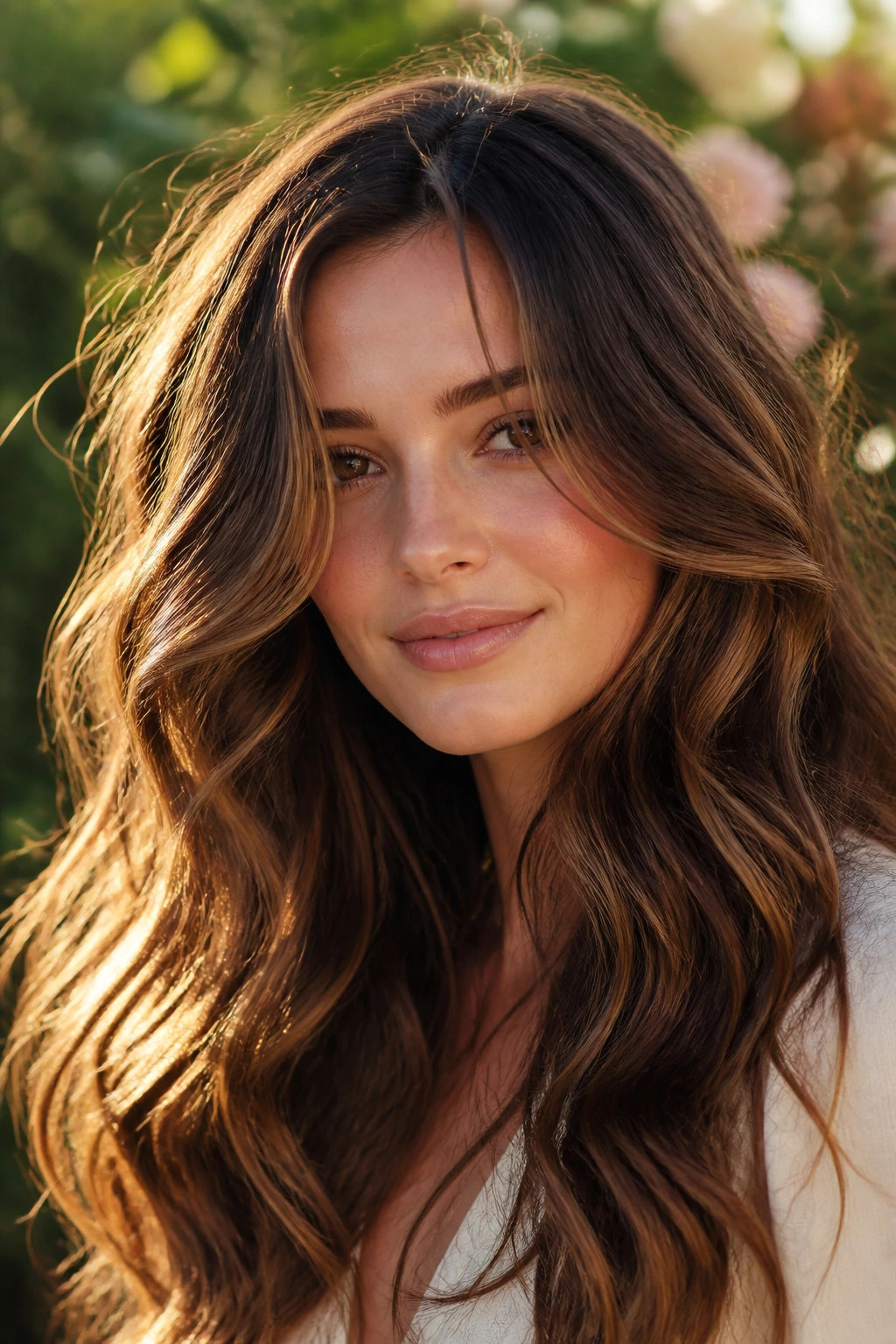
Bronze brunette is warmer and shinier than a standard caramel brunette. The bronze note gives fair skin a little glow, especially if your complexion tends to look pale indoors and richer outside.
The color works best when the lighter strands are woven through loose waves rather than fully blown-out straight hair. Waves help the bronze shimmer change as the hair moves. Ask for a deep brunette base with bronze-caramel ribbons through the mids and a softer glaze on the ends. That way the color keeps some depth.
This is a nice choice if you like warm metal tones in jewelry or makeup. Bronze hair sits comfortably next to gold hoops, tan skin, or a peachy lip. On very cool fair skin, it can still work, but I would keep the bronze softer and the root a little ashier.
19. Auburn-Caramel Brown
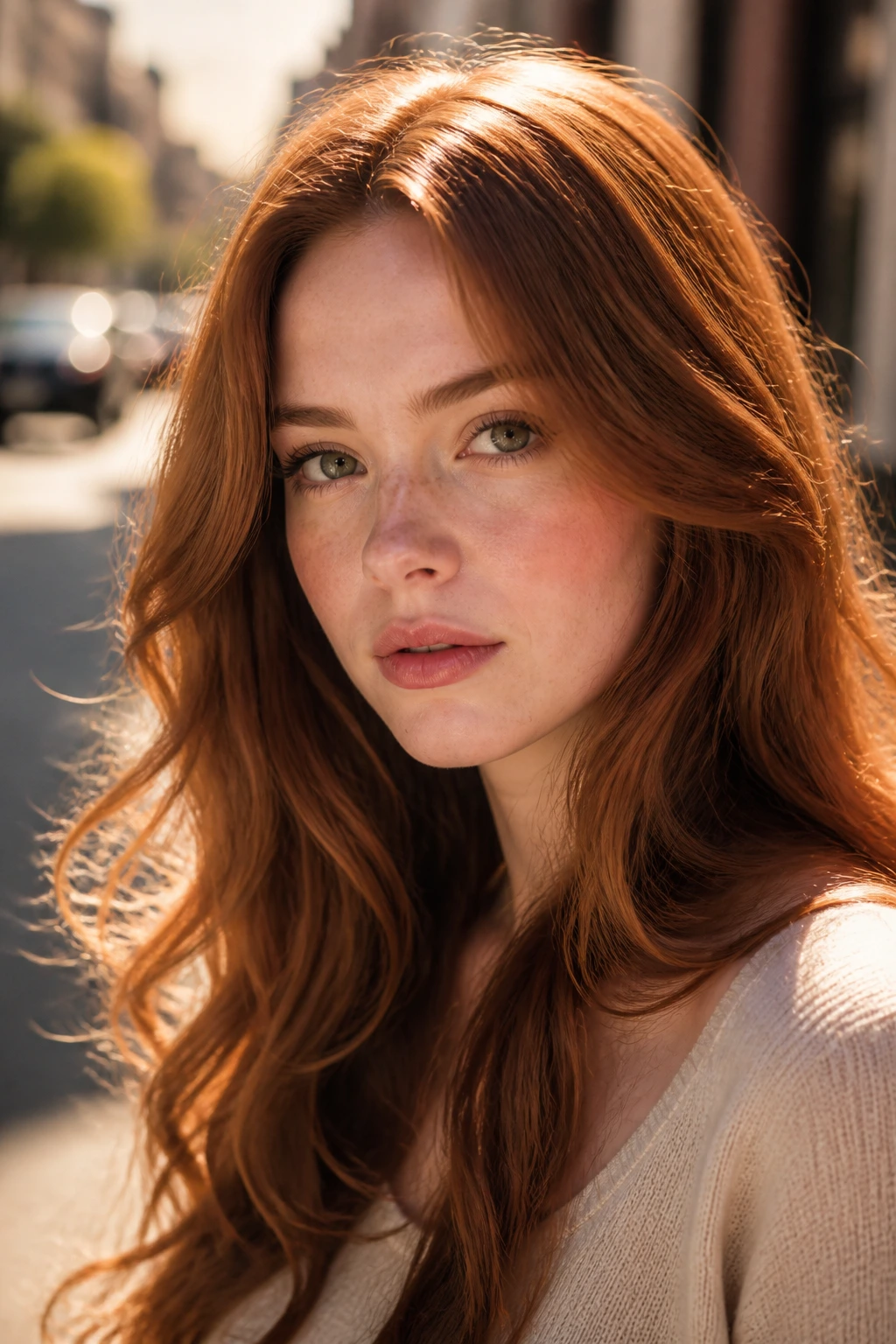
Auburn-caramel brown is for people who want a little red without crossing into copper territory. The auburn adds life to fair skin, especially if your complexion has peach, rose, or freckled undertones, and the caramel keeps the red from turning too loud.
This is one of those shades that changes a lot in sunlight. Indoors it can look like a deep brown with warmth; outside, the caramel and auburn threads wake up. That shift is part of the appeal. It looks layered, not static.
If your brows are pale, this can bring the face forward quickly. If your brows are dark, the contrast can look even stronger. Either way, I would keep the red note subtle and ask for a gloss rather than full copper saturation.
20. Cool Sable Brown
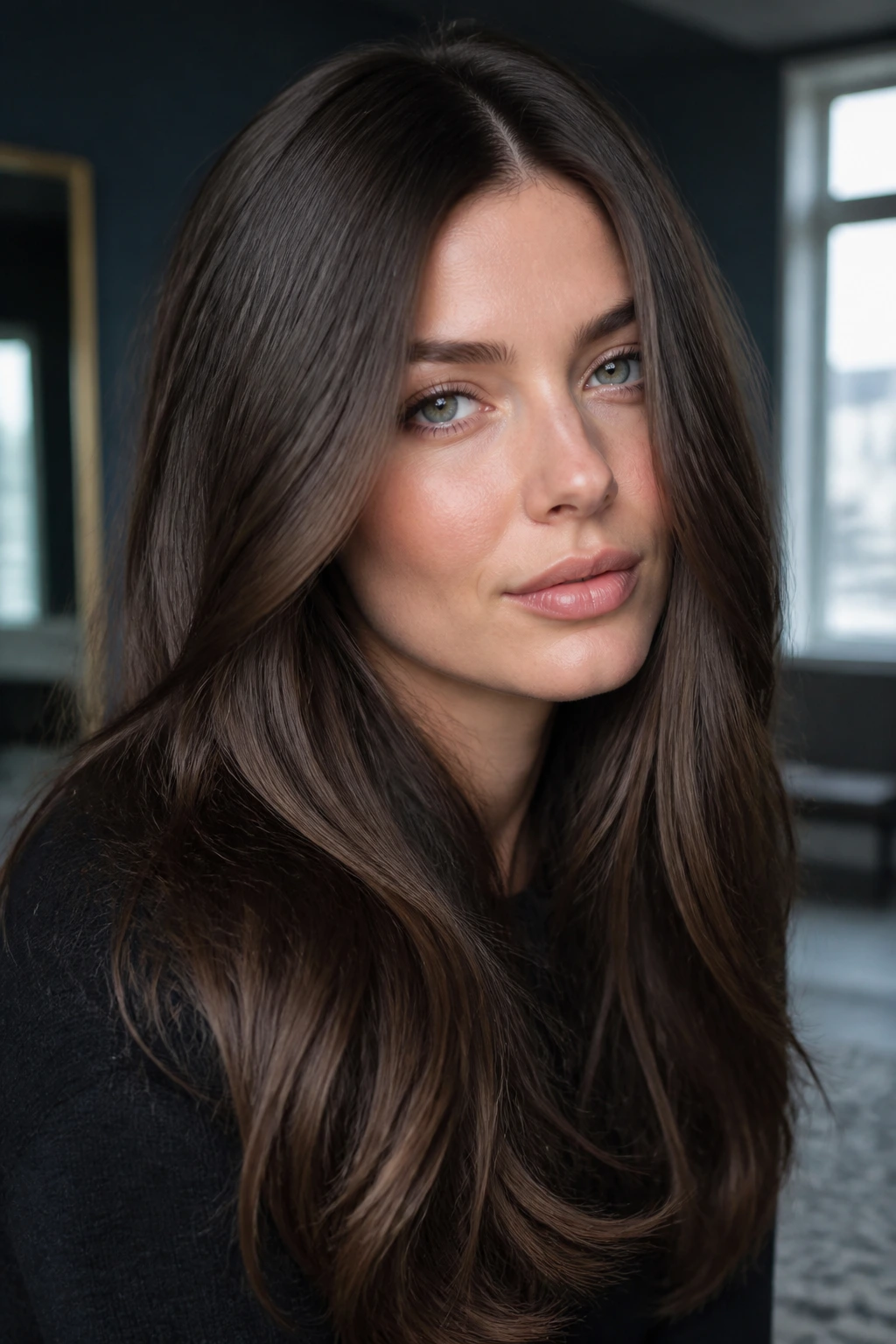
Cool sable brown is a deeper brunette choice for fair skin that likes contrast. It sits around espresso territory, but the tone is cooler and smoother, which keeps it from looking harsh.
A sable base works well when you have strong brows, blue eyes, or a naturally defined feature set. The hair becomes the frame rather than the whole story. If you want dimension, add a few smoky caramel ribbons around the face and top layers instead of filling the whole head with highlights.
This shade is good when you want a cleaner, more polished brunette and less of a sunny caramel effect. It can look especially sharp with a center part and glossy styling cream.
21. Butterscotch Brown Balayage
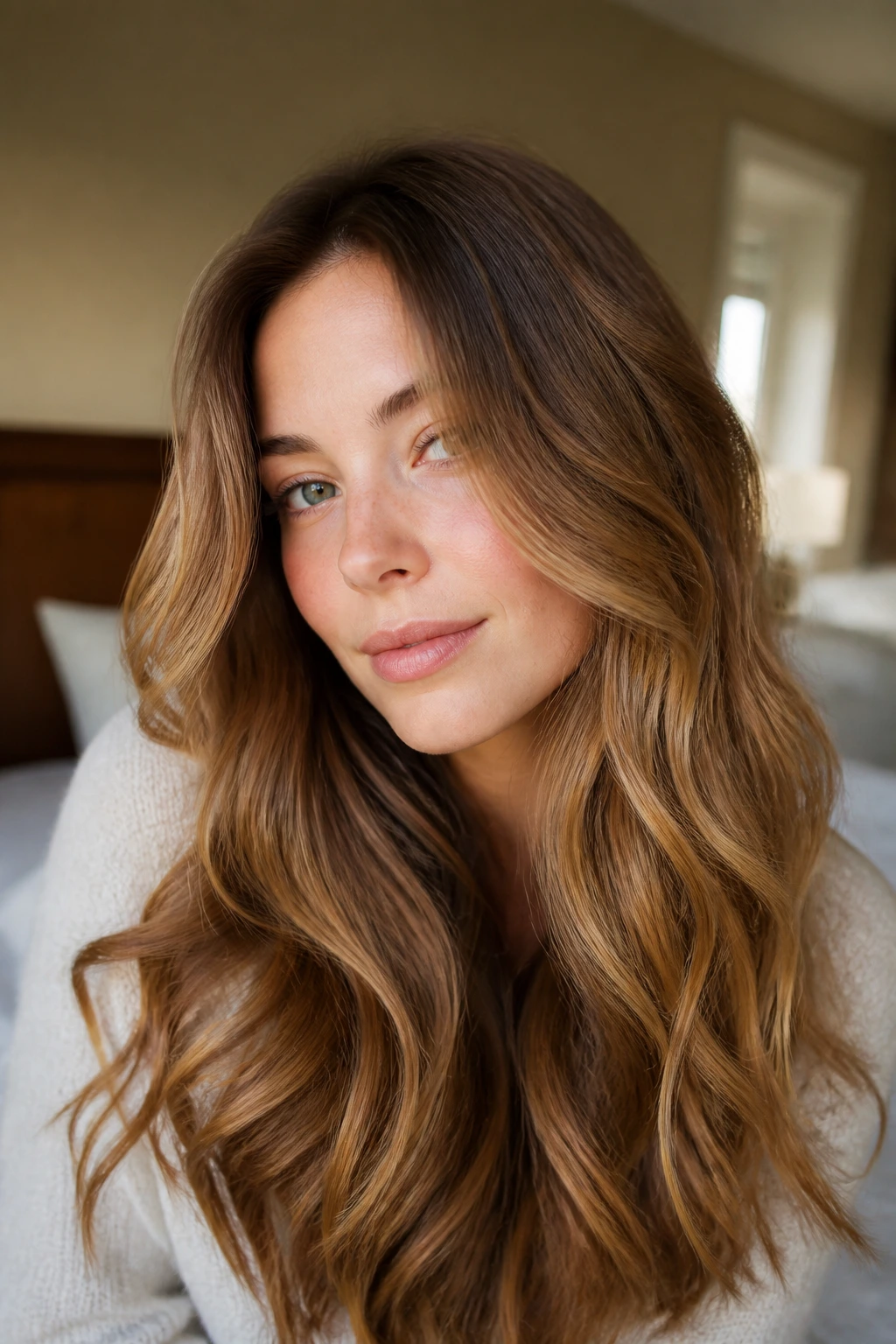
Butterscotch brown is warm, soft, and a little sweeter than toffee. On fair skin, it can look gorgeous if the gold stays mellow and the brown underneath is still visible.
Balayage is the smart placement here. Keep the lightest pieces a few inches off the root so the face doesn’t get over-brightened. The effect should be brown first, caramel second. Not the other way around. If the butterscotch is too yellow, it can flatten very pale skin. If it’s beige and soft, it lights the face up.
This shade works best on long or medium-long hair with movement. The ribbons need space. On very short cuts, it can still work, but the softness can disappear unless the cut is textured.
22. Chestnut Ribbon Curls
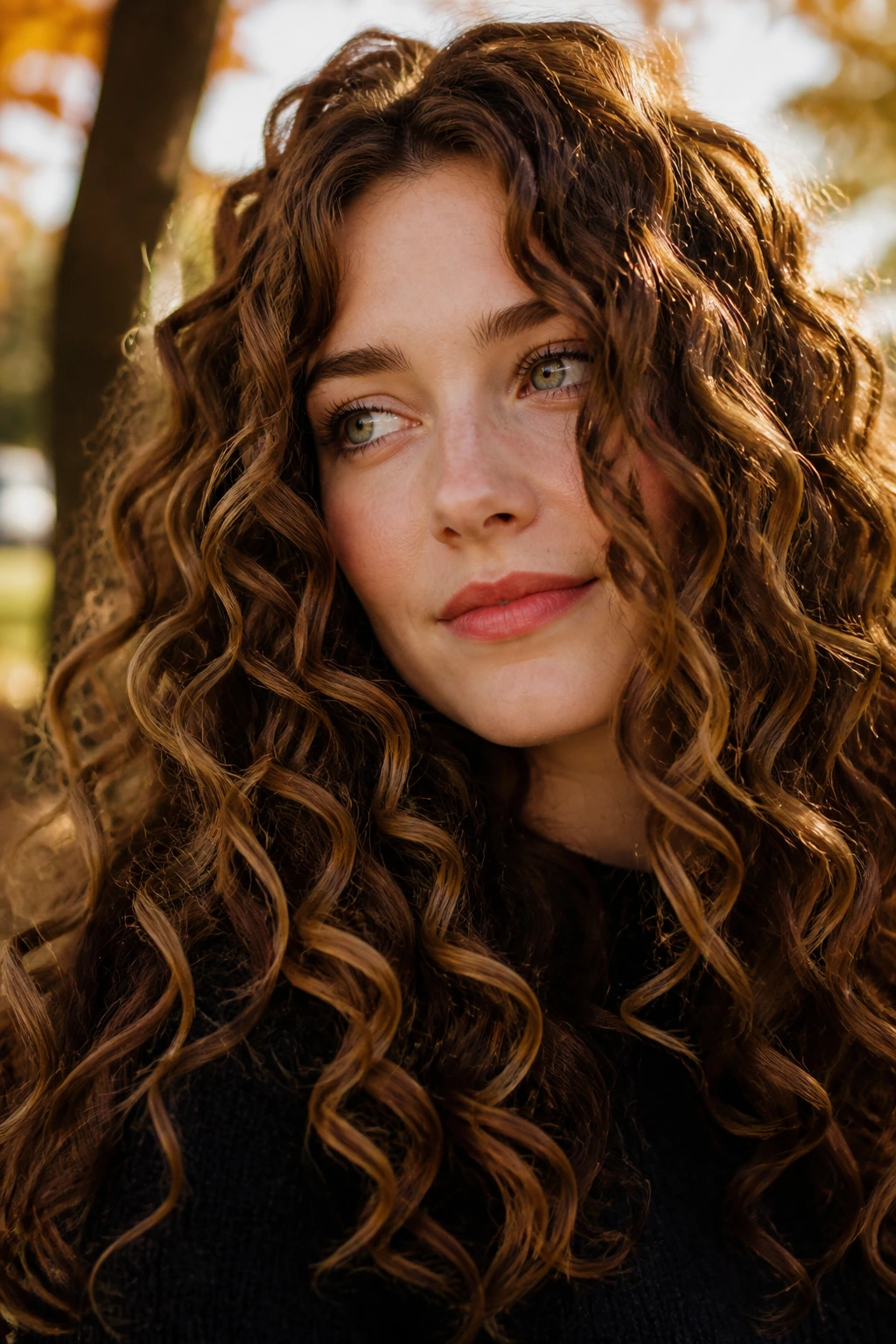
Chestnut ribbon curls give you the comfort of a classic brunette with enough movement to keep fair skin from looking blank. The chestnut base stays warm and grounded, while the ribbons sit in wider painted sections that show up inside the curl pattern.
This is one of the best choices for naturally curly or coily hair if you want dimension without overprocessing every strand. The ribbons should follow the curl family, not fight it. That way the color reads as part of the texture rather than a separate layer.
What to ask for
- Chestnut base at level 5 or 6.
- Caramel ribbons painted to follow curl groupings.
- A warm-neutral gloss to stop the caramel from going too yellow.
I like this because it does not flatten the curl pattern. It gives it shape.
23. Espresso Brown with Champagne Caramel
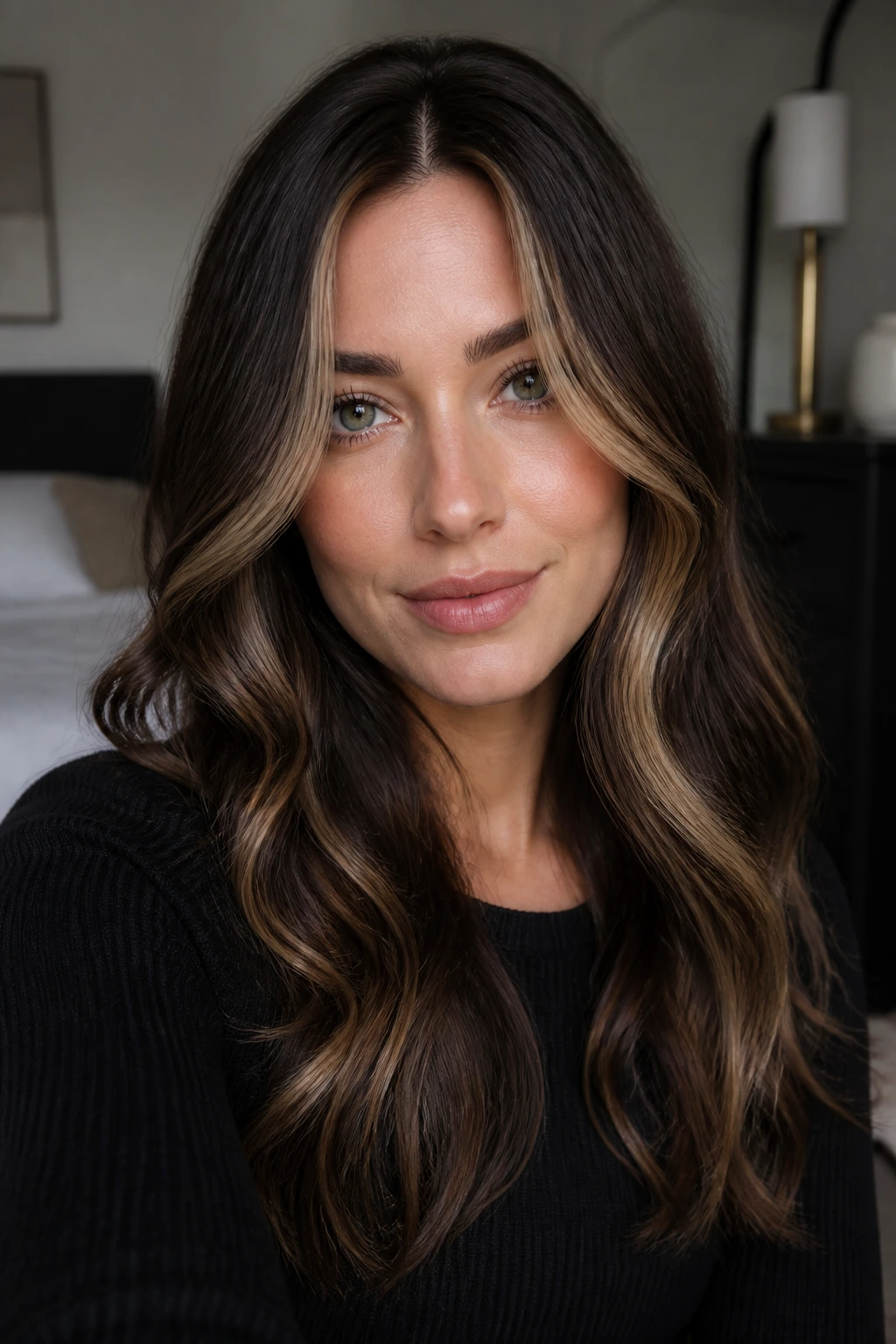
Espresso brown with champagne caramel is a little sleeker and a little more dressed up than the warmer caramel looks. The champagne pieces sit in a pale-beige zone that feels especially nice on fair skin because it brightens without going golden.
The espresso base makes the lighter strands stand out. That contrast can be a little dramatic, which is why the champagne tone matters so much. If the front pieces go too warm, the whole thing becomes louder than it needs to be. Keep the caramel in the champagne-beige family and the result stays clean.
This is a strong pick if you like a deep brunette base but still want a few bright points near the face. It can look very good with soft waves and a middle part. The clean contrast has a crisp, almost tailored feel.
24. Hazelnut Pixie
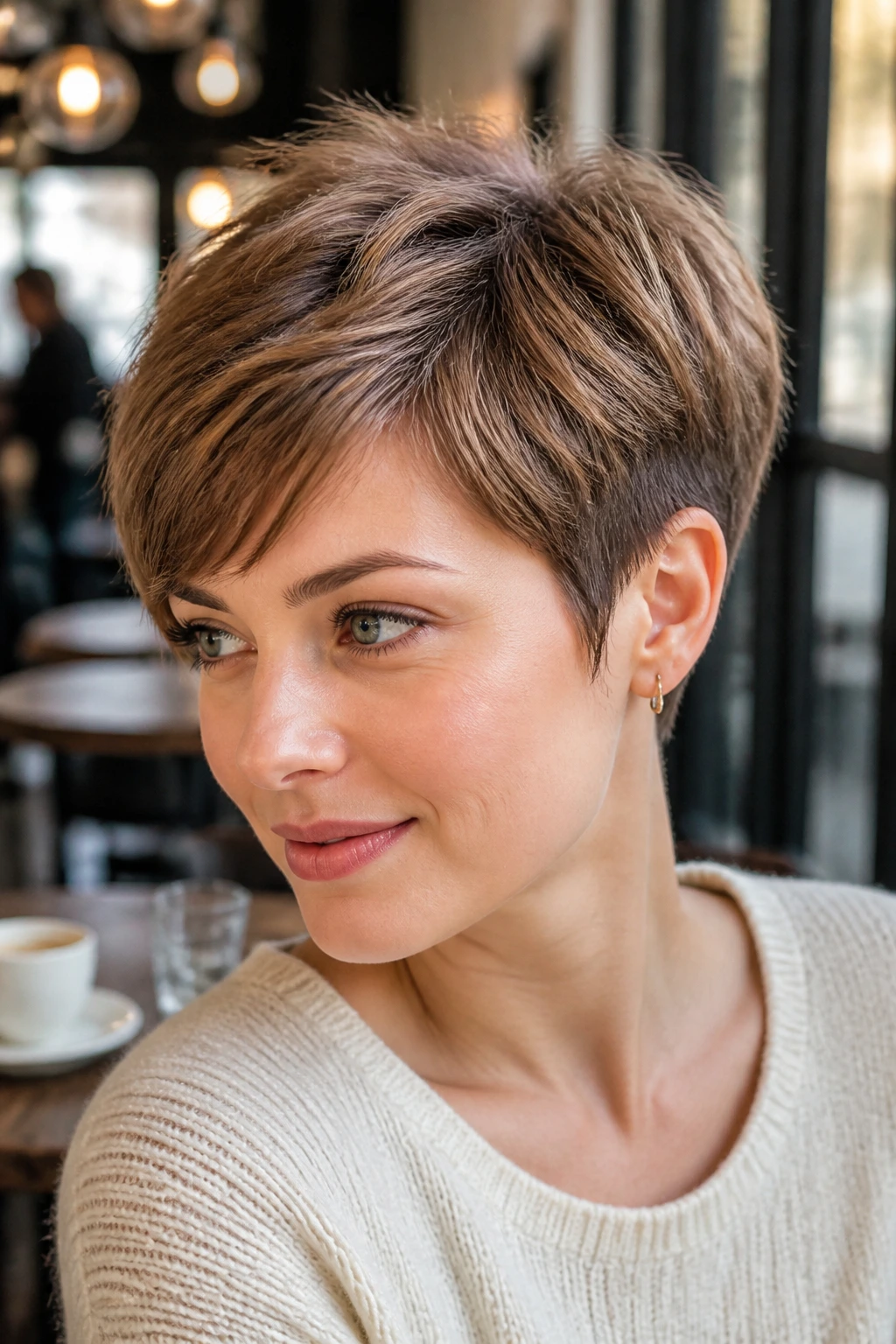
Short hair does not have to mean one flat color, and a hazelnut pixie proves it. The trick is keeping the hazelnut brighter on top and a touch deeper around the sides and nape so the cut keeps its shape.
On fair skin, this can be a lovely way to add warmth without a lot of lightening. The top layer catches the light, the sides stay tidy, and the face gets a little framing without needing long lengths. If your pixie has texture, even better. The tiny shifts in color show up more clearly when the cut has separation.
I would keep the caramel soft and beige here. A bright gold pixie can go brassy fast. Hazelnut gives you warmth with less fuss.
25. Caramel-Glazed Brunette
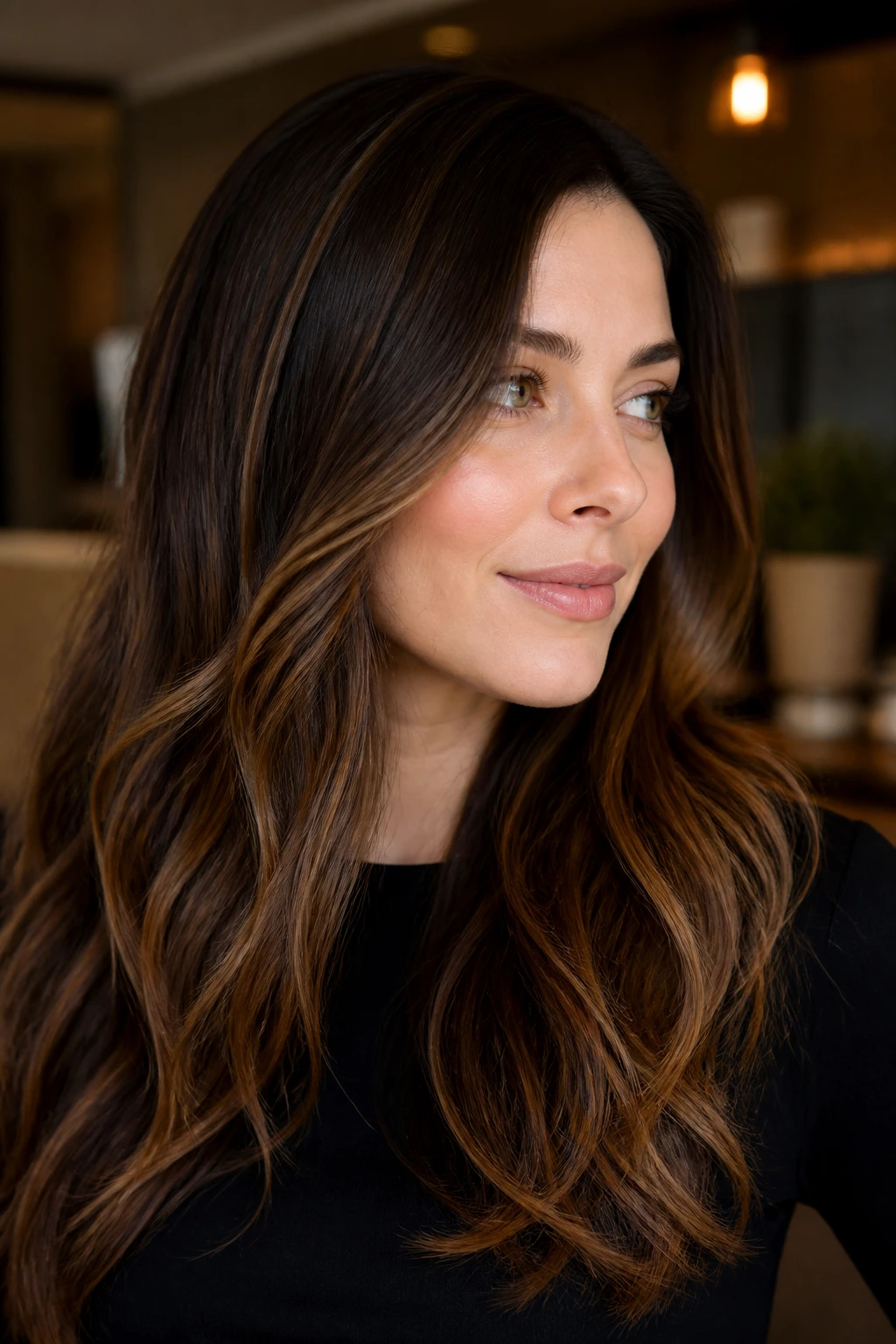
Caramel-glazed brunette is the easiest shade in this whole group if you do not want a major color shift. The brunette base stays in charge, and the caramel comes in as a gloss layer that warms the mids and ends without heavy lift.
This is a nice choice for fair skin that looks better with shine than with big contrast. The glaze adds reflectiveness, which keeps the hair from reading flat under indoor lights. If you’re nervous about highlights, this is the place to start. You can always move brighter later.
It also suits people who like their color to feel tidy. A glossed brunette looks deliberate even when the grow-out is a little messy. That is worth a lot.
How to Wear Brown Caramel Hair So the Color Shows
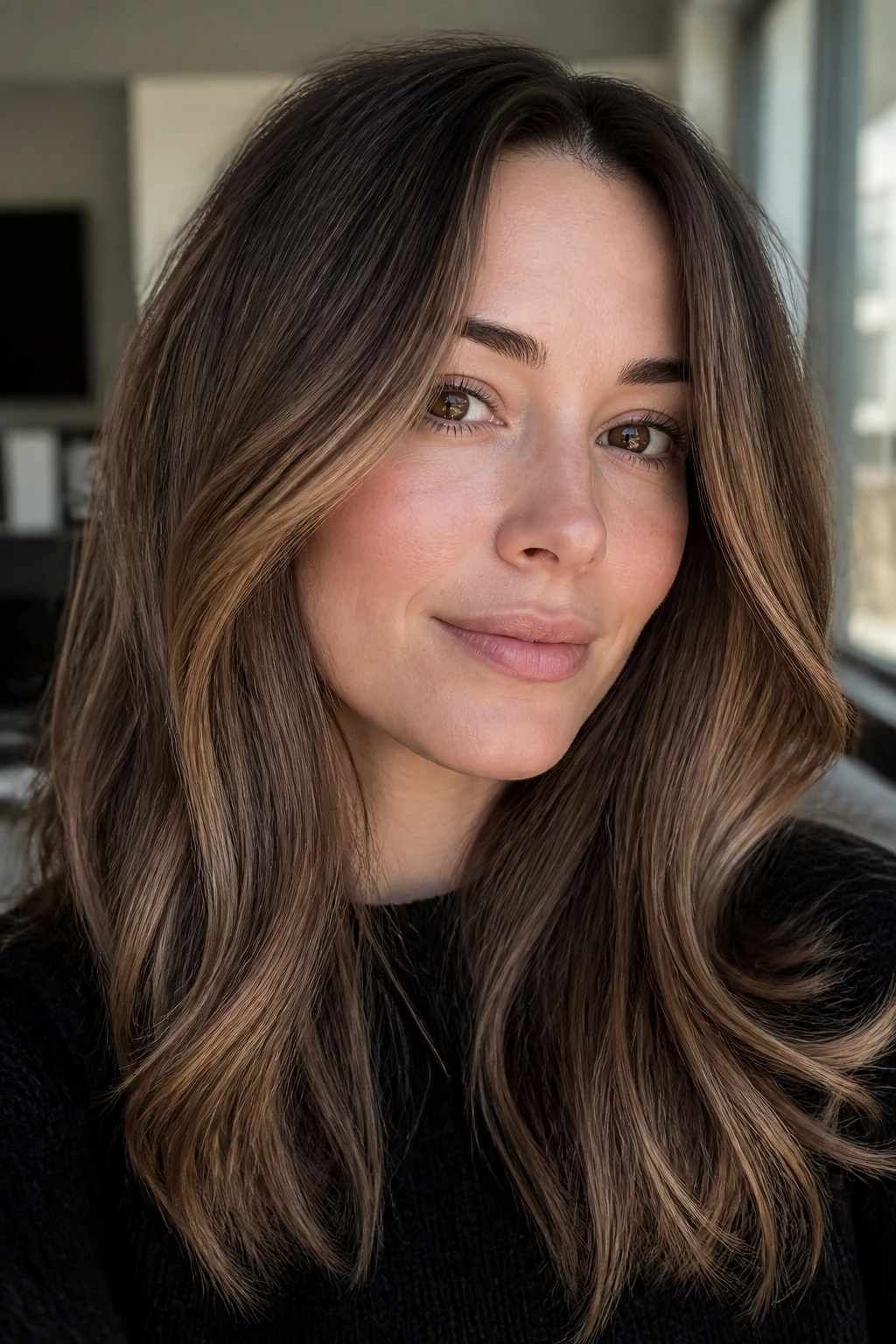
Presentation: Loose waves, a rounded blowout, or a soft bend through the ends will show off brown caramel hair better than stiff, pin-straight styling. The movement lets the darker base and lighter ribbons separate just enough to read as dimension, which is the whole point on fair skin.
Best Cuts: Curtain bangs, collarbone lobs, long layers, and shaggy bobs all help caramel look alive. A one-length cut can still work, but it needs some face framing or the color can sit there looking too uniform.
Makeup Pairings: Cool fair skin usually likes taupe shadow, rose blush, and berry or muted plum lips. Warm fair skin leans better with peach blush, soft bronze, and a warm nude lip. If the hair is deep espresso or sable, a little extra brow definition keeps the face from disappearing into the richness.
Wardrobe Notes: Cream, slate, cocoa, soft navy, olive, and dusty rose tend to sit well next to caramel brunette hair. Stark white can work, but it can also make very fair skin and lighter caramel pieces feel a bit harsh. I usually prefer broken whites and muted neutrals.
Parting: A center part flatters soft melts and beige brondes. A deep side part works better when the color has more contrast, because it gives the front pieces a job to do.
Extra Ways to Keep Caramel Clean and Rich
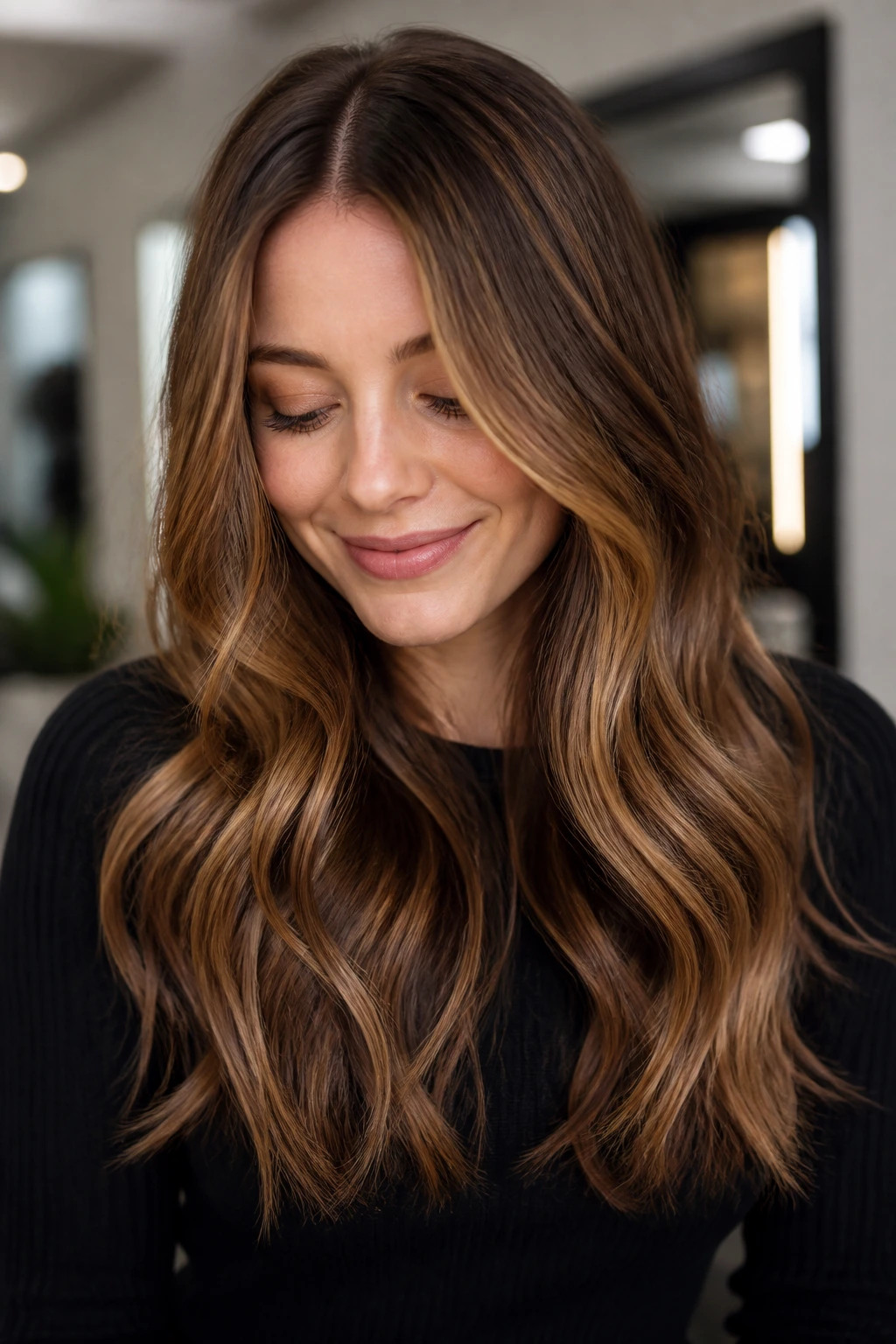
Tone Control: Ask your colorist whether the caramel should lean beige, honey, toffee, or mushroom before anything gets mixed. That one decision shapes the whole result, especially on fair skin. Beige and mushroom stay quieter; honey and toffee bring more warmth.
Placement: Put the lightest pieces around the temples, cheekbones, and top layer if you want the face to wake up. If the only bright pieces live at the ends, the color can look pretty but not particularly flattering from the front.
Glossing: A clear, beige, or softly warm gloss every 4 to 6 weeks keeps the brown from going hollow and the caramel from turning flat. If the shade starts looking tired before the next appointment, a gloss is usually more useful than another full highlight session.
Heat Limits: Keep hot tools moderate. Around 300°F to 375°F is plenty for colored hair, and a heat protectant should go on every time. Too much heat chews through caramel quickly and leaves the brown looking dull before the roots even grow.
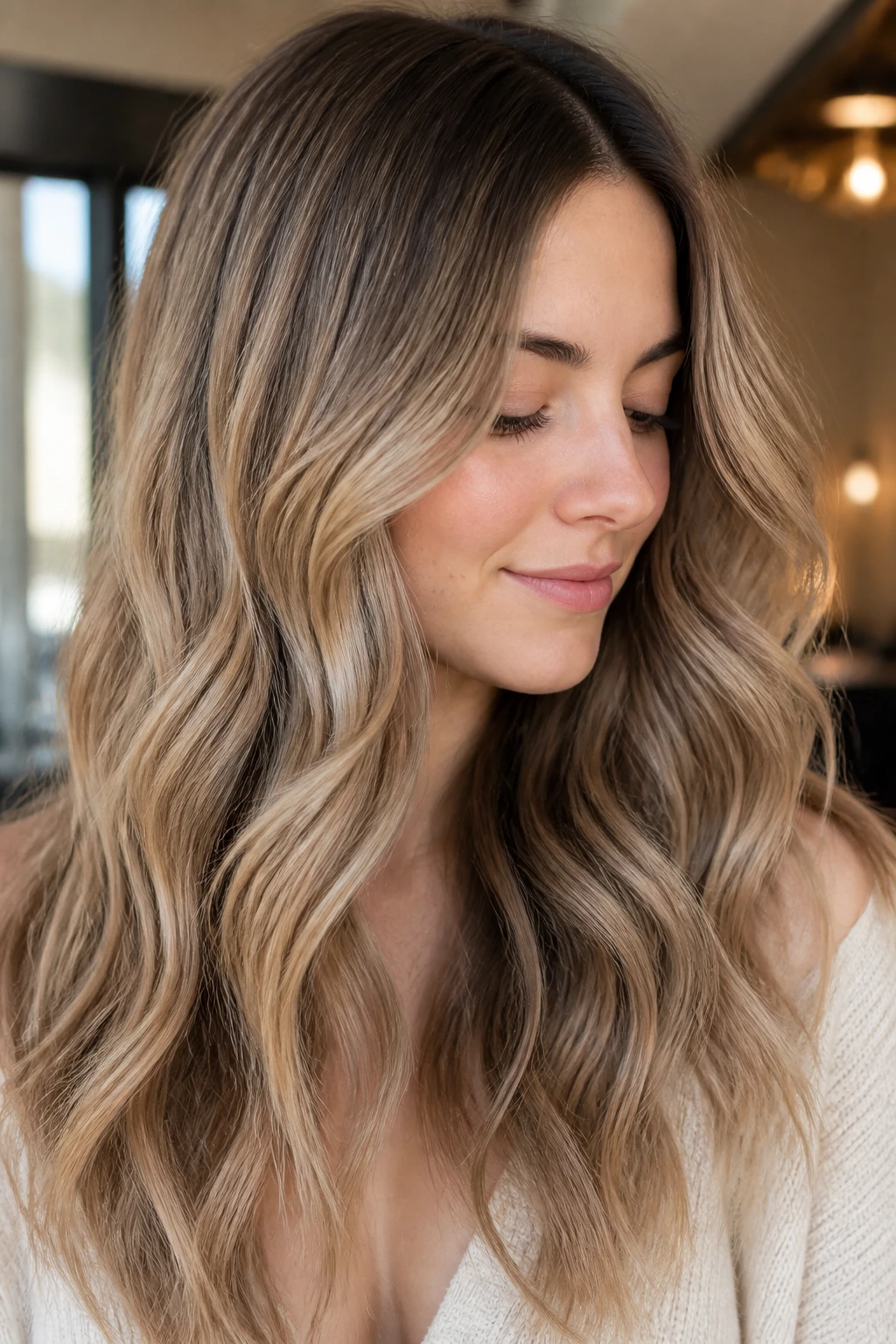
Common Mistakes That Make Fair Skin Look Washed Out
-
Going too yellow with the caramel: The symptom is a color that looks bright in the bowl and brassy on your face. The fix is a beige or neutral toner, not a brighter lift.
-
Picking a brown that’s too dark for your features: If the hair takes over the face, fair skin can look paler and the eyes can lose definition. Ask for dimension near the front or soften the root depth by a level or two.
-
Ignoring your brows: Dark brows with very light caramel can work, but the contrast needs a plan. If the brows are much lighter than the hair, the face can go vague. A brow gel or a slightly softer front piece helps.
-
Highlighting only the ends: That can look fine from the back and flat from the front. Caramel needs some face-framing placement if you want the skin to look lifted.
-
Using purple shampoo on warm caramel every wash: It can mute the warmth and leave the shade muddy. Use it only when the lighter pieces truly start yellowing, and pick blue shampoo for orange-brown brass instead.
Variations and Adaptations to Try
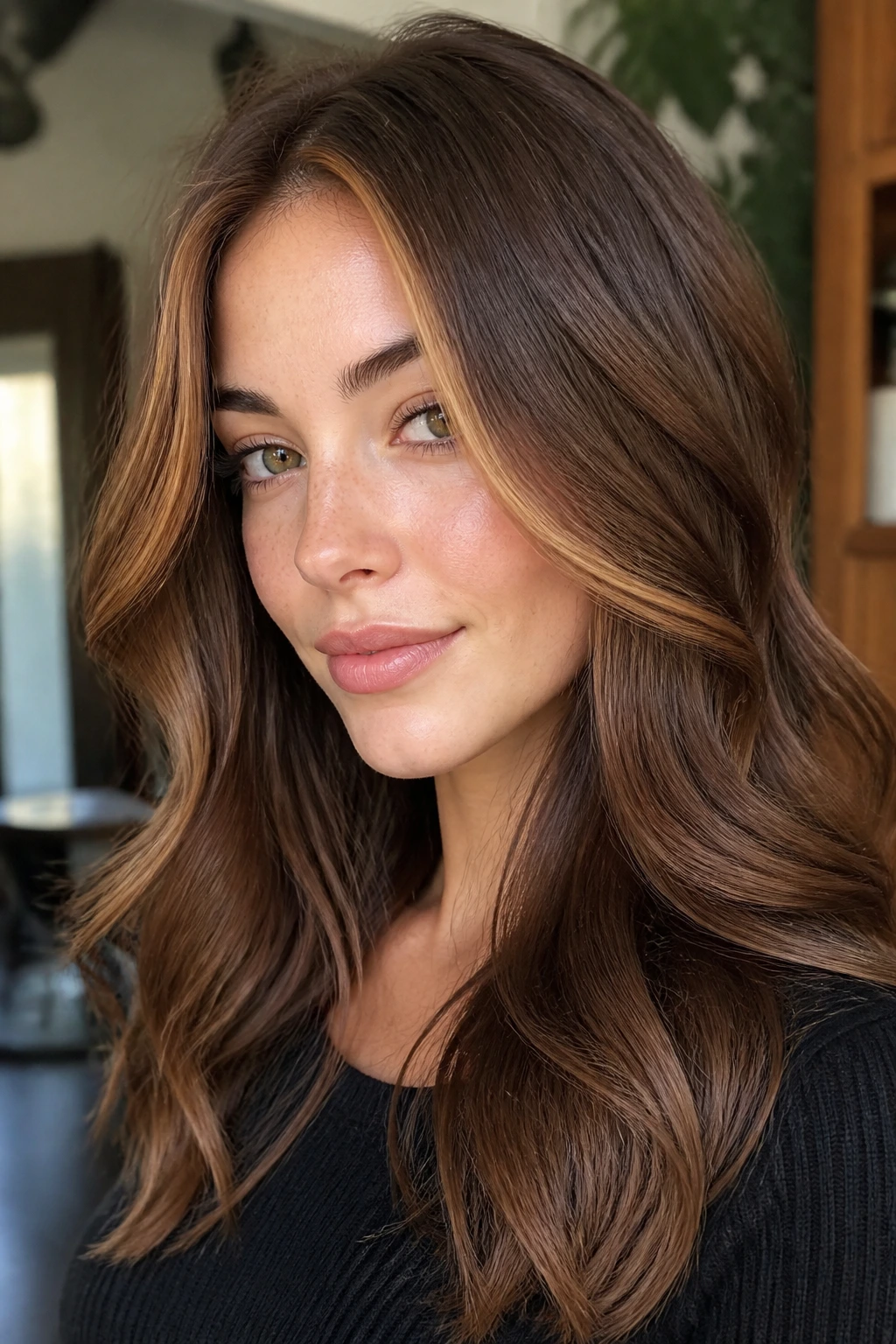
The Porcelain Cool Edit: This version leans into mushroom, taupe, and beige-brown tones with very little gold. It’s the one I’d choose for very fair skin that flushes easily or looks better in silver than in yellow gold. Keep the brightest pieces beige, not buttery.
The Freckle-Friendly Warm Edit: If your fair skin has peach or golden undertones, push the caramel toward hazelnut, toffee, or maple. The warmth brings out freckles and softens sharp contrast around the face. It’s friendly, but not sugary.
The Low-Maintenance Rooted Melt: Keep the root deeper and let the caramel appear mostly through the mids and ends. This makes the grow-out softer and saves you from chasing every new root line. It works especially well on lob cuts and long layers.
The High-Contrast Face Frame: This one pairs a darker brunette base with brighter front pieces near the cheekbones. It’s a good choice if you like definition and want the face to pop in photos and in person. Keep the front pieces beige rather than yellow for fair skin.
The Short-Cut Caramel Edit: On bobs and pixies, use caramel as a top-layer accent instead of trying to shade the whole head evenly. Short hair needs placement more than saturation. A textured cut will show the change better than a blunt, dense shape.
The Gloss-Only Brunette: If lightening makes you nervous, stay in brunette territory and ask for a caramel glaze or warm gloss instead. The finish can still bring life to fair skin, especially if your natural brown is flat or faded. It’s a smart starting point.
Tools and Color-Care Products That Help
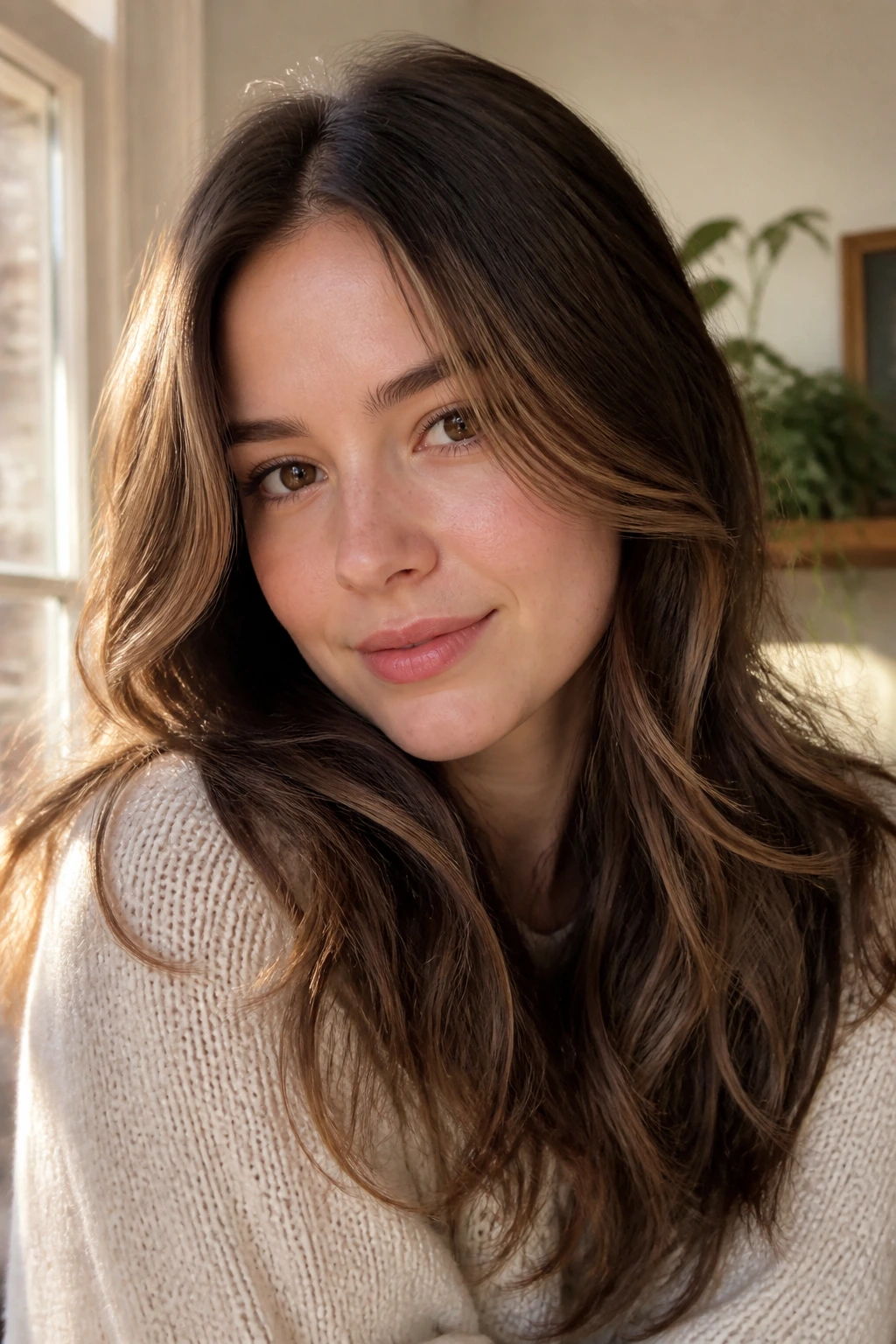
- Color-safe shampoo: A sulfate-free shampoo keeps the brown from fading fast and helps the caramel stay clean between washes.
- Moisture conditioner: Lightened pieces need slip, especially if you wear waves or use a round brush.
- Deep-conditioning mask: One weekly mask helps prevent the ends from turning rough and dull.
- Heat protectant spray: Use it before blow-drying or hot tools; caramel fades faster when the hair is cooked.
- Blue shampoo: Handy if the brunette starts looking orange. Use sparingly, not every wash.
- Purple shampoo: Useful only if the caramel has blonded pieces that start to yellow.
- Gloss or glaze treatment: Great for keeping the tone rich without another full color session.
- Wide-tooth comb: Less breakage on lightened sections, especially when the hair is wet.
- Silk pillowcase: It won’t fix bad color, but it does cut down on friction and dullness.
- Shower filter: Worth it if your water leaves the hair rough or oddly warm-toned.
Keeping Brown Caramel Hair Fresh Between Appointments
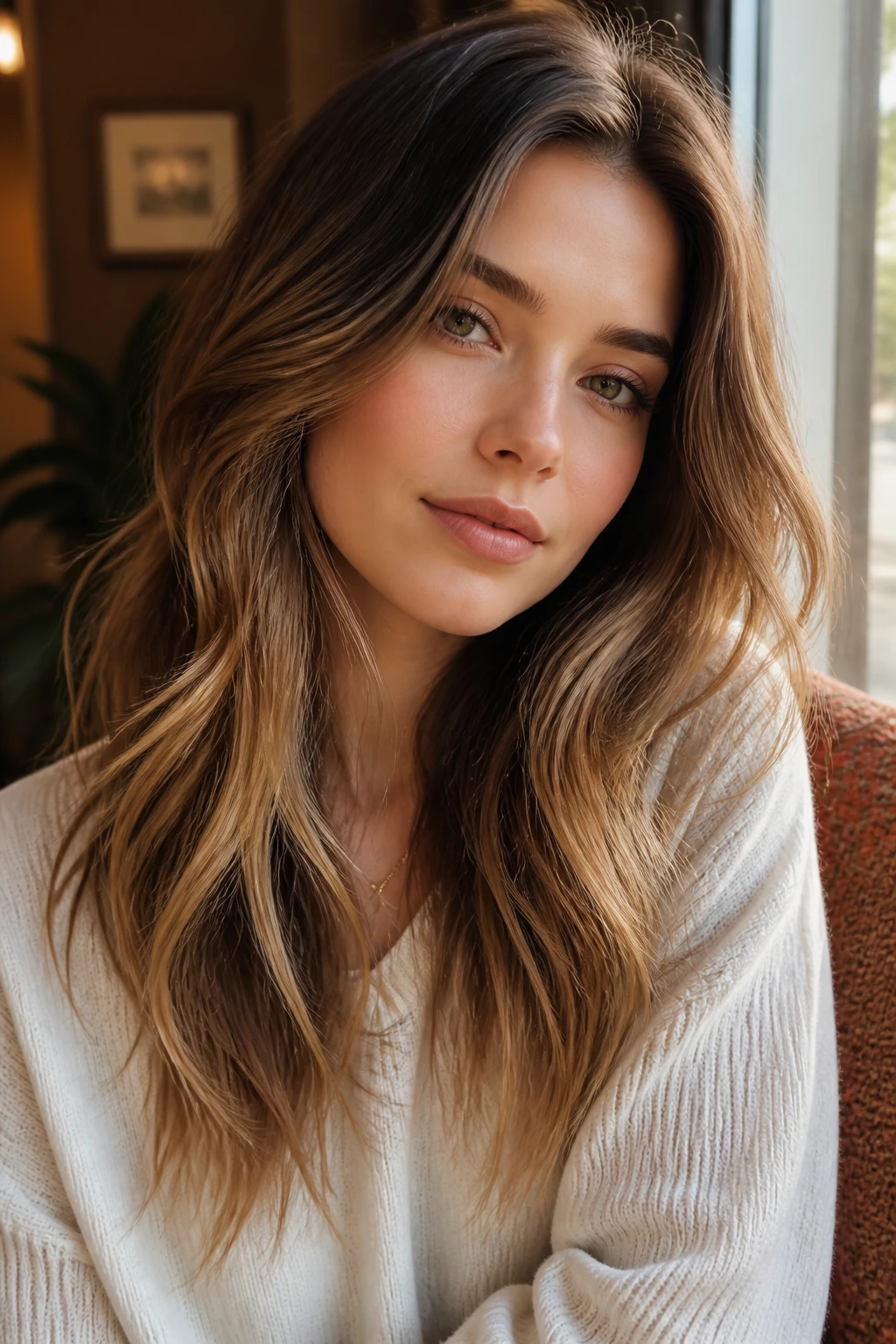
Fresh color usually looks best after the first rinse cycle settles. If your hair is permanently colored, wait about 48 hours before the first shampoo so the cuticle has a chance to close down a bit. After that, lukewarm water is better than hot water, because hot water is rude to caramel. It strips the shine fast.
For balayage or highlighted brunette shades, a gloss refresh every 4 to 6 weeks keeps the caramel from drifting too yellow or too dull. Root touch-ups depend on how much contrast you chose. A rooted melt can stretch farther; a high-contrast money piece will show regrowth sooner, usually around 6 to 8 weeks.
Wash frequency matters more than people think. Two or three washes a week is plenty for many colored brunettes, and dry shampoo can help in between if your scalp gets oily. If the ends start feeling rough, a mask once a week is a better fix than piling on more shampoo.
Hard water can be sneaky. If the color starts feeling flat or slightly orange after a few weeks, a shower filter and a clarifying wash once every couple of weeks can help pull the buildup off without stripping the whole shade. And if your hair is heat styled often, keep the iron moderate. Colored hair does not love 400°F. It just tolerates it until it stops tolerating it.
Frequently Asked Questions
Which brown caramel shade is safest for very fair, cool-toned skin?
Soft mushroom brown, taupe brown, or a beige bronde melt are the easiest places to start. They keep the warmth controlled so the face does not go pinker or more washed out than it already is.
Will caramel highlights look orange on fair skin?
They can, if the toner is too gold or the lift is too warm. Beige, mushroom, or neutral caramel tends to stay cleaner, while honey and toffee work better when there is enough brown underneath to hold them in place.
Can I get brown caramel hair without bleaching?
Yes, if you are only going darker or adding a gloss. Once you want lighter caramel ribbons on naturally dark hair, some lightening is usually needed so the shade has room to show.
Is balayage better than all-over color for fair skin?
Balayage is usually easier if you want dimension and softer grow-out. All-over color works when you want a cleaner brunette or a glossed finish, but it can look flatter unless you add face-framing pieces.
What if my hair turns brassy after coloring?
That usually means the caramel has drifted too yellow or orange. Blue shampoo helps orange-brown brass, violet shampoo helps yellow blonded pieces, and a salon gloss can reset the tone without redoing the whole head.
Does brown caramel hair work with dark brows?
Yes, and sometimes it works better that way because the brows anchor the face. The trick is to keep enough depth in the root and around the front so the hair and brows feel related, not like two separate color stories.
Can this color work on short hair like bobs or pixies?
Absolutely. Short cuts often look better with careful placement than with lots of lightening. A caramel top layer, a face-frame piece, or a soft glaze can give short hair more shape than people expect.
How often should I refresh a caramel brunette gloss?
Every 4 to 6 weeks is a solid target if you want the tone to stay clean. If you wash less and heat-style gently, you may stretch it a bit longer; if you swim often or use hot tools a lot, it may fade faster.
The Shade That Never Feels Flat
Brown caramel hair color for fair skin works when the tone has a reason to be there. Not too yellow. Not too dark. Just enough warmth, enough depth, and enough movement to make the face look awake instead of overwhelmed.
If you want the easiest starting point, ask for a level 5 or 6 brunette base with beige caramel pieces around the face and through the mids. That gives you room to go softer, warmer, or brighter later without boxing yourself into a bad first choice. The quiet shades are often the smartest ones.