



Short messy haircuts for women with fine hair work because they stop the ends from doing all the complaining. Fine strands don’t have much bulk to spare, and once length starts tugging on them, the whole shape can sink into that flat, stringy look that nobody asked for. A smart short cut changes the physics. It moves the weight up, gives the crown somewhere to sit, and lets a little bend at the ends read as texture instead of damage.
Fine hair isn’t the same thing as thin hair, and that difference matters more than most salon chatter admits. You can have a full head of fine strands and still need a cut that preserves density at the perimeter. Or you can have sparse fine hair and need even more care with layers, because one heavy-handed razor pass can turn “messy” into “why does this look see-through?” The best cuts in this category don’t overwork the hair. They keep a shape, then break it up where it helps.
My bias is simple: on fine hair, messy should mean piecey, not shredded. A blunt line, a soft fringe, a lifted crown, a cheekbone-grazing front—that’s the good stuff. Too many layers and the whole thing starts to rattle around like a loose screen door. The styles below keep the silhouette intact while adding enough movement to keep short hair from looking helmet-flat.
Why These Cuts Keep Fine Hair Moving
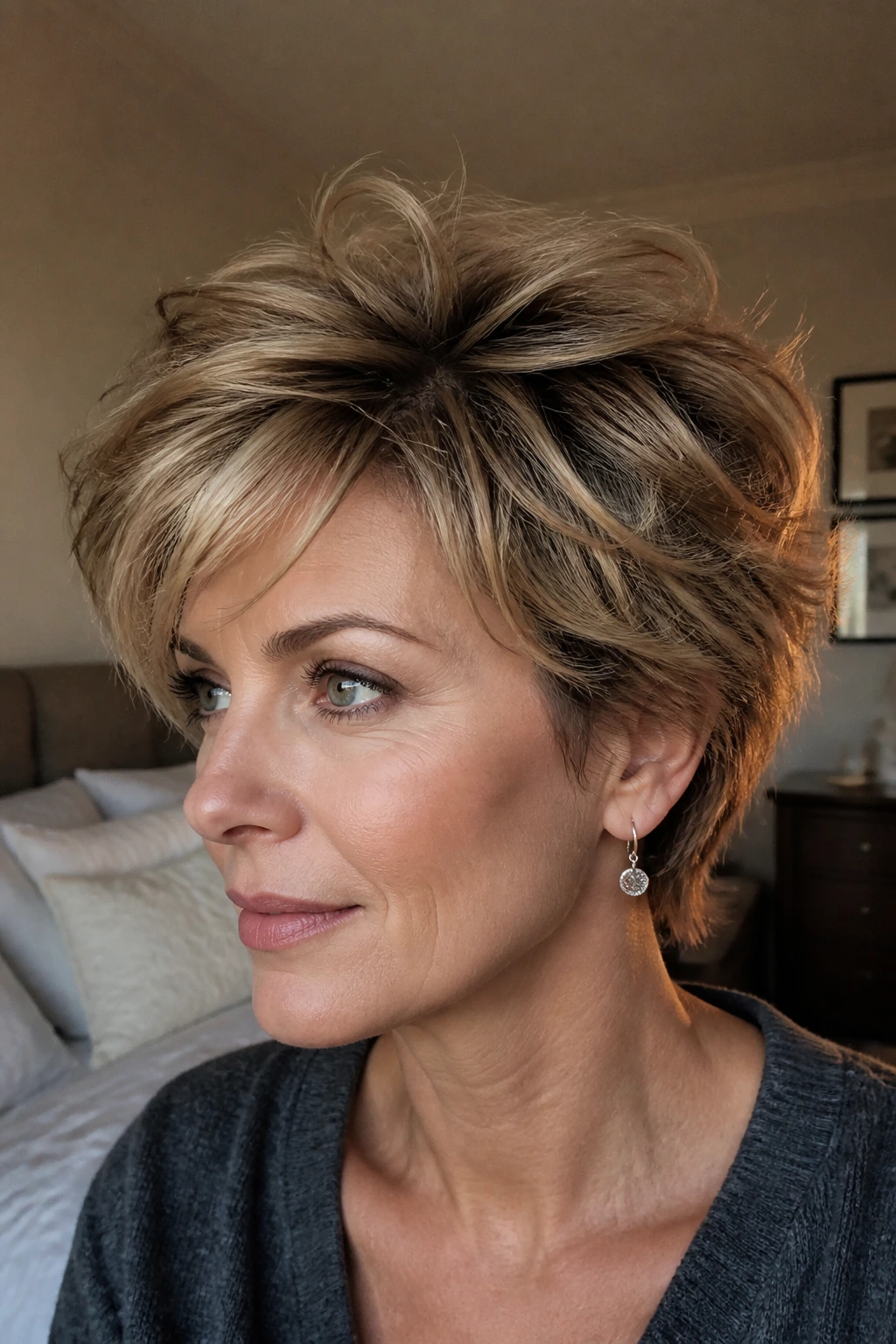
- They remove dead weight fast: A shorter length means your roots aren’t dragging a long sheet of hair all day, so the shape keeps more lift by lunch.
- They keep the outline readable: Fine hair looks fuller when the perimeter is still there—jaw lines, nape lines, and fringe lines do a lot of visual work.
- They add texture in the right places: The best messy cuts break up the top layers, not the whole head, which keeps the ends from looking wispy.
- They style in minutes, not half an hour: A 1-inch round brush, a dab of mousse, and five minutes of rough drying can be enough if the cut is doing its job.
- They grow out with some grace: A smart pixie or bob still looks intentional at six or eight weeks, which is a lifesaver if you hate constant salon trips.
- They can be tailored without drama: A deeper side part, a longer fringe, or a tighter nape changes the mood without changing the whole haircut.
1. Choppy Pixie with Long Side Fringe
A choppy pixie with a long side fringe is one of the easiest ways to make fine hair look like it has more personality than volume. The fringe gives you coverage at the front, while the shorter sides and back keep the shape from collapsing. I like this cut when the crown needs lift but the hairline needs a little softness.
Why It Works for Fine Hair
The trick is the contrast. You keep enough length on top to bend and separate, but the rest of the cut stays short enough that the roots don’t have to support much weight. Ask for point-cut ends rather than heavy thinning, because the wrong kind of texturizing can make the fringe look scraggly by the second day.
A pea-size matte paste rubbed into the fingertips is usually enough. Push the fringe across the forehead, lift the crown with your fingers, and leave the ends slightly undone. Clean lines at the nape keep the cut from feeling fluffy.
2. Bixie with Broken-Up Ends
The bixie sits in that nice middle zone between a bob and a pixie, which is exactly why fine hair likes it. It gives you enough length to tuck behind the ear, but it’s short enough that the shape still feels light. The broken-up ends add movement without chewing through the perimeter.
Where the Fullness Comes From
The base should stay blunt around the lower edge. That’s the part that makes the haircut look thicker from across the room. The mess comes from interior texture and a slightly bent finish, not from carving the whole thing into feathers.
I’d ask for soft internal layers around the cheekbone and crown, then style with a lightweight mousse at the roots. Rough-dry until about 80% dry, then use a small round brush or your fingers to flick the ends in different directions. It should look touched, not tortured.
3. Jaw-Length Shattered Bob
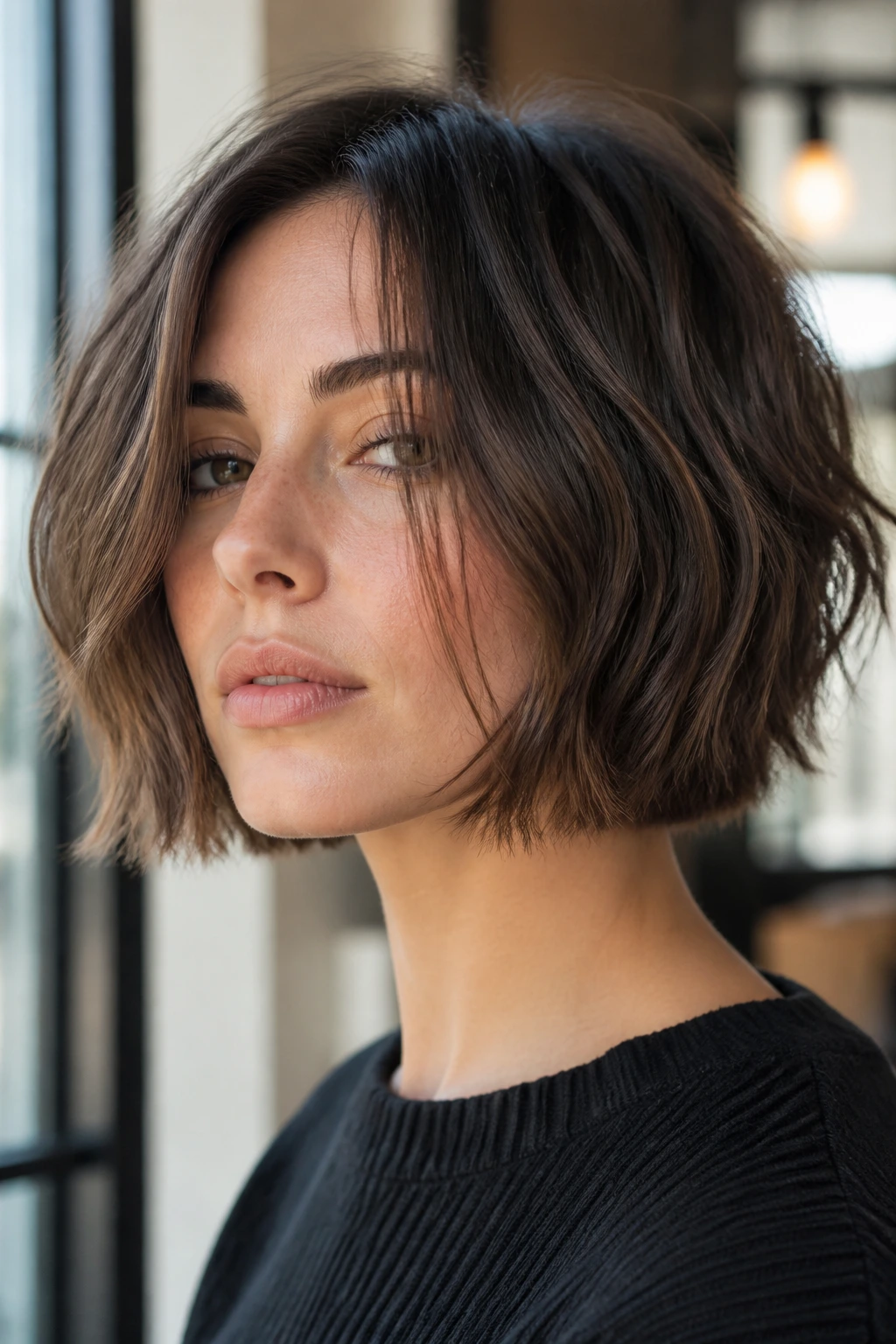
This is the cut I reach for when someone wants short hair but cannot give up the sense of a bob. Jaw length is a sweet spot for fine strands because it keeps the ends dense while still letting the cut move. The shattered texture keeps it from looking too neat.
The Shape That Saves It
The jawline gives you a clean visual anchor. That matters. Fine hair often looks thinner when it’s stretched too long, but at the jaw it can keep a solid edge and still have some swing when you turn your head.
A flat iron bend at the ends—just one pass, not a full curl—adds that messy finish without making the style too polished. Use a drop of light serum only on the tips if they look dry. More than that and the bob starts separating in the wrong way.
4. Tapered Crop with a Lifted Crown
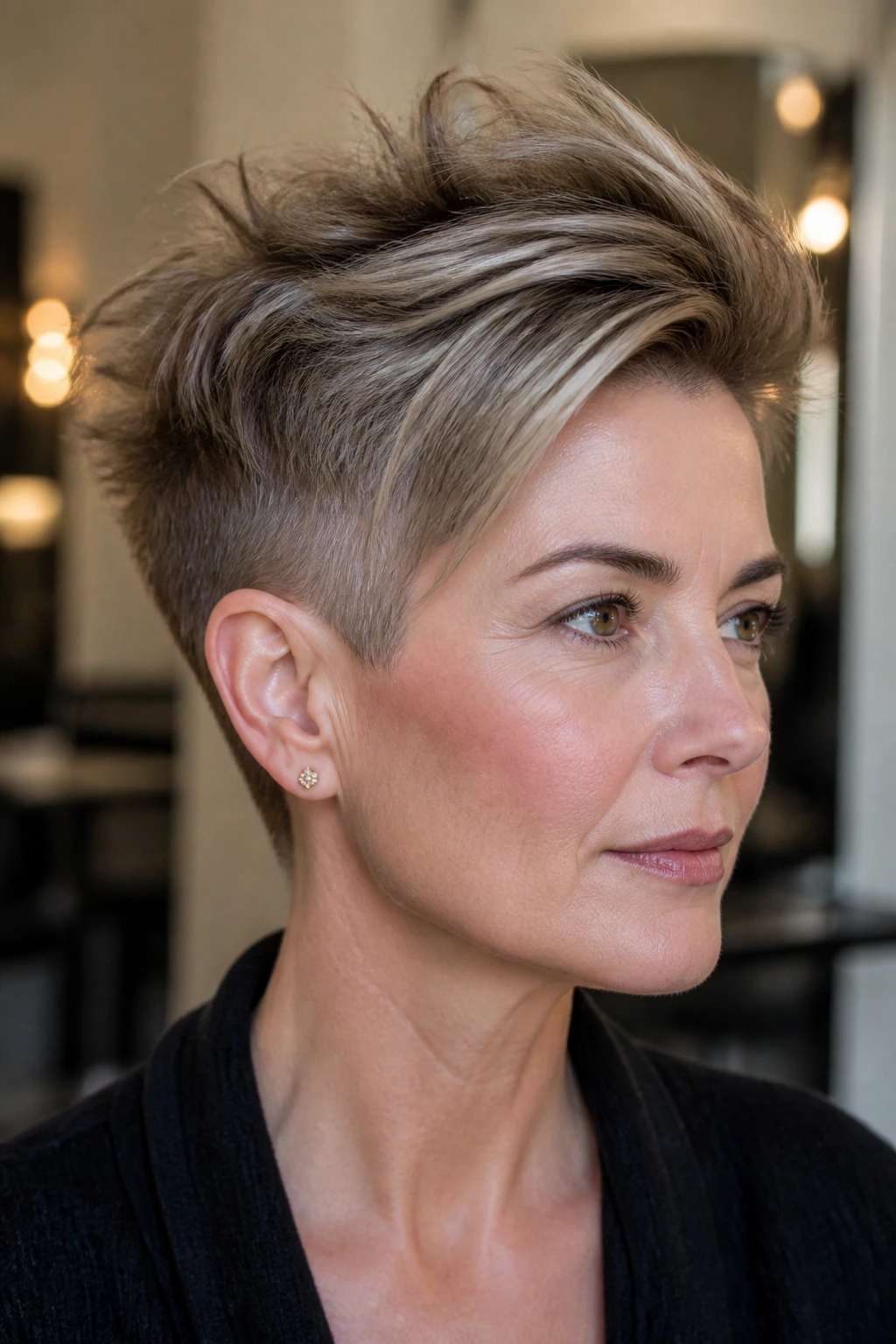
If your roots sit flat no matter what you do, a tapered crop with a lifted crown may be the most useful haircut on this list. The nape is kept tight and neat, which stops the lower half from puffing out, while the top is left long enough to create height. It’s crisp, but not severe.
Ask for This, Not That
Ask your stylist to taper the back closely and leave the crown pieces long enough to stand up with a brush. You do not want heavy thinning all over the top. That usually leaves fine hair wispy instead of airy, and airy is the goal.
This cut works especially well if you like a side part. A small root-lift spray at the crown and a quick blast with the dryer can give you a little architecture up top, which is exactly where fine hair needs help.
5. Soft Shag Pixie with Feathered Sides
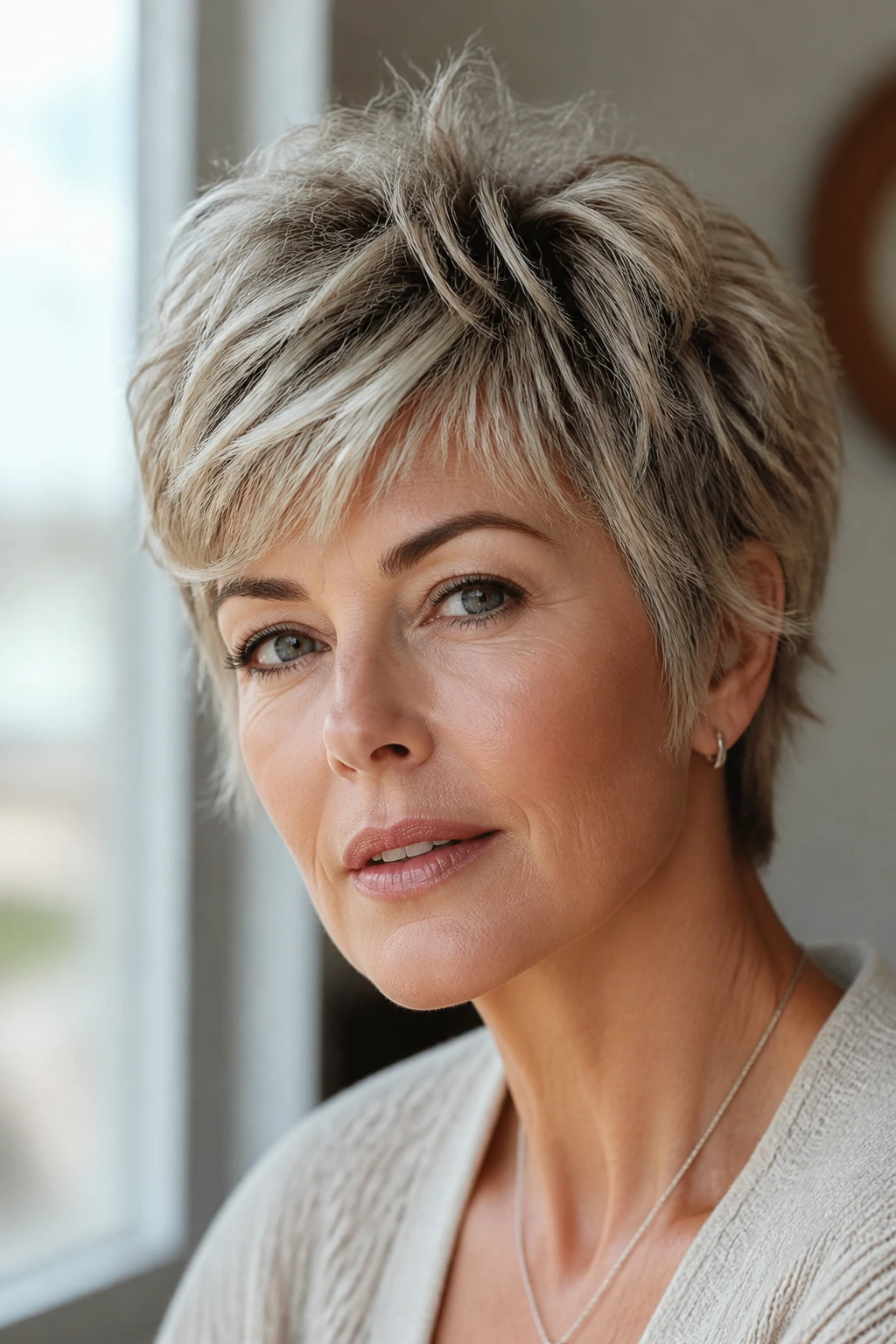
This version is for people who want some attitude without the full shag commitment. The sides are feathered just enough to soften the face, while the top stays broken up and lively. It feels relaxed, but the shape still has discipline.
Why It Doesn’t Flatten Out
The best soft shag pixies keep the bottom edge intact. That’s the part many stylists overcut, and then the whole shape starts looking stringy. Keep some weight in the top third of the haircut, and let the feathering happen around the temples and cheekbones instead.
A little salt spray works here, but use it sparingly. Too much and the cut gets crunchy, which is rarely the point. I prefer a mousse at the roots and a light cream through the ends if the hair needs a softer touch.
6. Asymmetrical Ear-Grazing Bob

An asymmetrical bob gives fine hair something a little more deliberate to do. One side sits slightly longer, which creates a clean line and a subtle sense of motion even when the hair is still. Ear-grazing length keeps the cut short enough to feel airy.
The asymmetry helps because it distracts the eye from lack of density. Instead of staring at volume, people notice the shape. That’s useful when the hair itself is fine and doesn’t naturally hold a big, plush outline.
I like this cut with a deep side part and a tuck behind the shorter side. It keeps the style from feeling too perfect. A tiny bend through the longer front piece is enough; you do not need a polished curl. In fact, that would spoil the point.
7. French Bob with Airy Fringe

The French bob has a stubborn little charm to it. On fine hair, the key is keeping it short enough—usually around the jaw or just above—so the perimeter stays strong. The airy fringe gives you softness without dragging the front down.
What Makes It Work
Fine hair tends to look best when the shape is strong and the details are loose. That’s exactly what this cut does. The blunt bob line gives the illusion of density, while the fringe keeps the face from feeling boxed in.
I’d avoid a heavy, thick fringe here. That’s the fast route to a flat forehead and a bob that sits too still. A whispery fringe that separates a little as it dries is better. Air-dry it with a bit of mousse, then break the ends apart with your fingers once it’s dry.
8. Undercut Pixie with Swept-Over Top
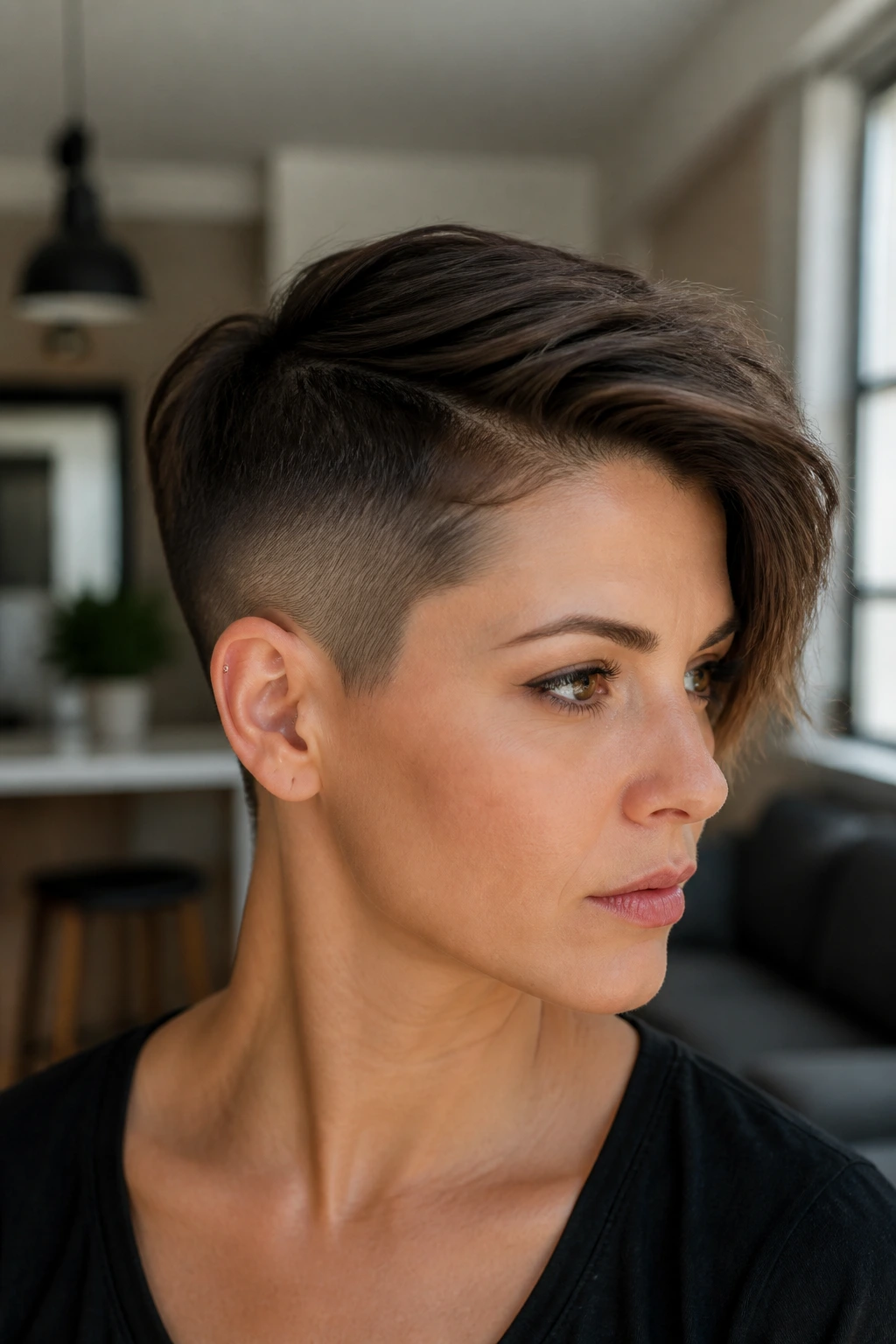
This is the bold one. An undercut pixie takes away bulk where you don’t need it and leaves length on top where you do need it. For fine hair, that can be a smart move if the sides tend to puff, curl under awkwardly, or just sit there doing nothing.
The cut reads sharper than a soft pixie, and I like that. The top can be swept over in one clean motion, then roughed up with a matte paste so it doesn’t look helmeted. This is the kind of haircut that looks best when it has one visible direction and one little rebellion.
It does require upkeep. If the undercut grows in, the whole thing loses its edge fast. But if you like a short cut with a bit of bite, this is one of the most useful shapes fine hair can wear.
9. Feathered Micro Bob
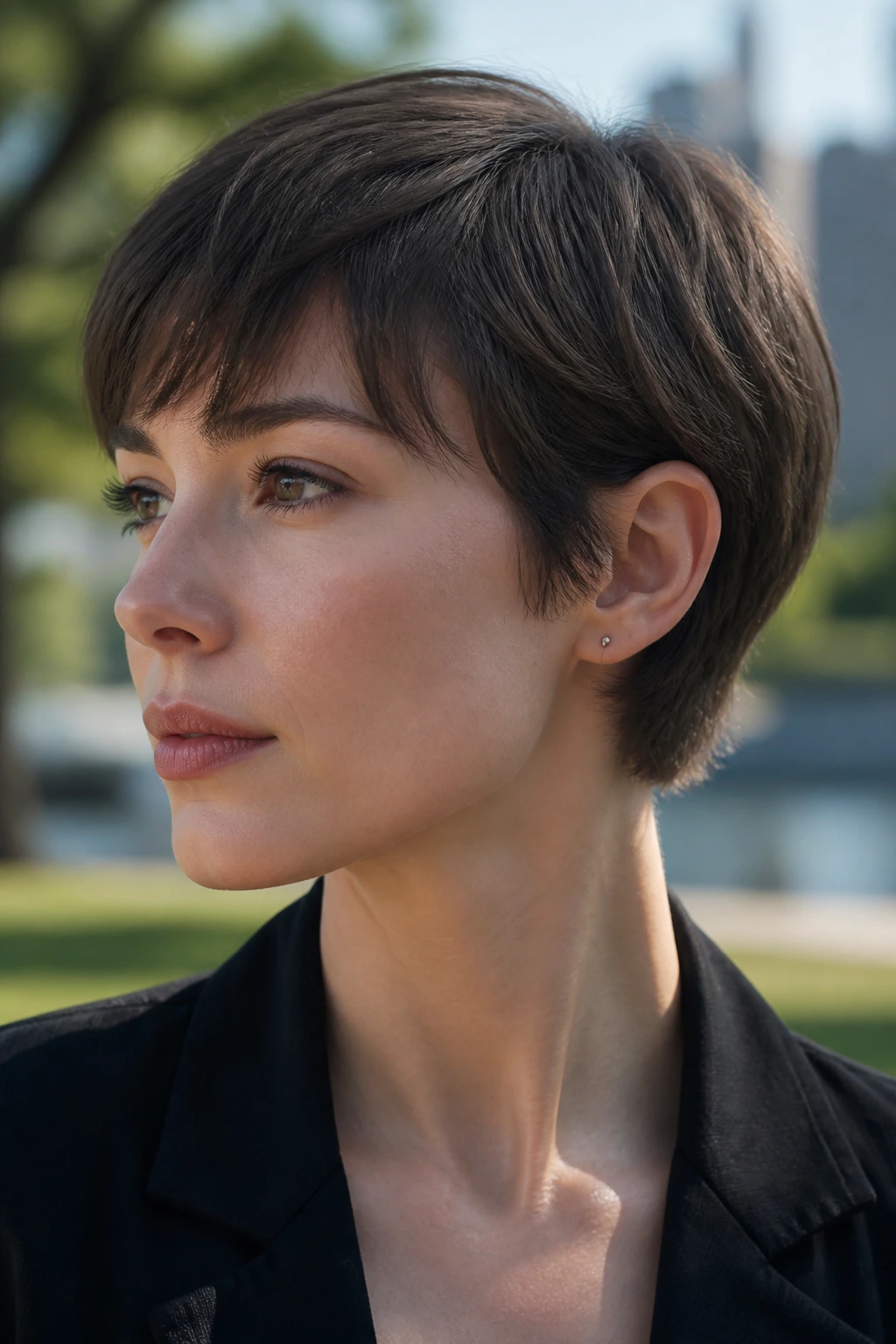
A micro bob lands somewhere between a bob and a crop, usually at the ear or just below the cheekbone. On fine hair, that shorter length can be a blessing. The feathering at the ends keeps it from looking like a helmet, which is a real risk with too-clean short bobs.
Quick Texture Notes
Feathering should stay light and controlled. You want movement, not fuzz. Ask for softened ends and minimal internal thinning near the base; the shape needs its weight low enough to stay visible.
This is a good cut for someone who likes clean lines but still wants the hair to move when they turn their head. A small brush and a quick bend under at the ends usually does the trick. If you want it a touch more undone, mist a texturizing spray into the middle lengths and scrunch once.
10. Razor-Cut Crop with a Side Sweep
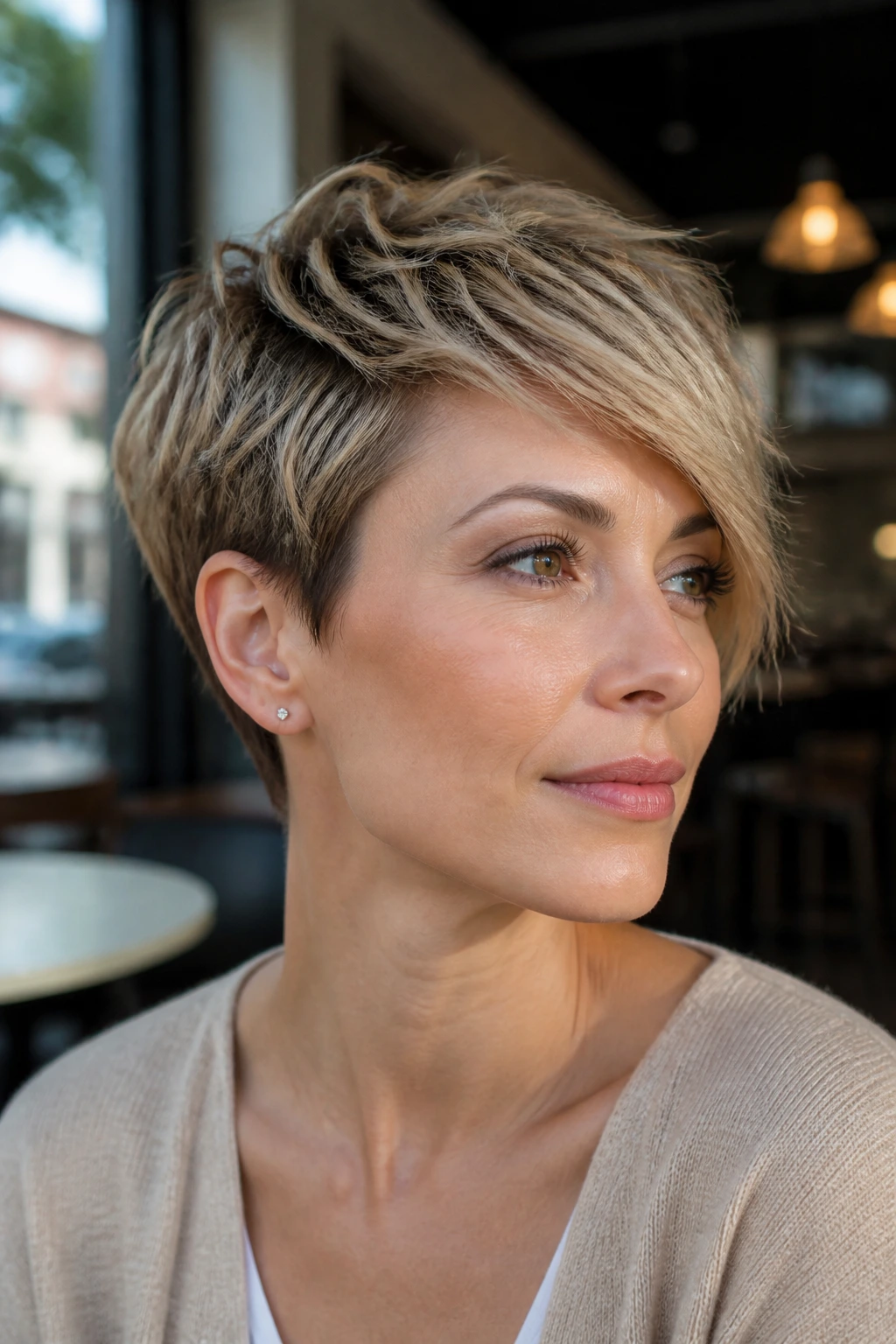
A razor-cut crop can look lovely on fine hair if it’s handled with restraint. The side sweep gives the face a longer line, and the razor work softens the top so it doesn’t sit like a block. But this is one of those cuts where less really is more.
What to Watch For
If the razor goes too far through the ends, fine hair can start looking hollow. That’s the trap. I prefer the razor only on the top surface and around the front, leaving the lower edge a little denser so the shape has something to hold onto.
The side sweep should feel brushed, not combed down. That means a little lift at the root and a little bend at the temple. Heavy cream is a bad idea here. Use a lightweight styling lotion or a tiny amount of paste.
11. Grown-Out Boyish Cut
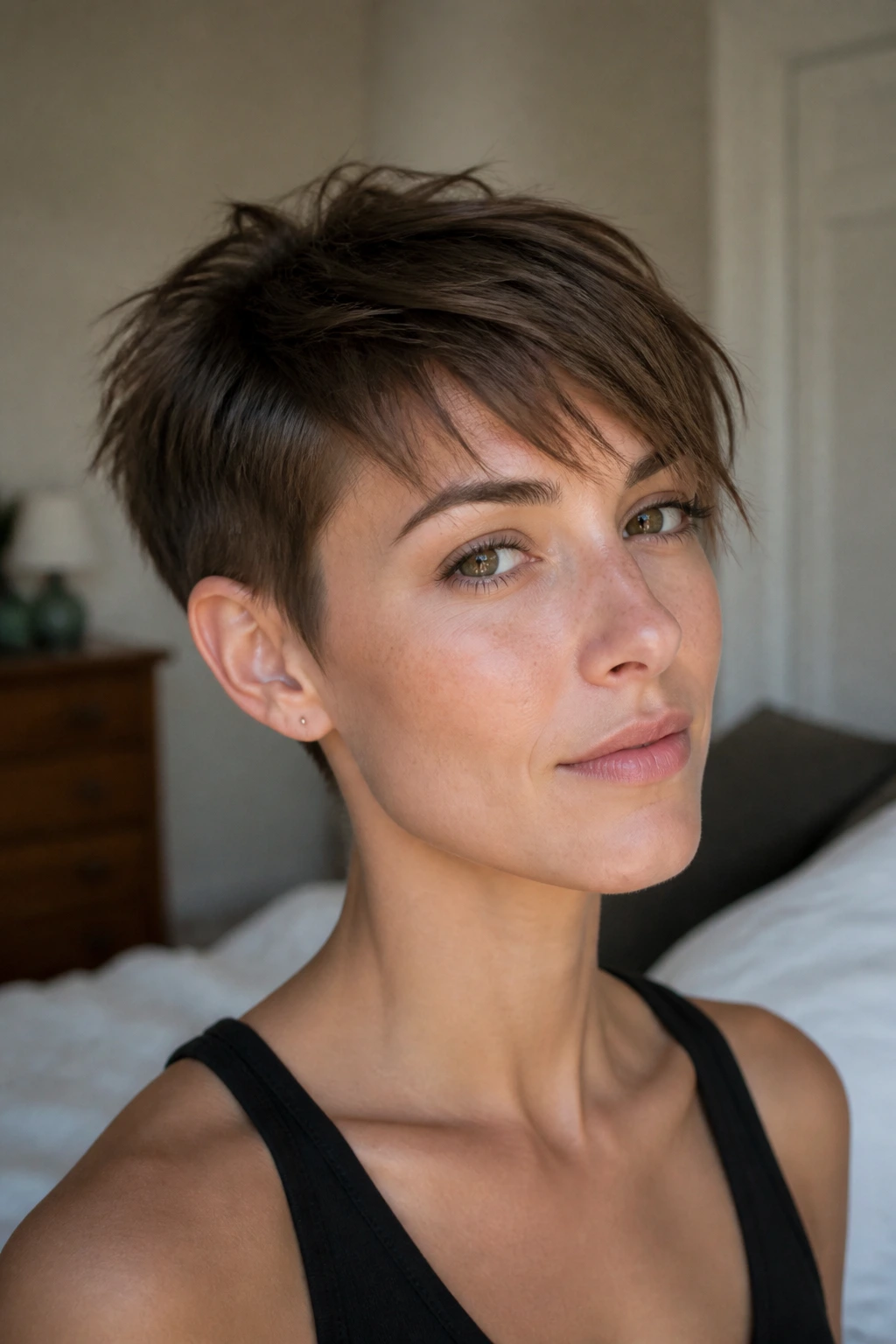
A grown-out boyish cut has a relaxed, almost borrowed-from-somebody-else feel that fine hair wears well. The edges are soft, the top is a little longer, and the overall shape looks intentionally unfinished. That matters, because fine hair can get fussy if you chase perfection.
The best versions keep enough length at the front to create a fringe or side sweep, while the back stays close to the head. It’s a nice option if you want something easy to air-dry and don’t care much for round-brush gymnastics.
This cut also grows out in a forgiving way. The longer it gets, the more it slides into a casual crop instead of a bad haircut. That alone makes it worth a look.
12. Short Wolf Cut
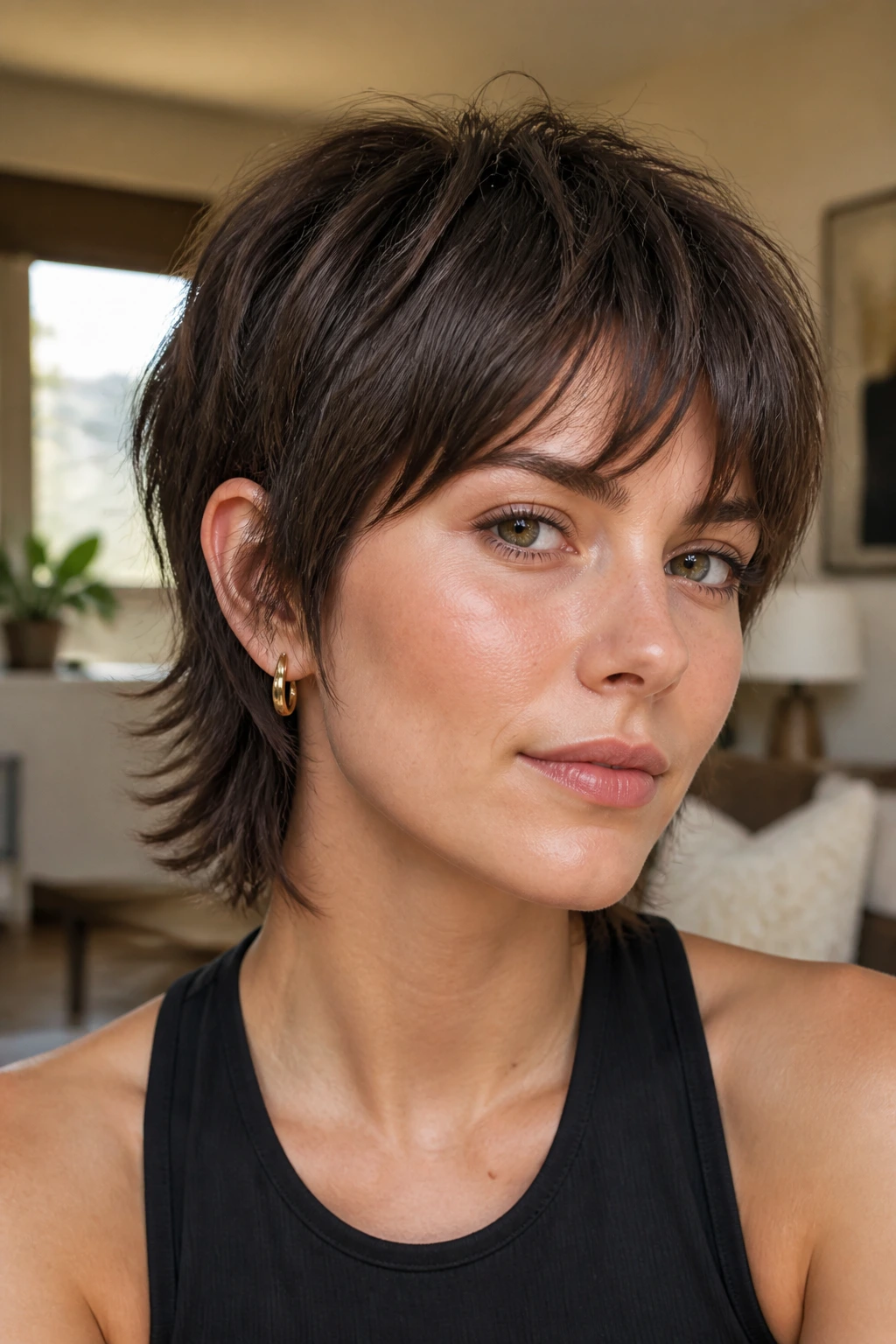
A short wolf cut is what happens when a shag and a pixie have a slightly unruly relative. It’s all about broken layers, but on fine hair the layers need a leash. Keep the outline strong at the nape and around the sides, then let the crown and fringe do the moving.
Why It Needs a Firm Base
Without a firm base, a wolf cut on fine hair turns into a wispy halo. Not a good look. The bottom line needs enough weight to keep the shape anchored, especially if your hair is straight or only slightly wavy.
I like this cut for women who want an edge but don’t want to style hair every morning. A little mousse through damp hair, a quick scrunch, and some finger-combing is often enough. If you use a diffuser, keep it gentle and stop before the hair gets over-puffed.
13. Curly-Fine Crop with Loose Ringlets

Curly fine hair is its own little category, and it deserves its own rules. If your curls are fine, a short crop can make them spring up in a way that looks lively instead of sparse. The key is respecting curl shrinkage and not over-layering the top.
A dry cut is often smarter here because curls tell the truth better when they’re dry. You want the shape to leave enough room for the curl pattern to move, but not so much room that the whole style turns into an uneven cloud. Keep the sides close and let the top curl decide how much height it wants.
A light gel or foam can hold the bend without turning the cut crunchy. Scrunch, diffuse on low heat, and leave the curls alone once they start forming. That last part is harder than it sounds.
14. Nape-Hugging Bob
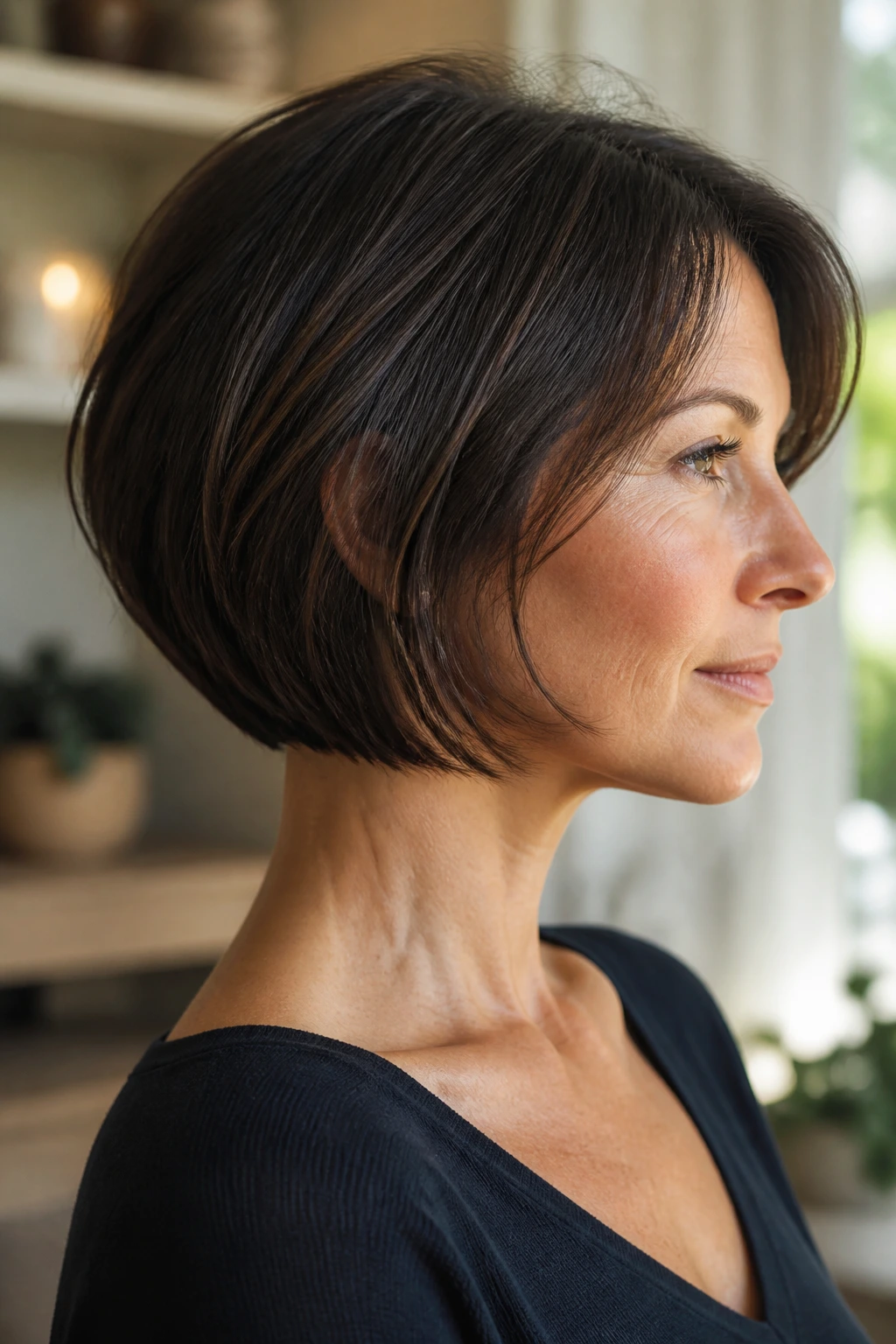
The nape-hugging bob is a neat little trick for fine hair. It sits close to the neck, which makes the bottom line look clean and deliberate, while the front can curve forward just enough to soften the jaw. The shape is controlled, but not stiff.
I like this cut when someone wants polish without bulk. Fine hair often benefits from a shape that doesn’t try to be bigger than it is. This bob stays honest, and that honesty looks expensive in the best sense of the word.
Blow-dry the roots down and the ends under with a small brush. The finish should skim the neck, not flare out at the collar. If the ends flip too much, the cut starts reading dated. Keep the curve subtle.
15. Layered Pageboy with a Messy Flip
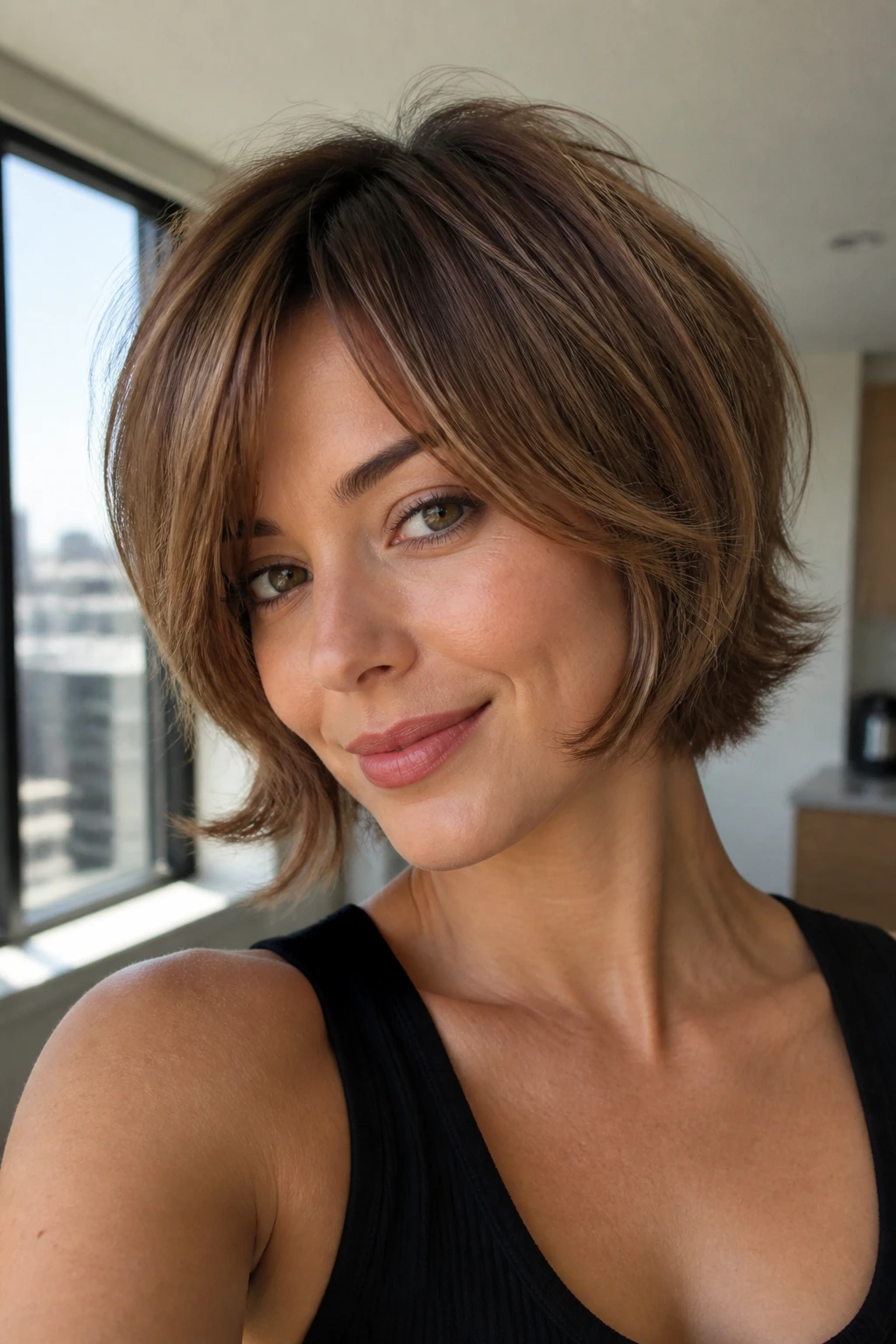
A pageboy can sound old-fashioned until you modernize it with broken edges and a little flip at the bottom. On fine hair, the pageboy shape works because it holds a clear outline. The mess comes from the ends, not from the structure.
The Shape Is the Point
You want the front to hug the cheekbone or jaw, then curve back in a way that feels soft, not round and stiff. The messy flip gives movement, but the underlying line keeps the haircut from vanishing into the rest of your outfit.
This style is especially nice if you like a neat silhouette with just enough looseness to keep it from feeling severe. I would not over-stack the layers. That’s the fastest way to make the cut look lighter than it should.
16. Short Shaggy Bob with Curtain Fringe

This is the haircut for someone who likes softness around the face and a little chaos everywhere else. The curtain fringe opens the face, while the shaggy bob keeps the length around the jaw or just below it. Fine hair can wear this cut well if the layers stay shallow.
A short shaggy bob works best when the crown is not stripped too bare. You need enough hair up top to make the shape look full in daylight, not just in a mirror under bathroom lighting. That’s the detail a lot of people miss.
A dab of mousse, a rough blow-dry, and a finger-twist through the fringe can give this style the right kind of bend. It should feel soft and separated, not overstyled. If you can see every product in it, there’s too much product in it.
17. Tousled Bowl Cut
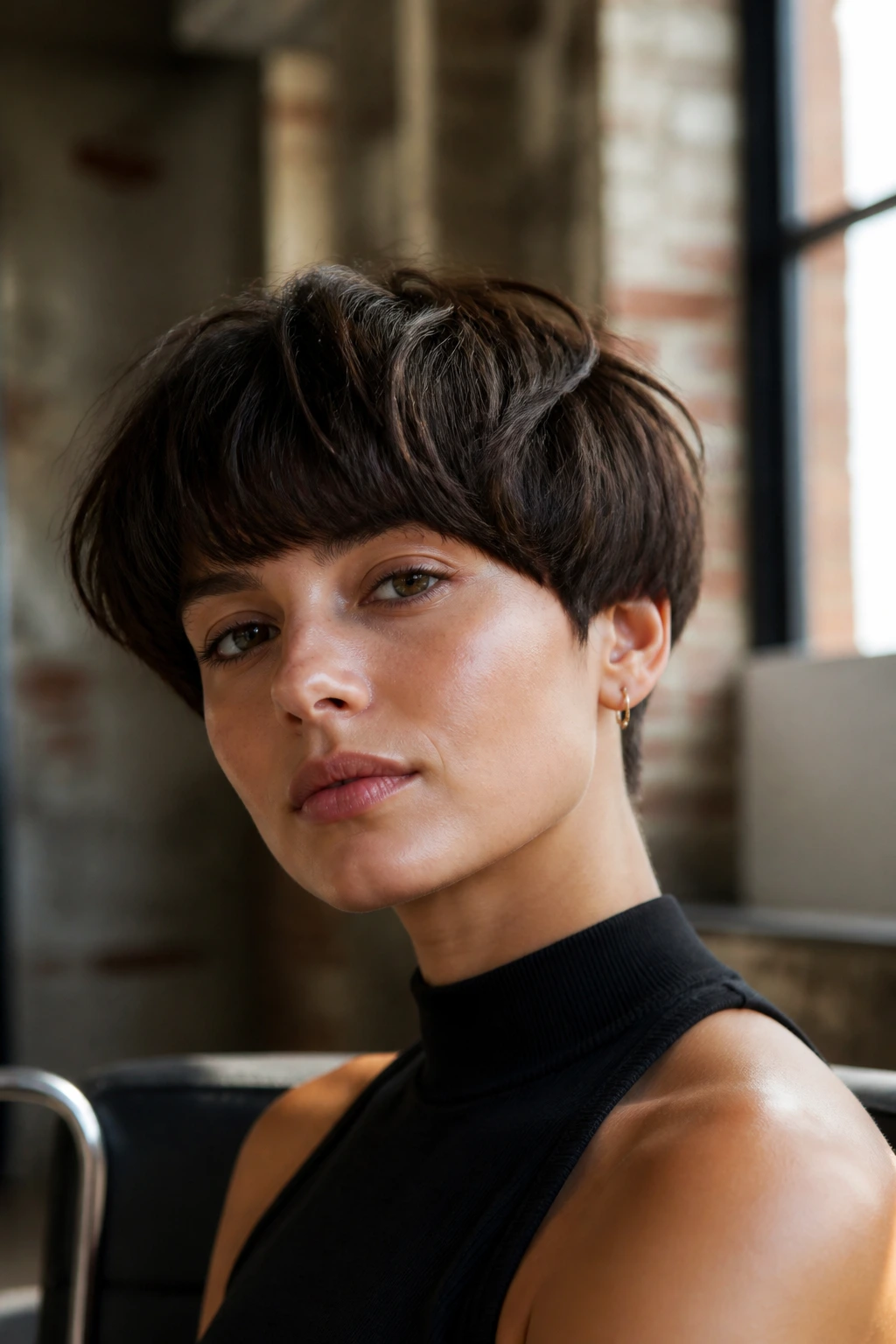
The bowl cut has come a long way from its awkward childhood, and on fine hair it can be surprisingly flattering. The perimeter keeps weight where you need it, which helps the hair look denser. Tousling the top and sides breaks the old “helmet” image and makes it feel modern.
This cut works because the blunt outline does the thickening for you. The mess is in the styling—pieces bent out, fringe softened, maybe a little separation around the ears. I’d call it editorial with a useful streak.
It does ask for confidence. A bowl cut that’s half-hearted usually looks like a compromise. One that’s intentionally shaped, with soft texture on top, looks sharp and fresh.
18. Pixie Bob with Crown Lift
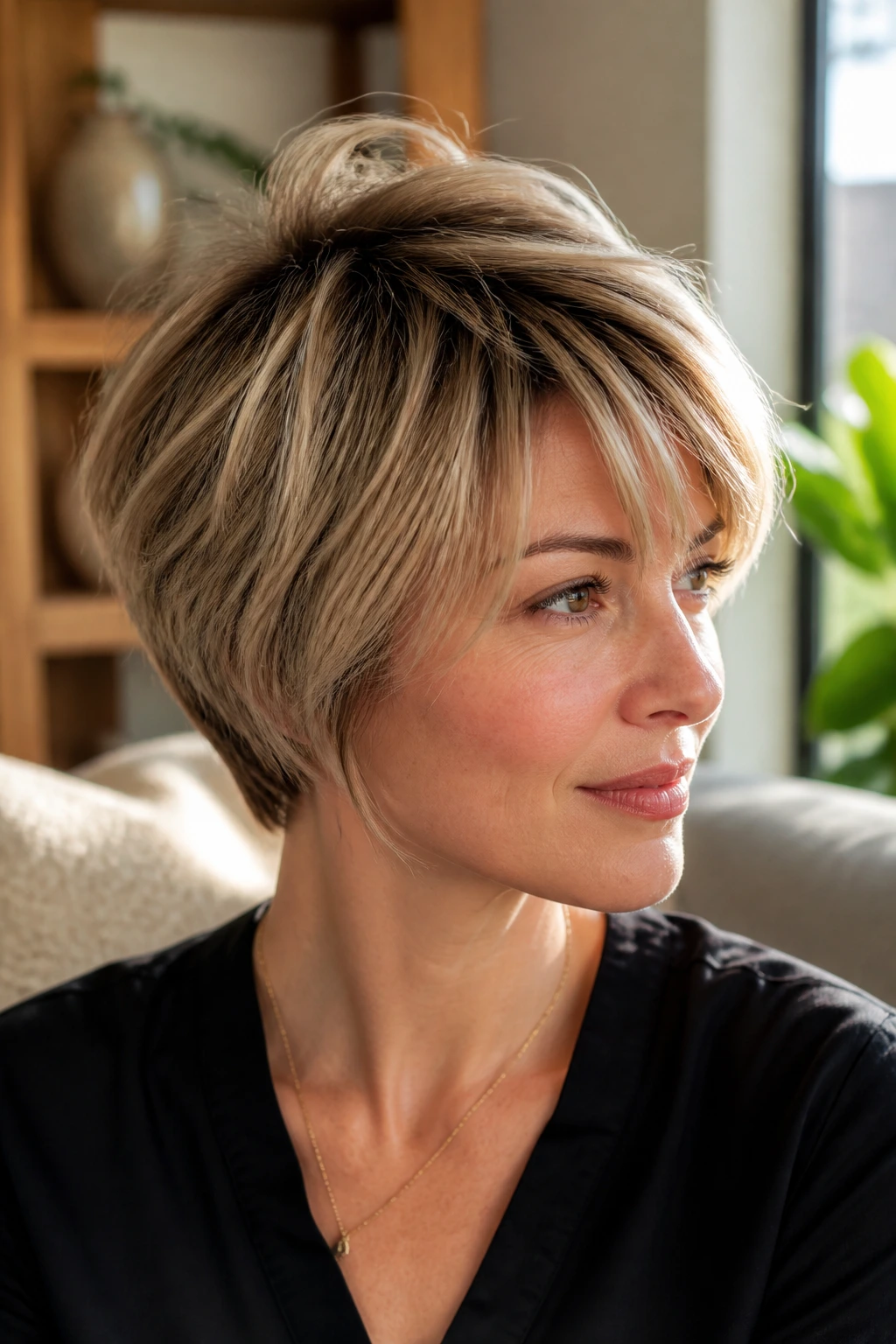
A pixie bob is the kind of cut that gives you options without making you do math in the mirror. It’s longer than a pixie, shorter than a bob, and the crown lift keeps the top from flattening out. For fine hair, that little bit of elevation matters.
Why the Crown Counts
When the top sits too low, fine hair reads as thin even if the ends are fine. Lift the crown, though, and the whole shape looks more alive. A small root clip at the crown while drying can help train the hair upward without making it stiff.
This is a great “office to evening” haircut because it can look neat or messy depending on how much you finger-comb it. Leave the front pieces a touch longer so the cut can swing from tucked to tousled without needing a fresh blowout.
19. Broken-Line Mullet Pixie
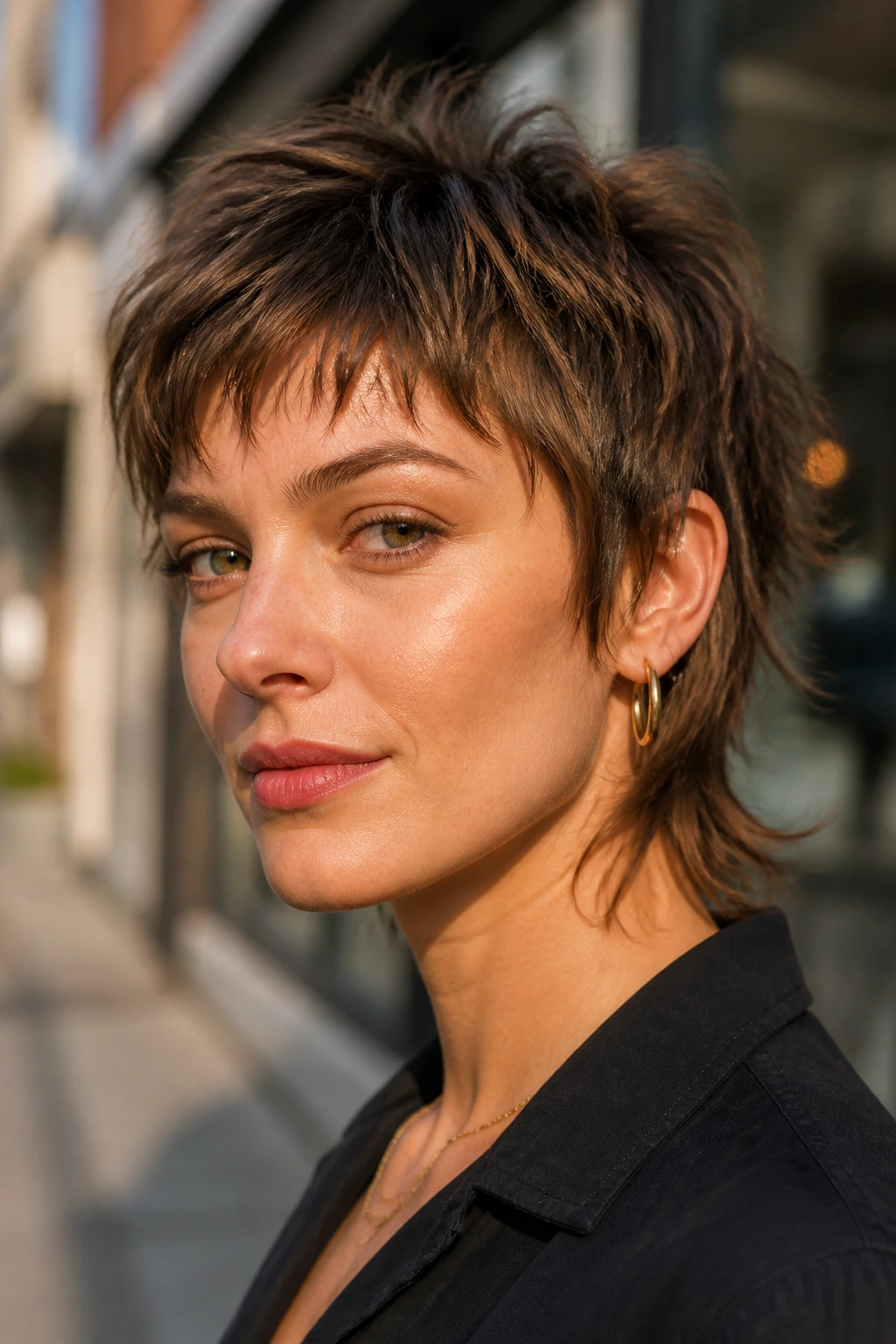
Yes, a mullet pixie sounds bold. It is bold. But the broken-line version is more wearable than people think, especially on fine hair that needs a little edge to stop it from looking limp. The front stays short and piecey, the back hangs a touch longer, and the silhouette feels alive.
The reason it works is the line. Fine hair doesn’t always need more hair; sometimes it needs a stronger shape. This cut gives the eye a reason to keep moving, which helps disguise density issues.
I’d keep the back soft, not ratty. That’s the difference between a deliberate mullet pixie and a haircut that missed its own appointment. A matte paste at the ends keeps the shape from looking dry or separated in a bad way.
20. Jaw-Length Wavy Bob
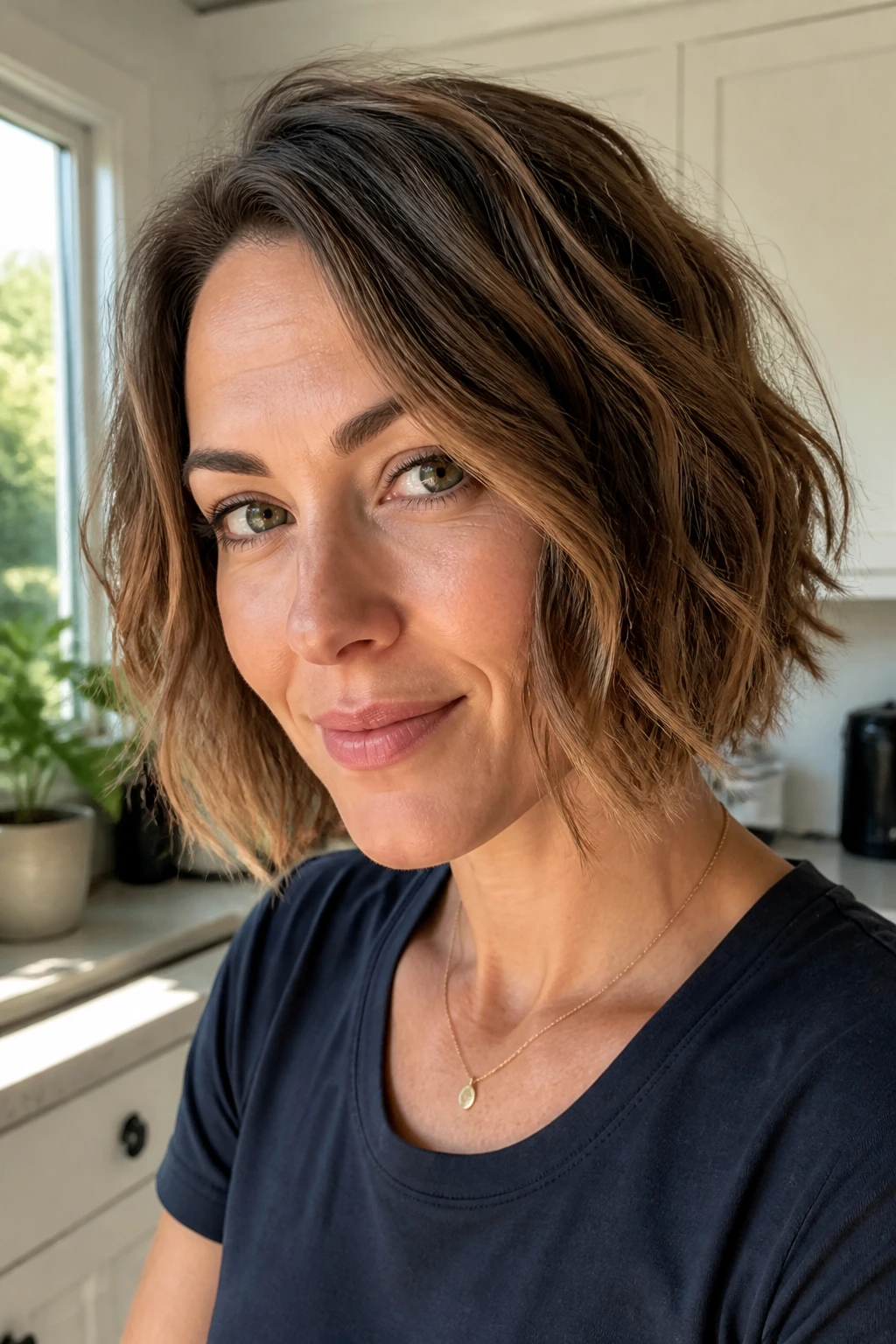
If your fine hair has even a little natural wave, a jaw-length bob can be a useful middle ground. The length gives the wave room to bend, and the jawline keeps the cut from getting too long and weak. It’s short enough to feel fresh, but not so short that it fights the wave pattern.
What I like here is the freedom. You can air-dry it and let it go loose, or bend a few pieces around a curling iron for a messier finish. Both versions work, because the shape itself is clean.
How to Keep It From Looking Flat
Start the wave around the cheekbone, not at the very ends. That lifts the hair where the eye wants volume. If the roots need help, use a mousse or root spray before drying, then scrunch the mid-lengths only once the hair is half dry.
21. Cropped Cut with a Deep Side Part
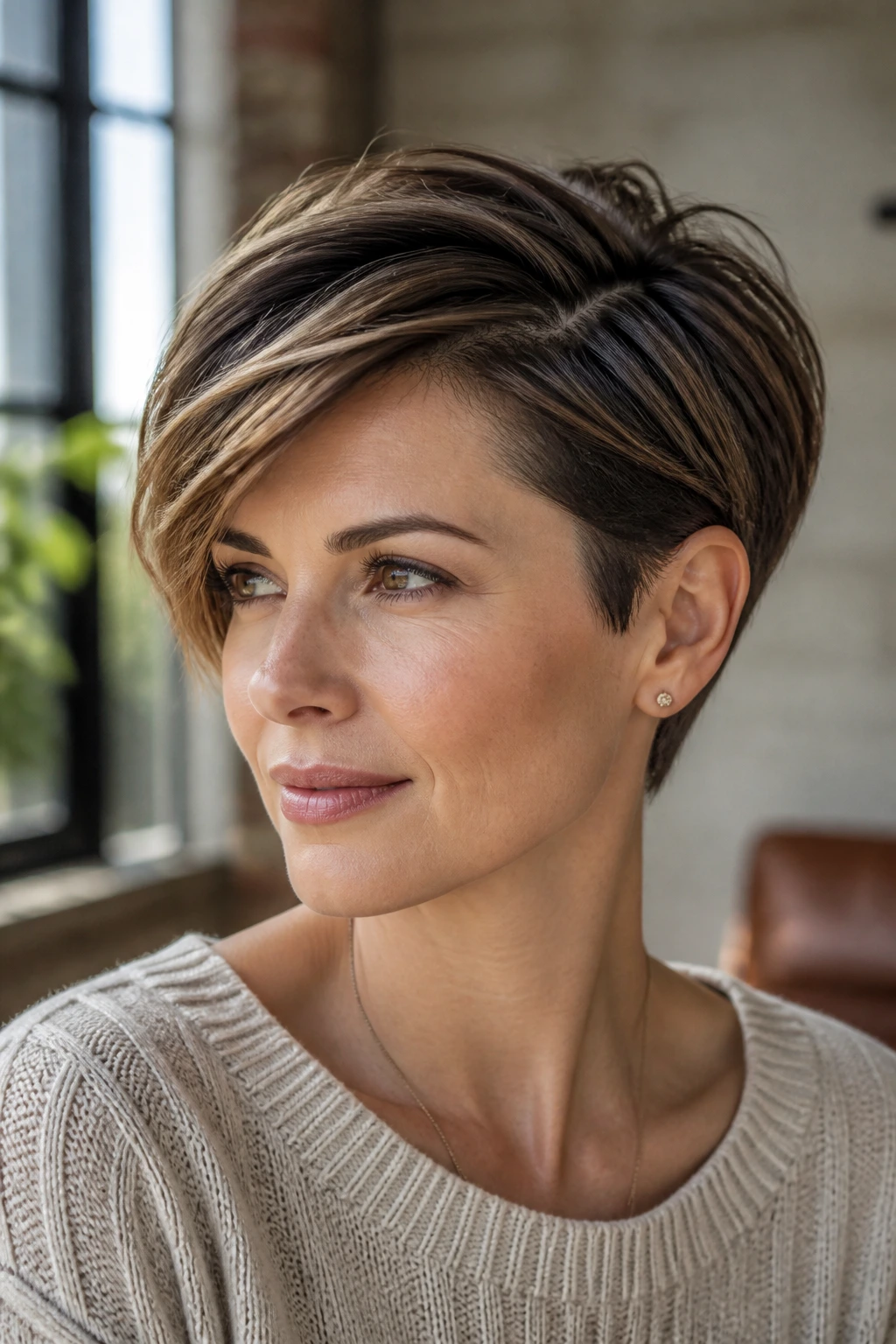
Sometimes the smartest change is not the haircut at all—it’s the part. A cropped cut with a deep side part can turn fine hair from bland to sharp in one move, especially when the length is kept around the ears or just below. The side part creates instant lift and a little asymmetry.
This is a strong option if you don’t want a fringe but still want structure around the face. The part gives you height at the root, and the crop keeps the overall silhouette tidy. It’s low drama. That’s part of the charm.
A root-lift spray on the heavier side can help the hair stay up where you place it. If the part keeps slipping, pin it for a few minutes while you dry. Small annoyances, big payoff.
22. Textured Gamine Cut
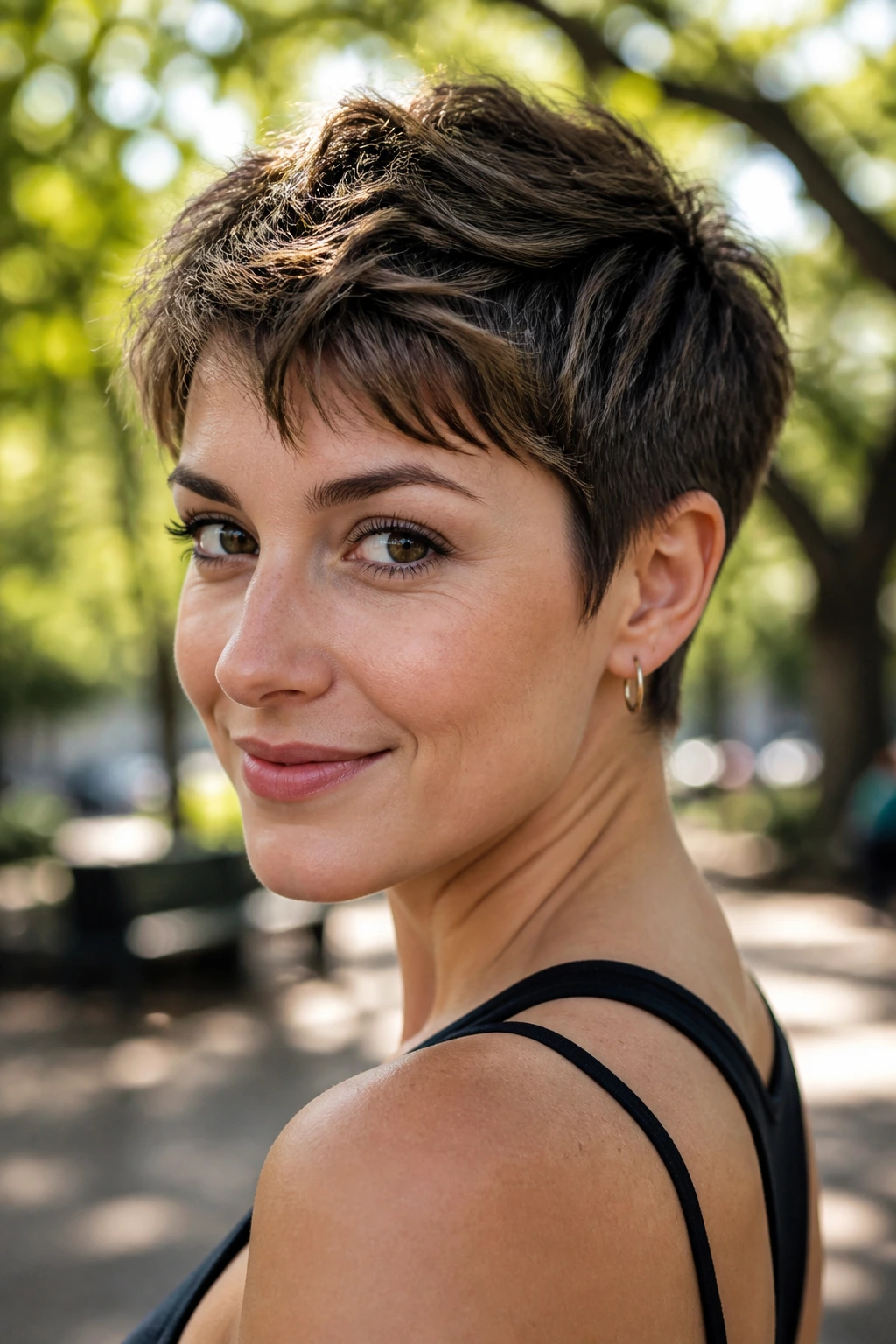
A textured gamine cut has a crisp, boyish energy with a polished edge. It usually keeps the sides close and the top a little longer, which means fine hair gets both shape and movement without having to carry too much weight. The texture keeps it from feeling too severe.
This is a very good choice if you like hair that looks intentional with minimal fuss. The silhouette does the work. The texture just keeps it human. A tiny amount of styling cream through the top and fringe can make it look finished without sanding away the movement.
The best gamine cuts on fine hair do not over-fragment the ends. You want pieces, yes, but you still want a read on the outline. That’s the difference between chic and fuzzy.
Why Short Messy Cuts Work So Well on Fine Hair
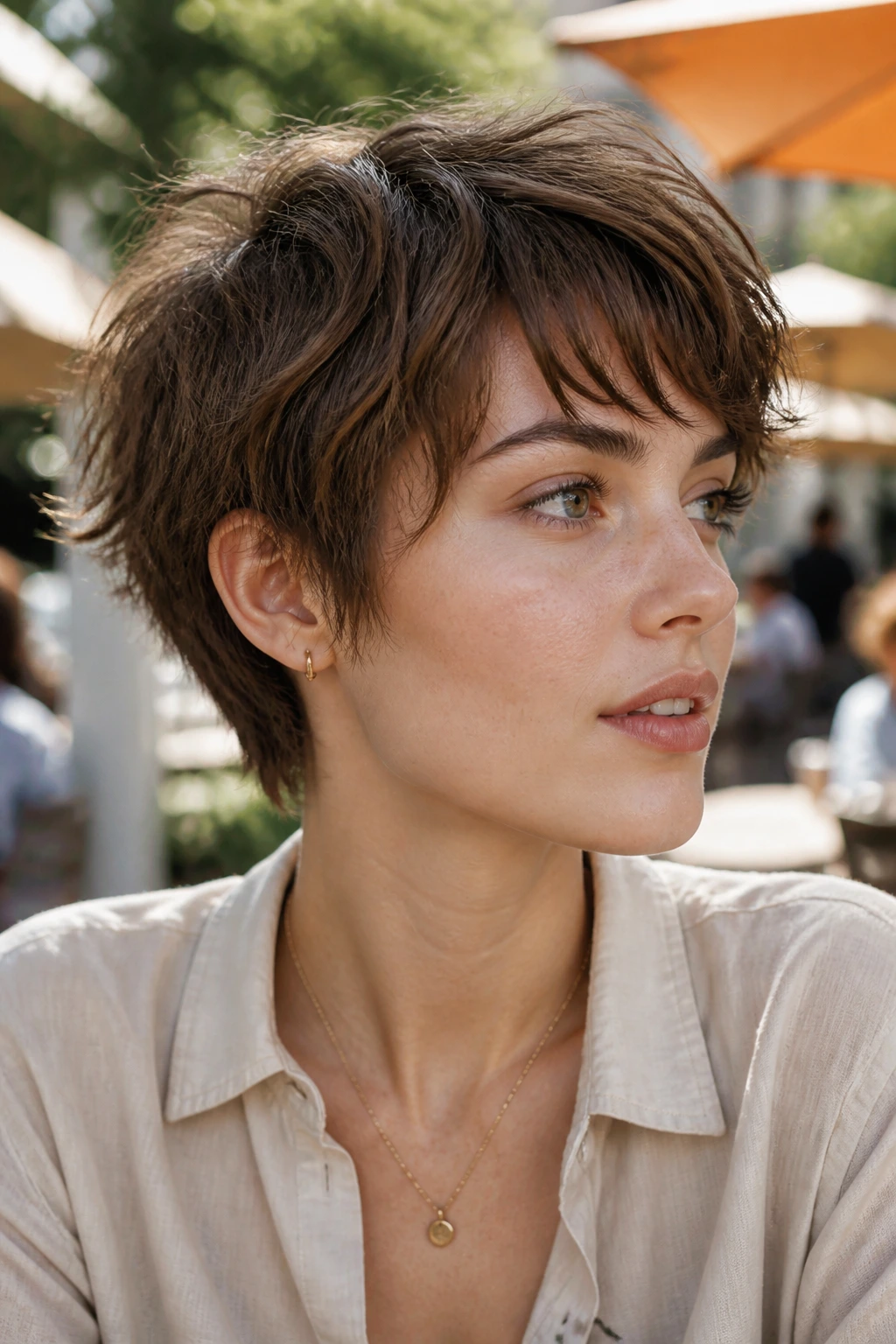
Fine hair has one annoying habit: the longer it gets, the more gravity wins. That’s why short messy cuts are so useful. They reduce the length that pulls the roots down, and they let you keep enough density at the bottom edge so the haircut still has a visible line.
The other advantage is light. Not “airy” in a vague salon-brochure way—actual light. Broken-up ends and short layers catch light in small sections, which makes the hair appear fuller than one smooth sheet would. I’d rather have a jaw-length shape with a few irregular pieces than a longer cut that looks polished but lies dead against the head.
There’s a catch, though. Fine hair does not forgive over-texturizing. If the stylist removes too much weight, the ends start to look see-through, and the messiness turns into sparsity. The best short messy cuts keep one anchor somewhere: a fringe, a nape line, a blunt bob edge, or a side panel that gives the eye something solid to read.
Essential Equipment for These Cuts
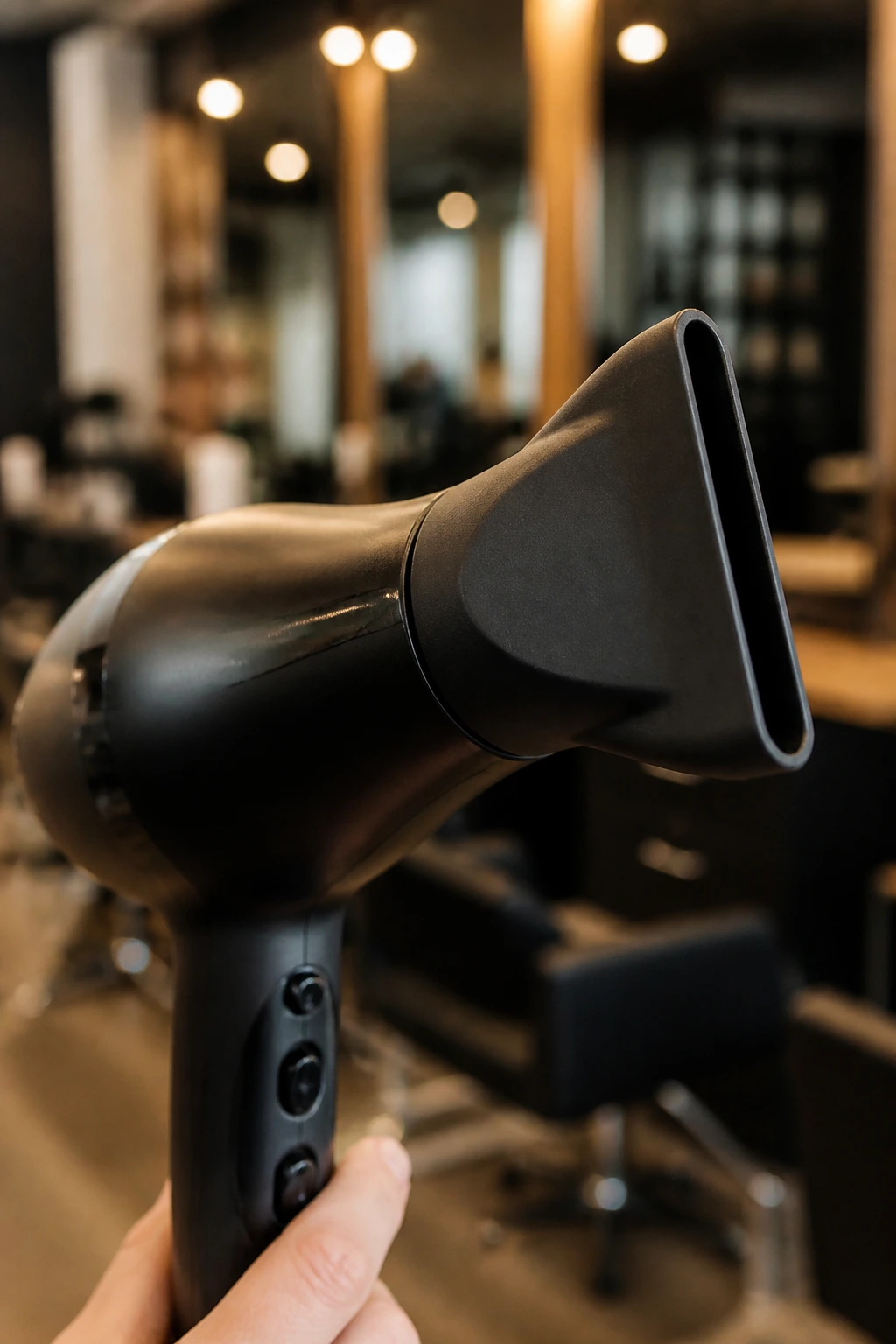
- A blow dryer with a concentrator nozzle: Directs airflow at the roots so you can lift instead of blasting the cut apart.
- A small round brush, around 1 to 1.25 inches: Useful for bending the ends of pixies, bixies, and short bobs without making them curly.
- A vent brush or paddle brush: Good for quick drying when you want speed more than polish.
- Texturizing spray: Helps piece out the ends after drying; use a light mist, not a soaking spray.
- Volumizing mousse: Best at the roots on damp hair before blow-drying; this matters more than people think.
- Dry shampoo: Refreshes the crown and fringe on day two or three, which is usually where fine hair starts to give up.
- Matte paste or lightweight styling cream: Gives separation at the ends without the greasy look that heavy oils can create.
- Tail comb: Handy for sectioning a deep side part or lifting the crown while you dry.
- Duckbill clips: Useful for pinning the top while it cools, which can help the shape hold.
- Microfiber towel or old cotton T-shirt: Gentle drying keeps fine strands from getting rough and limp.
- Satin pillowcase or bonnet: Cuts down on friction so the shape lasts longer overnight.
- 1-inch flat iron or mini iron: Optional, but useful for bending pieces around the face or flipping the ends of a bob.
What to Ask Your Stylist Before the First Snip
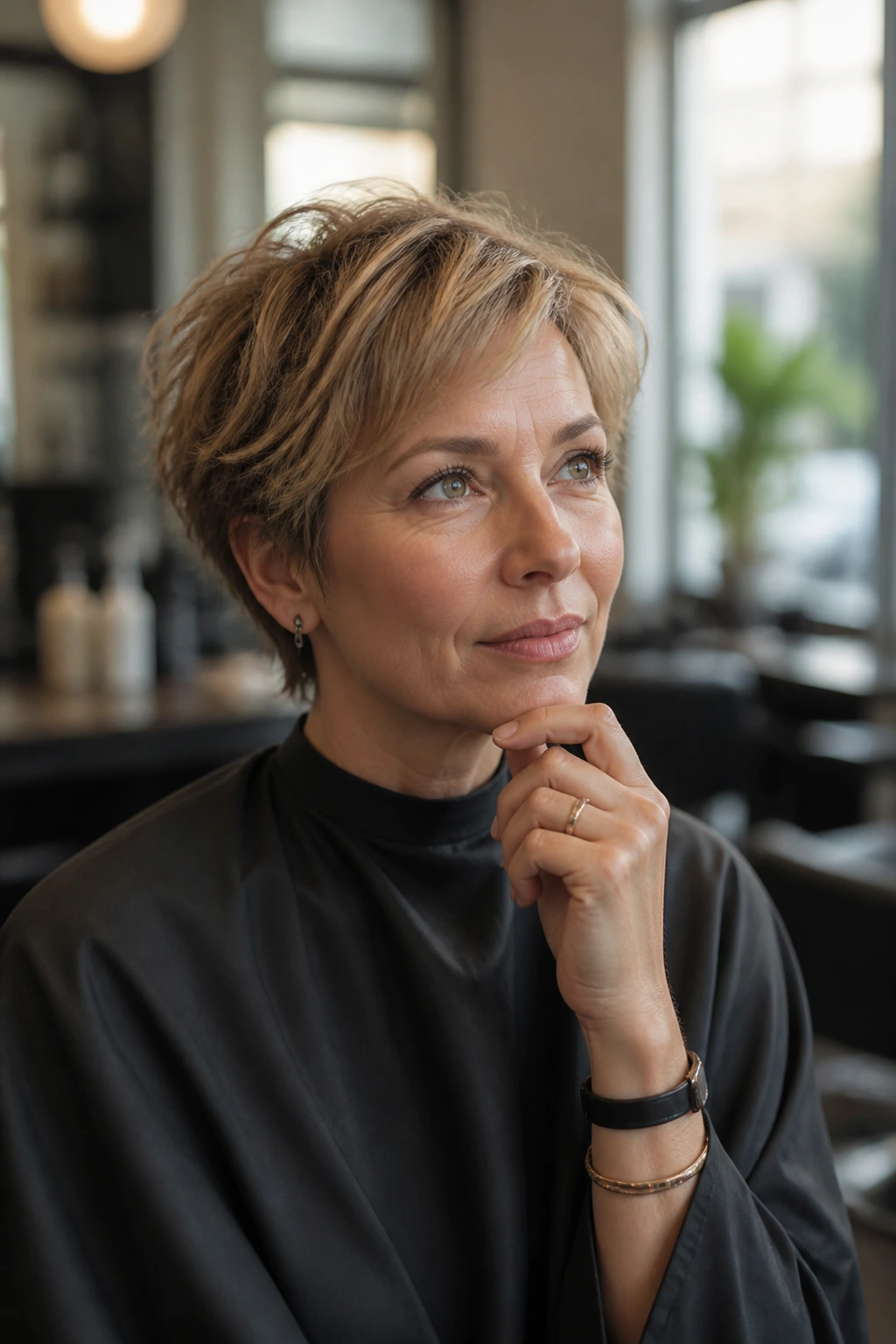
Say the words out loud. Don’t make your stylist guess. If your hair is fine, the difference between “messy” and “thin” often comes down to how the cut is carved.
Bring photos, but bring the right kind. One photo for the silhouette, one for the fringe, and one for the texture is better than one perfect photo that hides the details. Point out what you actually like: the jaw length, the crown lift, the side part, the nape shape. That keeps the conversation honest.
Ask where the stylist plans to remove weight. On fine hair, I usually want the weight taken out of the bulkier areas—not all over the ends. If you hear “we’ll thin it out everywhere,” pause and ask how much. The answer should sound measured, not enthusiastic. You want the hair to move because of shape, not because half of it was carved away.
Also ask how the cut will behave on day two. That’s the day fine hair tells the truth. If the answer is, “It’ll need a quick refresh with dry shampoo and a finger-twist,” that’s a good sign. If the answer sounds like a six-step styling routine, the cut may be too needy for what you want.
How to Wear These Cuts With Glasses, Earrings, and Everyday Clothes

Presentation: Keep the part where the hair naturally lifts easiest, then bend the front pieces so they skim the cheekbones or jaw rather than fighting them. Short messy cuts look their best when the top has some lift and the ends have a little separation, not when everything is flattened down with a brush.
Accompaniments: Small hoops, clean collar lines, and glasses with a clear frame shape all play nicely with these cuts. A busy neckline and a floppy fringe can start arguing with each other. If you wear glasses, watch where the fringe lands; I usually prefer it slightly above the lens line or swept off to one side so the frames don’t get swallowed.
Portions: If your hair is very fine but dense, you can usually go a bit shorter at the nape and crown. If it’s fine and sparse, keep a little more length in the fringe or front panels so the cut doesn’t feel exposed. That’s one reason the bixie and pixie bob show up so often—they give you options without demanding a full commitment to one extreme.
Style Pairing: A sharp crop can look fantastic with a crisp shirt or structured jacket. Softer shaggy versions lean better with knits, tees, and looser shapes. The haircut doesn’t have to match the outfit, but the overall line should make sense.
Styling Tricks That Add Bend and Separation
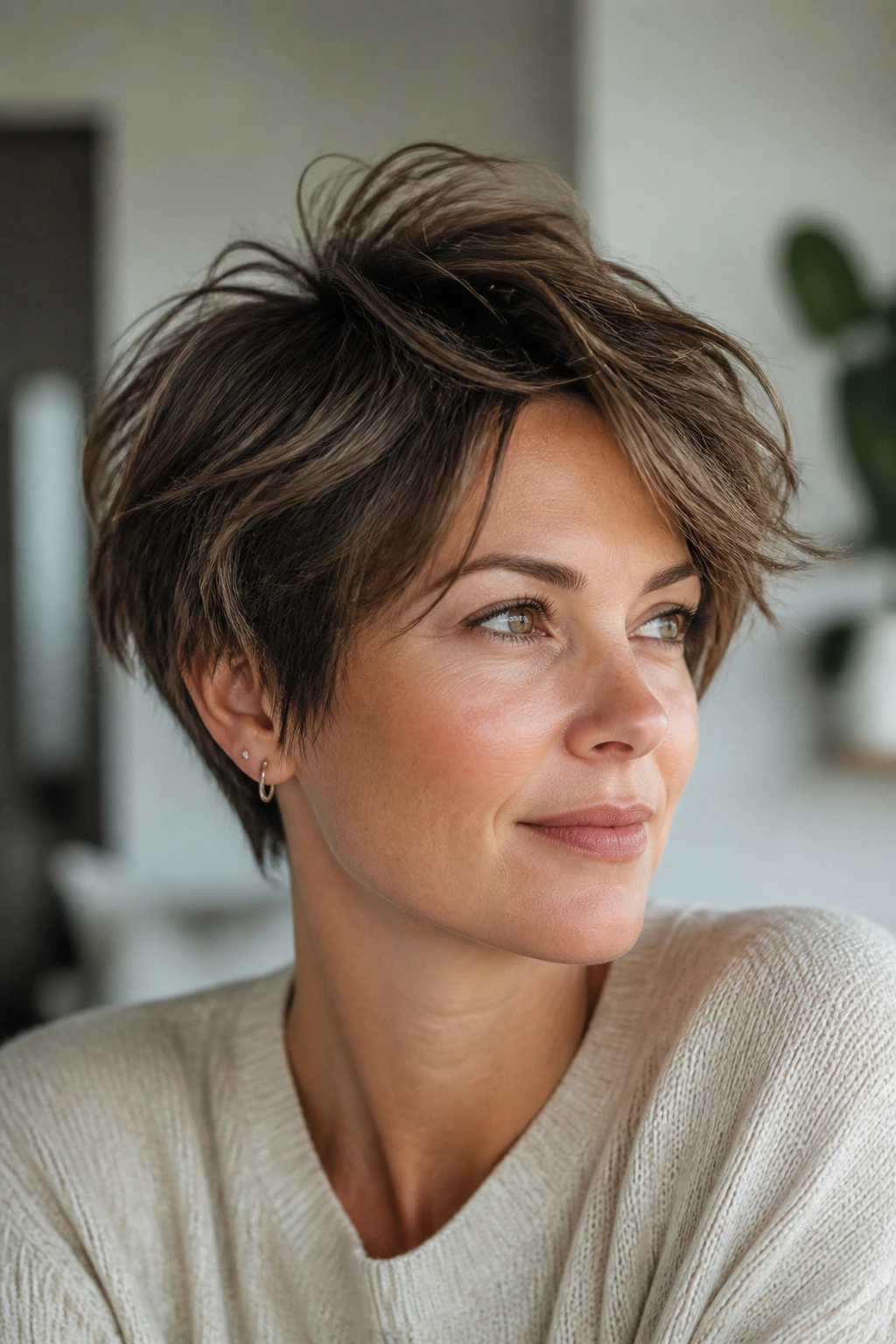
The fastest way to wake up fine hair is to stop trying to make it behave like thick hair. You do not need a lot of product. You need the right product in the right place.
Root Lift: Put mousse or root spray only at the crown and part line while the hair is damp, then dry those areas first. Once the roots are up, the rest of the cut has a fighting chance. Drying the ends before the crown is a classic mistake, and it leaves fine hair flat where it matters most.
Texture Boost: Use a texturizing spray after the hair is dry, not before. Then pinch the ends with your fingertips. Fine hair usually needs separation, not stickiness. One or two sprays around the front and crown are usually enough.
Heat Trick: If you use a flat iron, bend the last inch of each front section in alternating directions. That creates a messy, broken finish without making the whole cut curly. Do not curl every piece the same way unless you want the haircut to look too deliberate.
Finish Light: Heavy cream, oil, and wax can all work against you if you use too much. Start with half the amount you think you need. Fine hair has no patience for product overload.
Trim Timing, Wash-Day Rhythm, and Overnight Care

Short messy cuts stay cute because they stay shaped. That means trims matter. Pixies, crops, and short shags usually need a clean-up every 4 to 6 weeks if you want the edges sharp and the crown controlled. Bobs and bixies can usually stretch to 6 to 8 weeks before the shape starts looking tired.
Wash rhythm matters too. Fine hair often looks better with a bit of natural oil at the roots, but once the crown gets greasy, volume disappears fast. Many people do well washing every 2 to 4 days, depending on scalp oil and product load. On day two, dry shampoo at the roots can buy you another good hair day. Shake it in, wait a minute, then brush lightly so the powder doesn’t sit in one chalky patch.
Overnight care is simple, and it helps more than you’d expect. A satin pillowcase keeps the cut from rubbing flat. If your fringe misbehaves, clip it loosely to the side before bed. For bixies and pixies, a quick morning mist of water at the crown followed by a finger-dry is often enough to bring the shape back. If the hair starts feeling stretched out, the haircut may just be due for a trim.
Variations and Adaptations to Try
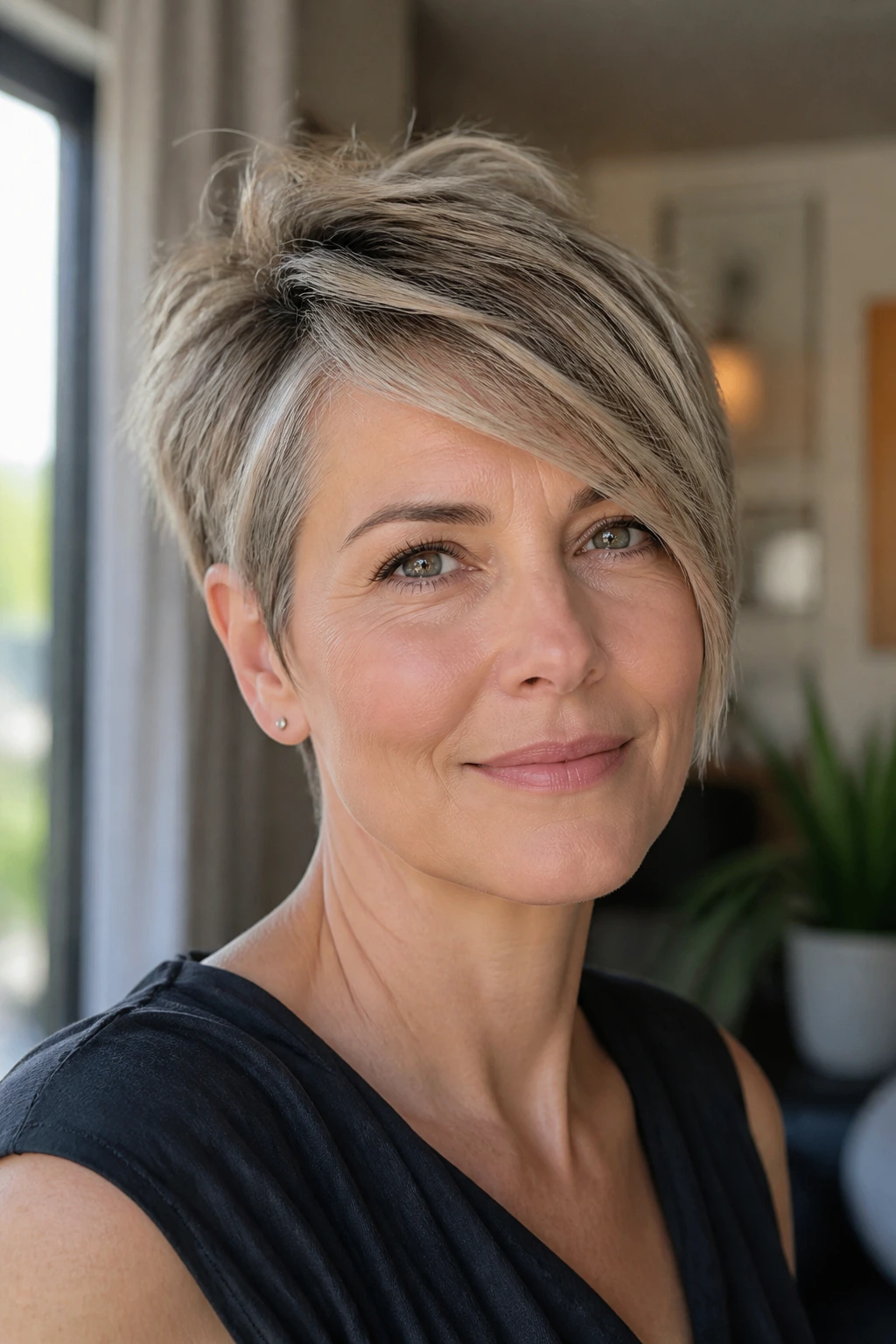
Soft Side-Sweep Version: Keep the fringe longer and sweep it across the forehead instead of cutting it short. This is good if you want face-framing without full bangs, and it softens a strong jaw or forehead.
Curly-Fine Version: Leave more length in the top layers and ask for dry cutting. That lets the curl pattern stay visible without getting choked by too much thinning. It’s the safest path if your fine hair also shrinks a lot when it dries.
Glasses-Friendly Version: Keep the front pieces above the frame line and avoid heavy fringe density. Short side panels and a lifted crown keep the glasses from taking over the whole face.
Lower-Maintenance Grow-Out Version: Choose a bixie or pixie bob with a softer nape and a blunt perimeter. These cuts hold their shape better if you only trim every 6 to 8 weeks, and they still look intentional when they grow.
Silver Hair Version: Gray and silver fine hair often benefits from a slightly stronger outline, because the lighter color can make the ends read thinner. A clean jaw line or nape line keeps the silhouette crisp.
Common Mistakes That Make Fine Hair Fall Flat
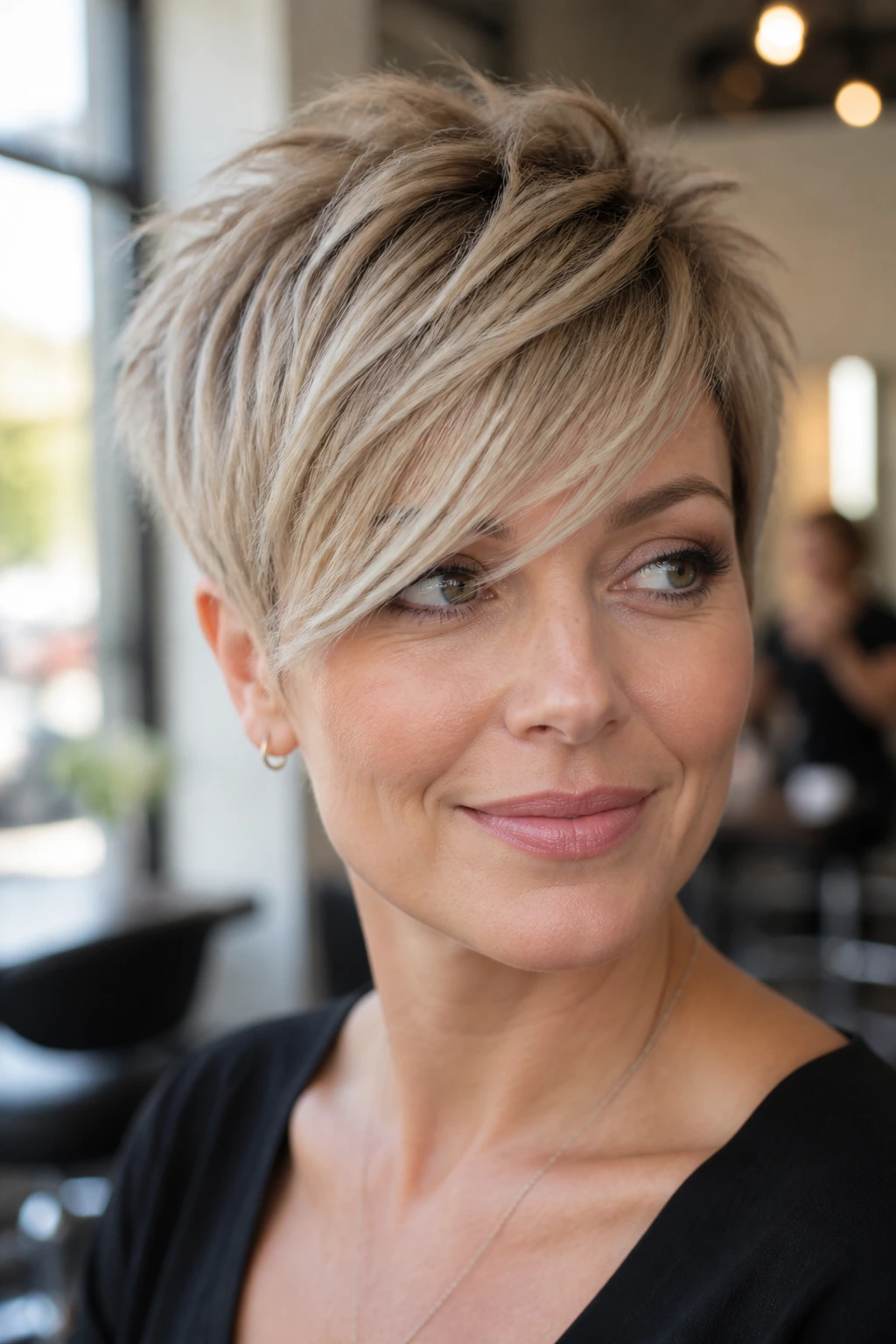
Too much thinning everywhere: The haircut may look airy in the chair and pathetic after one wash. Fine hair needs strategic removal of weight, not a wholesale haircut tax. Ask exactly where the stylist plans to thin.
Heavy cream at the roots: This is a fast way to flatten the crown and make the front pieces separate in greasy-looking chunks. Put richer products only on the ends, and keep the top light.
Letting the fringe get too heavy: Long bangs that hang over the eyes can pull a short cut down fast. If your fringe starts to close in on your face, it’s time for a trim or a softer side sweep.
Skipping trims for months: Short cuts lose their shape faster than long hair. By the time the outline disappears, you’re usually fighting the haircut instead of wearing it. Book the next trim before you leave the salon.
Blasting it smooth: Fine hair often looks fuller with a little lift and texture. If you dry it dead straight against the head every time, the cut can start looking smaller than it really is. Use your fingers on the top and keep some life in the ends.
Chasing too many layers: There’s a point where layers stop helping and start eating the haircut. You still need a bottom line. Without it, even the best messy cut can drift into wispy territory.
Frequently Asked Questions
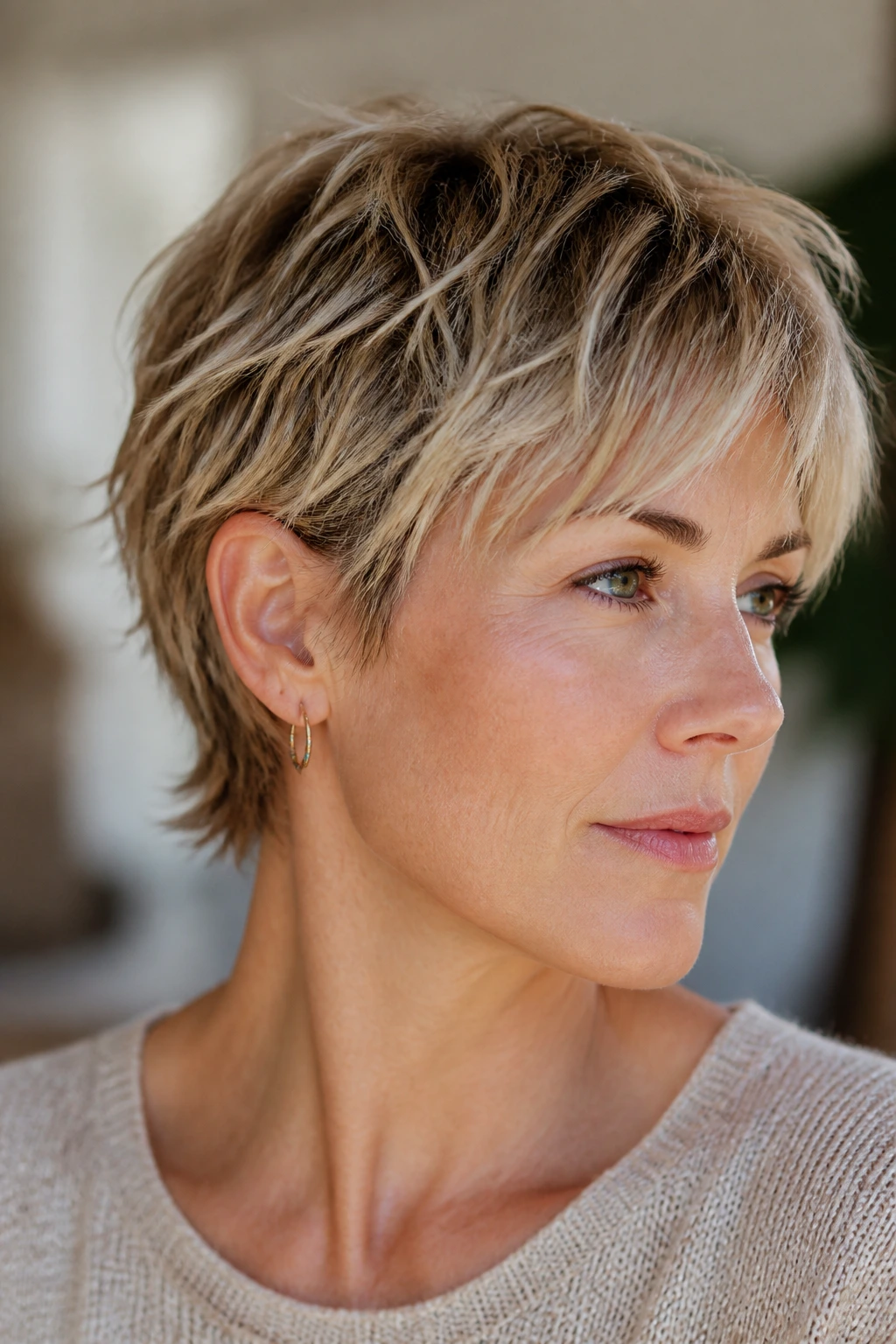
Which short haircut makes fine hair look the fullest?
A blunt jaw-length bob or a bixie with a strong perimeter usually gives the strongest sense of density. The blunt edge keeps the ends visually thick, and the short length stops gravity from dragging everything down.
Should fine hair have layers or stay one length?
Usually a bit of both works best. Fine hair often needs a clean perimeter for thickness and soft internal layers for movement, but the layers should be light and deliberate, not sliced all the way through the ends.
Is a pixie a bad idea for fine hair?
Not at all. A pixie can be one of the best choices if your hair loses lift at longer lengths, as long as the cut keeps enough structure at the crown and nape. The mistake is going too thin with the layers or too soft with the outline.
Can I air-dry a short messy haircut?
Yes, especially if your hair has a little natural bend. Use a light mousse or styling cream on damp hair, scrunch the front and crown, and leave the ends alone once they start setting. If you have very straight fine hair, you may still need a quick blast at the roots.
How often should I get it trimmed?
Pixies and very short crops usually need trims every 4 to 6 weeks. Bobs and bixies can often go 6 to 8 weeks, depending on how fast your hair grows and how precise you want the shape to stay.
Will short hair make my face look wider?
It can if the cut is too round or sits too high at the sides. The fix is usually a longer fringe, a side part, or a bit more length around the cheekbones so the haircut keeps some vertical line.
What if my crown sticks up or splits?
That’s a styling problem, not a failure. Use root spray on damp hair, blow-dry the crown first, and pin it in the direction you want while it cools. A short cut with a stubborn crown often needs just a little training.
What products should I avoid on fine hair?
Heavy oils at the roots, thick curl creams unless your hair is truly curly, and too much wax all tend to flatten fine strands. You want products that give lift, bend, and separation without coating the hair in residue.
Soft Edges, Real Lift
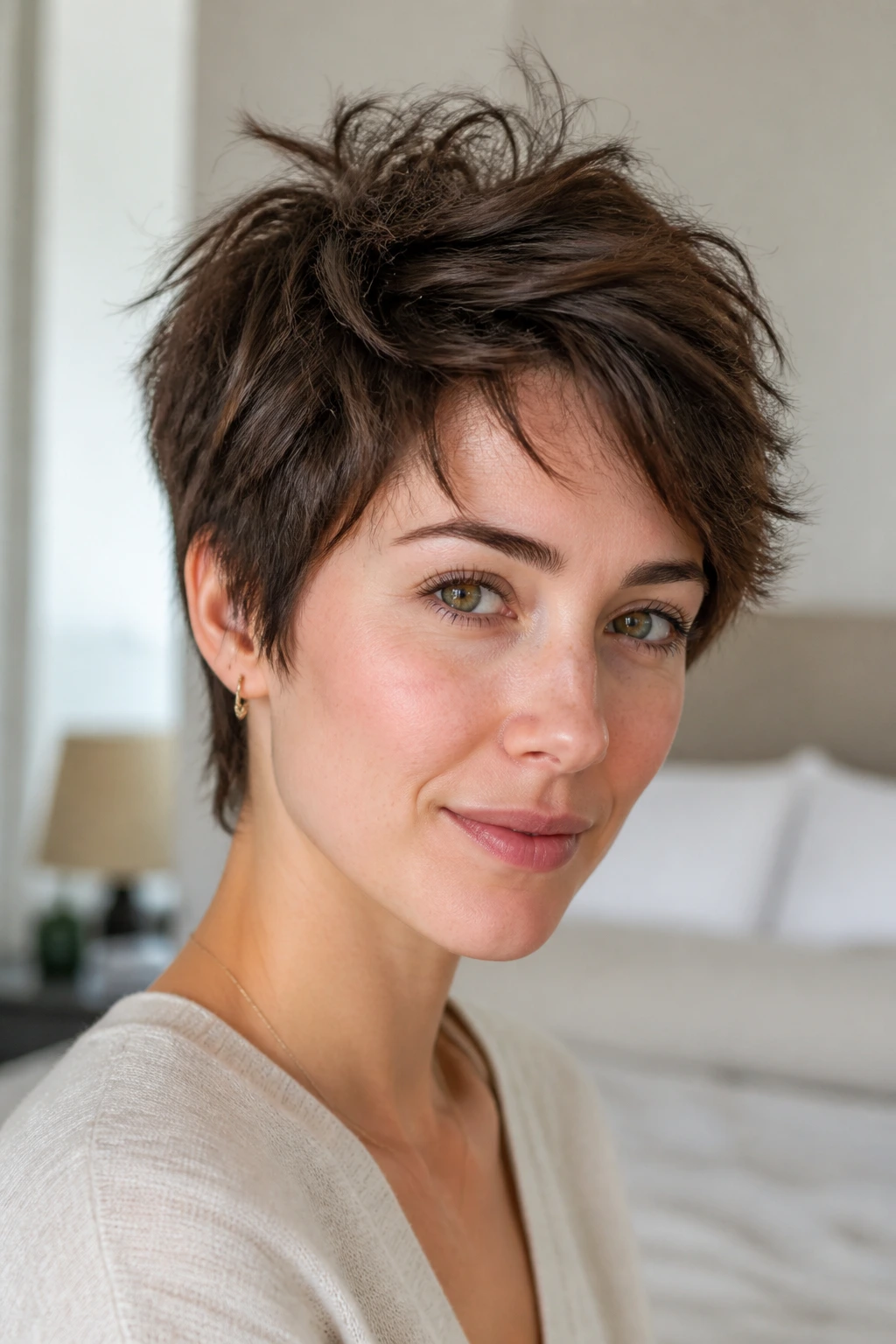
A good short messy cut on fine hair should feel easy the second you wake up and still look like it has shape after a long day. That’s the real test. Not the salon mirror. Not the first perfect blow-dry. The ordinary Tuesday version.
The best versions in this list keep one thing steady—a fringe, a nape line, a jaw edge, a crown lift—while letting the rest of the haircut move a little. That balance is what keeps fine hair from going limp. Once you find that mix, you can make it softer, sharper, more playful, or more polished without fighting the hair itself.
If your fine hair has been asking for something shorter, take the hint. Bring a few photos, keep your request specific, and ask for shape before texture. That one choice changes everything.