



Fine hair does not need more length; it needs a better shape.
That’s the whole trick behind shaggy hairstyles for women over 50 with fine hair. The right shag takes weight out of the places that collapse first, then leaves enough line at the bottom so the cut still looks intentional when the blow-dry has settled and the crown starts doing its usual flat little slump by noon. The wrong cut can make fine hair look wispy in a single appointment. The right one gives you movement, lift, and a face frame that does some work instead of just hanging there.
I keep coming back to shags for mature fine hair because they solve a problem straight across the top of the head: too much softness in the wrong place. At the temples, at the crown, around the cheekbones — those are the spots that matter. A good shag doesn’t scream for attention. It nudges the eye upward, breaks up a flat line, and leaves the hair with a bit of bend so it doesn’t look like a sheet.
And yes, there’s a big difference between shaggy and chopped up. The best versions are soft at the perimeter, feathered through the interior, and light enough to move without looking thin. That balance is what makes the cuts below work so well.
Why These Shaggy Hairstyles for Women Over 50 with Fine Hair Keep Working

-
They build lift where fine hair actually needs it: The crown and upper sides get short, controlled layers, which keeps the roots from lying like paper against the scalp.
-
They leave enough weight at the edges: A blunt-ish perimeter keeps the ends from looking see-through, which is the mistake that makes many layered cuts fail on fine hair.
-
They soften the face without hard lines: Curtain bangs, side-swept fringe, and cheekbone layers break up the forehead and jawline without stealing density.
-
They grow out in a sane way: A shag can sit through a few weeks of grow-out without turning into a triangle, which matters if you do not want a trim every other minute.
-
They work with silver, highlighted, or single-process color: Movement shows up more clearly when light hits different lengths, so gray strands and fine highlights both get a little lift from the shape.
-
They don’t need heroics every morning: A quick round-brush pass, a bit of mousse, and a touch of dry shampoo usually go farther here than a whole drawer of styling tools.
1. Shoulder-Length Shag with Curtain Bangs

Shoulder length is the sweet spot for a lot of fine hair, and curtain bangs make it feel lighter without tipping into stringy. The cut keeps enough perimeter weight to hold its shape, while the layers around the face open like a soft frame instead of a hard curtain. It’s one of those styles that looks polished even when the texture is a little imperfect.
Why it works: The hair around the collarbone gives the ends something to hang on to, so they do not float away in thin little wisps. Curtain bangs split the face vertically, which helps if your hair is flat at the temples or if you want to soften a wider forehead. The layers should start around the cheekbone, not up near the eyes, or the whole thing gets flimsy fast.
Ask for: a shoulder-length baseline, soft internal layers, and curtain bangs that graze the cheekbones before they sweep outward. Keep the ends blunt enough to feel solid.
Styling note: Blow-dry the bangs away from the face with a small round brush, then give the ends a slight bend under or away from the neck. No hard curls. That’s not the point.
2. Feathered Pixie Shag
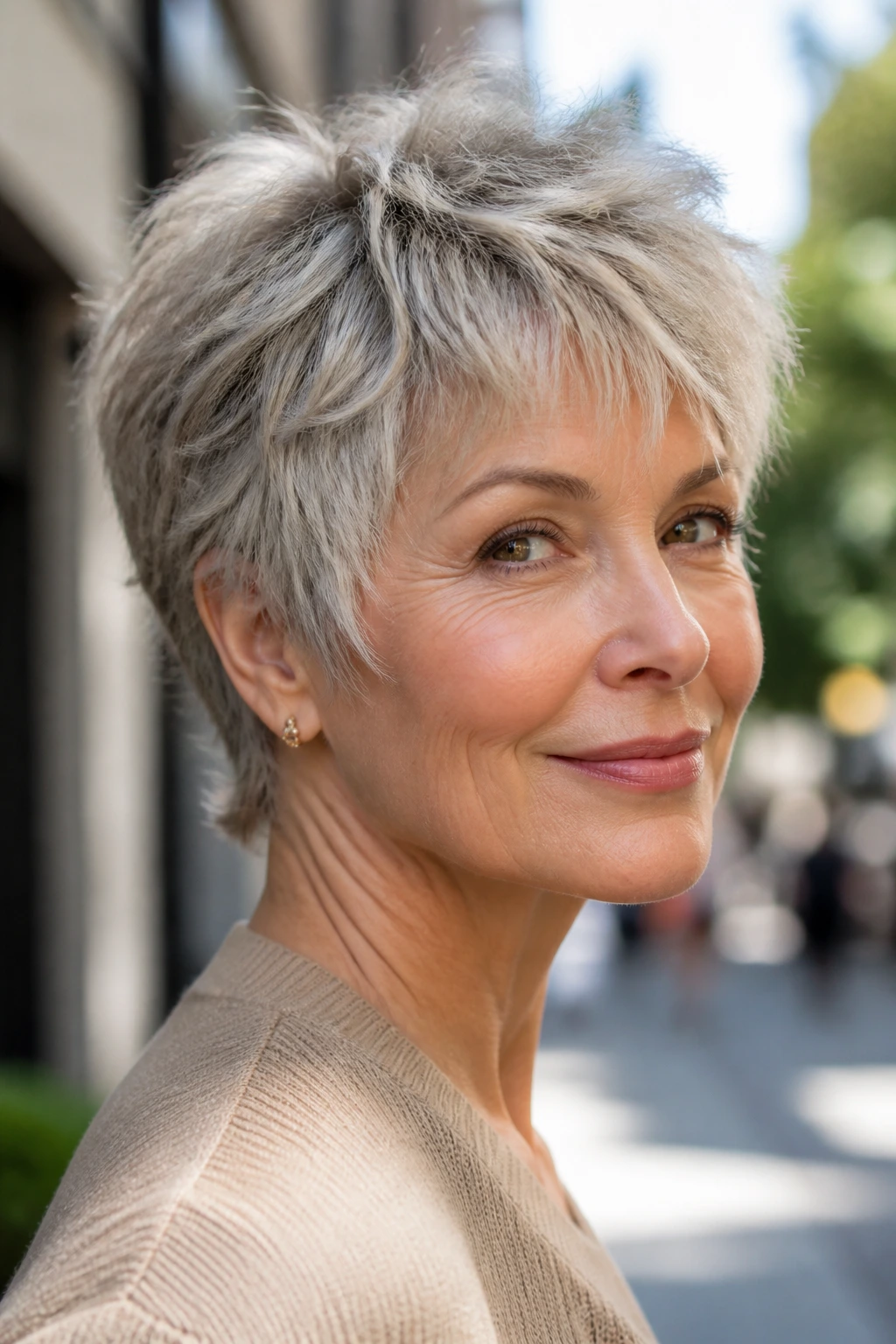
Want something shorter, lighter, and a little cheeky? A feathered pixie shag does that job without making the head look overbuilt. The top stays long enough to move, the sides get soft feathering, and the nape sits clean so the cut doesn’t puff out around the ears.
Why it works: Fine hair often looks best when the weight is removed in controlled places, not hacked away everywhere. This cut leaves lift at the crown and a little fringe at the front, which gives the illusion of density up top. It also works nicely if your hairline has softened a bit, because the feathering hides the exact line of growth.
What to tell the stylist: keep the top pieces longer than the sides, leave some length around the fringe, and avoid aggressive thinning shears near the ends. You want separation, not gaps.
Styling note: A dab of mousse at the roots and a finger-dry is usually enough. If you like polish, bend the front pieces with a small brush for 30 seconds and stop there.
3. Collarbone Shag with Soft Face Framing
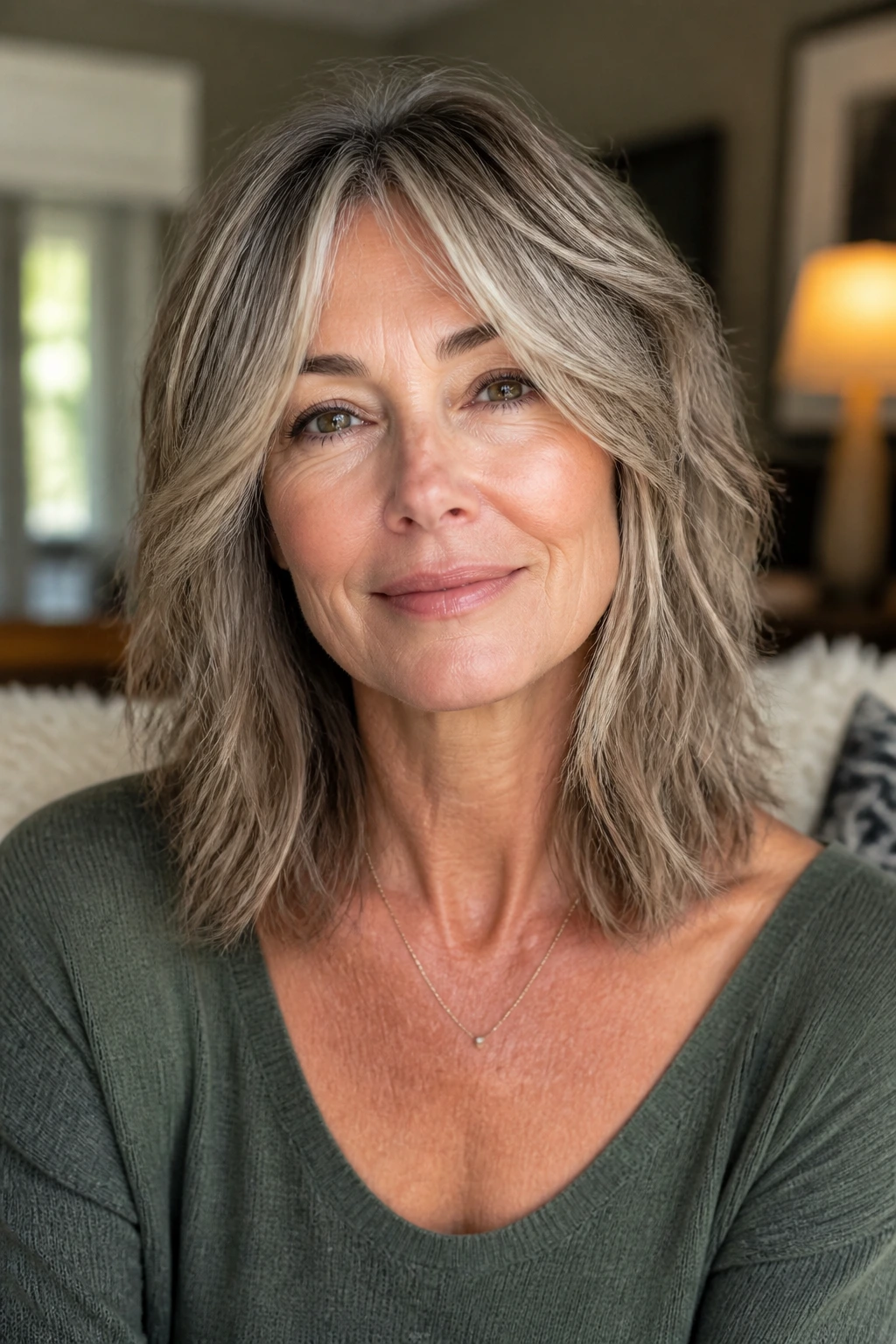
If you want length you can still tuck behind an ear or clip back on a bad hair day, the collarbone shag is the one I’d put on the short list. It keeps enough length to feel feminine and easy, but the face-framing layers stop it from becoming heavy or shapeless.
Why it works: Fine hair often loses its will to live once it gets too long. At collarbone length, the cut can still move, but the ends keep some presence. The face frame should begin below the cheekbone so the front doesn’t get too sparse. That extra inch or two matters more than people think.
Ask for: a baseline that lands right at the collarbone, a few airy layers through the mids, and face framing that skims the jaw rather than slicing right into the hollow under the eye.
Styling note: This cut loves a loose wave. Wrap only the middle of each section around a 1-inch iron or a medium brush, then leave the ends a touch straighter so the hair stays looking lived-in instead of curled into a pageant ringlet.
4. Chin-Length Shag Bob
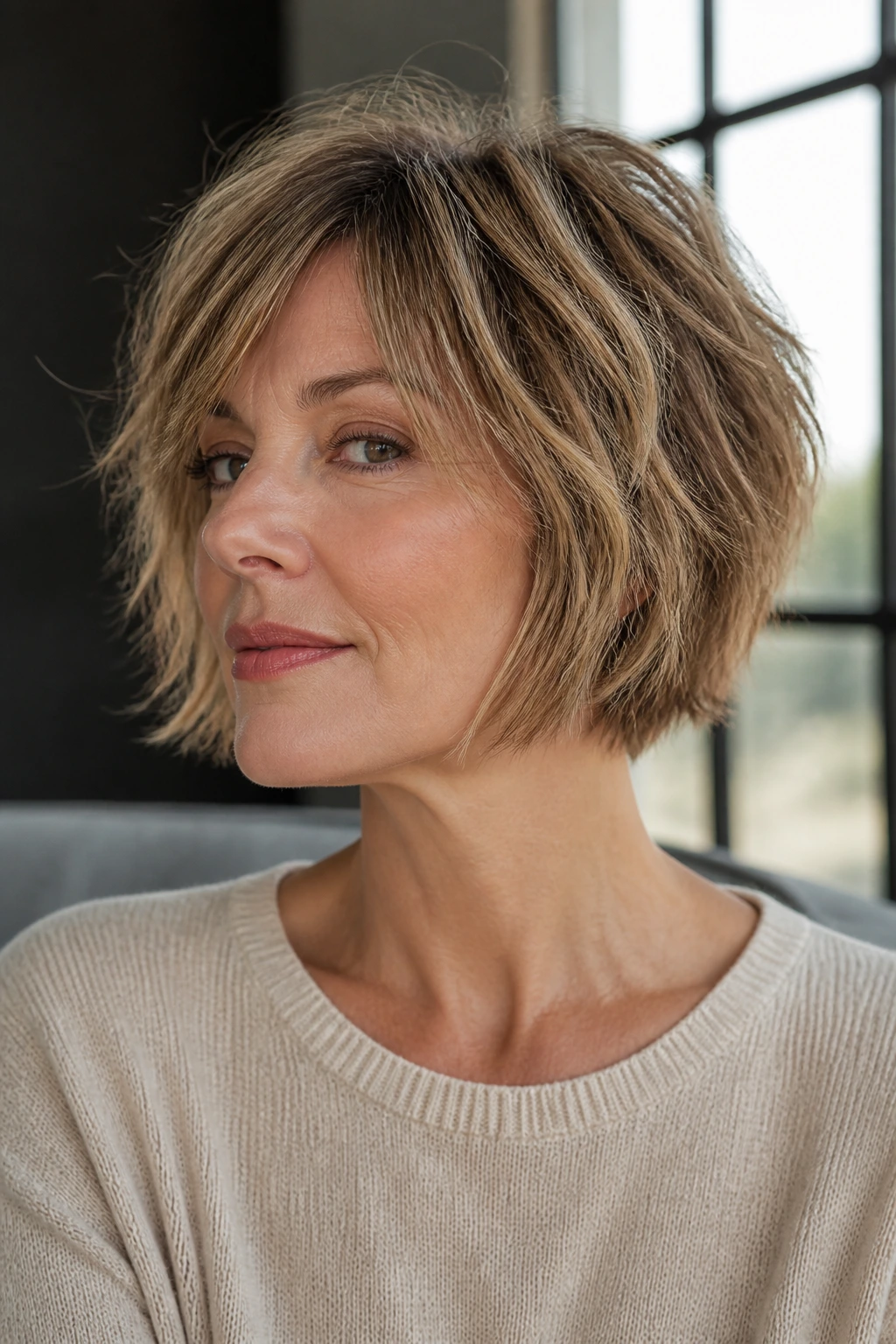
A chin-length shag bob can do more for fine hair than a longer cut that’s been over-layered. It sits compactly around the face, gives you a strong outline at the jaw, and keeps the top from dragging down the whole shape.
Why it works: The shorter length creates the sense of thickness because the hair isn’t stretched out across the shoulders. Chin length also puts the visual focus right where most people want it — the cheekbones, the lips, the eyes. The trick is not to carve the layers too high. You want texture, not a shredded halo.
Styling note: Tuck one side behind the ear and let the other side fall forward. That slight asymmetry gives the cut a bit of life and keeps it from feeling too helmet-like.
Who it suits: this is excellent for anyone with a neat jawline, but it’s also kind to round faces because the soft layers break up the curve without adding width.
5. Wispy Wolf Cut for Fine Hair
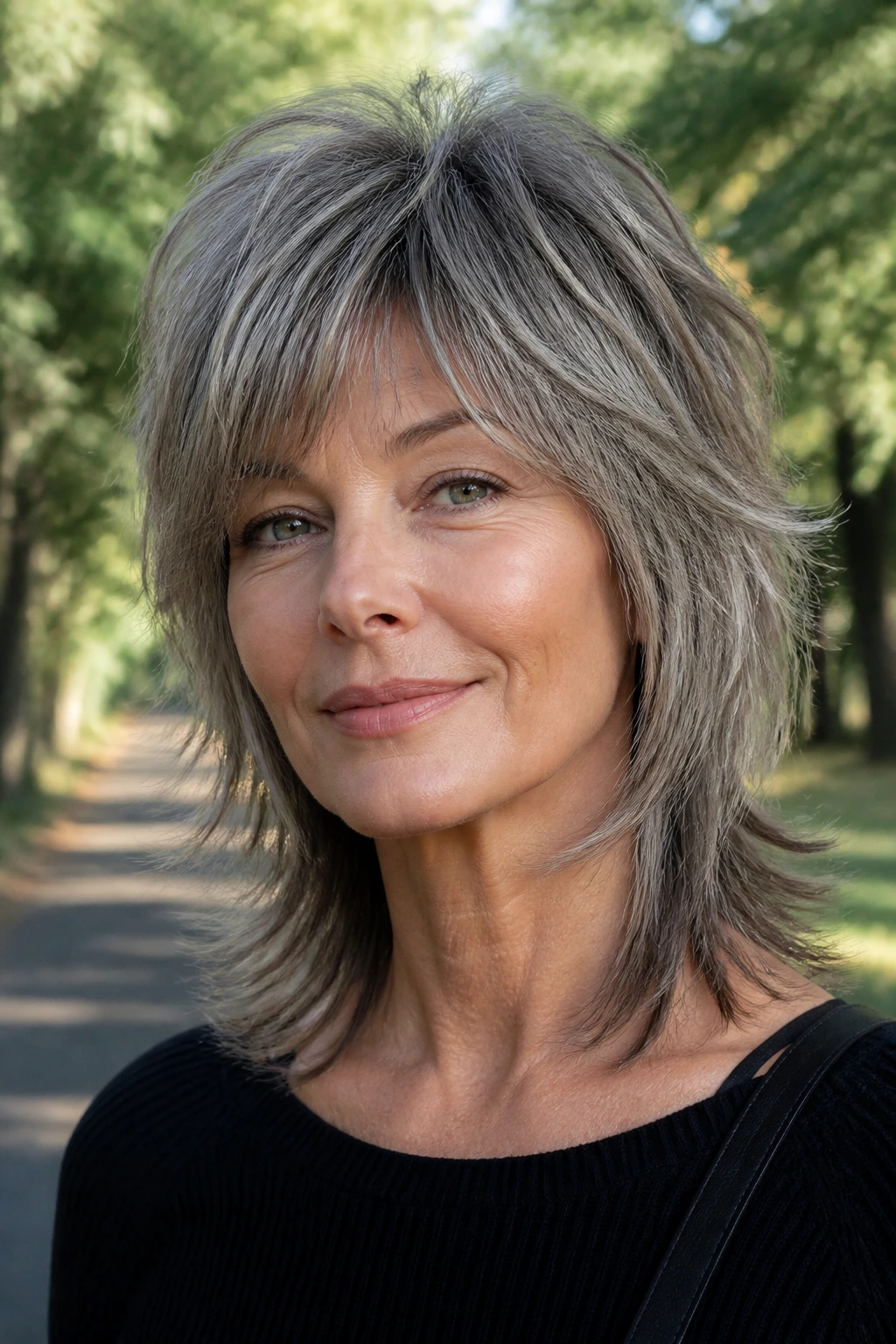
A wolf cut can work on fine hair after 50, but only when it’s softened. The wild, heavy-disconnect version you see on social media is a different animal. What works here is a wispy version with a controlled crown and a perimeter that still has some weight.
Why it works: The shape creates movement by shifting volume higher on the head and tapering the sides. That helps if your roots go limp and your mids feel flat. But the cut has to be handled carefully. Too much texturizing, and the ends start looking like they’ve been through a bad windstorm.
Ask for: a short-to-medium crown, soft cheekbone layers, and a bottom line that stays solid enough to support the whole shape. Tell the stylist you want “shaggy, not sparse.” That phrase earns its keep.
Styling note: Use a texture spray at the mids, not the roots, then scrunch with your hands. If the cut looks overworked, a tiny bit of shine cream on the ends calms it down.
6. Short Curly Shag
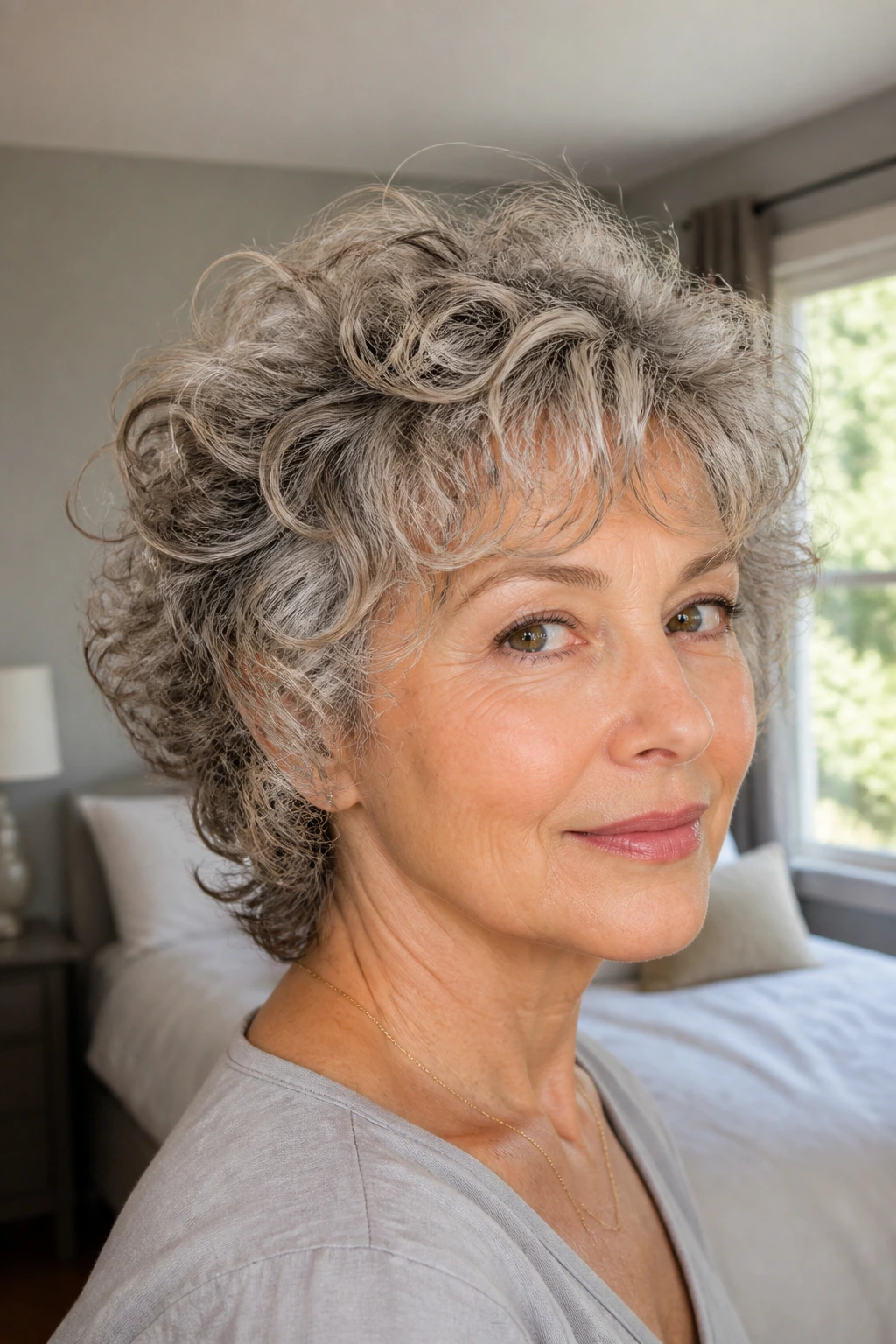
Curly fine hair has its own little set of rules, and the shag is usually one of the better ones. The cut lets the curls stack without building a mushroom shape, which is what happens when too much weight sits at the bottom.
Why it works: Curl patterns need room to spring, especially when the hair diameter is fine. Shorter layers at the crown help lift the top, while face-framing pieces keep the cut from puffing all around the head. If the curls are silver or salt-and-pepper, this shape shows off the texture in a way that feels clean, not frizzy.
Styling note: Ask for a dry cut if your curls have a clear pattern. Then diffuse on low heat until the roots are dry and the ends still have a little softness. Don’t rake through the curls once they’re set.
Best for: anyone whose fine hair bends into waves or ringlets on its own and needs a cut that respects that instead of trying to flatten it.
7. Layered Crop with Side-Swept Fringe
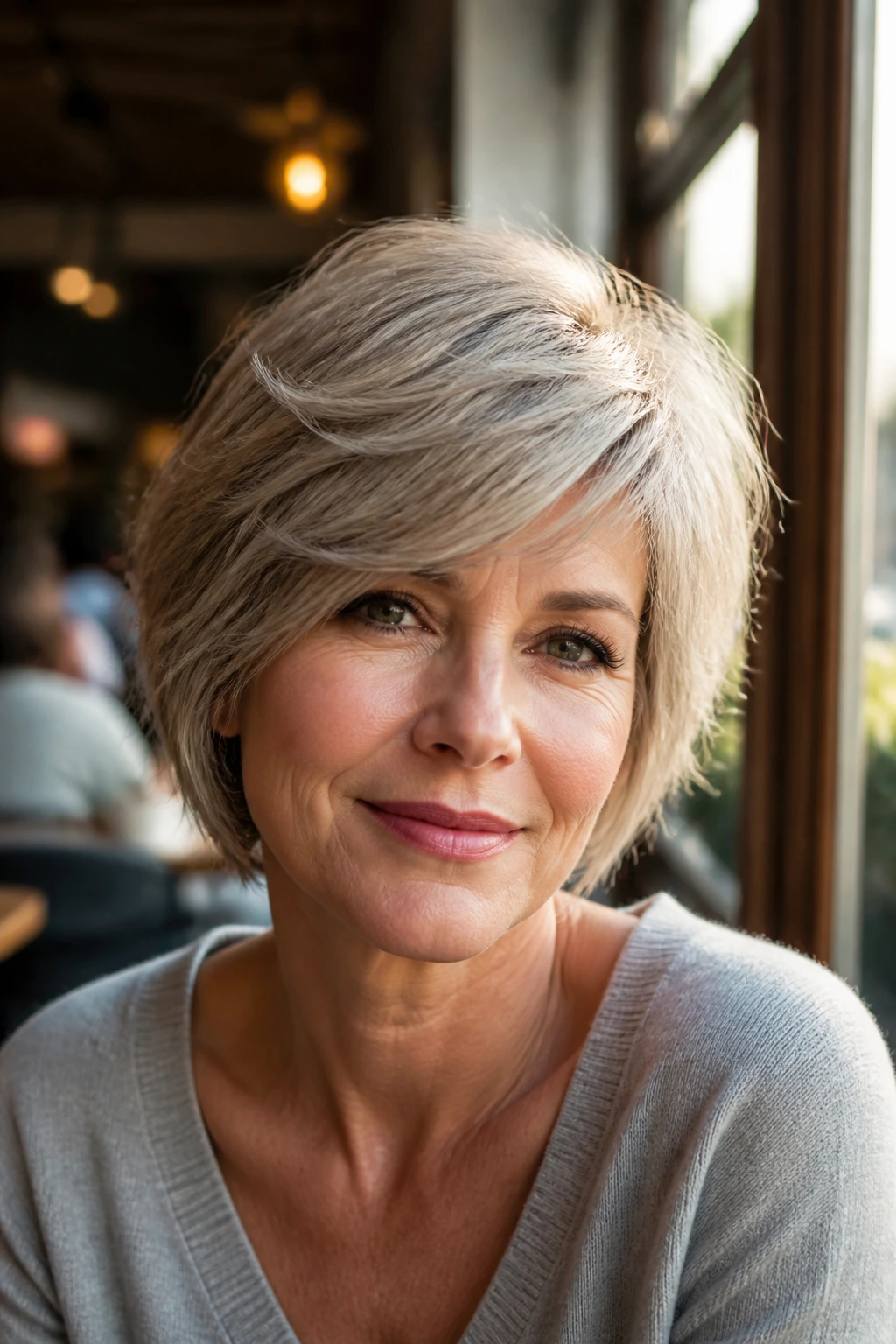
Short hair doesn’t have to mean severe hair. A layered crop with a side-swept fringe gives you the lightness of a crop and the softness of a little movement at the front.
Why it works: The side-swept fringe creates a diagonal line across the forehead, which is one of the easiest ways to get lift without teasing. The crop itself keeps the shape tight enough that fine hair doesn’t collapse into a limp cap. This is one of those cuts where the balance of top, side, and fringe matters more than the exact length.
What to ask for:
- keep the top long enough to sweep sideways
- leave the fringe soft, not blunt
- avoid heavy stacking in the back
- preserve a little length around the ears
Styling note: Blow-dry the fringe first while it’s damp. If you wait until the rest is dry, it will do its own strange little thing and you’ll spend five extra minutes fixing it.
8. Long Shag with Airy Ends
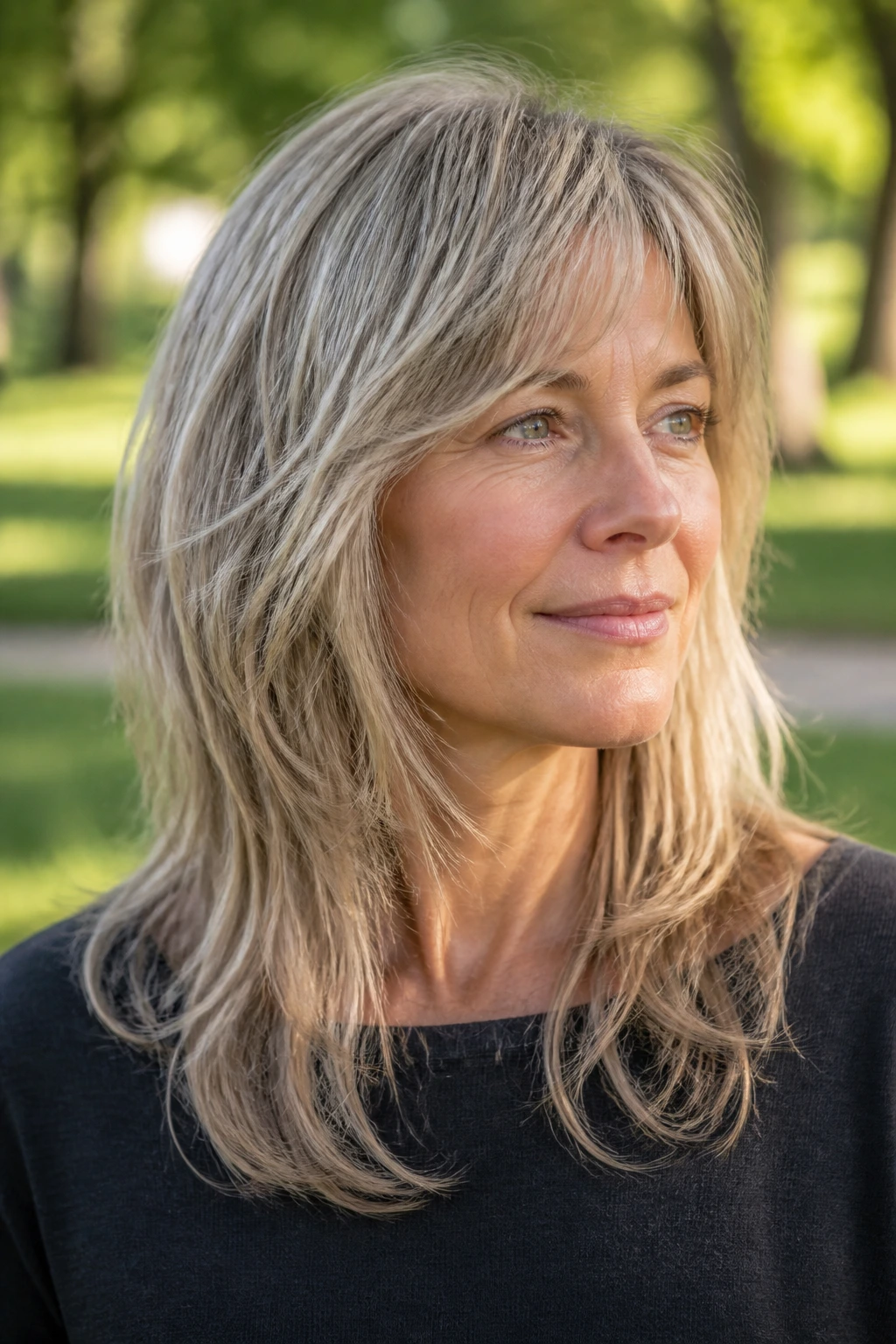
Not everyone wants to go shorter, and that’s fair. A long shag can work on fine hair if the layers are handled with a light hand and the ends stay airy instead of stringy.
Why it works: Length is the part that starts to drag. So the layers need to do two jobs at once: remove enough weight to give movement, and leave enough density so the hair still reads as full. The shortest face frame should usually begin around the chin or just below it. Much higher than that and the whole cut starts to fray.
A few rules help here:
- keep the perimeter blunt enough to look full
- ask for layers that start lower than you think
- avoid too much razor work at the tips
- let the front pieces bend softly away from the face
Styling note: A large-barrel iron or a velcro roller at the front can keep this cut from hanging straight. That tiny bit of bend keeps the ends from looking tired.
9. Shaggy Lob with Razored Layers
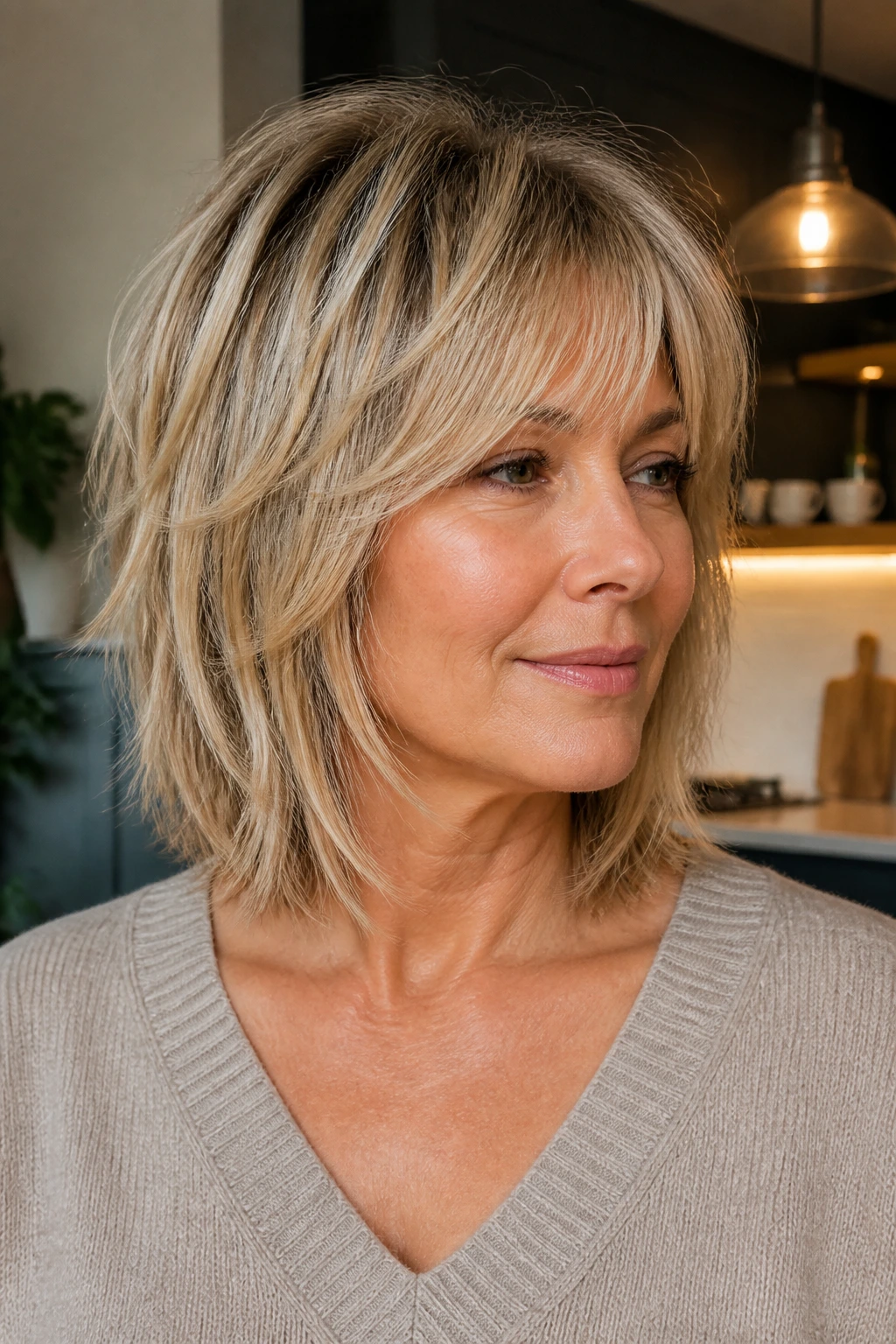
A shaggy lob is the middle path for people who want structure without heaviness. It sits between the collarbone and the shoulders, and the razored layers give it that broken-up edge fine hair needs to move.
Why it works: The lob shape keeps the outline strong, which stops the hair from looking thin at the bottom. The razored interior creates separation through the mids so it doesn’t fall flat against the neck. I like this version for straight fine hair because it can be worn smooth and still look textured.
Styling note: Use a light mousse at the roots, then blow-dry with the nozzle pointed downward through the ends and slightly upward at the crown. That keeps the cut from puffing out in the wrong places.
Who should try it: anyone who wants a clean neckline, enough length to pull back, and movement that doesn’t require curl.
10. Tousled Pixie-Bob Shag
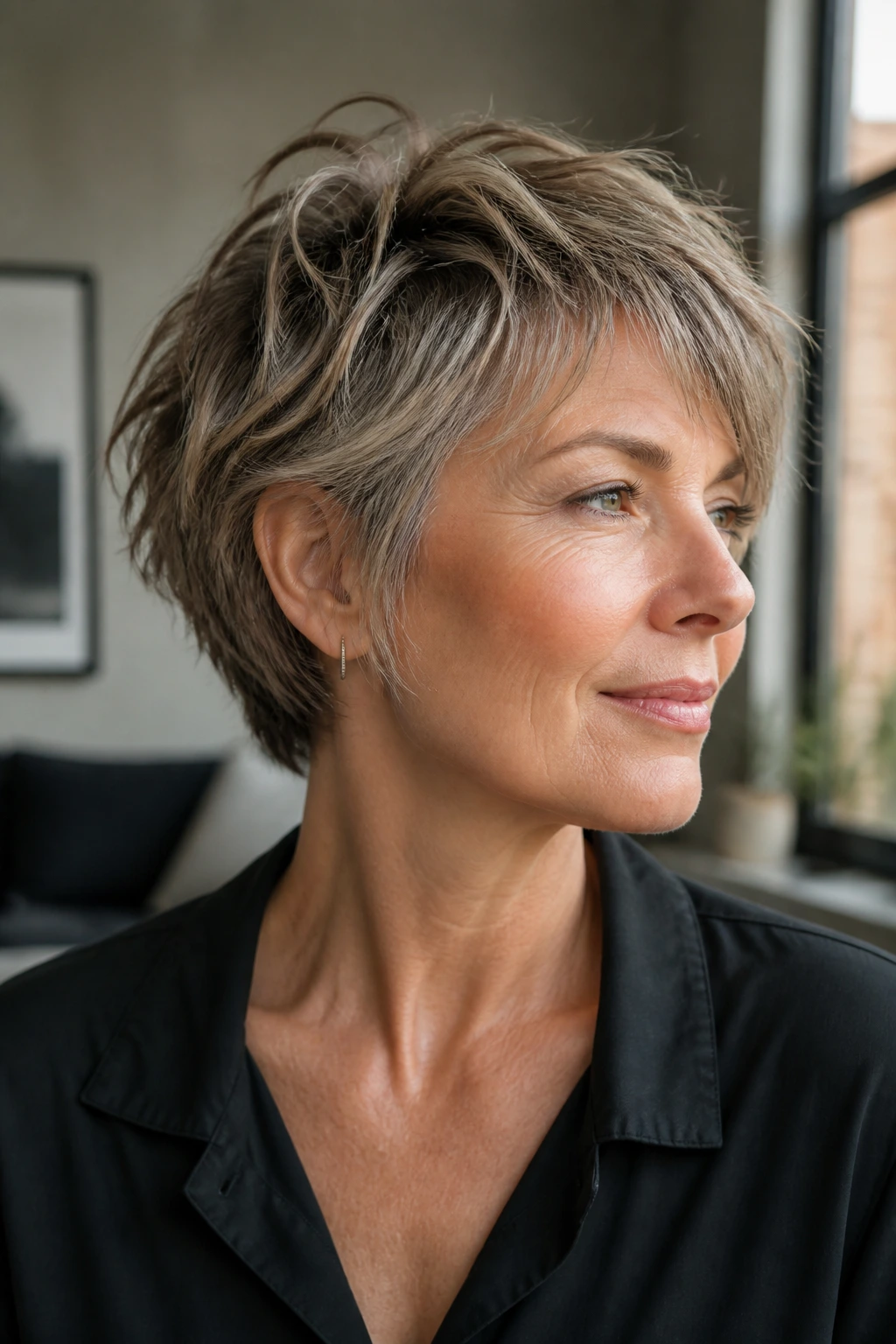
This is the cut for anyone caught between a pixie and a bob. It has the shortness of a pixie at the nape and sides, but enough length on top and around the face to read as a bob when it’s styled with a bit of mess.
Why it works: The pixie-bob structure gives fine hair a lot of visual density near the head, which helps it look fuller than it really is. The shaggy finish keeps the top from lying flat. It also grows out in a neat, believable way, which is a gift if you do not live at the salon.
Styling note: Work a pea-sized amount of paste through the crown and use your fingertips to push the front pieces where you want them. Too much product and the whole thing will look damp and narrow.
Best for: women who like polished short hair but do not want a hard line or a strict little cap of a cut.
11. French-Girl Shag with Micro Fringe

Can micro bangs work on fine hair after 50? Yes, if the front section has enough density and you want the fringe to be part of the look, not an afterthought. The French-girl shag leans a little artsy and a little undone, which is exactly why it has such strong presence.
Why it works: The micro fringe shortens the forehead visually and lets the eyes do the talking. The shaggy body underneath keeps the cut from feeling severe. Fine hair actually benefits from the smaller amount of fringe because it doesn’t have to support a big heavy bang line.
Caution: this one needs more maintenance than the other cuts here. Fringe trims come fast. If your front hair is sparse or your cowlick lives right at the hairline, skip this and move to a longer bang.
Styling note: Let the fringe air-dry first, then smooth it with a touch of flat iron if needed. The rest of the cut can stay loose and piecey.
12. Layered Bob with Bottleneck Bangs
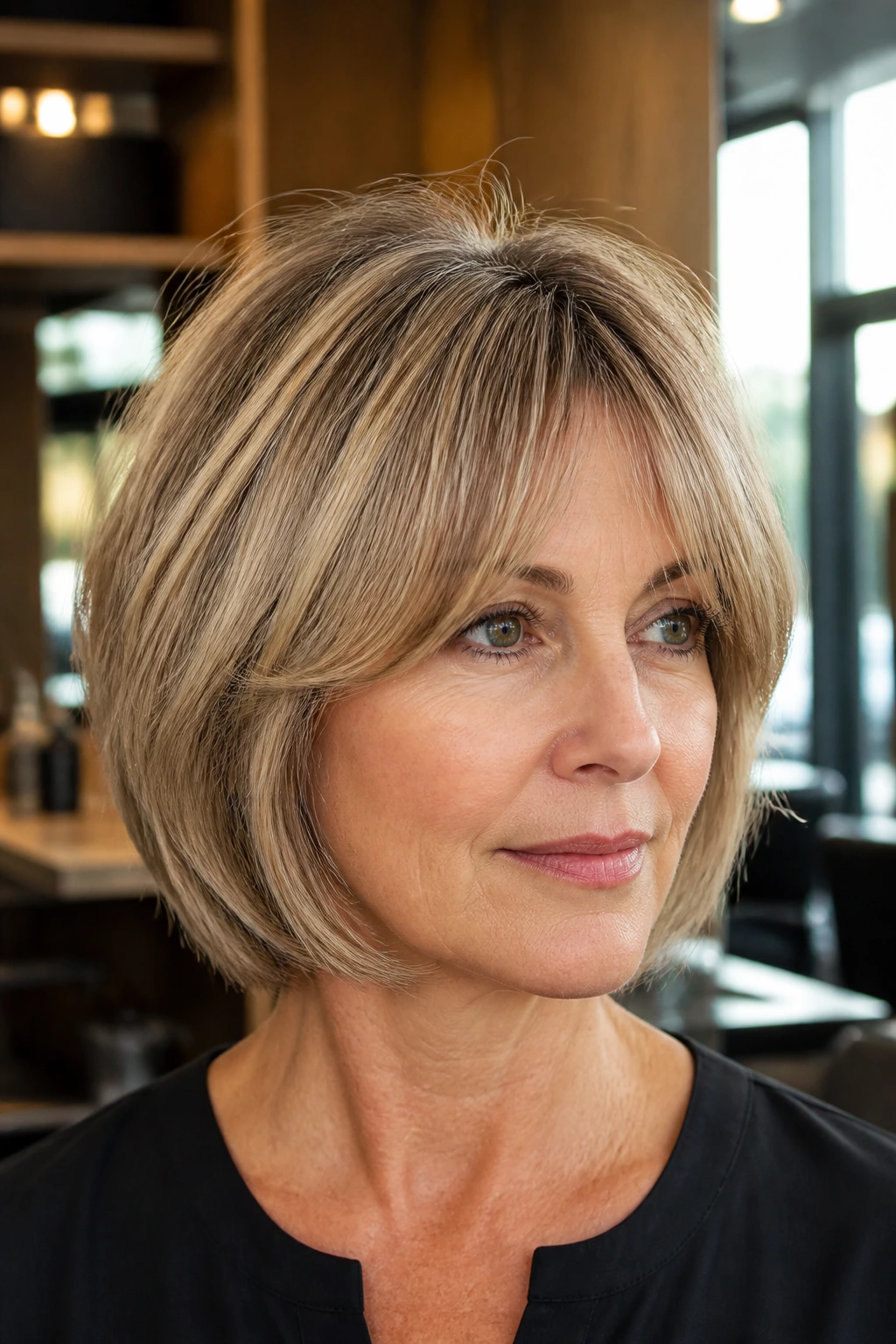
Bottleneck bangs are one of the cleanest ways to soften the forehead without drowning fine hair in fringe. They’re narrow in the center, then open wider at the sides, so they don’t eat up too much density at the front.
Why it works: A layered bob already gives a nice outline. Add bottleneck bangs, and the cut suddenly has lift at the eyes without looking heavy. The sides of the fringe can graze the cheekbones, which is useful if the face needs a bit more width in the middle or a softer line around the temples.
Styling note: Brush the center of the bangs down first, then send the side pieces slightly outward with a round brush. If you try to force the whole fringe into one shape, it turns boxy fast.
Best for: anyone who wants bangs but not a full curtain, and especially people whose hairline is a little thin at the corners.
13. Soft Mullet Shag
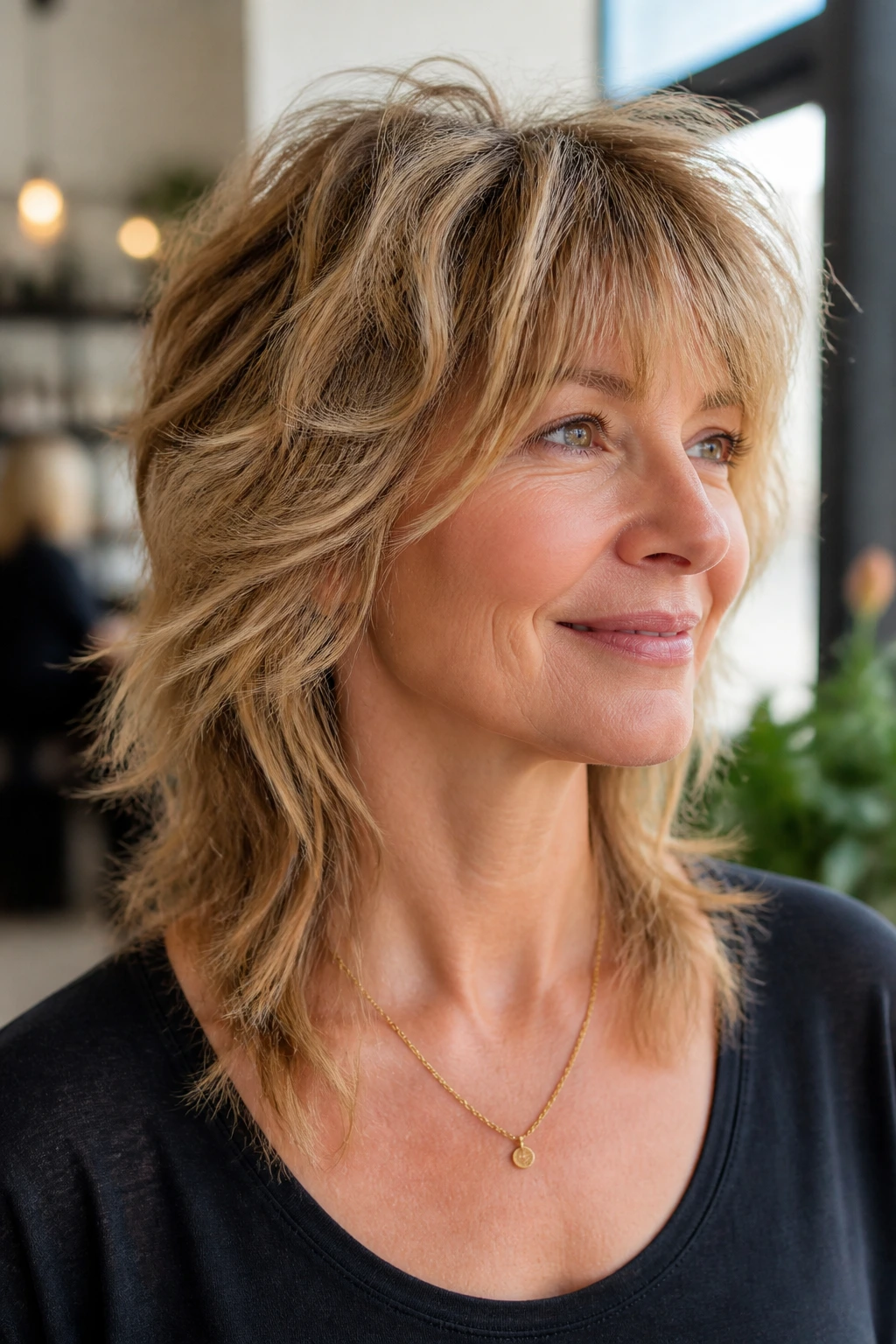
If you miss a little edge but do not want a harsh mullet, this is the kinder version. The soft mullet shag keeps the crown and top shorter, leaves the sides with some movement, and lets the back stay a touch longer so the whole thing has swing.
Why it works: Fine hair gets flattened when too much weight hangs at the same level. This shape breaks the outline up on purpose. The top gets lift, the sides stay soft, and the back keeps just enough length to prevent the cut from going too skinny.
Ask for: blended layers, not a hard disconnect. Tell the stylist you want “shaggy with a little tail, not a true mullet.” That difference matters.
Styling note: A dry texture spray through the mids makes the shape look deliberate instead of accidental. If the back starts to feel too flat, a quick flip with the dryer at the ends wakes it up.
14. Chin-Grazing Shag with Tucked Sides
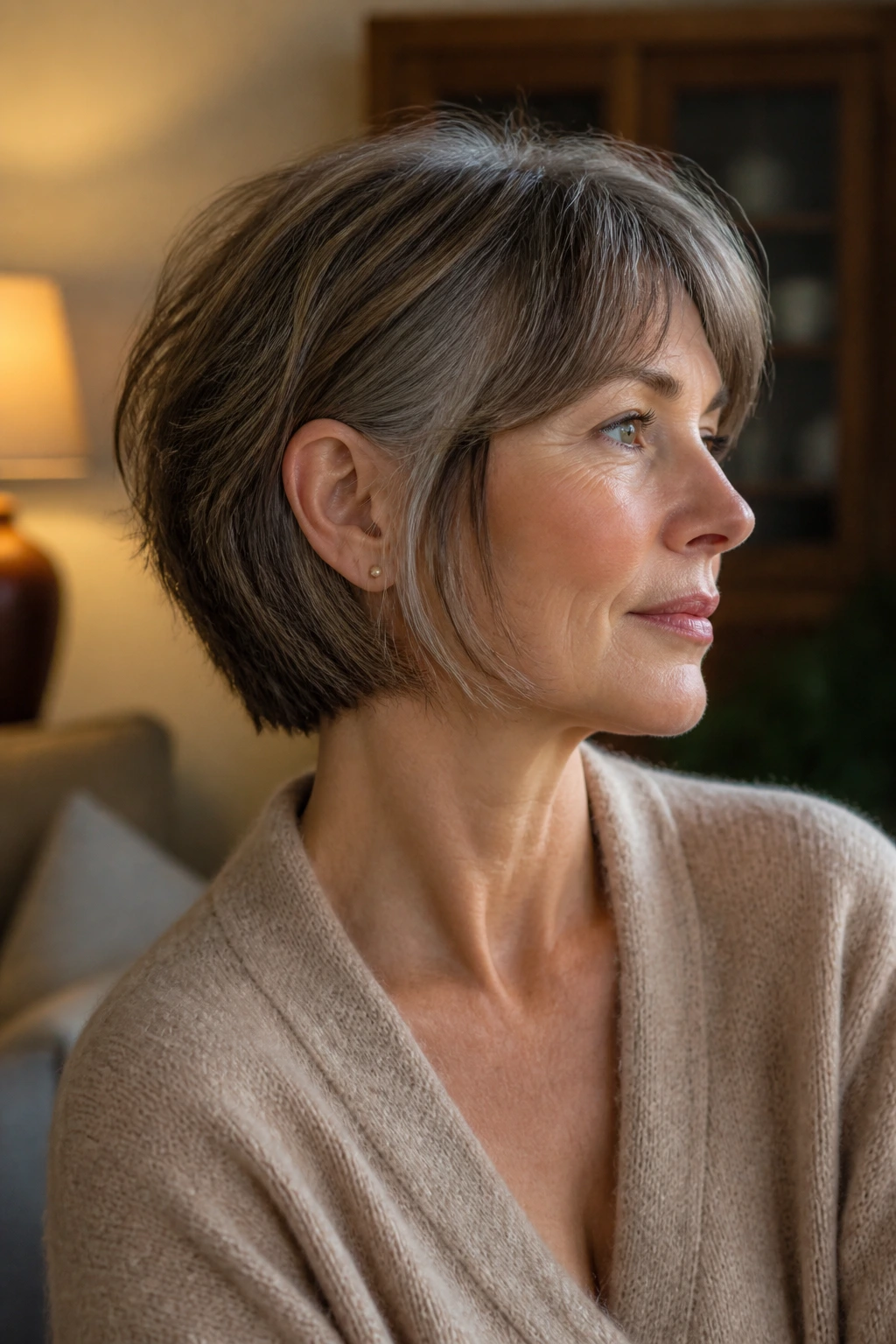
At chin length, hair starts to swing instead of sit, and that’s why this shape works so well. The ends brush the jaw, the sides tuck nicely, and the face gets a soft frame that doesn’t crowd the neck.
Why it works: Chin length is short enough to look thick, but long enough to show movement. For fine hair, that’s gold. The shag layers should stay light and focused around the front so the shape doesn’t turn into a helmet with holes in it.
Styling note: Tuck one side behind the ear and let the other side stay loose. It sounds minor. It isn’t. That one little move gives the cut a cleaner line and helps the layers show.
Best for: women who wear necklaces, scarves, or open necklines and want hair that plays well with those details instead of swallowing them.
15. Feathered Mid-Length Shag with Side Part
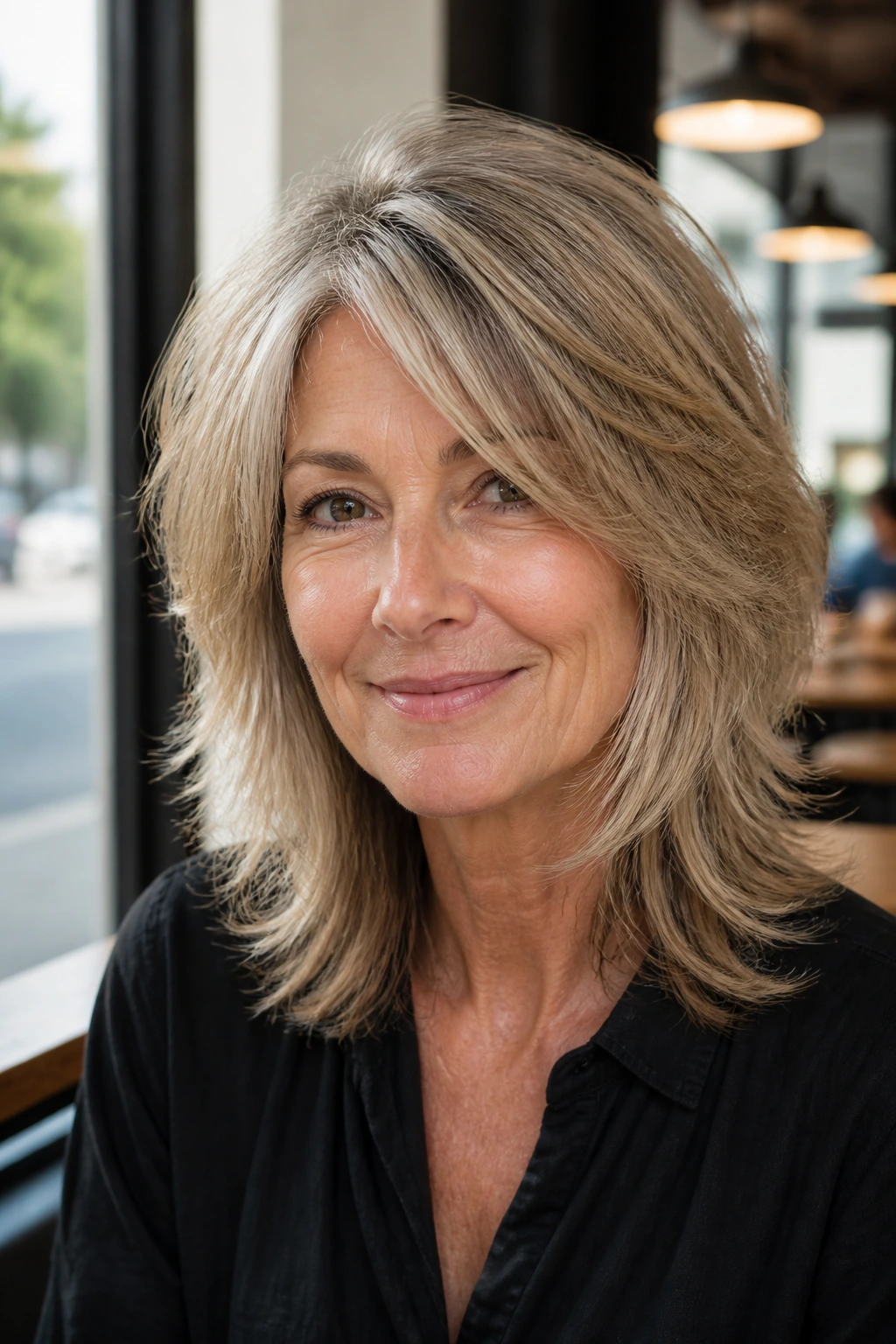
A side part is not old-fashioned when the layers are placed right. In a feathered mid-length shag, the part gives immediate root lift, and the feathering keeps the whole thing from feeling heavy around the face.
Why it works: Fine hair tends to flatten at the part line first. Shifting it off-center gives the roots a chance to rise, especially if the crown layers are short enough to move. The feathering around the cheeks softens the face without stealing too much density from the sides.
Styling note: Set the part while the hair is still damp, then clip the heavier side for a few minutes while you dry the other side. That tiny bit of training makes a noticeable difference.
Who it suits: anyone whose hair falls to one predictable side and refuses to hold volume in the middle.
16. Crown-Lift Shag with Short Layers
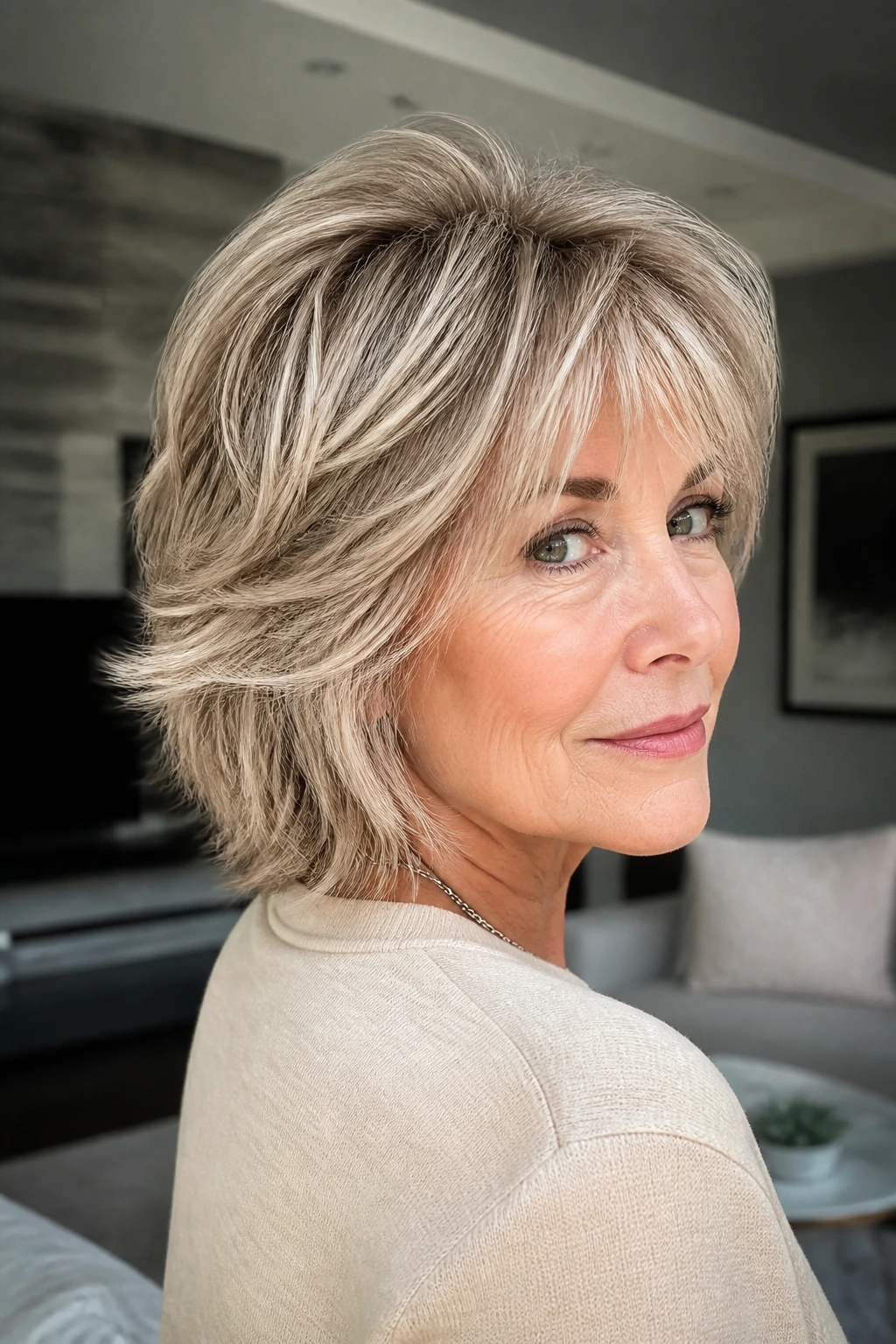
Two things matter here: the crown layers and the perimeter. Get those right, and the cut has a shape even before you touch a product.
Why it works: Short layers at the crown give fine hair somewhere to rise. The perimeter stays a bit fuller so the ends do not look feathery or thin. That’s the whole balancing act in one sentence. Too many short layers everywhere, and the shape collapses. Too little, and it sits flat like a cap.
Ask for:
- short crown layers that begin high enough to create lift
- a stable bottom line
- soft face pieces that do not swallow the cheekbones
- minimal thinning through the ends
Styling note: Clip the crown up while you dry the rest of the hair. Then release it and blast the roots for 20 seconds. Small trick. Big payoff.
17. Wavy Shag with Piecey Ends
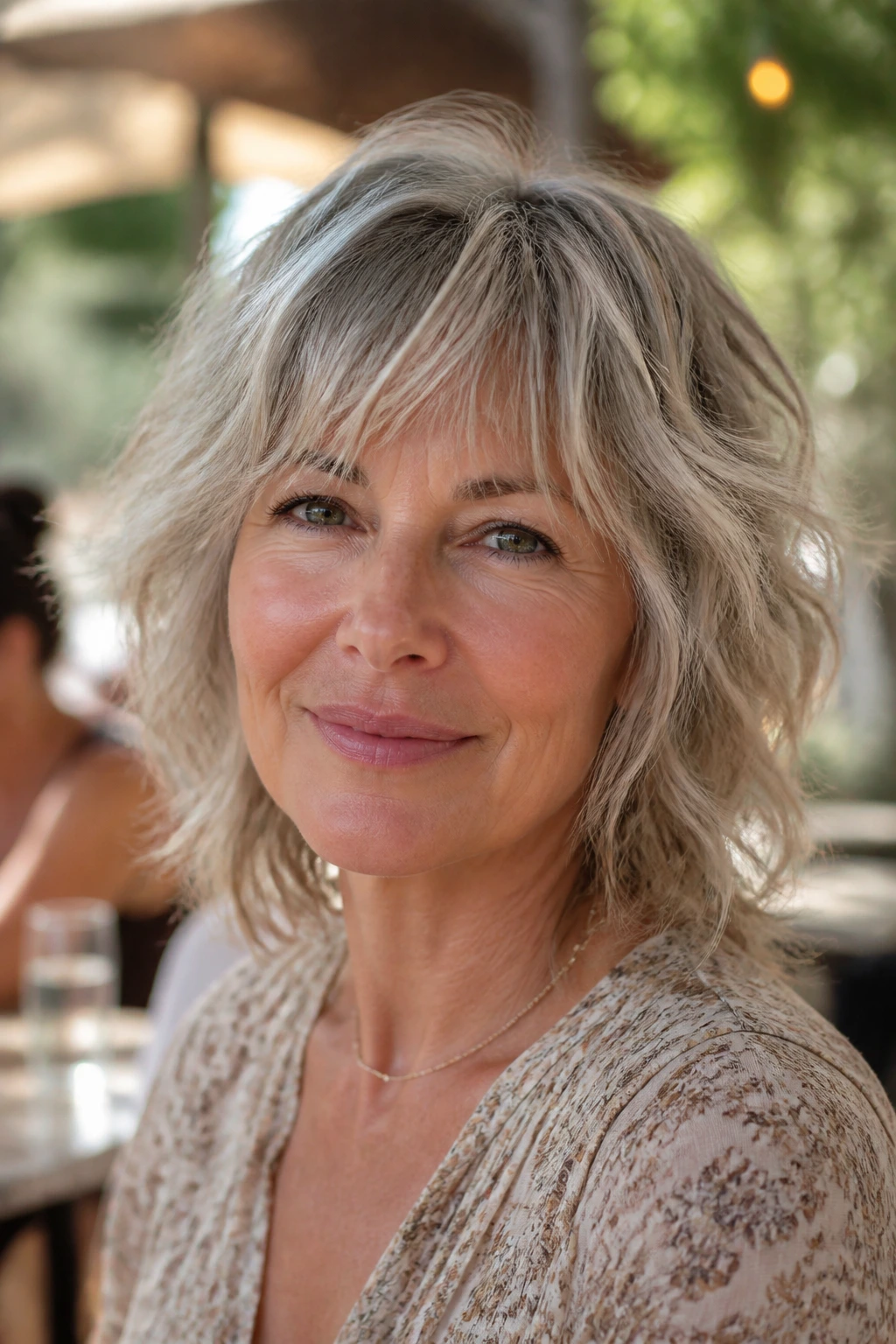
Air-dry hair either works or it doesn’t, and this is one of the cuts that makes air-drying look intentional. The wave pattern becomes the style, and the shag gives it shape instead of fighting it.
Why it works: Fine wavy hair usually needs room to separate into pieces. A shag cut encourages that separation by removing weight in the right places. Piecey ends help the hair look fuller because the eye reads movement as density.
Styling note: Use a light mousse or foam on damp hair, scrunch once, then leave it alone until it’s dry. If you touch it while it’s setting, you’ll get frizz where you wanted definition.
Best for: anyone who wants a low-heat routine and doesn’t mind a little softness around the face.
18. Graduated Shag Bob with Nape Taper
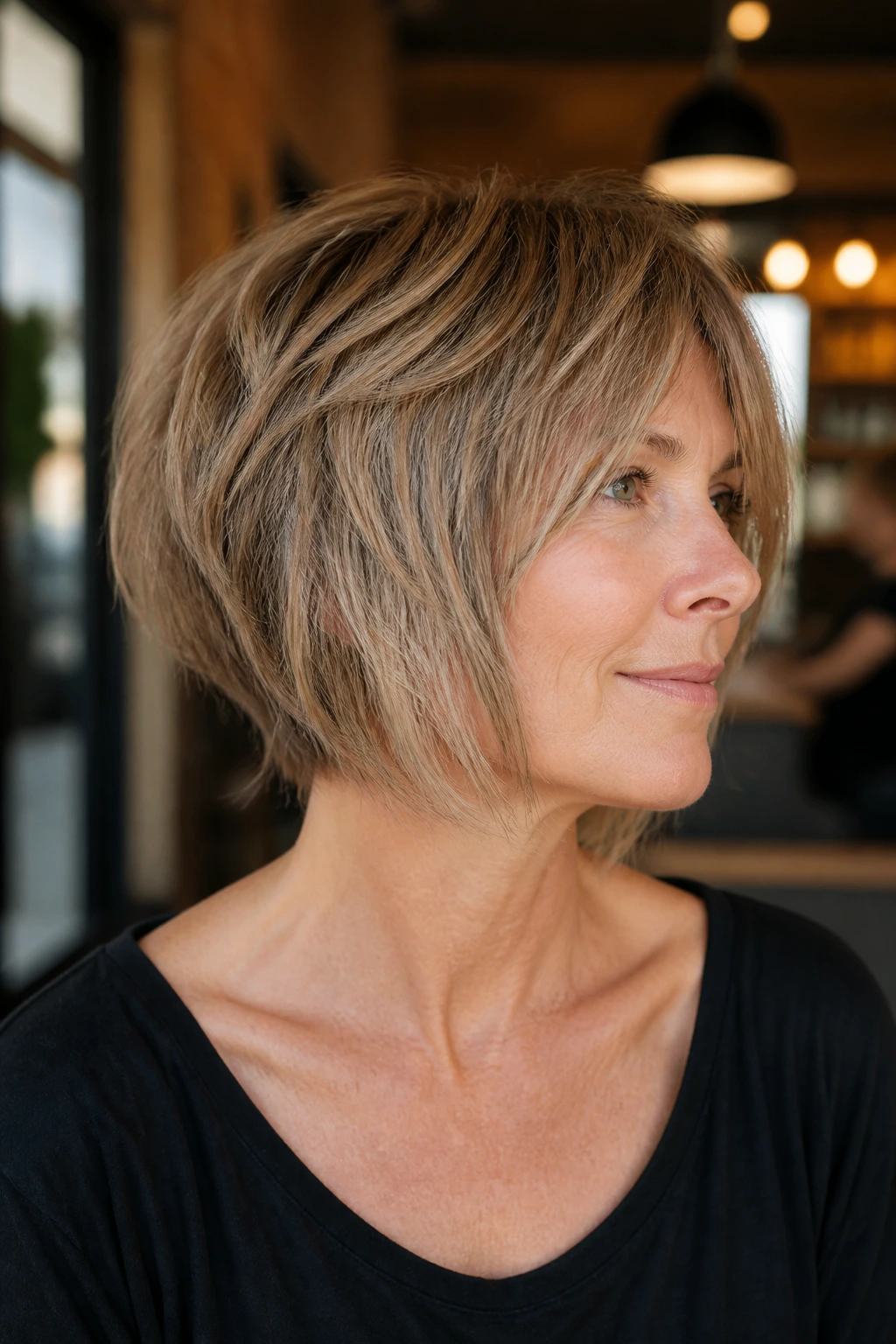
A graduated shag bob gives you shape at the neck without the stacked-bob stiffness. The nape is tapered cleanly, the front stays a bit longer, and the layers through the body keep the cut from sitting like a solid block.
Why it works: Fine hair often needs a little help at the back where it can look sparse. A gentle graduation creates that support without making the crown look square. The front length preserves softness, which matters when the face needs a little movement around the cheeks.
Styling note: Blow-dry the nape first, then work forward. If you dry the front first, you’ll flatten the back before it gets a chance to hold its shape.
19. Shoulder-Skimming Cut with Long Curtain Bangs

How long can a shag stay elegant? Pretty long, as long as the fringe is doing some of the work. This shoulder-skimming version keeps the length, but the long curtain bangs and soft internal layers stop it from feeling dragged down.
Why it works: The long bangs draw the eye to the center of the face and make the cut feel light without chopping up the sides too aggressively. Shoulder-skimming length gives you a little swing, but not so much that fine hair gets stretched thin.
Styling note: Set the curtain bangs with a large round brush or a hot roller for a few minutes. That bend keeps the face frame from falling straight into the cheeks.
Best for: women who want a grown-up cut with softness, especially if they wear their hair down most of the time.
20. Tapered Shag with Ear-Length Layers
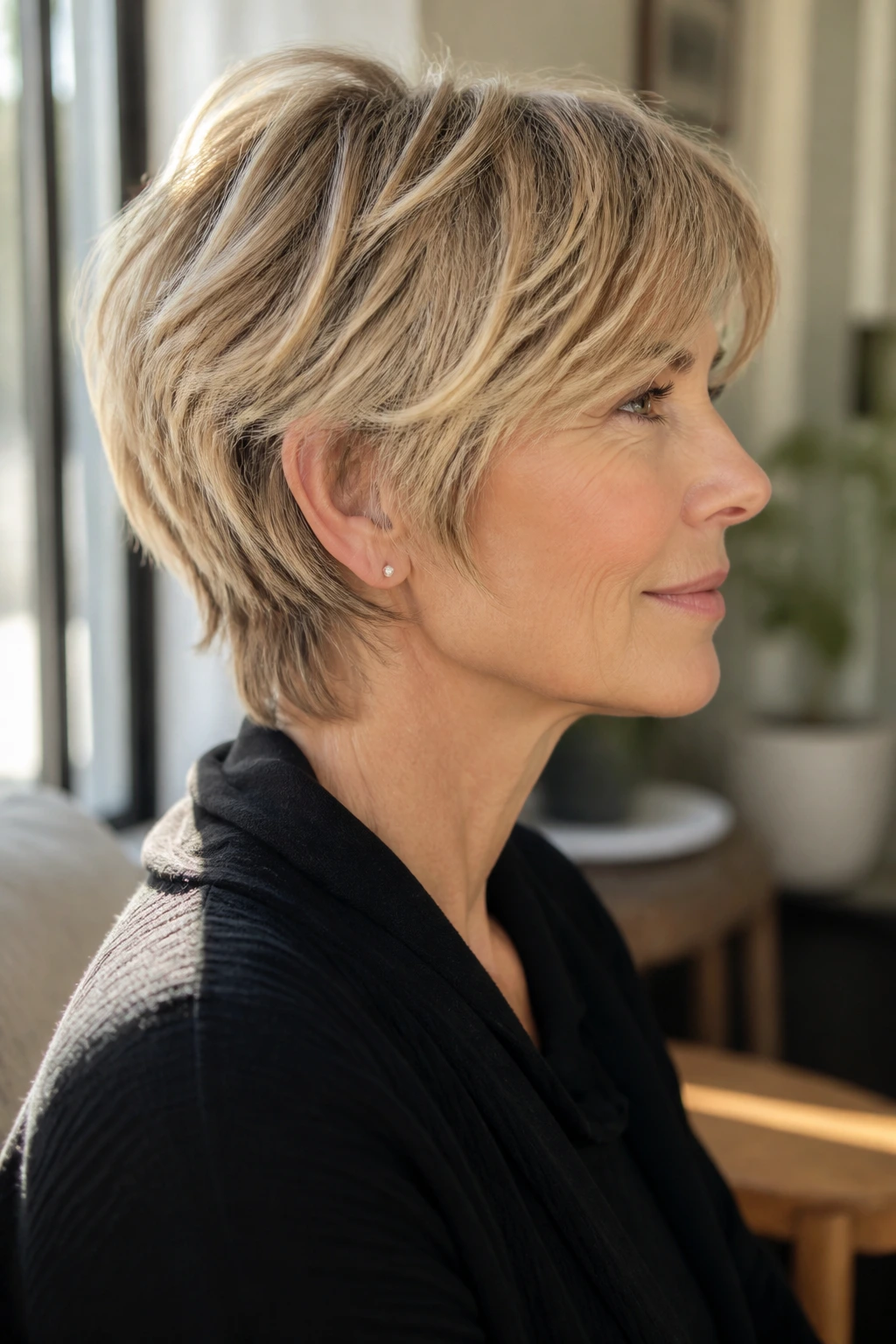
Short fragment. Soft around the ears. Clean at the neckline. That’s the whole point here.
Why it works: Ear-length layers open the face and keep the sides from looking puffy. The taper gives the cut a neat outline, which matters when fine hair starts to fray at the edges. It also keeps the style easy under glasses, hats, or a little earring movement.
Styling note: Tuck the front behind the ears and use a small amount of light styling cream only on the ends. If the product touches the roots, the lift disappears fast.
Who it suits: people who want a tidy cut with enough looseness to avoid looking severe.
21. Asymmetrical Shag for Glasses

Glasses need room. If the hair crowds the frames, everything looks busier than it should. An asymmetrical shag solves that by leaving one side a touch longer and slightly softer around the temple.
Why it works: The uneven line breaks up the symmetry around the face, which helps the frames sit more naturally. Fine hair benefits because the asymmetry adds visual interest without requiring more bulk. It’s a clever trick, not a loud one.
Styling note: Keep the side nearest the wider part of the frames a bit lighter, and let the other side fall with more length. That tiny difference keeps the glasses from fighting the haircut.
Best for: anyone who wears readers or full frames every day and wants the cut to cooperate instead of crowding the face.
22. Low-Maintenance Air-Dry Shag
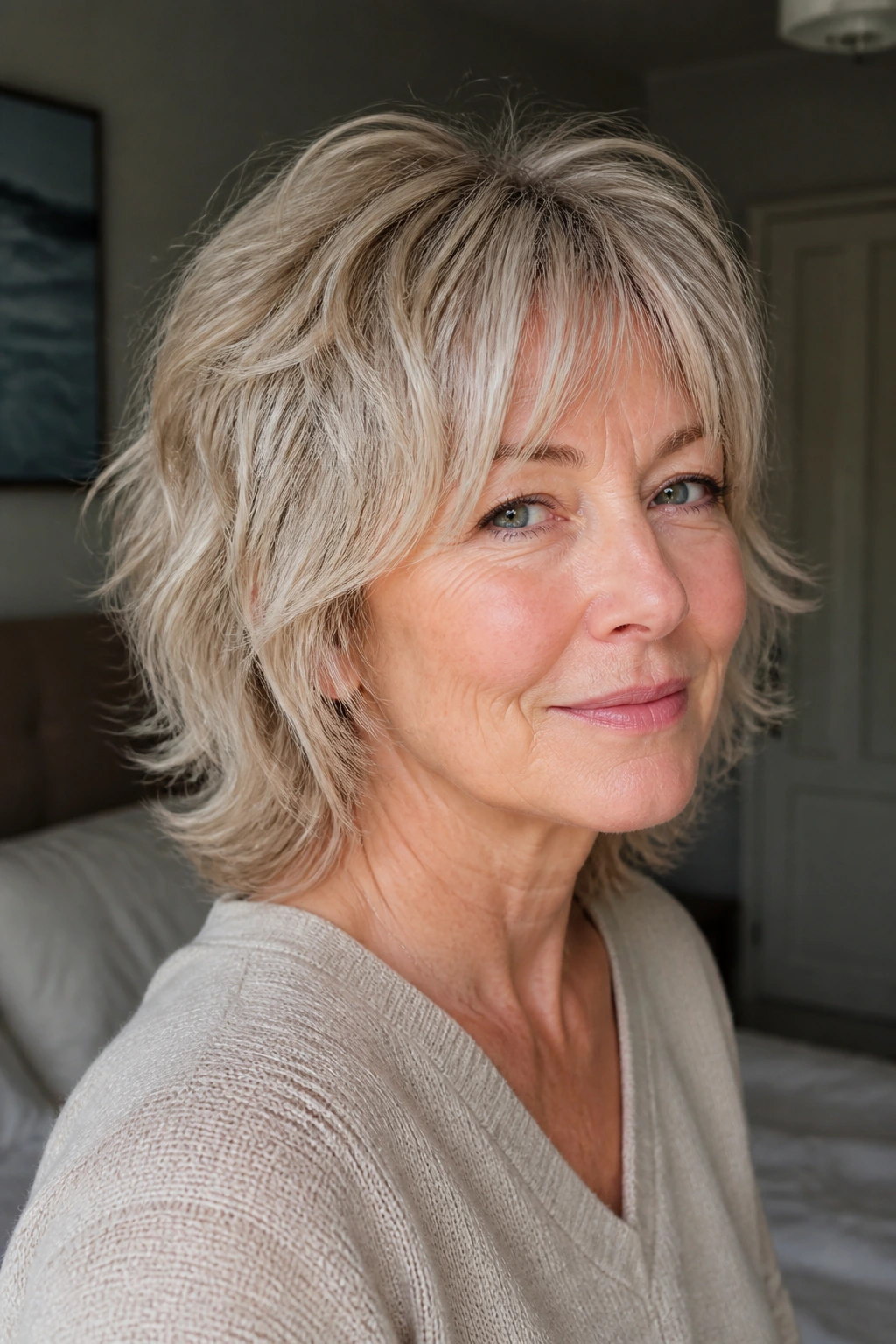
This is the one for people who do not want to babysit their hair. The layers are placed where the hair naturally bends, the ends stay soft, and the cut looks finished even when you’ve only finger-combed it.
Why it works: Fine hair can look best when it isn’t overhandled. An air-dry shag respects the natural fall of the hair and uses texture instead of fight. The perimeter still needs enough weight to hold, but the interior layers keep it from going flat.
Styling note: Put a little foam through damp hair, twist the front pieces away from the face, and leave the rest alone. If the crown needs help, clip it up while it dries. That’s often enough.
Best for: busy mornings, travel, and anyone who would rather spend five minutes on hair than twenty.
Why Shaggy Hairstyles for Women Over 50 with Fine Hair Stay Lighter on the Head
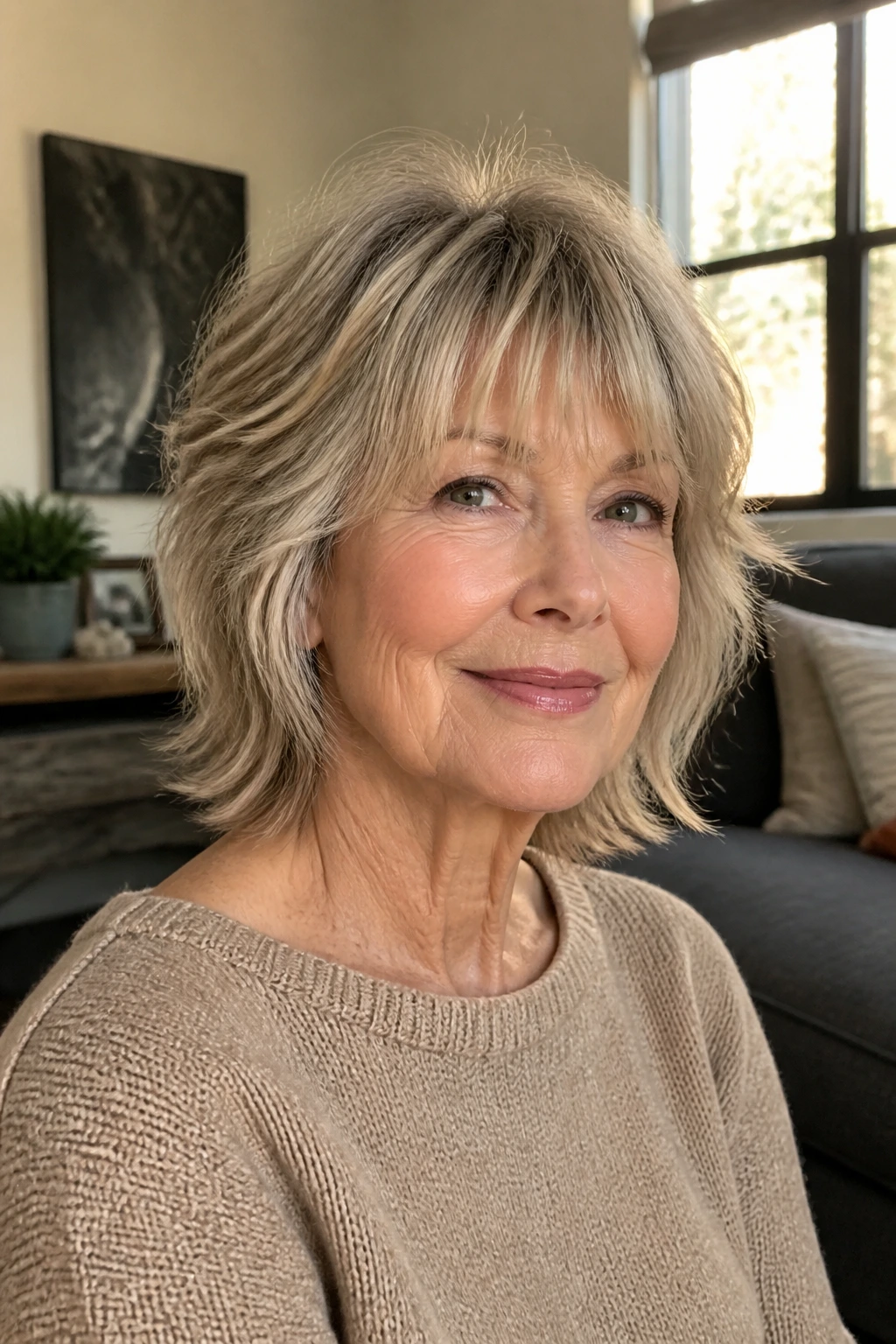
The reason these cuts work is mechanical, not magical. Fine hair has less diameter, so each strand carries less weight and less visible bulk. That means the shape of the cut matters more than a thick-haired person might ever guess. A shag removes weight where it would otherwise drag, then keeps enough line at the bottom that the hair still looks like hair and not mist.
The best shags also make use of the front third of the head — the fringe, the temples, and the face frame. That’s where the eye goes first. If those pieces move, the entire cut feels alive. If they sit flat, no amount of product at the crown will save the style.
I also like that these cuts are forgiving around grow-out. A blunt one-length cut on fine hair can fall into a sad curtain once the line grows out. A shag has some built-in irregularity. That irregularity is the point. It buys you time.
The Crown, the Fringe, and the Ends: What Makes the Shape Work
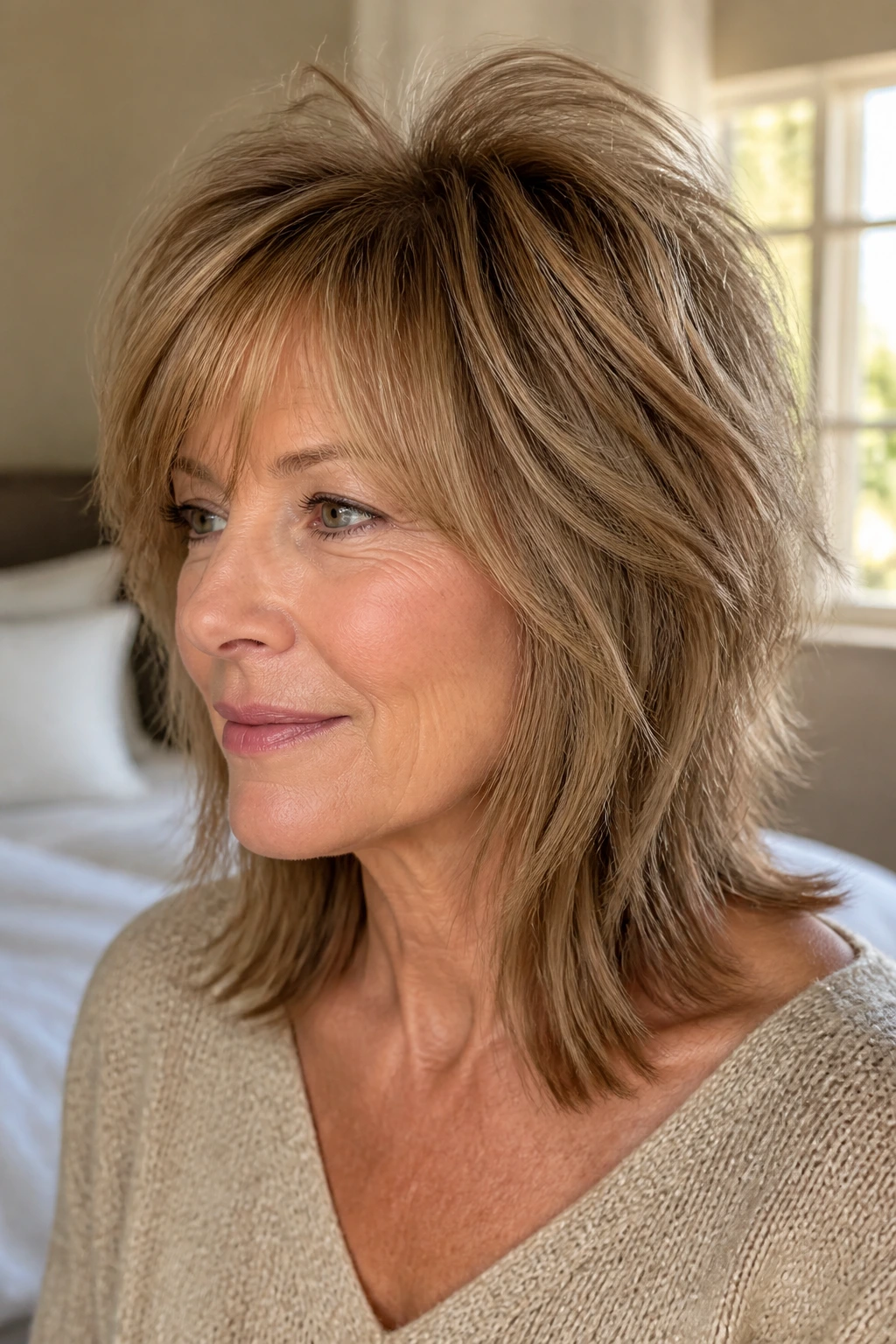
Three zones decide whether a shag looks smart or just thin. The crown gives you lift, the fringe shapes the face, and the ends carry the density. If one of those zones is ignored, the cut tends to wobble.
The crown should never be over-thinned. That’s a fast route to scalp show-through, especially if your hair color is light or silver. The fringe should be soft enough to move, not so heavy that it needs constant pushing aside. The ends should keep a little strength, because fine hair needs a base to stand on.
I’m fussy about this for a reason. Most bad shag cuts I see have too much taken out of the bottom. The ends go ragged, and then the whole head looks smaller. Keep a solid edge. That’s the difference between “textured” and “see-through.”
Essential Tools and Products for Fine Hair That Needs Lift
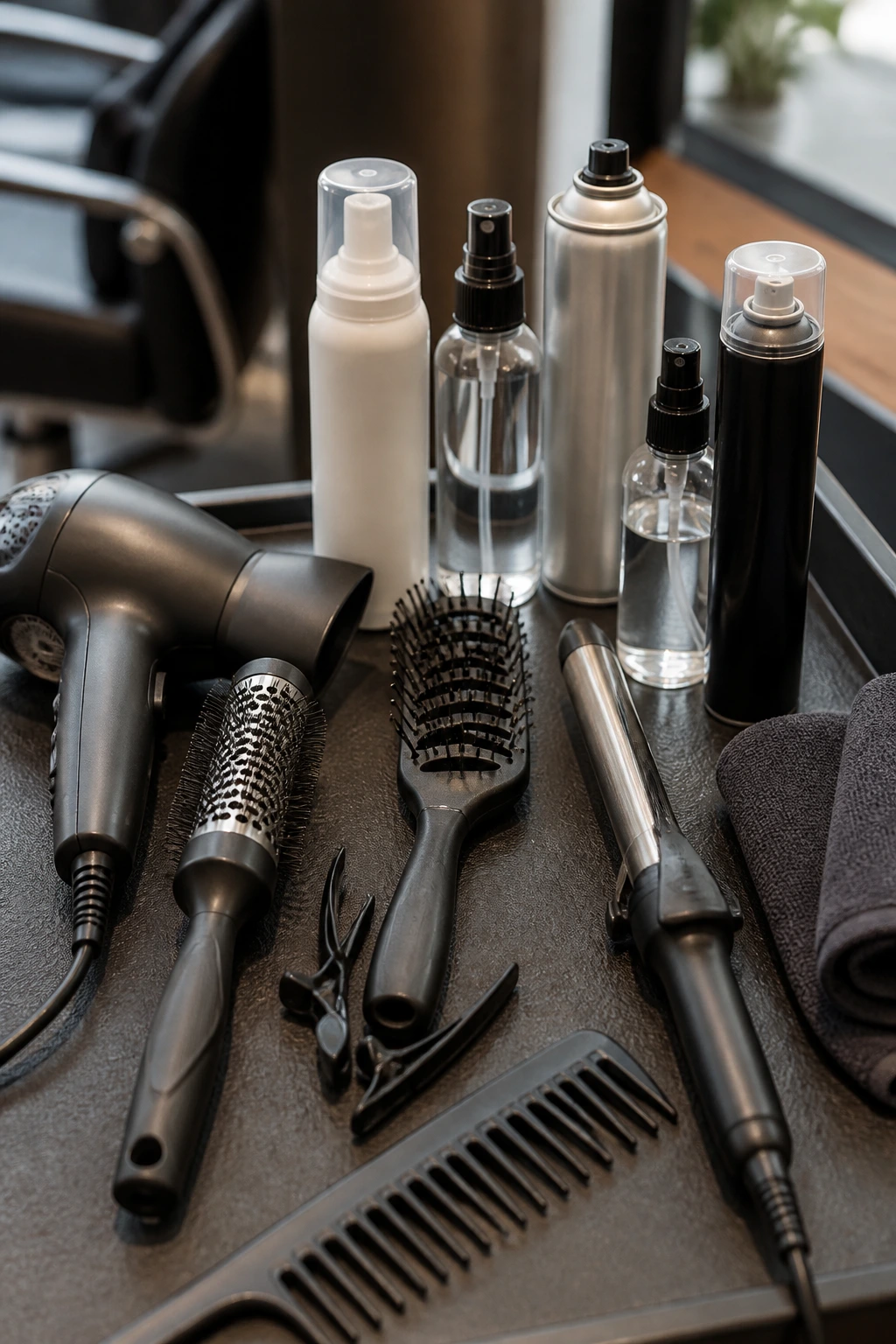
- Blow dryer with a concentrator nozzle: Directs air where you need it, which matters more than high heat.
- Small round brush, about 1 to 1.5 inches: Best for bangs, crown lift, and soft bends at the face.
- Vent brush or paddle brush: Useful for quick drying when you do not want a polished blowout.
- Duckbill clips: Hold the crown up while it cools so the root remembers the lift.
- Light mousse or foam: Gives structure without turning fine hair sticky or stiff.
- Root-lift spray: Works well at the crown and part line, especially on straight hair.
- Dry shampoo: Helps the roots keep a little grip on day two and day three.
- Texture spray: Adds separation through the mids, but use a light hand or the cut gets dusty.
- Flexible-hold hairspray: Keeps the shape movable. Hard spray turns shag hair into helmet hair.
- 1-inch curling iron or flat iron: Optional, but useful for adding a bend to the front pieces.
- Microfiber towel: Cuts down on rough drying and helps wavy hair keep its pattern.
- Wide-tooth comb: Best for detangling without pulling out too much hair at the roots.
Smart Salon Notes for Booking the Right Shag
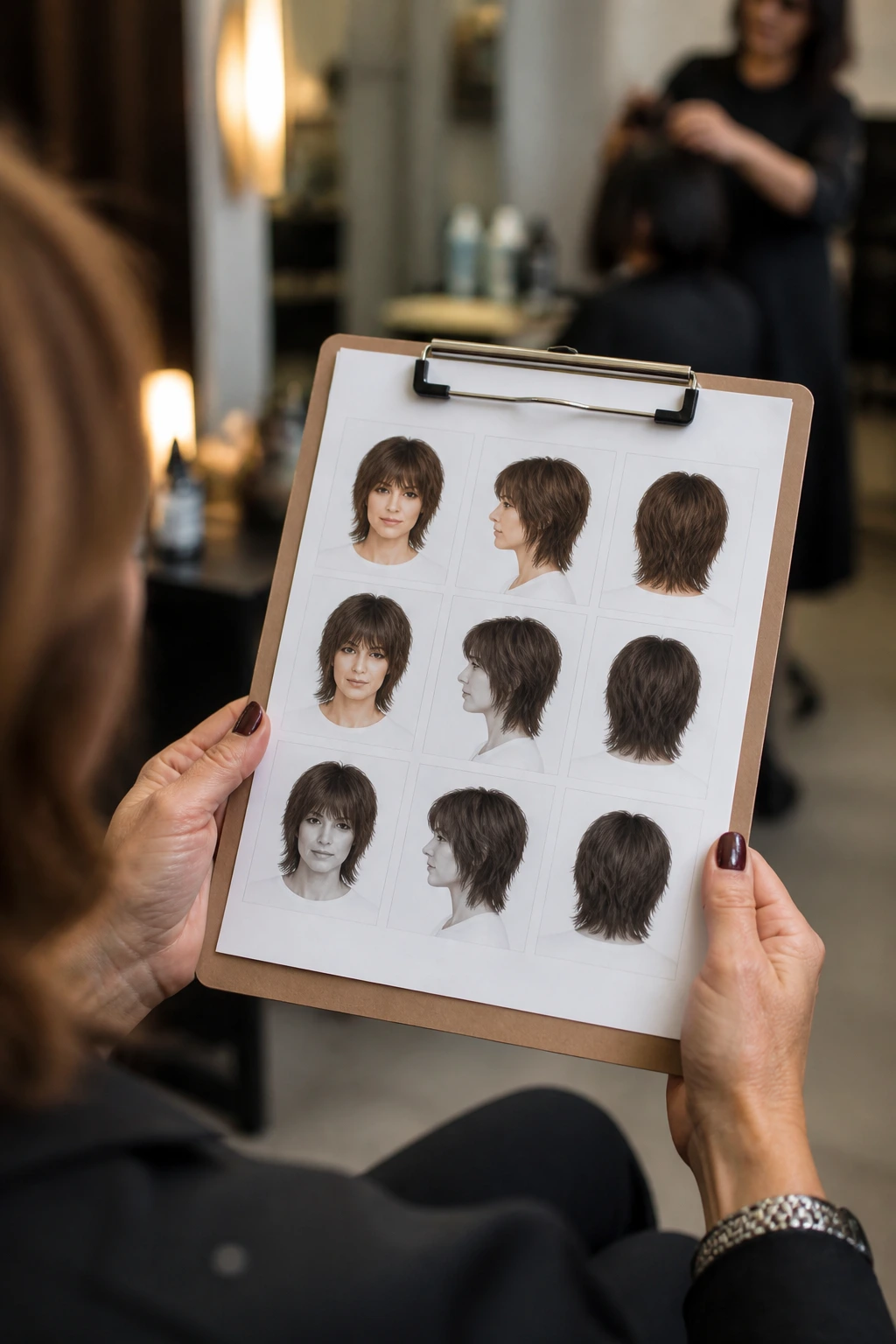
Bring photos, but bring the right photos. You want one that shows the front, one that shows the side, and one that shows the back. That sounds obvious until you sit in the chair and realize the style you loved had a lot more length in the nape than you remembered.
Tell the stylist how you wear your hair. Blow-dried smooth? Air-dried? Curling iron only on weekends? That detail matters because a shag for air-drying is not the same thing as a shag meant to be brushed sleek. The placement of the layers changes.
Be direct about thinning. If your hair is fine, say you want movement without see-through ends. That phrase is practical and useful. It tells the stylist to protect the outline while still creating shape. Ask where the shortest layer starts. Ask whether they plan to use shears or a razor. Ask how often the fringe will need a trim. Those questions save you from surprises.
How to Wear These Cuts With Glasses, Earrings, and Necklines
Shape: Keep the side pieces soft where they meet your frames or jawline. If the cut ends right at the widest part of your glasses, the whole face can look crowded. A slightly longer front piece or a diagonal fringe fixes that fast.
Texture: Piecey beats crunchy. Fine hair looks best when the layers can move a little, so use just enough spray or cream to separate the ends. If the hair feels stiff between your fingers, there’s too much product.
Accessories: Small hoops, drop earrings, and hair clips all work well with a shag because the cut already has movement. A heavy scarf or high collar can swallow a flat haircut, but a shag keeps the face open enough that the outfit doesn’t overpower it.
Best for: open necklines, V-necks, soft collars, and glasses with a visible frame line. The haircut should frame the outfit a bit, not disappear into it.
Extra Texture Moves That Stop Hair from Falling Flat
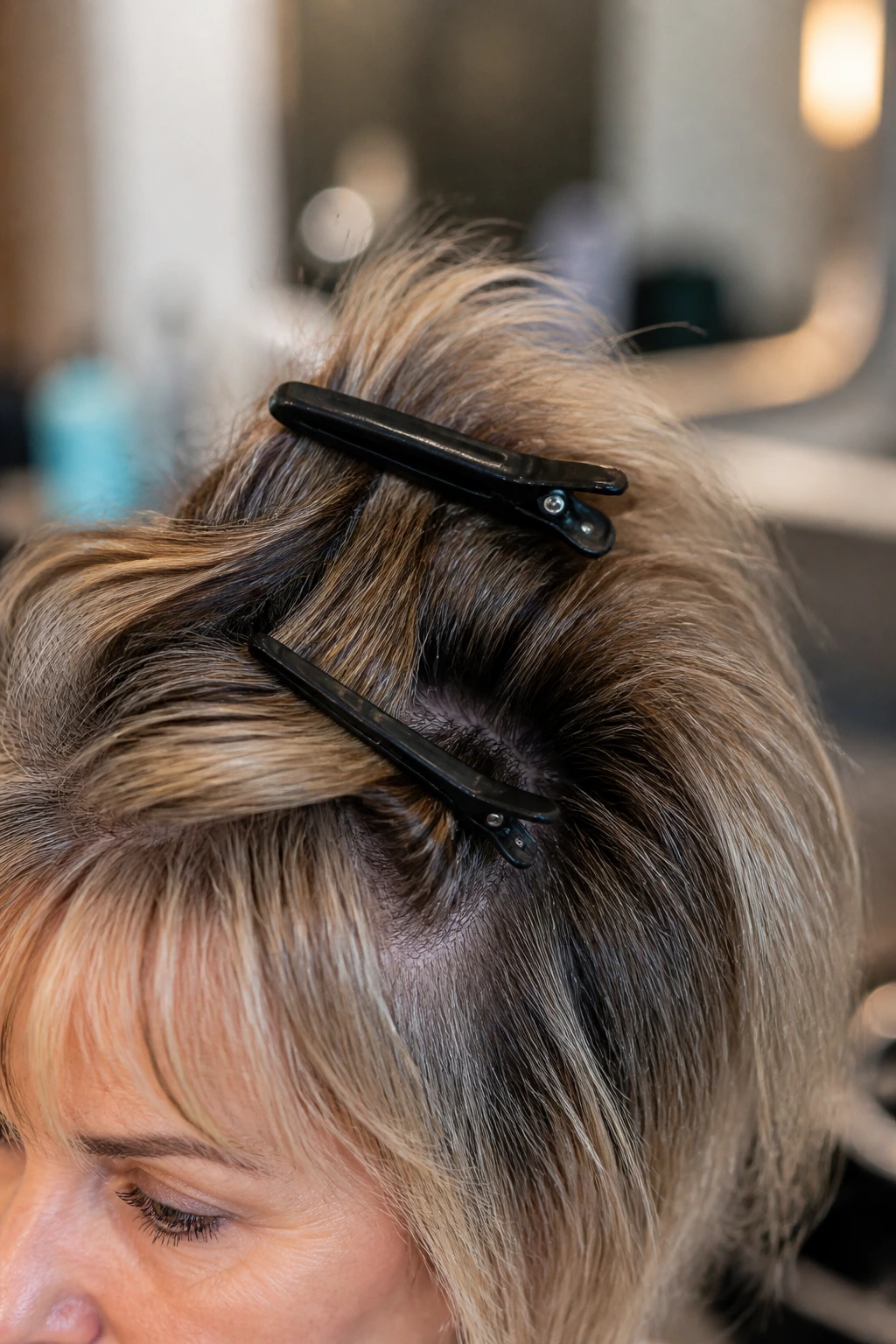
Root Lift: Clip the crown sections up for five to ten minutes while the hair cools after drying. That tiny pause matters. It gives the root enough memory to hold height when the clips come out.
Part Change: Move your part a half-inch off its usual spot. Fine hair often obeys the old part line too loyally, and a small shift can create the illusion of more volume without a single product.
Color Trick: Fine hair often looks fuller when there’s a mix of tones. Soft highlights, lowlights, or a bit of silver blending make the layers more visible. Hard stripes can expose the scalp, so keep the color placement delicate.
Second-Day Refresh: Mist the mids lightly with water, scrunch in a touch of foam, then revive the crown with a blow dryer for 30 seconds. That’s enough to wake the shape without starting over.
Common Mistakes That Make Fine Hair Look Thinner
Over-layering the ends: This is the fastest way to make the hair look threadbare. If the bottom edge is shredded, the eye reads thinness first. Ask to keep the perimeter solid, especially if your hair is already fine at the ends.
Using heavy cream at the roots: The crown collapses, the part widens, and the whole style looks tired by lunchtime. Keep rich cream on the mids and ends only, and use mousse or root spray above that.
Cutting bangs too short and too blunt: A hard fringe line can overpower fine hair and expose scalp around the corners. Softer fringe shapes — curtain, bottleneck, or side-swept — usually play nicer.
Blowing hair straight down from the crown: That flattens the root and forces the hair to sit where it wants. Lift the root while drying, even if you do not do anything else fancy.
Waiting too long for a trim: Shags need shape maintenance. Once the layers grow past the point where they support each other, the cut turns fuzzy. That’s the moment to trim, not a month later.
Variations and Adaptations to Try
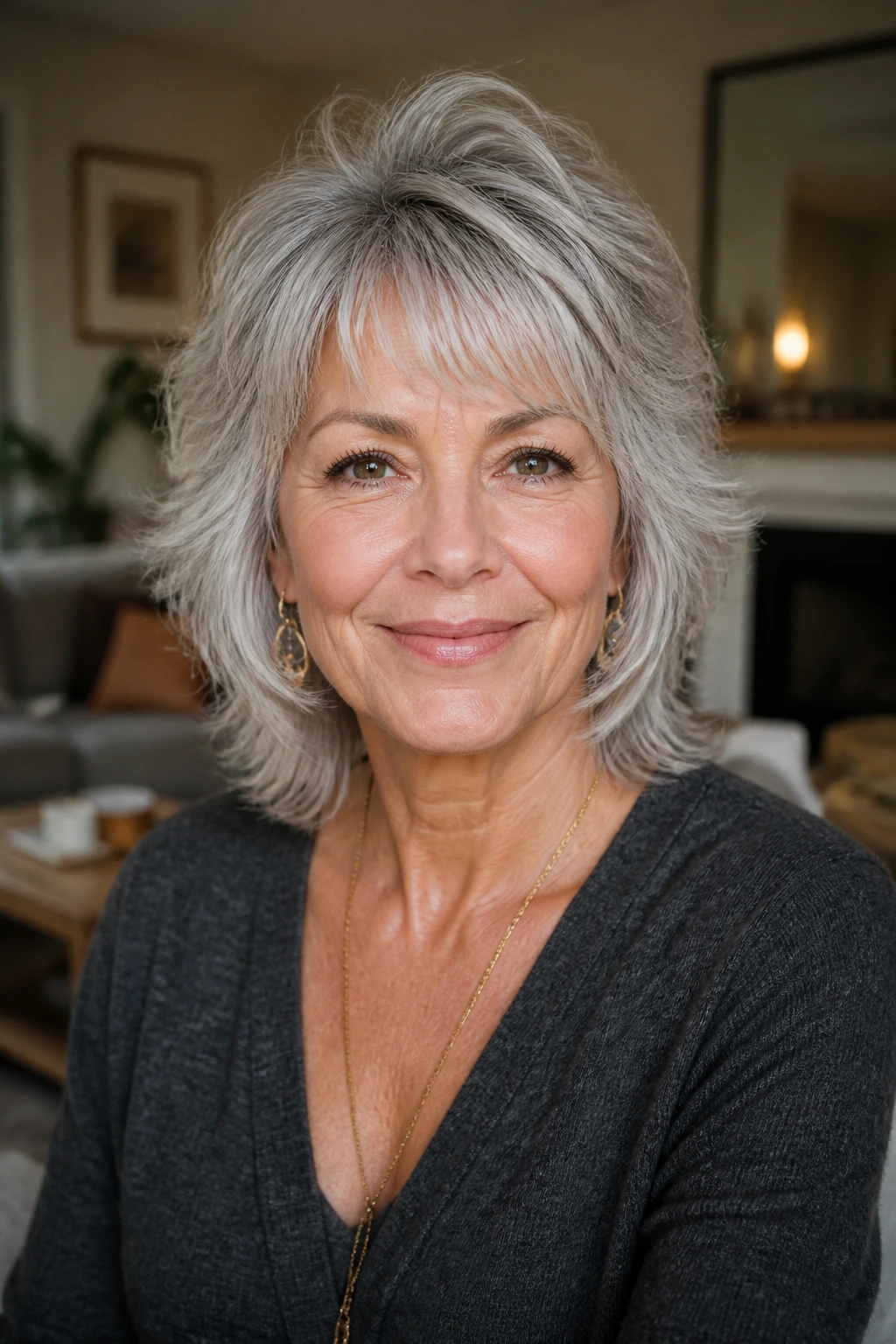
Silver Feather Shag: Keep the same shag shape, but ask for soft silver-friendly layering and a cleaner outline around the face. White and gray strands show texture beautifully when the cut has clear movement, so this version is especially good if you wear your natural color.
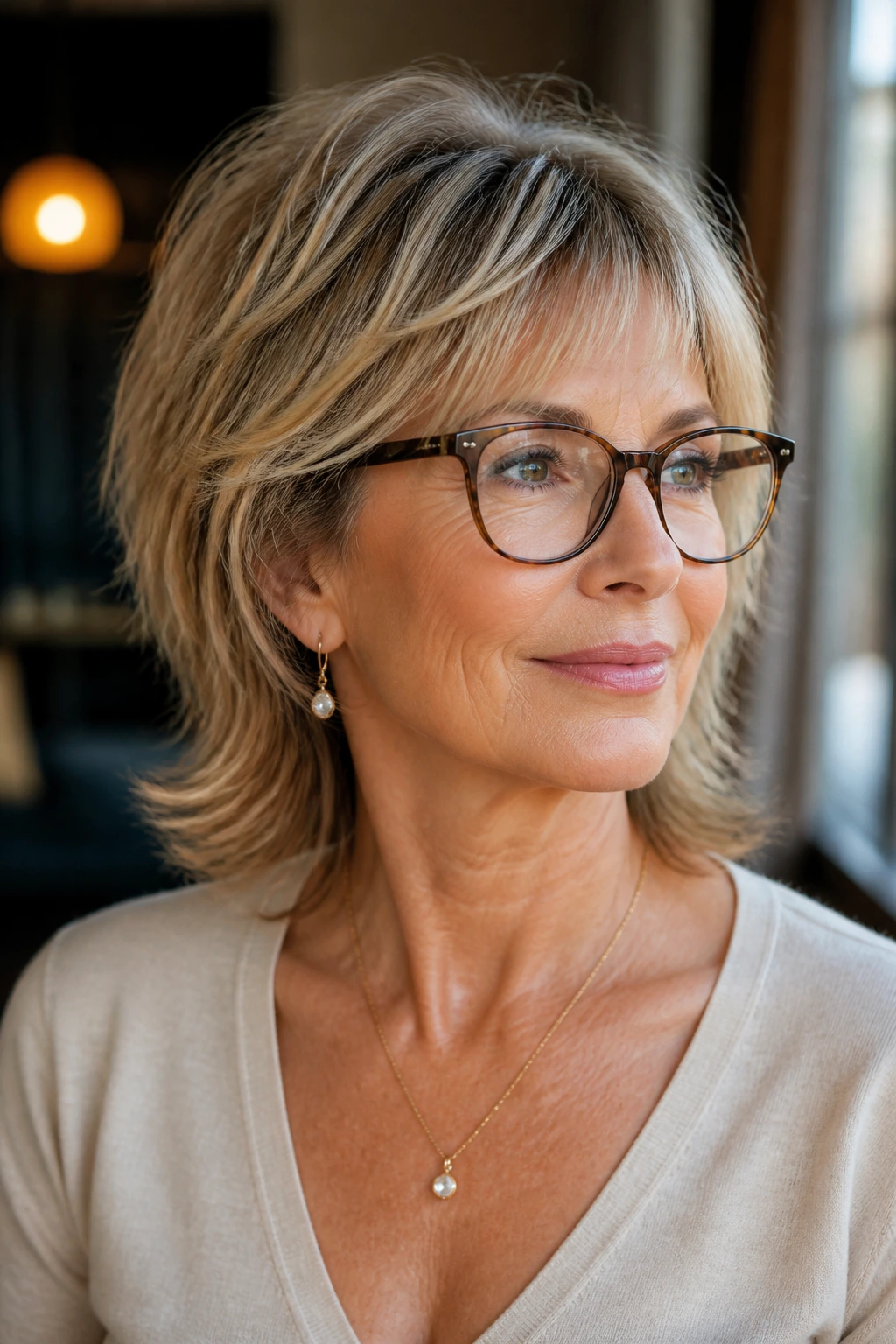
Glasses-Friendly Curtain Shag: Lengthen the front pieces just enough that they skim the top of your frames instead of landing right on them. The bangs should open in the middle and sweep wider at the cheekbones.
Curly Air-Dry Shag: If your fine hair bends into waves or curls, keep the layers a little shorter at the crown and let the texture do the styling. Use a diffuser only if you need it; otherwise, let the curls settle on their own.
Office-Soft Lob Shag: Keep the lob shape but make the layers quieter and the fringe longer. This is the version for someone who wants movement without looking edgy.
Sharper Wolf Shag: Add more crown separation and a slightly longer, tapered back if you want a bolder line. Keep the ends soft, though. Fine hair cannot carry a harsh, heavy disconnect for long.
Maintenance, Refreshes, and Grow-Out
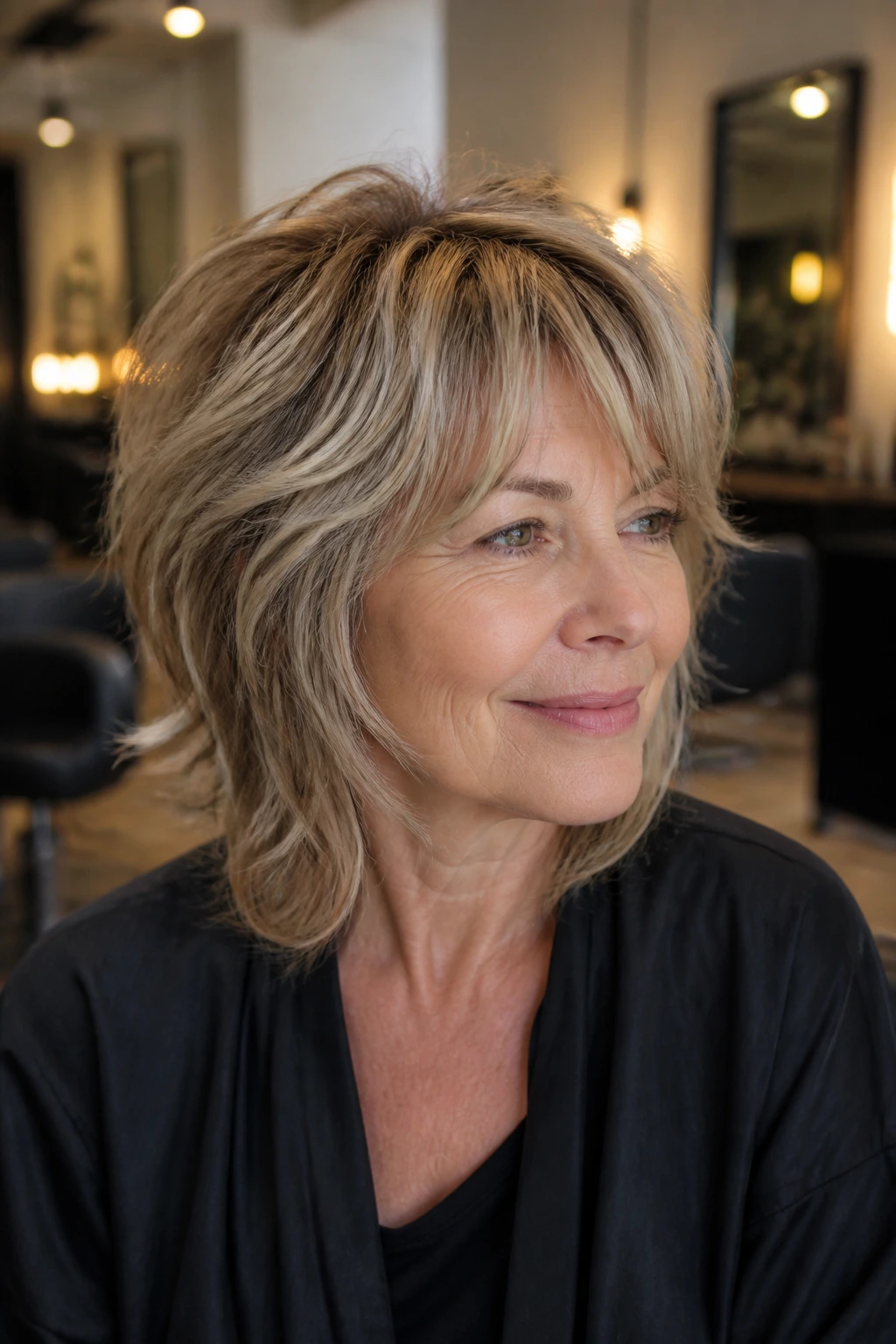
Fine hair in a shag usually looks best with trims every 6 to 8 weeks if the cut is short to mid-length. If you’re wearing a pixie shag or a fringe-heavy version, the bangs may want a cleanup every 3 to 4 weeks. Longer shags can stretch a little farther, but once the crown loses its shape, the whole cut starts acting tired.
Wash frequency matters less than product weight. Some fine hair wants a wash every other day because the roots go flat quickly. Others can go two or three days with a good dry shampoo and a light brush-through. What matters is not drowning the scalp in conditioner. Keep it on the mids and ends, then rinse thoroughly.
At night, a loose clip or a silk pillowcase helps the cut hold a little shape. If the front pieces fall weirdly while you sleep, mist them with water in the morning instead of re-wetting the whole head. That keeps the style from getting puffy.
If you color your hair, soft highlights or a root blend may need refreshing on a different schedule than the cut itself. The shape can still look good, but once the color line gets harsh, the layers read less cleanly. That’s one of those annoying little truths about fine hair: the color is part of the cut.
Frequently Asked Questions
Which shag is best if my hair is very fine at the crown?
A crown-lift shag or a feathered pixie shag usually works best. Both keep the top short enough to rise, but they still leave a solid edge around the sides and back so the hair does not look sparse.
Will layers make my fine hair look thinner?
They can, if the layers are placed too aggressively. The goal is to keep the perimeter strong while putting texture in the right places, especially the crown and face frame.
Can I wear a shag if I always air-dry my hair?
Yes, and some shags are better for air-drying than for blow-drying. Wavy and slightly curly hair tends to work especially well because the cut encourages the natural bend instead of fighting it.
Do curtain bangs work on mature faces?
They do when they’re cut softly and opened wide enough around the cheekbones. A curtain fringe can soften the forehead and make the whole cut feel lighter without hiding the face.
How often should I trim a shaggy hairstyle?
Most fine-hair shags need a trim every 6 to 8 weeks to keep the shape from slipping. Fringe-heavy versions usually need a quicker bang trim in between.
What if my hair is straight and slippery?
Ask for a stronger perimeter and a little more internal texture, then use root-lift spray and a small round brush at the crown. Straight, slippery hair usually needs help only at the roots and the front.
Can I wear a shag with glasses?
Yes, and a side-swept or curtain-style fringe is often the easiest path. Keep the hair around the temples a little softer so the frames have room.
Are highlights a good idea with fine hair?
Soft highlights can help the layers show up, especially in gray, silver, or light brown hair. Keep them delicate, though. Big chunky streaks can expose the scalp and make the hair look thinner.
Soft Ends, Strong Shape
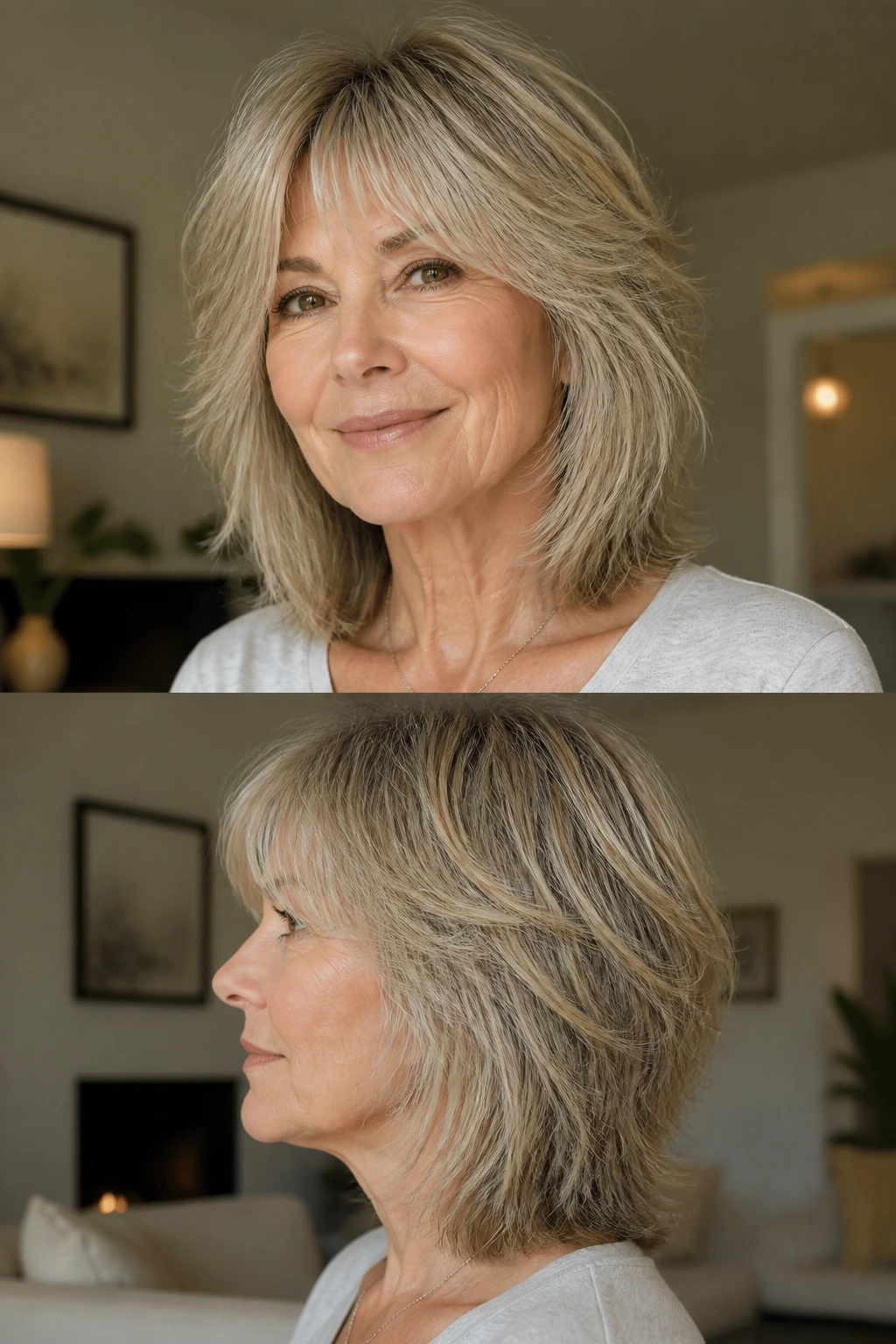
The best shaggy hairstyles for women over 50 with fine hair do one simple thing well: they make the hair move without exposing every weak spot on the head. That means keeping the crown lifted, the fringe soft, and the ends strong enough to carry the shape. Nothing flashy. Just good structure.
If you’re bringing one of these ideas to a stylist, bring photos that show the side profile as much as the front. That’s where the real decision lives. The right cut should make your hair easier to wear on ordinary days, not more demanding — and that’s the whole point of choosing a shag with a bit of thought behind it.