



Wavy hair after 60 has opinions. It can bend neatly at the ends, puff at the crown, flatten on one side, and decide — without warning — that today is a side-part day whether you asked for one or not. The best haircuts for women over 60 with wavy hair do not try to bully that texture into obedience. They give it shape, enough weight in the right places, and a perimeter that does not fight the wave.
Age changes the conversation a little, too. Hair often gets finer at the temples, coarser in the middle, or both at once. Gray and silver strands can feel wirier, which means a cut that looked soft five years ago may now land a little too blunt or a little too bulky. I’ve seen this most often in one-length styles that hang like a shelf at the bottom and puff like a mushroom at the top. Not flattering. Not fun to style. And mercifully easy to fix.
The 22 cuts below are the ones I’d keep in the rotation if I wanted movement without fuss, polish without helmet hair, and enough flexibility to wear glasses, earrings, scarves, or nothing at all. Some are short and crisp. Some keep shoulder length. A few let the wave do almost all the work. That’s the sweet spot.
Why These Shapes Work on Real Wavy Hair
-
They respect the bend in the strand: A good wavy haircut leaves room for the S-shape instead of cutting it into a hard shelf that flips out at the ends.
-
They keep weight out of the wrong places: Internal layers and soft graduation lift the crown without turning the bottom third into frizz.
-
They grow out cleanly: The best versions of these cuts still look decent at six, eight, or even ten weeks, which matters more than a “perfect” first day.
-
They flatter changing density: Hair at the temples and hairline often thins with time, so these shapes avoid overloading those spots.
-
They work with air-drying: You can rough dry, diffuse, or use a brush, and the cut still holds its shape.
-
They leave room for face shape and glasses: The fringe, side part, and cheekbone pieces do the framing so the haircut isn’t doing all the shouting.
1. Collarbone Lob with Soft Internal Layers

The collarbone lob is the haircut I recommend when someone says, “I want something modern, but I do not want a daily battle.” It lands right at that sweet collarbone zone where the wave can form a bend instead of collapsing into a limp curtain. On wavy hair, the real trick is not the length. It’s the hidden support inside the shape.
Why It Works on Wavy Hair
A collarbone length keeps enough weight in the perimeter to stop the ends from frizzing out, while soft internal layers remove bulk from the middle of the haircut. That balance matters a lot once hair gets finer or a little drier through the ends. If the layers are too high, the cut starts to separate and look thin. If they’re too low, the whole thing hangs like one heavy sheet.
Quick Details to Ask For
- Length that grazes the collarbone, not the top of the shoulder.
- Internal layers starting around the cheekbone or lower.
- A soft side part or a slightly off-center part for lift.
- Point-cut ends so the line doesn’t feel hard.
Best for: medium-density waves, glasses wearers, and anyone who wants a neat shape that still moves.
My blunt opinion: this is one of the easiest long-ish cuts to live with. It grows out gracefully and doesn’t punish you for skipping a perfect blowout.
2. Chin-Length French Bob with a Tucked Nape
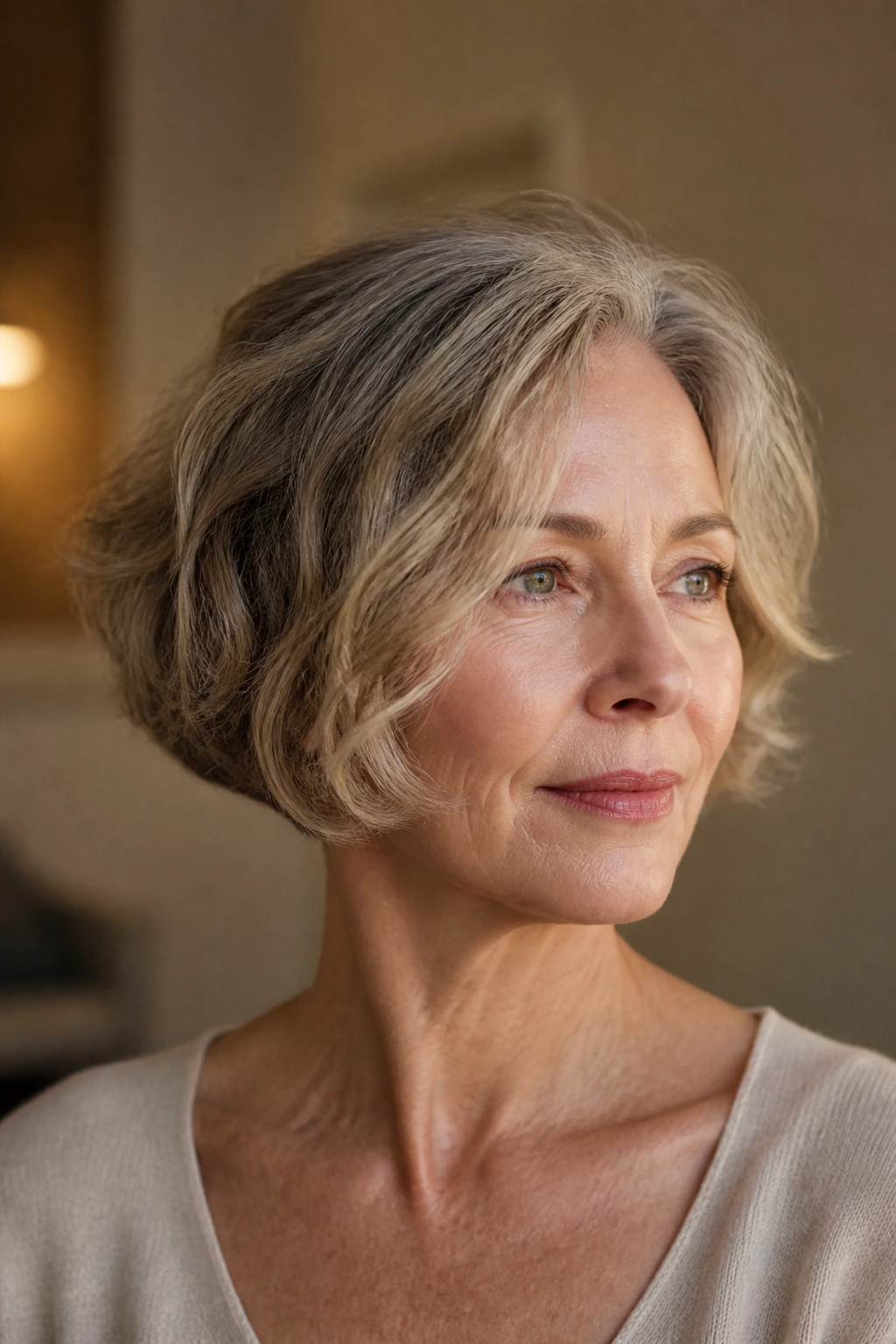
A chin-length French bob can look sharp in the best way, but only if the nape is cut to sit close and the front stays a touch longer. Wavy hair gives this style its character; straight hair can make it look severe, but a soft wave breaks that up and keeps the line from feeling stiff.
The shortness lifts the face. It also shows off the neck, which is one reason I like it on women who want something crisp without chasing volume every morning. The perimeter should curve gently under the jaw, not flare out at the corners. That curve is the difference between chic and awkward.
If you ask for this cut, say you want the front pieces to skim the jawline and the back to sit neatly against the nape. A little side part usually helps the wave fall in a more flattering direction. Air-dried, it should look a bit undone; brushed smooth, it turns polished fast. Both versions work.
3. Shoulder-Grazing Shag with Curtain Bangs

Why does this cut work so well? Because it gives wavy hair a place to go. The shag is built for movement, and curtain bangs soften the forehead without the bluntness of a straight fringe. Around 60 and up, that matters. Heavy bangs can feel boxy fast. Curtain bangs breathe.
The layers should start below the cheekbone, not up at the crown like a chopped-up mushroom. That lower placement keeps the top from getting too narrow while the mids and ends still move. A good shoulder-grazing shag should look like it was arranged by the wind, except you actually meant it.
How to Wear It
Use a light mousse at the roots, then scrunch in a pea-sized amount of cream through the ends. If you diffuse, stop when the hair is about 80% dry and let the rest air-dry. That keeps the wave from getting frizzy and preserves the piecey shape around the face.
4. Rounded Pixie Bob with Piecey Crown Volume
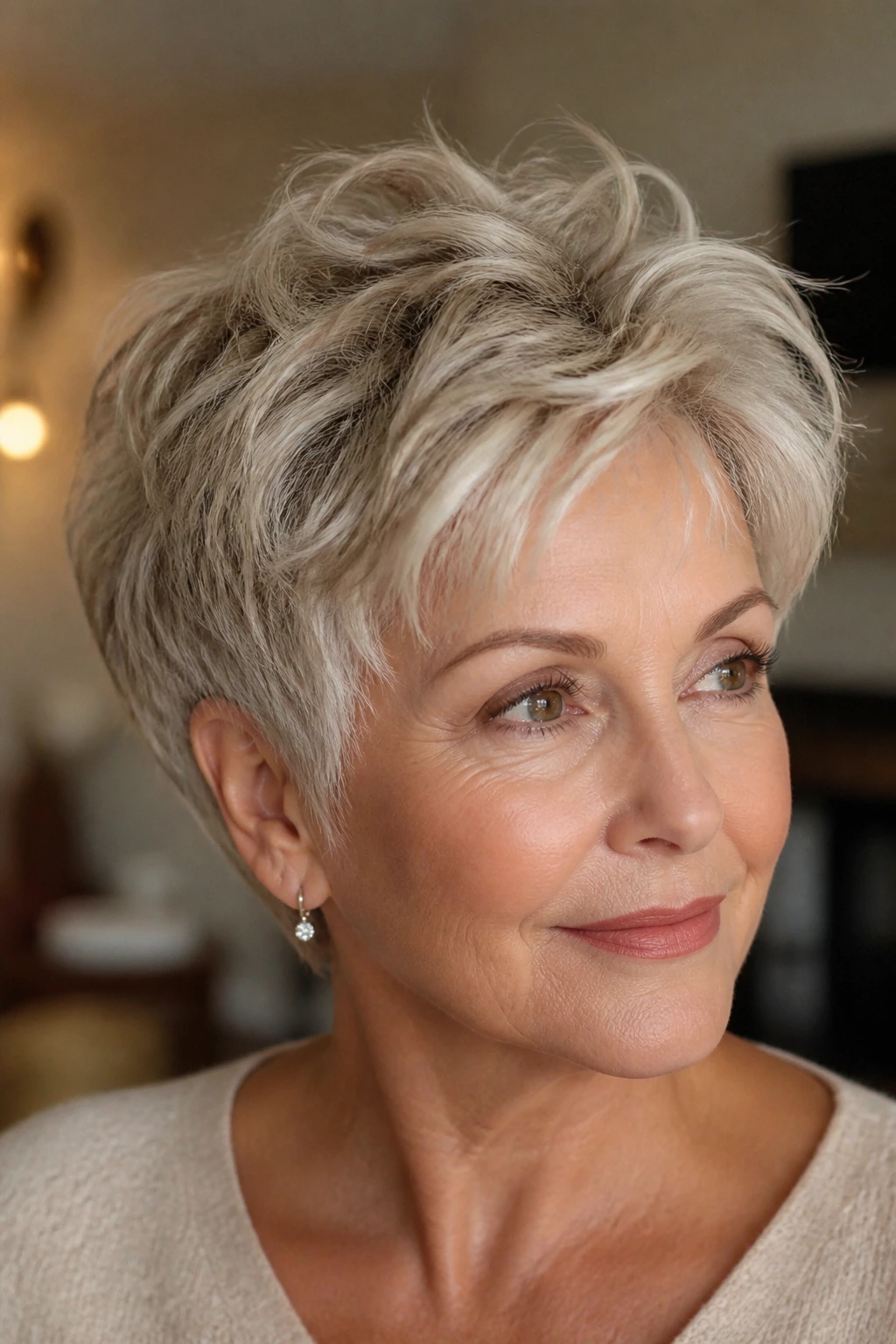
I love this one for women who want shorter hair but are not ready to go full pixie. The rounded pixie bob keeps softness around the ears and builds lift through the crown, which is exactly where many wavy textures fall flat. You get shape without a severe edge.
This cut works because the silhouette is controlled. The nape stays close, the sides tuck in gently, and the top has enough length — usually around 2 to 3 inches — to let the wave show. Too much length on top and the cut starts to flop. Too little and it becomes a helmet. Neither is the goal.
A few notes:
- Ask for soft stacking at the back, not a sharp shelf.
- Keep the temple pieces a little longer so the face doesn’t hard-stop.
- Use a dab of styling paste only on the crown and ends.
- Trim every 5 to 7 weeks if you want the shape to stay crisp.
This is a smart choice if you wear earrings often. It leaves them visible without feeling bare.
5. Long Layers with Side-Swept Fringe
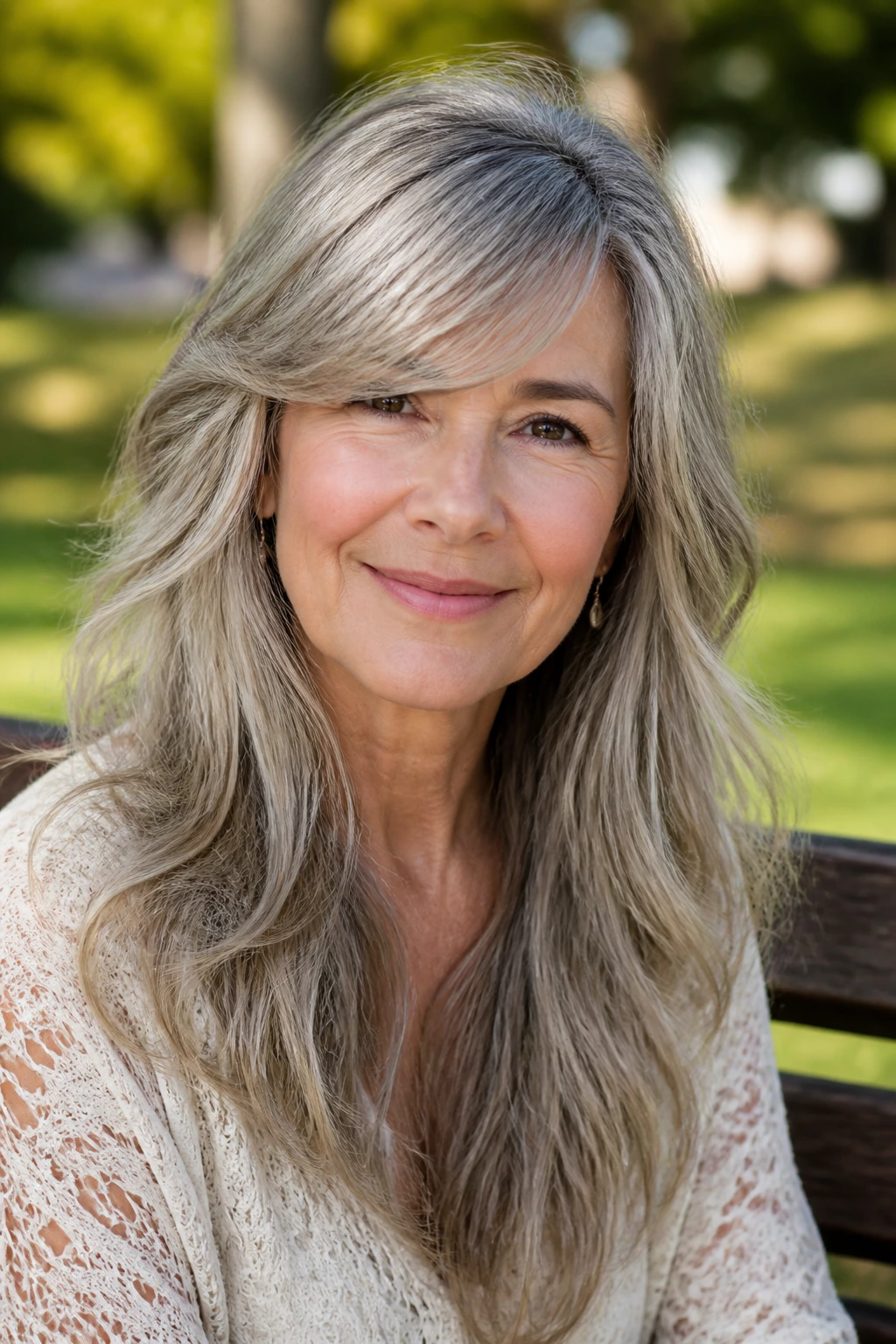
Long hair after 60 can look rich and relaxed when the layers are handled with restraint. That’s the catch. Too many layers and the ends look stringy. Too few and the wave drags the whole shape down. Long layers with a side-swept fringe live right between those problems.
The fringe should sweep across the forehead, not split into a curtain. Think of it as a soft diagonal that blends into the rest of the haircut. It’s useful if your hairline is changing or if you want some coverage without the upkeep of full bangs. The longest layers should begin below the chin so the hair keeps its weight.
This cut is best when you want length past the shoulders but still want movement around the face. It works especially well on hair that’s neither super fine nor super thick. If your hair is thick, your stylist may need to remove bulk from the mid-lengths rather than cutting more layers. That detail matters more than most people realize.
6. Cropped Tapered Pixie with a Longer Top
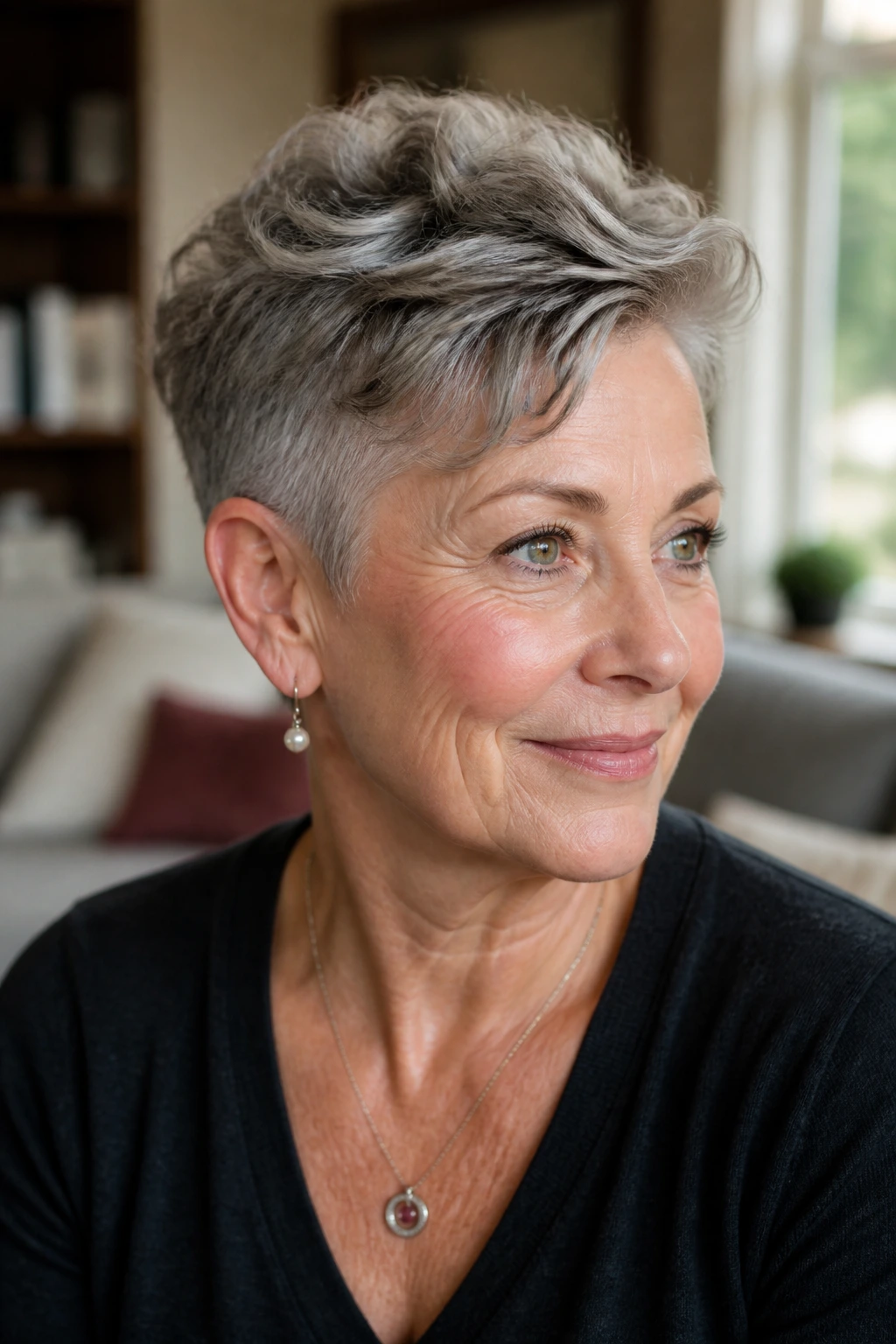
Short hair should not feel flat. That’s the whole point of this cut. The sides and nape are tapered close, while the top is left long enough — usually 2.5 to 3.5 inches — for the wave to bend and separate. It’s a strong shape, but not a stiff one.
This style is especially good if your hair has started behaving differently at the temples or if the back of your head holds too much bulk. The taper cleans up the silhouette. The longer top gives you styling room. And because the shape is narrow on the sides, glasses fit better than people expect.
A small amount of styling cream or wax is enough. Rub it between your palms, touch the top pieces, and leave the ends piecey instead of combed smooth. If you want more lift, blow-dry the crown forward, then push it back as it cools. Small move. Big difference.
7. Wavy Lob with Invisible Layers

The best thing about an invisible-layer lob is that it looks almost blunt at first glance, but it behaves like a much softer cut. The layers are tucked inside the shape rather than chopped all over the surface. For wavy hair, that gives you movement without the frayed outline that can happen with obvious layering.
This is the cut for someone who wants polish. It lands between the jaw and collarbone, so it still frames the face, but it doesn’t feel too short or too exact. If your waves are looser, this length lets them stretch. If your waves are tighter, the hidden layers stop the bottom from puffing.
Ask for point-cut ends and a dry finish check. Dry cutting matters here because the wave pattern tells the truth once the water’s gone. Wet hair can hide a lot. Sometimes too much.
8. Layered Mid-Length Cut with Feathered Ends

A mid-length cut with feathered ends is one of the easiest ways to reduce heaviness without losing softness. It sits around the shoulders, which gives you room to tuck it behind the ears, clip one side back, or let it swing freely. The feathering at the ends keeps the silhouette from looking boxy.
This cut shines on thick waves. Thick hair can look luxurious, sure, but it can also balloon if the perimeter is too blunt and the layers are too short. Feathered ends fix that by lightening the bottom inch or two while preserving the outline. That’s a much better move than hacking away at the crown.
I’d ask for the feathering to be subtle, not wispy. If the stylist goes too far, the ends can look thin instead of soft. The goal is movement. Not see-through ends.
9. Soft Wolf Cut for Wavy Hair
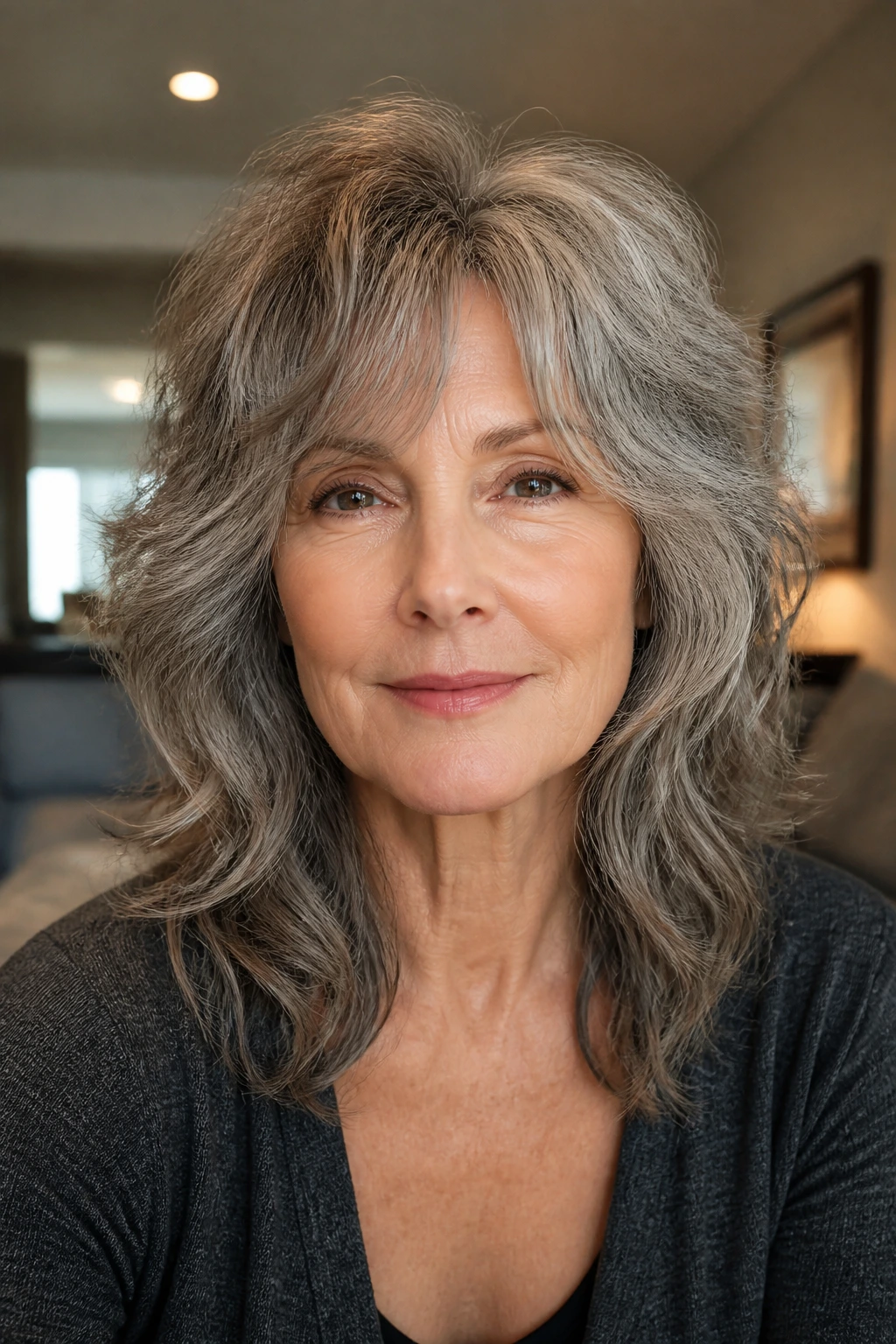
The wolf cut gets a bad reputation because some versions are too chopped up. The soft version is different. It keeps the playful, lived-in movement up top, but the corners are rounded and the length transition is smoother. On wavy hair, that softness makes the shape look intentional instead of rebellious for its own sake.
This cut works because it plays with contrast. Shorter layers near the crown create lift. Longer pieces through the lower half keep the haircut from exploding outward. If the stylist blends it carefully, the result is airy and modern without looking jagged.
What to Watch For
- Avoid extreme disconnection between the top and bottom.
- Keep the face-framing pieces long enough to hit the cheekbone or jaw.
- Ask for soft point cutting, not aggressive razor shredding.
- Style with a diffuser if your wave tends to collapse at the root.
A soft wolf cut is best for someone who wants a little edge but still wants the haircut to behave when it’s simply air-dried.
10. Asymmetrical Bob with a Deep Side Part

A deep side part changes the whole story of a bob. One side drops a little longer, the crown gets a little lift, and the face picks up shape instantly. On wavy hair, that asymmetry looks far more natural than it does on pin-straight hair because the wave gives the longer side some bend and softness.
The difference in length should be modest — usually about 1 to 1.5 inches, not a dramatic slant. Too much and the cut starts to feel like a statement piece instead of a wearable bob. The deep part also helps if one side of your hair lies flatter than the other, which happens all the time and annoys people for no good reason.
If you like a clean neckline and a little visual interest, this is a strong choice. It works best when the wave is allowed to fall forward slightly, not tucked tightly behind the ears on both sides. Let it move.
11. Jaw-Length Curved Bob with Light Bangs

A jaw-length curved bob has one job: make the lower face look soft without swallowing the features. It curves under the jaw, which means the wave has a gentle place to land instead of ballooning outward. Add light bangs, and the whole haircut gains a little lift around the eyes.
The bangs should be wispy enough to move. I’m not talking about thick, heavy fringe that takes over the whole forehead. A lighter bang, cut to graze the brows or sit just below them, keeps the haircut open. That’s especially useful if you wear glasses or if your forehead is narrower.
This cut is good for someone who wants a neat, face-focused style without going too short. It can be polished or casual depending on how you dry it. Smooth it with a round brush if you want a cleaner line. Scrunch it and go if you want texture.
12. Bouncy Midi Cut with Face-Framing Ribbons
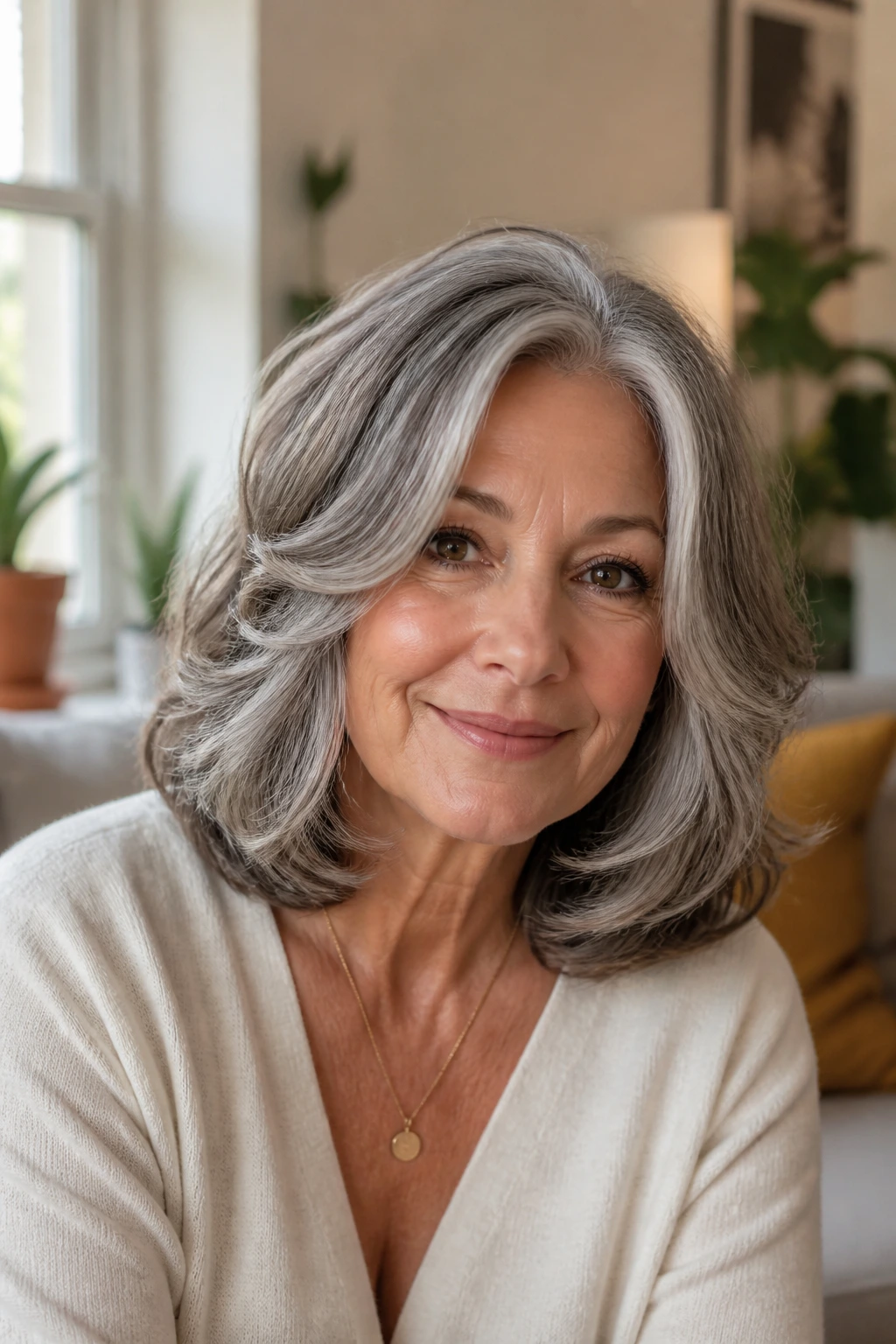
The midi cut sits in that no-man’s-land between lob and long hair, which is exactly why it works. You keep enough length for a bun or a clip, but the face-framing ribbons give the style shape and lift. On wavy hair, those front pieces should start around the chin and taper gradually down.
The secret here is restraint. The face-framing layers should be obvious enough to matter, but not so short that they split off from the rest of the haircut. If the front is too short, the wave can spring up and look abrupt. A gentle taper keeps the movement soft.
This cut is especially useful if you like to wear hair half up. The front pieces still do the flattering work, and the back can be gathered without fighting the shape. It’s one of those cuts that looks casual in a good way, not unfinished.
13. Short Crop with Swept-Over Fringe
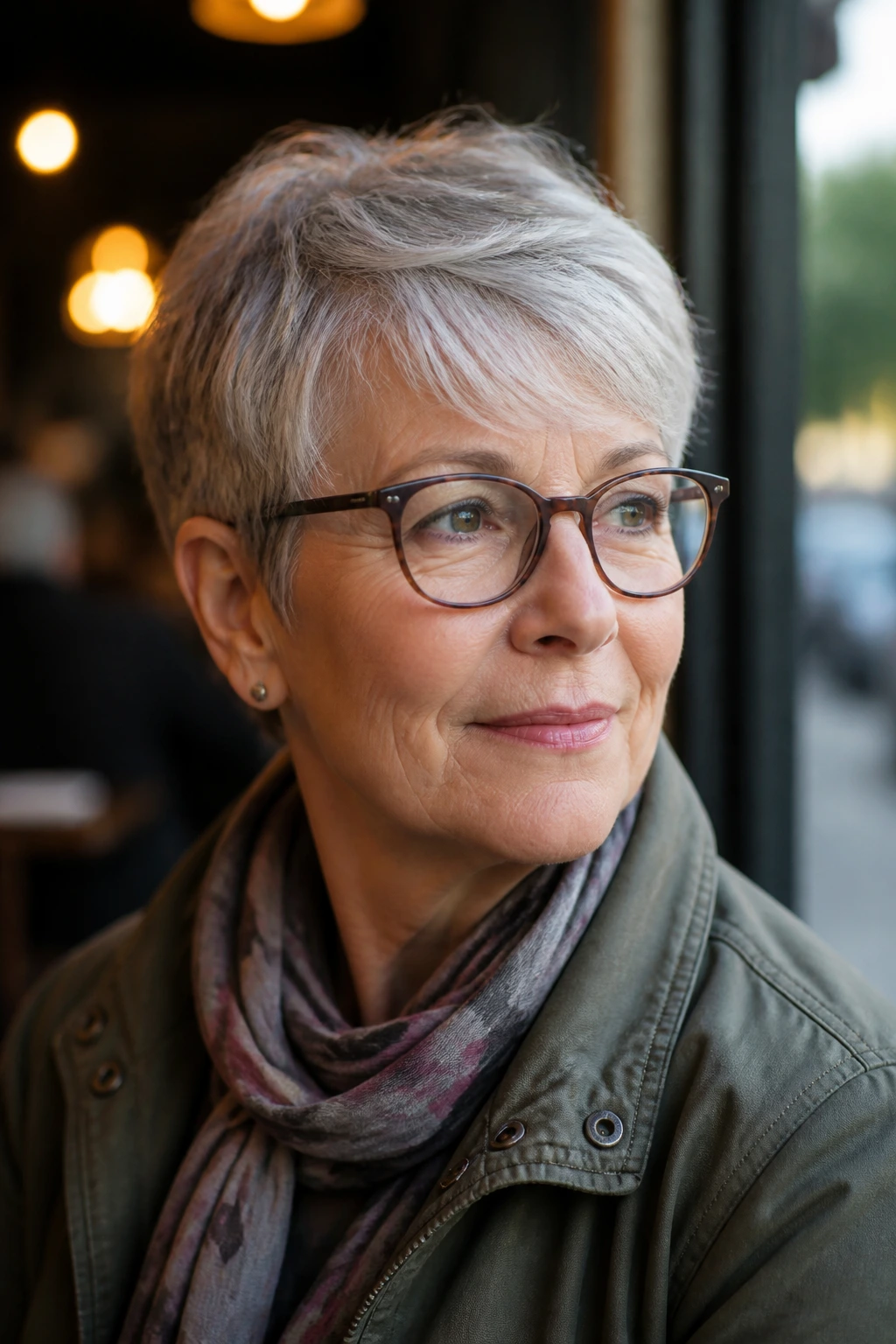
A short crop with a swept-over fringe has a nice practical energy to it. The sides stay neat, the top carries the movement, and the fringe sweeps across the forehead instead of sitting straight on it. If your hair has a cowlick or a stubborn front section, this cut can actually make that feature useful instead of irritating.
The fringe should be long enough to follow the hair’s natural direction. That means the stylist shouldn’t cut it too short and hope it behaves. Hope is not a haircut plan. A longer fringe can be directed with a blow dryer, a round brush, or a flat brush and a quick bend at the ends.
This is a smart pick for women who want something clean around the ears and neckline. It also plays nicely with glasses, because the side-swept front softens the frame line instead of fighting it.
14. Blunt Bob with Soft Ends

A blunt bob can be beautiful on wavy hair, but the blunt part needs a little softness. Otherwise, the wave pushes against the line and the ends start to puff like they’re trying to escape. Soft ends solve that. They keep the strength of the perimeter while easing the finish.
This cut tends to work best on medium to thick hair. Fine hair can wear it too, but the line needs to stay a little longer and the ends should be point-cut lightly so they do not look too heavy. The haircut should still feel full when you turn your head. If it looks like a block, someone went too rigid with the scissors.
I like this one for women who want structure. It’s tidy. It photographs well in real life, which is different from the internet version of “photographs well,” and much more useful.
15. Tousled Shaggy Bob
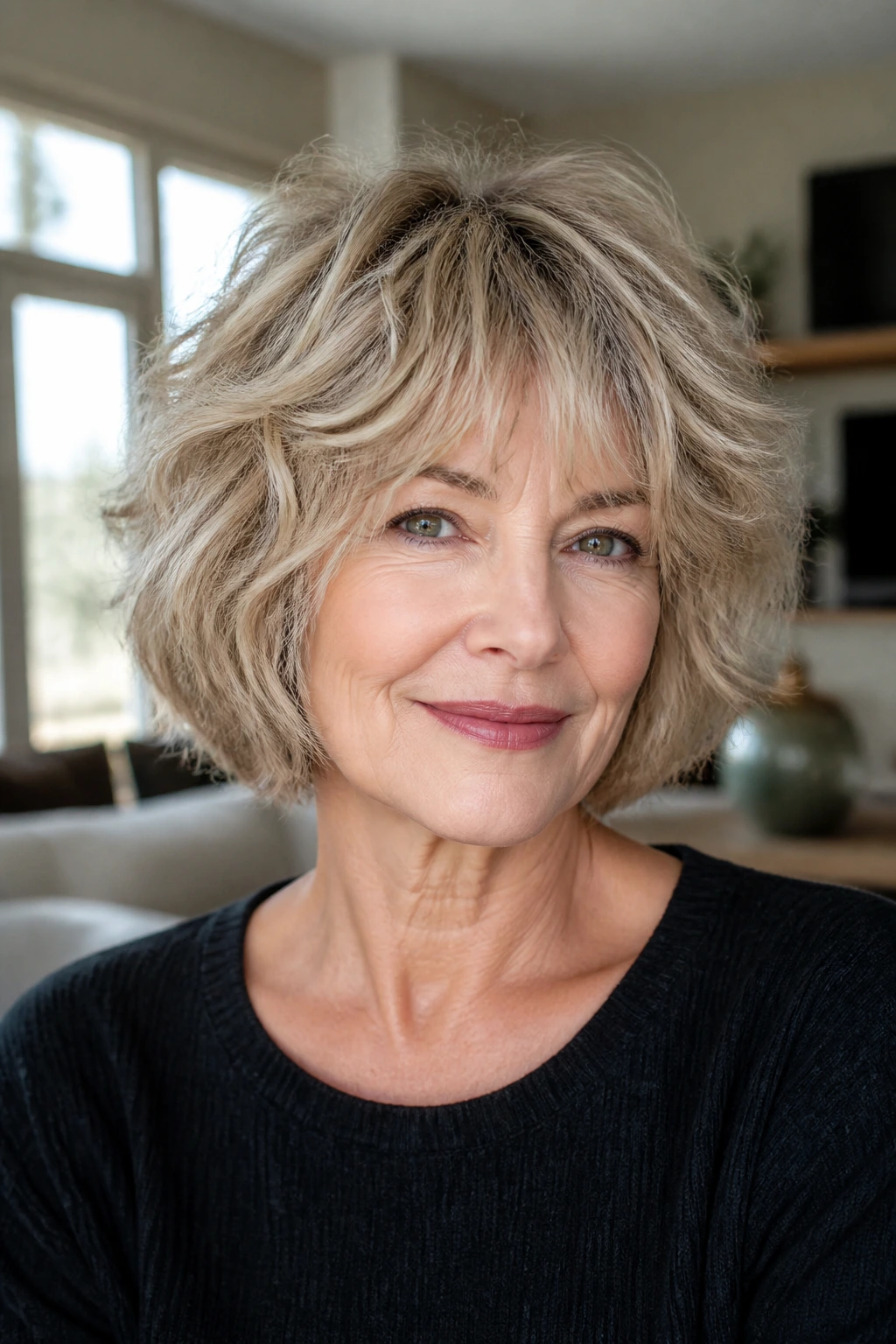
A shaggy bob is less about neatness and more about movement. It keeps the bob outline, but the layers are airy enough to make the wave look loose and a little playful. If your hair tends to go frizzy in humid weather, the right shaggy bob can disguise that better than a super-smooth cut because the texture reads as part of the style.
The key is not to over-chop it. The perimeter still needs enough weight to anchor the cut. The top gets the most action, with short-to-medium layers around the crown and sides. If the layers are all the same length, the result can look fuzzy instead of textured. That’s the trap.
Use a diffuser or a small amount of texture spray on dry hair. Don’t cake it on. A little grit in the hair is enough. Too much product and the whole thing turns sticky by noon.
16. Shoulder-Length Cut with Air-Dried Texture

Some haircuts are built for the blow dryer. This isn’t one of them. The shoulder-length air-dried cut is meant to be scrunched, twisted, and left alone while the wave finds its own shape. The perimeter sits around the shoulders, and the layers are so soft they barely announce themselves.
That low-key structure is what makes it useful. You do not need a round brush to make it work, and you don’t need to flatten the wave with a flat iron either. A leave-in conditioner, a light cream, and a little patience usually do the job. Let it dry. Then decide if it needs a touch of product at the ends.
This is one of the best options if you want the least complicated morning routine. The cut itself carries the shape. You’re not rebuilding it from scratch every day, which is exactly what many people want after years of fussing with their hair.
17. Soft Curly-Wavy Crop with Micro-Layers
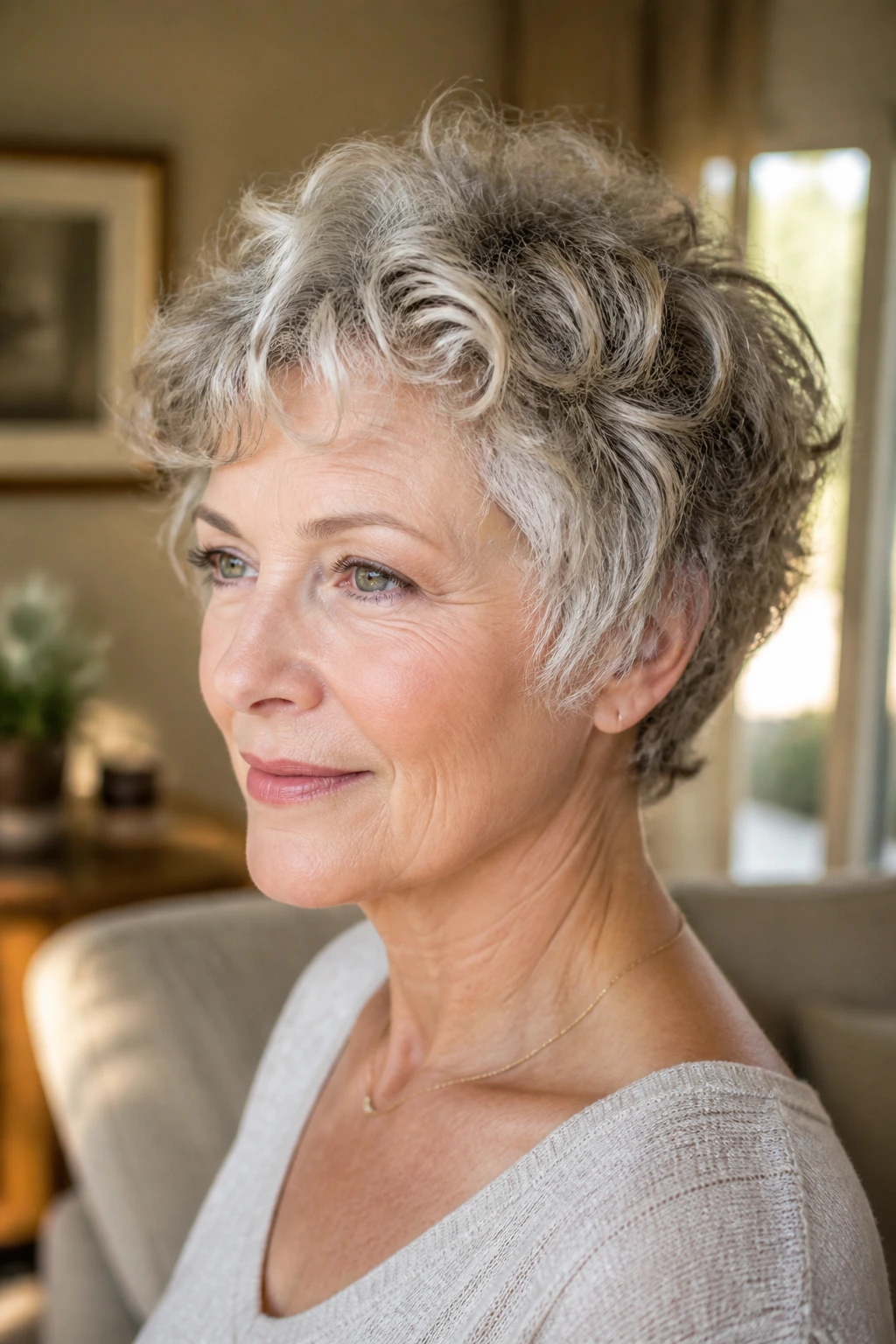
Hair that sits between wavy and curly needs a slightly different touch. A soft crop with micro-layers respects that mix without over-fragmenting it. The layers should be tiny, placed mostly around the crown and sides, so the curls and waves can clump naturally instead of turning into static.
This cut is a good answer if your pattern changes with humidity. Some sections may wave, some may curl tighter, and the result can look uneven if the cut is too blunt or too uniform. Micro-layers help the different textures sit together more easily. That is the whole point.
Ask the stylist to cut with the curl pattern in mind, not against it. If your hair shrinks up when dry, a dry refinement pass matters. Wet hair lies. Dry hair tells the truth.
18. Graduated Bob with Lift at the Nape
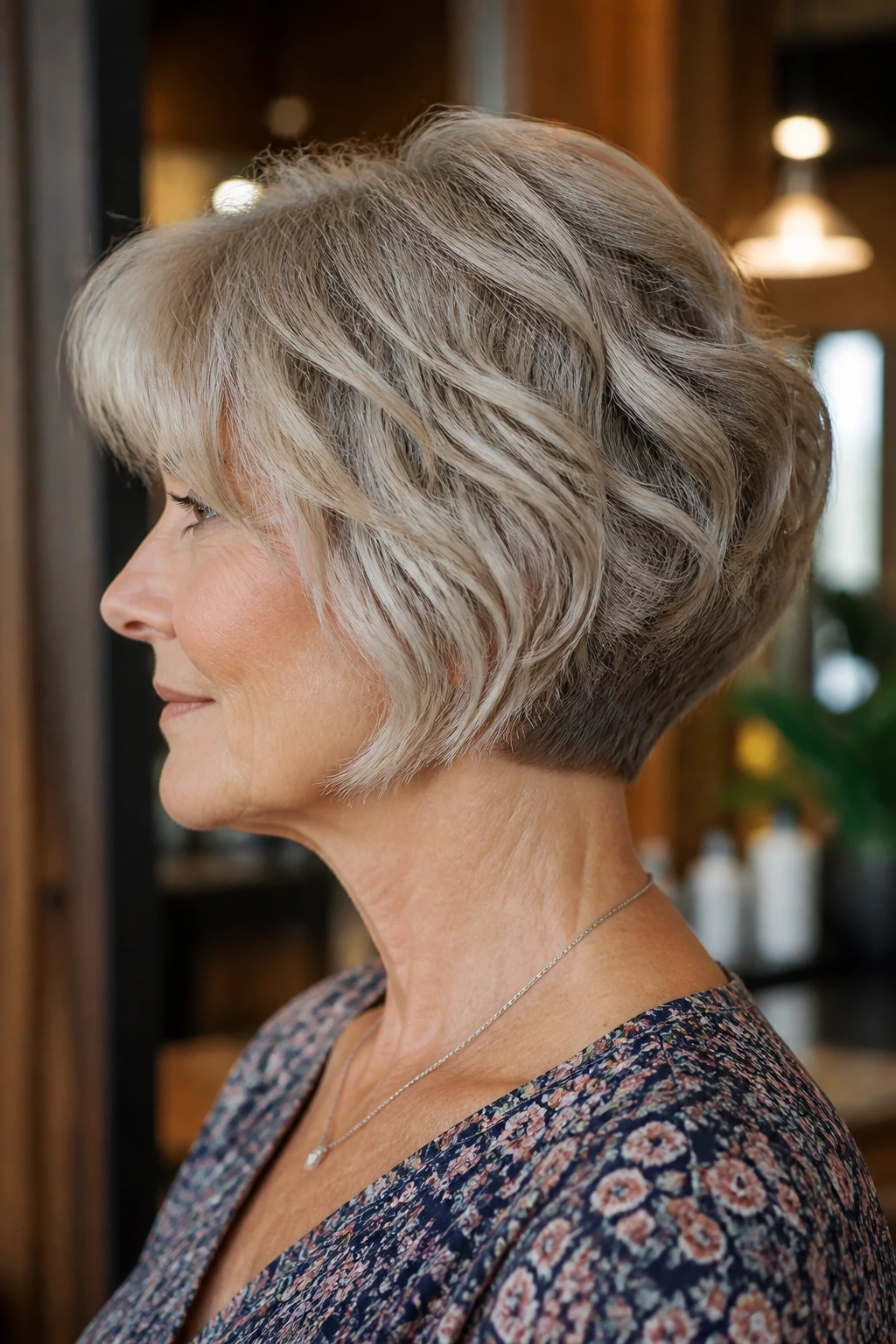
A graduated bob gives you structure at the back and softness near the face. The nape is cut shorter, usually by 1 to 2 inches compared with the front, so the silhouette lifts instead of dragging down. On wavy hair, that graduation helps the neck look longer and the head shape look tidier.
This style works best if you like a polished outline. It has some backbone. The back should stack gently, not spike up. The front can stay a touch longer, which keeps the bob from feeling too old-fashioned or too severe. A side part helps, but a center part can work if your wave falls evenly.
It’s a good salon choice if you want to show off earrings or a necklace line. The haircut leaves those details visible without demanding a lot of styling time.
19. Feathered Pixie with Sideburn Length
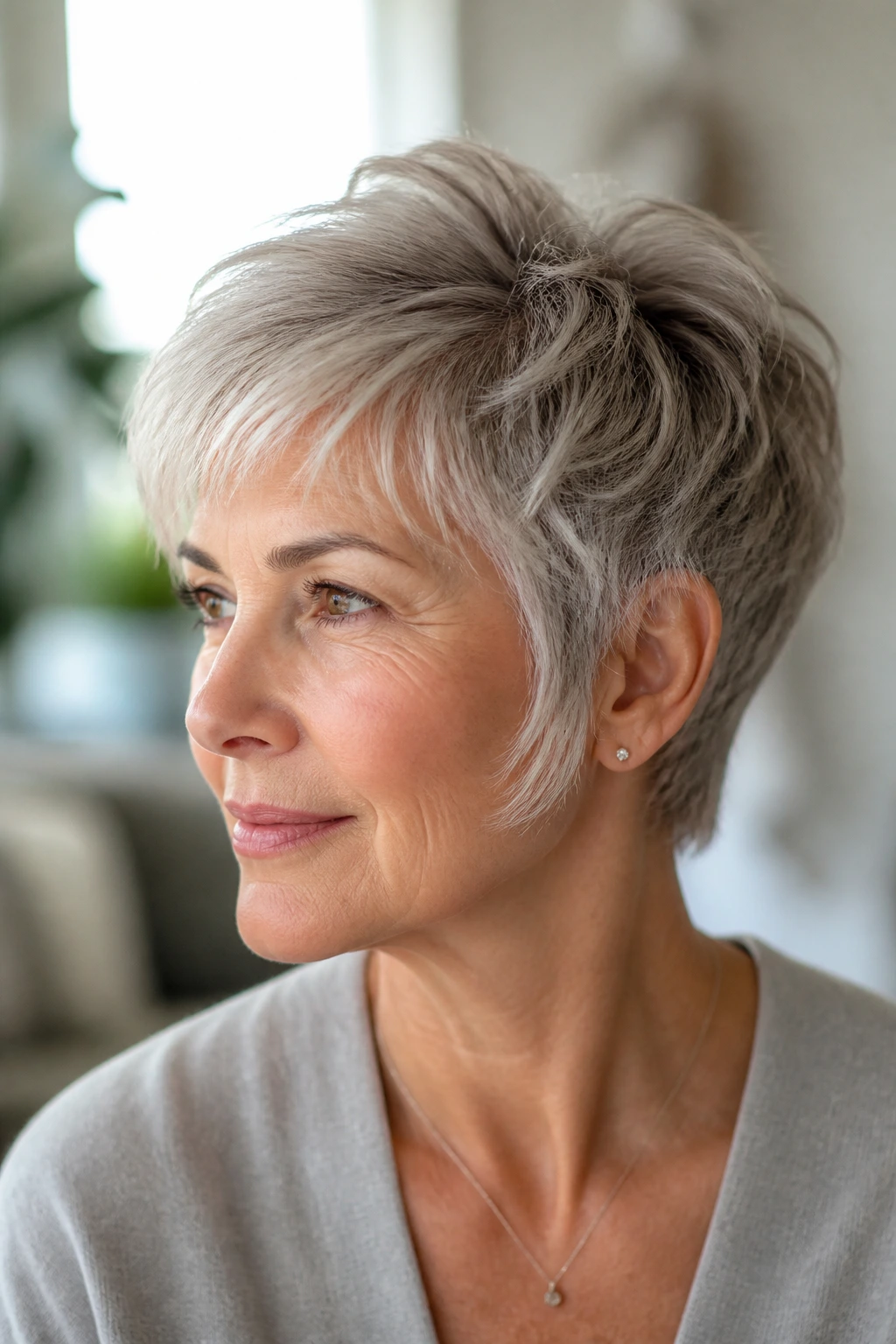
A feathered pixie can look surprisingly soft when the sideburns are left a little longer and the crown is kept piecey. That sideburn length matters. It keeps the cut from feeling cropped too high around the ears, which can be harsh on some faces.
The feathering should happen mostly around the edges and top, not all over the head. Too much thinning makes the hair frizzier and can expose dry ends. A good feathered pixie should feel airy, not wispy.
This is one of the best options if you want a low-maintenance short cut that still feels feminine. It also grows out in a pleasant way, which is more useful than people think. A pixie that can survive a few weeks without losing its shape is worth keeping.
20. Razor-Shaped Lob with Movement at the Ends
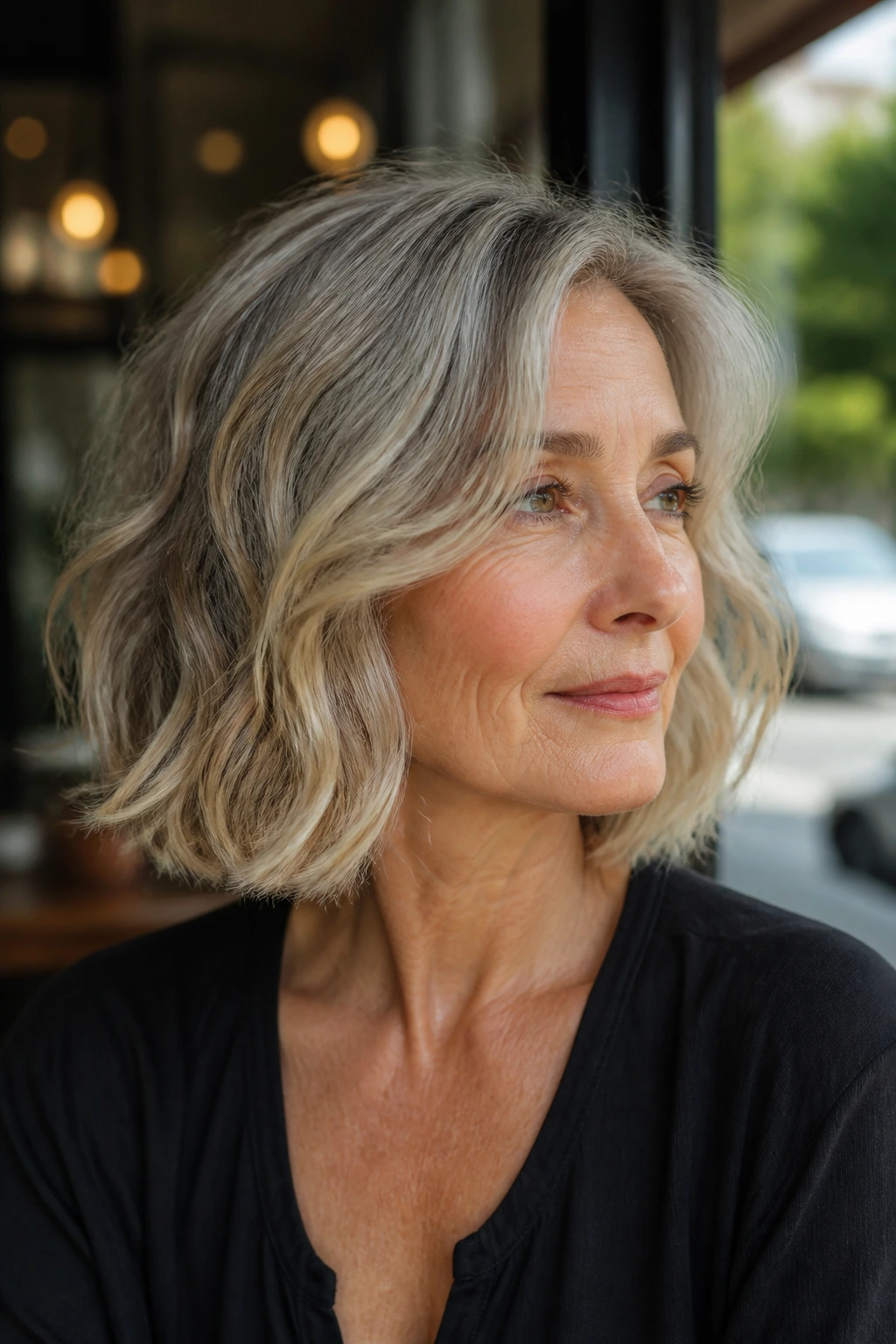
A razor-cut lob can be lovely on thick, healthy waves because the razor softens the ends and lets the layers feather into each other. That softness gives the haircut more swing. It also takes some bulk out of the bottom, which keeps thick waves from sitting like a block.
There is a catch. Razor work is not for every head of hair. If your ends are fragile, overprocessed, or prone to splitting, a razor can make them look ragged faster. In that case, scissors and point cutting are safer. Good haircuts respect the hair you actually have.
When it works, though, it works well. The shape feels lighter at the ends without losing the easy movement that makes lob lengths so wearable. It’s a cut with a little more edge than the collarbone lob, but still grown-up and easy to wear.
21. Rounded Shoulder Cut with Long Curtain Bangs
A rounded shoulder cut follows the curve of the head instead of hanging in a straight line. That roundness is what keeps the silhouette soft. Add long curtain bangs, and the style gains face framing without the commitment of shorter fringe.
The bangs should be long enough to blend into the sides — usually cheekbone length or a little below — so they can split naturally in the middle or sweep off to one side. On wavy hair, this matters because shorter curtain bangs can jump too high when dry. Then they’re not curtains anymore. They’re a surprise.
This is a useful cut if you want softness around the face and enough length to clip back. It looks especially good with a side part and a little volume at the crown. That lift prevents the whole shape from sinking onto the shoulders.
22. Full-Length Wave Cut with Trimmed Ends
Not everyone wants to go shorter. Fair enough. A full-length wave cut can look elegant and easy if the ends are trimmed often enough and the shape is given a little U-shaped curve. The goal is not to keep every inch forever. The goal is to keep the hair from looking heavy at the bottom.
The trim should be regular and honest. If the ends are dry and stringy, a small trim does more than a complicated layering trick. Face-framing pieces can start around the chin or collarbone, but the rest of the length should stay fairly long so the wave can fall. That keeps the cut from turning into a triangle.
This style works best for women who like to tuck hair behind the ears, wear it in low clips, or pull it into a loose knot and still have some shape around the face. It’s the long-haul option. And if you care for the ends, it can be a very good one.
What Makes a Good Cut Talk to Your Wave Pattern
Wavy hair after 60 does not need to be “managed” so much as understood. That sounds soft, but the mechanics are practical. If the crown is flat, the sides are wide, and the bottom flips out, the cut needs redistributed weight. Not more product. Not more heat. Weight placement.
The best stylists look at three things first: density, bend, and the way the hair falls dry. Density tells you how much bulk the cut can hold. Bend tells you where the wave wants to live. Dry fall tells you where the hair naturally parts, how the nape behaves, and whether one side needs a little more length than the other.
How to Ask for the Right Shape at the Salon
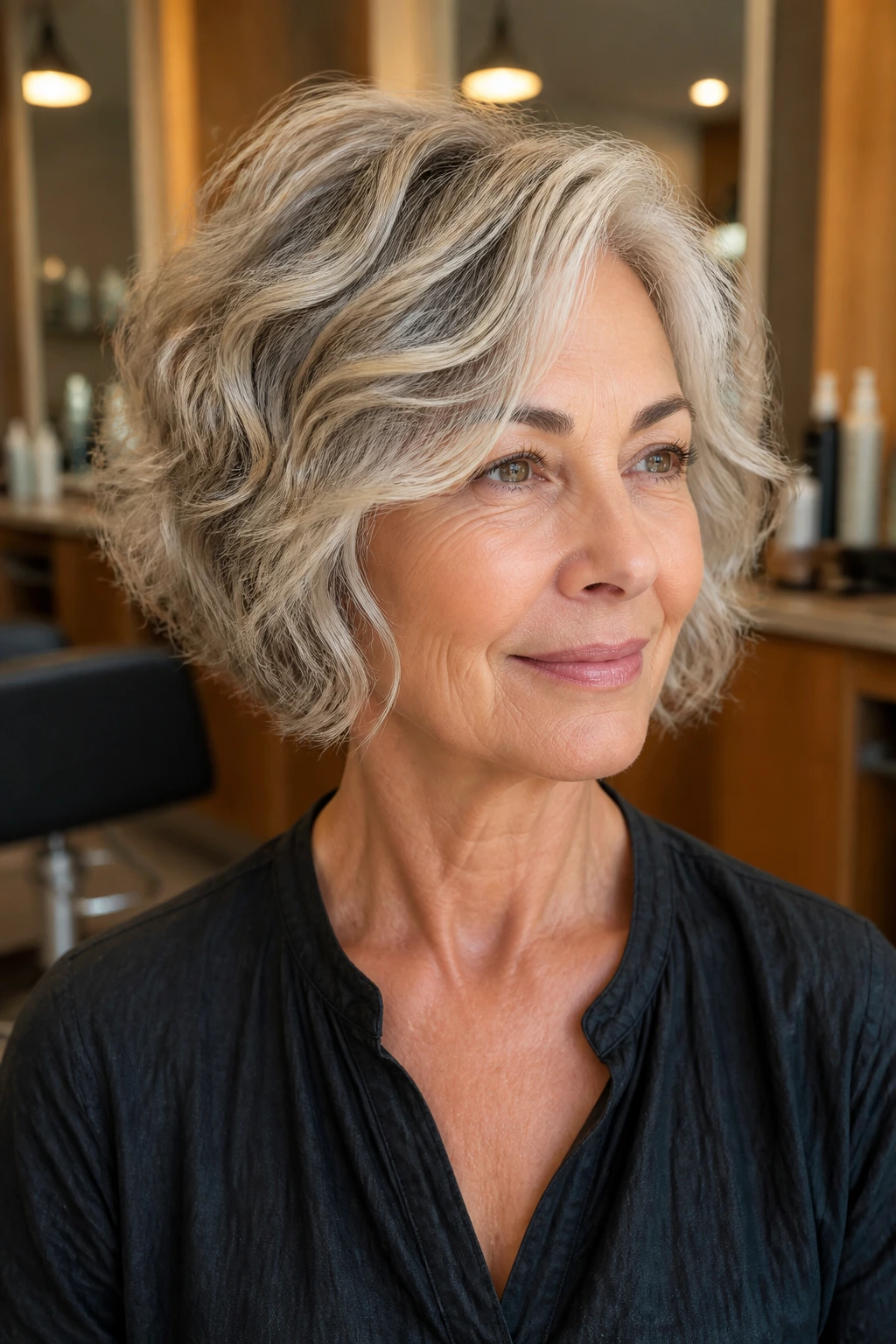
Bring photos, sure, but bring the right photos. Show cuts with the same wave pattern and roughly the same density as yours, not just pretty pictures. A jaw-length bob on straight hair and a jaw-length bob on thick silver waves are not the same haircut in the chair.
Say what you do not want, too. If you hate the triangle shape, say that. If your crown collapses, say that. If your fringe splits in two every time humidity shows up, say that. Good stylists use those complaints to place layers, not to pile on more of them.
Talk About These Three Things
- Where your hair gets heavy: the sides, nape, or mid-lengths.
- How much styling you’ll actually do: air-dry only, quick blow-dry, or hot tools once in a while.
- What has changed with age: finer temples, wirier gray strands, a softer hairline, or less density at the crown.
A dry refinement pass can help on wavy hair. That means the stylist checks the shape once the hair has dried enough to show the true movement. It’s not fussy. It’s practical.
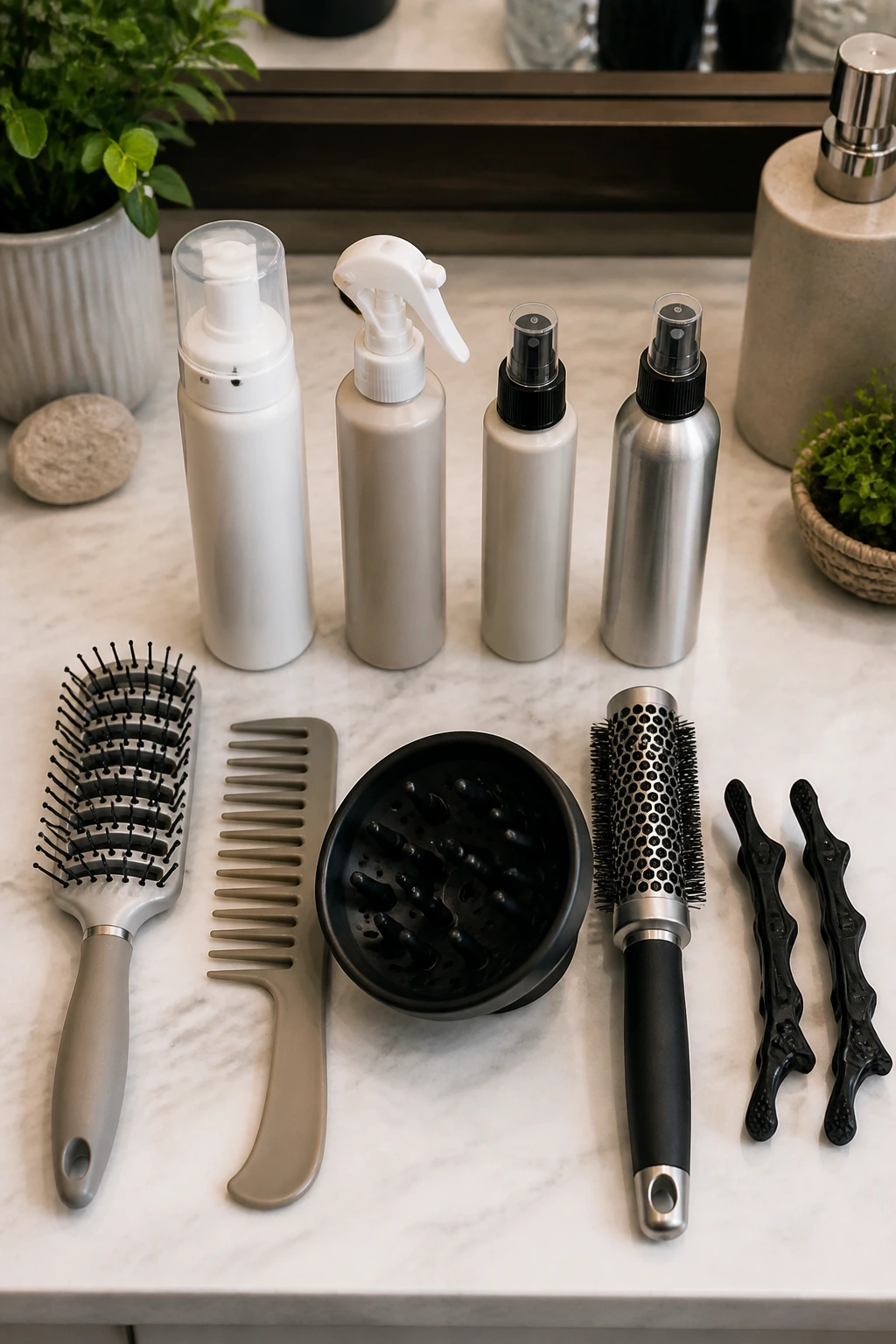
Essential Tools for These Cuts
-
A good vent brush: Useful for quick root lift and faster drying without flattening the wave.
-
Wide-tooth comb: Gentle enough for damp hair and better than raking through waves with a fine comb.
-
Blow dryer with a concentrator nozzle: Helps direct the airflow where you want it, especially around the crown and fringe.
-
Diffuser attachment: Best for keeping wave definition without blasting the curl pattern apart.
-
1-inch to 1.5-inch round brush: Handy for smoothing the front pieces, sweeping bangs, and rounding a bob under.
-
Sectioning clips: Make it easier to dry or style in small zones so the top doesn’t get overworked.
-
Lightweight mousse: Gives lift at the roots without turning hair crunchy.
-
Leave-in conditioner or cream: Keeps wavy ends soft, especially if your hair has gotten drier over time.
-
Heat protectant spray: Non-negotiable if you use a blow dryer, hot brush, or curling iron.
-
Texturizing spray or light wax: Good for short cuts and shaggy shapes that need a bit of piecey separation.
-
Hand mirror: Worth having for checking the nape, especially on pixies and graduated bobs.
Why Haircuts for Women Over 60 with Wavy Hair Work Best When the Weight Is Placed Carefully
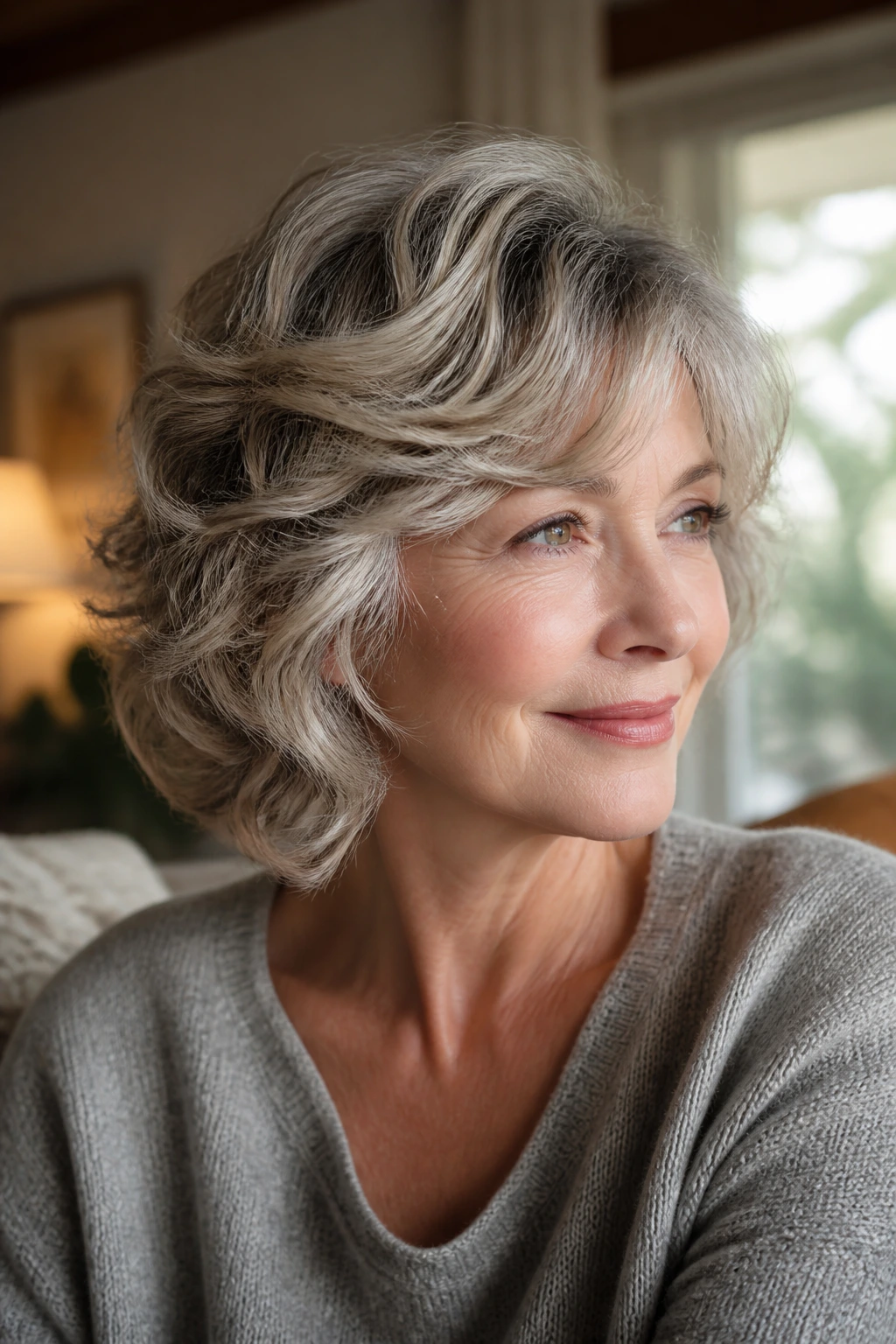
Wavy hair is strange in a useful way. It can look soft and full in one spot, thin and fuzzy in another, and completely obedient only on days when you’ve stopped trying to make it obey. After 60, that unevenness tends to show more clearly because density changes, silver strands grow in with a different feel, and the hairline may not cooperate the way it used to. The answer is not more control. It’s better placement.
A good cut on wavy hair keeps weight where the wave needs it and removes it where the hair starts to puff. That’s why soft layers beat random layers. That’s why blunt ends sometimes work and sometimes fail miserably. And that’s why so many of the cuts above share the same quiet principle: shape first, styling second.
The other thing these haircuts do well is age gracefully. A bob that is a little longer next month still looks like a bob. A pixie with soft edges can survive a missed appointment. A lob with internal layers doesn’t collapse into a sad shape the minute the blowout fades. That matters more than a fancy first impression.
How to Wear These Cuts Without Overthinking It

Presentation: Pick the part and the perimeter that draw the eye where you want it. A deeper side part adds lift at the crown, while a center part softens the face and makes symmetric waves look calm. If your jawline is a feature you like, let the front pieces hit there. If you want to soften the cheek area, let the layers brush the cheekbone instead.
Accompaniments: Glasses, earrings, and necklines change the whole effect. Shorter cuts sit well with statement earrings because the ears stay visible. Longer wave cuts look cleaner with open necklines, while turtlenecks and scarves need a little extra crown lift so the hair does not disappear into the fabric.
Proportions: Keep the shape intentional. If a bob lands exactly at the widest part of the jaw, it can widen the face. If a lob sits right on the shoulder tip, it may flip out in a way you didn’t ask for. The fix is usually only an inch or two of adjustment, which sounds small until you see the difference in the mirror.
Finish: A little root lift at the crown and one polished piece around the face go farther than a head full of product. If you like a softer look, use your fingers. If you want a cleaner edge, use a brush only on the front and let the back keep its wave.
Additional Tips and Styling Tweaks
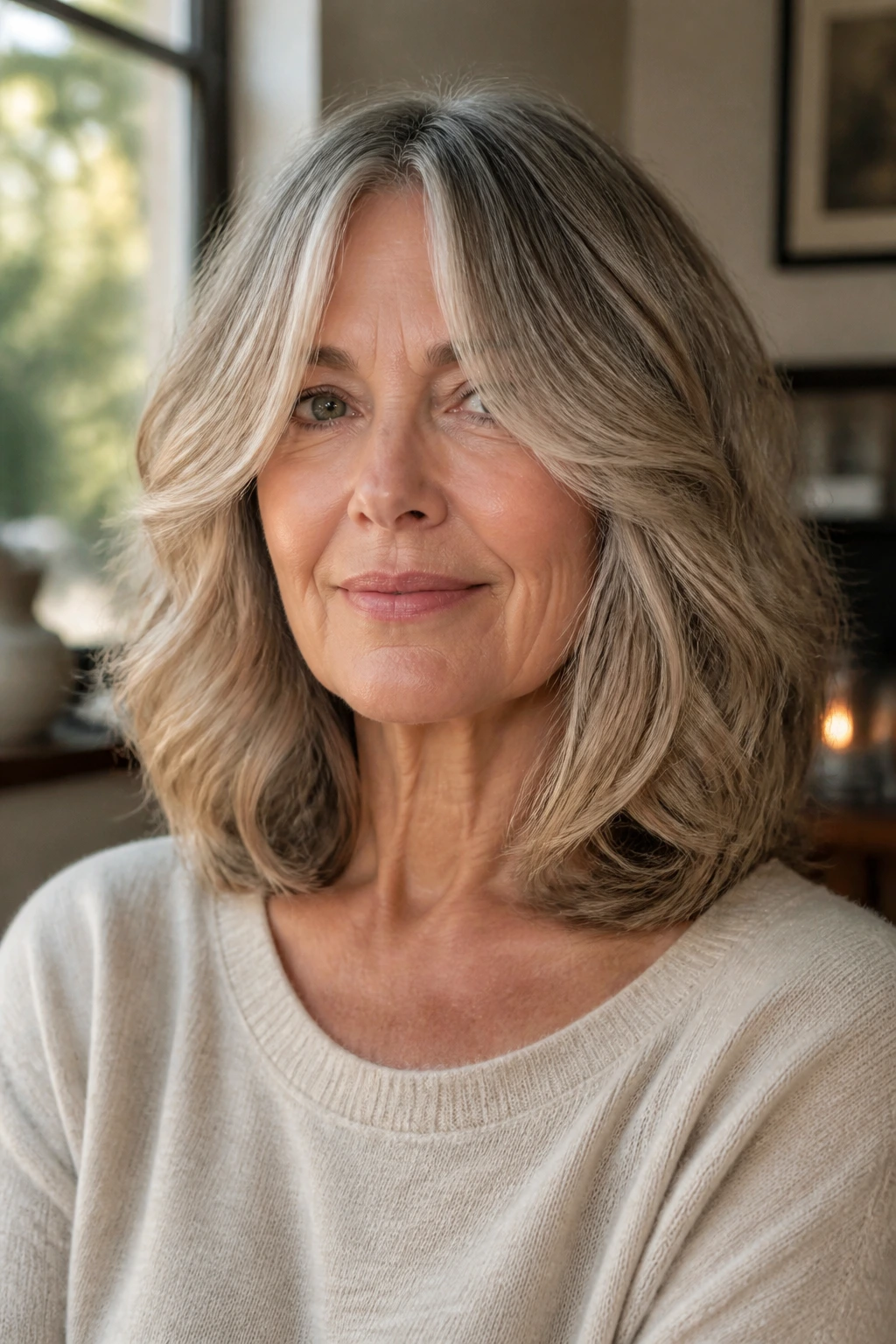
Texture Enhancement: Work mousse into damp roots, then scrunch a small amount of cream through the mid-lengths and ends. On wavy hair, that combo usually beats heavy gel because it keeps movement without stiffening the cut.
Volume Trick: Flip your part to the opposite side for the first few minutes of drying. The root lift you get is small but real, and it helps short bobs and pixies avoid that flat, helmet-like look.
Fringe Adjustment: If you’re tempted by bangs, go a little longer than you think. Wavy fringe shrinks and moves, so brow-grazing lengths usually sit better than a hard blunt line.
Make-It-Yours: If your hair is fine, keep layers longer and the perimeter clean. If your hair is thick, ask for internal removal around the occipital bone and sides so the shape settles instead of bulking out. One sentence from me: don’t let anyone thin the ends to death with shears. It looks airy for a week and frizzy after that.
Common Mistakes to Avoid
-
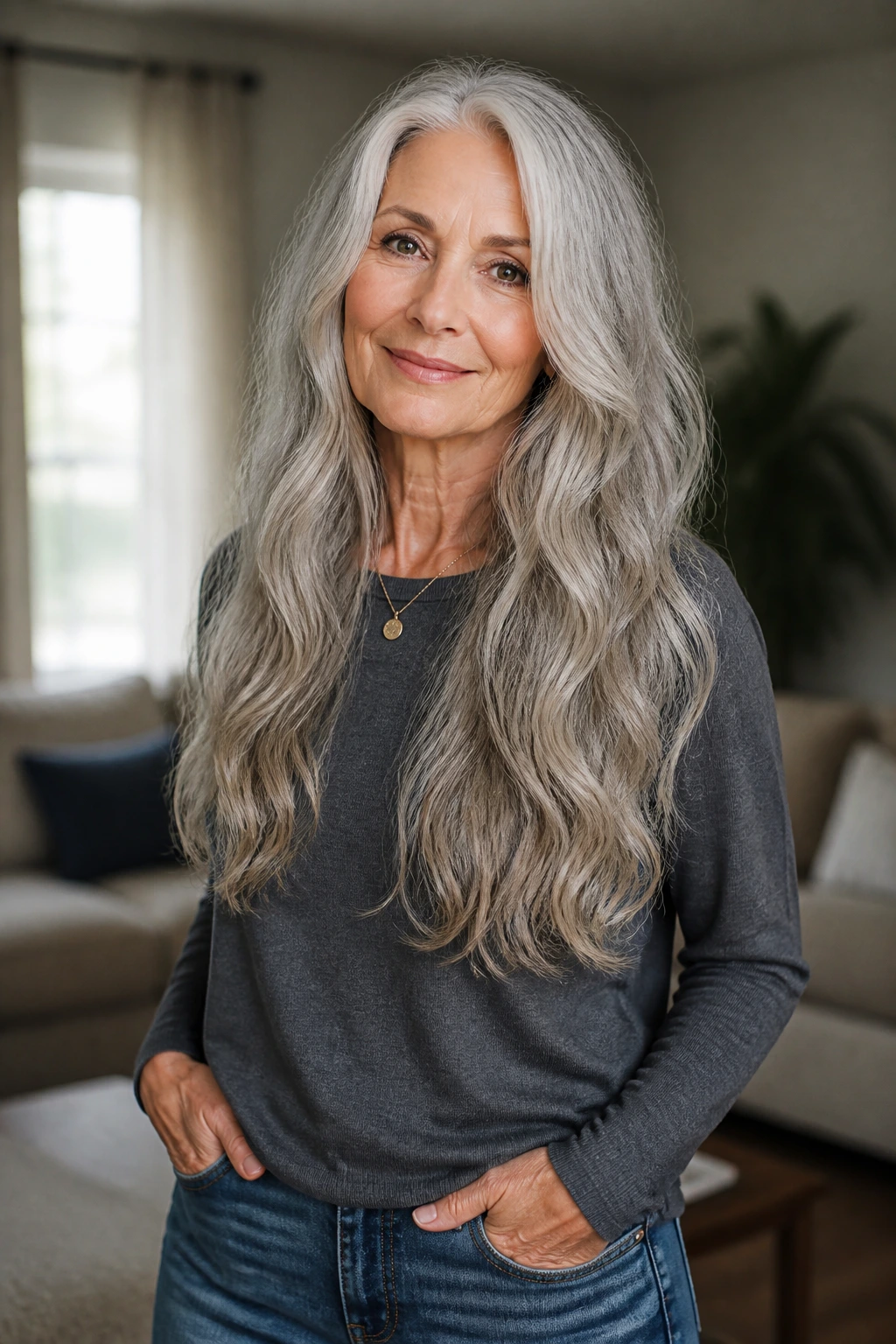
Cutting too much weight out of the bottom: The symptom is a puffy midsection with wispy ends. The fix is to keep some length in the perimeter and move layering lower.
-
Going too short at the fringe: Wavy bangs bounce up faster than straight ones. If the bangs hit too high, they can stand away from the forehead instead of blending in.
-
Over-thinning thick wave: If the haircut looks fuzzy at the ends and poofy in humidity, thinning shears may have been used too aggressively. Ask for softer scissor work next time.
-
Ignoring the crown: Flat roots make even a good bob look tired. Ask for shape or layering that supports lift at the crown, especially in pixies and rounded bobs.
-
Choosing a photo that ignores your texture: A straight-hair bob and a wavy-hair bob are cousins, not twins. Bring reference photos with movement in them, or the result can come out too stiff.
-
Skipping the dry check: Wet hair can hide cowlicks, growth patterns, and uneven density. A quick refinement after drying catches the shape that water hides.
Variations and Adaptations to Try
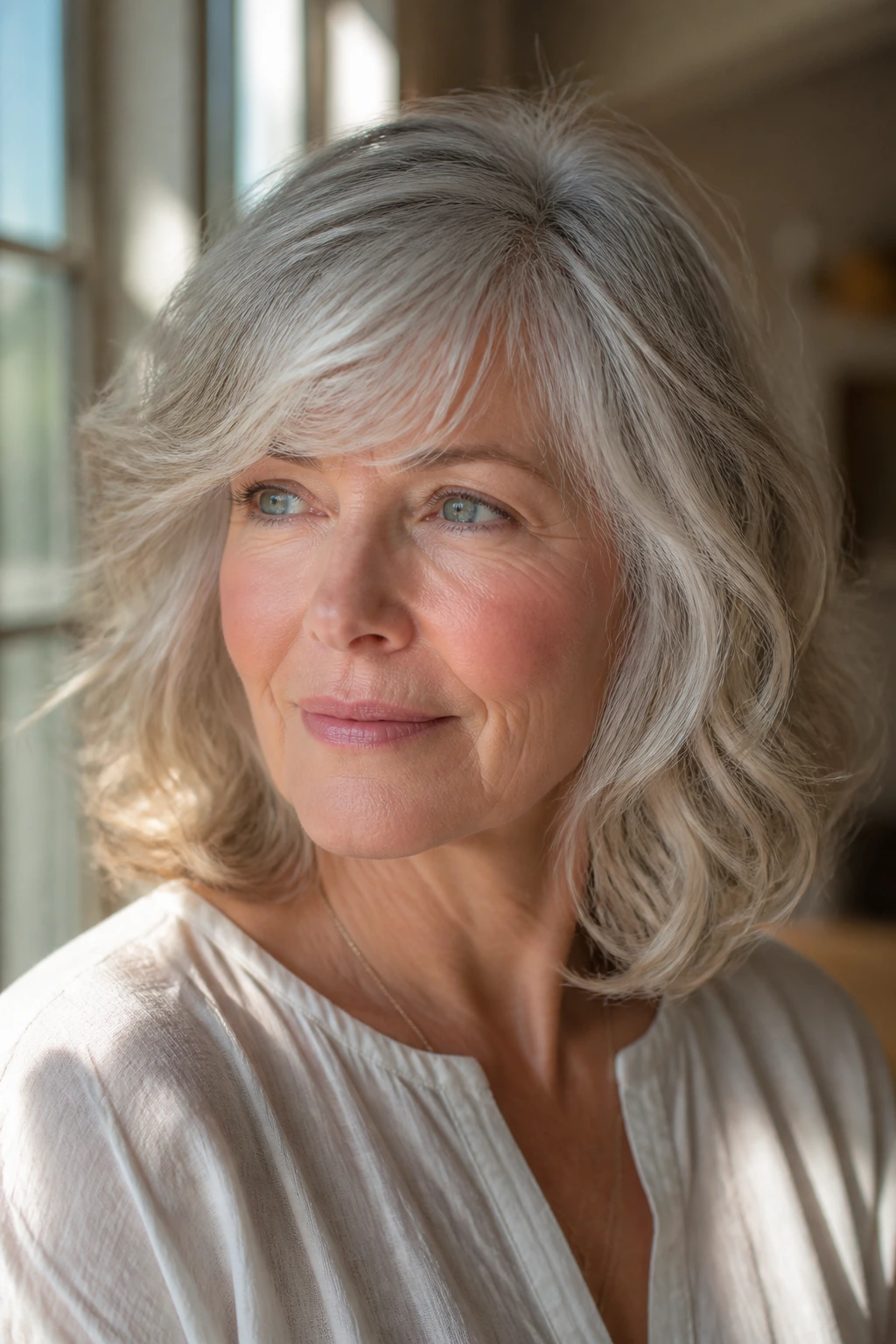
Silver-First Shape: If your gray or silver hair has become wirier, keep the ends a touch blunter and the layers a little softer. That helps the cut hold together instead of flying apart at the bottom.
Fine-Hair Lift: For finer waves, stick to shoulder length or shorter and keep layers internal, not obvious. A line that’s too choppy can make the hair look thinner than it is.
Thick-Wave Control: If you have dense waves, ask for strategic bulk removal through the mid-lengths and around the nape. That gives the haircut swing without the triangular shape.
Glasses-Friendly Fringe: Choose side-swept or curtain bangs that stop just above the frame line. Too-short fringe and glasses fight each other all day.
Low-Heat Version: If you avoid hot tools, pick a cut that behaves after scrunching, such as the lob, shag, or shoulder-length air-dried shape. These do the most with the least effort.
How to Keep the Shape Fresh Between Salon Visits
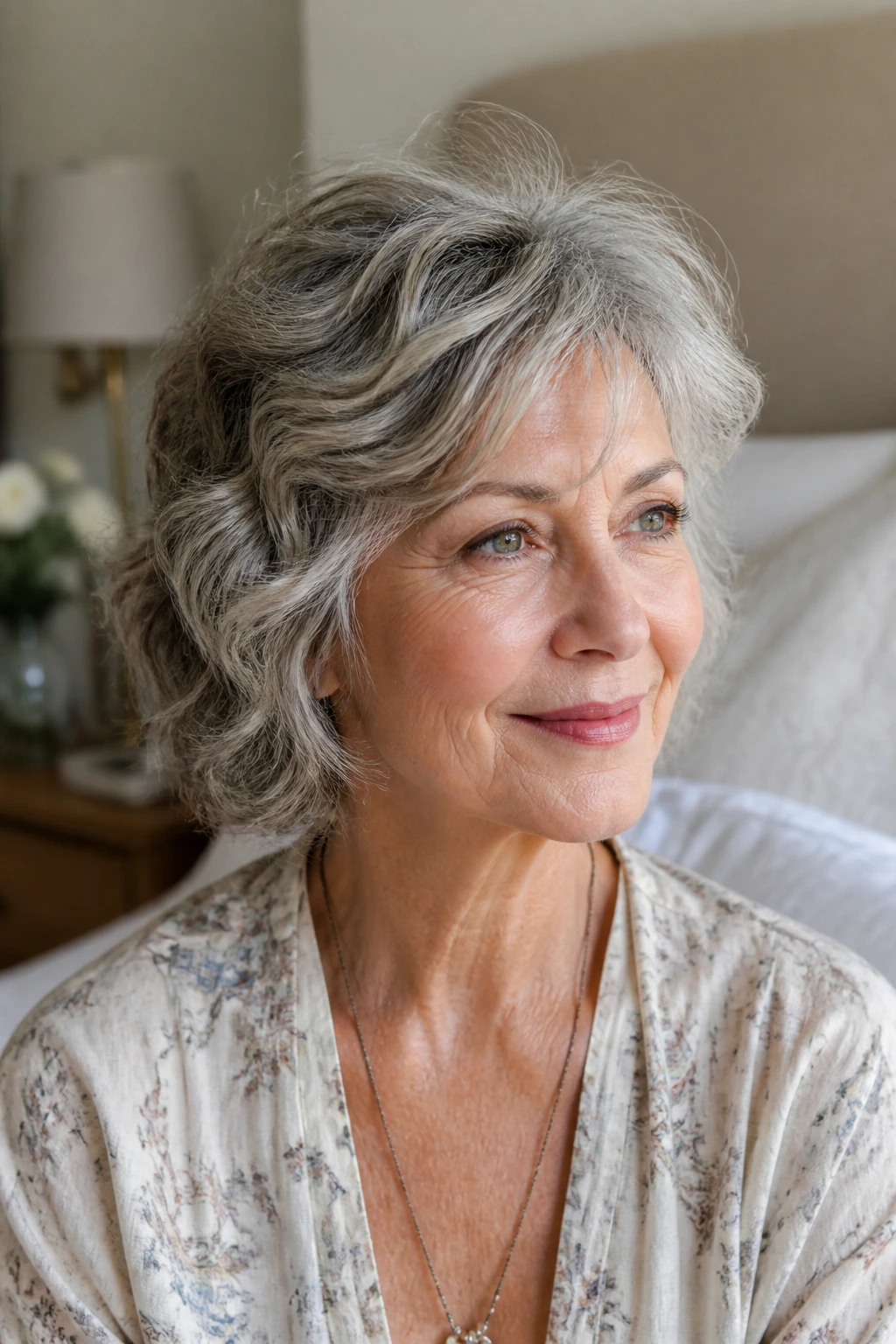
Most short cuts need a trim sooner than people want to hear. Pixies, feathered crops, and tight bobs usually need attention every 4 to 6 weeks if you want the outline to stay neat. Rounded bobs and chin-length shapes can go 6 to 8 weeks. Lobs and shoulder-length layers often hold for 8 to 12 weeks, provided the ends are kept healthy.
Wavy hair usually looks better on day two if you do not overload it with product on day one. A light mist of water, a small dab of cream, and a quick scrunch can wake the wave back up without starting from scratch. For bangs or fringe, dampening just the front and re-sweeping it with a brush usually fixes the problem fast.
Sleeping matters more than people think. A silk or satin pillowcase keeps the wave from roughing up overnight, and a loose clip at the crown can keep a bob from getting smashed flat. If you go to bed with hair that is still wet through the middle, expect odd bends in the morning. That’s not mystery. That’s physics.
If your hair is color-treated or silver and tends to pick up dullness, use a gentle cleansing schedule and avoid over-washing. Once or twice a week with a fuller wash is plenty for some hair types; others need more. The haircut stays better when the hair itself isn’t being stripped every other day.
Frequently Asked Questions

What haircut makes wavy hair look fuller after 60?
A rounded bob, a layered lob, or a soft pixie bob tends to add the most visible fullness because the shape lifts at the crown and keeps the ends from hanging limp. The trick is not more layers everywhere — it’s placement around the top and sides where the eye reads volume first.
Should wavy hair be cut dry or wet?
Both methods can work, but a dry refinement check is especially helpful for wavy hair. Wet hair stretches and hides the real bend, so a stylist who looks at the cut once it’s partially dry can adjust the fringe, sides, and perimeter with more accuracy.
Are bangs a bad idea for women over 60 with wavy hair?
Not if they’re cut with the wave in mind. Curtain bangs, side-swept fringe, and longer wispy bangs usually behave better than heavy blunt bangs because they can move with the hair instead of fighting it.
What is the easiest short haircut to maintain?
A cropped tapered pixie or a feathered pixie is usually the easiest to style day to day, but they do need regular trims. If you want less salon upkeep, a lob is a calmer choice because it grows out more slowly.
How do I stop my wavy bob from turning into a triangle?
Triangle shape usually means the bottom is too heavy and the crown too flat. Ask for softness inside the haircut, not just thinning at the ends, and use a little root lift when styling so the top does its part.
Can gray wavy hair still wear layers well?
Absolutely. Gray hair often needs smarter layering because it can be wirier or more resistant at the ends. Soft internal layers and a clean perimeter usually work better than choppy over-layering.
How often should I get a trim?
Short crops and pixies usually need a trim every 4 to 6 weeks. Bobs and lobs can usually stretch to 6 to 10 weeks. Longer cuts may go 10 to 12 weeks, though the ends should still be dusted before they start looking stringy.
Which cut works best if I air-dry my hair most days?
A shoulder-length cut with soft layers, a textured lob, or a gentle shag usually air-dries with the least fuss. Those shapes let the wave settle on its own instead of requiring you to rebuild the haircut with a brush.
What if one side of my hair is flatter than the other?
That’s common, and it’s fixable. A deep side part, slight asymmetry, or a little more length on the flatter side can balance the shape without making the cut look obvious or lopsided.
Do short cuts make the face look older?
Only if the shape is harsh, too boxy, or cut without softness around the face. A short cut with movement at the crown, gentle sideburns, or a soft fringe can be sharper and more flattering than long hair that hangs without shape.
A Last Look
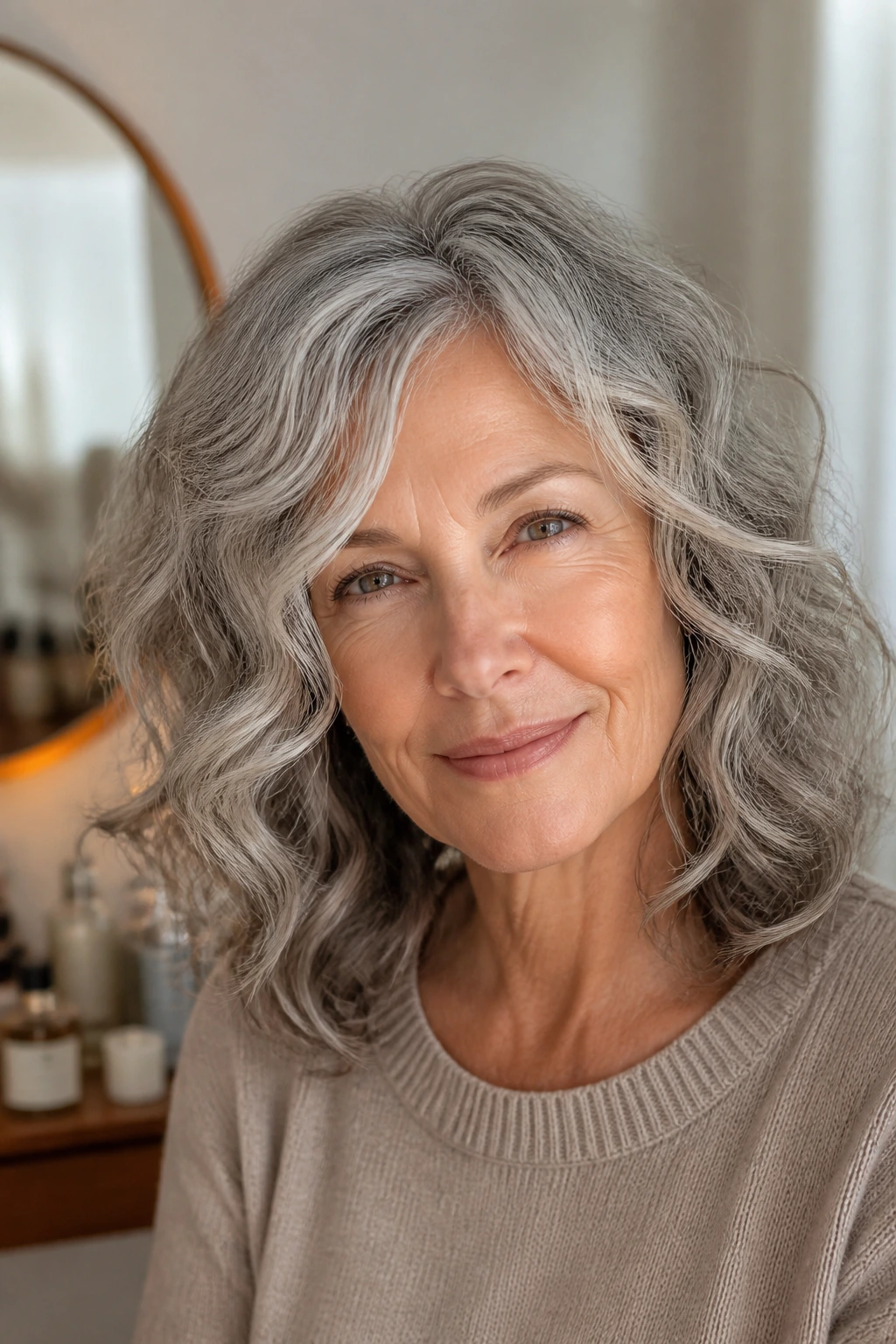
The best haircuts for women over 60 with wavy hair do one simple thing well: they let the texture stay alive. Not overworked. Not flattened. Just shaped enough to look deliberate when you leave the house and still decent when the day runs long.
Bring the best of these ideas to your stylist, but keep the conversation practical. Talk about where your hair lies flat, where it puffs, and how much time you’re willing to spend in the mirror. That’s where the real haircut happens.