



40s hairstyles for women with thick hair can be a blessing, but only if the cut stops the weight from wearing you. Thick hair has a way of looking glossy and expensive in the mirror, then turning into a triangular, puffy, heat-trapping project by lunchtime. If you’ve ever spent twenty minutes blow-drying the crown only to find the ends sitting like a shelf around your shoulders, you know exactly what I mean.
The sweet spot in your forties is rarely about chasing more volume. You already have that. The real win is shape: enough movement to soften the face, enough structure to keep the hair from taking over, and enough restraint that you don’t spend your whole life wrestling a round brush. I’m a fan of styles that remove bulk where thick hair gets heavy — usually through the sides, the nape, and the underlayers — while leaving the surface smooth and deliberate.
Some of the best looks here are cuts. Some are styling ideas. A few are quick updos that make dense hair look controlled instead of accidental. That mix matters. Thick hair does not need to be “fixed.” It needs a shape that makes the density work for you instead of against you.
Why These Styles Earn Their Keep
-
They remove weight without making the hair look thin. Thick hair gets flattened in all the wrong places when it’s over-thinned, so these looks keep the perimeter full while taking bulk out of the interior.
-
They frame the face instead of widening it. Layers that start around the cheekbone, jaw, or collarbone keep the silhouette from turning boxy, which is the main trap with heavy hair.
-
They save time on wash day. A cut that falls well needs fewer passes with a brush, flat iron, or curling wand. That matters more than people admit.
-
They grow out with less drama. Soft edges and internal layering keep a style from looking shaggy after six weeks, which is a small mercy when you’re busy.
-
They work with real texture. Thick hair can be straight, wavy, coarse, frizzy, or some gloriously inconvenient combination of all four. These styles leave room for that instead of fighting it.
-
They still look polished at 4 p.m. That’s the real test. A style can look lovely for an hour and then collapse into a frizz halo. The looks below are chosen to hold up after errands, desk work, humidity, and the general chaos of a normal day.
1. The Collarbone Lob With Hidden Layers
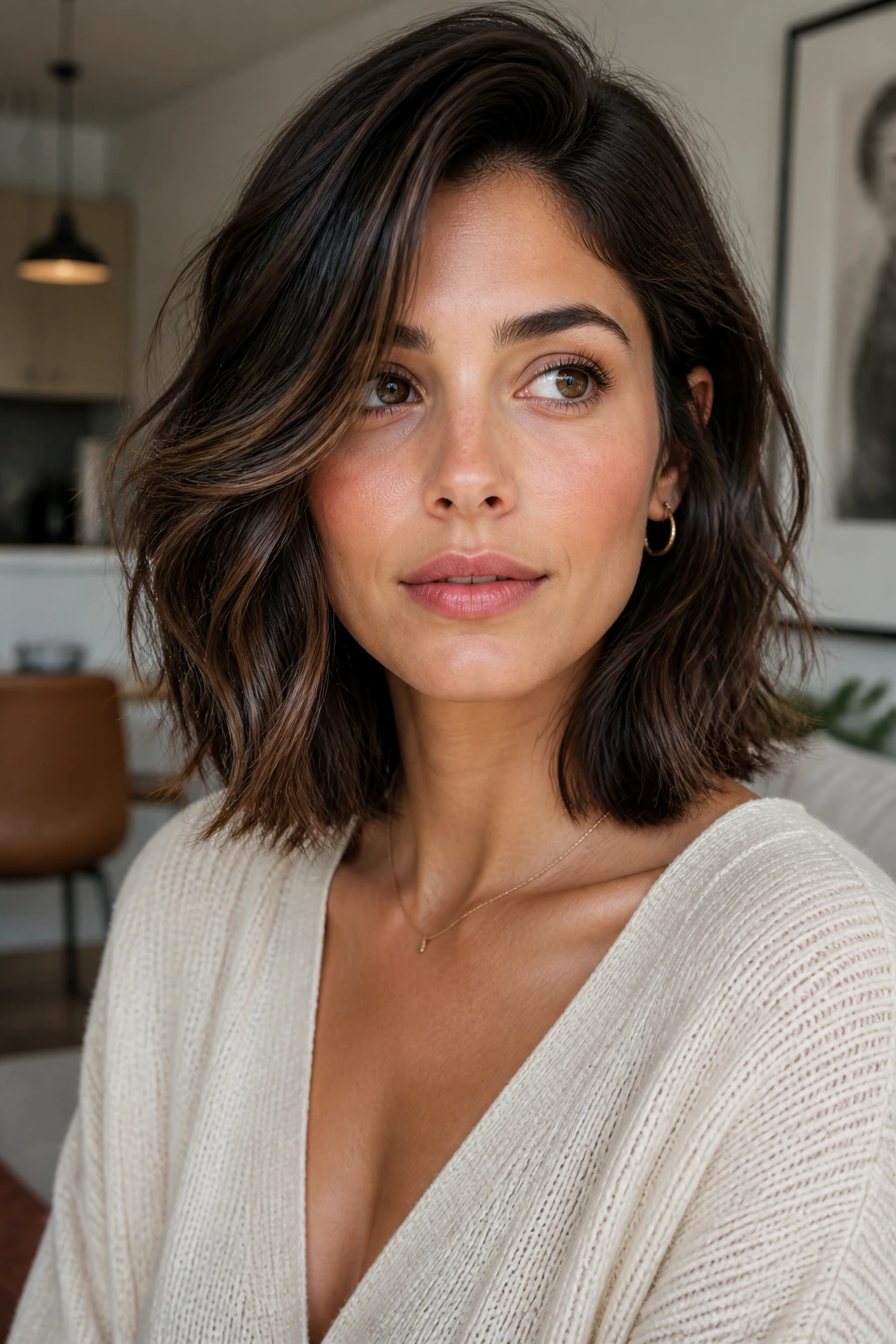
The collarbone lob is the haircut I reach for when thick hair needs shape but you’re not ready to let go of length. It sits in that useful middle zone — long enough to pull back, short enough to stop the ends from dragging your whole face downward. On dense hair, the collarbone length is magic because it gives the hair somewhere to land instead of hanging straight down like a heavy curtain.
Why It Works on Thick Hair
The hidden layers are the part most people miss. You do not want choppy slices all over the place. You want interior weight removal so the hair moves, but the outside line stays clean. That keeps the lob from looking puffy at the ends, which is what happens when every strand is the same length and all of them are trying to sit on the same shoulder.
Ask for the longest pieces to hit the collarbone and the internal layers to start below the chin. That detail matters. If the layers start too high, the cut can explode outward. If they start too low, the shape stays too heavy and you’re back where you started.
How I’d Style It
A 1.5-inch round brush gives the ends a slight bend under, which is enough. You do not need perfect bevel every day. A little movement near the face and a smooth undercurve at the perimeter are enough to make thick hair look intentional. If you air-dry, scrunch in a light mousse and twist the front sections away from the face while they’re damp. Cheap trick. Works.
Best for: oval, heart, and square faces; women who want length without the feeling of a hair blanket.
Skip if: you love blunt, one-length looks and don’t want any movement at all.
Pro tip: keep the front pieces a touch longer than the rest. That tiny difference keeps the lob from puffing out around the jaw.
2. The Soft Shag With Curtain Bangs
If thick hair tends to swell at the sides, the soft shag is often the answer rather than the problem. Not the crunchy, over-layered shag that looks like it was attacked with scissors in a basement. A softer version, with curtain bangs and long face-framing layers, gives dense hair room to breathe without turning it into a mushroom.
The curtain fringe is the useful bit here. It opens at the center, skims the cheekbones, and breaks up the width that thick hair can create around the temples. On a face that feels a little overwhelmed by hair, that split fringe acts like a small architectural adjustment. Not dramatic. Just enough.
Styling is easy if you don’t fight the movement. Use a mousse at the roots, rough-dry until the hair is about 80 percent dry, then take a medium round brush to the bangs and face frame only. Let the rest do its thing. Thick hair usually likes a little imperfection here; a too-perfect shag can look overworked fast.
This is the style I suggest to women who want something modern but not fussy. It has edge without looking like a costume. And if your hair has a natural wave, the shag will catch it in the right places instead of forcing it flat.
3. The Side-Part Blowout With Floating Layers
A deep side part changes the whole conversation. It lifts the root on one side, narrows the top line, and gives thick hair a shape that feels more tailored than symmetrical. If your hair has a tendency to sit heavy at the crown, this is one of the fastest ways to change the silhouette without touching the cut.
The “floating layers” part matters because the layers shouldn’t sit in one obvious stack. They need to move as you turn your head. That is what keeps a side-part blowout from looking helmet-like. Thick hair can handle it. In fact, it usually holds the bend better than finer hair, which means the style still looks decent on day two if you sleep on a silk pillowcase and rework the front with a round brush for three minutes.
What to Ask Your Stylist
- Keep the length below the shoulders if you want swing.
- Start the shortest layers around the cheekbone.
- Soft-point cut the ends so they don’t feel blocky.
- Leave enough density at the back that the style still feels full.
I like this look for dinners, work events, or any day when you want your hair to say “I tried” without actually spending an hour proving it. The side part gives thick hair a built-in lift. The blowout gives it polish. And together they beat the flat middle-part everything-on-your-shoulders situation that so many heavy-haired women get trapped in.
4. The Chin-Length French Bob
Can thick hair wear a short bob without puffing into a triangle? Yes — if the weight line is precise and the interior has enough relief. The chin-length French bob works because it’s compact. There’s no long length pulling down the face, and there’s no excess length sitting around the shoulders, where bulk tends to multiply.
The trick is restraint. A French bob on dense hair should not be hacked into a blunt cube. It needs soft beveling at the ends and a little internal slimming around the nape so the back doesn’t kick outward. On straight or slightly wavy hair, this can look sharp with almost no effort. On very coarse hair, it needs a good smoothing cream and a paddle brush blow-dry, or the edges will puff.
How to Wear It
A slightly off-center part keeps it from feeling severe. A tucked side behind one ear can break up the width and show off earrings. If your jawline is strong, this cut loves that. If your jaw is softer, ask for a tiny bit more length in front so the bob doesn’t end exactly at the chin and box you in.
This is not a lazy haircut. Short hair never is, not if you want it to look deliberate. But it is a smart haircut. Thick hair gets to stay thick. It just gets edited.
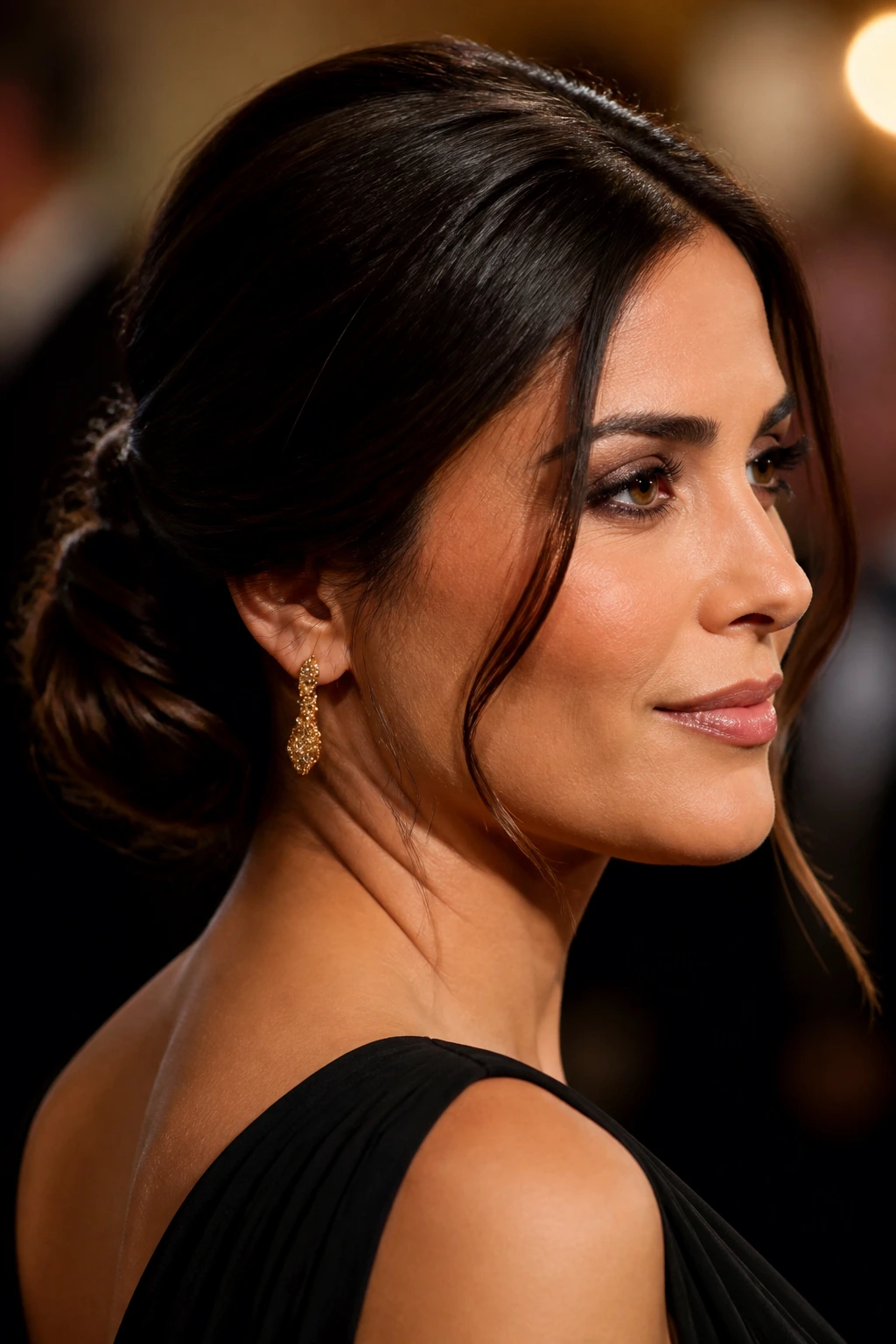
5. The Polished Low Bun With Face-Framing Pieces
The polished low bun is the kind of style that makes thick hair look controlled instead of merely contained. A lot of women with dense hair assume a bun means a giant knot at the back of the head. It doesn’t have to. If you place it low, soften the crown, and leave two slim face-framing pieces out front, the whole thing reads as finished.
The reason it works so well on thick hair is simple: density gives the bun structure. Fine hair often needs padding or teasing to create the same shape. Thick hair already has the material. You’re just arranging it. Keep the crown smooth but not pulled tight enough to lift the scalp. That tight, stretched look can age the face fast, and it usually gives you a headache before the event is even over.
Use a smoothing cream or a pea-sized bit of serum through the mid-lengths before you gather the hair. Then twist the bun loosely and pin it with U-pins rather than trying to force all that hair into a tiny elastic-only knot. The face-framing pieces should be deliberate, not wispy by accident. Think slim ribbons of hair, not stray flyaways.
I like this one with a collar that sits at the neck, small earrings, and a clean side part. It feels elegant without looking like you spent your afternoon chasing symmetry.
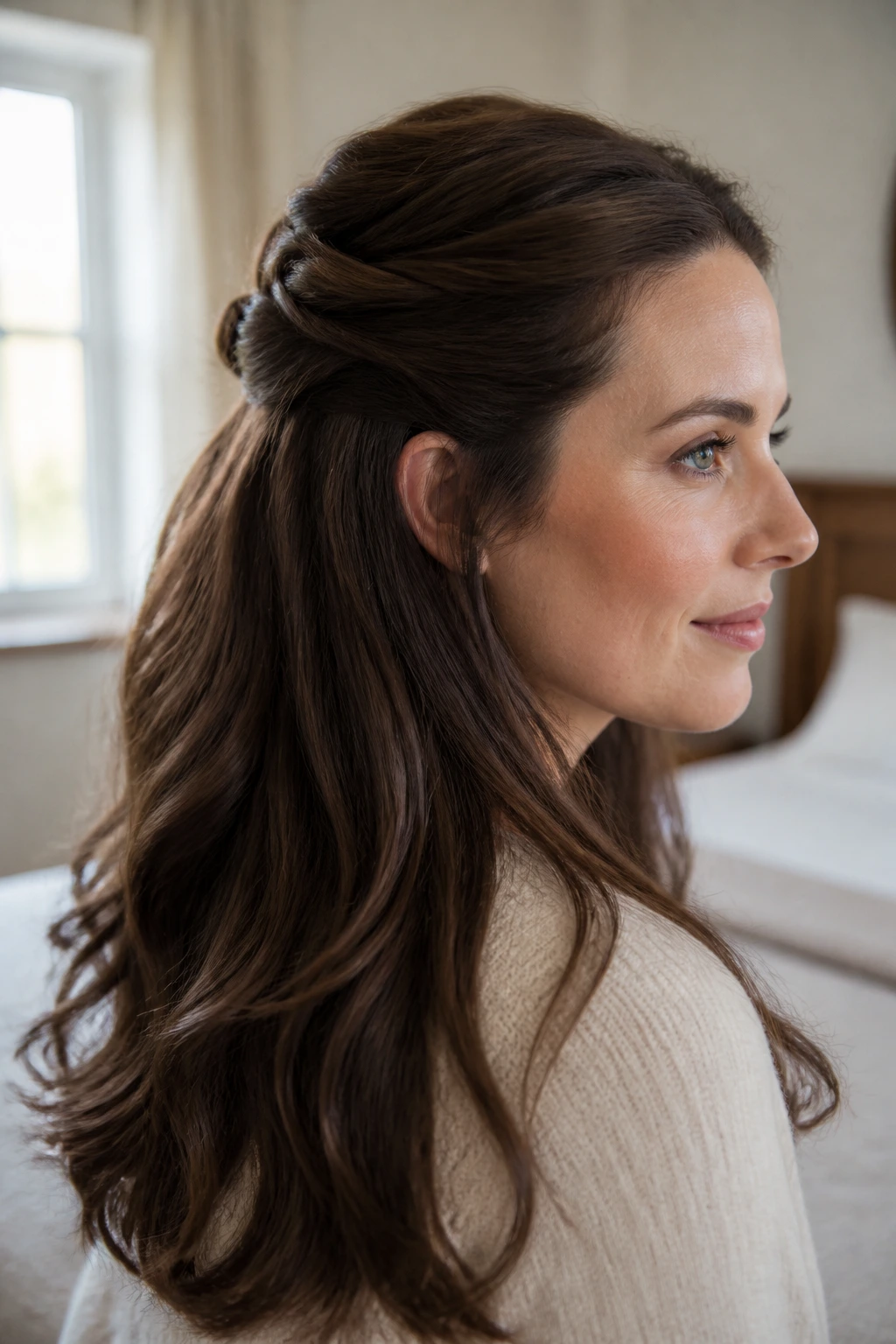
6. The Half-Up Twist That Keeps the Crown Light
Unlike a full updo, the half-up twist lets you keep the length while taking pressure off the crown. That matters more than people realize. Thick hair can get tiring. Literally tiring. The weight at the roots, especially if the hair is long and dense, can make a simple ponytail feel like a small load-bearing structure. A half-up twist gives some of that weight a place to rest while keeping the face open.
What makes this style work is the balance between control and looseness. You gather the top third of the hair from temple to temple, twist it back, and pin it low enough that it doesn’t sit like a bump on the crown. Let the bottom section stay loose and full. That contrast keeps the look from turning stiff.
This is a useful style on second-day hair, especially if the roots are a little lived-in and the ends still have movement. A little dry texture spray at the roots helps the twist hold without slipping, and a mini claw clip can be easier than pins if your hair is slippery. If you wear it with the twist sitting just above the occipital bone, the shape looks clean and the volume stays where it belongs.
7. The Long Layered Cut With Internal Debulking
Long thick hair can be gorgeous. It can also be a lot. The difference usually comes down to whether the cut has internal structure or whether all the weight is parked at the ends like an unwieldy blanket. A long layered cut with internal debulking gives you movement without forcing you to sacrifice the length you like.
The important thing here is that the length stays, but the weight shifts. A stylist should remove bulk from the middle of the head and around the sides, especially if the hair balloons out near the ears or sticks to the back of the neck. The perimeter should still look full. You want air inside the shape, not holes at the bottom.
What to Ask For
- Long layers that begin below the chin.
- Internal weight removal around the sides and underlayers.
- Soft face framing that starts near the cheekbone.
- A clean perimeter so the ends still look thick.
This style is ideal if you wear your hair down most days but don’t want it to feel like a heavy drape. It also behaves better in a ponytail, which sounds like a small thing until you’re trying to tie up hair that has the density of upholstery.
The cut works best when you think of it as editing, not reducing. That distinction matters. Thick hair should still look thick. It just shouldn’t feel like it’s doing pushups on your shoulders.
8. The Shoulder-Length Butterfly Cut
The butterfly cut earns its place because it lets thick hair swing instead of sit there. That’s the real appeal. The shorter face-framing layers create lift around the cheekbones, while the longer back length keeps the overall look full. On hair with density, that combination can feel surprisingly light.
It suits women who want movement but aren’t interested in a shag that feels too broken up. The front layers do a lot of the visual work. They pull the eye upward and out, which softens the effect of a heavy mass of hair. The rest of the cut remains long enough to tie back, curl, or air-dry with shape.
For styling, a round brush or large velcro rollers make a difference. The shorter front pieces need a little help turning away from the face, and the longer layers benefit from a bend rather than a tight curl. If you heat-style, keep the ends slightly curved, not corkscrewed. Thick hair looks best here when the movement feels brushed through, not wound up.
I also like this cut for people who like a blowout but don’t want to live at the sink. The butterfly shape does some of the visual work for you. It’s a cut that knows how to move.
9. The Sleek Straight Cut With Beveled Ends
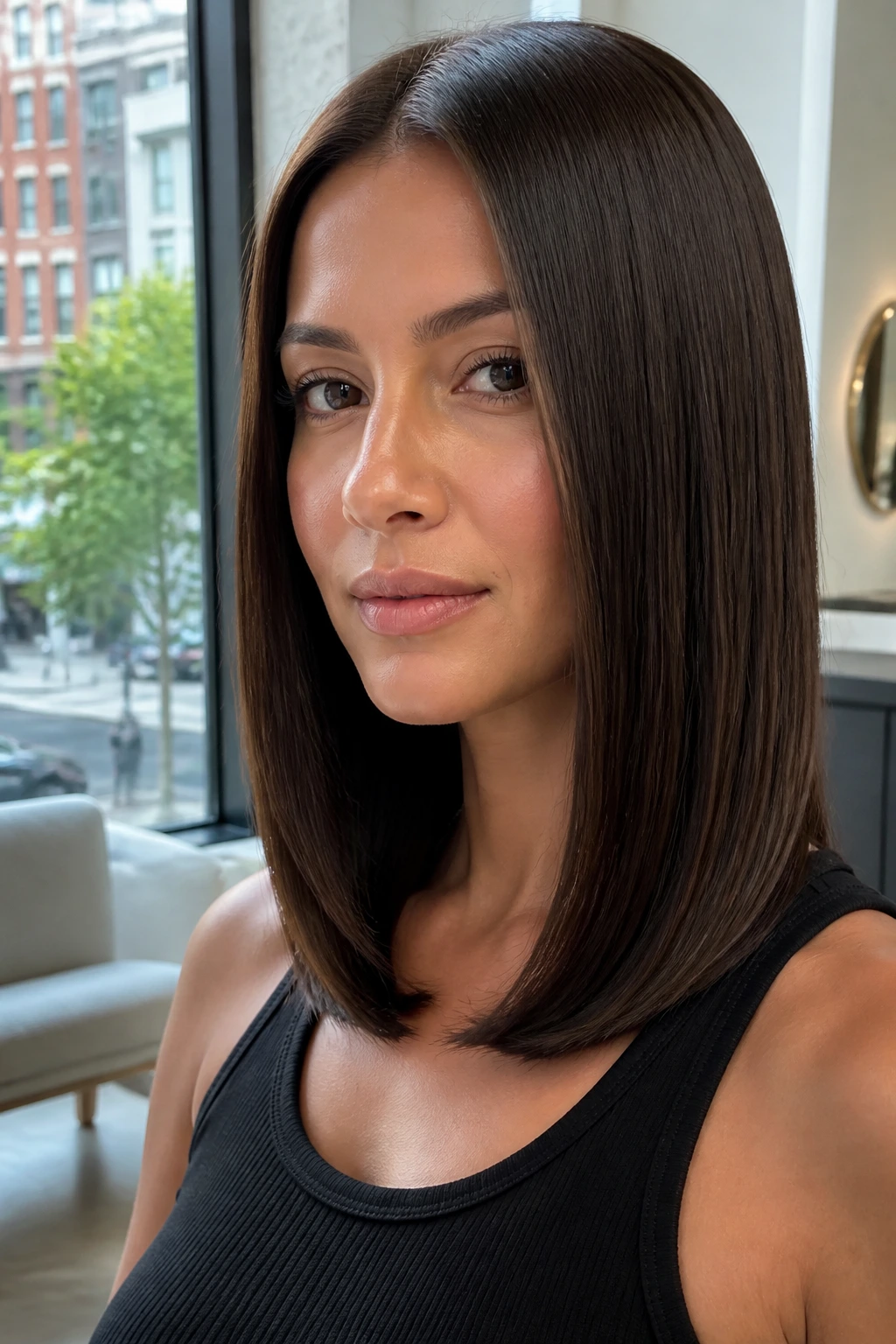
If your hair naturally wants to be full, one smart move is to own the shine. A sleek straight cut with beveled ends works because the shape is controlled from top to bottom. There’s no frizzing, no scattershot layering, and no false promise that the hair will somehow become less thick than it is. It won’t. Better to give it a clean line.
The beveled end is what keeps the style from feeling hard. A tiny inward curve at the bottom — just enough to keep the perimeter from kicking outward — makes the difference between sharp and severe. Thick hair tends to hold this kind of finish better than finer hair, which means the style can look polished for a few days if you keep the roots clean and the mids lightly smoothed.
Key Details to Remember
- Use a heat protectant every time.
- Work in 1-inch sections if you flat iron.
- Keep the flat iron moving; don’t clamp and drag.
- Finish with a pea-sized amount of shine serum on the ends only.
This style is especially useful if you like strong collars, bold earrings, or a wardrobe with clean lines. The hair becomes part of the outfit instead of competing with it. That’s the point.
10. The Claw-Clip Twist That Looks Deliberate
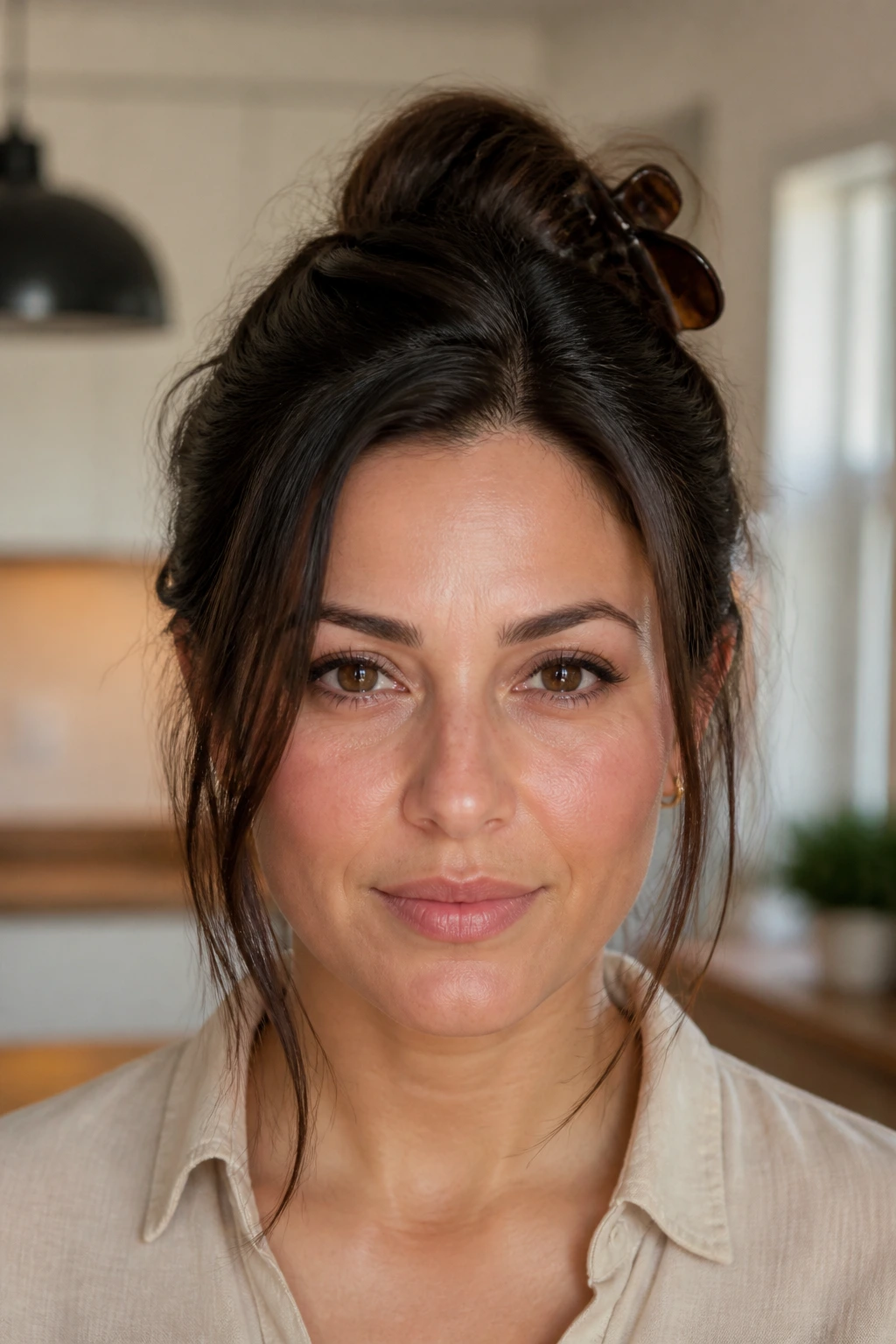
Need your hair up in under two minutes without making it look like a gym detour? The claw-clip twist can absolutely look deliberate on thick hair, but it needs a little structure. Dense hair gives the clip something solid to grip, which is half the battle. The other half is arranging the twist so it sits vertically rather than bulging out horizontally.
Pull the hair back as if you were making a low ponytail, twist it upward, then fold the length back down and secure it with a jumbo claw clip that has a strong spring. If the clip feels flimsy in your hand, it will not survive thick hair. That’s not a style problem. That’s a hardware problem.
I like this one when the hair is clean but a little too full to wear loose. It keeps the neck open, hides a rough blow-dry, and still looks far better than a scrunchie ponytail tossed together on the way out. Leave a few strands at the temples if you want softness. Or keep it clean and let the shape do the work.
This is one of those styles that looks casual from a distance and oddly polished up close. Useful. Very useful.
11. The Loose Braided Crown Into a Low Pony
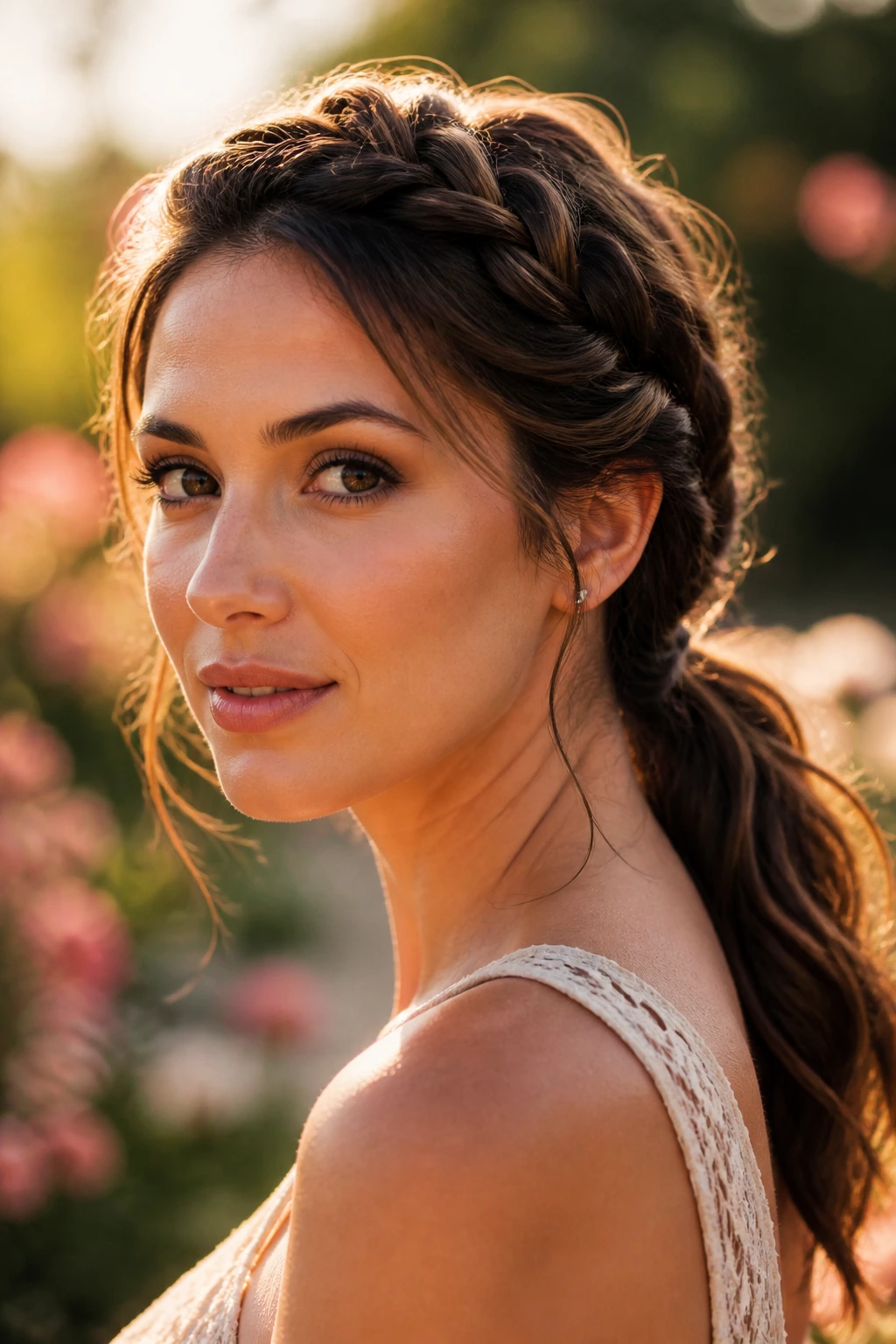
A loose braided crown makes thick hair look like it’s obeying a plan, which is a rare and satisfying thing. The braid gives you control through the front and sides, where dense hair often puffs the most, while the low ponytail keeps the back from looking overbuilt. It’s one of the best styles for second-day hair because a little texture actually helps.
The braid does not need to be tiny or perfect. In fact, I prefer a slightly relaxed braid because thick hair can handle the fullness. Start the braid along the hairline or just behind it, depending on how much face you want to open up, then let it travel into a low ponytail at the nape. If your hair is especially heavy, secure the ponytail first with a clear elastic, then wrap a small section around the base so the whole thing looks finished.
A style like this is useful when you want your hair out of the way but do not want the severe feel of a tight bun. It has a little softness. It also survives humidity better than you might expect, because the braid absorbs some of the puff instead of fighting it.
The trick is not to over-pull the braid. Leave enough air in it that the crown doesn’t flatten. Thick hair has enough presence; the braid doesn’t need to be strangled to be tidy.
12. The Textured Pixie Bob
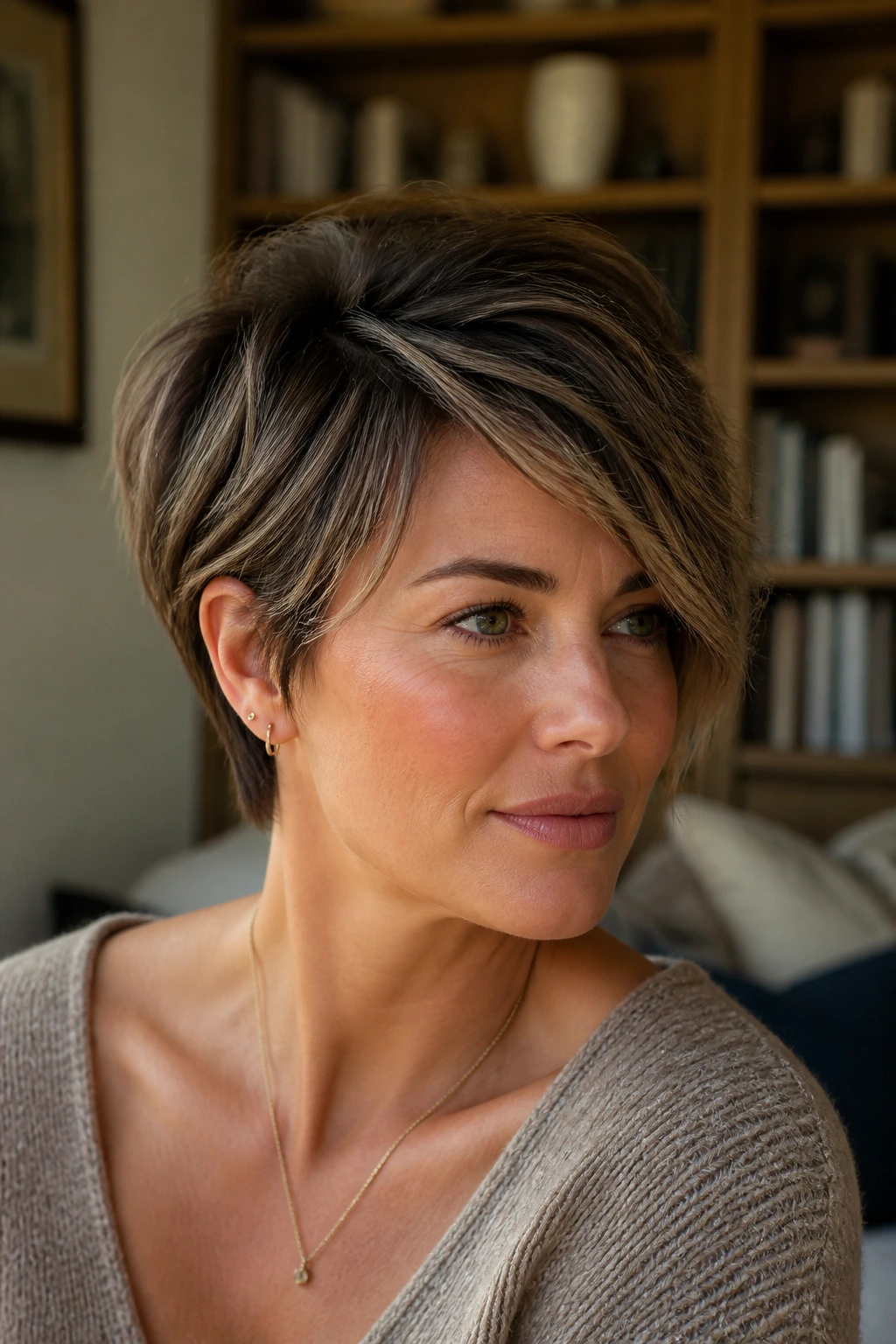
The textured pixie bob is for the woman who wants shorter hair but not a severe crop. It keeps enough length around the front and sides to feel feminine and flexible, while the nape and around the ears are taken in enough to stop thick hair from mushrooming outward. That balance is the whole point.
Compared with a blunt bob, the pixie bob removes bulk in smarter places. It’s shorter at the back, a bit longer at the front, and textured through the top so the hair can sit with some lift instead of lying like a brick. On thick hair, that shape can look expensive in the best sense of the word: intentional, clean, and easy to see from across the room.
What to Ask Your Stylist
- Keep the nape tapered and close.
- Leave length through the top, about 2 to 3 inches.
- Soften the sideburns so the cut doesn’t feel hard.
- Avoid heavy thinning at the ends.
Styling takes very little. A bit of cream, a touch of pomade on the ends, and maybe a quick pass with the fingers to break up the top. I like this cut for women who are done negotiating with long hair but don’t want anything too boyish or flat.
It’s neat. That’s the word.
13. The Deep Side-Swept Waves
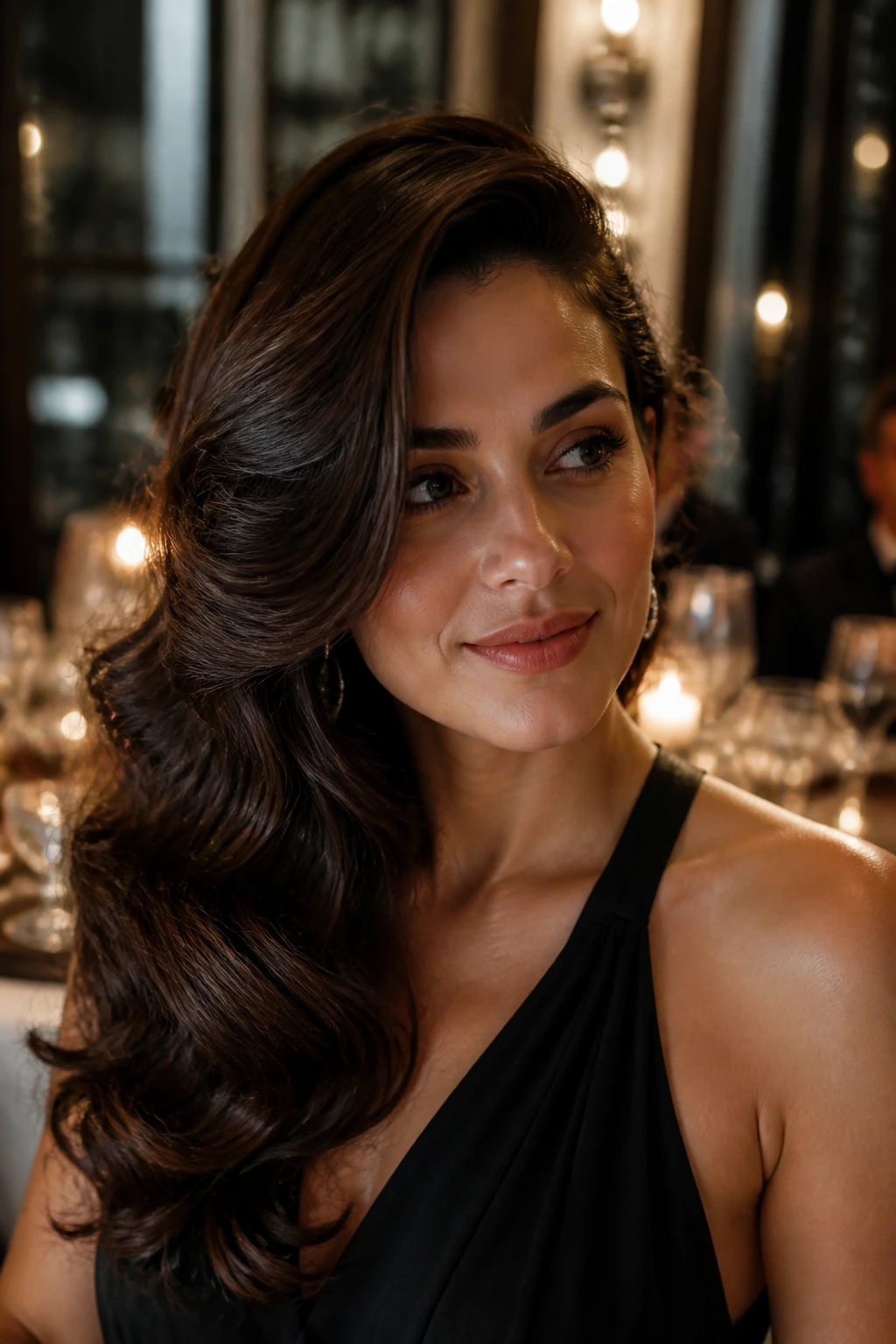
Deep side-swept waves work because they redirect thickness instead of trying to erase it. Thick hair often looks best when the movement is controlled to one side, especially if the front is heavy. A center part can be fine, but a deep side part gives you lift at the root and a smoother fall through the lengths.
This style is one I’d choose for dinners, weddings, or any occasion where you want the hair to feel a little more dressed up without going full formal. The waves don’t need to be tight. A 1.25-inch curling iron or a large wand is enough. Alternate the direction of the curls everywhere except the front pieces, which should curl away from the face so the sweep stays open.
Why It Flatters Thick Hair
- It breaks up width at the crown.
- It gives the front a clean direction.
- It keeps the ends from forming a wide, blunt edge.
- It makes dense hair look softer under indoor lighting.
If your hair is coarse, finish with a light serum on the lower third only. The top needs movement, not grease. A couple of bobby pins hidden behind the ear can keep the sweep from collapsing if the hair has a stubborn parting.
14. The Wrapped-Base Ponytail
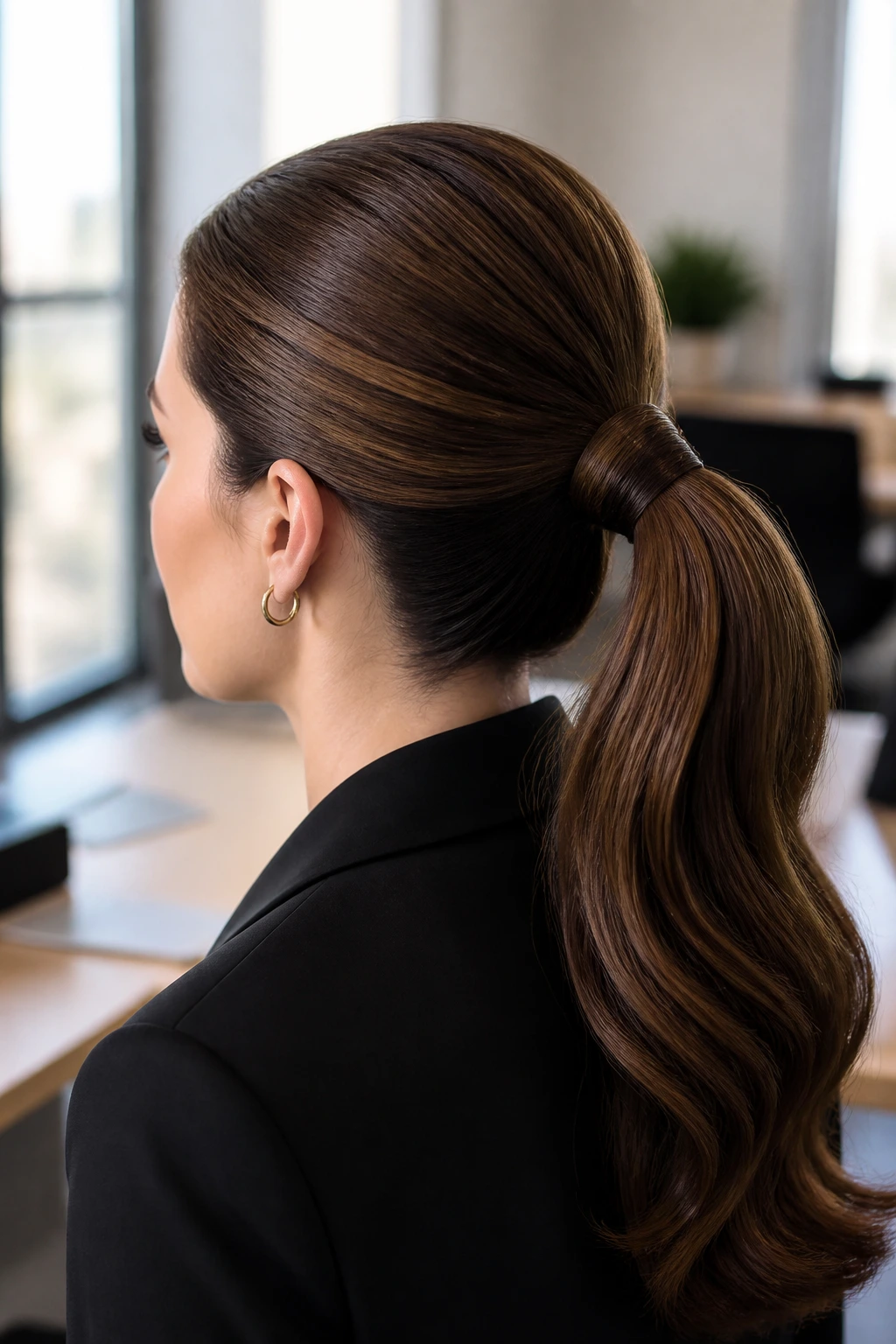
A ponytail can look deliberate on thick hair, but only if you stop treating it like a last-minute fix. The wrapped-base ponytail is tidy, sleek, and more flattering than the elastic-only version most people settle for. It works because thick hair has enough mass to create a real shape at the back without needing fake fullness.
The placement matters. Mid-back of the head is usually better than too-high on the crown, which can stretch the face upward in an odd way or make the ponytail feel cartoonish. Smooth the hair with a brush and a little styling cream, secure it with a strong elastic, then hide the band with a 1-inch section of hair wrapped around the base and pinned underneath.
This is a clean style for office days, travel, or weather that refuses to cooperate. It keeps the length controlled, and thick hair tends to look lush in a ponytail anyway — there’s no reason to hide that. If you want more polish, leave a few strands at the temples and curve them slightly with a flat iron. If you want it sharper, keep the hair pulled back and the wrap tight.
The difference between ordinary and intentional is five minutes and one bobby pin. That’s the whole game.
15. The Modern Wolf Cut
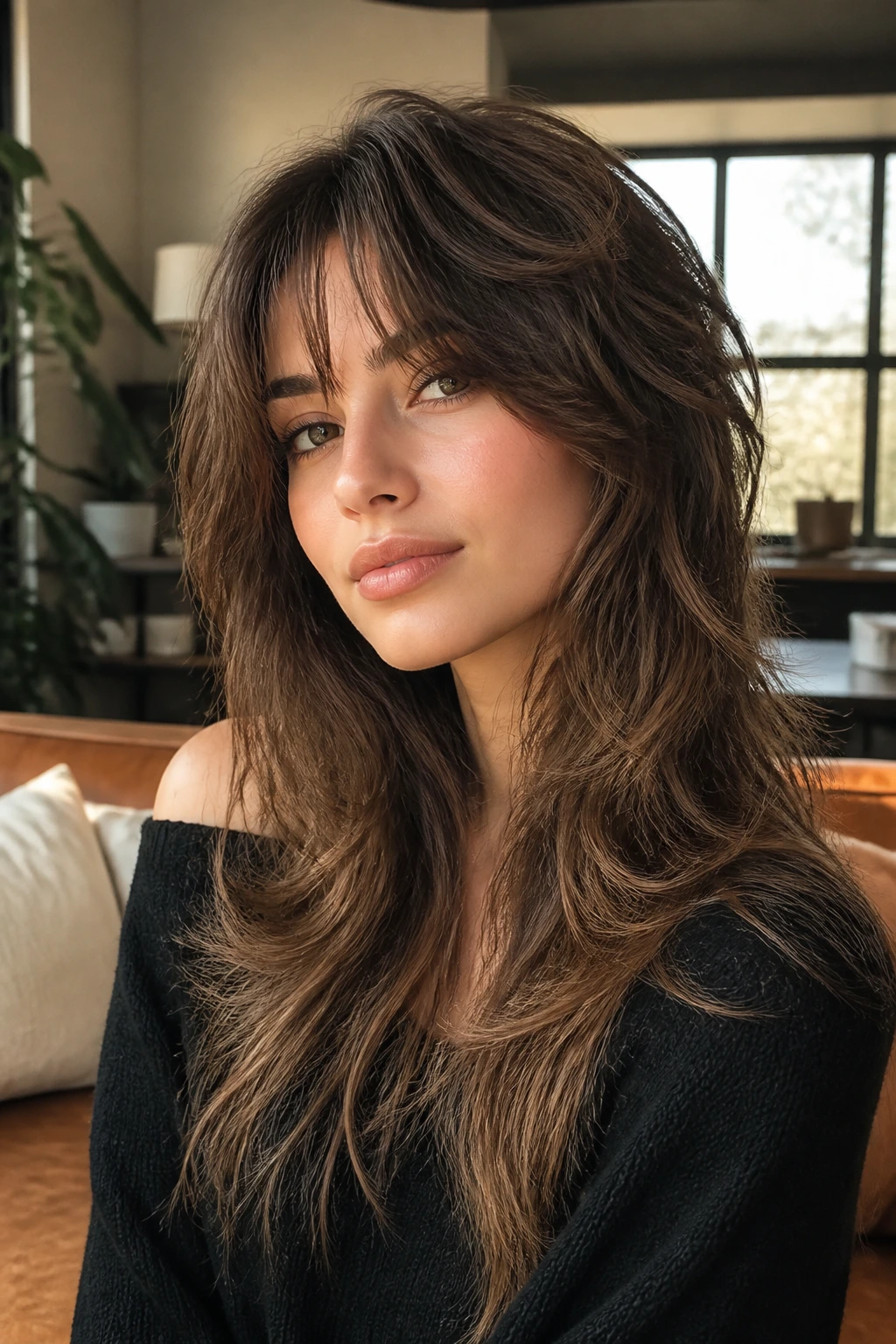
The modern wolf cut can work beautifully on thick hair if it’s softened. The harsh version, with too much disconnection and not enough blend, can make dense hair look like it’s wearing a bad attitude. The better version keeps the shaggy energy but tempers it with longer face-framing layers and a cleaner connection through the ends.
What thick hair gets from this cut is movement. Lots of it. The top can be full and lifted, while the bottom gets enough shaping that the whole head doesn’t turn into one solid block. If your hair has wave or curl, this cut can make that texture look far more interesting. If your hair is straighter, it still creates a lived-in edge that’s easy to style with a diffuser or a dry-texture spray.
Who Should Ask For It
- Women who like texture and are not married to smoothness.
- People whose hair gets flat at the top but bulky underneath.
- Anyone who wants a more undone look without committing to a mullet.
- Thick-haired women who don’t mind a bit of styling.
Do not go too short at the crown if your hair is coarse and dense. You’ll get volume, yes. You may also get puff. Softness is the trick here.
16. The Tucked-Under Shoulder-Length Blowout
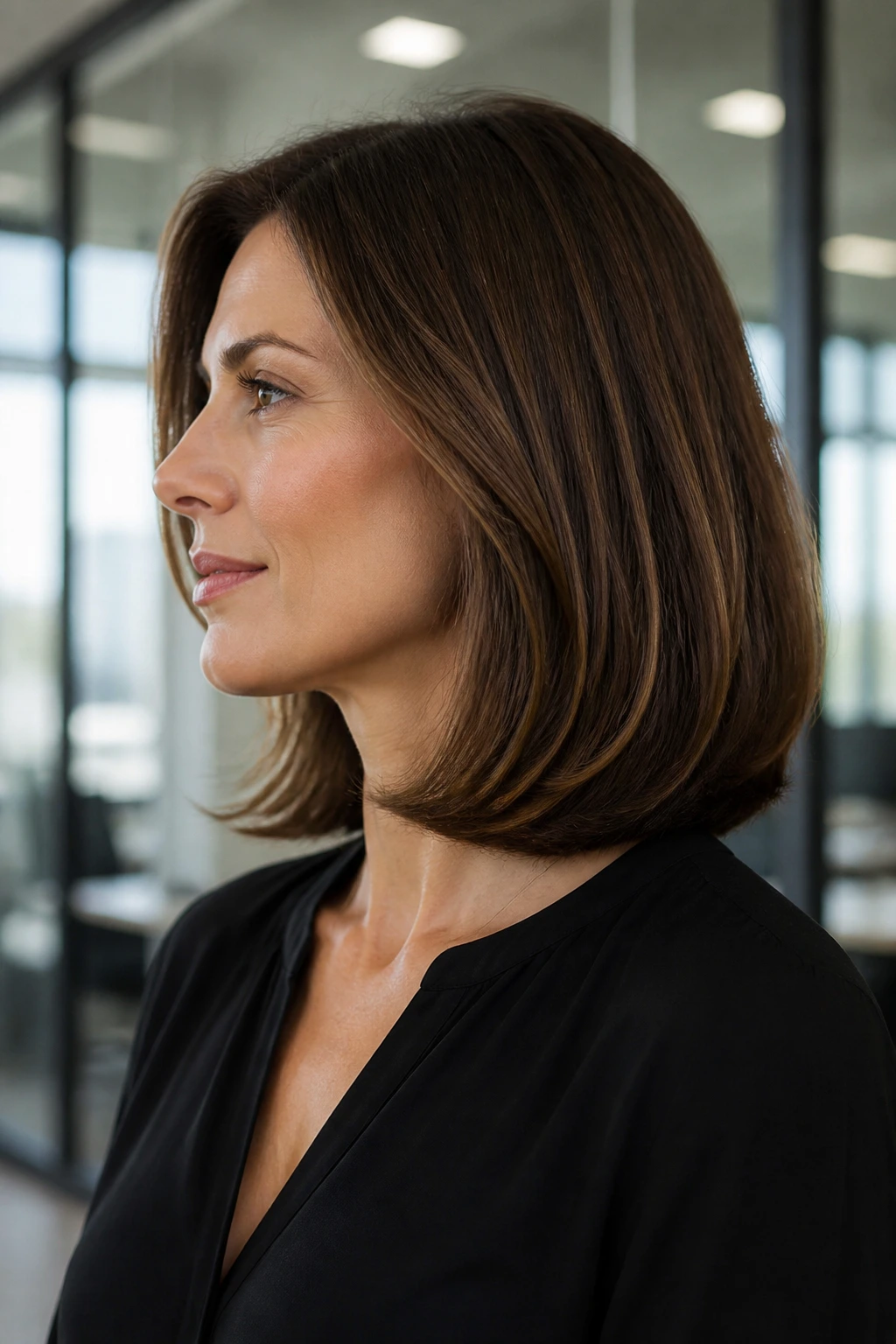
If you want hair that looks tidy without stiffness, the tucked-under shoulder-length blowout is a smart middle ground. The ends curve inward, the top stays smooth, and the shape feels polished without tipping into old-fashioned pageant hair. Thick hair loves this because the style controls the width at the shoulders, which is where dense hair often starts to spread out.
The key is the bend. A round brush with a medium barrel or a hot brush can create the undercurve at the ends, but the movement should stay soft. You’re aiming for a sweep that hugs the shoulders, not a hard curl. That little inward tuck gives the cut structure and keeps the hair from flipping out in random directions.
A Few Details That Matter
- Work with 1.5 to 2-inch sections.
- Blow-dry the roots first for lift.
- Direct the ends inward with the brush for the last 10 seconds.
- Finish with a light-hold spray, not a sticky one.
This style is especially good if you wear blazers, sweaters, or anything with a broader neckline. The hair sits neatly around the clothing instead of getting caught on it. That sounds small. It is not small when you’re trying to leave the house on time.
17. The Soft Asymmetrical Bob
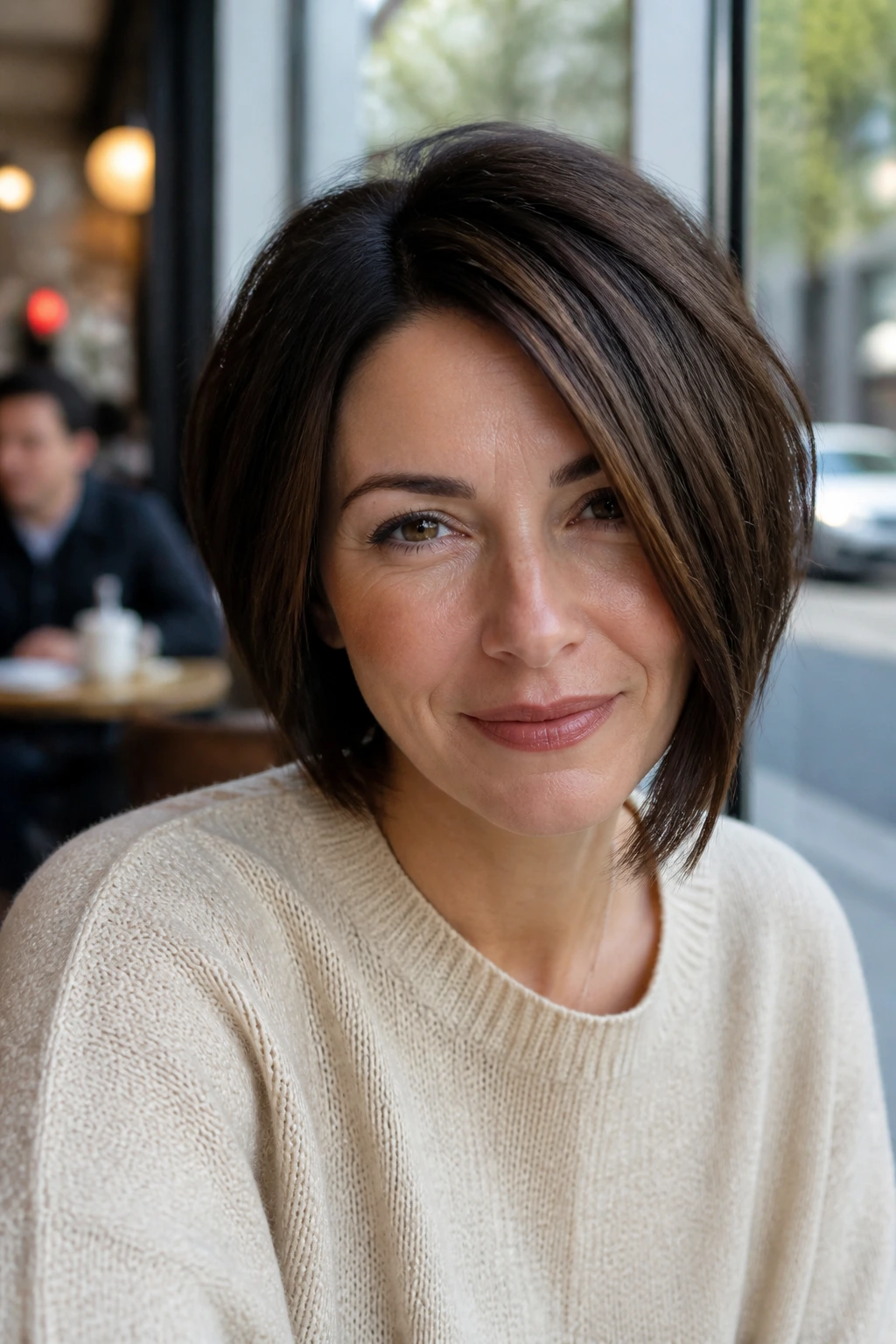
A soft asymmetrical bob gives thick hair shape without asking it to shrink. One side grazes a little longer than the other, which creates movement and a subtle line through the face. The asymmetry does not need to be obvious. In fact, I prefer it when the difference is slight enough that you notice it only when the hair moves.
This cut works because dense hair can carry a strong shape. Fine hair often needs symmetry to avoid looking sparse. Thick hair can handle a little imbalance and still look full. That makes it a good choice for women who want a bob but don’t want the predictable, all-around-the-same-length version.
Styling is straightforward. A side part will show off the angle more clearly, and a smooth blow-dry with a round brush keeps the ends from bloating out. If your hair has a strong wave, you may need to flatten the top lightly and let the lower lengths swing a little. That contrast looks better than trying to force every strand into one behavior.
The best part is that it looks sharper than a standard bob without feeling fussy. There’s a line to it. Hair people notice that sort of thing.
18. The Messy Chignon With Lift at the Crown
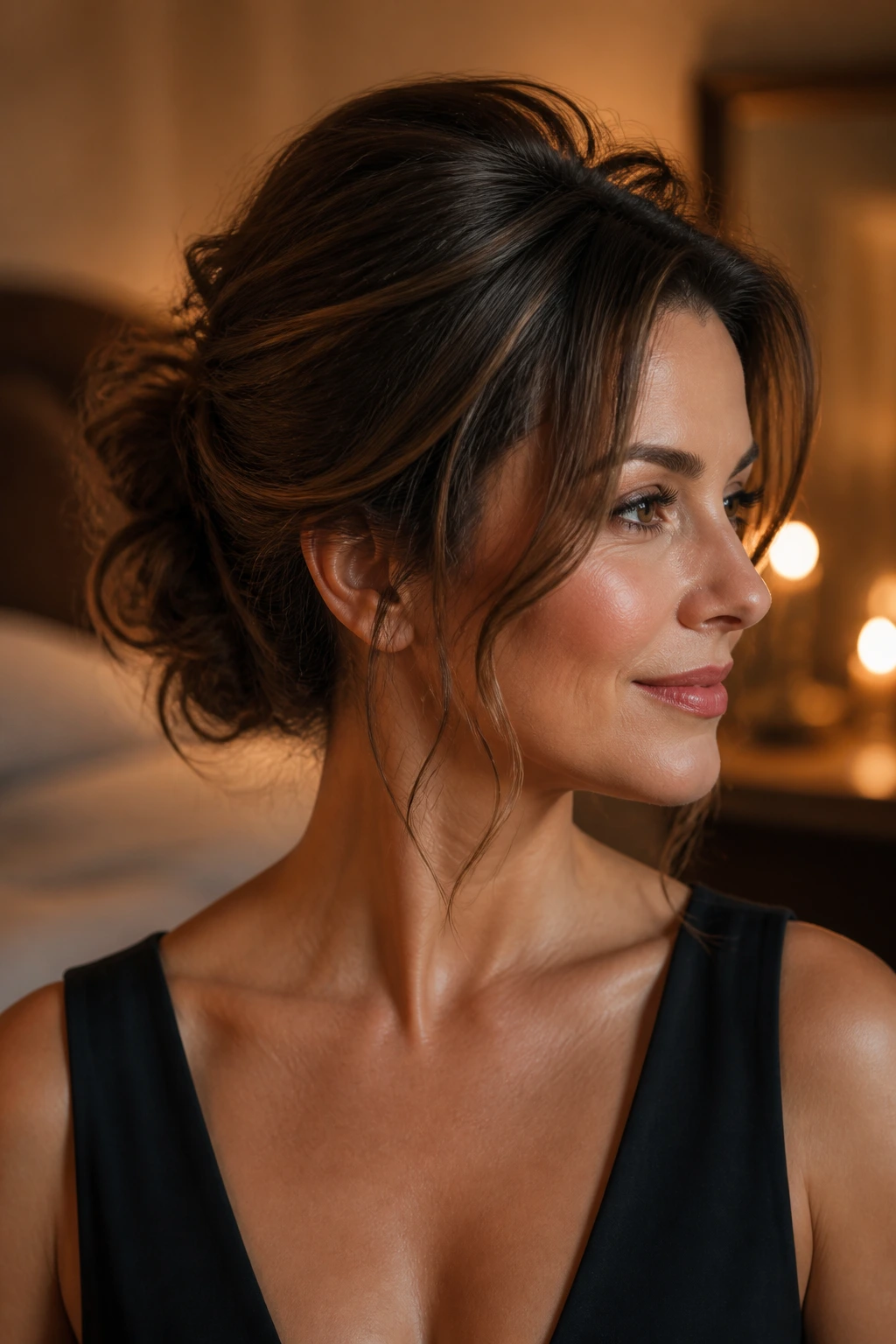
The messy chignon is not a sloppy bun. There’s a difference, and thick hair reveals it instantly. A good chignon has lift at the crown, a soft twist at the nape, and enough looseness through the front that it doesn’t feel glued to the scalp. Dense hair helps the shape hold, which is why this style can look richer on thick hair than on fine hair.
Start with a bit of texture spray or dry shampoo at the roots if the hair is too silky. Gather it low, tease the crown lightly with your fingers, and twist the lengths into a loose knot rather than a tight coil. Pin with crossed bobby pins so the weight has somewhere to sit. If the bun feels too round, pull a few pieces free around the ears and the temples. That softens the profile right away.
This one is good for evenings, weddings, or those days when you want to look put together in five minutes and spend the rest of the time doing literally anything else. It also works well with layered hair, because the shorter pieces naturally escape and create that lived-in edge.
The trap is making it too neat. Thick hair likes a little air around it. Leave some.
19. The Flip-Out Ends Cut
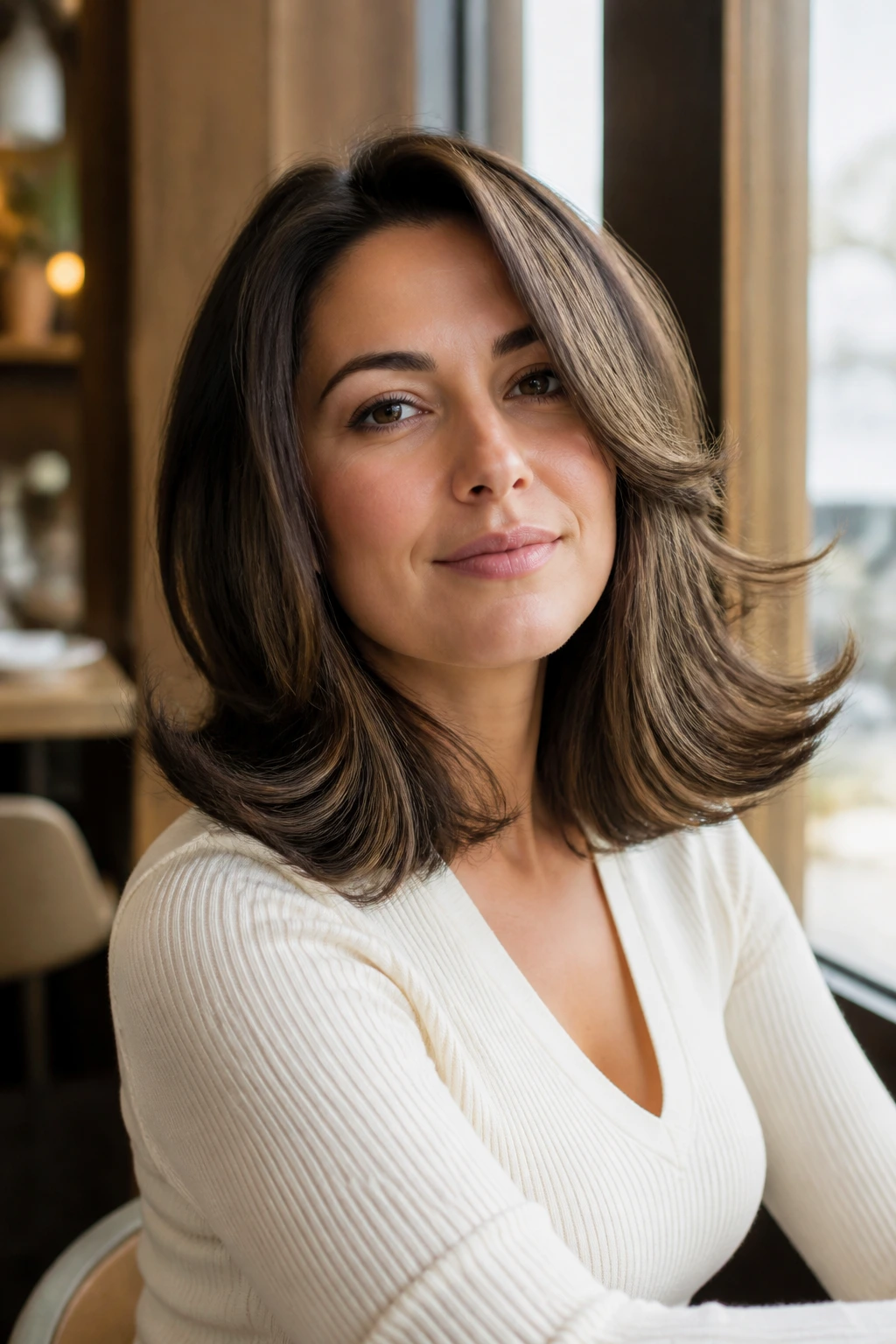
The flip-out ends cut gives thick hair personality without making it feel overstyled. Think of it as a shoulder-length or long bob shape with ends that turn outward just a little — not all the way into retro costume territory, just enough to create a lighter edge. On dense hair, that little flip can stop the ends from looking blunt and heavy.
This is a useful cut if your hair tends to sit flat on top and bulky at the bottom. A slight outward flip gives the lower half a sense of movement, and because the ends are working away from the neck instead of against it, the whole style feels less weighed down. It’s a particularly good choice for thicker hair that wants to look playful but still clean.
What to Ask For
- Shoulder-length or slightly below.
- Light layering around the face.
- A soft bevel or outward bend at the ends.
- Enough weight left in the perimeter to keep it from frizzing out.
Styling is easiest with a 1.5-inch round brush or a blow-dry brush. Pull the ends outward for the final few seconds and let them cool in that shape. A mist of flexible hairspray keeps the flips from turning into chaos by noon.
It’s a small change. The effect is not small.
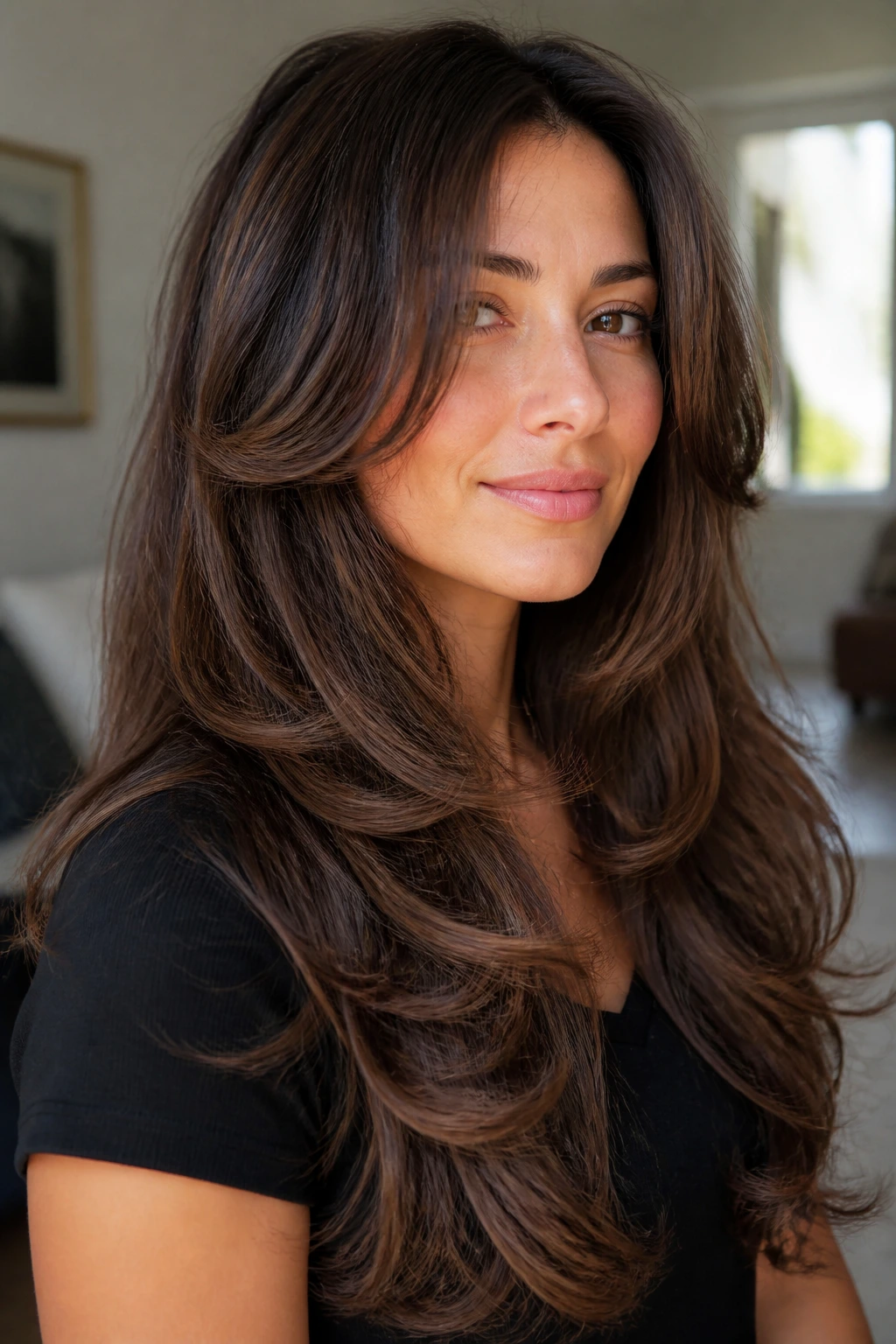
20. The Glossy Long Layers With Curtain Fringe
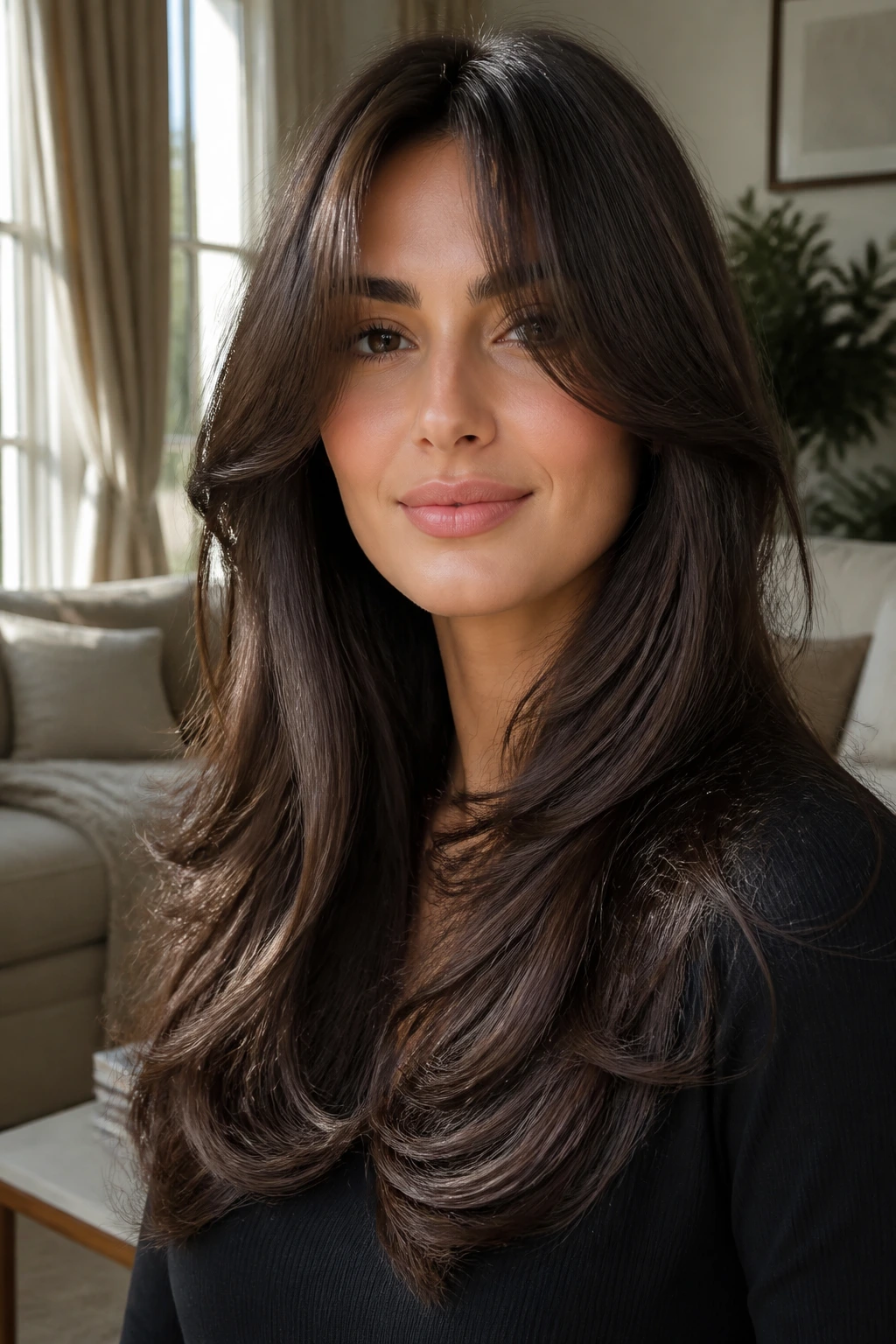
Long hair and thick hair can coexist, but only if the layers are actually doing a job. Glossy long layers with a curtain fringe keep the length people love while preventing the bottom from becoming a heavy wall. The fringe softens the face, the layers create motion, and the long length keeps the overall look lush.
I like this style for women who are attached to long hair but tired of it feeling too much. The curtain fringe is the key because it breaks up the front without committing to a full bang. It also gives you something to style on days when the rest of the hair wants to be low-maintenance. A quick round brush pass through the fringe, a bit of smoothing cream through the mids, and you’re halfway there.
For thick hair, the layers should begin lower than most people expect — usually below the chin, often closer to the collarbone. That keeps the shape smooth. If the layers start too high, long hair can go airy in a bad way and then heavy again at the bottom. Nobody wants that uneven triangle.
This is the closest thing thick hair has to a dramatic but sensible default. Length. Movement. Enough fringe to frame the face. No drama at the ends.
How to Pick the Right Shape for Your Face, Neck, and Routine
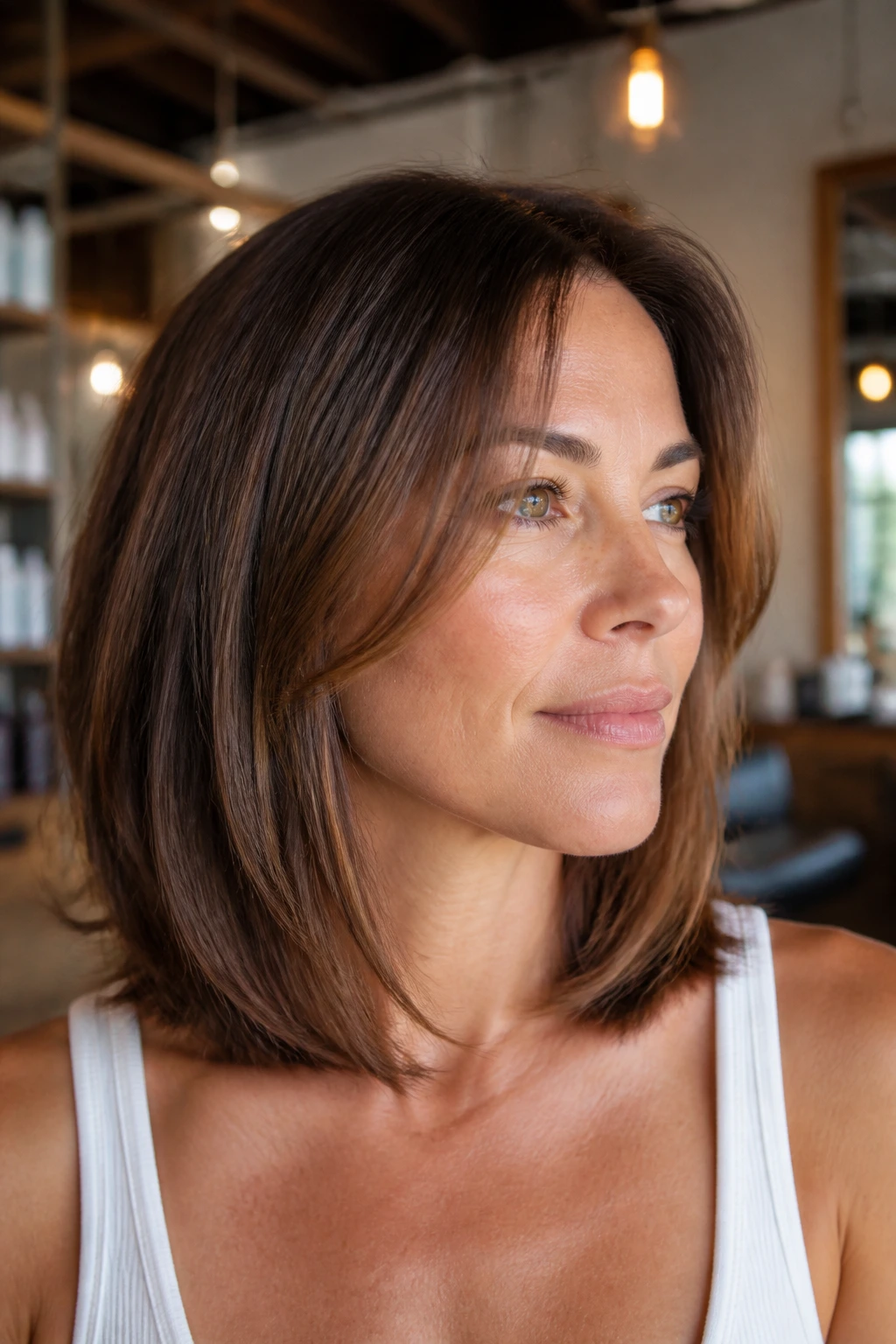
The best hairstyle in a photo is not always the best hairstyle on your head, and thick hair makes that even more obvious. Density changes how cuts fall. It changes how they dry. It changes how much neck you can tolerate on a hot day. So the right choice is part face shape, part texture, and part daily patience.
If you want your face to look a little narrower, look for shapes that create movement below the cheekbone — the collarbone lob, butterfly cut, and deep side-part waves all do that well. If your jawline is strong and you like that, a chin-length bob or French bob can make the line look crisp instead of severe. If your hair tends to sit heavy around the neck, shorter layers or a lifted crown on an updo keep the whole thing from feeling weighed down.
Glasses matter too, and people forget this. A heavy fringe can fight with frames. A curtain bang, side part, or long face-framing layer usually plays better because it leaves some breathing room. Neckline matters as well. If you live in turtlenecks and wide collars, a tucked-under shoulder-length shape or low bun avoids a lot of friction. Literally.
Morning routine is the final filter. If you want to be out the door in ten minutes, pick something that looks good a little undone: soft shag, collarbone lob, wrapped ponytail, claw-clip twist. If you don’t mind a brush and a dryer, the blowout-based styles will reward you with a sharper finish.
The Salon Language That Keeps Thick Hair Honest
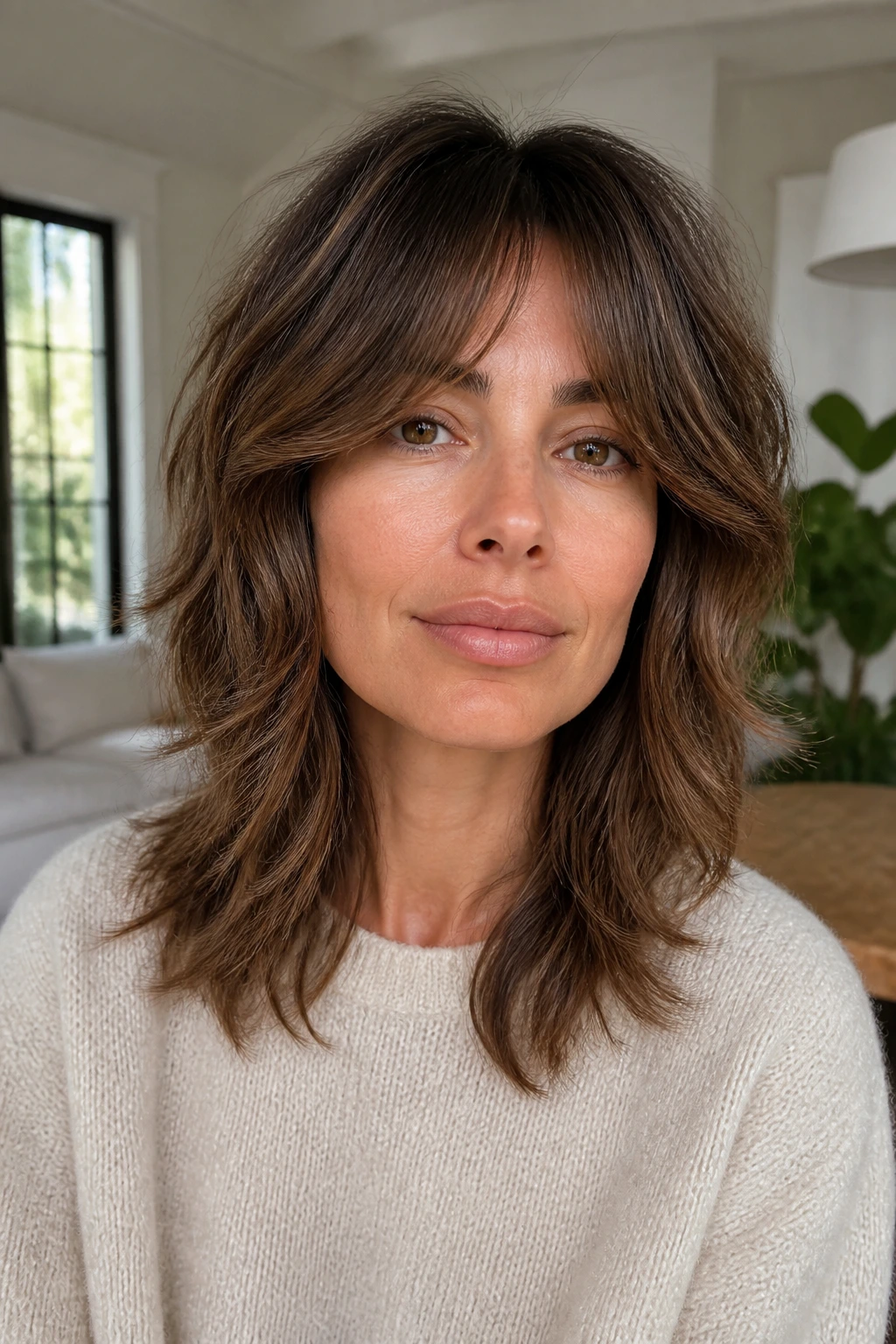
A good stylist can work magic with thick hair, but only if you say the useful things. “Take some weight off” is too vague. So is “I want layers.” Thick hair needs more precise instructions, or you end up with a cut that looks good for two days and then expands into something vague.
Say where the bulk lives. Is it at the nape? Around the ears? At the crown? On the underside of the back section? That tells the stylist where to remove internal weight and where to keep the line strong. If the ends feel too blunt, ask for soft point cutting instead of aggressive thinning shears. Thinning shears can be useful in small doses, but on thick hair they can also create fuzzy ends that frizz out by noon.
Bring pictures, but not just of the front. Thick hair changes when you turn your head. A side view and a back view matter more than people think. If you like a curtain fringe, show where you want it to land when dry, because bangs shrink and spring in a way that is annoying and predictable at the same time.
Two phrases I use a lot: “Keep the perimeter full.” and “Take weight out from the inside.” Those are not magic words, but they are clearer than hoping the stylist reads your mind.
The Tools That Make Thick Hair Behave
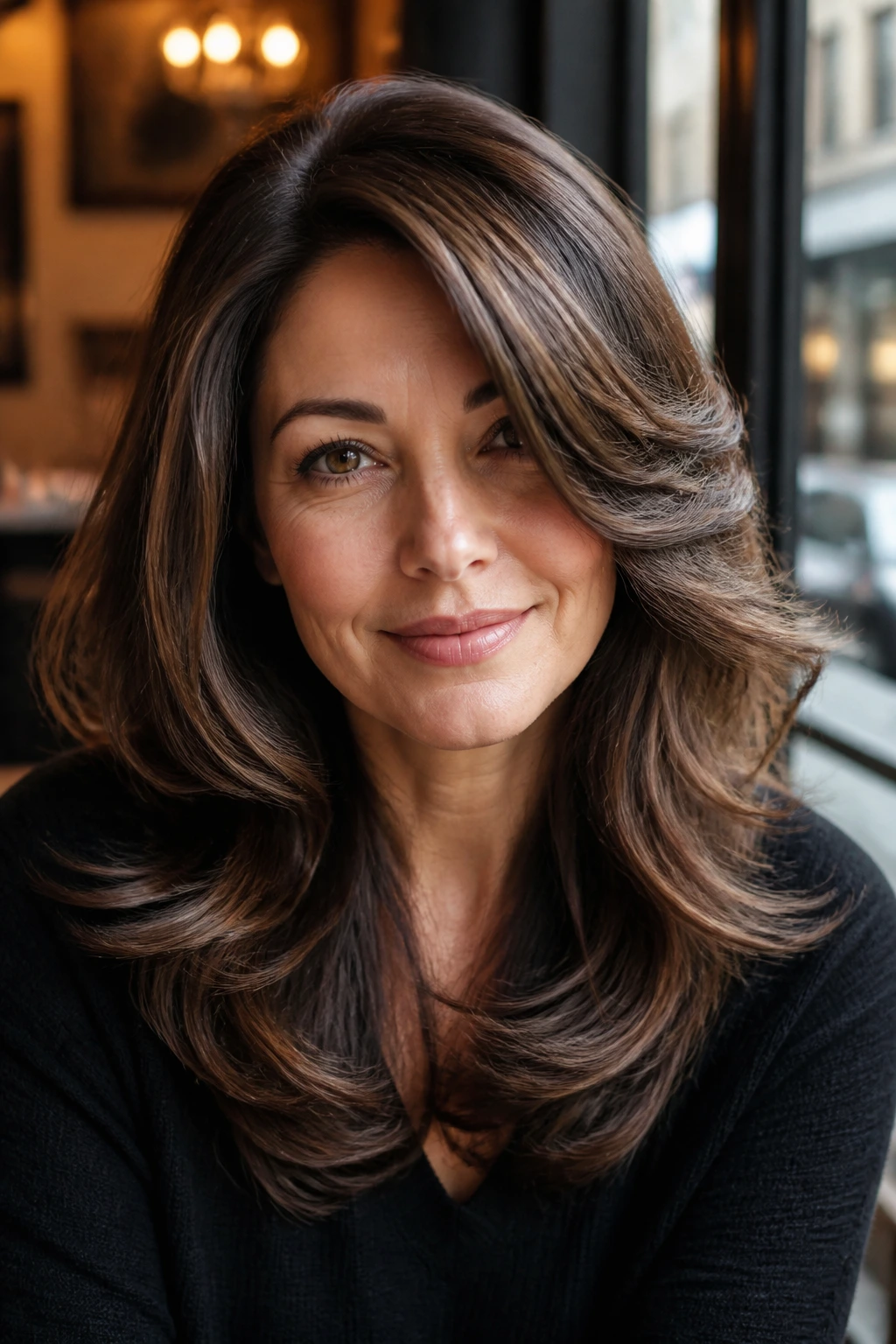
- 1.5-inch round brush: Best for lobs, blowouts, and any style that needs bend rather than curls.
- Paddle brush: Good for smoothing dense hair fast without making it flat at the roots.
- Wide-tooth comb: Helps detangle wet hair without yanking through knots.
- Heat protectant spray: Non-negotiable if you use a dryer, iron, or hot brush.
- Jumbo claw clip: The small ones snap or slide on thick hair; the big, strong clips hold the weight.
- Bobby pins and U-pins: Useful for buns, twists, and braid finishes.
- Dry shampoo: Better at the roots than the mids; use it before hair looks greasy.
- Flexible-hold hairspray: Keeps movement in place without making the hair crunchy.
- Smoothing cream or light serum: Useful on coarse or frizz-prone lengths, especially near the ends.
- Blow dryer with a concentrator nozzle: Directs airflow and helps thick hair smooth faster.
If you only buy three things, make them the heat protectant, the round brush, and the good claw clip. The rest can wait.
The Styling Habits That Save Time on Thick Hair
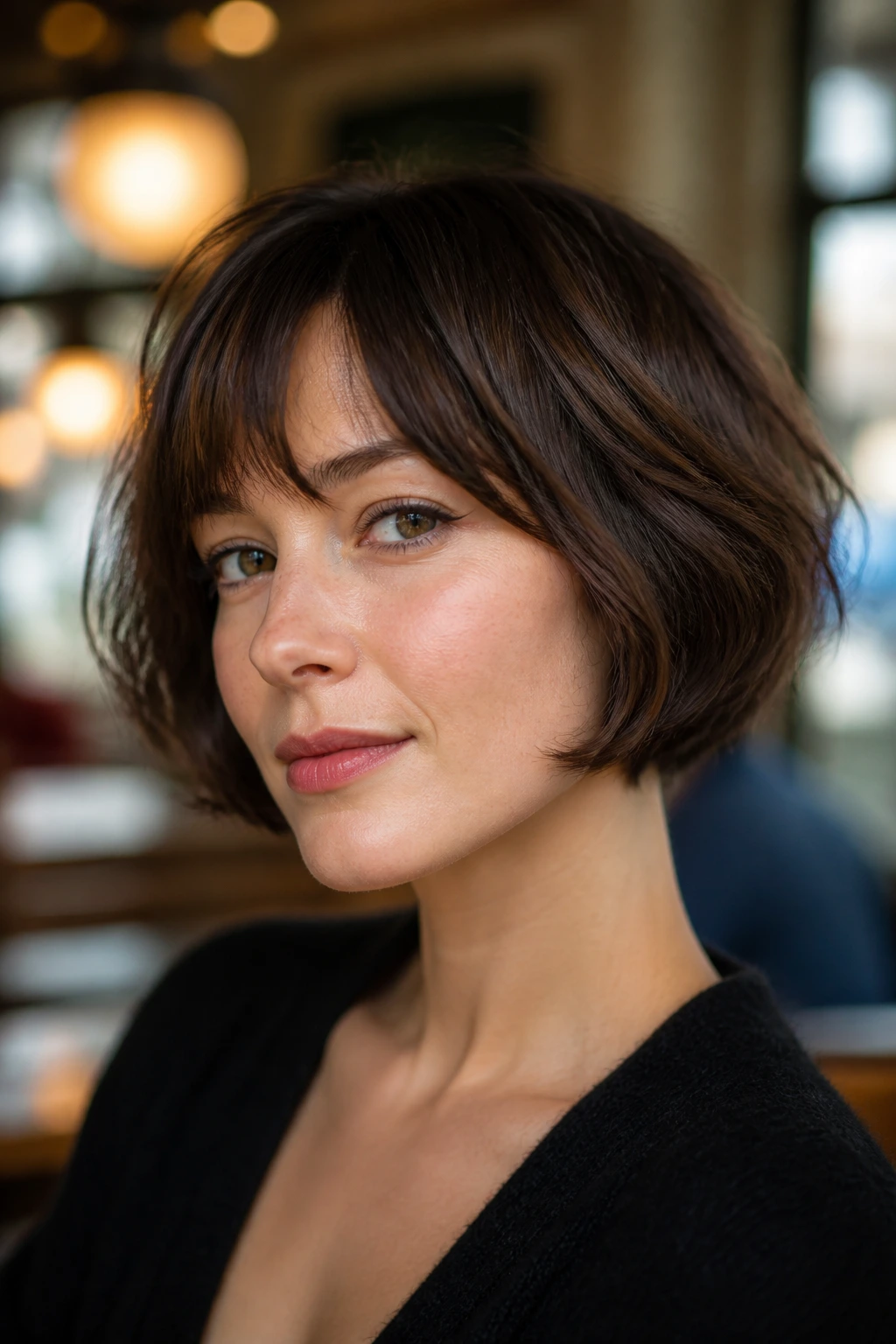
Thick hair is usually not hard because it’s difficult. It’s hard because it’s dense, and density punishes sloppy technique. The first habit that helps is section size. Keep your sections small enough that the heat can actually reach the middle. Two-inch sections are about as large as I’d go if you’re blow-drying for polish. Bigger than that, and the top dries while the center stays damp and puffy.
Product order matters too. Put mousse or root lift in before drying if you want volume at the crown. Put serum or cream on after if you want shine and smoother ends. Don’t stack too many products at once. Thick hair can take more than fine hair, but that does not mean it loves a cocktail of everything on the shelf.
A cool shot at the end of each section helps. It sounds fussy, but it locks the bend into place and cuts down on the hair springing back into its old shape before you’ve left the bathroom. If you’re air-drying, scrunch in product and leave the hair alone for the first 20 minutes. Constant touching creates frizz. The hair is not a craft project.
And here’s the thing nobody wants to hear: thick hair often looks better when you stop trying to make every strand behave. Control the roots, smooth the perimeter, shape the face, and let a little movement live in the middle. That’s the sweet spot.
The Mistakes That Make Thick Hair Bigger, Flatter, or Fussier
-
Cutting too many short layers at the top.
The symptom is a halo of volume that sits high on the head and a heavy shelf underneath. The fix is to move the shortest layers lower, often around the cheekbone or below, and keep more weight in the perimeter. -
Over-thinning the ends with a razor or aggressive shears.
It feels like you’re reducing bulk, but what you often get is fuzzy ends that frizz and split shape. Ask for internal weight removal instead, and keep the outer edge full. -
Blow-drying giant sections.
Thick hair needs smaller sections than most people think. If the hair is still damp inside the section, the shape will fall apart fast. -
Ignoring the nape.
The back of the neck is where a lot of bulk hides. If the nape is too heavy, a style can feel hot, helmet-like, and oddly square. A little debulking there makes a huge difference. -
Using heavy oils at the roots.
Thick hair can handle some richness, but the roots need lift, not grease. Keep heavier products from the scalp and use them only on the ends if they’re dry. -
Choosing bangs without thinking about cowlicks.
Thick hair bangs can look amazing, but only if the growth pattern cooperates. A strong cowlick will split a fringe if you do not account for it during the cut.
Variations and Alternatives to Try
Air-Dry Luxe
For wavy thick hair, swap any blowout-heavy style for a cleaner air-dry version. Use a curl cream or light mousse, scrunch once, and clip the roots for ten minutes so they don’t dry flat against the scalp. This version works well for the shag, lob, and butterfly cut.
Glossy Blowout Edit
If your hair already leans smooth, favor the side-part blowout, tucked-under shoulders, and beveled ends. The trick here is shine, not curl. A round brush and a light serum at the ends do more than a stack of hot tools.
Shorter-Long Hybrid
This is for women who want some neck relief but do not want a short crop. The French bob, pixie bob, and collarbone lob all sit in this lane. The hybrid approach gives you the ease of shorter hair with enough length to pull back when needed.
Fringe-Free Version
If bangs make you itchy or your cowlicks are rude, skip the fringe and lean on side parts and face-framing layers instead. The side-swept wave, long layered cut, and wrapped ponytail all work well without bangs.
Event-Ready Finish
Take the low bun, loose braided crown, and messy chignon, then dress them up with pins, a silk ribbon, or a deep side part. Thick hair holds accessories better than you might expect, so this is one place where a decorative comb actually stays put.
How to Keep These Styles Fresh Between Washes
Thick hair often behaves better on day two than day one, which is one of its few perks. The catch is that you need to preserve the shape instead of sleeping on it like it owes you money. A silk pillowcase helps cut down on frizz and keeps the top layer from getting roughed up overnight. A loose braid or low twist can also save a blowout if your hair is long enough.
Dry shampoo works best before the roots look greasy. Put it on the night before if you know your hair gets oily fast. That gives it time to absorb without leaving a chalky patch at the crown. If the ends have lost movement, use a flat iron or a large curling iron only on the front pieces and the last two inches. That’s usually enough to wake the shape up.
For updos, a little finger-twisting the next morning can make a huge difference. Pull the bun or twist apart slightly, smooth any dents at the crown, and re-pin where needed. Do not drown the hair in product just because it feels flat. Most of the time it needs a little direction, not a rescue mission.
Some styles, like the shag and the soft lob, improve a bit overnight because the texture settles. Others, like sleek bobs and blowouts, need a quick refresh at the ends. The trick is knowing which camp your style lives in and not expecting all thick hair to behave the same way.
Questions People Ask Before Choosing a Thick-Hair Style
What haircut is best if my thick hair feels too bulky?
A collarbone lob with hidden layers, a long layered cut with internal debulking, or a soft shag are usually the smartest starting points. They reduce the weight inside the haircut without making the ends look see-through.
Are bangs a bad idea for thick hair in your forties?
Not at all, but the shape matters. Curtain bangs and soft side-swept fringe are easier to live with than blunt, heavy bangs, especially if you have a strong cowlick or a low-maintenance routine.
Can thick hair go short without looking like a triangle?
Yes, but the cut has to be engineered for it. A French bob, pixie bob, or asymmetrical bob works when the nape is controlled and the perimeter isn’t left too heavy.
Should I thin my thick hair with razors or thinning shears?
Only in small, careful doses. If a stylist takes too much out at the ends, the hair can frizz and puff worse than before. Internal weight removal is usually the safer route.
What if my thick hair flips out at the ends no matter what I do?
That usually means the cut line is too blunt or the ends are drying unevenly. A soft bevel, tucked-under blowout, or a little internal layering often fixes it better than more product.
Which styles are easiest if I never want to heat-style?
The soft shag, loose braided crown, half-up twist, and claw-clip twist are friendly to air-drying. They use texture on purpose instead of asking the hair to become sleek.
How often should thick hair be trimmed?
Every 6 to 8 weeks is a safe rhythm for shorter cuts and fringe. Longer layered styles can stretch a bit farther, but once the shape starts to feel heavy at the ends, the cut is no longer doing its job.
Staying Sharp
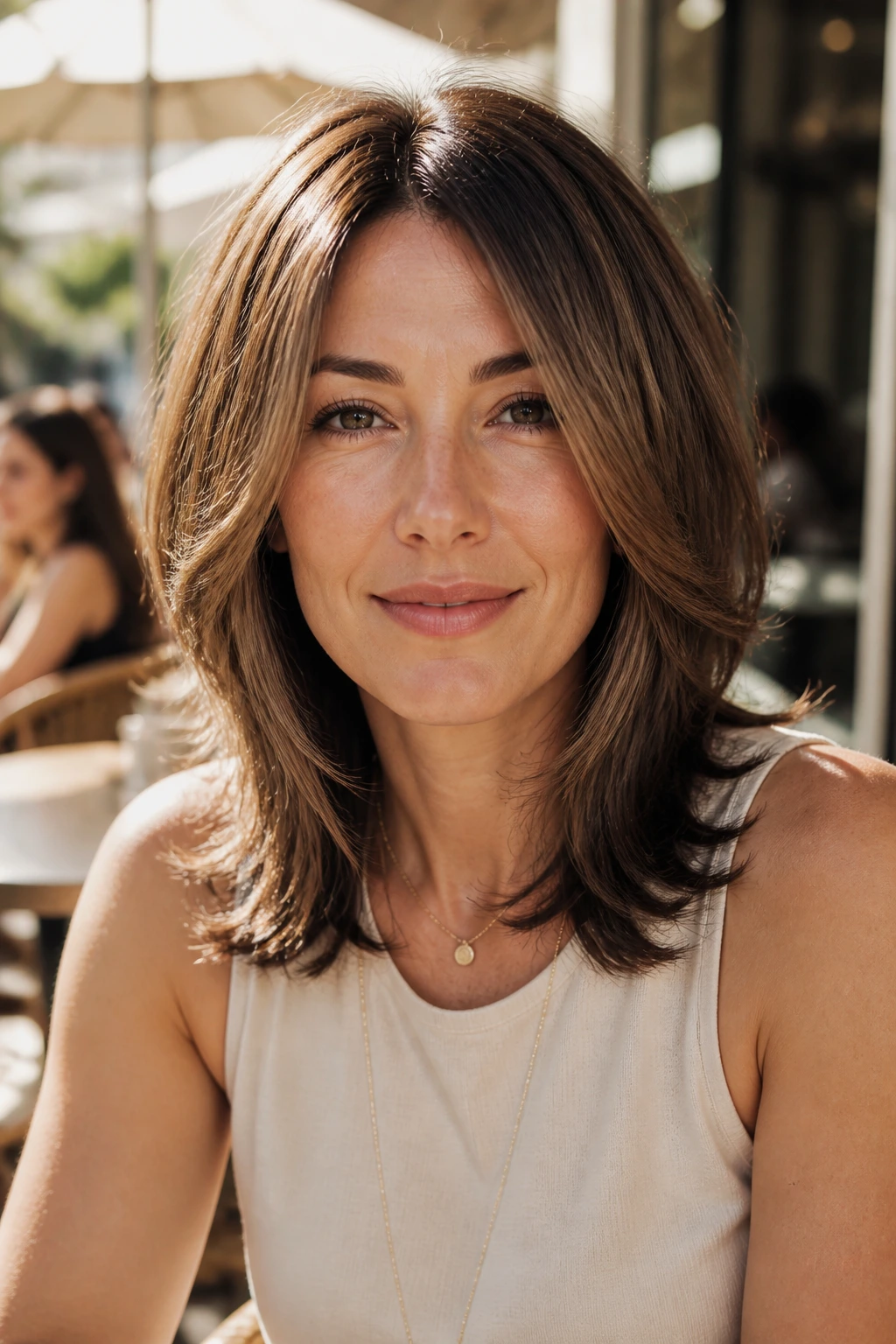
Thick hair in your forties does not need a fight. It needs a shape that understands where the weight lives and refuses to let that weight run the whole show. Once the cut starts doing the heavy lifting, everything else gets easier — the blow-dry, the ponytail, the quick twist before dinner, all of it.
If I had to narrow the whole field down to one principle, it would be this: keep the perimeter clean and make the inside do the work. That’s what separates a style that merely has volume from one that actually looks finished.
Choose the shape that matches your routine, not your fantasy version of your morning. That’s where the good hair lives.