



A preteen boy with wavy hair can look like he’s got two haircuts at once: one shape when it’s damp and another when it dries. That’s why the best preteen long haircuts for boys with wavy hair don’t fight the bend; they work with it, keep the ends light, and leave enough length for the hair to settle instead of puff out into a helmet.
The problem is that a lot of cuts for straight hair fall apart the second wave shows up. A blunt line across the forehead gets bulky. A heavy one-length cut around the ears turns into a triangle by lunchtime. And a preteen usually does not want a style that needs ten minutes of fixing before school. He wants hair that can be pushed back, tucked behind one ear, or left loose without looking like an accident.
Long wavy hair can be one of the easiest textures to work with if the shape is right. A little layering in the right spots changes everything. So does a clean neckline, a fringe that stops before the lashes, and a barber who knows the difference between removing weight and stripping out the good movement. The cuts below cover the useful middle ground — the ones that look intentional on a Monday morning and still have enough freedom to feel like his own hair.
Why This Collection Is Worth Bookmarking
-
They grow out with less drama: A good wavy cut still looks shaped after six or seven weeks, when a tighter style starts to look shaggy in the bad way.
-
They keep the wave visible: These cuts leave enough length for the bend to show instead of flattening it into a puffy, undefined shape.
-
They work for school and weekends: Most of them can be worn loose, tucked, side-parted, or brushed back without a full restyle.
-
They make barber visits easier: Clear length targets — brows, ears, collar, neckline — make it much simpler to explain what should stay and what should go.
-
They suit different densities: Fine wave, thick wave, loose wave, strong wave at the crown — there’s room here for all of it.
1. The Soft Curtain Flow
A soft curtain flow sits right in that useful zone between polished and relaxed. The hair is long enough to part near the middle or just off center, but not so long that it hangs in the eyes like a curtain rod tipped over. The magic is in the layers around the cheekbones and jaw, where the wave breaks up the line and gives the haircut a little movement even when it’s barely styled.
What I like about this one is how it behaves after a messy school day. The part can drift a bit, the fringe can separate, and the cut still looks like it was meant to do that. That matters on a head with real wave, because a neat line on paper can turn into chaos once the hair dries.
What to Tell the Barber
Ask for long layers that keep the length near the nose, cheekbones, and collar without creating a blunt shelf. Mention whether the hair naturally parts in the middle or slightly to one side. If the crown is dense, have the barber lighten it with point-cutting, not aggressive thinning.
The best version of this cut has enough weight left at the ends that the hair falls instead of floating. Too much removal, and the curtain becomes wispy in a way that looks unfinished.
2. The Tapered Wavy Mop
This is the cut for a boy who likes length but needs the neckline to stay tidy. The top and back stay soft and full, while the nape and sideburn area get a low taper that keeps the shape from spreading out. It is not a mullet, not a bowl, not a buzz with extra steps. It’s just a controlled version of a shaggy long cut.
The real advantage is maintenance. A taper keeps the back from looking overgrown first, which is usually the spot that gives away a haircut that’s gone too long. The top can keep its wave, the sides can still be brushed back behind the ears, and the haircut won’t collapse into a mop the second it gets humid.
This works especially well on boys whose hair grows fast at the neckline but stays soft on top. That growth pattern can make a haircut look uneven in a hurry. A clean taper fixes the visual problem without taking away the length that makes the style fun in the first place.
3. Shoulder-Length Surfer Sweep
Shoulder-length waves are for the kid who doesn’t want his hair trying too hard. The look has that loose, almost sun-tossed movement that comes from leaving enough length for the wave to stretch and bend on its own. It lands just long enough to brush the collar or sit on the shoulders without turning into a blanket.
What keeps this haircut from looking sloppy is layering through the lower half. If the hair is all one length, the ends can split into a heavy curtain. With soft, well-placed layers, the wave starts to move in different directions, and the whole cut feels lighter even though the length stays.
Best When
This is a smart pick if the hair is medium to thick and naturally falls in wide bends instead of tight curls. It also works well for boys who keep tucking the front behind one ear without realizing they’re already styling it.
What to Avoid
Skip a heavy razor cut if the ends are already frizzy. On some wavy hair, that just makes the perimeter look dry and frayed. A clean point-cut finish is usually the better move.
4. The Layered Shag With Fringe
A shag on a preteen boy can go wrong fast, and when it does, it looks like the barber got bored halfway through. Done well, though, it’s one of the best haircuts for wavy hair because the shape is built around movement. The layers break up thickness, the fringe sits softly across the forehead, and the crown gets enough lightness to stop the cut from ballooning.
The fringe is the whole story here. It should feel broken up, not chopped. A few pieces can land near the eyebrows, but the line should stay soft so the wave can separate naturally. That gives the haircut a little attitude without pushing it into costume territory.
I like this cut best on boys with a strong wave pattern and a decent amount of density. Thin wave can disappear under too many layers. Thick wave, on the other hand, tends to wake up nicely with this shape.
How to Style It
Use a leave-in conditioner on damp hair, then scrunch lightly with fingers. Let it air-dry if there’s time. If not, dry the crown first and leave the fringe slightly damp so it can settle on its own instead of sticking flat to the forehead.
5. The Center-Parted Bro Flow
A center part can look sharp on wavy hair when it isn’t forced. The trick is to keep the part loose and let the hair fall in two soft panels instead of trying to make it ruler-straight. On a preteen, that creates a calm, easy shape that feels older without looking like he raided someone else’s style.
This cut usually lands around jaw length or a little longer, with weight kept in the lower sections. That weight matters. If the hair is thinned too much through the ends, the center part starts to look stringy. If the hair is left too heavy, it can droop. The sweet spot is a controlled, soft line that moves when he does.
The center-parted version works especially well for boys who don’t want hair falling into one eye all day. It pulls the wave away from the face while still keeping the length. That’s a useful compromise, and honestly, one of the few that tends to survive recess.
6. The Loose Wolf Cut
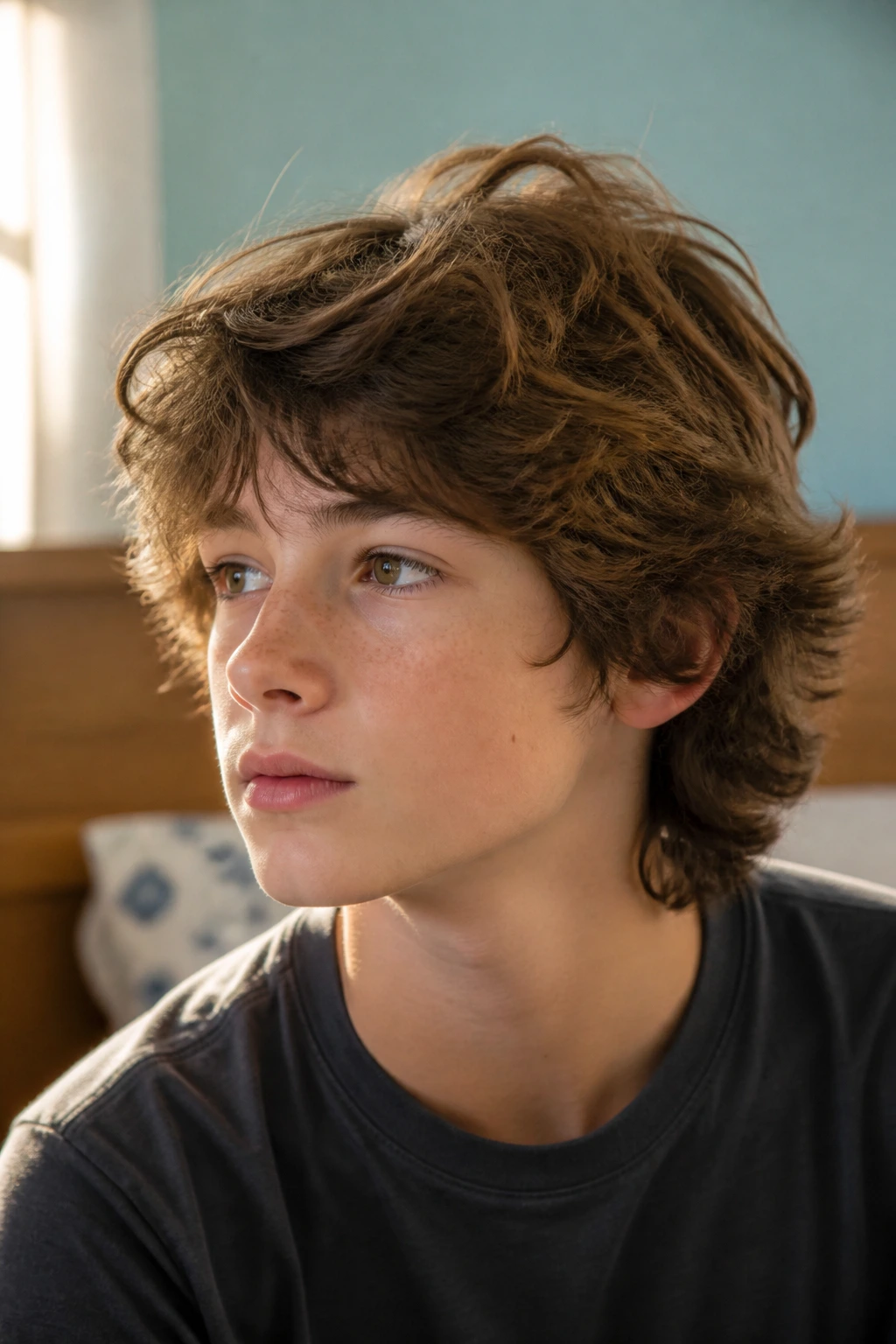
The wolf cut lives on texture. It has more lift near the crown, more swing through the ends, and a slightly untidy shape that suits boys who are fine with hair that looks lived-in rather than polished. On wavy hair, that means the layers get to do a lot of the work. The result is airy, not bulky.
This is one of my favorite choices for dense wavy hair because it removes weight without making the outline disappear. A good wolf cut still has a perimeter. It just isn’t a blunt one. The lengths around the face and neck need to stay soft enough that the wave can move, but not so chopped up that the style starts looking ragged.
The best version has a little softness around the ears and a longer fringe that can be nudged to either side. If the hair is especially thick, the barber can reduce bulk in the interior while keeping the surface pieces long enough to catch the light and move.
7. The Tuck-Behind-Ears School Cut
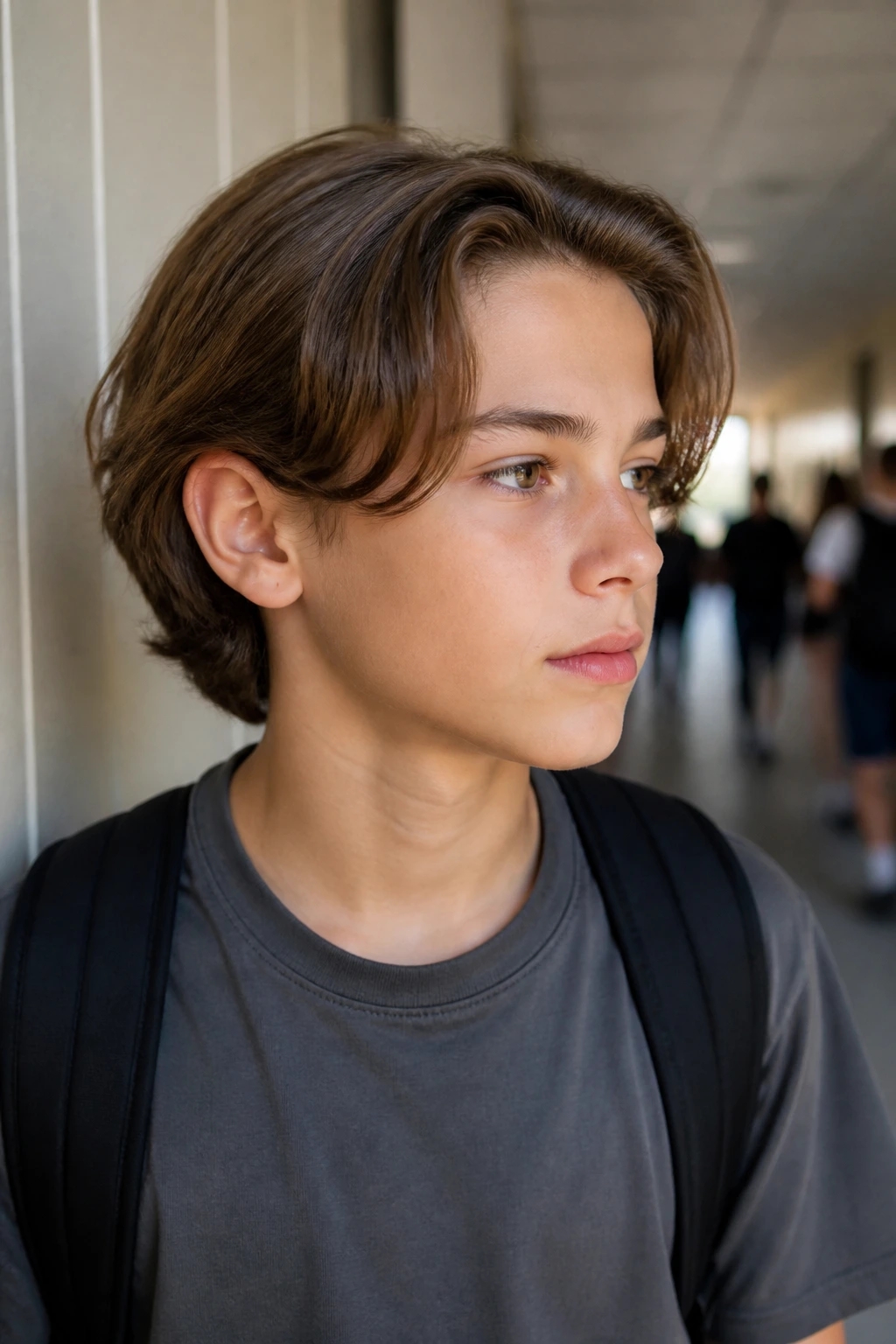
Some cuts are built to be worn loose. This one is built to be tucked, and that makes life easier. The lengths sit around the ears and jaw, long enough to show shape but short enough that the boy can sweep it back when he wants a cleaner school look. The neckline stays neat, and the front has enough weight to stay out of the eyes longer than you’d expect.
What makes this haircut practical is the way it behaves both ways. Loose, it reads relaxed. Tucked behind the ears, it looks more organized without losing the long-hair feel. That is useful on days with pictures, assemblies, or any moment when a preteen suddenly decides he wants to look a little more put together.
Barber Notes
- Keep the front long enough to sit above the eyes when dry.
- Ask for soft layering around the jaw.
- Clean the neckline low so it doesn’t flare out.
- Leave enough around the ears to tuck without creating a shelf.
One small thing matters here: the tuck should look like a choice, not a correction.
8. The Side-Swept Long Layers
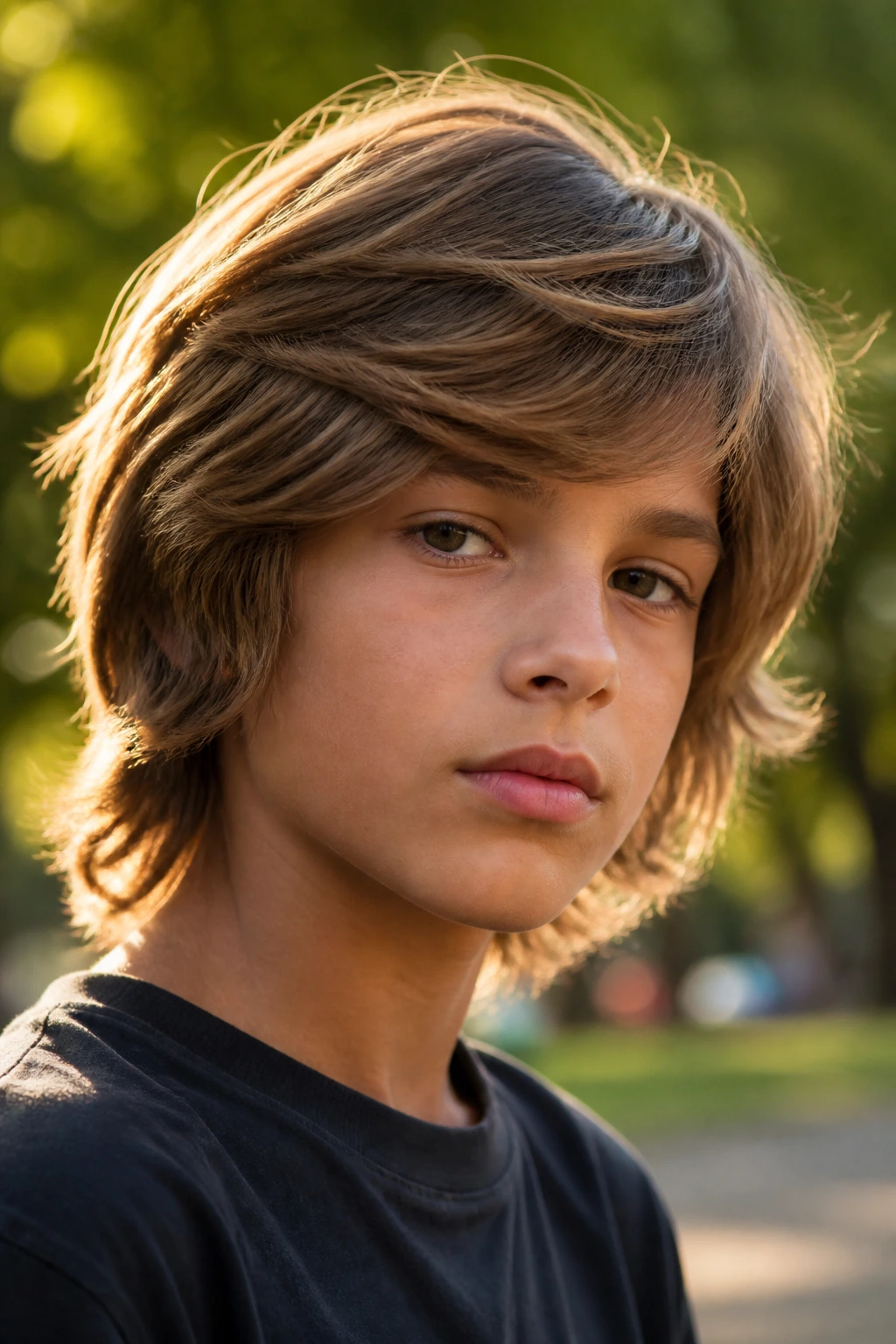
A side-swept cut works because it follows the wave instead of fighting it. The hair is directed diagonally across the forehead, which is a smart move when the natural growth pattern wants to push one way anyway. The layers keep the sweep from getting heavy, and the fringe pieces stay soft instead of hanging like a slab.
This is a good answer when a boy has a cowlick near the hairline or a crown that likes to split down the middle. The side sweep gives the hair a job. It says, go this way. That’s often enough to calm the chaos.
A side-swept shape also grows out in a flattering way. Even when the front gets a little longer, it still falls into the same diagonal motion. That means fewer awkward weeks where the hair looks like it’s halfway between two styles.
9. The Curly-Wave Hybrid Cut
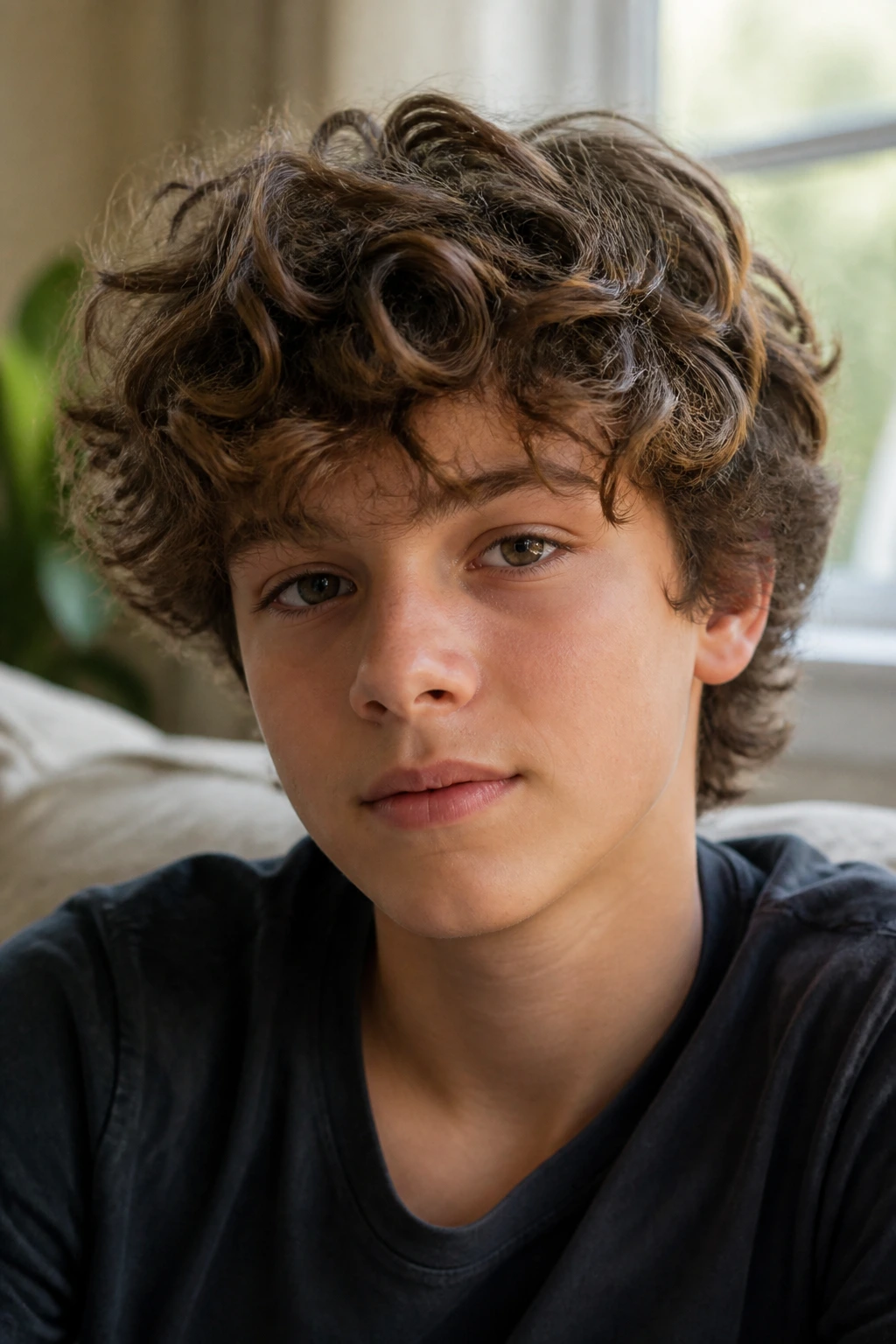
Not all waves are equal. Some boys have loose bends at the back and stronger curl at the sides. Others have straighter roots and wavier ends. This cut handles that mix by keeping the top and fringe longer while using soft internal layers to stop the hair from puffing into an odd, uneven shape.
The reason this cut works is simple: it accepts inconsistency. Hair that has a curl one day and a wave the next can look messy in a bad way if the shape is too strict. A hybrid cut lets each section do what it wants, but within a frame that still feels intentional.
Best For
- Hair that gets curlier in humidity.
- Thick wave that expands at the sides.
- Boys who need length but not bulk.
- Hair that changes texture between wash days.
If the hair is fine, keep the layers conservative. Too much texturizing on fine wave can make the ends float and the whole style lose substance.
10. The Hockey Flow
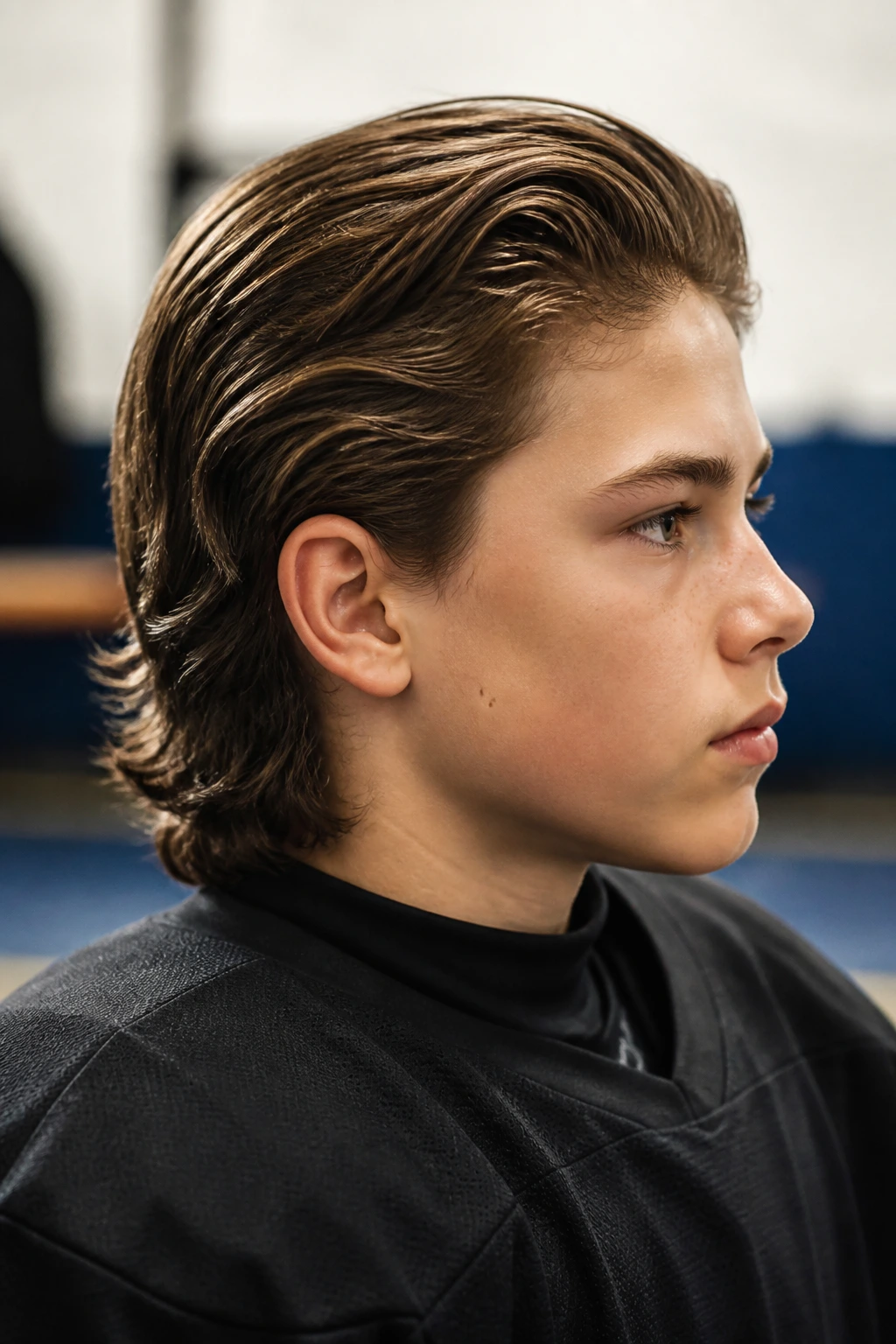
This one has attitude, and it knows it. The hockey flow keeps length in back, preserves motion on top, and lets the hair sweep back with enough looseness to feel athletic rather than styled. It’s a strong choice for boys who keep pushing their hair back with their hands anyway.
What separates a good hockey flow from an overgrown cut is shape. The top should move back from the forehead, the sides should stay controlled around the ears, and the back should land at the collar without turning into a tail. The wave gives the whole thing lift, especially when the hair is dried with fingers instead of a brush.
I like this cut on thick or medium-thick hair that doesn’t collapse when it gets longer. It can look a little bold, yes, but not in a costume way. More like the boy has a clear opinion and the haircut listened.
11. The Long Top With Low Taper
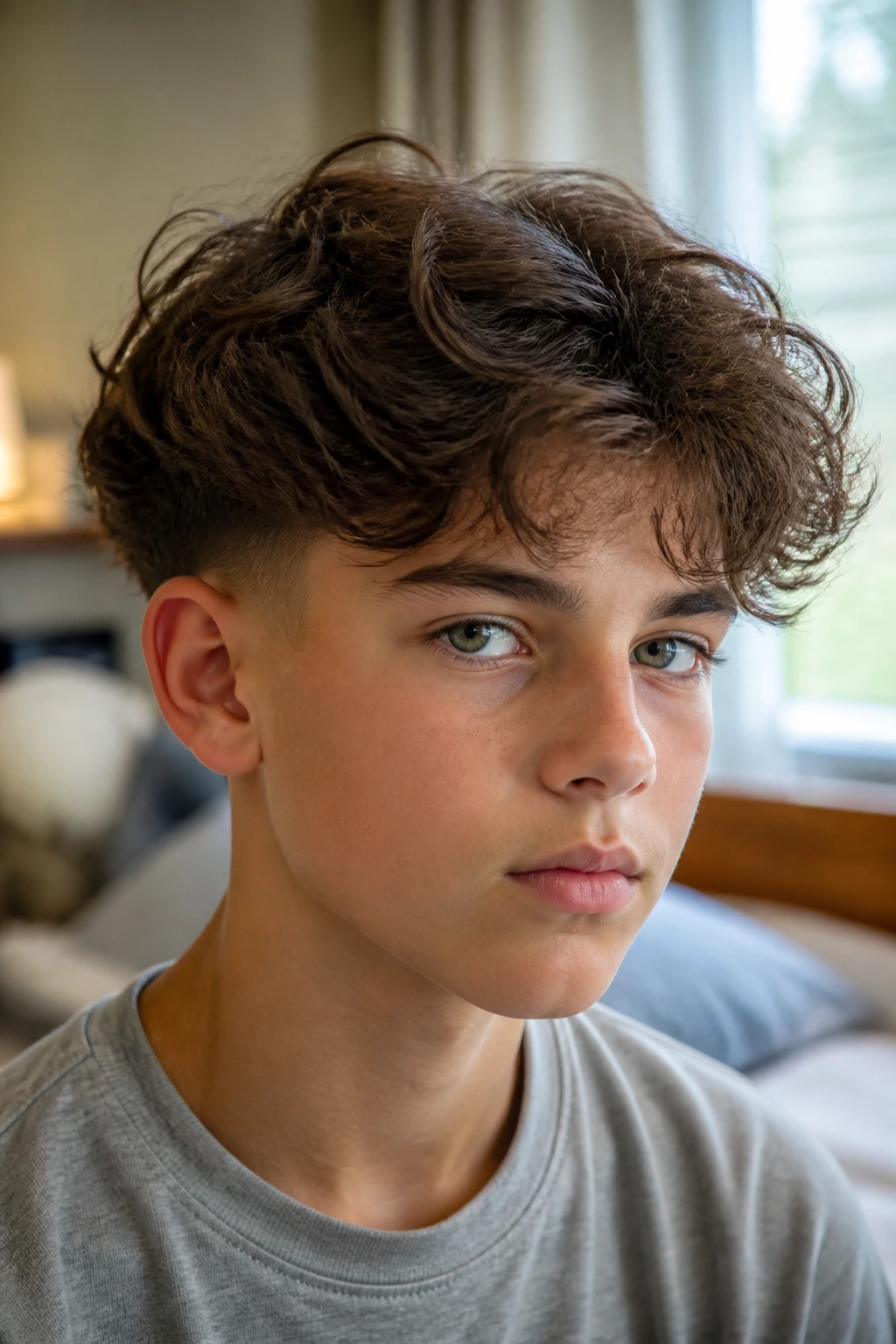
This is one of the cleanest ways to keep long hair looking tidy on a preteen. The top stays noticeably longer, which leaves room for the wave to bend and settle, while the sides and neckline get a low taper that keeps the outline from drifting out of control. It’s neat without being short.
The low taper does a lot of quiet work here. Around the ears and at the nape, it removes the rough edge that usually makes long hair look unfinished. The top still has movement, but the overall haircut reads controlled. That’s useful for families who want length without constant debate at the mirror.
A cut like this can be worn brushed back, with a slight side part, or loose and finger-combed. That flexibility is the real win. You can change the mood of the haircut with almost no effort.
12. The Soft Mushroom Wave

A mushroom cut gets a bad reputation because people remember the old blunt version. The soft mushroom wave is different. It keeps the rounded shape, but the line is broken up with layers and texture so it doesn’t sit like a bowl. On wavy hair, that roundness can actually look good because the wave keeps the outline from becoming too rigid.
This is a very specific look, and that’s the point. It suits a boy who likes a fuller shape around the head and doesn’t mind a little volume. The fringe stays soft and the sides stay rounded, but the edge should always feel feathered enough to move.
It works best when the hair is dense enough to support the shape. Fine hair can disappear in this cut. Thick wave holds it better and gives the style that lived-in roundness that stops it from feeling cartoonish.
13. The Messy Coastal Layers

There’s a reason this style keeps showing up on boys with natural wave: it’s forgiving. Coastal layers are all about air, lightness, and movement. The cut takes some weight off the inside, leaves the outline soft, and lets the wave bounce in a way that looks casual without looking careless.
The best version is not overly styled. A dab of lightweight cream, a quick rake through damp hair, and then hands off. If it starts to dry with a few odd bends, that’s fine. That irregularity is part of the look. What you want to avoid is over-brushing, which can blow the wave apart and make the hair puff.
This style is a nice pick for boys who hate the feeling of hair glued to the scalp. It has room. It breathes. And when the ends are shaped well, it still looks like someone made a decision.
14. The Soft Undercut With Length
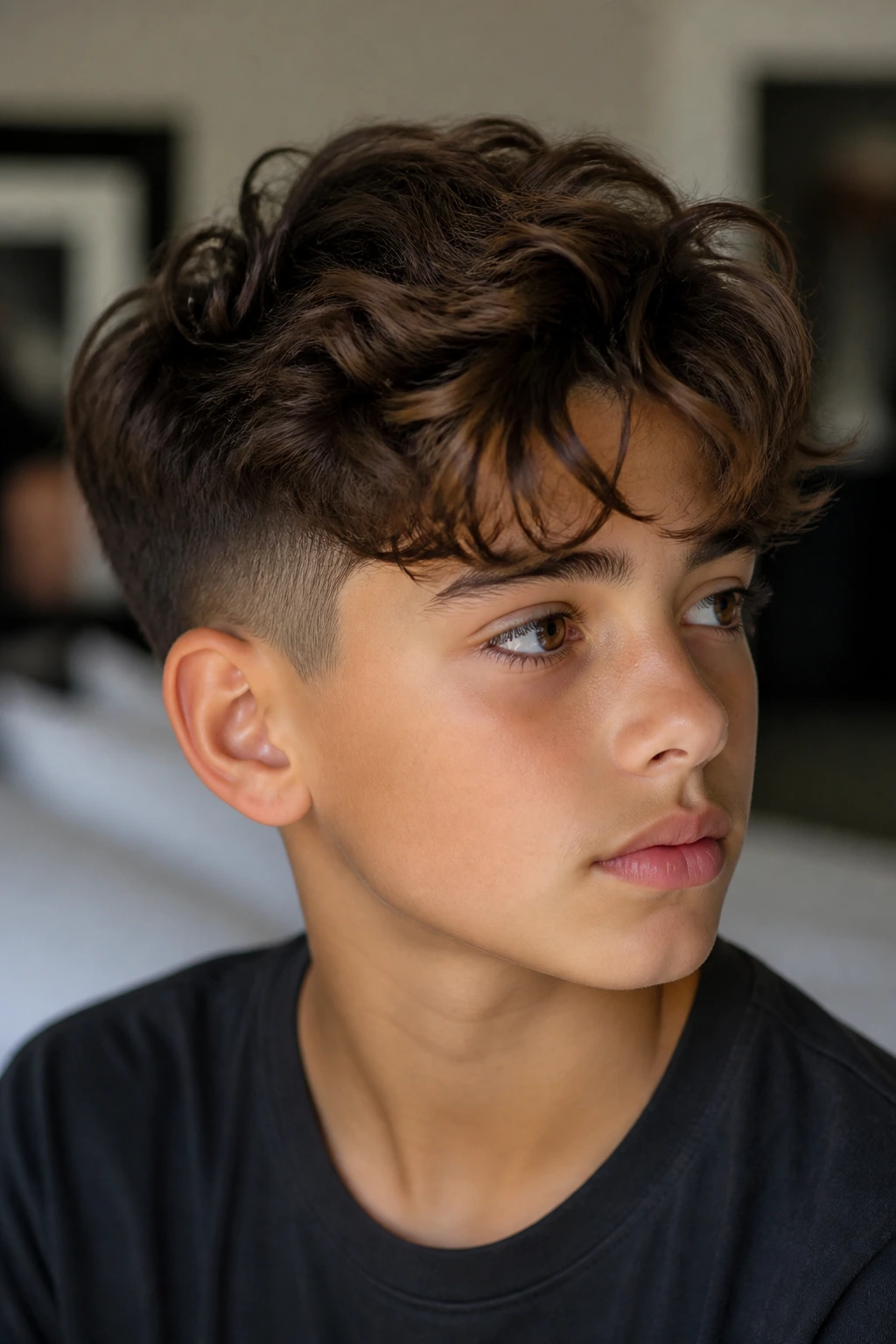
A soft undercut can be useful when a boy wants the top long and the sides out of the way. The word soft matters. This should not be a hard disconnect that looks sharply shaved under a mop of hair. The better version keeps the transition gentle, so the haircut still feels like one shape.
Why choose it? Bulk. Some wavy hair grows wide around the ears and temples, and that can make the head look bigger than it is. A low, soft undercut helps clean up the sides while leaving the top free to fall forward, part to the side, or sweep back.
It does need upkeep. If the sides grow too much, the contrast gets messy fast. So this is a smart choice for a family that doesn’t mind regular trim appointments or touch-ups around the ears and neckline.
15. The Feathered Side Fringe
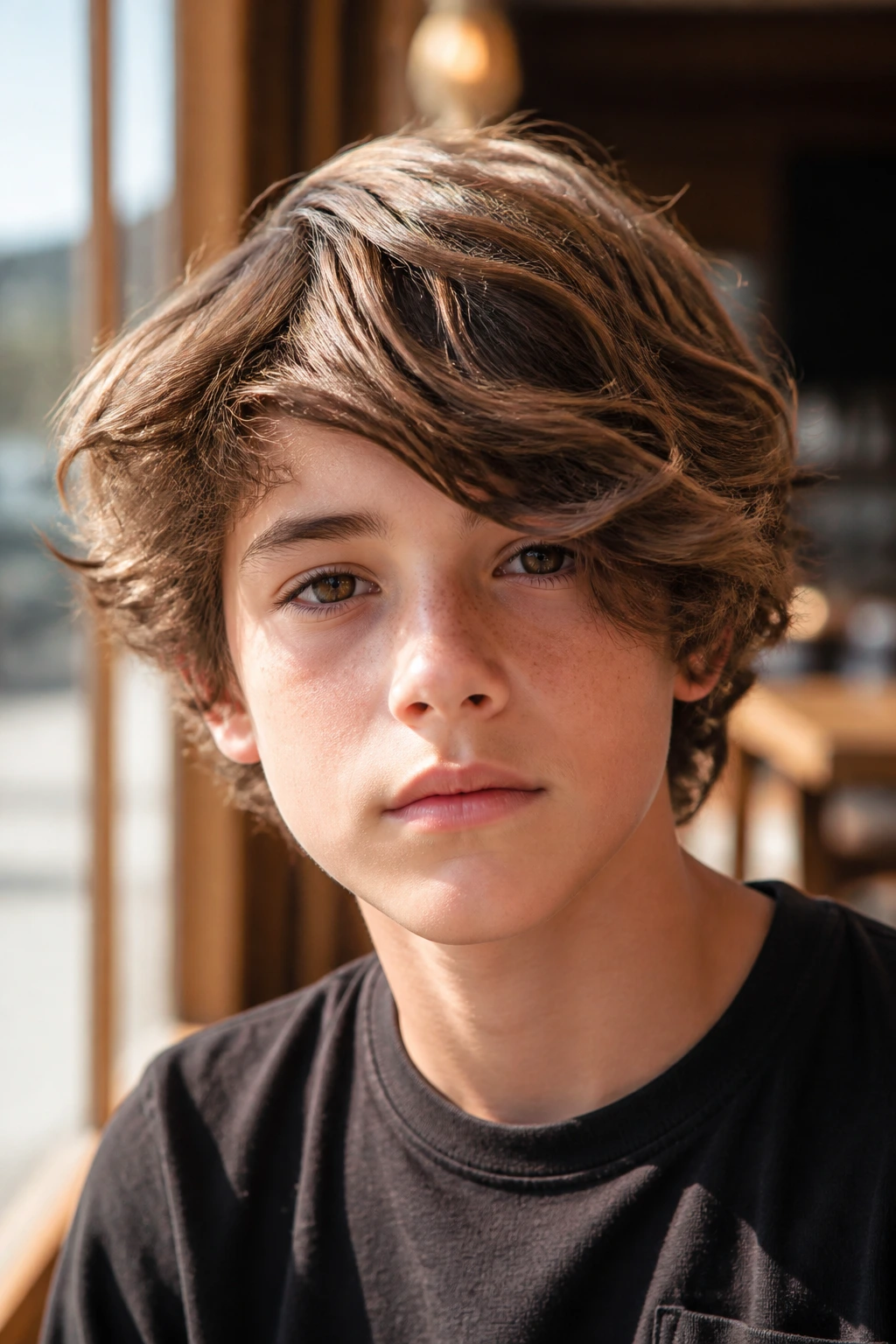
A feathered side fringe is one of the easiest ways to keep a long haircut from falling into the eyes all day. The fringe is longer on one side, broken up through the ends, and light enough that it does not sit like a curtain. The feathering is what makes it work on waves. It lets the hair split naturally instead of forming one heavy block.
This style is especially good for finer waves that need direction more than volume. A blunt fringe can crush fine hair. A feathered one leaves room for movement, and movement is what keeps the cut from looking flat.
Why It’s Useful
The fringe can be brushed across the forehead for school, then pushed aside later without much fuss. That small bit of flexibility matters. A preteen doesn’t want a haircut that asks for a full re-style every time he takes off a hoodie.
16. The Combed-Back Wave
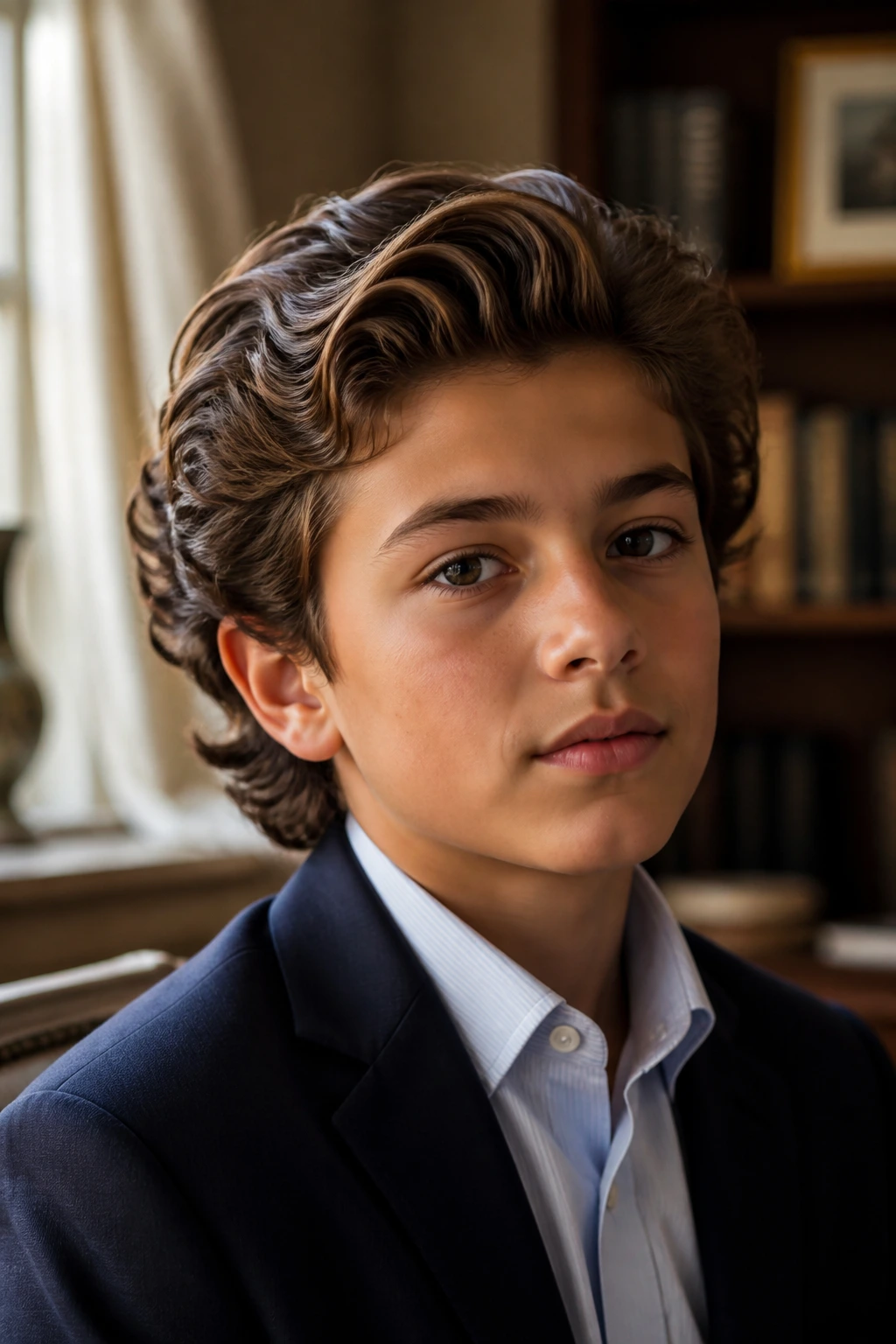
Some boys want their hair out of their face, but they don’t want it short. The combed-back wave solves that neatly. The top and fringe stay long enough to brush backward, and the sides stay controlled so the shape doesn’t bloom outward. The result is cleaner and a little older-looking, which some preteens love and some will resist until they see it in the mirror.
This cut depends on good direction. Dry the hair back with fingers or a wide comb, use a light cream, and stop there. Heavy gel is the wrong move. It locks the wave into place and makes the hair look hard, which defeats the whole point of keeping the length.
This style also works well for formal days. It looks tidy in a way that long hair usually doesn’t unless someone has spent time on it. Here, the work stays minimal.
17. The Grow-Back Top Knot Cut
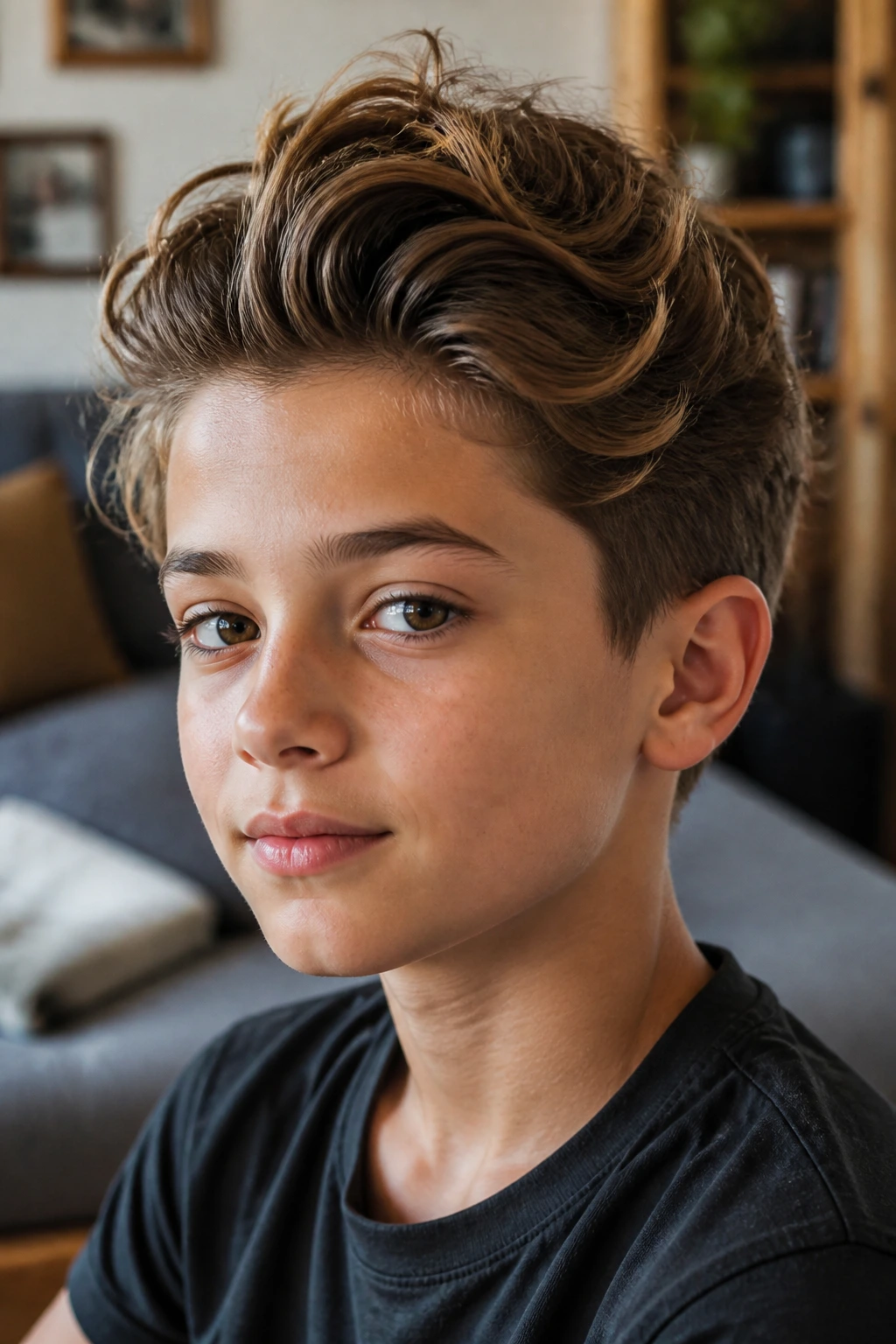
This isn’t a top knot style so much as a haircut that keeps the option open. The top stays long enough to tie back later, while the sides and nape are trimmed cleanly so the head does not feel overloaded as the length grows. It’s a smart choice for boys who are growing their hair out in stages or who might want to tie it up for sports.
The important part is patience. The cut looks best during the in-between months, when the top has enough length to sweep back but not enough to knot up all the time. If the hair is wavy, those stages can look especially good because the texture gives the style shape even before it can be tied.
This one needs light trims, not dramatic changes. Keep the ends healthy, protect the nape, and let the top accumulate length in a controlled way.
18. The Freeform Natural Length
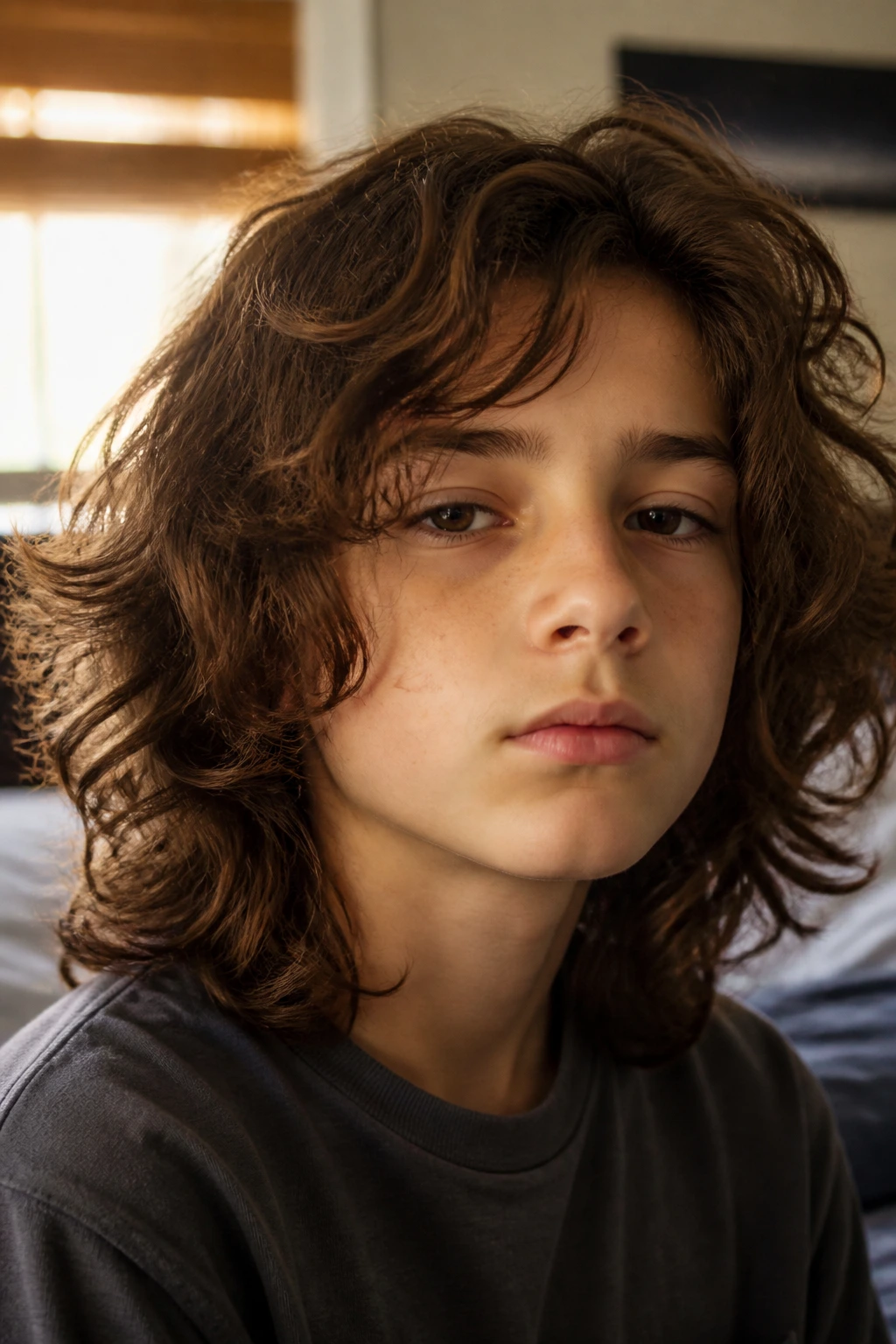
Sometimes the best haircut is the one that doesn’t pretend to be something else. Freeform natural length means keeping the wave mostly intact, cleaning only the edges, and letting the hair settle into its own shape. It works when the boy likes his long hair and doesn’t want the barber turning it into a style that no longer feels like him.
That said, natural does not mean neglected. The outline still needs trimming. The ends still need shape. A few quiet snips around the collar, ears, and fringe can keep the hair from looking fuzzy or hanging in the eyes. The goal is maintenance, not reinvention.
I like this approach for boys with strong, healthy wave and a family that doesn’t mind a more relaxed rhythm between appointments. It’s low-drama, and there’s something appealing about that.
Why Wavy Texture Changes the Whole Game
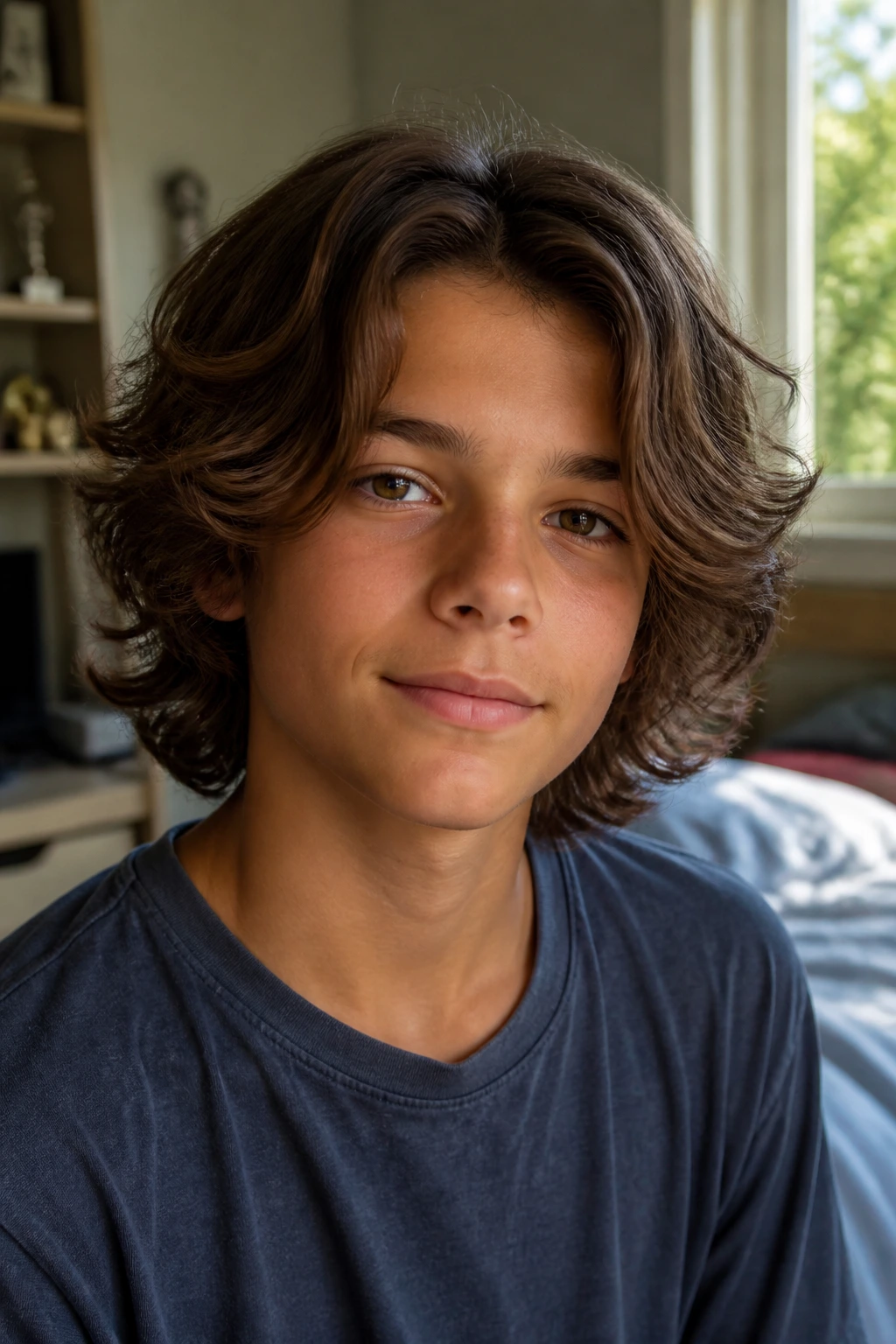
A boy with straight hair can get away with blunt lines more easily. Wavy hair is less forgiving, but it’s also more interesting. The bend gives the haircut movement before you touch a product. That means a barber can build a shape that looks alive even on a dry, rushed morning.
The other thing wavy hair does well is disguise minor mistakes. A slightly uneven part? Fine. A fringe that landed a touch longer on one side? The wave usually hides it. What it will not hide is a bad shape. If the perimeter is too bulky or the layers are too heavy, the whole cut expands in all the wrong places.
The Shape Matters More Than the Trend
A trendy name on a haircut is not enough. What matters is where the weight sits, how the wave falls, and whether the ends were cut to move. A preteen who keeps his length usually needs shape first and style second. Get the shape right, and the style shows up on its own.
How to Ask for the Cut at the Barber
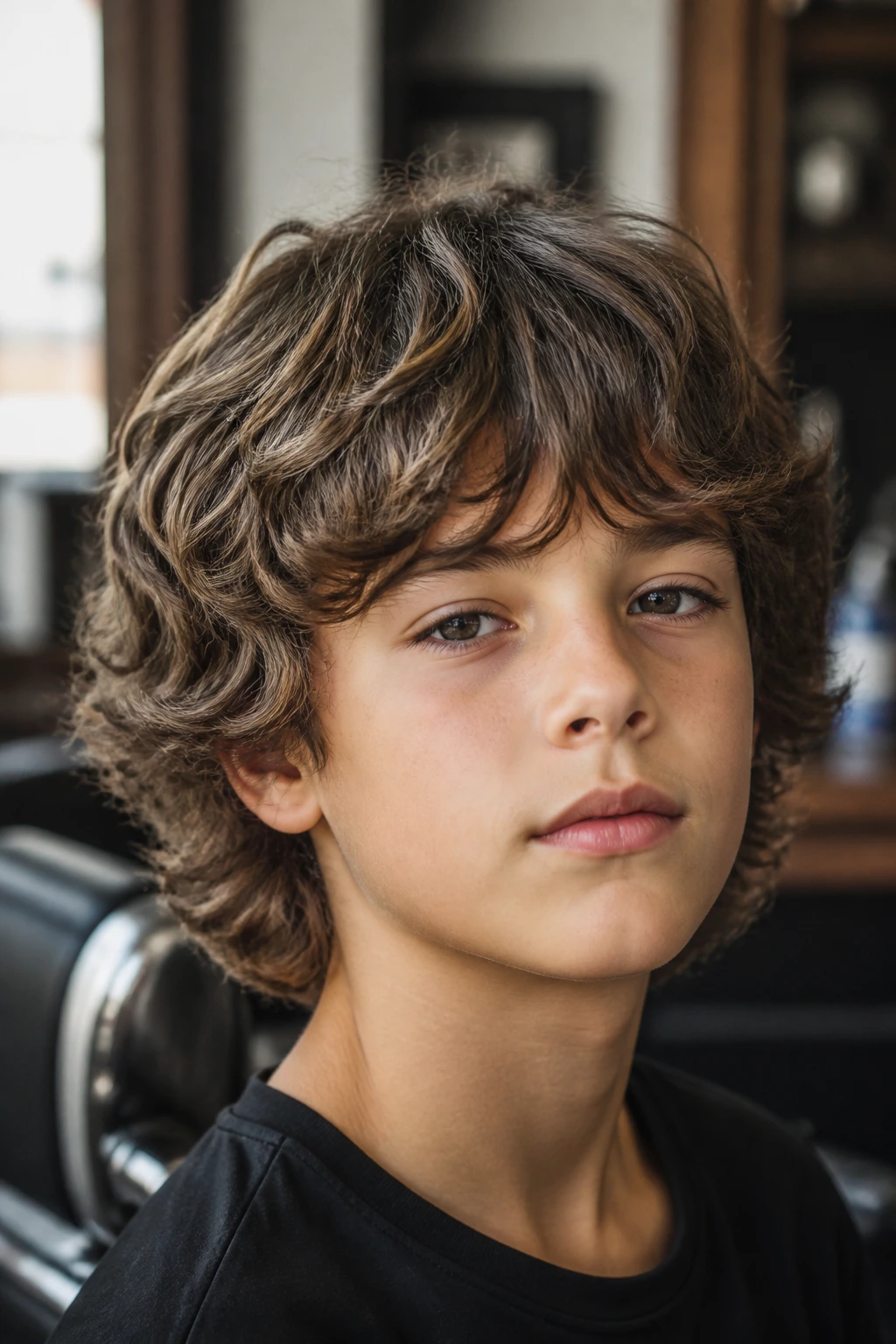
Bring a photo, yes, but say what you want the photo to do. That is the part people skip. A picture of a surfer cut might mean longer fringe to one person and a hard taper to another. The better move is to point to specific spots: keep the top at eyebrow length, leave the sides long enough to tuck, clean the neckline low, soften the ends instead of chopping them blunt.
Tell the barber how the hair behaves after a wash. Does it puff at the sides? Split at the crown? Drop into the eyes in front? That information changes the cut. A good barber can take weight out of the right places with point-cutting or internal layering, but only if you give the real problem instead of a vague “make it longer.”
If the boy likes to wear it tucked behind the ears, say so. If he hates hair touching his forehead, say that too. These details save everyone from a bad haircut and an awkward grow-out.
The Tools That Keep Long Waves Looking Intentional
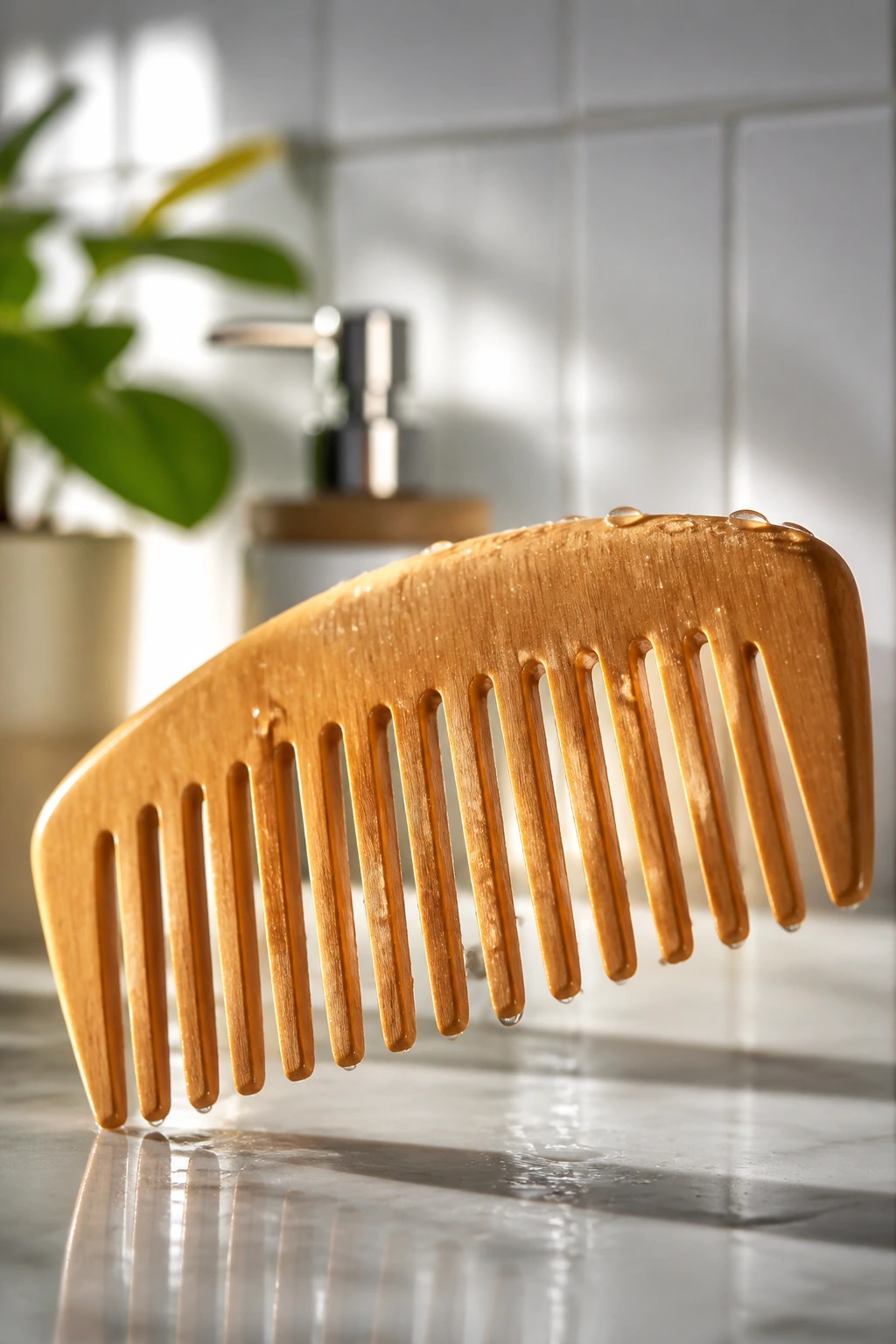
You do not need a bathroom shelf that looks like a salon. You need a few things that work.
- Wide-tooth comb: Best for damp detangling. It separates waves without tearing them apart.
- Light leave-in conditioner: Useful if the hair frizzes after washing or gets knotted at the nape.
- Spray bottle with water: A quick mist resets flattened waves before school.
- Microfiber towel or soft T-shirt: Helps dry hair without roughing up the cuticle.
- Small amount of styling cream: Keeps the wave soft and touchable; use less than you think.
- Matte paste, optional: Good for a side-swept or combed-back finish when a little hold is needed.
- Blow dryer with a low heat setting: Handy for directing a fringe or smoothing the crown.
- Barber scissors or trim appointment schedule: The “tool” people forget, and the one that matters most.
A brush can help in some cases, but on wavy hair it is often overused. Fingers and a comb are usually enough.
Smart Product Choices for Wavy Preteen Hair
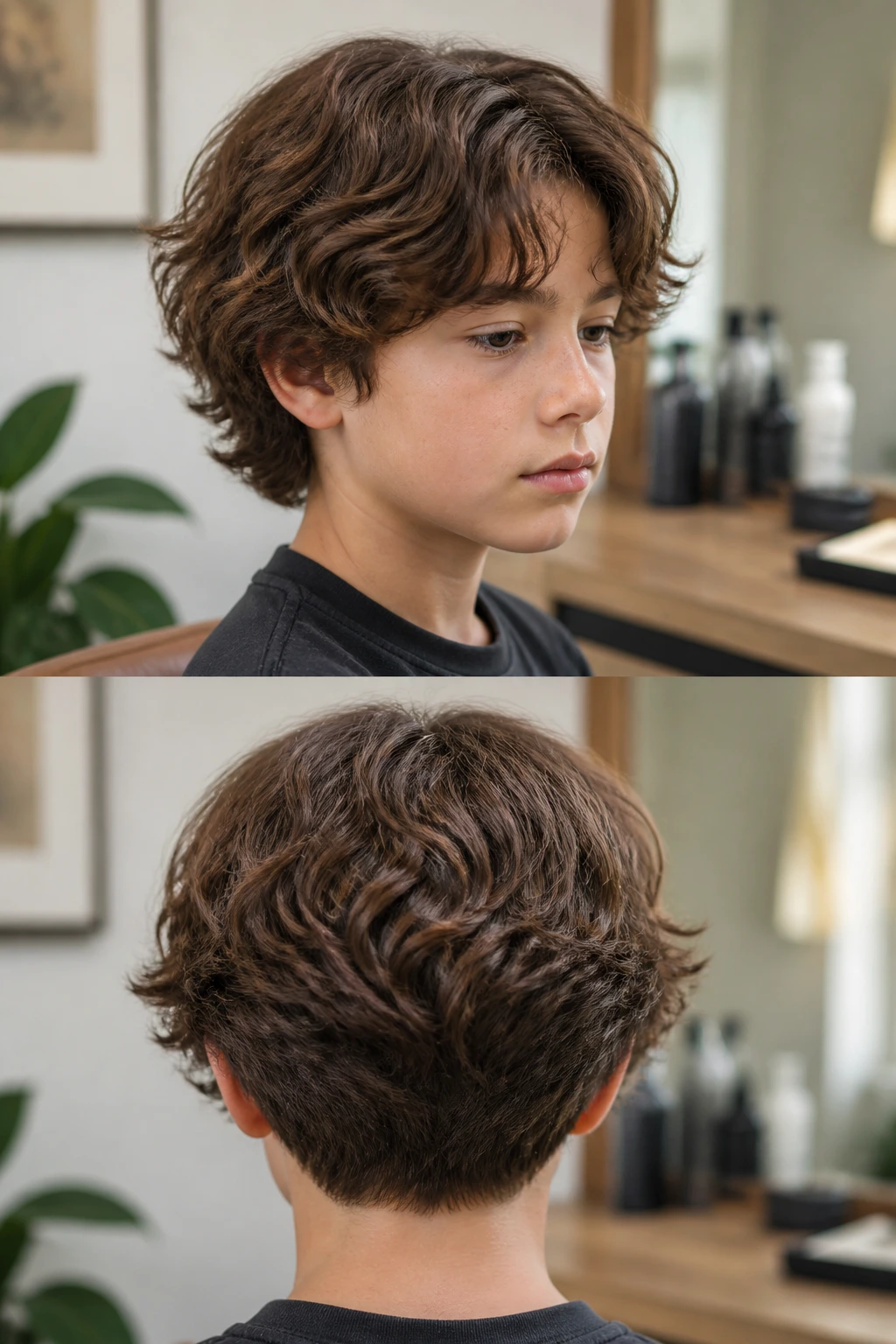
The best product for wavy hair is usually the one you can’t see. Heavy wax and crunchy gel tend to fight the shape. They make the surface stiff while the ends still want to move, which creates that weird helmet effect no one asked for.
Look for a leave-in that says light, curl-friendly, or smoothing, then test how much is actually needed. For most preteen hair, a dime-sized amount is already a lot if the hair is short to medium long. If the hair is shoulder length or dense, you might need a little more, but the goal stays the same: keep the wave soft and separated.
A lot of boys with wave need moisture more than hold. If the hair frizzes after washing, conditioner matters more than styling cream. If it falls flat, a little mousse or a lightweight cream can help. And if the hair is very thick, sometimes the fix is not more product at all — it’s a better cut with less bulk in the wrong places.
How to Style These Cuts on School Days, Sports Days, and Dress-Up Days

School mornings: Start with damp hair and a pea-sized or dime-sized amount of leave-in or cream. Use fingers to push the shape into place, then stop touching it. The more you fuss, the more the wave lifts in random spots.
Sports days: Keep a spray bottle nearby. Wet the hair lightly, smooth the front away from the eyes, and let the rest air-dry. A soft headband can help during practice, but don’t yank the hair so tight that it bends the front into a ridge.
Dress-up days: Pick the neatest version of the haircut. That might mean a side part, a combed-back finish, or just tucking the sides behind the ears. Use a touch more cream, not more gel. Hair that still moves looks cleaner than hair that has been shellacked.
Photo days: Check the neckline and fringe first. Those are the places that make a haircut look deliberate or half-done. A quick comb through and a tiny bit of product near the front usually solves most of the problem.
Additional Tips That Make the Cut Better

Shape Boost: Dry the roots in the direction you want them to sit. A little lift at the crown keeps long waves from collapsing flat.
Time-Saver: Keep a spray bottle and leave-in conditioner together. If the hair is dry and puffy, those two things solve more problems than a drawer full of products.
Barber-Day Trick: Ask for a dry check before the clippings are swept away. Wavy hair shrinks and separates as it dries, and that final glance catches mistakes that wet hair hides.
Cost-Saver: Choose one good cream and one comb. Most preteen boys do not need a dozen styling products. They need the right haircut and a few simple habits.
My Take: The best long wavy cuts are the ones that still look right after he has taken a hoodie on and off three times. That is the real test.
Keeping Preteen Long Haircuts for Boys with Wavy Hair in Shape

Long wavy hair looks better with a little rhythm. Wash too often and the hair can get puffier than you want. Wash too little and the roots start to feel heavy. A lot of boys do well with shampoo two or three times a week, conditioner most wash days, and a water rinse or light refresh in between if the hair is dry.
Trims matter more than parents sometimes expect. Around the ears and neckline, a cleanup every 6 to 8 weeks keeps the haircut from losing its shape. If the fringe is touching the eyes, that can need a quicker touch-up — sometimes every 3 to 5 weeks, depending on growth rate. The long lengths can go longer between trims, but the outline is what sells the style.
Sleep changes the shape too. A satin pillowcase helps cut down on friction, and if the hair is very knot-prone, a loose braid or a soft tie before bed can stop the worst tangles. No need to overcomplicate it. Just keep the ends from rubbing raw all night.
Variations and Adaptations to Try
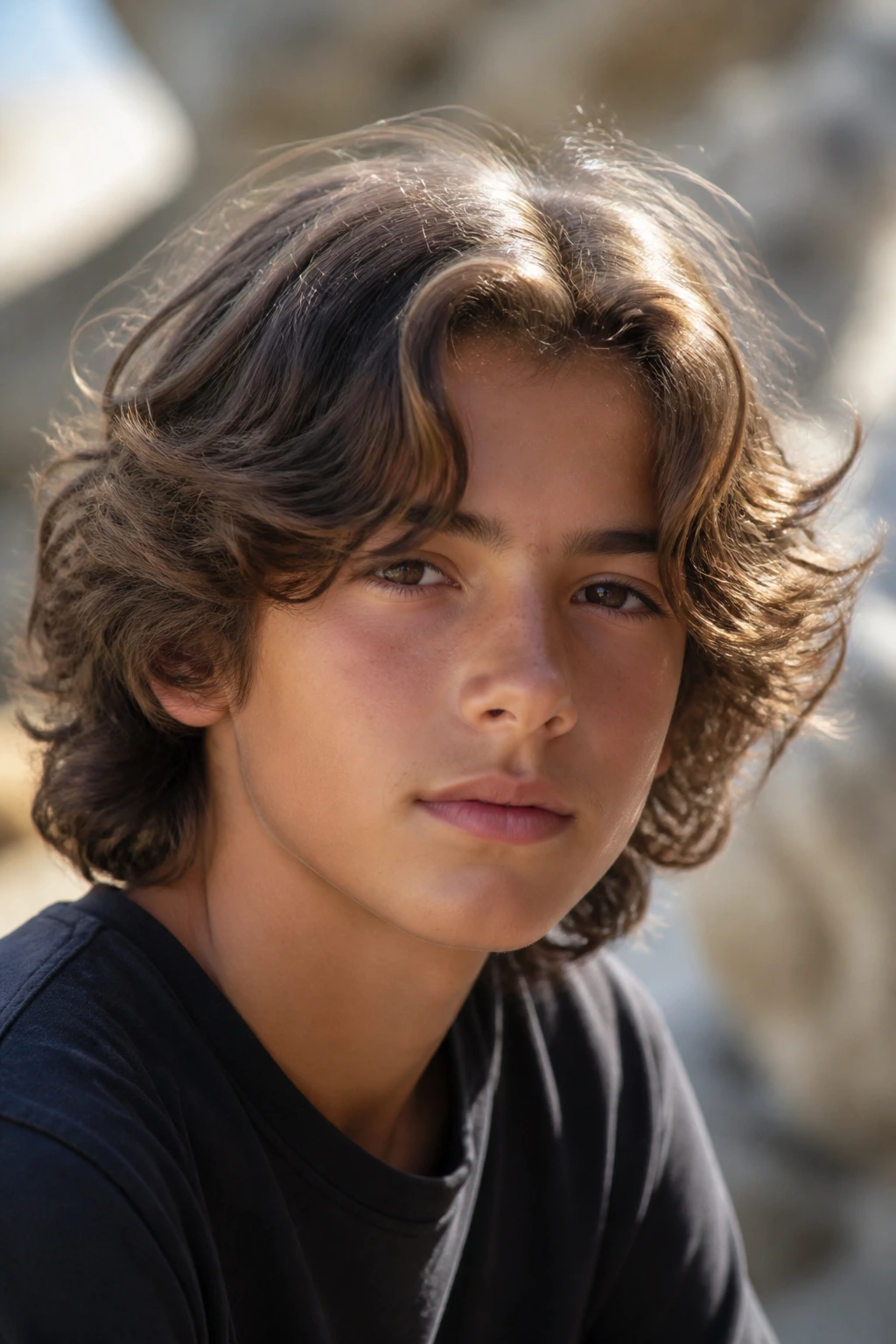
The School-Friendly Version: Keep the fringe a bit shorter and the neckline clean. This version works when a dress code is strict and hair can’t live in the eyes.
The Surfer Version: Push the length lower, keep the layers soft, and let the front fall in a loose center or off-center part. It reads more relaxed and works best when the hair has strong natural wave.
The Thick-Hair Fix: Ask for internal weight removal, not aggressive thinning at the surface. Thick wave needs room to move, or it expands into a bulky shape.
The Fine-Hair Fix: Keep the layers longer and the perimeter a little stronger. Fine wave loses body fast if too much hair is removed.
The Grow-It-Out Plan: Start with a longer top and tidy sides, then let the length build in stages. This avoids the awkward “what is happening here” phase that can happen when hair is left alone for too long.
Common Mistakes to Avoid
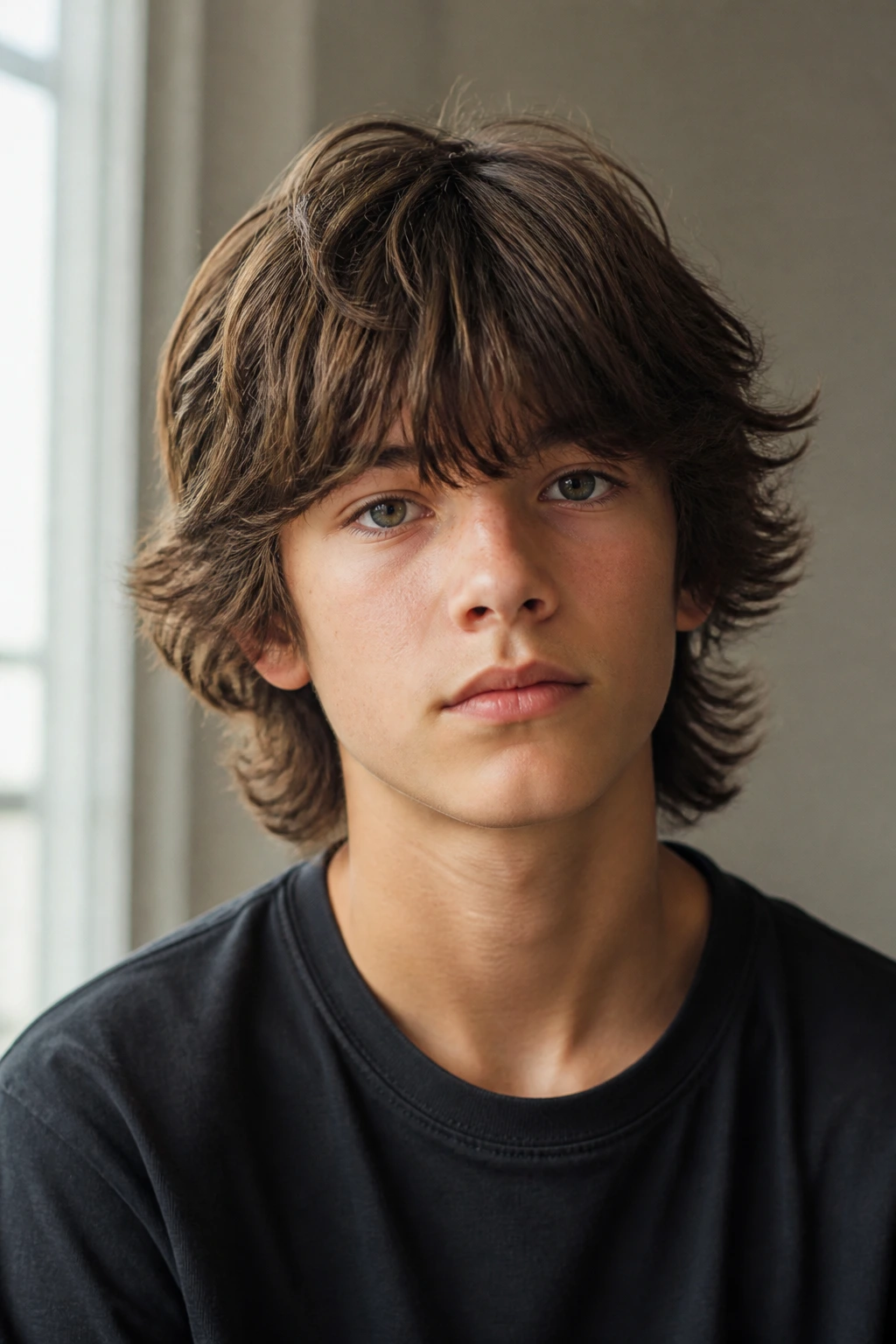
The first mistake is cutting wavy hair too short because it looks bigger when it’s wet. Wet wave lies. Once it dries, it springs up and gets shorter, which can turn an apparently safe haircut into a puffed-up surprise.
The second mistake is over-thinning. If the barber removes too much internal weight, the ends start to float and the haircut loses its shape. You get frizz, gaps, and that airy look that seems easier until you try to fix it every morning.
The third mistake is leaving the fringe too long and hoping it will “settle.” It usually does not settle in the right place. It gets into the eyes, gets pushed up, then starts standing at odd angles from being touched all day.
The fourth mistake is using heavy gel to force the wave down. That flattens the top and makes the sides flare. A light cream or leave-in gives movement without making the hair crunchy.
Finally, do not wait so long between neck cleanups that the cut loses its outline. Long hair can handle a little grow-out. A good shape can handle it too. A messy neckline cannot.
Frequently Asked Questions
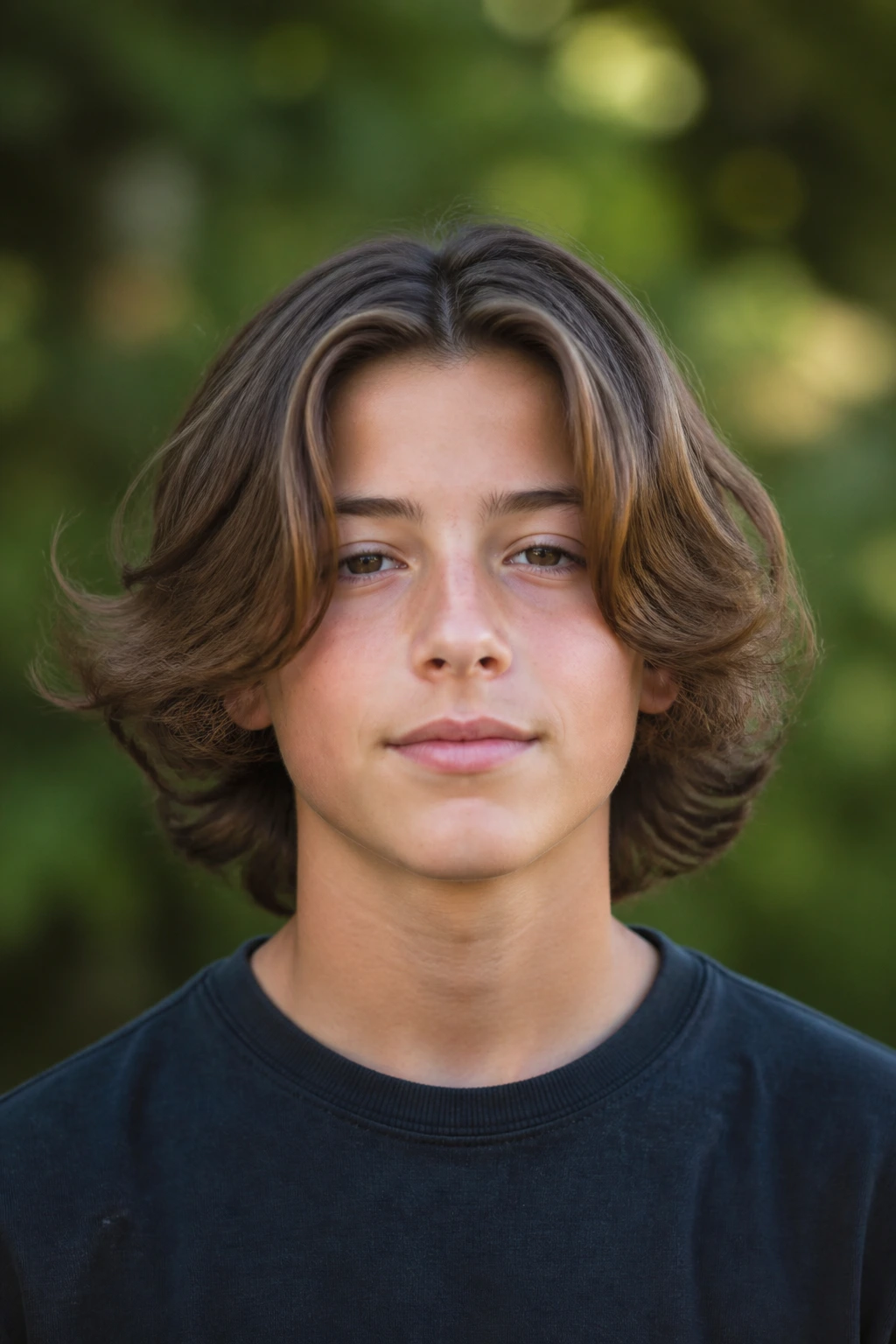
How long is “long” for boys with wavy hair?
Usually, anything past the ears starts to read as long, and by jaw length or collar length you’re fully in long-hair territory. The important part isn’t the number alone — it’s whether the shape still lets the wave move instead of puffing out.
Which cut works best if the hair is thick and puffy?
The layered shag, loose wolf cut, or soft undercut with length usually help most. Those styles remove bulk in a controlled way and keep the wave from turning into a wide triangle at the sides.
How often should a preteen boy with wavy hair get a trim?
A cleanup every 6 to 8 weeks usually keeps the shape intact. If the fringe falls into the eyes fast, that part may need a touch-up a little sooner.
What products should he actually use?
Start with a light leave-in conditioner, a spray bottle, and maybe a small amount of styling cream. If the hair is fine, go light. If it is thick or dry, moisture matters more than hold.
Can long wavy hair still work for sports?
Yes, if the haircut is shaped well. Cuts with a clean taper, a side sweep, or enough length to tuck behind the ears are easier to manage during practice.
What if the hair frizzes after washing?
That usually means it needs more moisture or less rough drying. Pat it dry with a microfiber towel or T-shirt, add a little leave-in, and avoid rubbing the hair hard with a regular bath towel.
How do I keep the fringe out of the eyes without cutting it too short?
Ask for a soft side sweep, feathering, or face-framing layers that stop just above the eyes when dry. Wavy hair shrinks, so a fringe that looks fine wet may be too short once it dries.
Should the barber use clippers or scissors?
Usually both, but scissors matter more for the top and all the places where the wave needs softness. Clippers are useful for the neckline, sideburns, and low taper areas. A blunt clipper cut all around is rarely the best choice for wavy length.
A Cut That Grows With Him
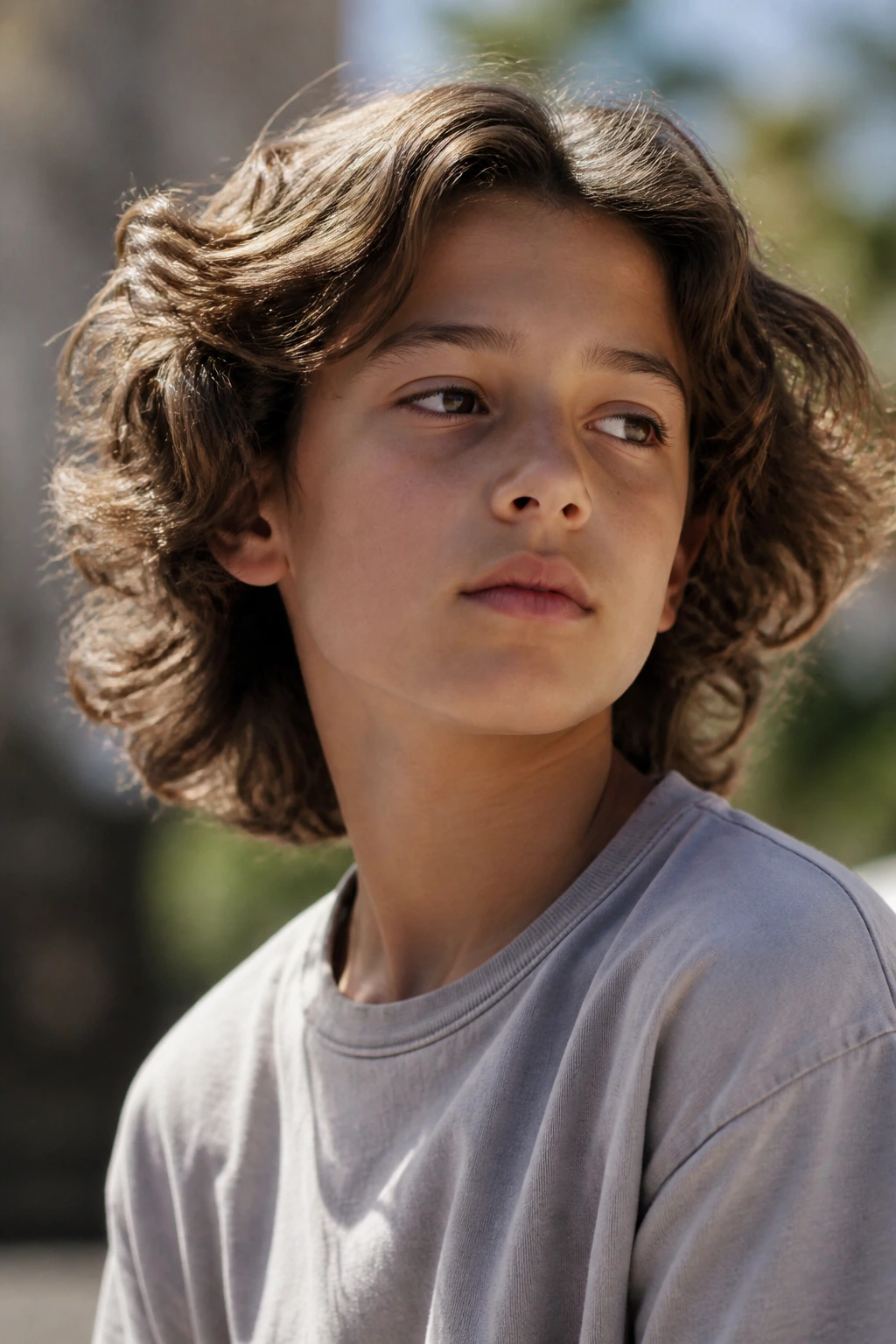
The nicest thing about these styles is that they leave room for change. A preteen can wear the hair loose, tuck it back, push it off his forehead, or let it grow a little longer without the whole look falling apart. That’s rare. Most cuts either demand constant attention or collapse the moment they grow out.
Wavy hair already gives you movement. The right haircut just puts a frame around it and keeps the shape from going wide, flat, or fuzzy. If you choose a cut that respects the bend in the hair, the morning routine gets easier and the haircut starts looking better, not worse, as it grows.
A good long wavy cut doesn’t need to announce itself. It just needs to sit right, move a little, and still look like it belongs on the head it’s on.