



Thick hair changes a pageboy haircut fast. Leave the outline too heavy and it can swell into a box by lunch; place the face-framing layers in the right spots and the same shape starts moving, bending, and sitting closer to the head instead of standing off it. That difference matters more than most people think.
The phrase pageboy haircuts for thick hair with face-framing layers sounds simple enough, but the cut lives or dies on weight control. Thick strands don’t politely obey a blunt line unless the perimeter, the nape, and the front corners are handled with a little restraint. A good version keeps the rounded pageboy shape, but the cheeks, jaw, and temples get room to breathe.
I like this family of cuts because it gives you room to choose your own level of polish. You can go neat and barbershop-clean, soft and rounded, shaggy at the ends, or sleek enough to sit under a cap without turning into static. The trick is matching the cut to the way your hair actually behaves — not the way a photo looks under perfect lighting.
Why These Pageboy Cuts Work So Well on Thick Hair
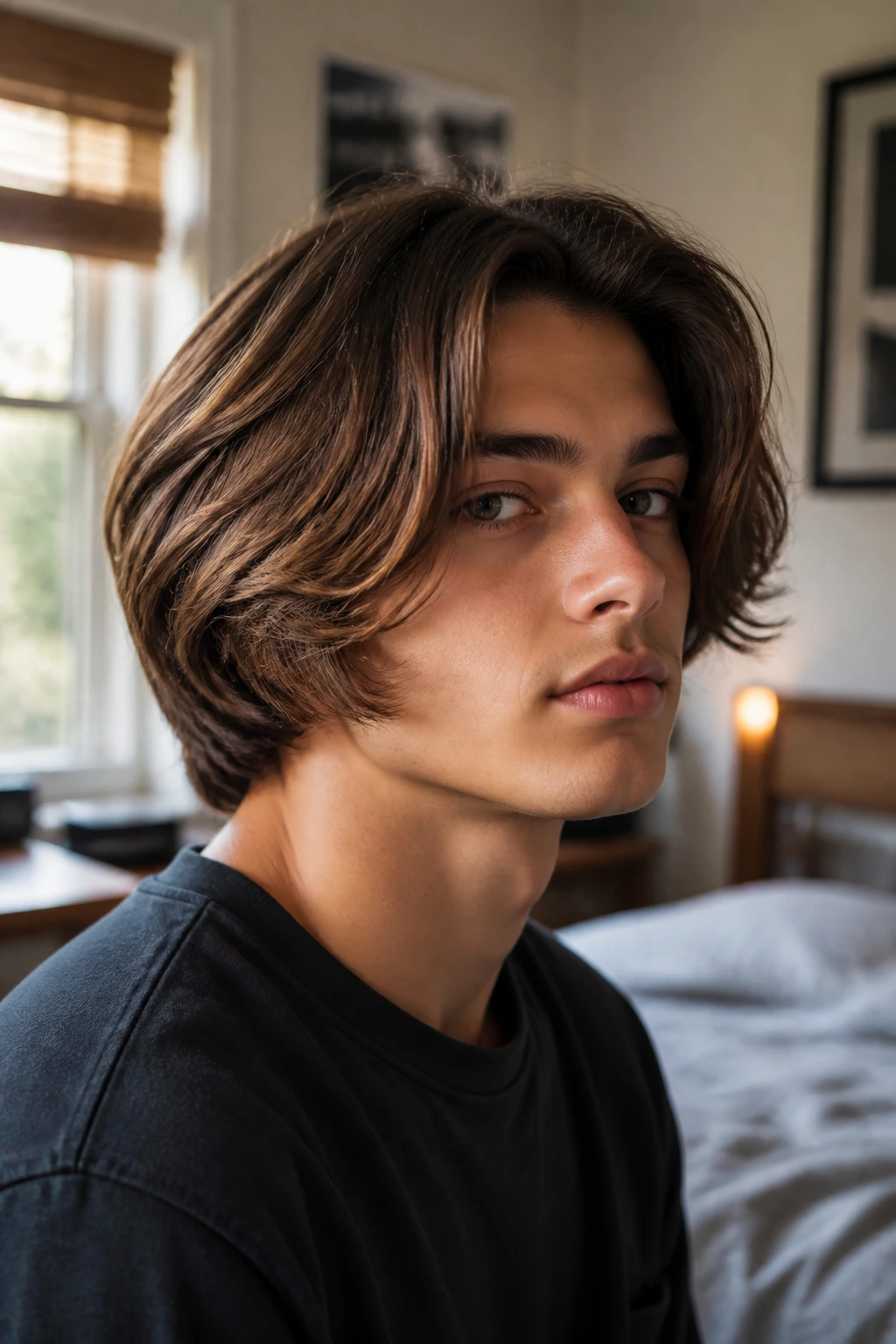
Bulk is the real problem, not length. Thick hair can look tidy at one angle and puffy from the side because the weight sits in the wrong places. These pageboy shapes move that weight inward and forward, which keeps the outline controlled instead of wide.
The face layers do the quiet work. A few cheekbone, jawline, or lip-length pieces can change the whole read of the cut. They break up the heavy curtain effect that thick hair often throws around the cheeks and ears.
The round shape still matters. Pageboy cuts are supposed to have a curve, not a hard square edge. On thick hair, that curve needs help from the cut itself — especially at the nape and front corners — or the style starts to look boxy.
They grow out better than people expect. A blunt short cut on thick hair can turn awkward fast. These versions keep enough movement in the front and sides that the grow-out stage looks intentional for a few extra weeks.
- Less helmet, more shape: The cut keeps the perimeter clean while the layers stop the sides from bulking out.
- Good for straight, wavy, and dense hair: The same basic shape can be tuned for a sharp finish or a softer bend.
- Easy to adapt for boys and men: The neckline, fringe, and sideburns can be tightened or left softer depending on age and style.
- Works with or without a part: Center part, side part, or no obvious part at all — the face frame still does the job.
1. Chin-Grazing Classic With Cheekbone Layers
This is the pageboy in its cleanest form: a rounded line that lands right around the chin, with face-framing layers starting near the cheekbone. On thick hair, that cheekbone placement is doing a lot of heavy lifting. It keeps the front from turning into one dense curtain while still preserving the old-school pageboy silhouette.
I like this version for square faces and broader jawlines because the rounded perimeter softens the edges without looking fussy. Ask for the interior weight to be removed in narrow sections, not hacked away with a thinning razor. You want the hair to swing, not frizz apart.
A quick blow-dry with a round brush gives the front pieces a gentle bend toward the face. If the ends flip outward too hard, the layers are too short or the brush is too hot. Keep the heat moderate and the line will sit where it should.
2. Rounded Bowl Pageboy With a Soft Tapered Nape
A rounded bowl pageboy can look severe if the nape is left blunt and heavy. The version that works on thick hair keeps the crown smooth and the curve even, then softens the back of the neck so the whole cut sits lower and cleaner. It feels retro, but not costume-y.
The tapered nape matters because thick hair collects there. Without that cleanup, collars rub the hair into a shelf, and the silhouette stops being neat the second the wearer puts on a hoodie or coat. A soft taper keeps the back from puffing.
This one suits straight hair that naturally falls in one direction. It also behaves well on boys who need a tidy shape that won’t stick up after recess. Keep the fringe a little longer than you think. Thick hair shrinks visually once it dries.
3. Center-Part Curtain Pageboy
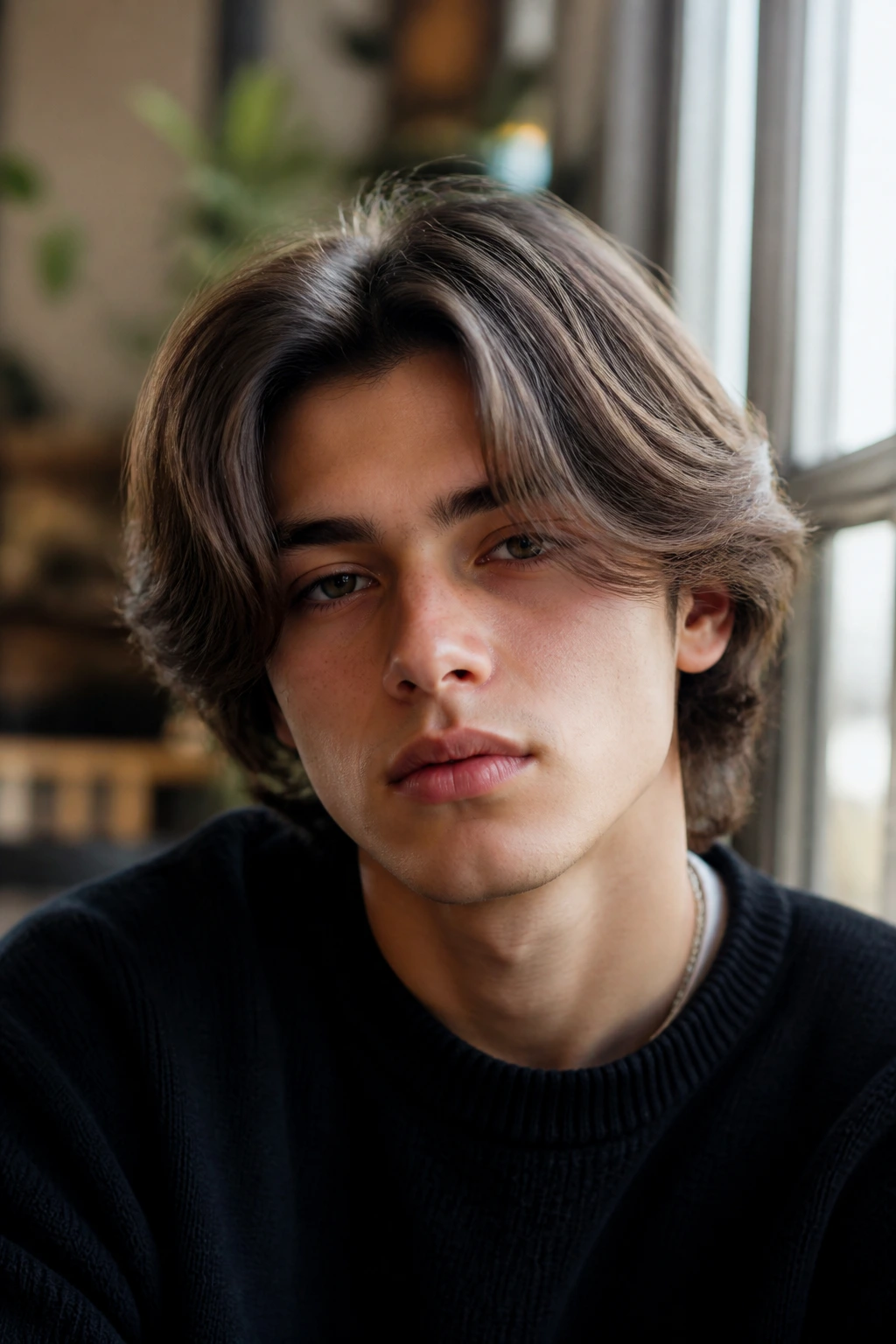
Why does a center-part pageboy look so different on thick hair? Because the front is no longer carrying all the weight as one heavy slab. Split it down the middle, let the face-framing layers drop along the cheekbones, and the cut starts reading like a structured curtain instead of a helmet.
This version is especially useful if your hair naturally wants a middle part anyway. Fighting that habit usually makes thick hair look stubborn. Working with it gives the line a smoother fall and makes the front corners sit where they should.
How to style it
Use a light cream on damp hair, then blow-dry the front forward and slightly inward with a paddle brush. If you want the curtain to open a touch more, pinch the front pieces with your fingers while they cool. Small move. Big difference.
4. Side-Swept Pageboy With Jawline Sweep

A side-swept pageboy is the easy answer for anyone whose thick hair refuses to sit flat at the front. Instead of dividing the hair down the middle, the longer front section falls across the forehead and drops toward the jaw. That diagonal line slims the face and takes pressure off a bulky temple area.
This one reads especially well on round or shorter faces because the side sweep adds length without making the cut stiff. I’d ask the stylist to keep one front corner slightly longer than the other. Not exaggerated. Just enough to let the line move when you turn your head.
It also works nicely if you wear glasses. The sweep frames the frame, which sounds obvious, but it keeps the hair from crowding the lenses and gives the cut a cleaner edge around the temples.
5. Collarbone Pageboy With Feathered Ends
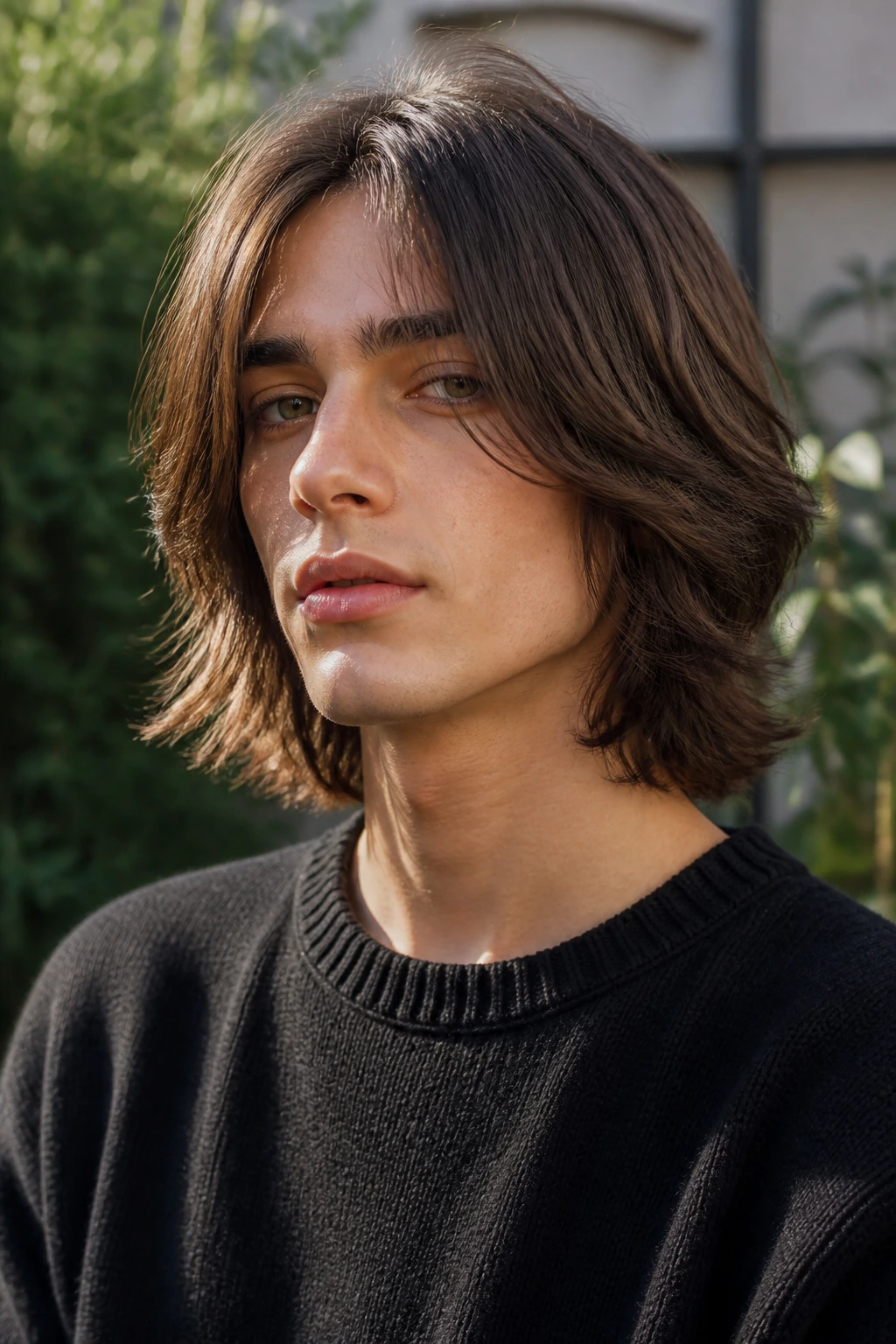
A collarbone pageboy gives thick hair room to breathe. The length is long enough to avoid the mushroom effect, but the ends are still shaped into a rounded outline rather than left straight and heavy. Feathering at the front softens the line where it falls toward the mouth and jaw.
This is a smart choice if you like a little more movement and a little less commitment. The cut sits between a classic pageboy and a longer bob, which means the face-framing layers can start around the lips or chin without swallowing the whole style. That placement is forgiving.
The key is keeping the feathers light, not shredded. Too much texture and the cut turns wispy. A few soft slides of the shears at the ends is enough.
6. Short Pageboy With Temple Taper
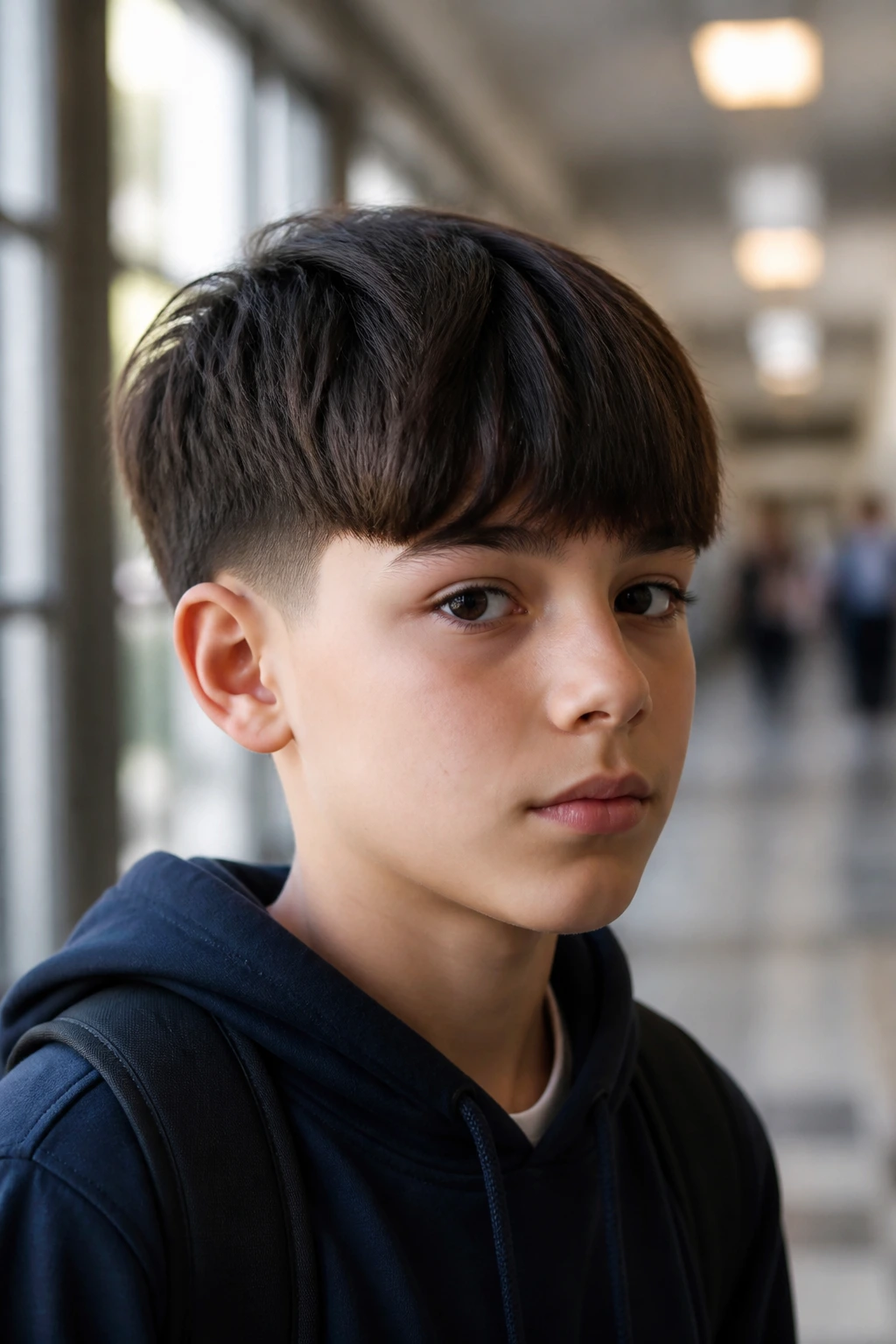
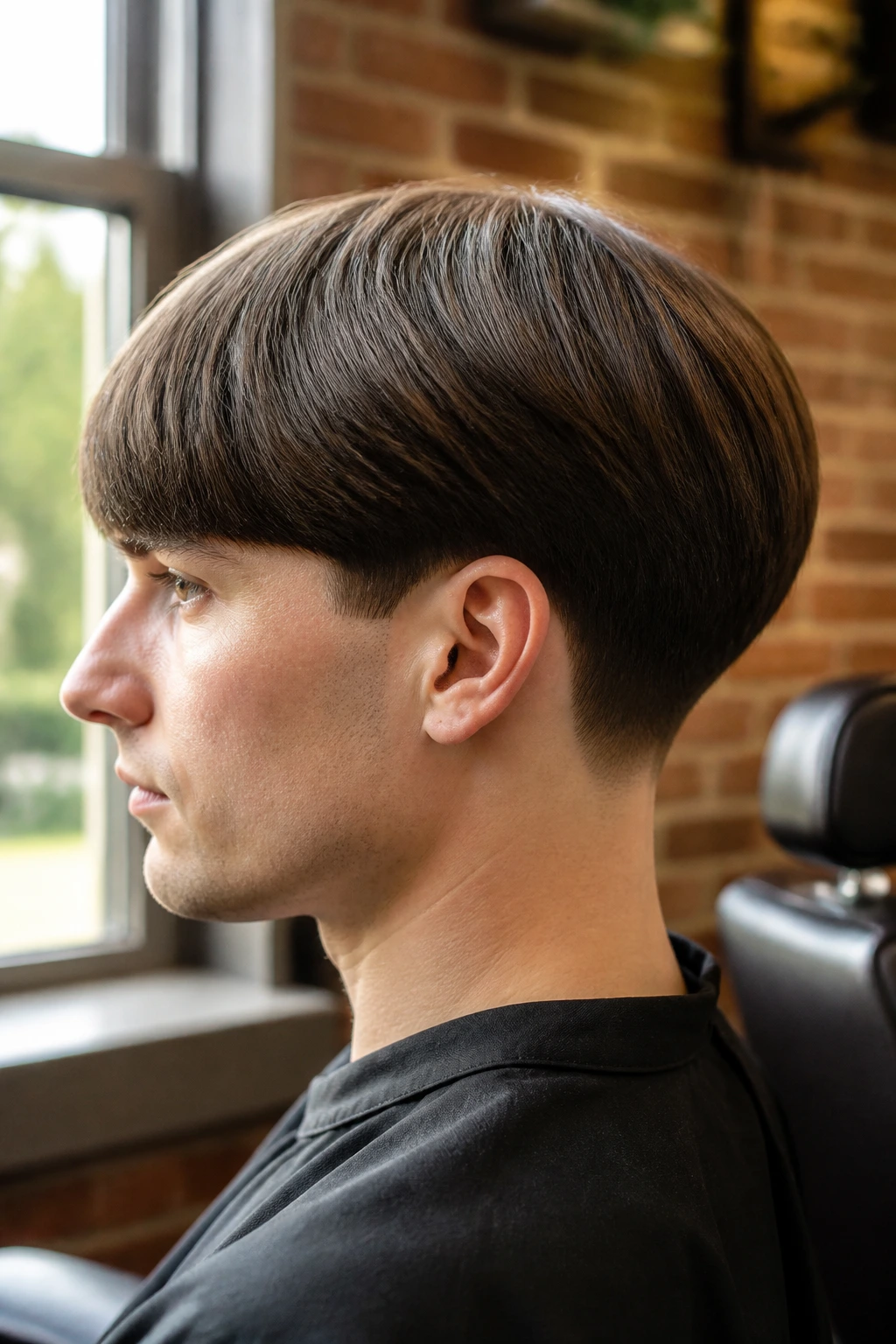
When thick hair is kept short, the pageboy shape can either look sharp or completely lose its line. The temple taper is what makes this version work. It trims the bulk around the ears and sideburns so the rounded front stays visible instead of getting swallowed by width.
This is one of the better school and weekday options for boys. It stays neat without needing a full styling routine, and it handles active mornings better than a longer version. A small amount of matte cream is enough to keep the front from puffing.
Ask for the fringe to land around the brows or just above them. Any shorter, and thick hair can spring up in a way that makes the whole cut look accidental.
7. Heavy Fringe Pageboy With Hidden Interior Layers
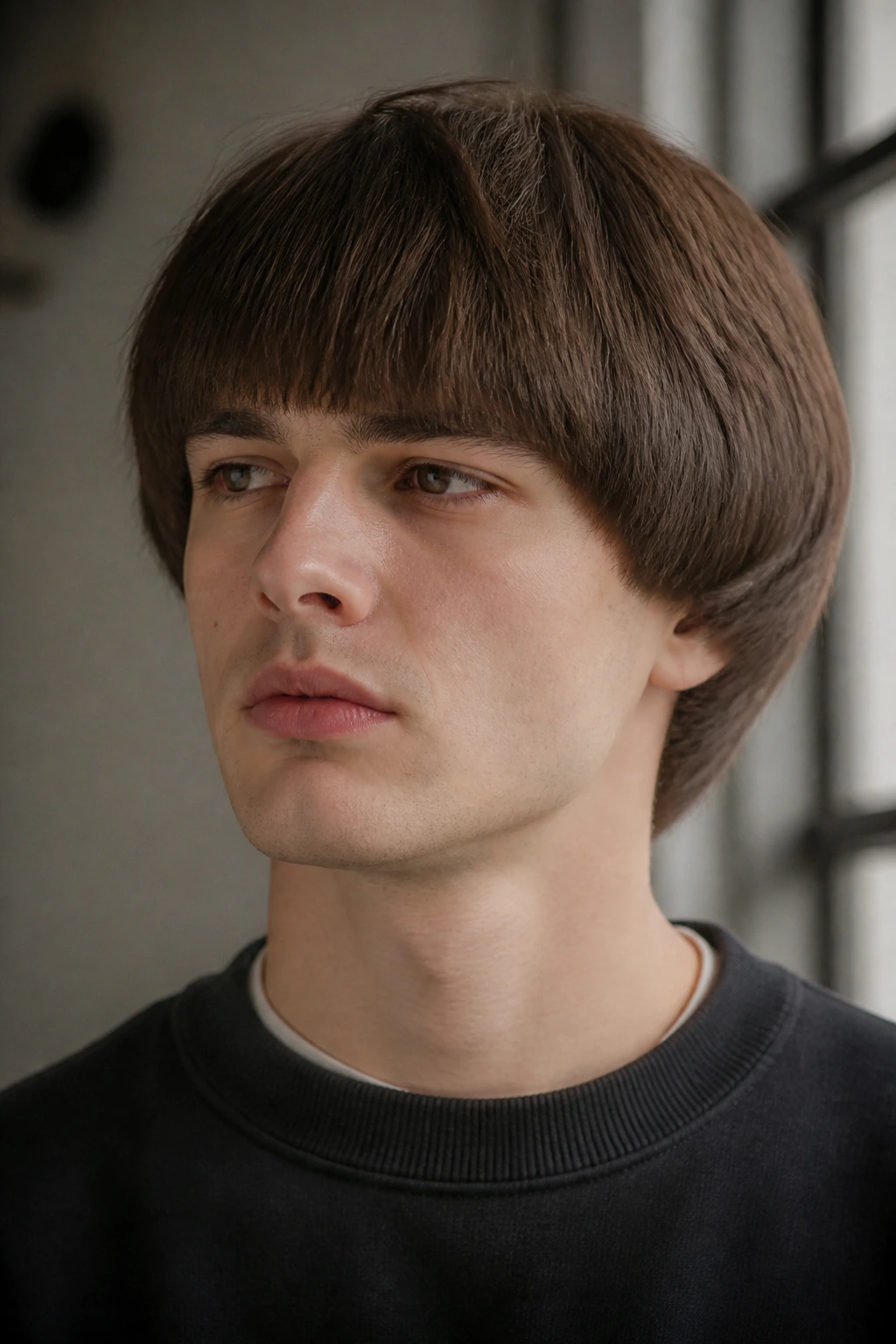
A heavy fringe pageboy gives you a blunt, confident front line. The trick is that the bulk has to go somewhere else. That “somewhere” is the interior, where narrow layers remove weight without breaking up the fringe itself. Done right, the front still looks full, but it doesn’t sit like a curtain board.
I’d use this version on straight, coarse hair that likes to hang dense around the forehead. It gives a strong shape for men and boys who want something tidy without losing thickness. The fringe does need regular trims, though. Thick hair at the brow can get annoying fast.
Avoid over-thinning the fringe. That makes it frizzy and uneven, and the whole point of this cut is to keep the line solid.
8. Wavy Pageboy With a Loose Bend

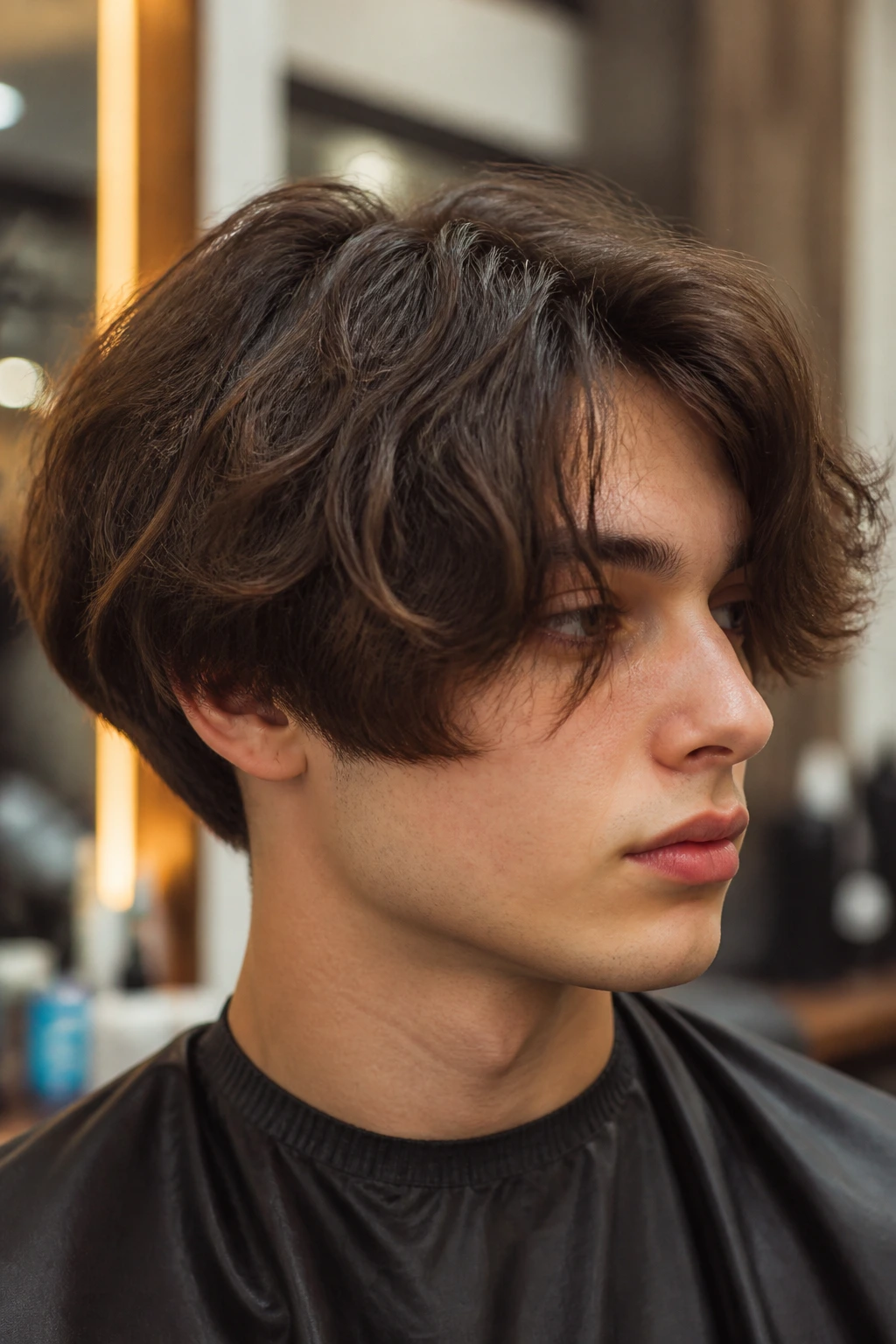
Can a pageboy haircut work on hair that isn’t pin-straight? Absolutely. On thick wavy hair, the secret is to keep the perimeter controlled and let the face-framing layers follow the bend instead of trying to flatten everything into obedience. The result is softer and a lot easier to live with.
This is the version I’d choose for someone who hates a stiff finish. The wave gives the pageboy a little swing, especially around the cheeks and jaw. Leave the front longer than you would on straight hair, because wavy strands shrink up as they dry and can jump above the eyes.
A pea-sized amount of curl cream or light styling cream is enough. Scrunch too hard and the cut loses its shape. Let the wave do the work.
9. Disconnected Pageboy With a Hidden Undercut
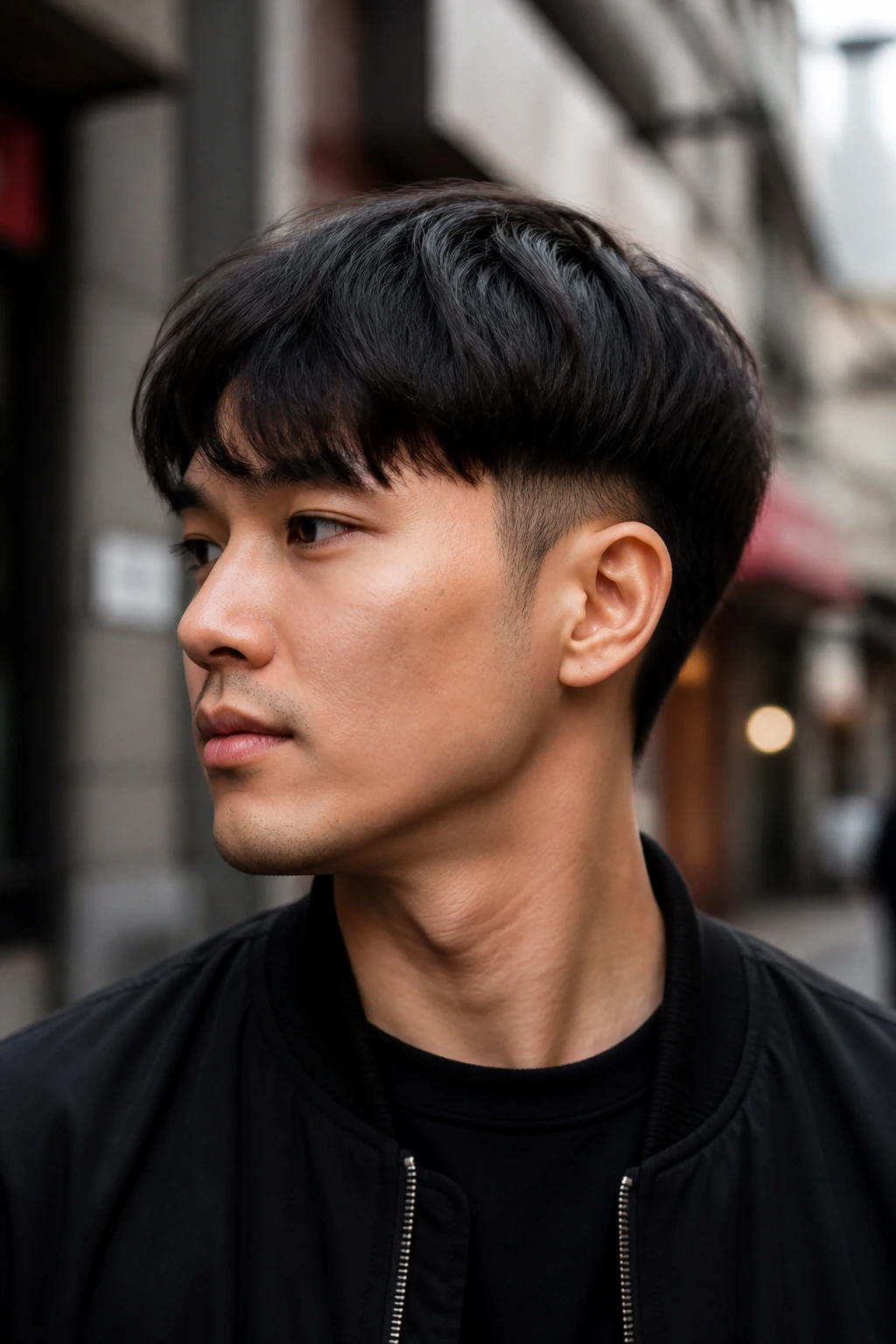
This one is for thick hair that feels like too much hair, full stop. The visible top still reads like a pageboy, but underneath there’s a hidden undercut or a very short interior that removes a big chunk of bulk. The outside keeps the rounded line, while the inside stops the whole style from ballooning.
It’s a clean option for men who want the shape without the density at the neck and ears. The trick is keeping the disconnect concealed. If the undercut shows too much, the look shifts away from pageboy and into a different category entirely.
This version also dries faster, which is a real advantage with thick hair. Less mass means less time under the dryer and less chance of that dreaded half-dry puff.
10. Tucked-Ear Pageboy With Long Front Corners
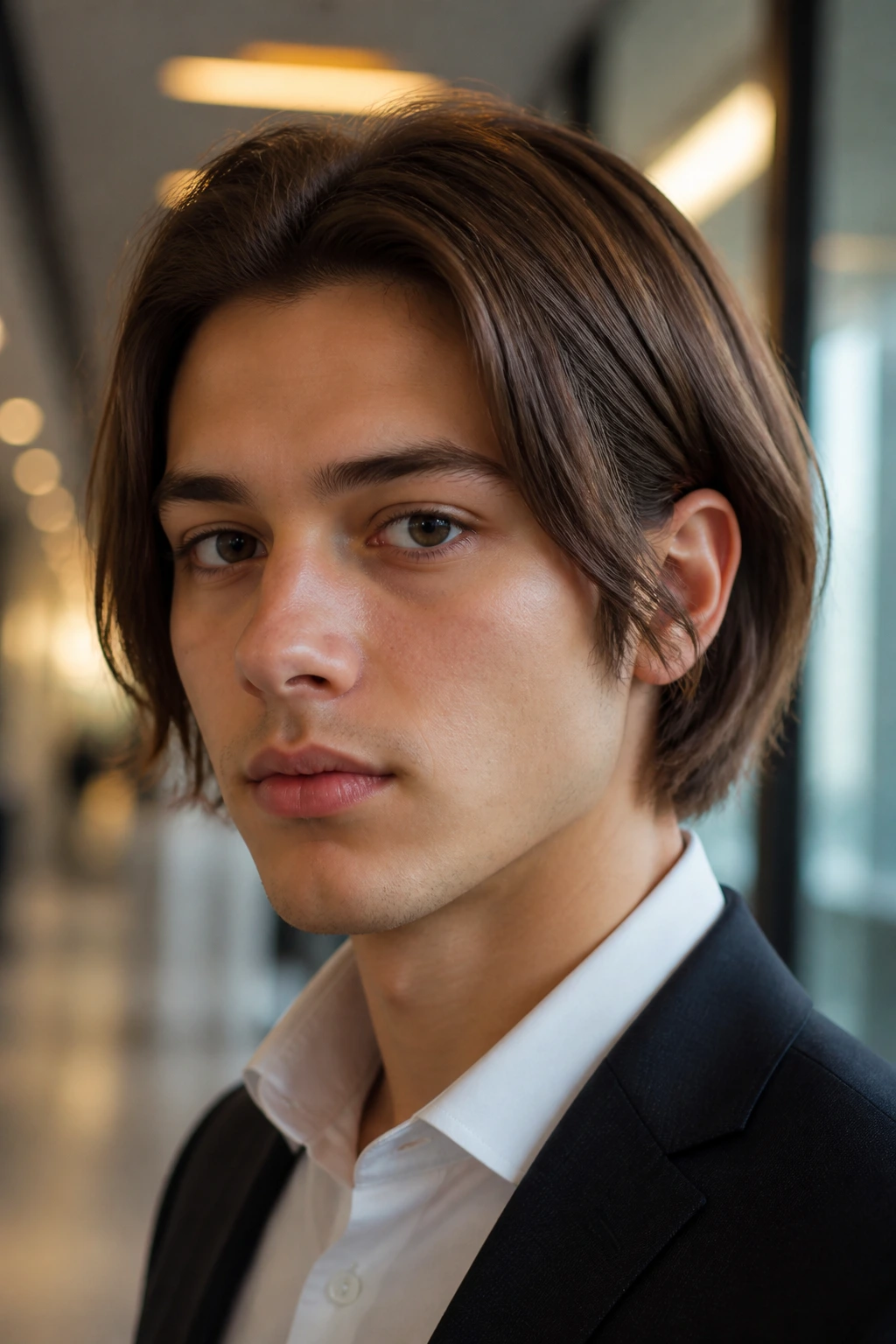
A tucked-ear pageboy looks calm, neat, and slightly more grown-up than the classic version. The front corners stay long enough to tuck behind the ears, which keeps the face open while still preserving the rounded frame around the cheeks. Thick hair needs that breathing room.
I like this cut when someone wants the pageboy idea but doesn’t want hair hanging in the face all day. The visible tuck also helps the cut stay tidy through a workday or school day. If the corners are cut too short, you lose the whole effect.
The nape should stay clean but not shaved bare. A soft neck taper keeps the outline from reading blocky when the rest of the cut is tucked back.
11. Blunt Pageboy With Micro Face Layers
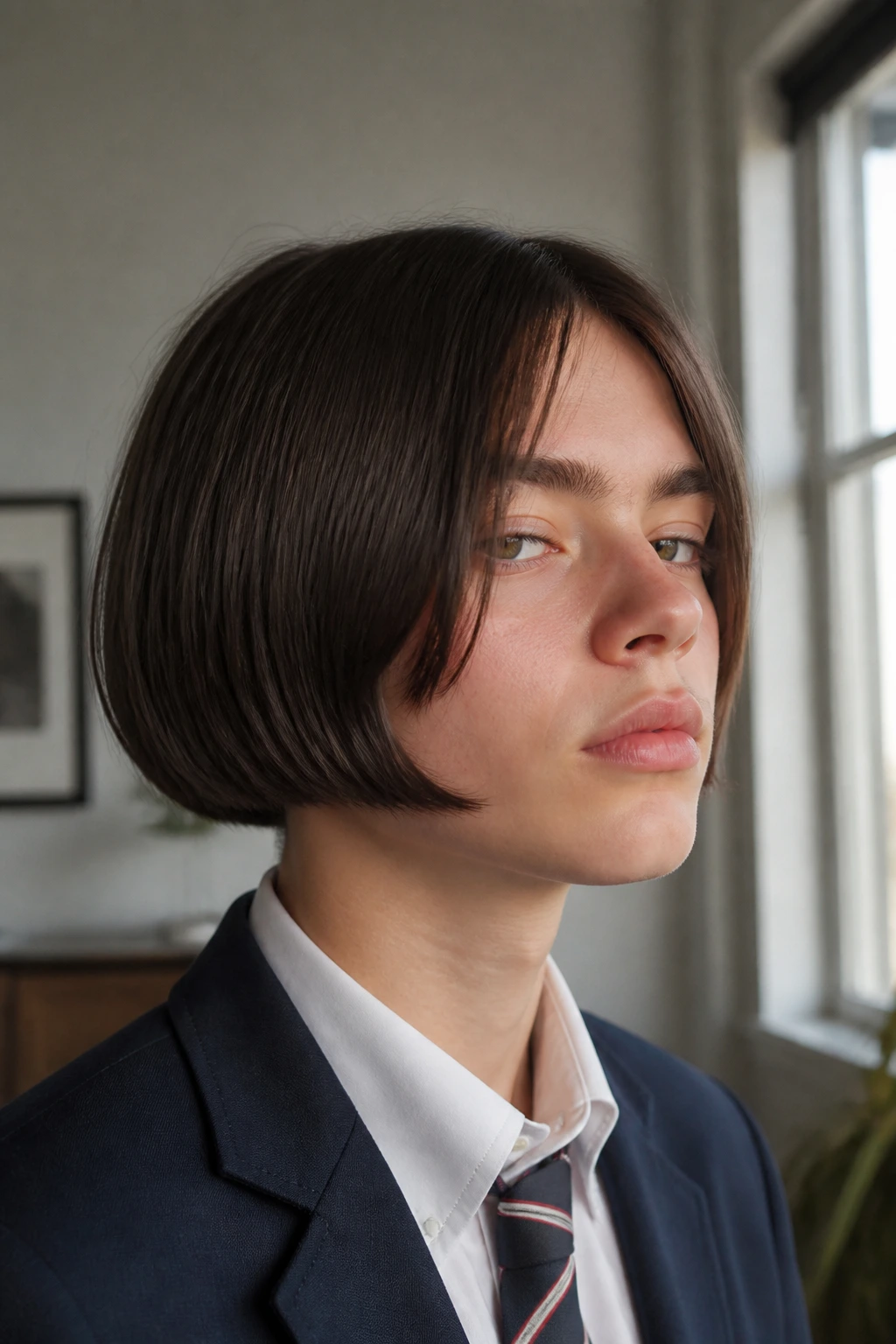
This one looks minimal at first glance, but it’s doing more than it seems. The perimeter stays blunt and strong, while the face-framing layers are kept short and subtle, almost like tiny internal hooks around the cheek area. Thick hair benefits from that restraint when you want a sharper, more controlled line.
It’s a good choice for straight hair and more conservative settings. The shape still has the pageboy curve, but it doesn’t wander into shag territory. That makes it easy to wear with clean collars, ties, or uniforms without fighting your clothes.
What to ask for
Ask for the perimeter to stay heavy and the layers to start low, not high at the crown. That keeps the top from collapsing. If your stylist reaches for the thinning shears near the top, speak up.
12. Shag-Pageboy Hybrid With Face-Opening Pieces
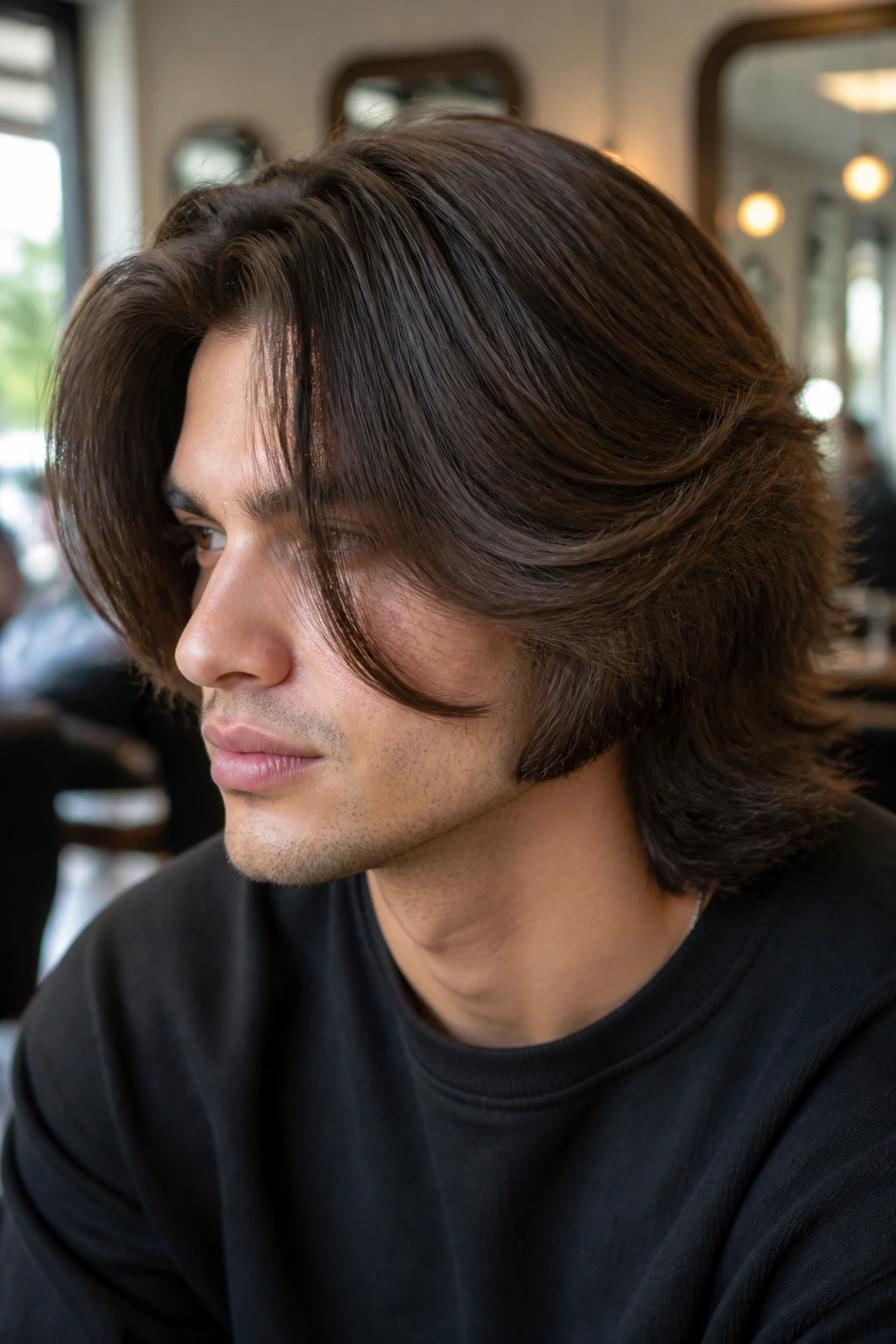
This version is for people who like the pageboy shape but want a little air in it. The cut keeps the rounded base, then adds a few piecey layers around the face so the silhouette feels looser. On thick hair, that extra movement can keep the style from feeling too formal.
The hybrid approach works because it breaks up the weight without destroying the outline. The face pieces can start around the lips and move back toward the jaw. That gives a lived-in shape instead of a hard helmet edge.
It’s a strong option for textured hair, especially if you want something that looks better after a day of wear. A little bending and messiness only helps it.
13. Soft Mushroom Pageboy With a Rounded Crown
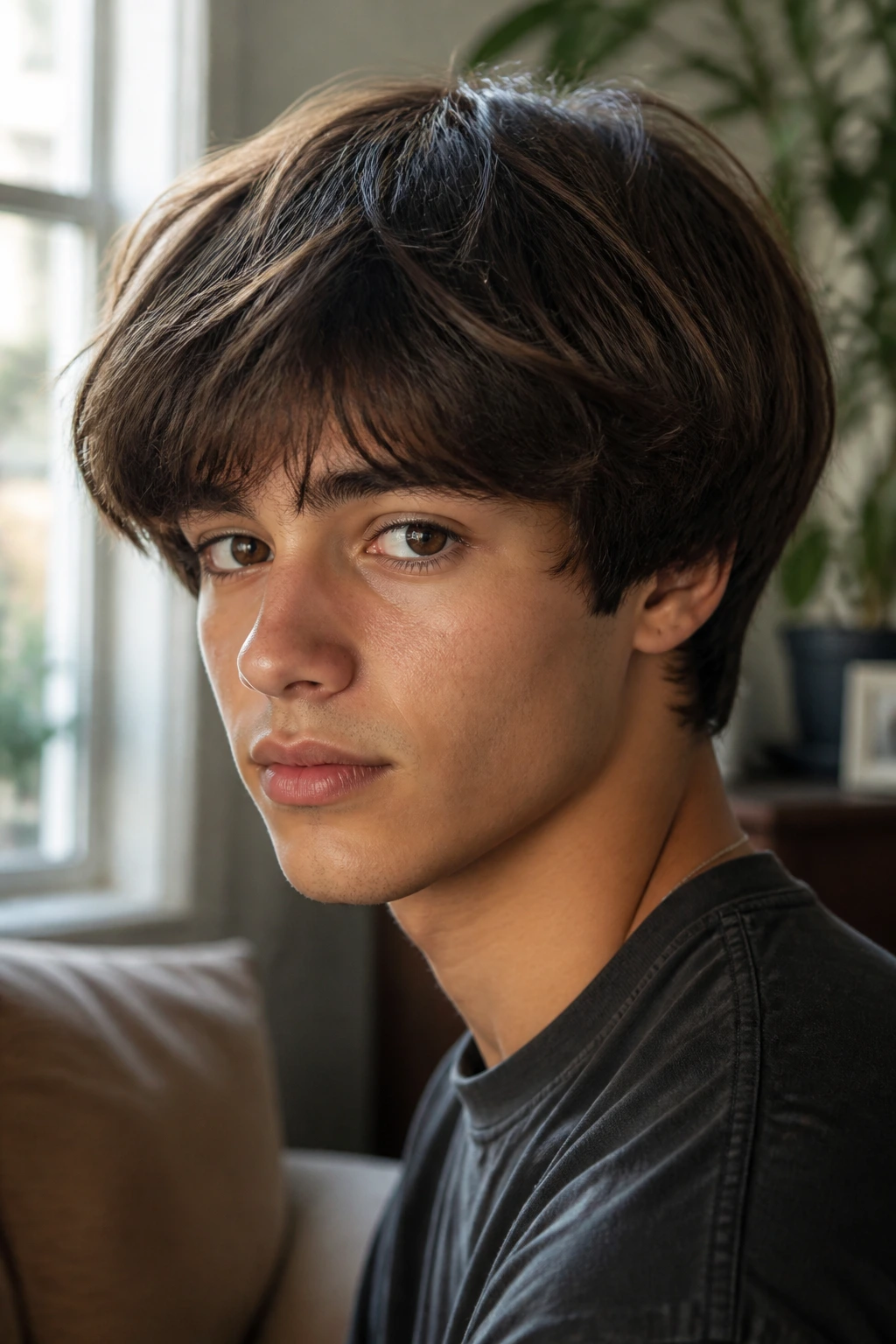
A lot of people hear “mushroom” and picture something awkward. Fair. But a softened mushroom pageboy can be very good on thick hair when the crown is rounded, the nape is tapered, and the face-framing layers stop the sides from sitting like one heavy dome.
The crown should have shape, not bulk. If the hair is thick at the top, the stylist needs to remove weight underneath the visible layer so the top settles rather than ballooning out. That’s the difference between tidy retro and hard-to-manage retro.
This is one of the better choices for boys with straight thick hair that grows upward. The rounded crown helps control the line, and the front layers keep the face from disappearing.
14. Razor-Soft Pageboy With Piecey Ends
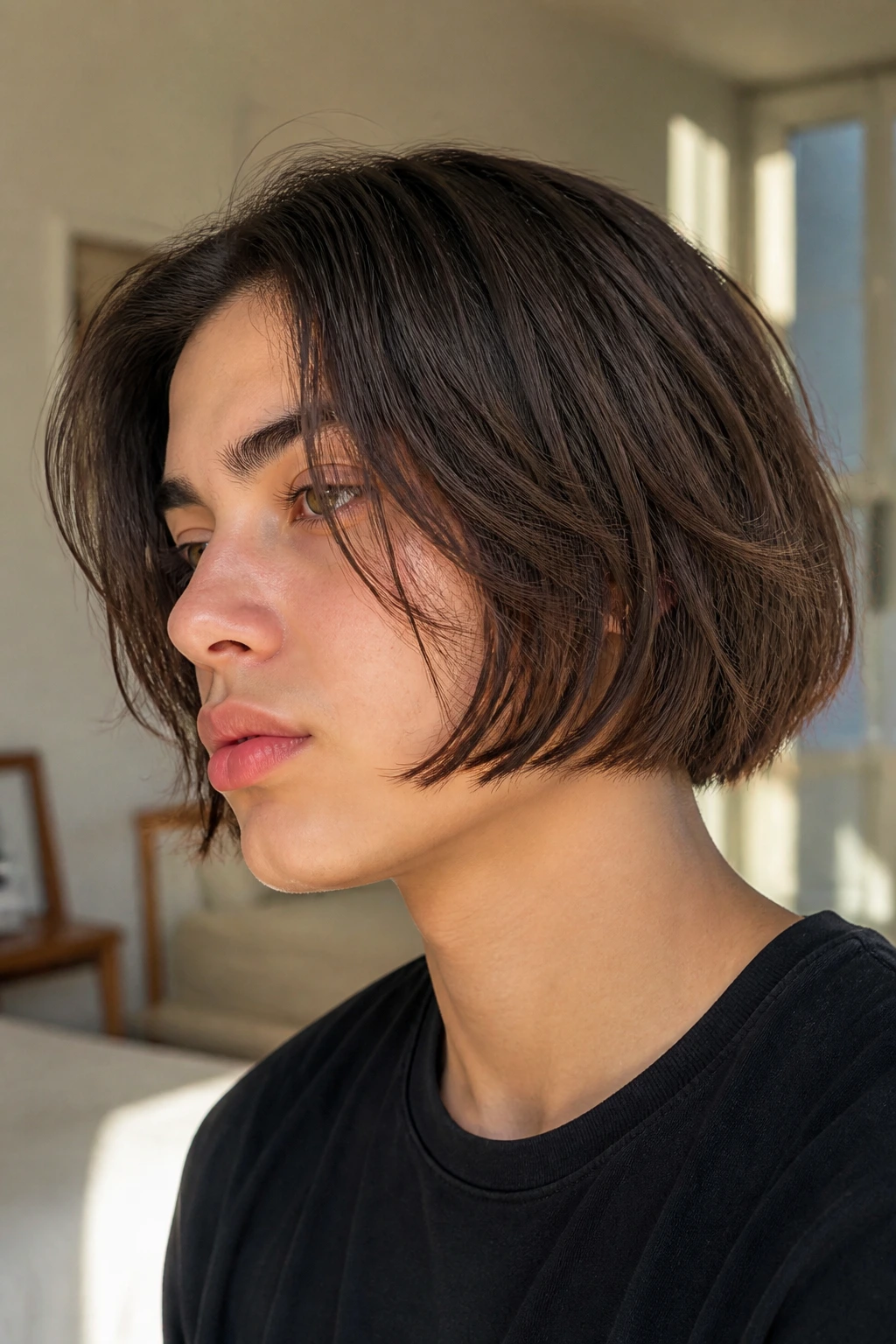
A razor-soft pageboy uses texture at the ends to blur the edge of thick hair. The result is lighter and a little more worn-in, which can be useful if the hair is coarse and resists a blunt finish. The face-framing layers become piecey rather than smooth.
This is not the place for heavy razor work if the hair is already frizzy. That just creates more chaos. A stylist with a light hand can take the ends down enough to move, then leave the front pieces long enough to sit around the cheekbones.
It’s a good match for someone who likes a slightly rebellious edge. The shape is still pageboy, but it doesn’t feel too formal.
15. Neck-Grazing Pageboy With a Clean Nape
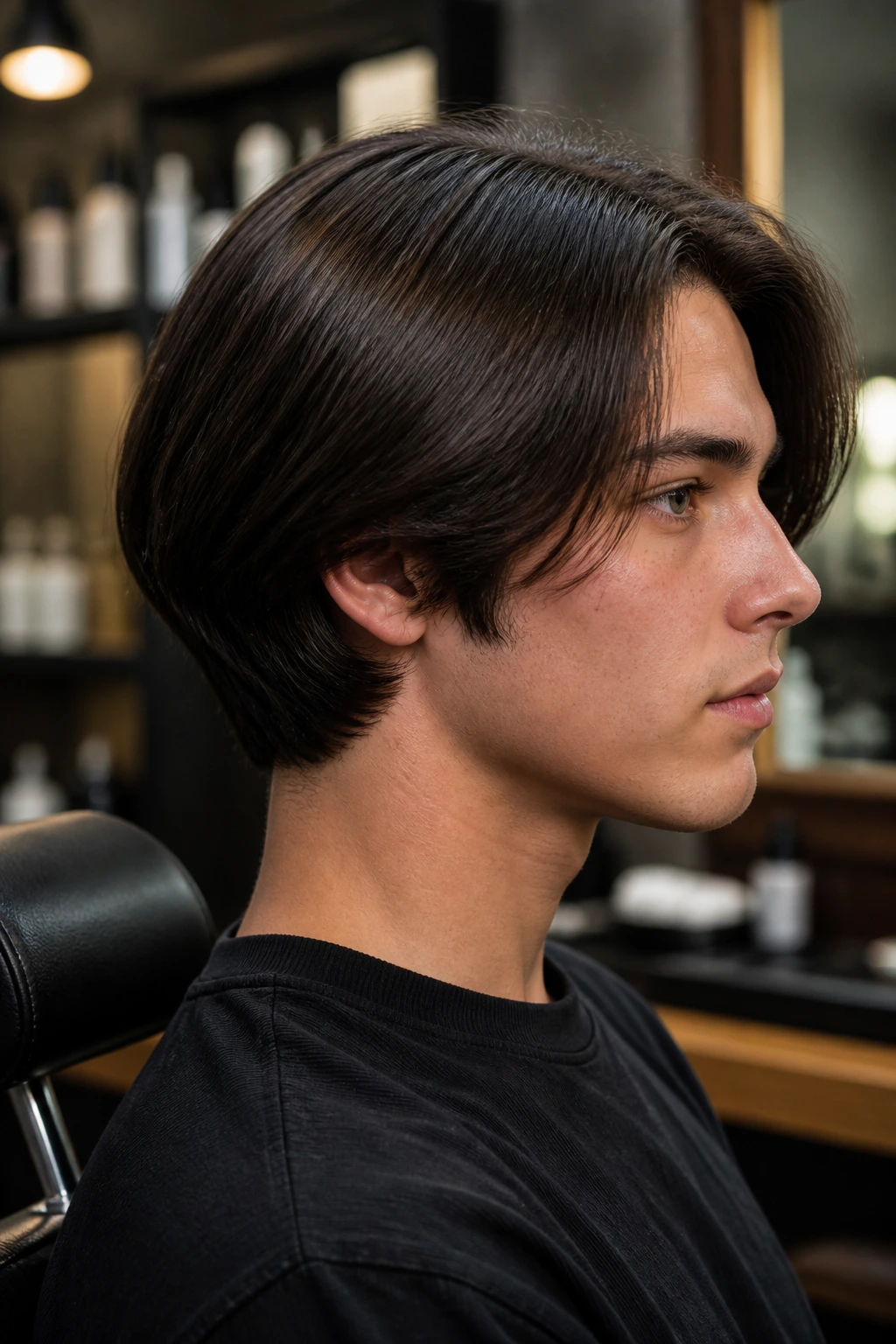
A neck-grazing pageboy looks tidy in a way that is hard to fake. The length hits at or just above the collar line, which keeps thick hair from piling up under the chin. The front layers can skim the jaw and soften the face without dragging the rest of the cut down.
The real win here is the nape. A clean, soft neckline keeps the hair from sticking to the shirt collar and makes the whole cut look intentional from the back. If the nape is left too full, this style loses its shape fast.
This version is good for men who want polish without going very short. It also works well with a light beard, because the neck-grazing line and the beard line can echo each other instead of competing.
16. Side-Part Pageboy With a Low Fade
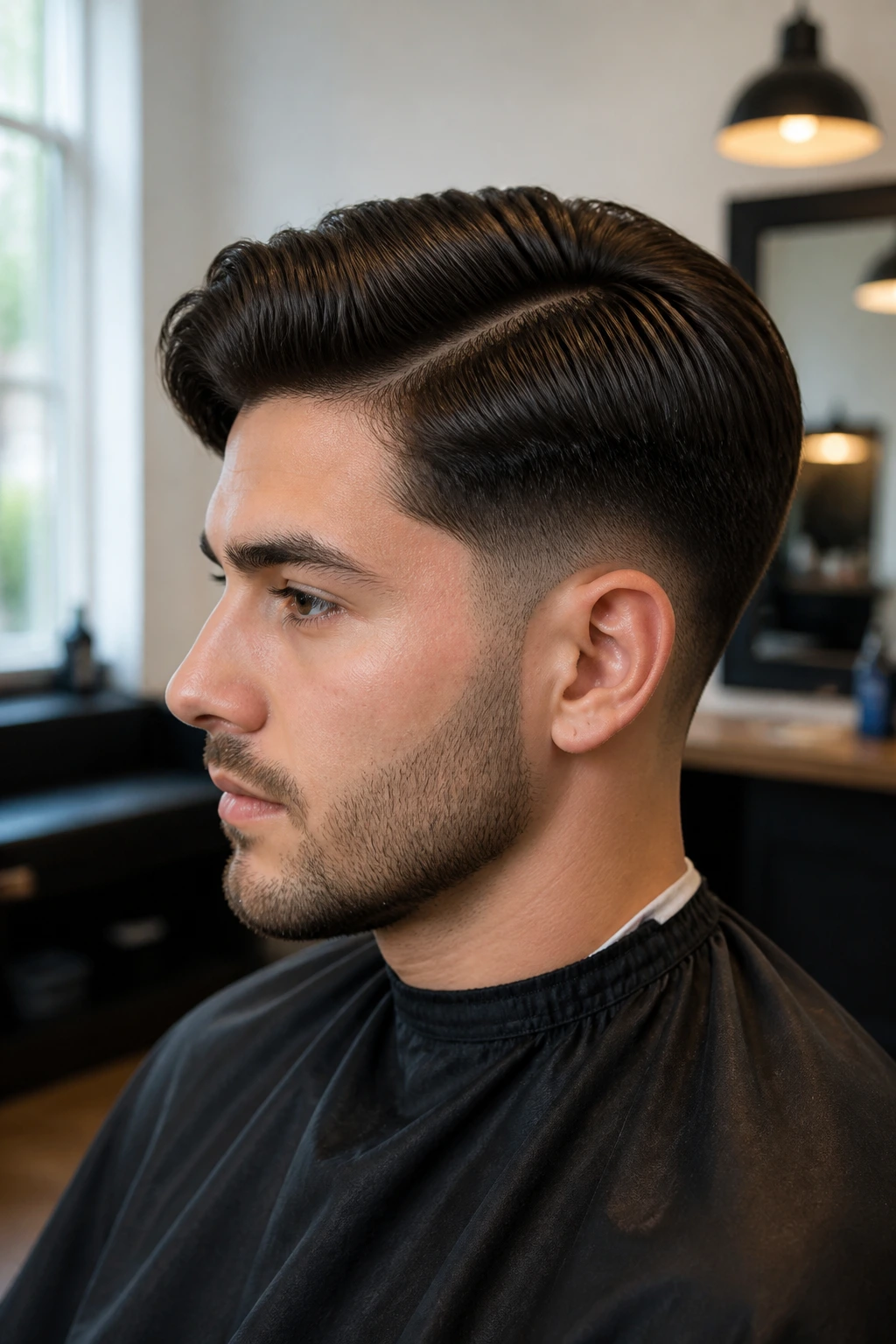
A side-part pageboy with a low fade is one of the most barber-friendly versions in the whole set. The top keeps the rounded pageboy length, but the sides fade down enough to remove bulk around the temples and ears. That clean contrast makes thick hair behave.
I like this one when the hair is dense but the wearer wants a neater, more masculine finish. The side part gives the face-framing layers a direction, and the fade keeps the outline from looking too heavy. It’s a strong answer for square faces and strong jawlines.
Styling note
Use a small amount of matte paste and push the top into the part while damp. Then blow-dry the front slightly forward before finishing with your fingers. If the fade is too high, the pageboy shape disappears. Keep it low.
17. Layered Pageboy for Dense Coils
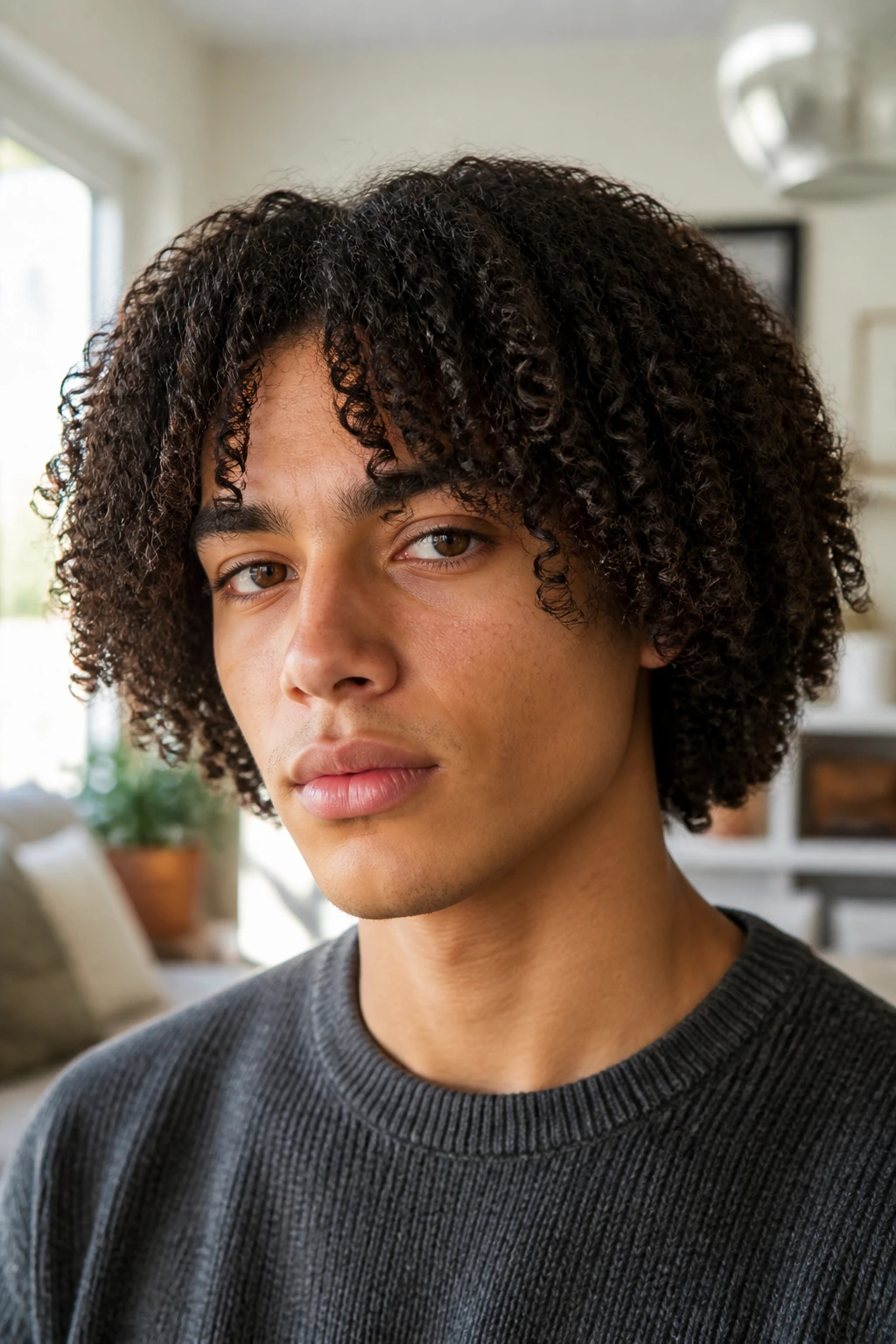
Coily hair can wear a pageboy shape, but it needs a different hand. Instead of chasing a perfectly flat finish, the cut should follow the natural shrinkage and build a rounded frame around the face. The face-framing layers can sit longer so they show after the coil contracts.
This version is best when the stylist works with the curl pattern rather than against it. Removing bulk in the wrong place can create gaps and odd shelves. Better to shape the perimeter and let the front layers do the framing.
A curl cream or leave-in conditioner helps the shape stay defined. On dense coils, the pageboy reads more as a rounded silhouette than a pin-straight line, and that’s fine. It still counts.
18. Sleek Pageboy With a Glassy Finish
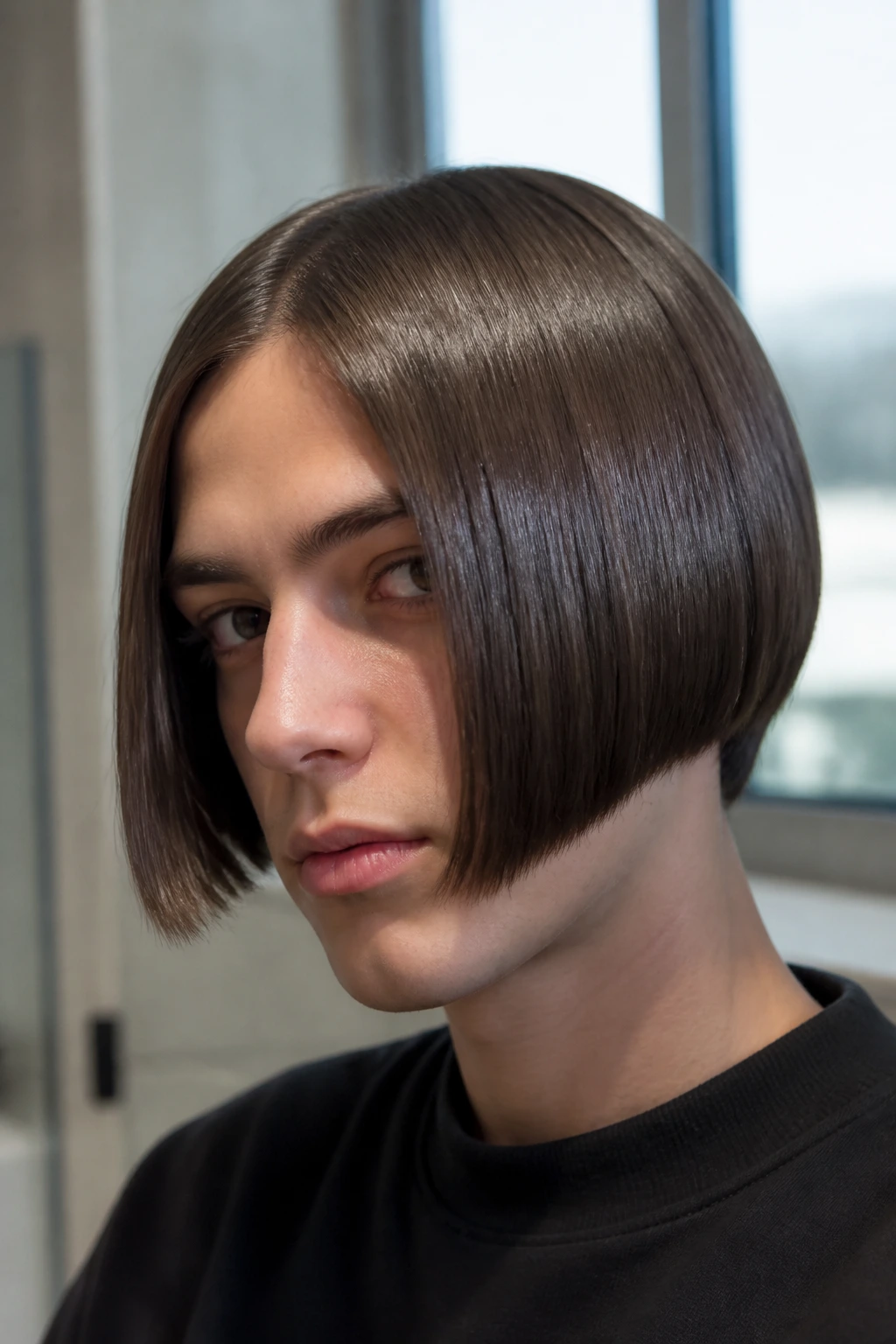
If you like shine, this is the strictest version of the bunch. The sleek pageboy depends on straight strands, a clean line, and face-framing layers that lay flat enough to show the outline without breaking it apart. Thick hair can do this beautifully if it is dried carefully and not overloaded with product.
The catch is that the finish has to be controlled. Too much serum and the hair looks greasy. Too little and the thick ends puff or separate. A tiny amount of smoothing cream on damp hair, then a pass with a blow-dryer and brush, usually does the job.
This one works well on special occasions or for people who enjoy a tidy, almost graphic shape. It does not hide anything, which is part of the appeal.
19. Ear-Length Pageboy With a Long Fringe
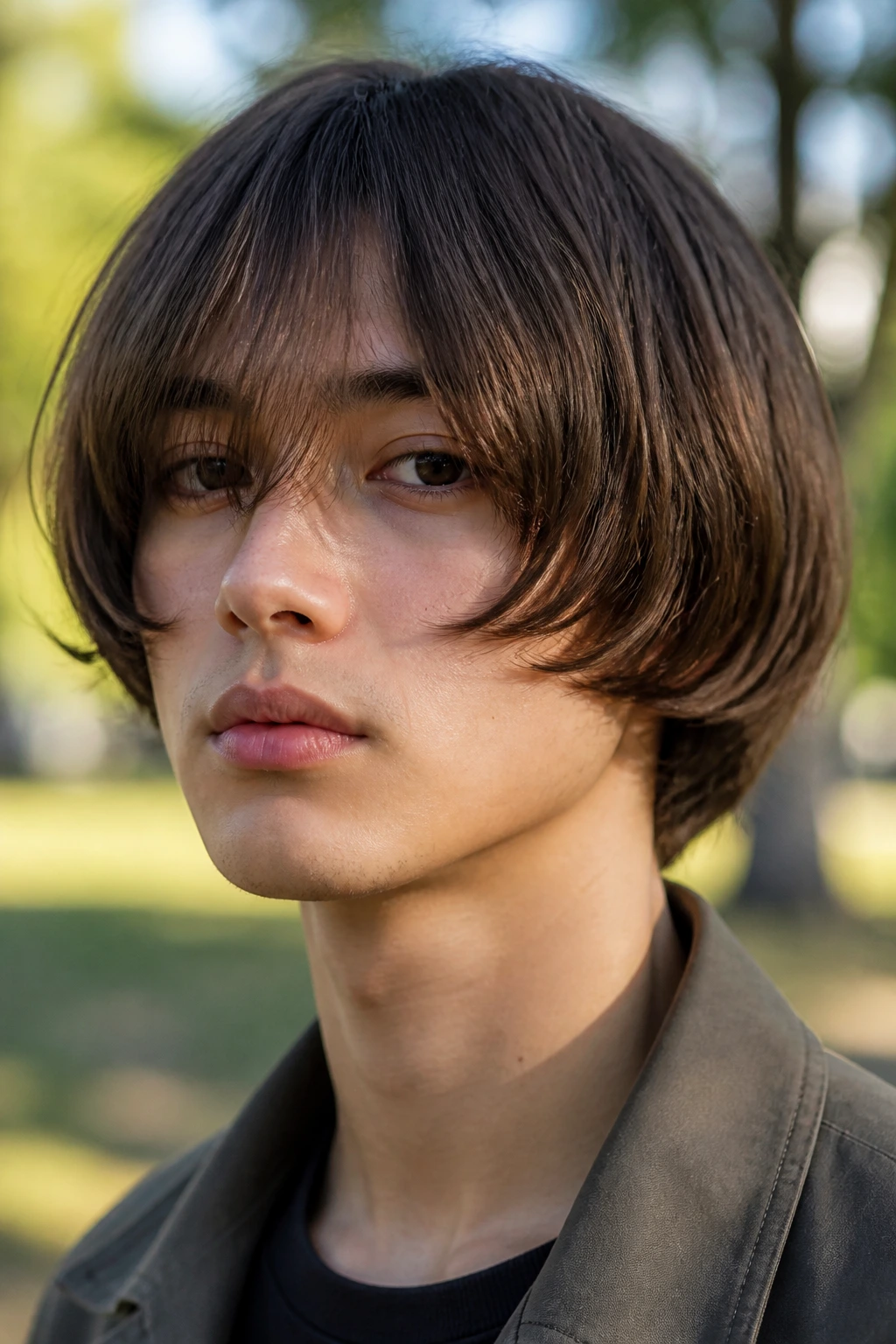
Ear-length pageboy cuts sit in a practical middle ground. The sides are long enough to brush the ears, but the fringe stays heavy enough to frame the face without fully covering it. Thick hair benefits from that balance because the cut keeps shape without looking bulky.
I’d recommend this if you want easy maintenance and a cut that grows out gracefully. The face-framing layers can start near the temples and fall toward the cheekbones, which keeps the front from getting too blunt. On dense hair, that makes a noticeable difference.
If the fringe reaches the eyes when dry, it’s too short for this style. Leave a little extra length. Thick hair always settles more than you think.
20. Flipped-Out Pageboy With Soft Ends

A flipped-out pageboy is a fun change of pace. Instead of rounding the ends inward, the hair is blow-dried so the tips flick slightly outward around the jaw and neck. On thick hair, that flip can lighten the silhouette and keep the cut from sitting too square.
This works best when the face-framing layers are a little longer and the perimeter is not too blunt. The flip needs room to happen, or it just looks forced. A round brush and a medium heat setting are enough to coax the ends without making them frizzy.
It reads especially well on younger boys and on anyone who wants a cut that has movement without looking messy. It’s neat, but not stiff. Good balance.
21. Drop-Taper Pageboy With Long Fronts
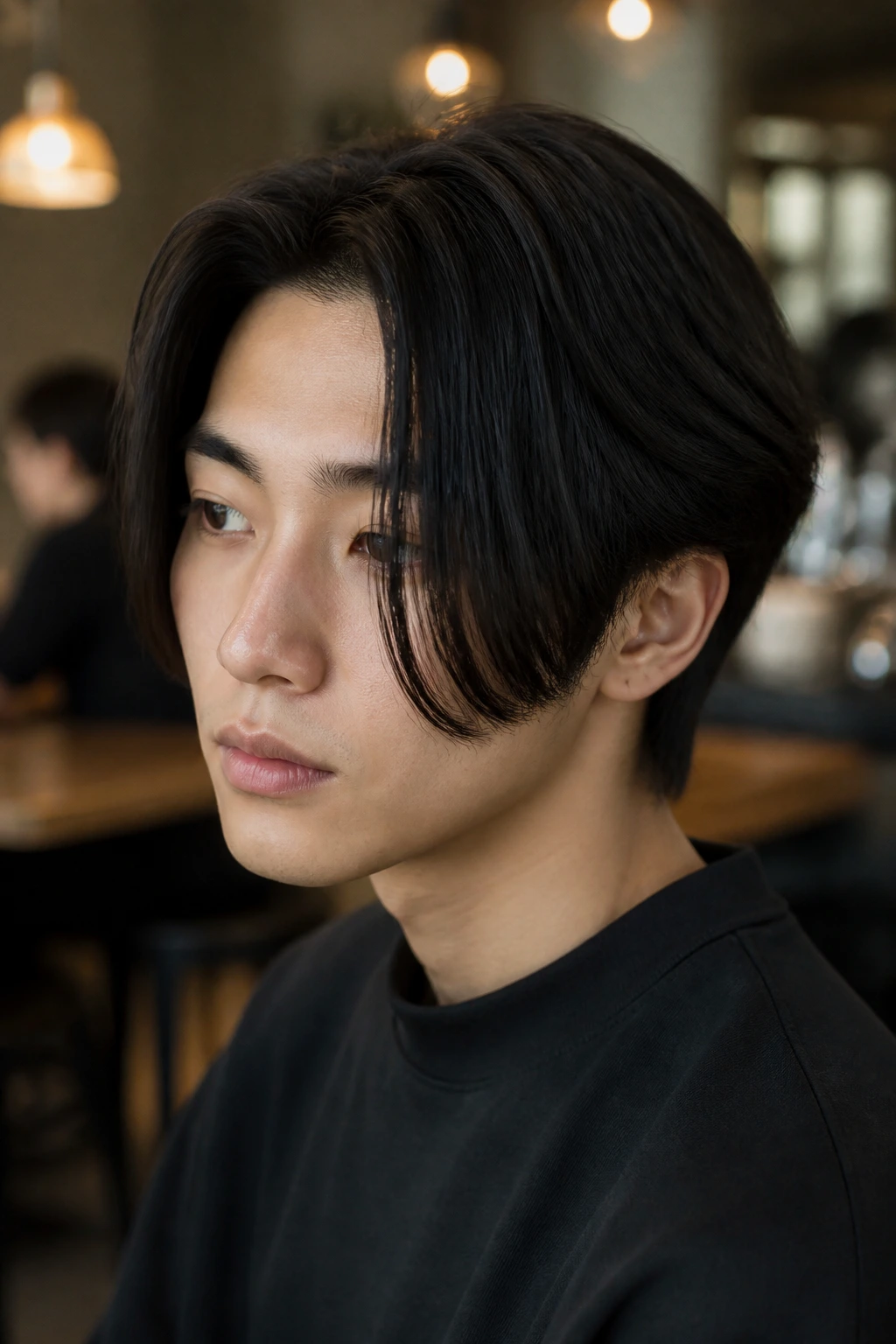
This is one of the most flattering shapes for thick hair because it lets the front stay long while the back drops neatly toward the nape. The result is a pageboy outline that feels slightly elongated and less heavy through the sides. The face-framing layers can start lower and fall around the mouth or chin.
A drop taper helps the haircut follow the head shape instead of fighting it. That matters on thick hair because bulk around the back of the head can make the cut look like a block from behind. The taper takes the pressure off without making the style too short.
Best for
- Round faces that need a little length.
- Dense hair that gets bulky behind the ears.
- Wearers who want the front pieces to move when they turn.
22. Long Pageboy With a Soft V-Undercurve
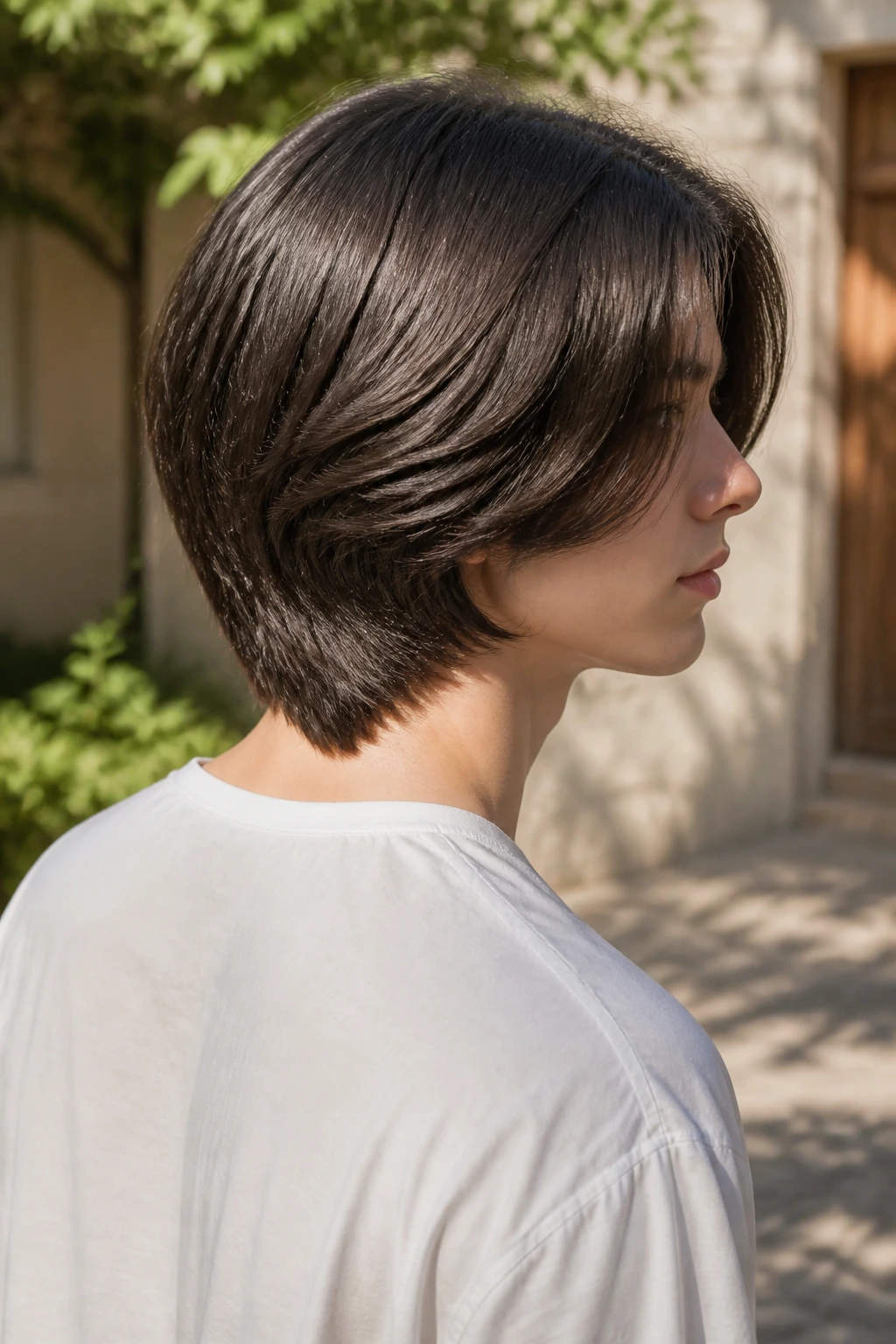
A longer pageboy can get heavy fast, so the underside of the shape matters. A soft V-curve at the nape gives the cut a cleaner line from behind while the front layers keep the cheeks and jaw open. This version is almost always better on thick hair than a blunt, same-length finish.
The longer length gives you more styling options, but it also needs more discipline at the salon. Ask the stylist to leave enough weight for the hair to hang straight, then remove bulk only where the head shape creates puffiness. That keeps the cut from becoming stringy.
It suits older boys, teens, and men who want a little more length without losing the pageboy identity. It also grows out in a forgiving way.
23. Messy Air-Dried Pageboy With Texture Cream

Not every pageboy has to be polished. A messy, air-dried version can look excellent on thick hair if the layers are placed correctly and the face-framing pieces are cut to move. The style should feel loose around the cheeks, but still have a clear outline at the ends.
This is one of the easier versions to live with because it works with a bit of natural chaos. Use a light texture cream, comb it through damp hair, and leave the rest alone. If you keep touching it while it dries, the shape turns fuzzy.
It’s a good choice for wavy thick hair that doesn’t want to stay flat. The secret is leaving enough length in the front for the hair to bend instead of kick out.
24. School-Ready Pageboy With a Neat Temple Taper
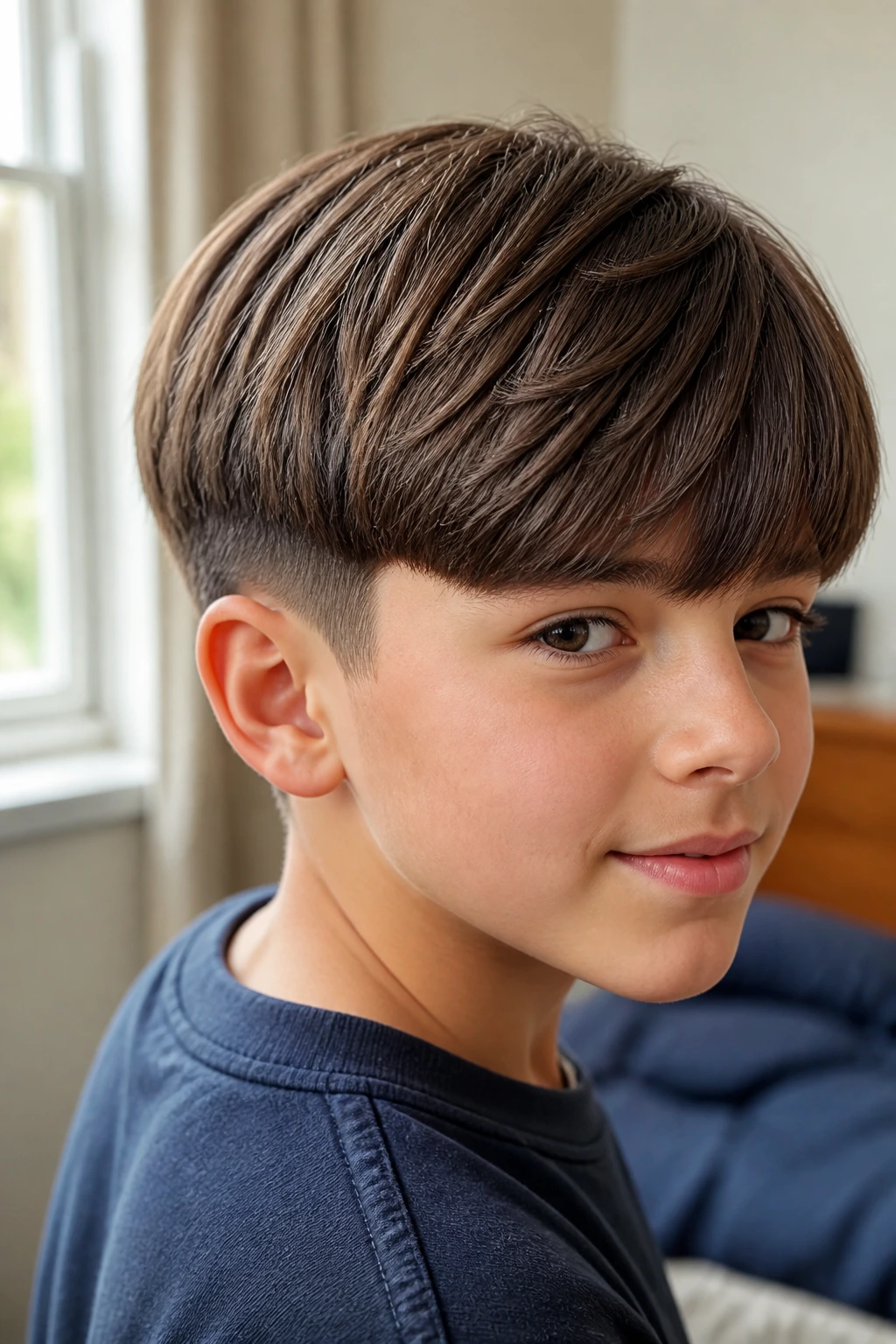
For boys who need a tidy cut that still looks like a pageboy, this version is hard to beat. The temple taper keeps the sides clean, the nape stays controlled, and the front layers sit just long enough to frame the face without getting into the eyes. Thick hair needs exactly that sort of discipline.
The style is practical because it doesn’t demand daily heat styling. A quick comb-through after a shower and a touch of light cream is enough. If the hair is especially stubborn, a short blow-dry at the front will settle it.
This version works well when parents want something neat that does not look too grown-up or too harsh. It’s polished, but still soft around the edges.
25. Editorial Split-Fringe Pageboy
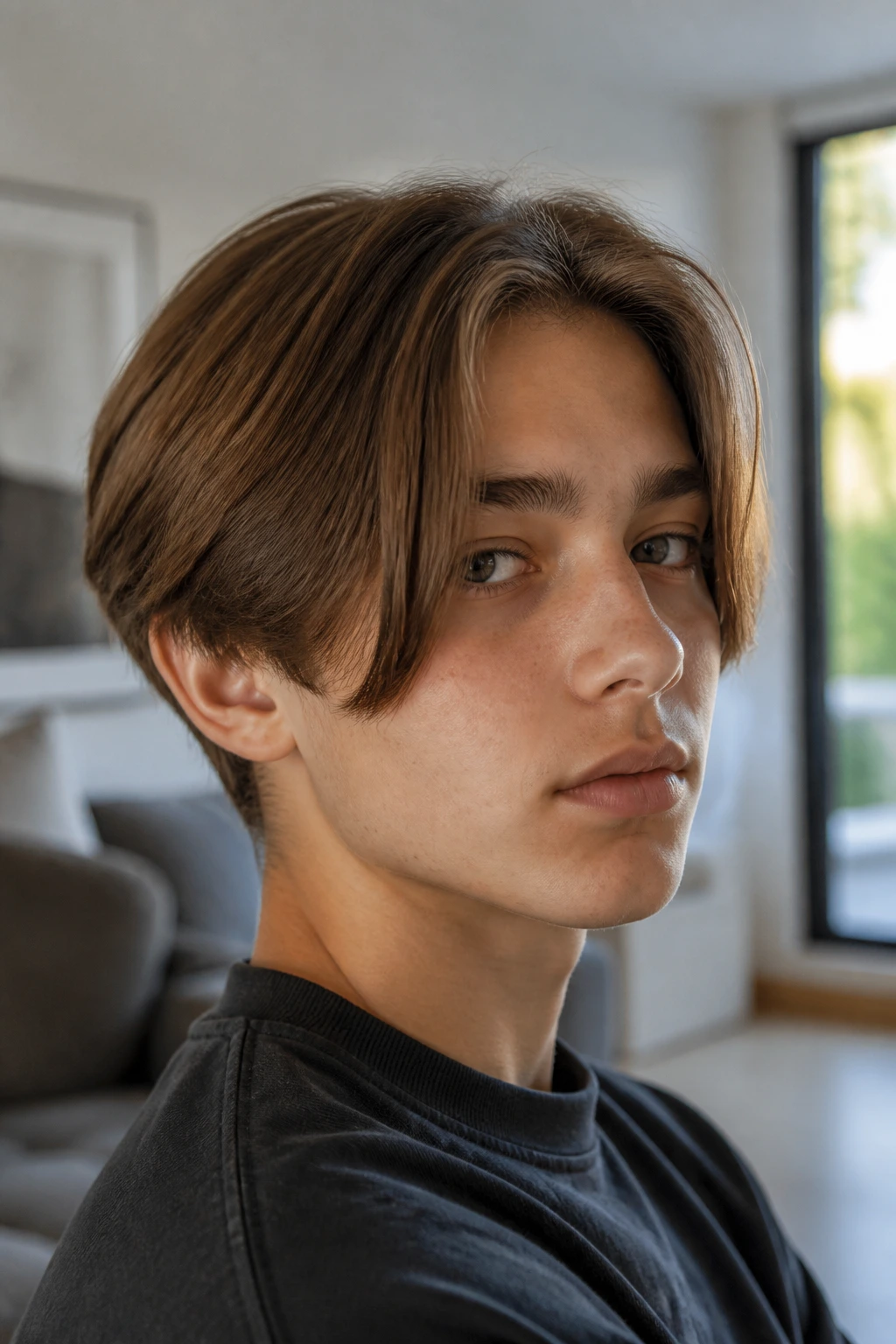
This is the most fashion-forward version in the set, and it only works if the hair has enough density to hold the split. The fringe separates at the center or slightly off-center, then the face-framing layers fall in long, deliberate pieces that shape the cheeks. Thick hair gives this cut structure. Thin hair would just disappear.
I like this version on straight or lightly wavy hair because the lines stay clear. It photographs well in real life too — not because it’s flashy, but because the shape is distinct from every angle. The key is restraint. The split should look natural, not carved in with a ruler.
If you want a pageboy that feels current without losing its classic bones, this is the one to bring to the chair.
Why Thick Hair Needs a Different Pageboy Strategy
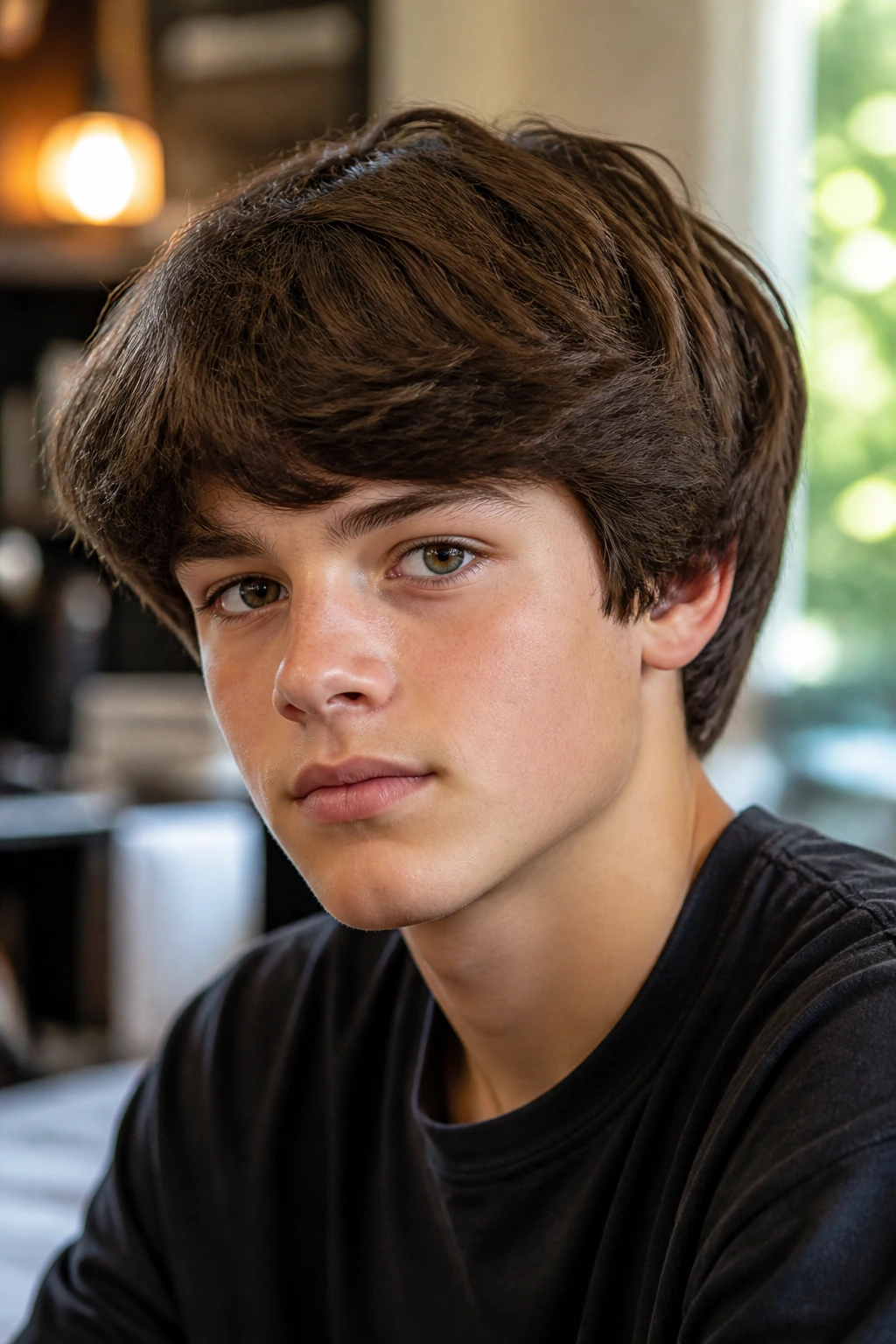
Thick hair has memory. It remembers where it wants to stick out, where the crown pushes up, and where the nape collects. That’s why a pageboy on thick hair cannot be cut like a one-length helmet and expected to behave.
The shape works when the perimeter is controlled and the interior bulk is removed with a light hand. Not all at once. Not everywhere. The front corners, the area around the ears, and the nape usually need the most attention, because those are the places where a pageboy turns from rounded to bulky the fastest.
Where the weight should live
- At the outline: enough mass to keep the pageboy curve visible.
- Away from the ears: so the haircut does not widen at the sides.
- Below the crown: so the top does not collapse or balloon.
- In the front corners: so the face-framing layers actually frame something.
If a stylist removes too much all over, thick hair goes fuzzy and uneven. If they remove too little, the cut turns into a wide rectangle. The sweet spot is annoyingly specific. That’s the job.
The Tools That Actually Help
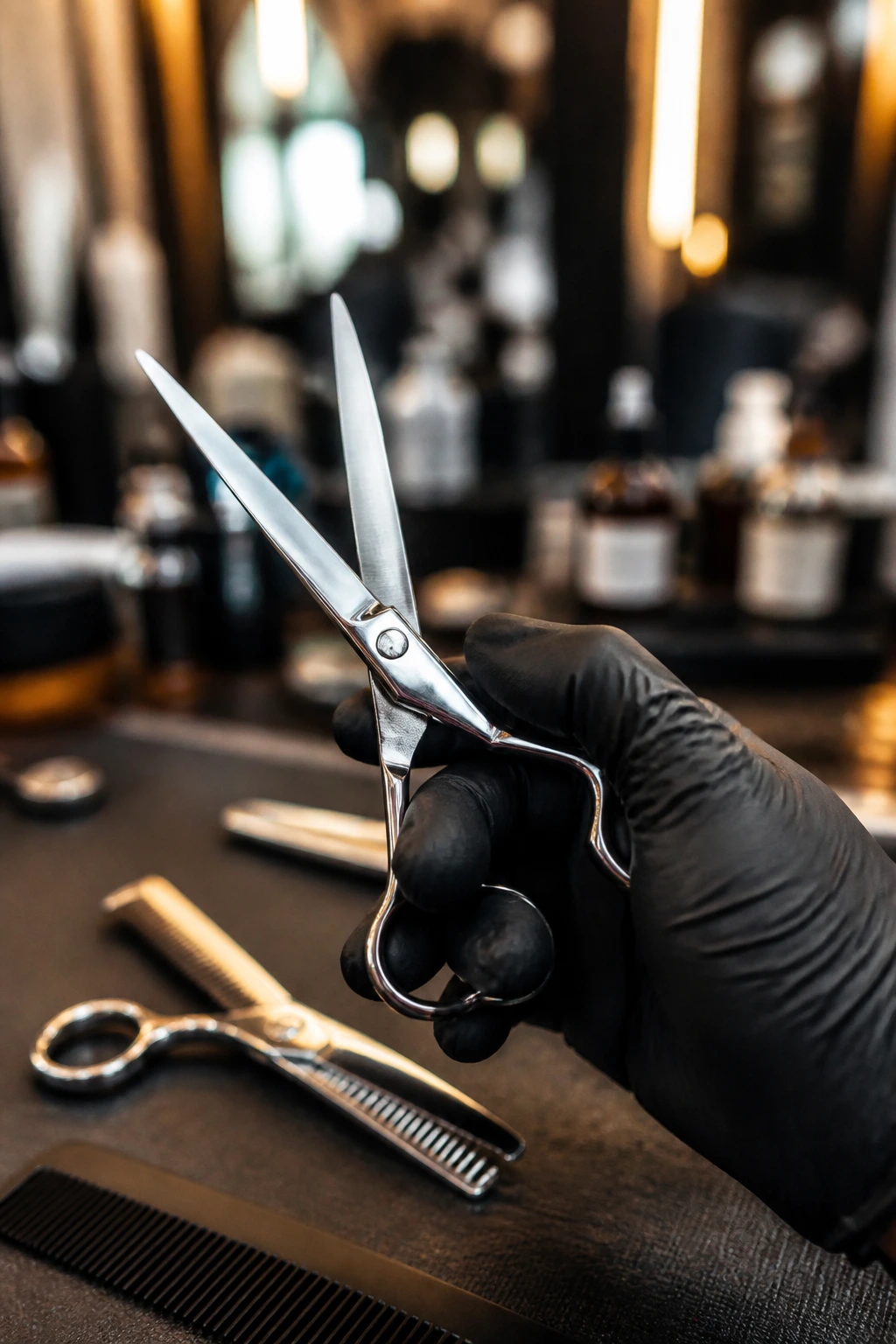
You do not need a drawer full of gadgets to keep these haircuts in shape. You do need the right few tools, and a couple of them matter more than people admit.
- Sharp haircutting shears: If you trim bangs or small corners at home, dull blades will snag thick strands and leave a jagged line.
- Thinning or texturizing shears: Useful only in the right hands. A little goes a long way on dense hair.
- Tail comb: Helps create clean parts and section the front corners without pulling the whole head apart.
- Sectioning clips: Especially useful if the hair is long enough to get tangled while you dry it.
- Blow dryer with a nozzle: The nozzle matters. It directs airflow and keeps thick hair from frizzing outward.
- Round brush or paddle brush: Round brushes help round the pageboy curve; paddle brushes are better if you want the hair flatter and smoother.
- Heat protectant: If you’re using heat on thick hair, this is not optional.
- Light cream, mousse, or matte paste: Pick one that fits the finish you want. Don’t stack three products on thick hair and hope for the best.
- Wide-tooth comb: Helpful for wavy or curly versions where you want the shape to settle without breaking up.
A trimmer for neck cleanup can help between cuts, but I would not use it to reinvent the shape at home. That is how good pageboys get weird.
What to Tell Your Barber or Stylist
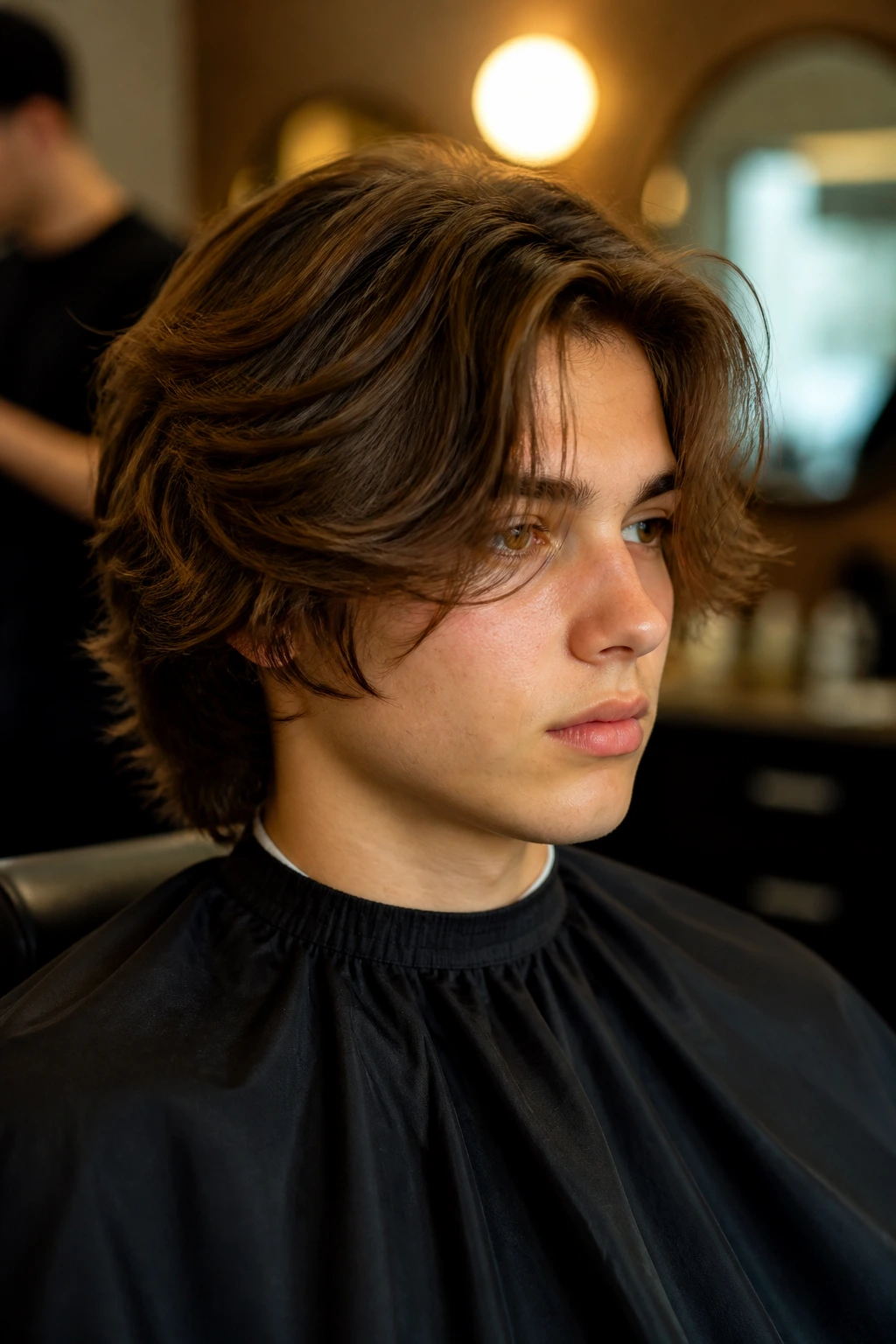
The phrase “pageboy” means different things to different people. One stylist hears a rounded bowl with heavy fringe. Another thinks of a softer bob with face layers. Say what you want in plain language and skip the guesswork.
Bring two photos if you can: one front view and one side or back view. That matters because thick hair behaves differently from every angle, and a single picture rarely shows the nape or temple work. Tell them whether you want the front to hit the brows, cheekbones, jaw, or collarbone.
A useful set of words sounds like this:
- Keep the outline rounded, not boxy.
- Remove bulk inside, not from the perimeter.
- Let the face-framing layers start at the cheekbone or jawline.
- Keep the nape clean and neat.
- Do not thin the fringe too much.
- Leave enough length around the ears to tuck or sweep.
If you wear glasses, say so. If you have a strong cowlick at the crown, say that too. Thick hair with a swirl at the back of the head needs a different approach than thick hair that lies flat.
How to Wear the Shape Without Losing the Shape
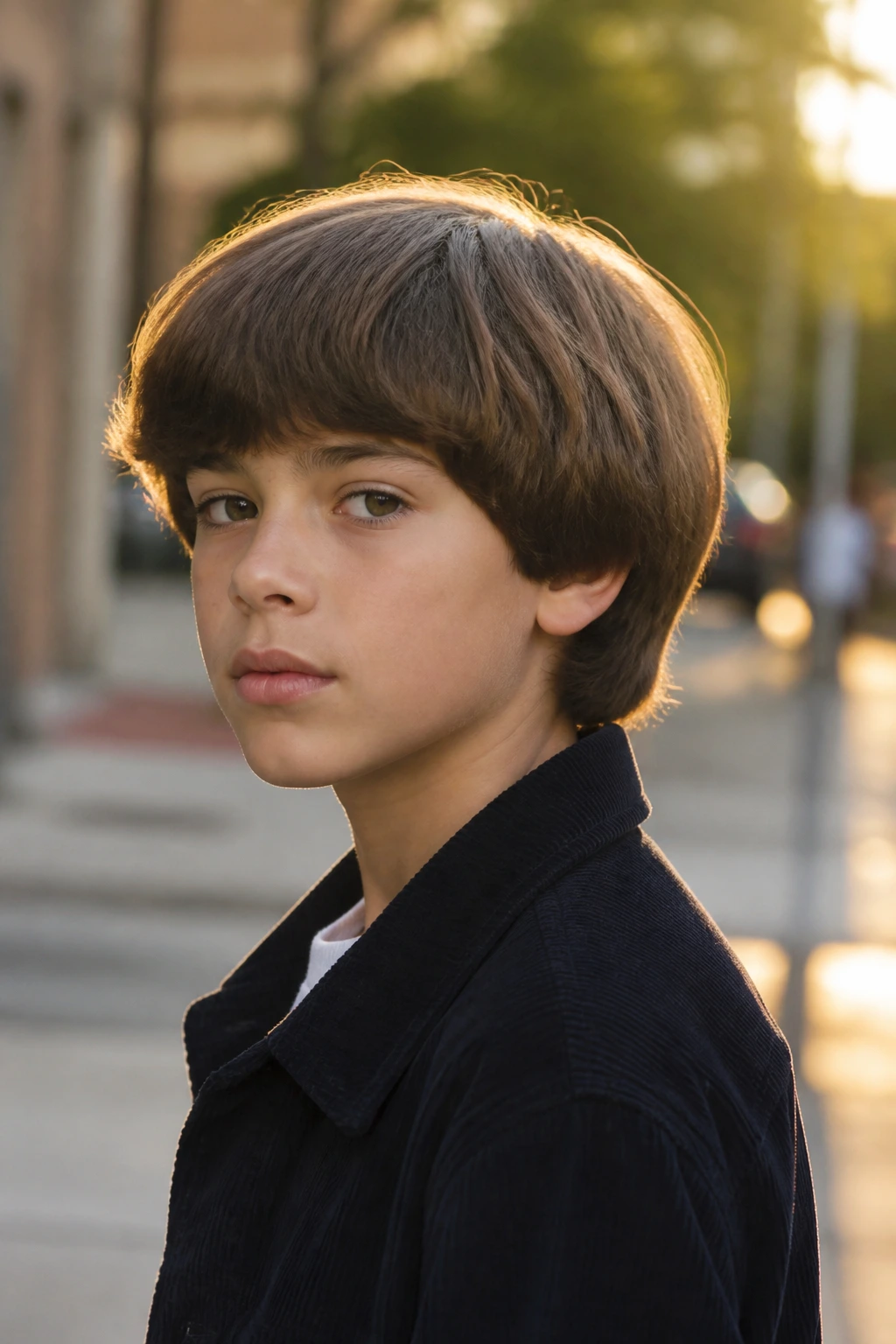
Presentation: Let the pageboy read as a shape first, not as a pile of hair. That means the front should either sit forward, part cleanly, or tuck back with intention. If the face-framing layers hang in random clumps, the cut loses its line.
Pairings: This cut works with clean collars, hoodies, crewnecks, and button-downs, but the neckline matters. A low, neat nape looks better with shirts that sit close to the neck. If you wear a beard, keep the jawline tidy so the face layers and beard line don’t fight each other.
Length: Short versions look sharper with more frequent trims. Longer versions need a little more patience and a little more shaping through the front corners. If you want the cut to feel less juvenile, keep the fringe a bit longer and the nape a bit tighter.
Finish: Matte cream gives a softer, everyday look. Smoothing cream or a tiny touch of serum makes the sleeker versions sit flat. For thick hair, less product usually wins. A pea-sized amount can go a long way.
A pageboy does not have to scream for attention. It just needs the edges to make sense.
Styling Tricks That Keep Thick Hair Close to the Head
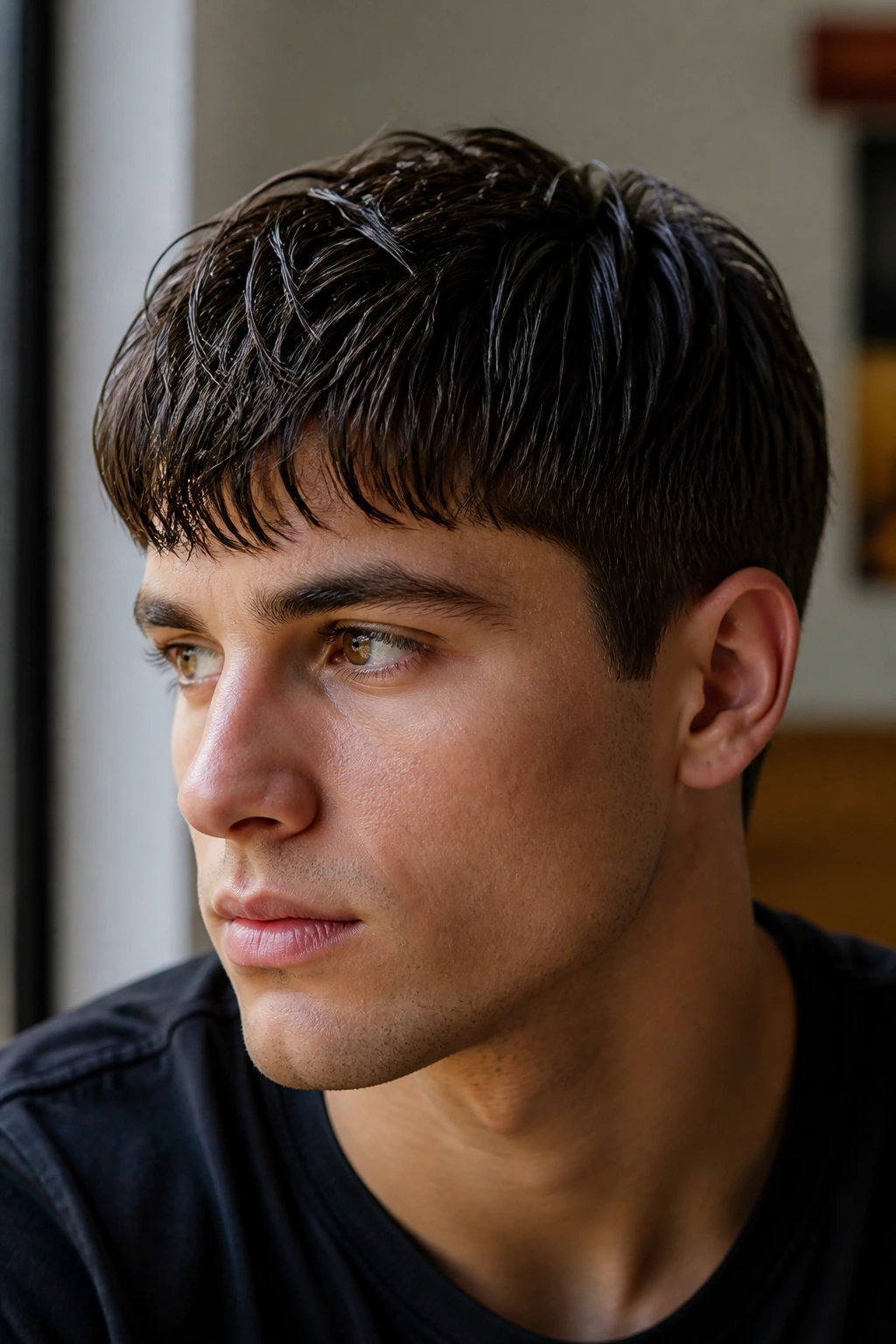
Root control: Dry the roots first, especially around the crown and temples. That’s where thick hair tends to lift and puff, and once it sets that way, you spend the rest of the day chasing it.
Front direction: Blow the face-framing layers forward and slightly inward while they’re still damp. If you want a center part or side sweep, set that line early. Thick hair gets stubborn once it dries half-way.
Cool the shape: Finish with a cool shot from the dryer for 10 to 15 seconds on the front and nape. It sounds small. It isn’t. That’s what helps the curve hold.
Use less product than you think: A small bit of cream or paste is enough. Thick hair holds shape on its own; too much product weighs it down and turns the ends stringy.
Deal with cowlicks directly: Clip the offending section flat for a few minutes while you dry the rest. If you let a cowlick air-dry unchecked, it usually wins.
For boys who don’t want to fuss in the morning, a slightly longer fringe and a cleaner nape are the easiest combination to live with. It cuts the styling time in half.
The Common Mistakes That Make a Pageboy Puff Out
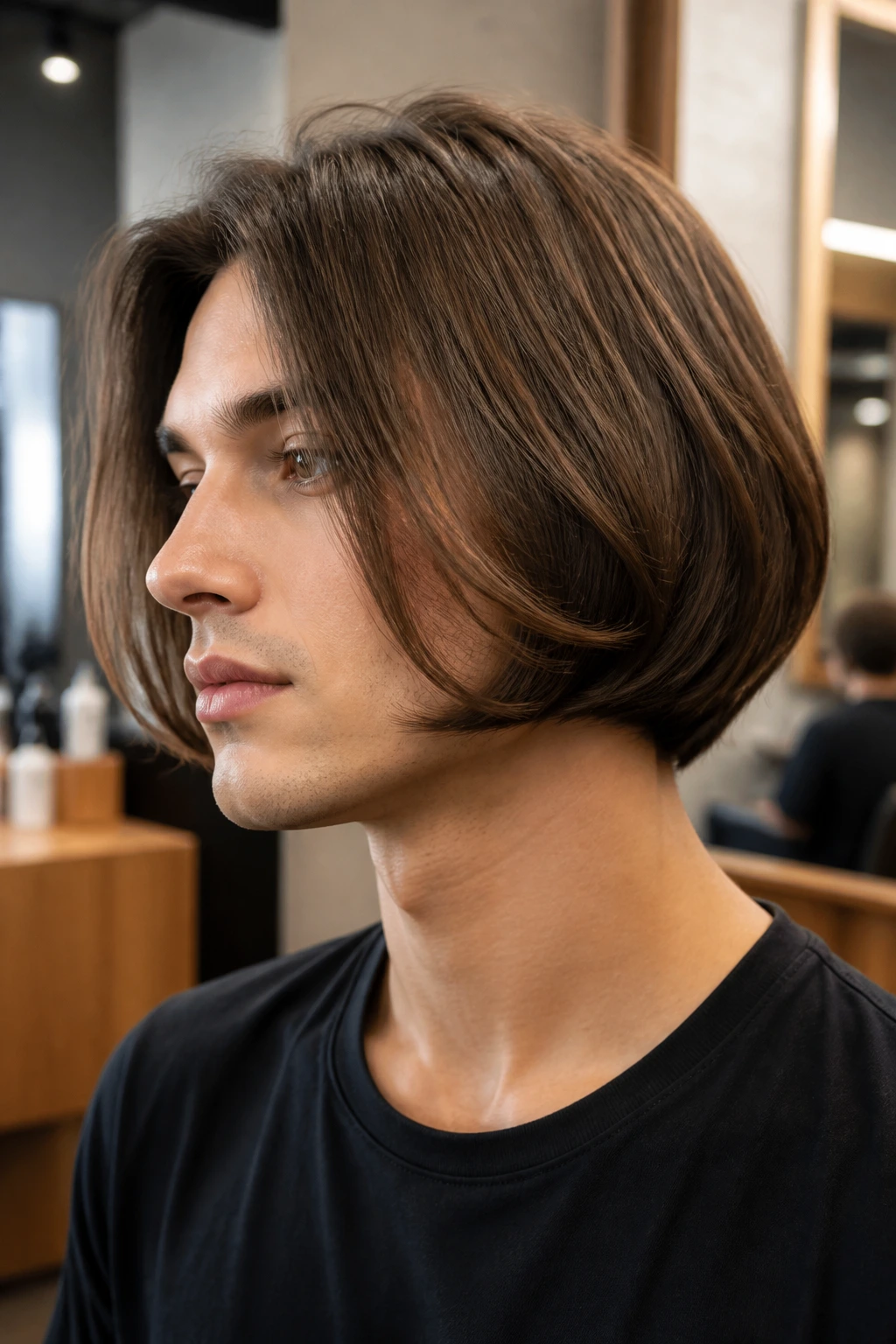
The most common error is taking too much weight off the wrong places. Thick hair does not need to be thinned everywhere. When the perimeter is left too skinny and the top is still heavy, the cut puffs out in the middle and looks ragged at the ends.
Another mistake is cutting the fringe too short. Thick hair jumps, and a short fringe can rise above the brows faster than you expect. If that happens, the whole face frame stops framing anything.
A third problem is ignoring the nape and temple area. Those spots collect bulk, especially on boys and men who wear hoodies or collars that rub the hair all day. The fix is a soft taper or careful cleanup, not a razor-blade shortcut.
And then there’s overusing heavy product. Thick hair does not need a helmet of wax. If the roots go greasy and the ends still stick out, the shape was already wrong or the product was too much.
Finally, starting the layers too high can wreck the whole outline. Once the crown is thinned too aggressively, the top collapses and the sides balloon. Keep the face framing low and the interior work controlled.
Variations and Adaptations to Try
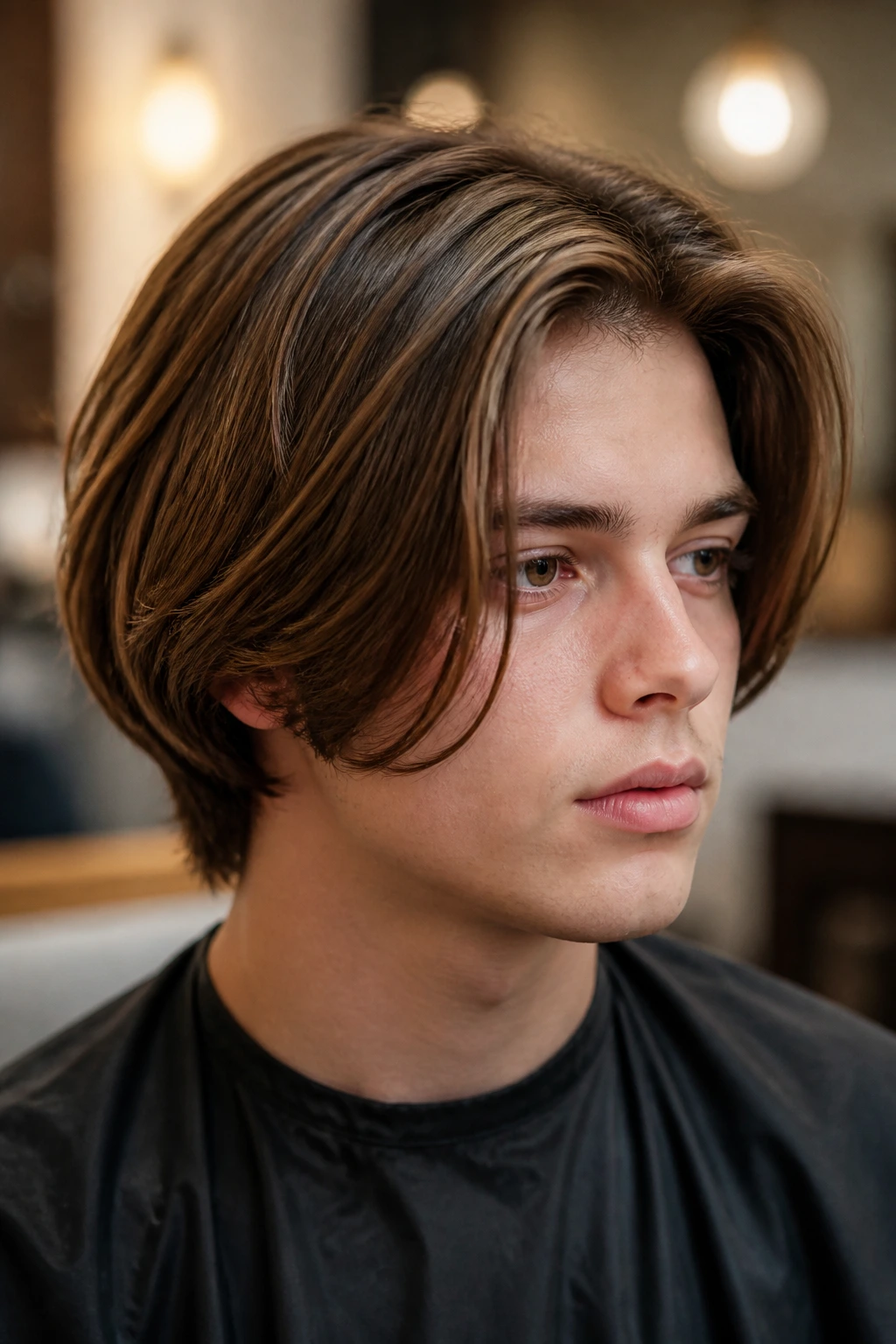
The Low-Maintenance Air-Dry Version: Keep the face-framing layers long and the perimeter soft. A little cream on damp hair is enough, and the cut still looks deliberate when it dries on its own.
The Barber-Fade Version: Blend the sides into a low fade while keeping the top rounded. This gives thick hair a cleaner edge and works well if you want the pageboy shape but prefer a sharper finish around the ears.
The Curly Frame Version: Leave more length in the front so curls can contract without losing the outline. The face layers should be cut to show their shape after drying, not before.
The Sleek School Version: Keep the fringe slightly above the brows, the nape neat, and the sides compact. It reads clean, stays out of the eyes, and doesn’t need much more than a comb.
The Long Grow-Out Version: Leave the front corners longer and the collar line soft. This one is useful if you’re between lengths and want the cut to age gracefully instead of turning into a triangle.
Trims, Washing, and Grow-Out Rhythm
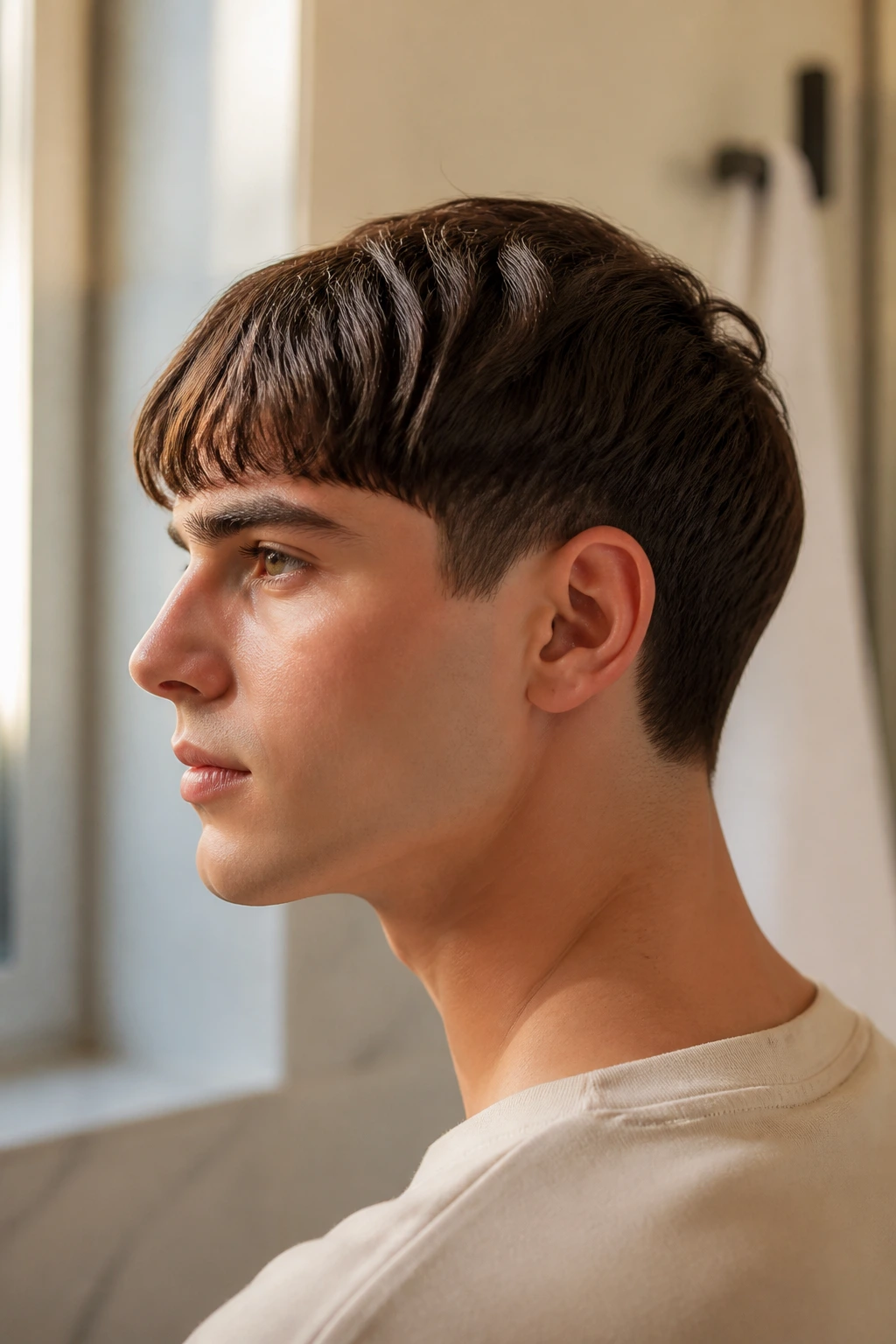
Thick pageboy cuts stay sharp longer when the trim schedule is regular. For shorter versions with a fringe, every 4 to 5 weeks is a good target. Longer versions can usually stretch to 6 to 8 weeks before the shape starts to drift. If the nape is tapered tightly, you may want a cleanup sooner just to keep the neck line neat.
Washing depends on scalp oil and how much product you use. For most thick hair, every 2 to 4 days is plenty unless the scalp gets sweaty or the fringe starts collapsing. Conditioner should live mostly on the mid-lengths and ends, because thick hair near the root can get flat if it’s overloaded.
If you want the cut to grow out gracefully, ask your barber or stylist to keep the face-framing pieces a touch longer at each appointment and only clean up the ears and nape. That way, the shape softens instead of bulking into a triangle. Sleeping on a satin or silk pillowcase helps too. Less friction means fewer odd flips in the morning.
Questions People Actually Ask About Thick Pageboy Cuts
Will a pageboy haircut make thick hair look bigger?
It can, if the weight is left in the wrong places. A good cut keeps the perimeter controlled and removes bulk inside the shape, which is what stops the puff.
What’s the difference between a pageboy and a bowl cut?
A bowl cut usually reads blunt and even all the way around. A pageboy has a softer curve, more movement at the face, and usually better neck and temple shaping.
Can boys wear a pageboy haircut to school without it looking fussy?
Yes, if the fringe is kept tidy and the nape is cleaned up. Shorter, temple-tapered versions tend to look neat rather than styled.
How short can the face-framing layers be on thick hair?
Cheekbone or lip length usually gives the best balance. Shorter than that, and thick hair can spring outward or sit too high on the face.
Does this cut work on wavy or curly hair?
It does, but the shape needs more length in the front and a more flexible outline. The goal is a rounded frame, not a pin-straight finish.
How often should I trim the fringe?
For a shorter fringe, plan on every 2 to 3 weeks if it starts brushing the eyes. Longer front pieces can go longer, but once they lose the line, the whole cut feels messy.
Can I ask for a fade with a pageboy?
Yes. A low fade or soft taper can remove bulk around the ears and make the rounded top easier to wear. Just keep the fade low enough that the pageboy shape still shows.
What if the ends flip out too much?
That usually means the layers are too short or the ends were dried with too much heat. Leave a little more length next time and use a round brush with a lower heat setting.
A Shape That Keeps Thick Hair in Line
A good pageboy on thick hair is not about forcing the hair into a box. It is about giving the bulk a place to live so the face still gets a frame, the nape stays neat, and the shape holds past the first ten minutes after styling. That’s why the layers matter more than the buzz around the style.
If you pick the version that matches your texture, your face shape, and how much time you want to spend in front of the mirror, the cut stops being fussy and starts being useful. That’s the whole appeal, really. Clean outline. Soft front. No puffed-up nonsense by noon.