



Fine hair can go flat in the time it takes to put on earrings, and round faces punish styles that puff out at the cheeks. That’s why party hairstyles for fine hair and round faces need more than curls and hope. They need shape. A little lift at the crown. A little diagonal movement. A clean line somewhere that pulls the eye upward instead of letting it wander side to side.
The trick is not pretending your hair has more density than it does. That usually backfires. Heavy layers of spray, oversized curls at cheek level, and too much teasing near the ends tend to make fine hair look smaller, not fuller. What works better is control: root lift where it counts, softness where it flatters, and enough grip that the style doesn’t collapse the minute the room gets warm.
These 18 looks lean on those rules without getting fussy. Some are sleek. Some are loose. A few are short-hair friendly, which matters more than people admit. And all of them are built around the same idea: make the hair read fuller and the face read a little longer, not wider.
Why These 18 Looks Work So Hard
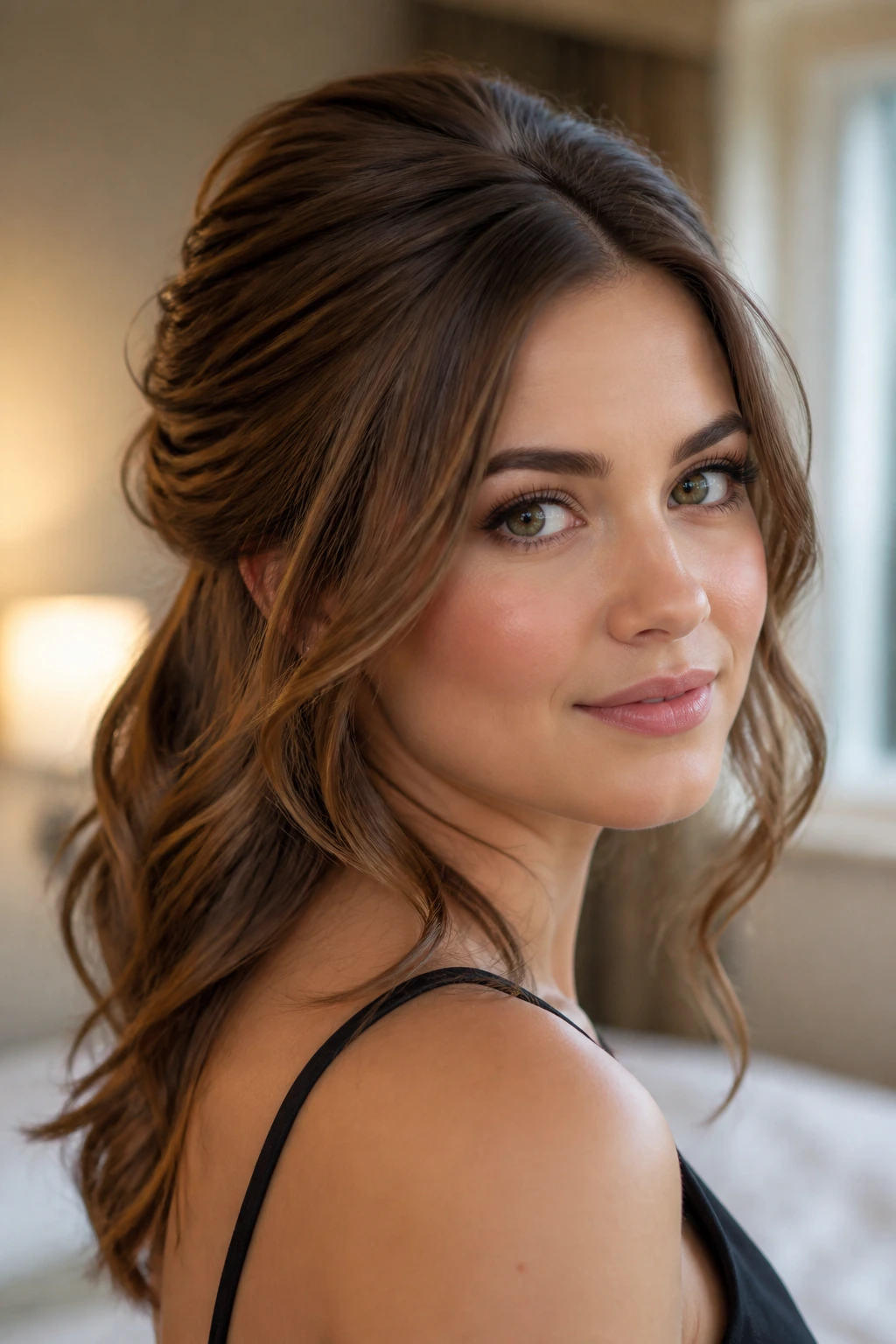
-
Built for fine strands: Every style here uses shape, placement, or texture instead of depending on thick hair to do the heavy lifting.
-
Round-face friendly lines: The strongest looks add height at the crown, softness near the jaw, or asymmetry that breaks up a wide silhouette.
-
Party-proof without feeling stiff: These styles can survive dancing, heat, and a night that runs a little longer than planned.
-
Works with short, medium, and long hair: A bob, a lob, and collarbone-length hair all have options here, which is refreshing.
-
Easy to customize: A sparkly pin, a velvet ribbon, or a stronger side part can change the mood fast.
-
Better than overcurling everything: The styles here use movement where it helps and leave enough clean space so the hair doesn’t balloon.
What Fine Hair and Round Faces Need From a Party Style
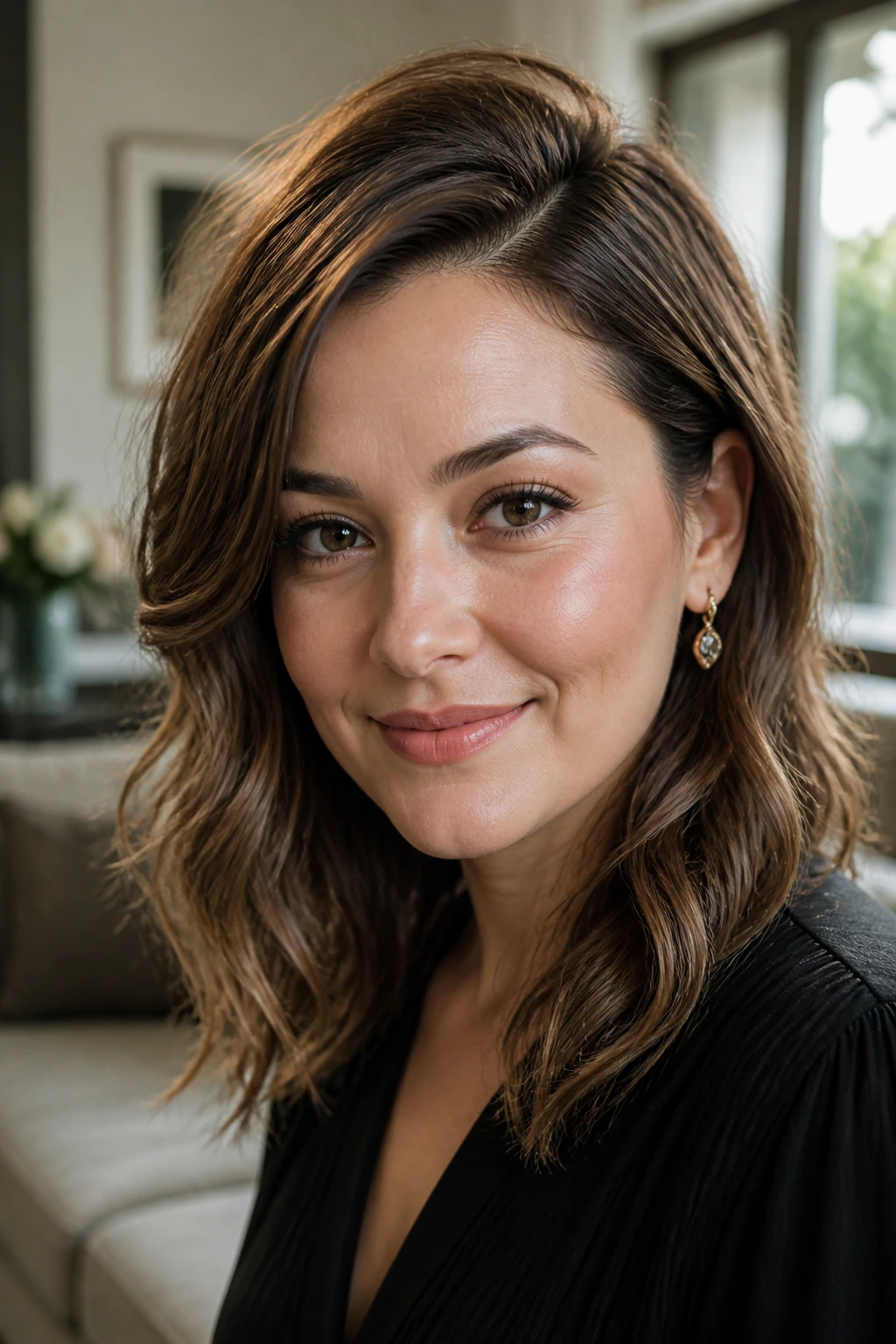
Fine hair needs grip before it needs glamour. That sounds unromantic, but it’s the truth. If the roots are slippery and the lengths are overloaded with cream, the style starts sliding before dinner is over. A light mousse at the roots, a quick blast with a blow-dryer, and a texture spray that leaves the hair a little rough to the touch usually give better results than anything glossy and heavy.
Round faces want vertical lines, not more width at cheek level. That does not mean you need to hide your face. It means the most flattering styles create movement above the cheeks or below the jaw, not right across the widest part of the face. A side part, a lifted crown, a low knot, or one soft front piece tucked behind the ear can change the whole balance.
Height beats bulk
A style that sits high at the crown often does more for a round face than one that is simply large all over. Think lift, not puff. A 1-inch section of root volume at the top can be more useful than a mass of curls blooming outward at the sides.
Asymmetry does the quiet work
A deep side part, one swept-back side, or a braid that travels diagonally changes how the eye moves. The face feels longer because the style does not stop the gaze in a neat circle. I reach for asymmetry fast when the goal is to keep a round face from reading wider under party lighting.
Fine hair needs direction, not a ton of product
This is where many people go wrong. They assume more hairspray, more mousse, more everything will create staying power. Usually it just leaves the hair limp or sticky. A small amount of root lift spray, a bit of backcombing only where the style needs support, and a strong pin placement tend to work better than drowning the hair.
1. Deep Side-Part Old Hollywood Waves
A deep side part does half the flattering work before the curling iron even comes out. On fine hair, the part creates instant lift at the roots, and the waves do not need to be huge to feel dressed up. In fact, oversized curls can make a round face look broader. Soft, brushed-out bends that start below the cheekbone are better.
Why It Flatters So Well
The side part breaks the face’s symmetry, which is useful here. A round face often looks a little longer when the front sections move diagonally instead of sitting evenly on both sides. Fine hair benefits because the pattern of the wave gives the illusion of more body than the strand count suggests.
A 1.25-inch curling iron is usually the sweet spot. Wrap 1-inch sections away from the face, let them cool completely, then brush them into one smooth wave. That cooling step matters. Skip it and the curl falls into a weak bend by the time you’ve found your shoes.
Finish by tucking the smaller side behind one ear and setting it with a sparkle pin if you want a party feel. One pin. Not three. Too many and the style starts to look crowded.
Quick Styling Notes
- Use a light mousse on damp roots.
- Curl only the mid-lengths and ends.
- Brush with a soft bristle brush, not a wide comb.
- Mist hairspray from 10 inches away, then leave the ends touchable.
2. Crown-Lift Half-Up Twist
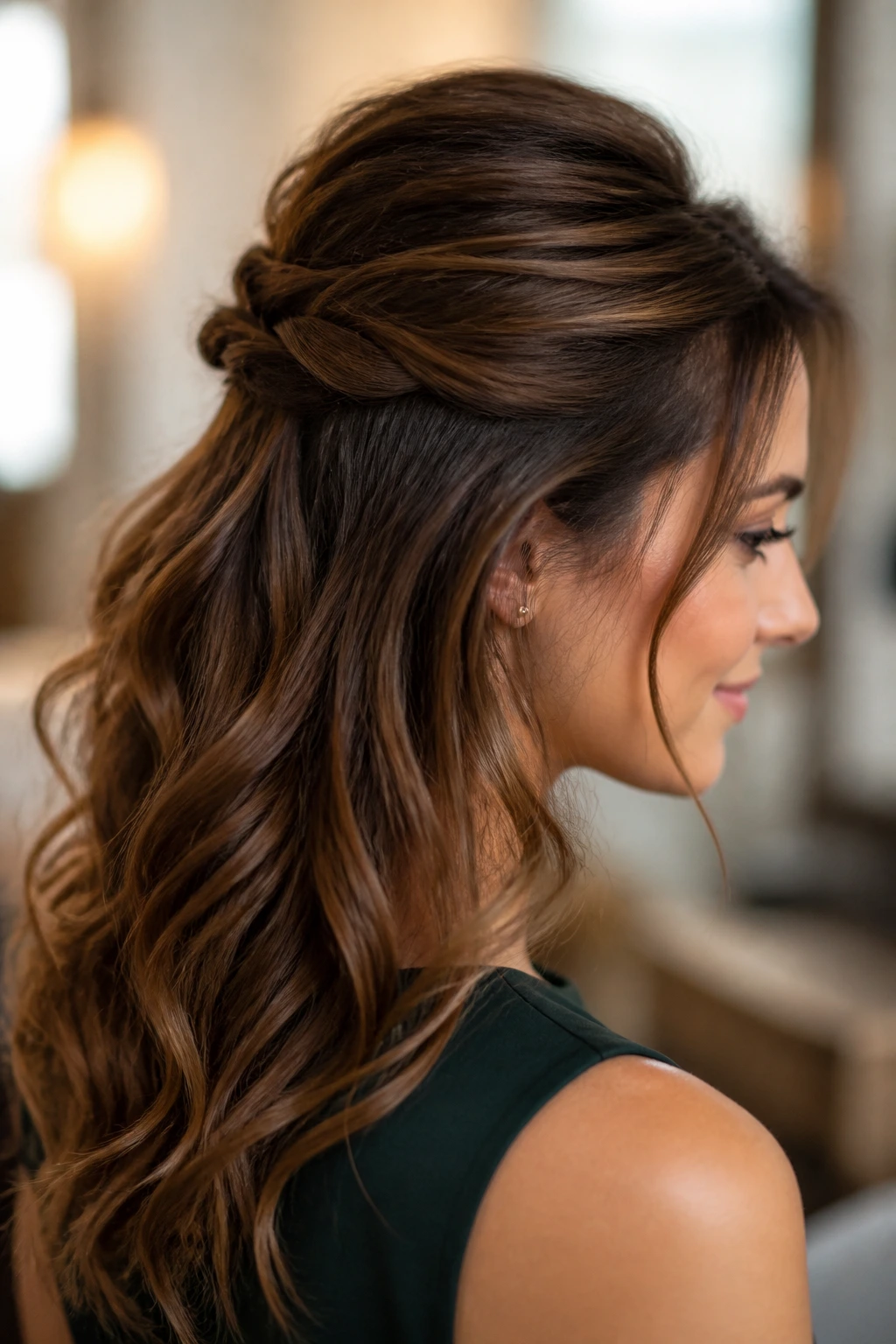
This is one of the smartest half-up styles for fine hair because it spends its effort where it counts: the crown. A little twist at the back gives you lift without pulling the whole face upward, and the loose lengths below keep the look soft. On a round face, that balance matters. You get height without a wide halo.
The style works best when the top section is not too clean. Pull the hair back with your fingers, not a brush, then lightly tease the underside of the crown before twisting. That tiny bit of mess is what stops the style from looking flat against the scalp.
I like this look with soft waves below the twist. Straight lengths can work, but waves give the lower half enough movement so the whole style feels intentional rather than half-finished. If your hair is very fine, pin the twist with two crisscrossed bobby pins instead of one barrette. It stays put longer.
3. Sleek Low Bun with Face-Framing Strands
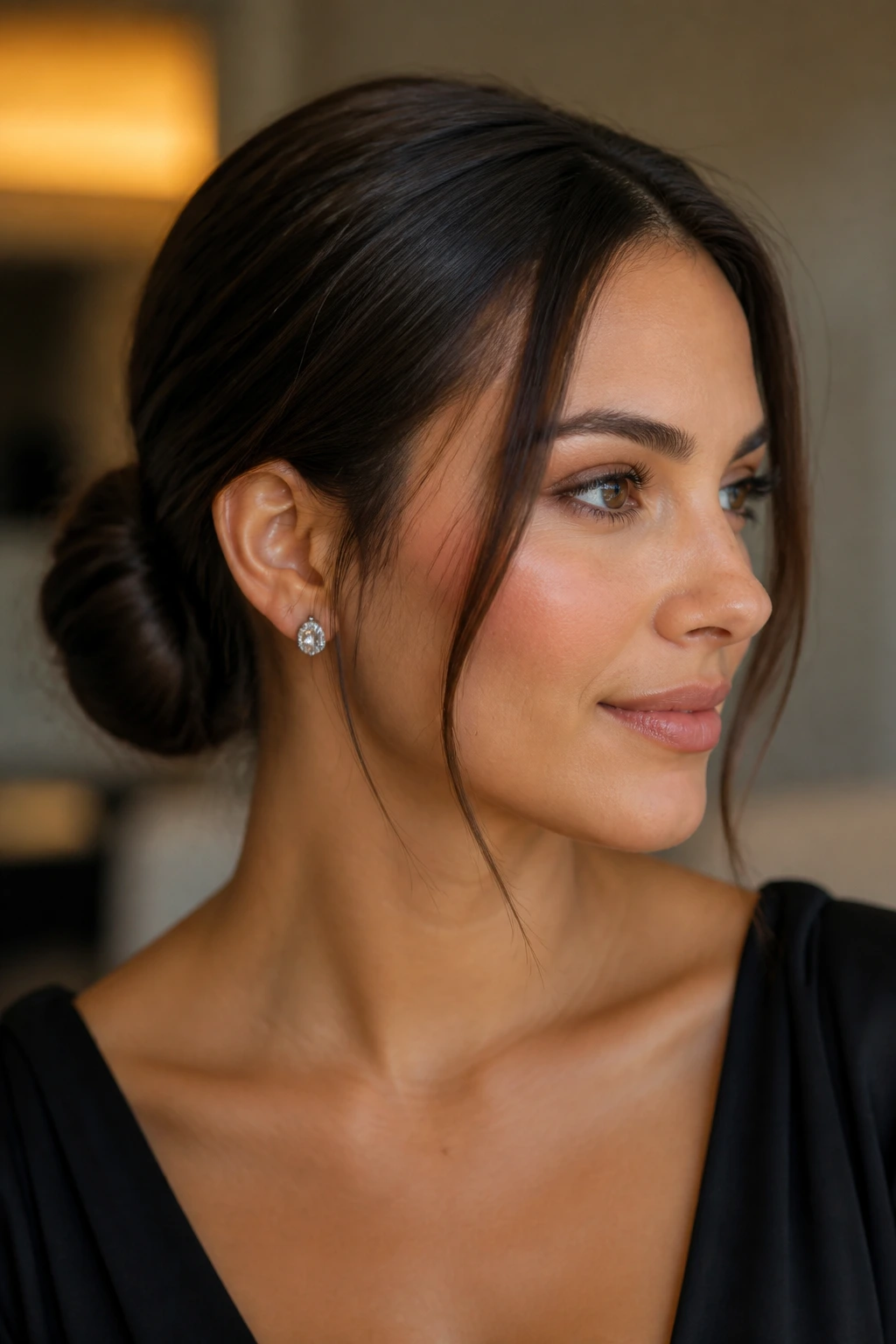
Can a low bun work on fine hair? Absolutely, if the bun is polished and the front pieces are chosen with care. A low bun keeps the profile clean, which is useful on a round face, and the straight vertical line from crown to nape helps stretch the shape. Fine hair actually likes this style because it does not ask the hair to look dense all over.
Leave two narrow pieces out near the temples. Narrow is the key. Thick face-framing chunks can add width right where you do not want it. A strand on each side, curved softly around the cheekbone, is enough. If the bun itself feels skimpy, twist the tail into a tighter knot and pin it flat. A slightly smaller bun often reads more elegant than a puffed one.
A few practical notes
- Smooth the roots with a pea-sized amount of lightweight cream.
- Tie the bun lower than the nape’s widest point.
- Wrap one small piece of hair around the elastic so the base looks finished.
- If the bun slips, use two U-pins through the center rather than stacking more elastics.
4. Wrapped High Ponytail with Soft Ends
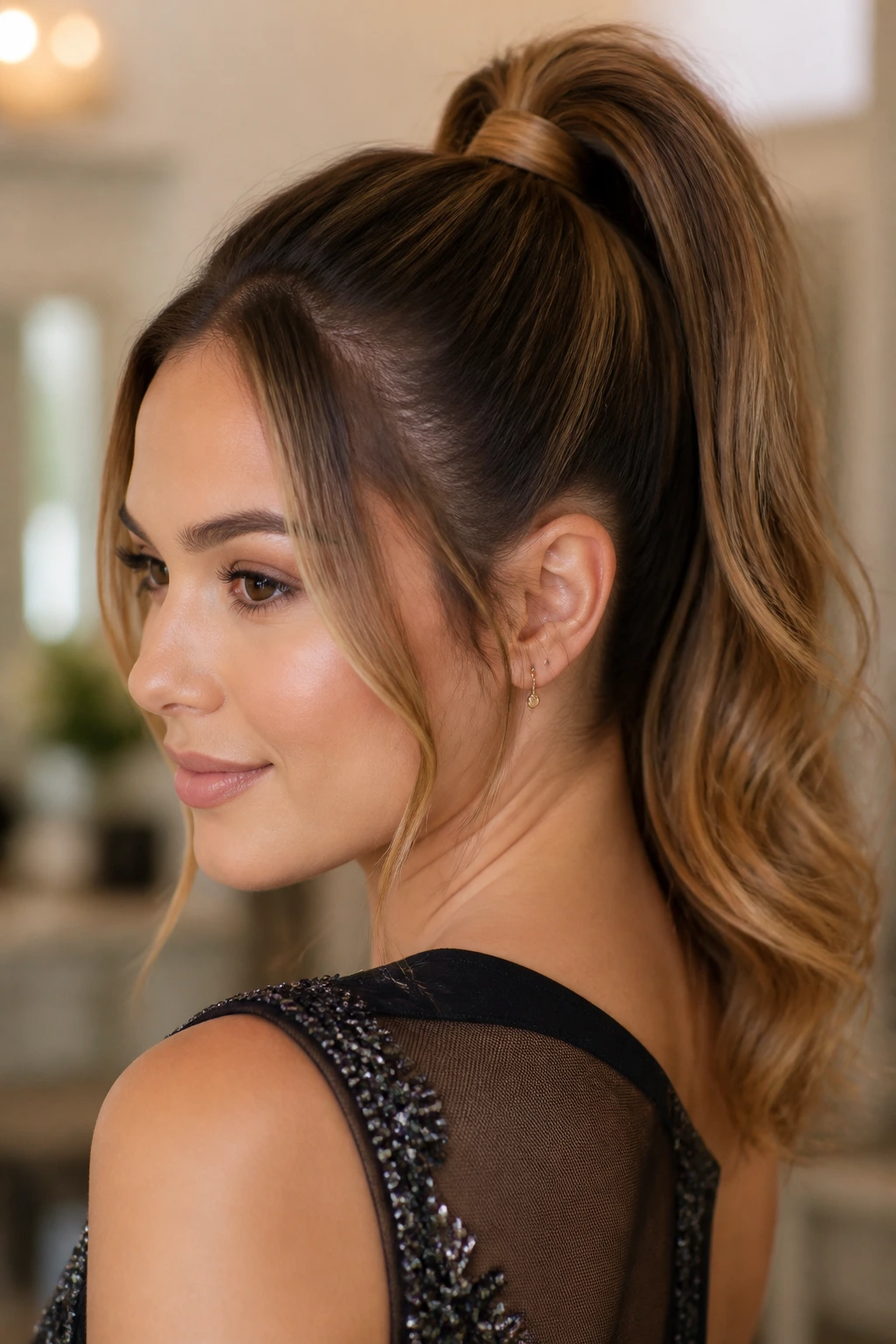
A high ponytail is one of the fastest ways to make a round face look longer, but only if it sits high enough. If the elastic lands too close to the back of the head, the style just makes the face feel boxed in. Move it up. High and slightly back from the hairline is the sweet spot.
Fine hair can still pull this off. The trick is hiding the base and giving the crown some lift before the pony goes in. I like a small bit of root powder or texturizing spray at the crown, then a quick backcomb under the top layer. Not a nest. Just enough grip so the pony sits proud instead of sagging.
Keep the ponytail ends soft, not stiff. A few loose bends in the lengths look better than curling every inch. If the pony is thin, wrap a small section of hair around the elastic and pin the end underneath. That one move makes the whole thing feel more finished.
5. Textured French Twist for Fine Hair
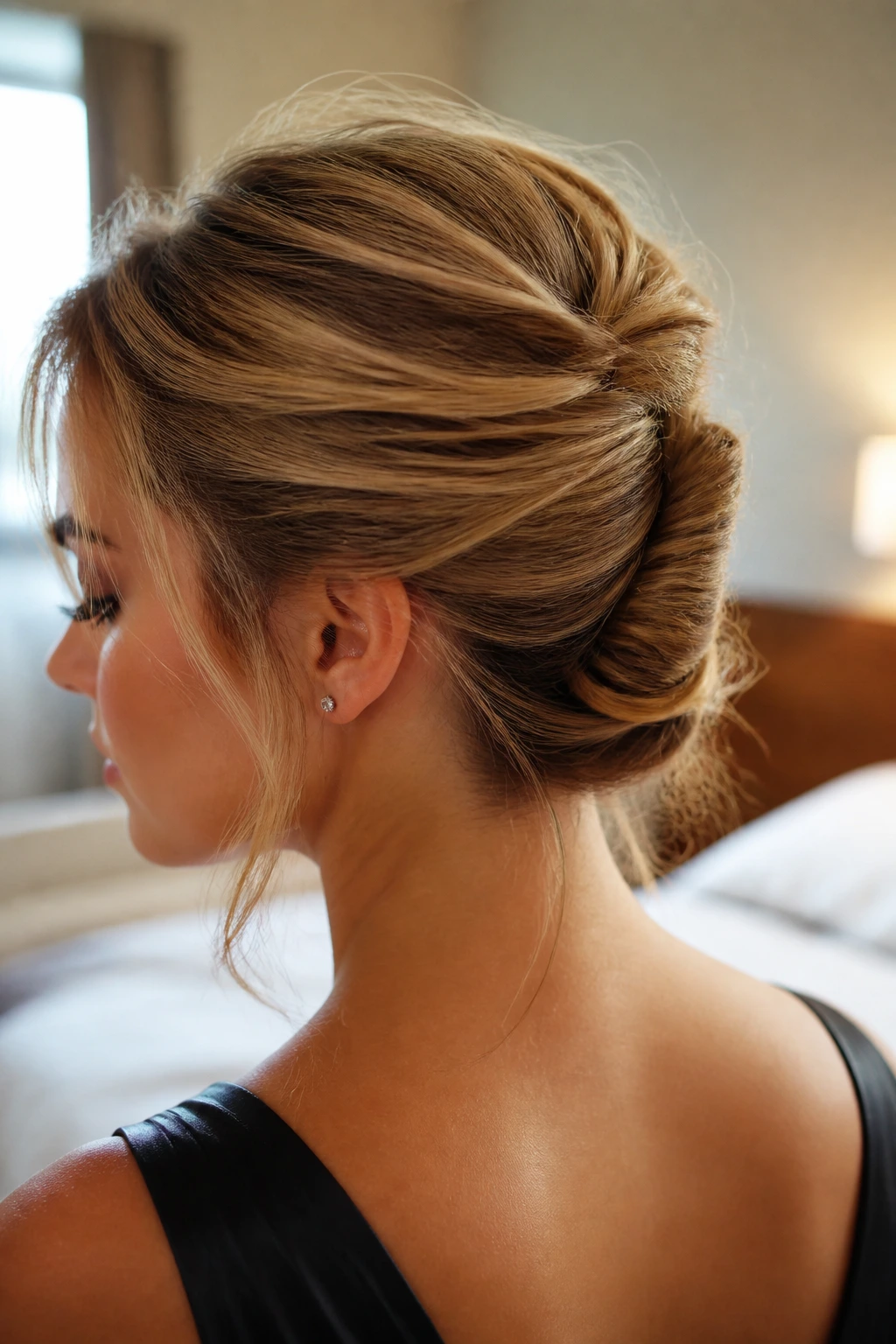
The classic French twist can feel too formal and too flat if you do it the stiff way. For fine hair, the better version is looser, slightly textured, and pinned with a little breathing room through the center. That space gives the illusion of fullness. It also keeps the style from hugging the head too tightly, which is a common problem on round faces.
What makes this version work is the diagonal fold. The hair is lifted up and tucked, not compressed straight back. That line pulls the eye upward. Use a texturizing spray before you start, twist the hair inward from one side, and anchor the shell with several pins instead of one heavy clip. You want support at the seam, not a lump at the base.
This is one of those styles that looks more expensive when it is slightly imperfect. If every strand is frozen in place, the twist can look severe. A few soft pieces near the ears keep it human.
6. Shoulder-Skimming Blowout with Bent Ends
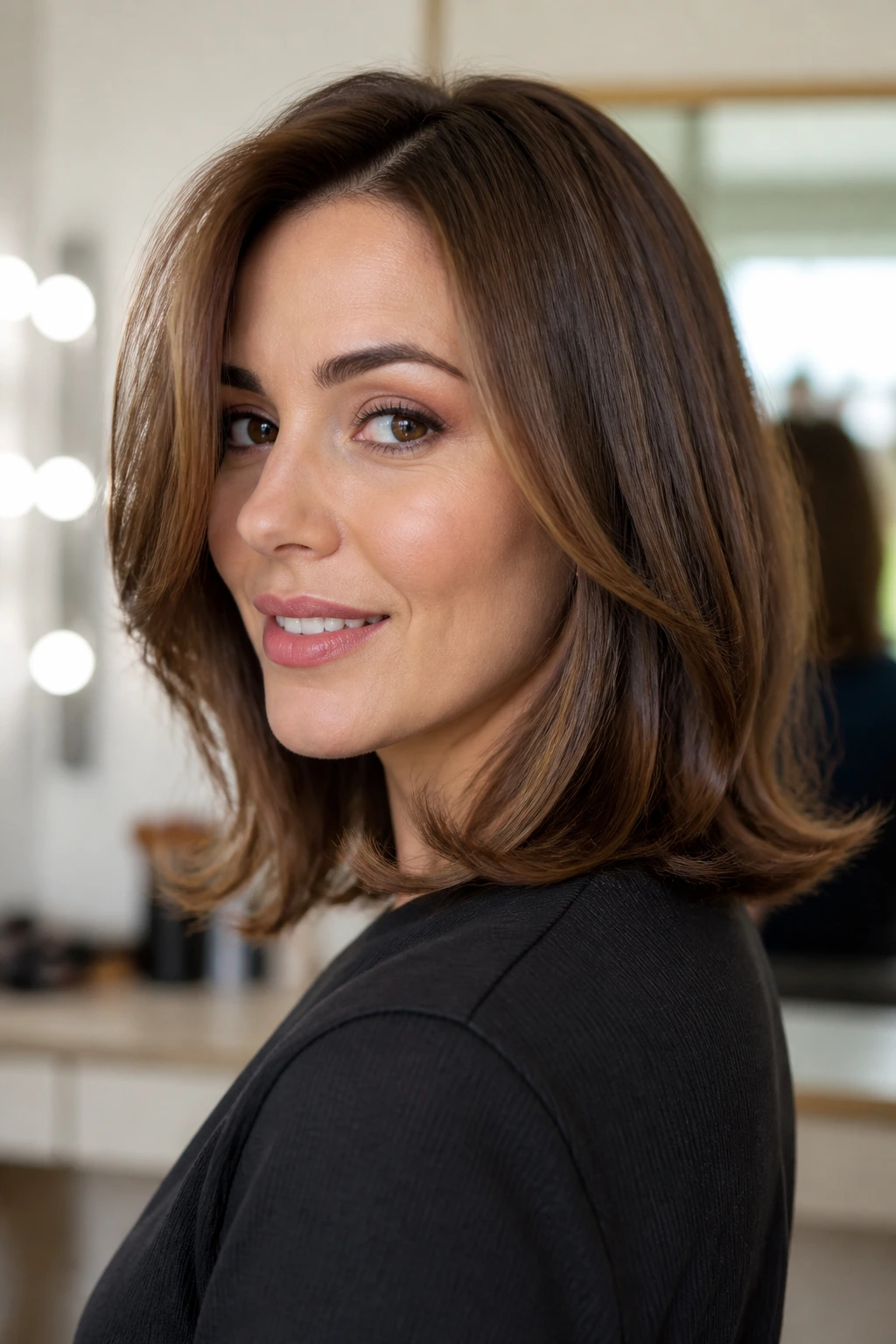
Not every party style needs to be pinned up. Sometimes the smartest move is a blowout that makes fine hair look fuller from root to tip. A shoulder-skimming length with bent ends gives a round face some movement without adding width at the cheeks. The hair swings, but it doesn’t balloon.
I prefer a round brush or a hot brush here, with the root lifted away from the scalp as it dries. Flip the ends under for one section, out for the next, or curl them all in the same direction if you want something neater. The bend is what matters. Straight, limp ends make fine hair look even finer. A little curve makes the hemline look denser.
A side part can help here too, especially if the hair is very straight. It gives the crown a small rise and breaks up the symmetry around the face. Finish with a spray that has hold but not crunch. If the blowout is too shiny and too soft, it can fall apart before the second round of appetizers.
7. Mini Braided Halo with Loose Crown
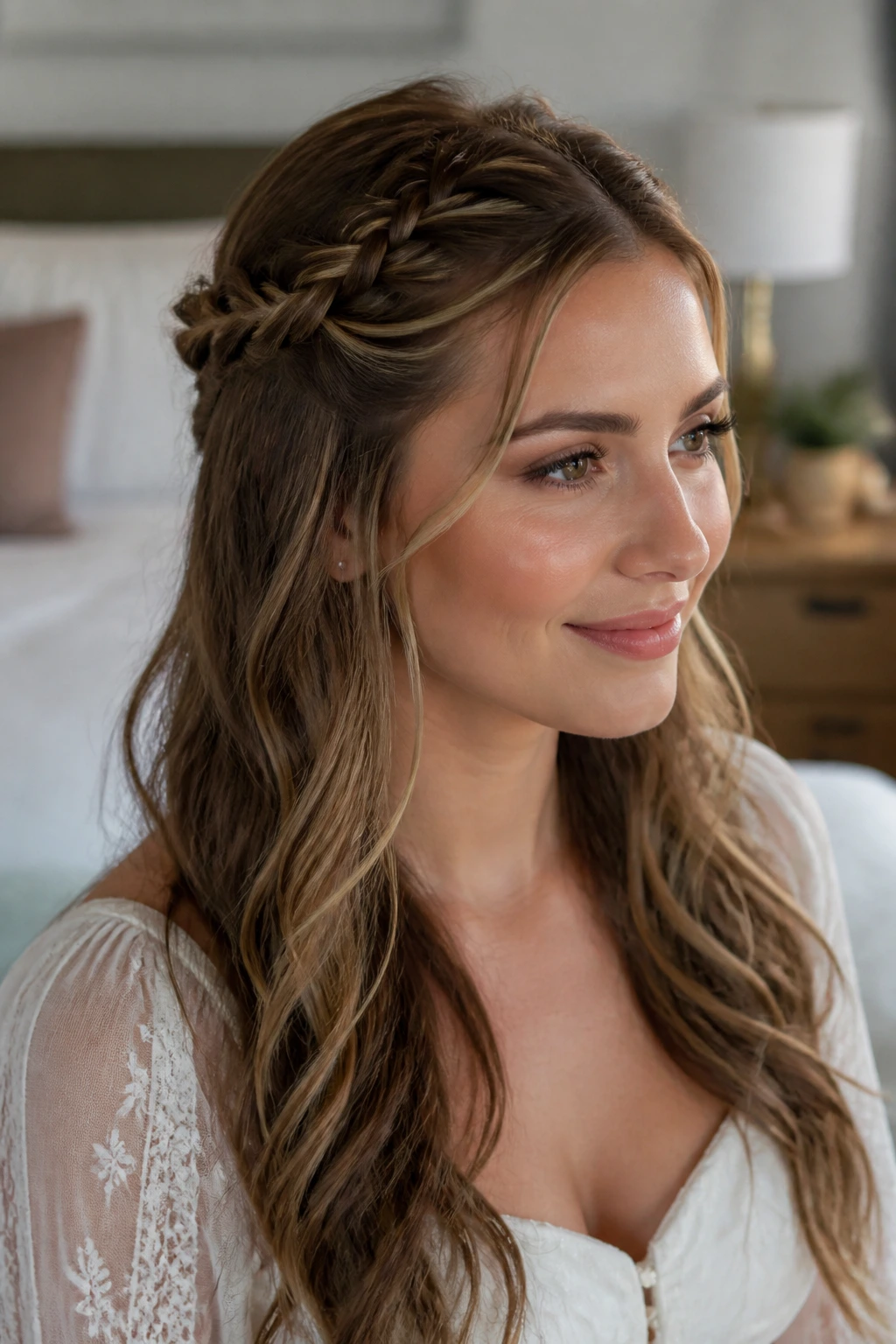
A full braided crown can overwhelm fine hair. A mini version is much better. Two narrow braids starting near the temples and meeting at the back create a lifted frame without taking too much hair from the top. That matters on a round face, because you want to keep the crown from collapsing.
The braids themselves do a neat trick: they make fine hair look thicker than it is. Braids compress the strands, and compressed strands read denser. Leave the rest of the hair loose and slightly wavy so the contrast feels intentional. If the braids are too tight, they can pull the face outward. Soft tension is the right tension.
How to wear it
- Start the braids above the temples, not at the ear.
- Pancake them slightly after braiding to widen each braid.
- Pin them just under the back of the head.
- Leave a few wispy pieces at the hairline for softness.
8. Bubble Ponytail with Tiny Volume Stops
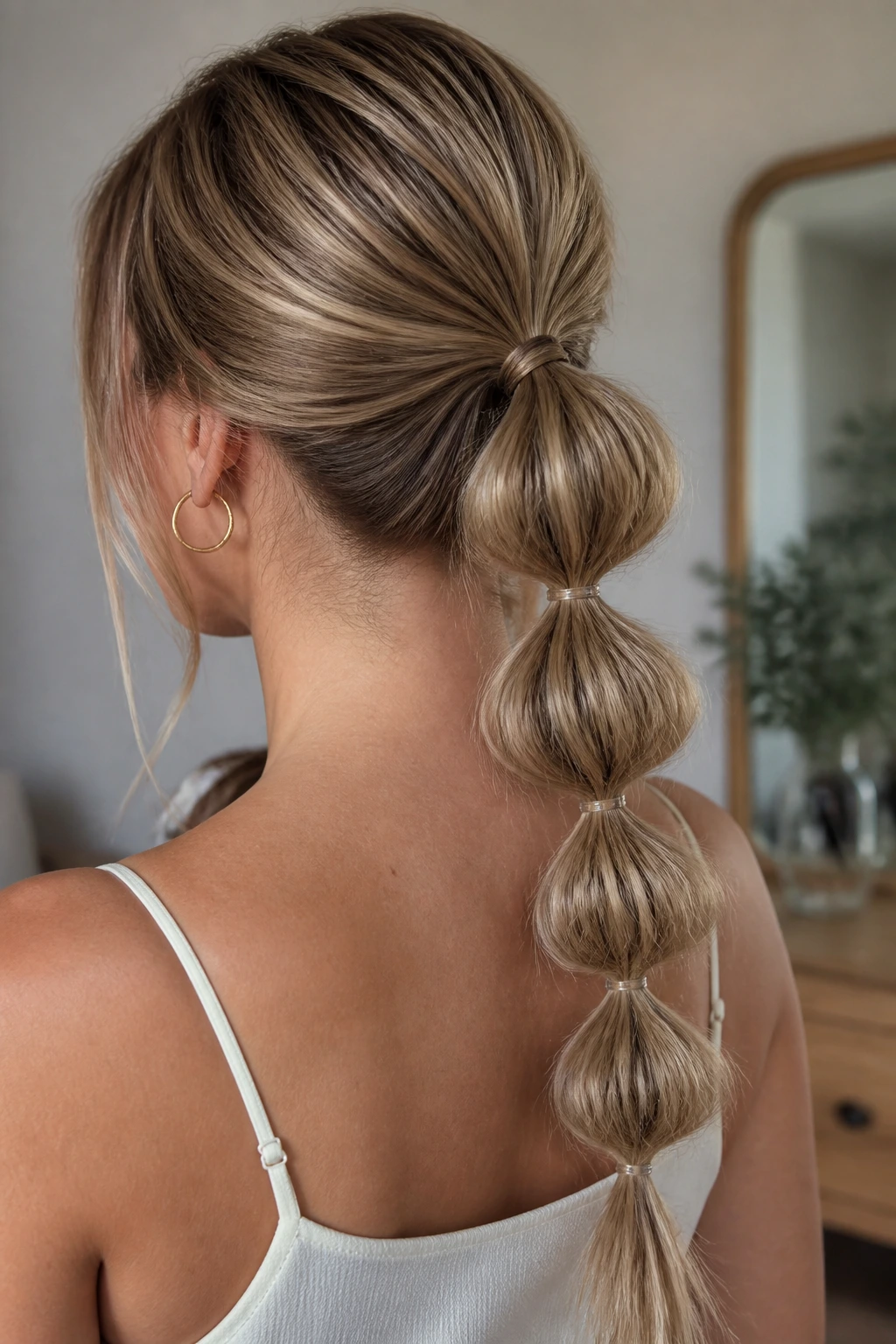
This style is playful, but it also does something practical for fine hair: it creates built-in shape without pretending the ponytail is thick all the way through. Each elastic forms a little rounded section, so the eye sees structure instead of stringiness. On a round face, the vertical line of the ponytail also helps lengthen the profile.
The bubbles do not need to be huge. In fact, smaller bubbles often look better on fine hair because they stay neat and believable. Use clear elastics every 2 to 3 inches, then gently tug each segment until it puffs out slightly. A quick mist of spray on each bubble before tugging helps the shape stay put.
I like this one when the hair is long enough to reach the shoulders and beyond, but it also works on medium hair if the sections are kept compact. Add one wrapped piece around the first elastic to hide the base, and the whole style looks more polished than playful.
9. Pinned-Back Side Sweep with Loose Curls
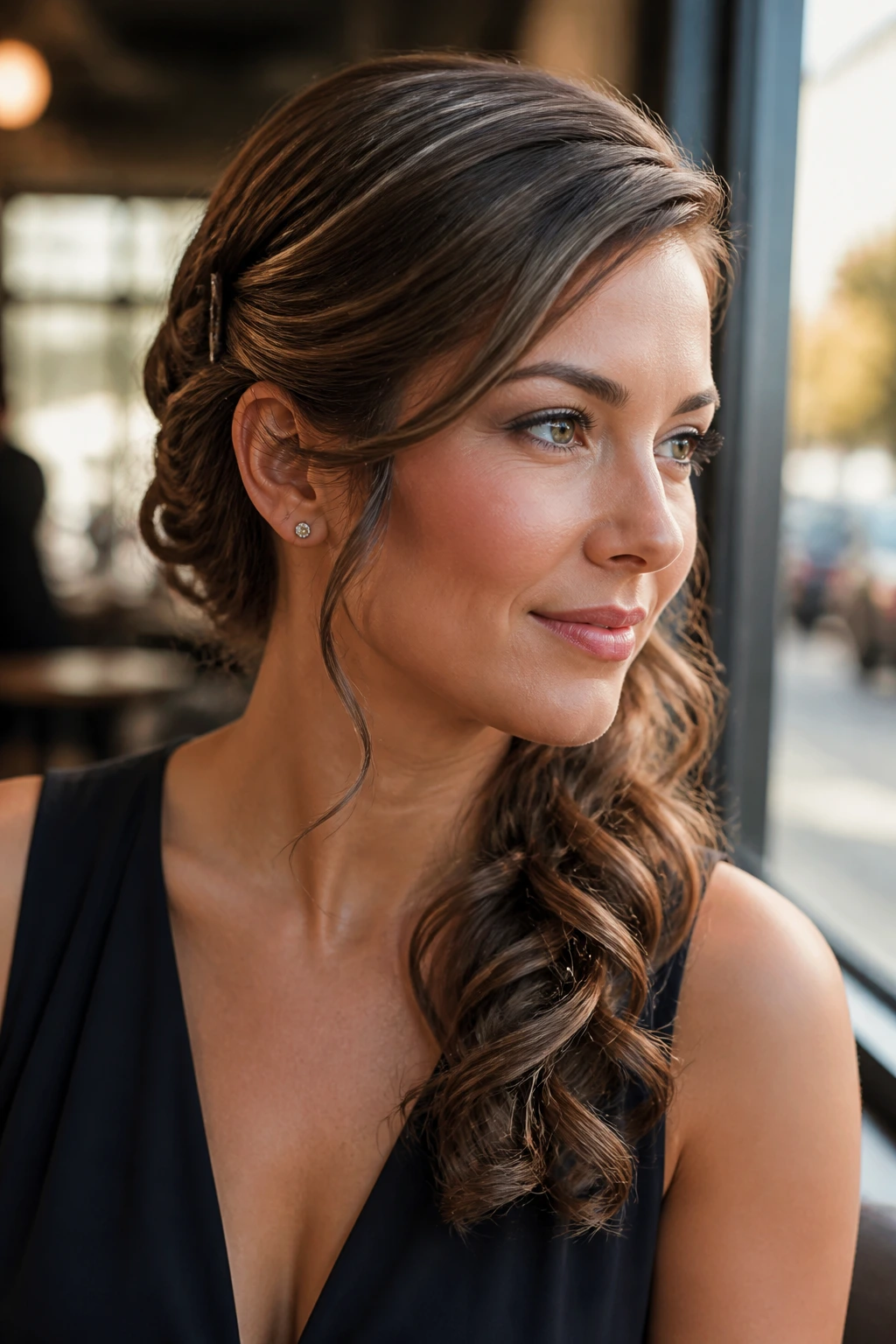
A side sweep is one of the easiest ways to make a round face look longer without going fully up. The trick is to build the sweep low and let the rest of the curls fall over one shoulder. That off-center drape creates a diagonal line, which is exactly the kind of shape fine hair and round faces can use.
I like to curl the hair in mixed directions, then brush it lightly so the waves settle into one soft mass. Pull one side back behind the ear with two or three pins tucked under a decorative clip. If the front section starts too high on the head, the effect gets puffy. Start low and smooth the top first.
The result feels dressed up but not overworked. It also photographs well under low light because the asymmetry creates movement from one side to the other. That kind of motion matters more than a perfect curl pattern.
10. Messy Top Knot with Wispy Tendrils
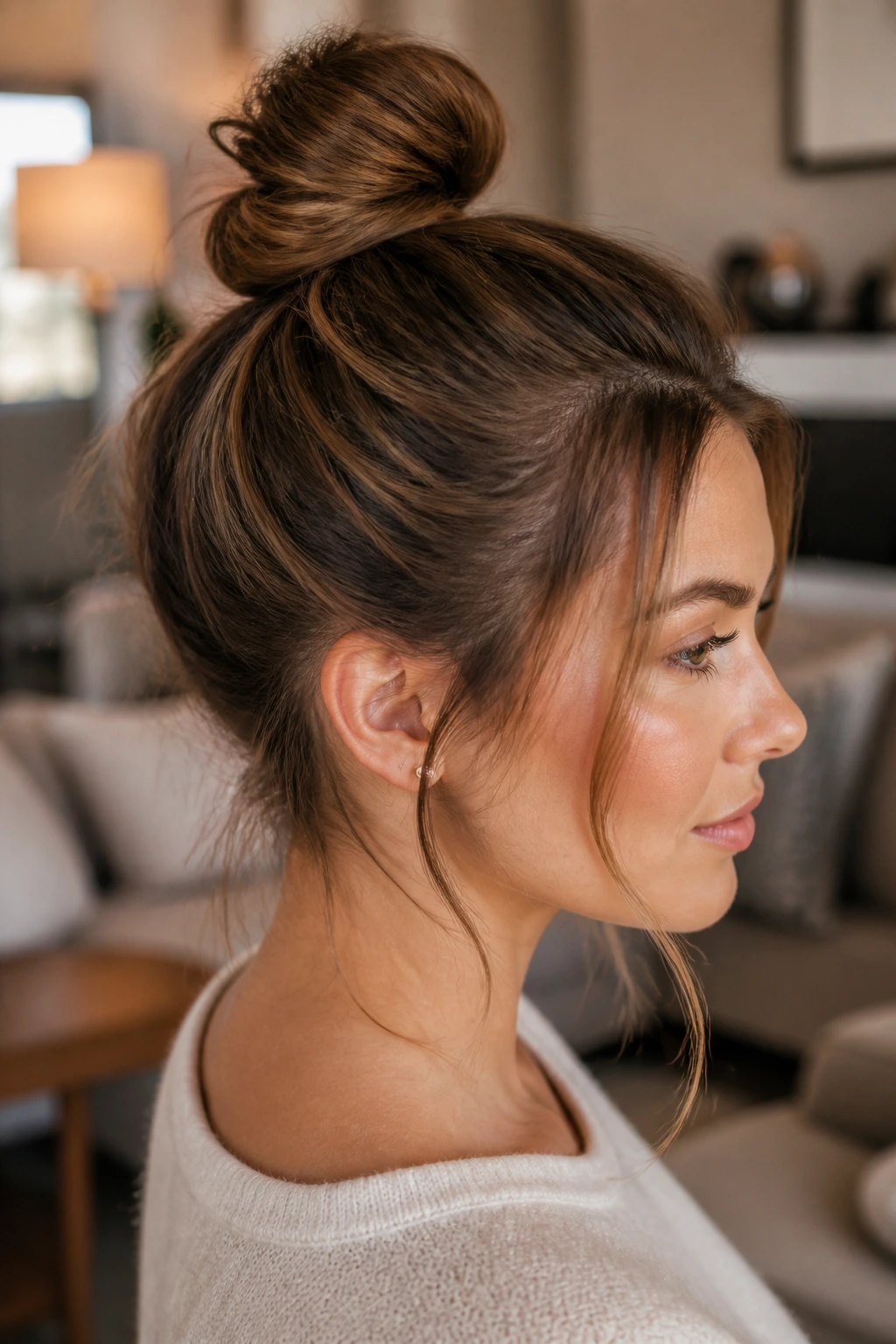
A top knot can be tricky on a round face if it’s built too wide. Keep it compact, keep it high, and keep the sides smooth. That gives you the height you want without making the head look broad. Fine hair can do this well because a slightly smaller knot often looks cleaner than a huge bundled one.
The best version starts with a little root powder at the crown. Gather the hair high, twist it loosely, and pin it into a knot rather than stretching it into a tight coil. Then soften the look with a few wispy tendrils around the temples and near the ears. Those pieces should be thin enough to feel airy, not like stray leftovers.
A top knot like this is one of my favorites for warm rooms because it keeps the neck open and the face framed without much fuss. It’s the kind of style that survives a long night if the pins are placed well.
11. Satin-Smooth Center-Part Low Chignon
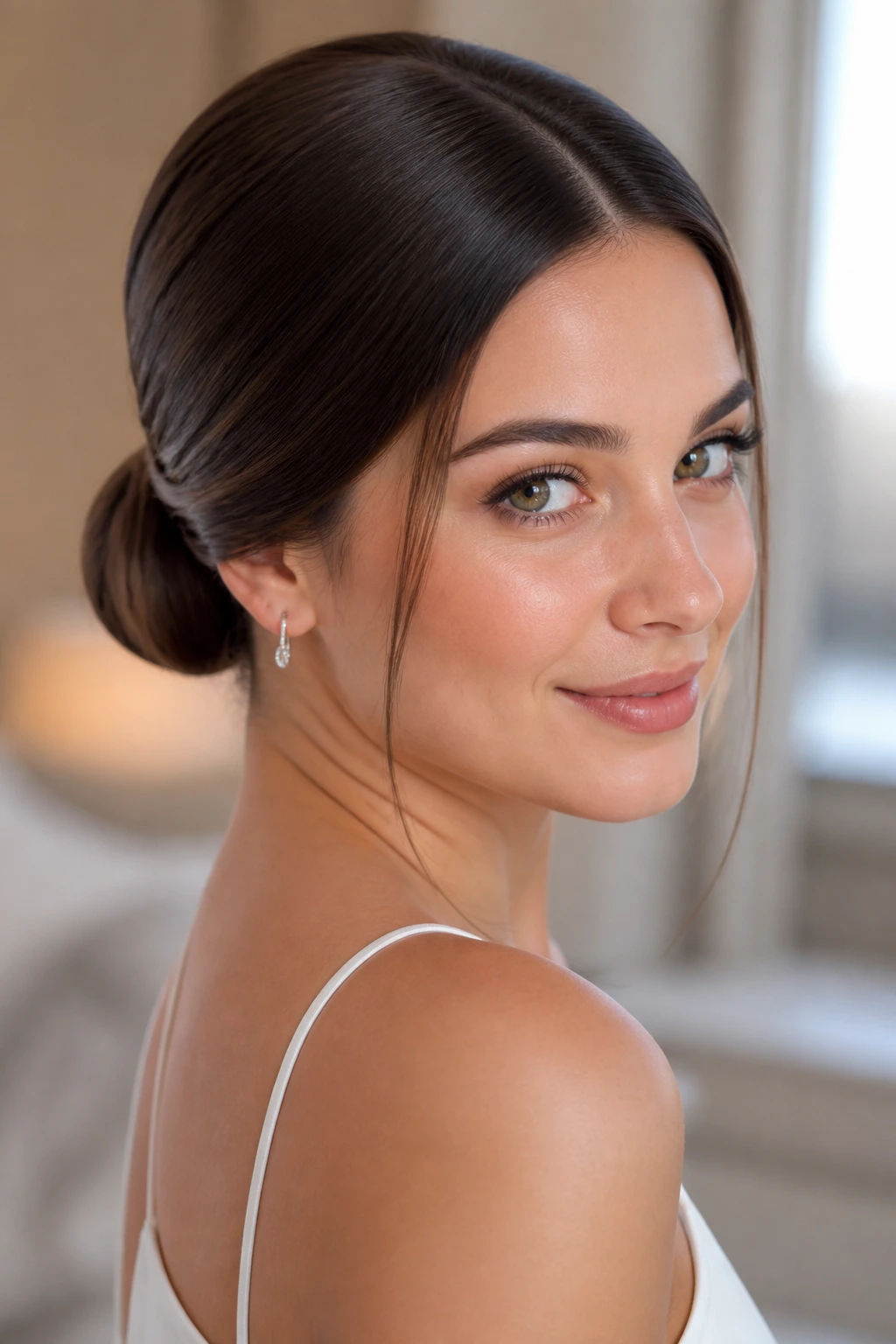
A center part on a round face is not forbidden. It just has to be handled with discipline. When the top stays smooth and the bun sits low, the center line creates a long vertical path down the face. That can be more flattering than a side part, especially if the hairline is clean and the bun is neat.
The key is keeping the part narrow and the crown controlled. If the part is too wide, the style starts to expose too much scalp and can make fine hair look sparse. Use a touch of smoothing serum only from mid-length to ends, then flatten the top gently with a brush before twisting the hair into a low chignon. The bun should sit at or slightly below the nape, not on the widest point of the skull.
This look works best with one or two face-framing pieces that stay close to the jaw. Not fluffy pieces. Slim ones. The whole point is refinement, not volume for volume’s sake.
12. Tucked-In Faux Bob
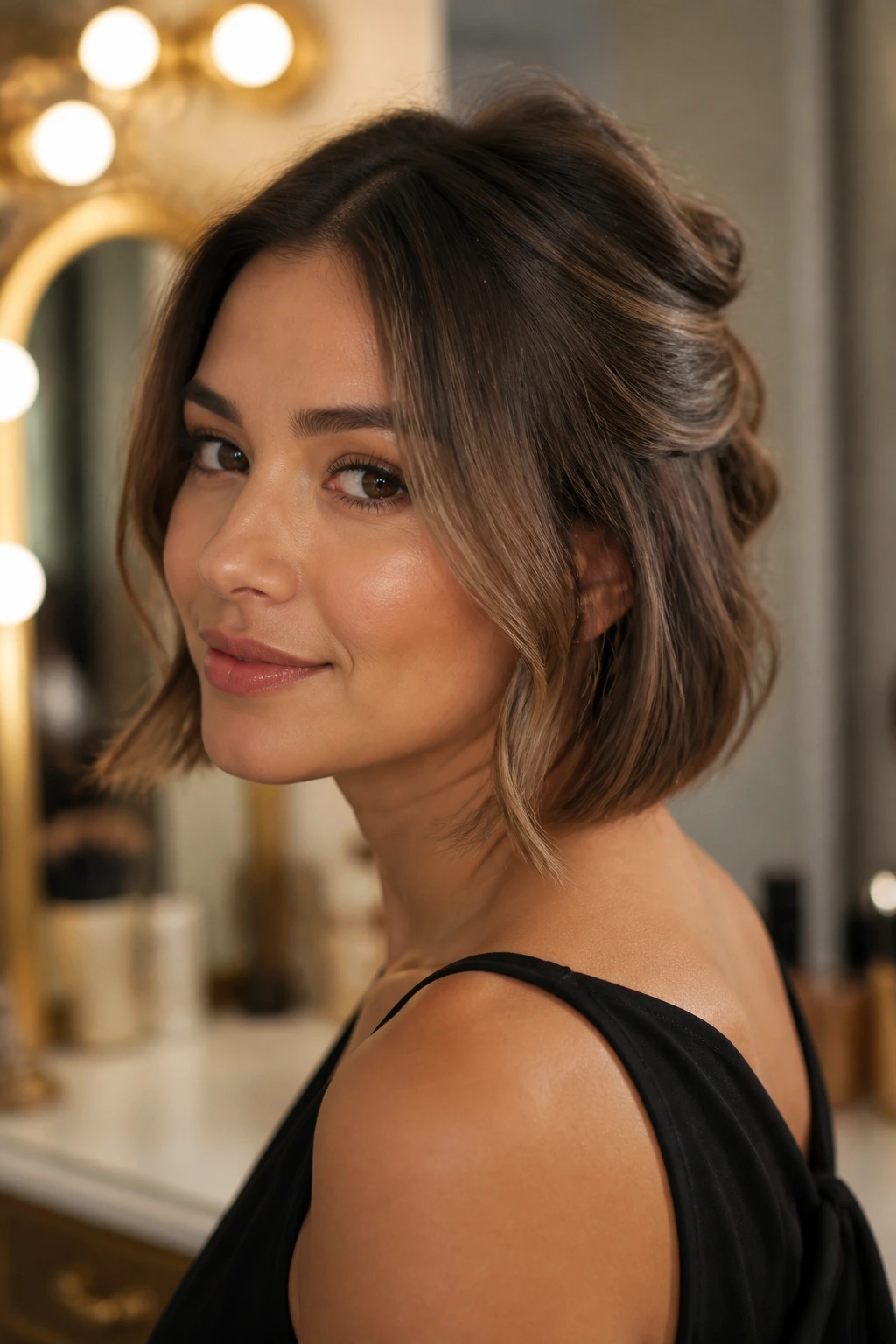
The faux bob is one of those styles that looks harder than it is. It’s a good move for fine hair because you are not trying to build massive volume; you’re playing with shape. The hair is tucked under and pinned, which creates the illusion of a shorter, fuller bob with a soft, party-ready finish.
For a round face, the magic is in the length. The tucked ends should sit just below the jawline or slightly under it, so the face gets a cleaner frame. Leave the front pieces longer and softly curved. If they are too short, the style can feel boxy. If they are too long, the bob illusion disappears.
I like this one with loose waves first, then a neat tuck at the back. The contrast between the soft front and the hidden underside gives the style more dimension. It also stays nicely in place if you anchor the lower layer with crossed pins before rolling the ends under.
13. Side-Swept Pixie with Sparkle Pins
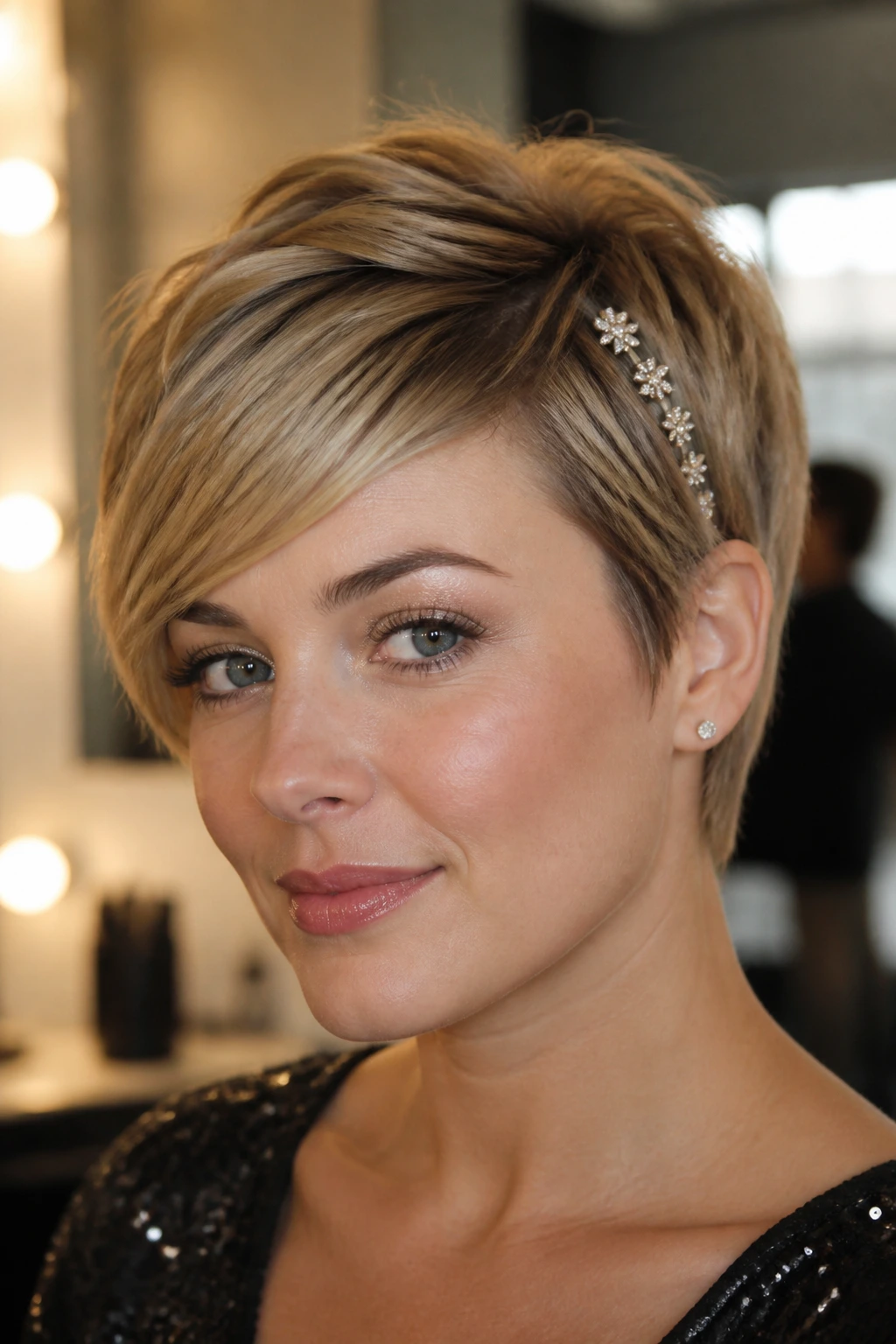
Short hair does not get left out here. A pixie can look far more festive with one strong sweep to the side and a few precise pins near the temple. On a round face, the diagonal movement is the real asset. It shifts attention upward and out toward the outer edge of the brow rather than across the widest part of the cheeks.
Fine hair actually behaves well in a pixie because there is less weight dragging it down. Work a small amount of styling paste through damp or dry hair, blow-dry the fringe in the opposite direction first, then sweep it back over. The counter-direction trick gives the roots enough lift to keep the shape lively. Sparkle pins should sit where the hair turns, not randomly on top. Placement matters.
A pixie like this can look polished or edgy depending on the pin shape. One row of small crystal pins feels neat. One oversized clip feels more fashion-forward. I’d choose based on the rest of the outfit.
14. Soft Rope-Braid Crown into Low Knot
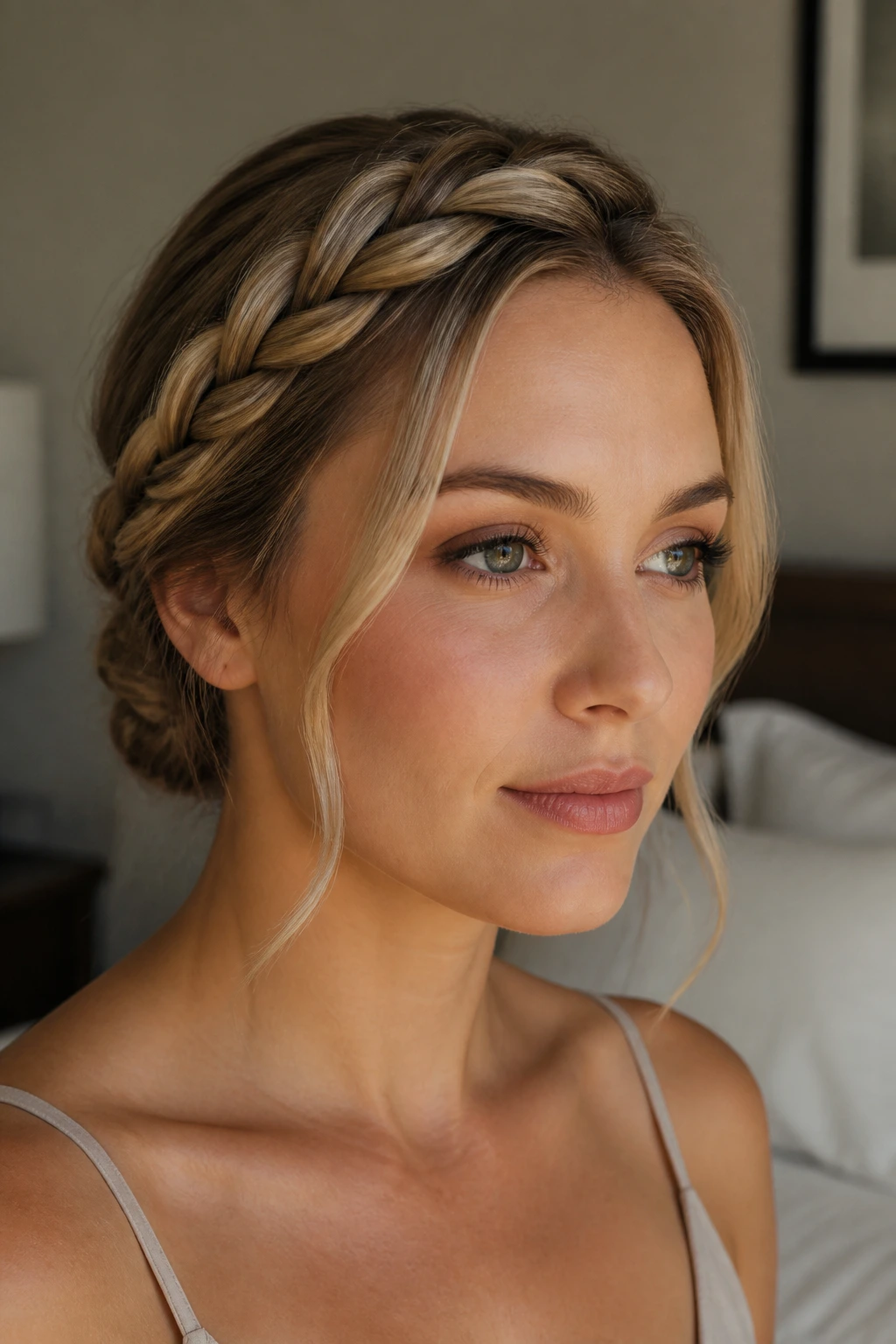
Rope braids are underrated on fine hair because they add texture without needing tons of density. Two twisted sections running from the front toward the back create a lifted frame around the face, then the low knot finishes the line in a way that feels secure and clean. For a round face, the diagonal route is doing quiet work again.
The rope braid starts by dividing each front section into two and twisting them away from the face. The twists should sit a little above the temples, not tight against the hairline. That keeps the front open. When the twists meet at the back, pin them into a small knot or roll the rest into a low bun. If the knot seems too small, do not panic. Fine hair often looks better when the shape is tight and deliberate.
This one holds well with a light mist of spray on the twisting sections before you start. Grip helps. Slippery hair will slide out of the braids if you skip that step.
15. Half-Up Velvet Bow Style
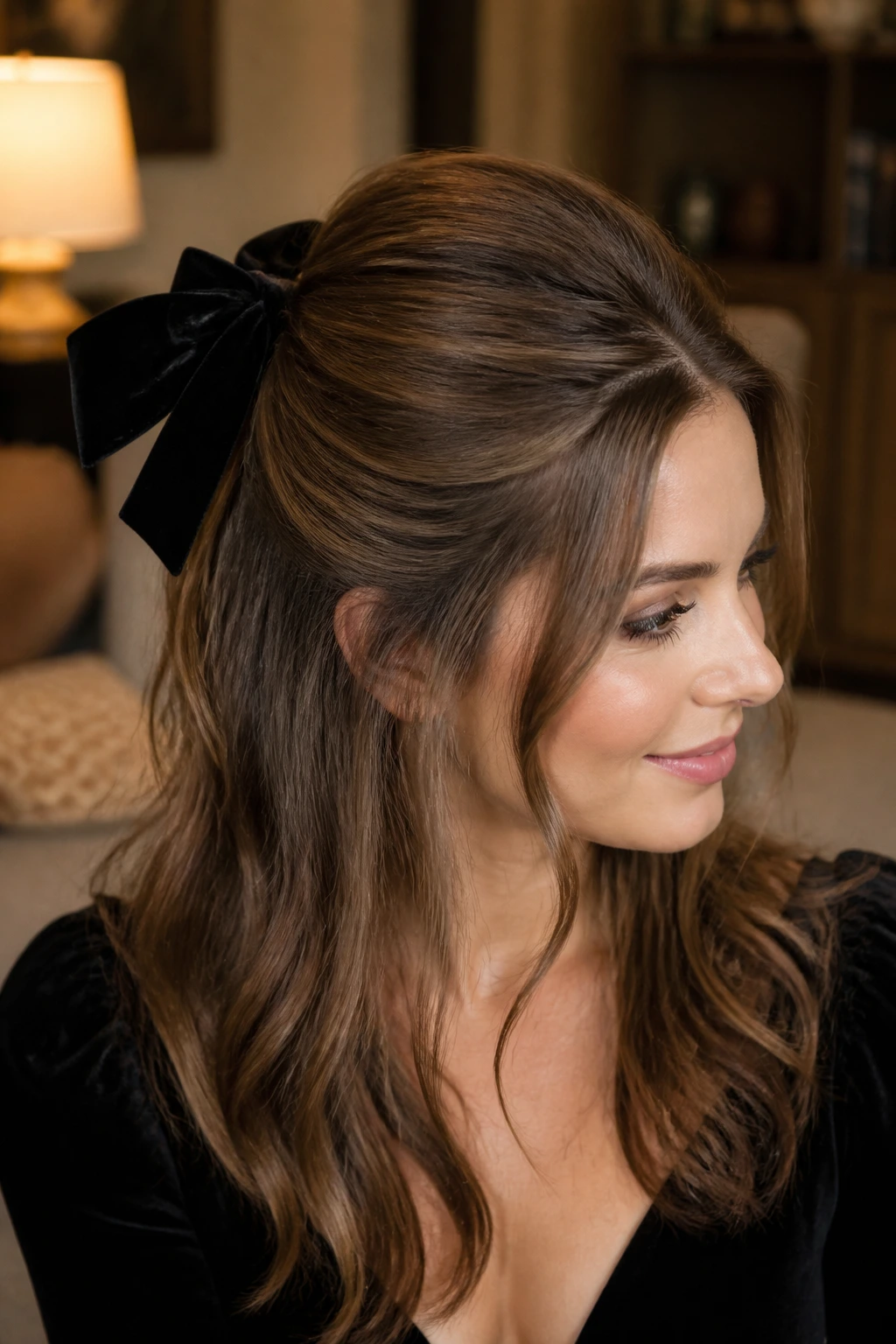
A bow does something useful that spray cannot: it gives the eye a focal point. On fine hair, that matters because you do not always have enough density to build drama through volume alone. A velvet bow at the back of a half-up style brings the attention upward and slightly inward, which helps a round face feel longer.
Tease the crown lightly before tying the half-up section, then smooth only the top layer so the lift stays hidden. The bow should sit at the point where the top section meets the back, not too high and not too low. If it’s too low, the style droops. If it’s too high, it can widen the profile.
This style works especially well when the rest of the hair is softly waved. Straight lengths can feel a little bare beside a big bow. The ribbon adds the party mood; the movement in the hair keeps it from looking costume-like.
16. Voluminous Curly Shag with Clipped Temples
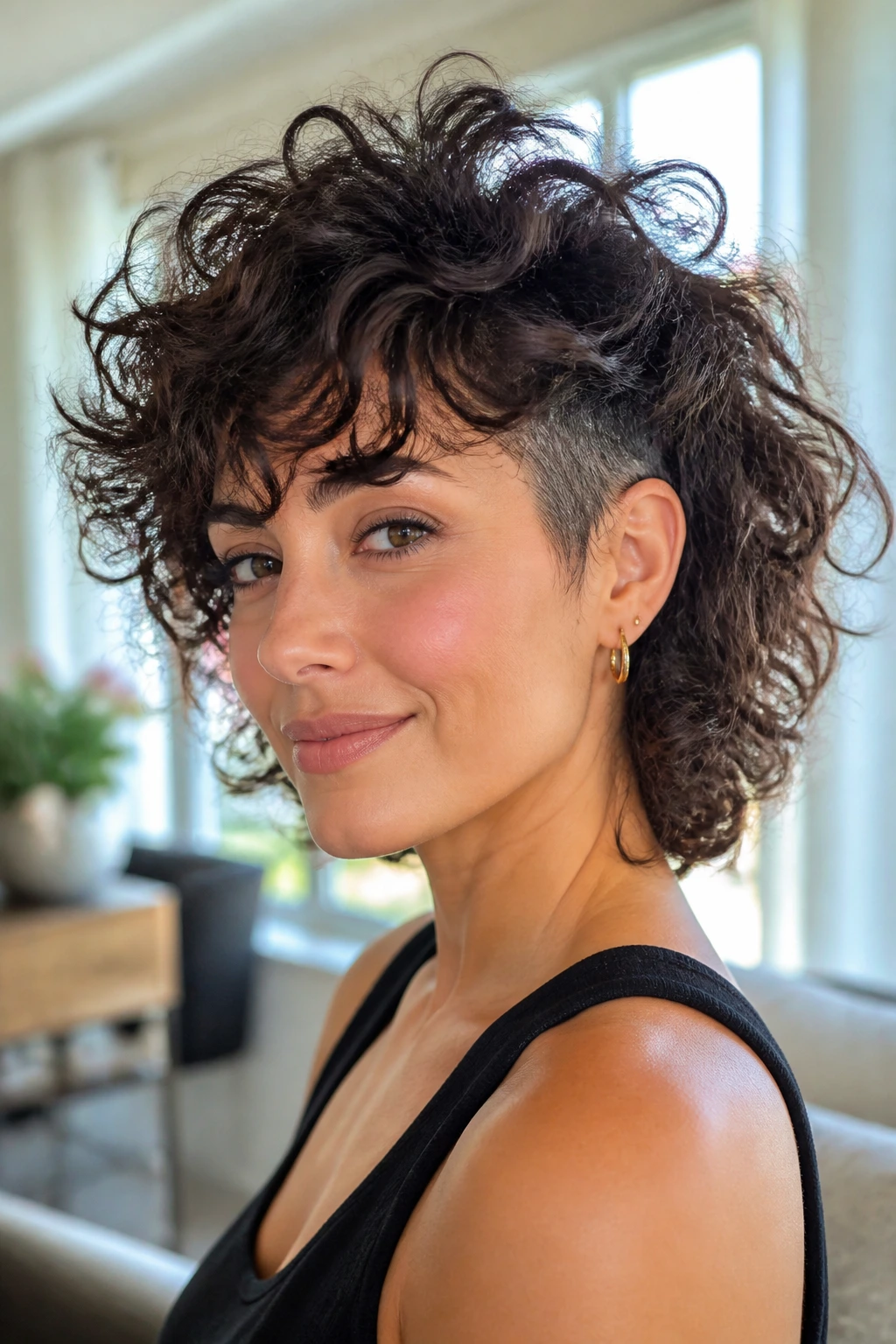
If your fine hair already has natural wave or curl, do not fight it into submission. A curly shag can be one of the most flattering party styles for a round face because the layers give movement while the clipped temples keep the width under control. The goal is to let the curls stack upward and forward, not out sideways.
Use mousse on soaking-damp hair, then diffuse on low heat until the curls are about 80 percent dry. That last part matters. Overdrying with too much heat can puff the hair out in a dull way. Once the hair is dry, clip the temple pieces back just slightly so the front opens up. The hair around the cheeks should move, not sit as a thick curtain.
This style looks best when the curls stay separate. Don’t brush them out. If you need more definition, work a tiny amount of lightweight gel through the ends and scrunch. The result should feel airy, not crunchy.
17. Twisted Half-Up with Teased Crown
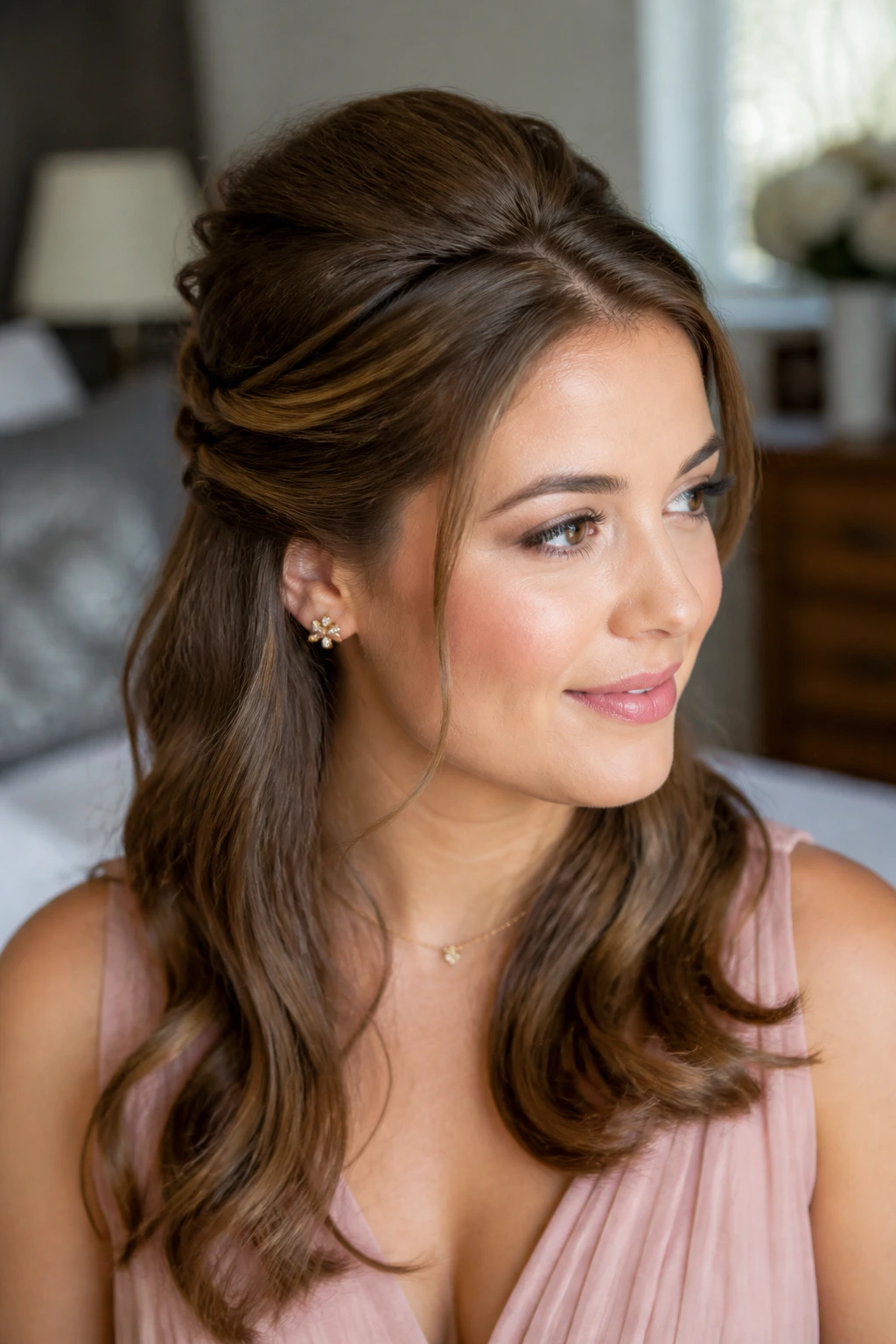
This is the cleaner cousin of the crown-lift half-up. Two twisted sections move from the temples to the back, and the crown gets a little tease underneath for height. On fine hair, that crown support is the whole story. Without it, the style falls flat by the time you’ve found your clutch.
What I like here is the balance between polish and softness. The top has enough structure to lift the face, but the twists keep the mood relaxed. If your face is round, keep the twists low enough that they skim past the outer brow rather than stopping at the widest point of the cheeks. That tiny placement choice changes the visual line.
A small decorative comb can sit at the join in the back, but don’t bury the twists under too much hardware. The style already has shape. It doesn’t need clutter.
18. Slicked-Back Wet-Look Knot
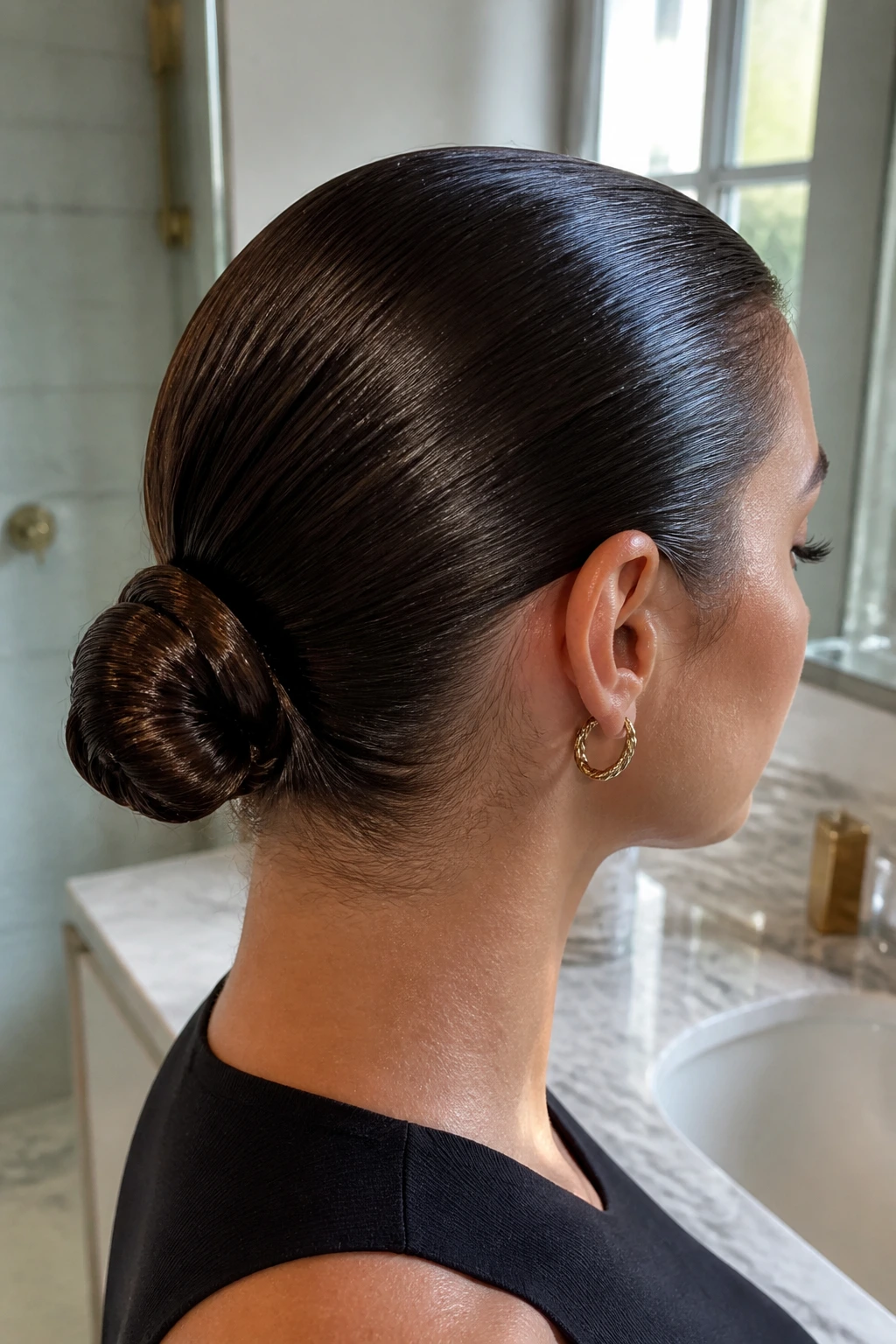
A slicked-back knot is not for every party, and that’s fine. When it works, it brings sharpness to a round face and keeps fine hair looking intentional instead of wispy. The hair is combed straight back, the top sits smooth, and the knot rests low or mid-height depending on how much length you have. The overall effect is sleek and clean.
The danger with this look is overdoing the product and making the hair look greasy instead of glossy. Use gel at the roots, then a separate shine product only on the finished knot and ends. Two different jobs. One product rarely does both well on fine hair. If you want the look to feel softer, leave one narrow front piece out on each side. If you want it stricter, sweep everything back and pin it hard.
This is one of the few styles here that can look stronger the more controlled it is. That’s rare. Usually fine hair needs a bit of looseness. Here, discipline pays off.
How These Styles Add Height Without Fighting Your Hair
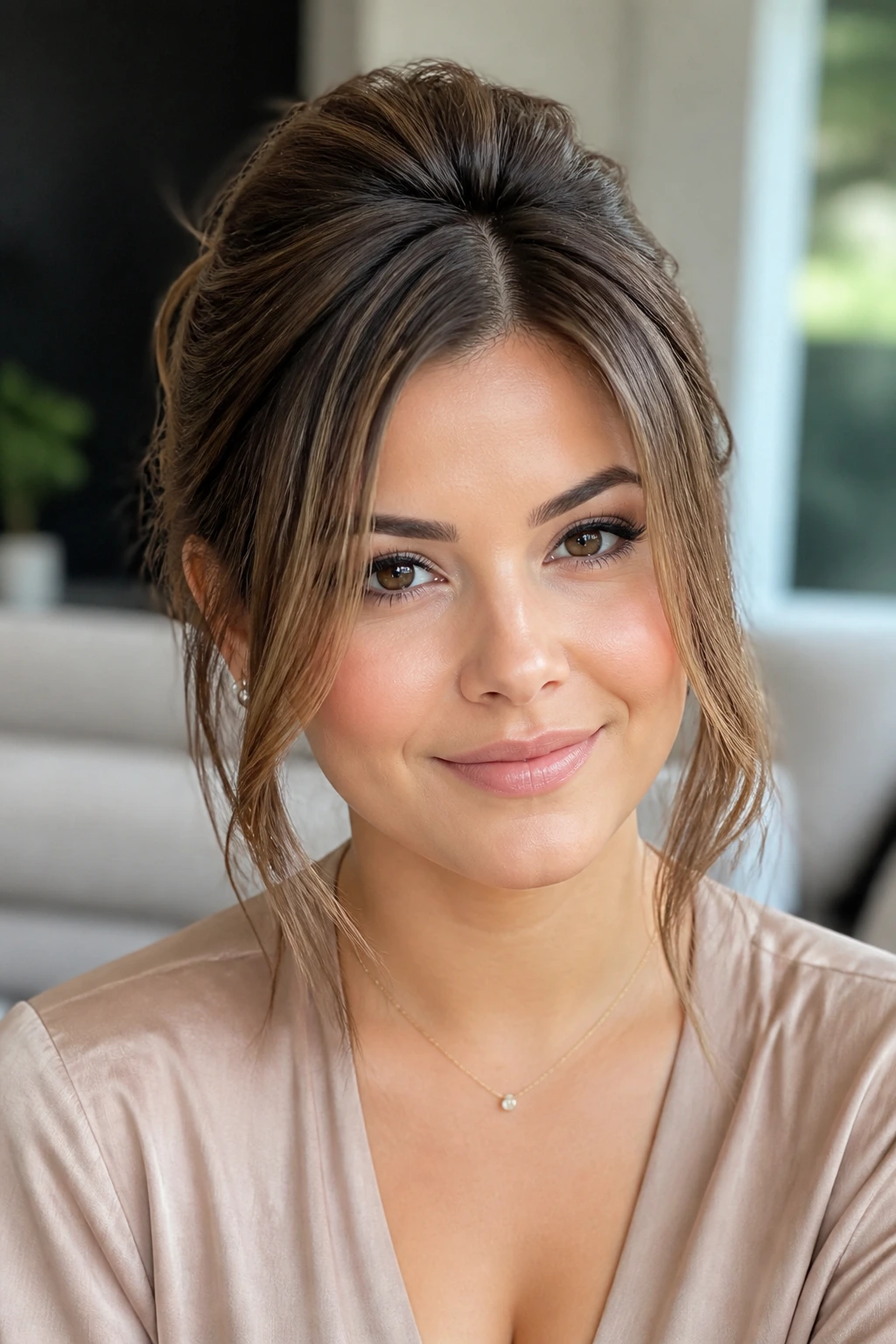
Round faces and fine hair tend to want opposite things. A round face benefits from length and diagonal lines, while fine hair needs grip and lift that won’t collapse under its own weight. That sounds like a mismatch until you look at the right styles closely. Most of them do the same quiet job: they move volume upward or inward, not outward.
A deep side part changes the route the eye takes. A crown lift creates a little extra vertical space above the forehead. A low bun or low chignon keeps the sides under control so the face doesn’t feel boxed in. Even the styles with loose pieces—like the side sweep or the faux bob—keep the soft movement below the cheekbone instead of across it.
I’m opinionated about this part: where the hair sits matters more than how much you have. A style with modest fullness in the right place will usually flatter more than a bigger style in the wrong place. That is why these looks lean on placement first. Volume is the assistant, not the boss.
Tools and Products That Actually Help Fine Hair Hold Shape
-
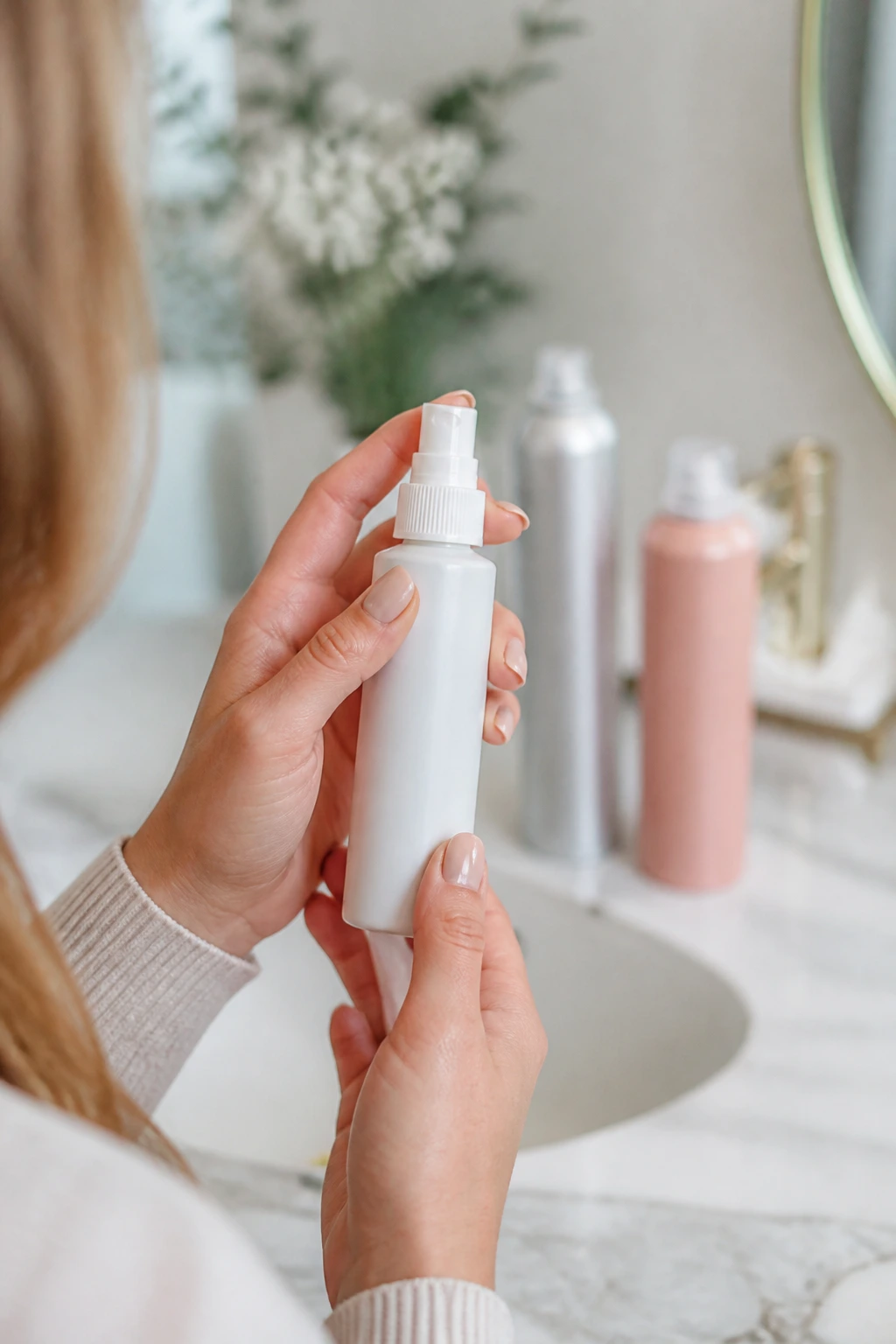
Volumizing mousse: Use it at the roots on damp hair; a golf-ball-sized amount is plenty for most shoulder-length styles.
-
Root-lift spray: Best sprayed at the crown before blow-drying, especially for half-up looks and ponies.
-
Texturizing spray: Gives fine hair a little grit so pins, twists, and braids stay put.
-
Dry shampoo: Works on clean hair too; one or two light sprays at the roots can add matte grip.
-
1-inch curling iron: Good for tighter waves, side-swept curls, and styles that need bend without bulk.
-
1.25-inch curling iron or hot brush: Better for looser, brushed-out waves and blowout styles.
-
Fine-tooth tail comb: Handy for crisp parts and controlled teasing at the crown.
-
Soft bristle brush: Useful for brushing out curls into polished waves without breaking them apart.
-
Sectioning clips: Keep the top from mixing with the bottom while you build shape.
-
Bobby pins and U-pins: U-pins hold buns and twists flat; bobby pins are better for side sweeps and half-ups.
-
Clear elastics: Useful for bubble ponies, mini braids, and hidden anchors.
-
Strong-hold hairspray: Pick one that sets without leaving the hair brittle; you want hold, not cardboard.
-
Sparkly clips, combs, or velvet ribbons: One well-placed accessory can carry the look when the hair itself is light.
Prepping Fine Hair So It Holds the Style
The best party hair starts in the shower, but not in the way people usually think. Fine hair does not need a heavy conditioner right at the roots before styling. That can turn the crown slick and lifeless by the time you reach the mirror. Keep conditioner from the ears down, and rinse it well. If the hair feels coated before you start, the style is already working against a greasy surface.
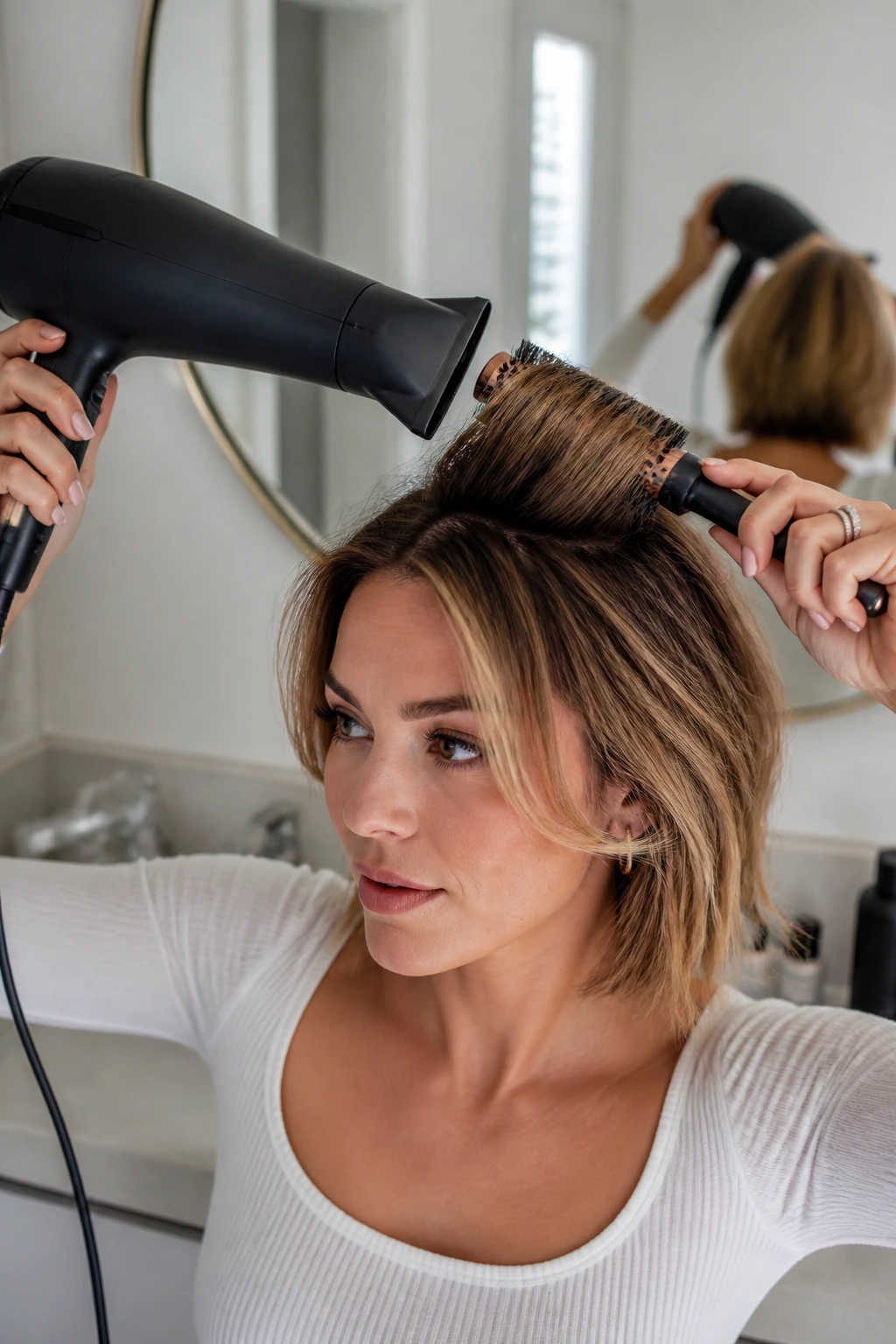
Drying matters too. Fine hair often benefits from rough-drying the roots first, then finishing with a round brush or hot tool once the base has some shape. A completely air-dried crown can go limp faster than one that got a little heat and tension. And if you want waves to last, let each section cool before touching it. Cool hair keeps the shape. Warm hair forgets it.
Start with grip, not gloss
Use a small amount of mousse or root spray before you reach for the iron. Product at the roots gives the style somewhere to hold on. Product through the ends should stay light unless you’re making a sleek bun or wet-look knot.
Pick the right part before you start
A side part, deep side part, or off-center part often gives fine hair the lift it needs for a round face. A center part can still work, but it needs some crown height or a style that keeps the sides from fanning outward.
Don’t overload the lengths
Heavy oils, thick creams, and too much finishing spray can flatten fine hair fast. If the ends need softness, use a half-pump of serum at most, rubbed between your palms first. Then keep it off the roots entirely.
How to Pair the Style With Your Outfit
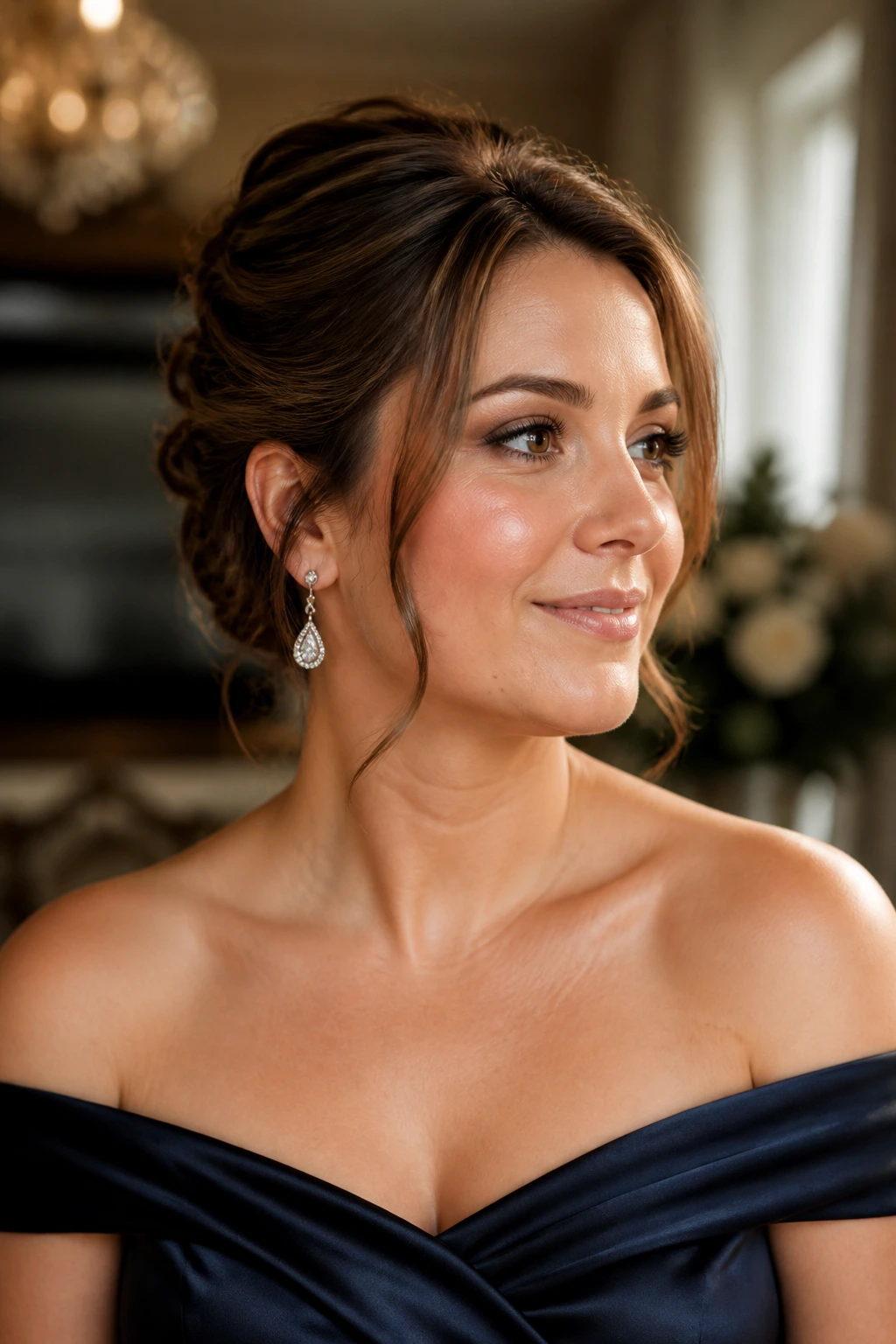
Necklines: A high ponytail or lifted half-up style works well with strapless or off-the-shoulder pieces because it keeps the neckline open. Low buns and chignons pair better with higher necklines, especially if the dress already has strong shape around the collarbone.
Earrings: Big hoops can fight with wide side curls or a lot of hair around the cheeks. If the hairstyle already has movement near the face, choose slimmer earrings or a single statement earring on the swept-back side. If the hair is sleek, you can go bolder.
Dress code: A slick knot, French twist, or low chignon feels cleaner for formal rooms. The bubble ponytail, velvet bow half-up, and messy top knot lean more playful, which suits a less rigid dress code. The style should feel like it belongs to the clothes, not like a separate decision.
Final finish: Sparkly clips and ribbons change the mood fast, but use one focal point only. Too many decorative pieces can make fine hair look busy and smaller than it is.
Extra Volume, Grip, and Shine Tricks
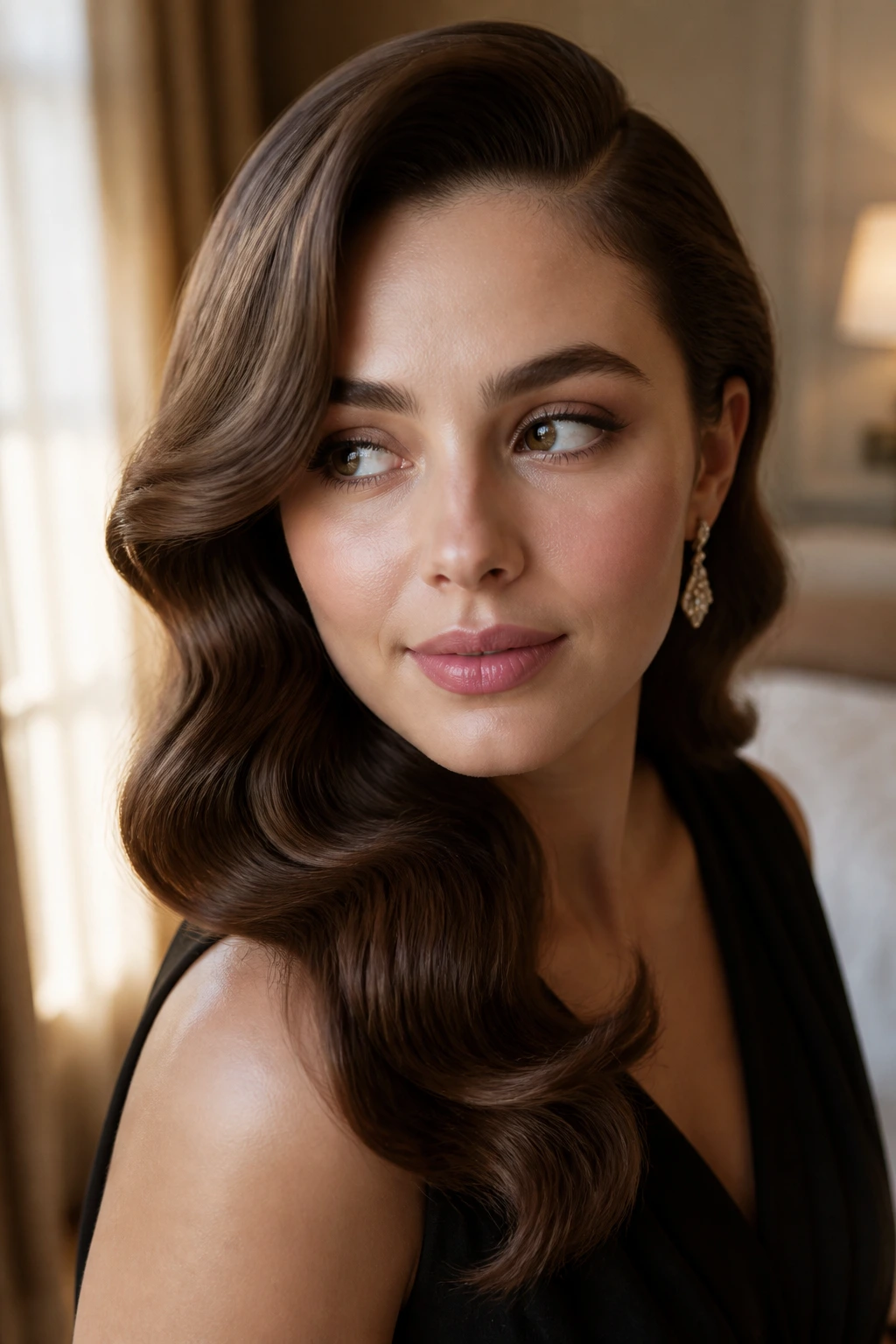
Root Lift: Clip the crown up for 10 minutes after blow-drying. That little set time creates a lift memory, and fine hair responds better to cooling in shape than to more spray later.
Hold Without Crunch: Spray hairspray onto a brush or into the air, then let the mist land lightly on the finished style. You get control without the stiff, powdery finish that shows up in flash photos.
Fake Density: On waves and curls, leave the ends slightly straighter while bending the mid-lengths. Hair that is curled from root to tip can look too small on a fine head of hair. Leaving a bit of plain length makes it read fuller.
Accessory Trick: Place a decorative pin where the eye needs to travel—usually just above the ear, at the twist seam, or where a braid crosses the back. Hardware works best when it guides the shape, not when it sits there like an afterthought.
Humidity Plan: Carry a tiny travel spray, two spare bobby pins, and one clear elastic. That’s enough to rescue most styles without redoing your whole head in a bathroom mirror.
Mistakes That Flatten Fine Hair or Widen a Round Face
The easiest mistake is piling all the volume out at the sides. That can happen with big curls, loose waves, or a teased style that was built wide instead of high. The hair may look full in the mirror, but on a round face it can make the whole head read broader. The fix is to keep the widest part of the style above the temples or below the jaw, not across the cheeks.
Another common problem is too much product at the roots. Fine hair does not forgive heavy cream or oil near the scalp. It turns limp fast. If the style starts to separate or look greasy before the event even begins, the product load was too high. Reset with dry shampoo, a clean brush, and a lighter hand next time.
Skipping cooling time is a quiet killer. Hot curls fall. Warm pins slide. If you pin a twist or brush out a wave before it has cooled, the shape softens fast and the style loses the structure that made it flattering. Give each section a minute or two to set. That sounds tiny. It matters a lot.
One more: tiny face-framing pieces that stop right at the cheekbones. Those can add width right where a round face doesn’t need it. If you’re leaving pieces out, let them fall a little lower or keep them narrow and curved away from the cheeks.
Variations and Adjustments to Try
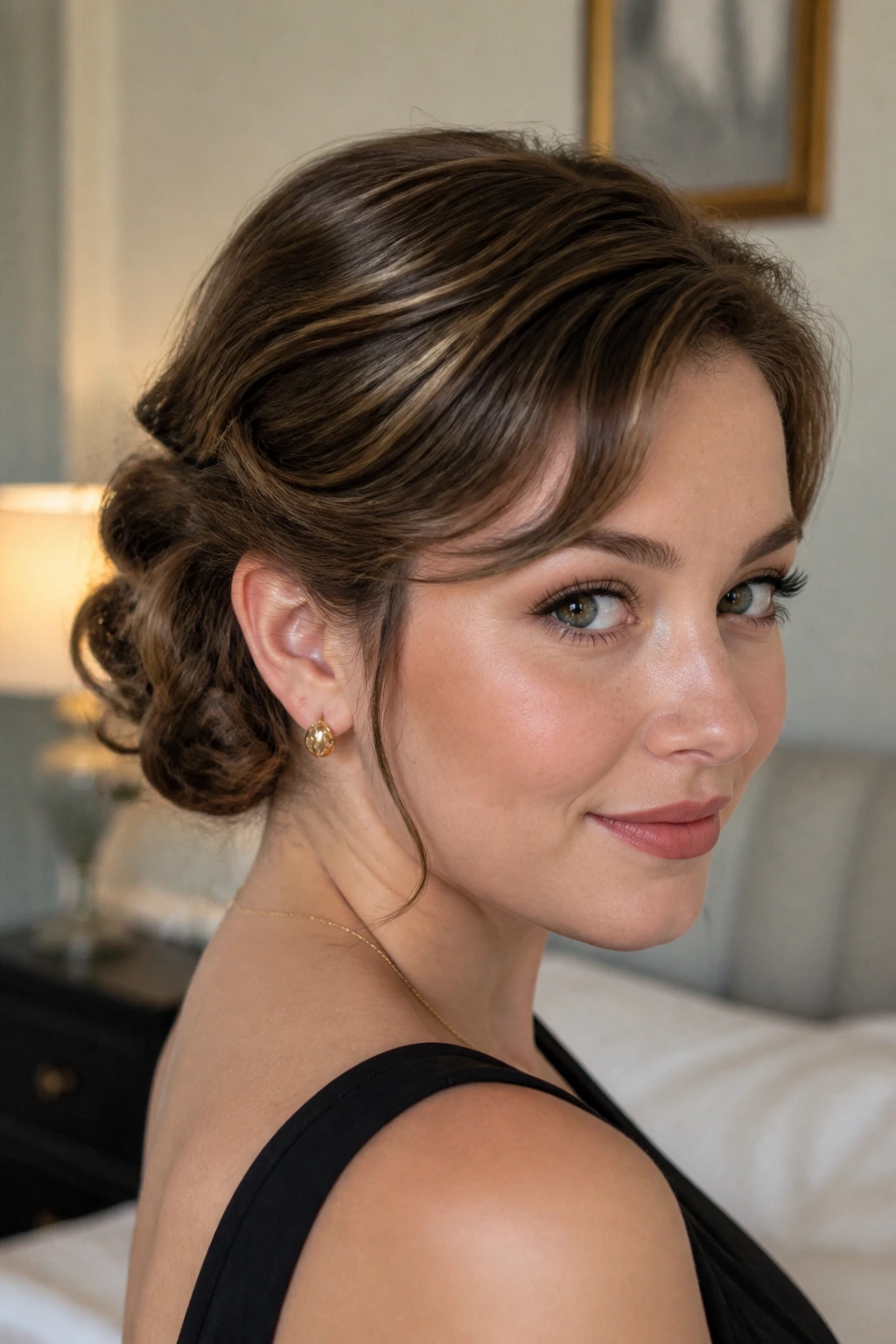
The Short Bob Translation: If your hair barely reaches the shoulders, use pinned waves, a mini side sweep, or a tucked faux bob instead of trying to force a full updo. Shorter hair usually looks better with one strong shape than with a lot of small accessories.
The Heatless Night-Before Version: Overnight braid waves, a twisted crown, or a ribbon-tied half-up can all be done without hot tools. The key is to prep with a light mousse on damp hair and let the style dry fully before letting it down. Half-dry hair never holds as well.
The Curly-Hair Definition Mode: If your fine hair has natural curl, use mousse and a diffuser, then clip the roots while the hair cools. A curly shag, side sweep, or soft pinned-back style usually flatters better than trying to smooth every curl into submission.
The Extra-Sleek Option: For a sharper look, go with a center-part chignon, slicked-back knot, or wrapped ponytail. These styles work best when the hair is brushed tight at the roots and secured with pins that match the hair color.
The Humidity-Heavy Backup Plan: Choose styles with more structure and less loose curl—low buns, twists, and braids instead of brushed-out waves. A little extra setting spray at the crown and a travel-sized anti-humidity spray in your bag can save the night.
Keeping the Style Fresh Through the Night and the Next Day
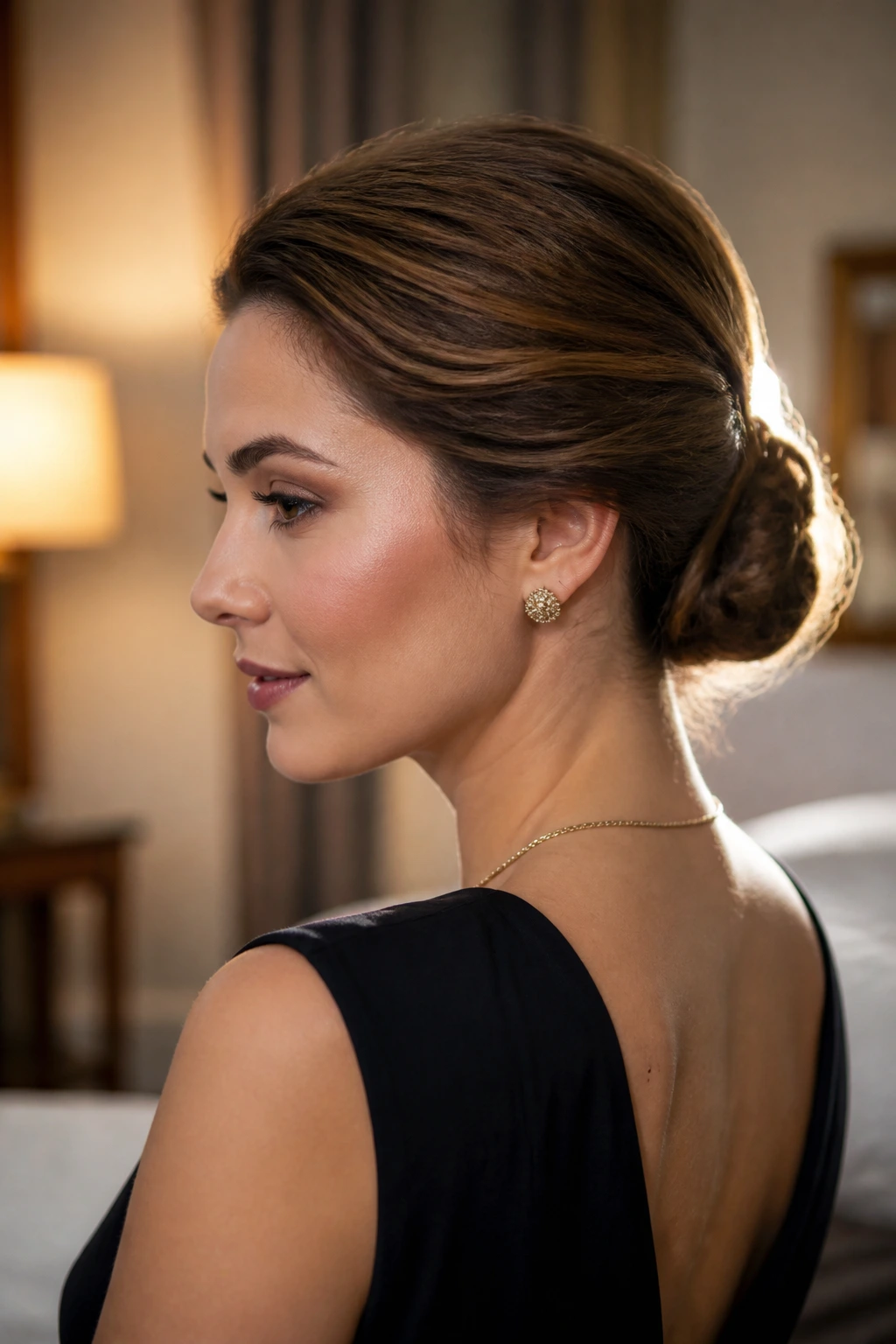
Most of these looks will hold for six to eight hours if the prep is decent and the pins are placed well. Low buns, twists, and slick knots can stretch longer than soft waves, especially if you avoid touching them every ten minutes. Fine hair usually needs less product than people think, but it does need a few touch-up supplies.
A small kit helps: two spare bobby pins, one travel hairspray, one clear elastic, and a mini dry shampoo. If the crown starts to sink, pinch a tiny bit of dry shampoo into the roots and lift with your fingertips. If a side piece escapes, pin it back underneath the shape rather than over the top. Over-pinning is how styles start looking tired.
For next-day wear, a loose braid, soft bun, or twisted half-up often holds better than brushed-out curls. If you want to sleep on the style, a silk or satin pillowcase reduces friction. A loose scarf can help too, though it’s more annoying than glamorous. In the morning, don’t soak the hair with more product. Warm the roots with a blow-dryer for 20 to 30 seconds, reshape the crown with your fingers, and add a touch of spray only where the style has gone soft.
Frequently Asked Questions About Party Hairstyles for Fine Hair and Round Faces
Can fine hair really hold a party style all night?
Yes, if the roots are prepped and the style is pinned in the right places. Fine hair usually needs grip more than volume, so root spray, cooling time, and a few strategically placed pins matter more than slathering on more product.
What part looks best on a round face?
A deep side part is usually the easiest win because it creates a diagonal line and adds height at the crown. A center part can still work, but it needs a style with vertical shape, like a low chignon or sleek knot.
Are curls or straight styles better for fine hair?
Soft curls or bends usually give fine hair more body, especially for party looks. Straight styles can work when they’re sleek on purpose, but they need excellent root control so the hair doesn’t fall flat by hour two.
How do I make my hair look thicker without clip-in extensions?
Use texture spray, curl mid-lengths more than ends, and keep the style compact where possible. Braids, twists, and low buns often make fine hair look denser because they compress the strands into visible shape.
What if my hair is too short for a bun?
Try a side sweep, mini halo braid, faux bob, or sparkly pinned-back pixie. Short hair can look very polished at a party when the shape is deliberate and the pins are placed cleanly.
Can I use clip-in extensions with these styles?
You can, especially for bubble ponies, high ponies, and some half-up styles. Just keep the attachment points hidden under the crown or around the pony base so the extra hair does not create a visible lump.
How much teasing is too much teasing?
If the hair feels rough before the style is even finished, you’ve gone too far. A little support under the crown is helpful. A tangled nest at the top will collapse fast and is miserable to brush out later.
What’s the easiest style if I only have 15 minutes?
A sleek low bun, a side-swept ponytail, or a half-up twist can all be done quickly with fine hair. The fastest styles are the ones that rely on clean lines and one accessory instead of lots of sectioning.
The Shape That Does the Work
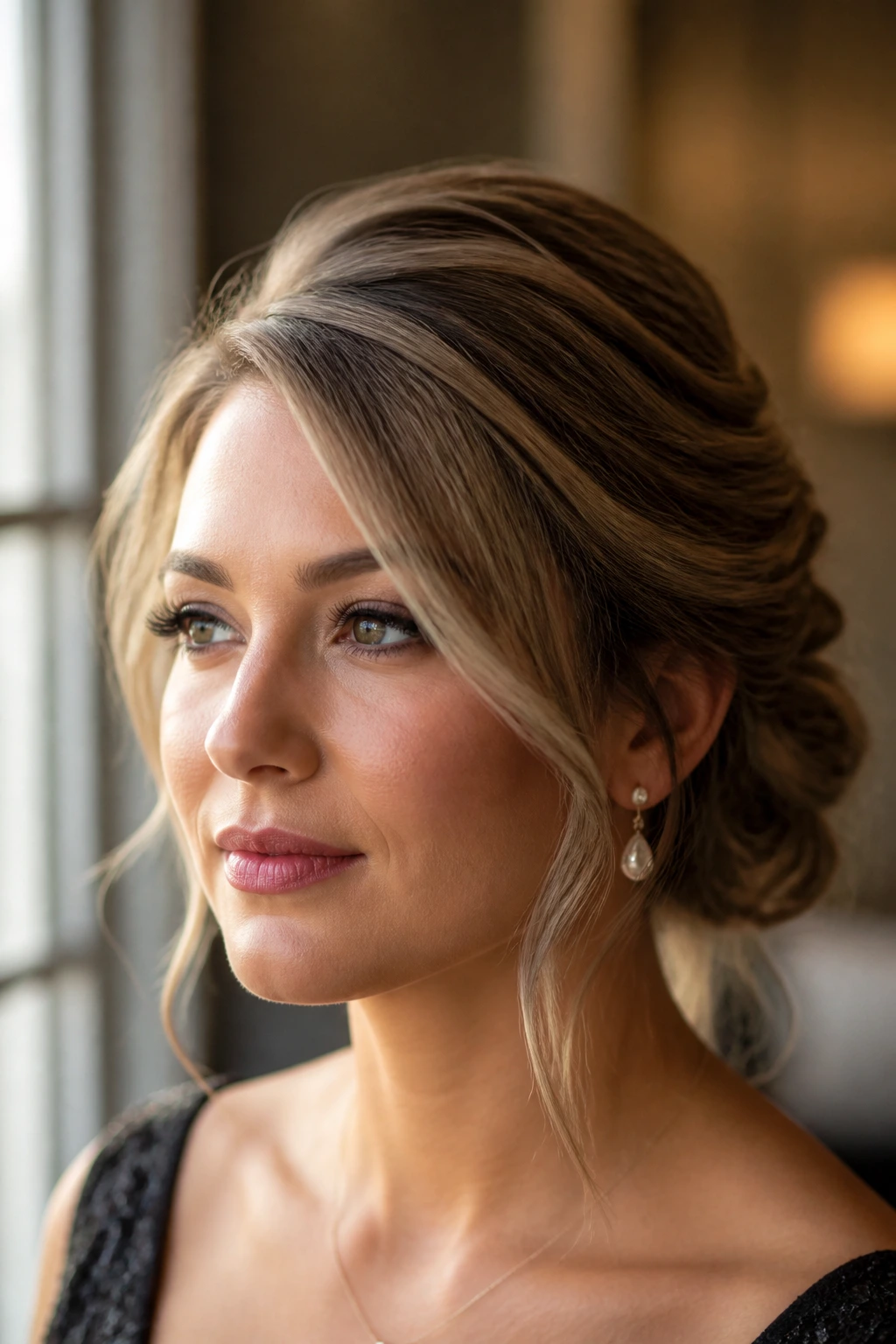
The nicest thing about fine hair is that it doesn’t need to be huge to look polished. It needs shape, and shape is a quieter skill. A few inches of crown lift, a side part that pulls the eye diagonally, a low bun that keeps the cheeks open—those details do the heavy lifting.
Round faces do not need to be hidden, either. They just need styles that lengthen rather than widen. Once you start seeing hair that way, the best party looks become easier to spot. You stop chasing bulk and start choosing lines.
Pick the style that fits your length, your texture, and the amount of time you actually have. Then pin it with purpose, spray it lightly, and leave the mirror before you start overthinking the fourth strand from the left.