



Fine hair has a habit of telling on a haircut. A cut that looks crisp in a salon mirror can go limp by lunch, and a shape that seems airy on one head can turn wispy and overworked on another. That’s why modern haircuts for women with fine hair have to do more than “look nice.” They need to hold a line, keep the ends from fraying into nothing, and create lift where the hair actually needs it.
The best cuts for fine strands don’t chase volume with a thousand layers. They keep the perimeter strong, use movement sparingly, and place shape where the eye lands first — around the jaw, the cheekbone, the crown, or the fringe. That’s the whole trick. Fine hair can look denser when the outline is clean and the layers are selective. It can look expensive, too, which sounds like marketing nonsense until you see a blunt bob that sits at the chin and suddenly reads twice as full as a longer, over-thinned cut.
One thing I’ve noticed over and over: fine hair usually fails when the haircut starts stealing density from the ends. The ends are where the illusion lives. Chop them into dust with too much point-cutting or a heavy razor pass, and the style starts looking see-through no matter how much mousse you use.
Why These Cuts Earn Their Keep
-
Stronger edges: A blunt or slightly beveled perimeter makes fine hair look thicker because the eye sees one clear line instead of a soft, broken outline.
-
Lift where it matters: These cuts build height at the crown, around the cheekbones, or at the part without stripping the ends bare.
-
Less daily wrestling: The shapes here tend to fall back into place after a quick blow-dry, root lift spray, or one pass with a hot brush.
-
Better grow-out: Fine hair shows a bad grow-out fast, so the cuts that keep some structure between trims save you from that ragged, hollow look.
-
Style flexibility: You can wear most of these straight, tucked, waved, or flipped under, which matters when hair is too fine to take heavy styling every morning.
-
Bang options without regret: Several of these cuts make room for fringe, but not the kind that eats half your density and leaves the rest looking stringy.
1. Blunt Chin-Length Bob
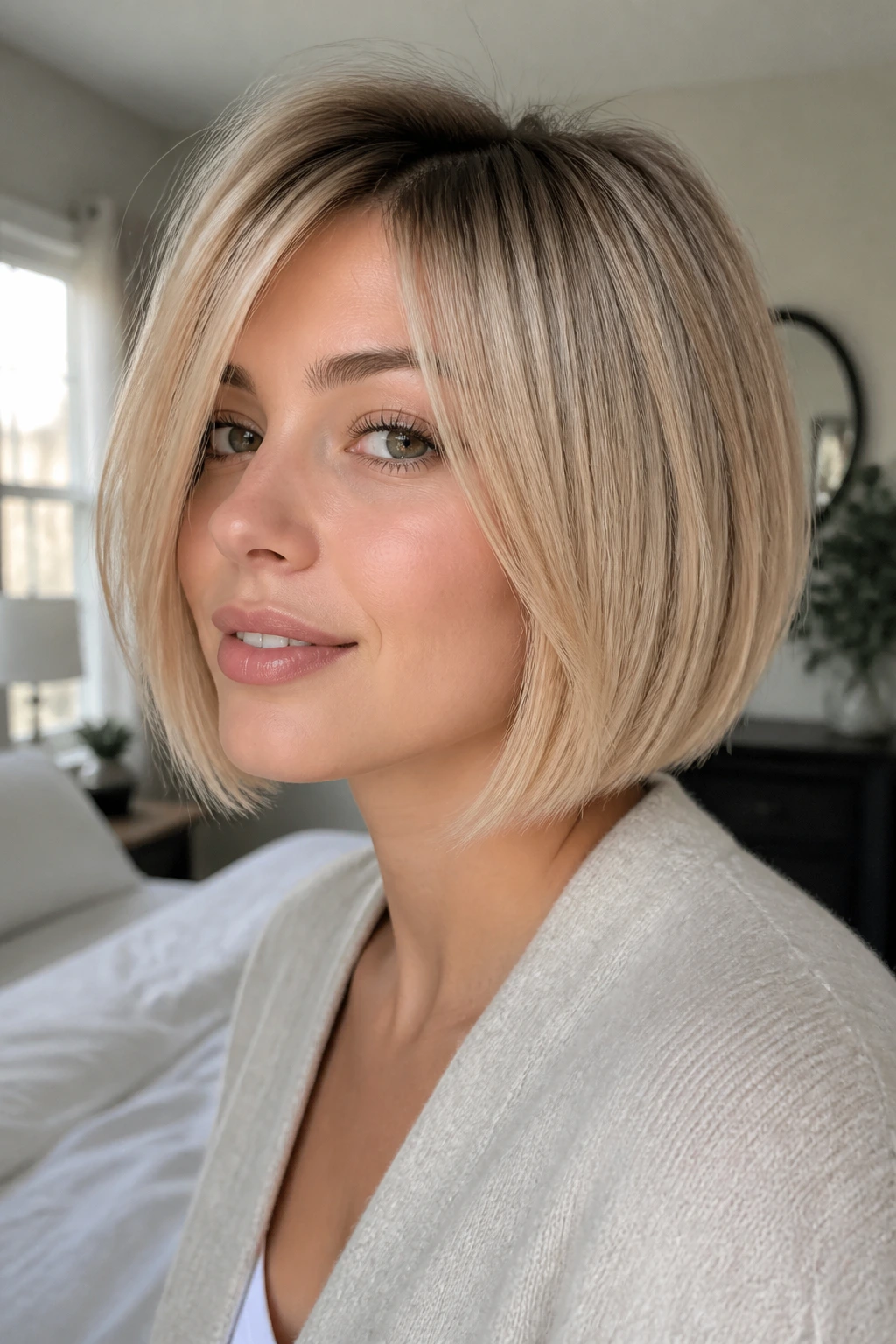
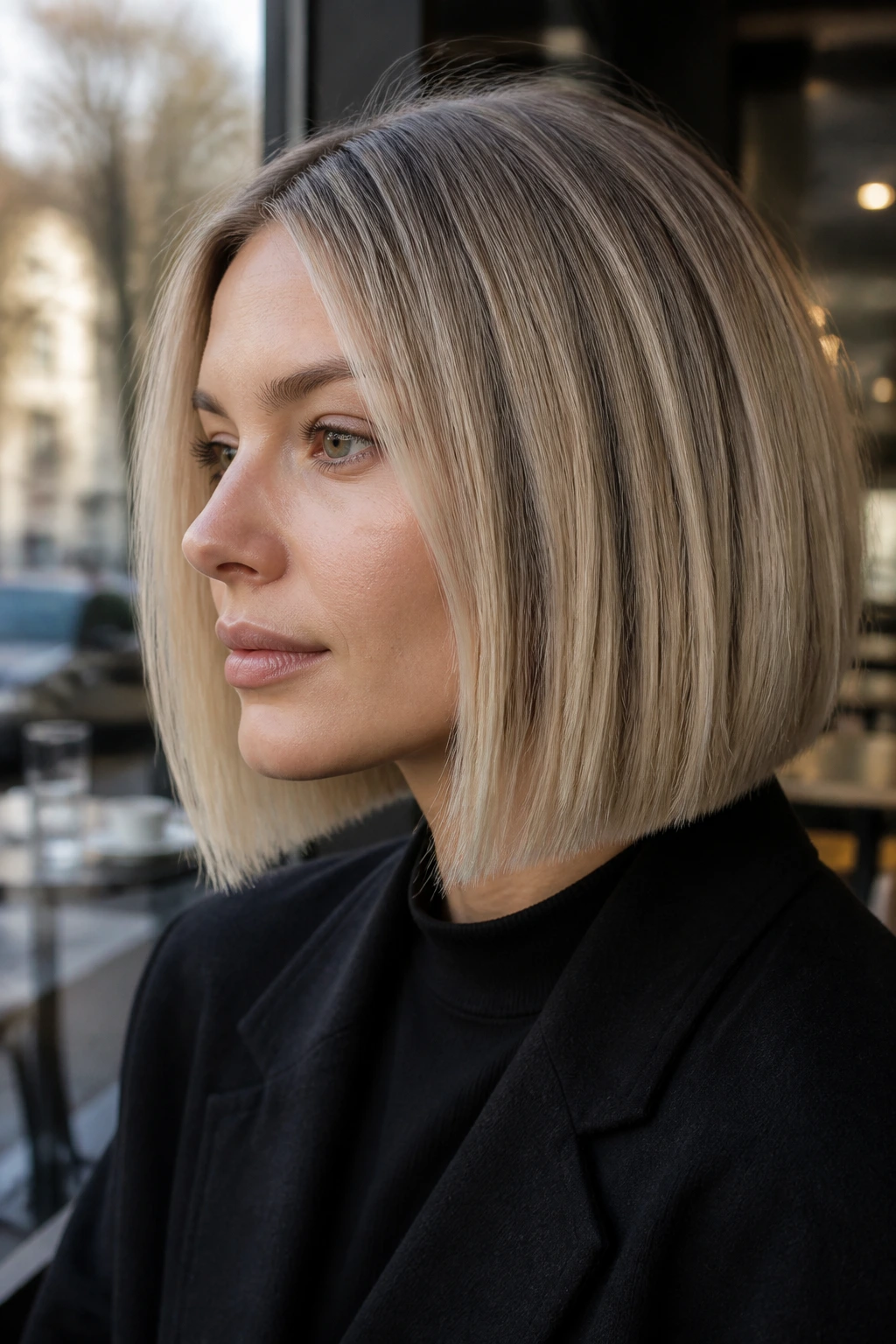
The blunt chin-length bob is the old reliable cut people keep returning to for a reason: it gives fine hair a hard edge to lean on. That straight perimeter makes the ends look fuller than they are, and chin length keeps the shape light enough that it doesn’t drag the whole head down. If your hair tends to collapse by noon, this is usually where I’d start.
What to ask for: keep the line blunt, hit right at the chin or a hair below it, and avoid heavy internal thinning. A tiny bevel at the ends is fine. A shaggy bottom is not.
Why it works: the eye reads the bottom line first. When that line is clean, the cut looks denser. Fine hair needs that visual cheat.
A middle part gives it a sharp, modern feel. A side part adds a little lift at the temple and can be kinder if one side of your hair lies flatter than the other. Either way, the shape should feel tidy, not fluffy. Fluffy usually means the ends were cut too softly.
If you want a low-fuss version, blow-dry with a flat brush and tuck one side behind the ear. That little asymmetry keeps the bob from looking too strict.
2. Italian Bob with Soft Bend
The Italian bob sits a little richer than a classic bob. It’s fuller through the body, usually grazing the jawline or sitting just under it, and it has that loose bend that makes fine hair look like it has more substance than it does. Not curls. Not beach waves. A bend. There’s a difference.
This cut is good when you want movement but don’t want to lose the weight that makes fine hair look present. The ends should still feel deliberate. Ask for a heavier outline with soft, controlled movement through the middle lengths only. If the stylist starts talking about “removing bulk” from your fine hair, be careful. Sometimes that’s code for making it see-through.
How to style it
Use a round brush or a hot brush and lift only the roots and mid-lengths. Leave the bottom half smooth. If the ends flick out, turn the brush under for the last inch and let the curve cool there. A 1.25-inch curling iron can work too, but wrap just the middle section of hair and leave the ends out. That keeps the shape modern instead of prom-night.
This cut looks especially good on hair that’s straight but not pin-straight. If your natural texture already bends a little, the Italian bob plays along without demanding too much effort.
3. Collarbone Lob with a Center Part

A collarbone lob is one of the most forgiving haircuts for women with fine hair because it keeps enough length to feel versatile while still staying compact enough to avoid the limp, stringy effect that can happen past the shoulders. The collarbone matters here. Hair hitting that spot gets a little natural bounce instead of hanging straight like wet ribbon.
The center part gives the cut a clean frame and a little symmetry, which can make fine hair look more intentional. Ask for a blunt or softly blunt bottom line and very restrained face-framing pieces. If the front gets cut too short, the ends tend to vanish into the background. Keep the shortest face-framing layers below the mouth if you want the lob to hold its density.
I like this shape for people who wear their hair down most days but still want ponytail length. It’s practical without looking plain. That’s not nothing.
If your hair is flat at the crown, dry the roots forward first, then flip the part back to the center once the hair is about 80 percent dry. That tiny trick makes the top sit taller without turning it into helmet hair.
4. French Bob with a Brow-Grazing Fringe

Short, cheeky, and a little sharper than most people expect, the French bob works because it keeps everything close to the head and lets the fringe do the talking. On fine hair, that compact shape can look thicker than a longer cut that’s been thinned to bits. The fringe also breaks up the forehead-to-hairline line, which pulls the eye upward.
Don’t let the fringe get wispy. That’s the trap. A good French bob has a fringe with enough weight to sit on its own, even if the ends are softly textured. Ask for brow-grazing length or slightly longer if your forehead is on the shorter side. The bob itself should land around the mouth or just above the jaw, with enough bluntness to keep the cut from looking airy.
This is one of the more stylish cuts in the group, but it does ask for a little maintenance. Fringe grows fast. Fine hair also shows the difference between “fresh” and “grown out” faster than coarse hair does. If you hate regular trims, this may test your patience.
Still, when it’s good, it’s good. The whole thing has a clean, crisp shape that looks like you meant every inch of it.
5. Bixie Cut with a Tapered Nape
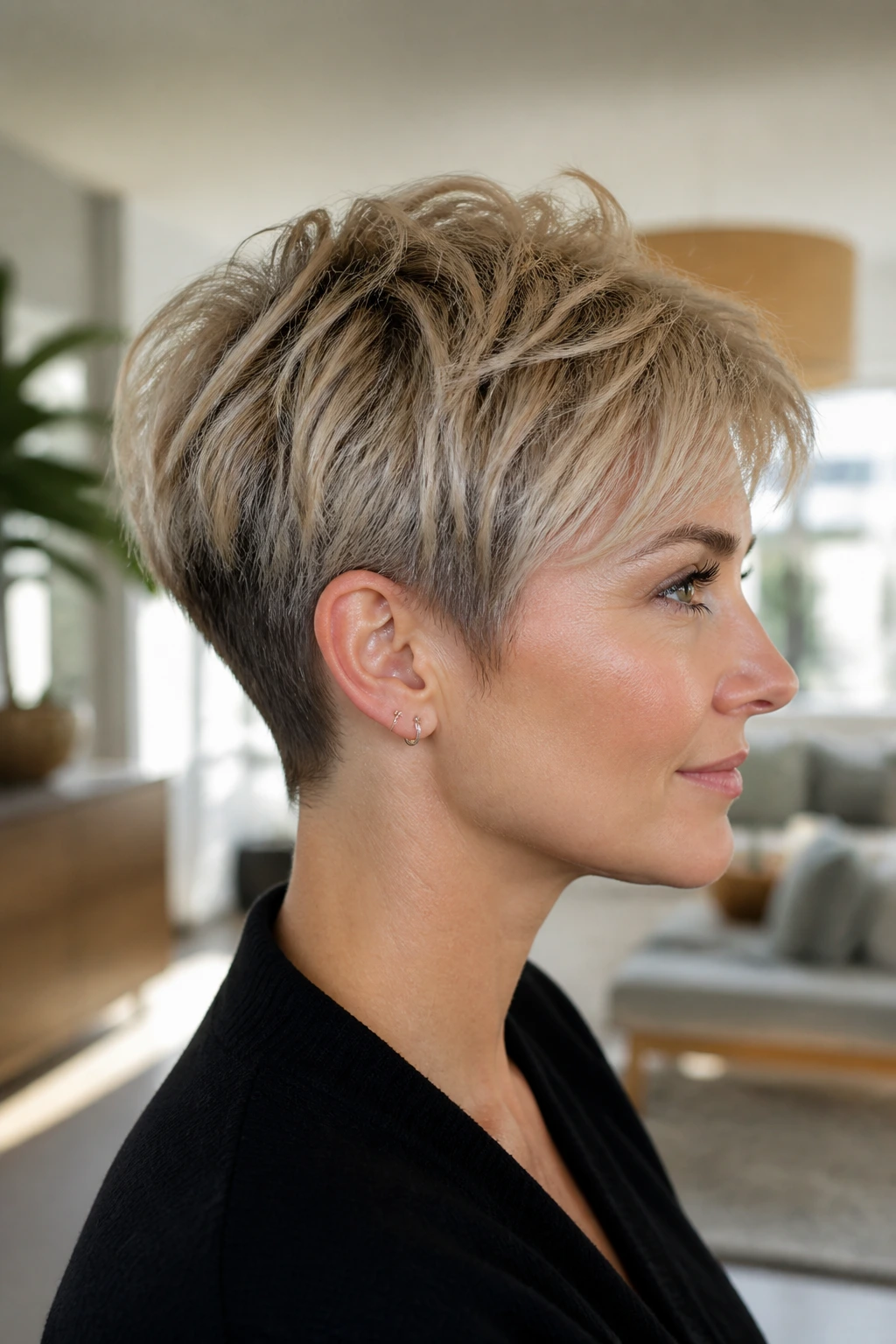
The bixie lives between a bob and a pixie, which is exactly why it suits fine hair so well. It takes the easy lift of a short cut and keeps enough length around the top and sides to avoid that close-cropped, scalp-forward look some pixies can have on finer strands. The tapered nape is the part that makes it feel neat instead of fuzzy.
Ask for more length on top — usually around 2.5 to 4 inches depending on your face and how you style — and a tighter nape that hugs the neck. The sides should skim rather than puff out. If the stylist cuts the top too short, the bixie loses its shape and starts reading as “grew out from a bad pixie.” That’s not the goal.
Why it works on fine hair
The top has enough length to bend, tuck, and lift. The sides stay controlled. And because the back is short, there’s less weight dragging the silhouette down. You get movement without thinness.
Style it with a pea-sized amount of mousse at the roots, then blow-dry using your fingers to lift the top section up and away from the scalp. That messy lift is the whole point. Polished can come later.
6. Layered Pixie with Crown Height
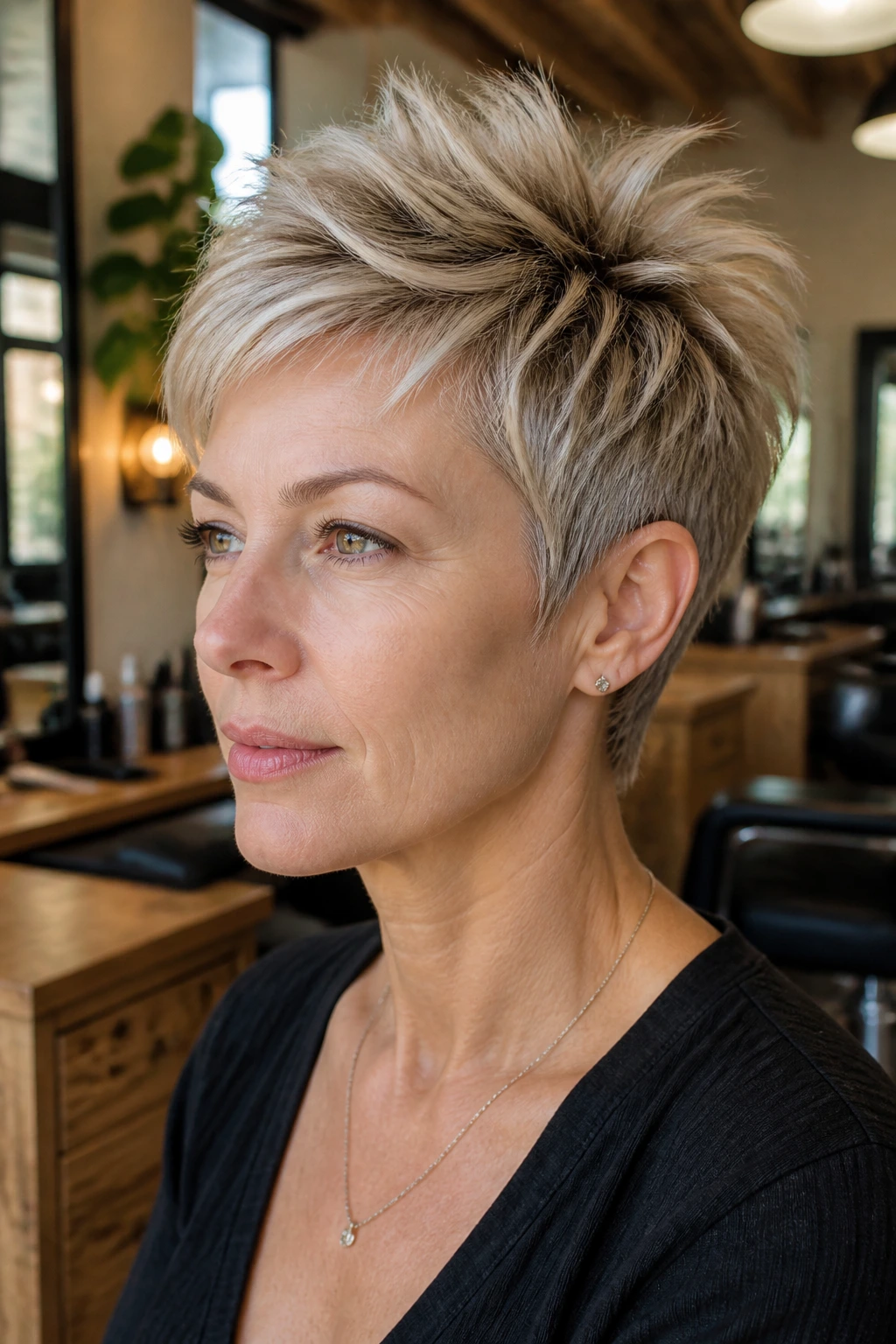
A layered pixie is one of the fastest ways to make fine hair look fuller, but only if the layers are placed with some restraint. The crown needs height. The sides need calm. That balance matters. Too much chopping everywhere and the cut starts looking feathered in the wrong way.
The best version keeps the top long enough to piece out with a dab of cream or wax, usually around 3 to 4 inches, while the sides and nape stay tighter. That gives the illusion of density up top, where the eye naturally goes first. If your hair lies flat at the roots and you hate spending 20 minutes trying to wake it up, this cut earns its keep.
I’m partial to a pixie when someone wants shape more than length. It feels decisive. It also grows out better than people think if the top is left a touch longer.
One small warning: do not let the stylist over-thin the crown. Fine hair doesn’t need extra help being light. It needs lift. That’s a different job.
7. Rounded Micro-Bob
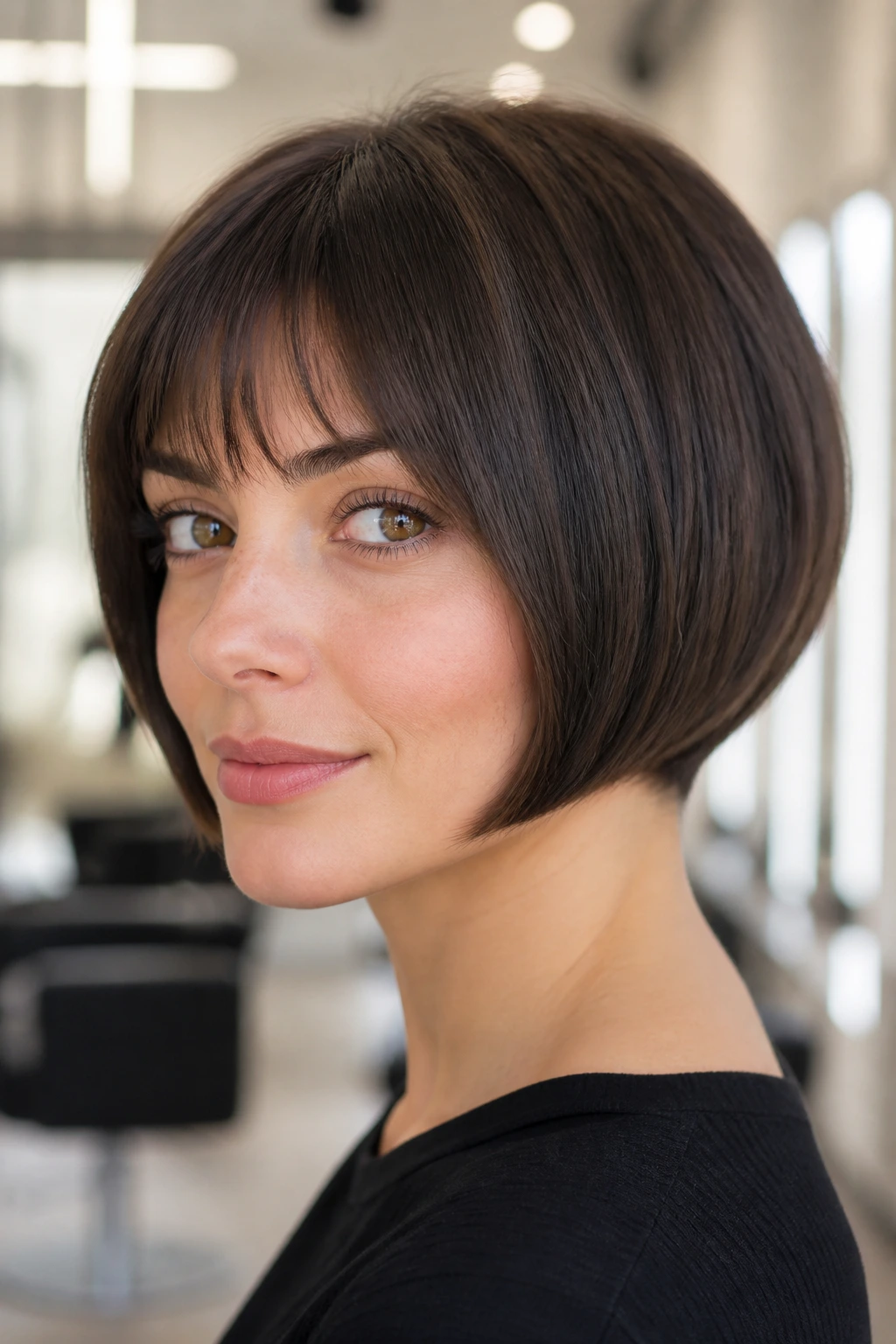
A rounded micro-bob sits shorter than a classic bob and curves softly toward the jaw or cheekbones. It works because the shape is compact, and compact shapes make fine hair look more concentrated. When hair is longer and sparse, the ends can separate. When it’s shorter and rounded, the silhouette feels denser.
This cut is especially good if you like a polished look without a lot of movement. The roundness keeps it from feeling severe, and the shorter length stops it from collapsing at the shoulders. Ask for a clean outline with very light internal layering — enough to keep the hair from sitting like a box, not enough to thin the edges.
You’ll get the most out of this cut if you either air-dry with a little root clip at the front or use a small round brush to turn the bottom under. It doesn’t need a dramatic style. It needs shape memory.
If you have a strong jawline, this cut can look crisp in a way that’s almost architectural. If your face is softer, let the front stay a touch longer so the bob doesn’t end too abruptly.
8. Invisible-Layer Lob
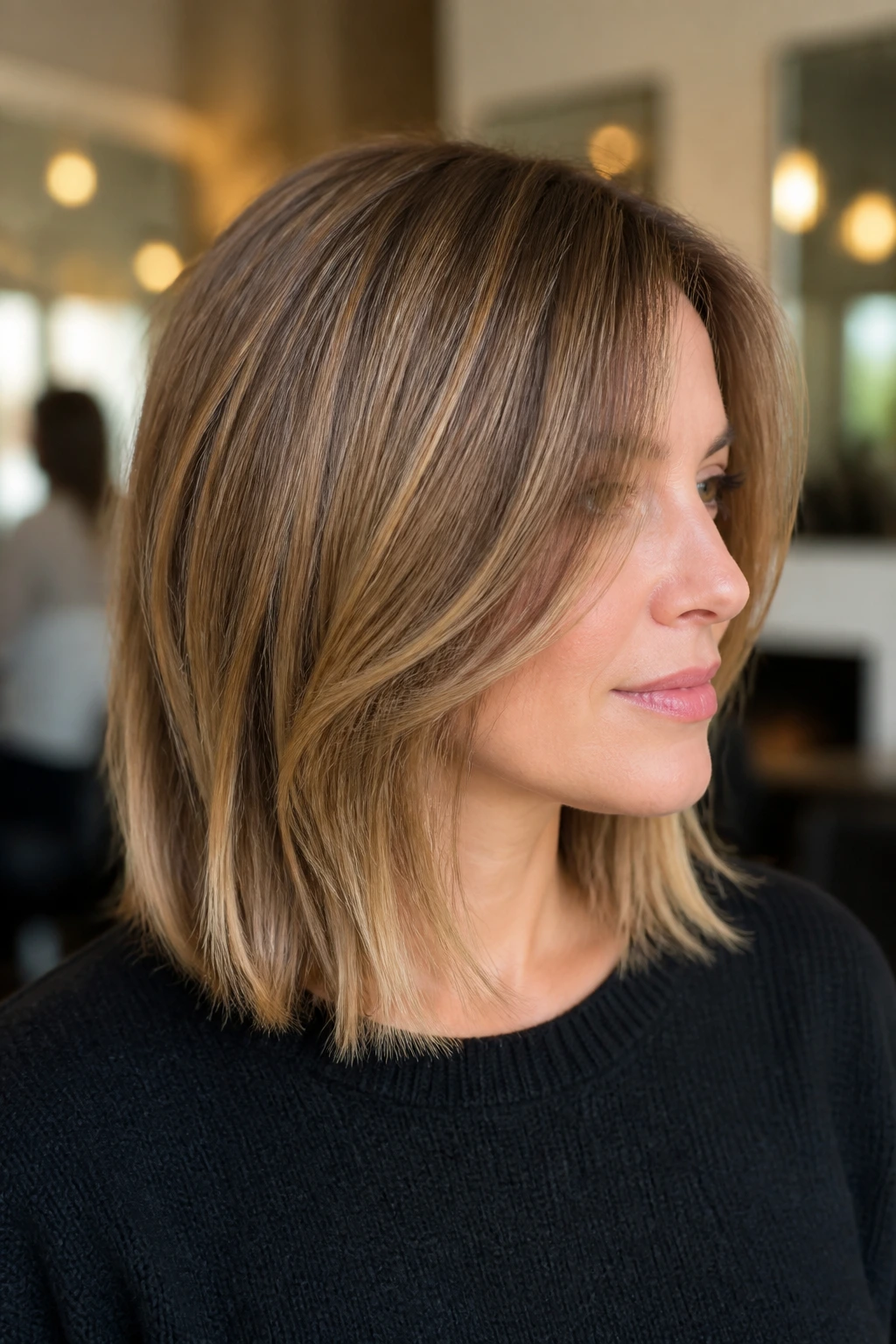
An invisible-layer lob gives you one of the best illusions in haircutting: movement without the obvious signs of layering. The outer line stays mostly intact, so the hair still looks full, but the inside has long layers that help it bend instead of hanging like a sheet. On fine hair, that’s a very useful trick.
The key is where the layers start. They should sit well below the cheekbones, often around the collarbone or lower, so the top section keeps enough weight. If the layers begin too high, the cut can turn wispy fast. Fine hair doesn’t forgive bad layer placement. It broadcasts it.
This is a good choice if you like a lob but want more swing than a blunt version. You can wear it straight, tuck it behind one ear, or add a soft wave through the mid-lengths. It still looks like one shape.
I’d call this one a quiet winner. Not loud. Not fussy. Just a cut that gives you motion without subtracting the very thing fine hair needs most: presence at the ends.
9. Asymmetrical Side-Part Bob
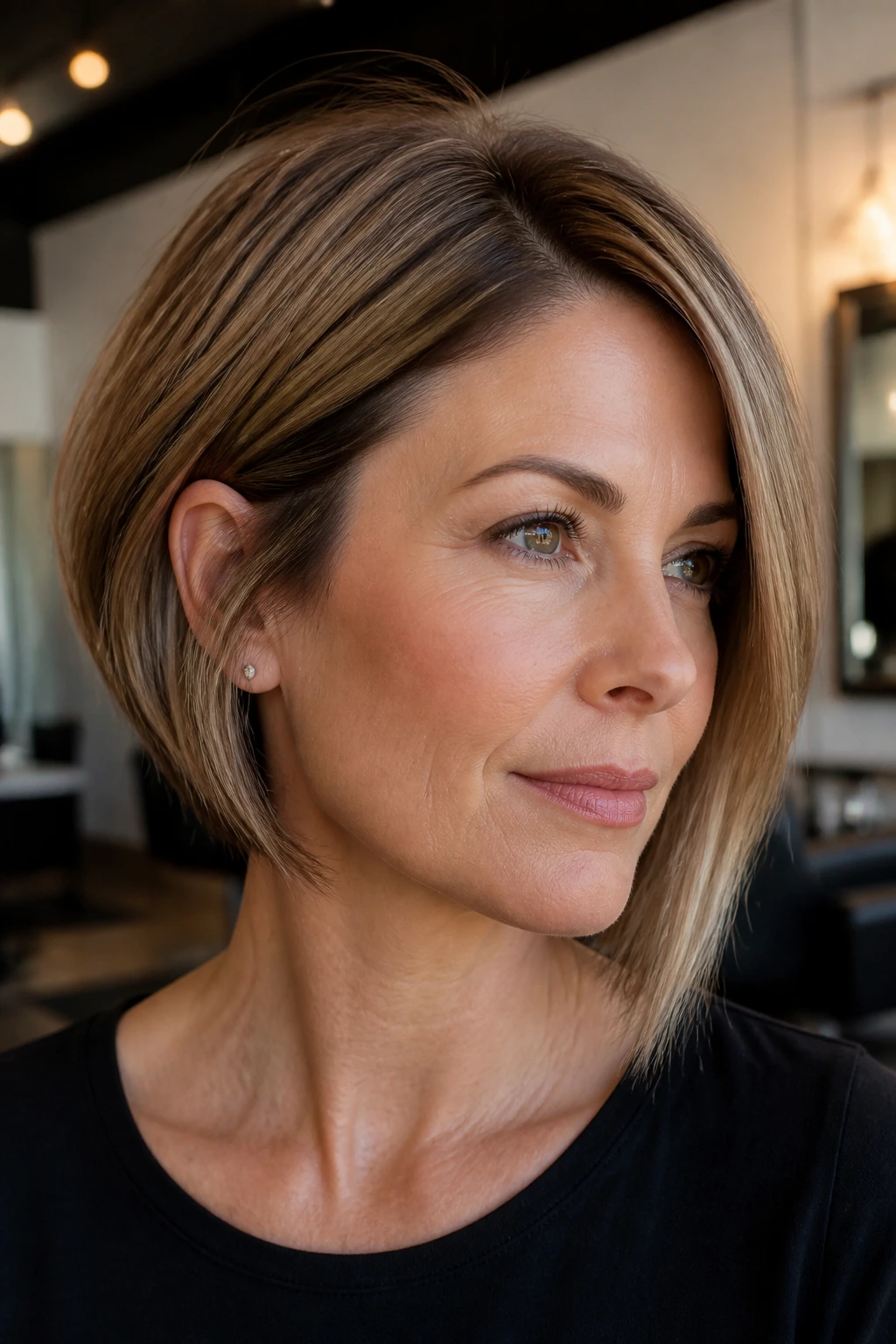
An asymmetrical bob uses a small difference in length — often just half an inch to an inch — to make the cut feel sharper and more alive. On fine hair, that tiny shift matters. A side part adds instant lift at the root, and the longer side gives the eye something to follow, which makes the hair look fuller than a dead-even bob sometimes does.
This is a nice option if one side of your hair always falls flatter than the other or if you have a cowlick that keeps fighting the center part. The cut doesn’t need to be dramatic. In fact, the subtler the difference, the more modern it tends to feel. The goal is movement, not a geometry lesson.
What to ask for
Say you want the longer side to be just slightly lower, not a severe angle. Keep the perimeter blunt enough to maintain density. If the stylist starts shaving down the underside to create a dramatic swing, stop that train early.
Style it by blow-drying the roots away from the part, then letting the longer side skim the cheek. A touch of shine spray on the surface makes the shape look deliberate instead of accidental.
10. Curtain Bang Lob
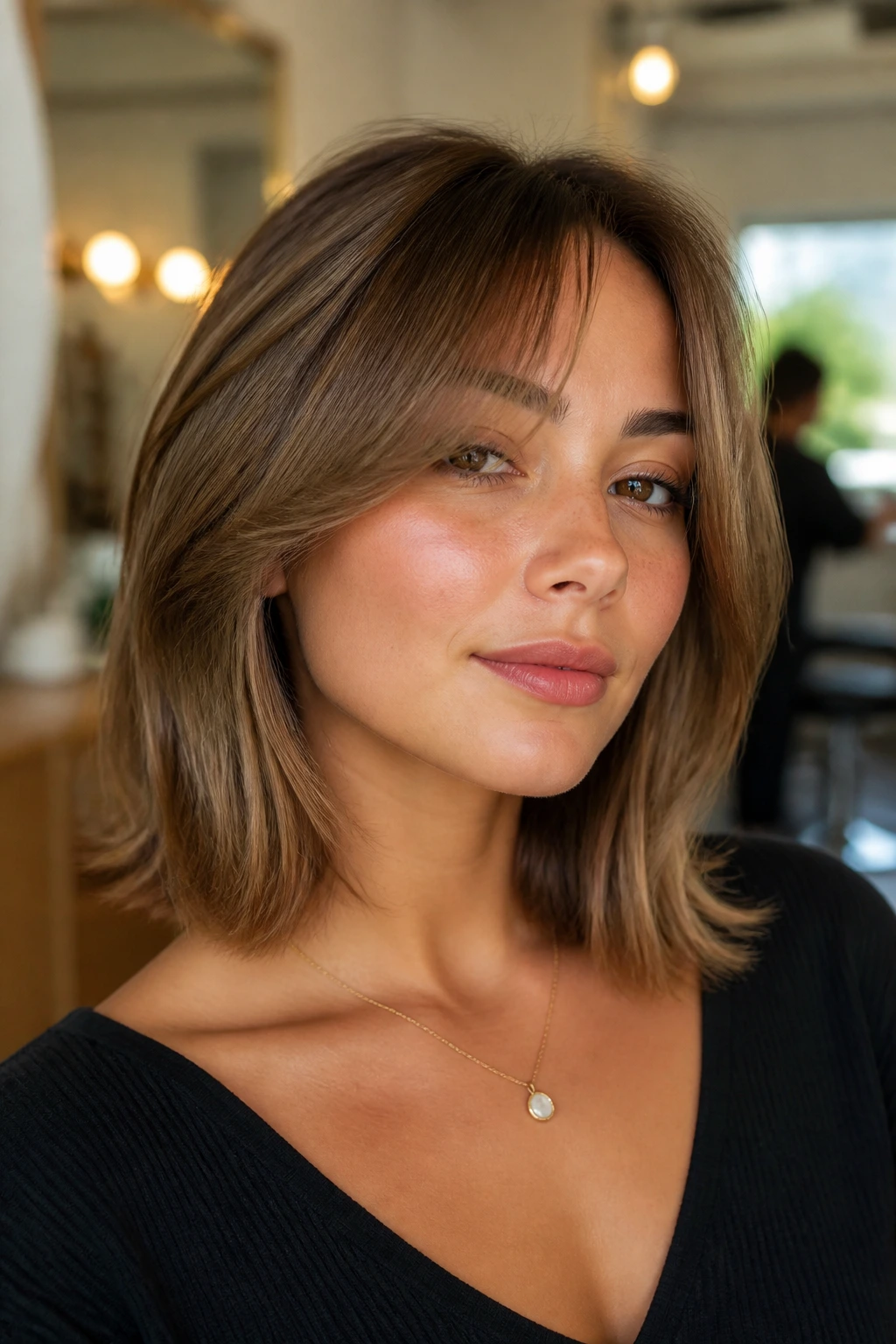
A curtain-bang lob is one of the smartest ways to add shape to fine hair without sacrificing too much density. The lob keeps the length useful. The curtain bangs bring the face in. And because the fringe splits in the middle, it doesn’t eat into the entire front section the way a full, heavy bang can.
The trick is keeping the bang area long enough to blend into the sides. On fine hair, curtain bangs should usually start around the eyebrow or just below, then taper into the cheekbone and jaw. Too short, and they pop up like a shelf. Too sparse, and they disappear.
This cut works best when the bangs are styled with a round brush or a quick bend from a small curling iron. You don’t need perfect barrel curls. You need the fringe to sweep away from the face and land with a soft curve. That curve gives the whole cut some motion.
If your face feels long, this shape can shorten it a bit without making the cut look heavy. If your hair lies flat at the front, keep a tiny root lift spray at the hairline and clip the bangs up while they cool.
11. Inverted Bob with a Clean Nape
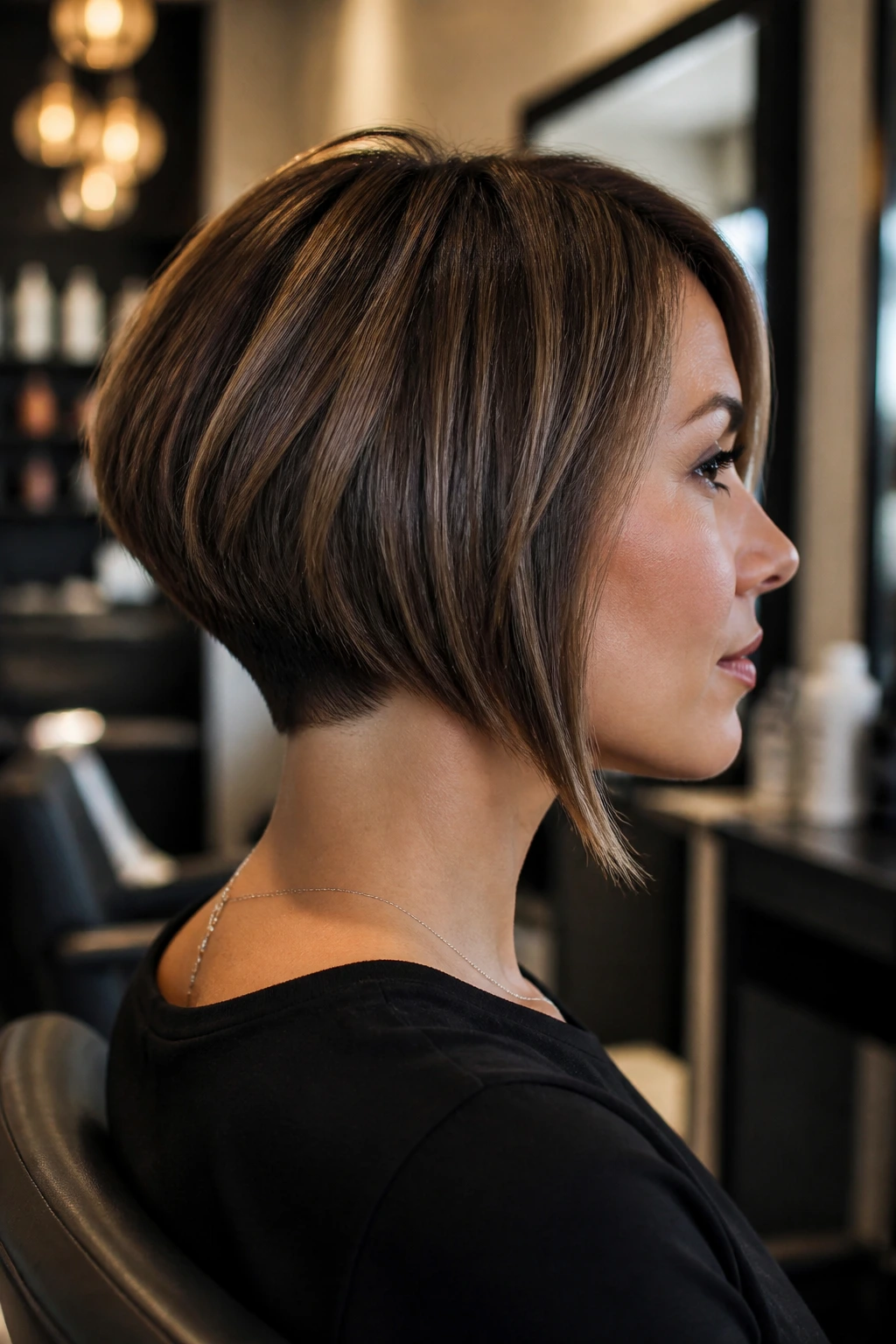
The inverted bob has earned its place because it gives the back of the head a little structure right where fine hair often goes limp. Shorter in the back, longer in the front, it creates an angle that adds visual lift without needing a lot of layers. The clean nape keeps the neckline tidy. That alone changes the feel of the cut.
For fine hair, the angle should be subtle. A steep stacked bob can look too pieced-out if the hair is light. Ask for a gentle rise from the nape to the front — enough to show shape, not enough to expose every section line. The front should graze the jaw or sit slightly below it.
This cut is especially good if you like a polished finish. It behaves well with a blowout and can also be worn sleek with a flat iron. Just don’t over-flatten the back. A little body at the crown keeps the angle readable.
I’d choose this one for someone who wants a bob with a bit more edge, but not a dramatic haircut that demands a new styling routine.
12. Soft Shag with Controlled Layers

A shag can work on fine hair, but only the soft version. The fully chopped, aggressively layered shag is usually too hungry for density. What you want instead is a controlled shag: longer layers, a bit of fringe, and a shape that moves without stripping the ends. That’s the difference between cool and scraggly.
The best fine-hair shag keeps the perimeter intact and uses the interior to add bend. Think collarbone to shoulder length, with face-framing pieces that start low and a curtain or bottleneck bang that doesn’t go too sparse. If the layers jump up to the cheekbones and every section is razor-cut to bits, the hair will look airy in the wrong way.
Best for:
- Hair with natural wave that needs a little direction.
- People who like a lived-in finish.
- Anyone who wants movement without a blunt, formal edge.
This cut takes well to texture spray, but don’t drown it in product. Fine hair gets greasy fast when you pile on too much cream. A light spray at the mid-lengths is enough.
13. Butterfly Cut for Fine Hair
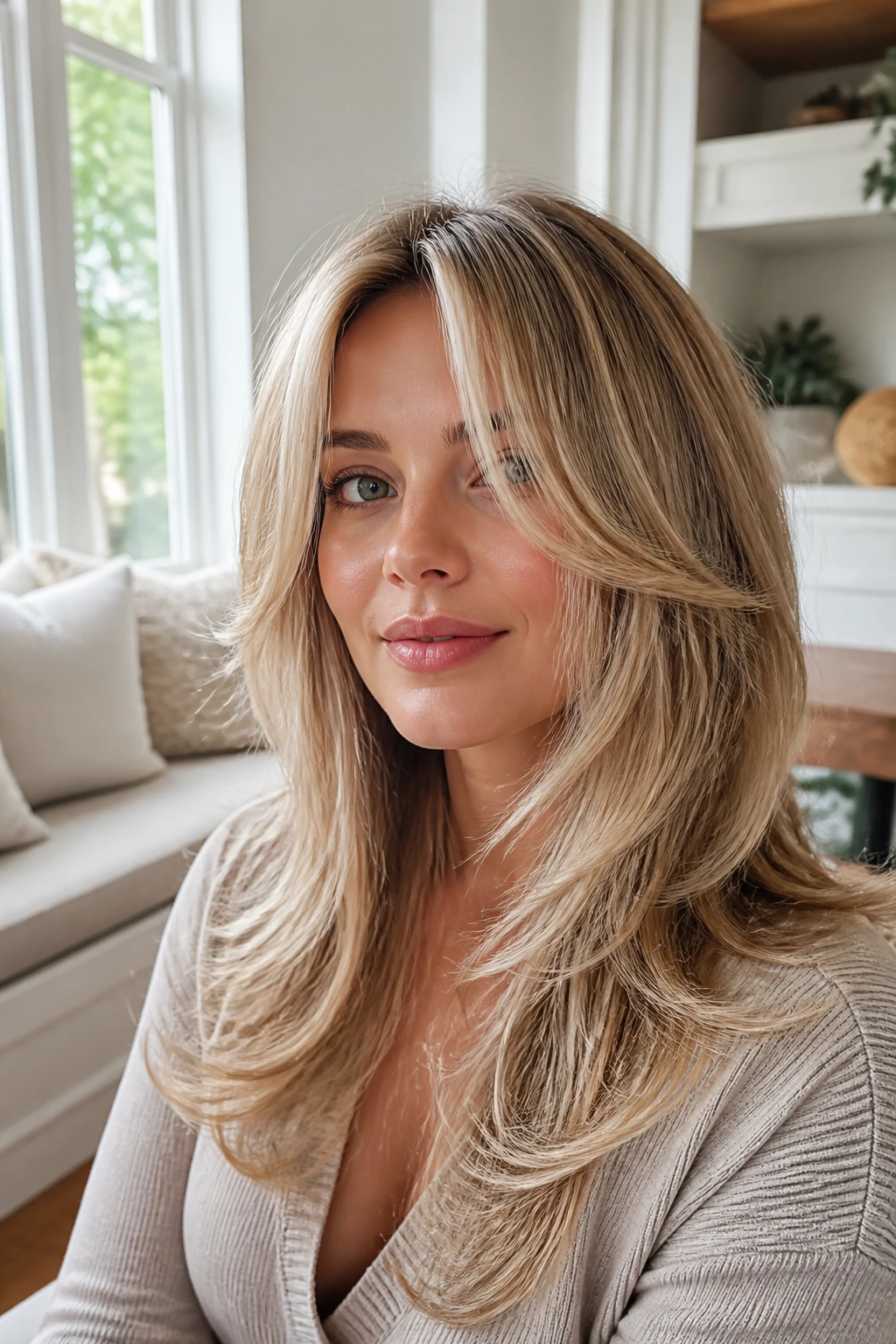
The butterfly cut can be a problem on fine hair if it’s done too aggressively, but the gentle version is a different story. The long layers around the face create swing, while the shorter top layers give a lifted blowout shape. The trick is keeping those layers soft and spaced out so the ends don’t disappear.
I’d reserve this one for someone who likes styling their hair with a round brush or hot brush. It shines when the top pieces are given a bend and the lower lengths are left smoother. Fine hair that’s blown out this way can look fuller than it does in a straight, air-dried state.
The layers should start lower than you might expect — around the mouth or below, not right at the cheekbones. That keeps the lower half from looking sparse. If your hair is naturally very straight and you never style it, this cut can feel like a lot of effort for not much payoff.
But when it works, it really works. There’s lift near the face, movement through the top, and enough length to keep the whole thing grounded.
14. Shoulder-Length Cut with Face-Framing Pieces

Shoulder length is a tricky zone for fine hair because it can either swing nicely or hang there like a damp towel. The fix is a clean outline and very selective face-framing pieces. Nothing too short. Nothing too chopped up. The hair around the face should start low enough to keep density in the front, then ease into the rest of the cut.
This is a good option if you want length for clips, ponytails, and half-up styles but don’t want the drag of longer hair. Fine hair often looks its fullest when it’s not pushed much past the shoulders. You get more body, less weight, and fewer ends that split apart.
If you like a center part, this cut holds it well. If you prefer a side part, the front pieces can be cut to sit just off the cheekbones and give the shape a little more movement. It’s flexible in a way short cuts sometimes aren’t.
Ask for this:
- A blunt or softly blunt bottom line.
- Face-framing pieces that begin no higher than the mouth.
- Minimal thinning through the ends.
That combination keeps the length useful and the density visible.
15. Tucked-Under Midi Bob
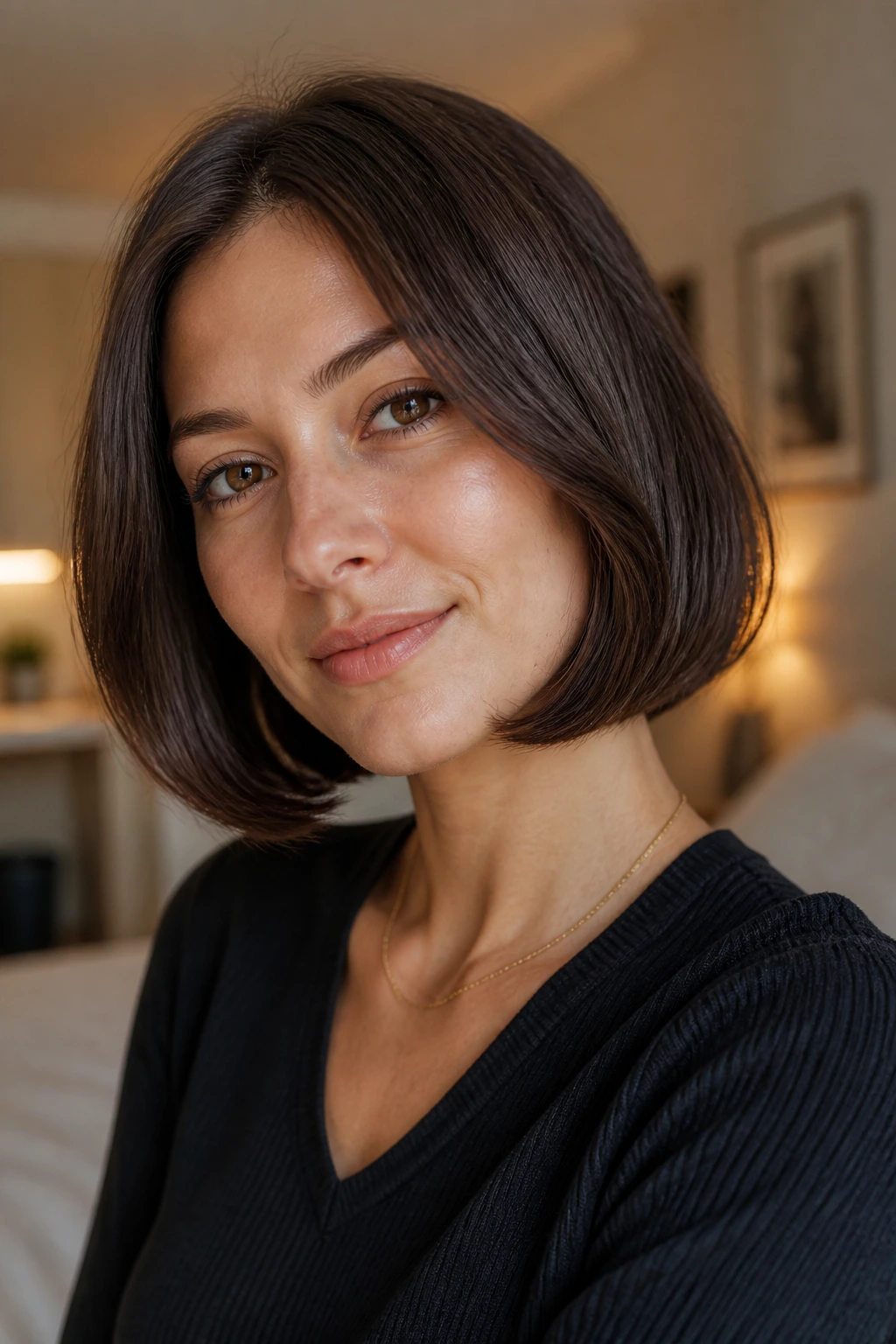
The tucked-under midi bob is polished in a way that flatters fine hair because the shape curves inward at the ends instead of spreading out. That inward bend creates a denser outline, especially when the hair lands around the neck or collarbone. The cut feels neat, controlled, and easy to dress up.
This isn’t a heavily layered look. It’s a shape-first cut. Ask for a perimeter that sits around the upper shoulders, then a soft undercurve at the ends. If the stylist starts adding too many short layers, the bob loses the clean tucked shape and begins to fray.
A flat brush or a medium round brush will do most of the work here. The point is to guide the ends under, not to create big volume. If you want a little movement, bend the front pieces away from the face and keep the back smooth.
I like this cut for someone who wants a grown-up bob that doesn’t feel severe. It has enough length to feel soft, but the outline still does the heavy lifting.
16. Wolf Cut Lite for Fine Hair

A full wolf cut can overwhelm fine hair. Too many short layers, too much separation, and the whole thing can go see-through. The lite version is better. It keeps the spirit of the style — rough movement, face-framing layers, a bit of edge — while protecting the perimeter.
The important part is restraint. Keep the top layers long, let the face frame begin lower, and don’t carve the ends into pieces. Fine hair needs a wolf cut that looks teased by movement, not shredded by scissors. The length should still read as one shape when it’s not styled.
This works best if your hair has a bit of natural bend or if you’re happy to rough-dry with mousse and fingers. Straight fine hair can wear it, too, but it usually needs some styling help to stop the layers from lying limp.
If you like a slightly undone finish, this cut gives you that without drifting into messy-for-the-sake-of-messy territory. The difference is in how much hair gets removed. Less is more here. Annoying, yes. True, also yes.
17. Chin-Length Cut with Bottleneck Bangs

Bottleneck bangs are a smart fringe choice for fine hair because they start narrow in the center and widen as they blend toward the temples. That shape gives you a bit of drama at the front without taking too much density out of the rest of the cut. Paired with a chin-length bob, they can make the whole haircut feel fresh fast.
The bob itself should stay blunt or only lightly beveled. The bangs do the softening. If the fringe is cut too thin, it disappears and the whole point goes with it. Aim for a fuller center that tapers cleanly instead of a wispy middle section with scattered sides.
How to wear it
Blow-dry the bang area first with a small round brush, directing the center slightly forward and the sides away from the face. Let them cool before touching them. That cooling step matters more than people think. If the bangs stay warm when you move them, they collapse faster.
This cut suits people who want a face frame but don’t want to commit to a full fringe across the whole forehead.
18. U-Shape Cut with Soft Ends
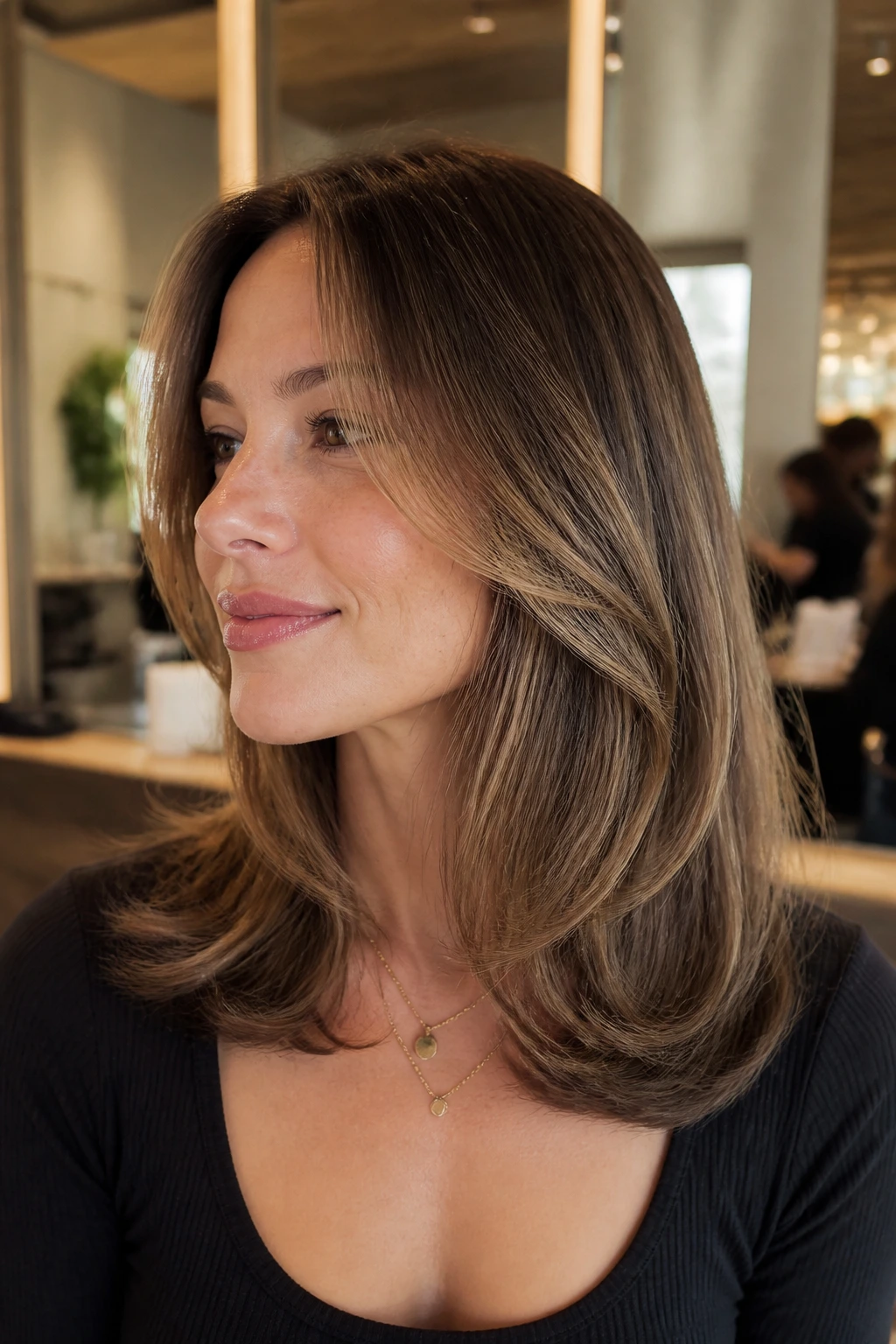
A U-shape cut is one of the safer longer options for fine hair because it keeps more weight in the back while allowing the sides to curve gently toward the face. The soft U shape is subtle enough to preserve density, but it keeps the length from looking like a straight curtain. That little curve helps.
This works best if you want to keep your hair below the shoulders and still have some movement. The ends should not be heavily layered. They should stay thick enough to feel present. Ask for soft face-framing pieces and a gentle U through the back, nothing sharp or overcut. If the stylist starts overworking the ends, the whole point is lost.
I like this cut for people who want an easy grow-out. You can trim the shape back every couple of months and it still reads clean. It also behaves well in a loose wave, which can be a real help when fine hair needs a little body for the day.
The U-shape doesn’t shout. It just makes long fine hair look less tired.
Why These Cuts Work Better Than Random Layers

Fine hair has a cruel little habit: the more you cut away from the ends, the more the whole shape starts to look like it ran out of material. That’s why the best modern haircuts for women with fine hair protect the perimeter first and use layers like seasoning, not the main course.
Density lives at the ends
Hair looks thick when the ends meet in one solid line. Even a slight blur at the bottom can make the cut seem lighter than it is. That’s why a blunt bob, a strong lob, or a U-shaped cut tends to beat a heavily textured style on fine strands. The eye sees weight before it sees individual hairs.
Fine hair and thin hair are not the same thing
Fine hair refers to strand diameter. Thin hair refers to density. You can have a head full of fine hair, and it can still be hard to keep volume because each strand has less body. That matters when you’re choosing layers. A stylist who treats all fine hair as if it needs aggressive thinning is usually making things worse, not better.
Movement should be controlled, not scattered
A few long layers around the face can help the cut bend and fall better. A dozen short pieces scattered through the back? That’s how you end up with a fluffy top and see-through ends. The smarter cuts move the hair where you want it to move — around the crown, at the jawline, or in the fringe — while leaving the lower lengths solid.
That’s the whole game. Keep the outline clean. Put motion in the right places. Leave the ends alone unless they truly need shaping.
How to Ask Your Stylist for a Cut That Won’t Collapse
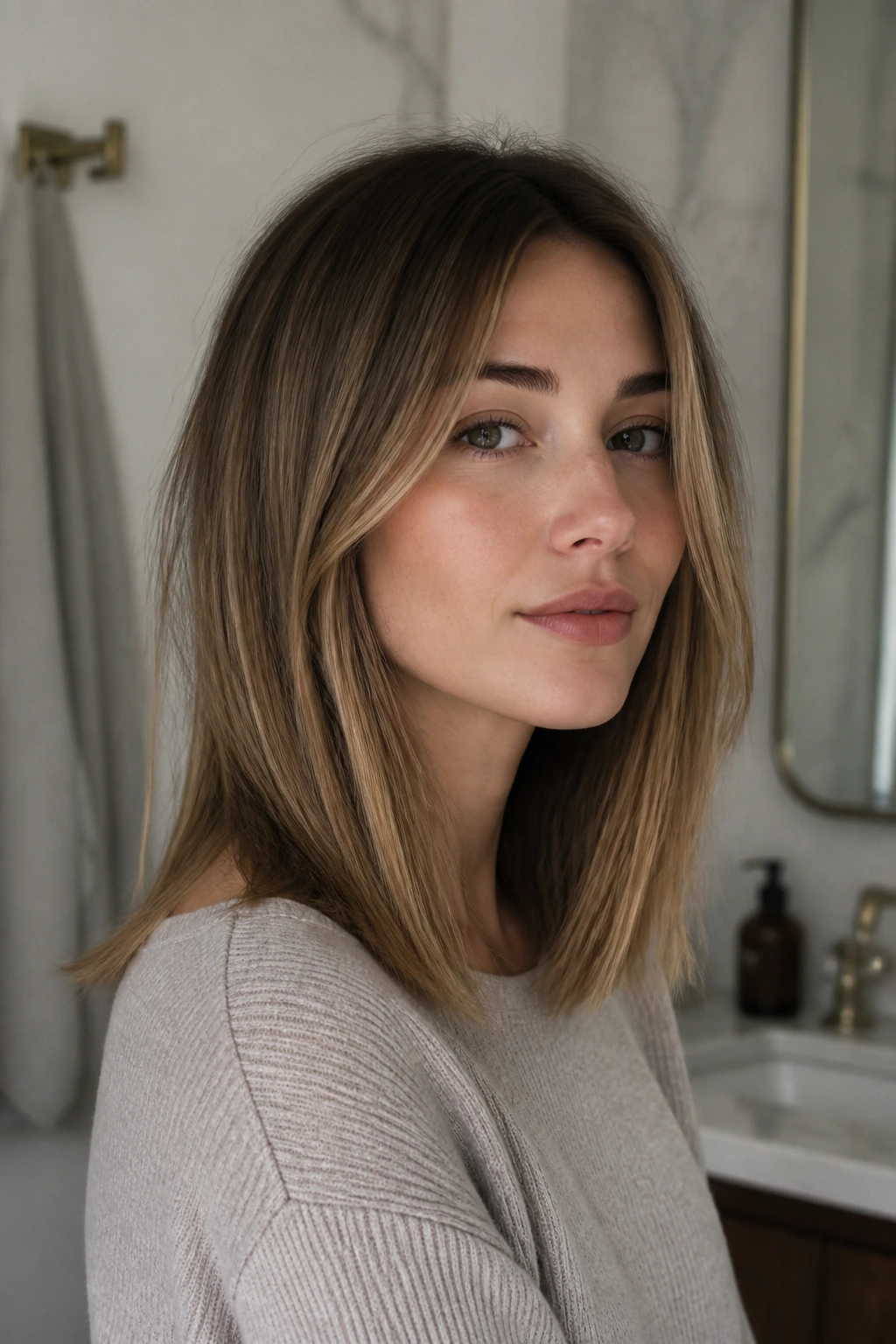
A good haircut for fine hair starts with words that are specific enough to be useful. “I want more volume” doesn’t tell a stylist much. “I want to keep the ends blunt and only add long layers below the cheekbones” tells them a lot.
Bring photos, but bring the right photos. One should show the shape. The other should show the length. A lot of bad haircuts happen because a client likes the fringe in one photo and the bob length in another, then assumes the stylist will merge them like a collage. Say it out loud instead. Haircuts don’t read minds.
Try these phrases:
- Keep the perimeter blunt.
- Don’t thin out the ends.
- Start layers below the cheekbones.
- Leave enough length in the front to tuck behind the ear.
- Keep the crown lifted, but not chopped up.
- If you use a razor, keep it minimal.
Tell the stylist how you wear your hair on a normal Tuesday morning, not only on a good hair day. If you air-dry, say that. If you blow-dry only the front, say that too. A cut that needs a full round-brush blowout every morning might look lovely on paper and miserable in your bathroom.
And if you have one side that always falls flat, a cowlick near the part, or bangs that split on their own, say that before the first snip. Fine hair tends to advertise those little quirks. Better to work with them than pretend they don’t exist.
Styling Moves That Give Fine Hair Lift Without Crunch

The fastest way to flatten fine hair is to smother it. Heavy creams, oily serums, and too much conditioner near the roots all weigh the hair down fast. You want lift, grip, and a little friction. Not stiffness. Not grease. Something in the middle.
Root work matters most. Put mousse or root-lift spray on damp hair at the crown and part line, then lift the roots with your fingers or a brush while drying. If you only style the mid-lengths, the hair collapses from the top down. That’s why so many fine-hair styles look good for fifteen minutes and then quit.
Dry in the direction you want the hair to live. For a bob, that usually means turning the ends under and cooling them in place. For a lob, it may mean drying the front away from the face and then letting it settle around the collarbone. Heat sets the bend. Cool air holds it.
Use less product than you think. Fine hair gives up on a style fast if it’s coated in too much cream. A dime-sized amount of texture paste can be more than enough for a pixie. A golf-ball-sized puff of mousse may be fine for a lob, but only at the roots.
Dry shampoo is not only for dirty hair. A light dusting at the crown can add a little grip on clean hair that feels too silky to hold shape. Don’t spray the whole head. Just the roots.
Common Mistakes That Make Fine Hair Look Thinner
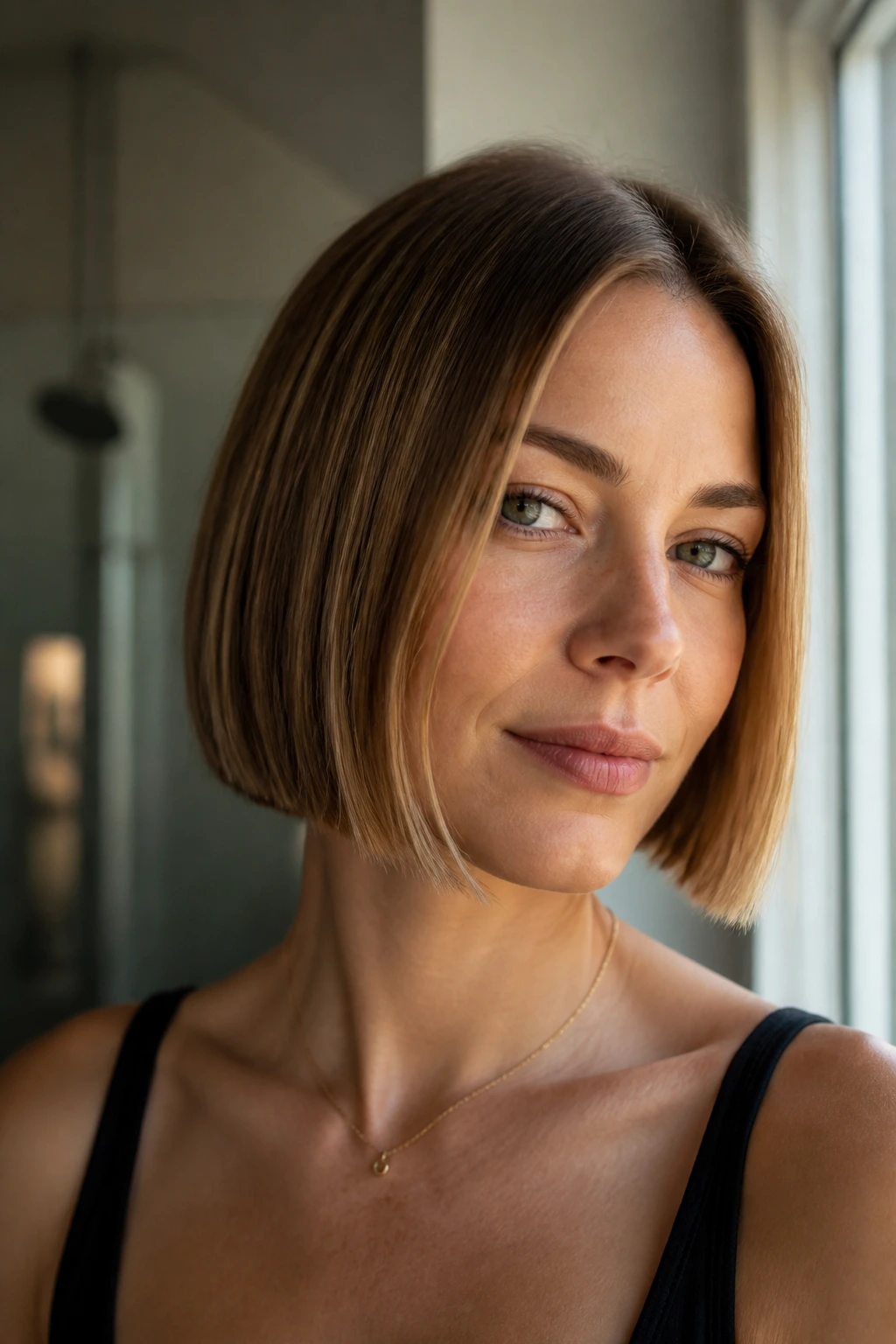
The biggest mistake is over-layering. You see it right away: a puffy top, a limp bottom, and a shape that looks busy in the mirror but thin from the side. Fine hair usually needs fewer layers than people expect. The fix is to push the texture lower and keep the perimeter strong.
Another one is over-thinning the ends with shears or a razor. The symptom is that papery, see-through finish where the last inch of hair looks broken up instead of full. If a stylist reaches for thinning scissors without a good reason, ask what they’re removing and why. Sometimes the answer is sound. Often it isn’t.
A third problem is using conditioner like you’re feeding a coarse curly mane. Fine hair often needs conditioner only from the ears down, and even then, not too much. If your roots go flat by midday, the conditioner may be traveling farther up the strand than it should.
Watch for these tells:
- The back looks fluffy, but the ends look weak. That means too much internal thinning.
- Your fringe separates into strings. The bangs are too sparse or too short.
- The cut only works after a full blowout. The shape needs to be adjusted for your real routine.
- The crown lies dead flat. The layering or drying direction is wrong.
And yes, waiting too long between trims matters. Fine hair shows split ends faster because the broken ends have less mass to hide in. Once the outline frays, the whole cut looks older than it is.
Variations and Alternatives for Different Routines
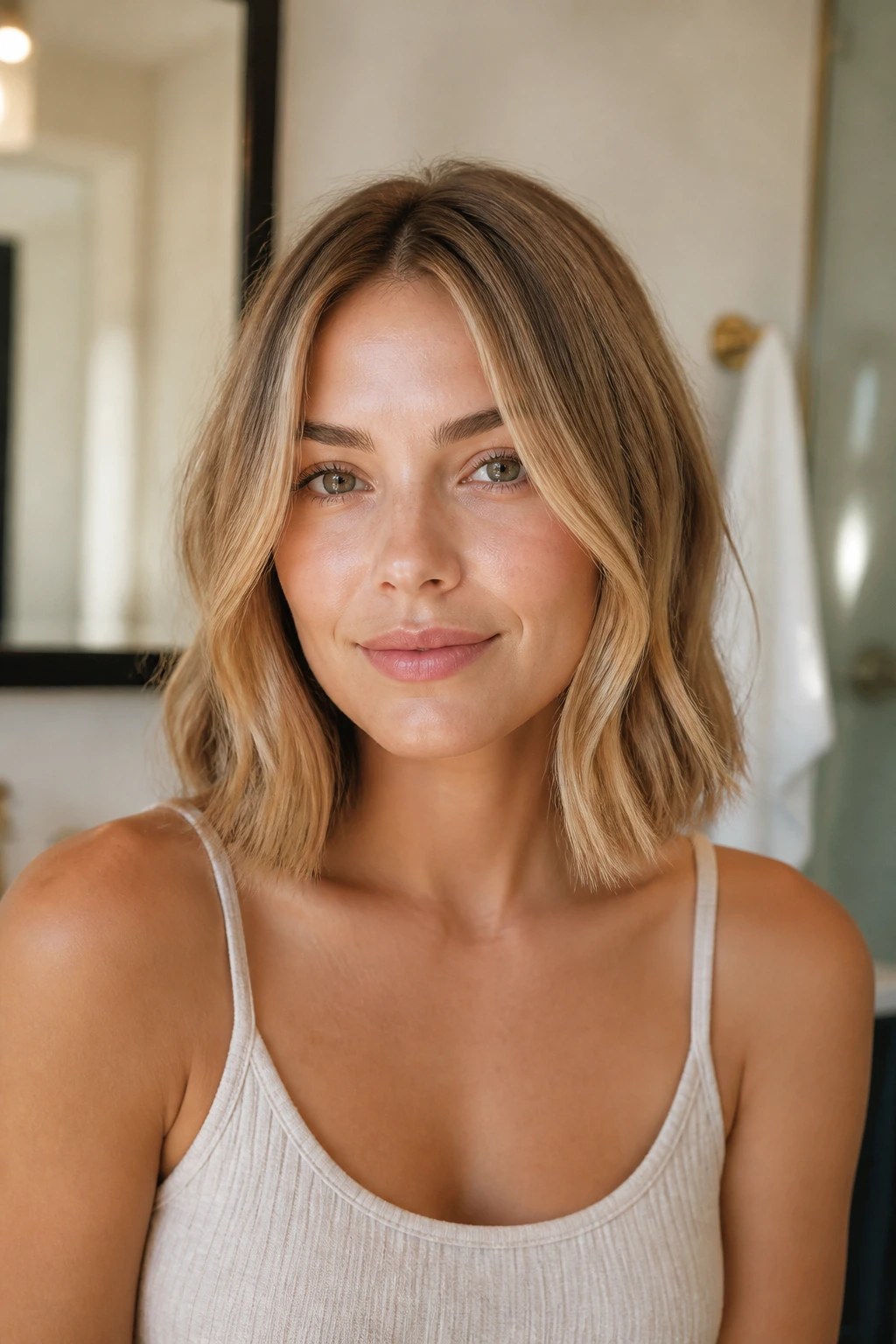
The Air-Dry Version
If you hate hot tools, choose a blunt lob, a collarbone cut, or a soft U-shape with minimal layers. These shapes can dry with enough structure on their own, especially if you scrunch in a light mousse and clip the roots for the first ten minutes. Skip the shaggy versions unless your hair already has natural bend.
The Blowout-First Version
For people who like a polished finish, the Italian bob, tucked-under midi bob, and butterfly cut all respond well to a round brush. Keep the length clean and let the styling create the movement. That gives you a cut that looks fuller on day one and still holds shape on day two.
The Grow-Out Version
If you’re trying to stretch time between salon visits, the collarbone lob and shoulder-length face-framing cut are the safest bets. They don’t fall apart when they grow a little. The outline stays readable, and the front can be re-bent or tucked as needed.
The Short-and-Neat Version
If you want a sharper profile, the blunt chin bob, rounded micro-bob, and layered pixie are the strongest choices. These cuts make the hair look denser because they keep the shape compact. They do ask for more regular trims, though. Short hair with fine texture shows new growth fast.
The Slightly Edgy Version
The bixie, soft shag, and wolf cut lite bring texture without going full messy. These are the cuts for people who want movement and a bit of attitude, but still need the hair to look intentional when it’s not styled to the teeth.
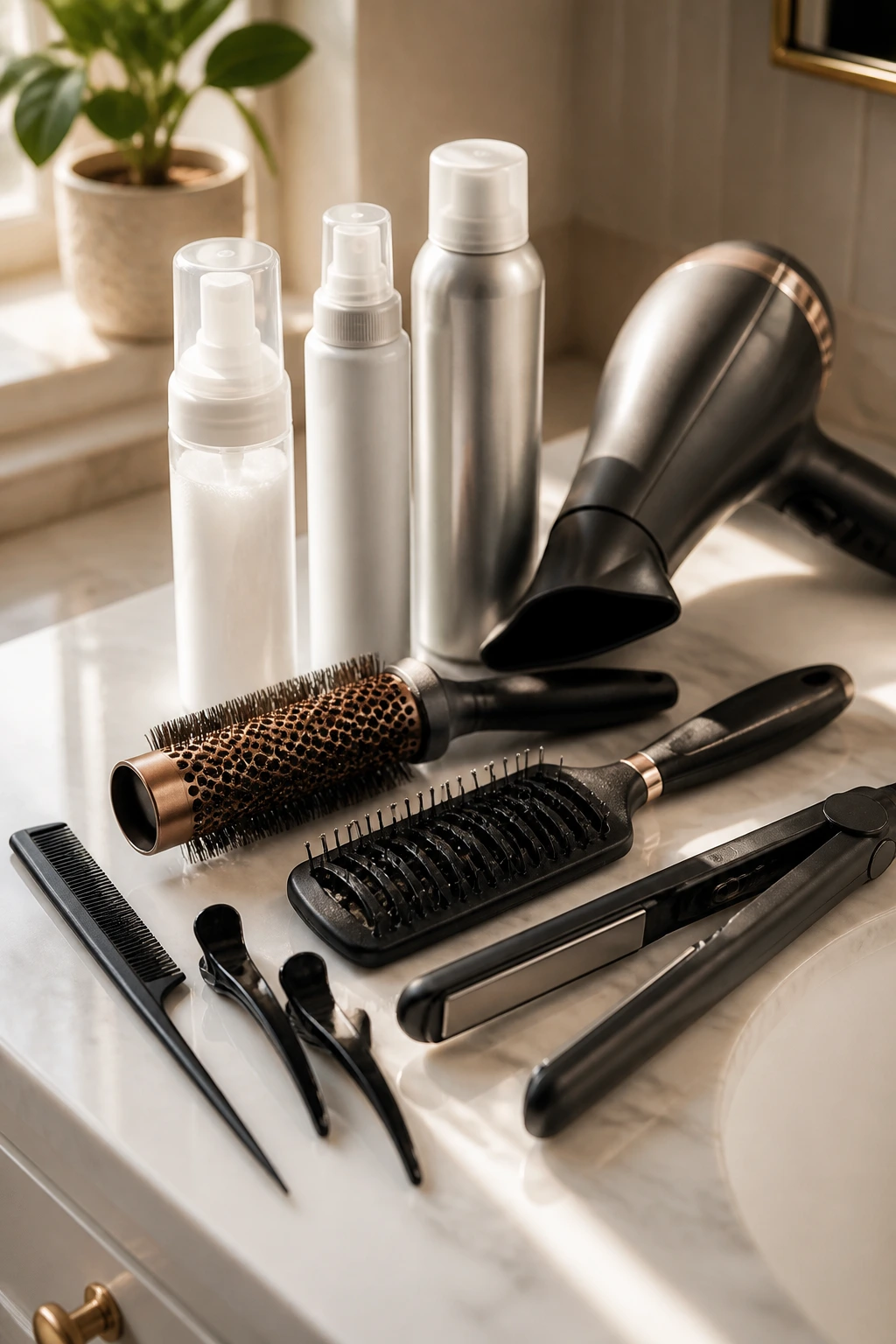
Tools and Products Worth Keeping Nearby
-
A tail comb — useful for clean parts and for lifting the roots in the exact place you want volume.
-
A blow dryer with a nozzle attachment — the nozzle helps direct the airflow so fine hair doesn’t get blasted into frizz.
-
A medium round brush — best for bobs, lobs, and anything that needs the ends curved under.
-
A vent brush — faster drying, less tension, good when you want lift without fuss.
-
Lightweight mousse — gives grip at the roots without the sticky feel some creams leave behind.
-
Root-lift spray — handy for crown volume, especially on the day after washing.
-
Dry shampoo — adds texture and absorbs oil at the scalp; use it before the hair gets visibly greasy if your roots go flat fast.
-
A small flat iron or 1.25-inch curling iron — useful for soft bends in lobs and curtain bangs.
-
Duckbill clips or root clips — great for setting height at the crown while hair cools.
Maintenance, Trims, and Grow-Out Timing
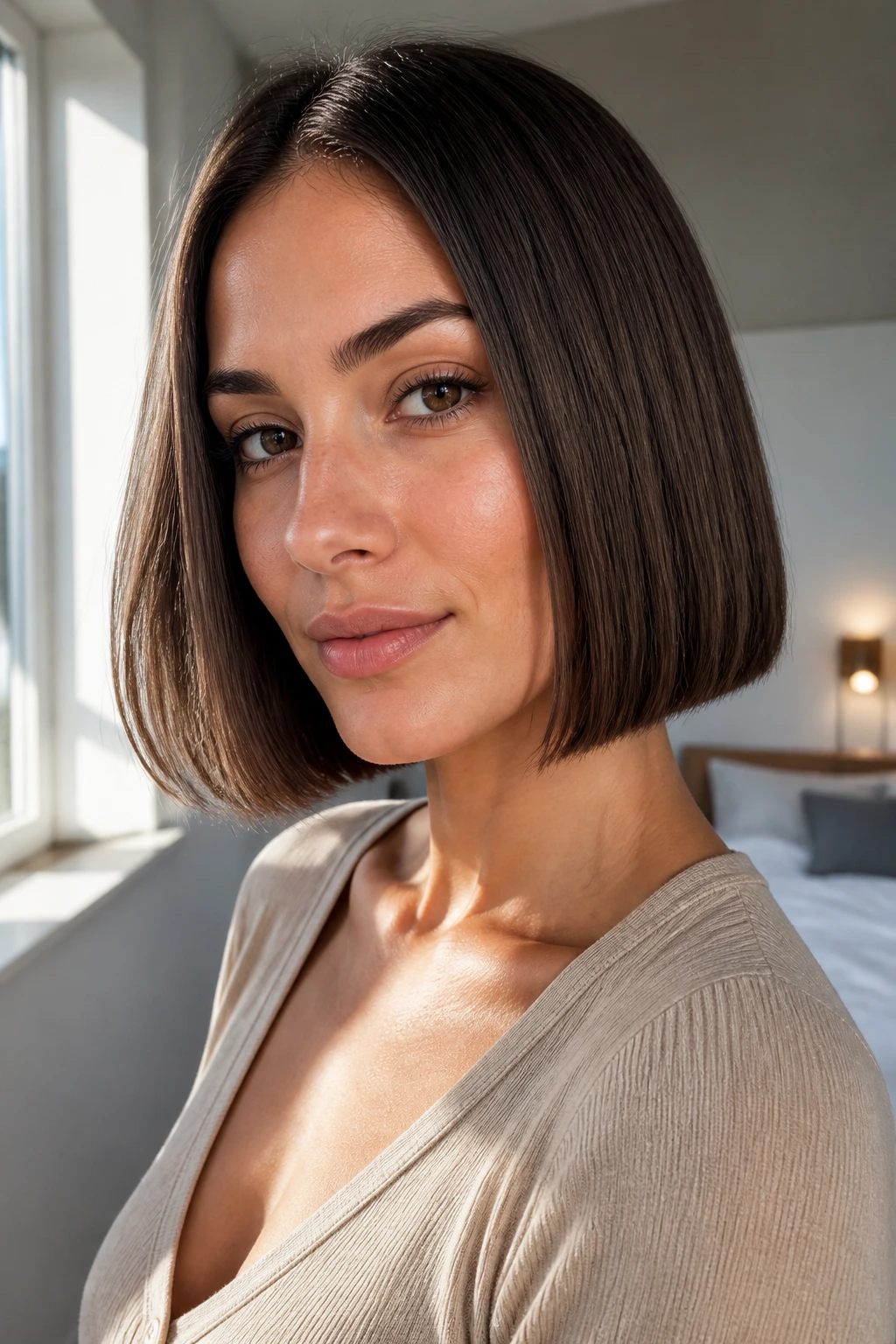
Fine hair doesn’t hide split ends for long, which is why trim timing matters more here than it does on thicker strands. A blunt bob or pixie usually needs a trim every 4 to 6 weeks if you want the line to stay crisp. A lob can usually go 8 to 10 weeks before it starts losing shape. Shoulder-length cuts often stretch to 10 to 12 weeks, but only if the ends stay healthy.
At home, a light clarifying shampoo every 2 to 4 weeks can help if your roots get weighed down by dry shampoo or root spray. Don’t overdo it. Stripping the scalp raw can leave fine hair even more limp at the next wash.
Night care matters too. A loose clip, silk pillowcase, or soft scrunchie can keep a bob from kinking and can stop a lob from flattening into a crease across the back of the head. If you sleep on your hair wet, you’ll usually wake up with a bent crown and weird ends. Fine hair remembers.
A small trim can save a cut that’s starting to fray. Once the perimeter loses its line, everything looks thinner — even the healthy parts. That’s the annoying part of fine hair. It asks you to keep up with it.
Frequently Asked Questions

Will layers make fine hair look thinner?
Too many short layers can, yes. Long, controlled layers placed below the cheekbones can add movement without stripping away the ends. The problem is not layers themselves; it’s where they start and how much density they remove.
Is a blunt bob better than long layers for fine hair?
Usually, a blunt bob gives the strongest illusion of thickness because the bottom line stays solid. Long layers can work if they’re limited and the perimeter is left intact, but random layers that start high often make fine hair look lighter than you want.
Can fine hair wear bangs without looking sparse?
Absolutely, but the bang shape matters. Curtain bangs, bottleneck bangs, and a soft brow-grazing fringe usually work better than a very thin straight fringe. You need enough hair left in the bang section to keep it from separating into wisps.
What’s the best haircut if I never style my hair?
A blunt chin-length bob, a collarbone lob, or a soft U-shape are the easiest starting points. They keep a clear outline even when air-dried, which is the part that prevents fine hair from looking unfinished.
How often should I wash fine hair?
As often as your scalp needs it. Fine hair tends to show oil faster, so many people end up washing every 1 to 3 days. If you’re using dry shampoo to stretch the gap, make sure it doesn’t build up at the roots and kill volume.
Can a shag work on fine hair at all?
Yes, but it needs to be the restrained version. A soft shag with long layers and a controlled fringe can look great. A heavily chopped shag usually takes too much weight out of the ends and leaves the style looking light in the wrong spots.
What if one side of my hair always falls flatter than the other?
A slight asymmetrical bob or a side part can help. Sometimes the fix is as simple as changing the part and adding a little root lift on the flatter side while the hair is drying. Cowlicks love to boss people around; the cut should answer back.
Do I need different products for a pixie than for a lob?
Yes. Pixies usually need a little more hold from paste, cream, or wax applied in tiny amounts. Lobs usually do better with mousse, root spray, and a soft finishing mist. Same hair type. Different job.
The Shape Worth Keeping
Fine hair does best when the haircut respects what the strands can actually hold. A strong outline, a sensible layer plan, and a little lift in the right place will beat a trendy but overworked shape almost every time.
What I like most about these cuts is that they don’t ask fine hair to pretend it’s something else. They work with the softness, the slip, the way the strands separate if you over-handle them. A good bob can make fine hair look thicker. A smart lob can make it look healthier. Even a short pixie can look fuller when the crown is handled with some restraint.
Pick the shape that fits your life, not just the mirror photo. If you want, I can also turn this into a salon-ready cheat sheet with the exact length, layer, and fringe notes to bring to your stylist.