



Whiskey hair color has a sweet spot most shades miss: it gives warm skin a little more light without tipping into orange or dull brown. The best versions look like amber caught in a lowball glass — brown at the root, caramel through the mids, a hit of copper or honey at the ends. On warm skin tones, that family of color doesn’t fight the face. It mirrors it.
If you’ve ever walked out with highlights that looked fine in the chair and flat by the front door, you already know how unforgiving bad warmth can be. The trick is not “more gold” in some vague sense. It’s the right kind of gold: honey, cognac, toasted oak, maple, and chestnut, placed where the light actually lands.
These whiskey hair color ideas for warm skin tones range from soft glosses to richer copper-brown melts, from barely-there ribboning to brighter money pieces. Some are low-maintenance and some ask for a little more salon time, but every one of them stays inside that warm, flattering lane that keeps skin looking awake instead of washed out.
Why Whiskey Shades Play Nicely With Warm Skin Tones
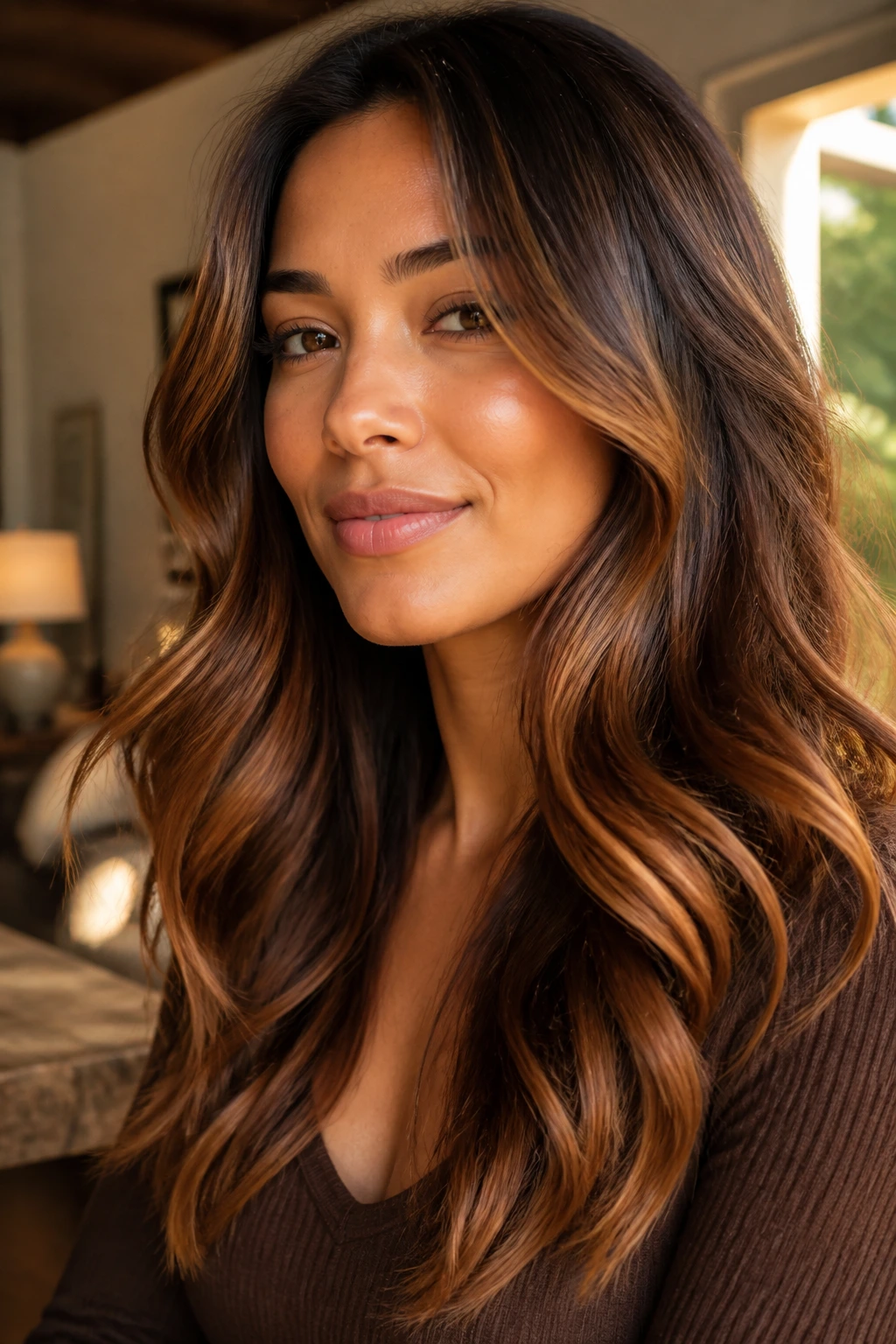
-
Gold instead of ash: Warm skin usually looks cleaner next to amber, caramel, honey, and copper than it does beside smoky ash or silvery beige, which can flatten the face.
-
Depth keeps the color expensive-looking: A real whiskey shade needs brown in the base. Without that darker backbone, the color starts reading like one-note blonde.
-
Placement changes the whole mood: Face-framing pieces brighten warm skin fast, while a shadow root keeps the look soft and grown-in.
-
Texture makes it better: Waves, curls, and layered cuts show off ribbons of whiskey color in a way flat, single-process color can’t match.
-
The maintenance range is wide: Some looks are just a gloss and a trim. Others need lightening, toning, and a little more care. You can pick the version that fits your tolerance for salon visits.
-
The salon conversation is straightforward: Level, undertone, and placement tell your colorist nearly everything they need to know. That matters. A lot.
How to Choose the Right Whiskey Shade Before You Book
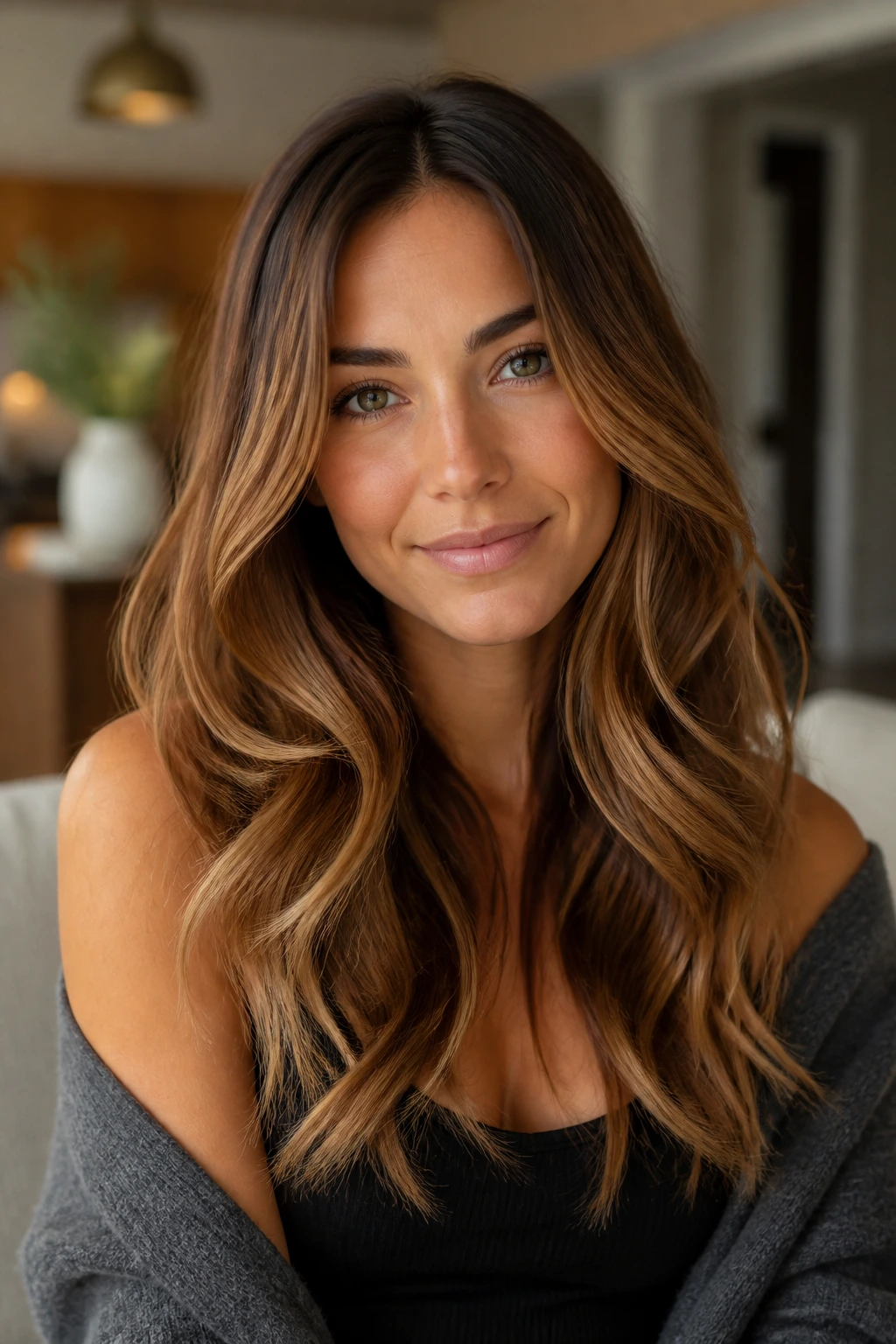
Warm skin tones are not all the same, and that’s where people get tripped up. Peach-gold skin, bronze-gold skin, and olive-warm skin can all wear whiskey shades, but they don’t want the same finish. Light warm skin usually needs more honey and amber. Medium warm skin can carry caramel, cognac, and chestnut with ease. Deeper warm skin often looks best with mahogany, walnut, rum raisin, and bronze because those shades keep the face from getting drowned in brightness.
A blunt bob and a long, layered cut also need different placement. Thin ribbons show up well in movement-heavy layers. A bob usually looks better with fewer, bolder pieces near the front and a richer root underneath. Curly hair can take more depth than most people think; the curls scatter light, so the whiskey tones don’t read heavy the way they can on a pin-straight sheet of hair.
The easiest rule
If your skin already holds gold, choose a whiskey shade that looks like amber, honey, or toasted caramel in sunlight. If your complexion leans more bronze or olive, look at cognac, chestnut, toffee, or mahogany. If your hair is porous and grabs color fast, keep the formula slightly neutral so the warmth doesn’t lurch into copper overload. That one detail saves a lot of regret.
1. Classic Whiskey Brunette
Classic whiskey brunette is the cleanest entry point into this whole family. Picture a medium-dark brown base with a soft amber glaze that shows up most when the hair moves, not when it sits still. On warm skin, it does something useful: it keeps the complexion from looking flat without lighting the hair up so much that the brunette depth disappears.
Ask for a level 5 or 6 brunette with a demi-permanent golden-brown gloss through the mids and ends. If you want dimension, keep the lightest pieces around the front and under the top layer so the color still feels grounded.
The shade is good for people who want whiskey hair color without committing to full highlights. It grows out quietly, and that matters more than people admit.
2. Honeyed Bourbon Balayage
Ask for: hand-painted honey and bourbon ribbons that sit one to two levels lighter than your base.
Best on: layered cuts, soft waves, and shoulder-length hair where the color has room to move.
Watch for: chunky highlights near the crown. They can look stripey once the hair dries.
This version keeps the roots grounded and lets the mids do the talking. The honey sits on the warm side of blonde, so warm skin gets the same glow people chase with a filter, only without the screen in front of it. On wavy hair, this color is especially good because the bends catch the lighter pieces in different spots.
Tell your colorist you want soft contrast, not streaks. That phrase does more work than asking for “something caramel.”
3. Golden Cognac Melt
Want warmth that still looks polished? Golden cognac melt is the answer. It starts with a richer brown or dark blonde root and slides into a cognac-toned middle that feels slightly brighter, slightly sunnier, but still absolutely in the whiskey family.
This is a smart choice for peachy or golden skin because cognac has enough depth to keep the face from looking pale. It also plays nicely with straight hair, where the smooth finish makes the gradient show up without extra styling. If your ends are porous, ask for a slightly softer glaze on the bottom half so the color doesn’t seize and go too orange.
The prettiest version looks expensive because it isn’t loud. It just moves.
4. Copper Barrel Waves
Copper barrel waves lean bolder. The base stays brown, but the visible ribbons take on a coppery-amber cast that shows up best on curled or waved hair. This is the shade for someone who wants warmth people actually notice from across the room.
On warm skin, the copper adds energy without turning the face ruddy, as long as the brown base is deep enough. I like this one on medium and deeper warm complexions, especially if the wearer has freckles or golden eyes that can take a richer cast. If your hair tends to go brassy in the sun, keep the copper in the mids and ends, not right at the scalp.
This is not a shy color. It’s better for people who enjoy a little drama but still want the result to feel tailored.
5. Smoky Chestnut Whiskey
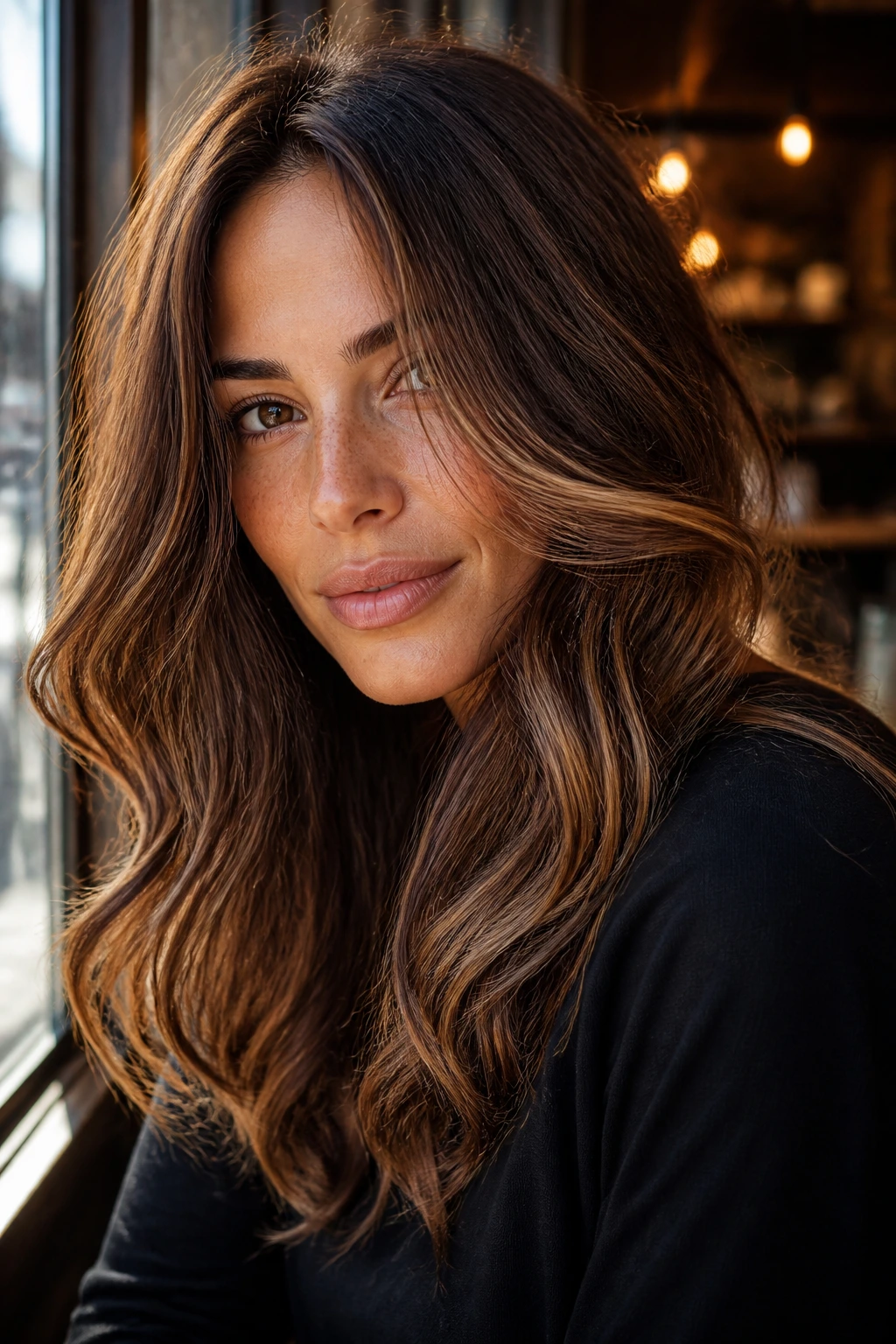
Smoky chestnut whiskey sounds cooler than it is. In practice, it’s a chestnut brown base with a warm, toasted finish — more cocoa and roast sugar than ash. That balance matters for warm skin because it gives the color depth without killing the glow in the face.
Why it works on warm undertones
Chestnut is one of those shades that can slide too red or too dull if a colorist gets lazy. The trick is to keep the brown dominant and let the warmth live in the reflect, not the whole formula. On warm skin, that makes the hair look polished instead of overcooked.
If you like low-maintenance color and don’t want obvious highlights, this is a solid lane. It wears especially well on thick hair, where the depth keeps the ends from looking thin.
6. Maple-Glaze Curls
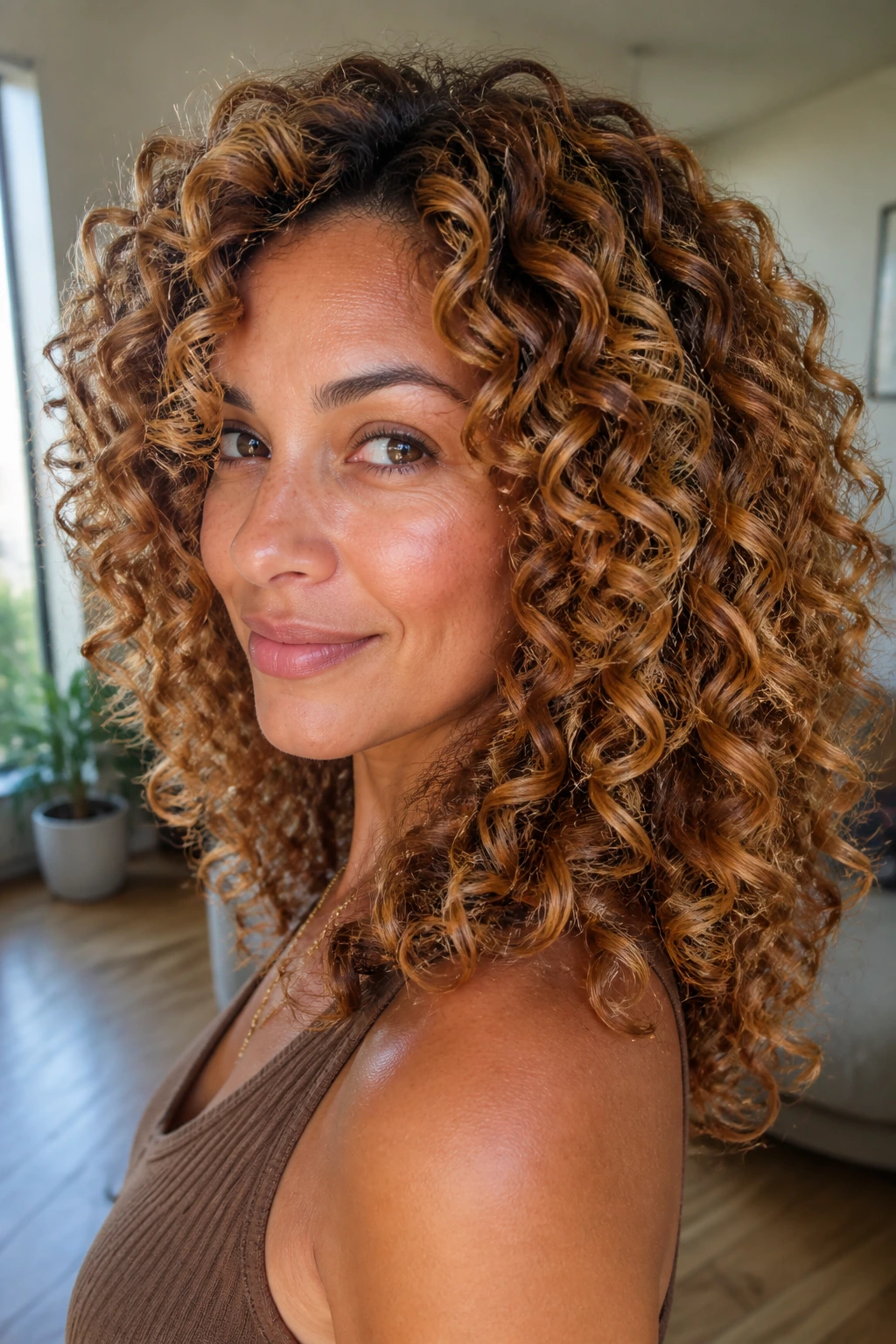
Maple-glaze curls are made for texture. The color sits somewhere between honey, amber, and light brown, with a syrupy shine that catches on the outer curve of each curl. Straight hair can wear it, sure, but curls make the whole shade come alive.
Ask for broader painted panels rather than tiny foils. Small highlights can get lost in curly hair, and then you’ve paid for work nobody can see unless the light hits at exactly the right angle. With maple-glaze tones, the goal is movement. The color should look like it’s woven through the curl pattern, not sitting on top of it.
Warm skin loves this because the color has enough gold to echo the complexion without making the face look sweaty. That’s the line, and this shade stays on the right side of it.
7. Toasted Oak Brown
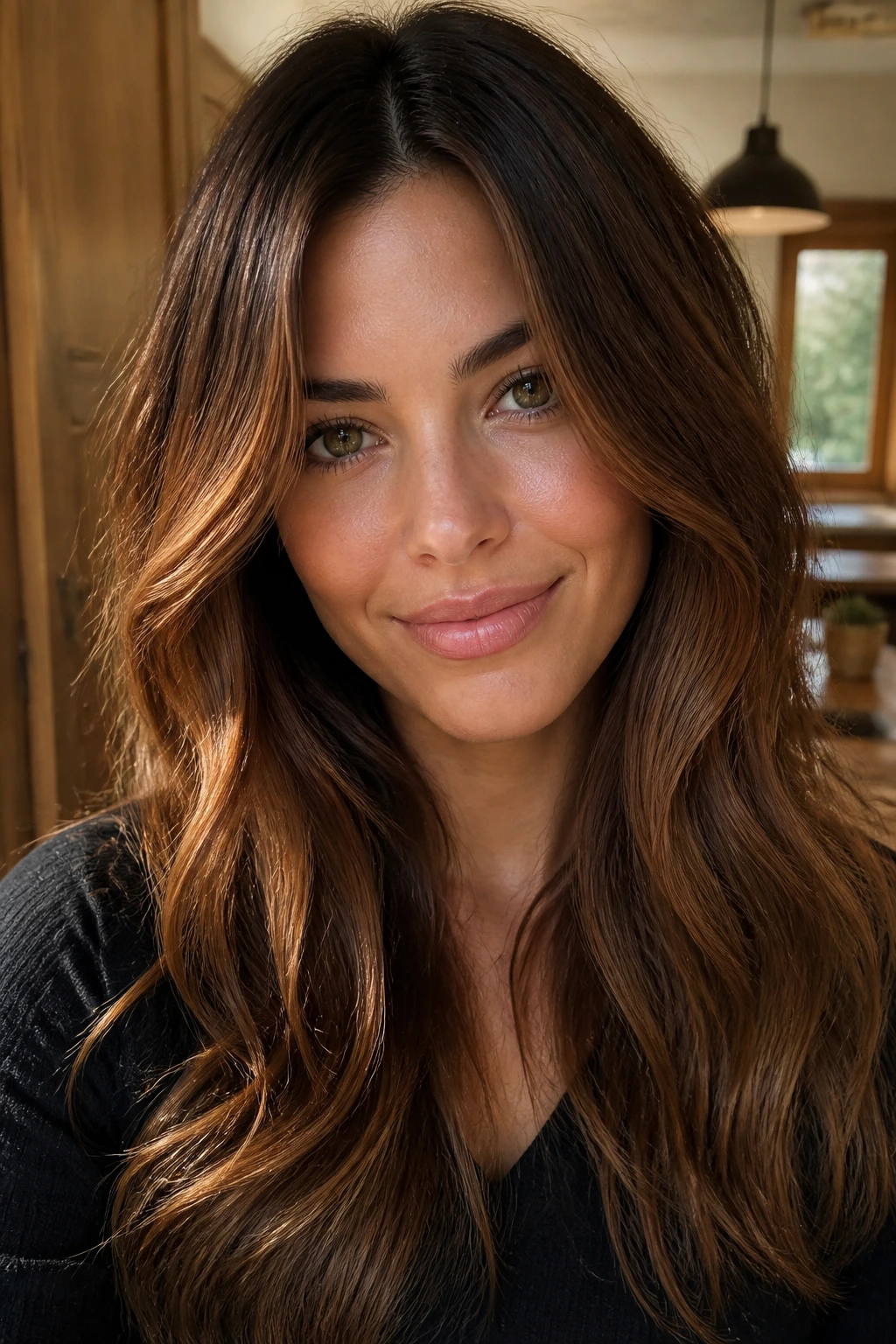
Toasted oak brown is what I recommend when someone wants whiskey hair but keeps saying, “I don’t want to look highlighted.” Fair enough. This is a rich brown with soft tawny reflect, the kind you notice mostly in sunlight and under warm indoor lighting.
For warm skin tones, toasted oak is one of the safest options because it doesn’t lean red or yellow too hard. It just warms the whole look by a degree or two. Ask for a gloss first if your hair is already brunette; you may not need lightener at all.
This color suits office settings, conservative dress codes, and anyone who wants their hair to look expensive without announcing itself. Quiet hair. Good hair.
8. Amber Ribbon Highlights
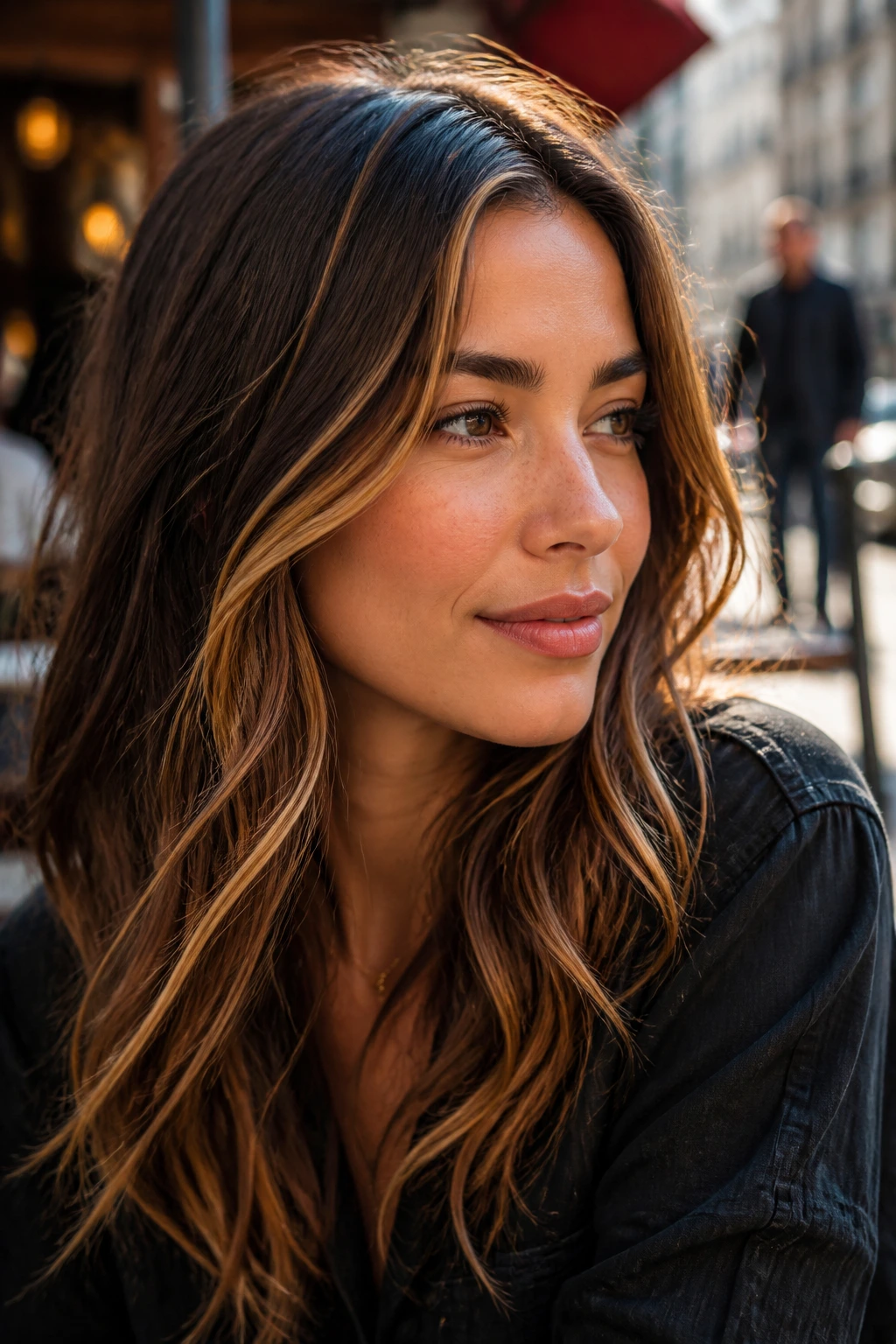
Amber ribbon highlights are thinner, brighter strands threaded through a darker base. They’re the choice when you want actual contrast but don’t want to give up brunette depth. On warm skin, amber is one of the easiest warm shades to wear because it reflects light without turning the face muddy.
Keep the ribbons narrow near the part and slightly thicker around the cheekbones. That makes the highlights feel intentional, not sprinkled. If the hair is long and straight, a few strategic ribbons around the front go farther than a full head of lightening.
This one is especially pretty when the hair is tucked behind the ears. The amber flashes just enough to make the skin look more alive.
9. Butterscotch Bronde
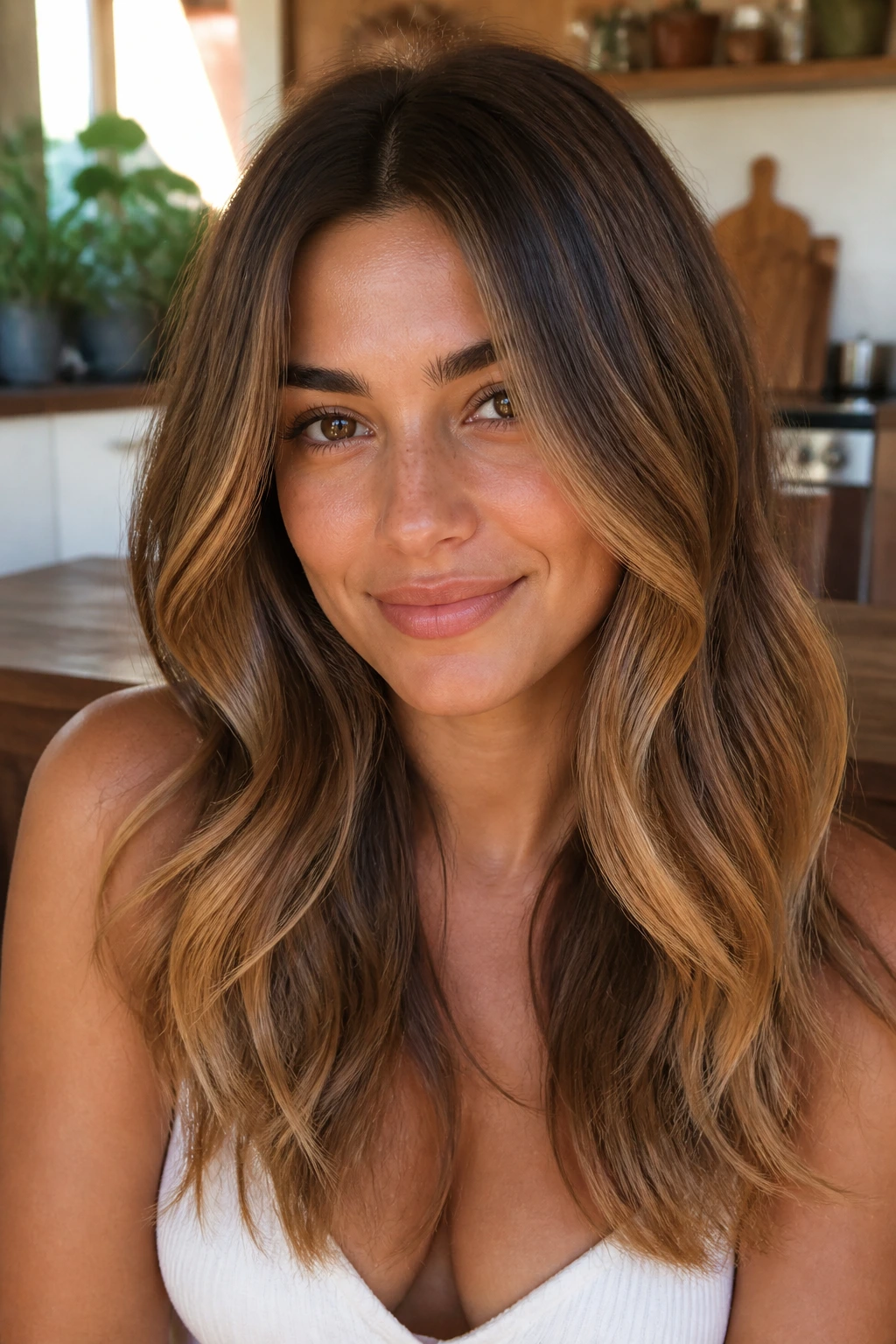
Butterscotch bronde sits in the middle lane: not brown enough to be brunette, not blonde enough to feel high-maintenance. It’s warm, creamy, and soft, with just enough depth at the root to keep it from turning fluffy or washed out.
If your warm skin leans light or medium, this shade can be a sweet spot. Ask for a level 7 base with butterscotch-toned ends and a root shadow that stays one shade deeper. That shadow keeps the grow-out civilized.
The reason I like this look is simple. It gives the face brightness without forcing the rest of the hair into a high-contrast commitment. And yes, it works particularly well on layered collarbone cuts.
10. Cinnamon Whiskey Bob
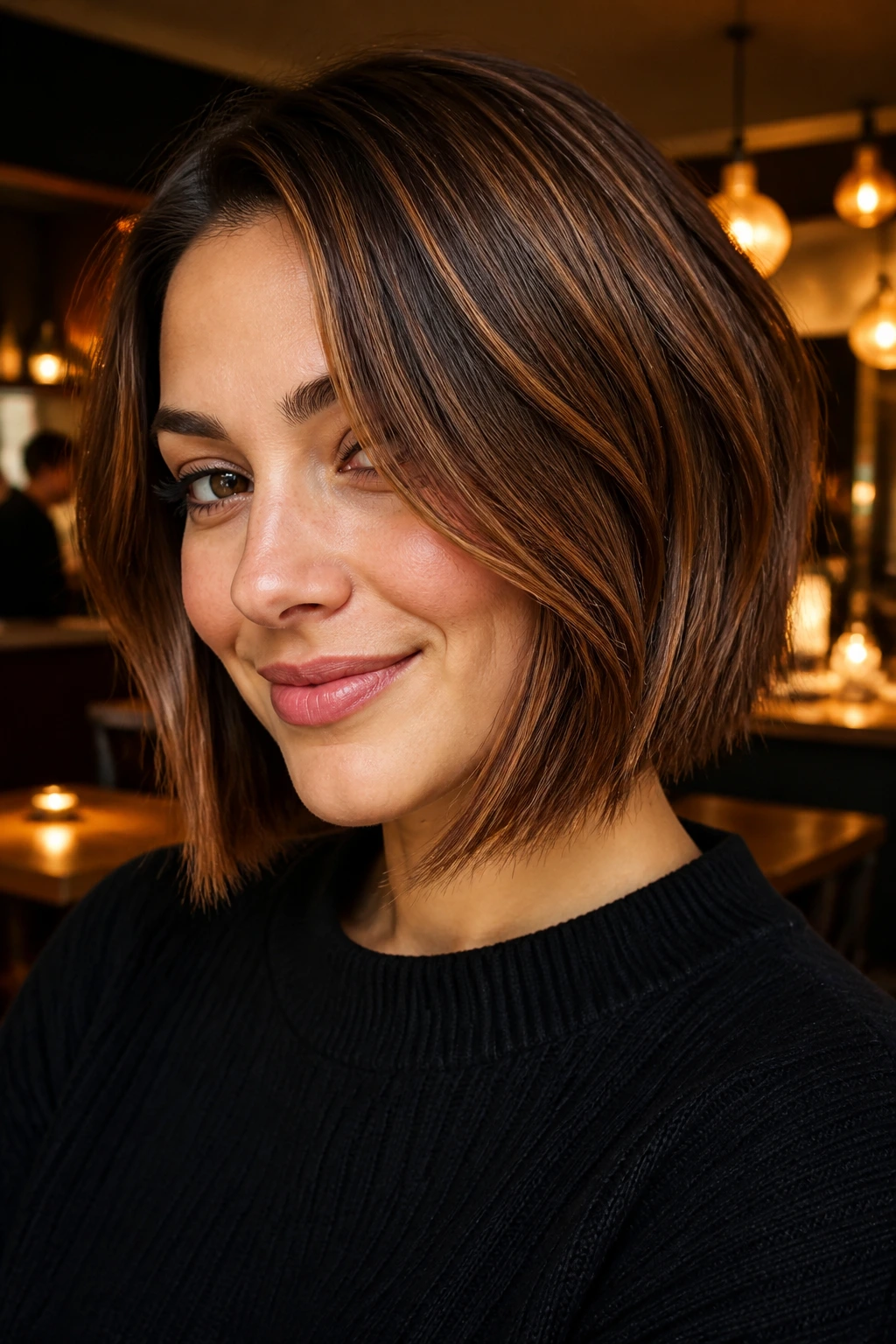
A bob loves a clear color shape. Cinnamon whiskey bob gives you that by placing a dark, warm base under cinnamon-brown ribbons that skim the surface. The shape of the haircut does half the work, which is why this reads so clean on warm skin.
Ask your colorist for this
- A level 5 to 6 brown base with cinnamon and caramel reflect
- Slightly brighter pieces around the front corners
- A gloss that keeps the ends from going flat after a few washes
The bob keeps the shade from feeling too busy. Every turn of the head shows a different face of the color, and that suits people who like a tidy cut with a little spark.
11. Caramel Barrel Brunette
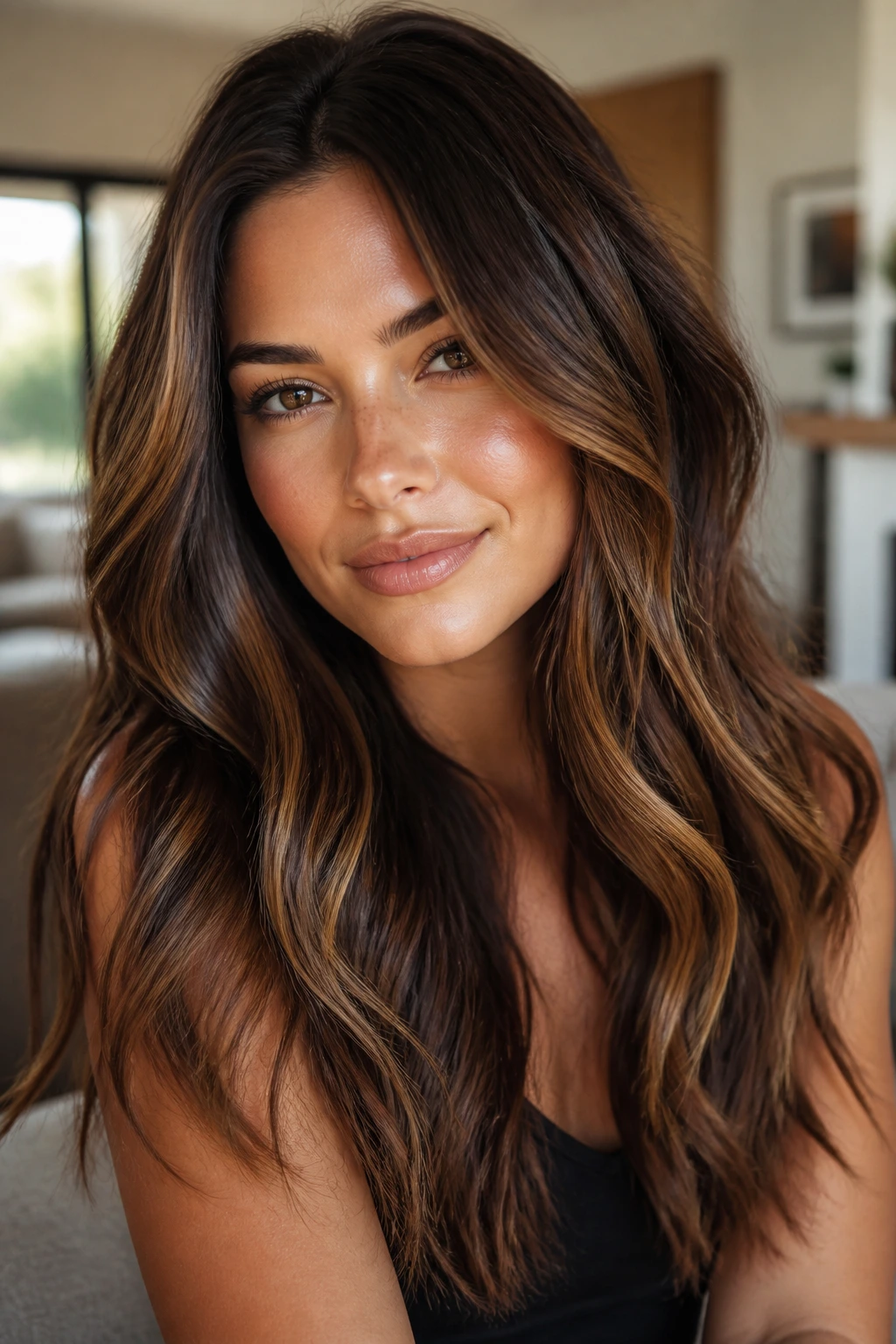
Caramel barrel brunette is deeper than caramel balayage and richer than standard brunette. The base stays a true brown, then caramel ribbons are placed in a way that looks like they’ve been rolled through the mids rather than painted all over. The result feels dense and glossy.
This is one of the easiest whiskey hair color ideas for warm skin tones if you already have medium brown hair. It doesn’t ask for a massive lift, and it won’t scream for attention. It just makes the hair look thicker and the skin warmer.
I’d choose this for someone who likes soft waves or a blowout with bend. Straight, flat hair can hide too much of the caramel.
12. Spiced Honey Bronde
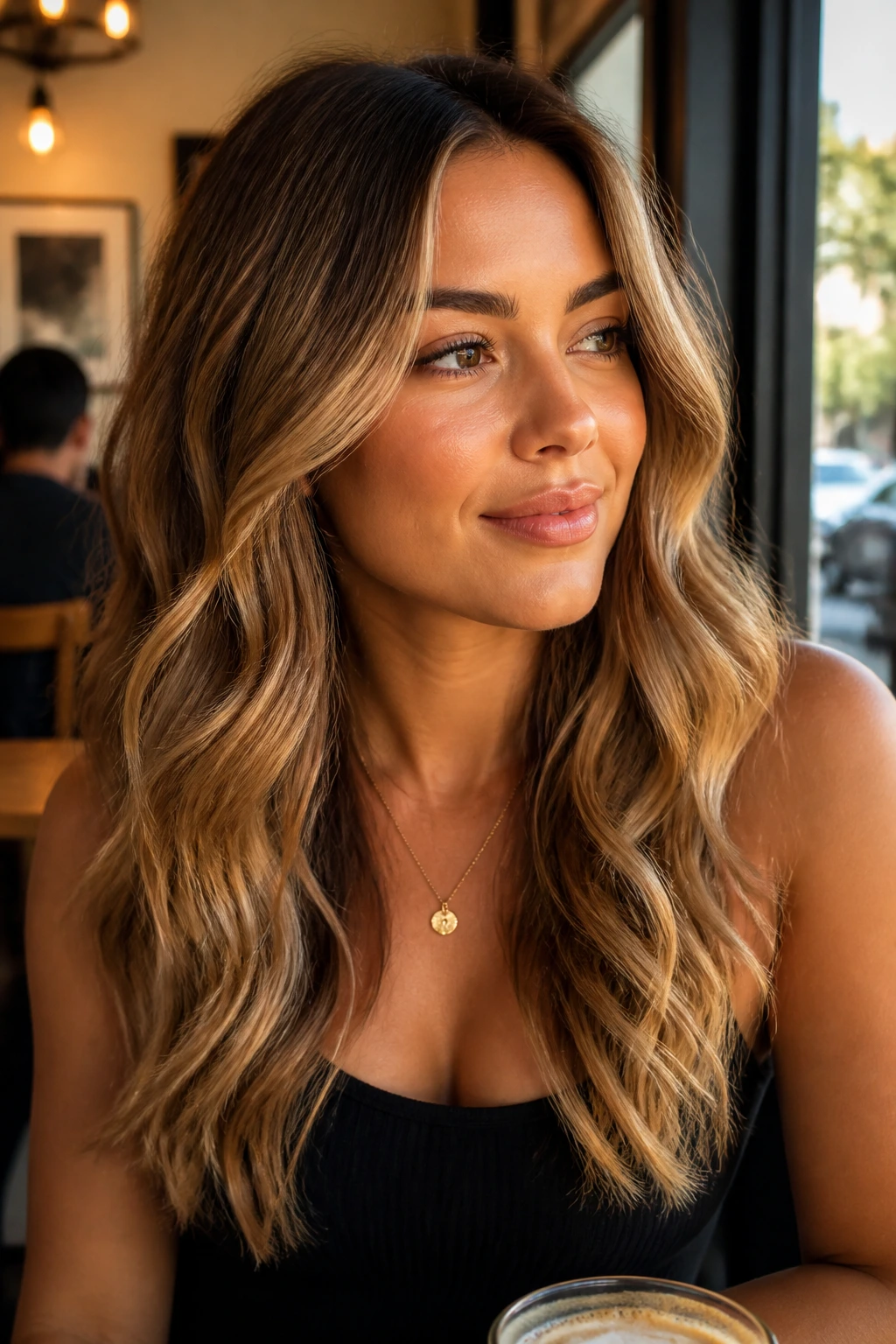
Spiced honey bronde brings more lift than caramel brunette, but it keeps the tone warm and grounded. Think honey with a pinch of cinnamon, not pale beige blonde. That detail is what keeps warm skin from looking gray around the mouth and jawline.
What makes it different
The spice in this shade lives in the reflect, not the base. That means you can wear it without looking red, and you can wear it without looking like you chased blonde too hard. Good colorists build it with a soft root melt and brighter mids, then finish with a gold-based glaze.
It’s a smart pick if you want a brighter result but don’t want the upkeep that usually comes with lighter blonde.
13. Warm Auburn Whiskey
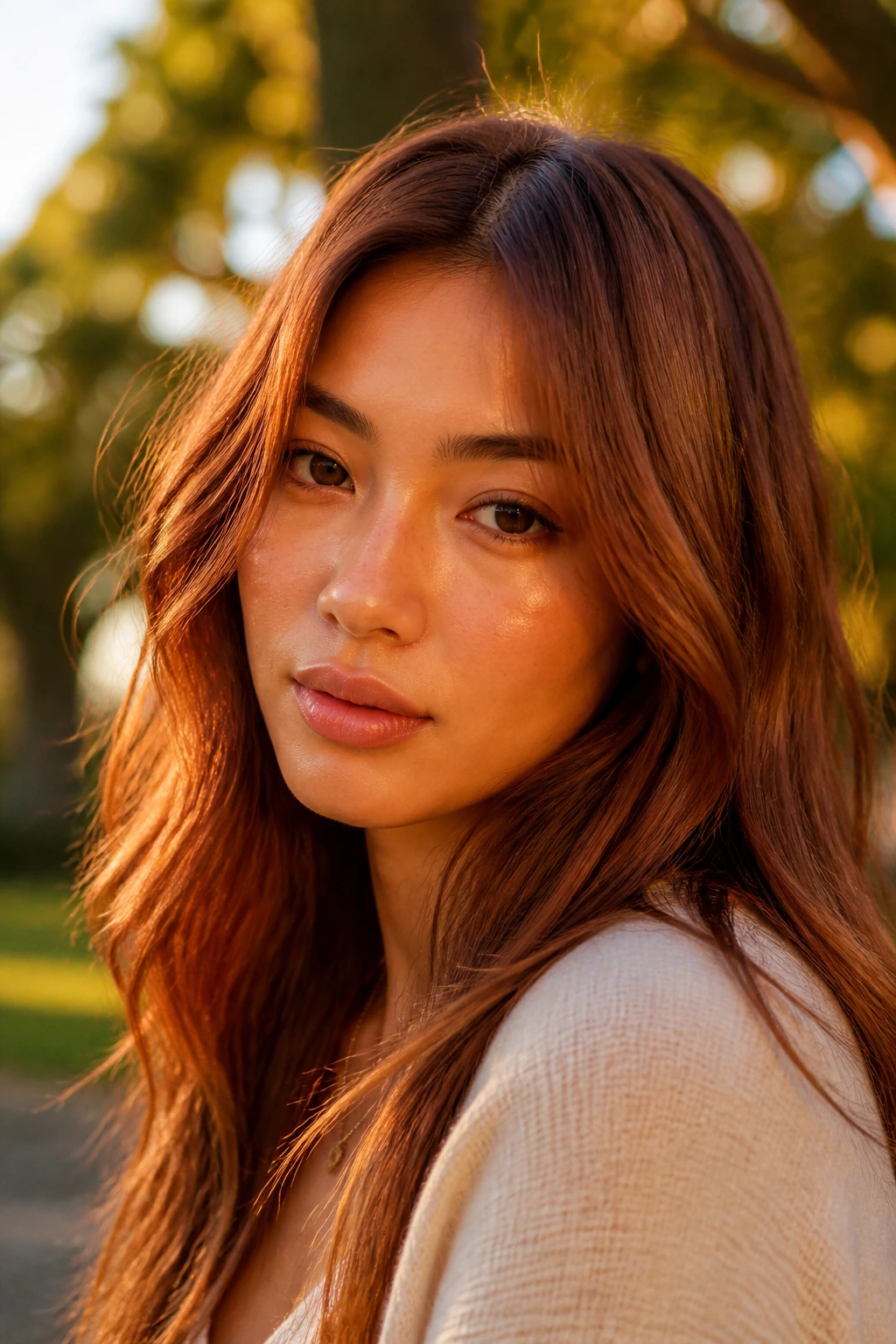
Warm auburn whiskey leans redder than the rest of the list, and that is exactly why some warm complexions wear it so well. The copper-red energy wakes up golden skin, freckles, and peach undertones in a way brown-only shades sometimes can’t.
The key is restraint. Too much red and the hair starts stealing the show. Keep the base brown, then add auburn reflect through the mids and ends so the color looks toasted, not fire-truck bright. If your skin runs very rosy, ask for a brown-red blend rather than a bright copper formula.
This shade is best when you want personality in the hair without losing the whiskey family resemblance.
14. Cognac Gloss Brown
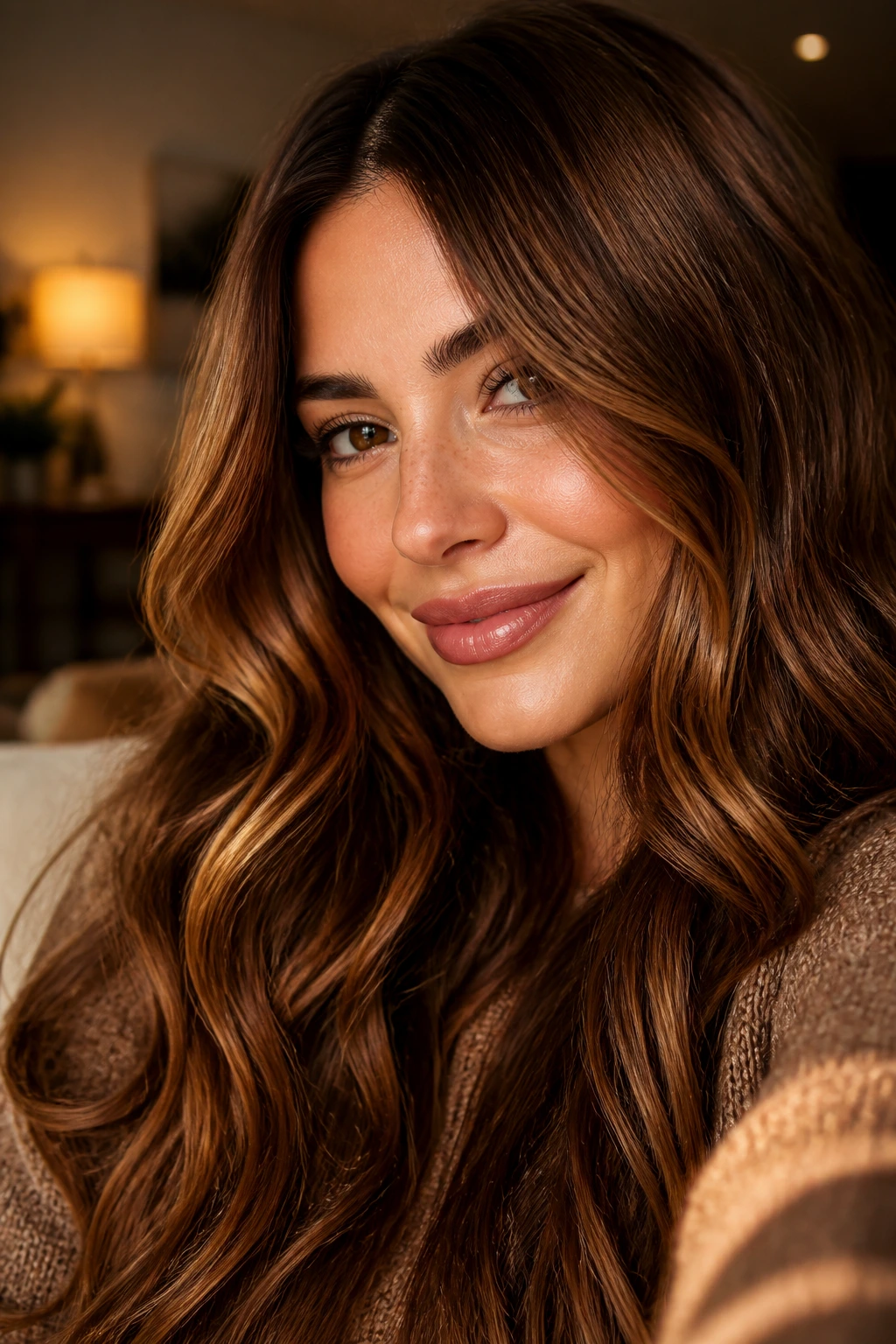
Cognac gloss brown is for the person who wants shine first and lightening second. You can do this over naturally brown hair with a demi gloss, which makes it one of the more practical whiskey options on the list. The finish should look slick, warm, and soft at the same time.
Best for
- Medium brown and dark brown bases
- Warm skin that already has gold or olive warmth
- People who want low-maintenance color between big appointments
A well-done cognac gloss does not need a lot of processing time, and that’s part of its charm. It’s the kind of shade that looks like the hair has been taken care of, even when the cut is simple.
15. Sunlit Whiskey Blonde
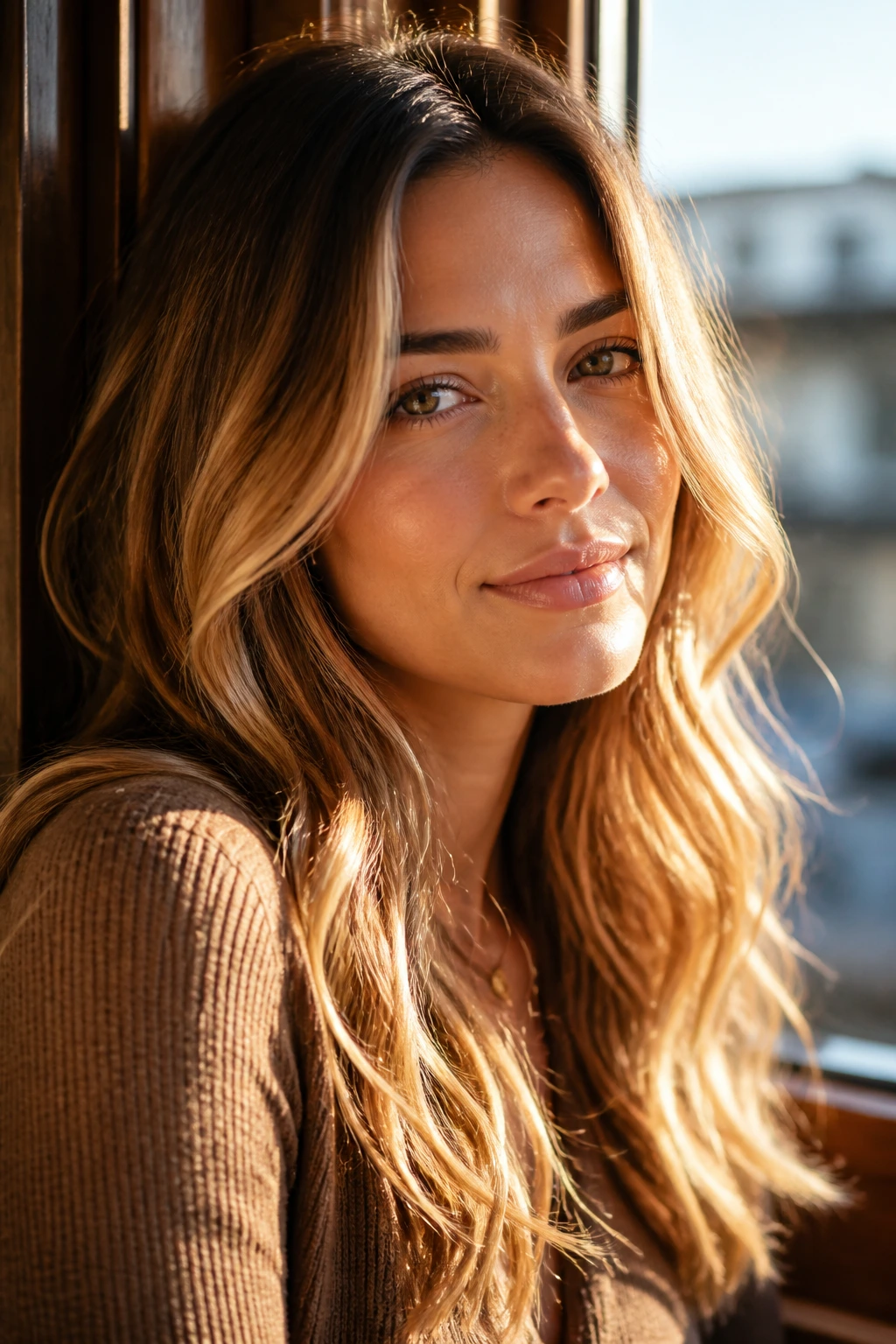
Sunlit whiskey blonde is the lightest end of this collection. It starts as a dark blonde or light bronde base and stays warm, not beige. The reflect should feel like honey on toast, with enough depth to keep the color from looking chalky.
Why it flatters warm skin
Warm complexions can carry blonde, but they usually need some brown or amber underneath to stop the color from floating away from the face. This shade does that with a soft root and golden mids. On light warm skin, it can make the cheeks look brighter. On medium warm skin, it keeps the overall look soft instead of harsh.
If your hair pulls yellow fast, you’ll need a regular gloss schedule. That’s the tradeoff.
16. Espresso Face-Framing Lights
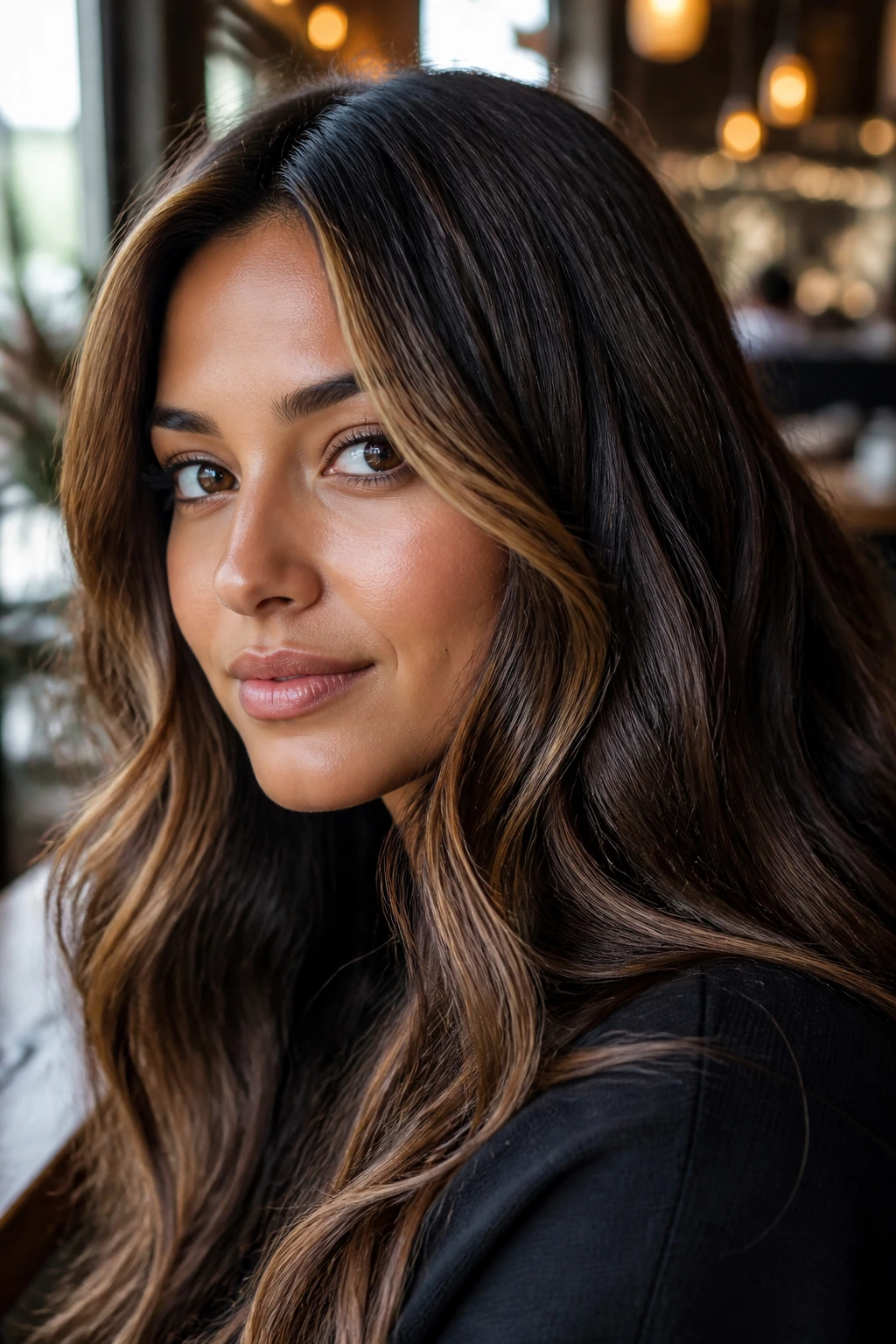
Espresso face-framing lights are for anyone who wants contrast without a full-color overhaul. The base stays deep espresso brown, then warm money pieces sit around the face in a lighter amber or caramel tone. The effect is sharp enough to notice, but not so bright that it overpowers warm skin.
This is one of my favorite options for straight hair, because the contrast near the face stays visible even when the rest of the hair is sleek. It’s also a smart choice if you like dark roots and a low-drama grow-out.
Tell your colorist you want the lightest pieces near the eyes and cheekbones, not scattered across the entire head. That placement is the whole trick.
17. Peach-Tea Whiskey Melt
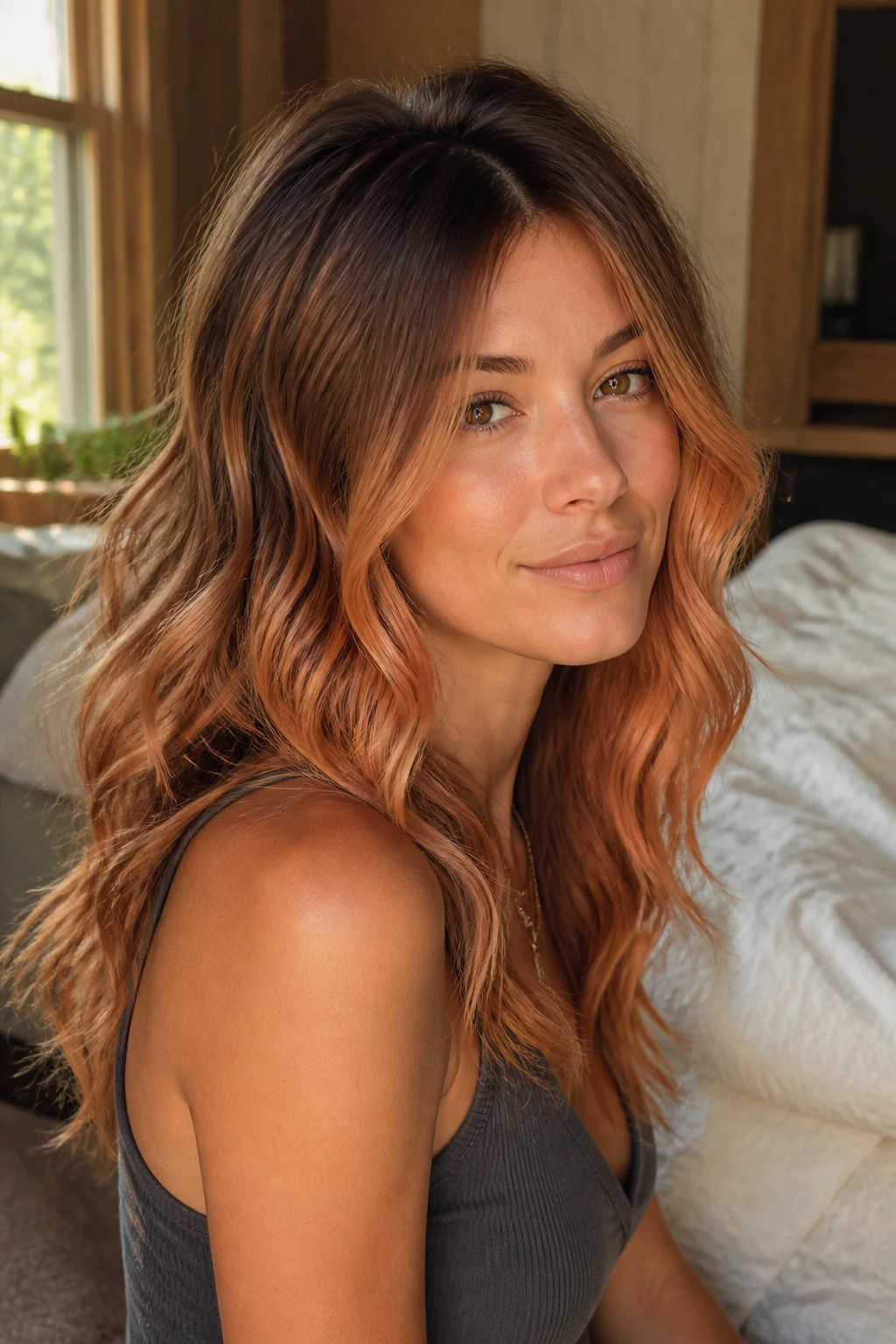
Peach-tea whiskey melt sounds soft, and it is. The color moves from warm brunette into a peach-amber midtone that feels sunny without going neon. On warm skin, that slightly peachy reflect can be lovely if the formula is controlled and doesn’t slide into strawberry territory.
This shade works especially well on layered hair because the lighter sections catch at the ends of the layers, which keeps the color from looking heavy. It’s a good pick if you like warm makeup tones — peach blush, terracotta lipstick, bronze shadow. The hair and face start speaking the same language.
If you’re nervous about copper, this is a gentler way in. The tea-brown base keeps it calm.
18. Mahogany Whiskey Waves
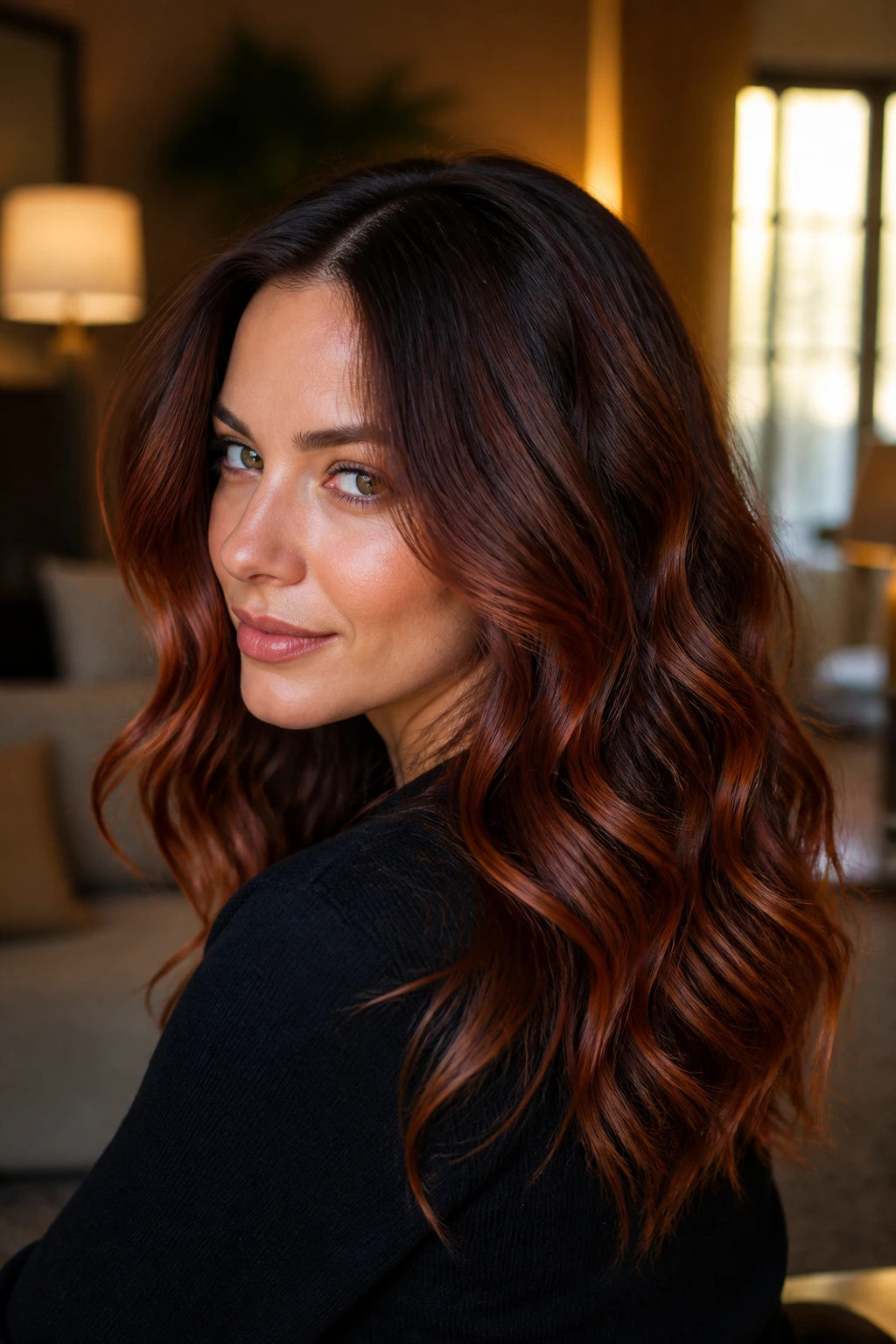
Mahogany whiskey waves are deeper, richer, and a little more dramatic. The mahogany base gives the hair a wine-dark brown cast, while whiskey-toned ribbons add glow through the bends. On deep warm skin, this can look gorgeous because the richness holds up instead of fading into the background.
Ask for a red-brown glaze with minimal lightening unless your hair is already in decent condition. Mahogany does not need to be bright to be interesting. It needs shine. Lots of it.
Waves are the right styling partner here. Straight hair will show the mahogany, sure, but soft bends give the color the movement it deserves.
19. Burnished Toffee Brown
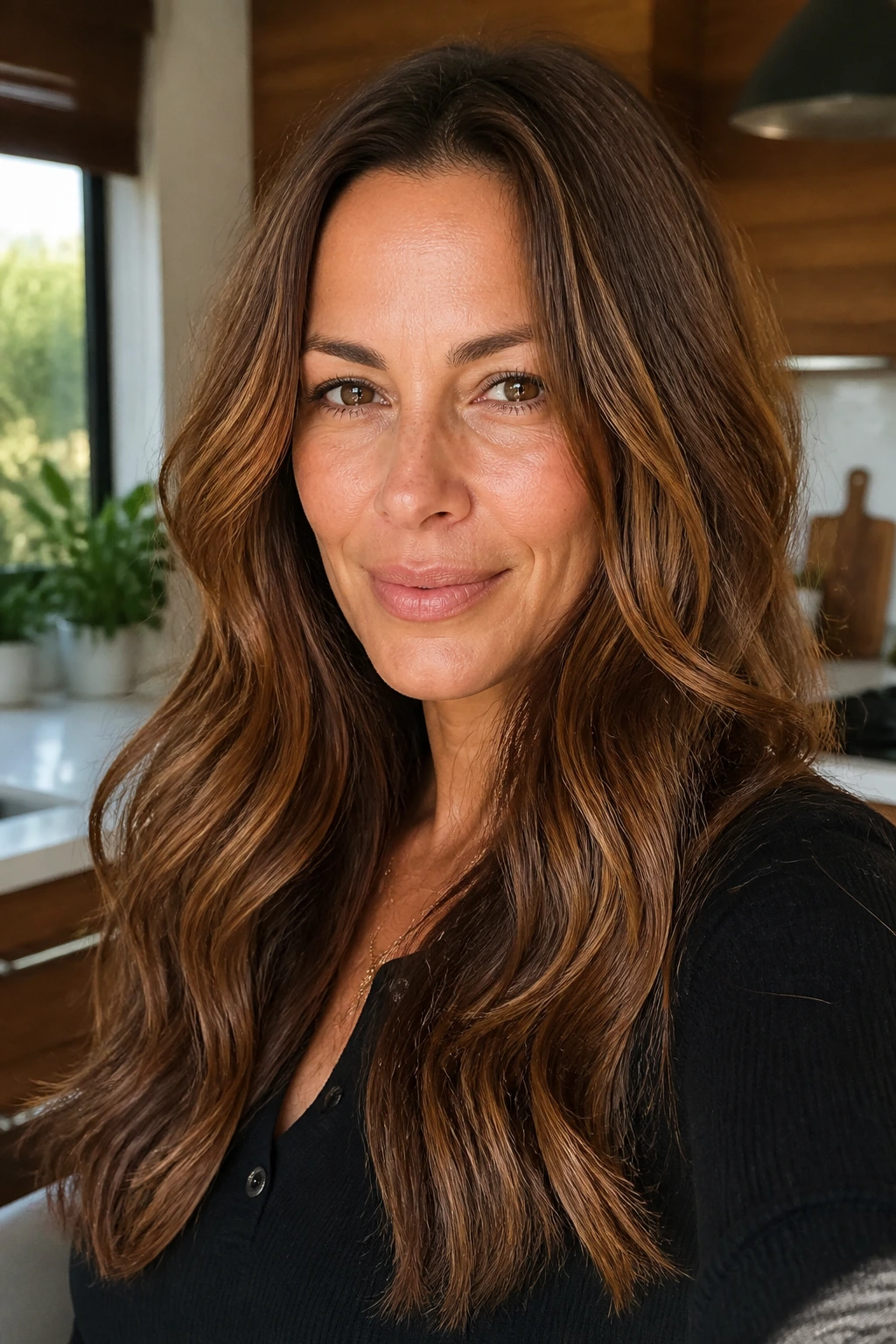
Burnished toffee brown is dense, creamy, and a little luxurious without being fussy. The toffee note keeps it warm, while the burnished finish adds a slightly reflective edge that works well on coarse or thick hair. Warm skin tones benefit because the shade adds warmth without pushing hard into red.
What to ask for
- A level 5 to 6 brown base
- Toffee lowlights or balayage through the mids
- A gold-brown gloss at the sink
This is a quieter shade than honeyed blonde looks, but it can be more flattering on people who prefer dimension over brightness. And that’s a perfectly sane preference.
20. Sunkissed Barrel Blonde
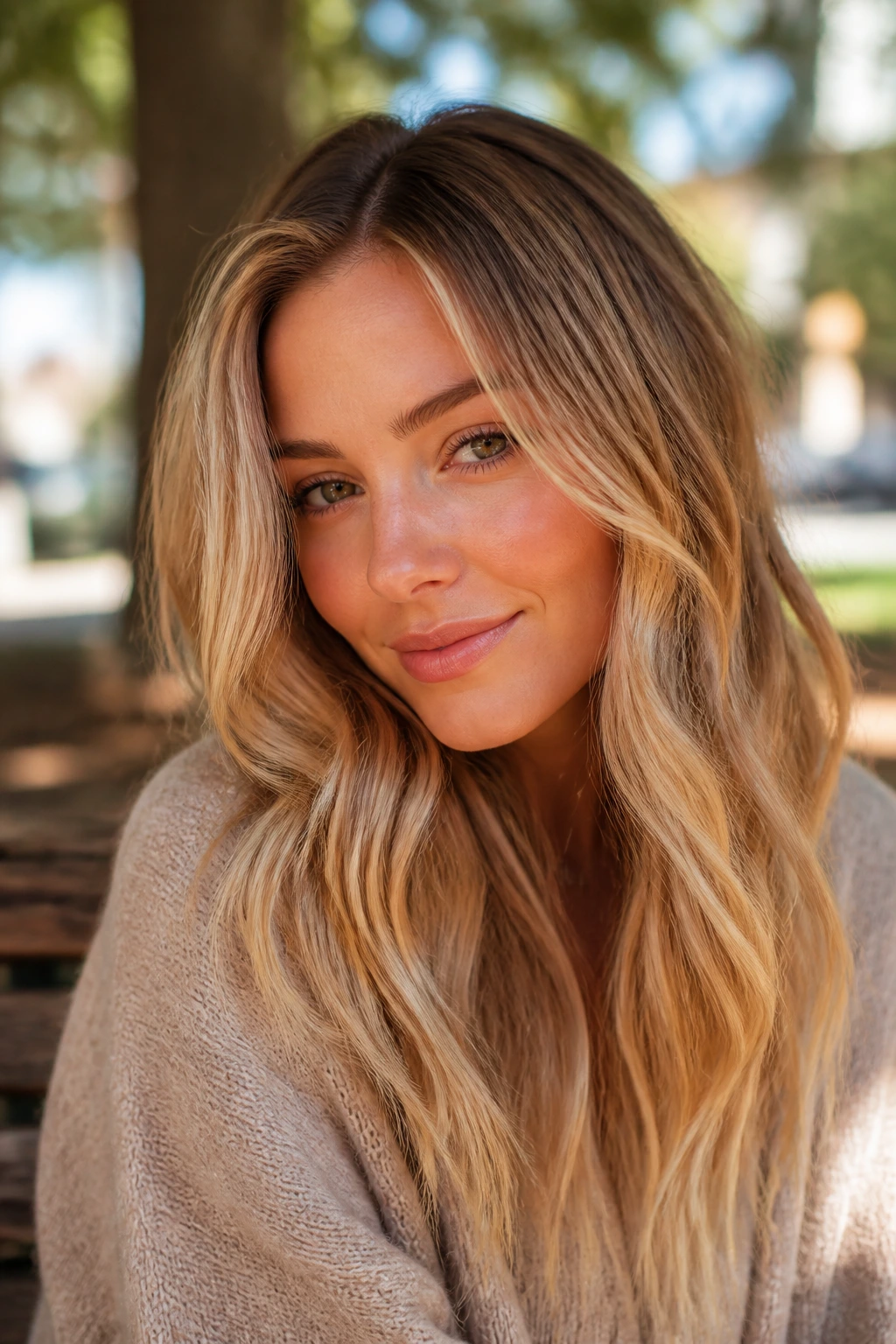
Sunkissed barrel blonde is the brighter cousin of the whiskey family. It sits in dark-blonde territory, but the warmth is barrel-aged, not icy or beige. The color should look like it has been softened by sunlight, then grounded with a darker root so it doesn’t drift into flatness.
This one works best on people who already have lighter natural hair or who don’t mind regular maintenance. It’s not the easiest shade on the list, but it can be beautiful when the lift is controlled and the toner is warm enough to stay flattering on warm skin.
Keep the highlights soft around the face and slightly deeper underneath. That contrast keeps the blonde from washing out the complexion.
21. Gingered Whiskey Copper
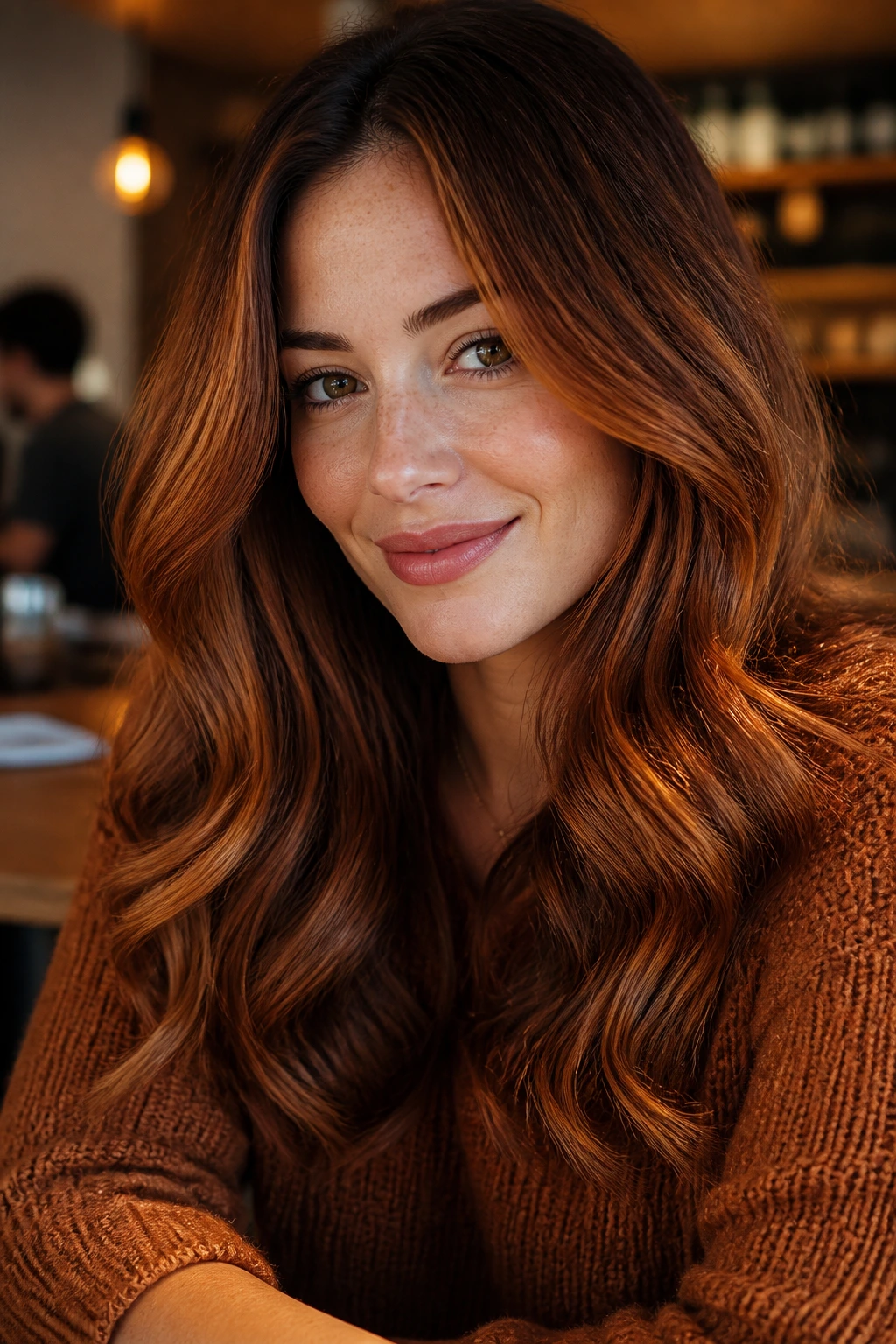
Gingered whiskey copper pushes farther into red territory, but the brown base keeps it usable. Think ginger tea with a splash of cognac. On warm skin, especially skin with freckles or bronze undertones, that can look lively instead of loud.
This shade needs careful toning because copper grabs quickly, especially on porous ends. I’d ask for a brown-copper blend rather than pure copper highlights. That gives the look depth and stops the ends from turning pumpkin-colored after a few washes.
If you love warm lipstick and rust-colored clothes, this shade will probably feel easy on you.
22. Honeyed Chestnut Layers
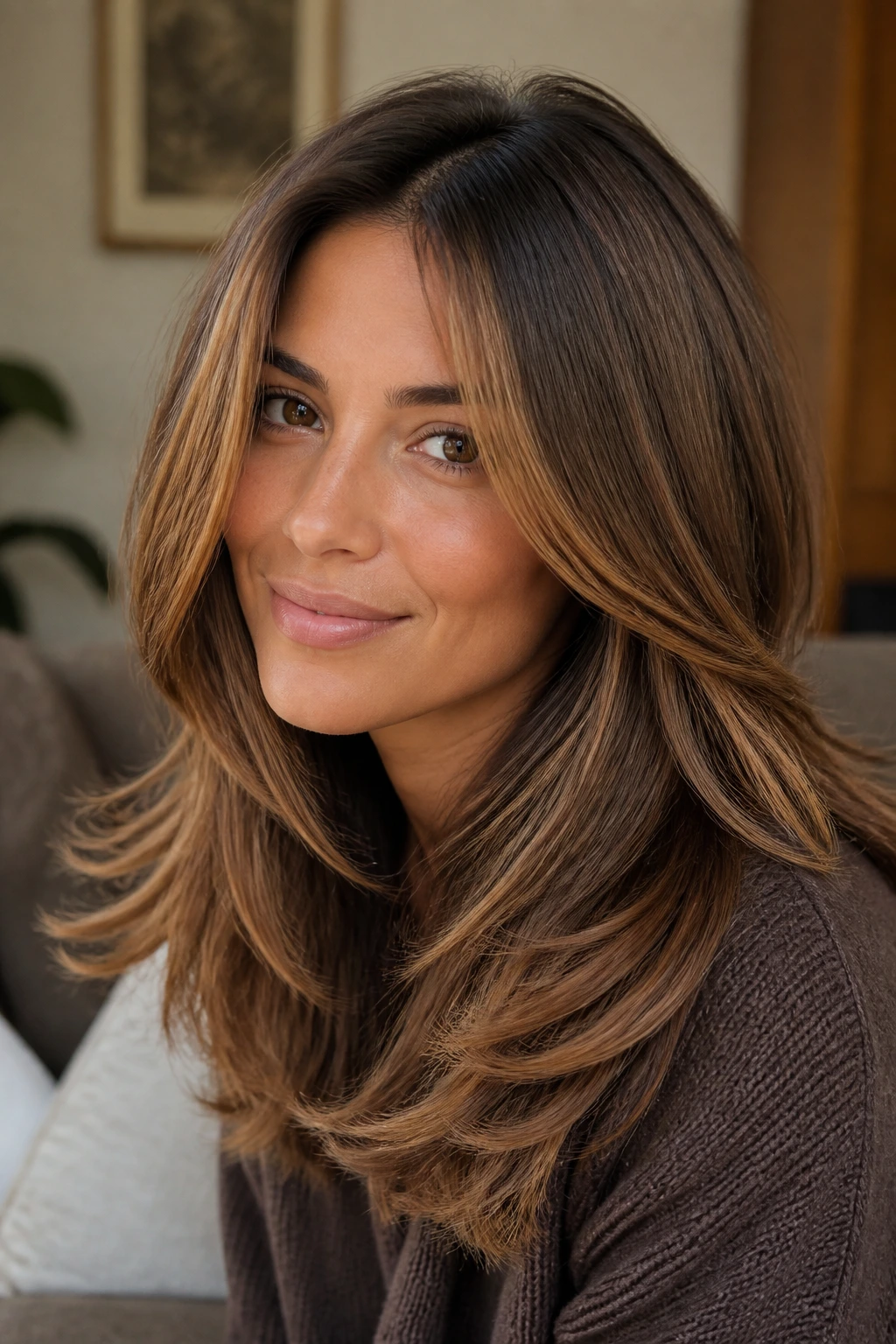
Honeyed chestnut layers are a soft, forgiving choice. The chestnut base gives the hair depth, while honey-toned ribbons sit on top like light catching the edges of the layers. The result is dimensional without being fussy.
This works well on layered cuts because the highlights follow the haircut instead of fighting it. On warm skin, the honey keeps the face bright while the chestnut keeps the overall shade from looking too yellow. That balance is why this one tends to wear well for months instead of weeks.
If you want a shade that looks good air-dried, this is a strong candidate.
23. Rooted Whiskey Shadow
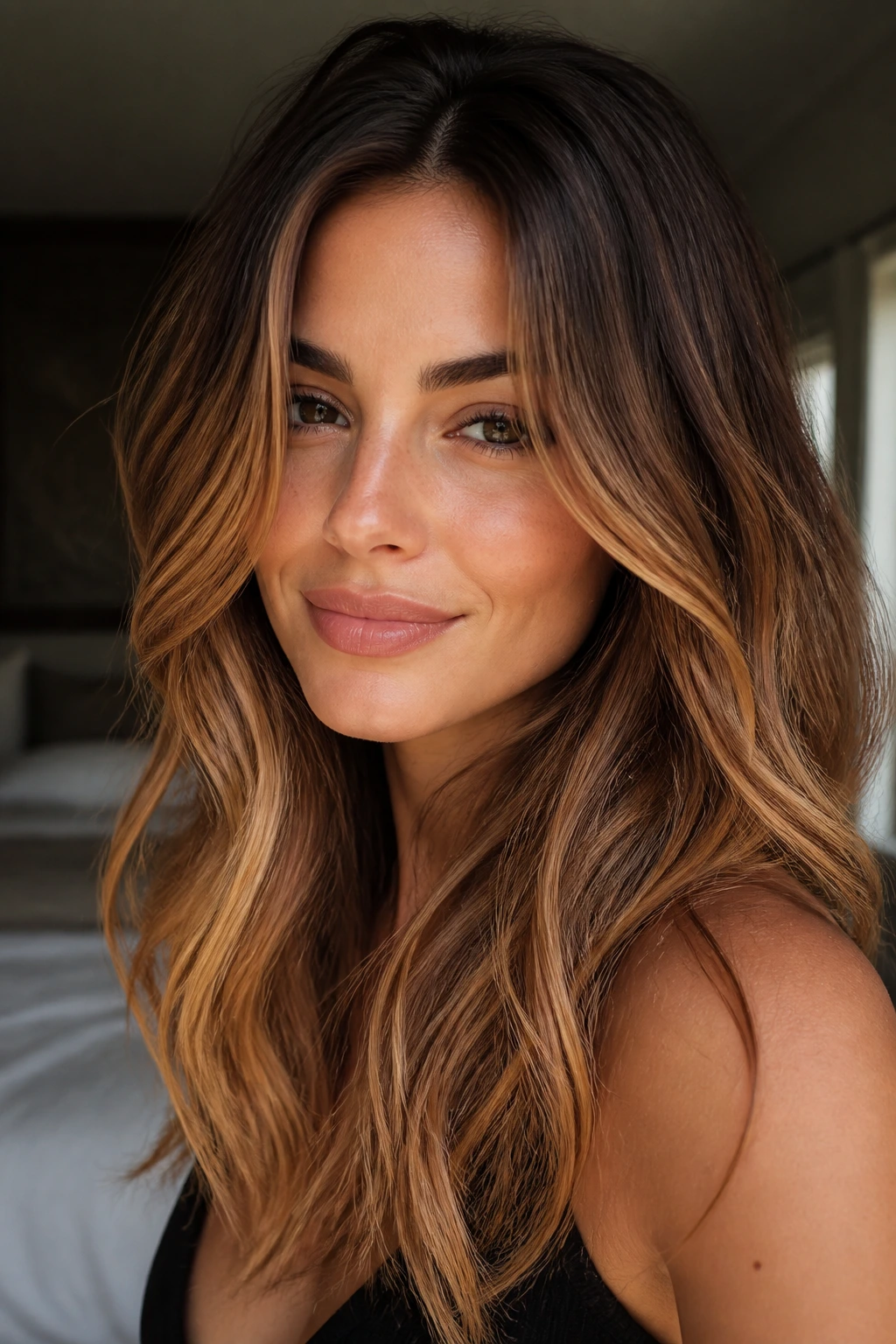
Rooted whiskey shadow is one of the smartest low-maintenance choices here. The root stays deeper — usually a level or two darker than the mids — and the whiskey tones start lower, where they can grow out without looking harsh. The finish feels lived-in, not trendy-for-two-weeks.
It flatters warm skin because the darker root frames the face while the warmer lengths keep everything from feeling heavy. Ask for a shadow root with soft amber or caramel through the mid-lengths, then a lighter finish only where the hair naturally catches light.
This is the shade for busy people who still care about color. You can grow it out longer than most warm blondes.
24. Velvet Bronze Bob
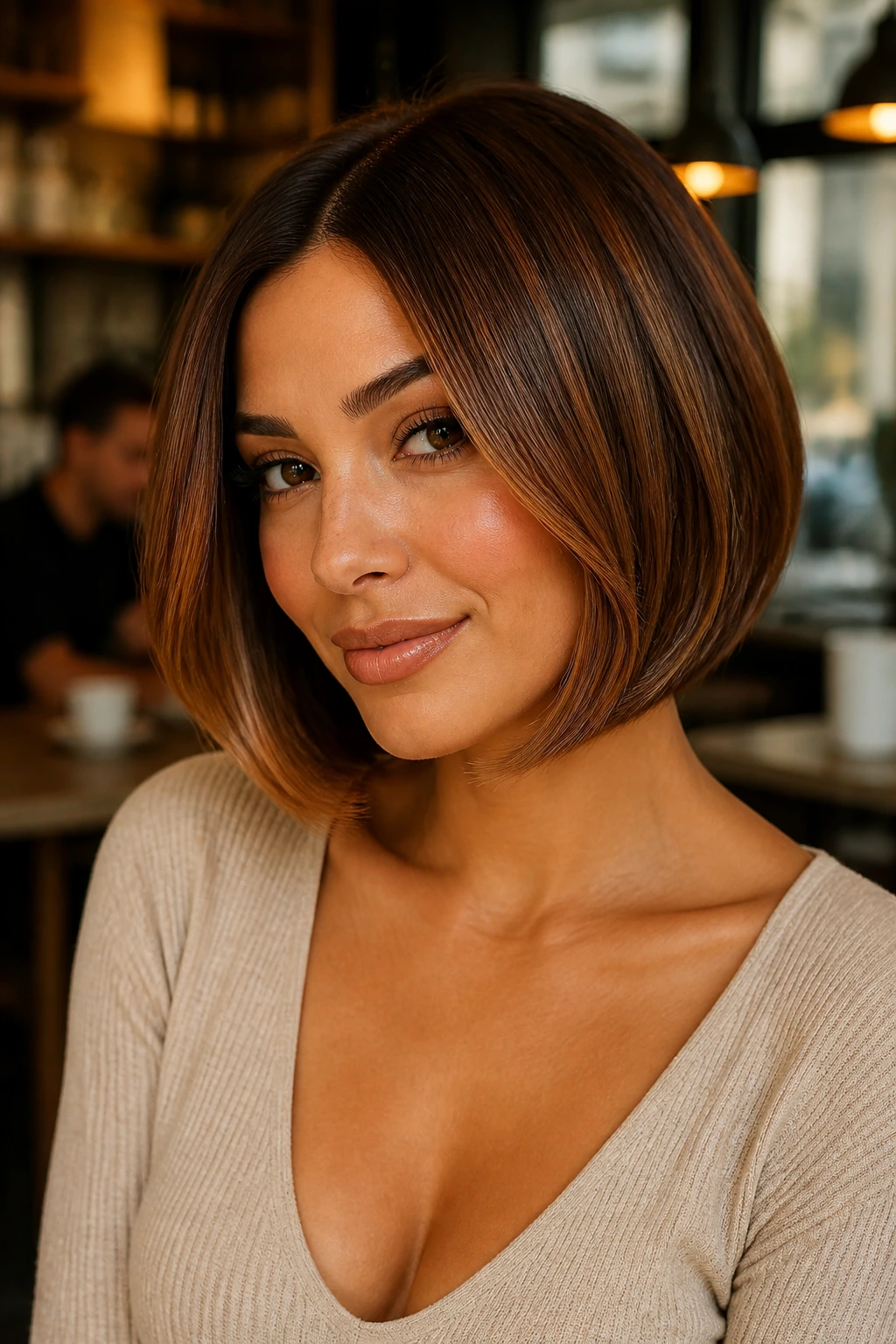
Velvet bronze bob has a smooth, almost liquid look. Bronze tones sit over a brown base, giving the hair a warm metallic feel without crossing into brass. The bob shape makes that finish easy to wear because the cut is crisp and the color can stay simple.
Best when
- You wear your hair straight or with a soft bend
- You want warmth without obvious highlights
- You like a color that looks tidy under office lighting
On warm skin, bronze can be very flattering if it’s rich enough. The mistake is making it too light. Keep it grounded, and the whole look reads soft and polished.
25. Rum Raisin Brunette
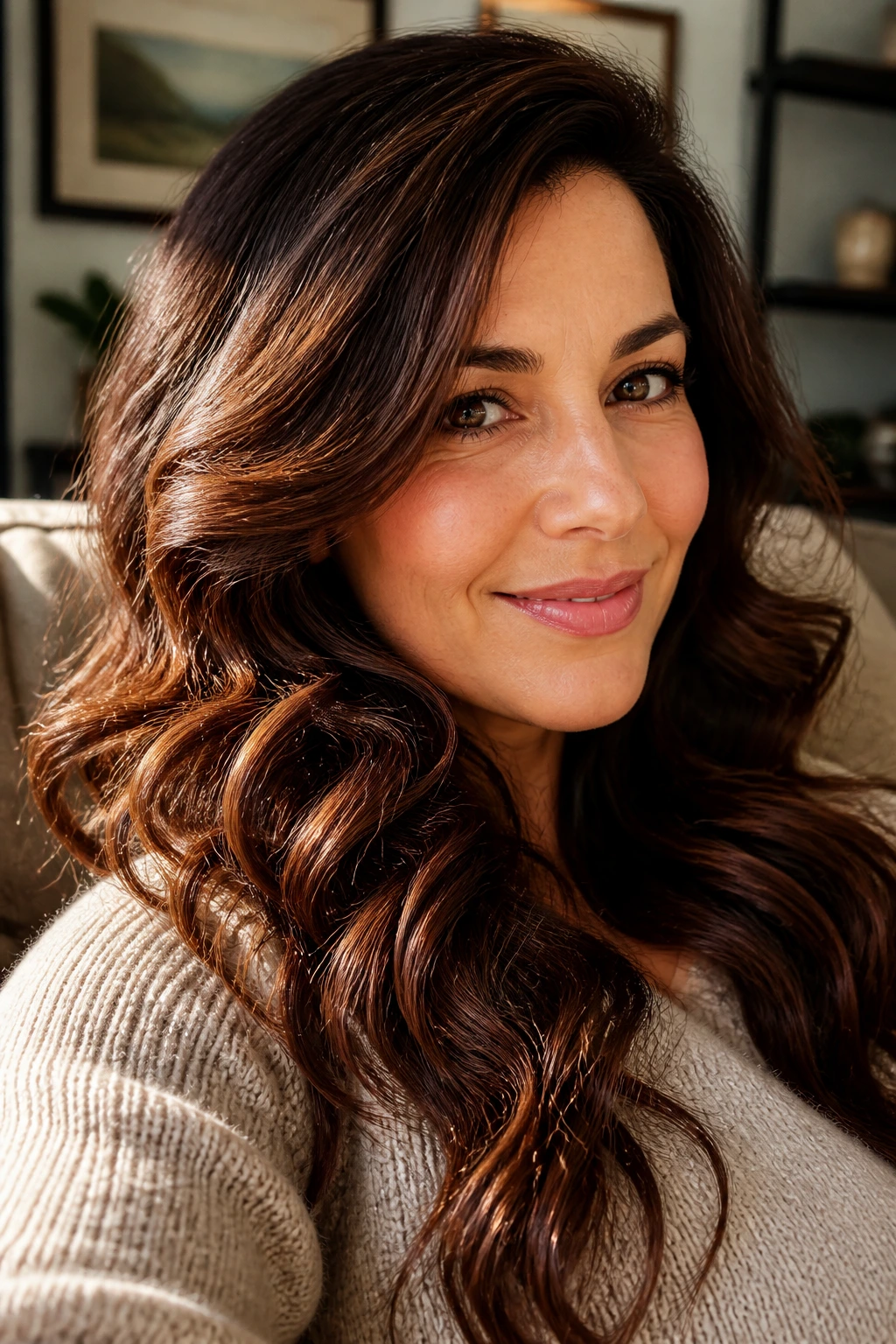
Rum raisin brunette goes darker, with a warm, toasted red-brown reflect that sits under the surface rather than on top of it. It’s a good choice for deep warm skin and for anyone who wants a brunette with a little more mood.
The important part is keeping the red refined. Rum raisin should feel like warm fruit cooked into a sauce, not violet or burgundy. That keeps the whiskey family intact. On curls and waves, this color has real depth because every bend shows a slightly different shade.
I like this one when the goal is richness, not brightness.
26. Tawny Whiskey Shag
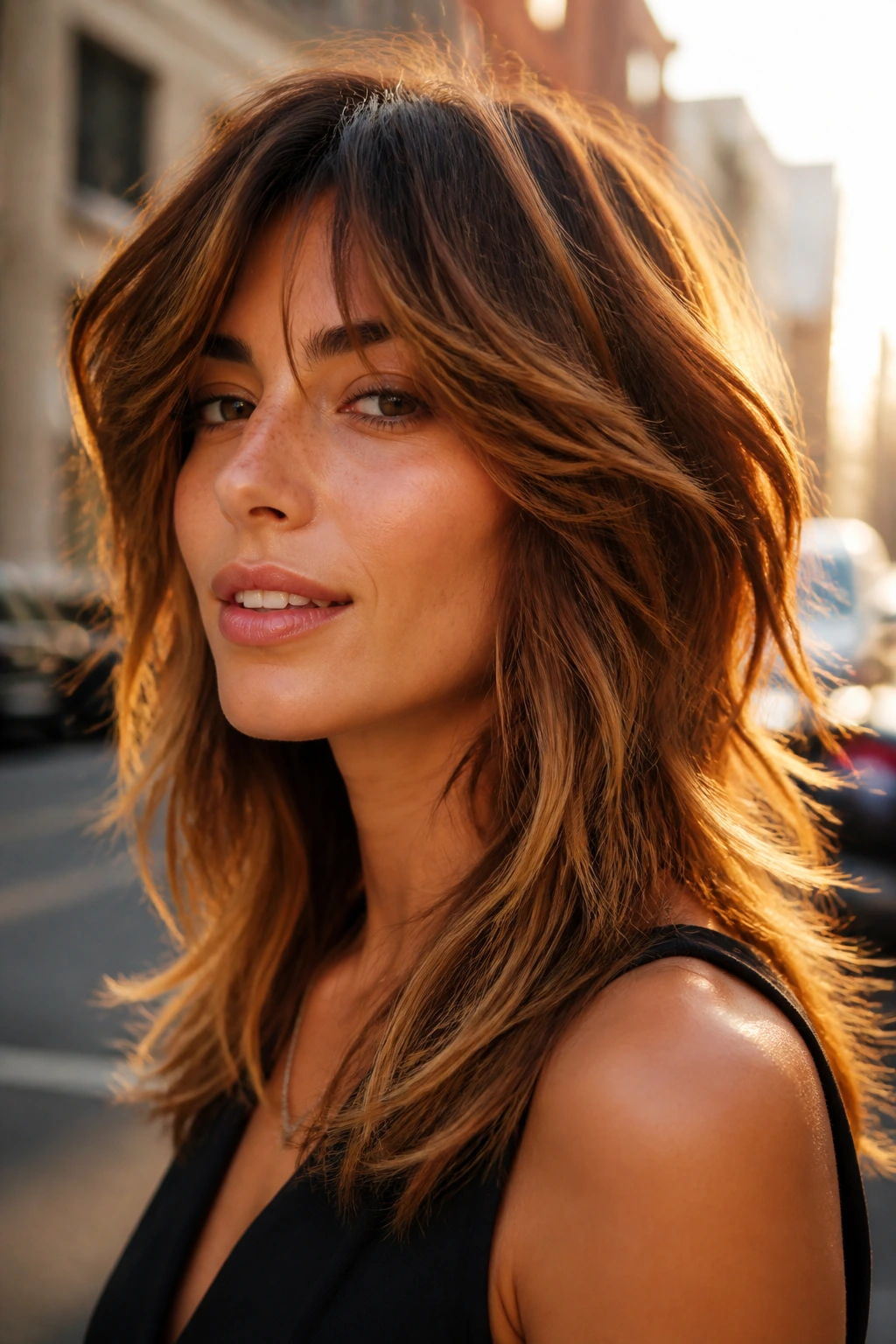
A shag cut does useful things for color. Tawny whiskey shag uses that movement to show off soft caramel and amber ribbons against a deeper brown base. The layers break up the color, so even a subtle gloss can look dimensional.
This is especially good on medium warm skin because tawny lives in that brown-gold middle ground. It doesn’t need heavy lifting. It just needs the right placement around the face and the ends.
If your hair tends to look one-note in layers, this shade fixes the problem without making the cut look too styled.
27. Marigold Bronde
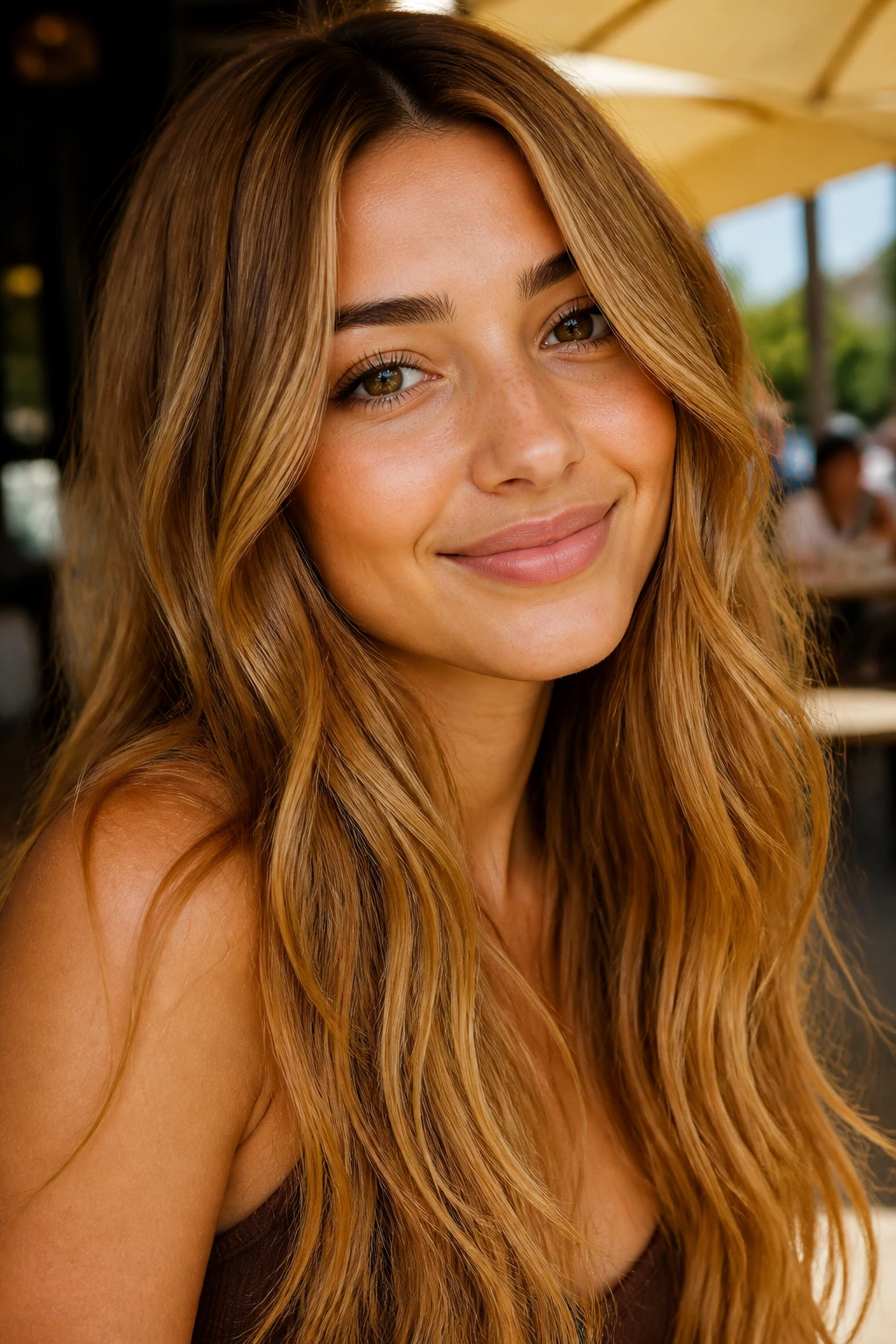
Marigold bronde is the brightest warm shade in this group that still feels wearable. The gold leans a little richer and more golden than standard caramel, which makes it appealing for warm skin tones that can handle light. The trick is keeping the base brown enough so the blonde doesn’t float away from the face.
This is a good option if you love bright makeup, warm gold jewelry, and hair that reads sunny in outdoor light. It does need toner upkeep, though, because marigold can tip toward yellow if ignored. Ask your colorist to keep the tone buttery, not lemony.
That one word — buttery — matters more than people think.
28. Ambered Pixie
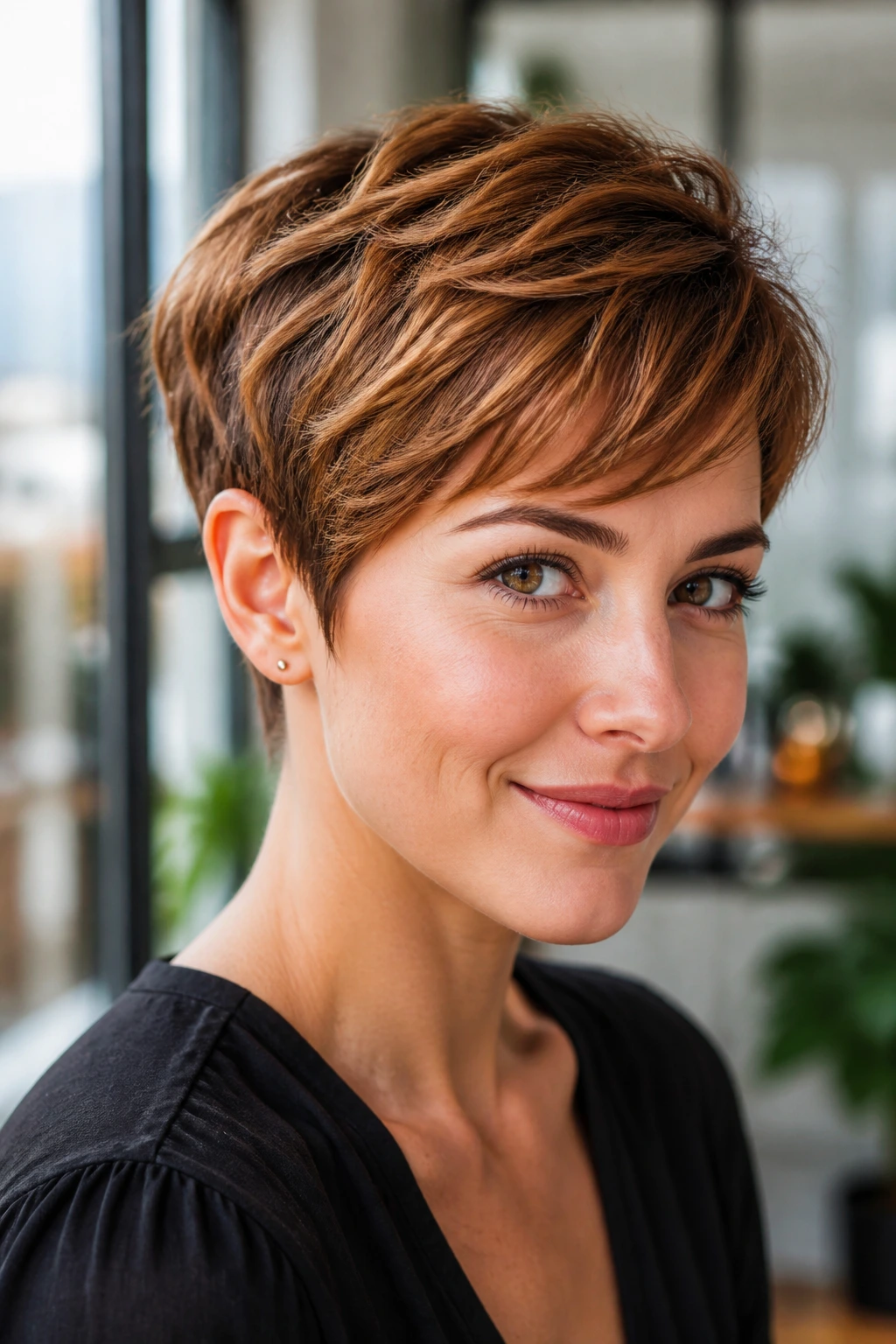
An ambered pixie lives or dies on tone. Because the cut is short, the color needs to do enough work on its own, and amber is strong enough to show up without heavy contrast. The warmth can sit through the top and sides, with a slightly deeper root for shape.
Short hair on warm skin can look sharp when the color is too flat. Amber prevents that. It brings light to the face, especially around the temples and cheekbones, and it doesn’t require the same maintenance schedule as a long highlighted style.
If you’re going short, this is one of the easiest whiskey looks to wear.
29. Walnut and Whiskey Dimension
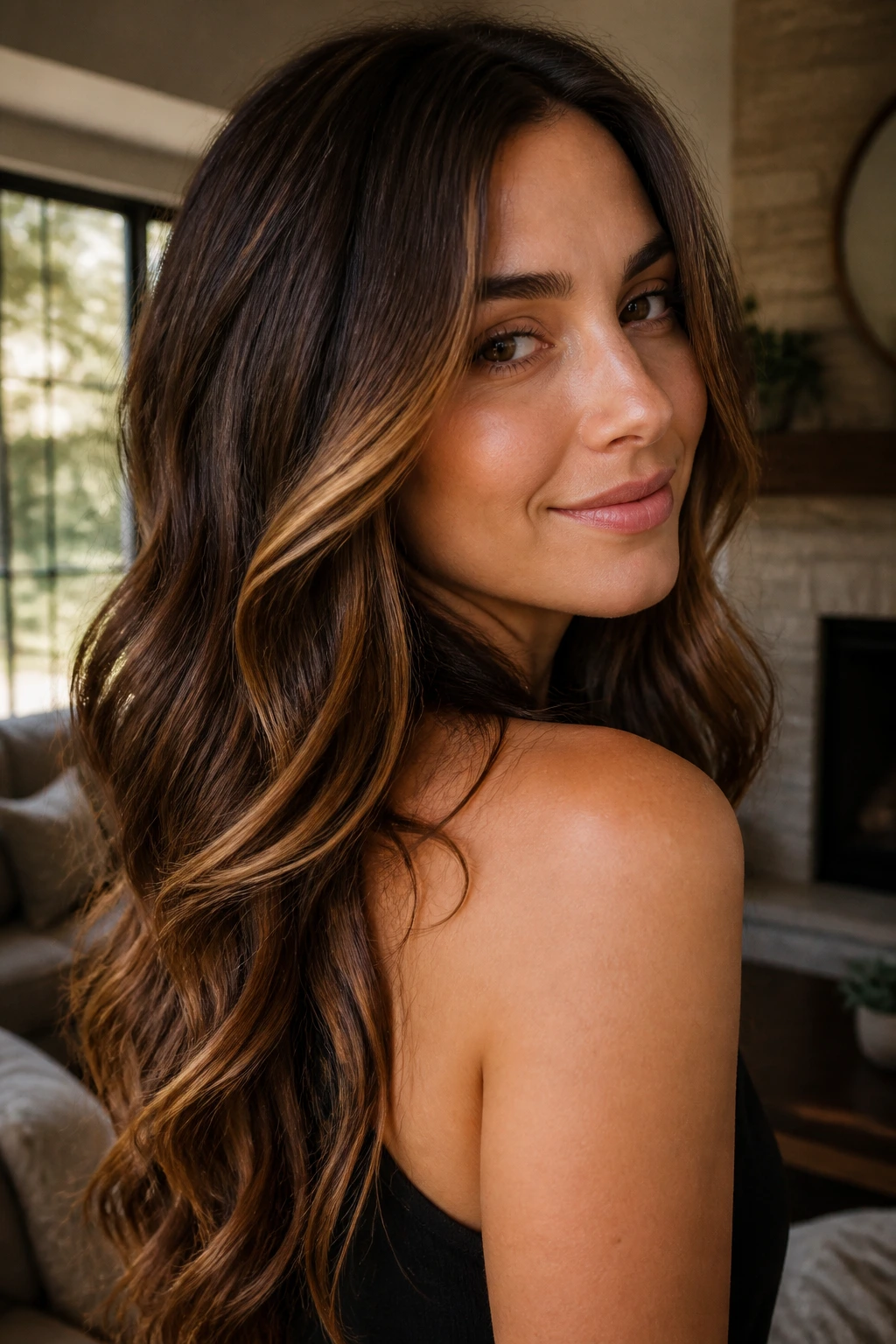
Walnut and whiskey dimension is a brown-first look for people who don’t want the warmth to take over. The base stays walnut dark, then whiskey accents appear in a few well-placed spots — enough to catch light, not enough to announce themselves.
This is a very good choice if your wardrobe lives in neutrals or if you prefer understated makeup. Warm skin still gets the benefit of those amber undertones, but the overall result stays grounded. It’s also a smart pick for finer hair because too much lightening can make the ends look wispy.
If you want the look to whisper instead of shout, start here.
30. Malted Mocha Whiskey
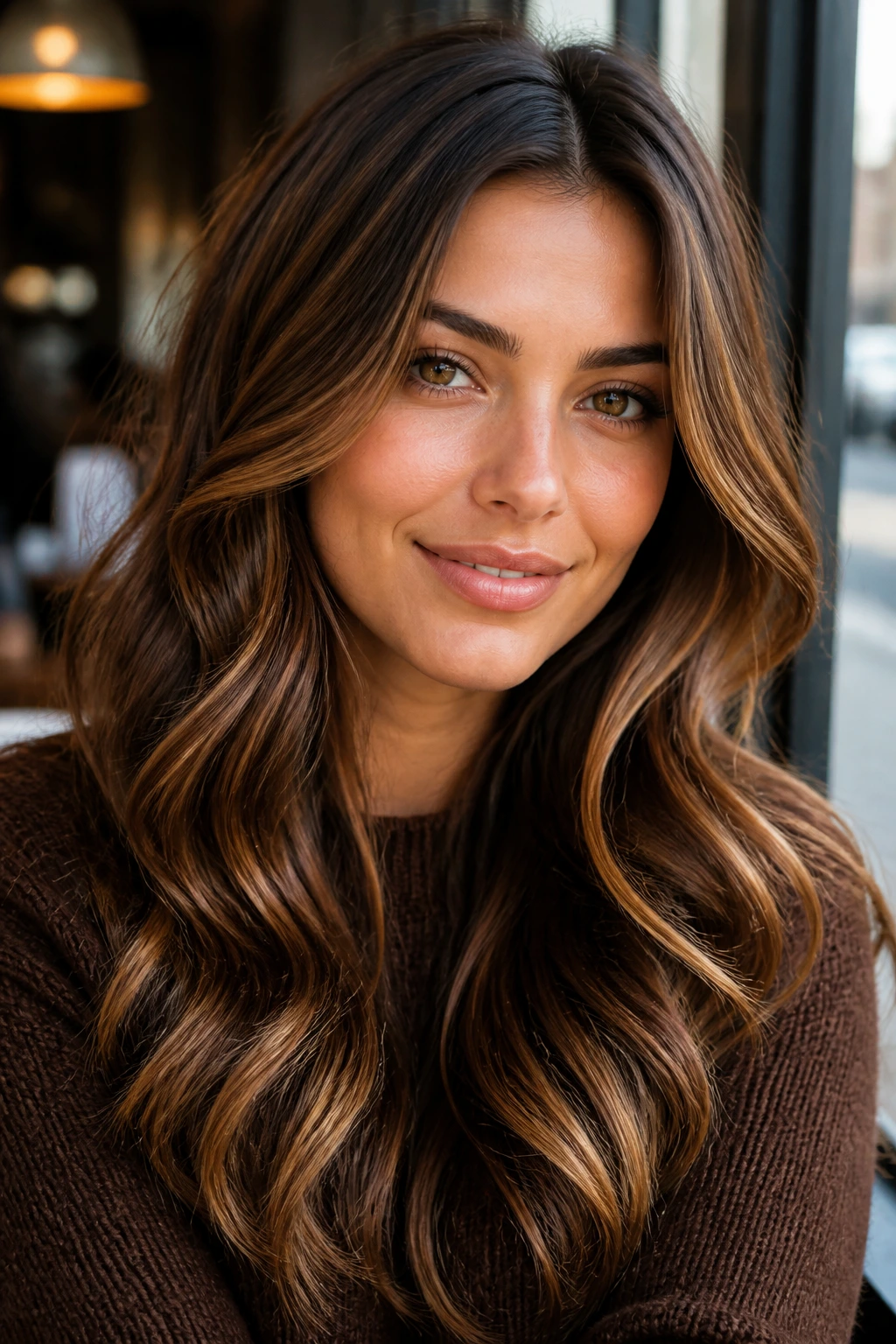
Malted mocha whiskey mixes cool-sounding words but stays warm in real life. The mocha base gives the hair depth, and the malt note adds a toasted golden reflect that keeps it from looking too flat. It’s one of those shades that gets better the more you move.
Why it’s worth a look
Malted mocha works well on medium and deep warm skin because it preserves richness while still giving the face some warmth. It’s not the brightest shade on the list, which is exactly the point. When the base is strong, the golden reflect can be subtle and still do its job.
This is a strong option for anyone who likes brunette hair but wants a little less severity around the face.
31. Sable Caramel Contrast
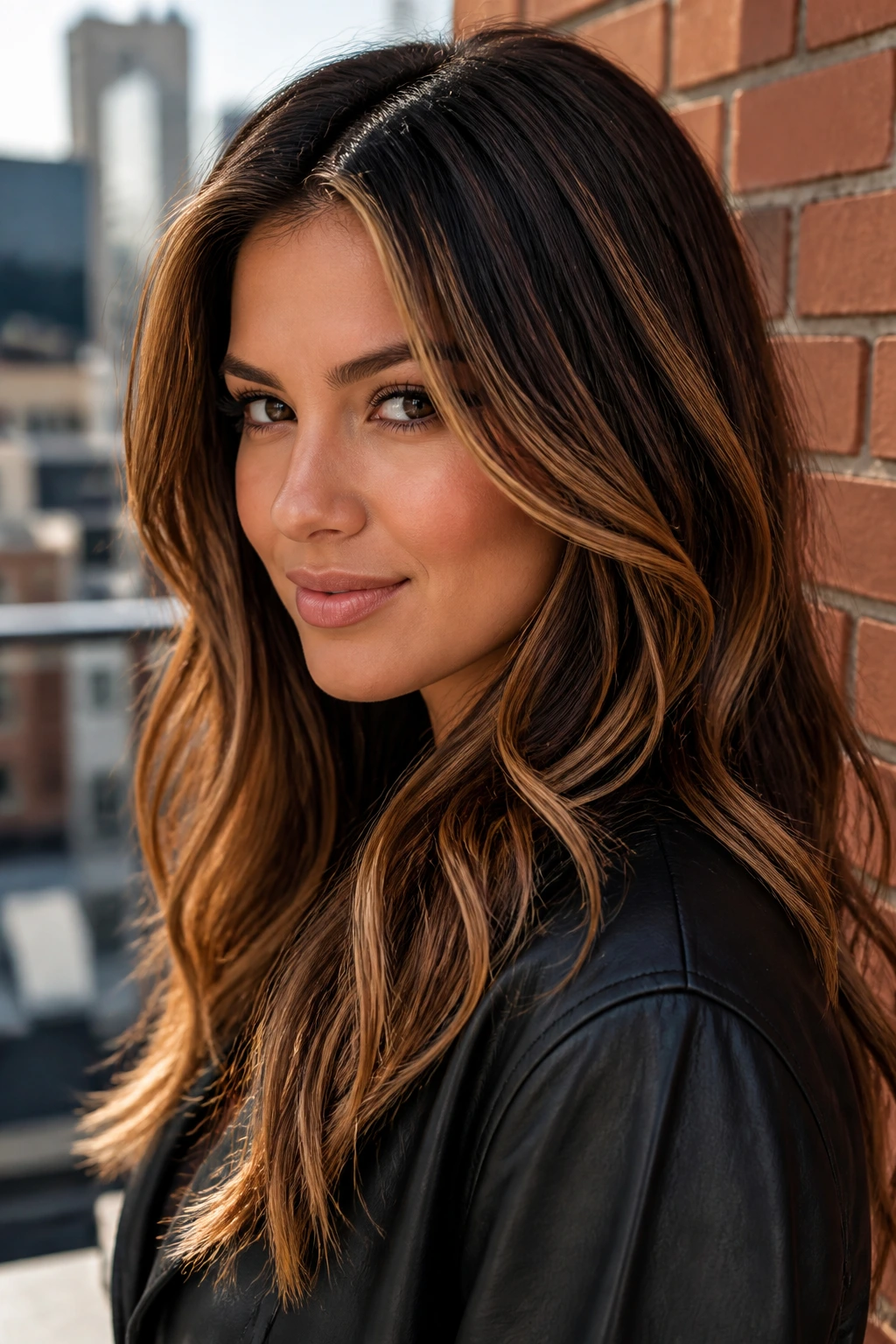
Sable caramel contrast brings the sharpest color difference on this list. The sable base stays deep, almost black-brown, while caramel ribbons are placed high enough to show clearly. On warm skin, the contrast can be striking in the right way, especially if the caramel stays golden rather than beige.
This shade suits people with straight hair or defined waves because the contrast reads cleanly. If your hair is very curly, the ribbons may blend more than you want, so ask for slightly thicker placement.
The main thing here is restraint in the lightest pieces. Too much caramel and the contrast gets muddy fast.
32. Sunset Peach Ribbons
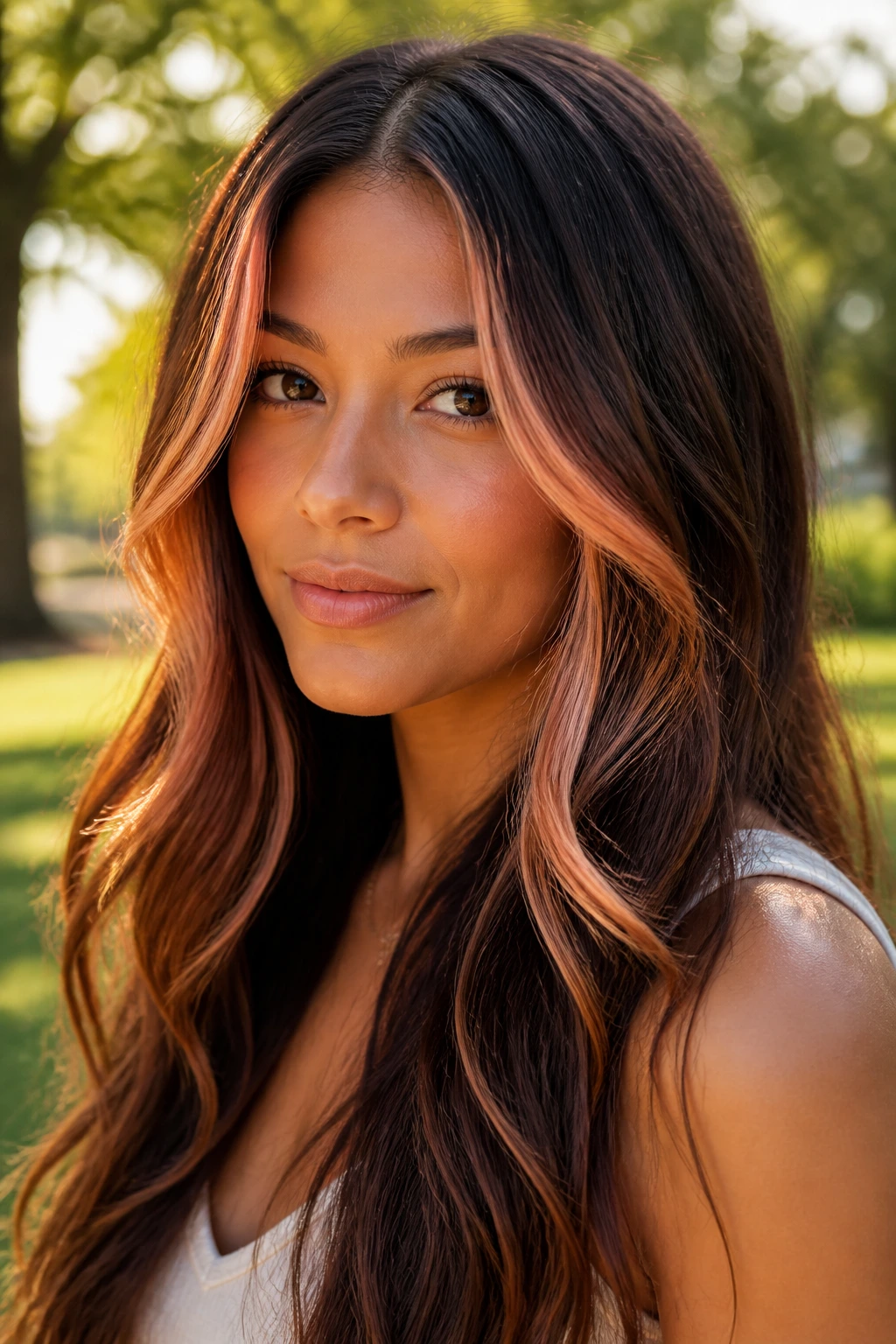
Sunset peach ribbons are softer than copper but more playful than honey. The peach-gold reflect sits on top of a brown base and gives the hair a warm haze that can look especially good in afternoon light. On warm skin, this can be lovely if the peach stays muted.
If your complexion already leans peach, keep the formula brown enough to avoid repetition. If your skin is more golden, the peach can brighten the face. It’s a delicate balance, and that’s why this one looks best when the placement is thoughtful rather than all-over.
Ask for ribbons around the face and through the top layers. A full head of peach can read too sweet.
33. Whiskey Ginger Money Pieces
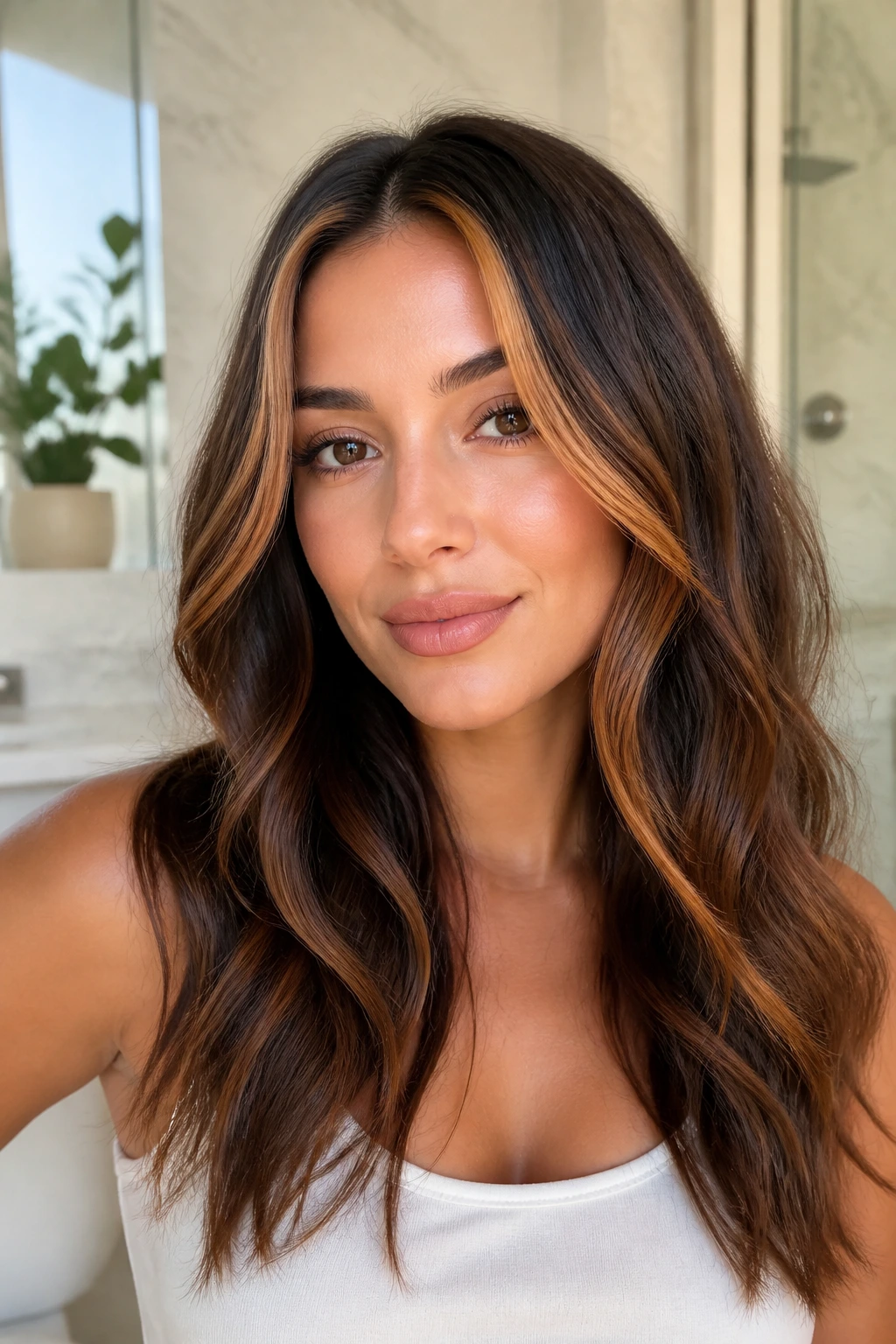
Whiskey ginger money pieces are for someone who wants one obvious focal point and doesn’t mind making a statement with the front of the hair. The rest of the hair can stay brunette, chestnut, or walnut-dark. The money pieces do the work by bringing ginger-gold warmth around the eyes and cheeks.
This is one of the easiest ways to test whether you like bolder whiskey tones without committing to an all-over color change. It also grows out fast enough that you can change course if it feels too bright.
The placement matters more than the shade name. Keep the pieces narrow if you want a softer read. Go wider if you want the front to frame your face like a spotlight.
34. Copper Syrup Curls
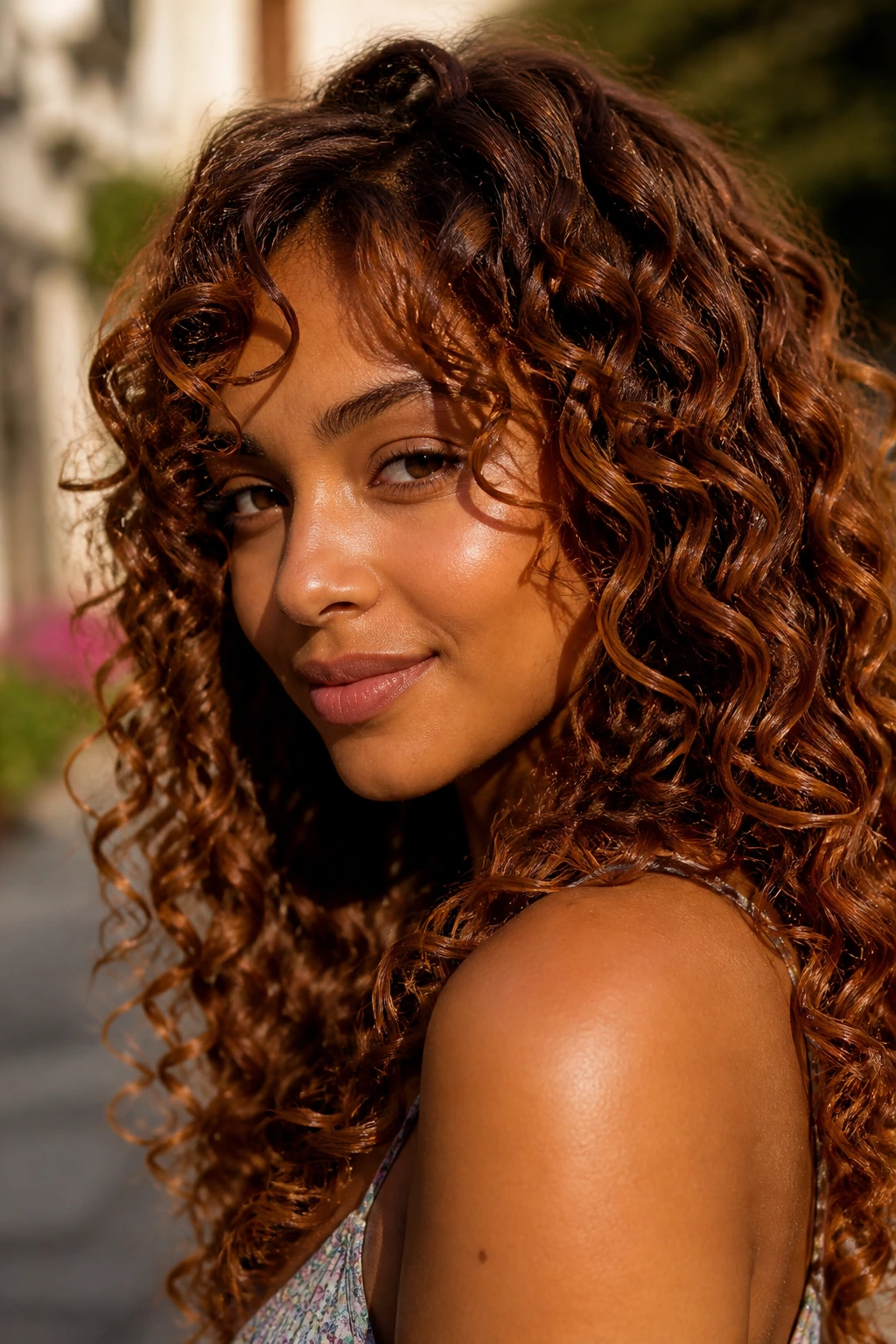
Copper syrup curls are rich, glossy, and a little sticky-looking in the best possible way. The color sits between copper and syrupy amber, with enough brown underneath to keep the finish deep. On curls, each ring catches a different amount of light, so the color looks layered even when the formula is simple.
If your hair is coarse or dense, this shade can be a gift. It brings out the curl pattern and keeps the overall look from feeling heavy. Warm skin likes it because the copper reads as glow, not redness, when the base is dark enough.
I’d ask for a glossy finish here. Matte copper does not do this shade any favors.
35. Barrel-Aged Bronde
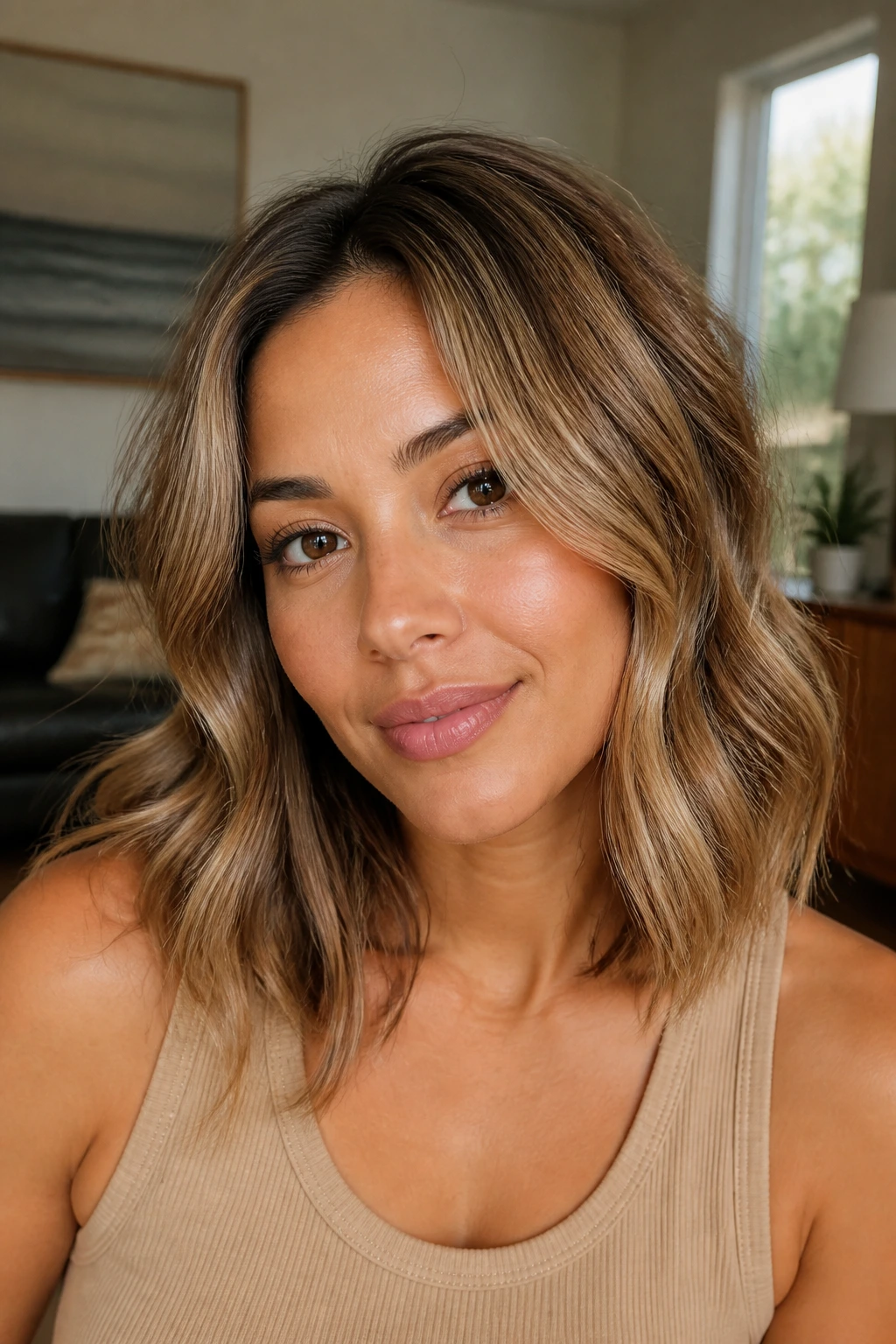
Barrel-aged bronde is probably the most balanced version in the whole family. It sits right between brunette and blonde, but it has more age and warmth than a typical bronde formula. Think oak, honey, and toasted sugar, all layered into one soft, grown-in color.
This one flatters warm skin because it gives brightness without losing depth. If you want a shade that can handle office light, outdoor light, and the terrible fluorescent light in the dressing room, this is a good place to land. It works on waves, straight hair, and even tighter curls if the placement is broad enough to survive the texture.
This is the one I’d point to if someone asked for a warm shade that still feels easy to live with.
How to Keep Whiskey Hair Rich Instead of Brassy
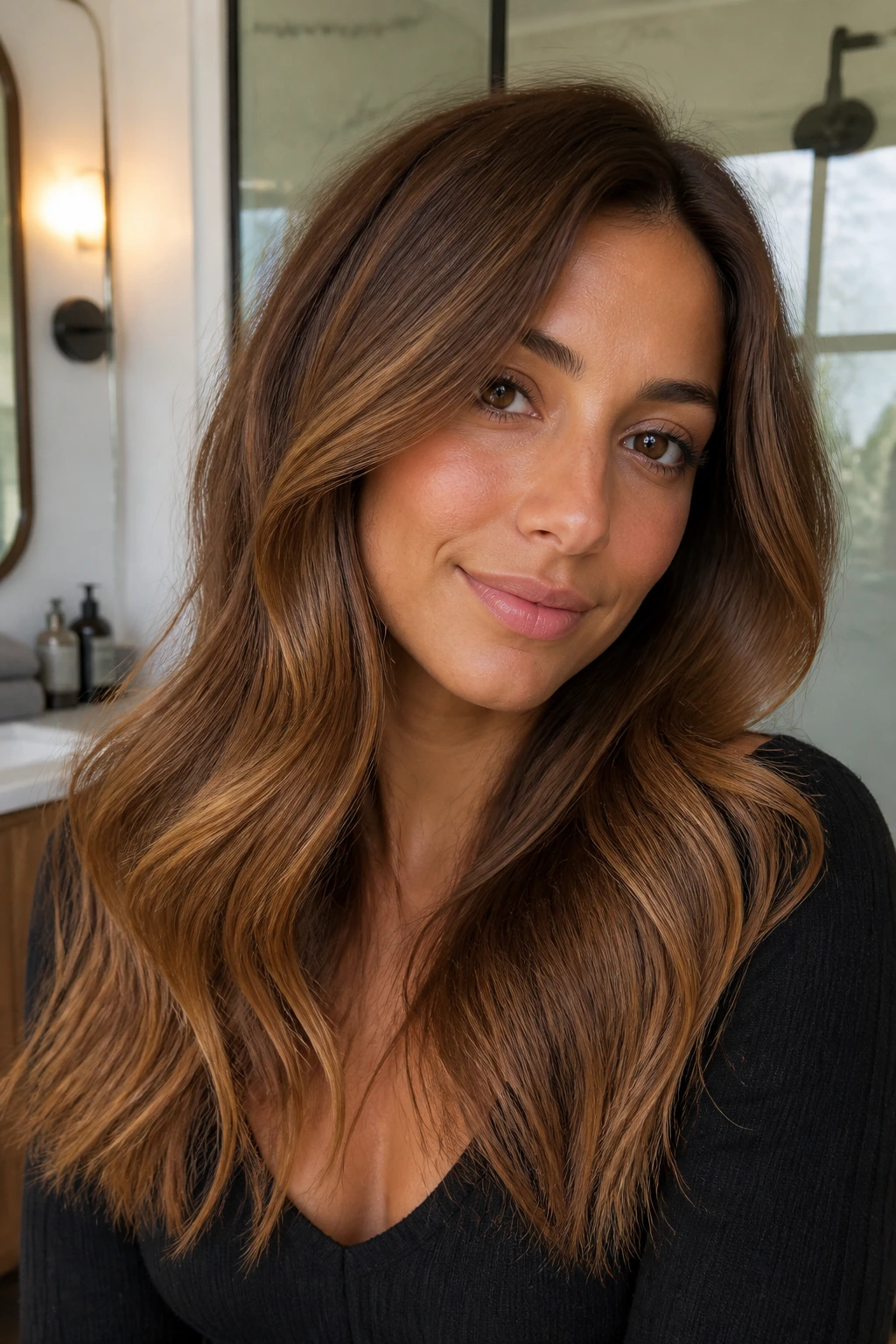
Whiskey shades go wrong when the warmth turns one-note. The cure is not more gold. It’s better balance. A good whiskey brunette should have brown underneath, warm reflect on top, and enough depth at the root so the whole thing doesn’t float away under indoor light. If your hair is porous, a golden glaze can suddenly look louder than you wanted, which is why the last step at the sink matters as much as the lightening itself.
Tone: Ask for a golden-brown or amber gloss, not a straight yellow toner. That keeps the shade in the whiskey family instead of pushing it into bright blonde territory.
Placement: Keep the brightest pieces near the face and through the top layers. That gives the skin a lift where it counts and keeps the back from looking flat or patchy.
Finish: Loose waves, a bend from a round brush, or a polished blowout show the reflect better than air-drying into a frizzy halo. The color needs shape.
Make-It-Yours: If your hair is fine, use fewer, thicker ribbons. If it’s thick or curly, you can take more dimension because the texture already breaks up the color for you.
Common Mistakes That Flatten the Color
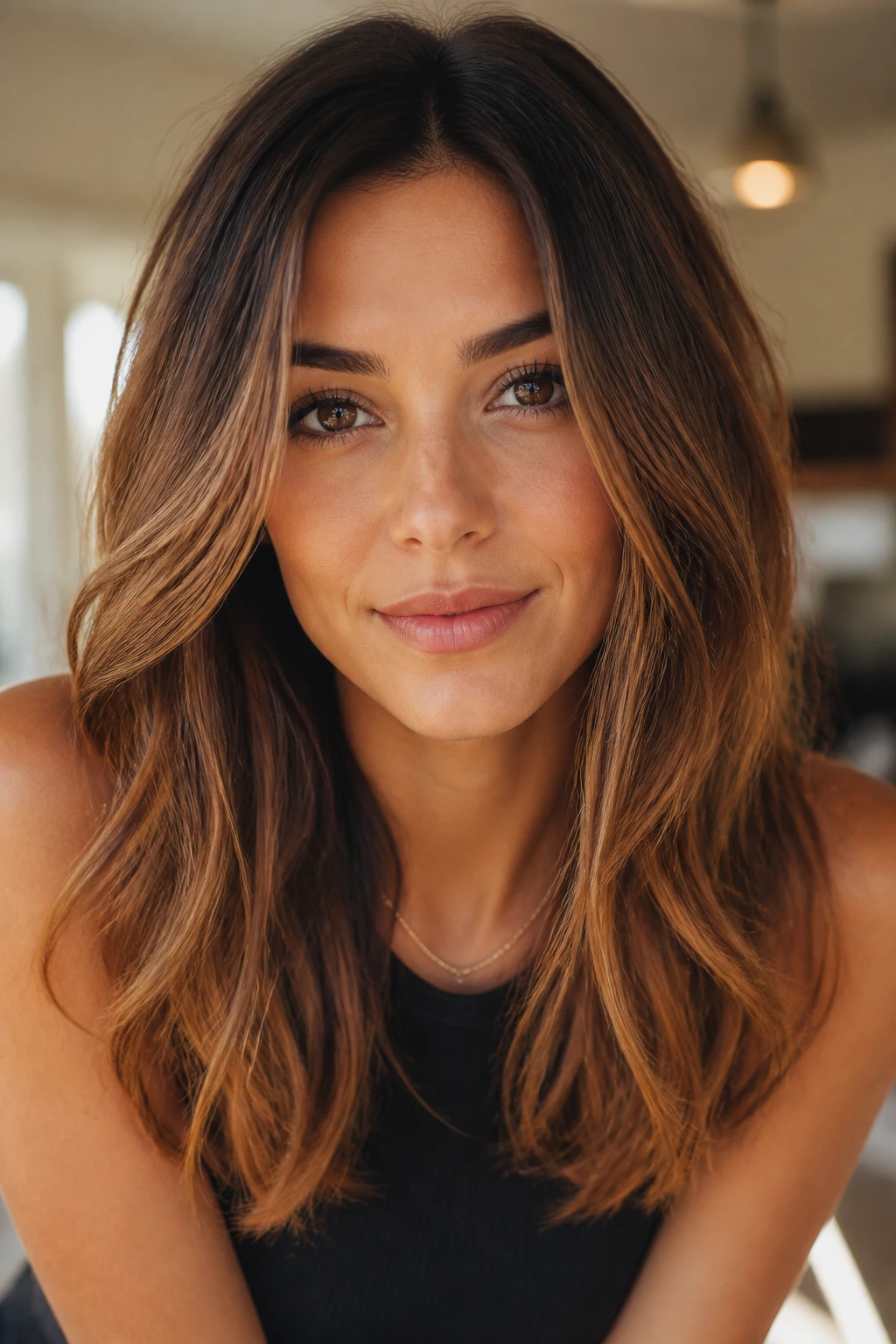
The first mistake is asking for “whiskey” without any reference point. That word can mean honey blonde to one colorist and chestnut brown to another. Give a level, a warm family name, and a placement note. That’s how you avoid surprise hair.
The second mistake is letting the warmth go orange. Orange is not the same thing as amber. If the hair starts reading pumpkin under indoor lighting, the formula needs more brown or a softer glaze. You do not need to panic; you need to tone.
The third mistake is over-lightening every section equally. Whiskey color needs depth. If the roots, mids, and ends all sit at the same brightness, the whole thing turns thin and flat. Leave some darkness in the base. It’s doing more work than the highlights.
The fourth mistake is skipping maintenance on porous ends. Warm pigments fade fast when the hair drinks them up unevenly, and the result is patchy. A gloss every 4-8 weeks keeps the shade from going fuzzy.
The fifth mistake is choosing ash because you think it will calm the warmth. Sometimes it does, but on warm skin it can also make the face look tired. Use ash only if your base is fighting brass hard enough to need it, and even then keep it controlled.
Variations and Alternatives for Different Maintenance Levels
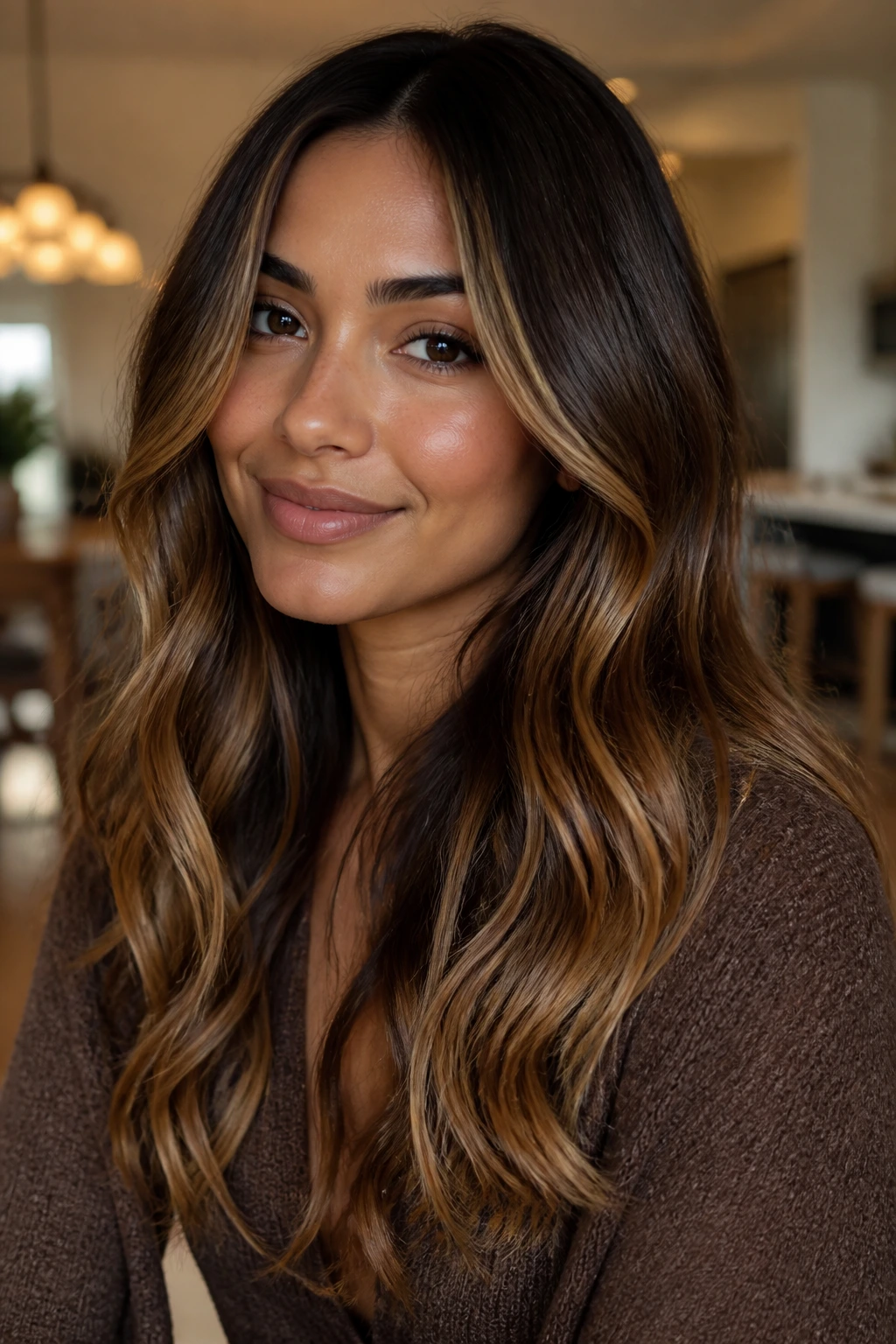
Low-Lift Whiskey Brunette: This version stays close to your natural brown base and uses a gloss rather than heavy lightening. It works well if your hair is already medium or dark brown and you want warmth without a big salon bill. The grow-out is gentle, which is half the appeal.
Amber Money-Piece Whiskey: Bright pieces around the face do most of the work here. The rest of the hair can stay darker, so the maintenance stays manageable and the color still looks intentional. It’s a good test-drive if you’re curious about lighter whiskey tones.
Copper-Forward Whiskey: Push the shade toward copper and ginger if you want more energy in the hair. This version suits freckles, bronze skin, and warm makeup. It does need regular toning because copper likes to wander.
Barrel Melt Bronde: This one blends brown and blonde in a softer gradient, with a warm root shadow and honeyed mids. It’s the easiest route if you want movement and brightness without harsh lines. Long waves show it best.
Mahogany Nightcap: Deeper and richer, this version brings in mahogany and wine-brown reflect. It’s ideal for deeper warm skin or for anyone who wants a moodier result that still lives inside the whiskey family. It’s the least “sunlit” option here, and that’s exactly why it works.
Tools That Help Maintain Warm Hair Color
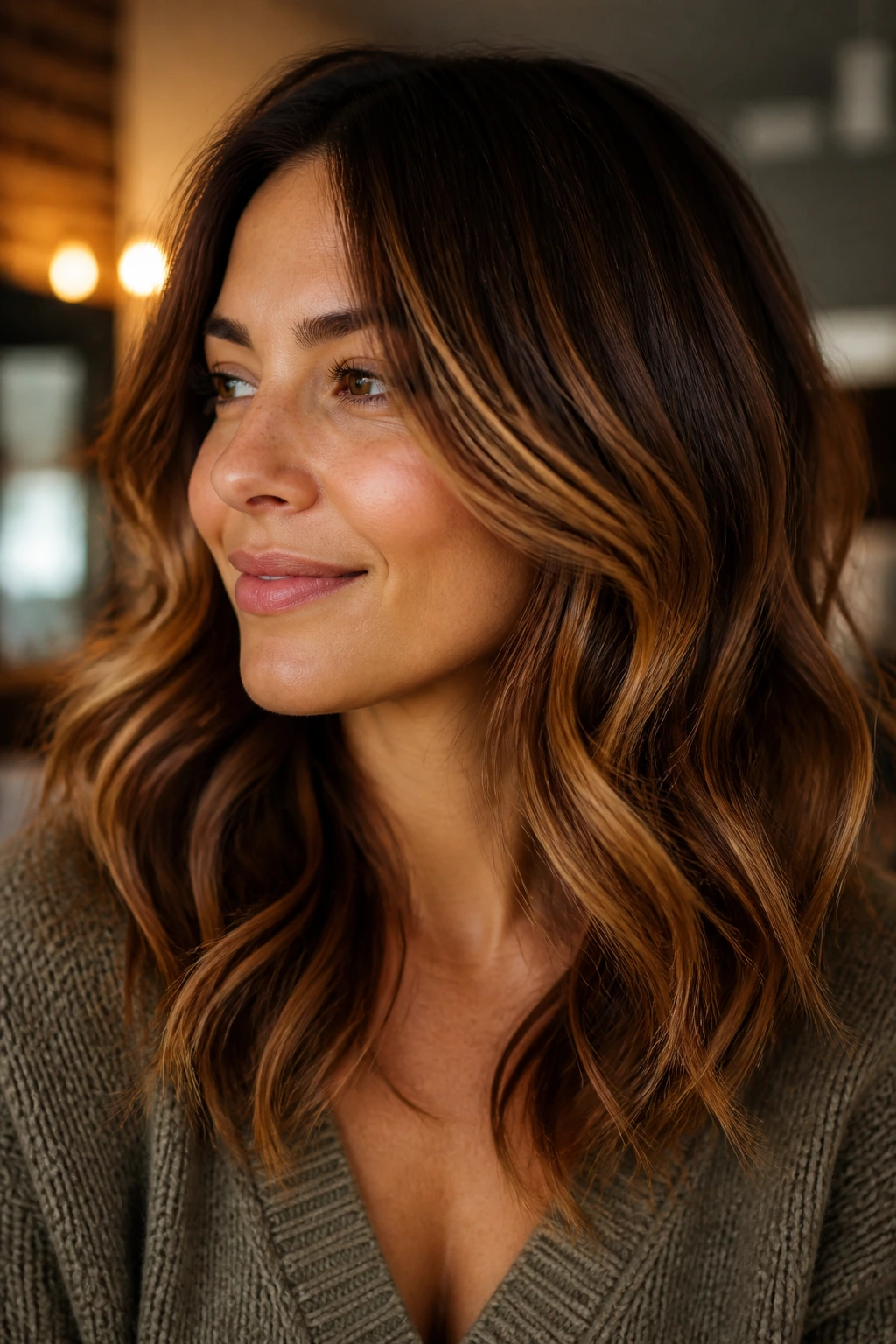
-
Color-safe shampoo: Use a sulfate-free formula so the amber and caramel tones do not rinse out too fast.
-
Moisturizing conditioner: Warm shades show shine best on smooth cuticles, and dry hair makes the color look dusty.
-
Weekly hair mask: Pick one with slip and a little protein if your hair is bleached or highlighted. Over-soft hair can go mushy.
-
Heat protectant spray: Blow-drying or curling without protection strips gloss faster than people expect.
-
Wide-tooth comb: It detangles wet hair without roughing up the cuticle, which helps the color stay reflective.
-
Microfiber towel or T-shirt: Regular terry cloth can rough up the surface and make warm tones look less glossy.
-
Color-depositing gloss or salon glaze: Use this every few weeks if your whiskey tones fade fast or your ends turn too yellow.
Keeping the Color Glossy Between Salon Visits
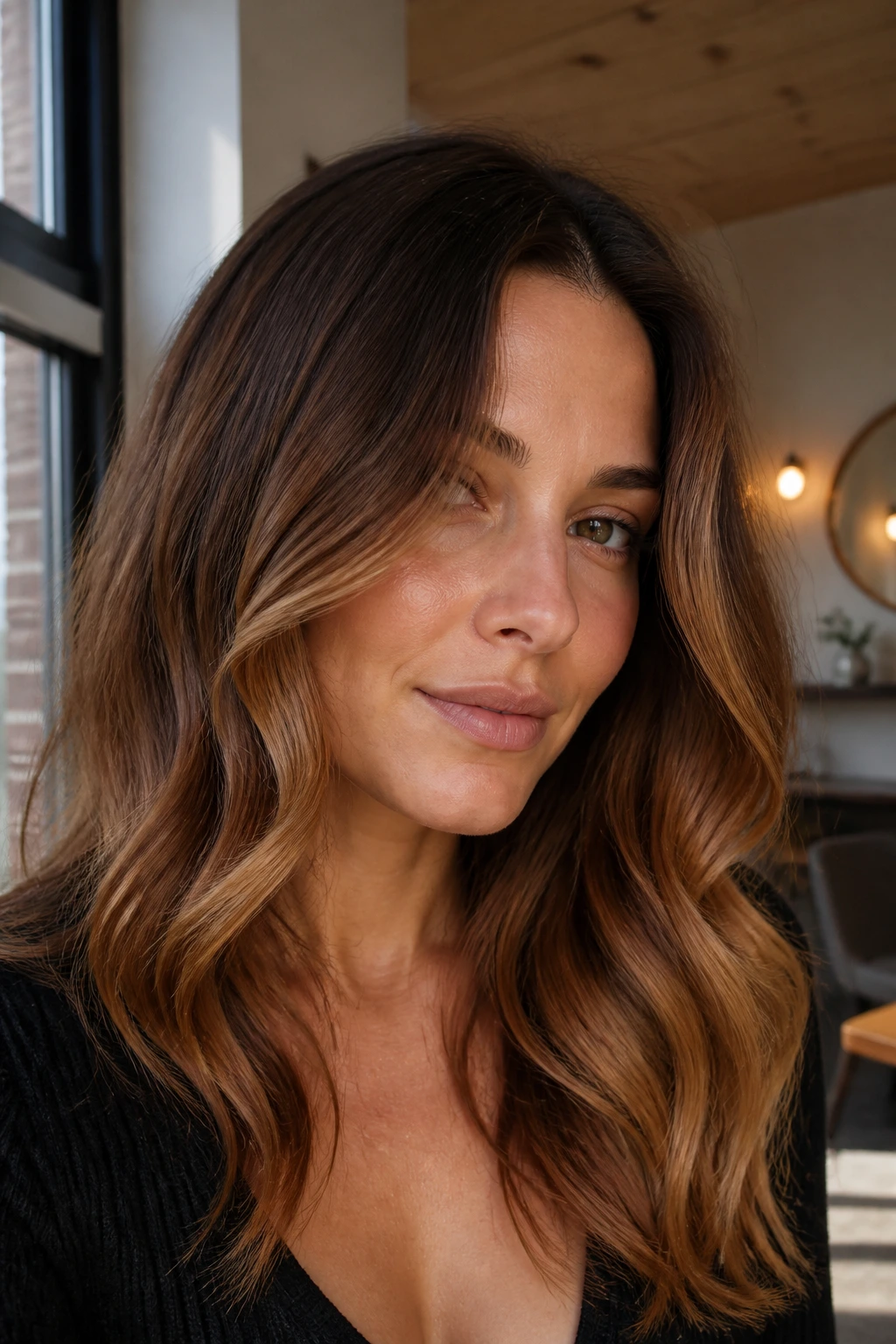
Whiskey tones stay nicest when you don’t wash them to death. Two or three washes a week is plenty for most people with color-treated hair, and cooler water on the final rinse helps the cuticle lie flatter. If that sounds fussy, it’s not. It takes thirty seconds and helps the gold stay clean instead of brassy.
For root touch-ups, many whiskey brunettes can stretch to 6-10 weeks if the grow-out is soft and the contrast is low. Brighter balayage and money-piece looks usually need a refresh sooner, often around 6-8 weeks, because the face-framing pieces lose their shape first. Glosses can be scheduled anywhere from 4-6 weeks, especially if your hair is porous or pre-lightened.
If you heat-style often, use a lower temperature than you think you need. Roughly 300-350°F is enough for many hair types, and staying below the scorched-hot range helps the warm reflect last longer. Sun exposure, chlorine, and hard water all chew through warm tones too, so a UV spray or a quick rinse before swimming saves you money later.
The hair usually tells you when it needs help. It looks dull first. Then it starts looking thirsty.
Questions People Ask Before Going Whiskey
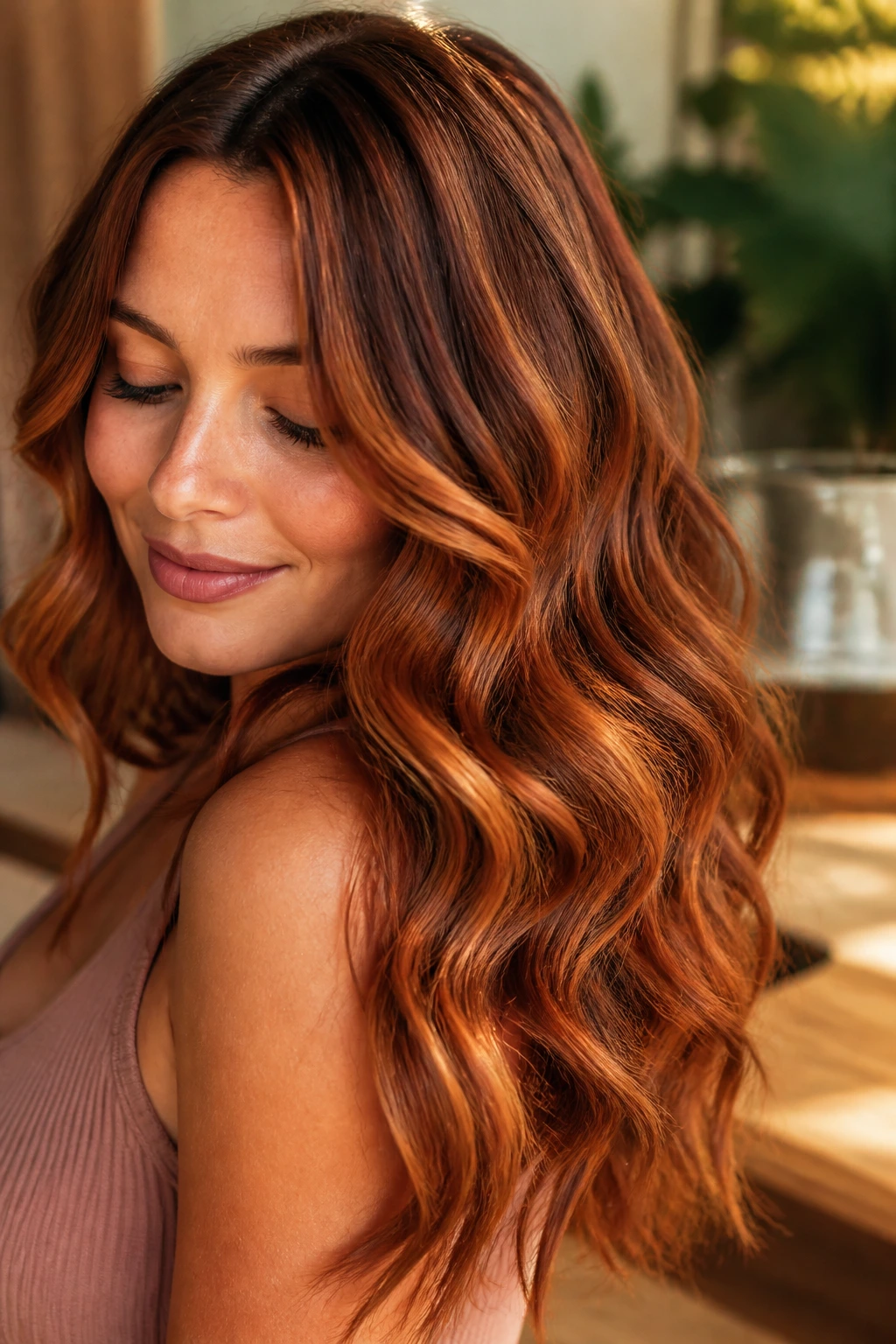
Will whiskey hair color work on cool skin tones too?
It can, but the formula changes. Cool skin usually needs the warmth softened with more brown, more root depth, and less copper. The exact same shade that glows on warm skin can look loud on cool skin.
Can I get whiskey color without bleach?
Yes, if your base is already medium to dark brown. A gloss, demi-permanent glaze, or subtle lowlights can deliver the amber-brown effect without lightener. The result will be richer than brighter.
What’s the difference between whiskey hair and caramel hair?
Caramel usually sits lighter and sweeter. Whiskey includes more brown depth, more amber, and often a little more oak or cognac in the reflect. Caramel is a slice of the family, not the whole family.
How do I stop my warm highlights from turning orange?
Keep the formula grounded with brown and ask for gold-amber rather than strong copper if your hair fades fast. Porous ends grab pigment hard, so a regular glaze and less sun exposure also help.
Can curly hair wear whiskey tones?
Absolutely. Curly hair shows off the ribbons well because the shape breaks the color into moving sections. Use broader placement so the highlights don’t disappear inside the curl pattern.
What if my hair already pulls red?
Then you’ll want more walnut, chestnut, or cognac and less true copper. Red-prone hair can race into orange if the formula gets too warm too fast. A neutral-brown base is your friend.
How often should I refresh the color?
Glosses often need a refresh every 4-6 weeks. Balayage and ribbon highlights can stretch longer, but once the shine goes and the warmth looks patchy, the color starts losing its shape.
Is whiskey hair better on long hair or short hair?
Both, but the placement changes. Short cuts need a stronger tone because there’s less surface area. Long layers can carry softer ribboning and still show plenty of dimension.
The Shade Family That Keeps Its Warmth
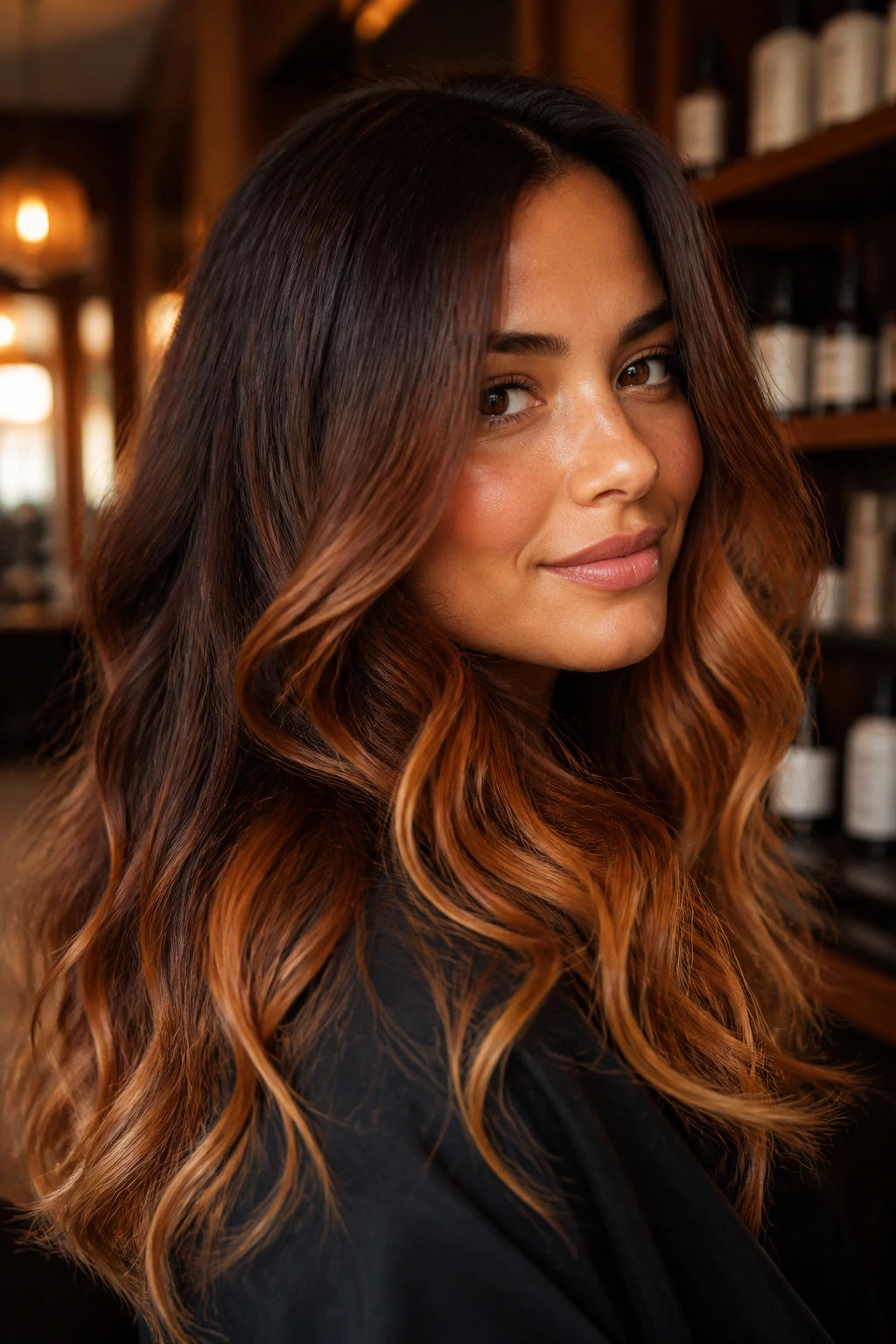
Whiskey hair color works because it respects the face it sits next to. On warm skin tones, that matters more than trend language or salon jargon. The right shade doesn’t shout. It reflects. Amber, cognac, honey, chestnut, copper, and oak all do that slightly differently, which is why this family can go from soft gloss to bold copper and still feel connected.
Pick the version that fits your haircut, your maintenance habits, and how much light you want near your face. If you get those three things right, the color does the rest. And if you’re still undecided, start with the deepest brunette version you like and add warmth later — that’s usually the safer, smarter move.