



Yellow blonde on fair skin can look luminous, but it can also go wrong in one stubborn step. Too pale, and the face can go flat. Too orange, and the whole thing starts reading like brass instead of sunshine. The sweet spot sits in that creamy band between buttery gold and soft lemon, where the light bounces off the hairline without turning the skin sallow.
That’s why yellow blonde hair color ideas for fair skin are worth a closer look. The shade family is broader than people think. A warm gloss on a level 9 base looks very different from a ribboned balayage, and both can flatter fair skin if the undertone is chosen with care. Pink skin usually likes a softer beige-gold mix. Neutral or peach undertones can carry more yellow without looking harsh.
The best versions don’t scream “yellow.” They look like daylight caught in hair. And once you start noticing the difference between buttercream, champagne, lemon, honey, and peach-gold, the whole category opens up.
Why These Yellow Blonde Shades Are Worth a Look
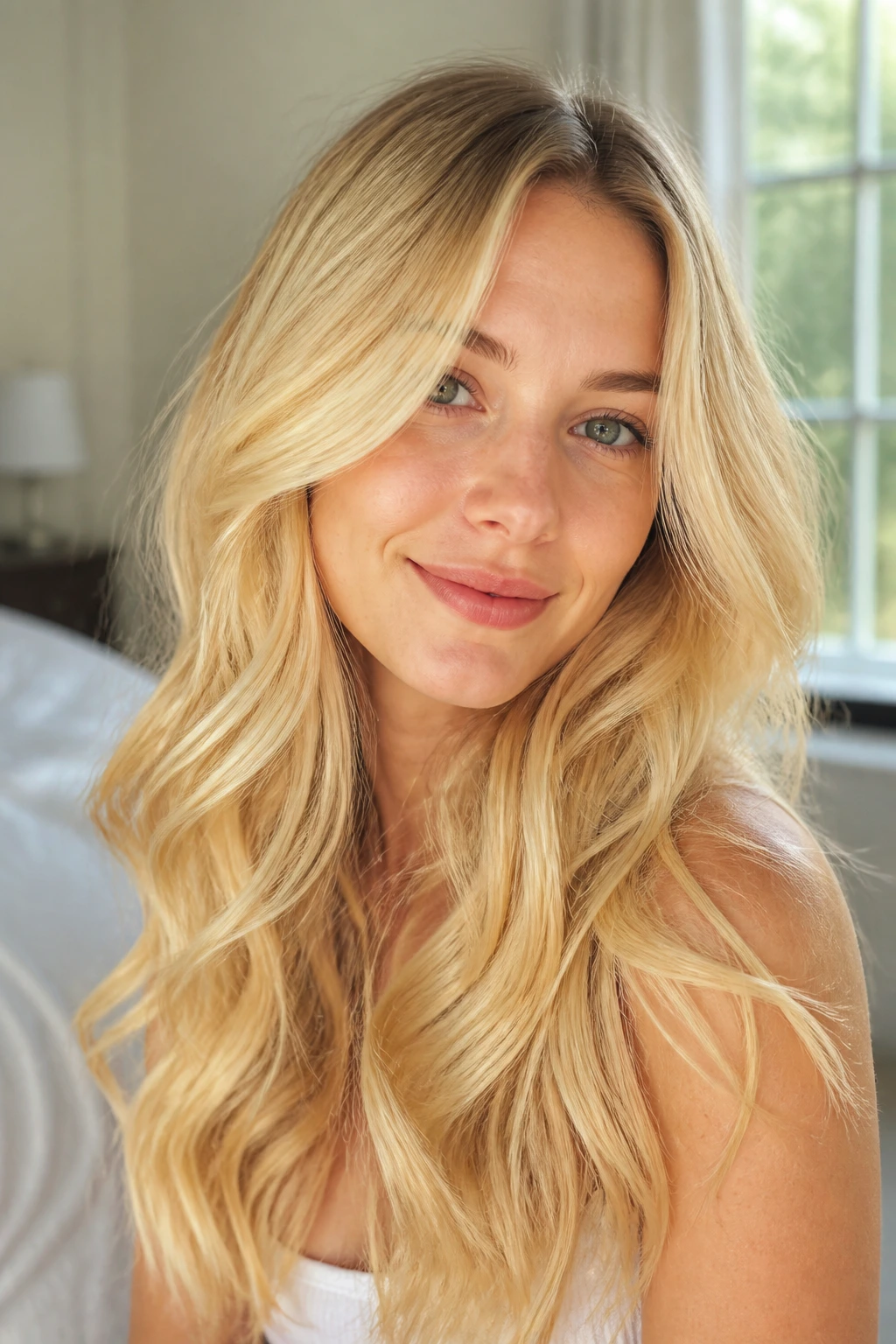
- They keep fair skin from disappearing: A touch of gold near the face gives pale skin something to reflect against, which keeps the complexion from looking washed out.
- They offer more range than icy blonde: Some shades lean creamy, some lean sunny, and some lean peachy, so you can match your undertone instead of forcing your skin to fit one trend.
- They work with low-contrast styling: Soft waves, curtain bangs, and a little root shadow make yellow blonde look intentional rather than flat and overprocessed.
- They grow out better than full platinum: A slightly deeper root or a balayage placement gives you a softer grow-out line and fewer awkward weeks between salon visits.
- They play nicely with simple makeup: Peach blush, taupe liner, and a tinted balm are usually enough. No need to fight the hair with heavy contour.
- They can be bold or quiet: The same color family can read like a whisper on a lob or hit harder in a face frame or money piece.
Why Yellow Blonde Can Sit Softly on Fair Skin
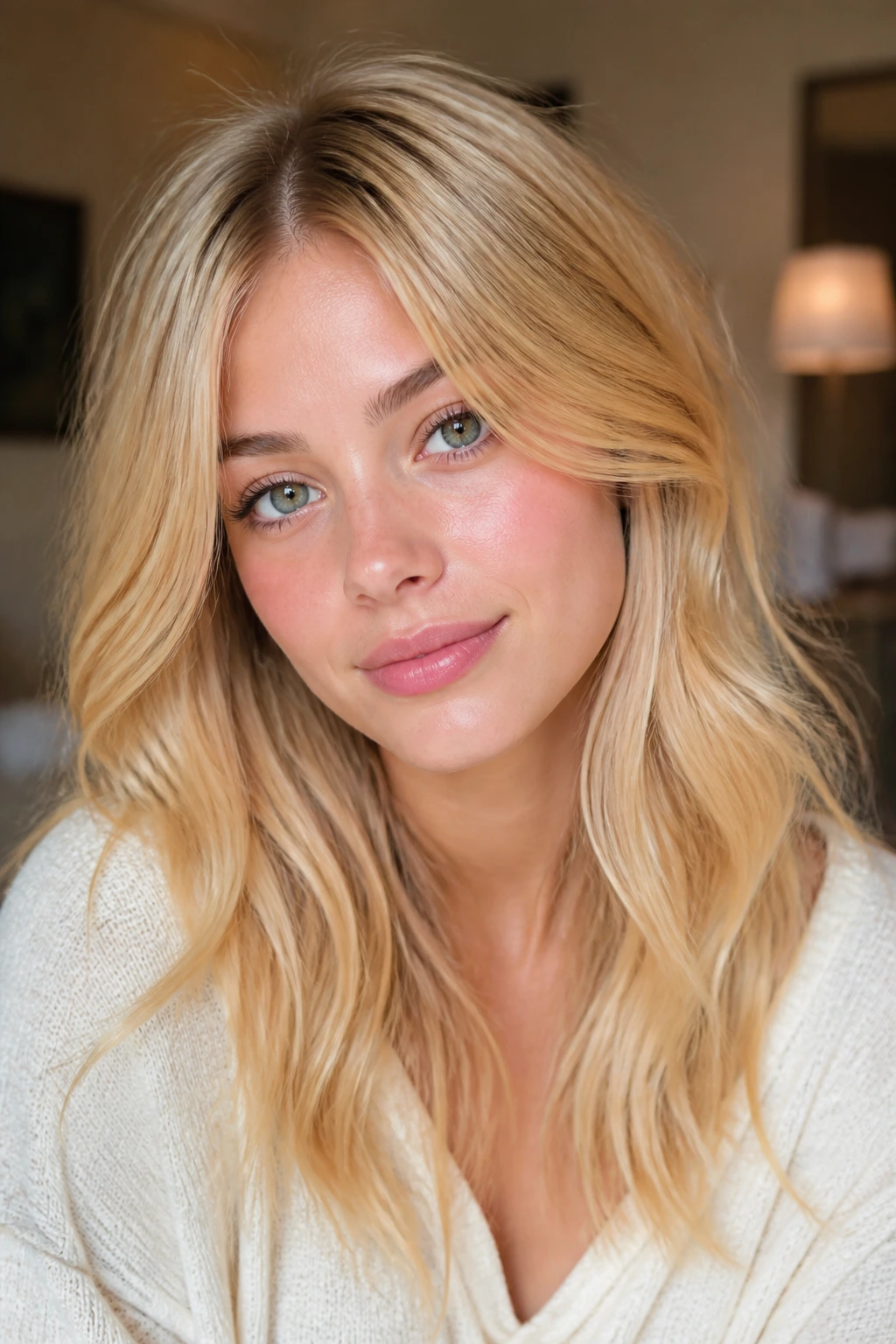
Fair skin does not need to avoid warmth. It needs the right warmth. A level 9 or level 10 blonde with a golden or beige gloss can add life to pale skin in a way a cool ash tone often can’t, especially if the face leans pink or translucent under indoor light. The trick is keeping the yellow in the creamy lane, not the neon-highlighter lane.
Pink, Peach, and Neutral Undertones
Pink undertones usually like a little beige mixed into the gold. Peach undertones can handle a brighter yellow, especially around the face. Neutral fair skin has the widest range, which is annoying if you want a simple answer and useful if you want options. In practice, that means fair skin can wear yellow blonde well when the colorist keeps some softness at the root and does not bleach every strand to a chalky finish.
Where Brass Starts
Brass usually shows up when the lift stops too soon or the toner is off by a shade family. The hair can look orange, especially in sunlight, and the skin beside it suddenly looks redder than it really is. That is the line worth protecting. A good yellow blonde should feel sunny, not loud. If you can see the warmth, but it still looks creamy at arm’s length, you’re in the right place.
1. Buttercream Yellow Blonde
Buttercream is the shade I’d hand to someone with fair skin who wants warmth but doesn’t want the hair to boss the face around. It sits in that soft gold lane, with just enough creaminess to keep the finish smooth instead of brassy. On pale skin, it tends to blur redness and make the whole complexion look a little more rested.
Why it works: Ask for a level 9 blonde with a beige-gold gloss and a root shadow about one shade deeper. That tiny bit of depth keeps the color from looking flat right at the scalp, and the creamy finish makes it easier to wear with pink cheeks or a bare face. If the hair is porous, a gloss matters even more, because porous blonde grabs yellow fast.
Quick facts
- Best on fair skin with pink or neutral undertones.
- Looks strongest in soft waves or a blowout with bend.
- Needs a toner refresh about every 6 to 8 weeks.
- Works well with curtain bangs and face-framing pieces.
Pro tip: If your hair lifts fast, stop at pale yellow and gloss from there. That gives you more control than chasing a nearly-white base and hoping toner will save it.
2. Champagne Yellow Blonde
Champagne yellow blonde is lighter and airier than buttercream, with a faint cool edge that keeps the warmth from tipping syrupy. It has that polished salon finish people often want when they say “blonde,” but the gold is still there if you look closely. On fair skin, it gives a clean glow instead of a heavy tan effect.
The reason I like it for pale faces is simple: it balances lightness and warmth. Pure ash can make fair skin look ghosted. Pure gold can look too rich. Champagne splits the difference, which is exactly why it works on people who want a lighter, brighter frame around the face without losing softness.
Ask for thin babylights through the top, then a sheer beige-gold glaze over the mids and ends. If your natural base is already light, this can be done with more gloss than lift, which keeps the hair feeling silky instead of dry.
3. Pale Banana Blonde
A pale banana blonde sounds like it might be loud. It isn’t, if it’s done right. Think soft yellow peel rather than bright fruit flesh. The warmth is clean and slightly playful, which can look fantastic on fair skin that needs a little energy near the face.
How to Wear It
This shade shines when the colorist keeps the tone very even and stops short of orange. On fair skin, especially skin with a cool blush to it, pale banana blonde works best when the roots stay a touch deeper and the front pieces get the brightest lift. That keeps the color from swallowing your features.
Use it if you want something brighter than beige but less obvious than copper-blonde. A shoulder-length cut, a textured lob, or loose bends all help, because the movement breaks up the yellow and makes it feel airy. Straight, flat styling can make it look more intense than you intended.
4. Honeyed Yellow Blonde Balayage
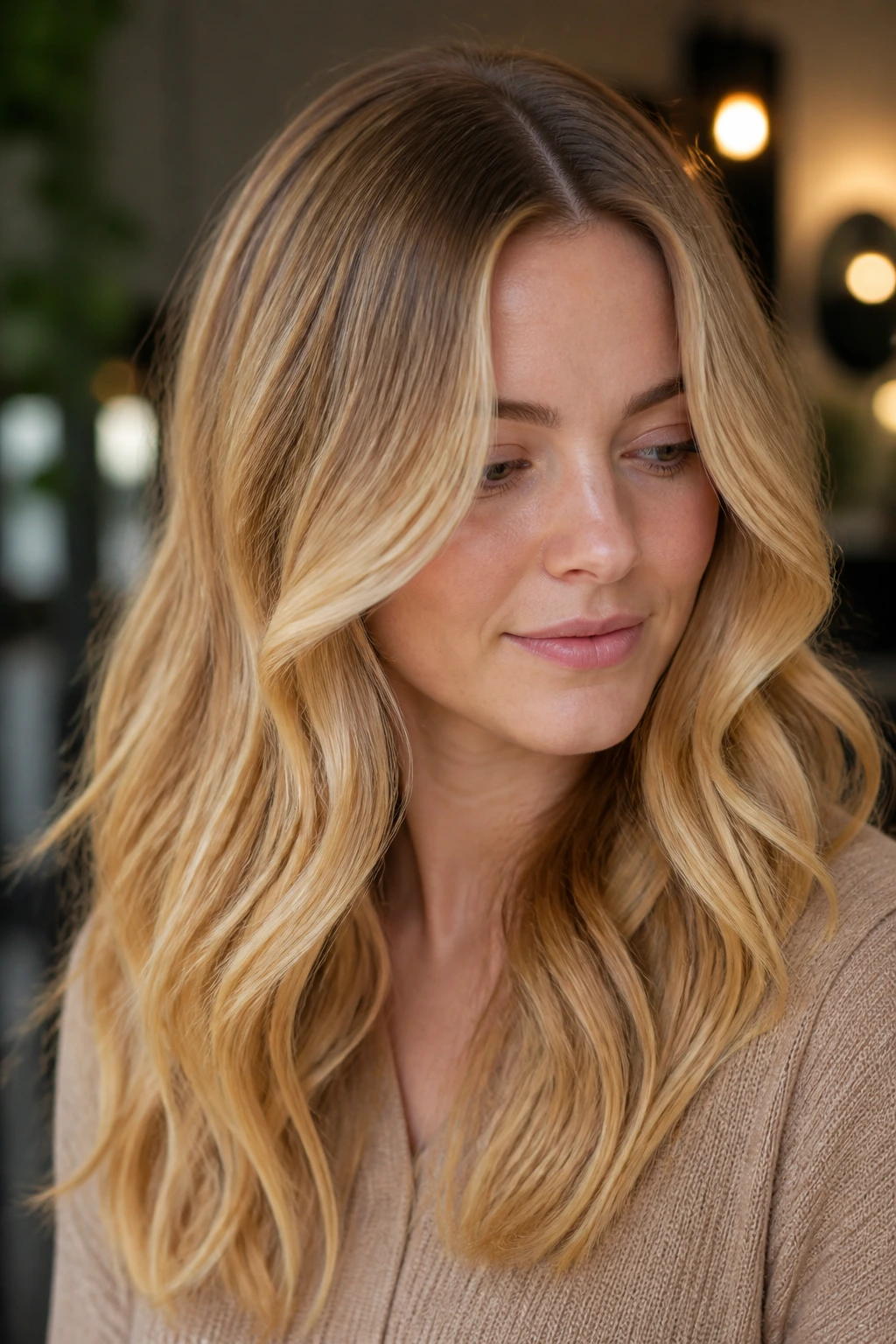
If you like your blonde with depth, honeyed yellow balayage is the one that feels lived-in instead of freshly poured from a bottle. It keeps the warmth concentrated in ribbons, so fair skin gets that sunlit frame without needing the whole head to be lifted to the same level. The result is softer around the scalp and richer through the ends.
Picture a client in the chair asking for brightness, but not the maintenance of all-over blonde. That’s where balayage earns its keep. Hand-painted yellow-gold pieces through the mid-lengths and ends let the hair move, and the darker base keeps the face from looking washed out.
- Ask for a level 8 or 9 canvas with hand-painted gold pieces.
- Keep the ribbons thinner around the temples.
- Leave 10 to 15 percent of the darker base visible for dimension.
- Refresh with a clear or golden gloss every 6 weeks.
5. Cream Soda Blonde
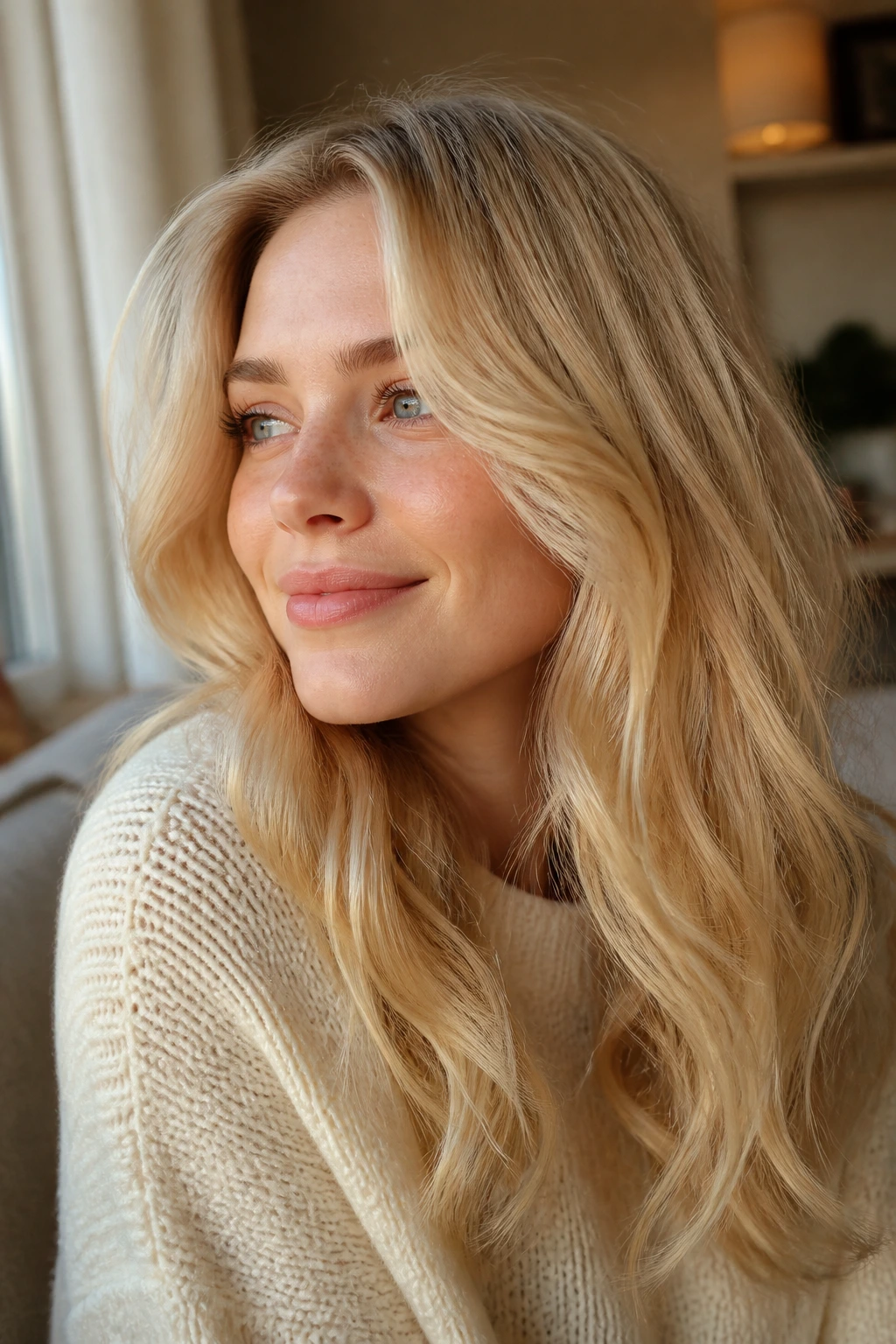
Cream soda blonde has that fizzy, soft-lifted look where the yellow is present but tucked under a creamy veil. It reads warmer than champagne and smoother than a straight golden blonde. On fair skin, it gives a nice soft-focus effect, especially if the complexion leans rosy or a little translucent in winter light.
The shade works because it doesn’t chase brightness for brightness’ sake. The cream tones keep it from going sharp. The yellow undertone keeps it from collapsing into beige mush. That balance is why I’d put it on fair skin that wants warmth without the “I just came out of a highlight foil” look.
Best result? Medium waves, a side part or loose middle part, and a gloss that stays sheer. Too much violet shampoo will flatten this shade fast.
6. Daffodil Face-Framing Highlights
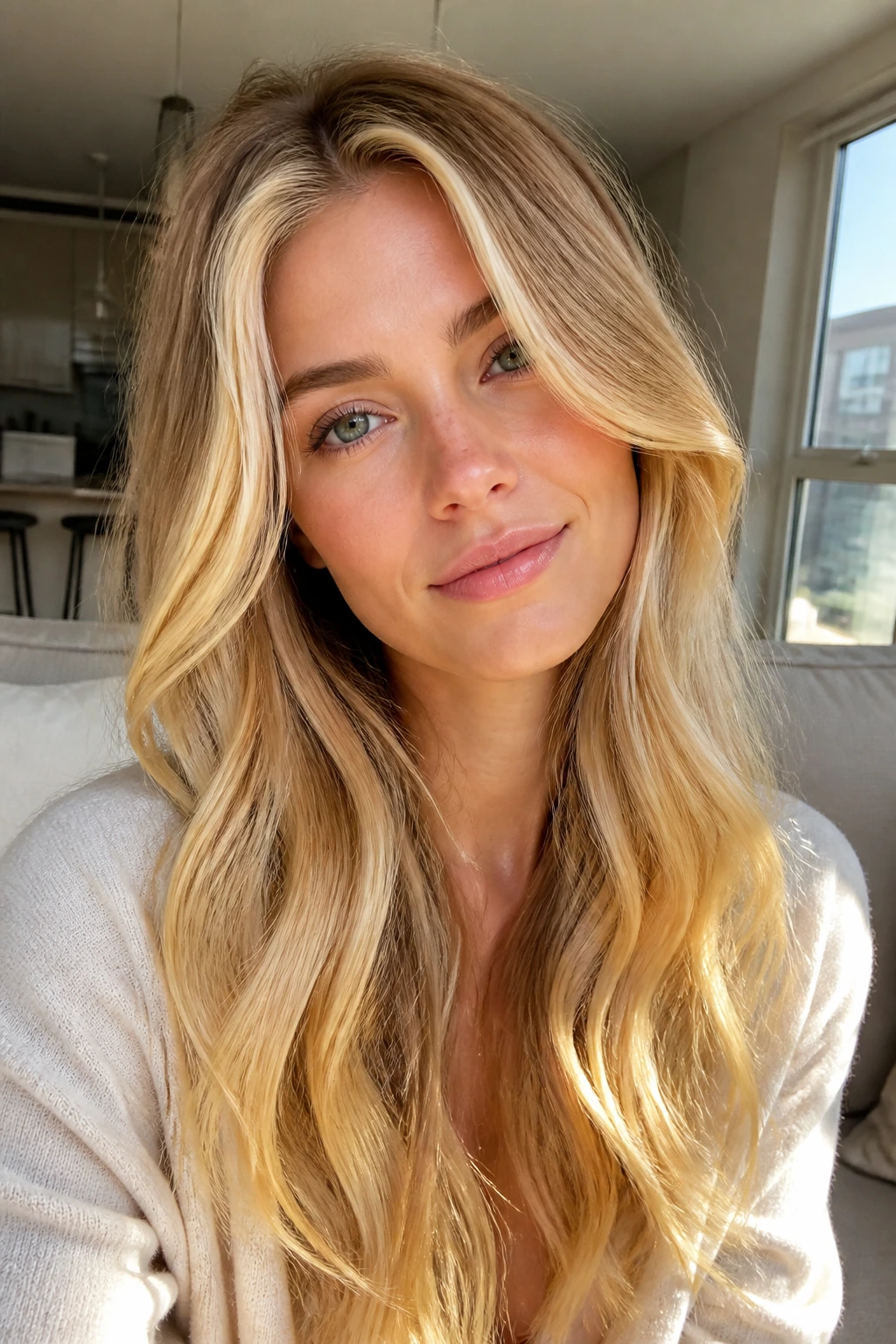
Daffodil highlights are for the person who wants the face to pop before the rest of the hair does. Instead of coloring the whole head yellow blonde, you brighten the front panels and maybe a few crown pieces, then leave the rest softer. On fair skin, that burst of yellow-gold at the cheeks can act like a built-in brightener.
The comparison is easy: full yellow blonde gives you overall warmth, while face-framing pieces give you targeted glow. That makes this idea good for people who are nervous about going too warm or too light all over. You get the hit of sunshine without the commitment of a full transformation.
Best on:
- Lobs and long layers
- Fair skin with neutral undertones
- Hair that already sits at a level 7 or lighter
Ask for bright ribbons around the hairline, plus a gloss on the rest of the hair to keep the contrast soft. If the face frame is too chunky, it can look stripey fast. Thin and bright usually wins here.
7. Golden Wheat Blonde
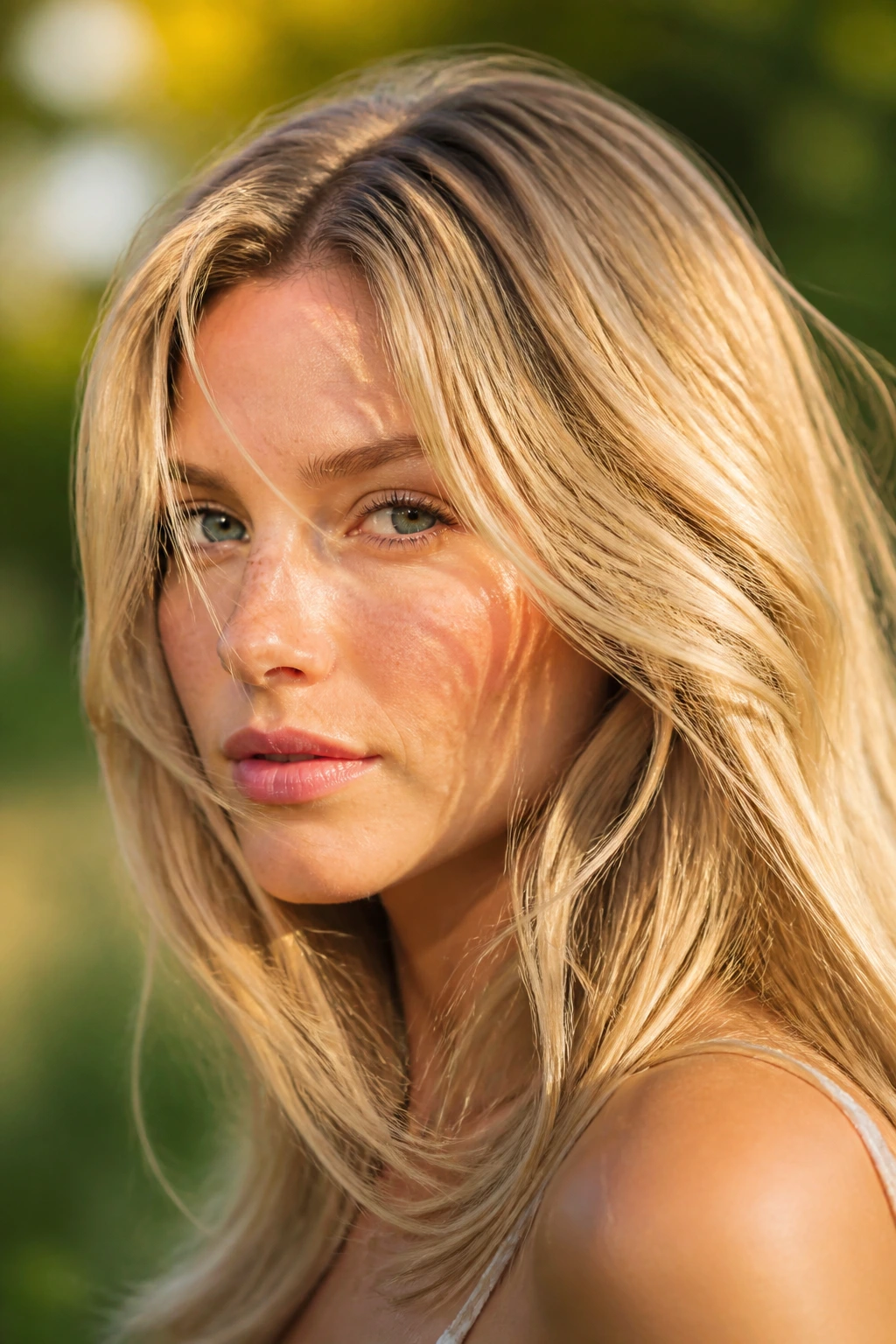
Golden wheat blonde is quieter than honey and less creamy than buttercream. It has a slightly earthy finish, the sort of color that looks especially good when fair skin has freckles or a bit of natural redness. The shade doesn’t fight the skin; it sits beside it and gives it a softer border.
I like this tone because it wears like a natural blonde that spent time outdoors but didn’t bleach itself to death. It’s a nice choice if you want warmth that still feels believable. Add a soft root and the whole thing gets even better, because the eye sees depth first, then the gold.
On fair skin, this is one of the easiest shades to live with if you hate harsh contrast. It works with straight hair, waves, and a messy bun, which means the color doesn’t depend on styling tricks to look finished.
8. Lemon Meringue Blonde
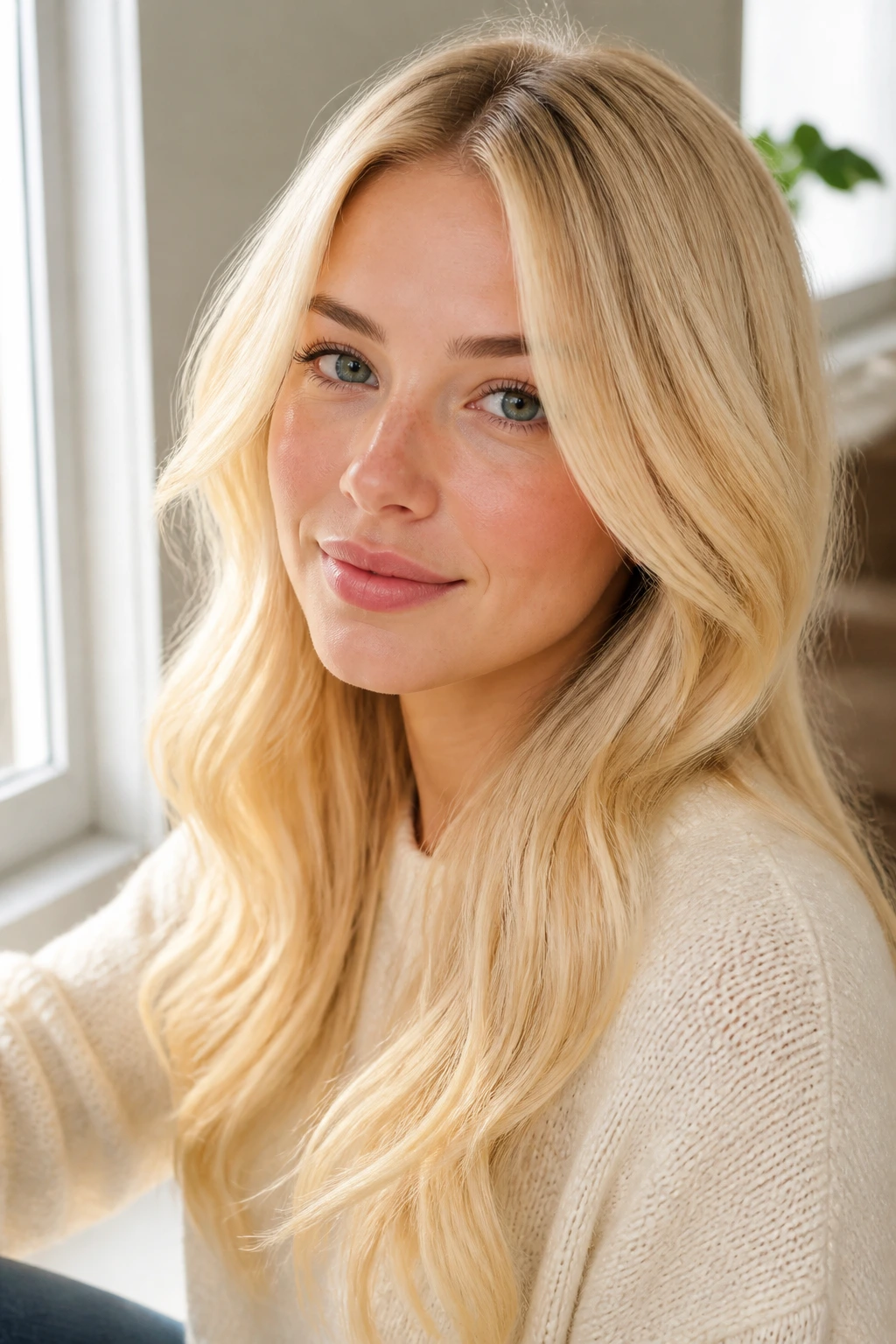
Lemon meringue blonde has a brighter edge than most of the shades here, but the trick is keeping the lemon note soft and creamy. Think dessert, not neon. On fair skin, it can look fresh and light if the base has enough lift and the toner keeps the yellow clean instead of muddy.
What Makes It Different
Unlike deeper honey tones, lemon meringue sits closer to pale yellow with a touch of vanilla. That means it reflects more light around the face, which can be useful for very fair skin that needs brightness rather than depth. The downside is obvious: if the lift is uneven, every spot shows. So strand testing matters.
How to use it
- Best on natural blondes or light brown hair lifted to pale yellow.
- Pair with a soft root melt so the color doesn’t look cut out.
- Keep makeup simple: peach blush, soft brown mascara, and a warm lip tint.
- Avoid heavy purple shampoo; it can dull the lemon note into gray.
9. Vanilla Custard Blonde
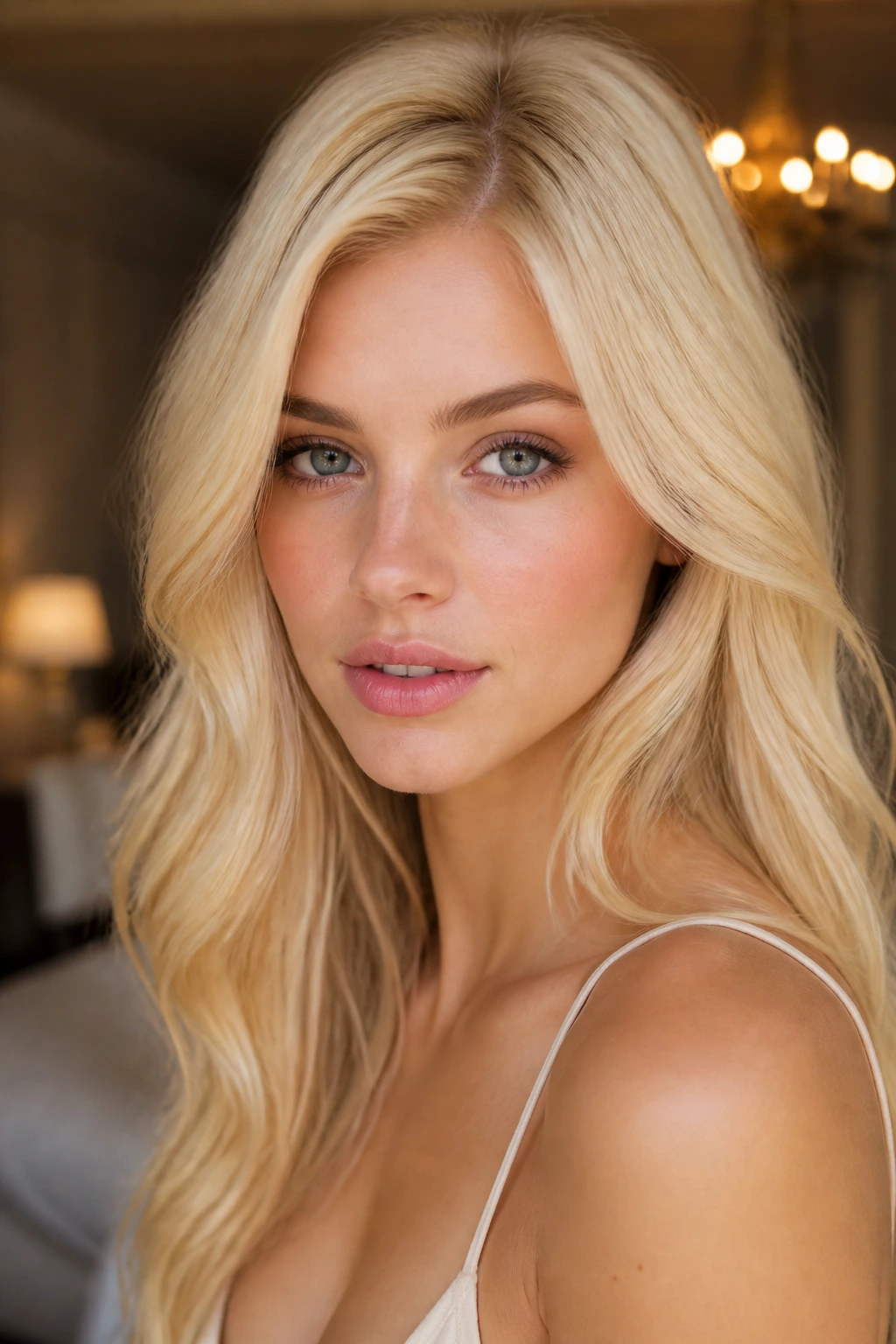
Vanilla custard blonde is the softest of the creamy shades. It leans pale and sweet, but there’s enough yellow-gold in it to stop the hair from looking flat. On fair skin, especially skin with a cool pink cast, it gives a gentle warmth that can make the face look less stark.
The shade feels expensive without trying too hard, which is partly why it works so well on shorter cuts and polished blowouts. The color should look like it has been blended, not painted in blocks. If you ask for it, ask for a translucent gloss over a very light blonde base rather than a heavy toner that erases the warmth.
It’s also one of the better choices if you want a blonde that reads clean in office lighting, where too much gold can suddenly feel loud. Vanilla custard stays soft. That’s its whole appeal.
10. Sandy Yellow Blonde Bob
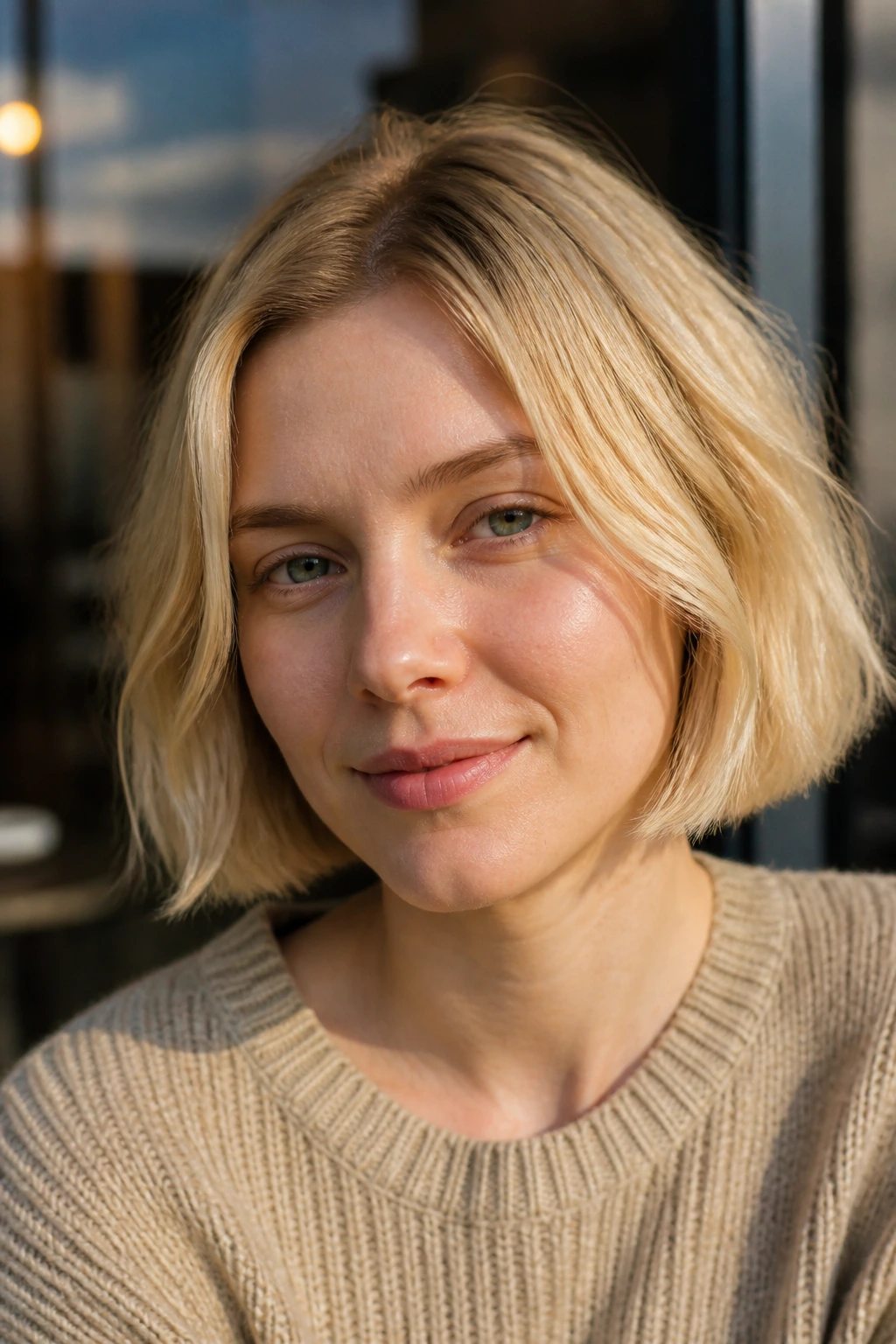
A bob changes the whole conversation. On shorter hair, yellow blonde can read sharper and more fashion-forward, because the cut keeps the color from disappearing into a long sheet. Sandy yellow blonde adds a warm, beachy edge without going fully gold, which works well on fair skin that needs a little contrast close to the jawline.
Here, root shadow matters more than people think. With a bob, the eye lands on the whole shape at once. A softly deeper root gives the color a frame, and that frame keeps pale skin from looking like it’s floating next to a bright block of hair.
Wear it slightly tousled. A blunt, straight bob can make yellow tones feel harder. Soft bends or tucked-behind-the-ear styling keep the color casual and flattering.
11. Sunlit Ribbon Highlights
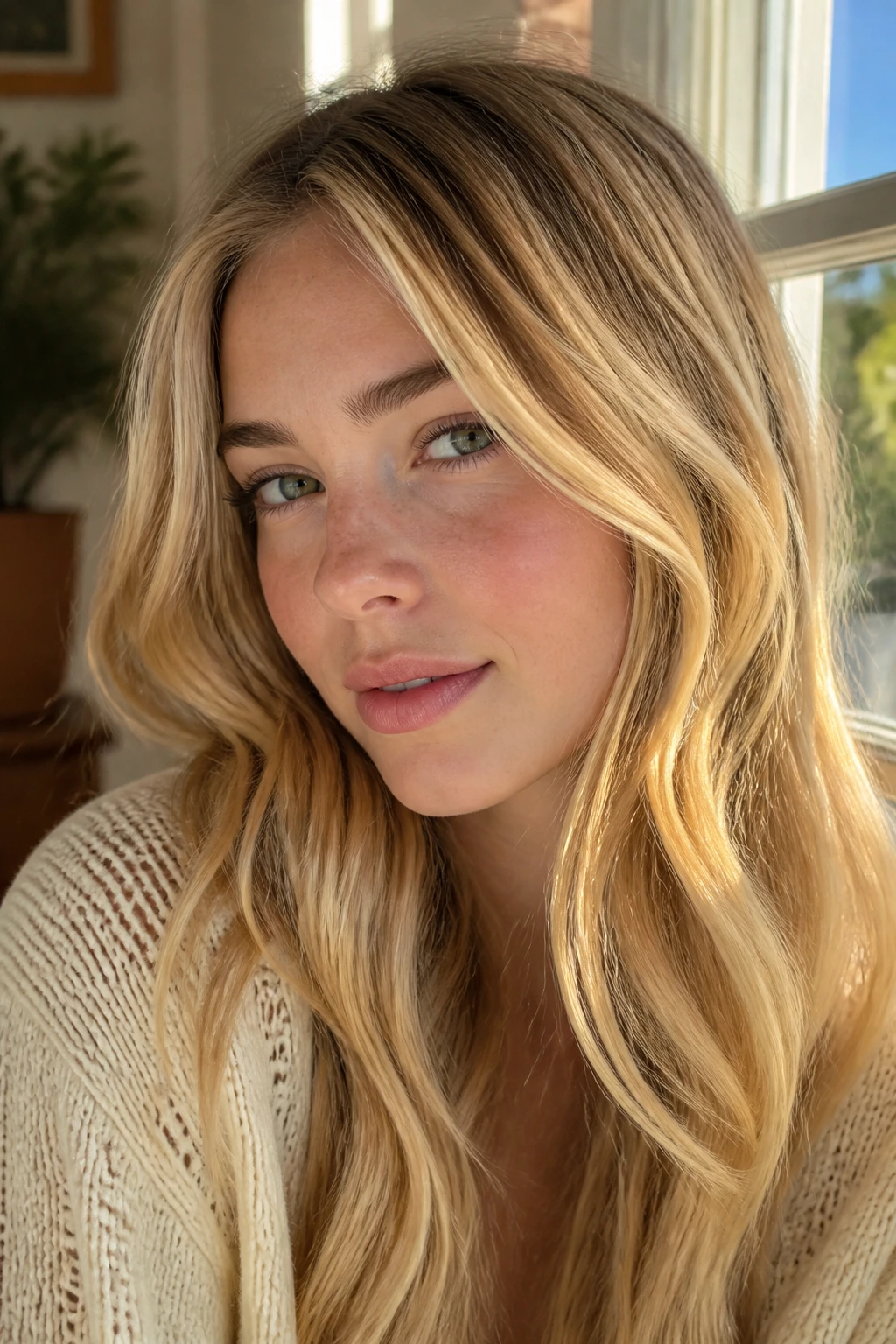
Sunlit ribbon highlights are exactly what they sound like: thin, bright bands threaded through the hair so the yellow blonde moves instead of sitting in one flat sheet. On fair skin, that movement is gold. It gives you brightness near the face and texture through the lengths, which is especially useful if your natural base still shows in places.
The appeal here is control. You can keep the base a little darker and just light up the outer layers. That’s kinder to fine hair, and it also keeps the color from overwhelming a very pale complexion. The yellow reads in flashes instead of shouting every time you turn your head.
Ask for narrow foils or delicate balayage strokes, then finish with a golden gloss. If the ribbons are too thick, the effect turns chunky fast. Thin ribbons look cleaner and more expensive, plain and simple.
12. Apricot Blonde Melt
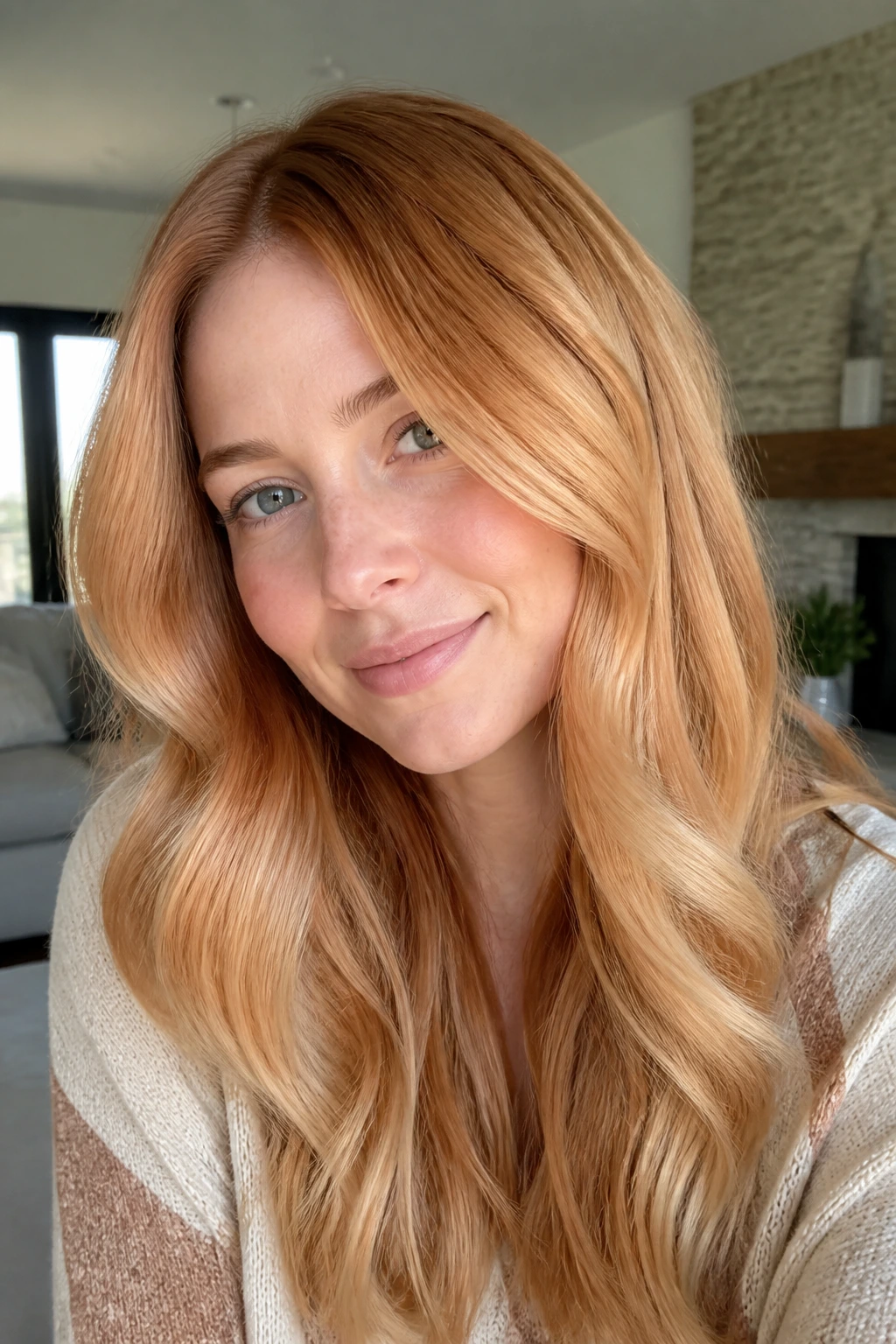
Apricot blonde melt lives in the warmer corner of the yellow blonde family, with a whisper of peach under the gold. That peach note is useful on fair skin that carries redness, because it softens the contrast instead of making it louder. The whole color feels warm, but not orange.
This is one of my favorites for someone who wants the blonde to show up in daylight. The peach-gold melt looks especially good when the base is a shade deeper at the root and the mids carry most of the warmth. It makes the color feel blended from top to bottom, not dropped in from a bottle.
The finish matters here. A glossy blowout gives the apricot tone a smoother look, while air-drying can make the peach side show more. If you want to keep it creamier, ask for a softer beige glaze rather than a copper gloss.
13. Corn Silk Blonde
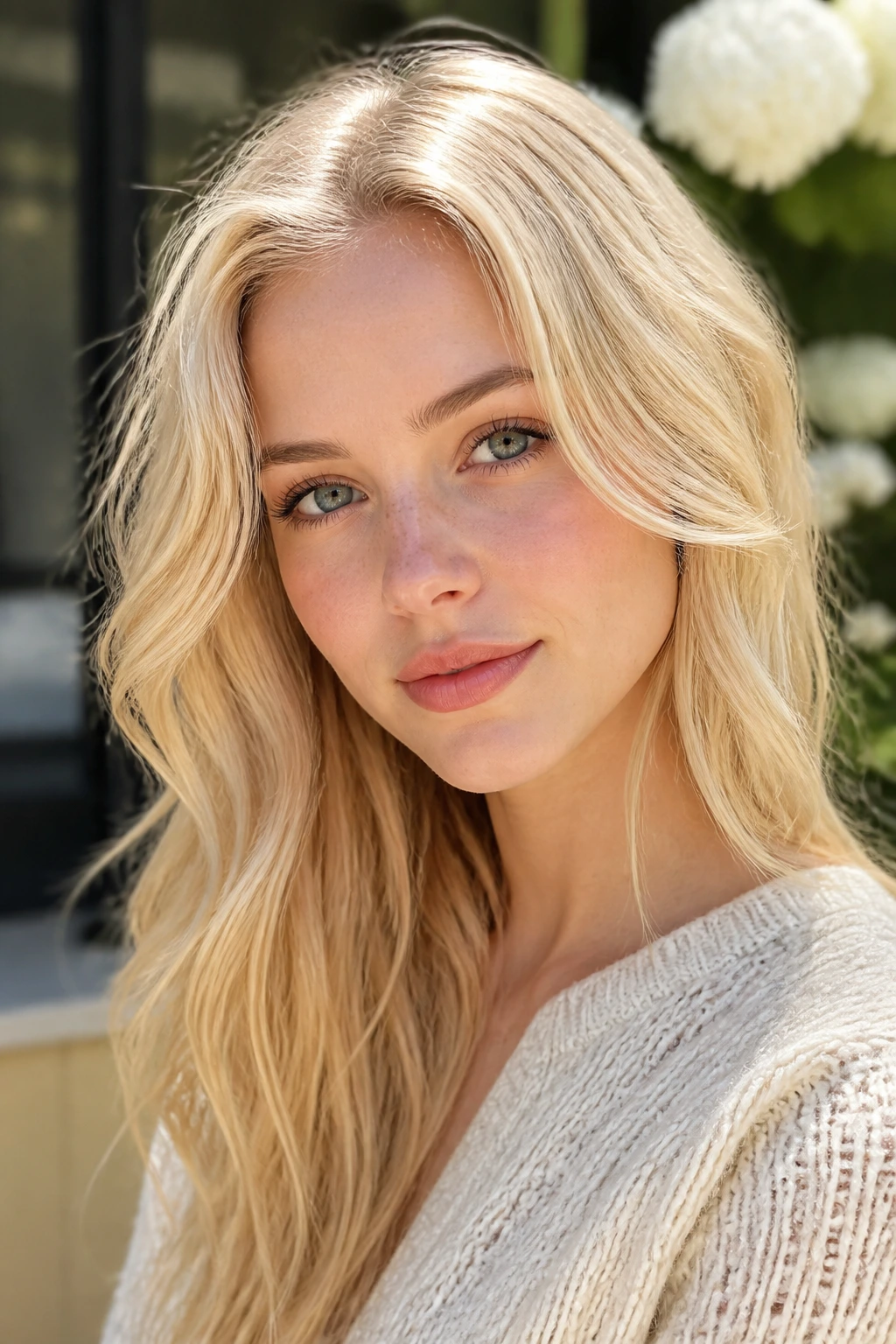
Corn silk blonde is lighter and drier in tone than buttercream, with a pale yellow-gold that looks soft rather than rich. It’s a good match for fair skin that wants brightness without a heavy honey finish. The color has a light, airy feel, almost like the hair has been dusted with sun.
I’d steer this shade toward people with neutral skin, or fair skin that tends to tan a little before the rest of the body does. If the complexion is very pink, corn silk needs a little beige mixed in so it doesn’t make the face look more flushed. That tiny adjustment matters.
Keep the ends textured and the part slightly off-center. A dead-straight part can make the shade look more severe than it is. Movement softens everything.
14. Butterscotch Root Shadow
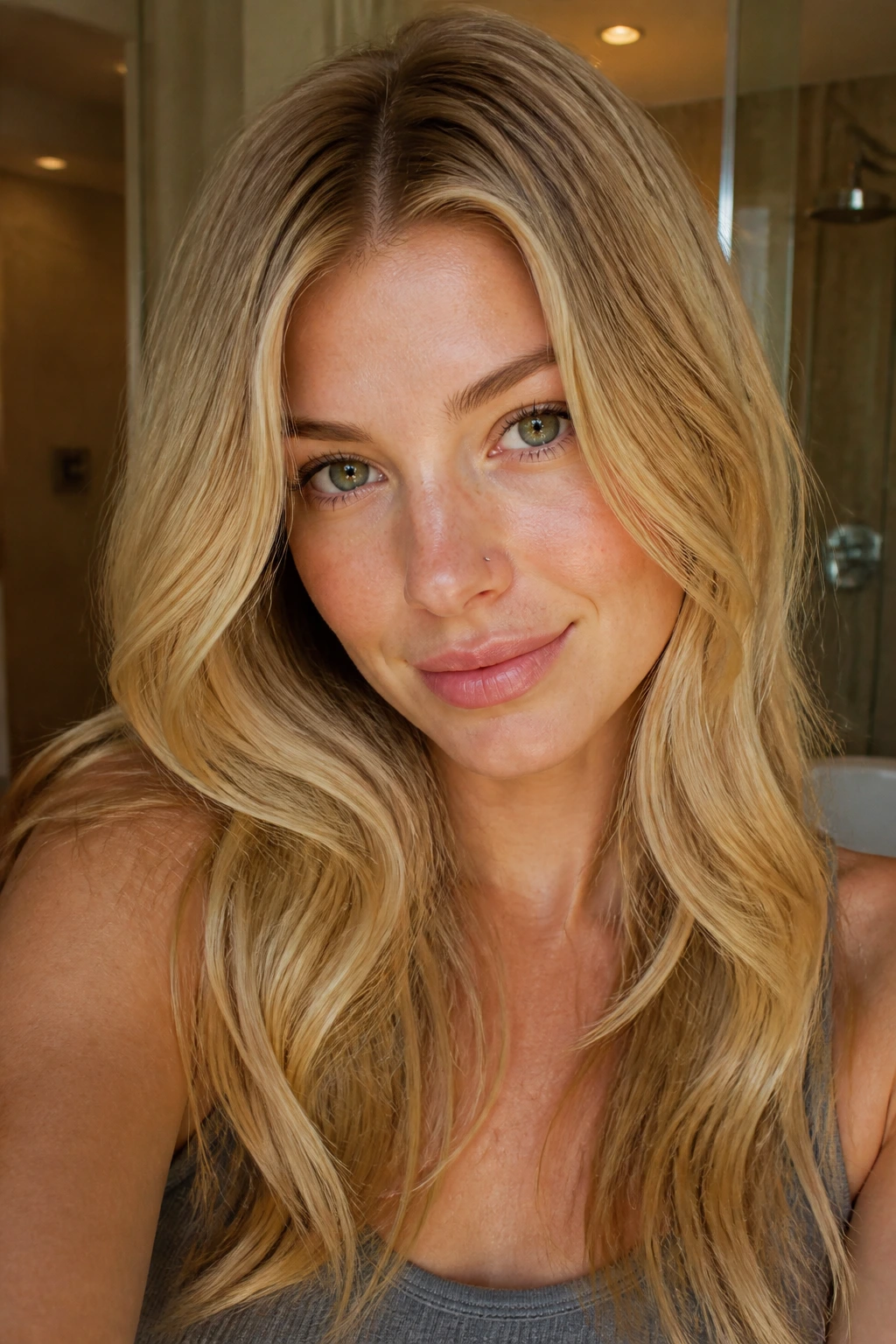
Want a blonde that grows out with less drama? Butterscotch root shadow is a smart choice. It keeps the roots deeper and melts into yellow-gold mids, so fair skin still gets warmth around the face without the scalp looking like a bright stripe. The darker base also makes the blonde look more expensive, which is a nice bonus.
Why It Works
The root shadow is doing real work here. It adds contrast, makes the yellow read richer, and gives the hair room to grow. That’s especially useful if your natural color is darker blond or light brown, because the shadow helps bridge the gap between your base and the lighter pieces.
Best for
- Medium-length cuts
- Fair skin with neutral undertones
- People who want 8 to 10 weeks between major salon visits
Ask for the shadow to stay one or two levels deeper than the mids. If it drops too far, the hair starts to look muddy instead of blended.
15. Platinum with Yellow-Gold Gloss
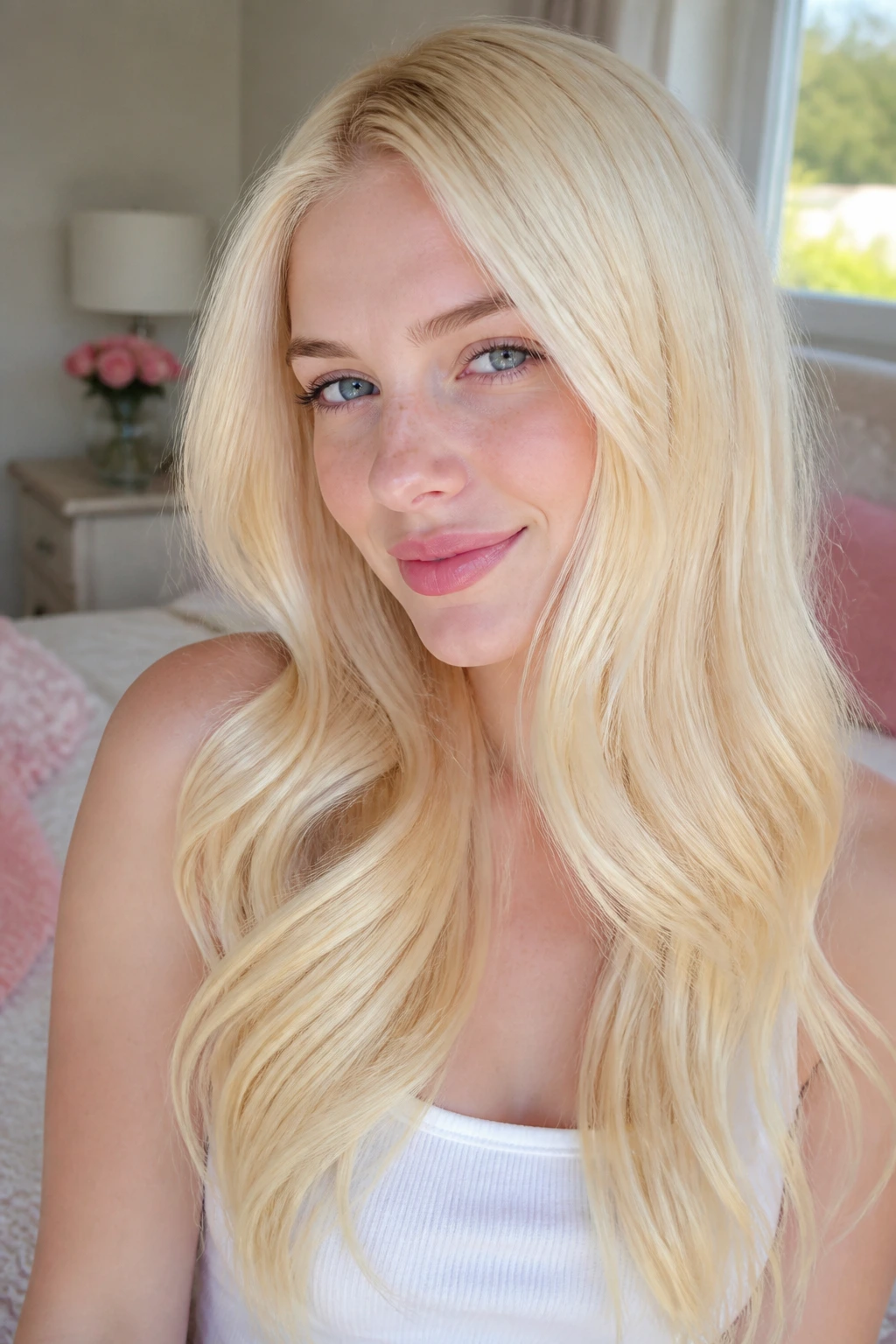
Platinum gets all the attention, but a platinum base with a yellow-gold gloss is often kinder on fair skin than the icy version. The gloss warms the hair just enough to stop the face from looking stark, especially if your skin is very pale or veers pink in low light. You still get that light-reflective platinum effect, only it feels softer.
The key is restraint. This is not a butter blonde and it is not a beige blonde. It’s platinum that has been warmed with a thin gold glaze, almost like sunlight touching ice. That’s a useful trick for people who love brightness but don’t want the hard contrast of blue-toned platinum.
Ask for the gloss, not a heavy toner, if you want the warmth to stay visible. A toner that is too strong can erase the whole point.
16. Polished Level 9 Honey Blonde
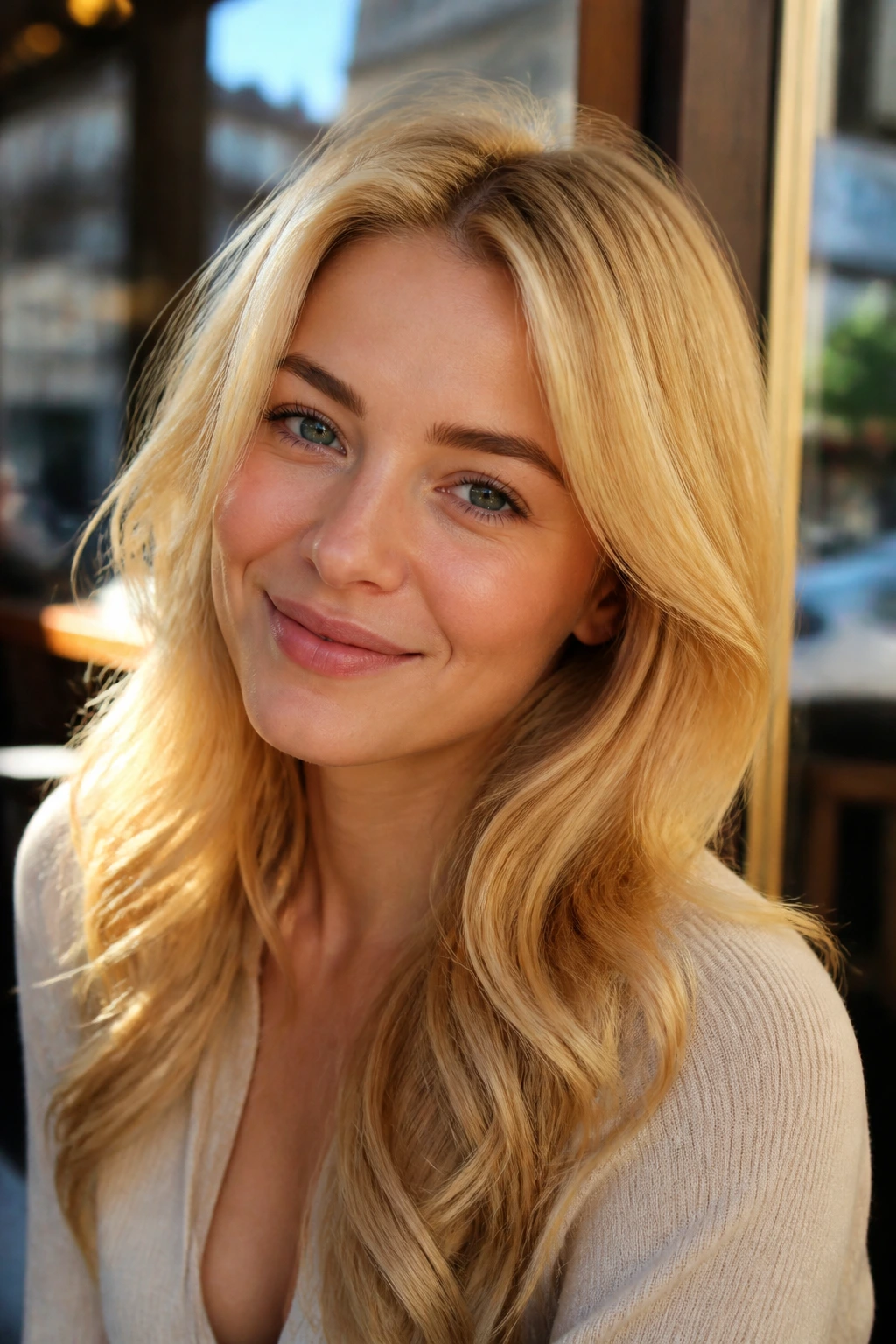
Sometimes the most useful thing is a number. Level 9 honey blonde sits right where you want it if you need lift, warmth, and a little softness all at once. On fair skin, it gives a clean golden halo without pushing the hair all the way into pale yellow territory.
This shade works because level 9 still has enough depth to hold tone. Level 10 can be stunning, but it is fussier and more likely to show every uneven spot. Level 9 honey is easier to maintain, and the yellow-gold read stays visible longer between salon visits.
If your hair is naturally light brown or dark blonde, this is one of the more forgiving directions to ask for. It also behaves well in loose waves, where the tone shifts from gold to warm cream as the light changes.
17. Warm Scandinavian Blonde
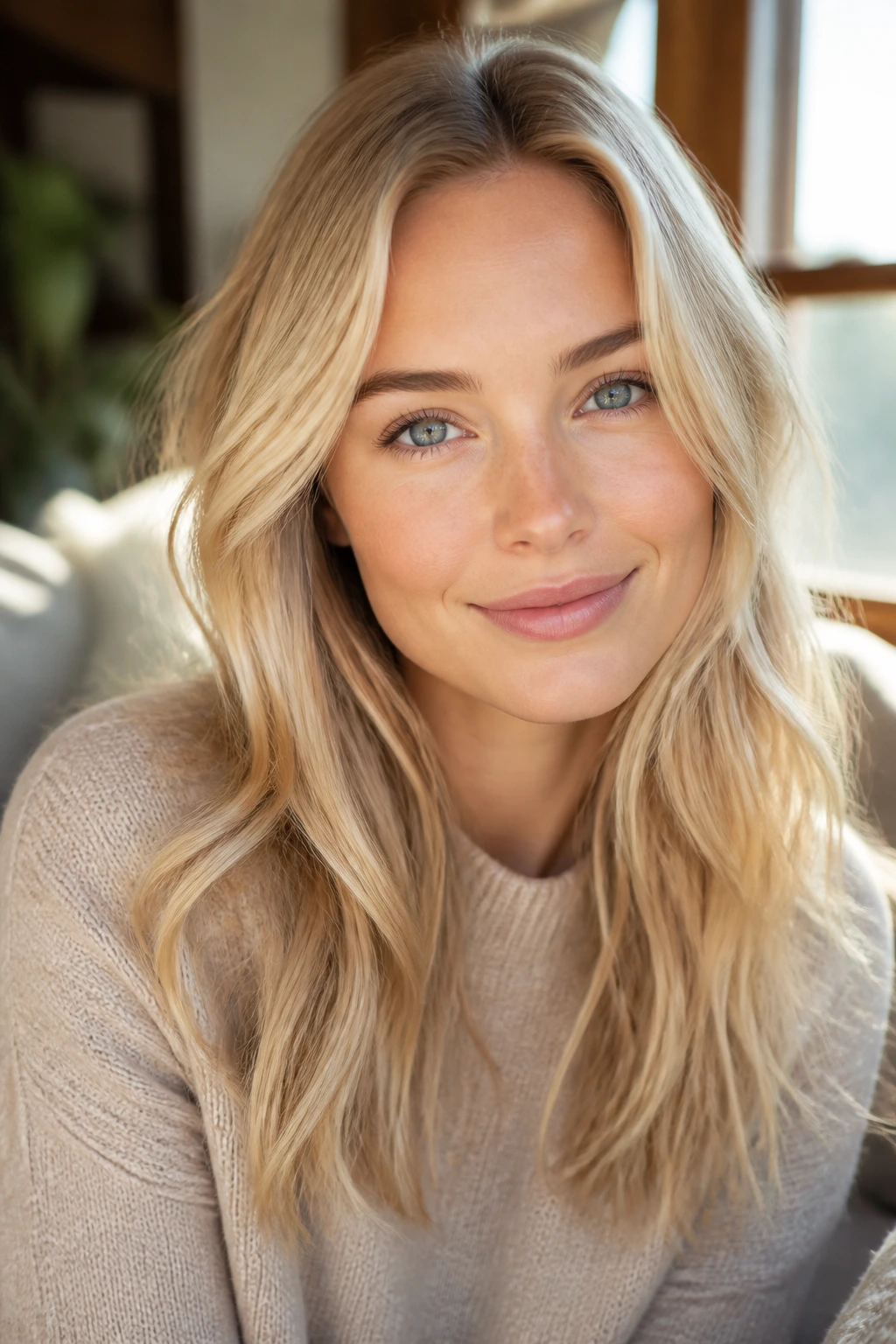
People talk about Scandinavian blonde as if it always has to be icy. I don’t buy that. A warm Scandinavian blonde keeps the high-lift brightness but swaps the ash for a yellow-beige gloss, which is much easier on fair skin that looks drained next to cool platinum. The effect is bright, light, and still human.
That last part matters. Very cool blonde can make fair skin look whiter than you want, especially if your eyebrows and lashes are already light. A warm Scandinavian version keeps the face from disappearing. It’s still crisp, just not frosty.
If you want this shade, ask your colorist to preserve a little beige warmth after lifting. Too much violet toner will flatten it. The best version has a clean shine and a whisper of gold when the hair moves.
18. Golden Peach Blonde
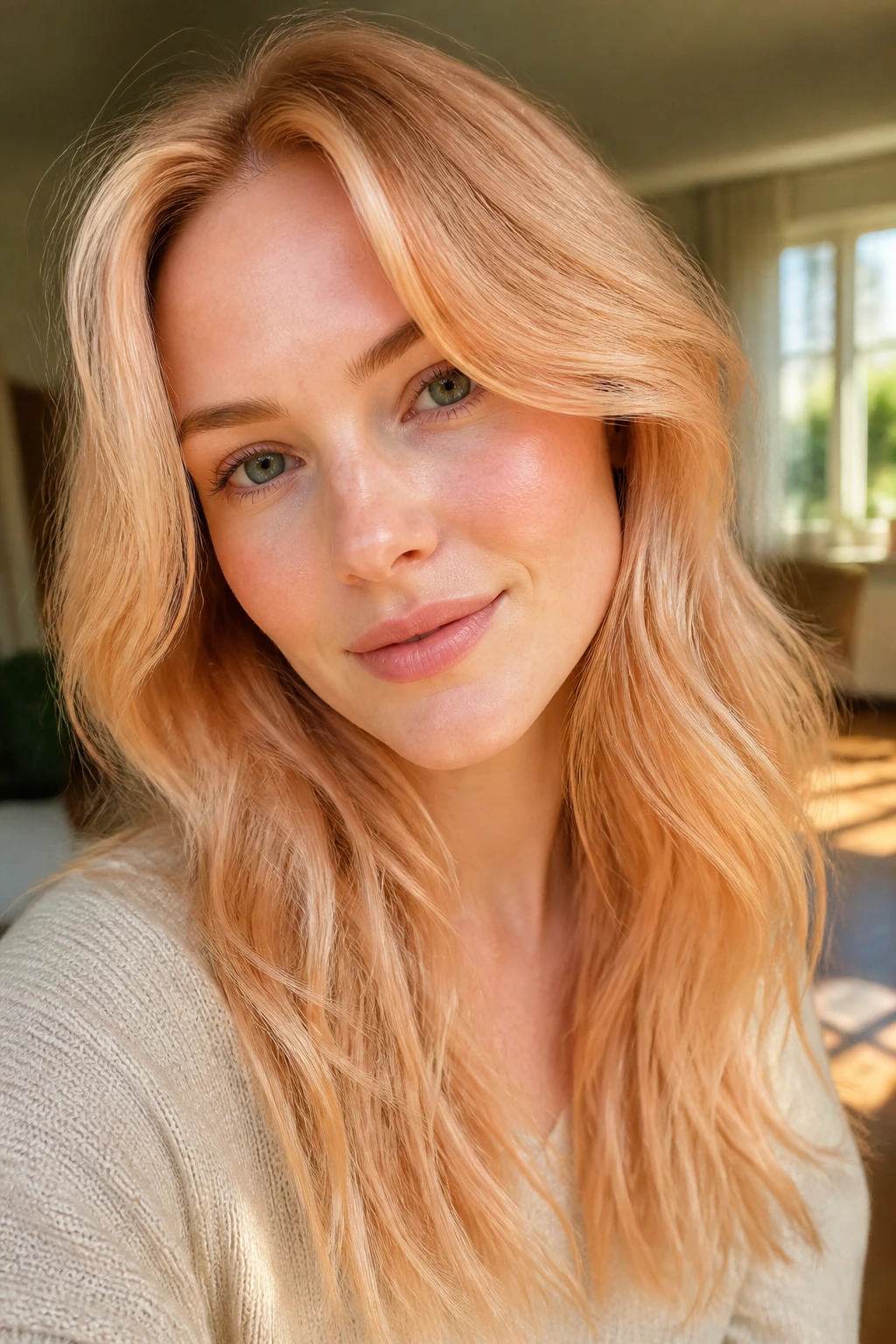
Golden peach blonde is a smart move for fair skin with visible pink or rosy undertones. The peach softens the redness; the gold keeps the whole thing from going flat. It’s a warmer, more flattering cousin to straight yellow blonde, and it tends to look especially good in natural light.
The color should not be copper-heavy. If the peach gets too loud, the shade can fight the skin instead of supporting it. I like it best when the peach shows up as a finish rather than the main event, almost like the warmest note in the room but not the loudest one.
Loose waves and a sheer gloss suit this shade well. A matte finish can make the peach look dry, which is exactly what you do not want.
19. Taffy Blonde with Lived-In Roots
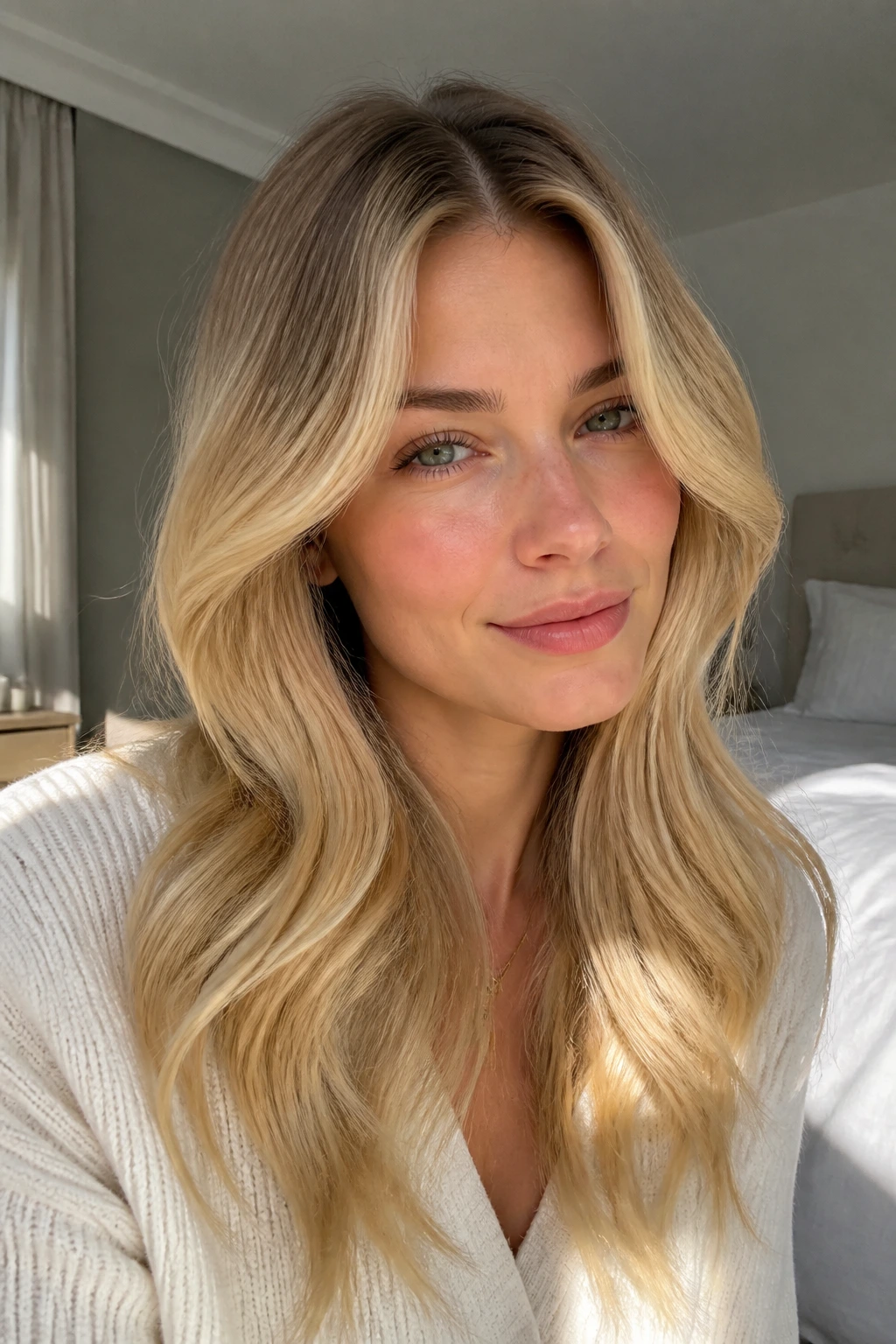
Taffy blonde has a chewy, blended feel to it—soft gold through the lengths, deeper at the root, and just bright enough around the face to make fair skin look alive. The lived-in part is what makes it wearable. No harsh line. No brittle finish.
This is the shade for someone who wants yellow blonde but doesn’t want to keep fussing with it every few weeks. The root depth keeps regrowth from screaming for attention, while the ends stay lighter and warmer. That balance gives fair skin a nice frame without over-lightening the whole head.
A shoulder-grazing cut, soft layers, or a blown-out wave pattern help the color read dimensional. Straighten it poker-flat and you’ll lose some of the depth that makes taffy blonde interesting.
20. Yellow Blonde Money Piece
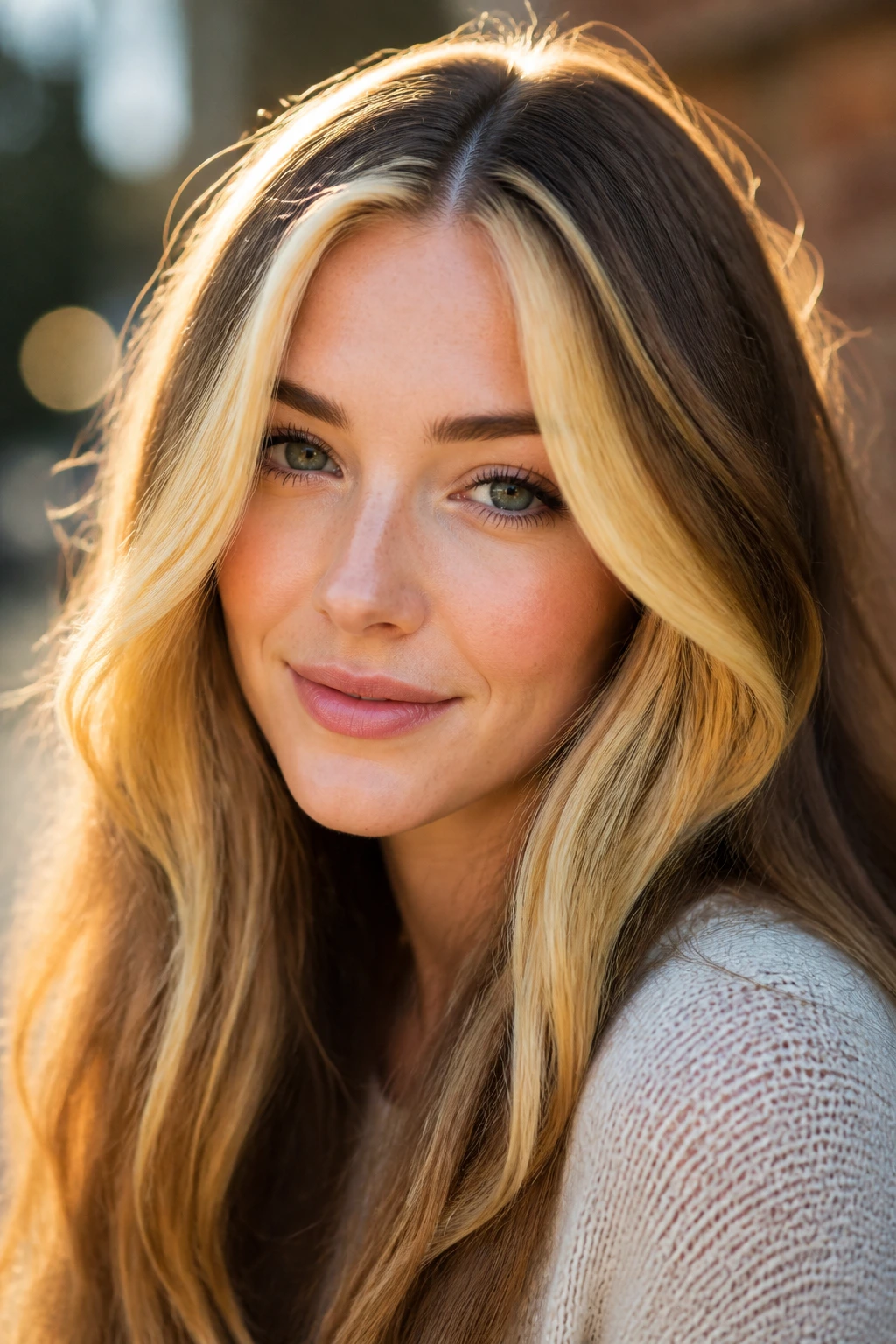
If you want brightness in the fastest, most visible place, the money piece is the move. A yellow blonde money piece puts the lightest, warmest sections right at the front, where fair skin gets the strongest reflection. The rest of the hair can stay more subdued, which is helpful if you don’t want a full blonde maintenance routine.
What to ask for
Ask for brighter face-framing pieces, a softer golden gloss through the mids, and a base that stays a little deeper. That contrast makes the front pop without turning the whole head into a high-contrast helmet. The best money piece is bright but blended at the root.
How to use it
- Use it if you wear your hair down often.
- Great with curtain bangs or a center part.
- Works on lob lengths, longer layers, and shoulder cuts.
- Refresh the front pieces first if you need a quick salon tune-up.
21. Beige-Yellow Bronde
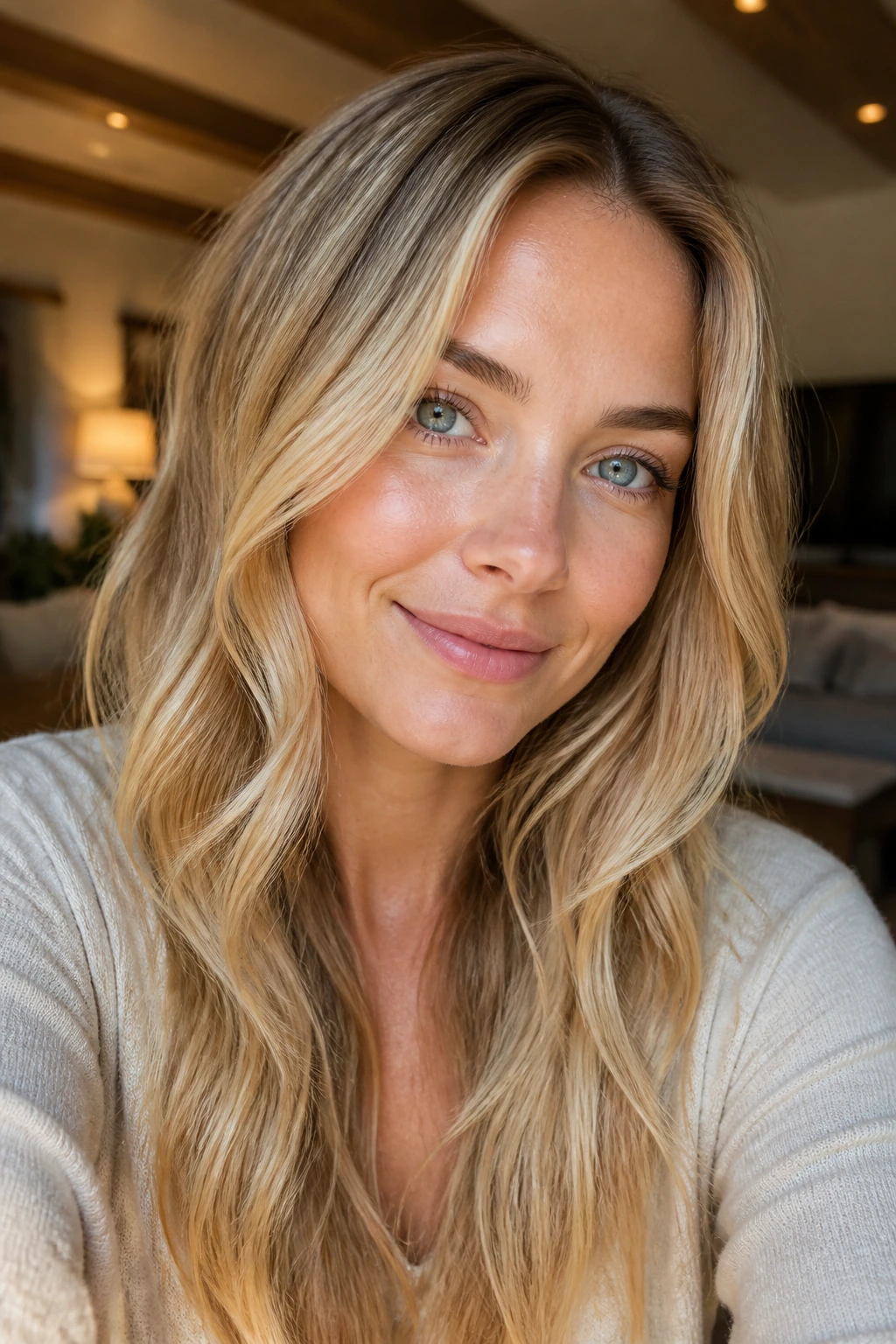
Bronde can get boring fast, but beige-yellow bronde has a useful job: it keeps the blonde family from overpowering fair skin while still giving you warmth. Think of it as blonde with a soft brown anchor. The beige tones soften the yellow, which matters if your complexion is very pale or slightly cool.
The advantage is subtlety. You don’t have to commit to full blonde to get the effect of lightening around the face. A few gold-beige ribbons can brighten the skin without making the whole color read high-maintenance. It’s especially good if you have dark blonde or light brown roots and want a gentler transition.
Ask for a gloss that leans beige rather than copper. Copper will drag the whole look warmer than most fair skins need.
22. Toasted Oat Blonde
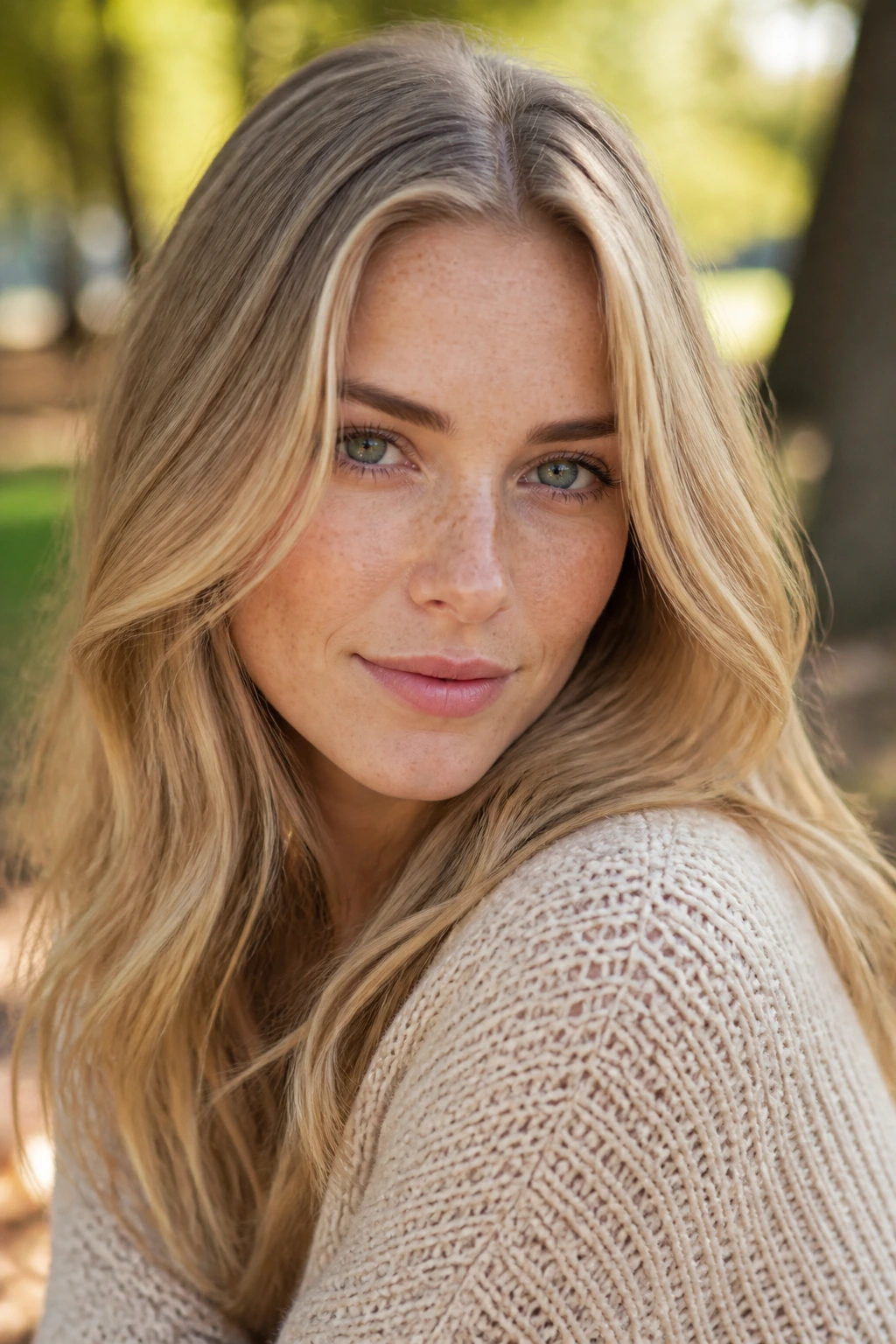
Toasted oat blonde is one of those shades that sounds soft because it is. It leans neutral-warm, with enough gold to keep fair skin bright and enough beige to stop the color from getting loud. If you dislike shiny, high-key blondes, this is a calmer route.
The reason I’d recommend it on fair skin is that it plays well with freckles, light brows, and natural redness. It doesn’t compete with the face. It sits beside it. That makes it a strong choice for people who want a lived-in finish rather than a bright statement.
Keep the styling loose and the finish satin, not glossy to the point of looking plastic. A touch of texture makes toasted oat blonde feel expensive instead of flat.
23. Sunny Short Crop
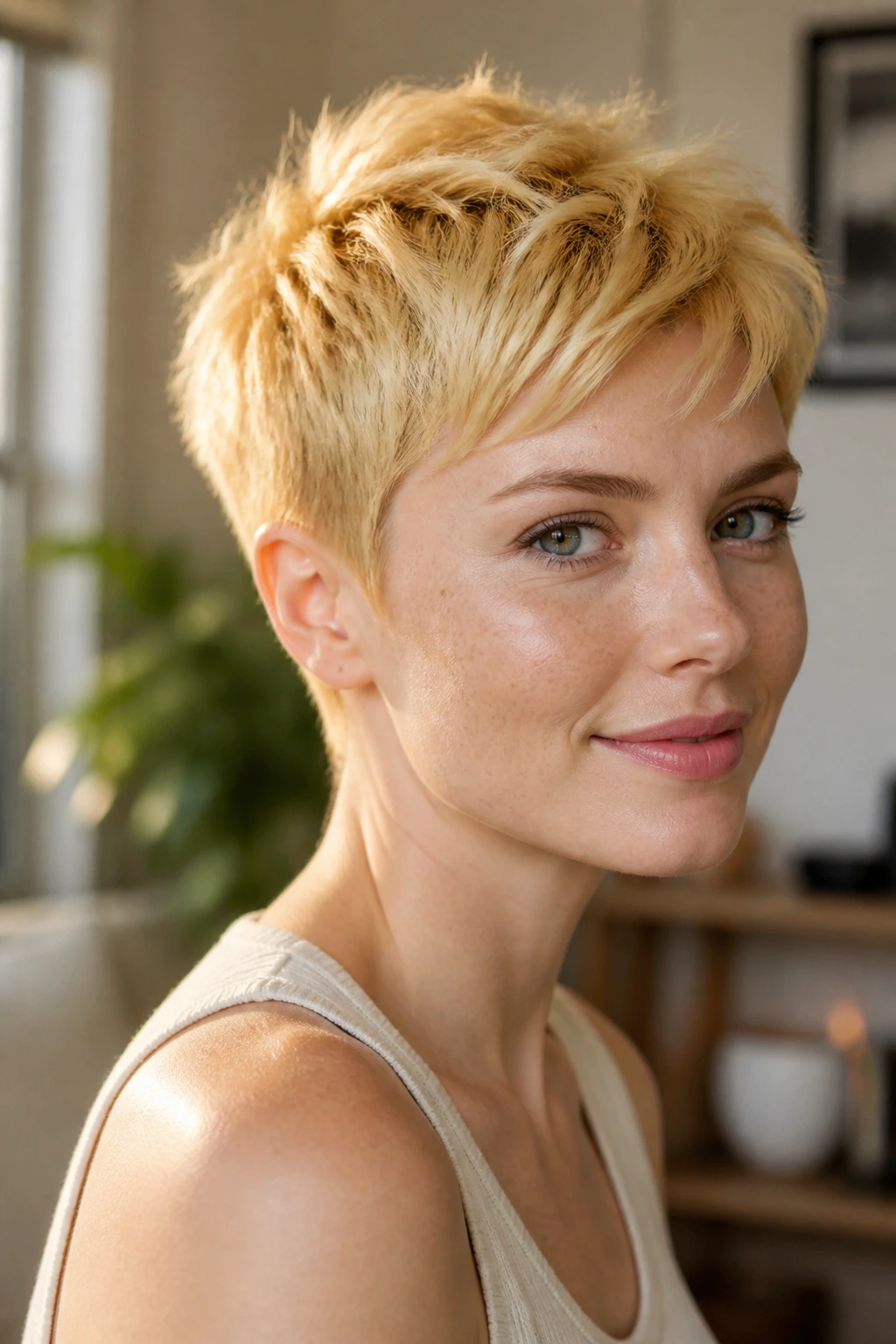
Short hair changes the color math. On a crop or pixie, yellow blonde reads bolder because there’s less length to dilute it. That can be a good thing on fair skin. A sunny short crop puts warmth right where the eye lands, and the face gets an instant lift.
The cut matters as much as the color. Textured top layers help the yellow blonde catch light in small pieces instead of forming one solid block. The result feels lively and clean, especially if the sides are a shade deeper or kept a little more natural.
This is also one of the easiest ways to wear a yellow blonde without dealing with long hair maintenance. Less hair. Less product. Less time staring at roots in the mirror.
24. Buttered Cream Balayage
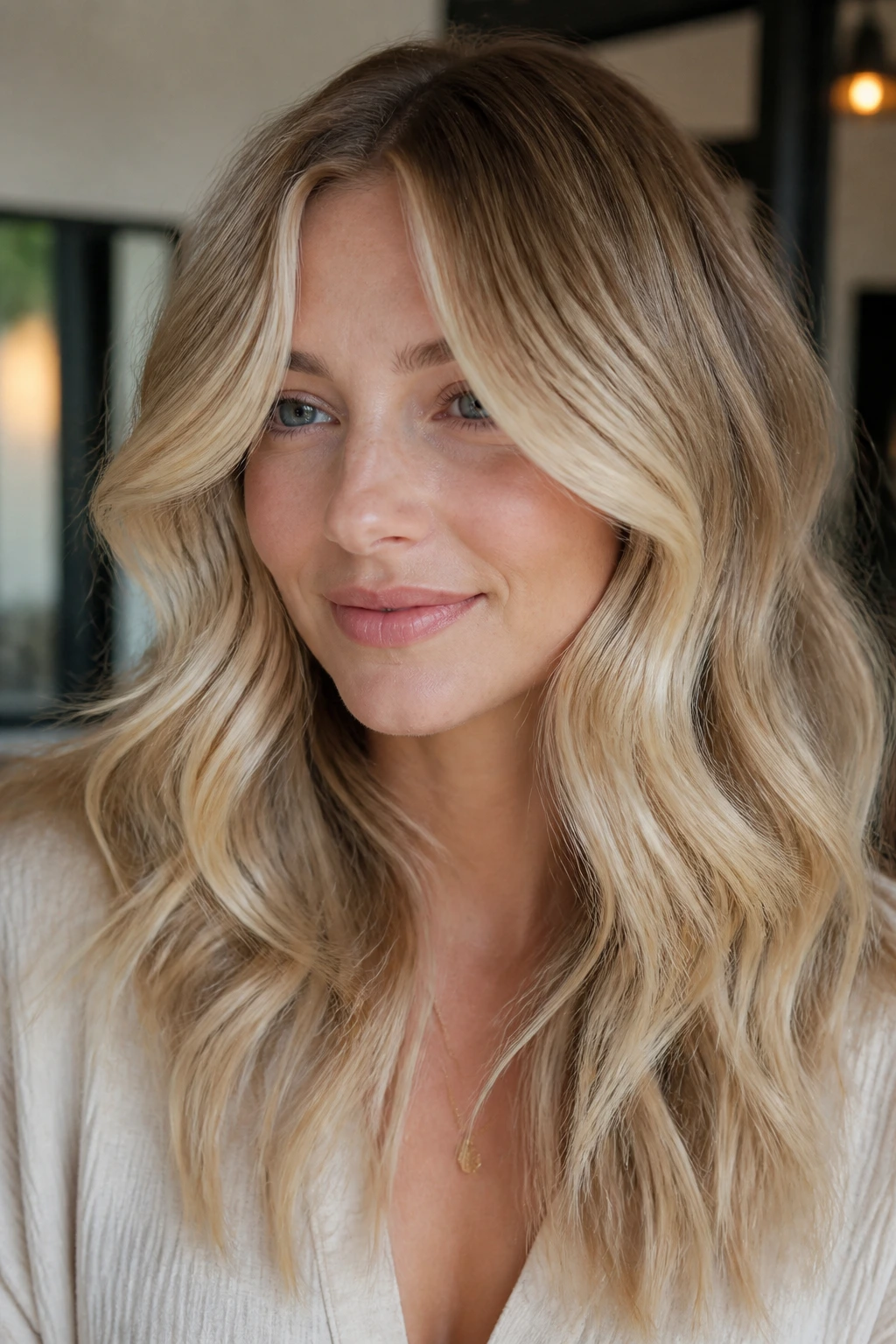
Buttered cream balayage is the more polished cousin of honey balayage. The gold is softer, the cream is richer, and the placement is usually more deliberate through the lengths. On fair skin, that translates into warmth that feels gentle rather than loud.
The hand-painted pieces should follow the haircut. Around the face, they can be a touch brighter. Underneath, they can stay more muted. That gives the hair movement without making every section compete for attention.
If you like soft waves, this shade is especially good because the bends show the different tones without needing heavy contrast. A flat iron finish can work too, but the balayage gets more interesting when it moves.
25. Straw Gold Waves
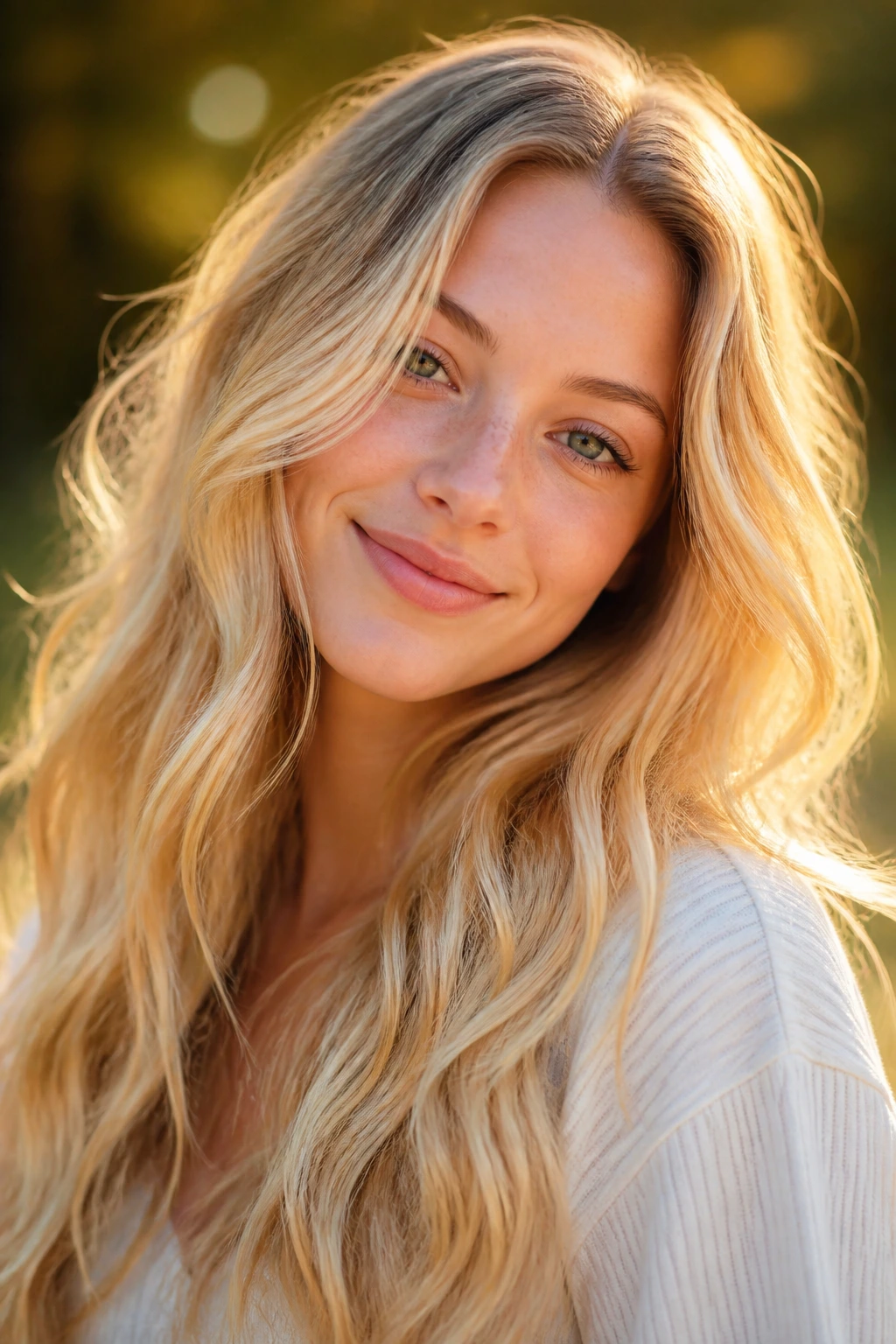
Straw gold waves are for long hair that needs warmth, motion, and a little looseness. The tone is lighter than honey and drier than butter, which can sound odd until you see it on fair skin. Then it makes sense. The color gives the hair a sun-faded brightness that looks natural rather than painted.
Why It Works
Long hair can swallow subtle blonde if the tone is too soft. Straw gold has enough yellow-gold to show through the waves, but it’s not so rich that it turns heavy. On fair skin, that means the color brightens the face without overwhelming it.
How to wear it
- Best with loose bends or beachy waves.
- Looks good when the roots stay slightly deeper.
- Works nicely with long layers and curtain bangs.
- Needs a gloss every 6 to 8 weeks to keep the gold clean.
26. Golden Peekaboo Panels
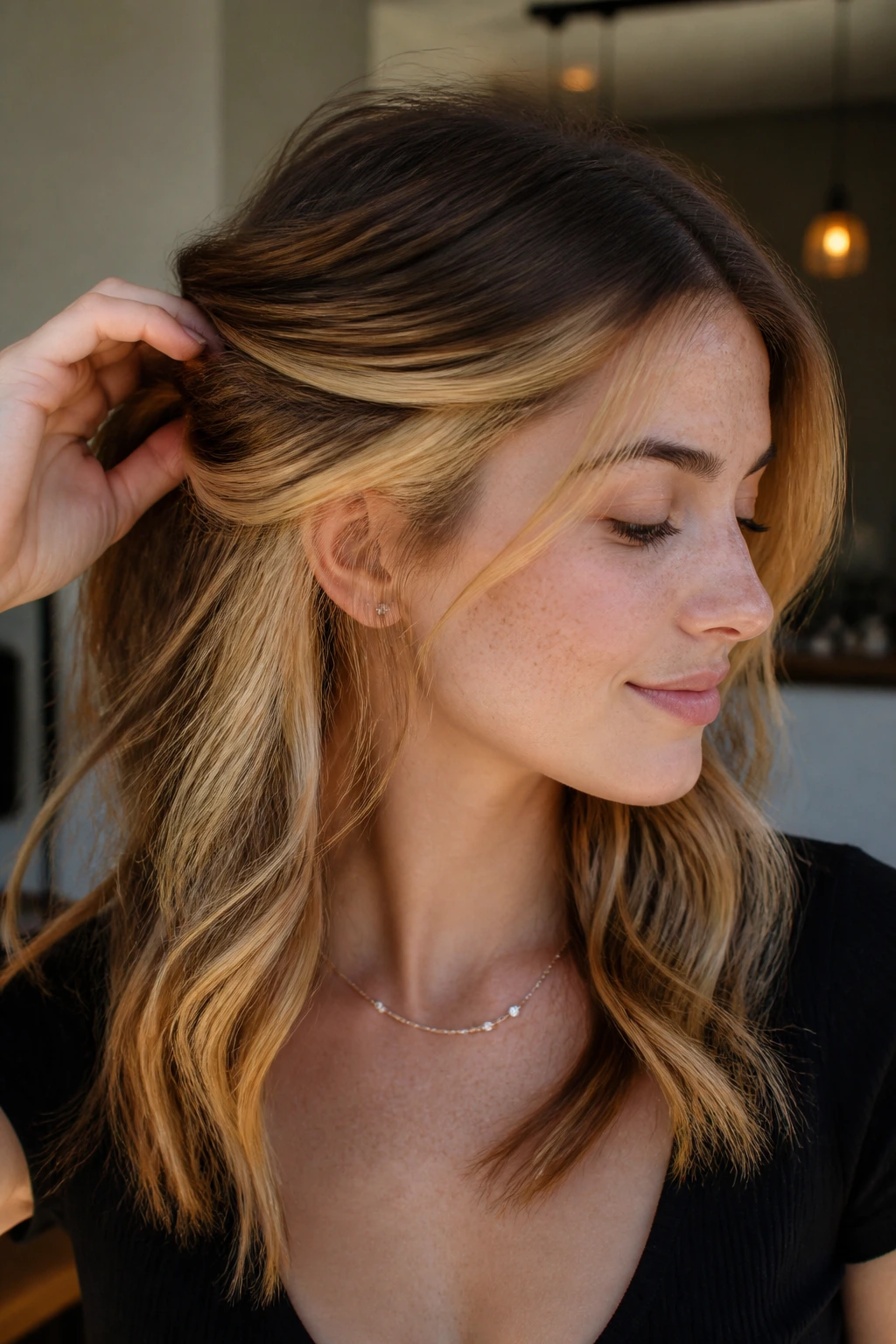
Peekaboo panels are a fun way to wear yellow blonde without making the whole head lighter. Hidden panels underneath, or around the nape and temple area, flash gold when the hair moves. On fair skin, the effect can be subtle during the day and more obvious when the hair is tucked up or half pinned.
This is the shade for someone who likes a little surprise in the color. You keep most of the hair softer, then let the golden pieces show in motion. It can be very flattering on fair skin because the warmth appears in controlled hits rather than all over the face.
Ask for placement that follows your part and your usual styling habit. If you never wear your hair up, hidden panels may not be worth much. If you do, they’re a quiet little trick.
27. Soft Yellow Blonde Pixie
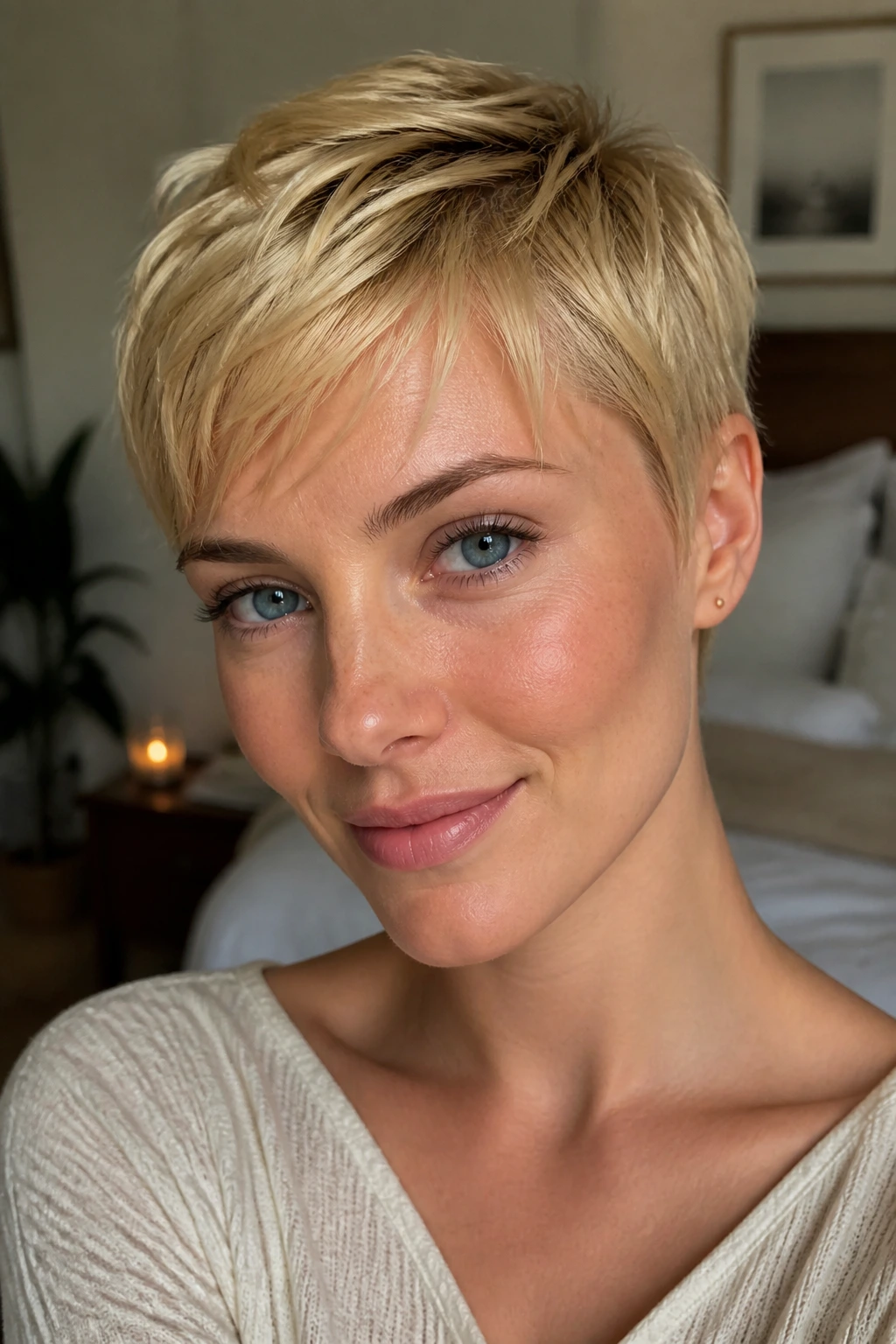
A pixie can take more yellow than long hair because the cut gives the color shape. Soft yellow blonde on a pixie sits close to the scalp, so the shade has to be creamy rather than brassy. When it is, the result is sharp, fresh, and very good on fair skin.
The shorter the cut, the less room there is for the color to wander. That means the toner has to be on point, and the finish has to stay smooth. A tiny bit of root depth or a slightly darker underlayer keeps the shape from looking washed out.
This works especially well if your brows are visible and you want the hair to frame them instead of compete with them. The whole face looks brighter when the tone is managed cleanly.
28. Golden Butter Lob
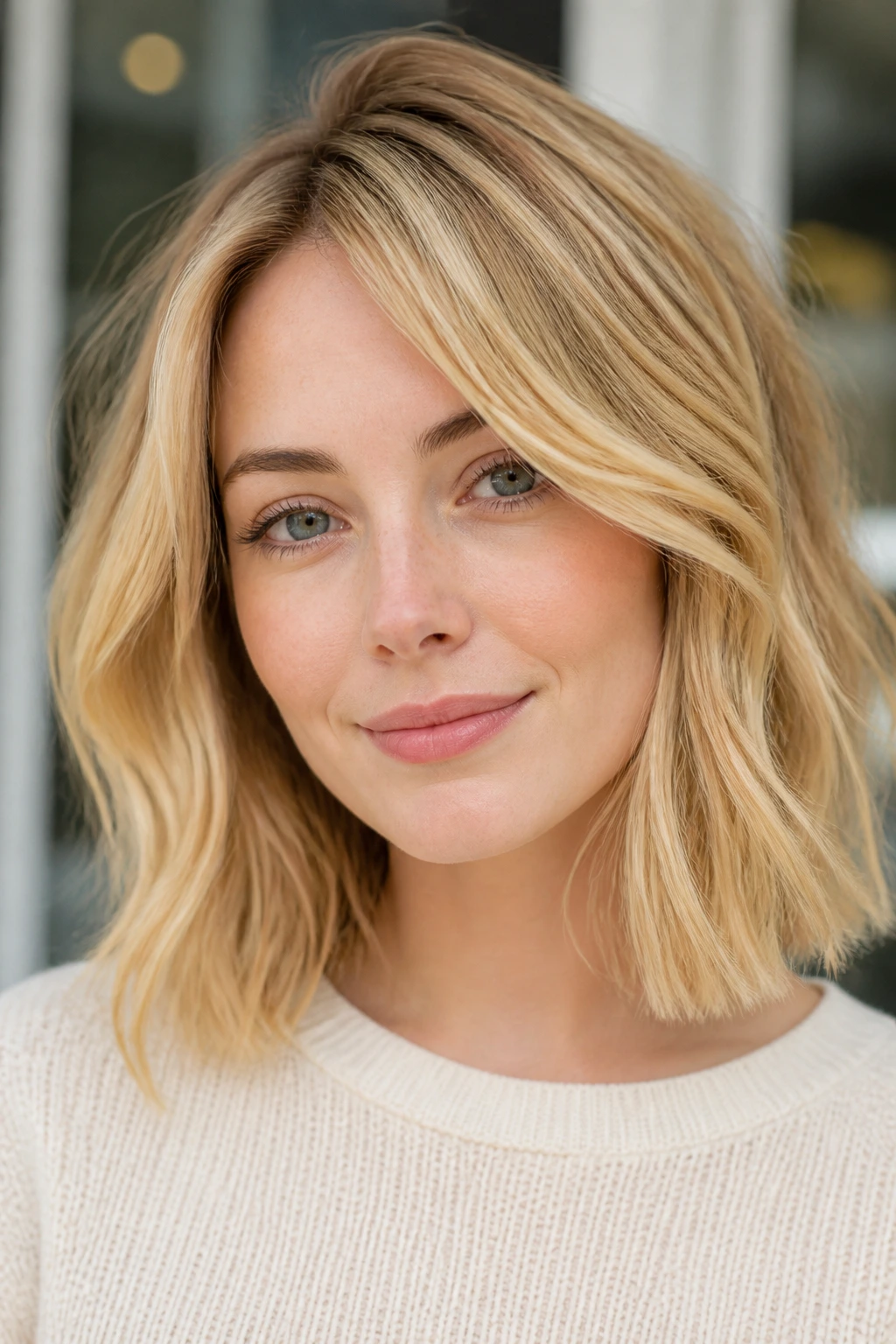
A golden butter lob is the one I’d hand to someone who wants the most wearable version of yellow blonde. It has enough warmth to flatter fair skin, enough cream to avoid harshness, and enough length to show off the tone without overcommitting to a high-maintenance cut. It’s the sensible choice, which is not the same thing as boring.
The lob gives the color room to move. Ask for brighter pieces around the front, buttery mids, and a slightly deeper root so the finish doesn’t look one-note. That combination usually feels softer and more expensive than an all-over bright blonde.
If you like low-effort styling, this is a gift. Air-dried texture, a quick blowout, or a soft bend with a large iron all make the color look finished. It doesn’t need much else.
How to Keep Yellow Blonde Creamy Instead of Sour
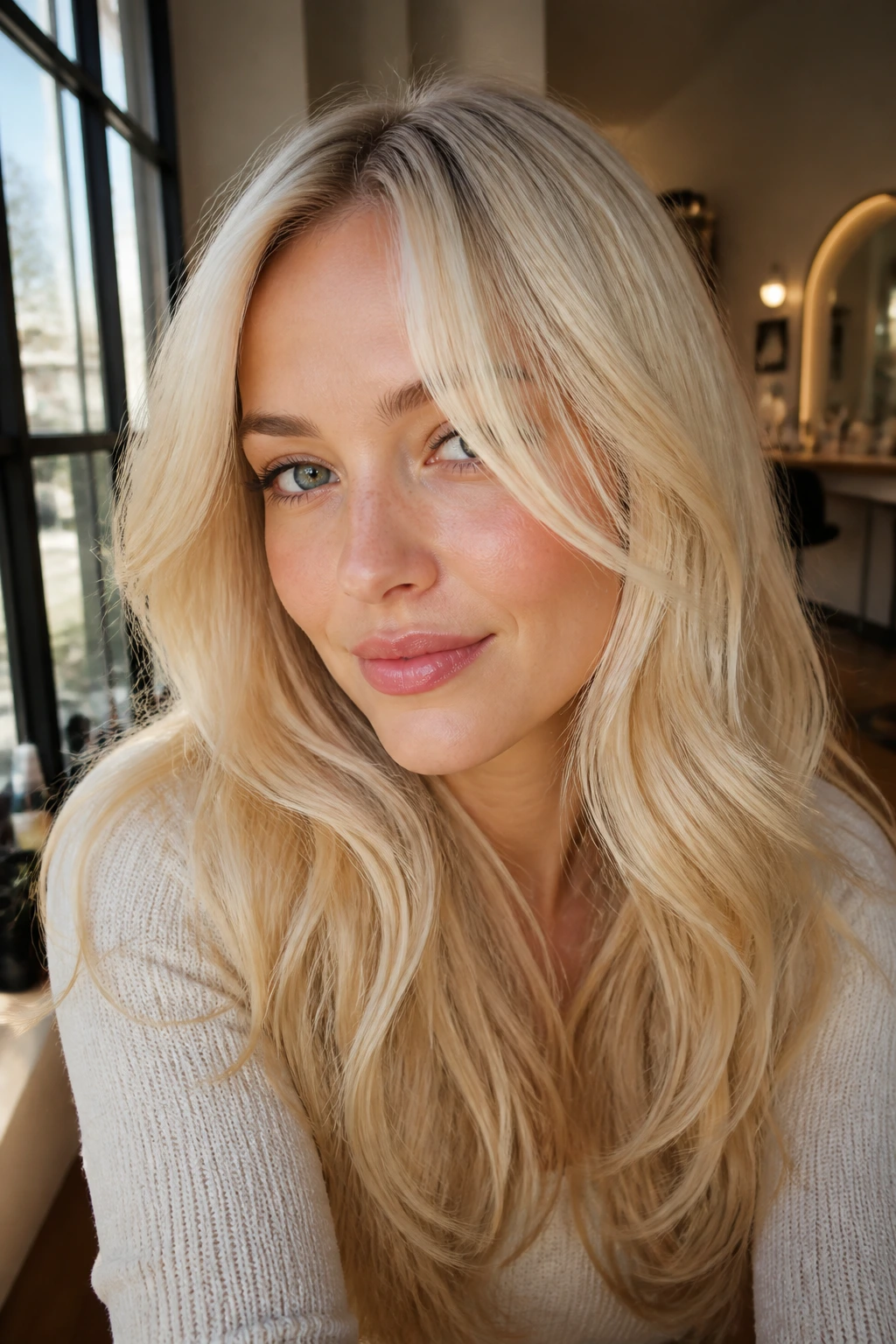
Yellow blonde fails most often when people treat every warm blonde the same. They’re not the same. A buttery gold, a banana blonde, and a champagne gloss all need different levels of lift, different toner families, and different amounts of purple shampoo. If you use the wrong one for too long, the shade can go dull, flat, or oddly gray at the ends.
The easiest way to keep the tone creamy is to protect the lift first. Yellow blonde looks best on hair that reached a pale yellow stage before toning. If the base stayed too dark or too orange, no gloss will fully fix that. The hair needs enough lightness to let the gold read cleanly.
After that, the maintenance is about restraint. A toner or gloss every 6 to 8 weeks is usually enough for most of these shades. Purple shampoo should stay in the background. Once a week is plenty for many people, and some fair-skinned blondes can go longer if they want to keep the yellow visible.
Heat matters too. Flat irons at high heat can push blonde toward a dull, dry finish. A heat protectant and moderate styling temperature do more for this color than people expect. Not glamorous. Very necessary.
Essential Tools for Coloring and Toning
- Tail comb: Helps section fine face-frame pieces and money pieces without guessing.
- Sectioning clips: Keep the top, sides, and back separated so the placement stays even.
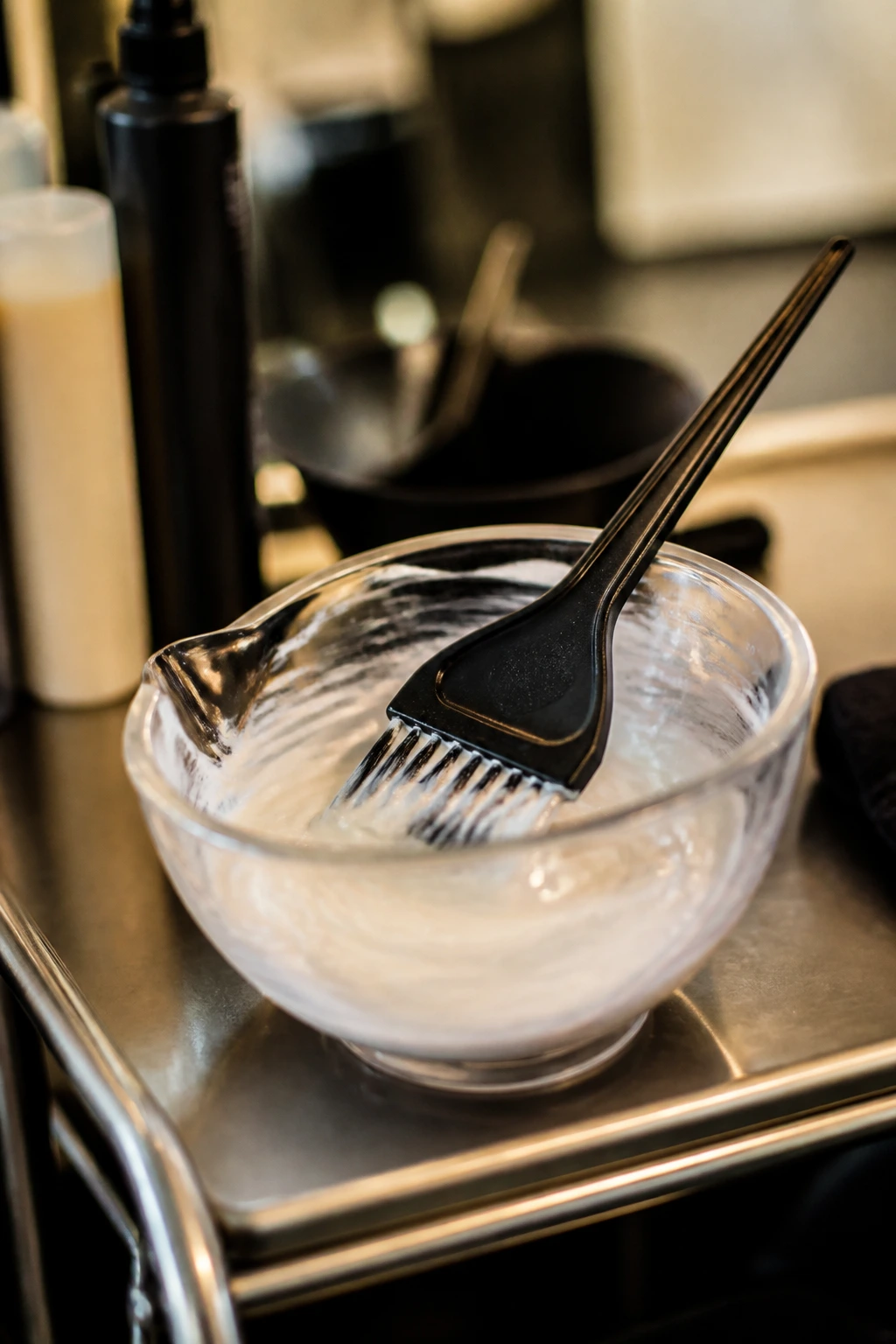
- Tint brush and color bowl: Useful for gloss, toner, or root shadow application.
- Foils or balayage board: Give cleaner lift on bright ribbon highlights and face-framing pieces.
- Gloves: Non-negotiable if you’re handling toner, gloss, or developer at home.
- 10-volume and 20-volume developer: The lower volume works for deposit and glossing; 20-volume is common for controlled lift.
- Bond builder: Helps limit breakage during lightening, especially on fine fair-hair textures that can get fragile fast.
- Wide-tooth comb: Good for distributing conditioner and detangling without ripping at damp hair.
- Color-safe shampoo and conditioner: Keeps the yellow-gold finish from fading too fast.
- Heat protectant spray: A small thing that matters a lot once the hair has been lightened.
Smart Shopping for Lighteners, Toners, and Glosses
If you’re buying products or talking to a colorist, think in families, not slogans. Gold, beige, champagne, pearl, honey, and peach-beige are the useful tone words here. Pure yellow can be tricky unless the base is lifted carefully. Pure ash can bury the warmth you’re trying to keep.
For darker starting hair, the real work is lift. Yellow blonde usually needs the hair to reach a pale yellow stage first, often around level 8.5 to 10 depending on the final shade. Toner does not create lightness. It only cleans up what’s already there. That’s why box dyes often miss the mark: they try to do too much at once and leave the color muddy.
Look at porosity too. Fine hair and heavily lightened hair grab color fast, which sounds helpful until the tone goes too warm too quickly. In that case, a sheer gloss is safer than a heavy toner. If your hair drinks up pigment, ask for a softer deposit and plan on more frequent refreshes. If your hair resists color, your stylist may need a longer processing time or a second gloss pass.
Don’t skip bond-building products if the hair has been lifted more than once. The shine in these shades comes from smooth cuticles. Rough, swollen cuticles make yellow blonde look dull no matter how nice the tone is.
How to Wear Yellow Blonde With Makeup and Wardrobe
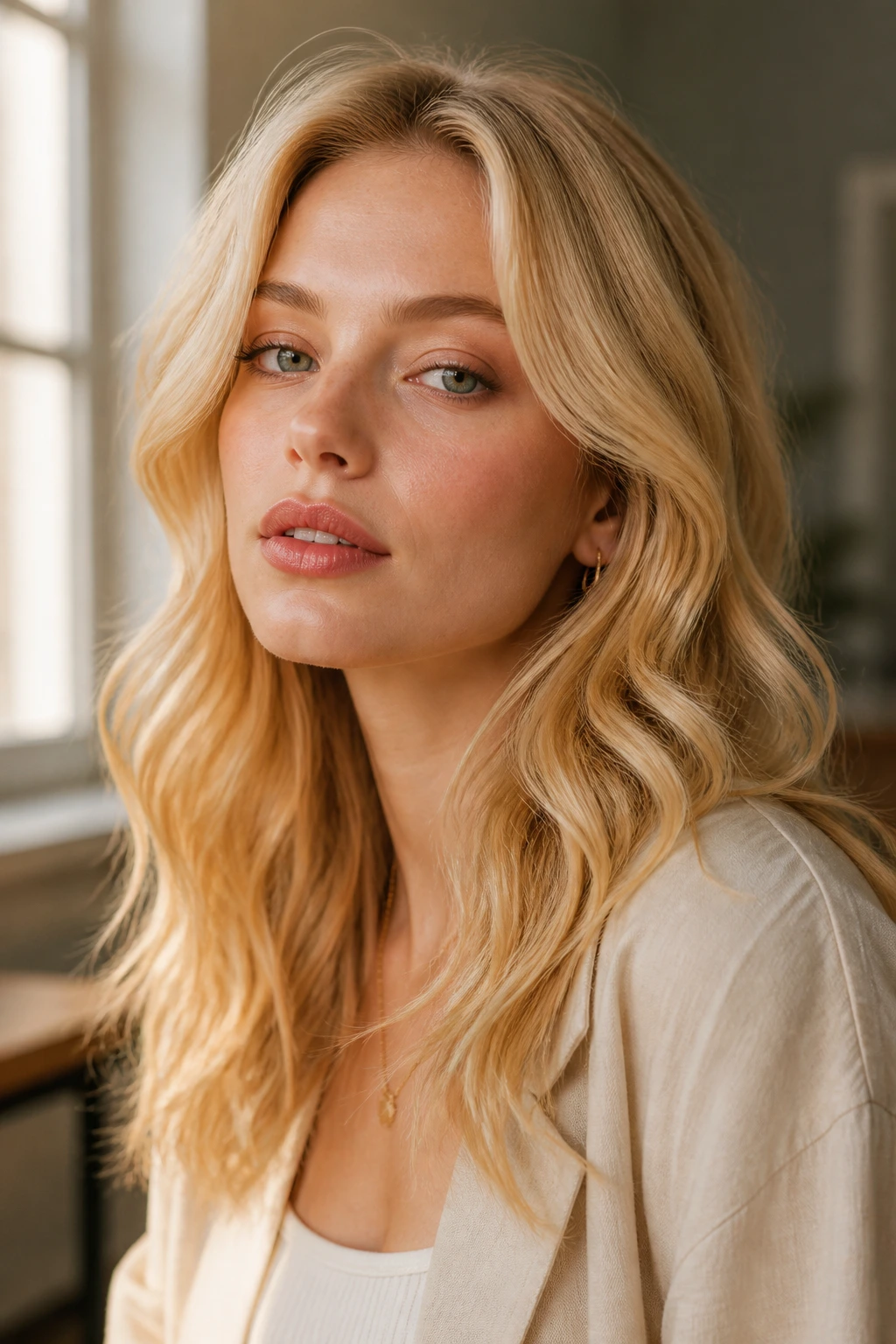
Presentation: Keep the hairline bright if you want the color to flatter fair skin fast. Soft waves, a middle part, or a tucked-behind-the-ear finish shows off the yellow-gold without making it feel blocky. If the shade is warmer, a slight root shadow helps it sit better against pale skin.
Accompaniments: Peach blush, soft rose lips, brown mascara, and taupe or warm beige eyeshadow keep the face from fighting the hair. For clothes, cream, white, sage, dusty blue, and light denim work well. Black can look sharp too, but it needs a little makeup support so the contrast doesn’t turn severe.
Portions: If the shade is bold, keep the brightest yellow to the hairline and a few face-framing zones. If you want softer wear, spread the warmth across the mids and ends and leave more depth at the root. That balance controls how much the color dominates the face.
Beverage Pairing: Think of the finish as something that needs a clean contrast around it. A cool-toned gloss, silver earrings, and a crisp white shirt can calm a warmer blonde; a peach lip and cream knit can make it read softer and friendlier.
Additional Tips and Shine Boosters
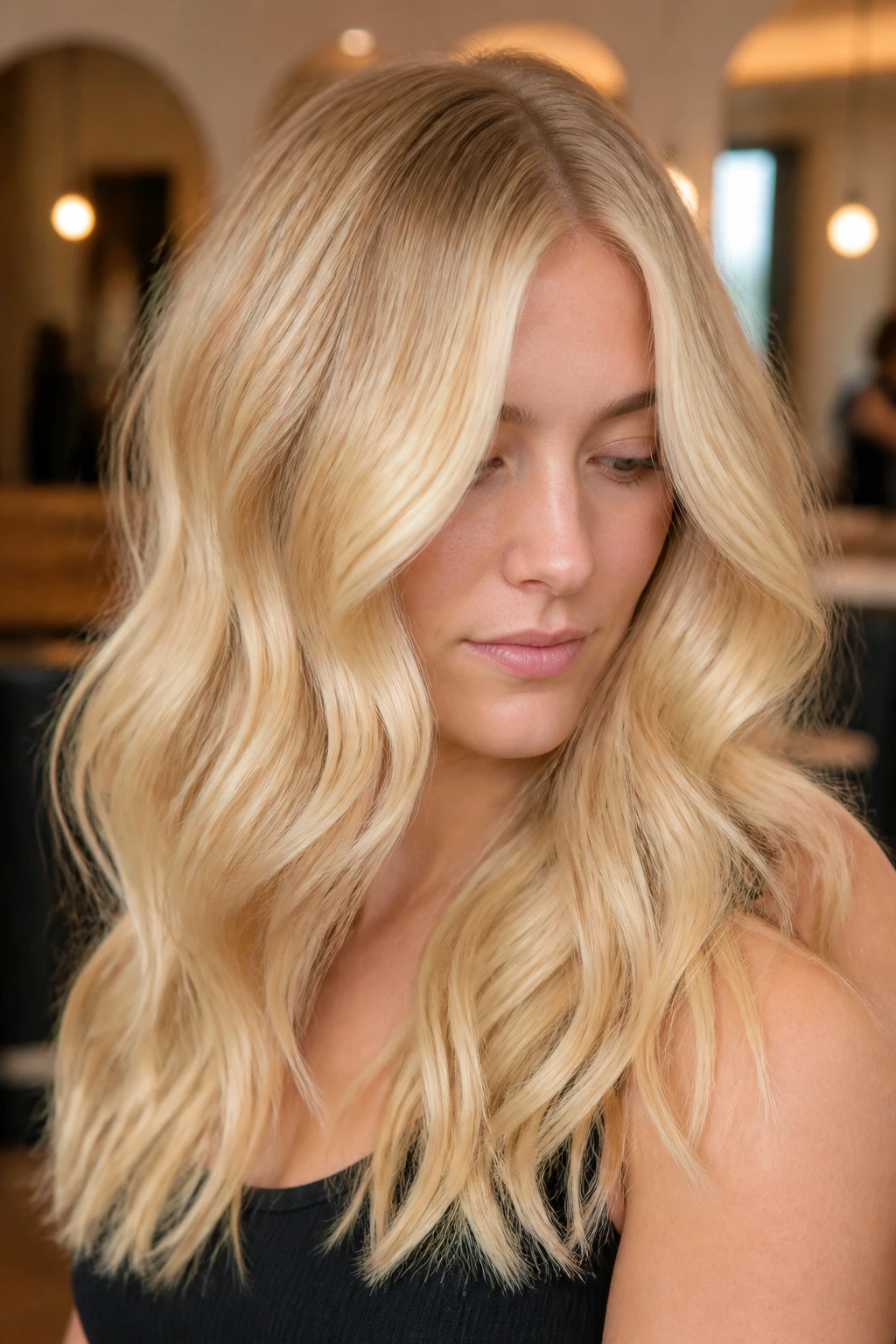
Flavor Enhancement: A clear gloss with a beige-gold or honey-gold tint can keep these shades from looking flat between salon visits. It doesn’t need to be heavy. A sheer layer every 6 to 8 weeks is usually enough to bring back the reflective part of the color.
Customization: If fair skin is very pink, ask for more beige or peach in the formula and less straight yellow. If the skin is neutral, you can push the gold a little brighter. Tiny adjustments change the whole feel of the shade.
Serving Suggestions: Soft waves, a loose blowout, or even a low bun with face-framing pieces show the color in different ways. A hard, sleek finish can look chic, but it also exposes every tonal shift, so it’s less forgiving.
Make-It-Yours: For curly hair, keep the highlights placed where the curls naturally separate so the yellow blonde reads as movement, not streaks. For fine hair, use thinner ribbons and a softer root so the color doesn’t look too dense. For short cuts, concentrate brightness on the top and front because that’s where the eye lands first.
Common Mistakes to Avoid
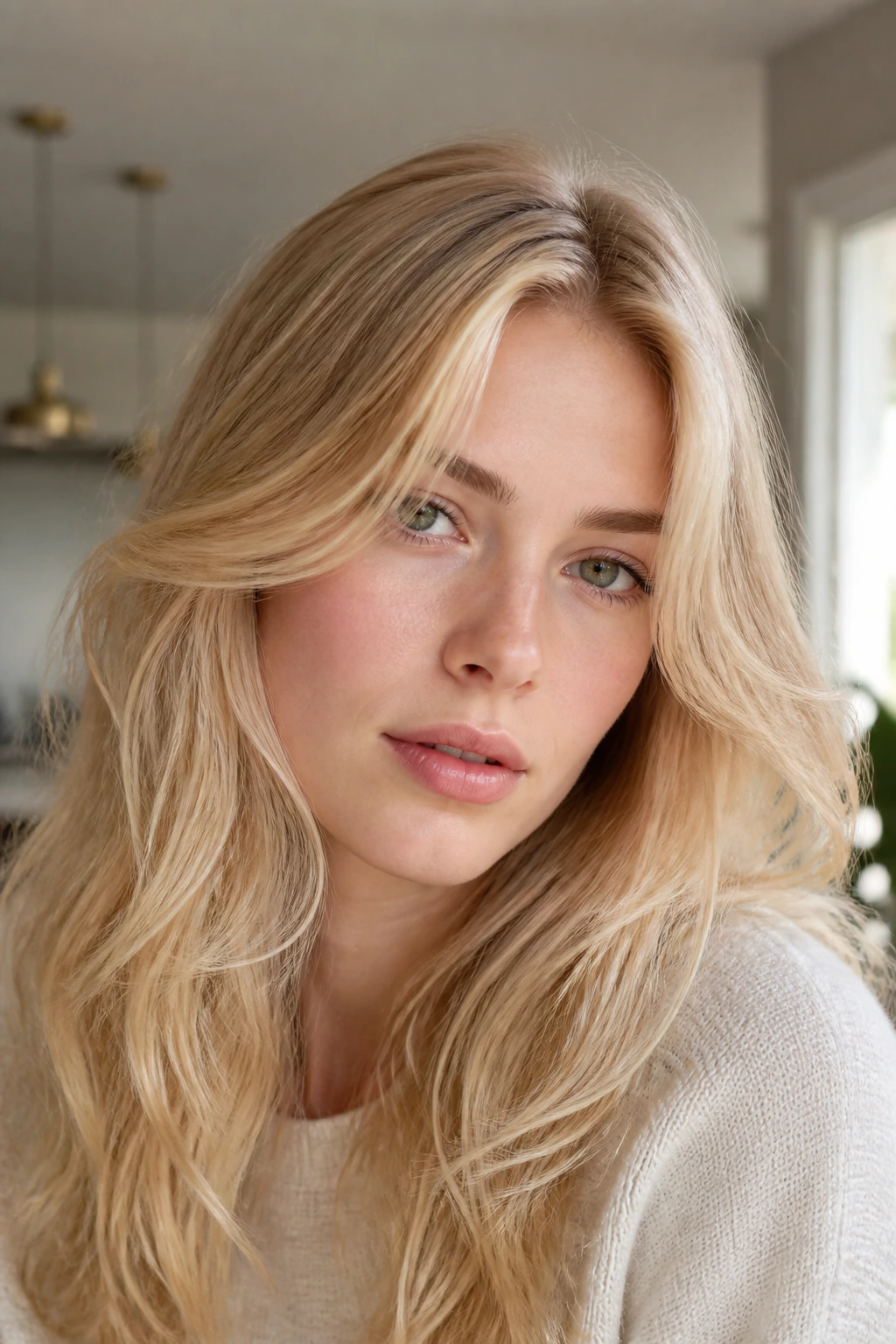
The biggest mistake is chasing yellow without checking the base. If the hair lifts only to orange-yellow, the result often looks brassy rather than creamy. The fix is slower lift, better sectioning, and a toner that matches the actual underlying pigment instead of guessing.
Another problem is overusing purple shampoo. It can be useful, but too much of it mutes the gold and leaves the hair looking dull or gray. If the point of the shade is warmth, use purple shampoo sparingly and focus more on color-safe cleansing.
People also forget the root. A fully bright blonde scalp line can be harsh on fair skin, especially if the face already has pink undertones. A one-shade root shadow softens the edge and makes the grow-out less obvious.
Then there’s maintenance denial. Yellow blonde fades faster on porous hair, and sunlight can push it warmer or flatter depending on the formula. If the color starts turning sour, it usually needs a gloss, not a whole new lightening session.
Variations and Adaptations to Try
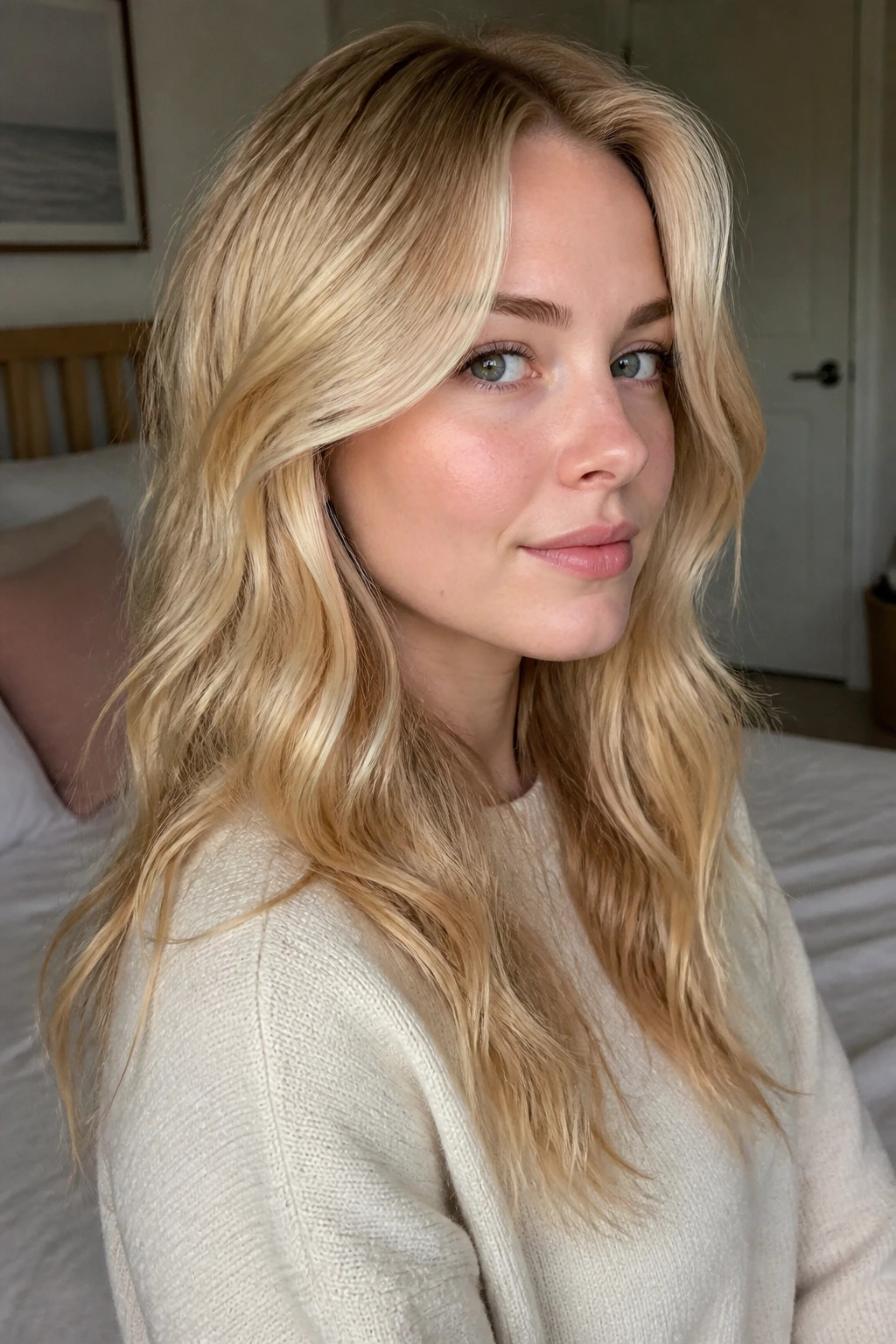
Soft Beige Switch: If pure yellow feels too strong, add more beige to the gloss and keep the gold in the mids and ends only. This works well for fair skin with pink undertones that gets red easily.
Bright Face-Frame Version: Keep the body of the hair softer and concentrate the lightest yellow pieces around the face. It gives you a bold effect without making every inch of the hair high-maintenance.
Rooted Grow-Out Version: Use a deeper root shadow and let the blonde start a little farther down. That helps if you like longer salon spacing and don’t want the color to look obvious as it grows.
Gloss-Only Refresh: If the hair is already light enough, skip extra lifting and just refresh the tone with a golden or champagne gloss. This is the gentlest way to revive warmth on fair skin.
Curly Texture Version: Place the brighter pieces where curls open and catch light, not in random stripes. The color looks more natural, and the yellow blonde reads as soft movement instead of streaks.
Color Maintenance, Re-Toning, and Growth-Out
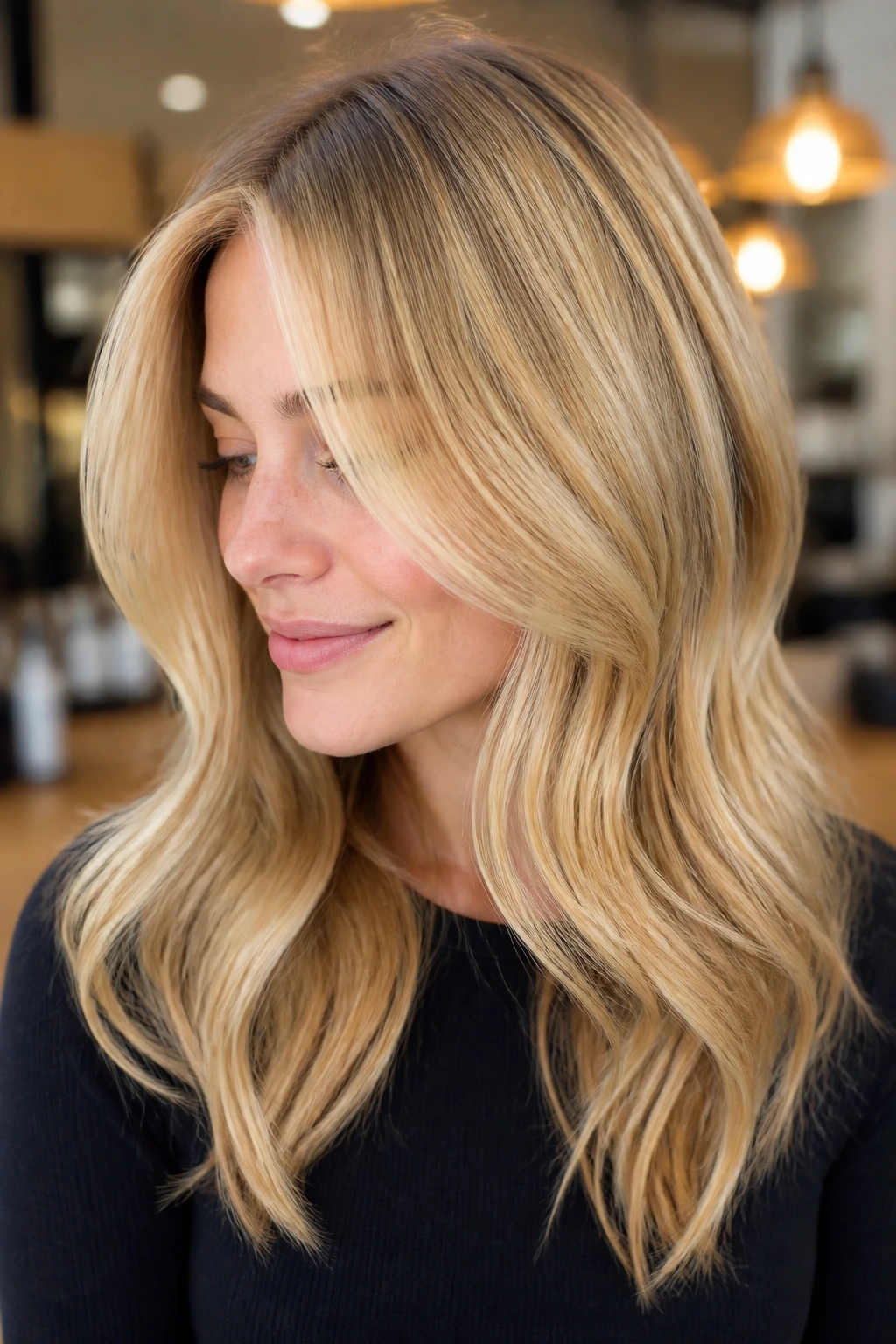
Yellow blonde is easier to keep pretty when you think in intervals. A gloss or toner every 6 to 8 weeks is the usual sweet spot for most of these shades. If the hair is porous or you spend a lot of time in sun, the refresh may need to happen a little sooner. Roots are a separate issue. If you like a softer grow-out, plan on 6 to 10 weeks between salon touch-ups depending on how deep the base is.
Wash days matter too. Use color-safe shampoo, and keep the water lukewarm rather than hot. Hot water opens the cuticle and strips away the finish faster than people realize. Once the hair starts feeling rough, the yellow tone loses its creaminess and looks less controlled.
If the ends turn too warm, ask for a gloss rather than more bleach. If the color fades too pale, you may need a slightly richer gold instead of a stronger yellow. Those are different fixes, and mixing them up is how people end up with disappointing blonde.
Air drying a little before heat styling helps preserve tone. A blast of high heat on damp lightened hair can leave the finish dull and rough around the face.
Frequently Asked Questions
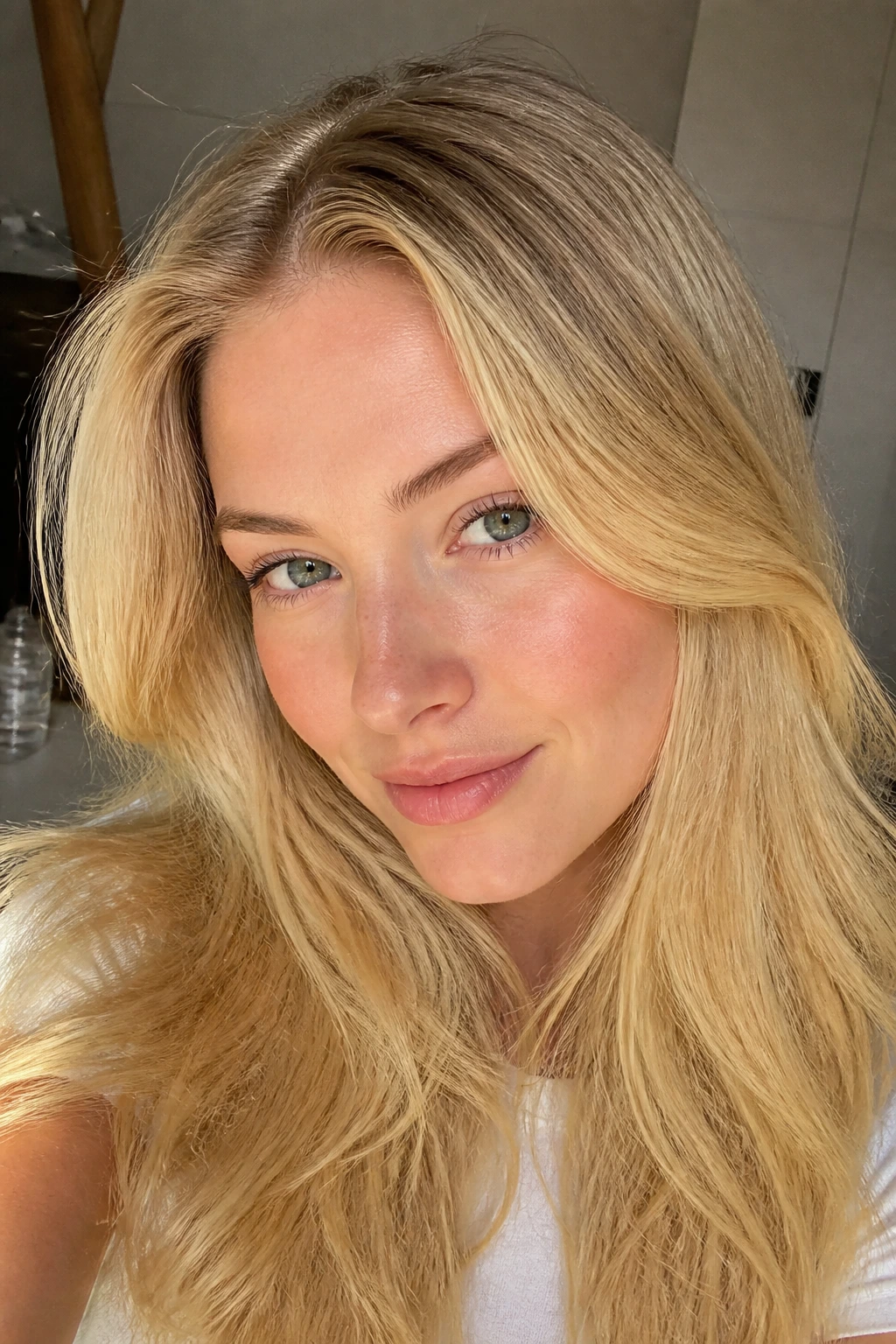
Will yellow blonde wash out fair skin?
It can, if the shade is too pale or too one-note. Fair skin usually needs a little beige, honey, or root depth so the blonde has something to sit against. The right yellow blonde should brighten the face, not erase it.
Is yellow blonde the same as brassy blonde?
No. Brass is usually too orange, too dark, or too uneven. Yellow blonde should look creamy, clean, and deliberate, with a gloss that keeps the tone soft instead of dusty.
What level does my hair need to reach first?
Most yellow blonde shades start looking right around level 8.5 to 10, depending on how bright you want the finish. If your hair is darker than that, the lift has to happen before the tone can behave properly.
Can brunettes get a yellow blonde result without frying their hair?
Yes, but the process usually needs careful lightening, bond support, and a realistic plan for maintenance. Darker hair often needs several steps, and rushing it is where the damage starts.
Which yellow blonde shades work best on pink fair skin?
Buttercream, champagne, beige-yellow bronde, and golden peach tend to be the safest starting points. They soften redness instead of making it louder.
How often should I tone it?
A good rule is every 6 to 8 weeks, though porous hair can need a refresh a little sooner. If the color only feels slightly dull, a gloss is often enough.
Can I wear yellow blonde if I hate warm makeup?
Yes, but you may need a slightly softer version of the shade. Champagne, beige-yellow, or rooted butter tones usually pair better with neutral makeup than high-gold blonde does.
What if the color turns too orange?
That usually means the lift stopped too soon or the toner leaned the wrong way. The fix is not more random purple shampoo; it is a correction gloss, or in some cases another lightening step handled carefully.
A Warm Finish That Still Looks Bright
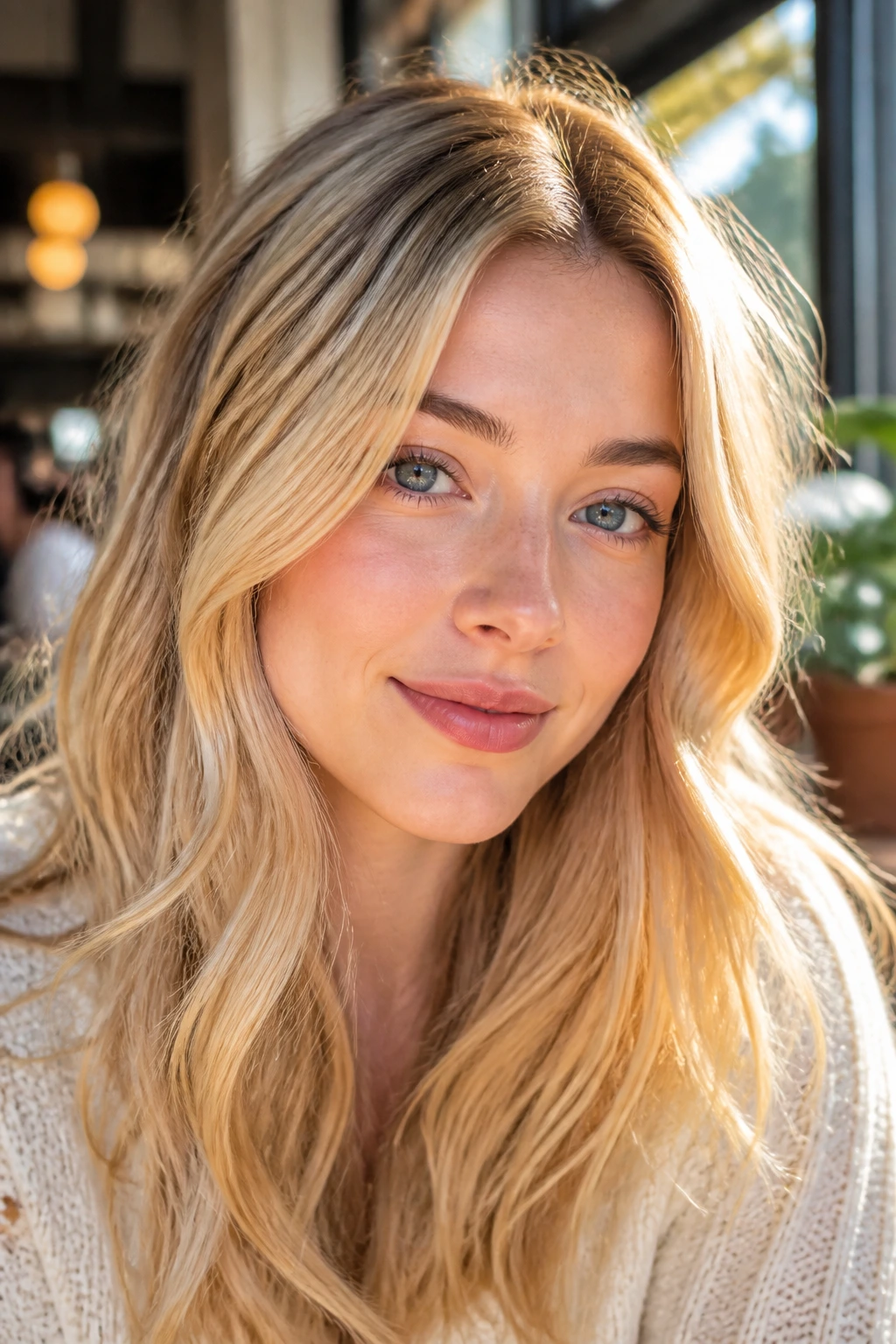
Yellow blonde on fair skin works best when it looks like light, not paint. The shades that matter most here are the ones with cream, beige, honey, or peach folded in, because those tones keep the face from looking drained. A good yellow blonde should brighten the skin beside it and still feel like hair, not highlighter.
If you’re choosing between shades, start with the one that matches your undertone and your patience level. A buttery gloss is easier than a bright lemon lift. A rooted balayage is easier than all-over platinum. And a little depth at the scalp usually makes fair skin look better, not worse.
Pick the version that lets your features stay in charge. That’s the one worth sitting in the salon chair for.