



Gold hair color gets tricky the moment cool skin enters the picture. Not because cool undertones can’t wear gold — they can — but because the wrong kind of gold turns brassy fast, and brass is a different animal altogether. If your skin leans pink, blue, or rosy, a sharp yellow-gold can pull the face flat and a little tired. The softer versions, though, do something much better: they warm the complexion without fighting it.
That’s where gold hair color ideas for cool skin tones start to make sense. The best shades live in that middle lane between beige, pearl, champagne, and pale honey. They still read gold, but they’re buffered by something cooler or quieter underneath, which keeps the result polished instead of loud. On the right base, gold can look almost creamy. On the wrong base, it can look like you spent three days in hard sun with no toner in sight. Big difference.
I’ve always liked gold most when it’s a little edited. Not flat. Not orange. Just enough reflectiveness to catch the light around the face and enough restraint to keep the undertone of the skin doing its job. A good colorist knows this instinctively: the shine should sit on top of the hair, not shout from inside it. That’s the thread running through the shades below, and it’s the reason some golds flatter cool skin while others fight it.
Why This Gold Collection Works for Cool Undertones
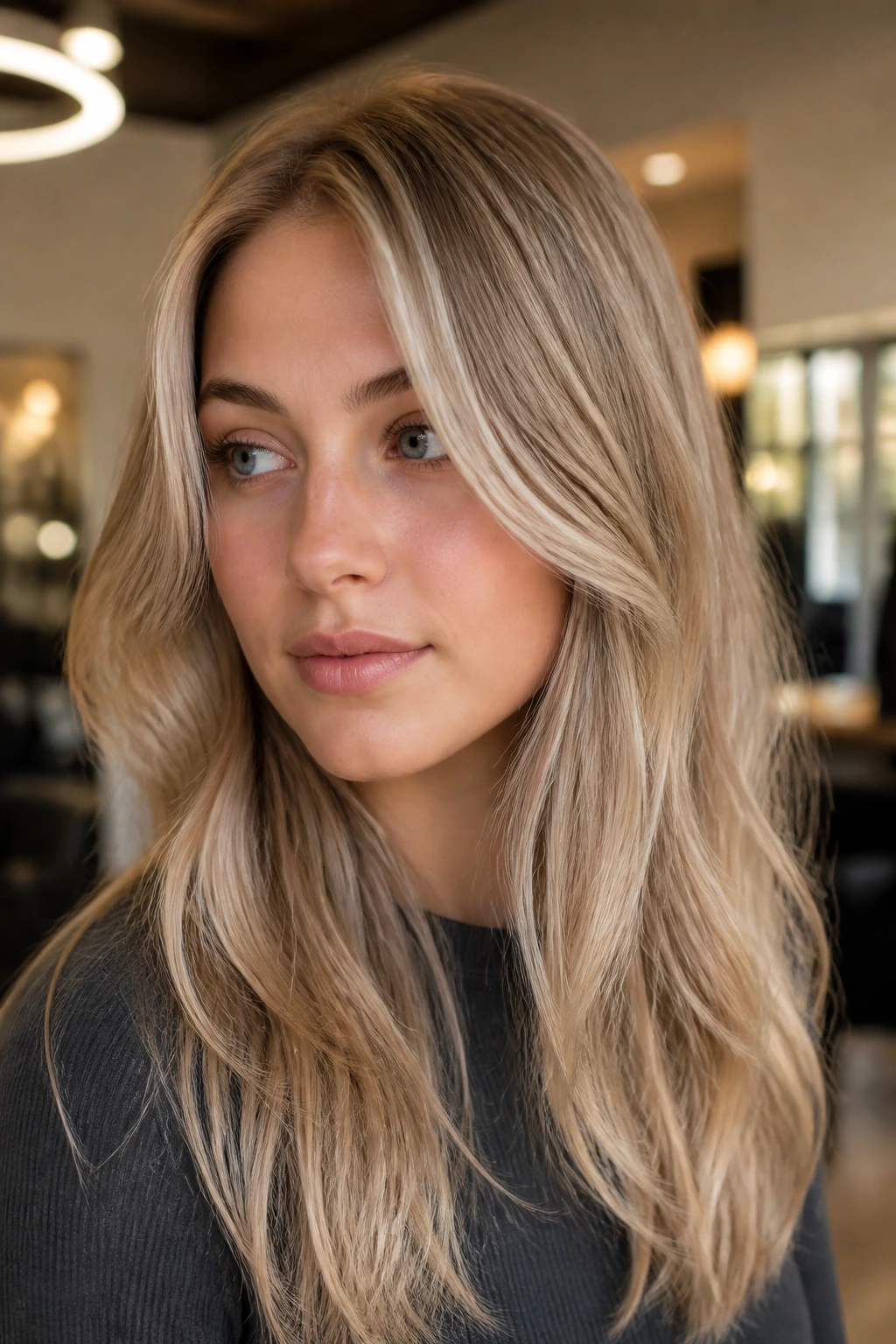
- Beige beats yellow: the shades here lean pearl, champagne, sandy, or smoky, which keeps the gold from turning school-bus bright against cool skin.
- Placement matters as much as tone: face-framing pieces, root shadows, and fine babylights can soften warmth so it reads like light, not dye.
- There’s a lane for every base color: deep brunettes, dark blondes, and very light blondes all have options here, so you are not forced into a full bleach job.
- Gloss can do a lot of the work: a semi-permanent gold glaze often gives more control than permanent color, especially if you like changing direction later.
- Maintenance stays realistic: several of these looks fade into beige blonde or warm brunette, which is easier to live with than a bright, high-lift gold that needs constant correction.
1. Champagne Gold Bob
A champagne-gold bob sits at the top of my list because it’s one of the easiest ways to wear gold on cool skin without looking too warm. The tone is pale, creamy, and a little sparkling, almost like the edge of a vintage flute rather than yellow dye. On a blunt bob, that sheen looks crisp around the jaw and keeps the face from going washed out.
Ask for a level 9 or 10 base with a champagne gloss, not a strong golden toner. The difference is subtle on paper and obvious in the mirror. Champagne gold gives you brightness with a soft finish, which matters when your skin already brings its own cool light to the table.
2. Pearl-Beige Balayage
Pearl-beige balayage works because the ribbons never sit in one flat block. They sweep through the lengths in soft, hand-painted pieces, and that movement keeps the gold from becoming the whole story. Cool skin usually likes that kind of dimension; it gives warmth without crowding out your undertone.
I like this on mid-length hair with a loose wave. The pearl note in the toner quiets the gold, while the beige base keeps it wearable for everyday life. If you want color that looks expensive without trying too hard, this is the lane.
3. Butter Gold Money Piece
A butter-gold money piece gives you the payoff up front. Bright, yes, but not neon. The warmth sits right around the face, which can be a smart move on cool skin if the rest of the hair stays neutral or slightly deeper. You get that lifted look near the eyes and cheekbones without flooding the whole head with yellow.
This one works best when the money piece is folded into a beige blonde or soft brunette base. Keep the front pieces a touch lighter than the rest, and ask for toner that stays creamy rather than lemony. That tiny shift makes the entire look easier to wear.
4. Antique Gold Gloss
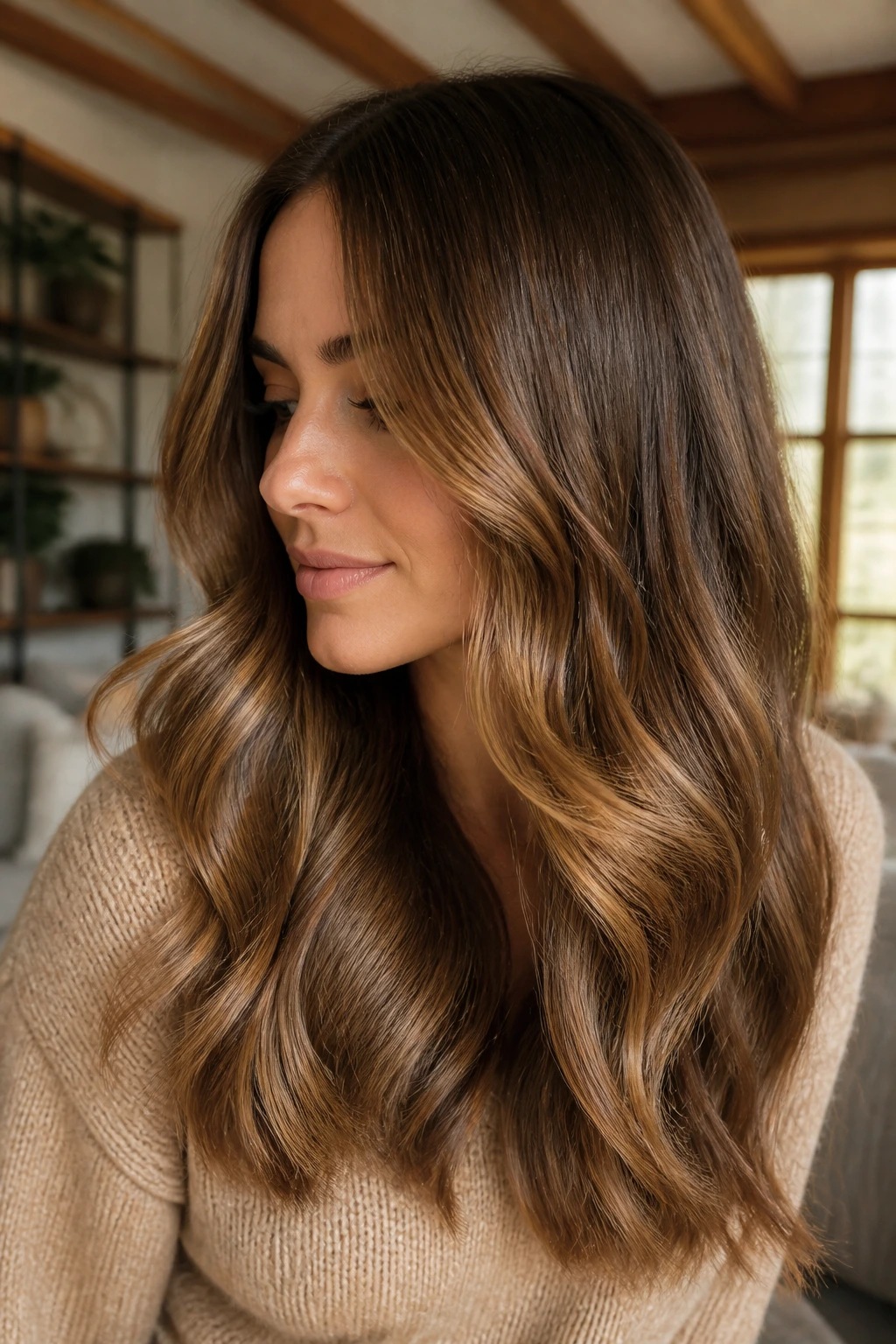
Antique gold is one of the smartest gold choices for cool skin because it has a muted, old-metal finish instead of a fresh-bright finish. Think worn jewelry, not shiny foil. On brunette hair, it adds depth and reflection, and on dark blonde hair it reads rich without crossing into orange.
A gloss like this is the sort of thing I’d recommend to anyone who wants warmth but hates the upkeep of highlights. You can refresh it every few weeks, and because the color is semi-permanent, it fades with less drama. Good hair color should behave like that sometimes.
5. Honey Gold Ribbons
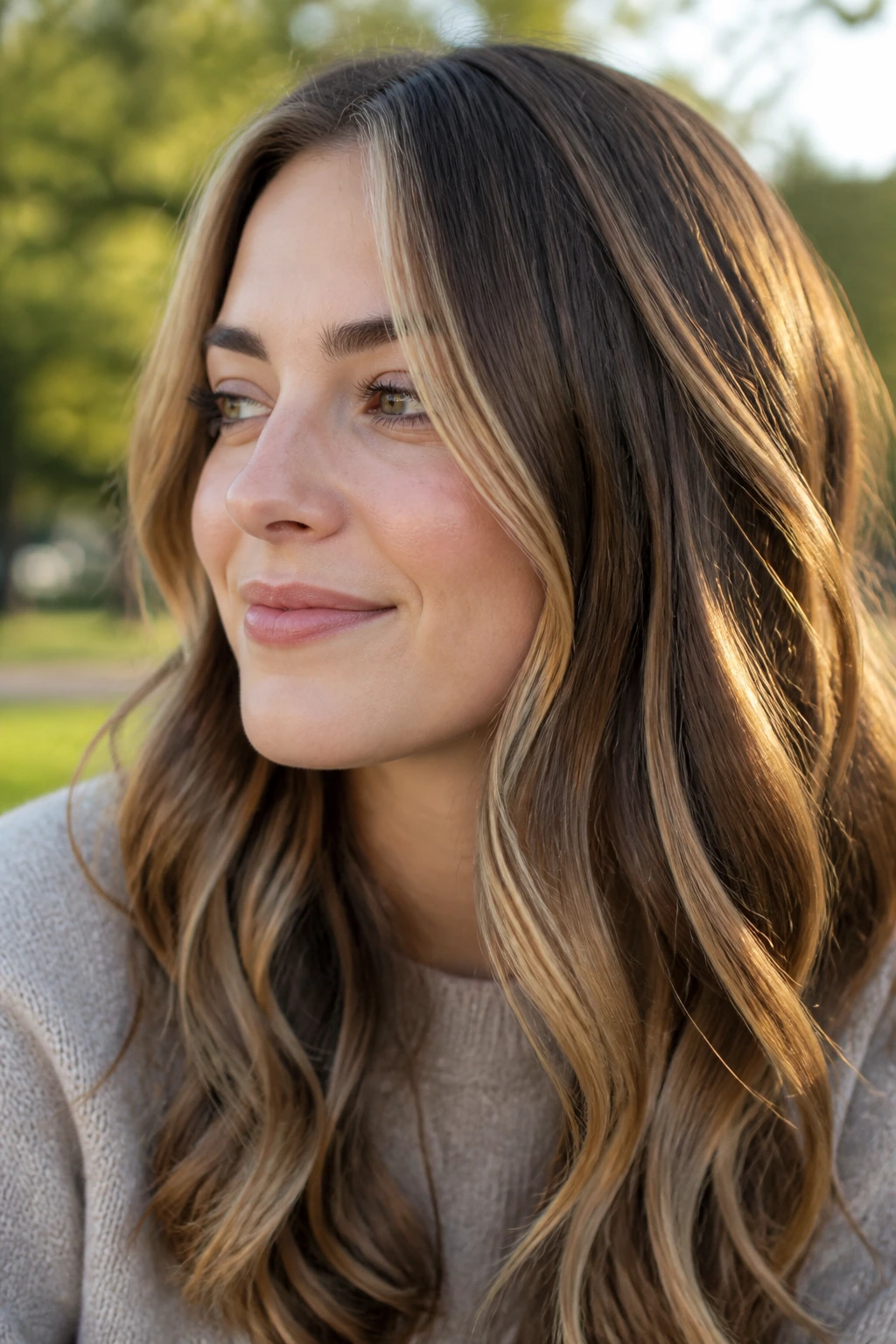
Honey gold can work on cool skin if the ribbons are fine and the base stays neutral. That’s the part people get wrong. Heavy honey chunks can take over fast, but thin ribbons woven through brunette or dark blonde hair give just enough warmth to light up the hairline and ends.
I’d keep the honey tone soft and add a lowlight or two in a cooler beige-brown. That mix stops the whole look from tipping too warm. The result is more candlelight than caramel.
6. Sandy Gold Lob
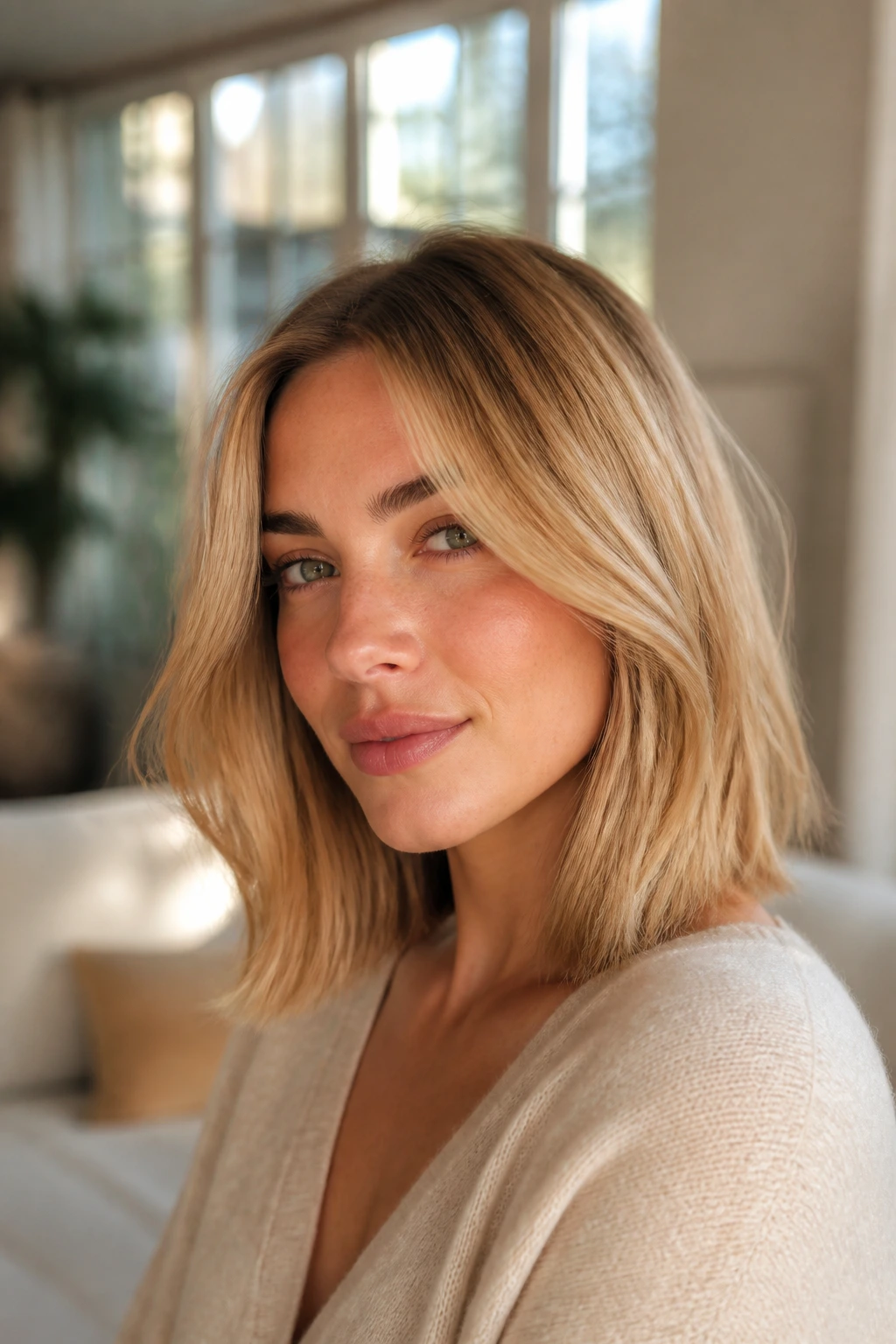
A sandy gold lob is perfect when you want a shade that feels sunlit but not sweet. Sandy gold sits between beige and pale gold, which makes it a friendlier choice for cool skin than a strong golden blonde. On a lob, the cut does half the styling work because the clean line keeps the color looking deliberate.
This shade wears well with straight hair, but I like it even more with a slight bend in the ends. The movement catches the sandy reflect without making the warmth too obvious. If your natural color is around level 7 or 8, this is one of the smoother shifts you can make.
7. Gilded Mushroom Blonde
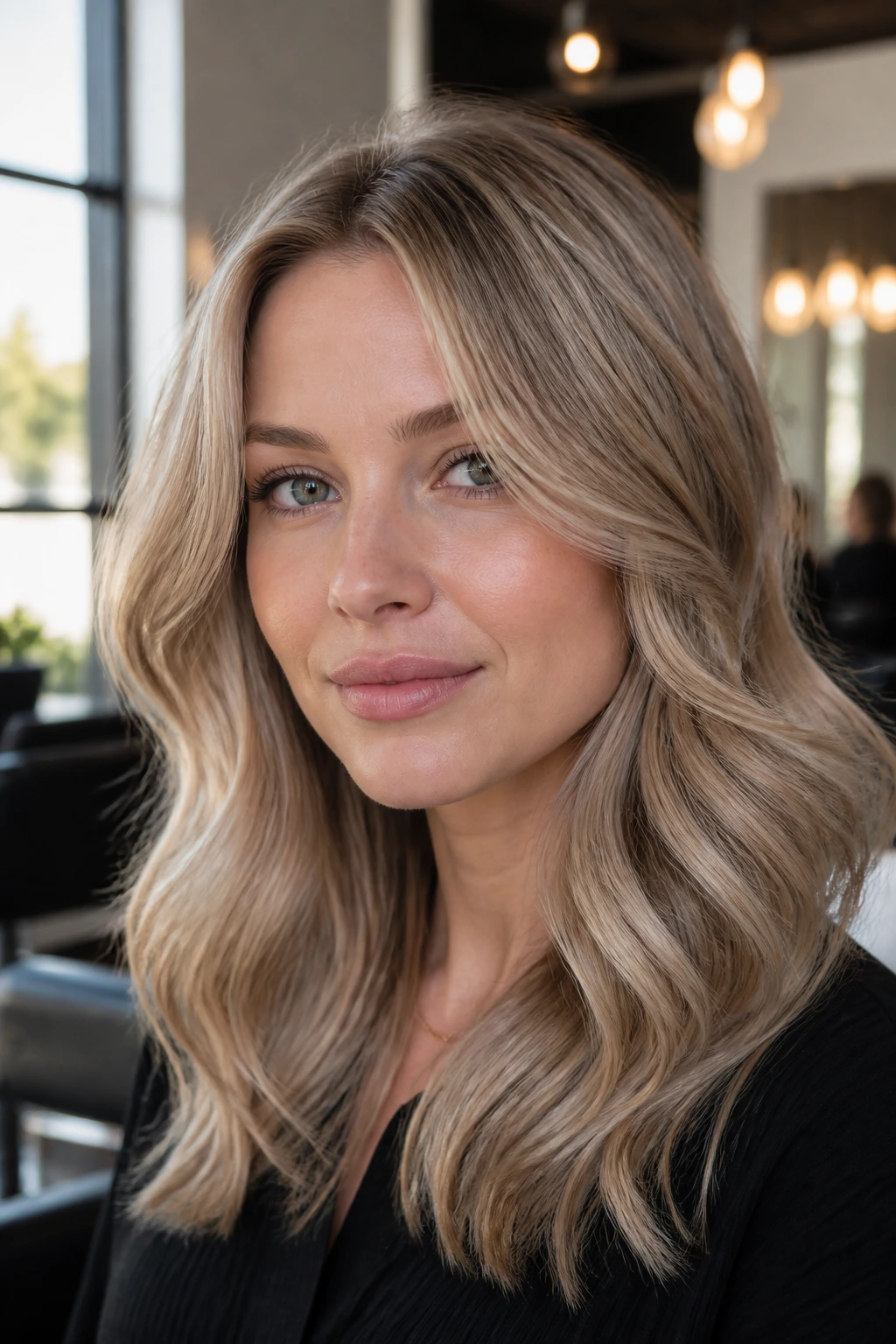
Mushroom blonde already has that cool, earthy base, so adding a gilded finish gives you a gold that feels controlled. This is a clever route for cool skin because the mushroom undertone blocks the gold from going too sunny. You end up with a soft metallic feel, not a warm blonde helmet.
I’d call this a brunette-to-blonde bridge shade. It’s especially good if you’ve been living in ash tones and want to add a little glow without abandoning them. The gold should sit mostly on the surface, not baked into every strand.
8. Metallic Gold Glaze
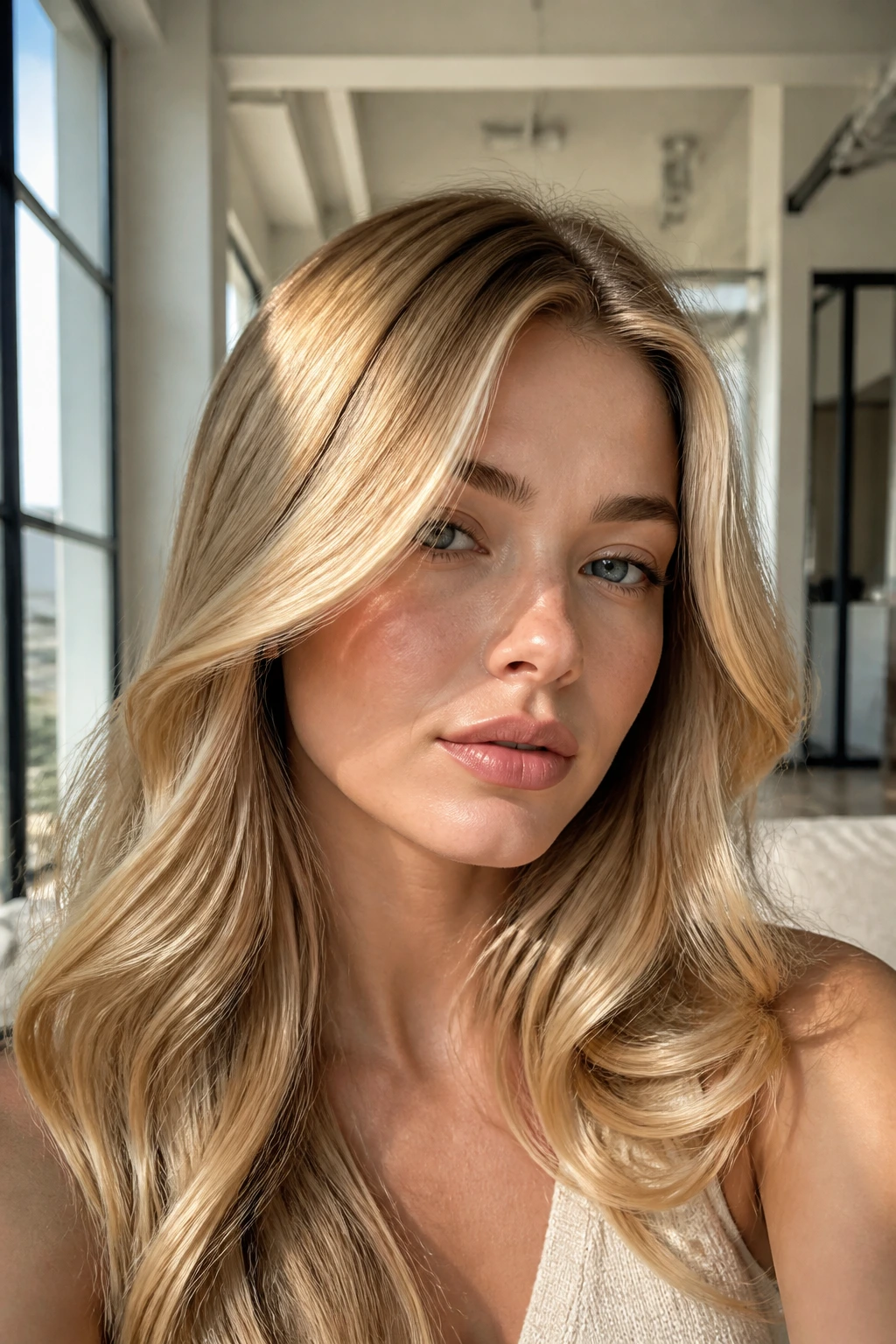
Metallic gold looks cleaner than plain yellow gold because it reflects light in a sharper, shinier way. On cool skin, that metallic finish can be a lifesaver. It takes the warmth and turns it into sheen, which is a much easier look to wear around the face.
This is one of the best options for someone who likes glossy hair more than obvious highlights. A glaze can be brushed on over blonde or light brown hair, then toned back if it starts drifting too warm. Short appointment, big payoff.
9. Soft Gold Ombré
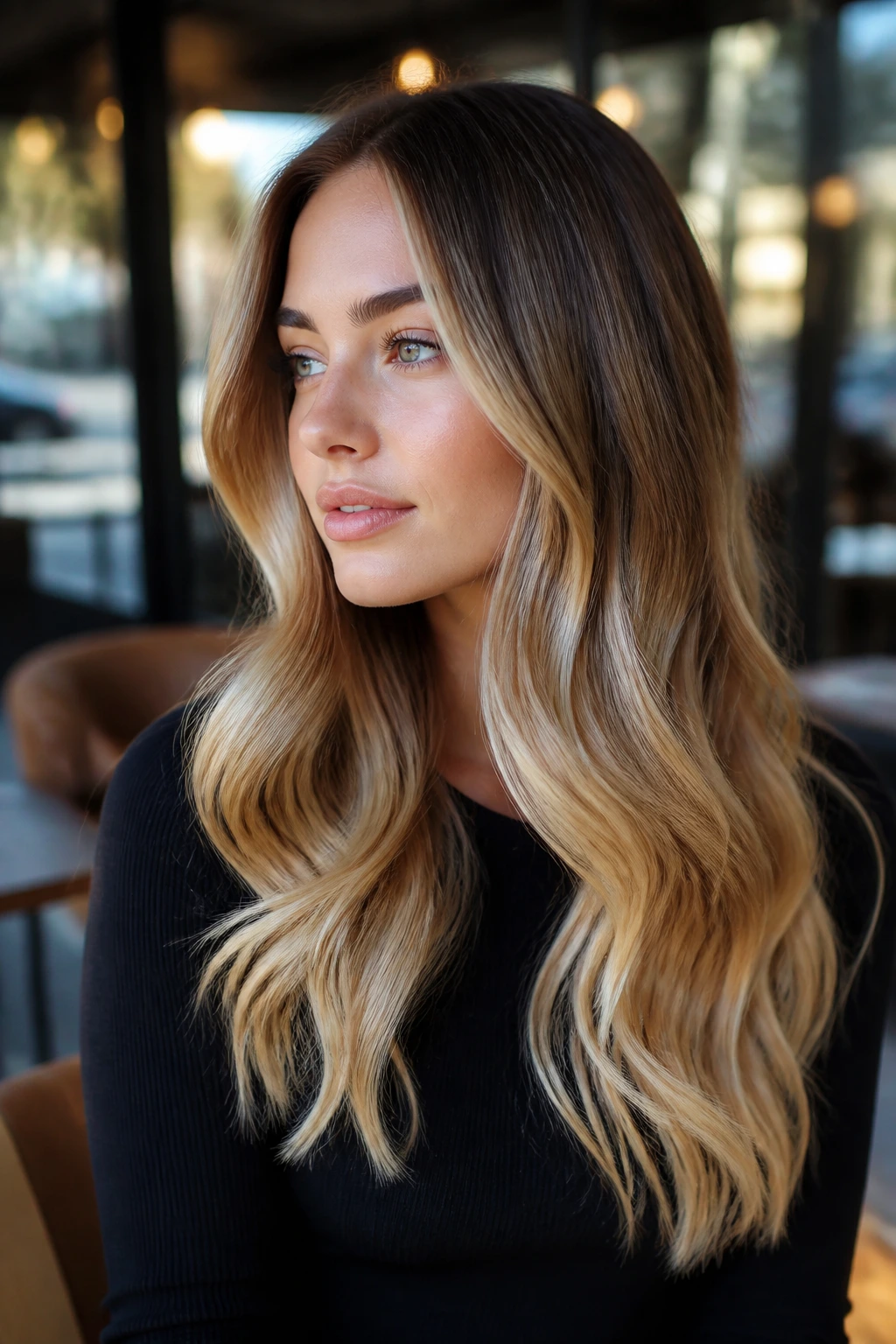
Soft gold ombré gives you a darker root and a lighter gold end, which helps the warmth sit lower on the head instead of crowding the face. That matters for cool skin. The contrast creates shape, and shape is what keeps gold from looking flat or brassy.
The transition should be gradual, not stripey. Ask for a melt from neutral root to beige-gold mid-lengths, then a pale gold finish at the ends. On longer hair, this has a quiet elegance to it without being fussy.
10. Gold Babylights on Cool Brown
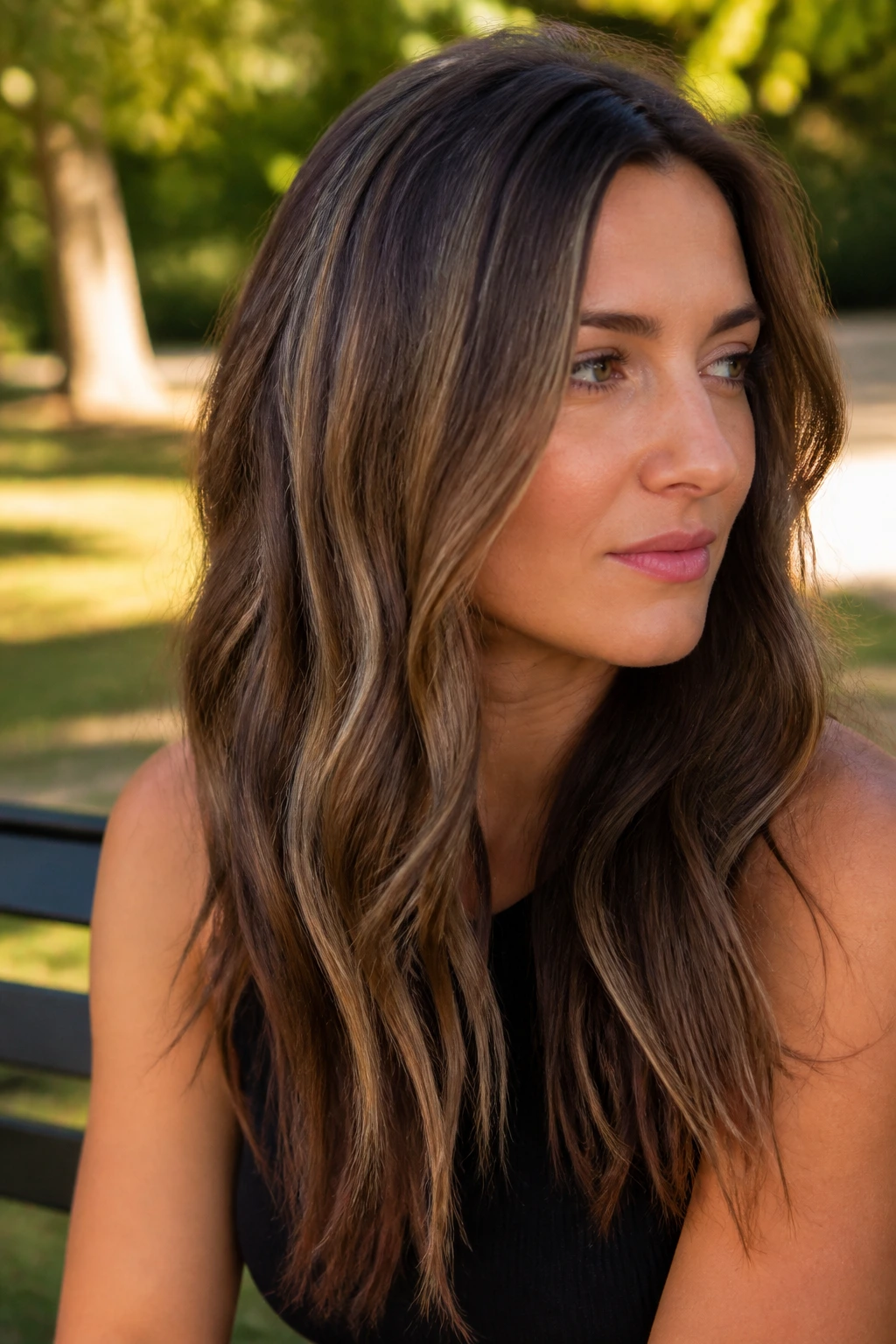
Babylights are tiny, and that’s the whole point here. Gold babylights on a cool brown base create a shimmer effect instead of a warm block. The gold only peeks through in little threads, which is much easier on cool skin than a full blonde transformation.
This is a nice entry point if you are color-shy. You get depth, movement, and a little warmth around the head shape, but the brown still does most of the work. It’s one of those looks that gets better when the hair moves.
11. Cream Gold Waves
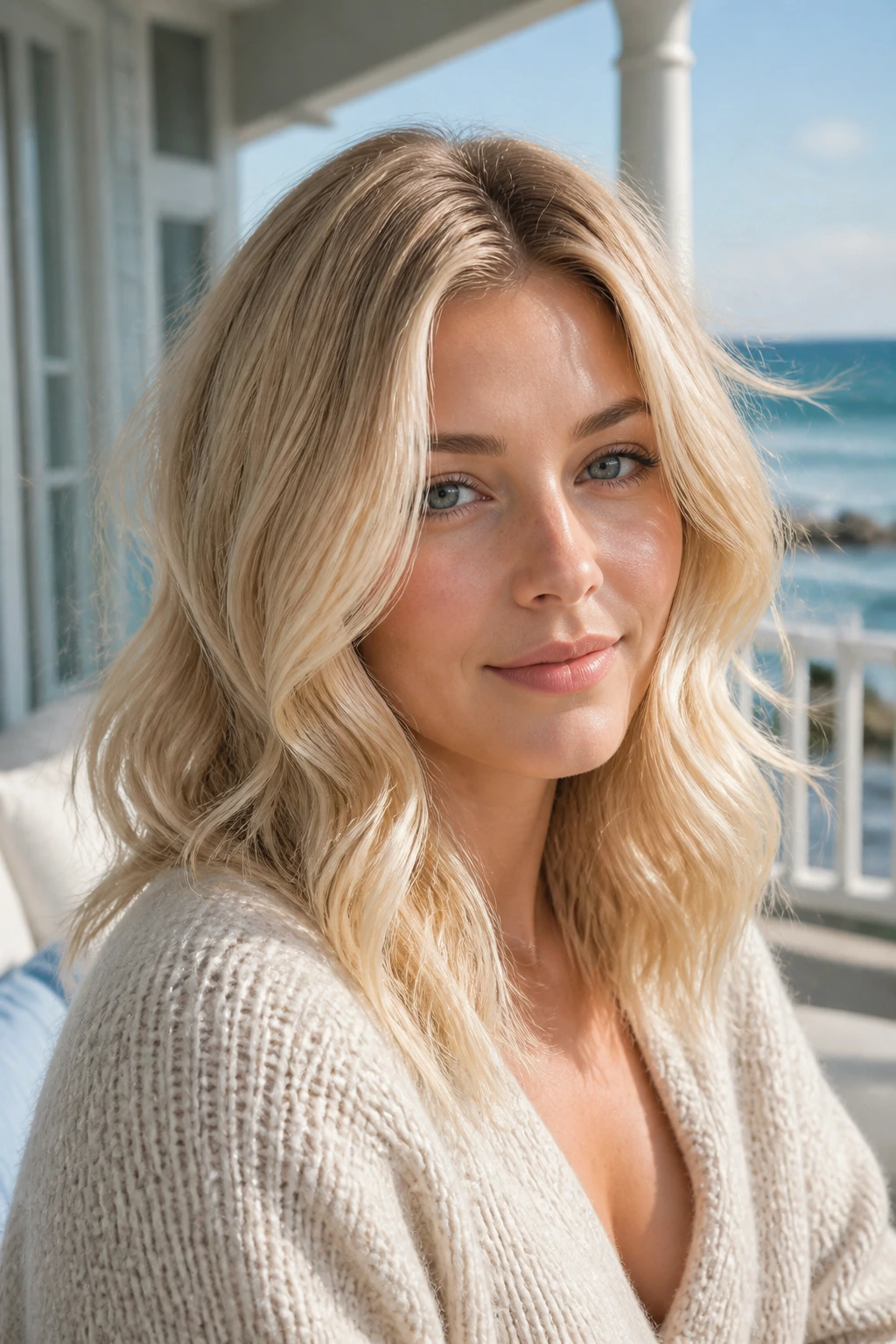
Cream gold has more milkiness than brightness, and that makes it unusually flattering on cool skin. The tone feels softer, almost like pale custard under daylight, and loose waves help break the color into highlights and shadows. Flat-ironed cream gold can feel too polished; waves keep it human.
I like this on shoulder-length hair because the curve of the wave lets the gold catch at the top and fade toward the ends. That little variation keeps it from reading yellow. If you want blonde with warmth but no bite, this is a steady choice.
12. Shadow-Root Champagne Blonde
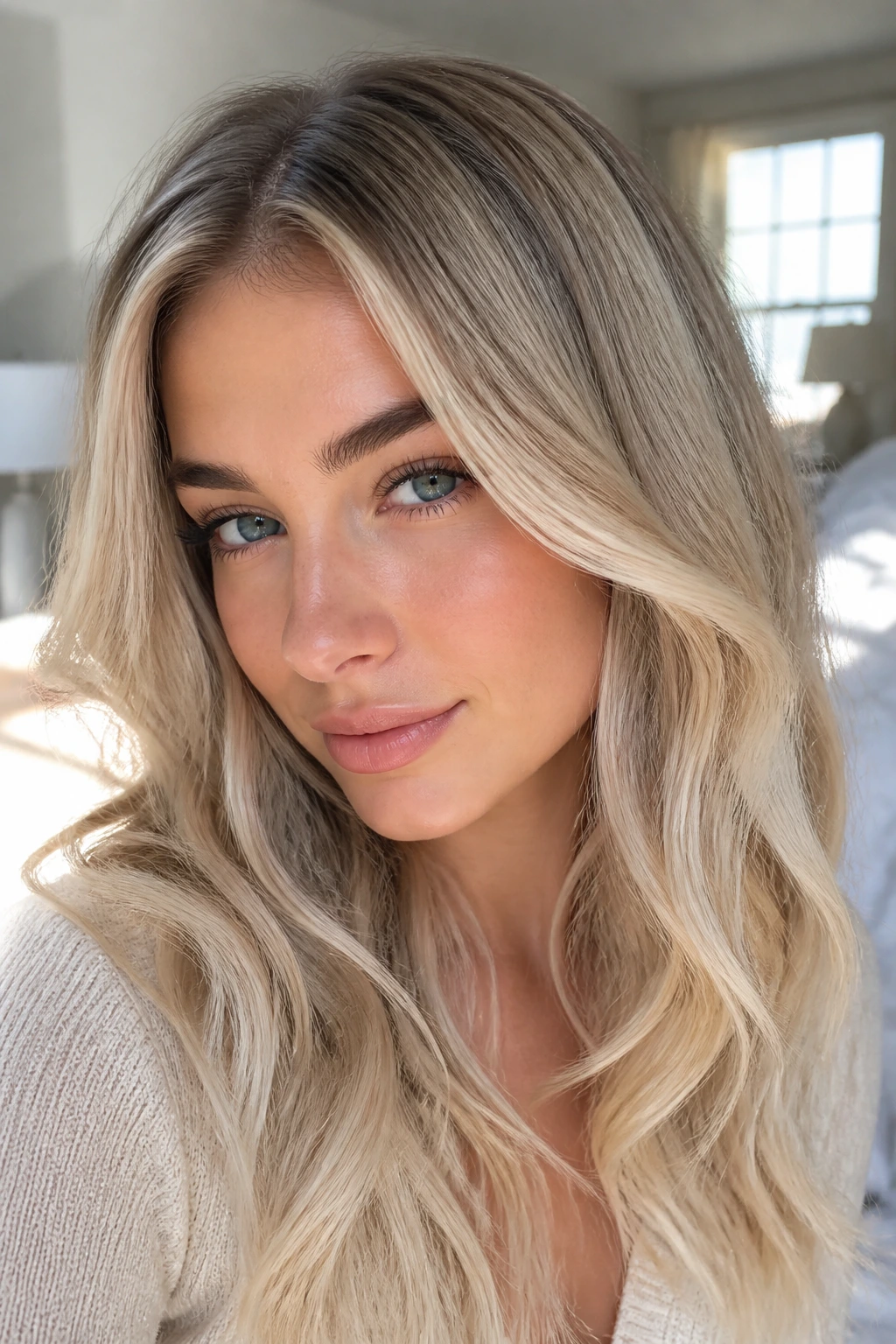
A shadow root does a lot of quiet work. It anchors the color at the scalp, which makes the champagne blonde through the mids and ends look softer and more expensive. Cool skin usually benefits from that darker frame because it prevents the face from getting surrounded by too much warmth.
The root can be a cool beige-brown or a soft ash blonde one or two levels deeper than the lightest pieces. Then the champagne length carries the glow. If your hair grows fast, this is one of the easiest gold looks to live with.
13. Gold Foilayage Layers
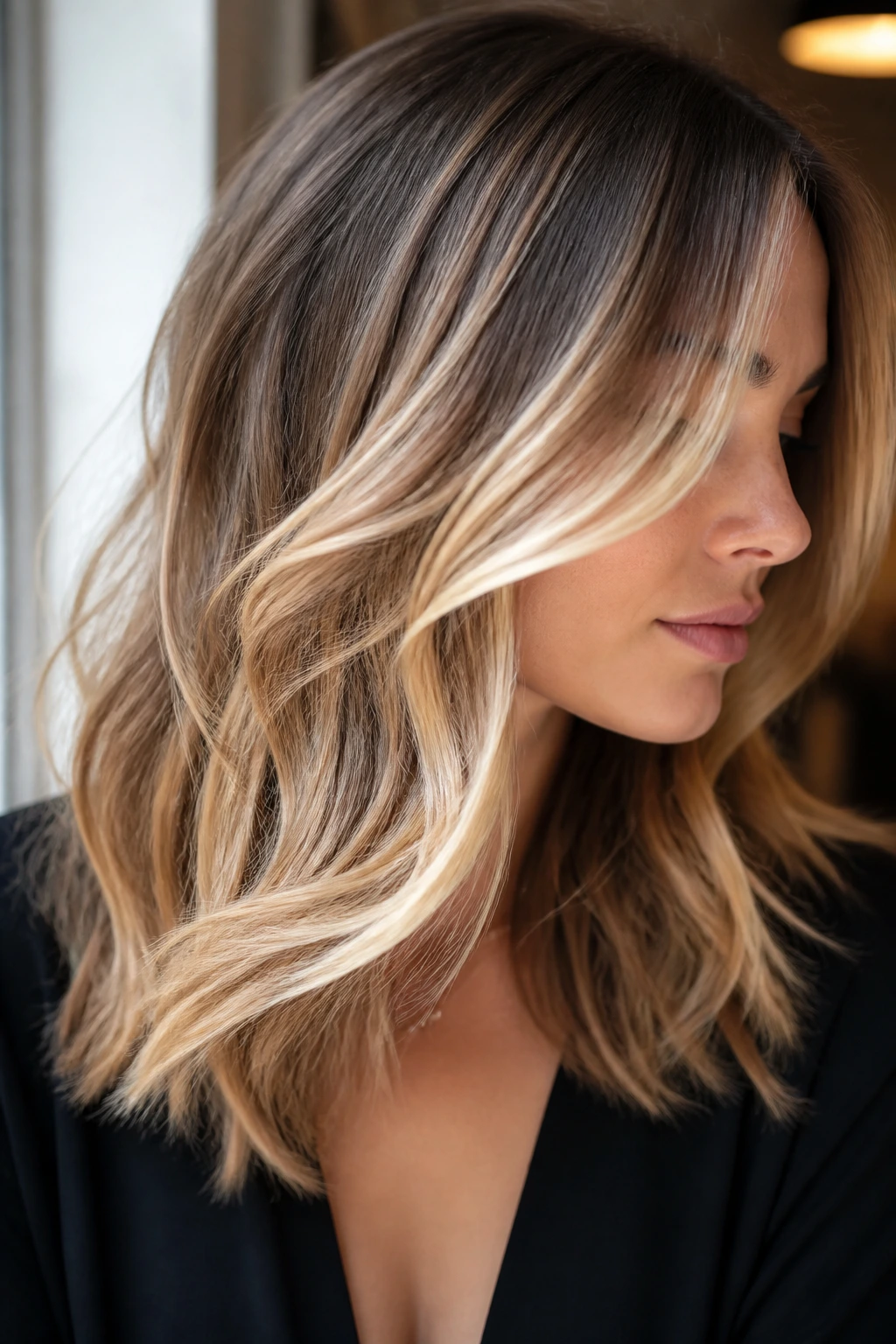
Foilayage gives you more lift than open-air balayage, and that matters when you want gold that still looks clean. The foil concentrates lightness around the layers, so the gold appears brighter in controlled ribbons. On cool skin, the trick is to keep those ribbons beige-gold rather than bright yellow.
This style works especially well on layered cuts because each piece catches the light at a different angle. The hair ends up with movement and shine, not a flat sheet of warmth. That’s a useful distinction.
14. Beige Gold Pixie
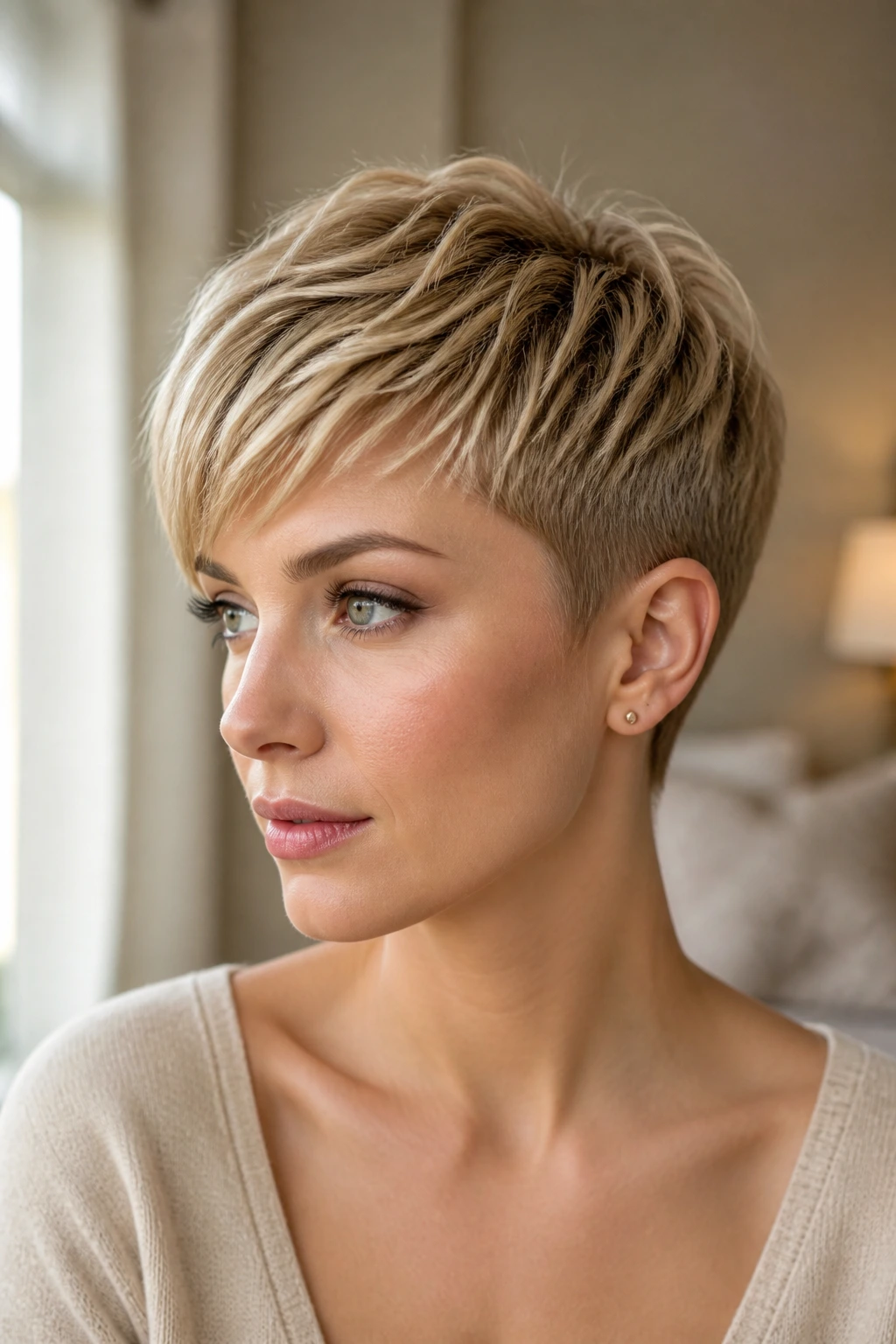
Short hair and gold can be a great match if the tone stays beige. A pixie shows every color shift right away, so a beige-gold finish looks crisp and intentional instead of overdone. Cool skin gets the benefit of a little warmth around the face while the short cut keeps the shape clean.
I’d keep the sides a touch deeper and let the top carry the brighter gold. That keeps the cut from becoming too fluffy or too sunny. On a pixie, restraint is the whole trick.
15. Smoked Gold Brunette
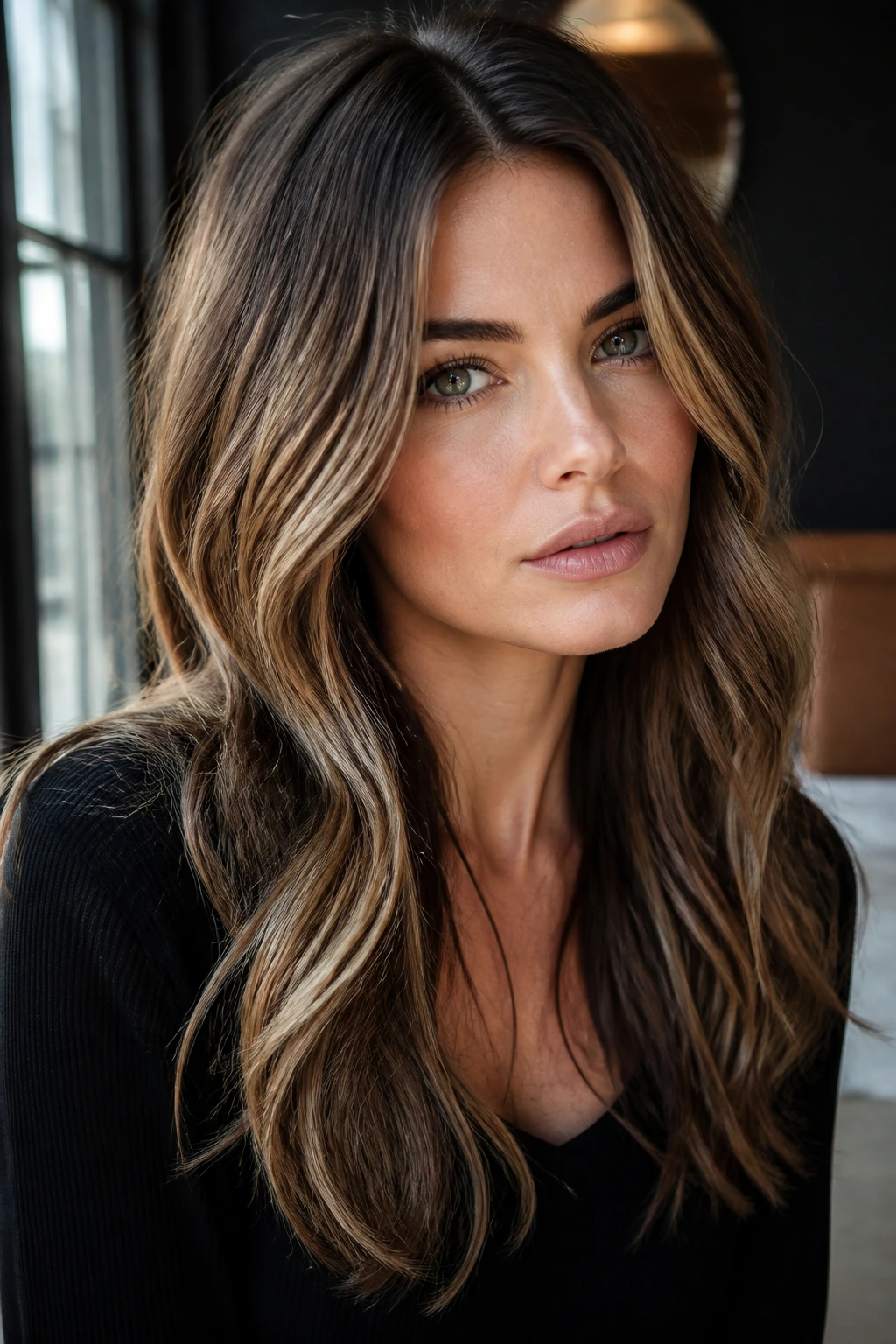
Smoked gold brunette is one of the prettiest options for people who want gold but don’t want to look blonde. The gold is muted by smoke, ash, or taupe, so the result stays cool enough for pink-leaning skin. It reads like rich brown hair with a warm reflection, not a golden dye job.
This shade is good when you want depth first and shine second. It works on long layers, blunt cuts, and curls, though I think it looks especially good on wavy hair because the movement shows off the subtle tonal change. Quiet, but not dull.
16. Vanilla Gold Curls

Vanilla gold on curls softens the gold by letting the texture break up the color. The curls create shadows between the brighter pieces, which stops the warmth from settling into a single flat mass. For cool skin, that texture help is huge.
You want the gold to live mostly on the outer curve of each curl. That way it flashes when the hair moves and disappears when it doesn’t, which keeps the look airy. On curl patterns with a little spring, vanilla gold feels light rather than heavy.
17. Iced Gold Highlights
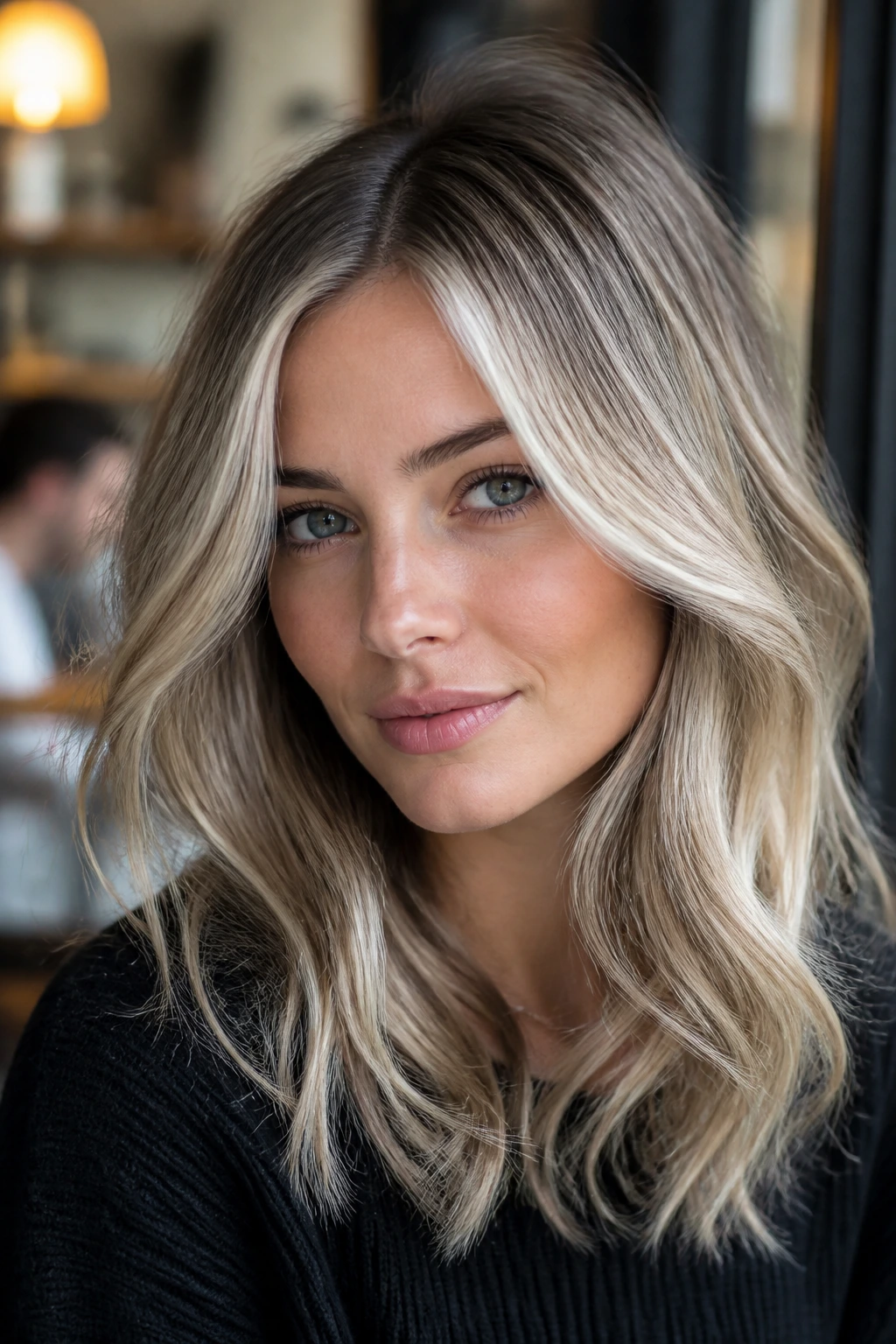
Iced gold sounds contradictory, and that’s why it works. The base stays cool, but the highlights carry a pale gold note that gives the hair some glow. On cool skin, that blend can be easier to wear than a true warm blonde because the icy foundation keeps the warmth in check.
This is a smart option if you normally live in ash tones but want a little more life around the face. Ask for thin placement and a toner that keeps the highlights pale rather than brassy. If the gold is too saturated, the whole look tips fast.
18. Gold Peekaboo Panels
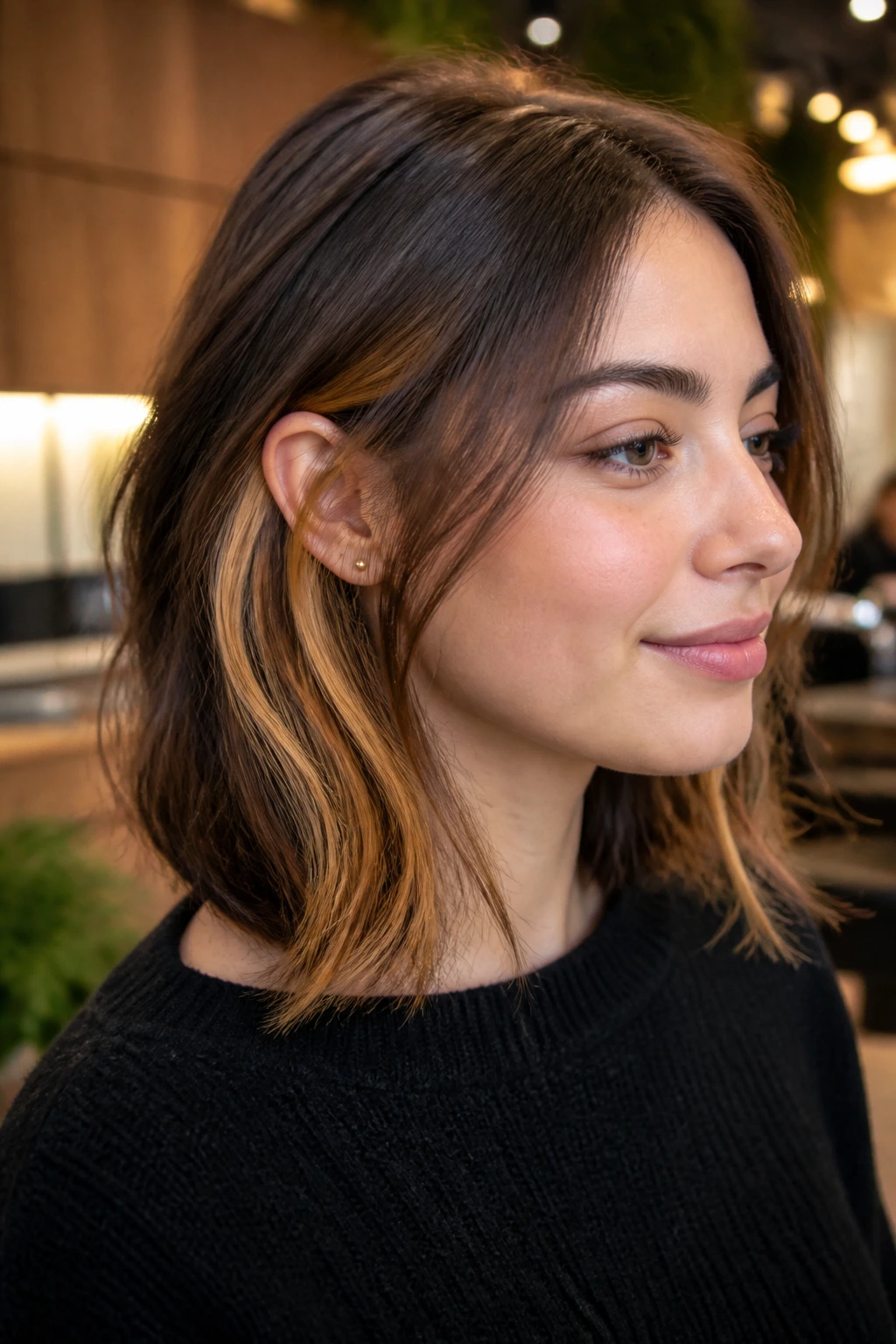
Peekaboo panels are for people who want their gold to make a quieter entrance. The color hides under the top layer, then flashes when the hair moves or gets tucked behind the ear. That hidden placement helps cool skin because the warmth is there, but it doesn’t dominate the face.
I like this on shoulder-length cuts and shags, where the layers can lift and drop over the gold. It feels playful without being loud. If you get bored with visible color fast, this is a smart route.
19. Almond Gold Straight Cut
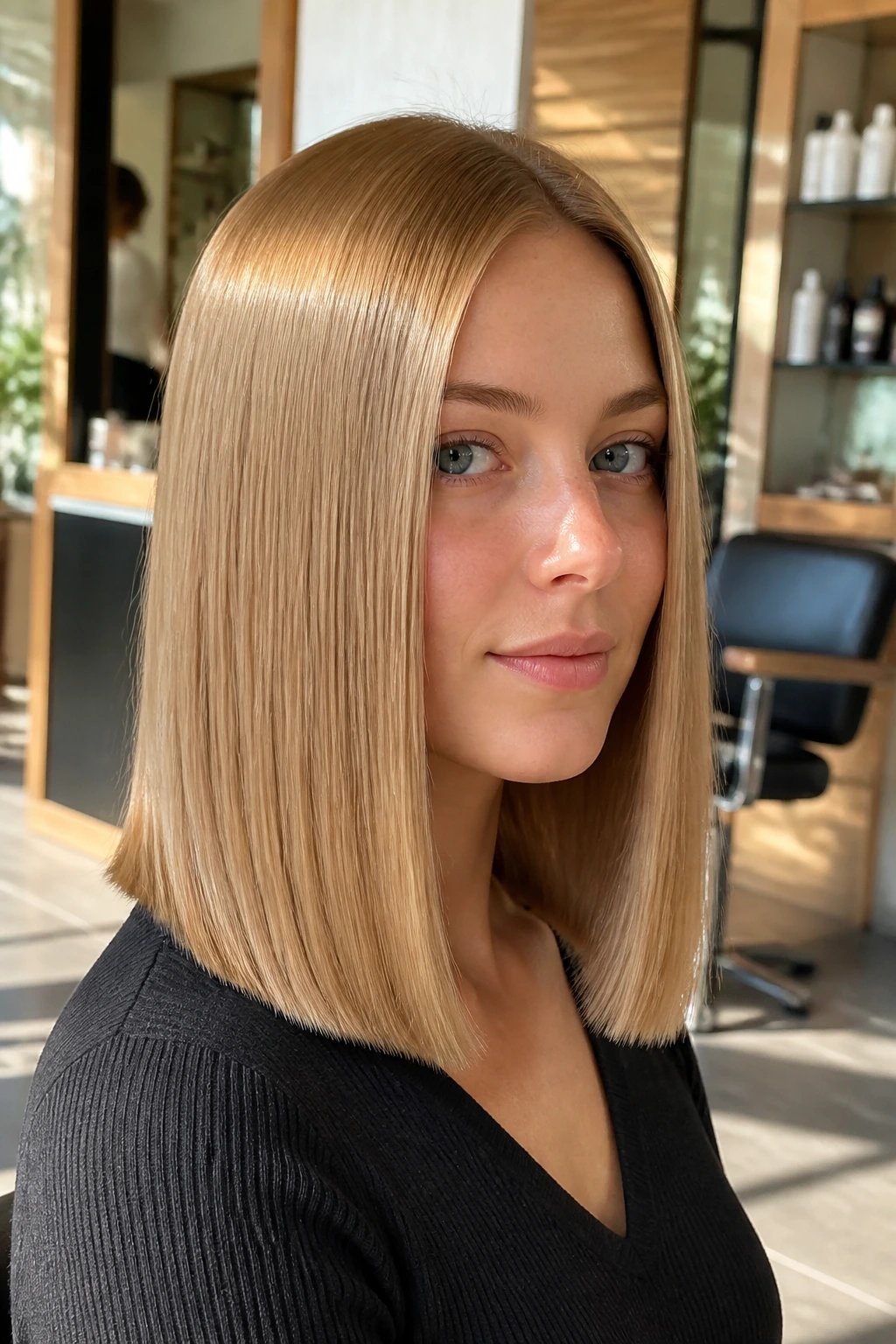
Almond gold sits between beige and light brown, with enough warmth to read gold and enough neutrality to stay wearable. On a straight cut, the tone looks especially tidy because the hair surface acts like a smooth ribbon. Cool skin usually likes that kind of clean finish.
This shade is good if you prefer shine over obvious contrast. It doesn’t scream for attention, but it holds up in daylight because the almond note keeps the gold calm. I’d keep the ends blunt or only slightly textured.
20. Cool Honey Gold Melt
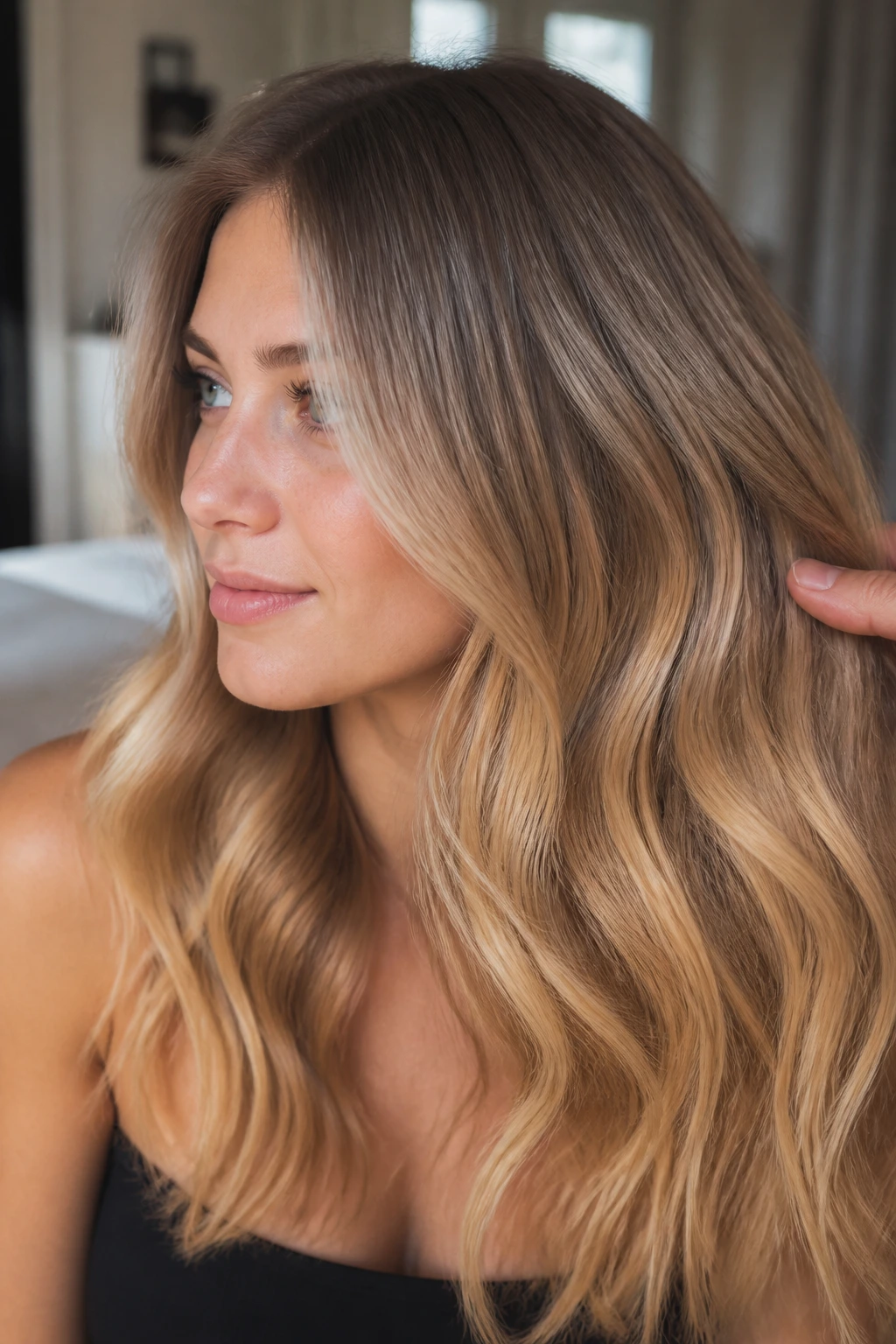
Cool honey gold sounds like a contradiction, but the “cool” part comes from the root shadow and the beige in the melt. The honey lives mostly through the mid-lengths and ends, so the warmth stays softened by a deeper base. That’s why it works better on cool skin than a flat honey blonde.
A melt like this needs good blending. No hard line, no striped sections, no chunky chunks around the face. When done well, it looks like the hair naturally brightened over time, which is far more convincing than trying to force a bright gold from the scalp down.
21. Oyster Gold Blonde
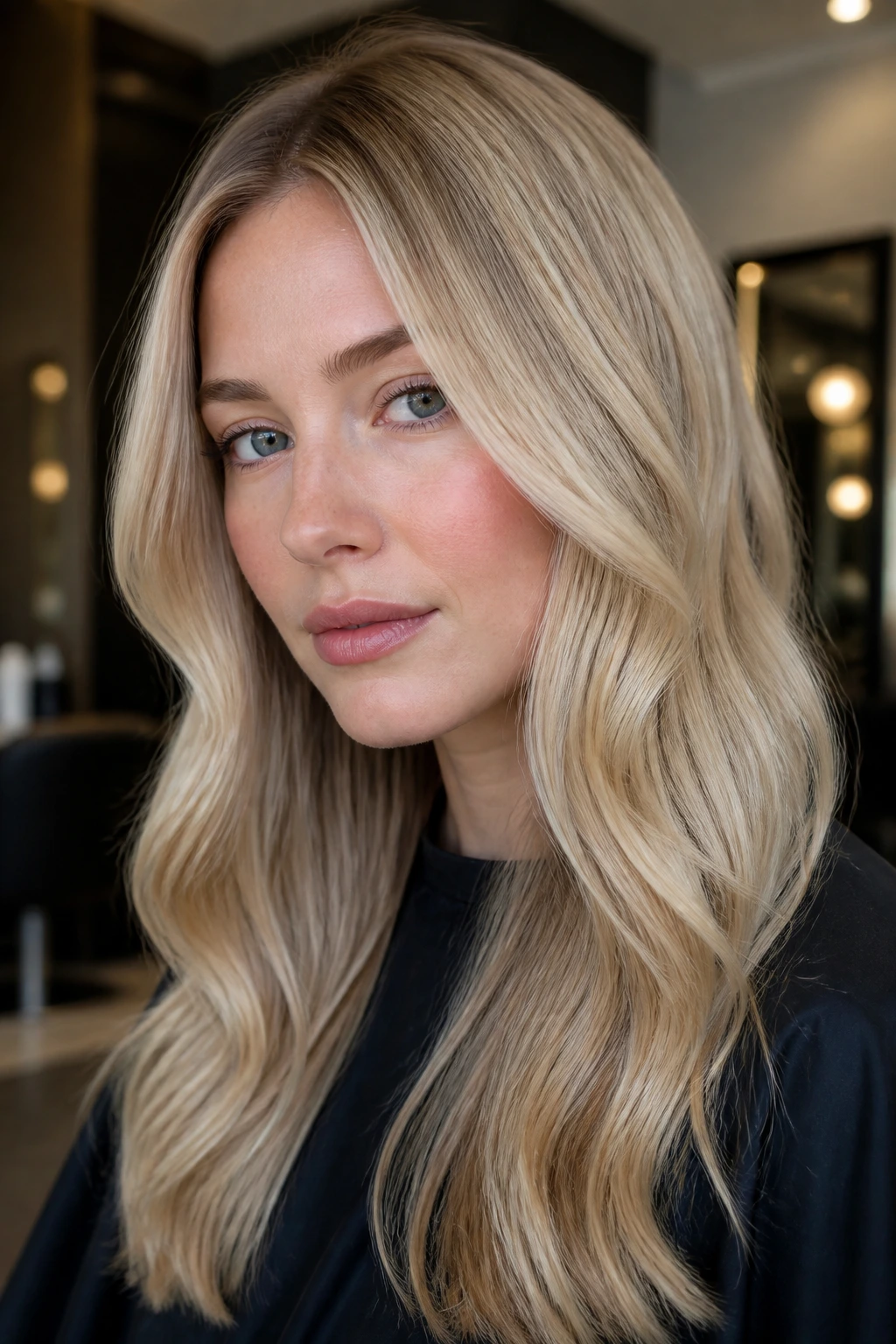
Oyster gold is one of the more interesting shades on this list because it sits right near neutral. It has that pale, shell-like quality with a whisper of gold underneath, which is ideal if your skin gets overwhelmed by warm blonde. The color almost shifts depending on the light.
This is a good salon ask if you want blonde that won’t fight pink cheeks or a cool jawline. It’s soft, reflective, and a little moody in a good way. I’d keep the roots shadowed just enough to preserve depth.
22. Gold-Dusted Curtain Bangs
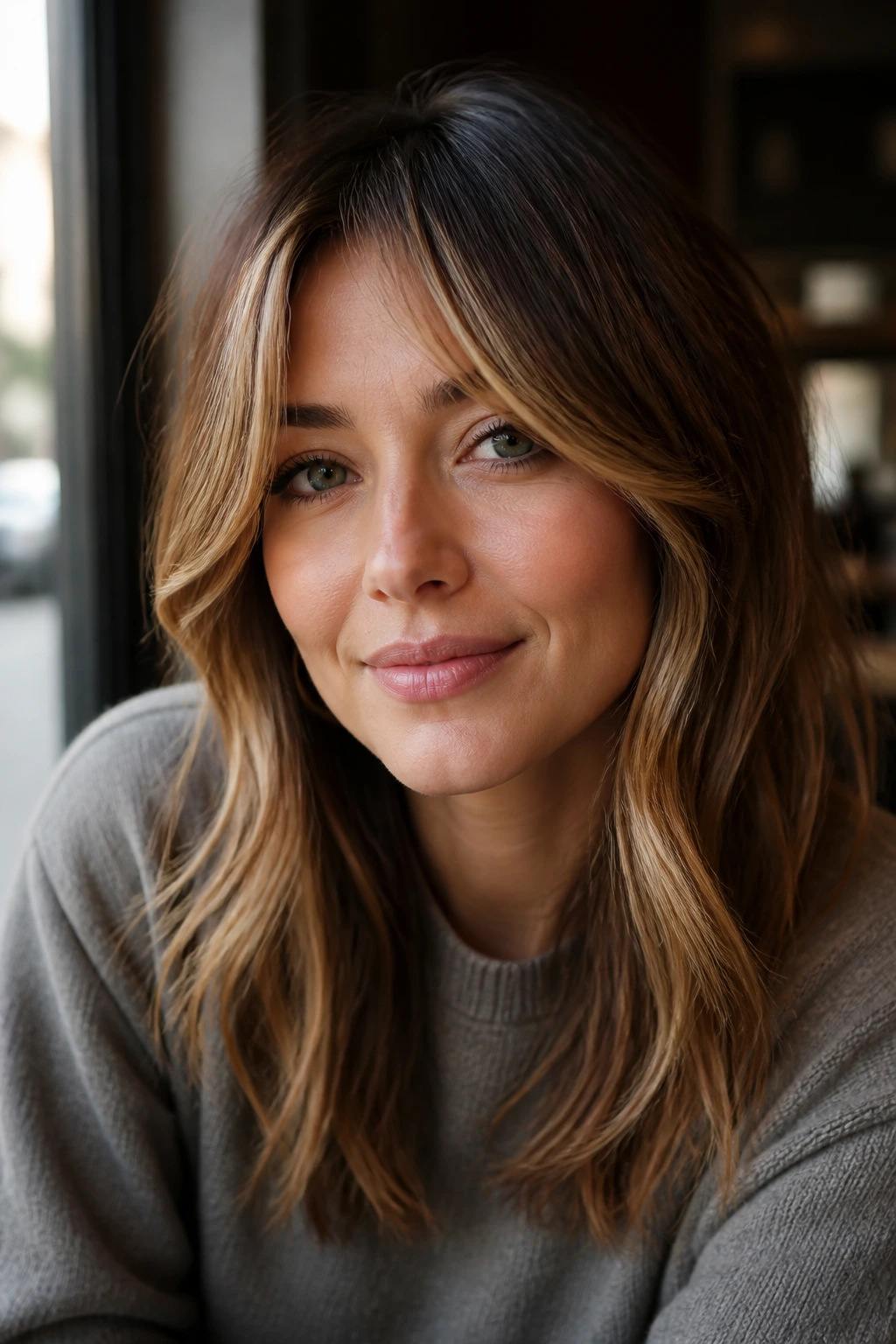
Curtain bangs are already a face-framing tool, and a gold-dusted finish pushes the effect a little further. The color should stay fine and diffused, not chunky. Cool skin likes this because the warmth sits on the edges of the face instead of flooding the whole head.
On longer hair, this can be the easiest way to test gold without committing to full highlights. The bangs catch the light first, then the rest of the cut stays calmer. It’s a small move with a noticeable result.
23. Rose-Inflected Gold Blend
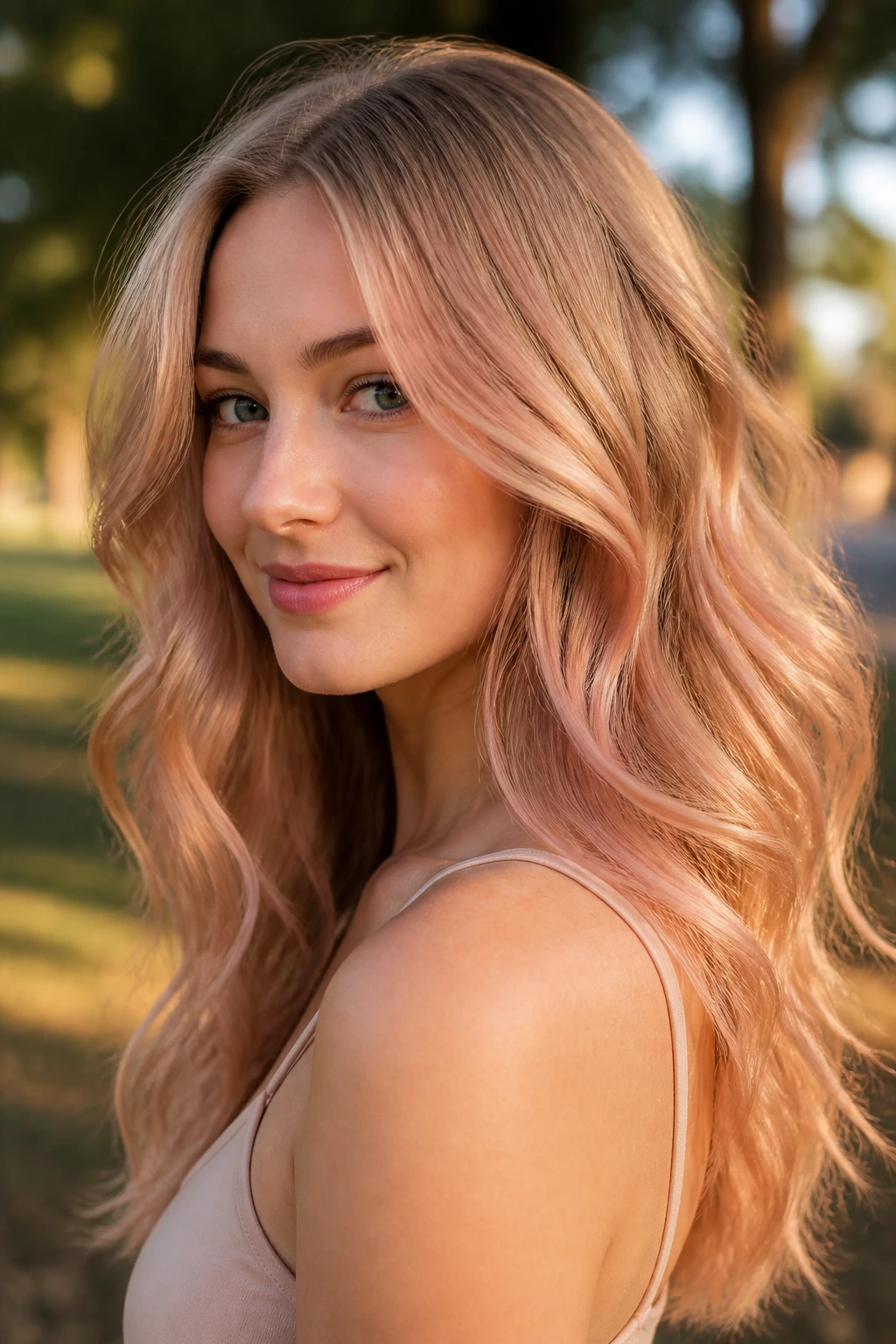
A rose-inflected gold blend works when the rose is barely there. Not pink. Not copper. Just a faint blush under the gold, which can make cool skin look fresher than plain yellow-gold ever could. The rose note keeps the shade from feeling flat.
This is especially good on soft waves or layered lobs. The movement lets the rose and gold shift in and out of view, which keeps the color interesting. If you like jewelry with mixed metals, this may be your lane in hair form.
24. Tarnished Gold Lob
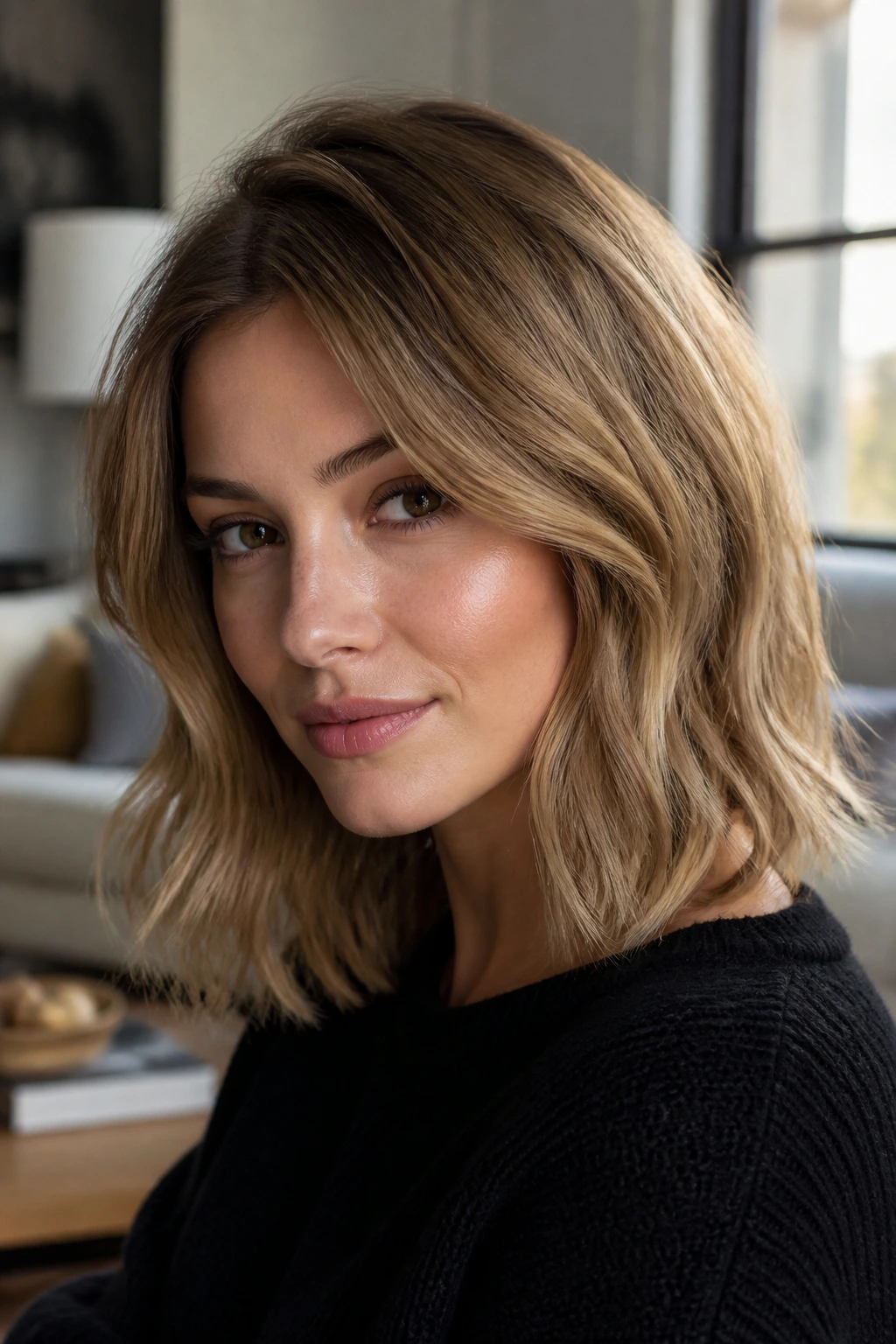
Tarnished gold is gold with the shine turned down a notch. It has an antique, lived-in feel that pairs well with cool skin because it never gets too bright. On a lob, the muted tone looks modern without tipping trendy or flashy.
This is one of my favorite choices for brunettes who want warmth but not a makeover that announces itself from across the room. It looks especially good when the hair has a bit of texture, because the imperfect surface suits the subdued tone. Loud hair this is not.
25. Golden Beige Expensive Brunette
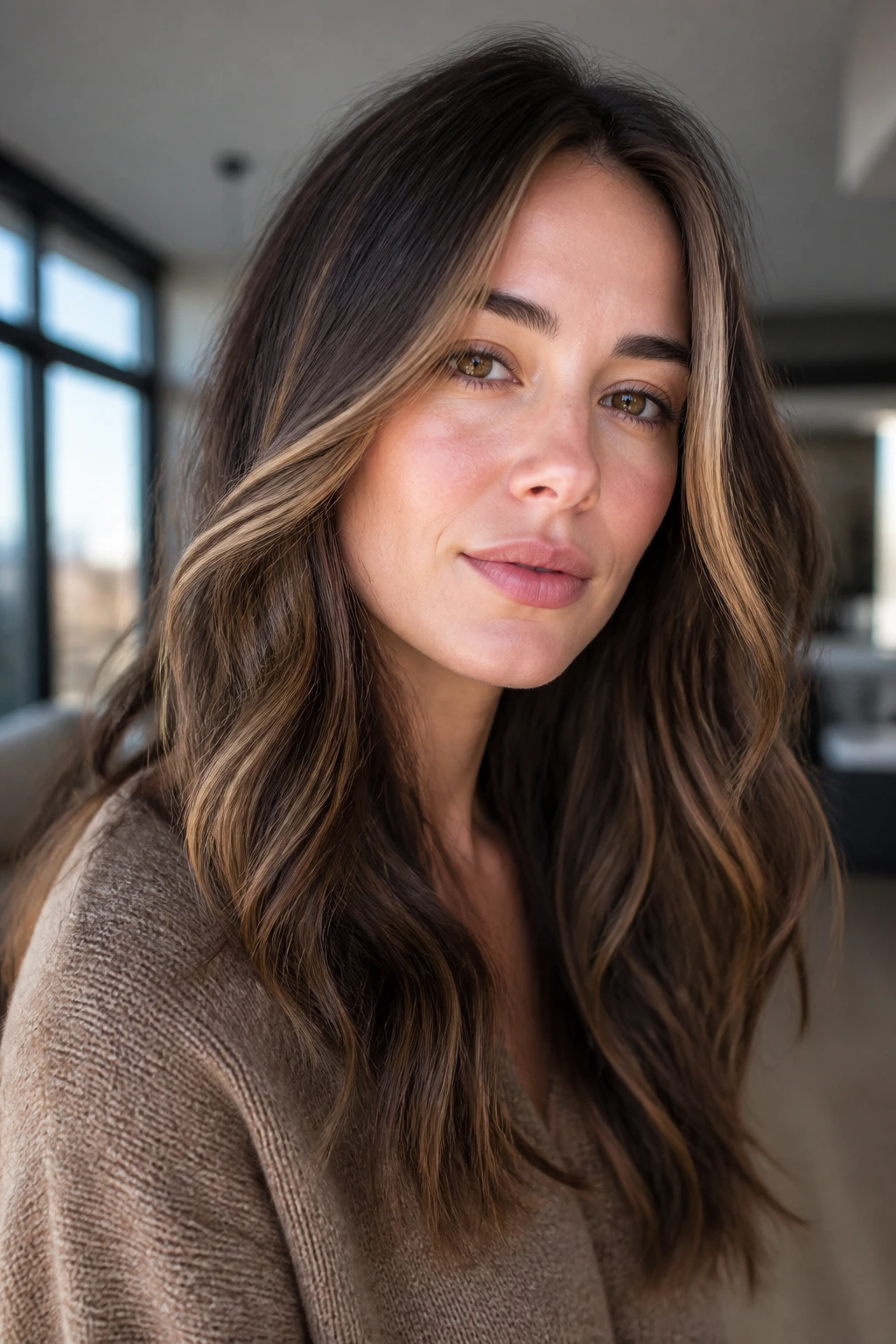
“Expensive brunette” gets tossed around a lot, but the idea still works when the gold is kept beige and muted. The brown base stays in control, and the golden-beige pieces add softness around the face and ends. Cool skin benefits because the warmth never overwhelms the underlying coolness.
This color reads richest when the highlights are thin and the root shadow stays natural. It’s a hair color that looks like it belongs in good daylight and even better on second-day hair. That’s not a bad standard.
26. Sunlit Gold Shag

A shag cut changes the way gold behaves. The layers break the color into little flashes, so the tone can be a touch warmer without crossing the line. Cool skin often does well with that because the color never lands in one place long enough to feel heavy.
I’d keep the gold pieces around the crown and the edges of the layers, not just the bottom. That gives the shag shape and makes the cut look intentional. The texture does the rest. As it should.
27. Gold Lowlight Mix
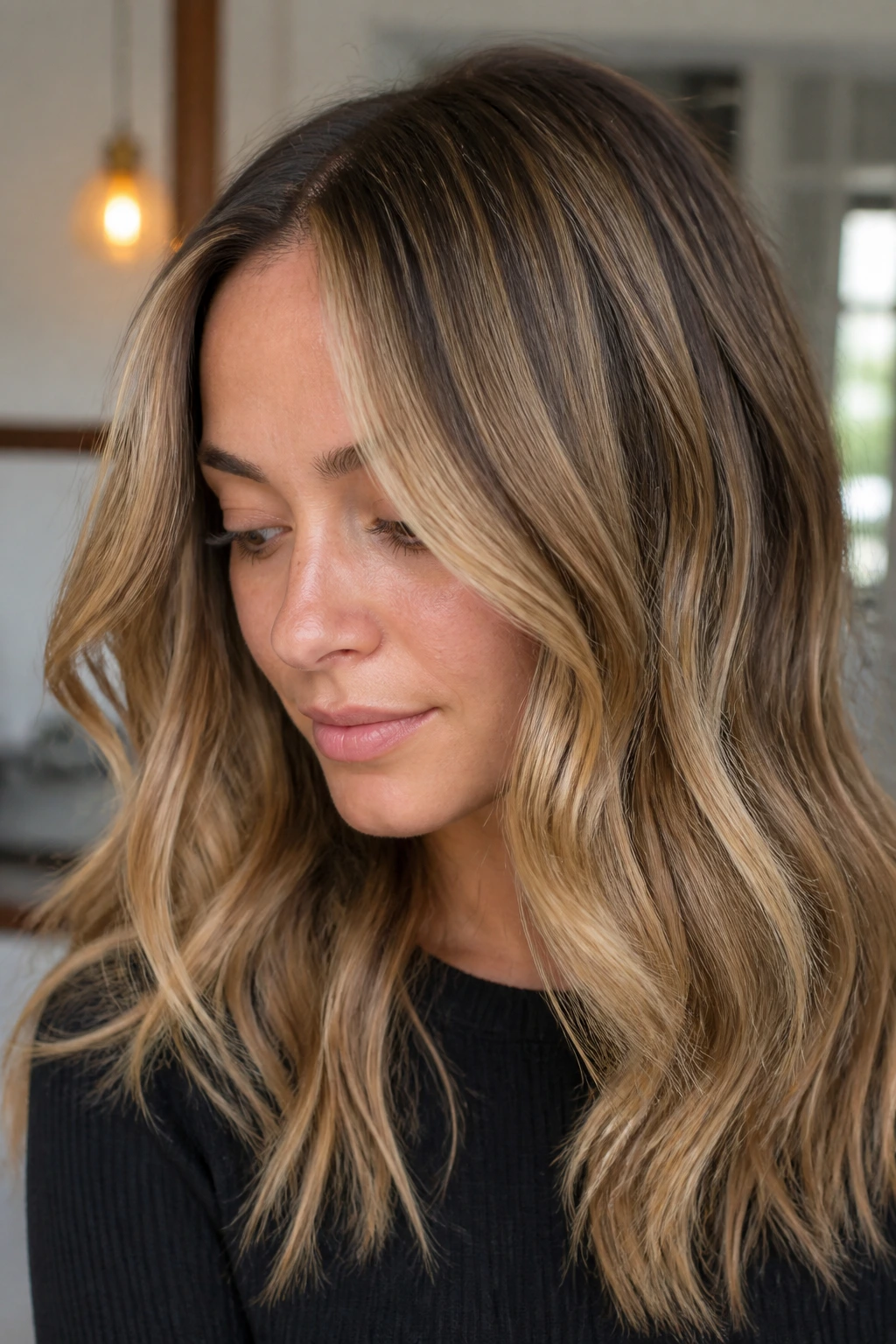
Lowlights are underrated in gold color work, especially on cool skin. A gold lowlight mix sounds backward, but placing muted gold pieces against a cooler blonde or brown base can create the exact kind of warmth a face needs. The darker pieces keep the palette grounded.
This option is useful if your hair is already light and feels a little too flat. Instead of adding more brightness, you add controlled depth. It’s a subtle fix, and subtle fixes often age better than dramatic ones.
28. Satin Gold Layers
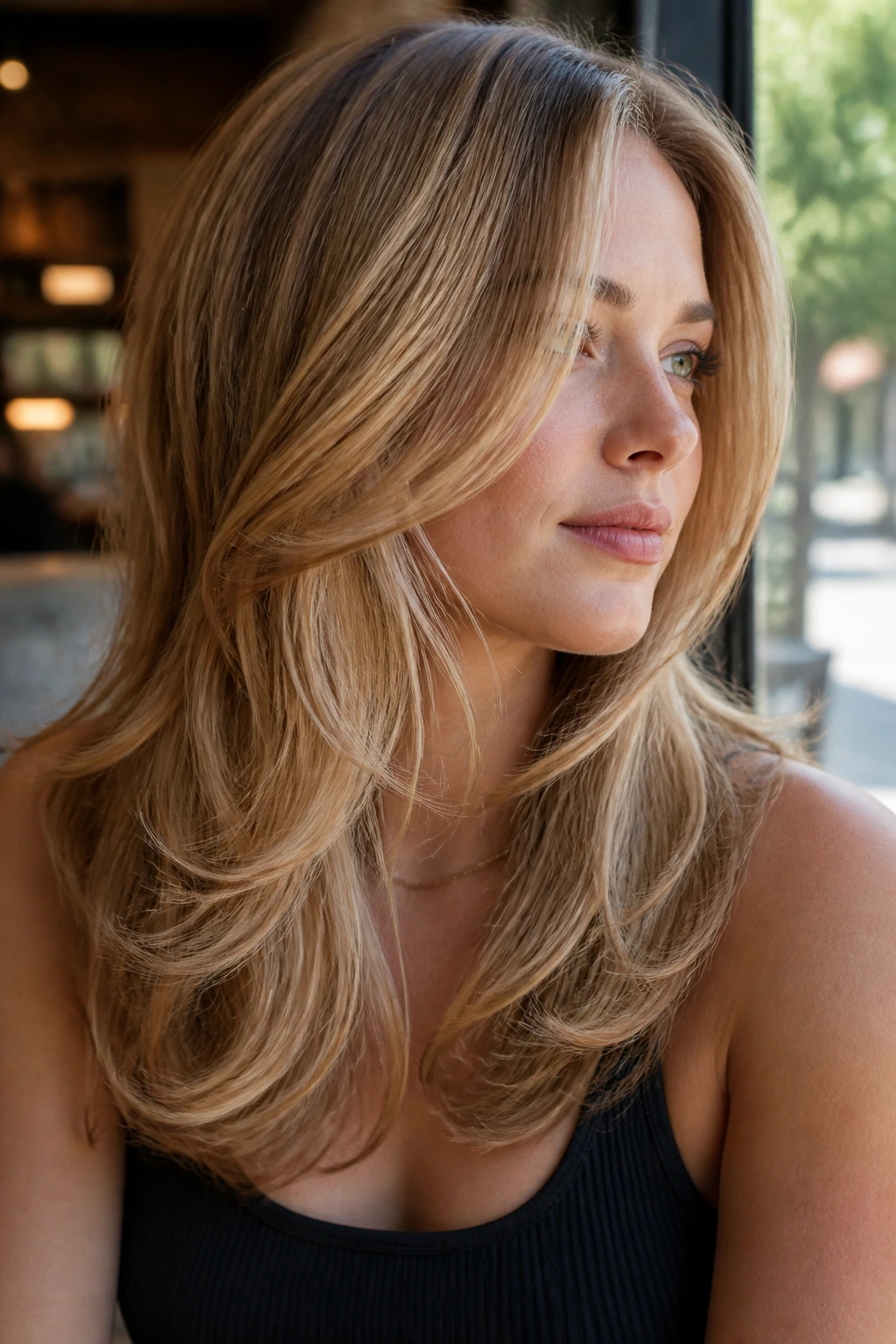
Satin gold has a smooth, fabric-like finish that reads polished without looking hard. The tone is soft enough for cool skin because it isn’t screaming yellow; it’s more like a warm sheen running over a beige base. Layers help the color move.
This shade is especially good on longer hair where the ends need a little lift. With a layered cut, the gold catches at different points and keeps the shape from sinking. It’s graceful, though I’m not using that word lightly.
29. Gold-Tipped Ends
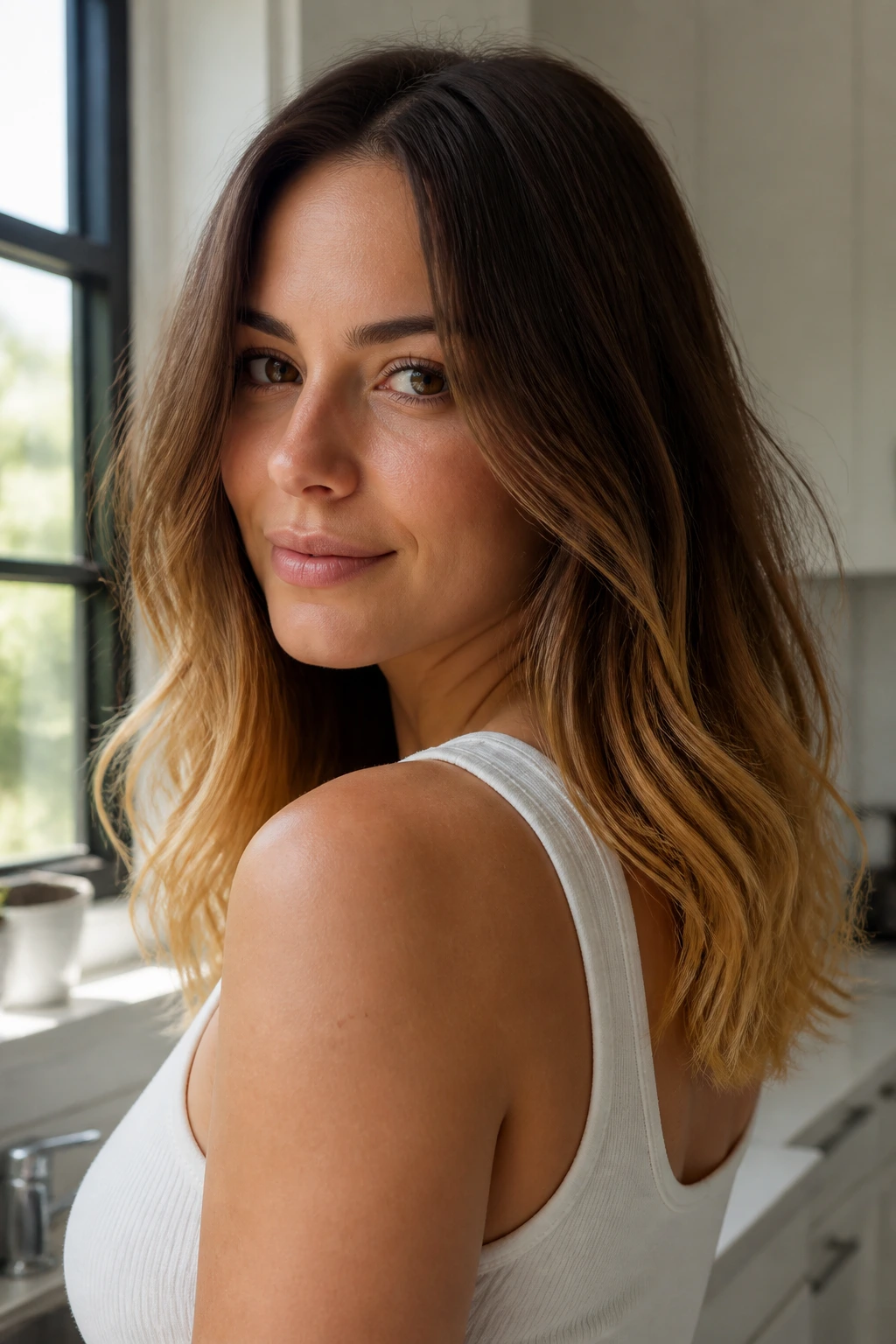
Gold-tipped ends are for people who like the idea of warmth but want to keep it far from the scalp. The color lands only at the bottom inch or two, which gives the look a dipped, finished feel. Cool skin usually handles this well because the gold stays away from the face.
This is also a clever way to grow out older highlights or a faded blonde. A tone refresh at the ends can make the whole haircut feel intentional again. If you’re trying to buy time between bigger color appointments, this works.
30. Pearl Gold Crop
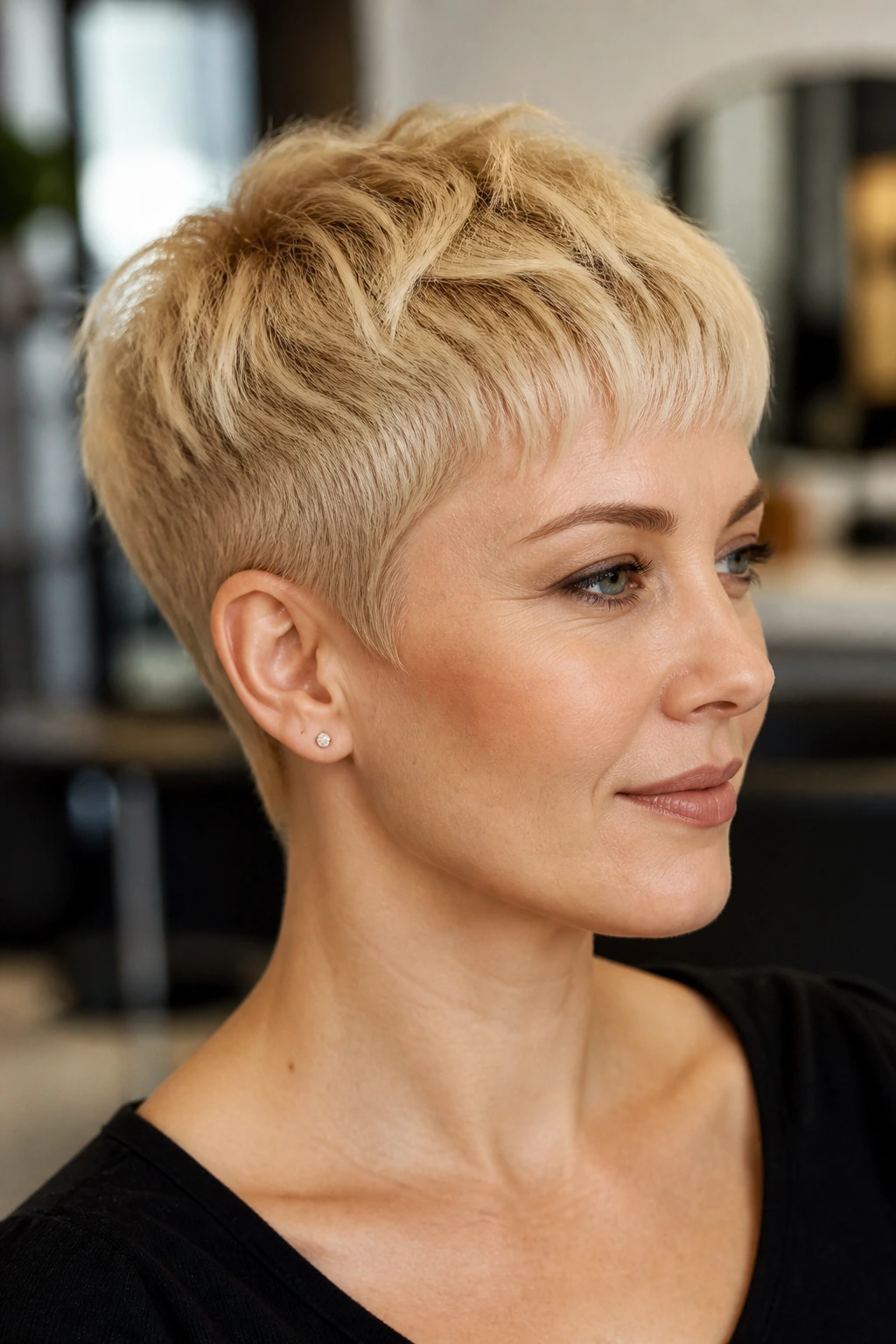
A crop with pearl gold on top looks sharp in a way long hair sometimes can’t. The pearl note keeps the gold from reading too obvious, and the short length gives the color a clean edge. Cool skin often likes that contrast.
Ask for the brightest tone on the top surface and around the fringe, with the sides left slightly deeper. That makes the cut look tailored. Short hair doesn’t leave much room for mistakes, so the tone should stay disciplined.
31. Honeyed Gold Curls
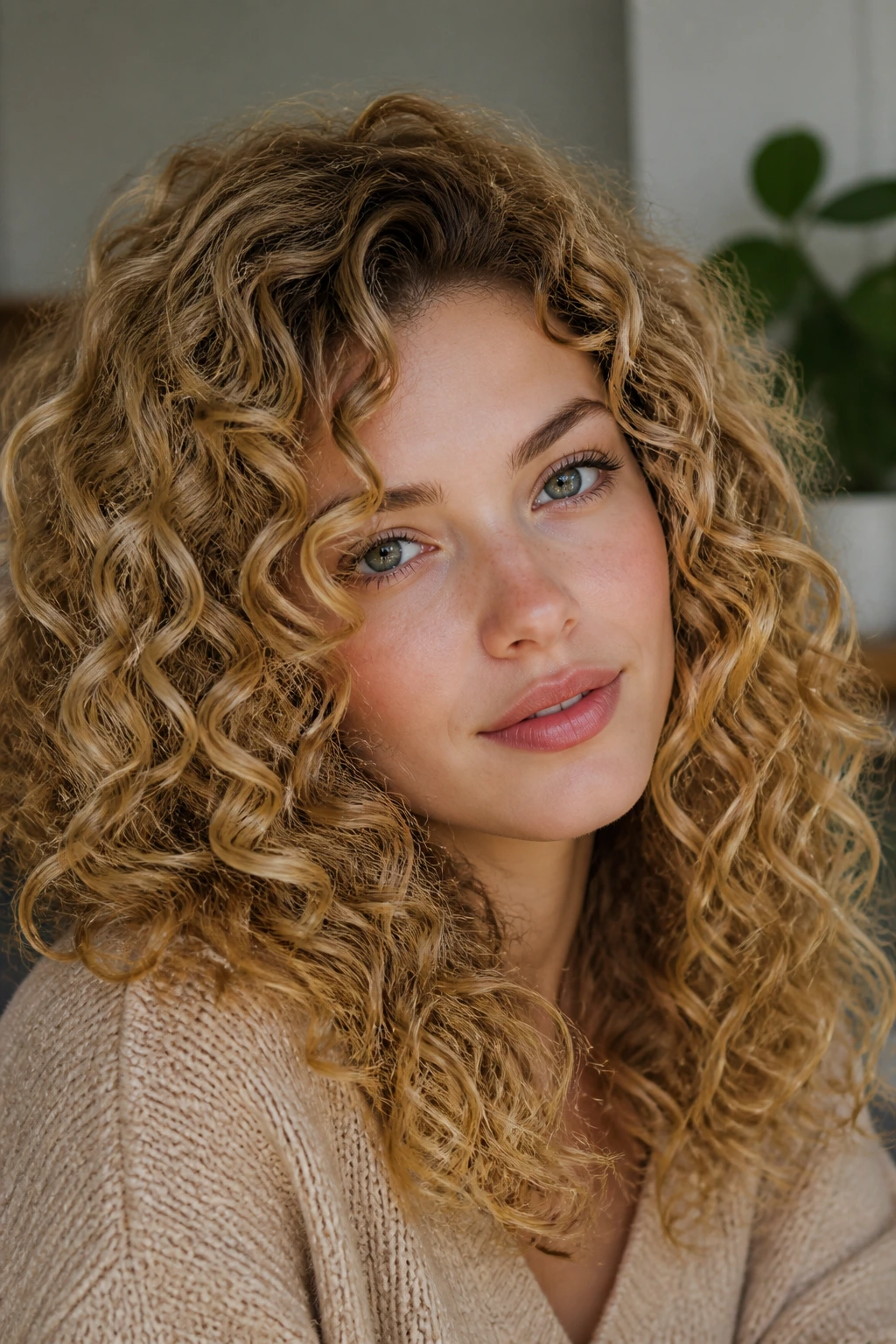
Honeyed gold curls need a little control, or they can go too warm fast. The trick is to keep the honey diluted with beige or neutral brown so the curl pattern can break up the color. That way, the gold moves through the hair instead of sitting on top of it like varnish.
This look is especially flattering when the curls have depth. The shadows between curl clumps make the gold richer without making it louder. On cool skin, that balance matters more than having the brightest blonde in the room.
32. Cool Gold Balayage Bob
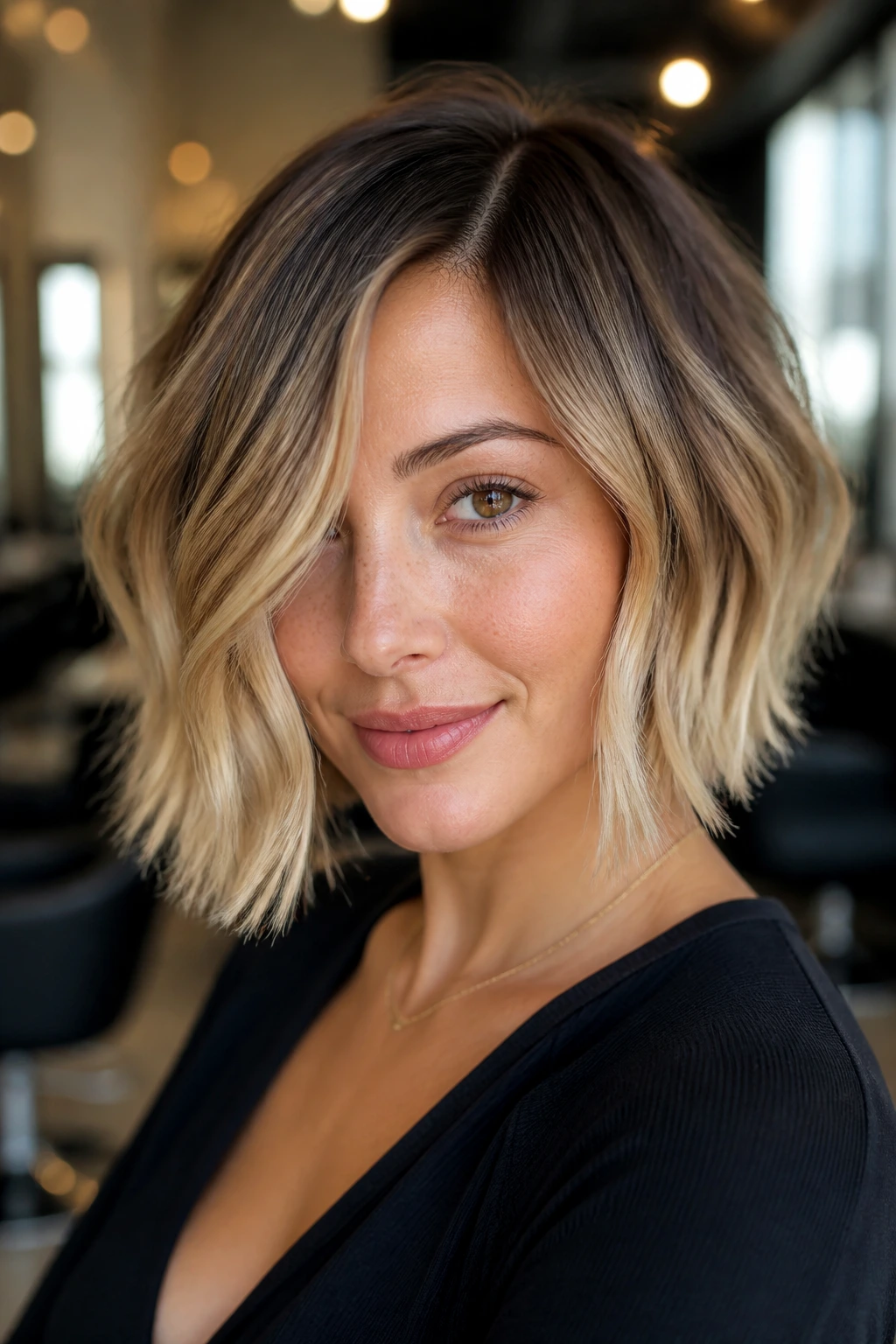
A cool gold balayage bob is one of the cleaner combinations on the list. The bob gives shape, and the balayage keeps the gold soft and diffused. Cool skin likes the result because the warmth is spread in a way that feels light around the face.
I’d keep the gold pieces from the cheekbone down and leave a darker root for contrast. That makes the bob feel expensive rather than flat. The cut and the color should be working together here, not competing.
33. Grown-Out Gold Glam
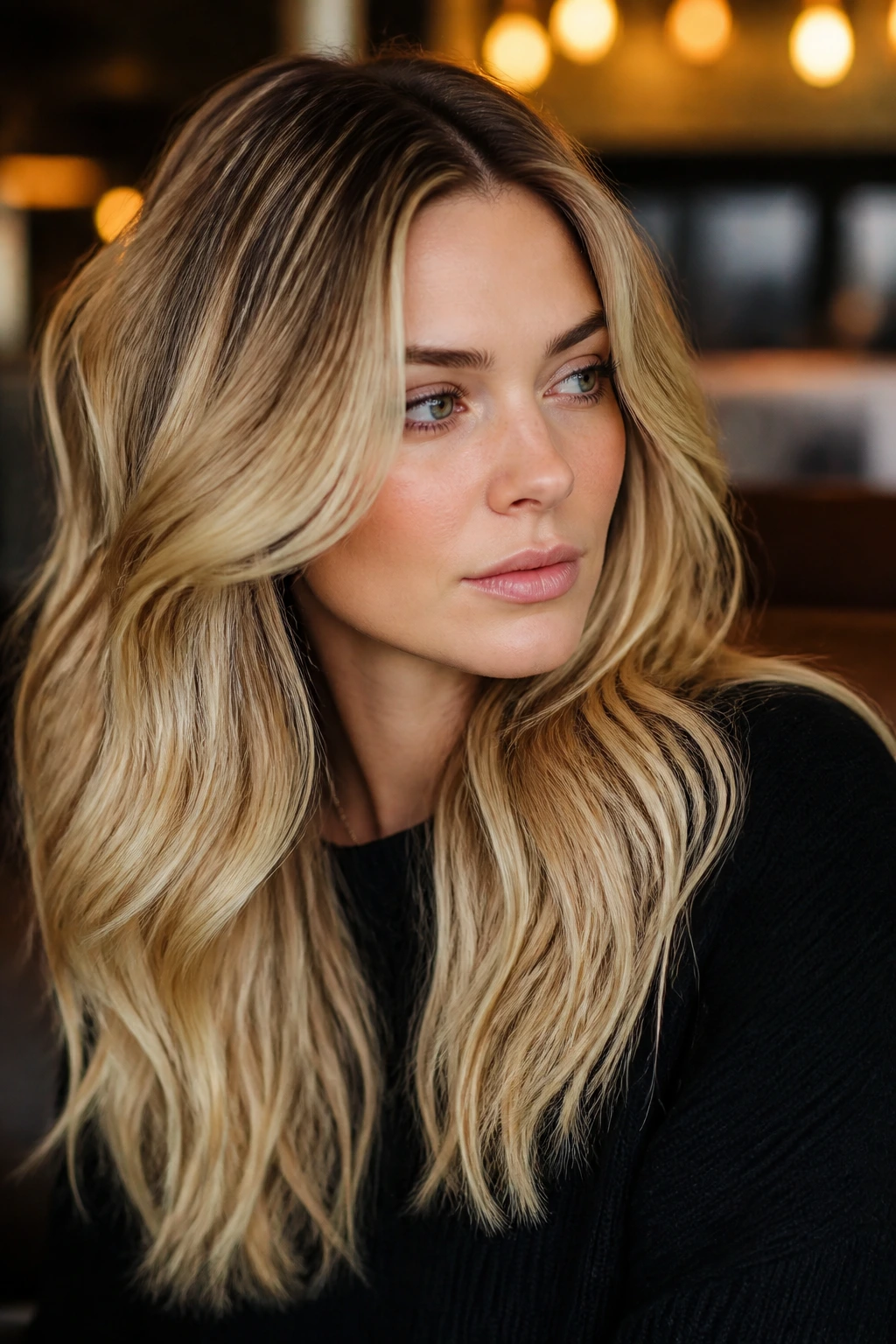
Grown-out gold glam is the low-maintenance version of a brighter gold look. The root stays deeper, the mid-lengths hold the warmth, and the ends taper into pale gold or beige. Cool skin tends to appreciate this because the darker frame keeps the warmth from taking over.
The real charm is in the grow-out. It doesn’t look neglected when it softens; it looks deliberate. If you hate sharp root lines, this is a sensible direction.
34. Pale Gold Fringe
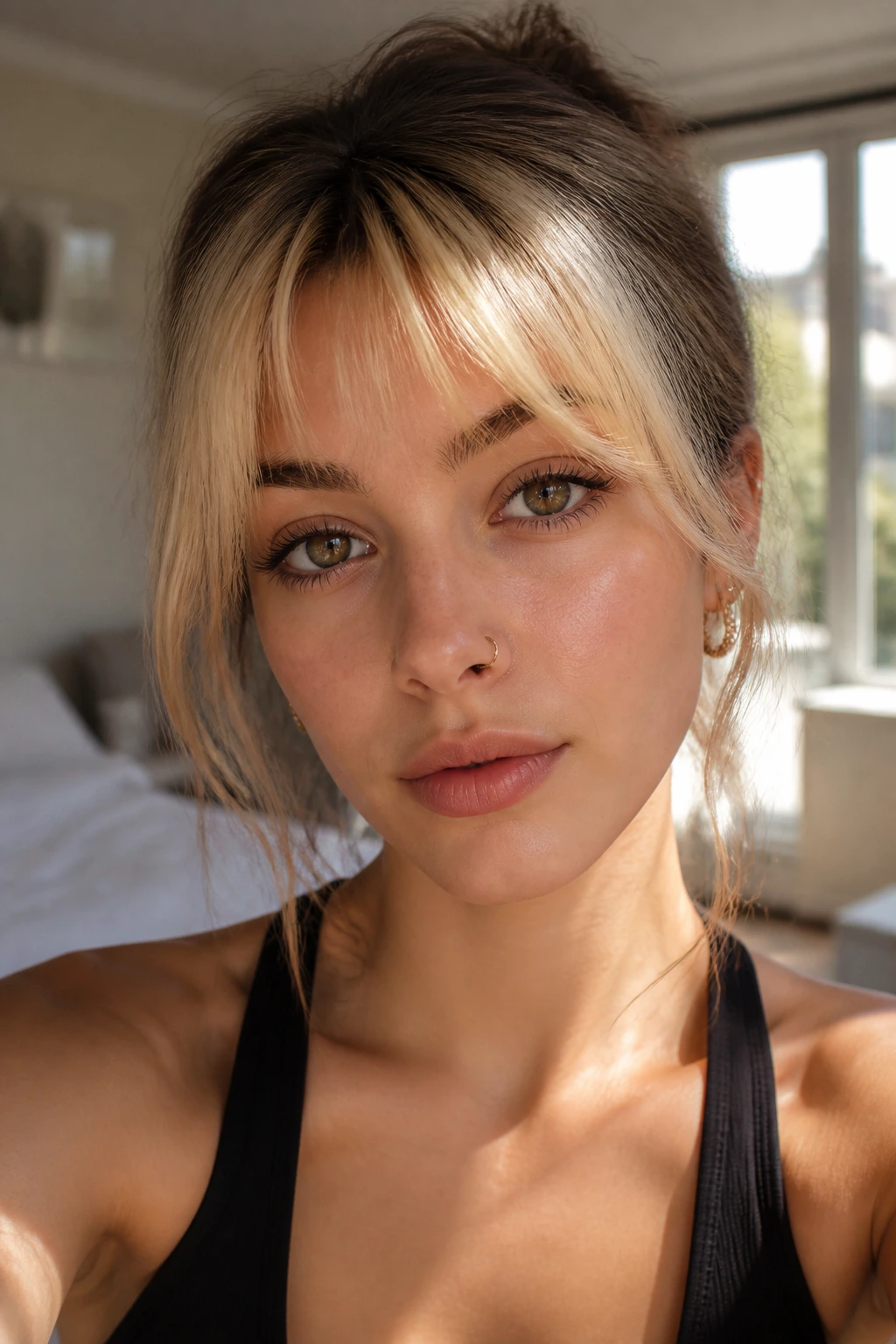
A pale gold fringe is a small change with a big visual effect. The fringe sits close to the face, so the color needs to be light and soft, not yellow. When it’s done right, it brightens the eyes and doesn’t clash with a cool complexion.
This is a good alternative if you like bangs but don’t want to color the whole head. The fringe becomes the focal point, and the rest of the hair can stay neutral. Minimal commitment, noticeable shift.
35. Amber-Beige Gold Shine
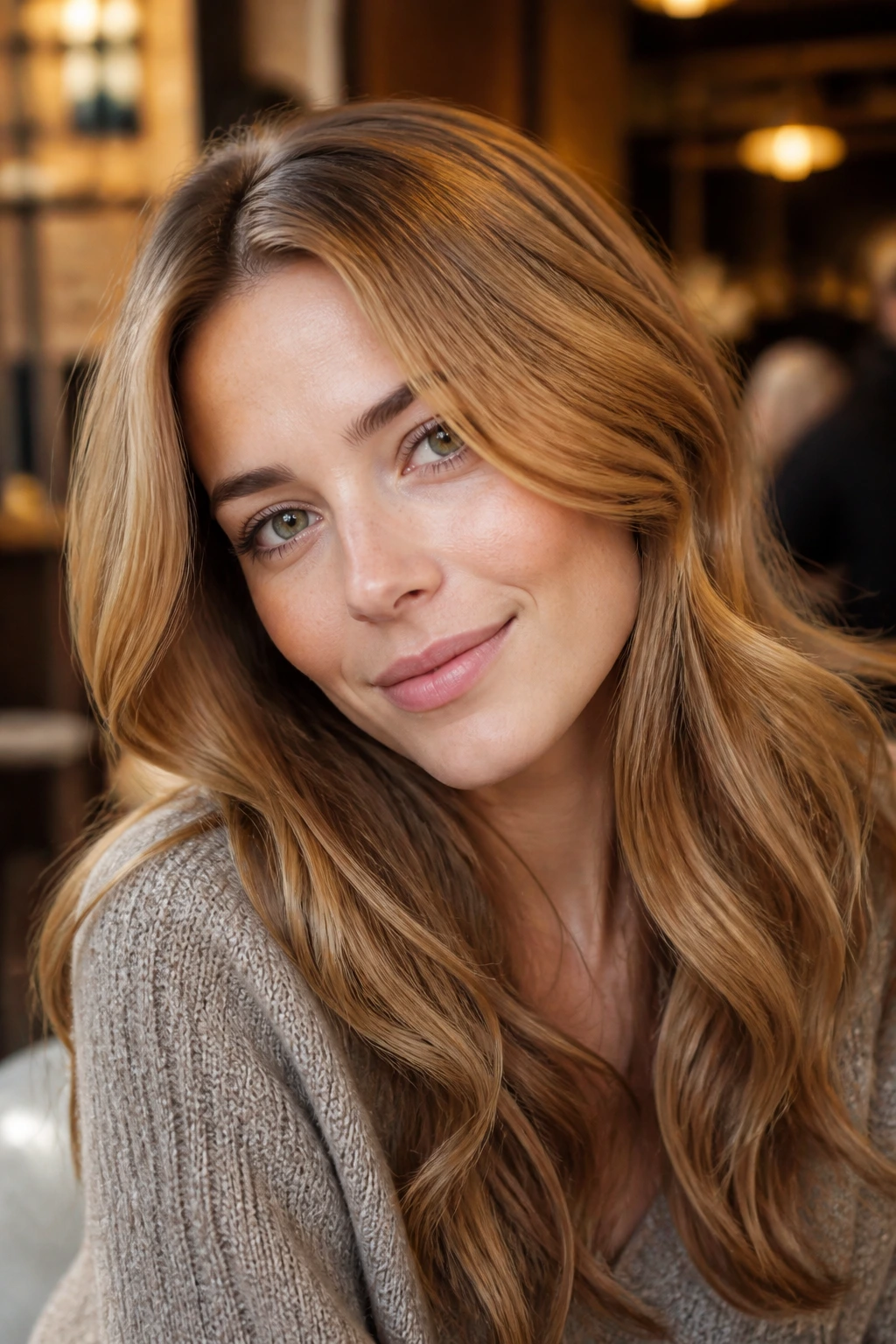
Amber-beige gold shine closes the list on a richer note. The amber adds depth, but the beige reins it in, which is exactly what cool skin needs from a deeper gold. It feels warmer than champagne and calmer than copper.
I’d use this on brunettes or dark blondes who want a little more glow without chasing blonde. The shine should look like it lives inside the hair, not on top of it. That’s the sweet spot.
Why Gold Needs Beige, Pearl, or Ash to Flatters Cool Skin
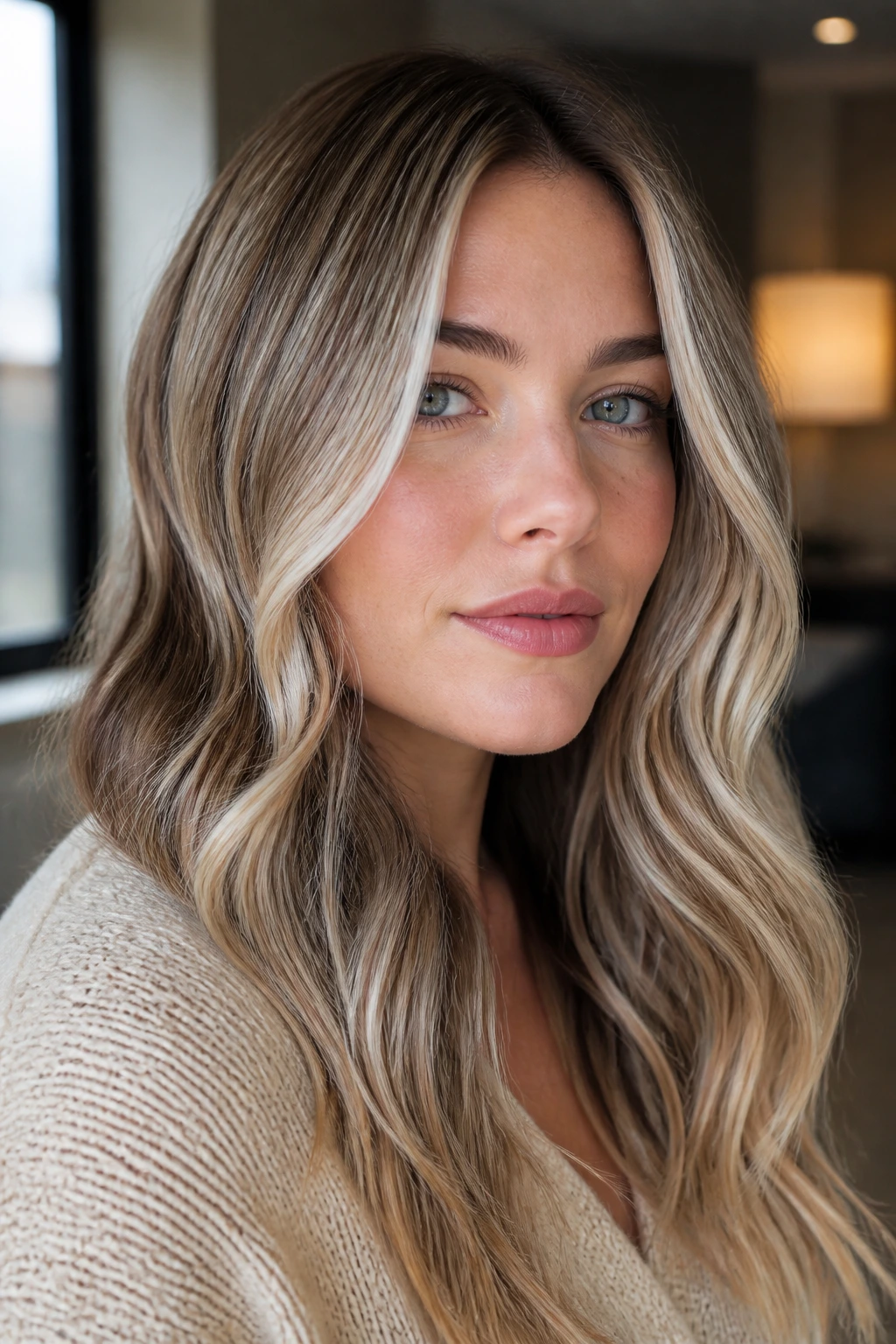
Cool skin does not need gold removed; it needs gold edited. That’s the whole story. The fastest way to get there is to choose tones with beige, pearl, ash, or smoky support underneath the warmth, because those notes stop the gold from turning into a flat orange cast under daylight.
I also think placement matters more than people admit. A gold gloss on every strand can look heavy, but gold placed around the face, through the mids, or in thin babylights gives the eye somewhere to rest. The skin looks clearer when the hair has contrast. Weirdly simple, but true.
A lot of the best results come from restraint, not brightness. You do not need the hair to be the warmest thing in the room. You just need enough glow to make the face look awake.
What to Ask for at the Salon So the Gold Stays Cool
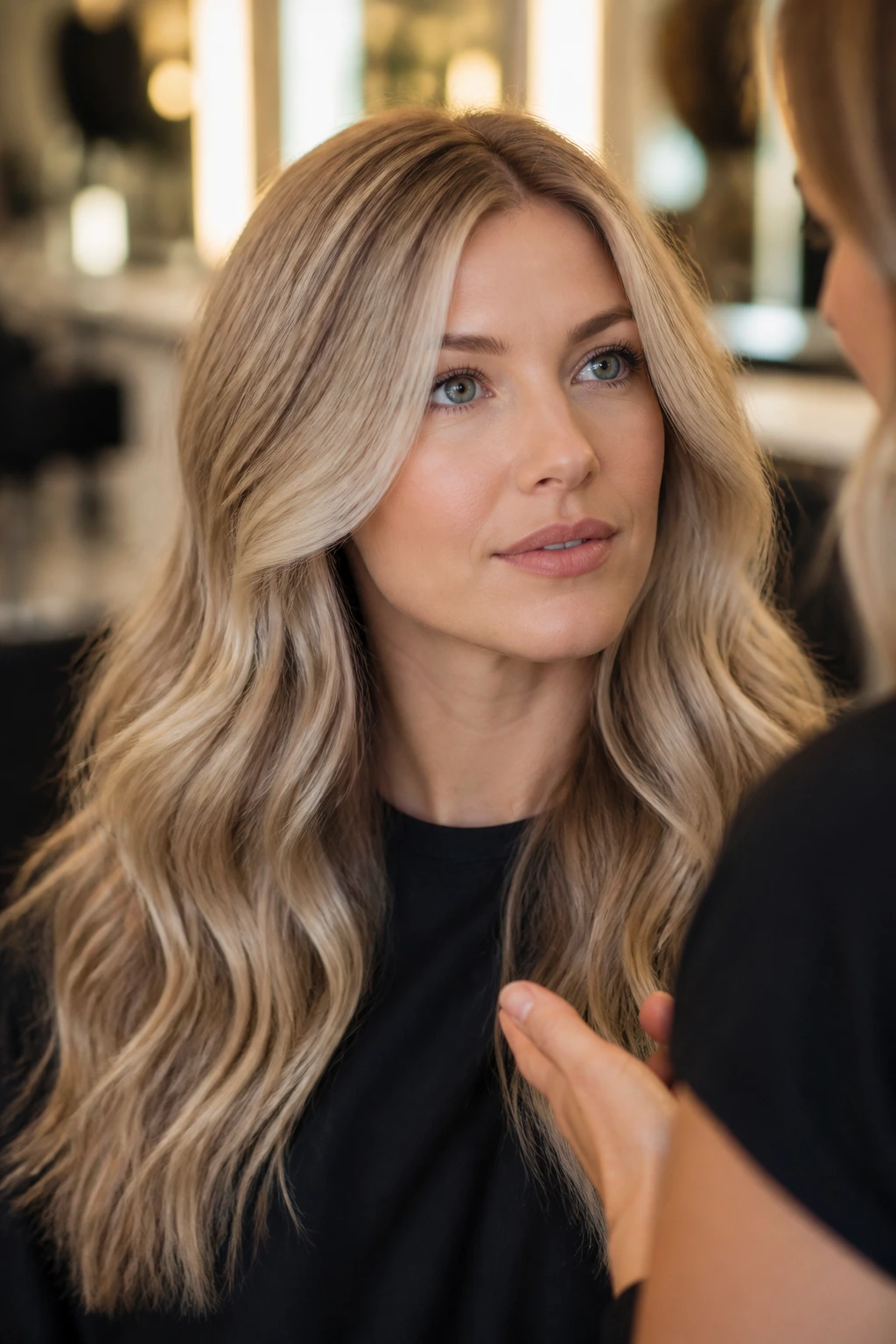
Start with the base level, not the color name. That’s the cleaner way to talk about hair. A colorist needs to know how light your hair is now, how warm it pulls, and whether you want a gloss, highlights, or a full color service. “Gold” by itself can mean six different things, and half of them are too hot for cool skin.
Bring a photo, but bring the right kind of photo. You want one that shows the hair in natural light, not a filtered studio shot with a ring light blasting the ends. Ask for champagne, beige gold, pearl gold, or smoky gold if you want warmth that still suits cool undertones. If your skin is very fair or very pink, mention that up front. It changes the formula.
A root shadow is worth asking about too. It keeps the look soft as it grows out, and it gives the gold a little frame. That frame can make the whole color read cleaner.
Tools, Swatches, and Products Worth Having Nearby
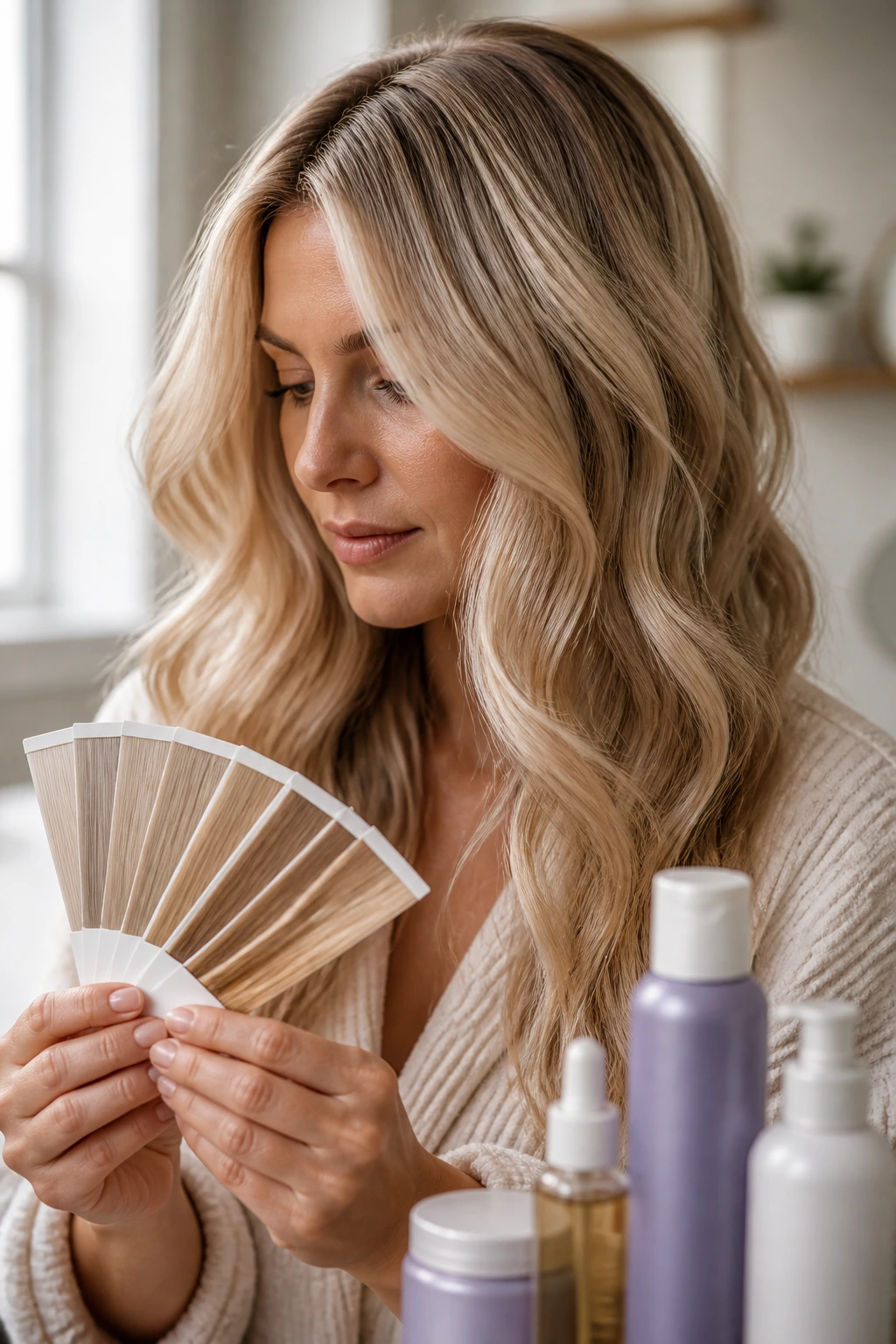
- Reference photos in natural light: Bring 2-3 images that show the tone, placement, and finish you actually want.
- A level chart: Hair color levels make salon talk easier; level 8, 9, and 10 mean very different things.
- Color-safe shampoo: A gentle cleanser helps gold tones last longer without washing them into dullness.
- Purple or blue shampoo: Use it sparingly if the gold starts turning too yellow or orange.
- Deep-conditioning mask: Lightened hair needs moisture, especially if you’ve lifted into champagne or beige gold.
- Heat protectant spray: Gold tones fade faster when the hair gets fried with irons and hot brushes.
- Wide-tooth comb: Easier on highlighted hair, and less likely to snag soft, processed ends.
- Shower filter, if the water runs hard: Hard water can leave blondes and golds looking flat or muddy.
- Silk or satin pillowcase: Less friction means less roughness at the ends, which helps the shine hold up.
How to Keep Gold Hair Soft Instead of Brassy
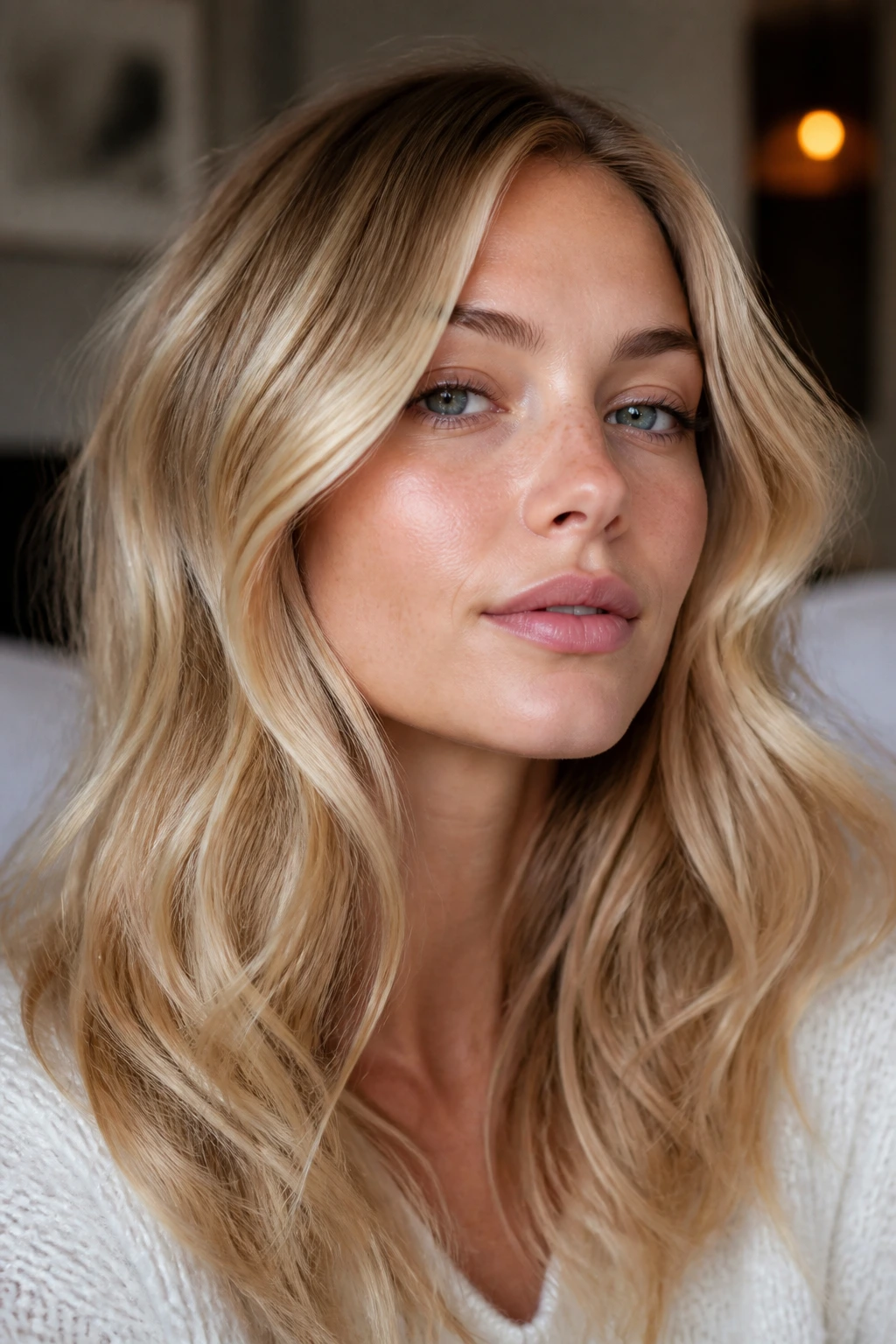
Tone first, bleach second. If your hair is already light enough, a gloss or toner often gives you more control than pushing it lighter. The more you lift, the more room you give warm pigments to show through later.
Wash less often. Two or three washes a week is usually easier on gold tones than daily shampooing. Dry shampoo helps, but don’t pile it on so heavily that it coats the roots and dulls the reflection.
Use cool water for the final rinse. It does not “seal” hair in a magic way, but it does help the cuticle lie flatter, which makes the shine look better in daylight.
Book maintenance before the fade gets ugly. A quick gloss refresh every 4 to 8 weeks can stop a gold shade from drifting too yellow. If you wait until it’s brass, you’re doing more correction work than maintenance.
Common Mistakes That Make Gold Look Wrong on Cool Skin
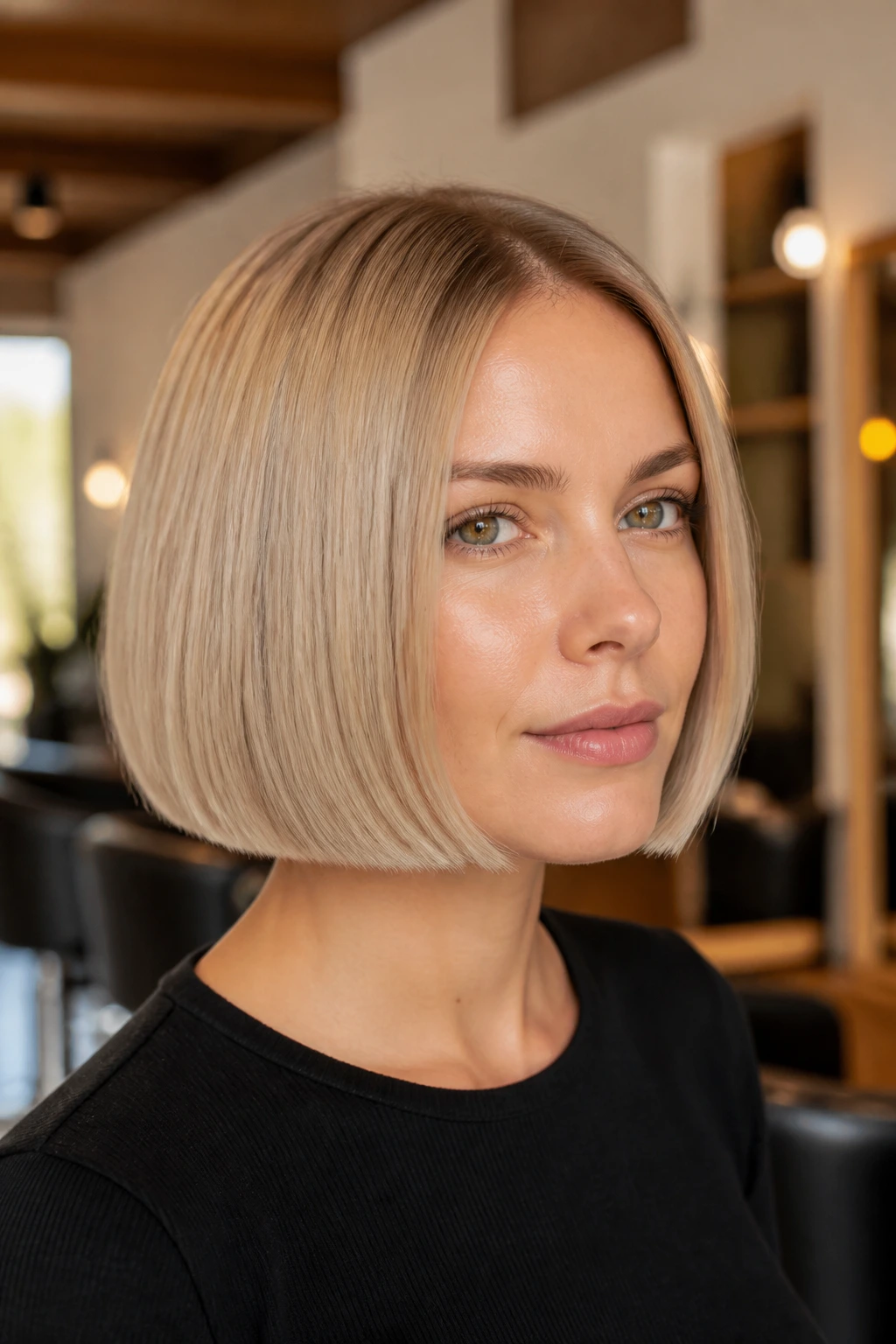
The biggest mistake is choosing a gold that’s too yellow. That’s the one that reads loud around pink or blue undertones and makes the skin look less even. The fix is simple: ask for beige, pearl, or smoky notes, and stay away from anything described as “bright gold” unless it’s only used in tiny pieces.
Another common slip is ignoring your base level. A level 6 brunette and a level 10 blonde cannot wear the same gold the same way. On darker hair, gold should usually live in glosses or ribbons; on lighter hair, the same shade can go much farther and start to look flat if you’re not careful.
People also skip toner and then wonder why the color turns orange after a few washes. It’s usually not the haircut. It’s the formula. Toner is what keeps the tone honest.
And then there’s the heavy-handed highlight pattern. Chunky gold stripes around the face can be rough on cool skin unless the rest of the hair stays quiet. Fine placement almost always wins here.
Variations Worth Trying If You Want More or Less Warmth
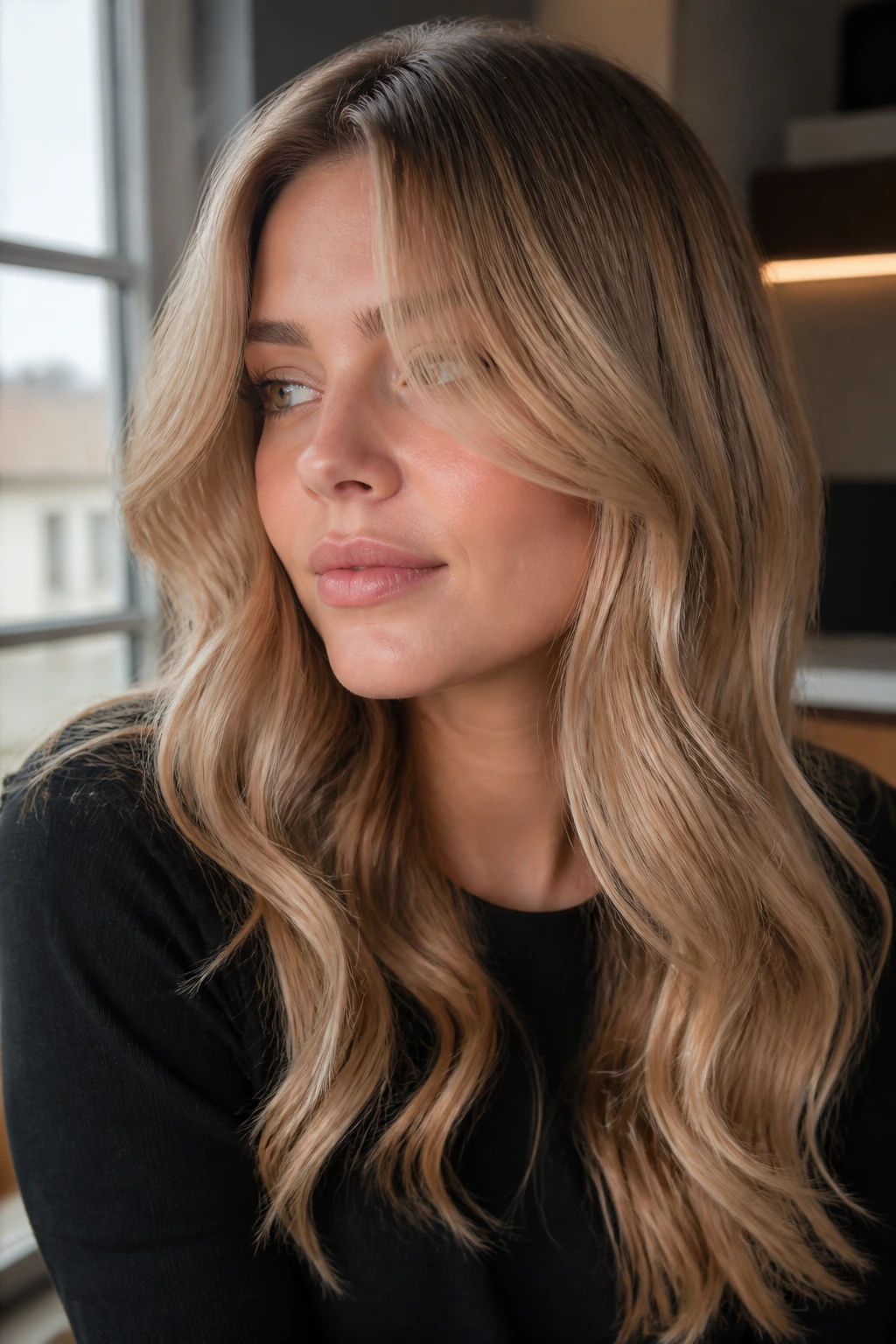
Champagne-First Blend: This version keeps the gold whisper-soft and leans more pearl than honey. It’s the safest choice if your skin turns pink easily and you want something that still feels bright.
Smoked Brunette Gold: Take the warmth down into a brunette base with ash or taupe support. The gold shows as reflection instead of color-blocking, which is a useful trick on cool skin.
Face-Framing Gold Only: Put the color in the front pieces, fringe, or curtain bangs and leave the rest deeper. That gives you the lift near the face without a full-head commitment.
Gloss-Only Refresh: If your current color is already close, a demi-permanent gold-beige gloss can change the feel of the hair without major lightening. Good for people who want change without a long appointment.
Gold-and-Silver Mix: This one sounds odd until you see it. A cool blonde base with fine gold and silver threads can look reflective and expensive, especially on straight or softly waved hair.
Maintenance and Touch-Up Rhythm That Keeps the Tone Honest
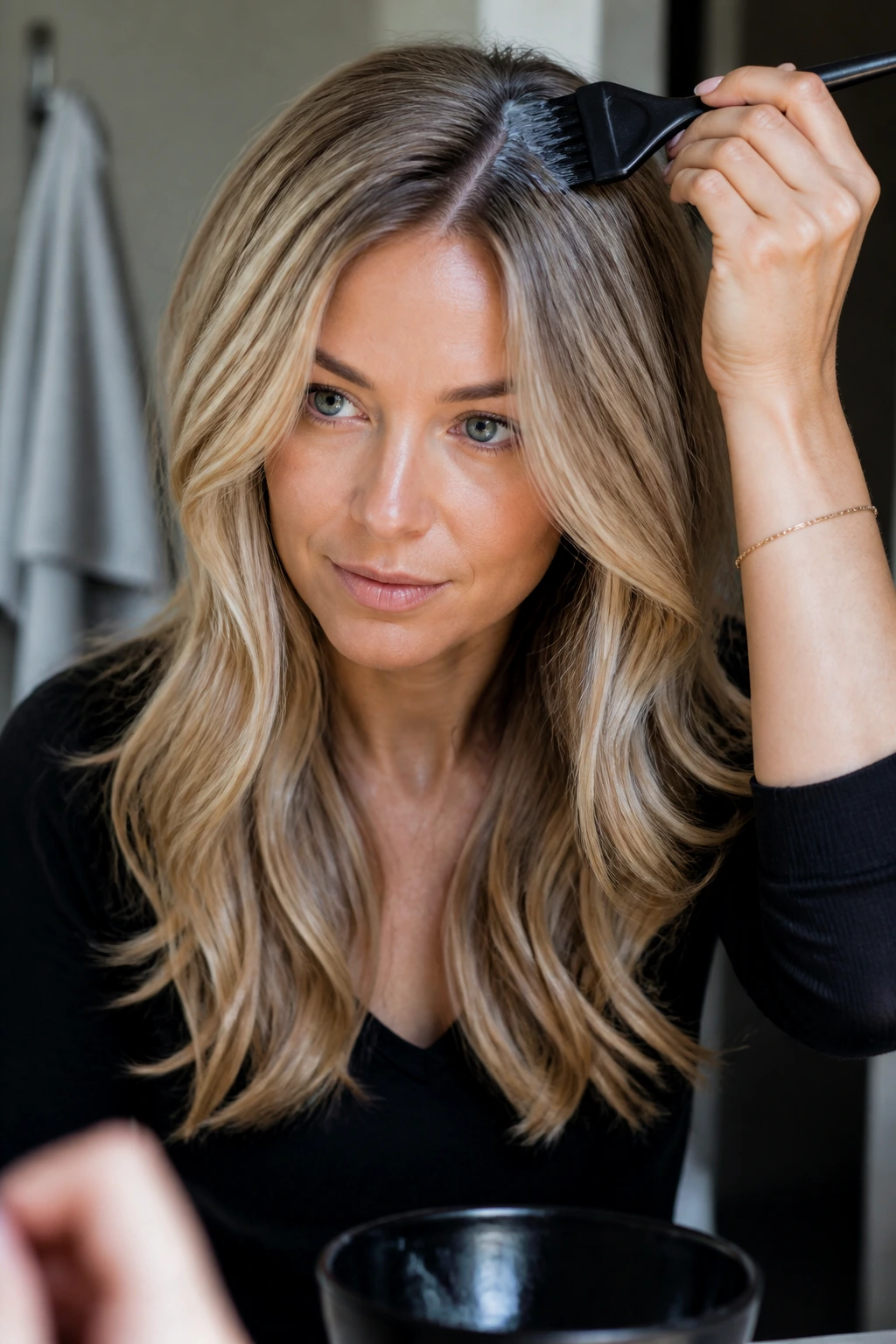
Gold shades live or die by maintenance. If you wash every day and use hot tools without protection, the tone moves faster than you want it to. For most gold looks on cool skin, a gentle shampoo routine and a moisturizing conditioner matter more than the fancy styling products.
Glosses and toner usually need refreshing every 4 to 8 weeks, depending on porosity and how much sun or heat the hair sees. Root touch-ups can stretch farther — often 6 to 10 weeks — if you’ve built in a shadow root or kept the gold in balayage pieces. If your hair is porous, expect the warmth to show through sooner. That’s not failure. It’s hair being hair.
Use a heat protectant every time you blow-dry or iron the hair. And if you spend a lot of time in strong sun or near chlorinated water, treat that as part of the upkeep, not an afterthought. Gold can get muddy fast when the ends dry out.
Questions People Ask Before Choosing Gold on Cool Skin
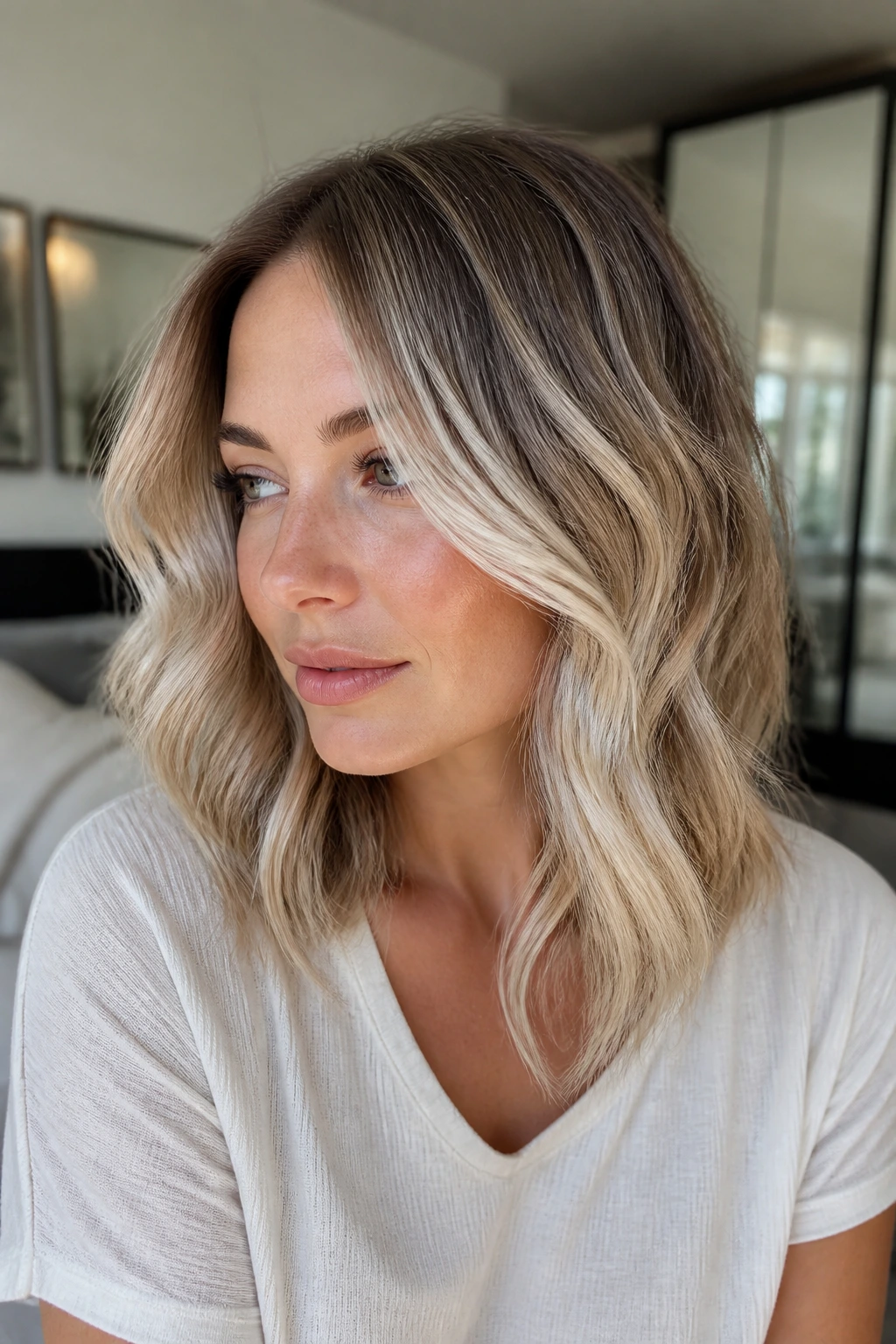
Can cool skin tones wear gold hair at all?
Yes, as long as the gold is softened. Beige gold, champagne gold, pearl gold, and smoky gold tend to be the easiest shades to wear because they warm the face without turning orange.
What’s the difference between yellow gold and champagne gold?
Yellow gold is brighter and more direct, which can be harsh on cool undertones. Champagne gold has more beige and pearl in it, so the shine feels softer and less saturated.
Do I need bleach for gold hair?
Not always. Brunettes can wear gold through glosses, fine highlights, or balayage ribbons. If you want a pale champagne result, though, some lightening is usually part of the process.
How do I keep gold hair from looking brassy?
Use a color-safe shampoo, limit heat, and book toner or gloss refreshes before the color drifts too far. Brass usually starts with fade, dryness, or both.
Is gold hair better on short or long hair?
Both can work. Short cuts show the tone fast and keep it neat, while longer cuts let you use balayage, ombré, and ribbon placement to soften the warmth.
What should I tell my colorist if I have very fair cool skin?
Say that you want the gold to stay beige, pearl, or champagne, not yellow or copper. That one sentence helps a lot. If your skin is pink, mention that too.
Can I do this at home?
A gloss or demi-permanent glaze is the safer home option. Full lightening at home gets messy quickly, especially if your goal is a controlled gold rather than a warm orange cast.
Which gold shade is the easiest to maintain?
Shadow-root champagne blonde and smoked gold brunette usually hold up well. Both have built-in depth, which means the grow-out looks softer than a full bright gold.
The Softest Kind of Glow
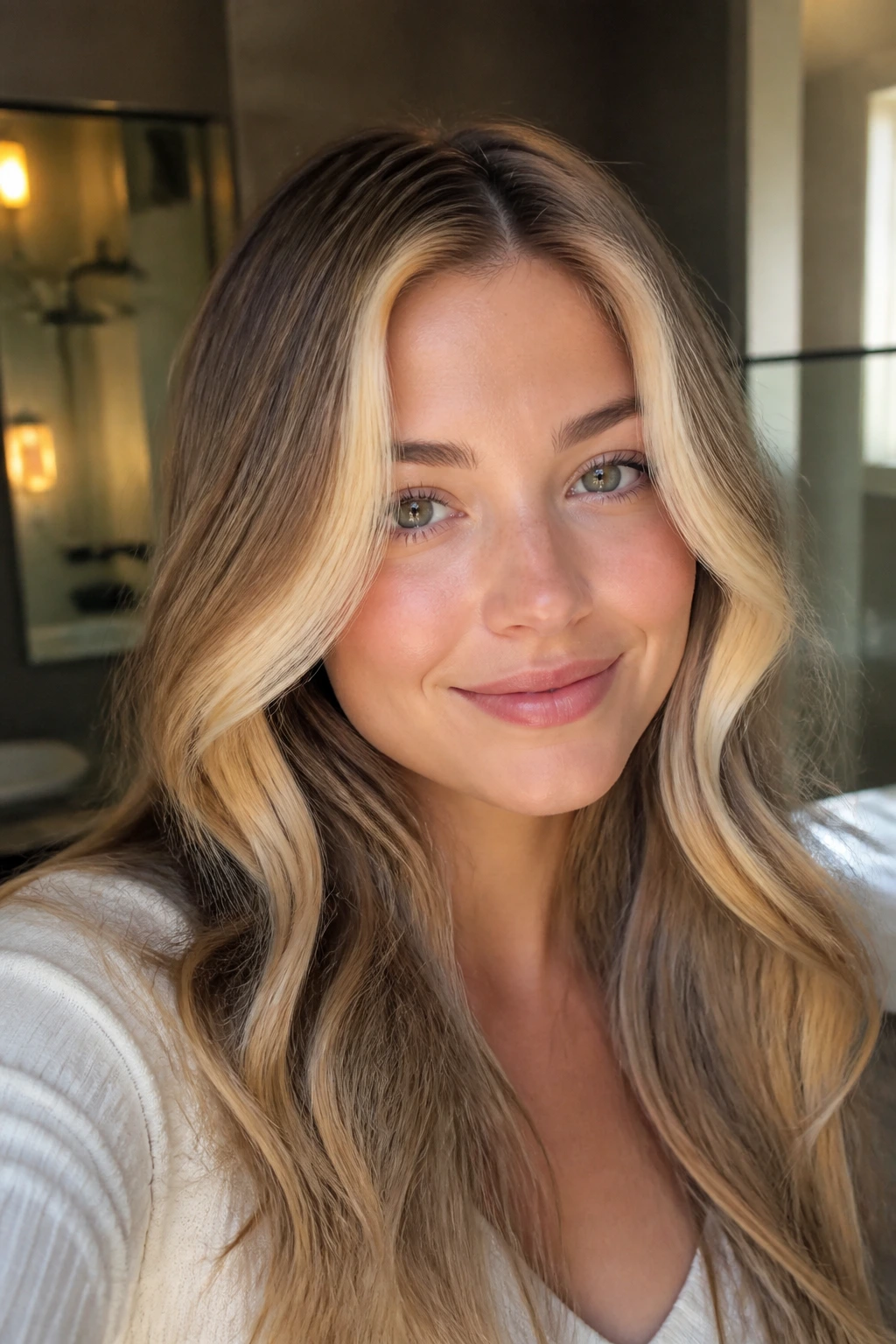
Gold hair can be gorgeous on cool skin when the colorist respects the undertone instead of fighting it. Beige, pearl, champagne, smoky, and antique notes all keep the warmth in the right lane. That’s the difference between hair that flatters and hair that just sits there looking dyed.
If you’re choosing between two shades, pick the one that sounds a little quieter. That’s usually the better one. A restrained gold almost always does more for cool skin than a loud, saturated one ever will, and that’s a useful rule to keep in your pocket the next time you’re in the chair.