



Wavy hair gives block dye a little extra attitude. A clean panel of copper, blue, lilac, or platinum does not sit still on a bendy texture the way it does on straight hair. It splits, flashes, disappears, then shows up again when the light hits the curve of a wave. That movement is half the appeal, and it’s why block dyed hairstyles can look sharper in summer than the same shades do in colder, flatter weather.
Placement matters more than people think. Put the color too high and it starts to look stripey at the roots. Bury it too deep and you only see it when the hair flips a certain way. The sweet spots live where waves already do the work for you: around the face, under the top layer, at the nape, along the fringe, or at the ends where the bend opens and closes like a fan.
The best block dye ideas are the ones that make sense when the hair is doing ordinary life stuff — air-drying, getting tucked behind an ear, half-pulled into a clip, or getting roughened by humidity at the beach. That’s where the color looks alive instead of staged. And on wavy hair, alive is the whole point.
Why This Collection Works So Well on Wavy Hair
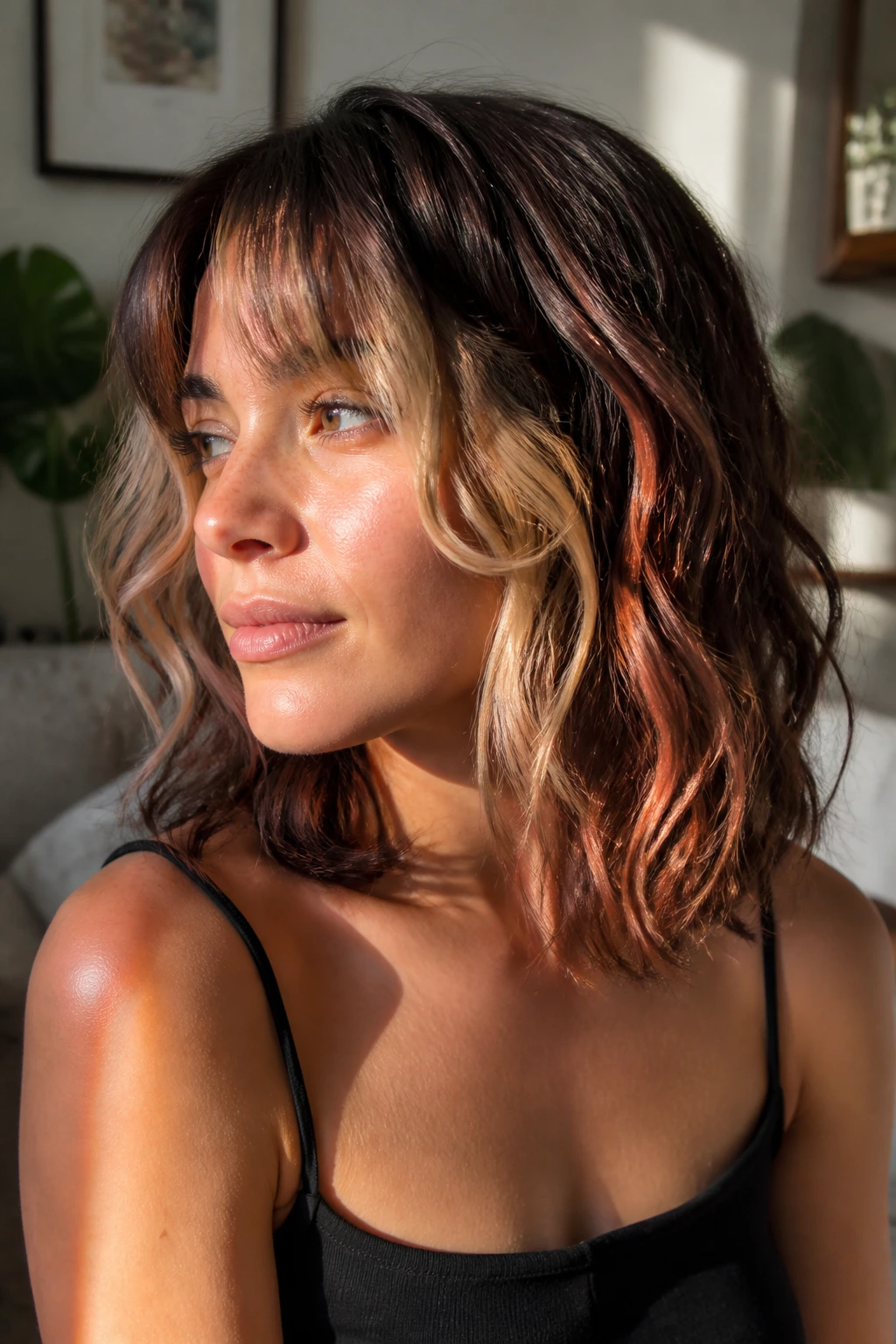
- The color moves with the bend: Wavy hair breaks one solid panel into little flashes, so the dye reads dimensional instead of flat.
- Summer light does half the styling: Sunlight, porch shade, and indoor light all hit the color differently, which makes block placement look more deliberate.
- Grow-out looks cleaner than you’d expect: Face frames, underlayers, and nape blocks soften as they grow, so the style can stay wearable for weeks.
- There’s room for loud or quiet versions: You can go full split dye or keep the contrast tucked under the top layer and still get the same block effect.
- It works with loose styling: Air-dried bends, a diffuser, or a quick scrunch with leave-in cream is enough to show the shape of the color.
1. Copper Money Piece on Espresso Waves
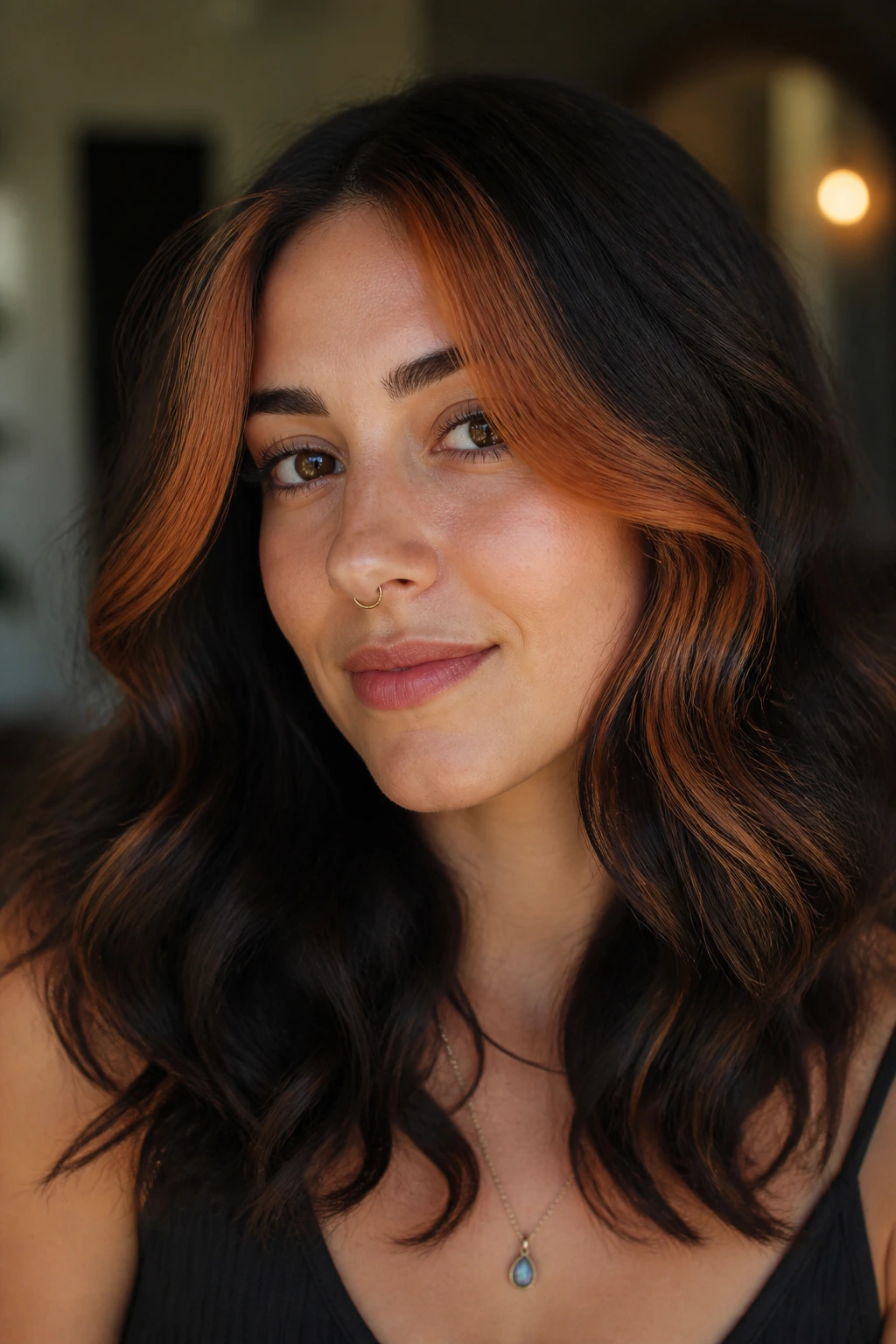
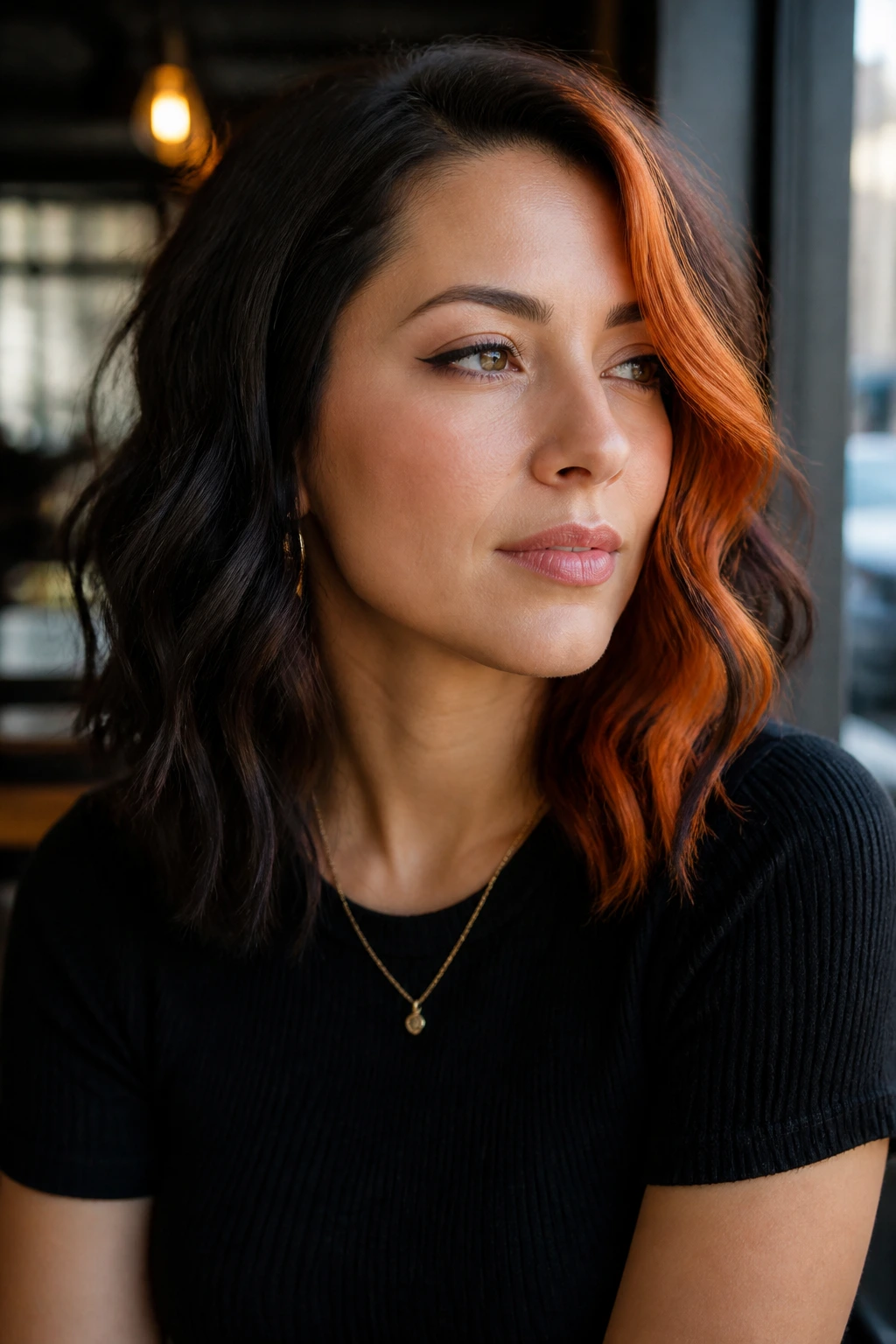
A copper money piece is the easiest way to make wavy hair look intentional without covering the whole head in bright color. Keep the base espresso or deep brunette, then place a broad copper panel at each temple so the front bends catch the light first. The warmth near the face lifts the whole look, especially when the waves are loose and not brushed into a smooth sheet.
Why it works on waves
The bend of a wave makes copper look richer than it does on straight hair. Instead of one flat stripe, you get little pulses of orange-gold that show up as the hair shifts. That matters in summer, when hair is getting tossed into clips, humidity, and quick air-dry moments.
Ask for a color block that starts about an inch back from the hairline and runs through the front layers. If your hair is thick, keep the panel broad; if it’s fine, a narrower placement keeps the face frame from swallowing the whole cut.
A gloss every 4 to 6 weeks keeps the copper from turning muddy. I’d rather see this look slightly deeper than too neon.
2. Platinum Split Dye on a Wavy Lob
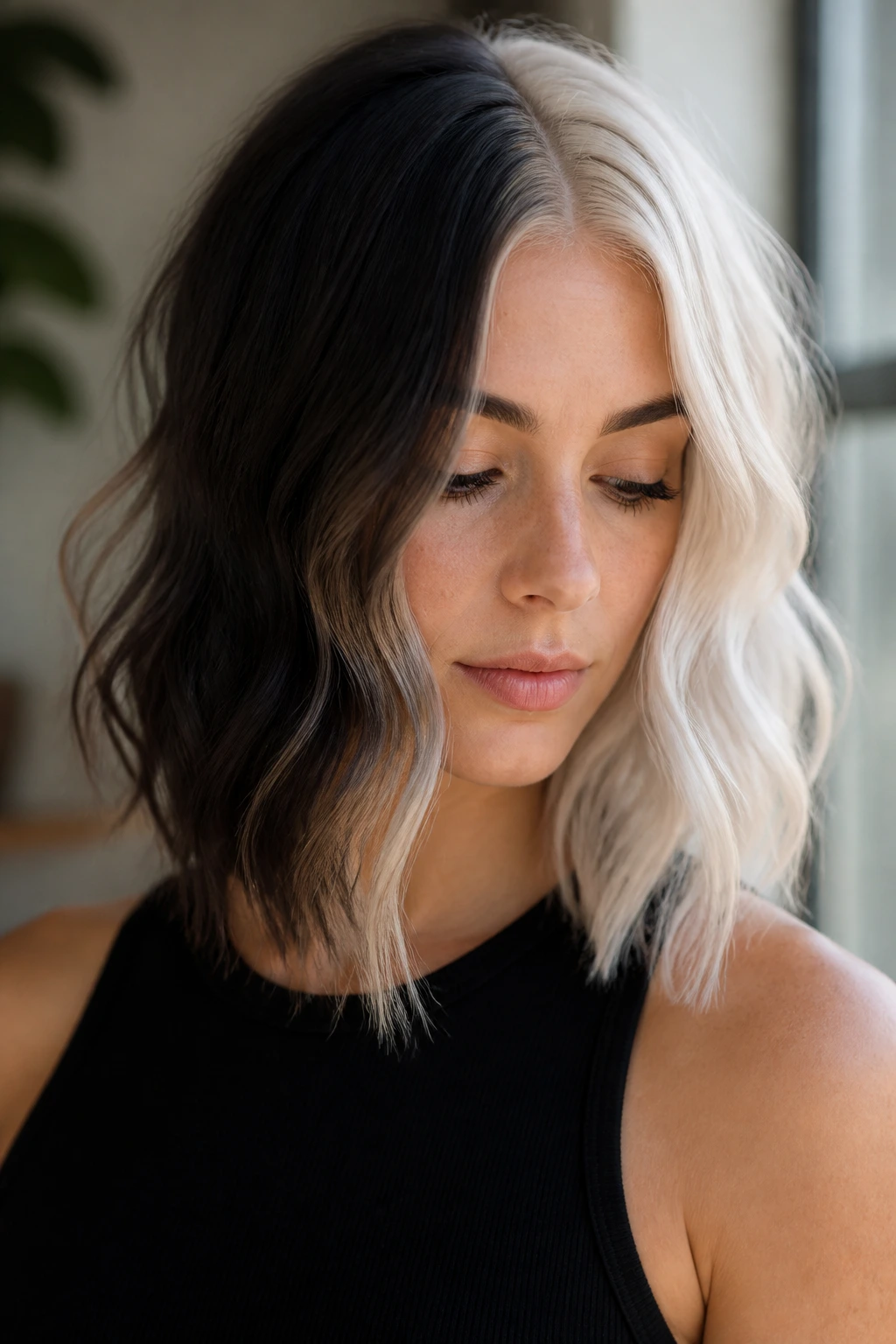
This one has attitude, and I mean that in a good way. A center part with one half kept dark and the other lifted to platinum creates a hard line that wavy hair softens just enough to keep it wearable. On a lob, the ends swing, so the split never feels frozen in place.
What makes the contrast work
Straight hair can make split dye look severe. Waves take the edge off. The bend at the cheekbone and jaw breaks the line so the platinum and dark sections feel like they belong to the same haircut, not two separate wigs.
Tell your colorist you want a clean center part and a block that stays solid from root to end. No fading melt. No balayage drift. The whole point is the panel.
This is the style for someone who wants the color to read from across the room. It is also the style that needs the most commitment. If you hate seeing a root line, choose a softer placement from this list.
3. Aqua Underlayers Hidden in Brunette Hair
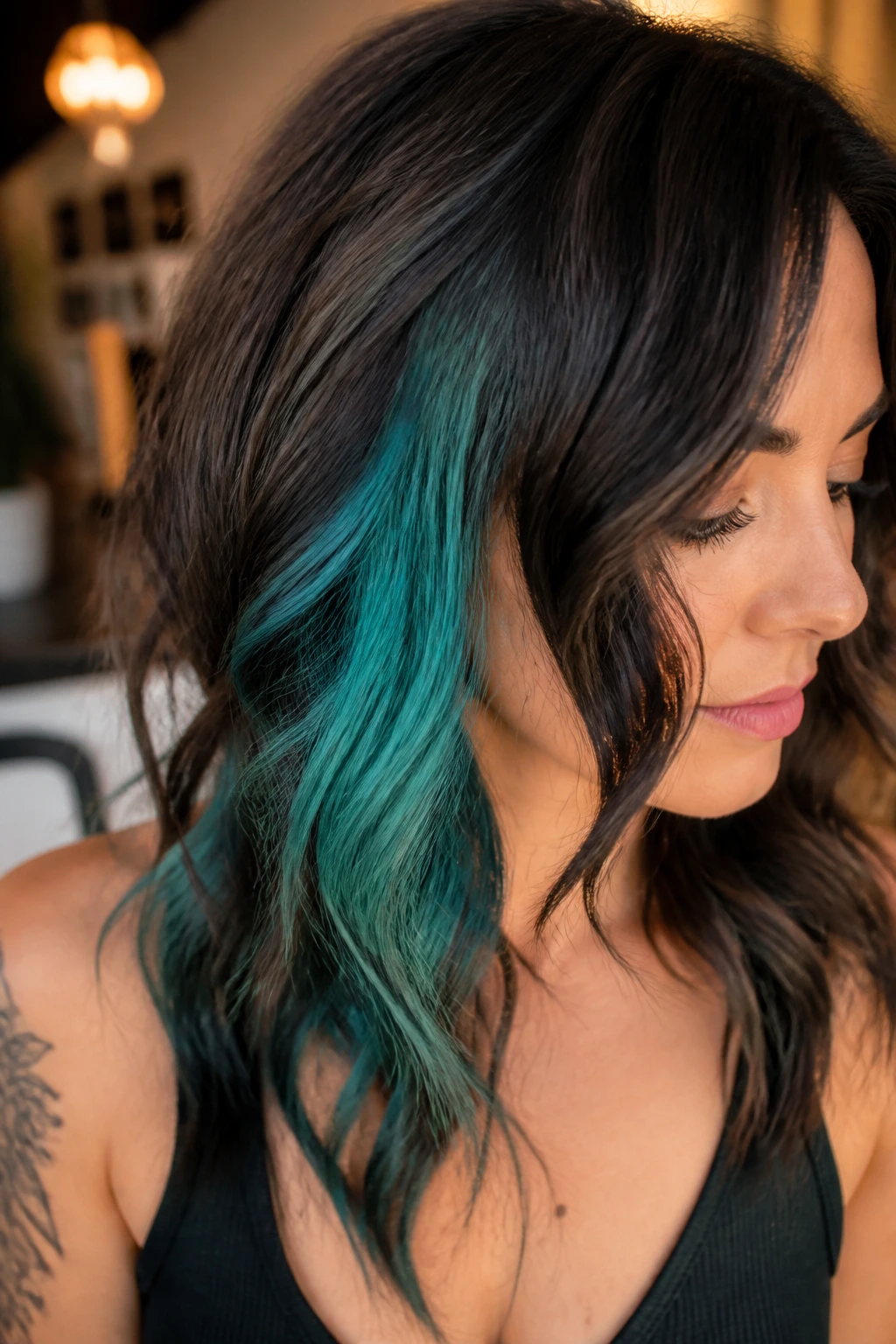
Want something playful without making it the only thing people see? Put aqua underlayers beneath a brunette top sheet. The color lives under the outer layer, then flashes when the waves separate, which they will, because wavy hair never sits quietly for long.
How to ask for it
Keep the top section dark and reserve the aqua for the interior and the lower third of the hair. On shoulder-length cuts, this reads like a hidden surprise. On longer waves, it looks like water peeking through rock.
This is one of my favorite summer placements because it behaves well with updos. A claw clip, messy bun, or half-up twist reveals the color without making it feel like a costume. If you spend time at the pool, though, aqua can fade faster than warmer shades, so plan for a color-depositing mask.
Best on people who like a little mischief and do not want a full-head commitment.
4. Peach Face Frame with Dark Brown Lengths
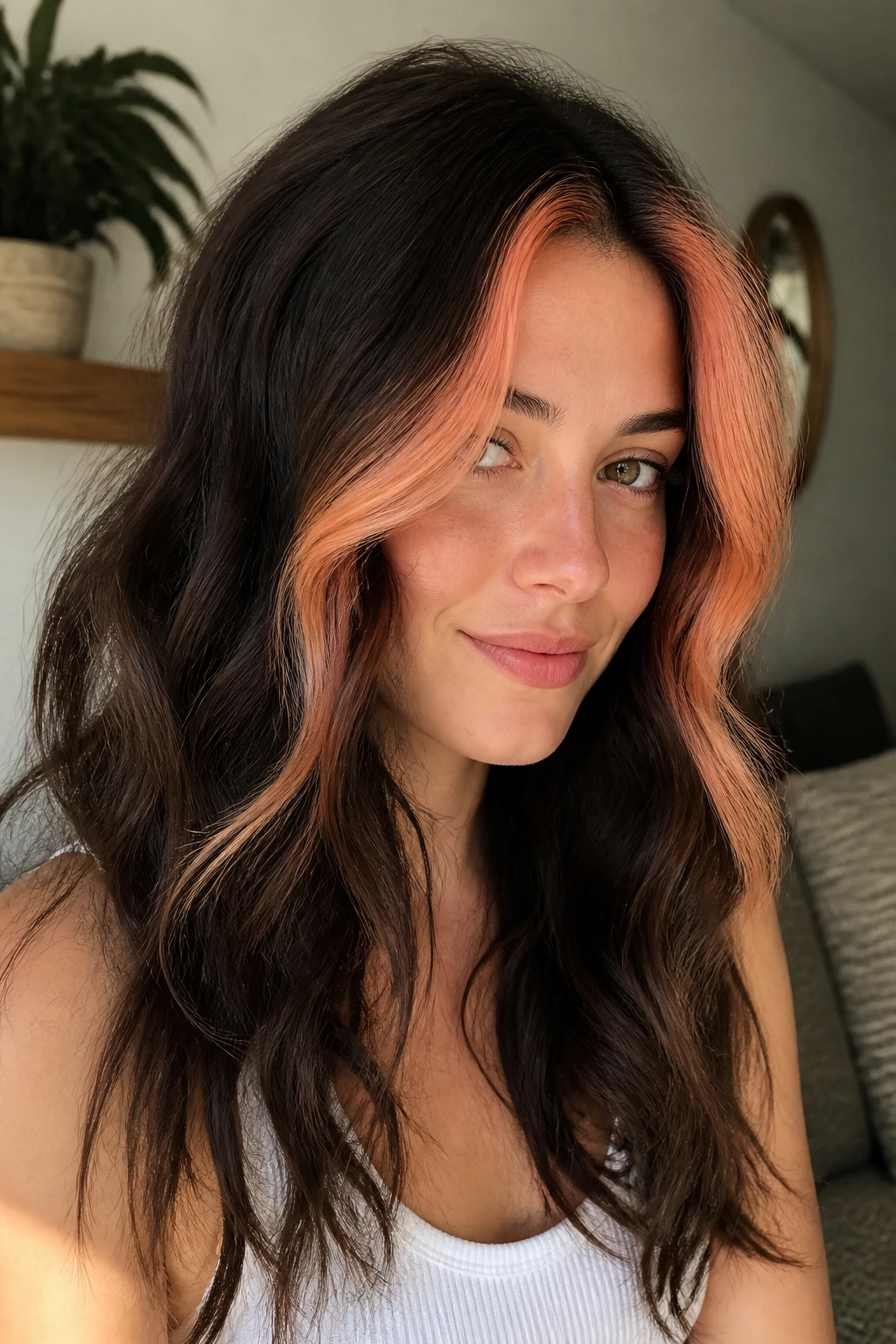
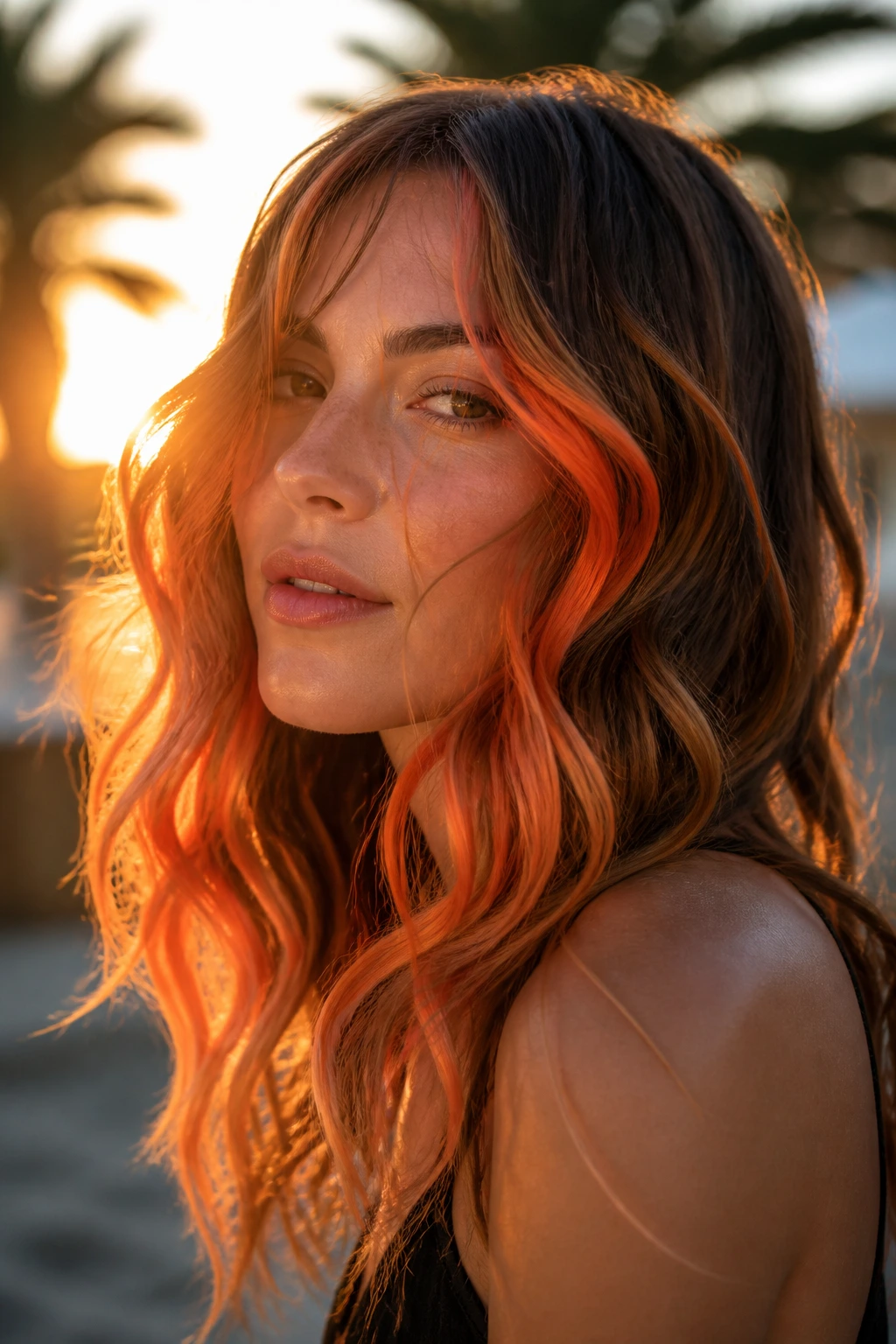
Peach near the face is softer than neon but brighter than blonde, and that sweet spot matters. On dark brown wavy hair, the color feels warm, sunlit, and a little fresh from the fruit stand. The waves keep it from reading chalky, which is a risk with pale pastels.
If you want something that looks good in a loose braid, a half-up knot, or just shoved over one shoulder, this is a strong choice. The front panels do the talking, while the rest of the hair stays quiet.
I like peach for summer because it fades in a decent direction. It usually softens into apricot or strawberry tones instead of going flat and dull right away. A tinted gloss helps preserve that brightness, especially if the hair is porous from lightening.
5. Mushroom Brunette with Silver Panels
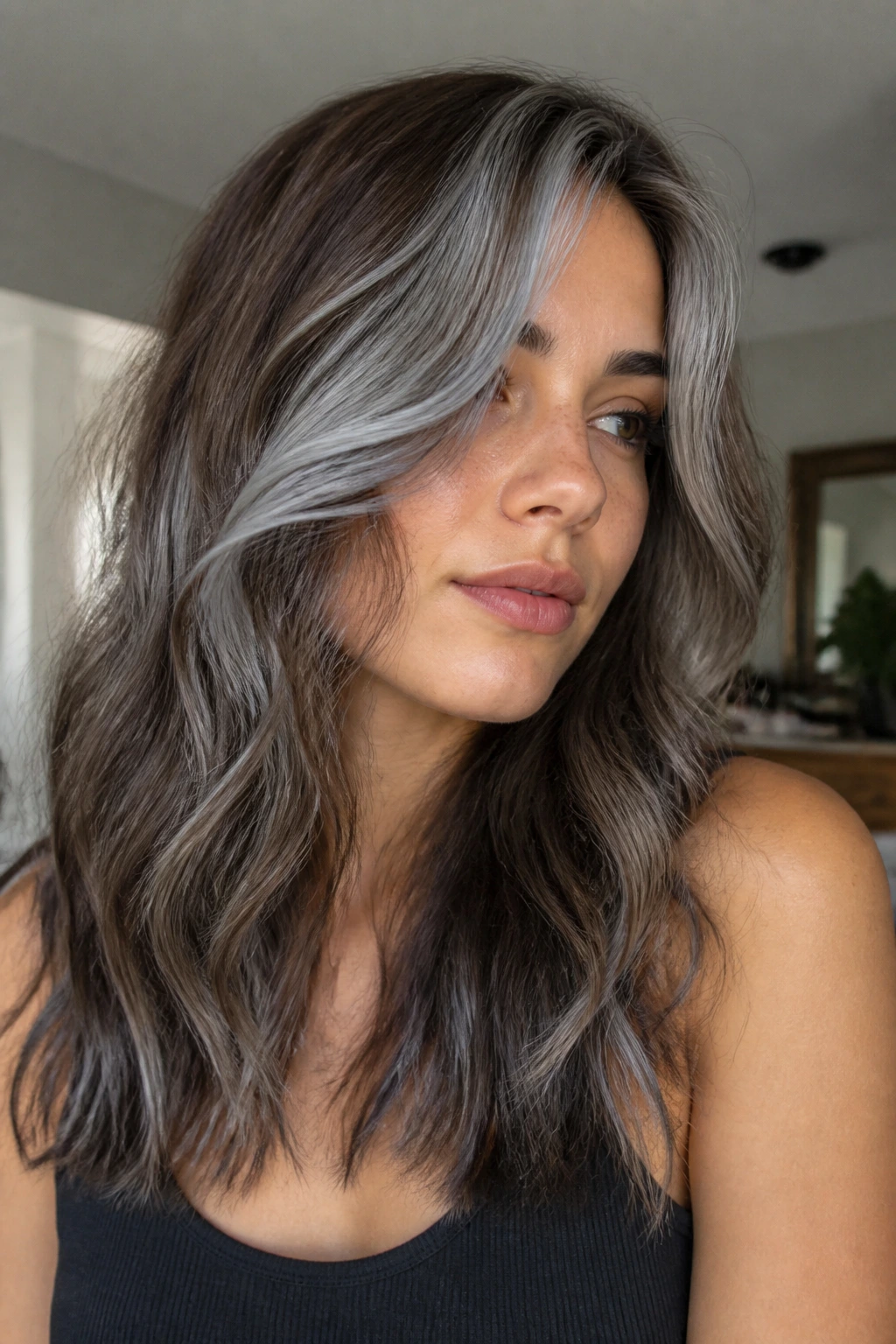
Mushroom brown plus silver sounds cold on paper, but on wavy hair it has a smoky, expensive look that stops short of boring. Keep the base a cool brunette, then add silver block panels through the top layer or just off center. The result is subtle movement with a sharper edge than balayage.
The key is contrast, not brightness. If the silver is too thin, the waves swallow it. If it’s too wide, the look can turn heavy. A broad panel near the part or temple keeps the color visible when the hair shifts.
This is a good choice if you want a cool palette that still works in summer heat. It plays nicely with white tees, black tanks, and anything linen. Not flashy. Not fussy. Just clean.
6. Rose Gold Ends on a Sandy Lob
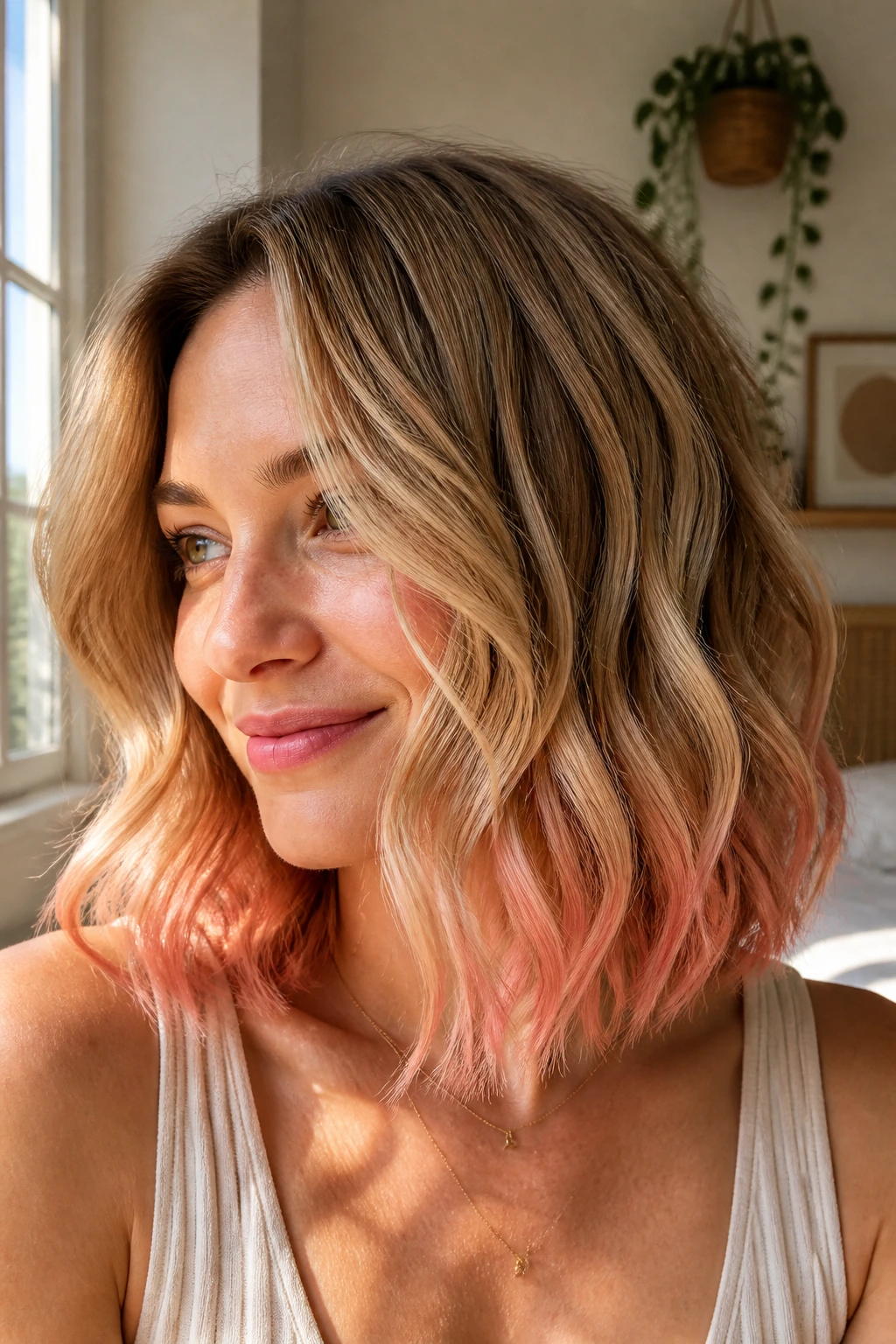
Rose gold at the ends is one of those placements that makes sense the moment you see it on a wavy lob. The sandier top half keeps it grounded, and the pink-gold ends come alive when the hair flips at the collarbone. The cut does half the work for you.
Why I keep coming back to this one
The lob length is ideal because the ends are close enough to the shoulders to move, but long enough to show the color block. If you go too short, the rose gold can get chopped off visually. Too long, and the ends can disappear into the rest of the hair.
This look works best when the last 3 to 4 inches are colored solidly instead of feathered to nothing. That gives the wave something to catch. If your hair pulls yellow fast, ask for a slightly warmer rose to avoid that weird peachy fade that happens when pink gets too thin.
A clear gloss every few weeks keeps the ends looking polished rather than dusty.
7. Teal Peekaboo Pieces in a Shag Cut
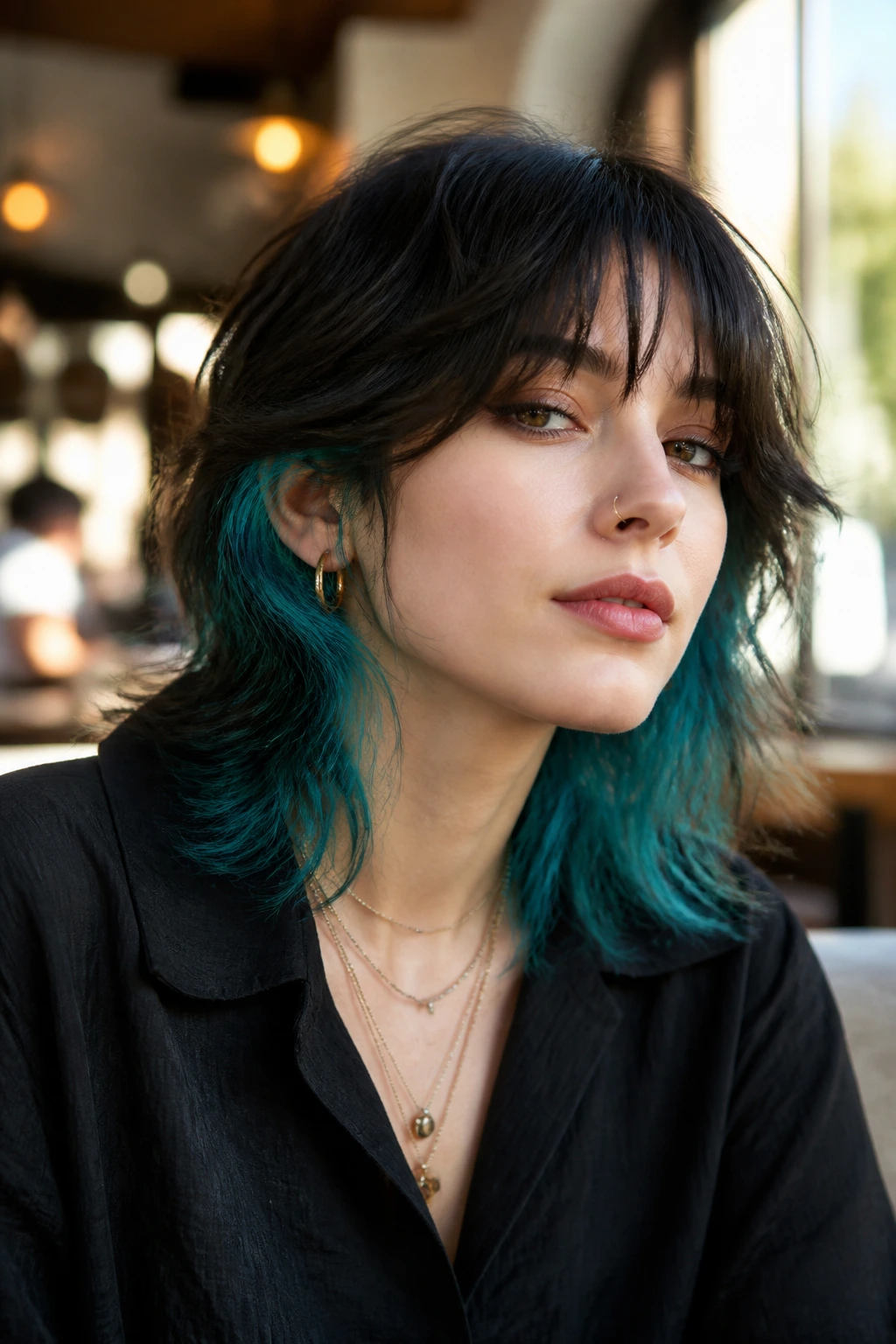
A shag cut already has movement, so teal peekaboo pieces slide into the shape naturally. The layers let the color hide under the top curtain and then flash out at the sides, ends, and around the ears. It feels a little rebellious, but the shag keeps it from looking staged.
How to wear it
Let the hair air-dry with a small amount of curl cream or wave spray, then leave the pieces undone. The point is not perfect separation. It’s that half-seen, half-hidden thing that happens when the layers shake loose.
If you want the color to show more, ask for the teal to live in the underside and the longer fringe pieces. If you want it quieter, place it near the nape and under the crown. Both versions work.
Teal can go dull if you wash too often with harsh shampoo. Color-safe cleanser, cool water, and fewer wash days make a real difference here.
8. Cherry Cola Blocks on Mid-Length Waves
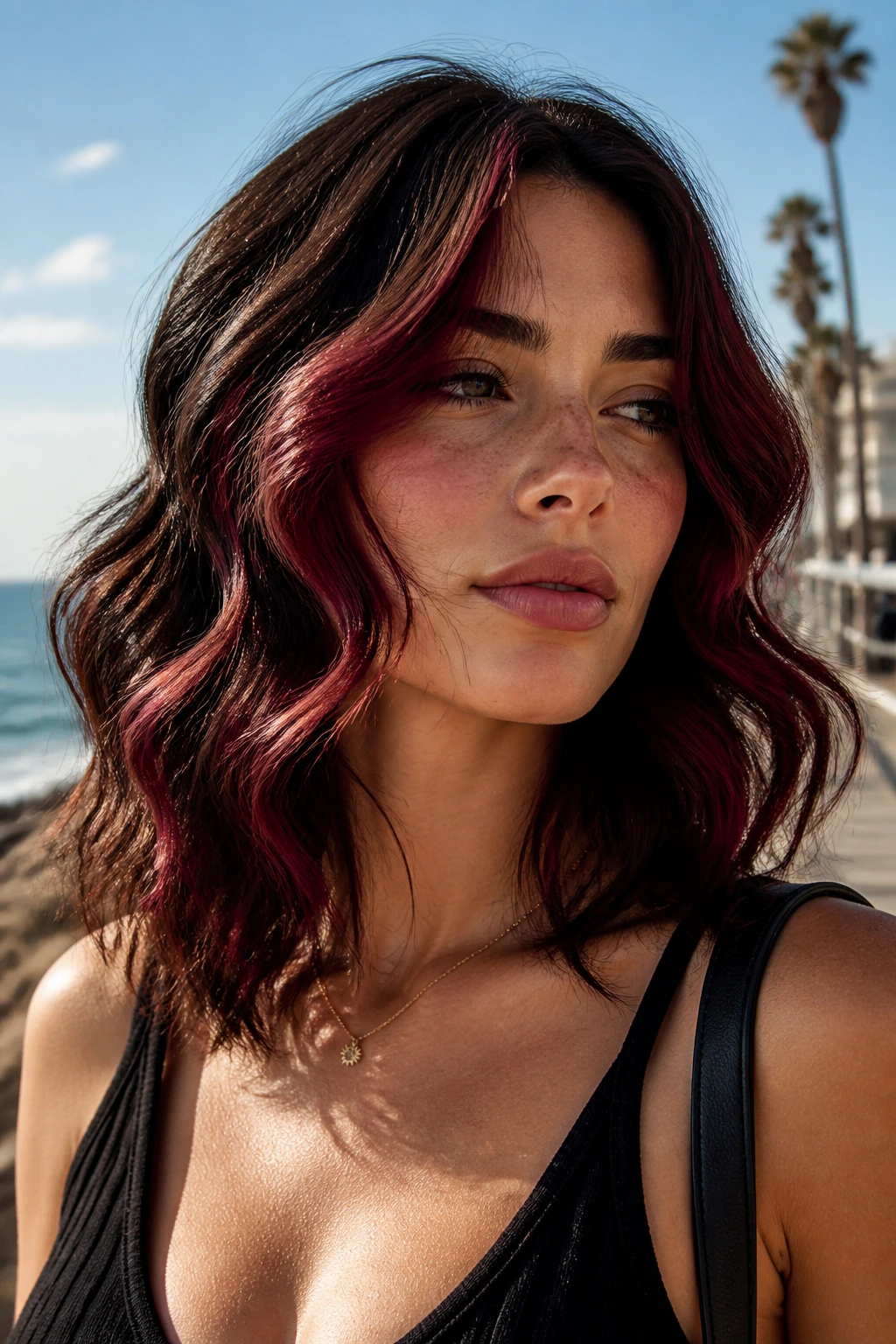
Cherry cola is the shade I reach for when someone wants red but does not want red shouting from the roof. It’s deep, rich, and slightly glossy, which makes it flattering on wavy hair with a mid-length cut. Put the block through the front sections or under a top layer, and the color reveals itself as the waves split.
The trick is to keep it dark enough to feel wearable. A too-bright cherry can fight with the texture. A deeper cola tone catches light in a much nicer way, especially if the hair has a little frizz or dry texture in summer.
This one is good for people with darker natural bases who want a color update without a full bleach job. It also grows out in a calmer way than bright reds. Red may be high-maintenance, but cherry cola is the red with manners.
9. Caramel Crown Panels on Deep Brunette Hair
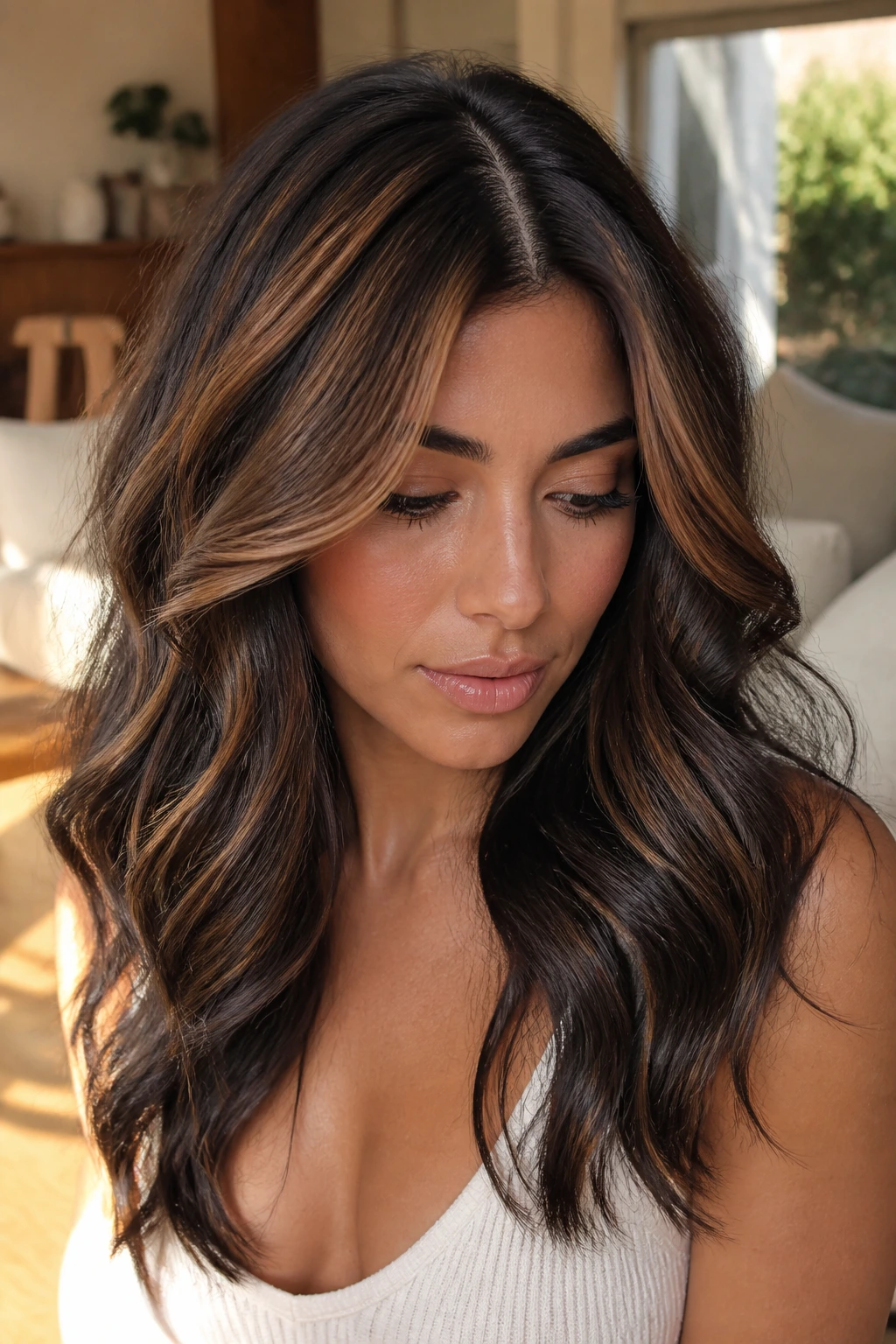
Caramel on the crown sounds simple, but on wavy brunette hair it can be one of the strongest looks on the list. The lighter panels sit on top where daylight hits first, and the waves keep the brightness from looking painted on. It gives you that sun-tilted effect without going full blonde.
Why the placement matters
A crown block catches the part line and the upper curves of the wave, which means it shows even when the hair is down and loose. That makes it a smart choice if you live in a bun, clip, or half-up style. You don’t need to work hard to show it.
Tell your stylist you want the lightness concentrated across the top surface, not diffused through all the layers. The edges can be softened a touch, but the block should still read as a block. That’s the whole difference between color blocking and a generic highlight job.
On a wavy brunette base, caramel tends to look warm rather than brassy, which is a nice thing to say about hair and a rare thing to get right.
10. Lilac Ribbon Blocks Through a Lob
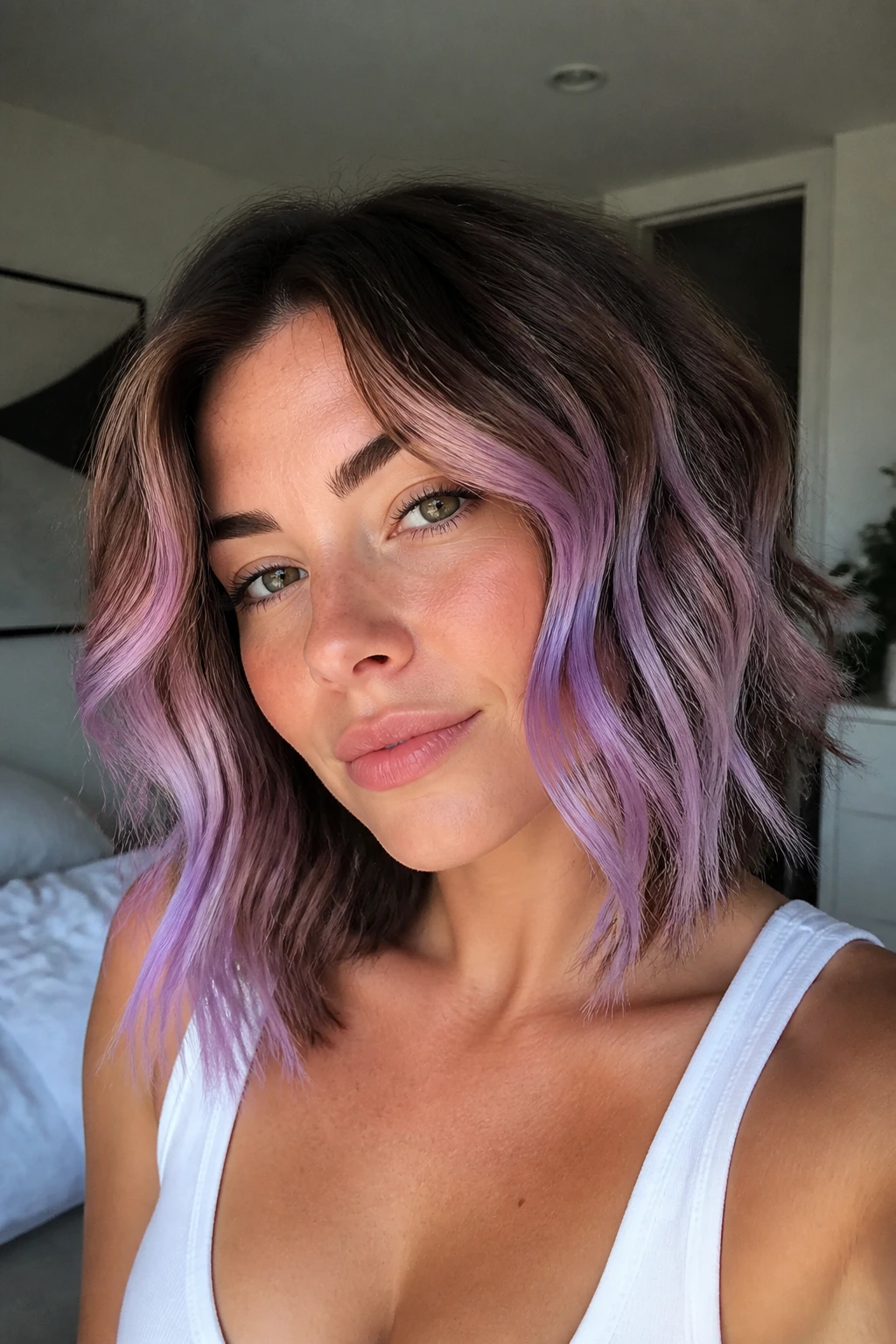
Lilac is one of those shades that looks too gentle in a bottle and then turns strange and pretty on hair. Run it through a lob in ribbon-like blocks, not tiny streaks, and the waves will do the rest. Each bend catches the pale purple differently, so the whole cut feels softer than the color sounds.
This works especially well if you want pastel without a full commitment to fantasy hair. Keep the lilac around the outer layers, one side, or the ends, and let the rest stay neutral. The color shows up when the hair moves, which is exactly when a lob tends to feel the most alive anyway.
I’d avoid making the lilac too thin. Thin pastel can disappear against waves. A clean, visible block gives the shade shape.
11. Emerald Side Panel on Long Layers
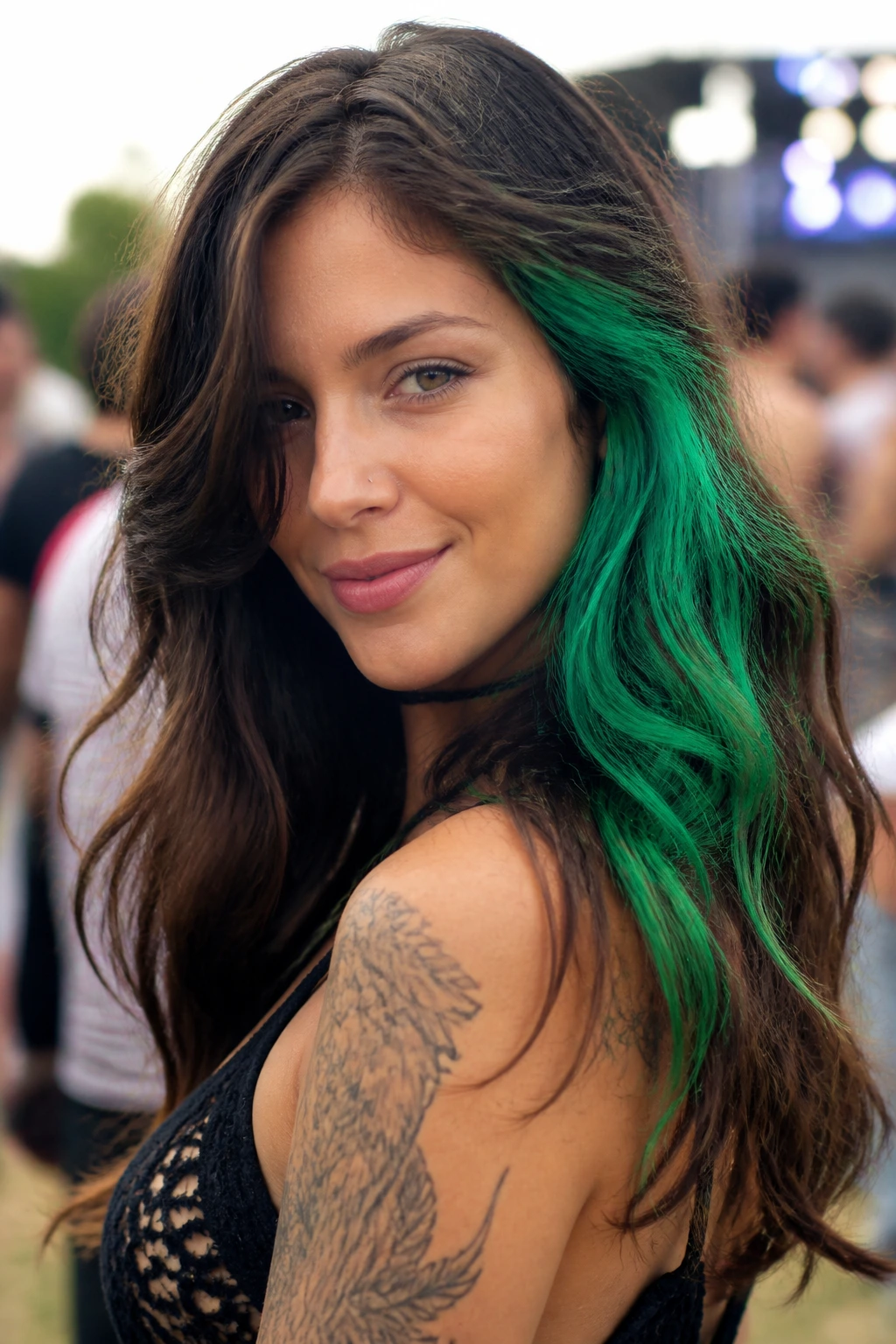
A single emerald side panel is dramatic in the right way. It keeps the rest of the hair simple, then throws one jewel-toned block along the side where waves flip forward. Long layers help because the color has room to drape instead of sitting like a stripe.
The shape of the look
Think of this as a controlled statement. Not a full head of green. Not a hidden peekaboo. Just one solid panel that shows when the hair falls over the shoulder or gets tucked behind the ear.
If you want this to read cleanly, keep the rest of the base either deep brown or black. Emerald wants contrast. The shade can look muddy next to too many warm tones, so ask for crisp separation between the block and the surrounding hair.
This is one of the better ideas for summer concerts, festivals, and travel days when you want one piece of the style to do all the talking.
12. Sunflower Blonde Block Fringe
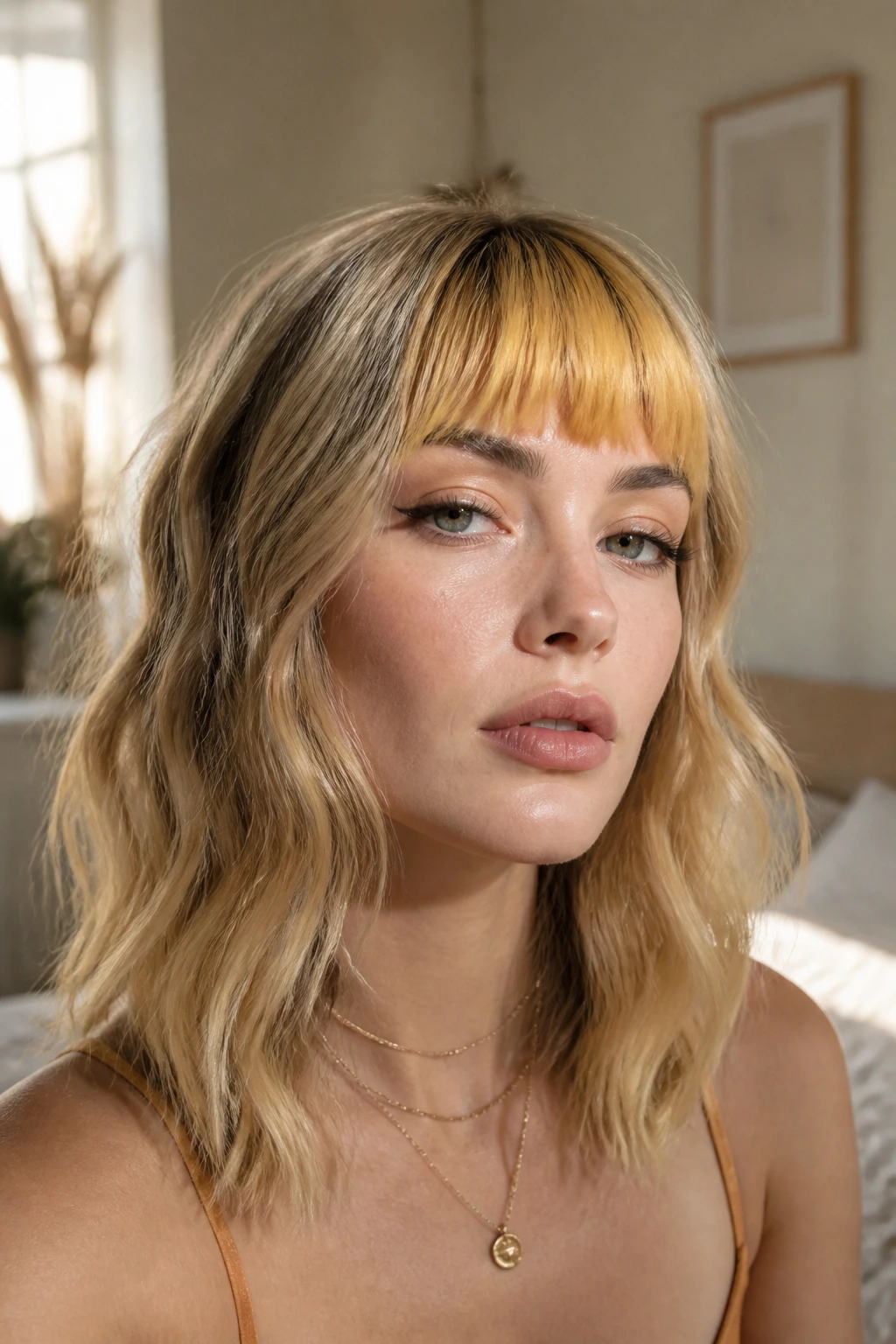
A blocky blonde fringe can wake up wavy hair fast. The contrast at the front gives the face a lifted look, and the fringe itself keeps the blonde from feeling like an afterthought. On darker lengths, the difference is immediate.
The one caveat: fringe blocks live close to the forehead, which means sweat, sunscreen, and all the usual summer annoyances. A lightweight styling cream helps the pieces sit cleanly instead of puffing up. If your fringe is thick, ask for a block that stays broad enough to be seen even when it shrinks a little from humidity.
I like this look most on mid-length waves with a bit of texture. Too sleek, and it feels severe. Too fluffy, and the blonde can get lost. In the middle, it’s sharp.
13. Plum Underlayer on a Wavy Bob
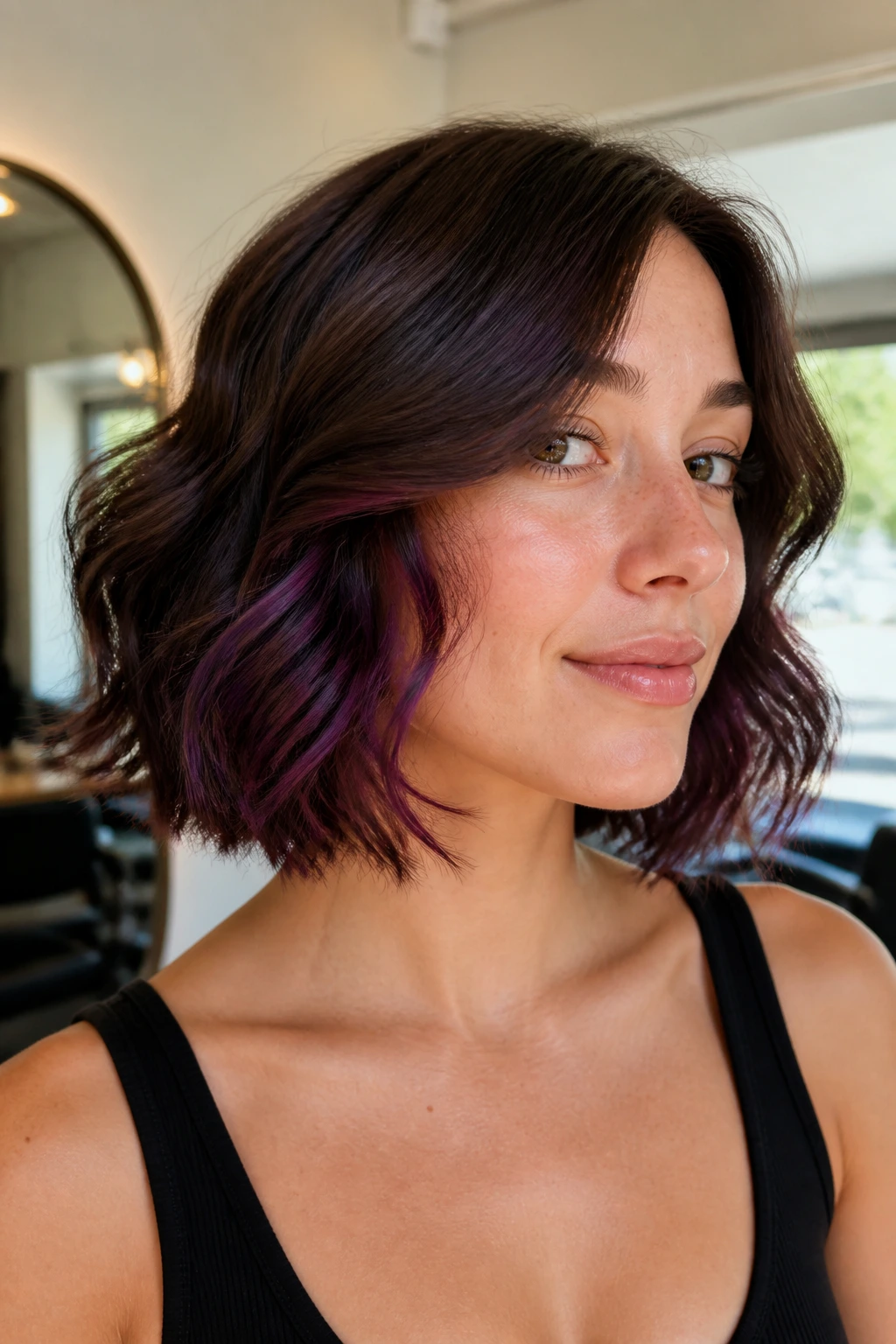
Plum underlayers are a gift to anyone who likes a bob but doesn’t want the cut to feel plain. The dark purple lives under the top sheet, then peeks through when the waves separate or the bob tucks under at the jaw. It’s a neat trick, and it works because bobs naturally swing.
On wavy texture, plum reads deeper and richer than on smooth hair. The color keeps changing under the light, which is exactly what a short cut needs to avoid looking blocky in the wrong way. The underlayer also means you can hide the color when needed and show it when you want a little more edge.
If you’re nervous, start with the back and inner sides. That gives you a clear view of the tone without lighting up the whole haircut.
14. Tangerine Ends on a Textured Shag

Tangerine ends on a shag are pure summer, but in a useful way, not a syrupy one. The shag already has rough edges and broken layers, so the orange block at the bottom looks purposeful instead of loud for the sake of being loud. When the waves separate, the color almost flickers.
Why the shag makes it work
The cut matters here more than the dye. A shag gives the tangerine places to land: fringe pieces, side layers, and long ends that move independently. That separation keeps a bright shade from turning into one solid blob.
Tell your stylist to keep the color concentrated on the lower third and the ends. The shorter top pieces can stay dark, which makes the orange feel more grounded. If you want less maintenance, this is a strong direction because the grow-out at the roots is irrelevant.
Tangerine fades. Fast. That’s not a flaw if you’re okay with the shade softening into peach and coral. If you’re not, skip ahead to a warmer copper instead.
15. Denim Blue Nape Block on a Ponytail-Friendly Cut
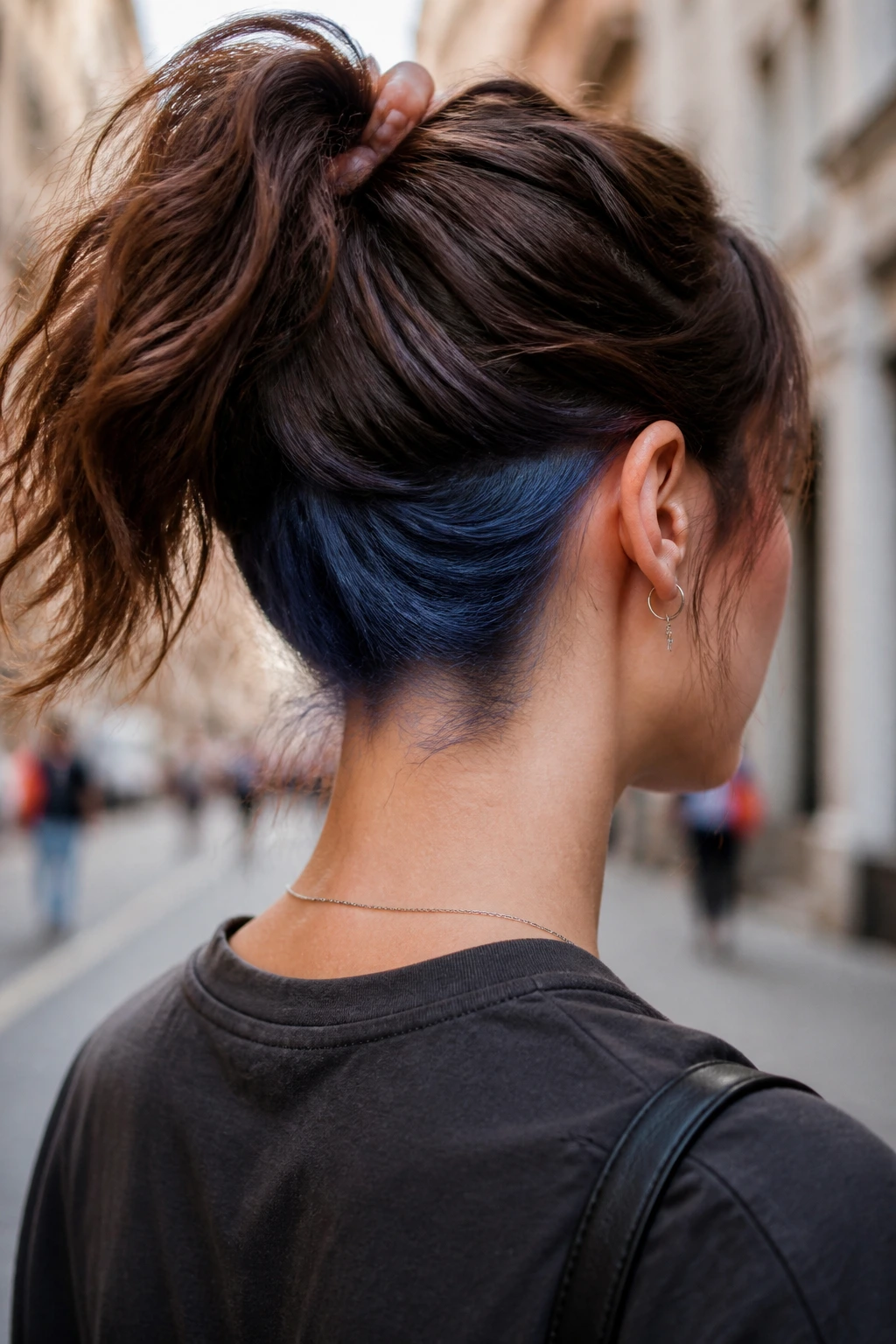
A denim blue nape block is the move if you like hidden color that only shows when you lift the hair. It’s especially good for ponytails, low buns, and half-up clips because the block appears right where the hair bends away from the neck. On wavy hair, that little reveal feels sharper than it does on straight hair.
This is one of the most practical placements on the list. The color can stay mostly out of sight for work or family events, then pop when the hair is tied up. If you’re the kind of person who changes their mind about visible color every other day, this is the safest kind of fun.
Keep the blue a little muted, more denim than electric, if you want it to age well. Bright cobalt is louder and fades faster. Denim holds its shape a bit longer.
16. Bronze and Copper Contrast on Long Waves
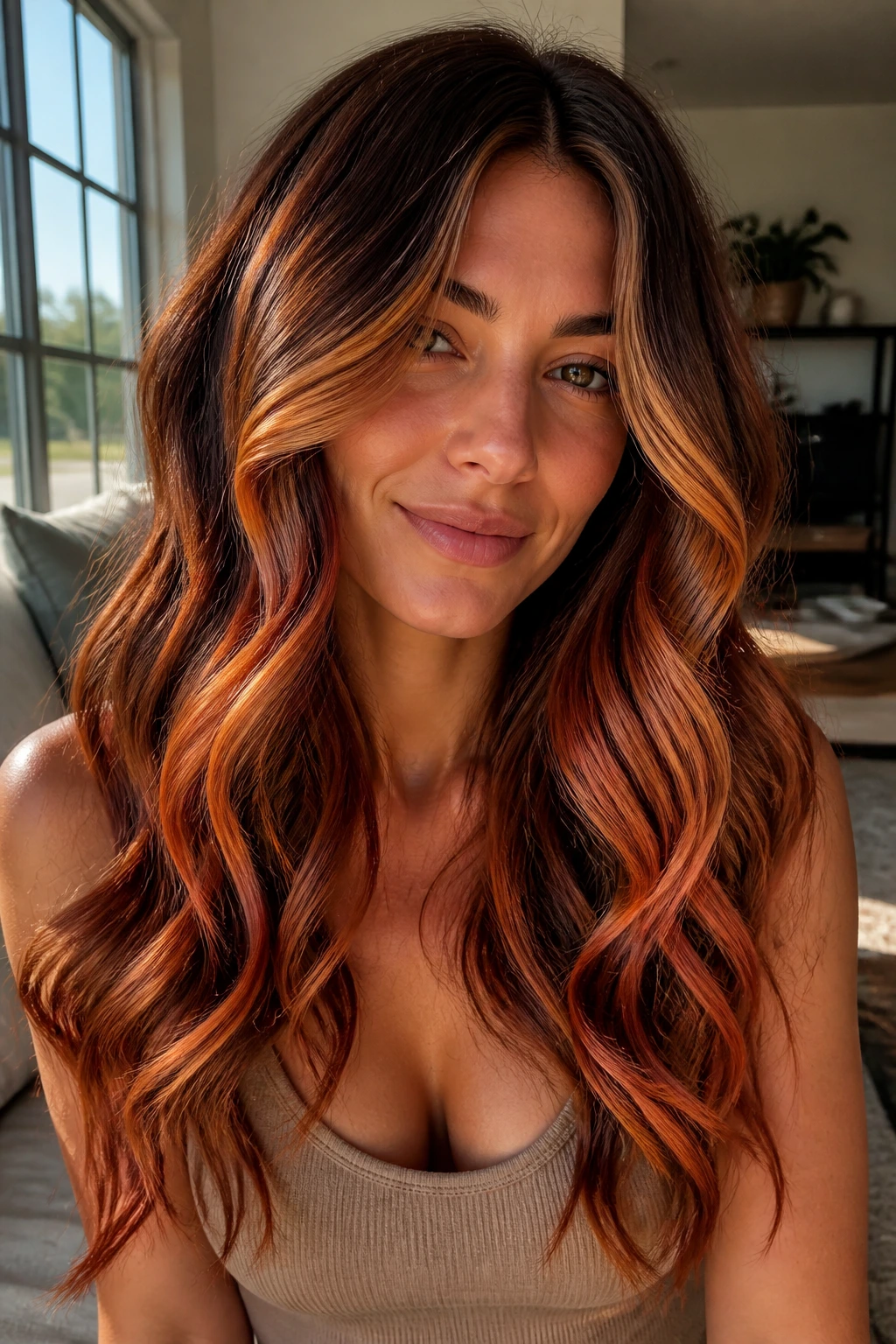
Bronze and copper together can look too similar in the wrong hands. On long wavy hair, though, the two tones separate beautifully. One block can sit near the face, another deeper in the length, and the waves keep the warm colors from blending into one flat orange mass.
This is a good choice if you want dimension without cool tones. The summer sun loves warm metallic shades, and bronze gives the copper somewhere to land. If your base is brunette, the whole thing reads rich rather than flashy.
I’d ask for the bronze to stay slightly deeper than the copper. That gives the hair some shadow. Without that contrast, the color can go one-note quickly, and one-note hair is never as interesting as people think it is.
17. Neon Coral Temple Blocks
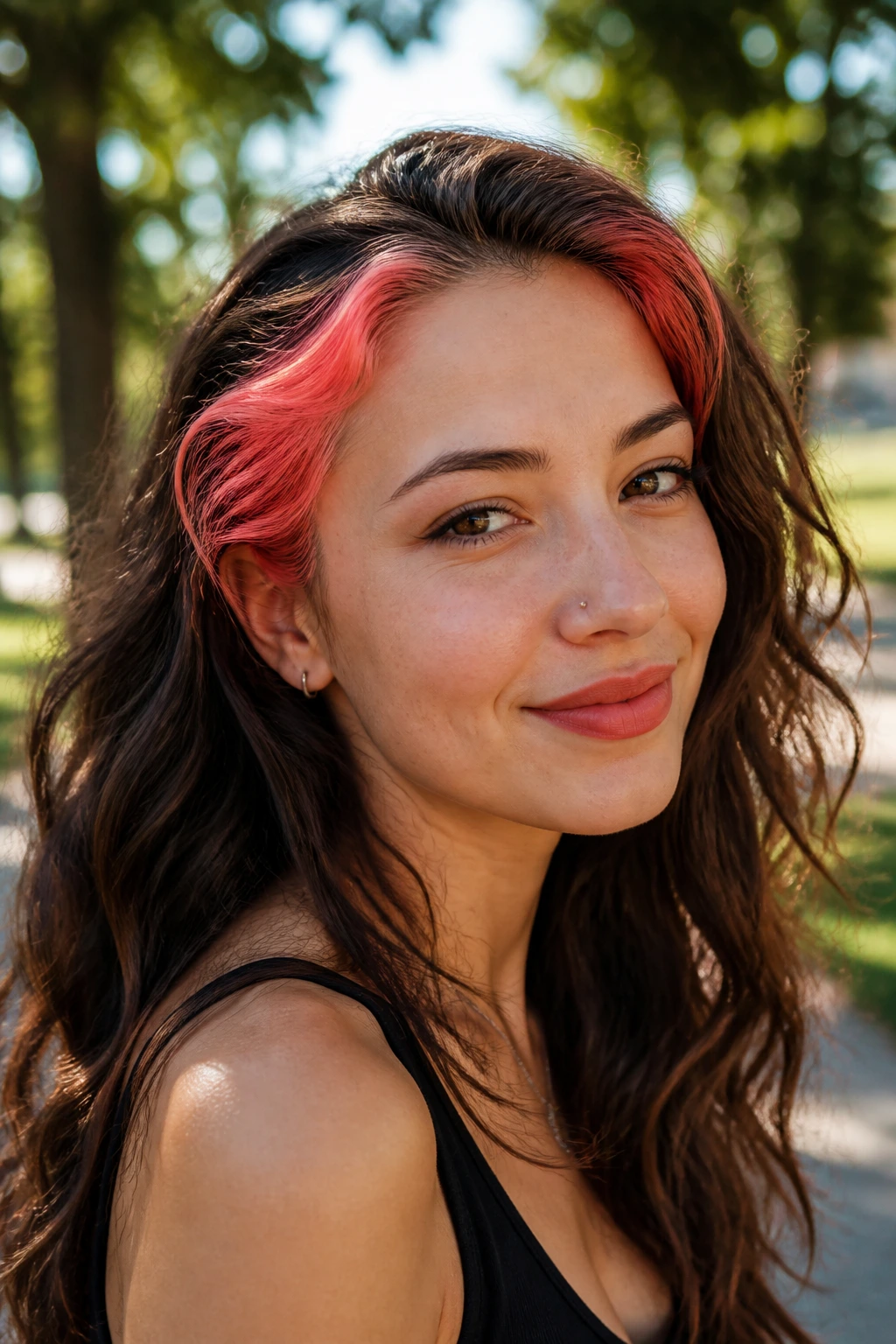
Temple blocks are tiny in area and huge in impact. Put neon coral at the temples or just behind the front hairline, and the color appears every time the hair gets pushed back or the wind moves it off the face. On wavy hair, the contrast is broken up just enough to keep it from looking too hard-edged.
This is one of the more fashion-forward looks here. It’s not subtle. It’s not pretending to be subtle. If that sounds exhausting, skip it. If you like a little jolt of color near the eyes, it’s excellent.
Coral fades quickly, especially in bright sun. Keep that in mind before committing. A semi-permanent version or a tinted conditioner can help you keep the shade from dropping off too fast.
18. Glacier Blonde with Smoke Panels
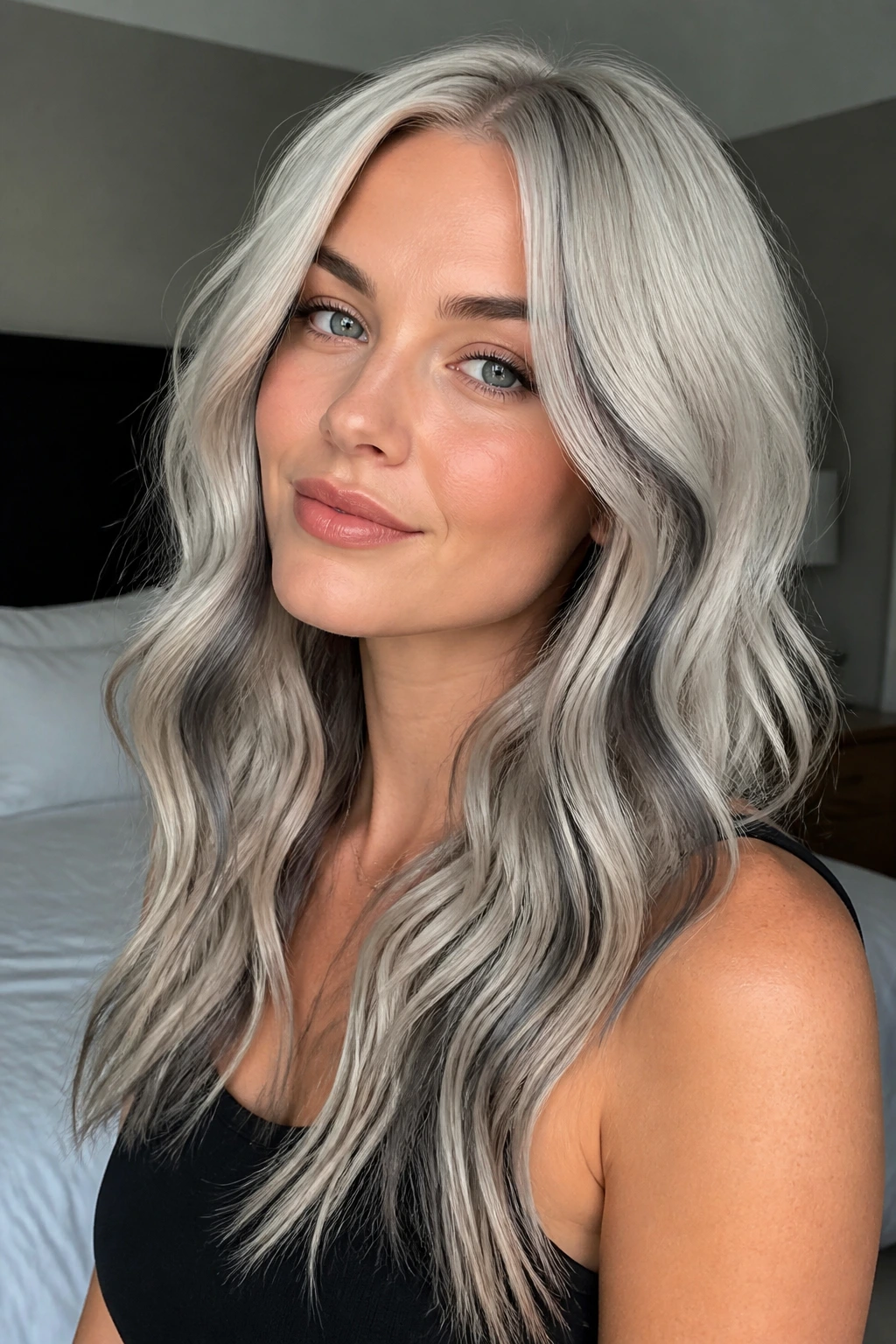
Glacier blonde can look washed out if it’s done without a plan. Add smoke-gray panels and the whole thing gets structure. The cool contrast helps wavy hair show definition, because the darker panels mark the bends and valleys of the wave.
This is the look for someone who likes light hair but hates seeing it go flat. The smoke blocks give the blonde a little backbone. On a wavy cut, that can look cleaner than a standard all-over icy blonde, which sometimes turns ghostly in full sun.
Toning matters here. A lot. If the blonde goes yellow, the smoke panels start to feel disconnected. Keep up with a purple or blue shampoo when needed, but don’t overdo it or the hair can turn dull and chalky.
19. Strawberry Cream Chunky Waves
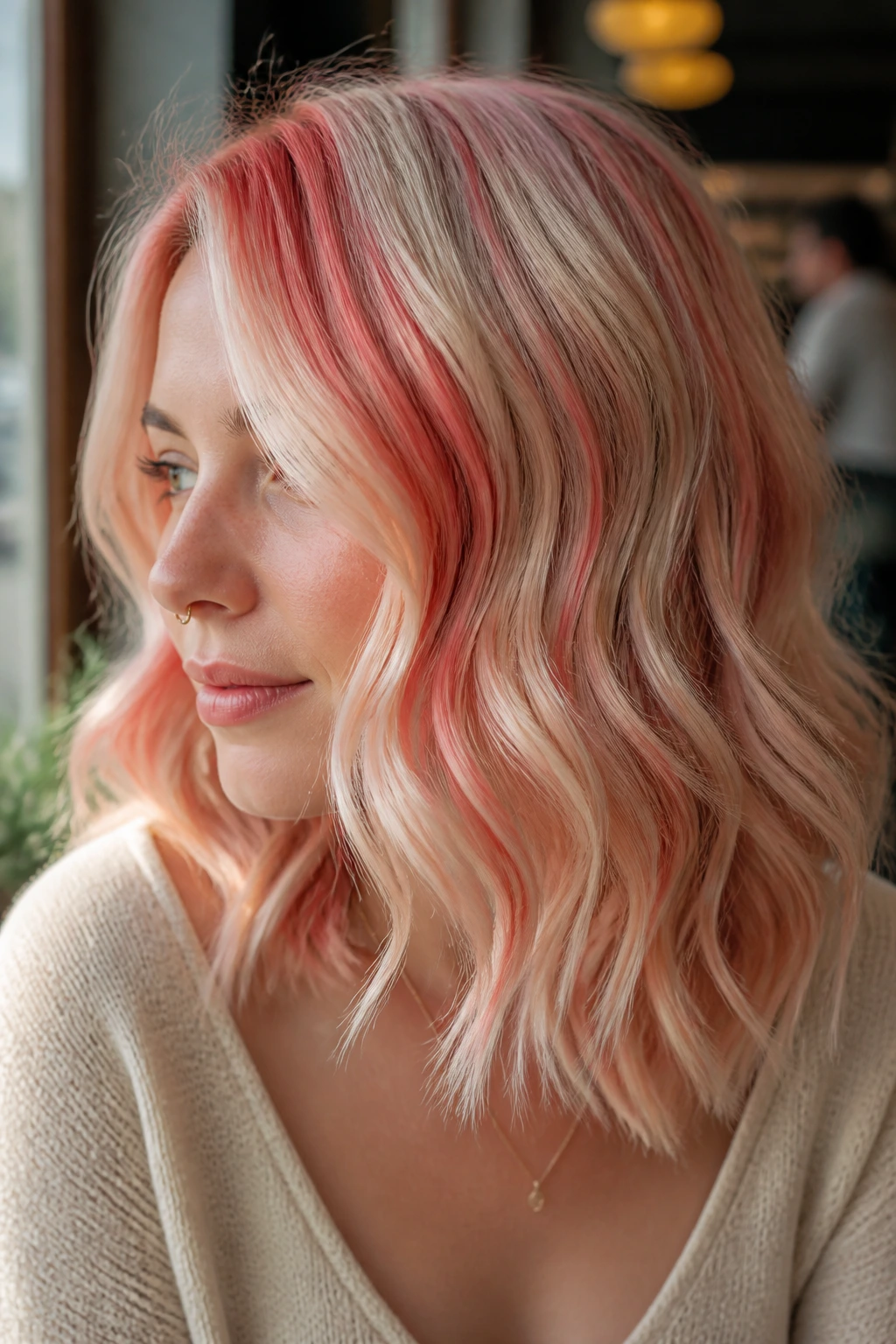
Chunky strawberry cream blocks make wavy hair look soft in a way that still has shape. The strawberry pieces sit against a creamy blonde or pale beige base, and the contrast feels sweet without tipping into costume hair. The wavy texture keeps the boundaries visible enough to count as block dye.
I like this one on medium-length cuts because the waves can show off the color changes without making the hair too busy. The trick is to keep the strawberry blocks broad, not stripe-like. Broad placement gives the shade a richer read, especially in sunlight.
If you want to make it easier to live with, choose a strawberry tone that leans more coral than pink. It fades better and looks less shocked by hard water.
20. Indigo Interior Layers Under a Dark Base
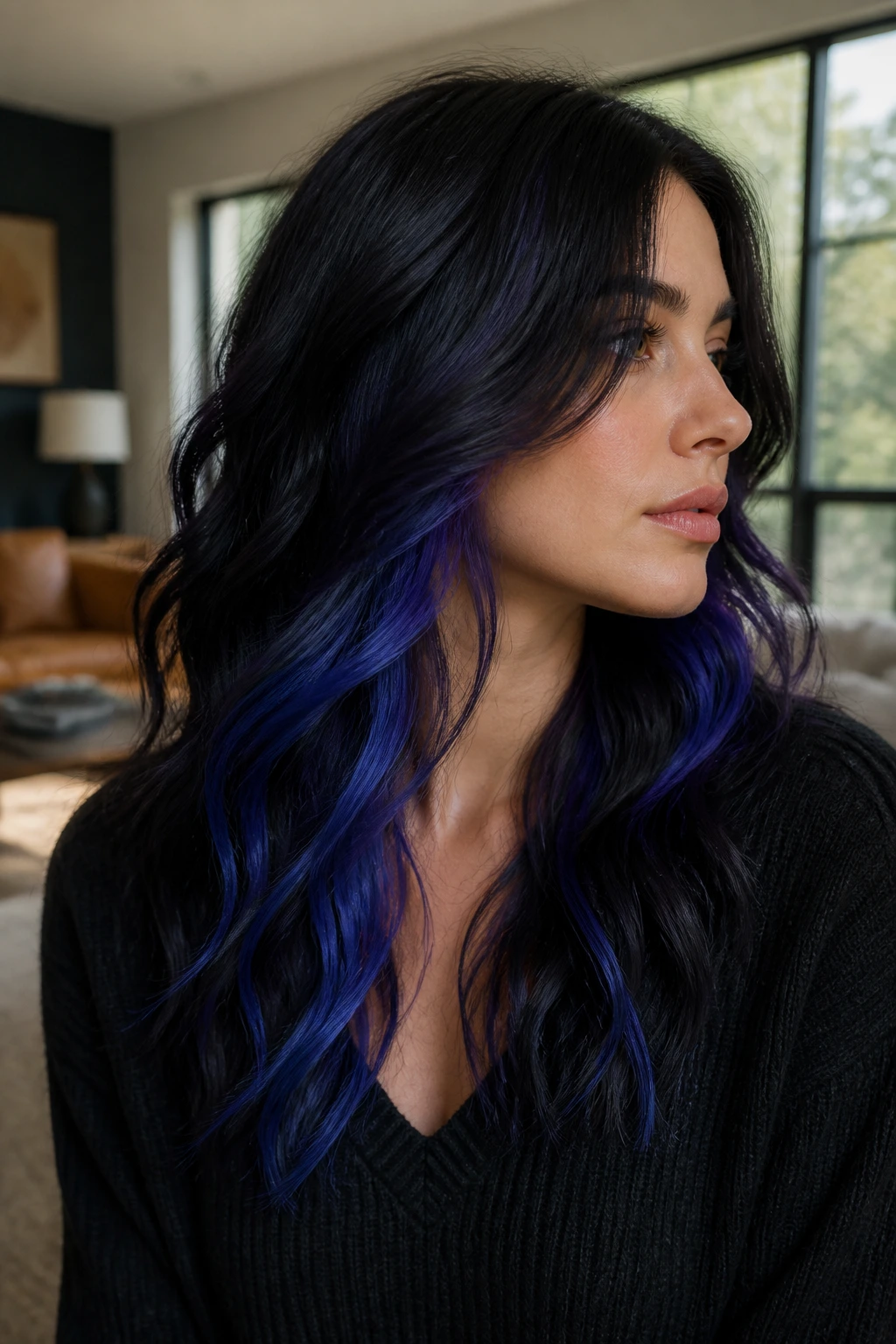
Indigo hidden in the interior layers is one of the smartest low-drama ways to do block dye. The top layer stays dark, which means the style keeps its shape, while the indigo underneath shows when the waves split or when the hair gets tossed over a shoulder. It’s secret-color territory, and that always feels a little fun.
The magic here is in motion. On still hair, it’s quiet. On moving hair, it’s suddenly obvious. That makes it a good fit for people who want color that can attend a meeting and still get a little attention at dinner.
Ask for the indigo to be placed through the middle and lower interior sections, not just at the ends. That gives the look depth from root to tip. A flat one-note blue underlayer can disappear once the hair starts growing out.
21. Apricot Dip-Block on Collarbone Length Hair
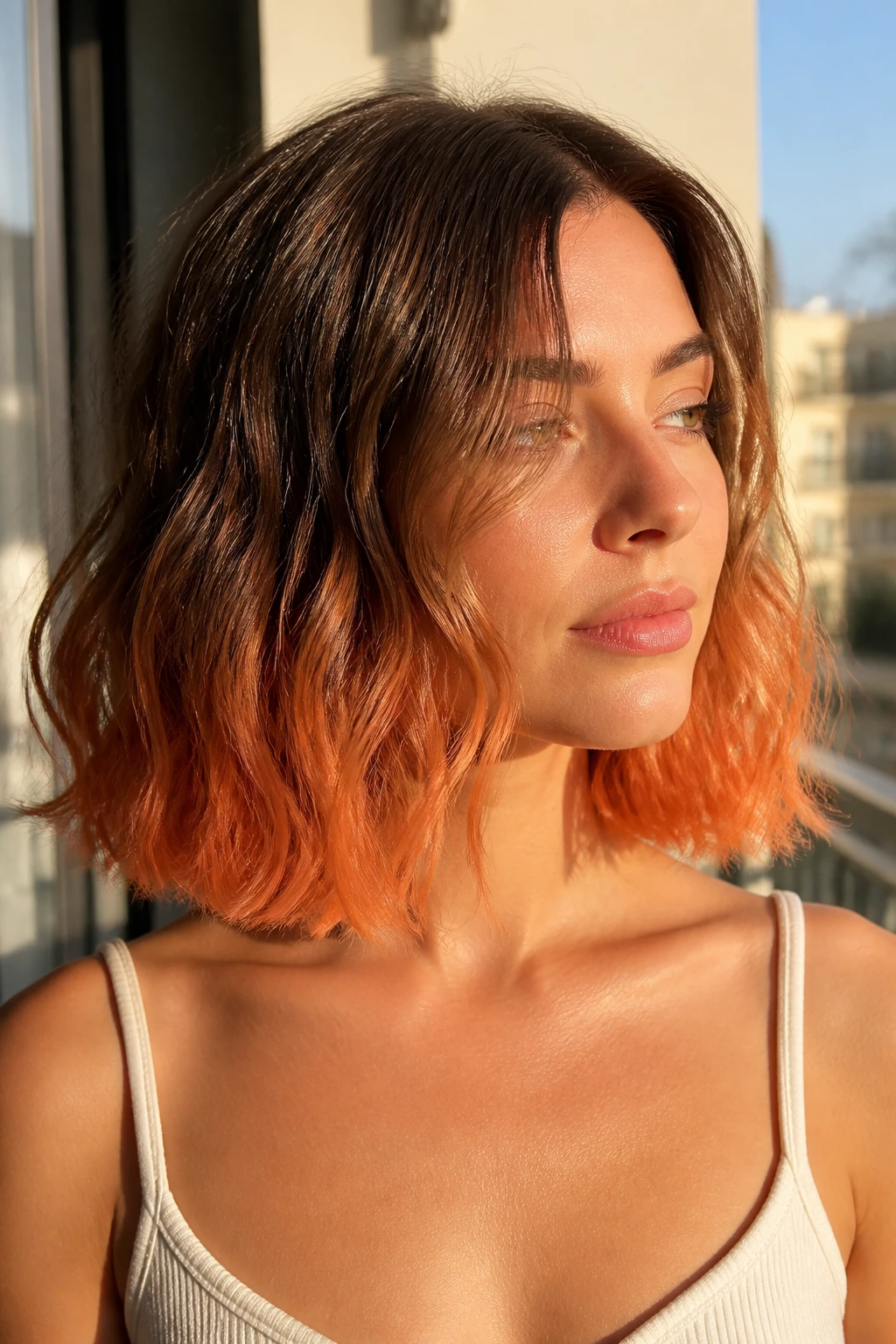
Apricot dip-blocks sit in a good middle ground: brighter than copper, softer than orange, and warmer than pink. On collarbone-length wavy hair, the ends move enough to show the shade without making the whole cut feel busy. It’s one of the easiest summer colors to wear if you like warmth.
The dip-block placement gives the hair a finished edge. It also keeps the roots quiet, which I appreciate. There’s no reason to drag bright color all the way to the scalp if the cut looks better with a little breathing room.
This shade looks cleanest when the apricot is solid for the last few inches. Too much fade at the bottom and it starts to read dusty. A clear block keeps the color honest.
22. Sandstone Hair with Cinnamon Pieces
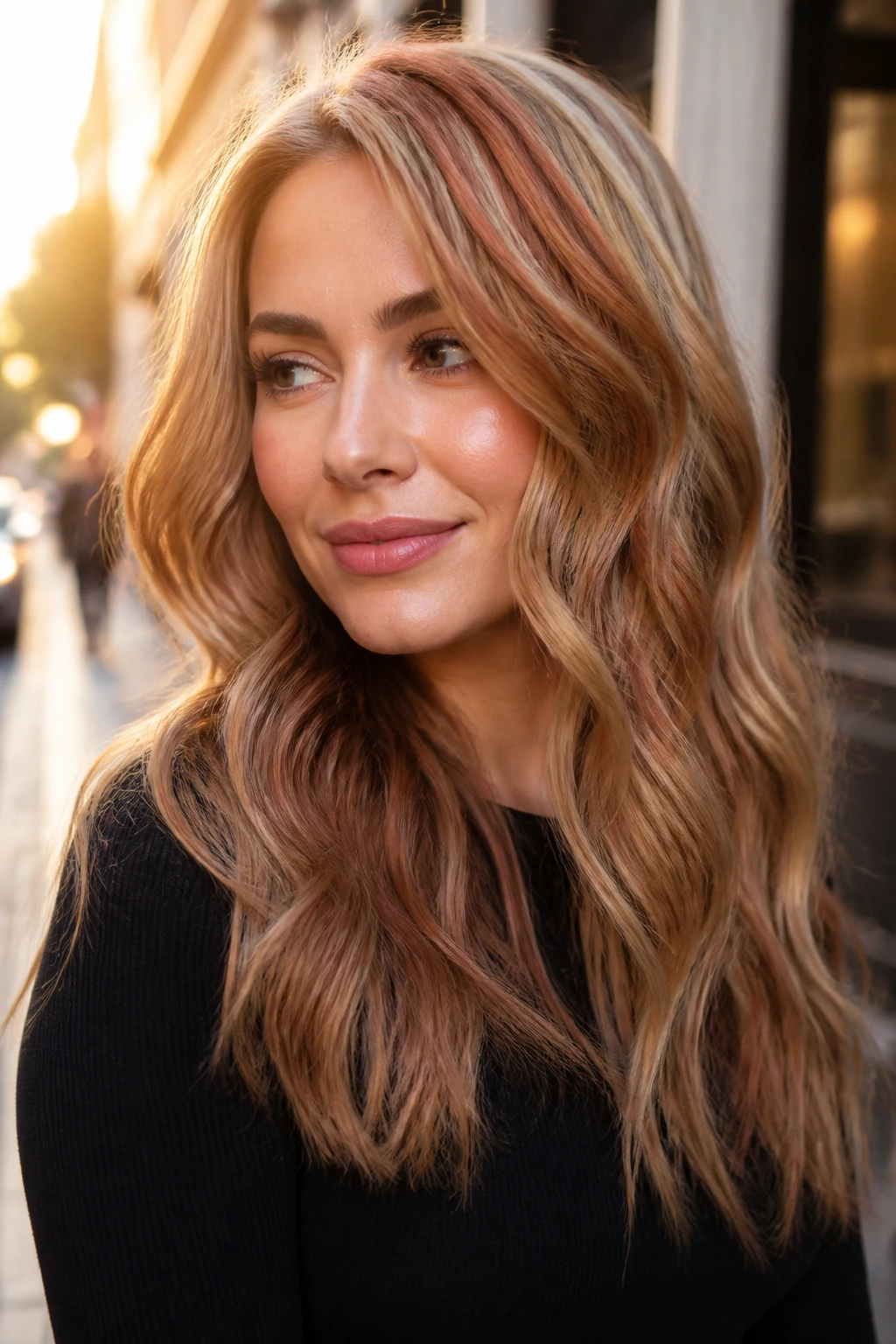
Sandstone and cinnamon is the gentlest look on the list, and that’s not a bad thing. It’s a warm neutral base with cinnamon panels around the face and through the mid-lengths, which gives wavy hair dimension without turning it into a high-contrast showpiece. If you like lived-in color that still has a plan, this is your lane.
Where it shines
The reason this works is the same reason good neutral outfits work: the pieces are different enough to matter, but close enough to feel easy. On waves, the cinnamon blocks show through the bends and then sink back into the sandstone base.
This is one of the most forgiving block-dye ideas if you hate obvious grow-out. It softens nicely. It also pairs well with summer skin that has a little warmth to it, because the whole palette sits in a sun-baked range.
If you want more pop, ask for the cinnamon to be a shade deeper than you think you need. Faint color often disappears faster than people expect.
23. Electric Blue Back Panel
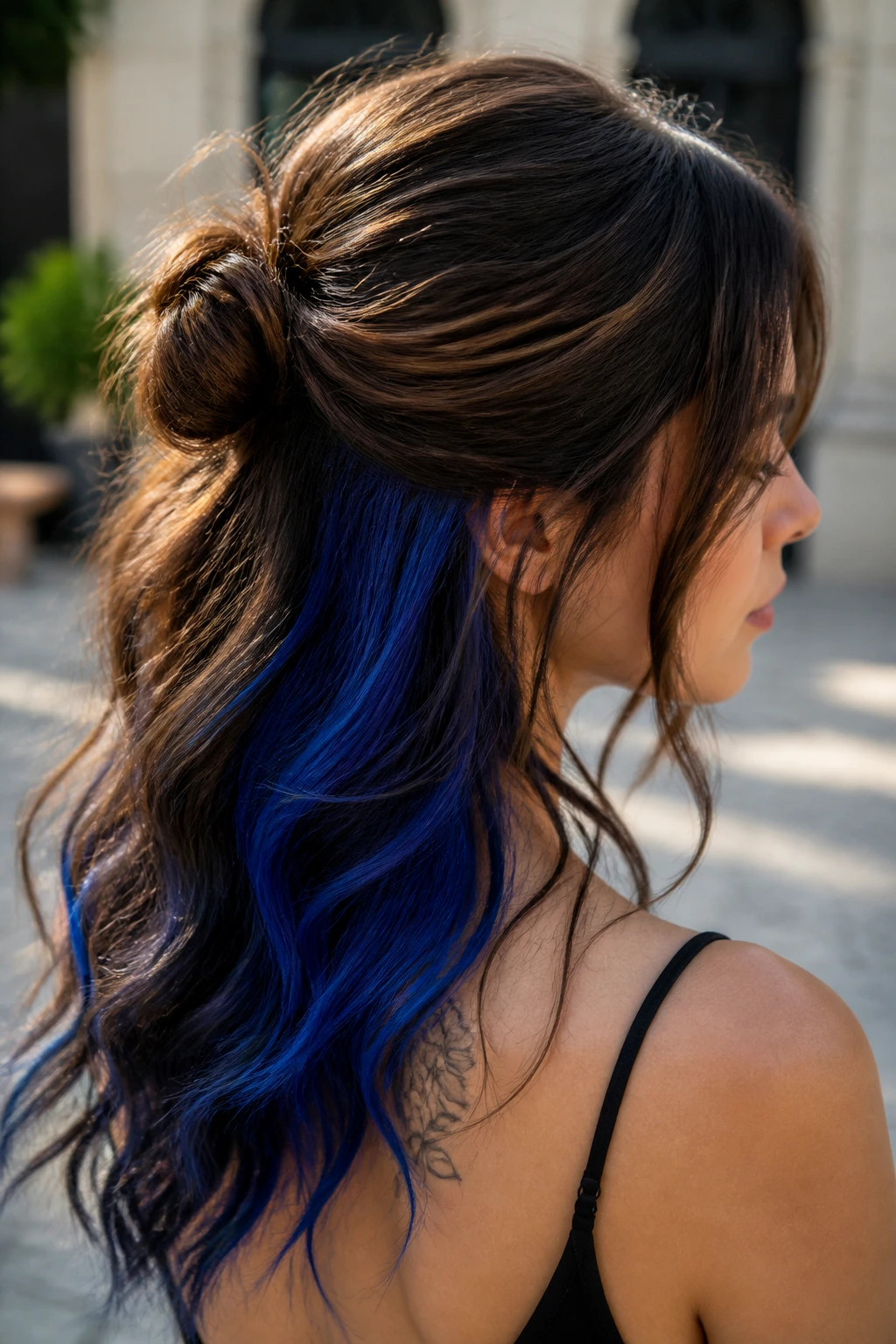
An electric blue back panel is for the person who wants a surprise, not a billboard. Keep the front and sides neutral, then place a bright blue block through the back layer where it shows in half-up styles, ponytails, and turns of the head. Wavy hair makes the reveal feel animated instead of harsh.
I like this look because it gives you control. The color can stay hidden during the day and appear in little flashes when you move. That’s useful if you want fun hair but not all-day attention.
The panel should be broad enough to read as a block, not a streak. If it’s too skinny, the whole effect gets lost. Too wide, and it starts to take over. There’s a balance there, and it matters.
24. Sunset Split Fringe in Coral and Gold
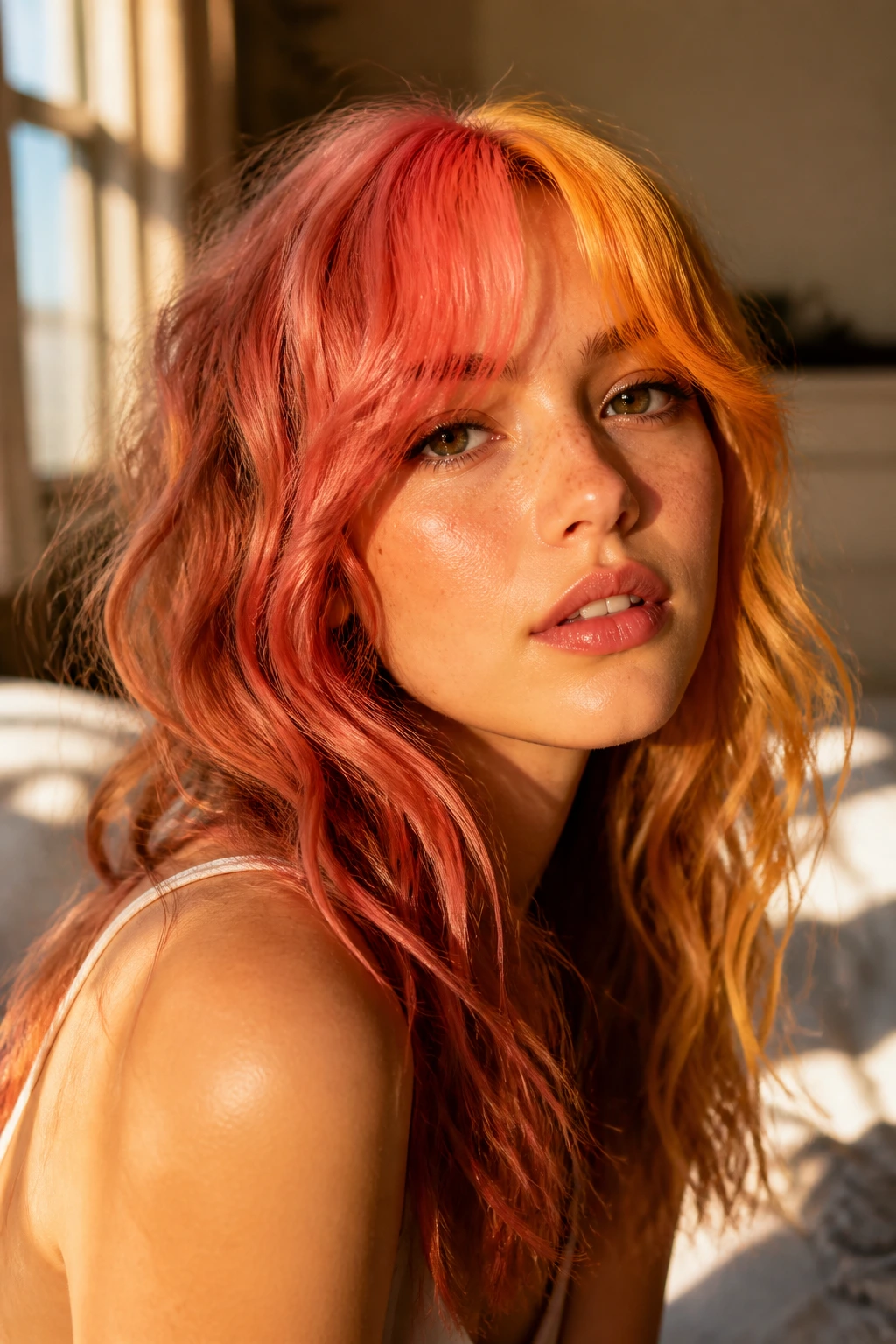
A split fringe with coral on one side and gold on the other is a bit theatrical, which is exactly why it works. Wavy fringe breaks into pieces rather than sitting as one curtain, so the two tones can show without looking like they’re fighting. It feels like sunset hair for people who like their drama at the front.
This is a smart choice if you wear bangs often. The fringe becomes the focal point, while the rest of the hair can stay quieter. That keeps the look from going too far.
Ask your stylist to keep the line between the colors clean but not razor-sharp. A tiny bit of softening helps the fringe move naturally. Too much blur, and you lose the split. Too much precision, and it can look stiff.
25. Soft Lavender Money Piece on Ash Brown Waves
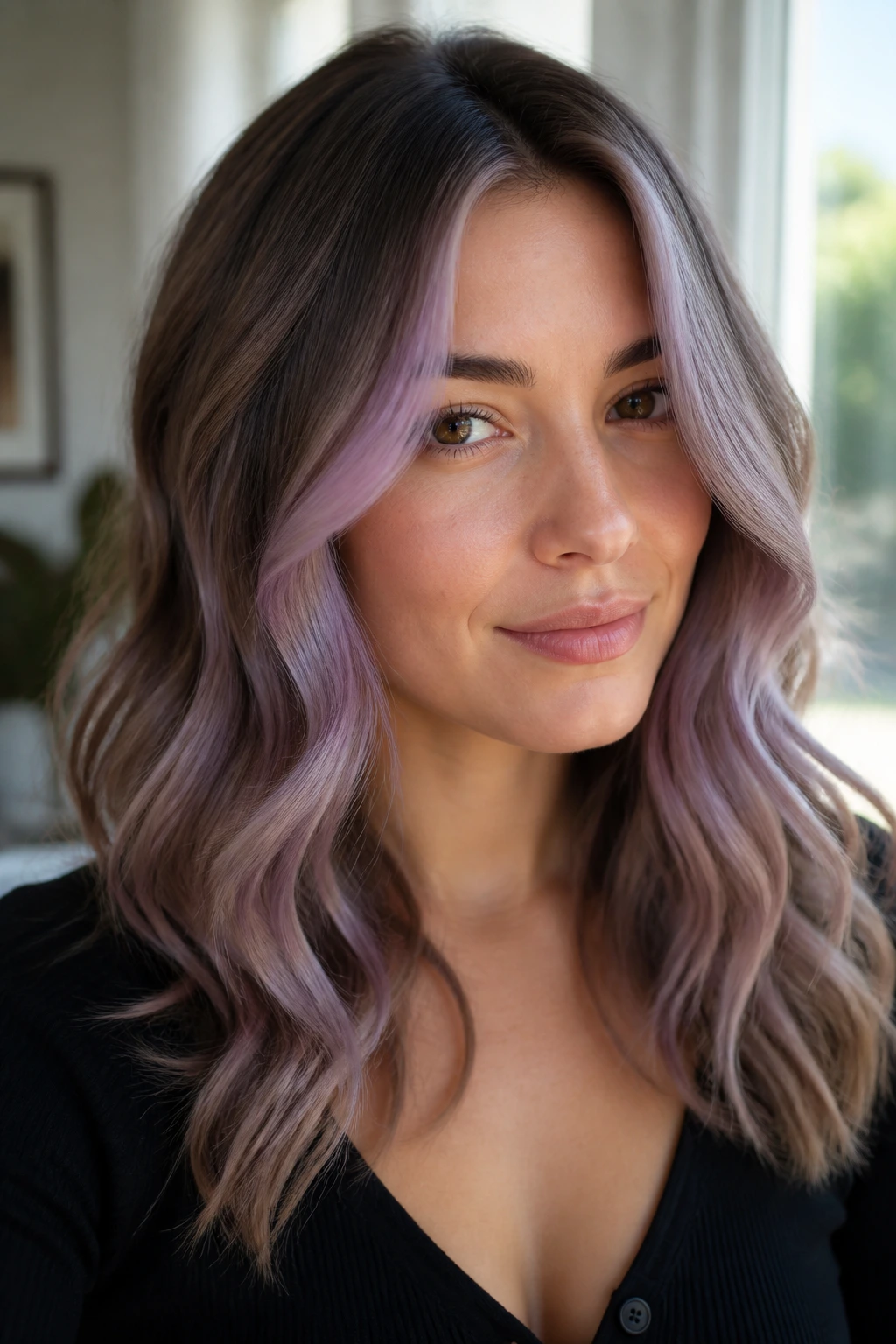
Soft lavender around an ash brown base is one of the prettiest low-volume color blocks on wavy hair. The lavender sits at the face frame, so it lifts the complexion, while the ash brown keeps everything grounded. The waves keep the pastel from feeling flat, which is the problem with a lot of pale colors.
This is a good compromise if you want a fashion shade without a giant maintenance bill. The lavender can fade into silver-lilac rather than disappearing overnight, especially if you use cooler water and gentle shampoo. It also looks more expensive than louder purples when the hair is moved around in daylight.
If you want the color to show more, carry the lavender a little farther into the first layer at the temples. If you want it subtler, keep it tight to the face and let the waves do the rest.
Why Block Dye Looks Better in Motion on Wavy Hair
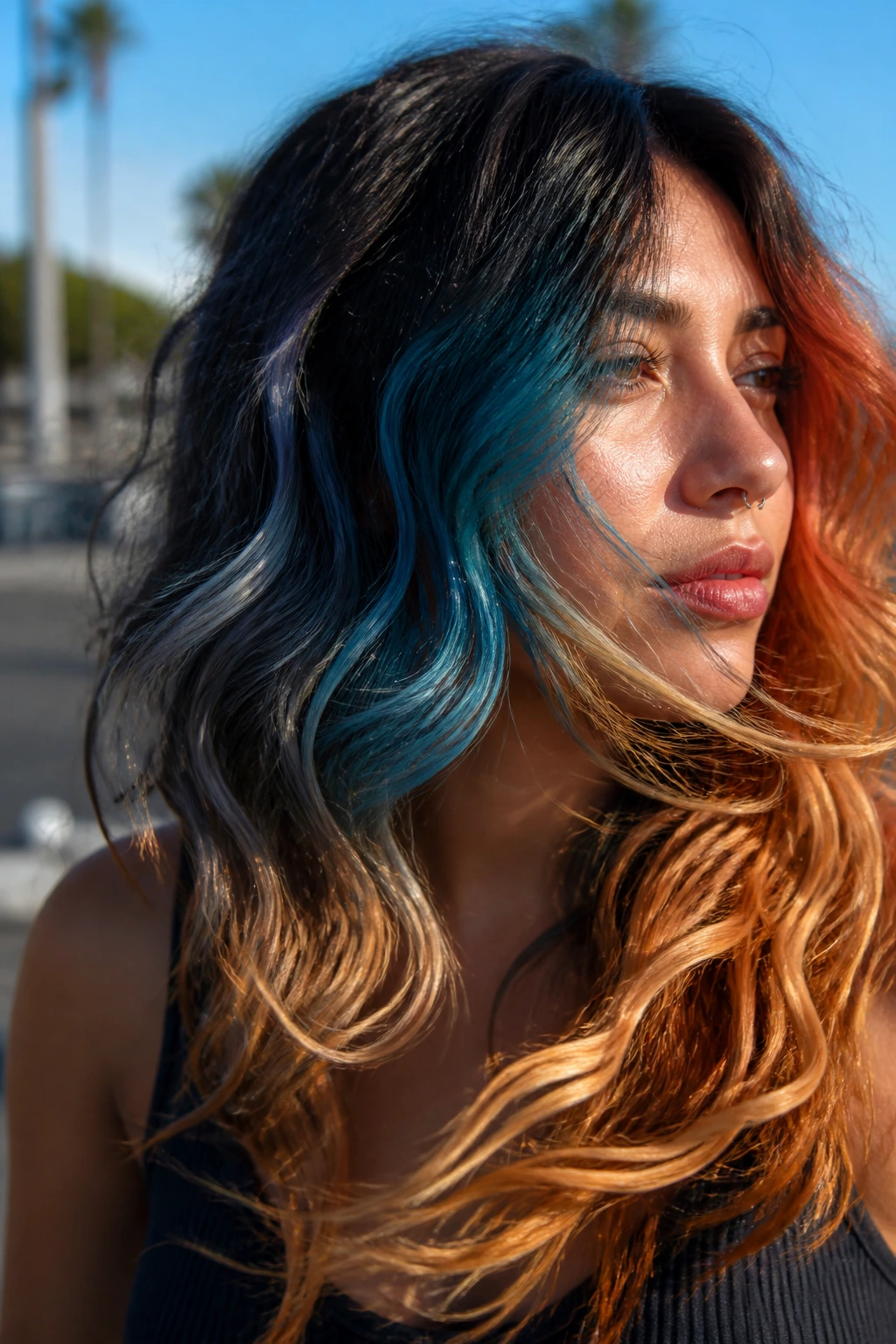
Block dye is built on contrast, and wavy hair is built on motion. Put those two things together and the color starts doing more work than it ever could on a straight, polished sheet. The bends break the panels into readable pieces, which means even a modest placement can look intentional.
Summer helps, too. Sunlight is unforgiving in the best possible way; it shows where the color sits, how the edge lands, and whether the block has enough width to survive a windy afternoon or a half-up clip. That’s why a lot of the best placements are the ones that look good when the hair is not being “styled” at all. Air-dried hair. Pool hair. Day-three hair. That’s the test.
The whole trick is choosing where the eye lands first. Around the face. At the nape. On the ends. Under the top layer. If the color lives in one of those zones, the waves can keep it moving without making it messy.
The Tools and Products That Keep the Color Crisp
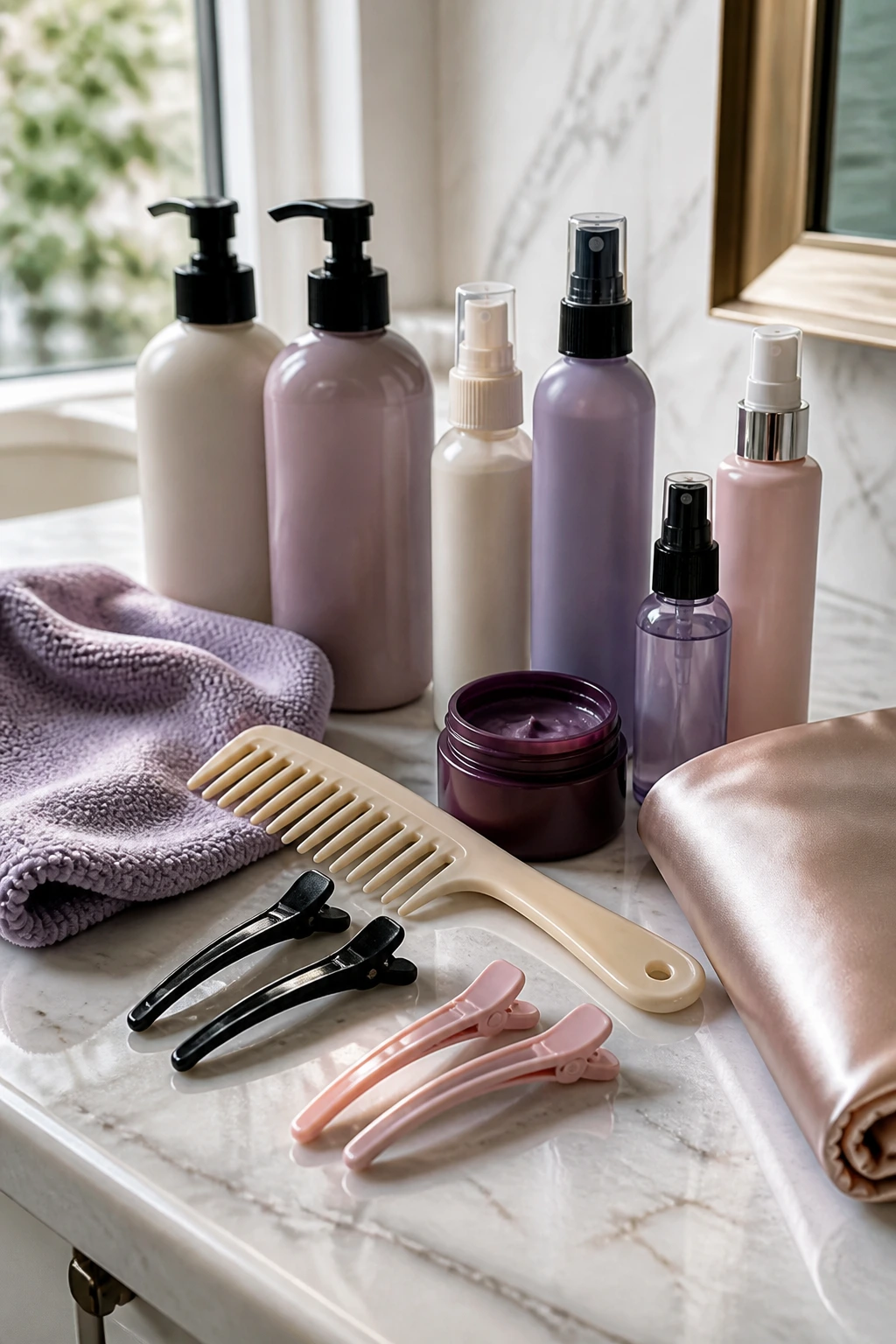
- Color-safe sulfate-free shampoo: Harsh cleansers strip dye faster than most people expect, especially from copper, coral, and pastel shades.
- Moisturizing conditioner: Wavy hair and lightened hair both get thirsty, so a rich conditioner helps the cuticle lie down instead of frizzing out.
- Leave-in spray or cream: A light leave-in keeps the waves separated, which matters when you want the color blocks to stay visible.
- Heat protectant: If you diffuse or touch up with a curling wand, a heat shield keeps the dye from getting cooked dry.
- Wide-tooth comb: This is the easiest way to detangle without dragging color-treated waves into fuzz.
- Duckbill clips: Useful for sectioning while drying or while you’re pinning up the top layer to reveal hidden panels.
- Microfiber towel or soft T-shirt: Rough towels make wavy hair frizz, and frizz blurs the edge of the color.
- UV protectant spray: Sun fades pigment and dries the hair; one light mist before long outdoor days helps.
- Color-depositing mask or gloss: Handy for keeping blue, red, purple, and copper tones from turning tired between appointments.
- Silk pillowcase or scarf: Less friction overnight means less color fade and less morning puff.
Picking Shades That Survive Sun, Sweat, and Salt Water
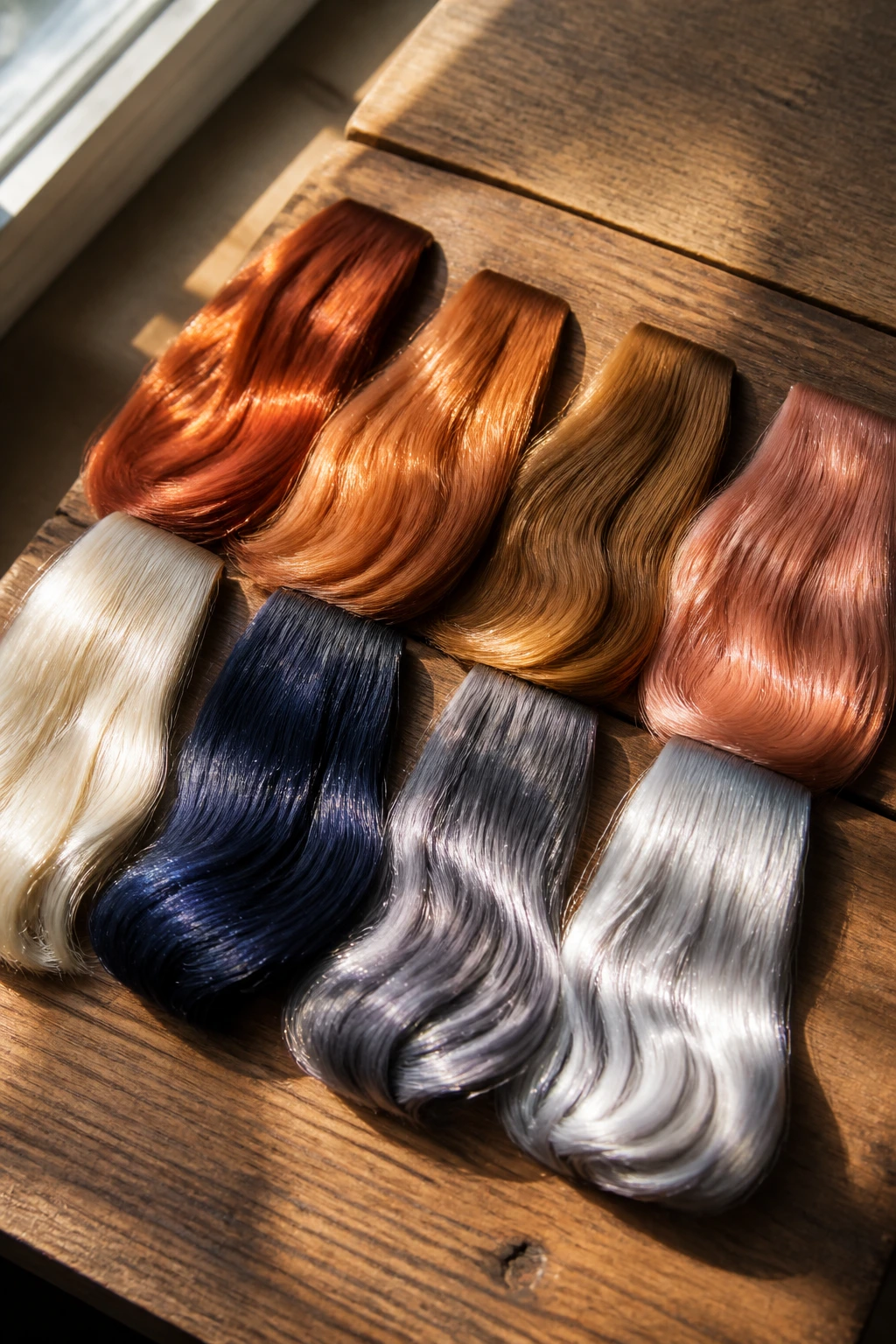
Summer hair color lives or dies on shade choice. Warm tones like copper, apricot, bronze, and strawberry usually hang on with a little more grace because they fade into softer versions of themselves. Neon corals and bright blues can be gorgeous, but they tend to lose their edge faster if you wash often or spend a lot of time outdoors.
Cool shades are trickier. Platinum, indigo, smoky gray, and silver panels can look crisp on day one, then shift brassy or dull if the hair gets overwashed. That does not mean you should avoid them. It means you need to know what you’re signing up for. A clear root smudge, a good toner, and a decent maintenance rhythm matter more with those colors.
Ask yourself where the block lives. Face-frame panels and fringe pieces need more maintenance because everyone sees them first. Underlayers, nape blocks, and interior panels can stay rougher for longer. If you’re the kind of person who swims, sweats, and forgets to book touch-ups, choose a placement that hides some of the work.
One more thing: the line between colors should be chosen with the cut in mind. Shags, lobs, bobs, and long layers all reveal color differently. A section that looks too broad on a straight cut can look just right once the waves start folding over it.
How to Wear These Looks With Clothes, Makeup, and Accessories
Best Frames: Bold blocks near the face look sharp with simple necklines, hoop earrings, and sunglasses that don’t fight the color. A copper money piece, lavender front panel, or neon temple block already does the talking.
Best Matches: Warm colors like apricot, bronze, coral, and rose gold sit nicely with linen, white cotton, tan leather, and gold jewelry. Cool shades like aqua, indigo, silver, and smoky gray tend to look cleaner with black tees, denim, silver hoops, or crisp white shirts.
Best Hair Lengths: Lobs and shags show off block dye fast because the wave pattern is concentrated. Longer hair lets you hide panels under layers and reveal them on purpose. Bobs work best when the block sits low or underneath so the cut does not get visually chopped in half.
Best Accents: Claw clips, silk scarves, and half-up knots are useful, not fussy. They reveal hidden panels without forcing you to wear the color in one obvious way all day. If you like clean makeup, let the hair be the bold part. If the hair is quiet, a little eyeliner or lip color can carry the same energy.
Small Adjustments That Make the Color Read Cleaner
Placement Control: Keep the brightest block at least a little away from the exact root if you want grow-out to look deliberate. A softened root line is not the same as a blurry one.
Color Saturation: Use stronger saturation on thicker hair and lighter saturation on fine hair. Fine waves can lose bold color in the curl pattern faster than you’d think, so the panel needs enough depth to stay visible.
Glossing: A clear or tinted gloss every 4 to 6 weeks keeps the edge crisp. It also helps the light bounce differently off the colored sections, which matters more than people admit.
Texture Prep: If the waves are too frizzy, the blocks blur. A small amount of curl cream, followed by a diffuser on low heat, gives the color a cleaner frame.
Make-It-Yours: Want less maintenance? Put the block underneath or at the nape. Want more drama? Move it to the front, fringe, or part line where the eye lands first.
Keeping Block Color Bright Between Salon Visits
Color blocks do not stay fresh by accident. Wash less often, and use lukewarm water instead of hot. Hot water opens the cuticle and lets pigment slip out faster, which is especially annoying when you’ve paid for a copper, coral, or pastel panel that should last longer than three shampoo cycles.
If the style was lightened first, use a moisturizing mask once a week. Not a tiny token mask. A real one. Leave it on for 10 to 15 minutes so the hair stops feeling rough and porous. That porosity is what makes bright dye leak out unevenly.
For pools and salt water, soak the hair with clean water before it goes in. Hair that is already full of plain water absorbs less chlorinated or salty water. Rinse again after swimming, then shampoo gently when you get home. That one habit saves a lot of color.
Touch-ups depend on the shade. Bright reds and coppers may need glossing every 4 to 6 weeks. Blues, violets, and platinum panels can stretch a bit longer if you are careful. Hidden underlayers and nape blocks usually buy you more time than front-frame pieces.
Easier, Bolder, Softer: Ways to Shift the Look
Low-Commitment Peekaboo: Keep the block under the top layer, at the nape, or inside the length. You still get color movement, but you can hide it when you want a quieter day.
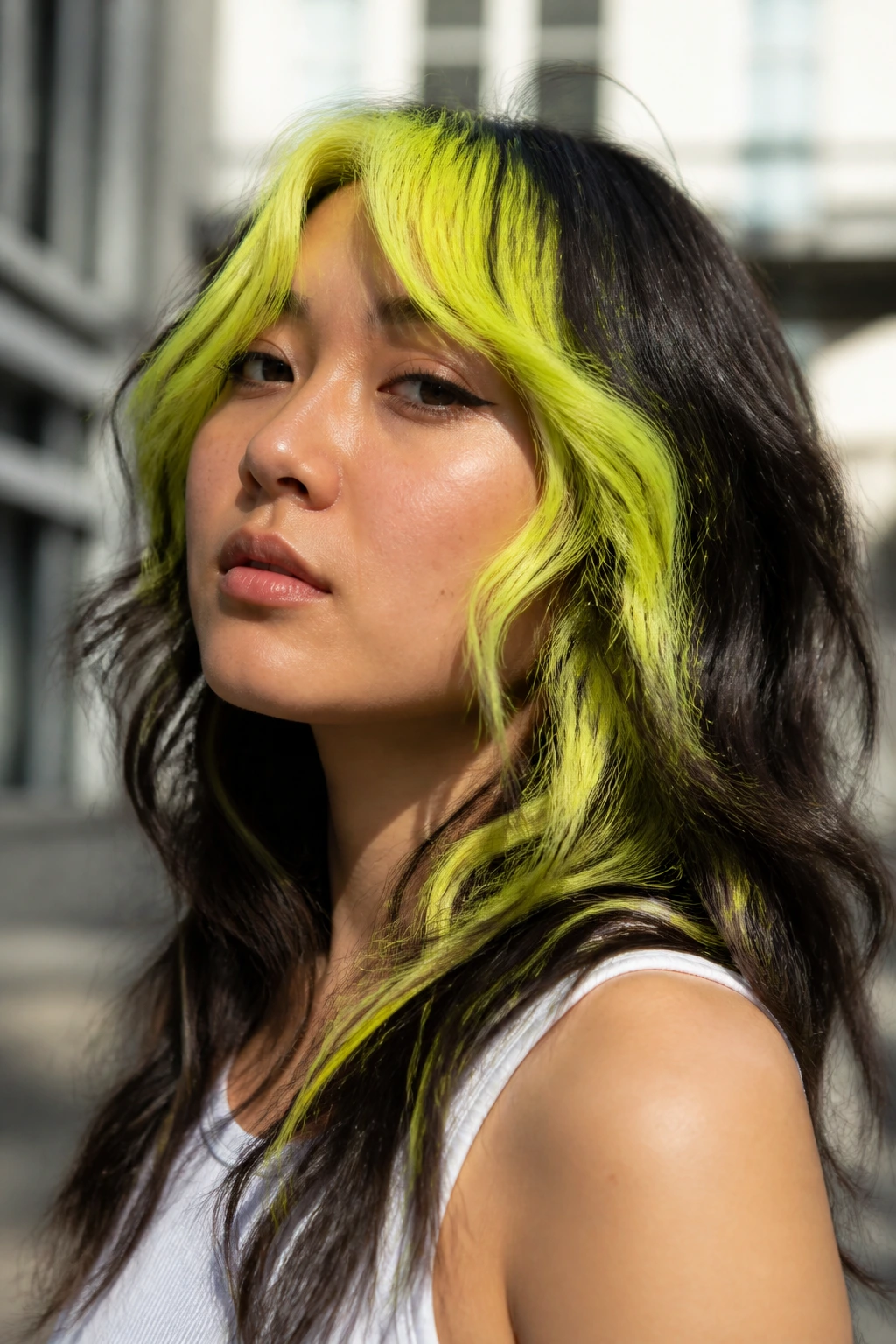
Festival Neon: Push the shade brighter — coral, aqua, blue, or emerald — and place it at the fringe, temples, or ends. This version wants shine spray, clips, and some confidence.
Soft Office Color: Use muted versions of the same idea: mushroom brown with silver, sandstone with cinnamon, ash brown with soft lavender. The shape is still blocky, but the contrast feels controlled.
Brunette Upgrade: If you do not want to lighten much, keep the base dark and use warm panels like copper, bronze, apricot, or cherry cola. Those shades read without making the whole head feel processed.
Short-Cut Adaptation: On bobs and lobs, move the color lower or closer to the face so the block does not get lost in the layers. Short hair needs the section to be broad enough to survive movement.
Common Mistakes That Blur the Block
- Making the section too skinny: A tiny slice of color can disappear inside wavy texture. Fix it by asking for a broader block or a cleaner panel with enough width to show.
- Picking too many shades at once: Three or four strong colors can turn into noise fast. Two tones usually read cleaner, especially on busy waves.
- Ignoring the haircut: A shag, bob, and long layered cut do not wear the same placement. If the block fights the cut, the color starts looking accidental.
- Using clarifying shampoo too often: It strips color fast and leaves lightened hair rough. Save it for buildup, not every wash.
- Skipping UV and heat protection: Sun and hot tools dry out the hair and fade the dye. That faded, thirsty look is what makes block dye go dull.
- Forgetting grow-out: A sharp front block can look brilliant on day one and awkward six weeks later if there’s no root plan. A root smudge or lower placement keeps the line from turning messy.
Questions People Ask Before They Book the Appointment
What’s the difference between block dye and balayage?
Block dye uses clear, defined sections of color. Balayage is painted and blended more softly. If you want the color to read as a shape, not a haze, block dye is the stronger choice.
Will block dyed hairstyles work on fine wavy hair?
Yes, but the section needs to be broad enough to survive the wave pattern. Fine hair can swallow thin panels, so go a little larger than you think you need.
Can I do this without bleaching my hair?
Sometimes. Darker reds, bronzes, plums, and deep blues may show over natural hair, but bright aqua, lilac, platinum, and coral usually need lightening first.
How often do these colors need touch-ups?
It depends on the shade and where the block sits. Face-framing pieces may need refreshing in 4 to 6 weeks, while hidden underlayers and nape blocks can often stretch longer.
Which shades fade the slowest?
Deep copper, cherry cola, bronze, and muted plum tend to fade more politely than neon or pastel shades. “Politely” still means they change, just not in a tragic way.
How do I ask for this at the salon?
Use the placement language: money piece, underlayer, nape block, side panel, split dye, fringe block, or peekaboo section. Bring photos that show the sectioning, not just the color.
What if my waves are frizzy?
Use a leave-in and keep the finish a little smoother. Frizz blurs the edge of the block, which is fine if you want soft color, but not if the section is supposed to be crisp.
Can I wear this with a ponytail or clip?
Absolutely. In fact, some of the best placements — especially nape blocks and interior panels — are designed to show up when the hair is tied back.
Color That Moves With You
The best block dyed hairstyles for summer with wavy hair do one thing most color jobs never quite manage: they stay interesting even when you are not trying. A front panel flashes when you tuck your hair back. An underlayer appears in a half-up twist. A fringe block changes the whole face. Waves keep all of it in motion.
I like that these looks don’t all ask the same thing from the person wearing them. Some are loud. Some stay tucked away until you want them. Some grow out with a little dignity, which is not a small thing once the humidity starts doing its work. Pick the placement that matches how you actually wear your hair, not the version you think you might wear if you had more patience.
If one of these ideas keeps circling in your head, that’s usually the one to try first. The good block dye choices are the ones that still look alive after a day in the sun, a clip in the back seat, and a few stubborn waves that refuse to sit still.