



Warm blonde hairstyles for fair skin can look almost unfairly good when the tone is chosen with a little restraint. Honey, butter, apricot, and golden shades do something icy blonde often can’t: they keep pale skin from going flat around the nose, cheeks, and jaw, and they bring a soft glow that still feels believable.
The part people miss is that “warm blonde” is not one color. It can be a collarbone lob with honey ribbons, a strawberry wave that leans rosy, a creamy bob with just enough beige, or a short pixie with golden pieces pushed forward around the eyes. The haircut changes how the color reads. So does the part, the fringe, and how much contrast sits right at the face.
And that’s where the good versions live. Not in one flat shade. Not in the kind of blonde that looks painted on from the salon sink. The best warm blonde styles for fair skin look like the hair was built around the tone, not dipped into it. Once you start seeing the difference, it’s hard to unsee.
Why Warm Blonde Hairstyles for Fair Skin Need More Than One Shade
Warm blonde works on fair skin because it gives the face a little color without taking over the whole picture. A single, even blonde from root to tip can look chalky on very pale skin, especially if your skin leans pink or flushed. Add depth at the root, a warmer band through the mids, and brighter pieces where the hair moves, and the whole thing starts to breathe.
Why this matters: a mix of tones keeps the blonde from reading flat under indoor light, which is where a lot of pale complexions look strangely washed out.
What changes the result: a honey root shadow, buttery mids, and a brighter money piece do different jobs. They’re not decoration. They’re placement.
What fair skin usually likes: shades that sit around honey, butter, cream soda, toasted almond, apricot, and strawberry blonde. Those tones can warm the face without turning it yellow.
What can go wrong fast: one-note platinum or a heavy beige that lacks depth. It can make the skin look tired, even when the haircut is solid.
The real trick: the haircut has to carry the color. A blunt bob, a shag, a lob with soft layers, or a pixie with texture each changes how the blonde lands on the face.
What to Ask for at the Salon Before the Foils Go In
Bring photos, yes, but don’t stop there. Tell your colorist whether you want soft warmth, bright face-framing pieces, or a low-maintenance rooted blonde. Those three things can look very different once foils hit the hair. If you want the color to flatter fair skin, ask for warmth that sits in the honey-to-beige range instead of a loud gold that starts looking yellow under fluorescent light.
A good phrase to use: “Keep the root a little deeper than the mids, and make the front pieces one shade brighter.” That gives the face light without wiping out the natural shape of the haircut. If your skin is very pale, a shadow root usually helps more than a solid all-over lift. It keeps the blonde from floating away from your face.
And say what you do not want. Seriously. If brass is your enemy, say so. If you hate a heavy yellow finish, say that too. The best warm blondes for fair skin are usually planned like a gradient, not ordered like paint.
1. Honey-Blonde Collarbone Lob
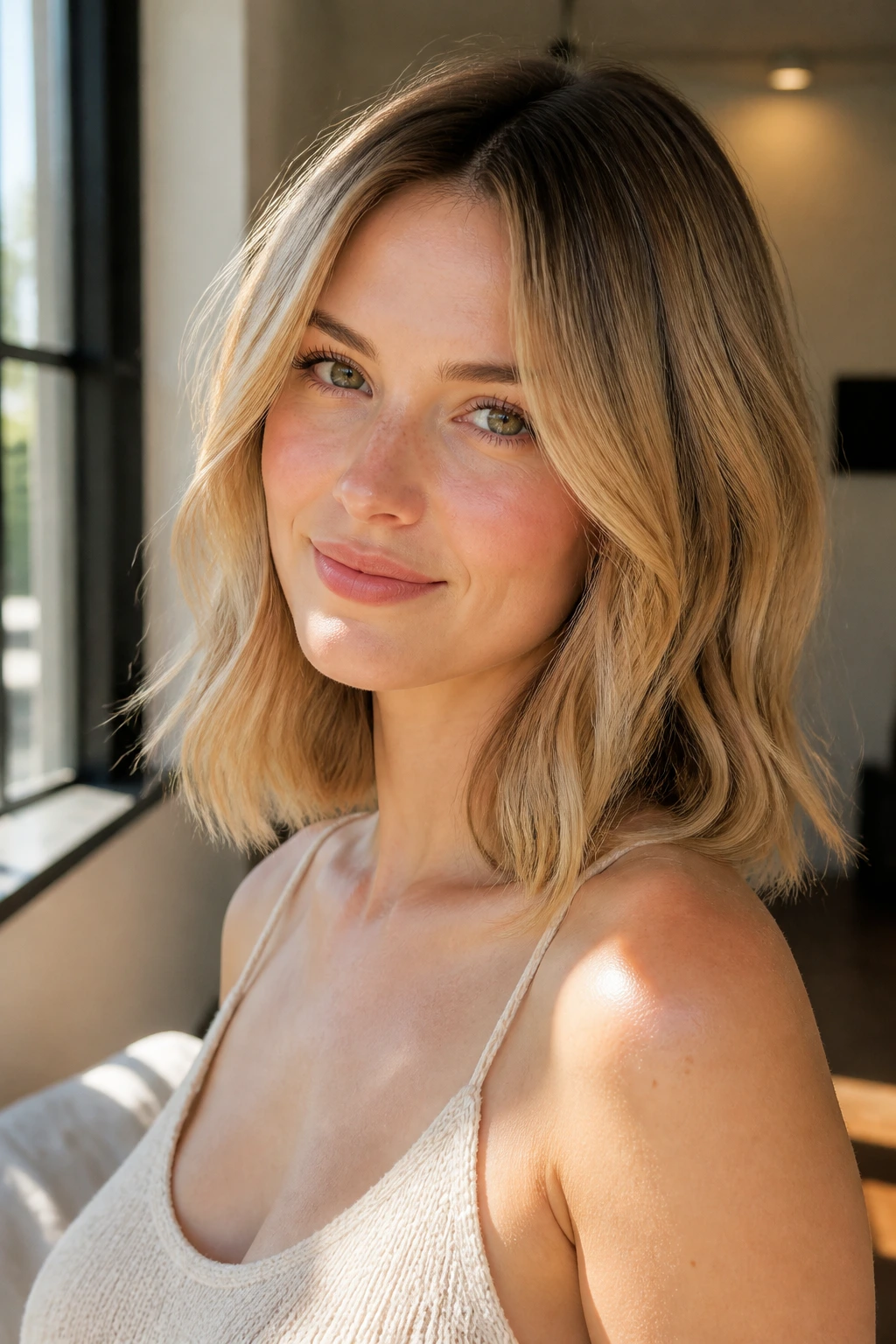
A collarbone lob gives honey blonde room to move. The length sits long enough to show off the warmth, but not so long that the color gets swallowed by weight. On fair skin, that matters. The soft gold around the face keeps the complexion from looking stark, and the slight bend through the ends makes the whole cut feel lighter.
Why It Works on Fair Skin
- The collarbone length puts the warm tone right where the eye lands first.
- A soft root shadow keeps the blonde from looking pasted on.
- Loose bends in 1-inch sections make honey tones look richer than they do when the hair hangs straight.
Best move: keep the front pieces a touch brighter than the back, then curl away from the face.
2. Buttercream Bob with Tucked Ends
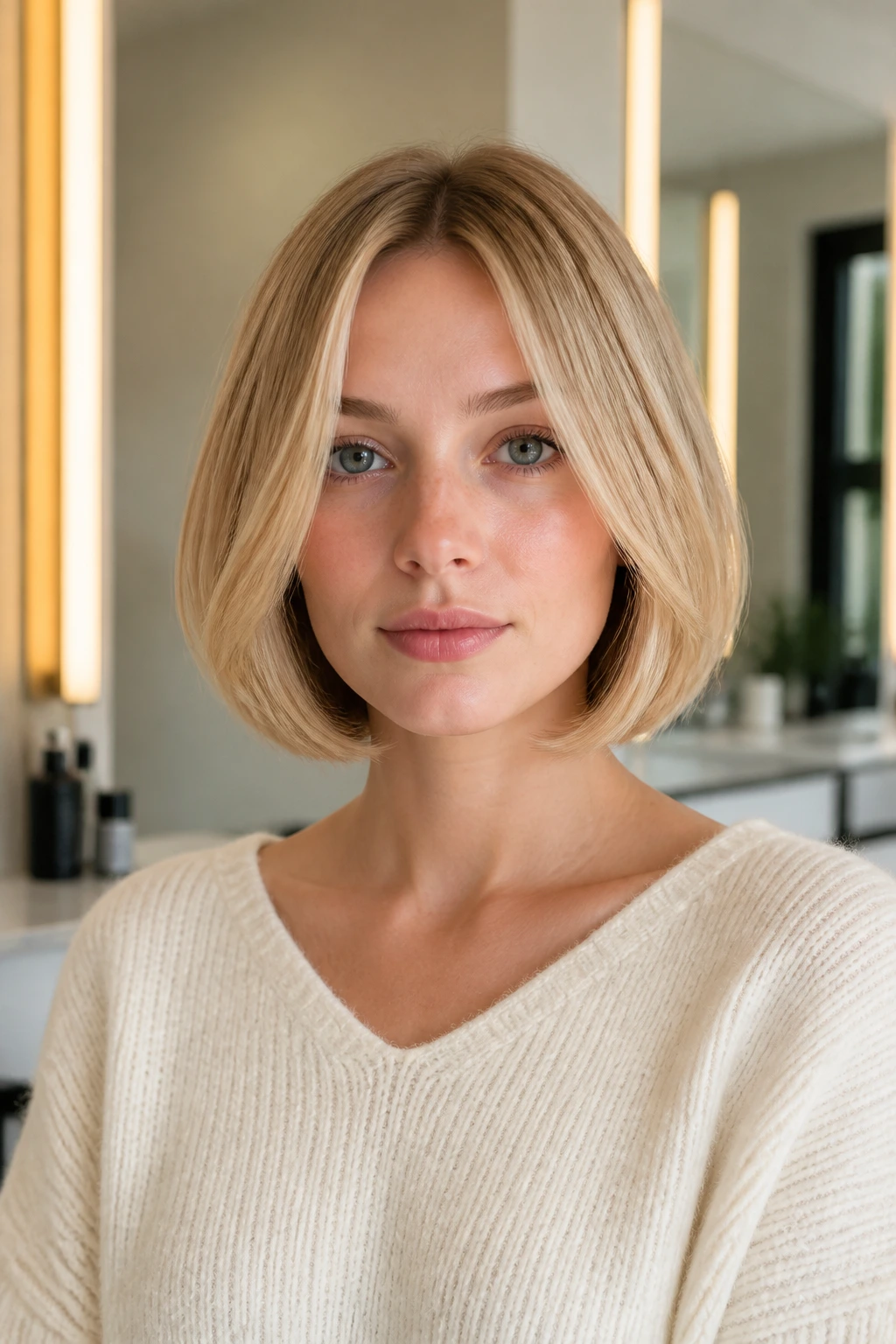
A buttercream bob is for the person who wants warmth without visual noise. The cut is neat, the ends are tucked slightly under, and the blonde sits in that creamy middle ground between beige and gold. On very fair skin, that softness helps a lot. There’s enough warmth to stop the face from flattening out, but not so much that the color takes over.
The thing I like here is the clean line at the jaw. It gives the blonde a frame, and fair skin often needs that frame more than it needs extra brightness. If your hair is straight or only slightly wavy, this bob can be worn smooth with a round brush and a dab of shine cream.
It’s a good choice if you hate fussy styling. It looks deliberate even when you’ve only spent ten minutes on it.
3. Strawberry-Blonde Waves
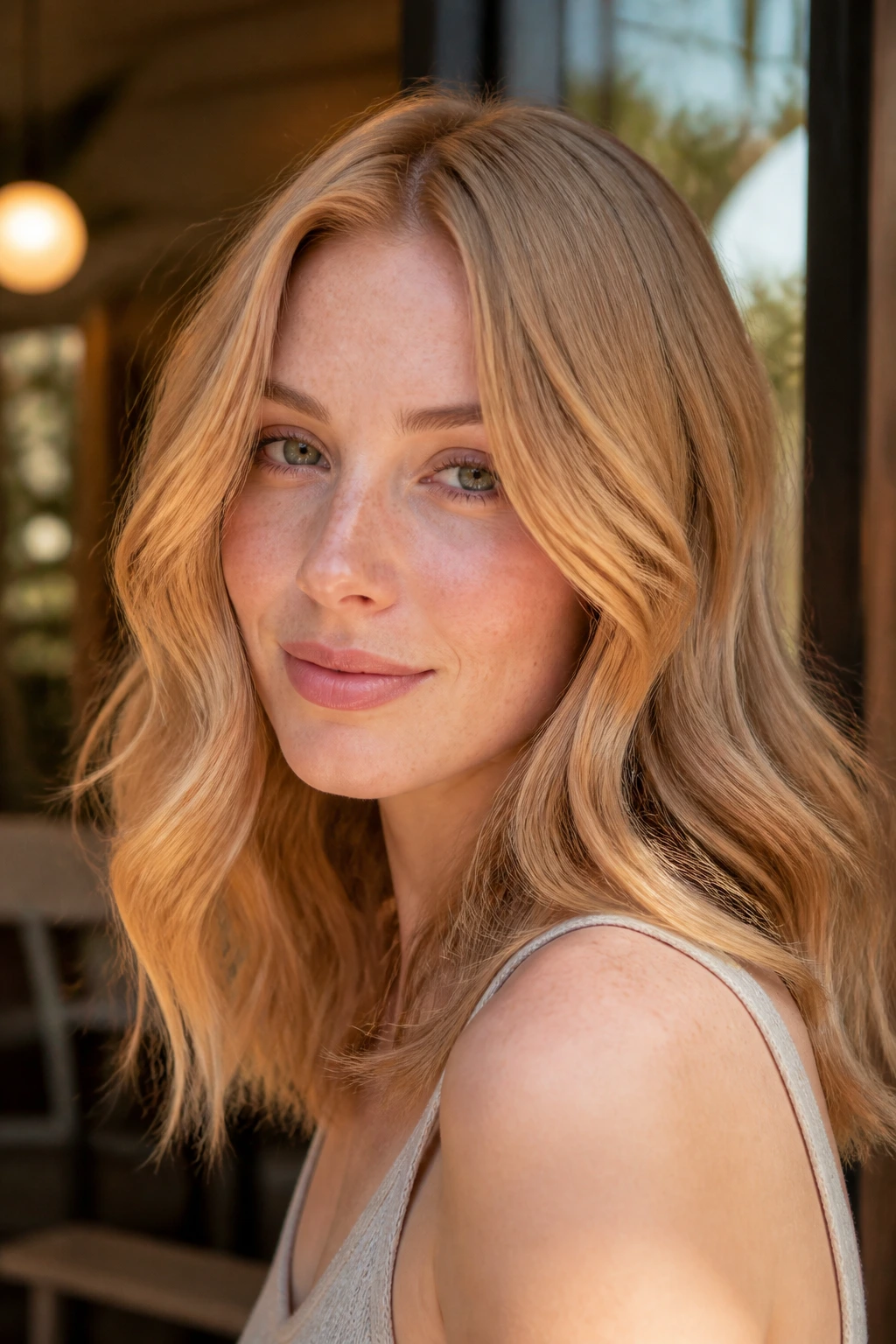
Why do strawberry-blonde waves work so well on pale skin? Because they borrow warmth from two directions at once: a little gold, a little rose. That mix softens freckles, blush, and the natural pink cast many fair complexions carry. It’s not a loud red. It’s the sort of blonde that looks like it’s been through a warm filter, but in real life.
How to Style It
- Use a 1¼-inch curling iron and leave the last inch out for a softer finish.
- Brush the curls once they cool so the red-gold tones blend instead of stripe.
- Ask for a gloss in the strawberry or copper-gold family every 4 to 6 weeks.
The shade looks especially good when the root stays a half-step deeper. That little bit of depth keeps the color from going candy-like.
4. Golden Curtain Bangs on Long Layers
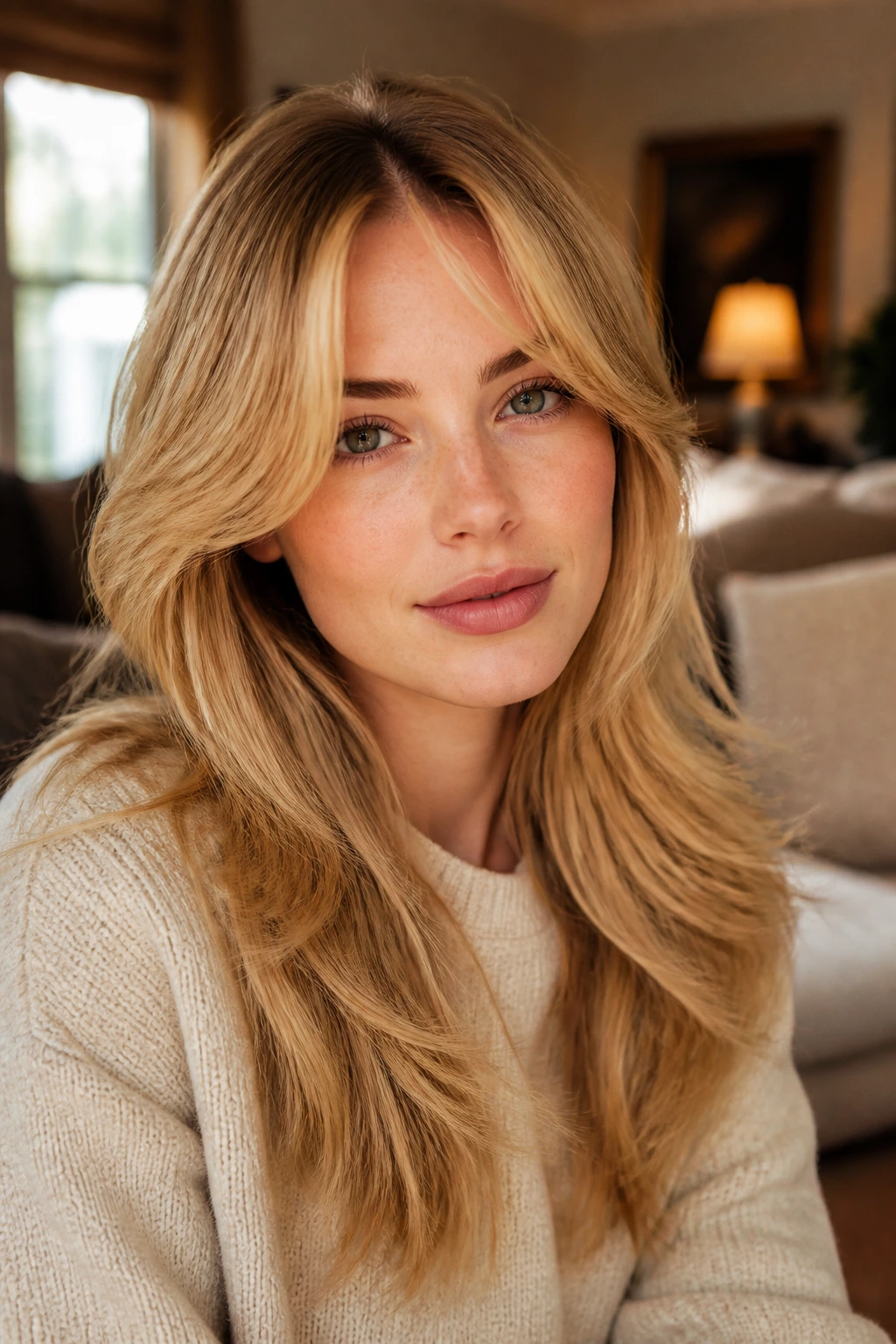
Picture long hair with curtain bangs that open at the cheekbones, not the chin. Now make the blonde golden instead of pale. That small change does a lot. The bangs put the warm pieces right where fair skin needs movement, and the layers keep the length from turning into one long curtain of color.
Golden curtain bangs work because they break up the face in the right places. The center part can read a little severe on pale skin, but the bang curve softens it. Ask for the front sections to be one shade brighter, then keep the lengths softly rooted.
The style is one of those rare cuts that looks good both blown out and air-dried. If your hair has a little wave, let it keep some of that bend. Straightening every strand makes the warmth less interesting.
5. Warm Blonde Pixie with Swept Fringe
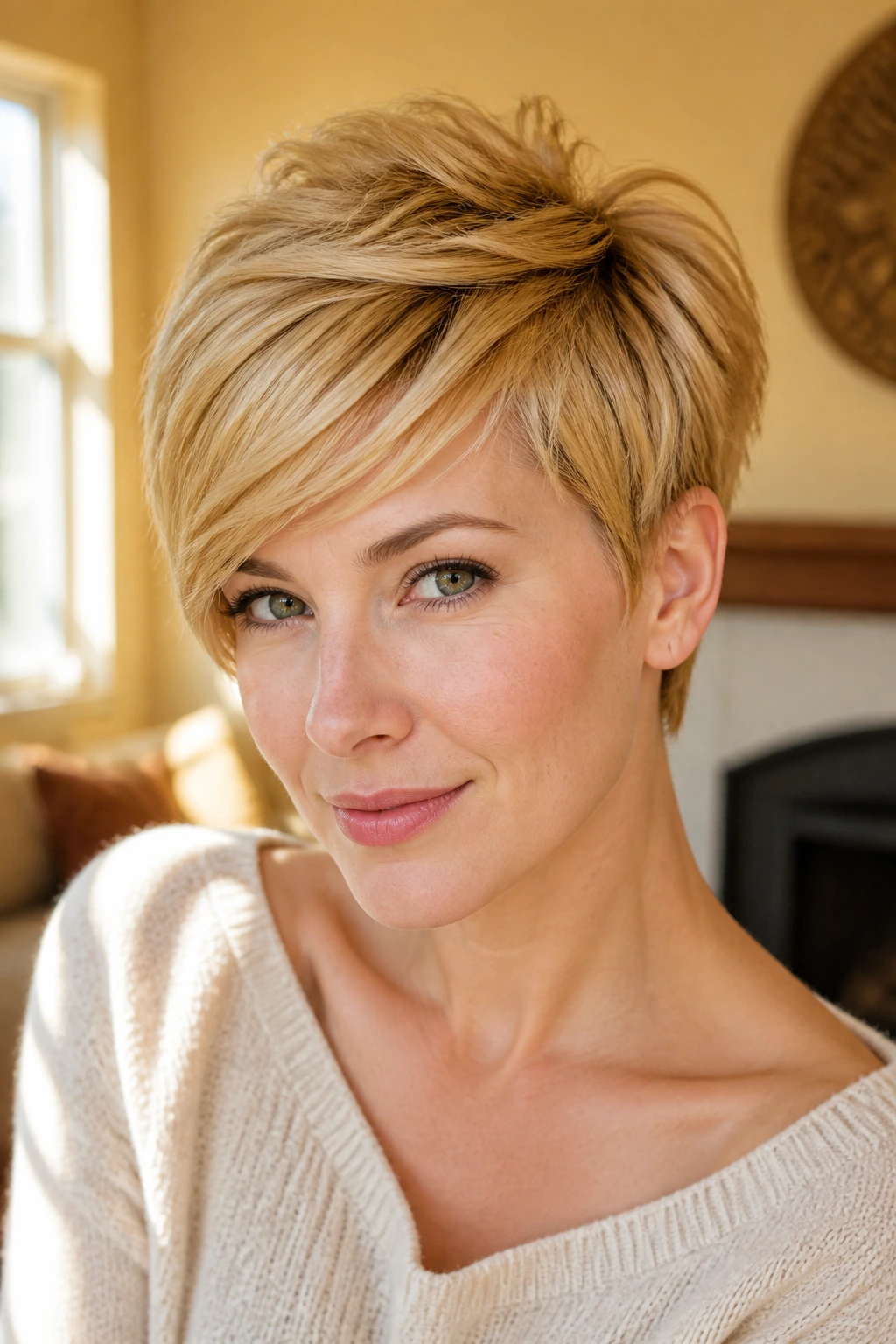
A warm blonde pixie does something blunt and useful: it puts the color right on the skin. No curtain of hair hiding the tone. No long length to weigh the face down. Just a short, textured cut with a swept fringe and enough honey in the blonde to keep the skin from looking pale and chilly.
This cut is particularly kind to fair skin with delicate features. The warmth creates contrast around the eyes and brows, which can disappear in cooler blondes. A pea-sized amount of matte paste is enough to push the fringe sideways and give the crown some lift. More than that and the texture starts to clump.
If you’re nervous about going short, this is the forgiving version. The color does half the work.
6. Caramel-Ribbon Balayage on a Shag
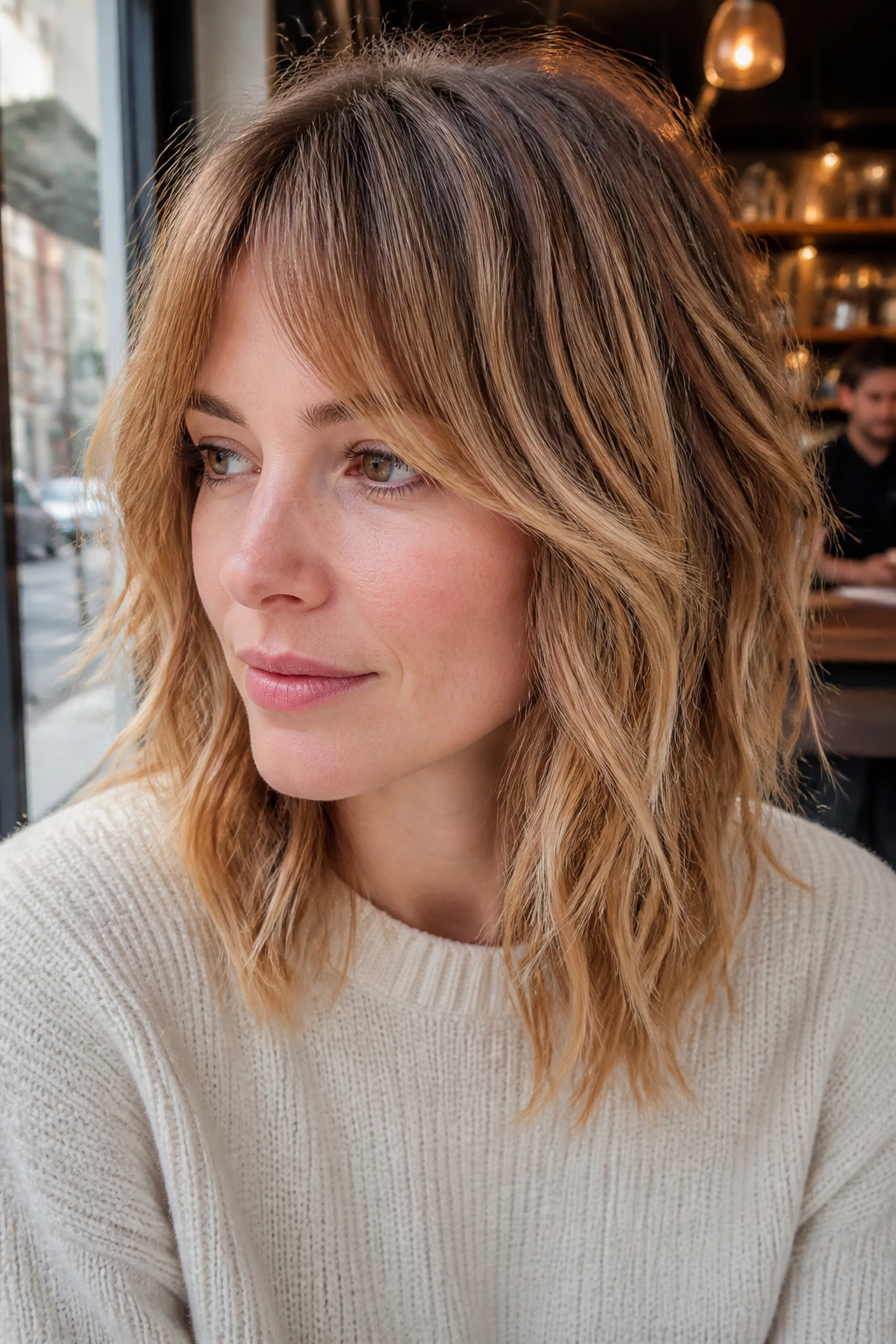
A shag with caramel ribbons has a little more attitude than a polished blonde, and that’s exactly why it works. The layers throw the color around, so the warm pieces move instead of sitting still. On fair skin, that keeps the whole look from turning flat or too neat.
Unlike a single-tone blonde, a ribboned balayage gives you lightness at the surface and depth underneath. That matters with fair skin because you don’t want the color to disappear against a pale neck or chest. The contrast inside the hair is what keeps the blonde visible.
This is the right call if you like a low-maintenance grow-out. The roots can stay a little deeper, and the color still reads as intentional.
7. Cream Soda Blunt Bob
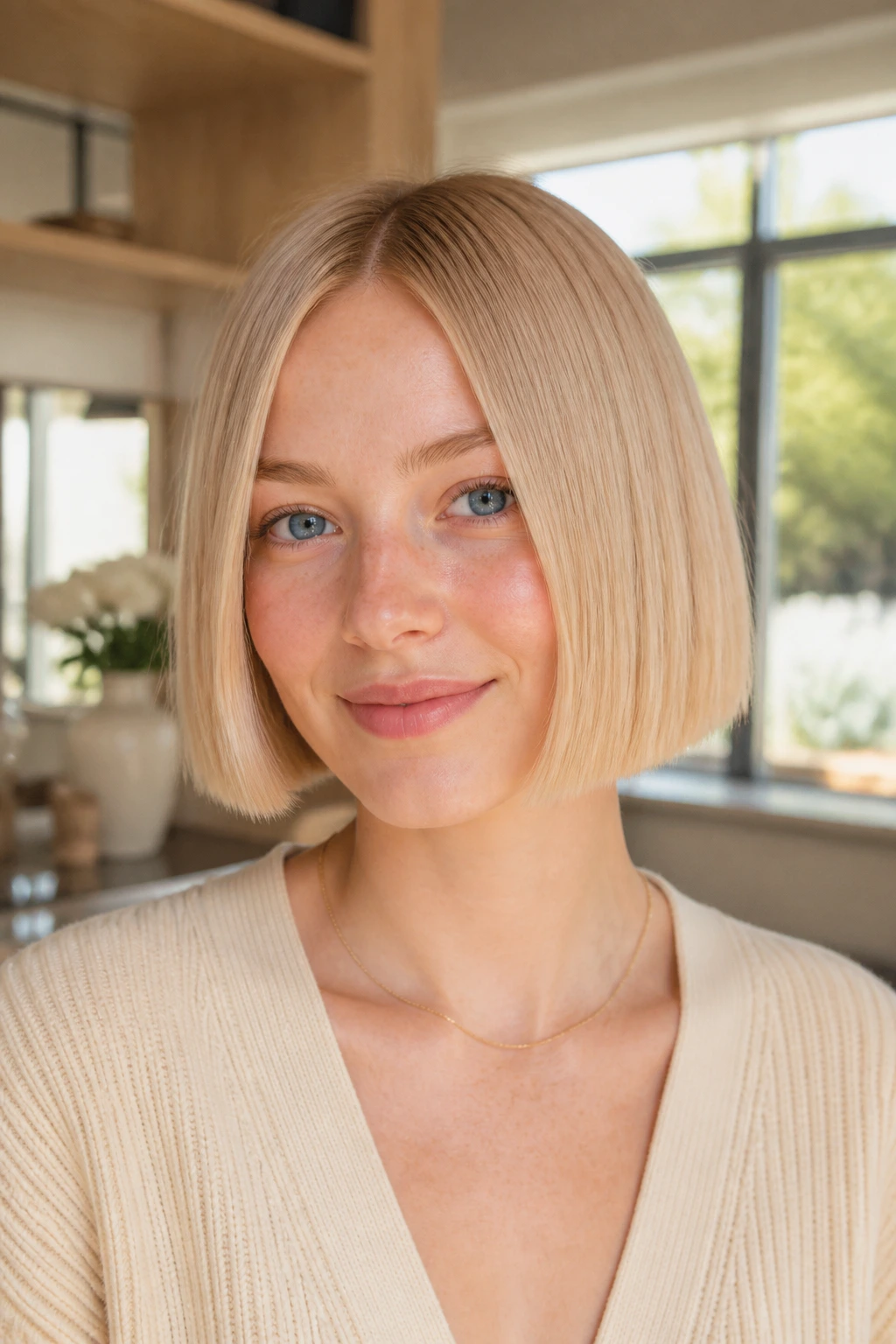
A cream soda bob is crisp, shiny, and a little retro in the best way. The color sits in that creamy zone where beige meets warm vanilla, and the blunt line keeps it from feeling soft in a forgettable way. On fair skin, the clean shape gives the face structure without needing a dramatic color shift.
Styling Note
- Blow-dry with a flat brush for a smooth surface.
- Tuck one side behind the ear to show the line of the cut.
- Use a light serum on the ends only; too much product makes the blonde look greasy.
This style looks especially good if your hair is fine. The one-length edge makes the hair look denser, and the warm tone adds the kind of glow that pale skin often needs.
8. Toasted Almond Blowout
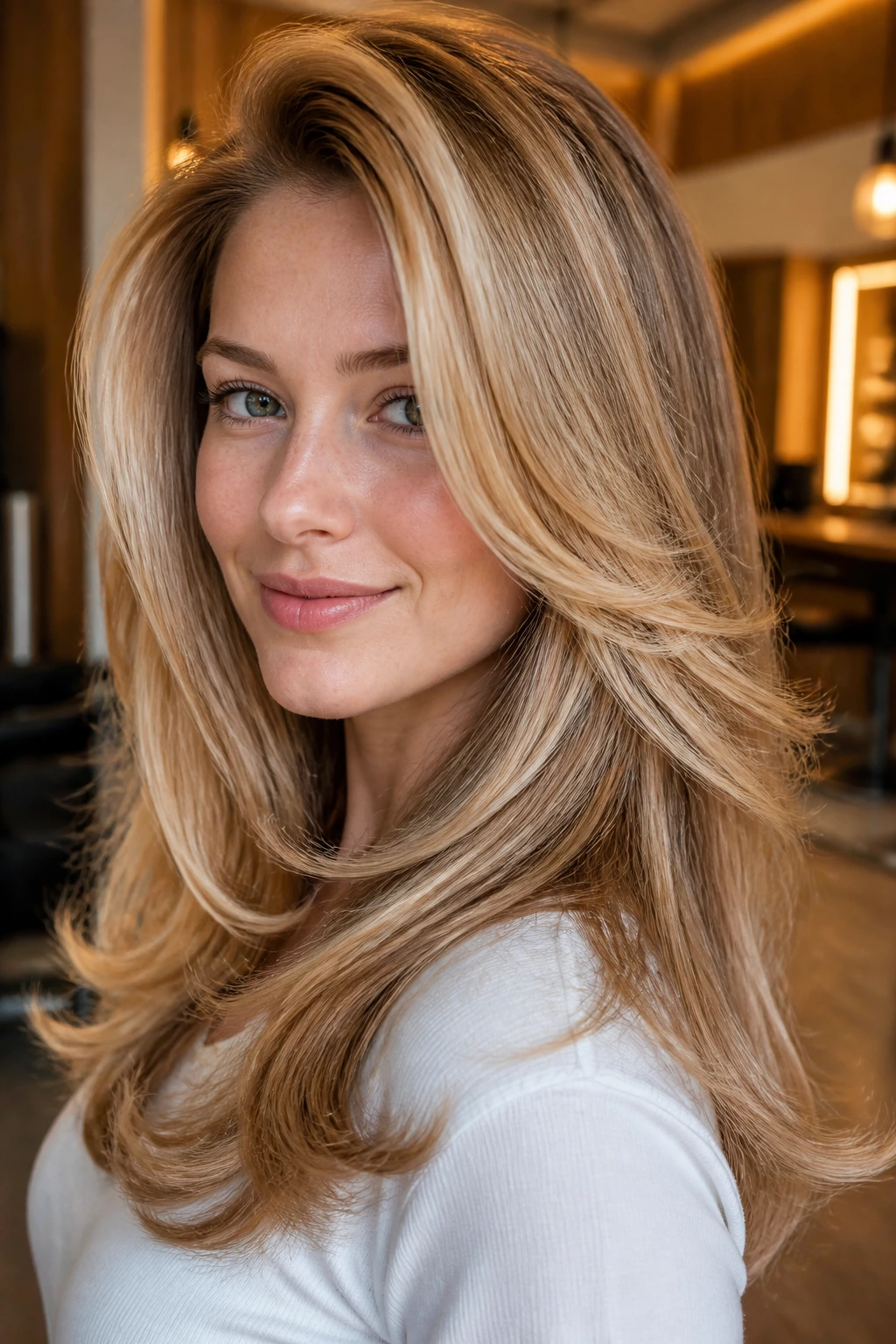
A toasted almond blowout is the kind of warm blonde that looks expensive because it isn’t trying too hard. The hair has movement, the shine is controlled, and the color sits just warm enough to wake up fair skin without drifting into brass. If your complexion is pale and a little cool, this is one of the safest warm shades to wear.
The blowout matters here. Big, smooth volume keeps the blonde from reading too thin. Use a medium round brush, lift at the roots, and roll the ends just slightly under. That little bevel stops the lengths from looking stringy.
It’s a strong choice for shoulder-length or longer cuts, especially when you want the hair to feel polished but not stiff.
9. Apricot-Toned Bixie
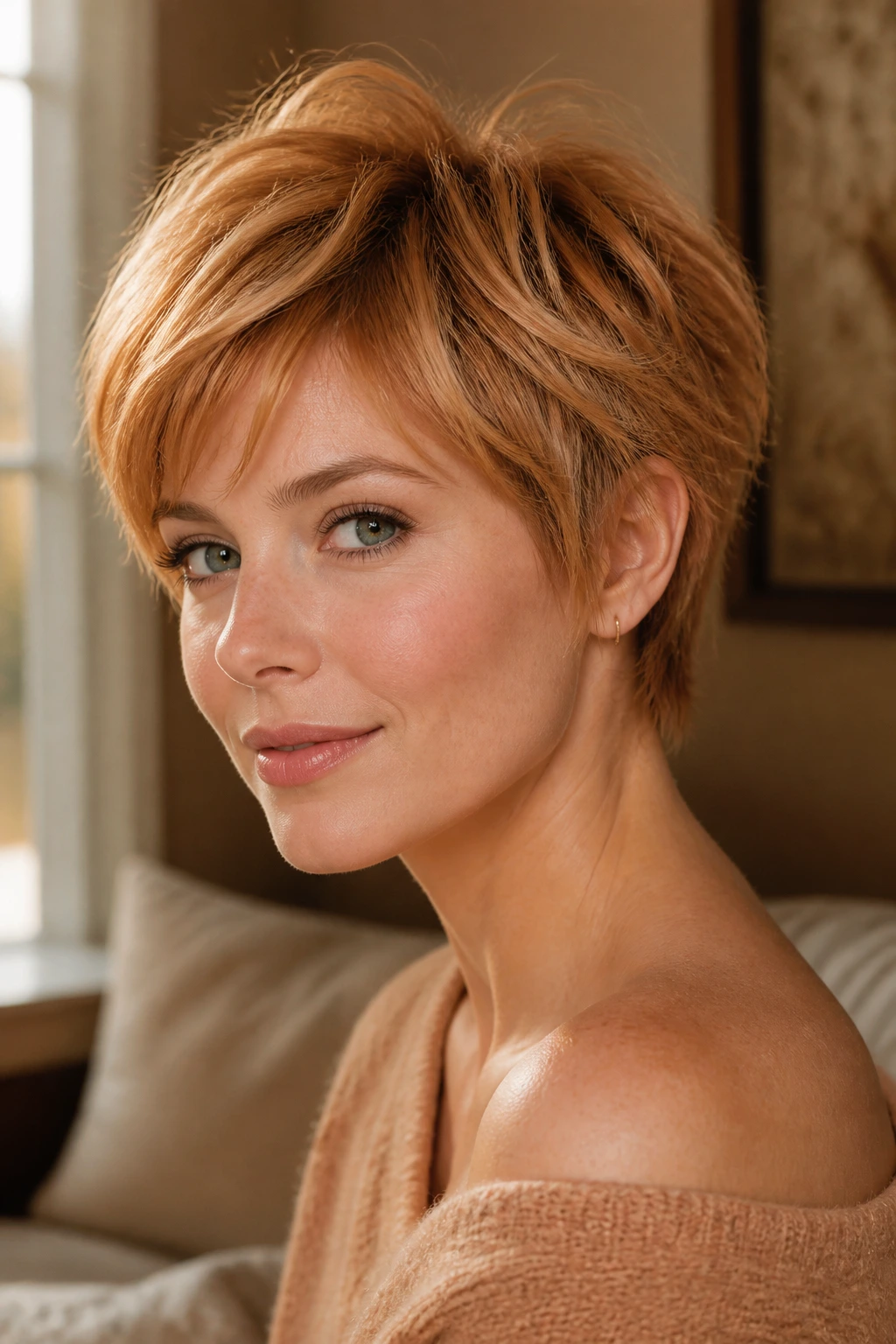
A bixie sits between a bob and a pixie, which makes it a useful shape for fair skin. There’s enough length to show the apricot tone, but enough shortness that the cut still feels sharp. The apricot cast is softer than copper, warmer than beige, and that middle ground flatters skin that goes pink easily.
How to Wear It
- Keep the crown textured so the cut doesn’t collapse.
- Ask for brighter pieces around the bangs and temples.
- Work a small amount of paste through dry hair, then pinch the ends for movement.
This cut is especially good if you want a blonde that reads playful instead of precious. The warmth keeps it from feeling severe. The texture keeps it from feeling too sweet.
10. Honeyed Beach Waves
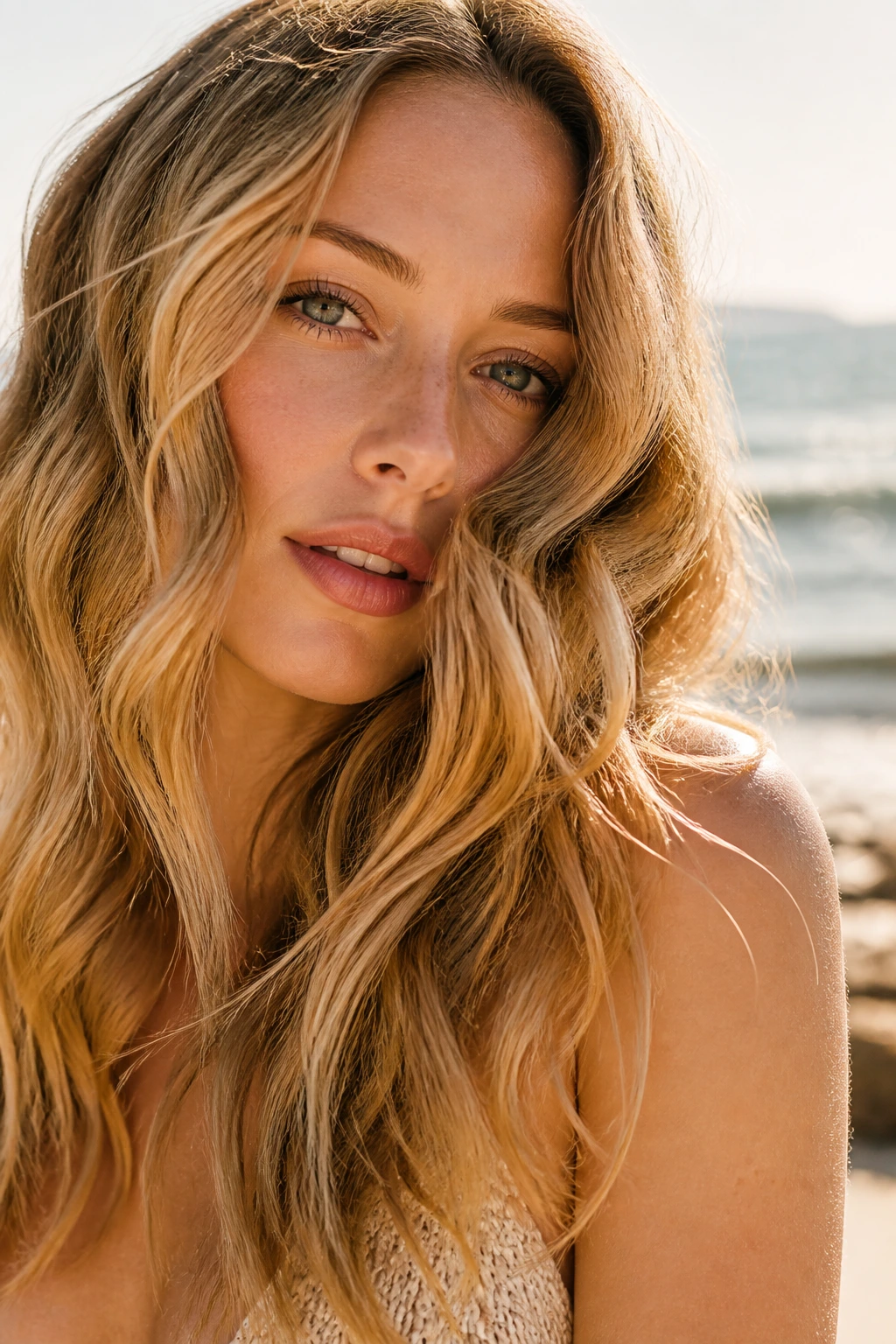
Honeyed beach waves are what happen when the blonde is warm enough to feel sunlit, but not so light that it erases the face. The waves should be loose, not mermaid-coiled. Think soft bends with a little unevenness at the ends, which keeps the style from becoming too polished.
A scenario I keep seeing: fair-skinned clients with long hair worry that warm blonde will look heavy. It doesn’t, if the waves are broken up and the face frame stays brighter. The color catches in the bends and makes the hair look thicker than it is.
A sea-salt spray can help, but don’t soak the lengths. Too much product dulls the honey tone and makes the finish rough.
11. Bright Money Piece on a Mid-Length Cut
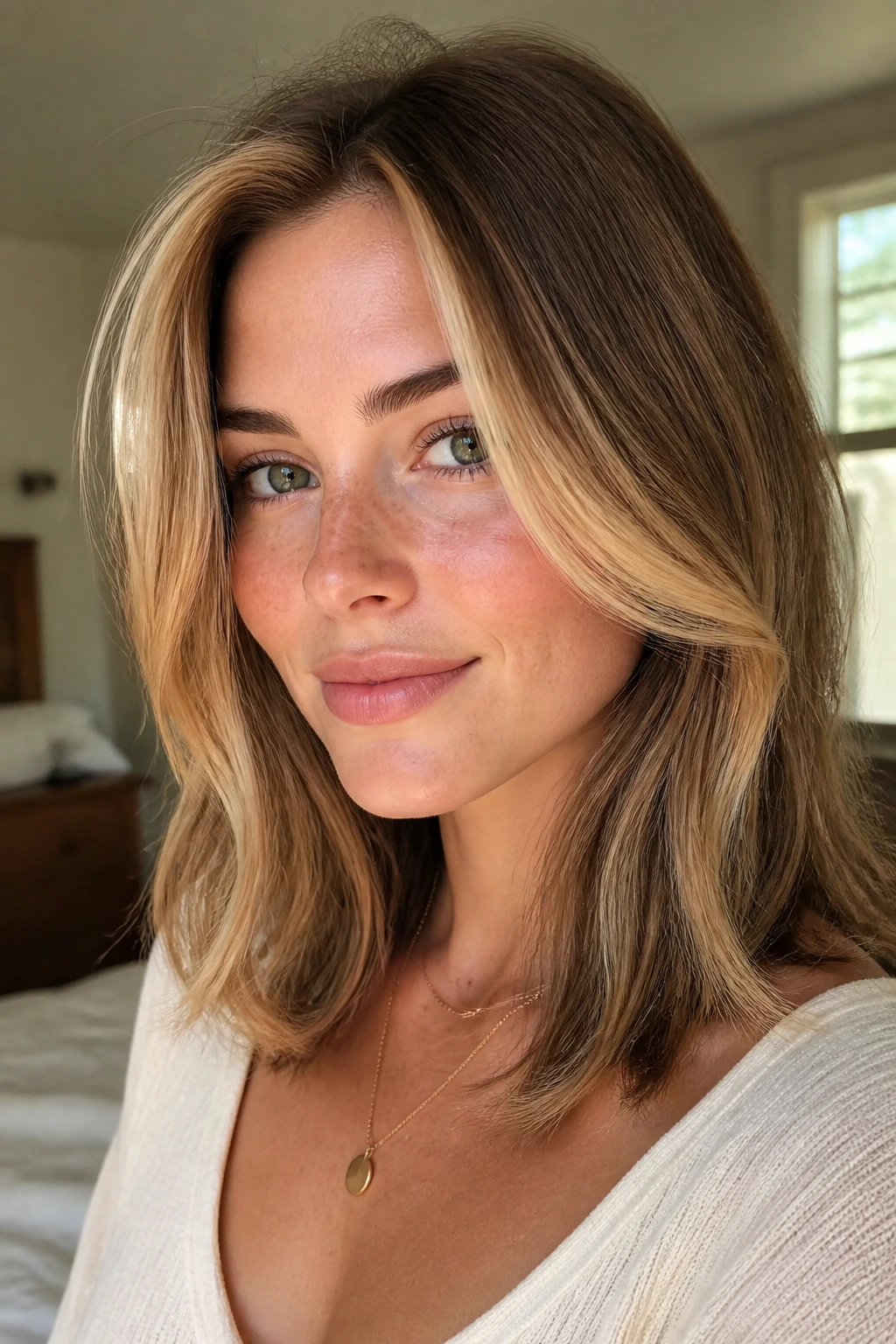
A bright money piece can rescue a mid-length cut that feels a little sleepy. The trick is restraint. You want brightness, not a strip of white on either side of the face. For fair skin, the front pieces should be warm enough to blend, but light enough to create a flash around the cheekbones.
The rest of the hair can stay a level deeper, which keeps the style from looking over-processed. That contrast does the heavy lifting. It also means you can stretch salon visits a little longer because the grow-out won’t scream at you.
If your hair is straight, this look can lean polished. If it’s wavy, the front pieces break up the face in a softer, less obvious way. Either version works.
12. Buttery Side-Part Curls
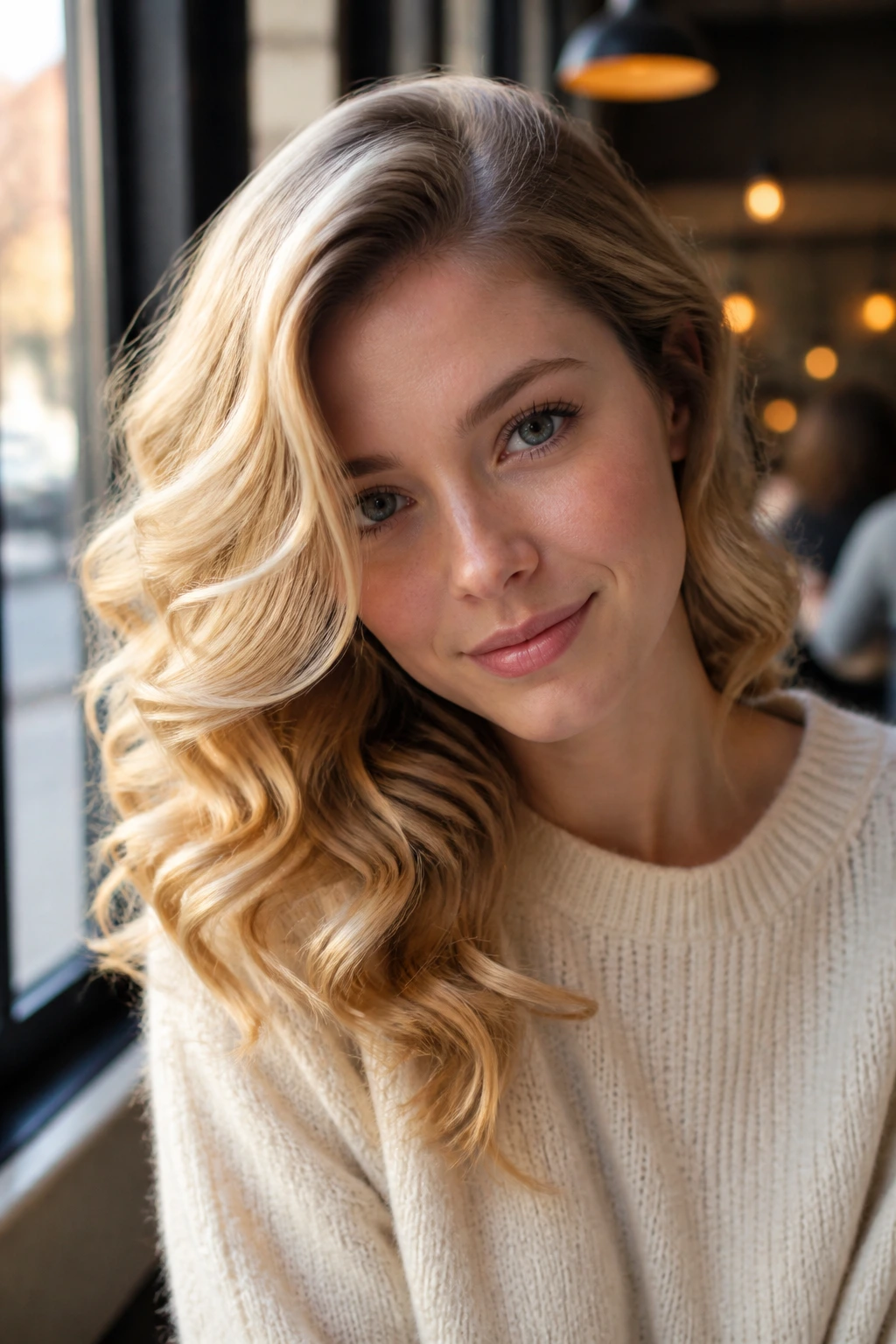
A side part changes everything here. It shifts the weight of the hair, gives the curls a little drama, and lets buttery blonde sit in deeper shadow on one side while the brighter pieces frame the other. On fair skin, that asymmetry can be flattering in a way a flat center part never is.
This style is the one I’d pull out for events, dinners, or any day you want the hair to look intentional without looking sprayed into place. Use a 1-inch curling iron, curl everything away from the face, and let the curls cool completely before brushing. That’s how the blonde keeps its shape.
The buttery tone matters too. A cool blonde with this much volume can feel heavy. A warm one glows.
13. Sandy-Honey Braided Crown
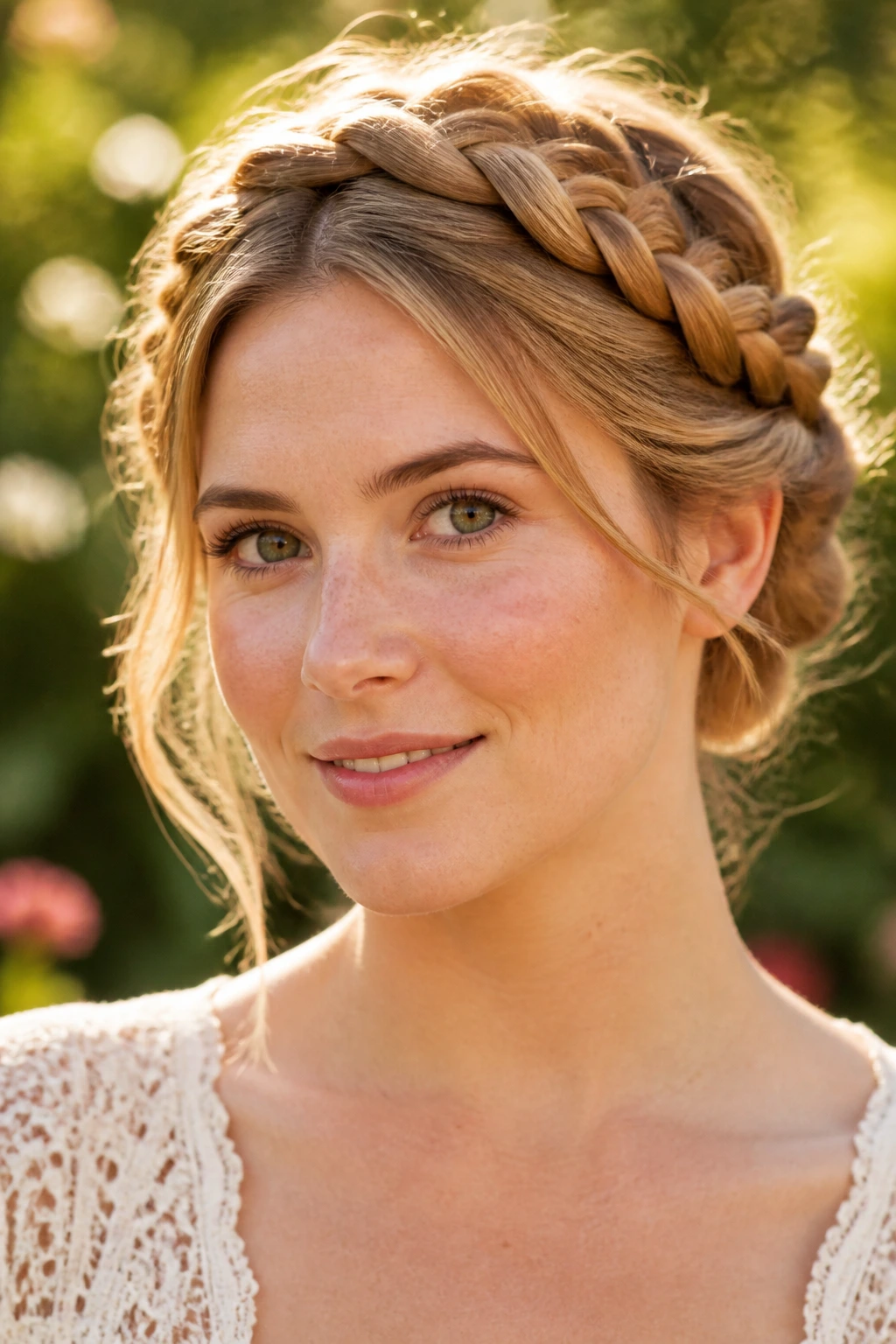
Braids are sneaky good at showing color dimension. A braided crown with sandy-honey blonde lets the warm pieces weave in and out of the plait, which is much more interesting than a flat braid on one-tone hair. On fair skin, the crown shape also opens up the face and lets the color sit around the hairline instead of hiding under it.
Why It Reads Well
- The braid creates shadows that make warm tones look deeper.
- The crown lift keeps fine hair from falling flat.
- The style works on day-old hair, which means the texture stays a little grippier.
If you want the braid to hold, add a dry texture spray before you start. A slick, newly washed braid tends to slip apart. Slightly gritty hair behaves better and shows the color more clearly.
14. Vanilla Blonde High Ponytail
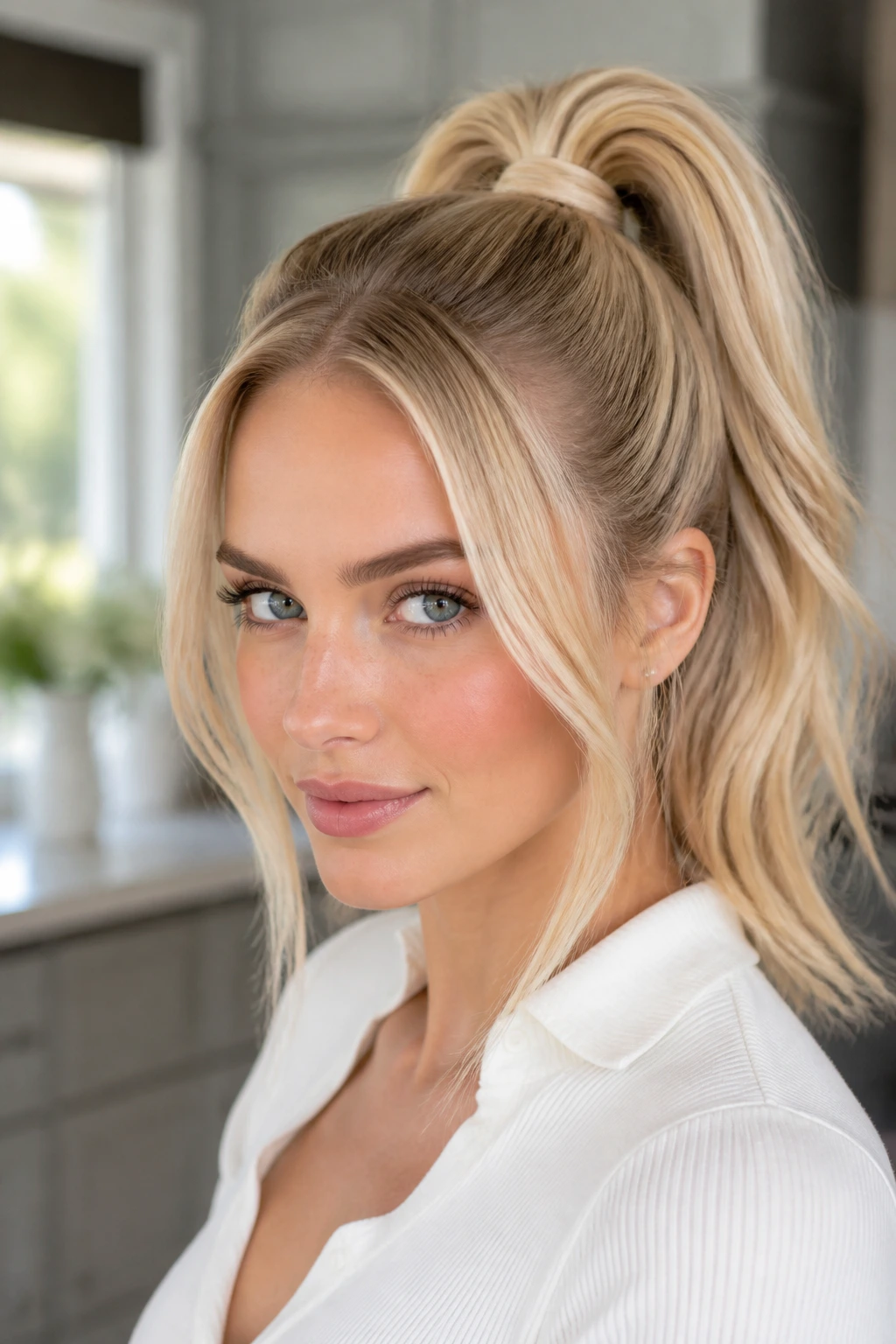
A high ponytail sounds simple until you see how much it changes the face. With vanilla blonde, the lifted shape gives fair skin a clean frame and pulls the warmth upward, where it reads brighter. If the color is creamy rather than yellow, the effect is sleek instead of costume-like.
The reason this style works so well is the tension at the crown. A smooth base gives the ponytail a glossy start, and the face-framing pieces keep it from looking severe. Keep those front pieces slightly curved, not flat against the cheek.
It’s one of the easiest styles to dress up. Wrap a small section of hair around the elastic, and the whole thing looks more finished in ten seconds.
15. Peach-Gold Wolf Cut
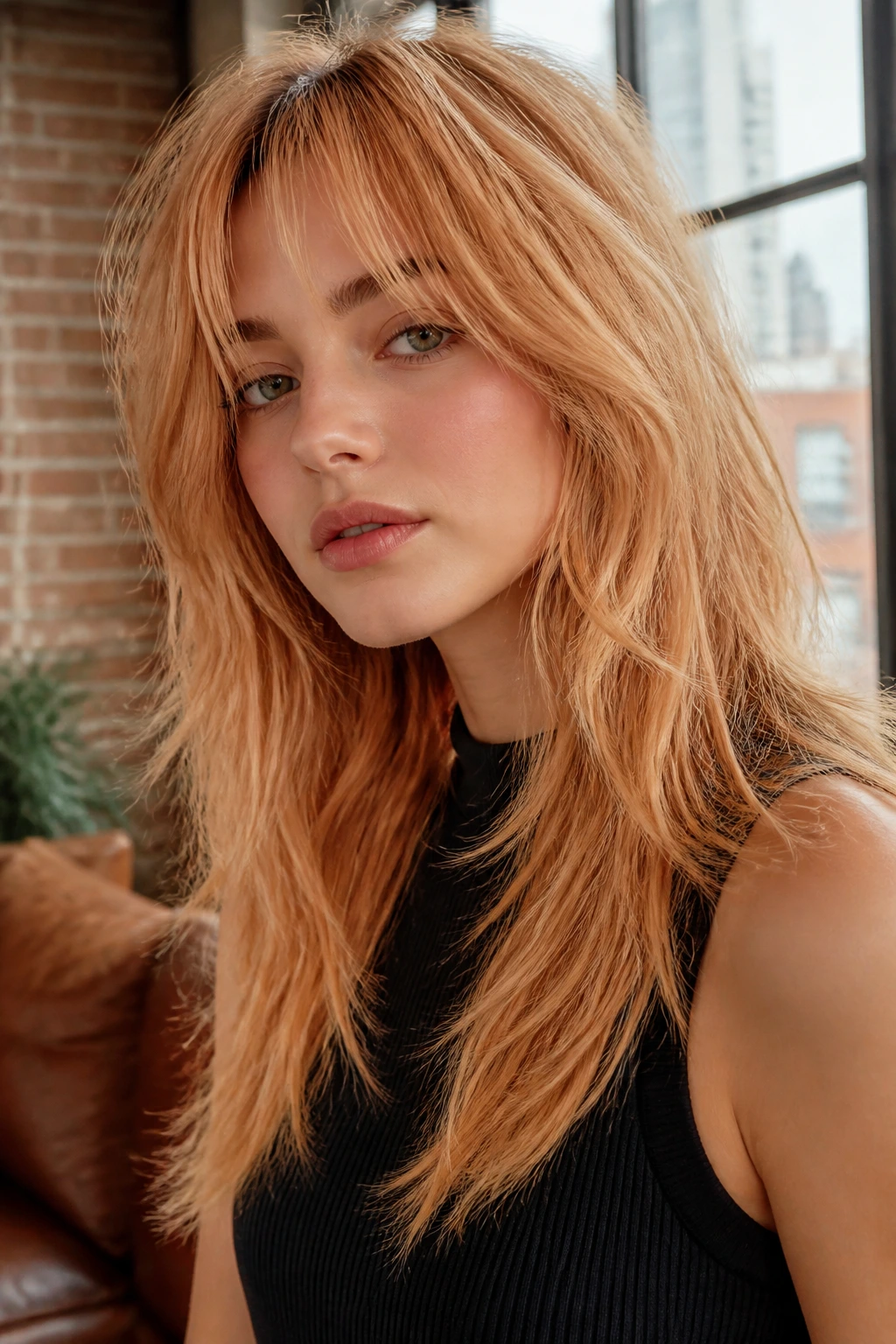
A wolf cut with peach-gold blonde is for the person who wants movement first and neatness nowhere near the top of the list. The layers are shaggy, the texture is broken up, and the warmth helps the cut look deliberate instead of overgrown. On fair skin, the peach-gold tones soften the sharper edges of the haircut.
How to Style It
- Air-dry with a leave-in cream if your hair waves naturally.
- Diffuse on low heat if you want more bend at the crown.
- Scrunch in a pea-sized amount of cream through the ends only.
This is not a cut that wants a stiff blowout. It wants a little chaos. The warmth keeps that chaos friendly.
16. Champagne Blonde Low Bun
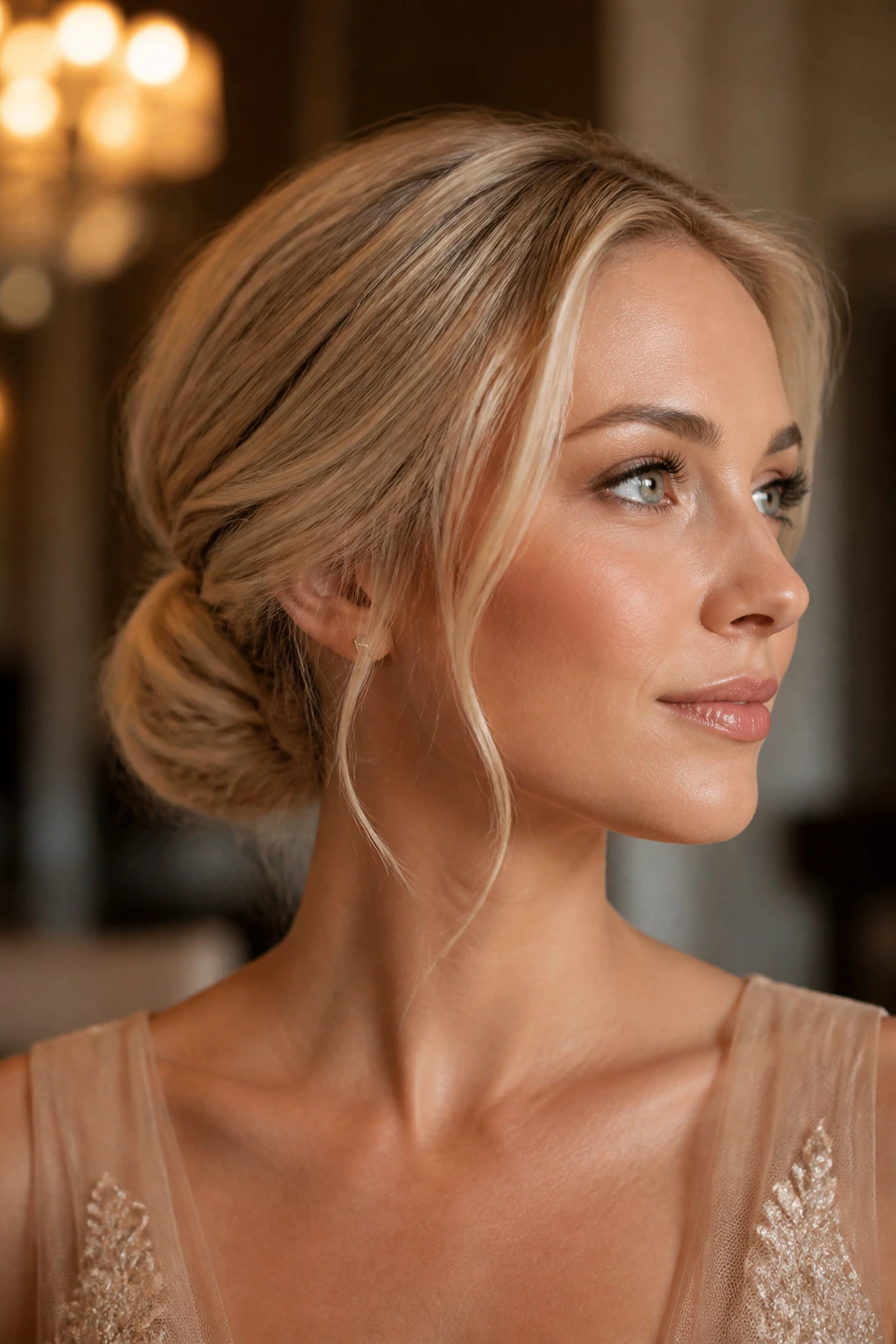
A low bun in champagne blonde can look almost too simple on paper, which is usually the sign it will work. The style pulls the hair back, leaving the color to do the quiet work along the temples, neck, and gathered length. Champagne warmth is especially useful on fair skin because it keeps the face from reading stark.
The bun should sit low and soft, not lacquered into a shell. Leave a few fine pieces out around the ears and nape. Those small slips make the style feel less severe and help the blonde catch the light at the edges.
It’s the right choice when you want a formal finish without the tightness of a slick ballerina bun.
17. Cinnamon-Honey Shag
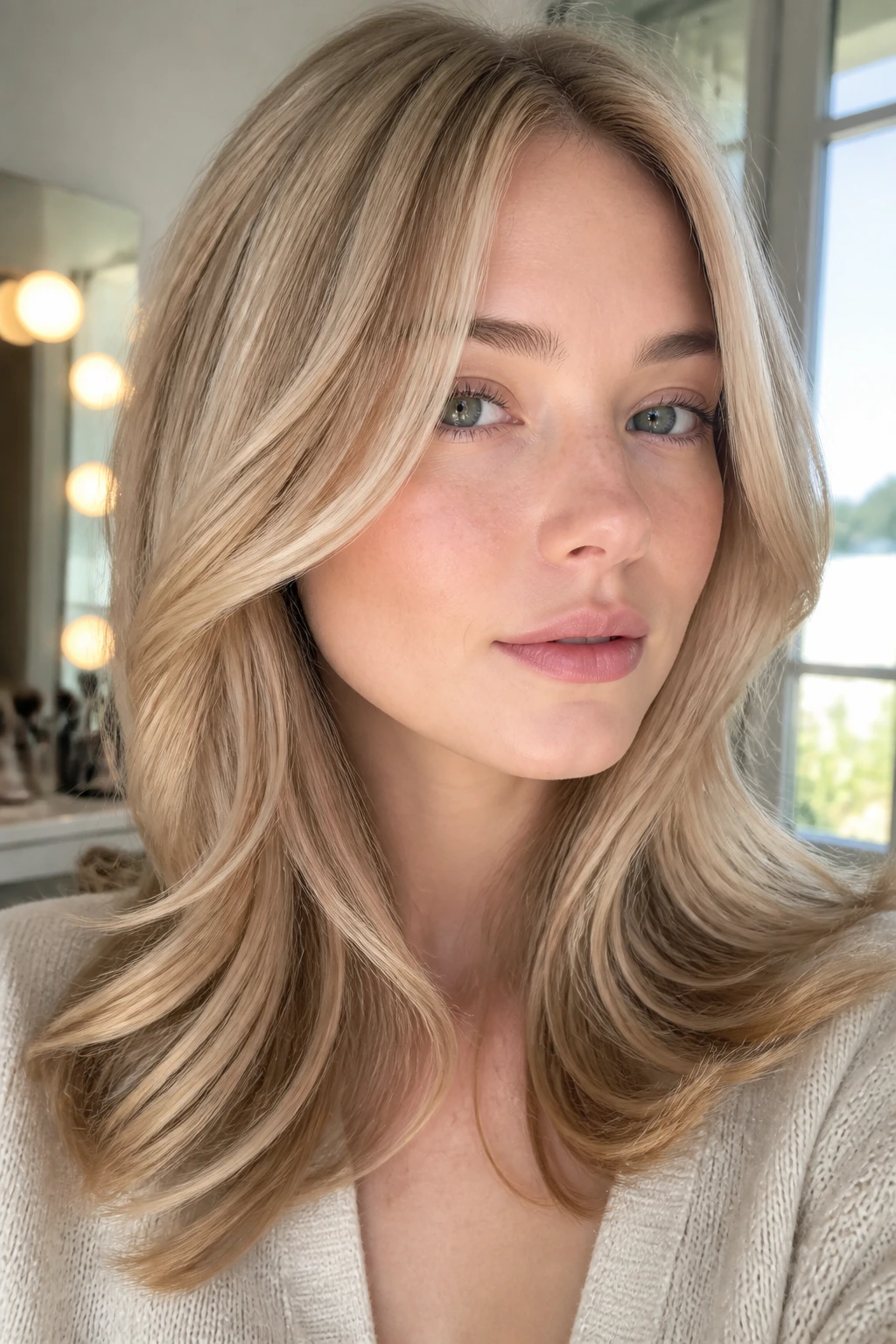
A cinnamon-honey shag gives fair skin a little more depth than a straight honey blonde, and that’s often a good thing. The darker cinnamon root or lowlight keeps the color grounded, while the honey ends keep the whole shape luminous. The layers move in different directions, which keeps the haircut from getting too heavy near the cheeks.
This is a strong option if your hair is thick. A shag removes bulk and makes the blonde feel lighter. If your hair is fine, keep the layers softer and the fringe less choppy so the cut doesn’t look stringy.
The biggest mistake here is trying to flatten it with a brush. A shag wants air and texture. Let it have both.
18. Warm Blonde Lob with Invisible Layers
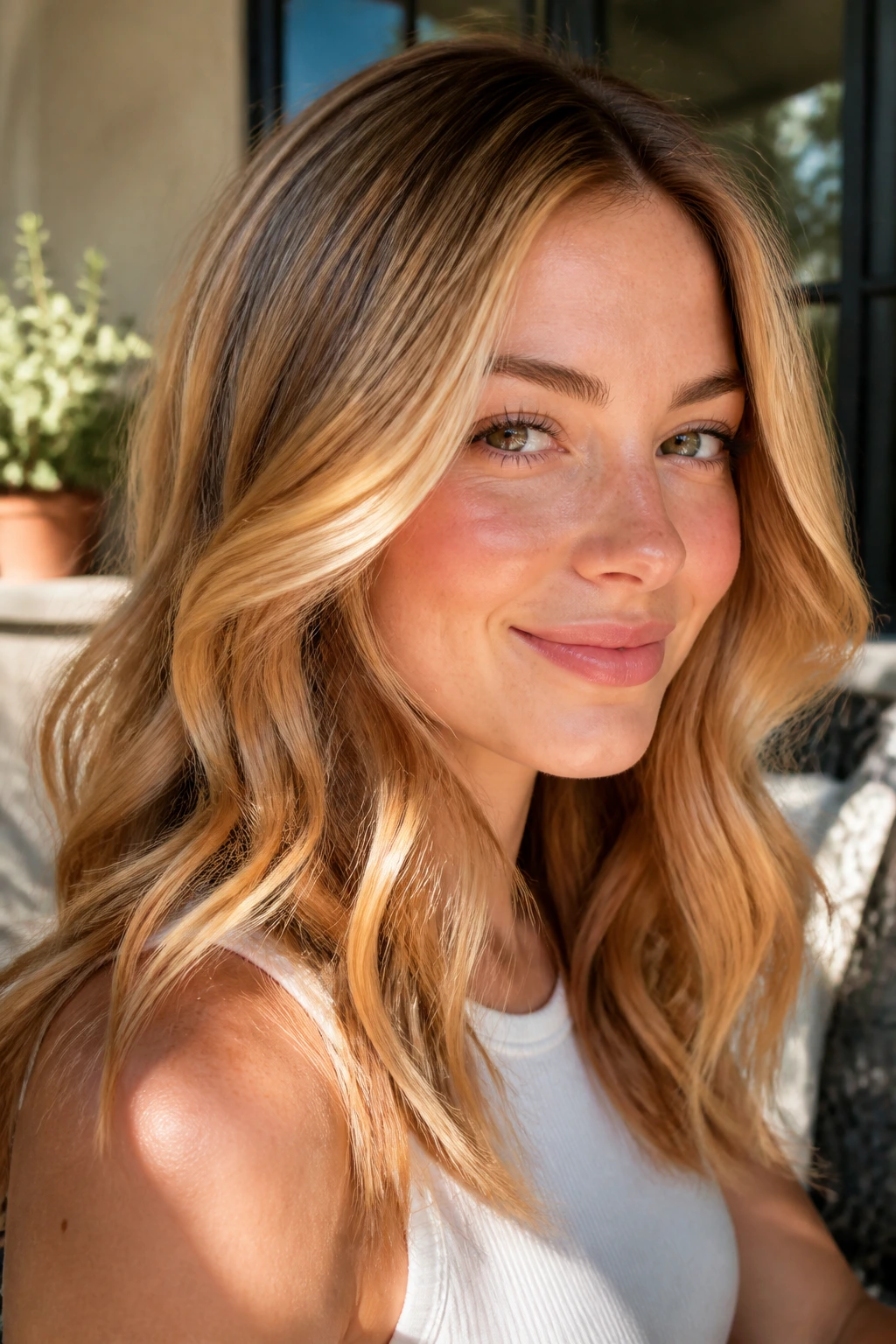
Invisible layers are the reason this lob looks so smooth while still moving. The cut keeps a clean outer line, but the interior has enough shaping to stop the hair from hanging like a sheet. Warm blonde makes that movement visible, especially on fair skin where a flat blonde can disappear into the face.
Unlike a heavily layered cut, this version stays refined. That makes it good for someone who wants a low-drama shape but still likes seeing the hair flick at the ends. A middle part works well here, though a soft off-center part gives the face a bit more lift.
If you’re indecisive about layers, this is a smart middle path.
19. Sunlit Pixie Cut with Textured Crown
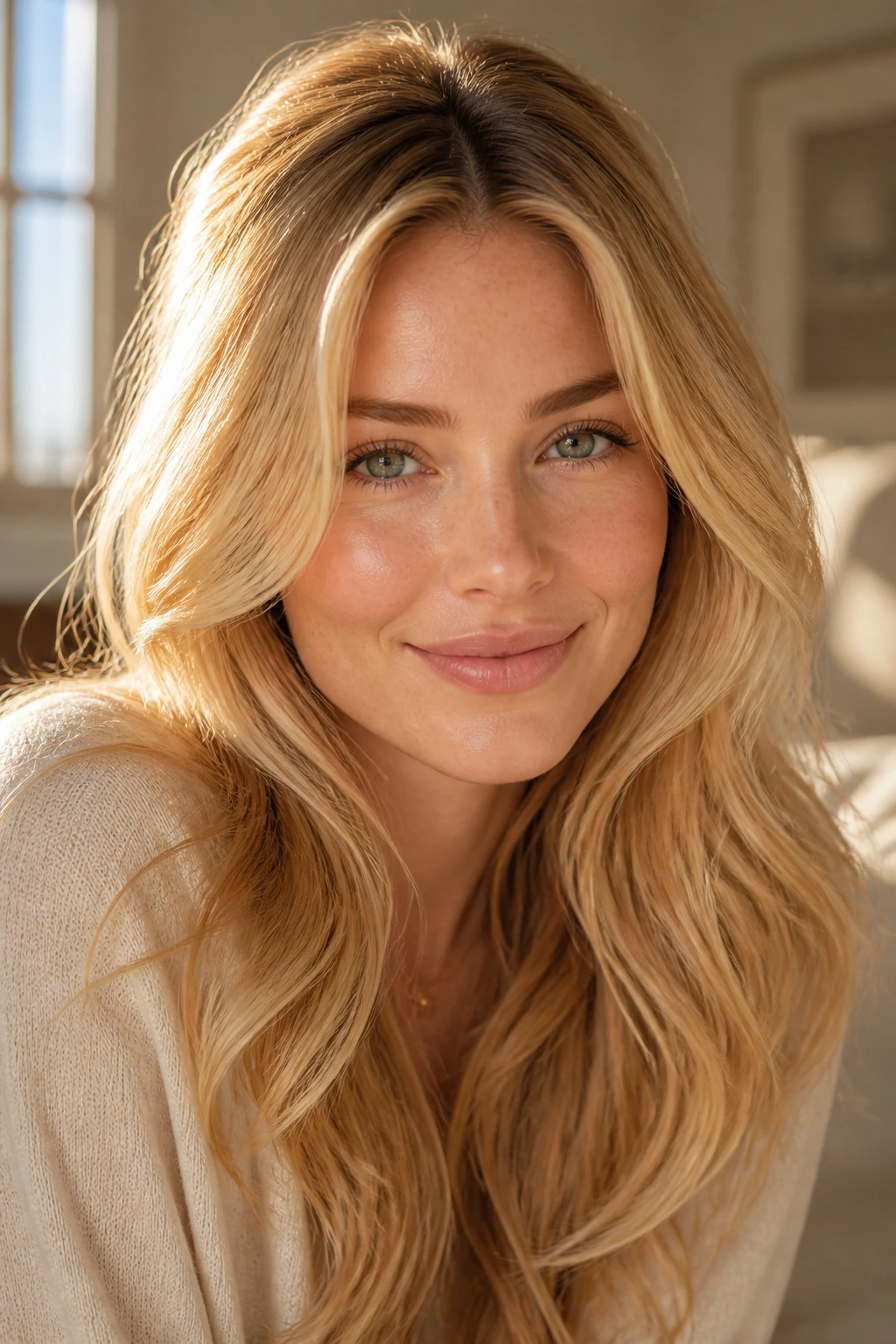
A pixie with a textured crown gives warm blonde a place to shine without needing much hair at all. The crown lift makes the color appear brighter up top, and the shorter sides keep the face open. On fair skin, that openness can be useful because it lets the blonde frame the eyes instead of burying them.
Quick Shape Notes
- Keep the top piecey, not helmet-like.
- Ask for a slightly brighter tone at the crown and fringe.
- Use a pea-sized amount of paste, then pinch the top while it’s still warm from your hands.
This cut works best when it has a little edge. If every strand is too tidy, the warmth starts to look soft in the wrong way. Texture fixes that fast.
20. Golden Ombré on Long Hair
A long golden ombré is useful if you want brightness without constant salon appointments. The roots stay a little deeper, the mids ease into gold, and the ends carry the brightest tone. On fair skin, that gradient stops the hair from looking like one giant halo of light.
The length matters here. Ombré needs room to show the shift. Long hair gives you that sweep from depth to lightness, and the warm gold keeps it from drifting into an icy, high-contrast result. If the ends feel dry, a gloss or a lightweight oil on damp hair brings the shine back without flattening the movement.
It’s a quieter blonde than many people expect, which is exactly why it works.
21. Biscuit Blonde Flip Ends
Why does biscuit blonde look so good with flipped ends? Because the color and the shape both lean a little retro. The cut bends out at the ends, which gives the warm blonde a playful edge instead of a stiff finish. On fair skin, that soft caramel-beige tone is less harsh than bright gold and less sleepy than ash.
How to Wear It
- Blow-dry with a round brush, flipping the last two inches outward.
- Keep the root slightly shadowed so the shape stands out.
- Use a light cream, not a heavy balm, or the ends will droop.
It’s a nice choice if you want warm blonde to feel polished but not too precious.
22. Apricot-Glazed Waves
A person with fair skin and a rosy undertone can wear apricot-glazed waves and suddenly look more awake around the cheeks and eyes. The color is soft, but it isn’t shy. It lives between strawberry and golden blonde, which gives the hair a warm blush that stays flattering instead of turning orange.
The waves should be loose and brushed out. Too much definition makes the apricot tone separate into stripes, and that’s not the goal. A gloss finish helps here. If the color starts looking dry, the warmth reads harsher than it should.
This is one of those shades that looks especially good in soft daylight, where the peach-gold notes don’t have to fight the room.
23. Creamy Half-Up Twist
A half-up twist is the kind of style that looks simple until you notice how much shape it gives the hair. On warm blonde, the twist exposes both the brighter top layers and the softer lengths underneath, which creates a nice contrast on fair skin. The result feels airy, not fussy.
This works best when the twist is loose and a few face-framing pieces are left out. If the hair is pulled too tight, the warmth gets trapped and the style loses its softness. A little curl in the loose lengths helps the color show more clearly.
It’s a useful option when you want something between casual and dressed up. Not a ponytail. Not an updo. Somewhere in the middle.
24. Feathered Warm Blonde Layers
Feathered layers are a good answer when long hair starts feeling heavy but you don’t want to lose length. The feathering creates movement, and the warm blonde makes each bend visible. On fair skin, the effect is soft and airy, not flat or muddy.
This cut likes a round brush and a blow-dry that lifts the top section away from the scalp. The ends should move, not stick out in hard angles. If the layers are cut too bluntly, the feathered shape loses its whole point.
It’s a strong style for anyone who wants warmth around the face without going short. The layers do the talking.
25. Caramel-Coated Faux Bob
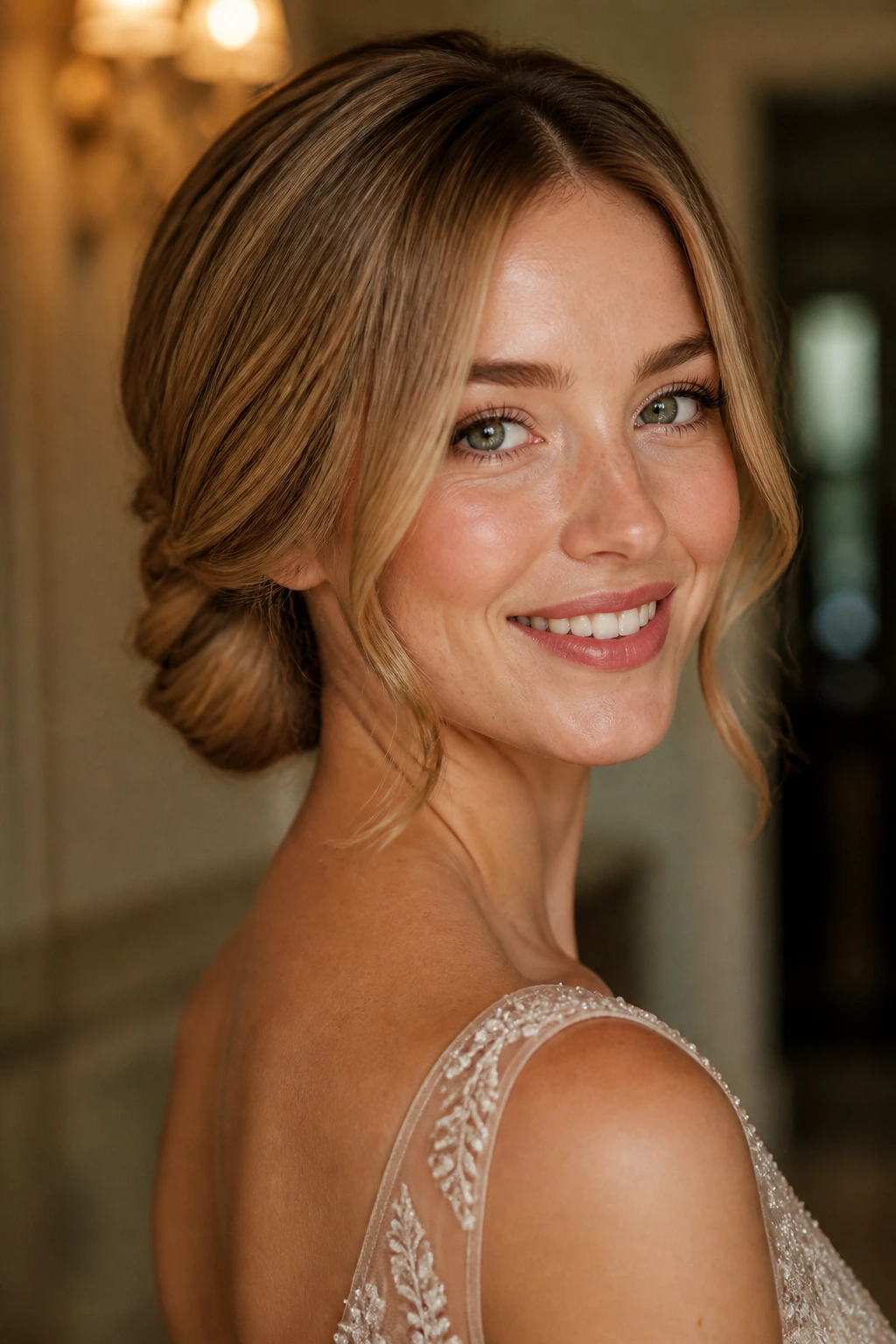
A faux bob is a clever little cheat, and caramel-coated blonde makes it look intentional instead of pinned-up in a hurry. The longer hair is tucked and rolled under so it reads like a bob from the front. On fair skin, the caramel warmth keeps the style from looking severe, especially if the face framing stays soft.
What Makes It Work
- The illusion needs hidden pins and a bit of backcombing at the nape.
- The front pieces should be left loose enough to skim the jaw.
- Warm highlights near the face keep the “bob” from disappearing into the skin tone.
This is a fun option for weddings, parties, or any moment when you want a shorter shape for one night only.
26. Honey Glossed Ponytail with Face-Framing Pieces
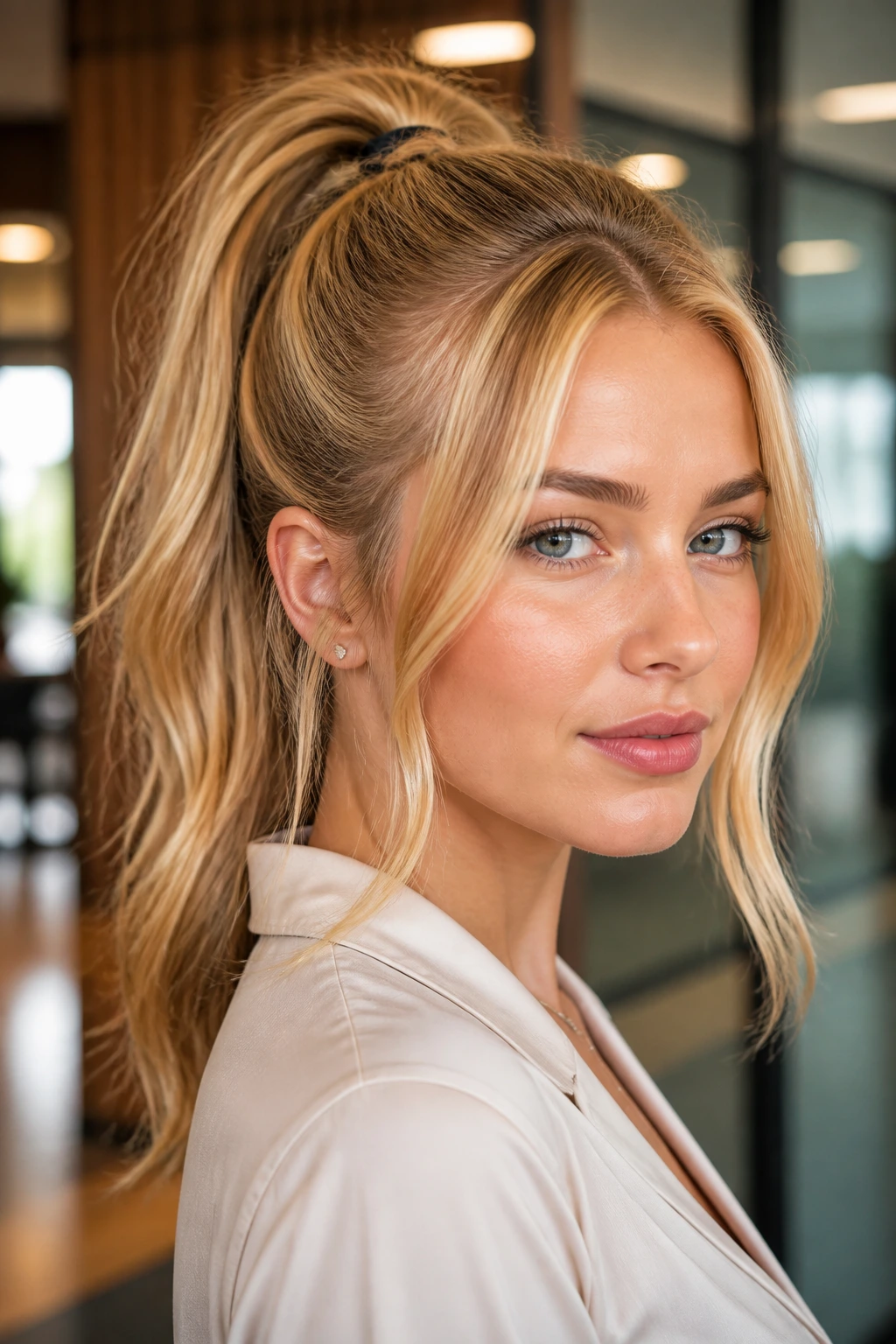
A honey-glossed ponytail is one of the easiest ways to make warm blonde on fair skin look deliberate. The gloss gives the hair a smooth surface, and the face-framing pieces stop the style from feeling too athletic. If the ponytail sits mid-to-high on the head, the warmth shows from the profile as well as the front.
The important part is shine. Honey blonde can look dusty if the cuticle is rough. A light gloss or smoothing serum on the lengths makes the color read richer, not flatter. Keep the front pieces softly waved, even if the ponytail itself stays straight.
It’s the kind of style that works on a school run, in an office, or at dinner. That’s a rare thing.
27. Butterscotch Braids
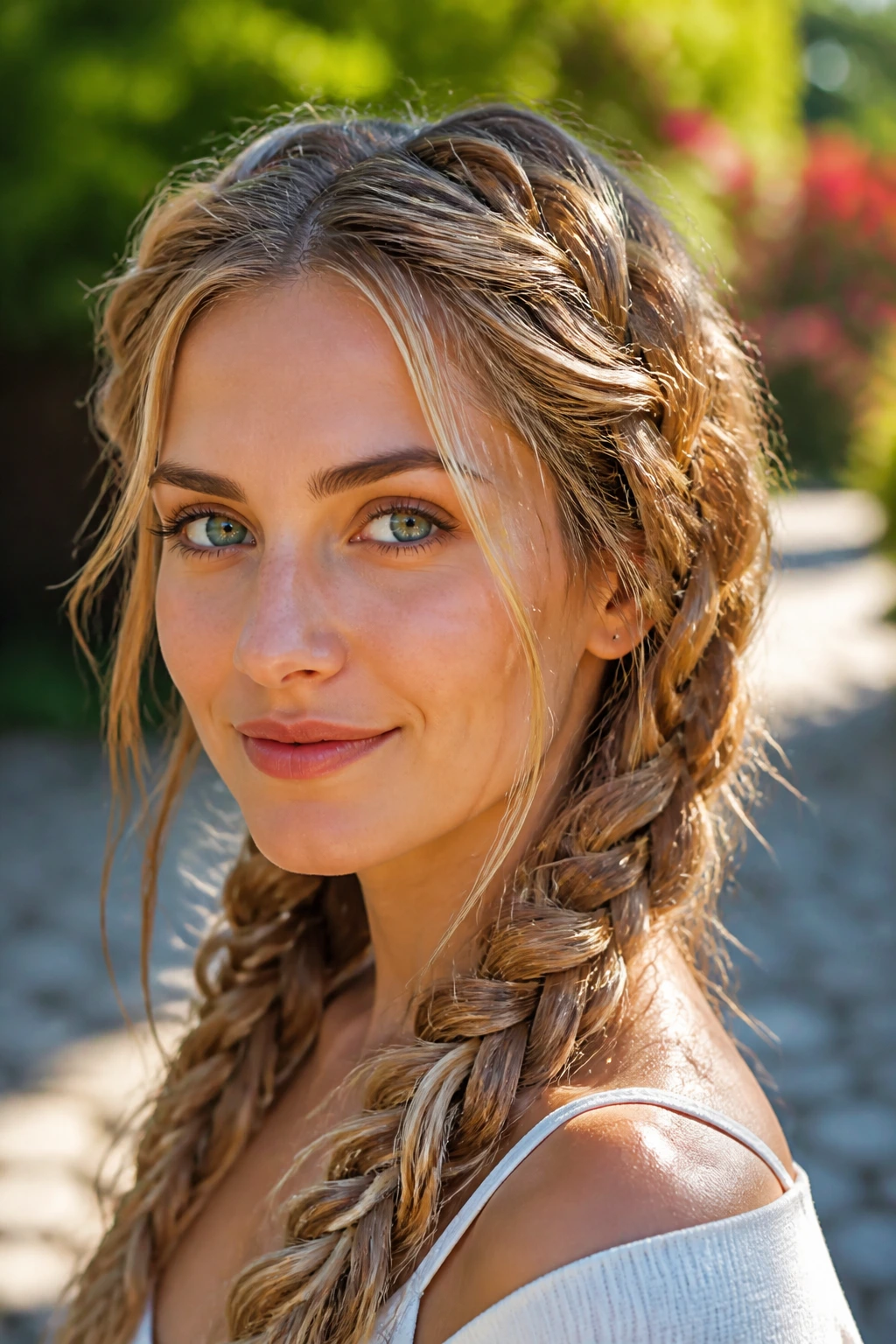
Braids with butterscotch blonde show off tone in a way loose hair sometimes hides. The woven sections catch the warm pieces and stack them against deeper strands, which gives fair skin a lot of contrast without needing a dramatic cut. The result is especially good if you like hair that feels detailed.
How to Style It
- Start with second-day hair or a dry texture spray so the braid holds.
- Pull the braid apart gently after tying it off to widen the shape.
- Leave a few soft pieces around the hairline for balance.
Butterscotch works because it’s warm enough to glow, yet deeper than a pale cream blonde. The braid makes the depth obvious.
28. Warm Beige Blonde Updo
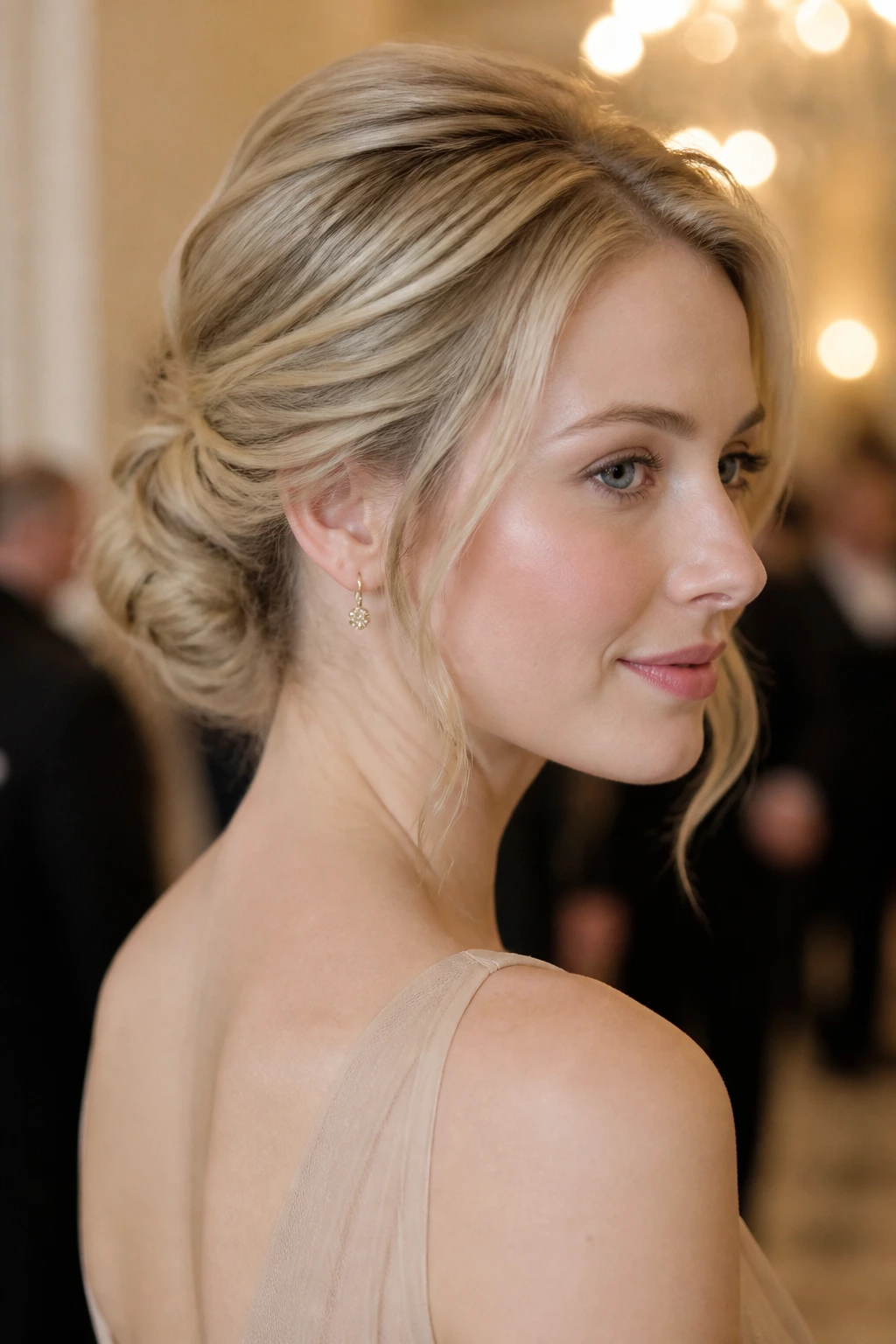
A warm beige blonde updo is the quiet one in the group, and that’s not a weakness. Pulled into a low chignon or soft twist, the color gives fair skin a gentle frame around the neck and temples. Beige warmth keeps the hair from looking too yellow, while the updo shape keeps the whole style clean and polished.
A few loose sections around the ears help a lot. So does a little height at the crown. Without that lift, the updo can flatten the face. With it, the style feels balanced and soft.
This is the version I’d pick for formal events when the dress already does the talking and the hair just needs to behave.
The Color Logic Behind Fair Skin and Warm Blonde
Fair skin doesn’t need to be “corrected” by blonde. It needs balance. That’s the part a lot of salon talk skips over. If your skin leans pink, apricot and honey tones can calm the redness a little. If your skin leans neutral, creamier blondes keep things clean. If you’re extremely pale, a bit of root depth or lowlight often helps more than going brighter and brighter.
The shape of the haircut decides how much warmth you actually see. A pixie puts every tone on display. A lob softens it. Long waves diffuse the color, while blunt ends make the shade feel more graphic. That’s why the same blonde can look flattering on one person and oddly harsh on another.
One useful rule: the shorter or sleeker the cut, the more careful the tone has to be. When the silhouette is sharp, the color gets no place to hide.
Essential Tools and Products for These Looks
- Tail comb: Clean sectioning matters when you’re creating face-framing pieces or smoothing a part.
- Sectioning clips: Use these to keep waves, bangs, or crown sections out of the way while styling.
- 1-inch curling iron or wand: Best for soft bends, beach waves, and brushed-out curls on collarbone lengths and lobs.
- Medium round brush: The workhorse for blowouts, flipped ends, feathered layers, and bob shaping.
- Blow dryer with concentrator nozzle: The nozzle helps aim the airflow so the cuticle lays flatter and the blonde looks shinier.
- Heat protectant spray: Use it every time you heat style. Blonde hair shows heat damage fast.
- Color-safe shampoo and conditioner: A sulfate-free pair keeps warm tones from fading too quickly.
- Weekly gloss or mask: Choose a warm beige, honey, or gold-neutral formula rather than a heavy purple mask unless brass is the issue.
- Light styling cream or paste: Good for pixies, bixies, shags, and textured fringes.
- Silk pillowcase: It won’t save bad color, but it does help the cuticle stay smoother between washes.
How to Pick the Right Warm Blonde Shade for Your Skin Tone
If your skin is very fair and pink, reach first for honey, butter, apricot, and strawberry blonde. Those shades sit close enough to your skin tone to soften the contrast without making the face disappear. A flat beige blonde can drain you; a bright gold with some root depth usually does better.
Neutral fair skin can handle more range. Cream soda, toasted almond, warm beige, and beige-gold blonde tend to sit well because they don’t fight the skin one way or the other. You can also go a touch brighter around the face if the haircut has shape, especially in lobs, curtain bangs, and long layers.
If you’re pale but want less upkeep, lean into rooted warmth. A shadow root, balayage, or ombré lets the grow-out live gracefully. The blonde still looks warm. It just doesn’t demand a salon chair every few weeks.
Keeping Warm Blonde Rich Between Salon Visits
Warm blonde fades in a sneaky way. It doesn’t always go dramatic. Sometimes it just gets dry, dull, and a little too yellow at the ends. That’s why the routine matters. Wash two or three times a week if your scalp allows it, and use lukewarm water. Hot water strips color faster than people expect.
Glosses are your friend. A salon gloss every 6 to 8 weeks can keep honey and butter shades from drifting into brassy territory. At home, a weekly mask helps, but choose the right one. Purple shampoo has its place, yet too much of it on a warm blonde can make the color muddy and gray. Use it only when the blonde starts veering yellow-orange, and leave it on for less time than the bottle suggests if your hair is porous.
Heat styling should be gentle. Keep irons and straighteners in the 300 to 350°F range when you can, and never skip protectant. Blonde hair shows fried ends faster than darker hair does. You’ll see the roughness first at the front pieces, which is exactly where you want the color to look the freshest.
Mistakes That Make Blonde Look Flat or Brassy
Going too light too fast is the first trap. Fair skin doesn’t automatically need the palest blonde in the room. If the base and the highlights end up the same value, the hair can disappear against the face. Ask for depth somewhere — root shadow, lowlights, or a darker underside.
Ignoring the haircut is the second one. Warm blonde on a blunt, shapeless cut can look thick in a bad way. On the flip side, a shag or bixie without enough shape can go wispy. The color needs a frame.
Overusing purple shampoo is a mistake I see constantly. People panic at the first sign of warmth and end up sucking the life out of their blonde. Use purple only to correct, not as a weekly religion.
Skipping glosses leaves warm blonde looking dusty. Honey and butter shades need shine to feel rich. If the surface looks rough, the color loses its glow.
Using hot tools on damaged ends can make the blonde turn darker and duller at the tips. Heat protection is not optional here. Neither is trimming the dry ends before they split and fray.
Variations and Shade Tweaks to Try
Honey-First Blonde: If your skin leans pink or flushed, keep the blonde in the honey and butter range and avoid heavy gold. It softens the face without tipping yellow.
Strawberry Glow: Add a small rose-copper note to the mids and front pieces if you want warmth with a rosy finish. This works well on fair skin with freckles or a natural blush.
Rooted Glow-Up: Keep the root one or two shades deeper than the mids. It’s the easiest way to make blonde look expensive and easier to maintain.
Cream Soda Blend: For a softer finish, ask for beige-gold warmth rather than honey-gold. This suits neutral fair skin and makes polished bobs and lobs look smoother.
Ribboned Brightness: If you like dimension, ask for face-framing ribbons a little brighter than the rest. This keeps the warmth near the skin and prevents the blonde from flattening out in long lengths.
Frequently Asked Questions
Which warm blonde shade is best for very fair skin?
Honey blonde, butter blonde, and strawberry blonde usually sit well because they warm the complexion without turning it pale or chalky. If your skin is very pink, a little beige mixed in helps keep the color from feeling too loud.
Will warm blonde make my skin look yellow?
Not if the tone is chosen well. The problem usually comes from too much flat gold or from using the same shade all over with no depth. A rooted, dimensional blonde reads warmer and softer than a solid yellow one.
Can I go warm blonde if my hair is naturally dark brown?
Yes, but you’ll usually get a better result with balayage, a warm money piece, or an ombré than with an all-over heavy lift. Those methods keep the base from looking harsh and give you a more natural grow-out.
How often do I need a touch-up?
Most warm blondes look best with a gloss every 6 to 8 weeks and a color refresh somewhere around 8 to 12 weeks, depending on how much root you keep. Shorter cuts and brighter front pieces usually need attention sooner.
Is warm blonde better than ash blonde for fair skin?
If your skin is pale and a little lifeless in cooler shades, warm blonde usually wins. Ash can look elegant, but it can also drain the face if the skin already leans cool or pink.
What if my warm blonde turns brassy?
Start by reducing heat styling and check whether your water is harsh, because both can push blonde into a dull orange cast. A short purple or blue-violet treatment can help, but use it lightly. Too much will take the warmth too far in the other direction.
Do warm blondes work on curly hair?
Very well, especially when the color placement follows the curl pattern. Honey ribbons and face-framing pieces show movement in curls better than a flat, one-tone blonde ever will.
Can I wear warm blonde if I have a short pixie?
Absolutely. Short cuts are actually some of the best places for warm blonde because the color sits close to the face and gives the eyes more contrast. Just keep the texture piecey so the warmth doesn’t read as one solid block.
Soft Gold, Not Brass
The best warm blonde on fair skin doesn’t shout. It sits in the hair with enough depth to make the face look alive, and enough softness to keep the color from turning harsh. That can mean a buttery bob, a honey lob, a strawberry wave, or a pixie with just the right amount of lift around the crown.
Pick the haircut first, then let the shade do the rest. If the root has depth, the front has light, and the finish still feels touchable, you’ve probably landed in the right place.