



Pale skin has a way of exposing lazy blonde choices. Put a silvery, over-toned blonde next to porcelain skin and the whole face can drift toward flat, chalky, even a little tired under bathroom lights. Shift the color toward beige, honey, butter, gold, or a whisper of peach, and the same complexion starts to look softer and more awake. That’s the magic of warm blonde hair color ideas for pale skin: they don’t fight the skin, they give it something to lean against.
I’ve always liked warm blondes better on fair complexions than the hyper-cool, icy stuff that gets praised in mood boards but can be hard to wear in real life. Warm tones bring back the color that pale skin sometimes lacks on its own. They also play nicely with freckles, pink cheeks, light brows, and the tiny variations in undertone that make a face look alive instead of blank.
The trick is choosing the right warmth. Too yellow and the blonde can look brassy. Too orange and it starts to read like a mistake. Get the balance right, though, and you get that creamy, sunlit look that makes people ask if your hair lightened naturally. Some of these shades are low-maintenance, some need gloss refreshes, and a few work best with a root shadow so the color doesn’t swallow the face whole. The details matter. That’s where the good stuff lives.
Why Warm Blonde and Pale Skin Play So Well Together
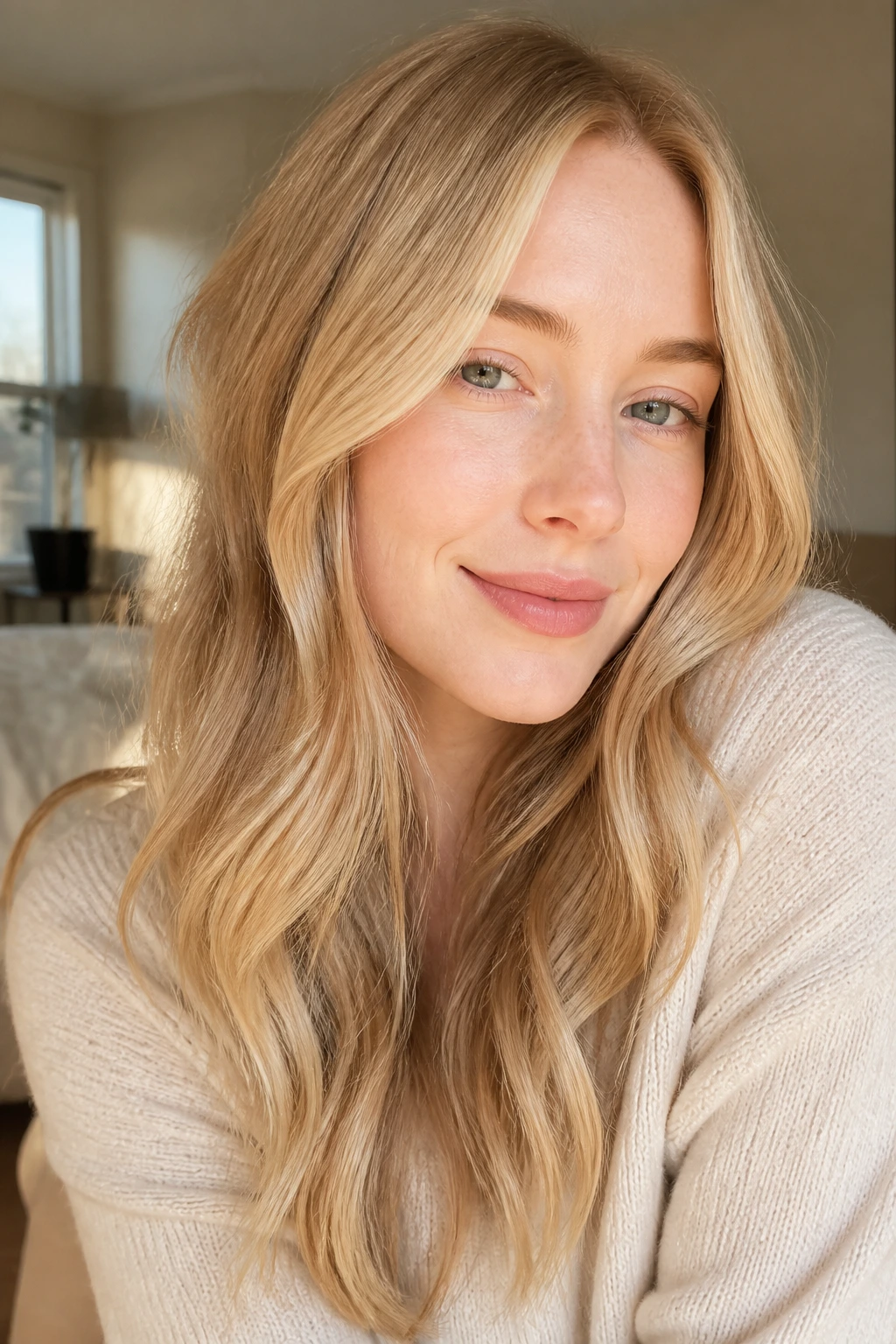
Gentle warmth softens the edges. Pale skin often looks sharper beside high-contrast cool blonde, while beige-gold and honey tones blur that contrast and make the face feel less severe.
Dimension beats a flat blonde sheet. A single-tone blonde can wash out fair skin fast; ribbons of caramel, butterscotch, or beige-lowlight depth keep the hair from disappearing against the complexion.
Undertone matching changes everything. Porcelain skin with pink undertones usually likes cream, beige, and rose-gold warmth, while fair skin with peach or neutral undertones can handle richer gold and honey without tipping orange.
Warmth helps brows and lashes make sense. If your eyebrows are naturally light to medium, a soft golden blonde keeps the whole look believable; with dark brows, a little root shadow keeps the contrast from feeling accidental.
The finish matters as much as the shade. A glossy beige blonde looks polished on pale skin; a dry, over-processed yellow blonde looks loud in the wrong way and shows every uneven spot.
1. Honey Butter Blonde
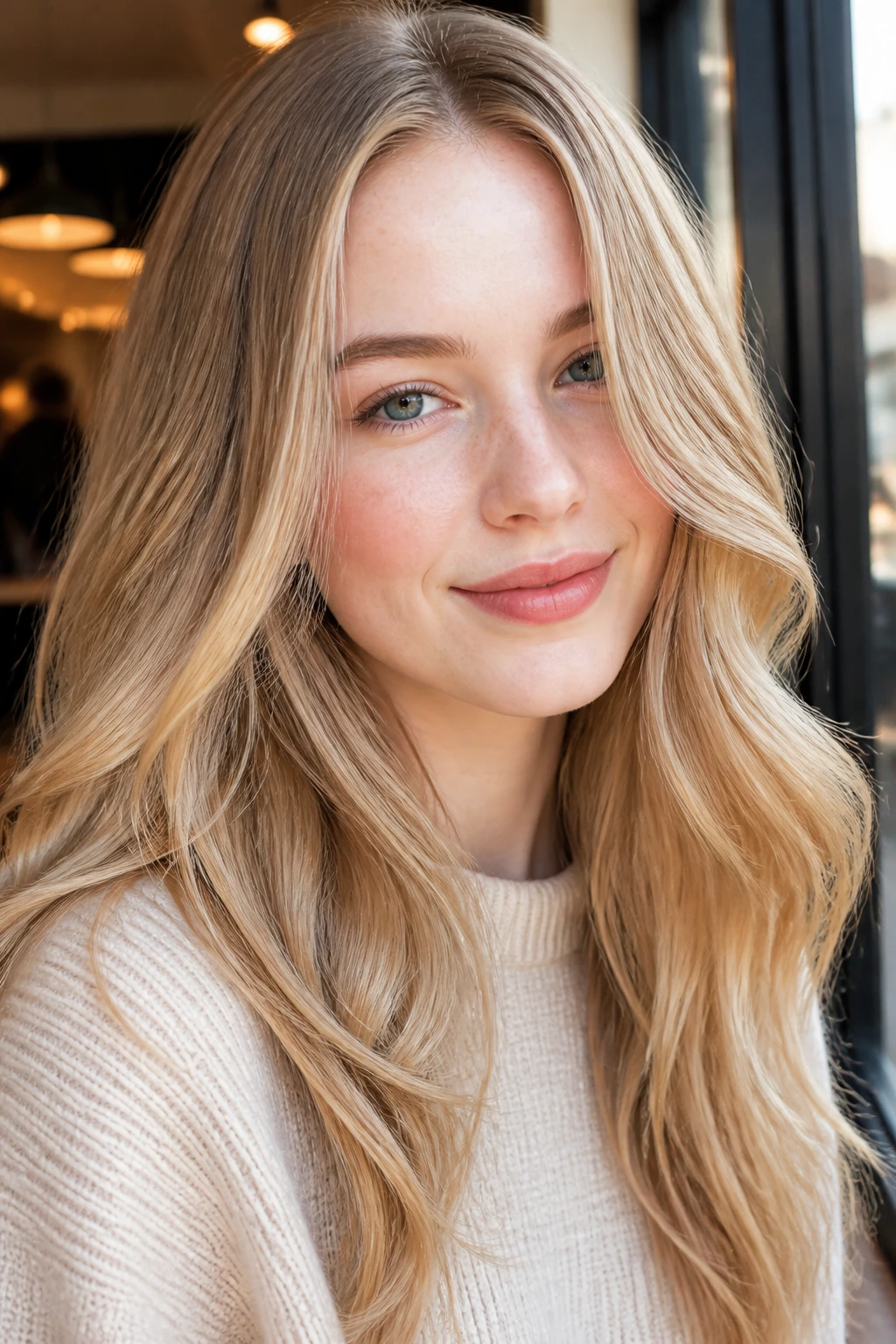
Honey butter blonde sits in that sweet spot between golden and creamy. It looks like the color you get when honey melts into warm butter on toast: soft, smooth, and richer than a standard yellow blonde. On pale skin, that extra creaminess matters. It keeps the shade from floating on top of the face like a wiggy highlight cap.
Why It Flatters Fair Skin
This shade works best when the base sits around level 8 or 9, with a beige-gold gloss layered over lighter ends. That tiny bit of beige stops it from turning too bright against very light skin. If your complexion goes pink in cold weather, honey butter blonde usually helps more than it hurts, because the warmth balances the flush instead of echoing it.
Quick Shade Notes
- Best undertones: Neutral, peach, and lightly rosy fair skin.
- Best application: Soft all-over blonde or foilyage with a root melt.
- Maintenance: Gloss every 4 to 6 weeks if you want the honey tone to stay creamy.
- Watch for: Over-toning into yellow. That’s the line you do not want to cross.
A good colorist will keep the crown a half-step deeper than the ends. That little shadow makes the face look framed instead of bleached out. I also like this shade with a loose wave, because movement breaks up the color and keeps the honey from reading flat in still light.
2. Golden Beige Blonde
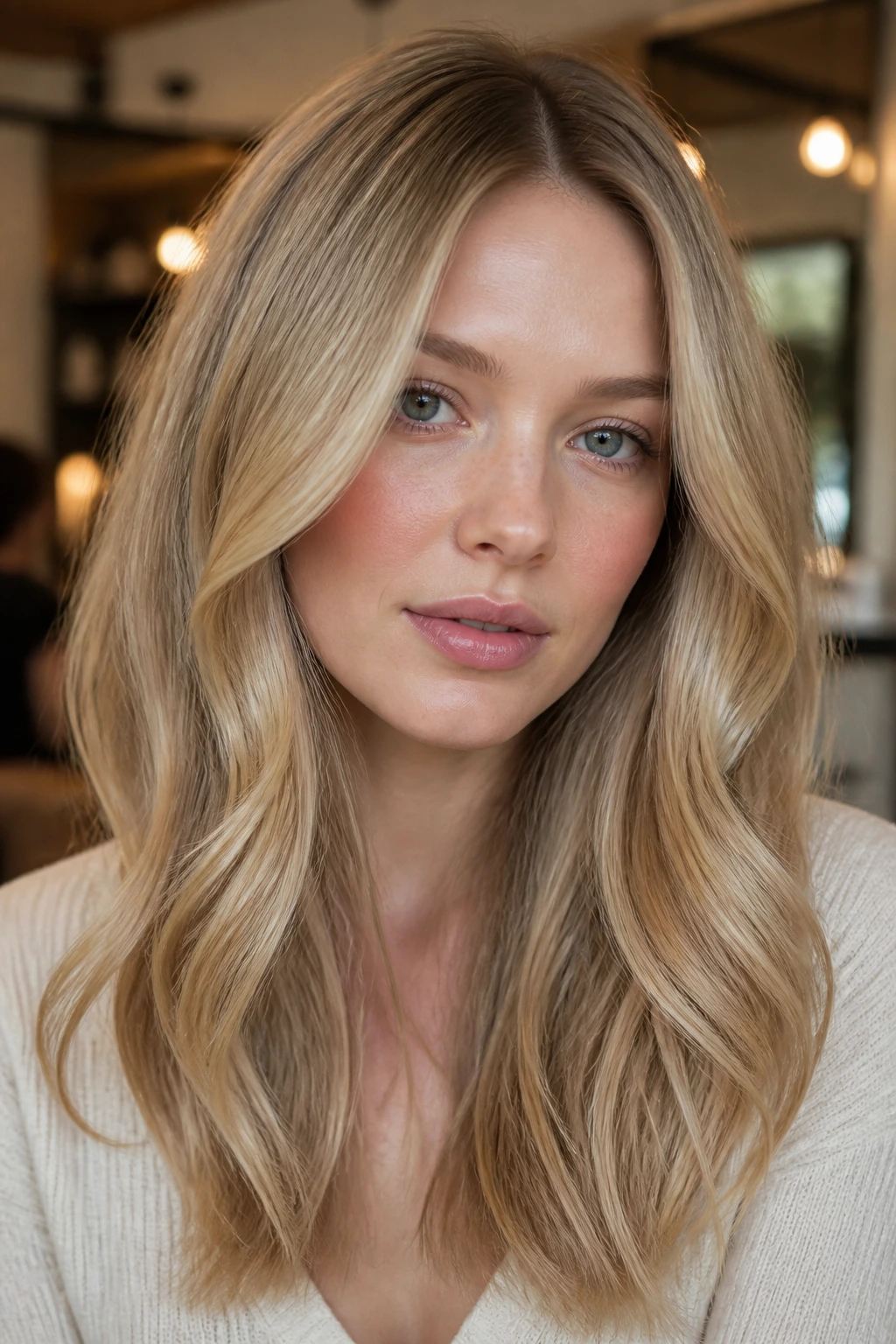
If I had to name one warm blonde that rarely picks a fight with pale skin, it would be golden beige blonde. It’s quieter than honey, less sugary than butter blonde, and more grown-up than a bright school-bus gold. The beige in it is doing a lot of heavy lifting. Without that softer base, fair skin can end up looking like it’s standing next to a spotlight.
This is the blonde I reach for when someone wants warmth but hates obvious warmth. The gold gives life; the beige keeps the shade civilized. On pale skin with neutral undertones, it looks balanced and clean. On skin that leans pink, it stops the face from looking extra red because the tone is warm, not coppery.
The best version usually starts with a medium blonde base and a glossy gold-beige toner on the mids and ends. Keep the root slightly deeper. A full-head platinum-to-gold conversion can look noisy on fair skin, while a root-smudged beige blonde feels calmer and easier to wear. It’s one of those shades that looks more expensive when it isn’t trying so hard.
3. Creamy Champagne Blonde
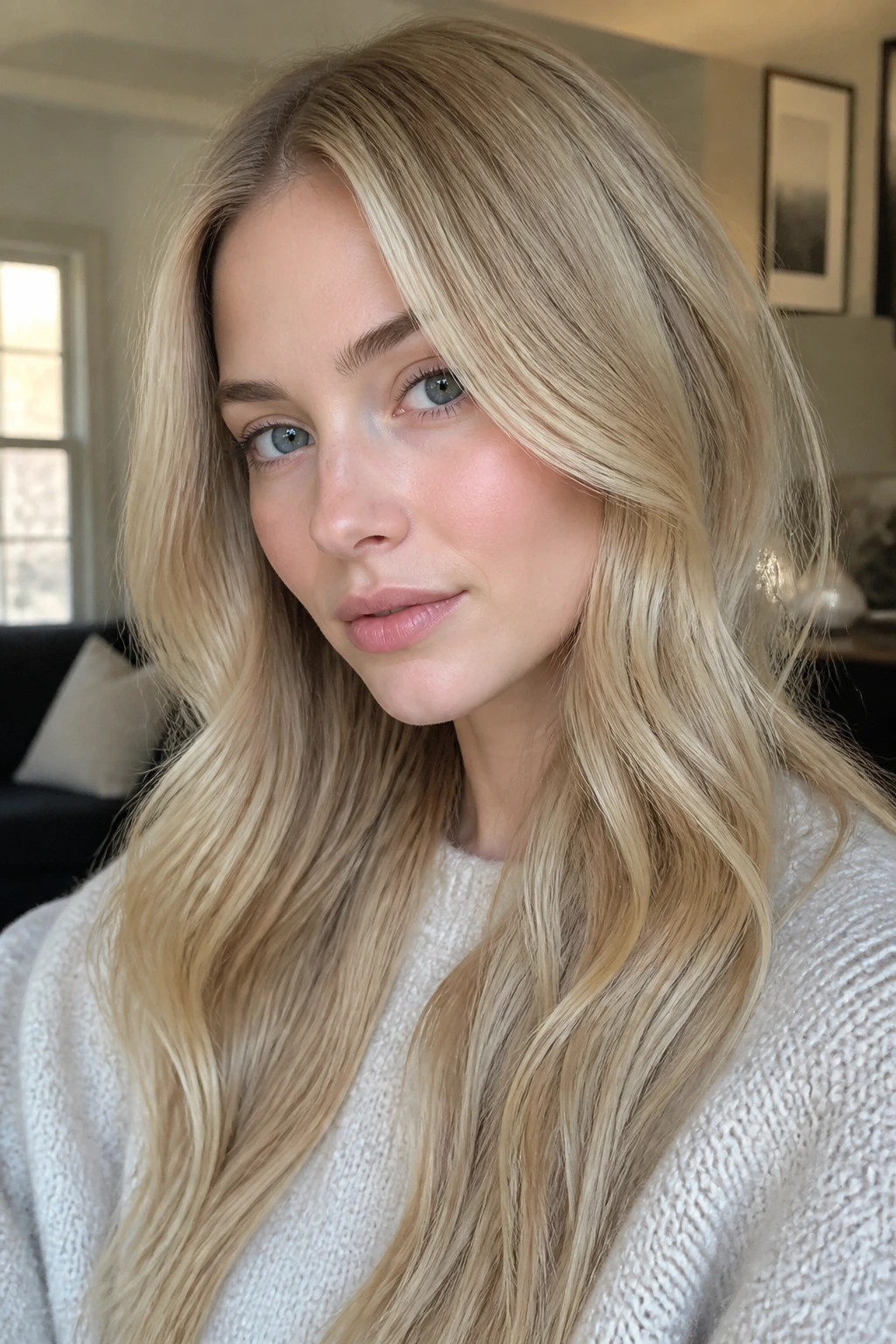
Why does champagne blonde look so easy on pale skin when some blondes just look yellow and tired? Because it has that tiny bit of sparkle from beige, gold, and a whisper of pearl, so it reflects light without shouting. The result is creamy, not brassy. Soft, not washed out.
How to Wear It
Ask for a champagne blonde with a muted golden base and very light face-framing pieces. You want the warm pieces around the cheekbones and temple, not one solid block of brightness from roots to ends. On very fair skin, a soft root shadow makes this shade look deliberate instead of overexposed.
This is a good fit if your style leans polished and you don’t want a loud golden blonde. It suits pale skin with neutral or slightly cool undertones, especially if you wear soft blush, taupe, ivory, or camel. The blonde itself is warm enough to lift the face, but the beige keeps it from turning yellow under indoor light. That indoor-light issue matters more than people admit. A blonde can look lovely in sunlight and weird in your kitchen. Champagne blonde usually behaves.
4. Strawberry Blonde
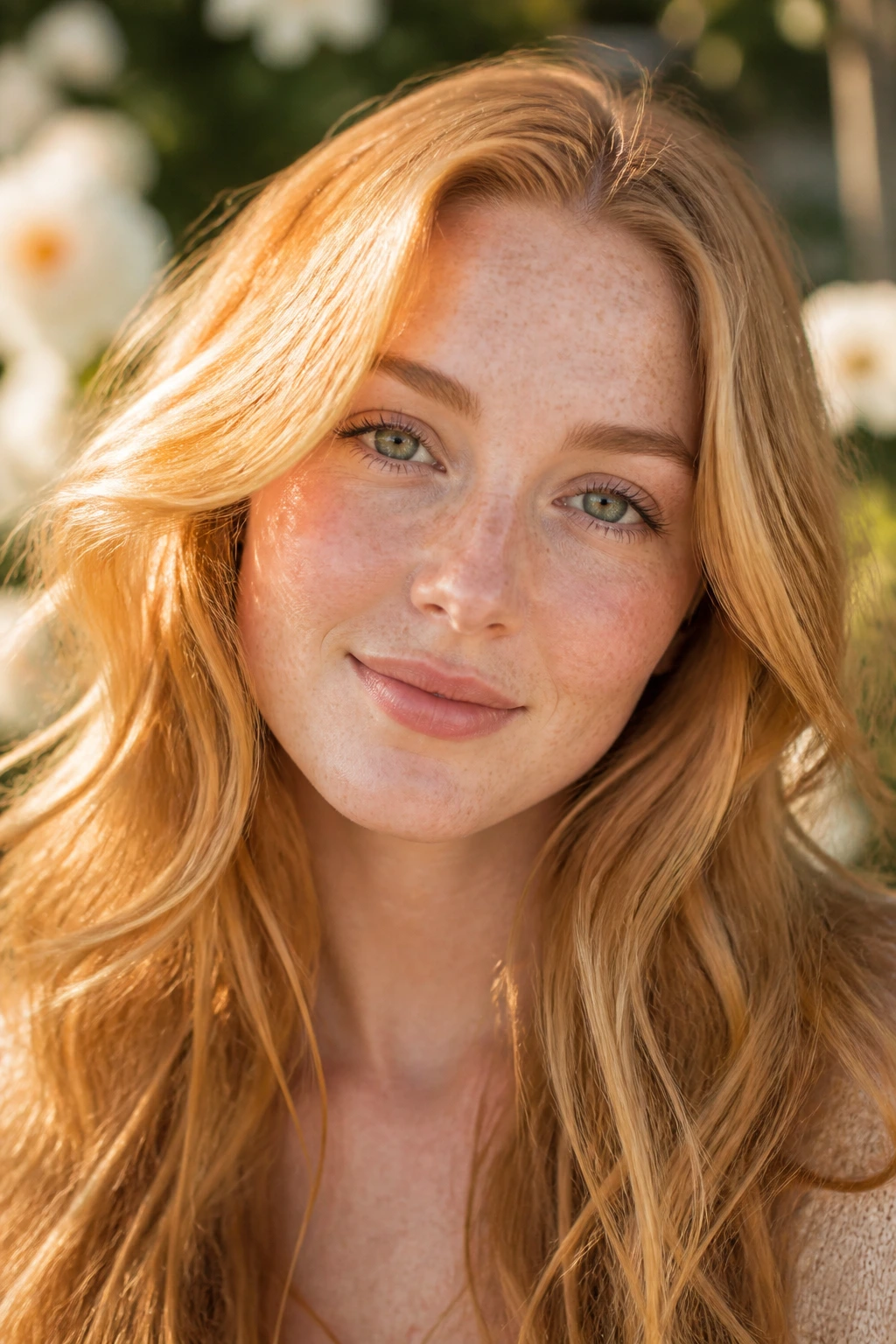
A freckled, pale face and strawberry blonde have a long, flattering history together. When the copper is kept soft and the gold is kept creamy, the result looks like the hair was meant to carry a little warmth all along. The good versions look sun-kissed. The bad versions look like a dye job that forgot to stop.
This shade is best for fair skin that can handle a little red in the mix. If your cheeks already flush hard, keep the copper muted and more peach than orange. If your skin has freckles, this color often makes them pop in a nice way instead of making them look scattered. The trick is restraint. Strawberry blonde gets tacky fast if the copper is too loud.
Good signs to ask for: a pale copper-gold formula, soft ribbons around the face, and a root that stays a shade deeper. Bad signs: bright orange ends or a tone that looks the same from roots to tips. You want movement. You want a little light catching the hair and a little shadow holding it together.
5. Buttery Balayage
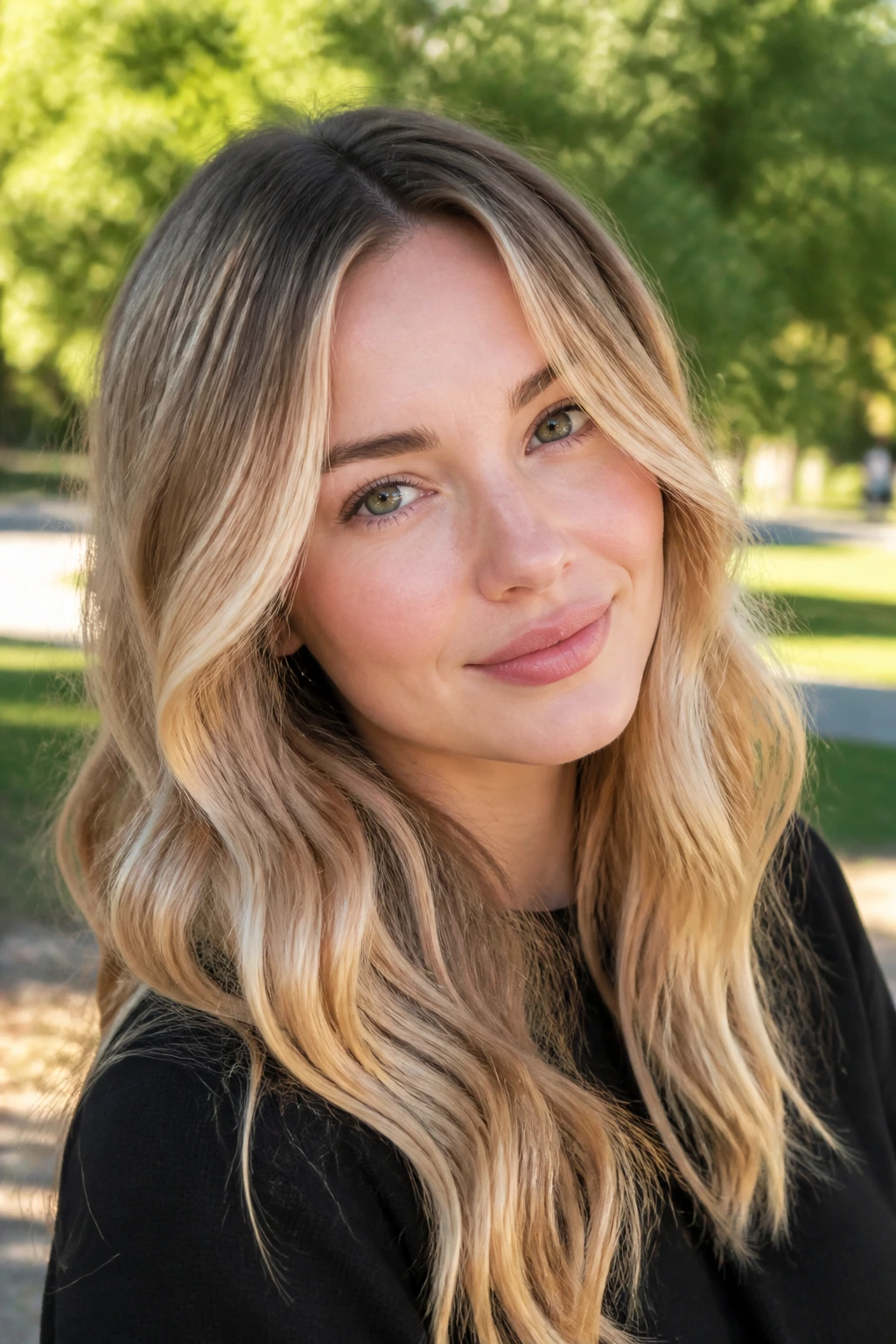
Buttery balayage is the shade I recommend when someone wants warmth without the upkeep of a full warm blonde. The hand-painted pieces lighten the hair where the sun would hit it, while the deeper base keeps pale skin from getting erased by too much lightness all at once. It’s more forgiving than a solid blonde, and frankly, it looks better grown out.
Purely warm blondes can go flat on fair skin if every strand is the same tone. Balayage fixes that by keeping some depth near the scalp and warmth through the mid-lengths. The butter-colored pieces around the front work especially well on pale skin because they brighten the face without bleaching it out. If your hair is naturally light brown or dark blonde, this is one of the easiest paths into warmth.
I like this shade because it does not demand perfection. It can be a little messy, a little lived-in, and still look intentional. That matters. Hair that has too much one-note warmth can start to look costume-y on pale skin. Balayage lets the warmth breathe.
6. Caramel Ribbon Blonde
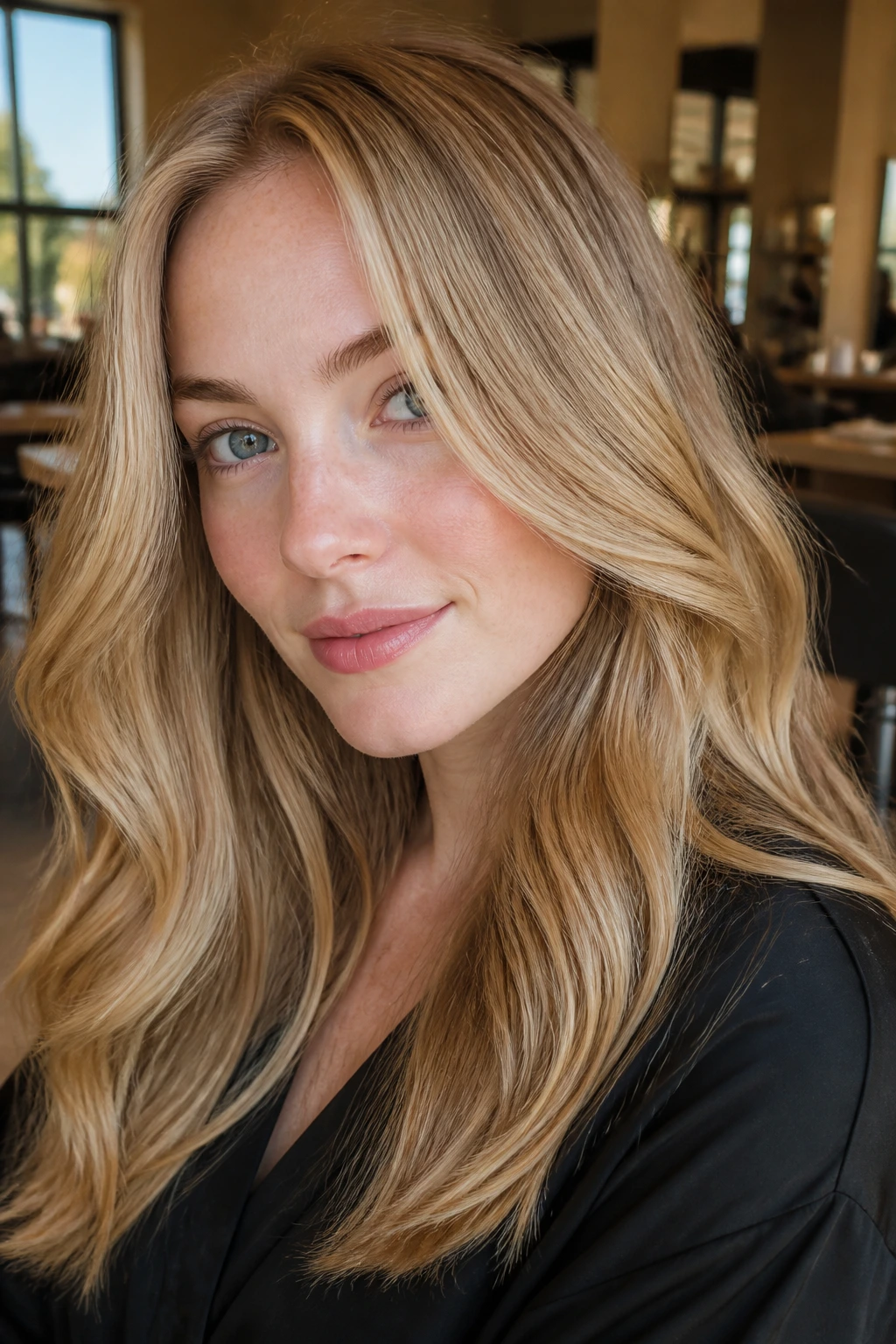
Caramel ribbon blonde is a better choice than an all-over warm blonde if your pale skin needs depth. The caramel pieces run through a lighter base like narrow streaks of brown sugar in vanilla cream, which gives the face more shape. Flat blonde often disappears into fair skin; these ribbons keep the color visible.
What Makes It Different
Unlike a solid golden blonde, caramel ribbon blonde keeps the crown and underlayers a touch deeper. That means the hair still has contrast against the skin, even in harsh light. It’s especially nice if your brows are medium to dark, because the richer ribbons tie the hair and face together instead of creating a floating halo of brightness.
This is also a good one if you wear a lot of warm neutrals — camel coats, ivory knits, rust sweaters, gold jewelry. The caramel tones echo those colors without becoming orange. If you’ve ever looked at a full blonde and thought, too much, this is the safer, prettier move.
7. Toffee Blonde
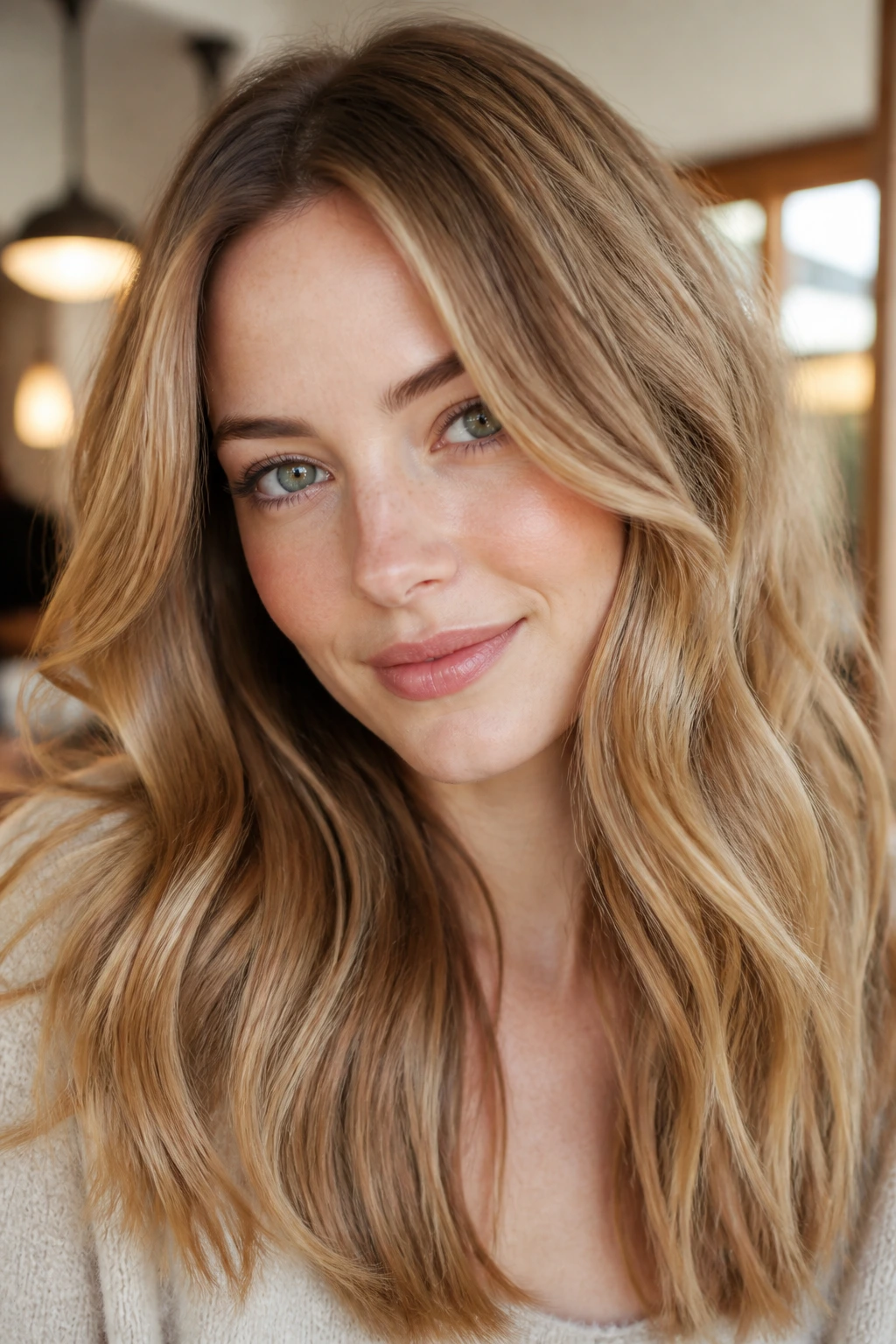
Toffee blonde is what happens when warm blonde gets a little more depth and stops acting like it needs to be the lightest thing in the room. It sits darker than honey, usually around level 7 or 8, and that depth can be a gift for pale skin. The shade gives the face contrast, which helps the skin look clearer and more defined.
Best For
- Fair skin with neutral or peach undertones.
- Readers who want less salon upkeep than icy or ultra-light blonde.
- Hair that already has some natural light brown depth.
The stronger tone makes this one useful if your hair is naturally darker and you don’t want to bleach it to the ceiling. Keep the gold warm, not orange, and add face-framing brightness a shade lighter than the rest. That one-two move keeps the color from reading heavy. Toffee blonde is one of my favorite options for pale skin because it feels rich without being dark. There’s some actual body to it.
8. Apricot Blonde
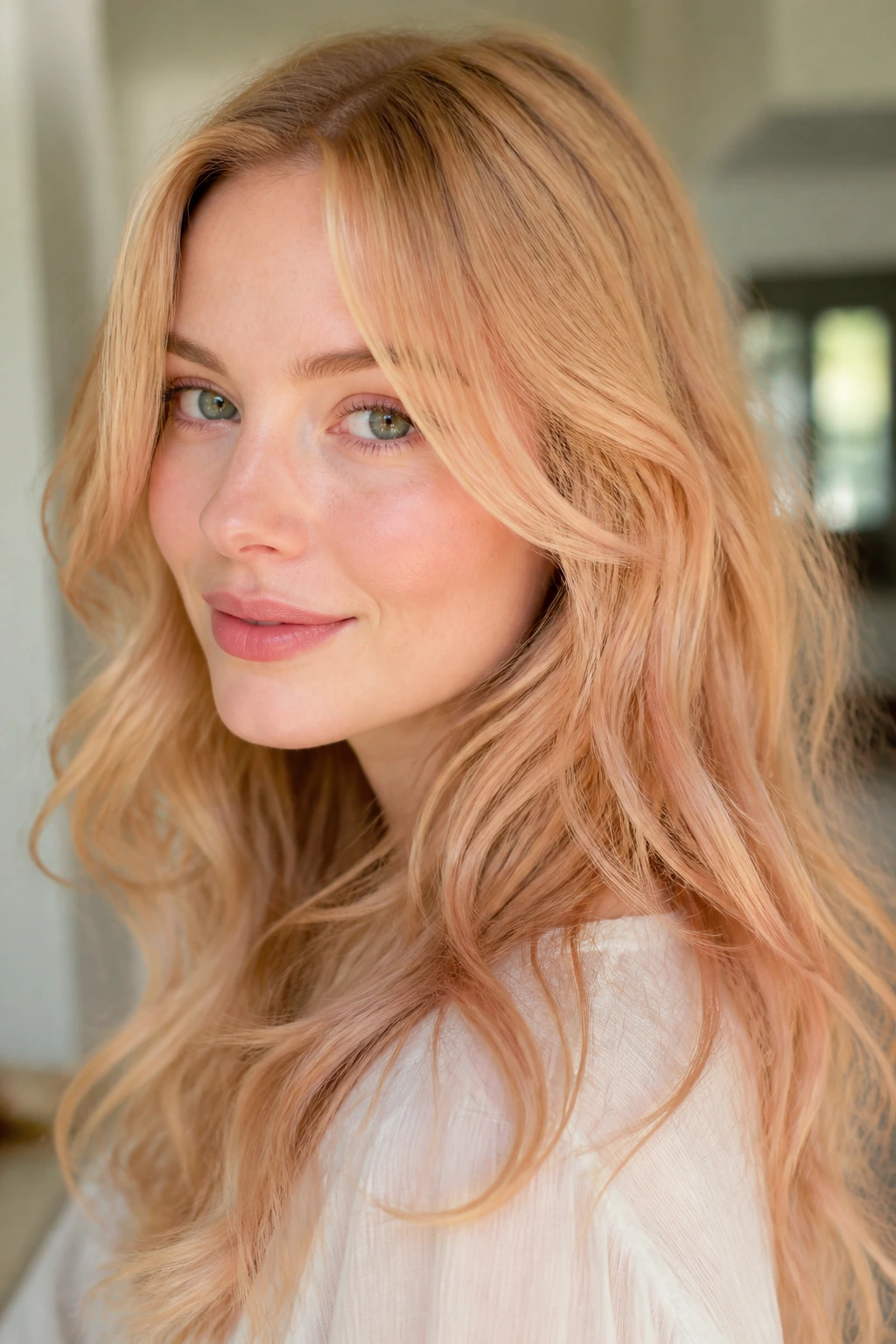
Apricot blonde can look strange in a vacuum and gorgeous on the right face. It’s a pale blend of peach, gold, and soft blonde, which sounds risky until you see it against fair skin with a little natural flush. Then it makes sense. The color echoes the soft red in the cheeks and turns it into a feature instead of a problem.
The key is to keep it muted. Apricot blonde should never look like neon pastel hair. It works best when the peach is only one part of the formula and the blonde base still carries most of the weight. On very pale skin, that balance keeps the shade from becoming cartoonish. If your undertones run cool, go even softer. Think apricot nectar, not candy.
I like apricot blonde on shorter hair and airy layers because the movement keeps the color from settling into one block. It also looks especially nice when the ends are a half-shade lighter than the roots. That little gradient makes the peach look sun-warmed instead of painted on.
9. Sandy Honey Blonde
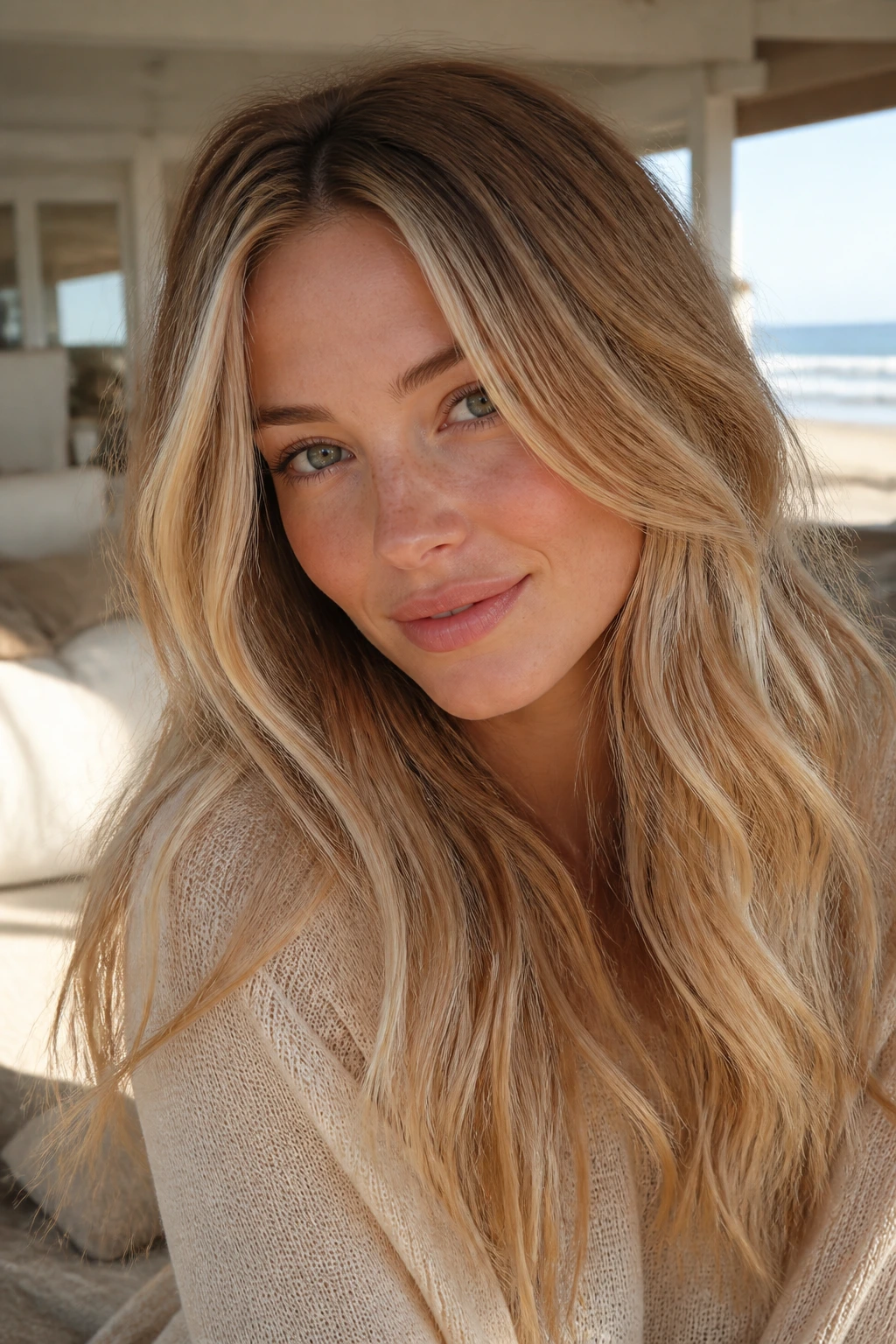
Can a pale face wear a beachy blonde without looking blank? Yes, if the blonde has sand in it and not chalk. Sandy honey blonde blends beige, gold, and a low-key honey tone so the color feels warm but not sugary. On fair skin, that balance is the difference between “soft glow” and “why does my hair look like dry hay?”
This shade works because it borrows the natural-looking mix you see in hair that’s been out in real sun, not in a bowl of bleach. The base stays a bit deeper, the highlights stay diffused, and the honey is used like seasoning. A little goes a long way. Too much bright gold and the whole look tilts hard.
How to Use It
Ask for a sandy beige base with honey ribbons around the front. If your skin is very light, keep the brightest pieces under the cheekbones and through the top layers, not all the way to the roots. That gives you lift without turning the scalp area too pale. Sandy honey blonde is one of those shades that looks effortless only because somebody did careful work underneath.
10. Sunlit Wheat Blonde
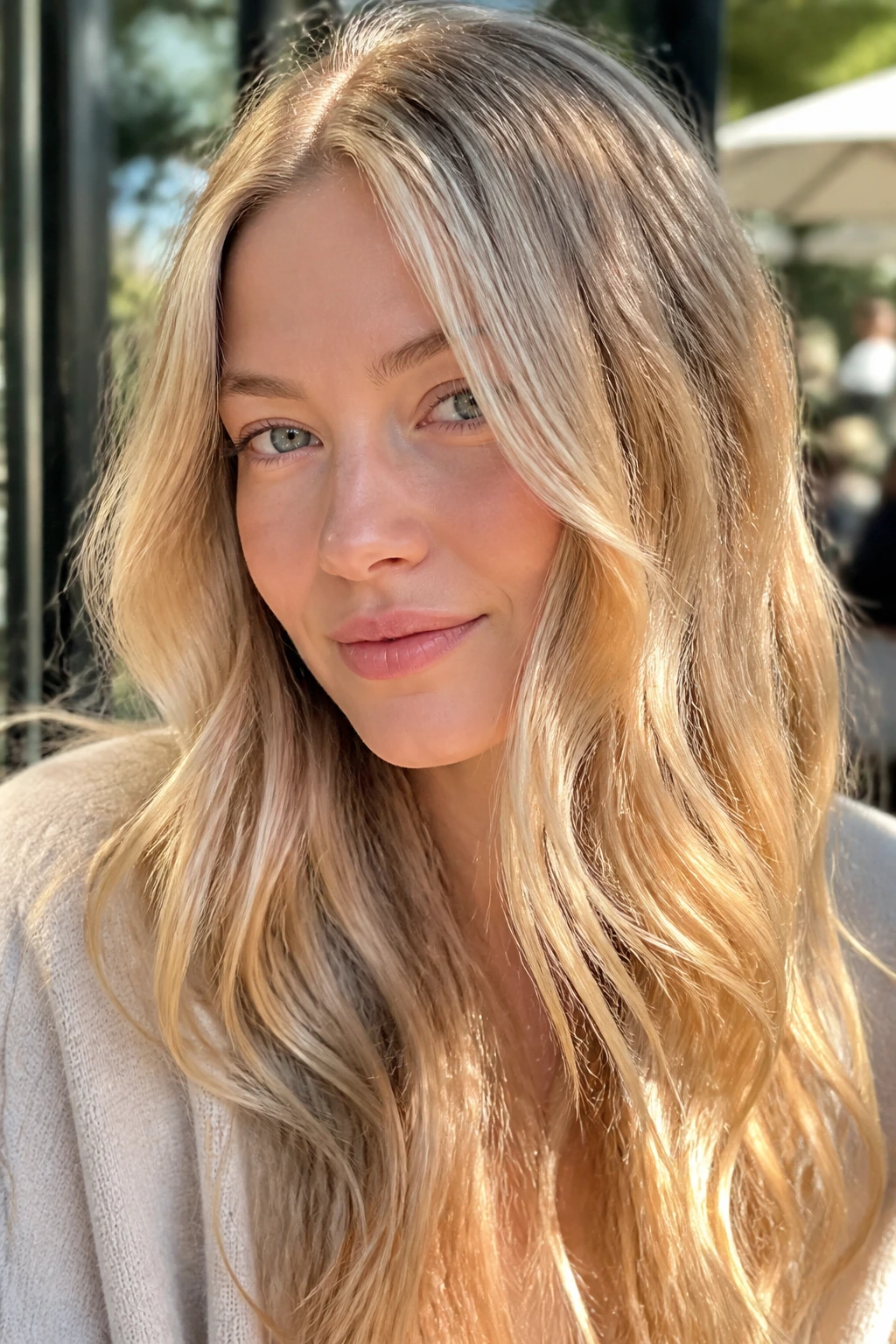
Sunlit wheat blonde looks like hair that spent a few hours outdoors and came back with a warmer story to tell. It has the softness of beige blonde, but there’s a little golden graininess to it — not in a bad way, more like the way wheat fields shimmer at the edges. On pale skin, that texture matters. Flat light blondes can erase the face; wheat blonde gives it a frame.
This shade works best when it’s not too bright at the scalp. A root that’s one level deeper keeps the skin from going ghostly. Then the mids and ends can carry that soft wheat warmth, almost like a gloss over a pale canvas. It’s especially pretty if you have light eyes, because the gold lifts the whole face without competing with them.
I’d call this a quiet blonde. Not boring. Quiet. It doesn’t demand makeup, but it rewards a little blush and a clean brow line. And when the hair moves, the warmth catches in narrow ribbons instead of one heavy sheet. That’s the whole point.
11. Maple Glaze Blonde
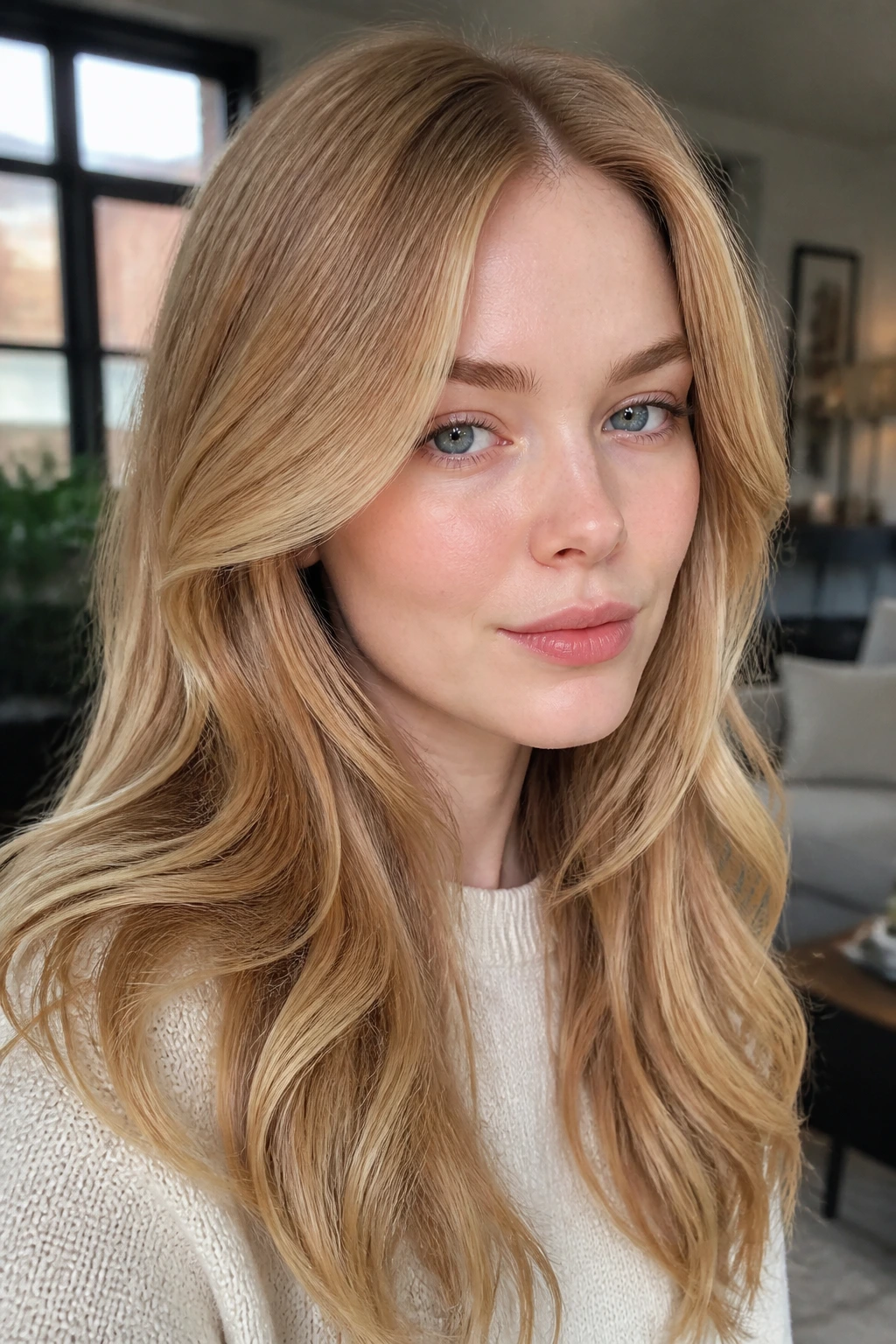
Maple glaze blonde is for people who want warmth with a bit of depth and don’t mind the color looking richer than a typical summer blonde. It has the soft amber of maple syrup, but the glaze part keeps it glossy and smooth. On pale skin, that richness can be very flattering because it creates enough contrast for the face to hold its shape.
I like this shade on medium-length cuts with layers. Straight, one-length hair can make maple blonde read a little dense, especially on fair skin. Layers break it up and let the warmer pieces peek through at different angles. A colorist can also leave the crown slightly deeper so the ends carry the sweetness. That keeps the blonde from going too flat.
This is not the pale, airy blonde for someone who wants a barely-there change. It’s more substantial than that. And that’s the appeal. The warmth gives the skin a softer edge, while the glaze finish keeps the color from looking dull or rough.
12. Peach Blonde
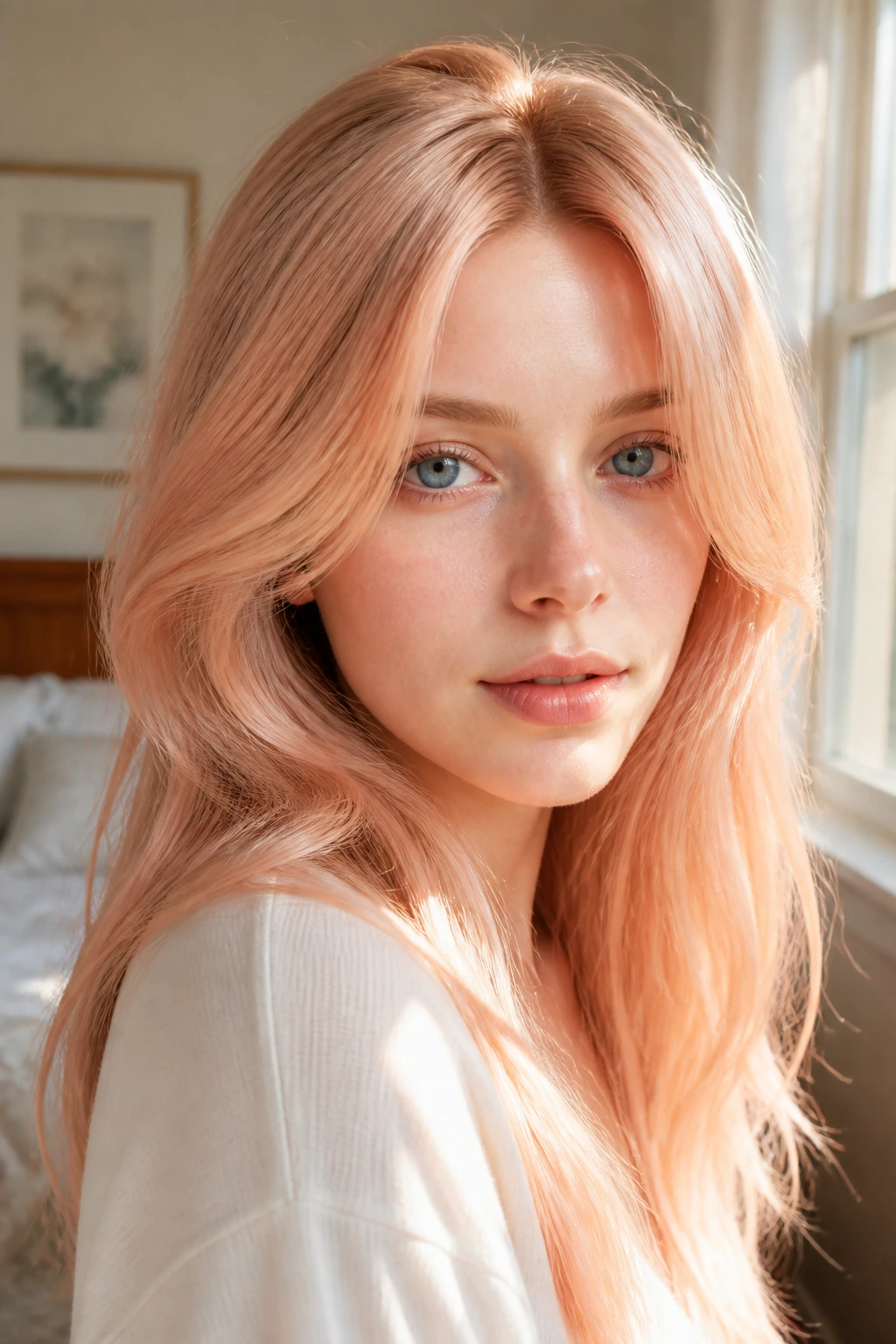
Peach blonde is the cooler cousin of strawberry blonde, if that makes sense. It leans softer, lighter, and a little more pastel, with gold doing most of the work and peach slipping in like a blush stain. On pale skin, that blush-like effect can be lovely, especially if your natural coloring already has some pink in it.
What sets peach blonde apart is how airy it feels. Strawberry can carry a little more copper. Peach stays gentler. That makes it easier to wear if you like warmth but don’t want the red note to dominate. If your skin gets flushed easily, keep the peach faint and use beige-gold as the main tone.
The best versions are usually glossed rather than heavily pre-lightened. That keeps the shade translucent. In full sunlight, peach blonde can look almost creamy apricot; in indoor light, it softens to beige with a rosy hint. It’s a moodier color than it sounds, which is why I think it works best on pale skin with a bit of attitude.
13. Vanilla Bean Blonde
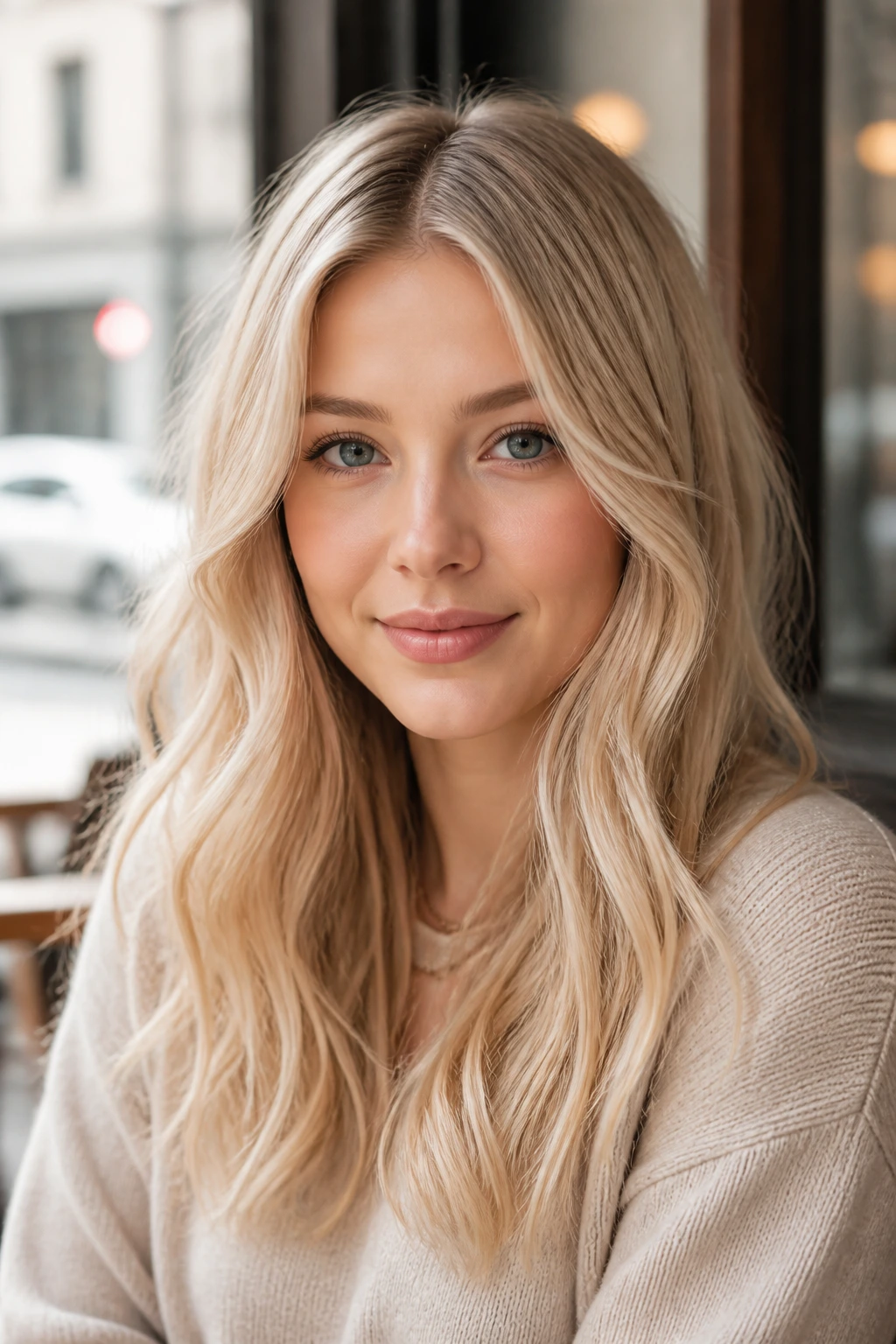
Vanilla bean blonde is a pale, creamy blonde with enough warmth to keep fair skin from looking washed out. It is not the icy version of “platinum adjacent” that gets all the attention. Good vanilla bean blonde has a tiny amount of gold and a soft, milky finish. The result feels light, but not sterile.
A Few Practical Notes
- Best undertones: Neutral fair skin or cool skin that needs a little softening.
- Best placement: Evenly brightened lengths with a small root shadow.
- Best finish: A glossy toner, not a dry matte blonde.
- Best warning: If the yellow is too bright, it stops being vanilla and turns brassy.
This is the right call if you love very light hair but don’t want to look like the color arrived from a toner emergency. On pale skin, vanilla bean blonde can look delicate in a good way — airy, soft, clean. It pairs especially well with soft pink makeup and simple clothing colors, because the hair is already doing a lot of visual work.
14. Bronze Gold Blonde
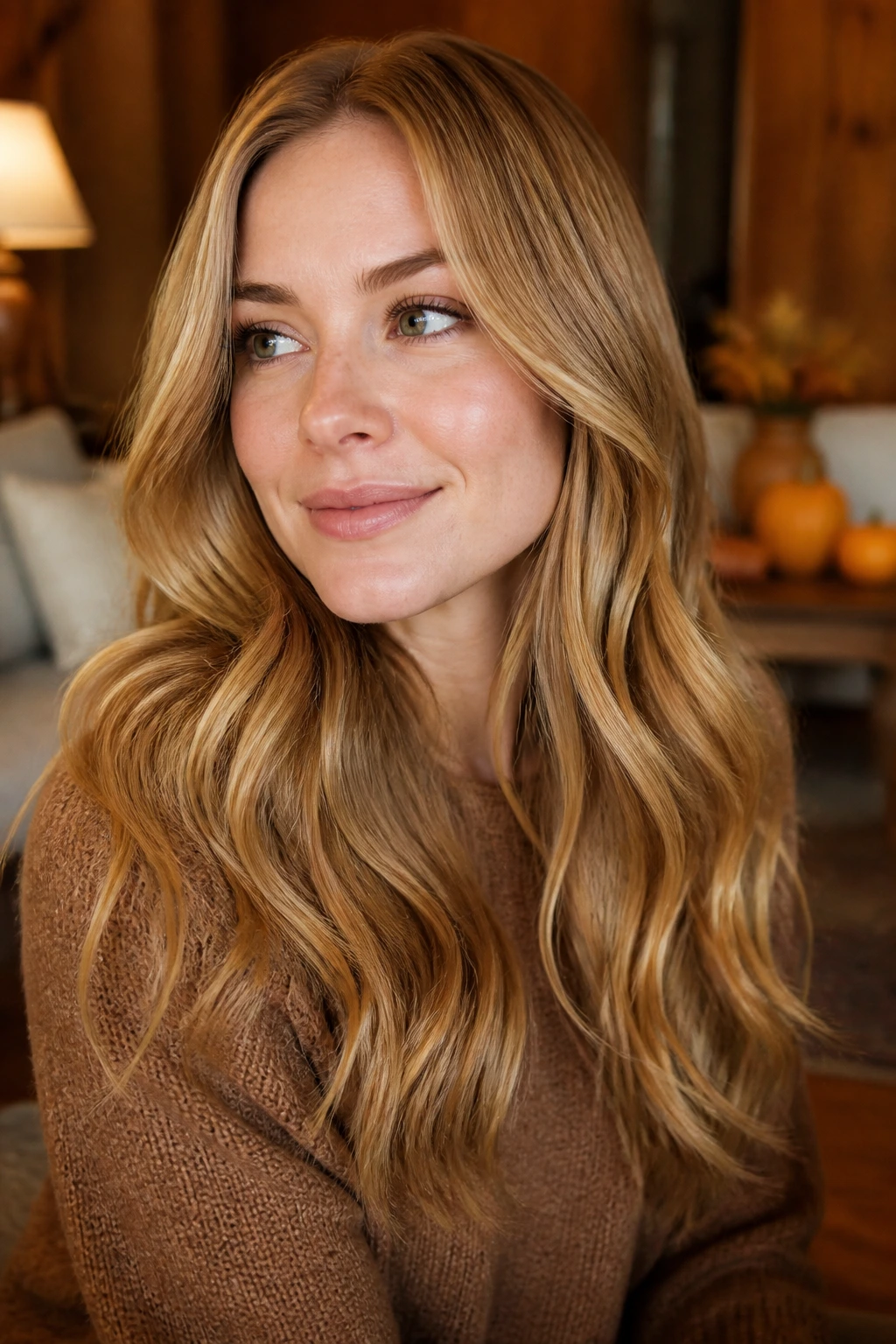
Bronze gold blonde is deeper, richer, and much more forgiving than people expect. It sits on the blonde side of light brown, with enough gold and bronze in the mix to warm up fair skin without bleaching the face out. If your pale skin feels a bit too stark next to very light hair, this shade solves that fast.
The bronze note gives the shade body. That means the hair doesn’t vanish against the skin in low light. It keeps some shadow and some shine, which is a better combination than people give it credit for. The overall effect is a little luxe, a little autumnal, and very flattering when you want warmth but not brightness.
This shade also works nicely if your eyes are hazel, green, or soft brown. The gold brings them forward. It’s a grounded blonde, not a bubble-gum one, and that makes it easier to wear day after day. If you want pale skin to look calmer instead of paler, bronze gold blonde is one of the sneaky-good choices.
15. Butterscotch Blonde
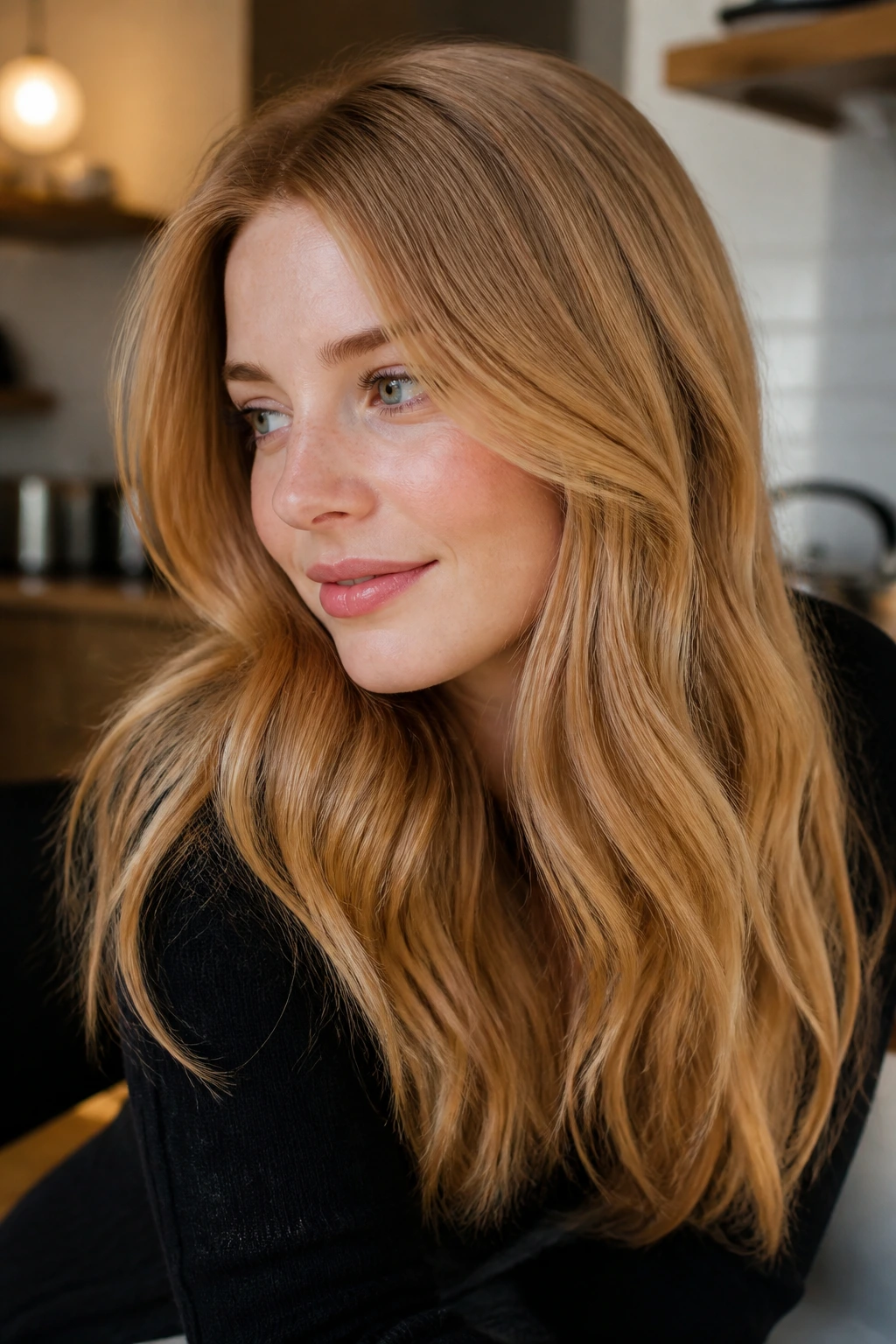
What if you want warmth without the color tipping into orange? Butterscotch blonde. That’s the answer. It has a caramelized gold tone that feels richer than honey but softer than copper, which is exactly why it behaves so well on pale skin. It warms the face without frying the complexion.
Best Undertones and Uses
Butterscotch blonde suits fair skin with neutral, peach, or lightly rosy undertones. If your skin is very cool, keep the shade beige at the roots and richer through the mids so it doesn’t swallow the face. It also looks good when the front pieces are slightly brighter than the back, because that keeps the color from feeling heavy.
I like butterscotch blonde most on layered cuts, textured bobs, and long hair with bendy waves. The movement keeps the warm pieces alive. On dead-straight hair, it can look a little blocky if the color placement is too even. So ask for dimension. Don’t skip it. The difference between sweet and syrupy is often only a few carefully placed foils.
16. Warm Beige Lowlights Blonde
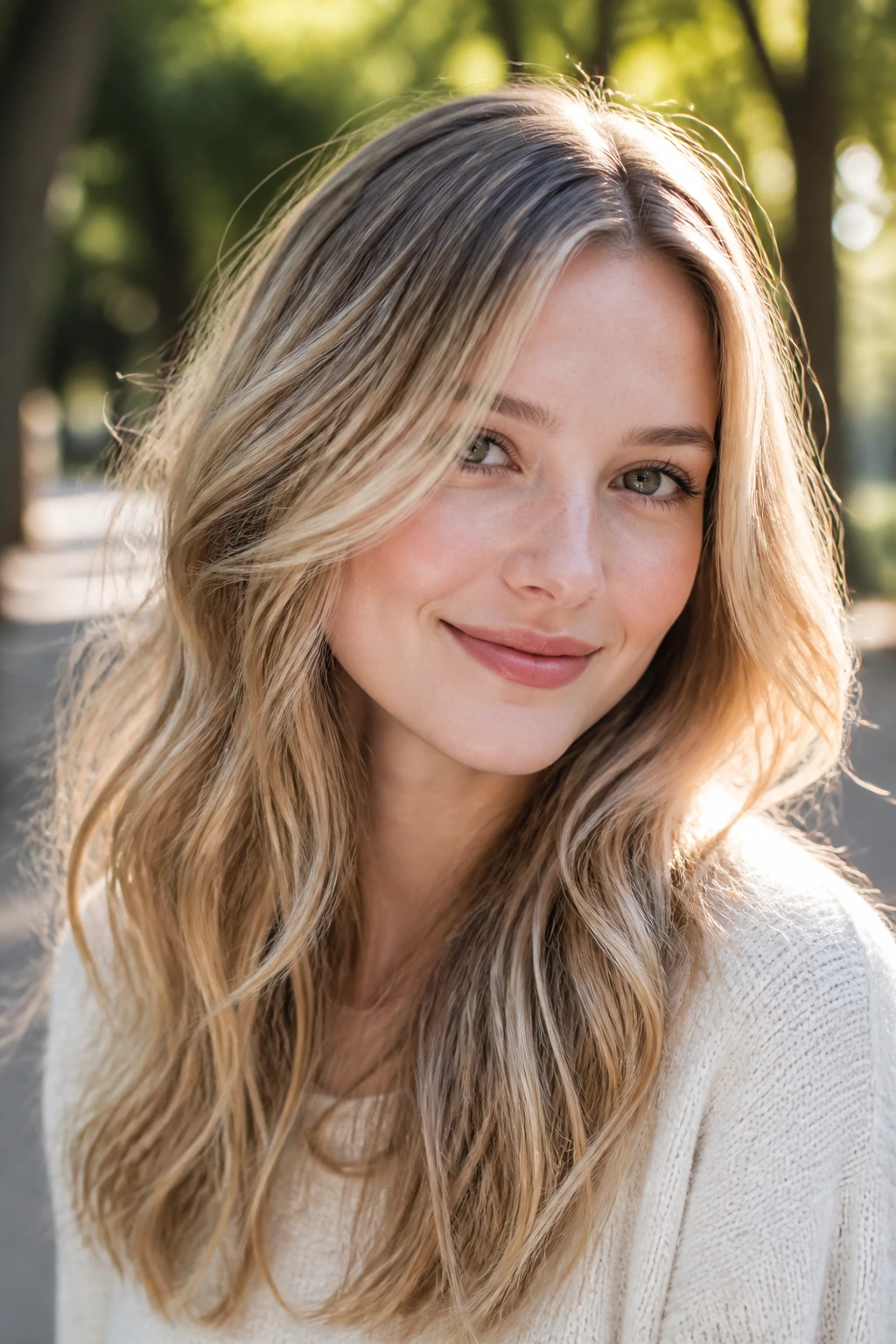
Warm beige lowlights blonde does one thing very well: it gives pale skin a frame. Instead of pushing every strand lighter, this look uses beige lowlights to break up brightness and add depth under the surface. That depth is useful. Fair skin often looks sharper when the hair has some shadow in it.
This is a smart pick if your current blonde feels too loud or if you’re trying to grow out highlights without looking unfinished. Beige lowlights soften the overall tone without making the hair dark. The warmth stays there, but it moves into the background a little, which is exactly what a lot of pale complexions need.
I’d use this on medium-to-long hair where the lowlights can actually show. On very short hair, the effect can get crowded. A few lighter pieces around the face will keep the hair from looking muddy. Still, the reason I like this idea is simple: not every warm blonde has to be bright to work. Sometimes the most flattering version is the one that leaves some room for the face.
17. Amber Blonde
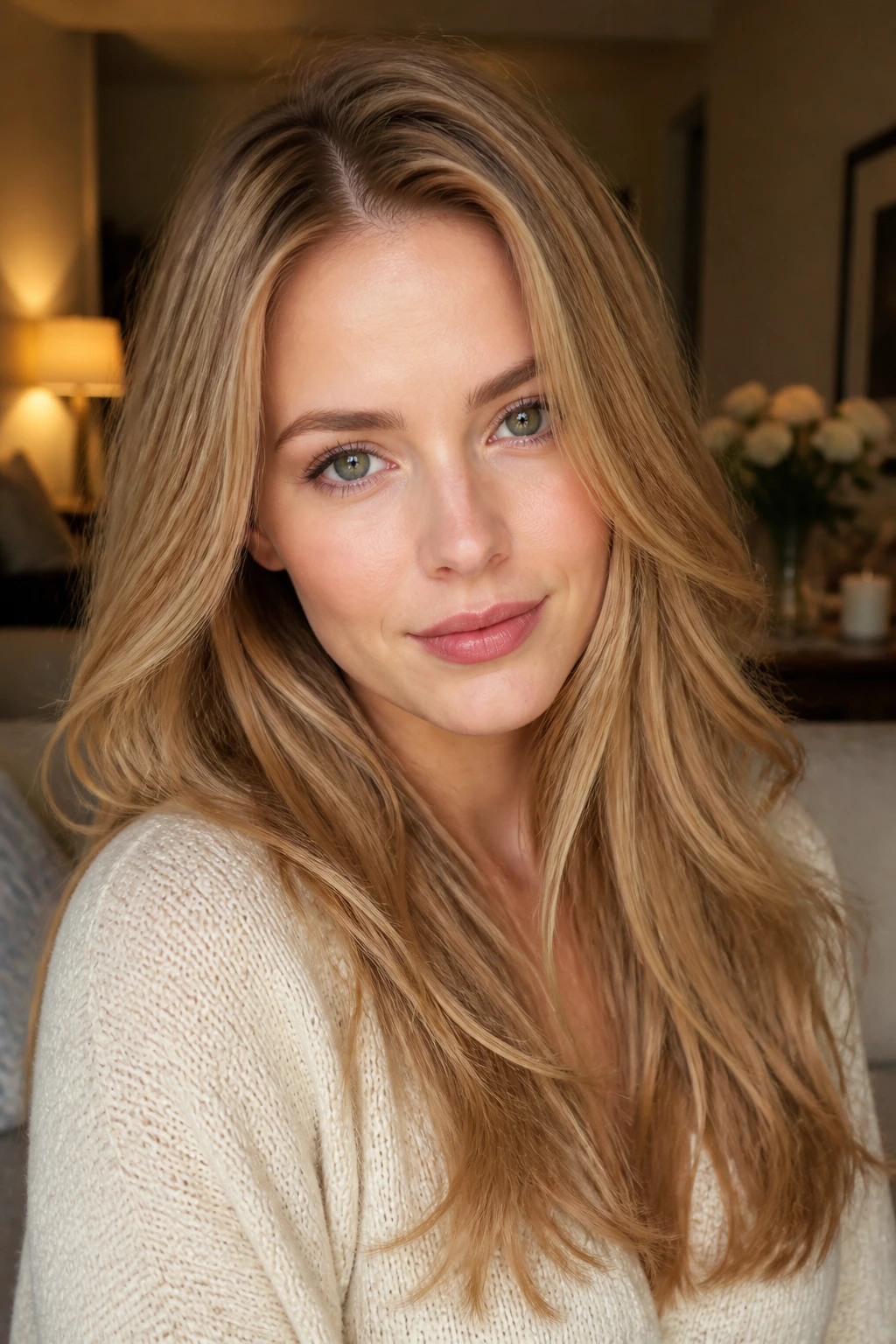
Amber blonde is a richer, jewel-toned take on warmth. It carries gold, a little brown, and a faint resin-like glow that makes the hair look polished even when it’s not freshly styled. On pale skin, amber can be especially pretty because it creates enough contrast to keep the complexion from disappearing into the hair.
This one works best if you want a blonde that feels deeper and more adult. It’s warmer than ash, richer than sand, and slightly darker than honey. The tone is less about sunlight and more about glow. If that sounds dramatic, it isn’t. It just means the shade has enough depth to stay visible in dim rooms and soft window light.
Amber blonde also pairs well with simple makeup. Cream blush, a soft brown liner, and a neutral lip are usually enough. The hair does the rest. If your natural base is dark blonde or light brown, this shade can be one of the easiest warm blondes to live with because it doesn’t demand a dramatic lift from the salon chair.
18. Cinnamon Kissed Blonde
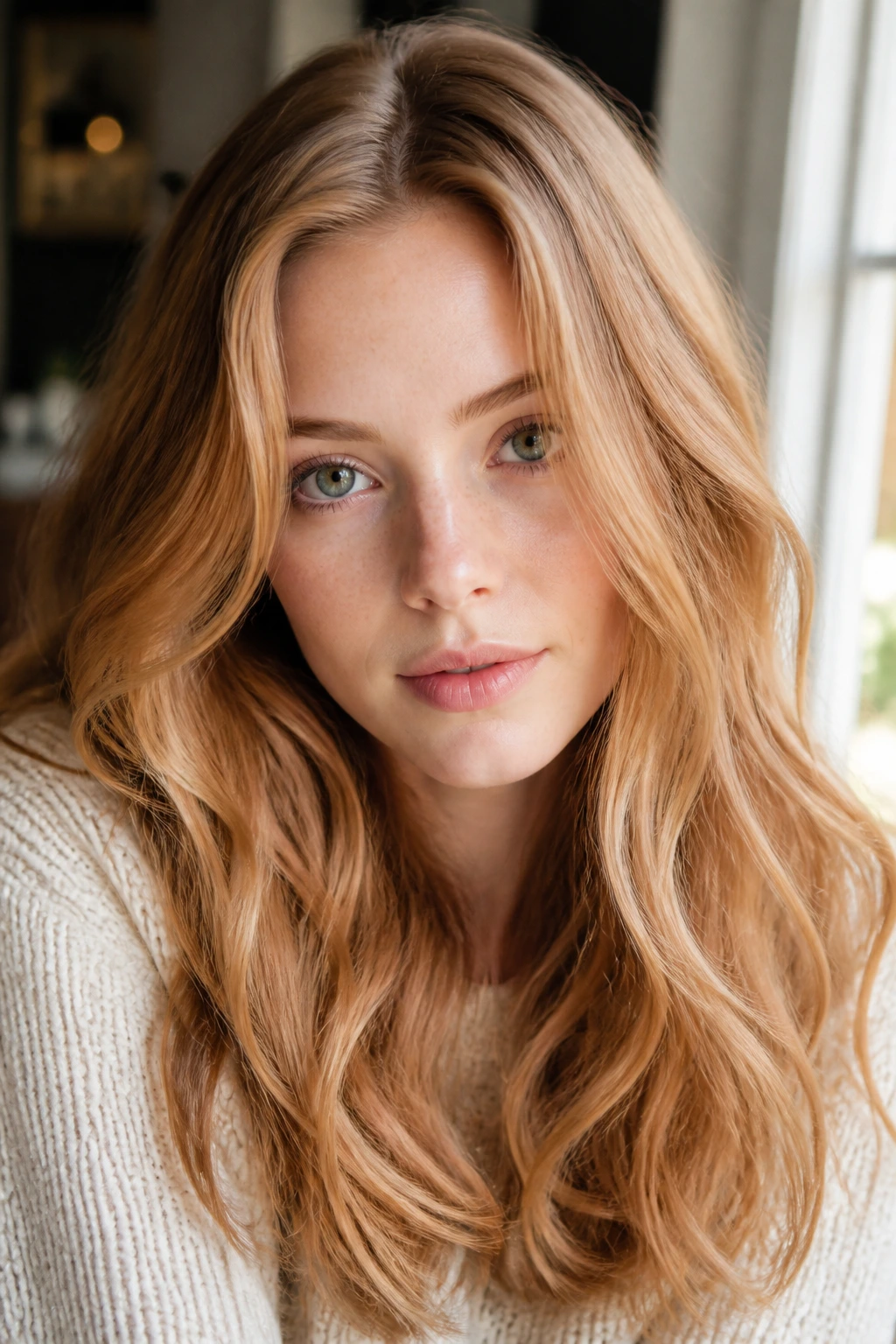
Cinnamon kissed blonde sits right on the edge between blonde and soft copper, but it keeps the copper restrained. That’s why it works on pale skin when stronger red-blonde shades start feeling like too much. The cinnamon note warms the hair in a gentle way, almost like a dusting of spice on top of beige-gold.
Unlike a full copper blonde, this shade doesn’t try to become the whole personality of the hair. It’s softer than that. The warmth comes through in the mids and ends, while the roots stay quieter. That makes the color feel wearable, especially for fair skin with a little pink or peach in it.
If you want warmth around the face but not a red overall finish, this is a good in-between. It also plays well with textured cuts because the cinnamon tones catch on the bends and give the hair a soft, dimensional look. Straight hair can wear it too, but the shine has to be good. Dry cinnamon blonde looks tired fast.
19. Soft Gilded Blonde
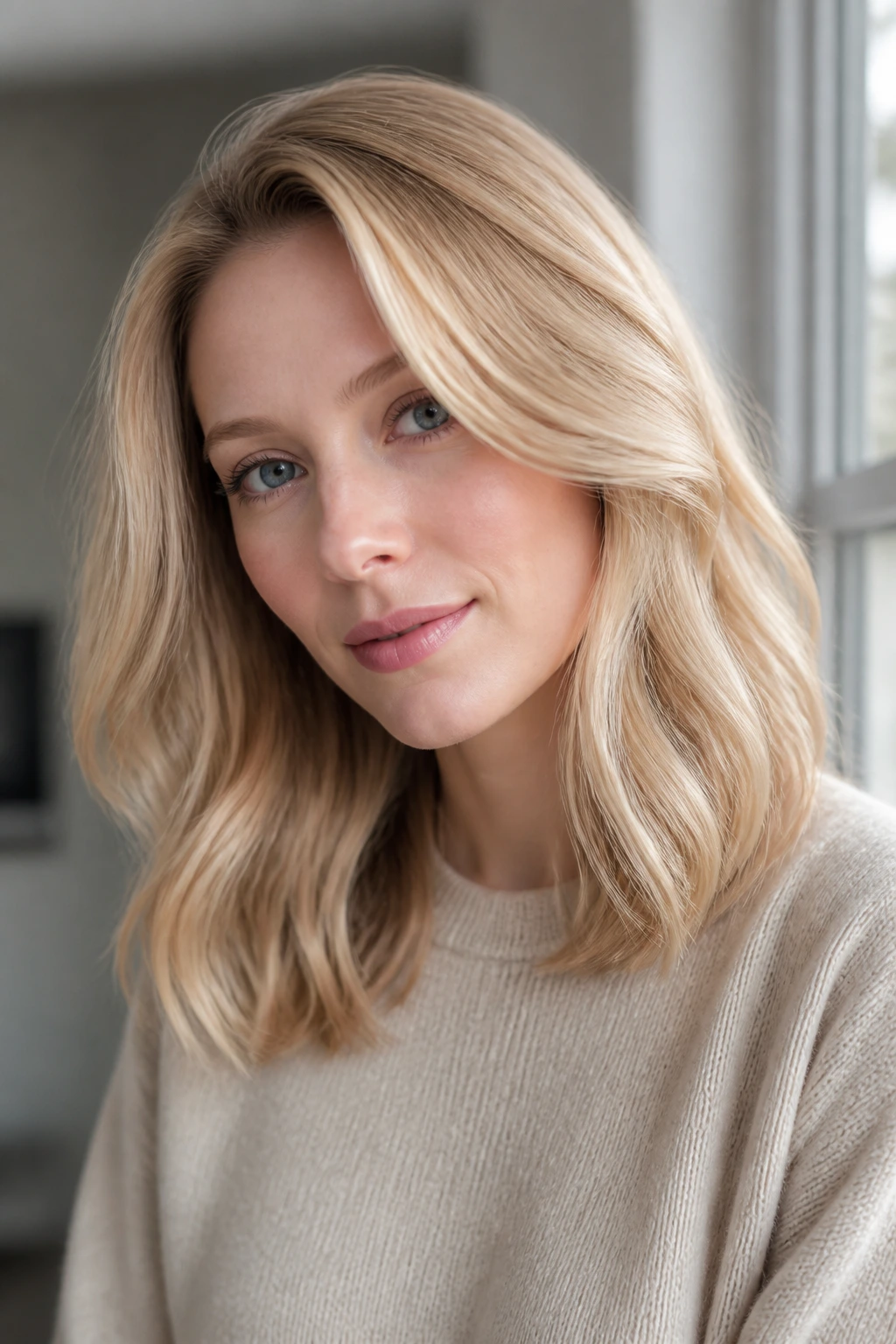
Soft gilded blonde has the feel of light brushed over cream. The gold is there, but it’s toned down and spread gently through the hair instead of sitting on top like a loud glaze. On pale skin, that softness matters because it brightens the face without making the hair take over the room.
Why It Feels So Wearable
A gilded blonde like this usually starts with a neutral or beige base, then gets fine gold highlights and a subtle gloss. The placement is the real trick. If those gold pieces are too chunky, fair skin can look overexposed. If they’re too scattered, the color loses its warmth. You want enough gilding to shimmer, not enough to glare.
I like this look on shoulder-length hair because the shape keeps the shade moving. It also looks especially good with side-parted waves, where the light hits the gold in soft streaks. The whole thing feels calm, not boring. There’s a difference.
20. Coconut Cream Blonde
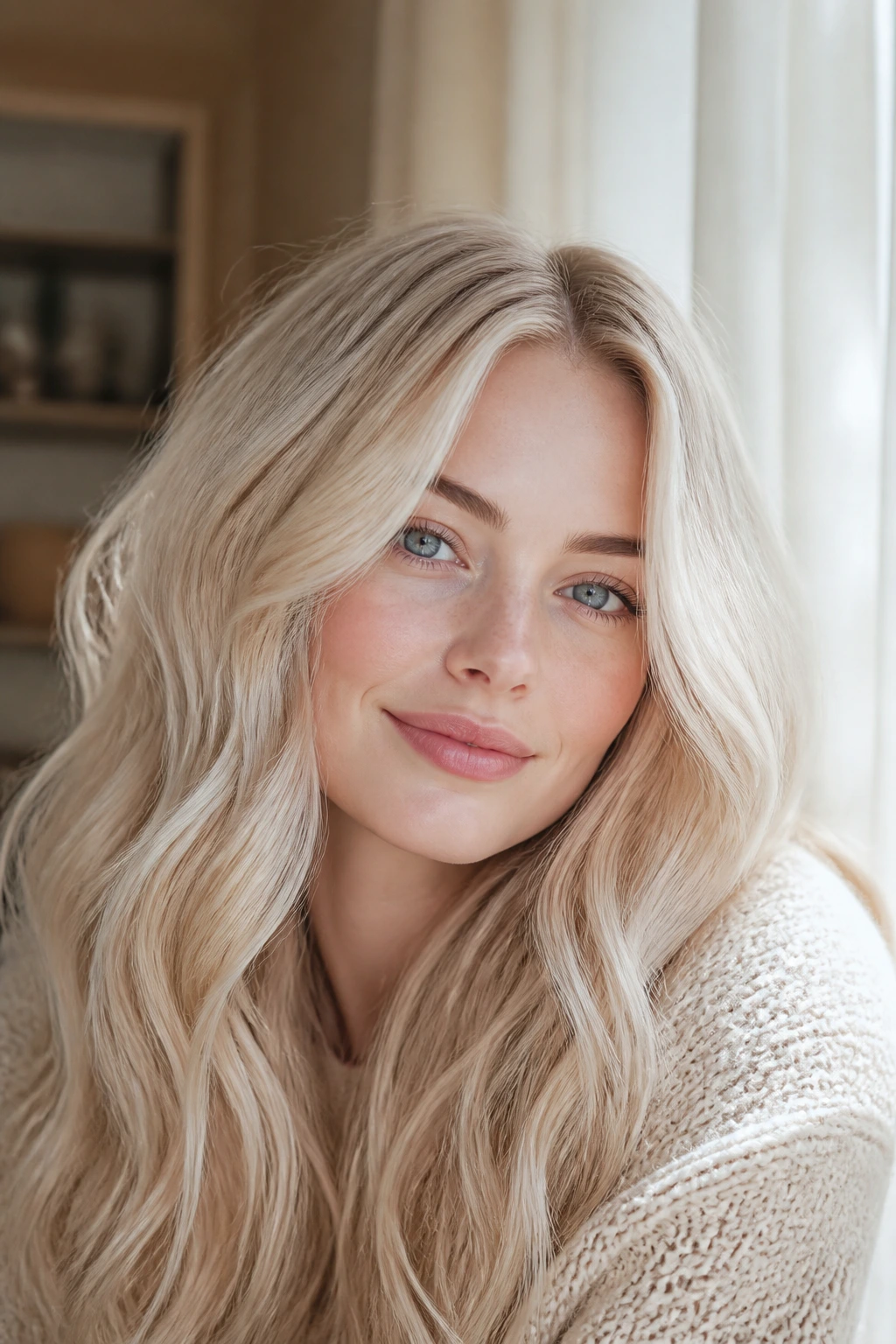
Coconut cream blonde is the blonde you choose when you want lightness but need the skin to stay in charge. It’s a creamy, pale beige blonde with a soft warmth underneath, like coconut milk whipped into a lighter shade of vanilla. On very fair skin, that extra cream keeps the color from turning stark.
This is one of the better choices if your skin leans cool but you still want warmth in the hair. The base should stay pale, but not white. White blonde can flatten porcelain skin. Coconut cream gives you the brightness without the harshness. It’s also a good transition shade if you’re moving away from silver blonde or cooler ash tones.
The finish matters here. A gloss that’s too golden will push it into yellow. A gloss that’s too beige can make it look dull. The sweet spot is milky and luminous. If you like soft sweaters, clean makeup, and hair that doesn’t argue with your face, this is your lane.
21. Toasted Almond Blonde
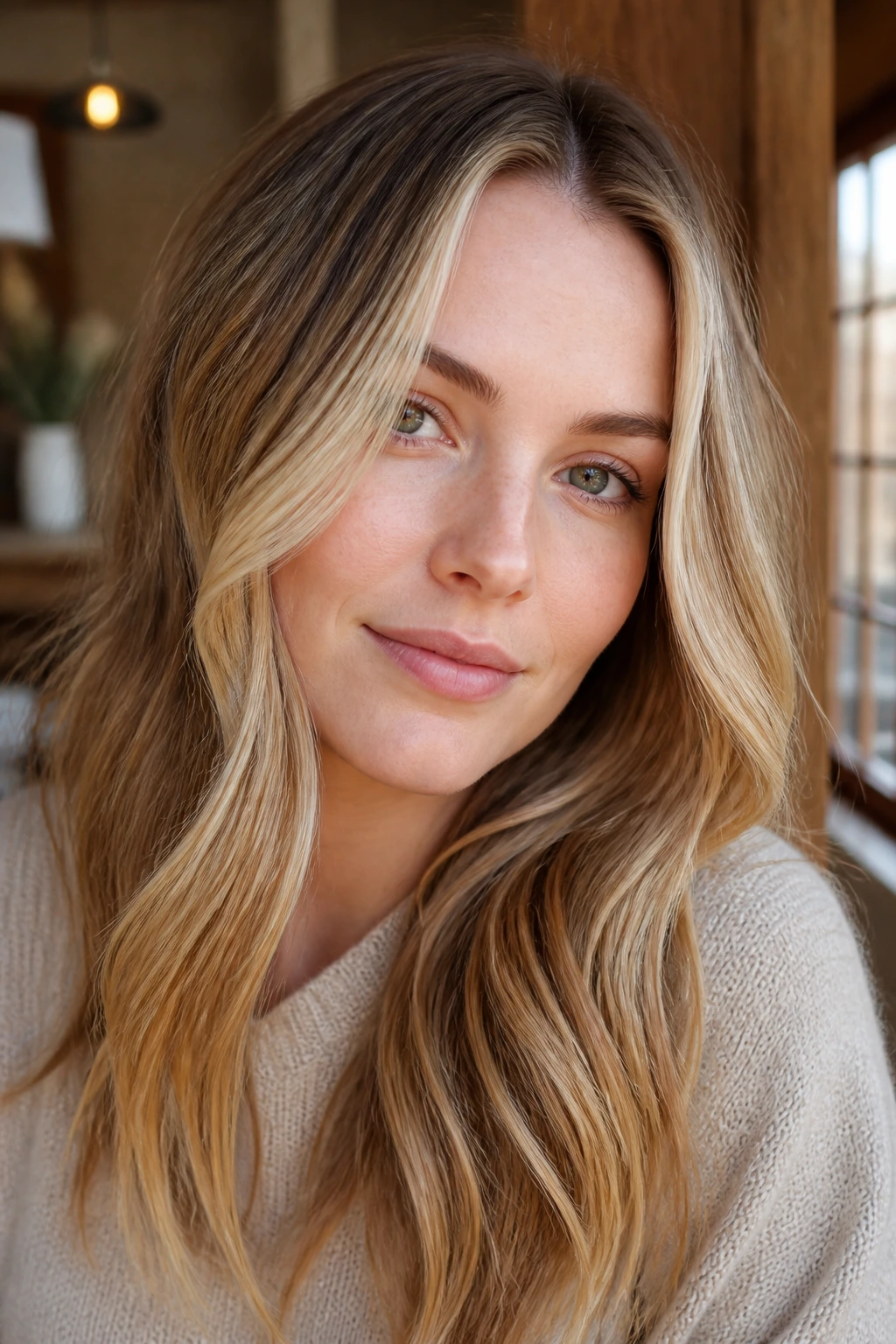
How do you keep blonde from going flat on fair skin? Add depth. Toasted almond blonde does exactly that, using a light brown-gold base with warm blonde pieces layered through it. The effect is softer than a pure blonde and much easier to wear if your complexion needs some structure.
This shade is especially good for people who are nervous about bleach. It doesn’t ask for the brightest lift. Instead, it works with natural depth and adds warmth where the hair can carry it best. The “toasted” part matters; it keeps the shade from looking pale and empty. The almond note keeps it smooth instead of muddy.
What to Ask For
- A level 7 or 8 beige-gold base.
- Fine blonde pieces concentrated around the face.
- A root that stays one shade deeper for contrast.
- A gloss finish that leans warm, not orange.
Toasted almond blonde has a grounded, wearable feel that suits pale skin better than people expect. It gives the face a frame instead of a halo.
22. Dawn Blonde
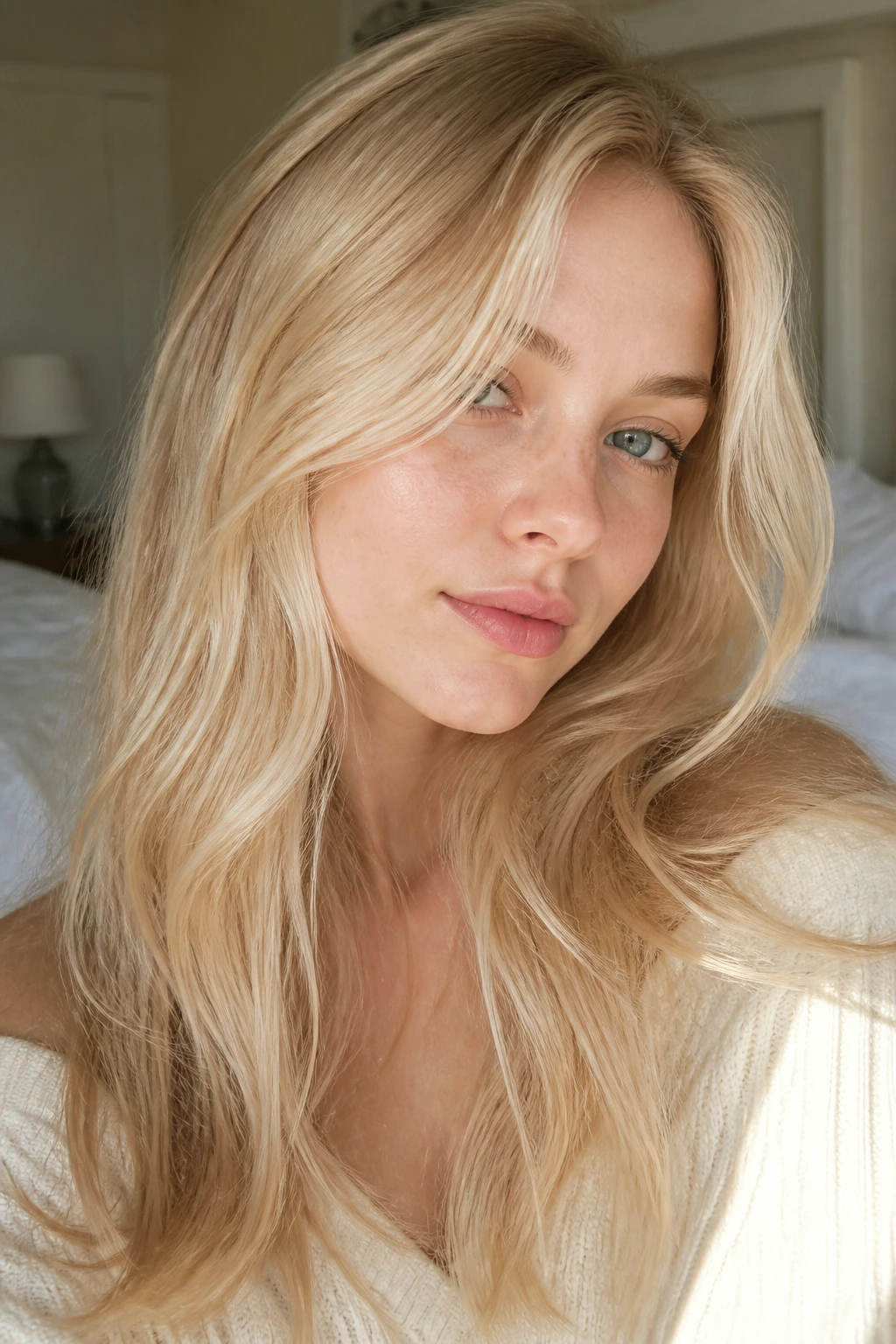
Dawn blonde looks like the first light that shows up before the day fully starts — pale, warm, and just a little hazy. It sits lighter than honey and warmer than beige, which makes it useful for fair skin that needs brightness but not hard contrast. The warmth is subtle enough to stay soft in daylight.
This shade is gorgeous when the hair has a smooth finish and a bit of movement. It does not want to be crispy or overly textured. The tone itself is delicate, so frizz can make it look unfinished. If you like sleek blowouts or soft bends, it shines. If your hair is very dry, add shine treatments before you ask for this color. That will matter more than the exact toner.
I also like dawn blonde because it feels light without becoming fragile-looking. It gives fair skin a warm edge, but the softness of the tone keeps the face from disappearing. It’s one of those shades that looks more flattering in person than in an overly edited photo. That’s a good sign.
23. Rosy Gold Blonde
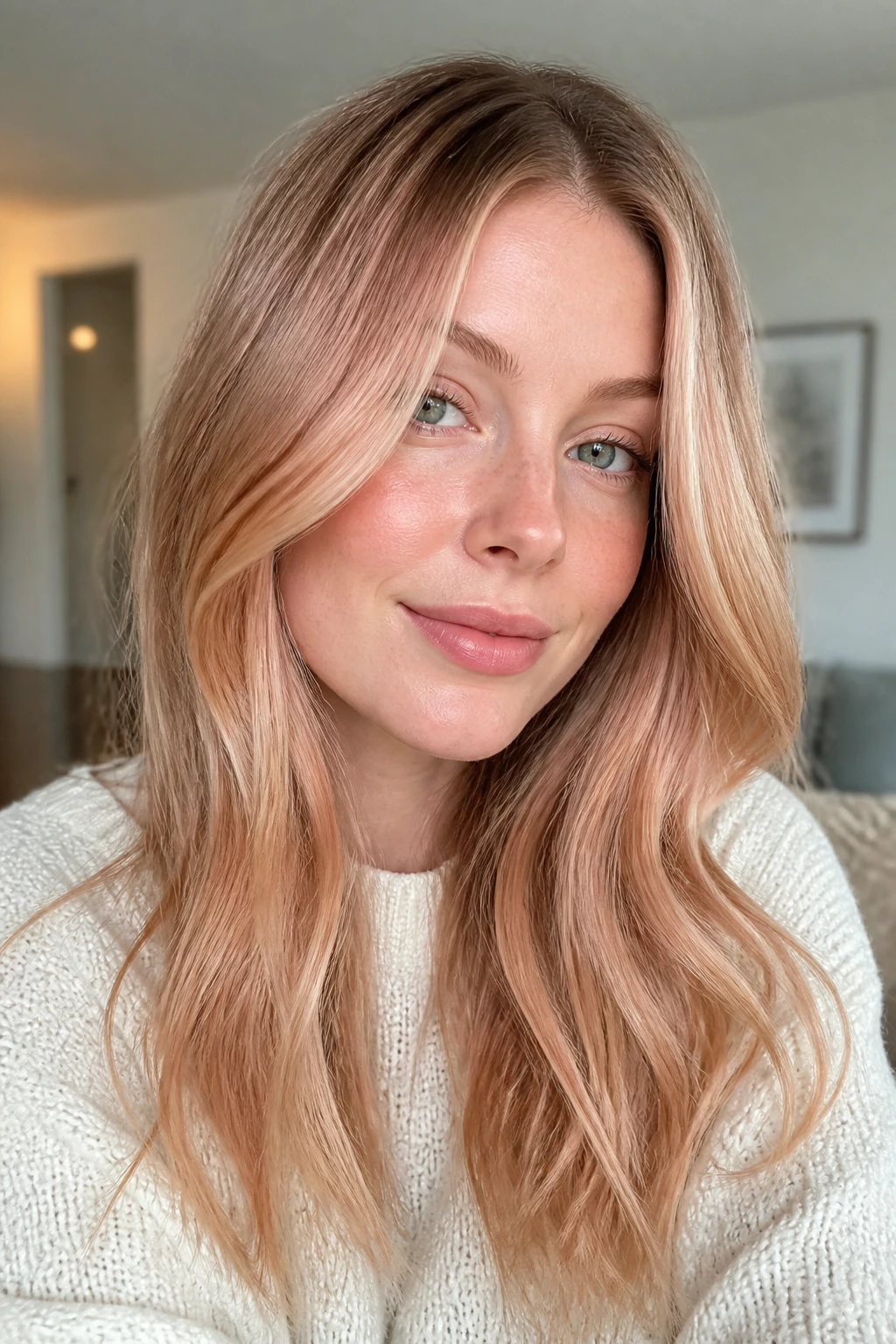
Rosy gold blonde is a pretty answer for pale skin with pink undertones. It mixes soft gold with a hint of rose-beige, so the color feels warm but not coppery. The rose note can be tricky — too much and the hair reads red; too little and it loses the softness that makes this shade special.
This is a good choice if your skin already has some natural blush and you don’t want the blonde to exaggerate it. In the right amount, rosy gold actually calms the face. It makes fair skin look less flat and gives light eyes a little extra sparkle. The color is subtle enough to wear to work, but it still has personality.
I’d keep the roots deeper and the front pieces a little lighter. That stops the color from getting too sentimental-looking. Rose tones can be lovely, but they need a little contrast. Otherwise they can drift into costume territory. Keep it balanced and the result is soft, warm, and very flattering.
24. Golden Bronde
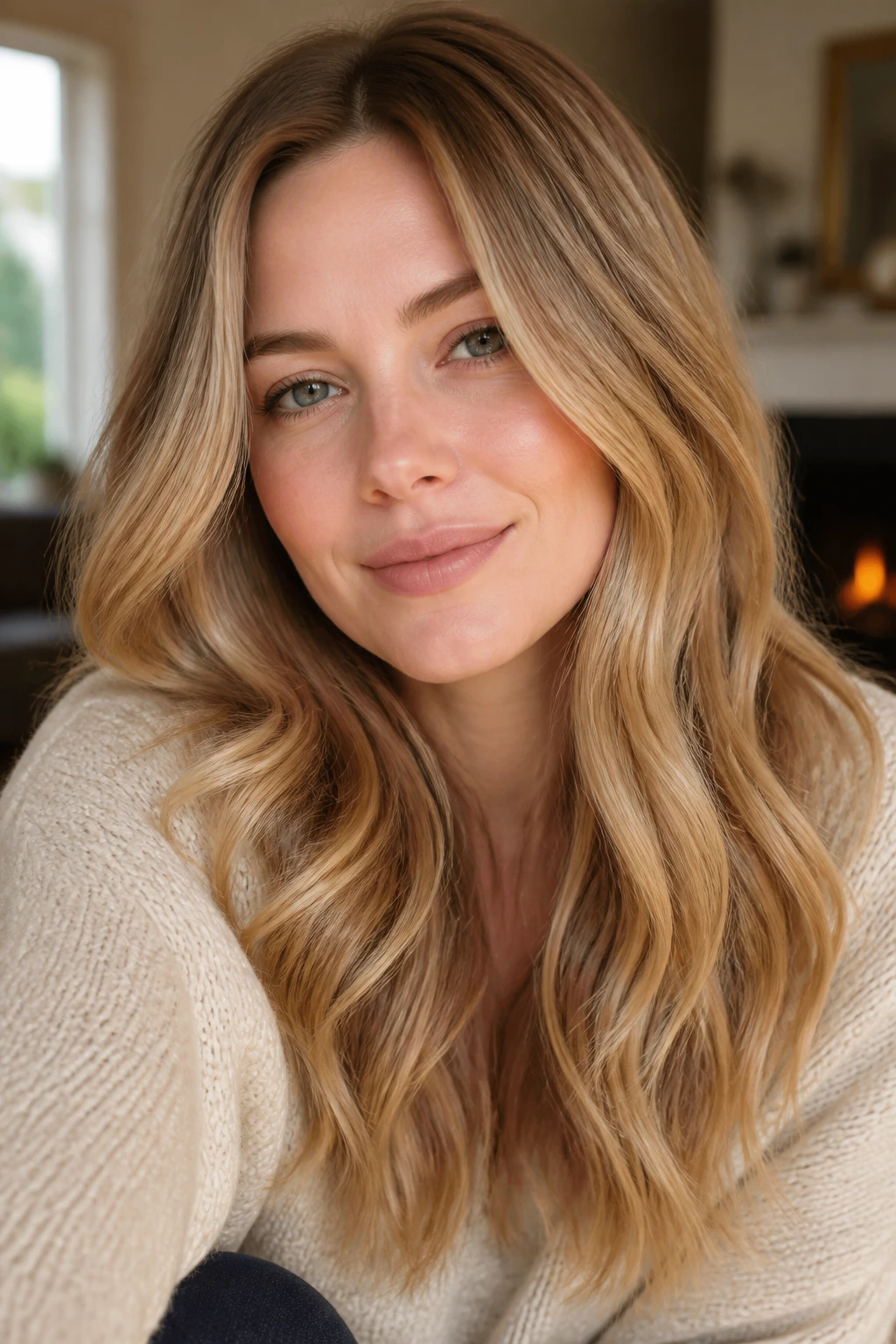
Golden bronde is one of the smartest warm blonde ideas for pale skin if your natural hair is dark blonde, light brown, or a mix of both. It sits between brunette and blonde, with golden highlights that keep the face bright and a deeper base that gives the whole look structure. That structure is what saves it from disappearing on fair skin.
Unlike all-over blonde, golden bronde keeps some of your natural depth visible. That means less maintenance and more shape around the face. The gold comes through where it matters most — front sections, mids, ends — while the root keeps the color grounded. If you have pale skin and dark brows, this is often a better match than going fully light.
I like this shade because it looks expensive without acting precious. It’s a practical blonde, if that makes sense. You can grow it out without panic, and it still gives the face warmth. Not every blonde needs to be light enough to count the individual highlights from across the room.
25. Cream Soda Blonde
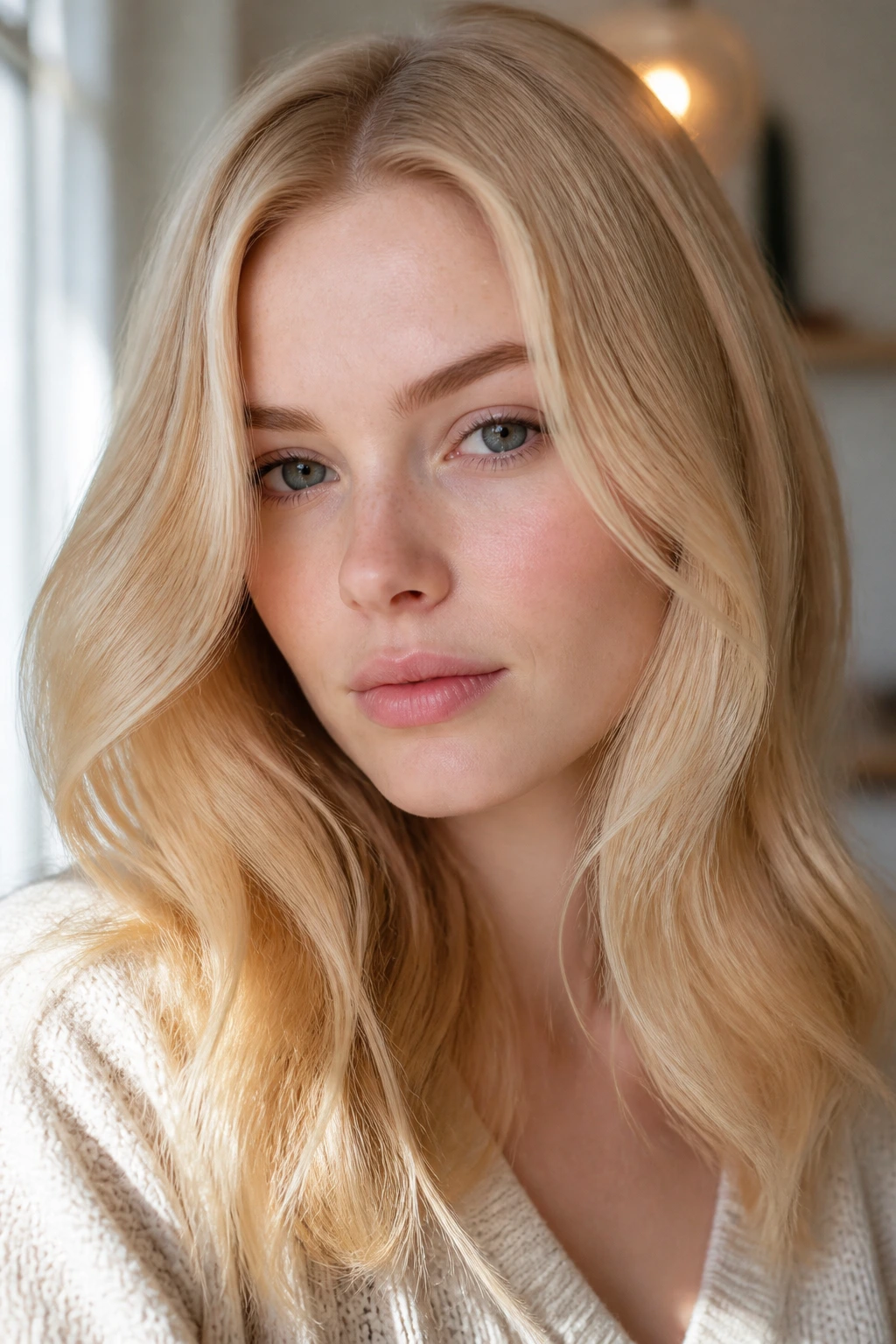
Cream soda blonde is fizzy in name and soft in practice. It blends beige, vanilla, and a gentle gold tone to create a blonde that feels sweet but not sugary. On pale skin, it works because it brightens the face while keeping enough cream in the formula to avoid that sharp yellow edge.
This is the kind of blonde that looks especially good when the roots are slightly shadowed and the mids have the most light. That layout keeps the hair looking full and keeps the face from getting washed out. If your skin is very fair, cream soda blonde can be a safer choice than a brighter gold because the beige note softens the contrast.
It also behaves well under different lighting. That matters more than people think. Some blondes look great at noon and weird by dinner. Cream soda blonde tends to stay soft, which is half the battle. If you want a blonde that feels playful but still wearable, this one closes the list on a very solid note.
Why These Shades Work in Real Light
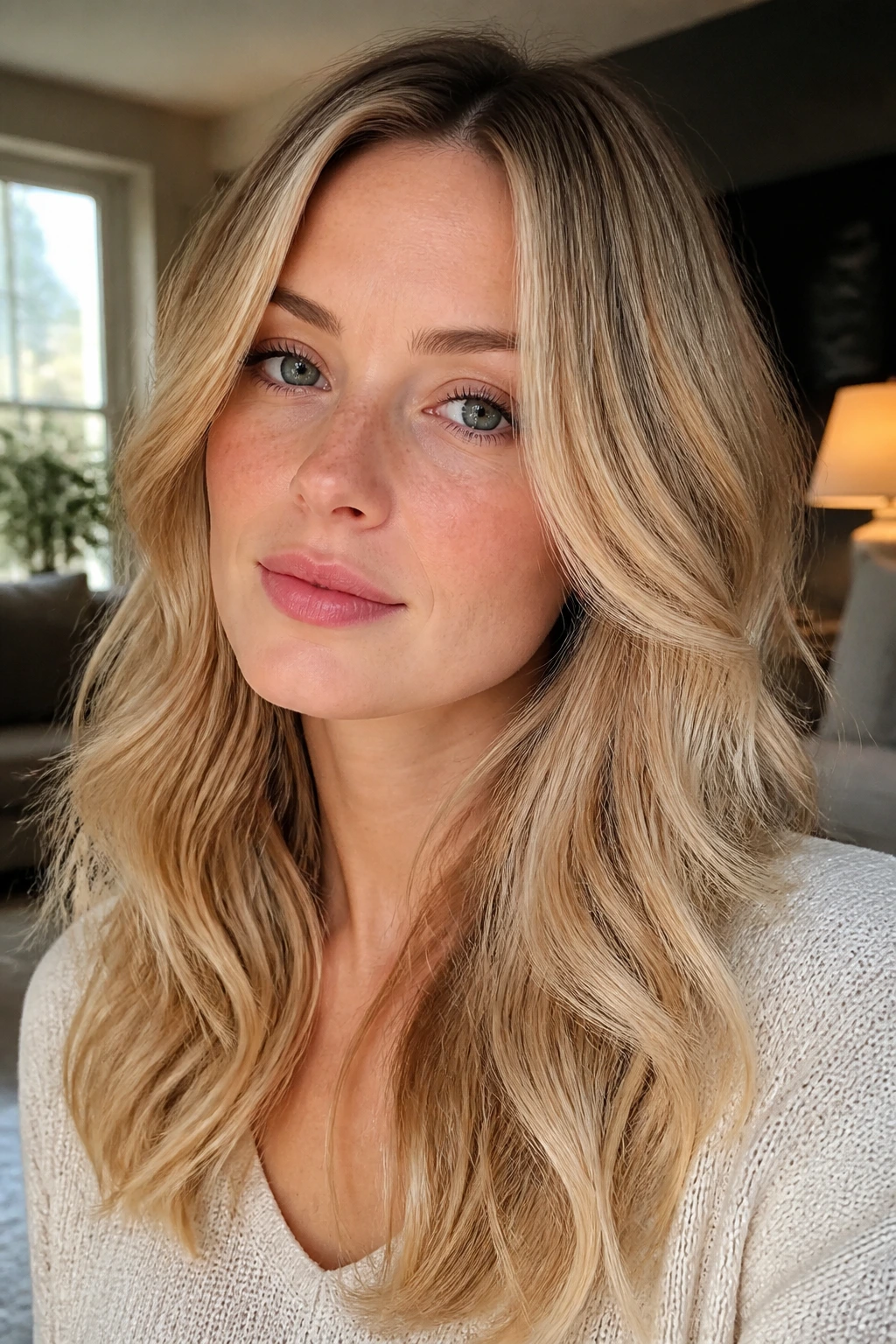
Warm blonde hair color ideas for pale skin only matter if they hold up outside the salon mirror. That’s where the beige, gold, butter, and honey notes earn their keep. They stop the complexion from looking too pale by giving it a warmer edge, but they don’t push so far into orange that the hair starts shouting at the face.
The real test is indoor light. Fluorescent bulbs, bathroom mirrors, and flash photography can turn a great blonde into a problem if the tone is too yellow or too flat. A good warm blonde has some depth at the root, a creamy mid-tone through the lengths, and enough dimension to move in different light. Flat color is the enemy here. It makes fair skin look even fairer in the wrong way.
When a shade works, you usually notice the face first. The eyes look clearer. The skin looks less chalky. Brows feel like they belong. That’s the whole goal, and it has less to do with being “blonde” than with being warm in the right places.
What to Bring to the Salon Chair
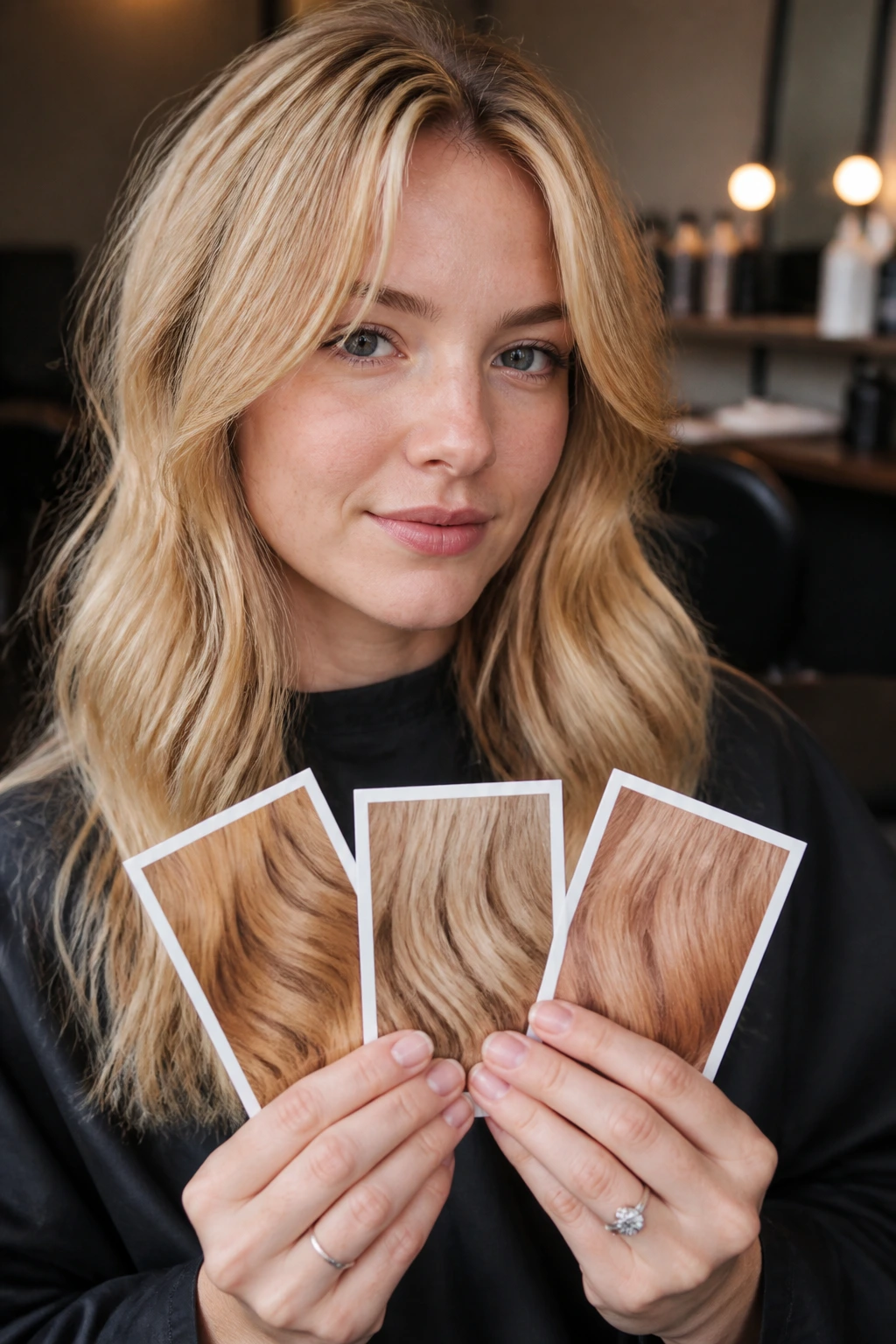
A good color appointment starts before the bowl and brush come out. Bring two or three reference photos of the same blonde in different lighting if you can. One should be in natural daylight, one indoors, and one from the side if possible. That helps a colorist see whether the warmth is beige-gold, buttery, peachy, or straight-up yellow.
Write down your natural hair level if you know it, plus any box dye, old highlights, or toner services from the past. Hair history changes everything. Pale skin can wear warm blonde beautifully, but the formula has to match the starting point or the result gets muddy fast.
A small maintenance kit matters too. Color-safe shampoo, a lightweight mask, heat protectant, and a wide-tooth comb will do more for the shade than a stack of random gloss products. If your water runs hard, a shower filter can help keep warm blondes from going dull and weird at the ends. Not glamorous. Very useful.
How to Choose the Right Warm Blonde for Your Undertone
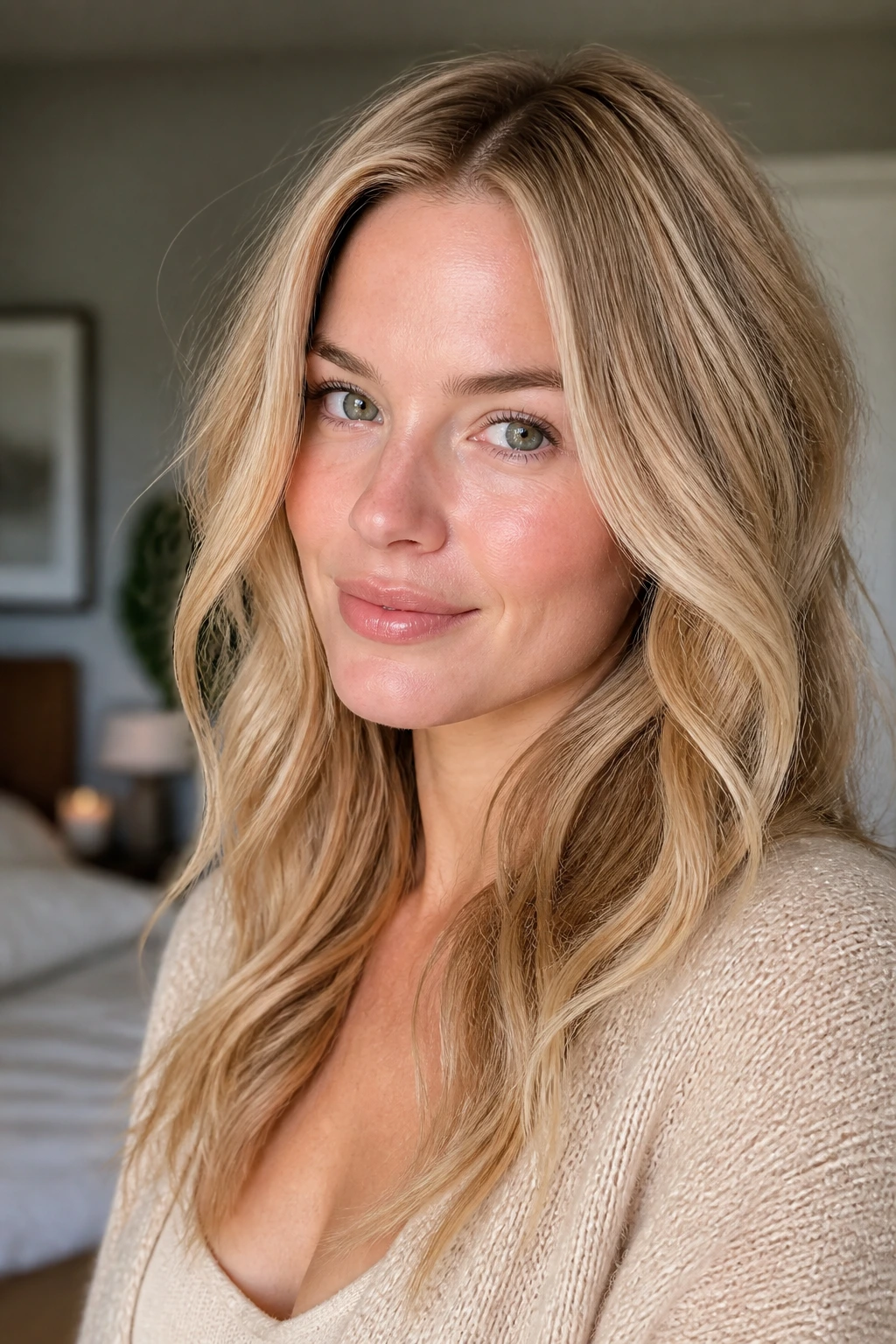
Pale skin is not one thing. Some fair skin leans pink, some leans peach, some is neutral, and some sits close to olive even when it looks light in the mirror. That difference decides whether honey, beige, apricot, or bronze gold will look soft and flattering.
If your skin is pink or rosy, start with beige-gold, champagne, vanilla bean, or rosy gold. These shades warm the face without turning it red. If your skin is peach or neutral, honey butter, butterscotch, and golden beige usually work well because they add warmth without looking dusty. If your skin is very fair and cool, keep the warmth creamy rather than orange; coconut cream and cream soda are usually safer bets.
Level matters too. A level 8 or 9 blonde often gives pale skin enough glow without going too light. Level 10 can work, but only if there’s some beige or golden tone keeping it from looking stark. If you’re unsure, ask for a gloss first, then build the brightness in pieces. That’s the less dramatic route, and I think it usually looks better.
How to Wear Warm Blonde Without Letting It Wear You
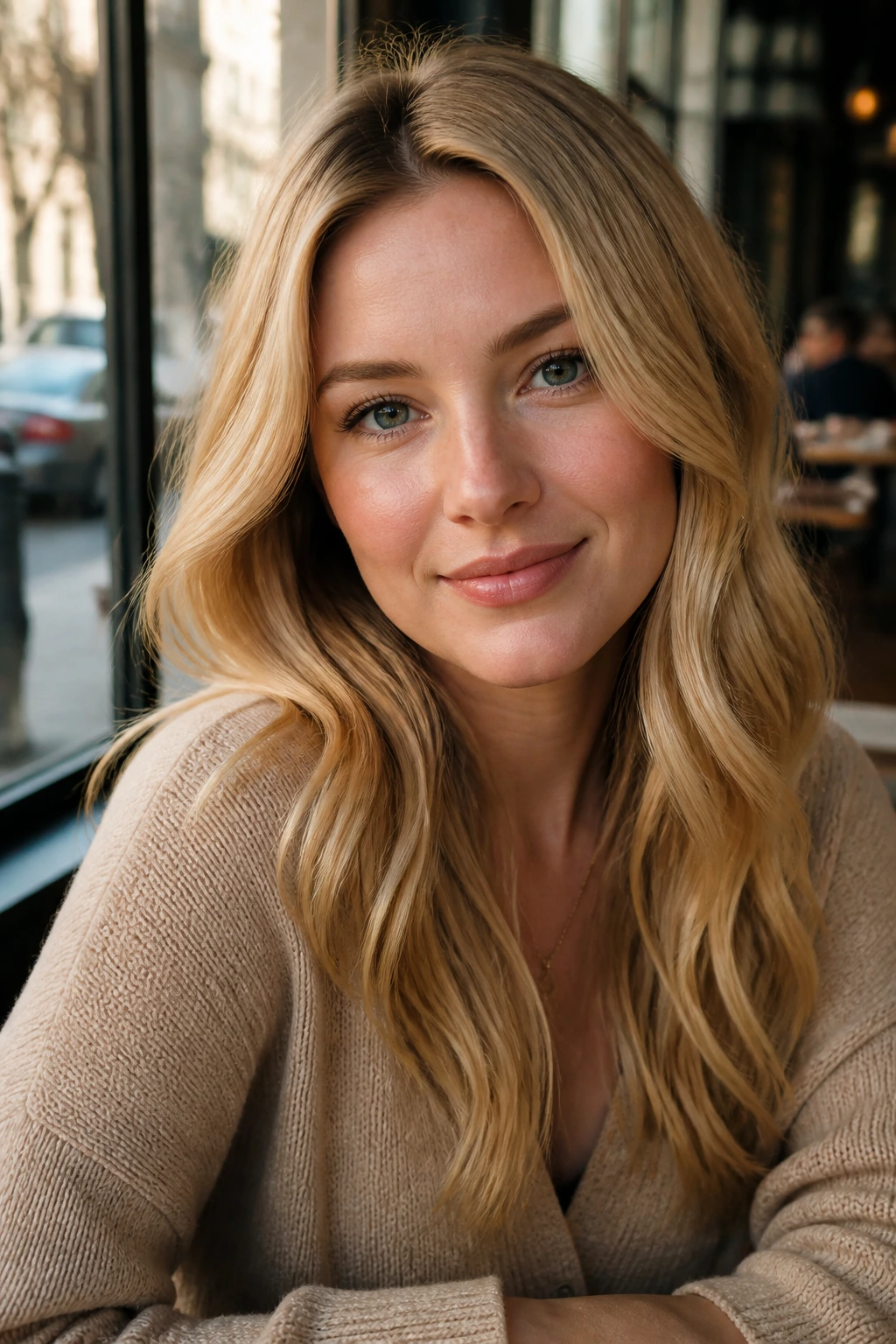
Makeup: A soft peach blush, a beige-pink lip, and a touch of brown mascara usually beat heavy contour with warm blonde. The hair already adds warmth, so you do not need to pile on more color near the cheeks.
Clothing Colors: Ivory, camel, warm gray, muted rose, and dusty olive tend to sit well beside these blondes. Stark white can make some fair complexions look sharper than they want, while very cool blue tones can make the warmth in the hair stand out in a clunky way.
Brows: Keep brows one to two shades deeper than the hair if you like definition, or soften them a bit with a tinted gel if the blonde is very light. The point is not to match exactly. It’s to avoid the “floating head” effect that can happen when hair and skin are both very light.
Styling: Loose waves, soft blowouts, and half-up styles show off warmth better than stick-straight lengths. Movement lets the highlights catch light in narrow pieces instead of turning into a block of color.
Small Tweaks That Change the Whole Result
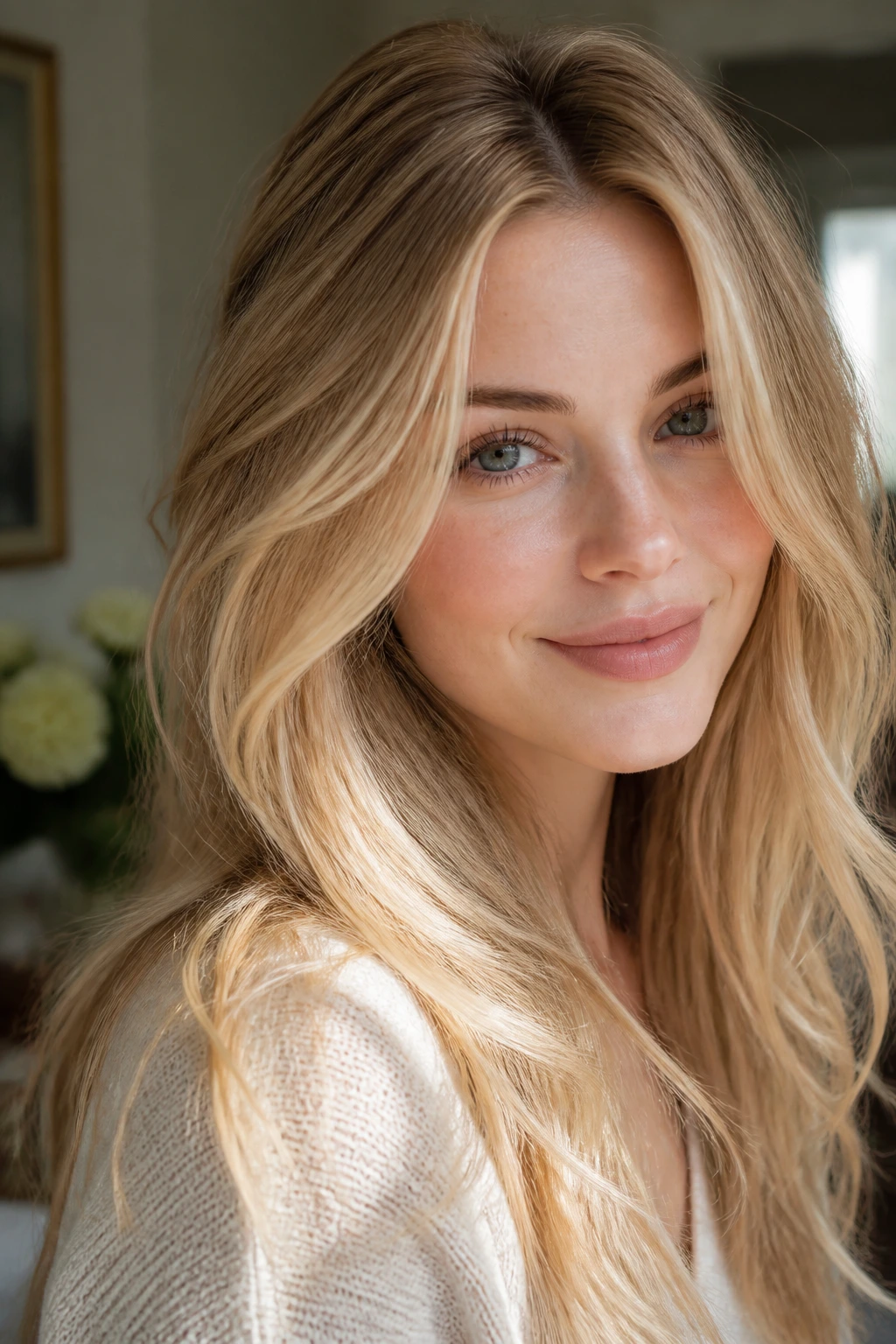
Gloss Trick: If the blonde starts drifting yellow, a beige or pearl-gold gloss usually fixes it faster than another round of bleach. A gloss can also make the shade feel smoother on pale skin by softening rough edges around the face.
Face Frame: Ask for the brightest pieces around the cheekbones and temples. That keeps the warmth where it helps most and stops the color from overwhelming the scalp area.
Root Shadow: A shadow root, even a tiny one, makes warm blonde look more expensive on fair skin. It also buys you time between appointments, which matters if you hate seeing hard regrowth lines.
Finish: Satin shine beats glassy shine on most of these shades. Too much shine can make warm blondes look oily or synthetic. A soft, healthy sheen is enough.
Maintenance, Refreshes, and Grow-Out
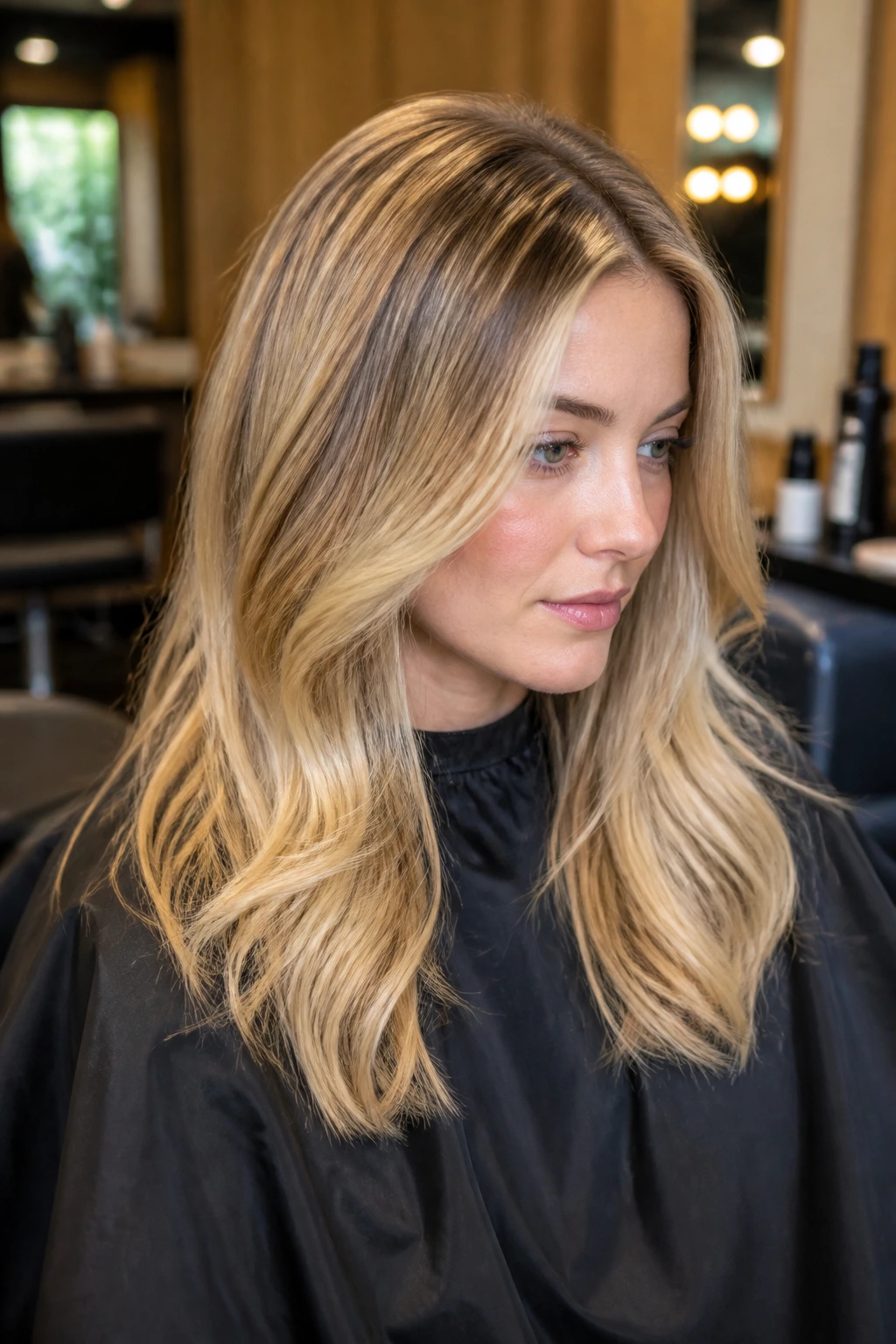
Warm blonde shades usually stay prettier when you treat them like color that needs regular tuning, not constant rescue. Fresh warm blondes often look best for the first two to three weeks, when the gloss is still clean and the tone hasn’t faded. After that, the shade starts to lose some of its creamy edge, especially if you wash often or use hot water.
For full blonding or very light honey shades, plan on a root touch-up or gloss refresh every 4 to 6 weeks if you want a crisp salon finish. Balayage and rooted blondes can go 8 to 12 weeks between major appointments because the grow-out is softer. That’s one of the reasons I like them so much on pale skin: the shadow at the root gives the face shape and buys you breathing room.
At home, keep washes to 2 or 3 times a week if your hair can handle it. Use lukewarm water, not hot. Hot water strips tone faster and makes the ends feel rough, which is the exact opposite of what a creamy blonde needs. A color-depositing mask can help between salon visits, but use it lightly. Too much pigment and you’ll flatten the warmth you were trying to preserve.
Heat styling is fine, but only with a protectant. Warm blondes lose their softness fast when the cuticle gets fried. And if the ends start looking strawy, take that as a sign to trim, not just tone. Dry ends make even the prettiest blonde look tired.
Common Mistakes to Avoid with Warm Blonde on Pale Skin
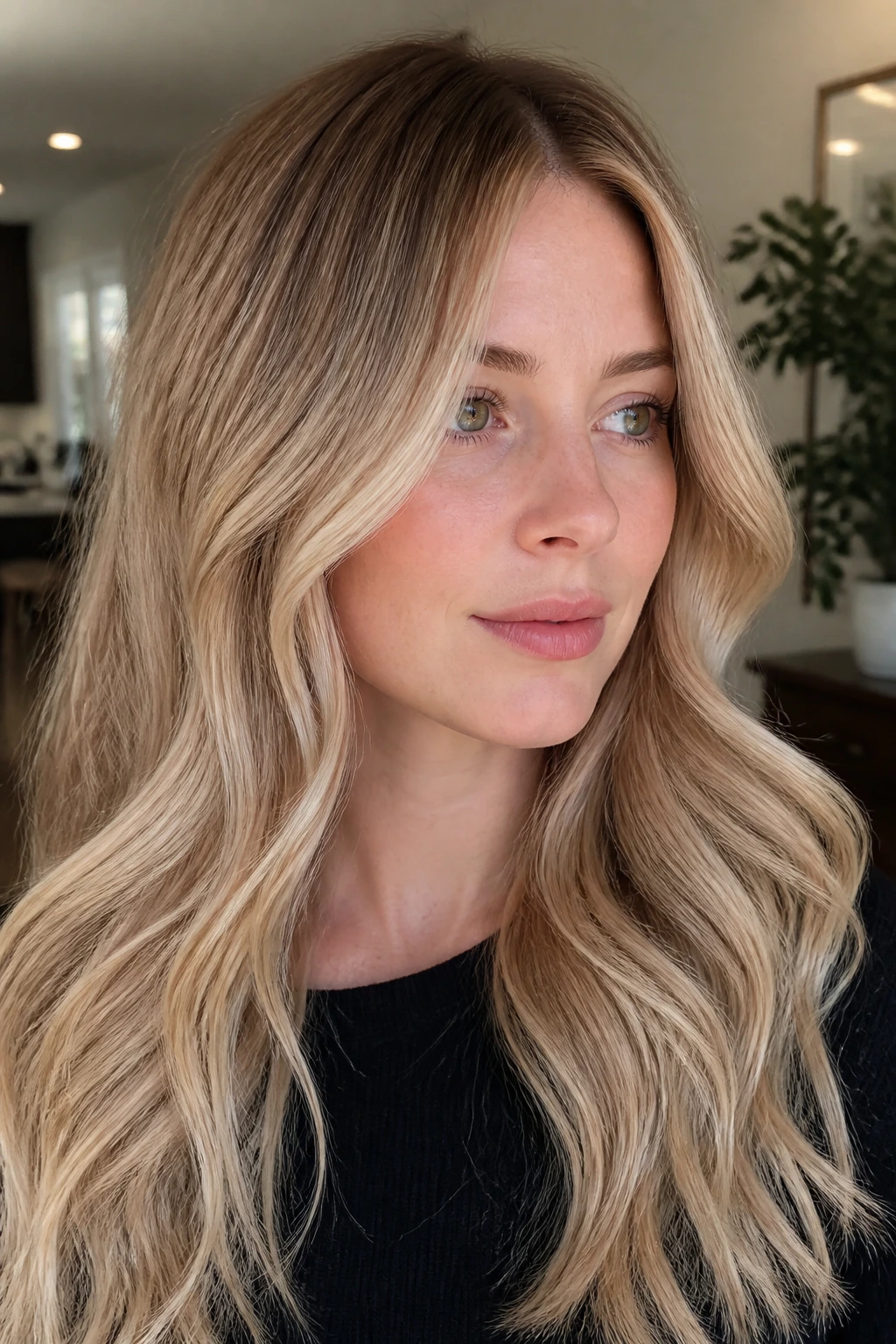
Going too yellow. The biggest failure mode is a warm blonde that slides into banana territory. The hair starts looking bright in a cheap way, and pale skin looks dull beside it. Fix it with a beige gloss or ask your colorist to soften the yellow with a neutral-gold toner.
Choosing warmth with no dimension. One flat shade from roots to ends can make fair skin look even paler. The fix is simple: keep the root a shade deeper, or add ribbons, lowlights, or a soft balayage melt.
Ignoring your brows. Very light brows plus very light warm blonde can make the face lose definition. A tinted brow gel or soft pencil usually solves it. You do not need dramatic brows. You do need enough shape to keep the color from swallowing the face.
Overusing purple shampoo. Purple shampoo can help if the blonde veers too yellow, but too much of it strips the warmth that made the shade flattering in the first place. Use it sparingly, maybe once every week or two, not as your main shampoo.
Skipping a gloss. Highlights alone often dry out into a harsher, lighter tone than you wanted. A gloss brings back creaminess and shine. Without it, many warm blondes on pale skin start looking rough around the edges.
Variations and Adaptations to Try
Soft Root Melt: Keep the root one to two levels deeper and fade into a warm blonde mid-length. This is the best option if you want the shade to grow out cleanly and not leave your pale skin looking too exposed at the scalp.
Rosy Beige Shift: Add a tiny bit of rose-beige to champagne, vanilla, or cream soda blonde. That softens pink undertones in the skin and gives the hair a gentler finish than straight gold.
Golden Face Frame: Brighten only the front sections and keep the rest of the blonde quieter. On pale skin, this creates lift where the eye lands first and lets the shade feel lighter without going all over.
Low-Maintenance Balayage: Paint warmth through the mids and ends, then leave the base natural or just slightly lifted. This works for anyone who hates seeing hard regrowth and wants a blonde that stays readable as it grows.
Copper-Softened Strawberry: If strawberry blonde feels too sweet, push it slightly warmer and deeper with a soft copper note. That version works well on freckled, fair skin and keeps the look from drifting pastel or childlike.
Frequently Asked Questions
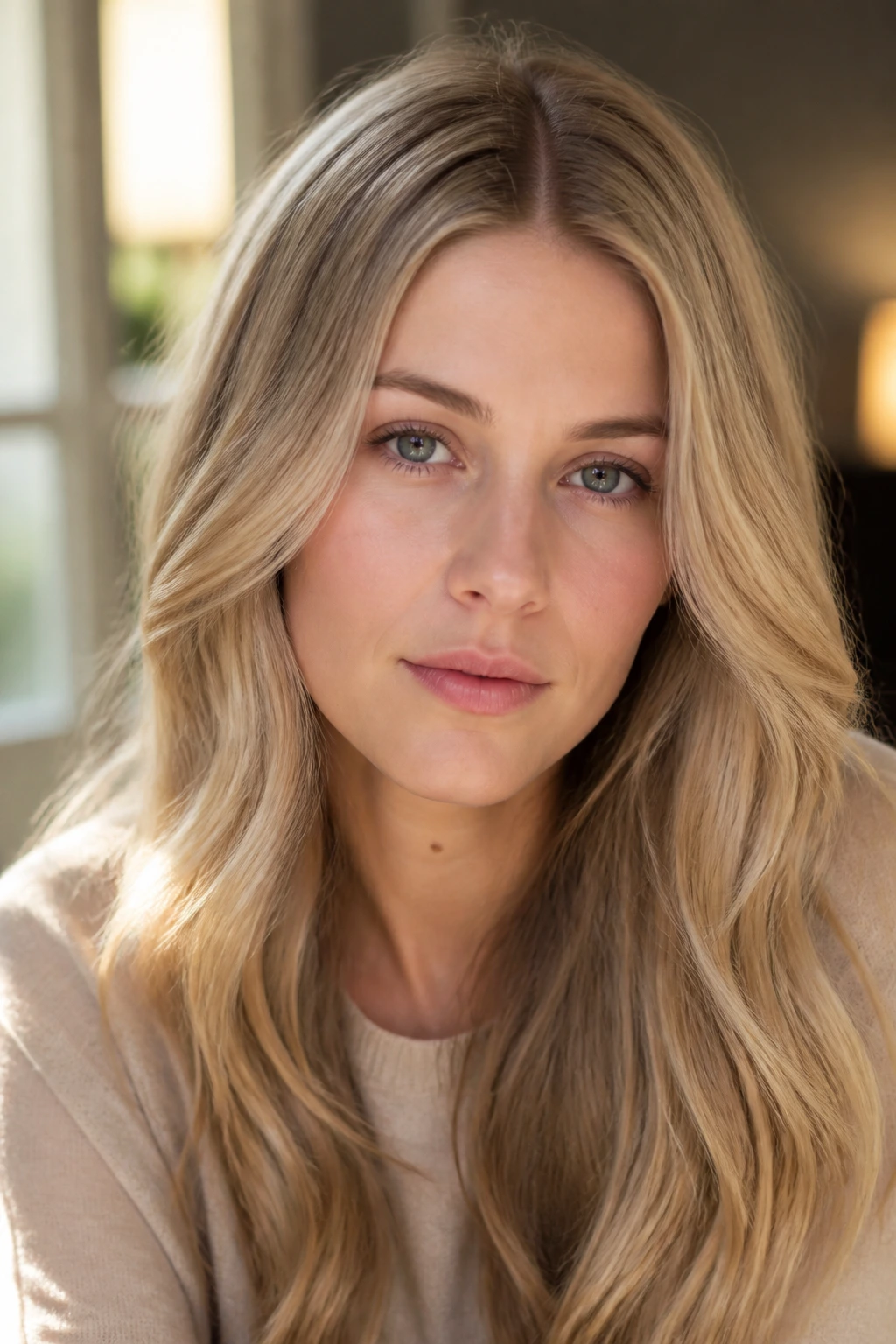
Which warm blonde looks best on very pale skin with pink undertones?
Golden beige, creamy champagne, and rosy gold usually work well because they soften the pink without making the skin look flushed. Keep the tone beige-heavy rather than orange-heavy.
Is honey blonde too yellow for fair skin?
It can be if the formula is too bright or the toner gets stripped. Honey blonde works best when it’s creamy, slightly beige, and paired with some root depth or face-framing dimension.
Can warm blonde work on naturally dark brown hair?
Yes, but usually not in one clean step unless your hair is already lightened. Golden bronde, toffee blonde, and caramel ribbon blonde are easier starting points because they let the warm pieces show without fighting your natural depth.
How often should warm blonde be toned?
Most warm blondes benefit from a gloss every 4 to 8 weeks, depending on how often you wash, how much sun you get, and how porous your hair is. Porous hair drinks toner faster and can turn patchy if you wait too long.
What if my warm blonde turns brassy?
If it goes too orange or yellow, the fix depends on the problem. Yellow usually needs a beige or pearl gloss; orange often needs a deeper neutralized tone from a colorist. Don’t try to solve orange with purple shampoo alone.
Should my brows match my blonde exactly?
No. Exact matching usually looks lifeless. Keep the brows a shade or two deeper for shape, then soften them if the blonde is very light.
Does warm blonde make redness in the skin stand out?
Sometimes, yes, if the blonde is too coppery. Beige-gold, champagne, and coconut cream are safer if your cheeks flush easily because they warm the face without echoing the redness too much.
Is balayage better than all-over color for pale skin?
Often, yes, because the dimension keeps the skin from getting washed out. All-over warm blonde can work, but it usually needs more careful tone control and a stronger root shadow to avoid flattening the face.
Keeping the Warmth Soft
Warm blonde on pale skin works best when it feels controlled. Not loud. Not yellow for the sake of being yellow. The good shades have a little shadow, a little cream, and enough lightness to brighten the face without draining it. That balance is what makes them look wearable after the salon blowout fades and real life starts doing what it does.
If you’re choosing between two blondes, pick the one with more beige and less brass. Pick the one that leaves room for your brows, your blush, and the shape of your face. And if you’re still unsure, bring photos shot in daylight and in indoor light. A blonde that survives both is the one worth wearing.