



Pale skin can be tricky with hair color because the wrong blonde reads brassy fast, and the wrong brown can make the face look washed out. The sweet spot sits somewhere cleaner and softer: brown depth for shape, blonde brightness for movement, and a toner that keeps the whole thing from veering yellow under bathroom light.
That’s where blonde-brown all-over highlights earn their keep. The look isn’t one note. A few airy ribbons around the crown, some finer pieces through the mids, and a brown base that still shows through can make fair skin look clearer and more awake without pushing the hair into flat, one-shade territory. And no, pale skin does not automatically need icy blonde. Sometimes it needs beige. Sometimes it needs mushroom. Sometimes a touch of honey keeps the face from going gray.
The best versions of this color family do one quiet thing very well: they keep contrast soft. Not invisible. Soft. You still want dimension when the hair moves, when it’s pinned back, when the light hits from the side, and when the toner has faded a little and you’re three weeks away from a gloss. That balance is what makes these 30 looks worth saving before your next color appointment.
Why These Looks Work on Pale Skin
-
Soft contrast matters: Pale skin usually looks better with highlights that are one to three levels lighter than the base, not a giant leap from dark brown to lemon blonde. That smaller jump keeps the hair from looking streaky.
-
Undertone makes the call: Cool or pink skin tends to like beige, ash, champagne, and mushroom; warmer fair skin usually takes honey, buttercream, and toffee without turning sallow.
-
Brown depth keeps the face from floating: A little brunette underneath the blonde gives the eyes and brows something to sit against, which is especially useful if your skin is very light.
-
Fine placement makes the color look richer: Babylights, foilayage, and ribbon highlights create movement through the whole head instead of just one bright strip at the front.
-
Lower-maintenance options are built in: Root shadows and smoky glosses soften grow-out, so you’re not tied to a harsh touch-up schedule.
-
These shades play nicely with texture: Waves, curls, blunt bobs, and long layers all show different versions of the same color, which means one palette can read several ways.
1. Beige Bronde Melt
Beige bronde is the easy one to wear when you want lightness but do not want your hair shouting across the room. The brown base stays visible, and the blonde pieces sit in that beige middle ground that looks clean on pale skin instead of yellow or flat. It’s one of those colors that quietly does a lot of work.
What makes it smart for fair complexions is the balance. If your skin has pink or neutral undertones, beige keeps the color from going too gold. If your skin leans a little warmer, the brown depth stops the blonde from making your face look too pale. Ask for a soft root melt and fine highlights through the crown, then slightly wider ribbons from the cheekbone down.
2. Champagne Ribbon Highlights
Champagne highlights have a brightness that feels polished, but the color still needs a beige or pearly base so it doesn’t look like highlighter streaks. On pale skin, that matters. Pure yellow champagne can go loud fast. A cooler version sits better against fair cheeks and still gives the hair a lifted look.
I like this on shoulder-length waves because the ribboning shows up when the hair bends, not just when it’s blown out straight. If you’re sitting in the color chair, ask for thin foils with a soft gloss after lifting. That extra toner step is what keeps the champagne from turning flat after a few washes.
3. Mushroom Brown Babylights
Mushroom brown is the quieter sibling in the room, and it’s a strong choice if warm blonde usually fights with your complexion. The color has a smoky, taupe edge that keeps pale skin from looking over-bright. It’s brown first, blonde second, which is why it works.
Best for a cool or neutral undertone
Tiny babylights are the whole point here. They thread through the top and sides in a way that reads soft rather than striped. On straight hair, the effect is muted and chic. On loose curls, the cool ribbons show up with a little more movement. If you want something that grows out without drama, this is one of the safer bets.
4. Honey Veil Balayage
Honey on pale skin can go either way: pretty or too golden. The version that works keeps the honey thin, diffused, and mixed with brown at the root. It should look like a veil over the hair, not a block of color sitting on top of it.
This is a good option if your skin has a little peach, gold, or freckling. Honey brings warmth back into the face, which is useful when fair skin starts to look a touch washed out in winter light or under office fluorescents. The trick is restraint. Ask for hand-painted pieces through the mids and ends, then a soft gloss that pulls the yellow back a notch.
5. Ash Beige Foilayage
Ash beige foilayage gives you brightness and control in the same appointment. That matters if you want the lift of blonde but not the heavy contrast of classic streaks. The ash piece cools down the blonde, while the beige keeps it from looking dusty.
It’s a clean look for pale skin because it doesn’t lean orange, and it doesn’t drift too icy either. I’d call this the safest pick for anyone with redness around the cheeks or nose, since the tone won’t fight the skin. Ask your colorist for fine foilayage around the face and crown, with a slightly deeper lowlight underneath so the hair still has shape when it’s up.
6. Caramel Micro-Threads
Caramel micro-threads are the understated answer when you want dimension more than brightness. The highlights are so fine they almost disappear until the light hits them, and that’s what makes them flattering on fair skin. They don’t bark at the face. They just wake it up.
What to ask for
- Placement: micro-weaves through the top and around the face.
- Tone: a soft caramel with no copper edge.
- Depth: keep the base one or two levels darker so the highlights have something to sit against.
- Maintenance: ask for a gloss every 4 to 6 weeks if your hair grabs warmth quickly.
This look is especially good on fine hair because the tiny threads create the illusion of density instead of broad, obvious streaks.
7. Vanilla Cream Face Frame
Vanilla cream around the face can do more than a full head of brightness when you have pale skin. The front pieces pull light toward the eyes and cheekbones, which is useful if your base color is rich enough to keep the rest of the hair anchored. Without that anchor, the whole thing can go too pale too quickly.
I like this with curtain bangs or long layers because the front sections soften the hairline. Keep the vanilla creamy rather than yellow, and let the root stay a touch deeper than the ends. That contrast is what stops the look from flattening out after the first few washes.
8. Taupe and Wheat Dimension
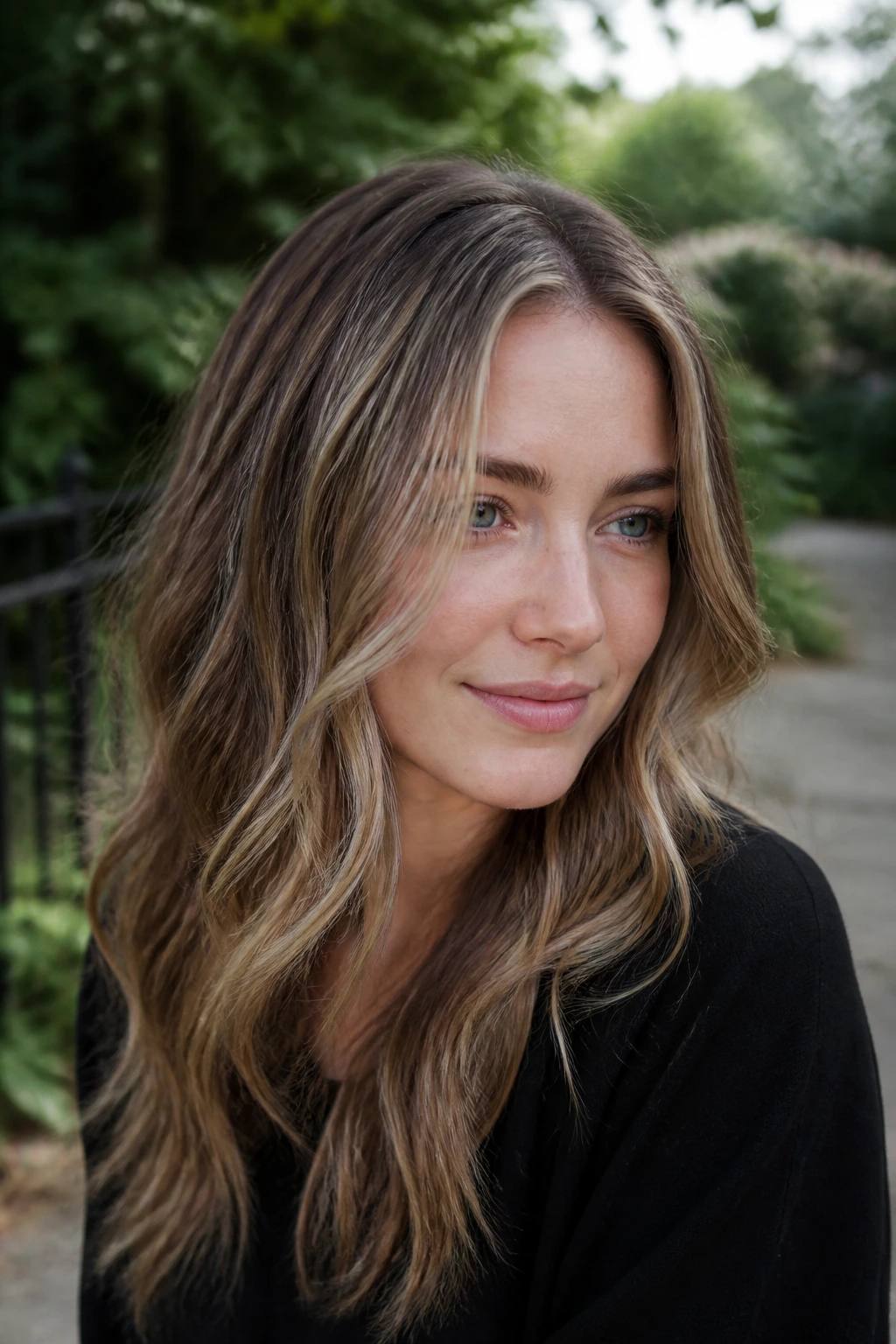
Taupe and wheat sounds odd on paper, but on hair it lands in a very wearable middle zone. Taupe cools the brown, wheat warms the blonde, and the mix keeps pale skin from tipping too pink or too sallow. It’s one of the better choices if your undertone is mixed and you hate choosing sides.
This look works because it feels natural without turning plain. Ask for alternating fine highlights and lowlights, not chunky stripes. On wavy hair, the blend looks especially rich because the bends separate the tones. On very straight hair, keep the placement softer around the crown so the color doesn’t read blocky.
9. Mocha Root Shadow with Blonde Ends
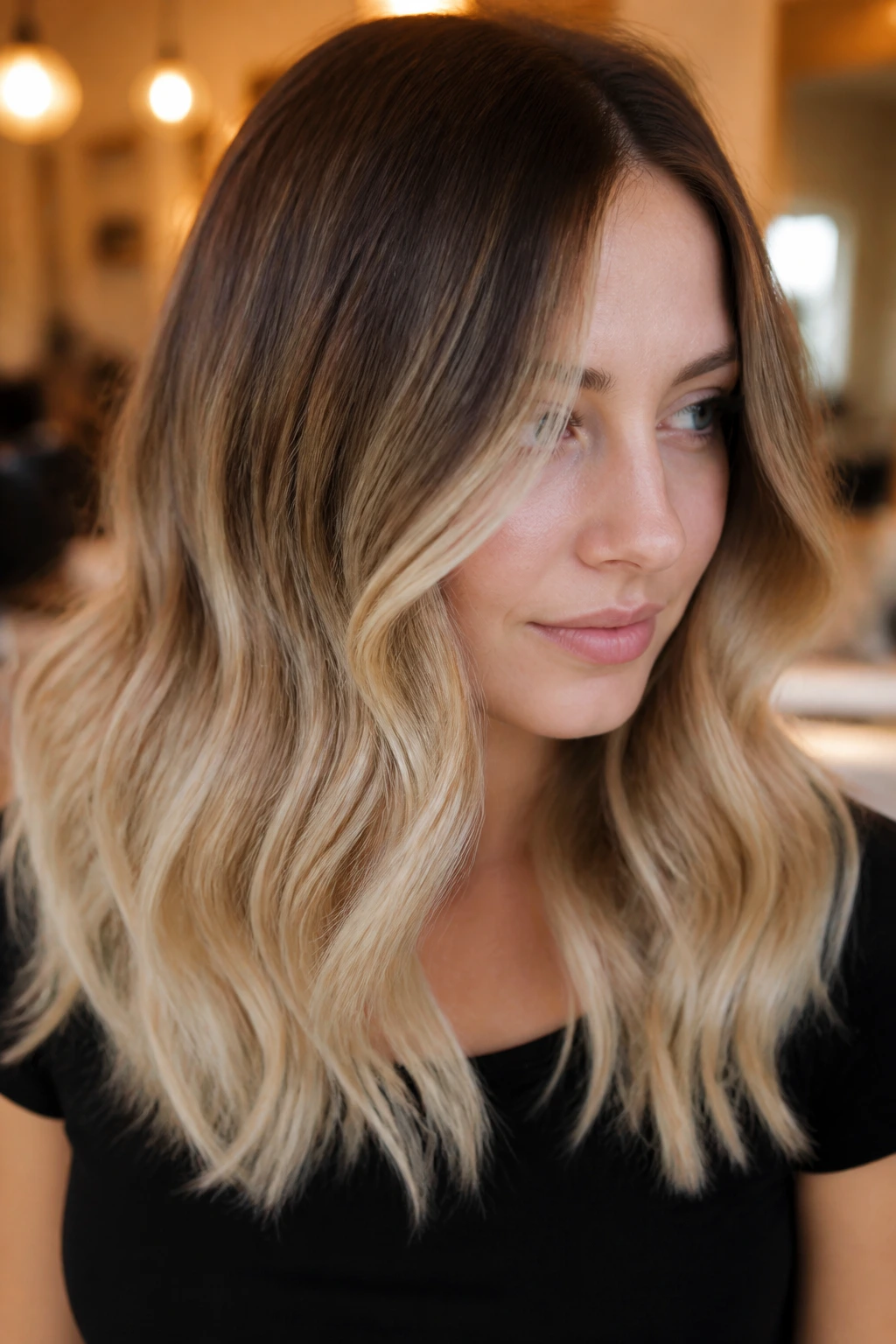
A mocha root shadow gives the blonde somewhere to begin, and that matters a lot on pale skin. Without the shadow, very light ends can make the face look unfinished. With it, the blonde feels framed instead of floating.
This style is for someone who wants room between salon visits. The root stays deeper, the mids stay dimensional, and the ends take the brightness. It’s not the lowest-contrast option here, but it can be one of the nicest if your brows are dark and you want a little more edge around a fair complexion. Ask for a shadow that is only one to two shades deeper than your natural base, not a hard dark brown band.
10. Toasted Almond Ribbons
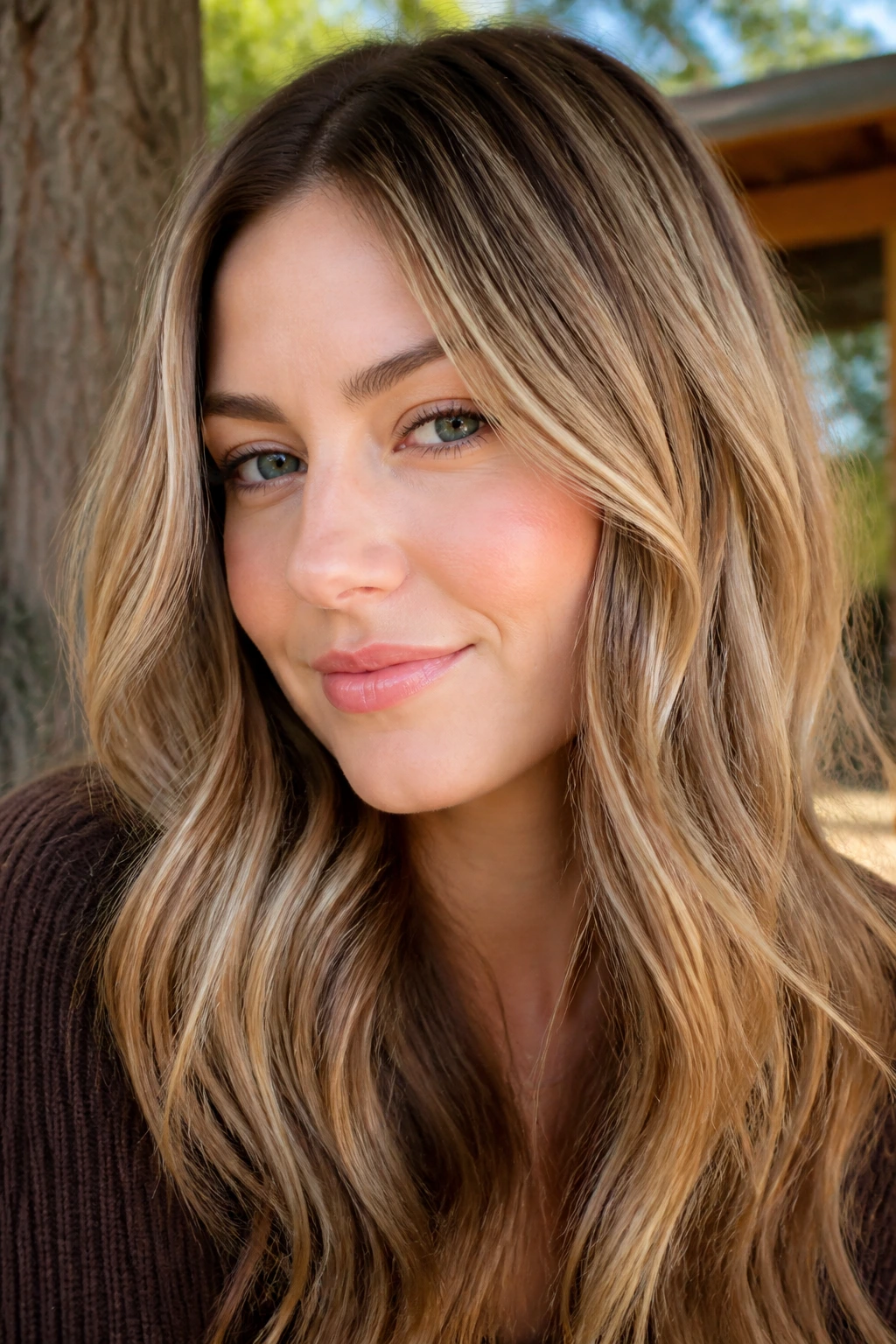
Toasted almond has warmth, but it’s a drier, more muted warmth than gold. That’s why it often works better on pale skin than a brighter honey shade. The tone feels softer next to fair cheeks and gives the hair a gently sunlit look instead of a bleachy one.
Why it reads well on fair skin
It sits in a nice place between beige and caramel. Not icy. Not orange. If your skin has freckles or a peachy flush, the warmth makes the complexion look more alive. If your skin is cool, keep the ribbons thinner and place them mostly through the mids so they don’t crowd the face. It’s a color that looks best when the stylist leaves a little brown depth underneath.
11. Sandy Blonde on a Dark Blonde Base
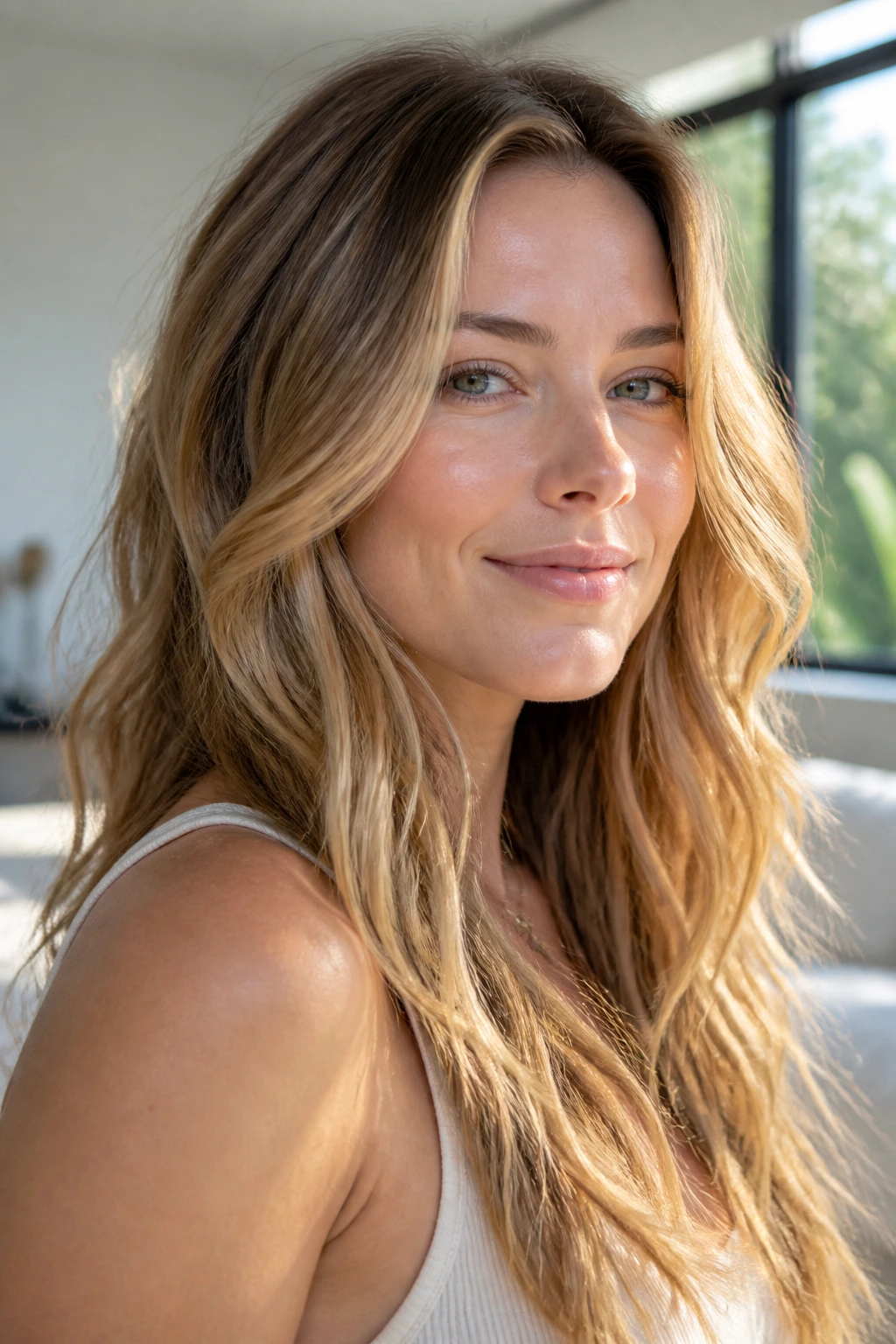
A dark blonde base with sandy highlights is one of the least fussy ways to wear this trend. The sandy tone is soft enough for pale skin, and because the base already lives close to blonde, the grow-out stays gentle. You’re not forcing your hair to do a dramatic before-and-after act.
This is a strong pick if your natural color is already somewhere between dark blonde and light brown. The salon work should focus on fine weaving, not big panels. Ask for a sandy toner with a hint of beige, because pure sand can turn too warm. The whole thing should look like your own color got a little clearer in the sun.
12. Iced Latte Bronde
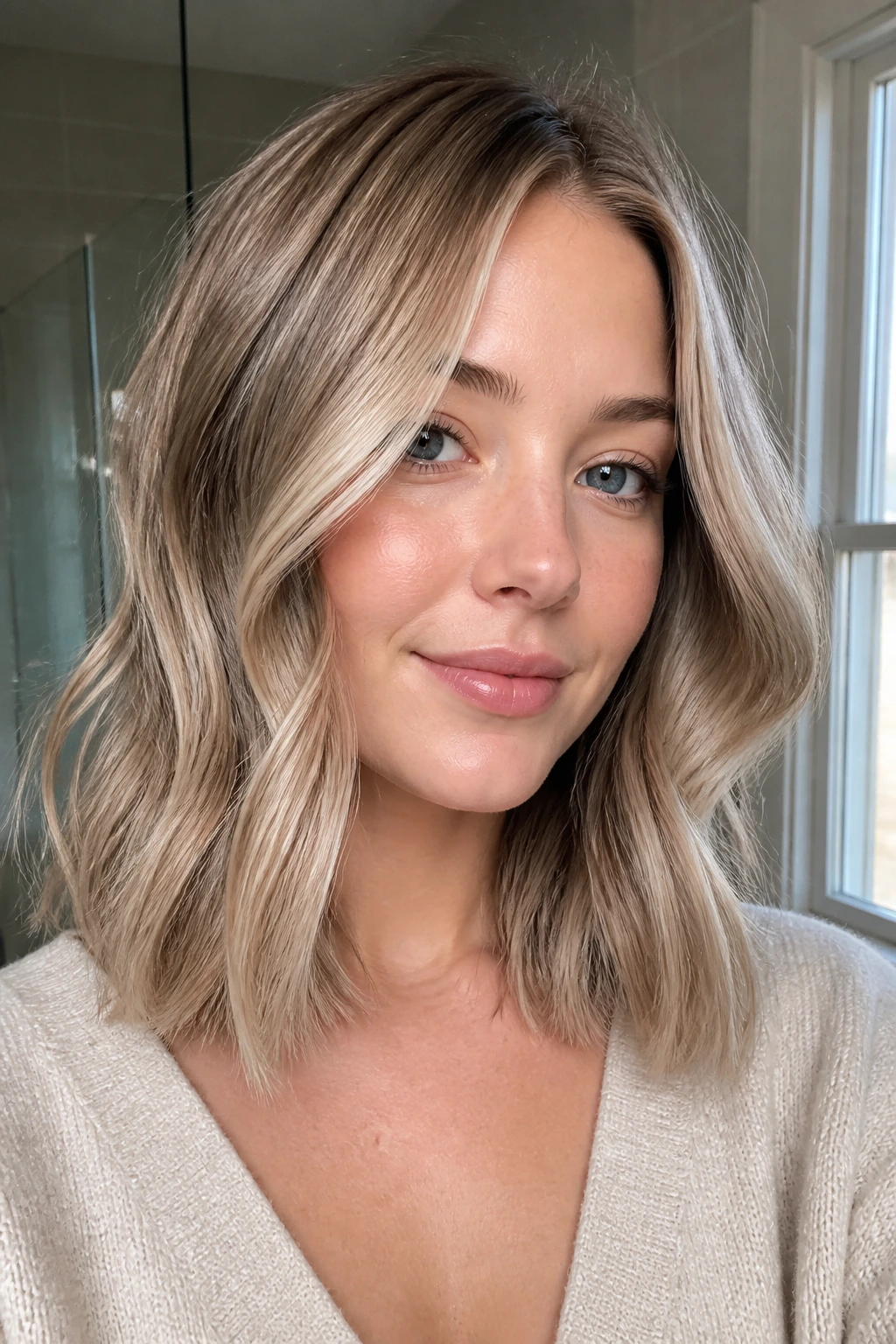
Iced latte bronde is what happens when beige and ash meet in the right amount. It has the cool clarity that flatters porcelain skin, but the brown base keeps it from feeling stark. I like it for people who love a clean finish and hate gold on their hair.
What makes it different
The contrast is subtle, but not sleepy. The highlights move through the hair in a way that gives body even when it’s straight. If your skin leans pink or blue, this is one of the safer bets because it won’t echo the redness. Ask for a gloss that leans neutral, not silver, or the color can drift too cool and start looking matte instead of glossy.
13. Fawn Lowlights with Beige Highlights
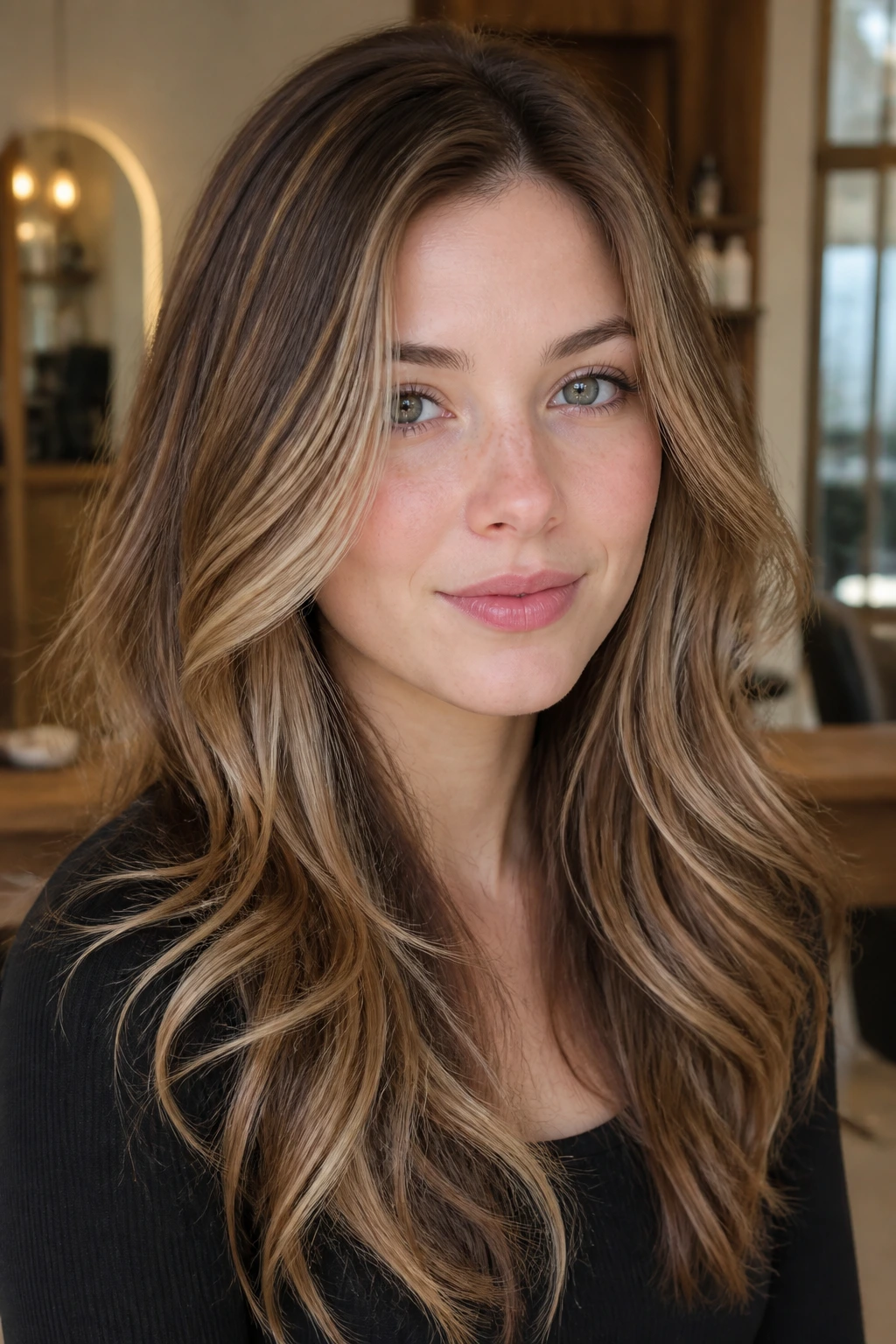
Too many people ask for blonde and forget the brown part. Fawn lowlights fix that. They add a soft, earthy base that keeps pale skin from getting drowned by too much lightness, then beige highlights ride over the top to keep the hair from looking heavy.
This combo is especially good if your hair has been lightened before and needs shape more than more bleach. Lowlights create a shadowed backbone through the mids and underneath layers. Beige highlights sit on top and catch the light in small flashes. The result is prettier on thick hair than a single-tone blonde, which can look bulky when the light hits all at once.
14. Buttercream Light Shading
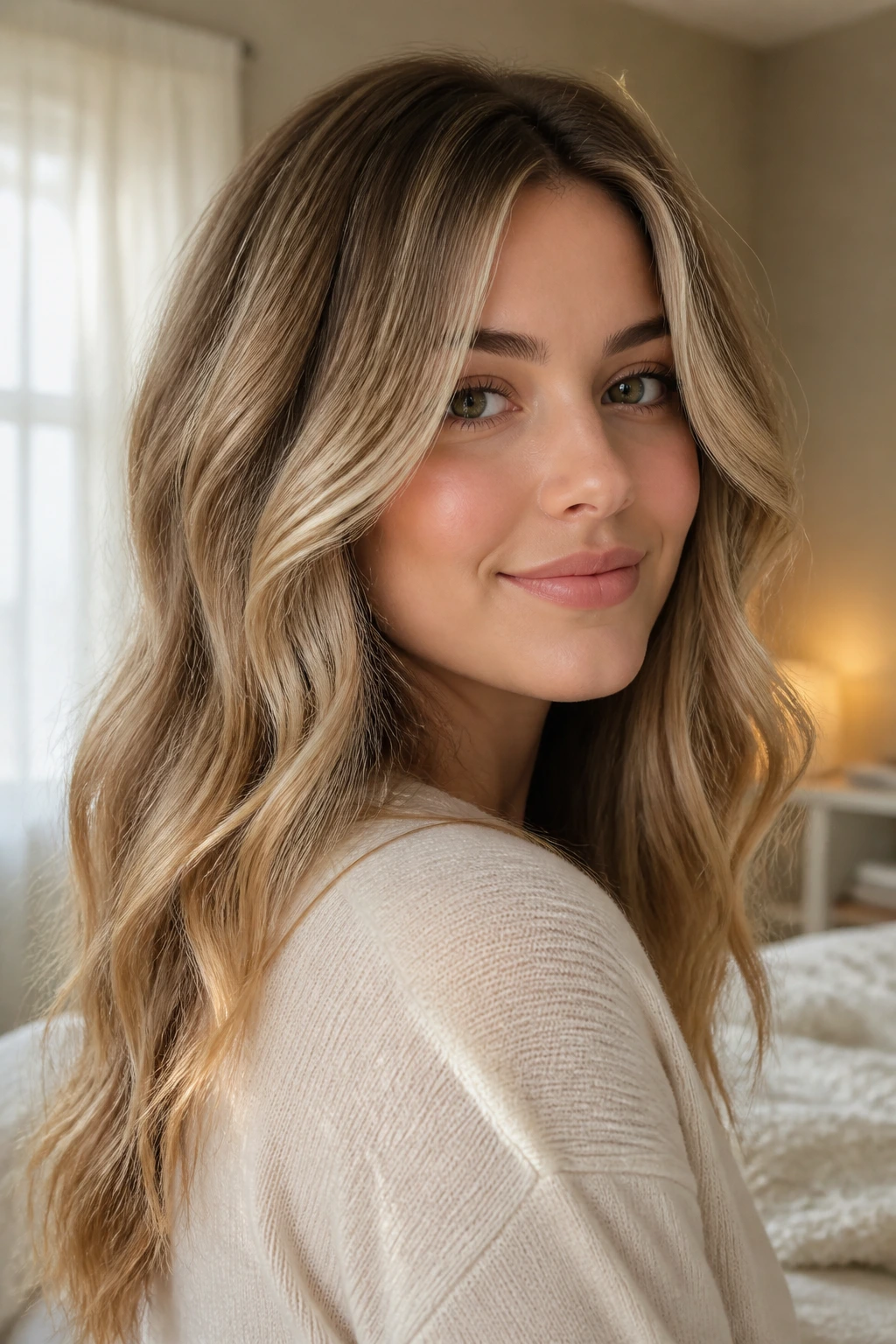
Buttercream is warm, but it’s creamy warm, not yellow warm. That distinction matters on pale skin. The color should make the face look softer, not more tired. When it’s done well, buttercream looks like the hair got a little richer and a little lighter at the same time.
If your complexion has a gentle peach or golden cast, this one can be a sweet spot. Ask for fine shading through the top and more visible pieces through the ends. On curls or blowouts, buttercream catches in little bends and gives the hair a cushioned look. On straight hair, keep the base a shade deeper so the cream tone has enough contrast.
15. Smoky Champagne Bob
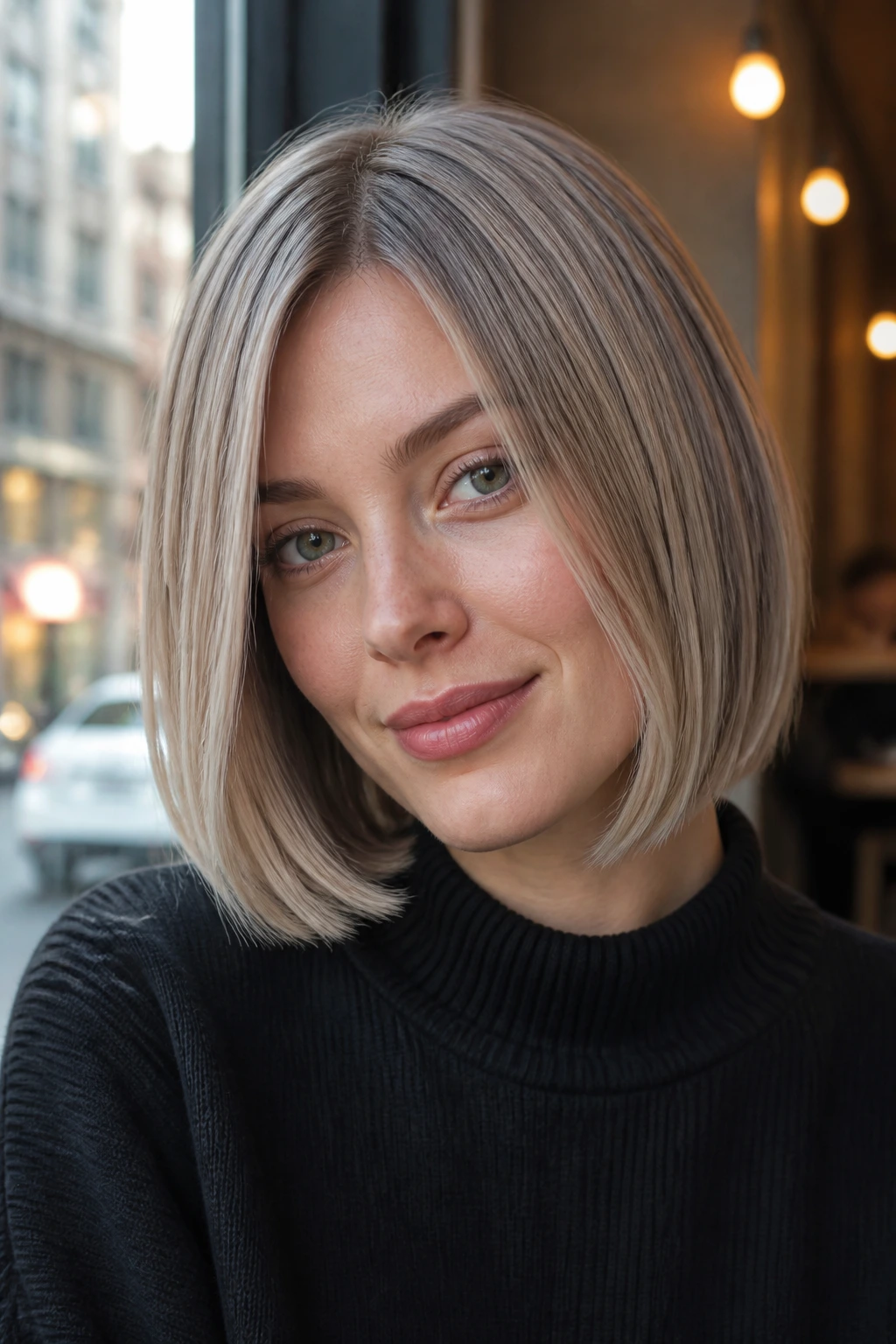
A bob can look blunt in all the wrong ways if the color is too flat. Smoky champagne fixes that by adding enough brightness to break up the shape while keeping the tone cool and clean. Pale skin tends to like this because the color doesn’t sit in a harsh yellow lane.
Best if your haircut is blunt or one-length
Short hair gives less room for giant ribbons, so the highlights need to be precise. Fine foils near the part line, lighter ends, and a smoky gloss through the crown can make a bob look more expensive without making it fussier. This is one of those styles where the cut and color have to talk to each other. If the bob is crisp, the color should be crisp too — just not loud.
16. Maple Glaze Ends
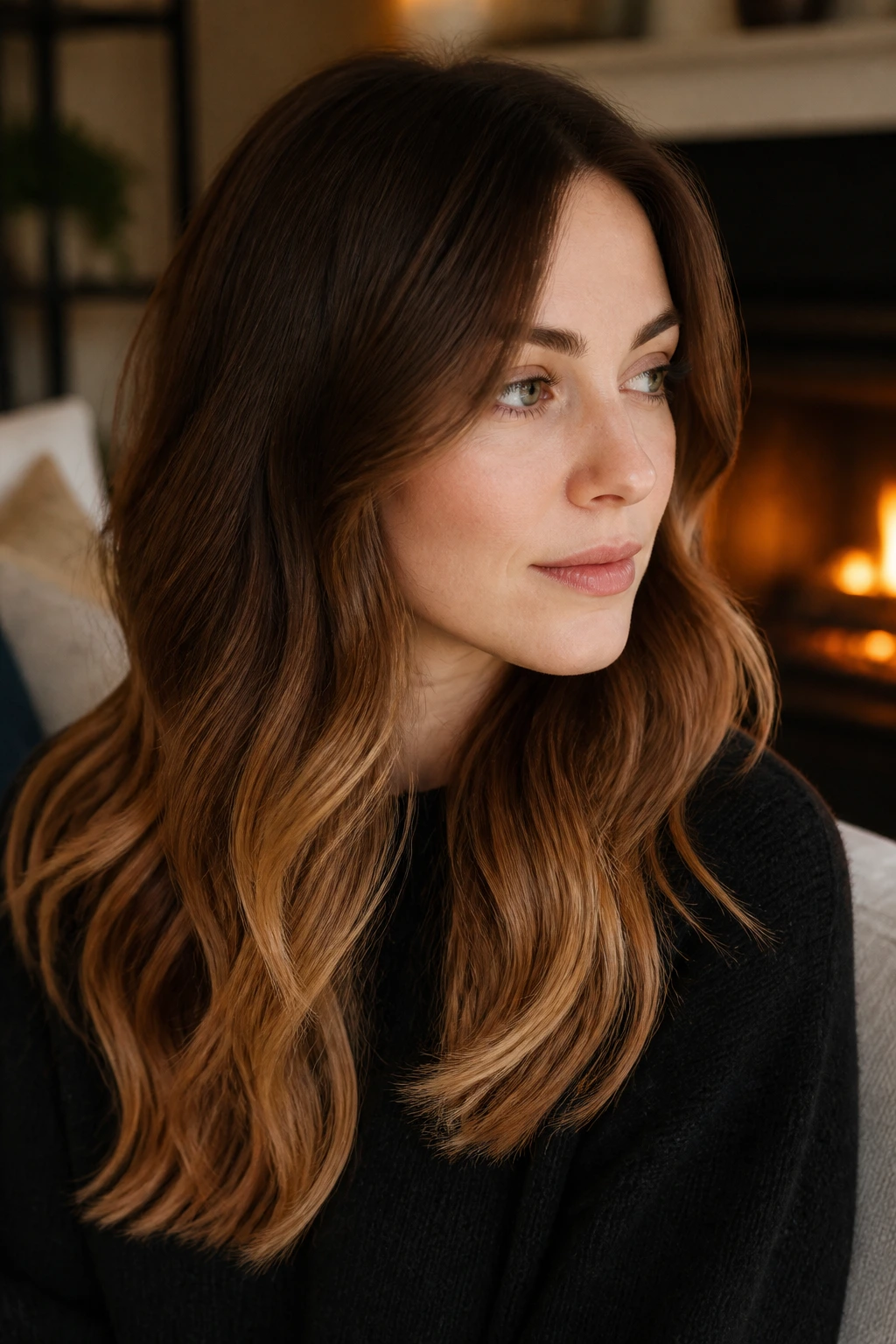
Maple glaze ends bring the warmth to the lower half of the hair, which can be a good move if pale skin needs a little life near the jawline and neck. The top stays darker and more grounded, and the ends pick up a toasted, sweet tone that reads softer than bright blonde.
This works best on layered cuts because the glaze catches on the bottom pieces without taking over the whole head. Keep the maple tone muted. If it goes too red, pale skin can start to look flushed in a way that has nothing to do with makeup. Ask for a gloss instead of permanent warmth if you want the option to adjust later.
17. Pearl Beige Waves
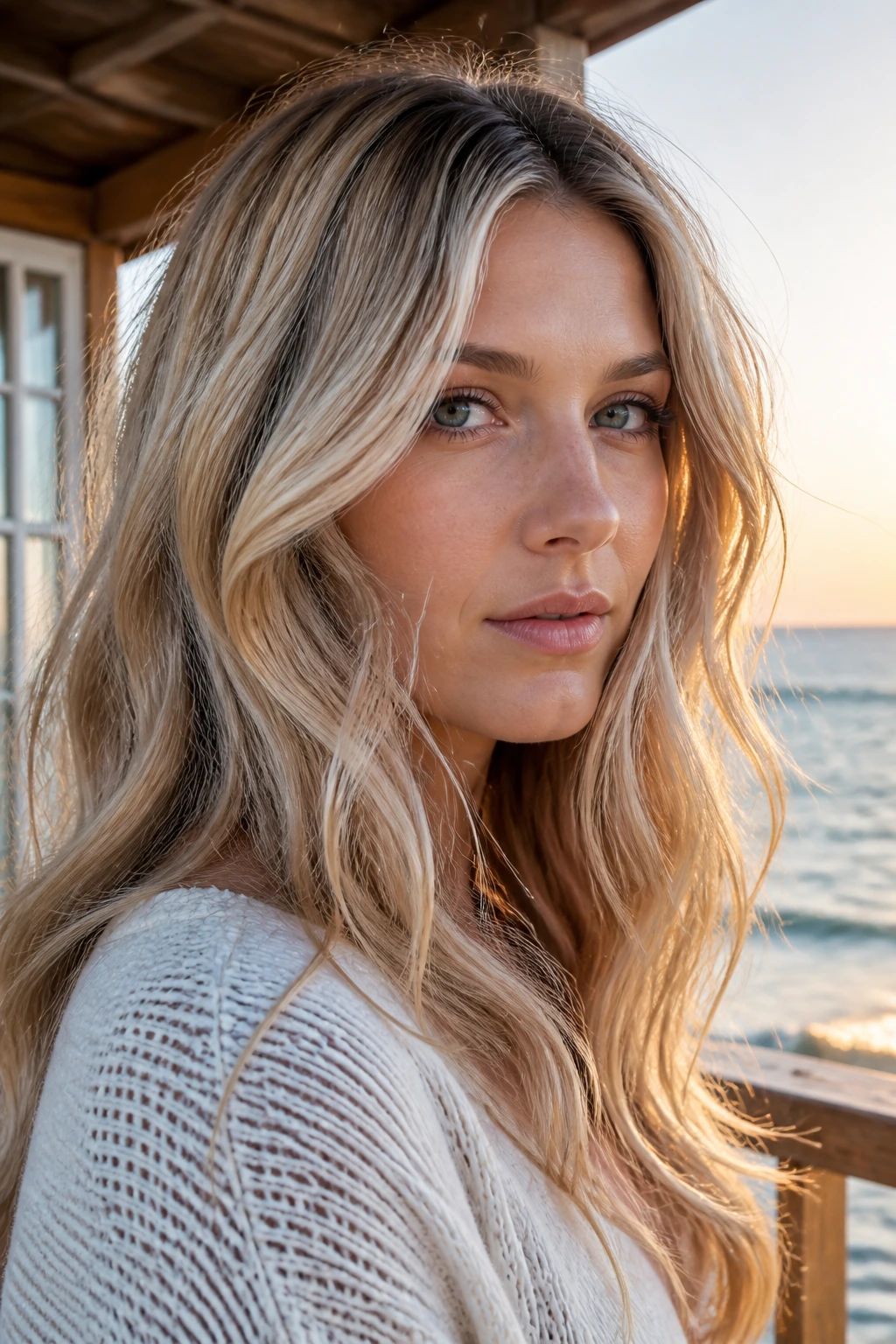
Pearl beige has a light-reflective quality that makes waves look softer and a little more polished. It is not silver. It should feel creamy and airy, with enough beige to keep the tone from getting icy. On pale skin, that balance keeps the face clear instead of washed out.
Why it works when the hair moves
Waves break up the pearl tone in a nice way. You see one shade from the front, another from the side, and a little shadow underneath. That movement is the whole appeal. If your hair is porous or prone to grabbing ash, ask for a neutralizing gloss rather than a heavy purple toner. Too much violet can flatten the pearl and make it look dull.
18. Walnut Brown with Soft Gold
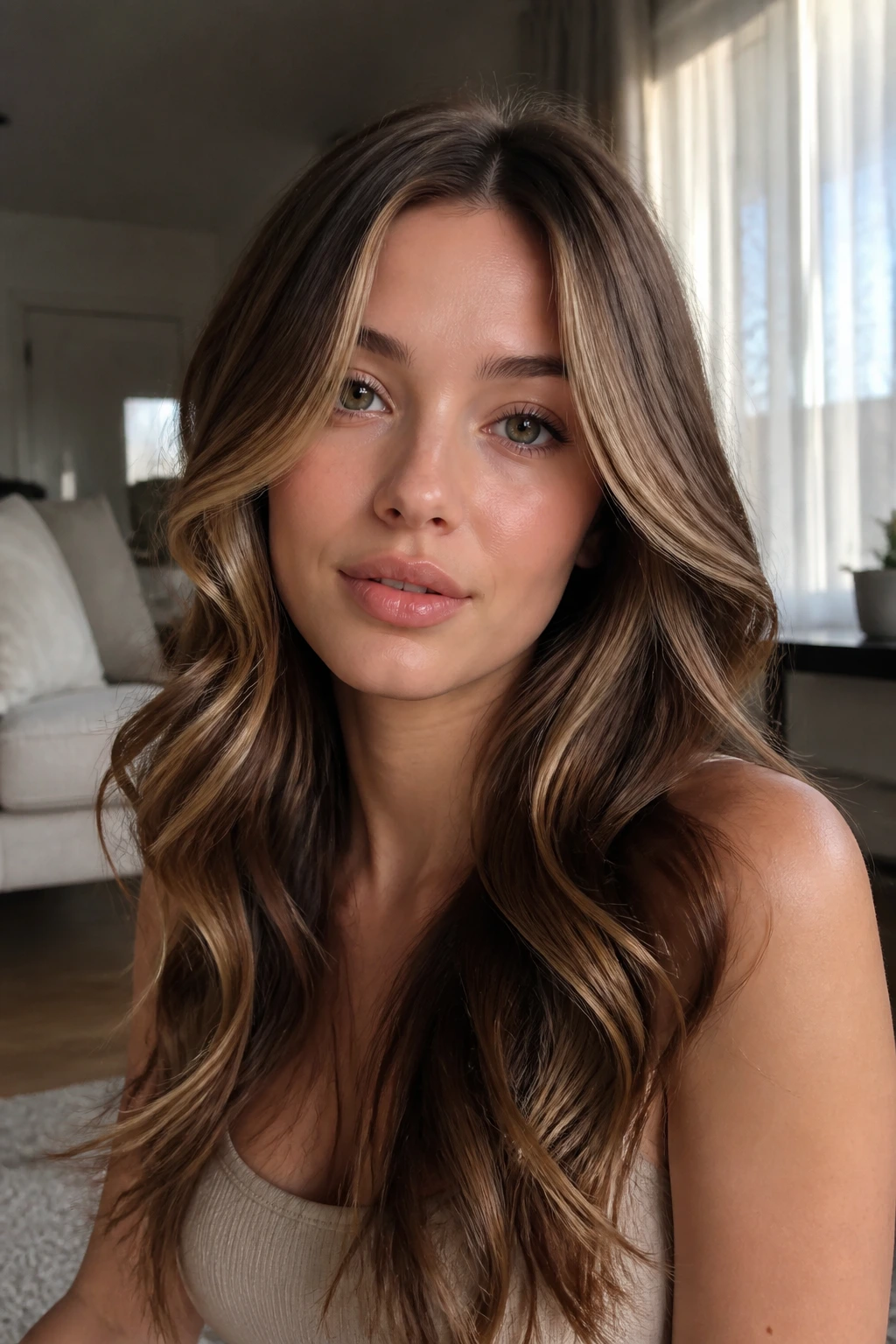
Walnut brown gives pale skin a deeper frame, and the soft gold highlights stop it from going too heavy. This is a good color if your brows are naturally strong or if you like makeup with a bit more definition. The hair holds its own without taking over the face.
The gold should stay muted. No orange. No bright yellow. Just enough warmth to break up the brown and give the hair movement in daylight. This is one of my favorite choices for people who usually feel nervous about blonde, because the blonde is there, but it behaves. Ask for scattered foils rather than a dense weave so the look stays brown-forward.
19. Feathered Money Piece
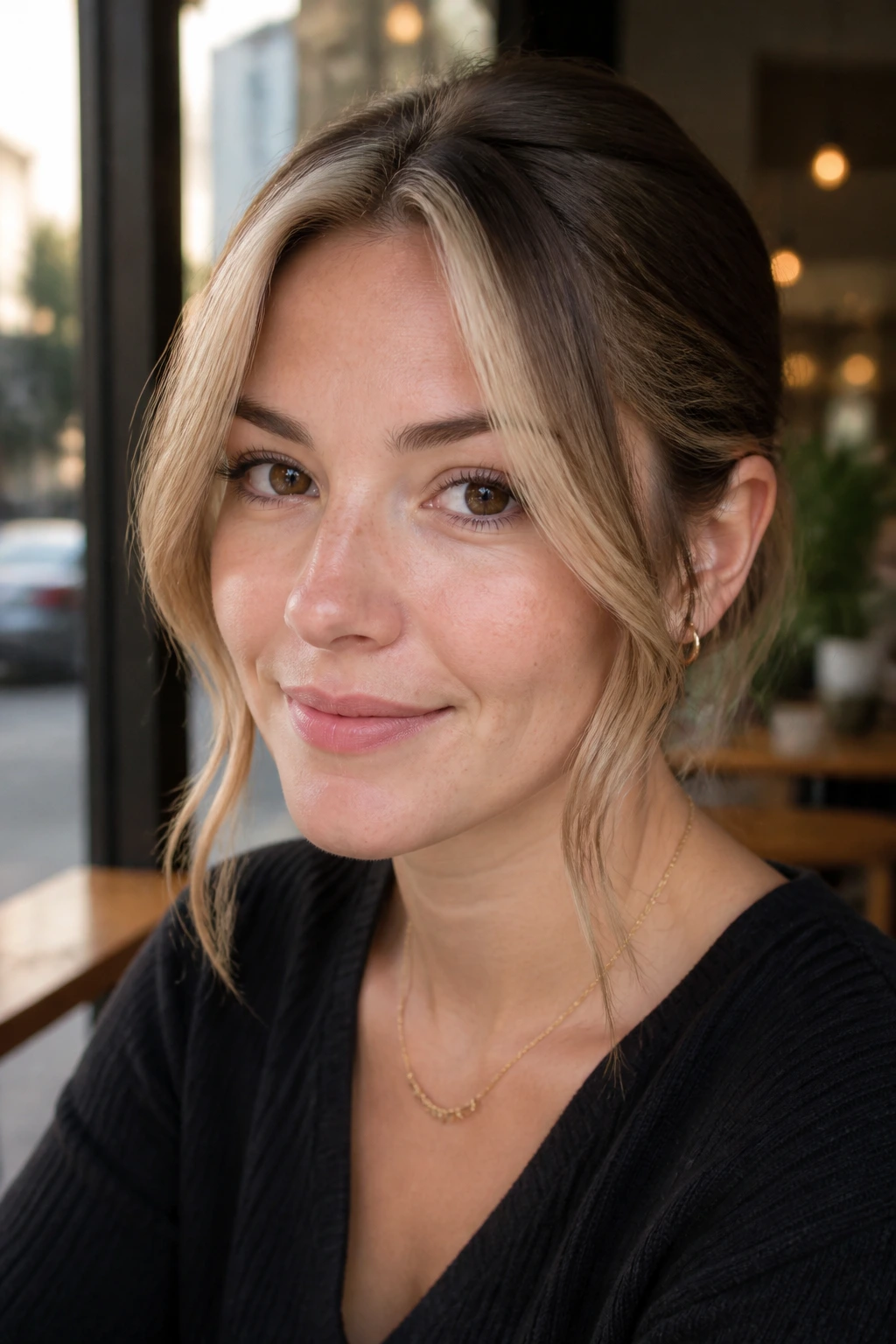
A feathered money piece is not the same as a hard front streak, and that difference matters on pale skin. The lighter pieces should feather into the layers so the highlight looks blended rather than pasted on. You want brightness around the eyes and temples, but you still want the rest of the hair to carry the color story.
This is a smart pick if you wear your hair up a lot or tuck it behind your ears. The front brightness stays visible even when the rest of the hair is pulled back. Keep the money piece in a beige or champagne lane if your skin is very fair, because a stark blonde strip can overpower the face fast.
20. Cream Soda Highlights
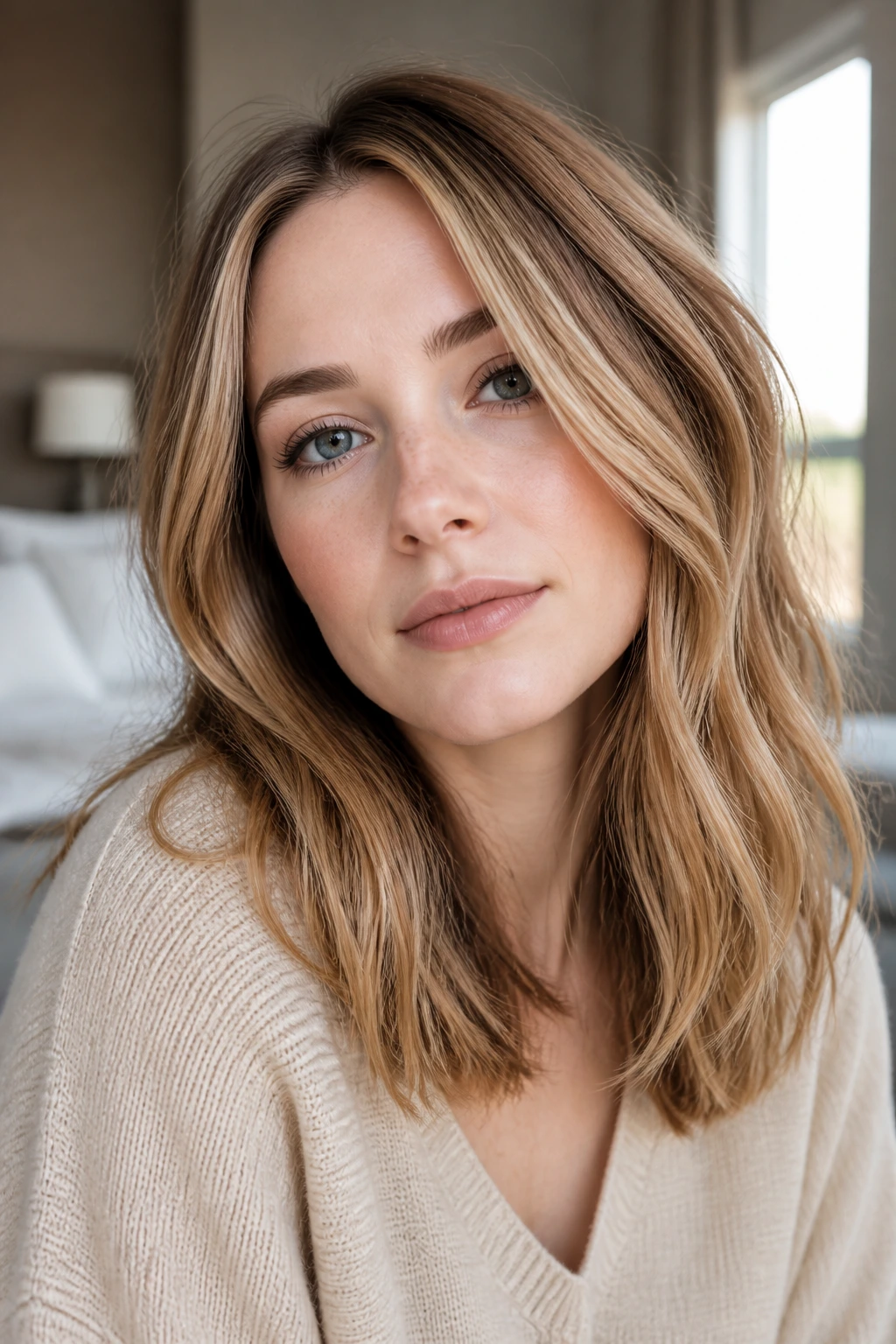
Cream soda is one of those tones that sounds sweeter than it actually is. On hair, it lands in a creamy beige-beige zone with just enough warmth to keep it from looking gray. That makes it useful for pale skin that gets dull with too much ash.
I like this on shoulder-length cuts because the layers let the cream tone move. Ask for soft highlights and a gloss that keeps the ends smooth. If your skin is neutral, this tone can look like your own color after a good vacation and a good blowout. It’s a flattering kind of ordinary, which sounds dull until you see it in daylight.
21. Mushroom Blonde Lob
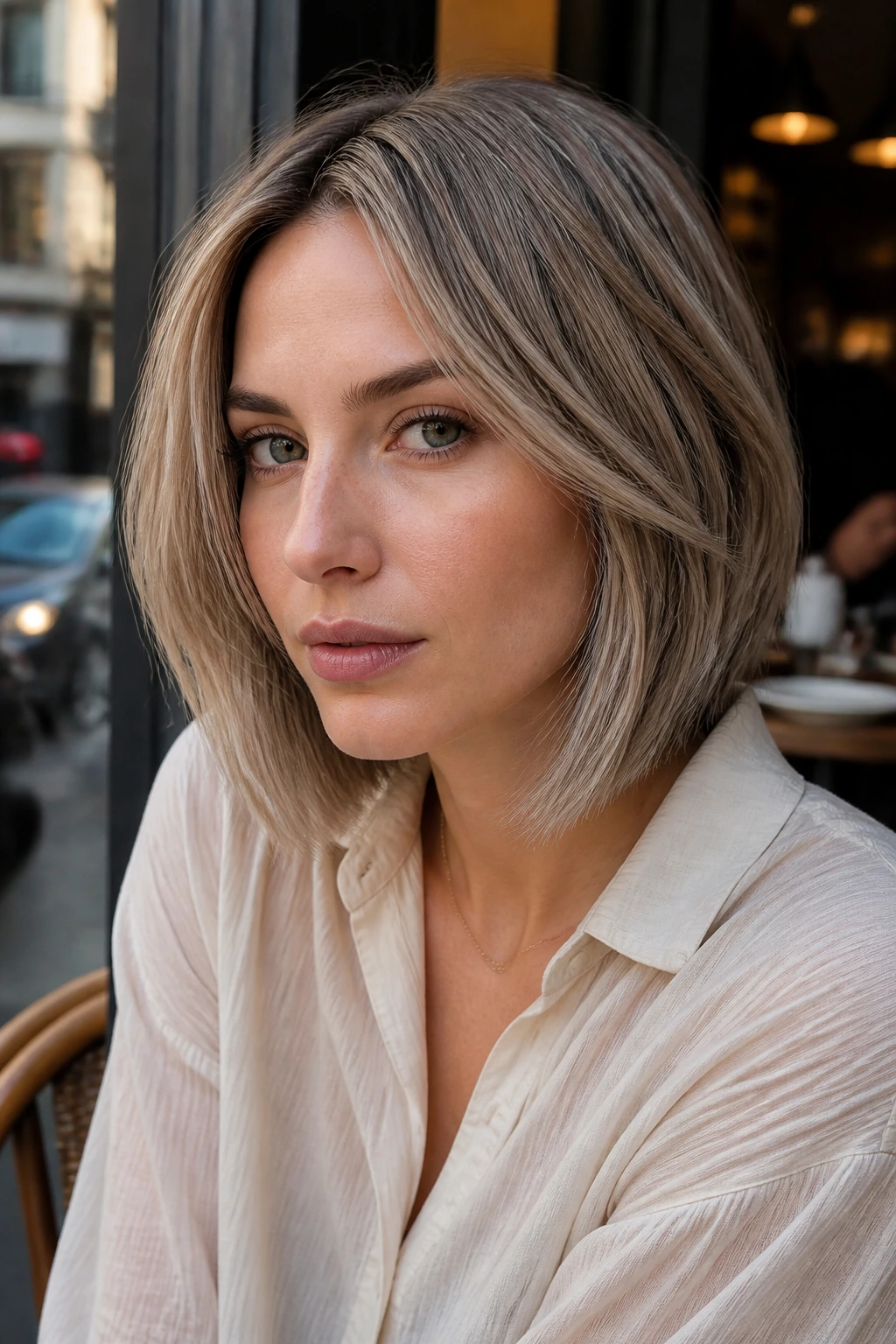
A lob gives mushroom blonde room to breathe. The smoky beige pieces don’t have to compete with a ton of length, and the cut itself keeps the color feeling modern without needing high contrast. On pale skin, the mushroom tone prevents the blonde from going too sunny.
The look is especially good if you prefer cleaner edges and low fuss. Ask for dark blonde depth through the underside, then fine, cool ribbons over the top layers. The result has shape even when the hair air-dries. If your hair is fine, this can make it look thicker because the shadow and highlight sit close together.
22. Bronze Beige Curls
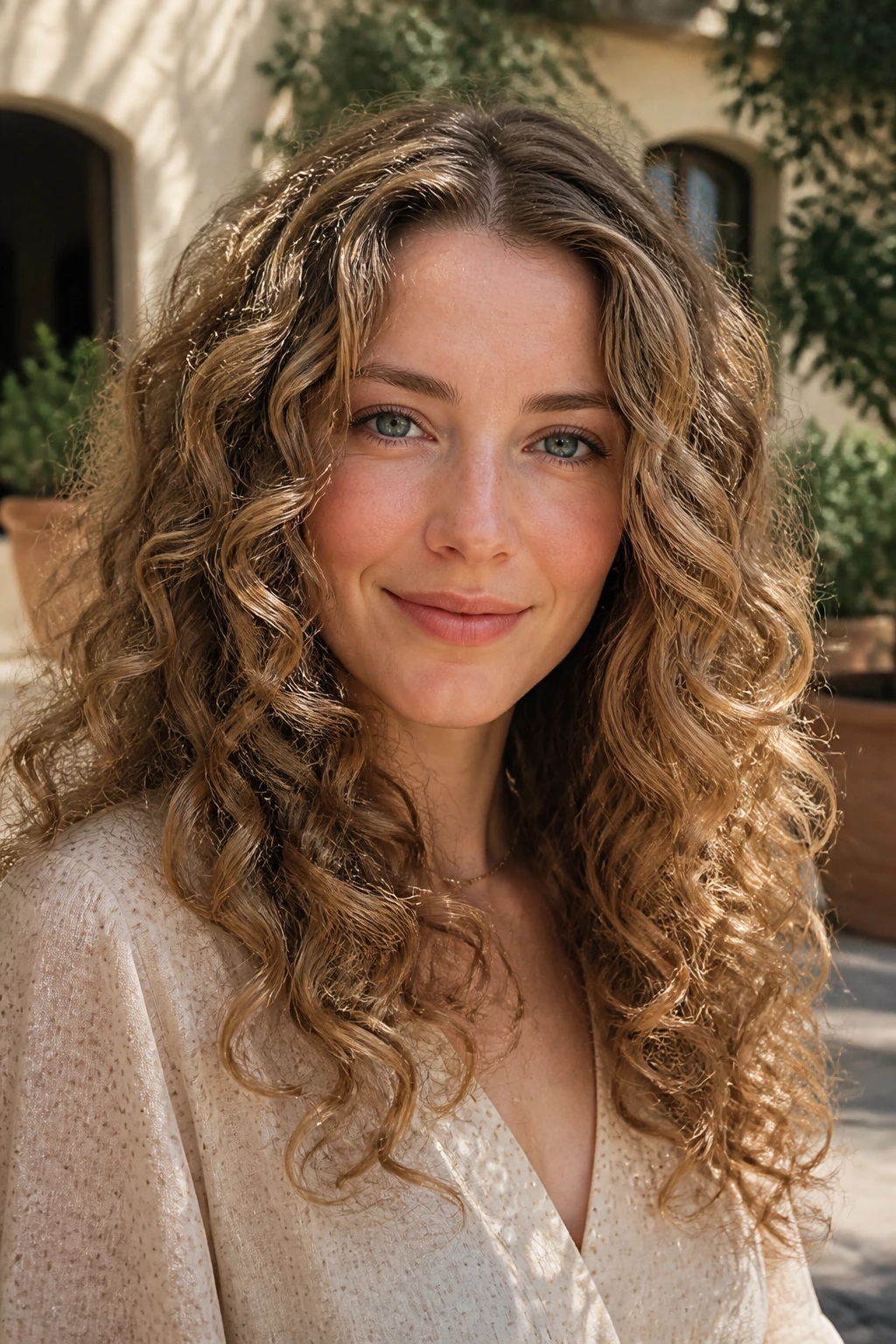
Curls change the whole game. Bronze beige doesn’t sit in one line; it catches on the bends, which gives pale skin a warm lift without a hard stripe anywhere. The bronze should stay soft, and the beige should keep it from getting too orange.
How to ask for it
- Placement: hand-painted pieces that follow the curl pattern.
- Tone: bronze-beige, not copper.
- Depth: leave enough brown underneath so the curls don’t blur into one bright mass.
- Styling note: scrunch with a diffuser to separate the ribbons after washing.
This color is good for curlier textures because it uses the texture instead of fighting it. The highlights show up where the light naturally hits, which is what makes the whole thing look alive.
23. Cinnamon Swirl Balayage
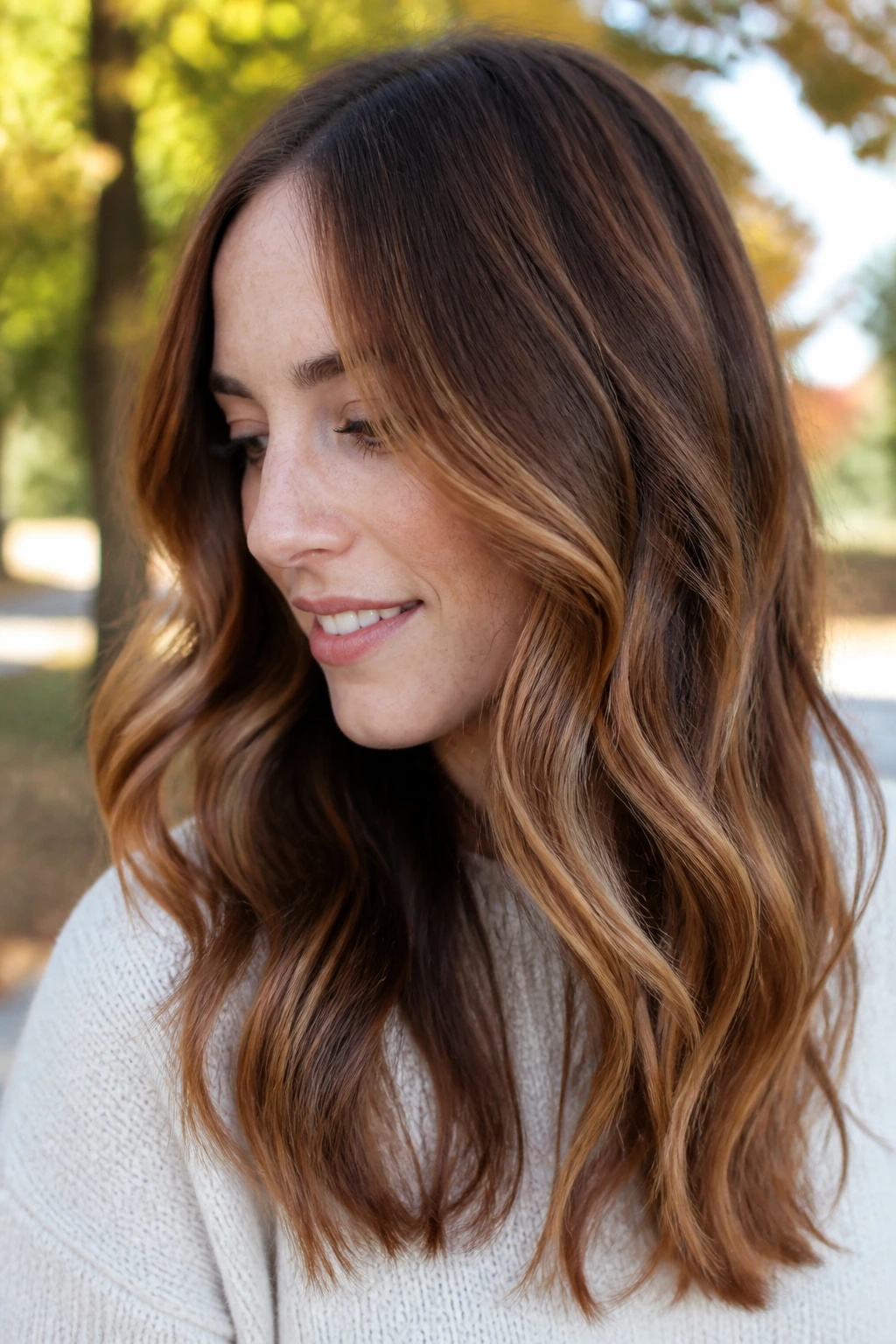
Cinnamon can be lovely on pale skin, but only if the red stays trimmed back. The best version reads toasted and earthy rather than coppery. Mixed into a brown base, it gives the hair warmth without making the face look pinker than it is.
This is a smart pick for freckles, warm undertones, or anyone who wants a little more spice in the color without going red. The swirl effect matters here — you want cinnamon pieces to wrap through the mids and ends, not sit in isolated patches. On waves, it looks soft and layered. On straight hair, keep the highlights finer so the red warmth doesn’t take over.
24. Cool Caramel Curtain Lights
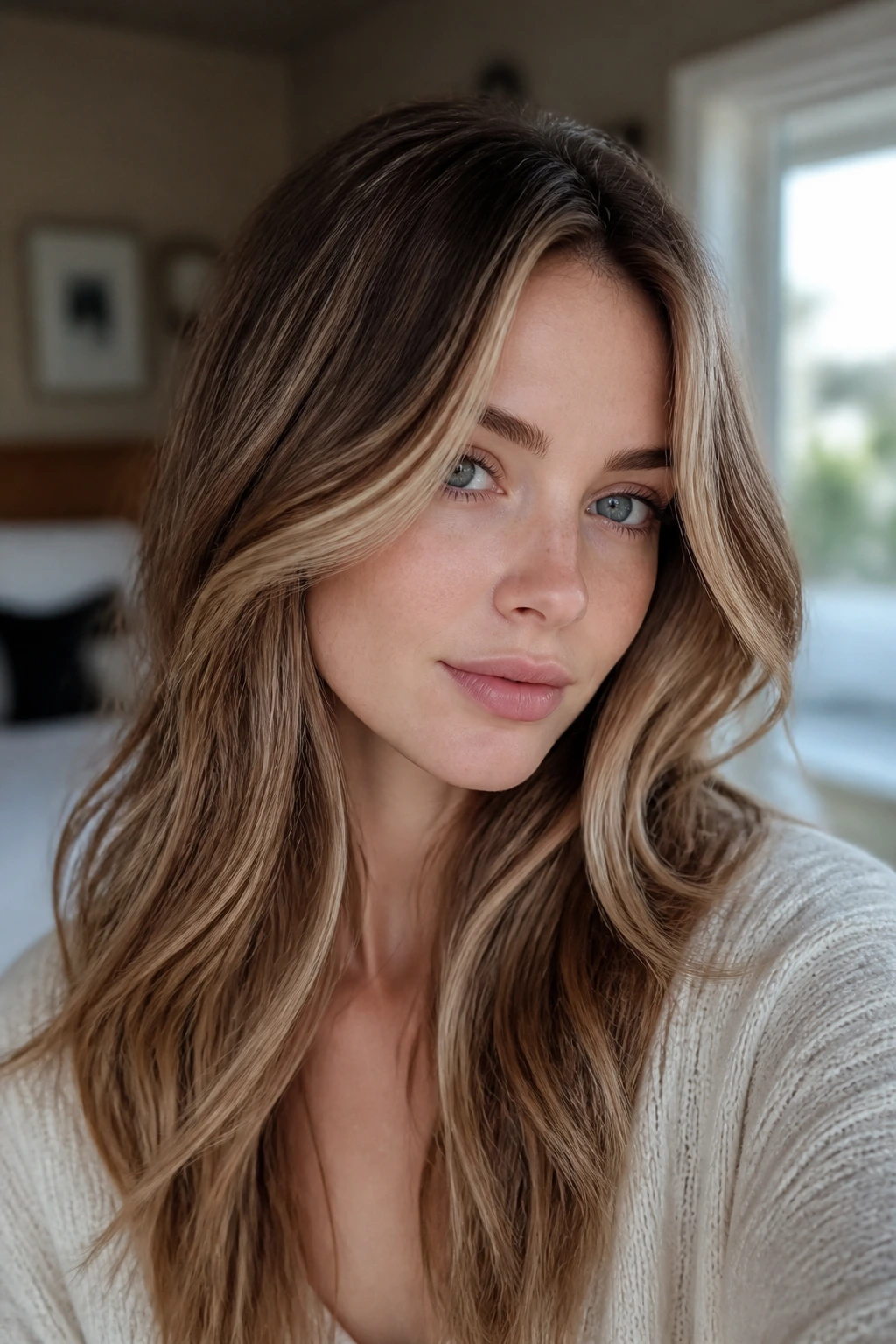
Curtain lights are a good way to frame the face without committing to a full money piece. The caramel tone adds warmth, but the “cool” part of the name means it should stay muted enough for pale skin. It’s a useful balance if your complexion needs some warmth but not brass.
This works especially well with curtain bangs or face-framing layers because the lighter sections sit where the hair naturally opens around the face. The result is a color that moves when you move. Keep the caramel under control with a neutral gloss, and ask the colorist not to push the front pieces too light. One level lighter than you think is usually enough.
25. Porcelain Bronde
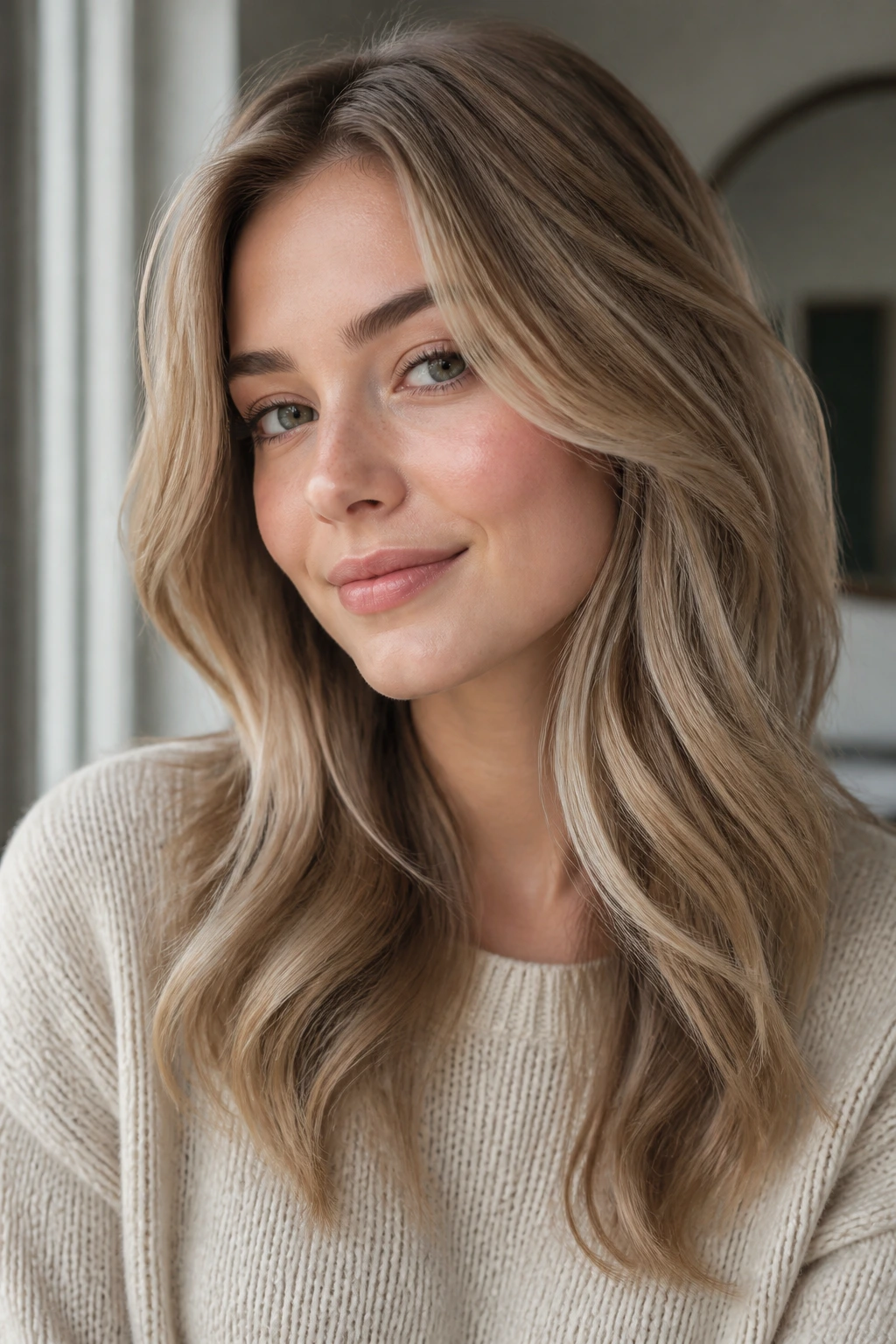
Porcelain bronde is for very fair skin that needs softness more than drama. The highlights are light, but not stark, and the brown base remains visible enough to give the face structure. It can look almost translucent in good light, which is exactly why the tone has to be handled carefully.
I prefer this on people who want pale-skin-friendly blonde but hate the yellow edge some blondes bring. Ask for a beige-heavy toner and a few deeper strands underneath so the color doesn’t flatten out. The goal is a delicate contrast, not a bleach session that forgot the brown half of the equation.
26. Soft Toffee Foils
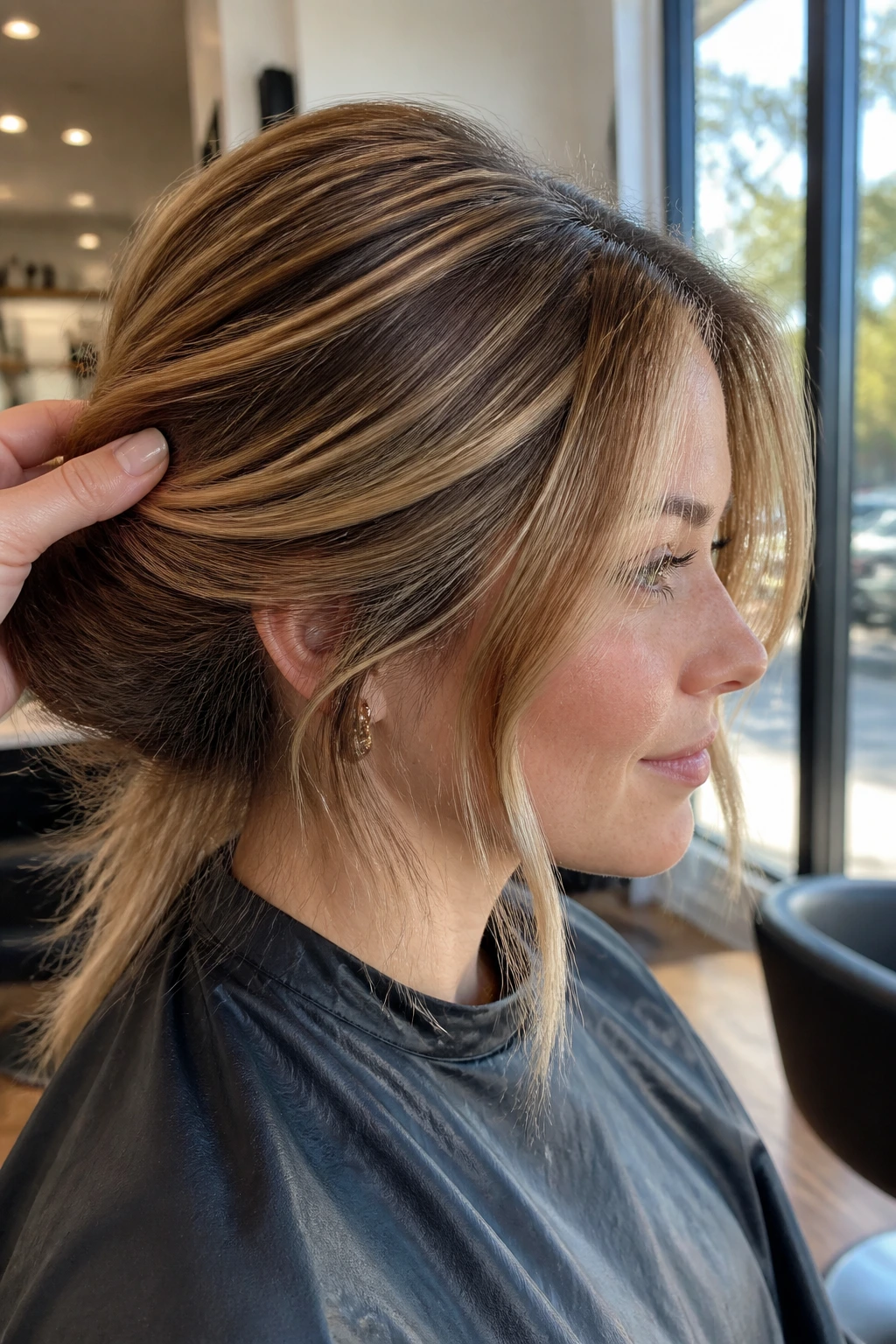
Toffee foils are warmer and a bit more visible, which can be a good thing if you want the highlight pattern to show even when your hair is tied back. On pale skin, toffee works best when it stays creamy and brown-leaning instead of orange. The whole look should feel warm, not hot.
This is a strong salon choice if your natural hair is already medium brown and you want obvious brightness without jumping to platinum. Foils give cleaner lift than balayage, so the pieces will read more defined. That can be useful on straight hair, where hand-painted color can disappear unless it’s placed carefully.
27. Ashy Honey Dimension
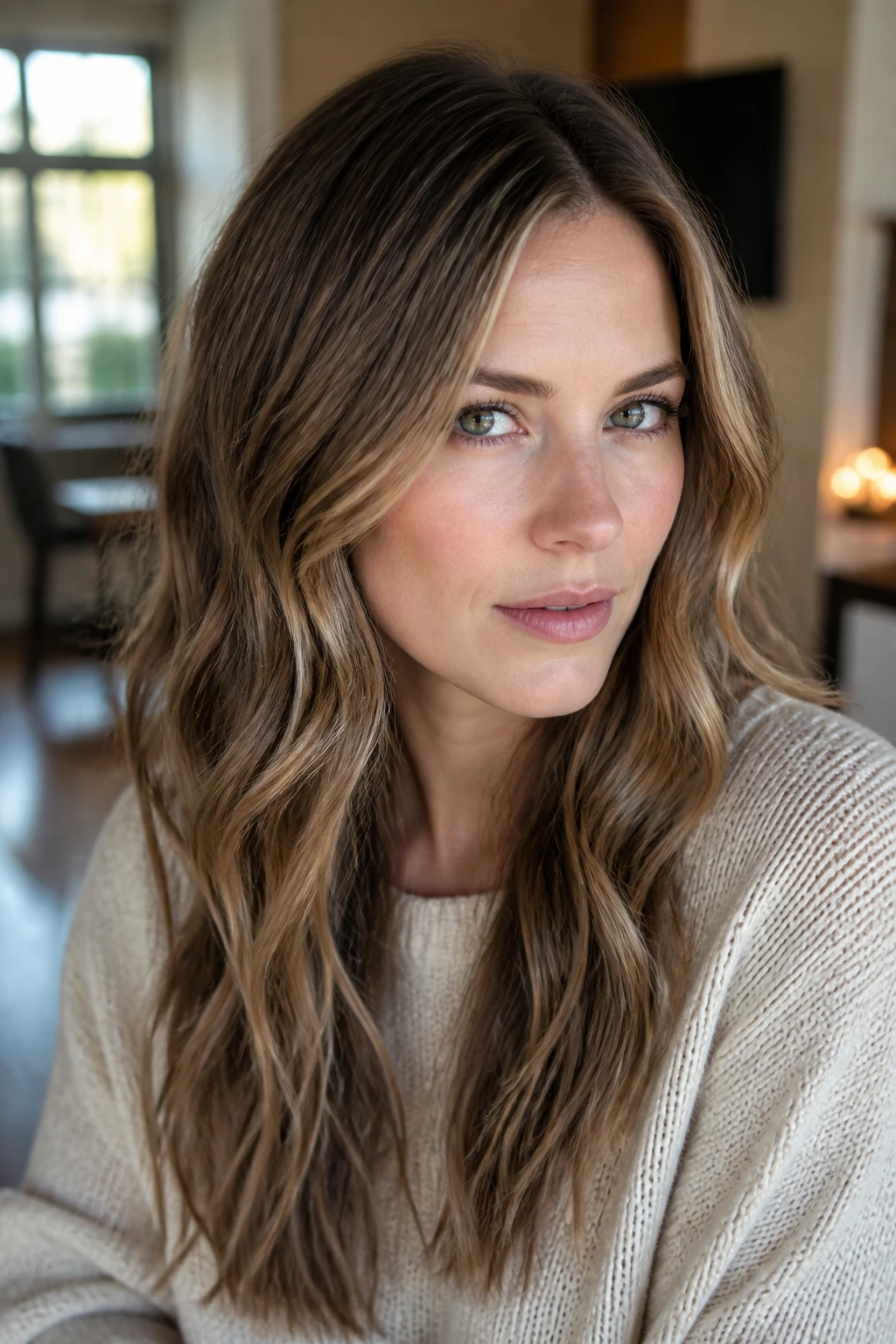
Ashy honey sounds contradictory, and that’s why it works. The ash keeps the honey from going too gold, while the honey keeps the ash from turning gray and flat. On pale skin, that tug-of-war can be very flattering because it gives the face both warmth and clarity.
When to choose it
If you’ve tried warm blonde and felt it swallowed your complexion, but ash blonde made you look drained, this middle road is worth a look. Ask the colorist to keep the honey pieces sparse and the ash pieces soft, not muddy. This is one of those shades that changes a lot in different light — indoors it reads restrained, outside it opens up.
28. Toned-Down Golden Taupe
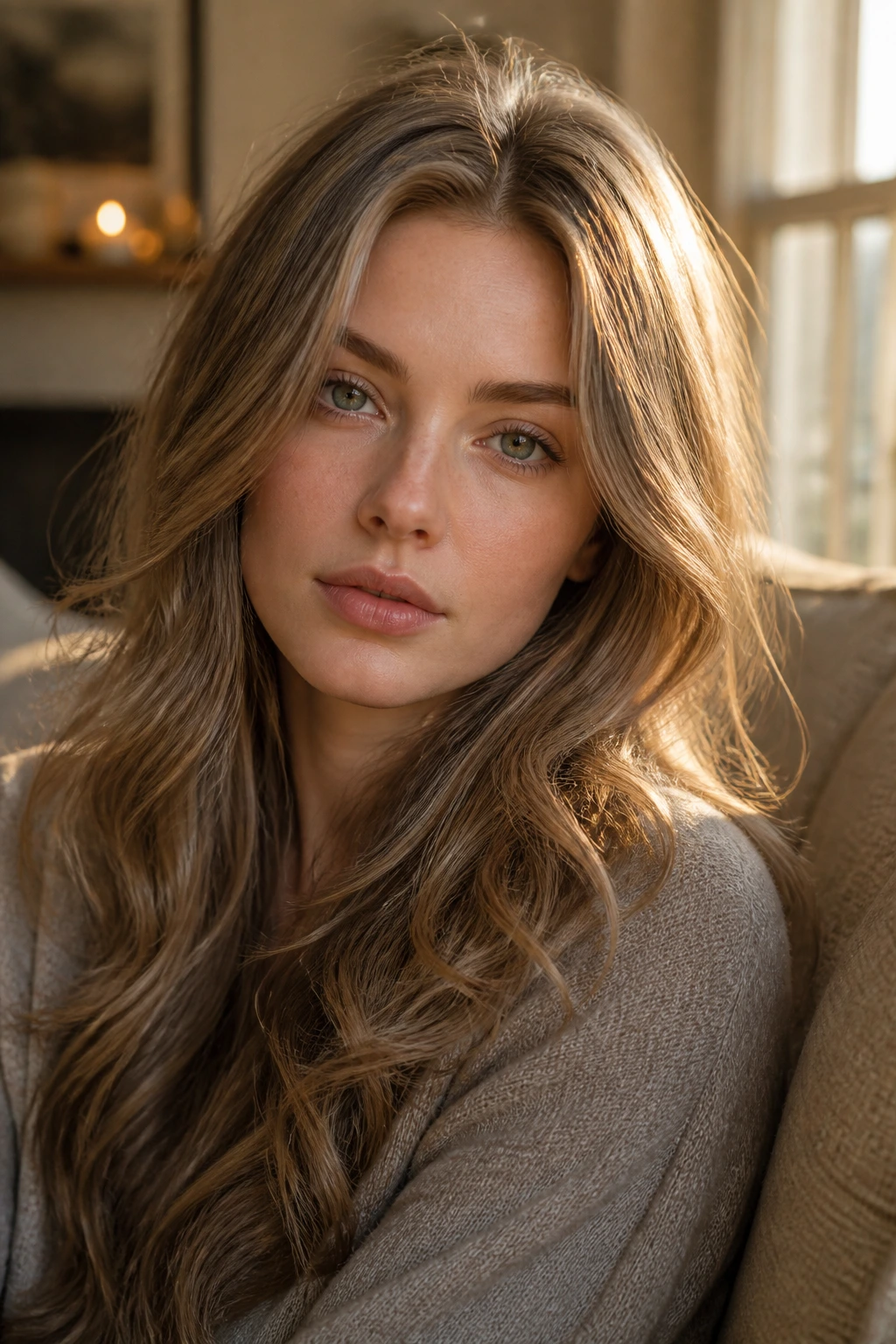
Golden taupe is the sort of color that sounds loud and behaves quietly. The gold is there, but it sits under a taupe veil that keeps the brightness in check. That makes it a good fit for pale skin that can take warmth in small doses but not in a heavy wash.
This is a practical pick if your natural color is brown and you want highlights that look intentional without being showy. The taupe softens the reflect, so the hair still looks dimensional when it’s not freshly styled. Ask for a neutral gloss if your hair tends to pull yellow. If it pulls muddy, ask for a warmer toner at the next refresh instead.
29. Chestnut-to-Vanilla Melt
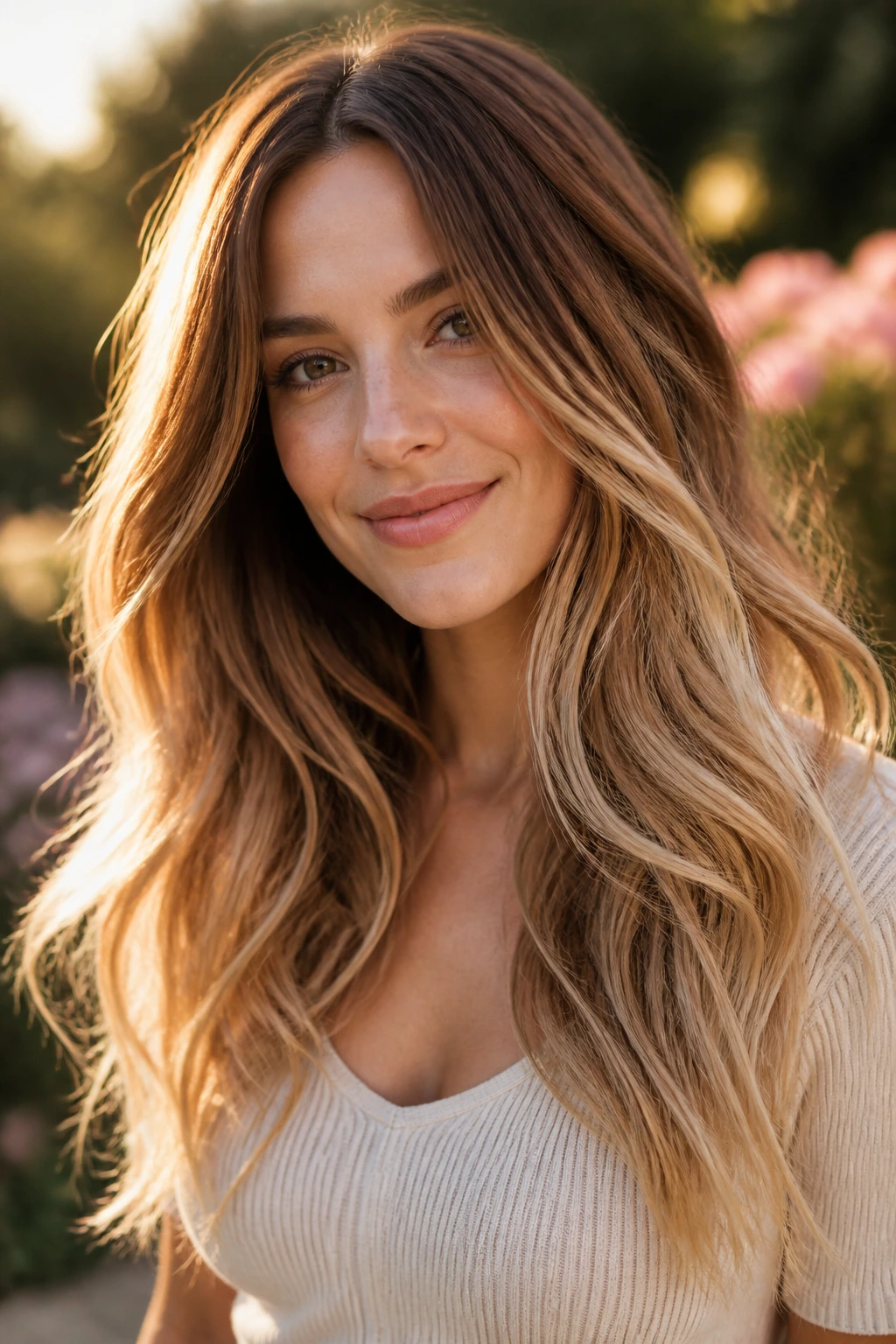
Chestnut to vanilla is a stronger contrast than some of the other looks here, but the fade has to be slow and creamy. Chestnut near the root keeps pale skin from looking unanchored, and vanilla toward the ends gives the hair a lighter finish without making the whole head go pale.
Best for longer cuts
Long layers give the melt room to show. The transition should be gradual enough that you can’t point to a line where one shade stops and the other starts. If you have a very fair complexion and dark brows, this can look balanced and deliberate. If the ends go too bright or too white, the whole thing starts to feel disconnected from the face.
30. Smoky Beige Halo
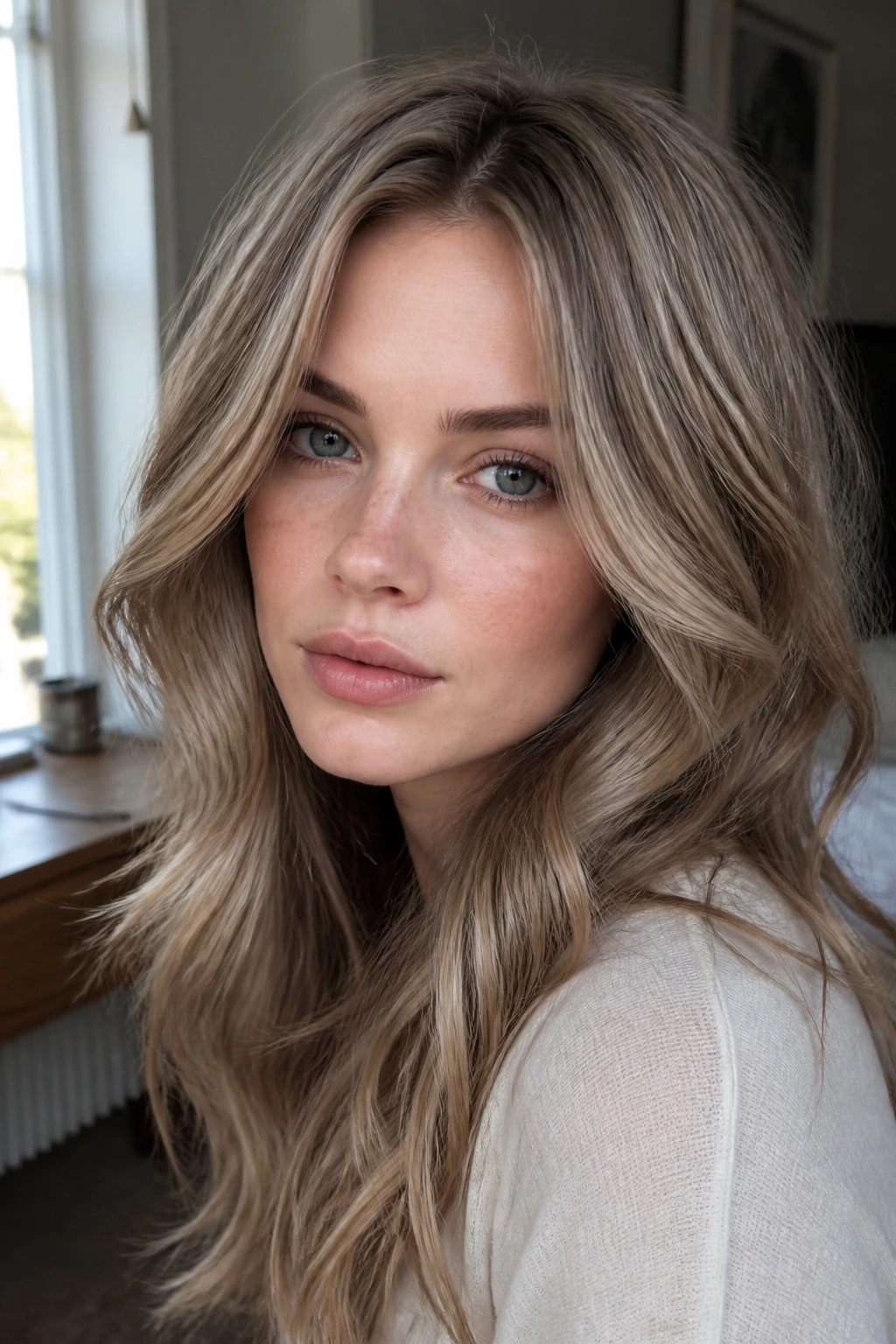
A smoky beige halo is the all-over version of “light, but not loud.” Highlights sit through the top, sides, and underneath layers so the brightness wraps the head instead of landing in one obvious band. On pale skin, that wraparound effect can be more flattering than a front-heavy highlight pattern.
This is a good final pick if you want the hair to look soft from every angle. The smoky beige tone keeps the light pieces from turning bright yellow, and the halo placement avoids the chunky stripe effect that can happen with larger foils. If you wear your hair in a ponytail, the color still shows. If you wear it loose, the dimension feels fuller. That’s the appeal.
Why Brown-Plus-Blonde Dimension Beats Flat Blonde on Fair Skin
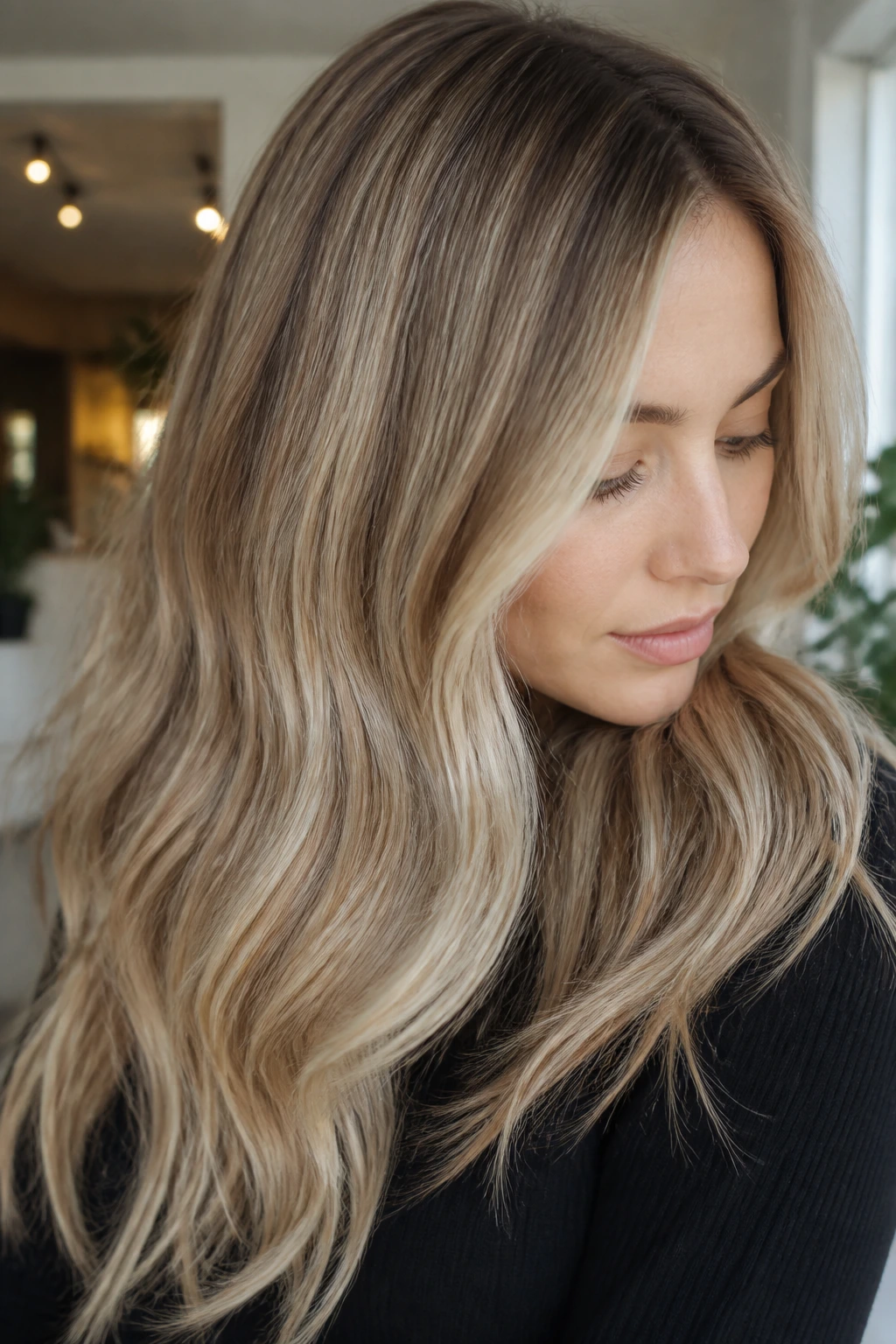
Flat blonde can be harsh on pale skin because there’s nowhere for the eye to rest. Every strand reads the same, and if the tone slips too yellow or too silver, the whole head starts to fight the complexion. Brown-blonde dimension works better because it gives the face contrast in small doses. The darker pieces act like lining around a painting. The lighter strands are the highlight, not the whole canvas.
There’s also a practical reason people end up liking this family of color. Soft dimension ages better between appointments. A beige root melt or smoky lowlight doesn’t scream “grown out” the way a solid bright blonde often does. That means you can stretch the color a little longer, use less toner panic, and still look put together when the hair isn’t freshly done. Good color should survive a messy bun, not collapse because the curl dropped.
What to Bring to the Salon Chair
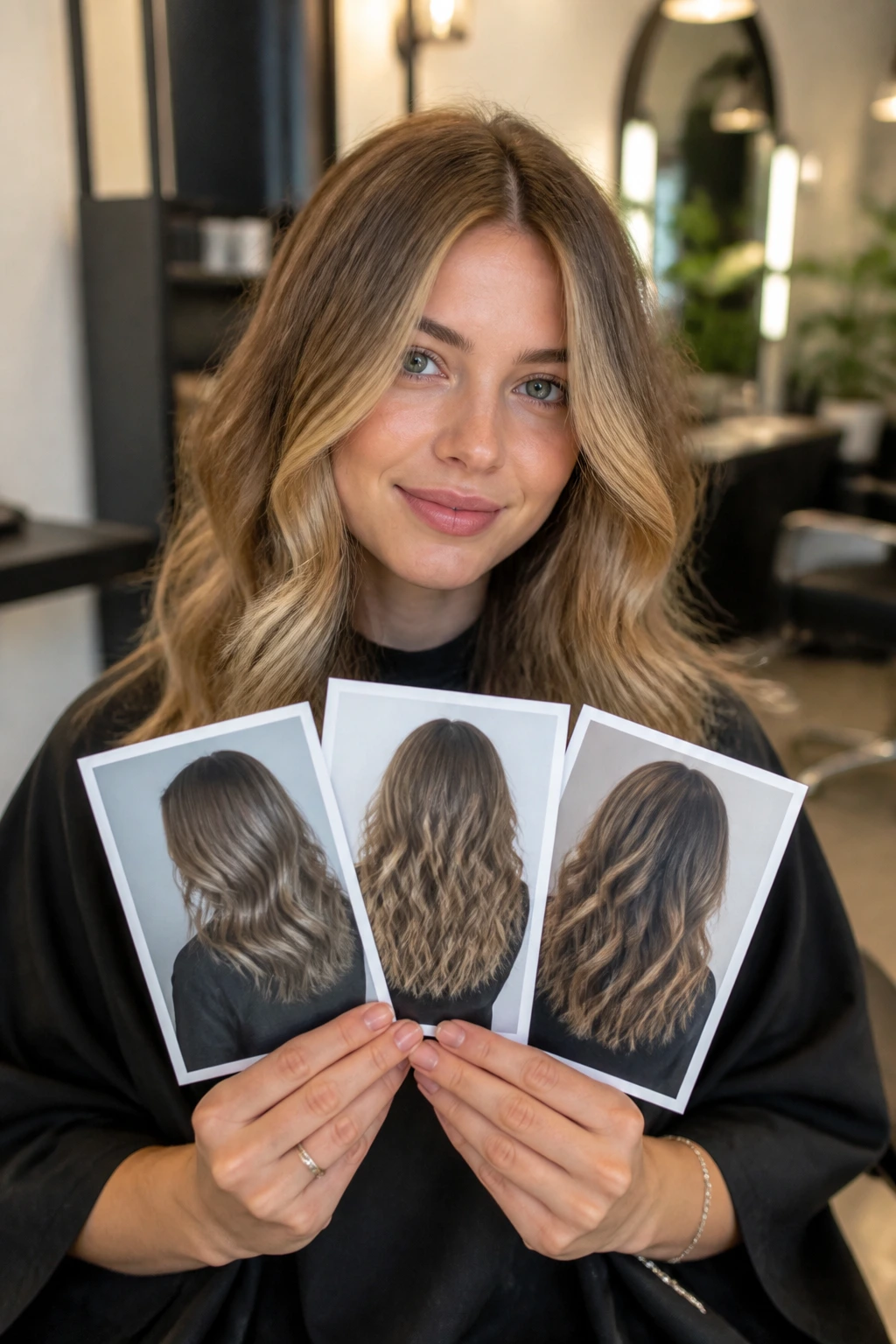
- Three reference photos: One for tone, one for placement, and one for the level of brightness. A single photo usually hides something important.
- A daylight selfie: Natural light shows your skin’s undertone better than bathroom light, which lies about everything.
- A note on your base color: Your natural level and whether your hair pulls warm or cool after coloring.
- Pictures of your hair when it’s clean and dry: Texture changes placement. Fine hair and curly hair do not need the same highlight pattern.
- A color-safe shampoo: This keeps fresh toner from fading out in the first week.
- Purple shampoo or blue shampoo, if your colorist recommends it: Useful, but not every fair-skin blonde needs a heavy violet wash.
- A heat protectant: Lightened hair burns and dries faster, especially around the ends.
- A wide-tooth comb and microfiber towel: Small things, but they cut down on breakage.
- A clarifying shampoo or shower filter if your water is hard: Mineral buildup can drag blonde into dull yellow fast.
How to Match the Shade to Your Undertone
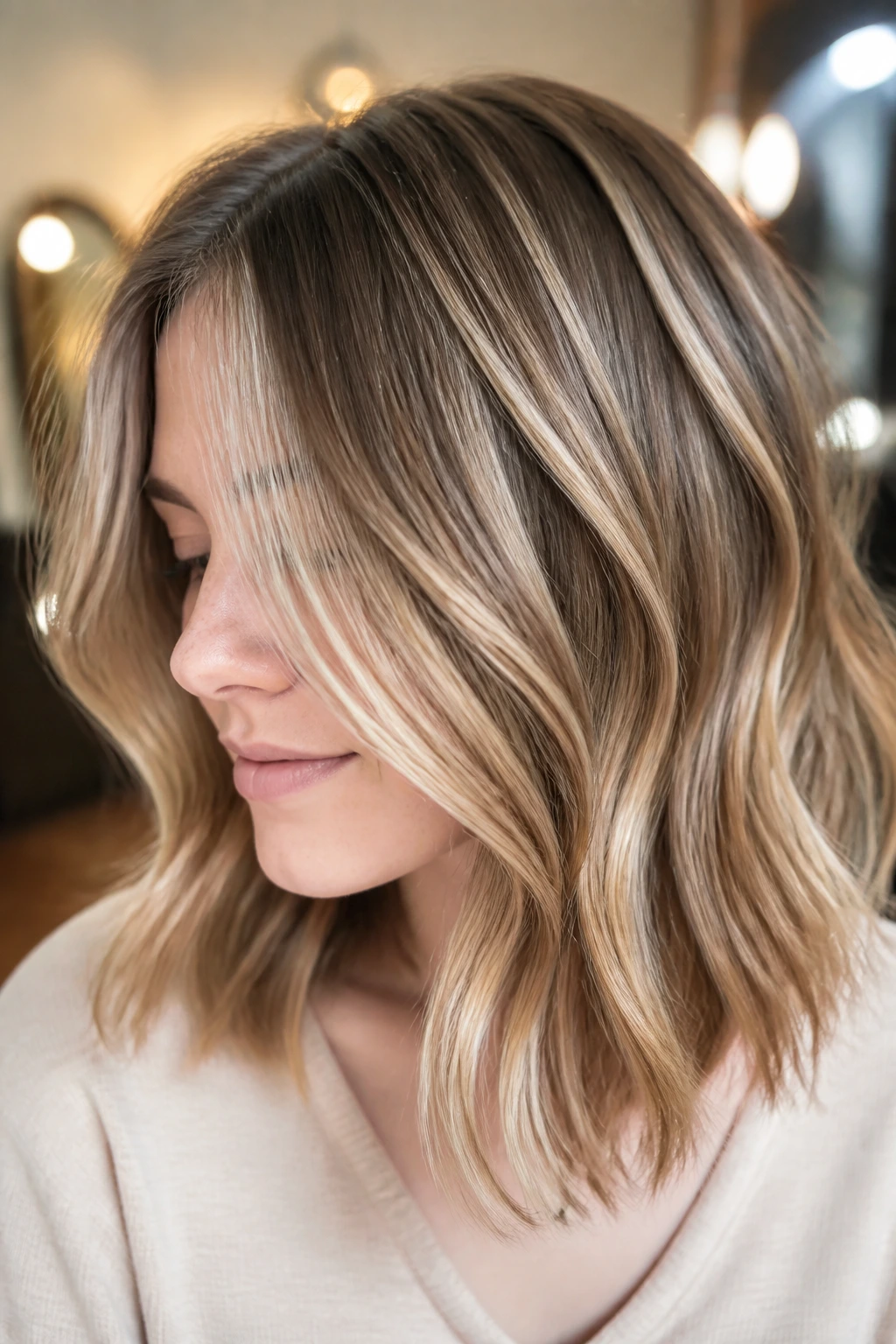
Pale skin is not one thing. Some fair skin has pink in it. Some is peachy. Some is almost porcelain with a blue cast. The highlight tone should answer that, not fight it. If your skin flushes easily, ask for beige, mushroom, or champagne rather than strong gold. If your skin has a yellow or peach undertone, honey, buttercream, and soft caramel can look warmer in a good way.
The other thing to watch is eye and brow color. Dark brows can handle a little more contrast, which means chestnut roots or mocha shadows make sense. Light brows usually look better with softer bronde or pearl-beige work so the face does not get split into two competing tones. I’d also avoid asking for the palest blonde just because it’s blonde. Pale skin does not need to be matched with the palest hair. It needs balance.
How to Style the Color So the Ribbons Show
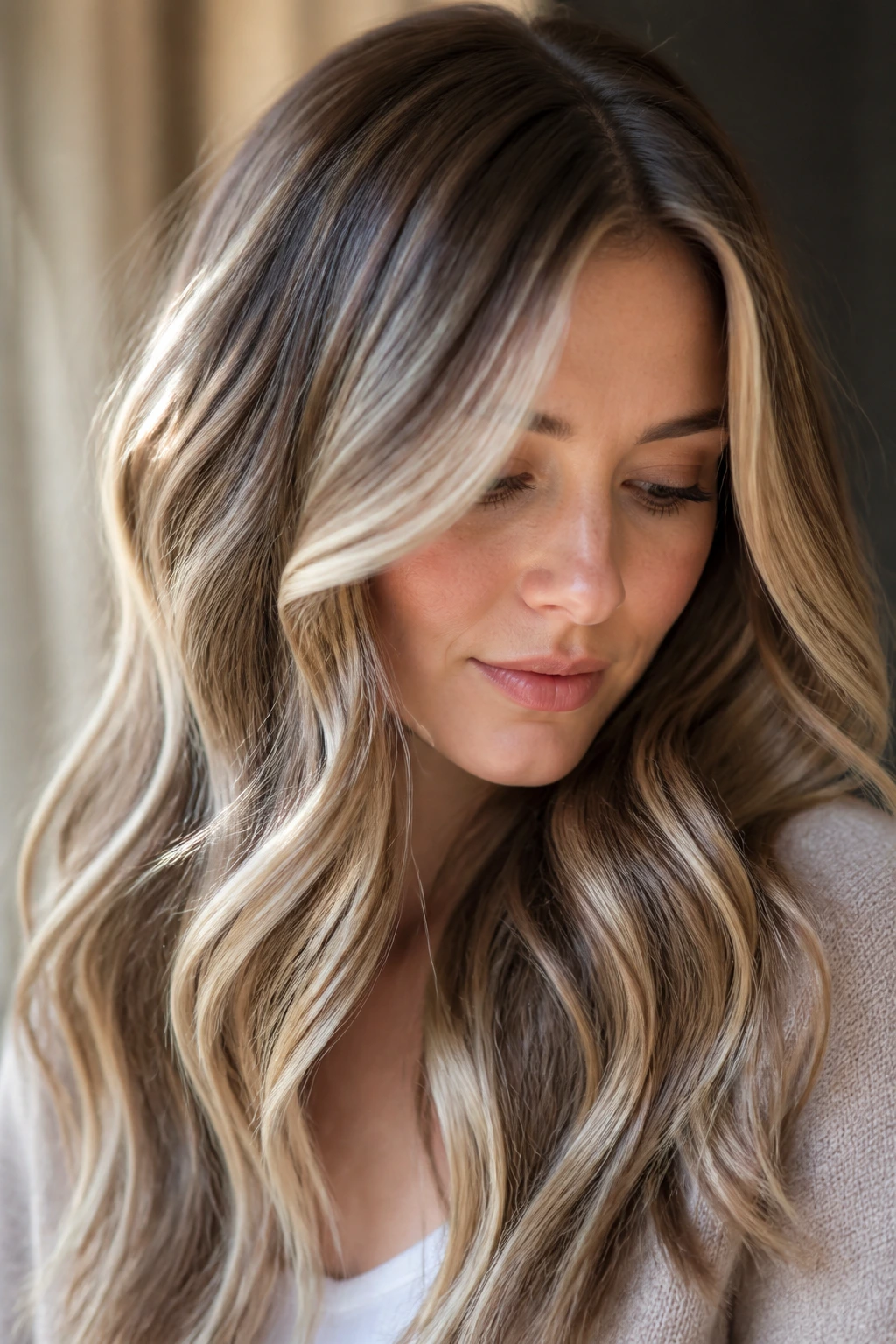
The point of all-over highlights is movement, so the styling should help the color move. Loose bends with a 1.25-inch iron are usually enough. You do not need ringlets. Two or three turns of the barrel, leaving the ends a little straighter, is often better because it shows both the blonde and the brown at the same time. On straight hair, a round brush blowout can do the same job if you lift the roots and tuck the ends under just a bit.
Product choice matters here. A light mousse at the roots gives the top pieces a little lift, while a drop of shine cream on the ends keeps the blonde from looking dry. Skip heavy oils near the crown. They flatten the highlight pattern and make all the careful placement disappear. If the hair is curly, use a diffuser and stop touching it while it dries. The ribbons show up better when the curl pattern stays intact.
Extra Ways to Personalize the Shade
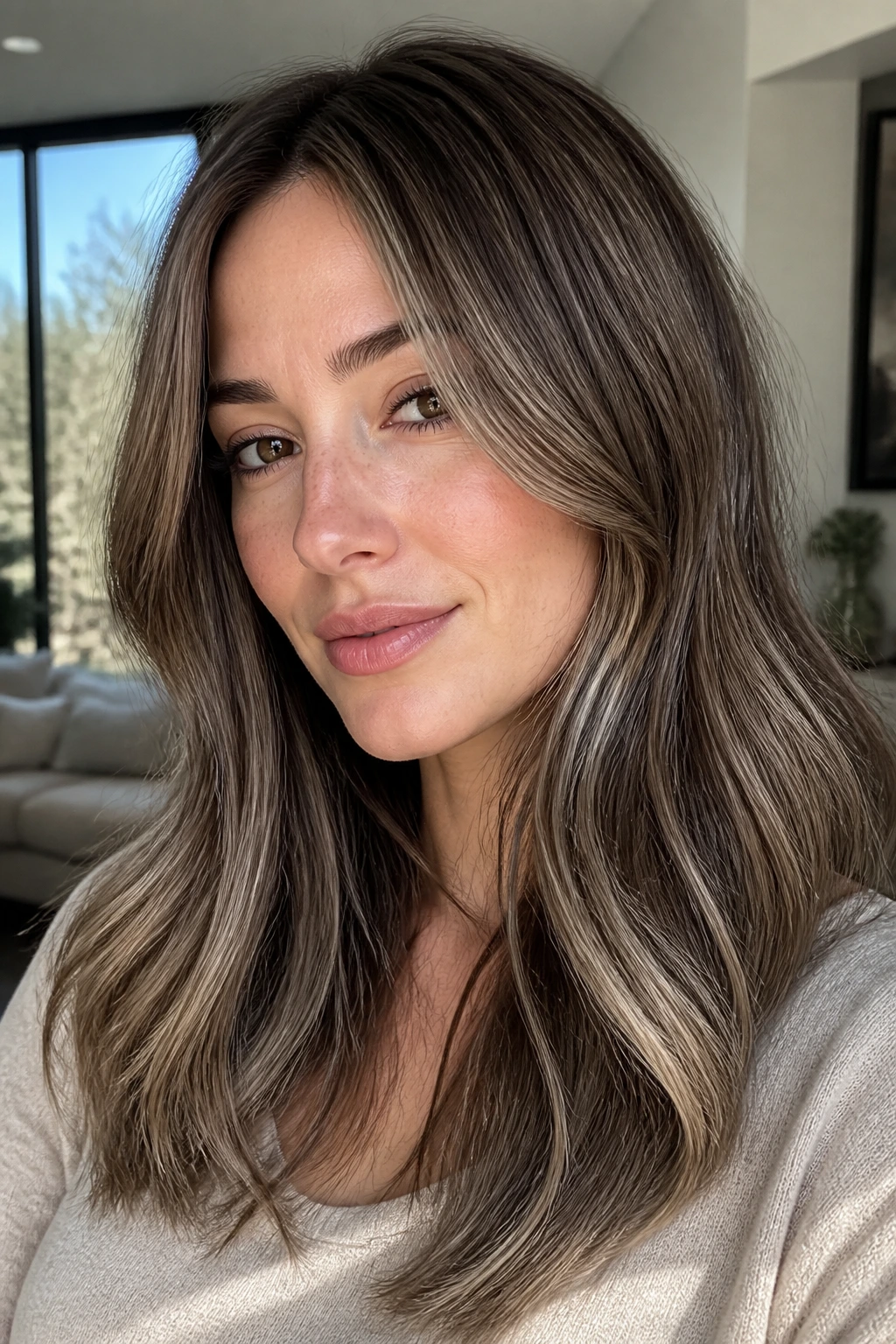
Flavor Enhancement: Ask for a gloss between salon visits instead of repeating the full lightening service every time. A good gloss can cool brass, deepen beige, or warm up dull ends without reopening the whole head of hair.
Customization: If you wear makeup that leans rosy, keep the blonde on the beige side. If your makeup leans bronzy or peach, you can push the highlights warmer and the hair will still sit well with your face.
Serving Suggestions: A clean part, soft waves, or a tucked-behind-the-ear style shows the contrast best. Tiny gold earrings and a little brow definition help the dimension read more clearly, but the hair should still do the talking.
Make-It-Yours: Fine hair usually looks fuller with micro-highlights. Thick hair can handle wider ribbons and a few lowlights. Curly hair needs placement that follows the bend of the curl, not a straight-line foil map.
Common Mistakes to Avoid
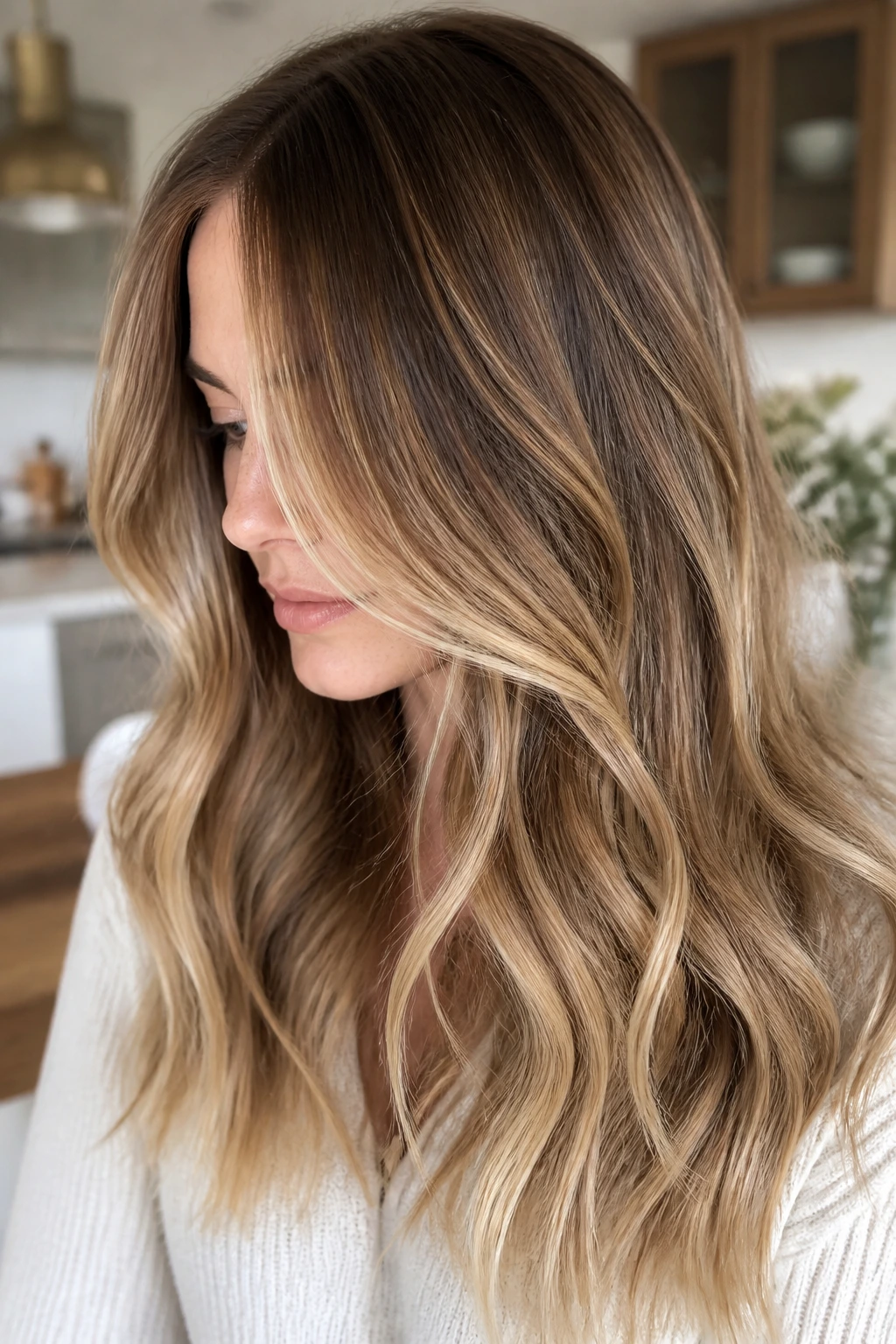
The first mistake is going too light, too fast. On pale skin, that often turns into a washed-out face and hair that looks more bleached than dimensional. The fix is to keep some brown in the mix and ask for beige or mushroom tones instead of jumping straight to pale yellow blonde.
Another problem is ignoring undertone. A warm honey that looks rich on one person can make another person look red or tired. If your skin is cool, keep the warmth controlled. If your skin is warm, do not bury everything in ash just because ash sounds chic on paper. Tone has to meet skin tone.
Chunky streaks are another trap. They can look dated fast and they don’t flatter fine fair skin the way small ribbons do. Ask for babylights, foilayage, or micro-weaves if you want the color to blend. If you already have stripy highlights, a darker gloss and a few lowlights can soften the whole thing.
Skipping toner is a mistake people make when they are tired of appointments. Problem is, pale-skin-friendly blonde often depends on that last step. Without toner, the hair can drift yellow, and yellow next to fair skin is not a soft match. Use the gloss. It matters.
Variations and Alternatives to Try
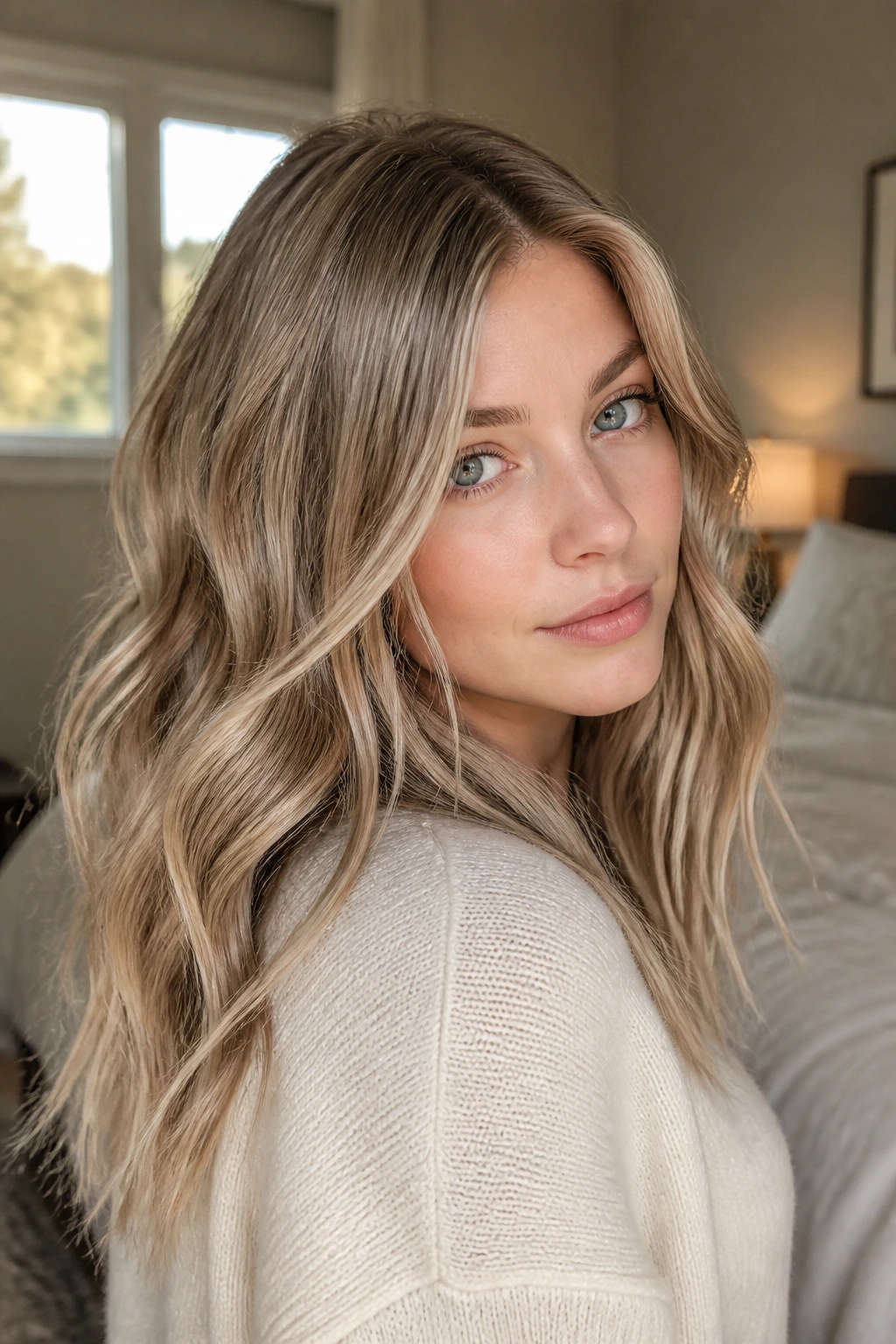
Smoky Cool Blend: If your skin reads very pink, lean into mushroom, ash beige, and pearl. Keep the warmth low and the brown depth visible. This is the cleanest option if yellow tones usually bother you.
Warm Freckle Lift: If your skin has freckles or a peach cast, push the color toward honey, toffee, and buttercream. The warmth can make the face look a little more alive, especially around the cheeks and temples.
Low-Contrast Bronde: This version uses fewer light pieces and more brown depth. It’s good if you want dimension without obvious streaks or if your hair is fine and over-lightening tends to make it look thin.
High-Frame Brightness: Keep the back softer and make the face-framing pieces a little brighter. This is the move if you wear your hair down a lot and want the front to do the heavy lifting.
Curly Ribbon Lift: On curls, use wider painted pieces that follow the pattern of the ringlet. Tiny foils can disappear in dense texture, but a well-placed ribbon can show from every angle.
Keeping the Color Fresh Between Appointments
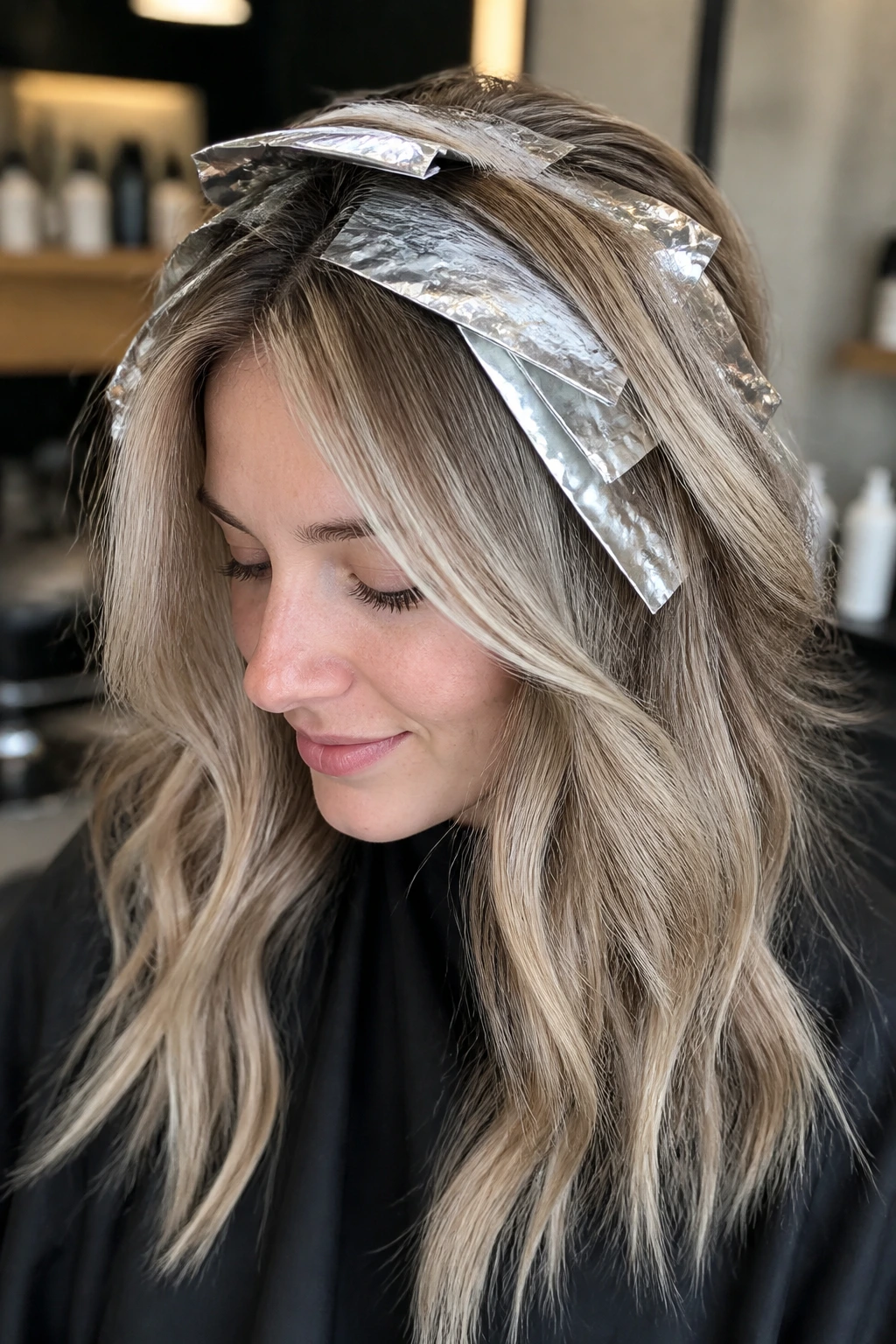
Blonde-brown highlights for pale skin usually need a little maintenance, but not the kind that takes over your life. A purple or blue shampoo once every 7 to 10 days is enough for most people. More than that can push the hair too ashy and make beige tones look dull. If your hair is porous or hard water is a problem, use a clarifying wash every 2 to 3 weeks and follow with a moisture mask.
Glosses and toner refreshes usually land every 4 to 6 weeks if you want the tone to stay clean. Root shadows and softer balayage placements can stretch longer than that, sometimes 8 weeks or more, depending on how fast your hair grows and how much contrast you asked for. Heat styling should always get a protectant first. Lightened ends dry out faster than roots, and once they start fraying, the color loses its clean look.
Frequently Asked Questions
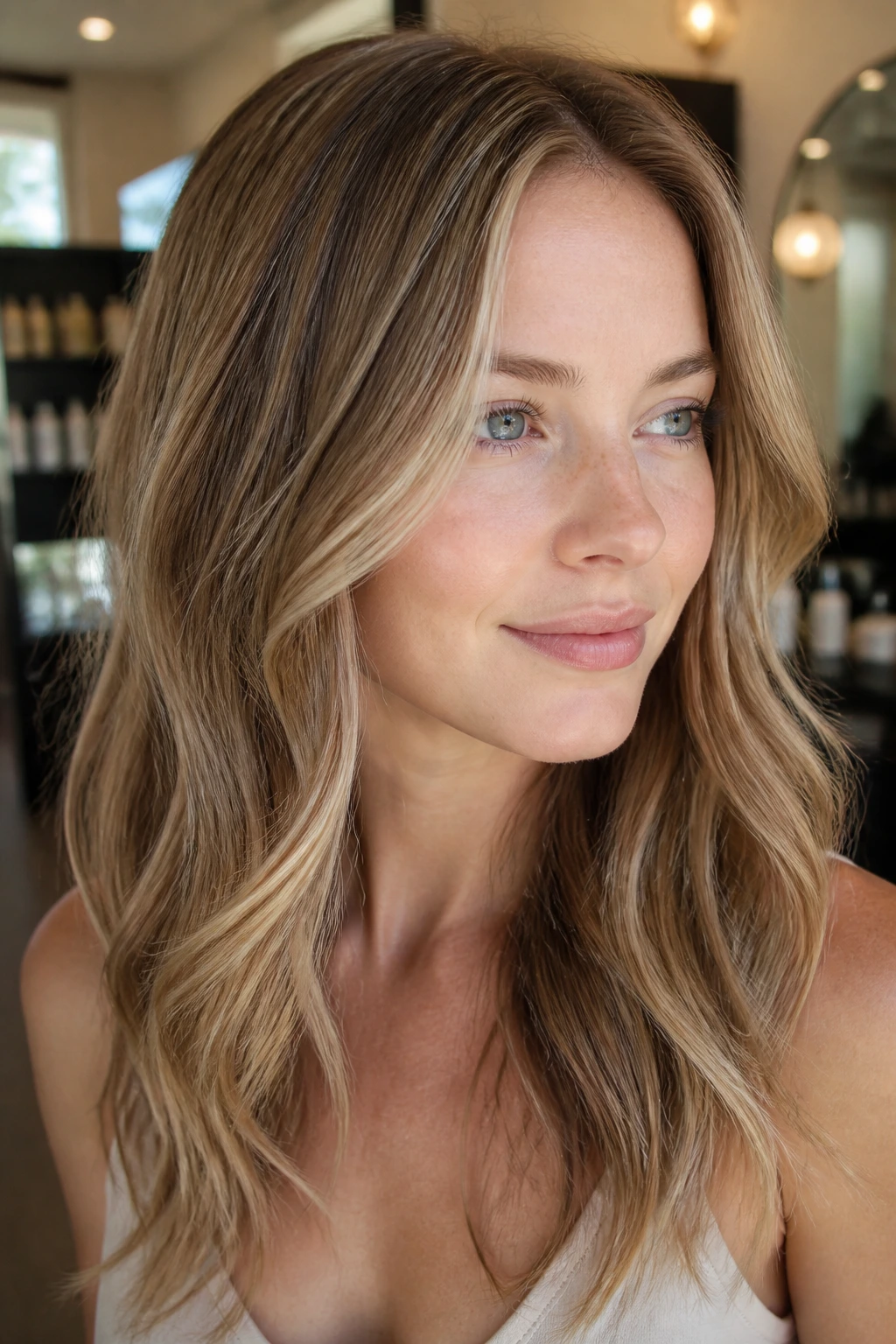
Which blonde-brown highlights are best for very pale skin?
Beige bronde, mushroom brown babylights, pearl beige waves, and smoky champagne usually sit well on very fair skin because they keep the tone soft. If your skin leans pink, stay closer to beige or ash-beige than strong gold.
Should I choose cool or warm highlights if I have pale skin?
Match the highlight to your undertone, not just your skin depth. Cool or rosy skin usually handles ash, mushroom, and champagne better, while peachy or golden skin can take honey, buttercream, and toffee more easily.
Will all-over highlights damage fine hair?
They can if the lift is too heavy or too frequent. Fine hair usually does better with babylights or micro-highlights spaced through the head, because the color looks dimensional without needing big sections of bleach.
How often do these colors need toner?
Most fair-skin-friendly blondes need a gloss every 4 to 6 weeks if you want the tone to stay clean. If your hair is lightened heavily or your water is mineral-rich, you may need refreshes a little more often.
Can I keep brown depth and still look bright?
Yes. In fact, that’s usually the better move. Brown depth near the root and underneath gives the blonde more contrast, which keeps the color from washing out pale skin.
What if my highlights turn yellow?
Use a gentle purple shampoo once a week, but do not overdo it. If the yellow is strong, book a toner or gloss rather than trying to scrub it away at home. Over-toning can make the hair dull.
Do these looks work on short hair?
They do, especially smoky champagne bobs, feathered money pieces, and soft toffee foils. Short cuts need finer placement so the highlight pattern does not look blocky.
How do I ask for this at the salon?
Bring a photo of the tone you want, one photo of the placement you like, and be ready to say whether you want beige, ash, honey, or caramel. That single detail changes the whole result.
A Softer Way to Wear Light
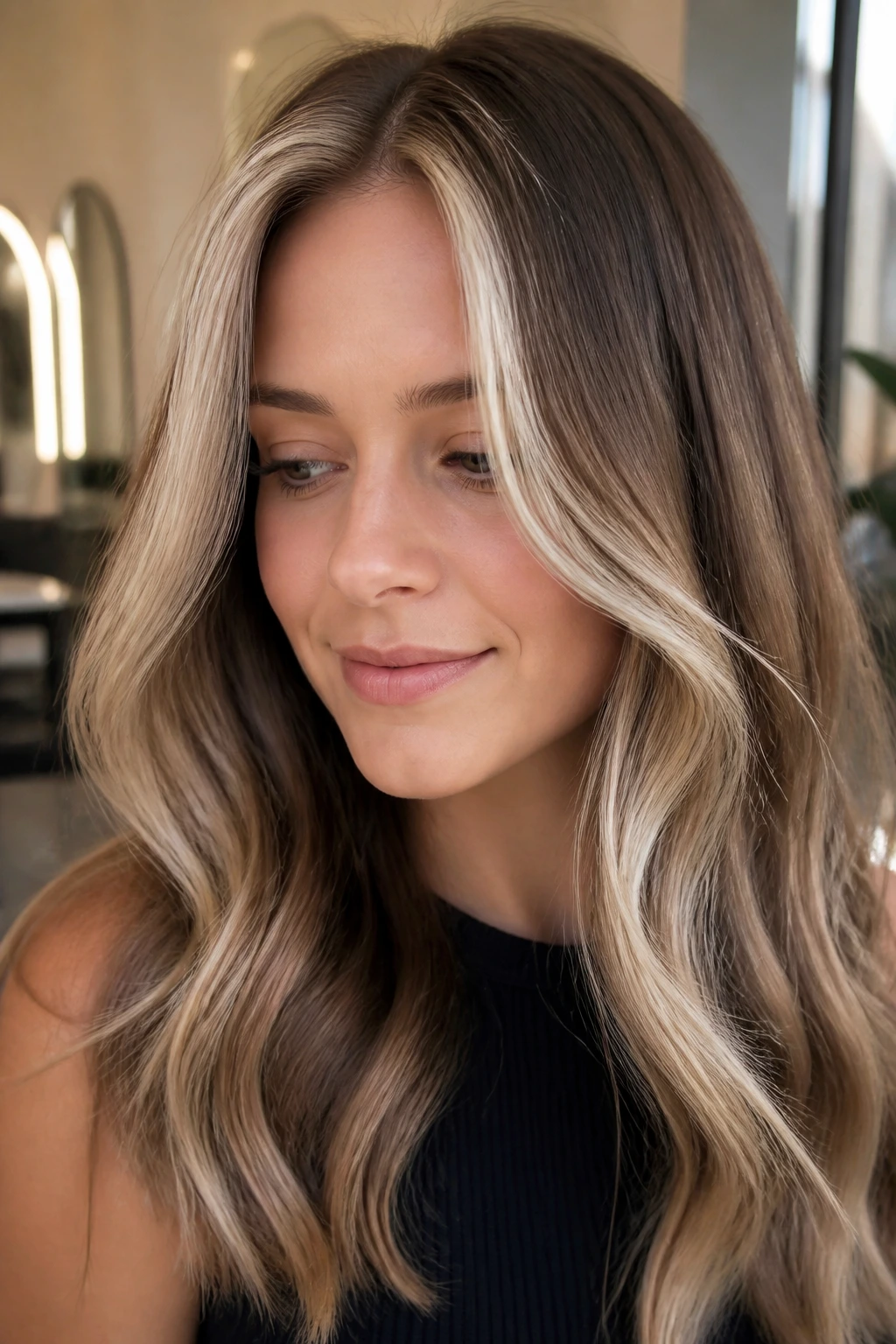
The best thing about blonde-brown highlights on pale skin is that they do not have to choose between bright and believable. When the brown stays present and the blonde stays in a beige, champagne, mushroom, or honey lane, the face gets shape instead of glare. That’s the whole trick.
If you’re saving photos for your next appointment, look for soft contrast first and brightness second. The color should move with the cut, not sit on top of it like an afterthought. And if the first gloss is not quite right, that is fixable — usually with a better toner, a few lowlights, or a slightly deeper root shadow on the next pass.