



Honey blonde is one of those shades that can either make olive skin look lit from within or leave it looking a little muddy. The difference usually has nothing to do with how light the hair gets and everything to do with which kind of honey you choose. Beige-gold, amber, caramel, and soft wheat all behave differently next to olive undertones, and the wrong one can push your skin toward yellow or dull gray in a hurry.
That’s why honey blonde hair color ideas for olive skin need a sharper eye than the usual “go warmer” advice. Olive skin can carry green, golden, or neutral undertones all at once, which means a shade that looks buttery on one person can look brassy on another. A good honey blonde doesn’t fight that undertone mix. It sits in the middle, gives the skin a clean glow, and keeps enough depth at the root or lowlight to stop the whole look from going flat.
The sweetest versions usually have a soft shadow at the root, a beige-gold ribbon through the mid-lengths, and a finish that never crosses into neon yellow. That balance is the whole game. And once you know where the balance lives, the options get a lot more interesting.
Why This Collection Feels Different
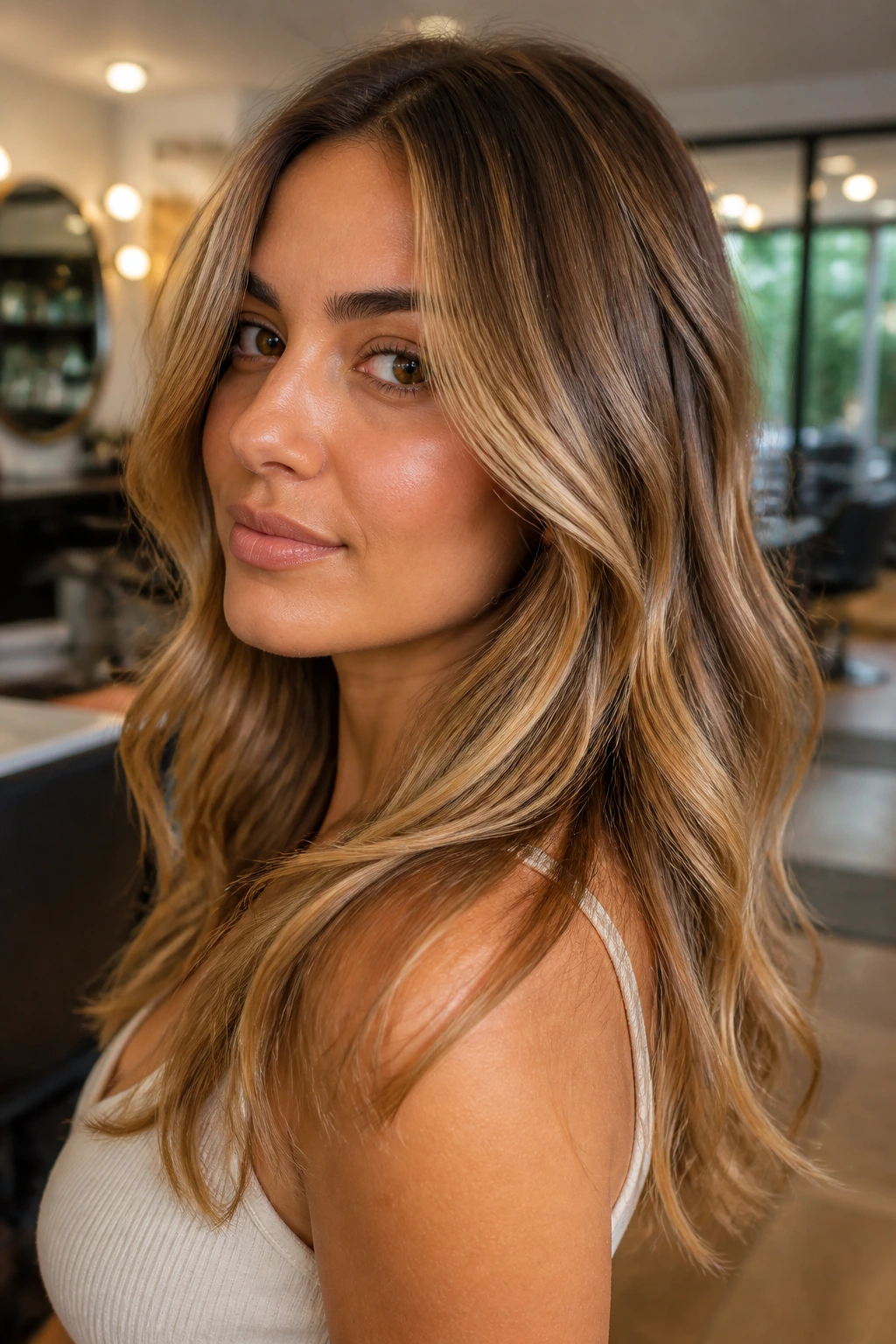
- Tone matters more than brightness: Olive skin usually looks better with honey shades that lean beige, amber, or caramel rather than flat gold or icy ash.
- There’s room for depth: A honey blonde does not have to mean all-over lightness; lowlights and root shadow keep the color from washing out your features.
- Some ideas are low-maintenance: Balayage, melts, and ribbon highlights grow out with softer lines, which means fewer harsh regrowth lines.
- Some ideas are face-brightening: Money pieces and face frames can lift the skin without sending the whole head into high-contrast territory.
- The list covers different hair textures: Straight, wavy, curly, short, and long cuts all take honey blonde differently, and the examples below reflect that.
- Warm and neutral olives both get a seat at the table: A warmer olive can handle richer caramel honey, while a cooler olive often looks better with beige honey or champagne notes.
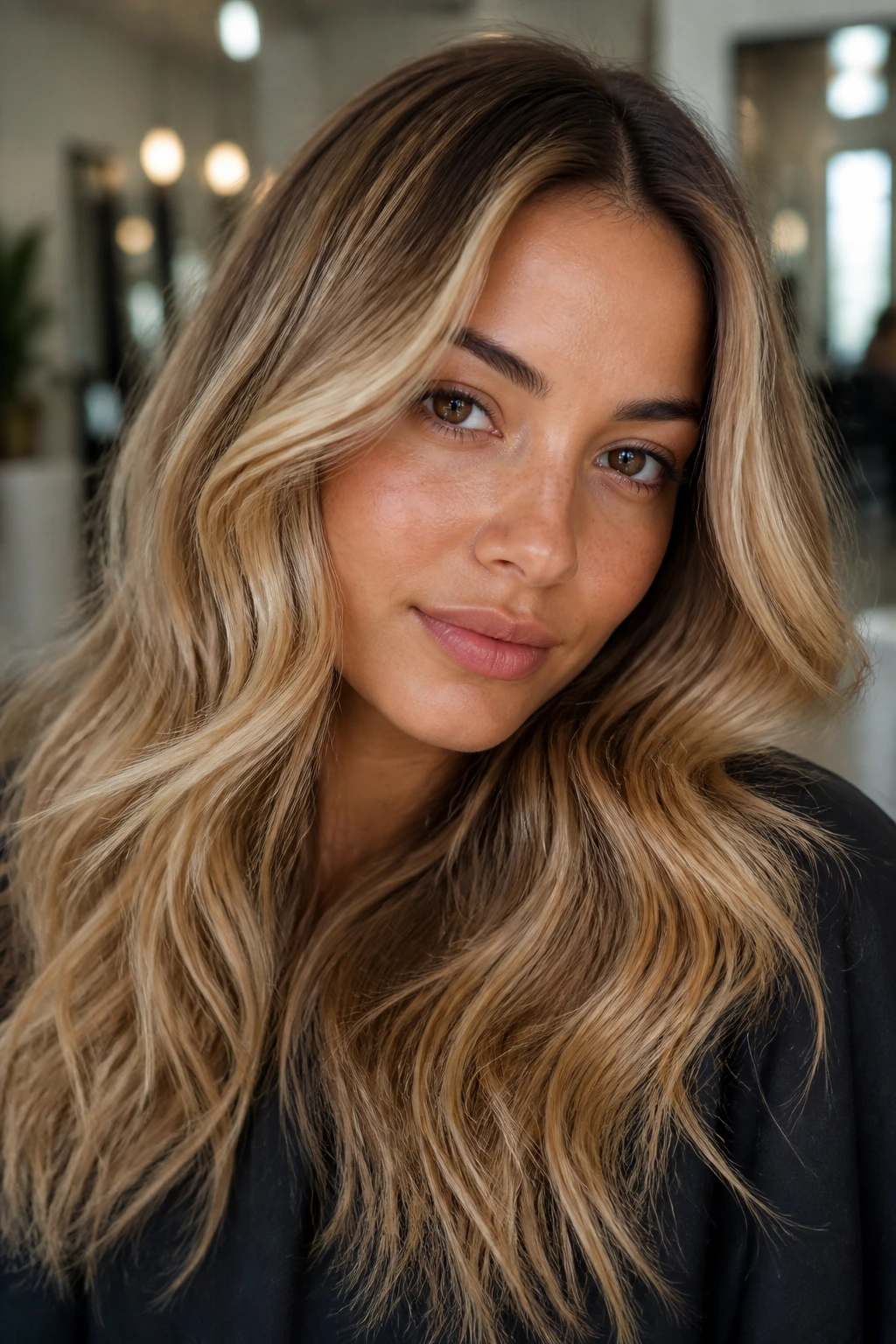
1. Soft Honey Balayage That Starts at the Cheekbone
Soft honey balayage is the shade I reach for when someone wants movement without a blunt stripe of color. The lightest pieces usually sit from the cheekbone down, which keeps the face from looking overexposed and lets olive skin hold onto its natural depth. On a level 5 or 6 brunette base, this version tends to look polished, not flashy.
Why It Works on Olive Skin
The trick here is the mid-tone honey that lives between gold and beige. That middle ground keeps olive undertones looking clean instead of sallow. If your skin leans golden, ask for a touch more caramel. If it leans neutral or green-gray, keep the toner softer and less yellow.
A balayage placement also gives the color room to breathe. The light hits where you want it, and the darker root keeps your features from getting washed out. That matters more on olive skin than people think.
- Best for: medium to long hair with a natural wave
- Tone to ask for: beige-gold honey, not sunny yellow
- Maintenance: gloss every 6 to 8 weeks
Pro tip: Keep the brightest ribbons away from the very top of the crown if your hair is fine; the root shadow gives the style more body.
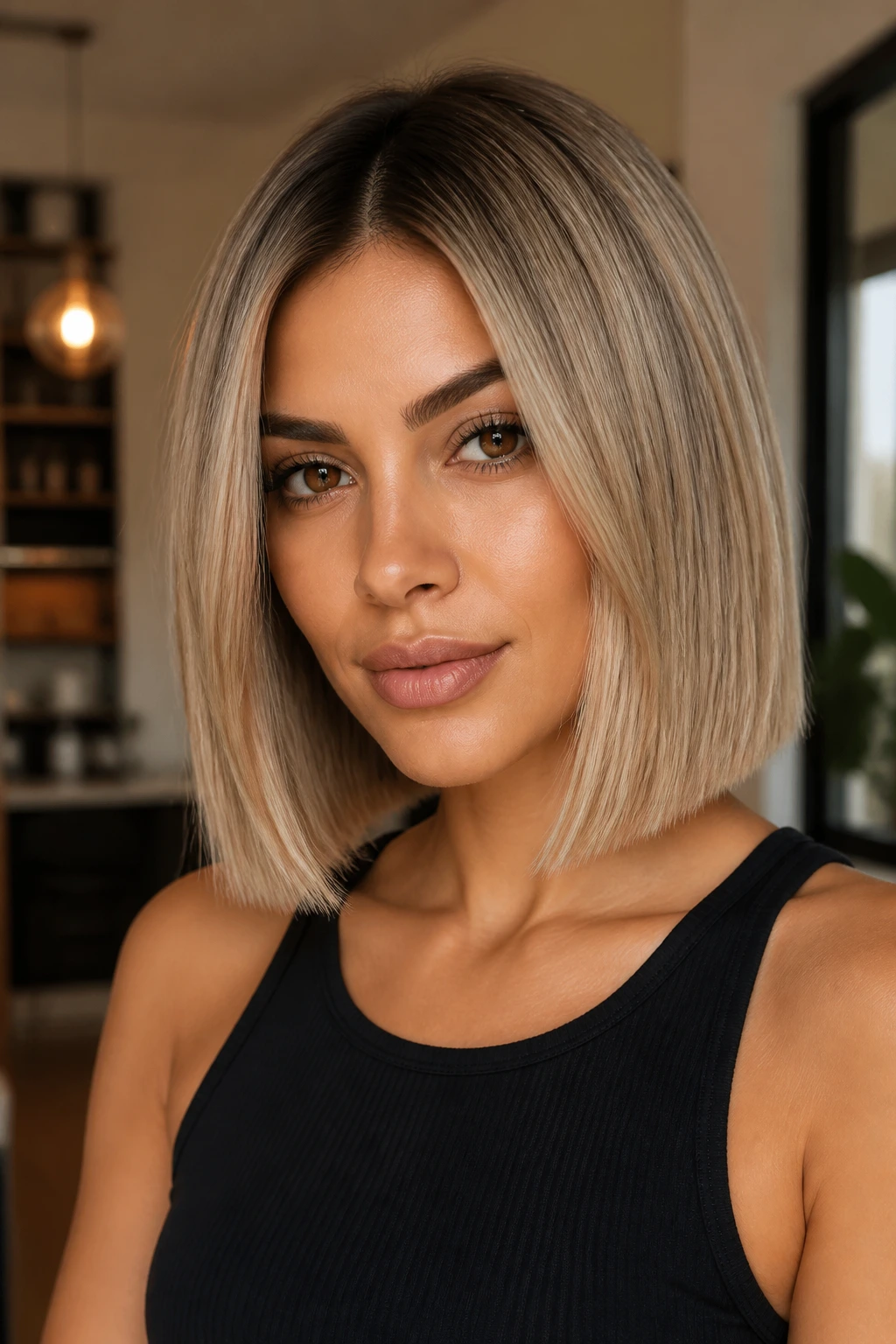
2. Golden Beige Lob with a Shadow Root
This one is sleek, tidy, and a little expensive-looking without trying too hard. The lob shape gives the honey blonde a blunt edge, while the shadow root softens the grow-out so you do not end up with that hard stripe at the scalp. On olive skin, the beige part of the tone is doing most of the work.
It’s a strong choice if you wear your hair straight a lot. The line at the ends shows off the color shift, and the root shadow keeps the face from looking too bright on days when your skin runs a little green or tired.
A lot of people ask for “golden blonde” and end up with too much yellow. This is the smarter version. Think toasted wheat, warm oat milk, and a whisper of honey at the mids.
If your hair is naturally dark brown, this cut-and-color combo is forgiving. The blunt shape gives the color a clean frame, and the root shadow buys you extra time between salon visits.
3. Caramel Money Piece for a Brighter Face Frame
Why does a money piece work so well on olive skin? Because it puts the light where the face needs it most without changing the whole head. Two narrow, bright caramel-honey ribbons around the front can make the skin look clearer, the eyes look sharper, and the hairline feel more open.
How to Wear It
Keep the contrast moderate. If the money piece is too pale, olive skin can go a little gray beside it. If it’s too dark, the effect disappears. The sweet spot is a level 7 or 8 caramel honey with a soft beige gloss.
This look is especially good if you part your hair down the middle or tuck it behind the ears a lot. The face frame does the visual heavy lifting. It also plays nicely with brown, hazel, and green eyes, because the warmer front sections pull the eye inward.
One small warning: do not let the front pieces turn orange. They need brightness, yes, but they should still feel creamy.
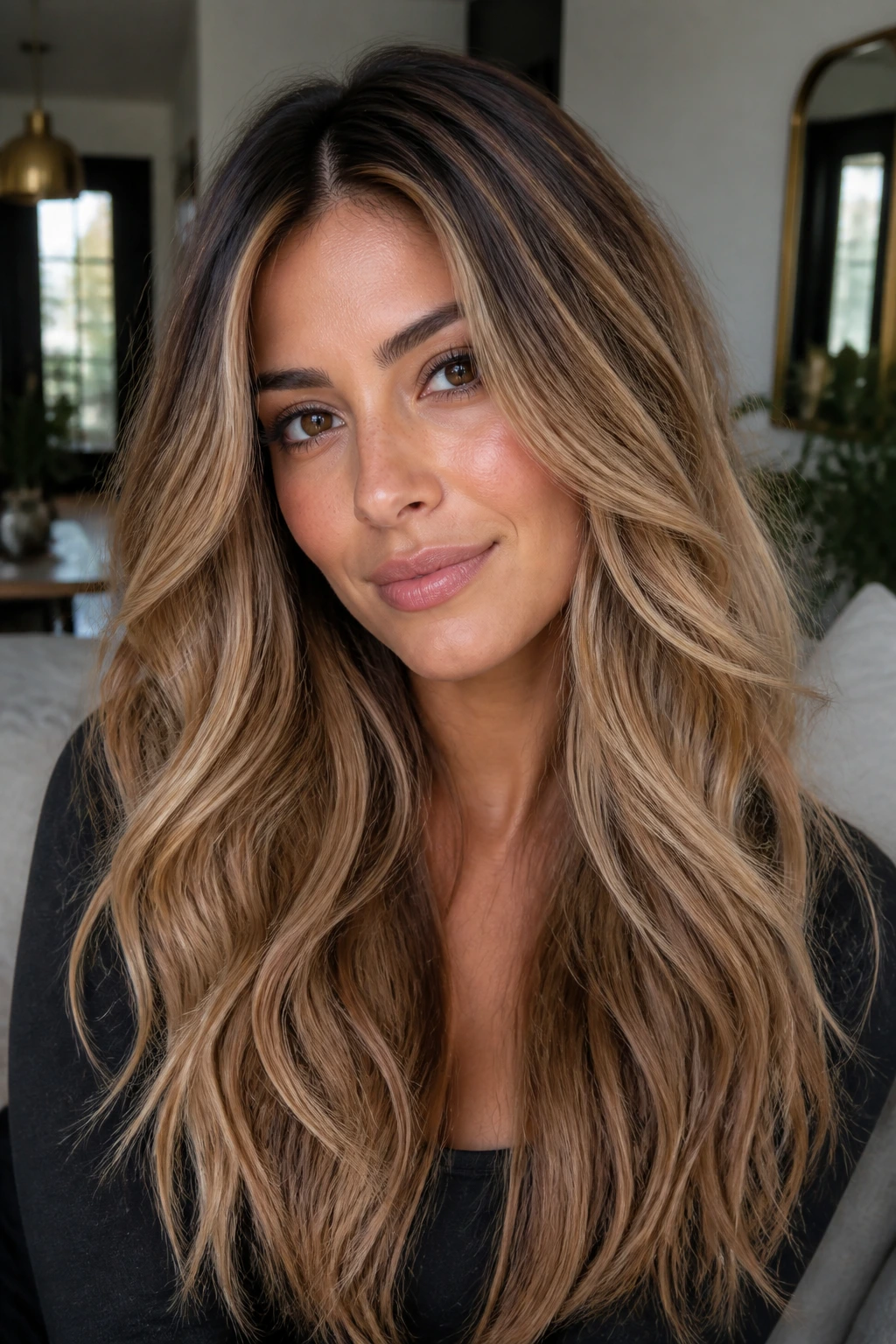
4. Warm Honey Melt on Long Layers
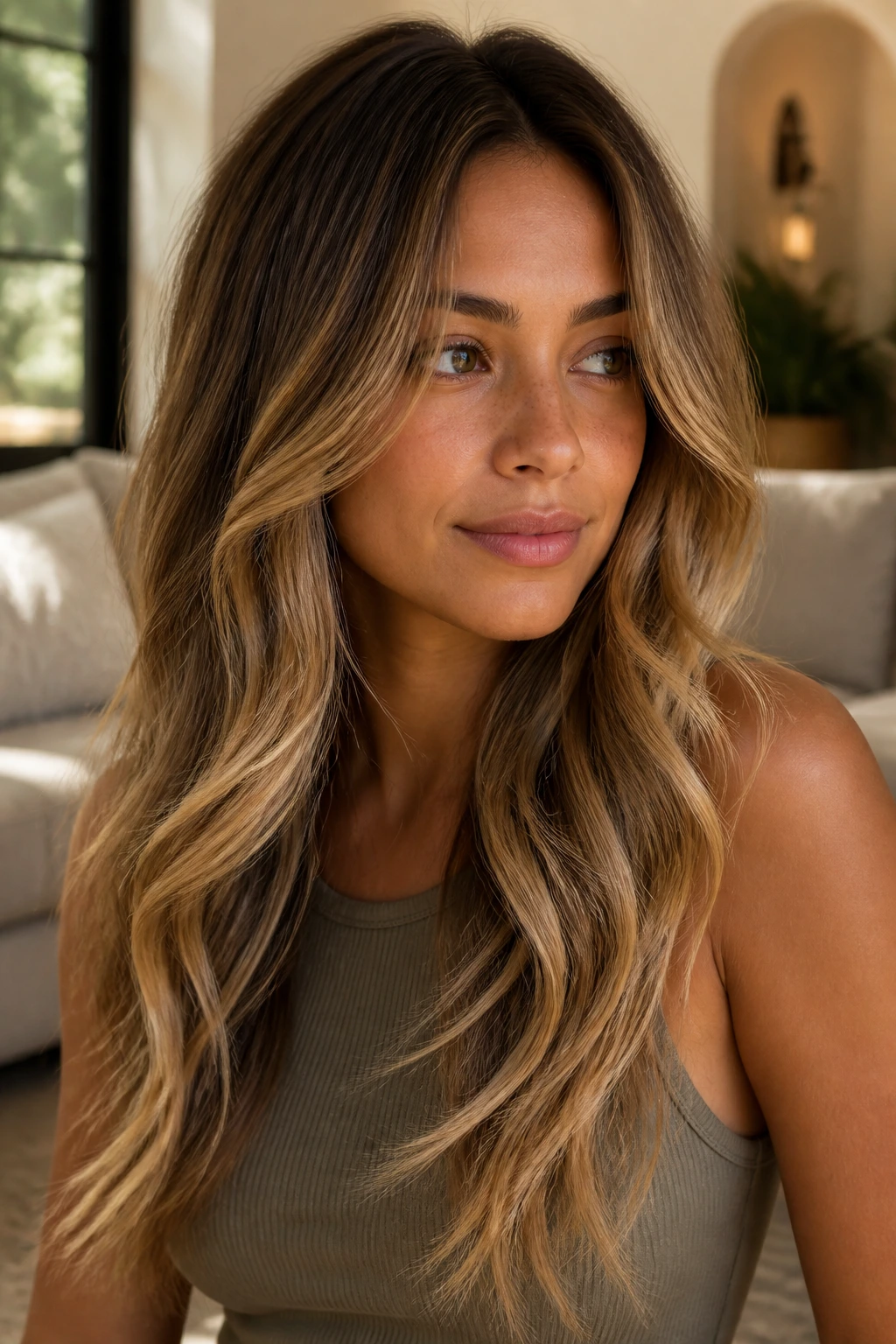
A honey melt gives you a slow shift from deeper roots to lighter ends, and that gradual change can be beautiful on olive skin. Long layers help because the color moves as the hair swings. You get a soft sweep of beige-gold through the mid-lengths instead of one flat blanket of blonde.
This style suits people who like a warmer finish and do not mind a bit of dimension. The roots can stay a natural brunette or soft espresso, then melt into honey, then finish just a shade lighter at the ends. That keeps the color rich.
The important part is that the melt should look cooked, not striped. No harsh lines. No chunky foils sitting like blocks on top of each other.
- Best for: thick hair, longer cuts, loose curls
- Tone to ask for: honey, amber, and beige woven together
- Best styling match: round brush blowout or loose wave
Pro move: Add a clear gloss to the ends if your hair tends to pick up brass fast. It keeps the honey tone silky instead of loud.
5. Beige Honey Babylights with a Soft Part Line
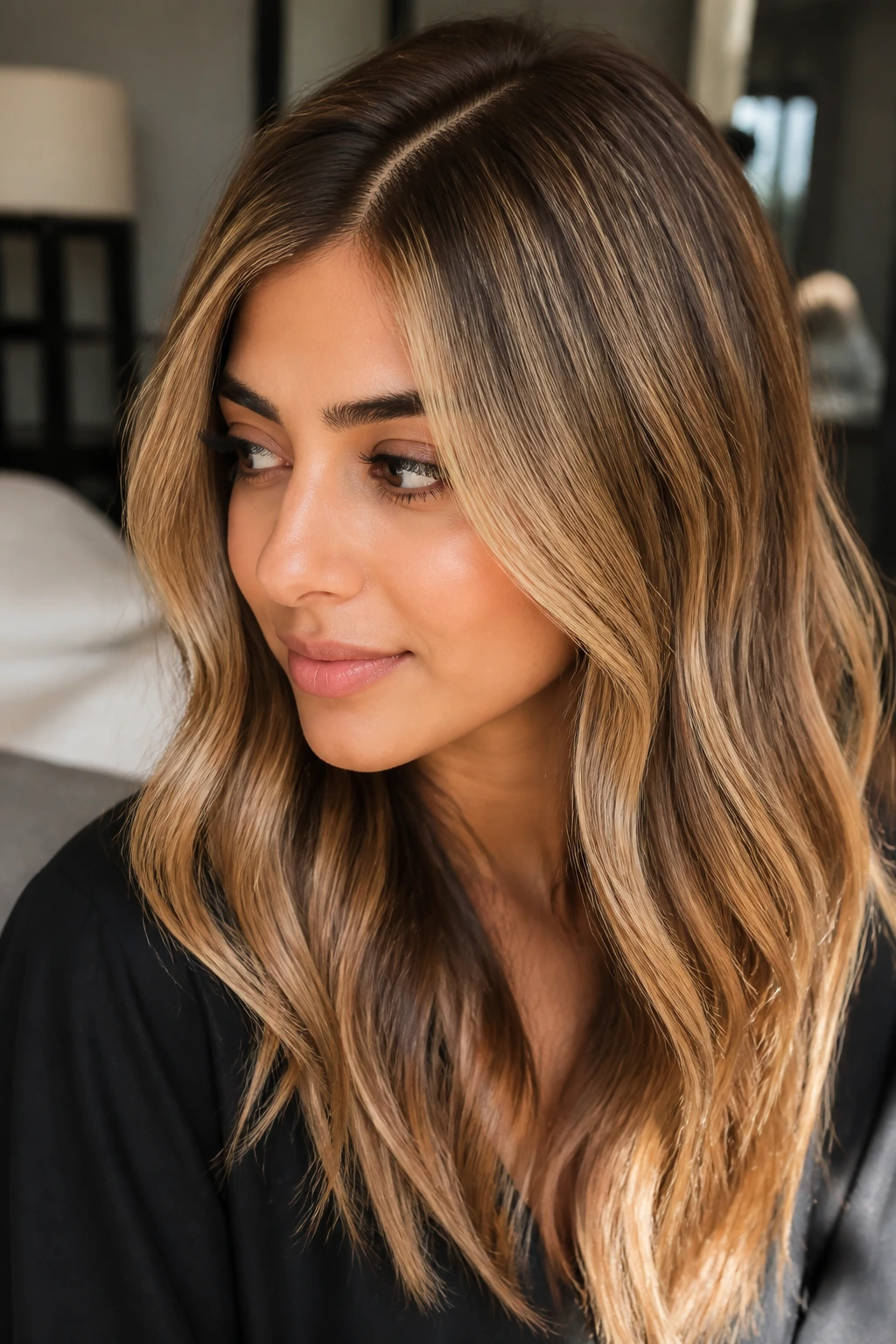
Babylights are tiny, fine highlights, and on olive skin they can be a lifesaver. They create that airy, sun-touched look without obvious stripes. The beige honey tone is the part that matters most here, because the smaller the highlight, the more likely it is to go yellow if the toner is too warm.
The soft part line keeps the root looking natural. That matters if your hair is dark and your skin has strong olive undertones, because a hard, bright scalp line can make the whole look feel disconnected.
This is one of those styles that looks more expensive in motion than in photos. Each fine highlight catches a little light, and the whole head reads as soft shimmer rather than obvious color blocks.
If you wear your hair up a lot, babylights are a smart choice. They still show around the hairline and crown, but they don’t scream for attention.
6. Chestnut-to-Honey Ombré for Low-Fuss Grow-Out
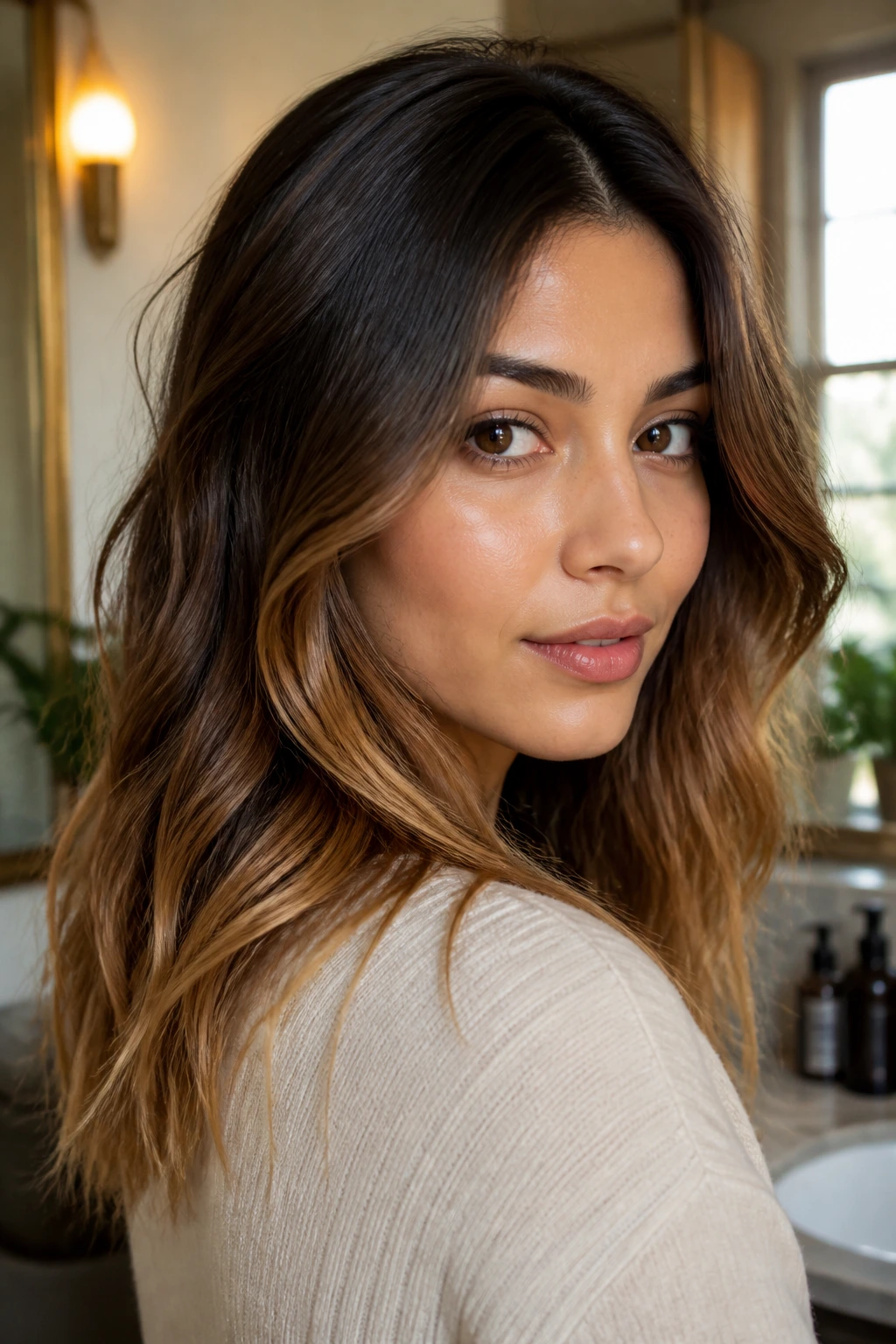
Ombré is still one of the cleanest ways to wear honey blonde if you want the color to grow out quietly. Chestnut at the top gives olive skin a rich frame, then the hair opens into honey through the lower half. It feels deliberate, not overprocessed.
The reason this works is contrast control. Olive skin can handle depth near the roots, and chestnut keeps the look grounded. The honey ends provide the brightness, but because they live lower on the hair shaft, they don’t dominate the face.
This is the option I’d pick for someone who hates obvious maintenance. A good ombré lets you go longer between color appointments because the line of demarcation is low and soft.
If your hair is especially dark, ask for the lightest ends to sit around a warm beige-gold rather than pale yellow. That keeps the transition believable.
7. Sunlit Honey Bob with Airy Ends
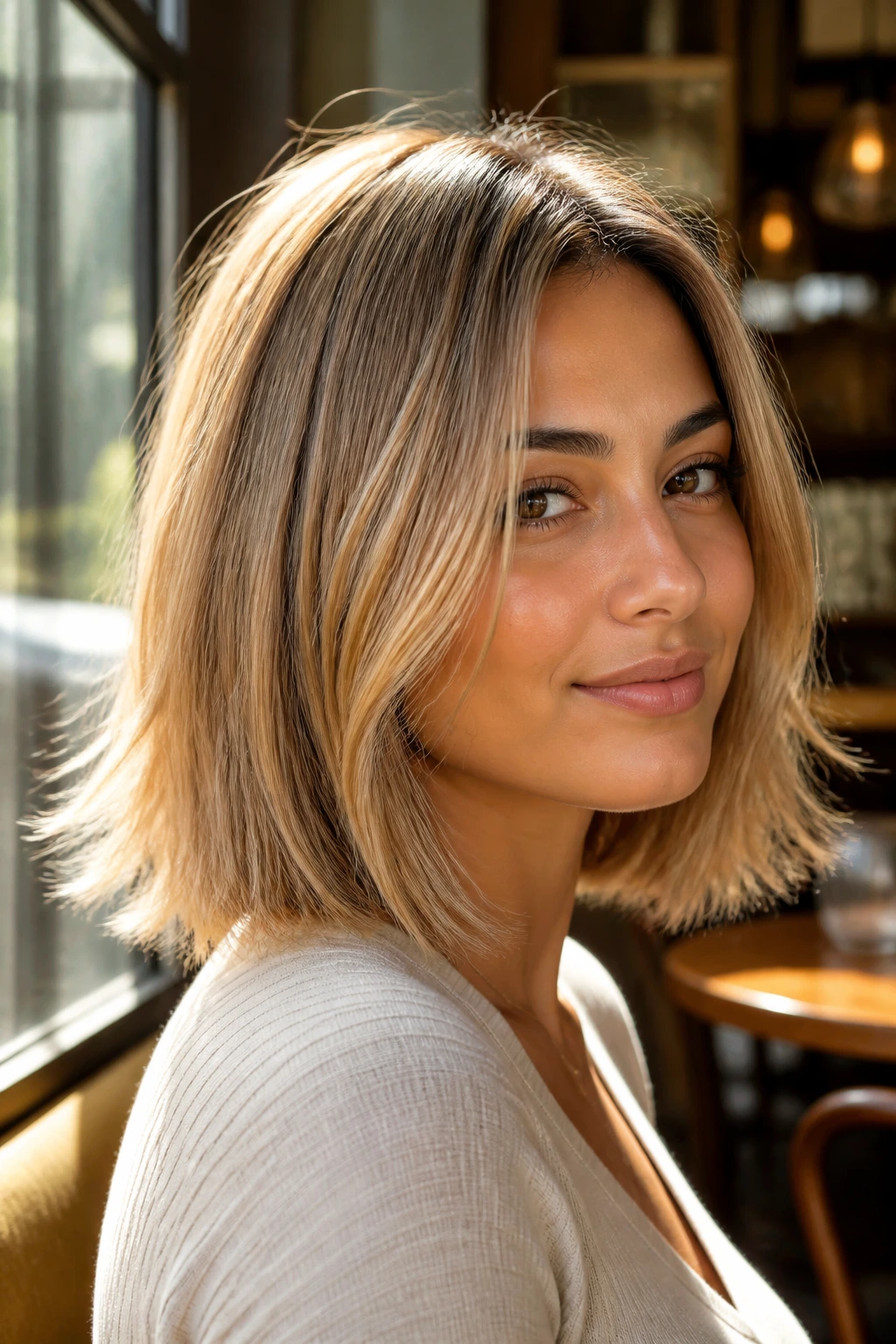
A bob can make honey blonde look crisp instead of soft, and that’s not a bad thing. The clean shape gives the color structure, while airy ends keep it from turning helmet-like. On olive skin, a sunlit honey bob works best when the lightness stays around the mid-lengths and tips.
This cut loves movement. A little bend from a flat iron or round brush is enough to show the color change. If the hair is too poker-straight, the effect can feel flat, so a tiny bit of texture helps.
The honey tone here should lean creamy rather than orange. Think warm biscuit, not tangerine. That difference matters a lot near the face.
A bob also makes regrowth less annoying. Even when the color grows out, the shape still looks intentional.
8. Honey Butter Bronde with a Soft Root
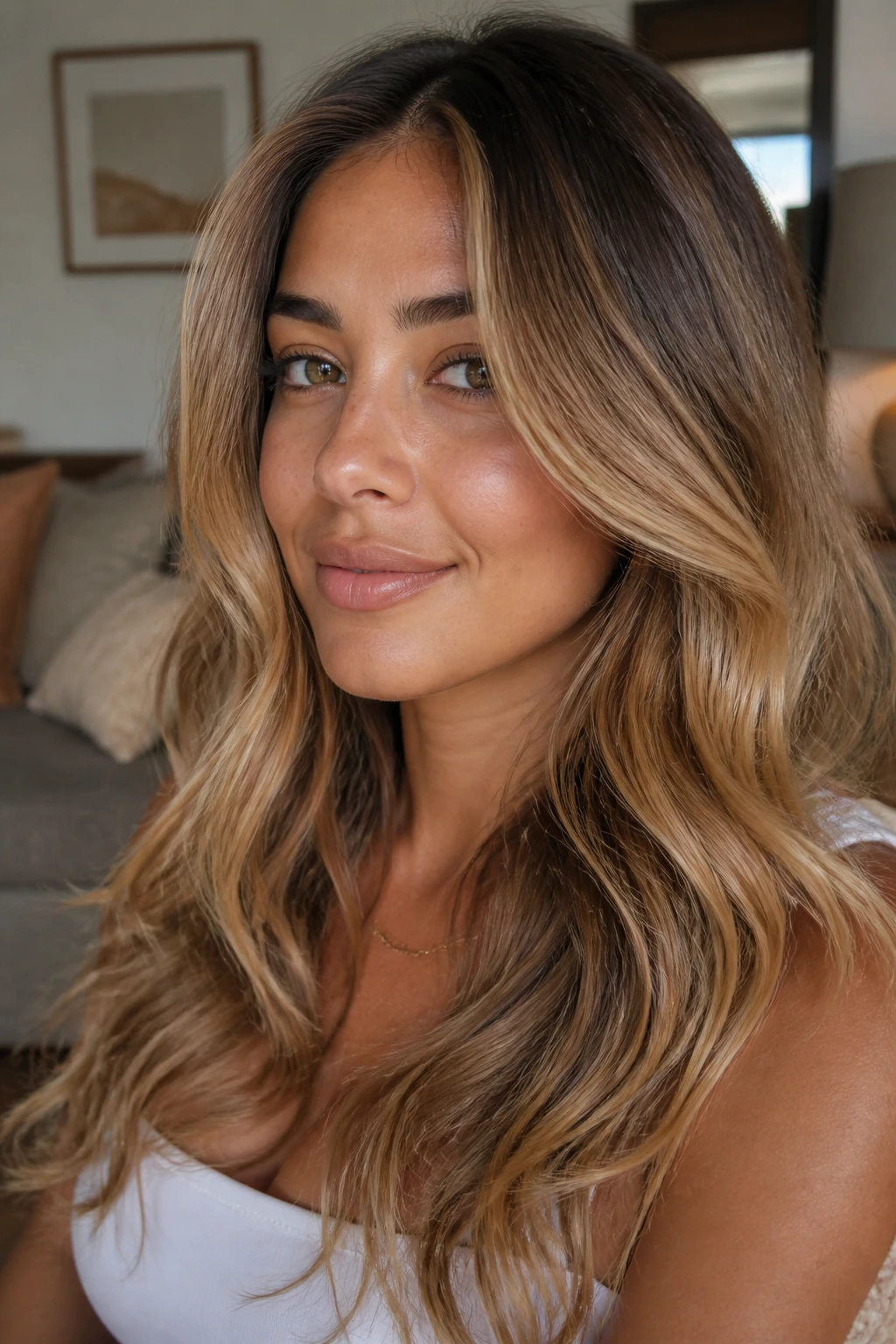
Bronde lives in that useful middle lane between brown and blonde, which is exactly why it often flatters olive skin. Add honey butter tones to the lighter pieces, keep the root soft, and the result is warm without shouting. It’s one of the easiest ways to dip into blonde without giving up depth.
The reason I like this shade on olive undertones is simple: it doesn’t erase them. The brown base stays visible, so your skin keeps its natural contrast. Then the honey pieces brighten the whole look around the face and ends.
If you have medium-brown hair, this is a smart stepping stone. You get shine, warmth, and dimension without going all the way to a light blonde.
Ask for a root that stays at least one level deeper than the lightest pieces. That small bit of darkness is what makes the color look lived-in instead of flat.
9. Cinnamon-Honey Curls That Keep Their Shape
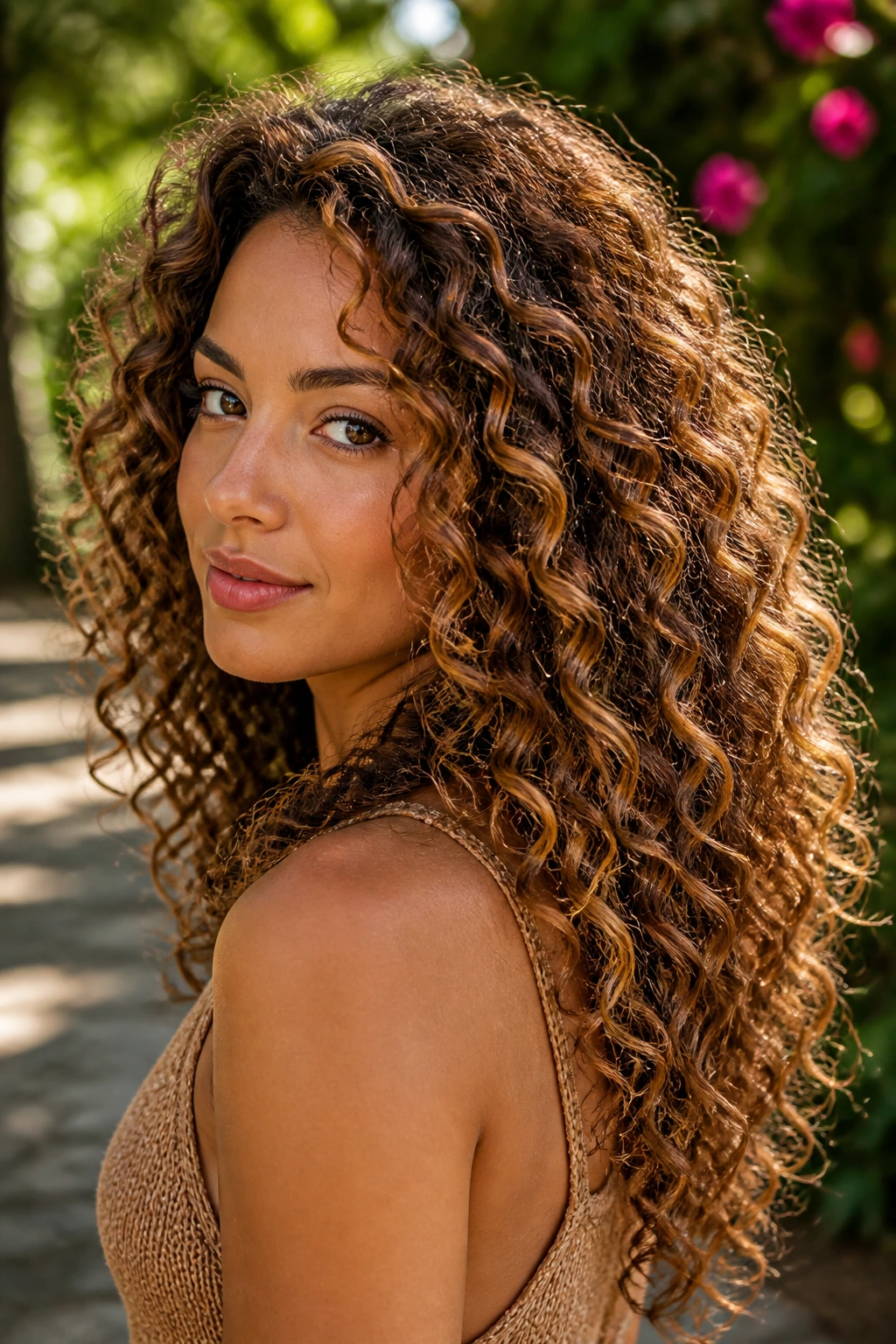
Curls can swallow color if the shade is too uniform, so cinnamon-honey is a strong match. The warmer cinnamon base gives olive skin a bit of spice, and the honey highlights trace the curl pattern instead of fighting it. On tighter waves or loose curls, the dimension shows up beautifully when the hair moves.
The Shape Matters
Ask for highlights that follow the curl groupings, not random strips. That way, the lighter pieces land where the ringlets actually twist, which makes the shape read better. A beige-gold toner keeps the brightness soft.
This color is especially good if your skin has a warm olive cast. The cinnamon undertone picks up the natural warmth in the complexion, while the honey keeps the look from getting heavy.
A curl cream with a tiny bit of shine serum can help the highlights pop without making the hair greasy.
10. Beige Honey Shag with Separated Texture
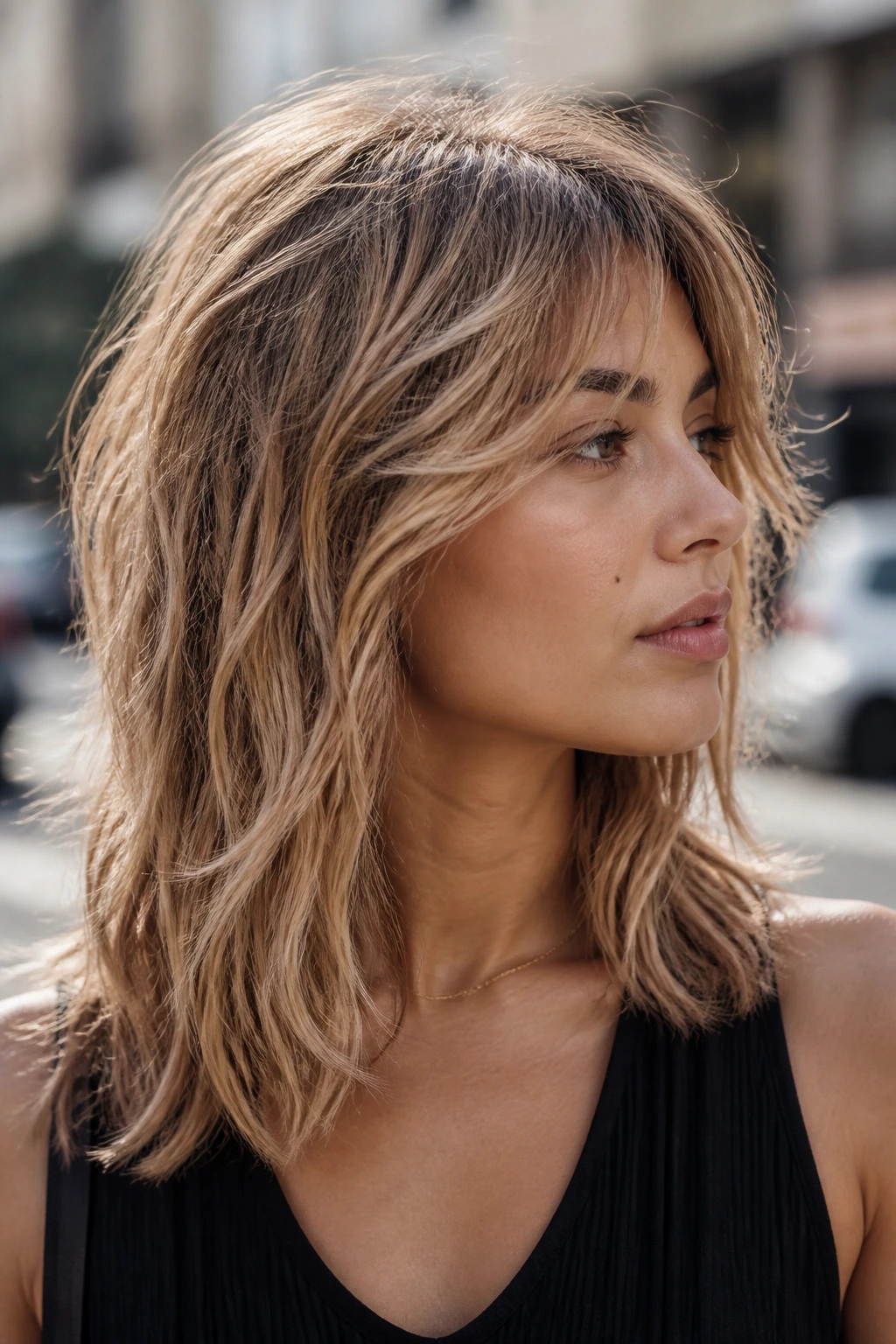
A shag needs a color that can handle movement, and beige honey does that job nicely. The shorter pieces around the crown and face catch light differently from the longer lengths, so the shade needs enough softness to avoid looking choppy. Beige honey gives texture, not noise.
If your olive skin has a slightly cooler cast, this is one of the safest honey blonde hair color ideas for olive skin. The beige tones keep the warmth in check, and the shag cut adds edge without depending on a heavy blonde finish.
The best part is how easy this looks when air-dried. The shape does most of the work. You don’t need polished waves or a big blowout for the color to read.
I’d keep the roots slightly deeper here. A shag with a flat root can lose its shape fast.
11. Rooted Honey Ribbon Highlights
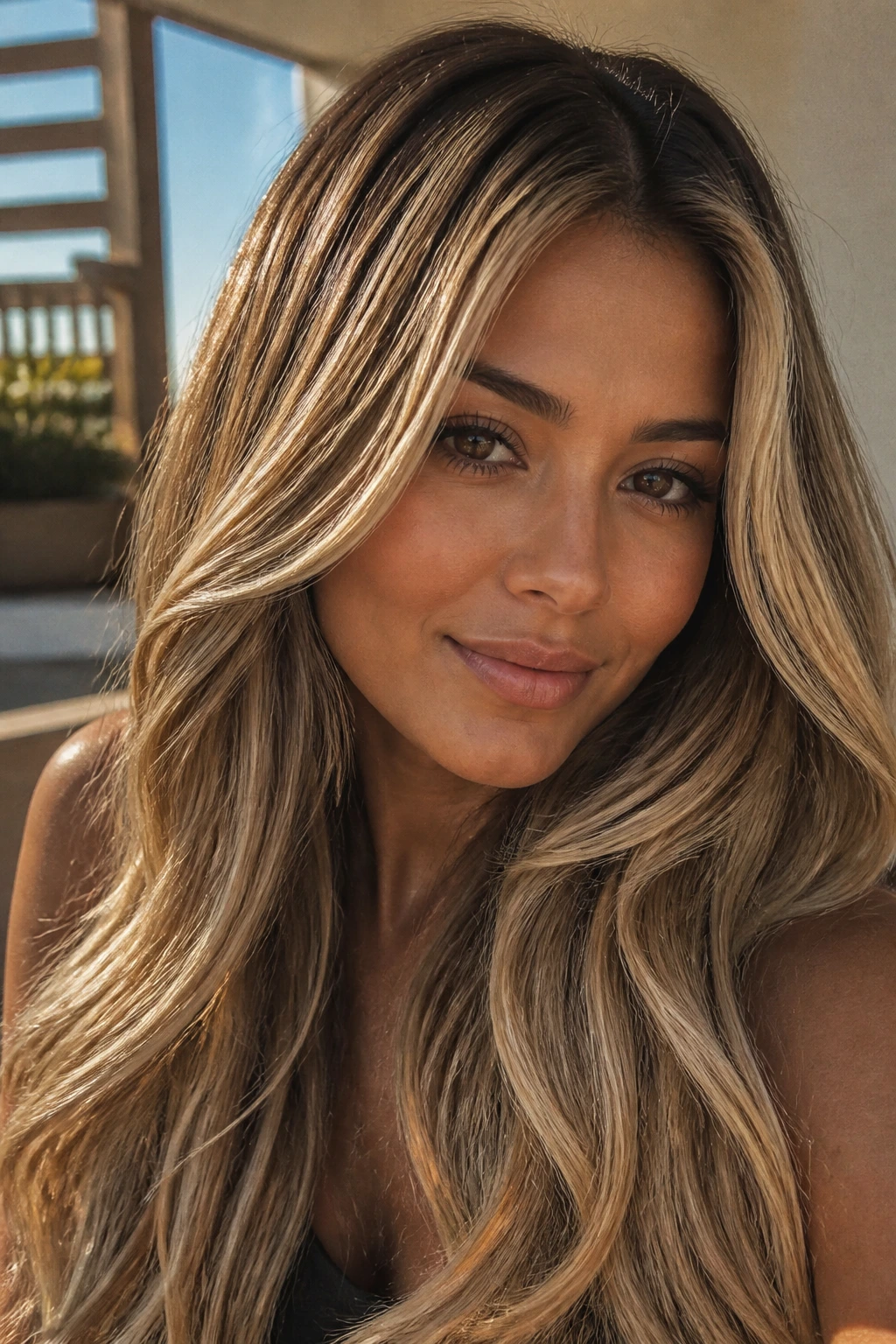
Ribbon highlights are wider than babylights but softer than chunky streaks. They twist through the hair like bands of warm silk, and on olive skin that kind of movement is gold. Well, beige-gold. That little root shadow is what keeps the ribbons from looking like stripes.
This style works best when the colorist places the lighter sections around the face and through the top half, then leaves enough depth underneath to anchor everything. The ribbons should be visible when the hair bends, not sitting in one obvious block.
If your hair is medium or thick, this is a strong choice. Fine hair can wear it too, but the ribbons need to stay sparse so the head doesn’t look overlight.
The key is restraint. Too many ribbons and the honey stops looking dimensional. A few good ones will do more.
12. Buttery Honey Pixie with Long Top Layers
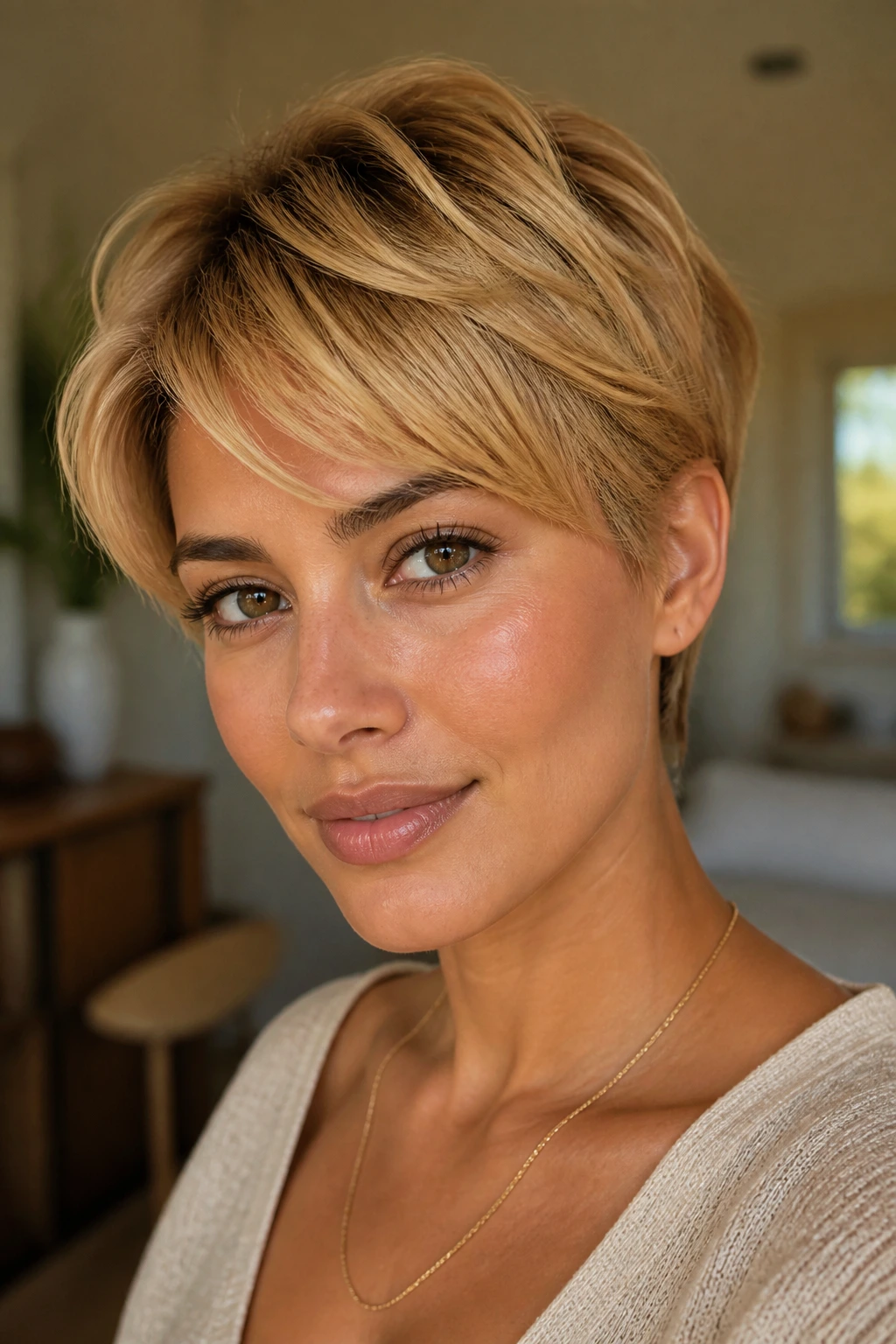
Short hair can wear honey blonde better than people expect. A pixie with long top layers lets the buttery tone show off the cut’s shape, especially around the crown and fringe. Olive skin benefits from the extra warmth near the face, but the color still needs a little beige to stay believable.
This is not the place for harsh platinum. The cut is already bold. A buttery honey finish gives it softness, which keeps the look from reading severe.
The longer top layers can take a slightly lighter tone than the sides, and that tiny difference makes the haircut look fuller. It’s a neat trick, and it works.
If you style a pixie with matte paste, keep the product light. Heavy product can mute the shine and make the honey color disappear.
13. Sandy Honey Waves with Cool-Beige Ends
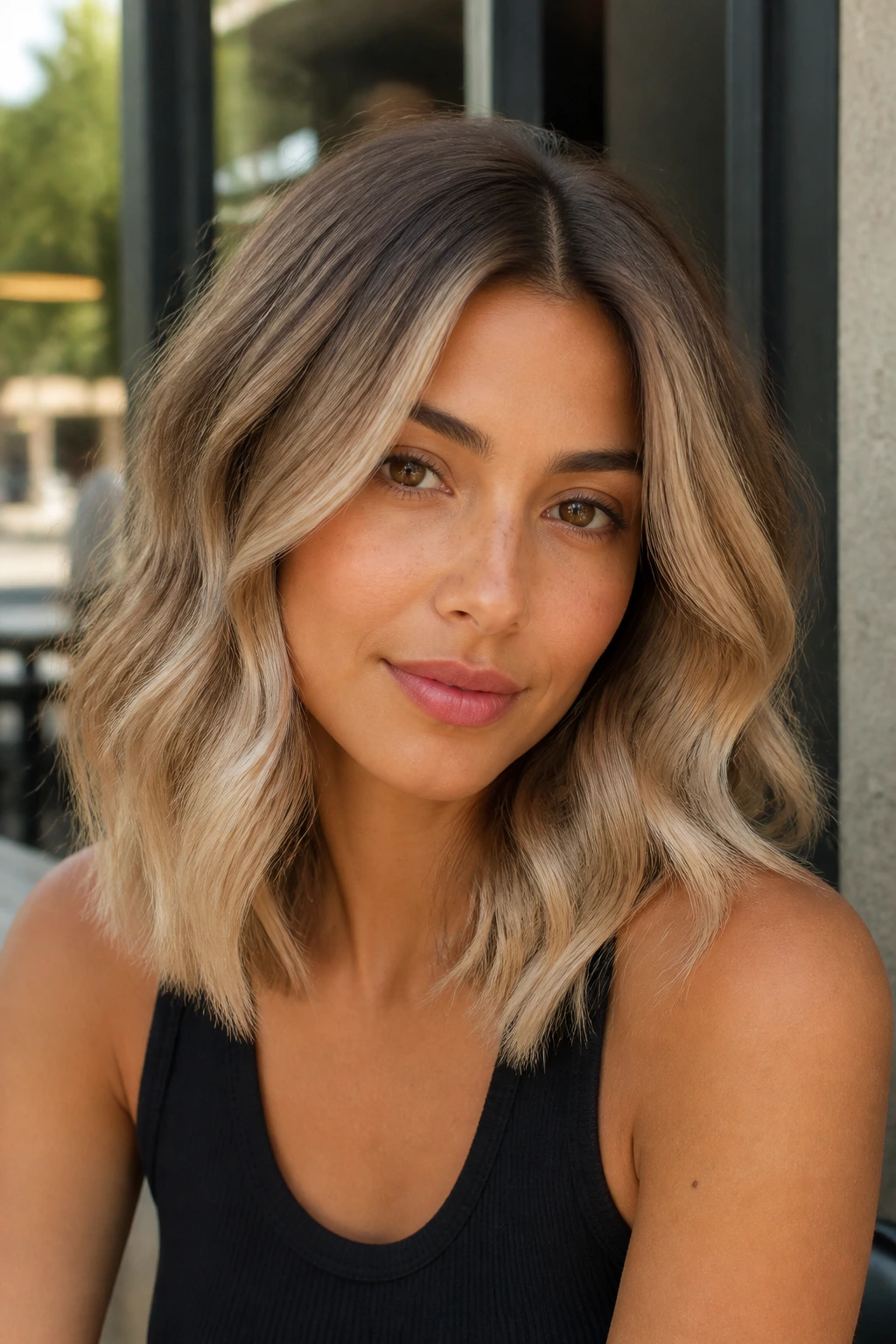
Sandy honey is the shade for people who want warmth but not too much gold. It sits in a cooler beige lane, which can be a smart match for olive skin that leans neutral or green. The waves help blur the transition between tones, so the color looks soft instead of segmented.
This is one of the easier shades to wear if your natural hair is medium brown. The cooler beige ends keep the whole look from turning orange when the sun hits it, which is something honey shades can do if they’re too warm.
A loose wave pattern is ideal here. It gives the ends texture and makes the sandy tone read as deliberate.
If your stylist reaches for a very yellow toner, push back a little. Beige is the point.
14. Honey Glaze on Dark Brunette Lengths
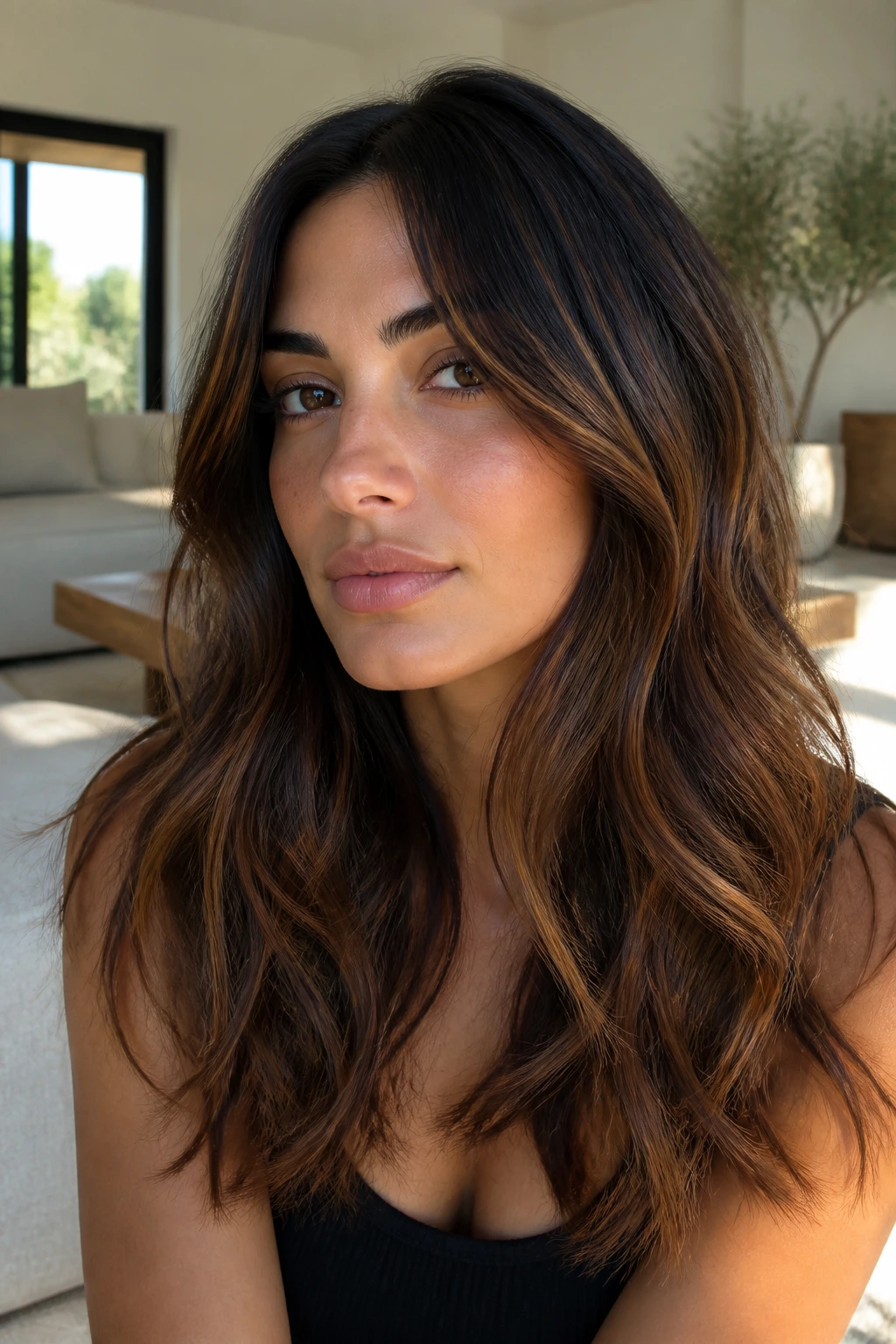
What if you don’t want to leave brunette behind? Keep the base dark and glaze the mids and ends with honey. That gives olive skin depth, shine, and a little lift without the commitment of an all-over blonde.
The glaze is what keeps this look interesting. It can warm the surface of the hair just enough to make the light bounce, especially on straight or softly waved lengths. The effect is subtle from a distance, then richer up close.
This is one of my favorites for darker olive skin, because the brunette base preserves contrast. You do not lose your features to the color. The honey simply softens the edge.
Ask for a glaze that fades cleanly. A muddy one will make the lengths look dusty instead of glossy.
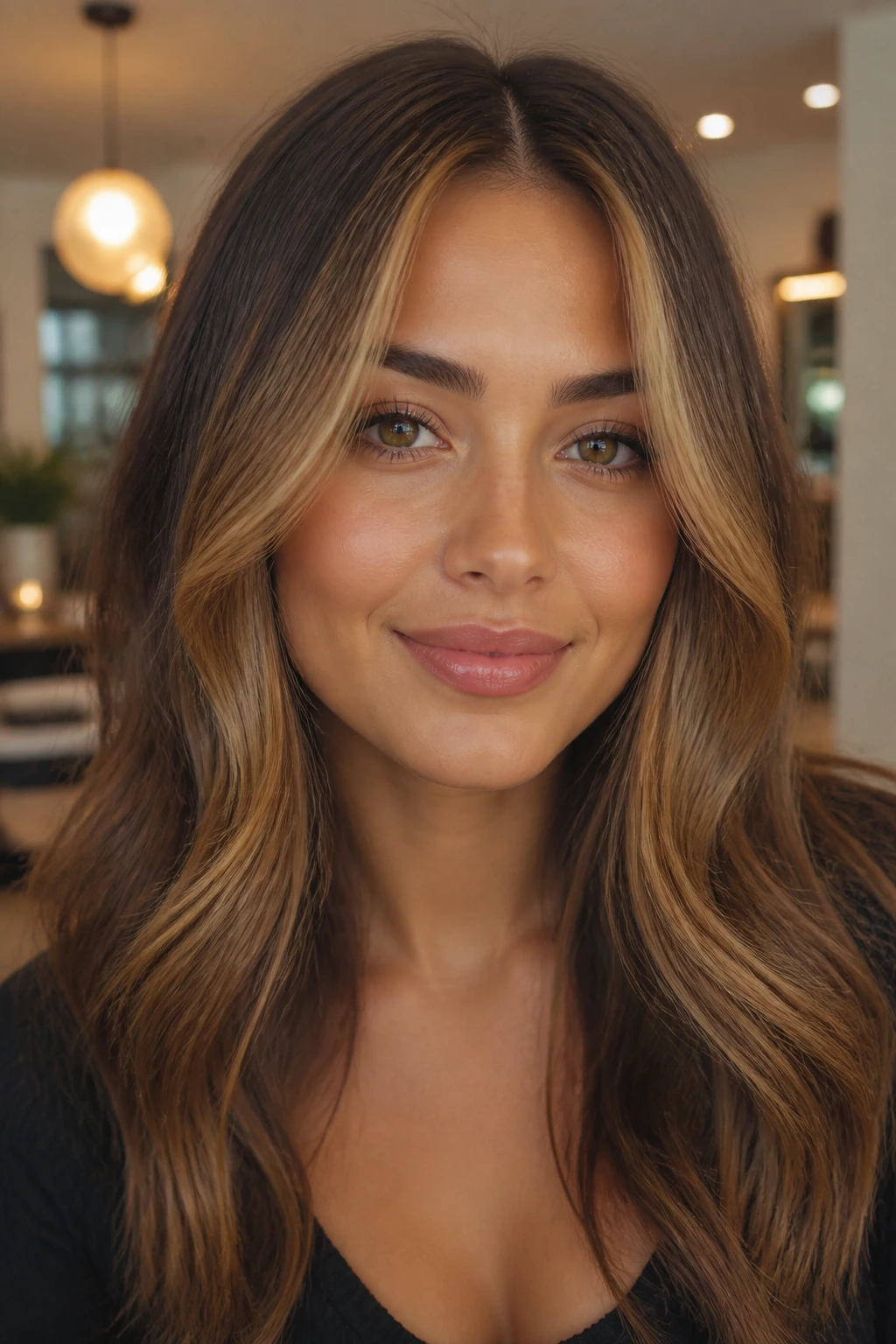
15. Amber Honey Face Frame with a Centre Part
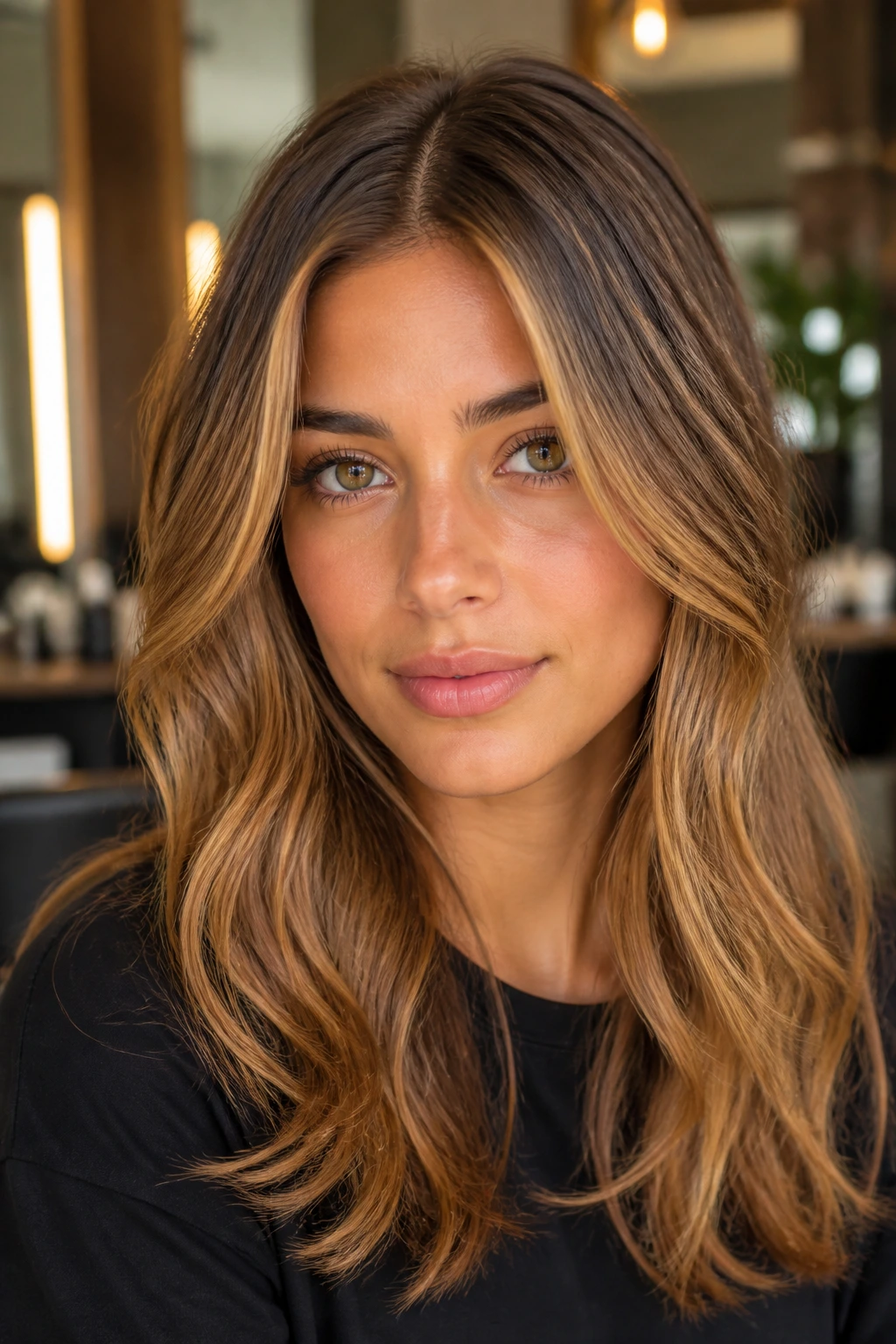
A center part can make face-framing color look a little severe if the tone is wrong, which is why amber honey is such a useful fix. The warmer amber cast brings life to the front sections, and the honey keeps it wearable. On olive skin, that tiny front placement can be enough.
Why It’s So Effective
The face frame acts like a frame around a picture. It sounds obvious, but people forget how much that changes the whole read of the hair. When the front pieces are warm, the skin looks warmer too, and the eyes sit against a cleaner backdrop.
This is a smart option if you want a visible change without flooding the whole head with blonde. It also works when the rest of the hair stays deeper brown or chestnut.
Keep the front pieces blended into the rest of the hair, not cut off at the cheekbones like little blinds. The transition should feel soft.
16. Smoky Honey with Glossy Ends
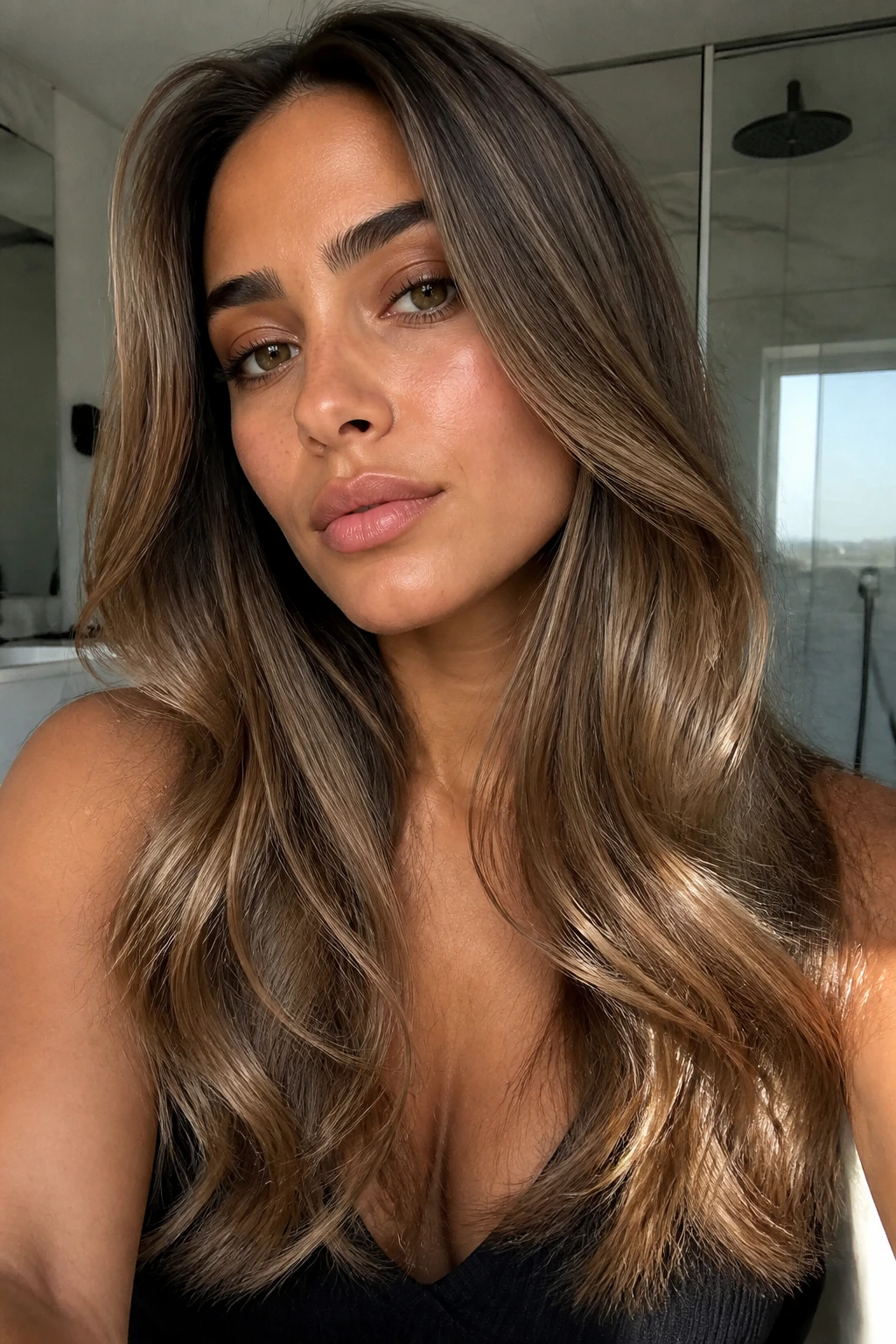
Smoky honey is what happens when you want softness and shine without the usual sweetness. There’s a little coolness in the tone, but not enough to push it ash. On olive skin, that touch of smoke keeps the blonde from looking too yellow, especially around the face.
The glossy ends matter. They stop the shade from looking flat, which can happen when a cooler honey is left too matte. A clear gloss or soft beige toner can bring the ends back to life without changing the tone much.
This color is nice for straight hair and sleek blowouts. It has a clean, polished feel, almost like warm satin.
If you have olive skin with more neutral or cool undertones, this one deserves a close look. It gives you brightness without the sunshine effect that can overpower your complexion.
17. Honey Champagne Blend for Neutral Olive Skin
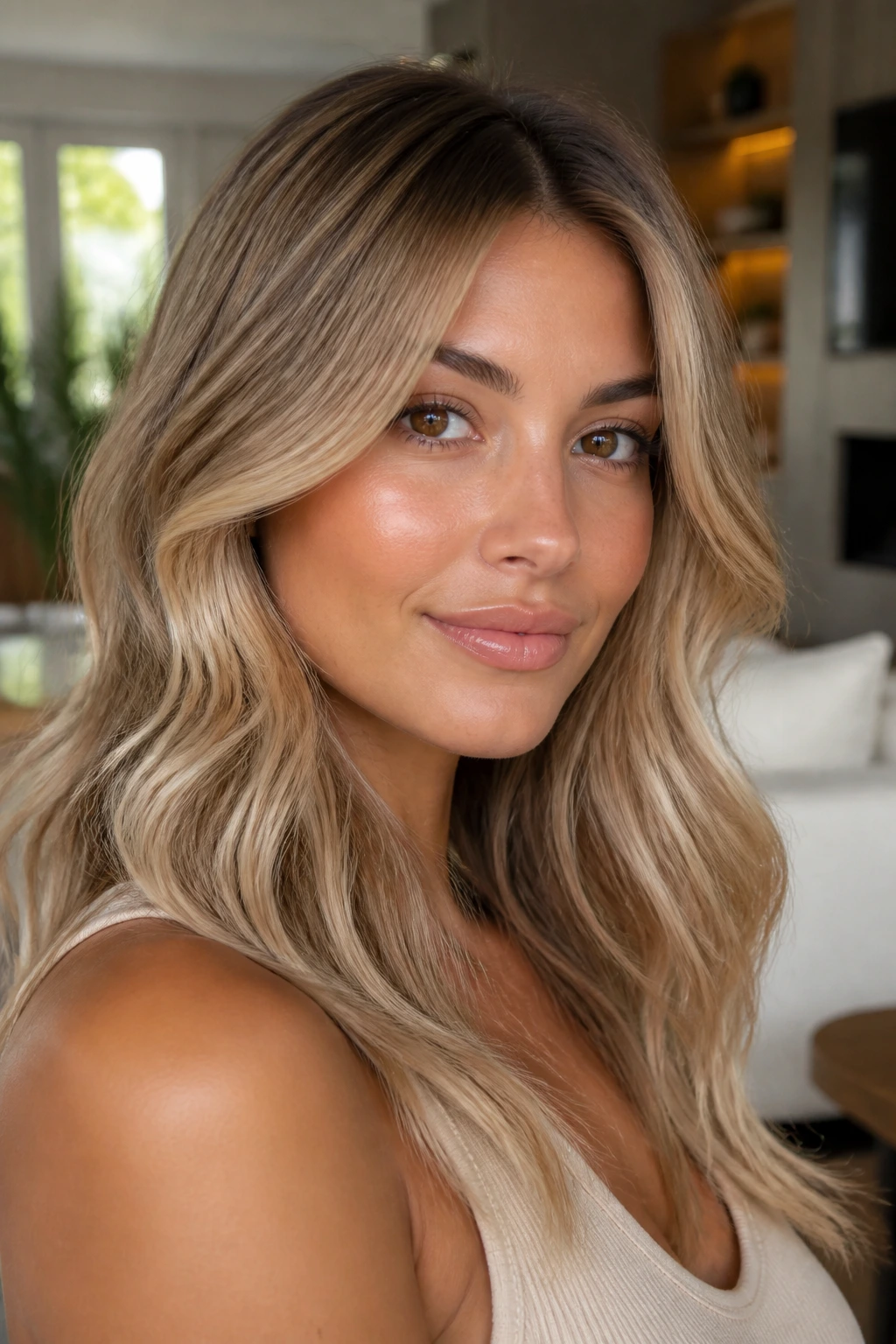
Neutral olive skin can wear shades that sit between gold and pearl, and honey champagne does exactly that. It keeps the warmth of honey, but there’s a little cooler sparkle underneath that stops the shade from getting flat. The result is soft, clean, and easy on the eyes.
This is not a loud blonde. It feels lighter than bronde, but softer than bright gold. That middle position is the whole reason it works so well.
If you wear silver jewelry half the time and gold the other half, this shade usually plays nicely with both. It doesn’t pull too far in one direction.
A champagne gloss can fade quickly if you wash your hair too often, so this is one where your shampoo habit matters. Keep it gentle.
18. Toffee Honey Curls with Lowlights
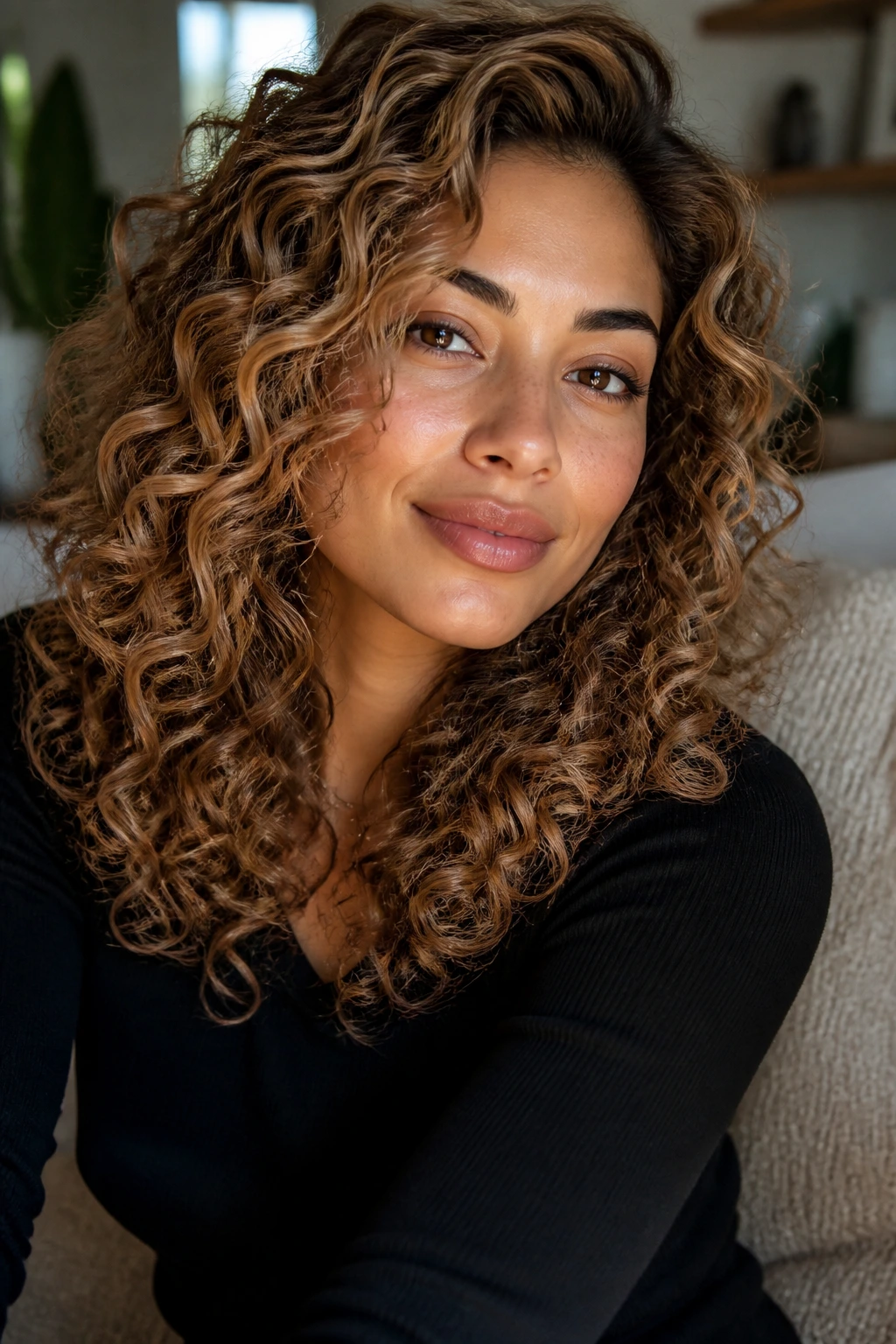
Toffee honey curls need contrast to live. The lowlights are what give the curls depth, and the honey pieces ride on top like warm threads. Olive skin gets a nice lift from the lighter sections without losing the richness that curly hair tends to need.
What Makes It Different
Most honey blondes get lighter from the start and then rely on brightness. This one uses darkness on purpose. That keeps the curl pattern visible, which is especially helpful if your hair is dense or long.
Ask for lowlights that sit one to two levels deeper than the honey pieces. That gap is enough to create shape without making the hair look patchy.
It’s a strong choice if your curls tend to frizz. The darker pieces hide a little texture, and the lighter ones catch the light where the curl bends.
19. Honey Ribbon Money Lob
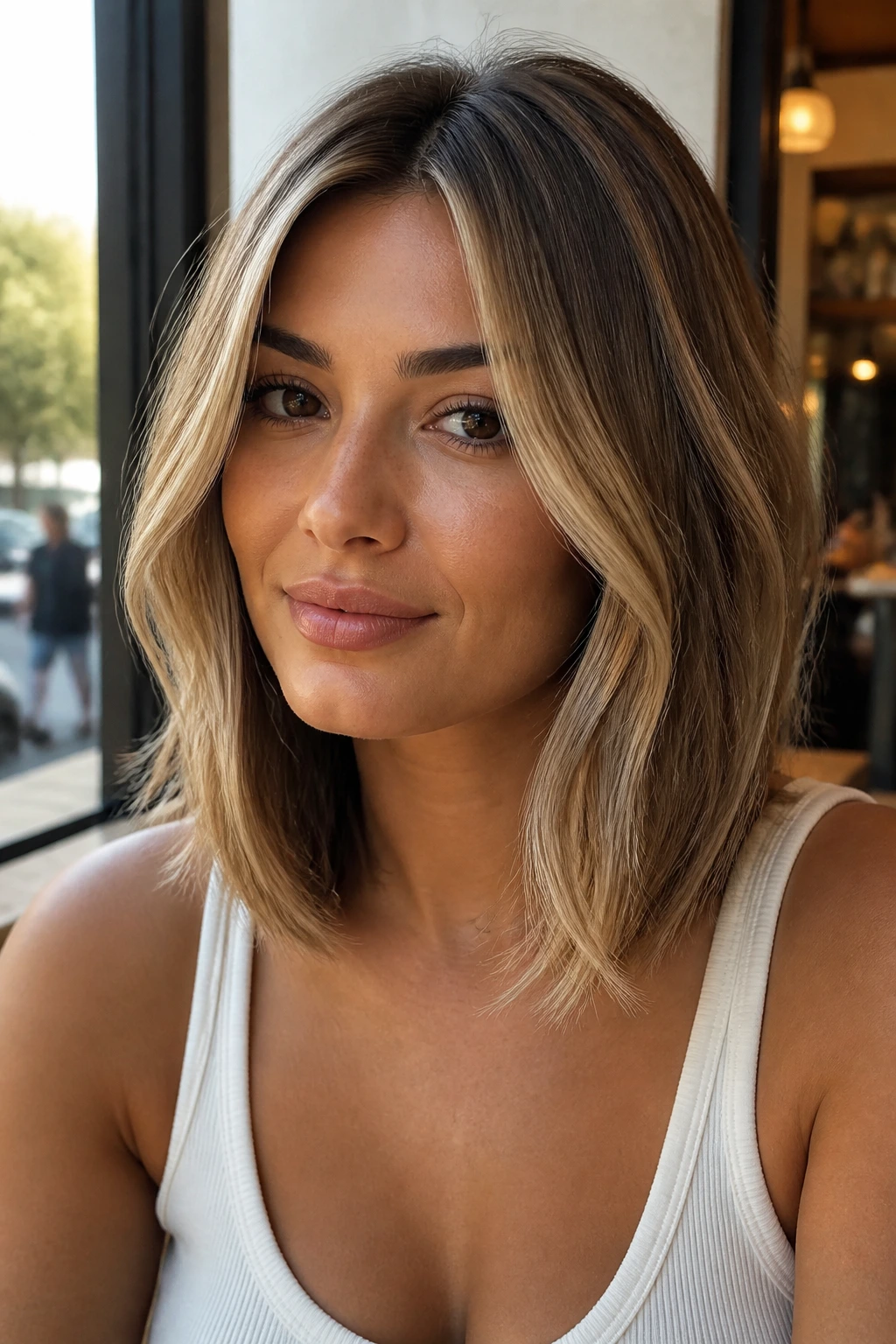
A lob with ribbon highlights and a money piece is a good compromise between obvious and subtle. The front gets just enough brightness to lift olive skin, while the ribbons through the rest of the hair keep the color moving. If you like a middle part, this style has a lot going for it.
The money piece should be brighter than the rest, but not disconnected from it. The ribbons should echo the front tone in a softer way. That repetition makes the color feel planned.
This is one of the better options if you want your hair to look full on camera and in daylight. The pieces are placed where light naturally hits.
If your hair has already been lightened before, ask for a root tap before the ribbons go in. It helps everything blend.
20. Warm Honey with a Shadow Root
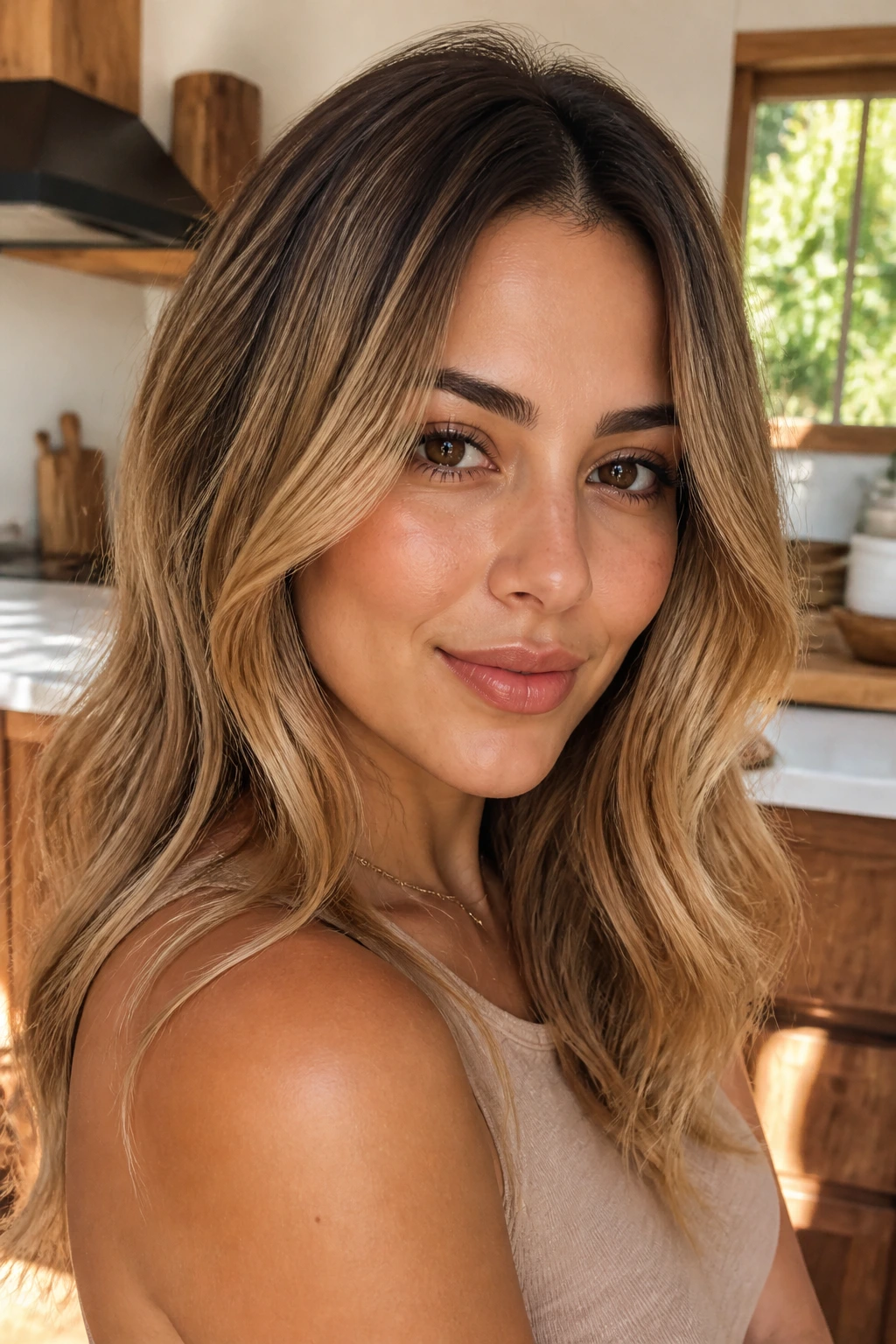
Warm honey with a shadow root is the classic answer when olive skin wants brightness but not a hard line. The shadow root gives the head shape, and the honey mid-lengths bring warmth right where the face needs it. It’s a practical shade, which is not a bad thing.
The root should be soft enough to grow out without fuss, but deep enough to keep the honey from floating on top. That contrast helps the face look defined rather than washed out.
This is a good color for people who like to wear makeup lightly. The hair does some of the framing work for you.
A warmer olive skin tone can usually handle this shade with ease. If your undertone is greener or cooler, just keep the honey from getting too orange.
21. Rose Honey Blonde for Soft Golden Olives
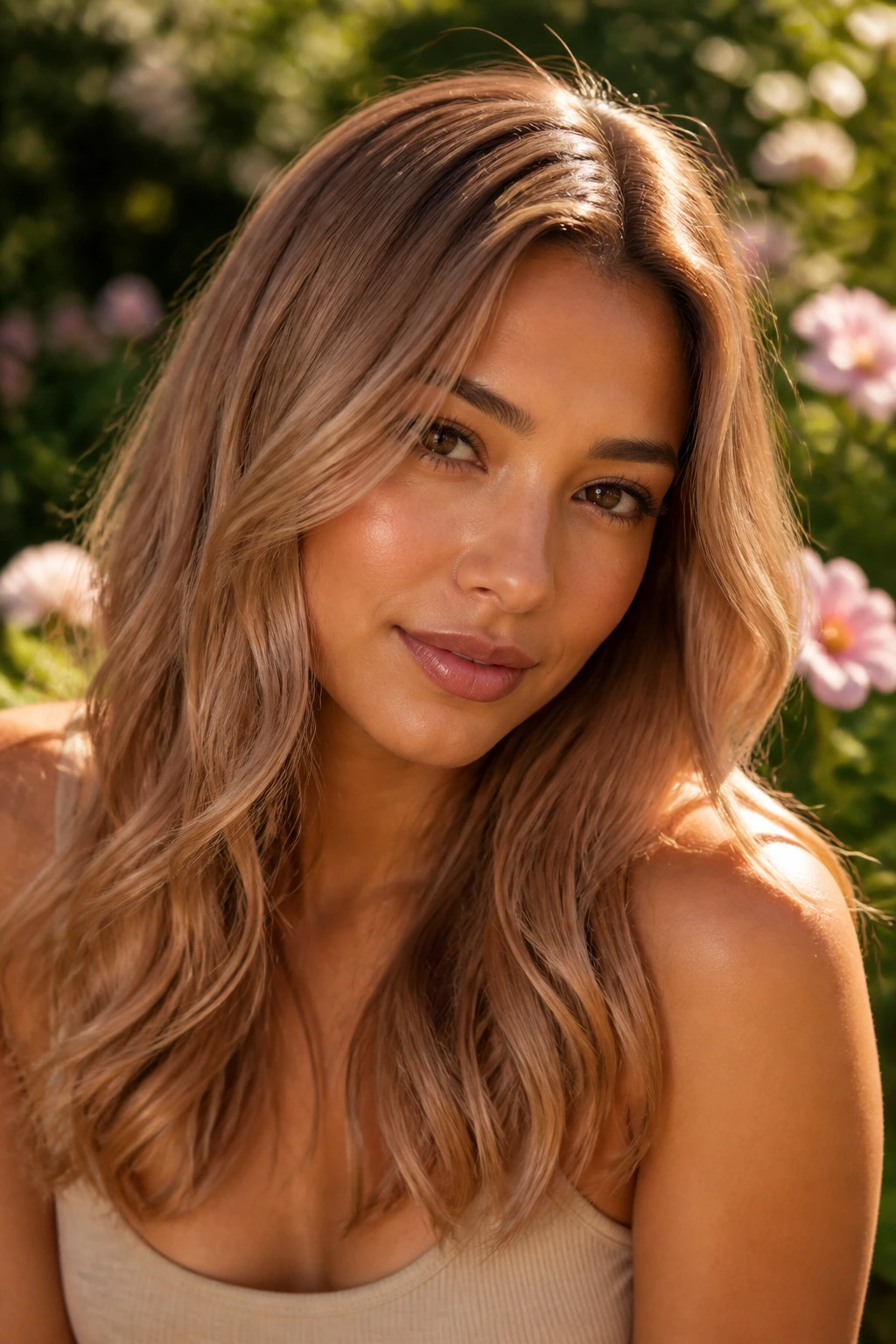
Rose honey is a quieter, more romantic version of blonde. It adds a faint rosy warmth to the honey, which can be gorgeous on golden olive skin because it softens the yellow-green tension that sometimes shows up in bright light. It’s subtle. Not pink hair. Thank goodness.
The best version is barely rosy, more like a warm flush than a color statement. That tiny shift can make the skin look fresh without turning the hair into a fashion shade.
I like this on medium-length hair and soft layers, where the tone can flicker a little as the hair moves. On a blunt cut, the color might feel too delicate.
If your skin leans warm and your eyes are hazel, this can be a very flattering lane. It has warmth, but with a little mood.
22. Honey Melt with Lowlights
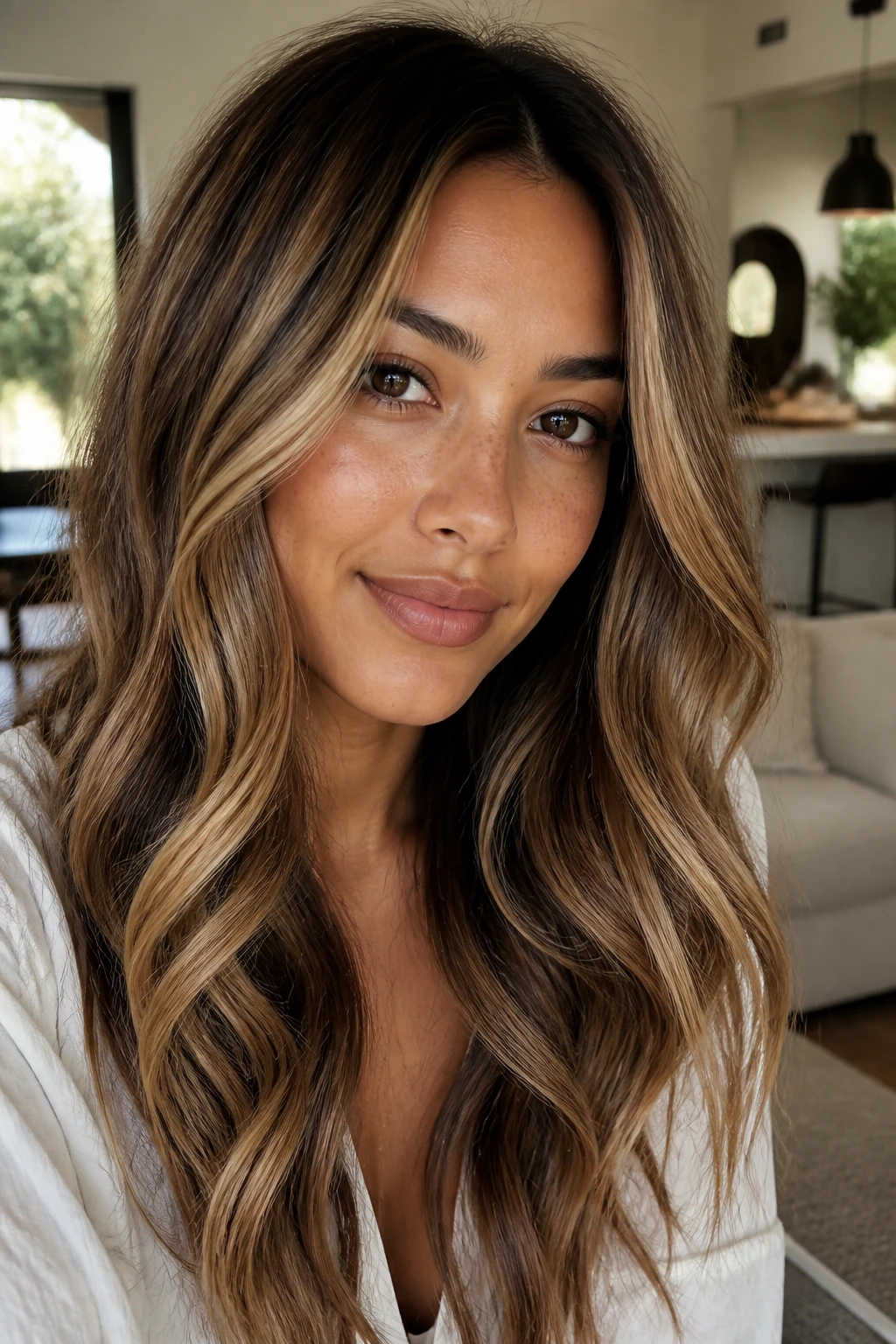
A honey melt with lowlights gives you a richer version of blonde, and that matters on olive skin because too much lightness can flatten the face. The lowlights keep the color grounded, while the honey melt carries the brightness from root to end in a soft slide.
This is one of the better choices if your hair has been lightened before and needs a reset. The lowlights add visual density back in. The honey then sits on top as a glaze rather than a full blanket.
Keep the lighter pieces around the face and upper layers. Let the underneath stay deeper. That contrast makes the hair look fuller than a single-tone blonde ever could.
It’s a good salon picture to bring if you want dimension without stripy highlights.
23. Honey Bronze Balayage for Deeper Olive Tones
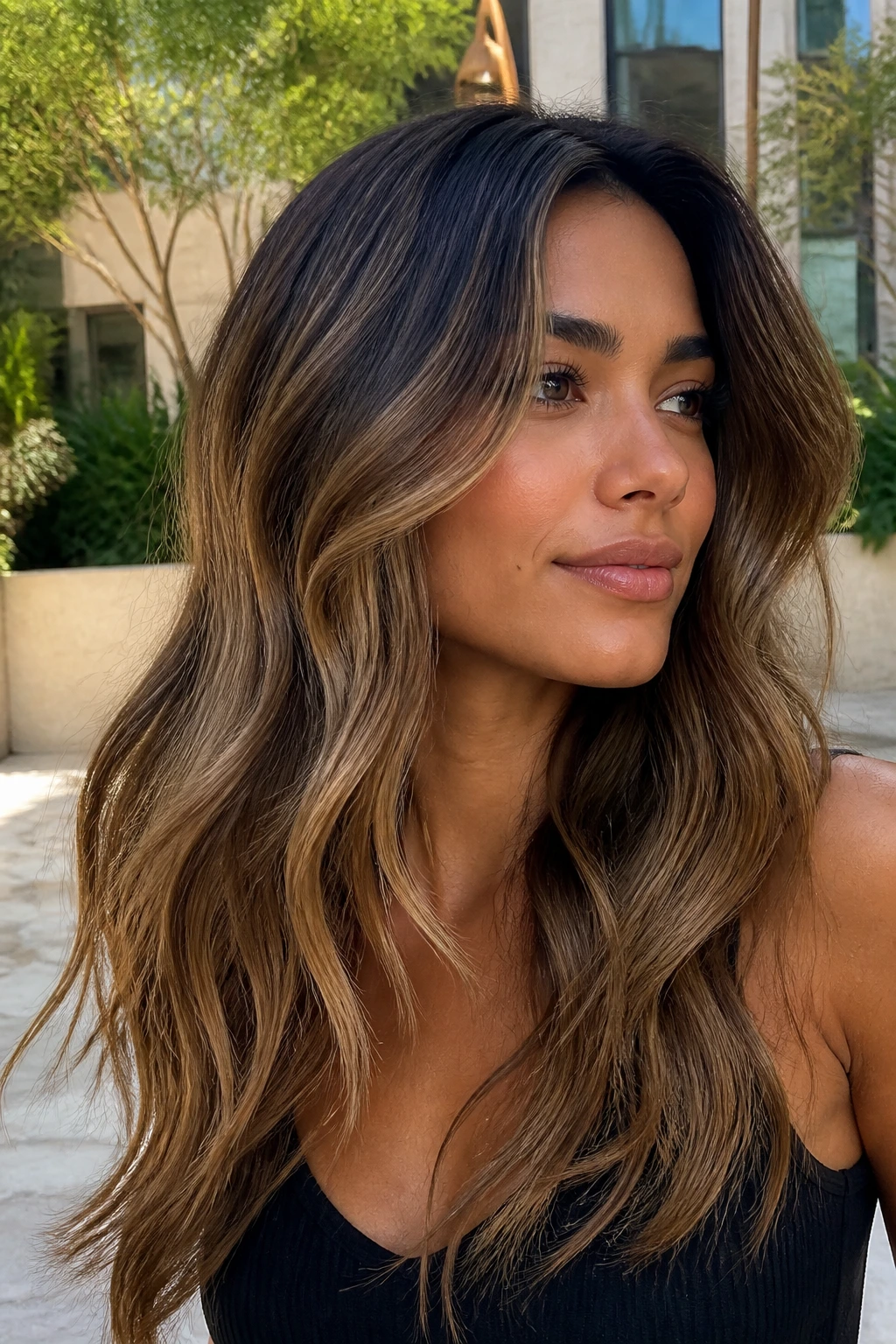
Deeper olive skin often needs more richness, not less. Honey bronze balayage does that by mixing warm bronze depth with honey ribbons that don’t sit too high on the lightness scale. The result is lush, not washed out.
This shade has a little more earth in it than standard honey blonde. That matters. It keeps the color from floating too pale against deeper olive skin, where lighter blondes can sometimes feel disconnected.
Ask for warmth, but not orange. Bronze and honey should blend into each other, with the lightest pieces still sitting in that creamy beige-gold range.
If your natural hair is dark, this is a nice way to brighten without losing the strength of the base. It feels expensive in the plainest sense of the word: balanced, rich, and not trying too hard.
24. Vanilla-Honey Straight Layers
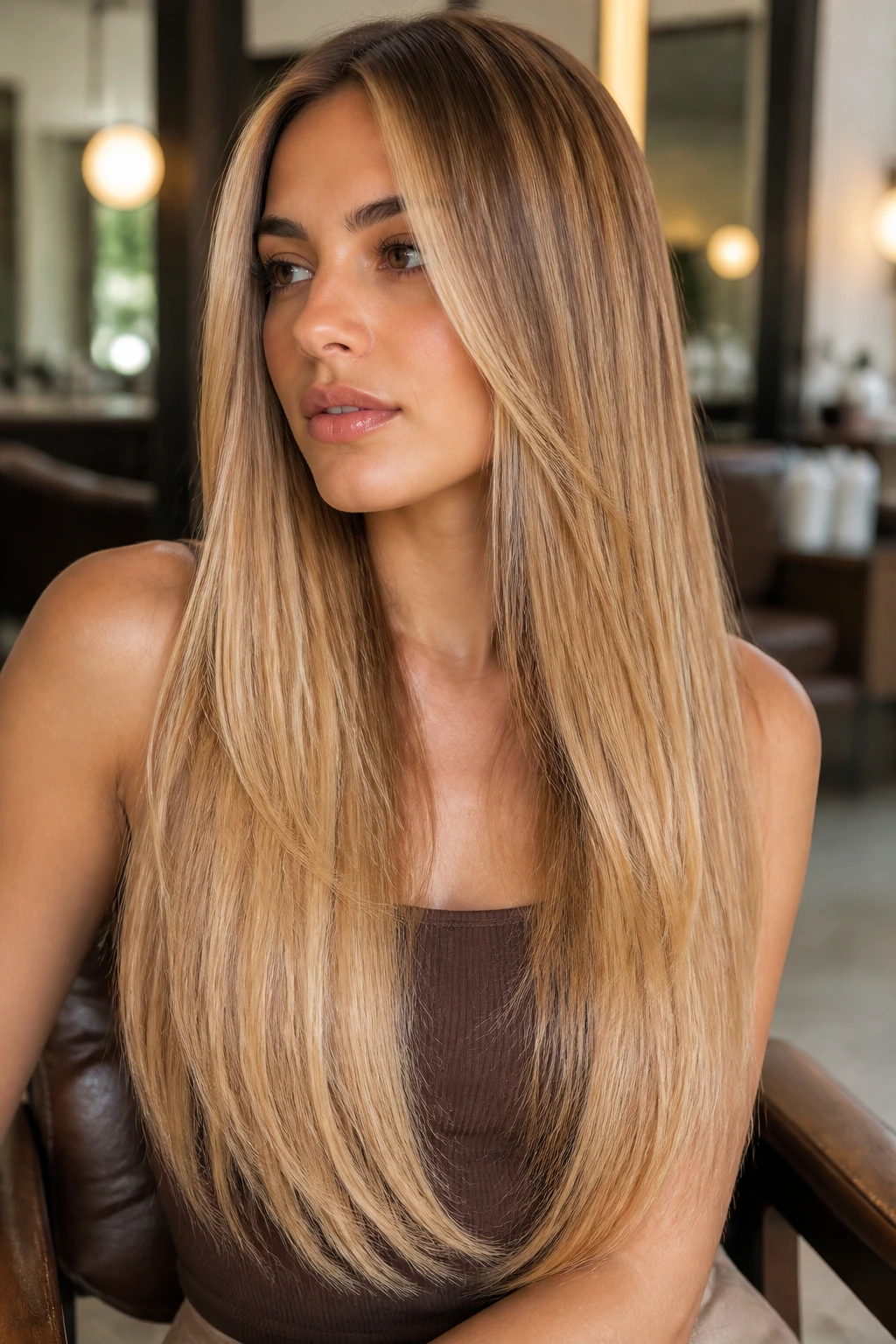
Vanilla-honey sounds light, but on olive skin it works best when the vanilla stays soft and the honey keeps it grounded. Straight layers show the shade off cleanly, which means every tone shift matters. That’s why the cut is part of the color story here.
The layers should be long enough to show movement but not so short that the color breaks into chunks. This is a neat option if you like smooth hair and a crisp line at the ends.
A cool note for olive skin: vanilla-honey should lean cream, not white-blonde. Too pale and the skin can go flat beside it.
If you wear a lot of gold jewelry, this shade often makes the whole look feel intentional without needing extra warmth in makeup.
25. Deep Honey Blonde Gloss for a Polished Finish
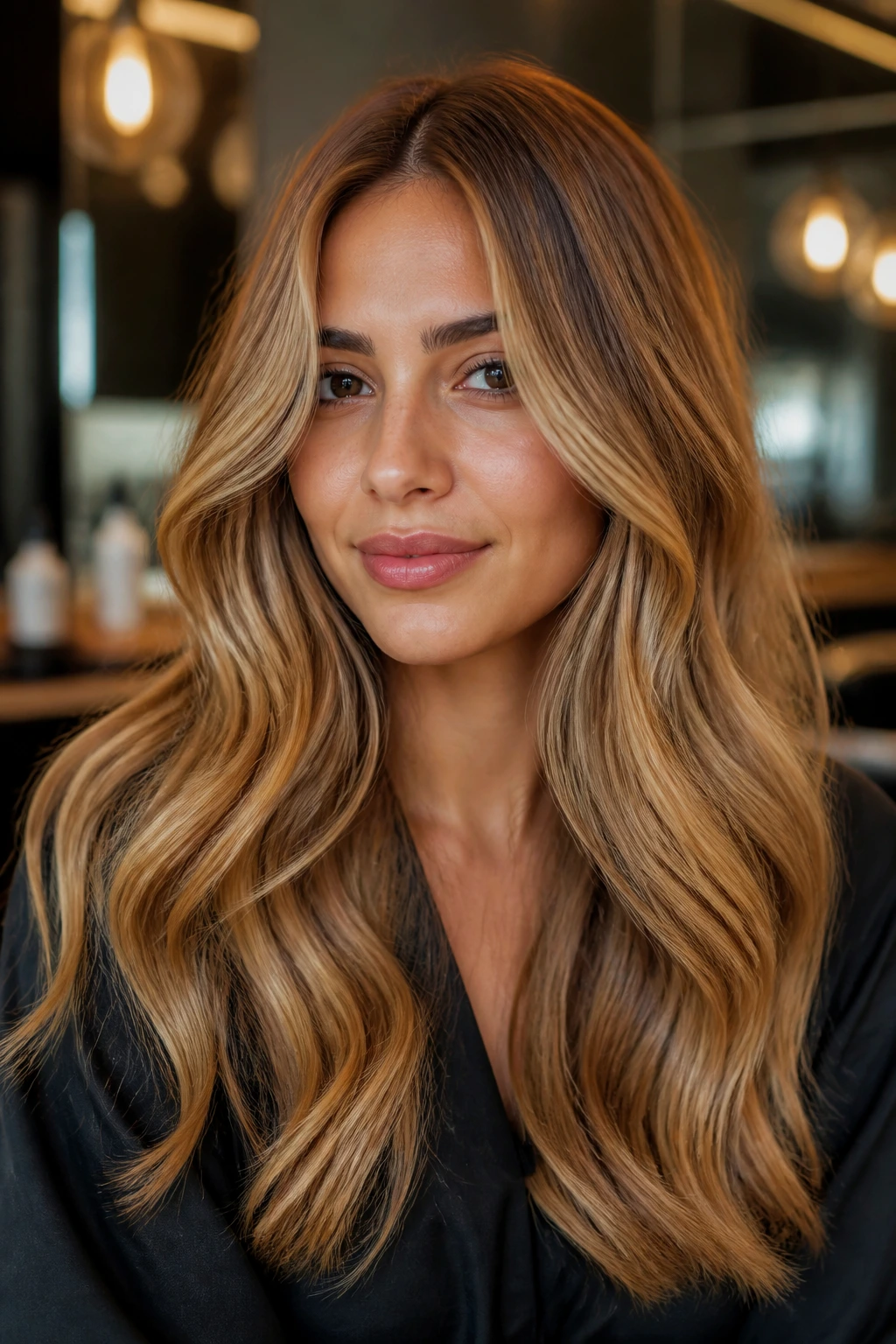
Deep honey blonde is the quietest shade in the bunch, and honestly, that’s why it belongs here. It keeps enough blonde to brighten olive skin, but it stops before the color turns fragile. A gloss can deepen the honey, smooth out brass, and leave the hair looking like it actually has some weight.
This is the shade I’d pick if the goal is shine more than drama. It works especially well on medium-brown bases that can support warmth without needing full highlights.
The finish should look soft and touchable, not lacquered. A good honey gloss gives you that warm reflection under indoor light and a softer sheen outdoors.
If you get bored easily, this is the easiest shade to adjust. You can nudge it warmer, cooler, or a half-step lighter at the next appointment without rebuilding the whole color.
Why Honey Blonde Works So Well on Olive Skin
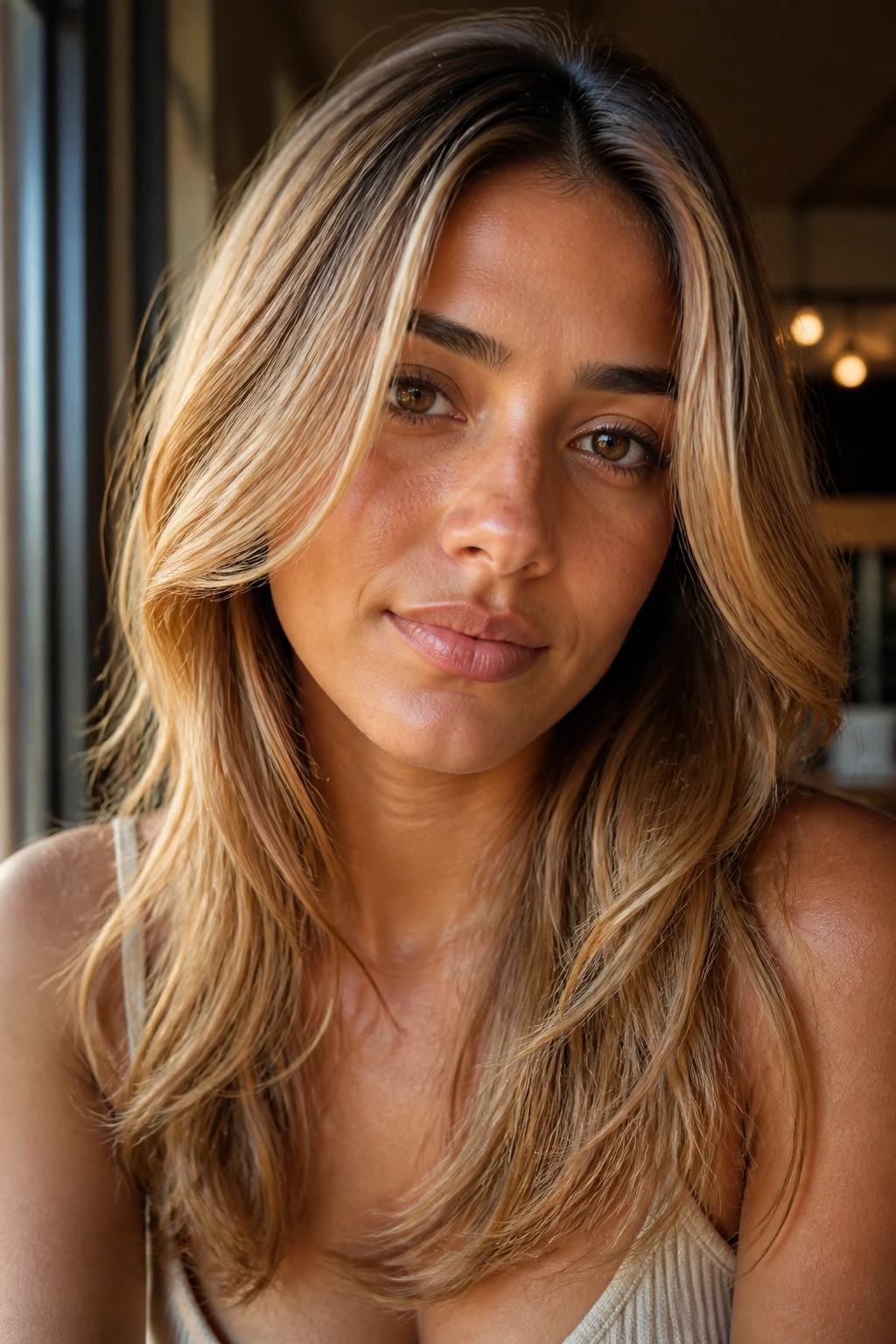
Olive skin has a habit of changing the room around it. Harsh ash tones can make it look greenish. Overly yellow blondes can make it look sallow. Honey blonde sits in the pocket between those extremes, which is why it can be so flattering when the tone is chosen with care.
The strongest versions usually borrow from beige, caramel, amber, or soft bronze. Those tones echo the natural warmth already present in many olive complexions, while the darker root or lowlight pieces keep the face from losing shape. That contrast matters. Without it, the hair can fade into the skin and the whole look loses definition.
A level 7 honey blonde often feels safer than a pale level 9 blonde because it holds more depth. That does not make it dull. It makes it wearable. If your olive skin leans green or neutral, beige-honey usually behaves better than orange-gold. If your skin leans golden, amber honey can look richer and more alive.
How to Ask for the Right Tone at the Salon
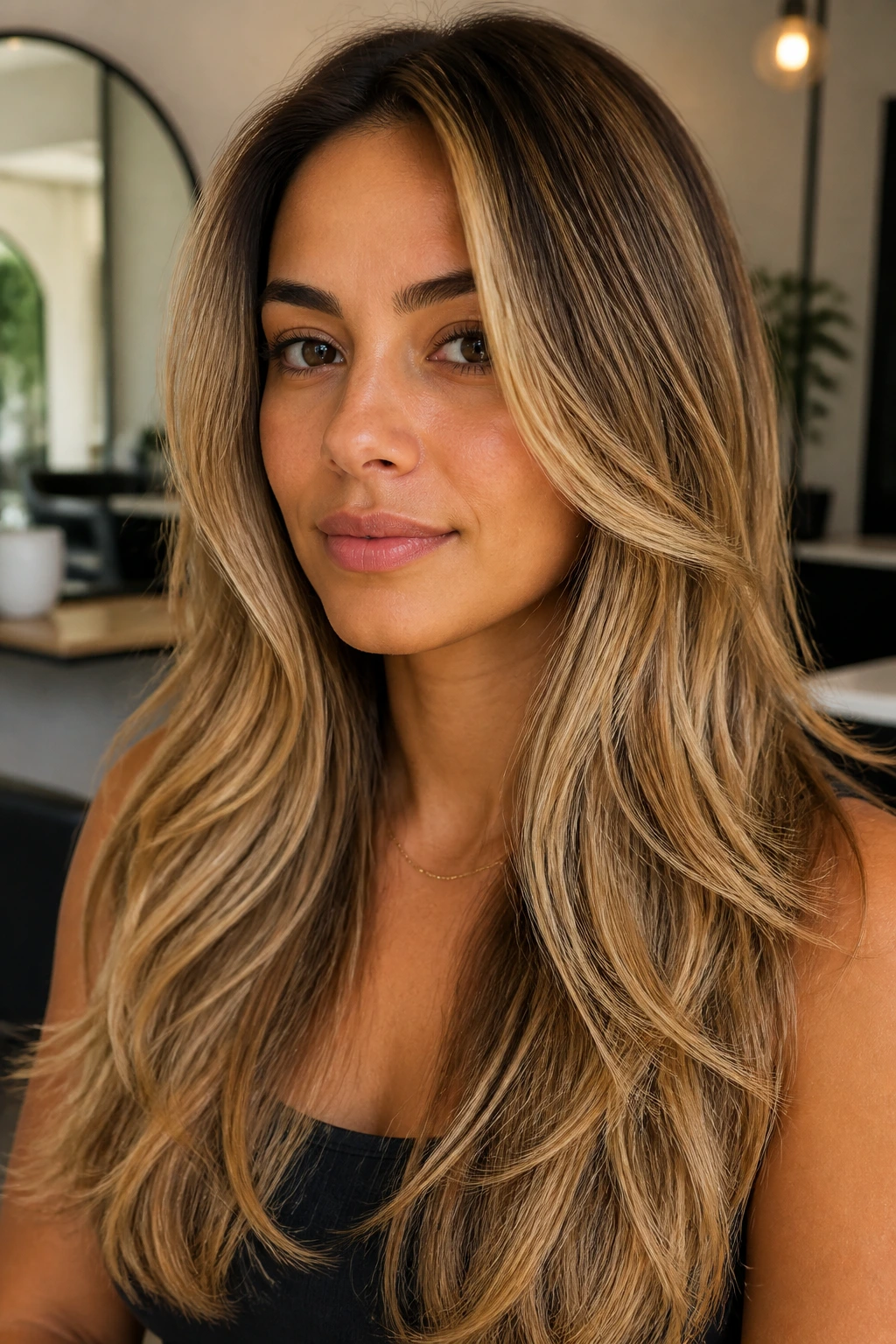
Bring photos, but bring the right photos. One indoor picture and one daylight picture are better than five filtered screenshots. Filters hide brass, and brass is exactly the thing you need to control.
Be specific about the tone you want. Say beige-gold honey, warm caramel honey, or soft amber honey instead of just “blonde.” Those little words steer the conversation toward tone, not just lightness. If your base is dark, ask about a root shadow or gloss so the color grows out with a softer line.
A few things worth saying out loud:
- I want dimension, not a single flat blonde.
- Keep the root a shade deeper than the mids.
- I’d like the front pieces brighter, but not yellow.
- If the toner runs warm, keep it beige rather than orange.
One more thing. Ask how the color will fade. If the answer is vague, keep pushing until you hear a real maintenance plan.
Essential Tools, Products, and Color Resources
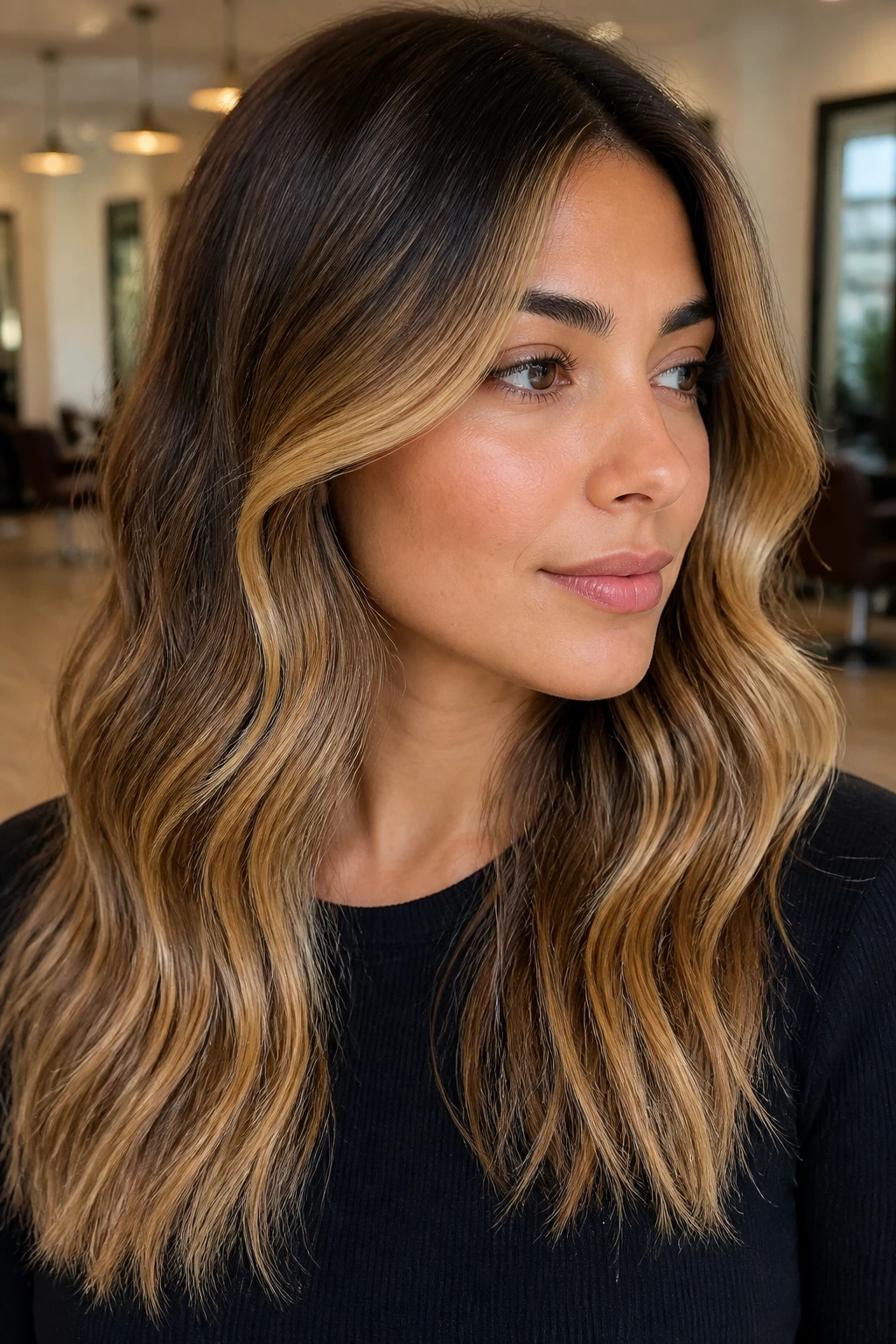
- Color-safe shampoo: A sulfate-free formula helps honey tones stay softer between washes and keeps the cuticle from roughing up too fast.
- Purple shampoo: Use it lightly if the blonde tips start turning yellow, but do not overdo it or the honey can go flat and dull.
- Color-depositing gloss or toner: Useful for refreshing beige-gold tone every few weeks when salon visits are spaced out.
- Heat protectant spray: Honey blonde fades faster when the hair gets cooked with hot tools, so this matters more than people admit.
- Wide-tooth comb: Helps keep lightened hair from snagging when it’s wet and fragile.
- Microfiber towel: Cuts down friction after washing, which is a small thing that adds up.
- Shower filter: Hard water can leave blonde hair brassy faster than you’d expect.
- Satin pillowcase or bonnet: Keeps the ends from rubbing rough overnight.
- Daylight mirror or window light: Handy for checking whether the color reads beige, gold, or too yellow before you leave the house.
How to Choose Inspiration Photos That Help Your Stylist
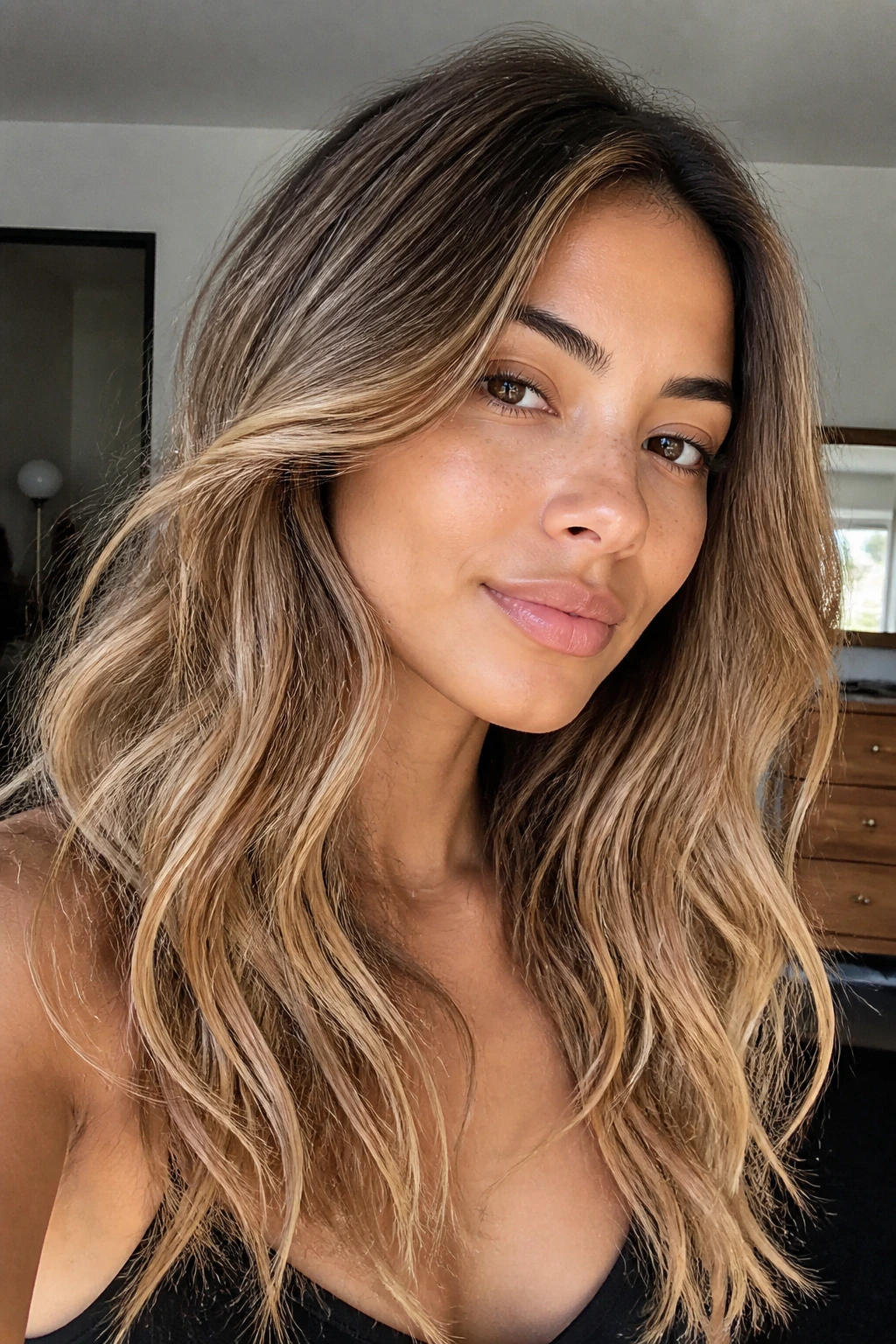
The best inspiration photos show more than one angle. A front view, a side view, and one shot in daylight tell your stylist far more than a single polished portrait. Color changes with light, and hair under a ring light often lies.
Look at the base color first. If the model’s natural root is a deep brown and yours is medium brown, the same honey blonde may land very differently. That doesn’t mean the photo is useless. It means you need to explain which part you like: the tone, the placement, or the brightness.
Pay attention to finish. A glossy beige-honey bob and a matte honey balayage are not the same request, even if both look “blonde” at first glance. Say what you want to keep from the photo and what you want to change.
If a picture makes the hair look yellow against the skin, skip it. Olive skin already has enough tonal complexity without fighting a bad filter.
Keeping Honey Blonde Soft Between Appointments
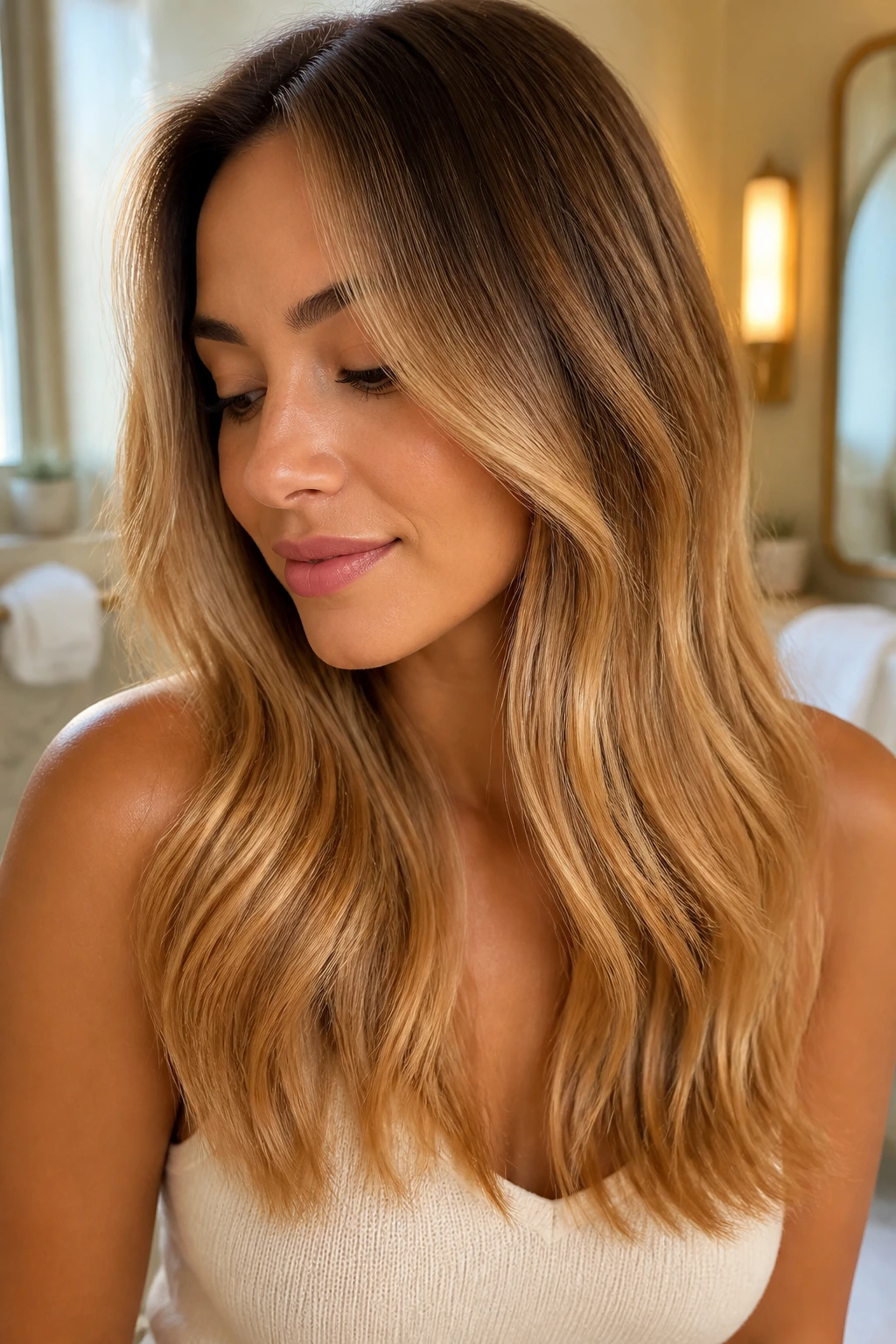
Honey blonde stays pretty when it is treated like color, not just hair. Wash two to three times a week if you can, and keep water lukewarm. Hot water strips toner faster and roughs up the surface, which makes warm shades turn brassy quicker.
A gloss or toner refresh every 6 to 8 weeks usually keeps the beige-gold balance in check. If your hair is porous or heavily lightened, it may need a touch-up sooner. That is normal. Porous hair drinks up color and gives it back quickly.
Use heat tools with restraint. A flat iron at 300°F or below is plenty for most lightened hair, and a good heat protectant is not optional if you want the honey tone to stay clean. Sun exposure matters too, especially if you spend a lot of time outdoors. A UV spray or hat can save you a pricey salon correction later.
If the ends start looking dry before they look faded, trim them. Honey blonde looks better with a crisp hem than with frayed tips.
Common Mistakes That Make Olive Skin Look Dull
- Going too yellow: Bright banana-gold can make olive skin look off. Ask for beige-gold or caramel-honey instead, and use toner to calm the warmth if needed.
- Choosing ash that is too gray: Some people think ash will fix brass, but too much ash can make olive skin look flat and dusty. Beige is usually safer.
- Ignoring the root: A harsh light root on dark hair can look disconnected fast. A soft shadow root gives the blonde a place to land.
- Lightening every strand equally: Full saturation can erase dimension and leave the hair looking one-note. Keep some depth underneath.
- Skipping maintenance: Honey shades fade into yellow or dull beige if you never tone them. A gloss schedule keeps the color readable.
- Using too much purple shampoo: A heavy hand can mute the warmth that makes honey blonde flattering in the first place.
Ways to Adapt Honey Blonde for Different Olive Undertones
Warm Olive Honey: Choose caramel, amber, or bronze honey with softer golden ribbons. This keeps golden undertones alive without pushing into orange.
Neutral Olive Beige Honey: Pick beige-gold or champagne honey with a shadow root. This is the easiest lane if your skin shifts between warm and cool depending on the light.
Cool Olive Smoky Honey: Ask for a beige, smoky gloss with just a trace of warmth. The goal is to avoid icy ash while keeping the blonde from turning brassy.
Low-Maintenance Honey Melt: Keep darker roots and lighter mids and ends. It grows out quietly and works especially well if you do not want monthly touch-ups.
High-Contrast Face Frame: Brighten the money piece and leave the rest of the hair deeper. That gives olive skin lift without making the whole head pale.
Frequently Asked Questions
Can olive skin wear a very light honey blonde?
Yes, but the lightness needs a cushion. A root shadow, beige toner, or lowlights around the underside usually keep the color from looking washed out.
Is ash blonde ever a good idea for olive skin?
Sometimes, but only if it is softened with beige or honey. Pure gray ash can make olive skin look tired, especially in flat indoor light.
What level of blonde usually works best?
Most olive skin tones look easiest to balance at about a level 7 or 8 honey blonde. That keeps enough warmth and depth to preserve contrast.
Do I need bleach for honey blonde?
Not always. If your hair is already light brown or dark blonde, a gloss, highlights, or a high-lift color may be enough. Dark brunette hair usually needs lightening of some kind for a true honey result.
How often should I tone honey blonde hair?
Every 4 to 8 weeks is common, depending on porosity, sun exposure, and how often you wash. If the color starts reading yellow or flat, it’s time.
What if my honey blonde turns orange?
That usually means the toner is too warm or has faded. A beige or neutral toner can calm it down, and in stubborn cases, a salon gloss is the cleaner fix.
Can I do honey blonde on curly hair without losing definition?
Yes, and it can look excellent. Keep the lightness placed in curl groups so the pattern stays visible, and use a rich conditioner so the curls don’t puff out.
What’s the best way to keep it from looking brassy in hard water?
A shower filter helps more than people expect, and so does a weekly chelating wash. Hard water deposits can dull honey tones fast.
A Shade That Keeps Its Shape
The best honey blonde on olive skin does not fight the face. It works with the undertone, gives the hair shape, and leaves enough depth so the color still has somewhere to go as it grows out. That’s why beige-gold balayage, caramel money pieces, rooted melts, and honey glosses keep showing up in this conversation. They have range.
If you’re standing between “too dark” and “too blonde,” that middle lane is probably where the smartest answer lives. Pick the version that matches how much maintenance you can tolerate, how bright you want your face frame to be, and how warm your skin really runs in daylight. The right honey shade will look soft the moment you leave the chair — and even better when it’s been on your head long enough to settle in.