



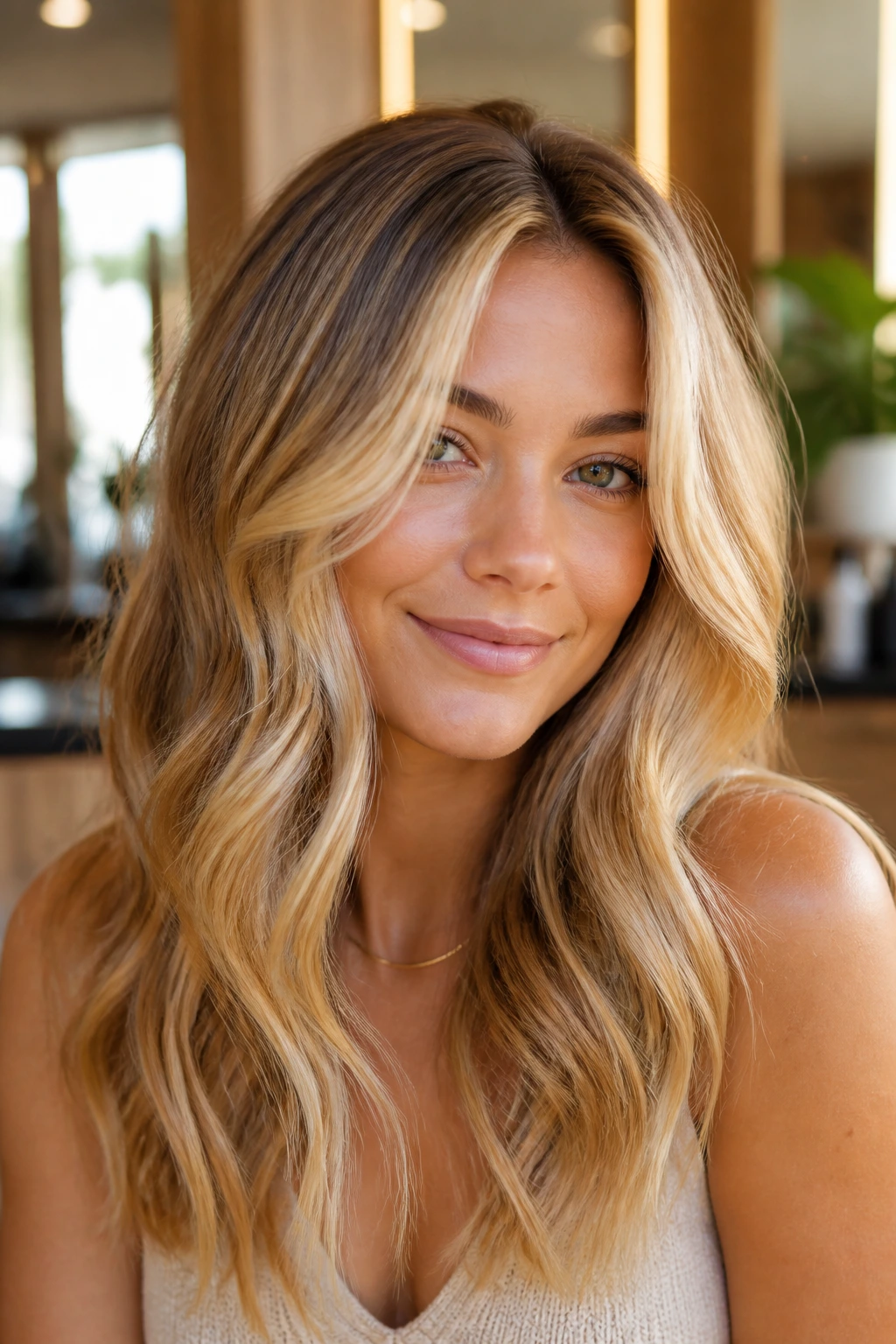
Blonde highlights for warm skin tones work best when the blonde leans honey, caramel, butter, or gold—not chalky ash, not flat yellow, but the kind of brightness that makes the skin look alive instead of washed out. That sounds simple. It isn’t, at least not when you’re standing in a salon chair with foil around your hair and a reference photo that looked lovely under ring light but suspiciously cold in daylight.
Warm undertones change the whole equation. Golden, peachy, olive, and caramel skin can handle lightness beautifully, but the shade of blonde and the placement of those pieces matter just as much as the lift itself. A level 9 honey ribbon placed near the cheekbone reads soft and expensive; a stripey platinum chunk placed in the wrong spot can make the face go flat and the grow-out look loud. Same hair. Very different result.
The good news is that warm blonde is not one look. It’s a whole family of looks, from whisper-thin babylights to brighter money pieces, from amber melts to beige-gold foilyage. Some are quiet. Some lean glam. Some are made for curls, some for long layers, some for the person who wants to see a change without signing up for a high-maintenance life. The 28 ideas below cover that range from subtle to bold, and they’re all built with warm skin in mind.
Why These Warm Blonde Ideas Work
-
Golden tones echo the skin instead of fighting it: Honey, caramel, buttercream, and beige-gold sit in the same color family as warm undertones, so the highlights read as glow rather than glare.
-
Placement changes everything: A bright money piece near the face gives lift where you want it most, while ribbon balayage keeps the ends moving without creating a hard stripe.
-
You can go lighter without going icy: Plenty of warm blondes live in the level 8 to 10 range; the difference is that the toner stays gold-beige instead of silver-pearl.
-
Grow-out can stay soft: Root shadows, babylights, and foilyage leave a gentler regrowth line than chunky old-school highlights.
-
Texture makes the color look richer: Waves, curls, and bends in the hair catch warm light in a way that flat, poker-straight hair often doesn’t.
1. Honey Ribbon Balayage
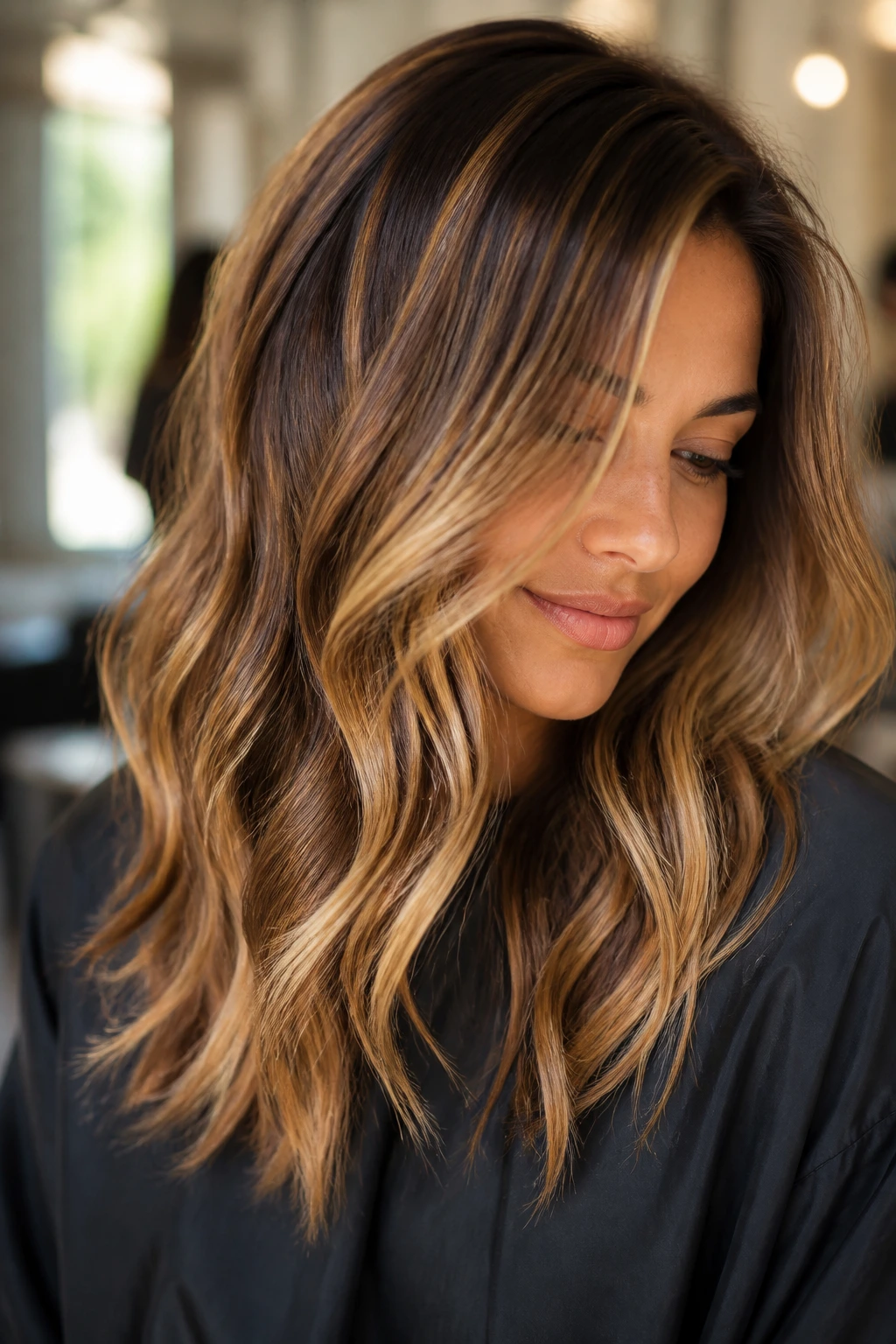
Honey ribbon balayage is the easy favorite when you want warmth, movement, and a result that doesn’t scream for maintenance. The colorist paints honey-toned ribbons through the midlengths and ends, usually starting lower than the root so the grow-out stays soft. On warm skin, it looks natural in the best way: sunlit, not brassy.
The trick is contrast. Keep the base a shade or two deeper than the ribbons, and the honey starts to shimmer instead of blending into the background. I like this look on waves because the bends show off every ribbon. Straight hair can wear it too, but you’ll need a glossy blowout or a round-brush finish to keep the pieces visible.
Best for: medium brunettes, golden skin, and anyone who wants dimension without a harsh stripe.
Ask for this: honey beige or golden blonde ribbons, not an ash toner that kills the warmth.
2. Caramel Money Piece
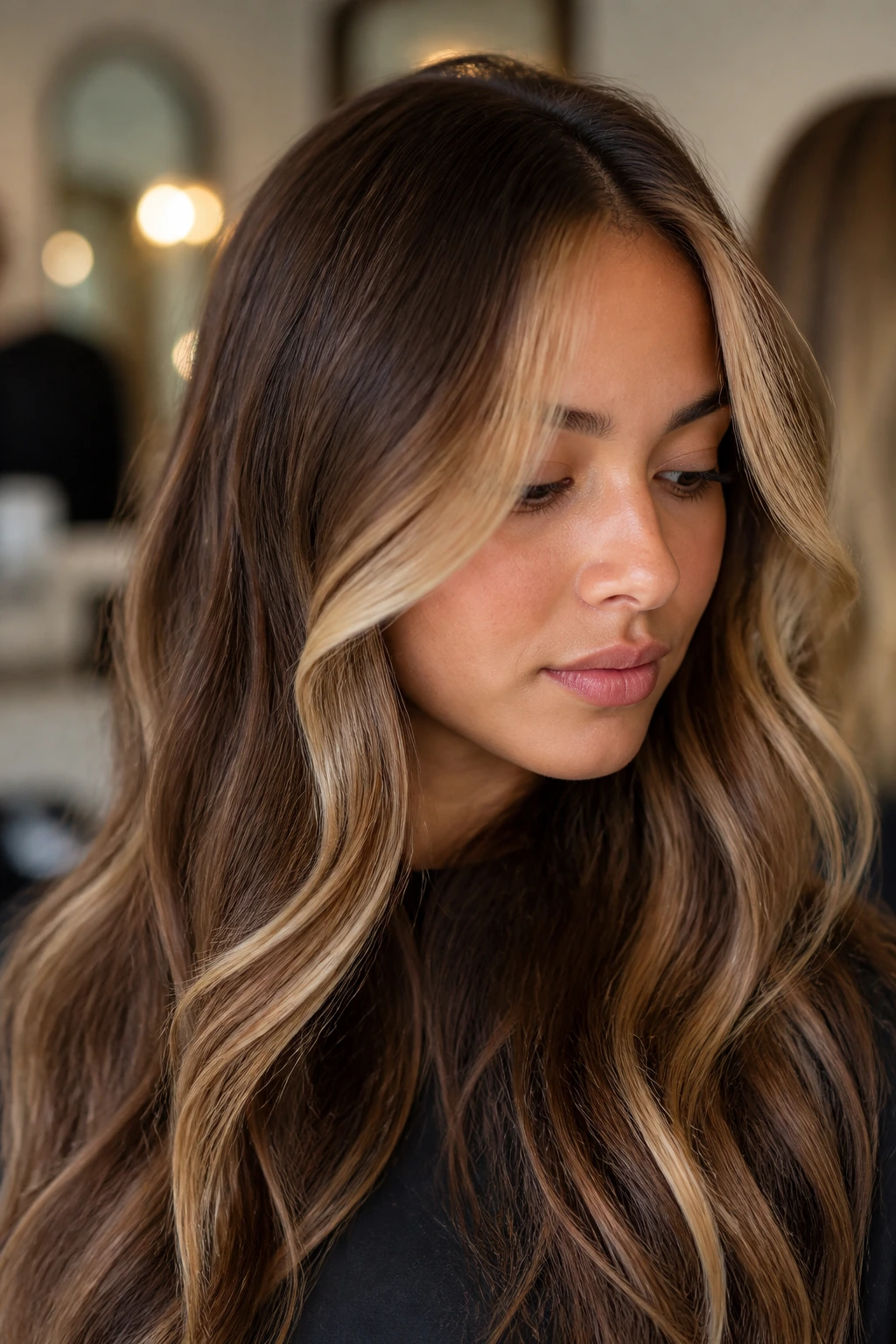
A caramel money piece is the fastest way to wake up warm skin. A few brighter pieces around the face—usually starting at the temple and sweeping through the front sections—pull light right where the eyes and cheekbones sit. It’s bold enough to be noticed, but not so bright that it takes over the whole head.
This one works because it uses placement like makeup. The front pieces frame the face, while the rest of the hair can stay deeper and richer. On warm undertones, caramel and soft gold feel flattering instead of harsh. On a darker brunette base, it also gives you that “I changed my hair” feeling without turning the whole head into a full blonding project.
Best for: ponytails, blowouts, curtain bangs, and people who want a visible change with less upkeep.
One smart move: keep the roots soft so the front pieces don’t look like two loud streaks dropped onto the hairline.
3. Golden Beige Foilyage
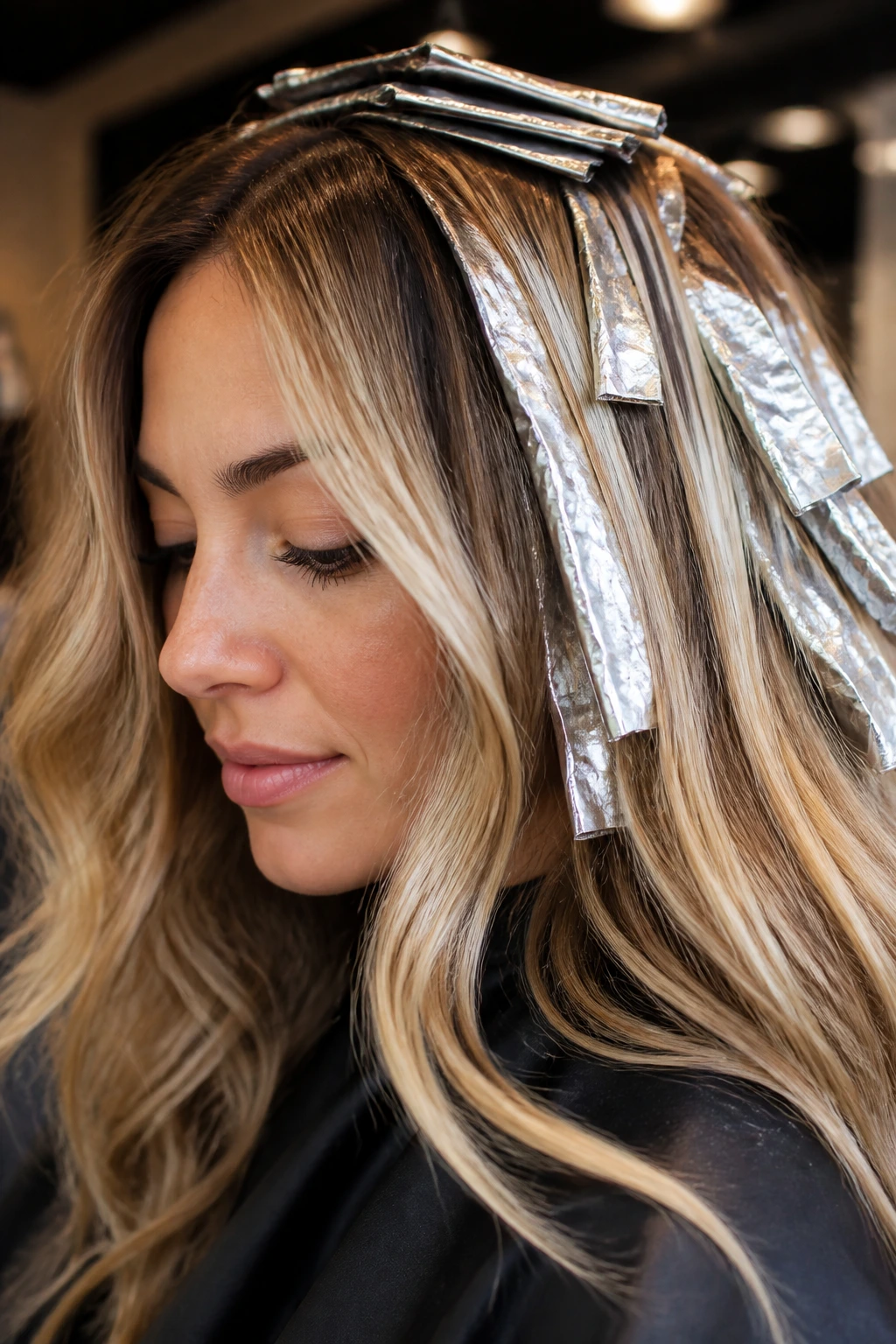
If balayage is the painterly option, foilyage is the brighter one. The hair gets hand-painted, then wrapped in foil so the lift is stronger and the result reaches a cleaner golden beige. That extra lift matters when your natural hair is dark or resistant and you want a blonde that still flatters warm skin instead of turning flat and dusty.
Golden beige is the key phrase here. Too much ash and you lose the glow. Too much yellow and the color goes cheap fast. Beige-gold sits right in the middle and gives that soft-lit finish that looks especially good with warm complexions and medium brown bases.
Best for: dark blondes, brunettes, and anyone who wants a noticeable blonde result without harsh contrast.
Salon note: ask for foils through the top and around the face, not just on the surface, so the color looks layered when you move.
4. Buttery Babylights
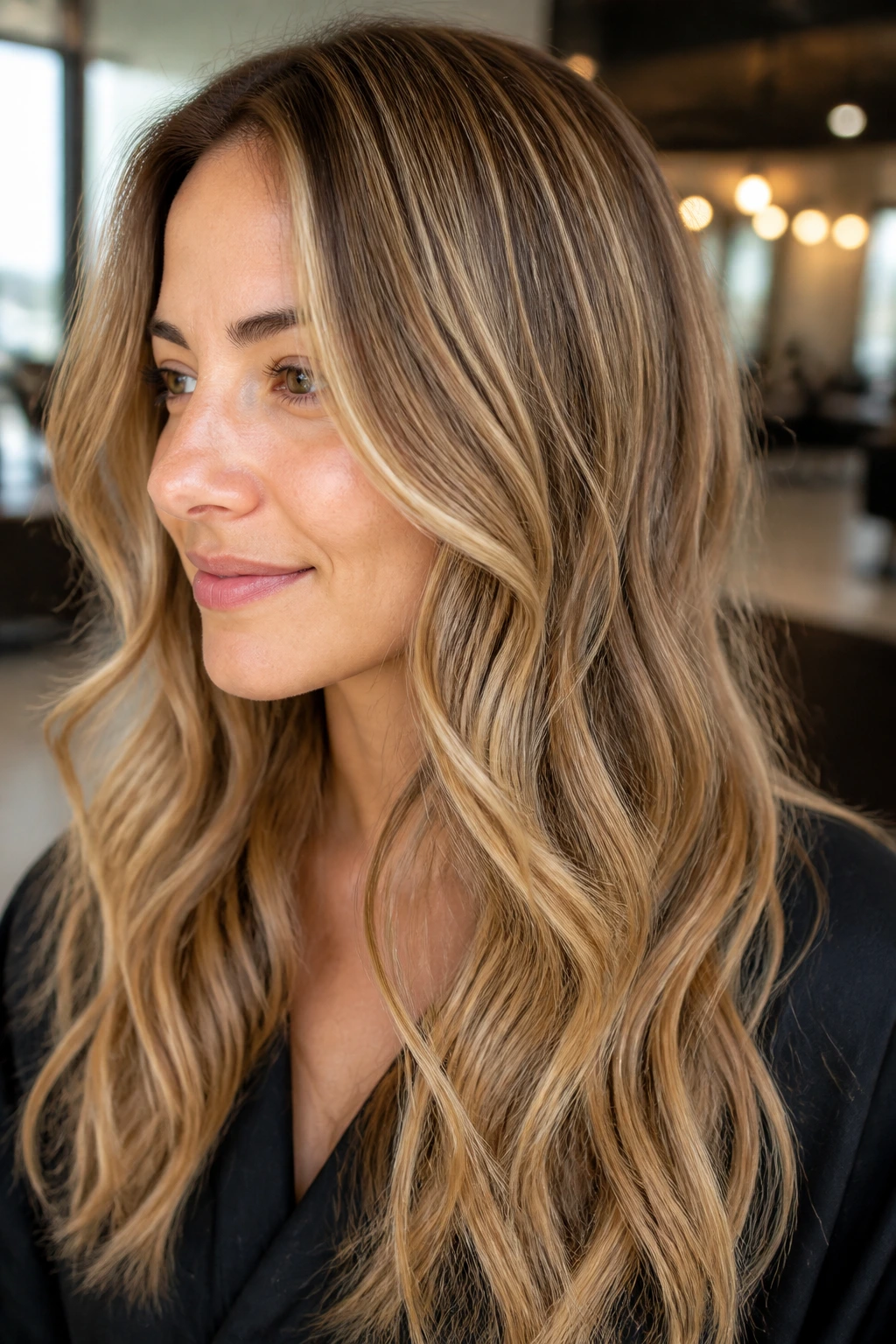
Buttery babylights are for the person who wants people to notice shine before they notice “highlight.” These are ultra-fine, tiny sections woven through the hair so the blonde sits in narrow, delicate threads. On warm skin, they look soft and clean, especially if the toner leans butter or cream rather than silver.
This style is sneaky in the nicest way. It doesn’t have the obvious stripe of classic highlights, which means the hair looks full and dimensional instead of marked up. Fine hair loves babylights because they add the illusion of thickness. Thick hair likes them too, but you need a colorist who’s patient enough to place enough of them to matter.
Best for: first-time blondes, office-friendly color, and fine or medium hair.
Tiny warning: if you go too few and too chunky, it stops being babylights and starts looking patchy. That’s not the goal.
5. Amber Melt Balayage
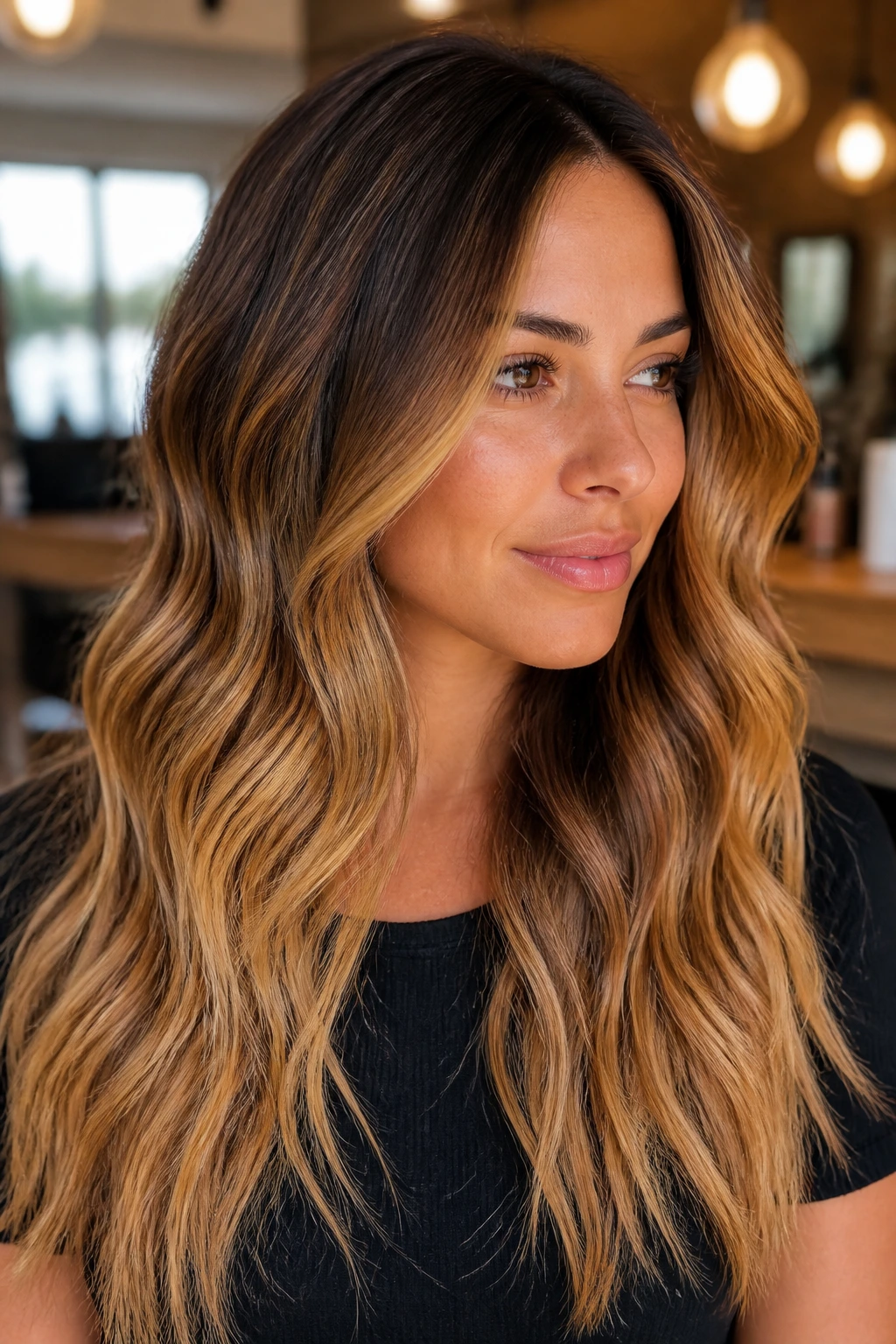
Amber melt balayage starts deeper near the roots and melts into amber-honey through the mids and ends. That fade is the whole point. It lets warm skin keep its natural richness while the lighter pieces brighten the lower half of the hair, where movement shows up most.
I like this version on long hair because it gives you a clear color story from top to bottom. The root stays grounded. The ends feel lighter. Somewhere in the middle, the amber turns the whole thing into something warm and glossy instead of flat. If you’ve ever wanted blonde but feared the “bleached broom” effect, this is the antidote.
Best for: brunettes who like depth, layered cuts, and low-maintenance grow-out.
Colorist note: keep the melt soft. A hard line where the darker base stops and the blonde begins ruins the whole point.
6. Toffee-Laced Brunette Blend
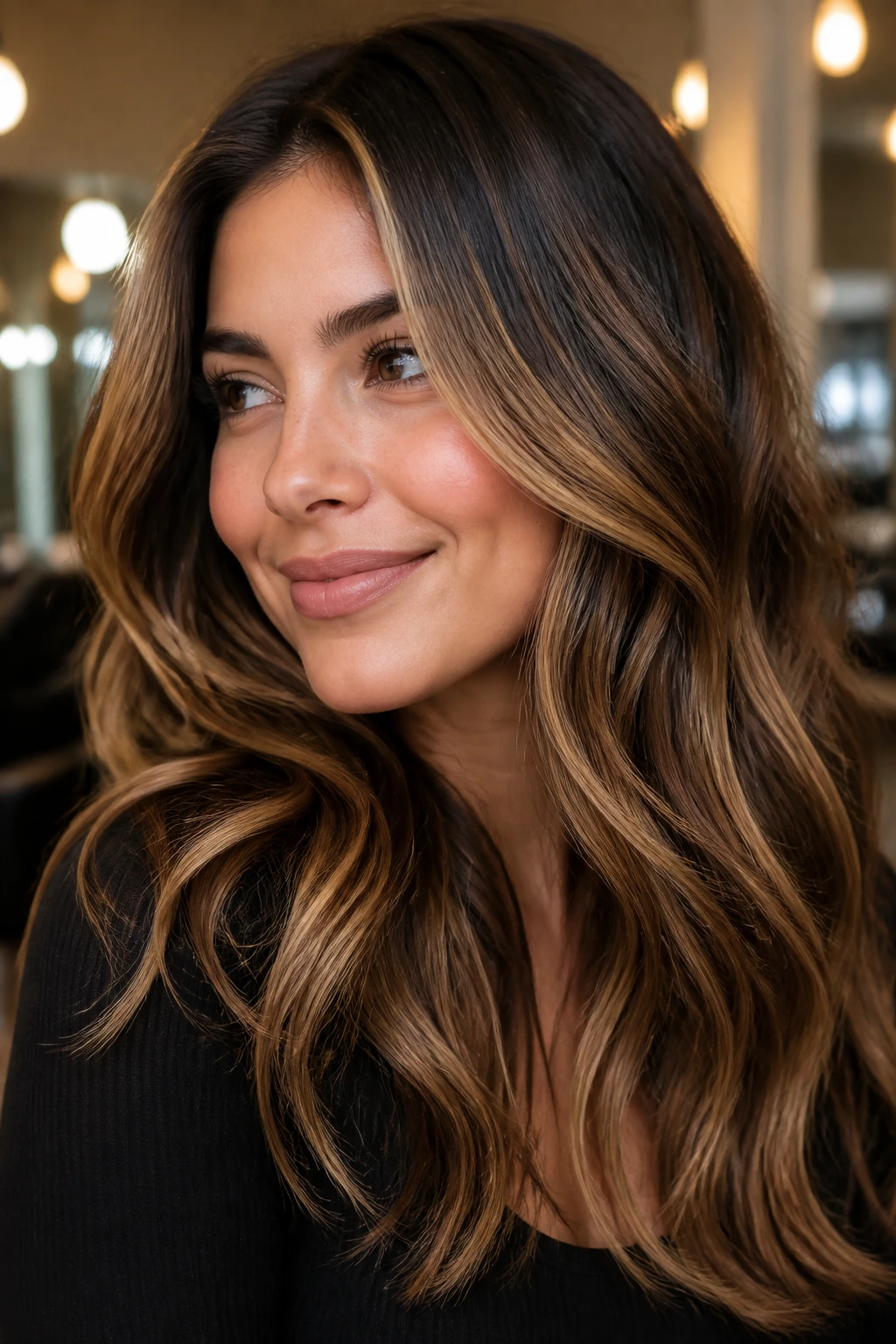
Toffee-laced brunette is not trying to become blonde. That’s why it works. The hair stays brunette first, then picks up toffee and soft golden pieces in the midlengths and ends so the overall effect reads dimensional rather than blonded out. Warm skin tends to love this because the hair and complexion sit in the same color lane.
This look is especially good if your current color already has depth and you do not want to blow it up into a high-contrast blonde. The lighter ribbons only need to be a level or two brighter than the base. That’s enough. In fact, that restraint is what makes it look polished.
Best for: people who like brown hair but want light-catching movement.
Style it with: loose bends or a blowout with lifted roots. On flat hair, the toffee can disappear.
7. Sandy Vanilla Contour Highlights
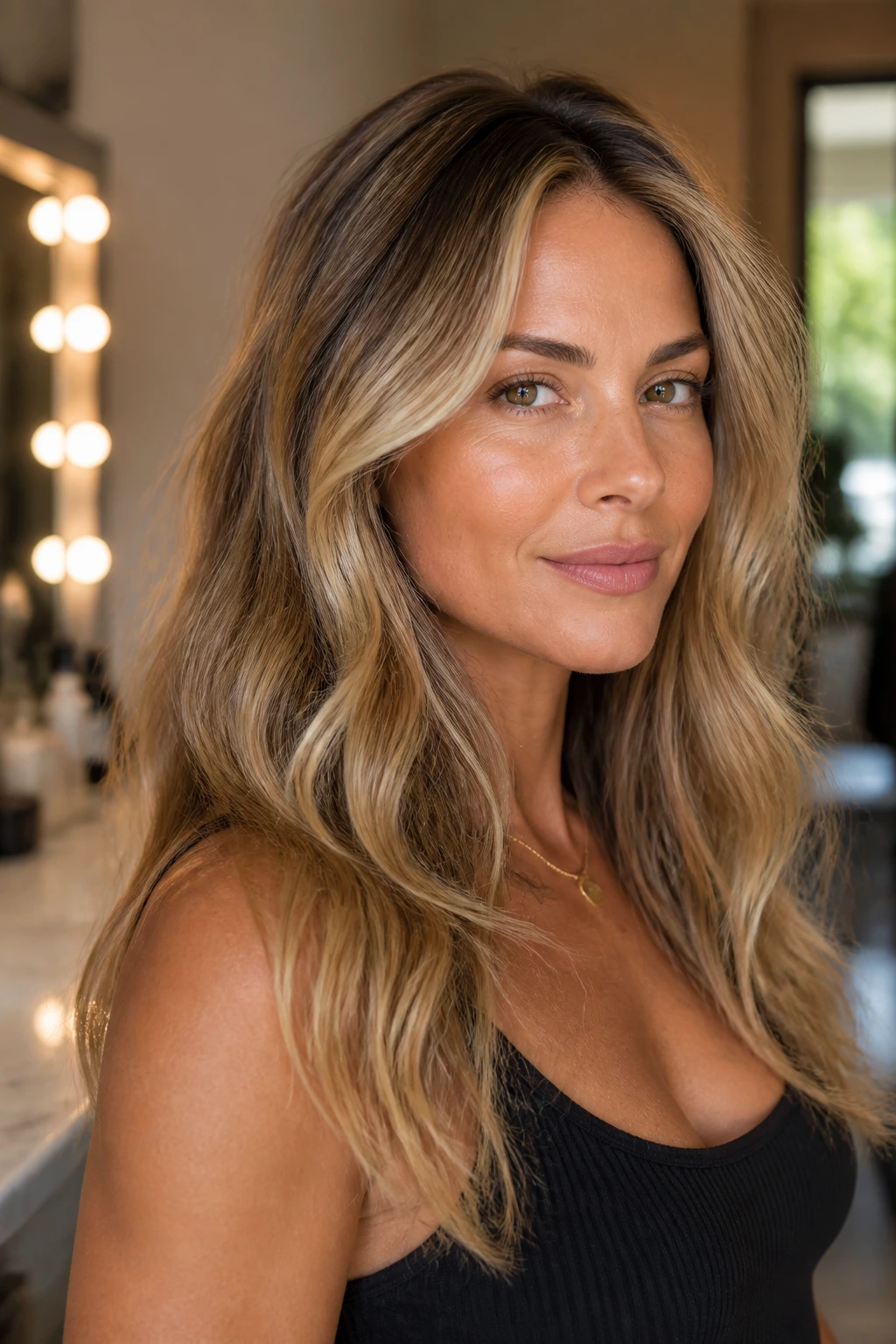
Contour highlights are all about face shape and light. Sandy vanilla pieces are placed around the hairline, crown, and front lengths to open up the face without lighting up every strand on the head. The sandy part keeps the blonde from going too icy; the vanilla keeps it soft and creamy.
This is a smart option when you want the color to do a little bit of contouring for you. Brighter pieces near the cheekbones can soften heavy layers or give long hair more movement around the face. Warm skin looks good with this because the highlight doesn’t sit in a cold silver zone. It sits in a beige-gold zone, which is much kinder.
Best for: face-framing, long layers, and people who like a more sculpted look.
Pro move: ask for brightness at the temples and just under the part line. That’s where the light hits first.
8. Sunlit Bronde Slices
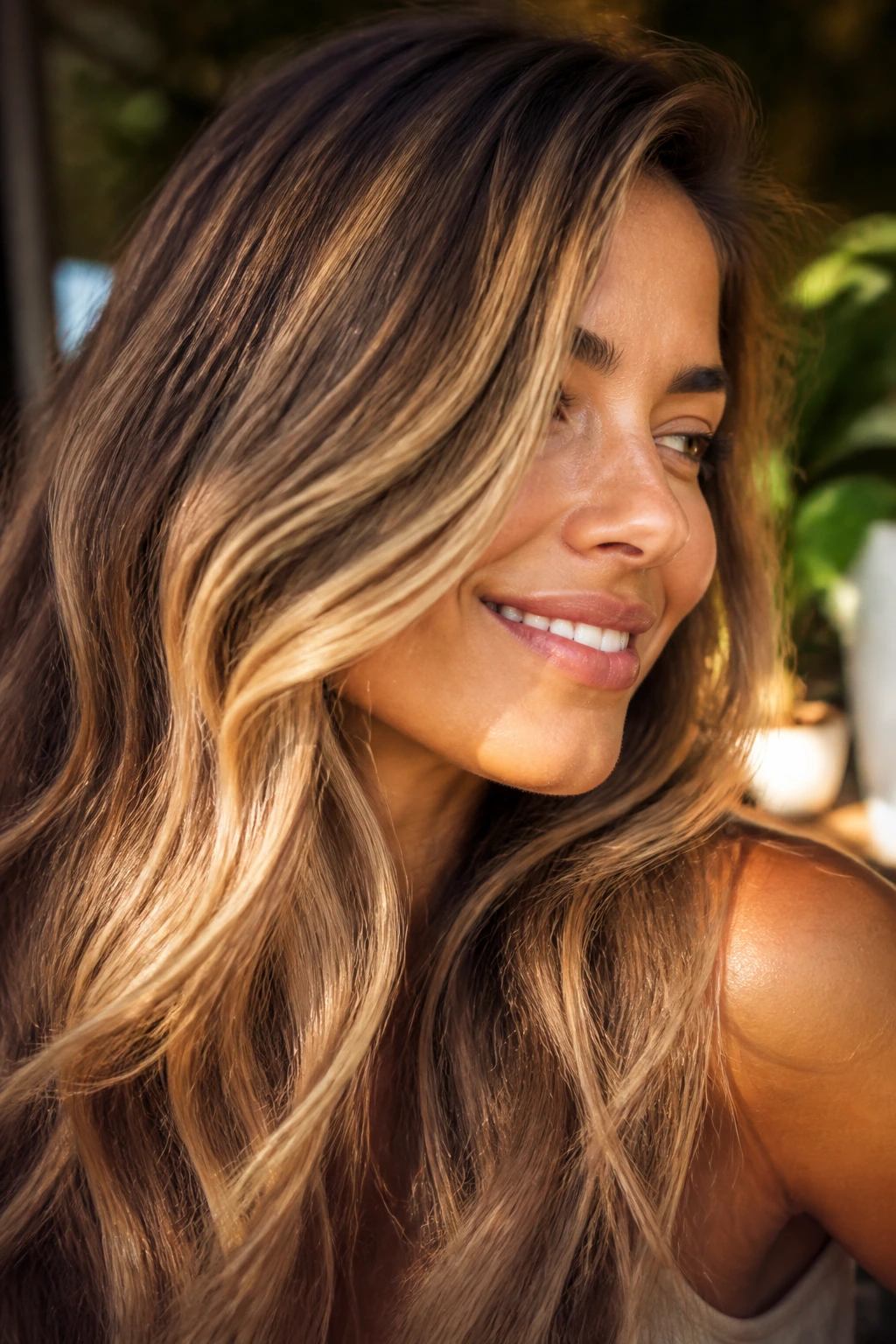
Bronde slices are thicker, more visible sections of color that live between brown and blonde. On warm skin, the appeal is obvious: you get lift and shine, but the base stays deep enough to keep the hair looking rich. The word “slice” matters here. These are wider panels than babylights, so they show up more boldly when the hair moves.
I reach for this idea on thick hair, layered cuts, and anyone who wants contrast without a full blonde commitment. A few well-placed slices can make a blunt cut look less static. They also photograph well in real life because the color shows up from across the room, not just under bathroom lighting.
Best for: thick hair, straight styles, and people who like visible dimension.
Keep in mind: slices need clean placement. Too many of them and the hair starts looking striped.
9. Apricot Champagne Ribbons
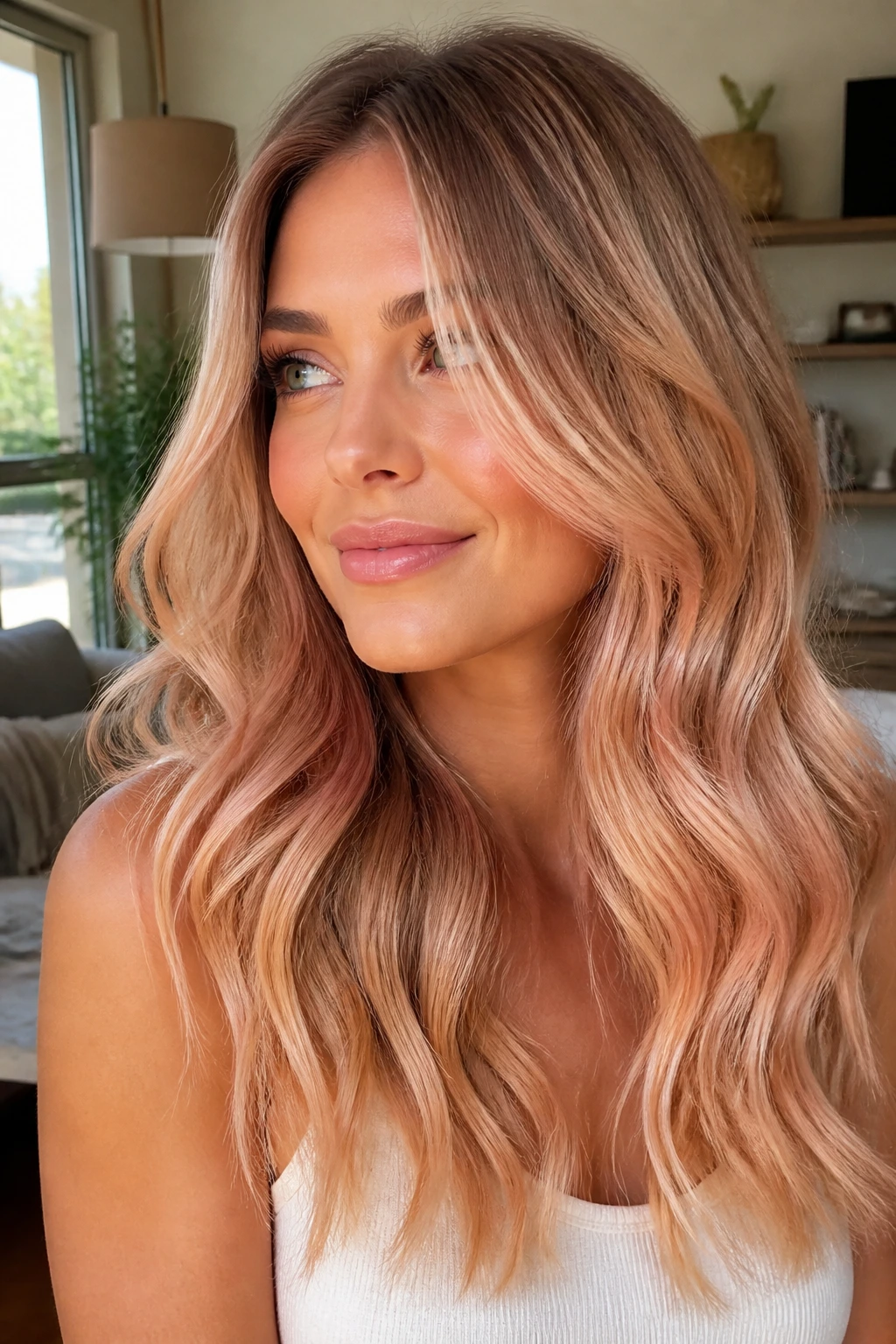
Apricot champagne is warmer than classic champagne blonde, and that little bit of peach does a lot of work on golden and peachy skin. The ribbons feel luminous, but there’s a soft blush-gold note in them that keeps the color from drifting cold. It’s one of the prettiest choices if you want blonde that still feels warm and a little fresh.
This is a flattering option on medium bases that can lift well but don’t need to go near platinum. The ribbons can sit midshaft to ends, or closer to the face if you want more brightness around the front. Either way, the apricot note gives the hair a softer edge than pure yellow-gold.
Best for: medium brown to dark blonde hair, especially with peach or golden undertones.
Styling note: a soft wave shows off the peach-gold variation better than a stiff, straight finish.
10. Chestnut Honey Swirl
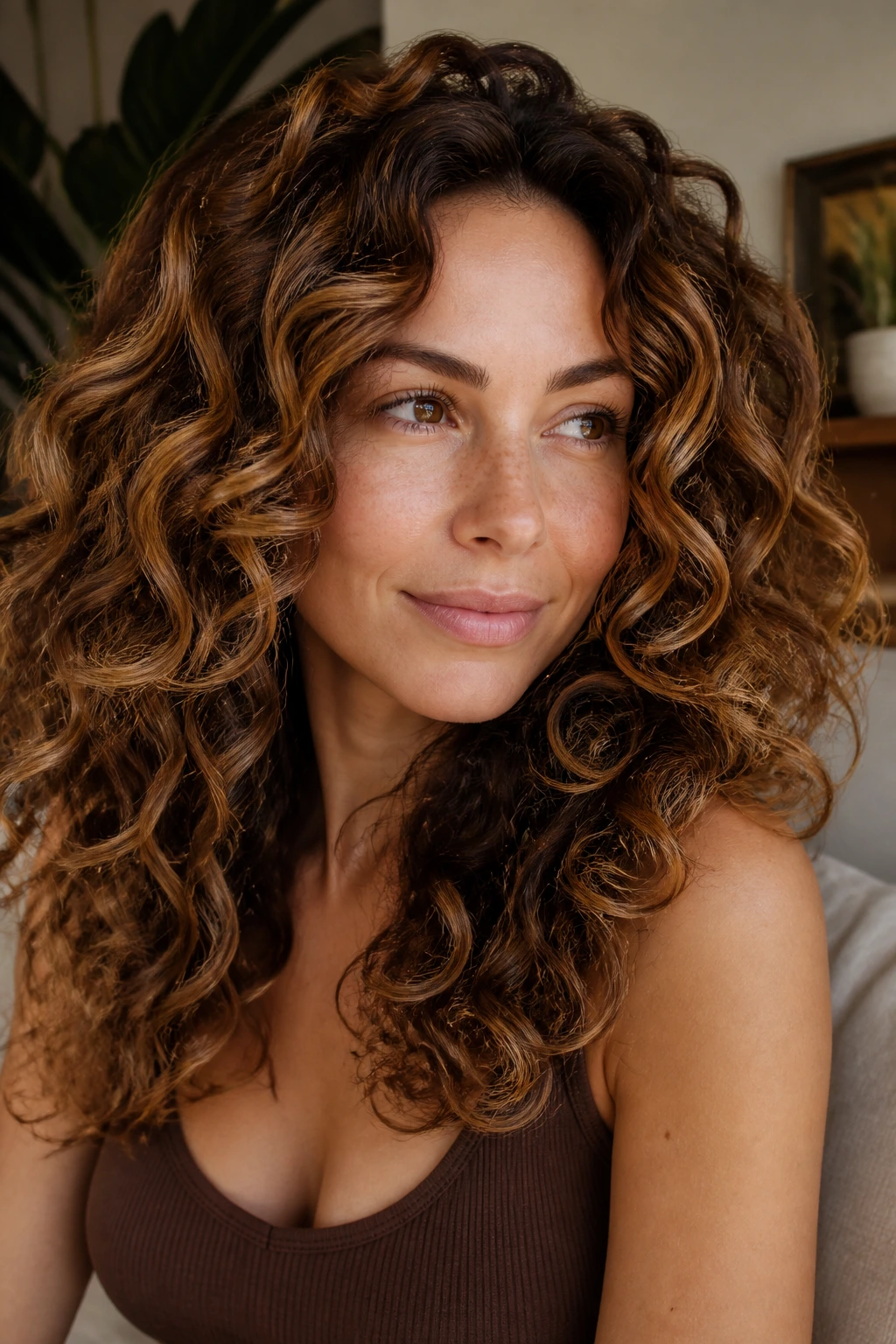
Chestnut honey swirl is one of those looks that makes brunette hair feel expensive without trying too hard. The base stays chestnut and rich, then honey accents are woven through in a way that looks like they’re circling the cut, not sitting on top of it. On warm skin, that chestnut-and-honey mix makes the face look more awake.
This works especially well on curls and waves because the highlights move across the curl pattern. The honey catches on the raised parts of the hair, and the chestnut stays tucked in the shadows. That contrast is what keeps the color from going flat. If you want warmth without losing depth, this one earns its place.
Best for: curl patterns, layered cuts, and brunettes who want soft dimension.
A small caution: if the honey pieces are too yellow, the whole swirl loses that rich chestnut look.
11. Biscotti Blonde Balayage
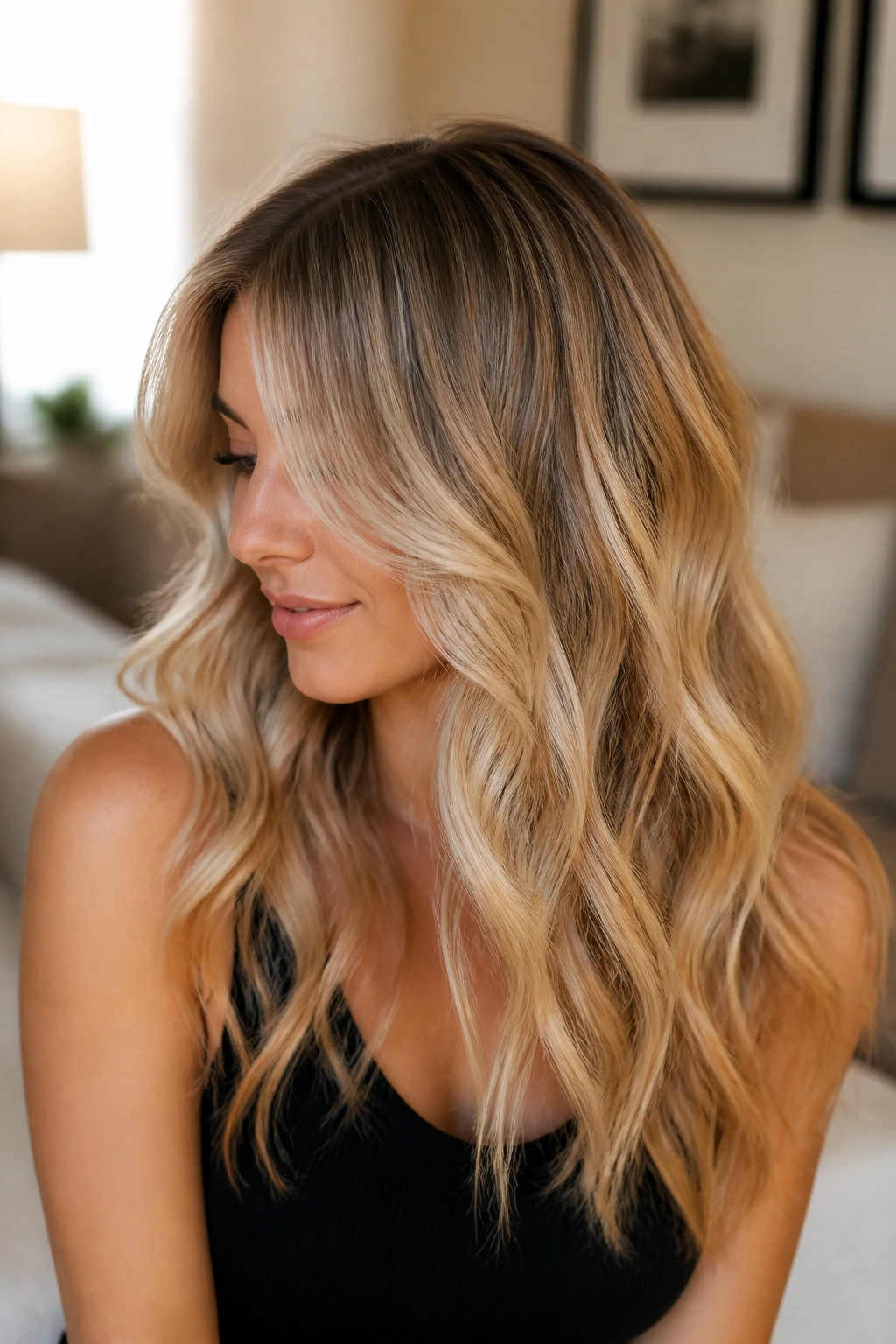
Biscotti blonde sits in the creamy, beige-gold space that warm skin tends to love. It’s lighter than brunette, softer than pale blonde, and creamy enough to avoid the flatness that can happen when a highlight is too neutral. The effect feels gentle, almost baked-in, which suits lived-in color beautifully.
This is a smart middle ground for people who want to move toward blonde without diving into a dramatic change. The balayage keeps the lift painted and irregular, so it doesn’t look like a helmet of color. Instead, the hair looks like it has depth from root to tip. That’s the whole charm.
Best for: medium brunettes, first-timers, and anyone who wants a wearable blonde that grows out quietly.
Ask for: beige-gold toner with enough warmth to keep the color from turning chalky.
12. Maple Glaze Highlights
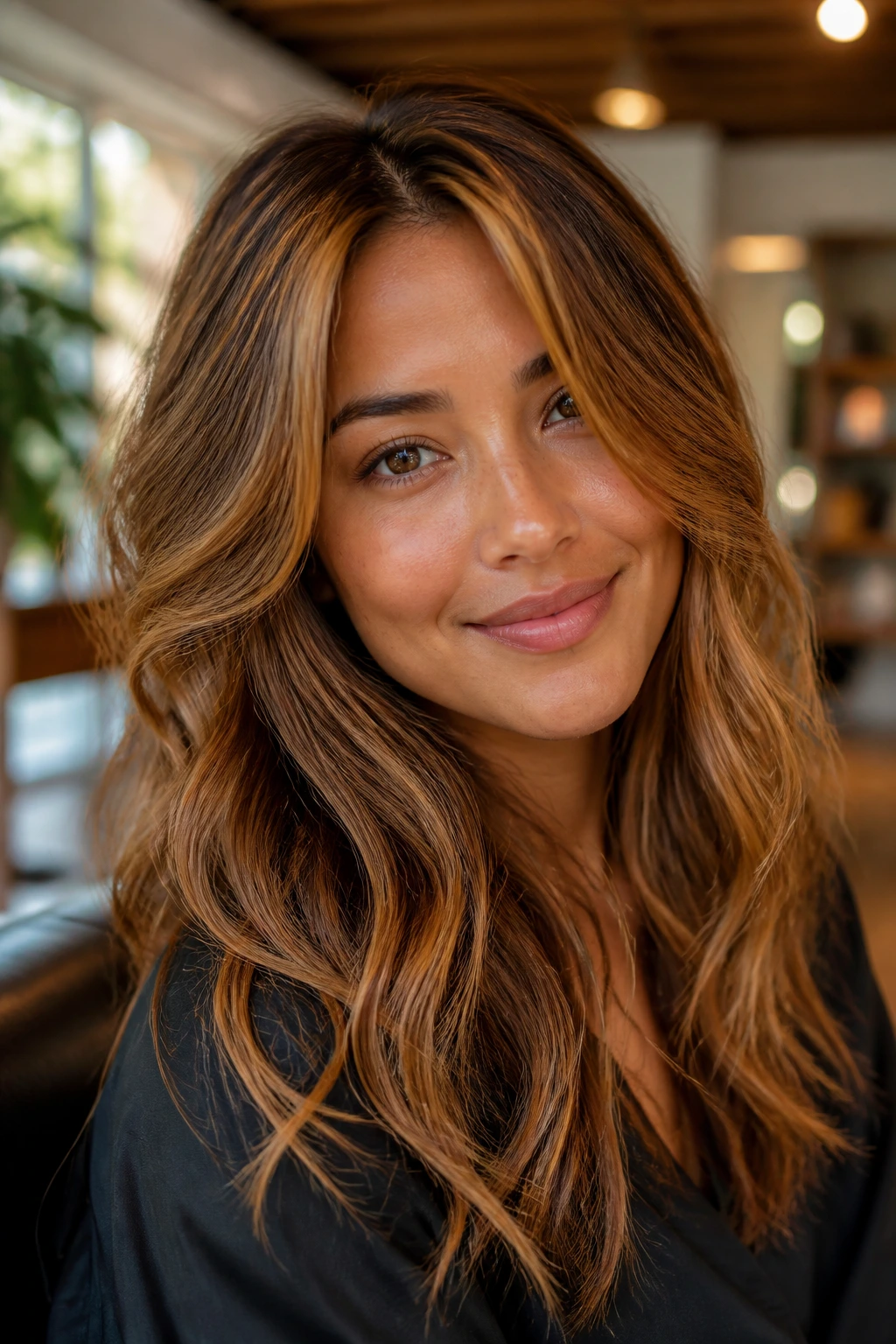
Maple glaze highlights bring in a richer, deeper warmth than classic honey. Think golden brown with a faint amber pull, not coppery red and not beige ash. On deeper warm skin tones, that matters. The hair and skin can share the same warmth without the color screaming for attention.
This style is good when you want the blonde family to feel a little darker and a little more autumnal, even though the look itself is evergreen. Maple glaze keeps the shine high and the contrast moderate. It’s especially flattering on layered cuts because the color catches differently on each layer, which gives the hair a fuller feel.
Best for: deep brunettes, olive-golden skin, and hair that needs more shine than stark lift.
A note I like: this one gets better with glossing. A beige-gold glaze every few weeks keeps the maple note from fading into something dull.
13. Soft Wheat Veil
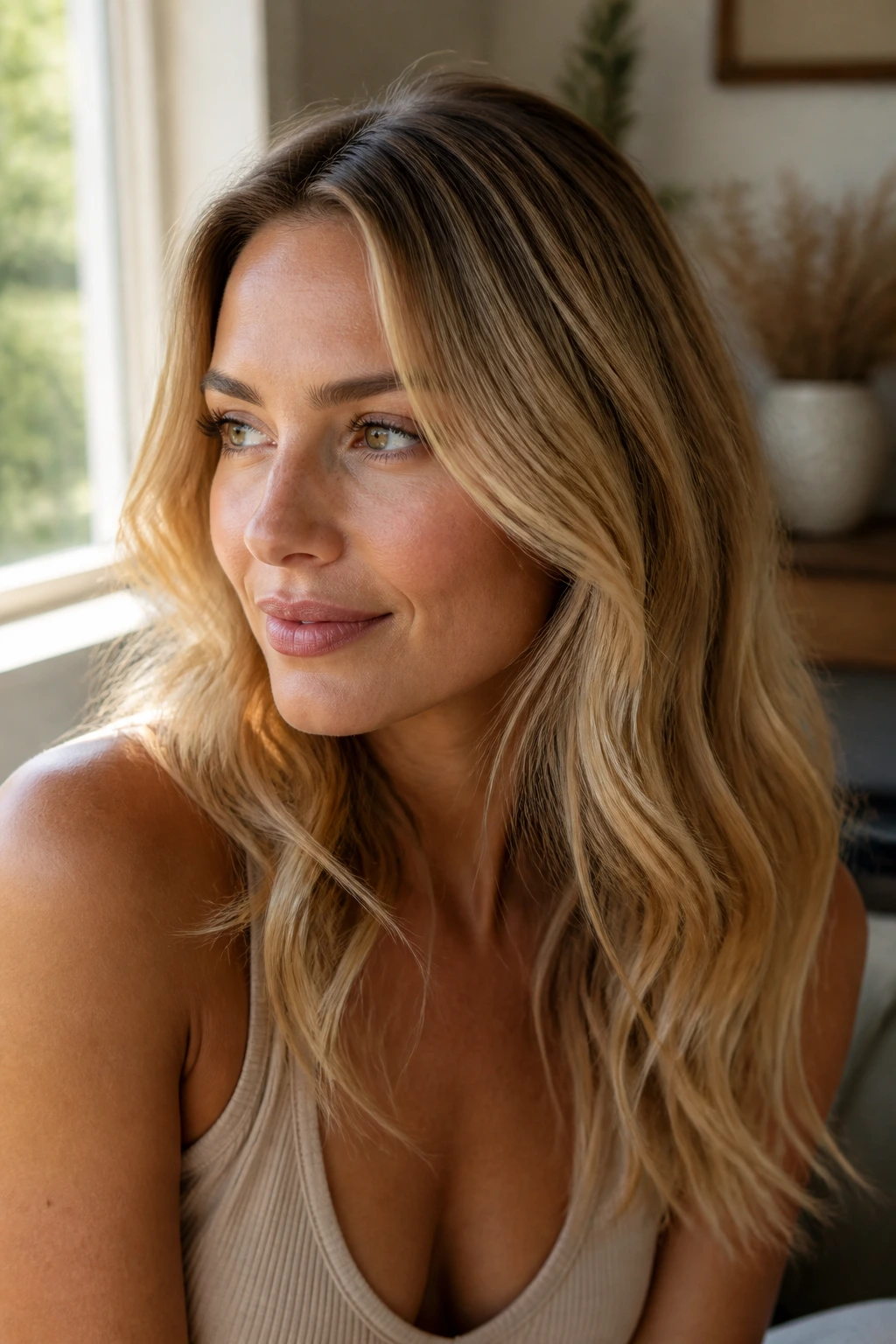
Soft wheat veil is the quiet blonde in the group. The highlight placement is light and airy, almost like a film over the top layer of the hair rather than a full set of visible streaks. The tone lands in soft wheat and pale gold, which makes it one of the easiest ways to brighten warm skin without making the color dominant.
This look is especially good if you want your hair to look lighter in sun and softer indoors. It doesn’t have the obvious drama of a money piece or the lift of foilyage. Instead, it reads as natural dimension. I’d call it a good choice for people who hate seeing their hair color before they see their haircut.
Best for: fine hair, subtle color lovers, and low-contrast styles.
Style tip: a bit of texture spray or a loose bend is enough. You do not want this one to look overdone.
14. Miel Blonde Layers
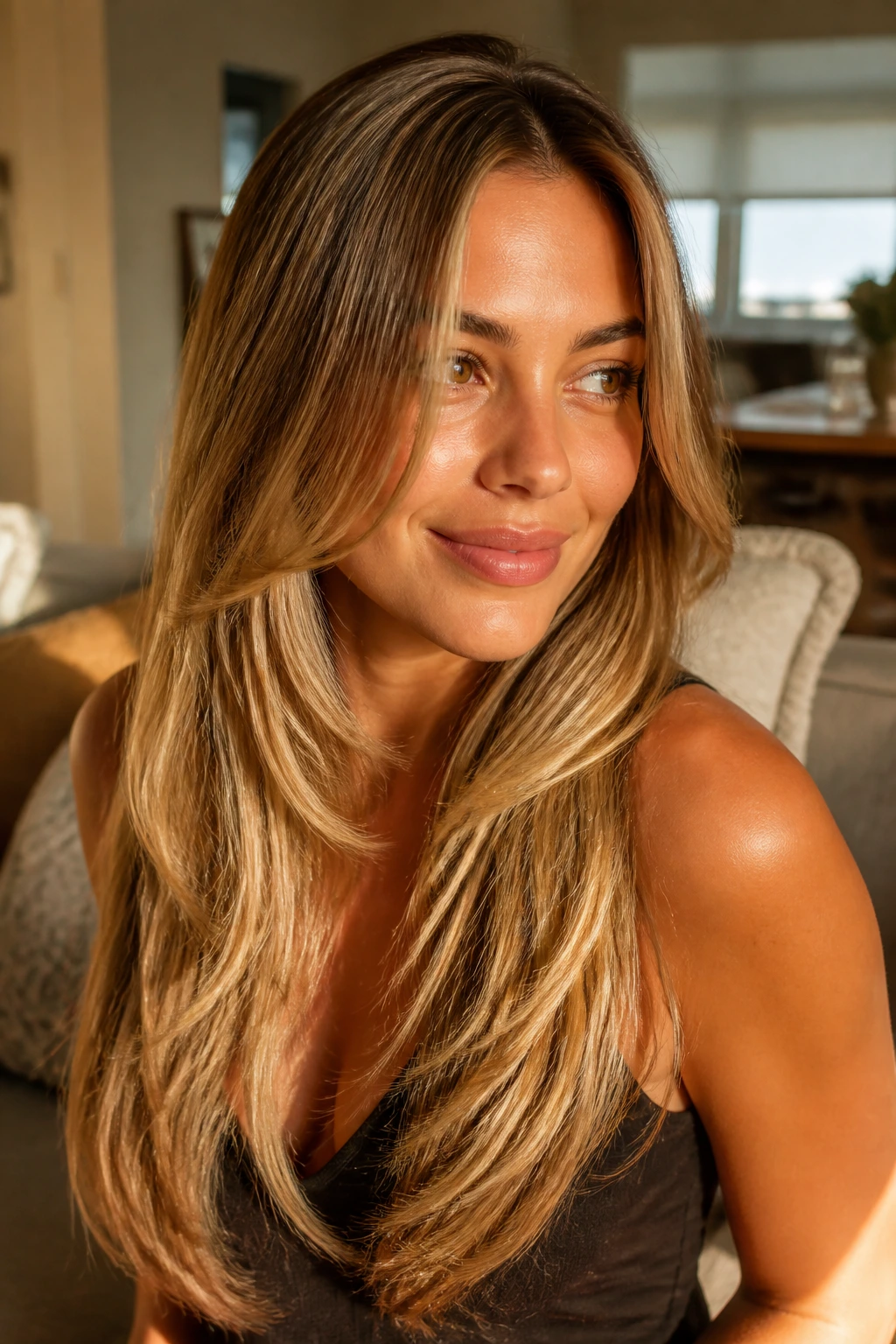
“Miel” is honey in French, and that’s exactly the mood here: honeyed blonde layered through long hair so the movement feels soft and fluid. This is not a blocky blonde. It’s built in layers, with lighter pieces showing at different depths as the hair swings or falls over the shoulders.
Warm skin tends to look very good with this kind of layered honey because the tone stays rich from root to end. The color gives the hair a sun-warmed feel, especially when the cut has long face-framing pieces. Straight styles show the shape, but waves show the color best.
Best for: long layers, blowouts, and people who want visible warmth without a hard contrast line.
My opinion: this is one of the easiest blonde ideas to live with, because it grows out in a way that still looks intentional.
15. Buttercream Face-Framing Pieces
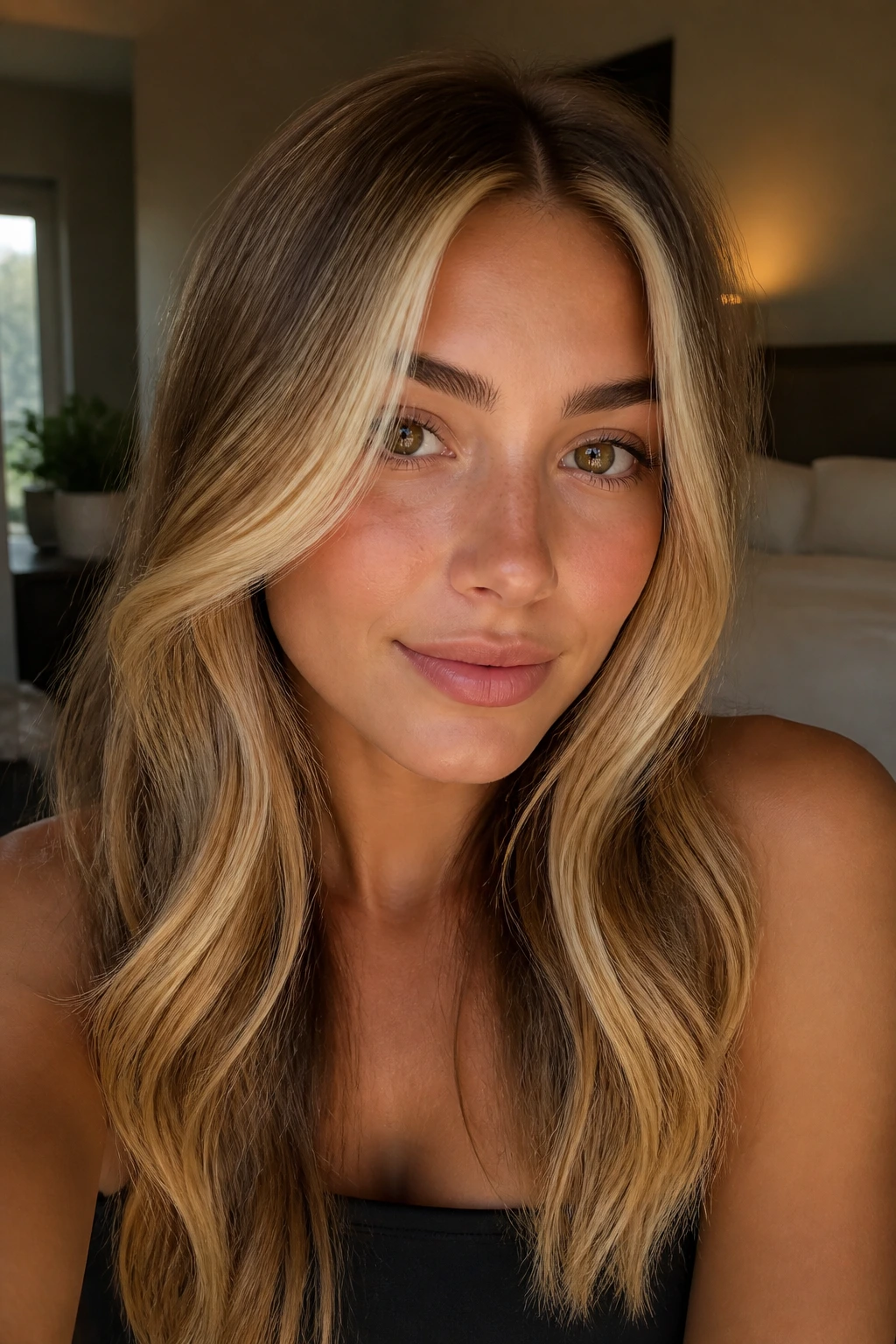
Buttercream face-framing pieces are brighter than honey ribbons and softer than platinum, which puts them in a very usable middle spot. The goal is to brighten the front of the hair so the face gets a soft halo of light. On warm skin, that buttercream tone keeps the look creamy instead of stark.
This works especially well with curtain bangs, long layers, or a center part. The pieces around the face should be the brightest part, with the rest of the color staying a little deeper. That balance keeps the blonde from taking over. It also gives the cut a more deliberate shape.
Best for: people who want the front to pop but don’t want to lighten the entire head.
Salon detail: keep the front pieces slightly thicker near the hairline and a touch softer as they move back. It stops the look from feeling like two white stripes.
16. Copper-Kissed Blonde Strands
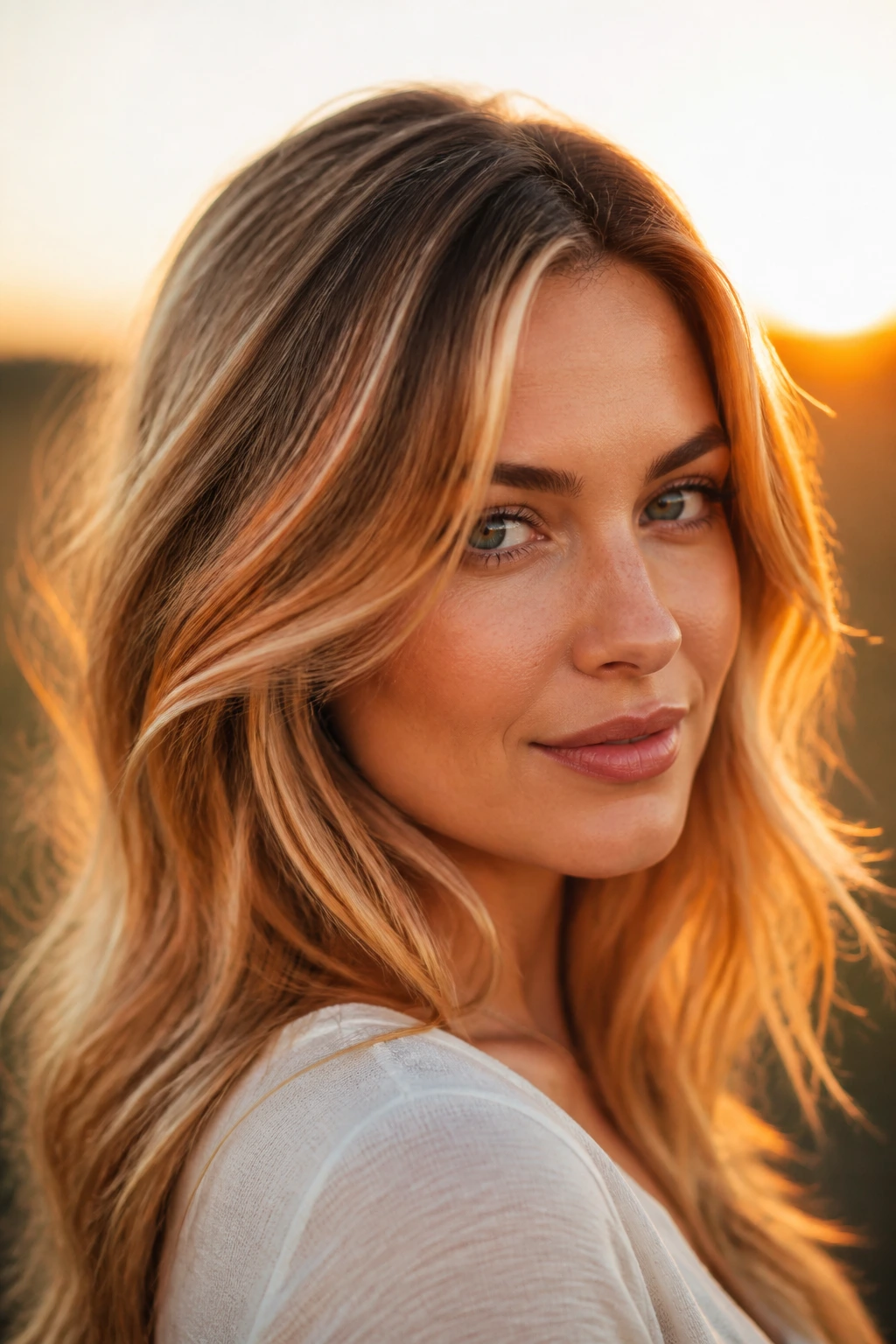
Copper-kissed blonde is for warm skin that can handle a little extra glow. The strands are blonde first, but they carry a faint copper-gold cast that makes them feel sunnier and deeper than a neutral beige blonde. The color can be subtle or more noticeable depending on how much warmth the toner holds.
This is a lovely choice if your complexion has freckles, a golden cast, or a bit of peach in it. The copper note ties the hair and skin together in a way that cooler blondes often don’t. It also looks good on textured hair, where the warm strands catch light on the curl pattern.
Best for: warm brunettes, copper lovers, and anyone who wants a little sparkle without going red.
Watch this: too much copper can overpower the blonde. The sweet spot is a kiss, not a full blaze.
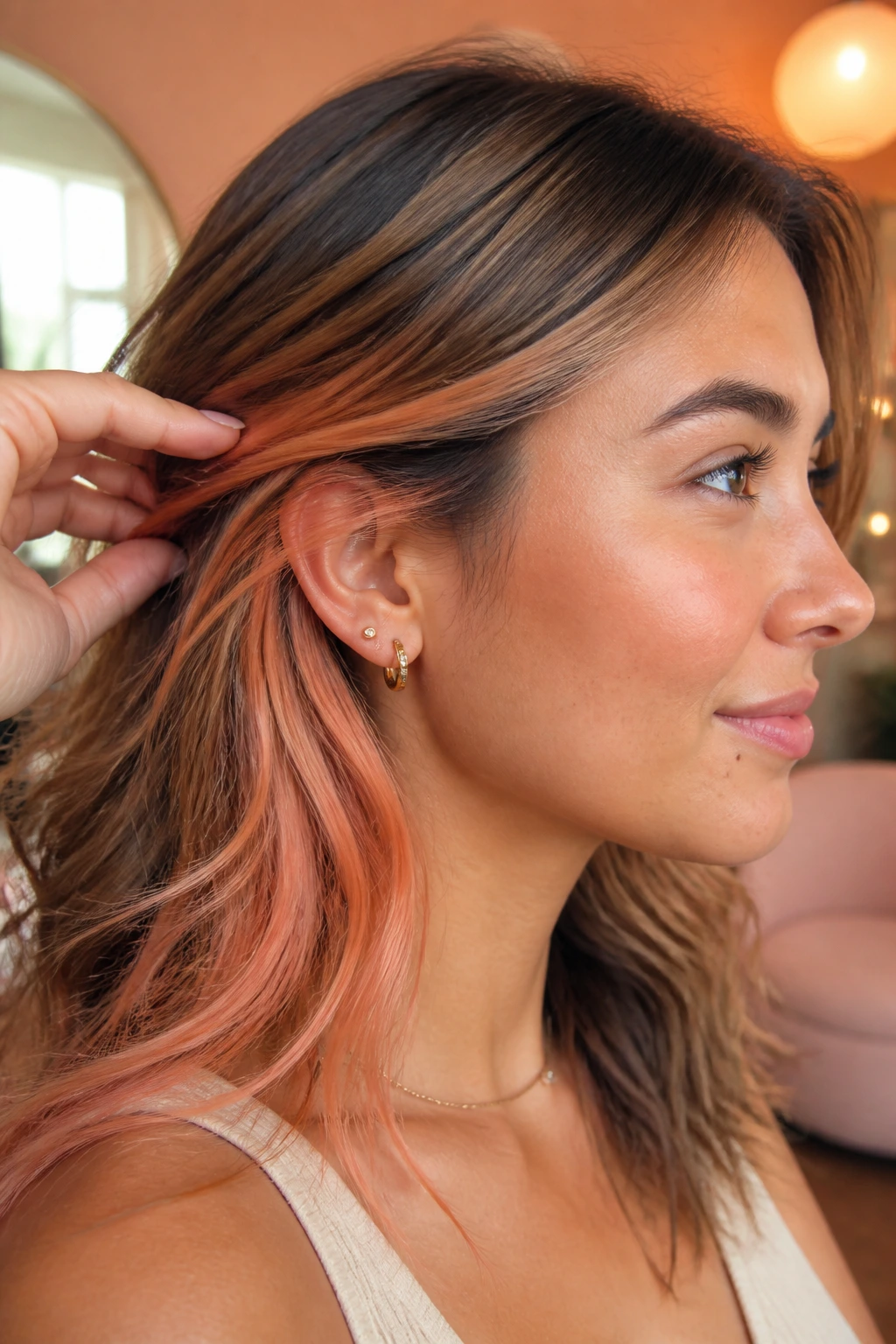
17. Peach Gold Peekaboo Highlights
Peekaboo highlights live under the top layer of the hair, so they show when the hair moves or is tucked behind the ears. In peach gold, they’re playful without being loud. Warm skin gives them a natural home because the color sits in the same glowing family as the complexion.
This look is fun on layered cuts, lobs, and curls. The hidden placement means you can wear the color in a quiet way at work and let it show more when you style your hair out. That little surprise is what makes peekaboo color so addictive. It feels private until you want it to be seen.
Best for: people who want color that can hide or show depending on styling.
Style note: the underside has to be lifted enough to be visible. A too-dark peekaboo highlight just disappears.
18. Warm Vanilla Root Shadow Blonde
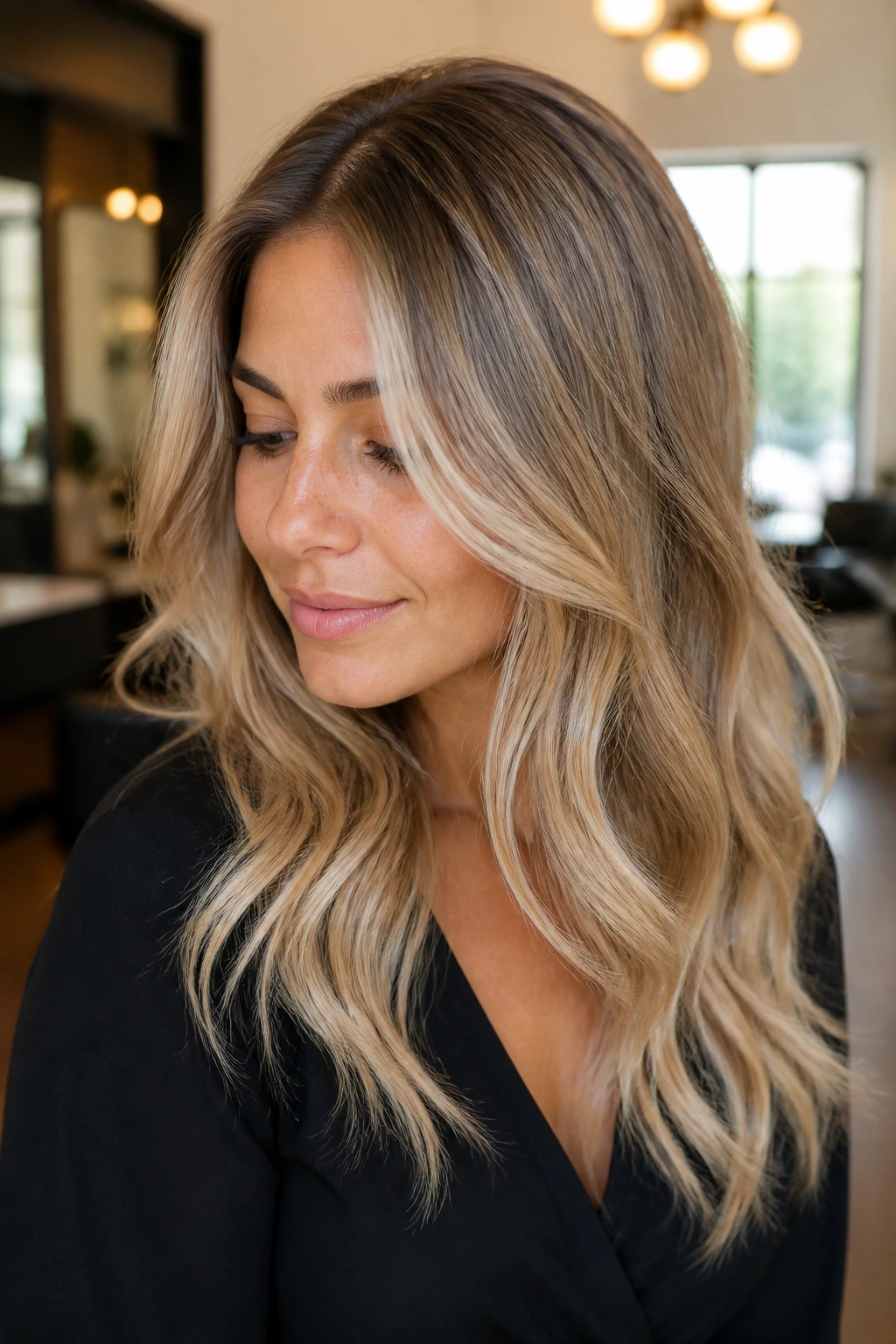
Root shadow blonde is one of the smartest ways to wear lighter color on warm skin. The roots stay slightly deeper, then the color moves into warm vanilla through the mids and ends. That shadow at the scalp gives the blonde room to breathe, and it keeps regrowth from looking harsh.
Warm vanilla is the important part. If the blonde goes too pale or too pearl-toned, the whole effect turns cold. Kept soft and creamy, it brightens the face while staying wearable. I like this on people who want a lighter look but do not want to sit in the salon every few weeks chasing a perfect line.
Best for: low-maintenance blondes, brunettes, and grown-out color lovers.
Practical win: root shadow makes the grow-out look more like design and less like neglect. That’s the difference.
19. Gold-Dipped Ends
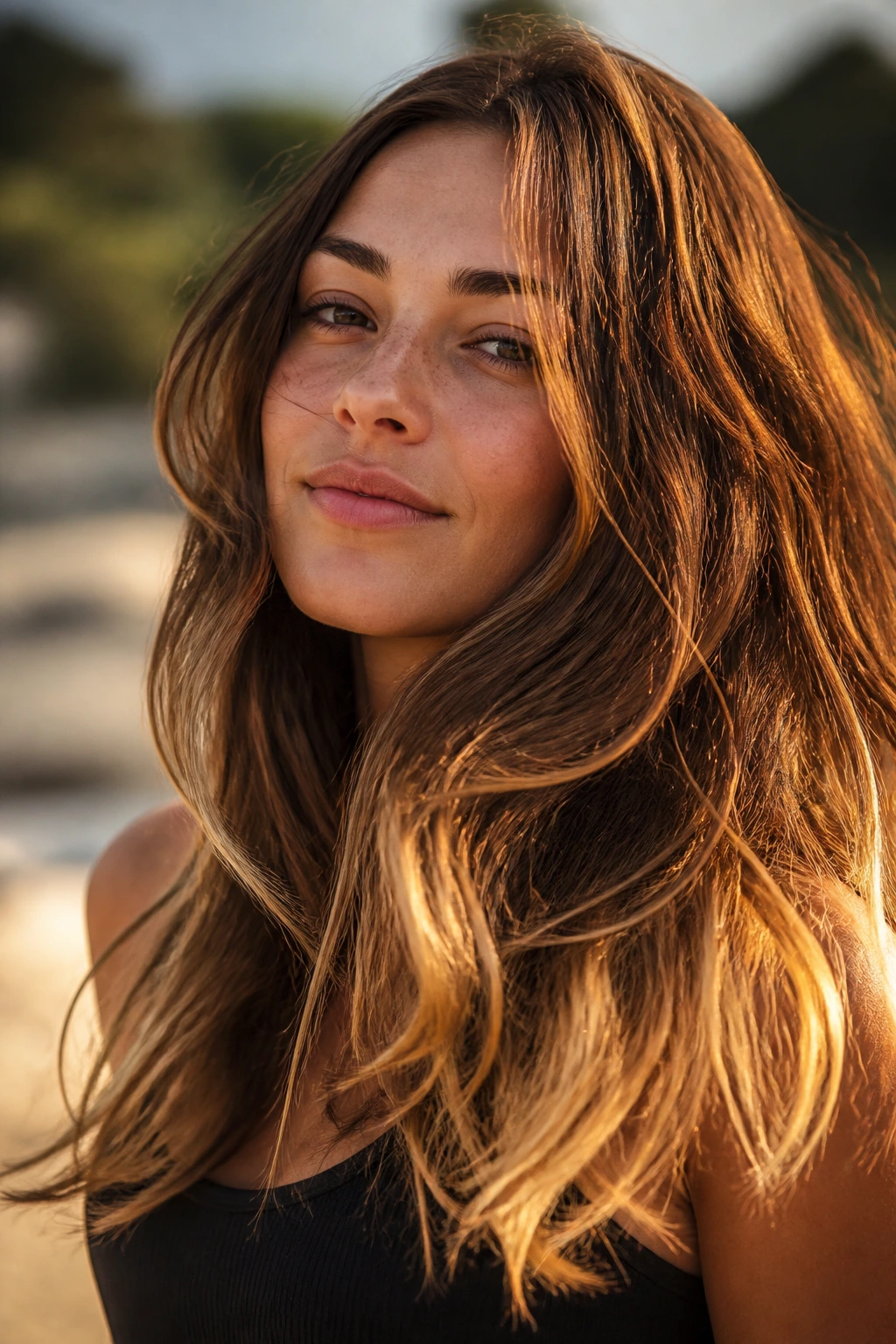
Gold-dipped ends push the brightness to the very bottom of the hair, leaving the upper lengths deeper and richer. It creates a dipped effect, but softer and more modern than the old heavy ombré people remember from years back. On warm skin, those gold ends bring the eye downward and give the whole style a sun-struck finish.
This works especially well on long hair because the ends have enough length to show the color. On a lob or a bob, the effect can be too compressed unless the highlight is very carefully placed. The deeper top half keeps the color from reading flat, and the gold at the tips gives the hair motion.
Best for: long, layered hair and people who like a little edge.
Tip: pair it with soft waves. Straight hair can make the dip feel sharper than intended.
20. Saffron Glow Highlights
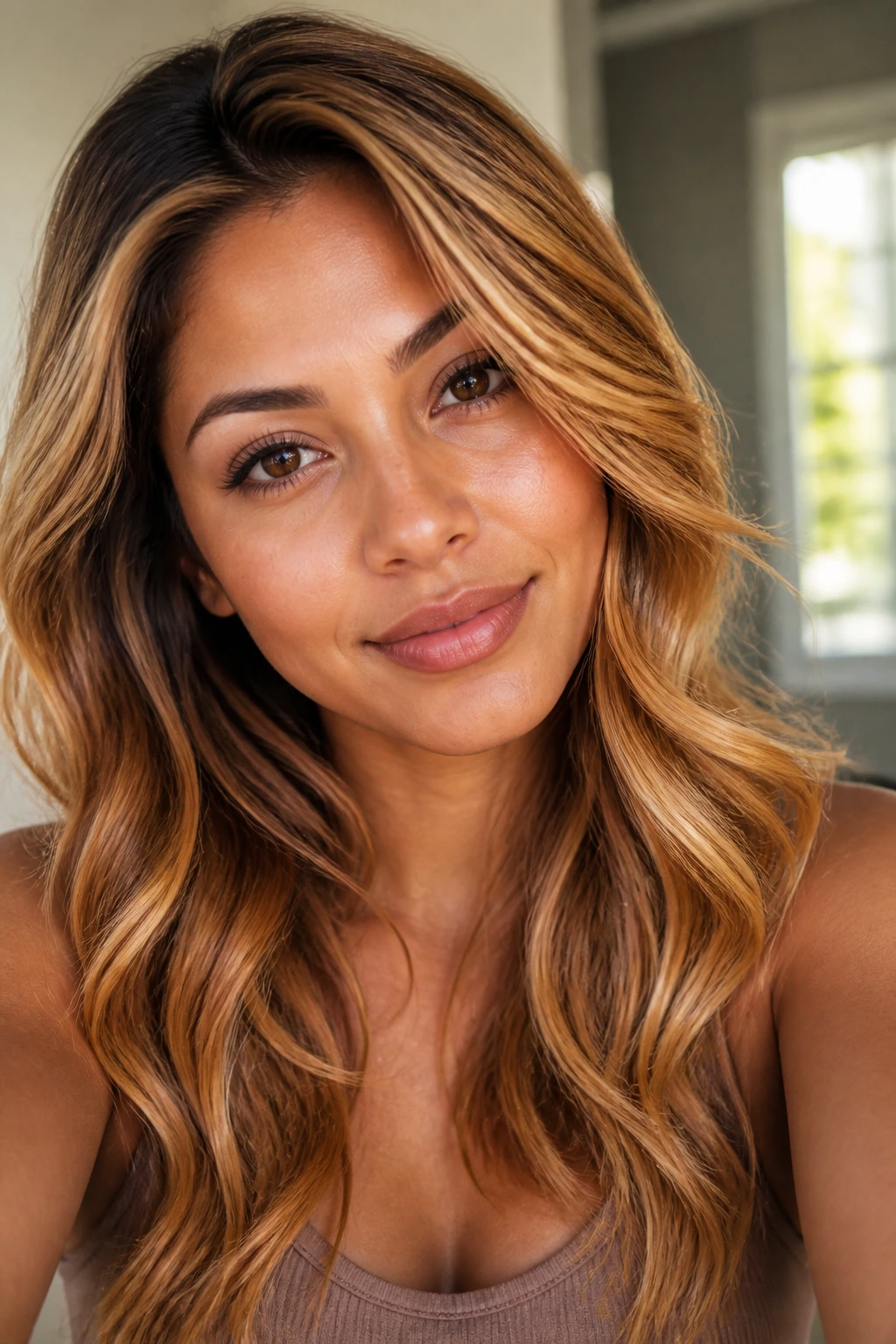
Saffron glow highlights sit in the golden-yellow family, but with more depth than a standard sunny blonde. Saffron is a spice tone, so the color feels warm, fragrant, and a little richer than basic gold. That warmth can look very good on skin with a golden or olive cast.
This is not the blonde for somebody chasing icy brightness. It’s for somebody who wants the hair to look alive in indoor light and even better in natural light. The glow comes from tone, not just lift. That’s why it flatters warm skin so well: it joins the complexion instead of competing with it.
Best for: olive-golden undertones, darker bases, and people who like a richer blonde lane.
A tiny detail: use a gloss with gold warmth, not a cool beige that swallows the saffron effect.
21. Toasted Coconut Blonde
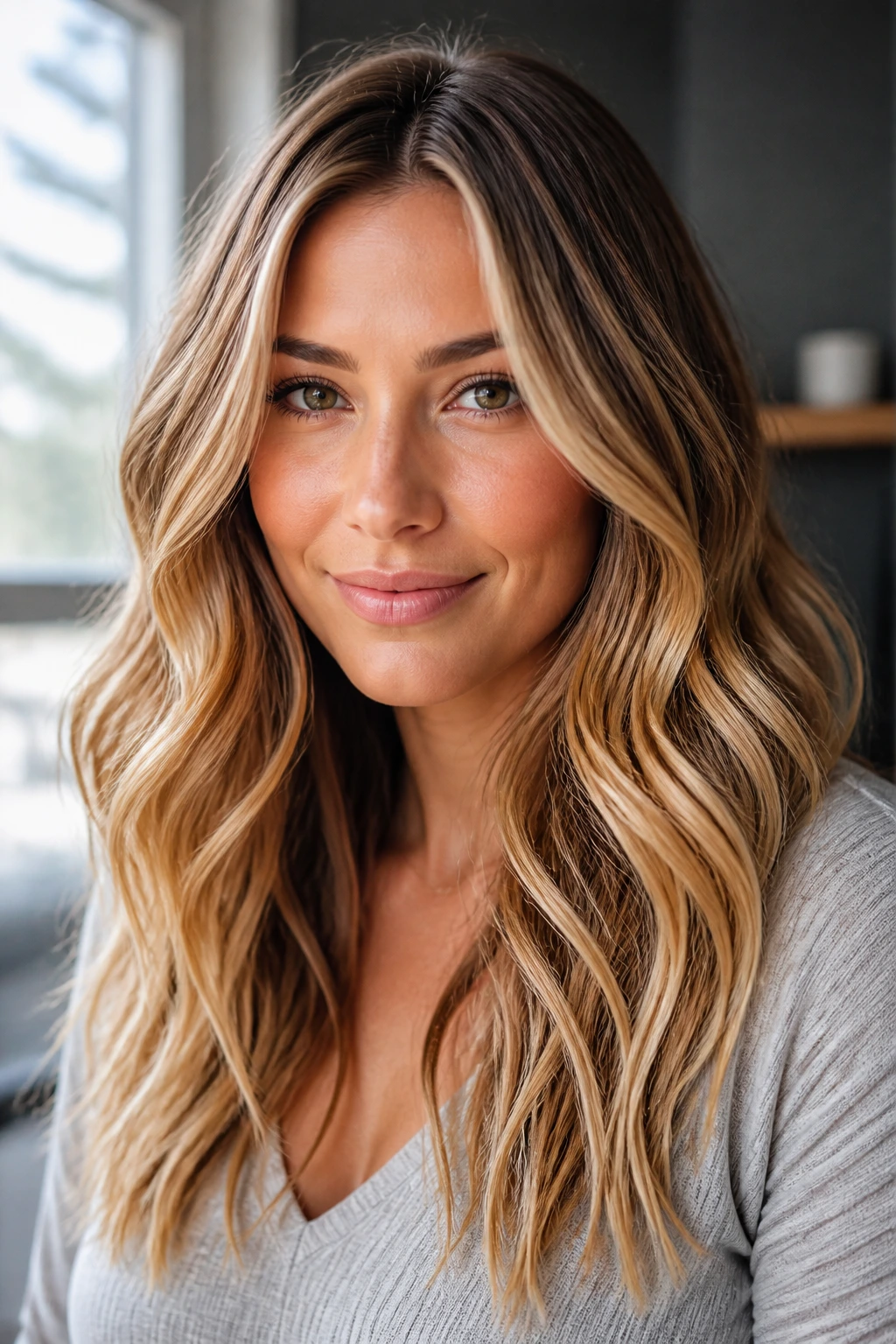
Toasted coconut blonde sounds beachy, but the better version is more refined than a vacation cliché. The roots stay a little deeper, the mids turn beige-gold, and the ends open up to a softer blonde that still feels warm. It’s a useful choice when you want brightness but not the flatness that can come from going too pale.
This is one of those color ideas that looks easy until you do it badly. The toasted part matters. It keeps the base grounded, so the blonde feels like an extension of the hair instead of an overlay. On warm skin, that depth keeps the complexion from washing out.
Best for: medium-to-dark brunettes who want lightness with a grounded root.
Style it with: loose bends or a smooth blowout. Texture makes the toasted dimension easier to read.
22. Cinnamon Toffee Dimension
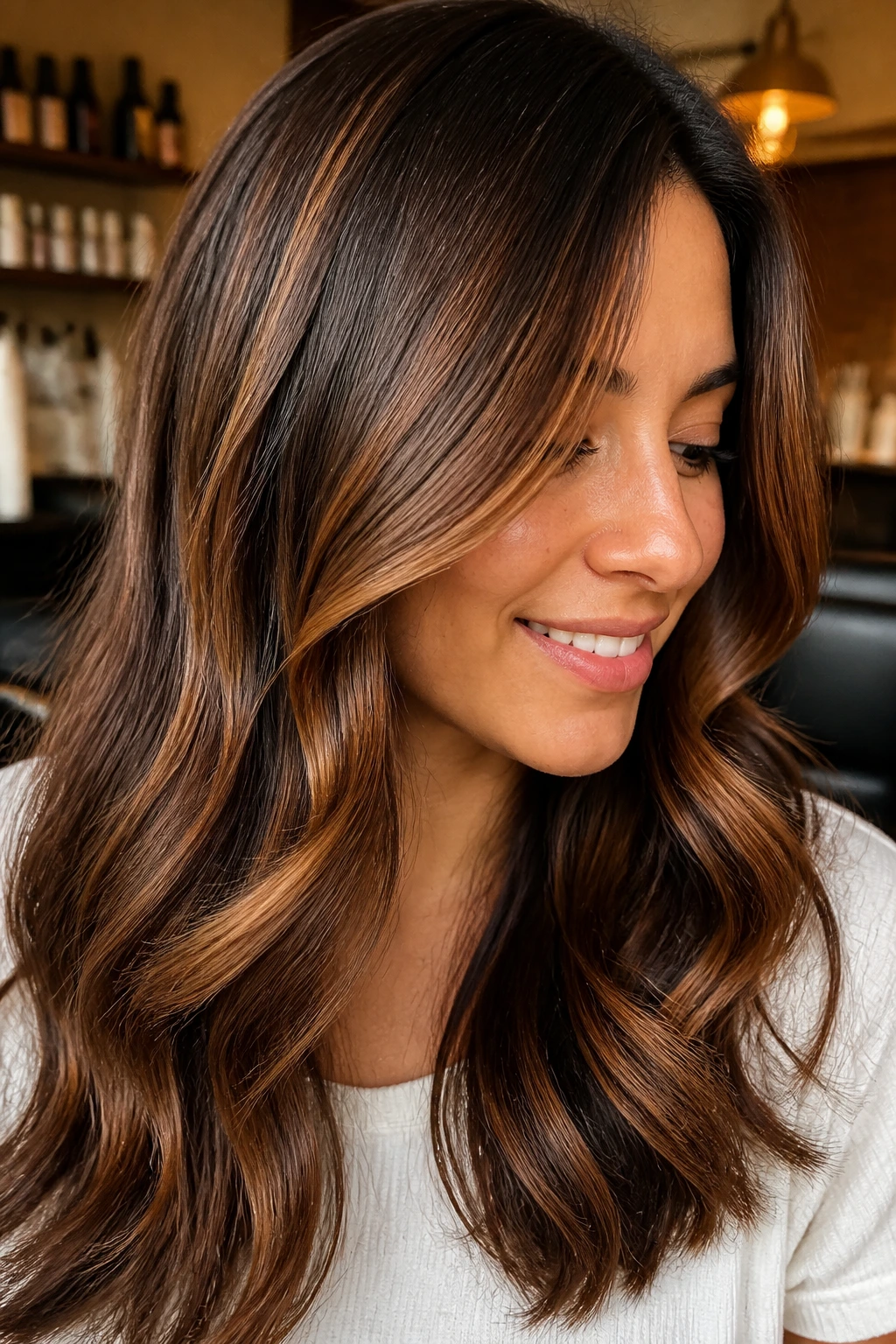
Cinnamon toffee dimension brings a little more spice into the highlight family. The blonde pieces lean warm and toasty, with enough caramel-brown around them to keep the color deep. The result is rich, not sugary. That distinction matters, especially on warm skin, where overly pale blonde can look disconnected.
I like this on layered brunette hair because it gives the cut movement without making the whole head lighter. The cinnamon note adds depth, while the toffee keeps things glossy. If honey blonde feels too light and chestnut feels too dark, this is a strong middle path.
Best for: brunettes who like warm, dimensional color with some edge.
Salon note: ask for lowlights as well as highlights. The darker pieces make the warm blonde look cleaner.
23. Gilded Curly Halo
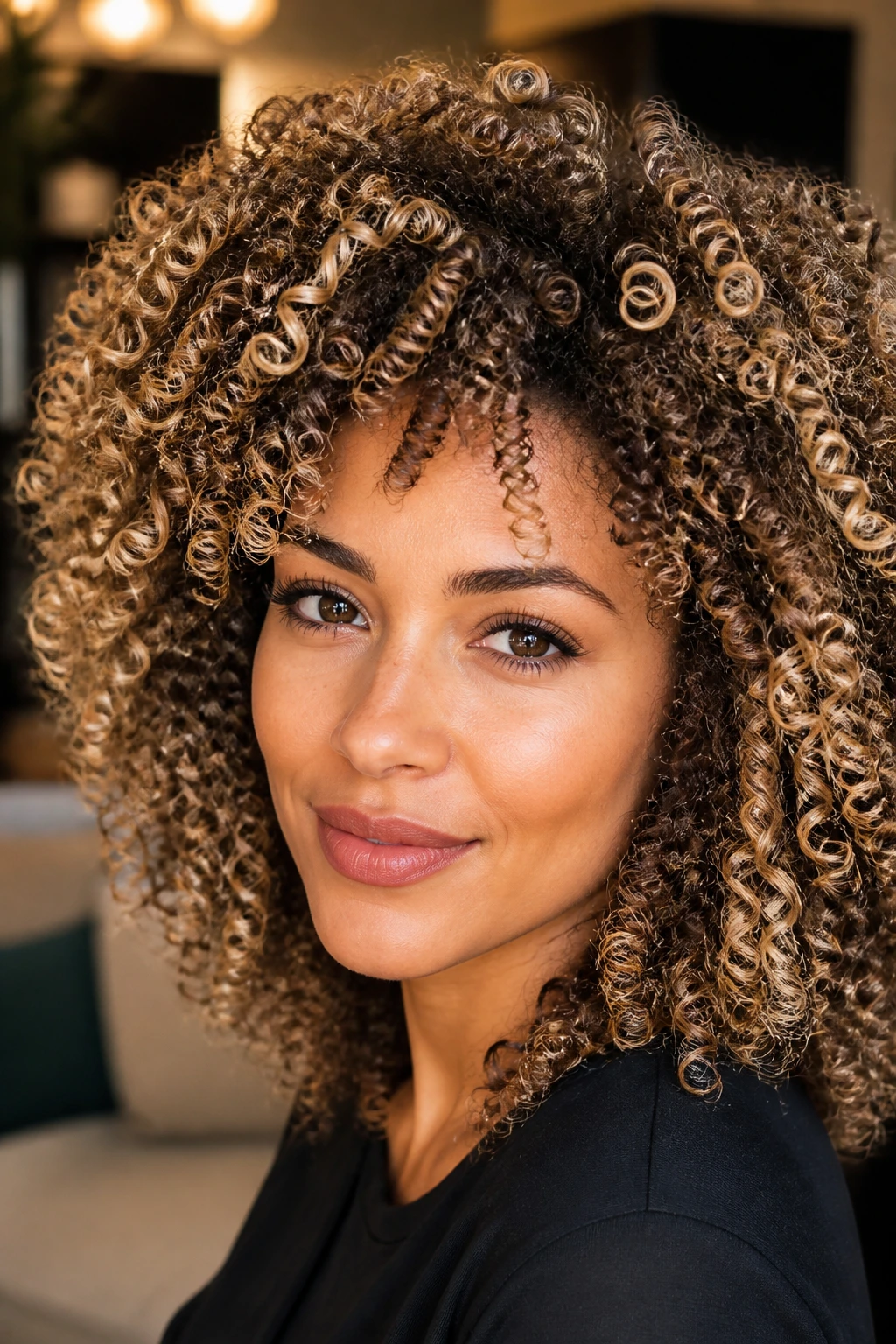
Curly hair deserves its own highlight plan, and the gilded halo is one of the best. Instead of coloring every section evenly, the lighter pieces are placed where curls naturally lift around the crown, hairline, and outer layers. The effect is a soft halo of gold that looks alive when the curls move.
Warm skin tends to love this because the curl pattern catches light in broken, flattering ways. The gilded tone should be gold-beige or honey, not pale silver. Curly hair already gives you plenty of texture; the highlight just needs to trace the shape. Overdoing it flattens the pattern.
Best for: curls, coils, and anyone who wears their hair natural most days.
Pro move: place the brightest pieces where the curls frame the face, not only on the outermost surface.
24. Desert Bronze Blonde
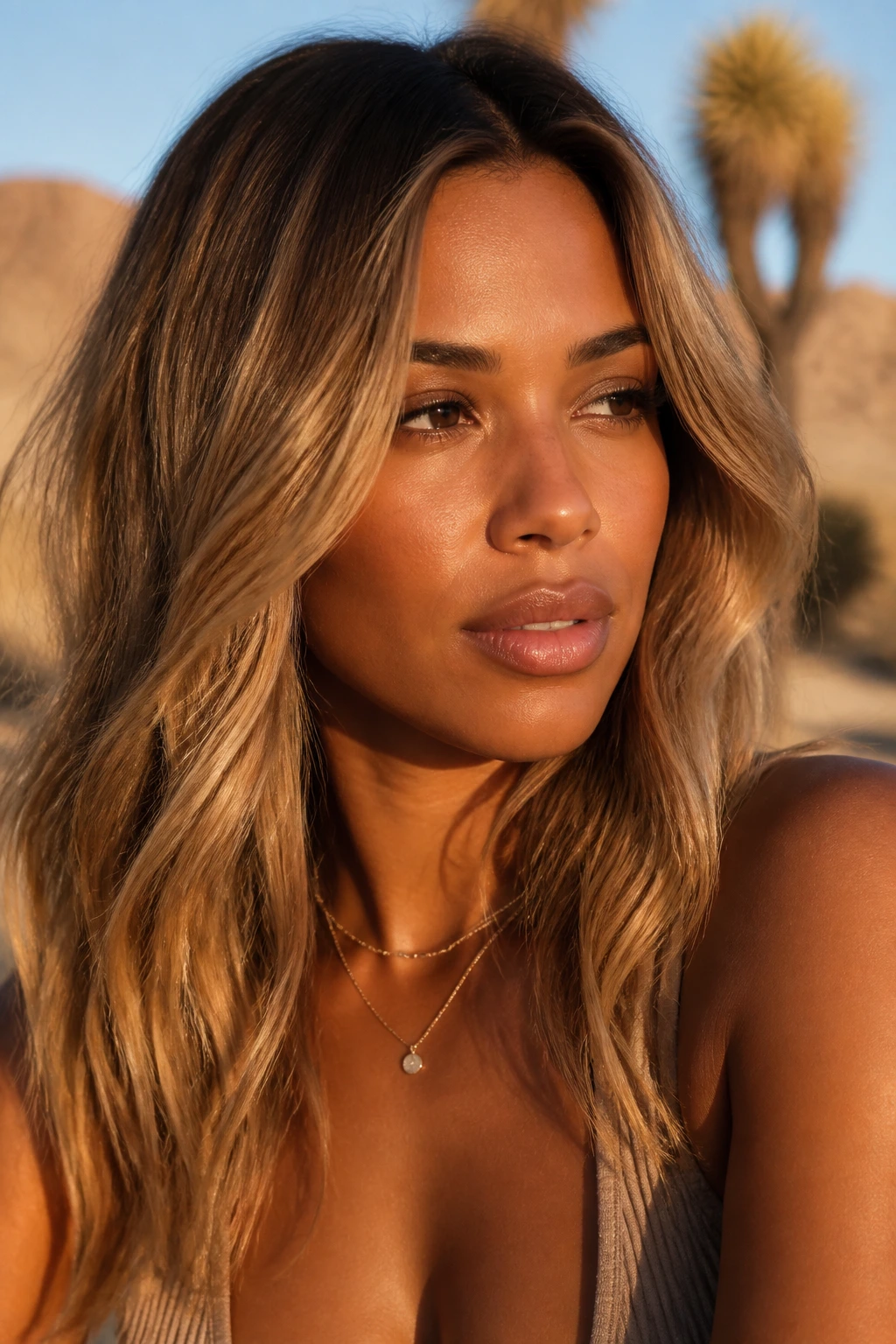
Desert bronze blonde is a deeper, sun-baked take on blonde highlights. It sits closer to bronze than pale blonde, which makes it especially good for deeper warm skin tones. The highlight effect is still there, but it feels earthy and polished rather than bright and airy.
This is one of the most underrated choices in the whole lineup. People often assume blonde has to be light to count. It doesn’t. Bronze-blonde pieces can give the same movement, shine, and dimension while staying better aligned with richer skin tones. That’s often the more flattering lane anyway.
Best for: deep warm complexions, dark brunettes, and people who want subtle lightness.
What to ask for: bronze-gold ribbons with a soft beige finish, not red-orange stripes.
25. Peachy Beige Balayage
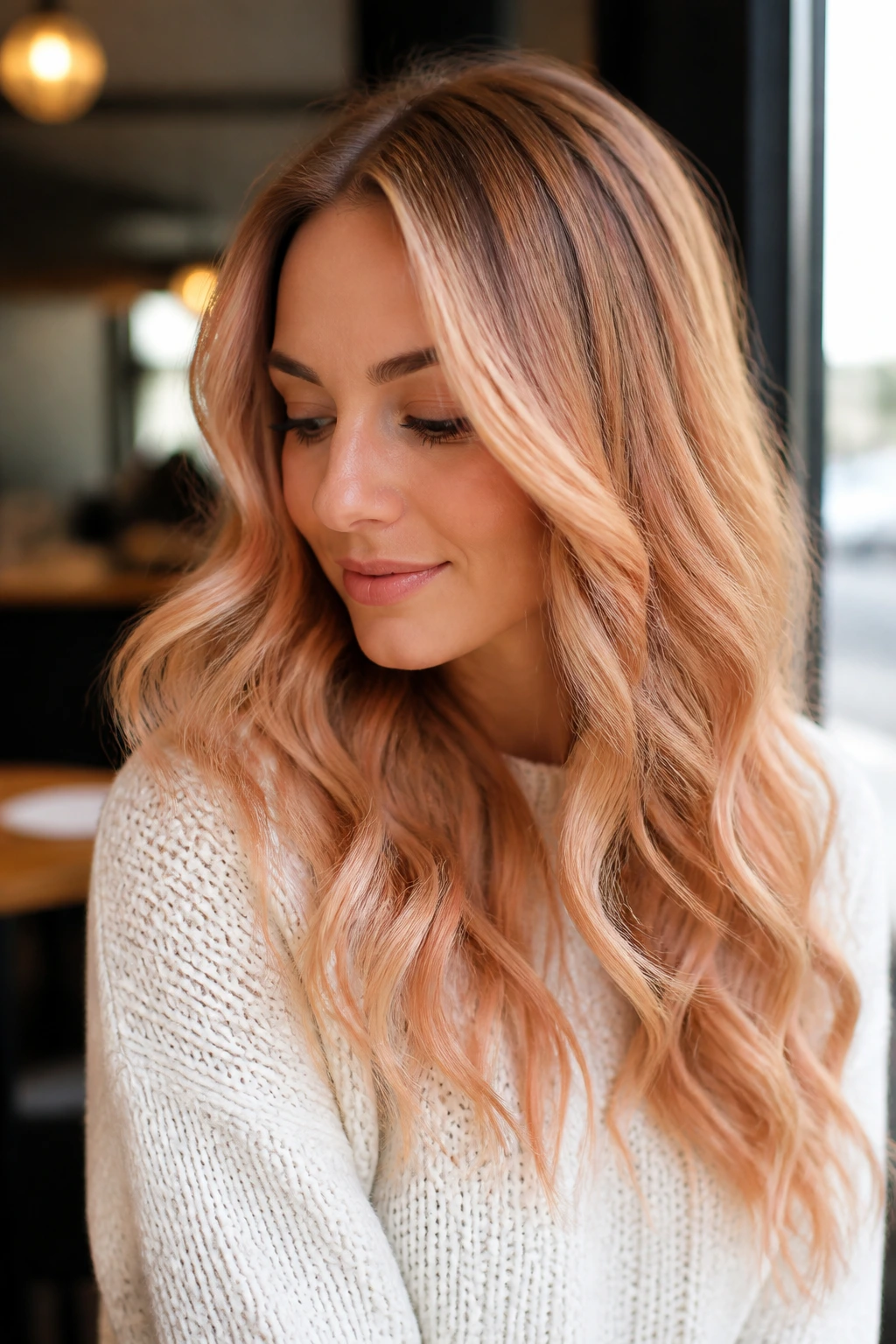
Peachy beige balayage sits right in the sweet spot between soft warmth and creamy lightness. The peach keeps the blonde from looking flat; the beige keeps it from tipping into orange. On warm skin, that combination looks smooth and fresh, especially if your undertone leans peach or golden.
This is a nice choice if you want a lighter blonde that still feels wearable in daylight. The balayage placement keeps the look blended through the mids and ends, so the hair doesn’t feel chopped up into little color blocks. I’d call it one of the easiest ways to wear a lighter warm blonde without losing softness.
Best for: medium bases, soft waves, and people who want a light but not icy result.
Style tip: a little shine spray on the ends makes the peach-beige tone look more expensive.
26. Melted Butter Blonde Money Pieces
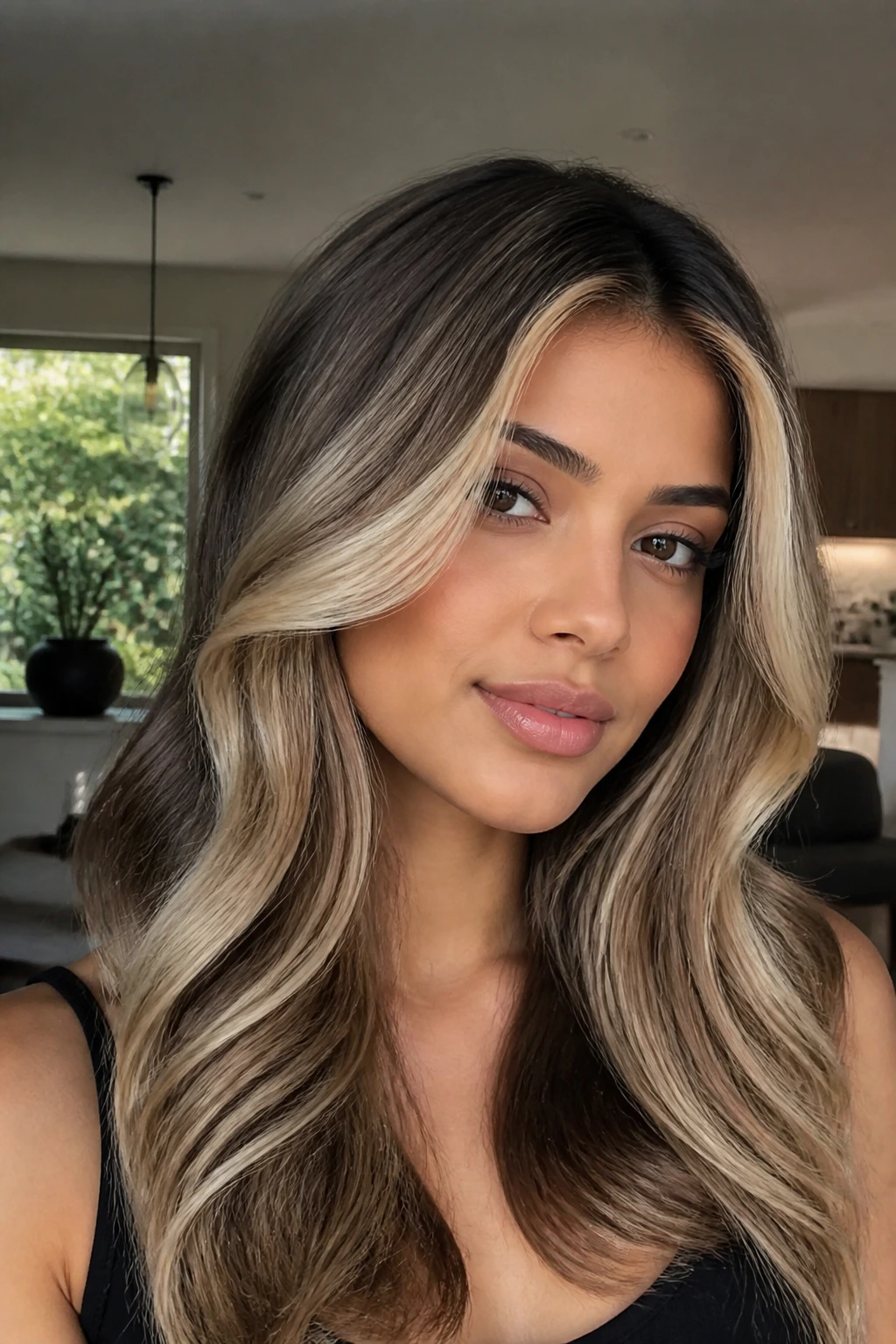
This is the louder sibling of the caramel money piece. Melted butter blonde money pieces are brighter, creamier, and more noticeable at the front, but the root is softened so the look still melts into the rest of the hair. On warm skin, that butter tone can be gorgeous if the rest of the color stays a little deeper.
The placement is the whole game. Keep the brightest lift near the face, then fade it gently backward so the eye doesn’t hit a hard stop. That keeps the front pieces from feeling pasted on. It also makes the haircut look more shaped, especially around curtain bangs or long layers.
Best for: people who want bold face framing without a full blonding service.
Caution: if the front pieces are lifted too pale, they can overpower the face. Butter is the goal, not white.
27. Honeyed Pixie Highlights
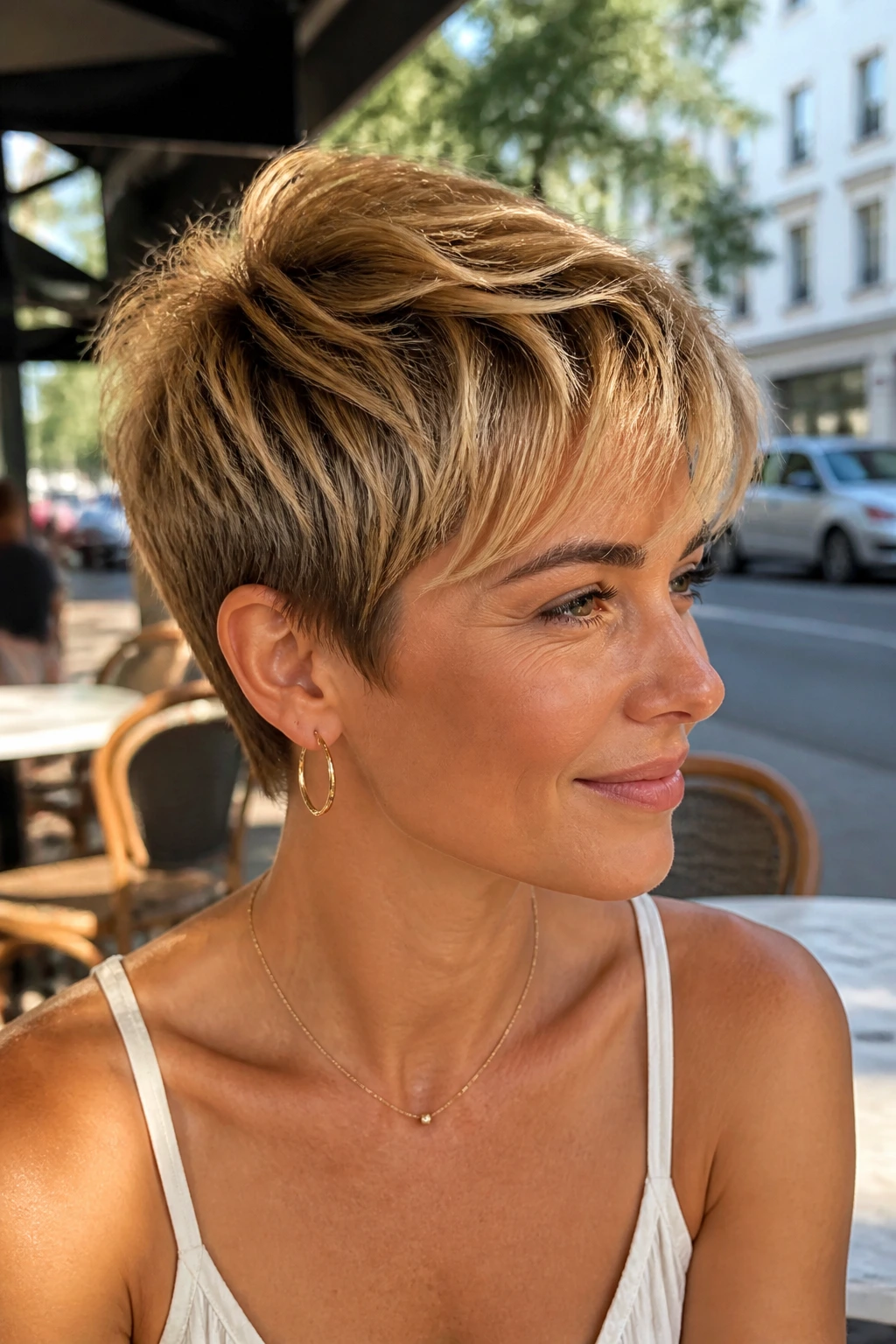
Short hair needs precision, and honeyed pixie highlights deliver it. The lighter pieces are cut-friendly, meaning they’re placed to show off movement in a pixie, cropped shag, or short textured cut. On warm skin, honey is a safe and flattering tone because it brightens the hair without making the short shape look harsh.
This is one of those styles where the cut and color have to work together. A few bright pieces on the top and around the fringe can create lift, while slightly deeper sides keep the shape neat. On short hair, that contrast gives you all the texture you need. Too much lightness and the cut loses its edge.
Best for: pixies, short shags, and cropped cuts with texture.
Style note: a tiny bit of matte paste at the ends can make the highlights read piecey instead of fuzzy.
28. Sun-Kissed Champagne Veil
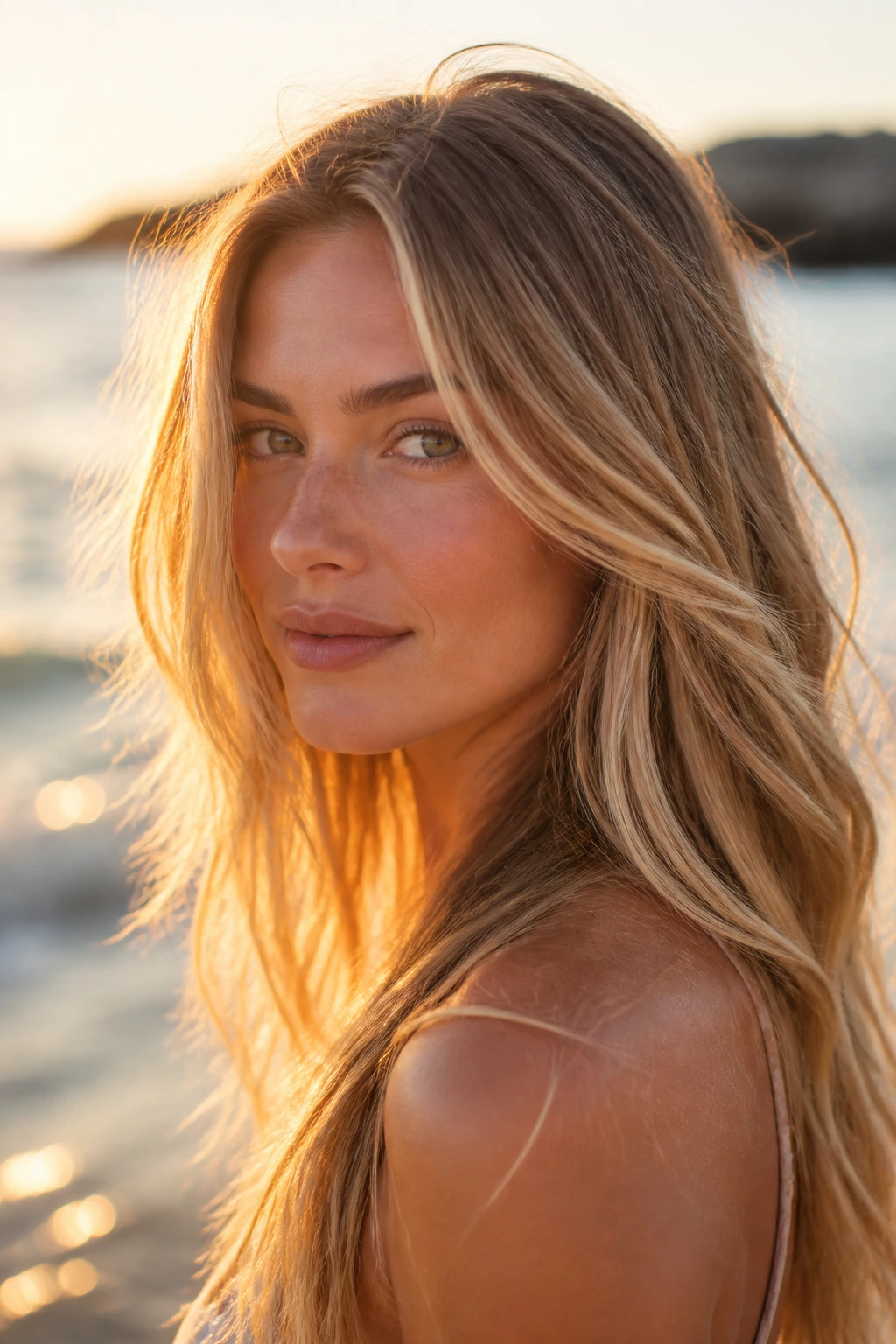
Sun-kissed champagne veil is the airy, finishing note of the whole set. Champagne can go cold fast if it’s handled carelessly, but the sun-kissed version keeps enough gold in the tone to stay friendly on warm skin. The veil itself is subtle: fine pieces, light diffusion, and a soft shine that shows up in movement.
This is the blonde for someone who wants a polished, light-reflecting finish rather than a dramatic transformation. It sits nicely on medium-length hair, layered cuts, and straight styles that need a little more life. The best versions don’t look sprayed on. They look threaded through.
Best for: people who want a refined, softly bright blonde with a warm finish.
Final note: keep the champagne beige, not icy. That one detail decides whether this looks luminous or washed out.
Why Warm Blonde Color Looks Best With a Soft Root
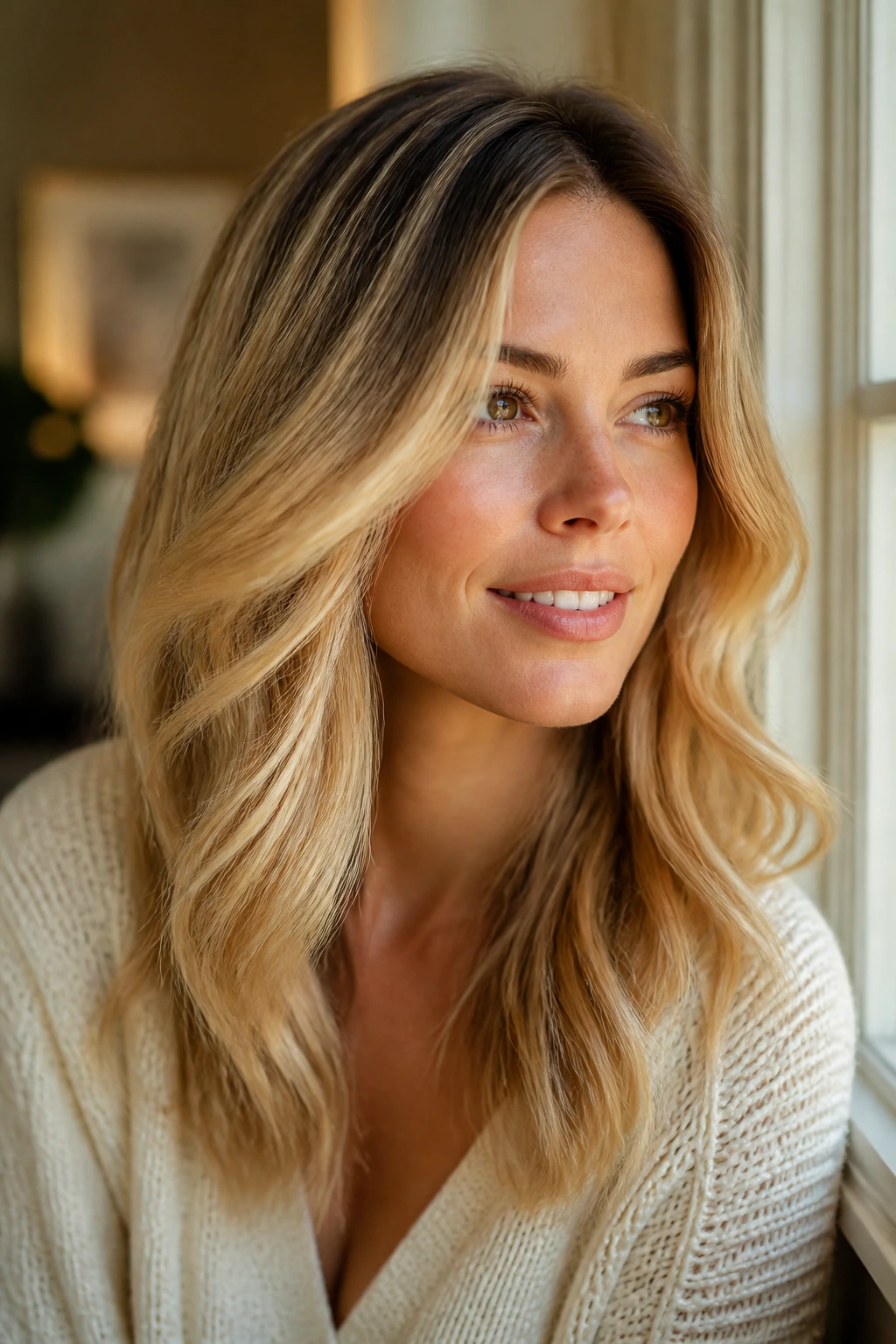
Warm blonde color lives or dies by the root. If the scalp area is pushed too light, the whole style can look busy fast. A soft root gives the eye a place to rest, and on warm skin, that little bit of depth near the scalp makes the blonde feel expensive instead of loud.
Honey, caramel, and beige-gold do the flattering work
Golden undertones in the hair mirror golden or peachy undertones in the skin. That’s why honey, caramel, buttercream, and beige-gold tend to look clean and bright without pulling the complexion into gray territory. The eye reads the whole thing as harmony. You don’t need a platinum lift to get that effect.
Placement matters more than brightness alone
A face-framing ribbon can change the whole haircut. So can a few babylights through the crown. Brightness around the face and top layer opens everything up, while deeper pieces underneath keep the style from looking one-note. This is why blondes with dimension often look better than blondes that have been lifted evenly from root to tip.
Texture changes the color story
Waves, curls, and bends make warm highlights look alive. Light catches the ridges and turns a simple honey ribbon into something that shifts as you move. Flat, straight hair can wear these colors too, but it needs gloss and shape. Otherwise the blonde can disappear into the cut.
Essential Tools for Salon Visits and At-Home Inspiration
-
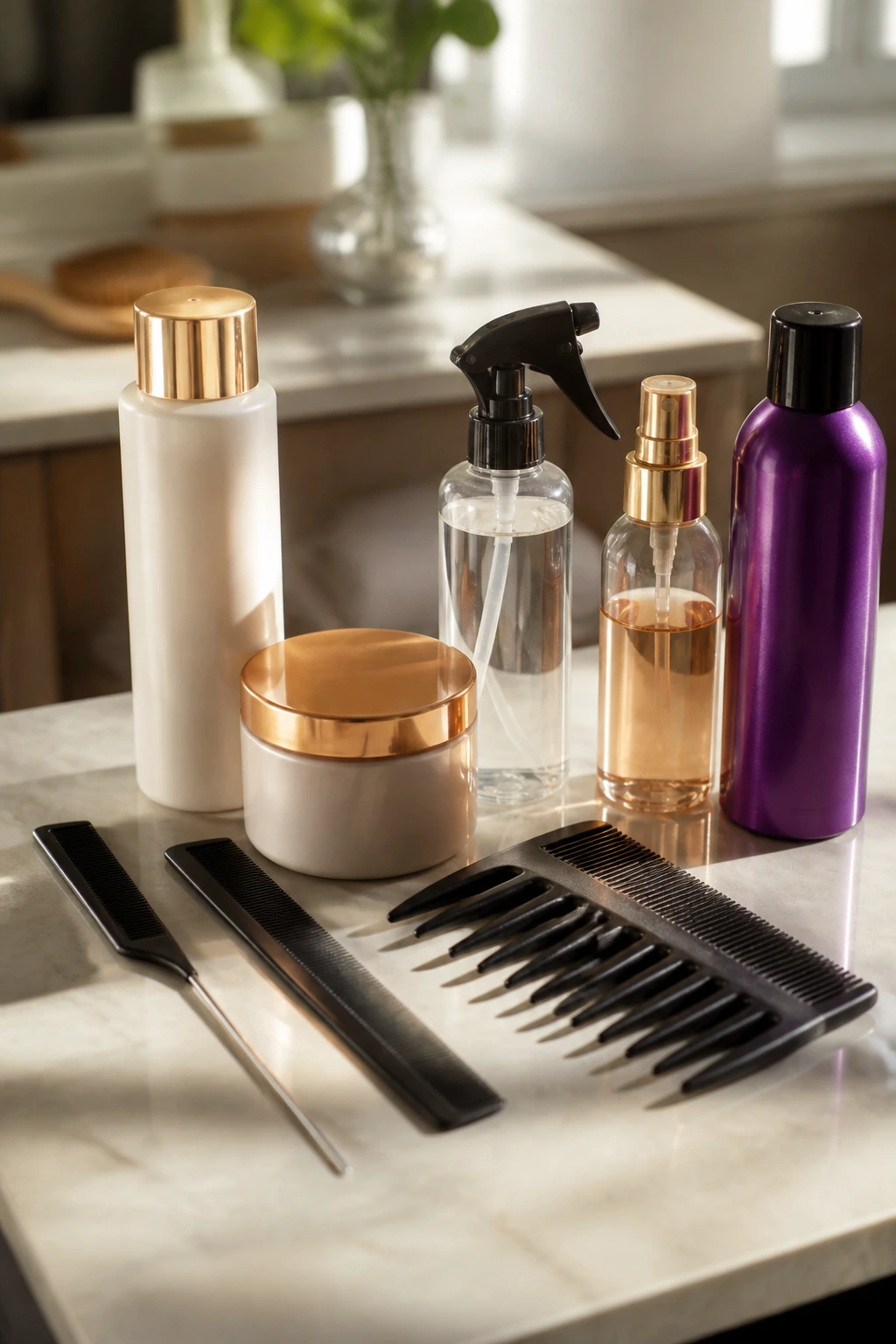
Reference photos in daylight: Bring 2 or 3 photos, not a pile of screenshots. One should show tone, one placement, and one root depth.
-
A tail comb or parting comb: Useful if you’re talking through face-framing pieces, a middle part, or where you want the brightest ribbons.
-
Color-safe shampoo and conditioner: A gentle cleanser and a moisturizing conditioner matter more than fancy packaging. Warm blonde hair dries out faster once it’s lightened.
-
Bond-building mask: Helpful if your hair has been lifted more than once. Once a week is a sensible rhythm for many people.
-
Heat protectant spray: Use it before blow-drying or curling. Highlighted hair can scorch faster than untouched hair.
-
Wide-tooth comb: Better than yanking a brush through lightened ends when the conditioner is still in the hair.
-
Shine spray or lightweight oil: A small amount on mids and ends keeps honey and caramel pieces from reading dull under indoor light.
-
Purple shampoo, used lightly: It can help if your blonde gets too yellow, but too much of it will mute the warmth that makes these looks flattering.
Smart Shade, Placement, and Consult Tips
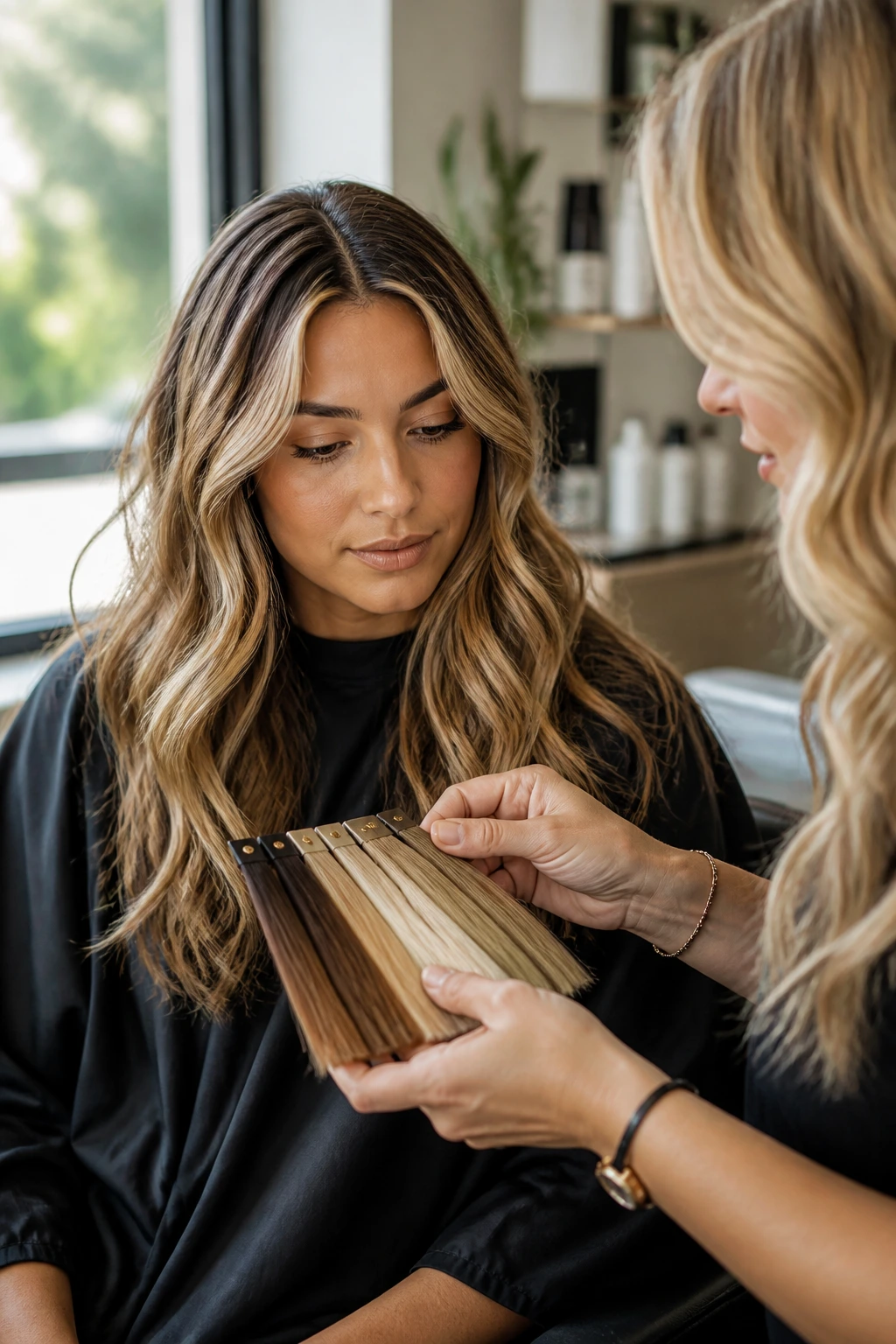
The easiest mistake to make is asking for “blonde” and assuming that tells the whole story. It doesn’t. A honey blonde, a beige-gold blonde, and a champagne blonde can all sit in the same family and still behave very differently on the skin. Warm undertones usually look best when the toner stays in the gold-beige lane rather than drifting into pearl or silver.
What to say to your colorist
Use real color language: honey, caramel, buttercream, golden beige, amber, apricot gold. If you like brightness at the face, say so. If you want softer grow-out, say that too. Mention your natural base, any old box dye, and whether your hair has been lightened before. That history changes the lift plan more than people think.
Where the light should sit
The front pieces should usually be brighter than the interior. The crown can carry fine ribbons or babylights. The ends can take a little extra light if the goal is movement. A good colorist doesn’t flood every section with the same amount of blonde. They place the brightness where the haircut needs it.
Bring your own filters
Photos taken in bathroom lighting can lie to you. So can heavy editing. If you love a picture, save it, but also ask what part you love: the tone, the placement, or the contrast. That answer saves time in the chair.
How to Style Warm Blonde Highlights So They Read Rich
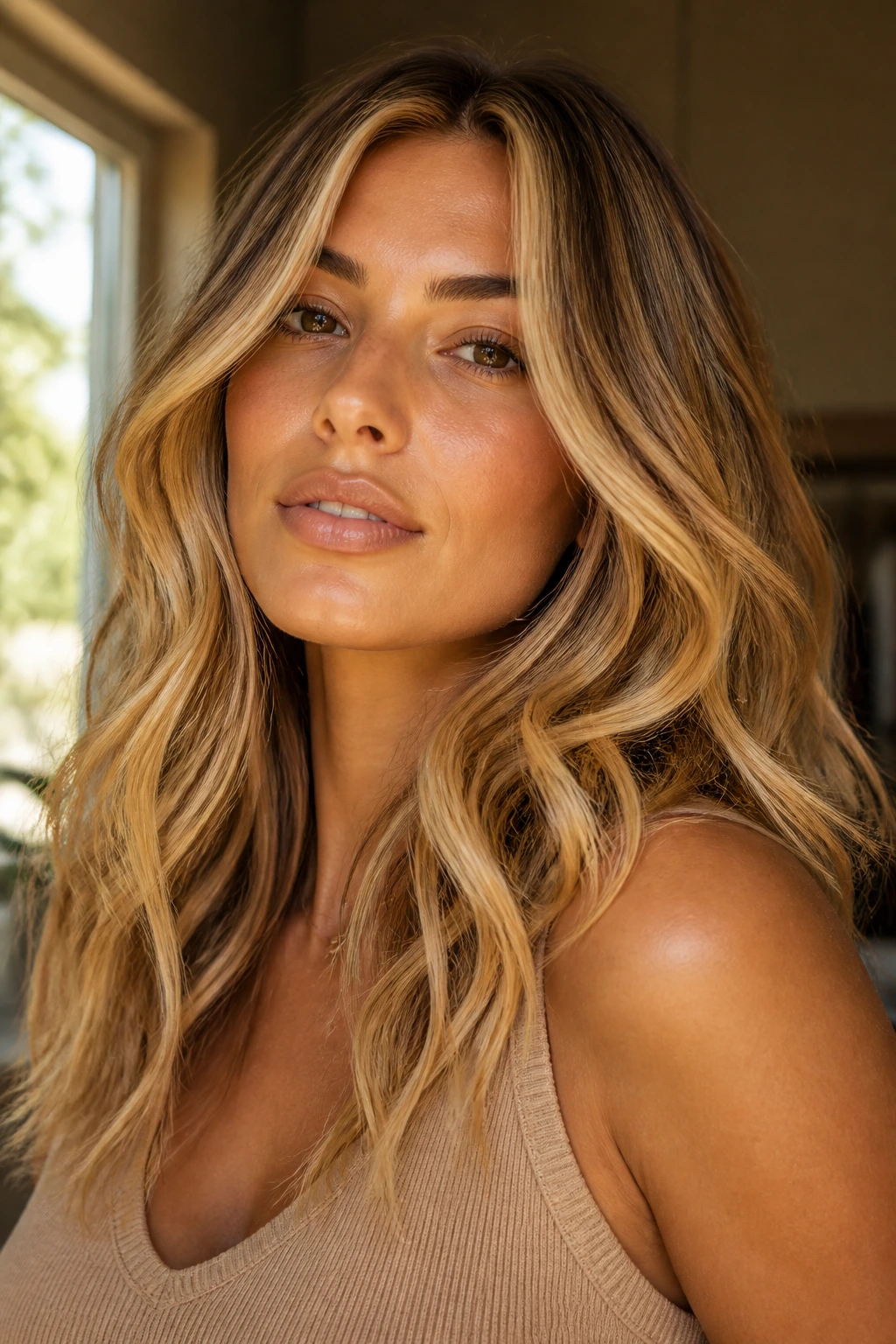
Warm blonde color shines when the styling gives it structure. A loose wave, a clean blowout, or a soft curl set shows off the ribbons and slices far better than limp air-dried hair. That doesn’t mean you need a full salon blowout every morning. It just means the hair needs shape.
Blowout finish
A round brush and a medium heat setting can give honey and caramel pieces enough movement to catch the light. Aim the brush away from the face at the front sections so the brightest strands open up the cheek area. A little lift at the root matters here. Flat roots make warm blonde look heavier than it is.
Curl finish
Use a 1 to 1.25-inch iron and alternate directions on the midlengths. Leave the ends slightly straighter if you want the color ribbons to show. Once the curls cool, break them up with fingers and a tiny bit of oil on the mids only. Too much product at the roots will mute the shine.
Air-dry finish
If your hair is curly or wavy, scrunch in leave-in and a light cream, then let the pattern do the work. Warm highlights look best when the curl clumps stay intact. Dry, separated curls can make even the nicest honey tone look dull.
Small Tweaks That Change the Whole Look
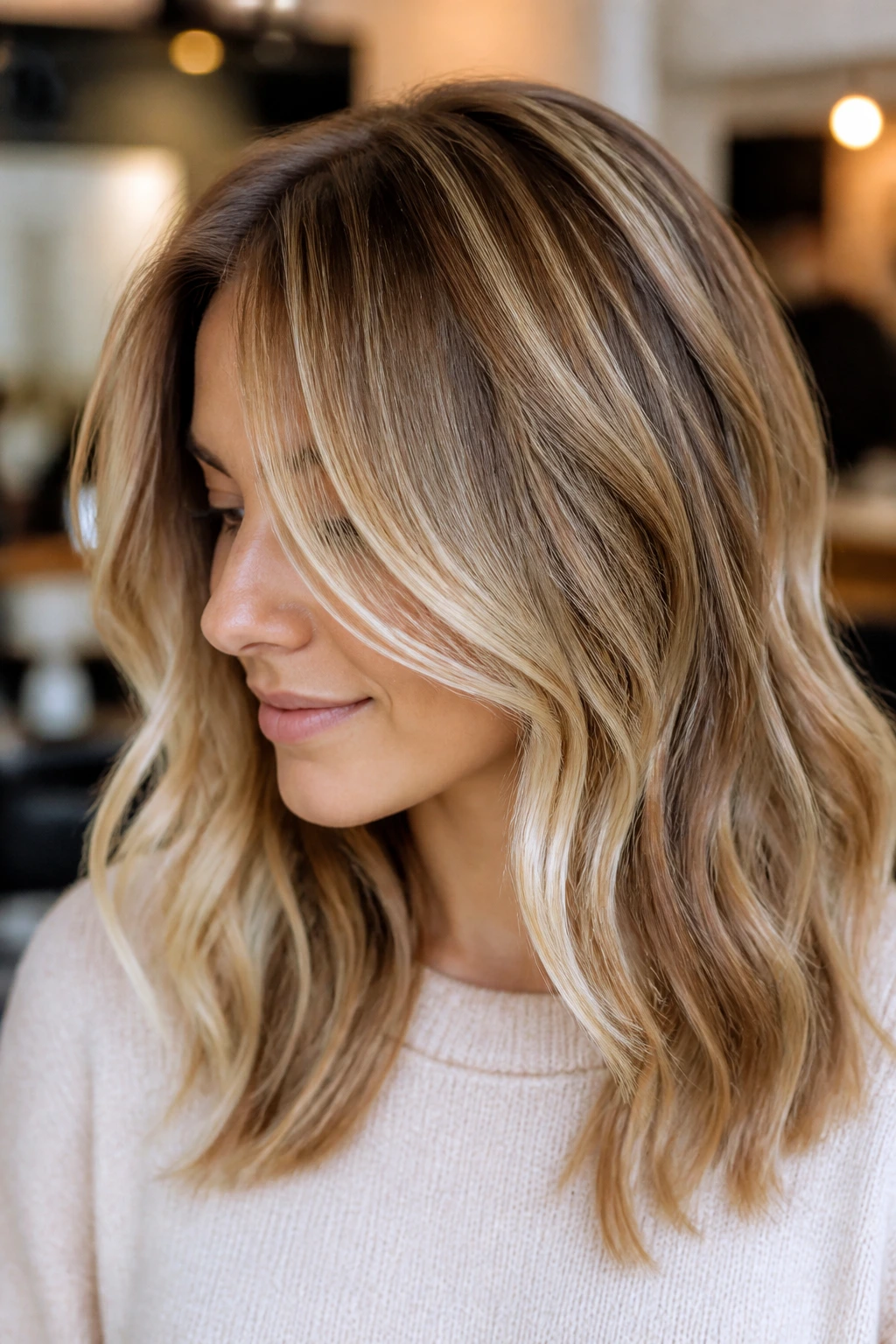
Gloss it warmer: A golden or beige-gold gloss every few weeks keeps the highlights from drifting muddy or flat. If the color starts to look too pale, a toning service with warmth can bring it back fast.
Push brightness toward the face: If the hair needs more drama, don’t add light everywhere. Brighten the temples, the part line, and the front layers. That’s where people notice the color first.
Keep the underside deeper: A slightly darker underlayer makes the blonde on top look richer. It also gives movement a shadow line, which is especially nice on layered hair.
Add one or two lowlights: This is the move people skip. A few deeper strands keep warm blonde from going washed out, especially on very light hair.
Choose your finish on purpose: Straight, glossy hair reads cleaner and more elegant. Soft bends feel beachy. Curls make the color look fuller. Same color, different mood.
Common Mistakes That Push Warm Blonde the Wrong Way
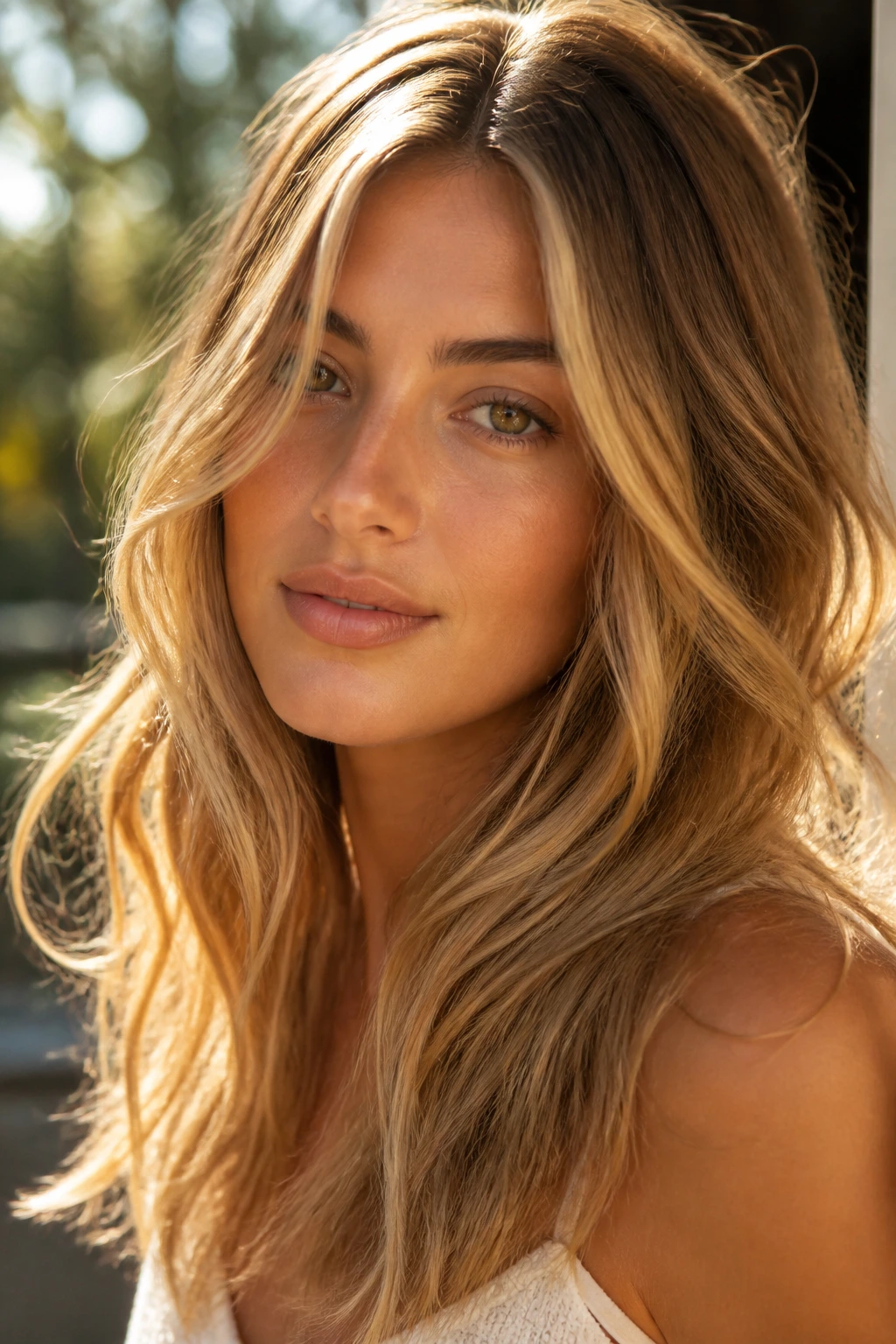
The fastest way to ruin a warm blonde is to cool it down too much. Ashy toner, pearl gloss, and silver-heavy formulas can make warm skin look tired. If the skin starts to look sallow after color, the blonde probably lost too much gold. The fix is simple: ask for beige-gold, honey, or butter instead.
Another common problem is chunky placement. Thick stripes might seem bold in the chair, but once the hair settles, they can read dated and harsh. Finer ribbons around the face and crown almost always look better on warm skin because they blend into the complexion instead of fighting it.
Overusing purple shampoo is a quiet culprit. One violet wash can help if the blonde turns too yellow. Four in a row can mute the warmth that made the color flattering in the first place. Use it sparingly.
And then there’s the grow-out problem. If the roots are lifted too high, they start looking like a line. A root shadow or softer placement keeps the regrowth calm. That matters more than most people realize.
Variations and Alternatives to Try
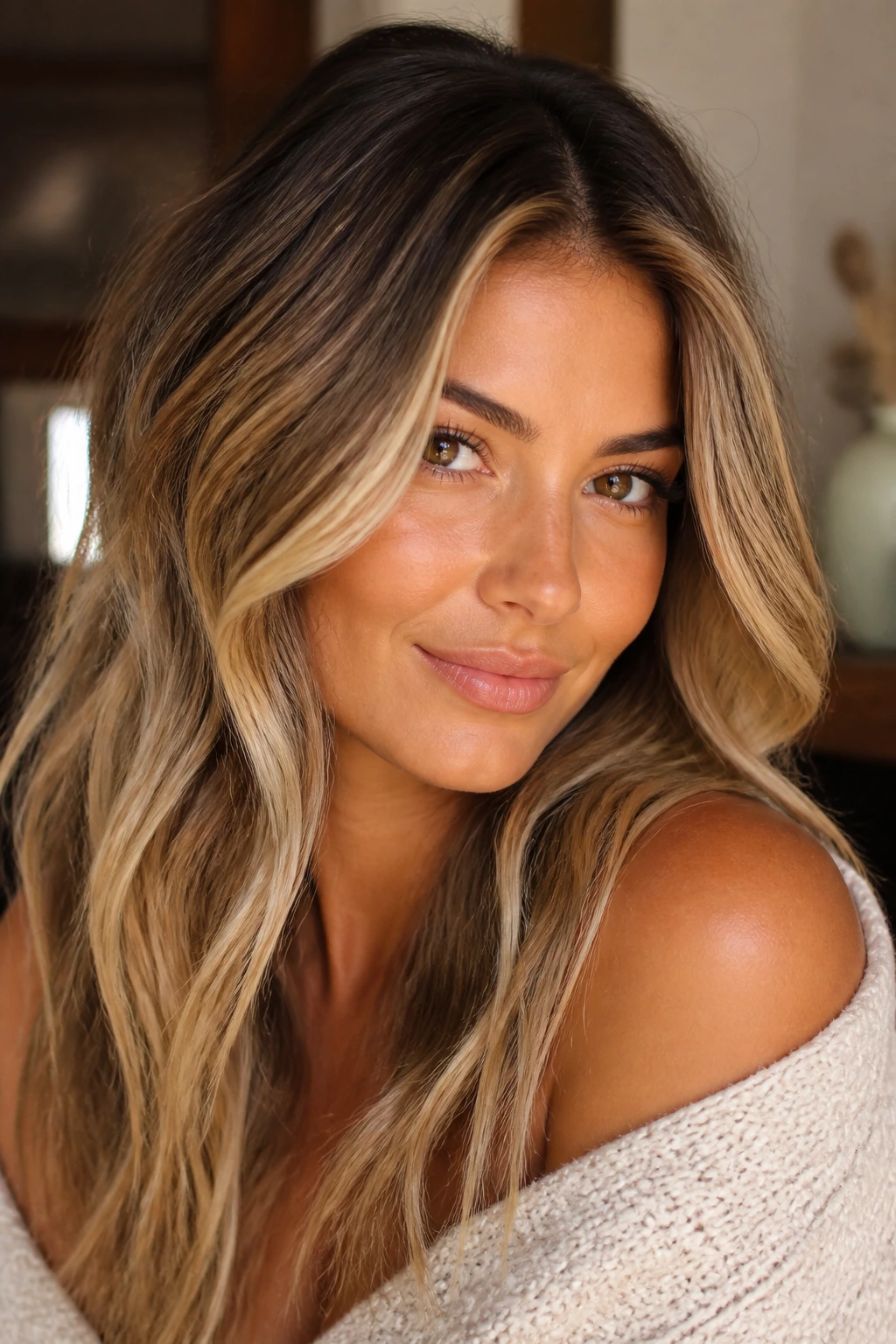
Low-Maintenance Honey Root: Leave more depth at the scalp and keep the highlight narrow through the mids. This is the version for someone who wants soft grow-out and fewer salon visits.
Bright Face-Frame Pop: Make the front pieces the lightest part of the hair and keep the back more grounded. It gives a quick change without committing to a full blonde overhaul.
Curly Halo Version: Place the brightest pieces where curls naturally lift around the crown and the face. This lets the pattern show off the color instead of hiding it.
Rich Bronde Blend: Keep the base brown, add caramel and golden beige through the lengths, and stop short of a full blonde. It’s the easiest bridge between brunette and warm blonde.
Golden Champagne Lift: Use more lift through the ends and a warm champagne gloss. This one works when you want a lighter finish but don’t want anything icy.
Maintenance, Toning, and Grow-Out Rhythm
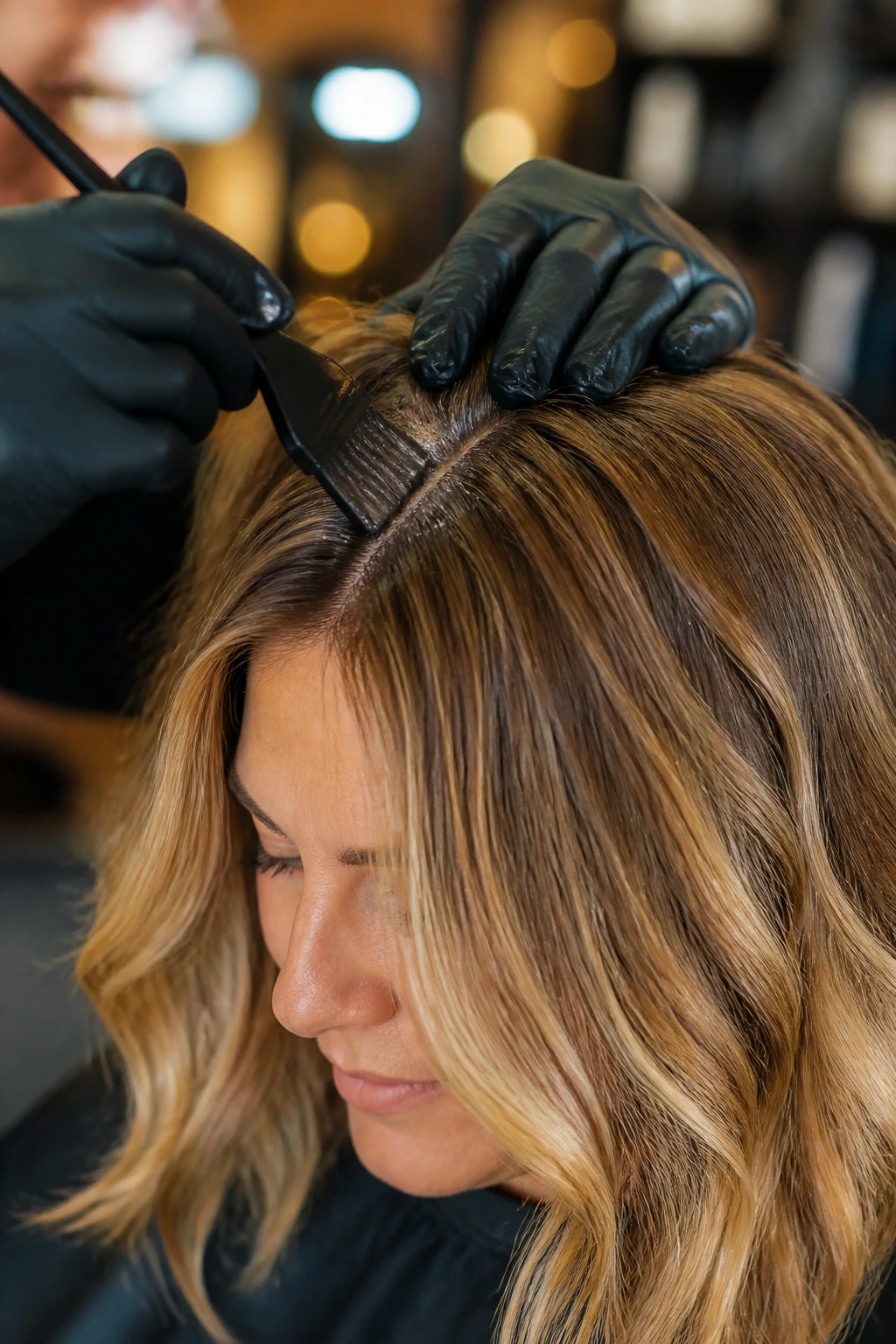
Warm blondes need less panic and more rhythm. A root touch-up every 8 to 12 weeks is a normal range for many highlight patterns, though brighter money pieces may want a check-in sooner if the contrast grows too strong. Glosses usually sit in the 4 to 6 week window when you want the warmth to stay fresh.
Washing rhythm
Try not to shampoo every day unless your scalp truly needs it. Two to three washes a week is kinder to lightened hair, and lukewarm water is better than scorching hot water. Hot water strips tone fast. That part is not subtle.
Conditioning and repair
A weekly mask helps more than people think, especially on ends that were lightened twice or three times. If your hair has been through a lot, bond-building treatments can keep it feeling less crunchy between appointments. You want the ends to feel slippery, not straw-like.
Things that steal warmth
Sun, chlorine, hard water, and too much heat styling all nudge warm blonde in the wrong direction. A leave-in with UV protection, a shower filter if you have hard water, and a quick rinse after swimming can save you a lot of frustration. The color doesn’t need babying. It does need some respect.
Frequently Asked Questions About Warm Blonde Highlights
What blonde shades look best on warm skin tones?
Honey, caramel, buttercream, golden beige, apricot gold, and soft amber usually sit well on warm undertones. The hair can still be light; the difference is that the toner stays warm enough to echo the skin instead of cooling it down.
Are ash blonde highlights a bad idea for warm undertones?
Not always, but they’re risky. A very cool ash tone can make golden or peachy skin look tired, especially around the face. If you like a cooler finish, ask for a beige-gold blend instead of a heavy silver tone.
How light can I go without looking washed out?
That depends on your base color, eye color, and undertone depth, but many warm complexions look best around level 8 to 9 rather than the palest platinum. Once the blonde starts to feel chalky or paper-light, the skin often loses some warmth next to it.
Is balayage or foils better for warm skin tones?
Both can work. Balayage gives a softer, painted look with gentle grow-out, while foils give a brighter lift and more definition. The better choice depends on how visible you want the color and how often you want to maintain it.
Can curly hair wear warm blonde highlights?
Absolutely, and curly hair often shows warm dimension beautifully. The key is placement. Put the brightest pieces where curls bend and stack, especially around the face and crown, so the highlights move with the curl pattern.
How do I keep blonde highlights from turning brassy?
Use color-safe shampoo, don’t overheat the hair, and get a gloss when the tone starts to drift too yellow or orange. If the warmth gets too strong, a salon toner can calm it down without flattening the whole look.
Should I choose face-framing pieces or all-over babylights?
If you want a quick visible change, face-framing pieces are the faster win. If you want softness and fullness all over, babylights give a gentler, more even result. The right answer usually depends on how much contrast you want at the hairline.
What should I tell my colorist before the appointment?
Bring photos, but also tell them your maintenance comfort level, your hair history, and how warm you want the blonde to sit. Saying “honey beige with a soft root” is more useful than saying “blonde but not too blonde.”
Warm Blonde Finish
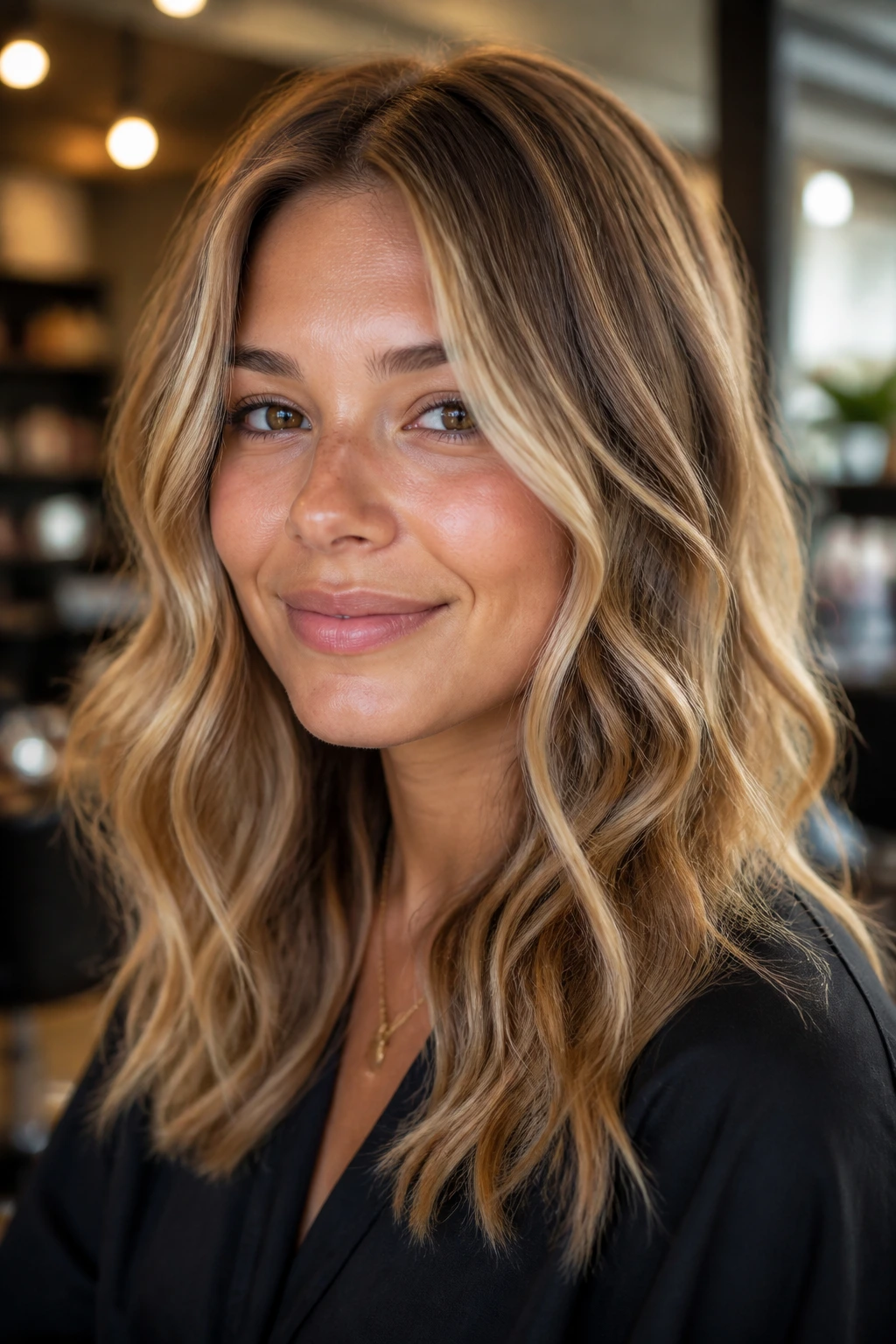
Warm blonde highlights have a sweet spot, and it sits somewhere between bright and believable. Too cool, and the complexion goes quiet. Too pale, and the hair starts shouting at the face. The best versions here stay golden, creamy, honeyed, or softly beige, and they use placement to do half the work.
That’s the part I like most about this whole color family. It gives you options. You can go tiny with babylights, brighter with a money piece, deeper with bronze-blonde ribbons, or softer with a root shadow that grows out without drama. Same undertone. Different mood.
Pick the version that matches your hair history and your patience, not the one that looks coolest under a salon ring light. The prettiest warm blonde is the one that still looks like it belongs to your face when you walk outside.