



Blonde on brunette hair works best when it doesn’t look like a hard decision. The prettiest blond hair shades for brunettes with babylights sit in that narrow lane between noticeable and whisper-soft: light enough to break up a dark base, muted enough to keep the hair looking full from root to tip. Babylights do the heavy lifting here, because those fine slices of color let the brunette remain the star instead of turning the whole head into a flat blonde sheet.
That balance matters more than people think. A chunky highlight can look loud on a deep brown base, especially if the toner leans too yellow or too icy. Babylights change the mood. They move with the hair. They catch on a wave, vanish a little in shadow, then flash again when the light hits the ends.
What makes this such a fun color lane is the range. Beige can look expensive and calm. Honey can read sun-warmed and soft. Pearl and ash can pull the whole look cooler without making the brunette feel washed out. The trick is not choosing “blonde” in the abstract. It’s choosing the exact blonde that plays nicely with the brown underneath.
Why These Babylight Blondes Stand Out
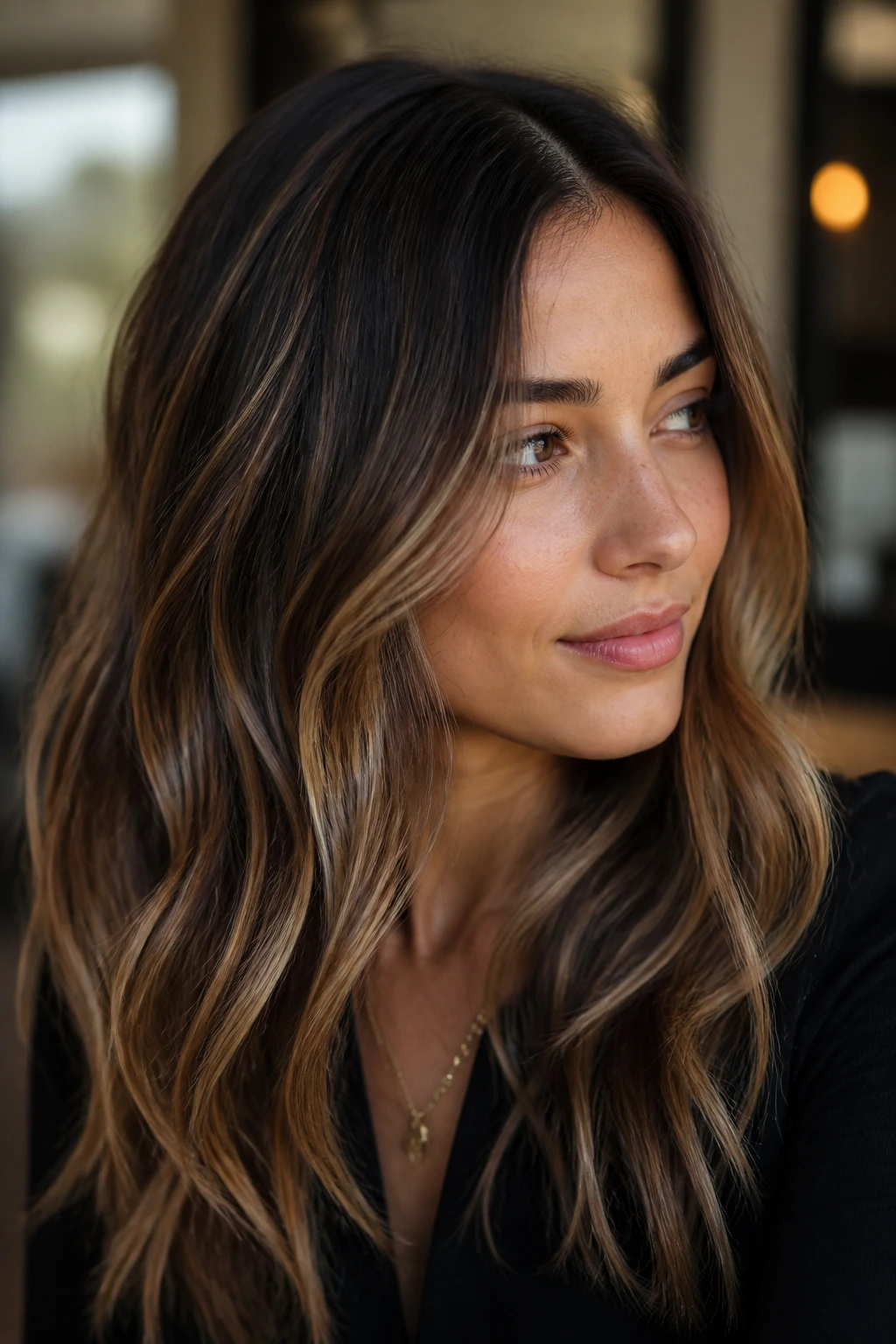
- Soft grow-out: Babylights use very fine sections, so the root line stays blurred longer than it does with thicker foils.
- Shade range: These 30 ideas cover beige, honey, ash, pearl, champagne, and creamy neutrals, which matters because brunette undertones vary a lot.
- Less stripe, more movement: Thin ribbons create shimmer in waves, braids, and blunt cuts without turning the whole head into one flat tone.
- Salon-friendly language: Each shade gives you a clear way to talk about lift, toner, and placement without waving around a vague “make me blonde” request.
- Maintenance clues: Warm blondes fade softer, cool blondes need more toner attention, and the notes below point that out before you commit.
1. Beige Blonde Babylights
Beige is the shade I reach for first when a brunette wants blonde that reads soft in daylight and not stripey at 6 p.m. It sits between ash and gold, which is exactly why it behaves so well on brown hair. On a level 5 chestnut base, beige babylights around the face and crown can look like a gentle lift instead of a dramatic color change.
Why It Works on Brunette Hair
- It keeps the blonde muted enough to blend with brown roots.
- It lifts to a clean level 8 or 9 without screaming yellow.
- It looks especially good when the hair has a loose wave or bend.
Best ask: fine babylights through the top, then a beige gloss that keeps the blonde creamy rather than brassy.
2. Mushroom Blonde Babylights
Why does mushroom blonde sit so well on brunettes? Because it borrows the brown’s ash and uses it as a bridge. The result is smoky, soft, and a little cooler than beige, which makes it a smart pick if your hair tends to pull copper after lightening. I like this shade on medium brunettes who want dimension without a warm gold finish.
The trick is not overdoing the gray. Mushroom blonde should feel earthy, not dull. A good colorist will keep the babylights thin, lift them cleanly, then tone them into that cool taupe lane so the brunette base still shows through in between.
3. Honey Blonde Babylights
Honey blonde has more glow than beige and less bite than gold. On a brunette base, that matters. The shade brings warmth to the surface without turning the whole head orange, which is where a lot of warm blondes go wrong. Around the hairline, honey babylights can make brown hair look sun-softened even when the rest of the cut stays deep.
This shade works best when the brunette already has a little warmth in it. If your hair leans red or copper, ask for a softer honey and keep the babylights finer near the roots. The lighter pieces should look like they belong there, not like they were dropped on top as an afterthought.
4. Champagne Blonde Babylights
Champagne blonde gives brunette hair a sparkle, not a shout. It’s that pale beige-gold zone with just enough brightness to wake up the hair, but not enough warmth to turn it butter-yellow. On layered cuts, champagne babylights catch the ends in a way that looks polished even when the styling is loose and easy.
I especially like champagne on brunettes with neutral or pink undertones. It softens the contrast between dark root and light piece, so the color reads luxe rather than high-contrast. If you want a lightened look that still feels grown-up, this is one of the safest bets.
5. Sandy Blonde Babylights
Sandy blonde works because it feels lived-in from day one. It’s not as warm as honey and not as cool as ash, which gives it a nice middle ground on a brunette base. Think of it as the shade you’d want if your hair had spent a few weeks near sunlight and salt air, but without the dryness that usually comes with both.
A shoulder-length cut with sandy babylights looks especially good in braids or low buns. The fine pieces break up the shape, so the style doesn’t look heavy. If your brown hair is on the lighter side, this blonde keeps the change soft. If your base is deeper, keep the pieces concentrated around the face and top layers.
6. Vanilla Bean Blonde Babylights
Vanilla bean blonde is creamy, neutral, and a little quieter than honey. That’s exactly why it works on brunettes who want lift but don’t want the blonde to dominate. The tone has enough softness to sit beside brown hair without fighting it, and enough brightness to show up in natural light.
What I like here is the way the shade behaves on textured cuts. The babylights move through the waves like fine thread, not thick paint strokes. If your hair is porous or has old color on it, vanilla bean is kinder than icy tones because it doesn’t expose every uneven patch the way a cold blonde can.
7. Pearl Blonde Babylights
Pearl blonde is not for someone who wants warmth. It’s the cooler, smoother end of blonde, with a faint opalescent finish that makes brunette hair look brighter without much gold at all. On a healthy brown base, pearl babylights can look clean and almost luminous around the face.
The catch is upkeep. Pearl shows brass fast, so the toner needs to stay crisp. If your hair lifts unevenly, this shade will point straight at the problem, which is why it works best when the babylights are tiny and the lift is controlled. It’s a lovely shade, but it is not forgiving.
8. Buttercream Blonde Babylights
Buttercream sits warmer than vanilla bean and richer than honey. On brunette hair, that makes it feel plush instead of flashy. The blonde pieces look like they’ve melted into the base, which is useful if you want brightness but still like seeing brown depth between the light ribbons.
This shade is especially nice on haircuts with movement at the ends. A blunt bob can take buttercream, but layers show it off better. The color has enough warmth to look flattering under indoor lighting, which is where a lot of blondes go flat or gray. Buttercream keeps its shape.
9. Ash Blonde Babylights
Ash isn’t cold for the sake of being cold. On brunette hair, it’s a practical fix for warmth that keeps showing up after lightening. If your brown base pulls red, orange, or copper the second the foils come out, ash babylights can rein that in and make the blonde pieces look controlled instead of loud.
Use this shade with care on very dark brunettes. Too much ash can turn muddy if the hair isn’t lifted enough. The best version is thin, cool, and deliberate—more smoky ribbon than silver streak. It’s the shade for someone who likes clean lines and doesn’t want the blonde to read sweet.
10. Caramel Blonde Babylights
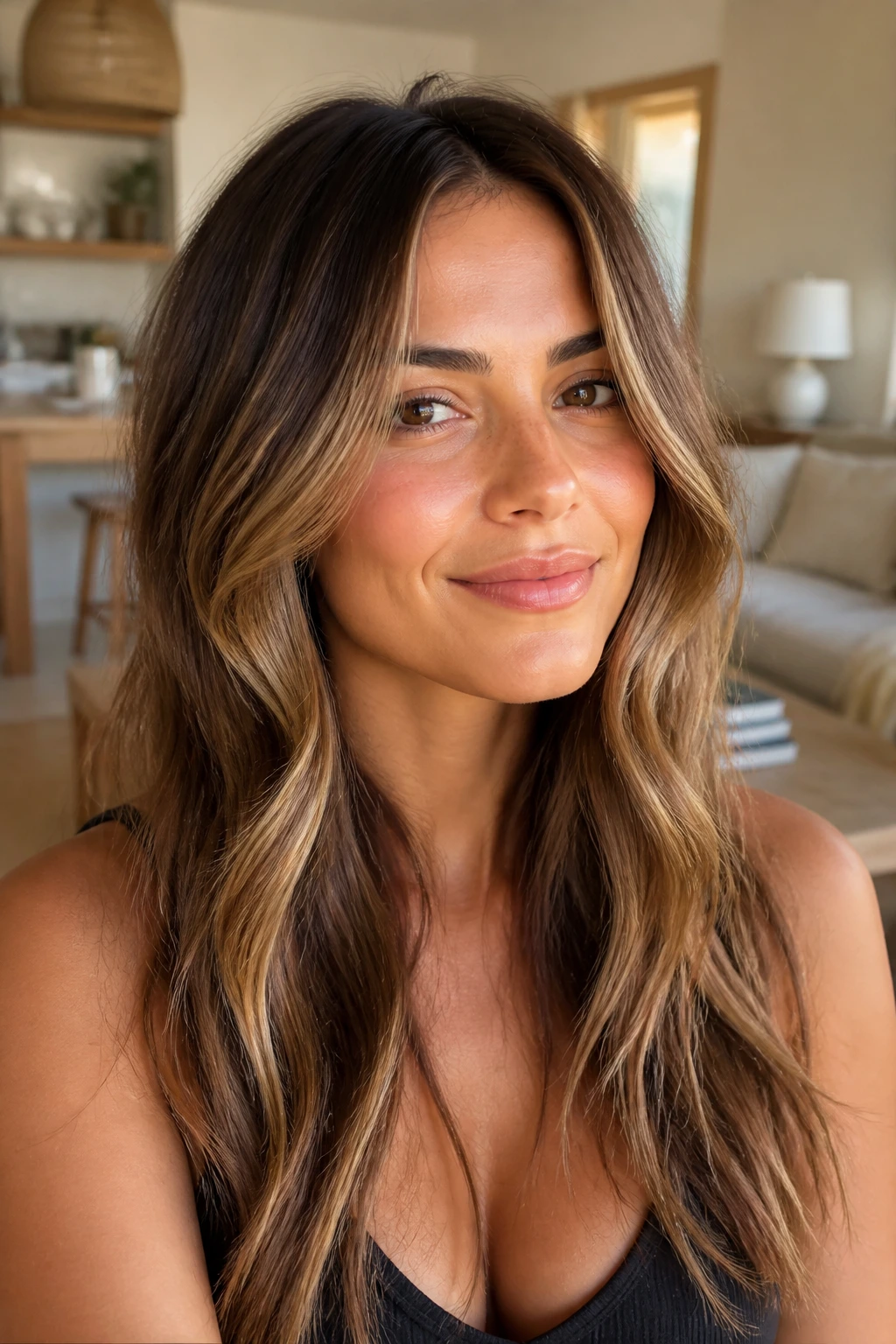
Caramel blonde is warmer and deeper than honey, which makes it one of the easiest blonde shades to live with on brunette hair. It doesn’t ask the base to become something else. It just brightens the edges and top layers while keeping the darker color in charge.
I like caramel when the goal is softness with a little shine, especially on medium brown hair. It looks good in thick waves because the lighter pieces spread out across the bends instead of pooling in one harsh line. If you want blonde that still feels anchored to brown, caramel is a solid lane.
11. Oatmilk Blonde Babylights
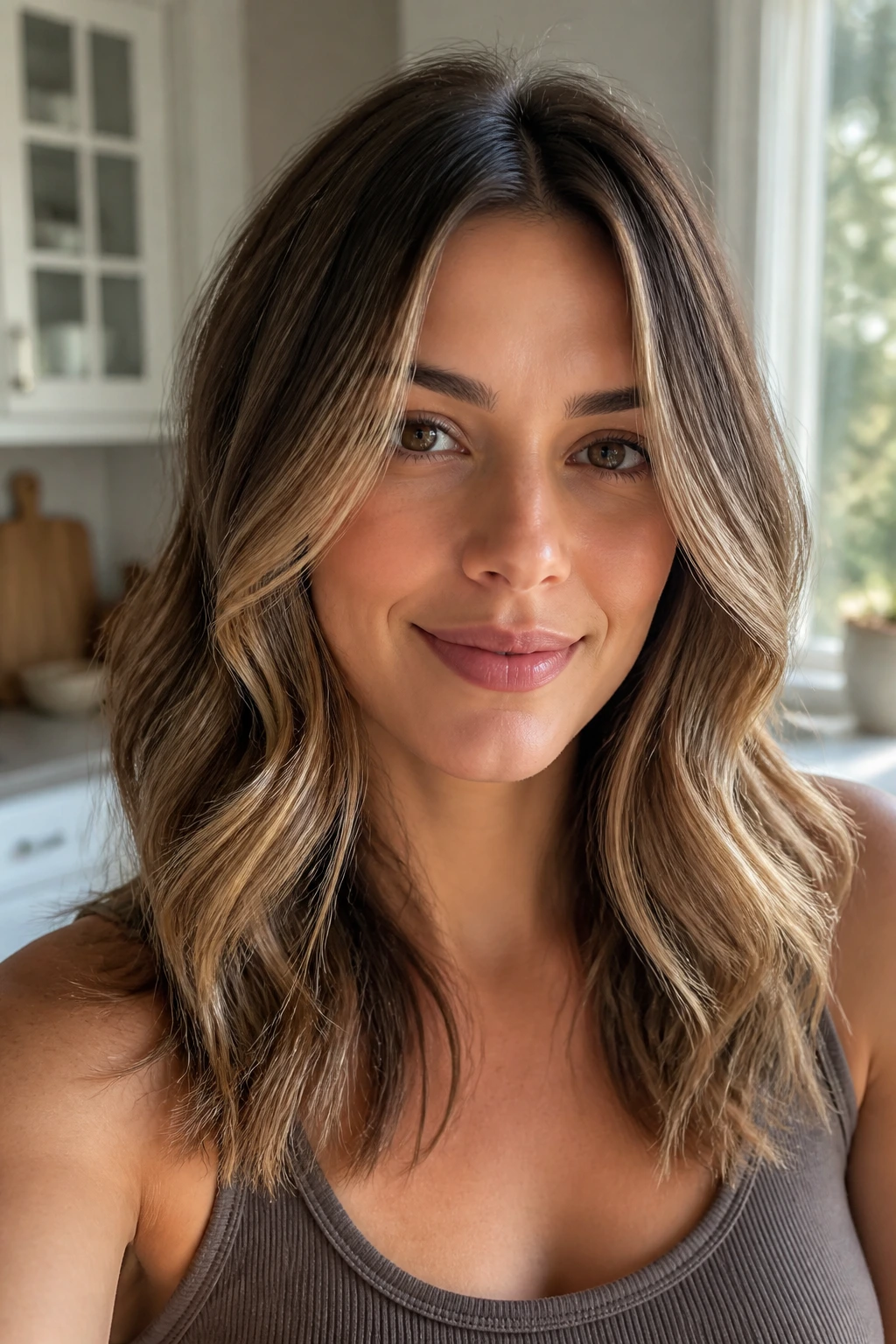
Oatmilk blonde is the shade that takes the edge off a brunette base without stealing its depth. It sits in that neutral cream zone that feels calm, not yellow. On brown hair, it can make the whole color look lighter even when the lightest pieces are nowhere near platinum.
Quick Fit Check
- Best on level 5 or 6 brunettes
- Works well with neutral to cool skin undertones
- Needs a soft gloss, not a chalky toner
- Looks especially nice with a middle part and loose bend
One thing to skip: chunky face pieces. Oatmilk reads best when it’s woven thin enough to disappear into the brunette, then show up again only when the hair moves.
12. Smoky Beige Blonde Babylights
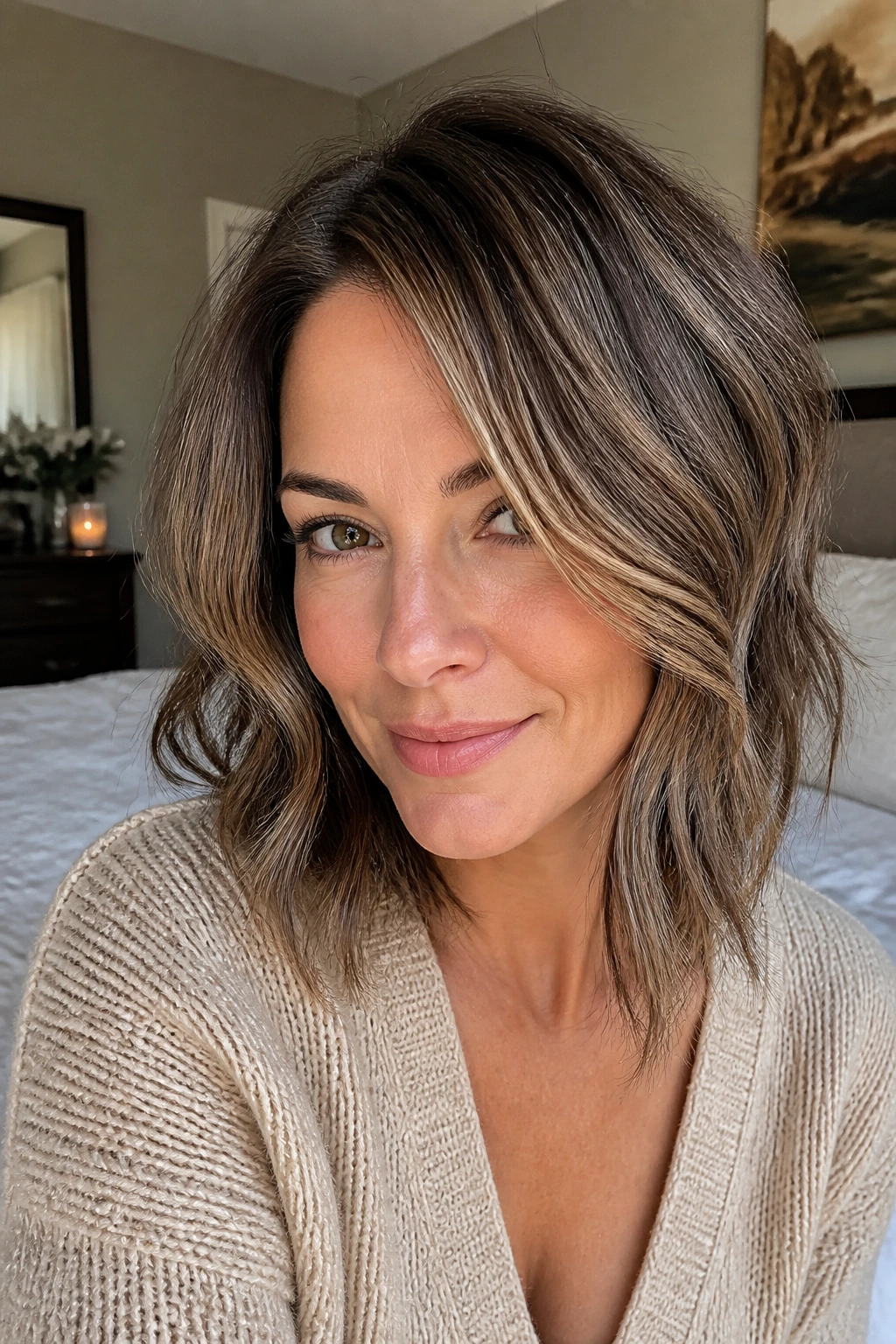
Smoky beige is beige with the volume turned down. It keeps the creamy part of blonde, then mutes the gold just enough to make the hair look intentional rather than over-lightened. On brunettes, that little bit of smoke goes a long way, especially if the base already has cool or neutral undertones.
This shade is one of my favorites for shorter cuts. A collarbone lob or a layered shag gets enough brightness to break up the shape, but the brown underneath still does the visual work. If you want soft blonde that doesn’t feel sugary, smoky beige sits in a very useful middle place.
13. Wheat Blonde Babylights
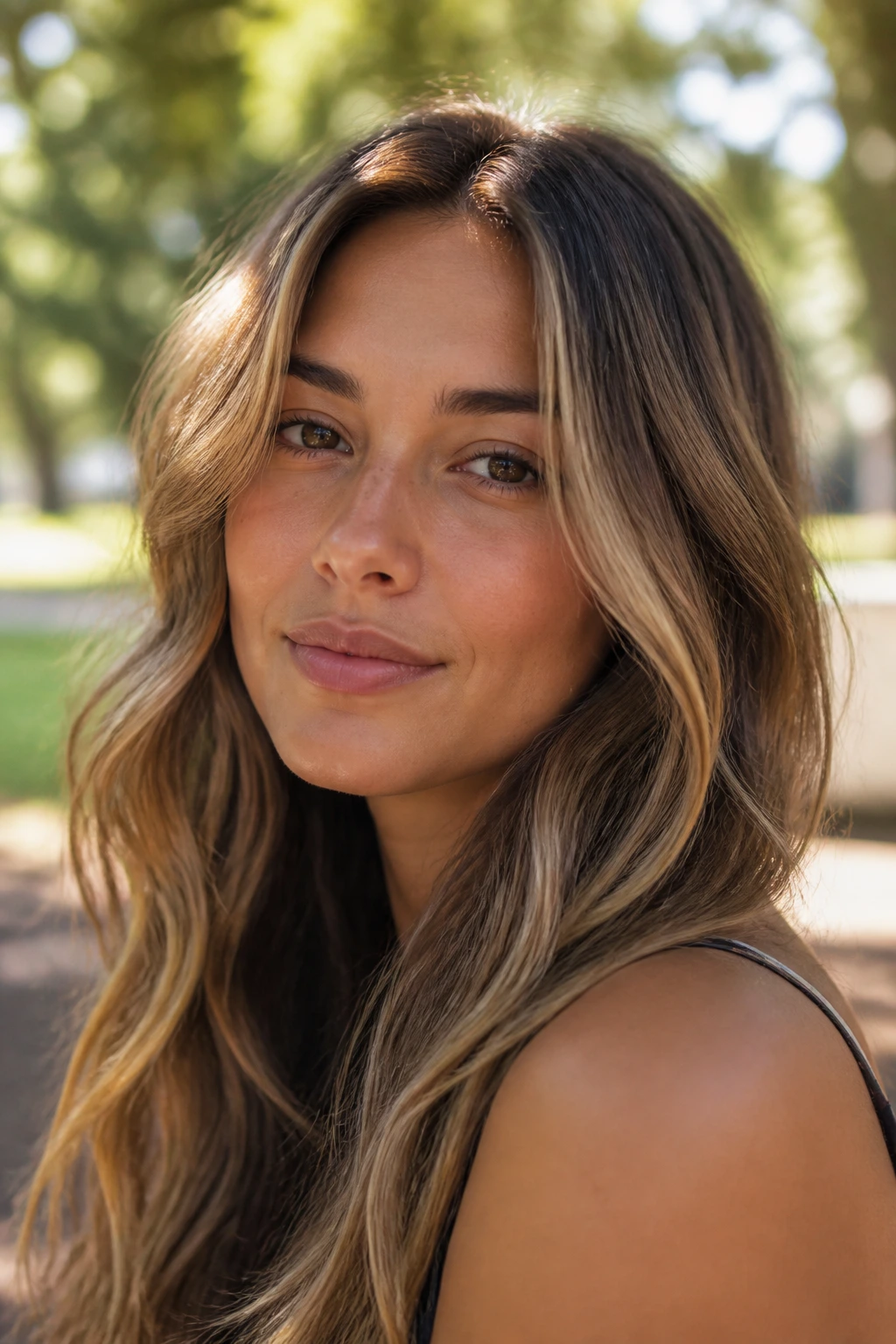
When does wheat blonde work best? On brunettes that already have a little natural gold in them. The color has a soft, grainy warmth that feels more muted than honey and less creamy than buttercream. It can make dark blonde or light brown hair look a shade lighter without a dramatic shift.
Wheat is also one of the easiest shades to wear with minimal styling. Air-dried bends, a basic blowout, even a messy bun—all of it looks a little more finished when wheat babylights catch on the surface. The shade is simple, and that is its charm.
14. Cream Soda Blonde Babylights
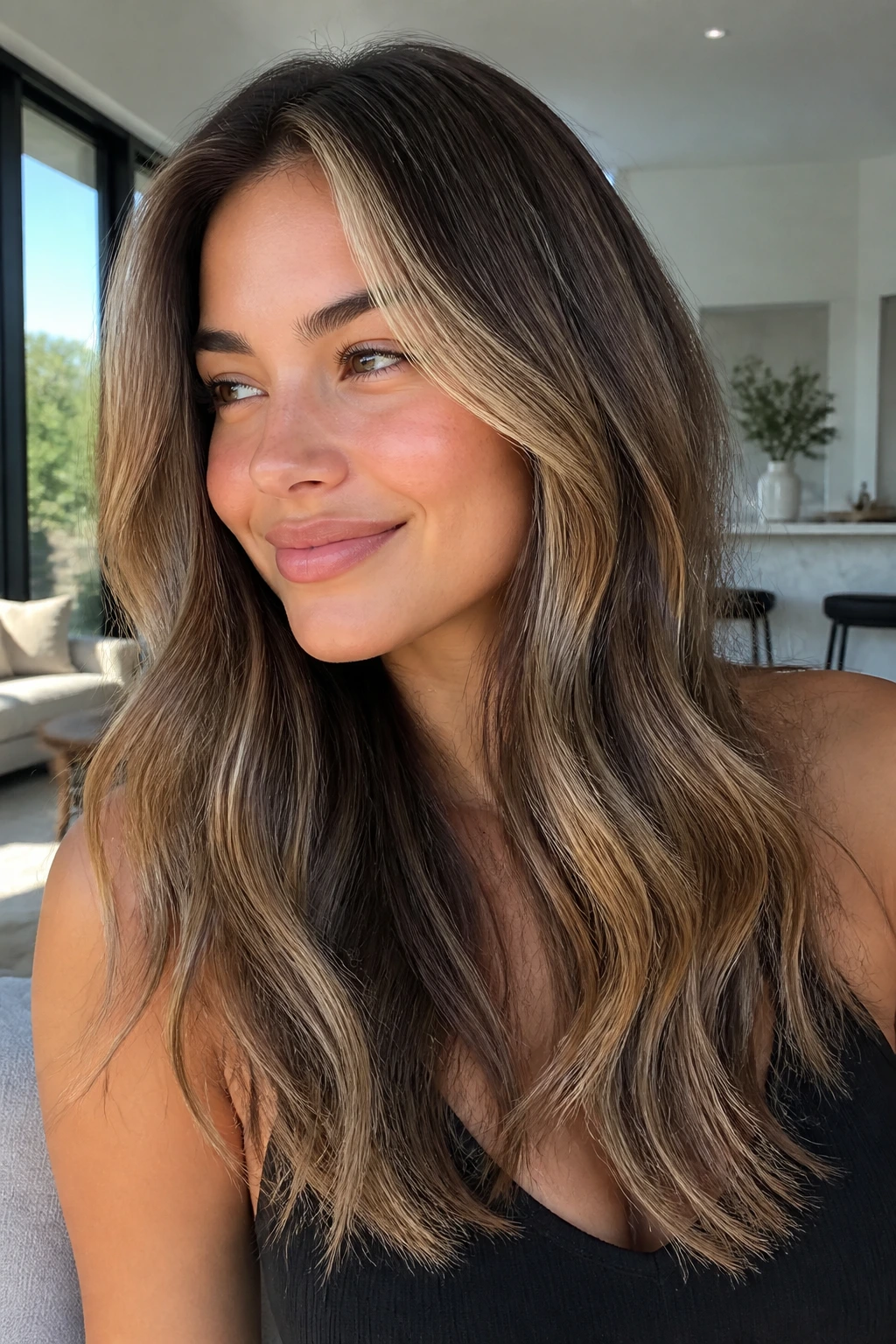
Cream soda blonde has a soft vanilla-gold finish that feels lighter than caramel but warmer than beige. That middle ground matters on brunettes, because it lets the blonde stand out without fighting the base. The color has a little sweetness to it, but not the sticky kind.
This shade tends to look best when the babylights are concentrated around the front and upper crown, then feathered through the ends. It gives movement where the eye lands first. If your brunette hair is long and heavy, cream soda lightens the mood fast.
15. Gold Dust Blonde Babylights
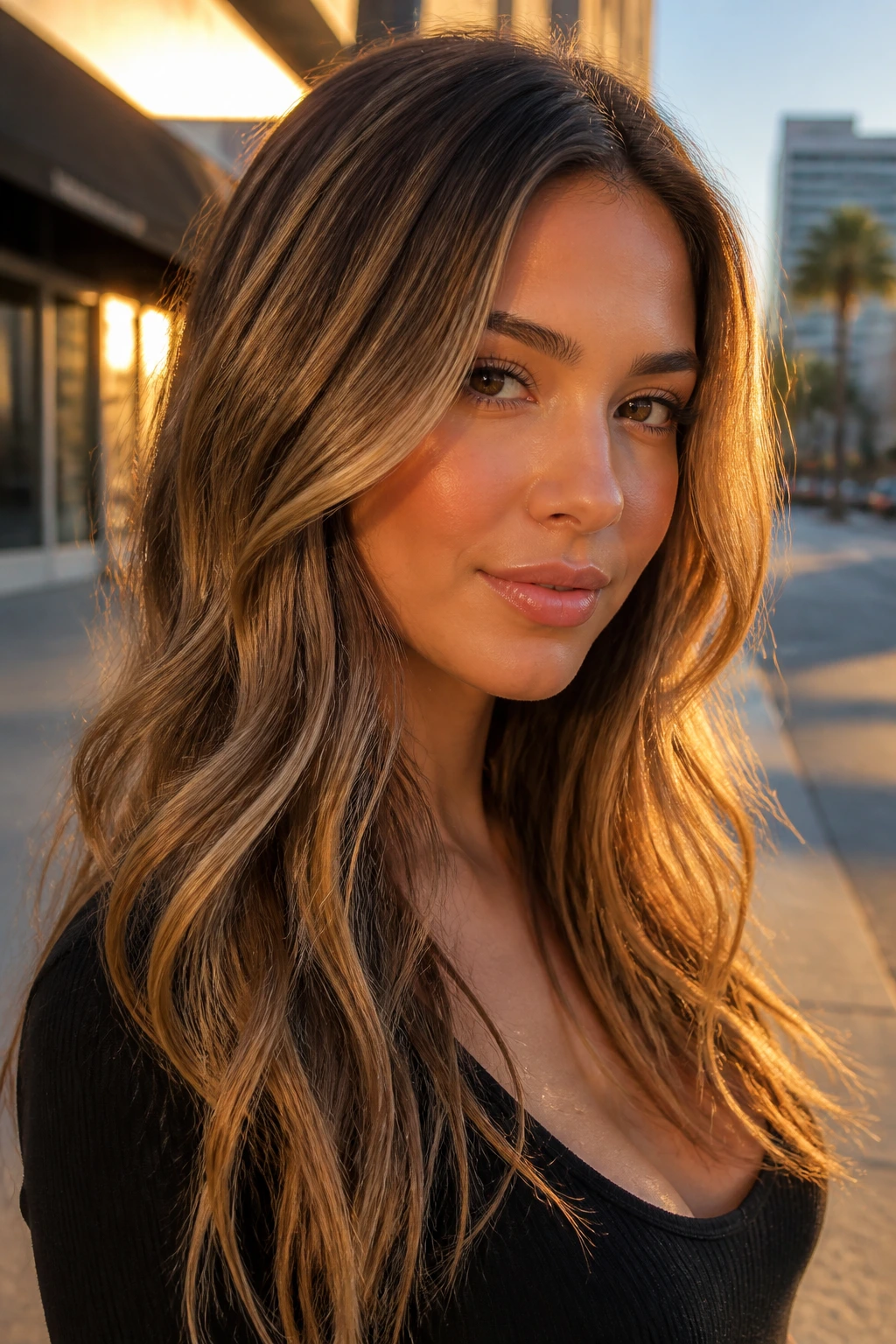
Gold dust is what you ask for when you want visible sparkle in the hair, not just a soft fade. The shade is warmer and brighter than beige, but because it’s placed in babylight form, it doesn’t turn into a harsh yellow stripe. On medium brunettes, it can make the hair look sunlit even when the light is flat.
What to Watch For
- Too much gold can read orange on dark bases.
- Wider sections make the color look louder than it should.
- A soft root shadow helps the blonde sit inside the brunette instead of on top of it.
My take: this is one of the prettier shades for waves, but it needs restraint. Tiny pieces. Clean toning. No chunky foil drama.
16. Iced Latte Blonde Babylights
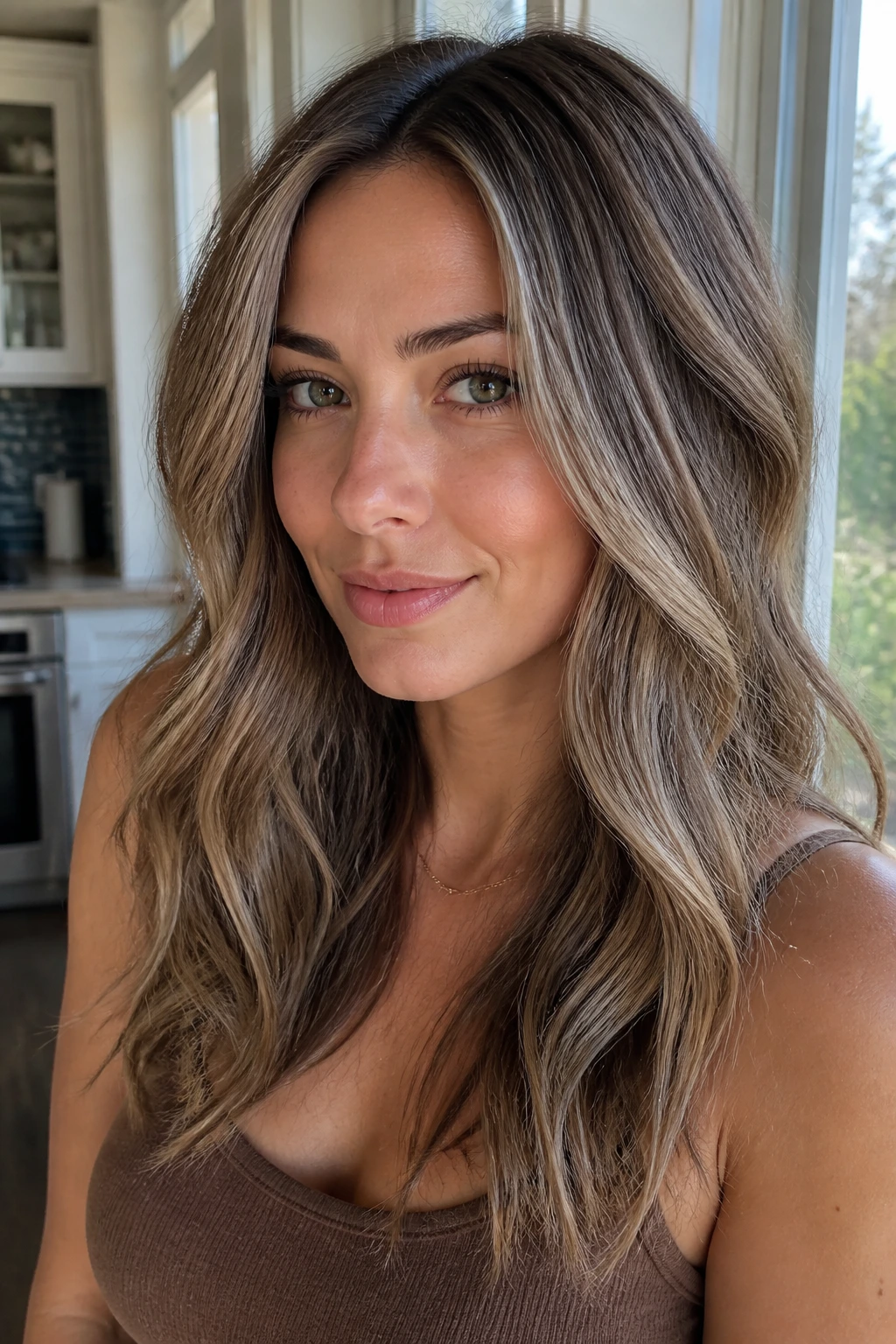
If you like cool coffee tones, iced latte blonde makes a lot of sense. It blends beige and taupe so the blonde looks muted, cool, and a little creamy at the same time. On brunette hair, that mix can be cleaner than ash and less warm than honey, which gives it broad appeal.
The shade is useful on hair that already has some dimension because it doesn’t demand a full color correction vibe. A brunette with natural depth through the lengths can wear iced latte babylights and still look like a brunette, just with a lighter frame around the face and a softer surface overall.
17. Brushed Almond Blonde Babylights
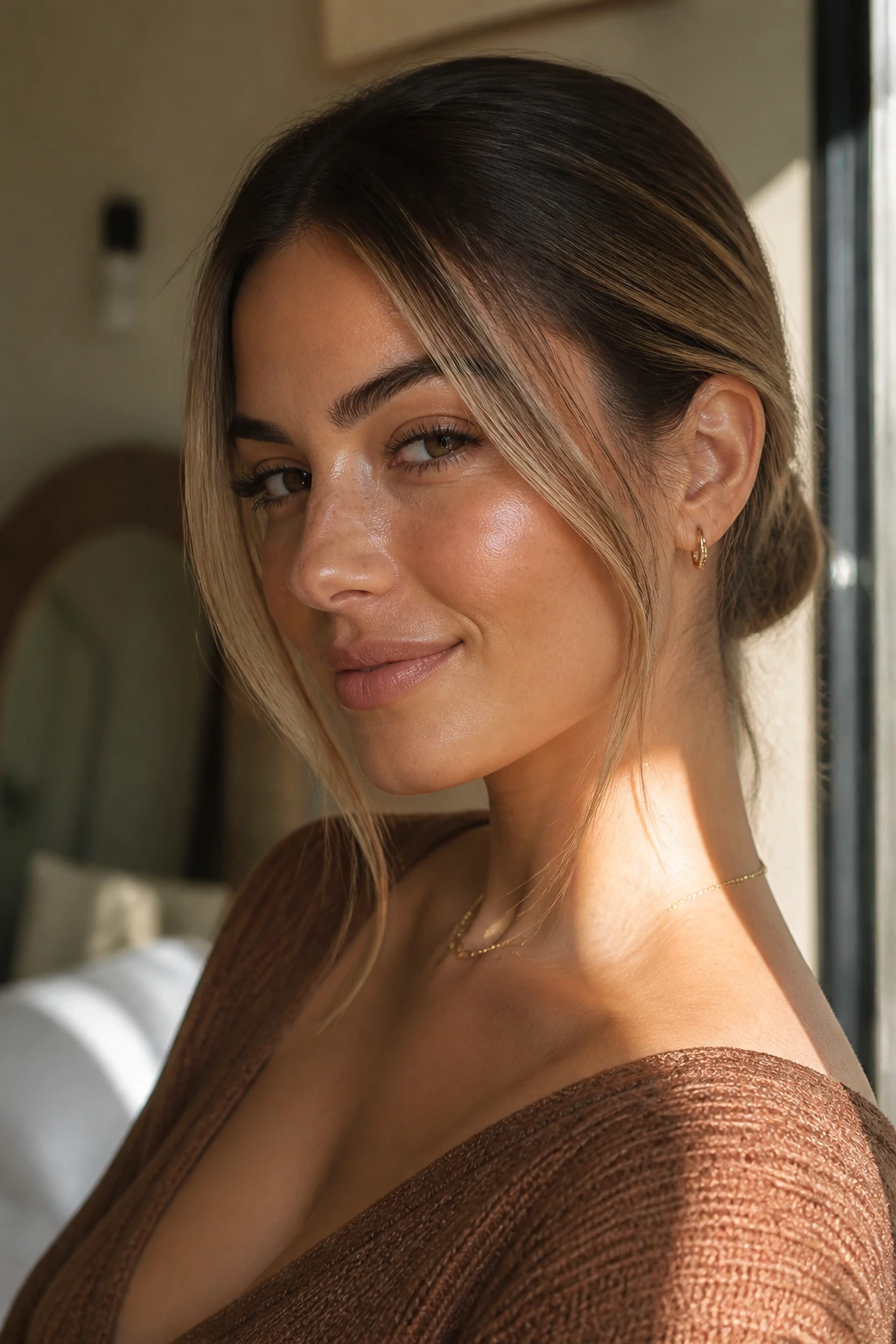
Brushed almond feels polished without being stiff. The color has a gentle nutty warmth that softens dark brown hair and keeps the lighter pieces from going flat in indoor light. If you wear your hair blown out more than you wear it in curls, this shade reads especially well.
I’d ask for the babylights to stay fine through the top and a little denser through the mid-lengths. That keeps the shade from looking sparse. It also helps when the hair is tucked behind the ears, because the front pieces still do enough work to show the blonde.
18. Toffee Blonde Babylights
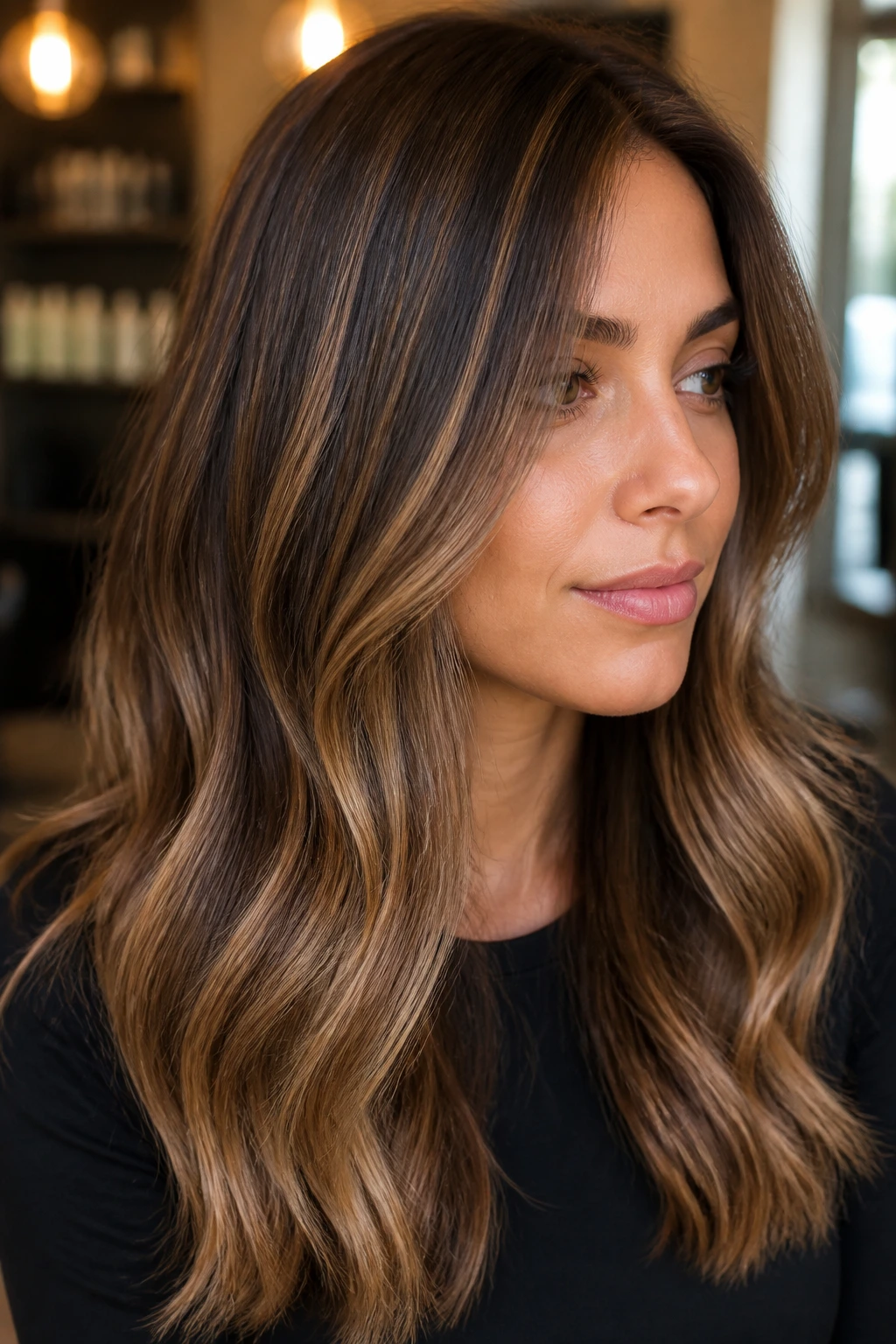
Toffee is the right blonde when you want warmth but need it to melt into a brown base. It sits darker than honey, which means it can look more natural on deeper brunettes. The lighter pieces feel like they belong to the hair’s own family, not like they were borrowed from someone else’s color chart.
The sweet spot is in the contrast. A toffee babylight still needs to be light enough to show movement, but not so pale that it disconnects from the brunette underneath. That balance makes it a strong choice for people who hate a harsh grow-out line.
19. Sun Tea Blonde Babylights
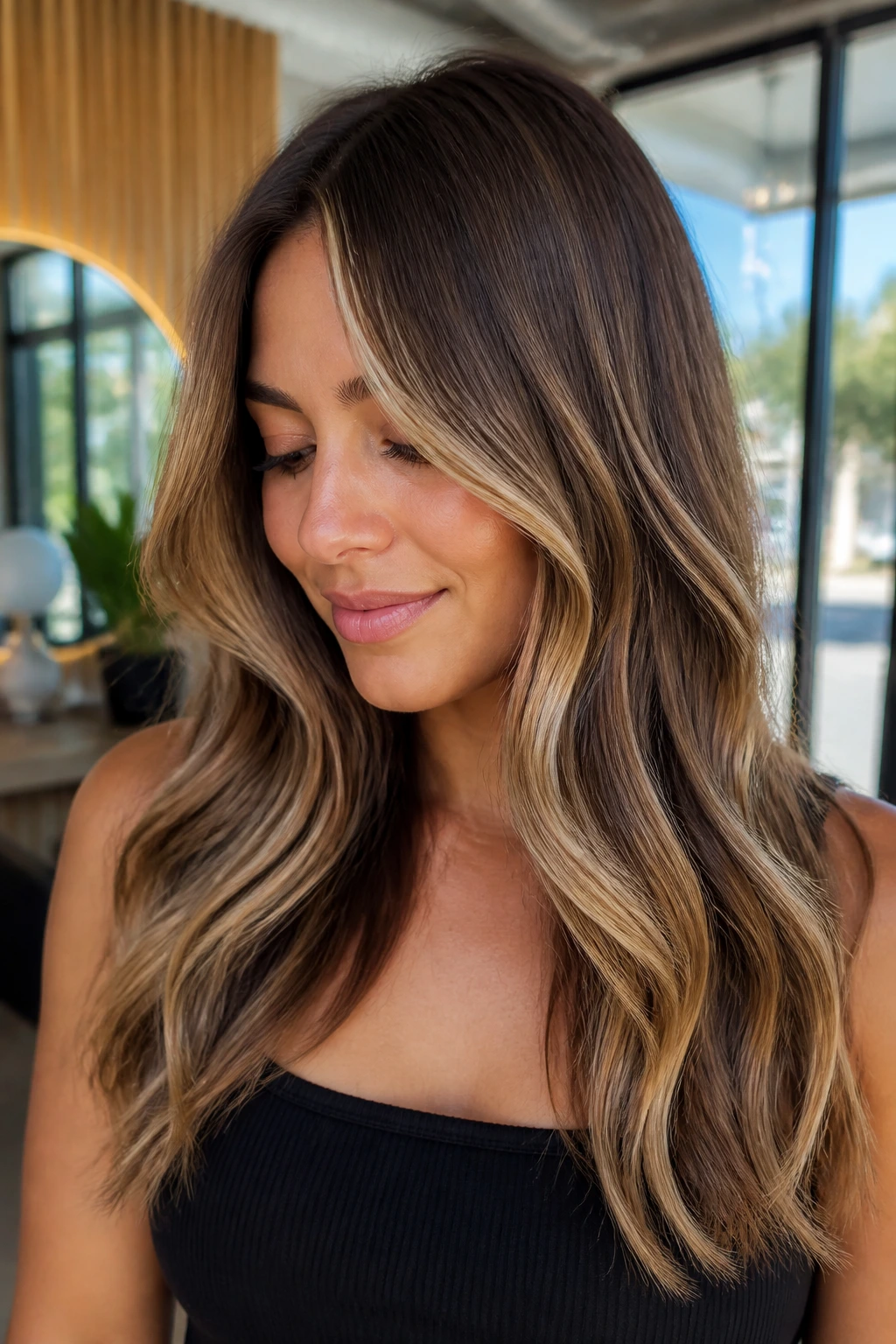
Sun tea blonde has a faded gold that feels a little softer than honey and less creamy than buttercream. It’s the shade I think of when brunette hair needs warmth without becoming loud. The blonde pieces should look steeped into the base, not painted across the surface.
This color is good on longer hair because the eye can follow the shift from brown root to warm blonde ends. The whole thing feels gradual. If you like color that changes in different light—gold in the sun, soft amber indoors—sun tea gives you that without making the hair look overprocessed.
20. Biscotti Blonde Babylights
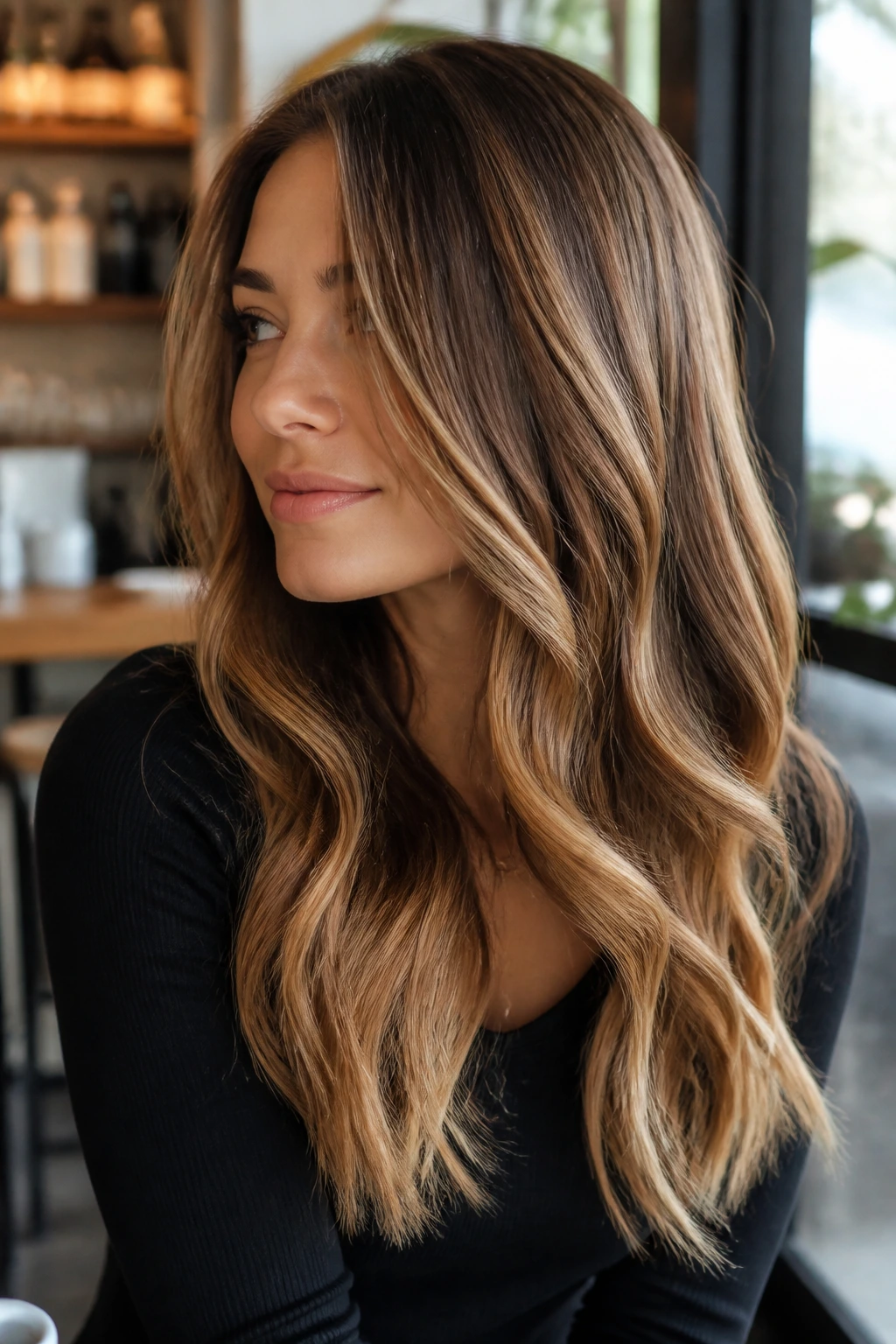
Biscotti blonde is toasted, creamy, and a touch more grounded than vanilla-based blondes. It has enough warmth to flatter a brunette base, but it avoids the sugary look that some warm blondes pick up. On brown hair, it can make the color feel richer rather than lighter.
I like biscotti on wavy hair with a little texture at the ends. The babylights sit nicely in the bends and make the hair look thicker, which is something blunt blonde can’t always do. If your brown base is medium or light, biscotti is one of the easier shades to keep believable.
21. Arctic Sand Blonde Babylights
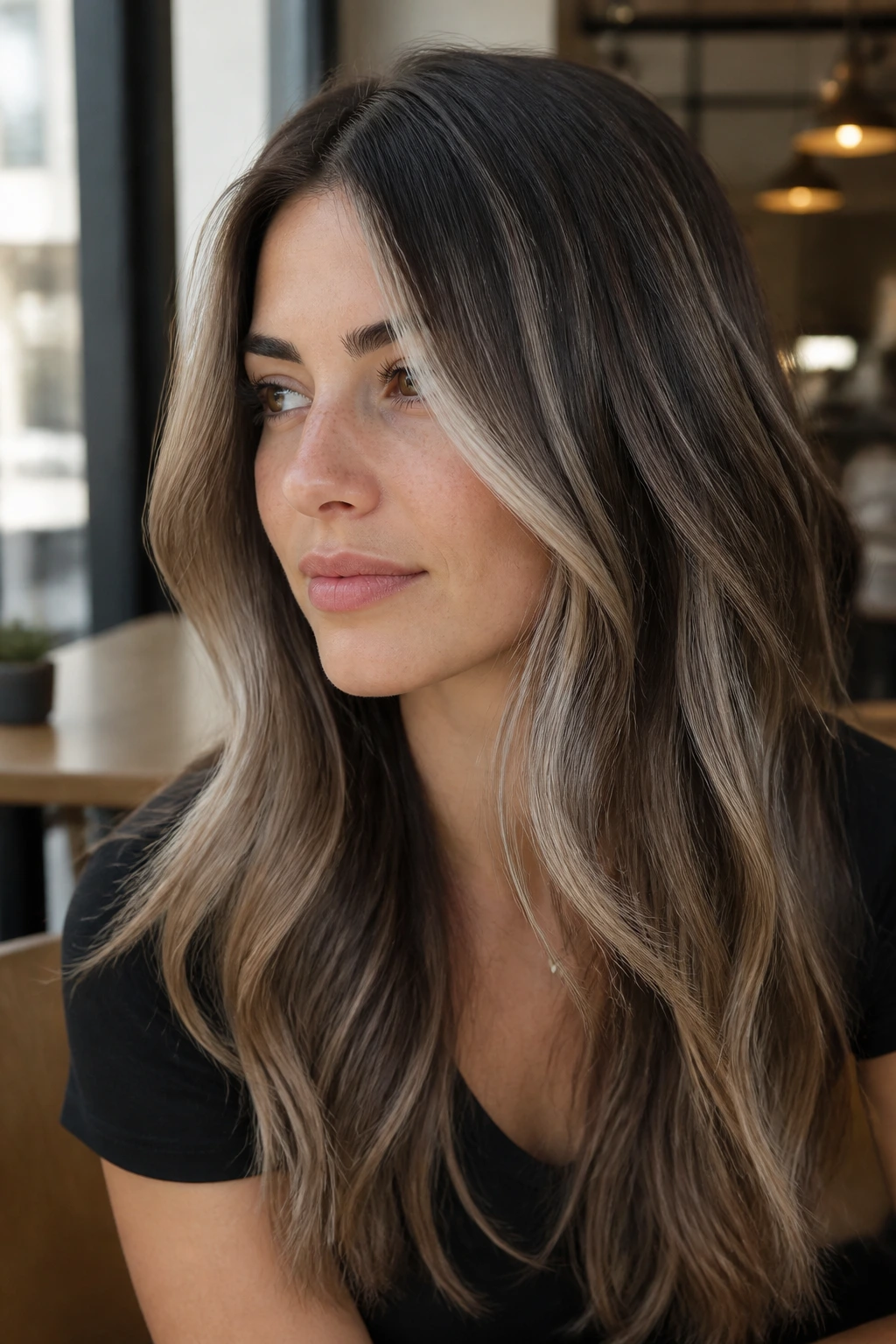
Can a brunette wear an icy blonde without going stripey? Yes, if the babylights are thin enough. Arctic sand is the clean, cooler answer for people who want brightness with almost no gold. The shade lives between pale beige and soft frost, so it stays wearable instead of drifting into silver territory.
The mistake here is making the sections too wide. Arctic shades need micro-thin placement because the contrast gets louder very fast on brown hair. Keep the blonde near the face and through select surface pieces, and the result stays delicate rather than costume-like.
22. Maple Butter Blonde Babylights
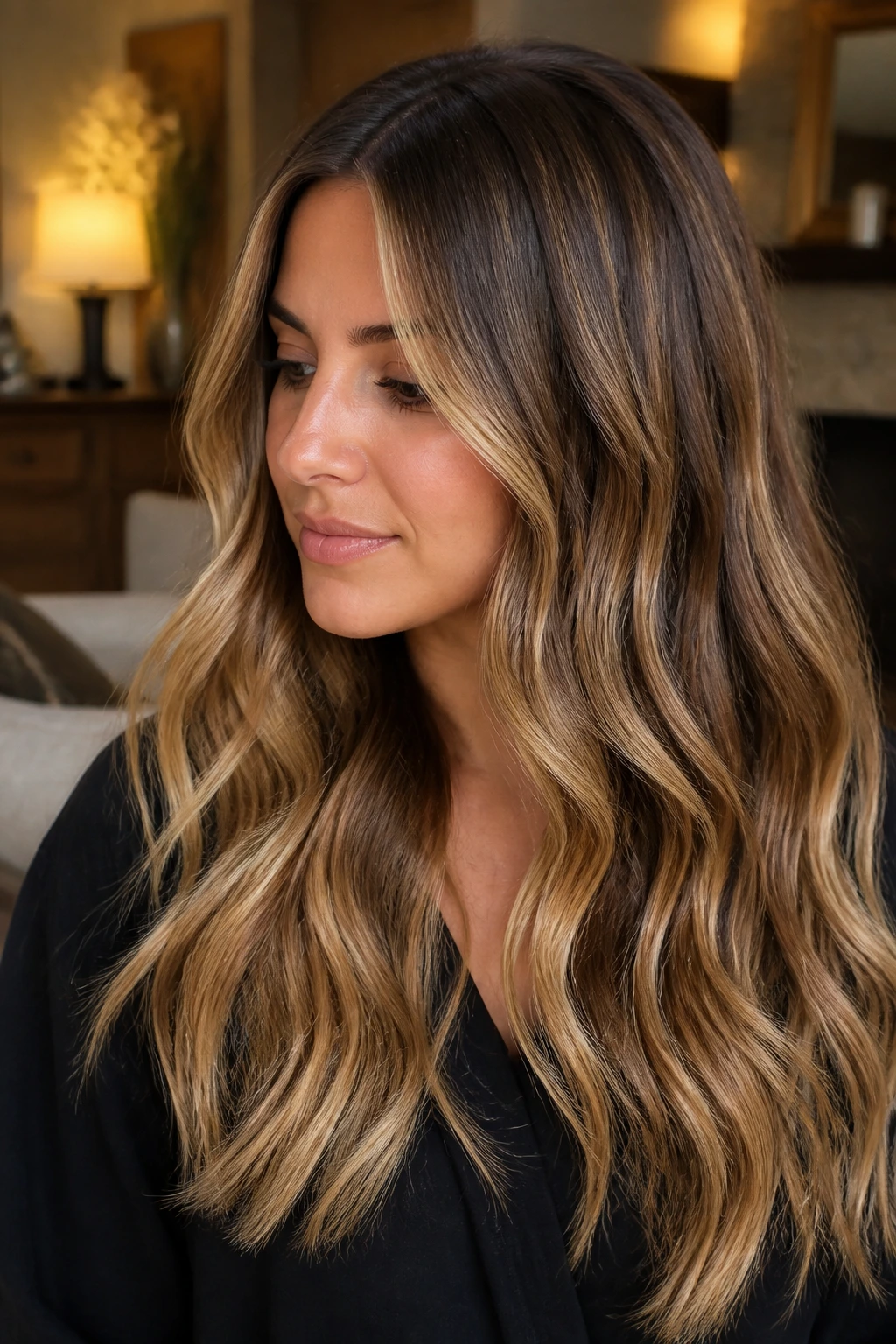
Maple butter blonde is warm, rich, and a little deeper than honey. It feels especially good on brunettes who want the lighter pieces to read as part of the hair’s texture instead of as a separate color lane. The warmth is there, but it’s rounded off with a creamy finish.
This is one of those shades that can save a cut from looking heavy. A layered brunette bob with maple butter babylights gets more lift at the ends, which breaks up the shape in a nice way. If you like warm tones but don’t want yellow, this shade stays in a more polished register.
23. Soft Platinum Babylights
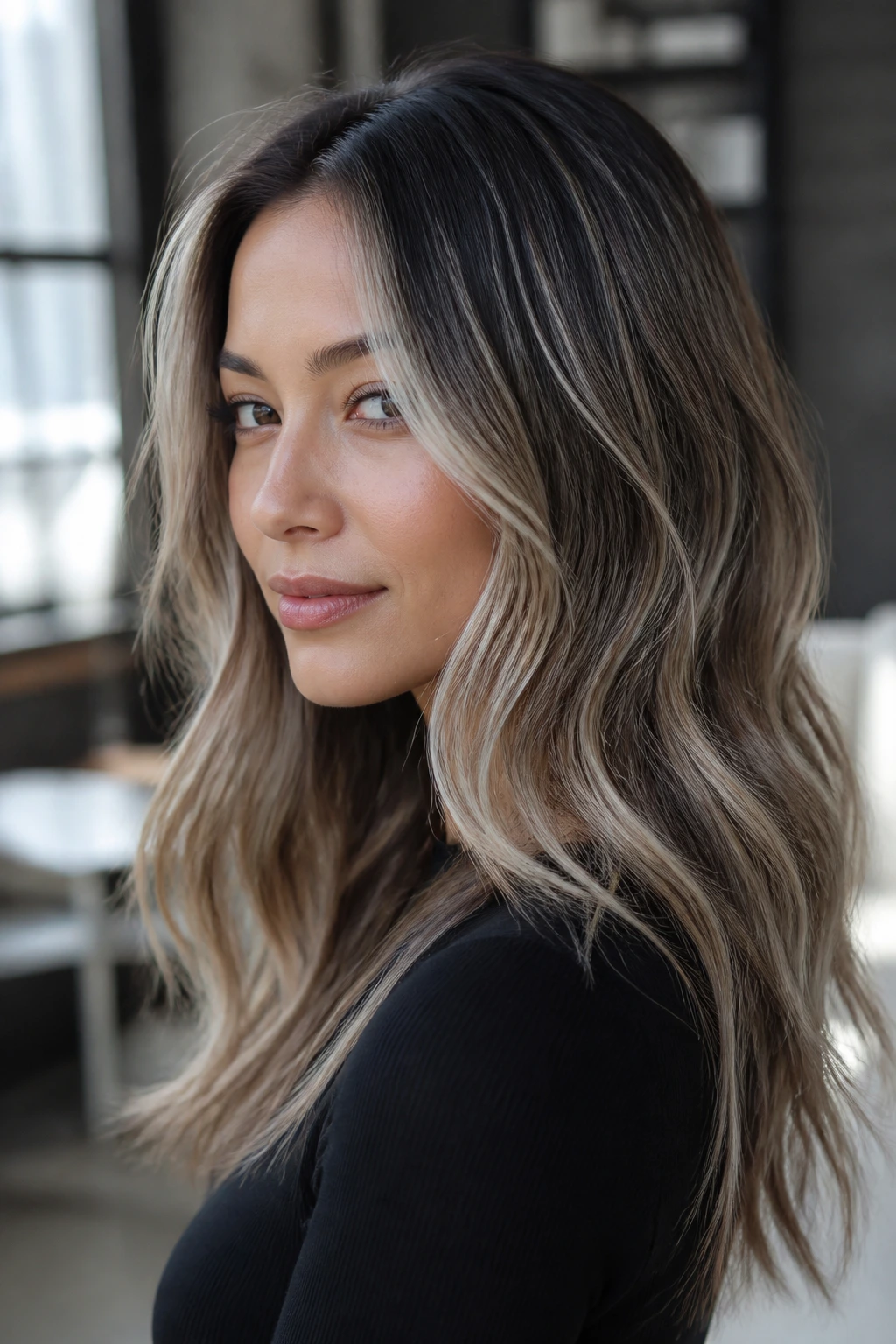
Soft platinum is not the same thing as all-over platinum blonde. That difference matters. On brunettes, the best version uses micro-fine babylights in a few key places so the brightness feels like a veil rather than a block of light. The hair still looks brunette first, blonde second.
This shade asks for the cleanest lift on the list. If the hair is porous, previously dyed, or uneven through the ends, platinum can get messy fast. When it’s done well, though, the result is crisp and modern without looking hard. It’s all about restraint.
24. Neutral Linen Blonde Babylights
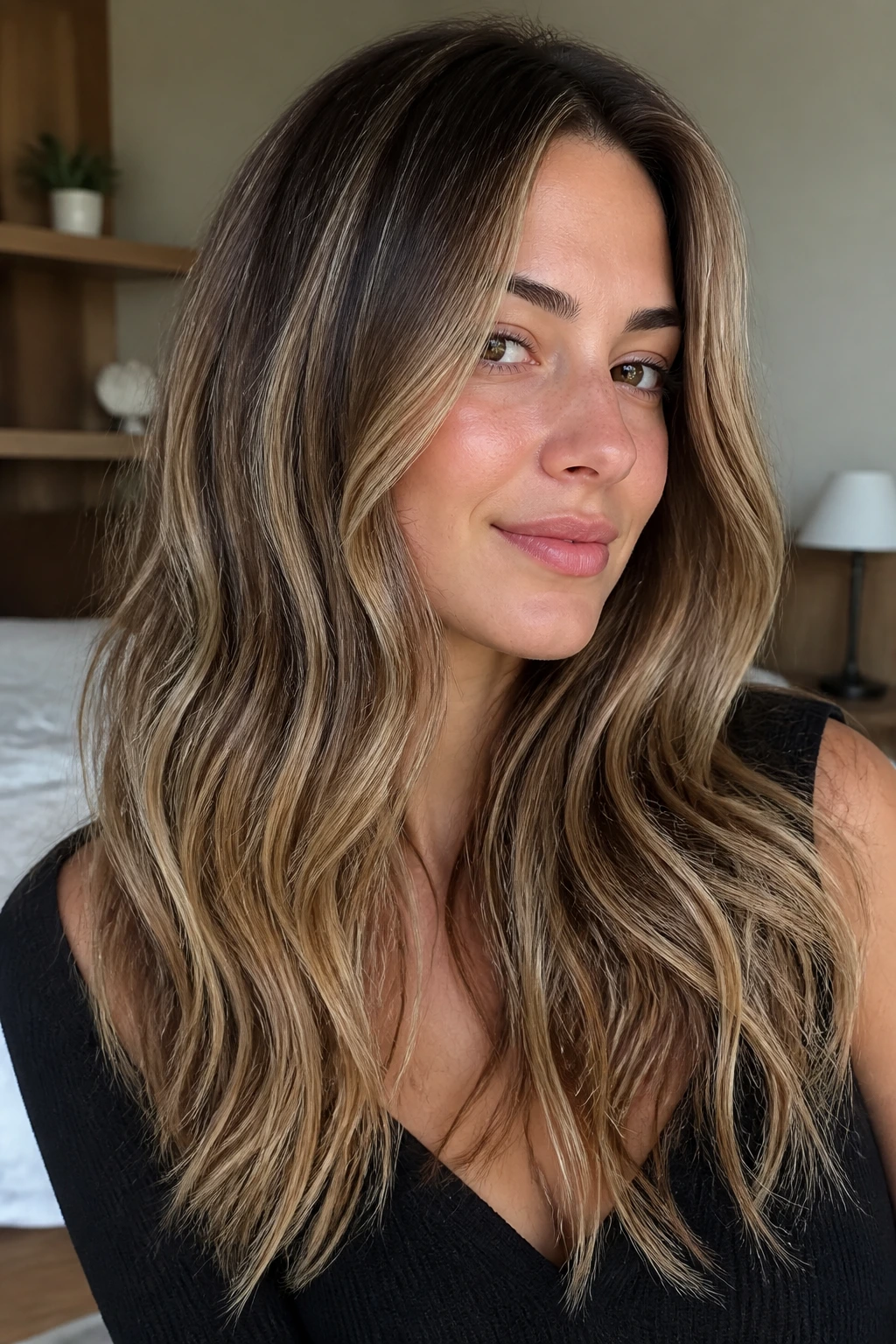
Linen blonde sits in a very useful space: not too warm, not too cold, and not too pale. On brunette hair, that neutrality helps the blonde blend with the base instead of fighting it. The shade feels clean, almost fabric-like, which suits straight styles and glossy blowouts.
What makes linen different from beige is the lack of sweetness. It doesn’t lean golden, and it doesn’t go smoky. That makes it a strong pick for brunettes who want the light pieces to feel modern and easy, not overly styled or too fashion-y.
25. Meringue Blonde Babylights
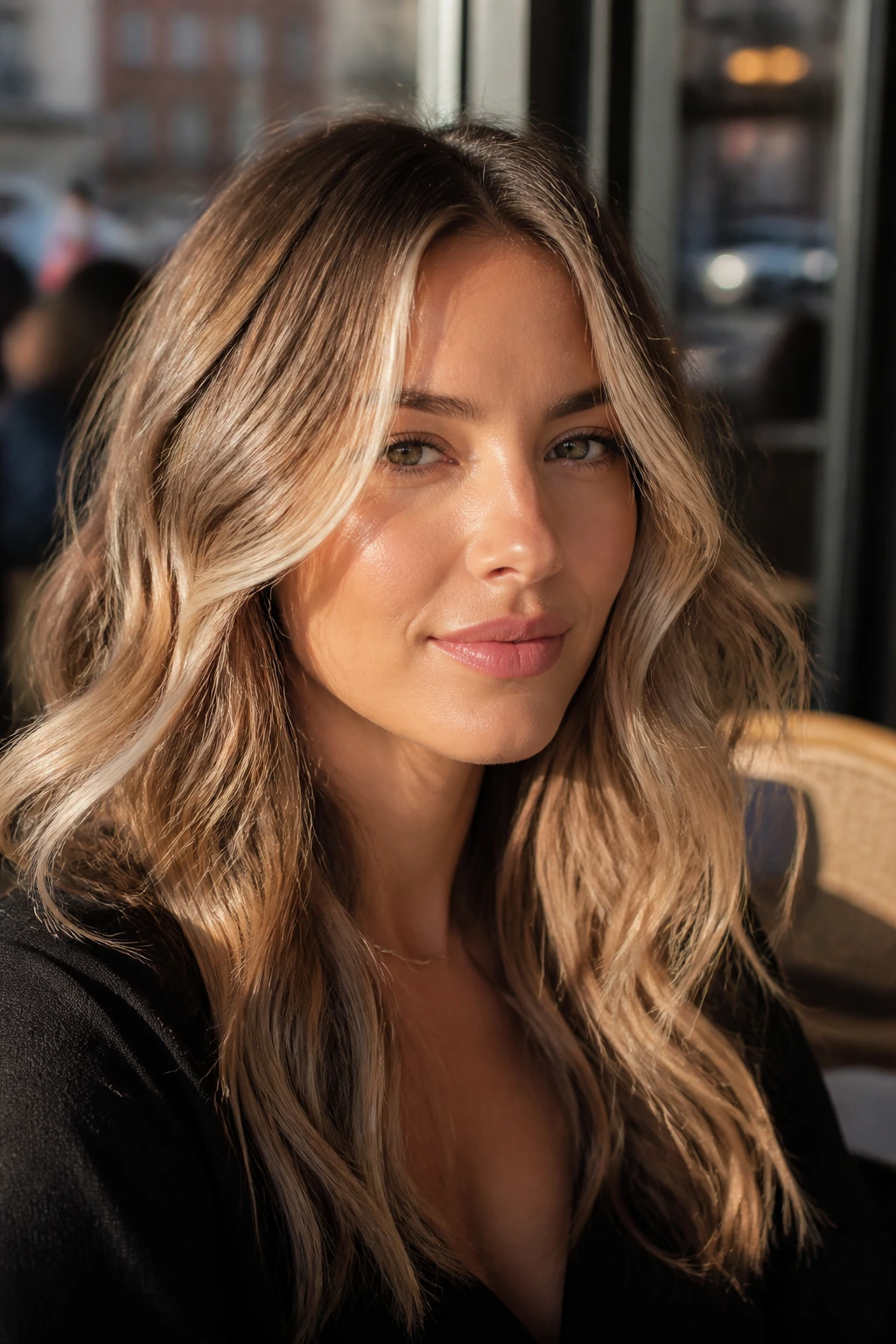
Meringue blonde should look whipped and airy, never heavy. It’s brighter than vanilla bean, but softer than platinum, which puts it in a sweet spot for brunettes who want lightness without an icy edge. The color reads lightest at the surface and gentler underneath.
This shade works best when the hair has movement. Curls, bends, and layered cuts help the babylights show up without needing a lot of contrast. On very straight hair, it can feel flatter, so I’d lean toward a few brighter face pieces if the cut is minimal.
26. Bronze Champagne Blonde Babylights
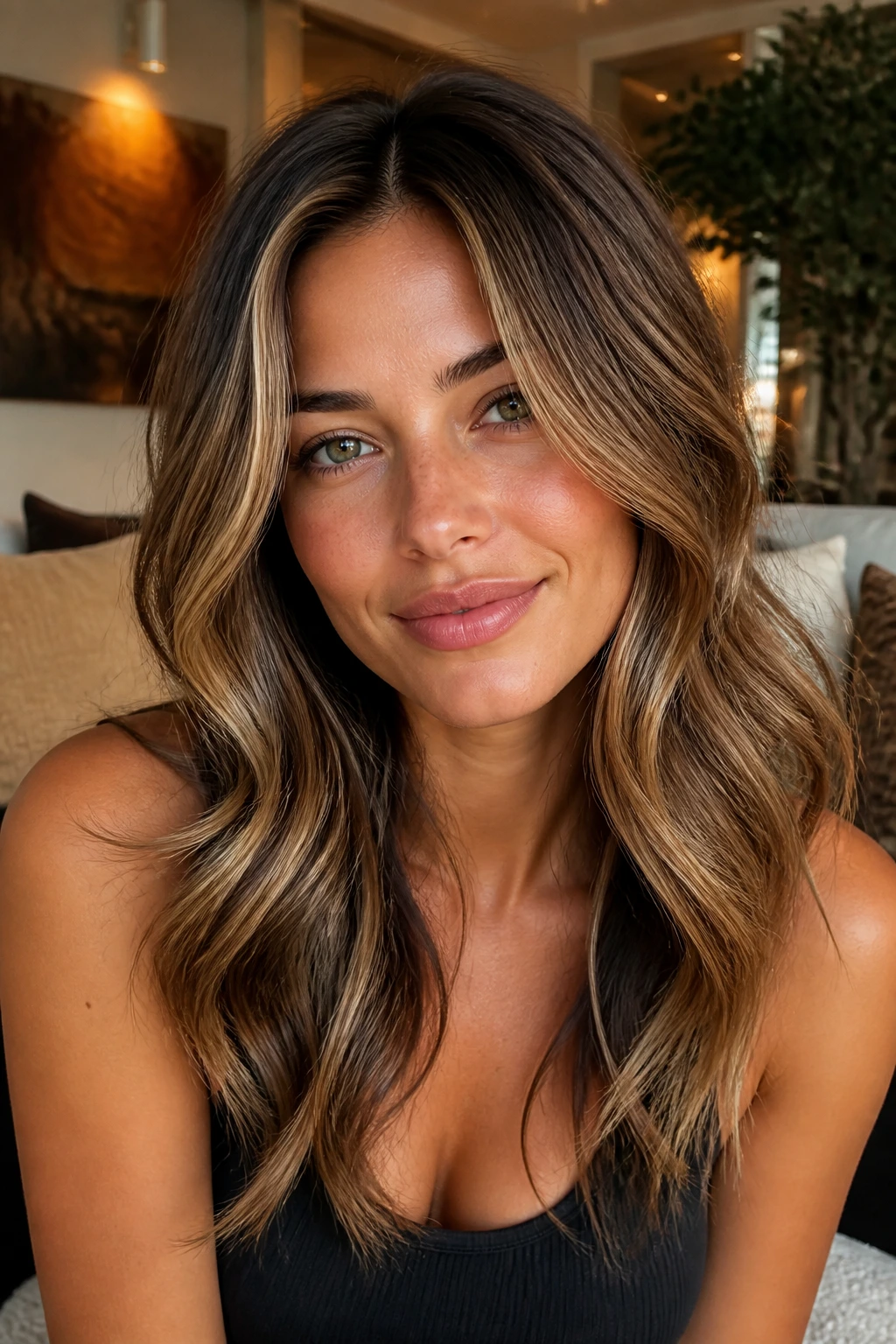
Bronze champagne sounds richer than it looks, and that’s part of the appeal. The shade mixes warm bronze depth with a pale champagne lift, so the blonde pieces feel dimensional instead of washed out. On deeper brunettes, it can be one of the prettiest options because it keeps some depth in the mix.
Why It Works
- The bronze keeps the base connected to the highlights.
- The champagne adds brightness around the face and ends.
- The combo looks especially good in layered cuts and blowouts.
If you want drama without a hard blonde line, this is one of the smarter shades on the list.
27. Pale Wheat Blonde Babylights
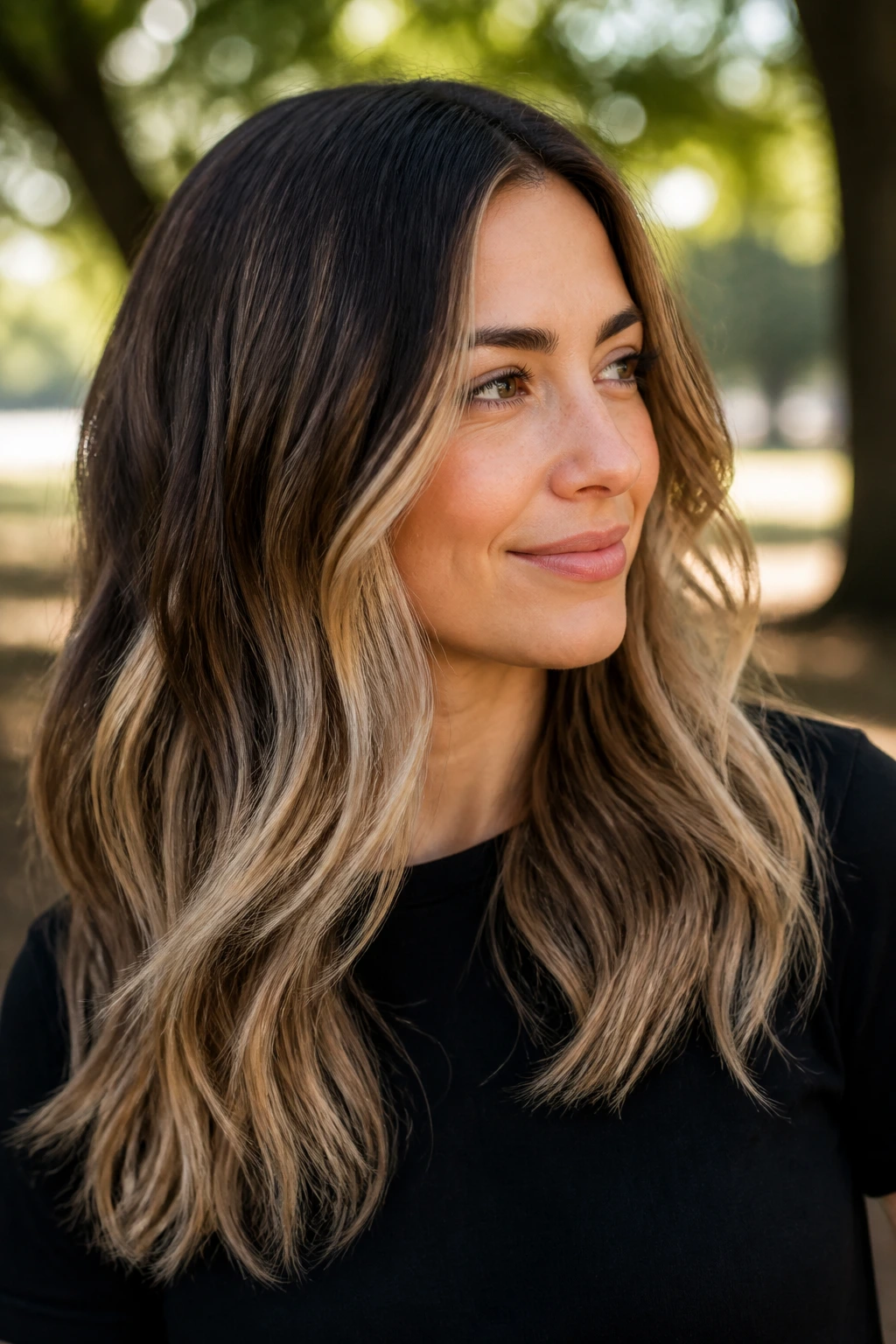
Pale wheat is a softer, lighter version of wheat blonde. It carries a light gold-beige finish that feels airy on brown hair, especially when the brunette base is medium rather than deep. The color gives you a lighter overall read without asking for an icy gloss.
I like this shade for longer hair that needs a little movement near the ends. The babylights can trail down the lengths and make the whole style look looser. It’s not flashy. That’s the point. The blonde is there to soften the brunette, not replace it.
28. Hazelnut Cream Blonde Babylights
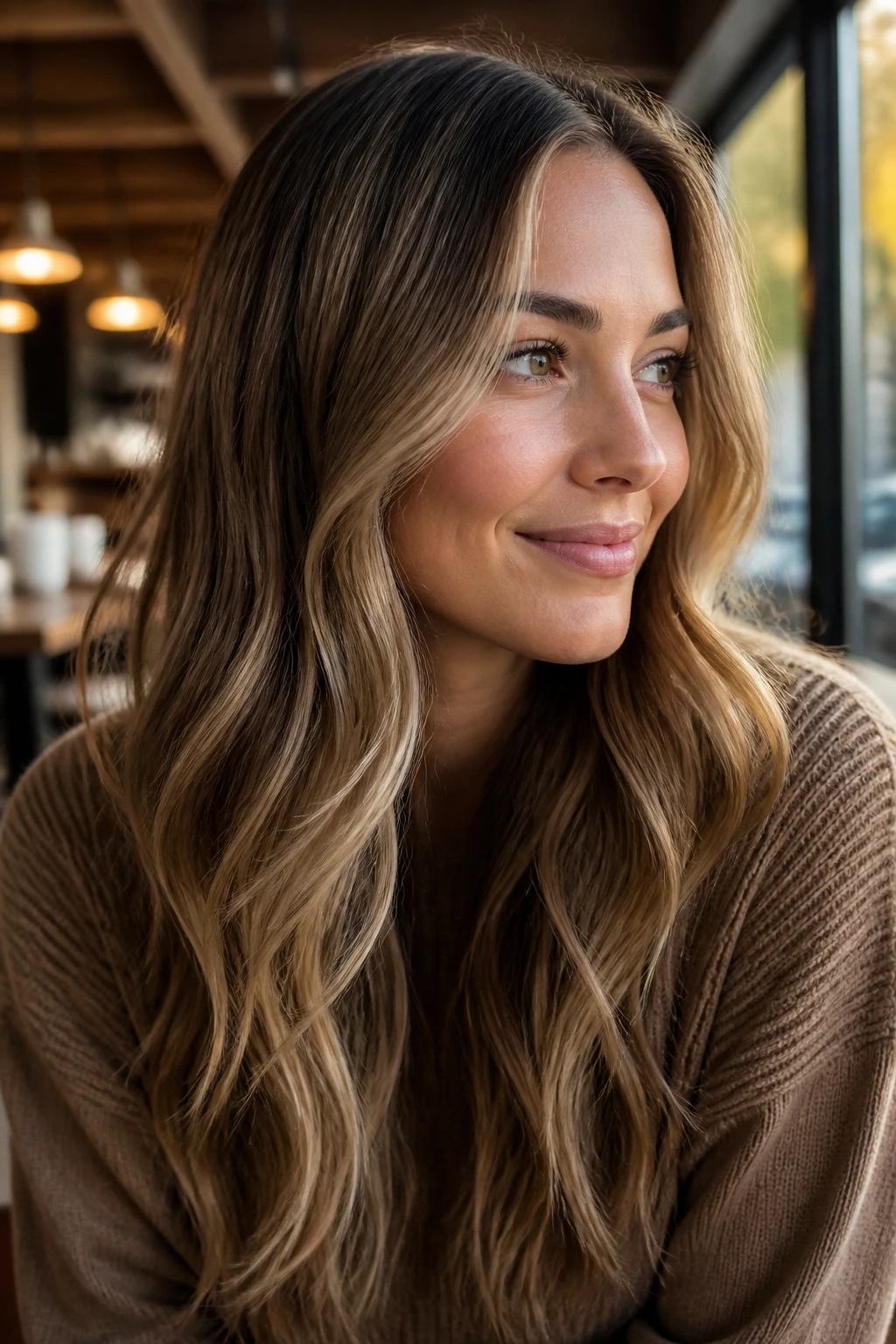
Hazelnut cream is what happens when brown warmth and blonde softness meet halfway. It keeps some nuttiness in the formula, which helps the blonde sit naturally beside the brunette base. The result is creamy but grounded, not sugary.
This shade is especially kind to thick hair. Wide, heavy sections can look blunt when they’re too light, but hazelnut cream keeps the lighter pieces woven into the texture. If you want dimension first and blonde identity second, this shade understands the assignment.
29. Frosted Beige Blonde Babylights
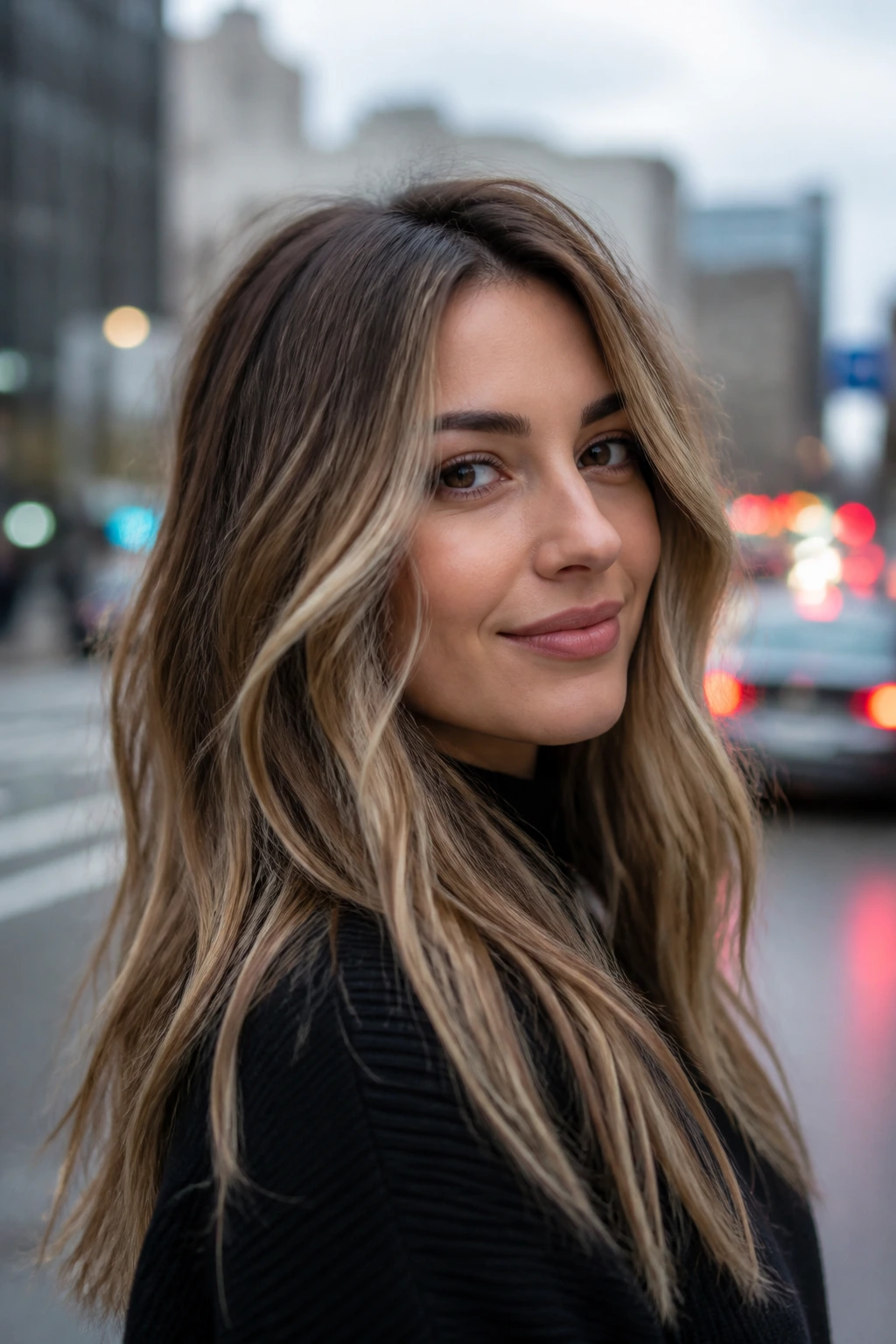
Frosted beige is cooler than standard beige, but it does not need to turn silver to work. It’s the kind of tone that keeps yellow out while still looking wearable on a brunette base. That’s useful if your hair tends to go warm after every wash or heat style.
The best version is subtle and controlled. Too much frost can flatten the hair, especially if the base is already ash-toned. Keep the babylights fine, let a little brunette depth remain at the root, and the whole color reads cleaner.
30. Vanilla Glaze Blonde Babylights
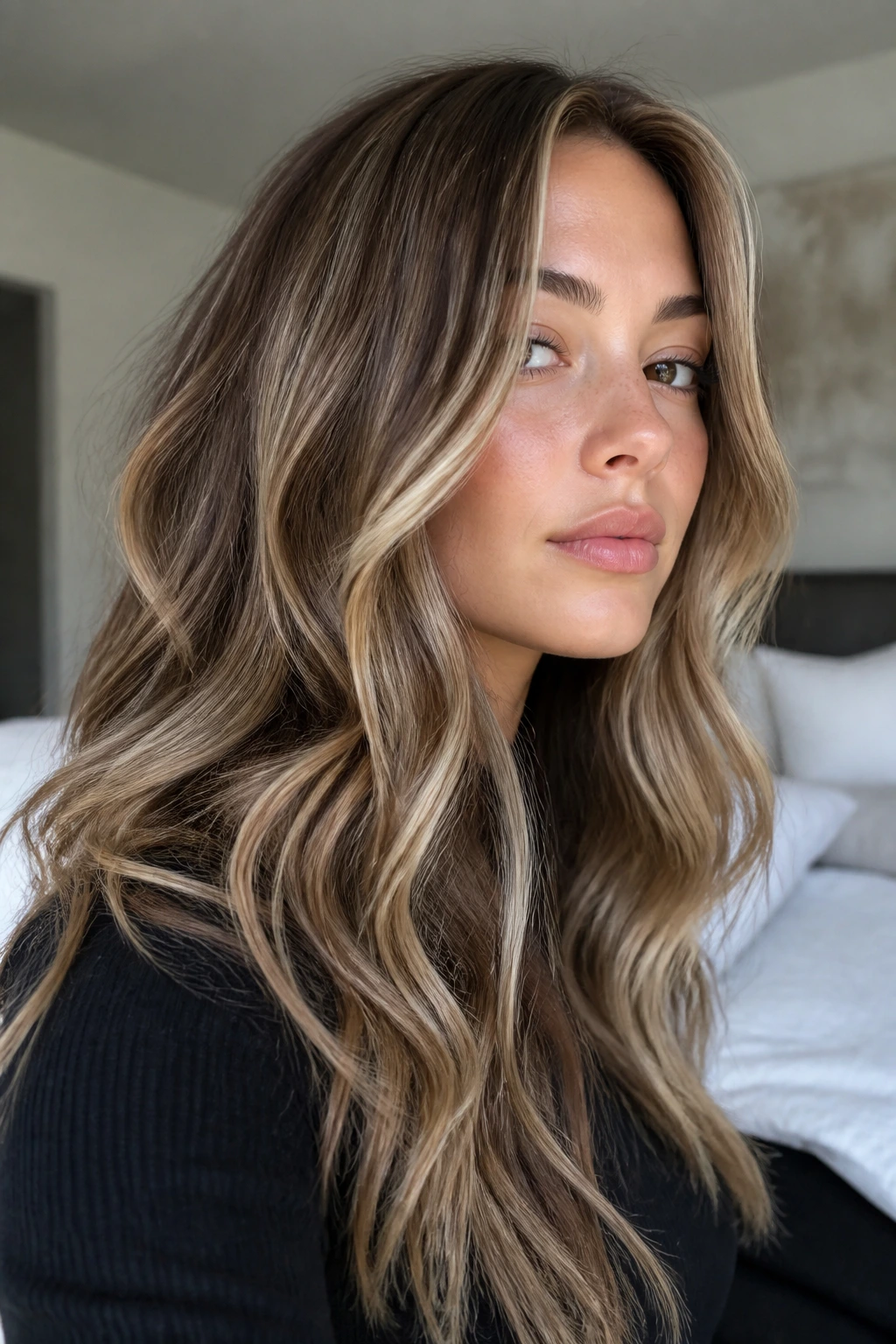
Vanilla glaze is the polished ending point for a brunette who wants blonde without losing the brunette identity. It’s creamy, glossy, and just light enough to catch the eye without making the hair feel overworked. The glaze part matters, because the shine is what keeps the blonde from looking dry or chalky.
If I had to choose one shade for someone who wants a soft blonde transition and doesn’t want to babysit the tone every week, this would be near the top. It suits waves, blowouts, and straight styles. The brunette base stays visible, the babylights stay light, and the whole thing looks thought through.
Why Babylights Keep Blonde Soft on Brunettes
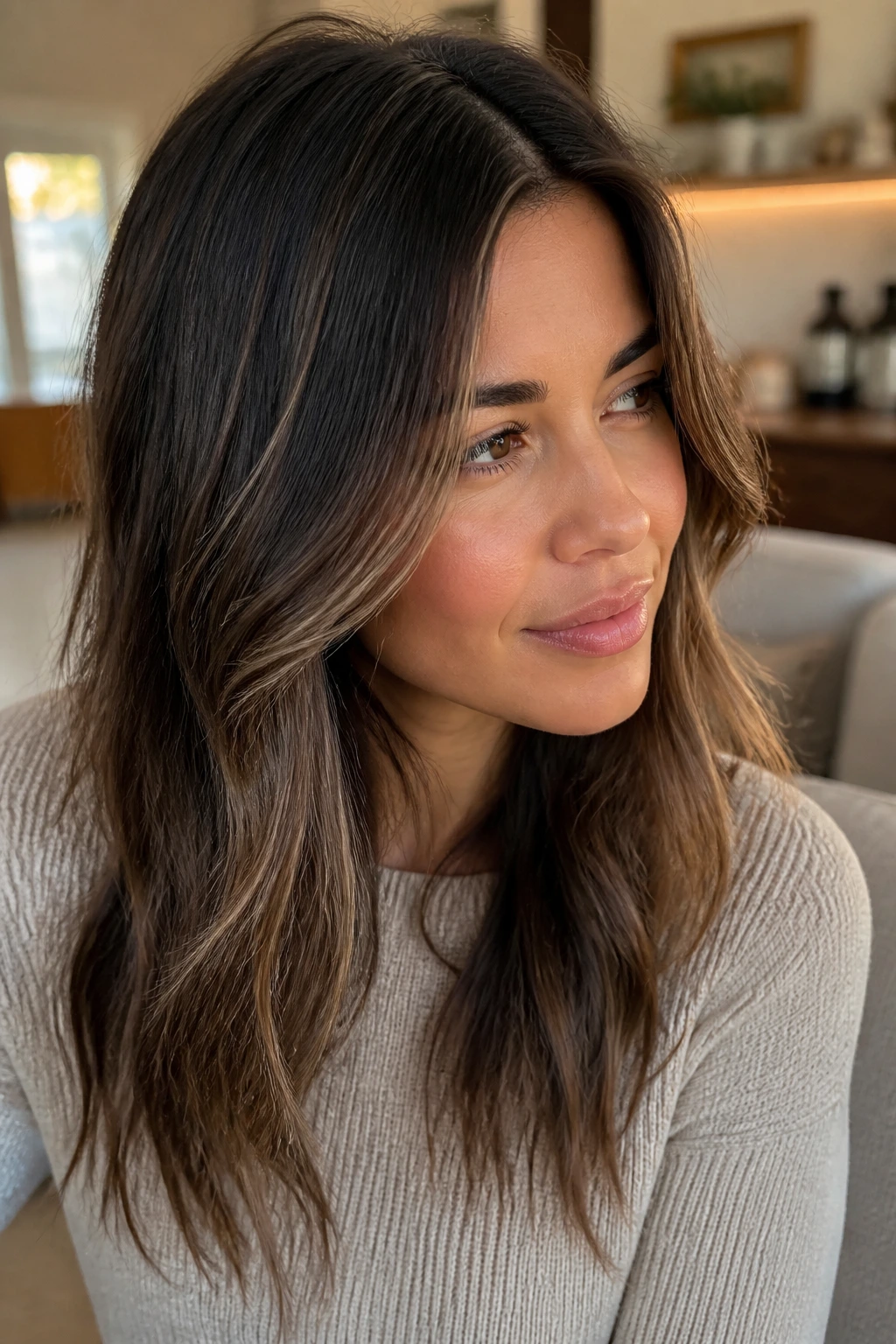
Babylights work because they change the scale of the color. Tiny weaves don’t expose as much lightened hair at once, which means the brunette underneath still does most of the visual work. That’s why a babylighted blonde looks softer than a standard highlight set with wider sections. The color doesn’t shout. It flickers.
The placement matters just as much as the size. Fine pieces around the part, temples, and top layers brighten the face without sacrificing depth through the back and underlayers. Add a few lighter ends and the hair moves better, especially when it’s curled or worn in a loose bend.
There’s also a practical side to this. Babylights can grow out more quietly because the darker root is never replaced all at once. A brunette-to-blonde look with this technique usually holds up better between salon visits, especially when the toner is chosen well and the base shade is left alone where it should be.
How to Choose the Right Blonde for Your Brown Base
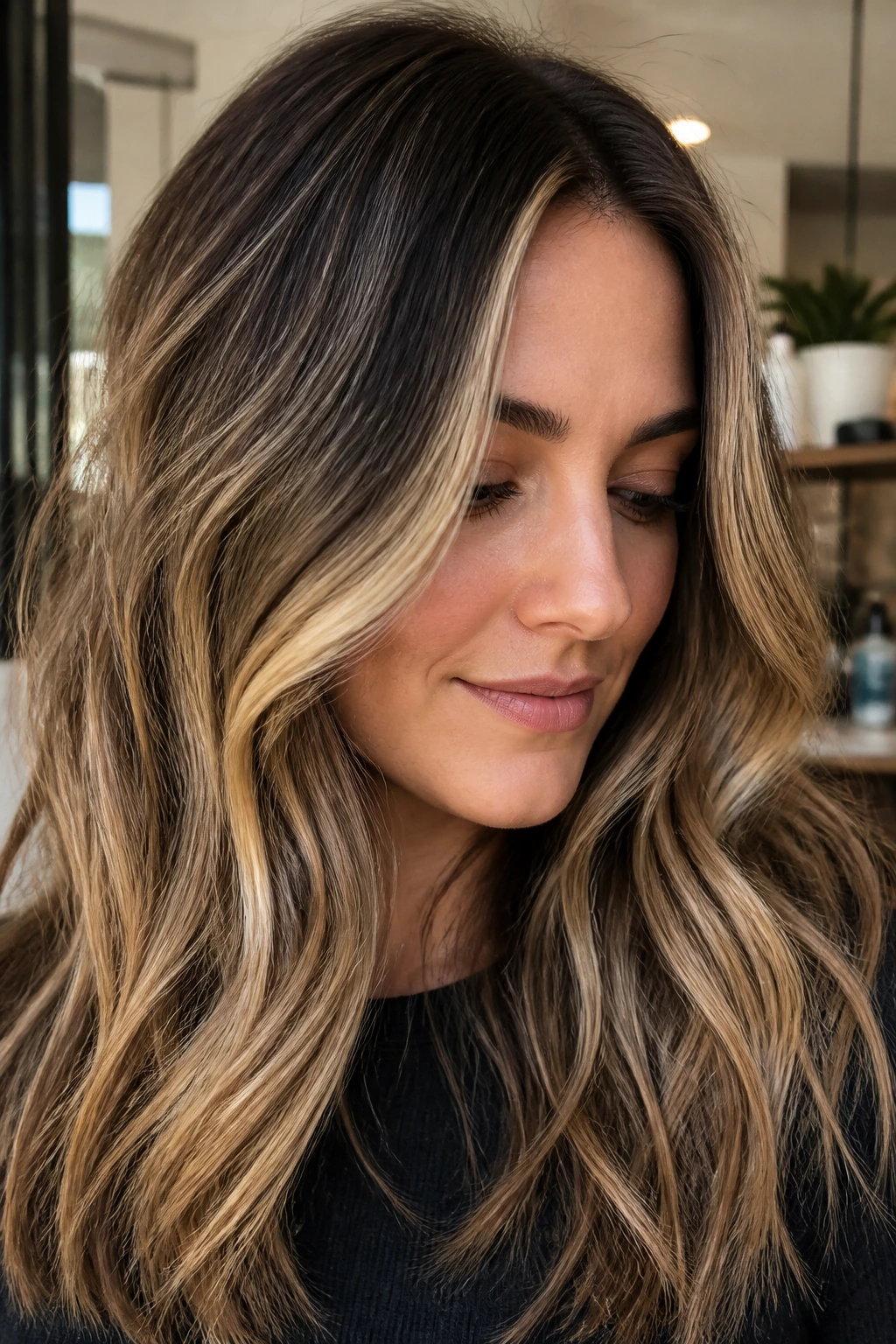
Base level changes everything. A level 4 brunette can wear beige, honey, or caramel, but a level 6 light brown can carry pearl, ash, or soft platinum a lot more easily. If the starting point is deep and the hair has old dye on it, the blonde needs to stay softer or the contrast can get harsh fast.
Undertone is the next thing to check. Warm brunettes usually handle honey, buttercream, and cream soda without fighting them. Cooler brunettes tend to like mushroom, ash, frosted beige, and linen. Neutral bases get the widest lane, which is why beige and champagne show up so often on salon boards.
Take photos in daylight, not under bathroom bulbs. Warm indoor light can fool you into thinking a shade is beige when it’s actually gold. That one little mistake can turn a soft brunette-blonde blend into something much warmer than you meant to ask for.
What to Tell Your Colorist Before the Foils Go In
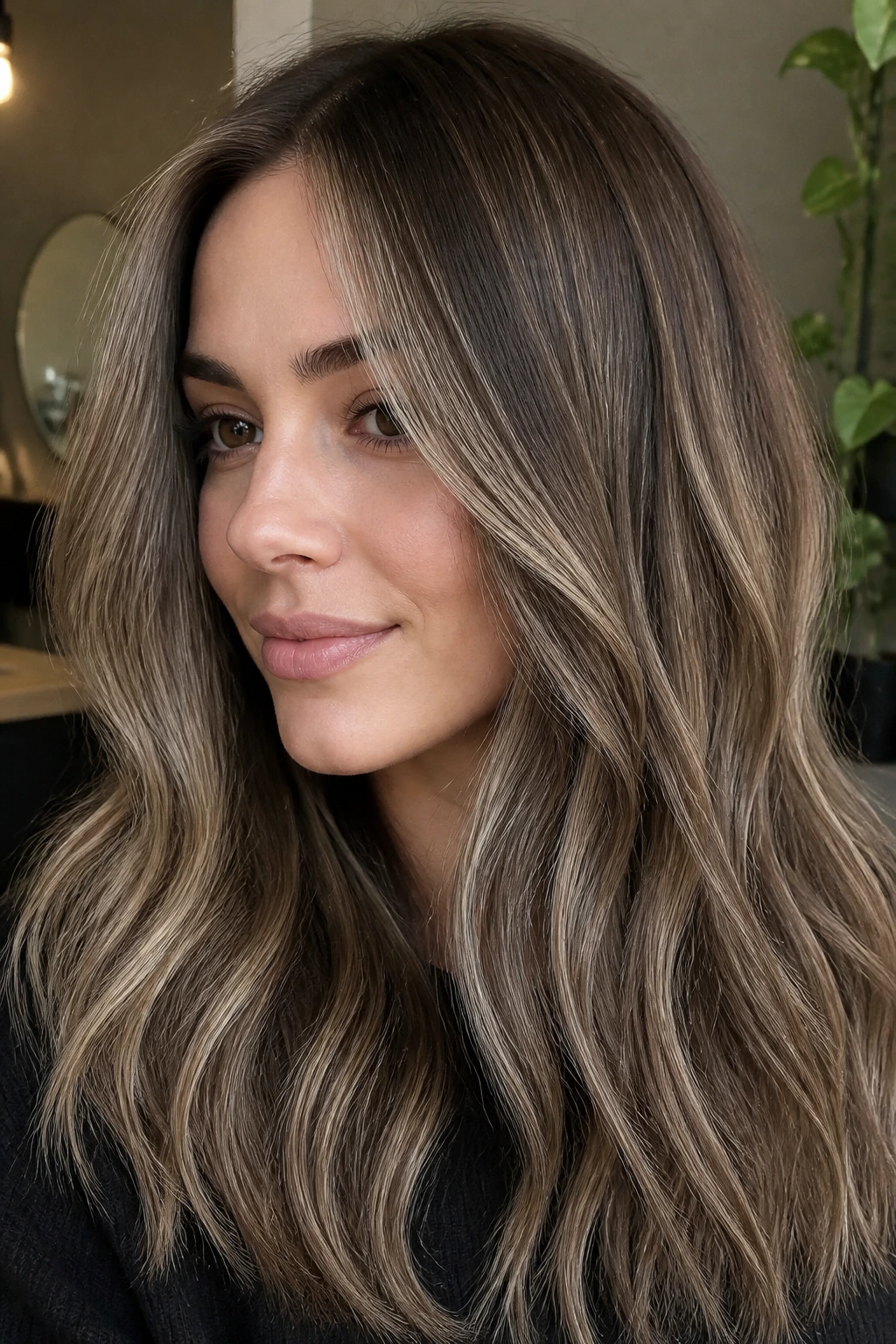
Bringing one inspiration photo is not enough. Bring three, and make sure they all point to the same tone family. One picture of beige blonde, one of champagne, and one of pearl can still be useful if they share the same level of softness; a collage of beige, silver, and honey only confuses the conversation.
Say how much contrast you want. Tell the colorist whether you want the blonde to sit mostly around the face, through the top layers, or all the way through the ends. Mention old dye, box color, prior bleach, or heat damage. Hair history changes everything, and a good result starts with the honest part of the conversation.
Ask about the gloss, not just the foils. A lot of these shades live or die by the toner: beige, sand, taupe, cream, gold, pearl. That final bowl is what keeps the light pieces from drifting too yellow, too gray, or too flat.
How to Wear the Color So the Babylights Show Up
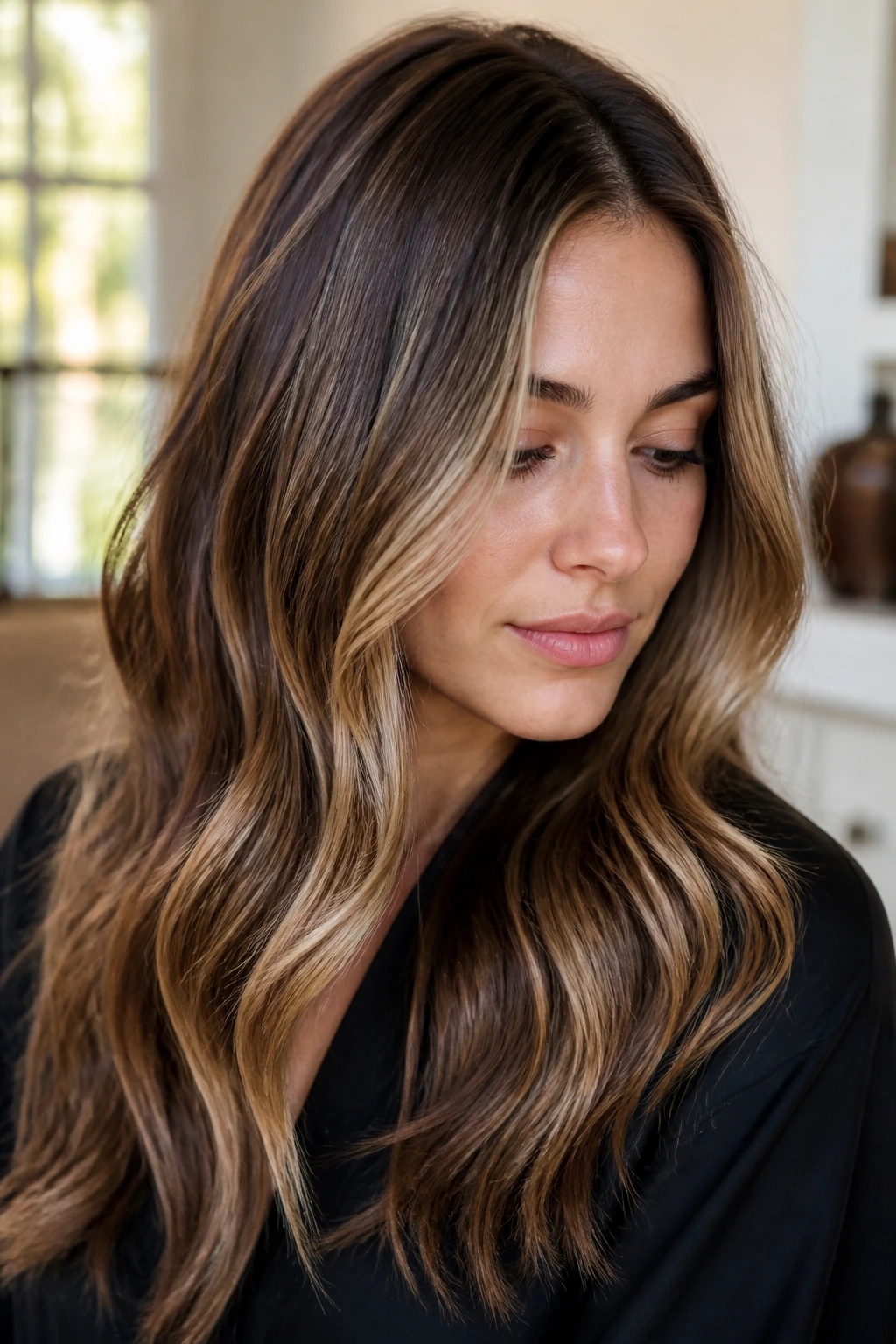
Presentation: Loose waves show babylights best because the fine pieces can bend in and out of the light. A round-brush blowout works too, especially on shades like brushed almond, cream soda, and vanilla glaze. Straight hair can look sleek, but it hides some of the dimension.
Placement: The brightest pieces should usually sit around the hairline, part, and crown. A few lighter ribbons through the ends help the color feel connected, not patchy. If you want the blonde to stay subtle, keep the back half softer and let the front do the talking.
Pairings: Warm blondes like honey, toffee, and cream soda look especially good with bronze makeup and cream sweaters. Cooler shades such as mushroom, pearl, and frosted beige lean better with taupe eyeshadow, soft brown brows, and black or navy clothing. The color reads more clearly when the rest of the look doesn’t fight it.
Light: Daylight shows the most truth. Indoor warm bulbs pull out gold, while cool LED light can make ash shades look a touch flatter than they do in real life. If the color seems too quiet, switch the angle before you assume the shade is wrong.
Tools and Products That Keep the Tone in Shape
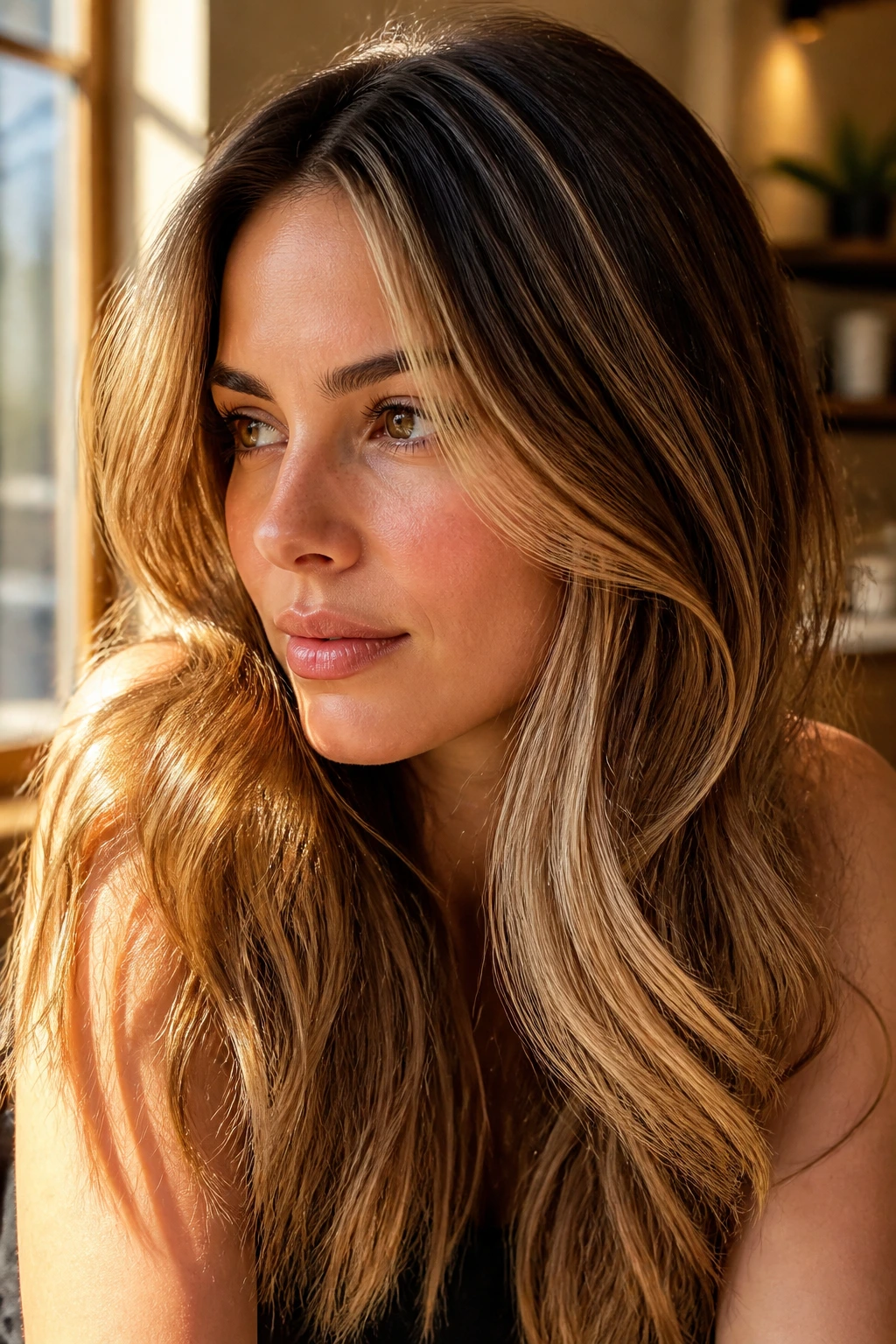
- Sulfate-free shampoo: Gentler on lightened pieces and less likely to strip the gloss out fast.
- Color-safe conditioner: Keeps the babylights from feeling rough, especially at the ends where porosity is higher.
- Purple shampoo: Useful for pearl, ash, frosted beige, and platinum shades when yellow starts to creep in.
- Blue shampoo: Better for brunettes with blonde babylights that lean orange or copper after washing.
- Heat protectant spray: Non-negotiable if you blow-dry, flat iron, or curl the hair often.
- Deep conditioning mask: Helps keep lightened mids and ends from going dry and frizzy.
- Wide-tooth comb: Easier on damp, highlighted hair than a fine brush.
- Microfiber towel or cotton T-shirt: Reduces roughness when the hair is wet and fragile.
- Gloss or glaze product: Handy between salon visits if the blonde starts to look dull.
- Shower filter: Optional, but useful if your water runs hard and leaves the blonde looking dull or muddy.
Keeping Babylights Fresh Between Appointments
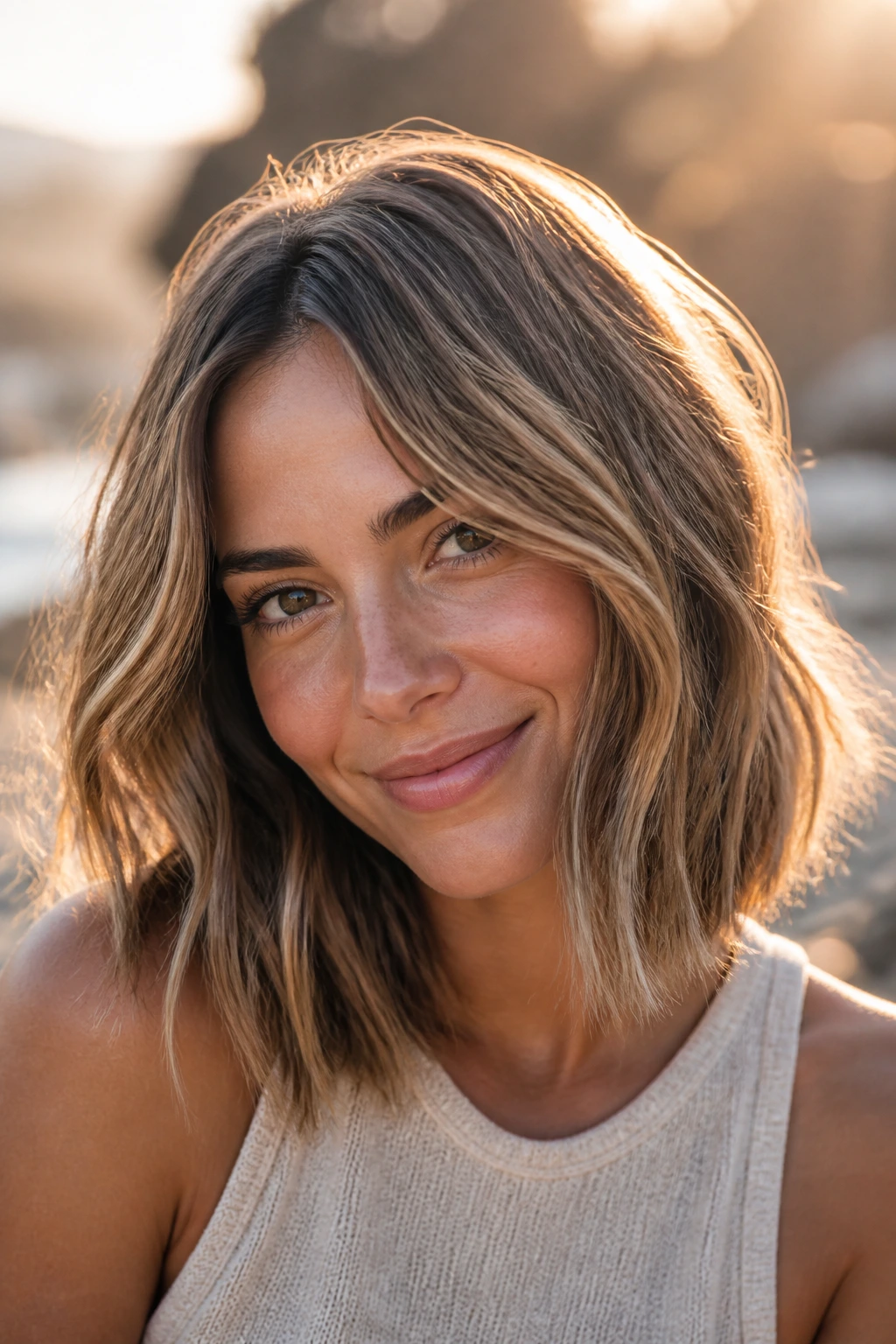
The first rule is simple: do not wash the tone out faster than you need to. Two to three washes a week is enough for many brunettes with babylights, and dry shampoo can carry the root a day or two when needed. The lighter the blonde, the more the hair rewards gentler washing.
Purple shampoo works, but not in the way people think. Use it once every 7 to 10 days for cool blondes, leave it on for 1 to 3 minutes, then rinse well. If you leave it on too long, pearl and ash shades can go chalky. Warm blondes usually need less of it, and some honey or caramel shades don’t need purple shampoo at all.
Most babylighted brunettes do well with a gloss every 4 to 6 weeks and a salon refresh every 6 to 10 weeks, depending on how bright the blonde is. Platinum and pearl live on the shorter end of that range. Beige, champagne, toffee, and cream-based blondes can stretch farther if the cut and shine are maintained.
Heat and sun matter. If you use hot tools often, keep the temperature moderate and use protectant every time. Chlorine and hard water can dull the light pieces fast, so rinsing before and after swimming helps more than people expect.
Common Color Mistakes That Make Brunette-Blonde Hair Go Flat
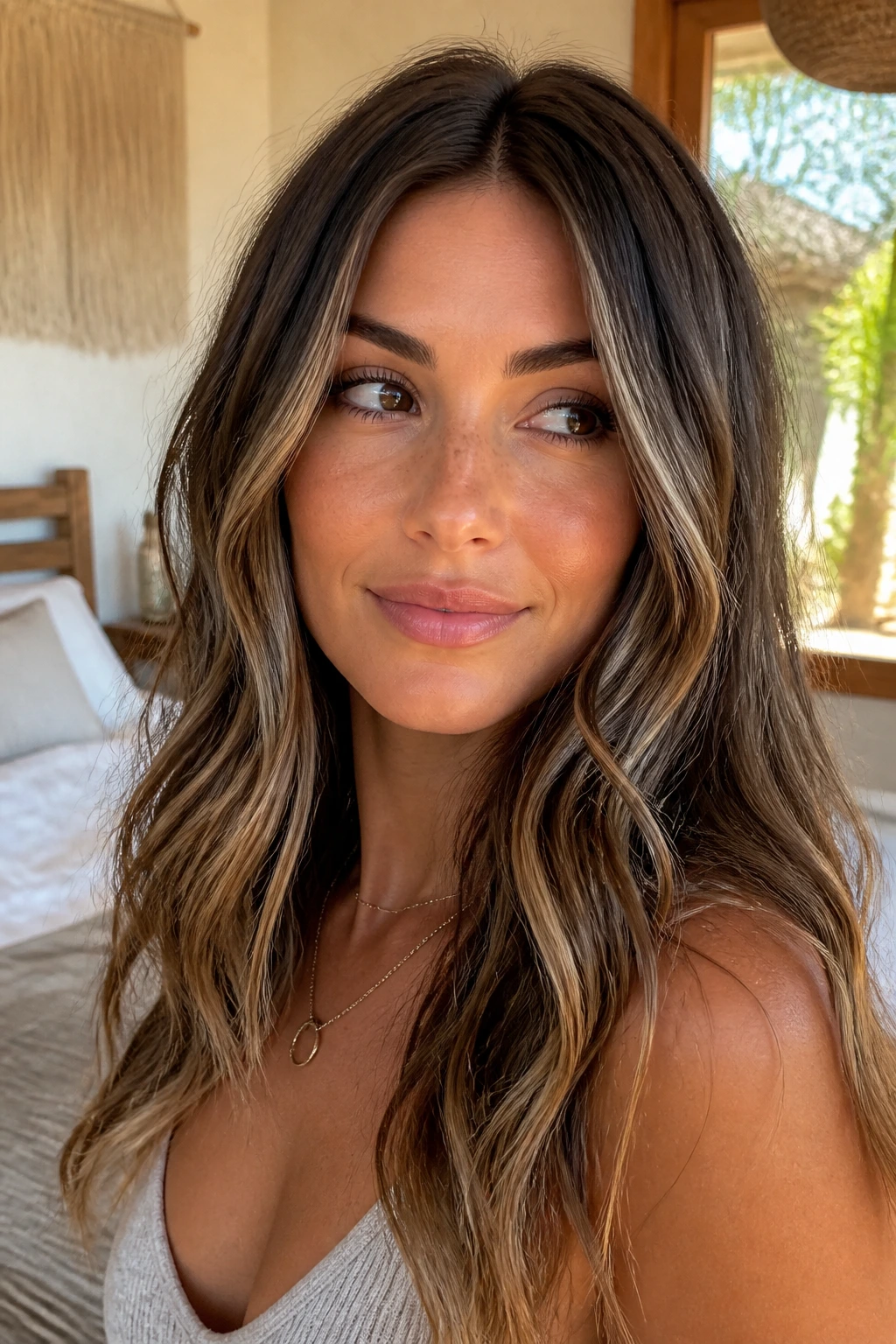
Going too light too fast is the easiest way to lose the brunette softness. When the foils are too wide or the lift is pushed too hard in one appointment, the result can look striped instead of blended. Fine babylights work because they leave some darkness in the picture.
Picking the wrong toner causes half the bad blonde hair stories on earth. Too much gold and the color turns orange. Too much ash and it goes muddy. Beige, champagne, pearl, honey, and cream all live in very different lanes, and they are not interchangeable just because they sound pretty on a color chart.
Skipping lowlights can make the whole head look too flat after the blonde is in. A little deeper tone in between the lighter pieces keeps the dimension alive. That matters especially on thicker brown hair, where blonde alone can look a touch skimpy if there’s no darker rhythm running through it.
Purple shampoo overuse is another trap. It can make warm blondes dull and cool blondes dusty if you use it too often. And if the hair is porous, the product sinks in faster than you expect. Less is usually better.
Ways to Bend the Shade Toward Warm, Cool, or Neutral
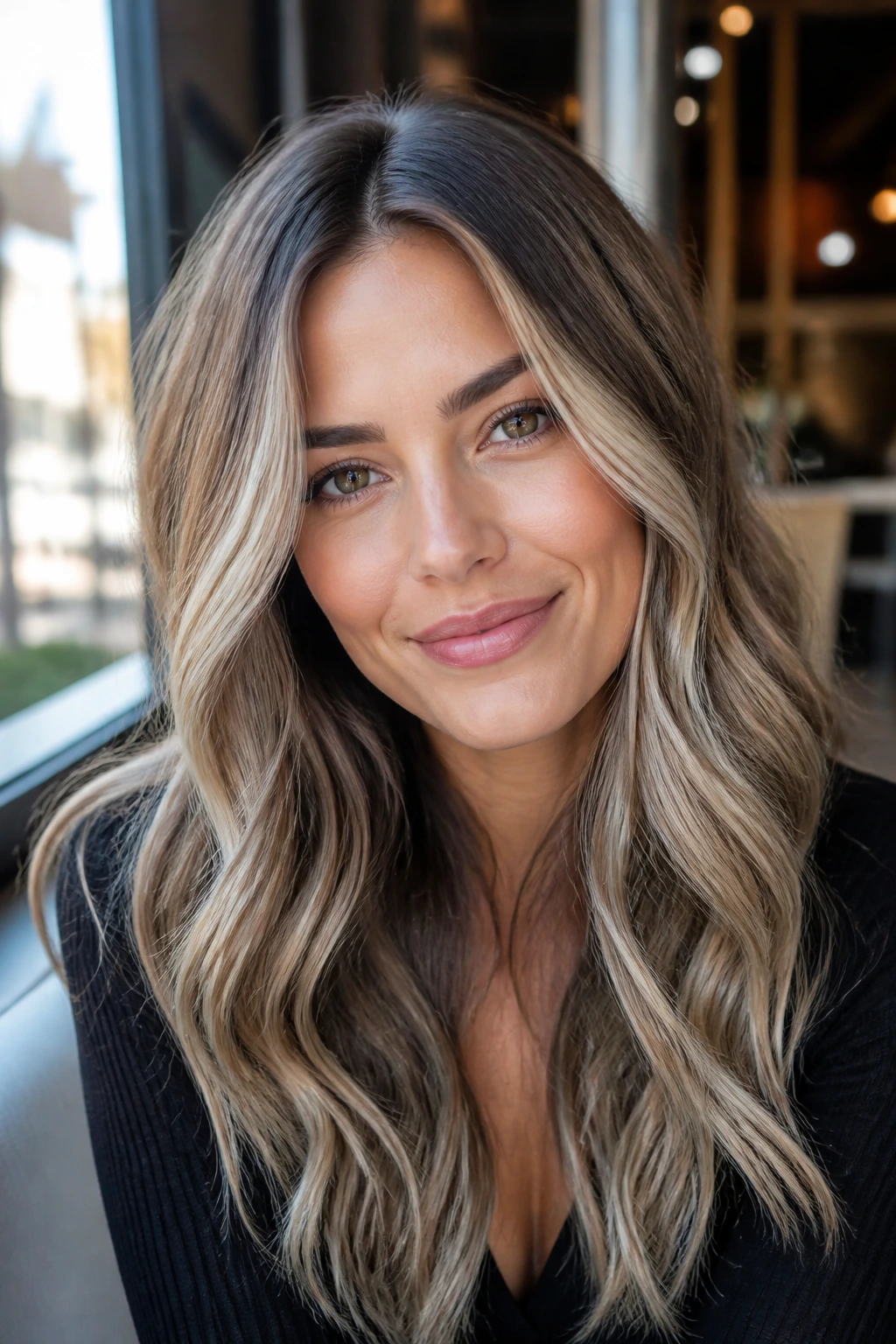
Warm-Gloss Finish: Add honey, caramel, cream soda, or maple butter tones if the brunette base likes warmth. This works best on skin with golden or olive undertones and on hair that already carries some natural gold.
Cooler Smoke: Shift beige, mushroom, ash, pearl, or frosted beige into a cooler lane when the hair pulls orange. This is the move for brunettes who want the blonde to look quiet and clean, not sunny.
Face-Frame Lift: Keep the brightest babylights near the face and hairline, then let the rest stay deeper. It’s a smart option if you want visible blonde without a huge maintenance bill.
Root Shadow Blend: Leave a soft shadow at the roots so the lighter pieces don’t start at the scalp. The grow-out is softer, and the brunette base keeps its depth.
Platinum Peek: Use tiny pops of soft platinum through only a few surface pieces. It’s a good fit when you want edge without committing to all-over brightness.
Questions People Ask Before Booking the Appointment
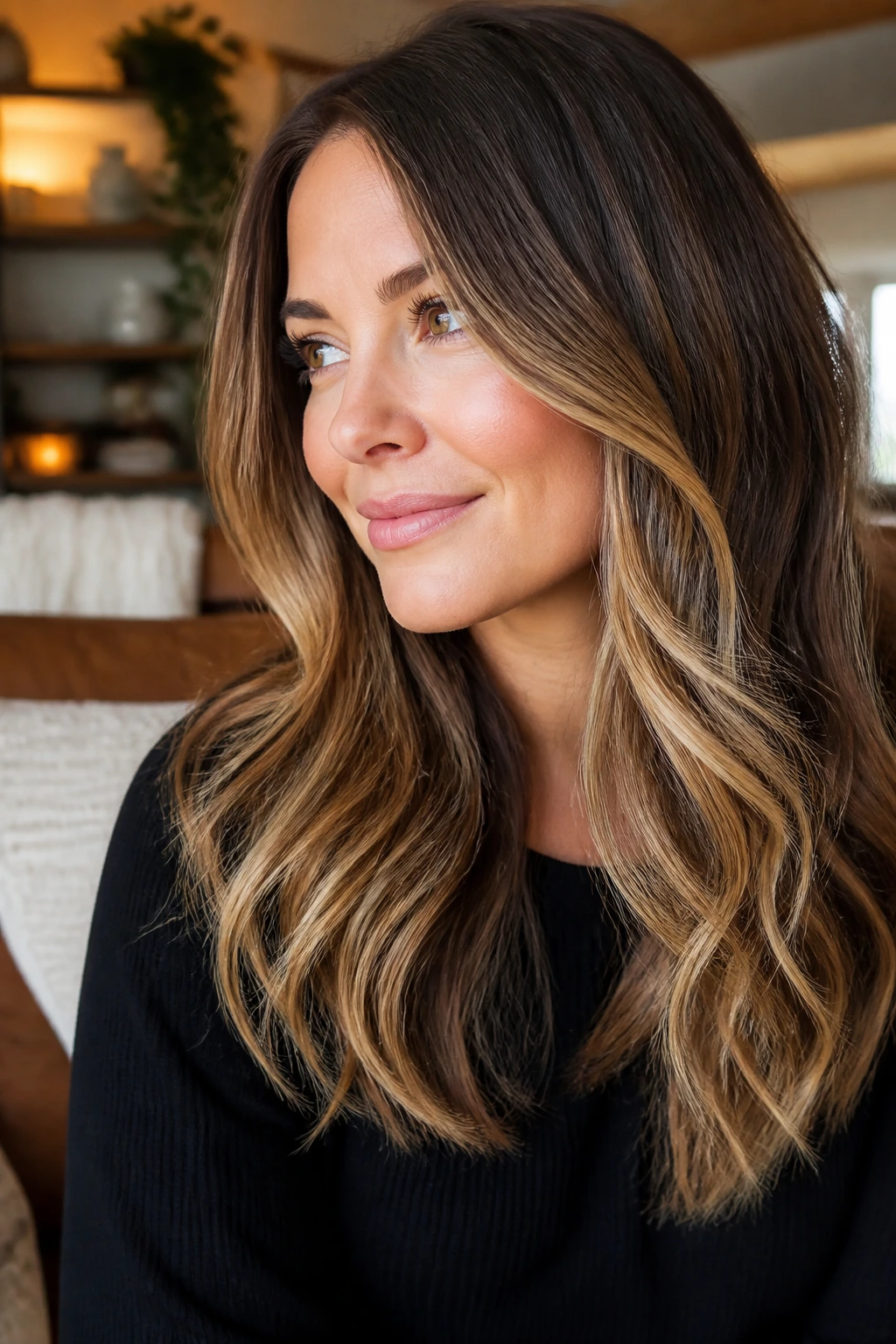
How light can brunettes go with babylights?
That depends on the starting base and the hair’s history. A healthy light brown can reach pearl or soft platinum in fine sections, while deeper brunettes usually look better with beige, honey, or champagne unless they’re willing to book more than one lightening session.
Do babylights damage hair less than regular highlights?
Usually, yes. Because the sections are finer, the lightener is distributed more gently and the grow-out is easier to live with. Damage still depends on lift level, previous color, and how carefully the hair is toned and cared for afterward.
Which blonde shade is the easiest to maintain on brunette hair?
Beige, champagne, caramel, and vanilla glaze tend to be friendlier than pearl or platinum. They fade more softly and don’t need toner as often. If you hate upkeep, stay in the creamy-neutral range.
Can I get babylights if my hair has old box dye?
Sometimes, but the result depends on what’s in the hair and how dark the dye is. Old color can lift unevenly or get warm fast, which means the session may need to be conservative. A strand test saves trouble here.
What if the blonde turns too yellow?
A beige or pearl gloss usually fixes the tone better than overusing purple shampoo. Yellow often means the lightening was fine but the toner didn’t hold long enough. The right salon refresh can put it back in line.
What if it turns too ashy?
That usually means the toner was too cool or left on too long. A warmer beige or soft gold gloss can pull the color back toward cream and keep it from looking dull.
Can brunettes with curly hair wear these shades?
Yes, and babylights can look excellent on curls because the tone moves through the bends. The light pieces should be placed where the curl pattern opens up the hair, not packed into dense sections that disappear.
Do I need lowlights too?
Not always, but they help if your hair is thick or if the blonde starts looking flat. A few deeper pieces keep dimension visible and stop the overall color from reading one-note.
The Blonde That Still Looks Like Brown Hair
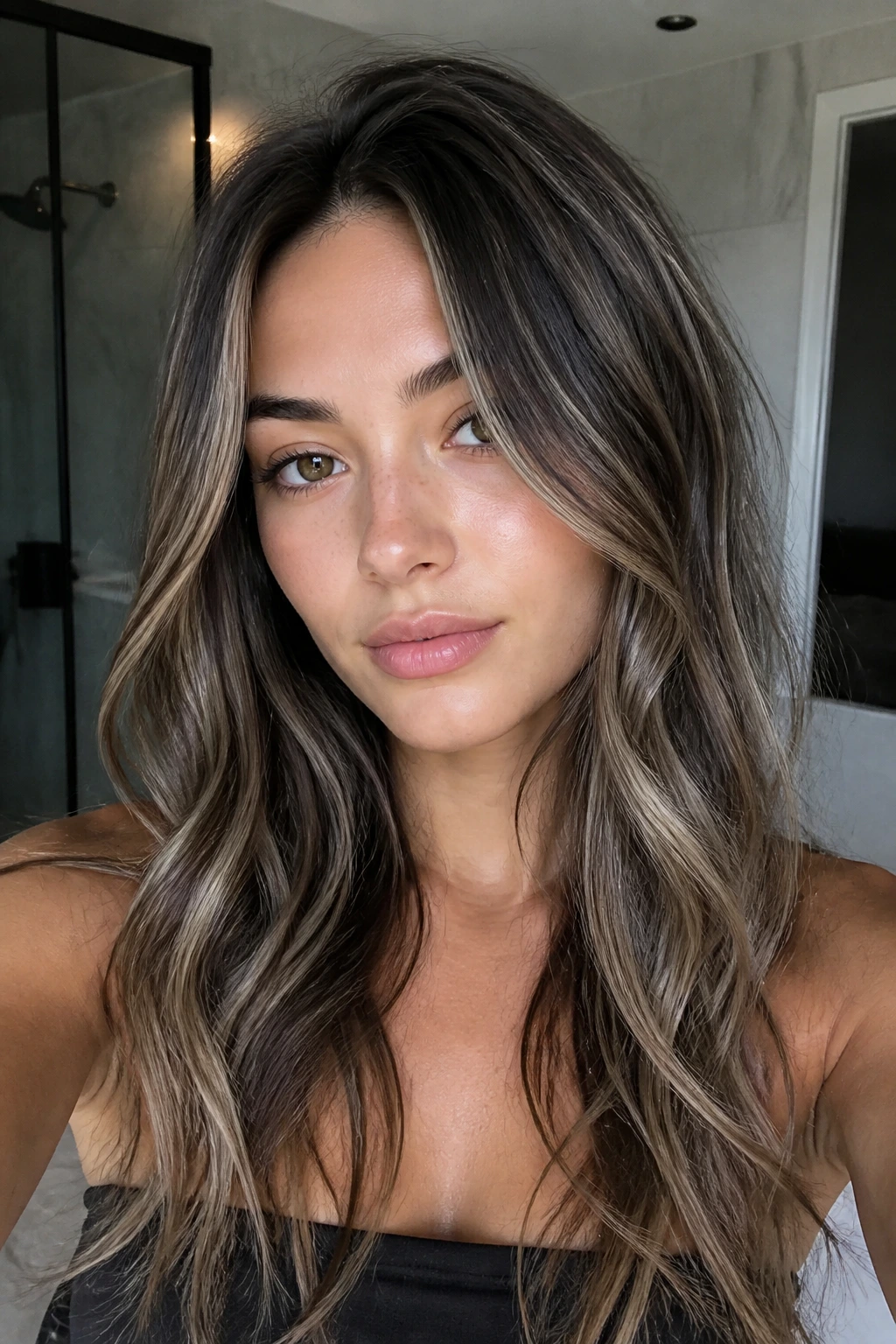
The best blondes for brunettes do one thing well: they keep the brunette visible. Beige, honey, pearl, mushroom, champagne, and all the rest only work when the brown underneath still gets to be part of the picture. That is what babylights give you—a way to lighten without erasing the base that makes the color interesting in the first place.
The smartest shade is usually the one that respects the hair you already have. If the brunette is warm, lean warm. If it’s cool, stay smoky or neutral. If you want the look to last, keep the sections tiny and the toner honest. That simple formula beats trying to force one blonde into every head of hair, and the grow-out tends to prove it.