



Strawberry blonde highlights for tan skin have a very particular kind of shine. Not the flat, yellow blonde that can wash warm complexions out. Not the heavy copper that sometimes turns loud the second daylight hits it. The sweet spot lives in between: peach, gold, soft rose, a little amber at the edges. When that balance is right, the color looks like it was lifted by sunlight, not painted on with a brush.
That balance matters more than people think. Tan skin can carry golden undertones, olive undertones, or a mix of both, and each one changes how strawberry blonde reads. A shade that looks creamy and warm on one person can look orange on another, then suddenly turn pink once a toner fades. The best versions keep movement in the hair, keep the skin looking alive, and avoid that stiff, stripey effect that makes highlighted hair look dated fast.
So the ideas below lean into nuance: face-framing brightness, soft balayage, ribbon highlights, shadow-root blends, and a few richer copper-leaning takes for deeper tan skin. Some are subtle enough for office wear. Some are bolder and more fashion-forward. All of them work because they respect the same rule: on tan skin, strawberry blonde should feel warm and dimensional, never syrupy or cartoon-bright.
Why These Shades Work on Tan Skin
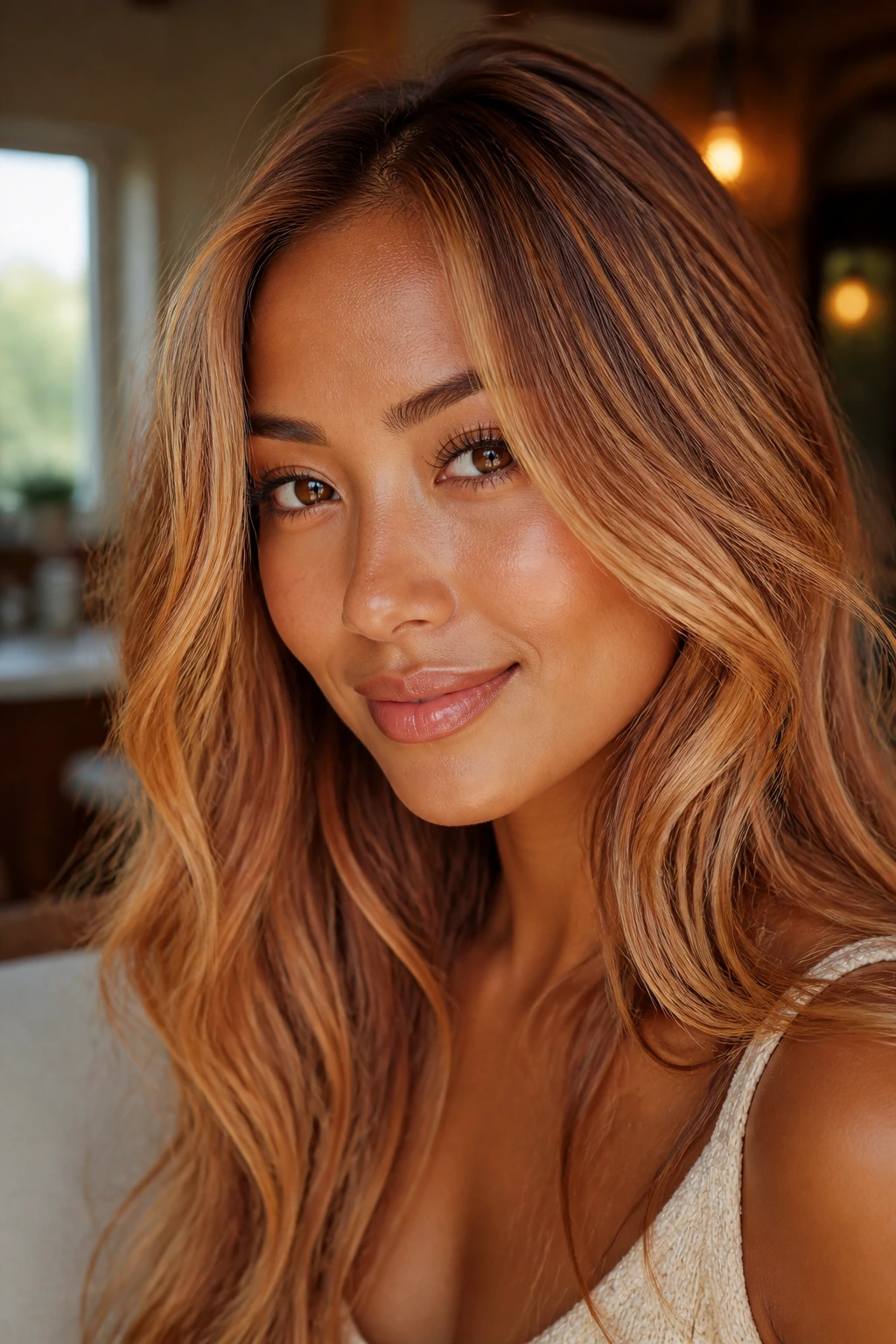
-
Warmth without mud: The best strawberry blonde tones mirror the golden and peachy cast already in tan skin, so the face looks fresh instead of dusty.
-
Brightness where it counts: Lighter pieces around the eyes, temples, and cheekbones pull attention upward and make the whole complexion look more awake.
-
Room for undertones: Tan skin can lean golden, neutral, or olive, and this color family gives you enough range to choose peach, copper, rose-gold, or amber without leaving the family.
-
Soft grow-out: Balayage, babylights, and shadow roots fade in a friendlier way than chunky highlights, which matters if you don’t want a hard line every few weeks.
-
Better dimension on textured hair: Wavy and curly hair hold strawberry tones in moving ribbons, which gives the color more depth than a single flat blonde panel ever could.
-
Easy to dial up or down: You can go whisper-soft with peach glaze highlights or push richer with copper and apricot if your tan skin is deeper or your natural hair is dark brown.
1. Cinnamon-Glow Balayage
A cinnamon-glow balayage sits in that lovely middle ground where strawberry blonde looks warm, not sugary. The painted pieces usually live through the mid-lengths and ends, so the color feels sunk into the hair rather than perched on top of it. On tan skin, that soft cinnamon warmth tends to echo the complexion instead of competing with it.
Why It Flatters Tan Skin
The trick is the depth. Keep the base around a medium brown or chestnut, then lift the highlights to a warm level 7 or 8 with a peachy-gold gloss. That gives you enough brightness to move around the face, but not so much lift that the result turns chalky. On olive tan skin, I like this especially well because the cinnamon note keeps the color from skewing yellow.
- Best placement: Mid-lengths and ends with a few face-framing strokes.
- Best finish: Soft wave or loose bend, so the color breaks into ribbons.
- Best base: Chestnut, mocha brown, or warm dark blonde.
- Maintenance: Low to medium, because the root stays deeper.
Pro tip: Ask for a sheer balayage, not a heavy block of lightener. The softer the paint line, the less likely the color is to look streaky once it settles.
2. Rose-Gold Money Pieces
If you want the quickest way to wake up tan skin, put the brightness at the face. Rose-gold money pieces do that job with very little fuss. They sit right around the cheekbones, temples, and part line, so the color acts like built-in reflectors.
The best version is not bubblegum pink and not straight copper. It’s a pale rose warmed with gold, almost like a peachy blush highlighter for hair. On golden tan skin, that warmth looks seamless. On neutral tan skin, it adds just enough color to keep the face from looking flat.
Think of this as the “small change, big impact” option. You can keep the rest of the hair close to your natural shade, which is useful if you like wearing a tan complexion with bronzy makeup and don’t want the hair to fight it. A center part gives the face-framing pieces a cleaner line; a soft side part makes them feel more blended.
Best for: Shoulder-length cuts, long bobs, and layered haircuts that already open up around the face.
3. Apricot Ribbon Highlights
Why do apricot ribbons work so well on tan skin? Because apricot has both peach and gold in it, which keeps the hair warm without sliding into orange. It’s one of the safest strawberry-blonde directions if your skin has any olive in it at all.
I’d use this on hair that already has a little natural warmth — medium brown, dark blonde, even a soft auburn base. The highlights should be thin enough to look like ribbons, not stripes. Once they move through curls or soft bends, they catch light in a way that feels expensive in the plainest sense of the word: the color looks layered, not obvious.
Best Base Shade
A base level 5 to 7 usually gives apricot enough contrast to show up, especially if the ends are lifted to a level 8 and toned with a peach-gold gloss. Too pale and the color loses its depth. Too dark and it reads muddy instead of bright.
How to Wear It
Wear it with loose, brushed-out waves or a blunt lob with soft texture. Straight hair can work too, but it needs careful placement so the ribbons don’t collapse into one band.
4. Copper-Kiss Face Frame
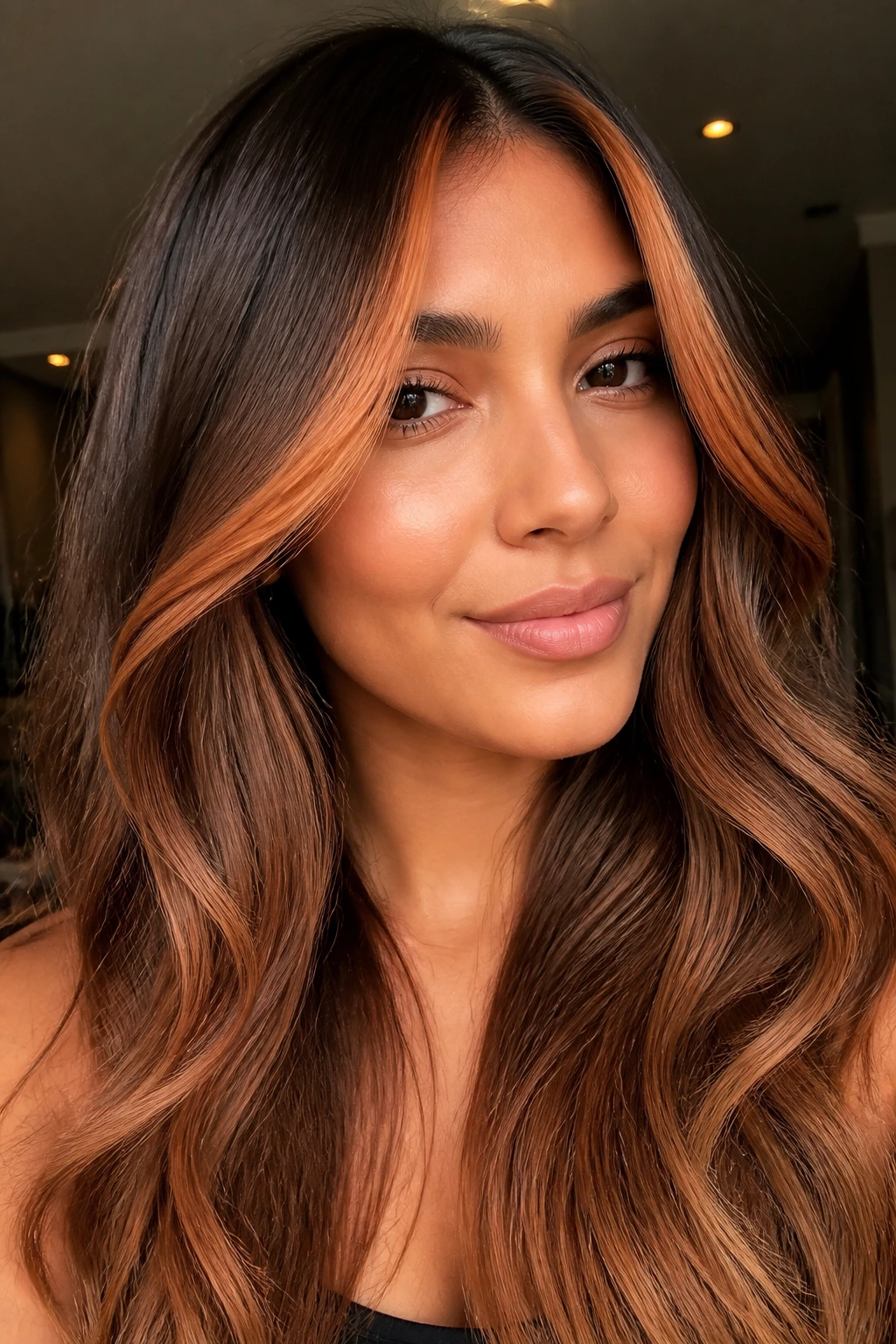
A copper-kiss face frame is for the person who wants visible color without committing to a full head of lift. The front sections are warmed up with coppery strawberry blonde, while the rest of the hair stays closer to the natural base. It’s a smart move on tan skin because the front contrast makes the complexion glow without bleaching out the entire length.
The best part is how modern it looks when the pieces are narrow and a little irregular. You do not want two thick strips near the part. You want soft, hand-painted brightness that starts around the eyebrow and fades through the cheekbone area. That shape keeps the color flattering even when you tuck your hair behind your ears.
- Ask for: 1 to 2 inches of brightness on each side of the face.
- Tone to use: Copper-gold or rose-copper, not pure orange.
- Style match: Straight blowouts, soft curls, shoulder-length layers.
- Why it works: The front lift draws light to the skin, especially around the eyes.
Closing thought: This is one of those looks that photographs cleanly but still moves well in real life. That matters.
5. Peachy Babylights
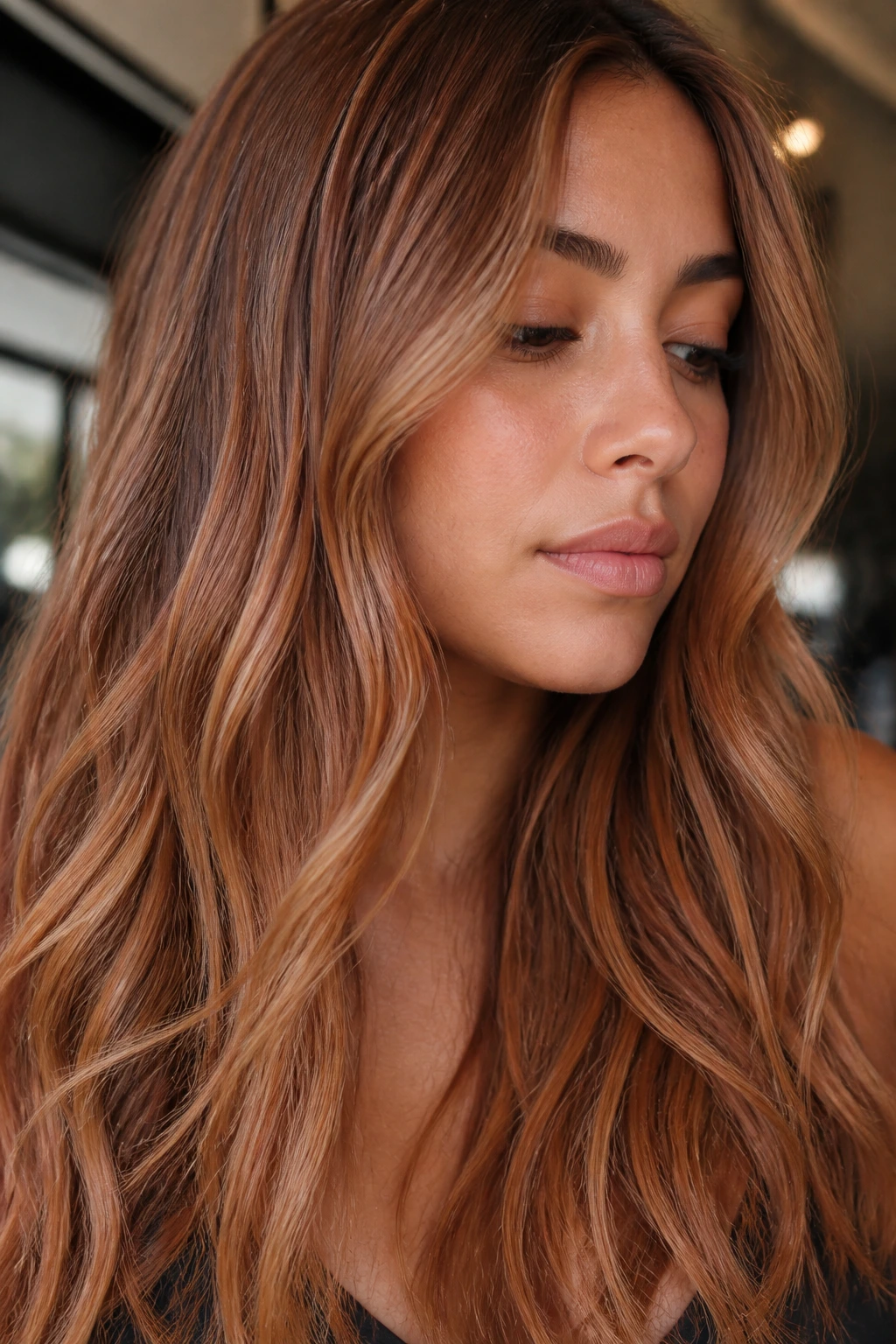
Peachy babylights are the quiet ones, and honestly, I have a soft spot for them. They’re thin enough to disappear into the hair until light hits them, which makes tan skin look warmed from the inside out rather than surrounded by obvious streaks.
This works beautifully on fine hair, because babylights create the illusion of density. A few dozen ultra-fine strands woven through a brown base can make the whole head look softer and more expensive-looking than thicker highlights ever do. Keep the tone peach-forward, not pink-forward, if your skin leans golden. On olive tan skin, the peach should be muted a bit with a beige gloss so it doesn’t flare too coral.
What to Watch For
Babylights can get too light if the colorist over-processes them. That’s the fastest route to a dry, fuzzy finish. Ask for delicate lift and a gloss afterward so the peach stays creamy.
The grow-out is gentle, too. If you’re the kind of person who dreads a hard line, this is one of the best strawberried options in the bunch.
6. Root-to-Tip Strawberry Melt
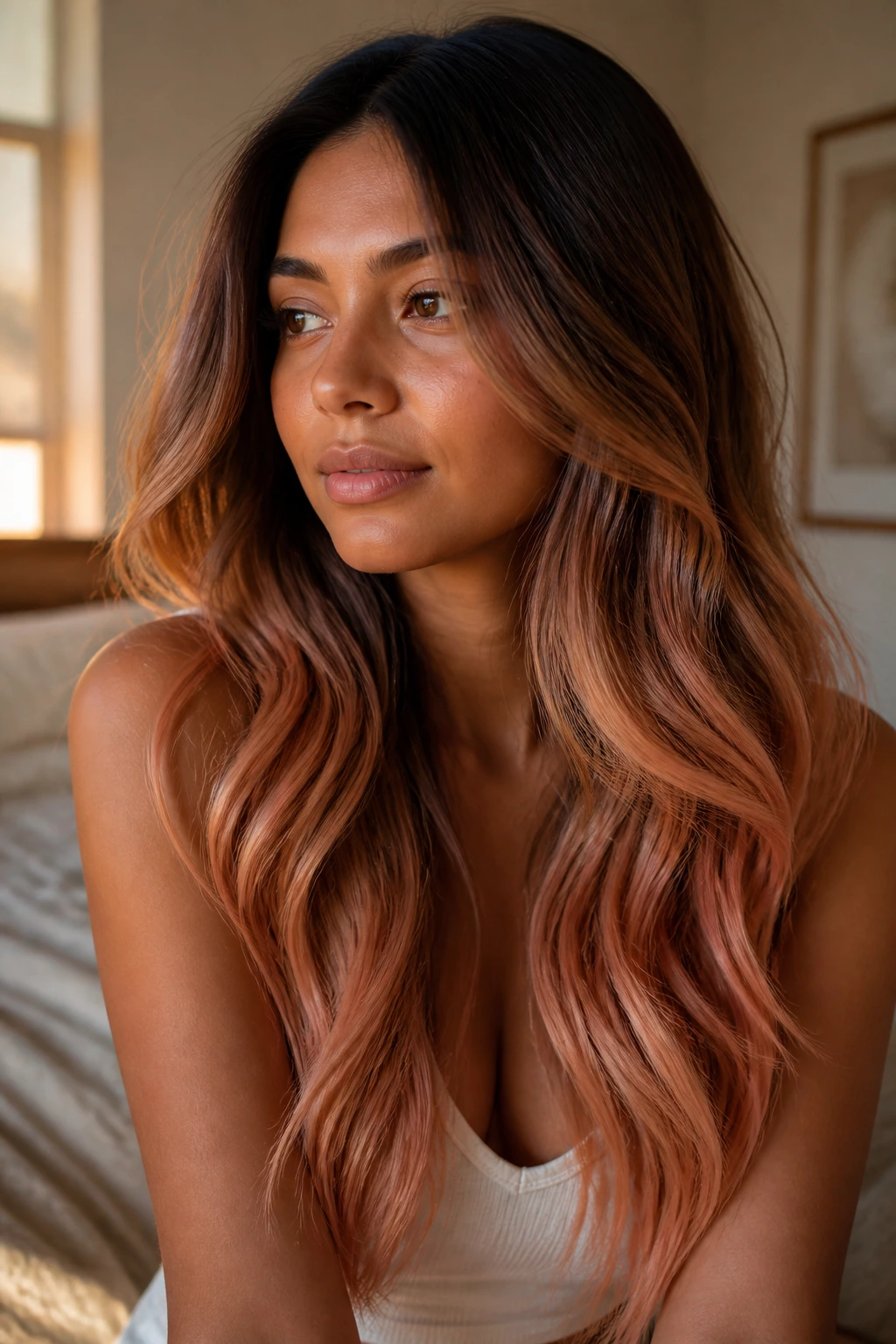
Unlike stripy highlights, a strawberry melt moves from darker roots into warmer mids and lighter ends in one smooth sweep. That gradient matters on tan skin because it keeps the color from looking disconnected from the face. The root shadow gives depth; the lighter ends do the brightening.
This is the choice I’d make for long layered hair, especially if you wear it in waves. The melt shape makes the ends look fuller and keeps the overall color from feeling busy. Ask for a root that stays around your natural level, then a soft lift through the mids, then a peach-copper finish at the ends. The color should read as one family, not three separate hair colors pasted together.
The maintenance is kinder than a full blonde lift, because the root can grow out a bit before the shape feels off. That matters if your natural color is medium brown or darker and you don’t want constant salon visits.
7. Golden Strawberry Layer Lights
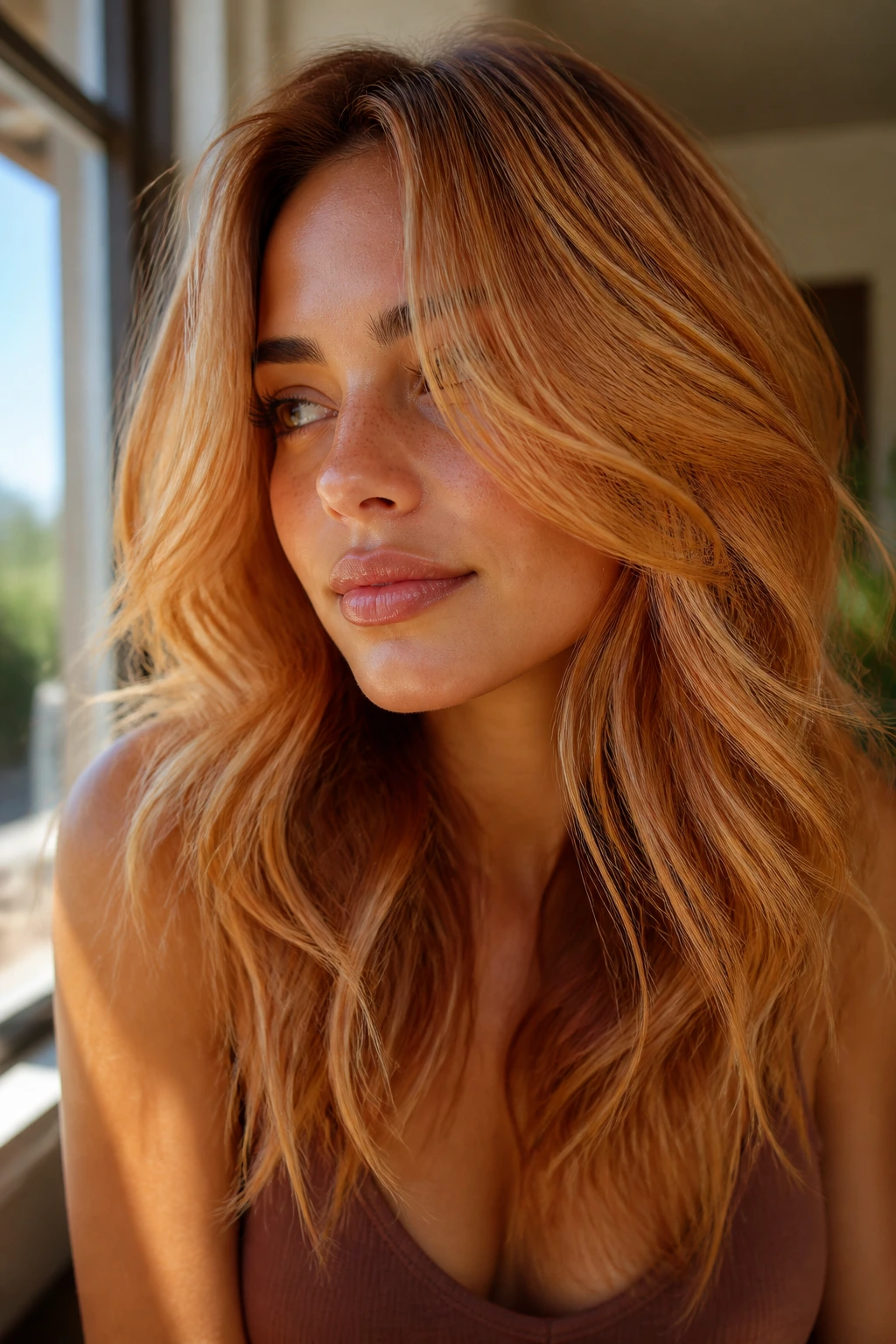
A golden strawberry layer-light look is basically sunlight in motion. The brightest pieces sit on the surface layers, so the hair appears to shimmer every time it moves. On tan skin, that surface brightness gives a healthy, sun-kissed effect without needing a full blonde transformation.
Why It Flatters Tan Skin
Golden strawberry tones keep the hair warm enough to complement the skin, while the layered placement stops the color from overwhelming the face. If your tan complexion leans warm or neutral, this is an easy yes. The shade should sit between honey and peach, with just a hint of strawberry red so it doesn’t become plain caramel.
Best Styling Move
Loose waves are ideal, but even a rough blow-dry works because the lighter surface pieces catch on bends. I would avoid pin-straight styling unless the highlights are painted with enough variation to prevent a flat band effect.
One smart note: this look is happiest on layered cuts. A blunt, one-length haircut can make the highlight pattern feel too uniform.
8. Soft Coral Foilayage
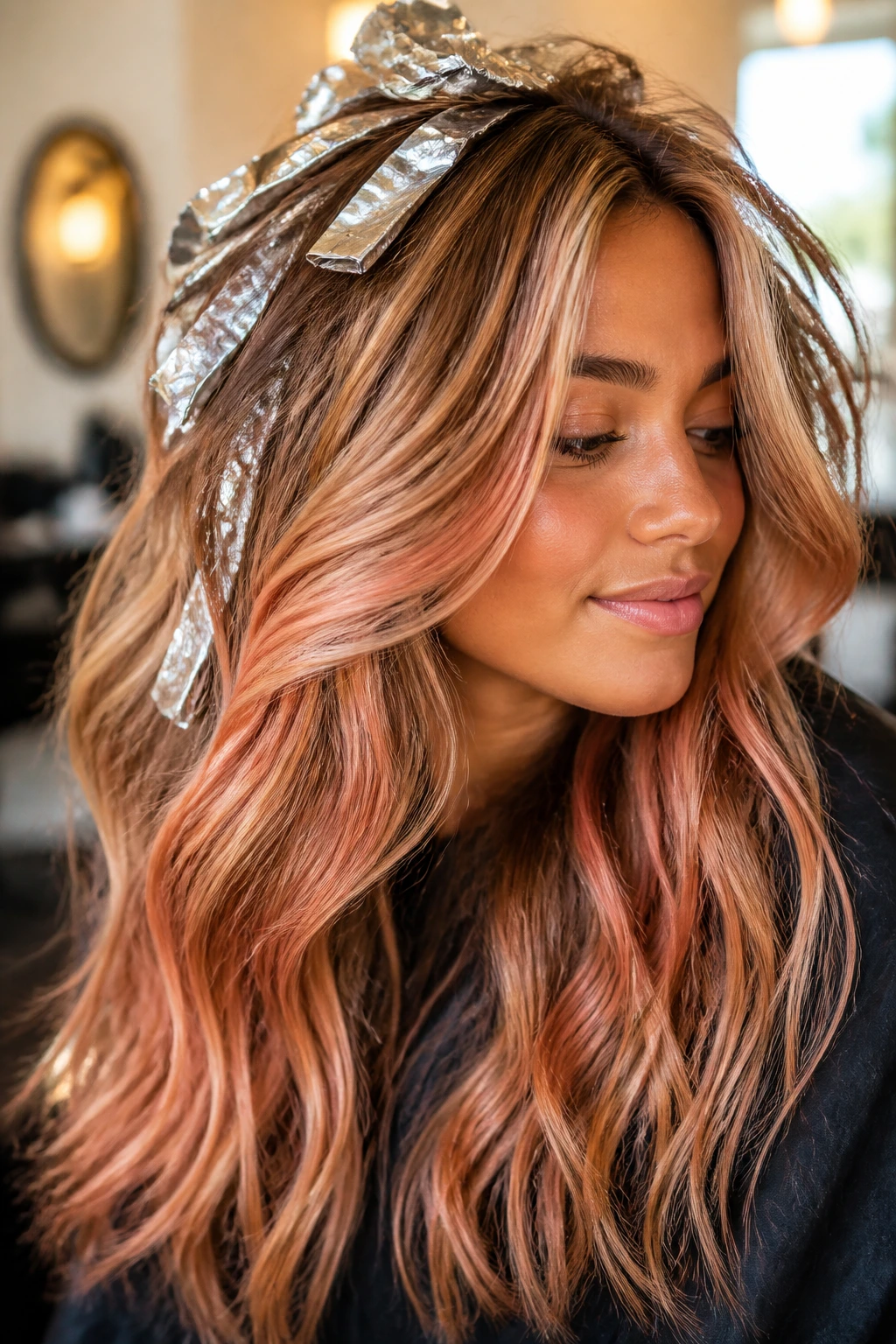
Soft coral foilayage gives you more lift than pure balayage, but it keeps the edges softer than classic foil highlights. That makes it useful for tan skin when you want a brighter strawberry effect without going full high-contrast blonde. Coral sits nicely between pink and peach, which is why it behaves better than cooler rose shades on many warm complexions.
The placement is the real magic. Foils can lift more cleanly around the face and through the top layers, while hand-painted sections soften the transition through the mid-lengths. The result looks like the sun did the work, not a striping comb.
This is a strong choice if your natural hair is medium brown and you want the color to register even from across a room. The coral tone needs upkeep, though. A color-depositing mask in peach or copper helps prevent the shade from fading toward washed-out gold.
9. Sunlit Strawberry Ombre
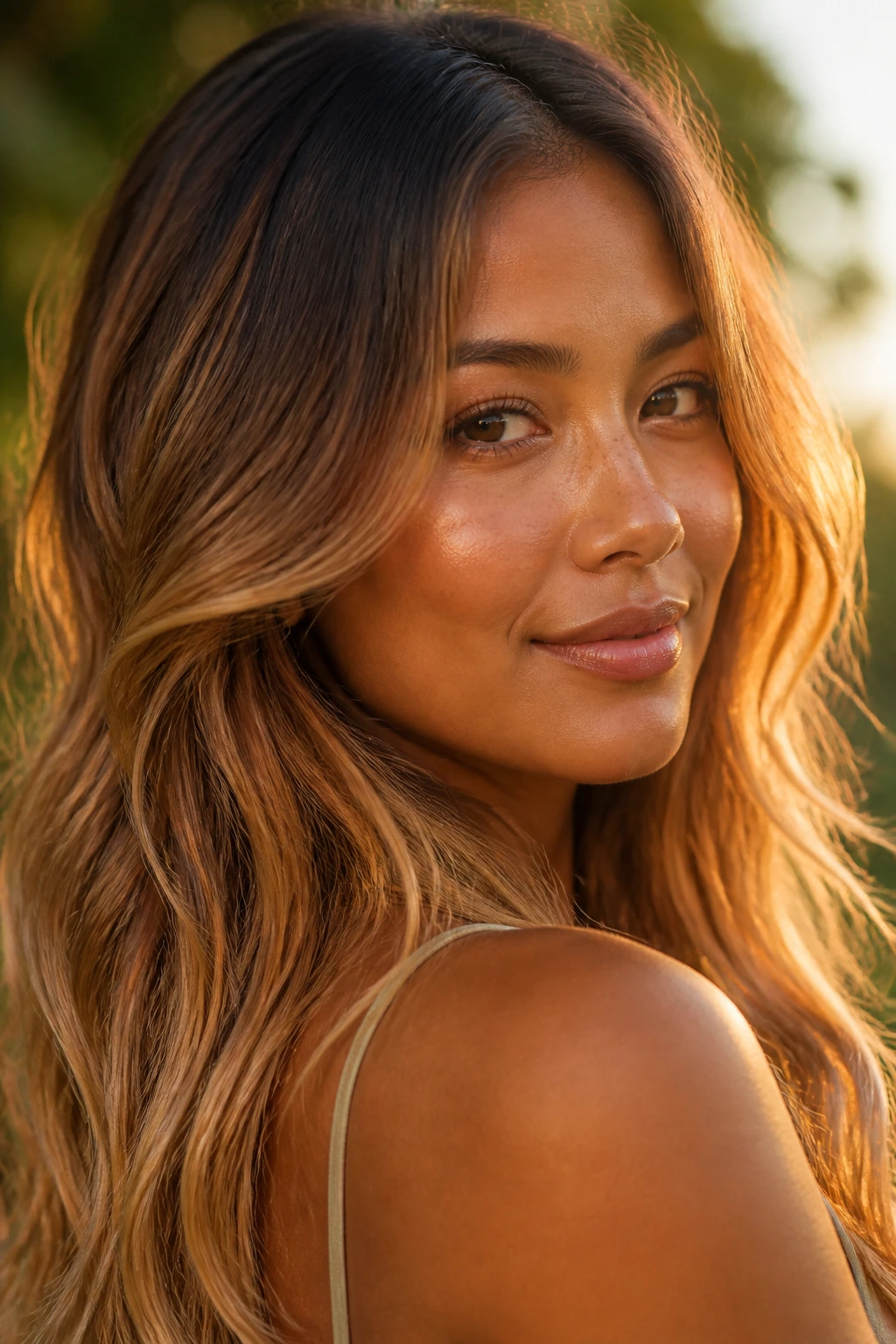
Can ombre still look fresh? Yes, if the transition is soft and the strawberry tone is warm enough to make sense on your skin. A sunlit strawberry ombre keeps the roots richer and darker, then eases into strawberry blonde through the lower half of the hair.
Tan skin likes this because the darker top half gives the complexion room to breathe. You get contrast without that blunt blonde halo near the scalp. The lower lengths can be toned peach-gold, apricot, or soft copper depending on whether your tan skin leans golden or olive.
How to Wear It
This works especially well on long hair and big curls, where the fade has room to show. If your hair is straight and fine, the ombre can feel too heavy at the bottom unless the ends are lightly layered.
Best result
Keep the line of transition blurred around the ears and jaw. That zone is where ombre either looks expensive or looks like it stopped halfway.
10. Beige Strawberry Streaks
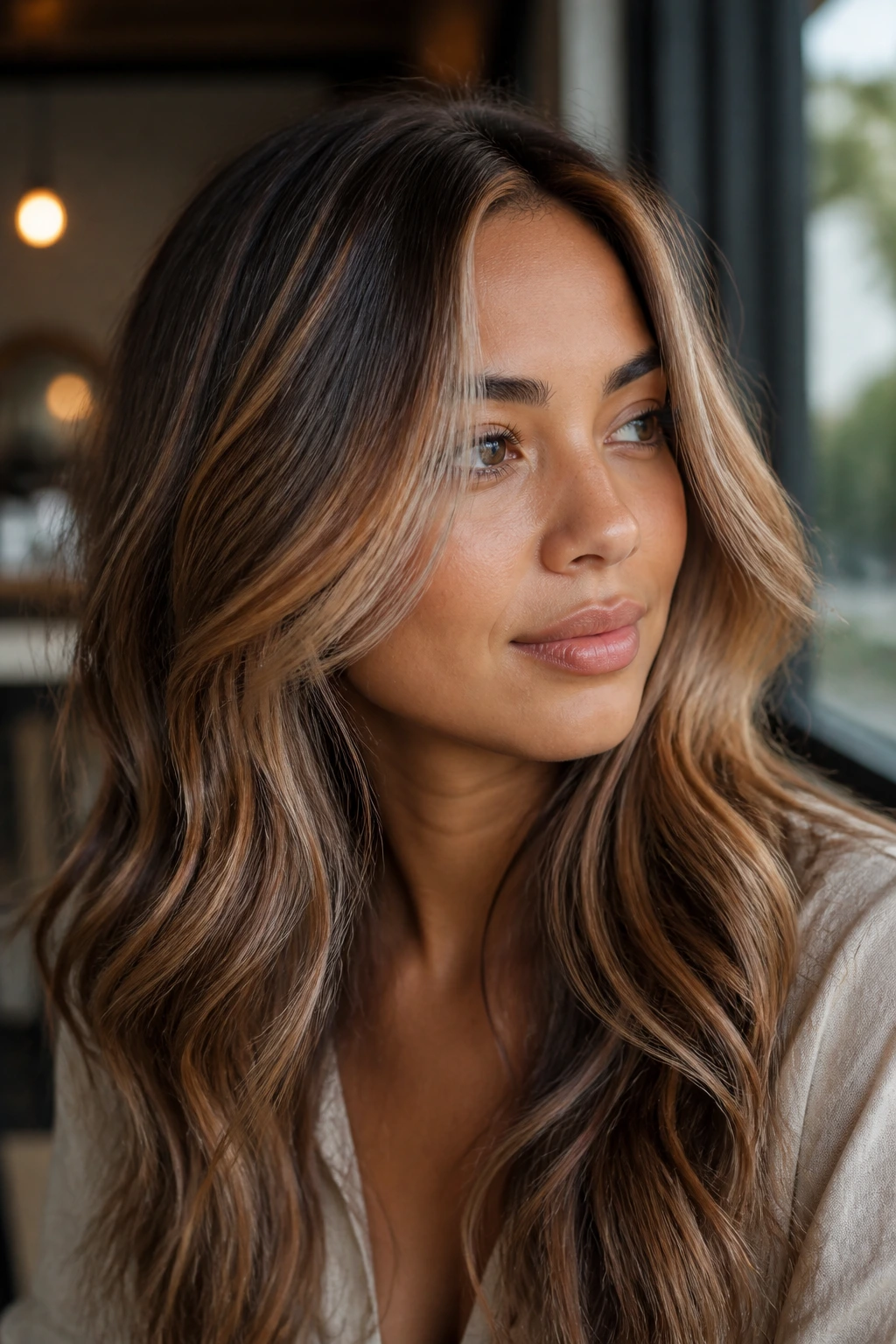
Beige strawberry streaks are for people who like warmth but don’t want their hair to shout. The beige calms down the strawberry, and that restraint is exactly why it looks good on tan skin. Instead of turning copper, the highlights stay creamy and wearable.
Picture fine, blended streaks through a brunette base with just enough peach in the toner to keep them from feeling flat. That’s the mood here. It’s especially useful on neutral tan skin, where too much orange can look harsh. Beige strawberry keeps the color soft and gives the face a gentle lift.
- Best for: Office-friendly color or first-time highlight clients.
- Best technique: Fine foils or micro-balayage.
- Best finish: Blowout with slight bend at the ends.
- Best base tones: Medium brown, ash-neutral brown, or soft chestnut.
Small warning: Don’t ask for an ash toner that’s too cool. Beige is not gray. If the glaze goes chilly, the strawberry warmth disappears and the whole look loses its charm.
11. Ginger-Butter Highlights
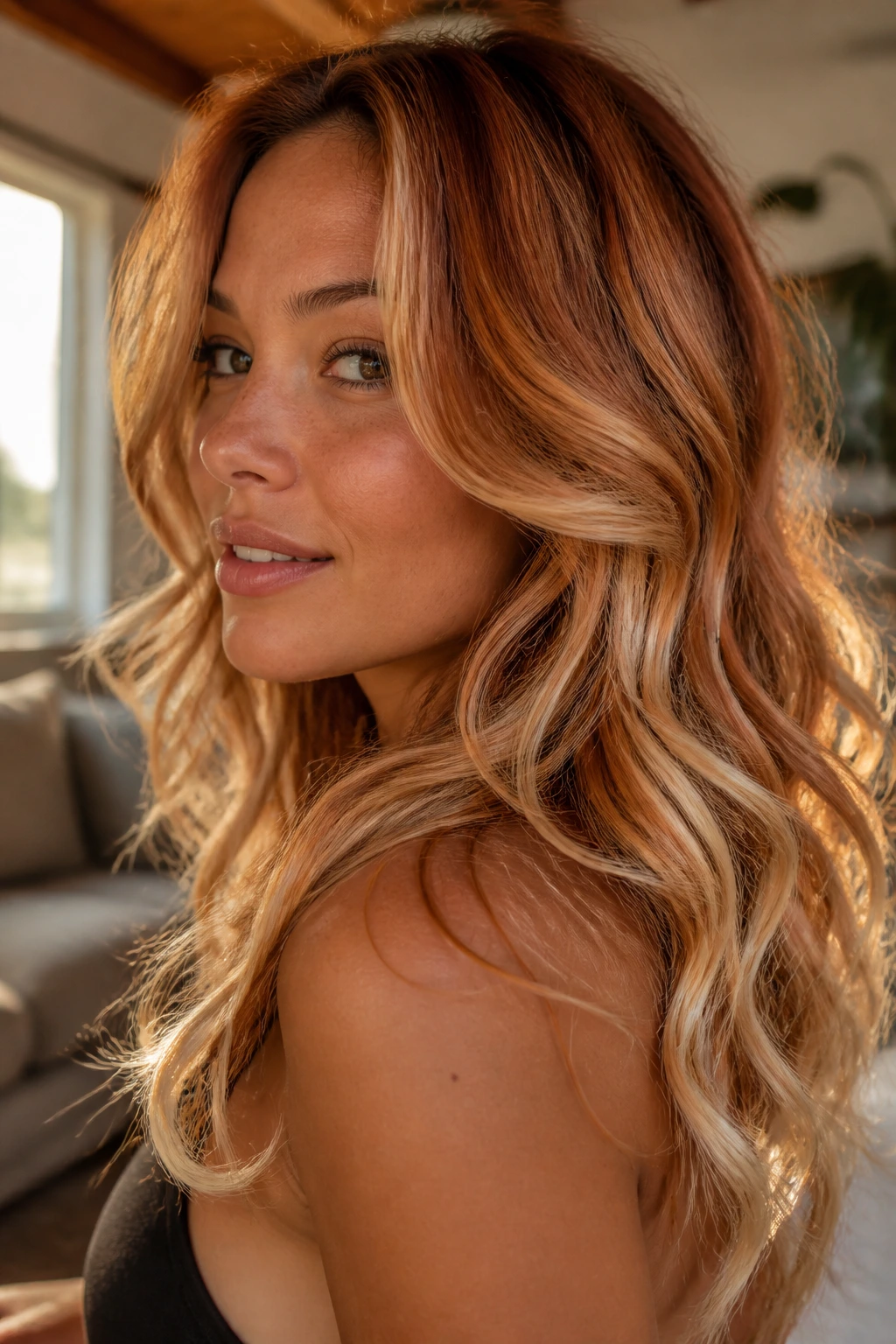
Ginger-butter highlights sound cozy, and they wear that way too. The ginger gives the hair a lively copper note, while the butter softens it into a creamy blonde finish. On deeper tan skin, that mix can be gorgeous because it brings warmth without going neon.
This version suits thick hair nicely, especially if the natural base is dark brown or warm black-brown. Thick hair can hold richer pigment better than fine hair, and the creamy ginger tone keeps the overall effect from looking harsh. If the highlights are too thin, though, the warmth can disappear into the background, so let the colorist paint with a little more confidence here.
I like this look in loose curls because the light and dark pieces twist around each other. Straight hair can work, but the line between ginger and butter is more visible when the hair doesn’t move.
12. Peach-Copper Peekaboo Panels
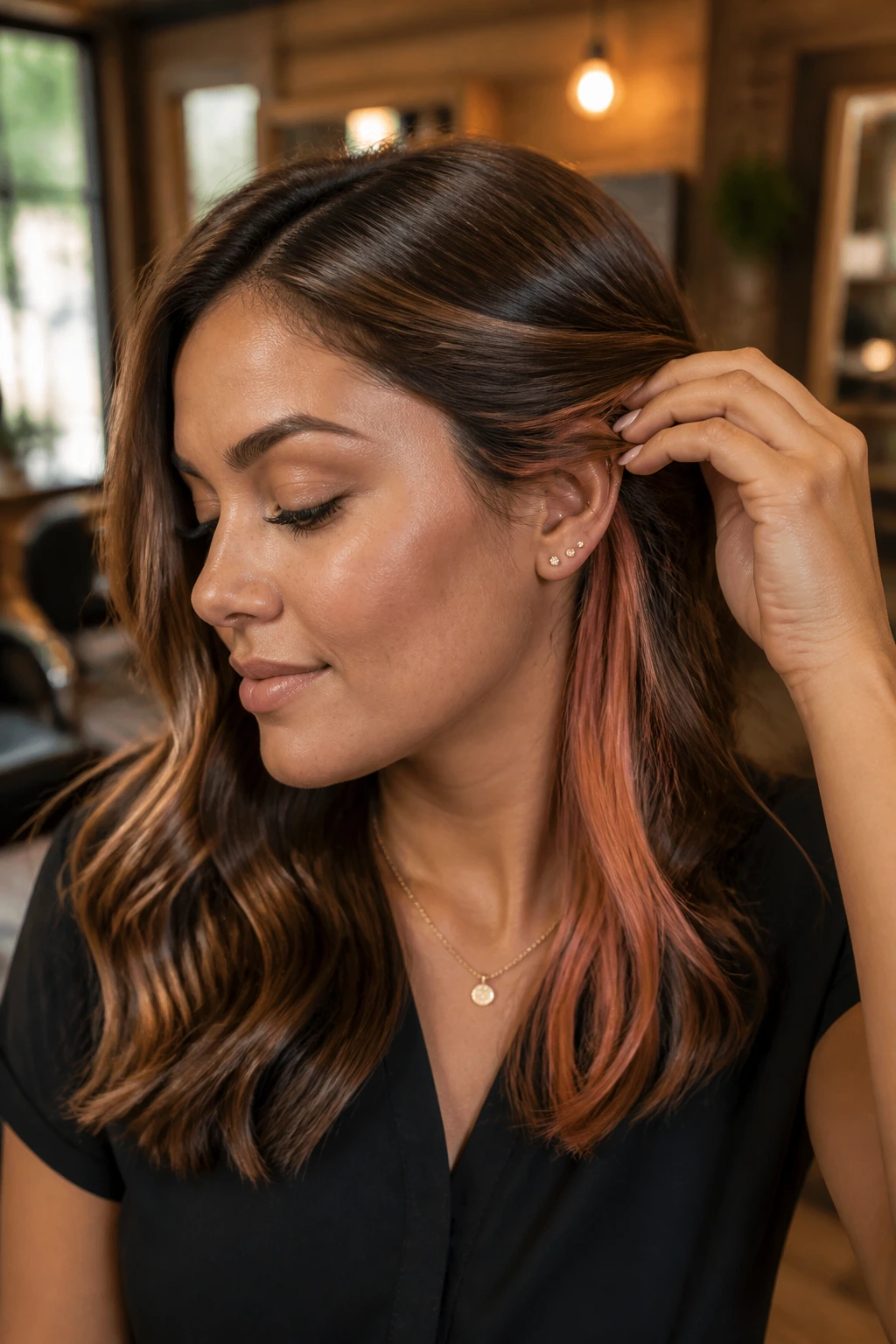
Peekaboo panels are the fun cousin in the room. They sit under the top layers, so the hair flashes peach-copper only when you move, bend, or tuck the hair behind one ear. On tan skin, that hidden hit of color can be plenty; you don’t need the whole head lightened to get the effect.
This choice is especially smart if you work in a setting where you want something playful but not full-on bright. The top layers can stay close to your natural brunette or dark blonde base. Then the underlayer gets the strawberry lift. When you wear your hair up, the color peeks through near the nape and around the temples. Clean. Surprising. Not fussy.
Best to ask for
A panel color at the interior layer, not a chunky strip right under the topcoat of hair. If the panel is too wide, it stops looking secret and starts looking dated.
13. Sunkissed Strawberry Swirls
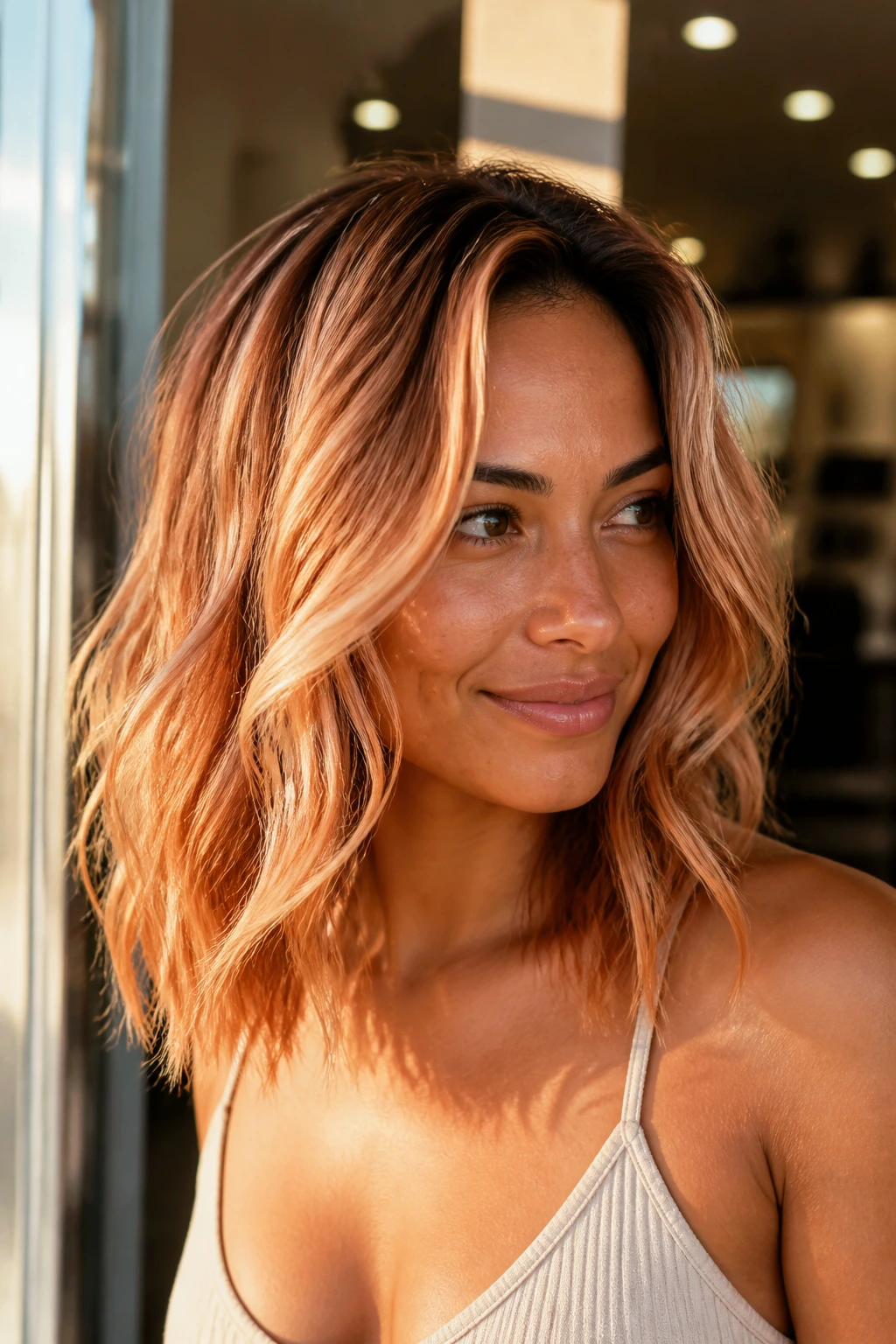
Sunkissed strawberry swirls work because they mimic the way sunlight moves across layered hair at different angles. The highlights curve through the hair in uneven ribbons, so the whole look has motion even when you’re standing still. On tan skin, that kind of movement keeps the complexion from looking flat or overpowered.
Why It Flatters Tan Skin
The swirls should use a warm strawberry tone with a golden cast, not a cherry-red one. That warmth mirrors the skin and keeps the hair reading soft. Tan complexions with golden undertones wear this beautifully, especially when the swirl begins closer to the part and fans out through the lengths.
Best Shape
This is especially good on shoulder-length cuts with layers around the collarbone. Those layers help the color appear soft and diffused rather than painted in rigid lines. A small curl iron or a round-brush blowout can make the color pattern come alive fast.
Tip: Ask your colorist to leave a few deeper strands in between the lighter ones. The contrast is what makes the strawberry swirls look dimensional instead of washed out.
14. Rose Chunky Ribbons
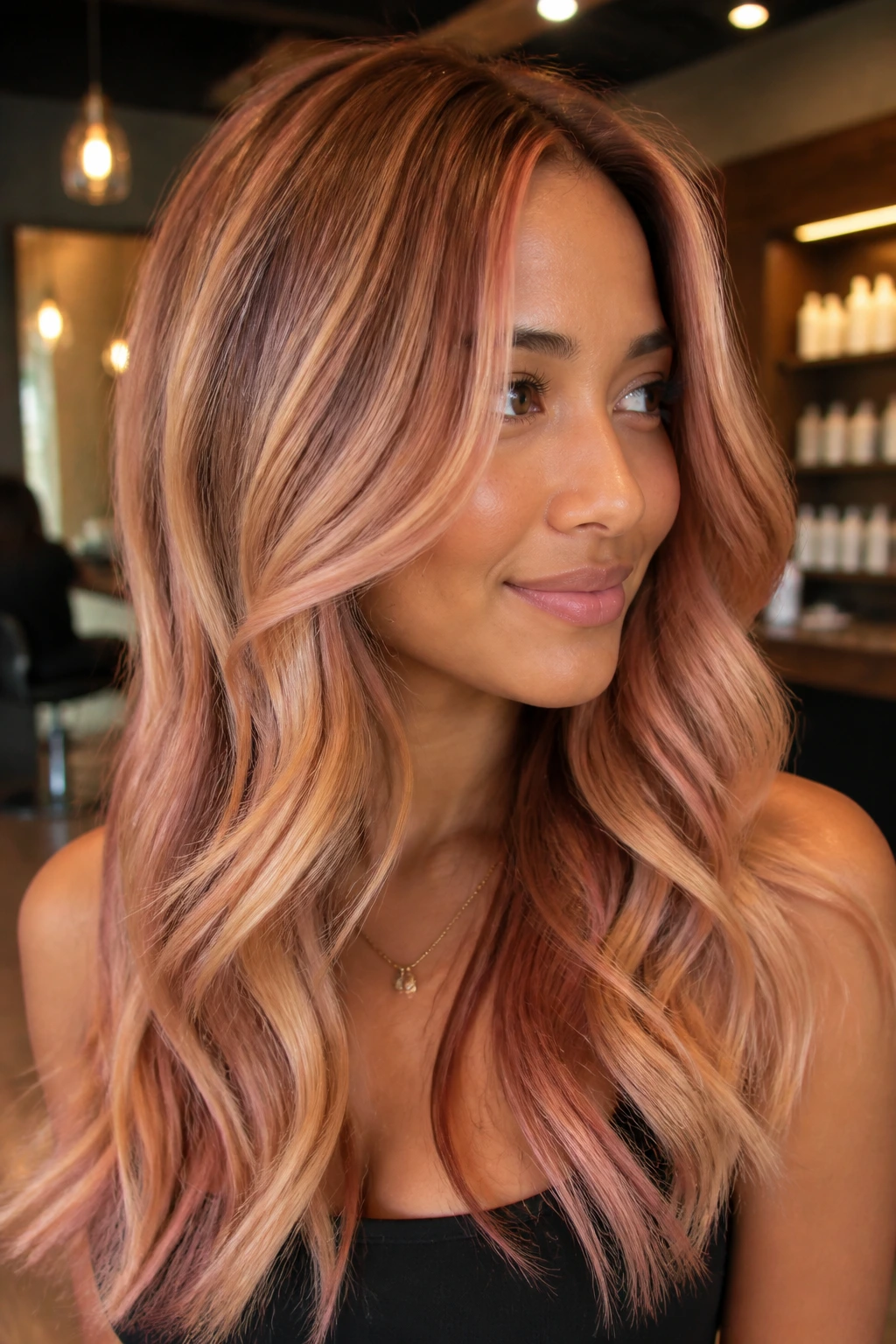
Chunky ribbons can go wrong in a hurry, but when they’re toned with the right rose-gold shade, they look bold in a grown-up way. The trick is to keep the ribbons broad enough to show dimension, then soften them with a rose-beige toner so they don’t turn into bright stripes.
Tan skin can handle this better than many people expect, especially if the complexion has warmth and a little natural depth. The contrast between darker base and rosy ribbons adds structure around the face. It also gives straight hair more personality, which is useful if your cut feels too plain.
I would choose this on medium-density hair rather than very fine hair. Fine hair can make chunky highlights look sparse. Medium hair gives the ribbons room to sit properly.
Use it when: you want the color to be noticeable from a distance and you don’t mind a bit of upkeep.
15. Soft Copper Shadow Roots
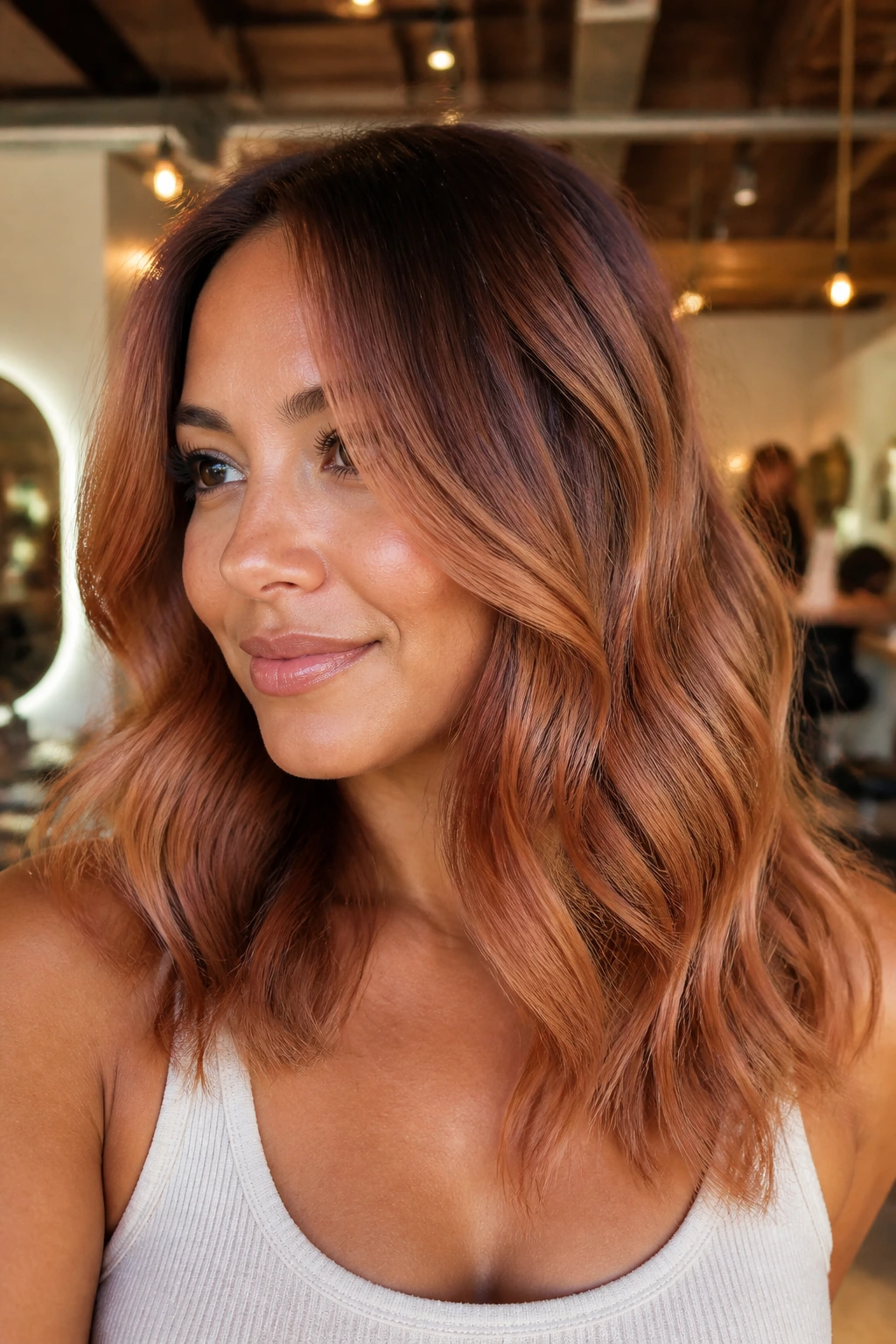
Soft copper shadow roots are one of my favorite low-stress ways to wear strawberry blonde on tan skin. The darker root gives the color shape, and the copper through the mids and ends keeps the hair bright enough to flatter the face. The shadow root also stretches the time between touch-ups, which is a practical win.
Why It Works
A shadow root keeps the base close to your natural shade, then the copper fades into strawberry blonde where the light actually hits. That contrast works especially well on medium to deep tan skin because the darker root harmonizes with the complexion instead of fighting it.
Best for
Bob cuts, long layers, and anyone who likes a deliberate grow-out. The shadow root looks especially good when the hair is styled in a loose bend, because the color transition reads as movement rather than a line.
The key here is restraint. If the root is too dark and the copper too pale, the whole thing can look disconnected. The blend has to be soft enough that the color feels intentional all the way down.
16. Honeyed Strawberry Micro-Highlights
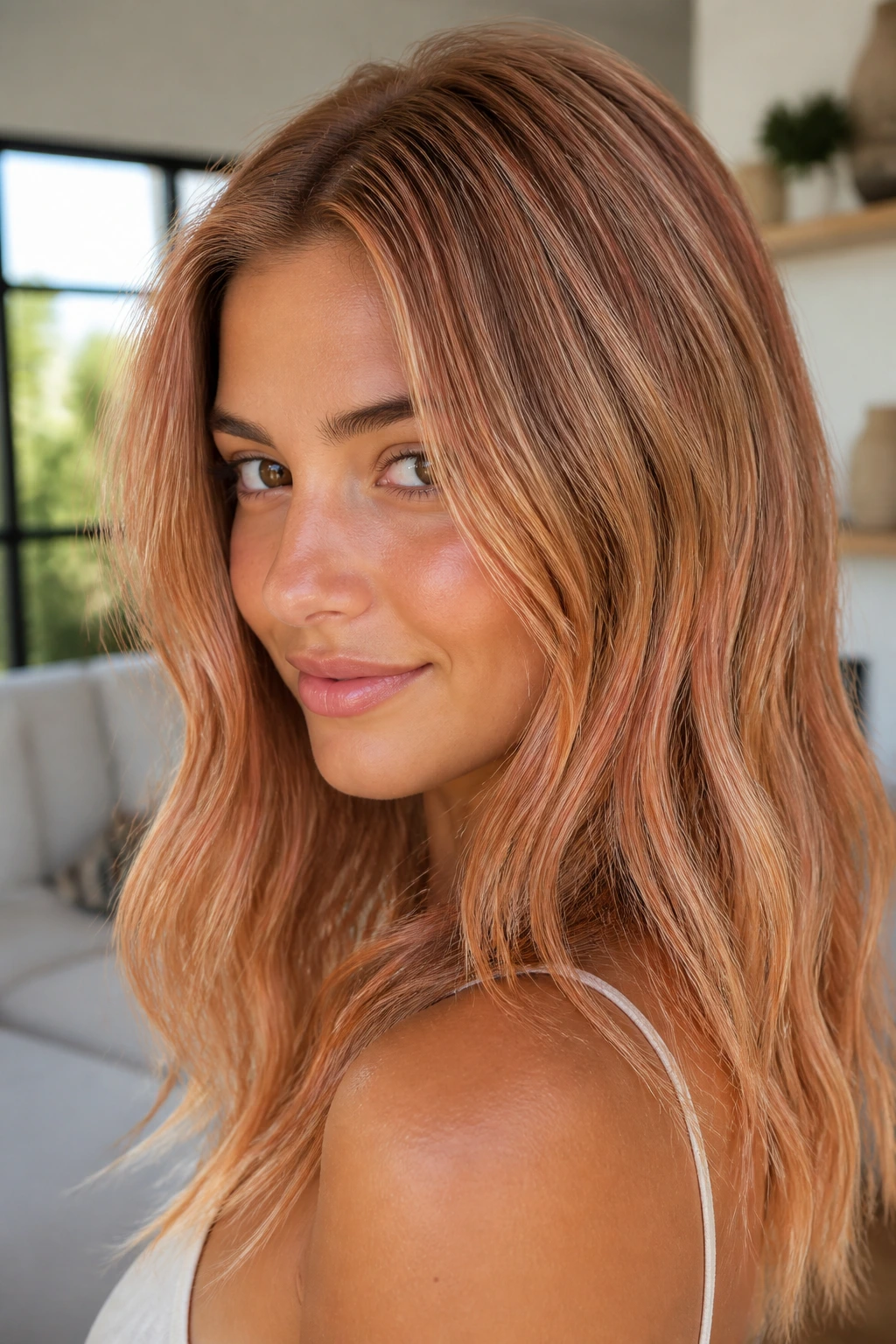
Micro-highlights are the answer when you want the hair to glow rather than announce itself. Honeyed strawberry micro-highlights are incredibly fine and closely spaced, so they blur into a warm, shimmering finish. On tan skin, that kind of fine brightness gives a clean, healthy look.
This is ideal for hair that already has natural texture or for anyone with fine strands who wants more visual density. Because the highlight lines are so slim, the hair looks fuller at the root and smoother through the ends. The honey note keeps the strawberry from turning too pink, which matters a lot on warm skin.
Best finish
A glossy blowout or soft waves. The gloss is doing half the work here, because it keeps the micro-lights creamy instead of dry-looking.
One honest note: if you want obvious streaks, this is not your look. The beauty here is subtle movement.
17. Velvet Peach Waves
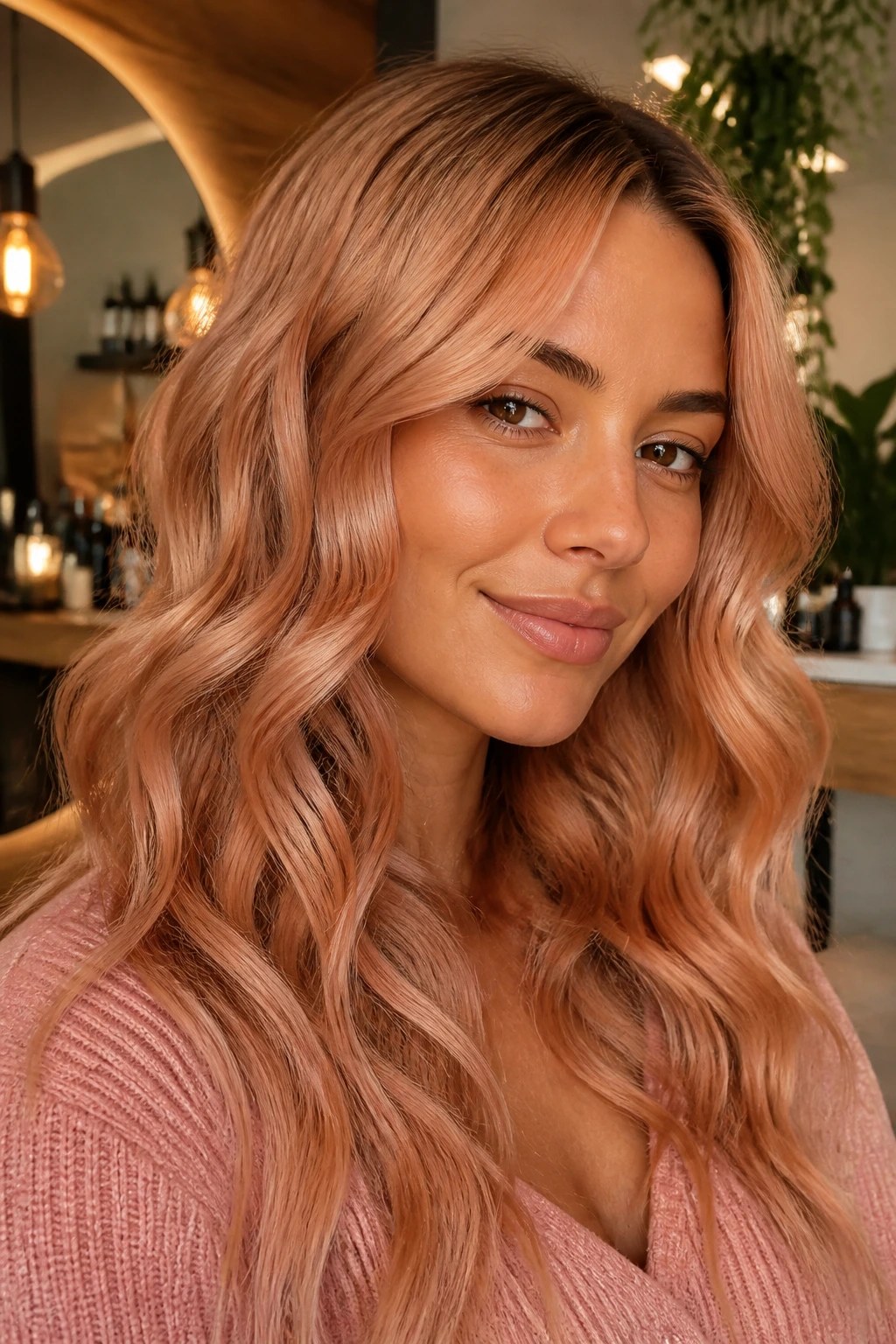
Velvet peach waves lean soft and plush, almost like fabric has been translated into hair color. The peach tone is gentle enough for tan skin that you don’t want the hair to overpower the face, but warm enough that the whole look still feels alive.
Curly and wavy hair wear this especially well. The wave pattern breaks up the peach into small flashes, so the color never sits in one flat place for too long. That keeps the finish from looking heavy. If your hair is straight, you can still wear it, but the cut needs texture or the color can look too smooth and one-note.
A velvet finish usually means a little more gloss and a little less brightness. Ask for peach with a creamy undertone, not a bright coral. That keeps the highlights elegant in motion and forgiving in harsh light.
18. Tangerine Tea-Length Lift
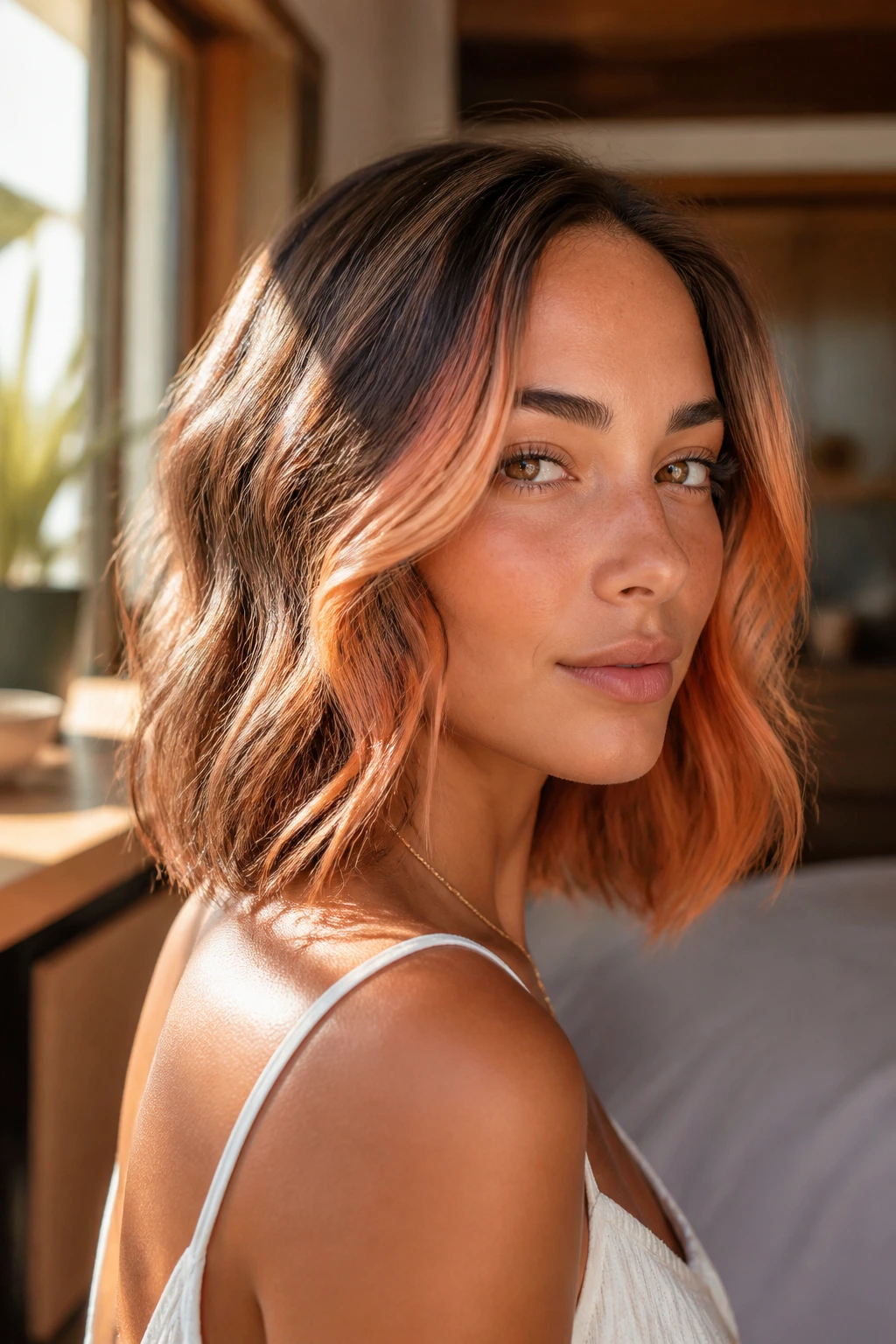
Shorter cuts can handle a bolder strawberry tone than people assume. Tangerine tea-length lift — around the collarbone to chin zone — gives the hair a punchy, warm glow without requiring long lengths to show off the color. On tan skin, the lift around the face does the heavy lifting, and the warm tangerine base keeps it from feeling too pale.
Comparison note
Unlike soft babylights, this look leans more visible and graphic. It’s best if you want the highlight pattern to read clearly in daylight, especially on a lob or a textured bob.
What to ask for
Lift through the top and around the front with a tangerine-peach gloss, then leave the lower layers a shade deeper. That contrast helps the cut look fuller, not wider.
It’s a smart option if you wear bold lipstick or bronzy makeup. The hair and makeup can share the same warm family without looking matched in a boring way.
19. Burnt Sugar Balayage
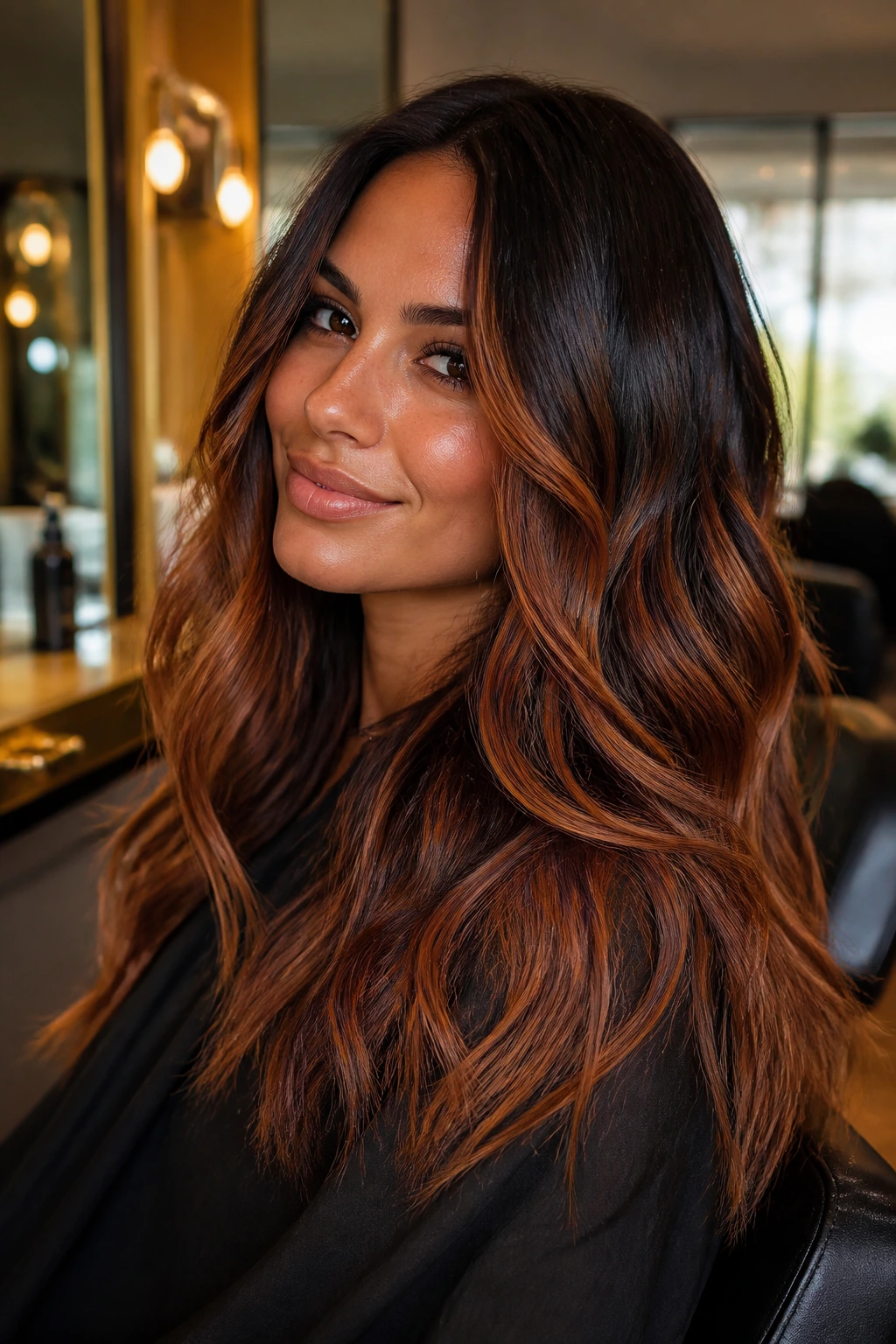
Burnt sugar balayage is deeper and richer than a lot of strawberry-blonde ideas, and that depth is exactly why it suits medium-to-deep tan skin so well. The color begins with a toasted brown base, then picks up copper, caramel, and a little strawberry on the way to the ends.
I’d reach for this when you want the hair to look expensive and a little moody rather than airy. On tan skin, the darker caramel base keeps the face from disappearing into the hair, while the strawberry ends keep the palette warm. If you wear gold jewelry, this look gets along with it instantly.
The upkeep is moderate, not intense, because the root stays close to the natural shade. A gloss every few weeks keeps the burnt sugar tone from turning flat.
20. Coral-Flush Highlights
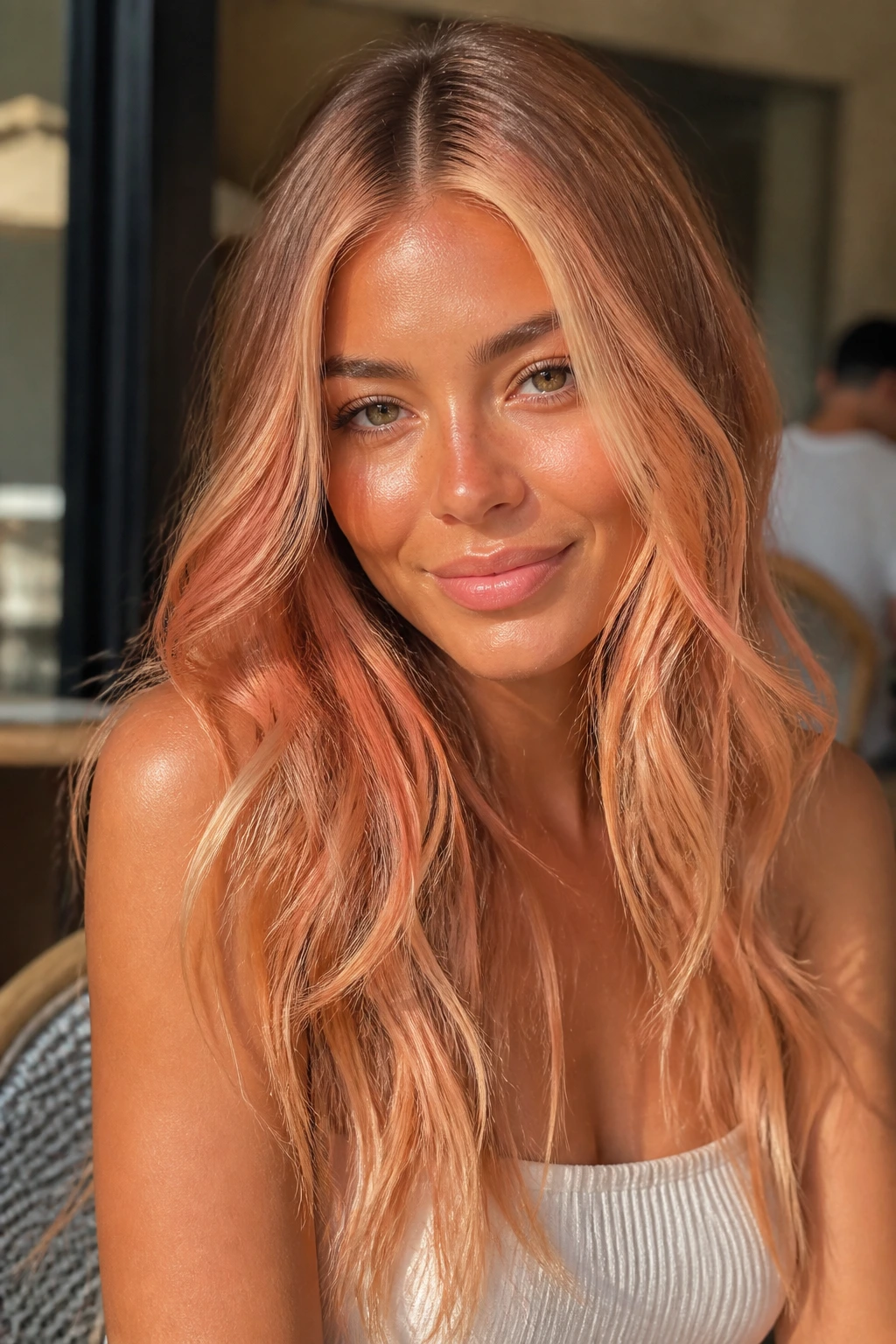
Coral-flush highlights are playful, but they work if you keep the saturation controlled. The goal is not neon coral. It’s a soft coral wash woven through strawberry blonde so the hair looks flushed, almost like the warmth of a sunset hitting the strands.
Tan skin can wear this beautifully when the complexion has neutral or golden undertones. The coral adds life around the face, and the strawberry depth underneath keeps the look from turning washed out. If your skin leans olive, ask for the coral to be muted with more peach and less pink. That one adjustment matters more than people realize.
Best styling move
A middle part with loose waves. It lets the coral appear in gentle intervals instead of all at once.
Good to know
This shade fades faster than beige strawberry or shadow-root blends. Plan on a gloss schedule if you want the flush to stay fresh.
21. Auburn Strawberry Swirls
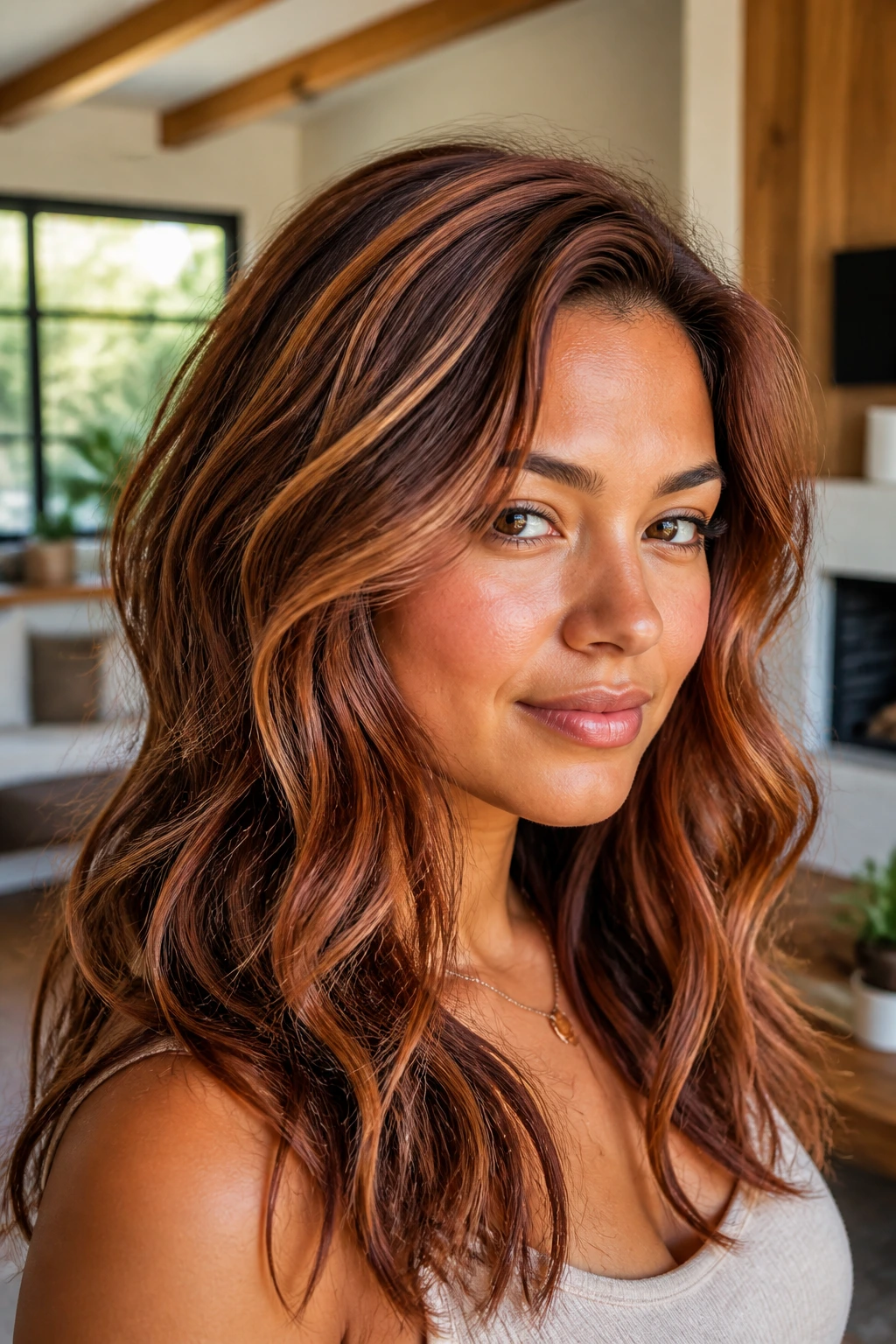
Auburn strawberry swirls are for the person who likes richness first and brightness second. The auburn base gives the hair a deep red-brown core, then strawberry highlights swirl through the surface layers. On tan skin, that warmth can look refined and strong, especially if the complexion leans golden.
Why does this one work so well? Because auburn creates a natural bridge between brunette and strawberry blonde. The hair never has to jump suddenly into pale territory. Instead, it climbs through red-brown, copper, then soft blonde-red at the ends. That progression is easier on the eye and easier on the grow-out.
How to use it
Ask for swirls around the front and top layers, not just a global tint. The dimension matters. If the whole head is one auburn note, it loses the strawberry effect.
This is a good choice for thick, coarse hair that can hold pigment and shine without looking overprocessed.
22. Bronze-to-Strawberry Gradient
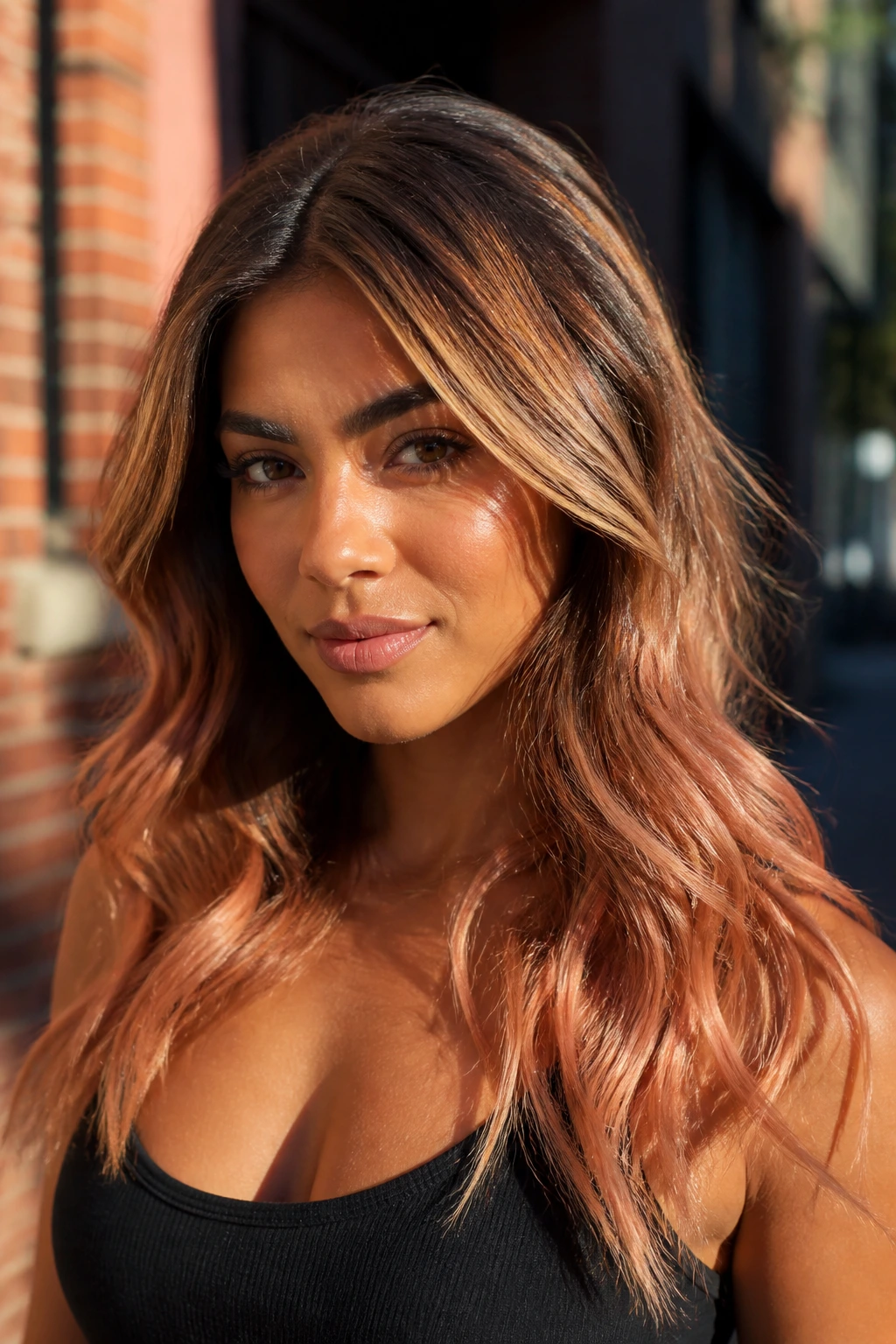
A bronze-to-strawberry gradient is a cleaner, more polished cousin to the ombre look. Bronze near the roots keeps the hair anchored, then the color lightens into strawberry blonde through the mids and ends. The shift is gradual, which is why it suits tan skin so well — the color moves instead of stopping abruptly.
The gradient works best if you like a little drama but not a hard line. It’s especially flattering on straight or softly waved hair, where the transition is easy to see. Tan skin with neutral undertones tends to wear this style very well because bronze stays balanced; it doesn’t swing too yellow, and it doesn’t go too red.
Best for: shoulder-length to long hair.
Best finish: a round-brush blowout that shows the fade.
If your base is dark brown, do not rush the lightening. The bronze stage needs to be rich enough to support the strawberry ends. Too much lift too fast and the whole gradient loses depth.
23. Champagne Strawberry Face Frame
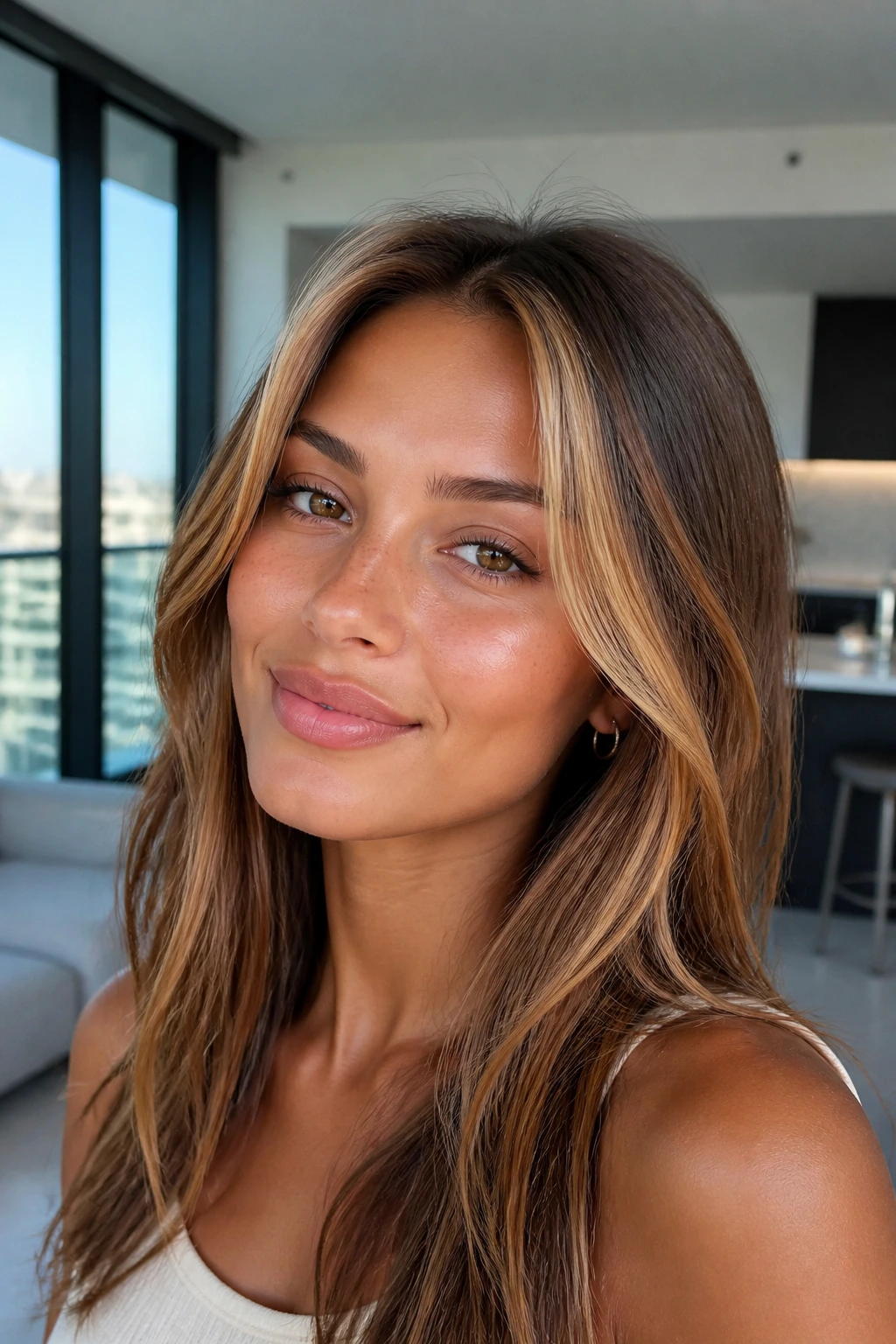
Champagne strawberry is lighter, airier, and a little cooler than the richer copper looks above, but it still belongs in the same family if the tone stays creamy. Around the face, that champagne-strawberry mix can brighten tan skin in a clean, polished way. It’s especially nice if you like a lighter blonde finish but need enough warmth to keep your complexion alive.
The face frame should be narrower here. Think 1-inch to 1.5-inch sections, softly feathered into the part line. The champagne tone gives a little sparkle, and the strawberry keeps it from going icy. On warm tan skin, this balance is the difference between luminous and washed out.
This one plays nicely with sleek hair. A glassy blow-dry, a smooth lob, or long straight hair can all wear it because the color sits near the face and doesn’t need a lot of motion to show.
24. Marigold Copper Glow
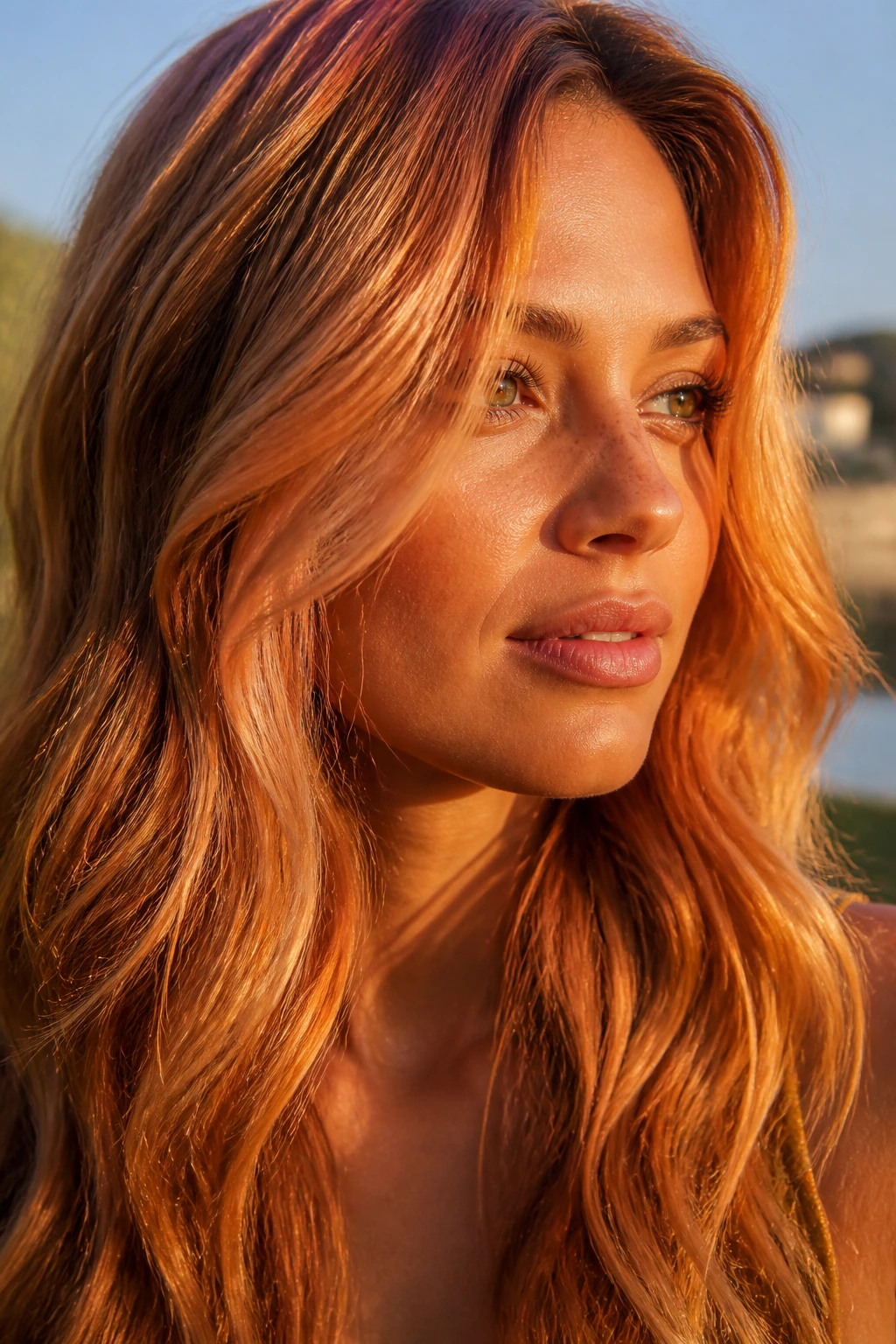
Marigold copper glow is sunshine with more bite. The marigold note pushes the strawberry blonde toward a golden orange warmth, which can look stunning on deeper tan skin or complexions with a strong golden undertone. It’s one of the bolder options here, but the glow can be worth it if you want the hair to feel rich and alive.
This shade needs enough depth at the root to keep it from going too bright. A darker brown or warm brunette base gives marigold copper somewhere to land. Without that anchor, the color can flare. With it, the result looks layered and warm, especially in sunlight.
Best match: thick hair, warm makeup, and anyone who likes copper jewelry.
Watch the toner: if the marigold goes too yellow, it loses the strawberry character fast. Keep a peach or light copper gloss in the mix.
25. Soft Peach-Glaze Finish
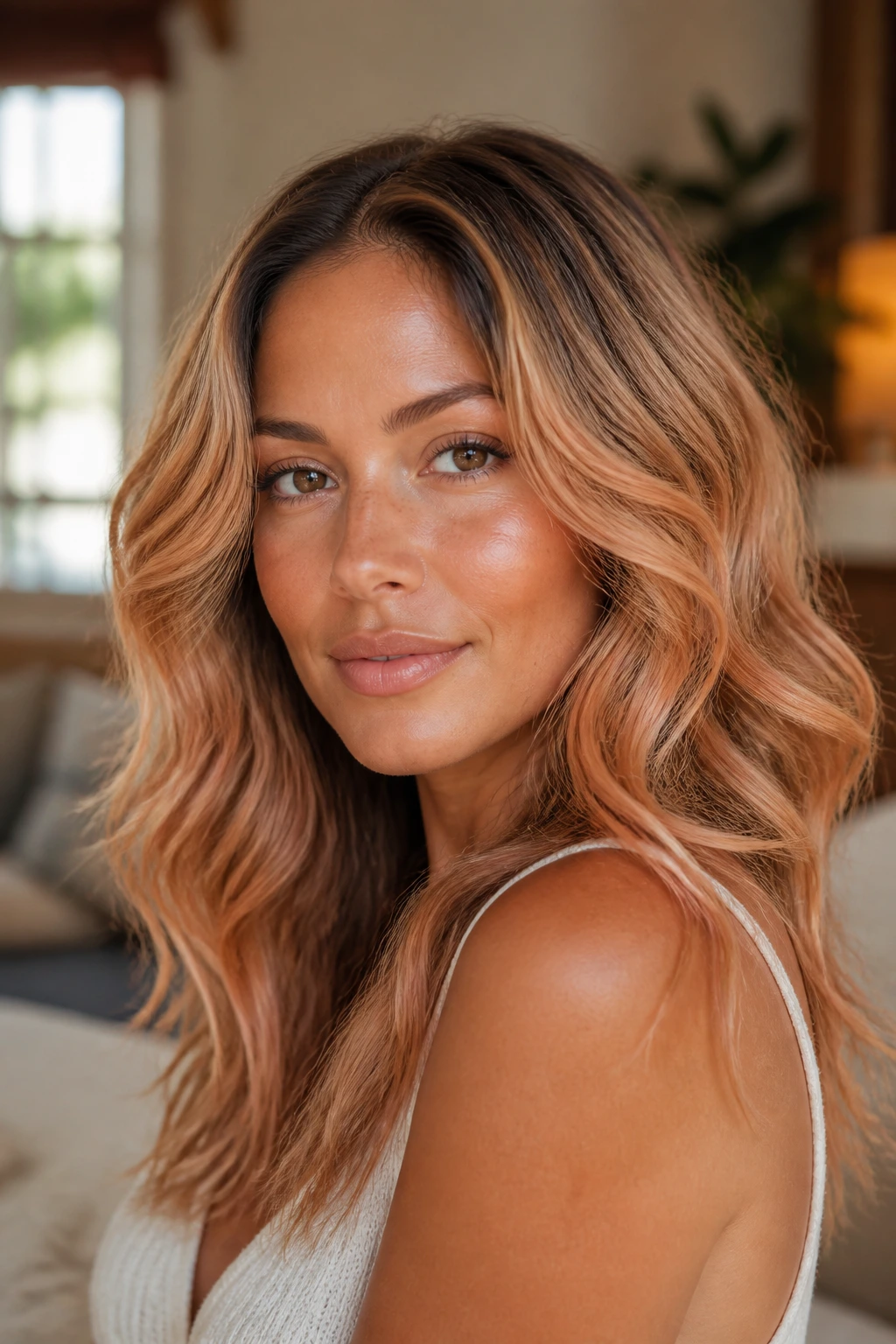
A soft peach-glaze finish is the most understated choice in the bunch, and that is exactly why it earns a spot. It’s less about big highlight placement and more about the final tone over the hair — a sheer peach gloss that settles over lightened pieces and warms the whole head. On tan skin, the effect is gentle and flattering, like a filter that doesn’t look fake.
What Makes It Different
Unlike chunkier strawberry blonde highlights, this finish relies on tone, not contrast. That makes it ideal if you already have light brown or dark blonde hair and want a subtle shift rather than a full highlight appointment. The peach glaze catches on existing lighter strands and gives them a warm, polished feel.
How to wear it
Use it on straight, wavy, or curly hair. The finish doesn’t depend on pattern, so it’s easy to live with. If your tan skin leans olive, keep the glaze soft and creamy rather than bright peach.
My take: this is the sleeper hit for people who want warmth without obvious maintenance.
Matching the Strawberry Tone to Your Undertone
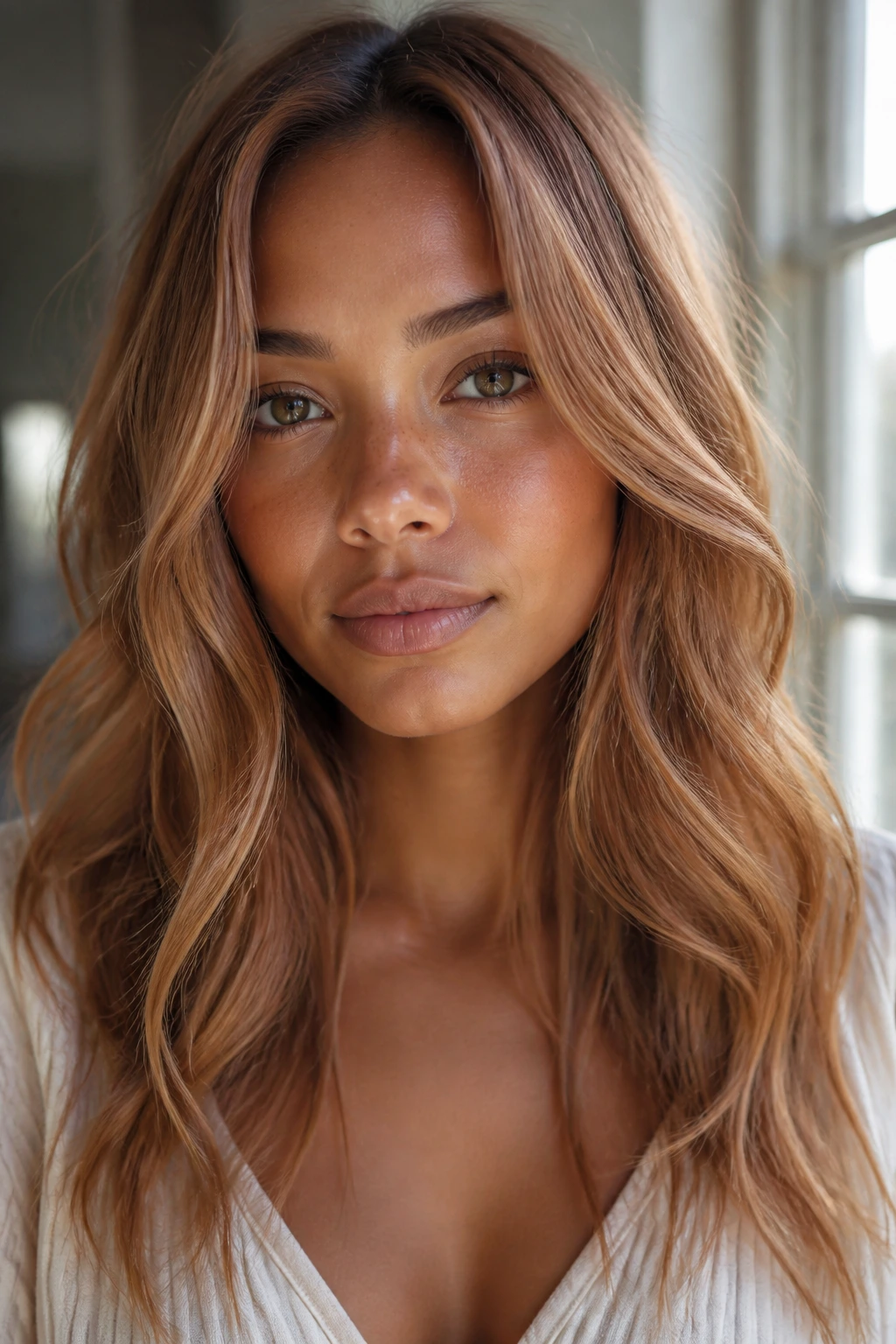
Tan skin is not one shade, and that’s where a lot of hair color advice falls apart. Golden tan skin usually likes warmth that leans honey, apricot, or soft copper. Olive tan skin usually looks better when the strawberry has a beige, peach, or muted rose base, because too much yellow can make the skin look greenish or the hair look brassy. Neutral tan skin has the broadest range, so you can wear either side as long as the saturation stays controlled.
A good rule: the deeper your skin, the richer the strawberry should usually be. Pale pastel strawberry on deep tan skin can look disconnected, while a level 7 or 8 copper-strawberry blend keeps the whole face in balance. The opposite is true too. If your tan skin is light and your features are soft, an overly dark auburn strawberry can swallow the face unless you lighten around the front.
Golden Tan Skin
Choose peach-gold, apricot, marigold, or cinnamon strawberry. These shades echo the skin’s warmth and keep the result creamy.
Olive Tan Skin
Choose muted coral, beige strawberry, rose-gold, or soft copper. The goal is to keep the tone warm but not yellow.
Neutral Tan Skin
Almost anything works, but the placement matters. Face-framing brightness and a soft root shadow usually keep the color from feeling too flat.
How Colorists Create That Soft Glow
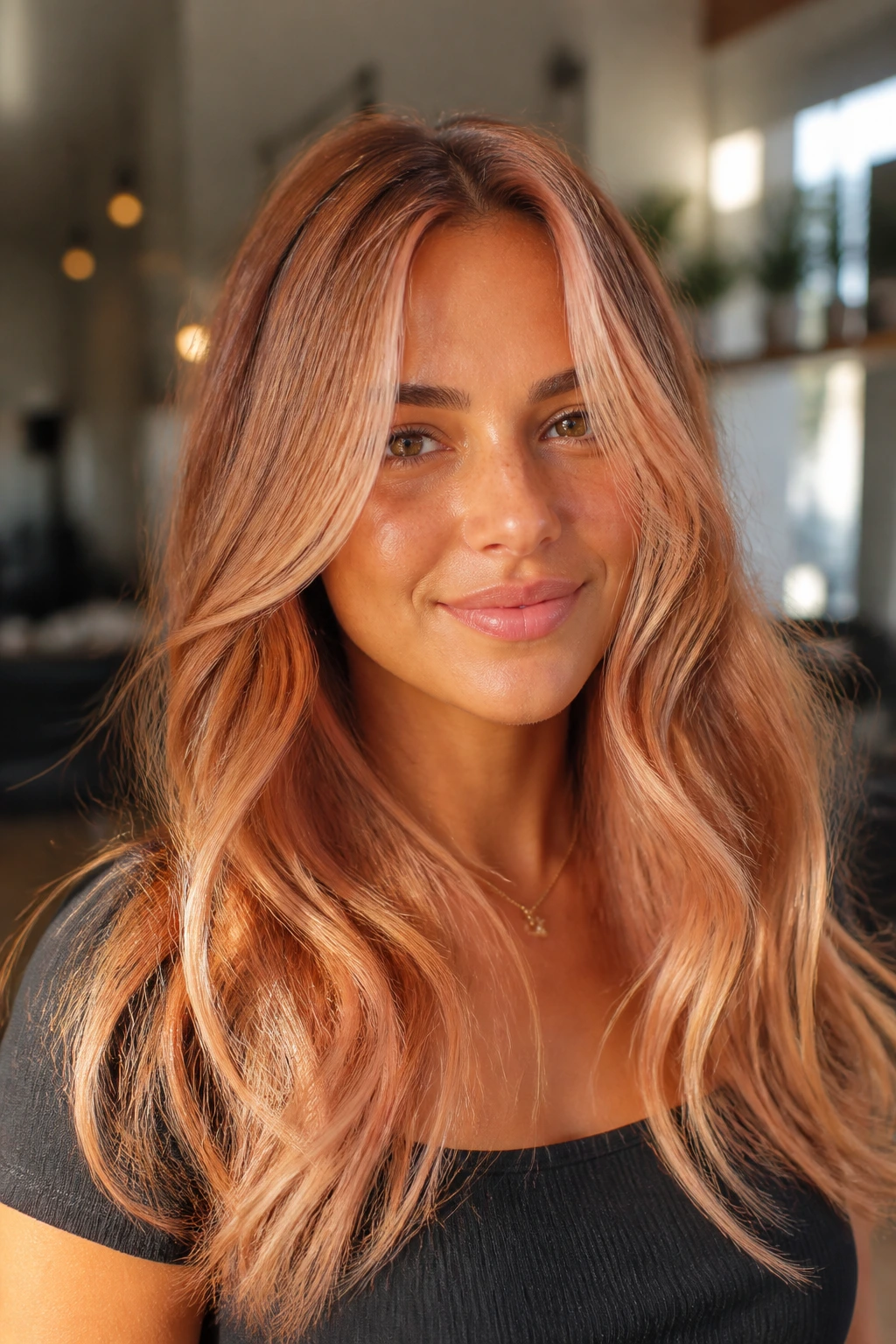
The best strawberry blonde looks on tan skin usually come from a mix of techniques, not one single trick. Balayage gives the softest hand-painted edges. Foilayage gives more lift where you need it, especially around the face. Babylights create fine brightness that looks like natural variation. A root shadow keeps the top from looking too light too fast.
Toner is where the real tone work happens. Peach, apricot, rose-gold, copper-beige — those are the words you want at the chair, because they tell the colorist what family you’re after. A plain “strawberry blonde” request can mean very different things depending on the person holding the brush. One stylist may think coral. Another may think copper beige. Another may think pink blonde, which is a whole different animal.
Ask for dimension, not just lightness. That word matters. Dimension is what keeps strawberry blonde from becoming a flat, one-note wash.
Tools, Glosses, and Salon Terms Worth Knowing
-
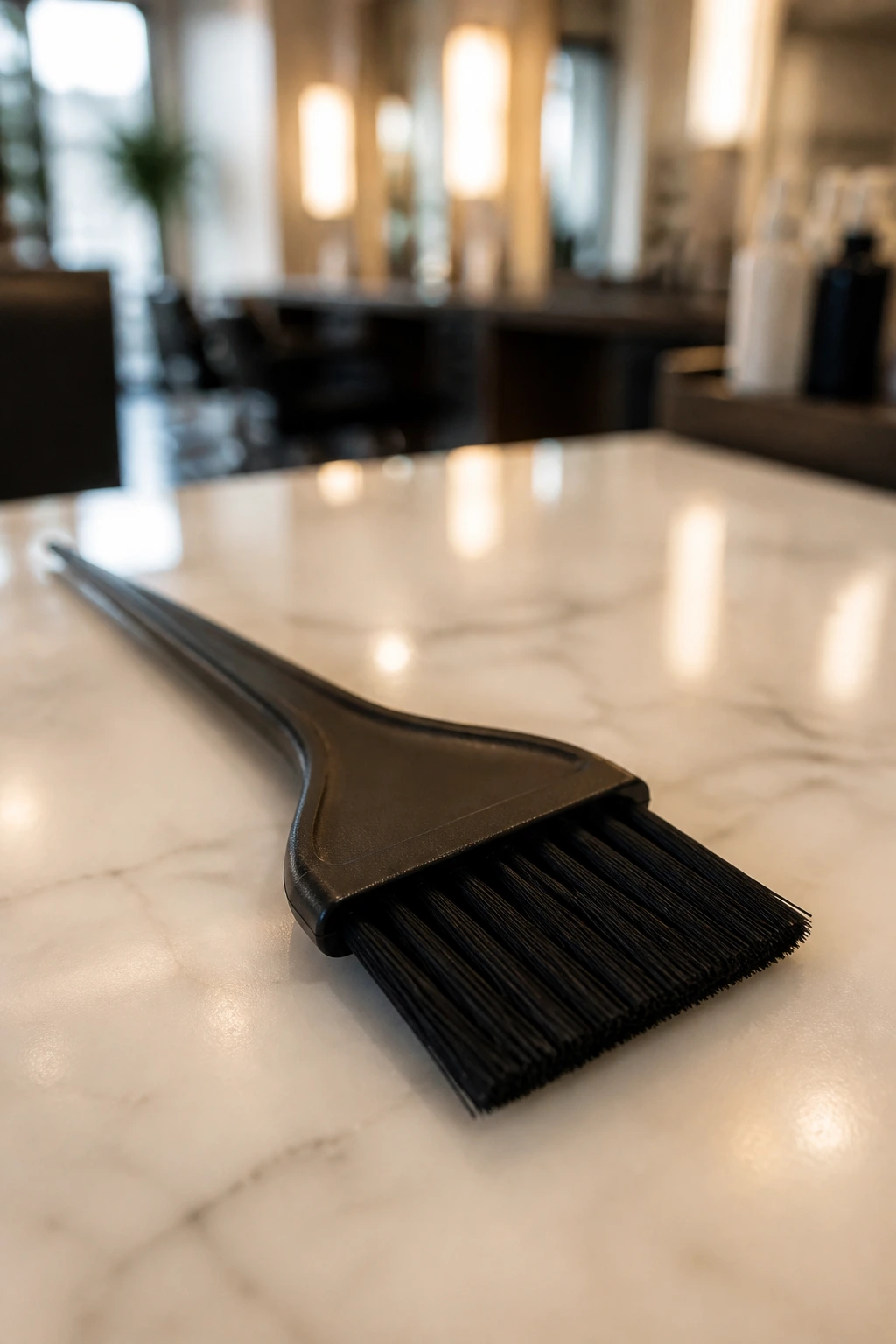
Balayage brush: Lets the colorist paint soft, feathered highlights rather than hard stripes.
-
Foils: Used when the hair needs a bit more lift or heat control, especially around the face.
-
Toner or gloss: The finishing step that steers the highlights toward peach, copper, rose, or beige.
-
Root shadow: A slightly deeper root color that softens grow-out and gives strawberry shades a better base.
-
Color-safe shampoo: Keeps the warm tones from stripping out too fast.
-
Heat protectant: Important if you blow-dry or curl often, because high heat fades strawberry tones fast.
-
Microfiber towel: Helps keep the cuticle smoother after washing, which matters for shine.
-
Wide-tooth comb: Safer for wet hair than a fine brush, especially if the hair has been lightened.
A useful salon phrase: “I want strawberry blonde, but keep it peach-gold, not orange or pink.” That one line saves everyone time.
Keeping Strawberry Blonde Bright Between Appointments
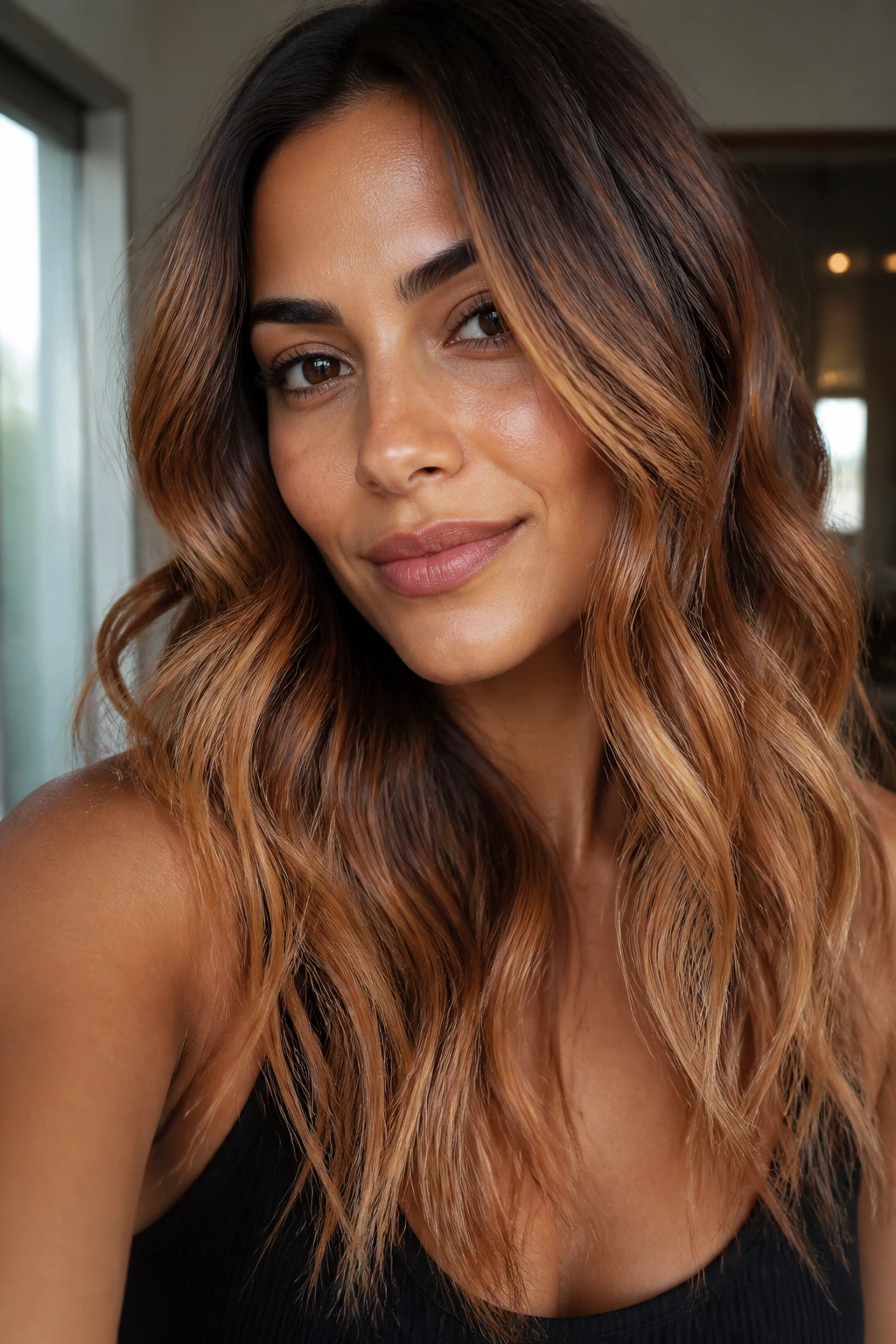
Strawberry tones fade faster than neutral brown, and that’s not a flaw. It’s the nature of red-based pigment. Wash less often if you can — two or three times a week is kinder than daily shampooing — and use lukewarm water instead of hot. Hot water opens the cuticle and sends color down the drain faster than people expect.
A sulfate-free shampoo is worth the shelf space. So is a color-depositing mask or conditioner with peach, copper, or rose-gold pigment, used about once a week or every other week depending on how fast your hair fades. If the tone starts drifting brassy, a gloss appointment can pull it back before it gets tired and dry-looking.
Heat styling needs a guardrail. Use heat protectant before every blow-dry, flat iron, or curling pass, and keep tools around 300°F to 350°F unless your hair really needs more. Strawberry blonde looks better with a little shine than with crispy ends.
Mistakes That Make Strawberry Blonde Look Muddy
-
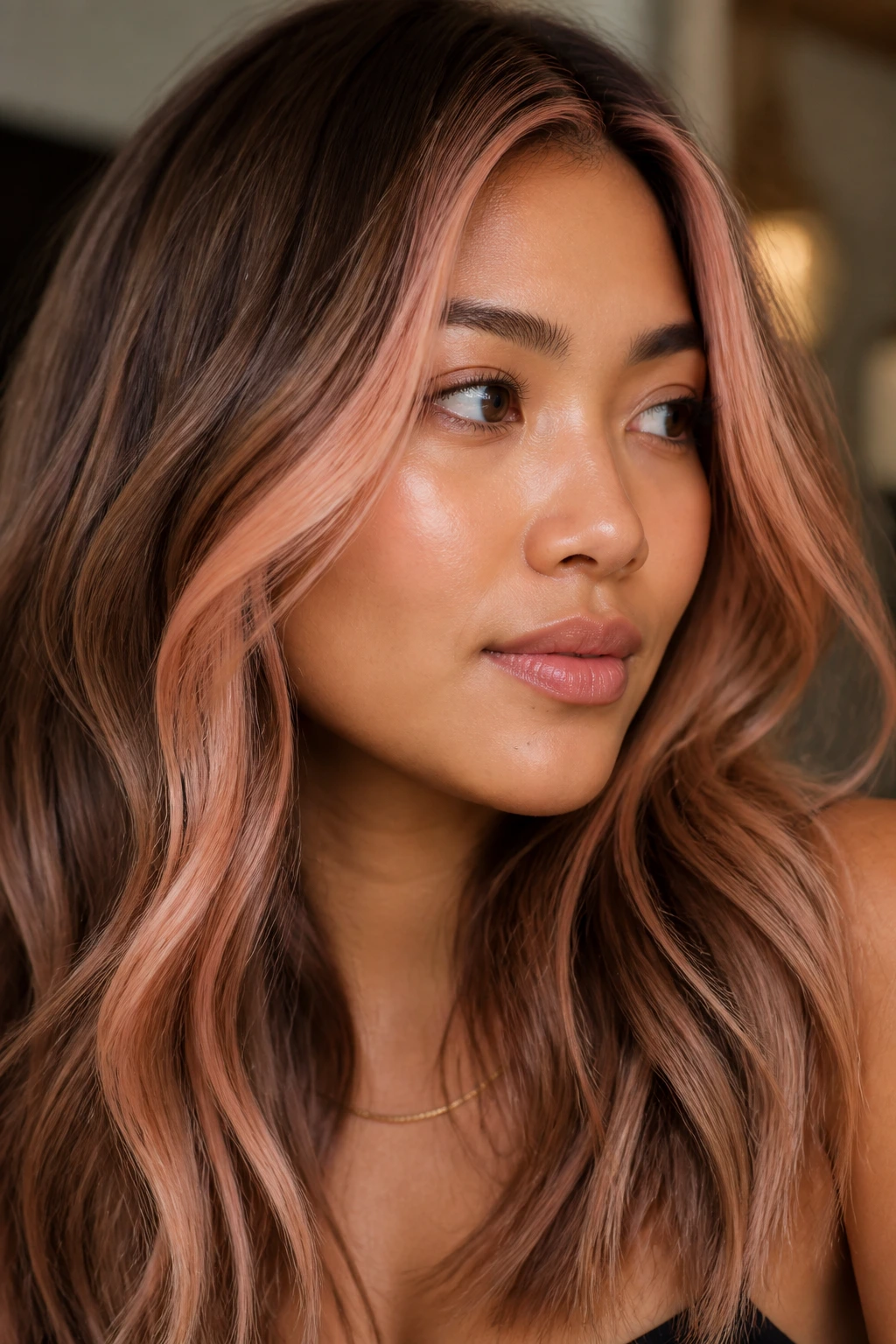
Choosing the wrong warmth level: If your tan skin is olive and the highlights are too yellow, the whole head can look brassy instead of peachy. Fix it by asking for a beige or rose-gold toner.
-
Making the highlights too thick: Thick blonde streaks can overpower tan skin and make the color read stripey. Fine ribbons or balayage pieces usually look softer.
-
Skipping the root shadow: A pale strawberry root on dark hair can look disconnected and grow out harshly. A soft shadow root keeps the blend believable.
-
Going too pink on warm skin: Pink strawberry can look sweet in a salon chair and strange in daylight. Peach and copper are safer if your tan skin leans golden.
-
Fading it with harsh washing: Daily shampoo, hot water, and high-heat styling pull the warm pigment out fast. A gentler wash routine keeps the color creamy longer.
-
Ignoring your base level: Dark brown hair often needs a controlled lift to reach strawberry territory. If the lift is rushed, the hair can go orange at the same time it goes dry.
Other Ways to Wear the Look
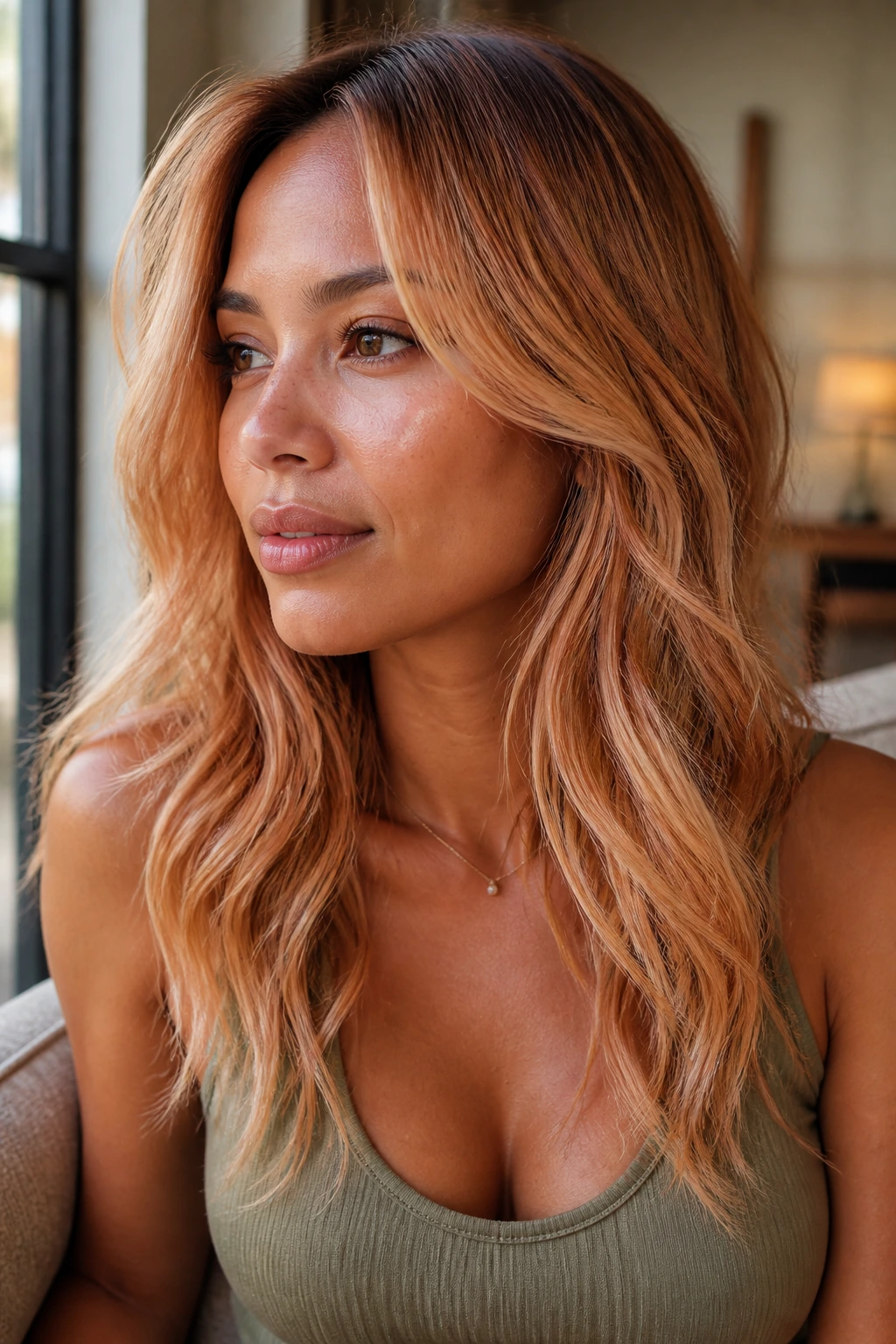
The Face-Frame First Approach: Keep most of the hair close to the natural base and spend the lightest strawberry tones only around the face. This is the easiest choice if you want to test the water without committing to a full head of highlights.
The Full Balayage Glow: Paint the strawberry through the mids and ends for a sunlit, low-contrast effect. It’s softer on grow-out and works well on long layers.
The Copper-Brown Hybrid: Blend chestnut, copper, and strawberry blonde so the hair stays rich even when the highlights are subtle. This one is strong on deeper tan skin and thick hair.
The Peach-Gloss Refresh: If your hair is already lightened, a peach glaze alone can shift the whole mood without more bleaching. It’s a smart maintenance option when the color just needs warmth.
The Bold Coral Accent: Use coral strawberry only in a few sections around the crown or front. It gives a stronger fashion edge without turning the whole head into a neon statement.
Tools You’ll Want on Hand
-
Salon reference photos: Bring 3 to 5 images that show both the tone and placement you want, because tone and placement are not the same thing.
-
Color-safe shampoo and conditioner: The first line of defense against fading.
-
Heat protectant spray or cream: Use before hot tools every time.
-
Color-depositing conditioner: Helpful for peach, copper, or rose refreshes between salon visits.
-
Glossing treatment: Either salon-applied or at-home, depending on your hair’s condition.
-
Microfiber towel or soft cotton T-shirt: Reduces friction after washing.
-
Wide-tooth comb: Safer on lightened hair than a tight-bristle brush.
-
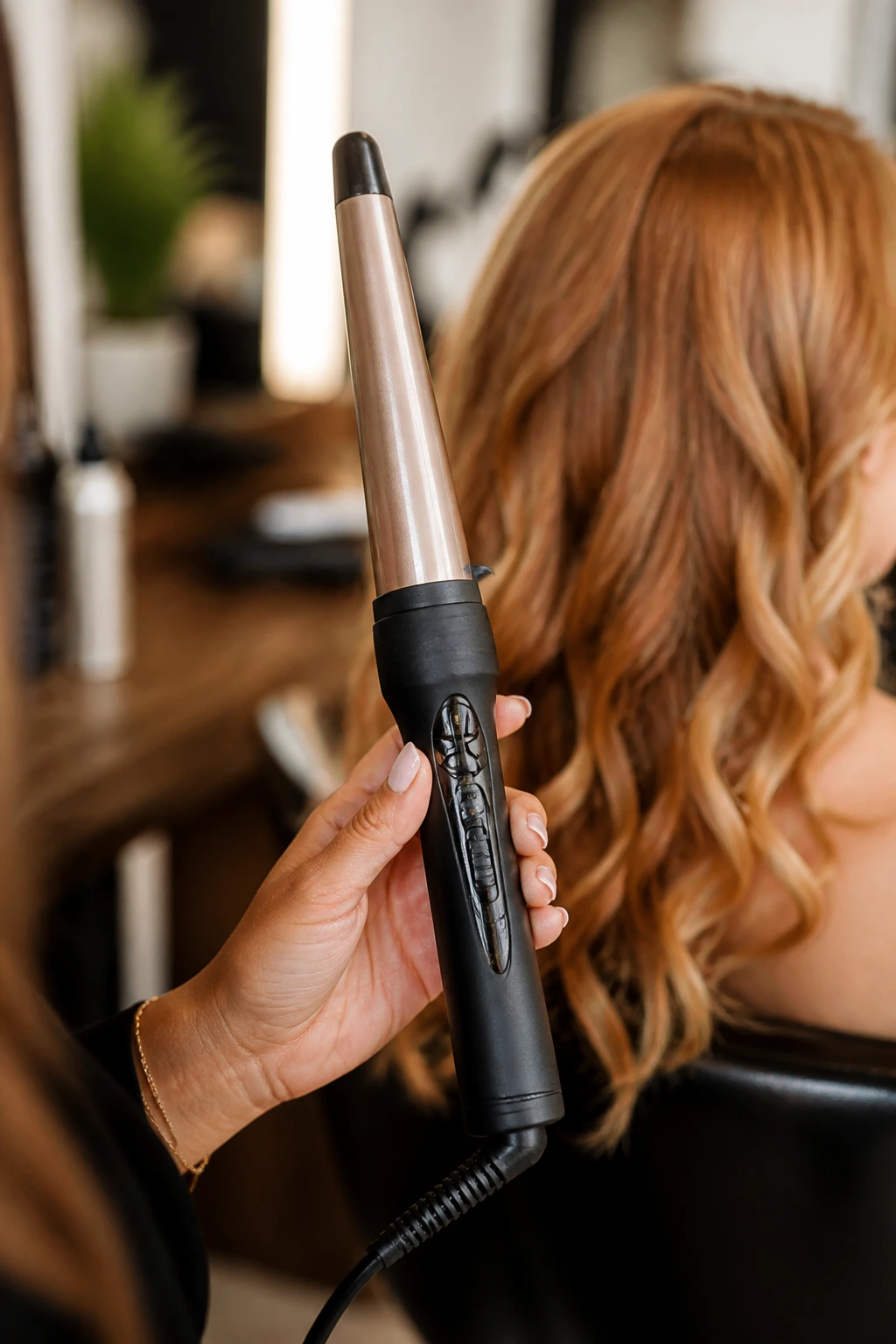
Round brush or curling wand: Lets the highlights show their movement instead of sitting flat.
Frequently Asked Questions
Will strawberry blonde highlights work on dark tan skin?
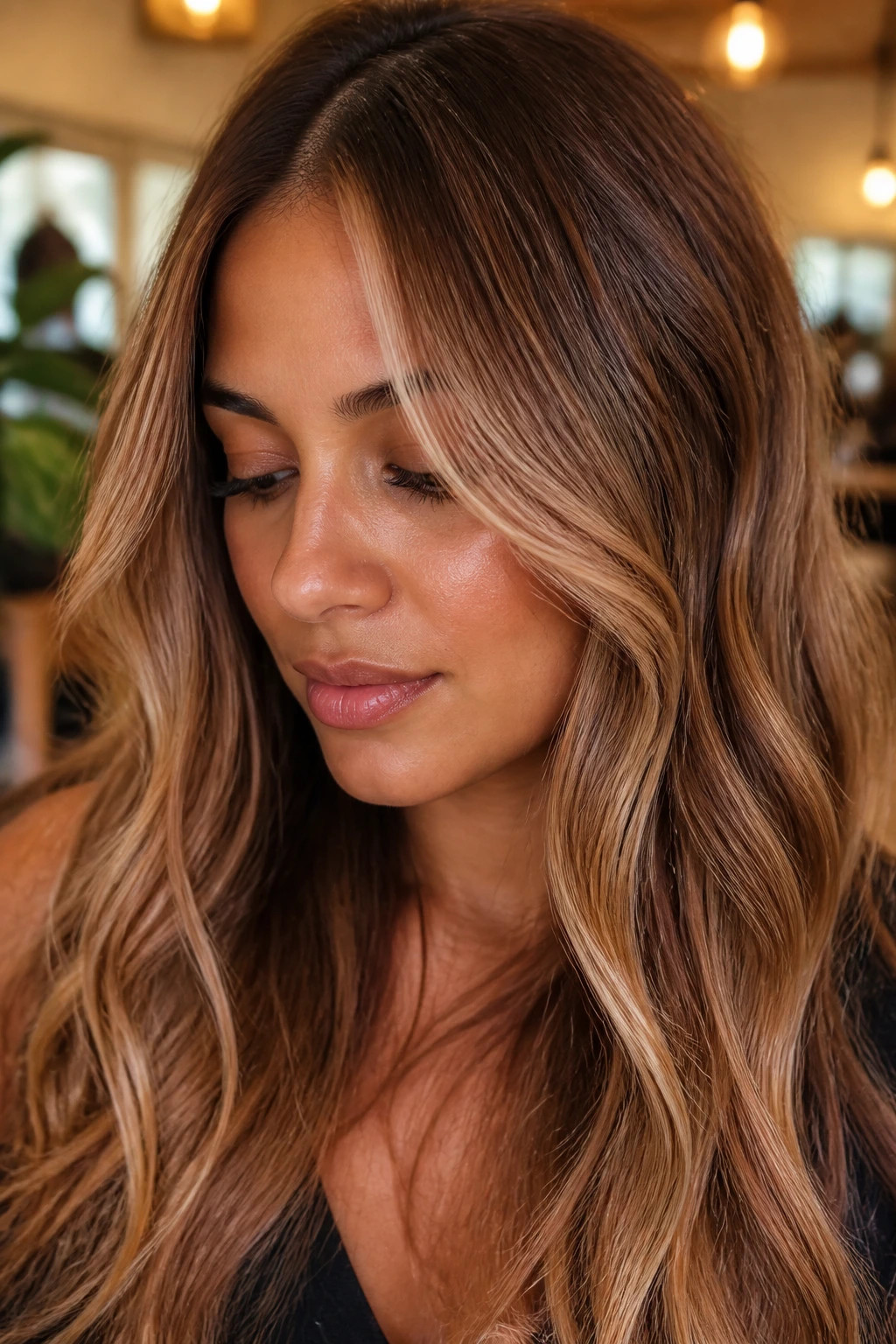
Yes, but the tone usually needs to be richer. Think copper, apricot, or auburn-strawberry rather than pale pink blonde. Dark tan skin often looks best when the highlights have some depth at the root and a warm gloss on top.
What’s better for tan skin: peach or copper strawberry?
Peach is softer and usually more forgiving on golden or neutral tan skin. Copper leans richer and can look better on deeper tan complexions or anyone who likes stronger contrast. If your skin has olive undertones, a peach-copper mix is often the safest middle lane.
Can I get strawberry blonde highlights without bleaching all my hair?
Yes. Balayage, babylights, and face-framing pieces can lighten only the sections you want. If your base is dark, though, some controlled lift is still needed for the strawberry tone to show.
How often do strawberry blonde highlights need touch-ups?
The highlight placement can last 8 to 12 weeks or longer if you have a root shadow or balayage. The tone itself may need a gloss refresh sooner, especially if you wash often or use a lot of heat.
Do strawberry highlights fade to orange?
They can, especially if the toner is too copper-heavy or the hair is washed with hot water too often. A peach-beige gloss and a color-safe routine help keep the color creamy instead of brassy.
What if my hair is curly?
Curly hair is actually a strong match for this color family. The curl pattern breaks the color into moving ribbons, which makes strawberry blonde look more dimensional. Just make sure the lightening is gentle enough to keep the curl pattern healthy.
Can I wear strawberry blonde if I usually wear minimal makeup?
Absolutely. In fact, soft strawberry tones can do some of the work that bronzer or blush usually handles. If you keep the highlights peach-gold and not too bright, they tend to sit naturally with bare skin.
Should I ask for highlights or balayage?
If you want obvious pieces and faster brightness, ask for highlights or foilayage. If you want soft grow-out and a more blended finish, balayage is the better starting point. The right answer depends on how much contrast you want to see when you leave the salon.
A Warm Finish
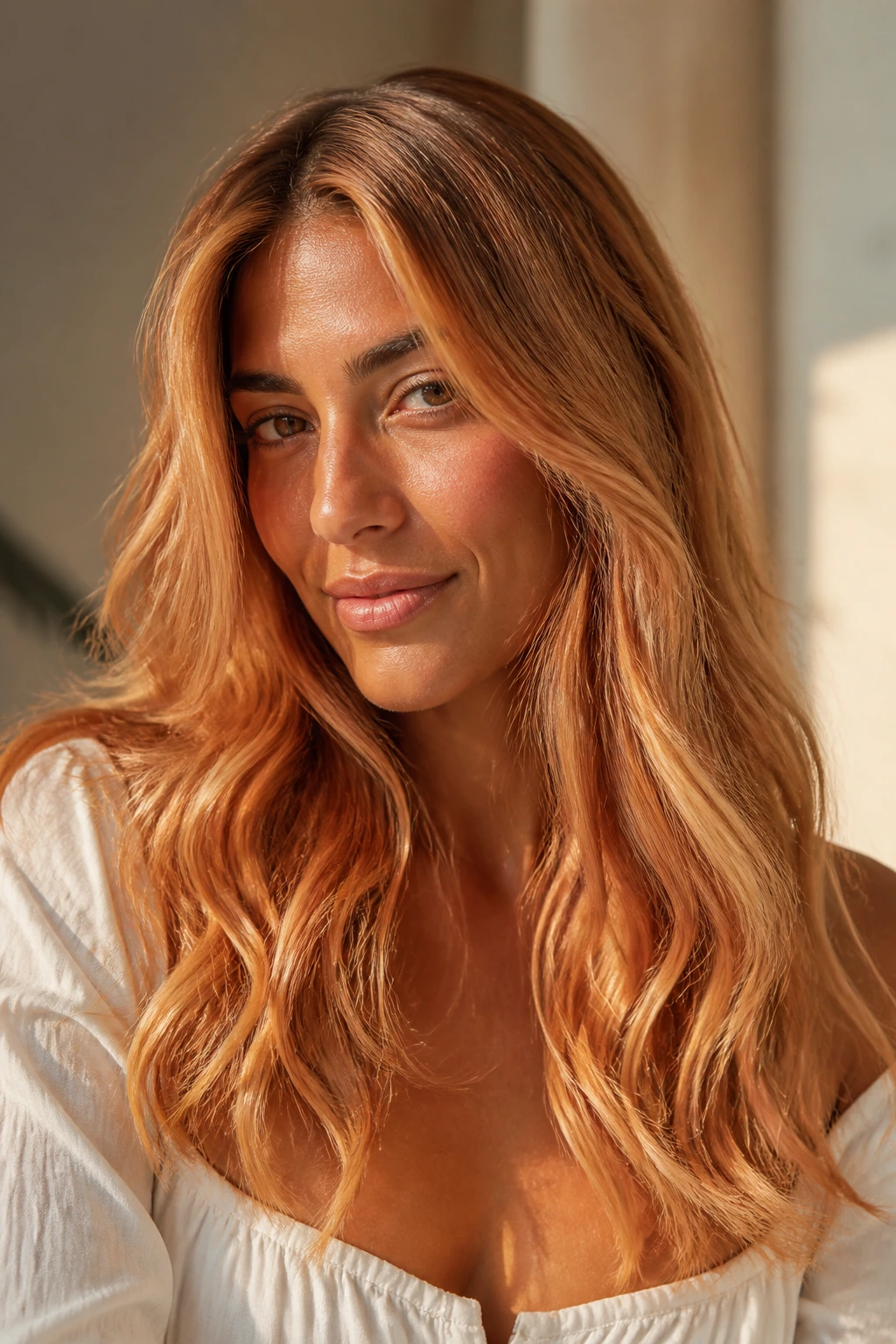
Strawberry blonde on tan skin works because it respects what’s already there. The warmth in the hair meets the warmth in the skin, and the result feels balanced instead of forced. That’s why the best versions are never just “blonde” or just “red.” They sit in the middle, where peach, copper, and gold can all show up at once.
If you’re choosing between subtle and bold, I’d lean subtle first unless you already know you like stronger contrast. A soft face frame, a peachy gloss, or a muted balayage can tell you a lot before you commit to a bigger change. And once you find the right strawberry tone, it tends to become one of those colors you keep circling back to.