



An octopus haircut on curly hair works because it gives the crown lift without turning the whole head into a puffball. The short layers sit up top like a soft cap; the longer lengths hang underneath like loose tentacles, which is where the cut gets its name. On beachy waves, that shape feels especially useful. Loose 2A-to-3B texture can go flat at the roots and bulky at the ends, and the octopus shape breaks that pattern without asking you to flat-iron everything into submission.
That balance matters more than people admit. A curl cut that looks cute when wet can become a triangle, a helmet, or a frizzy outline by the time it dries, and shrinkage will expose every bad decision. If the stylist ignores how much your hair springs up, the shortest layers can jump higher than expected, while the ends can sit too light and lose that easy, breezy wave swing that makes the whole look feel relaxed.
The versions below range from chin-grazing and edgy to long, soft, and grow-out friendly, because not every curl pattern wants the same amount of snip around the face. Some lean into fringe, some keep the perimeter long, and some give you just enough internal layering to make the waves bend instead of bell out. That’s the part I like best: the octopus cut is not one haircut. It’s a shape, and shape is where the good stuff lives.
Why These Cuts Earn Their Spot
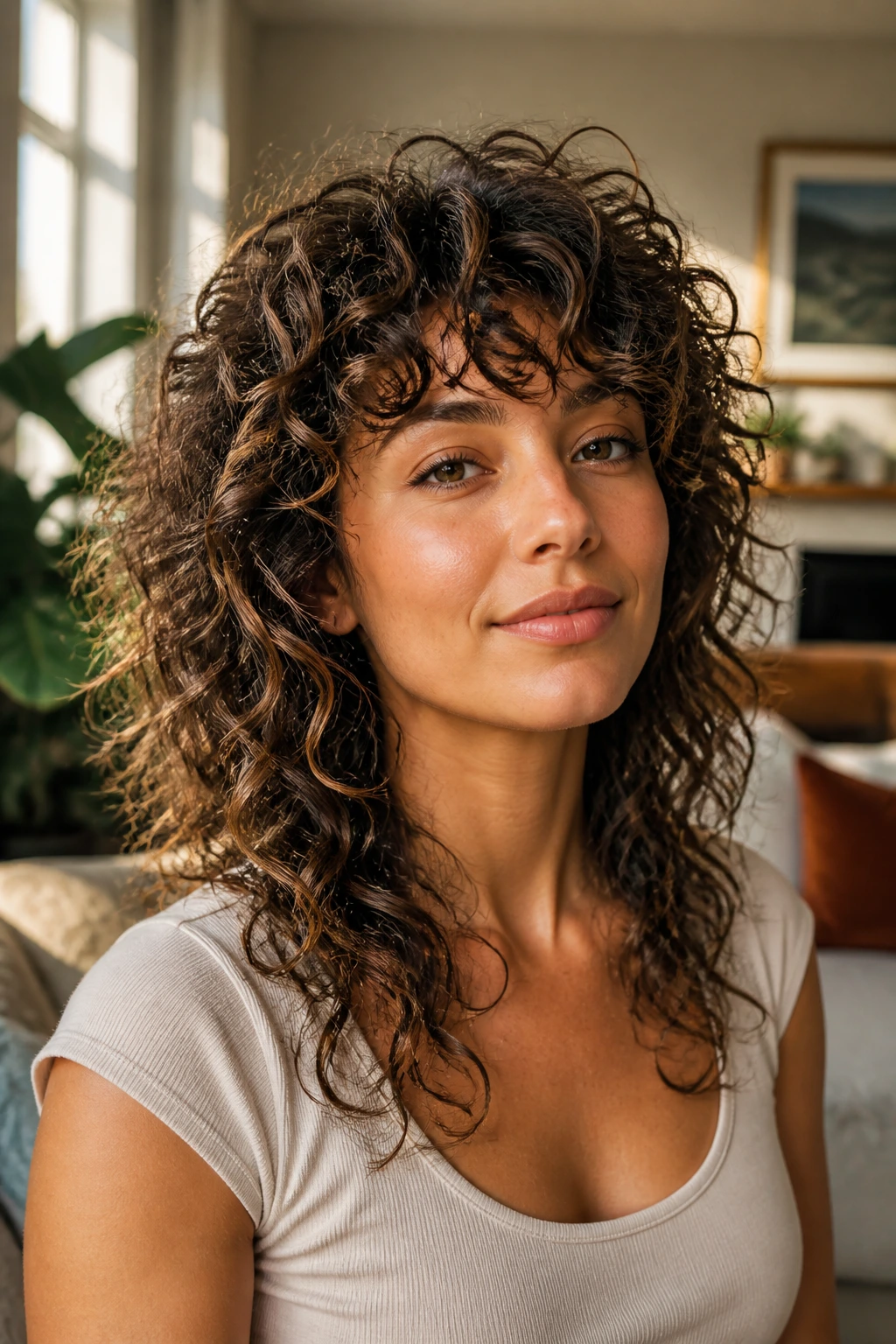
-
Crown lift without the helmet effect: The shorter top layers keep the roots from collapsing, but they stop before the cut gets that round, helmety outline that some layered curls pick up when the crown is over-cut.
-
Long ends still do real work: The bottom length keeps enough weight to let beachy waves drape instead of poof, which matters if your hair has a lot of spring or a thick back section.
-
Shrinkage gets built into the plan: These shapes account for the fact that curly hair often shortens by an inch or two as it dries, so the final silhouette lands where you meant it to land.
-
Styling stays lighter: A good octopus shape usually needs less cream and less fighting. A mousse, a diffuser, and a little patience can do most of the lifting.
-
It grows out in a human way: Soft, staggered layers blur instead of breaking. That means the cut often looks better at eight weeks than a blunt chop that starts losing shape by week three.
-
Beachy waves read better with separation: Loose, broken-up texture shows the layers without making the hair look overworked. That little bit of separation is the whole point.
1. Soft Crown Octopus for Loose Curls
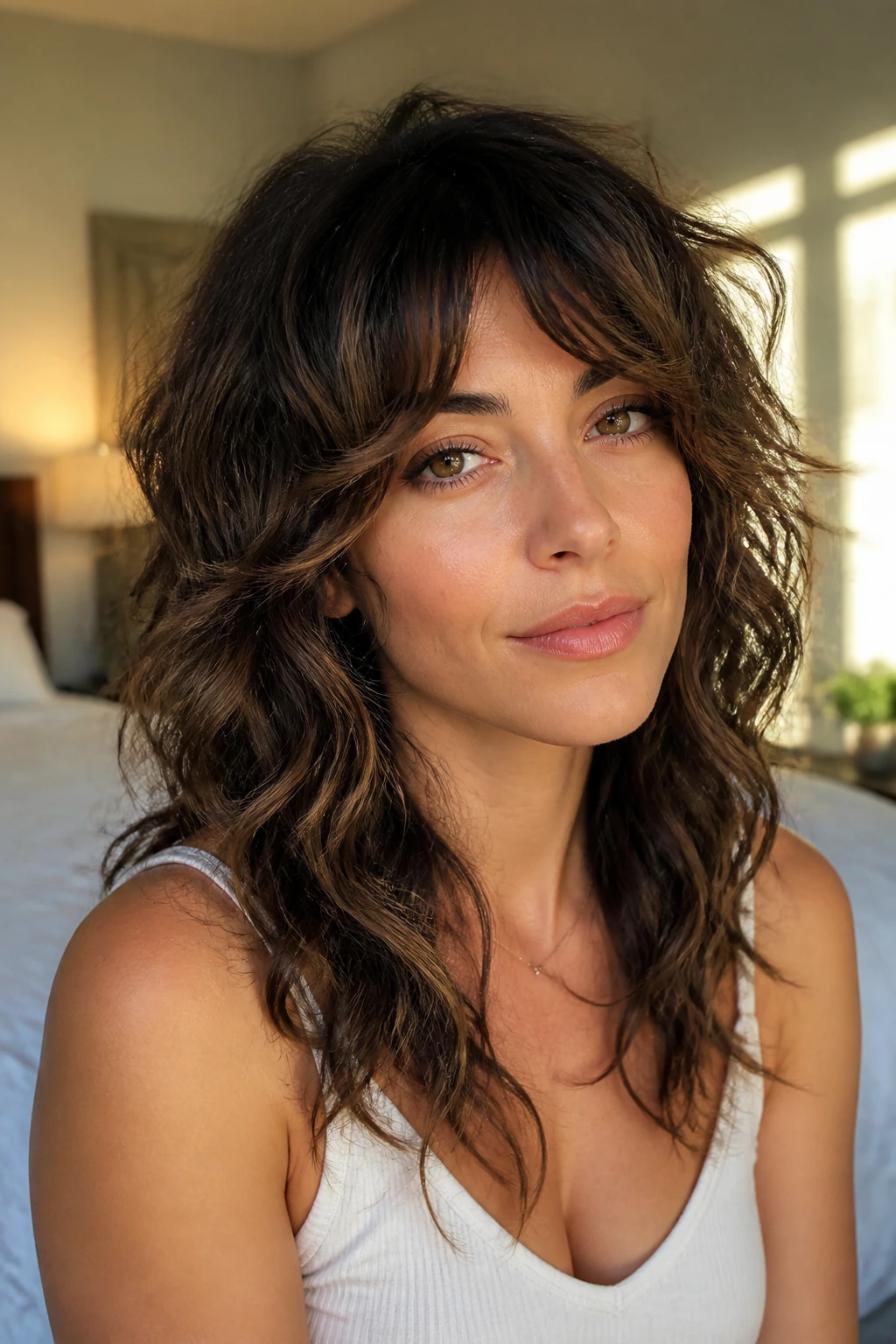
This is the gentlest version of the whole family. The crown stays airy, the mids are trimmed into soft shelves, and the ends keep enough length to sway instead of springing outward the second they dry. On loose curls, that matters. Too much layering makes the silhouette flare; this shape keeps the movement inside the haircut instead of all around it.
Why It Works
The shortest pieces usually land around the temples or just above the cheekbones, which gives the top lift without forcing the cut into a stacked bob. I like this version for 2B and 3A hair because it lets the wave pattern stay visible without collapsing into one big triangle.
- Best for: Fine-to-medium curls that flatten at the crown.
- Length sweet spot: Collarbone to below the shoulders.
- Styling note: A light mousse and a diffuser on low heat are usually enough.
Tip: Ask the stylist to leave the front a touch longer than the crown. That keeps the face-framing pieces soft instead of choppy.
2. Collarbone Drift Octopus
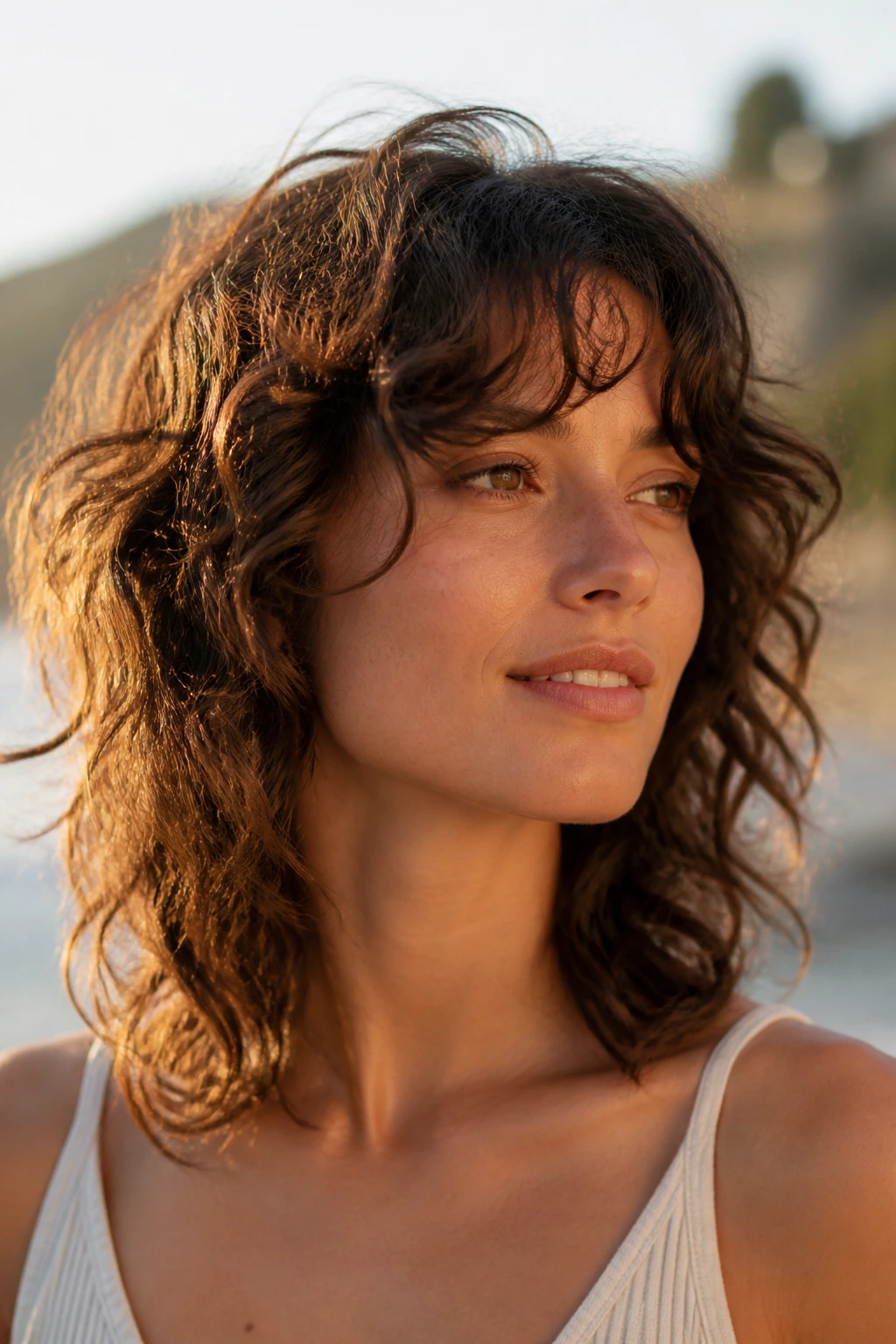
If you want movement without losing your collarbone length, this is the cleanest version of the octopus shape. The top falls in loose, staggered layers, while the lower lengths stay just long enough to brush the clavicle and keep the ends from puffing out. It feels especially good on beachy waves that like to bend but not fully coil.
I reach for this shape when the hair needs motion more than drama. The key is restraint: the crown gets enough internal layering to breathe, but the perimeter is kept stable so the whole cut still swings as one shape. When it’s right, the front pieces skim the jaw, the side pieces tuck cleanly behind the ears, and the back falls with a little bounce instead of a hard shelf.
This version is easy to wear with a center part, a soft off-center part, or that slightly messy part that happens after a humid commute. It does not need a huge styling routine. Good cut, light product, and a diffuser pass. That’s most of the work.
3. Curly Wolf-Octopus with Edge
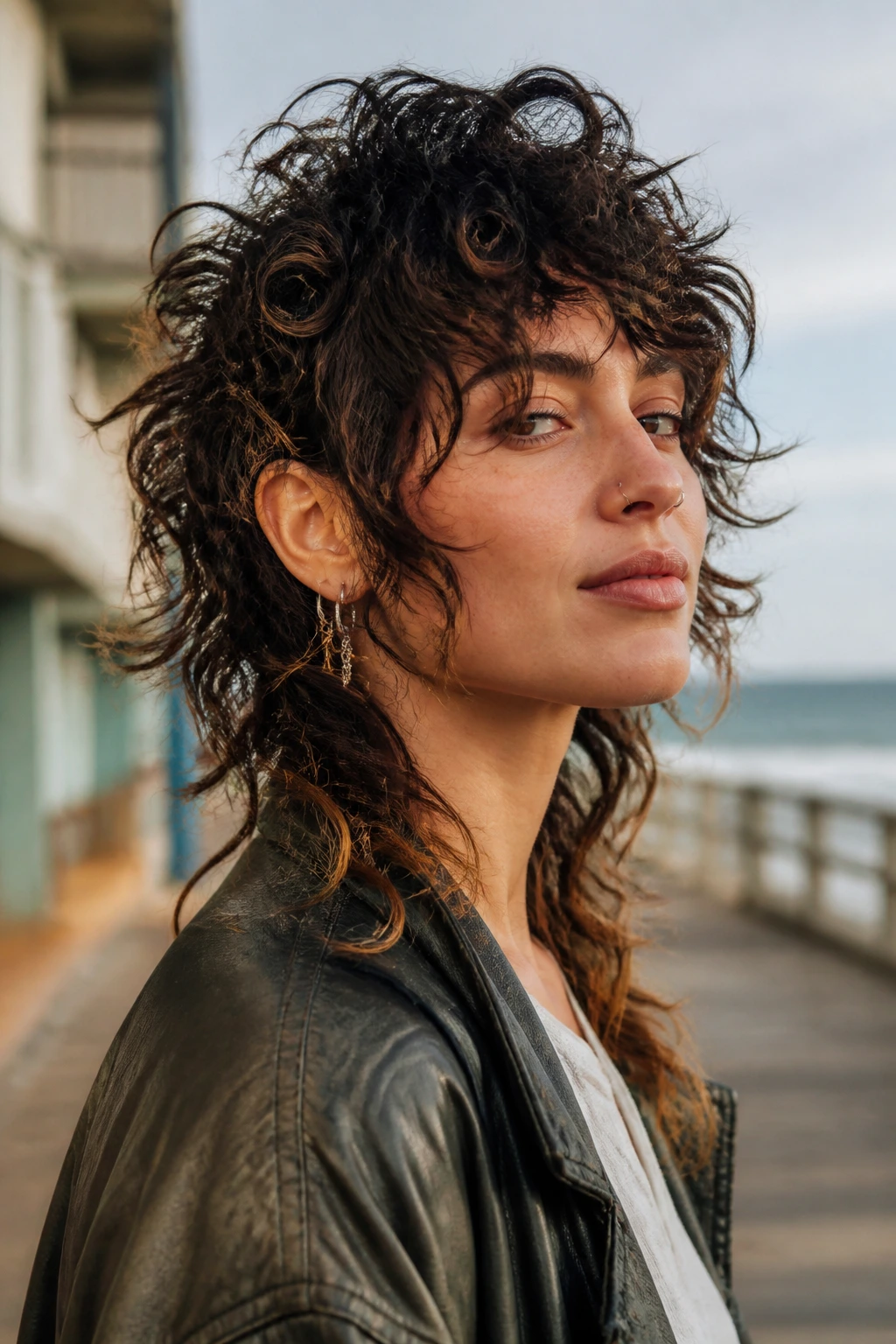
Want something a little rougher, a little more defiant? This one borrows the shag’s attitude, but the long tail pieces keep it from drifting into full mullet territory. The crown is shorter, the sides are disconnected just enough to show texture, and the ends stay wispy rather than blunt.
How to Style It
Use a curl cream only on the mid-lengths, then seal the top with foam at the roots. That keeps the shape from getting greasy at the scalp while the lower pieces stay airy. If your curls are dense, this is the version that can actually remove bulk without making the whole head look thin.
The best part is the way it moves when you turn. The layers don’t sit in a neat line, and that’s the point. It looks a little wild, but in a controlled way — like the haircut knows where the wind came from and decided to keep it.
4. Curtain-Fringe Octopus
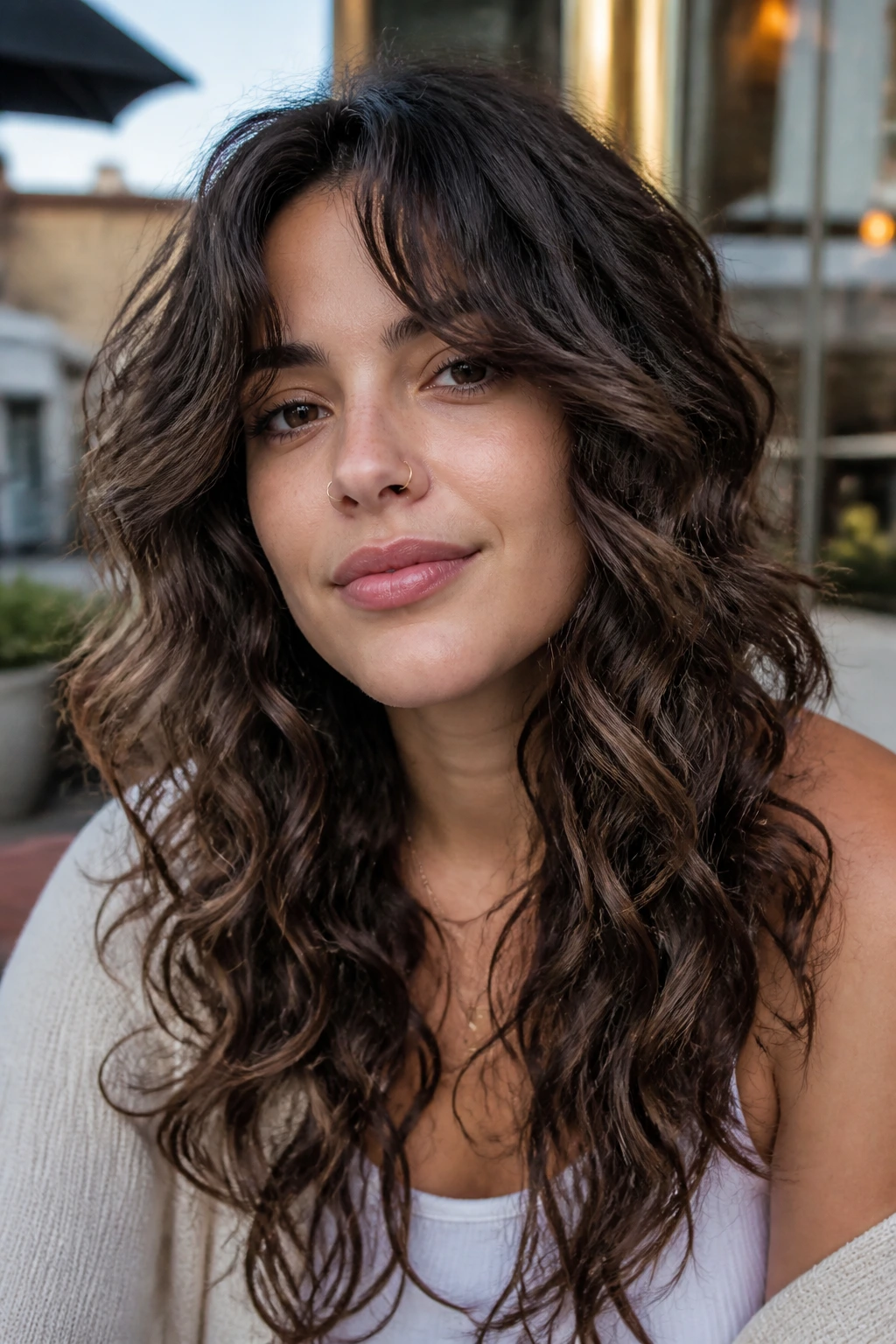
A curtain fringe changes the whole mood here. Instead of one long front section, the hair parts at the middle and falls into two soft panels that melt into the cheekbone layers. That keeps the octopus cut from feeling too severe around the face, which is useful if you like softness more than edge.
Picture a shoulder-length shape with a split fringe that bends around the eyes and opens at the nose. The crown is still lifted, but the front does the heavy visual work. If you wear glasses, this version is especially nice because the bangs can sit above the frames instead of crowding them.
It also looks better a little imperfect. Let the fringe dry in its own direction, then separate the clumps with fingers once they’re fully set. If the bangs are too polished, the rest of the cut can look overplanned. Messy is the friend here.
5. Deep Side-Part Octopus
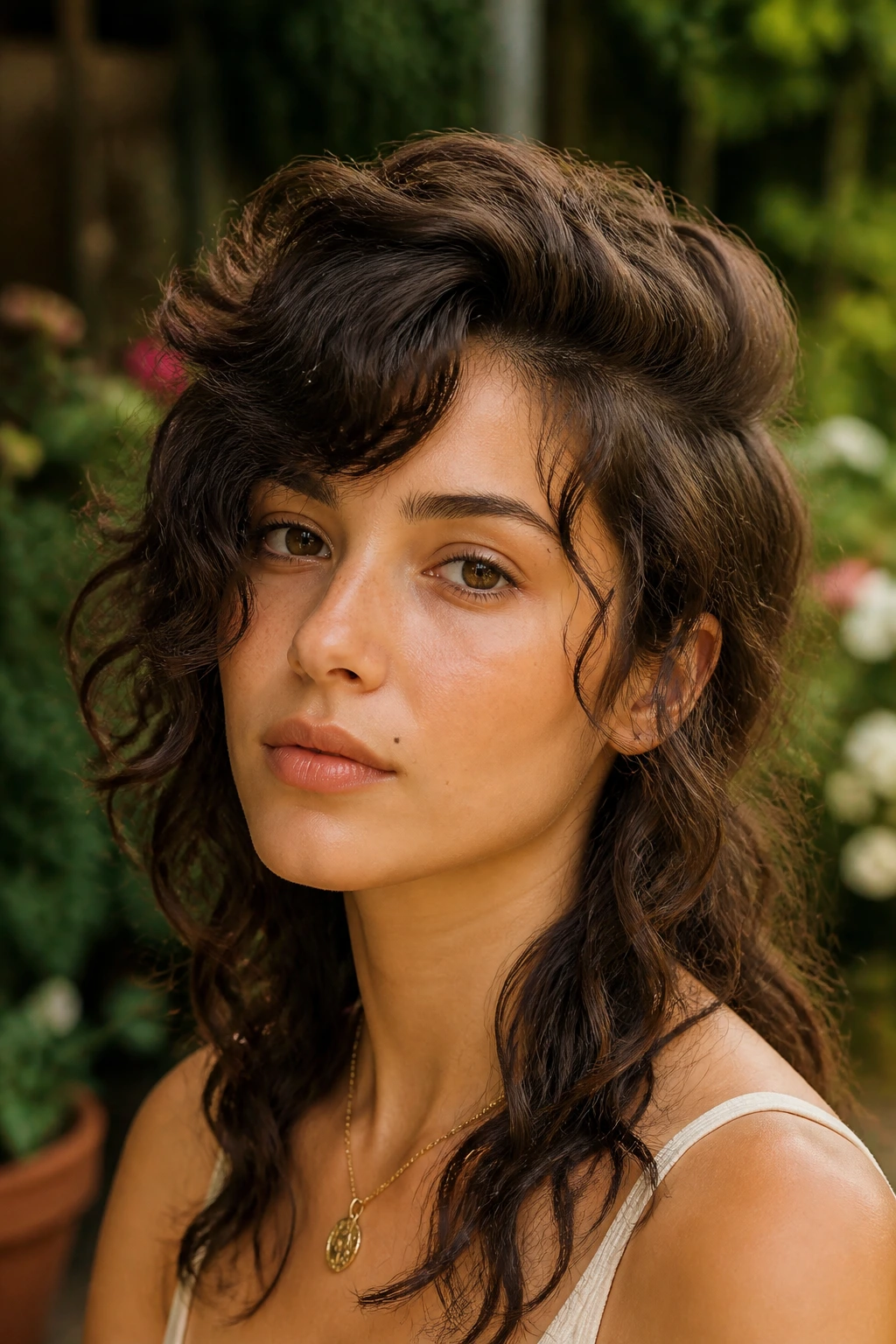
A deep side part fixes a lot of flat-root problems before you even touch product. On curly hair, that asymmetry pushes volume to one side and lets the shorter layers fall in a way that reads softer around the crown. It’s a smart move if your wave pattern tends to split down the middle and sit low at the roots.
The haircut itself can stay fairly simple: one side gets slightly more face-framing, the other side keeps longer pieces for balance. That tiny shift gives the whole shape a more expensive-looking silhouette, if I can use that phrase without getting too precious about it. More important, it keeps the cut from looking identical from every angle. It shouldn’t.
Wear it when you want the beachy wave texture to look deliberate. The side part makes the front pieces sweep across the cheek instead of hanging straight down, which is a lot kinder to round faces and softer jawlines.
6. Long Spiral Octopus
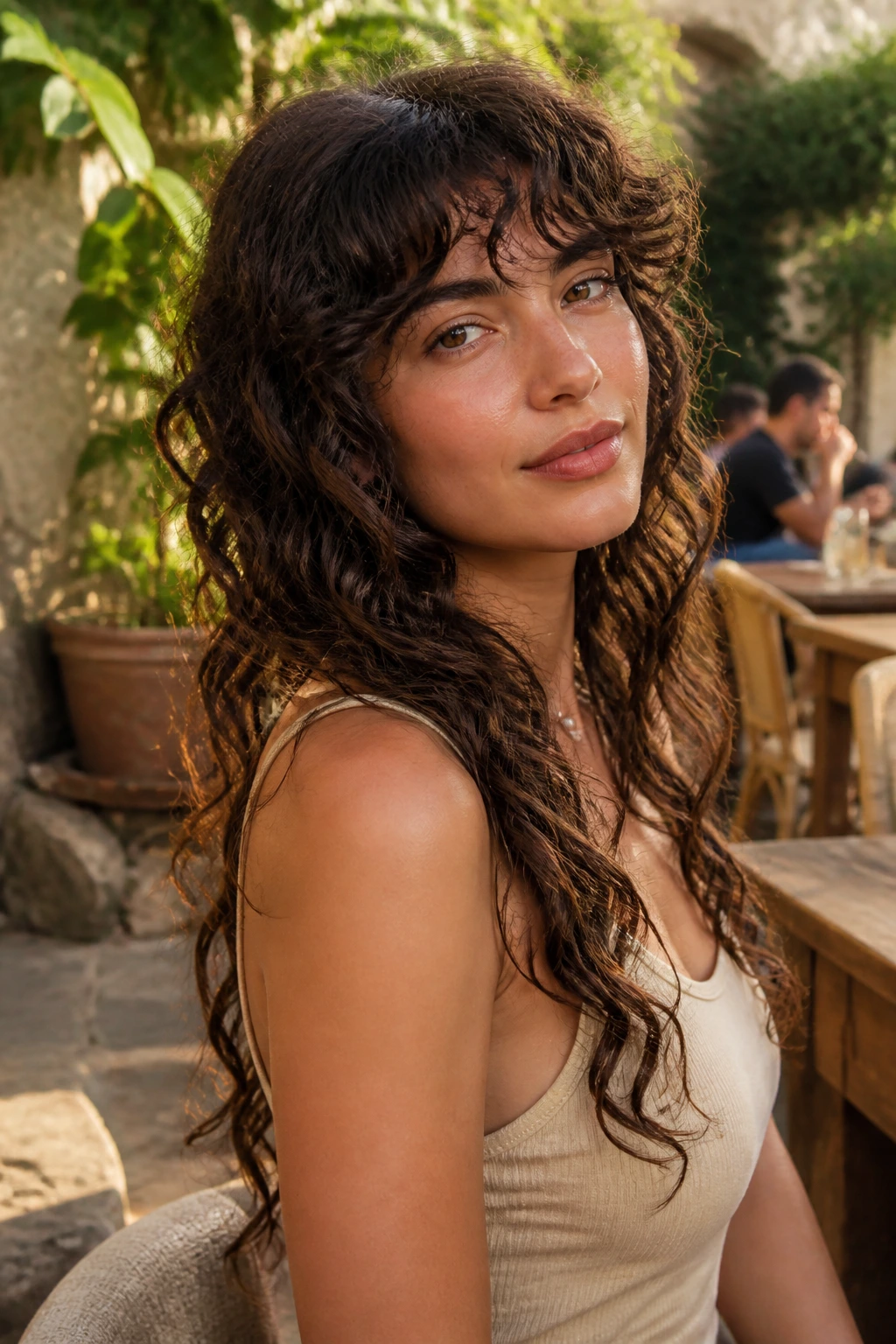
This is the version for people who keep saying they want layers, but not too many layers. The crown still gets lifted, but the shortest pieces stay lower than in the dramatic versions, so the hair keeps length and weight. On spirals, that keeps the curl from springing into a smaller shape than you expected.
Why It Works
A long octopus cut gives the upper half enough breakup to avoid the pyramid shape while leaving the perimeter intact. That means the curls can clump in a clean way, and the waves at the bottom still have something to hang on to. If your hair stretches past the shoulders when wet and lands much shorter dry, this version is safer than a high, aggressive layer map.
What Makes It Different
- The crown layers are soft, not choppy.
- The ends keep enough density for a swingy finish.
- It works well with a diffuser or air-drying.
- It’s the least risky option for first-timers.
If you want the octopus shape but hate the idea of losing inches, start here.
7. Micro-Layer Halo Octopus
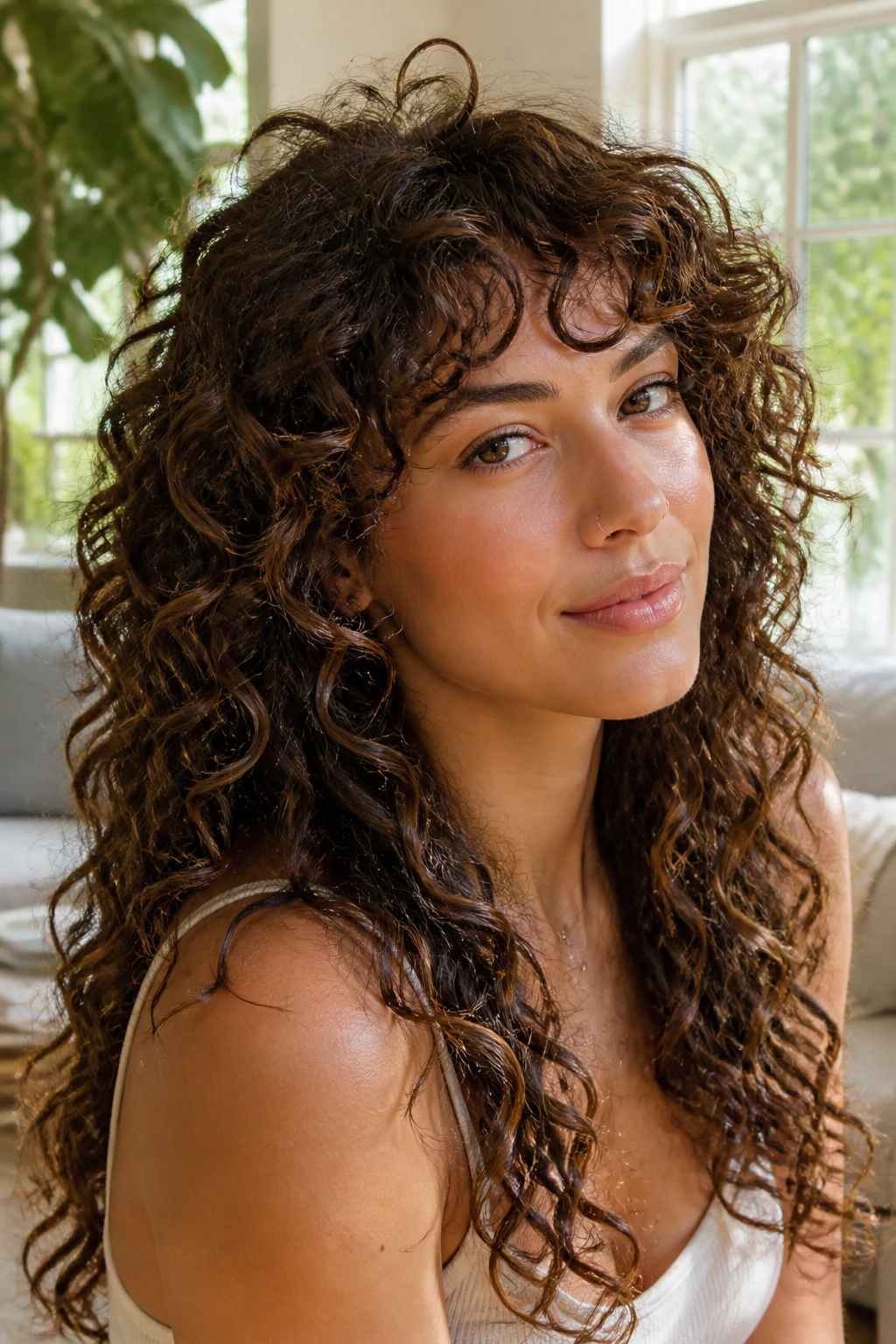
This one is all about taking bulk out of the top without exposing the ends. The halo layers sit just under the crown and around the upper sides, where dense curly hair can build too much weight and start to bulge. The lower lengths stay longer, so the haircut still feels full.
I like this on thicker 3A to 3B curls that need air around the roots but still want enough length to bend. The micro-layers are small enough that they do not announce themselves, which is the whole trick. You should notice the hair moving more easily, not see obvious steps.
If your hair puffs when it’s humid, this shape can help the top settle a little better. It does not erase frizz. Nothing does. But it gives the curl pattern a cleaner place to sit, and that is often enough to make the rest of the style look calmer.
8. Shoulder-Skimming Octopus Lob
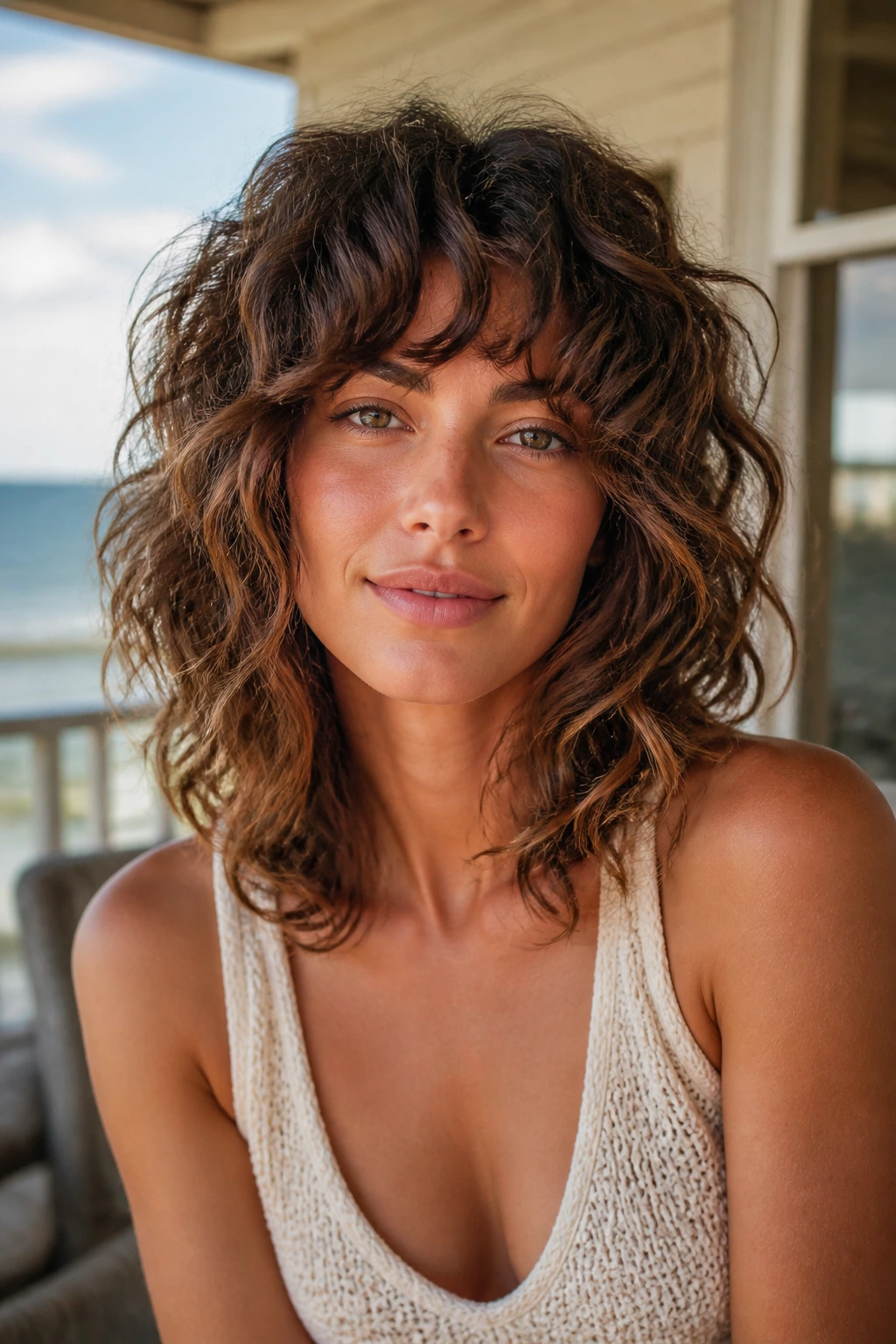
Ever had a cut that was cute at the salon and then turned into a triangle by dinner? This version avoids that by keeping the perimeter right at or just below the shoulders, where the hair still has enough length to hang. The octopus layering keeps the top from going flat, but the lob length stops the shape from floating away.
The shoulder-skimming version is especially useful if your hair is wavy at the top and curlier through the ends. The layers help the texture connect instead of separating into two different haircuts on the same head. I’m not being dramatic. That happens.
Wear it with a loose scrunch and a diffuser, or let it air-dry and break the cast with your hands after it’s fully dry. The cut likes movement. It does not like being brushed out into a fuzzy cloud.
9. Rounded Halo Octopus
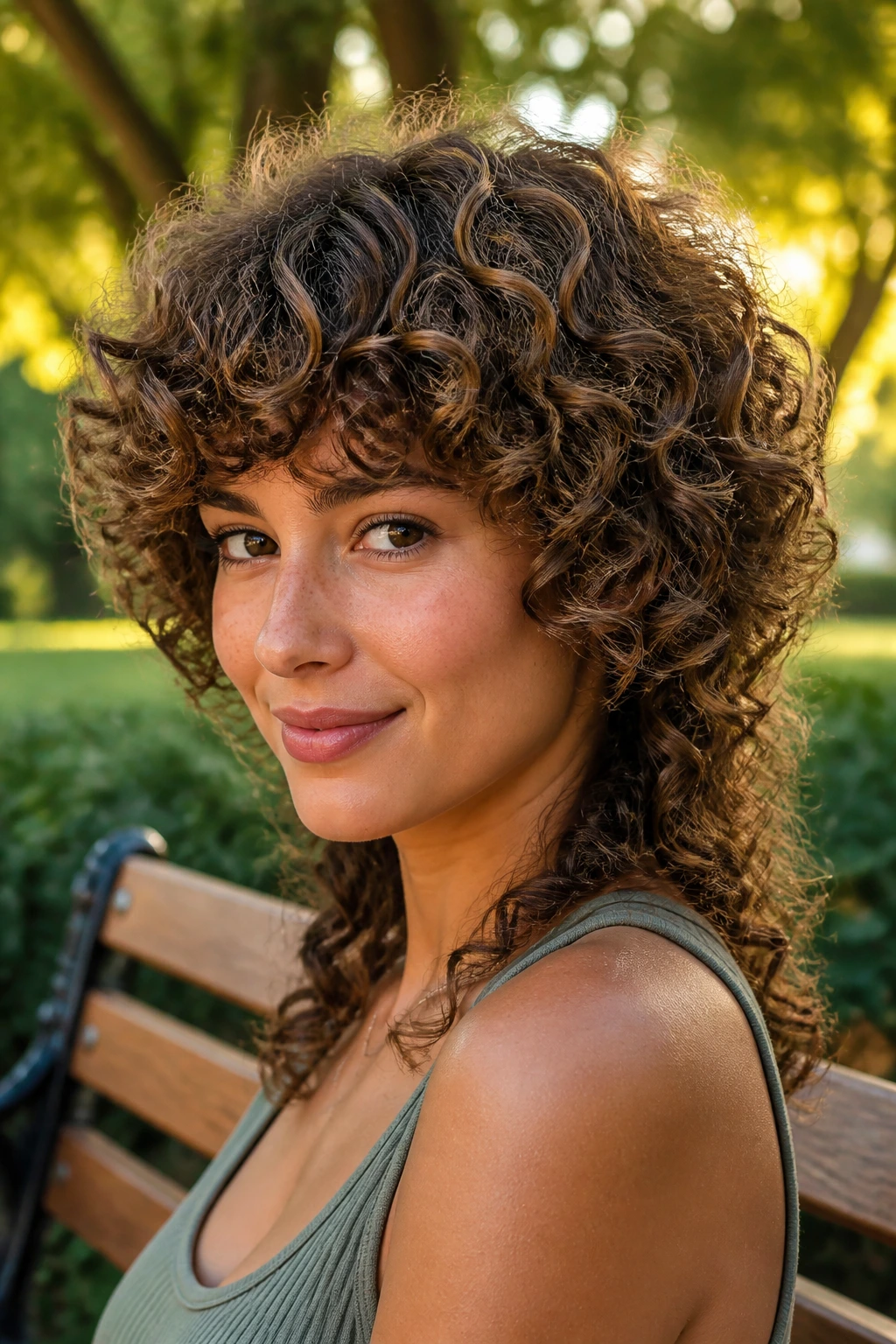
A rounded halo shape keeps the silhouette soft all the way around, which makes a big difference on wide or dense curls. Instead of sharp corners at the sides, the layers bend around the head in a gentle curve, and that curve is what keeps the haircut from looking heavy at the jaw.
Best For
- Medium to thick curls that collect weight at the sides.
- Beachy waves that need a little more structure.
- Anyone who wants volume at the top without a wide bottom line.
The halo version feels balanced from every angle, which is harder to pull off than people think. A lot of layered cuts look fine from the front and strange from the back. This one should not. Ask for the back to be checked dry, because the way it lands at shoulder level is what keeps the whole shape clean.
10. Face-Framing Octopus with Cheekbone Pieces
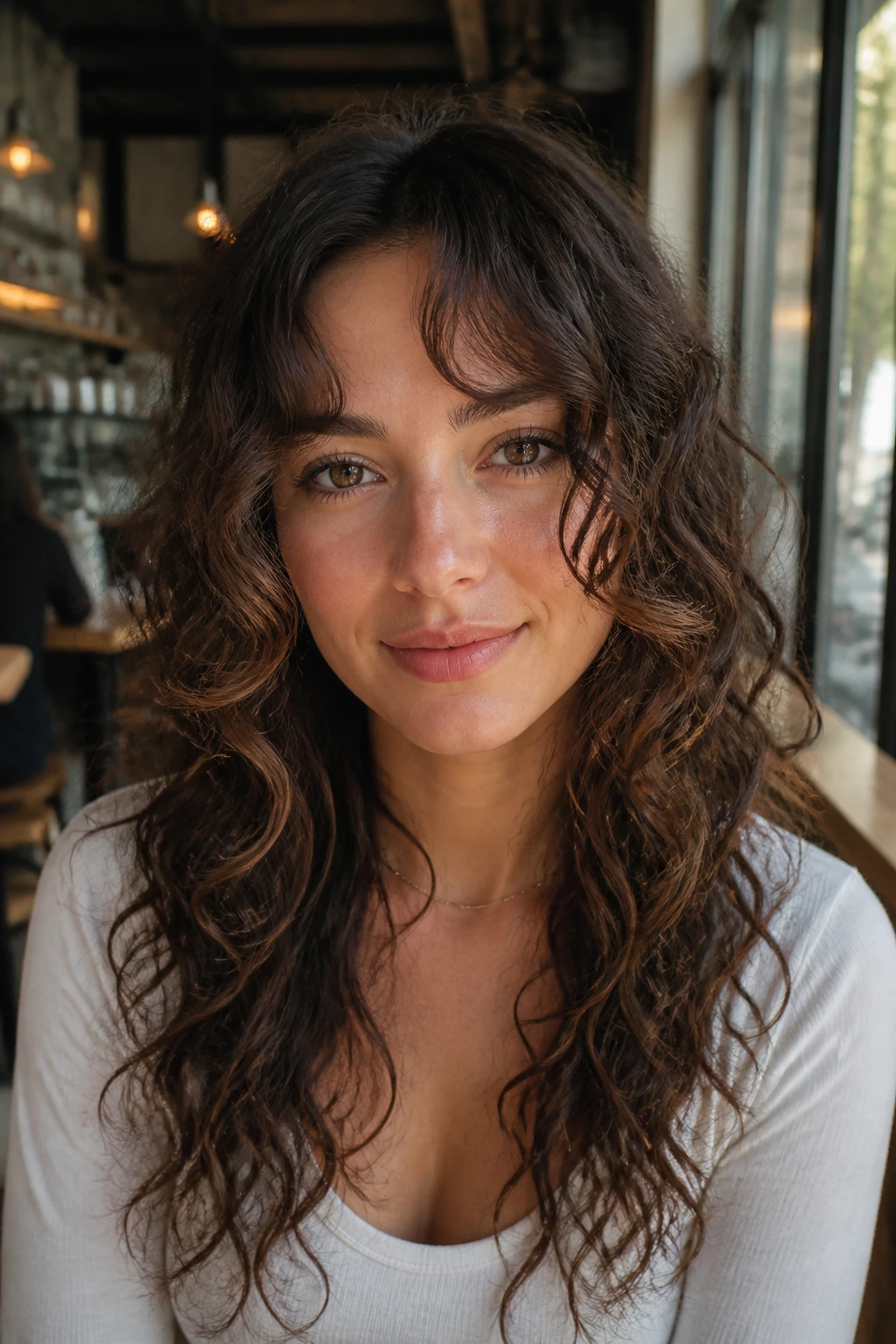
The front does the talking here. The cheekbone pieces are cut to bend inward slightly, then blend into longer side layers that keep the rest of the haircut from looking too chopped. On curly hair, that kind of framing can open the face without making the sides feel thin.
If you wear your hair half-up a lot, this is a strong pick. The front layers stay visible even when the rest is pinned back, which gives the style more shape on lazy days. It also helps if your waves tend to sit heavy near the cheeks, because the shorter front pieces pull the outline upward.
The one thing to watch: those face-framing pieces should follow your curl pattern, not fight it. If they’re cut too straight, they’ll kink. If they’re too short, they can bounce up and sit above the cheekbones in a way you did not ask for.
11. Tapered Nape Octopus
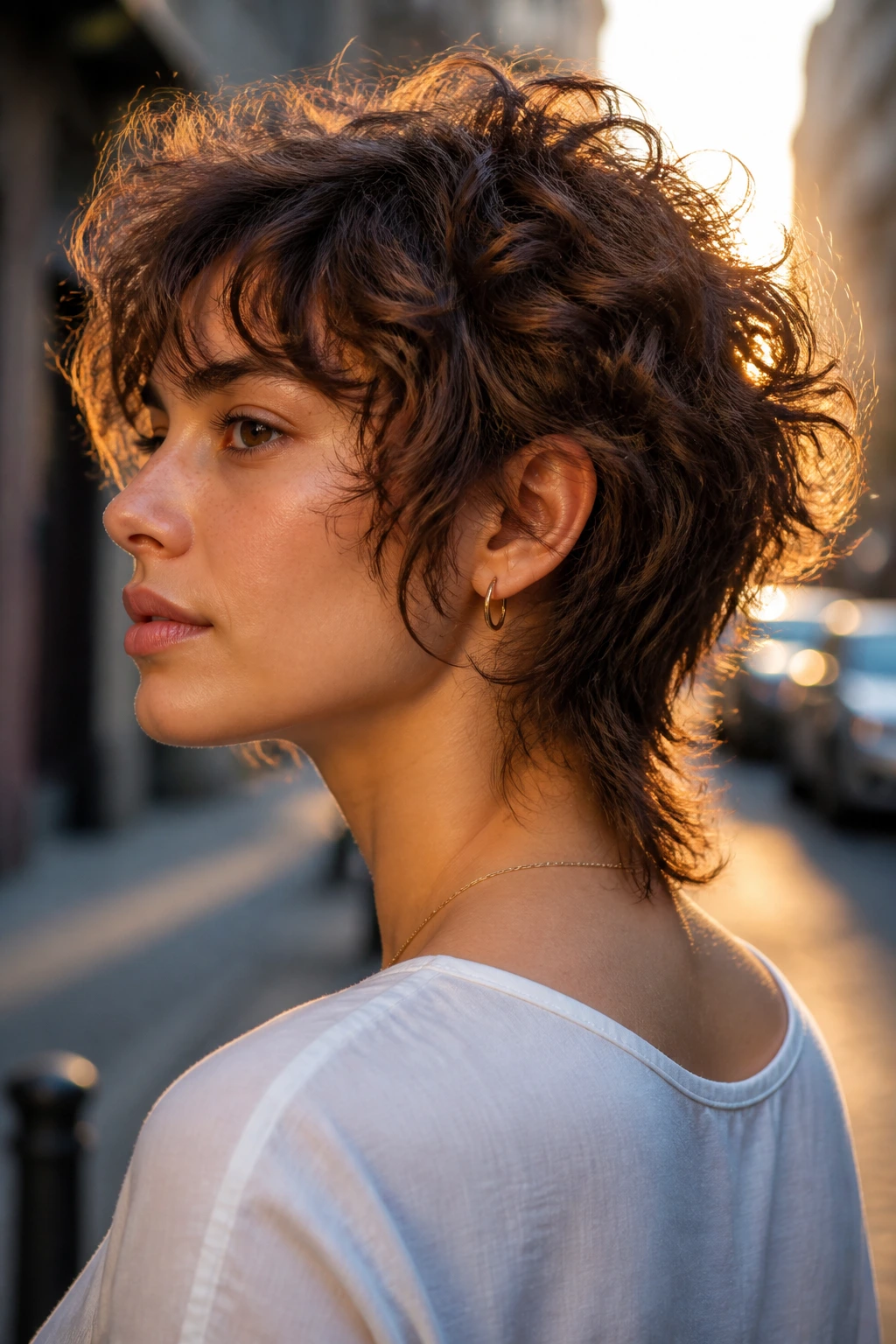
This is the cleanest answer for anyone who gets hot at the neck or hates a bulky back section. The nape is tapered so the lower back lies closer to the head, while the top keeps its airy, layered lift. That contrast gives the cut a tidier outline without killing the movement.
Why It Works
The taper removes weight where curly hair tends to build the fastest, especially if the back grows denser than the sides. You still keep the octopus silhouette, but the neckline gets a little breathing room. It’s especially nice on medium-length hair that tends to flip out at the collar.
Styling cue
Use product mostly from the ears up, then smooth the nape with whatever is left on your hands. That stops the back from becoming crunchy while the crown stays lifted.
12. Defined Ringlet Octopus
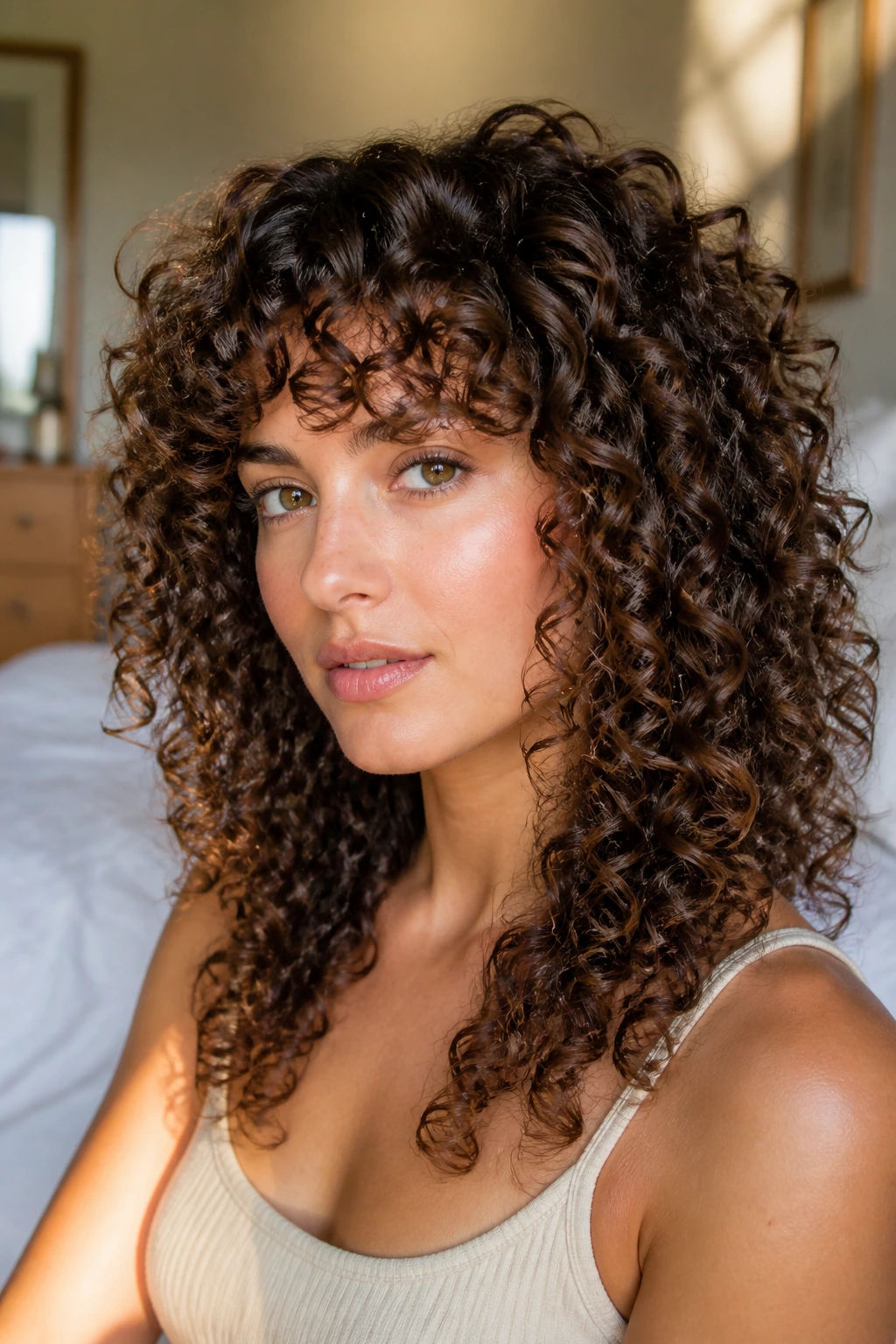
This one is for curls that want to show off. The layers are carved with enough precision to let each ringlet land clearly, but not so much that the ends go wispy and dry. When it works, the haircut looks springy, light, and a little bouncy around the shoulders.
How to Style It
Diffusing is your friend here. Cup the curls into the diffuser bowl, hold for 10 to 15 seconds per section, then move on. Do not keep scrunching after the cast starts forming or the ringlets will separate into frizz.
The shape is particularly good if your curl pattern already clumps well on its own. You’re not trying to manufacture texture here. You’re just giving the curls a frame that lets them sit in visible spirals instead of one thick mass.
13. Beachy 2A Wave Octopus
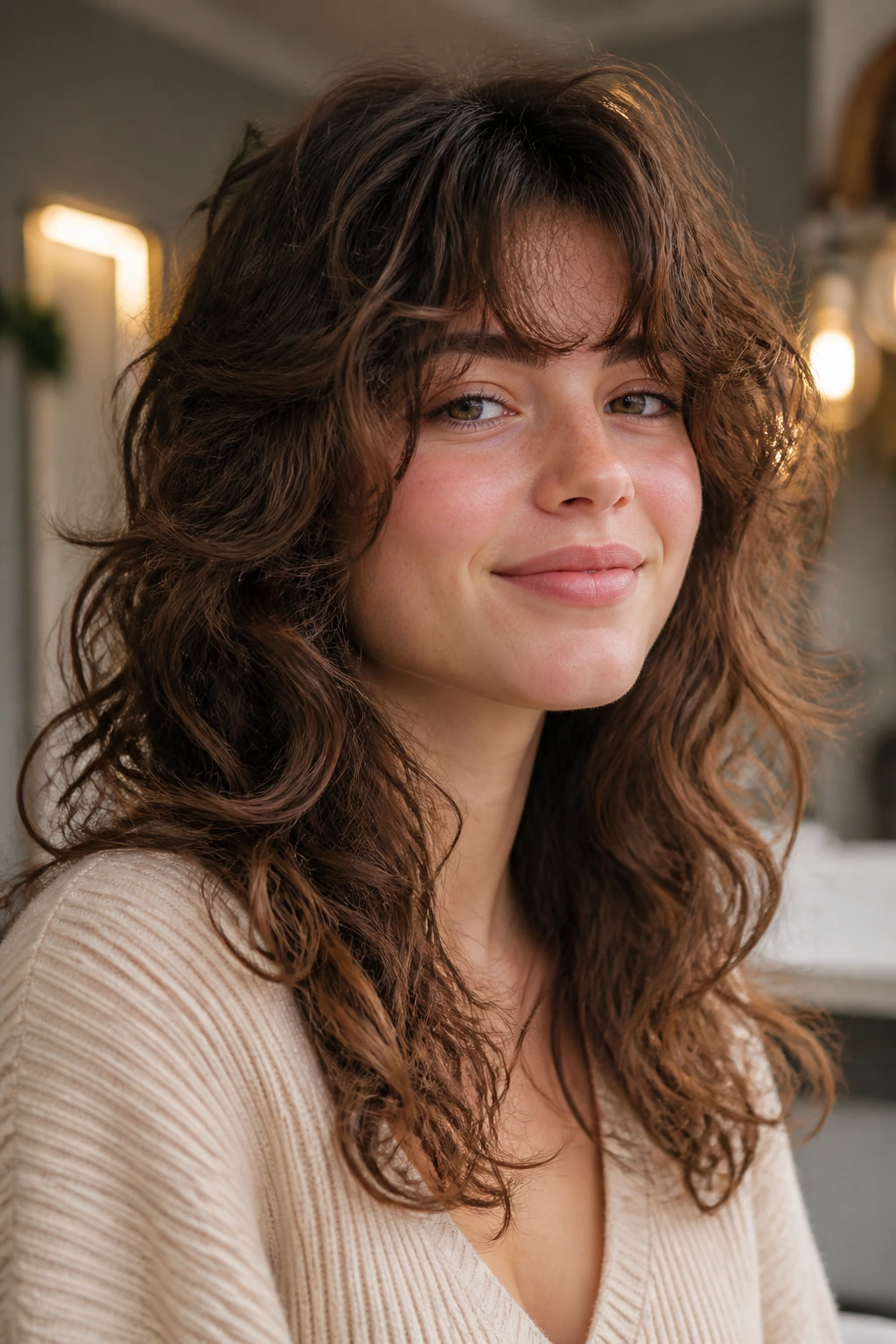
For people whose hair bends more than it coils, this is the most wearable version of the trend. The cut uses gentle internal layering and a longer perimeter so the waves keep their long, loose feel. Too much slicing would make 2A hair look patchy. This version avoids that.
A soft salt spray or light mousse is usually enough. The trick is separation, not volume for the sake of volume. You want the ends to flick a little and the top to lift a touch, not a heavy stack of layers that looks like it’s trying too hard.
If your hair goes flat by lunch, ask for a little more weight to stay through the crown and a little less around the ears. That balance keeps the wave pattern from disappearing when gravity shows up.
14. Cloud-Layer Octopus for 2C Curls
What makes this one different is the softness. The layers are blurred into each other, so the curl line looks cloudlike rather than heavily cut. That matters for 2C hair, which often sits right between wave and curl and can look awkward when the layers are too obvious.
The crown still gets some lift, but the lower pieces are kept broad enough to hold shape. I’d call this the most forgiving octopus version for people who like an airy finish and don’t want sharp steps around the face. It’s especially good when the hair has a bit of frizz and needs a shape that hides texture without flattening it.
A light gel under a cream works well here. The gel gives the bends a little memory, and the cream keeps the surface from feeling dry or crunchy.
15. Mid-Length Balanced Octopus
This is the quietest cut in the whole lineup, and that’s why it works. Mid-length hair can get overwhelmed by aggressive layering, so this version keeps the top pieces controlled and the perimeter steady. You still get movement, but the haircut reads as balanced instead of sliced.
I like it for people who want the octopus shape without a big identity shift. The front pieces can still frame the face, the back can still swing, and the layers can still help the waves separate. They just do it with less drama.
If you’re nervous about a salon chair experiment, this is a smart compromise. It keeps enough length for buns, clips, and lazy ponytails while still improving the way the hair falls when you wear it down.
16. High-Crown Volume Octopus
Flat roots are the enemy here, so the crown gets the starring role. The shortest layers sit high enough to push lift into the top section, while the lower lengths stay long and loose so the cut doesn’t balloon out. On curly hair, that can be the difference between “soft volume” and “why is my head so wide?”
Why It Works
The high crown helps the top sit off the scalp, which gives the whole haircut a more open shape. It’s especially useful if your waves collapse near the part line and only wake up once they hit the mid-lengths.
Quick check
Tell the stylist how far your hair shrinks once dry. If they know the top shrinks more than the ends, they can leave the crown layers in the right place instead of cutting them too short.
17. Razor-Soft Octopus
A razor can soften the edges of an octopus cut, but only in the right hands. On wavy hair with enough slip and density, it creates a feathered finish that keeps the ends from looking blunt. On very frizzy or tight curl patterns, it can fray the cut fast. So, yes, it can work. No, it is not the answer for everyone.
The reason this version appeals to people is the lightness around the perimeter. It feels airy and loose, which suits the beachy side of the look. If you want the haircut to move a little more when you walk, and less like a crisp stacked shape, this is worth discussing.
Pair it with a diffuser and a small amount of gel, then leave the ends alone while they dry. The softness comes from the cut, not from fiddling with it.
18. Retro Bounce Octopus
Think rounded ends, a little swing, and enough lift to make the hair feel lively instead of shaggy. This version takes cues from retro layers but keeps the top more open so it still reads as an octopus cut. The result is playful, but not costume-y.
It works best when the hair has a natural bend that can be coaxed outward with a round-brush finish or a very gentle blow-dry at the ends. If you like wave patterns that turn under slightly at the bottom, this shape gives you that movement without making the perimeter too neat.
I’d choose this for medium-density hair that wants body. Fine hair can wear it too, but the layers need to stay moderate or the cut loses weight fast.
19. Mermaid-Length Octopus
Long hair does not need to lose all its heft to earn movement. This version keeps the length while carving in internal layers that stop the top from lying flat. The result feels softer around the face and lighter through the upper back, but the overall silhouette stays long.
That makes it good for people who love their length and refuse to let a trendy cut talk them out of it. Fair enough. The trick is to keep the shortest crown pieces well above the long tail, but not so short that they shrink into a different haircut once dry.
A mermaid-length octopus can look beautiful in beachy waves because the length gives the wave pattern room to stretch. If the layers are too short, that elegance disappears fast. Long hair needs restraint.
20. Chin-Grazing Curl Octopus
Shorter versions ask for courage, and this one asks for trust. The chin-grazing length puts the ends close to the jaw, which means shrinkage has to be respected or the whole cut can jump up too high. Done right, though, it has a sharp little swagger and makes the curls look fuller than they are.
The shape is strongest when the front pieces bend around the chin and the crown stays light enough to lift. That creates a compact silhouette that still feels soft. It’s especially good for tighter curls that need structure more than length.
If your hair tends to mushroom at shoulder level, this shorter octopus shape can solve that problem fast. The contour is tighter, the curl clumps stay visible, and the ends don’t sit out in a wide ring.
21. Mixed-Texture Octopus
If your roots are wavy, your mids are curly, and your ends do their own thing, this cut is the peacemaker. The layers help different textures blend instead of fighting each other, which is one reason this shape works so well on hair that changes pattern as it moves down the shaft.
Why It Works
Mixed texture usually needs a haircut that respects the heavier zones and the looser zones at the same time. The octopus shape lets the stylist leave more length where the hair is straighter and remove weight where the curl tightens. That keeps the outline even.
What to ask for
Ask for the longest layers to follow the texture transition, not just the face. That keeps the lower half from looking chopped off when the top dries faster than the ends.
22. Low-Maintenance Grow-Out Octopus
This is the version for people who don’t want to be back in the salon every six weeks. The layering is softened and spread out so the haircut can grow without losing its shape fast. It still has the octopus profile, but the edges are less dramatic and the transitions are more gradual.
The practical upside is that it keeps looking decent even after the first month of growth. Shorter, sharper versions can start to feel uneven once the layers separate. This one just eases into the grow-out.
If your life is busy or your hair grows fast, this is the version to ask about. The haircut should look intentional when it’s fresh and still look like you meant it three months later. That’s the goal.
23. Minimal-Edge Octopus
This one is for people who want texture without announcing that they got a trendy cut. The layers are there, but they hide inside the shape rather than creating a big visual statement. From the front, it can read almost classic. Up close, the movement shows up.
That subtlety makes it useful for work settings, conservative dress codes, or anyone who likes a quiet haircut. Beachy waves still come through, just in a gentler way. The edges stay soft, the crown gets enough air, and the whole thing keeps its manners.
I’d choose this if you’re wary of too much fringe or too much disconnection. It is not boring. It just knows when to stop.
24. Bold Shag-Octopus
This is the loud one. The crown is shorter, the face framing is stronger, and the layers create more swing than the quieter versions. It borrows heavily from the shag, but the length through the back keeps the silhouette connected enough to stay in octopus territory.
A cut like this suits people who like texture they can see from across the room. It’s less polished, more lived-in, and a little messy on purpose. That vibe can be hard to fake, so the cut has to be honest about it.
Use it if your curls have personality and you want the haircut to match. A neat, tidy finish will fight it. A scrunched, diffused finish will make it sing.
25. Long Layered Wave-Octopus
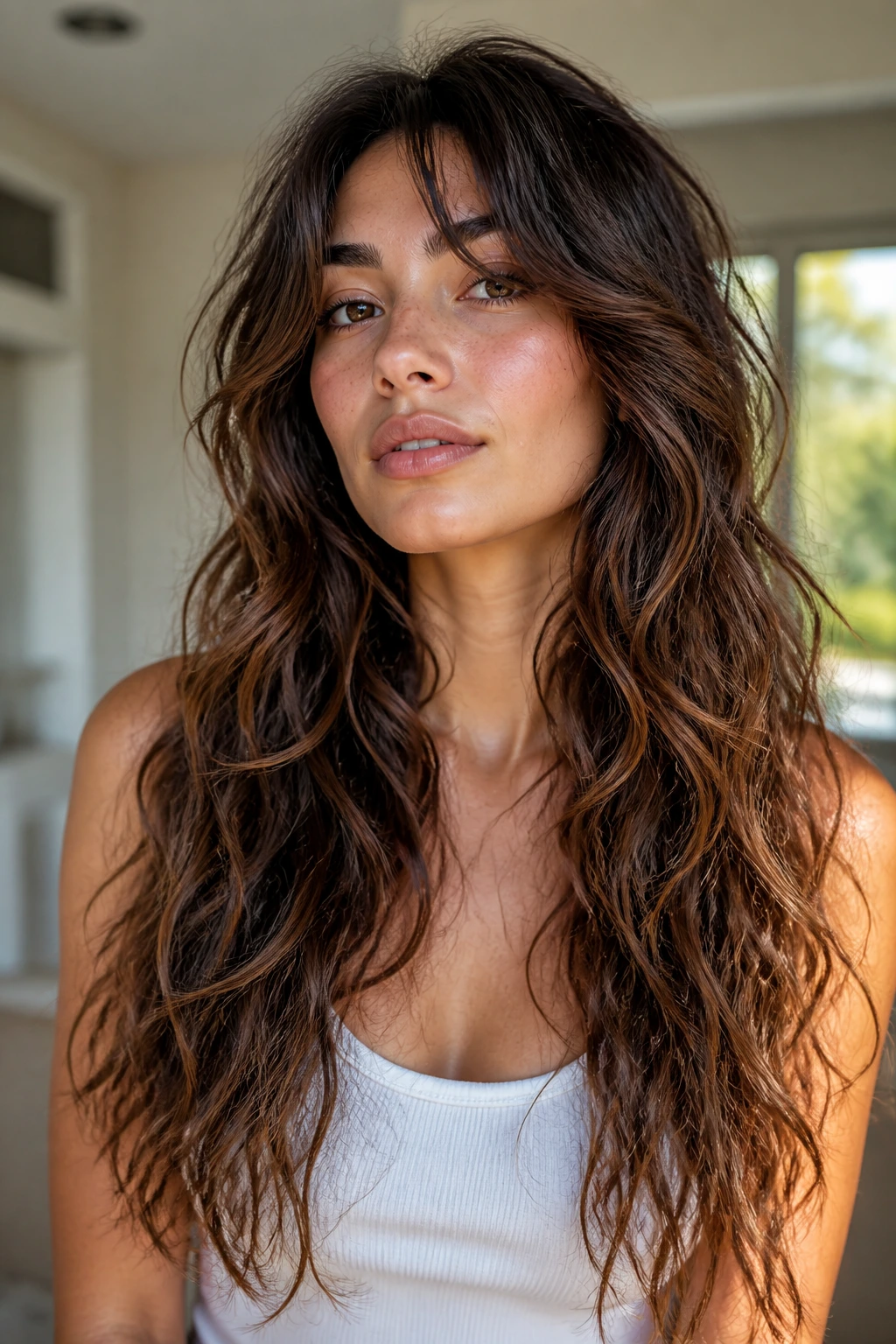
The last one is for the readers who want the octopus idea without the sharper curl-cut energy. Think long beach waves, soft internal layers, and just enough face framing to keep the front from hanging like curtain panels. It’s the most relaxed version here, and maybe the one with the widest audience.
The important detail is restraint. The layers should feel feathered, not chopped. The hair should move when you turn your head, but it should still look like one haircut, not a stack of separate lengths. On loose waves, that can be a tricky balance, and that’s exactly why this version earns a place in the lineup.
If your goal is easy movement and low drama, this is the safest long answer. It plays nicely with air-drying, diffusing, braids, clips, and the occasional forgotten wash day.
Why the Octopus Shape Works on Curls and Waves
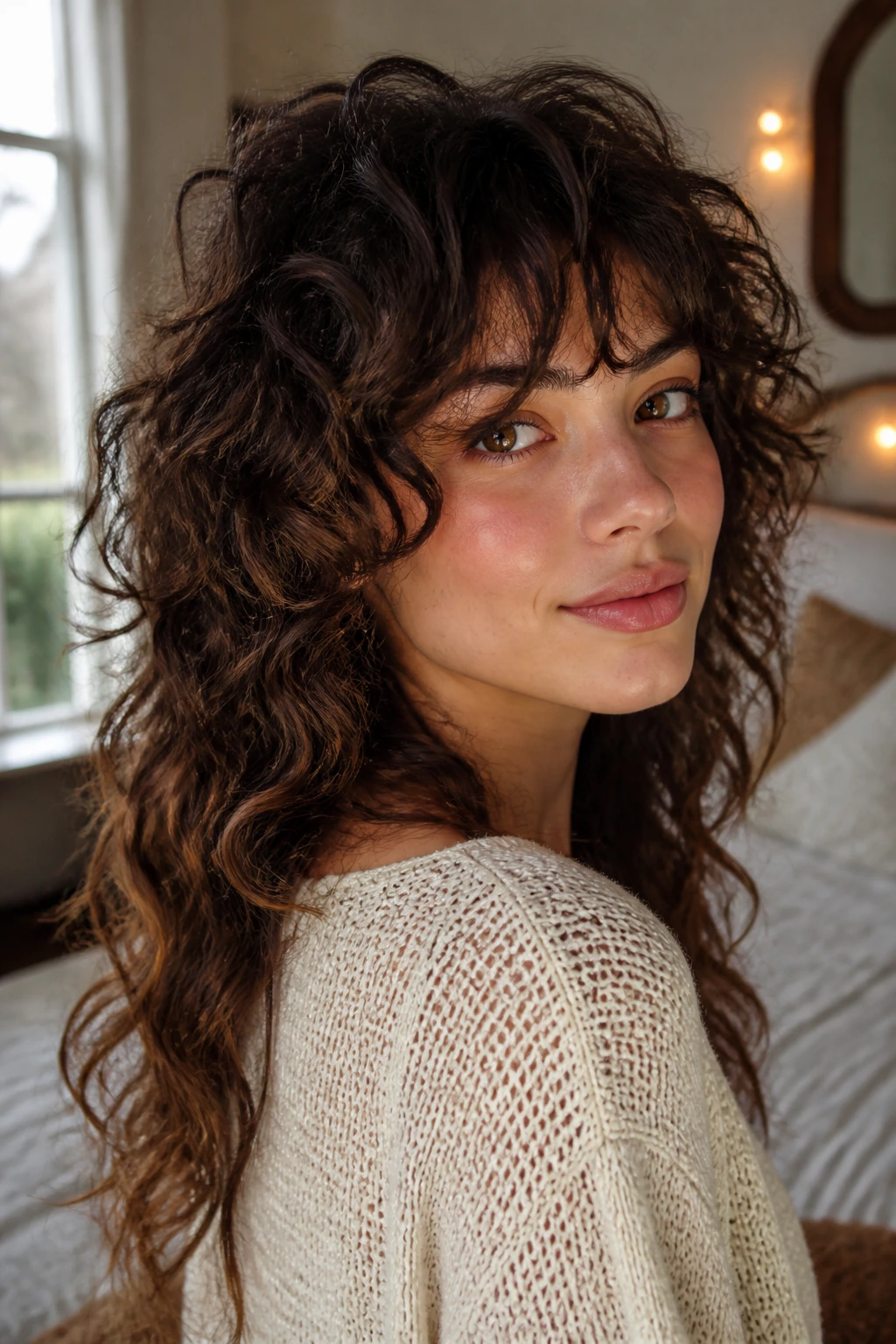
Curly hair wants to rise where it is short and hang where it is long. That sounds obvious, but a lot of bad haircuts ignore it. The octopus shape uses that rule on purpose: shorter layers at the top create lift, while longer lengths hold the silhouette down so the cut does not explode outward the second it dries.
Beachy waves love that balance. They look best when the hair has movement, a little separation, and enough weight to keep the ends from puffing like a cotton ball. A blunt cut can make loose waves look boxy, while a heavily layered cut can leave them too thin at the bottom. The octopus shape sits between those extremes.
Dry cutting helps a lot here. Curly hair often shrinks more than people expect, and the amount depends on density, porosity, and curl pattern. A stylist who reads the hair while it’s dry can see where the curl clumps actually fall, which matters more than any chart or guesswork. If the cut is done wet without accounting for shrinkage, the front can rise too high, the crown can look sparse, and the back can land in a strange halfway state.
There is also a simple visual trick at work. The shape creates a kind of floating canopy at the top and a longer, softer base underneath. That contrast is what makes the haircut feel airy instead of heavy. Without it, curls often stack on themselves and turn the whole head into one solid outline. Not ideal. Never has been.
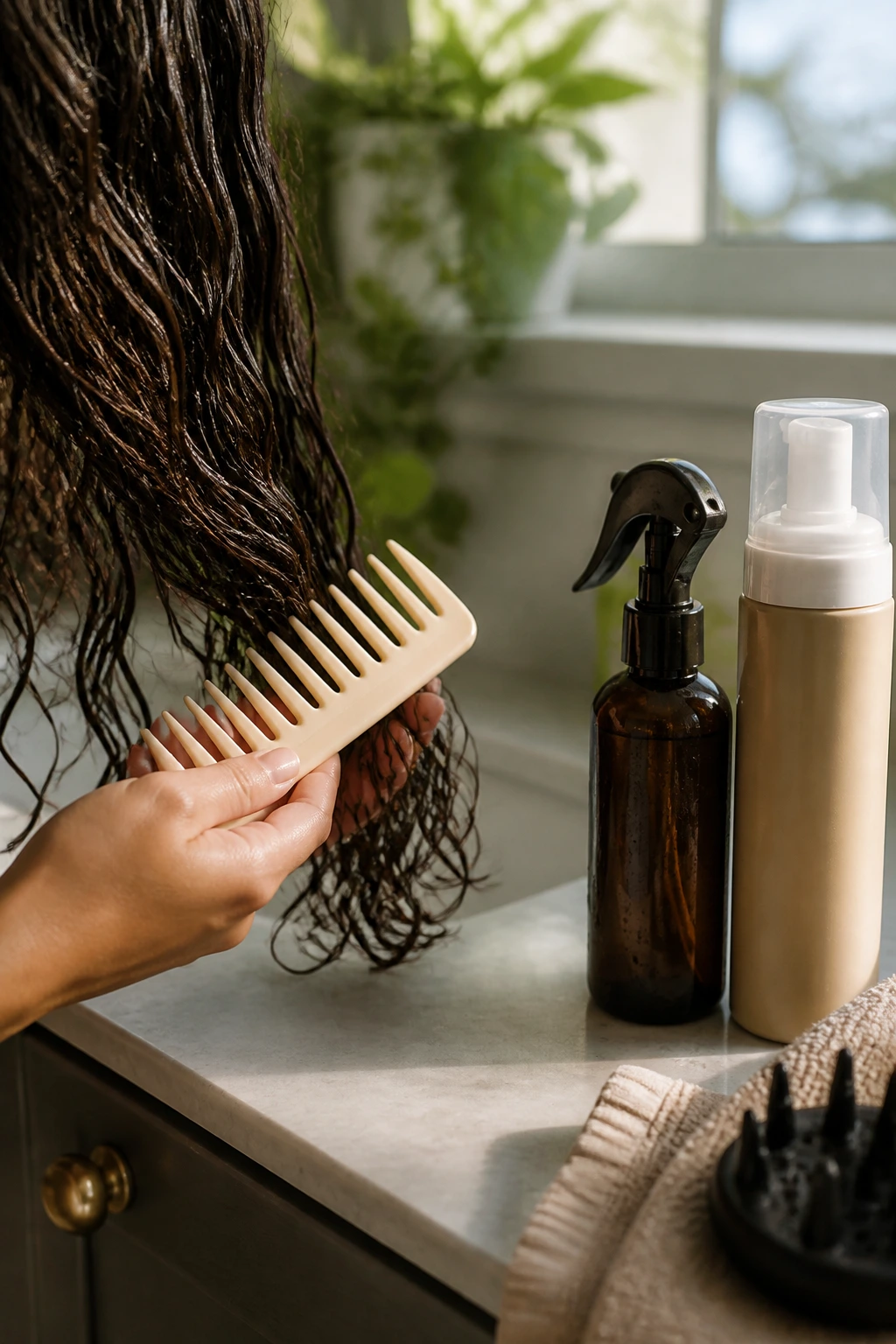
Essential Tools for These Cuts
-
Wide-tooth comb: Good for detangling wet curls without ripping apart the natural clumps.
-
Spray bottle with water or leave-in mix: Useful for reactivating flat sections before styling, especially at the crown.
-
Light curl cream or leave-in conditioner: Helps the waves stay soft without getting coated in heavy product.
-
Mousse or foam: Adds lift near the roots and keeps the octopus shape from collapsing once the hair dries.
-
Gel with a flexible cast: Useful if you want the beachy finish to hold its shape past lunch.
-
Diffuser attachment: Helps set the layers without blasting them into frizz.
-
Duckbill or section clips: Handy for clipping the crown while the rest of the hair dries.
-
Microfiber towel or cotton T-shirt: Better than rough terry cloth for scrunching out excess water.
-
Tail comb: Good for clean parting and for lifting a few root sections where volume is missing.
-
Hand mirror or phone camera: Makes it easier to check the back and see whether the layers sit the way you intended.
What to Tell Your Stylist So the Shape Lands Right
Bring photos, yes, but do not stop there. A picture shows the vibe; your hair tells the truth. The biggest thing to explain is how much shrinkage you get once the hair dries. If your curls spring up two inches, say that plainly. If your waves flatten by the next afternoon, say that too. Those details change where the shortest layers should land.
You also want to describe the finish you like. Do you want full, airy volume at the crown? A soft fringe? Pieces that tuck behind the ears? Or a longer shape that still looks like it moved? The octopus cut can do all of that, but the stylist has to know which direction to lean.
One more thing: talk about your styling routine. If you air-dry, the cut should leave room for movement without needing a brush finish. If you diffuse, the top can sit higher and the layers can be a little more assertive. If you barely style your hair at all, say so. A haircut that relies on perfect technique is not a good haircut for your life.
I’d also ask whether they plan to cut wet, dry, or both. On curls, a hybrid approach often works best: shape the hair in its natural state, then clean up the perimeter once it settles. That extra pass can save you from a cut that looks lovely for ten minutes and strange for ten weeks.
How to Style These Cuts for Daily Wear
Parting: A center part gives the octopus shape a softer, more balanced look, while a deep side part adds lift where the crown needs it most. If your roots are flat, try shifting the part by half an inch instead of making a dramatic change; small moves often do more than big ones.
Texture: Start with a light leave-in, then add mousse or foam at the roots and a small amount of gel through the mids. The trick is to keep the top airy and the ends touchable. Heavy cream all over tends to smother the movement and make the shape sit low.
Drying: Diffuse on low heat and low speed if you want the layers to hold their shape. Air-drying works too, but only if you avoid touching the hair while it sets. Hands in wet curls create frizz fast. Fast enough that you can almost see it happen.
Finish: Once the hair is fully dry, scrunch out any cast with clean hands or a tiny bit of oil on the palms. Then separate only the curls that are stuck together in a giant clump. Do not rake through the whole head. That usually ruins the shape.
Day-Two Refresh: Mist the flattened sections, scrunch the ends, and lift the crown with a bit of foam or water-based curl spray. A quick clip at the roots for ten minutes can wake the top back up without forcing a full wash.
Extra Tips and Shape Boosters
Lift at the root: If the crown goes flat, clip small sections at the root while the hair dries. That little pause gives the top more memory and helps the octopus outline stay open instead of sinking in the middle.
Frizz control: Keep the heaviest product off the outermost layer of hair. The surface needs just enough hold to stay together, but too much cream on the top layer makes beachy waves look dull and limp.
Length preservation: If you love your length, ask for internal layering instead of aggressive face-framing. Internal layers remove bulk from the inside without stealing the silhouette from the outside.
Make-it-yours: Fine hair usually looks better with fewer short layers and a bit more crown lift. Dense hair can handle stronger disconnection and a more obvious fringe. Tight curls usually need more respect around the perimeter, while loose waves can take a little more movement near the ends.
Color pairing: Soft balayage or face-framing highlights can make the layers easier to read, especially on dark hair where the shape can disappear in one shade. You do not need color, but the cut shows off dimensional tones nicely.
Maintenance, Sleeping, and Refreshing Between Washes
Most octopus haircuts for curly hair with beachy waves hold their shape for about 3 to 4 days before the crown starts to lose height or the ends start to puff in odd directions. If you sleep on a satin pillowcase or wear a satin bonnet, you can usually stretch that a bit longer. The difference is not tiny. Cotton roughs up the clumps and steals definition overnight.
For the shortest and most layered versions, plan on a trim every 8 to 10 weeks if you want the shape to stay crisp. Longer versions can go 10 to 14 weeks before they need a real reshaping. Fringe-heavy cuts usually need the front cleaned up sooner than the rest of the haircut, even if the length elsewhere is still fine.
A pineapple works for some people, but not all. If your crown is fragile, try a loose, high clip instead so the top does not get a hard bend. In the morning, mist the mid-lengths lightly, scrunch, and let the hair warm up before you decide whether it actually needs more product. Cold, half-dry curls tell lies.
If the back goes flat, focus the refresh there first. Most people overdo the front and ignore the part that sits against the pillow all night. The back usually needs the help more than the face does.
Variations and Adaptations to Try
Short and Sharp Octopus: Cut the length closer to the chin with stronger layering at the crown. This version works if you want a bolder shape and do not mind that the shrinkage will change the silhouette a lot.
Long and Gentle Octopus: Keep the perimeter well below the shoulders and make the internal layers soft. It is a safer pick for people who want movement but refuse to lose length.
Fringe-First Octopus: Build the haircut around curtain bangs or a soft full fringe. The front becomes the focal point, which is useful if you like your haircut to frame the face more than the ends.
Fine-Hair Octopus: Reduce the number of short layers and keep the top pieces slightly longer. Fine hair can lose density fast if the layers are too eager.
Dense-Hair Octopus: Increase internal removal at the crown and under the sides. This stops the cut from swelling at the outer shell and gives the hair room to move.
Heatless-Wave Octopus: Shape the cut with air-drying in mind, then style with foam, braids, or soft bend clips. This version is ideal if you dislike heat tools and want the haircut to do more of the visual work.
Common Mistakes to Avoid
-
Cutting for wet hair only: Wet curls lie. Drying changes everything, and if the stylist does not account for shrinkage, the crown can end up too short while the perimeter sits oddly long.
-
Over-thinning the ends: A few snips for movement are fine. Removing too much weight leaves the bottom see-through and frizzy, which defeats the whole point of the octopus shape.
-
Using heavy cream everywhere: Thick creams can flatten the crown and make beachy waves clump in a greasy way. Keep heavier product under the top layer and use mousse or foam near the roots.
-
Ignoring the back of the head: The front can look great while the back balloons. Check the silhouette from behind, especially if the hair is dense or the nape grows faster than the sides.
-
Rough-drying with a towel: A rough towel breaks the clumps apart before they set. Use a T-shirt or microfiber cloth and squeeze, don’t scrub.
-
Brushing after drying: Once the cut is set, a brush usually ruins the texture and turns clean layers into a halo of fuzz. Fingers are enough for most touch-ups.
Frequently Asked Questions
What exactly is an octopus haircut on curly hair?
It is a layered cut with a shorter, airy crown and longer lengths underneath, so the shape has lift on top and movement through the ends. On curly hair, that contrast helps keep the outline soft instead of bulky.
Does the octopus cut work on beachy waves, or is it only for tighter curls?
It works on both, but the amount of layering should change. Loose waves usually need softer internal layers and more length left at the perimeter, while tighter curls can handle a little more shape around the crown.
Should this cut be done wet or dry?
Dry or hybrid cutting usually works better for curl patterns, because shrinkage becomes visible only when the hair is in its natural state. A stylist can still do some cleanup wet, but the shape should be judged while the hair is dry enough to show its real length.
Will I lose too much length?
Not if the cut is planned well. The octopus shape can be very subtle, with just enough top layering to add movement while keeping the bottom length intact. If length matters to you, say that before the scissors come out.
What if my hair gets flat at the roots no matter what I do?
Ask for a higher crown and use a mousse or foam at the base, then diffuse with clips at the roots. Sometimes the cut needs a little more lift built in, and sometimes the styling routine needs less cream and more support.
Can I wear this haircut without heat tools?
Yes. Air-drying works well if the layers are placed with that in mind. You’ll get a softer, more relaxed finish, and a little scrunching plus root clipping can keep the shape from sinking.
How often should I trim it?
Shorter, sharper versions usually need a trim every 8 to 10 weeks. Longer, softer versions can stretch to 10 to 14 weeks, though fringe or face-framing pieces may need a cleanup sooner.
What if the layers look too choppy after the cut?
That usually means the shortest pieces were cut too aggressively or the hair was shaped without enough attention to how it dries. A good stylist can soften the line with a dry refinement pass, but if the haircut is already too short, the fix is usually time and growth.
The Shape That Keeps Its Edge
The best octopus haircut for curly hair with beachy waves is not the one that looks the most dramatic in the chair. It is the one that still makes sense on day three, in humidity, after a rough night’s sleep, and with only half a cup of coffee in your system. That means the crown lifts without flaring, the ends keep their swing, and the front pieces fall where you actually use them.
What I like about this cut is how adjustable it is. You can lean soft, edgy, long, short, fringed, or minimal, and the underlying idea still holds together. That is rare with trendy shapes. Most of them ask for a very specific texture and a very specific mood. This one has more range than that.
Bring the version that fits your curl pattern, your length, and your patience level, then let the shape do the heavy lifting. If the cut respects the way your hair bends and shrinks, the result tends to look easy — which, annoyingly enough, is usually the sign that somebody did the hard part right.