



Warm skin tones can make the wrong blonde look dusty in about ten seconds. Ash-heavy color that looks polished on someone else can drain peach, gold, or olive undertones until the whole face feels a little tired. The fix is not “go lighter” and hope for the best. It’s choosing the right blonde tone, the right placement, and the right shape around the face so the hair works with the skin instead of against it.
That’s why the best blonde hair color ideas for warm skin tones usually live in the middle of a smart spectrum: honey, beige, butter, wheat, maple, cream, and a few carefully handled platinum looks that keep a warm root or neutral gloss. The cut matters too. A blunt bob shows color differently than a shag. Curtain bangs throw light onto the cheekbones in a way a center-part wave never will.
Some of these looks stay close to a natural blonde level. Others push straight into platinum. The common thread is tone control. That’s the part most people miss, and it’s the reason one blonde looks sunlit while another looks like it was borrowed from somebody else’s head.
Why This Collection Feels Different for Warm Skin
-
Warmth First: Every look keeps some honey, beige, butter, cream, or peach in the formula, so the blonde sits comfortably beside golden or peach undertones instead of turning them gray.
-
Range That Makes Sense: The list moves from soft, natural-looking blonde pieces to full platinum, so you can match the shade to your upkeep, not just your mood.
-
Placement Over Noise: Money pieces, root melts, ribbons, and face-framing panels show up here because good placement changes the whole face. Flat all-over lightening usually does less.
-
Works With Real Hair Textures: Straight strands, loose waves, curls, pixie-length hair, and long layered cuts all behave differently under blonde. The styling choices here respect that.
-
Grow-Out Matters: Most of these looks can be refreshed with a gloss or a trim, not a full color overhaul every time the roots show.
-
Platinum Isn’t Off the Table: High-lift blonde can still flatter warm skin when it keeps a beige or cream base. Ice-cold, silver-white platinum is the one that tends to fight.
How Warm Skin Reads Blonde Differently
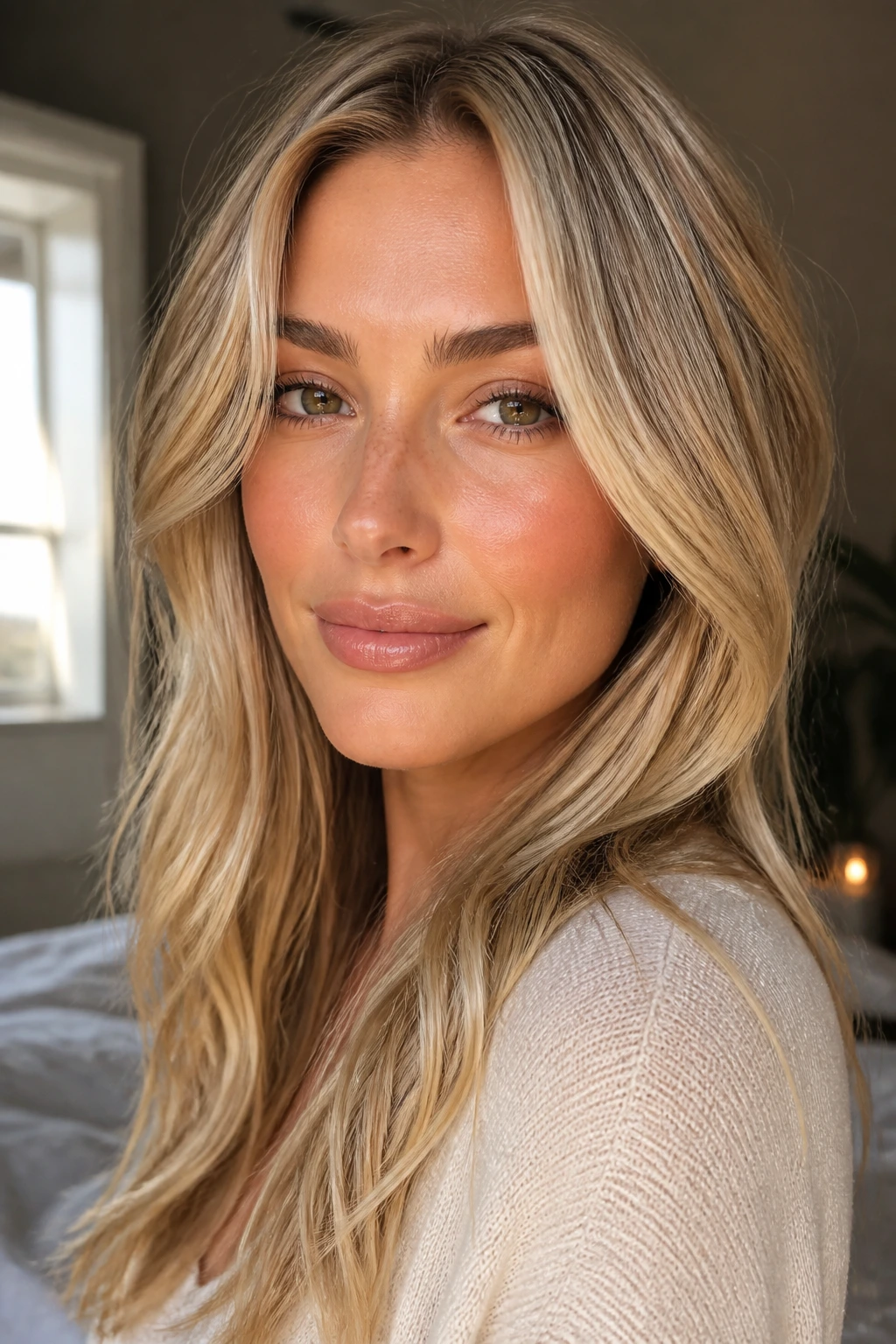
Warm skin isn’t one thing. Some people lean golden. Others skew peach, tan, or olive-gold. What they share is a skin surface that already reflects warmth, so the hair color has to either echo that tone or stay neutral enough to avoid looking sour against it.
A blonde that’s too ashy can flatten the face in a way people usually blame on “not enough makeup.” That’s not really the issue. The shade is pulling light away from the skin instead of bouncing it back. Honey, beige-gold, wheat, butter, maple, and sand blondes do the opposite. They catch light in a softer way, which is why cheeks look fresher and eyes seem a bit more awake.
Shades that usually cooperate
- Level 7 honey blonde: Best if your natural color is already dark blonde or light brown and you want a believable shift.
- Level 8 beige-gold: A good middle ground for warm skin that wants brightness without obvious yellow.
- Level 9 buttercream: Brighter, but still soft enough to sit next to golden or peach undertones.
- Level 10 cream or warm platinum: Works when the root is softened and the gloss is beige, pearl, or neutral rather than blue-white.
Platinum can work. It just needs more strategy. A beige root shadow, a soft face frame, or a gloss that leans cream instead of silver makes the whole look easier on warm skin. Without that balancing move, the hair can start to wear the face down.
What to Tell Your Colorist for a Warm Blonde Result
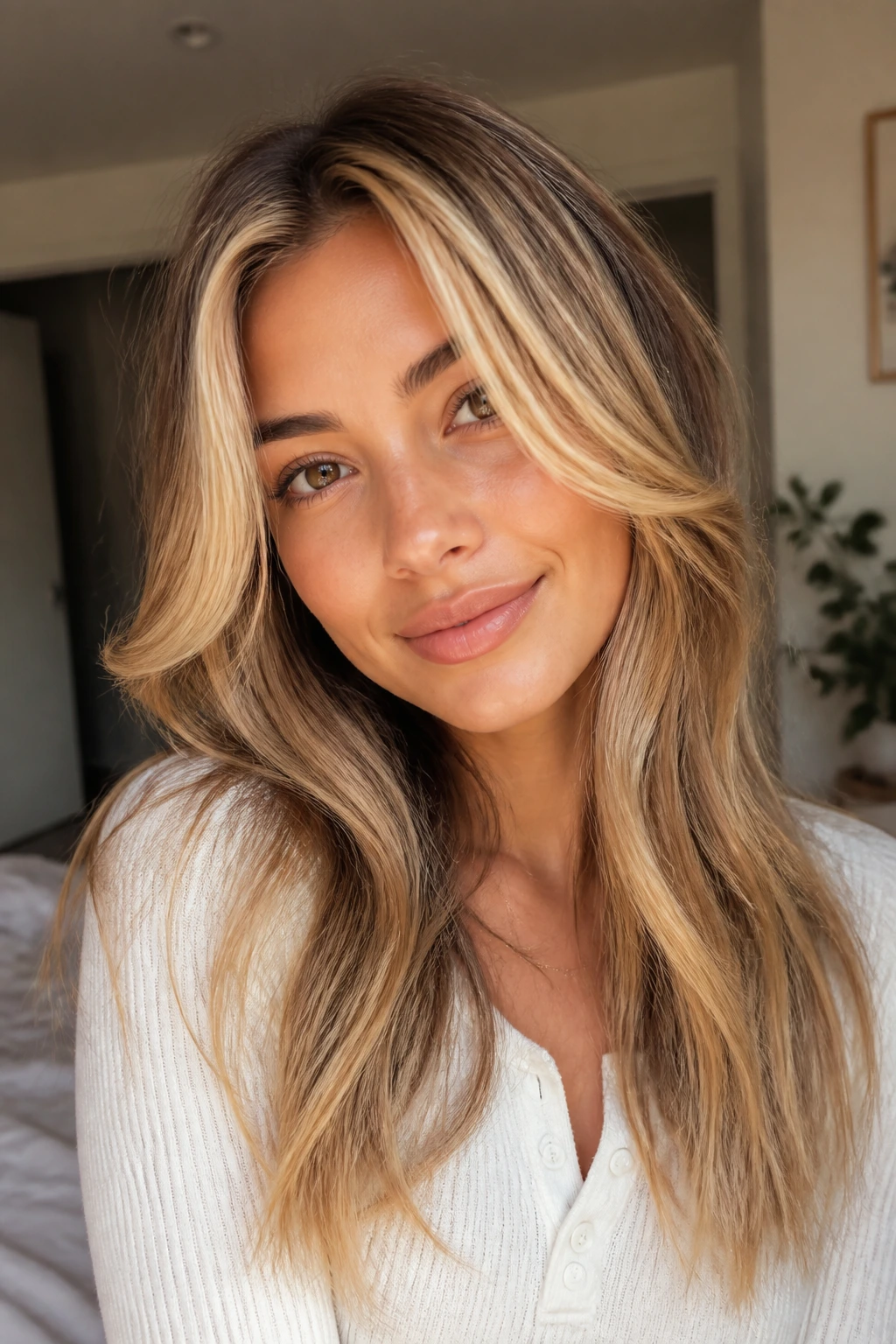
Bring photos, yes. But bring the right photos. One picture should show the tone you want. Another should show the cut or styling pattern you like. A lot of blondes fail because people hand over a single image and hope the colorist can read their mind.
Use these words at the chair
- Level: Say whether you want a natural-looking level 7 or 8, or a brighter level 9 to 10.
- Tone: Ask for honey, beige, butter, cream, sand, maple, or peach-beige. If you hate flat ash, say that plainly.
- Placement: Ask for face-framing pieces, a root melt, babylights, balayage, or ribbon highlights depending on how much maintenance you want.
- Finish: If you want blonde to look soft instead of stark, ask for a gloss with warmth left in it rather than a cool toner that strips all the gold away.
If your hair is dark brown, don’t ask for all-over platinum in one go unless you’re prepared for a longer color session and real upkeep. A few warm-toned blonde pieces around the front often look richer than pushing every strand to the same level. I’d rather see a good beige lift than a tired pale blonde any day.
Tools That Keep These Styles Looking Fresh
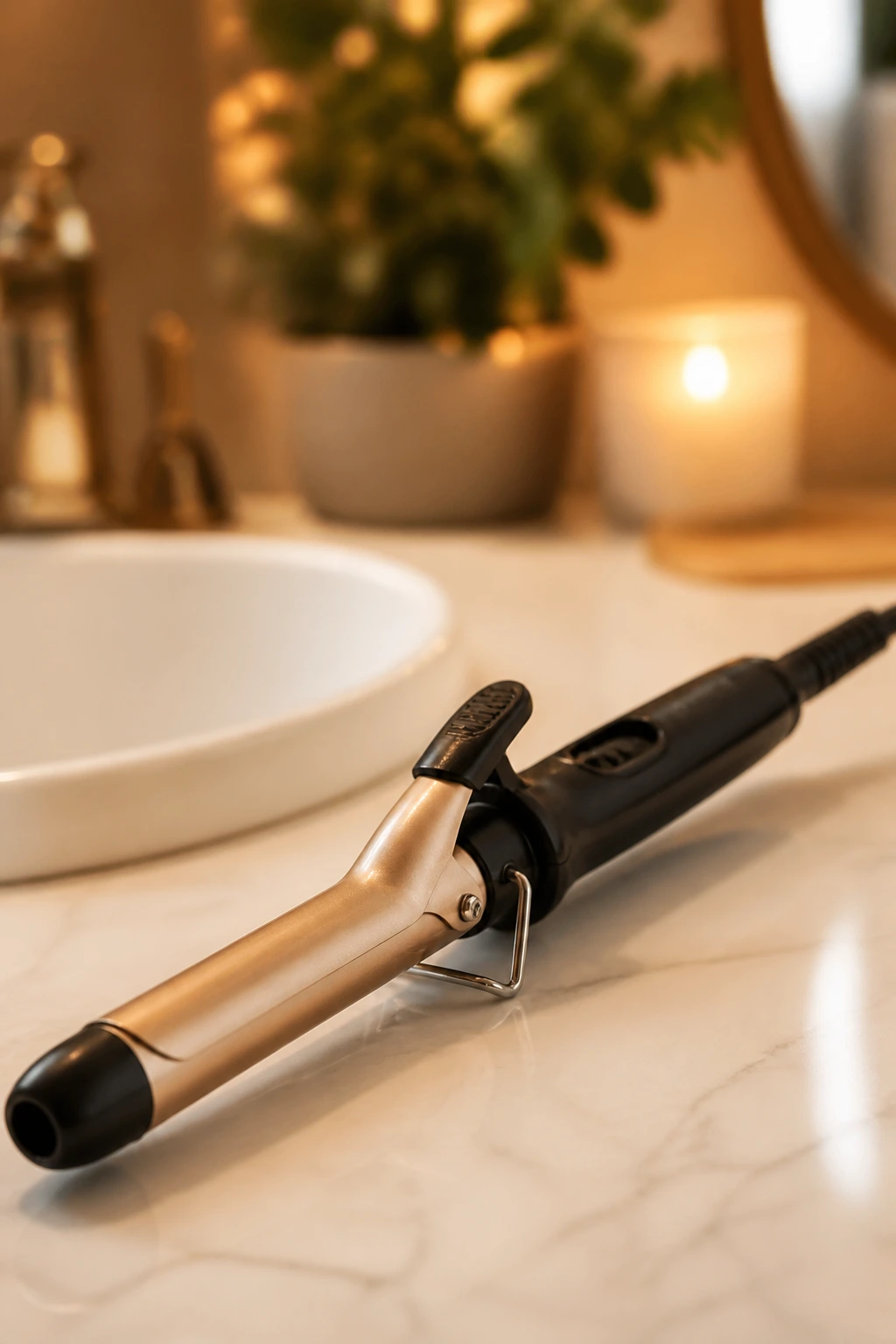
- Color-safe shampoo: Cleans without stripping the gloss out of blonde hair after two washes.
- Deep conditioner: Keeps lightened ends from feeling dry and rough, especially on higher-lift looks.
- Heat protectant spray: Use it before blow-drying, curling, or flat ironing. Blonde hair burns faster than untreated hair.
- Round brush: Useful for curtain bangs, blowouts, bobs, and any face-framing shape that needs lift.
- 1-inch curling iron or wand: Gives the soft bend most blonde styles need to show dimension.
- Flat iron: Best for sleek lobs, blunt cuts, and pin-straight lengths with a polished finish.
- Wide-tooth comb: Easier on wet, lightened hair than a tight brush.
- Microfiber towel: Helps cut down on friction after washing.
- Toning gloss or color-depositing mask: Useful when the blonde starts looking too yellow or too dull.
- Satin pillowcase: Small thing, big payoff. It helps ends stay smoother overnight.
1. Honey Money-Piece Layers
A few honey-bright pieces around the face can do more than a whole head of pale blonde ever will. The money piece catches light where the skin needs it most, so warm skin looks lifted without the rest of the hair having to go ultra-light.
Why it flatters warm skin
- Honey sits in the same family as gold jewelry and warm makeup, so it looks natural instead of loud.
- The front pieces brighten the eyes and soften the jawline.
- The rest of the hair can stay deeper, which makes the grow-out less annoying.
Tip: Ask for a beige root shadow if your hair is fine. The darker base keeps the front pieces from looking like they were pasted on.
2. Buttercream Curtain Bangs
Buttercream curtain bangs are the easiest way to make warm skin look brighter without changing the entire head. The fringe sits right beside the cheeks, so the creamy blonde reads soft and flattering even when the rest of the hair stays a touch deeper.
Keep the ends a little feathered and not too blunt. That matters more than people think. On warm skin, a hard line plus a pale tone can feel abrupt; the curved shape of curtain bangs gives the blonde room to blend.
This style works especially well if your hair already has a bit of natural bend. A round brush and a quick blow-dry at the roots are enough. If you want something with polish that still feels easy to wear, this is one of the safest bets in the whole blonde range.
3. Beige Balayage Lob
Why does a lob with beige balayage work so well on warm skin? Because it keeps the blonde soft at the roots and slightly brighter through the mid-lengths, which gives the face shape without screaming “high-maintenance.”
Best when you want softness, not stripes
A beige balayage looks clean on shoulder-length hair because the cut gives the color room to move. The blonde doesn’t need to fight a lot of length, and the ends can stay a little deeper if your natural color is dark blonde or light brown. That makes the whole thing look lived-in, not staged.
If your skin leans golden, ask for a neutral-beige toner instead of a cool pearl formula. The wrong toner can make beige look flat. The right one makes the hair look like it’s been sitting in morning light for an hour.
4. Golden Root Melt Bob
You want a bob that looks sun-kissed, not bleached within an inch of its life. A golden root melt does exactly that. The darker root fades into warm gold through the mid-lengths and ends, so the bob keeps depth near the scalp and brightness where the light hits.
- Best on chin-length or jaw-skimming bobs.
- Works well if your natural base is medium brown, dark blonde, or light brunette.
- A gloss every 6 to 8 weeks keeps the gold from getting brassy.
The cut itself does a lot of work here. A slightly tucked side and a clean line at the bottom make the warm blonde look intentional, almost glossy. I like this one because it grows out in a way that still looks put together. No sharp root line. No panic.
5. Wheat Blonde Beach Waves
Wheat blonde has a dry, sun-warmed look that sits beautifully on golden and peach undertones. Add soft beach waves, and the whole thing starts moving in the light instead of sitting there like a single flat color block.
This is a good choice if you like blonde that feels natural enough to fool people. Not fake-natural, the annoying kind. Real natural-looking, where the highlights seem to belong to the haircut and the haircut seems to belong to the face. The waves matter because they break up the color and keep the lighter pieces from reading too yellow.
Use salt spray sparingly. Too much and the ends can go chalky, which is the exact wrong move on warm skin. A light mist, a diffuser, or even a loose braid overnight gives you the bend without stealing the shine.
6. Caramel-to-Vanilla Ribbon Curls
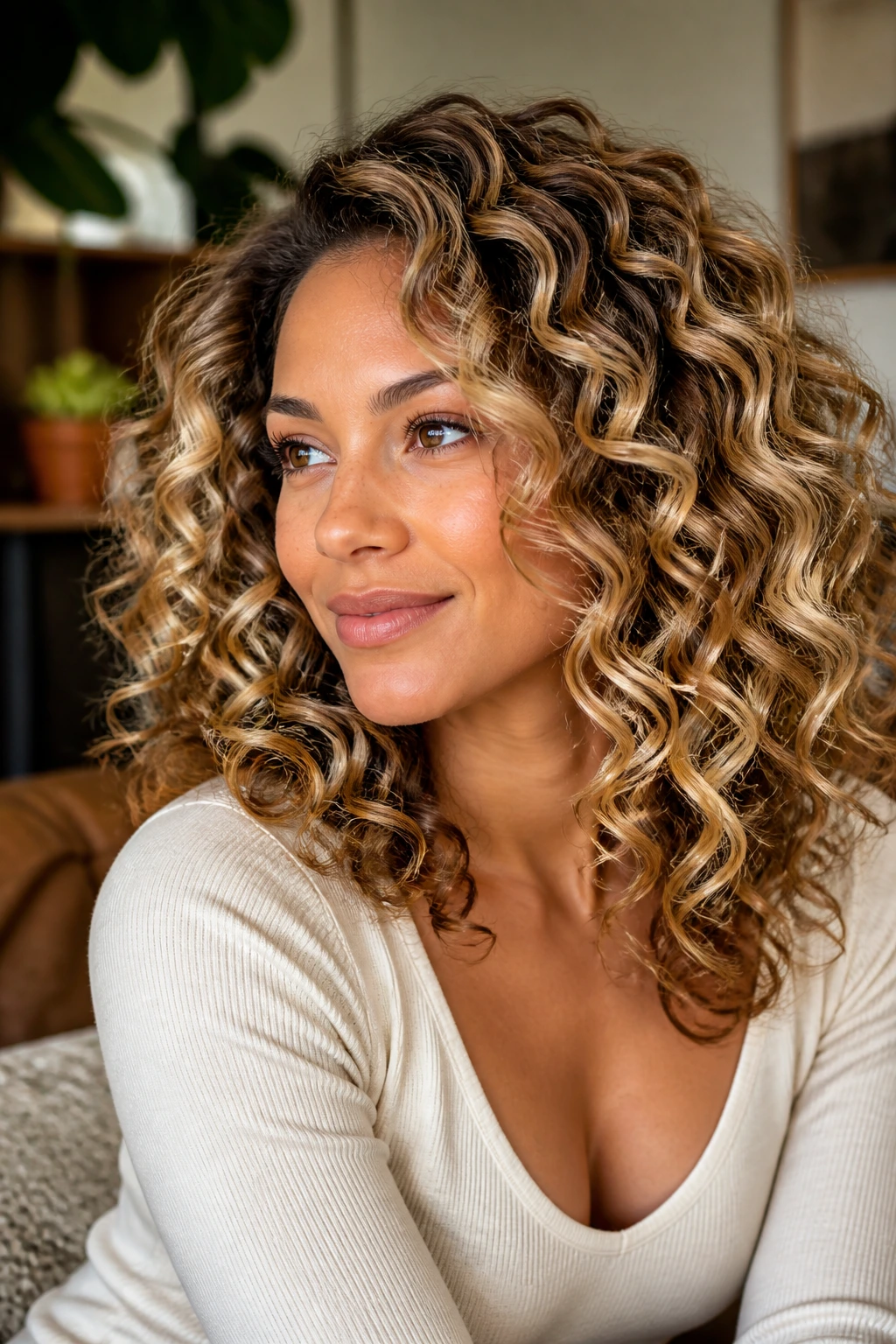
A single-tone blonde can flatten curly hair fast. Ribbon highlights fix that by weaving caramel and vanilla pieces through the curl pattern so each bend catches light differently.
That contrast is the whole appeal. Warm skin likes the caramel base because it keeps the overall look grounded, and the vanilla ribbons pop on top without turning icy. If your curls are thick, this approach gives shape to the haircut rather than just making it lighter.
Ask for wider painted ribbons around the outer layers and a few softer slices underneath. Tiny foils everywhere can look busy on curls. Bigger, well-placed ribbons move better when the hair expands, which is exactly what curly hair does.
7. Soft Champagne Shag
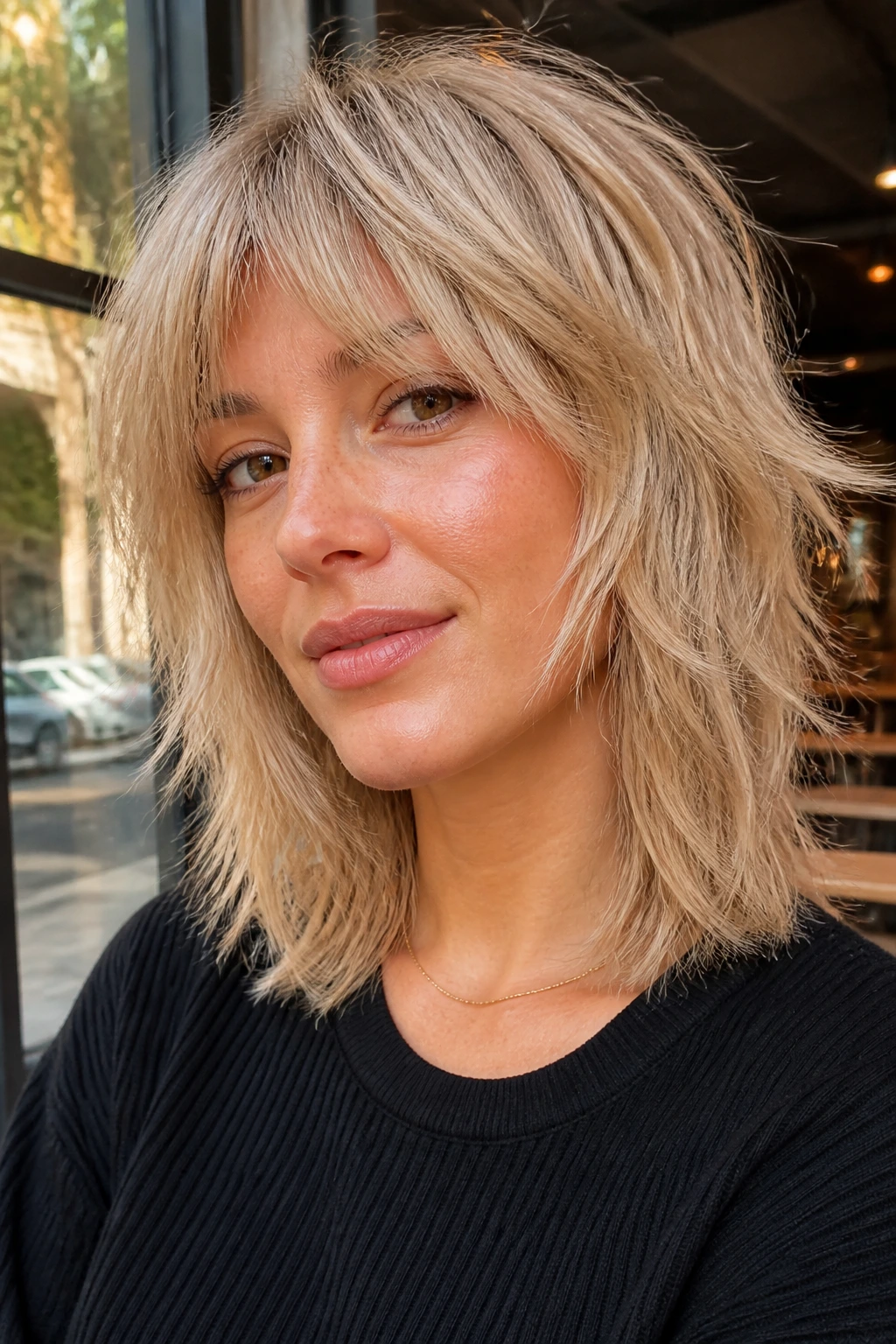
Champagne blonde sounds cool on paper, but the soft version is more beige than silver, and that distinction matters a lot on warm skin. Paired with a shag, it turns into one of those cuts that looks casual until the light hits it.
Texture matters here
The shag’s choppy layers keep the champagne tone from feeling too precious. Every flick of hair shows a slightly different shine, which is why this style feels lively instead of overworked. Warm skin gets a little brightness near the face, while the deeper layers keep the haircut from floating away.
If you have fine hair, this is a nice cheat code. The layers create movement that makes the blonde look fuller than it really is. If you have thick hair, ask for point-cut ends so the shape stays airy rather than bulky.
8. Sunlit Pixie Cut
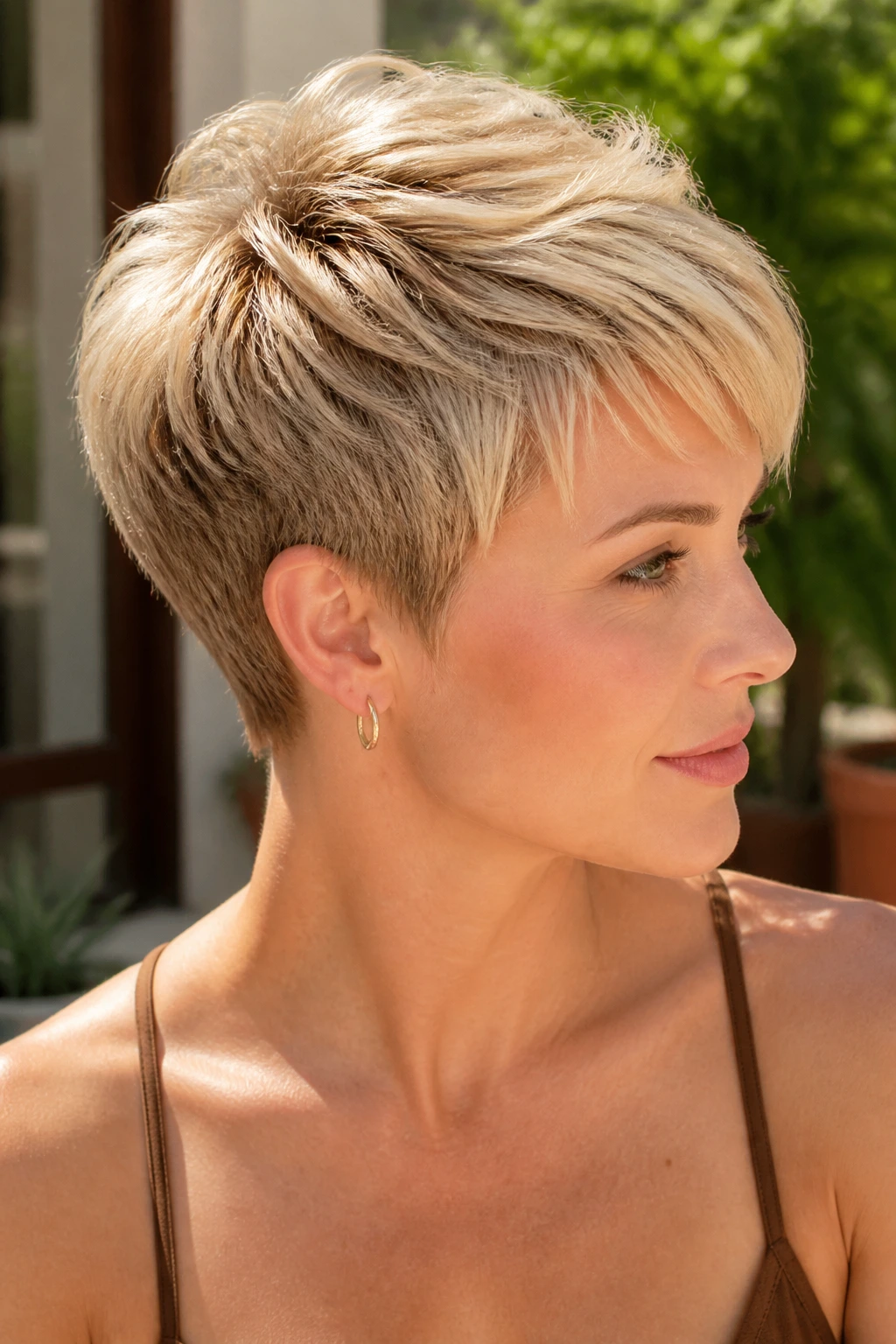
Short hair shows tone first, cut second. That’s why a pixie with warm blonde on top and a slightly deeper nape looks so good on warm skin. The eye goes straight to the crown, where the lighter pieces can catch the light without bleaching the whole face out.
- Best with a soft, textured top rather than a stiff, helmet-like finish.
- Keep the sides a shade deeper for contrast.
- A dab of matte paste at the ends gives piecey separation.
I like this cut for people who want blonde but don’t want to baby it. The shape itself does most of the styling, and the warm tone keeps it from looking harsh. If your brows or eyes already have warmth in them, this is one of the sharpest looks in the group.
9. Toffee Blonde Blunt Cut
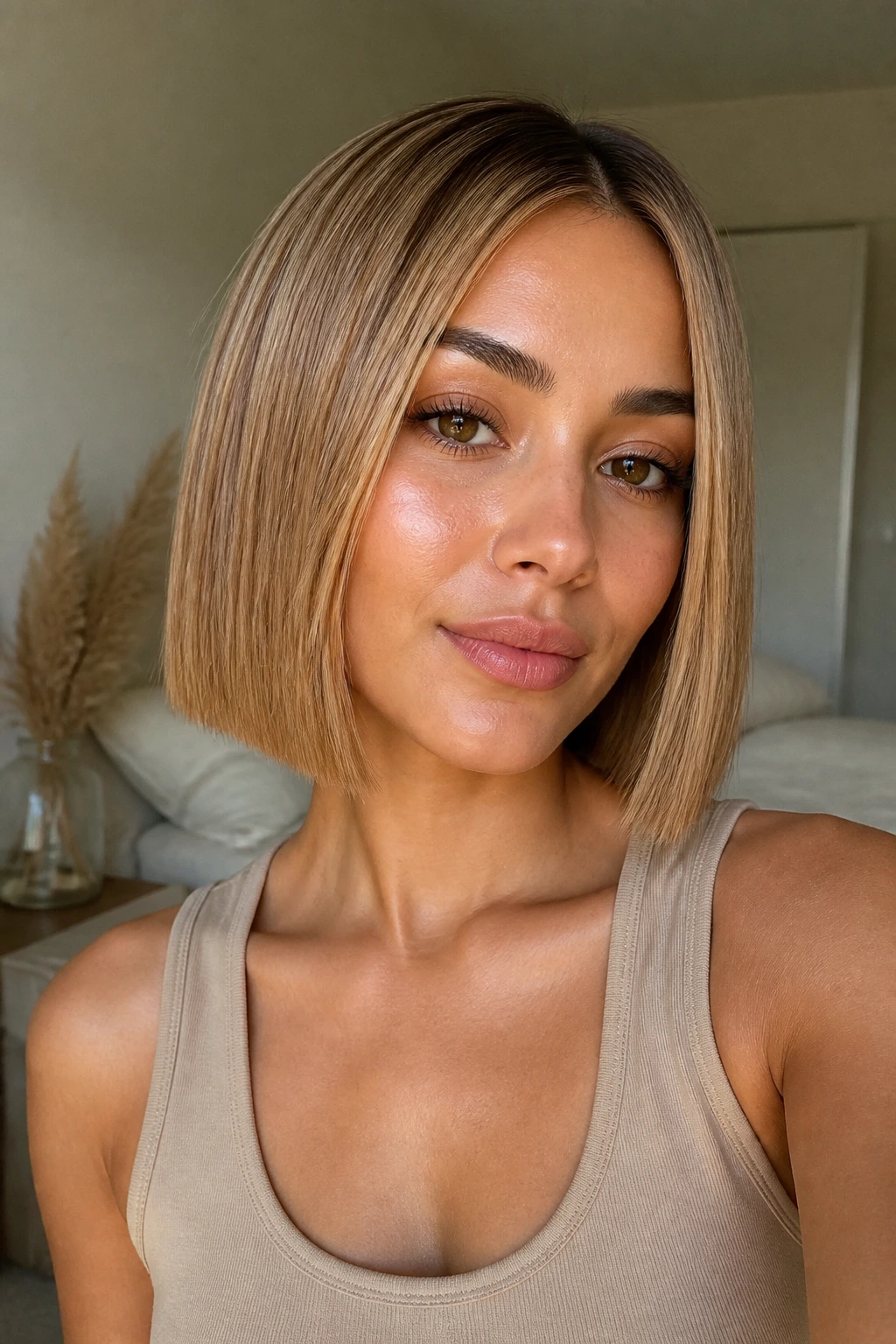
A blunt cut makes blonde feel sharper, so the shade needs a little softness to balance it out. Toffee blonde does that job nicely. It has enough depth to keep the line from looking severe, but enough lift to brighten warm skin.
What makes this cut work is the contrast between the clean edge and the soft tone. The straight bottom line says precision. The color says warmth. Put them together and you get something crisp without becoming icy.
If your hair is naturally straight or you like wearing it flat-ironed, this is a very clean answer. Ask for a gloss that leans golden-beige rather than pale silver. That tiny choice changes the whole mood of the cut.
10. Creamy Face-Framing Layers
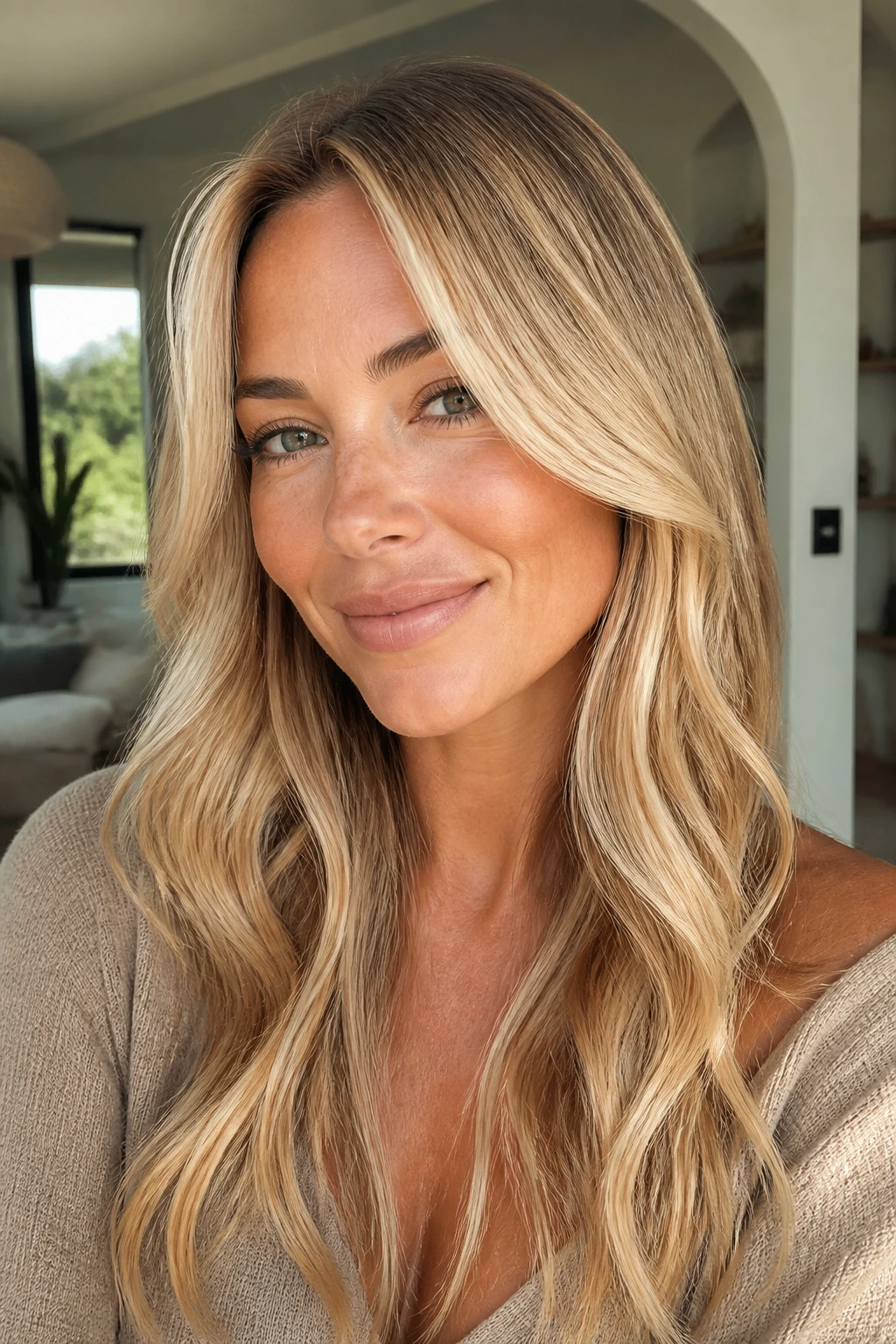
Creamy face-framing layers are the kind of blonde that quietly does a lot. The lighter strands sit around the cheeks and temples, while the back stays a touch deeper, so the face gets brightness without the entire head turning pale.
That’s a smart move on warm skin. The cream tone reflects light in a softer way than white-blonde, and the layered cut gives the color room to move. You end up with dimension that looks expensive because it isn’t trying too hard.
This style is also forgiving on grow-out. When the roots come in, the front pieces still do their job. If you’re the type who likes blonde but does not want a full-time salon habit, keep this one on the list.
11. Warm Platinum Blowout
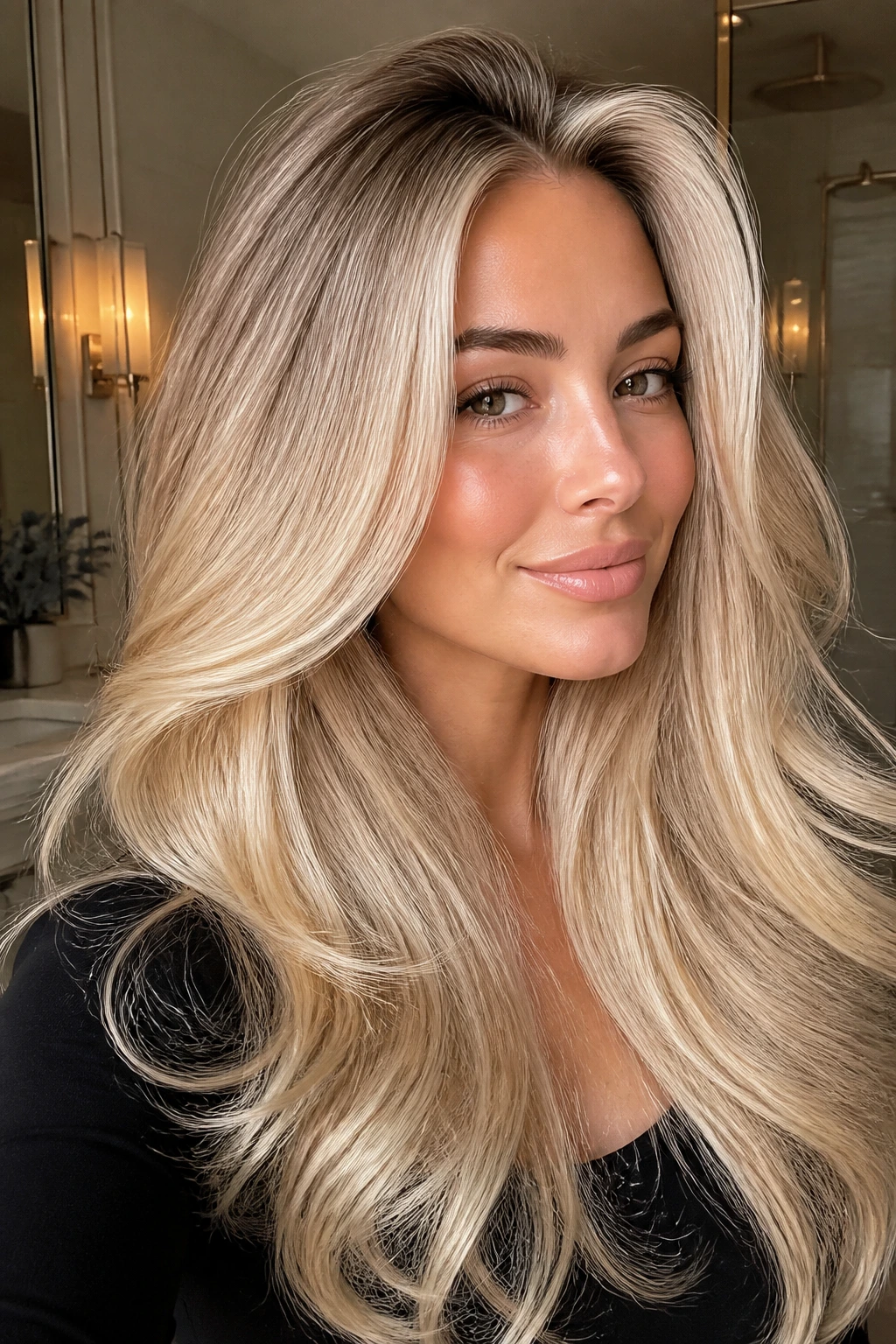
Platinum can work on warm skin, but only if it looks creamy instead of blue-white. A blowout helps because the smooth shape makes the tone read polished, not stark. With the right root shadow, warm platinum can look clean and bright without flattening the face.
What to ask for
- A level 9 to 10 lift with a soft beige or neutral gloss.
- A slightly deeper root so the platinum doesn’t start right at the scalp.
- Big, brushed-out bends instead of tight curls.
This is a high-maintenance look, no point pretending otherwise. The payoff is the way the hair throws light around the face. If you wear warm makeup or have golden undertones in your skin, the creamier version of platinum can look striking rather than cold.
12. Maple Blonde Midi Cut
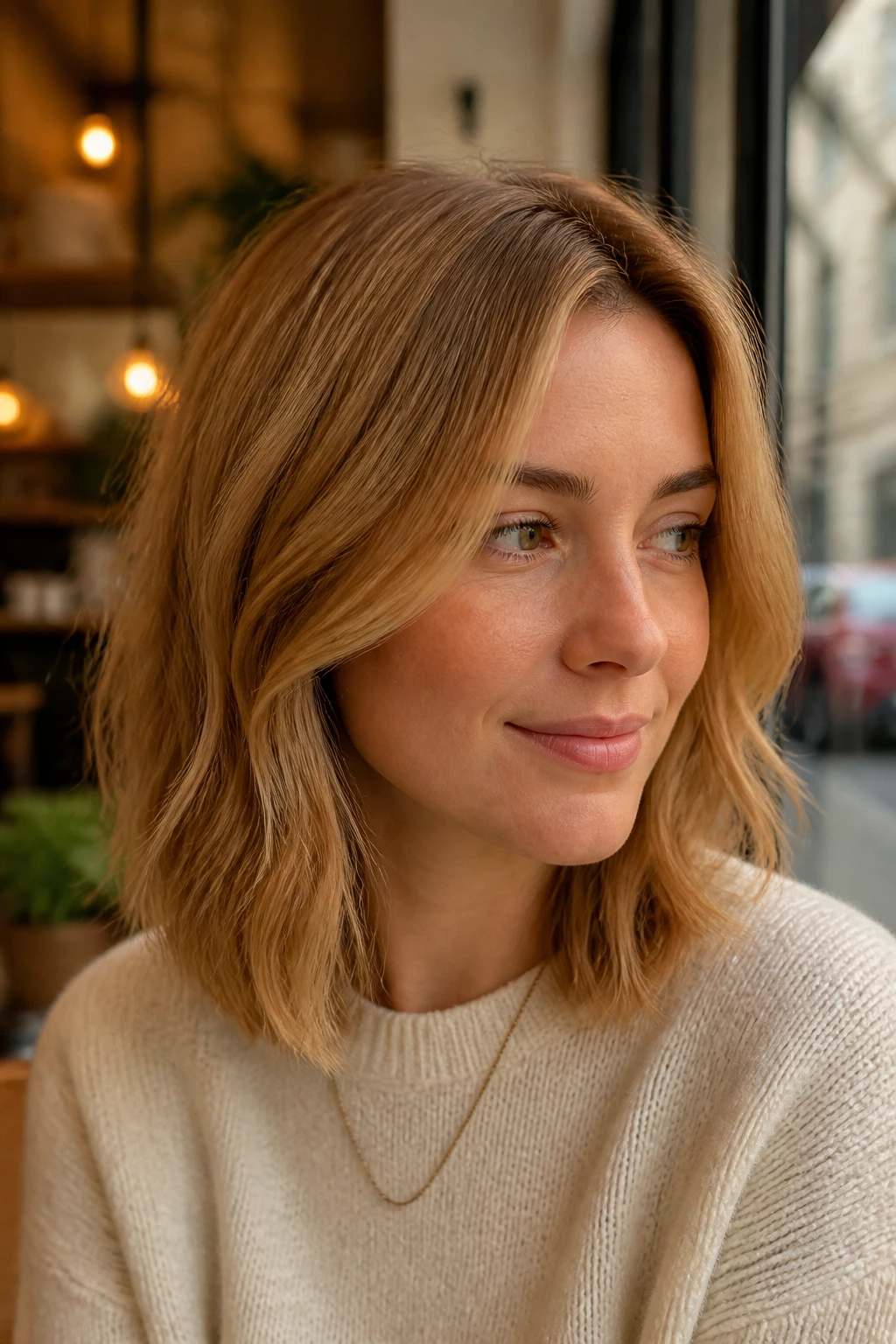
Maple blonde sits one shade richer than honey, with an amber-leaning softness that makes warm skin look settled and bright at the same time. On a midi cut, the color gets enough surface area to show depth without becoming overwhelming.
I like this one for people who want a blonde that doesn’t yell from across the room. The length is practical, the tone feels grounded, and the overall effect is polished without looking stiff. It also grows out nicely, which matters if you’d rather live your life than plan your next tone appointment every two weeks.
If your natural base is light brunette, maple blonde can be a very friendly transition. It doesn’t fight your undertone. It follows it.
13. Buttery French Bob
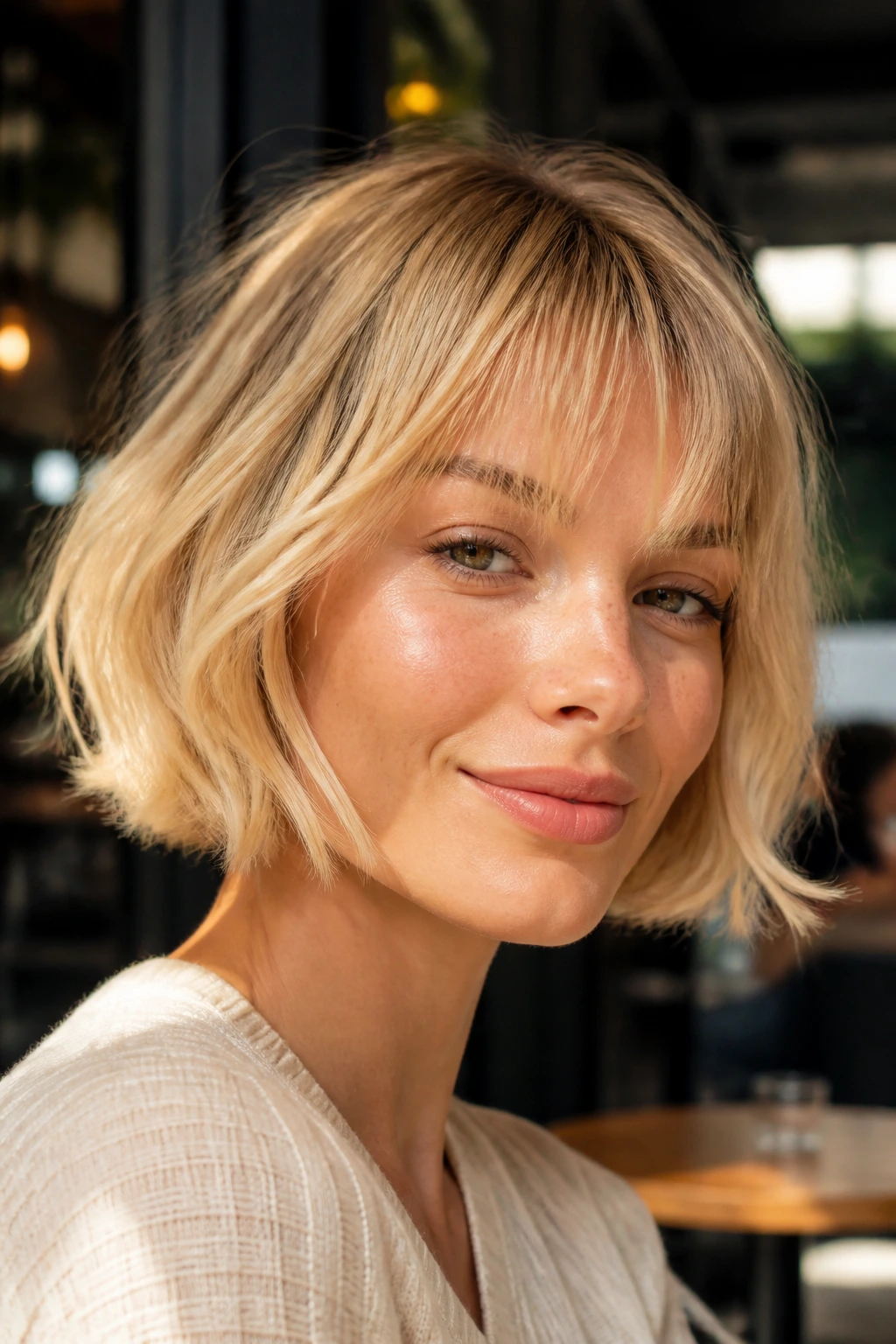
The French bob gets its edge from the shape, so the color should stay soft. Buttery blonde does that job well. It keeps the bob from looking severe and gives warm skin a smooth, lifted glow around the mouth and cheeks.
This cut works best with a little movement in the ends. Not too much. A soft bend, a hidden wave, or a brushed-out texture keeps the blonde from reading blocky. If your features are sharp, leave the fringe piecey instead of cutting it too blunt. That keeps the style airy rather than heavy.
The beauty here is the balance. The bob frames the face, and the buttery tone keeps the frame from becoming too hard.
14. Sand Blonde Long Layers
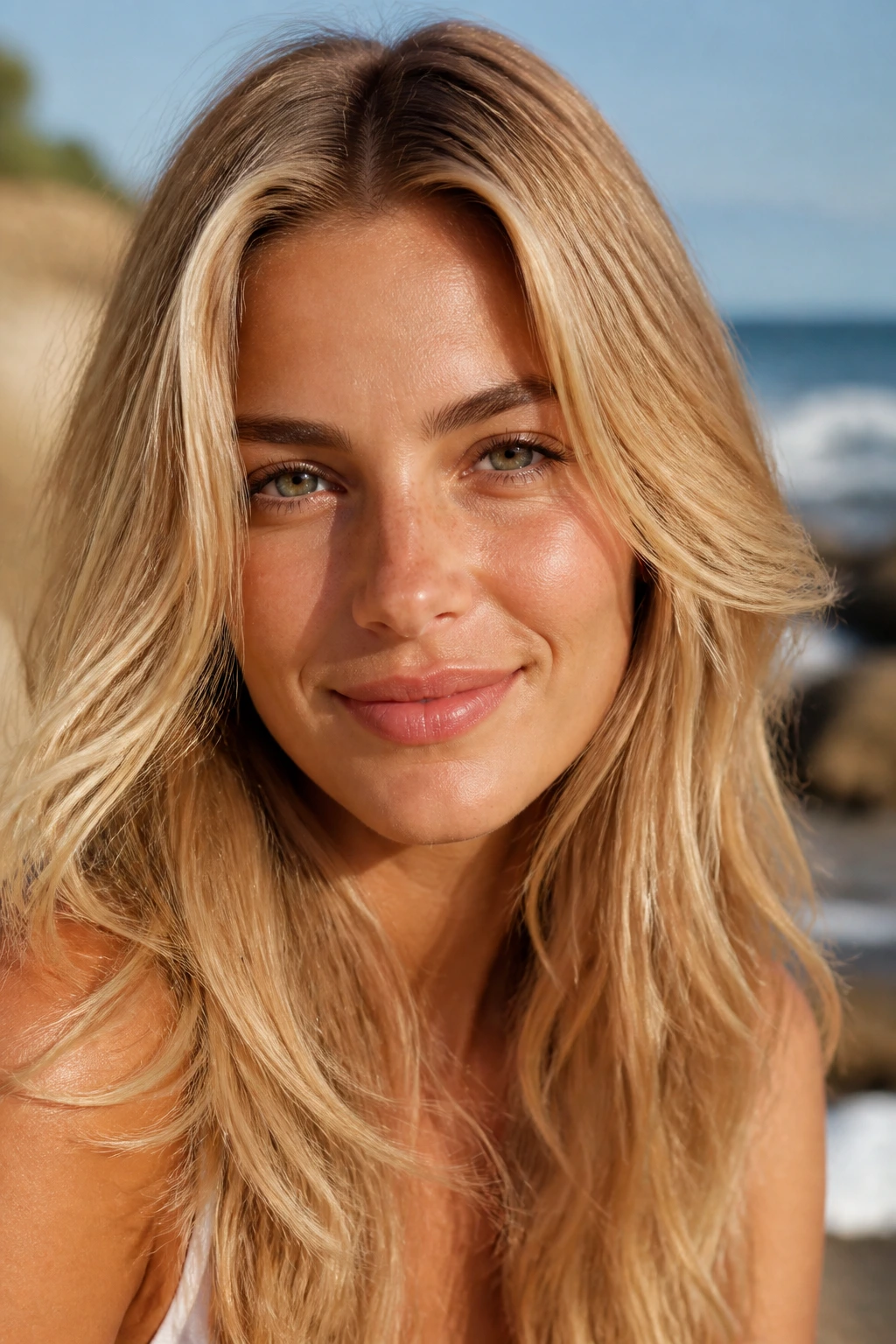
Sand blonde is what a lot of people mean when they say “natural blonde” and actually mean it. It’s beige-gold with just enough softness to look believable on warm skin, especially when the hair is cut into long layers that let the shade move.
The longer the hair, the more important the tone becomes. A flat ash blonde on long layers can drag the whole look down. Sand blonde does the opposite. It gives the hair a sun-washed feel without making the ends look dry or chalky.
This is a good choice if your natural color sits between dark blonde and light brown. The transition can be gradual, and the grow-out stays calmer than a high-contrast blonde.
15. Vanilla Cream Sleek Lob
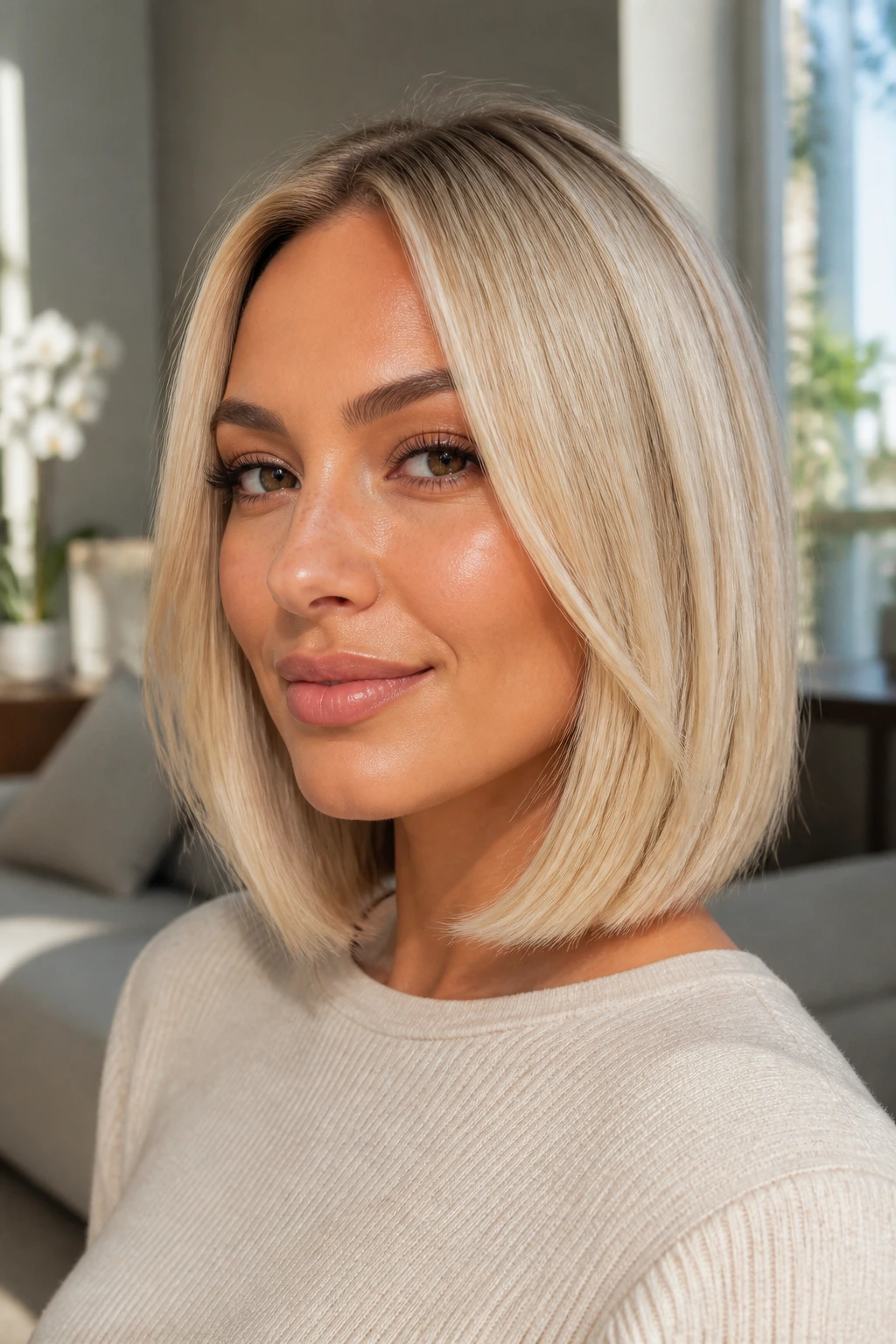
Can a sleek lob feel soft? Absolutely, if the blonde tone carries enough cream in it. Vanilla cream keeps the haircut smooth and bright without pushing it into icy territory.
How to keep it from reading flat
A straight lob has nowhere to hide. Every line shows. That’s why the ends should be beveled slightly or tucked under just a touch, so the hair reflects light instead of looking like a single block. A shine spray helps, but the real work is in the tone.
Ask for vanilla cream rather than pure white. On warm skin, that small shift keeps the face from getting washed out. It’s one of the better choices if you like minimal styling but still want the color to feel deliberate.
16. Sunkissed Wolf Cut
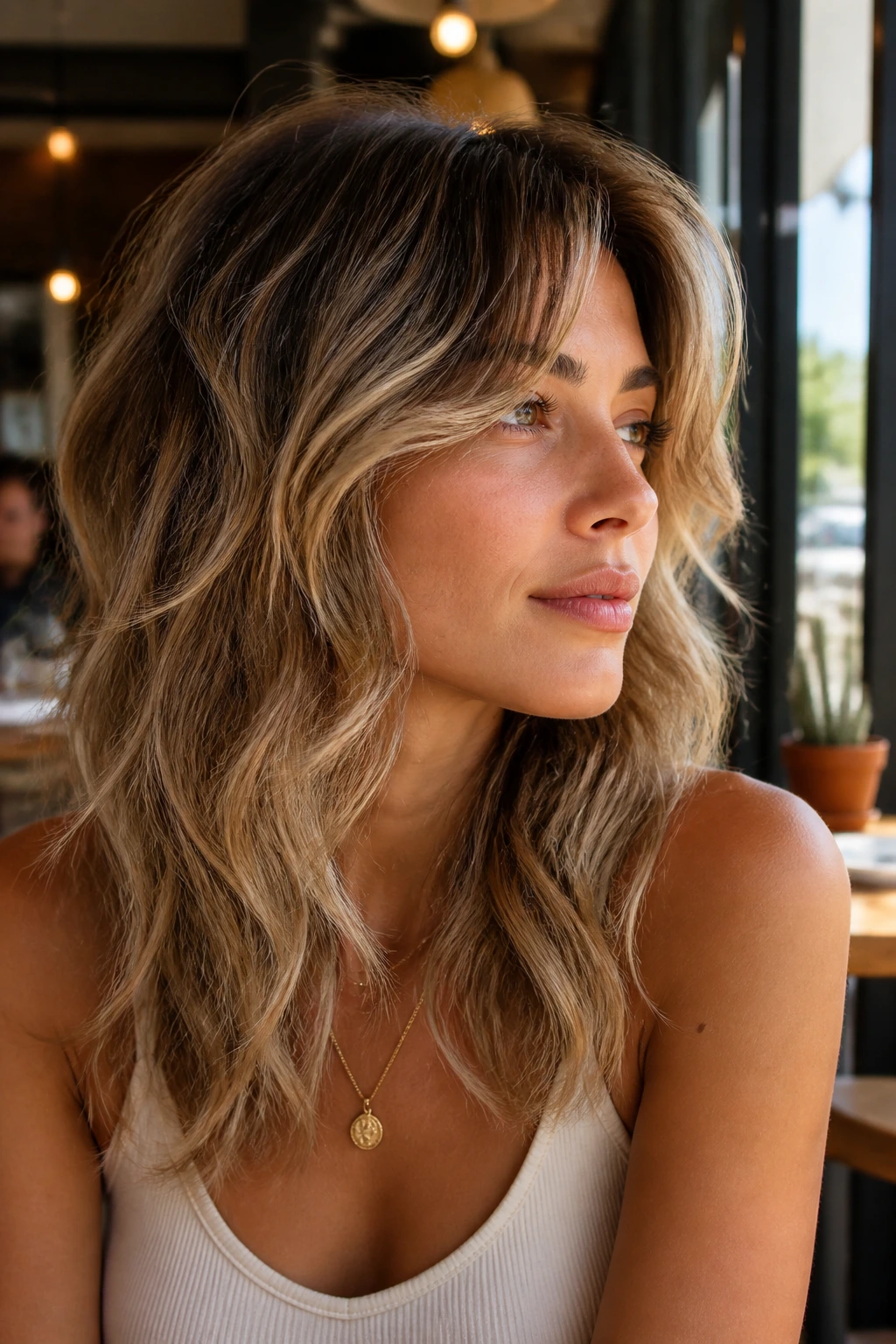
A wolf cut already has attitude, so the blonde should feel broken up and airy rather than uniform. Sunkissed pieces through the crown and around the face make the layers look deliberate instead of frizzy.
- Great on wavy and curly textures.
- Keep the root soft so the cut doesn’t turn too edgy.
- Diffuse, don’t flatten, or you lose the movement.
Warm skin handles this style well because the color isn’t one solid sheet. The lighter pieces flick in and out of the darker base, which keeps the overall look lively. If you like a cut that looks slightly undone in a good way, this one does the job.
17. Almond Blonde Soft Curls
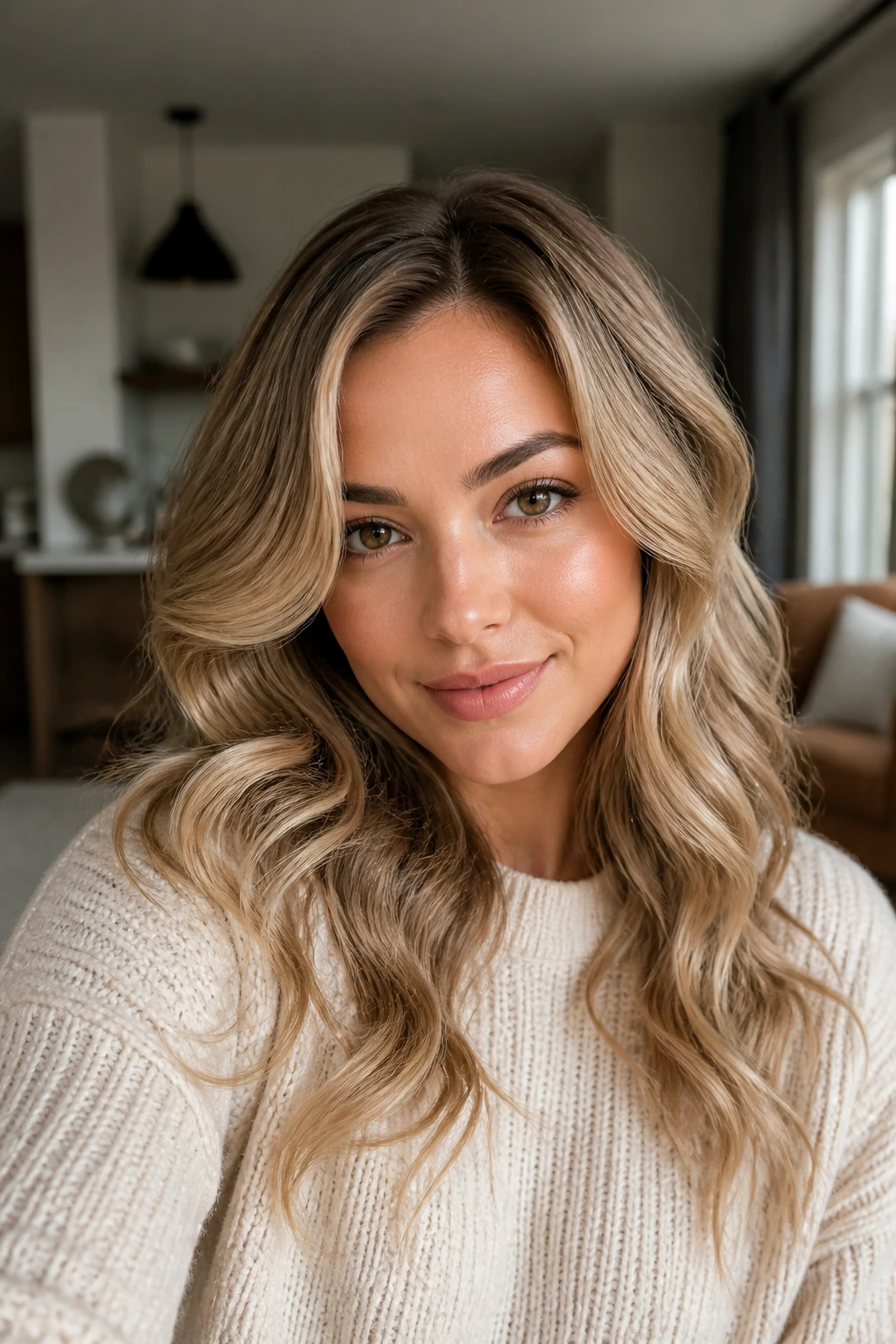
Almond blonde lives somewhere between brunette and blonde, which makes it one of the easiest warm-toned shades to wear. Add soft curls, and the color shows off its depth instead of looking one-note.
This is a smart pick if you’re easing into blonde and don’t want a dramatic jump. The curls help the highlights separate, so you see the movement of the color rather than a flat layer. On warm skin, that separation keeps the whole look bright but not loud.
I especially like this shade on medium-length hair. It has enough surface area to show the color, but not so much that maintenance becomes a second job.
18. Peach-Beige Platinum Midi
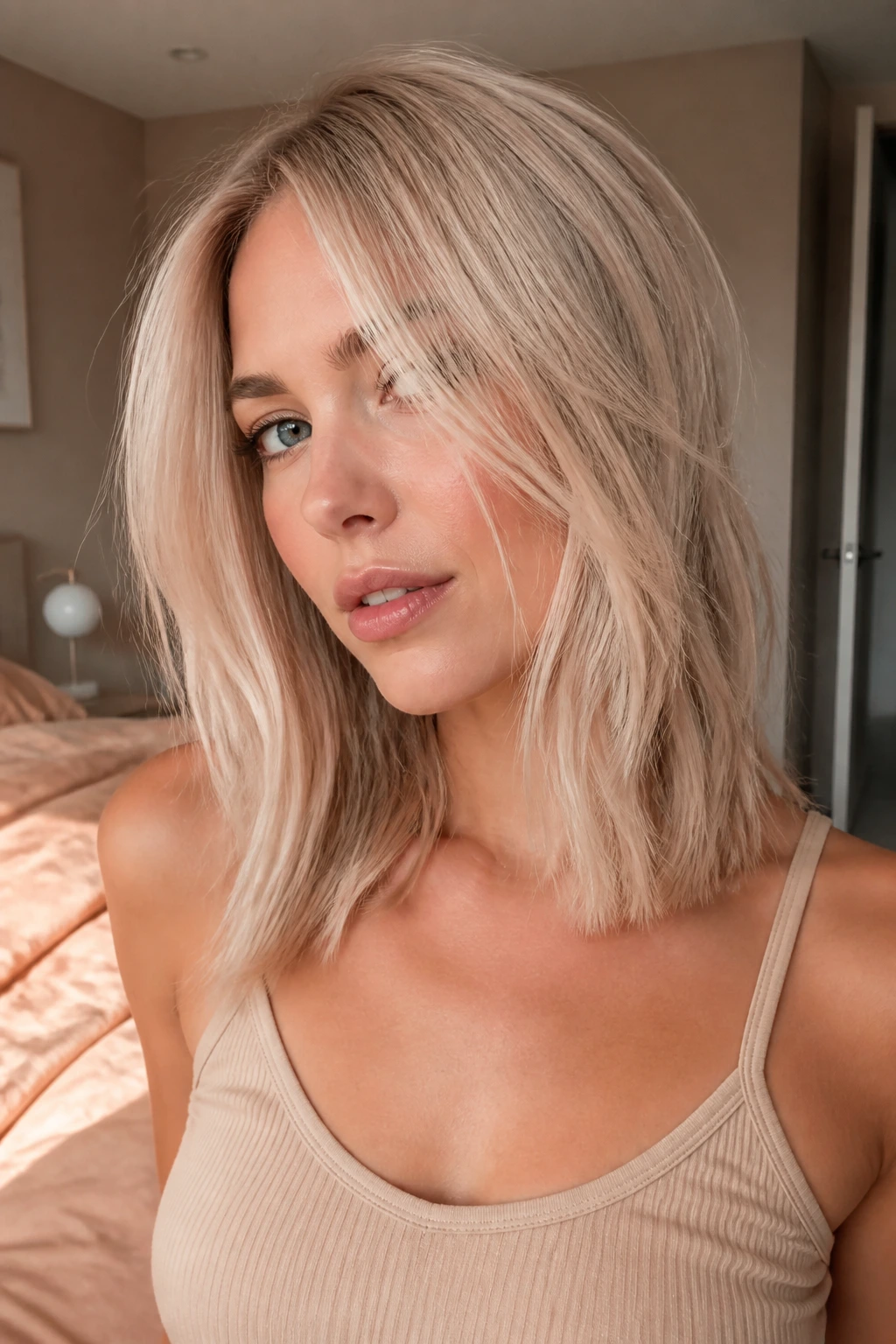
Pure platinum can be hard on warm skin if it turns white and cold. Peach-beige platinum solves that problem by keeping a little warmth in the gloss, which softens the whole effect without dulling the brightness.
On a midi cut, the color looks cleaner because the shape is compact enough to show the tone clearly. If the ends are too dry, though, the peach-beige finish can fade fast, so this one needs more conditioning than people expect. A bond-building mask and a gloss refresh every few weeks make a real difference.
If you want light hair and warm skin-friendly color, this is one of the more polished answers. It’s bright, but it still feels human.
19. Wheat-and-Honey Butterfly Layers
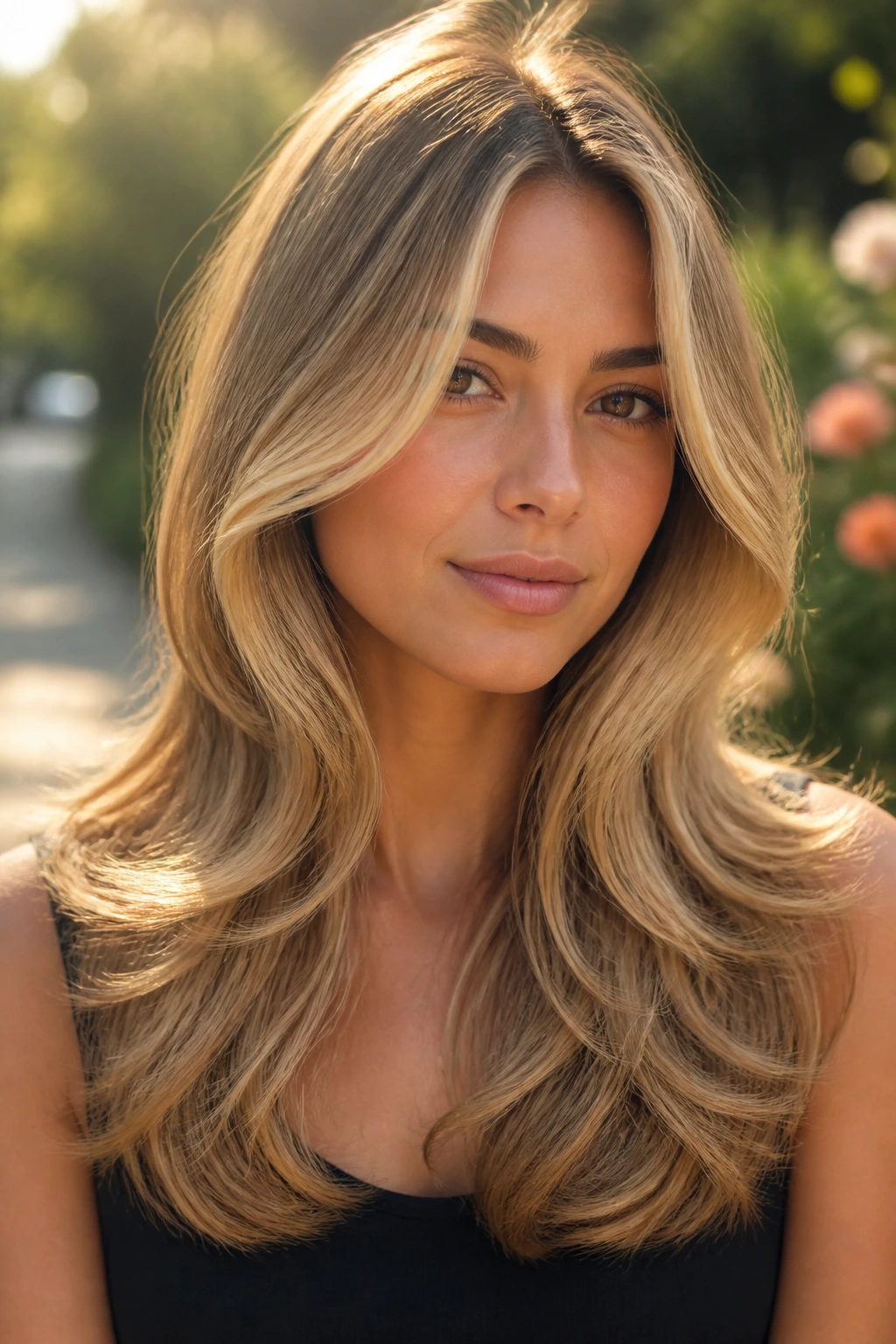
Butterfly layers are all about movement, and wheat-and-honey blonde gives that movement a warm, easy finish. The shorter face-framing layers show the honey pieces first; the longer layers below carry the wheat tone and keep the haircut from floating.
Why the mix works
- The front gets brightness where the eye lands first.
- The longer layers keep depth, which helps warm skin stay balanced.
- The whole cut looks fuller because the color shifts as the hair moves.
This one is especially useful on thick hair. The layered shape takes weight out, and the color keeps it from looking flat. If you’ve ever wanted blonde that feels soft, swingy, and not a little too polished, butterfly layers are hard to beat.
20. Glazed Brunette-to-Blonde Ombré
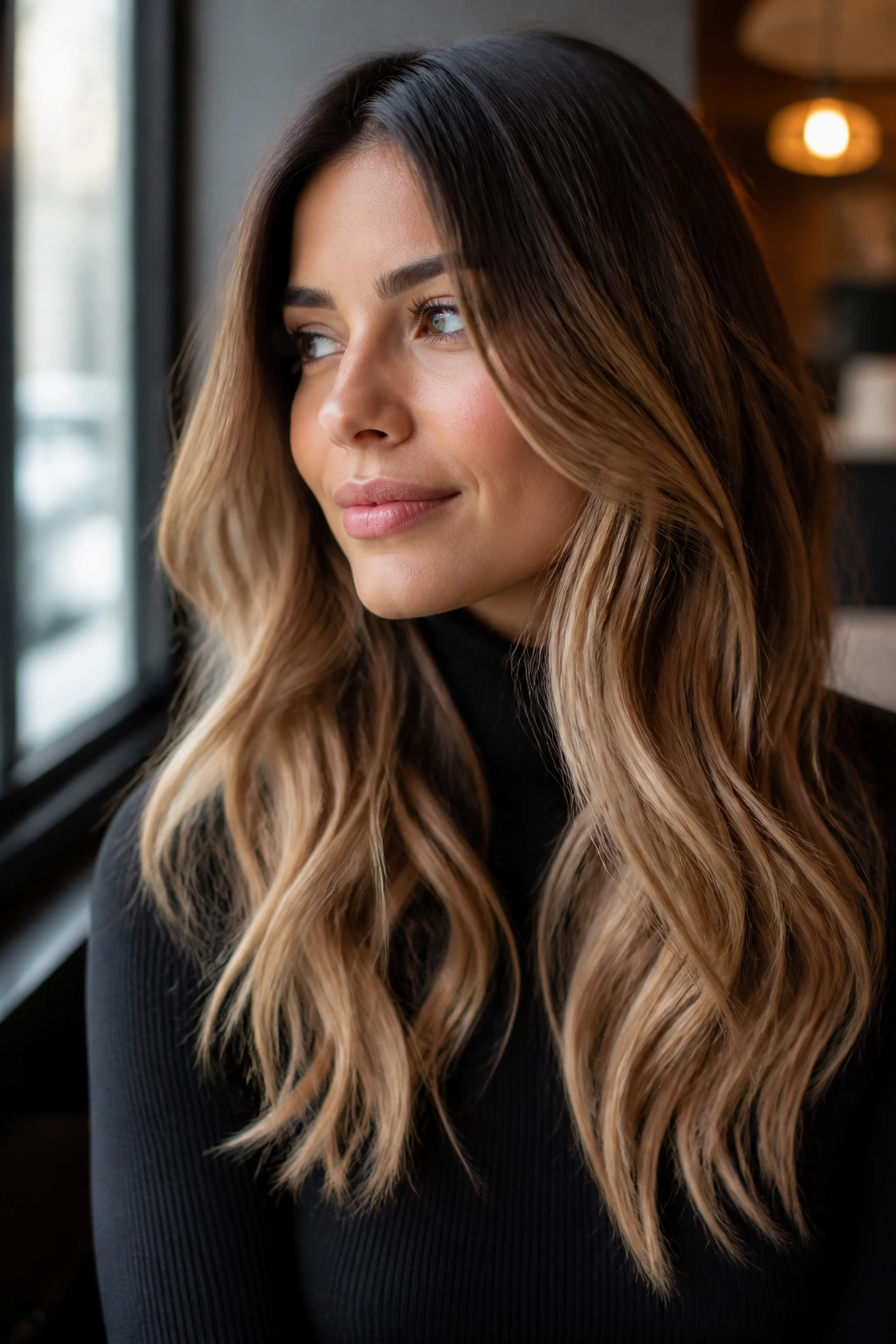
Do you want blonde without committing every strand to it? Ombré is the answer. A glazed brunette-to-blonde fade keeps the root darker, then shifts through caramel and beige into creamy ends, which makes warm skin look anchored instead of washed out.
The trick is to keep the transition smooth. No hard line. No weird striping. A good ombré should feel like it happened over time, as if the sun slowly climbed your hair from the bottom up. That’s the whole charm.
This style is one of the easiest on upkeep. You can stretch appointments farther, and the grow-out actually improves the shape for a while. That’s rare with blonde, and I never take it for granted.
21. Caramel Ribbon Braided Ponytail
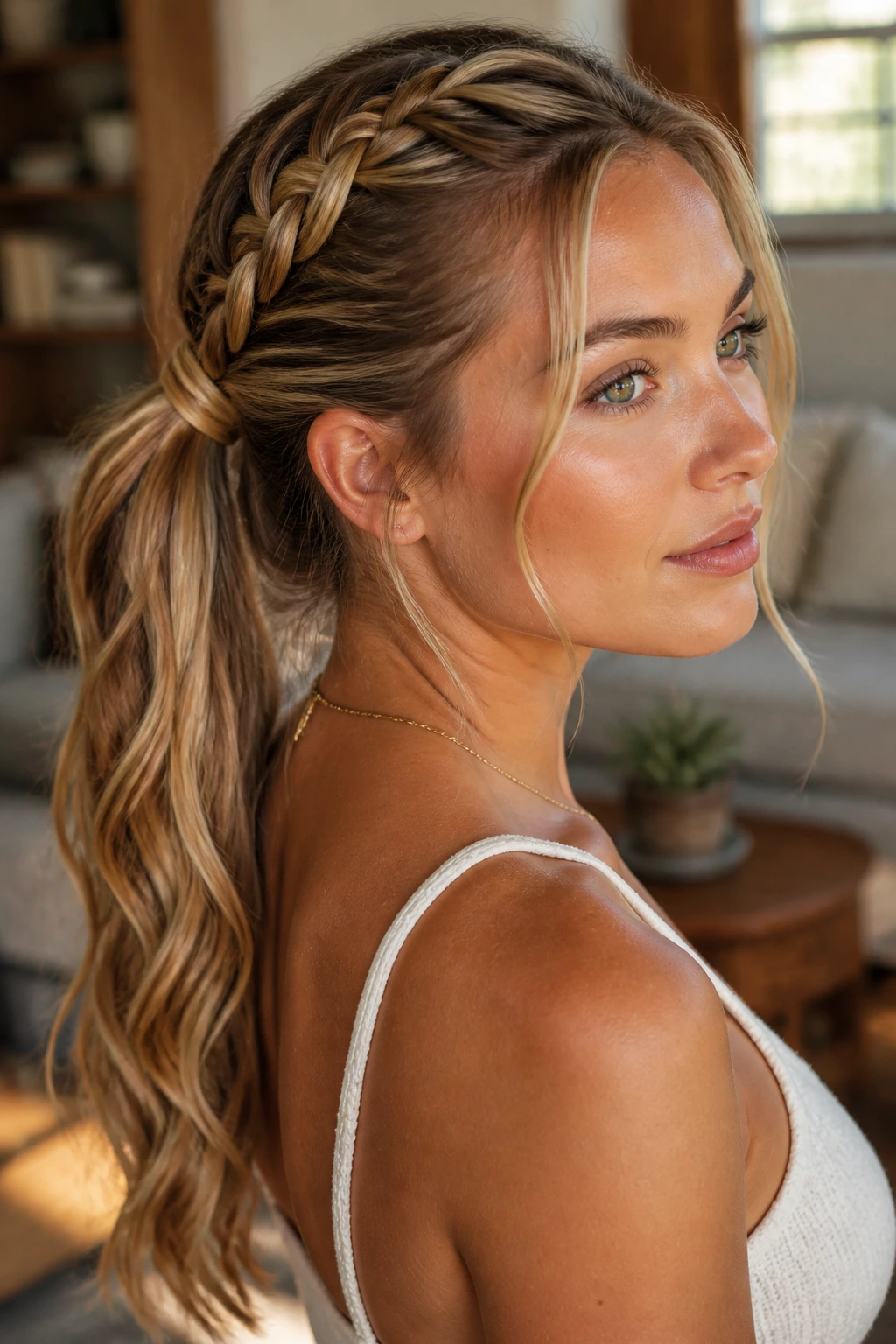
A braid shows off color in a different way than loose hair does. Every twist reveals another ribbon of caramel or honey, which is exactly why this ponytail style works so well on warm skin.
Unlike a one-tone braid, a caramel ribbon braid has depth. The warmer strands peek through without needing bright platinum or harsh contrast. That makes the whole look feel richer and more finished, especially for events or days when you want the hair tied back but not forgotten.
Leave a few face-framing strands loose if you want the tone to soften the face. A little bend near the ends helps too. Flat braids can read severe; soft ones let the warm blonde do its job.
22. White Gold Textured Crop
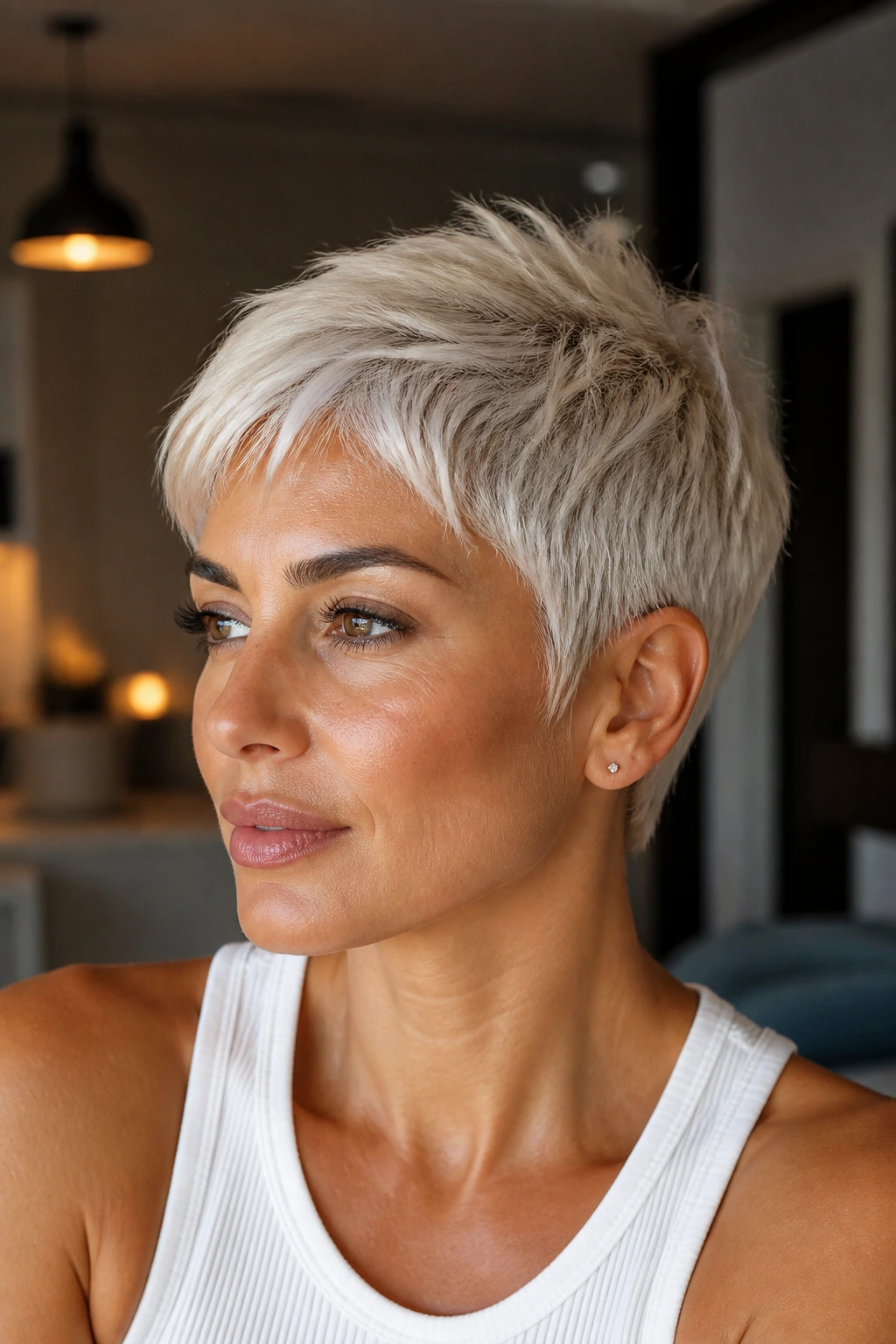
White gold is the version of platinum that warm skin can borrow without stealing the show. It’s bright, yes, but the texture in the crop keeps it from becoming flat or icy.
This cut works especially well if you have strong brows, warm eyes, or olive-golden skin. The short shape lets the hair color speak fast, and the textured top breaks up the light so the blonde looks modern rather than brittle. A tiny bit of styling cream or matte paste goes a long way here.
If platinum has ever looked too harsh on you, white gold is worth a closer look. It still gives you the punch of light hair, just with a softer frame.
23. Butter Blonde Pin-Straight Lengths
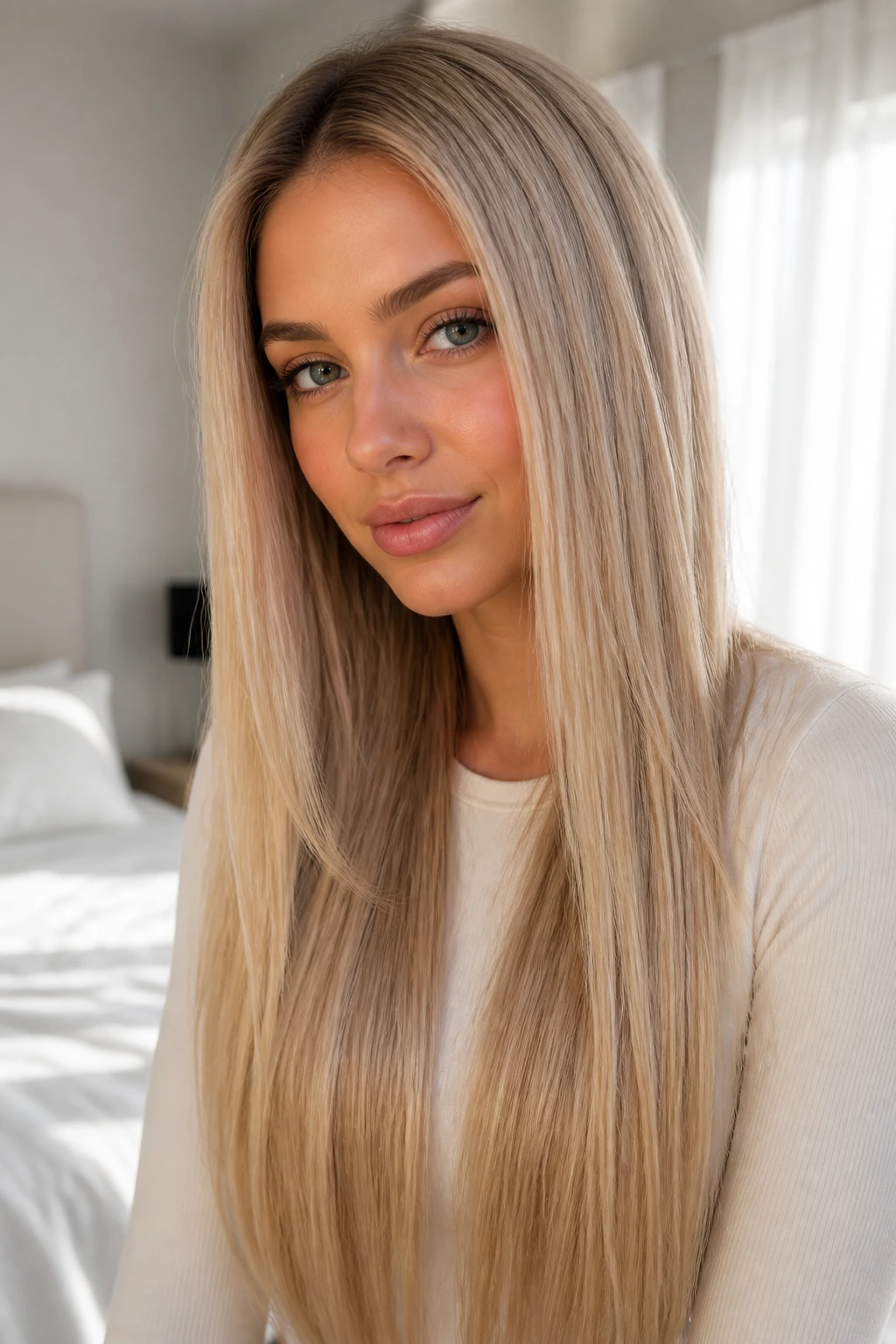
Pin-straight hair shows every color shift, which is why butter blonde needs to be blended well. The shade should move from soft root shadow to creamy ends without a hard line anywhere in the length.
What keeps it looking clean
- Regular trims keep the ends from splitting and turning dull.
- A shine spray helps the butter tone look smooth instead of dry.
- Soft roots make the whole length read richer.
This is one of the best choices if you wear your hair down a lot and like a polished finish. The straightness makes the blonde feel sleek; the butter tone keeps it from looking severe. On warm skin, that balance is the whole point.
24. Toasted Coconut Waves
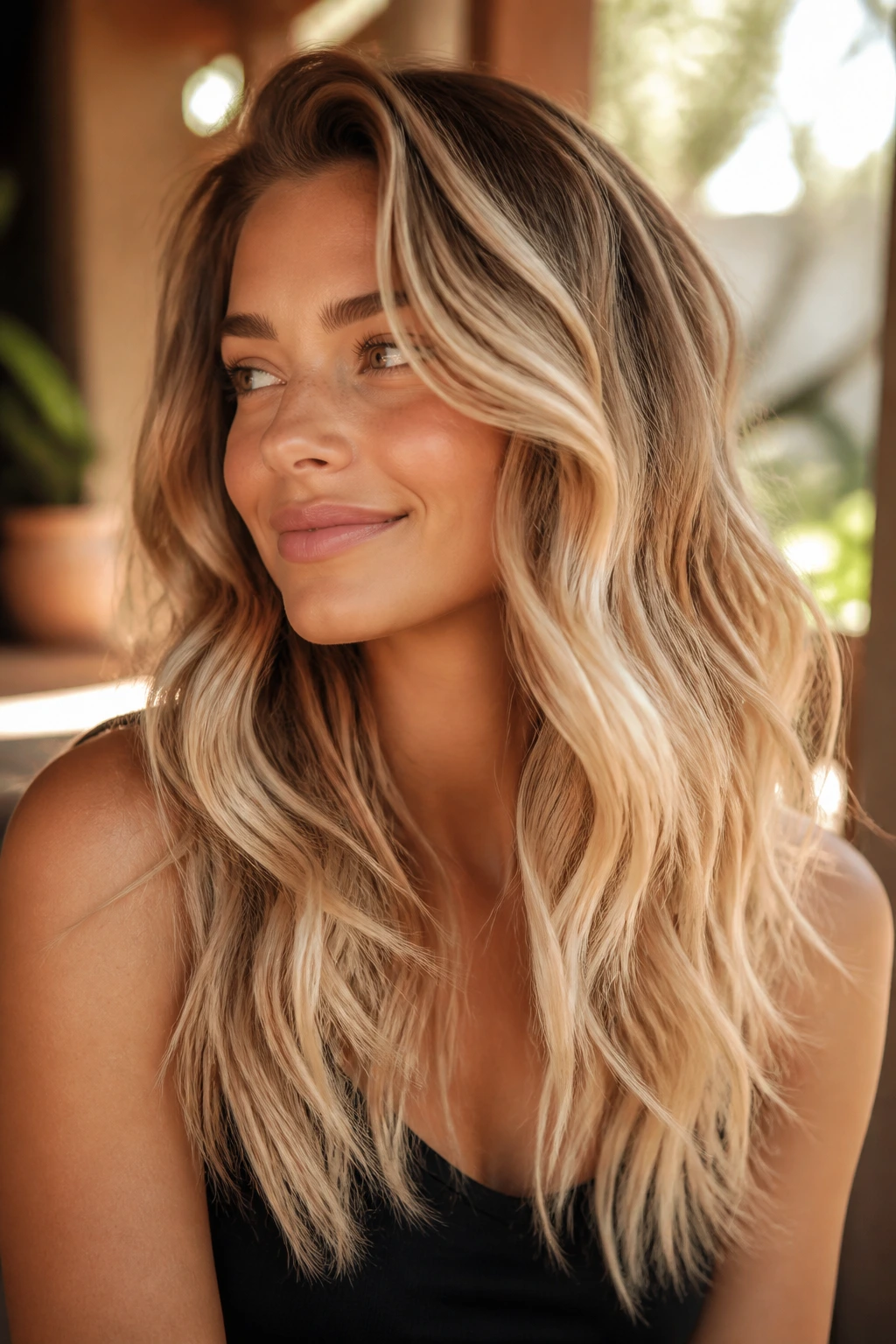
Toasted coconut sounds tropical, but in hair-color terms it means beige blonde with a deeper root and creamy, sunlit ends. The waves matter because they separate the tone in a way that looks relaxed instead of heavily processed.
Warm skin likes this look because the base is grounded. You get enough light near the mids and ends to brighten the face, but the darker root keeps the complexion from going flat. It’s a good choice if you want blonde without feeling like you’re trying to outrun your natural color.
This one works especially well on medium to long hair. The waves give the color someplace to move, and that movement is what makes it feel expensive without screaming for attention.
25. Platinum Cream High Ponytail
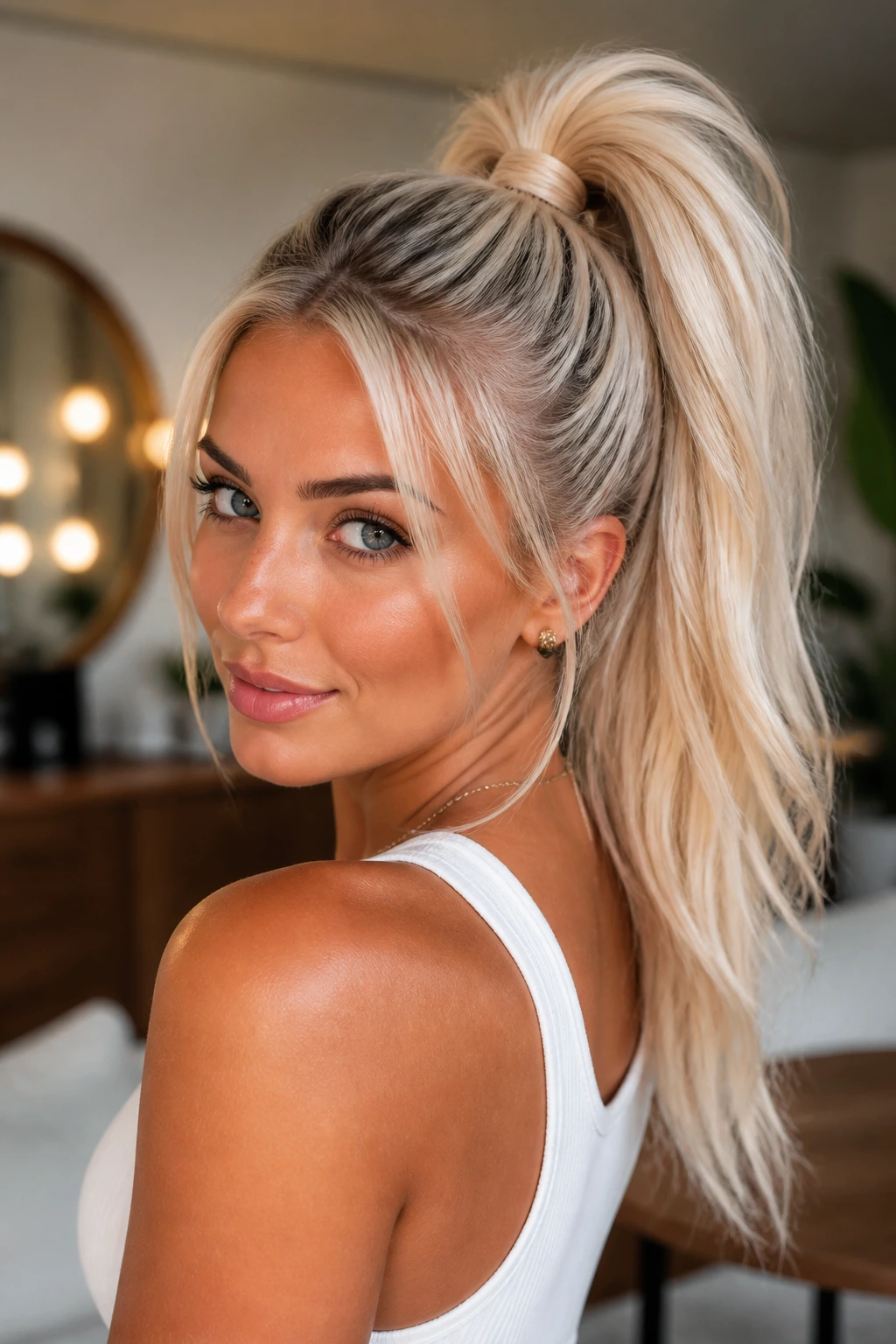
A high ponytail turns platinum into something sharper, cleaner, and a little more graphic. On warm skin, that can work beautifully if the blonde stays cream rather than blue-white and the root is softened enough to anchor the face.
The ponytail lifts everything upward, which means the color has to be handled with a bit of restraint. A wrapped section around the base looks polished. A touch of edge smoothing at the hairline keeps the style from feeling too severe. If your hair is very light already, this one can look almost reflective in daylight.
I like this look when the rest of the outfit is simple. The ponytail becomes the statement, and the warm skin keeps the platinum from reading cold.
Keeping Warm Blonde Glossy Between Visits
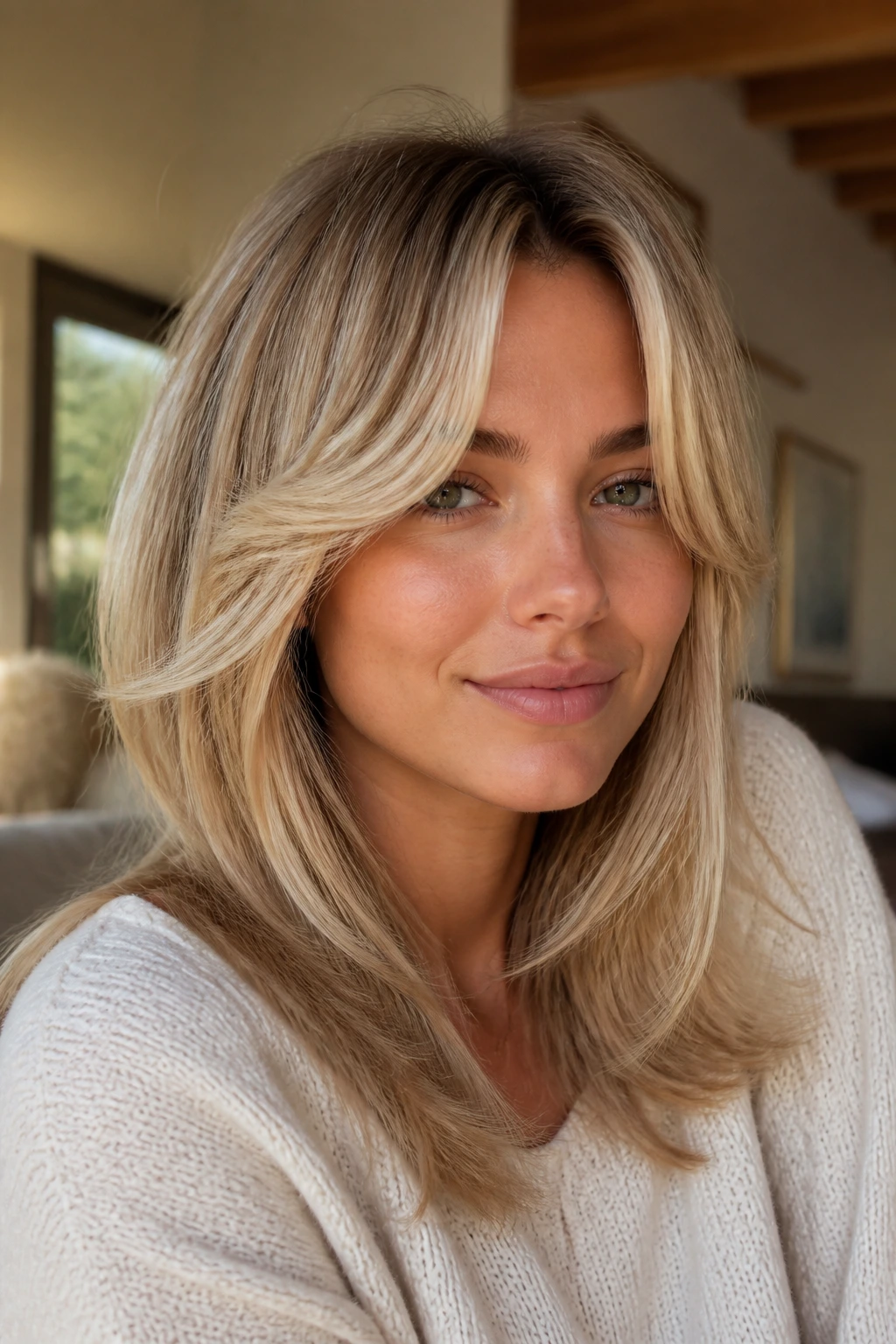
Warm blonde looks best when it stays soft, not stripped. That means your wash schedule matters. If you shampoo every day, the toner and shine disappear faster, especially from honey, beige, and platinum shades that rely on gloss to stay balanced.
A good rhythm for most blonde hair is washing every 2 to 4 days, using lukewarm water, and conditioning the ends each time. Platinum and very light beige blondes usually need a gloss refresh every 4 to 6 weeks. Honey, sand, or maple shades can often stretch to 6 to 8 weeks before they need a tone adjustment.
Purple shampoo is useful, but it is not a daily product. Use it only when yellow starts creeping in, usually every 7 to 10 days at most, and leave it on for the shortest time that actually helps. If your blonde already looks warm and clear, too much purple can make it look flat or smoky. That is the opposite of what warm skin needs.
Heat styling is another place where people quietly wreck good blonde. Use a protectant every time, and keep the iron on the lower side if your hair is lightened. Once a week, give the ends a deeper mask or bond treatment. If you wear a platinum or high-lift blonde, treat the timeline like maintenance, not decoration. The shine disappears first. Then the hair starts to feel tired.
Common Mistakes That Flatten Warm Undertones
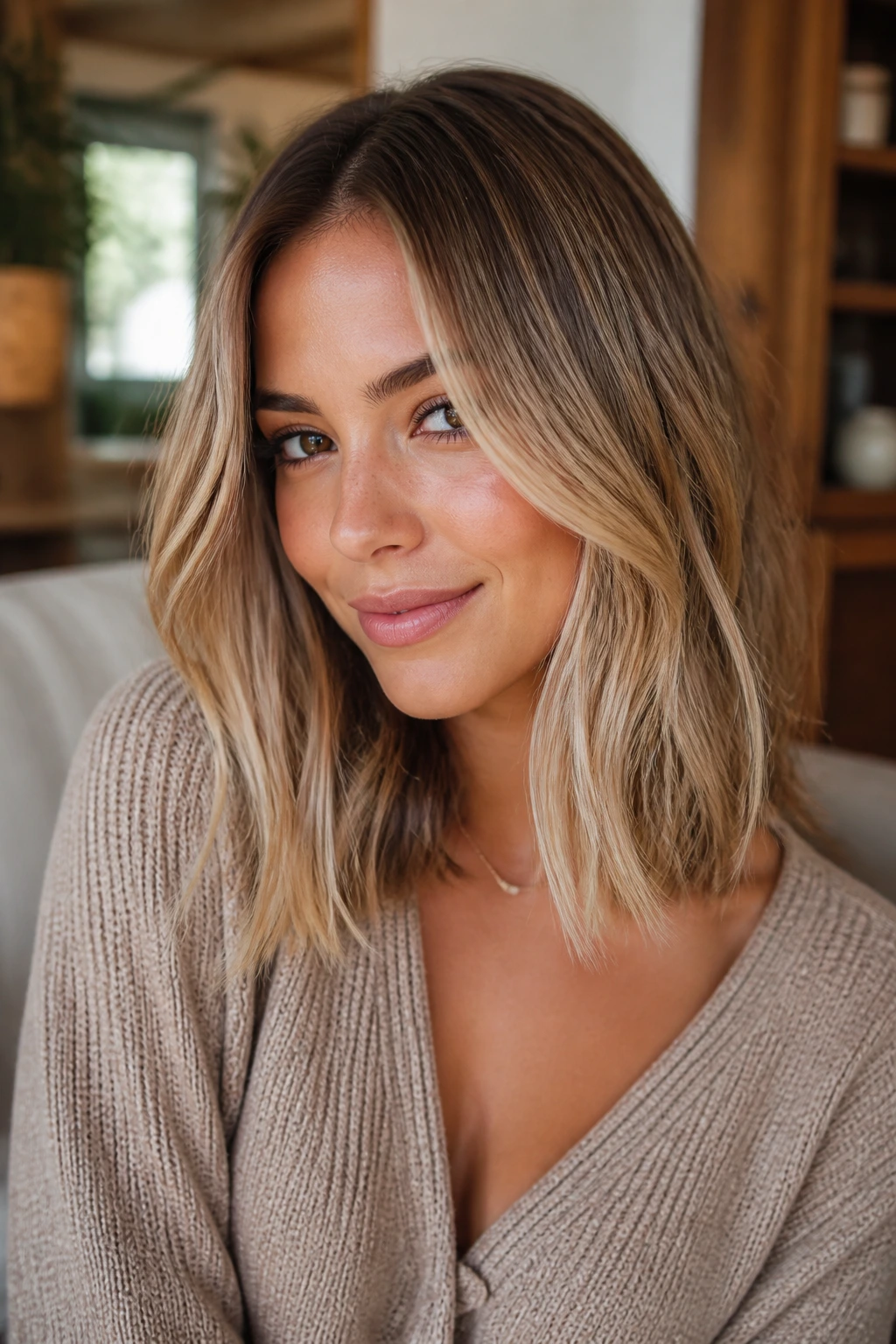
The biggest mistake is choosing ash because it sounds sophisticated. On warm skin, too much ash can make the face look gray, especially around the jaw and under the eyes. The fix is simple: ask for beige, honey, cream, or peach-beige instead of silvery or blue-toned blonde.
Another common one is over-lightening the whole head too fast. If dark brown hair is pushed straight to platinum in one appointment, the ends can get fragile fast. A better plan is staged lightening with a root shadow and a glossy finish between sessions. Softer progress usually looks better than a dramatic leap.
People also over-tone warm blonde. That purple shampoo or cool toner can be useful in tiny doses, but too much will mute the gold that makes warm skin glow. If the blonde starts looking dry or smoky, stop chasing brass that isn’t really there. A beige gloss often fixes the problem faster than another round of violet.
Wrong cut, wrong result. A heavy blunt line can make some blonde shades look blocky, while a super-layered cut can make others look frizzy. Match the shape to the texture. Straight hair likes cleaner lines. Wavy and curly hair usually need more movement and softer placement.
The last mistake is forgetting upkeep before committing to platinum. Bright blonde is not just a color choice; it’s a schedule. If you don’t want gloss appointments, deep conditioning, or regular trims, a warmer level 7 or 8 may suit your life better than chasing white-blonde perfection.
Fresh Variations on the Warm Blonde Theme
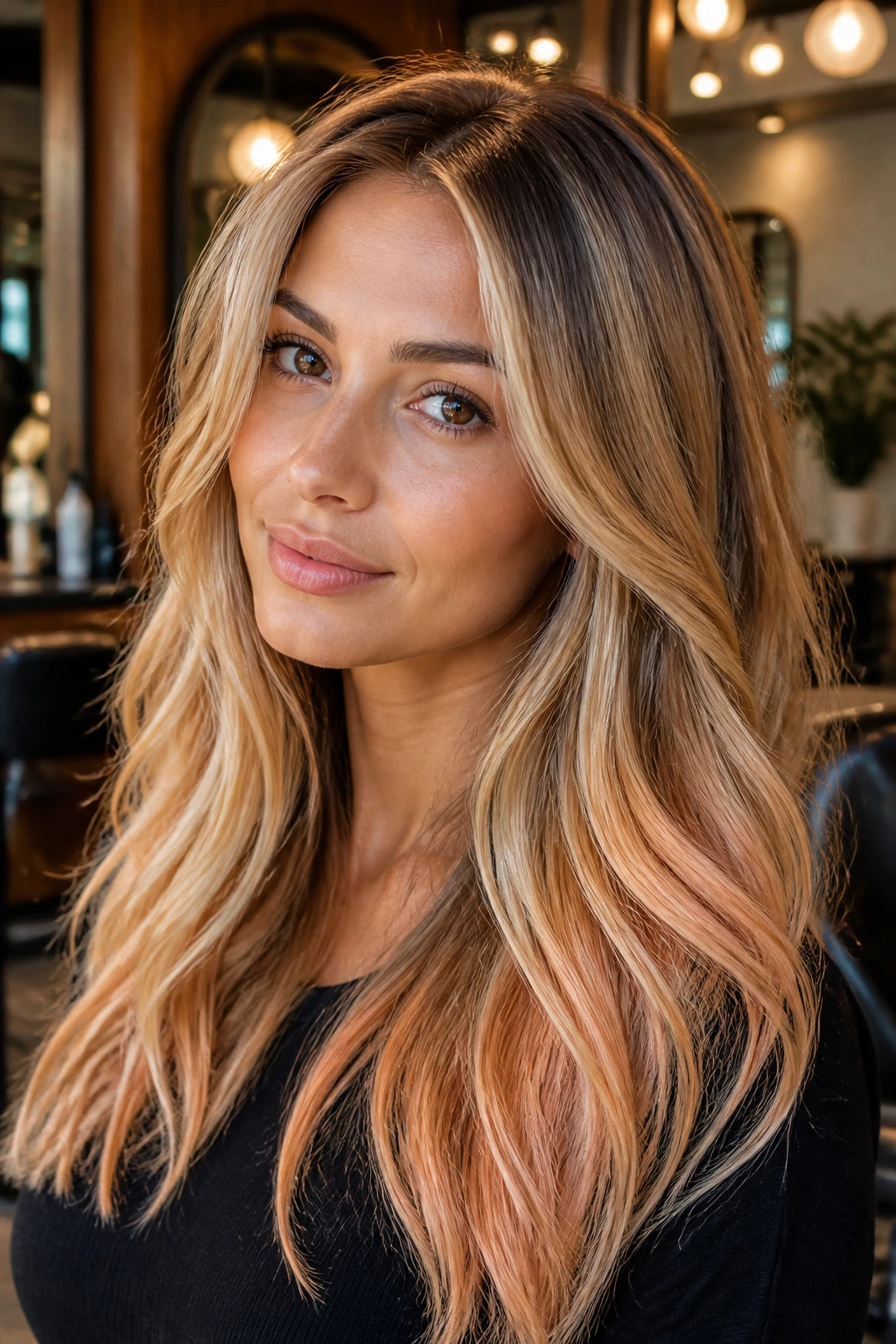
Honey Gloss Refresh: Take any of the softer looks and finish it with a honey gloss instead of a cooler beige toner. It deepens the warmth just enough to flatter golden skin without tipping into orange.
Beige Root Shadow: If you like brightness but hate a hard grow-out line, keep a deeper beige root and let the mids and ends lift lighter. It works especially well on lobs, bobs, and long layers.
Soft Platinum With Peach Glaze: For a more vivid light-blonde result, ask for platinum with a peach-beige gloss rather than a silver finish. This keeps the blonde bright while staying kinder to warm undertones.
Bronzed Blonde Ribbons: On darker natural bases, a few caramel and wheat ribbons through the lengths can read as blonde without a full lightening job. The result is subtle, wearable, and much easier to maintain.
Curly Halo Blonde: On curls, concentrate the lightest pieces around the outer layer and face frame. The halo effect keeps the hair looking dimensional and prevents the blonde from disappearing into the texture.
Frequently Asked Questions
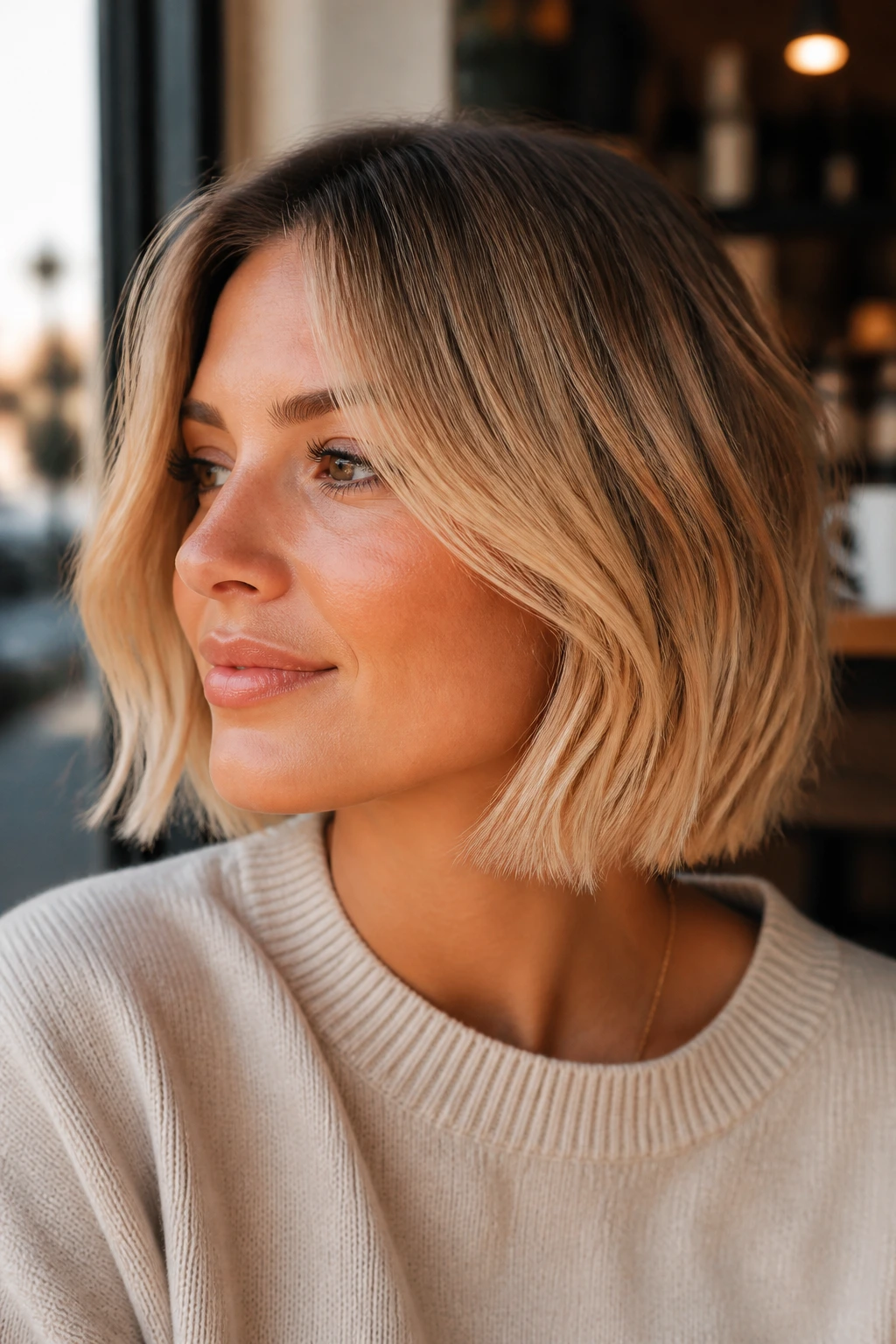
Can warm skin tones wear platinum blonde?
Yes, but platinum needs a little help. A beige or cream gloss, a soft root shadow, or some warmth in the makeup keeps the hair from washing out the face.
What blonde shade looks the most natural on warm undertones?
Honey, wheat, beige-gold, and maple blonde are usually the easiest to wear. They sit close to the warmth already in the skin, so the result feels believable instead of stark.
Does ash blonde ever work on warm skin?
Sometimes, but it usually works best when it’s used as a tiny amount of tone control rather than the whole story. If the ash takes over, the face can look flat.
How do I stop blonde from turning brassy?
Use color-safe shampoo, don’t overwash, and ask for a gloss refresh before the color gets too yellow. A beige toner often fixes dull warmth better than piling on purple shampoo.
Can I go from dark brown to blonde in one appointment?
Sometimes, but it depends on the condition of your hair and how light you want to go. A staged approach is safer if you want to keep the hair strong and avoid rough ends.
Do highlights or all-over blonde look better on warm skin?
Highlights usually give more flexibility. They let you keep depth near the root and place brightness where your face wants it most, which is often more flattering than an all-over pale blonde.
How often will these styles need touch-ups?
Honey, sand, and beige looks can often stretch longer between visits. Platinum, white gold, and very light cream blondes usually need more frequent glossing and root work to stay clean.
What if my hair is curly or very textured?
Use placement to your advantage. Ribbon highlights, halo blondes, and softer face-framing pieces usually show up better than a solid lightened sheet, and they grow out with less drama.
A Blonde That Belongs on Warm Skin
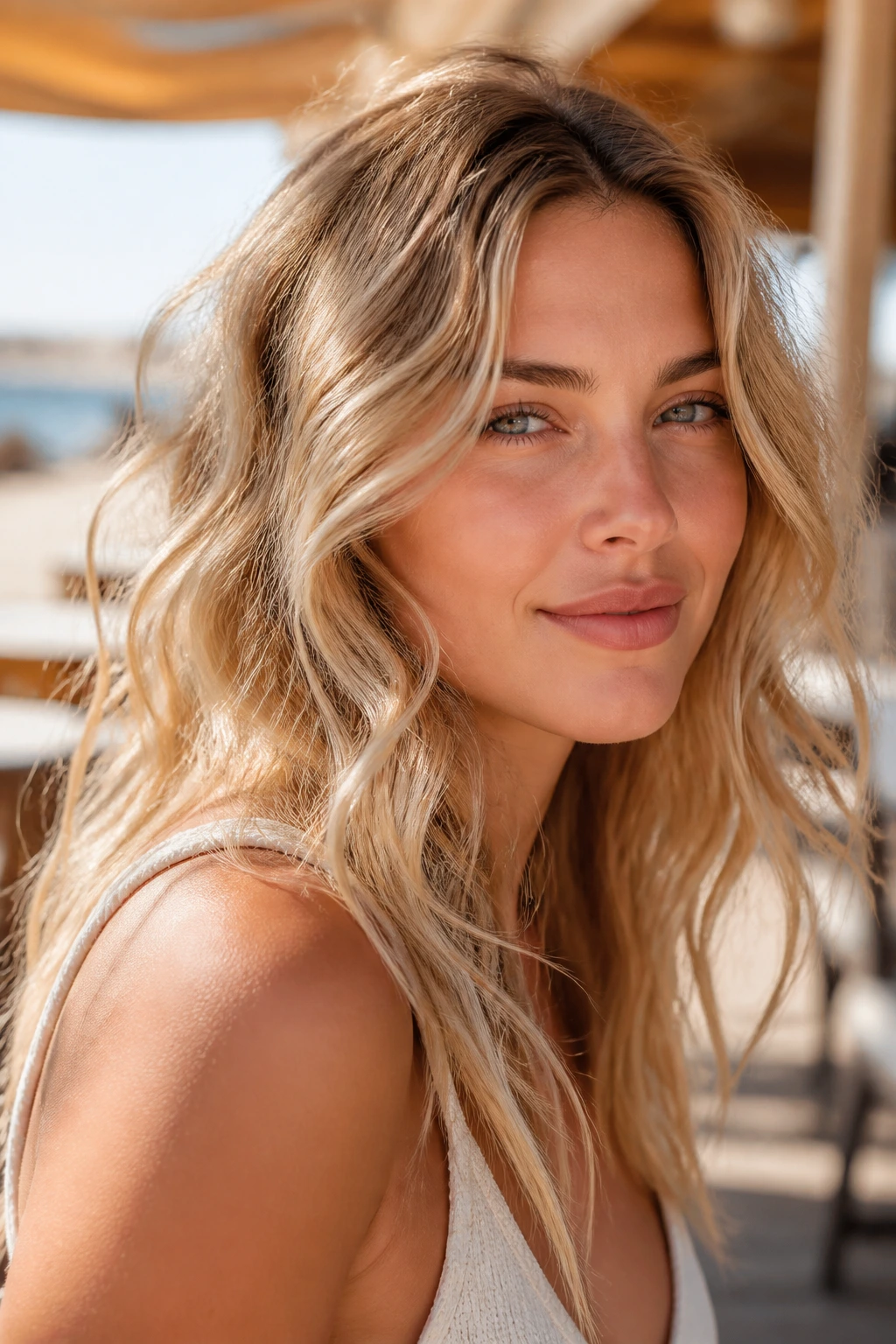
The nicest thing about warm blonde is that it doesn’t have to fight the face. When the tone matches the undertone, the whole look settles down. The hair looks brighter, the skin looks clearer, and nobody spends the afternoon wondering why the color feels slightly off.
That’s why these blonde hairstyles for warm skin tones range from honey money pieces to cream-platinum ponytails. Some stay soft and natural. Some go bold. All of them depend on the same idea: warmth can be refined, beige can be luminous, and platinum can work if it’s handled with a little restraint.
Bring that tone-first mindset to the salon, and the picture gets easier fast. The right blonde doesn’t just lighten your hair. It makes the rest of your face make sense.