



A square face and thin hair can make a bob feel risky in the wrong hands. Stop the cut right at the jaw, leave the ends blunt in the wrong place, and the whole thing can read boxy and flat in one glance. Put a loose wave in the mix, though, and the shape changes fast. The hair gets movement. The jawline gets softened. The outline stops looking like a ruler.
That’s why 25 loose wavy bobs for thin hair and square faces is such a useful lane to explore. The trick is not volume for volume’s sake. It’s shape. A little bend at the cheekbone, a bit of lift at the crown, and a perimeter that doesn’t sit heavy on the jaw can do more than another inch of length ever will.
I’m especially fond of bobs that look good after they’ve settled a bit. The ones that don’t need a perfect round brush pass or a curling session so tight it feels like a prom hairstyle in disguise. Thin hair needs structure. Square faces need softness. The cuts below aim for both, with enough variety that you can find one that suits your texture, your styling patience, and how much edge you actually want around your face.
Why These Bobs Work So Well Together

- The wave breaks the jawline: Loose bends interrupt the straight horizontal line that can make a square face feel broader than it is.
- Thin hair looks fuller when it’s shorter: A bob removes the limp, see-through ends that make fine hair drag itself down.
- The right length matters more than the label: Chin-length, jaw-skimming, and collarbone cuts each change how strong the face frame feels.
- Soft parts change the whole haircut: A side part or an off-center part can shift attention away from the widest part of the jaw.
- Texture does the heavy lifting: You do not need huge curls. A 1-inch wave and a little root lift are usually enough.
- The best versions are easy to restyle: These cuts still look decent on day two with a mist of water, a dab of mousse, and five minutes of effort.
1. Chin-Length French Bob With Soft S-Bends
This is the bob I reach for when I want the haircut itself to do the softening. The length sits just under the cheekbone, not dead on the jaw, and the loose S-bends stop the silhouette from looking square or stiff. On thin hair, that blunt perimeter helps the ends read thicker than they are.
Why It Flatters a Square Face
The chin-length French bob works because it keeps the eye moving. A sharp jaw wants a cut that doesn’t argue with it, and these small bends create that little bit of motion. Ask for a line that stays clean at the bottom, then style with a side part and a gentle wave away from the face.
- Keep the wave loose through the mid-lengths.
- Leave the last half-inch straighter for a fuller-looking edge.
- Use a 1-inch iron, not a large barrel.
- Finish with a dry texture spray, not a heavy cream.
Pro tip: If your hair is very fine, keep the layers minimal and the edge blunt.
2. Collarbone Lob With Side Part Waves
This is the safest bet if you want softness without losing too much length. The collarbone lob gives fine hair enough weight to keep the shape visible, while the side part stops the style from sitting too neatly across the widest part of the face. It’s a little more forgiving than a shorter bob.
I like this cut on people who want movement but hate that chopped-off feeling some shorter bobs can bring. The ends skim the collarbone, so the waves have room to fall instead of puffing up at cheek level. Use a loose bend from mid-shaft down, then tuck one side behind the ear when you want the face to open up a bit more.
3. Blunt Mid-Length Bob With Curtain Bangs
Why does this combo work so often? Because the blunt ends make thin hair look denser, while the curtain bangs split the heavy front edge and soften the square corners of the face. It’s a neat little trick, and it saves the bob from feeling too geometric.
How to Wear It
Curtain bangs should graze the cheekbones, not sit like a heavy shelf. That’s the sweet spot. Style them with a round brush or a medium barrel and let the pieces fall away from the center. The rest of the bob can stay loose and wavy, with the waves beginning around the jawline so the whole cut feels airy instead of helmet-like.
4. Angled Bob That Skims the Chin
A slight angle can be a relief on square faces. The front pieces land a touch longer than the back, so the cut creates a diagonal line instead of a block. That diagonal line is doing real work here. It pulls the eye down and away from the corners of the jaw.
Thin hair benefits too, because the shorter back keeps the crown from collapsing. You get a bit more structure without needing thick, heavy layers. If your hair flips out at the ends, ask for a soft angle, not a severe one. Severe angles can feel dated fast. A mild slant is cleaner.
5. Rounded Bob With Tucked Ends
This is the bob for anyone who wants softness first and drama second. A rounded shape curves inward around the jaw, which is exactly what a square face tends to like. It doesn’t shout. It smooths.
The tucked end matters. Instead of letting the perimeter flare outward, blow-dry the ends slightly under with a round brush. The result is a bob that hugs the face without clinging to it. On thin hair, that inward movement gives the impression of fullness, especially if you finish with a light mist of flexible hairspray and finger-comb the wave apart once it cools.
6. Layered Airy Bob With Invisible Layers
Most people hear “layers” and picture wispy ends that disappear by noon. That’s not what this one is about. Invisible layers sit inside the haircut, not all over it, so the perimeter stays clean while the top gets enough lift to stop the style from falling flat.
This is one of the better options for very fine hair that needs movement without looking shredded. The square face gets a break too, because the internal layers create a little lift around the cheeks instead of a hard shelf at the jaw. Ask for weight removal in the interior, not around the edges. Big difference. Huge, actually.
7. Asymmetric Bob With a Deep Side Part
A side part changes the whole read of a haircut. Make the part deep enough, and the face stops feeling so centered and squared off. Add a slight asymmetry to the bob, and you get a line that feels deliberate rather than symmetrical and severe.
This cut works especially well if one side of your face feels stronger than the other. Hair that is thin on top can also benefit from the lift a deep side part gives the root. Keep the wavy styling loose and directional, pushing most of the bend toward the longer side. The haircut does not need to scream. It just needs to tilt.
8. Textured Shaggy Bob With a Soft Fringe
A shaggy bob can go wrong fast when the layers are too choppy. But with thin hair and a square face, a soft shag gives movement where straight cuts can look stuck. The trick is keeping the texture feather-light and the fringe airy, not heavy.
I like this version for hair that already has a little natural wave. Let the ends move, let the fringe graze the brows, and keep the overall silhouette loose. A touch of mousse at the roots and a salt-free texture spray through the mids will give you separation without that dry, straw-like feel some shag cuts pick up.
9. C-Curl Bob With Face-Framing Pieces
This is a neat shape for anyone who wants the bob to look styled without looking overdone. The C-curl bends the ends under just enough to soften the perimeter, and the face-framing pieces sit where a square face needs them most: around the cheekbones, not right on the jaw.
What to Ask For
- A bob that ends just below the chin.
- Longer front pieces that blend into the wave.
- Soft inward bend at the ends, not a hard roll.
- Light face-framing around the cheekbone and temple.
That little curve keeps the cut from feeling flat. It also gives thin hair a fuller outline, which matters more than people think.
10. Piecey Wavy Bob With Light Ends
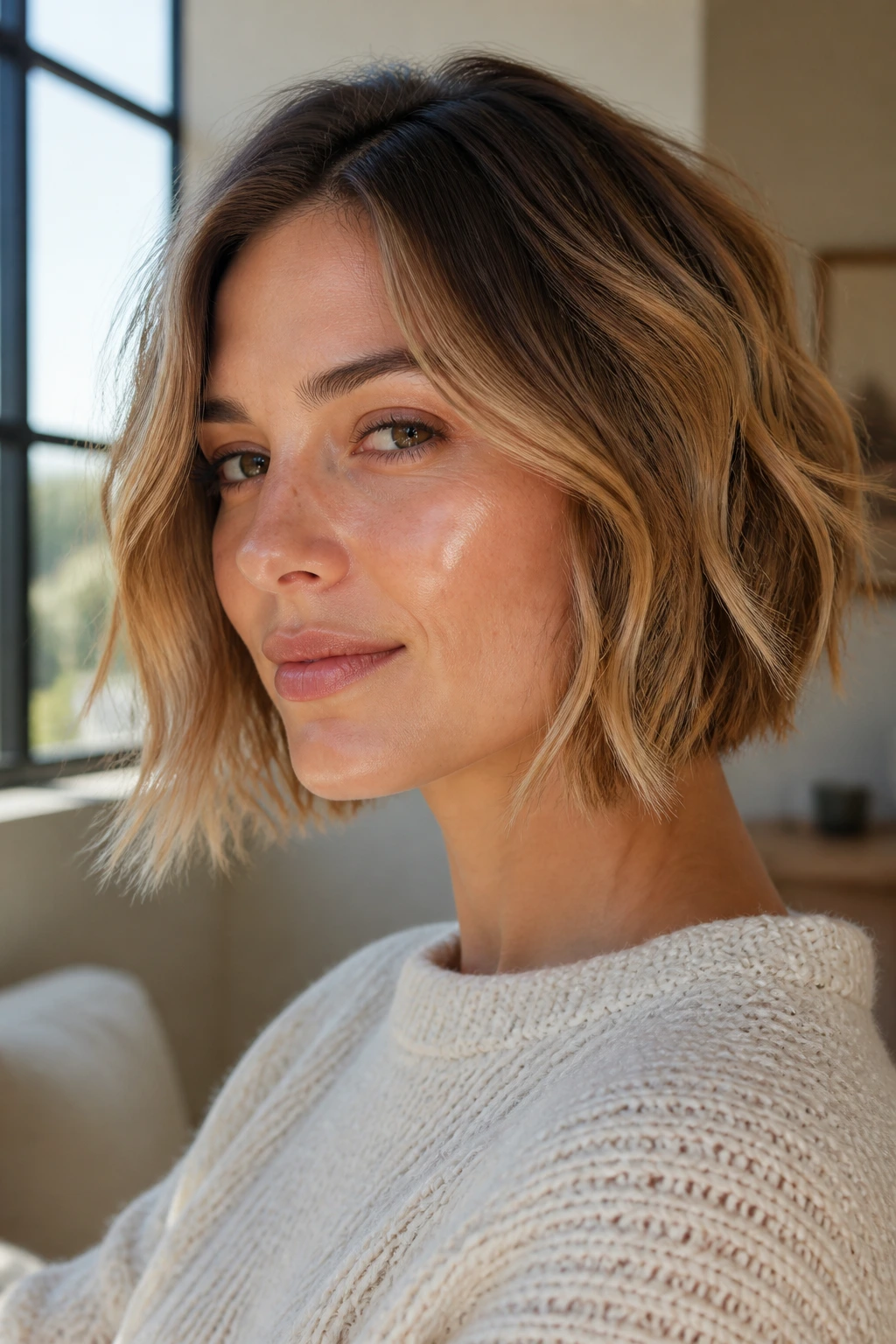
If you want a bob that looks modern without trying too hard, this is the one. Piecey ends make the wave look separated and airy, which keeps fine hair from clumping into one sad ribbon. The shape around a square face stays soft because the edges aren’t blunt and harsh.
The only catch is restraint. Use a tiny amount of styling cream—tiny—and work it through the ends after the hair has cooled. Too much product and the pieces collapse. Too little and the wave falls apart. I’d rather see this bob slightly imperfect than polished into boredom.
11. Neck-Grazing Bob With Bottleneck Bangs

A neck-grazing length gives thin hair just enough swing to move, while bottleneck bangs open up the forehead without cutting a heavy curtain across it. That shape helps square faces because the fringe narrows at the top and softens at the sides.
This is a smart choice if you like fringe but hate blunt bangs. The bangs can be styled with a round brush or a quick bend from a flat iron, then the rest of the bob can stay loose and bent at the ends. The whole point is to create a soft frame with a little lift near the eyes. No heavy helmet energy. Please.
12. Graduated Bob With Lift at the Crown
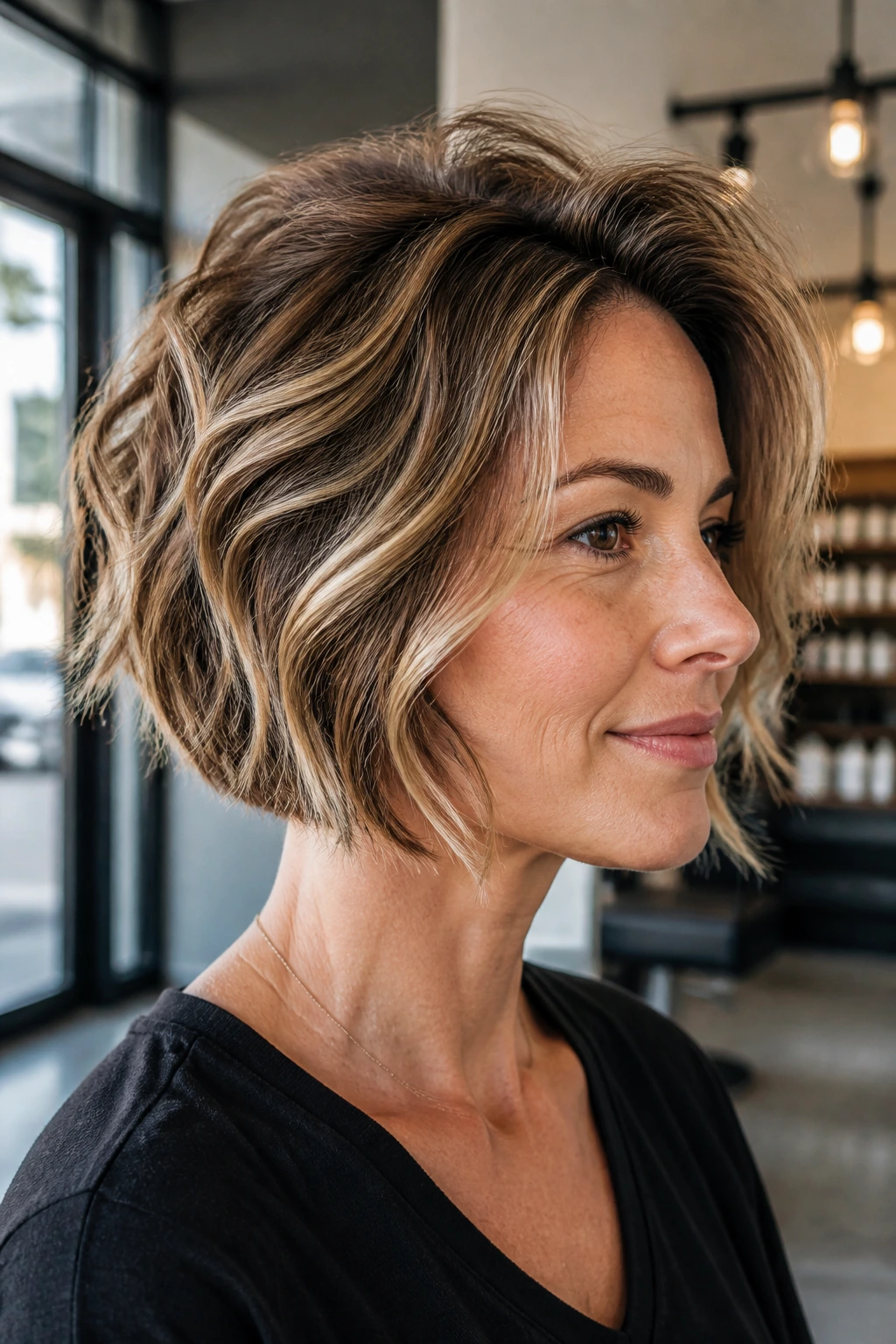
Not every square face needs more length. Sometimes it needs height. A graduated bob—shorter in the back, a touch fuller through the crown—gives thin hair shape where it usually loses it. That lift keeps the haircut from sitting like a flat sheet against the head.
This one works best when the graduation is subtle. You want a modern, clean curve, not a stacked wedge from a decade ago. The waves should stay loose and brushed through, not crimped or too separated. Think of it as a structural bob with a soft finish. Strong shape, gentle texture.
13. Soft A-Line Bob With Loose Barrel Waves
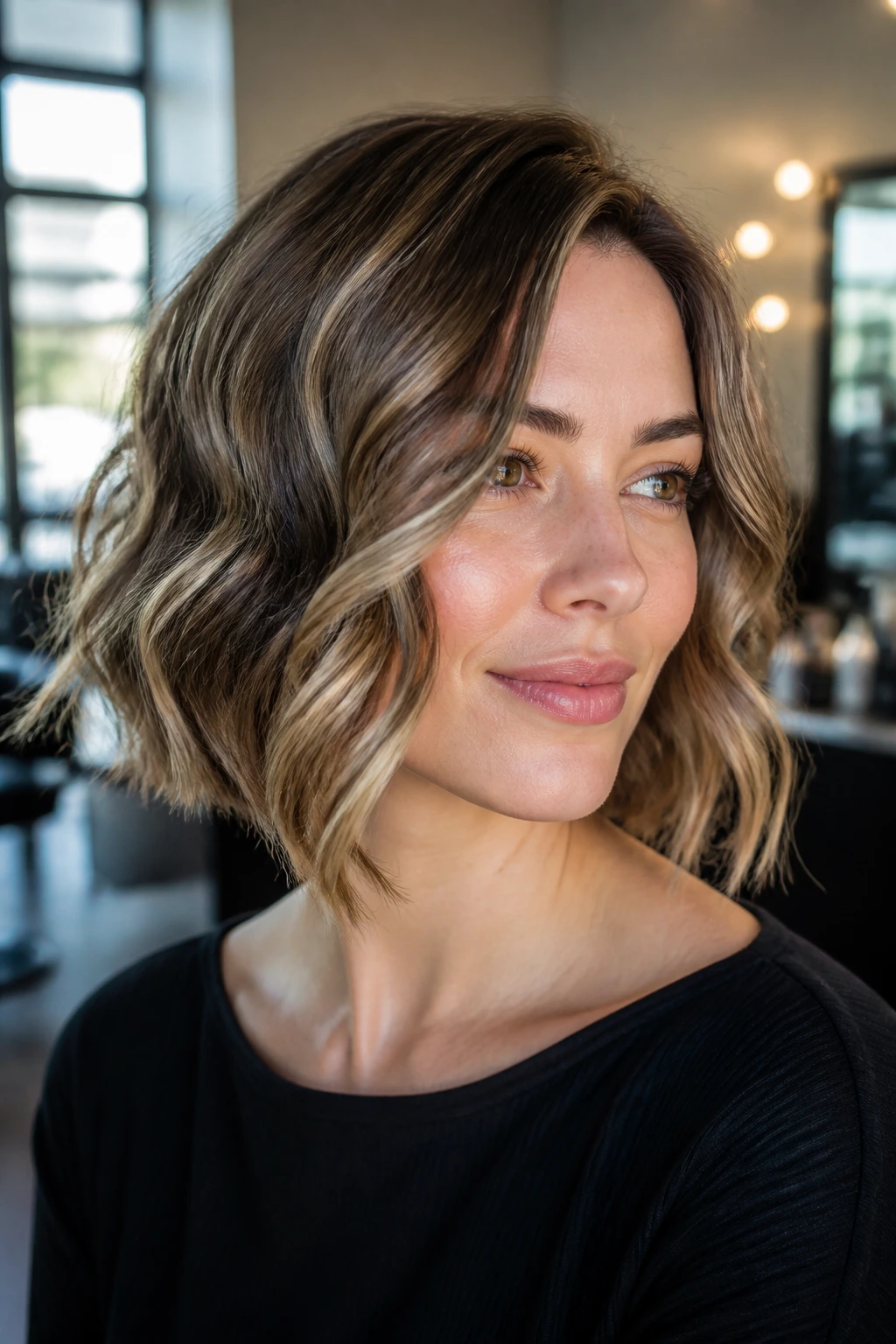
The A-line bob earns its place by building a diagonal from back to front. On a square face, that diagonal helps pull the eye down and away from the corners of the jaw. On thin hair, the shorter back keeps the cut from looking stringy.
Loose barrel waves make it feel less sharp. Wrap the mid-lengths around a 1.25-inch iron, then brush the wave apart so it falls in wide, soft bends. The front pieces should land near the chin or just below it, depending on how much softness you want around the face. It’s one of the cleanest ways to wear a bob without looking severe.
14. Tousled Wedge-Inspired Bob With Modern Softness
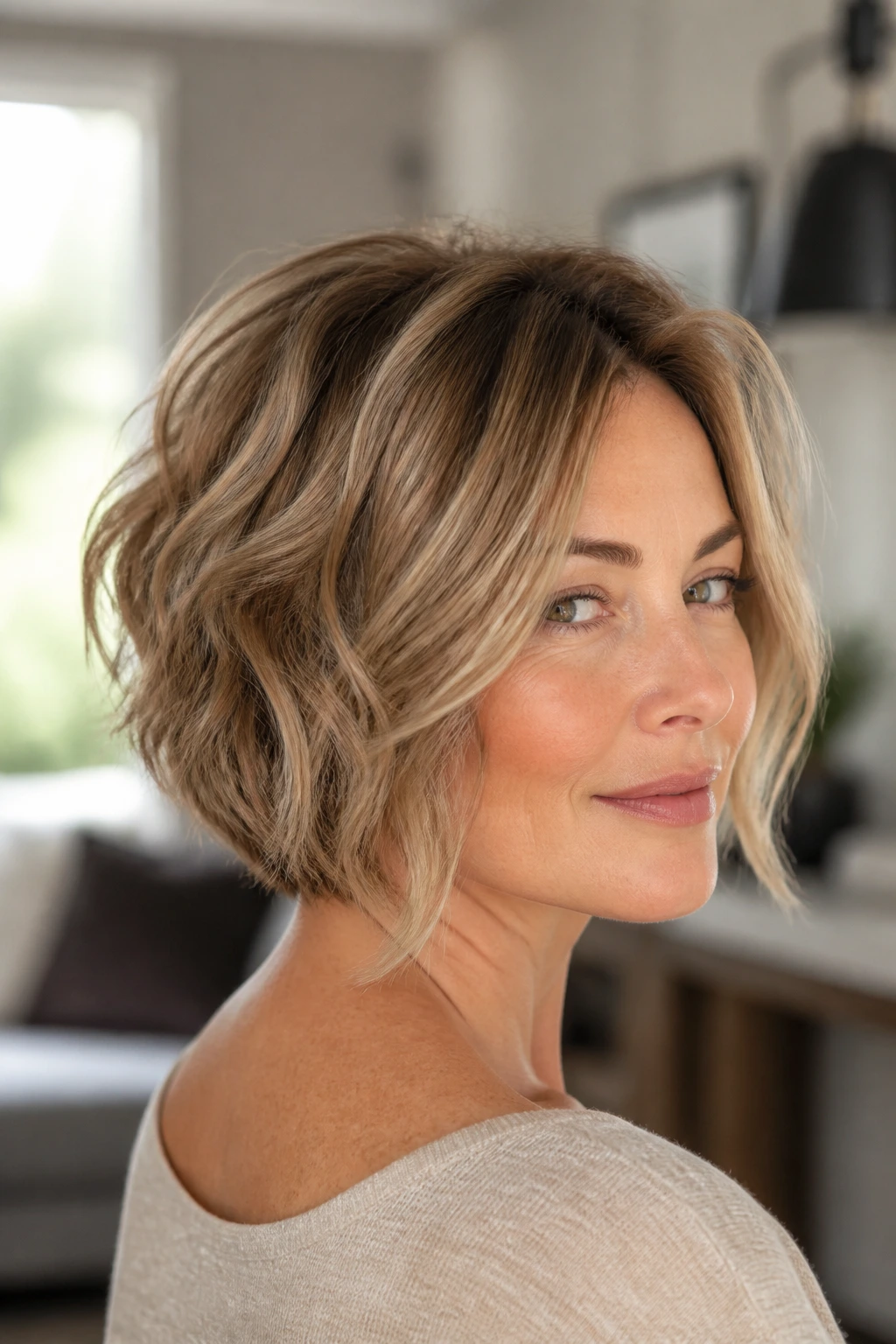
A wedge-inspired bob sounds old-school, and honestly, it can be. But when you soften the back and keep the texture airy, it becomes a clever cut for thin hair. The back gets a neat shape. The sides stay loose enough to blur the square edges of the face.
The key is not overbuilding the crown. Keep the lift modest, and let the waves bend rather than stack. A soft wedge gives you body where you need it, especially if your hair tends to collapse by lunchtime. It’s a little retro, sure, but in the right hands it looks sharp in a good way.
15. Deep Side-Swept Bob With Root Volume
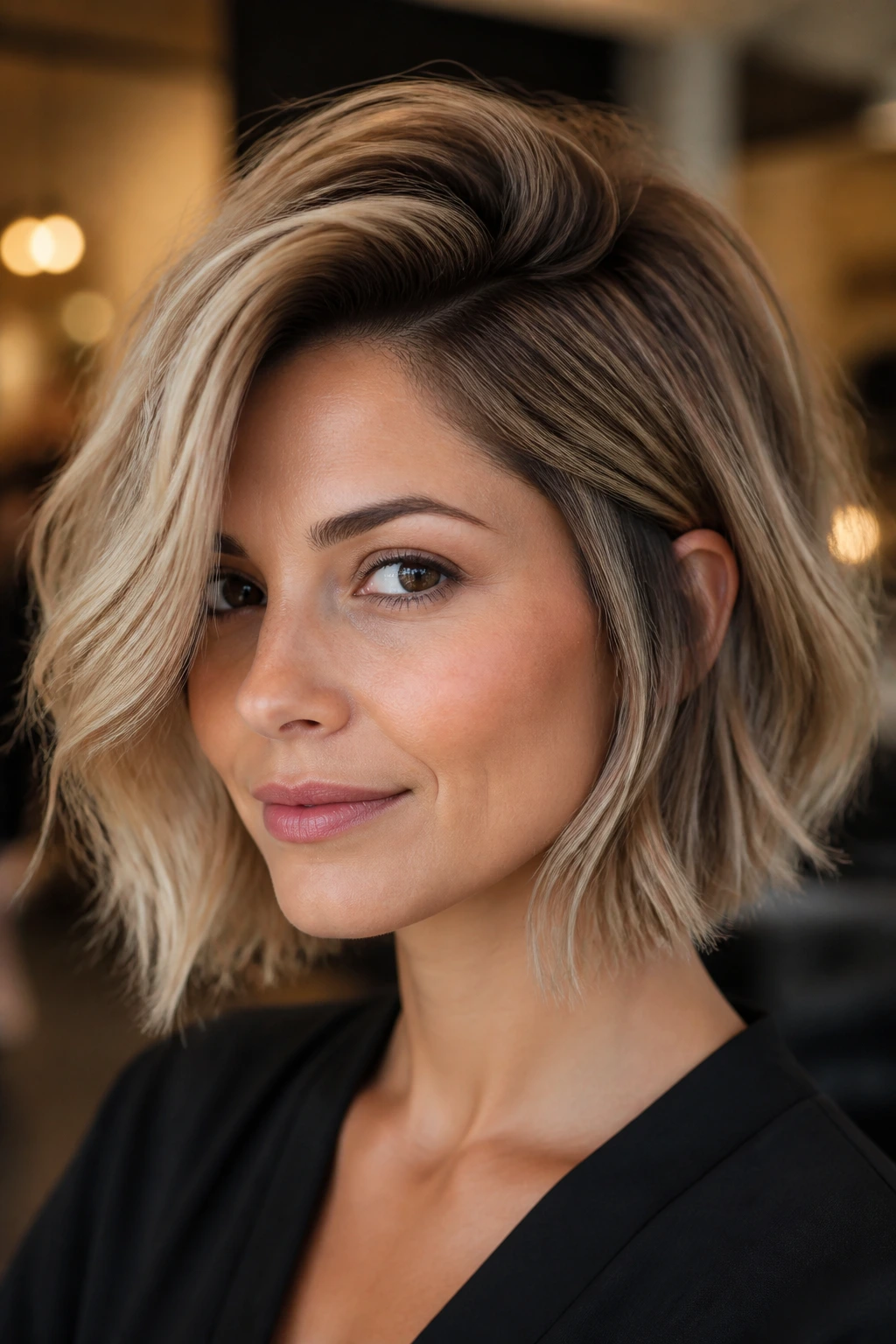
A deep side sweep does two jobs at once. It hides some of the width at the top of the face, and it creates the illusion of thicker roots. That’s useful on thin hair, where the crown can go limp fast and make the whole cut feel smaller than it is.
The bob itself can stay fairly simple. The drama comes from the part, the lift at the roots, and the way the wave falls across the forehead. Use a volumizing mousse at the scalp, blow-dry in the opposite direction first, then flip the part back and let the hair settle. It’s a little old-school. It works.
16. Micro-Layered Bob for Fine Hair

This is the cut for people who know too many layers can be a trap. Micro-layers give thin hair movement without carving the ends into fuzz. The shape stays solid. The square face gets a softer outline because the hair still bends around the jaw instead of hanging like a blunt board.
The difference between micro-layers and over-thinning is huge. Micro-layers are subtle and internal, mostly there to help the bob fold over itself a little. Ask for texture with scissors, not aggressive razor work. If the stylist starts talking about “taking out bulk” in a way that sounds too enthusiastic, slow the conversation down.
17. Jaw-Long Bob With Underturned Ends

A bob that hits near the jaw sounds risky on a square face, and yes, it can be. The fix is in the finish. Underturned ends curve inward just enough to blur the shape of the jaw rather than echo it.
Thin hair likes this cut when the line stays crisp. You get density at the edge and softness from the bend. Dry it with a round brush or add a quick inward curve with a flat iron at the last inch of hair. The move is small. The effect is not.
18. Wavy Bob With Long Curtain Fringe

A longer curtain fringe is a quiet hero on square faces. It lands around the cheekbones, which means it can soften the widest part of the face without chopping the forehead in half. Paired with a wavy bob, it creates a kind of easy drape that suits thin hair better than blunt fringe usually does.
Why It Feels Easier to Wear
The fringe grows out gracefully. That matters. You’re not locked into a strict maintenance schedule, and the whole cut stays flexible as it lengthens. Keep the wave loose from mid-length to end, and let the fringe separate a little instead of forcing it into one perfect sweep.
19. Air-Dried Lob for Natural Wavy Hair

If your hair already has a bend, stop fighting it. A collarbone lob that’s cut for air-drying can be one of the best answers for thin hair and square faces because it uses your own pattern instead of asking for constant heat styling. The face frame stays soft, and the texture feels lived-in instead of forced.
The best version has enough length to keep the wave from puffing out too wide. A touch of leave-in, a light gel, and scrunching at the ends are usually enough. The hair should dry with movement, not stiffness. If it turns crispy, there’s too much product. If it vanishes, there isn’t enough hold.
20. Low-Maintenance One-Length Bob With Hidden Texture

One-length does not mean boring. When the shape is right, a clean bob with hidden texture can look fuller than a heavily layered cut, especially on fine hair. The weight line stays visible, which helps the ends look dense.
The square face benefit comes from the texture being tucked underneath rather than carved into the perimeter. That way the hair softens as it moves, but the outline remains strong enough to hold its shape. This is one of my favorite cuts for people who want the easiest possible grow-out. It looks neat even when it’s a little overdue for a trim.
21. Side-Banged Bob With Crown Lift
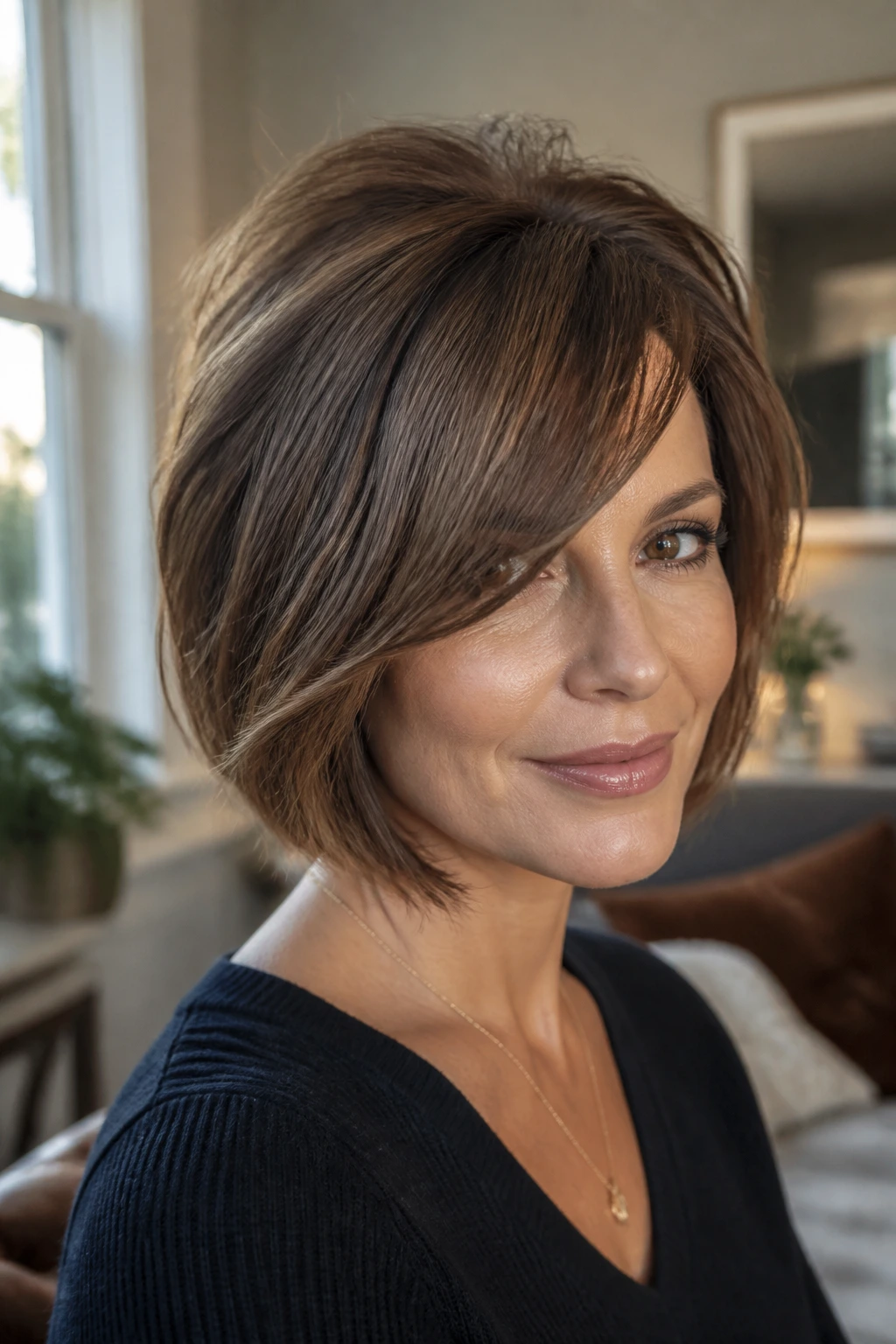
A side bang changes the visual center of the haircut. It pulls attention diagonally across the face, which is one of the simplest ways to soften a square jawline. Add a little crown lift, and thin hair gets the volume it usually loses up top.
This cut is especially good if your forehead feels wide or if center parts make your hair lie too flat. Keep the side bang long enough to blend into the bob, then give the roots a quick lift with a round brush or velcro roller while they cool. The finish should feel easy, not shellacked.
22. Softly Razored Bob With Feathered Perimeter

A razor cut can be lovely or disastrous. There’s no middle ground if the hand is heavy. On thin hair, the safe version is a softly razored perimeter that feathers the ends just enough to give movement without shredding them into wisps.
The shape around a square face stays gentle because the feathering blurs the hard edge of the bob. Ask for only light razor work at the perimeter, then keep the interior mostly intact. If the hair is very fine, too much razor work will leave the ends looking see-through by the second week. That’s the catch. And it’s a real one.
23. Brushed-Out Glam Bob With Loose Hollywood Waves
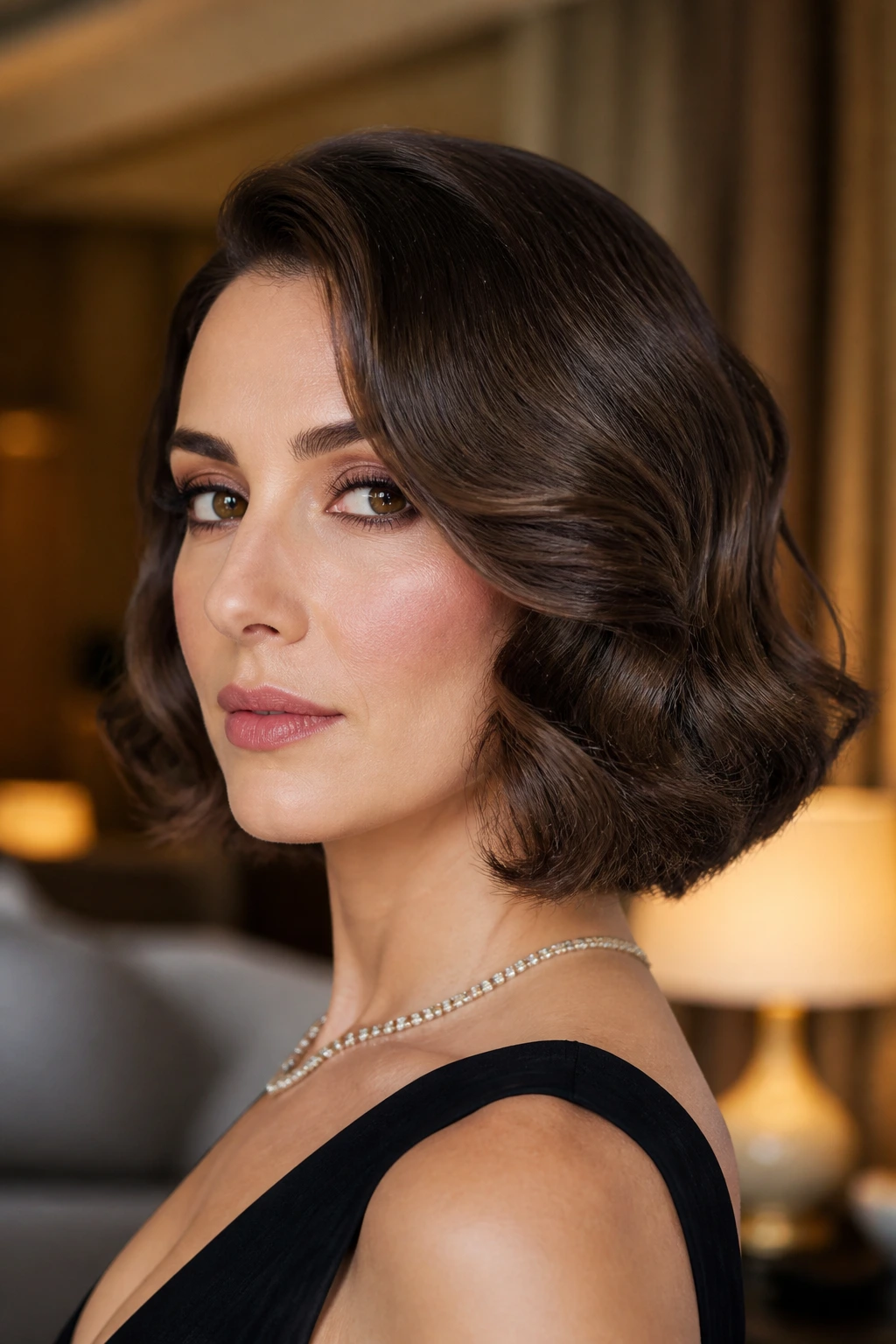
Sometimes the answer is polish. A brushed-out wave gives thin hair a fuller, smoother outline than a tighter curl ever will, and it softens the square face by turning every angle into a curve. The style reads refined without needing extra length.
This is the bob I’d choose for events, dinners, or any day you want the hair to look intentionally done. Curl the sections, let them cool fully, then brush them out with a boar bristle brush or wide paddle brush. Finish with a flexible spray. If the waves look a little too perfect, rake a finger through the front and mess them up just a touch. Better.
24. French-Girl Bob With Minimal Layers

A French-girl bob is less about perfection and more about believable movement. Minimal layers keep the density where thin hair needs it, while the loose wave stops the face from looking boxed in. It’s a bob that can be slightly undone and still look like a choice.
The square face part is handled by the softness around the sides. Keep the length somewhere between the chin and the top of the neck, and let a little wave swing toward the cheekbones. Don’t overstyle it. The charm is in the understatement, even if that word gets abused everywhere else. Here it actually fits.
25. Swingy Bob With Collarbone-Grazing Front Pieces

A swingy bob with longer front pieces gives you movement in the front and density in the back. That’s a smart arrangement for thin hair, because the silhouette feels fuller than a uniformly short cut. The collarbone-grazing front pieces also soften a square face without crowding the jaw.
What Makes It Feel Balanced
The shorter back keeps the shape tidy. The longer front pieces create swing and a little visual length. Style the ends with a loose bend, not a full curl, so the cut moves when you turn your head. If you want a bob that doesn’t feel trapped in one position, this is the one I’d point to first.
Why Loose Waves Beat Flat Ends on a Square Face
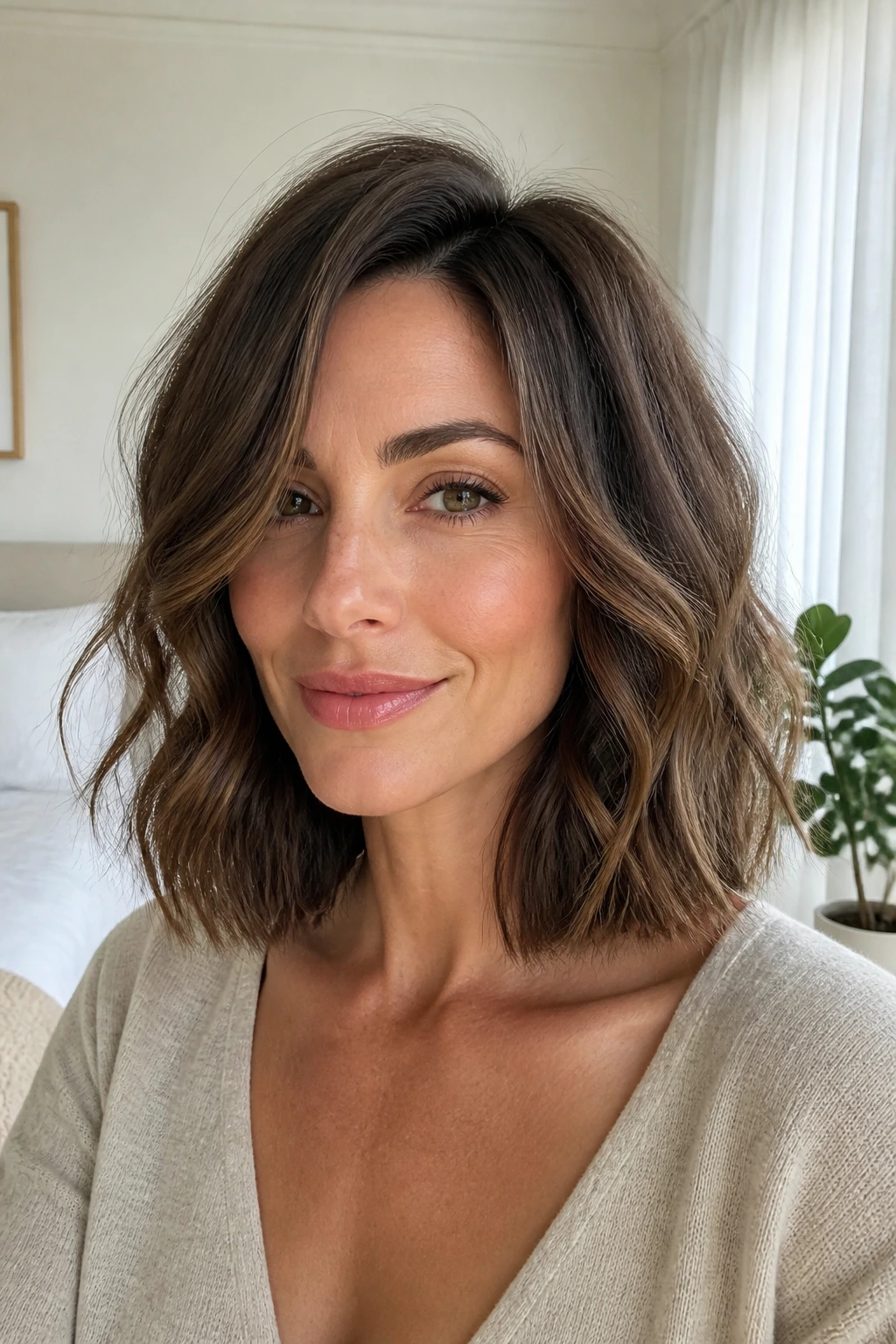
A square face usually looks best when the hair breaks up the hard points instead of repeating them. Flat ends landing at the jawline can make the face seem broader, because the haircut and the bone structure start echoing each other. Loose waves interrupt that pattern. They create a softer edge, and they let the eye drift instead of stopping at the corners.
Thin hair changes the equation too. You do not have a lot of density to waste, so a cut that’s too layered can hollow out the perimeter and leave the bob looking sparse. A loose wave helps keep the outline visible. That little bit of bend makes the hair read thicker, especially around the cheeks and chin where the shape matters most.
The sweet spot is usually a cut that sits just off the jaw or a touch below it, with wave placed in the mid-lengths rather than packed at the roots. If the root is too puffy, the face can look wider. If the ends are too straight, the bob can feel severe. The balance is in between. Annoyingly simple. Also true.
What to Tell Your Stylist at the Chair
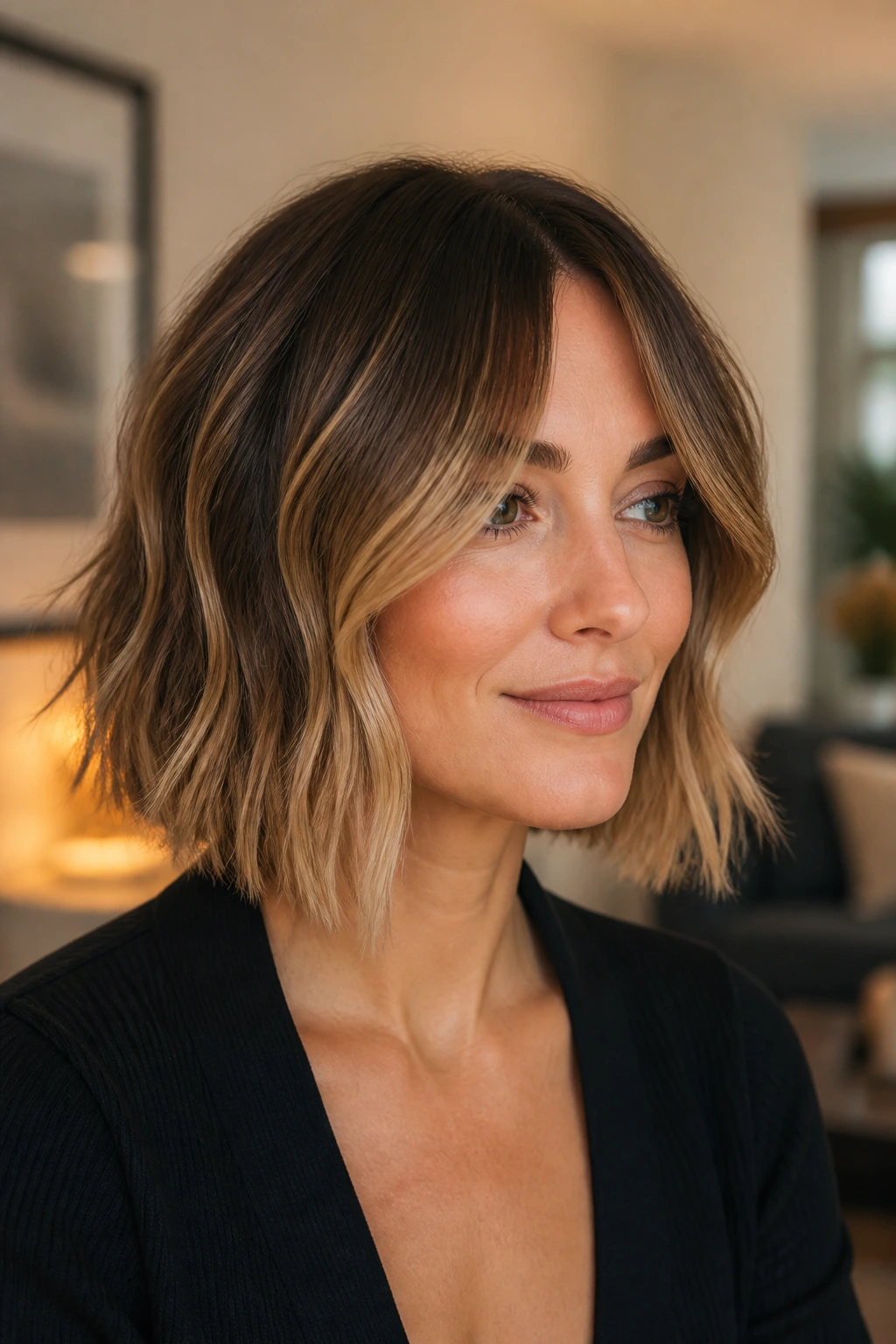
Bring reference photos, yes, but bring the right ones. Look for photos where the model has the same hair density and a similar jawline. A thick-haired bob on a square face will lie differently from a fine-haired one, even if the shape seems close enough on your phone screen.
Say what you want the edges to do. Blunt but soft is a useful phrase. It tells the stylist you want enough density to keep the ends full, but not such a hard line that the cut sits like a shelf. If you want bangs, say whether you mean curtain bangs, bottleneck bangs, or a long side sweep. Those are not small details. They change the haircut.
A few useful chair-side phrases:
- “Keep the perimeter full, but not heavy.”
- “I want movement around the cheekbone.”
- “Please don’t thin the ends too much.”
- “The wave should soften the jaw, not sit on it.”
Essential Tools for Styling These Bobs
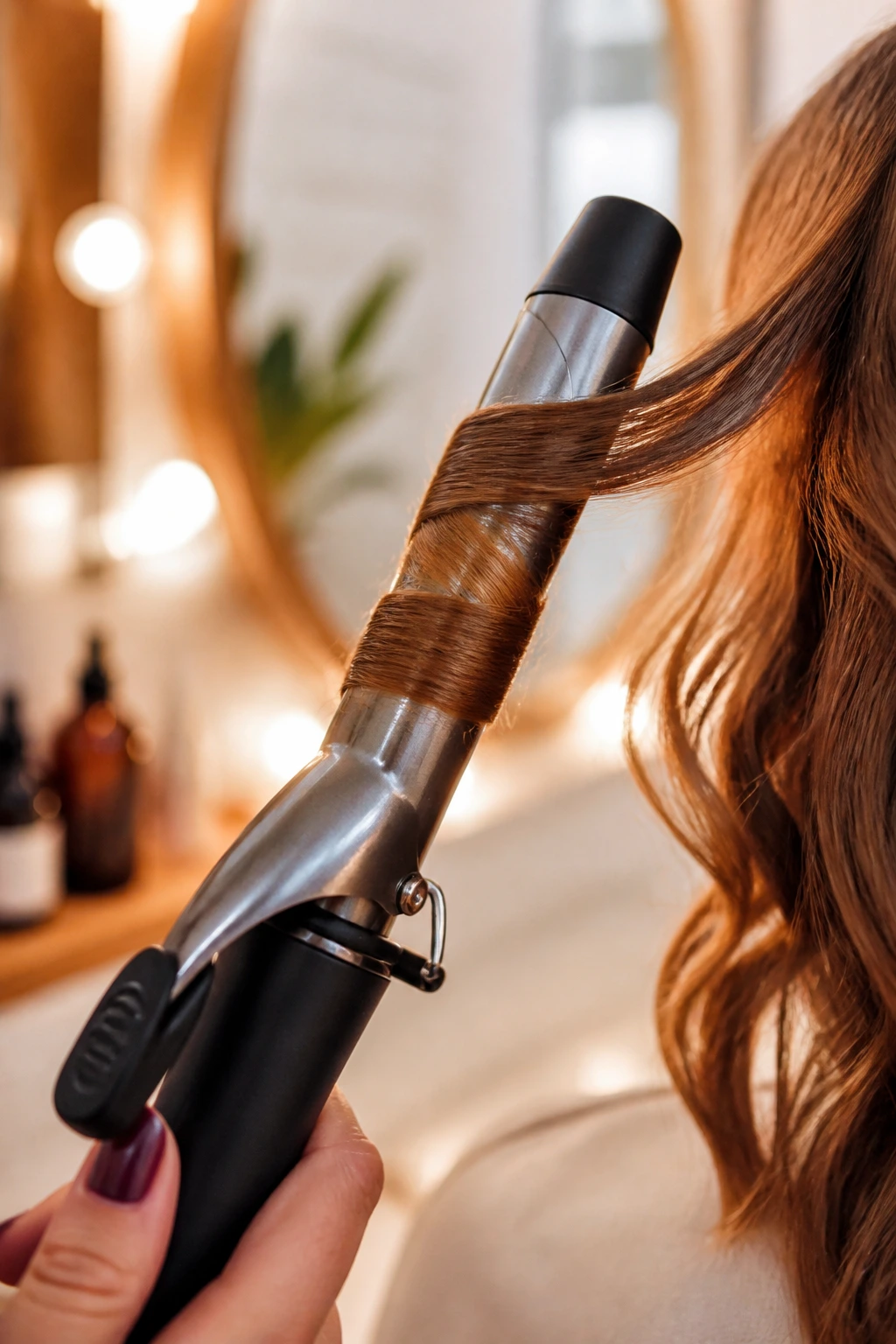
- 1-inch curling iron or wand: Best for the loose bends that suit thin hair without creating tight curl ringlets.
- Heat protectant spray: Fine hair burns faster than people expect, so this is not optional if you use hot tools.
- Volumizing mousse: Apply it at the roots before blow-drying to keep the crown from collapsing.
- Round brush, 1.5 to 2 inches: Handy for bending ends inward or creating a soft lift at the front.
- Blow dryer with a nozzle: The nozzle helps aim airflow so the bob dries smooth instead of frizzy.
- Duckbill clips: Useful for setting a side part or pinning the crown while it cools.
- Texturizing spray: Adds separation to loose waves without the sticky finish of old-school hairspray.
- Lightweight finishing cream: Use sparingly on the ends only; too much will flatten fine hair fast.
- Dry shampoo: A lifesaver for keeping the roots airy between washes.
- Wide-tooth comb or finger comb: Better than a brush when you want to keep wave shape intact.
How to Style These Bobs on Ordinary Mornings

Root Lift: Start at the scalp. Thin hair looks better when the root is awake, not when the ends are overloaded with product. A small puff of mousse at the crown and a quick blow-dry in the opposite direction of your part can change the whole shape in under two minutes.
Wave Direction: Curl pieces away from the face around the cheekbone, then alternate direction through the back if you want a looser, less “set” look. Keep the ends a little straighter if you want the bob to look thicker at the edge. That single choice matters more than adding another product.
Finish: Let the waves cool before you touch them. Seriously. A lot of flatness comes from fingers going in too early. Once the hair is set, use just enough texturizing spray to separate the mid-lengths and leave the perimeter clean.
Day-Two Reset: Mist the hair lightly with water, twist a few sections around your fingers, and pin the front pieces while you do makeup or get dressed. The bob will usually wake back up on its own.
Common Mistakes That Make a Bob Too Harsh

Cutting the bob exactly at the jaw is the big one. On a square face, that lands like an underline. The fix is simple: go a little above the jaw or a little below it, then soften the front with movement.
Over-thinning the ends is another problem. Thin hair does not need to lose more of itself. If the perimeter gets shredded, the bob starts looking wispy by midday. Ask for fullness at the line and keep texture subtle.
Too much product can flatten the whole thing. Heavy oils, thick creams, and sticky serums make fine hair cling together. If the wave disappears after styling, back off the product and focus on root lift instead.
And then there’s the curl pattern itself. Tight, uniform waves can widen the face in a way people do not expect. Loose, brushed-out bends are easier on square features because they create softness rather than a puffy halo.
Variations and Adaptations to Try
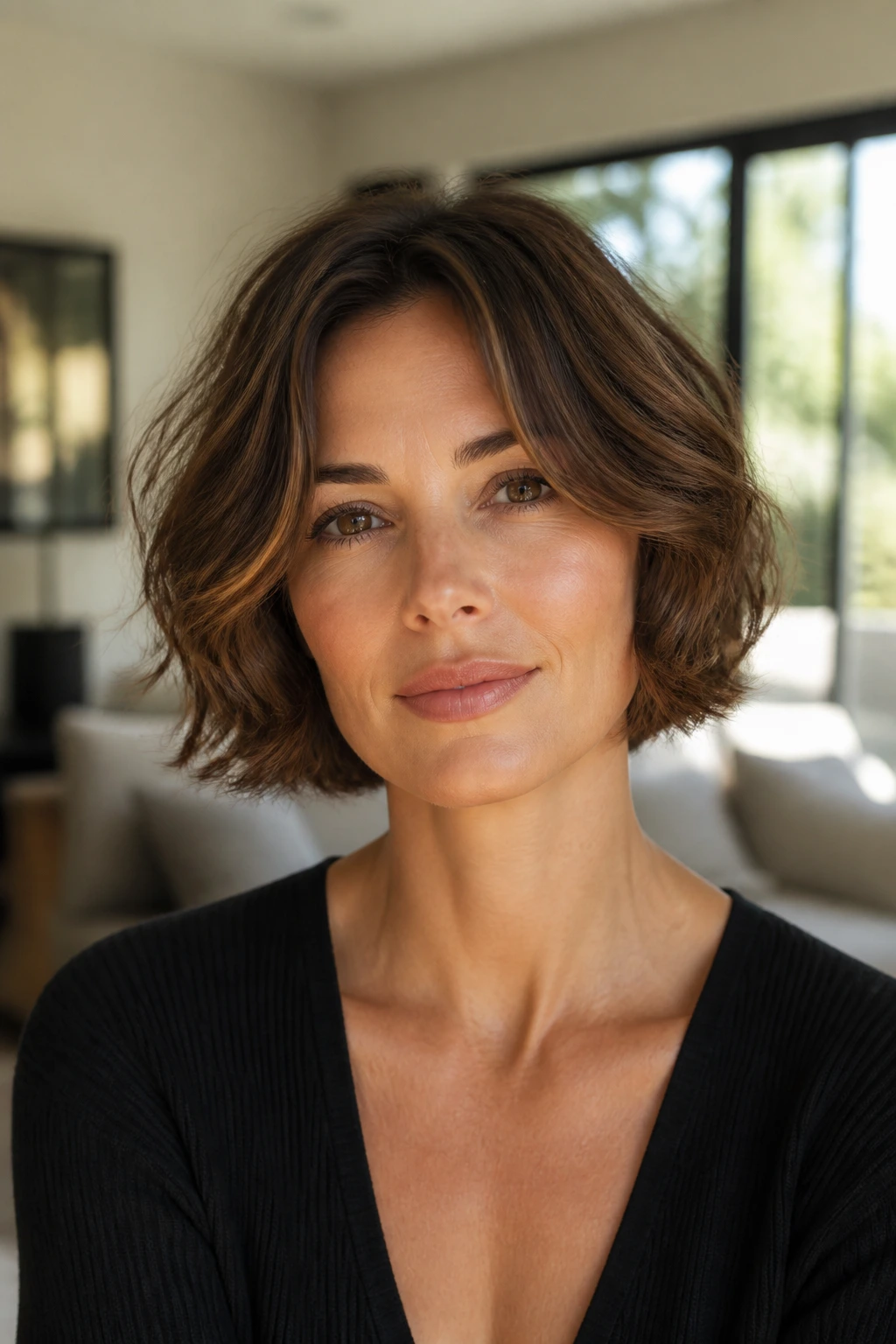
The Ultra-Fine Hair Fix: If your hair is very sparse, keep the cut shorter and the layers minimal. A blunt line with a touch of wave will usually look denser than a heavily textured shape.
The Natural-Wave Version: Let your own bend do the work. Ask for a cut that sits a little longer than your shortest wave so shrinkage doesn’t push it above the jaw.
The Glasses-Friendly Shape: Choose longer front pieces and a side part so the frame of your glasses doesn’t fight the haircut. A heavy fringe can crowd the face fast.
The Low-Maintenance Grow-Out: Start with a collarbone lob and soft interior texture. It grows out in a more forgiving way than a sharp chin-length bob and still keeps movement.
The Polished Event Version: Brush the wave out almost completely and keep the ends tucked slightly under. The shape feels smoother, fuller, and a little more formal without turning stiff.
Keeping the Cut Fresh Between Trims

Fine hair loses its shape faster than thick hair, so trim timing matters. For most of these bobs, a 6- to 8-week trim schedule keeps the edge from dropping into that awkward, half-grown state where the ends look stringy. If your hair grows fast or your wave pattern changes a lot as it lengthens, closer to 6 weeks is better.
Wash rhythm matters too. If your roots flatten quickly, a dry shampoo on day two or day three can keep the crown from collapsing. Use it at the roots, let it sit for a minute, then massage it in with fingertips. Don’t spray the ends. That just dries out the part that needs the most help.
Sleep helps more than people admit. A silk pillowcase or a loose clip at the crown can keep the front pieces from getting bent into weird angles. If you heat-style often, keep the iron on the lower end of the range—around 300°F to 325°F is usually enough for fine hair. More heat than that often creates more breakage than wave.
Questions People Ask Before Taking the Chop

Will a wavy bob make a square face look wider?
Not if the length and wave are placed correctly. Keep the shape off the exact jawline and use soft bends rather than big puffed-out curls.
Should thin hair get layers?
Yes, but lightly. Internal layers or micro-layers can build movement, while too much chopping at the ends makes the bob look sparse.
Do curtain bangs work on fine hair?
They do, if they’re kept airy and not too thick. Curtain bangs help soften the forehead and cheek area without stealing too much density from the rest of the cut.
Can I air-dry a loose wavy bob?
Absolutely, especially if your hair already has a wave. Use a light leave-in and a small amount of gel or mousse so the shape doesn’t dry limp.
What if my waves fall flat by lunchtime?
That usually means the roots need more support. Start with mousse at the scalp, rough-dry the roots first, and use less cream on the ends.
Is a center part bad for square faces?
Not always, but it can emphasize symmetry in a way some square faces don’t love. A slight off-center part often feels softer and more forgiving.
How short is too short for thin hair?
If the bob sits exactly on the jaw and the ends are heavily thinned, it can go sparse fast. A little length below the jaw or a careful blunt edge usually looks better.
Can I still tie it back?
Yes, if you leave some front length. Collarbone lobs and longer bob shapes are easier to tuck, clip, or half-up without fighting the cut.
A Bob That Softens Instead of Hardens
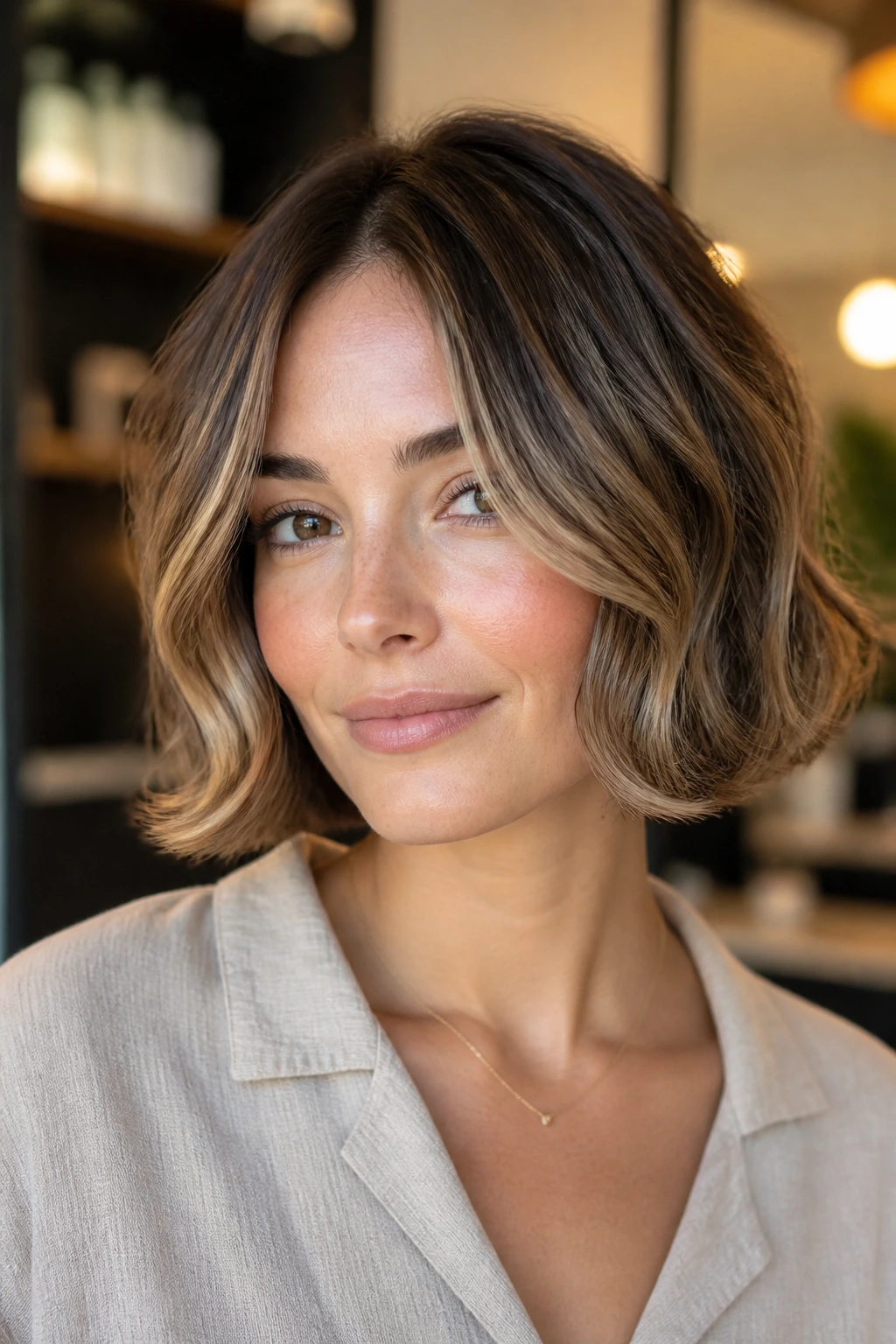
The best loose wavy bob for thin hair and square faces does two jobs at once: it gives fine hair a fuller outline and it turns strong facial angles into something softer and easier on the eye. That’s the whole game. Not hiding the face. Working with it.
If you’re sitting between two lengths, I’d usually lean a little longer in front and a little softer around the jaw. That extra inch can make the difference between a bob that feels blunt and one that feels lived in. Bring in a photo, yes, but also bring the note that matters most: where you want the shape to sit when you’re not doing anything to it. That’s the part that has to hold up on its own.