



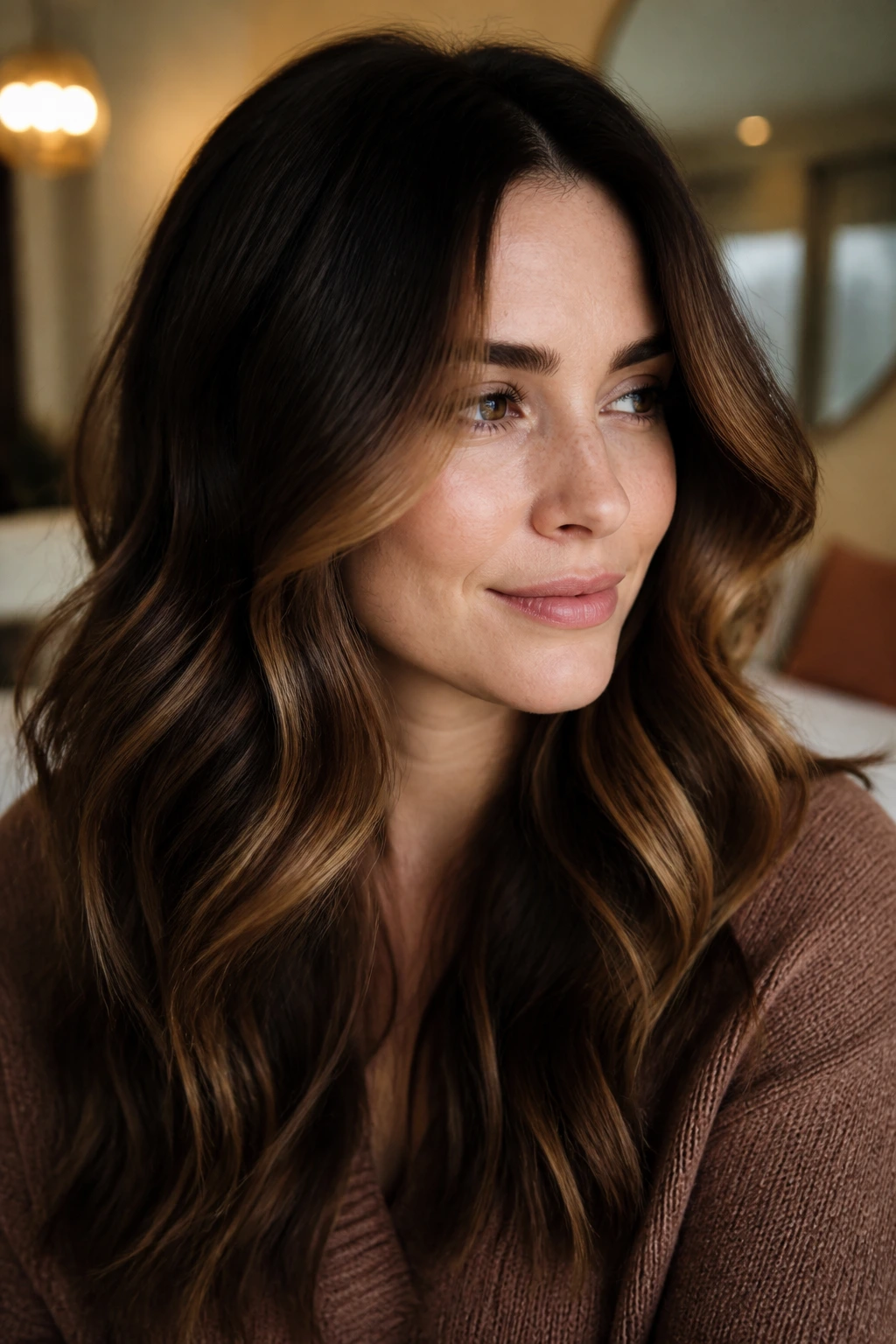
Dark brown caramel balayage for fair skin works best when the caramel stays controlled. Too pale, and the pieces vanish into the base. Too orange, and the whole thing starts arguing with the skin instead of lifting it. The sweet spot is a darker brunette frame with ribbons that look toasted, glossy, and placed where the eye naturally lands — around the face, through the mids, and at the ends where movement gives the color somewhere to live.
That’s the part people miss. Fair skin doesn’t need more and more brightness. It needs contrast with a little warmth, the hair equivalent of a well-made lamp in a pale room: enough glow to keep the space from looking flat, not so much that it turns harsh. When the brown is rich and the caramel is toned to beige, honey, chestnut, or amber, the result feels deliberate instead of loud.
The cut matters more than most salon photos admit. Waves show dimension, yes, but so do curtain bangs, a side part, soft layers, and even a blunt lob if the color is painted with restraint. The best versions of this look don’t rely on volume alone. They use placement, depth, and a good gloss to keep the caramel from drifting brassy after the first few shampoos.
Why This Dark Brown-and-Caramel Combination Works So Well on Fair Skin
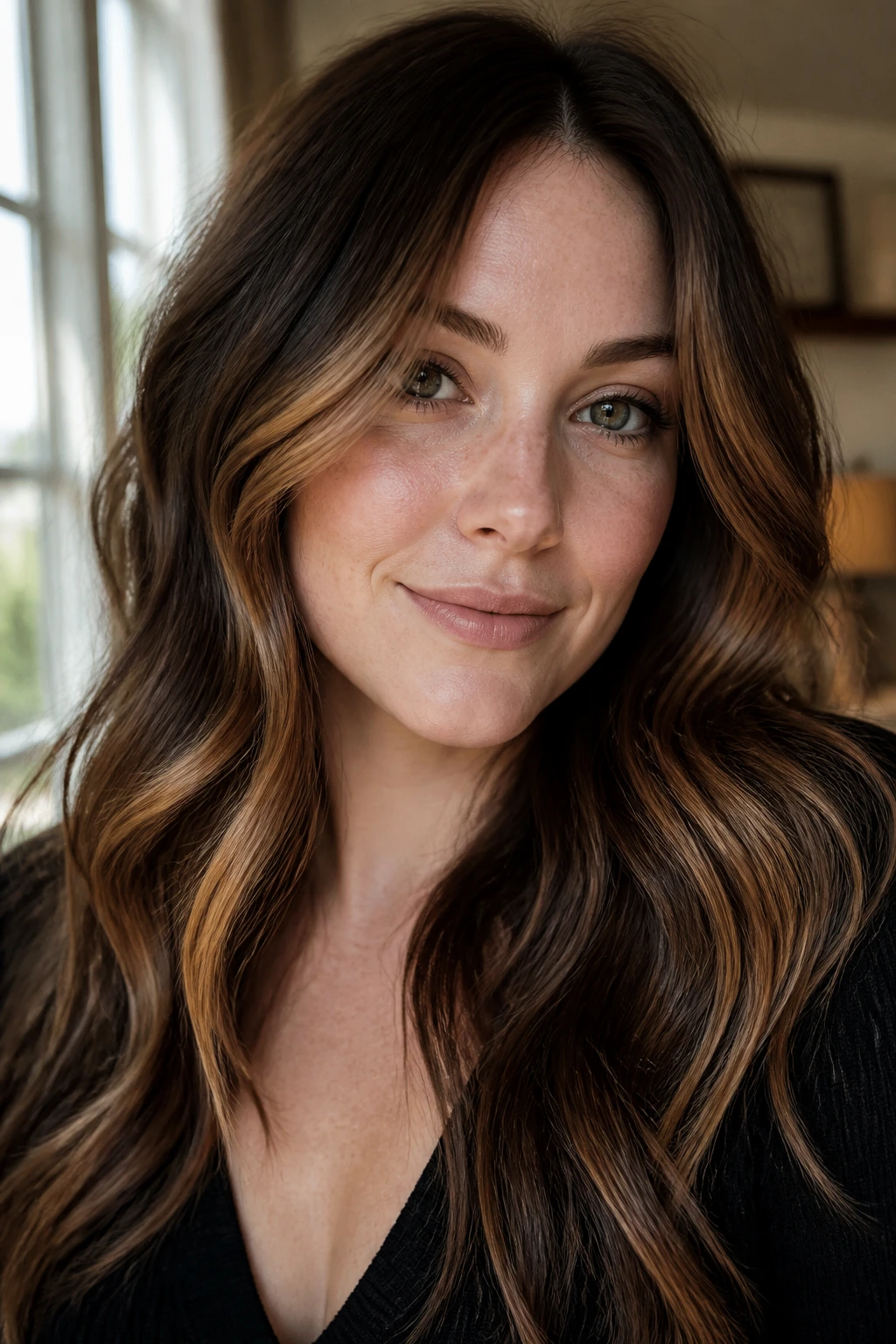
- Soft contrast: A level 4 or 5 brunette base gives fair skin a frame, so the face doesn’t look washed out next to lighter hair.
- Warmth without brass: Caramel can be beige, honey, toasted, or chestnut, which gives you room to match pink, peach, or neutral undertones.
- Better grow-out: Balayage leaves the root shadow soft, so the regrowth line doesn’t cut across the part the way traditional highlights often do.
- Styling payoff: A loose bend or wave makes painted ribbons look richer because the light lands on curves, not flat panels.
- Less salon panic: This color family is easy to describe in practical terms — base level, highlight level, placement, gloss — which makes consultations less vague.
- Room for personality: You can keep it subtle, push it brighter in the front, or lean smoky and muted without leaving brunette territory.
1. Soft Face-Framing Caramel Ribbons
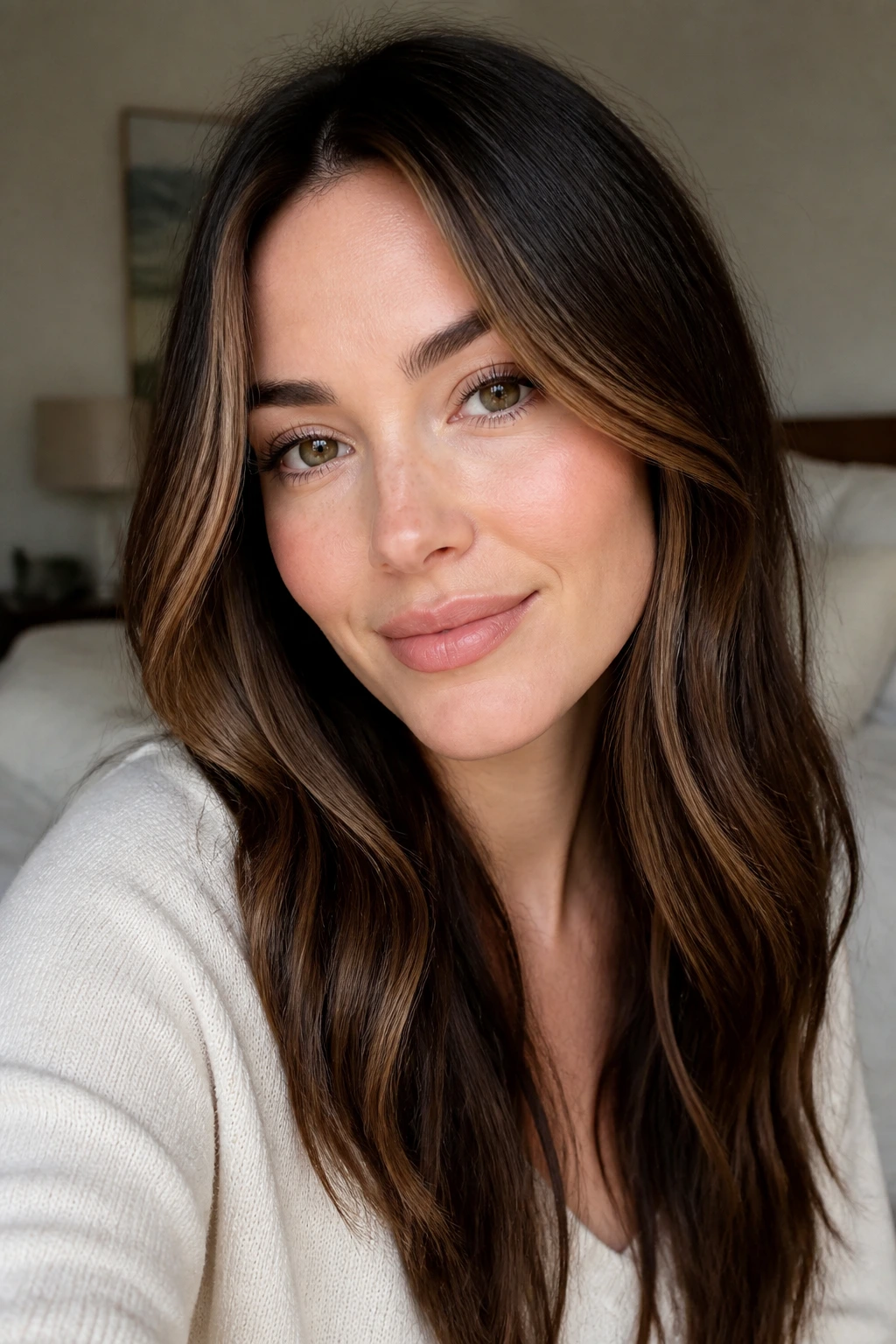
The easiest place to start is the front of the head. A few caramel ribbons around the cheekbones and temples warm fair skin immediately, and they do it without turning the whole color story into a blonde moment. That tiny shift near the face is what keeps the look from feeling heavy.
Ask for a dark brown base through the back and sides, then let the lighter pieces sit just inside the hairline and at the first bend below the chin. I like this version most on fair skin with pink undertones, because the beige-caramel ribbons soften redness instead of feeding it. Keep the light pieces narrow. Thick front streaks can read stripy on pale skin, and stripy is not the goal.
Best way to style it
- Keep the first ribbon at cheekbone height.
- Use a 1.25-inch iron or a round brush to make a loose bend.
- Finish with a light gloss or shine spray, not a heavy oil.
The result should look like the front layers were kissed by light over time, not painted all at once in a hurry.
2. Dark Brown Caramel Balayage with an Espresso Root Melt
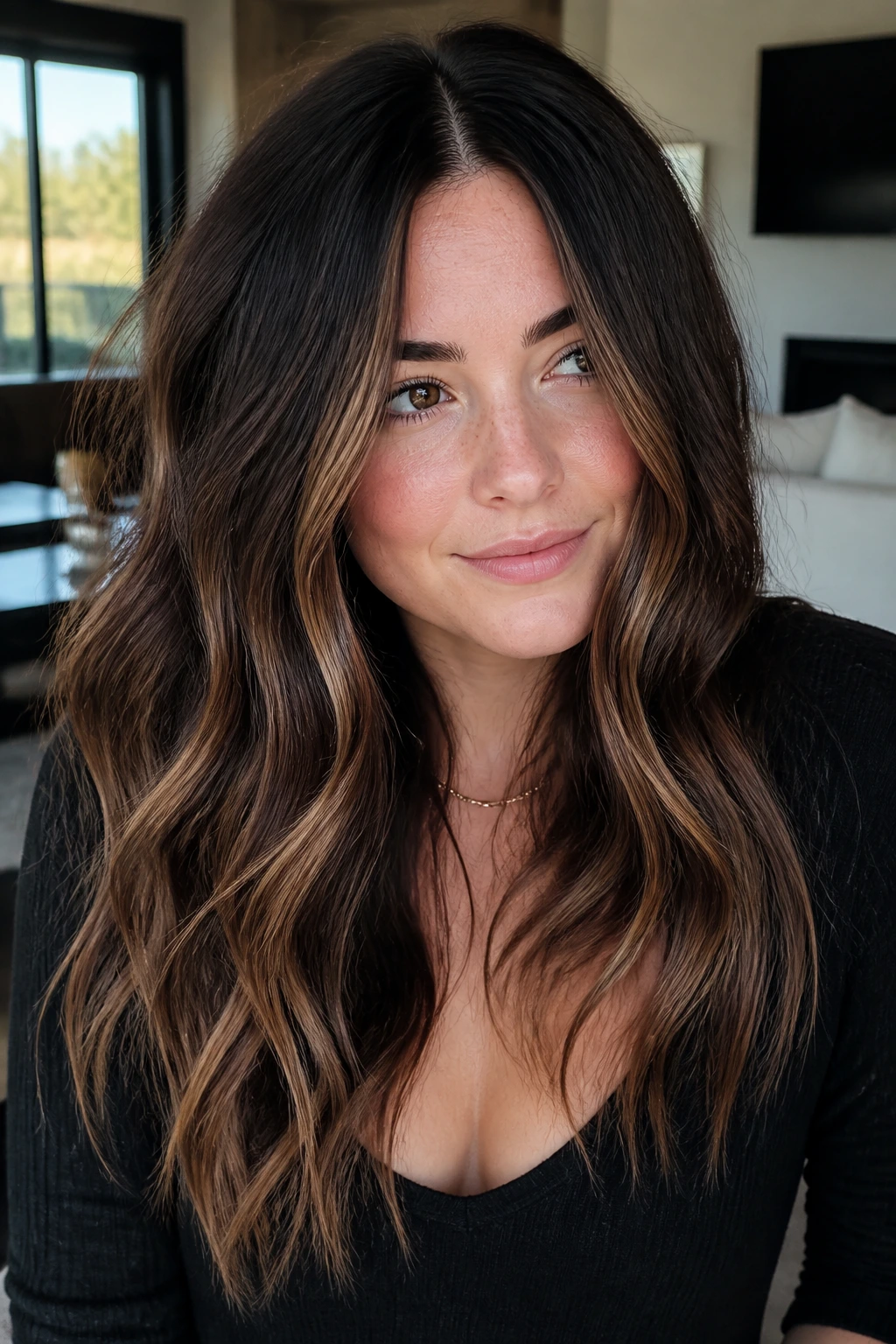
What happens when the base stays nearly espresso-dark and the caramel only wakes up through the mids and ends? You get contrast that feels clean, not sliced up. On fair skin, that root depth keeps the face from disappearing into the hair, which happens more often than people think when brunettes go too light too fast.
A root melt also buys you time. The darker color at the scalp softens the grow-out and gives the caramel a place to start from, instead of dropping lighter pieces right against pale skin and making the whole thing look overexposed. If your hair is naturally a deep brown, this is the one I’d recommend before chasing brighter highlights.
Keep the caramel on the beige side if your skin runs cool or flushes easily. Honey tones work too, but I’d still avoid anything that drifts orange. The finished look should resemble coffee with a spoonful of warm cream — not chocolate milk, not copper.
3. Honey-Glazed Lengths on Long Waves
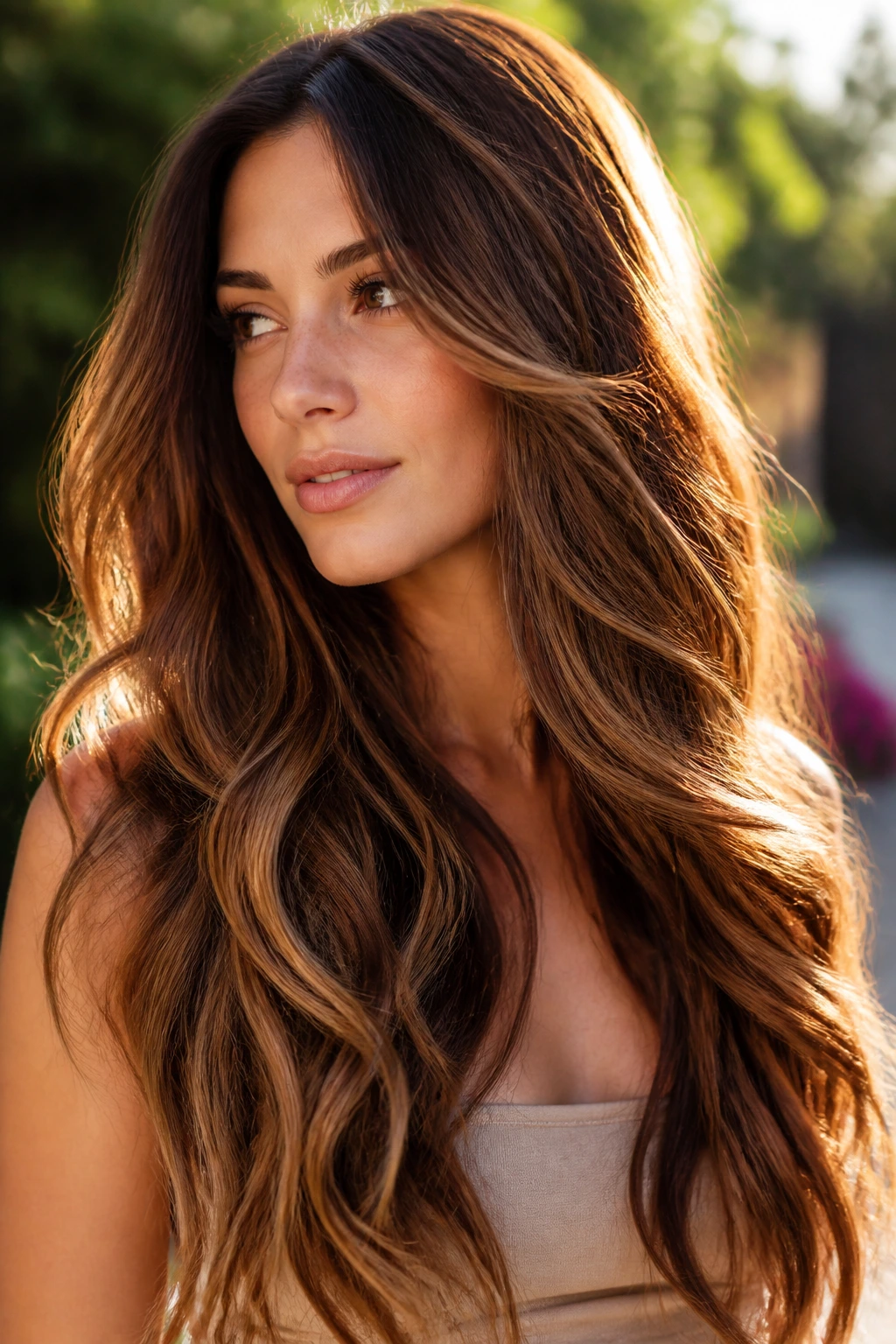
Long hair gives caramel room to travel, and that matters. When the ribbons run from mid-length to ends, the color reads like movement instead of decoration. On fair skin with peach or golden undertones, honey caramel can be the nicest kind of warm: it lights the hair up without forcing the skin to compete.
This version works because it keeps the top darker and lets the lighter pieces open only when the hair bends. Straight, long hair can swallow too much dimension if every section is the same tone. Waves fix that. They break the surface, so the caramel flashes in narrow bands instead of looking like one large light zone.
If you wear long hair down often, ask for a few extra brighter ribbons beneath the top layer. Hidden pieces give the color depth when the hair moves. A soft center part usually suits this placement best, though a slightly off-center part can make the caramel feel more expensive-looking, for lack of a better word.
4. Money Piece Caramel with Feathered Front Layers
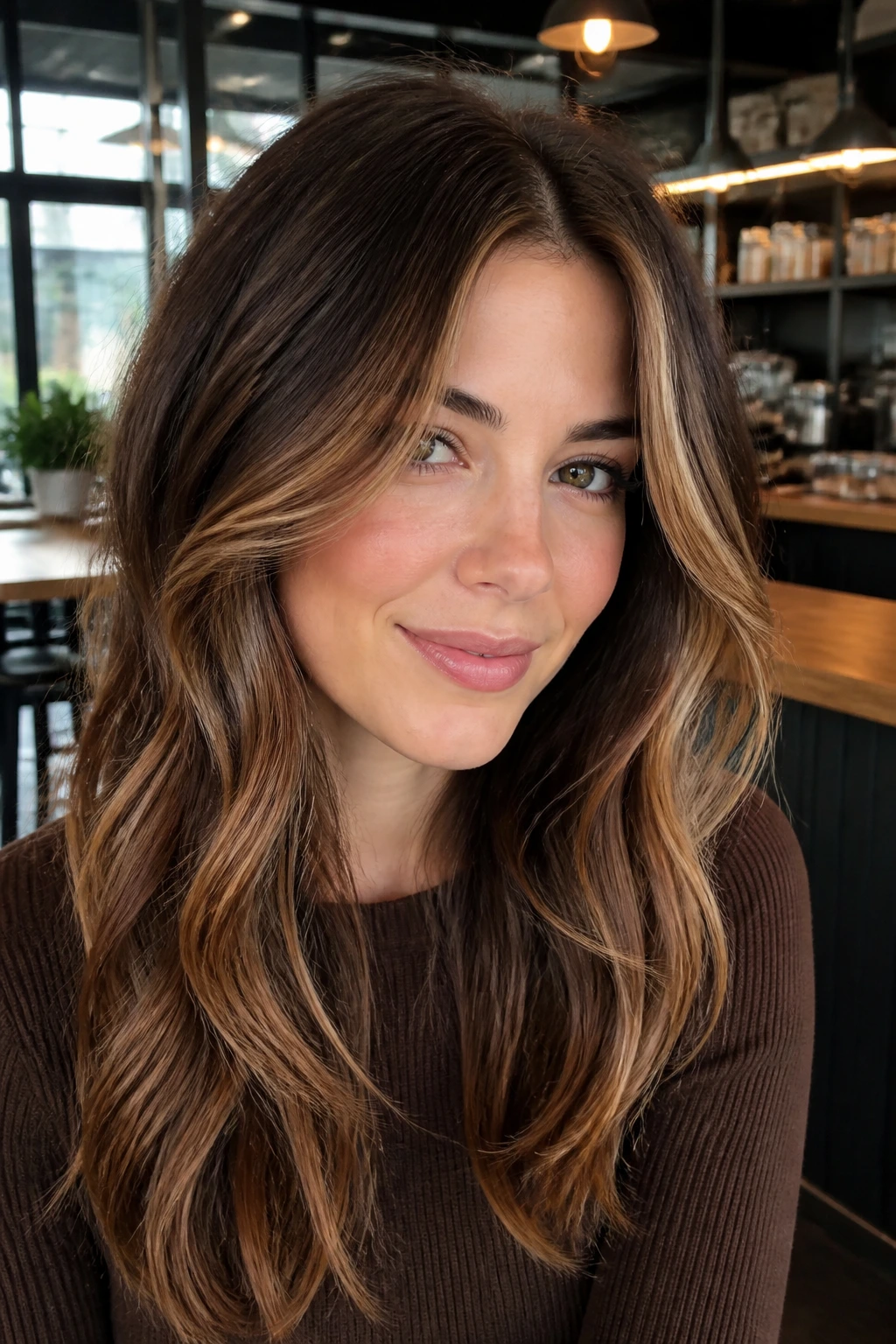
The money piece gets a bad reputation because people overdo it. That’s the problem, not the idea. A feathered front frame with caramel placed a shade lighter than the rest of the balayage gives fair skin a lift around the eyes without turning the whole head into a beacon.
This look is strongest when the front layers are cut lightly and blended well into the sides. You want the lighter pieces to move with the haircut, not sit on top of it like a sticker. If your face is narrow or long, the front lightening can bring the focus inward. If your face is round, keep the brightest pieces a little lower so they don’t widen the top half too much.
Loose tuck-behind-the-ear styling shows it off nicely. Half-up styles do too. Just avoid making the front pieces too chunky. A one-inch section on each side is plenty if the tone is right.
5. Chestnut Caramel on a Shoulder-Length Lob
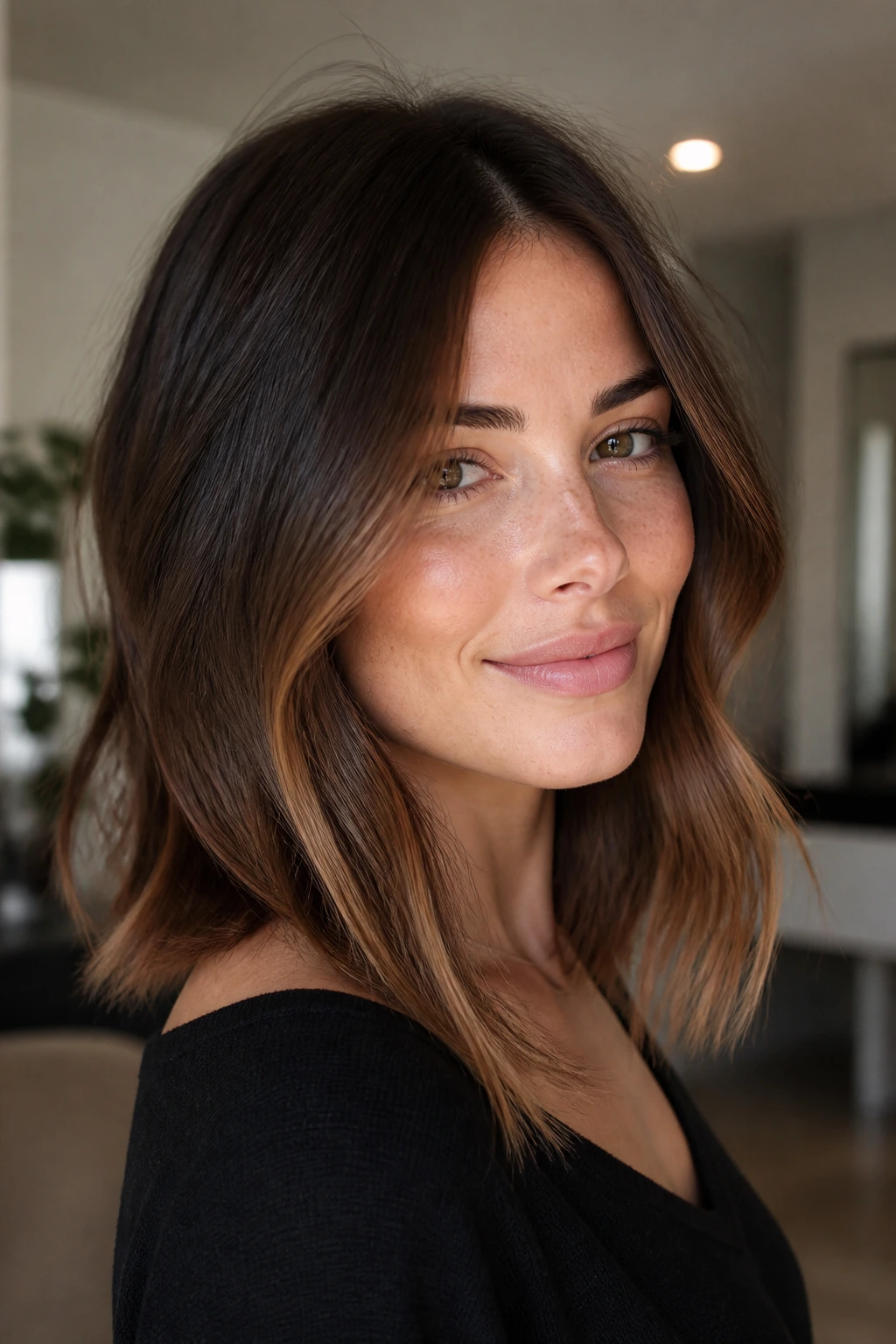
A lob changes the whole feel of caramel balayage. There’s less length for the color to blur into, which means every inch of placement counts more. On fair skin, that can be a gift. A shoulder-grazing cut with chestnut caramel through the ends has enough contrast to look intentional, but not so much that it starts looking choppy.
This is the version I’d pick for someone who wants polish without constant upkeep. The darker brown base keeps the lines clean, and the caramel can be concentrated under the top layer so it peeks out when the hair flips or bends. Chestnut caramel is a smart choice if your skin is neutral or slightly cool, because it stays warm without sliding into orange.
Blow it smooth for a neat finish, or add one soft bend at the ends to keep the dimension visible. A lob lives or dies by its edge, so keep the ends healthy. Split ends make balayage look dry faster than almost anything else.
6. Cool Beige Caramel Balayage for Pink Undertones
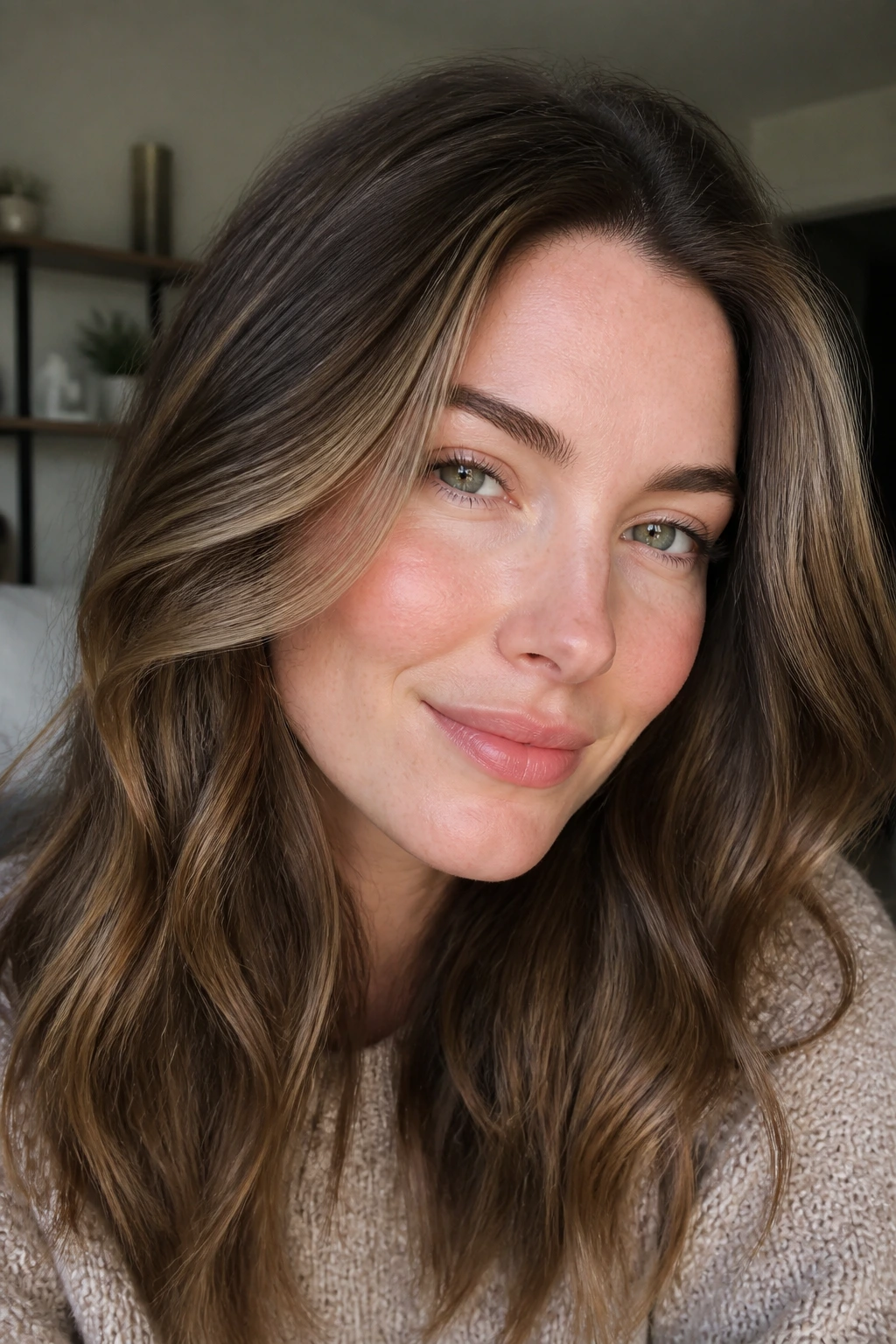
Pink or rosy fair skin does not need more gold. It needs balance. That’s why beige caramel — the cooler, quieter cousin of honey — does such good work here. It gives the hair warmth, but it stops short of that peachy-orange zone that can make redness in the cheeks stand out.
What to ask for at the chair
- A level 4 or 5 dark brown base.
- Level 7 beige or oat caramel ribbons.
- A neutral or slightly cool gloss at the sink.
- Softer placement near the temples, not thick highlights at the hairline.
The trick with this version is restraint. You want the caramel to read as creamy, not sunny. That means less yellow, less gold, and no copper unless your colorist is intentionally warming it for a very specific reason. If your face tends to flush in heat, this is the safer route by a mile.
Styling matters too. Straight hair can make this tone look almost understated to the point of disappearing, so a bend through the mids helps the lighter pieces show their shape. Nothing fussy. Just enough movement to catch the eye.
7. Ribbon Highlights Built Into Curls
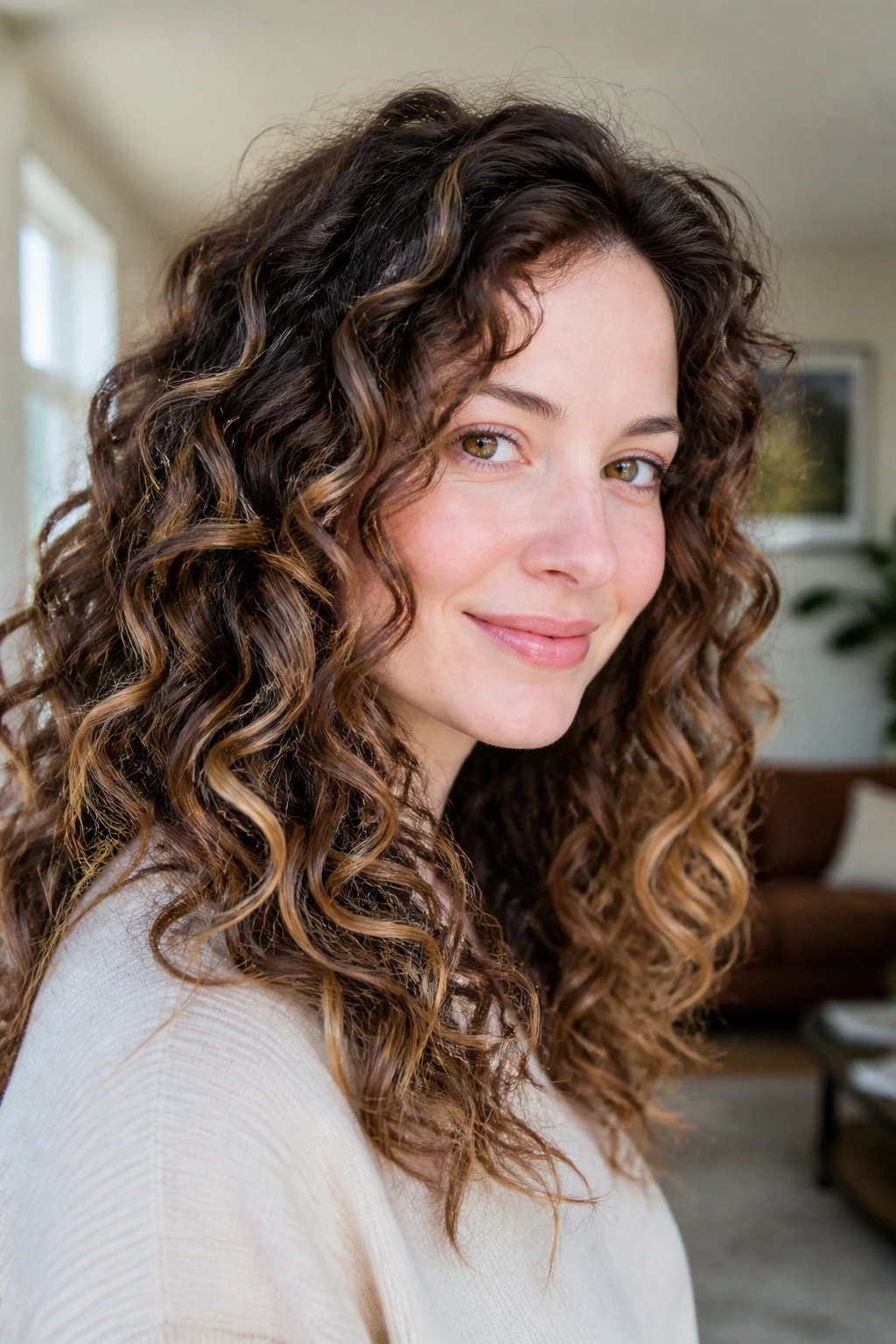
Curly hair eats light differently. That’s why painted caramel on curls can look richer than the same formula on straight hair. The bend of each curl gives the color a chance to show from more than one angle, which is a gift if your skin is fair and you want warmth without broad, obvious blonde streaks.
The placement needs to follow the curl pattern, though. Surface-only lightness tends to look patchy once the hair dries. Better to place a few ribbons through the outer canopy and then tuck a smaller number inside so the curl clumps reveal depth as they separate. The result is a halo effect, but not a loud one.
Use caramel that sits between toasted honey and soft chestnut if your fair skin is cool-to-neutral. If your skin has more peach, you can go a touch warmer. Diffuse with a low heat setting and stop before the curls puff out. A frizzy curl pattern makes even the best color look less expensive.
8. Sleek Micro-Balayage for Straight Hair
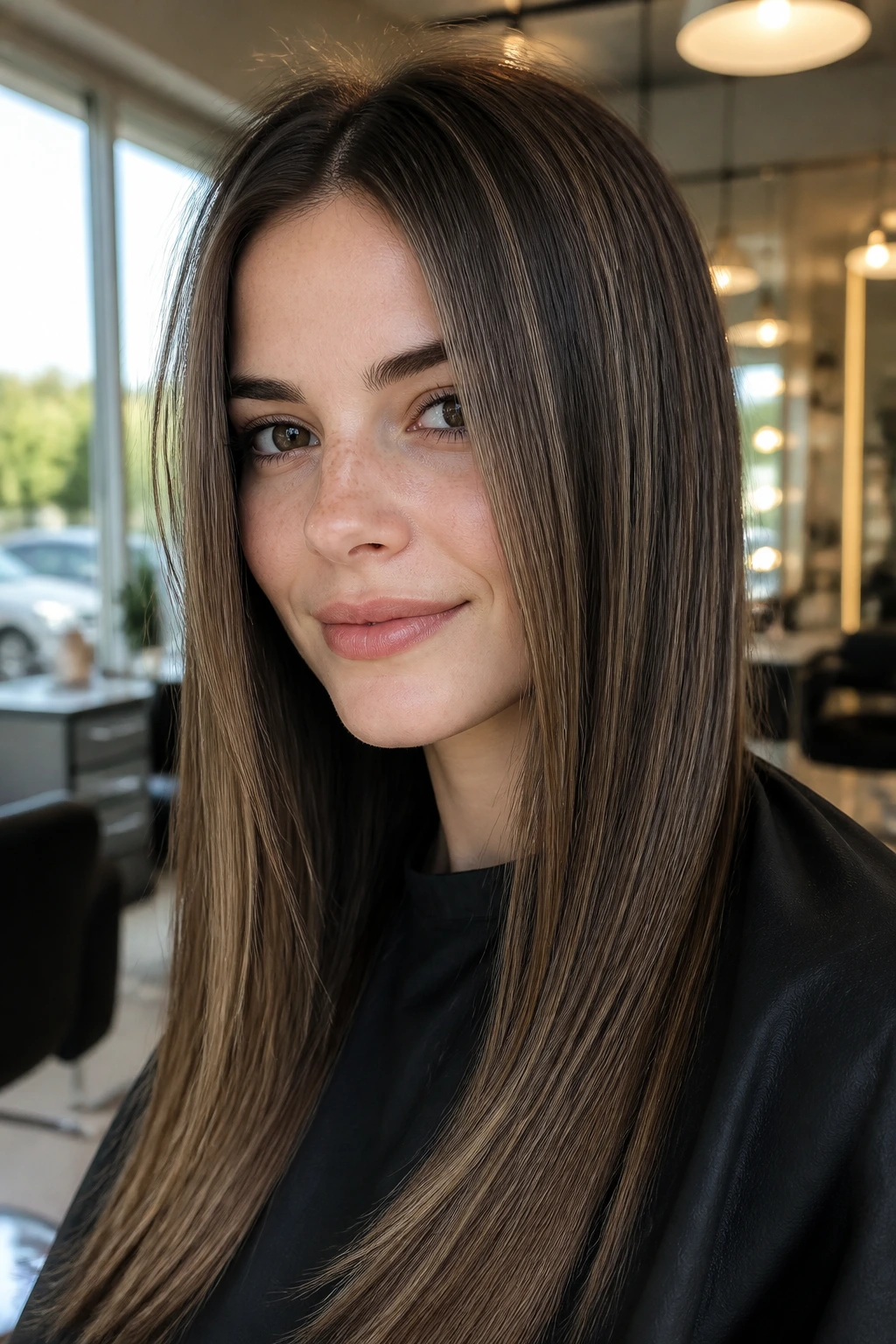
Straight hair does not show off color the same way waves do, so the placement has to work harder. That’s why micro-balayage — thin, softly painted pieces scattered through the mids and ends — makes sense here. On fair skin, the effect is subtle but very clean.
The biggest mistake with straight hair is going too chunky. You don’t need big panels; you need lots of small shifts in tone. Think narrow ribbons, some tucked behind the ears, a few beneath the top layer, and just enough brightness around the face to break up the dark base. When the hair is worn sleek, those tiny differences become visible in daylight and under indoor lighting too.
This version is a good fit if you like a polished finish, a center part, and very little styling fuss. Use a heat protectant, run a flat iron only once or twice through each section, and finish with a drop of serum on the ends. Too much product makes straight balayage look greasy before it looks glossy.
9. Dark Brown to Caramel Ombré
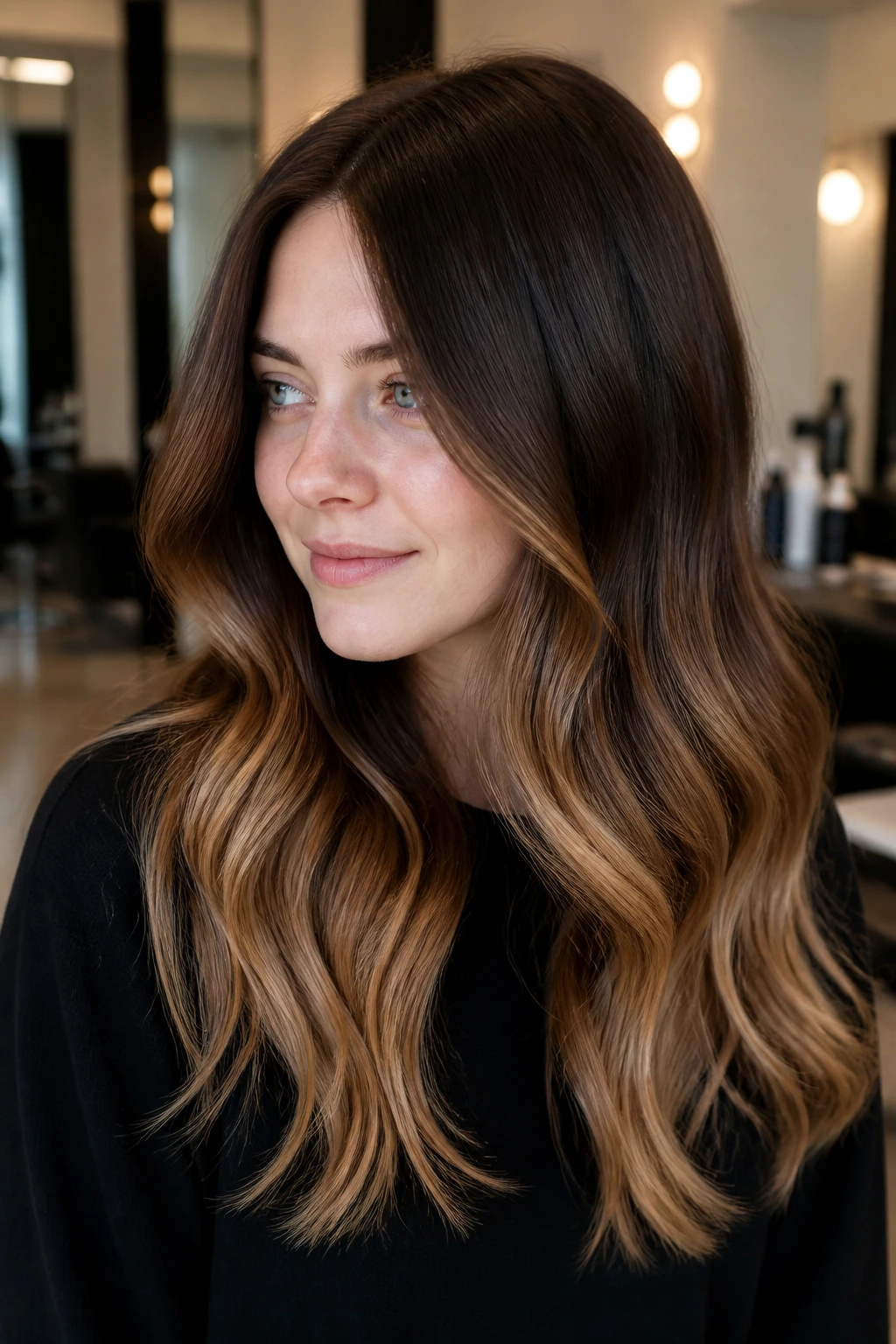
Ombré is a different mood altogether. Instead of scattered ribbons, you get a gradual shift from dark brown roots to caramel ends. On fair skin, that longer fade can look elegant if the transition starts low enough — usually below the chin — so the top of the hair still frames the face.
This is one of the few versions where I think length matters a lot. Long hair can handle the fade. Short hair often can’t, because the transition has nowhere to breathe and ends up looking abrupt. If your hair is past the shoulders, the gradient can be very effective, especially with loose waves that let the darker top and lighter bottom show at once.
Keep the caramel more toasted than gold. Ombré already gives you a big visual shift; the tone itself doesn’t need to shout. A soft glaze after lightening keeps the ends from turning dry and chalky, which is the usual ombré crime scene.
10. Curtain Bangs with a Caramel Sweep
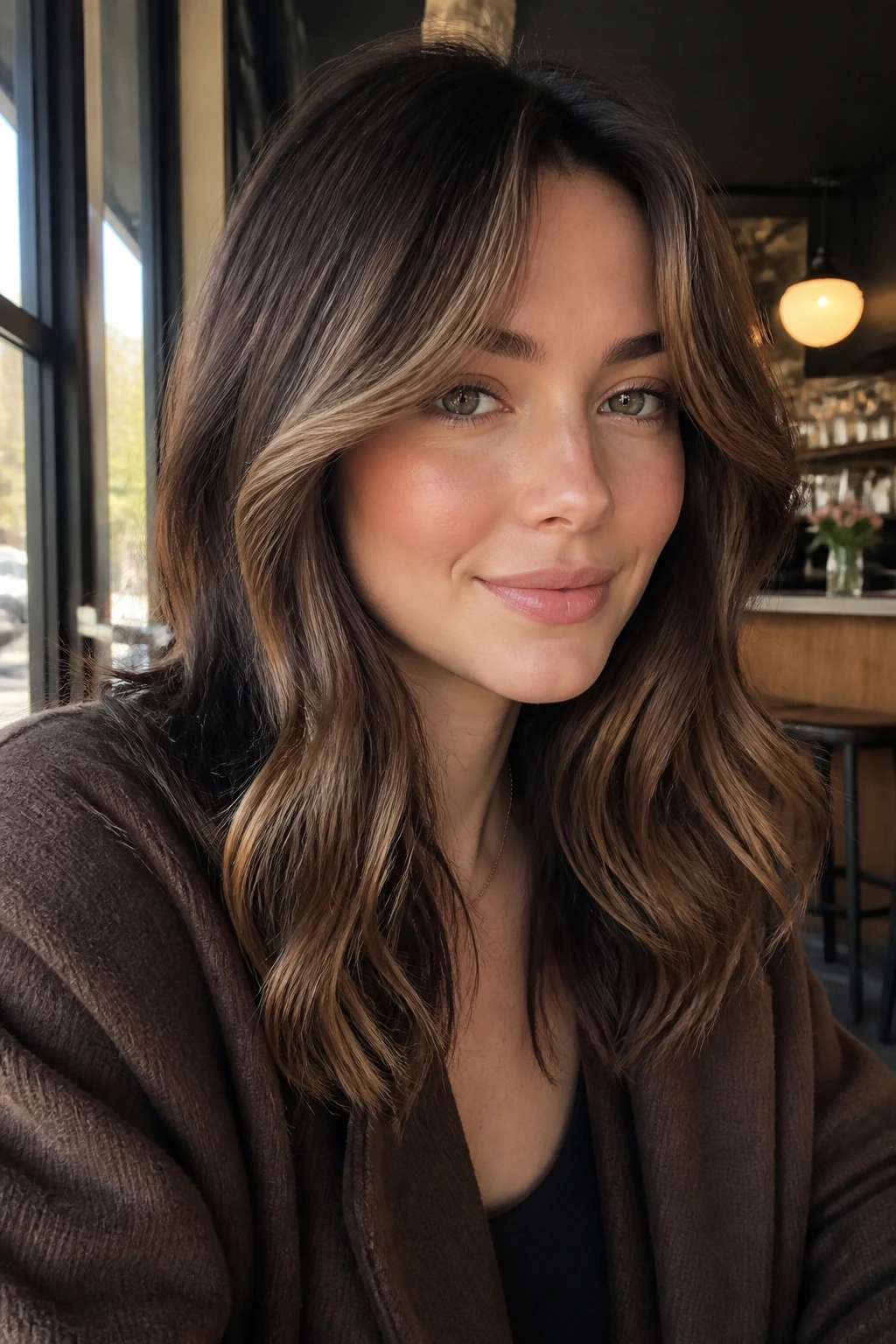
Curtain bangs change the whole face frame, so the balayage has to support them instead of fighting them. A caramel sweep that starts near the brow and softens into the front layers gives fair skin a gentle glow around the eyes. It’s a smart move if you want warmth without a full head of bright pieces.
Why the bangs matter
- They give the caramel a visible anchor point near the face.
- They let you keep the back darker, which is useful if you prefer contrast.
- They soften a stronger jawline or a long forehead without needing blunt brightness.
Keep the bangs darker at the roots and lighter only through the ends and the longest side pieces. If the top of the bangs gets too pale, they can look skunky against fair skin, especially when the hair is freshly washed and not styled. A round brush or a large Velcro roller helps the fringe sit away from the face, which is where the color shows best.
This is one of the most wearable options in the whole list if you like movement around the eyes. The trick is not to flood the bangs with light. A little caramel goes a long way there.
11. Mushroom Brown with Toasted Caramel
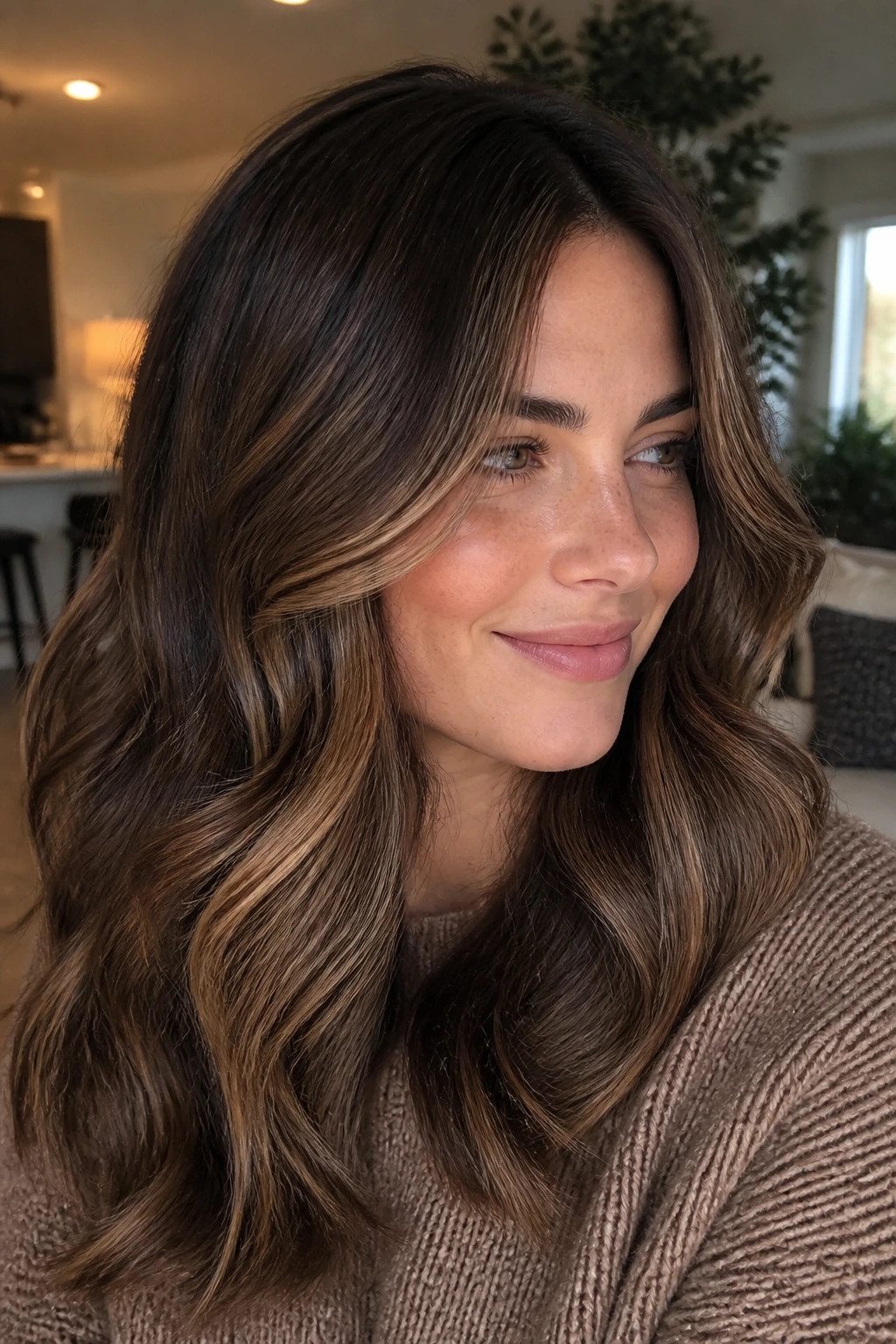
This one is for the person who loves brunette depth and hates brass. Mushroom brown gives the base a cooler, smoky cast, while toasted caramel adds the warm pieces that keep fair skin from looking dull. The combination is especially good when your skin has pink or neutral undertones and you want dimension that still feels calm.
The reason it works is simple: the contrast is tonal, not shouty. You’re not jumping from dark brown to gold. You’re moving from cool brunette to muted caramel, which reads much more refined in natural light. It also grows out nicely, because the lighter pieces are close enough in tone to the base that roots don’t look harsh.
I’d style this version with soft bends or a loose blowout, not beachy crunch. The cool base does the heavy lifting, and the toasted ribbons do the rest. If the ends start to feel dry, a satin-finish cream is better than a heavy oil. Too much shine can flatten the smoky effect.
12. High-Contrast Weekend Waves
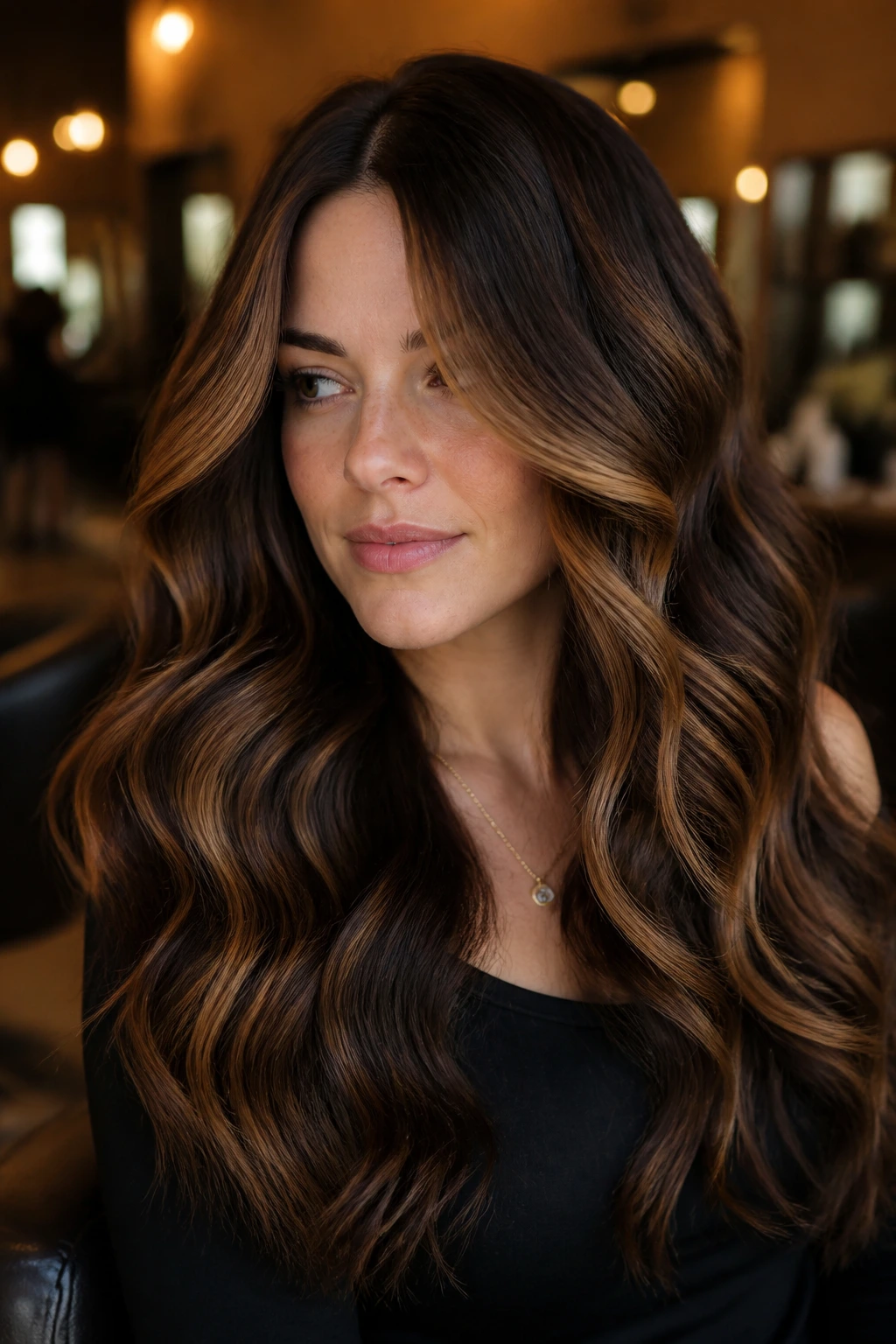
Not every fair-skinned brunette needs to stay subtle. If you like seeing the color from across the room, ask for a higher-contrast balayage with more obvious caramel ribbons through the mids and front sections. The key is keeping the base dark enough that the lighter pieces have something to stand against.
This version looks best on thick hair, layered cuts, or anything with enough length to show movement. The brighter pieces should still be caramel, not blonde. That distinction matters. Blonde on very fair skin can start to erase the brunette depth that makes the whole style feel richer.
What makes it work
- Wider face-framing ribbons create a stronger outline.
- Interior pieces add movement when the hair swings.
- A large-barrel wave helps the contrast show from root to end.
If you wear bold makeup, this version feels easy. If you like very soft makeup, keep the lightness a shade more beige so the hair does not become the loudest thing on your head.
13. Face-Framing Bob with Soft Caramel Ends
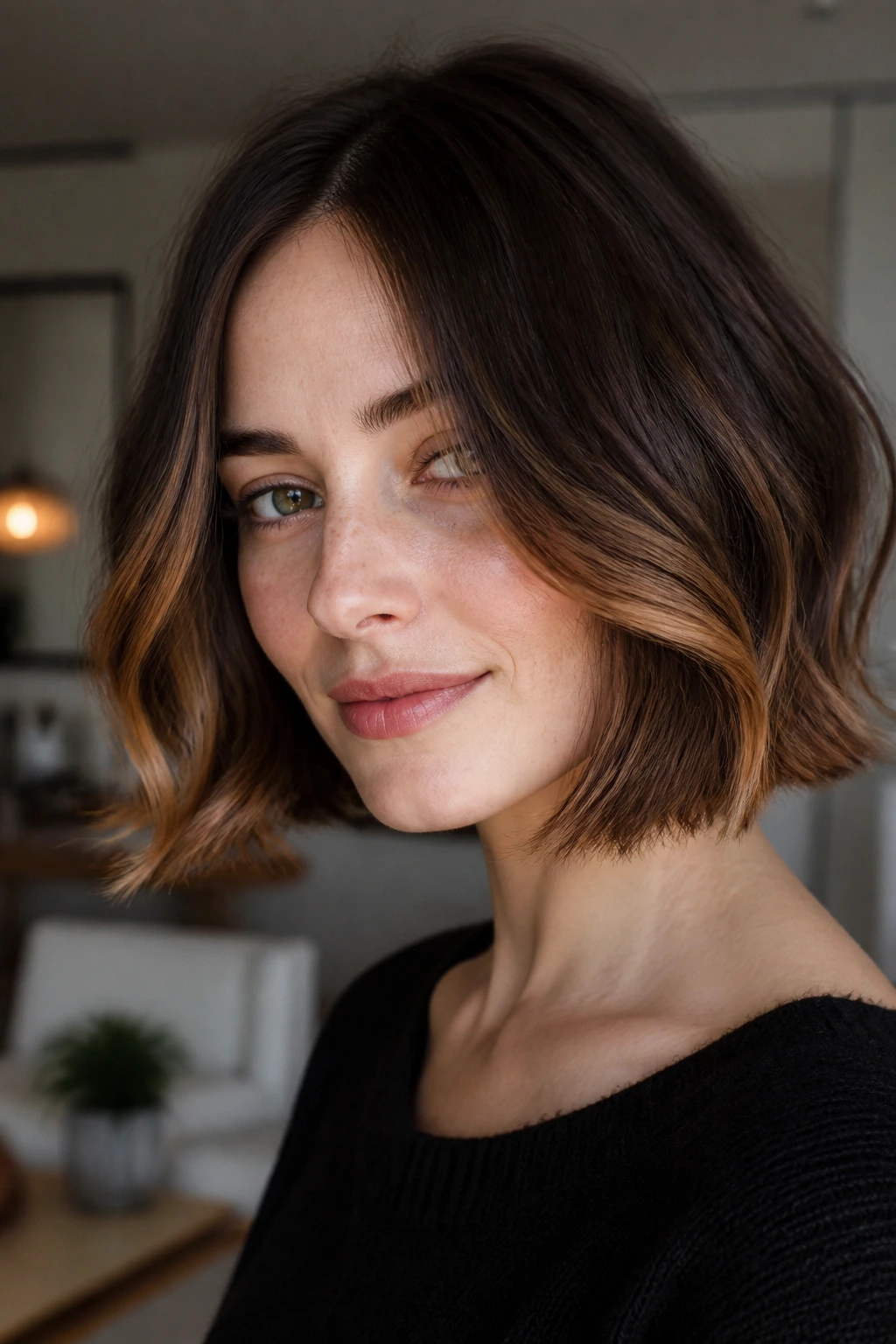
A bob changes the rules because there isn’t much length to fade through. That means the color placement has to be smart and low enough to keep the cut looking clean. A dark brown bob with caramel concentrated around the front and ends reads crisp on fair skin, especially when the hair sits around the jaw or just below it.
The dark base keeps the bob from looking too airy. The caramel gives the ends a little movement, which matters because short hair can look blocky if the color is too flat. I prefer this version with a slight undercurve at the ends or a soft wave through the midline. Dead-straight bob hair can look severe with too much contrast.
If your skin is very fair, keep the brightest pieces away from the scalp and closer to the bottom third of the cut. That preserves the shape of the bob while still letting the caramel frame the face. It’s neat. It’s tidy. It also grows out better than people expect.
14. Cinnamon-Caramel Dimension
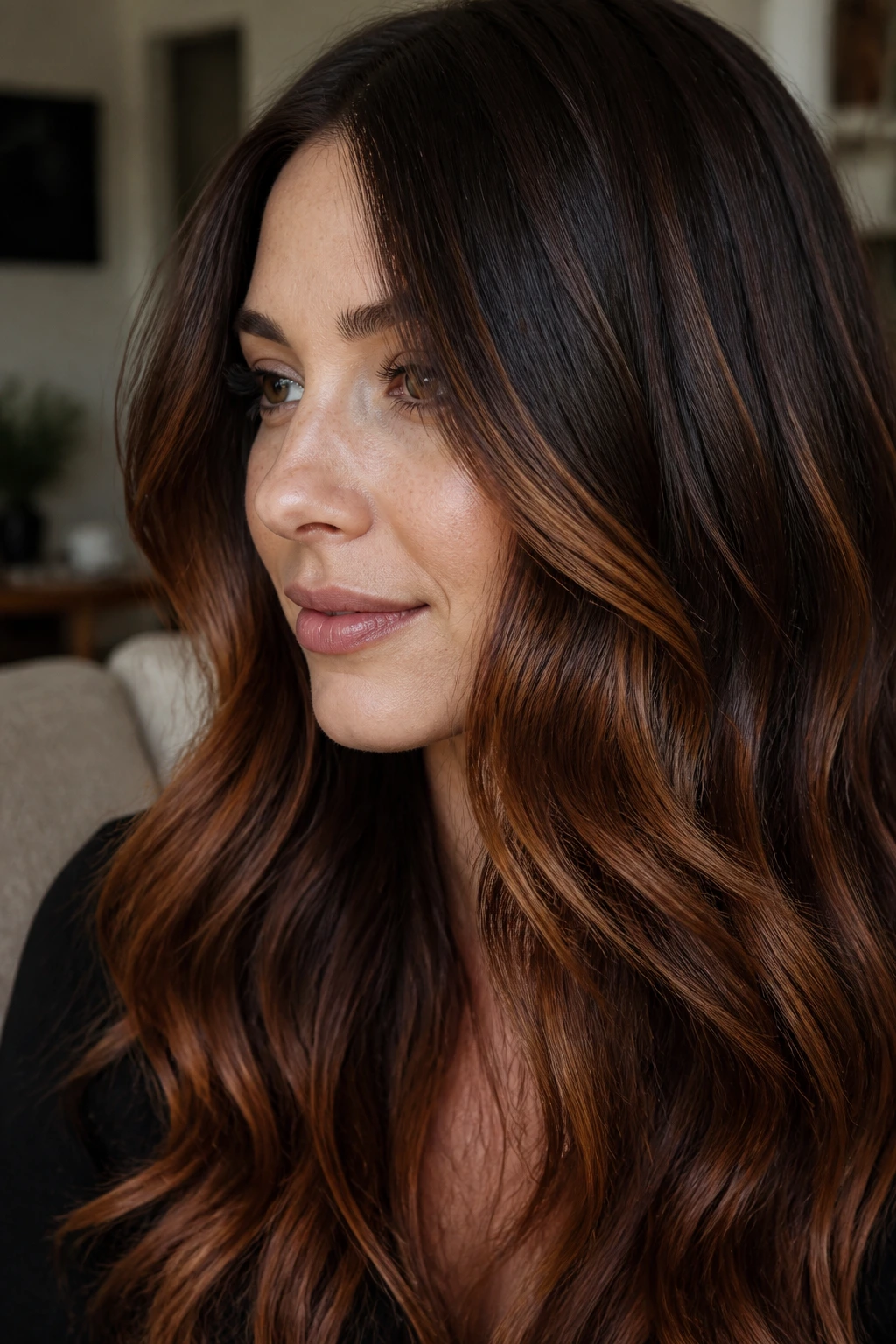
Warm fair skin can take a little more spice. Cinnamon-caramel dimension adds a whisper of red-brown warmth to the usual brunette-and-caramel mix, which makes freckles, peach undertones, and golden skin look richer. The trick is keeping it in the brown family, not letting it drift into obvious copper.
This works best when the cinnamon lives in thin panels through the mids and lower layers. You don’t need to coat the whole head in warmth. A few thoughtful ribbons are enough to shift the color story. On fair skin, that shift can make the face look fresher, especially in low indoor light where cooler tones often flatten out.
If your skin already runs pink, I’d be careful here. Cinnamon can bring that redness forward if the formula leans too red. But on peachy skin, it can be one of the nicest brunettes in the whole batch. Style it with a soft wave and keep the finish glossy, not matte.
15. Barely-There Balayage for First-Time Color Clients
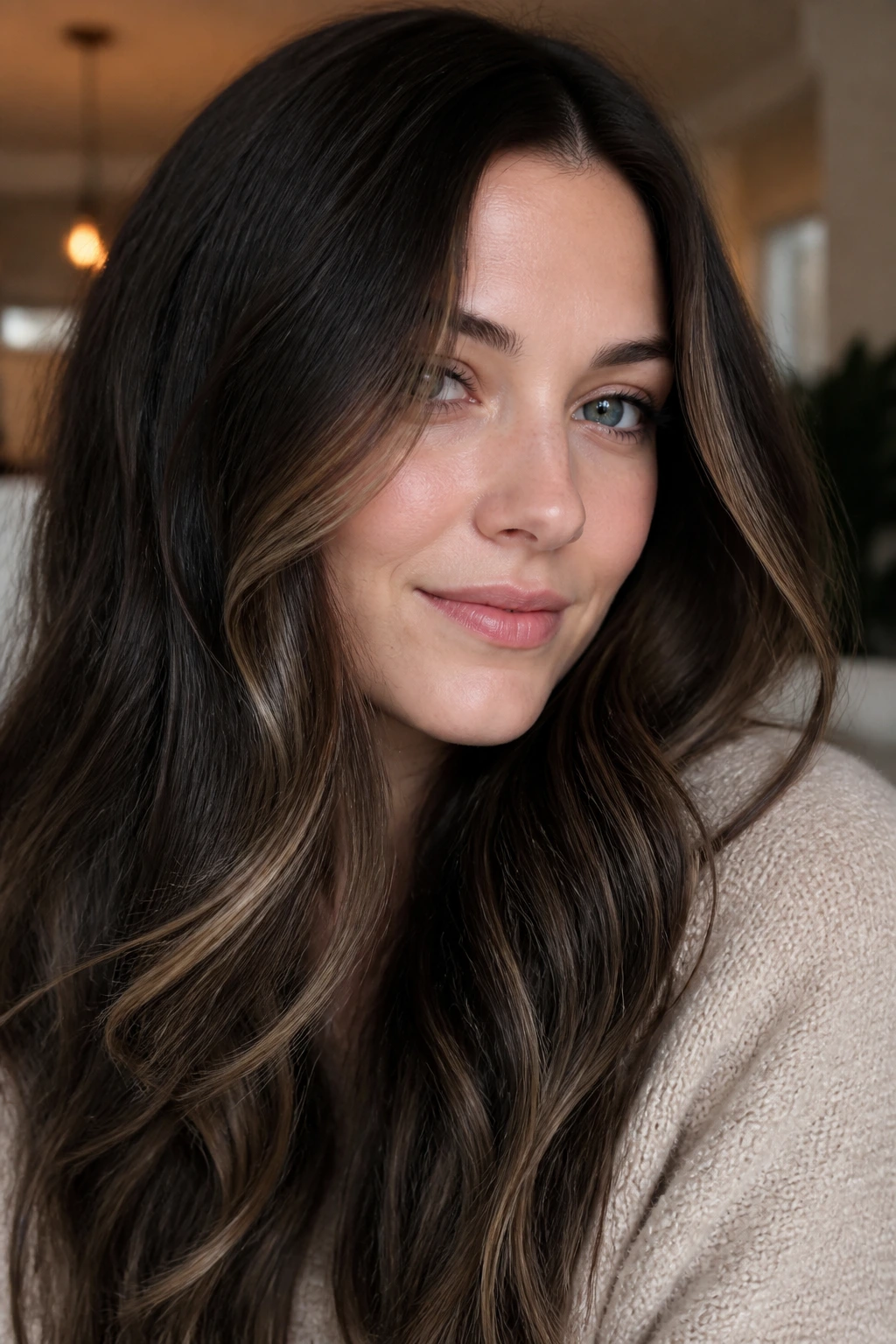
There’s a lot to be said for not making a scene. A barely-there balayage keeps most of the dark brown intact and adds only a few whisper-light caramel pieces where the hair naturally moves. On fair skin, that subtle contrast can still shift the whole face frame, just more quietly.
This is the version I’d recommend if you’re nervous about lightening, if your hair is fine, or if you dislike obvious upkeep. The lighter bits should be narrow enough to hide until the hair bends. If you can spot every piece from across the room, it’s already too much for this approach.
Keep it subtle by doing this
- Limit the lightest pieces to the front and outer mids.
- Ask for caramel one shade deeper than your first instinct.
- Skip chunky ends and keep the blend soft near the root.
The upside is that it ages well. You won’t be sitting in the mirror, wondering whether the color has crossed the line into blonde territory after four shampoos. It stays brunette. It just gets nicer.
16. Deep Side-Part Paneling
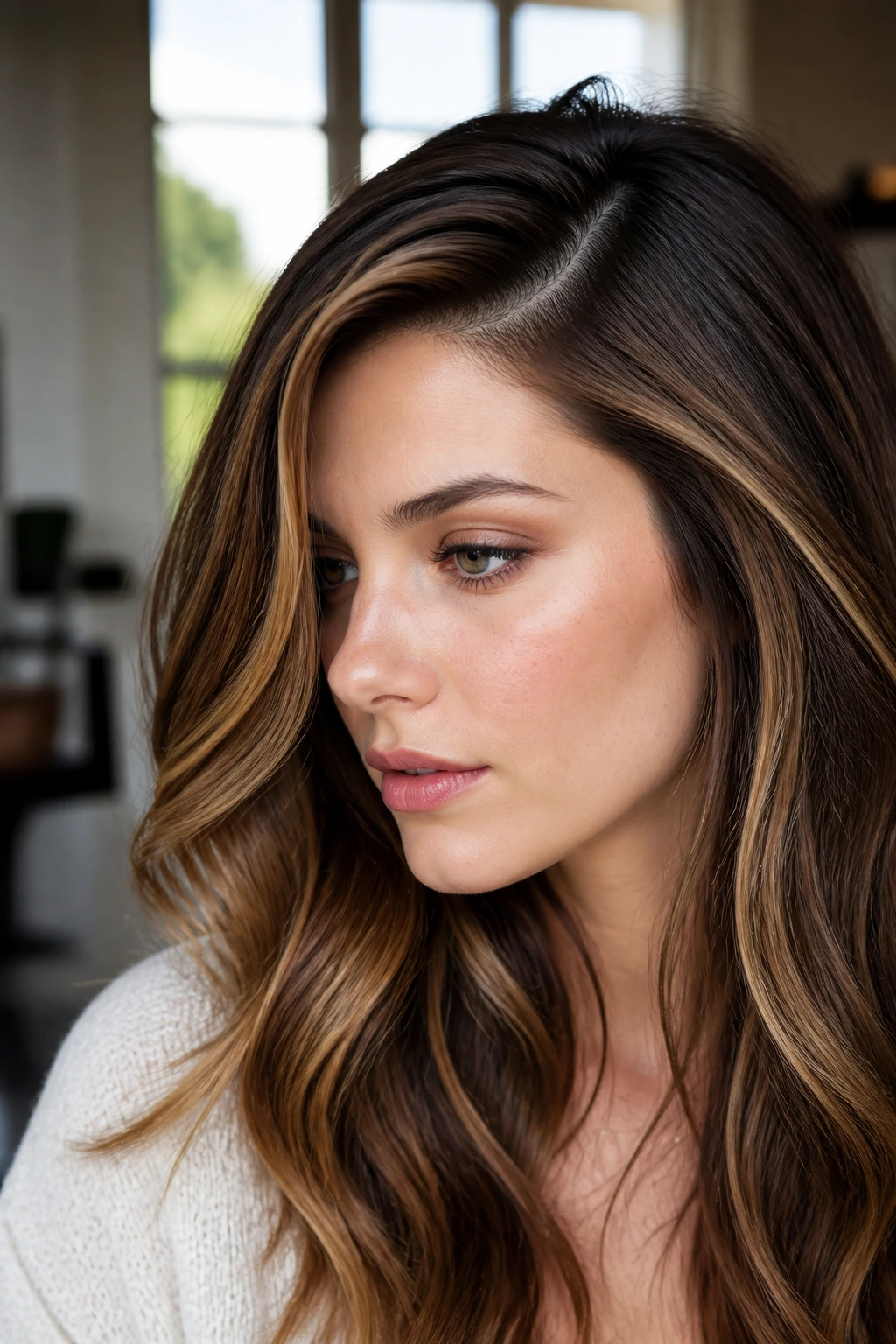
A side part changes where the eye lands, and that can be used to your advantage. If your fair skin needs a little more lift or you want more drama near the cheekbones, ask for a heavier caramel panel on the side where the part sits and a softer sweep on the other side. It creates asymmetry in a way that feels modern without needing a drastic cut.
This placement also does a sneaky job of building volume. The lighter side reads a touch fuller because the contrast breaks up the root area. On round or square faces, that vertical pull can be useful. On longer faces, keep the front panels lower so the brightness doesn’t elongate the face even more.
The style works best when the part is not perfectly fixed every day. Flip it occasionally. Use a root lift spray at the crown. And if you wear the hair tucked behind one ear, the caramel panel suddenly becomes much more visible, which is the whole point.
17. Lived-In Midlength Layers
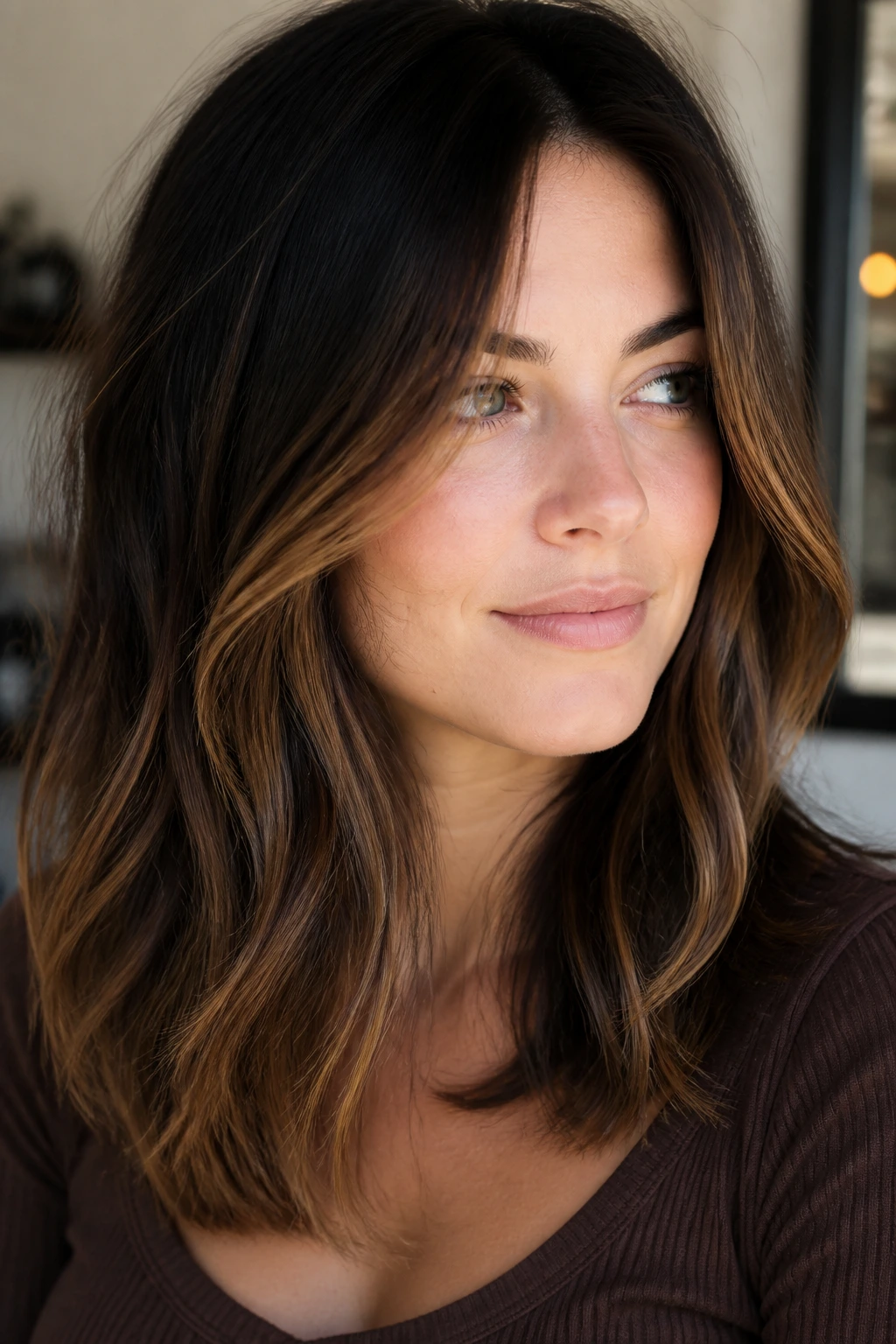
Midlength layers are where balayage gets easy to live with. There’s enough length for the caramel to move, but not so much that the color gets lost at the ends. For fair skin, this is a good middle road: dark brown depth, soft caramel movement, and no hard line that needs constant fixing.
The lived-in feel comes from placement more than tone. Keep the darker brunette at the crown and paint the lighter pieces through the lower layers, especially where the hair curves forward around the shoulders. That gives the color motion even when the hair is not freshly styled. It also keeps the top from going too light, which can flatten fair skin.
This is one of those cuts where the color looks better on day two than on wash day. A little bit of texture — not crunch, just body — helps the ribbons show. If you want a low-maintenance brunette that still looks styled, this is a strong choice.
18. Light-Tipped Ends on Long Dark Brown Hair
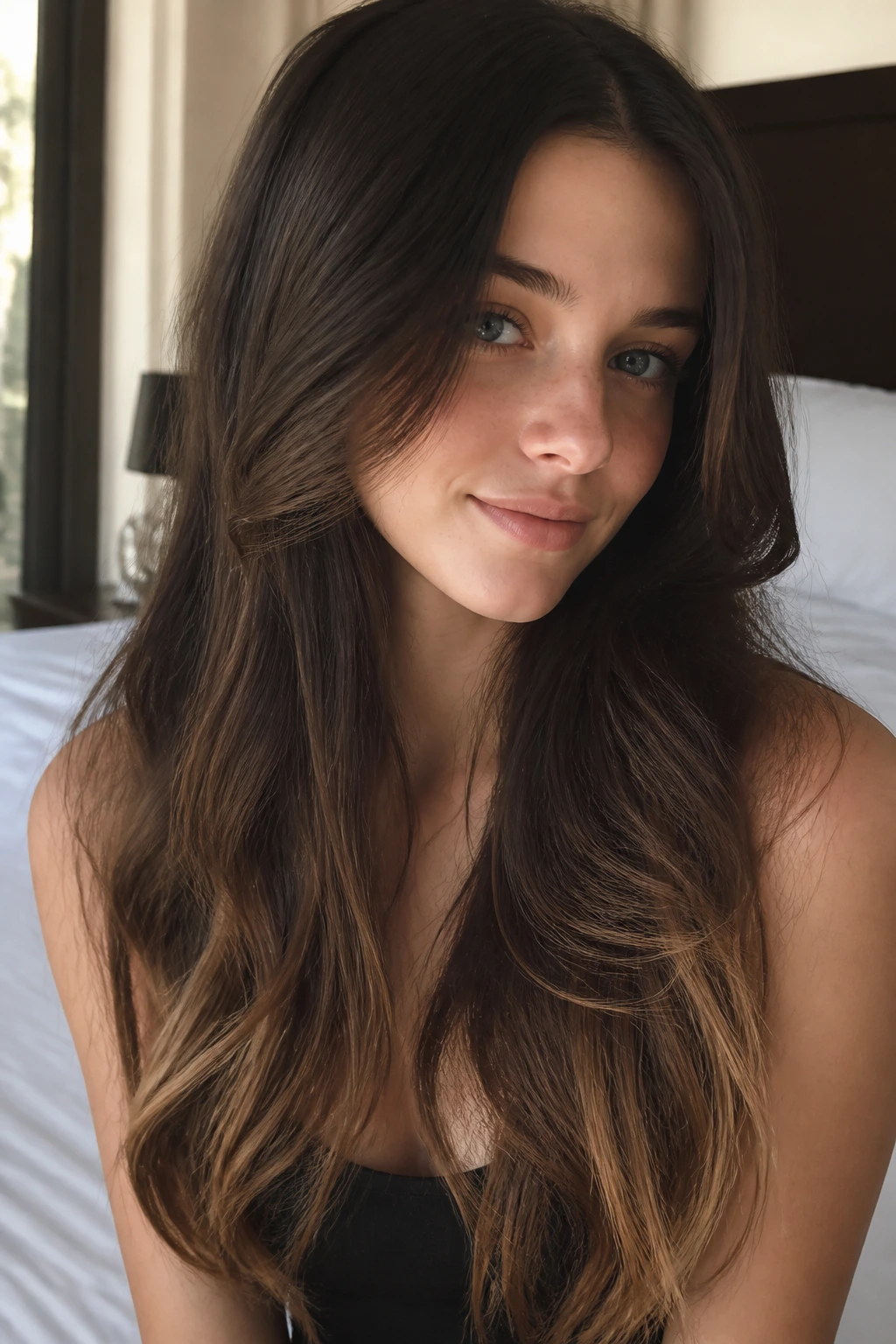
When the ends carry the light, the rest of the hair gets to stay deep and rich. That can be a lovely move on fair skin if you want brightness without placing it all around the face. The color shift lives lower, around the last three or four inches, where the eye notices movement as the hair swings.
This version works best if the hair is healthy enough to handle a lighter finish. Dry, split ends make long balayage look tired in a hurry. So if the ends are rough, trim first and color second. That advice is boring, but it saves the whole look.
I like this on people who wear long hair in waves, braids, or low ponytails. The lighter ends peek out, catch the shape of the styling, and give the brunette a little lift. For fair skin, that keeps the face frame dark and tidy while still adding a warm finish at the bottom.
19. Caramel Halo Around the Crown
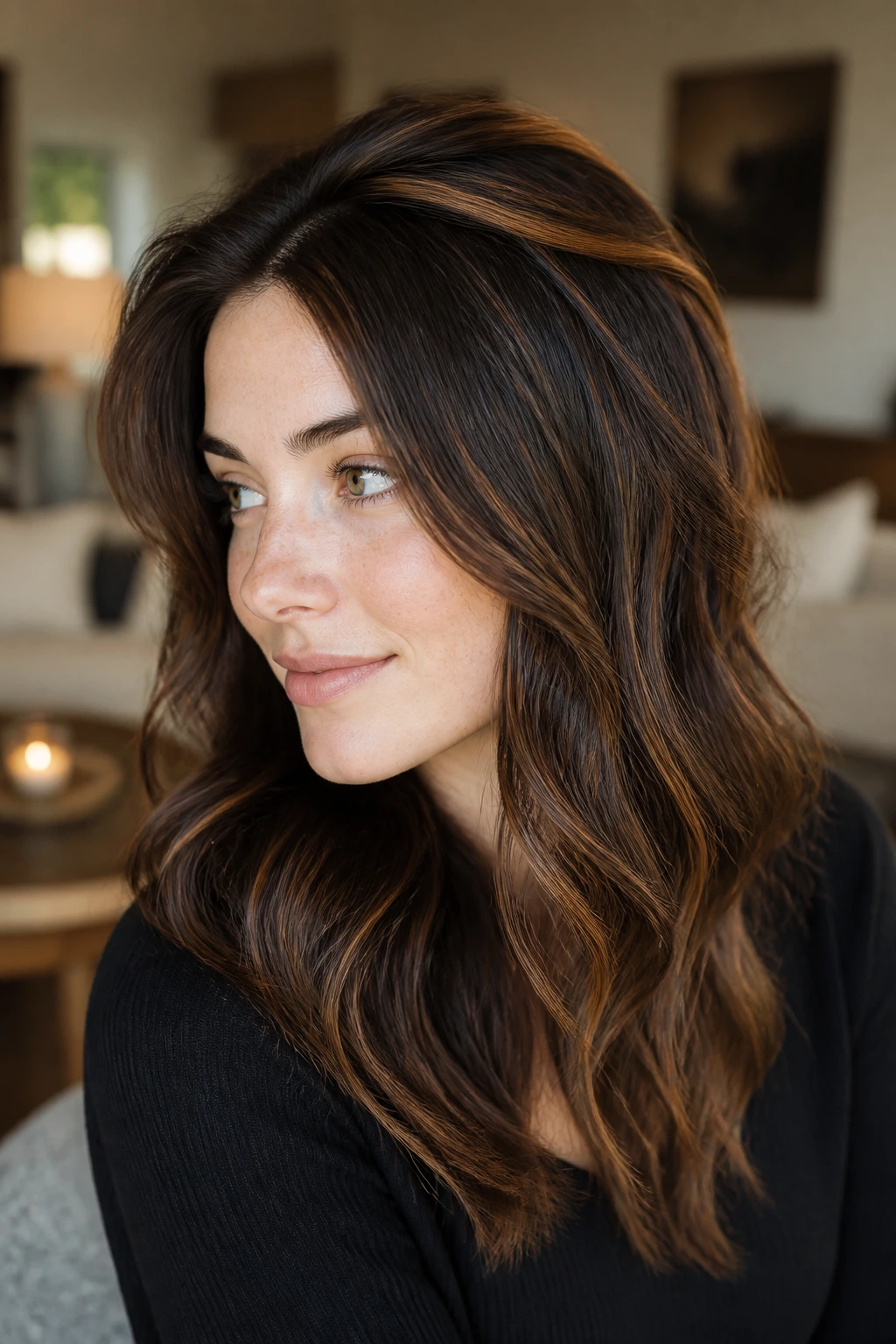
This is the quieter cousin of the money piece. Instead of loading brightness into the front, you place a caramel halo through the upper crown and around the top sides so the head has lift without screaming for attention. On fair skin, it can brighten the overall look while keeping the face frame brunette.
The placement matters more than the amount. A few lighter sections near the crown can make the hair look fuller, especially if it is fine or flat. The trick is to keep the pieces soft and broken up, not painted into one broad light patch. You want depth under the top layer, then just enough warmth near the surface to catch the eye when the head turns.
I’d use this approach if the front of your hair is already fragile or if you wear bangs. It gives you brightness where it can be seen in motion, without crowding the face with too much light.
20. Auburn-Caramel Blend for Warm Fair Skin
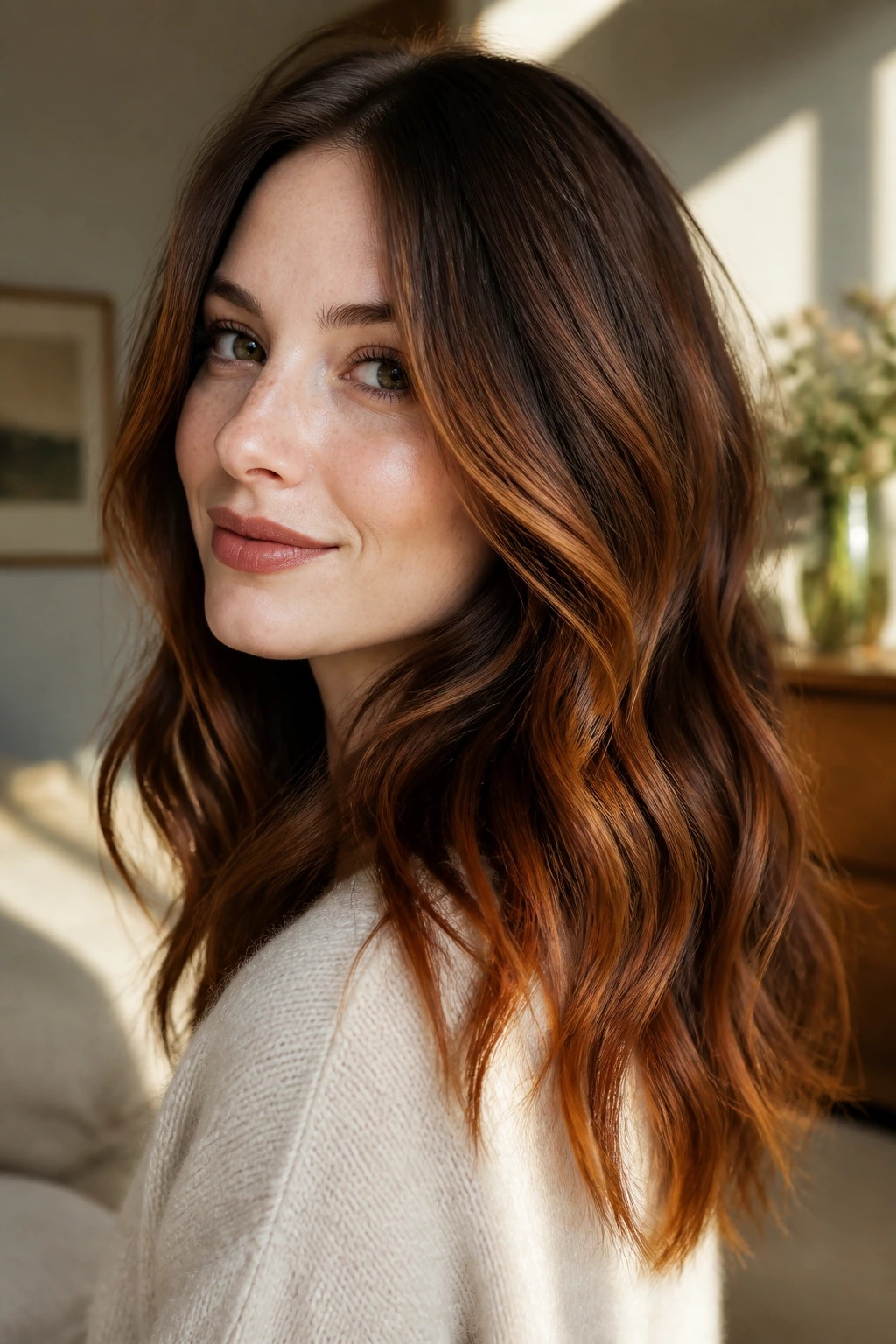
Some fair skin leans warm, and warm skin can carry a little auburn in the caramel. Not a lot. Just enough red-brown to make freckles, peach tones, and golden undertones look alive instead of flat. This is the richer, slightly spicier version of the whole family.
The blend should still sit firmly in brunette territory. Think toasted amber, spiced toffee, a caramel with a tiny red edge. If the formula turns true copper, it stops reading like brunette dimension and starts reading like a different color entirely. That might be fine for some people, but it changes the vibe.
This is strongest on layered hair with movement through the mids. The auburn cast shows up in motion and under warmer light, which is where it gets its charm. Keep makeup soft and warm to match — peach, bronzy taupe, a cream sweater, and maybe a gold earring if you want the hair to feel intentional rather than accidental.
21. Glossy Chocolate Base with Thin Caramel Threads
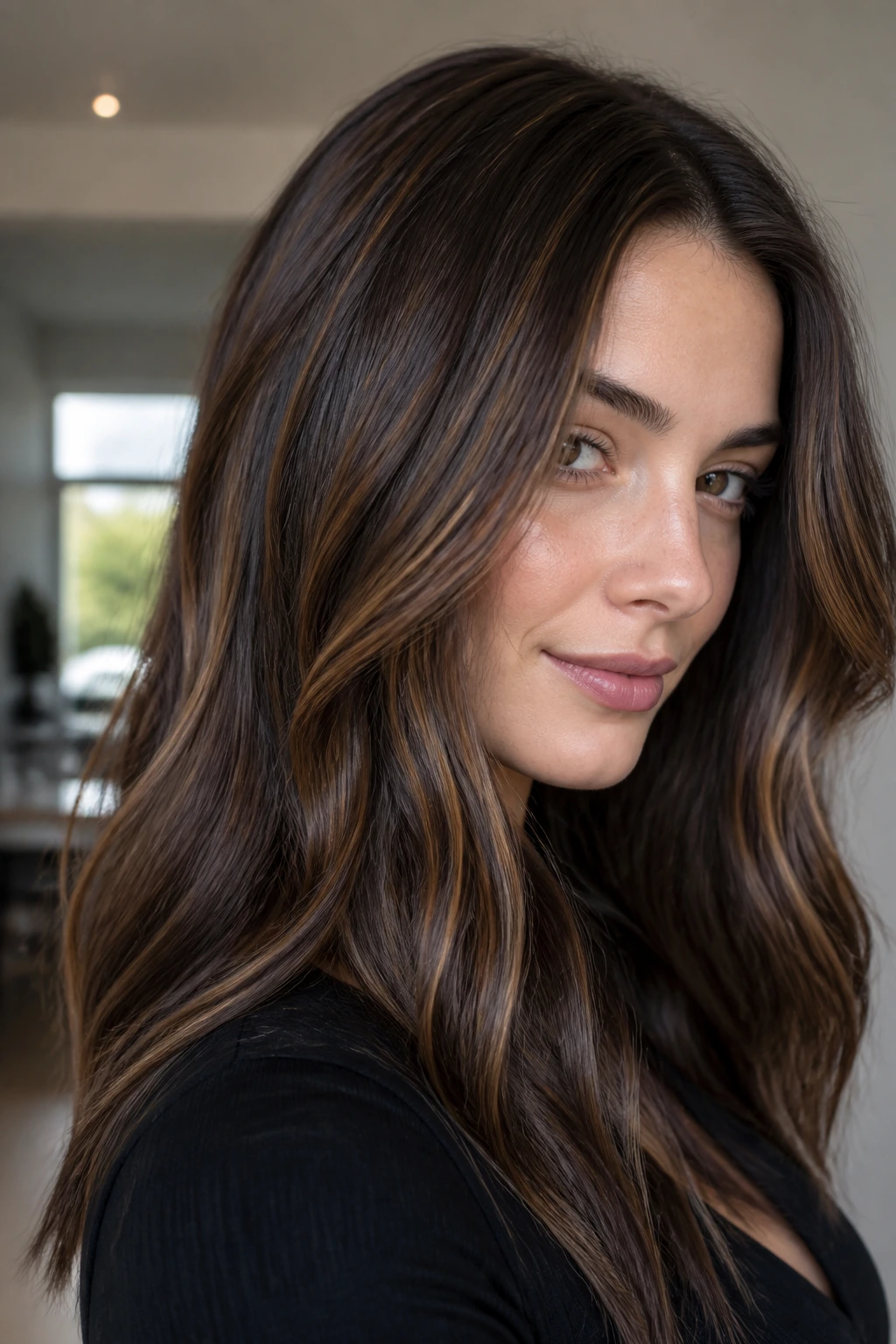
If you like your brunette hair polished and expensive-looking, thin caramel threads on a chocolate base are the move. The contrast is smaller, but the shine is bigger. On fair skin, that deep base keeps everything crisp, and the caramel threads add just enough variation to keep the color from looking like one flat brown sheet.
This version is especially good if your hair is fine or straight. Thin threads are easier to blend into a sleek finish, and they don’t leave you with obvious grow-out lines. The finish matters a lot here. A beige gloss, a lightweight serum, and a smooth blowout all help the caramel read as woven into the hair instead of sitting on top of it.
It’s a restrained look, but not a boring one. In daylight, the threads show up in narrow flashes. Indoors, the color stays quietly rich. That’s a nice place to be if you want dimension without obvious highlights.
22. Textured Shag with Painted Ends
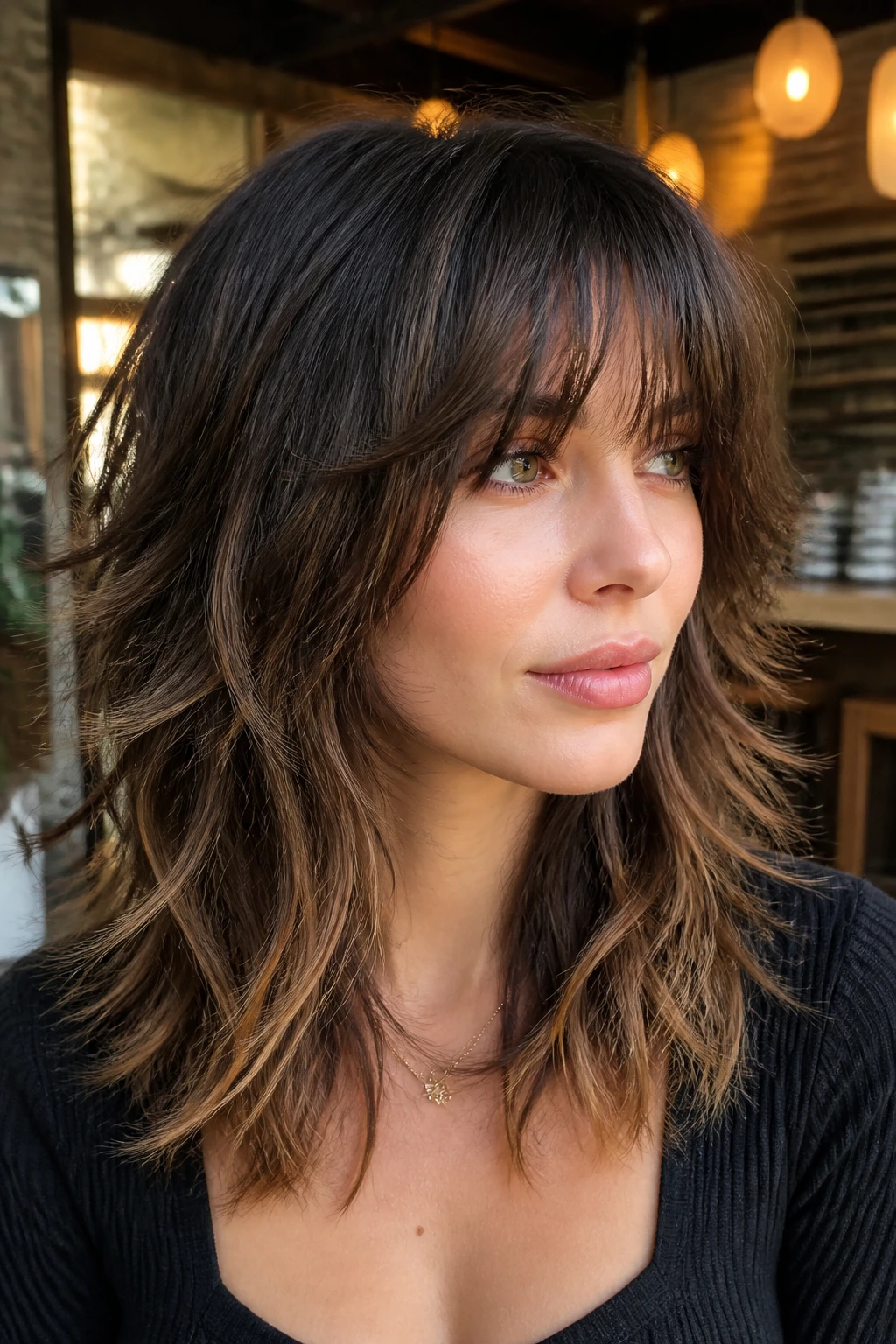
A shag loves messy movement, and balayage can follow that movement instead of fighting it. Dark brown roots and caramel ends through a textured shag create a jagged, lived-in look that still feels intentional. On fair skin, the contrast gives the face a bit of edge without requiring very light pieces.
The painted ends should live where the layers are most visible — around the outer shape and the longest pieces near the jaw and collarbone. Don’t bury the light in the inside of the haircut, where nobody will see it. A shag is about the silhouette. The color should trace that silhouette and then stop.
Use a mousse or texture cream and diffuse the hair until it has bend, not crunch. If the cut gets too fluffy, the color looks less deliberate. If it stays too flat, the layers disappear and the balayage loses the point of being there.
23. Soft Bronde Caramel Mix
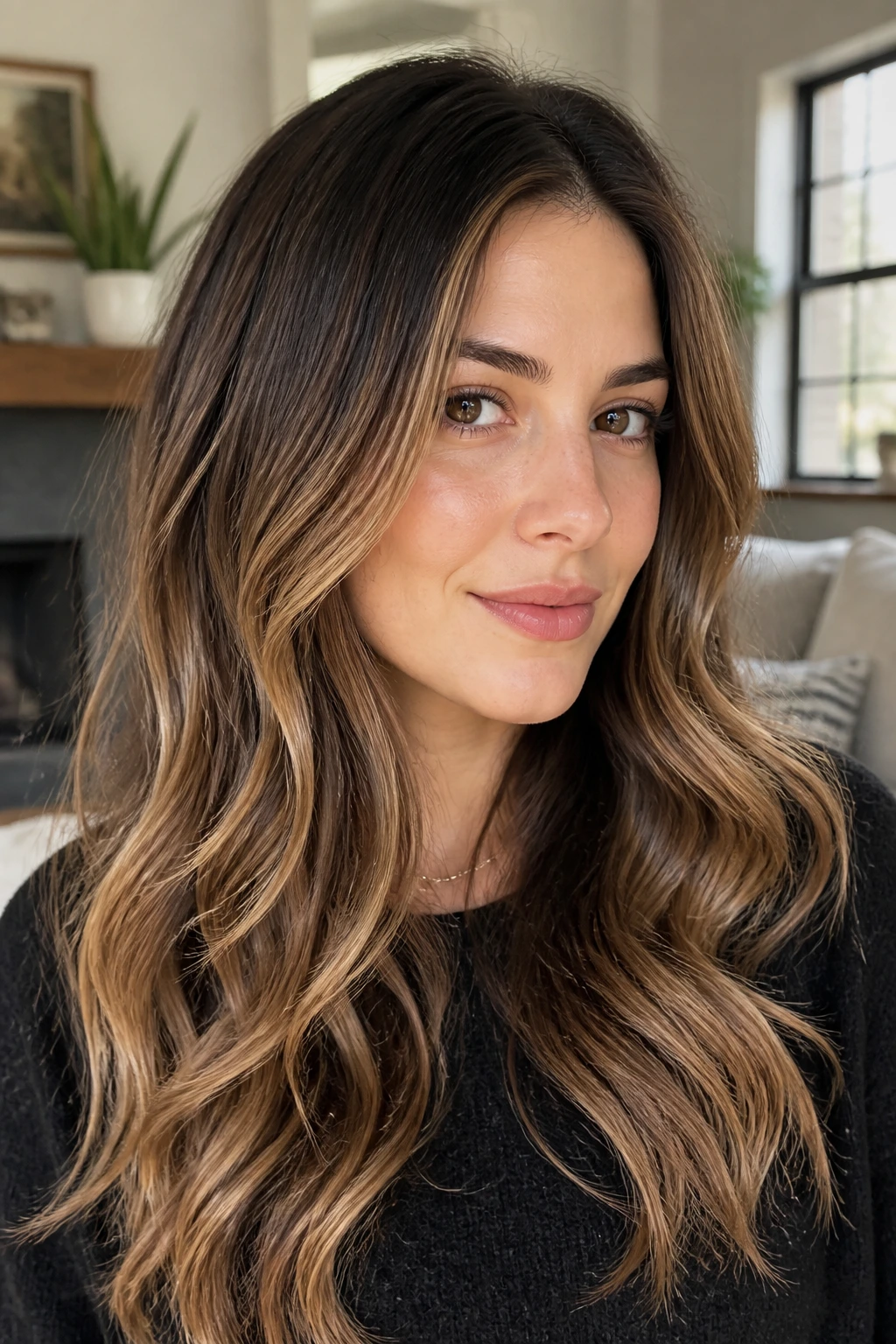
Bronde is the bridge for people who can’t decide whether they want brunette or lighter hair. In this version, dark brown stays in charge, but caramel and beige pieces create a soft bronde haze through the mids and ends. On fair skin, that haze can be flattering because it keeps the overall look light enough without washing out the face.
The key is tonal mixing. Don’t ask for one flat caramel shade. Ask for a blend — caramel, beige, and a touch of wheat or honey, all placed within the brunette base. That gives the hair movement and keeps it from tipping too orange or too yellow. The root should stay visibly darker so the face still has a frame.
I’d pick this if you want something lighter than classic brunette balayage but less committed than a full blonde shift. It also works well if your clothes and makeup already lean soft and neutral. The hair stays in the same family.
24. Peekaboo Caramel Underlayers
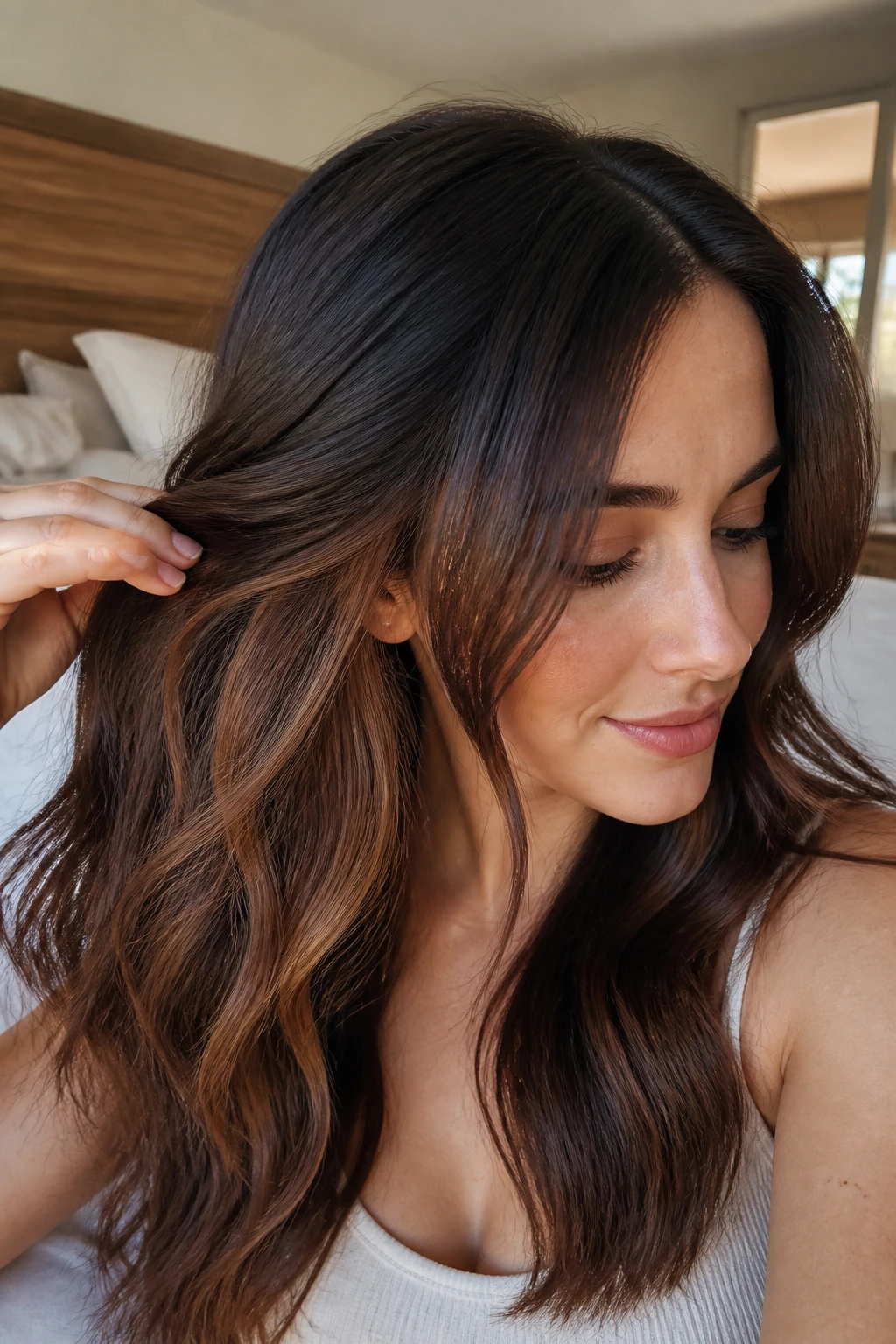
Hidden color is underrated. Peekaboo caramel underlayers keep the top dark and polished while letting lighter pieces flash when the hair lifts, curls, or gets tucked behind the ears. On fair skin, that can be a smart choice if you want movement without putting brightness right at the face.
This is also one of the most workplace-friendly options here. The color reads subtle when the hair falls naturally, but it wakes up the second you put the hair half-up or use a curl. That makes it good for people who want variety without obvious maintenance pressure. The top layer protects the look from going too light too fast.
Keep the underlayers caramel, not blonde, and don’t spread the lighter pieces too high. If they creep up to the crown, the whole hidden effect disappears. The fun here is in the reveal, not the headline.
25. Luxe Espresso Ribbon Waves
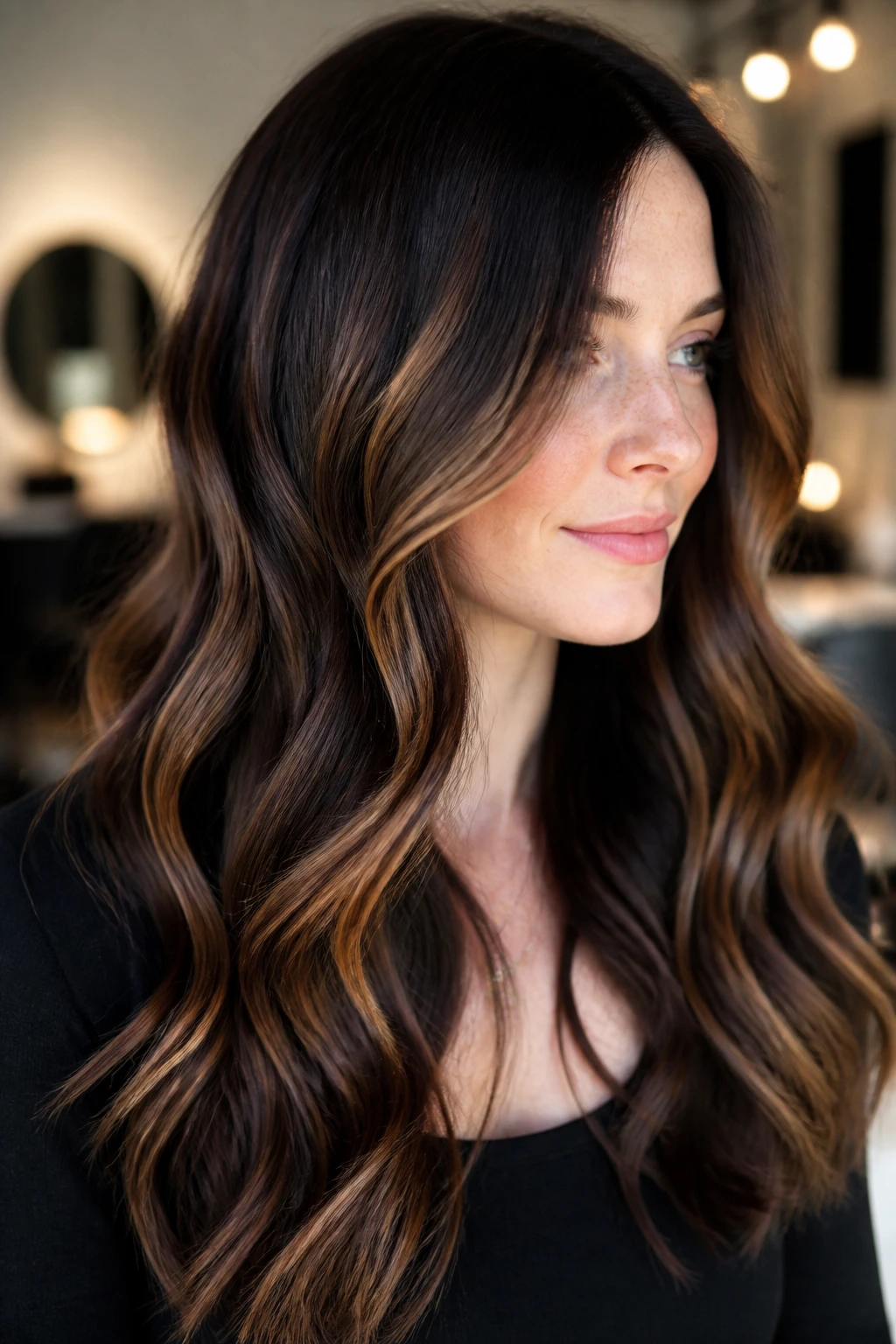
This is the polished version of the whole family. Deep espresso at the roots, ribboned caramel through the mids, and soft waves that let the lighter pieces move in and out of view. On fair skin, the depth keeps the face framed, while the ribbons give the hair that expensive, dimensional finish people tend to notice first.
I’d choose this version if you want the brown to stay rich and the caramel to feel purposeful. The contrast is visible, but it’s not harsh. The light pieces should look placed, not scattered. A gloss after coloring is worth asking for here, because shine is what makes the ribbons read as caramel instead of dull beige.
Loose waves do the most work. Not curls. Not flat ironing. Waves. They give the ribbons a lane to show up, and they make the dark base look deeper by comparison. If there’s one version in this list that feels like the most complete brunette-caramel balance, it’s this one.
Why Dark Brown Caramel Reads So Cleanly on Fair Skin
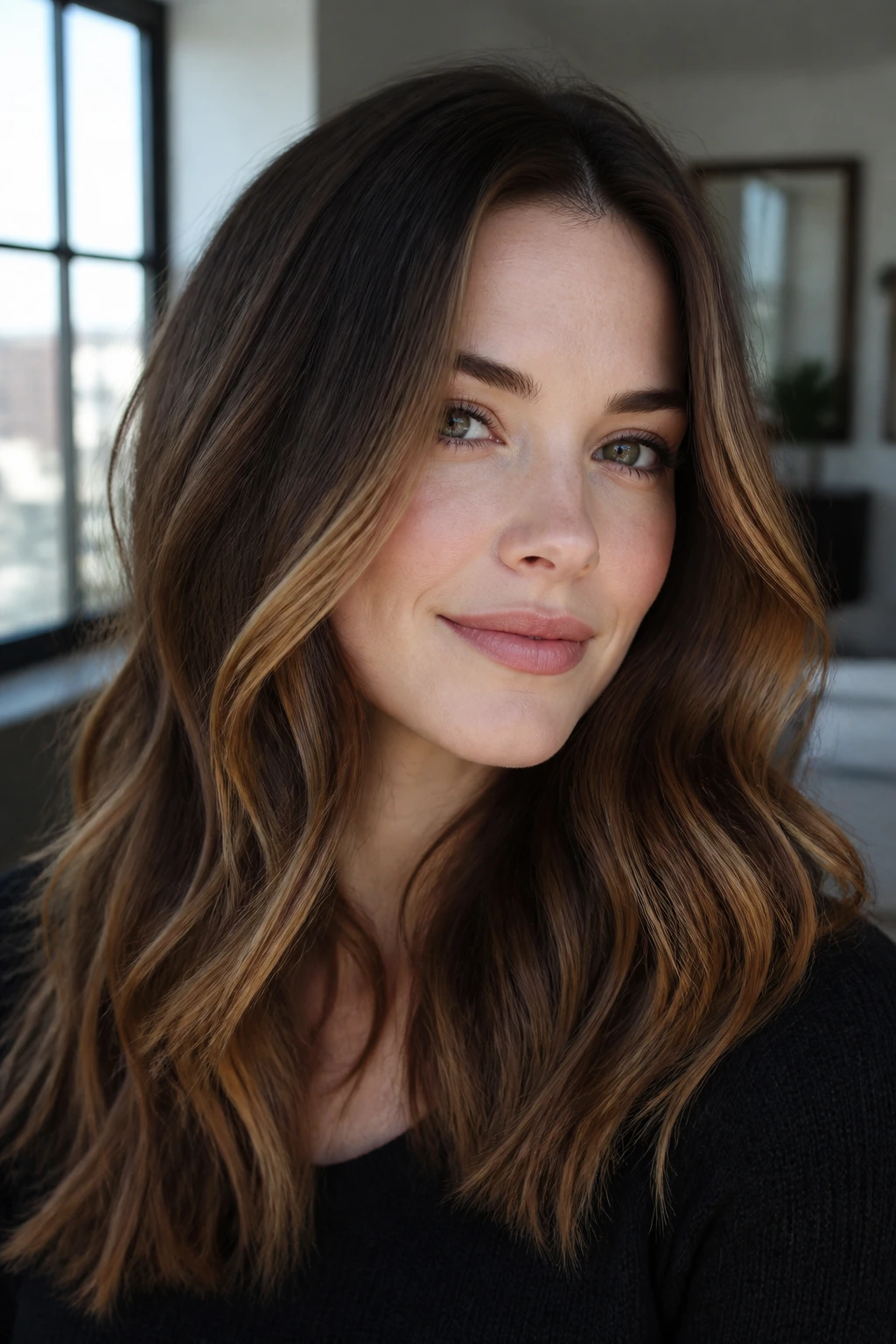
The reason this color family keeps working is simple: the brown does the framing, and the caramel does the warming. Fair skin often needs one of those more than the other, and this pairing gives both in the same head of hair. When the contrast is deep enough, the face doesn’t vanish. When the caramel is toned properly, the warmth feels like a soft lift instead of a glare.
Placement carries as much weight as tone. A caramel ribbon in the wrong spot can look stripy in a second. The same shade, placed through a bend, around a face frame, or under a layer, suddenly looks more expensive and much less obvious. That’s why this color family rewards a real consultation instead of a rushed “make me lighter” request.
It also helps that balayage grows out with more grace than a hard highlight line. On fair skin, roots can look stark fast if they’re too flat or too blonde. A dark brown base keeps that from happening, and the caramel can be refreshed in waves rather than redone from scratch every time.
Salon Tools, Products, and Styling Gear Worth Having
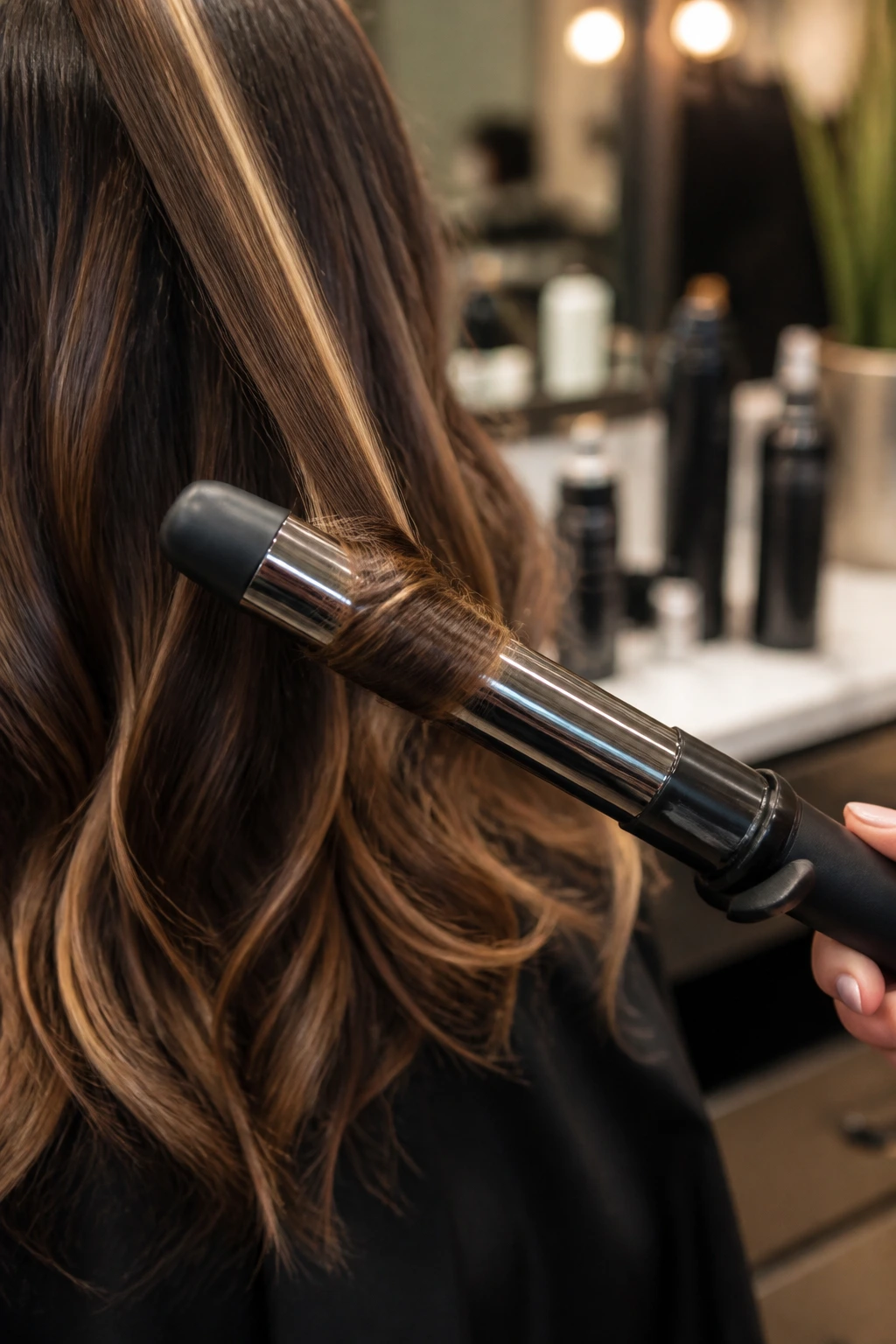
- Tint brush and color bowl: Needed for hand-painting the balayage and mixing a gloss or toner with control.
- Balayage board or paddle: Helpful when the colorist wants tension on a section; it keeps the painted pieces neat.
- Fine tail comb: Good for clean parting lines, face-framing sections, and precise placement around the hairline.
- Sectioning clips: Keep the hair organized while you work through the crown, sides, and back without tangles.
- Foils or cotton strips: Optional, but useful if you need extra lift on a stubborn section near the front.
- Color-safe shampoo: A sulfate-free formula keeps the caramel from fading too fast.
- Deep conditioner or bond builder: Lightened ends need moisture and structure, especially if the hair was lifted more than a shade or two.
- Heat protectant spray: Non-negotiable if you use an iron or blow-dryer.
- 1.25-inch curling iron or flat iron: Either one can create the bends that make balayage visible.
- Microfiber towel: Reduces friction when the hair is wet, which matters once you’ve lifted color on the mids and ends.
Reading the Color Chart Without Guessing
Photos lie. Not in a moral sense, just in a salon sense. Filters, ring lights, and a bright bathroom mirror can make caramel look softer or lighter than it really is. If you want a result that works on fair skin, bring pictures that show the hair in daylight and try to pick references where the base level is obvious.
What you want to say at the consultation is not “caramel balayage” and hope for the best. Say things like dark brunette base, beige or honey caramel ribbons, soft root shadow, and face-framing brightness kept narrow. Those words give the colorist a map. A photo gives the colorist a feeling. You need both.
If your hair has old box dye, old red pigment, or patchy lightened ends, say that first. It changes how evenly the hair will lift and where the caramel can sit. Also say whether your skin leans pink, peach, or neutral. That one detail can keep you from ending up with a tone that fights your face every morning.
How to Wear the Color So the Dimension Shows Up
Presentation: Loose waves, a round-brush blowout, or even a soft bend at the ends make the caramel visible. Poker-straight hair can look polished, but it hides some of the movement that makes balayage worth the trouble.
Accompaniments: Cream sweaters, camel coats, taupe knits, charcoal tops, and muted rose makeup tend to play nicely with dark brown and caramel. Sharp neon colors can pull attention away from the warmth in the hair.
Intensity: If you want a quiet result, keep the lighter pieces narrow and lower. If you want more presence, widen the ribbons near the front and let a few brighter panels appear through the lower layers.
Best Styling Move: Flip the part once in a while. A small part change can show a whole new section of caramel, and it’s one of the easiest ways to make the color look fresh without touching the dye.
Extra Tips for Shine, Warmth, and Longer Wear
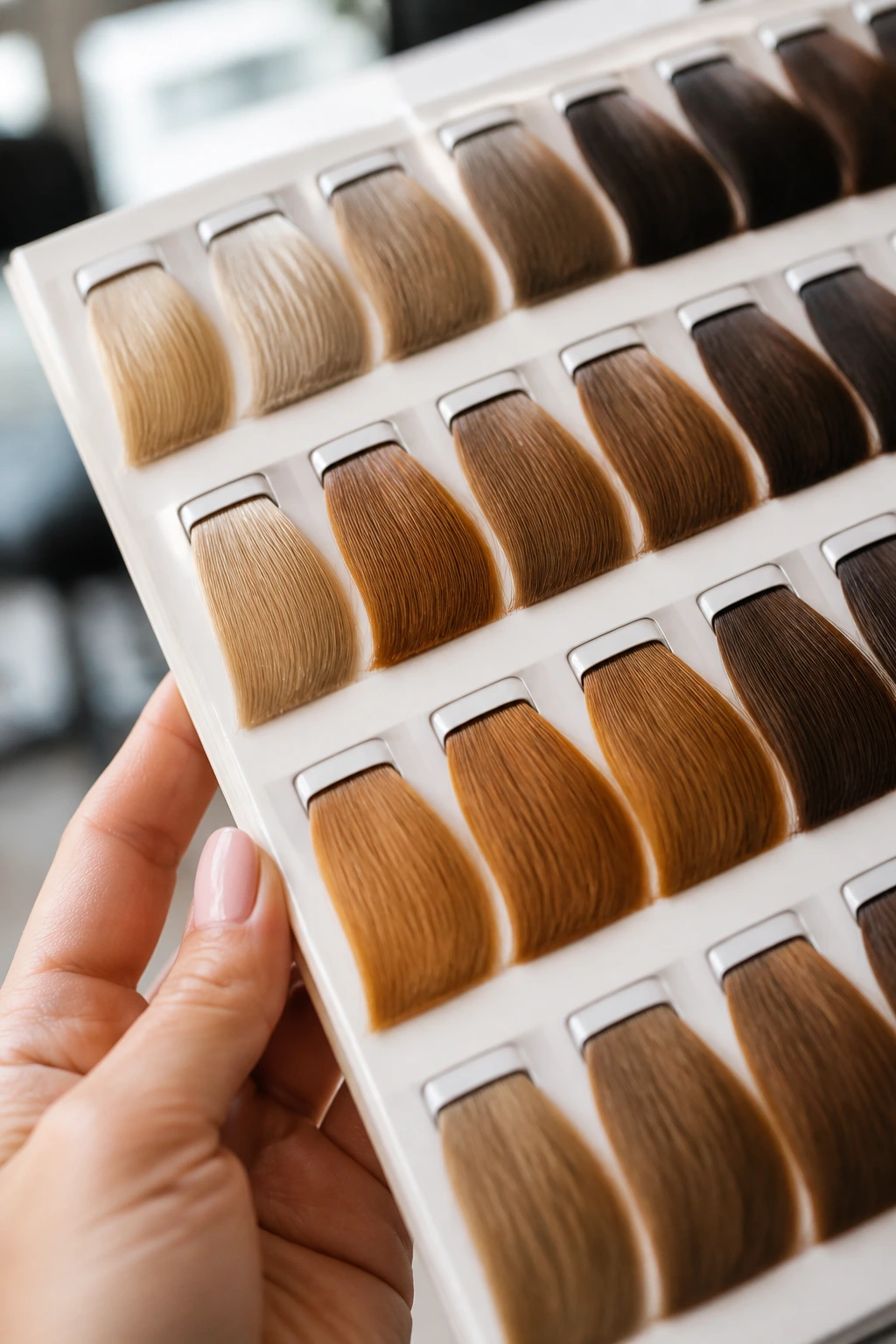
Gloss Boost: Ask for a beige or neutral gloss after the lightening service. A clear or tinted glaze helps the caramel stay creamy instead of drifting toward yellow or orange after a few washes.
Texture Boost: A little bend through the mids does more for this color than heavy curling ever will. The goal is movement, not ringlets. One pass with a flat iron or a medium-barrel wave is usually enough.
Make-It-Yours: If your skin is cool and pink, choose beige caramel. If you’re warm and freckled, honey or chestnut caramel usually looks better. If your hair is fine, keep the ribbons thin. If it’s thick, you can afford wider placement and still keep it soft.
Shine Tip: A pea-sized drop of lightweight serum on the mid-lengths and ends is enough. More than that and the caramel starts looking greasy instead of glossy.
Common Mistakes That Make Caramel Look Off
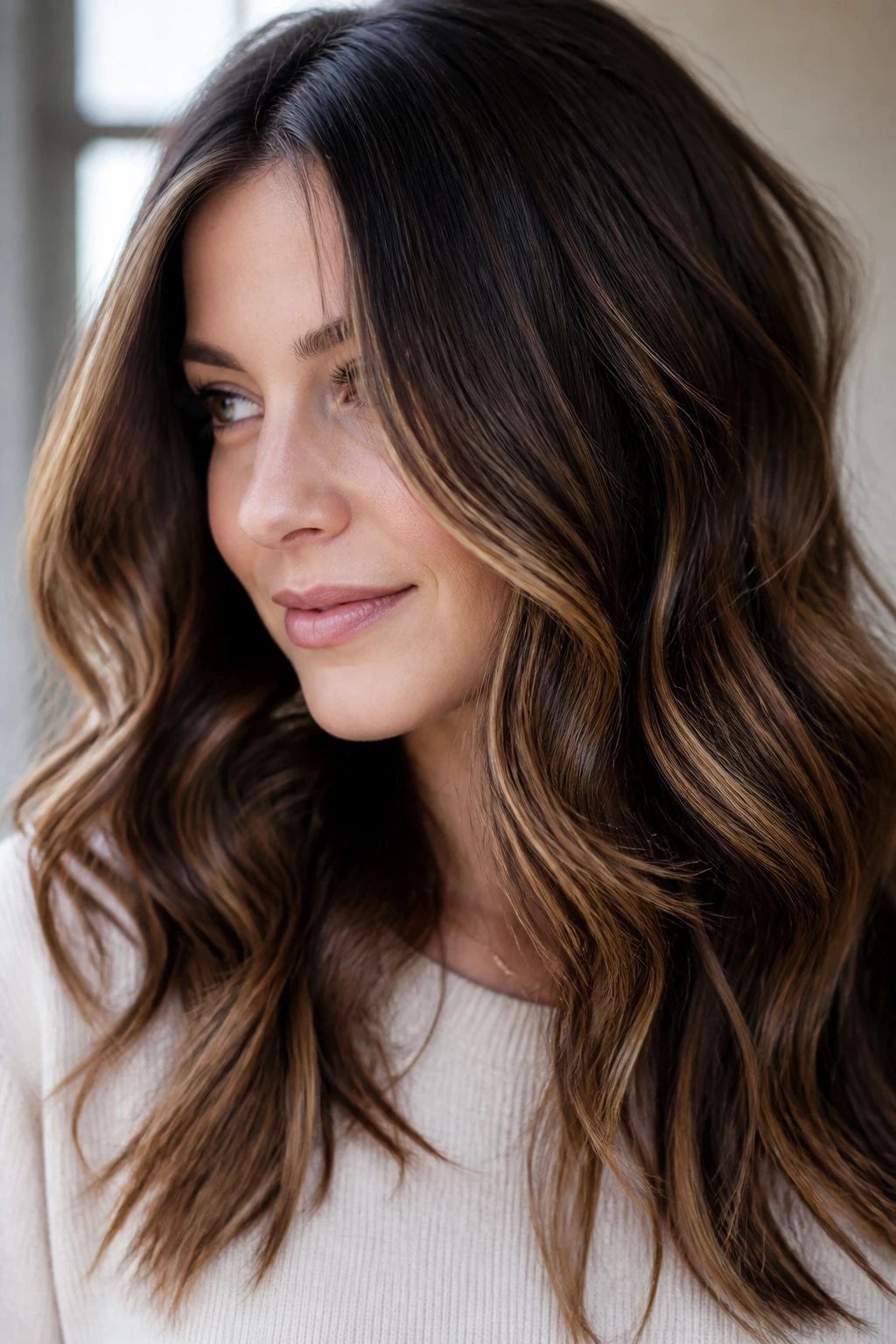
- Going too orange: On fair skin, orange caramel can pull redness forward fast. Ask for beige, honey, chestnut, or toasted tones instead, and mention that you want warmth without copper.
- Putting too much light at the root: If the front pieces start right at the scalp, the color can look stripy and the grow-out line gets harsh. A soft root shadow makes the whole look calmer.
- Choosing blonde instead of caramel: This is a subtle but expensive-looking brunette look, not a blonde one. If the pieces are lifted too high, the dark brown loses its job as the frame.
- Skipping styling after coloring: Caramel balayage needs movement to show itself. Without a bend, fine ribbons can disappear or look muddy.
- Using harsh shampoo every wash: Strong clarifying formulas strip toner fast. Once the gloss goes, the caramel starts to look yellow or flat.
- Ignoring dry ends: Lightened ends show damage sooner than the rest of the hair. A trim and a weekly mask matter more here than they do on an all-over brunette.
Variations and Adaptations to Try
Beige Latte Caramel: A cooler, creamier version that works well on fair skin with pink or neutral undertones. Keep the caramel in the beige family and use a soft root melt so the lighter pieces don’t crowd the face.
Honey Toasted Ends: This leans warmer and looks best on fair skin with peach or golden undertones. Concentrate the lighter pieces from the mid-lengths down, then finish with a gloss that stays golden rather than copper.
Soft Bronde Drift: This is the lighter, more blended version for someone who wants brunette depth with just a little blonde impression. Keep the base dark, mix caramel with beige, and avoid strong front streaks.
Hidden Peekaboo Caramel: A good option if you want color that shows only when the hair moves. The top stays dark and polished while the underlayers give you flashes of warmth in curls, ponytails, or half-up styles.
Cinnamon Warmth: Add a hint of red-brown to the caramel if your fair skin has freckles, peach undertones, or a warm flush. Keep it subtle; the point is richness, not auburn.
Maintenance, Refreshes, and Between-Visit Care
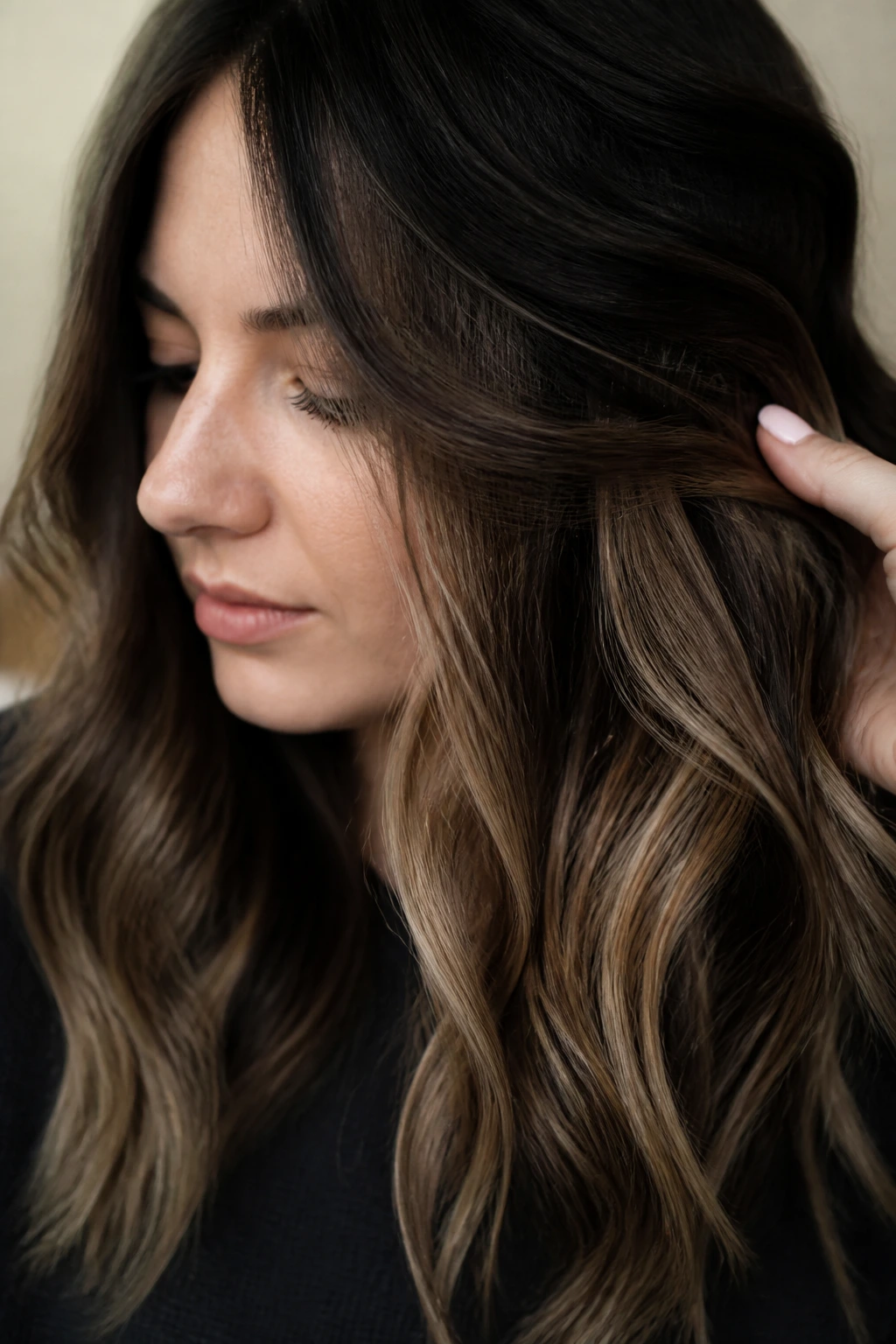
Most people do better when they wash color-treated brunette hair two or three times a week, not every day. Less shampoo means the caramel hangs on longer and the root shadow stays richer. When you do wash, use lukewarm water and a sulfate-free formula. Hot water strips tone faster than most people expect.
A gloss or toner refresh usually makes sense every 4 to 8 weeks, depending on how much lightening you had and how quickly your hair fades warm. A partial balayage touch-up often lands around 10 to 14 weeks, while a full refresh can stretch farther if the root is soft and the placement was blended well. If the caramel starts turning too gold, ask for a neutralizing gloss rather than immediately lightening again.
For make-ahead care, arrive at the salon with day-old hair if your colorist prefers a little natural oil on the scalp. And if you know you have old box dye or old red pigment, say so before the first foil goes in. That kind of honesty saves time and keeps the result from looking patchy later.
Frequently Asked Questions
Will dark brown caramel balayage work on very fair skin?
Yes, as long as the caramel is toned carefully and the base stays dark enough to keep the face framed. Very fair skin usually looks best with beige, honey, or chestnut caramel rather than anything orange or overly golden.
How light should the caramel be?
A shade or two lighter than the base is often enough for a subtle look, while a deeper contrast can work if the pieces are placed sparingly. If you go too light, the color starts reading blonde instead of brunette with warmth.
Does this look work on straight hair, or do you need waves?
It works on straight hair, but the placement needs to be finer because there’s less texture to reveal the ribbons. Waves make the color easier to see, but a sleek blowout can look clean and expensive if the gloss is right.
Can I do this if my natural hair is almost black?
Yes, but it usually takes more careful lifting and a gentler plan. If the hair is very dark or has box dye, the caramel may need to stay more muted to avoid damage and uneven lift.
How often should I refresh the tone?
Most caramel balayage looks better with a toner or gloss every 4 to 8 weeks. That keeps the warmth from drifting too yellow or copper and helps the brown base stay rich.
What should I tell the colorist at the consultation?
Say you want a dark brown base with caramel balayage that stays soft on fair skin, then name the tone you like: beige, honey, chestnut, or smoky caramel. Add where you want brightness — front pieces, mids, ends, or underlayers — and bring a few photos shot in natural light.
Is balayage better than traditional highlights for this color?
For most fair-skinned brunettes, yes, because balayage gives a softer grow-out and avoids hard lines at the scalp. Traditional highlights can work, but they usually need more maintenance and can look harsher if the contrast is too high.
Why does my caramel look brassy after a few shampoos?
Usually the toner has faded and the underlying warmth has started to show. A color-safe shampoo, cooler water, and a scheduled gloss appointment help a lot; if it’s still happening, ask your colorist to shift the formula a little more beige or neutral next time.
Soft Contrast That Still Feels Like You
The best dark brown caramel balayage for fair skin doesn’t try to erase the brunette base. It uses that depth as the frame and lets the caramel do what caramel does best: soften edges, warm the skin, and move when the hair moves. That’s why the restrained versions often win. They leave room for your face, your haircut, and your own styling habits.
If you’re choosing between brighter and subtler, I’d usually tell you to start one step quieter than your first instinct. You can always add more light at the next refresh. It’s much harder to pull the color back once the caramel has gone too blonde, too orange, or too wide across the front.